People can access their superannuation early to pay for expensive fertility treatments such as IVF.
They can claim “mental disturbance” if they want part of their funds released early on compassionate grounds.
However, in our recent paper in the UNSW Law Journal, we question whether the rules are tight enough to protect future retirement incomes. We also consider whether involvement of fertility clinics and other companies in the process is a conflict of interest.
Here’s how it all works and what needs to change.
Here’s what happens
People can apply to the Australian Tax Office to legally access their super funds early on compassionate grounds for a range of medical procedures, including IVF. Last year, tax figures show almost 34,000 people did this, accessing a total of more than A$513 million. That figure has grown considerably since 2015, where 14,000 people accessed $184 million.
If that medical procedure is dentistry or surgery, people need to show the procedure is needed to alleviate pain or to treat a life-threatening injury or illness.
But to access IVF or other fertility treatments, these criteria don’t apply. So the only avenue is for people to claim they are experiencing “acute, or chronic, mental disturbance” that can only be alleviated by the fertility treatment.
The Australian Tax Office did not provide a breakdown of how many people accessed super funds for IVF this way when we requested detailed figures. However, we understand accessing super for IVF is one of the main medicalreasons.
We do not advocate a blanket ban on the process. For many people, having a baby is more important than the amount of money they retire with. But to protect individuals and couples seeking fertility treatment, we need to reform the rules surrounding early release of super for IVF.
This is needed so people are aware of the implications of accessing their super early, have enough money to retire on, and that this option is only available after a rigorous assessment process independent of private fertility clinics.
Superannuation legislation does not define the term “mental disturbance”. It’s not a term used to diagnose mental illness. So it can be interpreted in many ways.
This might mean someone may have an “acute, or chronic, mental disturbance”, such as a diagnosis of severe depression. Or they may not have a diagnosed mental health condition, but nevertheless may be extremely distressed about wanting a baby and not being able to afford IVF.
A 2018 parliamentary paper suggested the term “diagnosed mental illness or behavioural disorder” instead; we agree. These words are consistent with the language psychiatrists and psychologists use and understand; are more specific and clearer; and people would have to meet clearly defined criteria before being diagnosed.
Who are these medical practitioners?
The legislation is vague about the qualifications a certifying medical practitioner needs to have, a topic considered in a case that went to the Federal Court.
So theoretically, it might be possible for a fertility doctor from an IVF clinic to be one of the certifying doctors, which may be a conflict of interest.
If that fertility doctor doesn’t also have psychiatric expertise, this also means the doctor doesn’t have the expertise to certify someone has a “mental disturbance”.
This situation might lead people to think the doctor might not be impartial or objective, whether or not that’s the case. This is because the fertility clinic ultimately profits from the release of any super funds.
A doctor with mental health expertise needs to get involved, not just a fertility doctor. from www.shutterstock.com
To prevent any perceived or actual conflict of interest, we strongly recommend one of the certifying medical practitioners have clinical expertise in mental health, such as psychiatry, who would then evaluate the person wishing to access their super for IVF.
We recommend this person be independent of the fertility clinic, to be further removed from any actual or perceived conflict of interest.
An appropriately trained mental health practitioner would also ensure the person gets mental health care (in addition to medical advice) before IVF is prescribed and administered.
Some of these third-party intermediaries charge a fee to help people prepare and submit their applications to the Australian Tax Office. In some cases, fertility clinics refer people to them.
And a 2018 parliamentary paper noted a greater awareness of third-party intermediaries may have contributed to an increase in applications for early release of super on medical grounds.
The practice also raises ethical concerns about companies that have built their business model on taking a cut of people’s super at a time where they may be vulnerable or their mental health fragile.
This has led some consumer groups and financial planners to call for more stringent controls on third-party intermediaries and their involvement in early access to super on medical grounds, especially when medical practitioners are likely to financially benefit.
We recommend people be required to undertake affordable financial counselling before starting IVF or other fertility treatment, whether or not they’re accessing their super early to pay for it. This should be impartial and independent of any fertility clinic to avoid any potential or perceived conflict of interest.
This should allow people to make informed financial decisions based on their assets and liabilities, and the most effective and equitable funding avenues for treatment. This may or may not involve early access to super. If people do go ahead, they need to understand the short- and long-term costs of doing so.
This is especially important for women, who generally have lower super balances than men due to lower life-long earnings, gendered pay gaps and career breaks. And it’s women who are more likely to access their super early for IVF or other reasons.
For some people, accessing their super early for fertility treatments is their only chance to start or extend their family. So they need better protection to make sure their interests are not compromised by any financial motivations of fertility treatment providers — whether perceived or actual.
We also need to reduce the need for people to rely on their super to pay for IVF in the first place. That’s why we also recommend greater availability of public funding for fertility technologies, such as IVF.
This would mean people would still be able to access IVF, regardless of whether they are in genuine distress, have a mental health diagnosis, or just want to start or extend their family.
Changes such as these might go some way in providing better security in retirement, greater faith in the fertility industry and fairer provision of treatment.
Lily Porceddu, a lawyer in private practice in Victoria, co-authored this article.
Neera Bhatia does not work for, consult, own shares in or receive funding from any company or organization that would benefit from this article, and has disclosed no relevant affiliations beyond their academic appointment.
Source: The Conversation (Au and NZ) – By Euan Ritchie, Professor in Wildlife Ecology and Conservation, Centre for Integrative Ecology, School of Life & Environmental Sciences, Deakin University
Australia is globally renowned for its abysmal conservation record – in roughly 230 years we’ve overseen the extinction of more mammal species than any other nation. The federal government’s Threatened Species Strategy was meant to address this confronting situation.
The final report on the five-year strategy has just been published. In it, Threatened Species Commissioner Dr Sally Box acknowledges while the plan had some important wins, it fell short in several areas, writing:
…there is much more work to do to ensure our native plants and animals thrive into the future, and this will require an ongoing collective effort.
Clearly, Australia must urgently chart a course towards better environmental and biodiversity outcomes. That means reflecting honestly on our successes and failures so far.
How did the strategy perform?
The strategy, announced in 2015, set 13 targets linked to three focus areas:
feral cat management
improving the population trajectories of 20 mammal, 21 bird and 30 plant species
improving practices to recover threatened species populations.
Given the scale of the problem, five years was never enough time to turn things around. Indeed, as the chart below shows, the report card indicates five “red lights” (targets not met) and three “orange lights” (targets only partially met). It gave just five “green lights” for targets met.
Summary of the Threatened Species Strategy’s targets and outcomes. Department of Agriculture, Water and the Environment
Falling short on feral cats
Feral cats were arguably the most prominent focus of the strategy, despite other threats requiring as much or more attention, such as habitat destruction via land clearing.
However, the strategy did help start a national conversation about the damage cats wreak on wildlife and ecosystems, and how this can be better managed.
In the five years to the end of 2020, an estimated 1.5 million feral cats were killed under the strategy – 500,000 short of the 2 million goal. But this estimate is uncertain due to a lack of systematic data collection. In particular, the number of cats culled by farmers, amateur hunters and shooters is under-reported. And more broadly, information is scattered across local councils, non-government conservation agencies and other sources.
Australia’s feral cat population fluctuates according to rainfall, which determines the availability of prey – numbering between 2.1 million and 6.3 million. Limited investment in monitoring makes it impossible to know whether the average of 300,000 cats killed each year over the past five years will be enough for native wildlife to recover.
The government also failed in its goal to eradicate cats from five islands, only achieving this on Dirk Hartog Island off Western Australia. Importantly, that effort began in 2014, before the strategy was launched. And it was primarily funded by the WA government and an industryoffset scheme, so the federal government can’t really claim this success.
On a positive note, ten mainland areas excluding feral cats have been established or are nearly complete. Such areas are a vital lifeline for some wildlife species and can enable native species reintroductions in the future.
Feral cats were eradicated from just one island under the strategy. Mark Marathon/Threatened Species Recovery Hub
Priority species: how did we do?
The strategy met its target of ensuring recovery actions were underway for at least 50 threatened plant species and 60 ecological communities. It also made good headway into storing all Australia’s 1,400 threatened plant species in seed banks. This is good news.
The bad news is that, even with recovery actions, the population trajectories of most priority species failed to improve. For the 24 out of about 70 priority species where population numbers were deemed to have “improved” over five years, about 30% simply got worse at a slower rate than in the decade prior. This can hardly be deemed a success.
Populations of the mala, or Rufous Hare-wallaby, were improving before the strategy. Wayne Lawler/Australian Wildlife Conservancy
What’s more, the populations of at least eight priority species, including the eastern barred bandicoot, eastern bettong, Gilbert’s potoroo, mala, woylie, numbat and helmeted honeyeater, were increasing before the strategy began – and five of these deteriorated under the strategy.
The finding that more priority species recovery efforts failed than succeeded means either:
the wrong actions were implemented
the right actions were implemented but insufficient effort and funding were dedicated to recovery
the trajectories of the species selected for action simply couldn’t be improved in a 5-year window.
All these problems are alarming but can be rectified. For example, the government’s new Threatened Species Strategy, released in May, contains a more evidence-based process for determining priority species.
For some species, it’s unclear whether success can be attributed to the strategy. Some species with improved trajectories, such as the helmeted honeyeater, would likely have improved regardless, thanks to many years of community and other organisation’s conservation efforts before the strategy began.
The improved outlook for some species is due to conservation efforts before the federal strategy. WA Department of Environment and Conservation
According to the report, habitat loss is a key threat to more than half the 71 priority species in the strategy. But the strategy does not directly address habitat loss or climate change, saying other government policies are addressing those threats.
Of the priority bird species threatened by land clearing and fragmentation, the trajectory of most – including the swift parrot and malleefowl – did not improve under the five years of the strategy. For several, such as the Australasian bittern and regent honeyeater, the trajectory worsened.
Preventing and reversing habitat loss will take years of dedicated restoration, stronger legislation and enforcement. It also requires community engagement, because much threatened species habitat is on private properties.
Effective conservation also requires raising public awareness of the dire predicament of Australia’s 1,900-plus threatened species and ecological communities. But successive governments have sought to sugarcoat our failings over many decades.
Bushfires and other extreme events hampered the strategy’s recovery efforts. But climate change means such events are likely to worsen. The risks of failure should form part of conservation planning – and of course, Australia requires an effective plan for emissions reduction.
The strategy helped increase awareness of the plight our unique species face. Dedicated community groups had already spent years volunteering to monitor and recover populations, and the strategy helped fund some of these actions.
However, proper investment in conservation – such as actions to reduce threats, and establish and maintain protected areas – is urgently needed. The strategy is merely one step on the long and challenging road to conserving Australia’s precious species and ecosystems.
Euan Ritchie receives funding from the Australian Research Council, Australian Government Bushfire Recovery program, Australian Geographic, Parks Victoria, Department of Environment, Land, Water and Planning, WWF, and the Bushfire and Natural Hazards CRC. Euan Ritchie is a Director (Media Working Group) of the Ecological Society of Australia, and a member of the Australian Mammal Society.
Ayesha Tulloch receives funding from the Australian Research Council and the NSW Government’s Department of Planning, Industry and Environment. She is the Vice President of Public Policy and Outreach and co-convenes the Science Communication Chapter for the Ecological Society of Australia, and sits on Birdlife Australia’s Research and Conservation Committee. She is a member of eBird Australia, the Society for Conservation Biology and the University of Sydney’s Charles Perkins Centre Citizen Science Node.
Lockdowns are costly. They damage businesses and livelihoods.
Victoria’s recent lockdown cost about $100 million a day in lost economic activity, according to Victorian Treasury. NSW’s current lockdown will cost about $140 million a day, according to AMP. The total cost of current lockdowns affecting Sydney, Darwin, Brisbane and Perth will therefore be in the billions.
Is there another way?
There is broad consensus among epidemiologists that Australia’s strategy of elimination, with hard and early lockdowns, is the best response until the population is vaccinated. But some economists disagree.
“Imagine if lockdowns caused more harm than good,” mused The Australian’s economic correspondent Adam Creighton this week, citing US research that “fails to find evidence that lockdowns saved lives in net terms”. The study has also impressed University of NSW economist Gigi Foster. “We need to stop this madness,” she wrote in The Sydney Morning Herald.
We too have been considering the costs of lockdowns, but have come to a very different conclusion – that “living with the virus” would mean both higher health and economic costs than our strategy of elimination, achieved through border controls and sporadic lockdowns.
How we did our research
Our research (in press at an international peer reviewed journal, but available as a pre-print) has involved modelling four scenarios using data from Victoria’s experience.
Two of those scenarios are elimination strategies – aggressive or moderate. The aggressive approach means implementing a lockdown when COVID cases reach about eight a day, the moderate approach at 30 cases a day.
The other two scenarios are suppression strategies, limiting cases to a given threshold. The tight suppression scenario involves locking down when cases hit about 120 a day, while the loose scenario at about 700 cases a day.
All four scenarios involve some form of lockdown, just as these strategies have in the real world. In countries pursuing suppression, such as the US and Britain, lockdowns have been deployed to regain control of infection rates that have gotten so high that cases requiring hospitalisation threaten to overwhelm the health system.
As the experience of nations such as Britain have shown, getting a workable suppression strategy has been extremely difficult. Measures to beat back the virus have always been temporary. Once restrictions are relaxed the virus has bounced back, meaning more lockdowns.
It shouldn’t be surprising that this approach tends to cost more, as our modelling suggests.
We ran the model a hundred times for each of these scenarios, to capture some of the randomness inherent in the spread of the virus in real life as well as uncertainty about inputs like costs per week of lockdown.
The costs of treating COVID-19 in hospitals were always greater for our two suppression strategies than the two elimination strategies.
Economic costs – measured by effect on GDP – were less clear-cut. However, in 77% of model runs GDP losses were greatest for either of the two suppression strategies.
Other research supports elimination
Our findings are consistent with other new studies, both for Australia and globally.
In a study published last month, researchers from the University of Melbourne and ANU have calculated the total economic costs of unmitigated spread would have been about four to eight times larger than quashing the virus early.
Another study published last month, in the Lancet, compares health and economic outcomes for Australia and four other OECD countries opting for elimination (Iceland, Japan, New Zealand and South Korea) with the 35 OECD nations that have opted for suppression.
Though the authors acknowledge their analysis does not prove causal connection between response strategies and outcomes, all indicators favour elimination. The elimination nations have had a COVID-19 death rate (per million) 25 times lower than the suppression nations, and higher GDP growth through almost every weekly period through to early 2021.
So what of the study cited by Creighton and Foster as evidence that lockdowns are not only ineffective but actually may be causing more deaths?
This study measures changes in excess deaths following the implementation of stay-in-place policies in all US states and 42 other countries. It finds extending lockdowns by a week has been associated with a 2.7% increase in excess deaths.
However, since many of these countries implemented suppression strategies, lockdowns were implemented in the presence of high and increasing COVID-19 cases. These high cases flowed on to high mortality in coming weeks. Essentially, correlation does not imply causation.
Significantly, the study notes Australia and New Zealand, two countries that used early lockdowns to eliminate COVID-19, had fewer deaths (allowing for both SARS-CoV-2 and other causes). This is also what you will usually find at our COVID-19 Pandemic Tradeoffs tool, which examines health impacts of different strategies allowing for unintended health impacts of lockdowns.
To put it simply, the costs of lockdowns can’t be calculated in isolation from their role in the strategy chosen to control COVID-19. Both elimination and suppression have lockdowns, but elimination requires fewer lockdowns with better health and economic outcomes.
Australia is having less economic scarring, and a stronger recovery than any other OECD country apart from South Korea. We can thank, in part, high iron-ore prices, but also the relative success of the elimination strategy, which has allowed economic activity to recover strongly following lockdowns.
The lesson is “go hard, go early” – at least in 2020 and until we have higher vaccination coverage. But we’re still a long way from that. Until then the elimination strategy, including early, sharp lockdowns where necessary when contact tracing is unable to “do the job”, remain our best policy.
Laxman Bablani has received funding from the Health Research Council of NZ.
Natalie Carvalho receives funding from NHMRC and previously from Asian Development Bank (ADB).
Tony Blakely receives funding from the Health Research Council of New Zealand, NHMRC, and Asia Development Bank
Patrick Abraham does not work for, consult, own shares in or receive funding from any company or organization that would benefit from this article, and has disclosed no relevant affiliations beyond their academic appointment.
In 2020, Australia’s first non-alcoholic bar opened in Brunswick. Sydney quickly followed suit. Major liquor retailers are dedicating more and more shelf space for the growing range of no-alcohol and low-alcohol drinks.
Alcohol-free wines, beers and spirits are increasingly sophisticated, driven by consumers taking more care in what they drink — and how they choose to drink.
Over the past 15 years, alcohol consumption has decreased in Australia, from 10.8 litres per capita per year down to 9.4 litres, the lowest seen in 50 years. Similar trends have been seen globally.
The reduction has been particularly stark for the younger age groups: the number of people in their 20s abstaining from alcohol increased from 8.9% in 2001 to 22% in 2019.
Saying no to excessive drinking is the new act of youth rebellion.
‘Sober curious’ and ‘mindful drinking’
Drinking or not drinking was once seen as binary: you were a drinker, or you were sober. But recent years has seen a rise of the “sober curious”, or the “mindful drinking” movement.
This might mean pausing to consider your need to drink, or how much you will drink. Maybe replacing your midweek glass of wine or beers with a non-alcoholic alternative. It’s about stopping to ask yourself why you want to have a drink, and if each and every drink needs to be alcoholic.
This moves away from the extremes of teetotallers vs binge drinkers and opens up the idea of drinking – or not – on any given occasion.
We could also call these people moderate drinkers: they embrace mindful drinking as a lifestyle, using social media hashtags such as #soberissexy#sobercurious and #hangoverfree. These hashtags show images of health, happiness, empowerment, and success — people living life to the full.
This idea of conscious or controlled drinking has generated a new culture of consumers who celebrate, share and hashtag their non- or low-alcohol drinking.
It’s not grape juice
This shift in consumer attitudes has driven product innovation. Global alcohol brands are exploring alternatives, and several new brands have emerged with a focus on producing high-quality alcohol-free drinks that feel at home on any fashionable cocktail list.
Fermentable sugars can be reduced by harvesting fruits early, creating wines naturally lower in alcohol, or alcohol can be removed from a finished wine product after fermentation.
Alcohol-free wines have been around for a while — the first non-alcoholic wines were produced more than 100 years ago, but the technological methods for “dealcoholisation” have seen drastic improvements.
Dealcholisation once resulted in drinks lacking aroma, flavour quality and the characteristics we associate with drinking a glass of wine. But alcohol can now be removed without destroying the flavour compounds of the wine — and in a cost-effective way at large scale.
Even with the rise of the sober curious, consumers think these drinks are of lower value. There is a belief because these drinks do not contain alcohol they should cost less. In practice, the production of high-quality alcohol-free wine and beer is more expensive and the potential savings on alcohol taxes are not making up for the increased costs.
Non-alcoholic wines are reported to be one of Australia’s fastest growing drink categories, valued at more than A$4.5 million last year, predicted to be worth $15 million by the end of this year. Despite the growth, they still account for less than 1% of Australia’s total wine consumption.
But … what is the point?
So, why not just drink water, or a soft drink? Drinking is not just about quenching your thirst, or just about intoxication. Drinking is a social event, a ritual, a reward and an experience. Drinks are paired with food and are to be enjoyed.
Wine drinkers know it is more than just a drink or source of alcohol. A particular pour may be chosen for reasons such as health (think resveratrol in red wine), food pairings (a dry Chardonnay with crispy-skinned Barramundi), style (sipping an award-winning wine), intellectual challenge (sampling different grape varieties and regions) or tradition and fun (popping the cork of a sparkling white).
Many of these needs can be fulfilled by non-alcoholic wine.
Alcohol does contribute to the flavour profile of alcoholic drinks, and removing alcohol does change the taste. But today’s makers are creative.
Wine does contain antioxidants, and moderate consumption has been linked with good health. But alcohol removal can give consumers the benefits of the antioxidants without risking adverse effects.
And while you’re unlikely to think of beer as a sports drink, savvy marketers are thinking differently: Australians can now buy non-alcoholic “sports beers”. ZERO+ Sports Beer claims these beers contain similar minerals and isotonic properties as sports drinks.
The future is mindful
Drinking alcohol is seen as a way to relax, socialise and gain a sense of pleasure.
But the mindful drinker gains their sense of pleasure and enjoyment through abstaining or moderating their drinking.
Consumers want alternatives and are excited by new products and innovation.
Some dealcoholised beers and wines have even won awards against standard strength wines — so the mindful drinker may be getting the pick of the shelf.
Tamara Bucher is affiliated with the Priority Research Centre (PRC) for Physical Activity and Nutrition and PRC for Health Behaviour, the University of Newcastle, NSW. She has received research grants from the Australian Research Council, the Swiss National Science Foundation, the Swiss Foundation for Nutrition Research, The European Union, Universities Australia and food industry including Rijk Zwaan, Nestec Ltd and Goodman fielder, Mars Australia, Tamburlaine Organic Wines, Fist Creek Wines, MCC label. She is a member of the International Society for Behavioural Nutrition and Physical Activity (ISBNPA), the Nutrition Society Australia (NSA) and the Australian Institute of Food Science and Technology (AIFST).
Melanie Pirinen is affiliated with the Doctoral Training Centre for Food & Agribusiness, University of Newcastle. She is a PhD Candidate and is supported by a University of Newcastle Women in STEM Post-Graduate Research Scholarship. She is a member of the Nutrition Society Australia (NSA) and the Australian Institute of Food Science and Technology (AIFST).
The debate about the vexed vaccination rollout on Wednesday exploded into an extraordinary free-for-all, with Prime Minister Scott Morrison under fire and health experts arguing among themselves.
Morrison had hoped by easing the way for younger people to get AstraZeneca he’d give a push to the program’s slow pace; equally, he wanted to put to use the excess supply of a vaccine that’s become unpopular in the public marketplace.
But his Monday night comments after national cabinet did not sit easily with the advice of the Australian Technical Advisory Group on Immunisation.
ATAGI says Pfizer is the preferred vaccine for people under 60. When it comes to AstraZeneca, it has not given an actual no-no for younger people – seeing it as an alternative when Pfizer’s not available and there’s informed consent – but has discouraged its use.
Former health department secretary Jane Halton makes the distinction between population-wide advice – about those over and under 60 – and what may be best for individuals based on their own circumstances. AstraZeneca has been registered in Australia to be given to anyone over 18, she points out.
Instead of advancing the rollout, Morrison’s intervention triggered one of the worst days he’s had among many bad ones on vaccine issues.
There’s confusion and anger, when what’s required is order and calm. We heard the sort of cacophony more usual in the middle of an election campaign.
The government insists Morrison’s words did not contradict ATAGI.
Phil Gaetjens, secretary of the Department of Prime Minister and Cabinet, told his state counterparts on Tuesday there was no inconsistency between what the PM had said and the clinical advice (and blamed some media coverage).
But the critics saw considerable inconsistency.
First to Morrison’s Monday words.
He said: “The ATAGI advice talks about a preference for AstraZeneca […] for those over 60. But the advice does not preclude persons under 60 from getting the AstraZeneca vaccine.
“And so if you wish to get the AstraZeneca vaccine, then we would encourage you to go and have that discussion with your GP.” The government would establish an indemnity scheme to protect the doctors.
In its formal statement, national cabinet “noted” the indemnity scheme and also “noted that GPs can continue to administer AstraZeneca to Australians under 60 years of age with informed consent”.
Queensland Premier Annastacia Palaszczuk on Wednesday was adamant there had been “no national cabinet decision about AstraZeneca being given to under 40s.” (They are the ones not being vaccinated at the moment.)
She wanted to know if the federal cabinet had made the decision.
Her “message to Queenslanders” was to listen to the Queensland Chief Health Officer Jeannette Young and other health experts on the vaccine.
Young – who is Queensland’s governor-in-waiting – absolutely let fly.
“No, I do not want under 40s to get AstraZeneca,” she said. “It is rare, but they are at increased risk of getting the rare clotting syndrome.
“We’ve seen up to 49 deaths in the UK from that syndrome. I don’t want an 18-year-old in Queensland dying from a clotting illness who, if they got Covid, probably wouldn’t die.”
Former federal deputy chief medical officer Nick Coatsworth had earlier tweeted: “Critical ethical principle of autonomy at stake here. Should not be paternalistic. Adults should be allowed to consent to an intervention with a 3 in 100,000 risk of thrombosis with thrombocytopenia syndrome and less than 1 in 1,000,000 of death”.
Coatsworth – the guy you see in those Commonwealth vaccination advertisements – added after Young’s comments, “Well, I guess that puts me at odds with the QLD CHO”.
Charlotte Hespe, from the Royal Australian College of General Practitioners, described Young’s comments as scaremongering.
Western Australia Premier Mark McGowan said the Commonwealth had made a decision to allow younger people to be able to receive AstraZeneca and “provided an indemnity for GPs who do that. The health advice we have is that they shouldn’t”.
As McGowan observed, “with health advice, lots of doctors give you different advice at different points in time”.
And, indeed, see things differently from day to day.
Australian Medical Association President Omar Khorshid on Tuesday declared Morrison’s announcement “a really significant change in the vaccine program”.
On Wednesday, he said: “The PM simply removed the age restrictions on AZ.”
But Khorshid did say Morrison had thrown a “hand grenade” into the rollout. “Today shows why we need to keep the politicians out of health discussions, and leave them between patients and their doctors.”
While the argument raged about AstraZeneca, problems just deepened over the shortage of Pfizer.
Queensland Health Minister Yvette D’Ath said the state had written to Lieutenant General JJ Frewen, who is in charge of the rollout, to ask for further supplies.
“The reason we gave is that we are at a critical level and that at some of our sites we are projected to run out of Pfizer by as soon as … next Monday.
“We sent that letter yesterday. We got a response this morning. From the lieutenant general. We’ve been advised that we will not be provided additional vaccines of Pfizer.”
Queensland did not suggest which state or territory should get less Pfizer to meet its request for more.
National cabinet meets again on Friday. With frustrations high, tempers frayed, and some states struggling with their own shortcomings, its effectiveness will be tested to the limit.
Michelle Grattan does not work for, consult, own shares in or receive funding from any company or organization that would benefit from this article, and has disclosed no relevant affiliations beyond their academic appointment.
Source: The Conversation (Au and NZ) – By Russell Dean Christopher Bicknell, Post-doctoral researcher in Palaeobiology, University of New England
Katrina Kenny, Author provided
There are only four known species of horseshoe crabs alive today. But the fossil record shows that hundreds of millions of years ago they came in a huge range of shapes and sizes.
In our research, published today in the open-access journal PeerJ, we describe one of these extinct species — Attenborolimulus superspinosus — for the first time.
We named this fossil crab after the famous naturalist and documentary host Sir David Attenborough, in honour of his contributions to conservation and science communication.
When life peaked for horseshoe crabs
Today’s horseshoe crabs live along the east coast of North America, as well as the coasts of China, India, Indonesia and Japan. But despite this distribution, the four species are only minutely different from each other.
During the Triassic period, however, between 250 million and 200 million years ago, a whole host of bizarre horseshoe crabs had evolved. We call these austrolimulids.
They lived alongside horseshoe crabs that look broadly similar to limulids — the curious critters we see along the beaches of the United States and Asia today.
The concurrence of two major horseshoe crab groups reflected a recovery from the end-Permian extinction. This event defined the end of the Paleozoic and the beginning of the Triassic, and 95% of marine organisms died out during it!
The newly described animal in our study comes from the early part of the Middle Triassic. We think Attenborolimulus superspinosus lived in marginal marine to freshwater conditions. This is in contrast with modern horseshoe crabs, which are almost exclusively marine animals.
During research trips to the Ural Mountains of Russia that spanned 2018 and 2019, a team of Russian fossil collectors, palaeontologists and geologists collected fossils from a rock section thought to represent a Triassic-aged floodplain.
One particular group of fossil-rich rocks had preserved a host of animals, including the very rare specimens we examined and published on today.
A fossil of the newly described species.
Attenborolimulus superspinosus is a unique austrolimulid as it has very developed spines on its head section (called “genal spines”), but notably rounded and somewhat reduced spines on other sections of its segmented body.
This condition of overdeveloping and reducing spines, as well as other body sections, is observed in other austrolimulids. However, the combination of spine size, shape and structure in the new material was unique enough to warrant a new genus and species.
Attenborolimulus superspinosus was over an order of magnitude smaller than modern horseshoe crabs. It was likely a bottom-dwelling organism that fed on whatever it could get into its mouth, which is effectively how modern horseshoe crabs feed today.
What’s rather interesting about some of the fossils we studied is evidence of worms and other arthropods having lived on top of the horseshoe crabs. This tells us they may have been hosts for other parts of their ecosystem, effectively becoming “micro-habitats” for other species in the Triassic floodplain.
The head section of another Attenborolimulus superspinosus specimen.
We don’t really know why austrolimulids didn’t make it into modern ecosystems. But the best explanation relates to how the group inhabited conditions that were closer to freshwater than marine (saltwater) environments.
They may have been outmatched by the resilience of other animals that arose as Jurassic ecosystems developed. This would suggest austrolimulids were simply not very well adapted for the ecosystems that flourished during the Jurassic.
In honour of the great naturalist
We named the new genus after Sir David Attenborough, who has influenced generations of people from all walks of life to understand the natural world and the importance of conservation.
This is especially important for horseshoe crabs now, as two of the four living species are considered endangered. And this is due to negative interactions with humans, including habitat modification and harvesting for their blood (which has applications in modern medicine).
Attenborolimulus superspinosus is one of more than 12 animals named after Sir David Attenborough, who has dedicated his life to helping us appreciate the beauty and vitality of the natural world.
This BBC documentary clip details some of the physical traits and breeding habits of modern horseshoe crabs.
Russell Dean Christopher Bicknell does not work for, consult, own shares in or receive funding from any company or organisation that would benefit from this article, and has disclosed no relevant affiliations beyond their academic appointment.
A report from Human Rights Watch released yesterday found students and academics critical of China’s Communist Party are being harassed and intimidated by supporters of Beijing.
Human Rights Watch interviewed 24 pro-democracy students from mainland China and Hong Kong, and 22 academics at Australian universities. In three verified cases, families of students in Australia who lived in China were visited or were requested to meet with police about the student’s activities in Australia.
The report also said Australian universities had failed to protect the academic freedom of students from China, and academics.
As a result, the report said students from China and academics researching China had been self-censoring “to avoid threats, harassment, and surveillance”. This frequent self-censorship threatened academic freedom.
Freedom of speech and academic freedom are paramount values for Australian universities. To protect these values, universities must do more to ensure the safety and well-being of students and employees.
The majority can still speak freely
While the report detailed concerning instances of intimidation and harassment, it also noted most Chinese students in Australia could express their views freely and engaged in healthy political debate. Intimidation is carried out by a small but highly motivated, vocal minority.
In a statement, The Group of Eight — which comprises Australia’s biggest research universities including the universities of Melbourne and Sydney — said harassment and censorship were unacceptable. But it also added universities weren’t solely responsibility for foreign interference protection:
[…] the primary responsibility for monitoring the actions of foreign governments on Australian soil lies with the Australian Government and its agencies, not universities.
Author of the Human Rights Watch report, Sophie McNeill, said:
[…] the majority of students who experienced harassment didn’t report it to their university. They believe their universities care more about maintaining relationships with the Chinese government and not alienating students supportive of China’s Communist Party.
Universities are struggling from a loss of foreign student revenue as a result of the pandemic. Before COVID-19, about two in every five international students enrolled in Australian higher education institutions were from mainland China. These students bring in billions for universities.
Still, universities can and should do a few things to protect their students and academics from foreign-power threats and intimidation.
What universities can do
The Australian government introduced the University Foreign Interference Taskforce in August 2019. This is a way for universities to engage with the government on foreign interference.
Current taskforce guidelines however, don’t seem to cover issues of foreign-power intimidation with regard to free debate. They are limited to addressing foreign interference in the university sector, through:
[…] efforts to alter or direct the research agenda; economic pressure; solicitation and recruitment of post-doctoral researchers and academic staff; and cyber intrusions.
The peak body representing Australia’s universities has said the kind of coercion shown in the Human Rights Watch report will be addressed in a “refresh” of the guidelines, which are currently being worked on.
Universities must not be afraid to punish students who harass others, or report back to the Chinese authorities. This should include expelling them from the university. This creates a safer environment for all students, including international students who are paying high foreign-student fees.
Universities could also encourage lecturers to hold classroom debate on sensitive topics while protecting students from surveillance. One strategy is anonymous online discussion, where students remain anonymous to other students but not to the lecturer.
Other strategies include universities letting students know before enrolment about potential risks they may face if they talk freely about sensitive issues — particularly students learning remotely from China or Hong Kong — and actively preventing recordings of discussions.
Chinese students come to Australian universities in a big part to experience the culture and society. Part of this experience is democratic, healthy debate. Students should be encouraged to express their views, whether they support or oppose the Chinese government.
Yun Jiang does not work for, consult, own shares in or receive funding from any company or organization that would benefit from this article, and has disclosed no relevant affiliations beyond their academic appointment.
A third of migrant and refugee women in a new survey said they experienced some form of domestic and/or family violence.
And temporary visa holders consistently reported proportionately higher levels of domestic and family violence, including controlling behaviours. Temporary visa holders also reported much higher patterns of migration-related abuse and threats (such as threats to be deported or separated from their children).
These are the main findings of a survey of nearly 1,400 migrant and refugee women across Australia, the most comprehensive of its kind in the country.
This was the first national study to look at the residency and visa status of migrant and refugee women, and the first to ask specific questions about controlling behaviours related to migration abuse.
The survey was conducted last year by Harmony Alliance, a migrant and refugee women advocacy organisation, and the Monash Migration and Inclusion Centre.
While the survey is not a representative sample, and cannot provide a comprehensive account of the experiences of all women from these backgrounds, it offers a unique snapshot of the lives of those who were willing to share their stories with us.
The findings provide an understanding of the needs of women across Australia’s diverse migrant and refugee communities as we look towards a post-COVID-19 future.
The study also offers key insights into the diversity of these women’s experiences, which are critical for informing policies and other measures to help support them in future.
Domestic and family violence
Of the participants who had experienced domestic and/or family violence:
91% experienced controlling behaviours
47% experienced or witnessed violence towards others and/or property
42% experienced physical or sexual violence.
The majority of women in our sample who had experienced domestic and/or family violence had experienced more than one form of harm on multiple occasions.
While the majority of perpetrators were male partners or former partners, family members and the women’s in-laws were also responsible for this violence.
Victimisation and trust in police
This survey is also among a handful in the world to comprehensively focus on migrant and refugee women’s experiences with victimisation, their perceptions of policing, and their trust in communities and institutions.
Of the women who were victims of crimes like theft, burglary, threatening behaviour or property damage, nearly 40% said they believed it was motivated by bias and/or prejudice.
The majority of the women we surveyed perceived the police as just and fair. However, the women who had experienced domestic and/or family violence and were the victims of other crimes viewed the police as less procedurally just and fair than the rest of our participants.
Older people had higher levels of trust in the police compared to younger participants. And those with higher levels of education reported lower levels of trust in police compared to those with high school or trade/TAFE qualifications.
While the women generally had high trust in the institutions included in the study, religious institutions were consistently rated at the bottom. The greatest levels of trust were for Australia’s health care system and state education systems. Only 30% of the sample trusted their neighbours “a great deal” or “a lot”.
Employment and hardship
Our survey was conducted in late 2020 to take into account the impact of COVID-19 when asking about employment and financial hardship.
Of those participants who were employed in 2019, 10% lost their jobs due to the pandemic. There was an increased reliance on government payments as their main source of income during the crisis.
Temporary visa holders experienced an increase in hardship, more so than permanent visa holders and Australian citizens. Our understanding of the hardships of temporary visa holders and those in precarious work is limited, however, due to their somewhat limited representation in the study.
Age and generational differences
We also analysed key differences among the women based on a range of factors. Age was one area where we saw major differences. Two key findings:
Younger participants reported lower levels of trust compared to older participants across all institutions. The difference was most stark when it came to religious community leadership, with nearly a third of participants under the age of 44 saying they had no trust in these individuals.
Younger participants also reported greater levels of hardship after the pandemic began, compared to older participants. Those who lived in areas with high disadvantage reported the highest level of hardship.
Why these findings are important
As Australia moves towards a post-pandemic national recovery, our findings highlight the urgent needs among those most affected by the crisis, including young people and temporary visa holders.
Our report also shows that embracing and celebrating Australia’s diversity means paying greater attention to the needs of migrant and refugee women to ensure their safety and security in all aspects of their lives.
Marie Segrave receives funding from the Australian Research Council.
Chloe Keel and Rebecca Wickes do not work for, consult, own shares in or receive funding from any company or organization that would benefit from this article, and have disclosed no relevant affiliations beyond their academic appointment.
But our new study, published today in the British Journal of Sports Medicine, bears some encouraging news.
We found doing enough physical activity (including exercise such as running or going to the gym) may counter some of the adverse health effects of unhealthy sleep patterns.
Let us explain.
Does poor sleep really harm our health?
Unhealthy sleep patterns include:
not sleeping for long enough (less than seven hours per night for adults)
sleeping for too long (more than nine hours per night for adults)
snoring
insomnia
being a night owl, also known as “late chronotype”. This is people who naturally feel most awake and motivated in the evening, and are sluggish in the morning.
However, very few studies have examined how sleep and physical activity interact and impact our health.
We set out to answer the question: if I have poor sleep but I do quite a lot of physical activity, can that offset some of the harms of my poor sleep in the long-term? Or would this not make any difference?
Unhealthy sleep is associated with poorer health. Shutterstock
What did we do?
We analysed the information provided by 380,055 middle-aged adults in the UK Biobank study, recruited between 2006 and 2010. Participants reported their level of physical activity and five aspects of their sleep.
We grouped people based on their sleep behaviour into healthy, intermediate or poor.
We categorised people’s level of physical activity based on the World Health Organization (WHO) guidelines. People who met the upper bounds of the guidelines did 300 minutes of moderate intensity physical activity a week, or 150 minutes of vigorous exercise, or a combination of both. Those who met the lower bound did 150 minutes of moderate intensity exercise a week, or 75 minutes of vigorous exercise, or a combination.
Moderate intensity physical activity usually makes you slightly out of breath if sustained for a few minutes and includes brisk walking or cycling at a leisurely pace.
Vigorous exercise usually makes you breath hard and can include running, swimming, and playing sports like tennis, netball, soccer or footy.
Doing at least 150 minutes of moderate intensity physical activity a week, or 75 minutes of vigorous exercise, can offset some of the health harms of poor sleep. World Health Organization, CC BY-NC-SA 3.0 IGO
What did we find?
We followed up with the participants after 11 years. By May 2020, 15,503 participants had died, of which 4,095 died from heart disease and 9,064 died from cancer.
We found that, compared to healthy sleepers, people with poor sleep had a 23% higher risk of premature death, a 39% higher risk of dying from heart disease, and a 13% higher risk of dying from cancer.
We then compared the data of people who slept well with those who slept poorly, and how much they exercised. We found people who had the highest risk of dying from heart disease and cancer were those who had poor sleep and didn’t meet the WHO physical activity guidelines. On the other hand, those who had poor sleep but did enough physical activity to meet the WHO guidelines didn’t have as high a risk of dying from heart disease or cancer, compared to those who slept poorly and didn’t meet the physical activity guidelines.
For example, let’s look at the risk of dying from cancer. Those who had poor sleep and did no physical activity had a 45% higher risk of dying from cancer compared to those who had healthy sleep and exercised a lot. But among those who met the physical activity guidelines, despite poor sleep, they didn’t really have a higher risk of dying from cancer any more.
We found physical activity levels which met at least the bottom threshold of the WHO guidelines could reduce or eliminate some of the health harms of poor sleep. So people who did at least 150 minutes of moderate intensity or 75 minutes of vigorous intensity exercise per week were to some extent protected against the detrimental health effects of poor sleep.
It’s important to note our study was what’s called an “observational study”. It shows an association between adequate physical activity and reduced harms from poor sleep, but we must be careful in interpreting causation. It can’t conclusively say adequate physical activity causes the reduction of harms from poor sleep, though there’s strong evidence for an association in the right direction.
There are many ways to work out even if coronavirus restrictions mean you can’t enjoy your favourite activity. Shutterstock
Our study offers a hopeful message, that even if you haven’t been able to improve your sleep, you can still offset some of the health harms by doing enough exercise. Our previous research has also shown physical activity may help improve poor sleep patterns, which are a serious health problem across the world.
In addition to combating some of the negative outcomes of poor sleep, physical activity can also provide many other health benefits and extend our lives. For example, a 2019 study found people who met WHO’s physical activity target above lived three years longer on average than those who didn’t.
The authors do not work for, consult, own shares in or receive funding from any company or organisation that would benefit from this article, and have disclosed no relevant affiliations beyond their academic appointment.
Australia’s economy will limp along after recovering from the pandemic, failing to regain the growth it had either in the years leading up to the crisis or the much higher growth in the decades before.
That’s the consensus of the 23 leading Australian economists assembled to take part in The Conversation’s July 1 forecasting survey — a panel that includes former Treasury, Reserve Bank and International Monetary Fund officials and modellers and policy specialists from 13 Australian universities.
On balance, the panel expects year-average economic growth (the measure reported in the budget) to slide from 4% this financial year to just 2.2% by 2024-25, well below the average of 2.6% assumed in this week’s intergenerational report.
The panel forecasts much weaker business investment than does the budget and lower household spending, but higher wage growth and lower unemployment. It expects a flat share market, and slower growth in house prices.
Weaker economic growth
During the decade leading up to the COVID-19 crisis, economic growth averaged 2.6% per year. During the 27 years between the early 1990s recession and the crisis, it averaged 3.2%.
The panel’s average forecast of 2.2% by the end of the four-year budget forecasting horizon is lower than both the budget forecast of 2.5% and the 2.6% in the intergenerational report.
Economic modeller Janine Dixon expects growth of just 1.7%. She says after Australia has soaked up unemployment, its future economic growth can only be driven by population growth or improved productivity.
With population growth expected to be weak for several years, GDP growth will be weak unless dwindling productivity growth rebounds.
Forecasting veteran Saul Eslake says on the other hand, for as long as borders remain closed Australia should enjoy an “artificial boost” to domestic spending of more than A$50 billion per year from Australians who can’t spend abroad.
The two most optimistic forecasts of 3% growth, from Angela Jackson and Sarah Hunter, are contingent on borders reopening and tourism and immigration restarting.
The panel expect extraordinarily strong growth in the United States of 5.2% throughout 2021 on the back of what panelist Warren Hogan calls massive government stimulus and a full-vaccination rate approaching 50%.
China’s growth is forecast to rebound to 7.9%, but will come under pressure from what panelist Mark Crosby describes as an attempt by some of China’s customers to diversify the sources of supply away from China.
Support from iron ore
The panel expects actual living standards to be higher than the bald economic growth figures suggest.
This is because high iron ore prices boost Australians’ buying power (by boosting the Australian dollar) and boost company profits in a way that isn’t fully reflected in gross domestic product.
In recent months, the spot iron ore price has been at a record US$200 a tonne, a high the budget assumes will collapse to near US$63 by April next year as supply held up in Brazil comes back online.
The panel is expecting the iron ore price to stay high for longer than the Treasury — for at least 18 months, ending this year near a still-high US$158 a tonne.
There’s agreement that at some point the unusually high price will fall, with one panelist saying there might be “one more year to ride this wave, then who knows”.
Because the panel expects a higher iron ore price than the government in the year ahead, it expects a greater rise in nominal gross domestic product — the measure of cash pouring into wallets. The panel forecasts an increase of 5% this financial year compared to the budget forecast of 3.5%.
But it expects consumer caution to limit growth in household spending to 4.2%, much less than the budget forecast of 5.5%.
Unemployment to fall quickly
The panel expects unemployment to fall more quickly than the government does, to 4.7% by mid-2022, a low the budget didn’t foresee until mid-2023.
The unemployment rate is already 5.1%, something the May budget didn’t expect for a year. However, it is to some extent artificially assisted because jobs that used to go to temporary foreign workers and were not counted in the employment statistics are now being taken by domestic workers who are counted.
As foreign workers return to Australia, the process will unwind, putting upward pressure on the recorded unemployment rate.
Wage growth better than budget
The May budget forecast wage growth of just 1.5% in 2021-22 (less than forecast price growth), followed by only 2.25% in 2022-23 (merely matching price growth), in part because of legislated increases in employers’ super contributions.
The forecasting panel is more optimistic for the year ahead, being able to take account of the Fair Work Commission’s 2.5% increase in award wages announced in June.
Warren Hogan calls 2.5% the new “baseline”, with some labour shortages forcing some employers to offer more.
Even so, the panel’s average wage growth forecast for 2021-22 is 2.2%, only marginally above expected price inflation of 2.1%.
Slower home price growth
The panel expects weaker home price growth in the year ahead, with the CoreLogic Sydney price index climbing 6.4% after a year in which it soared 11.2%.
Melbourne prices should climb a further 5.2% after a year in which they gained 5%.
The panelists say much will depend on how long mortgage rates remain at their record lows, what action authorities take to restrain lending and when immigration restarts.
Low rates for some time
Over the past year, the bond rate at which the Commonwealth government can borrow for ten years has jumped from 0.9% to 1.5% in accordance with moves overseas.
The panel expects further increases to a still-low 1.8% by the end of this year and to 2.2% by the end of next year.
Even so, the panel expects no increase in the Reserve Bank’s cash rate — the one that drives variable mortgage rates — for almost two years, until April 2023.
Former Reserve Bank head of research Peter Tulip, now with the Centre of Independent Studies, says the bank meant it when it said it said it wouldn’t lift the record-low cash rate of 0.1% until actual inflation was “sustainably within” its 2-3% target range, something that wasn’t likely until 2024.
Other panelists, including economic modeller Warwick McKibbin, believe those criteria might be met sooner, some as soon as mid-2022.
The panel doesn’t buy the government’s bold prediction of a jump in non-mining business investment in response to budget tax measures.
The budget predicts year-on-year growth of 12.5% in 2022-23 after 1.5% in 2021-22.
Instead, the panel predicts 3.7% in 2021-22 and 5.8% in 2022-23, citing low population growth and the likelihood that most investment that could have been brought forward by tax measures has already been brought forward.
Former IMF official Tony Makin also points to the relatively high tax rates facing foreign investors and the increasingly restrictive approach of the Foreign Investment Review Board.
Other panelists cite lack of clarity about the rules governing investment in renewable energy and growing shortages of labour and materials as reasons to expect only restrained growth in business investment.
Markets steady
On balance, the panel expects the US-Australia exchange rate to stay where it is at around 76 US cents as it has for years, noting that much will depend on the iron ore price and the strength of the US economy.
On average, it expects no change in the Australian share market after 12 months in which the ASX200 has soared 24%.
The average hides sharp differences. Some panelists expect the ASX200 to climb a further 10%, while others expect it to fall 10%. One panelist, economic modeller Stephen Anthony, expects a collapse of 55%, saying it “smells like a blood bath is coming”.
Deficits forevermore
This year’s budget forecast is for a deficit of 5% of GDP after last year’s near-record 7.8% of GDP.
Asked at what point over the next four decades the budget deficit would shrink to 1% of GDP, three panelists replied “never”.
Six others said not before 2030. Only four nominated the decade ahead.
Angela Jackson said any improvements in the budget position delivered by a better-than-expected iron ore price would be spent.
Saul Eslake saw no appetite for either the tax increases or spending cuts that would be needed to eliminate the deficit, adding that, fortunately, there was no “urgent requirement to do so”.
Unexpected times
Forecasts often don’t come to pass. This time last year, mid-pandemic in a rapidly evolving situation, the panel forecast unemployment of 8.8%, no share market growth and ultra-low wage growth of just 0.9%.
That these things didn’t happen was in part due to the role of such forecasts in persuading the government to respond in an unprecedented fashion, a point made by Treasurer Josh Frydenberg launching the intergenerational report on Monday.
This year’s forecasts, prepared in a less-hectic environment, might have more staying power. They point to a weak recovery and an economy reliant on government support for some time to come.
Participants
Peter Martin does not work for, consult, own shares in or receive funding from any company or organisation that would benefit from this article, and has disclosed no relevant affiliations beyond their academic appointment.
Source: The Conversation (Au and NZ) – By Chris Wacker, Postdoctoral Research Fellow – School of Environmental and Rural Science, University of New England
Christine Wacker, Author provided
Am I not pretty enough? This is the first article in The Conversation’s series introducing you to the unloved Australian animals that need our help
When people think of rodents, they usually think of introduced species such as the black rat and house mouse. But Australia actually has around 54 native rodent species, which live in a vast range of habitats across the continent, from the ocean to spinifex-dotted deserts.
My research focuses on the broad-toothed rat, a vulnerable, chubby-cheeked rodent that lives in parts of Tasmania and pockets of southern Victoria. It even thrives beneath the snow in the Australian Alps and in Barrington Tops in New South Wales.
You may have already heard of the broad-toothed rat from articles about the damage feral horses do in Kosciuszko National Park, or as one of the species living near the highly photogenic mountain pygmy possum.
But I don’t want to turn this into a debate about feral horses or a popularity contest with the pygmy possum. As the broad-toothed rat rarely, if ever, gets its own story, I want to introduce you properly to this fascinating, unique, and beautiful species, focusing on those that live in Kosciuszko National Park.
A very special rodent
The broad-toothed rat (Mastacomys fuscus) is often referred to by wildlife scientists as Australia’s guinea pig. However, it belongs to a very different group of rodents.
Weighing approximately 150 grams — about the same size as the introduced black rat — the broad-toothed rat looks like any typical rodent at first glance.
The broad-toothed rat has a trusting and inquisitive nature. Rhi Wilson, Author provided
But with its chocolate coloured coat, long, soft, almost luxurious fur, little to no musky smell, chubby face, and calm and inquisitive nature, it bears little resemblance to any introduced species.
The broad-toothed rat gets its name from its wider-than-usual molar teeth, which help it chew the stalks of sedges and grasses. It also nests in these grasses, and moves unseen through an elaborate network of tunnel-like runways. The broad-toothed rat shares these runways with other small mammal species, such as the bush rat and the dusky antechinus.
In winter, low shrubs hold the snow off the ground, creating a subnivean space (the area between snow and terrain). This creates a relatively cosy environment, keeping the temperature of the runways above zero, even when the air above this space is much colder.
When most of the snow has melted in October, the broad-toothed rat’s breeding season is triggered and generally lasts until March the next year. They have on average only two to three young, and these are unusual because they’re partially furry at birth.
Broad-toothed rat runways, shared by other small mammals. Chris Wacker, Author provided
Why native rodents matter
Native rodents are essential in many ecosystems. They disperse seeds by forming seed caches. This is when rats keep seeds in storage to eat, and when they vacate their burrow, the uneaten seeds can germinate.
They often have the role of ecosystem engineers, providing burrows and runways for small mammals that cannot dig their own. This is particularly common for desert rodent species that dig burrows, which are then used by small marsupials.
Native rodents may also be early indicators of local environmental change, like furry canaries in a coal mine. When their populations decline, populations of other native species, such as small marsupials, also decline soon after because whatever affects the rodents, will affect other small mammals.
But broad-toothed rats are in danger
Of the 54 species of native rodent, 16 are vulnerable or endangered. Their biggest threats include introduced rodents who compete for resources, predation by cats and foxes, and general human activity such as land clearing.
While the damage feral horses do to the vegetation in the Australian Alps is a well-known problem, the broad-toothed rat also has many other threats.
It’s currently classified as vulnerable or near threatened in much of its range. While the exact number of individuals is difficult to determine, it’s clear the rat’s range is getting smaller, in part due to climate change-induced reduction in snow cover.
The typical habitat of the broad-toothed rat habitat in the Australian Alps. Chris Wacker, Author provided
Since their reproductive behaviours are triggered by the environment, changes in temperature and snow cover can be catastrophic. Reduced snow cover also means less protection during the colder months.
Another reason these rats are unusual among native Australian rodents is they’re entirely herbivorous. Any variation in temperature, rainfall, snow melt, or drainage alters the types of vegetation that grows. And changes in available grasses reduce the food and nesting material the rats have access to.
In the Australian Alps, broad-toothed rats have very few native predators. But a 2002 study found foxes, and perhaps feral cats, prefer eating broad-toothed rats over other small mammal species. Whether this is due to the rats being easier to catch or because they’re tastier is unclear.
Because the broad-toothed rat lives in Kosciuszko National Park, it also lives side-by-side with the ski industry, and will even inhabit the disturbed areas alongside ski runs. But ski resorts change drainage patterns, groundwater and surface water, changing the type of vegetation that grows.
The ski industry in the Australian Alps threatens the broad-toothed rat. Shutterstock
With the continued reduction in natural snow from climate change, and heavier reliance on artificial snow for tourism, the impact on the fragile alpine ecosystem will need to be closely monitored so we can protect the broad-toothed rat.
Three ways you can help
Unfortunately, just having “rat” in its name can turn people away from caring about this species, as rats are typically seen as destructive and diseased.
But does an animal have to be cute and endearing to gain public and political sympathy? Well, unfortunately, yes.
Research from 2016 shows native rodents are the least cared about and researched of all animals, and they gain the least amount of funding.
So, what can the average person do?
First and foremost, learn about what species live where you live, and make sure you can correctly identify a native rodent from an introduced species.
Second, when you hear people complain about all rodents, tell them about our natives, and even show them a photo. Most people have a change of heart once they see one.
Finally, appreciate that our native rodents are just as important as our marsupials, monotremes, bats, amphibians, reptiles and birds, and are just as affected by our activities as any other animal group.
Review: French Impressionism from the Museum of Fine Arts, Boston. NGV International
When prospects for overseas travel are bleak, a major exhibition of the work of the French Impressionists is a salvation — a beautiful shining oasis in a somewhat gloomy Australia.
When I lived in Cambridge Massachusetts, across the Charles River from Boston, the Museum of Fine Arts in Boston was an unexpected veritable treasure trove. Unexpected in that it is not as well known as some of the museums in New York, London or Paris.
But, with more than 450,000 art objects, it is the 14th largest art museum in the world and is famed for its collection of French Impressionism.
This “neglect” means, of the 100 works at this exhibition, about 80% have never before been seen in this country.
The exhibition sparkles with unexpected treasures including Edouard Manet’s Street singer (c1862), a huge vibrant life-size painting; Claude Monet’s luminous Poppy Field in a hollow near Giverny (1885); Paul Cézanne’s classic Fruit and a jug on a table (c1890–94) and the pulsating Vincent van Gogh, Houses at Auvers (1890).
The National Gallery of Victoria’s Winter Masterpieces series of exhibitions commenced in 2004 with the exhibition Impressionists: Masterpieces from the Musée d’Orsay. There were then exhibitions of Monet (2013), Degas (2016) and Van Gogh (2017).
Impressionism has certainly been a unifying thread of the Winter Masterpieces series. These four exhibitions have attracted almost a million visitors between them.
What is it about Impressionism that makes it the most popular art movement amongst the general public? In part, it is because it is such an accessible and undemanding art language.
There is no demand made on the viewer to decipher the complexities of mythology — the naked gods in complicated embraces — and the subject matter deals with a reality known and experienced by many in their audience. There is a celebration of a physically accessible countryside; of a hedonistic lifestyle with pretty girls and handsome young men frolicking, flirting and enjoying parties, spending a day at the races or travelling to beauty spots abroad.
Pierre-Auguste Renoir’s Dance at Bougival (1883), an icon image for this exhibition, shows a man eating up the woman in his arms on the dancefloor, while companions sit at tables drinking and sharing the cheer. There is a palpable feeling of a joyous letting go, and celebrating.
You can almost hear the dance music radiating from the picture.
In part, the popularity of Impressionism must lie in the new way of painting with the brighter and more luminous palette, generally the broken, roughly applied brush strokes and the move of the whole colour scheme away from the dark tonal masses to vibrant heightened colour reflexes.
This applies equally to Camille Pissarro’s light and breezy Spring pasture (1889) or the radiating Claude Monet’s Meadow with poplars (c1875). By classical standards, the works appear “unfinished” or impressions of scenes, instead of the carefully composed and compositionally resolved views with their mirror-like finishes.
Berthe Morisot’s White flowers in a bowl (1885) or Monet’s Grand Canal, Venice (1908) sit on the canvas like a sketch breathing with life and light and appear immediate and accessible.
Particularly when Impressionism is interpreted in the very broad sense of the word, as it is in this exhibition to include much of what immediately preceded it, Impressionism attracted some of the best painters over several generations.
This show includes some of the greats in realism such as Gustave Courbet, a good selection of Eugène Louis Boudin, the wonderful tonal landscapes of Jean-Baptiste-Camille Corot, a cross-section of the Barbizon School of landscape painters, right through to Edgar Degas, Alfred Sisley, Monet, van Gogh and Henri de Toulouse Lautrec.
It is a very strong show that combines famous iconic images by some of the great names, such as Monet’s much reproduced and discussed Grainstack (snow effect) (1891) and his water lilies series, with some quirky and puzzlingly neglected works, including Gustave Caillebotte’s Man at his bath (1884).
This Boston Impressionists show, on one hand, caters for a popular audience with a display of some of quintessential “masterpieces” of French Impressionism that will find a ready resonance with any viewer seeking an escapist orgy of sunlight, colour and hedonism.
On the other hand, it is also intended for the very erudite viewer, who can be inducted into the complex nuances and states of Pissarro’s etchings or into Boudin’s profound explorations of colour and mood.
Even as COVID clouds gather once more over Australia, French Impressionism from the Museum of Fine Arts, Boston is almost guaranteed to become a blockbuster exhibition success.
It will assist us in better understanding the Australian Impressionism exhibition presently on show at NGV Australia, and further our love affair with Impressionism.
French Impressionism from the Museum of Fine Arts, Boston is at NGV International until October 3
Sasha Grishin does not work for, consult, own shares in or receive funding from any company or organization that would benefit from this article, and has disclosed no relevant affiliations beyond their academic appointment.
When Laurel Hubbard was announced as the first out transgender woman athlete to compete in an individual sport at an Olympic Games, controversy wasn’t far behind. One prominent commentator even called it a “disaster for women’s sport”.
In Aotearoa New Zealand, the topic was hotly debated across television, radio, newspapers and social media. And earlier this week there was a protest outside the New Zealand High Commission in London against Hubbard’s inclusion in the weightlifting team.
The arguments are emotive and polarising, and often ignore key facts — in particular that Hubbard qualified through processes outlined by the International Weightlifting Federation and the International Olympic Committee.
More broadly, the language deployed has real consequences beyond this specific debate. It is important, therefore, to consider the impact this can have on the mental health and well-being of transgender athletes, and transgender communities in general.
Whose voices are heard?
Sadly, the perspectives most often absent from these debates are those of transgender athletes themselves.
But the backlash against Hubbard following the 2018 Commonwealth Games, echoing now in the lead-up to the Olympics, contributes to a climate in which transgender athletes don’t feel safe speaking to the media.
By protecting their own mental health and well-being, their stories, their humanity and their courage are largely lost from the media narrative. That is a loss to us all, leaving the wider discussion about transgender people’s participation in sport to centre around often ill-informed fears.
This has serious implications, as the power of the media to reinforce or sometimes challenge stereotypes and misunderstandings about transgender athletes is well established.
Preliminary analysis of 111 articles on the day of Hubbard’s Olympic inclusion shows 33 (mostly from the UK) “deadnamed” her — meaning they deliberately used her pre-transition name. Referring to people as they choose to be known should be a basic principle of media ethics.
Discriminatory language, underpinned by fear, phobias and characterisation of transgender athletes as “cheats” or worse, is likely to contribute to the already very high levels of psychological distress and suicide among transgender communities.
Selective science
We need to be careful about other aspects of the language being used to argue against Hubbard’s inclusion in the Olympics, and transgender participation in sport generally.
Often this language plays on fear and misinformation, rather than being based on well-founded evidence. For example, there is a tendency to selectively cite research focused on testosterone levels, although the science on this is far from settled.
Other research has shown many variables contribute to sporting performance and achievement. Bodies come in all shapes and sizes, and testosterone is just one part of a much bigger picture of what builds sporting greatness.
Many researchers and experts are encouraging approaches that go beyond physiological criteria to better recognise the complex social (rather than strictly biological) understandings of athletes’ gender experiences.
A growing body of research also shows the importance of ethics and human rights as the basis for developing sporting policy and law that enable transgender people to participate in sport at elite and community levels.
The importance of listening
Unfortunately, the entire topic is too often approached from a position of ignorance rather than curiosity and compassion. As one researcher has argued:
Those persistent in their views that trans women ought not to compete with cis women in elite women’s categories would benefit from talking to trans women, getting to know trans athletes, and reading the qualitative research that delves deeply into trans athletes’ experiences, motivations and reasons for participating in sport.
This was reinforced in a recent report from the United Nations independent expert on protection against violence and discrimination based on sexual orientation and gender identity:
All persons who struggle against violence and discrimination based on sexual orientation and gender identity have in common certain lived experiences that should provide a notion of the importance of seeing each other, listening to each other and acting towards each other with kindness and compassion.
The report specifically challenged the belief that the inclusion of trans women threatens women’s sport. It called instead for evidence-based approaches to ensure sports promote the development of all girls, including those who are trans.
Meanwhile, mainstream debate is still too often bound up in polarising rhetoric and confused argument. At this important moment in the history of sport, that needs to change.
Hubbard’s groundbreaking Olympic inclusion offers a genuinely teachable moment that allows us to work towards a more constructive dialogue. The work being done by researchers and activists with online resources such as Proud2Play in Australia and Athlete Ally in the US is particularly helpful here.
Finding new ways of speaking about the topic can flow into developing more inclusive and supportive policies and practices in sport at elite and community levels.
More than anything, we need to remember those most directly affected by current media debates and campaigns. That includes the trans girls and young women who simply want to be able to play on their school or club sports teams.
The authors do not work for, consult, own shares in or receive funding from any company or organisation that would benefit from this article, and have disclosed no relevant affiliations beyond their academic appointment.
New Zealand has avoided community transmission, even though an Australian visitor tested positive for the delta variant which dominates Australia’s latest covid-19 outbreaks.
New Zealand health authorities were quick to react, isolating and testing contacts and suspending travel. Of the traveller’s 2,609 contacts, 93 percent have now returned a negative test result.
But given the delta variant is up to twice as infectious as the original strain, the unique nature of how covid-19 spreads also partly explains why New Zealand has managed to stave off an outbreak.
Among the factors that influence viral transmission, one variable is often overlooked: the K factor. This describes how a virus spreads in clusters and through superspreading events, and we now know that this is an important aspect of SARS-CoV-2, the virus that causes covid-19.
We have become more familiar with the R numbers — R0 which describes the number of people an infected person will pass the virus on to, on average, if no public health measures are in place, and Re which describes the infection rate once public health measures like masks, social distancing and vaccines have been introduced.
But early studies and modelling of how covid-19 spreads highlight the K factor, suggesting only about 10-20 percent of infected individuals account for 80-90 percent of the total number of cases. This implies that most infected people don’t pass the infection on to others.
Few people do most of the spreading This pattern of spread triggers superspreading events. It is quite possible the infected tourist belonged to the 80-90 percent of non-spreaders and did not pass the infection on to many other people. He himself may have been infected in a superspreading event in Australia.
New Zealand has successfully eliminated covid-19 and doesn’t have any known clusters, thanks to comprehensive border control and precautionary measures. This means any new cluster or community transmission chain would need several rounds of introduction to get started.
You can think of it in this way. If 10 infectious people arrived in the country, only one would be likely to spread the virus to levels that could outpace contact tracing.
This was shown in a study that used genomic data to trace how the first wave of community transmission took hold in New Zealand. The data not only confirmed the effectiveness of quick public health interventions, but also highlighted the importance of the K factor.
The effective reproductive number, Re, of New Zealand’s largest cluster decreased from 7 to 0.2 within the first week of lockdown. Similarly, only 19 percent of virus introductions into New Zealand resulted in ongoing transmission of more than one additional case.
Vaccination and public health measures Beyond these considerations, as the infected individual had already received a single vaccine dose in Australia, it is possible this reduced the virulence of the infection.
It is also possible that some of the people he interacted with had also already received one or two doses of the vaccine. We can’t rule out a vaccination effect in keeping the infection mild, or even breaking the chain of transmission.
What can New Zealand do to keep the delta variant at bay? The initial success of New Zealand’s elimination strategy helped to reset the country to a situation where all new variants are imported rather than mutating from existing local infections. This is critical as the rate of mutation is higher during periods of uncontrolled spread. That didn’t happen in New Zealand.
New Zealand’s strict border control and quarantine, even during times of zero community transmission, helped to keep new variants at bay.
Looking ahead, several issues will be critical. New Zealand needs to continue border control measures to keep overseas infections in check. We will need to negotiate travel bubbles based on developments in other countries.
I also support calls for an accelerated vaccination rollout and the continued use of masks in public places and transport. Last but not least, using the contact tracing app is critical here as it helps “reverse contact tracing” to rapidly identify superspreading events.
Four more people have died as Fiji recorded 312 new covid-19 cases in the 24 hours ending at 8am yesterday.
The Health Ministry said 295 cases were from the Lami-Suva-Nausori containment zone, while 17 were from the western division.
There are now 3306 active cases in isolation with 21 deaths reported since March 2020 – 19 from this latest outbreak in April this year.
Fiji’s Health Secretary Dr James Fong said four cases were from the existing containment zones of Tramline and Qima Settlement in Nadi.
He said one was a corrections officer from Suva undergoing quarantine at the Tavua Prison compound as part of the essential movement from the red zone to the green zone when they tested positive.
This is similar to the prison officers who had tested positive on Monday in Rakiraki.
The second case in Tavua lives at the Public Works Department quarters and his source of transmission is under investigation.
Four new Lovu cases “There are four new cases from Lovu, Lautoka, with unknown sources of transmission. Seven contacts of these Lovu cases have also tested positive.
Dr Fong said out of the 295 cases in the Lami-Suva-Nausori containment zone, 165 were from existing areas of interest and 10 from new clusters: Cost U Less supermarket, Golden Manufacturers, and the Kidney Foundation of Fiji.
“The remaining cases are contacts of known cases, cases that were seen in screening clinics and were swabbed, and cases under investigation to determine possible sources of transmission.”
According to Dr Fong, the four deaths were two women and two men, all in the capital Suva – none of them had been fully vaccinated against covid-19.
A 68-year-old man from Toorak was admitted to the Colonial War Memorial Hospital (CWMH) after presenting to the FEMAT field hospital on June 24 in severe respiratory distress. He tested positive for covid and died on Monday in the intensive care unit.
The man’s doctors had determined his death was caused by the coronavirus, Dr Fong said. He was not vaccinated.
The 39-year-old woman from Knolly St had tested positive and was admitted to CWM Hospital after having severe symptoms of covid-19 at home including shortness of breath.
Not fully vaccinated She died on Monday in the intensive care unit, and her doctors had determined that her death was caused by covid-19, Dr Fong said, adding that the woman had received her first dose of the vaccine this month but was not fully vaccinated.
A 70-year-old man from Veisari in Lami was in respiratory distress and died at the Raiwaqa Health Centre on Monday night.
“According to protocol, he was swabbed and tested positive. His doctors have determined that his death was caused by Covid-19. He was not vaccinated,” Dr Fong said.
Fiji health officials Dr Aalisha SahuKhan (left) and Dr James Fong … two women and two men, all in the capital Suva – reported to have died, none of them had been fully vaccinated against covid-19. Photo: Facebook/Fiji govt
The other death was an 82-year-old woman of Qauia in Lami that was previously under investigation to determine if covid-19 was the cause of death.
“She had pre-existing medical conditions, was bedridden, and died at home. According to protocol, she was swabbed and tested positive for covid-19.
“She was declared dead by the attending medical officer and after investigation it has been determined that the cause of death was covid-19. Other members of her household have also tested positive. She was not vaccinated.”
A 54-year-old male, who tested positive for the virus at the CWM Hospital, was admitted for a severe pre-existing non-covid illness.
Dr Fong said his doctors had determined that he had died due to that illness and not from covid-19. He was not vaccinated.
Fiji’s government, which has ruled out imposing a national lockdown, is prioritising vaccination in its response to the outbreak.
Around a third of Fiji’s population of 900,000 have had at least a first dose of a covid-19 vaccine.
Quick facts
312 new confirmed covid-19 cases
17 cases in the Western Division
295 cases in the Lami-Suva-Nausori containment area
21 reported deaths due to covid-19 in Fiji
19 of those deaths were recorded during the outbreak that started in April 2021
Nine covid-19 positive patients died from pre-existing non-covid related illnesses that they had been receiving treatment for at the CWM Hospital
Since the last update, 29 new recoveries have been reported
A total of 3306 people are active cases in isolation
There have been 4074 cases during the outbreak that started in April 2021
Fiji has recorded a total of 4144 cases since the first case was reported in March 2020, with 808 recoveries.
This article is republished under a community partnership agreement with RNZ.
I have been reading the tea leaves in the bottom of the online subscription cup.
My fortune-telling has been assisted by some very interesting international statistics.
The pattern in the bottom of the cup is telling me that the winner-takes-most paywall phenomenon that has characterised the US market may not be repeated in the New Zealand market in the longer term.
If we follow the American example of great success by the New York Times and Washington Post, The New Zealand Herald (which is the subscription leader in New Zealand with more than 110,000 online premium subscribers) will soak up the majority of those willing to pay for their news.
In the United States, where 21 percent have paid for online news in the past 12 months, more than half subscribe to either the New York Times or Washington Post and less than a quarter to local or regional sites.
In Britain, the heavyweight nationals – Telegraph, Times, and Guardian – command 55 percent of the paid online market and the very small percentage of Brits who are prepared to pay (only 8 percent) won’t look at paying for papers further down the food chain.
However, the latest Reuters Institute Digital News Report contains statistics that suggest winner-takes-most may not be a foregone conclusion. We could follow the Scandinavian experience.
Norwegian model In Norway, where close to half the population pay for online news, the three biggest national titles do command a significant subscriber audience between them but so, too, do regional and local news sites. Almost half of the subscribers take either VG, Aftenposten or Dagbladet but almost 60 percent subscribe closer to home.
In Norway, according to the Reuters survey, local newspapers are seen as the “go-to” source for politics (71 percent), crime (73 percent), coronavirus news (53 percent), and things to do (46 percent).
“Our research this year also shows a link between how attached people are to their local community and levels of local news consumption,” the report states. “Respondents in both Austria and Switzerland are amongst those countries that feel most strongly attached and – like Norway – these are also countries where local news consumption tends to be higher and the value of local newspapers is more keenly felt…
“None of this is to suggest that publishers in countries with more attachment are not also suffering from the impact of digital disruption. We see blind spots and decline in most markets, but the fact that local newspapers in Norway are still valued for a local newspaper bundle of different information services gives them a stronger chance of persuading people to pay for online news.”
New Zealand is a country that traditionally has had a regional and local focus in paid-for news. There are historical reasons for that. Transport in the newspaper industry’s formative period was difficult and the country’s topography means it remains expensive.
Newspapers developed around regional and local population centres. Even if they don’t buy it each day, most people will be able to tell you the name of their local newspaper. It is a different story with free-to-air broadcasting.
After short private enterprise experiments, broadcasting became government-owned and news management centralised. Network technology solidified the national focus of television in particular.
Closest to national daily We have never had a national daily general newspaper. The closest we came was National Business Review’s five-year stint as a daily from the late 1980s. Efforts a decade later to fly The New Zealand Herald into Wellington and the South Island (The Dominion was briefly flown into Auckland) were expensive exercises that could not be sustained as revenue declined and internet use grew.
And, in any event, the Herald was an additional purchase for the majority of buyers in those centres, not an alternative.
Like most countries, New Zealand is still feeling its way through the conundrum of payment for news in the digital age. There are various forms of subscription in the online news market but the most obvious (and numerically superior) is the paywall.
The New Zealand Herald had first mover advantage on paywalls in the daily general news market (National Business Review had long ago introduced an expensive and impenetrable paywall on anything worth reading on its site). It also has far and away the largest regional population base.
So, although it has done remarkably well with its premium subscriptions, it is premature to put the title up there with the winner-take-most titles The New York Times, Washington Post and Britain’s Daily Telegraph.
Stuff has yet to take the subscription plunge but it will come in one shape or another. The donation strategy it currently pursues is drawing support but it is too haphazard in terms of contributions to cashflow. It relies on goodwill and there is no real downside to not donating. How it characterises its subscription strategy will be the key to success or failure.
If it sells itself as a national news source serving all of the country it may come second. NZME is already pursuing that strategy with the Herald brand. It is banking on New Zealand following the US/UK model and last November unveiled plans to make the Herald “New Zealand’s Herald” by, among other things, rebranding its regional titles – Bay of Plenty Herald, Rotorua Herald, Hawkes Bay Herald and so on.
NZME has first-mover advantage If the US/UK model is working here, NZME has a clear first-mover advantage. If, however, the New Zealand market does not perform to that model, Stuff may capture the same sentiment that is manifesting itself in Norway. If it capitalises on the legacy value of its regional titles as subscriber brands, that could be more successful than the perception of a bunch of JAFAs playing fast and loose with a local masthead that has been around for more than a century.
This does not necessarily mean a host of separate news sites that could be a nightmare to administer. Technology is now clever enough to construct individual and group offerings that are tailored to need. What appears to be a separate site may, in fact, be a subset of Stuff determined by algorithms.
Stuff might like to look to Canada’s Globe and Mail (whose publisher is one-time New Zealand Herald chief executive Phillip Crawley). It has developed artificial learning technology, which it calls Sophi, to automate and optimise a host of publishing decisions around its paywall.
It can, for example, determine what covid-19 information to put behind the paywall and what to provide free for everyone to access. It is a powerful engine that is now used by 11 different publishers across 50 outlets.
The leaves at the bottom of my cup tell me that regional and local brand identity will play a crucial role when the major paid-for news outlets go head-to-head in a subscription contest.
Time will tell whether the dregs of my cup are better at foretelling the future than the cup of someone’s desk at NZME. If I have any advantage it may be that I make a very nice cup of Taylors of Harrogate Yorkshire Tea.
Dr Gavin Ellis holds a PhD in political studies. He is a media consultant and researcher. A former editor-in-chief of The New Zealand Herald, he has a background in journalism and communications – covering both editorial and management roles – that spans more than half a century. Dr Ellis publishes a blog called Knightly Views where this commentary was first published and it is republished by Asia Pacific Report with permission.
New Zealand’s chief science advisor Dame Juliet Gerrard receiving her first vaccination dose. Hannah Peters/Getty Images
New Zealand will have to maintain some border controls and public health measures until a high proportion of the population is vaccinated, according to our latest modelling study, released today as a pre-print ahead of peer review.
For the alpha variant of COVID-19, our model estimates around 80-85% of the population would need to be vaccinated before we can completely relax controls. For the more transmissible delta strain, which is currently causing problems even in parts of the world with high vaccine coverage, we would need to reach 97% of the population.
The good news is that increasing levels of vaccination will protect some of our most vulnerable groups from COVID-19.
It will also make maintaining an elimination strategy easier and allow the country to gradually move from relying on population-wide interventions like lockdowns towards more targeted controls like contact tracing.
Population immunity threshold
One of the biggest benefits of vaccines is they don’t just protect the individual. They also contribute to collective immunity of the population by reducing the number of people who can spread the disease.
In a mathematical model like ours, there is something called the population immunity threshold (also known as “herd immunity”). It represents a theoretical point in the vaccine rollout where we could relax all restrictions and public health measures and only see small, occasional outbreaks.
This differs from country to country, depending on the population and how people live and work, and it is higher for more transmissible variants. Until we reach this threshold, relaxing controls completely would risk serious health impacts, including potentially thousands of deaths.
This shows New Zealand will need very high levels of vaccine coverage to protect the population. But we shouldn’t turn these numbers into a target.
Firstly, there is still uncertainty in the data. Our study used recent data from the UK on transmissibility and vaccine effectiveness. But with a shifting mix of new variants, the picture is evolving rapidly.
Secondly, models are always based on simplifications. We used a national model that assumes vaccine coverage is evenly distributed across the country. In reality, regions or communities with lower than average vaccine coverage will remain at risk, even if we have theoretically reached population immunity at a national level.
Finally, reaching population immunity is not an all-or-nothing goal. The higher the vaccine coverage we can achieve, the more protection we will have and the easier it will be to control outbreaks with measures that don’t require full border restrictions. Everyone who gets vaccinated is doing their bit to get New Zealand back to life as normal as possible.
COVID-19 won’t go away quickly
While the vaccine rollout is still in progress, elimination remains the best strategy for Aotearoa. Keeping strong border controls and stamping out any outbreaks protects people who haven’t yet been vaccinated or can’t be for medical reasons.
The vaccine makes elimination much easier to sustain. As more people are vaccinated, any outbreaks that do make it across the border are more likely to fizzle out on their own.
Outbreaks that don’t run out of steam become easier to control, allowing a gradual shift away from lockdowns towards more targeted measures such as contact tracing and case isolation. Health impacts will also be blunted.
New Zealand is prioritising high-risk groups for vaccination, so the potential number of hospitalisations and fatalities will decrease.
But COVID-19 is not going away anytime soon. Even with relatively high vaccination rates, the delta variant is causing another wave in the UK. It’s clear countries around the world will continue to struggle with the virus until they reach high vaccine coverage.
While being vaccinated means you are far less likely to catch the virus, no vaccine is 100% effective. A blanket border re-opening before we reach population immunity, even if we only reopen to vaccinated people, would pose a high risk of an outbreak and threaten our healthcare capacity.
Eventually, we will be able to relax border restrictions. This is likely to happen gradually, starting with a partial re-opening to low-risk countries, alongside public health measures such as testing and masks.
As international travel resumes, it’s highly likely we will see cases and even outbreaks in Aotearoa. The best way to protect yourself and your whānau from those outbreaks is to get vaccinated.
Nicholas Steyn is affiliated with the University of Auckland and receives funding from the Ministry of Business, Innovation and Employment (MBIE) and Te Pūnaha Matatini, New Zealand’s Centre of Research Excellence in complex systems.
Michael Plank is affiliated with the University of Canterbury and receives funding from the Ministry of Business, Innovation and Employment (MBIE) and Te Pūnaha Matatini, New Zealand’s Centre of Research Excellence in complex systems.
Shaun Hendy is affiliated with the University of Auckland and receives funding from the Ministry of Business, Innovation and Employment (MBIE) and Te Pūnaha Matatini, New Zealand’s Centre of Research Excellence in complex systems.
New Zealand Parliament Buildings, Wellington, New Zealand.
Analysis by Bryce Edwards.
Political scientist, Dr Bryce Edwards.
Whenever governments attempt to regulate political speech and activity, the results often end up being problematic and potentially harmful to democracy and debate. Regardless of how good the intentions, such reforms often bring complications, confusion, and unintended ill-effects. That means any laws around “hate speech” need to be extremely clear and well thought out.
Unfortunately, this simply isn’t the case with the Government’s new proposals. This has been made obvious over the last few days by both the Prime Minister and Justice Minister in their botched explanations of the reforms in interviews. It seems neither have a good understanding of their own reforms, and their statements suggest that the proposed laws might have a chilling impact on society and political activity.
In this interview, the Minister was presented with several real and hypothetical cases of speech that might be offensive, to help the public understand in what circumstances the new rules would lead to criminal prosecution. One example was younger generations hating older ones because of the way they’ve influenced politics to gain a monopoly on house ownership. Kris Faafoi admitted that “potentially” a prosecution against such activists could occur.
Another example was the anti-homosexual statements of rugby player Israel Folau, who the Minister said might also be prosecuted if the reforms were in place. Generally, however, Faafoi expressed an unwillingness to clarify what would and wouldn’t be subject to prosecution under his rules.
Prime Minister Jacinda Ardern was interviewed on the AM Show yesterday, and attempted to defend the proposal. But she got a number of details wrong. This is explained in Tova O’Brien’s must-read evisceration of the Prime Minister’s performance on this issue – see: Jacinda Ardern has misled the public and shut down debate on hate speech laws. She describes the PM’s interview as “the most magnificent own goal”.
O’Brien goes through all the aspects that Ardern got wrong in the interview. Here’s her opening paragraph: “Jacinda Ardern is wrong about her own hate speech law. Completely and utterly wrong. Not only is the Prime Minister wrong about the basic facts of the proposal, she was wrong to shut down debate on hate speech on The AM Show this morning with her glib, inaccurate dismissals.”
She asks how the new hate speech laws would be enforced if even the politicians can’t understand them: “The Prime Minister and Ministers develop policy and set policy directions for law. If they don’t understand the policy direction and intent of the law, how can they expect the judiciary to interpret and apply the law?”
O’Brien also pushes back at Ardern’s insistence that hypothetical questions about what will and won’t be classified by police as unlawful hate speech are not possible, saying: “to help us understand the implications of the law change, we need to understand when it could be applied. Using a range of examples is one way to achieve that. It is on the government to be clear about how the law could be applied and so far the Prime Minister and her Justice Minister are completely at odds.”
The Herald’s Audrey Young has also been highly critical of the lack of understanding of the proposals shown by Ardern and Faafoi, as well as their reluctance to discuss hypotheticals – see: Jacinda Ardern gets it wrong on hate speech proposal(paywalled).
Young says Ardern “said that it was not the job of the politicians to decide what a court would or would not decide. That is not good enough for a law which embodies a potential collision of rights, the right to live and participate freely and the right freedom of expression. The detail matters hugely. She and Faafoi would have a much better chance of persuading the public if they a) got the facts right, and b) were prepared to discuss hypothetical examples so the public had a good idea of what is intended by the proposals”.
Faafoi’s inability to clarify examples of unlawful speech has also been criticised by Act leader David Seymour, who points out that this reluctance will ultimately make it more difficult for the judiciary in dealing with the new laws – see Dan Satherley’sAct’s David Seymour slams ‘out of his depth’ Kris Faafoi on hate speech proposals.
Here’s Seymour’s main point: “When interpreting the law, courts often look to speeches from the minister responsible to see what Parliament really intended a law to mean… They won’t get any help from Kris Faafoi, who couldn’t answer what speech was likely to face prosecution… That’s because he can’t say”.
Seymour also makes a useful point about the difficulties with this sort of policing of speech: “Hate speech is subjective and politicised. Faafoi knows Police will end up facing pressure to prosecute people with unpopular views.”
Legal commentator Graeme Edgeler is also concerned about the Government’s stance against hypothetical questions like those posed by Tova O’Brien, saying: “The most obvious concern is that the Government has not been clear about what it thinks the law will actually ban, and worryingly the Minister of Justice doesn’t seem to think he has a role in deciding what types of things this law would make illegal, nor more importantly, what types of things it would not make illegal” – see: The Government’s proposed decriminalisation of racist hate speech.
Confusion about the detail of the hate speech proposals
There are several news reports that attempt to explain the proposals on hate speech, but these have tended to add to the confusion, rather than clarify the detail of what the changes will entail.
Graeme Edgeler’s blog post cited above is the most important account, giving details in Q&A form about what the law will achieve. He points out that the existing and new laws don’t generally apply to forms of speech directed at individuals, unless it would cause harm to wider social groups: “Importantly, this offence covers speech about groups. Speech directed at individuals mostly isn’t covered by this law, nor by the proposals for change. If you are looking for legislation to deal with things like racist or otherwise bigoted street harassment, this is not it.”
One of the biggest areas of confusion is over whether the threshold for classifying and prosecuting any form of speech will be high or low. For example, could people be prosecuted for merely insulting certain groups? The Prime Minister has suggested not, focusing on cases where violence occurs or is incited. For example, she said yesterday that “This is about extreme speech where you’re inciting violence and hatred”.
But this has proved to be incorrect. In her opinion piece, Tova O’Brien says the bar for prosecuting hate speech will be lowered to include forms of insults: “So someone who intentionally stirs up or normalises hatred by being insulting would break the law.” And she points out that Faafoi too, “made it sound like the bar could be quite low” for what will be deemed hate speech.
O’Brien’s Newshub colleague Jenna Lynch has pointed out that Faafoi and Ardern are not on the same page on this issue. She says: “The discussion document is clear: under the changes, a person would break the law if they intentionally stir up hatred by being threatening, abusive or even just insulting” – see: Prime Minister Jacinda Ardern concedes proposed hate speech threshold is lower than inciting violence. In this report, Seymour is quoted saying: “Outlawing insulting people based on political opinion belongs in North Korea, not New Zealand.”
Heather du Plessis-Allan says she has become more uncomfortable with the proposals following on from the various Government interviews, given that the ministers themselves don’t understand their own law, and because it’s becoming clearer that the proposals are about “substantially lowering the bar” for prosecutions of hate speech – see: Do Ministers even understand the proposed hate speech laws?.
Du Plessis-Allan says: “Under the current law people only get prosecuted if they incite violence. Under the proposed law people will get prosecuted for insulting protected groups.”
On a similar basis, broadcaster Duncan Garner has also come out today against the proposed laws: “It’s already against the law to incite violence in New Zealand – the proposals take it much further than what even Ardern knows, or admits to. It could be against the law to insult and/or offend people if these proposals become law – it significantly lowers the test of hate speech. I think we should fight this. It should never be against the law to offend anyone – heavens, we’d be out of jobs and all in jail” – see: Jacinda Ardern and Kris Faafoi have stuffed up the proposed hate speech law.
Garner argues that the Government is just too busy with more pressing concerns to pay proper attention to the hate speech issue, and he says it isn’t a priority for the public, so they should park it until the issue can be clearly and thoroughly thought out.
The extreme difficulties in legislating in this area, and the care required, are emphasised in a Stuff newspaper editorial this week, which says: “When is it hate speech and when is it just a bad opinion? We have to tread carefully when it comes to the criminalisation of hate speech” – see: The slipperiness of hate speech.
On the question of whether insults qualify as unlawful hate speech, the newspaper says: “Despite the relatively mild word ‘insulting’ appearing throughout the document released on Friday, hate speech must be more than merely an insult. It must incite or normalise hatred.”
The editorial concludes by warning against over-reactions in the debate. On the one hand, opponents of the reform should refrain from hyperbole, but also “criminalising hate speech can itself be a disproportionate response”. The editorial agrees that “anti-hate speech measures must be well-founded, proportionate, non-discriminatory, and not be misused to curb freedom of expression or assembly nor to suppress criticism of official policies, political opposition and religious beliefs”.
A debate is also needed about the appropriate penalties for hate speech. The new proposals suggest increasing the maximum fine from $7000 to $50,000, and the maximum length of imprisonment from three months to three years.
On the latter, Heather du Plessis-Allan says: “Three years in jail for a start is disproportionate. It’s three times longer than you get for common assault, for example for punching someone in the face: that’s a year. It’s longer than the punishment for assaulting a child, or a man bashing a woman: that’s two years. So they’re going to have to tell us how nasty words deserve a greater punishment than an actual physical attack” – see: Hate Speech Law can go into the Awkward Friday Politics file.
And which groups in society should be protected from hate speech? The new proposals suggest giving legal protection to a whole range of new groups – most notably, religions.
But there is uncertainty about whether “political opinion” groups, such as political parties, should also be protected from speech against them. The Prime Minister says it won’t be included, but the official discussion document does include such groups.
On this, du Plessis-Allan says: “So now if you go around saying you hate Green Party voters or National Party voters and you want to convince other people to hate them all too because they’re entitled or selfish or whatever, you now run the risk of ending up in jail? I think there’ll be a fair people who baulk at that. That feels a helluva lot like its crossing a line into stifling debate.”
But are critics correct about all of this? According to law academic Steven Price, they’re not – see his blog post, Hating on hate speech. In this, Price argues that the bar is actually set very high in terms of criminalising speech. So, for insulting speech to be prosecuted, it would also have to “be likely to incite or normalise hatred”, it would have to have “an intention to incite or normalise hatred”, and it would have to “be aimed at a particular group”. In addition, he thinks judges would take into account the Bill of Rights and the free speech protections it provides.
Amongst many other good points, Price also agrees that “it’s really hard” to legislate against hate speech because “it’s almost impossible to define. Any attempt is likely to cover too much speech or too little, or have the appearance of covering too much but the effect of covering too little.”
He’s also not convinced that the Government’s proposals are clear enough: “It’s not very clear to me. What is hatred exactly? What evidence do you put before a court to show that hatred has been normalised or incited?” Ultimately, he believes the Government has oversold the reforms, and the protections are unlikely to result in any changes. He concludes that the media should be asking “whether the law will in fact be too ineffective.”
Much of the criticism of the hate speech reforms is coming from the political right and conservatives. But it’s worth noting that some leftwing commentators are strongly opposed too. The most vocal opponent, so far, is blogger Martyn Bradbury. Amongst his many blog posts against the changes, he warns the political left against supporting giving the state and police more powers that will inevitable be used against his own side – see: What you woke morons are missing in the Hate Speech fiasco.
Bradbury also argues that if the intention of hate speech legislation is to create greater social harmony, then the Government is focusing on the wrong weapon: “This government needs to spend far more time on housing, child poverty, education, welfare, infrastructure, climate change and inequality and far, far, far less time on social engineering vanity projects to criminalise you for word crimes! If Government wants to make NZ more ‘socially cohesive’ they should build more houses, use a wider range of taxes against corporations and fully fund mental health, education and public health – they shouldn’t strangle off free speech with poorly thought out knee jerk legislation” – see: Jacinda’s trainwreck interview on AM Show & the most important column Tova ever wrote.
Similarly, Chris Trotter has written that the Government’s proposal will achieve the opposite of social cohesion, and a more progressive and productive approach would be to concentrate on uplifting those at the bottom of society, which would preserve “the material conditions necessary for a diverse collection of human communities to live and work together peacefully and productively” – see: ‘Doubleplusgood!’ Labour declares war on New Zealanders’ freedom of expression (paywalled).
Here’s Trotter’s main point: “To have any reasonable expectation of producing social cohesion, it is first necessary to ensure that as many people as possible have jobs to go to, houses to live in, easily accessible educational and health services for themselves and their children, generous support in old age, and the ability to participate meaningfully in the political and cultural life of their country. Provide these things and social cohesion will emerge naturally. A population which feels secure in its material existence has little incentive to exploit or harass its weakest and most vulnerable communities.”
It’s been over a year since Sex Discrimination Commissioner Kate Jenkins’ report on sexual harassment in the workplace in Australia, Respect@Work, was released.
After a long delay, the Morrison government published its response to the report in April, and followed up by quietly introducing a bill to legislate some of these changes last week.
The bill proposes changes primarily to the Sex Discrimination Act and the Fair Work Act. While some of these changes are welcome and long overdue, the bill doesn’t go nearly far enough to protect women or prevent harassment at work.
There are three major proposed changes to the Sex Discrimination Act that focus on sexual harassment.
First, protection would be expanded to cover harassment based on a person’s sex, such as comments or actions that “seriously demean” women, in addition to sexual harassment.
Second, the time limit to make a claim under the act would be extended from six months to two years.
Third, more workers would be protected from sexual harassment beyond just direct employees and contractors. Subcontractors, labour hire workers, outworkers, trainees, unpaid work experience students and volunteers would also be included.
The sexual harassment and sex-based harassment provisions would also be extended to cover members of parliament, as well as their staff and judges at both state and federal levels for the first time. These groups are not currently subject to the Sex Discrimination Act.
State public servants would be covered under the act (joining federal public servants). Previously, they would have only been subject to state anti-discrimination laws.
Threshold for demeaning language too high
There is much to commend in these proposed amendments, but other changes are expressed in a way that is likely to limit their scope or effect.
The extension of protections to cover sex-based harassment, such as misogynist language that demeans or degrades women, is a very important step forward. But it has not been included in the Fair Work Act changes (discussed below). Moreover, it would require a higher standard than the sexual harassment provisions to prove.
To succeed in a case involving sex-based harassment, for instance, it would be necessary to prove not only that the behaviour is offensive, humiliating or intimidating, but also that the conduct is seriously demeaning.
This unfortunately suggests sex-based harassment that is not seriously demeaning is acceptable.
Discrimination and harassment often happen through frequently repeated, small or nuanced transgressions, rather than singular, dramatic actions. A threshold of “seriously demeaning” is too high.
More workplace protections — but only to a point
The proposed changes to the Fair Work Act make clear that sexual harassment is a workplace health and safety issue, like bullying. This means sexual harassment will be treated as a form of bullying, which can be addressed through a stop order made by the Fair Work Commission.
In addition, the Fair Work Act would be amended to make clear sexual harassment falls within the definition of serious misconduct and can be a legitimate reason for dismissal from employment.
Importantly, the government rejected Jenkins’s recommendation to include language that expressly prohibits sexual harassment in the Fair Work Act.
This means a person who is subjected to sexual harassment will not be able to seek compensation under the Fair Work Act; that person would still need to bring an claim under anti-discrimination laws at the state or federal level.
Another problem is the changes to the Fair Work Act would not include the new provision for sex-based harassment. The bill does not see sex-based harassment as a workplace health and safety issue, or as serious misconduct.
Both of these omissions demonstrate an ongoing reluctance to fully integrate anti-discrimination principles into workplace law.
Jenkins’s report recommended that employers should be required to take reasonable and proportionate measures to eliminate both sexual harassment and sex-based discrimination at work, but the government has resisted this, claiming work health and safety laws are sufficient.
With such a requirement under the law, employers could be held liable — including for compensation — if they do not make sufficient efforts to prevent harassment or discrimination in their workplace.
Legal claims under anti-discrimination laws can be riskier than those under the Fair Work Act because different rules apply about paying the other side’s legal costs if you lose the case. As a result, those who are harassed at work are still being denied access to the most effective procedures to bring their claims.
Another problem is the Fair Work Act would only protect against sexual harassment while a person is “at work”.
This overlooks the use of social media outside working hours, which is now a major avenue for bullying and harassment. It also might not cover work-related harassment that occurs off-site or out of hours.
The government has introduced some significant changes in the bill, which are to be commended. But in some respects, this is a missed opportunity to fully embrace Jenkins’s report and implement comprehensive change.
The narrow drafting of this bill and, in particular, the failure to fully protect against sex-based harassment should be addressed before it is adopted.
Beth Gaze receives research funding from the Gender Equality Commission (Victoria).
This article is part of the “Who would win?” series, where wildlife experts dream up hypothetical battles between animals (all in the name of science).
Scorpions and tarantulas are two ancient arachnids that have been walking the Earth for hundreds of millions of years — even before the time of the dinosaurs.
And the question of which would win in a fight has been the subject of numerous YouTube videos, online forums and even research papers.
Well, with more than 900 species of tarantulas and 2,500 species of scorpions found worldwide, the winner depends on who’s facing off in the ring. The question comes down to three things: size, speed, and venom.
Choose your fighter
In the wild, scorpions and tarantulas rarely cross paths, but they will battle to protect their territory or themselves as sometimes they try to eat each other.
At first glance, the fight seems evenly matched. Scorpions and tarantulas are typically ambush predators that “sit and wait” for their prey. Both are highly armed.
On Team Scorpion, we have tough armour in the form of a hardened exoskeleton made of overlapping layers of chitin, a protein that’s similar to the keratin in our nails.
Scorpions also have grasping pincers to catch and tear prey, which they could use to grab onto the tarantula. One of the world’s largest scorpions, the giant forest scorpion (Heterometrus swammerdami), can grow up to 22 centimetres long, and could use its powerful pincers to crush a tarantula.
Luckily, in a pinch, a tarantula could drop its leg to get away, and regrow the leg as it continues moulting.
Spiders on Team Tarantula also have the advantage of size. The goliath birdeater (Theraphosa blondi) in South America, for example, has an impressive body length of 12 centimetres, with legs spanning nearly 30 centimetres (the size of an A4 page).
What spiders lack in pincers, they make up for with metal-tipped fangs, enabling them to easily punch through chitin and inflict painful puncture wounds.
Many tarantula species have another special defence called urticating hairs, which are barbed bristles flung from the abdomen against potential attackers. These hairs can severely irritate soft mammalian skin and eyes; however, they would be ineffective against the scorpion’s tough exoskeleton.
Superweapon: venoms
Scorpions and tarantulas have a superweapon in their arsenal: venom. Scorpions inject venom via the stinger in their tail, while tarantulas inject via their fangs.
Both spider and scorpion venoms are complex cocktails of thousands of different molecules that mainly target the nervous system. They’ve been fine-tuned by hundreds of millions of years of evolution to be fast-acting, potent and selective, allowing them to catch their prey (usually insects) and defend themselves from predators (such as mice and birds).
The giant forest scorpion is one of the world’s largest, and can grow up to 22cm long. Shutterstock
Although spiders have the more fearsome reputation, it’s actually scorpion venoms you should be worried about. There are estimated to be over one million scorpion envenomations each year, resulting in more than 3,000 fatalties worldwide.
As a general rule of thumb, the smaller the scorpion pincers, the more potent the venom. For example, deathstalker scorpions (genus: Leiurus) have slender pincers, but their potent venom is filled with neurotoxins that overexcite the nervous system, leading to myocardial injury, pulmonary oedema, and cardiogenic shock. In other words, your heart cannot pump enough blood to key organs like the brain and kidneys.
One group of tarantulas you should watch out for are the ornamental tarantulas (genus: Poecilotheria), found in Southeast Asia. These tree-dwelling tarantulas are brilliantly coloured, move with lightning speed, and inject large volumes of very potent venom, causing extreme pain and muscle cramps that can last for weeks.
Brilliantly coloured ornamental tarantulas have extremely painful bites. Shutterstock
Size and speed
Venoms are typically fast-acting, so whoever is fast enough to get the first strike in the battle has a big advantage.
Using high speed video, scientists found a species of deathstalker scorpion (Leiurus quinquestriatus) can whip its tail at 128 centimetres per second in a defensive strike.
The deathstalker scorpion can whip its tail at lightning-fast speeds. Shutterstock
While venoms have evolved as powerful chemical defences to help level the playing field for these arachnids, there’s no doubt size plays an important role in this battle, too. The bigger the animal, the larger the dose of venom required to affect it.
Several studies have recorded scorpions hunting smaller spiders. In Western Australia, the spiral burrow scorpion (Isometroides vescus) specialises in hunting burrow-dwelling spiders, such as trapdoor spiders and wolf spiders.
When the spiders get bigger, however, the tables turn. Some tarantulas are known predators of scorpions.
The Mexican red rump tarantula. Shutterstock
One study noted that in Yucatán Peninsula villages with high densities of tarantulas, scorpions were conspicuously absent. When the researchers brought the local Mexican red rump tarantula (Tliltocatl vagans) and bark scorpions (Centruroides species) into the laboratory, they found the tarantula successfully predated the scorpion every time, regardless of who attacked first.
Similarly in the US, researchers have recorded Arizona blonde tarantulas (Aphonopelma chalcodes) hunting and eating scorpions. However, lab studies with these species showed if the scorpion got the first sting in, the tarantula would retreat.
Overcoming scorpion venom
Both Arizona blonde and Mexican red rump tarantulas are considered harmless to humans, but bark scorpions have a potent, potentially lethal venom.
Watch out for bark scorpions, their sting can be lethal to humans — but not to tarantulas. Shutterstock
So how do these tarantulas overcome the lethal bark scorpions’ sting?
Predators and prey are always in an evolutionary arms race, trying to develop strategies to overcome each other’s weapons to survive. For example, one bark scorpion predator, the grasshopper mouse, has evolved very slight mutations in its nervous system that make the scorpion toxins much less effective, thereby protecting the mouse.
Another study showed some scorpion venom toxins were active on tarantula nerves, but less so than on insect and mammalian nerves. This means that tarantulas may also have evolved mutations to help protect them from scorpion venom, perhaps even natural means of detoxifying the scorpion venom in some tarantula species’ haemolymph (the spider equivalent of blood).
Overall, the battle of the arachnids depends on the size, speed and venom of the contenders — but my money is on the tarantula.
If you found this article fascinating, watch this video explaining who would win in a fight between an emu and a cassowary.
Samantha Nixon does not work for, consult, own shares in or receive funding from any company or organisation that would benefit from this article, and has disclosed no relevant affiliations beyond their academic appointment.
Mitchell Institute report into costs of childcare.
We found nearly 40% of families using childcare use more than 7% of their household income on childcare.
We also found about 83% of families who use childcare spend more on childcare than on utilities or clothing. About 70% spend more on childcare than transport, and over 30% spend more on childcare than on groceries.
Our report also models the impact of the Australian government’s recent childcare subsidy announcement, due to take effect in July 2022. These changes will help families with two or more children under the age of six in childcare. But they still leave childcare unaffordable for about 336,000 families.
How do we measure childcare costs to families?
A lot of the discussion on childcare affordability focuses on per-hour costs and anecdotal evidence based on individual families’ circumstances. These are important, but can be hard to relate to for many families.
The Australian government also provides greater levels of subsidies to families who earn less. This means how much a family earns can substantially affect total childcare costs.
The figure below uses this HILDA data and compares the cost of childcare to other common household expenses.
What is affordable childcare?
Australia does not have an accepted way to measure childcare affordability.
But we do have affordability measures for other common household expenses. Housing stress for lower-income households, for example, is defined as a lower-income household spending more than 30% of gross income on accommodation.
The US Department of Health and Human Services has set a childcare “affordability threshold” for low to middle income families of 7% of take-home income. If families are spending more than 7%, the department considers childcare “unaffordable”.
The Biden administration has included the 7% affordability threshold in its childcare package worth US$225 billion over ten years. In the proposal, families earning 1.5 times the state median income will pay no more than 7% of their take home pay on childcare. For families earning 75% or less of the state median income, childcare will be free.
The figure below uses this 7% threshold to explore childcare affordability in Australia. It shows annual childcare costs as a proportion of family take home pay. Households exceeding the 7% threshold are in red.
This figure suggests about 386,000 Australian households, or about 39% of families using childcare, pay more than 7% of their household income on childcare expenses.
Because childcare costs vary by how much a family earns, it is also important to explore out of pocket costs by household income. The figure below shows out of pocket expenses as a proportion of take-home pay by different income groups.
This figure shows childcare affordability is an issue for many families, regardless of how much they earn. However, those on lower incomes have some of the highest rates of unaffordable childcare.
For instance, more than 33% of families who early under A$70,000 per year spend 7-15% of their household income on childcare. And 15% of this group spend more than 15% on childcare.
This is compared to 8% of families earning more than A$200,000 spending over 15% on childcare.
Do the recent changes make childcare more affordable?
Childcare costs can multiply when families have more than one child in care.
The federal government’s recently announced changes aim to help families with multiple children in childcare. Under the proposal, the subsidy families receive for second and subsequent children will increase by up to 30 percentage points (capped at 95%).
This means families eligible for a 60% subsidy would now be eligible for a 90% subsidy on their second child if both children are aged under six.
The changes will also help families with a combined income of more than A$189,390, by removing the subsidy cap that restricts them to a maximum of A$10,560 per child a year.
The government says the new measures will impact 250,000 families when it is introduced in June 2022. But the federal budget estimates about 1.3 million families will use childcare in 2022-23. This means childcare affordability will not improve for about 1 million families.
We modelled the impact of the changes and applied the new subsidy rates to family childcare expenses reported in the HILDA survey.
We found, under the proposal, about 50,000 families would move below the 7% affordability threshold. This means about 336,000 families would remain with unaffordable childcare.
Unaffordable childcare often results in parents – usually women – deciding not to work, or working fewer hours than they would like.
Recent reports show increasing childcare affordability will improve workforce participation. It will also mean more children can receive the developmental benefits of formal early learning.
Peter Hurley works for the Mitchell Institute who have received funding from the Minderoo Foundation as part of the Thrive by Five initiative to partially fund this research.
Hannah Matthews works for the Mitchell Institute who have received funding from the Minderoo Foundation as part of the Thrive by Five initiative to partially fund this research
Source: The Conversation (Au and NZ) – By Jo Caust, Associate Professor and Principal Fellow (Hon), School of Culture and Communication, The University of Melbourne
Perth arts organisation ARTRAGE, which runs the annual Fringe World festival, last week announced it had accepted ongoing funding from the mining company Woodside Petroleum.
Local artists have long protested against Woodside’s position as a naming-rights sponsor of Fringe World. In response, the festival introduced a contract clause artists claimed was an effective “gag order” to prevent them protesting the arrangement.
When that naming-rights partnership ended earlier this month, activists celebrated it as a win. But they now believe it was little more than a symbolic victory.
Speaking about the reworked sponsorship deal, ARTRAGE CEO Sharon Burgess said:
we are excited to be embarking on a new phase of the partnership […] ARTRAGE is not in the business of making political statements or taking a stance on the subject; we will leave that up to our artists.
From this statement, it seems artists are now welcome to protest about funding arrangements. But this is a no-win situation for the artists. If they participate in an event paid for by the mining company, they are acting as collaborators. If they decline to participate, they do not get to show their work.
This is a much bigger question than one festival and one sponsor. With climate change as an overarching global threat, should arts organisations take money from the companies that are part of the problem?
Throwing good money after bad?
Everyone in the arts is always short of money, and corporate sponsorship is often an important part of a company’s income mix. This money allows them to pay artists, reach broader audiences and keep creating new work.
For corporations, arts sponsorship is used to generate positive publicity. Companies want to demonstrate they are generous and socially responsible. Their profile is enhanced by the association.
Unsurprisingly, fossil fuel companies across the world are keen to support arts and cultural activity. Providing this support, they can appear to be part of the solution, rather than the creator of the problem.
Earlier this month there was a two-day protest at London’s Science Museum against Shell’s sponsorship of an exhibition called Our Future Planet, looking at climate change solutions. The director of the museum, Ian Blatchford, defended the sponsorship, arguing Shell is helping in “finding solutions” through its engagement with the museum.
Similar protests have been held throughout the UK in recent years in relation to cultural support from BP. The Tate Museum, the Royal Shakespeare Company and the Edinburgh Festival have all determined they will no longer accept funding from BP.
The most infamous recent case in Australia remains the 2014 protests against the relationship between the Sydney Biennale and Transfield. At the time, Transfield was contracted to manage the offshore detention centres in Nauru and Manus Island.
After the protests, the festival broke ties with their sponsor.
In March that year, Malcolm Turnbull (then Minister for Communications) called the artists “viciously ungrateful”, and George Brandis (then Minister for the Arts) requested the Australia Council craft a policy saying arts organisations could “not unreasonably refuse private sector funding” on political grounds.
Brandis then removed $105 million from the Council in 2015.
There are many examples in Australia of arts organisations accepting sponsorship from mining companies.
BHP is the principal sponsor of Tarnanthi at the Art Gallery of South Australia, an important festival of Australian Aboriginal and Torres Strait Islander art. Rio Tinto was the principal sponsor of a six-year project with the Art Gallery of Western Australia, Desert River Sea: Kimberley Art Then & Now.
Adelaide arts festival Tarnanthi is sponsored by BHP. PeterTea/Flickr, CC BY-ND
Does sponsoring an Indigenous art exhibition assuage the guilt?
In the face of continued reduction of government contributions to the arts, Australian arts organisations have been under enormous pressure to attract both corporate sponsorship and private donations.
But there are many ethical dilemmas in accepting sponsorship. Being pragmatic — and accepting the money for immediate benefit — may not be wise in the long term. The brand of the arts organisation could from thereon be associated with the sponsor, which can cause long-term damage to the arts organisation — especially when there is a belief (founded or not) the sponsor can compromise the integrity of the arts organisation.
The size of the sponsorship can also often be relatively small in comparison to the overall cost of mounting the event. The price of turning off artists and audiences may be a poor exchange.
Tobacco companies were once, too, big arts sponsors in Australia. When this sponsorship was banned as part of Australia’s anti-smoking campaign, it was replaced with a tobacco tax used to buy public health advertising space in programs or on signage of impacted sporting and cultural events.
It is possible to be sympathetic to the conundrum arts organisations find themselves in: mining companies are among the richest in Australia, and are therefore among the most likely to be able to sponsor arts festivals and other arts activity.
Perhaps one should take the money and run, and see it as a fair exchange. But no-one should imagine the gift comes without a price.
Jo Caust has received funding from the Australia Council. She is a member of NAVA and the Arts Industry Council (SA).
New Zealand has avoided community transmission, even though an Australian visitor tested positive for the delta variant which dominates Australia’s latest COVID-19 outbreaks.
New Zealand health authorities were quick to react, isolating and testing contacts and suspending travel. Of the traveller’s 2,609 contacts, 93% have now returned a negative test result.
But given the delta variant is up to twice as infectious as the original strain, the unique nature of how COVID-19 spreads also partly explains why New Zealand has managed to stave off an outbreak.
Among the factors that influence viral transmission, one variable is often overlooked: the K factor. This describes how a virus spreads in clusters and through superspreading events, and we now know that this is an important aspect of SARS-CoV-2, the virus that causes COVID-19.
We have become more familiar with the R numbers — R0 which describes the number of people an infected person will pass the virus on to, on average, if no public health measures are in place, and Re which describes the infection rate once public health measures like masks, social distancing and vaccines have been introduced.
But early studies and modelling of how COVID-19 spreads highlight the K factor, suggesting only about 10-20% of infected individuals account for 80-90% of the total number of cases. This implies that most infected people don’t pass the infection on to others.
Few people do most of the spreading
This pattern of spread triggers superspreading events. It is quite possible the infected tourist belonged to the 80-90% of non-spreaders and did not pass the infection on to many other people. He himself may have been infected in a superspreading event in Australia.
New Zealand has successfully eliminated COVID-19 and doesn’t have any known clusters, thanks to comprehensive border control and precautionary measures. This means any new cluster or community transmission chain would need several rounds of introduction to get started.
You can think of it in this way. If ten infectious people arrived in the country, only one would be likely to spread the virus to levels that could outpace contact tracing.
This was shown in a study that used genomic data to trace how the first wave of community transmission took hold in New Zealand. The data not only confirmed the effectiveness of quick public health interventions, but also highlighted the importance of the K factor.
The effective reproductive number, Re, of New Zealand’s largest cluster decreased from 7 to 0.2 within the first week of lockdown. Similarly, only 19% of virus introductions into New Zealand resulted in ongoing transmission of more than one additional case.
Vaccination and public health measures
Beyond these considerations, as the infected individual had already received a single vaccine dose in Australia, it is possible this reduced the virulence of the infection.
It is also possible that some of the people he interacted with had also already received one or two doses of the vaccine. We can’t rule out a vaccination effect in keeping the infection mild, or even breaking the chain of transmission.
What can New Zealand do to keep the delta variant at bay? The initial success of New Zealand’s elimination strategy helped to reset the country to a situation where all new variants are imported rather than mutating from existing local infections. This is critical as the rate of mutation is higher during periods of uncontrolled spread. That didn’t happen in New Zealand.
New Zealand’s strict border control and quarantine, even during times of zero community transmission, helped to keep new variants at bay.
Looking ahead, several issues will be critical. New Zealand needs to continue border control measures to keep overseas infections in check. We will need to negotiate travel bubbles based on developments in other countries.
I also support calls for an accelerated vaccination rollout and the continued use of masks in public places and transport. Last but not least, using the contact tracing app is critical here as it helps “reverse contact tracing” to rapidly identify superspreading events.
Arindam Basu does not work for, consult, own shares in or receive funding from any company or organisation that would benefit from this article, and has disclosed no relevant affiliations beyond their academic appointment.
One of the best things about being an astronomer is being able to discover something new about the universe. In fact, maybe the only thing better is discovering it twice. And that’s exactly what my colleagues and I have done, by making two separate observations, just ten days apart, of an entirely new type of astronomical phenomenon: a neutron star circling a black hole before being gobbled up.
After 18 months of painstaking analysis, our discoveries are published today in The Astrophysics Journal Letters. The new observations open up new avenues to study the life cycle of stars, the nature of space-time, and the behaviour of matter at extreme pressures and densities.
The first observation of a neutron star-black hole system was made on January 5 2020. LIGO and Virgo observed gravitational waves — distortions in the very fabric of space-time — produced by the final 30 seconds of the dying orbit of the neutron star and black hole, followed by their inevitable collision. The discovery is named GW200105.
Remarkably, just ten days later, LIGO and Virgo detected gravitational waves from a second collision between a neutron star and a black hole. This event is named GW200115. Both collisions happened around 900 million years ago, long before the first dinosaurs appeared on Earth.
Artist’s impression of a neutron star orbiting and colliding with a black hole – Carl Knox/OzGrav/Swinburne Univ.
Neutron stars and black holes are among the most extreme objects in the universe. They are the fossil relics of massive dead stars. When a star that is more than eight times as massive as the Sun runs out of fuel, it undergoes a spectacular explosion called a supernova. What remains can be a neutron star or a black hole.
Neutron stars are typically between 1.5 and 2 times as massive as the Sun, but are so dense that all their mass is packed into an object the size of a city. At this density, atoms can no longer sustain their structure, and dissolve into a stream of free quarks and gluons: the building blocks of protons and neutrons.
Black holes are even more extreme. There is no upper limit to how massive a black hole can be, but all black holes have two things in common: a point of no return at their surface called an “event horizon”, from which not even light can escape; and a point at their centre called a “singularity”, at which the laws of physics as we understand them break down.
It is fair to say black holes are an enigma. One of the holy grails of 21st-century physics and astronomy is to find a deeper understanding of the laws of nature by observing these strange and extreme objects.
Neutron stars orbiting black hole companions have long been thought to exist. LIGO and Virgo had been searching for them for more than a decade, but they have remained elusive until now.
So why are we so confident we’ve now seen not one such system, but two?
When LIGO and Virgo observe gravitational waves, the first question on our minds is “what caused them?” To find that out, we use two things: our observational data, and supercomputer simulations of different types of astronomical events that could plausibly explain those data.
By comparing the simulations to our real observations, we look for those characteristics that best match our data, homing in on the likely ones and ruling out the unlikely ones.
For the first discovery (GW200105), we determined that the most likely source of the gravitational waves was the final few orbits, and eventual collision, between an object around 8.9 times the mass of the Sun, with an object around 1.9 times the mass of the Sun. Given the masses involved, the most plausible explanation is that the heavier object is a black hole, and the lighter one is a neutron star.
Similarly, from the second (GW200115), we determined that its most likely source was the final few orbits and collision of a 5.7-solar-mass black hole with a 1.5-solar-mass neutron star.
There is no definitive smoking gun that the lighter objects are neutron stars, and in principle they could be very light black holes, although we consider this explanation unlikely. By far the best hypothesis is that our new observations are consistent with the merger of neutron stars and black holes.
Stellar fossil-hunting
Our discoveries have several intriguing implications. Neutron star-black hole systems allow us to piece together the evolutionary history of stars. Gravitational-wave astronomers are like stellar fossil-hunters, using the relics of exploded stars to understand how massive stars form, live and die.
We have been doing this for several years with LIGO/Virgo’s observations of pairs of black holes and pairs of neutron stars. The newly discovered rarer pairs, containing one of each, are fascinating pieces of the stellar fossil record.
For the first time we have directly measured the rate at which neutron stars merge with black holes: we think there are likely to be tens or hundreds of thousands such collisions across the universe per year. With more observations, we will measure the rate more precisely.
What happens to the neutron stars after they’ve been gobbled up? Now we’re really looking at the laws of nature turned up to 11. When neutron stars merge with black holes, they are deformed, imprinting information about their exotic form of matter onto the gravitational waves we observe on Earth.
This can reveal the composition of neutron stars, which in turn tells us about how quarks and gluons behave at extreme pressure and density. It doesn’t tell us what’s going on behind the black hole’s event horizon, although another aspect of our discoveries is that we can look for hints of new physics in black holes in the gravitational-wave signals.
When LIGO and Virgo resume observing in mid-2022 after an upgrade to boost their sensitivity still further, we will see more collisions between neutron stars and black holes. In the coming decade we expect to amass thousands more gravitational-wave detections.
Over time we hope to piece together the laws of nature that will help us understand the inner workings of the most extreme and impenetrable objects in the universe.
Rory Smith does not work for, consult, own shares in or receive funding from any company or organization that would benefit from this article, and has disclosed no relevant affiliations beyond their academic appointment.
We follow the medical advice, has been a Morrison government mantra since the pandemic’s start.
Well, not any more. With the rollout struggling and half the country in lockdown, Scott Morrison is now encouraging younger people to get the AstraZeneca vaccine, despite the Australian Technical Advisory Group on Immunisation (ATAGI) not recommending it for the under 60s.
Morrison’s Monday night announcement of the government’s new position was quite a significant moment.
It marked a break with the experts in a move that, if it were to backfire, would leave the government facing the heat without the “shield” of its advisers.
One can understand why Morrison is going down this path. The government needs to get the population vaccinated much more quickly. We are at the bottom of the OECD with our rollout. There is plenty of AstraZeneca, which is home made at CSL, and limited amounts of the imported Pfizer, the vaccine ATAGI recommends for the under 60s.
The hugely infectious Delta strain is putting the fear of god into federal and state governments, and many in the public. The current lockdowns show how quickly activity can be semi-crippled even by small numbers of cases.
All this when the younger part of the adult population, the under 40s, aren’t yet even in the current vaccination queue.
However, the contradiction is obvious. After AstraZeneca was associated with rare blood clots, the government took ATAGI advice on who should receive which vaccine – AstraZeneca for over 50s, Pfizer for those under.
In embracing the ATAGI advice it knew it would be contributing to hesitancy about vaccination generally and AstraZeneca in particular, but it said it felt it had no option.
Then ATAGI became even more cautious and recommended AstraZeneca be given only to those 60 and above. The government accepted the revised advice, which was likely to make people even more suspicious of AstraZeneca.
When Morrison in effect parks his attachment to the experts and says to younger people, if you are so inclined just talk to your doctor and make your own decision about taking an AstraZeneca jab, the danger is the public become confused or cynical or both.
Heath Minister Greg Hunt on Tuesday explained things this way: “So the advice is very clear on two fronts. One is the medical advice; two is the access.
“AstraZeneca remains the preferred vaccine for people 60 years and over. That has not changed, the advice of ATAGI, and Pfizer is the preferred for people under 60. And the clinical advice of ATAGI, again, has not changed.
“However, as has always been the case … on the basis of informed consent, individual patients and their doctors have been able to make a decision to take up the AstraZeneca on the basis of their individual circumstances and their own judgement,” Hunt said.
“Some GPs have reported that they have excess supply [of AstraZeneca]. And so if there are people who wish to access it, via informed consent, via the existing ATAGI rules, then that’s simply being enabled.”
It might have “always been the case”, but now people are being actively encouraged by the government towards this independent position. Australian Medical Association President Omar Khorshid described the PM’s announcement as “a really significant change in the vaccine program”.
So a 30-year-old woman may find herself weighing the ATAGI advice and the advice of her doctor (who, incidentally, is being provided with a professional indemnity giving “additional certainty” to those advising on vaccination).
Who knows where she will land if the two sets of advice differ?
The AMA and the Royal Australian College of General Practitioners both said on Tuesday they hadn’t received advance notice of the government move.
Karen Price, President of the RACGP, tweeted: “Phones are ringing off the hook at GP clinics. We had no warning of last night’s announcements and this isn’t the first time this has happened to general practice. It’s vital that government provides significant support to GPs to implement these changes to the vaccine rollout.”
She said on 2GB if doctors were to operate outside the ATAGI guidelines “we need to be super clear about what that means”.
Khorshid told The Guardian, “It took us by surprise”.
“Our recommendation is still really for patients to follow the ATAGI advice. Be patient and have the ATAGI-recommended vaccine when it’s available. I am certainly still backing the expert advice at this stage.”
Khorshid said he thought the government had taken this step because it wanted “to provide nervous Australians who are going into lockdown this week with something that they can actually do to improve their chances of getting through this and to push the nation’s vaccination program forward”.
It will be interesting to see how ATAGI now reacts.
Meanwhile there must be questions about how the officials let the doctors apparently be caught on the hop.
Just as the “medical advice” has stopped (at least in this case) being sacrosanct, so criticism of federal health officialdom continues to sharpen over its operations in the rollout. It’s no coincidence that a military man, Lieutenant-General “JJ” Frewen has been put in charge of trying to get the program on track.
The official medical and health experts are finding themselves a good deal more challenged by their federal political masters than a year ago.
Michelle Grattan does not work for, consult, own shares in or receive funding from any company or organisation that would benefit from this article, and has disclosed no relevant affiliations beyond their academic appointment.
Pfizer remains the “preferred” vaccine for Australians aged under 40, due to a small but real increased risk of a rare clotting disorder.
But last night Prime Minister Scott Morrison said younger Australians who didn’t want to wait could ask their GP for an AstraZeneca vaccine instead.
So far 29% of Australians have received a first dose of a COVID-19 vaccine, and 7% have had their second.
While Australia has low numbers of COVID-19 cases overall, outbreaks and lockdowns are causing significant disruption in our lives, prompting some younger people to seek out a vaccine.
In most states, people under 40 may have not yet been vaccinated if they’re not in a priority or high-risk group, as the national rollout is yet to offer Pfizer to under-40s.
But this statement from the prime minister opens up access to an AstraZeneca vaccine for anyone under 40 years.
The prime minister also announced an indemnity scheme to cover GPs who give the AstraZeneca vaccine to someone who has a severe adverse reaction. But the finer details of this new scheme, and what it covers, are not yet available.
Astra wasn’t ‘banned’ for young people, just not ‘preferred’
The Australian Technical Advisory Group on Immunisation (ATAGI), a group of vaccine experts which advises the government, recommended on April 8 that Pfizer be the “preferred” vaccine for adults aged under 50.
This recommendation was based on a risk-benefit assessment at the time. The increased risk of the rare but serious clotting event following AstraZeneca vaccine in those under 50 years outweighed the potential benefit, given how much COVID-19 was circulating at the time.
However ATAGI said AstraZeneca could still be used in adults aged under 50 years where:
the benefits are likely to outweigh the risks for that individual and the person has made an informed decision based on an understanding of the risks and benefits.
ATAGI then updated its advice on June 17 to say Pfizer was the preferred vaccine for those under 60 years.
This increase in age recommendation was because new data identified a higher risk of clotting after AstraZeneca among 50- to 59-year-old Australians than had been reported internationally and initially estimated in Australia.
ATAGI reiterated on June 17 that AstraZeneca could be used in adults under 60 for whom Pfizer wasn’t available, where the benefits outweighed the risks for the person, and they made an informed decision.
if you wish to get the AstraZeneca vaccine, then we would encourage you to go and have that discussion with your GP.
Professor Paul Kelly, Australia’s Chief Health officer later clarified:
there’s a preference for Pfizer up to the age of 60. But that preference is a preference. It’s a discussion for doctors to have with their own patients and work through their own risk and benefit in relation to that.
What should you weigh up?
Resources such as this decision guide can help you weigh up the potential benefits and harms for your circumstances, to make an informed decision about the AstraZeneca vaccine.
So, what are the side effects and more serious adverse effects?
The common side effects of AstraZeneca vaccination include fatigue, headache, body aches and fever and, rarely, anaphylaxis. These are most often after dose one and happen in the first two to three days after vaccination.
We know this because Australia’s active safety surveillance system, AusVaxSafety, has captured vaccine reactions in over one million surveys, including more than 350,000 people who have had a first dose of AstraZeneca.
We have a good idea of the side effects and adverse effects from the AstraZeneca vaccine. CDC/Unsplash
The clotting condition which causes most concern is called thrombosis with thrombocytopenia syndrome, or TTS. This involves blood clots (thrombosis), often in places we don’t usually see clots, such as the brain and abdomen.
It also causes low levels of blood clotting cells called platelets (thrombocytopenia).
We still don’t know the exact mechanism of TTS, but it appears to be caused by an overactive immune response, which is very different from other clotting disorders.
The estimates of clotting risk associated with first doses of the AstraZeneca vaccine are listed in the chart below. New cases detected are updated weekly on the Therapeutic Goods Administration (TGA) website.
(Keep in mind, the risk estimates in the under-50s are based on a much smaller number of people who received the AstraZeneca vaccine compared to those over 50.)
The severity of illness due to TTS ranges from fatal cases and severe disease, which is more likely to occur in younger people, to relatively milder cases. In Australia, the overall chance of dying from TTS is 3-4%.
It’s not currently possible to predict who will develop TTS. The only risk factor for TTS identified right now is age – it’s much less likely to occur in older adults than younger people.
TTS appears to be far more rare following second doses, with data from the United Kingdom indicating a rate of 1.5 per million second doses.
National cabinet yesterday announced it will mandate COVID-19 vaccination for residential aged-care workers, with the aim to ensure all aged-care staff have received their first dose by mid-September.
A support package worth A$11 million is intended to facilitate this, by enabling aged-care facilities to provide their staff with paid leave to be vaccinated.
Health department figures released to The Age showed two-thirds of Australian aged-care staff were yet to receive one dose as of last week. Of 263,000 workers, just over 88,000 (33.6%) had received their first shot and about 43,000 (16.3%) had received both doses.
Given the current community transmission across parts of Australia, and the low vaccination rates in this crucial group, it’s perhaps not surprising we’ve seen this policy shift.
Vaccine mandates for Australian health and aged-care workers exist
In Australia, this is not the first time we’ve moved to mandates to improve vaccine uptake among the health- and aged-care sectors.
Many health- and aged-care workers are required to show evidence they’re protected from a range of vaccine-preventable diseases. For example, annual flu vaccines are mandatory for those working in high-risk clinical settings, including staff in NSW Health aged-care facilities. With the introduction of these mandates, we have not documented mass departures of staff.
While Aged & Community Services Australia, the industry peak body, has welcomed the mandate as “the right decision”, others are questioning whether the government has made sufficient efforts to ensure on-site or priority off-site access to vaccination for aged-care staff across all states and territories.
To support vaccination access for the sector, the federal government announced 13 clinics in multiple locations for aged-care staff. But as of May, only three of these pop-up clinics had been established, all of which were in Sydney (in areas covered by the mass vaccination hubs).
Aged care provider peak bodies Leading Age Services Australia and Aged & Community Services Australia had previously called for more on-site vaccination for aged-care staff, as opposed to having staff members seek vaccination appointments via mass clinics or their GP.
In the aged-care sector, the delivery of vaccination is complicated by variations in staff working hours. Providing the COVID vaccine at their place of work can potentially addresses issues around access to vaccination.
Seeing coworkers getting vaccinated may also help build confidence in those who are sitting on the fence.
Studies have found workplace provision of vaccination plays an important part in the decision to immunise among aged-care workers, with higher vaccination rates in facilities providing on-site vaccination.
To support the introduction of this policy, it’s critical we support conversations within aged-care facilities to ensure staff members understand why the shift in policy has occurred, to address any misinformation and to support them to take up the vaccine.
Importantly, Australia’s aged-care workforce reflects the make-up of the broader Australian population. So English may be a second language for a portion of workers.
While efforts have been made to ensure information sheets are available in other languages, booking systems, including the one used to support the pop-up vaccination clinics in Sydney, are only available in English.
We need to be mindful to adopt best practice to support engagement with vaccine services for people from culturally and linguistically diverse communities. Information sessions should be held which allow for questions, and staff should have the opportunity to talk to an immuniser who speaks the same language if needed.
Previous surveys of aged-care staff have also identified some workers have limited computer skills, which may be a barrier to using online booking systems. Support should be available to assist those staff in booking their appointments.
Research has shown workplace provision of vaccination makes aged-care staff more likely to immunise. Shutterstock
Concerns have also been raised about the level of funding allocated to support staff members to to take leave to have the vaccine. Australian Nursing and Midwifery Federation federal secretary Annie Butler calculated the A$11 million would give each unvaccinated worker about $A30 per dose.
As Butler noted, this would be nowhere near enough to support time off from work. So this issue needs to be addressed immediately to ensure aged-care workers can take time off if needed to access off-site vaccination appointments, and ideally to recover if they experience any adverse reactions.
Mandates work
The introduction of this mandate aligns with what has been recommended previously to improve influenza vaccination of aged-care staff. Internationally, mandates have been shown to increase vaccine coverage for health workers including for influenza.
It also aligns with our past research on mandatory vaccination of aged-care staff, where we found positive support from stakeholders, including those responsible for developing policy and delivering vaccination programs to aged-care staff.
Beyond aged care, there may be a need to extend mandatory COVID vaccination policies to other health workers including those working in community or disability care, or to staff in hospitals.
However, it’s critical we understand the coverage levels for each of these groups before moving forward, as other strategies including the opportunity for paid time off to receive a vaccine or incentives may assist here, before we need to consider further mandates.
Holly Seale is an investigator on a study funded by NHMRC and has previously received funding for investigator driven research from NSW Ministry of Health, as well as from Sanofi Pasteur and Seqirus. She is the Deputy Chair of the Collaboration on Social Science and Immunisation.
Papua New Guinea and Fiji are among several countries in the region going backwards in their fight against the covid-19 pandemic and this is concerning, a New Zealand epidemiologist has warned.
PNG has recorded more than 170 deaths and more than 17,000 cases of the virus. In Fiji, 17 people have died and more than 3,000 active cases are in isolation.
Professor Michael Baker, from the University of Otago, said the figures coming out of both countries are a concern.
“One of the added worries with PNG is it’s by far the largest population [9 million] and many people are living in informal settlements in crowded conditions with multi-generational families,” he said.
“They are very vulnerable to this infection so it’s very concerning. This is the same in Fiji.
“We are seeing a pattern across the Asia-Pacific region now where countries that have managed the pandemic extremely well and have succeeded in eliminating the virus. Fiji did extremely well and had no transmission for over a year.
“But now what we’re seeing is an outbreak of the more infectious Delta variant and we will see more infections of the virus unfortunately.”
Professor Baker said this had put a lot of strain on the health control measures in these countries, due to fatigue and complacency, after more than a year of battling the virus.
Fiji’s government has refused to impose a national lockdown with Prime Minister Voreqe Bainimarama saying this would cripple the economy and impact on Fijian jobs.
Professor Michael Baker says the Delta variant has put a lot of strain on the health control measures in countries such as PNG and Fiji, due to fatigue and complacency, after more than a year of battling the virus. Image: RNZ/AFP
Fiji positivity rate at 7.4 percent The country’s covid-19 positivity rate is now at 7.4 percent while the World Health Organisation (WHO) threshold is at five percent.
“That’s a grim situation and is very concerning,” Professor Baker said. “They are on that exponential part of the curve and that means essentially uncontrolled transmission of this virus and we know all the consequences that go with that.
“That also means with more positive cases will come deaths. Typically there’s a mortality risk depending on the ages of the population of half a percent to one percent.”
In PNG, where testing remains limited, the government has been reluctant to force wider communities into lockdowns and so instead has urged the public to adhere to the preventative measures of the “niupela pasin” or new normal.
“But one of the real worries is that when you exceed the capacity of the health system to manage these ill people, they start dying from quite preventable causes. Some people are seriously ill and it will be hard to look after them even with the best intensive care.”
He said a change to policy settings is needed so people are more prepared for any outbreak.
Concern for Asia-Pacific region “I’m concerned for the whole Asia-Pacific region because they are all going backwards at the moment and having trouble containing this variant [Delta]. Just look at the terrible situation in Fiji.
“This is a real lesson for us in New Zealand that everything we are doing now we are going to have to do better if we are going to stay ahead of this more infectious variant.”
Professor Baker’s number one piece of advice is to stay home if you have cold or flu symptoms and get tested. After that, wearing masks indoors at level two and compulsory scanning are critical.
There have been calls to ramp up covid-19 vaccinations on both sides of the Tasman.
An alert level 2 was raised in New Zealand last week after an Australian tourist who had visited tourist attractions, restaurants and bars in Wellington between June 18 and 21 tested positive for the Delta variant of the virus on his return home.
Wellington moves back down to alert level 1 from midnight Tuesday, and cabinet has agreed in principle to resume travel with some Australian states from Sunday: Victoria, South Australia, ACT and Tasmania.
The travel pause with NSW, Western Australia, Northern Territory and Queensland is set to continue beyond Sunday. Cabinet will review the settings for those states on Monday, July 5, and announce a decision on Tuesday, July 6.
University of Otago epidemiologist Professor Michael Baker Image: Luke Pilkinton-Ching/University of Otago
Call to ramp up vaccinations The Australia New Zealand Leadership Forum worked on protocols and advice for the governments on the trans-Tasman travel deal, with tourism worth more than NZ$5 billion to the two countries.
Co-chair of the forum, Ann Sherry, believes the attitude of some towards vaccination is putting everyone at risk.
She said both countries need to give their vaccination rollouts “some acceleration”, especially as Australia and New Zealand have countries nearby with connections.
“I watched imagery last night of fighting in Fiji over someone who’d stolen crops,” she said.
“Now when you get to the stage in your near neighbours where people are fighting over food because they’re so dependent on tourism — so dependent on both Australians and New Zealanders coming in and out, and them getting work in both Australia and New Zealand — can we really in good conscience sit by and watch that happen?
“There’s a bigger world around us. A lot of places very dependent on Australia and New Zealand in the region, and they’re doing it tough at the moment.
“Their economies are collapsing and that puts a lot of vulnerable people at risk. And I personally don’t think we should just sit by, watch that happen and say, ‘we’re okay, so see ya’.”
19,000 cases in French Polynesia Meanwhile, French Polynesia’s covid-19 tally has breached the 19,000 cases mark after another nine infections were recorded over the weekend.
Daily infection numbers have, however, plummeted to single digits after peaking in November when French Polynesia had the fastest propagation rate of the pandemic outside Europe.
Six cases of the Delta variant were discovered last week and more than 60,000 people have been fully vaccinated.
Since last week, there is no curfew. Gatherings continue to be restricted to a maximum of 25 people and in enclosed spaces, masks have to be worn by people aged 11 and older .
The territory was reopened to quarantine-free travel for vaccinated visitors from the US last month.
This article is republished under a community partnership agreement with RNZ.
Health workers in Fiji … the country is struggling with the latest Delta variant outbreak. Image: RNZ/Fiji govt
As well as her usual interviews with experts and politicians about the news of the day, Politics with Michelle Grattan now includes “Word from The Hill”, where all things political will be discussed with members of The Conversations’s politics team.
In this episode, politics + society editor Amanda Dunn and Michelle discuss Scott Morrison’s Monday night announcement encouraging younger people to discuss with their doctors getting the AstraZeneca vaccine – despite this not being recommended by the official technical expert group which advises the government
They also dive into how the government’s handling of the pandemic is affecting its wider support, and the opposition’s ability to cut through in the wake of the pandemic.
Michelle Grattan does not work for, consult, own shares in or receive funding from any company or organisation that would benefit from this article, and has disclosed no relevant affiliations beyond their academic appointment.
We’ve had five intergenerational reports now, the first (IGR02) in 2002, and the most recent (IGR21) on Monday.
Each has presented a startling picture of a widening gap between the revenue collected from a declining share of predominantly younger taxpayers and the spending needed on an increasingly older population.
In all but the latest, the financial challenge has got less worse over time.
It has worsened this time because the temporary halt to immigration has for the moment removed one of the tools we have used to slow population ageing and because the COVID crisis meant less economic growth, less growth in tax revenue, and more government spending than we had been expecting.
What’s sobering
Over the next 40 years, the economy and incomes are expected to grow more slowly than in the past, leaving the budget in continual deficit.
This is in part because while needed spending on ageing and health will increase as previously projected, income from taxes will increase only up to a self-imposed cap, reaching it in the 2030s.
But the reality may be worse. The report is optimistic about the rebound to migration, about increases in labour force participation, and about average productivity growth.
If any one of these generous assumptions doesn’t come to pass it will be more difficult than projected to balance the budget as the population ages.
What’s probable
While the demographic fallout from the pandemic is expected to exacerbate population ageing trends, over successive intergenerational reports until now, projections for the proportion of the population aged over 65 have become less pronounced.
Even now, projections for the proportion of the population aged over 65 are tracking those in the 2010 report, but haven’t taken us as far back as the first.
Much will depend on net migration. It is assumed to rebound to 235,000 people per year by 2025, with a revamped focus on skilled migrants. If it gets and stays that high, or climbs, our population will age slowly.
Proportion of population over 65, actual (black) and projected
Author’s analysis of ABS and Treasury data
What’s possible
In each intergenerational report so far a greater proportion of the population has been making itself available for paid work than previously expected.
Since 2002, the labour force has grown by 41%. Nearly half of that increase was workers over the age of 50.
There are now a million more women over 50 in the labour force than at the time of the first intergenerational report, and the participation rate of women aged 60-64 had doubled.
But increases in older-age participation are slowing even though each new cohort of older Australians is healthier, more educated, and more employable.
Research shows if older people are to thrive and prosper in the labour market as the treasury’s figures suggest, Australia will need to dismantle barriers related to health, training, discrimination, and work conditions and scale up strategies to help employers recruit and retain older workers.
Proportion of people aged 15+ in the labour force, actual and projected
Author’s analysis of ABS and Treasury data
What looks over-optimistic
At the launch of the report on Monday, Treasurer Josh Frydenberg quoted economist Paul Krugman that “productivity isn’t everything, but in the long run, it’s almost everything.”
With greater labour productivity (GDP per hour worked) we earn more with the same or less effort, potentially offsetting the economic and fiscal impacts of ageing.
The report’s productivity growth assumption for the next 40 years is based on the average of the last 30 years: 1.5% per year.
Yet recent rates have been much less, and have been declining over time.
Labour productivity annual growth and decade averages, actual and projected
Change in average GDP per hour worked. Author’s analysis of ABS and Treasury data
Average annual productivity growth over the last decade, including the pandemic recession, has been 1%.
Treasury’s sensitivity modelling shows that lower than projected productivity growth of 1.2% would see the economy and incomes 9% to 10% lower by 2060-61 and the budget deficit 2.2 percentage points wider.
Australia isn’t alone in experiencing a slowdown in productivity growth and it isn’t clear how much Australia by itself can do about it.
The report points to a suite of microeconomic reforms related to competition, digital technologies, patents, research and development, and skills, some of which were recommended in a landmark review by the Productivity Commission in 2017.
But as the treasurer pointed out on Monday, many of the big reforms have already been done. As he put it: “you can’t float the dollar twice”.
What’s unmodelled
And a key set of figures are missing from the report — those relating to the impact of climate change.
There is a chapter on the environment describing risks, but it doesn’t feed them into formal projections in the way this month’s NSW intergenerational report did.
Frydenberg’s report is commendable. It presents an opportunity to talk about ways to achieve a better future – not just the one it outlines.
Rafal Chomik works for the ARC Centre of Excellence in Population Ageing Research which receives funding from the Australian Research Council.
Fiji has reported 241 new cases of covid-19 infections and one death in the 24-hour period ending at 8am yesterday.
Health Secretary Dr James Fong said 5 cases were prison officers from Suva who were undergoing 14 days quarantine at the FSC Compound in Rakiraki as part of essential movement from red zone to green zone when they tested positive.
The remaining cases were from the Lami-Suva-Nausori containment zone.
He said there were 106 cases from existing areas of interest, and 17 from the following new areas of interest:
Fiji Times
Food City Suva
Matanisivoro Settlement
National Kidney Centre-Nadera
Suva City Council, and
Tamavua-i-Wai.
“The remaining cases are contacts of known cases, cases that were seen in screening clinics and were swabbed, and cases under investigation to determine possible sources of transmission,” Dr Fong said in his covid-19 update last evening.
He said the new covid-19 death was a 50-year-old man from Newtown – believed to have died at home and was declared dead on arrival by doctors at the Valelevu Health Centre.
“He was reported to be in severe respiratory distress before death. According to protocol, he was swabbed at the health centre, and tested positive. His death has been classified as a covid-19 death by the doctors at the health centre,” Dr Fong said.
“He had received the first dose of the vaccine early this month. He was not fully vaccinated.”
Dr Fong said another death that was previously reported to be under investigation had also now been classified by doctors as as a covid-19 death.
He said the 62-year-old man from Grantham Rd had presented to the FEMAT field hospital in respiratory distress and died on the same day.
“He had been having respiratory symptoms, including shortness of breath, for at least a week before presenting to FEMAT.
“According to protocol, he was swabbed and tested positive for covid-19. He was not vaccinated.”
Church warns pastors on vaccine messages Meanwhile, The Fiji Times reports that the Methodist Church has warned its leaders that it would take action against those influencing church members not to get vaccinated.
Speaking during a virtual meeting regarding the church’s stand on covid-19 on Thursday, the church’s general secretary, the Rev Iliesa Naivalu has reminded pastors that they were answerable to the church.
Naivalu has also called on them to refrain from circulating baseless videos being circulated on social media.
Naivalu reminded pastors that they had a duty to preach about goodness and life to those under their charge.
Timoci Vulais a Fiji Times reporter. Republished with permission.
Fiji covid-19 statistics updates for 28 June 2021. Graphic: Fiji govt
Retired foundation director of Otago’s National Centre for Peace and Conflict Studies Professor Kevin Clements has been awarded the International Studies Association’s (ISA) 2022 Distinguished Scholar Award in its peace studies section.
The ISA said the award was given each year to a scholar who had a substantial record of research, practice and/or publishing in the field of peace and conflict studies.
The association’s selection committee was deeply impressed by the breadth and quality of Professor Clements’ work on disarmament, conflict resolution and problems of historical memory and reconciliation in Asia-Pacific, as well as his institution – and organisation – building work.
“I would like to share this honour with all of my colleagues since, among other things, the committee noted my ‘institution and organisation building work’. I could do no institution building without all of your talent, hard work and support,” Professor Clements said.
“I look forward to acknowledging my NCPACS and Australian peace and conflict studies colleagues at the award ceremony.”
At the upcoming 2022 International Studies Association conference in Nashville, Tennessee, Professor Clements will join the Distinguished Scholar Awards Roundtable to celebrate his contributions to the field.
Professor Clements was at Otago for 11 years before retiring in 2020. He was awarded the NZ Peace Foundation’s 2014 Peacemaker Award and served as secretary-general of the International Peace Research Association and past secretary-general of the Asia Pacific Peace Research Association.
Prior to taking up these positions he was the professor of peace and conflict studies and foundation director of the Australian Centre for Peace and Conflict Studies at the University of Queensland, Brisbane, Australia.
His career has been a combination of academic analysis and practice in the areas of peacebuilding and conflict transformation. Professor Clements has been a regular consultant to a variety of non-governmental and intergovernmental organisations.
Facebook has today launched a public education campaign to help people in five Pacific Island countries and territories learn how to identify and combat health-related misinformation.
The locations and languages are Wallis & Futuna (French), New Caledonia (French), Tonga (English and Tongan), Solomon Islands (English and Solomon Islands Pijin), and Cook Islands (English).
The campaign, which follows an earlier launch in Samoa, Fiji, Papua New Guinea, will run for five weeks and includes graphics and videos.
The content is designed to encourage three key behaviours by Facebook users:
Awareness – Be informed that misinformation exists
Investigation – Find out more to confirm if the information is indeed false
Action – Visit the local health authority to get accurate information
Mia Garlick, director of public policy for Australia, New Zealand and Pacific Islands, says: “One of our commitments is to connect people to reliable information, and give people the tools to make informed decisions about the information they see on Facebook.
“We are extending our efforts to reach more people across the Pacific, ensuring they can easily compare what they see with official public health resources.
“We will continue to work with health experts including the World Health Organisation (WHO), and local partners, to make sure that we have the right policies in place to reduce the spread of harmful covid-19 and covid-19 vaccine misinformation on our platform.”
Throughout the pandemic, Facebook has worked closely with WHO to direct people to authoritative covid-19 information, and to do more to identify and take action to remove incorrect claims about the virus.
COVID-19 has exposed the inherent fault lines in India’s public health system. This year, as the pandemic’s deadly second wave began raging across the country, hospitals ran out of beds, oxygen cylinders, ventilators, and key drugs used in managing the disease.
Even as families of COVID-19 patients struggled to find decent hospital care, black marketeering of drugs and life-saving equipment such as oxygen concentrators and cylinders was reported across several cities.
Desperate to save their loved ones, citizens were forced to not only incur high costs of treatment at private hospitals, but also buy essential supplies, sometimes, at several times their original price.
Rural India, particularly, has borne the brunt of the deadly virus, with several villages lacking even basic testing facilities and medical care.
None of this is surprising, though.
Underfunding
A study published in the medical journal The Lancet in 2018 compared South Asian countries on access to health services and health care quality. It ranked India the lowest, despite the fact countries such as Sri Lanka and Bangladesh have much lower GDPs.
The answer to India’s current health crisis lies in over four decades of under-investment in health at the federal and state levels, and rampant commercialisation.
Health is primarily a state responsibility in India, with some funding coming from the federal and local governments. Publicly funded schemes support the poor and government workers, and people who are privately employed pay for their own health insurance.
However there is great variation on spending between states. And most of that spending goes to hospitals in urban areas. This has meant that over the years, regional areas and services like general practice and paramedicine have been neglected.
Several government committees have acknowledged the need to increase spending to strengthen public systems. And the pandemic has provided an urgent case. But despite this, funding has not increased.
Private profits over public health
An underfunded public health system opened opportunities for private players. Since the late 1970s, private businesses have been flourishing in all aspects of health care in India.
Private players are now dominating medical research, medical and paramedical education, and drug and tech manufacturing and development.
In the 1990s, market principles were introduced into to the health system.
This included the introduction of fees for consultation, diagnostics and drugs; hiring doctors, nurses and paramedical workers on non-permanent contracts; and encouraging public-private partnerships for developing health infrastructure and diagnostic services.
This resulted in competition between the government-funded health sector, and an unregulated and aggressive private sector. Soon, a mixed economy of the health system with an increasingly large presence of the private sector became the norm. This worsened regional, class, caste and gender inequities in access and utilisation of health services.
The poor are a large voter base so you can see the appeal, but the schemes create demand for high-end medical services, mostly in the private sector. As a result, government subsidies have been flowing into strengthening private health-care.
Those who need health care the most, get the least
The consequences of these trends have been devastating, particularly for populations already marginalised because of their caste, class, gender, region or religion.
These marginalised groups bear the direct cost of treatment as well as the indirect costs: transport, loss of wages, and the prohibitive cost of drugs and diagnostics.
Government underfunding of public health causes the poor to suffer, and the middle class who don’t earn huge wages but have to pay for their own health insurance also bear a heavy burden.
In cases of both acute and chronic illnesses, people have been forced to pay for medical care and have incurred huge debts, becoming a driver of poverty.
These trends have only been amplified during the COVID-19 pandemic. The complete lack of state protection for its citizens in the midst of a humanitarian crisis reveals its lack of commitment to the basic values of democracy.
Rama V Baru does not work for, consult, own shares in or receive funding from any company or organisation that would benefit from this article, and has disclosed no relevant affiliations beyond their academic appointment.
Climate Explained is a collaboration between The Conversation, Stuff and the New Zealand Science Media Centre to answer your questions about climate change.
When we say there’s a scientific consensus that human-produced greenhouse gases are causing climate change, what does that mean? What is the Intergovernmental Panel on Climate Change and what do they do?
The Intergovernmental Panel on Climate Change (IPCC) provides the world’s most authoritative scientific assessments on climate change. It provides policymakers with regular assessments of the scientific basis of climate change, its impacts and risks, and options for cutting emissions and adapting to impacts we can no longer avoid.
The IPCC has already released five assessment reports and is currently completing its Sixth Assessment (AR6), with the release of the first part of the report, on the physical science of climate change, expected on August 9.
Each assessment cycle brings together scientists from around the world and many disciplines. The current cycle involves 721 scientists from 90 countries, in three working groups covering the physical science basis (WGI), impacts, adaptation and vulnerability (WGII) and mitigation of climate change (WGIII).
People contributing to IPCC reports come from 90 countries and different backgrounds. This image shows the Working Group II team. Author provided
In each assessment round, the IPCC identifies where the scientific community agrees, where there are differences of opinion and where further research is needed.
IPCC reports are timed to inform international policy developments such as the UN Framework Convention on Climate Change (UNFCCC) (First Assessment, 1990), the Kyoto Protocol (Second Assessment, 1995) and the Paris Agreement (Fifth Assessment, 2013-2014). The first AR6 report (WGI) will be released in August this year, and its approval meeting is set to take place virtually, for the first time in the IPCC’s 30-year history.
This will be followed by WGII and WGIII reports in February and March 2022, and the Synthesis Report in September 2022 — in time for the first UNFCCC Global Stocktake when countries will review progress towards the goal of the Paris Agreement to keep warming below 2℃.
During the AR6 cycle, the IPCC also published three special reports:
The IPCC’s special report on global warming at 1.5 showed present-day warming across the globe. IPCC, CC BY-ND
How the IPCC reaches consensus
IPCC authors come from academia, industry, government and non-governmental organisations. All authors go through a rigorous selection process — they must be leading experts in their fields, with a strong publishing record and international reputation.
Author teams usually meet in person four times throughout the writing cycle. This is essential to enable (sometimes heated) discussion and exchange across cultures to build a truly global perspective. During the AR6 assessment cycle, lead author meetings (LAMs) for Working Group 1 were not disrupted by COVID-19, but the final WGII and WGIII meetings were held remotely, bringing challenges of different time zones, patchy internet access and more difficult communication.
The IPCC’s reports go through an extensive peer review process. Each chapter undergoes two rounds of scientific review and revision, first by expert reviewers and then by government representatives and experts.
This review process is among the most exhaustive for any scientific document — AR6 WGI alone generated 74,849 review comments from hundreds of reviewers, representing a range of disciplines and scientific perspectives. For comparison, a paper published in a peer-reviewed journal is reviewed by only two or three experts.
The role of governments
The term intergovernmental reflects the fact that IPCC reports are created on behalf of the 193 governments in the United Nations. The processes around the review and the agreement of the wording of the Summary for Policymakers (SPM) make it difficult for governments to dismiss a report they have helped shape and approved during political negotiations.
Importantly, the involvement of governments happens at the review stage, so they are not able to dictate what goes into the reports. But they participate in the line-by-line review and revision of the SPM at a plenary session where every piece of text must be agreed on, word for word.
Acceptance in this context means that governments agree the documents are a comprehensive and balanced scientific review of the subject matter, not whether they like the content.
The role of government delegates in the plenary is to ensure their respective governments are satisfied with the assessment, and that the assessment is policy relevant without being policy prescriptive. Government representatives can try to influence the SPM wording to support their negotiating positions, but the other government representatives and experts in the session ensure the language adheres to the evidence.
Climate deniers claim IPCC reports are politically motivated and one-sided. But given the many stages at which experts from across the political and scientific spectrum are involved, this is difficult to defend. Authors are required to record all scientifically or technically valid perspectives, even if they cannot be reconciled with a consensus view, to represent each aspect of the scientific debate.
The role of the IPCC is pivotal in bringing the international science community together to assess the science, weighing up whether it is good science and should be considered as part of the body of evidence.
Rebecca Harris is a Lead Author on the IPCC’s Sixth Assessment Report, contributing to WGII. She received funding from the Department of Industry, Science, Energy and Resources to support travel to IPCC Lead Author Meetings
Australia is now over four months into its COVID vaccine rollout, and it’s still not going well.
At the six-week mark, I wrote about four ways the vaccine rollout had been bungled: the wrong pace, phasing, model, and messaging.
Nearly three months on, sadly none have been fixed, and new symptoms of these blunders are emerging.
With higher rates of vaccination, Australia’s current COVID outbreaks may have been more easily managed. Sydney, Perth, Darwin and now Brisbane are all in lockdown, and Victoria just exited one.
Bungle 1: the wrong pace
In April, I identified the first bungle as the federal government’s assertion the rollout was “a marathon not a sprint”. The government then said the rollout was “not a race”, but has since backed away from that message.
Despite abandoning the “not a race” excuse, the government hasn’t displayed a new sense of urgency. More doses are on order, but they won’t flow until September.
The continuing effects of the “stroll-out” are there for everyone to see. Only about 5% of the population is fully vaccinated, way behind the proportion in similar countries.
Bungle 2: the wrong phasing
At the three-month mark it was clear the phasing was wrong. Vaccination of quarantine and health workers, supposedly in phase 1a, was not completed before other phases were rolled out.
Mass vaccination requires mass vaccination centres. The original federal government model placed almost sole reliance on GPs for the rollout. That didn’t work.
Although thousands of general practices are providing vaccines, they only provide about half of all vaccinations. A mixed model — both GPs and mass centres — seems to be working now and should continue.
This isn’t consistent with a speedy mass rollout and harks back to the lethargic approach of the start of the year. The wrong pace still appears to be creating another bungle, the wrong model.
The biggest problem with the relentlessly optimistic political messaging is that it made it harder for the government to admit its mistakes, learn from them, and reset the rollout.
The wrong messaging continues on four fronts, albeit different from the earlier bungles.
Unfortunately, that signal is consistent with the government’s undermining of the public service and its love of flags, military men, and labelling everything as “Operation” something, as if a new militaristic label will somehow overcome the government’s mishandling, or perhaps simply distract people’s attention.
The second messaging bungle has been about vaccine hesitancy. When the present outbreak-induced vaccine demand dies down, the government should mount a series of media campaigns to address vaccine hesitancy properly.
And last night, the prime minister back-flipped on all of this and announced AstraZeneca would be available to anyone who wants it, of any age, if they request it from their GP. Unfortunately, many Australians appear to have voted with their feet (or arms) and are not interested in AstraZeneca so the take up of this option is likely to be trivial.
The tighter restrictions were about keeping people safe, but they were not marketed as such. As a consequence, the AstraZeneca vaccine now seems to be indelibly tarnished and will be phased out from about October, according to the government’s 2021 vaccination schedule.
The final contemporary messaging problem is about reopening borders. Obviously, now is not the right time to talk about opening borders, while COVID is spreading rapidly throughout the country.
But eventually we will need to have that conversation. Head-in-the-sand denialism — that the border reopening is far off in the future — is not good leadership. Even NSW Liberal premier Gladys Berejiklian argues we need to set a threshold for vaccinations for when opening up might happen. The federal government must lead this conversation, setting out the options and the timelines.
Over four months into the vaccine rollout, the bungling continues. It’s still too slow and badly managed, with devastating consequences for individuals and the economy. Can rollout 2.0 get it right? We can live in hope.
Grattan Institute began with contributions to its endowment of $15 million from each of the Federal and Victorian Governments, $4 million from BHP Billiton, and $1 million from NAB. In order to safeguard its independence, Grattan Institute’s board controls this endowment. The funds are invested and contribute to funding Grattan Institute’s activities. Grattan Institute also receives funding from corporates, foundations, and individuals to support its general activities, as disclosed on its website. Stephen Duckett has been partially vaccinated with AstraZeneca.
This is an edited extract from China Panic: Australia’s Alternative to Paranoia and Pandering, by David Brophy
Things could always be worse in Australia–China relations, but on both sides, analysts see a rift too deep to be mended anytime soon.
Leaders of the two countries have not held prearranged talks since 2016, ministers since 2018. Chinese officials now impose informal sanctions and bans on Australian exports on a regular basis, plunging some industries into crisis and spooking many of the rest.
Ostensibly, it was Australia’s call for China to admit an international investigation into the origins of COVID-19 that triggered China’s ongoing trade retaliation. But the truth is China is responding to a range of measures that represent a wholesale shift in the way Australia views it. Security laws, foreign investment decisions, raids on Chinese journalists – the list is long.
The combined effect of all these measures has been to cultivate an image of China as a uniquely dangerous country, with which business as usual cannot go on. China has got that message and is now taking its business elsewhere.
We’ve got ourselves into a position where serious debate as to the rationale for, and wisdom of, Australia’s foreign and domestic policies involving China is becoming hard to have. We need to get ourselves out of it.
Historians will eventually have a more precise picture of how Australia entered onto this path, but we can say with some confidence that security agencies have led the way.
China Panic, Black Inc. Books.
An inter-agency inquiry chaired by prime ministerial adviser John Garnaut has been widely cited as the catalyst for Malcolm Turnbull’s policy shift. ASIO has itself taken on an increasingly public role, issuing warnings from 2017 onwards that foreign interference was occurring at “an unprecedented scale” in Australia.
The Australian Strategic Policy Institute (ASPI) has likewise been assiduous in talking up risks from China. Headed by Peter Jennings, who advised John Howard on intelligence leading up to the Iraq War, ASPI has often been the brains behind Australia’s interventionist policies in the Pacific and the Middle East, and now serves as a clearing house for “get tough” strategies towards China.
Backbenchers from the right wings of both major parties have openly embraced the new mood, adopting the “Wolverines” moniker from the 1980s film Red Dawn.
While that image calls to mind plucky young Cold Warriors putting up a last-ditch defence, the definition of “security” that Australia’s hawks work with often extends well beyond the Australian continent and its maritime frontiers, making the line between defensive and offensive measures a blurry one.
Paul Monk, one-time director of China analysis for the Defence Intelligence Organisation, recently outlined a five-step plan to push back against Beijing. He advises Australia to configure its “information warfare capabilities” for offence, which will include “talking up the attractive prospects for a more open and tractable China”.
The definition of “tractable”, of course, is “easy to control or influence”. It’s notable that those most exercised by foreign influence are often the most interested in exercising it.
‘Selling out for the national interest’
In the economic sphere, meanwhile, those who first guided Australia’s liberalisation and turn to Asia remain bullish on China and champion trade multilateralism as the alternative to what they see as America’s turn to protectionist nationalism.
What of capital itself? Are Australia’s captains of industry tilting towards China, as many imagine?
Some have certainly been sending signals. At the height of the COVID-19 pandemic, it was hard not to be struck by the scene of Andrew “Twiggy” Forrest bypassing the government to engage his “Chinese friends” in the medical equipment industry, and then ambushing health minister Greg Hunt by inviting a Chinese consul to the press conference announcing his purchase.
Some in the immediate firing line of China’s trade shutdown have been more forthright in their views. When wine shipments were held up last November, one angry vigneron complained: “It’s no one else’s fault, it’s the Australian government’s fault.”
Many who do business with China probably feel the same way, but there can be a cost for speaking up. So effective has been the suspicion cast on corporate ties to China, that even the mildest critics from that milieu can find themselves pilloried for selling out the national interest.
My book is written, though, with an understanding that foreign policy is not so much a field of competing ideas as a field of competing interests. As much as Australia’s major parties are resolute in their loyalties to the US alliance, they also remain deeply beholden to corporate interests.
In a field of foreign policy dominated by these two outsized influences, it can often feel as if our options are constrained.
China hawks don’t so much challenge the corporate influence on Australian policy as use it as a foil: if we don’t side with the United States, they ask, then what’s to stop Australia dropping its criticism of China for the sake of a buck?
I take this question seriously. Certainly, nobody wants corporate lobbyists writing Australia’s China policy. Even if that’s not on the cards, certain truths have been exposed about the nature of Australia’s transactional relationship with China, and about China itself, that naturally make people hesitant to endorse any return to “business as usual”.
The standard critique of “engagement” – that the West learned to live with a repressive party-state so as to advance its own political and economic interests – has much truth to it.
Compromises that were made to preserve and cultivate “the relationship”; a revolving door between politics and the corporate world; the blurry line between political lobbying and more dubious forms of influence-peddling: all of these issues and more have come into view.
Where does Australia go from here?
The solution seems obvious. What we need is a position not beholden to the paranoid vision of the security agencies or to the priorities of trade, but one that lives up to its profession of universal values.
This, of course, is where the structural constraints of foreign policy get in the way. To reorient Australia’s China politics in a more progressive direction, one capable of both defusing the brewing cold-war conflict and extending solidarity to people in China, there’s no getting around the fact that those constraints will need to be broken down. A wider range of voices and interests need to be represented in the making of Australian foreign policy.
I sometimes talk about what “Australia” should do, but most of the time I’m really talking about what Australians should do. I’m sceptical that the Australian state, as it exists today, can be a principled humanitarian actor on the world stage – it’s simply not built for that purpose.
Similarly, with occasional exceptions, I avoid referring to a national “we”. The lesson to draw from today’s conflict over China policy is not that Australia is having trouble identifying its national interest, but that there’s really no such thing as a single national interest.
Global rivalries for economic and political dominance serve elite interests, but for the rest of us, they deplete public resources and endanger political freedoms.
To get out of the rut into which Australia’s China debate has settled, we need to recentre it on the interests that ordinary people in Australia and across Asia share in both combating oppression and resisting warmongering.
The array of questions that China raises for Australia today is daunting, far too diverse for anyone to claim expertise in them all. I’ve written my book not because these questions require a specialist, but because they’re too important to leave to the specialists.
David Brophy does not work for, consult, own shares in or receive funding from any company or organisation that would benefit from this article, and has disclosed no relevant affiliations beyond their academic appointment.
The government today announced that the current pause in trans-Tasman travel has been extended until at least midnight on Sunday. It will then only lift for South Australia, Australia Capital Territory, Tasmania and Victoria. Travellers will also need to have a pre-departure test within 72 hours of leaving Australia.
New Zealand has so far managed to avoid an outbreak, with no community transmission despite the fact that an Australian visitor spent a weekend in Wellington earlier this month and subsequently tested positive for the delta variant.
While alert levels for the Wellington region will return to level 1 tonight, it will be a few weeks before New Zealanders can breathe a sigh of relief. The rapidly changing situation in Australia now poses a new and arguably even greater risk.
Several other countries in the Asia-Pacific region, which were once COVID-19 success stories, have all seen significant, uncontrolled and rapid surges in cases and hospitalisations. Australia is on the verge of joining this growing list, which includes Taiwan and Fiji.
Australia’s COVID-19 response committee held an emergency meeting on Monday in response to the escalating situation.
New South Wales is now the “epicenter”. The outbreak has reached 130 infections and residents are adjusting to life under lockdown. Hundreds of school children are also self-isolating after four students tested positive at a primary school.
In Western Australia, Perth and Peel have gone into a full lockdown from midnight Monday for at least four days.
Victoria, Tasmania and South Australia have no new local COVID-19 cases. However, at least 29 workers from the Northern Territory mine are now in South Australia, with tests yet to be completed.
In the UK, the delta variant now accounts for 99% of transmissions. Public health experts in New Zealand have called for an urgent upgrade of the country’s alert level system and contact tracing, as well as an acceleration of the vaccine rollout, to prevent future outbreaks.
The Australian outbreaks should add urgency to these calls. Two people have already travelled to New Zealand who were potentially exposed to an Australian miner with COVID-19. They are in isolation and are being tested.
A recent survey found 80% of New Zealanders think the government got restrictions right — more than any other surveyed country. New Zealand has used the “swiss cheese model”, which applies several layers of barriers and safeguards to protect people from the virus.
Many layers of our COVID-19 defence now require an upgrade. Until now, we’ve had a reactive approach to QR scanning, with low or declining usage. The only increases in QR scanning followed outbreaks or COVID-19 scares.
Yesterday, cabinet commissioned advice on making QR scanning mandatory. This may have to become part of life, just like checking IDs at a bar.
Cabinet is also looking into mandating mask use in more settings at alert level 2 and above. Face coverings may be particularly useful when physical distancing is not possible.
Bursting the travel bubble
The current pause is justified. Let us remind ourselves of the devastation caused beyond our borders and how quickly the less transmissible original strain of COVID-19 spread around New Zealand from March 2020 onwards.
The new delta variant is about 60% more transmissible than the alpha strain, which itself was more contagious than the original virus.
Things can change quickly and the current pause has allowed experts the time to assess the risk. It has also bought us valuable time to upgrade our response hopefully beyond just requiring pre-departure tests from Australia and treats the risk of a delta variant outbreak with the care it deserves.
Based on the uncertain and complex situation emerging across several Australian states, the reopening of the trans-Tasman bubble may remain difficult. The government has made it clear from the start that New Zealand travellers could get stuck in Australia. The data that emerges from Australia over the next few days will be crucial in determining how and when travel can resume safely.
Dr Lukas Marek, at the GeoHealth Laboratory, University of Canterbury, has contributed the data visualisation of New Zealand’s COVID-19 case numbers.
Matthew Hobbs receives funding from The Health Research Council.
Source: The Conversation (Au and NZ) – By Meg Elkins, Senior Lecturer with School of Economics, Finance and Marketing and Behavioural Business Lab Member, RMIT University
For ufologists the US government’s eagerly anticipated report of “unidentified aerial phenomena” may be a major disappointment. It goes further than any previous report in admitting unknowns. But conspiracy theorists will likely dismiss it as a cover-up.
But they aren’t alone in tending to dismiss anything that jars with their accepted narrative.
Take the “lab leak theory”. In January, for example, the Washington Post not only called the idea that COVID-19 was man-made a “debunked fringe theory”. It also called the theory it originated from the Wuhan Institute of Virology a “disputed fringe theory”.
Facebook banned claims the virus was made in a lab for being false and debunked in February. It has now reversed that ruling, with US president Joe Biden ordering his intelligence experts to “bring us closer to a definitive conclusion” by the end of August.
The issue has been complicated by hyper-partisan media conflating Facebook’s ban with censorship of the lab-leak theory. But many also dismissed the lab-leak theory too easily by conflating it with other conspiracy theories.
We’re all prone to accepting one narrative and sticking to it, no matter the evidence. This problem isn’t just “out there”. Behavioural research offers some lessons for all us to keep front and centre.
Seeing what we want to see
Even if we pride ourselves on being independently minded we can still fall prey to cognitive biases.
This isn’t just the result of the phenomenon known as the Dunning-Kruger effect – in which we tend to overestimate our competence in areas in which we are incompetent. Highly intelligent people are also susceptible to believing highly irrational ideas, as demonstrated by the list of Nobel prize-winning scientists who have embraced scientifically questionable beliefs.
Part of it also has to do with believing what we want to be true.
We settle on most of our opinions through nothing better than snap judgement or instincts. Our internal “press secretary” – a mental module that convinces us of our own infallibility – then justifies our reasons for holding those opinions after the fact.
Behavioural scientists call this motivated reasoning – when your personal preferences cloud your grasp on reality.
As Malcolm Gladwell writes in his book Blink: The Power of Thinking Without Thinking (Little, Brown, 2005): “Our selection decisions are a good deal less rational than we think.”
Most of us are overconfident about our own decision-making skills. lyas Tayfun Salci/Shutterstock
How long is a piece of string? You tell me
One cognitive bias that is especially amplified by social media is good old-fashioned conformism.
The potency of conformist thinking was graphically demonstrated by psychologist
Solomon Asch in his classic 1956 study showing we can even disregard the evidence of our own eyes when it contradicts the majority view.
Asch assembled groups of participants and had them judge which of three numbered lines had the same length as a target line.
Which numbered line is the same length as the one on the left?
The answer should be easy. But in Asch’s group only one person was a real participant. The six others were “stooges”, instructed to sometimes give the same, patently wrong answer before the subject of the experiment answered.
The result: about a third of the time subjects went along with the majority view, though it was clearly wrong. The painful lesson: we are social creatures, swayed by the group, even willing to sacrifice the truth just to fit in.
Locked in the echo chamber
Facebook, Twitter and other social media sites can reinforce all the above instincts through creating “echo chambers” that validate what we chose to believe.
Exposure to different ideas does not fit well with the economics of online media – in which platforms, and content creators on those platforms, fight for limited attention by appealing to preferences and prejudices.
We enjoy echo chambers.
According to psychologist Jonathan Haidt, we appear to be born with a “self-righteousness gene” – an inherent need to be right. We are more prone to defend our opinions by criticising others. We find comfort in validation.
Once we have made our opinion known to others, we are doggedly reluctant to change course. Seeming consistent can become more important than seeming right, so we will go to great lengths to shore up opinions that come under scrutiny.
These foibles might be endearing if they didn’t have such serious implications. Believing in misinformation is an undeniable problem.
But we are going to need a different way to deal with conspiracy theories than simply trying to ban them. Seeking to enforce a single accepted narrative is not the solution.
If Facebook or mainstream media are the arbiters of who gets heard and who does not, then we will be pushed more towards our own filter bubbles, and conspiracy theorists towards theirs.
The authors do not work for, consult, own shares in or receive funding from any company or organisation that would benefit from this article, and have disclosed no relevant affiliations beyond their academic appointment.
University campuses are urban cultural institutions inextricably linked to the “making” of cities. They are also sited on unceded First Nations land, in prime locations.
Meaningful attempts to recognise this – and better represent Indigenous culture in the fabric of the campus – have been sporadic dating back to the late 20th century.
Momentum has continued in recent years as architectural, landscape and urban designers have experienced an awakening to Indigenous knowledge systems, voices and values, and to the importance of following best practice both internationally and domestically.
At the symposium, a Wailwan and Kamilaroi architect and lecturer at the University of Melbourne, Jefa Greenaway, stated:
Ideally, design in Australia would incorporate, consider or actively connect to the deep history of Indigenous occupation of this continent for millennia.
Yet, there is still much room for transforming words into action.
A recent Australian Research Council discovery project, Campus: Building Modern Australian Universities, led by the University of Melbourne, undertook a national study of Australia’s modern campuses. The project focused on the professional disciplines that have planned, designed, constructed and managed these built environments since the second world war.
A key finding in the study, scheduled for release by the University of Western Australia Press in early 2022, is the emerging centrality of Indigenous representation on campus.
A desktop survey was conducted to understand the “state of play” across Australia’s 42 universities and their campuses.
The key themes included:
the level of recognition of respective Traditional Owners and acknowledgement of Country
the presence of reconciliation action plans or other documents providing guiding frameworks towards reconciliation
Indigenous representation in campus master plans
evidence of Indigeneity in the landscapes, buildings and outdoor art emerging since the establishment of early projects like the award-winning Riawunna Centre at the University of Tasmania.
Riawunna Centre. Provided by Riawunna Centre for Aboriginal Education at the University of Tasmania, Author provided
The study revealed a recognition process in progress.
Universities are part of the growing community movement towards reconciling with First Nations people. The survey revealed over 90% of all Australian universities recognise the Traditional Owners on publicly available documents, with 75% providing this recognition on the front pages of their websites.
Reconciliation action plans endorsed by Reconciliation Australia have been developed for 60% of universities. However, only half of these say they were developed in conjunction with Indigenous people. Even fewer of these plans (40%) refer specifically to incorporating Indigenous matters directly into planning and design.
Exploring Indigenous input into campus design
A critical survey finding is that future excursions into campus design issues must be fundamentally collaborative and co-led by Indigenous people.
While nearly 70% of universities have a publicly accessible campus master plan, only a quarter contain Aboriginal content.
Two-thirds of universities in the study had at least one physical landscape or garden with Indigenous elements, such as yarning circles, bush food gardens, cultural walks, art or other physical features. Only half of these had Indigenous people’s involvement in their production.
Only one, RMIT’s Ngarara Place, built in 2015, is known to have been designed by an all-Indigenous team. Ngarara Place signifies Aboriginal and Torres Strait Islander people’s cultures and histories as manifest on the lands of the Kulin Nation and its custodians, the Woi-Wurrung and Boon Wurrung people.
While 60% of campuses have buildings linked to Indigenous culture, it is only in the past two decades that they have been purpose-built.
This desktop survey suggests an incomplete revolution. It raises critical questions about how design can negotiate the interface between Indigenous and non-Indigenous worldviews in the creation of current and future Australian university campuses.
This task is made harder as this research suggests few universities have developed a critical understanding of the urban Indigenous environments on which they were built. As Greenaway identifies above, incorporating such understanding is necessary to actively connect to the deep history of Indigenous occupation of this continent.
Including such information in the design and implementation of university campuses is a critical step towards true reconciliation between Indigenous and non-Indigenous people.
After all, universities produce Australia’s next generation of professionals and practitioners across a vast array of fields, including those disciplines most responsible for the country’s future built environment.
Andrew Saniga receives funding from the Australian Research Council.
Robert Freestone receives funding from the Australian Research Council.
Ross Wissing does not work for, consult, own shares in or receive funding from any company or organization that would benefit from this article, and has disclosed no relevant affiliations beyond their academic appointment.





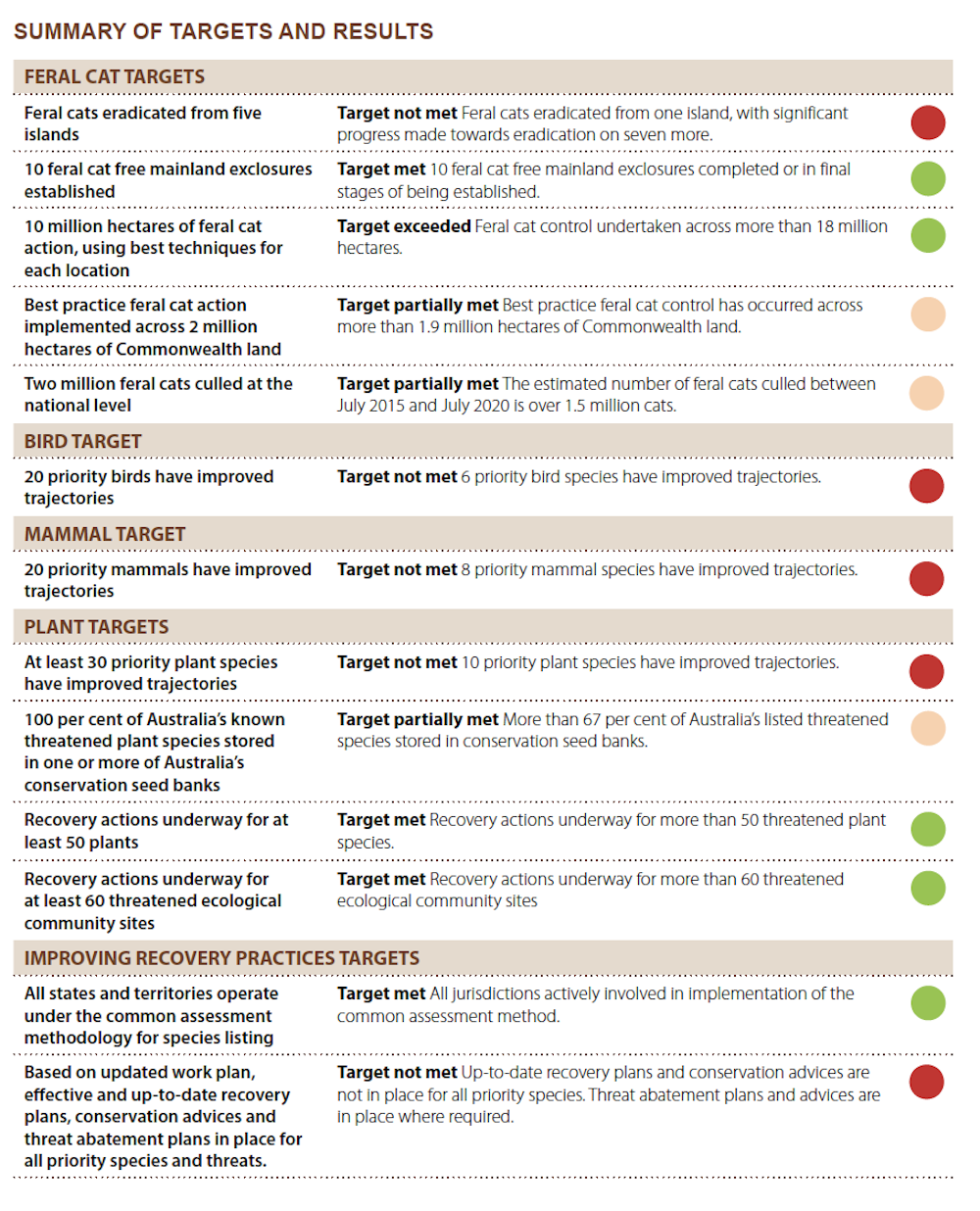
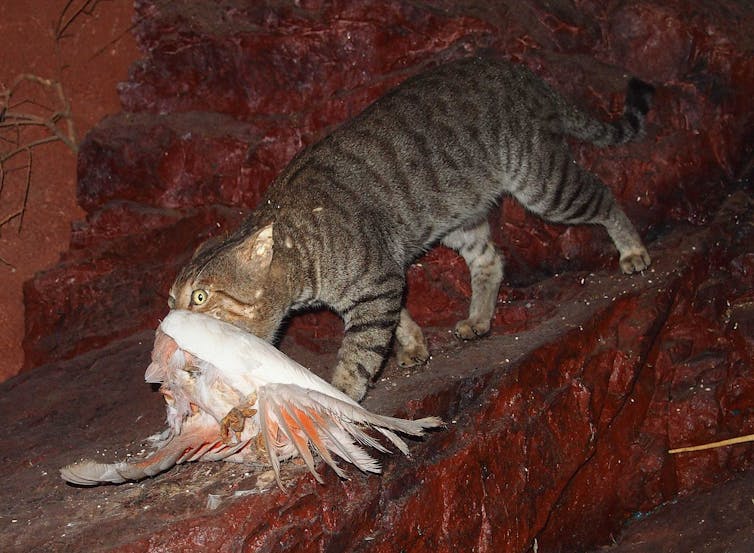

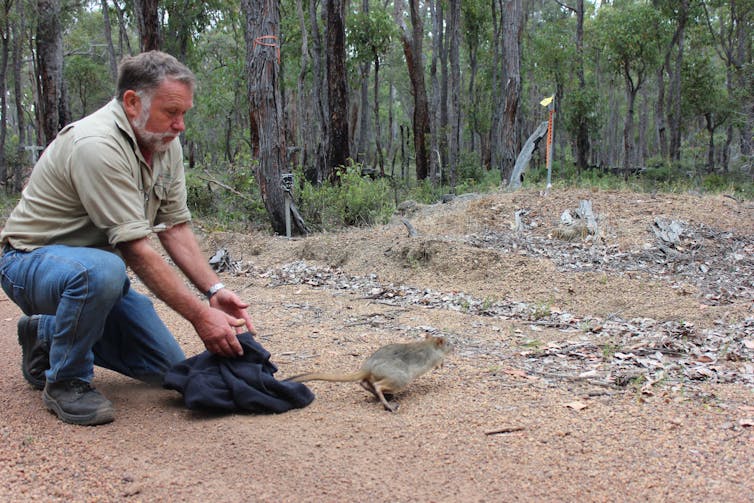












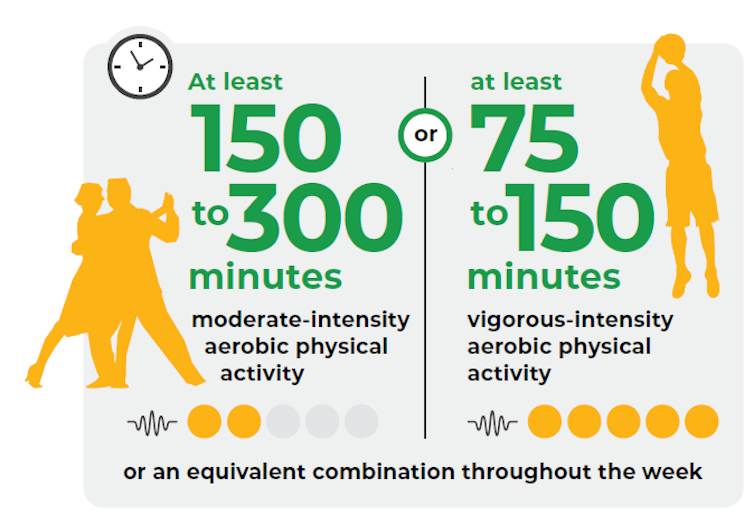



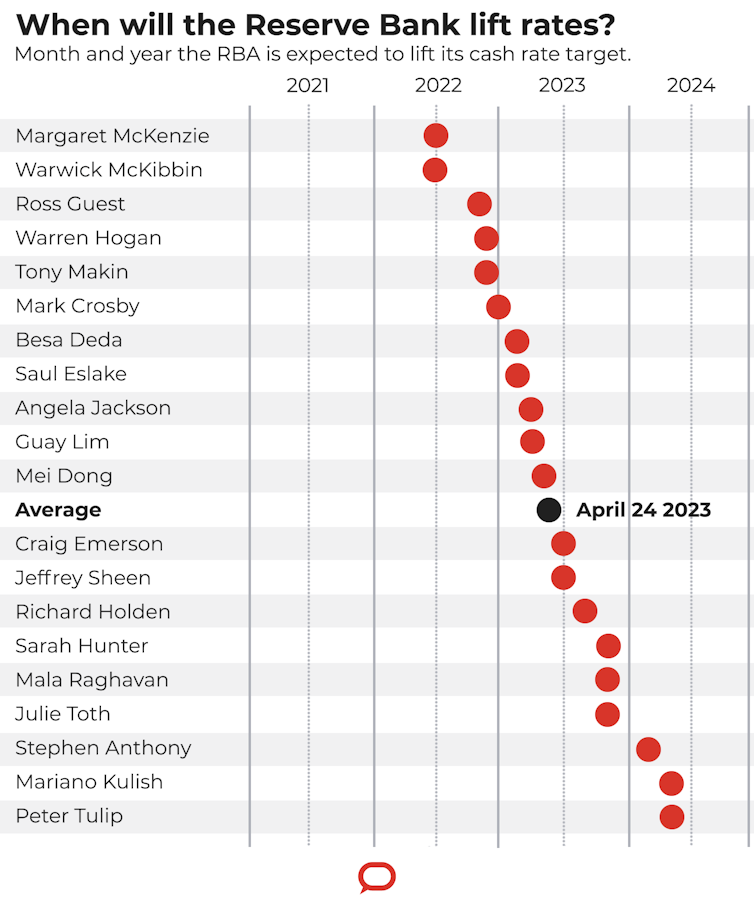

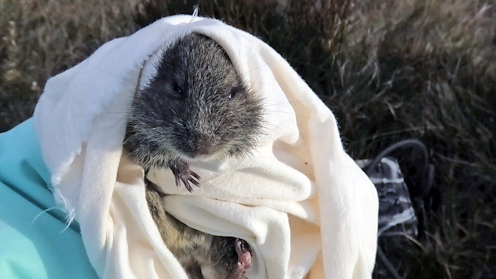

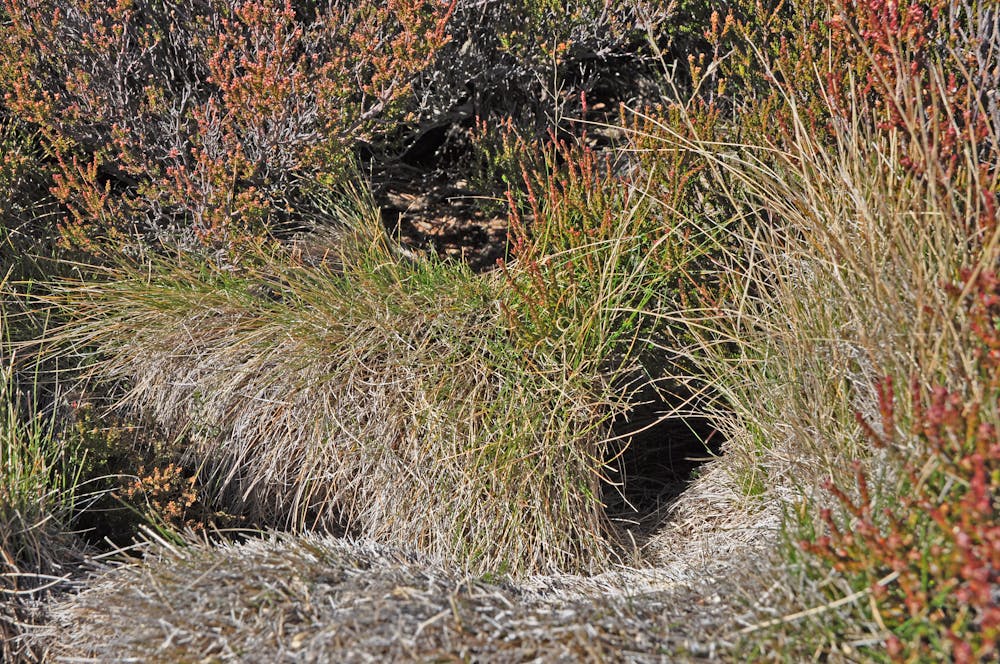
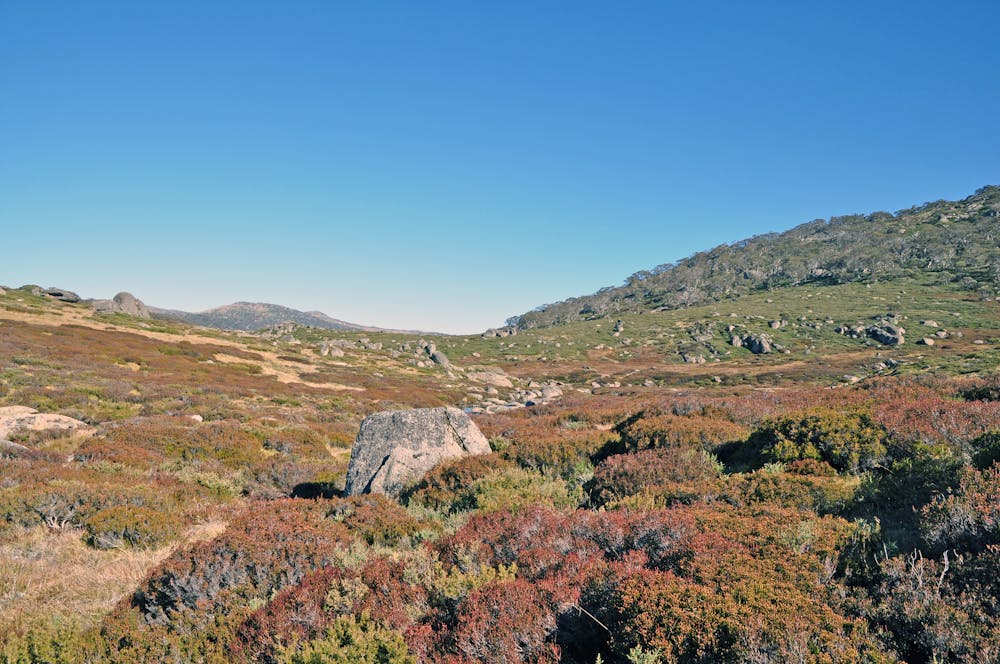
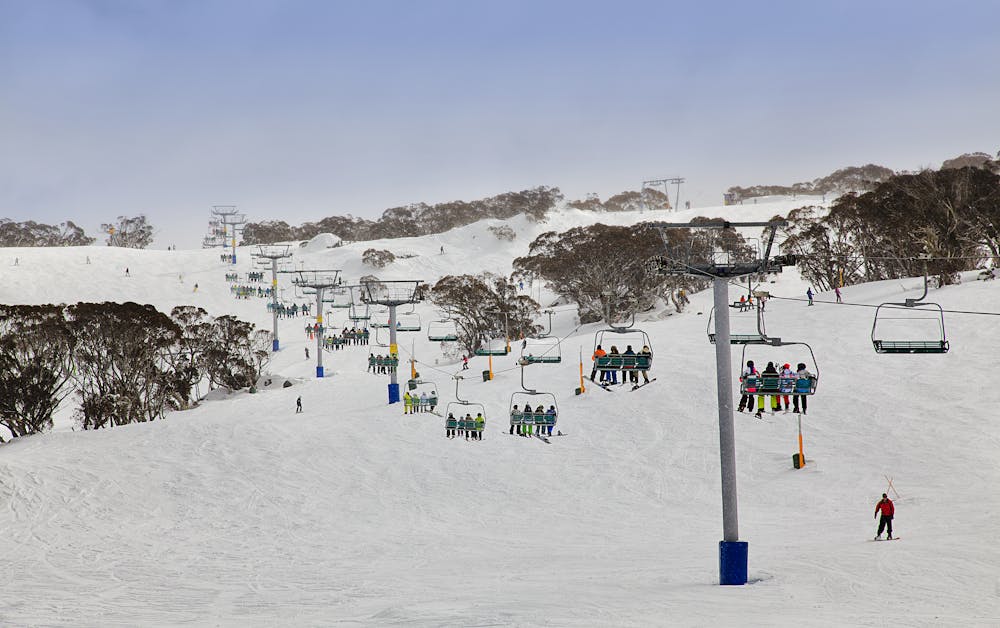





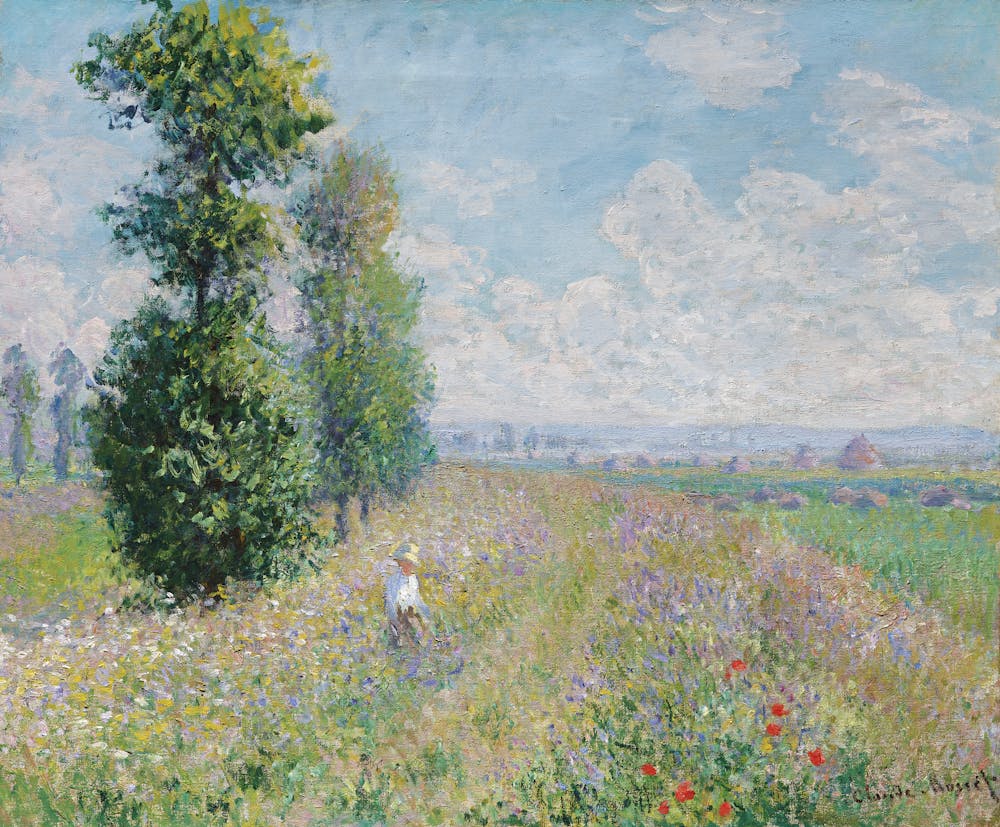

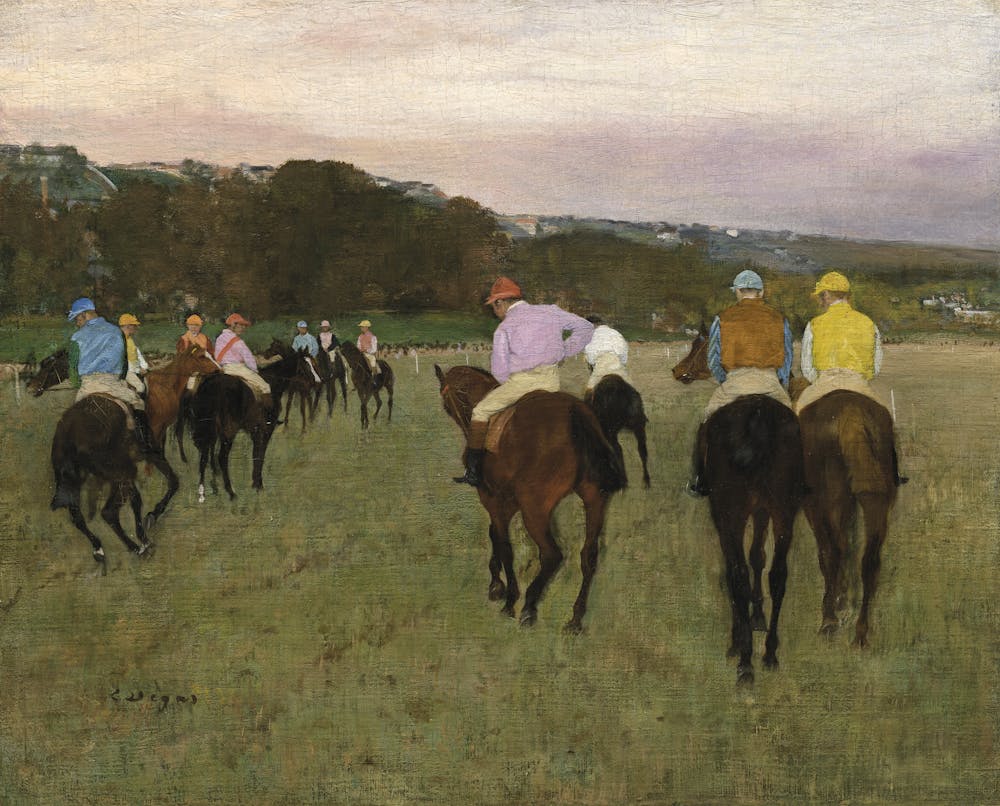



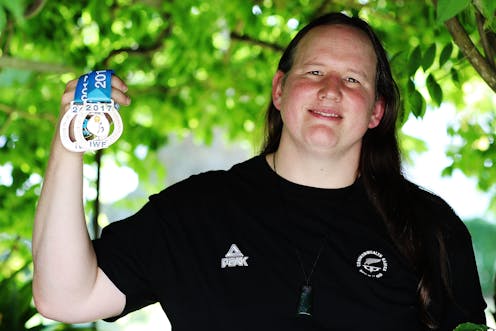



























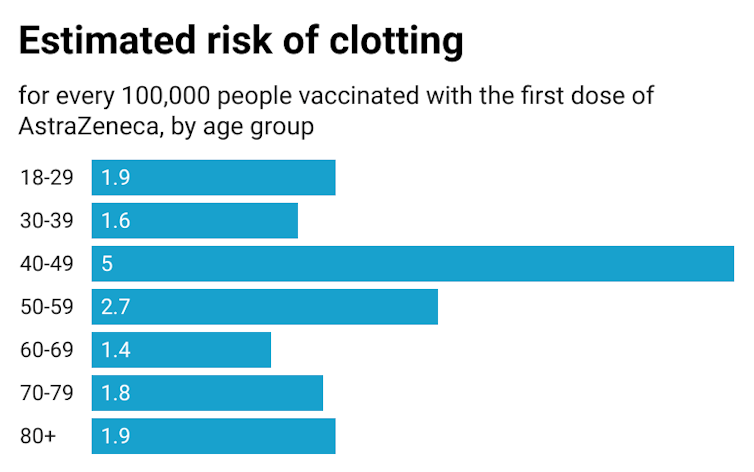



.jpg?1624536228)