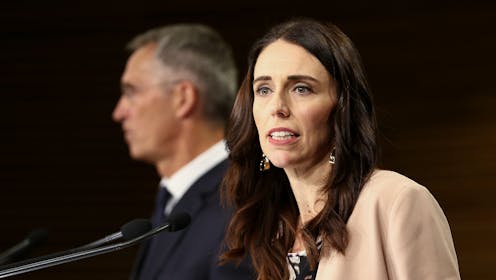
An Aotearoa New Zealand health workforce recruiting agency is fielding calls from senior US doctors who say they can no longer live in their own country.
Accent Health Recruitment has been flooded with inquiries from US doctors wanting to come to New Zealand following the US Supreme Court’s decision overturning abortion rights last Friday.
Accent Health Recruitment managing director Prudence Thomson said she normally got about 30 inquiries a day but that had doubled since the ruling.
“The emotion and frustration attached to their email, you could just feel it. They’re saying, ‘we can no longer live in this country, we need to come, will you have us in New Zealand?’
“It was quite an emotional tug, as far as of people really wanting to leave and throwing their hands in the air.”
Thomson said most inquiries were from GPs and obstetricians.
‘A spike in inquiries’ “There has been quite a spike in inquiries from them — they’re really passionate about looking after their patients and now they no longer are able to provide the healthcare they want,” she said.
“So they want to come to New Zealand to practise, which is good for New Zealand.”
However, she said it would take at least six months before the American health professionals could work in New Zealand.
“Every medical professional needs to get their qualifications verified to come to New Zealand and that takes from three to six months.
“While we want to speed it up we don’t want to cut corners because in a crisis that’s when the weaknesses will be exposed and that’s when the people who want to commit identity fraud could get through.”
However, she said it should still give the chronically understaffed health sector some hope that help was coming.
Messaging about jobs US nurse McKenzie Mills recently moved to New Zealand and said former colleagues had been messaging her about jobs ever since the US Supreme Court ruled against abortion.
She said she was heartbroken and angry after the ruling.
However, she said she was even more sure now that her decision to move to New Zealand in January was the right one.
“I take care of people and it just really broke my heart that there is so much health care that will be denied to millions of women.”
Mills said she felt like she had “escaped” her own country as a result of the ruling.
This article is republished under a community partnership agreement with RNZ.
Foreign investors could be sent to jail in Fiji for breaking a new investment law, says the prominent Suva law firm Munro Leys.
The company said the “vague and unsatisfactory” new Investment Act could create greater uncertainty for foreign investors.
In a legal alert to its clients, Munro Leys lawyers also said aspects of the new law could do “more harm than help” and “poor legal drafting leaves us more confused and slightly alarmed”.
It said serious investors relied on the laws of their target country to give them certainty and transparency.
“The Investment Act, unfortunately, does the opposite. In place of transparency, there is significant potential for confusion and frustration,” the legal firm said.
Munro Leys criticises some of the wording of the new law as “vague and almost impossible to legally pin down”.
“If we don’t know who a ‘foreign investor’ is and when they are investing, it is impossible to know which rules apply,” the legal alert said.
New regulations criticised The firm’s alert also criticised new regulations which required foreign investors to bring into Fiji their total investment amount within three months of “incorporation” and said an investor could be prosecuted for failing to do so.
“The penalty for the offence, for an individual, is a fine not exceeding $10,000 or imprisonment for a term not exceeding five years or both. Bodies corporate can be fined up to $50,000.
“To make matters worse, it’s not clear to whom this three-month rule applies. From a plain reading of the regulations, it applies only to those foreign investors investing in restrictive activities,” the legal advice said.
“However, the authorities appear to have expressed the view that it applies to all foreign investors.
“It is difficult to see the government prosecuting a foreign investor which does not bring in its money on time. But criminalising delay may create other issues for investors going to the legality of their investment and double down on the uncertainty that has already been created.”
Criticising Section 7 of the Act, Munro Leys said that an investor was required to send an investment proposal to the government for consent to invest in certain “critical sectors” but it was not clear what those sectors were.
“No one knows what the proposal should say, what criteria the minister will apply in his/her decision and how long the minister will take to approve it.
Other problems “It seems that the government intends for regulations to be made to decide what sectors need ministerial approval. [But] with about a month to go before the new law comes into effect, there are no regulations.
“The problems are not confined to new investors.
“Existing investors, including those who complied with the old Foreign Investment Act, are not immune.
“They may now need to apply for permission to make new investments. Some companies who were not previous “foreign investors” may find they are now in that category (and vice versa).”
The Act will come into effect from August.
Questions sent to Attorney-General Aiyaz Sayed-Khaiyum, Fiji Commerce and Employers Federation (FCEF) and Fiji Chamber of Commerce and Industry remained unanswered.
Luke Naceiis a Fiji Times reporter. Republished with permission.
More than 25 million people Australians sat down on (or around) Tuesday August 20 last year to complete their census.
Despite our borders still largely being closed, that was an 8.6% increase in the number of people completing the census in 2021 compared to the last time we broke the internet to do it (in 2016).
And the population has been steadily increasing, largely thanks to migration, over the past 25 years.
So what did the average respondent look like?
They were most likely to be 38 (37 if male, 39 if female), with a slightly larger chance of it being a woman (50.7%).
This census saw a generational shift in who was filling out the census.
While there has been little change in the total size of the Boomer population, the proportion of the population has dropped since 2016 – making way for their traditional generational rivals.
Millennials are now on equal footing, which could tells us something about recent (and future) elections, as well as potential culture wars.
We’re an increasingly diverse country
More than half of Australians (51.5%) reported either being born overseas or having a parent who was.
This is the first time since the question was added to the census this has been the case, and it will be interesting to see if this number continues to increase given the impact border closures have had over the past two years.
While England remains the number one source of new Australians, India, New Zealand and China were not far behind – and growing – as the most common countries of birth.
The First Nations population also continues to grow
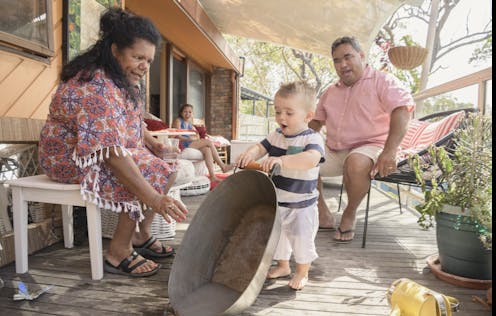
Since 2016 there’s been a 25% increase in the number of Australians who identify as Aboriginal and/or Torres Strait Islander, with 812,728 people (or 3.2% of the population) indicating it on their census form.
The 2021 data also revealed a shift in First Nations demographics, with a growing population of Indigenous people now aged over 65 – a more than 150% increase (from 31,000 to 47,000 people) on 2016.
The number of Australians who identified as having no religion increased again this census (38.9%), rocketing up from 30.1% in 2016.
While Christians as a whole remained the number one religious group – with 43.9% of the population identify with some form of Christianity – “no religion” was the number one individual religious affiliation, with Catholic a distant second.
For the first time, the Australian Bureau of Statistics asked Australians about long-term health conditions, which gives us a population-level view of the self-reported health of the nation.
While just under 15.3 million (60.1%) Australians reported no conditions, 2.2 million reported having some kind of long-term mental health condition (including depression or anxiety), with arthritis and asthma not far behind.
An ageing population, as well as reports of the impact of COVID and lockdowns on mental health across multiplepopulations, suggest it’s unlikely the number of people with a long-term health condition is going to decrease over time.
The data also show that women are more likely than men to have multiple long-term conditions.
Women are still doing (much) more housework than men
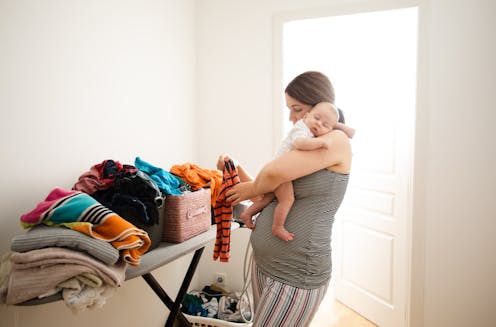
Women were much more likely than men to be doing more than 30 hours of unpaid domestic work in the week prior to census night, and men were more likely to have done none at all.
Our first – and hopefully last – COVID census shows that we still have a lot of progress to make in the way labour is shared in the home.
The reversal of Roe v. Wade by the American Supreme court last week is a watershed moment in American politics. The ruling withdraws constitutional protections for abortion rights and sends the issue to the states, around half of which are expected to ban abortions.
Unlike the last time abortion was illegal in the United States, almost half a century ago, we now live in an era of pervasive digital surveillance enabled by the internet and mobile phones. Digital data may well be used to identify, track, and incriminate women who seek abortion.
Over the past 20 years or so, large tech companies, mobile app operators, data brokers, and online ad companies have built a comprehensive system to collect, analyse, and share huge amounts of data. Companies can follow our every movement, profile our behaviour, and snoop on our emotions.
Until now, this system has mostly been used to sell us things. But following last week’s ruling, many are concerned that personal data could be used to surveil pregnancies, shared with law enforcement agencies, or sold to vigilantes.
Data everywhere
There are various sources of data that could be used to identify, track, and prosecute women who are suspected of seeking an abortion.
Google routinely shares private user information with law enforcement agencies, even without a warrant. This includes search terms, which could be used as evidence by law enforcement agencies investigating or prosecuting abortion-related cases.
Online surveillance can also include location data. American police already use location data from mobile devices to collect evidence against suspected criminals.
The same technology could be used to track women’s movements, and report when they went near an abortion facility or travelled to a different state where abortions are legal.
Social media
Social media activity, and data collected by social media platforms, can also be used to infer whether someone may be pregnant or is interested in getting an abortion.
A recent investigation showed hundreds of “crisis pregnancy centres” – quasi-healthcare clinics that aim to dissuade women from having abortions – around the US shared website visitor information with Facebook. In some cases, this revealed people’s names and addresses, as well as whether a woman was considering an abortion.
The investigation also showed anti-abortion organisations were able to get access to some of this information. If abortion is made a crime, this information could be used against women in legal proceedings.
Period trackers
Data from fertility and health apps could also be used to identify and track women who are suspected of seeking abortion. These apps record highly private information including menstruation cycles, sexual activity, and hormonal treatments.
With the end of institutional protections for abortions, many worry that data from such applications could be used as evidence against women in legal proceedings.
However, such piecemeal individual efforts are likely to be ineffective or impractical. The digital surveillance apparatus is too vast for us to effectively evade it.
Billions of webpages contain trackers that collect detailed data. More than 6.5 billion phones globally can be easily repurposed as sophisticated surveillance tools. It is becoming increasingly difficult to avoid the gaze of cameras whose images can be stored in biometric databases and algorithmically identified and analyzed.
What is worse, these data are collected, stored, and traded in ways we don’t understand very well, with only minimal rules and regulations.
Privacy advocates and researchers have been warning us for years of the destructive potential of the digital surveillance apparatus.
Critics have often noted how this system could bolster and embolden totalitarian regimes, such as in China. Surveillance in Western countries, like the US, has been seen as less of a problem because it was focused on commerce.
The overturning of Roe v. Wade is an era-defining moment because of its significance for women’s reproductive rights. It may also define the era in another way: we may see the existing digital surveillance system routinely used to criminalise individual citizens.
Not too late for better privacy rules
Much of the existing legislation is out of step with current technologies and in need of reform, not only in the US but also in Australia.
What would new rules look like? To rein in digital surveillance, they would
strictly limit the collection, storage, sharing, and recombination of digital data
tightly regulate the use of facial recognition technologies
require digital platforms, websites, and mobile apps to provide users with easy and genuine non-tracking options, and
require companies to offer true end-to-end encryption to protect user data.
We are on the cusp of an era where digital surveillance is used at scale against ordinary citizens. Huge changes are required, not only to protect women’s reproductive choice but also to protect everybody’s privacy and freedom from undue surveillance.
Uri Gal does not work for, consult, own shares in or receive funding from any company or organisation that would benefit from this article, and has disclosed no relevant affiliations beyond their academic appointment.
Source: The Conversation (Au and NZ) – By Bronwyn Carlson, Professor, Indigenous Studies and Director of The Centre for Global Indigenous Futures, Macquarie University
Limitations in census reporting includes how Aboriginal and Torres Strait Islander caregivers are reported on and considered.GettyImages
The census counted 812,728 Aboriginal and Torres Strait Islander people on census night, making up 3.2% of the total people counted. That’s up from 649,171 in the 2016 census, an increase of over 25%.
Many have estimated the population prior to the arrival of the British was between 750,000 and 1 million. So the exciting news is in only 234 years we are nearing pre-colonial numbers.
Whenever there is an increase in the numbers of Aboriginal and Torres Strait Islanders, there is always speculation as to why.
Of course the politics of identity is always at play. There will be the usual commentary that targets the way people look in those old arguments that refer to skin colour as the measure of who counts as Aboriginal and the idea that lighter skin signifies less Indigenous or no Indigenous identity at all.
These worn out tropes never take into consideration that colonial policies and practices such as those that led to the Stolen Generations directly targeted people with mixed heritage. These targeted people suffered unimaginable violence in the nation’s mission to breed the colour out of us.
But unfortunately, given the lack of information in the census about Aboriginal and Torres Strait Islander peoples’ lives, we can’t be sure if overall health among Indigenous people is improving and why lifespans seem to be improving. And the census has failed to investigate other ways Indigenous people may choose to identify, and how we live as families.
The 2021 census, like previous years, leaves me wanting more information and a more complex read of our lives. As my colleague Wiradjuri Indigenous Studies professor Sandy O’Sullivan has pointed out repeatedly, the census survey is often a reductive examination of our lives and lacks a more detailed exploration of who we are.
There is generally no focus on race, gender and sexuality as it pertains to Aboriginal and Torres Strait Islander peoples. Nor are there any questions in the survey around what constitutes a family or a household or parenting from our perspectives.
In terms of families, the census shows there are many changes to the 6 million families counted. The census speaks of parents as being either female or male. What of same sex, queer and trans parents? Such a focus can have significant impact on families seeking services.
The census also records a reduction of people over the age of 55 years looking after “other people’s children”. However Aboriginal and Torres Strait Islander non-parental caregivers such as grandparents would likely see children they care for as being “theirs”, as this is the way Indigenous family systems work. There are thought to be a significant number of Indigenous kids living in informal kinship care. Therefore these numbers will not be accurate for Indigenous people.
The census provides details such as there are now more than 47,000 Aboriginal and Torres Strait Islander people who identify as being over the age of 65 years old. This up from 31,000 in 2016. That is great news, but without knowing any more about those who are living longer, we don’t know the circumstances that have led to this improvement.
The census tells us how many Aboriginal and Torres Strait Islander people own a house or are paying rent, but it does not speak to the rising number of Indigenous people who are homeless or unable to afford rising rent prices.
Dr David Gruen, an Australian statistician has said,
The Census collects vitally important information about Aboriginal and Torres Strait Islander communities that will help governments and local organisations plan for health, education and community services into the future
But do the questions asked in the census survey reflect our population and what is important to many of us? And if not then what does that mean for service provision for our communities?
If the census is the means by which Australia understands its population then it is fair to say it falls short on several fronts, especially with regard to Aboriginal and Torres Strait Islander peoples.
It’s time we demanded a more nuanced picture of ourselves. If the results of the census are to inform planning for health, education and community services as Dr Gruen suggests, then we need to do a better job of collecting data that reflects our population and the reality of the lives we lead.
Bronwyn Carlson does not work for, consult, own shares in or receive funding from any company or organisation that would benefit from this article, and has disclosed no relevant affiliations beyond their academic appointment.
Some animals can live to a startlingly old age, from the famous 392-year-old “Greenland shark” to a 190-year-old tortoise in the Seychelles. Two science studies published last week brings us closer to understanding why some animal species can live for so long – far longer than humans.
The first, published in Science, debunked a few theories on why amphibians and reptiles (such as tortoises) live long lives. It found most reptiles and amphibians have highly variable rates of ageing and that, perhaps counter-intuitively, being coldblooded is not indicative of a long lifespan.
The only exception is turtles, which may fit the hypothesis of having a “protective phenotype”, where physical or chemical traits such as shells or venom enable a species to live longer.
The second study, which I was involved in, discovered the age of the world’s oldest aquarium fish: Granddad the lungfish.
Granddad was sent from Australia to Chicago in 1933 and lived in an aquarium until 2017. Our study measured changes in Granddad’s DNA to calculate his age at death. He was 109 years old.
Finding out how long an animal lives for isn’t easy, especially if they can outlive humans. It is well established that ageing is under genetic control, as the DNA sequence of certain genes can predict potential lifespan.
However, environmental pressures – such as getting eaten by a predator or succumbing to disease – can cut life off short, and may explain age differences between closely related species, such as between reptiles in the first study.
Here, I introduce you to five remarkably old animals and the fascinating lives they’ve led.
Granddad the Lungfish
Age: 109 years
Species: Australian lungfish (Neoceratodus forsteri)
The world’s oldest lived aquarium fish is Granddad, the Australian lungfish. In our recent study, we used a DNA-based method to determine that Granddad was 109 years old when he died.
He lived a remarkable life. In 1933, Granddad made the 20-day voyage from Australia to the Chicago World’s Fair in the United States, where more than 100 million people visited him in the John G. Shedd Aquarium.
As its name suggests, Australian lungfish have the unique ability to breathe air from a single lung during dry spells, when streams become stagnant or water quality becomes poor.
The species, now endangered, has a deeply ancient lineage. Indeed, the Australian Lungfish is the closest living relative to all land-based “tetrapods” – four-limbed animals including frogs, humans, and even dinosaurs.
To find out Granddad’s age, we used a test that looks at “epigenetic” changes in the DNA, which occur from environmental changes and accumulate over a lifetime.
In fact, our study also identified the sub-population in Queensland Granddad came from. We learned Granddad originally came from the Burnett River, one of three rivers in Queensland home to Australian lungfish.
A rare photo of Cocky Bennett, aged 117. Aussie~mobs/Flickr
Another long-lived Australian animal was a sulphur-crested cockatoo named Cocky Bennett, who lived to 119.
Cocky lived at the Sea Breeze Hotel in Blakehurst, New South Wales, and even had a tribute written in the newspaper in 1916 when he died.
According to the tribute, Cocky would often say “one at time gentlemen, please” when other birds harassed him, and “one feather more and I’ll fly”. But due to a disease, Cocky was almost featherless for the last two decades of his exceptionally long life, and had a long, curved and twisted beak.
Prior to ruling the Sea Breeze Hotel, Cocky Bennett is thought to have accompanied a ship captain on his seafaring journeys for 78 years, and reportedly circled the globe seven times.
The Animal Ageing and Longevity Database report a much shorter lifespan for sulphur-crested cockatoos in the wild at 57 years. But in captivity, they can live as long as humans.
This is where researchers need to be careful, as lifespans are often longer for animals in captivity than would naturally occur in the wild.
It’s estimated he hatched in 1832 in the Seychelles Islands. When he was around 50 years old, Jonathan was transported to St Helena, a remote island in the South Atlantic Ocean, and gifted to the St Helena governor. Jonathan has not only outlived the governor, but has seen 31 different governors hold office.
Photograph of St Helena resident tortoise Jonathan (left) around 1900. Wikimedia, CC BY-SA
As the new study on reptiles and amphibians hypothesised, tortoises may be long-lived due to their extra protection from their shells. A lack of predators may also play an important role. For example, Galapagos giant tortoises can live to over 100 and are free from any natural predators.
The species, the Greenland shark, is thought to be the longest-lived animal with a backbone. We know only little about Greenland sharks. But a 2016 study used radiocarbon dating and found one to be 392 years old.
The authors also estimated that Greenland sharks don’t reach sexual maturity until 156 years old.
Living deep in the cold waters of the Arctic and North Atlantic oceans, these iconic sharks are also one of the slowest growing, at a rate of around 1 centimetre per year. Yet, these ocean giants can reach over 5 metres in length.
We know only little about Greenland sharks, including how long they can live for. It’s thought freezing polar waters may play a role in their longevity as it may slow down their metabolism.
The ocean quahog is the world’s longest-lived species, with many reaching over 400 years. As a clam (or marine bivalve mollusk), it’s the only invertebrate on our list. Just like the Greenland shark, this species also lives in the cold waters of the North Atlantic Ocean.
One ocean quahog called “Ming” lived for 507 years. He was named after the Chinese dynasty in power when he was born in 1499, and was discovered off the coast of Iceland. His age was confirmed by counting growth bands on its shell, in the same way you’d count the rings of a tree.
Little is known to why ocean quahogs live for so long but, similar to the Greenland shark, it’s thought the colder waters may have a role in its long lifespan.
The CSIRO paper this article features was published in Frontiers in Environmental Science with authors from CSIRO, Queensland State Government, and Seqwater.
The reversal of Roe v. Wade by the American Supreme court last week is a watershed moment in American politics. The ruling withdraws constitutional protections for abortion rights and sends the issue to the states, around half of which are expected to ban abortions.
Unlike the last time abortion was illegal in the United States, almost half a century ago, we now live in an era of pervasive digital surveillance enabled by the internet and mobile phones. Digital data may well be used to identify, track, and incriminate women who seek abortion.
Over the past 20 years or so, large tech companies, mobile app operators, data brokers, and online ad companies have built a comprehensive system to collect, analyse, and share huge amounts of data. Companies can follow our every movement, profile our behaviour, and snoop on our emotions.
Until now, this system has mostly been used to sell us things. But following last week’s ruling, many are concerned that personal data could be used to surveil pregnancies, shared with law enforcement agencies, or sold to vigilantes.
Data everywhere
There are various sources of data that could be used to identify, track, and prosecute women who are suspected of seeking an abortion.
Google routinely shares private user information with law enforcement agencies, even without a warrant. This includes search terms, which could be used as evidence by law enforcement agencies investigating or prosecuting abortion-related cases.
Online surveillance can also include location data. American police already use location data from mobile devices to collect evidence against suspected criminals.
The same technology could be used to track women’s movements, and report when they went near an abortion facility or travelled to a different state where abortions are legal.
Social media
Social media activity, and data collected by social media platforms, can also be used to infer whether someone may be pregnant or is interested in getting an abortion.
A recent investigation showed hundreds of “crisis pregnancy centres” – quasi-healthcare clinics that aim to dissuade women from having abortions – around the US shared website visitor information with Facebook. In some cases, this revealed people’s names and addresses, as well as whether a woman was considering an abortion.
The investigation also showed anti-abortion organisations were able to get access to some of this information. If abortion is made a crime, this information could be used against women in legal proceedings.
Period trackers
Data from fertility and health apps could also be used to identify and track women who are suspected of seeking abortion. These apps record highly private information including menstruation cycles, sexual activity, and hormonal treatments.
With the end of institutional protections for abortions, many worry that data from such applications could be used as evidence against women in legal proceedings.
However, such piecemeal individual efforts are likely to be ineffective or impractical. The digital surveillance apparatus is too vast for us to effectively evade it.
Billions of webpages contain trackers that collect detailed data. More than 6.5 billion phones globally can be easily repurposed as sophisticated surveillance tools. It is becoming increasingly difficult to avoid the gaze of cameras whose images can be stored in biometric databases and algorithmically identified and analyzed.
What is worse, these data are collected, stored, and traded in ways we don’t understand very well, with only minimal rules and regulations.
Privacy advocates and researchers have been warning us for years of the destructive potential of the digital surveillance apparatus.
Critics have often noted how this system could bolster and embolden totalitarian regimes, such as in China. Surveillance in Western countries, like the US, has been seen as less of a problem because it was focused on commerce.
The overturning of Roe v. Wade is an era-defining moment because of its significance for women’s reproductive rights. It may also define the era in another way: we may see the existing digital surveillance system routinely used to criminalise individual citizens.
Not too late for better privacy rules
Much of the existing legislation is out of step with current technologies and in need of reform, not only in the US but also in Australia.
What would new rules look like? To rein in digital surveillance, they would
strictly limit the collection, storage, sharing, and recombination of digital data
tightly regulate the use of facial recognition technologies
require digital platforms, websites, and mobile apps to provide users with easy and genuine non-tracking options, and
require companies to offer true end-to-end encryption to protect user data.
We are on the cusp of an era where digital surveillance is used at scale against ordinary citizens. Huge changes are required, not only to protect women’s reproductive choice but also to protect everybody’s privacy and freedom from undue surveillance.
Uri Gal does not work for, consult, own shares in or receive funding from any company or organisation that would benefit from this article, and has disclosed no relevant affiliations beyond their academic appointment.
The new federal Labor government is ending the compulsory religious aspect of the A$60 million-a-year National School Chaplaincy Program. The change comes as newly released census data show only 44% of Australians now identify as Christian. The new rules will give Australian schools a fresh choice between a chaplain or a secular student welfare officer, but this change creates a potential for conflict within school communities.
Chaplains of various denominations are now embedded in thousands of schools across Australia. Considering past angst within school communities about the program, guidance is needed for parents and school administrators who wish to shift to secular welfare support for students.
My interest in this issue arises from my personal experience of the chaplaincy program as a parent. But it is informed by my wider research on governance systems and how institutions’ decision-making affects communities. I’m currently researching inclusive approaches to community development. This includes how local schools make decisions to achieve positive outcomes for students and diverse local communities.
In this article, I hope to offer a low-conflict pathway for school communities seeking to change from a religious chaplain to a secular officer.
In schools where there is strong support for incumbent chaplains, particular care needs to be taken. Religious communities, students, parents and school professionals all need to feel comfortable that respectful processes are followed and that resources for student welfare deliver maximum benefit.
As a parent in a rural state high school during the past decade, my family experience of the chaplaincy program was vexed. The program facilitated extracurricular activities at the school with religious themes. Religious activities beyond the school gate were also promoted.
While operating within the program guidelines, I believed these activities weakened the separation of church and state. Some of them lacked any form of secular and multi-faith context setting. There were visits by a creationist artist, a Christian magic show and contested programs like “Shine” for girls and “Strength” for boys.
“Straight Talk Australia” presenters handed out postcard pledges encouraging students to commit to sexual abstinence until entering “a covenant marriage relationship”. I encouraged the school to consider prefacing the talk by outlining state education department policy on sex education and stressing that the activity represented just one organisation’s view on relationship-building and sex education.
Encouraging students to attend non-school-supervised activities beyond the school gate and school hours was equally of concern to me. This could draw students into places where proselytising could occur.
Lessons on changing from religious to secular welfare support
In 2011, the Gillard Labor government institutionalised the same change (but a short-lived one) as the Albanese government has just announced. My school’s Parents and Citizens Association successfully made the shift from a Scripture Union-hosted chaplain to a secular welfare worker. This was achieved with a minimum of conflict despite strong support for the chaplain among many parents and some local Christian groups.
For me, at least three lessons emerged from this process.
1. Not seeking removal of the incumbent chaplain
It is important to not personalise problems associated with the chaplaincy program to individual school-based chaplains. Chaplains have been appointed through legitimate processes under program rules. Many Australians support chaplains as having performed an important role.
Once the rules changed in 2011, our school did not actively seek an immediate transition from the chaplaincy position. Discussion and decision-making were delayed until the position became vacant.
2. Finding a suitable secular host for the welfare worker
Finding a suitable secular organisation to host the welfare worker was perhaps the most difficult challenge the school faced, as there were few organisations well positioned to cover the costs associated with the program. At that time, the funds available for the position were meagre (A$20,000 a year). This meant any hosting organisation would likely, to some degree, need to subsidise overheads.
Religious institutions are often motivated to host the chaplains. That’s why they’re willing to help cover the costs. After a complex national search, our school eventually found a not-for-profit organisation with a secular focus on improving child welfare (and a commitment to trial a hosting arrangement).
3. Framing the school-based decision well
Of utmost importance is the need to positively frame the transition decision within the relevant school-based body. When the chaplaincy position became vacant, my school’s Parents and Citizens Association explored a range of options such as not re-appointing anyone, re-appointing a chaplain, or transition.
I argued we should seek the best-qualified person (religious or not) to service the needs of all school students. Doing so, in my view, made the transition option less contentious.
My interest here is in encouraging good local community and school governance and preserving the integrity of our secular school system.
I hope that sharing this experience can guide all schools in considering this complex decision while meeting the wider needs of the entire school community.
Allan Dale has received no funding in relation to this article. While the views represented are based on his personal experience, they are informed by his extensive research and practical background in governance systems analysis and place-based approaches to community development. At the time of the events discussed, Allan was an ordinary member, and his partner an office bearer, of the P&C referred to. His separate research efforts receive Australian and State Government funding.
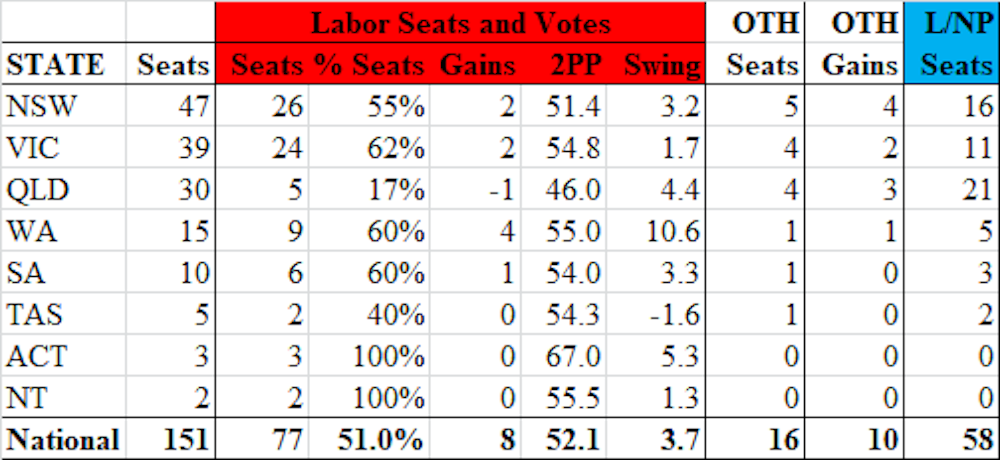
At the May 21 federal election, Labor won 77 of the 151 House of Representatives seats (up eight since 2019 when adjusted for redistributions), the Coalition won 58 seats (down 18), the Greens four (up three) and all Others 12 (up seven). This was a Labor majority of three.
The 2019 election result was Coalition 77 seats and Labor 68, but the ABC adjusted for Labor gaining a seat from the Coalition from redistributions. Craig Kelly’s defection from the Coalition to the UAP was not factored in, so Hughes was not a gain for the Coalition.
Despite losing the primary vote by 3.1%, Labor won the national two party count by a 52.1-47.9 margin, a 3.7% swing to Labor. This is obtained by recounting all seats that did not finish as Labor vs Coalition contests between those parties to ascertain the preference between Labor and Coalition of all of Australia’s voters.
With the combined major party primary votes down to just over 68%, and 16 seats won by crossbenchers, some would argue that the two party vote is not relevant anymore. I think it is still relevant as a basic measure of whether more Australians preferred a Labor government or a Coalition one, and of how left or right-leaning seats and states were at the election.
The table below shows the number of seats for each state and nationally, the number of Labor seats, the percentage of Labor seats, the number of net Labor gains, the Labor two party percentage, the two party swing to Labor, the number of Other seats (this includes Greens), the number of Other gains and the number of Coalition seats.
Final results of the 2022 federal election.
The two party swing to Labor in Western Australia was a massive 10.6%, far larger than in any other state.
Seat changes occurred in cities
All Labor, Greens and independent gains occurred in Australia’s five mainland capital cities, and the large majority were in inner city seats. In regional seats, there were swings to the Coalition in Lyons, Gilmore and Lingiari, which made these seats close holds for Labor.
The Australian Electoral Commission (AEC) has a table of two party swings by seat demographic. Negative swings are to Labor, positive to the Coalition. This table has a 5.6% two party swing to Labor in inner metro seats, 3.6% in outer metro, 2.5% in provincial and 2.3% in rural seats.
In Queensland, there was a particularly marked difference between inner metro (an 8.7% two party swing to Labor) and other seat categories (between a 3.1% and 4.4% swing).
Analyst Ben Raue has charts of the difference between each seat demographic and the national two party vote since 1993. He says the inner metro difference in Labor’s favour is the highest ever in these charts, while the difference between rural seats and nationally is the highest in the Coalition’s favour.
Before the election, I anticipated that the best swings to Labor would occur in the cities. Australian cities with over 100,000 population have 68% of our overall population. Winning rural seats isn’t good enough for the Coalition in Australia.
People with a higher level of educational attainment tend to live in inner metro seats, and they have swung towards the left in recent elections in Australia, the US and the UK. Concerns about climate change and social issues were likely important factors in inner metro seats.
State result summaries
In NSW, Labor gained Robertson, Bennelong and Reid from the Liberals, but lost Fowler to an independent. Independents also gained Wentworth, North Sydney and Mackellar from the Liberals. The regional seat of Gilmore was held by Labor by just a 0.2% margin against the Liberals.
In Victoria, Labor gained Chisholm and Higgins from the Liberals, and independents gained Goldstein and Kooyong. The Liberals held Deakin by just a 0.2% margin and Menzies by 0.7% against Labor.
In Queensland, the Greens gained Griffith from Labor and Ryan and Brisbane from the LNP. Outside Brisbane, Labor had swings in its favour, but did not gain any seats. While Labor recovered ground from 2019’s shellacking in regional Queensland, it wasn’t enough to gain seats.
In WA, Labor gained Swan, Pearce, Hasluck and Tangney from the Liberals and an independent gained Curtin. The Liberals held Moore by 0.7% against Labor. Labor has WA to thank for its House majority.
The WA Senate result was crucial in giving Labor a friendly Senate, with Labor winning three of the six up for election, to two Liberals and one Green, a gain for Labor from the Liberals.
In SA, Labor gained Boothby from the Liberals, with the Liberals holding Sturt by 0.5% against Labor.
Tasmania was the only state to record a two party swing to the Coalition. The Liberals had swings in their favour in the regional seats of Bass, Braddon and Lyons, easily retaining the first two after gaining them in 2019, and coming close to gaining Lyons, which Labor held by 0.9%.
In the ACT, Labor easily retained its three seats, while independent David Pocock defeated Liberal Zed Seselja in the Senate. Pocock was helped by Labor’s 67.0-33.0 two party win in the ACT, a 5.3% swing to Labor.
In the NT, Labor easily retained the Darwin-based Solomon with a swing in its favour, but came close to losing the regional Lingiari, holding by 1.0% against the Country Liberals.
Two party seat margins and swings
The AEC has a sortable table of two party results for each seat. Ignoring crossbenchers, Labor won the two party count in 84 of the 151 seats, to 67 for the Coalition. Labor won this measure in its own 77 seats, the four Greens seats, Clark, Fowler and Mayo.
None of the seats gained by teal independents at this election flipped from a Coalition win to a Labor win on two party votes. Labor gained a two party majority in Brisbane, Ryan and Mayo; the first two were gained by the Greens and the last is held by Centre Alliance’s Rebekha Sharkie.
Labor’s best seats against the Coalition were the six seats that were Labor vs Greens contests: Cooper, Wills, Melbourne, Sydney, Grayndler and Canberra.
When Greens and other votes in these seats were counted between Labor and the Coalition, these six seats gave Labor between 72 and 79% against the Coalition. The best two party share in a traditional Labor vs Coalition contest for Labor was in Newcastle (68.0%).
With WA recording a much bigger swing to Labor than any other state, it’s not surprising that WA seats made up the top seven two party swings to Labor.
Greens leader Adam Bandt’s seat of Melbourne was the top non-WA swing to Labor at 10.1%. In 2019, Labor’s Melbourne candidate was disendorsed after nominations closed, and this affected Greens preference flows.
The largest swing to the Coalition was in Fowler (8.3% swing). This was the seat Kristina Keneally lost to an independent. Other western Sydney seats, such as Blaxland, Chifley, McMahon and Watson, swung slightly to Labor, so this was a candidate effect against Keneally.
There were six other seats which swung more than 4% to the Coalition: in ascending order, they are Lyons, Gorton, Lingiari, Braddon, Scullin and Calwell. Gorton, Scullin and Calwell are safe Labor seats in Melbourne, and it appears there was a backlash from the Victorian Labor government’s COVID lockdowns.
The other three are regional seats in Tasmania and the NT. In my election maps article before the election, I said Labor could struggle to regain the Tasmanian seats of Braddon and Bass.
Once elected, independents and other parties who win seats in Australia are difficult to dislodge. For example, independent Andrew Wilkie won Clark (then named Denison) from third on primary votes in 2010, but has retained it easily at subsequent elections.
Furthermore, while the Coalition won the two party count in all the seats won by teal independents, these seats all swung to Labor by between 1% and 10%. The lowest two party swing to Labor in a teal seat was Warringah, where Tony Abbott had deflated the Liberal vote in 2019. If the trend to the left in inner cities continues, it will be difficult for the Coalition to regain these seats.
While the Coalition came close to gaining three regional seats from Labor – Gilmore, Lyons and Lingiari – there are not enough regional seats in Australia for the Coalition to compensate for the losses of city seats.
If the Coalition is to win the next election, they will probably need to regain support in outer metro seats. I believe that in these seats the economy is of paramount importance. At this election, people in outer metro seats probably swung to Labor owing to concerns about inflation.
Economic conditions at the next federal election are likely to be crucial in determining how outer metro seats vote. So if the economy is lousy in three years, the Coalition will probably return to power.
With the massive swing to Labor in WA at this election, the Liberals will be hoping it returns to its normal place as a strongly pro-Coalition state at the next election. But while the WA swing was enhanced by COVID factors, Perth has around 80% of WA’s overall population.
If the Liberals continue to struggle in cities, WA is likely to be more difficult than it may first appear for the Liberals to win back. Tasmania’s three northern seats are likely to be easier for the Liberals to win and hold, but Tasmania only has five seats while WA has 15.
With declining vote share for the major parties, it is becoming more difficult for one of them to win a majority even with our single-member system for the House. Labor has angered both House and Senate crossbenchers with its proposals to cut the number of parliamentary staff each crossbencher is entitled to from four to one.
While Labor does not need the crossbench for a House majority in this term, they could easily need more support in the future, And Labor needs at least one non-Greens crossbencher in the Senate to pass legislation opposed by the Coalition in this term. The proposed reduction is stupid politics.
Adrian Beaumont does not work for, consult, own shares in or receive funding from any company or organization that would benefit from this article, and has disclosed no relevant affiliations beyond their academic appointment.
In 2012, legislation was introduced in the Northern Territory to restrict the possession and supply of alcohol without a liquor license or permit in designated alcohol protected areas in the Northern Territory.
This legislation will expire at midnight on 16 July 2022, when 344 areas where Aboriginal people live will go back to unrestricted alcohol access. Alcohol restrictions in about 100 general restricted areas (GRAs) that were in place prior to the Stronger Futures legislation will continue under the Liquor Act 2019.
Is restricting the sale of alcohol in communities racist and paternalistic? Without consultation, perhaps. But Indigenous and non-Indigenous organisations have come out against the lifting of restrictions. They call for transparent negotiation processes, that involve key community stakeholders, including women’s groups and youth groups.
Consultation with First Nations community members is vital to avoid making policy decisions without affected communities. This would ensure any strategies implemented would be culturally safe and be informed by people who have better knowledge of what respective communities need.
Last minute legislation could lead to more overpolicing in the NT
An Australian Institute of Health and Welfare report estimated alcohol misuse accounts for 10.5% of total disease burden among Indigenous people in Australia, with that number doubling for Indigenous males aged 25–44. Reducing alcohol misuse can significantly improve overall health and well-being, reduce levels of crime and disability and improve educational achievement.
According to one report, the Northern Territory has around five times the level of alcohol-related emergency department presentations compared to the next closest state or territory. Despite these numbers, both Commonwealth and Territory governments seem to be turning their backs on remote communities when it comes to alcohol policy.
The NT government will implement an “opt-in” policy when the restrictions are lifted. The NT government claims this policy will “empower communities” as communities themselves can determine whether or not a designated area continues with an alcohol ban.
However this new “opt-in” process comes with barriers and risks. It assumes community awareness of these new laws and that communities will know how required procedures and processes for this will work, and have the required technology and internet access to do this. Another significant barrier will be communities achieving consensus about whether or not to “opt-in” to alcohol restrictions for their area. Applications to opt in must have written support of the registered land owner, which could be an NT incorporated association, a land trust or a corporation formed under Commonwealth legislation.
If communities are unaware of, or are unable to complete opt in process, this could result in a significant increase in alcohol-related harm and crime. The NT government says extra support will be provided to communities who decide not to re-implement the ban to help ensure safety.
However it is not clear what this “extra support” will look like, and communities are concerned it will mean “extra policing”. This is a concern for First Nations people, given the history of over policing of Aboriginal people and unfair or overzealous treatment by police.
Communities in The Northern Territory need a better way forward
There is urgent need for a reconsideration of policy approaches to alcohol regulation in the NT. One example of this is the government approval of a Dan Murphy’s super liquor store in Darwin, with the owners themselves commissioning a report that found the new superstore approval was against the advice of health experts and community feedback.
Many jurisdictions in the world regulate alcohol, and regulations vary depending on particular needs and circumstances. Regulation should be tailored to local requirements determined by community consultation.
Consultation can be complicated, time-consuming and expensive, but it is the process called for in Australia’s own guidelines for engaging with
Indigenous communities.
Communities have expressed support for modification of drinking environments, through social clubs, better education around alcohol consumption and public messaging about alcohol behaviours. Also culturally appropriate treatment programs and early intervention or preventative measures have been recommended.
Any future misuse of alcohol in these communities will lead to blame and punishment of individuals despite some affected communities being vocal about not wanting these restrictions lifted in the first place.
Successful community outcomes can only be found through respectful and collaborative support from the government, industry and the wider community to better support First Nations people in controlling their social environment, including the use of alcohol.
The authors wish to thank Neil Westbury for his time and insights, as reflected in this commentary.
Andrew Lockyer Works for North Australian Aboriginal Justice Agency. He is affiliated with NT Government Youth Justice Advisory Committee.
Elizabeth Crawford Spencer does not work for, consult, own shares in or receive funding from any company or organization that would benefit from this article, and has disclosed no relevant affiliations beyond their academic appointment.
Source: The Conversation (Au and NZ) – By Leah Ruppanner, Professor of Sociology and Founding Director of The Future of Work Lab, The University of Melbourne
It’s not a new development. In 2016, the “typical” Australian man spent less than five hours a week on domestic work, while the “typical” Australian woman spent between five and 14 hours a week on domestic work. Before that, the 2006 census showed, again, that more of the domestic workload is shouldered by women.
So, in the 15 years since the Australian Census started collecting unpaid housework time, women are shown to do more than men. Every. Single. Time.
What is unique about these latest census numbers is Australians filled out their surveys during one of the greatest disruptors to work and home life – the COVID pandemic.
In the 15 years since the Australian Census started collecting unpaid housework time in 2006, women are shown to do more than men. Shutterstock
Pandemic pressures
We have a breadth of research showing the pandemic disrupted women’s – especially mothers’ – work and family lives, in catastrophic ways.
Economic closures knocked women out of employment at higher rates to men, forcing them to rely more heavily on their savings and stimulus payments to make ends meet. All this while managing intensified housework, childcare and homeschooling.
The transition to remote and hybrid learning meant mothers, not fathers, reduced their workloads to meet these newfound demands.
Fathers picked up the slack in the home – doing more housework at the start of the pandemic and holding it over time.
Yet, as my colleagues Brendan Churchill and Lyn Craig show, fathers increased their housework but so did mothers, meaning the gender gap in that time remained.
So, while men should be applauded for doing more during the unique strains of the pandemic, we show mothers were the true heroes of the pandemic, stepping into added labour at the expense of their health and well-being.
Quite simply, the pandemic placed unparalleled pressures on Australian families. So it is perhaps no surprise our surveys are showing Australians are burnt out.
(As discussed in previous articles, the chore divide in same-sex relationships is generally found to be more equal. But some critiques suggests even then, equality may suffer once kids are involved.)
In general, fathers increased their housework during the pandemic – but so did mothers, meaning the gender gap remained. Shutterstock
These are the critical questions we are asking through The Future of Work Lab at the University of Melbourne – how do we create a future that is fair to everyone, including women and mothers?
A few key projects illuminate some of the next steps towards clear interventions. The first is to provide Australian families with a comprehensive safety net to support their care-giving lives.
All of us will be, at some point, called upon to care for a loved one, friend, family member or colleague. At these moments, work becomes difficult and housework demands soar.
So, providing care-giving resources beyond just paid time off is critical. This underscores the need for
universal free high-quality childcare
paid caregiver leave, and/or
better and longer term cash payments for caregivers.
Second, we need comprehensive policies that allow men to step into care-giving roles without fear of retribution and penalty at work.
Australians work more annual hours, on average, than their Canadian and United Kingdom counterparts, working hours more similar to the overwork culture of the United States. And, only one in 20 Australian fathers take paid parental leave following childbirth, an abysmal rate relative to other high-income countries.
We can do better.
The pandemic created the space for many men to step into larger care-giving roles with great pleasure and showed workplaces that flexible work is feasible.
Next, the Australian workplace must become more supportive of men’s right to care.
Australian workplaces must become more supportive of men’s right to care. Shutterstock
The demand is clearly there with some super impressive women building out concrete tech solutions to reduce the mental load and unpaid domestic work – like Melo’s mental load app or Yohana’s virtual concierges.
Others are using old tech solutions – like Eve Rodsky’s Fair Play cards – to help couples equalise the often unseen, and undervalued household chores. We are working on a research project to understand the impact of these different resources on families’ unpaid domestic loads and lives more broadly.
The census is valuable in showing us we remain unchanged.
But, now, is a time to invest in intervention and innovation to make us better versions of ourselves into the future.
Leah Ruppanner receives funding from the Australian Research Council and is working on a research project with Melo to understand how to share the mental load.
“Kegels” and pelvic floor exercises are usually associated with “women’s business” – think pregnancy, childbirth, and menopause. But men have pelvic floors too.
Just like women, at various times in their lives men can benefit from training their pelvic floors to address a variety of health concerns. About 30% of men visiting the doctor have urinary incontinence, or bladder leakage, but a large majority don’t bring it up. Around 15% of men also experience faecal incontinence, or bowel leakage, and take longer to seek help for it compared to women.
The pelvic floor muscles are also involved in sexual function. Erectile dysfunction affects around 10% of healthy men, and up to almost 40% of men with chronic health conditions, and can be associated with pelvic floor issues.
People sometimes assume these problems are just a normal part of ageing; but common doesn’t mean inevitable. There is often much improvement to be had with some simple strategies – including pelvic floor rehabilitation.
Pelvic floor dysfunction in men is really common
Though pelvic floor problems are more common in women, one in eight men have issues with their pelvic floor, bladder or bowel.
The pelvic floor is a group of muscles lining the base of the pelvis. For men, this supports the bladder, prostate gland and bowel. It is essential in maintaining core stability, bladder and bowel control, and for erectile function and sexual satisfaction.
Most men have little reason to think about their pelvic floor for the majority of their lives, until something goes wrong medically (in comparison to women, who tend to be introduced to pelvic floor exercises much younger, often in the context of pregnancy and childbirth).
Working on your pelvic floor strength might even improve your sex life. Shutterstock
Risk factors for incontinence and pelvic floor problems in men include ageing, prostate issues, pelvic surgery, bowel issues including constipation, chronic coughing, frequent heavy lifting, and being overweight.
Prostate cancer affects up to 15% of men and is the second most common cancer in men (and fourth most common cancer overall).
The largest source of pelvic floor physiotherapy referrals for men tends to be in the context of prostate surgery. This is because surgery on the prostate gland (which sits very close to the base of the bladder) causes trauma to the nearby structures and nerves that maintain bladder control and erectile function.
However, we know that training the pelvic floor early (starting pre-operatively) means post-operative side effects like incontinence resolve more quickly.
To engage the pelvic floor, the sensation should feel like a squeeze, lift and relax of the muscles running between the pubic bone, tailbone, and sit bones. Some popular cues include visualising:
pulling the perineum (skin between the genitals and back passage) away from your underwear.
It is important to ensure that the abdominal, gluteal (buttock) and thigh muscles stay relaxed, with breathing maintained throughout.
Exercises can be performed in any position, and if done right, should be able to be done inconspicuously (even when there are other people around!). But it’s quite common to find the exercises difficult to do without some coaching.
Working with a health professional such as a pelvic floor physiotherapist may be beneficial. Physiotherapists trained in men’s health and pelvic floor conditions will teach clients how to perform exercises correctly. Often they do this with biofeedback devices such as real-time ultrasound imaging that can help identify the right muscles to use and refine technique.
Not all pelvic floor problems require more strengthening. Optimal muscle function requires good strength, but also correct timing, co-ordination and relaxation.
A pelvic floor that is too tight can be problematic, for both men and women, and can contribute to symptoms of pelvic or genital pain, sexual dysfunction, urinary issues including overactive bladder, and bowel problems.
Your specific concerns will inform the way in which your physio might prescribe exercises, but good targets to aim for are to be able to:
turn the pelvic floor on and off 10 times in 10 seconds
If I don’t have pelvic floor problems, do I need to do exercises?
Like a good gym program keeps you in optimal physical health and helps stave off injuries, it stands to reason that a regular pelvic floor training routine might serve to combat the likelihood of bladder, bowel and erectile dysfunction. However, the literature is scarce for preventative use in asymptomatic men.
Knowing where your pelvic floor is and how to exercise it properly can never be a bad thing – and training might even have some happy side effects, like reduced waking in the night with the need to urinate, reduced dribbling post-urination, better bowel emptying, and improved sexual satisfaction.
If you are unsure whether pelvic floor exercises are suitable for you or if you’re doing them properly, check in with a trusted health professional.
Mischa Bongers is the Founder and Principal Physiotherapist at Pelvic Fix Physiotherapy. She is affiliated with CQUniversity as a Sessional Lecturer, Curtin University as a Physiotherapy Clinical Supervisor, and Queensland Health as a Senior Women’s Health Physiotherapist.
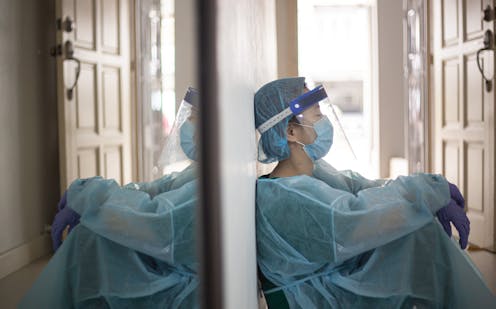
Healthcare workers in New Zealand already face life-and-death decisions daily. But as multiple winter illnesses add pressure to a system already stretched by COVID, staff now also have to deal with daily abuse, acute staff shortages and unsafe working conditions. At times, they cannot provide the care they would like for their patients.
The impact on health workers is often described as stress and burnout. The consequences of this prolonged pressure can be seen in the number of doctors, nurses and other health professionals leaving their jobs for overseas positions and the private sector, or being lost to their professions completely.
Many of these healthcare workers may well be suffering from a more serious form of psychological distress than burnout: moral injury.
Moral injury refers to the psychological, social and spiritual impact of events on a person who holds strong values (such as caring for patients) and operates in high-stakes situations (hospital emergency care), but has to act in a way inconsistent with those values.
Examples include having to turn patients away despite them being in pain or discomfort; being unable to provide adequate care due to staff shortages; having to care for a dying patient isolated from their loved ones while wearing full protective gear.
Symptoms of moral injury can include strong feelings of guilt and shame (about not being able to uphold healthcare values, for example) as well as high levels of anger and contempt towards the system that prevents proper care.
High levels of self-criticism, loss of trust in people and organisations and a weakening of personal relationships are further symptoms of moral injury.
It can be viewed as a more severe form of burnout. But while burnout can happen in most workplaces, moral injury requires the three core components listed above.
From war to the operating table
The term moral injury arose in military psychology to refer to situations where, for example, soldiers were unable to intervene to save lives in case they risked breaching the rules of engagement. More recently, the term has been adapted to apply to healthcare.
Viewing the experiences of health workers through this lens can help us understand why they may experience a seesawing emotional state and the confusing conflict of simultaneously wanting to be at work while wishing they were anywhere but.
For healthcare workers, understanding the concept of moral injury may help reframe it as something that is happening to them rather than because they don’t have the skills to cope. The latter can sometimes be a mistaken implication of the term burnout.
Staff shortages can take health workers beyond exhaustion and burnout. Getty Images
While healthcare workers are largely at the mercy of the organisations they work for, there are some steps individuals can take to alleviate moral injury. Firstly, simply recognising they may be suffering from this condition can reduce confusion and validate their experiences.
Secondly, reconnecting back to an individual’s values and beliefs can help refocus and re-energise, at least temporarily. Reminding themselves why they got into this job in the first place is a useful place to start.
Organisational responses
Organisations and businesses must play a lead role in preventing and treating moral injury. Many of the factors leading to it (lack of resources or staff, a pandemic or peak flu season) are outside the control of individuals.
Most modern businesses will be aware they have a legal responsibility under the 2015 Health and Safety at Work Act to look after their employees’ mental and physical well-being.
At a high level, organisations can advocate for systemic change and increases in funding and resourcing, where needed. But these higher-level changes take time to achieve. In the meantime, it is important healthcare workers are protected and supported.
Broad steps an organisation can take to prevent or reduce moral injury include removing the burden of difficult ethical decisions from frontline workers and instead adopting evidence-based policies to guide an organisation-wide response. Where possible, rotating staff between high and low-stress environments may help.
Providing funding for workers to access professional psychological supervision is another practical step businesses can consider. At a team level, it can be helpful to have leaders who are visible, validating and can help make sense of the moral conflict. Leaders can also play a role in keeping alive professional values and modelling their own struggles with the situation.
The general public also has a role to play in supporting healthcare workers. Any steps we can take to protect our own health and thereby reduce pressure on the system can have a cumulative effect on the well-being of doctors, nurses and allied health clinicians. The health of our nation rests with those who work in this field and it is in all our interest that their health is protected and prioritised.
Dougal Sutherland works for Umbrella Wellbeing and Victoria University of Wellington
Regional women are too often forgotten in Australia’s political movements. The “big teal steal” focuses on the independent candidates from Melbourne and Sydney, forgetting that independent Cathy McGowan stole the seat of Indi from the Liberals a decade earlier.
This forgetfulness applies to the Australian women’s movement from the heady 1970s, with the accepted history centring the women who led the movement from the cities.
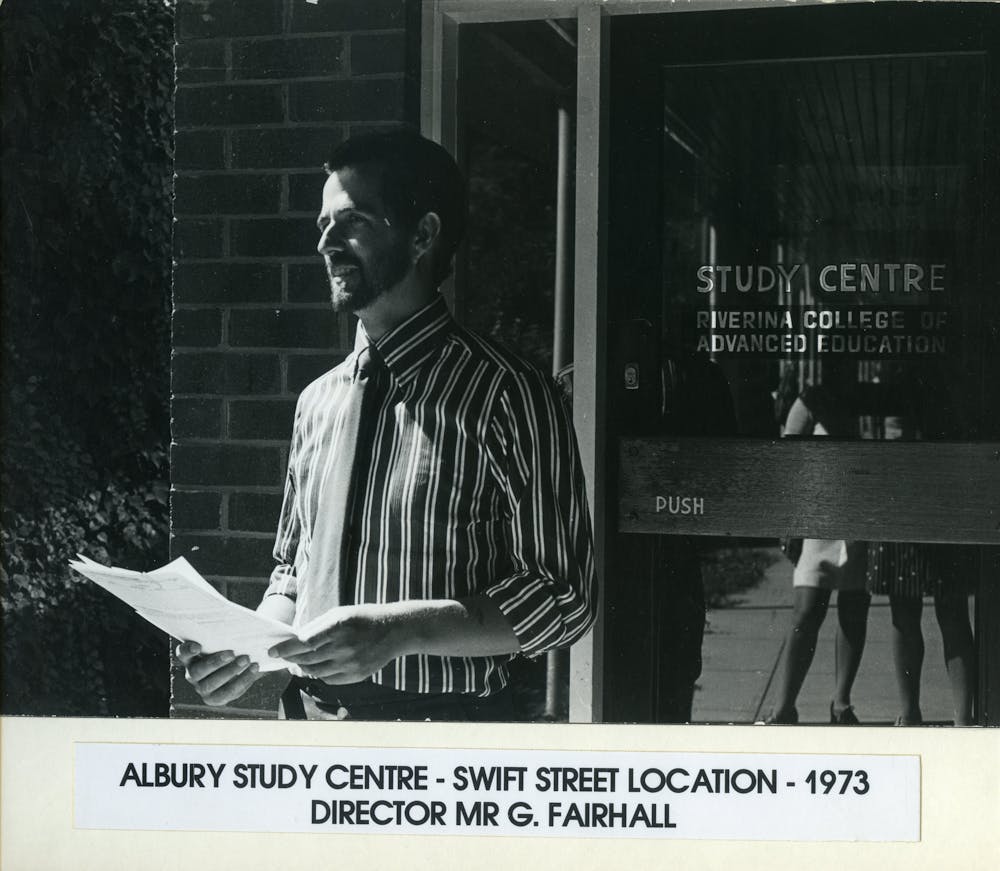
The women I interviewed had all been mature-age students of the Study Centre in the 1970s. For all of them, this education offered them a new life.
What stuck out to me in these interviews, was when asked what undertaking study meant to them, many responded “it was the beginning of feminism”.
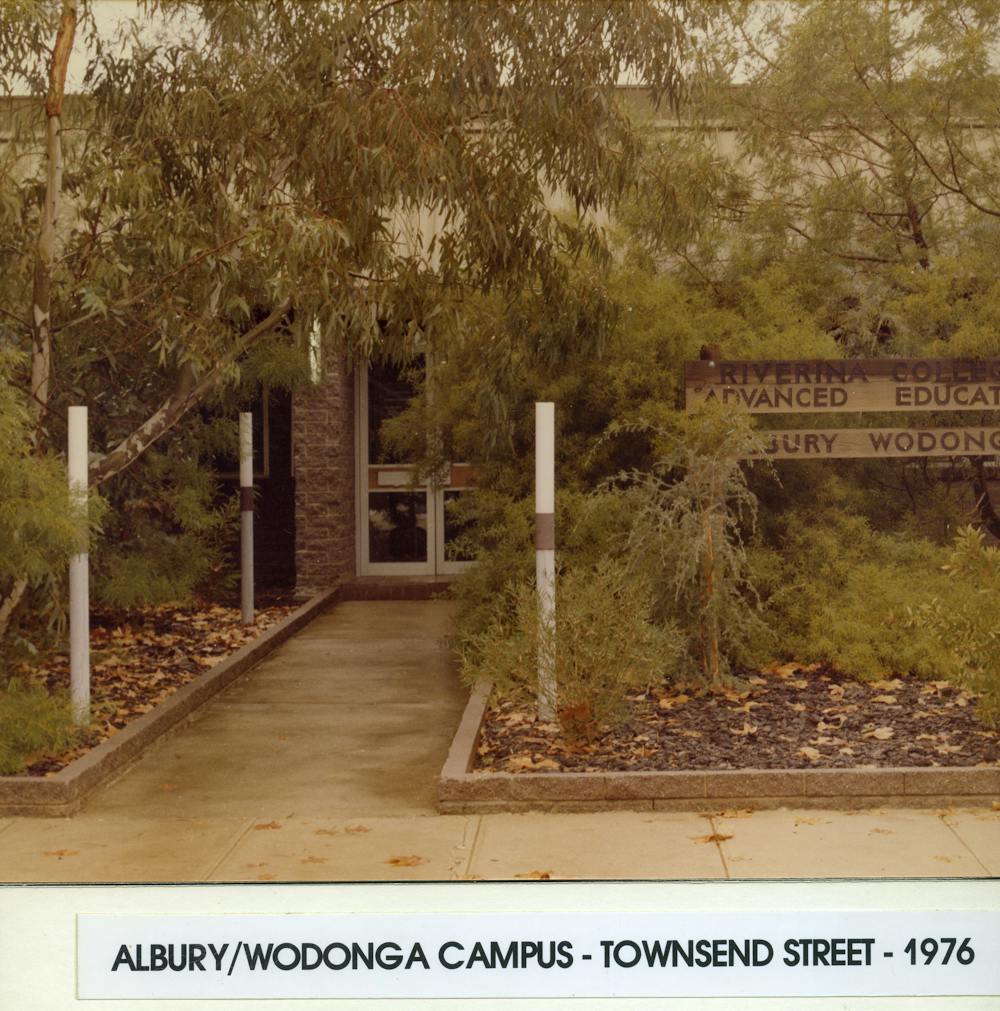
RCAE Study Centre was located on Townsend Street, Albury. CSU Regional Archives
Women and education
Women had traditionally missed out on the opportunity for a higher education, held back by cost, society’s expectations on the role of women and, for regional women, distance.
Of the women I interviewed, all had missed out on the opportunity of a further education. Jan left school at 15 and travelled with her husband to Papua New Guinea for his career. Ann worked doing “whatever I could to earn enough money” to solely support her six kids.
Once mothers, further education was seen to be a waste of time and money: they had already fulfilled what feminist Anne Summers called their “‘natural’ vocation”.
Ann recalled that, when she initially enrolled at the Study Centre, she experienced a backlash from her own children who
thought I should have been putting more time into being a mother. All this study business was taking away from what I was expected to do with my life.
The Whitlam Government’s free education initiative removed the financial barrier, yet it was the women’s movement’s critique of gender roles that worked to redefine what possibilities were open to women.
Jan explained:
of course the reason I could go, perhaps this isn’t quite true, but I think it was, was because of the Whitlam free education. It was part of the women’s movement […] and so there was really no obstacle in my way.
Education and feminism
Opened in 1972, the Study Centre was to help local professionals upskill. The courses were vocationally focused, ran in the evening and located in the centre of town.
These factors attracted large numbers of Albury-Wodonga women as it accommodated their busy roles as mothers and wives. Speaking to the local paper, centre director Geoff Fairhall attributed this influx to “bored housewife syndrome”.
Fairhall said women enrolled were ‘bored housewives’ – it was much more complex than that. CSU Regional Archives: CSU2620-OO-15
Fairhall missed the mark. The women were using the Study Centre to radically alter their lives as women, mirroring feminist principles from the period.
First, they developed a community outside of the family home, not tied to their family or marriage. This provided the space for them to engage in a form of consciousness-raising, as they applied their course material to their lives as women.
Jan recalled a psychology class where the women concluded they already knew much of the material as being “guardians of the health of the family” they had already “picked up on those things”.
Eileen simply stated her studies “helped me to look at my own life in a critical way”.
Second, this education had an impact on their lives as women as they developed an intellectual and economic independence.
Encouraged to undertake further study to stop her from “vegetating” at home, Barb opened her own book-keeping business upon graduation.
Reflecting on her study, Barb argued:
having the degree, it gave me that freedom […] I wasn’t stuck working in a full-time, low-paying job like a lot of women my age were.
The Study Centre is an important place in the history of Australian feminism. CSU Regional Archives: CSU2620-OO-14
Lastly, this challenged the highly gendered public and private spaces of regional Albury-Wodonga: women developed new identities not defined by their role as mother or wife.
Summarised by Ann:
studying and graduating and moving into the workforce as a professional, is miles away from being a housewife! The degree gives the woman a chance to take part in society as a real person rather than just being a mum.
The women of the Study Centre may not have led the 1970s Women’s Liberation movement, but they lived it, and through it their lives changed dramatically. It is important this story becomes part of our national history of feminism.
As Eileen told me:
so it was […] really inspiring, all these women who had lived on the farm for 30 years, now were doing something […] It was the beginning of feminism.
The primary research, including the original oral history interviews, was conducted as part of a larger, commissioned history on higher education in Albury-Wodonga by Charles Sturt University undertaken in 2019. This work was supported by the Australian Historical Association under a Copyright Agency Travel and Writing Bursary 2020.
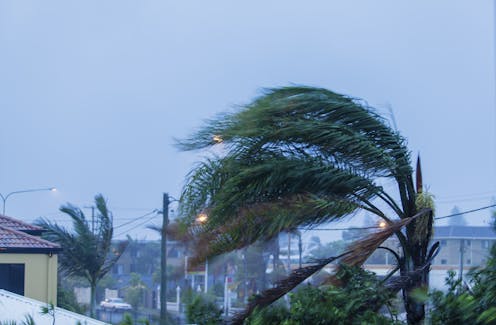
The annual number of tropical cyclones forming globally decreased by about 13% during the 20th century compared to the 19th, according to research published today in Nature Climate Change.
Tropical cyclones are massive low-pressure systems that form in tropical waters when the underlying environmental conditions are right. These conditions include (but aren’t limited to) sea surface temperature, and variables such as vertical wind shear, which refers to changes in wind speed and direction with altitude.
Tropical cyclones can cause a lot of damage. They often bring extreme rainfall, intense winds and coastal hazards including erosion, destructive waves, storm surges and estuary flooding.
The Intergovernmental Panel on Climate Change’s latest report detailed how human emissions have warmed tropical oceans above pre-industrial levels, with most warming happening since around the middle of the 20th century. Such changes in sea surface temperature are expected to intensify storms.
At the same time, global warming over the 20th century led to a weakening of the underlying atmospheric conditions that affect tropical cyclone formation. And our research now provides evidence for a decrease in the frequency of tropical cyclones coinciding with a rise in human-induced global warming.
Reckoning with a limited satellite record
To figure out whether cyclone frequency has increased or decreased over time, we need a reliable record of cyclones. But establishing this historical context is challenging.
Before the introduction of geostationary weather satellites in the 1960s (which stay stationary in respect to the rotating Earth), records were prone to discontinuity and sampling issues.
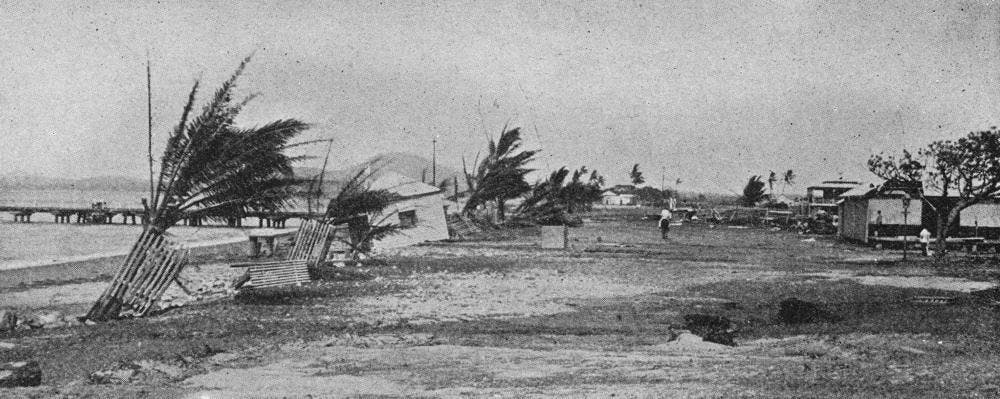
Beaches at Bowen, Queensland, were photographed while being hit by a cyclone in 1903. Wikimedia
And although observations improved during the satellite era, changes in satellite technologies and monitoring throughout the first few decades imply global records only became consistently reliable around the 1990s.
So we have a relatively short post-satellite tropical cyclone record. And longer-term weather trends based on a short record can be obscured by natural climate variability. This has led to conflicting assessments of tropical cyclone trends.
To work around the limits of the tropical cyclone record, our team used the Twentieth Century Reanalysis dataset to reconstruct cyclone numbers to as far back as 1850. This reanalysis project uses detailed metrics to paint a picture of global atmospheric weather conditions since before the use of satellites.
Drawing on a link to the observed weakening of two major atmospheric circulations in the tropics – the Walker and Hadley circulations – our reconstructed record reveals a decrease in the annual number of tropical cyclones since 1850, at both a global and regional scale.
Specifically, the number of storms each year went down by about 13% in the 20th century, compared to the period between 1850 and 1900.
For most tropical cyclone basins (regions where they occur more regularly), including Australia, the decline has accelerated since the 1950s. Importantly, this is when human-induced warming also accelerated.
The only exception to the trend is the North Atlantic basin, where the number of tropical cyclones has increased in recent decades. This may be because the basin is recovering from a decline in numbers during the late 20th century due to aerosol impacts.
But despite this, the annual number of tropical cyclones here is still lower than in pre-industrial times.
It’s a good thing, right?
While our research didn’t look at cyclone activity in the 21st century, our findings complement other studies, which have predicted tropical cyclone frequency will decrease due to global warming.
It may initially seem like good news fewer cyclones are forming now compared to the second half of the 19th century. But it should be noted frequency is only one aspect of risk associated with tropical cyclones.
The geographical distribution of tropical cyclones is shifting. And they’ve been getting moreintense in recent decades. In some parts of the world they’re moving closer to coastal areas with growing populations and developments.
These changes – coupled with increasing rain associated with tropical cyclones, and a trend towards hurricanes lasting longer after making landfall – could point to a future where cyclones cause unprecedented damage in tropical regions.
Then again, these other factors weren’t assessed in our study. So we can’t currently make any certain statements regarding future risk.
Moving forward, we hope improvements in climate modelling and data will help us identify how human-induced climate change has affected other metrics, such as cyclone intensity and landfalling activity.
Savin Chand receives funding from the Australian Bureau of Meteorology and CSIRO through the Earth Systems and Climate Change Hub of the Australian Government’s National Environmental Science Program (NESP).
The latest census results are out and the number of Australians who selected “no religion” has risen again to 38.9%, up from 30.1% in 2016.
This makes them the second-largest “religious group” after Christians, who make up 43.9% of the population, down from 52.1% in 2016.
Australia is often described as a secular country and this ongoing movement from religion to “no religion” is one way this manifests.
The numbers are interesting but, as a legal academic, I am more interested in what they mean in practice and how this ongoing shift in Australia’s religious demographics plays out in our laws.
Perhaps the most obvious example is marriage equality.
I began teaching law and religion at the University of Western Australia just over a decade ago. At the time, we were teaching students about the arguments for and against same-sex marriage. However, this was a purely theoretical concept.
True, the campaign for same-sex marriage was advanced even then. But repeated refusals at the time by political leaders such as John Howard, Julia Gillard and Kevin Rudd to even consider legalising same sex marriage made it seem like marriage equality was still decades away. At the time of the 2016 census, marriage equality was still theoretical.
How quickly things change.
In the five years between the 2016 census and 2021 census, Australia saw a monumental shift in what might broadly be considered moral laws.
In December 2017 the definition of marriage was officially changed to being the union of two persons voluntarily entered into for life, regardless of gender.
But marriage equality is just the tip of the iceberg. Euthanasia and abortion laws have also been reformed in the five years between the censuses.
Victoria, WA and Tasmania all passed laws to legalise euthanasia. Queensland and New South Wales have also passed similar laws since the 2021 census.
Abortion has been decriminalised in all states, with South Australia, NSW, the Northern Territory and Queensland all making reforms to their laws.
Given this legal shift away from what are sometimes referred to as “traditional moral laws”, it may seem strange that, concurrently, there has also been an ongoing debate about freedom of religion.
The debate has been the fiercest, and most painful, in relation to discrimination by religious schools.
On one hand, some religious schools claim they need to be able to maintain their unique faith identity, especially where this is out of step with mainstream beliefs.
On the other, LGBTQ+ groups in particular argue discrimination is harmful and no longer acceptable in modern Australia.
It is tempting to argue that, given the number of Australians who don’t have a religion, religious belief should give way to the secular.
However, it is important to remember that a large portion of the population still identify with a religion.
It is also important to note that Australia’s religious diversity is increasing.
In the battle for supremacy between the “nones” and Christianity, we must also be conscious of minority faiths which in 2016 made up 8.2% of the Australian population. For small and emerging faith groups, whose beliefs and practices may not be well understood in Australia, there is always a real risk of policy decisions affecting their religious beliefs and practices unintentionally or as the result of misunderstanding.
It is therefore more important than ever to have a robust and respectful debate about freedom of religion and the place of religion in secular Australia.
Part of the answer may lie in a balanced Religious Discrimination Act. It will also lie in respectful conversations about law reform. This must include those of minority faiths, those of the majority Christian faith, and those of no faith.
Australia’s Omicron wave earlier this year was much larger than we thought, recent research has confirmed. We also heard Health Minister Mark Butler acknowledge Australia can expect a “very big wave” of people with long COVID over the next few years.
Doctors and researchers have been warning about the growing threat of long COVID, as restrictions ease and case numbers climb.
So we need to take an urgent look at how we manage and treat it.
More than 7 million Australians have had COVID; most have recovered from the acute illness. But some have lingering symptoms for months, or longer.
The World Health Organization defines long COVID as symptoms present three months after infection, lasting at least two months, that cannot be attributed to other diagnoses.
The most common symptoms include: fatigue, especially after activity, shortness of breath, brain fog or difficulty concentrating, sleep problems, chronic cough, muscle aches and pains, loss of smell or taste, depression and anxiety.
But there is no one test that diagnoses long COVID. So this multitude of complex symptoms makes it a difficult condition to track down, study and treat.
The risk of long COVID is increasedin peoplewho have had more severe COVID, women and people with a chronic illness, such as diabetes, or chronic lung or heart disease.
A US study looked at 4.5 million people treated in the community or in hospital, and followed them to see if they developed long COVID. At six months, 7% had symptoms.
Worryingly this study also suggests being vaccinated only reduced the risk of long COVID by 15%. Symptoms such as brain fog and fatigue were present and vaccination seemed only partly protective against them.
How do we treat long COVID?
Australia’s National COVID-19 Clinical Evidence Taskforce’s recommendations for treating long COVID were updated in May. But these borrow heavily from UK recommendations and the evidence backing these recommendations is at best weak.
In the UK “long COVID clinics” have adopted a medical-led holistic model of care. This involves GPs, specialists and allied health workers, such as physiotherapists, occupational therapists and exercise physiologists. Similar clinics have been set up in Australia.
However, the advice for such clinics is based on consensus and experience of similar conditions, such as chronic fatigue, and what we know about how people recover after leaving intensive care, rather than the results of robust studies focusing on long COVID.
UK advice for treating long COVID involves looking for and managing COVID complications that may affect the lungs, lead to heart disease and managing other existing conditions, such as obesity and diabetes. It also recommends assessing and managing anxiety and depression, which not surprisingly is common in people with long COVID.
UK guidelines advise supporting people to manage their own symptoms, including getting support from their GP, then referral to specialist services when needed.
If people had COVID pneumonia – especially those who went to intensive care, still have breathing problems and are weak – there is some limited evidence pulmonary rehabilitation helps. This is out-patient care with specialist physiotherapists and nurses, involving breathing exercises, education and support.
Two small trials have shown pulmonary rehabilitation, improves breathlessness, exercise capacity, fatigue and quality of life. So this is now recommended.
How to manage fatigue, pain and brain fog?
However, breathing problems are only one component of long COVID.
For people with long COVID and severe fatigue or pain following exertion, a standard exercise program may make things worse. Here, the recommendation is for an initial period of rest then incremental increase in activity, often over many months. However, the optimal approach is not defined.
Neurological symptoms of poor concentration or brain fog, sleep disturbance and altered taste are common, but as yet there are no agreed or proven therapies.
Some people with the most severe neurological symptoms and fatigue develop a disabling condition known as postural orthostatic tachycardia syndrome or POTS. When people stand up, their heart races and blood pressure falls. This leads to severe fatigue, headaches and difficulty concentrating.
This condition can be treated by modifying someone’s diet and taking medication. We know this because we see POTS after other infectious diseases or other prolonged, severe diseases that lead to hospitalisation. However, we need clinical trials for these therapies for long COVID to see which treatments work and for whom.
What’s in the future
There are many aspects of long COVID that health authorities, doctors and researchers have yet to pin down.
We still don’t know what causes long COVID, we don’t have a universally accepted definition of it, robust data to say how many Australians are or will be affected, nor a concrete plan of how to manage the many thousands of cases we can expect. So evidence-based treatments for long COVID are only part of the picture.
But the problem we face is here now. We cannot wait for gold-standard evidence to come in before we start treating people.
In the meantime, people need reliable information about the symptoms of long COVID, what to expect and where to go for help. And health professionals need to take their symptoms seriously.
Health professionals also need training in how to manage people with long COVID, targeting appropriate investigations and treatments that will benefit people the most.
That does not just mean specialised long COVID clinics in capital cities, though it is likely we will need these to help people with the most debilitating problems.
Our response will also need to leverage help from a range of existing health providers, and a coordinated response to deal with symptoms that range from mild to severely debilitating. People need support for rehabilitation, mental health and return to work or study.
If we do not start planning and preparing now, the problem will only worsen.
Technology has undoubtedly contributed to global biodiversity loss and ecosystem degradation.
Where forests once stood, artificial lights now illuminate vast urban jungles. Where animals once roamed, huge factories now churn out microchips, computers, and cars. But now, we can also leverage technology to help repair our precious ecosystems.
Here, we discuss our two new research papers published today. They show how drones and genomics (the same technology used to identify COVID strains) can help protect and restore nature.
One paper demonstrates that drones can help safeguard biodiversity and monitor ecosystem restoration activities. They can also help us understand how impacts in one ecosystem may affect another.
Genomics can help identify populations that may be vulnerable to future climate change, and monitor elusive animals such as platypuses, lynx, and newts. Yet, our other paper found ecologists without genomics expertise thought the technology still needed to be tried and tested.
Remote sensing with drones
Drones are an increasingly common sight in, for instance, urban parks and weddings. Farmers also use them to assess crop health, and engineers use them to detect damage to bridges and wind turbines.
Drone technology has rapidly advanced over the last decade. Advancements include obstacle avoidance, enhanced flight times, high-definition cameras, and the ability to carry heavier payloads.
But can drones help repair damaged ecosystems? We reviewed the scientific literature from various environmental sectors to explore the existing and emerging uses of drones in restoring degraded ecosystems. The answer, we found, is a resounding “yes”.
We found drones can help map vegetation and collect water, soil, and grassland samples. They can also monitor plant health and wildlife population dynamics. This is essential for understanding whether a restoration intervention is working.
Some drones can help extinguish fires in the wild. Shutterstock
In Australia, for instance, drones have helped researchers identify the habitat requirements for marsupials such as the spotted-tailed quoll and the eastern bettong. Thanks to having the drone’s birds-eye view, researchers and practitioners are gaining a better understanding of what vegetation to restore as well as new approaches to monitor the return of critical habitat.
Famously, drones have recently been used to plant trees by dropping “seed bombs” to help restore forests. While drone-based tree planting has potential, it still requires more research as the survival rate of seedlings is currently poor.
Some researchers have even developed bushfire-fighting drones to protect sensitive ecosystems. This is where one drone detects fire using thermal technology, and another puts it out by dropping fire-extinguishing balls. But controlled wildfires can sometimes be vital to ecosystem restoration, so we can also use drones to drop tiny fireballs, too.
However, there are many pitfalls to consider when using drones. In the wrong hands, drones can be a nuisance and harm wildlife.
Studies have shown flying too close to animals, such as birds and bears can impact their physiology. For example, a 2015 study showed drones flying too close to American black bears caused their heart rates to rise – even for one bear deep in hibernation.
Drone pilots should acquire appropriate licences and follow strict protocols when flying them in sensitive habitats.
A study found black bears became stressed when drones flew too close. Shutterstock
Genomics: valuable, yet misunderstood
Genomics is a toolkit jam-packed full of innovative ways of looking at DNA, the blueprint of life on Earth. When scientists talk about genomics, they usually refer to modern DNA sequencing technologies or the analysis of vast collections of DNA.
We interviewed leading experts in different ecology disciplines and found many called for case studies to demonstrate the benefits of genomics in restoration.
But surprisingly, we found restoration genomics literature included over 70 restoration genomics studies, many of which used environmental DNA to monitor ecosystem health. So, plenty of case studies already exist.
Genomics can help choose which seeds of red ironbark trees can withstand the changing climate. John Tann/Wikimedia, CC BY-SA
In ecosystem restoration, the two most common genomics applications are population genomics and environmental DNA.
Population genomics studies small differences in an organism’s genome to answer questions such as how much genetic variation exists in a population, how related individuals are, or how landscapes change migration patterns.
Linking changes in DNA sequences to historical climates has become central to modern-day nature conservation and restoration. It allows us to understand how resilient animals, plants and microbes are to future climates.
For example, we have used this approach to select robust tree seeds, such as red ironbark (Eucalyptus tricarpa), for woodland restoration plantings across southeast Australia. Using genomics to select the most resilient seeds gives the trees the best chance of surviving in a changing climate.
Scientists can also gain insights into ecosystems and monitor elusive species using the DNA organisms leave behind in environments, such as soil or water.
This environmental DNA data can help track the presence of species — invasive, endangered, or cryptic — and help measure community health and diversity. This includes pollinators such as bees, other animals and plants and our invisible friends, the microbes.
For instance, in the United Kingdom, ecologists currently use environmental DNA to detect the presence of vulnerable amphibians, such as great crested newts.
Great crested newt populations are declining. Shutterstock
Where to from here?
Greater uptake of remote sensing and genomics in restoration has clear potential to help improve the monumental task of restoring our degraded ecosystems. Our papers outline ways for restoration ecologists to integrate drones and genomics into their toolboxes.
Given humans have caused substantial degradation to global ecosystems, it makes sense to use the technologies now available to restore wildlife and prevent additional biodiversity loss.
Jake M Robinson is affiliated with Flinders University in South Australia and the University of Sheffield in the UK.
Jakki Mohr receives funding from the U.S. National Science Foundation.
Martin Breed receives funding from the Australian Research Council.
Peter Harrison receives funding from the Tasmanian Government.
suzanne.mavoa@unimelb.edu.au previously received funding from University of Melbourne and the Australian National Health and Medical Research Council.
Source: The Conversation (Au and NZ) – By Lucas Walsh, Professor and Director of the Centre for Youth Policy and Education Practice, Monash University
Shutterstock
When Prime Minister Anthony Albanese declared victory on election night, he said he wanted to unite Australians around “our shared values of fairness and opportunity, and hard work and kindness to those in need”.
So what would this look like in Australian schools? Schools, after all, are where a society that believes in fairness and opportunity must begin. Equity involves more than fairly funding schools.
It is about matching teachers’ passion with the respect, time, resources and conditions that enable them to do what they signed up to do: make a difference in students’ lives.
Based on our research into quality use of evidence do drive quality in education, I suggest equity, hard work and kindness should underpin school policy in three ways.
1. Ensure fairness in funding
The first priority is fairness in funding. It has been ten years since the Gonski review proposed a more equitable approach to school funding. The goal was to ensure differences in students’ educational outcomes are not the product of differences in wealth, income or power.
Since then, the approach has been diluted and gone backwards.
While resourcing to schools increased by over A$2 billion over a decade, the Grattan Institute found that once wage growth is taken into account, private schools received over 80% of this extra funding despite educating less than 20% of Australia’s most disadvantaged students.
The basis of the reform therefore needs to be reviewed. As then Prime Minister Julia Gillard, a former education minister, effectively tied a hand behind the government’s back by committing to the principle that no school would lose funding as a result of the reforms.
This distorted Gonski’s needs-based aspiration.
The needs-based funding that needs to be directed to public schools for them to be fully funded according to the Gonski model equates to more than $1,000 per student each year. But ensuring all schools get a fair share of public funding is only a part of the challenge.
A second priority relates to fairly rewarding the hard work of teachers. This should include incentives to enter the profession, and better pay and working conditions to keep them there.
Teacher shortages are reaching critical levels. Modelling in Queensland, for example, shows a 25% decline in state high school teaching graduates over five years. Secondary school enrolments are predicted to increase by 13% over the same period.
“We want to make sure our kids get the best education they can. That means we have to make sure they get the best-quality teaching,” Albanese said. nb moved this quote down
Labor also announced plans to double the number of high-achieving students enrolling in teacher education over the next decade, from around 1,800 a year at present to 3,600.
Also, about 5,000 students who receive an Australian Tertiary Admission Rank (ATAR) of 80 will be able to get an annual $10,000 payment over their four-year degree. An extra $2,000 a year has been promised to students who commit to teach in regional areas – the worst affected by teacher shortages. I think we can cut this par – it doubles up on above
Providing incentives like these might work – particularly as only 3% of high achievers in Australia select teaching for undergraduate study. Contrast this to the 19% who select science for undergraduate study.
But, unlike other fields such as agriculture, such rankings year 12 exam marks? are less reliable as predicators of performance in education. It is rightly argued that other skills, such as high-level interpersonal skills, are important to the quality of teaching, alongside high-level literacy and numeracy.
We need to be thinking more boldly and expansively about how we can inspire and assess people to enter the profession.
But even if such measures might attract new teachers, attrition rates are also concerning.
Educators persistently indicate they are suffering stress, burnout, abuse from parents and excessive workload, which takes away from teaching students.
Increased workload pressures mean they have less time to focus on teaching students. It ultimately drives many out of teaching.
Strikes for better pay in New South Wales in relation to the government’s 2.5% wage cap for public servants are on one level about fair pay, but also reflect deeper concerns about working conditions.
Teachers do not feel respected. A 2020 study found nearly three-quarters of educators felt underappreciated.
The challenge of keeping teachers in the profession therefore entails much more than pay. Research has shown salary ranks after factors such as commitment to the profession, job satisfaction and positive relationships with students and colleagues. The most common reasons for leaving include workloads, being unappreciated, stress and burnout from years of struggle in substandard conditions.
Fostering excellence in teaching is therefore not just about attracting quality candidates, nor is it only about paying them at the right level once they become teachers. It’s about respecting their judgement and professionalism, as well as supporting them throughout their careers.
Even though pay might be poor in comparison with other professions and the workload overwhelming, educators continue to teach because they are driven by a deep, passionate moral purpose to make a difference in kids’ lives.
We understand the challenges. Let’s hope kindness, fairness and a clear moral purpose drive the policy of Australia’s new government to address current problems as well as deeply embedded historical legacies.
The Albanese government has a tough, complex job – not unlike teaching.
Lucas Walsh does not work for, consult, own shares in or receive funding from any company or organisation that would benefit from this article, and has disclosed no relevant affiliations beyond their academic appointment.
Census data to be released Tuesday shows Australia changing rapidly before COVID, gaining an extra one million residents from overseas in the past five years, almost all of them in the three years before borders were closed.
For the first time since the question has been asked in the census, more than half of Australia’s residents (51.5%) report being either born overseas or having an overseas-born parent.
More than one quarter of the one million new arrivals have come from India or Nepal.
The census shows so-called millennials (born between 1981 and 1995) are on the cusp of displacing baby boomers as Australia’s dominant generation.
Although the number of baby boomers (born between 1946 and 1965) has changed little, as a proportion of the population boomers have fallen from 25.4% in 2011 to 21.5%. Millennials have climbed from 20.4% to level pegging at 21.5%.
The changes are reflected in the answer to the question about religion, the only non-compulsory question in the census. Almost 40% of the population identified as having no religion, up from 30% in 2016, and 22% in 2011.
Whereas 47% of millennials identify as having no religion, only 31% of boomers fail to identify with a faith. Nearly 60% of boomers are Christian, compared to 30% of millennials.
The share of the population identifying as Christian has slipped from 52% to 44%. Other religions are growing, but remain small by comparison. Hinduism climbed from 1.9% of the population in 2016 to 2.7%. Islam climbed from 2.6% to 3.2%.
The five-yearly snapshot
Conducted every five years since 1961, and before that less often from 1911, and asking questions of every Australian household, the census provides information about the ways society is changing that couldn’t be obtained in any other way.
In the past five years the number of people who use a language other than English at home has climbed 792,000 to more than 5.6 million. 852,000 Australian residents identify as not speaking English well or at all.
Mandarin remains the most common language other than English used at home, used by 685,300 people, followed by Arabic with 367,200 people.
The real value is in the detail
The real value of the census is in the locational details. The information released on Tuesday will identify locations with any characteristic that needs particular services, such as the areas with more people who identify as not speaking English well or at all. It will also show which parts of Australia are growing in population and which parts are shrinking.
The broad-brush information released on Monday showed the number of single-parent families had climbed past one million. The information released on Tuesday will identify the suburbs and towns in which they live.
The information released on Monday showed the overall proportion of Australians owning their homes was little changed. The information released on Tuesday will report those proportions by age group and city.
The thank you message for the 2021 census. ABS
New questions
Two new separate questions in the 2021 census ask about service in defence forces and long-term health conditions.
One quarter of veterans are aged 65-74, reflecting conscription during the Vietnam War.
More than two million Australians suffer long-term mental health conditions; more than two million suffer arthritis; and more than two million suffer asthma.
Tuesday’s figures will offer more detail on the locations of sufferers and details such as their income and occupations, as well as details such as whether those who’ve served in defence were conscripts, serving in Vietnam.
Saved from the axe
Seven years ago the Australian Bureau of Statistics tried to axe the five-yearly census, making it 10-yearly – as in the United Kingdom and the United States – to save money.
The outcry from planners and researchers who relied on the census resulted in the bureau being given an extra A$250 million to ensure it continued.
Tuesday’s is the first of three census data releases. In October, the bureau will release information about education and employment and travel to work.
Early next year it will release location-specific socio-economic information and estimates of homelessness.
Peter Martin does not work for, consult, own shares in or receive funding from any company or organisation that would benefit from this article, and has disclosed no relevant affiliations beyond their academic appointment.
Review: Light: Works from The Tate’s Collection, ACMI
The first room of Light: Works from The Tate’s Collection at Melbourne’s ACMI, begins, cannily, at the end of the Enlightenment – the period of the 17th and 18th centuries characterised by the emergence of the scientific method and the decline of the power of religious thinking.
Beginning in the 18th century and winding up with work from the 21st, it is a show of some 70 works that surveys the many ways light has been important to artists as both the material and content of their work.
Not surprisingly in an exhibition by Britain’s Tate, J.M.W. Turner is front and centre in this first room.
Turner is commonly associated with his contemporary John Constable, as he is here.
Constable applied himself scientifically to the recording of atmospheric effects. But there is really nothing like Turner’s swirling, highly textured, and downright experimental work of the second half of his career.
Harwich Lighthouse, exhibited 1820, John Constable, Tate: Presented by Miss Isabel Constable as the gift of Maria Louisa, Isabel and Lionel Bicknell Constable 1888. Photo: Tate
Turner’s later work can be abstract to the point where we must rely on the title to tell us what we are looking at – as is the case with Light and Colour (Goethe’s Theory) – the Morning after the Deluge – Moses Writing the Book of Genesis from 1843 (yes, that’s all one title!).
Turner points the way to the shift in the late 19th and 20th centuries away from naturalistic representation as a key value in art.
Joseph Mallord William Turner, Light and Colour (Goethe’s Theory) – the Morning after the Deluge – Moses Writing the Book of Genesis, exhibited 1843. Tate Britain, CC BY-ND
As the exhibition travels forward in time through its various galleries, it is a delight to find the mid-century abstract photography of György Kepes and Luigi Veronesi.
So often the history of art leaves out the attempts by many 20th century artists to use film and photography for ends other than naturalistic renderings of the world as we see it.
Seated among these works is a Yayoi Kusama sculpture, The Passing Winter (2005), sitting at the centre of the exhibition.
Seriously dotty
With her iconic and cartoony bobbed hair and polka dot fetish, Kusama is occasionally overlooked as Instagram eye candy and grandmother of east Asian cute.
In reality, she has been a deeply serious artist since her emergence in 1960s New York. Her installations can be quite intense, disorientating experiences.
Stereotypically Japanese, Kusama’s craft is exacting in terms of the experiences she creates, and this work is no exception. Using a complex set of mirrors and portals, the work by turns fractures, refracts and reflects the room around it.
As you play with the various portals it offers, the work feels so very precise in its ability to surround you with shimmering dots or echoes of our own circularly vignetted face.
Transported into the world of Kusama’s unique psyche, while remaining at a safely bell-roped distance, I couldn’t help but smile.
As you approach the end of the exhibition, there is a room dedicated to Tacita Dean’s 16mm film installation, Disappearance at Sea (1996).
In an echo of Turner’s seascapes, Dean creates a deceptively simple, circular portrait of a lighthouse. Like Kusama, all is circles: day to night the lighthouse lamp rotates gravely as the giant film loop chases its own tail.
We have all become accustomed to 4K televisions. We now realise just how orange TV makeup is. Our eyes have also become retrospectively more sensitive to the lack of resolution in earlier formats like DVD and the humble VHS tape. This technological advance made this work feel entirely different now to when I first viewed it in 2001.
The grainy 16mm film, ticking through the intricate looping film projector, foregrounds the ephemerality of light through its precarious physicality.
None of the glassy imperviousness of the digital image, we were looking at a fragile remnant from another time, like the Constables and Turners.
Art as phenomena
This show offers a respite from contemporary art dominated by social concerns.
Even as an insider, I feel contemporary art is, at times, theoretically and politically overburdened.
This comes on the back of a suspicion of aesthetics among many contemporary practitioners and academics (by aesthetics I mean the realm of the sensory, intuitive and prelingual). That’s fine: contemporary art is a broad church, and if art can help with society’s ills, there’s certainly plenty of work to do.
However, for me, this is a show to be felt: floating in front of James Turrell’s Raemar, Blue (1969), sitting surrounded by the circling sparkles of Olafur Eliasson’s Stardust Particle (2014), being hypnotised by Bridget Riley’s Nataraja (1993), or considering the clouds that overshadow Constable’s bucolic (ok, admittedly a little saccharine) scenes.
Light: Works from The Tate’s Collection is at ACMI until November 13.
Former National MP and Justice Minister Amy Adams says opposition leader Christopher Luxon is right to rule out restricting abortion laws in Aotearoa New Zealand, calling the alternative “absolutely soul-destroying”.
Speaking to RNZ, Adams also sounded a note of warning to her socially conservative former colleagues that their views are increasingly “out-of-touch” with the public.
Shortly after taking the helm of National, Luxon — who describes himself as “pro-life” — committed not to change abortion laws if elected prime minister next year.
Following Friday’s Roe v Wade decision, Luxon went further, stating: “These laws will not be relitigated or revisited under a future National government, and these health services will remain fully funded”.
Former Justice Minister Amy Adams … she says some socially conservative National MPs are increasingly out of touch with the New Zealand public. Image: Rebekah Parsons-King/RNZ
Adams told RNZ anything other than an unequivocal assurance would have put Luxon in a “very bad” position.
She said the vast majority of New Zealanders regarded abortion as a health issue.
“There is no place whatsoever for politicians and lawyers and judges to start determining what health procedures women are entitled to,” Adams said.
Conservative politicians ‘in peril’ “When political parties wade into that space, they put themselves in great peril and they risk getting substantially out of touch with those people they represent.”
Adams said the US Supreme Court decision overturning Roe v Wade was “outrageous” and “should scare women all over the world”.
“We can get quite complacent that our progressive movements… are set in stone, but actually it shows us that things can be undone and freedoms we perhaps take for granted… can be taken away from us,” Adams said.
“I felt quite sick… it made me really sad and actually very, very angry.”
Opposition leader Christopher Luxon … says his party is united in its commitment not to change abortion law. Image: Angus Dreaver/RNZ
Luxon: ‘I serve the common cause’ On Saturday, Luxon directed his Tamaki MP Simon O’Connor to remove a Facebook post showing support for the US Supreme Court ruling.
O’Connor posted “today is a good day” surrounded by love hearts.
Speaking to RNZ on Monday, Luxon said he felt the message was being “misrepresented as the National Party position”.
He said O’Connor was entitled to his own personal views but also believed the message was “insensitive to people on the other side of that debate”.
“It’s a sensitive and distressing issue, and I want to make sure that New Zealanders understand there will be no change under a National government.”
Luxon said all his MPs were united around the commitment not to change abortion law if elected next year.
“I serve the common cause of all New Zealanders,” Luxon said. “I’m not just here for one group or one interest or one topic.”
O’Connor did not return RNZ’s calls.
Acting Prime Minister Grant Robertson … has questioned if Christopher Luxon will follow through on his commitment. Image: Samuel Rillstone/RNZ
Questions also for Labour Speaking at the regular post-Cabinet media conference, Acting Prime Minister Grant Robertson questioned whether Luxon’s assurance could be trusted.
“It’s great news if that is what Christopher Luxon says he’s going to do,” Robertson said.
“But I could also understand why people could be sceptical about that given what he has said in the past [and] given that over half of his caucus actually voted against [abortion reform].”
Robertson was also questioned over Foreign Minister Nanaia Mahuta’s tweet calling the Supreme Court ruling “draconian” despite voting against removing abortion from the Crimes Act.
He said Mahuta had dealt with the issue in accordance with her conscience and deferred questions to her.
“The Labour Party continues to support women in New Zealand to be able to access abortion services and to have reproductive rights. We passed the legislation, it was a government bill, and I stand by what we’re doing here.”
This article is republished under a community partnership agreement with RNZ.
The Tuvalu government has withdrawn from a UN Oceans Conference in Portugal after China blocked Taiwanese delegates in its team.
An officer with Tuvalu’s Ministry of Foreign Affairs, Dr Jessica Marinaccio, told RNZ Pacific that Tuvalu’s Foreign Minister Simon Kofe was already en route to the Portuguese capital, Lisbon, for the summit on scaling up actions to protect the world’s oceans.
But Dr Marinaccio said China had blocked the credentials of three Taiwanese participants on Tuvalu’s delegation list.
The Foreign Minister made a decision to return and will land in Brisbane on Monday night instead of Lisbon.
The UN Oceans Conference is hosted by the governments of Kenya and Portugal and around two dozen heads of state and governments are expected to attend the event taking place from June 27 to July 1.
Representatives from 193 countries will also be joining the conference, including 938 civil society groups, 75 foundations, and 74 universities.
Nominated for Nobel Peace Prize Meanwhile, Kofe has been nominated for the Nobel Peace Prize.
He made headlines at last year’s COP 26 summit, when he addressed the summit while standing knee-deep in the ocean to highlight rising sea levels.
Kofe said he was surprised at the nomination but at the same time honoured to be considered.
He said the main message of the clip, which had gone viral online, was to recognise the plight of Pacific Island nations like Tuvalu in their fight against climate change.
Sir David Attenborough, the World Health Organisation, and Belarusian dissident Sviatlana Tsikhanouskaya, Greta Thunberg, and Pope Francis are among the other nominees for the Nobel Peace Prize.
This article is republished under a community partnership agreement with RNZ.
Source: The Conversation (Au and NZ) – By Ivan Charles Hanigan, Director, WHO Collaborating Centre for Environmental Health Impact Assessment and Senior Lecturer in Climate Change and Health, , Faculty of Health Science, School of Population Health, Curtin University., Curtin University
Shutterstock
New research has found suicide increases during drought among men in Australia’s rural communities, and the problem may be exacerbated due to climate change.
Our findings call for urgent plans for adaptation, and global action to mitigate climate change and avoid impacts on vulnerable communities who are at risk of worsening natural hazards.
By looking at drought data and suicide data from 1971-2007, we found suicides among working-age rural men increase as drought worsens.
We then used this correlation to calculate how many deaths can be attributed to drought in every month over the 37-year study period.
We used this statistic to calculate a total number of suicides, and because some years are drought years and some are not, we calculated an annual average figure. We found on average each year, 1.8% of suicides among rural working-age men could be attributed to drought.
We sought to quantify the risks of climate change under potential future scenarios, and its association with impacts to mental health.
We compared three climate models for New South Wales available from the Bureau of Meteorology and CSIRO, which estimated rainfall by month between 2006 and 2100. The three models ranged from the hottest and driest to a low-warming, wetter scenario.
Using the same method as above for calculating suicides due to drought for each of the climate change scenarios, we showed the annual average number of drought-related suicides under the driest future scenario would increase to 3.3%.
All three scenarios showed increasing drought and suicide levels, with the lower-warming/wetter scenario increasing the proportion to around 2%.
The increase in suicide rates during drought is seen among working age men in rural areas. Shutterstock
Fourteen years ago, the federal government sponsored the Garnaut Climate Change Review, which investigated the mental health impacts of climate change in rural Australia. This report raised the unsettling concept of a “planned and orderly closure of community”.
It noted that for some high-risk rural communities, potential downturns in agriculture could be so substantial that farming may not be feasible. Extraordinary adaptation would be required as the communities may need to change the mix of their industry base to largely exclude agriculture or move away entirely.
There are precedents in Australia, including in agricultural and mining communities, of the abandonment of towns and farms. The best known is the retreat of farming north of the Goyder line in South Australia in the 1880s, driven by a ten-year boom followed by drought and depressed wheat prices.
There are precedents of mining and agricultural towns being abandoned. Shutterstock
A forced retreat is a tragedy. Is it possible to design a planned and managed closure of such communities? Might this help prevent adverse mental health impacts due to climate change, or does it produce a different set of problems?
This dilemma is increasingly relevant globally, including to many low-lying coastal regions and small island developing states such as in the Pacific Islands. Not only are sea levels rising, so too is the rate of its rise.
Although adaptation in the form of sea walls enables millions of Dutch to continue living below sea level, such a response cannot be expanded on the required scale. Sea-level rise is already a reality in many Pacific communities, affecting drinking water and agriculture through saltwater intrusion into water tables and erosion and loss of land through inundation.
Mitigating climate change is the best option
It is clear that careful attention to interventions such as farm and town planning are an important part of adapting to climate change. We should avoid placing people in harm’s way. However, we should also put more effort into mitigation so we avoid the worst climate change scenarios entirely.
Governments should ensure we avoid runaway global warming through stronger national policies on reducing greenhouse gas concentrations in the atmosphere while also pursuing adaptation strategies such as investments that also build climate resilience across vulnerable communities. This would provide the co-benefit of preventing the public health burden due to climate change, of which suicides are but one example.
If this article has raised issues for you, or if you’re concerned about someone you know, call Lifeline on 13 11 14.
Ivan Charles Hanigan receives funding from the Australian Research Data Commons (ARDC), the NSW Human Health and Social Impacts (HHSI) Node of the NSW Adaptation Research Hub and the National Health and Medical Research Council HEAL (Healthy Environments And Lives) National Research Network.
Aditya Vyas receives funding from the WA Department of Health. He is affiliated with the Monash Sustainable Development Institute and has consulted for the Victorian Department of Health.
Colin D. Butler has received funding from the Australian Research Council (long ago). He is affiliated with Doctors for the Environment, Australia, as a member of its scientific advisory council, and as a co-founding board member.
Natasha Kuruppu previously received funding from the Federal Government- National Climate Change Adaptation Research Facility and NSW Government funding from Office of the Environment and Heritage. She is affiliated with Asian Development Bank.
Most of the music we listen to is made by session musicians. These guns for hire are experts in their field, much sought after and often bring a unique sound – that extra thing that helps to make the recording what it is.
Whether we’re at home or in our cars, at the gym, the shops, a cafe or a pub, recorded performances form the soundtrack to our lives. This soundtrack includes music made by hired freelance instrumentalists and singers whose contributions are vital to the appeal and quality of those recordings.
While we get to enjoy the end product seemingly free of charge, all music that is broadcast or communicated to a listener is licensed by the owner of that recording and a fee is paid for that licence. Collection agencies such as PPCA collect these licences and disperse royalties to the rights holders of the registered recordings.
Does Australia value musicians?
Historically, Australian session musicians have had no economic claim to their recorded performances beyond a basic session fee – an unregulated fee that in real terms, has been going backwards for decades.
While many other countries support the rights of performers to ongoing royalties, Australia is one of a handful of developed economies that does not. This has denied our musicians access to important income streams at home and abroad, placed a limit on our trade with other countries and positioned us as an outlier.
We are seen as a country that does not value musicians the way they are valued elsewhere in the world, a perception that needs to change if we want to provide some incentive for the next generation to keep making music.
So, how did it get to this?
In 1996 the World Intellectual Property Organisation (WIPO) drafted the WIPO Performances and Phonograms Treaty, which granted performers economic rights for their recorded performances and “equitable remuneration” when these performances were monetised.
Since then, free trade agreements, such as the one between Australia and the United States in 2004, have required that parties sign up to the treaty, which our government did in 2007. Unfortunately, then Foreign Affairs Minister Alexander Downer deliberately excluded Article 15.1 from the agreement, leaving Australian musicians without the same rights as those enjoyed by musicians in other parts of the world.
While many other countries support the rights of performers to ongoing royalties, Australia is one of a handful of developed economies that does not. Shutterstock
For example, in the UK, US, most of Europe, as well as Mexico, Brazil, Canada and Japan, performers are assigned a percentage of the licence revenue.
According to Peter Thoms, board member of the UK collection agency PPL,
[…] in the UK, PPL royalties are split 50/50 with the labels and performers. A featured artist, who will be contracted to the label, gets a bigger performer share but session players also share in this revenue. Players who have been active on many recordings receive significant amounts annually. This helps make session playing as a vocation more viable and is a fair recognition of their contribution.
However, when the same recordings are then broadcast in Australia, these musicians are not entitled to any performance royalties. This has led to countries like the UK reciprocating our approach and no longer paying session musicians or artists on Australian recordings when they are broadcast in the UK.
The extra twist is that Australian artists with international appeal are now frequently recording outside Australia to enable them to qualify for European royalties, which are paid on a qualifying territory basis.
As Australia is no longer a qualifying territory there is motivation for Australian artists to record in the UK and elsewhere to ensure they can claim equitable remuneration in the big overseas markets.
The WIPO Treaty aimed to “provide adequate solutions to the questions raised by economic, social, cultural and technological developments”, all of which have evolved enormously since 1996. If Australia is to keep up with these changes, it must stop lagging behind and adopt Article 15.1.
This has the potential to increase productivity in the recording economy, including revenue derived from export, and expand a sector that is currently heavily reliant on live music. Increasing passive income streams would also help to grow and sustain the careers of young musicians and support performers through future crises.
The current free trade agreement between Australia and the UK provides us with a political opening for this conversation. The agreement calls for a discussion about measures to ensure “adequate” remuneration for performers and producers of recordings. If we truly value our musicians, adequate must be equitable.
All performers, classical and contemporary, as well as record producers should be having this conversation right now, engaging with other stakeholders and raising awareness.
Increasing passive income streams would help to grow and sustain the careers of young musicians. Shutterstock
If the Australian government and recording industry will acknowledge the prevailing conditions for musicians globally and adopt the principle of equitable remuneration, we can begin rebuilding the structures that support payments to performers at home and overseas.
By valuing our musicians more we will add value to the sector, with better economic regulation and new systems connecting all Australian musicians to the larger markets.
So next time you hear music playing, think of the session musicians and producers whose skills helped to make that song a hit – the drummer on X, the trombone player on Y, or the vocalist on that annoying advertisement that’s been running for 20 years – and ask someone close by, why is it that Australian musicians are denied equitable remuneration that exists in so many other parts of the world?
Rod Davies is a freelance musician and a member of MEAA/Musicians Australia, which is part of a coalition campaigning and working on behalf of musicians for equitable remuneration
Prime Minister Jacinda Ardern’s acceptance of an invitation to speak at this week’s NATO leaders’ summit in Madrid has fuelled a narrative that New Zealand’s independent foreign policy is falling victim to a new Cold War.
According to this view, Ardern’s participation is a reward for recently aligning New Zealand’s foreign policy more closely with the US and its allies against Russia and, to a lesser extent, China.
These developments purportedly show American power has forced New Zealand to abandon its preferred strategy of hedging between the two superpowers and instead follow Washington at the expense of its own national interests and the country’s crucial relationship with China.
But this reading of the current international situation and its impact on New Zealand foreign policy is wide of the mark.
There is no new Cold War
The post-Cold War era is fundamentally different from the period between 1947 and 1989 and its rival global economic systems and competing but comparable alliance systems. Those features simply do not exist in the globalising world of the 21st century.
China’s rise to superpower status has been based on full-blooded participation in the global capitalist economy and its dependence on key markets like America, the European Union and Japan.
At the same time, the Ardern government has distinctive reasons, beyond simply following America’s lead, for opposing Putin’s Ukraine invasion and expressing public reservations about the China-Solomon Islands security deal.
Since the second world war, New Zealand has been a firm supporter of a strengthened international rules-based order, enshrined in institutions such as the United Nations and embodied in norms such as multilateralism.
Putin’s invasion of Ukraine was a flagrant violation of the UN Charter. It confirmed what has been clear for much of the post-Cold War era – the UN Security Council is no longer fit for purpose.
Ukrainian President Volodymyr Zelenskyy has pledged to campaign for a reformed Security Council that can more effectively hold aggression in check. The Ardern government believes it has a big stake in helping Kiev defeat Putin’s expansionism.
By framing concerns about China’s “militarisation” of the Pacific region as a possible breach of the 2000 Biketawa Declaration, the Ardern government is seeking to foster local resilience against China’s assertiveness in a region considered as New Zealand’s neighbourhood.
New Zealand’s worldview remains distinctive. It shares many of the concerns of close allies about the threat of authoritarian states to an international rules-based order. But it also rejects the view any great power should enjoy exceptional rights and privileges in the 21st century.
Here New Zealand’s foreign policy parts company with that of its traditional allies. New Zealand not only seeks to defend the international rules-based order, it wants to strengthen it.
New Zealand’s strategic positioning
There are other important strategic and economic reasons for Ardern to make this five-day visit to Europe.
She will have the chance to emphasise to so-called realists within NATO that ceding Ukrainian territory to Putin to bring peace is delusional, only likely to invite more territorial demands from the Kremlin.
China will also loom large in the discussions. Xi Jinping’s regime has diplomatically backed the Kremlin and recently declared Putin’s Ukraine invasion was “legitimate”.
Ardern has said China should not be “pigeonholed” with Moscow. But she will also be mindful a failure to strongly counter Putin’s assault on the rules-based order in Ukraine could increase China’s pressure to incorporate Taiwan, a state with vibrant trade and cultural ties with New Zealand.
Ardern should tell leaders in Madrid the best China strategy at this time is to make sure Putin’s invasion is rebuffed. If Putin’s army is defeated and ejected from Ukraine, it will be a serious blow to Xi’s leadership and could complicate any plans he might have for annexing Taiwan.
Chance to advance bilateral trade talks
The NATO meeting will also facilitate bilateral meetings with European leaders on some crucial trade questions.
In Brussels, Ardern and Trade Minister Damien O’Connor will seek to progress already advanced talks for a New Zealand-EU Free Trade Agreement (FTA). The EU single market remains the world’s largest and most prosperous. It offers New Zealand the prospect of enhanced trade links with an important like-minded partner.
In London, Ardern and O’Connor will meet UK Prime Minister Boris Johnson to build on a “gold-standard” New Zealand-UK FTA negotiated earlier this year.
The UK government has applied to join the Comprehensive Progressive Trans-Pacific Partnership (CPTTP). Ardern may warn Johnson that breaching the EU withdrawal agreement in relation to the Northern Ireland protocols could jeopardise this goal.
Ardern’s participation in the NATO summit and bilateral discussions in Europe at a time of geopolitical uncertainty mirror New Zealand’s key national goals of promoting an international rules-based order and diversifying trade links.
Robert G. Patman does not work for, consult, own shares in or receive funding from any company or organisation that would benefit from this article, and has disclosed no relevant affiliations beyond their academic appointment.
In many churches across the United States of America, and even perhaps here in Australia, Sunday worship would have been an opportunity to celebrate the decision of the US Supreme Court to overturn the protections established in the case of Roe v. Wade in 1973. On Twitter one theology professor has responded to the news with “Well, praise the Lord!”, while another just gave a “Hallelujah”.
It’s clearly the case that the decision to overturn is seen as a victory for the Christian Right in the US and vindication of their role in electing President Trump.
The decision will be seen by many as a recovery of “biblical” values; a return to the Bible’s teaching on the sanctity of human life and the moral abhorrence of voluntary abortion.
So, this is a good time to remind ourselves that the Bible says nothing directly about abortion, the indirect evidence relating to biblical perspectives on the sanctity of life is deeply conflicted, and that one of the two major religious traditions that looks to the Bible as an authoritative text clearly affirms the moral necessity of abortion in certain cases.
The Bible is silent on abortion
Discussions about, and laws pertaining to, the practice of voluntary abortion can be found in the literature of the Ancient Near East and Hellenistic worlds in which biblical texts were written.
It seems to have been a concern in Assyrian society around 1500–1200 BCE. There, if a woman was discovered to have had “a miscarriage by her own act” she was to be prosecuted and, if guilty, impaled (alive or dead) on a stake.
Aristotle said abortion is appropriate as a means of controlling the size of a family, but should be performed early, “before sensation and life”.
But the Bible is simply silent on the question on which the Supreme Court has now pronounced. Old Testament scholar John Collins is right to say “on this issue, there is no divine revelation to be had”.
What the Bible does contain are some verses which seem to refer to the status of the unborn fetus. The most famous and commonly cited is Psalm 139:13–16, a poem in which the Psalmist expresses the view that God created them in the womb.
In fact, the passage seems to suggest God “saw” who the poet was before they had even been conceived, let alone born (see also Jeremiah 1:5).
It’s hard to see that the passage has any direct relation to the ethical/legal issues at stake in the modern debate, such as the nature of personhood, bodily autonomy, or the negotiation of competing rights.
More specific is Exodus 21:22–25 which imagines a scenario in which a pregnant woman is injured through her involvement (or perhaps her intervention) in a fight between two men. The Hebrew version of this passage is clear about priorities: if all that happens is the fetus is lost through miscarriage then the man who injured the woman should just pay a fine. In the world of Exodus 21, this is the equivalent to losing ox or a donkey: the money is to make up for lost earnings and so the fetus is regarded as property.
But, if the woman herself suffers harm, then more direct restitution is required, depending on the severity of injury: “life for life, eye for eye, tooth for tooth, etc.” The most important “person” in this scenario is clearly the woman. The Greek translation of this text, perhaps reflecting ideas of Aristotle outlined above, changes this latter injunction to make it clear it refers to any harm incurred by any child born “fully formed”.
When it comes to the New Testament there’s even less to go on.
Yes, John the Baptist “leaps” in Elizabeth’s womb. But any attempt to extrapolate from that specific statement to general ideas about the personhood of the unborn is, in the words of New Testament scholar Richard Hays, “ridiculous and tendentious exegesis”.
And we do find condemnation of those who practice pharmakeia (sorcery or magic), which some suggest includes mixing potions to induce abortion. But we have no way of telling what practices are being referred to by that term.
Jesus isn’t remembered as saying anything about the unborn. Paul is silent on the issue.
Attempts to claim otherwise are ideologically informed cases of special pleading.
So, the clear moral prohibition on abortion which we find in early Christian literature outside of the New Testament needs some kind of explanation.
That prohibition emerges in the late first or early second century in texts like the Didache, the Epistle of Barnabas, and, with highly disturbing threats of the eternal torture of women, the Apocalypse of Peter.
It seems to have occurred as a particular interpretation of the Old Testament commandments “you shall not murder” and “you shall love your neighbour as yourself”, but then developed by way of cultural accommodation to the Greek/Platonic idea that the fetus is a living being.
The Christian rejection of abortion seems to have been predicated on assumptions the fetus is a person. The woman, without whom the fetus would be nothing at all, disappears from view. But on such questions, Jesus and the early apostles say nothing.
Yet, around the same time, Jewish teachers were clarifying a position on abortion in which the woman carrying the fetus continued to play a central role. The second century discussion in the section of the Mishnah called Oholoth states clearly that if a woman is “in hard labour” then the fetus should be aborted “because her life takes precedence over the life of the child”. This requirement is only waived if the fetus has already been substantially born (defined as “the greater part [of its head] has come out”).
While we find nothing of this sort in the New Testament either, Jesus is remembered as invoking the same principle of the priority of saving life even if it means breaking Sabbath laws. Jesus’ ethical convictions owed far more to the traditions of Judaism than to the philosophical deliberations of early Christian treatises.
The recent decision of the Supreme Court is seen, in legal terms, as a victory for “originalism”: the idea that the Constitution should be interpreted according to some notion of its “original meaning”.
Applying the same criterion to the biblical texts would help to clarify that Christian support for legislation prohibiting abortion is a cultural and political stance. It has nothing to do with the Bible.
Sean Winter does not work for, consult, own shares in or receive funding from any company or organisation that would benefit from this article, and has disclosed no relevant affiliations beyond their academic appointment.
Physiotherapists are increasingly offering needling therapies in addition to their standard care. Many Australian physiotherapists in private practice now offer dry needling or Western medical acupuncture as part of a treatment approach.
Physiotherapists can be trained to use dry needling, Western acupuncture and/or traditional acupuncture.
Dry needling involves penetrating the skin with needles to altered or dysfunctional tissue in order to improve or restore function. This often involves needling muscle trigger points to activate a reflexive relaxation of the muscle.
Western acupuncture uses traditional needling meridians (the ancient idea of energy channels through the body) and trigger points. But these ideas are applied to Western understandings of anatomy. In Western acupuncture, points are stimulated to create local tissue changes, as well as spinal and brain effects. The goals is to trigger pain-relieving chemicals, muscle activation or relaxation.
Even though traditional acupuncture points are used with this style of needling, Western acupuncture is not viewed as traditional Chinese medicine.
Traditional acupuncture uses meridian lines or other points based on traditional Chinese medicine assessment methods and approaches.
All physiotherapists trained in either acupuncture or dry needling meet safety standards which are viewed as within scope by the Australian Health Practitioners Regulatory Agency and the Physiotherapy Registration Board. These standards cover the level of training required, registration to practice and safety standards that include needle safety and hygiene to protect the public.
Minor reported side effects related to acupuncture including pain and bleeding or bruising from needle insertion are fairly common. But major adverse events – pneumothorax (collapsed lung), excessive bleeding, prolonged aggravation – are rare.
Research into the effectiveness of acupuncture and dry needling is variable. Some studies show comparable results between dry needling and acupuncture, while others show more favourable results for one or the other depending on the condition being treated.
A review that assessed the effects of acupuncture and dry needling for the treatment of low-back pain found they may be useful add-on therapies but could not make firm conclusions due to a lack of quality trials.
Another review reported the growing popularity of dry needling world wide and across disciplines and points out that many questions still remain regarding the use of needling.
For migraine and tension headaches, experts say acupuncture seems to reduce the frequency and intensity of attacks – though more research is needed to compare it to other treatments.
Acupuncture and dry needling may reduce pain and improve function for people with neck pain. A systematic review found significant differences between acupuncture and “sham acupuncture” (which is performed away from acupuncture points) when used to treat certain types of chronic pain. However, some research only shows small and temporary relief for neck pain with dry needling.
Systematic reviews have reported needling and acupuncture were safe and effective recommendations for the treatment of broad conditions of tendinopathy (the breakdown of collagen in tendons) and fibromyalgia (chronic pain in the muscles and bones).
For women’s health, acupuncture has been shown to be effective for reducing pain with periods, compared to no treatment or non-steroidal pain relief medications – but the research had design limitations.
Though widely used in pregnancy, research into the use of acupuncture to induce labour reports it may increase satisfaction with pain management and reduce pain intensity. But it may have little to no effect on the rates of caesarean or assisted vaginal birth.
In summary, it appears needling techniques – whether dry needling or acupuncture – generally show positive effects over no treatment or “sham” treatments, but more research and high quality trials are needed.
Physiotherapists may combine needling therapies with exercise prescription, hands-on care including massage, mobilisations and manipulations, and taping techniques. They may also employ therapies that apply external energy such as ultrasound, laser, transcutaneous (under the skin) electrical nerve stimulation and biofeedback.
Finally, while the various needling techniques all use a filiform needle (with a solid filament as opposed to a hollow bore needle), the styles with each can be quite different. Ask what style of needling is being employed to treat you, and if you have a history of finding one style works better for you, discuss this with your practitioner.
The authors do not work for, consult, own shares in or receive funding from any company or organization that would benefit from this article, and have disclosed no relevant affiliations beyond their academic appointment.
Papua New Guinean security forces have intercepted and stopped seven trucks carrying seven containers containing sensitive election material in the Southern Highlands after it was found that the containers had been allegedly tampered with.
“Manager Alwyn Jimmy called police in SHP to stop the trucks,” Southern Highlands commander Chief Inspector Daniel Yangen said.
“Seven trucks were stopped and taken to Mendi police station where the seven drivers were interviewed.
“The EC officer from POM was found in Mt Hagen and was taken to the Mt Hagen police station where I arrived at 11pm on Saturday night and took him back to Mendi at 10am on Sunday.”
Papua New Guinea goes to the polls next month between July 2 and July 22.
Upon initial interviews it was found that the man allegedly admitted to tampering with the containers by removing serial numbers and EC stickers on the containers, Chief Inspector Yangen said.
“The officer is expected to be arrested and charged.”
Stopped the trucks Jimmy said in an interview: “The trucks were sent to Hela, Southern Highlands and Enga province.”
The container containing materials for Southern Highlands was sent to Hela, I asked the security personnel who went after the trucks, stopped the trucks and told the trucks to return to Mendi, he added.
He said that the containers were removed and were now in custody of the police.
In Wabag, another container is now being kept by police after it was found that the container was supposed to go to Mendi.
Enga Police commander Acting Superintendent George Kakas said: “When we were informed of the incident in Southern Highlands, I ordered that the containers not be opened.
“We will await the arrival of the SHP Election team to come to Wabag and check the containers.”
Investigations by the Post-Courier have pointed out that no election materials have been shipped. All materials have been flown into the provinces in one day.
Sensitive election materials All sensitive election materials are not supposed to go on transport that is more than a day:
Ballot papers and indelible ink are not supposed to be shipped as they are sensitive materials;
Ballot papers are supposed to be airlifted to all destinations and provided security; and
Police are supposed to accompany sensitive materials like ballot papers and ink anywhere.
Pictures obtained by the Post-Courier show that containers have been kept by security forces at Mendi and Wabag police station.
The Post-Courier understands that the officer who allegedly tempered with the containers has been questioned by police and allegedly admitted to the diversion of the trucks.
The last meeting was hosted by the United Kingdom in 2018, and this is the first meeting since the covid-19 pandemic delayed the meeting for two years.
The week-long meeting discussed important matters to the Commonwealth family of nations such as democracy, peace, and governance; sustainable and inclusive development; post-covid-19 recovery, climate crisis, new members, and the secretary-general of the Commonwealth Secretariat.
On Saturday, during the Leaders Retreat, Samoa was confirmed as the next host for the CHOGM in 2024.
This article is republished under a community partnership agreement with RNZ.
The West and China continue to exert influence over the Pacific region. But discussions of Pacific Island Countries (PICs) are increasingly patronising, framing them as vulnerable, and omitting their agency.
In the battle for geopolitical influence and supremacy in the Pacific, the two most visible antagonists, the Anglo-West and China, are often the only two sides which matter to the mainstream media and political discourse.
The third side, the Pacific Big Ocean States (BOSs), are often forgotten, or relegated to the margin. In a subconscious way, this hierarchy of significance has roots in the colonial discourse which continued to undermine Pacific agency in various ways to this day.
As an example, the recent whirlwind visit to the region by China’s Foreign Minister, Wang Yi, caused media outcry and desperate diplomatic visitations — the political ripples spread far and wide provoking narratives of indignation, anxiety, and outright anger among the Anglo-Western states.
China responded by using tactical diplomatic language to tone down and conceal its own global expansionist agenda under the Belt and Road initiative. Both sides tried their best to project their humane and empathetic imagery towards the Pacific people while concealing their respective geopolitical, ideological, and strategic interests.
This is exactly what diplomacy is all about: putting on different masks when the circumstances require.
As it turned out, the BOSs “won” the diplomatic battle. They rejected China’s hegemonic and all-consuming plan to form a multilateral regional bloc in the form of the “China-Pacific Countries Common Development Vision,” as well as pushed back on the Anglo-Western insistence on keeping away from Chinese offerings.
Bilateral agreements In the end, Pacific leaders signed bilateral agreements with China, based on specific developmental, economic, and wellbeing needs of individual states.
Bilateral agreements are common in international relations. The United States, Australia, and Aotearoa New Zealand all have bilateral economic agreements with China as part of their economic lifeline as modern states. Likewise, BOSs are also seeking economic agreements for their survival and why should they be discouraged from engaging with China or any other country in this regard?
There is a subtle ring of patronisation and paternalism here. The Anglo-Western states see the Pacific as their “natural” habitat which should not be shared with anyone else because that’s where they sent explorers, missionaries, and settlers, had colonies, fought against the Japanese invaders, tested their nuclear bombs, built military bases, and exerted significant cultural influence.
During the Cold War, the Pacific was often described as the “American Lake” because it was literally littered with US military and naval bases.
Despite decolonisation in the region, this feeling of false imperial grandeur still persists in various subconscious forms. For instance, being lectured on the evils of China by the Anglo-West is almost like saying that the BOSs are not smart, strong, and sophisticated enough to stand up to China’s manipulative intents.
Aid, which is used to counter Chinese influence, often ends up benefiting the donor countries such as Australia and New Zealand because the contractors are largely from those countries.
On the other hand, China’s low quality infrastructure and debt-creating loans seem to suggest the rather patronising “beggars cannot be choosers” attitude. Chinese influence is far more cunningly subtle through its “soft power” long term approach compared to the rather abrupt short term approach of the Anglo-Saxon powers.
Common colonial experiences China has strategically invoked the South-South discourse to engage with BOSs hoping that they will see each other as “developing” countries who share common colonial experiences of Western colonialism.
Whether the BOSs buy this ideological bait is another question. By and large, BOSs still see China as a highly industrialised state with lots of goodies to dangle and benefit from, and not so much as a fellow “poor” Global South brethren.
One of the ironies of history is that colonialism, apart from creating a culture of subservience, has also deeply embedded a strong pro-Anglo-Western cultural orientation amongst the BOSs, despite moments of political and ideological resistance. Most Pacific people speak English, go through Anglo-Western education, are readily exposed to Anglo-Western cultural influences such as music, Hollywood movies, and other forms of ideological hegemony, and have close connections with their neighbours such as Australia, New Zealand, and the USA, where they migrate for various reasons.
These factors have created a deep sense of connection with the Anglo-Western world, a reality which China will never be able to replicate, or even challenge, in the next 20 years, despite its extensive “soft power” machinations.
The BOSs’ engagement with China is more economic and diplomatic and less cultural, although this has been on the increase through scholarship offerings and the establishment of Confucius institutions, among other strategies. BOSs frame their engagement with China on the basis of need rather than ideological alignment as is often assumed and misrepresented by their Anglo-Western neighbours. They are able to play the diplomatic and geopolitical game in subtle and smart ways that keep the big powers guessing and sometimes worried.
The reality is that while individual BOSs may sign bilateral agreements with China, none of them will allow itself to become China’s patron state, the same way that the US has been creating buffer and client states around the world. This is because, as they probably know, the cost of assimilation into China’s sphere of influence will be massive and they have a lot to lose.
Some BOSs have adopted a “Look North Policy” and in recent years Pacific students have travelled to China for studies, Pacific businesses have sold their products to the Chinese market, and states have engaged in bilateral or multilateral deals with the Asian power. This should be seen as part of the diplomatic diversification process rather than a colonising project.
Just another partner The reality is that China will always become just another partner and not the alternative to the Anglo-Western connection. Most Pacific people will opt to migrate to New Zealand, US, or Australia, rather than China.
This is where the anxiety and fear of the Anglo-Western countries about a Chinese “takeover” is not just misplaced, but utterly irrational. It does not consider the agency of the BOSs to wisely, strategically, and imaginatively navigate their way through the treacherous geopolitical waters. The overreaction by the Anglo-Western bloc about potential Chinese influence sends out a rather unsavoury message about “bullying” and “colonial attitude.”
This is reinforced by insults such as that by former Australian Prime Minister Scott Morrison that the Pacific is Australia’s “backyard” or the racist insinuation by Heather du Plessis-Allan (a right-wing New Zealand journalist) that Pacific people are “leeches,” or the unkind and patronising labelling by some Australian academics and policy thinkers of the Pacific as an “Arc of Instability.”
Residues of neo-colonial perception are consciously and subconsciously entrenched in the Anglo-Western perception of the BOSs. This has a long history. The Pacific Island Labourers Act 1901, an offshoot of the White Australian policy, was designed to remove Pacific people from Australia.
In New Zealand, the Dawn Raid era of the mid-1970s and early 1980s saw the arrest, harassment, and removal of Pacific peoples who were unwanted in New Zealand. The then Australian Immigration Minister Jim Forbes said in May 1971 that “Pacific Islanders are unsophisticated and unsuited to settlement in Australia.”
Pacific people have always been treated as dispensable entities who need to be kept out, only invited in to support their economy as cheap dispensable labour. This philosophy and practice, which started during the Australian labour trade in the 1800s and in New Zealand in the 1950s and 60s, continues today in both countries under the seasonal labour scheme.
Times have changed and it’s important for our bigger members of the Vuvale (family) to engage with their Pacific neighbours as equal partners, not subordinate and unsophisticated backyard children. The BOS’s agency needs full recognition as capable of making their own mind and plotting their trajectory towards the future they desire.
The old order where colonial paternalism, imperial patronage, racialised narratives, and belittling perceptions shaped relationships no longer have any place. The Anglo-Western countries in the region are good at ticking the UN Sustainable Development boxes such as equity, diversity, and inclusion (SDG10), but they hardly practice these in meaningful ways.
No matter how well these subtle manoeuvres are diplomatically concealed, these still cannot escape the gaze of Pacific BOSs because they live with it all the time. Time for a dramatic attitudinal transformation.
Steven Ratuva is a professor and interdisciplinary scholar and director of the Macmillan Brown Centre for Pacific Studies at the University of Canterbury, Aotearoa New Zealand.This article was first published by the Australian Institute of International Affairs under a Creative Commons Licence and is republished with the author’s permission.
Private companies and public authorities are quietly using facial recognition systems around Australia.
Despite the growing use of this controversial technology, there is little in the way of specific regulations and guidelines to govern its use.
Spying on shoppers
We were reminded of this fact recently when consumer advocates at CHOICE revealed that major retailers in Australia are using the technology to identify people claimed to be thieves and troublemakers.
There is no dispute about the goal of reducing harm and theft. But there is also little transparency about how this technology is being used.
CHOICE found that most people have no idea their faces are being scanned and matched to stored images in a database. Nor do they know how these databases are created, how accurate they are, and how secure the data they collect is.
As CHOICE discovered, the notification to customers is inadequate. It comes in the form of small, hard-to-notice signs in some cases. In others, the use of the technology is announced in online notices rarely read by customers.
The companies clearly don’t want to draw attention to their use of the technology or to account for how it is being deployed.
Something similar is happening with the use of the technology by Australian police. Police in New South Wales, for example, have embarked on a “low-volume” trial of a nationwide face-recognition database. This trial took place despite the fact that the enabling legislation for the national database has not yet been passed.
In South Australia, controversy over Adelaide’s plans to upgrade its CCTV system with face-recognition capability led the city council to vote not to purchase the necessary software. The council has also asked South Australia Police not to use face-recognition technology until legislation is in place to govern its use.
However, SA Police have indicated an interest in using the technology.
In a public statement, the police described the technology as a potentially useful tool for criminal investigations. The statement also noted:
There is no legislative restriction on the use of facial recognition technology in South Australia for investigations.
A controversial tool
Adelaide City Council’s call for regulation is a necessary response to the expanding use of automated facial recognition.
This is a powerful technology that promises to fundamentally change our experience of privacy and anonymity. There is already a large gap between the amount of personal information collected about us every day and our own knowledge of how this information is being used, and facial recognition will only make the gap bigger.
Recent events suggest a reluctance on the part of retail outlets and public authorities alike to publicise their use of the technology.
Although it is seen as a potentially useful tool, it can be a controversial one. A world in which remote cameras can identify and track people as they move through public space seems alarmingly Orwellian.
The technology has also been criticised for being invasive and, in some cases, biased and inaccurate. In the US, for example, people have already been wrongly arrested based on matches made by face-recognition systems.
Public pushback
There has also been widespread public opposition to the use of the technology in some cities and states in the US, which have gone so far as to impose bans on its use.
Surveys show the Australian public have concerns about the invasiveness of the technology, but that there is also support for its potential use to increase public safety and security.
Facial-recognition technology isn’t going away. It’s likely to become less expensive and more accurate and powerful in the near future. Instead of implementing it piecemeal, under the radar, we need to directly confront both the potential harms and benefits of the technology, and to provide clear rules for its use.
What would regulations look like?
Last year, then human rights commissioner Ed Santow called for a partial ban on the use of facial-recognition technology. He is now developing model legislation for how it might be regulated in Australia.
Any regulation of the technology will need to consider both the potential benefits of its use and the risks to privacy rights and civic life.
It will also need to consider enforceable standards for its proper use. These could include the right to correct inaccurate information, the need to provide human confirmation for automated forms of identification, and the setting of minimum standards of accuracy.
They could also entail improving public consultation and consent around the use of the technology, and a requirement for the performance of systems to be accountable to an independent authority and to those researching the technology.
As the reach of facial recognition expands, we need more public and parliamentary debate to develop appropriate regulations for governing its use.
If you’re in Adelaide, there will be a public forum on regulating facial recognition technology at the Town Hall tonight (Monday, June 27). Ed Santow and his colleague Lauren Perry will present their model legislation, and they will be joined in discussion by South Australian parliamentarian Tammy Franks and Law Society of South Australia president Justin Stewart-Rattray.
Mark Andrejevic receives funding from the Australian Research Council.
Gavin JD Smith receives funding from the Australian Research Council.
During the federal election campaign, Labor promised to future-proof Australia’s water resources. Now, new Water Minister Tanya Plibersek must deliver on the policy – one vital to securing Australia’s future.
Australia is already challenged by extremes of intense drought and severe floods, and these will be exacerbated as climate change progresses. Amid this, we must continue to feed a growing population and support important export industries, while leaving enough water for people to drink and for rivers to flow.
Many of the nation’s water policies are outdated and, in some cases, clearly ineffective. Over the past nine years of Coalition government, commitment to fix the problems has been sorely lacking.
Labor says it will right these wrongs. It’s a massive job. Here, I outline six actions the new government should prioritise.
Water Minister Tanya Plibersek, right, must correct almost a decade of wrongs in water policy. Lukas Coch/AAP
What Labor promised
The Productivity Commission last year warned Australia’s water policy needs modernising and reform to meet future challenges.
One of Labor’s key promises was to establish a new National Water Commission – a body the Abbott Coalition government abolished in 2015.
Labor says the commission will drive water reform. One of its key functions will be to support renewal of the National Water Initiative.
That initiative was an agreement struck in 2004 between the Commonwealth and the states and territories on fundamental principles for sustainable water management.
Water is principally a state responsibility, so the initiative articulated a nationally shared vision as a first step.
The Howard Coalition government negotiated the initiative and established the National Water Commission to oversee it. The Rudd and Gillard Labor governments maintained this focus.
But the commission’s abolition killed this momentum for water reform. With no dedicated body overseeing implementation, government commitment to the agreed principles has waned.
Government momentum for water reform waned in recent years. Pictured: former Nationals leader Barnaby Joyce during debate over the basin plan. Lukas Coch/AAP
For example, the initiative requires that infrastructure proposals are found to be “economically viable and ecologically sustainable” before they proceed.
Despite this, state and federal funding was dedicated to the proposed Dungowan Dam in New South Wales, and federal funding to the Hells Gates Dam in Queensland, before a detailed business case or environmental impact assessment had been completed for either.
Labor will renew the National Water Initiative. This should involve a refreshed commitment between the Commonwealth and the states and territories, after several important updates to the agreement:
1. Consider climate
Australia desperately needs a water management strategy that responds to a changing climate. Current water sharing plans are based on past climate variability. But as climate change progresses, this historical experience will be less useful.
2. Secure the water interests of Indigenous people
Indigenous Australians must be more involved in water planning and granted much greater access to water for Indigenous cultural purposes. More attention must also be paid to Indigenous ownership of water resources.
3. Reform urban water management
Cities and towns need greater resilience to drought, bushfire and floods. An overhaul of drinking water safety, and wastewater and stormwater management, are also required to better protect public health and the environment.
In particular, water quality and reliability in some remote and Indigenous communities needs urgent attention.
The renewed agreement should include more Indigenous involvement in water planning. Richard Wainwright/AAP
What about the Murray-Darling Basin Plan?
The Murray Darling Basin Plan is due for full implementation by June 2024. Plibersek has much work to do if that deadline is to be met.
That brings us to the final three steps Labor should prioritise:
4. Complete water resource plans
Labor must work with the Murray Darling Basin Authority to ensure so-called “water resource plans” are completed and accredited. These plans, devised by the states, outline how water is to be shared between users and the environment.
NSW’s plans are three years late and holding back progress. The federal government must rectify this – including using “step in” powers to intervene if needed.
5. Prepare for two big reviews
A five-yearly review of the basin’s “environmental watering plan” is due in 2025. It will assess whether environmental water is being best used to benefit dependent ecosystems. The review is a major undertaking, and will require federal consultation with state governments, state and federal agencies, scientists, community and business groups and Indigenous people.
The federal government should also review the basin plan from 2026, with a view to adapting it to more frequent dry periods predicted under climate change.
6. Overhaul water markets
Water markets are central to the basin plan. Farmers are allocated water from the river system, and can choose to use it or sell it on water markets.
These markets need reform. A review last year by the Australian Competition and Consumer Commission found greater scrutiny and transparency was needed to ensure their effectiveness and improve community trust.
The ACCC recommended a new agency to oversee and regulate the water market. Labor could establish this agency or give such responsibilities to a new National Water Commission.
Reform is needed to improve community trust in water markets. Lukas Coch/AAP
Water, water, everywhere
The water sector can contribute to meeting important goals across many policy areas – including the transition to net-zero emissions.
For example, wastewater treatment produces emissions including carbon dioxide, nitrous oxide and methane. But wastewater can also be a source of energy, such as producing biogases.
In all this, federal policy will be required. Labor must also overcome skills shortages – especially in engineering – and invest in research and development to ensure Australia’s water management is world-class.
All eyes are now on Tanya Plibersek at this crucial juncture. Let’s hope she’s the visionary and effective federal water minister Australia needs.
Stuart Khan receives funding from the Australian Research Council and previously received funding from the now-abolished National Water Commission. He is affiliated with the Australian Water Association, the Academy of Technology and Engineering, Engineers Australia, and the Royal Society of Chemistry. He was previously a member of the National Water Grid Advisory Body.
Armida Salsiah Alisjahbana is the United Nations Under-Secretary-General and Executive Secretary of the Economic and Social Commission for Asia and the Pacific (ESCAP).
OP-Ed by Armida Salsiah Alisjahbana – Under-Secretary-General of the United Nations and Executive Secretary of the Economic and Social Commission for Asia and the Pacific (ESCAP).
Armida Salsiah Alisjahbana is the United Nations Under-Secretary-General and Executive Secretary of the Economic and Social Commission for Asia and the Pacific (ESCAP).
If done right ocean action will also be climate action but this will require working in concert on a few fronts.
First, we must invest in and support science and technology to produce key solutions. Strengthening science-policy interfaces to bridge practitioners and policymakers contributes to a sound understanding of ocean-climate synergies, thereby enabling better policy design, an important priority of the Indonesian Presidency of the G20 process. Additionally policy support tools can assist governments in identifying and prioritizing actions through policy and SDG tracking and scenarios development.
We must also make the invisible visible through ocean data: just three of ten targets for the goal on life below water are measurable in Asia and the Pacific. Better data is the foundation of better policies and collective action. The Global Ocean Accounts Partnership (GOAP) is an innovative multi-stakeholder collective established to enable countries and other stakeholders to go beyond GDP and to measure and manage progress towards ocean sustainable development.
Solutions for low-carbon maritime transport are also a key part of the transition to decarbonization by the middle of the century. Countries in Asia and the Pacific recognized this when adopting a new Regional Action Programme last December, putting more emphasis on such concrete steps as innovative shipping technologies, cooperation on green shipping corridors and more efficient use of existing port infrastructure and facilities to make this ambition a reality.
Finally, aligning finance with our ocean, climate and broader SDG aspirations provides a crucial foundation for all of our action. Blue bonds are an attractive instrument both for governments interested in raising funds for ocean conservation and for investors interested in contributing to sustainable development in addition to obtaining a return for their investment.
These actions and others are steps towards ensuring the viability of several of the region’s key ocean-based economic sectors, such as seaborne trade, tourism and fisheries. An estimated 50 to 80 per cent of all life on Earth is found under the ocean surface. Seven of every 10 fish caught around the globe comes from Pacific waters. And we know that the oceans and coasts are also vital allies in the fight against climate change, with coastal systems such as mangroves, salt marshes and seagrass meadows at the frontline of climate change, absorbing carbon at rates of up to 50 times those of the same area of tropical forest.
But the health of the oceans in Asia and the Pacific is in serious decline: rampant pollution, destructive and illegal fishing practices, inadequate marine governance and continued urbanization along coastlines have destroyed 40 per cent of the coral reefs and approximately 60 per cent of the coastal mangroves, while fish stocks continue to decline and consumption patterns remain unsustainable.
To promote concerted action, ESCAP, in collaboration with partner UN agencies, provides a regional platform in support of SDG14, aligned within the framework of the UN Decade of Ocean Science for Sustainable Development (2021-2030). Through four editions so far of the Asia-Pacific Day for the Ocean, we also support countries in identifying and putting in place solutions and accelerated actions through regional dialogue and cooperation.
It is abundantly clear there can be no healthy planet without a healthy ocean. Our leaders meeting in Lisbon must step up efforts to protect the ocean and its precious resources and to build sustainable blue economies.
*******
Armida Salsiah Alisjahbana is an Under-Secretary-General of the United Nations and Executive Secretary of the Economic and Social Commission for Asia and the Pacific (ESCAP)
Source: The Conversation (Au and NZ) – By Tim Payne, Adjunct Senior Lecturer, The Sydney School of Education and Social Work, University of Sydney
My experience as an adviser to Peter Andren – perhaps the first of the modern-day wave of non-party MPs to arrive in Canberra – suggests Labor’s planned cuts to the staff of independents will be a backward step for our democracy. It will also be a serious blow to the more collaborative approach to politics so many Australians have been yearning for.
I had the privilege of serving as an electorate officer and ultimately as chief of staff for Peter from 1996, when he was first elected, until 2001. As the independent member for Calare, in central-west New South Wales, he won wide respect during his 11 years in parliament.
Peter sadly passed away in 2007 after a short battle with pancreatic cancer. If he were still with us today, I am sure he’d sympathise with the government’s desire to rein in the ballooning cost of running our federal parliament, which now costs taxpayers well over A$1 billion each year (including MPs and staff), according to the latest budget.
But I’m also certain he would be concerned at the way independent MPs are being forced to bear a disproportionate share of these savings – and particularly by the government’s apparent failure to understand the workloads of independent MPs.
The workload an independent is fundamentally different
Serving as an independent MP is fundamentally different from being elected as a member of a major political party. It requires substantially different levels of support. Anthony Albanese and Peter Andren may have entered the parliament at the same time – when John Howard took power in 1996 – but their experiences as MPs could not have been more different.
For a start, every independent MP needs to form their own position on every piece of legislation, amendment, division, motion and matter of public importance, and every report tabled in parliament.
Major party backbenchers, by contrast, generally have the luxury of relying on the policy, legislative and tactical advice provided by their party machines.
They don’t need to put anywhere near the same effort into the day-to-day work of parliament. Their ministers or shadow ministers and their offices prepare standardised briefings, parliamentary and media speaking points. Party backbenchers rely on these and are expected to follow them.
During Peter’s time in parliament, it was common for members of both major parties to ask him privately what they were voting on as they filed in to follow instructions from their party whips.
During the previous parliament, according to recent media reports, each independent MP was allocated up to two senior advisers, two junior advisers and four electorate staff.
That increase on pre-2019 numbers recognised the complexity of dealing with a full suite of legislation while serving the needs of local constituents through the important pastoral and advocacy work occurring in MPs’ electorate offices.
This compares to a typical party backbencher who is entitled to four electorate staff, most of whom are based in electorate offices, rather than parliament house.
Labor’s proposal would see each independent’s staff profile return to something like the complement Peter Andren had more than 20 years ago – one adviser and four electorate staff, on account of Calare’s large geographic size.
In other words, Labor is proposing a 75% cut in independent MPs’ higher-level staff. These are the people who often hold degrees in law, politics, economics, finance, public policy, communications and public relations and provide the MPs with vital support.
It is difficult, from available data, to track changes in parliament’s legislative workload over the last 25 years.
But the following statistics for the House of Representatives give a sense of the mammoth task the new wave of independents are likely to face:
average number of bills considered each year 1996–2021: 206
average number sitting hours 1996–2021: 850 hours
average number of divisions 1996 to 2021: 168
number of bills presented during the 2019–22 parliament: 484
number of bills considered in detail during the 2019–22 parliament: 89
government amendments moved during the 2019–22 parliament: 1189
opposition and non-aligned amendments moved during the 2019–22 parliament: 366.
Independent senators in the current parliament will face even heavier workloads than their colleagues in the House of Representatives. That’s because the balance of power situation sees its committees far more active and influential, while contested bills and amendments are often debated line-by-line.
When I worked for Peter, our resources were inadequate for managing both his electorate and parliamentary duties.
We dealt with an average of around 6,000 constituent inquiries each year – a number that is probably much higher now for many independent MPs given the advent of mobile phones and social media.
I remember the enormous challenges I faced as Peter’s chief of staff, which included:
seeking to be across all the legislation and policy matters relevant to his electorate
keeping up with parliamentary debates and divisions late into the night
supporting his committee work
preparing speeches, questions, letters, bills, media releases and dealing with the resulting inquiries
managing his dedicated team of electorate staff and volunteers and
advising on constituent matters, which could become very complex and time-consuming.
It was a challenging, fascinating, exciting and rewarding job, but not one you could perform well without countless hours of unpaid overtime.
No substitute
It’s been reported the government expects independent MPs to draw more on the services of their own electoral staff and the parliamentary library, which will receive a boost in funds.
The parliamentary library is a wonderful resource, staffed by outstanding researchers with expertise across most policy areas. We drew heavily on its services and those of the clerks of the House of Representatives and Senate.
But these general parliamentary services, while vital, are no substitute for giving each independent MP their own in-house capability to participate fully and effectively as “legislators” in the true sense of the word.
Whether or not independents hold the balance of power in the House or Senate, the care they take reviewing legislation and amendments improves the quality of our democracy.
Time and again in recent years, the painstaking work of Senate committees and independent senators has delivered better legislation.
With the budget deficit now so large, there may well be a case for scaling back independent MPs’ and senators’ advisory staff to some degree.
But any decision needs to be based on evidence about the level of support required. That evidence should be examined by an independent review that consults MPs of all persuasions and ensures that savings are shared across the entire parliament.
There may also be potential to achieve efficiencies by centralising routine aspects of the policy, legislative and procedural advice available to independents, while ensuring each MP retains enough in-house capability to perform their legislative duties.
Once any new resourcing levels are in place, their continuing adequacy should be reviewed every three years.
The views expressed in this article are those of the author alone and are not made on behalf of or represent the views of the University of Sydney.
Tim Payne does not work for, consult, own shares in or receive funding from any company or organization that would benefit from this article, and has disclosed no relevant affiliations beyond their academic appointment.
Most women are not working full-time during most of their working lives, which holds them back from management positions and accentuates the pay gap with men, according to data released on Monday.
Men on average out-earn women across all working age groups.
At every age group less than 50% of women were full time in 2021, according to the Wages and Ages: Mapping the Gender Pay Gap by Age data series. This has been issued by the Workplace Gender Equality Agency, a federal government body. The data comes from private sector employers with 100 or more employees.
The divergence in working patterns between men and women starts from age 35, when men are mainly working full time and women mainly working part time or casually. After 35 women are more than twice as likely to work part time and casually than men.
Men over age 55 are twice as likely to be in management as women.
Of those women in management at the same age, two thirds are in lower ranks.
Men also earn more than women across each generation in the workplace, according to the data.
The gap is greatest at 55-64 where men out-earn women by almost one third (31.9%). This is more than $40,000 on average a year.
Even those women in senior executive and CEO jobs aged 55 and above face a big pay gap – they are earning about $93,000 annually less on average than male counterparts.
The agency says “that in 2021 at no age were more than 50% of women working full time, yet higher paid management opportunities were almost exclusively reserved for full-time workers. In all age groups, more than 90% of managers were working full-time.”
On average, companies with more part-time managers have more women at executive levels.
WGEA director Mary Wooldridge said if the trends in the data continued, millennial women now working would earn only 70% of men’s earnings by the time they were 45.
“Millennial women in the workforce 35 and under are currently reaching management at equal rates as men,” Wooldridge said. “We have a generation of Australian women who are highly educated, and over the last decade have been outnumbering men in higher education enrolments and completion.
“If organisations want to unlock the potential that these women can provide after the age of 35, there needs to be a shift in workplace structures surrounding them. Creative workplaces will reap the talent rewards today and in the future.”
She said “too many employers are missing a huge talent pool by not encouraging and enabling women to work additional hours or in the managerial ranks”.
She highlighted the importance of gender-neutral parental leave. childcare subsidies and support, and flexible work policies.
“Leading employers are creating or redesigning roles to support part-time management and job-sharing structures,” Wooldridge said.
Michelle Grattan does not work for, consult, own shares in or receive funding from any company or organisation that would benefit from this article, and has disclosed no relevant affiliations beyond their academic appointment.
Source: The Conversation (Au and NZ) – By Lindsay Robertson, Senior Research Fellow in the Department of Preventive and Social Medicine, University of Otago
Getty Images
The number of young New Zealanders aged 15 to 17 who vape every day has tripled in two years, from 2% in 2018-19 to 6% in 2020-21, according to the most recent New Zealand Health Survey. For young adults, aged 18 to 24, daily vaping increased from 5% to 15%.
Another national survey focused on Year 10 school students shows these increases are especially high for Māori girls. Around one in five Māori girls aged 14 to 15 reported vaping daily in 2021.
Increases in regular vaping (defined as vaping at least monthly) are also large, particularly for Māori boys (19% in 2019 to 31% in 2021) and girls (19% to 41%).
While manufacturers claim vapes are lower risk alternatives for people who smoke cigarettes, many people who vape have never smoked.
If only smokers took up vaping, we would expect to see increases in vaping to be offset by equivalent decreases in smoking. Instead, the growth in daily vaping exceeds the decline in daily smoking.
Had vapes never been introduced, many young non-smokers may not have started using any nicotine products. Our new research helps explain why non-smokers start vaping.
Regulating industry activities to prevent youth vaping should remain an important focus of policy, research and monitoring. But the personal reasons why young non-smokers start vaping could provide additional insights and ways to reduce the problem.
Our research, published in the journal PLOS One, is based on in-depth face-to-face interviews with 16 young adults, aged 18 to 25, who self-identified as regular vapers (from daily to at least a couple of times each month). Using a qualitative approach, we identified five factors that helped explain what had led these young non-smokers to vaping.
Two of these factors – connection and belonging, and balancing social status and stigma – were psycho-social in nature. Vaping is a highly social activity, taking place predominantly in shared flat settings or at parties. Being part of a peer group where a vape was circling helped reinforce relationships through a collective experience.
The communal nature of vaping also helped provide an entry to social groups where participants had previously felt on the periphery. For instance, one participant enjoyed how his vape piqued others’ interest and acted as a conversation starter, while another explained how vaping helped him “fit in” at parties.
The second theme, balancing social status and stigma, reflects the way vapes can become a personal fashion statement. One participant described her vape as “sleek and […] just my kind of style”. For others, vaping offered an opportunity to impress with “skills and tricks” they mastered when exhaling aerosol.
These attributes fostered social cachet and helped offset the perceived stigma many participants felt as non-smokers who vaped. That stigma, they believed, did not apply to people who had switched from smoking to vaping, as one participant explained:
If you make the effort to get off smoking and get onto vaping, you get a lot more respect for it […] compared to people who just do it for the sake of it.
The allure of vaping
Apart from psycho-social factors, vapes attracted non-smokers by providing stimulation and engagement. Unsurprisingly, the wide variety of vape liquids that mimic confectionery or soft drink flavours attracted and maintained young adults’ interest. Participants also experienced blowing clouds as whimsical, and many expressed an almost child-like fascination with the aerosol they exhaled.
Several participants vaped as a means of self-management, to relieve stress or boredom, anxiety or awkwardness. A minority began vaping intentionally to manage their weight, using sweet-flavoured vape liquids as a replacement for “stress eating”. The effectiveness of this approach is not clear.
Lastly, participants used rationalisations about vapes’ costs and benefits relative to smoking to justify their vaping. They believed vapes offered multiple benefits, such as pleasure, connections and social cachet, without the “costs” they associated with smoking cigarettes, including financial and long-term health harms as well as unpleasant odour and nausea.
As one participant explained, vaping “doesn’t seem anywhere near as bad as cigarettes […] I feel less guilty about using it”.
Study limitations and implications
One limitation of our work is that data collection took place before higher-strength “pod” devices such as JUUL and Vuse and disposable vapes such as Fruitia and SOLO entered the market.
Pods and disposables are popular with young people and allow high nicotine concentrations in e-liquids, up to 60mg/ml, without causing a harsh sensation in the mouth and throat. Evidence suggests the majority (at least 80%) of youth and young adults who vape currently use nicotine, whereas a 2019 study suggested only around a quarter of vaping school students used nicotine.
This limitation means our study may not have fully captured the role of nicotine addiction in maintaining vaping.
While recent regulations have restricted the widespread, aggressive marketing of vaping products, social media promotion nonetheless continues. Vaping products are available at numerous outlets and there are no restrictions on manufacturers or retailers making “reduced-harm” marketing claims.
Easy access and “lower-risk” marketing messages likely normalise vaping and the belief that vaping is a safe activity. Educational efforts aimed at youth, such as the Asthma Foundation’s Don’t Get Sucked In campaign, may help counter ideas that vaping is low-risk.
However, educational campaigns will have a limited impact if products remain widely available and appealing, and social marketing is not a substitute for effective policy. In light of rapidly increasing youth vaping, it is time to reconsider the widespread availability of vaping products in convenience stores and supermarkets and the use of eye-catching packaging and flavours that appeal to young people.
Lindsay Robertson receives funding from the Royal Society Marsden Fund, the National (NZ) Heart Foundation, and Otago Medical School Foundation Trusts. She has previously been supported by funding from: Bloomberg Philanthropies, the Health Research Council of New Zealand, the Cancer Society of New Zealand, Otago University (Department of Preventive and Social Medicine), Lottery NZ Health Research, and the Asthma and Respiratory Society of Aotearoa/ New Zealand. She is a member of ASPIRE 2025, a University of Otago Research Centre whose researchers work to support the government’s Smokefree 2025 goal.
Janet Hoek receives funding from the Health Research Council of New Zealand and Cancer Society of New Zealand; she has previously held grants from the Royal Society Marsden Fund. She co-directs ASPIRE 2025, A University of Otago Research Centre whose researchers work to support the Government’s Smokefree 2025 goal. She has served on government, crown entity and NGO advisory groups to support public health policy goals.
Grocery prices have taken a hike upwards for a host of reasons, including the rising costs of petrol, fertiliser and labour.
You could “shop around” for cheaper groceries, but that would cost you more in fuel or travel, not to mention time.
Research shows a healthy diet costs low-income households 20 to 30% of their disposable income. But a healthy diet remains cheaper than one dominated by highly processed foods and drinks.
Cutting your grocery bill takes planning and flexibility – and knowing your budget.
Next, create a grocery list. This helps save money by reducing in-store impulse buys. Look at what you already have in the pantry, fridge and freezer, and only buy what you need. This will reduce food waste.
A 2021 survey found the average supermarket grocery bill was A$98 per week for a single person, $145 for two, $168 for three, $187 for four and $255 for five or more people.
An older survey from 2016 found the average household (2.6 people) spent $269 per week across all food ($237) and alcohol ($32) purchases, both at the supermarket and other outlets.
About half the money was spent was on “discretionary” items such as meals out or fast food ($80), with $20 spent on lollies, chocolate, savoury snacks and potato crisps, and $10 on cakes, biscuits and puddings. At the supermarket, $26 was spent a week on fruit and vegetables.
Sticking to a shopping list means you’re likely to spend and waste less. Shutterstock
A 2019 survey found the average person spent $300 a week for all food and drinks. This included groceries ($135), eating out ($52), alcohol ($31), take-aways ($22), barista coffee/tea ($13), food delivery services ($12), supplements ($12) and health foods ($11).
These surveys show it’s common to spend more on foods and drinks consumed away from home than on groceries and more on unhealthy items than healthy ones.
Putting all this together, here are five key tips to keep in mind when planning food for your household:
1) Have a food budget
Total food budget dollars will be influenced by how many people you need to feed, their age and your household income. A rough rule of thumb is it shouldn’t cost more than one-third of your total household disposable income.
Allocate target amounts in your budget for both core, nutritious foods and discretionary foods and drinks (softdrinks, chips, biscuits, cakes, lollies, pies, pastries and deli meats) and on foods away from home (coffees, fast food, pubs, clubs, bottle shops and restaurants).
2) Make a weekly plan for breakfast, lunch, dinner and snacks
Buy a lunch box and pack it the night before. Put it in the fridge so you can grab and go in the morning. For ideas, see our $5 make-at-home lunches.
If your mornings are too busy, pack in breakfast foods too.
4. Cook more meals at home
Cooking more meals at home might include cheaper and healthier versions of some of your take-out favourites such as pizza and burgers.
A study from the United States found those who cooked more at home spent half the amount of money on food eaten away-from-home than those who cooked infrequently. They also spent 17% less on food overall.
Interestingly, both groups spent the same on groceries suggesting that infrequent home cookers either wasted more food, ate more, or both.
Cook greater quantities of meals like curries, soups and casseroles, and either freeze them or have the same meal twice.
For those needing to shop on a significantly restricted budget, we’ve developed a $60 a week meal plan on our No Money No Time website. This free resource contains a meal plan with inexpensive recipes, designed to meet key nutrients needed for health.
If you need help getting food right now, try the Ask Izzy website. By submitting your postcode, it shows support services, such as free meals, near you.
The authors acknowledge the assistance of Hannah McCormick and Ilyse Jones from the No Money No Time Project team in preparing this article.
Clare Collins is a Laureate Professor in Nutrition and Dietetics at the University of Newcastle, NSW and a Hunter Medical Research Institute (HMRI) affiliated researcher. She is a National Health and Medical Research Council (NHMRC) Leadership Fellow and has received research grants from NHMRC, ARC, MRFF, HMRI, Diabetes Australia, Heart Foundation, Bill and Melinda Gates Foundation, nib foundation, Rijk Zwaan Australia, WA Dept. Health, Meat and Livestock Australia, and Greater Charitable Foundation. She has consulted to SHINE Australia, Novo Nordisk, Quality Bakers, the Sax Institute, Dietitians Australia and the ABC. She was a team member conducting systematic reviews to inform the 2013 Australian Dietary Guidelines update and the Heart Foundation evidence reviews on meat and dietary patterns.
Megan Whatnall is affiliated with the University of Newcastle, NSW, and Hunter Medical Research Institute. She has received research grants from Hunter Medical Research Institute, The National Heart Foundation of Australia, and nib foundation.
Source: The Conversation (Au and NZ) – By Jessica Holloway, Senior Research DECRA Fellow, Institute for Learning Sciences and Teacher Education, Australian Catholic University
Without fail, every time a politician is tasked with reforming education, the issue of performance-based pay for teachers is put on the table. It’s odd, really, that such a controversial idea can keep making the rounds with such enthusiasm from government leaders. But that’s exactly what New South Wales Premier Dominic Perrottet has announced as part of his platform to reform education.
The policy is being framed as innovative and designed to “modernise the education system”, according to the premier.
The proposal has drawn swift criticism. The two largest teachers’ unions in the state – the NSW Teachers Federation and the Independent Education Union of Australia (NSW/ACT) – unanimously voted to strike for 24 hours this Thursday, June 30, in the dispute about pay and staff shortages. It’s the first time members of the two unions will strike together.
It is unclear whether the premier anticipated this sort of response, but a brief look at how similar proposals have been received in the past suggests it isn’t very surprising.
What do we know about similar efforts to introduce performance pay for teachers? There is a lot of international evidence to draw upon. Unfortunately, the evidence paints a grim view of what performance pay might look like in the Australian context.
To begin, what is performance pay? And why do government leaders keep proposing it as a solution for school reform?
Performance-based pay is built on a simple premise: good teachers should be financially rewarded for excellent teaching. The idea is that teachers will be motivated to try harder, perform better and produce better outcomes.
This might sound like a great idea. Don’t we want good teachers to be compensated for their exceptional performance? According to decades of research, however, there are many problems with this premise.
First of all, we know that the best teaching occurs when teachers are able to collaborate, share and learn from one another. This only happens when teachers have the time, but also the motivation, to work together.
Performance pay, on the other hand, is based on a model of competition. Only the best will receive financial rewards. Others will miss out.
Creating this kind of competitive environment has been detrimental to collegiality, trust and morale among teachers. At a time when teachers are already finding their workloads unbearable, adding a layer of competition is the last thing that will help keep them in the classroom.
It requires a level playing field, which doesn’t exist
One area that most performance pay research is clear about is that such policies require very specific conditions to be effective. At the same time, this research shows that achieving perfect conditions is nearly impossible.
The only way to make performance pay fair is to create a perfectly level playing field for all teachers. Of course, this is unrealistic. Classrooms are messy, complex environments.
Students have varied backgrounds, different levels of privilege and diverse needs.
Teachers are expected to teach all students, regardless of the circumstances.
However, research has shown us time and again that different levels of advantage have a significant influence on outcomes. When teachers teach in schools or classrooms with high concentrations of disadvantage, it is often harder for them to demonstrate achievement growth.
On the flip side, experts also warn of “ceiling effects”. When teachers teach high concentrations of high-performing students, they also struggle to demonstrate learning growth.
In one notorious case in the US, a teacher lost out on performance pay because he taught high-performing students. His students had already performed so well that this left little room for growth in achievement. This teacher showed “decreased” performance [need to explain that they didn’t actually go backwards so added the following line] because students didn’t achieve their predicted scores – some better than perfect – under the state’s value-added model (VAM).
Florida’s value-added model of performance pay penalised teachers of high-performing students.
These are just some of the issues that have to be resolved before performance pay can be considered a viable option. School systems around the world have been trying to do so for decades, with limited success.
What we have learned from these attempts is that performance pay is based on narrow measures of quality that inevitably lead to poor teaching practice. Not only is the policy outdated and ineffective, but international evidence shows performance pay damages teacher morale and collegiality.
At a time when teachers are leaving the profession in droves, this policy proposal threatens to make current conditions even worse. Now is not the time to take an already precarious workforce and impose policies we know have had damaging effects elsewhere.
Jessica Holloway receives funding from the Australian Research Council.
Rafaan Daliri-Ngametua et Sarah Langman ne travaillent pas, ne conseillent pas, ne possèdent pas de parts, ne reçoivent pas de fonds d’une organisation qui pourrait tirer profit de cet article, et n’ont déclaré aucune autre affiliation que leur poste universitaire.
Source: The Conversation (Au and NZ) – By Jim Stanford, Economist and Director, Centre for Future Work, Australia Institute; Honorary Professor of Political Economy, University of Sydney
Reserve Bank of Australia governor Phillip Lowe has invoked memories of the 1970s, warning wage growth must be restrained to contain Australia’s surging inflation.
In the 1970s, Lowe said last week, “we got into trouble because wages growth responded mechanically to the higher inflation rate”. Now, with inflation above 5%, and tipped to reach 7% by the end of the year, he wants want people to keep in mind an “anchoring point” for wage growth of 3.5%.
That 3.5% represents the central bank’s long-standing judgement that wage growth equal to the RBA’s ideal inflation target (2.5%) plus productivity growth (typically more than 1% a year, currently above 2%) is economically sustainable.
Lowe says “if wage increases become common in the 4% and 5% range” that will make it harder to get inflation back to his target. But that prospect seems so remote it’s a wonder why he focused on it. Particularly when he said nothing about about the role of ever higher profits on increasing prices.
Wages increases aren’t the problem
Nominal wage growth has languished well below that 3.5% benchmark since 2012. The last time wages grew at more than 4% was 2009.
Over the past decade, wages have fallen further and further behind the level implied by the RBA’s magic formula. During this time Lowe (governor since 2016) repeatedly cited weak wages as a key factor keeping inflation below the bank’s 2-3% target – but nothing happened.
So why is he now ringing alarm bells about wages growing too fast? It’s not at all clear when broad wage growth will even regain 3.5%, let alone surge faster.
The Fair Work Commission’s decision this month to raise the minimum wage by 5.2% and wages for other award-covered workers by 4.6% will boost the pay for about a quarter of workers. But even that can’t be considered “inflationary” by any stretch of imagination. In real terms, the minimum wage will fall again this year, as it did last year.
Most other workers have little chance of doing as well.
Wage gains from enterprise bargaining agreements (covering about 35% of workers) remain subdued. In the latest 12-month period they delivered an average increase of just 2.6%.
For the 38% of workers on individual contracts – now the most common pay-setting method in Australia’s individualised labour market – there is even less reason to expect wage growth to suddenly accelerate.
Labour is not the only component in production costs: a considerable profit margin is also built into final prices. In fact, after decades of capital’s share of GDP increasing while labour’s declines, those profits have become more important in price-setting.
That’s a big change from the 1970s, when the narrative about wage-driven inflation became so firmly locked into the national policy discourse.
Indeed, by the end of 2021, corporations made 62 cents in gross profit for every dollar they paid in labour compensation. That’s the highest in history – and more than twice the rate in the 1970s.
Yet while the RBA warns darkly about rising labour costs, the growing importance of profits in driving higher prices is not mentioned. This reflects an ideological bias that wages are a “cost” item that must be tightly controlled, while profit is assumed to be a legitimate “reward” to businesses that efficiently supply the market with something valuable.
The Australian Bureau of Statistics calculates several measures of unit labour costs – the cost of employing labour per “unit” of production. It does not publish a measure of “unit profit cost” – what gets paid in profit per unit of production. But perhaps it should. That might motivate greater attention to the role of profit margins in current inflation.
In lieu of ABS data, however, we can create a broad measure of unit profit cost by comparing the growth of nominal corporate profits to the growth of real output (similar to the methodology for measuring unit labour costs).
As shown in the following graph, since the start of the COVID-19 pandemic unit profit cost has surged 24%, compared with a 4% increase in the nominal unit labour cost (which, being over two years, is still below the RBA’s inflation target.
Blaming the victims
Warnings about wages misdiagnose the source of current inflation. They blame the victims of falling real wages for a problem they did not cause.
The RBA acknowledges the upsurge in inflation was initially fuelled by COVID-19 disruptions – including supply chain problems, global energy prices and major (but temporary) shifts in the composition of consumer demand.
But corporations with pricing power (particularly potent in sectors like energy, housing and groceries) took advantage of those disruptions to fatten their profit margins. They have profited from inflation, while workers lost out.
Now workers are being told they must swallow further real wage cuts to fix the inflation that enriched their employers.
Once the RBA confronts the issue of inflated profits as both a cause and a consequence of current inflation, we then might discuss labour’s role. Until then, workers are justified in fighting to protect their real incomes.
Jim Stanford is a member of the Australian Services Union.