If you’re as confused as most people by the exact circumstances surrounding the continuing presence in Fiji of the Russian super yacht Amadea, join the club. Here’s our modest attempt to cut through the fog.
Twelve days ago — on April 14 — the CJ Patel Fiji Sun newspaper trumpeted an exclusive with Police Commissioner Sitiveni Qilihio, reporting that the Amadea had been seized. It had not. In fact, it still hasn’t been formally seized.
What happened last week is that the Office of the Director of Public Prosecutions (DPP) obtained a restraining order from the High Court to prevent the Amadea from leaving Fiji. Until that order was granted, there was every possibility in the intervening period of the vessel leaving.
In fact, lawyers for the owners were arguing that there was no legal justification to detain the Amadea any longer after they had reportedly paid an amount in fines for customs infringements.
It was only when the High Court granted the restraining order that leaving was no longer a legal option.
Indeed, all along there has been a suspicion that the vessel might try to make a run for it. It has a significant armoury and the security forces would have already factored in their ability to prevent a determined attempt to leave.
This application was lodged by the Office of the DPP on a warrant issued by the United States government. The papers are from Washington DC and passed through the Attorney-General’s Office before carriage of the matter was given to the DPP under the Mutual Assistance in Criminal Matters Act.
A second case Now there is a second case that has been brought before the High Court for the Amadea to be seized. Yes, taken from the owners altogether in line with the American-led sanctions that have been imposed on the nautical playthings and other toys of Russian oligarchs and Vladimir Putin’s cronies the world over.
The Amadea at the Fijian port of Lautoka reported as “seized” 12 days ago … Russian super yacht’s fate still to be decided. Image: Fiji Sun screenshot APR
The High Court will hand down its judgment next Tuesday (May 3), which is expected to be in Washington’s favour.
And sometime after that, the Amadea will presumably become the property of the US government and sail off into the sunset under the command of Uncle Sam in the direction of the US.
It has been an astonishing saga. The original, mostly European crew, had orders to sail from the Mexican port of Mazanillo across the entire Pacific to the Russian port of Vladivosok via Lautoka, where the Amadea has been refuelled and resupplied.
Their services have evidently been terminated and an entirely Russian crew has been on standby to take over when it finally gets permission to sail. Alas for them, their journey to Fiji will have been in vain.
Russian oligarch Suleiman Kerimov … still doubt about the vessel’s true ownership. Image: Wikipedia
Incredibly, there is still doubt about the vessel’s true ownership. The whole world has been told that it belongs to the Russian oligarch, Suleiman Kerimov, but there is still evidently no conclusive proof — the vessel’s ownership evidently buried in a labyrinth of multiple shelf companies in places like the British Virgin Islands and the Cayman Islands.
For the purposes of the High Court case in Suva, the owner is officially stated as being Millemarin Investment Limited. Is it Suleiman Kerimov?
No evidence about Kerimov Millemarin Investment’s local lawyer, Feizal Hannif, told the court there was no evidence that it is. He said the vessel’s beneficial owner was in fact one Eduard Khudaynatov. But counsel for the DPP, Jayneeta Prasad, argued that the ownership of the vessel was not an issue. It was subject to a US warrant and the ownership issue was for the American courts to decide.
So fortunately unravelling all of this is not Fiji’s problem. But what was Police Commissioner Sitiveni Qiliho doing 12 days ago telling the Fiji Sun that the Amadea had been seized when we won’t know that for certain until next Tuesday, nearly three weeks after the Sun “scoop”?
And is there going to be any attempt to set the official record straight?
Australian-Fijian journalist Graham Davis publishes the blog Grubsheet Feejee on Fiji affairs. Republished with permission.
A spectre is haunting the Pacific. It is focused on Solomon Islands today, but has eyes everywhere and might pounce anywhere next.
No, I’m not talking about China. I am talking about us.
More specifically, I’m talking about a particular type of Western security pundit, who hypes danger and itches for confrontation. And I am talking about the way our politicians behave when they strive to win votes by stoking fear of the world outside our borders.
The saga of China’s “military base” in Solomon Islands demonstrates how unhelpful such behaviour is, both to our own interests, and to the people of the Pacific.
If you had the good fortune of missing the last few weeks, here’s what happened.
In late March, journalists revealed that China and Solomon Islands had signed a policing agreement. Someone from within the Solomon Islands government also leaked a broader draft security agreement with China.
Ship visits and stopover Solomons can ask China to provide police and military assistance. If, and only if, the Solomon Islands government of the day consents, China can “make ship visits to, carry out logistical replenishment in, and have stopover and transition in Solomon Islands, and relevant forces of China can be used to protect the safety of Chinese personnel and major projects in Solomon Islands.”
Permanent bases are not mentioned.
This, however, didn’t stop antipodean pundits from racing to hype the threat of a Chinese base. To be fair, few went as far as David Llewellyn-Smith, who demanded that Australia preemptively invade Solomons.
He was an outlier (although it didn’t stop him from being uncritically quoted in the Courier-Mail). But all spoke of a base as a near certainty.
Then politicians piled on. Penny Wong, who normally displays an impressive understanding of aid and the Pacific, decried the agreement as the “worst failure of Australian foreign policy in the Pacific since the end of World War II”.
Peter Dutton warned that Australia could now expect “the Chinese to do all they can”. (Although he added optimistically they were unlikely to do so before the election.)
Barnaby Joyce fretted about Solomons becoming a, “little Cuba off our coast”. (Solomons is more than 1500km from Australia; Cuba is about 200km from the US.)
Australian agreement similar Amidst the racket, much was lost. Australia has its own security agreement with Solomon Islands. It’s more carefully worded, but it affords Australia similar powers to China.
And China already has a security agreement with Fiji. Indeed, there was real talk of a base when that agreement was signed, but no base materialised, and the agreement has had no effect on regional security.
And as Scott Morrison pointed out, Manasseh Sogavare, the Solomon Islands Prime Minister, has explicitly ruled out a Chinese base.
True, Sogavare is a political maneuverer who can’t be taken at his word. But a Chinese base in Solomons serves neither his interest, nor that of the Chinese.
It doesn’t serve Sogavare’s interests because it won’t give him what he wants — a stronger hold on power. Seen as the embodiment of a corrupt elite, he’s unpopular in Honiara. His election brought riots.
As did his standoff with Malaitan Premier Daniel Suidani. So he wants Chinese police training and maybe military assistance in times of instability. But a base won’t help.
Solomons is a Sinophobic country and the obvious presence of a base will increase Sogavare’s unpopularity. It would also jeopardise the security support he gets from Australia, as well as Australian aid. (By my best estimate, based on Chinese promises, which are likely to be overstatements, Australia gave more than 2.5 times as much aid to Solomons in 2019, the most recent year with data.)
Base isn’t in China’s interest I’m not defending Sogavare. I’d rather Chinese police weren’t helping him. But a base isn’t in his interest. And he’s no fool.
A base isn’t in China’s interests either. I don’t like China’s repressive political leaders. But their military ambitions are limited to places they view as part of China. What they’ve done, or want to do, in Tibet, Xinjiang, Hong Kong and Taiwan is odious.
But Australia isn’t next on their list. Outside of their immediate sphere of influence they want trade. They need trade, and the wealth it brings, to sustain the political settlement that keeps them prosperous and in power. Any war that saw China menace Australia from Solomon Islands would bring ruinous sanctions in its wake. (US bases in Guam and Okinawa would be a headache too, I’d imagine.)
The broader security agreement is helpful to China: it gives them the ability to protect Chinese nationals and Chinese business interests if riots break out.
But they don’t need a base for that. A base would be costly, hard to establish in a country with little available land, and quite possibly useless next time the Solomons government changes.
I’m not a supporter of the security agreement. But it’s not a base. And it’s not a catastrophe.
Our behaving like it’s a catastrophe is harmful though.
Harmful to Australia and NZ It’s harmful to countries like Australia and New Zealand, because the main advantage we have over China in the Pacific is soft power. Thanks to anti-Chinese racism and a healthy wariness of China’s authoritarian government, most people in Pacific countries, including political elites, are more hesitant in dealing with China than with us.
Sure, money talks, and China can procure influence, but we are a little better liked. And that helps. Yet we lose this advantage every time we talk of invading Pacific countries, or call the region our “backyard”, or roughly twist the arms of Pacific politicians.
The Pacific is not some rogue part of Tasmania. It’s an ocean of independent countries. That means diplomacy is needed, and temper tantrums are unhelpful.
Worse still, our propensity to view the Pacific as a geostrategic chessboard has consequences for the region’s people. Geopolitical aid is too-often transactional and poorly focused on what people need. It is less likely to promote development.
There’s an alternative: to choose realism over hype in our collective commentary. And to earn soft power by being a respectful and reliable partner. It’s not always easy. But it’s not impossible. Yet it has completely escaped us in the shambles of the last few weeks.
Dr Terence Wood is a research fellow at the Development Policy Centre, Crawford School of Public Policy, Australian National University. His research focuses on political governance in Western Melanesia, and Australian and New Zealand aid. Republished with permission.
Philippine presidential candidate and Vice-President Leni Robredo issued her marching orders for the crucial homestretch of the election campaign before hundreds of thousands of supporters, in a behemoth show of force meant to boost her numbers in the Philippines’ most vote-rich region Metro Manila.
Local organisers said some 412,000 “Kakampink” supporters of Robredo occupied the entire stretch of Macapagal Boulevard on Saturday — the same day the lone female presidential candidate celebrated her 57th birthday.
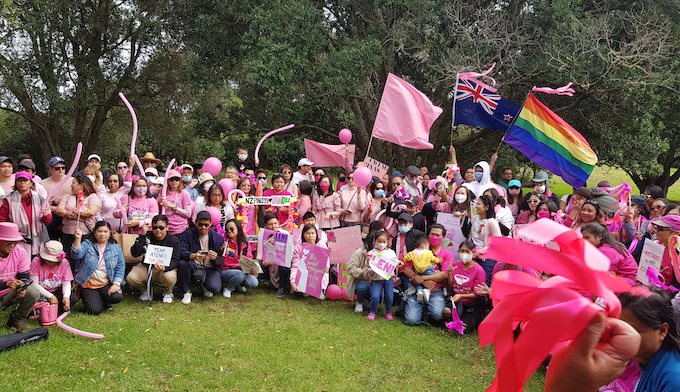
And 8000 km away in Auckland, New Zealand, more than 200 “Kakampink” supporters staged a march and rally at Long Beach on the Anzac Day holiday marking the 2015 Gallipoli landings in Turkey and the military sacrifice of Australians and New Zealanders in two world wars.
It is understood that about 2000 of the more than 73,000 Filipino community in New Zealand — 1.6 percent of the population — are registered to vote in the Philippine elections.
Asia Pacific Report quotes an Auckland organiser who said: “We’re voting for Leni Robredo because she is the one to give the Philippines hope. She performed well as Vice-President.
More than 50 of some of the biggest names in the Philippine entertainment industry appeared onstage and endorsed Robredo, but she was still the brightest star of the night.
Many of those in the crowd had waited for close to 12 hours under the scorching heat. They did not leave Macapagal Avenue until after Robredo finished speaking at 11 pm.
Robredo slightly veered away from her stump campaign speech to lay down the game plan to help her catch up to the frontrunner, the late dictator’s son Ferdinand “Bongbong” Marcos Jr.
Vice-President Leni Robredo’s full birthday speech. Video: Rappler
Robredo wished for three things from her supporters on her birthday: Actively fight the lies being spread about her online, continue knocking on people’s doors in their house-to-house campaign, and humbly open their hearts so they could convert more the unconvinced to join the so-called “pink revolution.”
“Pag ito pong eleksyon na ito ang magpapanalo sa mga kandidato kasinungalingan, kawawa ‘yung bayan natin. Kaya po ‘yung hinihiling ko sa inyo, sabay-sabay po tayo sa laban na ito. Sa ‘pag bukas po natin ng ating mga puso, sa pagpahaba natin ng ating mga pasensya, siguraduhin din nating pinapalitan natin ang mga kasinungalingan ng katotohanan,” said Robredo.
(If this elections would be won by candidates based on lies, then it would be sad for our country. That’s why I am asking all of you to join me in this fight. In opening your hearts, in becoming more patient, we are making sure that we would be able to replace the lies with the truth.)
Auckland Pinoy “Kamkam” Pink Power solidarity for Philippine presidential hopeful Vice-President Leni Robredo at Long Bay Reserve today. Image: David Robie/APR
She acknowledged the intensified black propaganda that her enemies have been hatching against her since her rallies started attracting thousands upon thousands of Filipinos.
Robredo is the primary target of disinformation networks, whose lies range from Robredo’s alleged affairs with several men to the false accusation that her campaign has been infiltrated by communists.
In turn, Robredo’s fierce rival Marcos benefits from this disinformation infrastructure, built by his clan over the years in an attempt to revise Filipinos’ memories of the atrocities committed during the 21-year martial law rule of the dictator Ferdinand Marcos.
But Robredo once again made a call for “radical love.” She told her most ardent supporters to turn the other cheek if their critics resort to foul, below-the belt-language.
Rise above the dirt, said the Vice-President, because they had a bigger fight to win on May 9.
“’Yung ayaw po nating ginagawa nila sa akin, huwag na po natin sa kanilang gawin, ‘di ba?… Ang mga kabataan ngayon, mas tumitino tayo, mas sumusunod tayo sa mga magulang natin, pag pinaparamdam sa atin ang kanilang pagmamahal. Ganoon din po sana ‘yung gawin ng bawat isa sa inyo,” said Robredo.
(The things we don’t like that they are doing to us, let’s not do the same thing to them, okay?… The youth these days, they become more upright, they follow their parents when they are shown love. May each of you do the same thing.)
Show of force … Thousands of supporters pack the Macapagal Boulevard in Pasay City for the street party for presidential aspirant Vice President Leni Robredo, who celebrated her birthday on Saturday. Image: VP Leni Media Bureau/Rappler
It is crucial for Robredo to be issuing these marching orders in the National Capital Region (NCR), home to more than 7.3 million voters.
She is facing a tough battle against Marcos in NCR, which had delivered a landslide victory to him over Robredo in the 2016 vice-presidential race. The dictator’s son continues to enjoy majority support in NCR, based on the latest Pulse Asia Research Incorporated survey done in end-March.
That Robredo was able to pull off a 412,000-strong crowd in Pasay City on Saturday is also significant because two presidential contenders were also holding their own rallies in NCR that night: Marcos in Manila and Senator Manny Pacquiao in San Juan.
Robredo’s birthday crowd significantly dwarfed these rallies, however.
Sweet birthday gift … presidential candidate VP Leni Robredo waves to the 412,000-strong crowd that showed up during her birthday rally along Macapagal Boulevard in Pasay City on Saturday. Image: VP Leni Media Bureau/Rappler
Local police estimated that 14,000 showed up for Marcos, while only 12,000 attended Pacquiao’s rally.
‘The people would bring Leni Robredo to Malacañang’
As Robredo spoke, the crowd along Macapagal Boulevard was at rapt attention. Many were straining their necks to get a better glimpse of their candidate while they used their fans bearing Robredo’s face.
The heat even at night was almost unbearable given the thickness of the crowd. Medics were working overtime, as people from different points of the boulevard fainted.
But even under these conditions, the “Kakampinks” were looking out for each other. They helped the organisers hand out boxes of bottled water and passed around snacks for those who needed to eat.
They did their best to give breathing space whenever someone in the crowd started feeling light-headed.
Mara Cepedais a reporter for Rappler. Republished with permission.
Pacific countries held dawn services today to commemorate Anzac Day and recognise the 107th anniversary of the landings at Gallipoli in Turkey.
Tonga paid tribute to its war veterans with a dawn ceremony held in Nuku’alofa this morning.
The ceremony took place on the Royal Palace grounds of King Tupou VI with prayers and hymns sung by His Majesty’s Armed Forces.
Ambassadors from Australia, Japan, China, the United Kingdom and New Zealand attended the ceremony.
Navy Officer Sione Ulakai acknowledged the sacrifices of Anzac soldiers in Gallipoli.
“We are celebrating the life of brave soldiers who at this time, 107 years ago, fell on the beaches of Gallipoli,” he said.
Anzac Day is a public holiday in Tonga held to honour the country’s contribution to World War I and World War II.
Two Tongans killed in battle for Solomon Islands Two Tongan soldiers were killed in World War II during the battle for the Solomon Islands.
In the Cook Islands, Prime Minister Mark Brown has called on Cook Islanders to remember their almost 500 soldiers who served in World War I.
The men were part of the New Zealand Expeditionary Force’s Māori Pioneer Battalion.
Some died during the conflict and others died later from war-related illness.
Brown called on people to pay tribute to all Cook Islanders who have served, or are currently serving, in various forces around the world.
Thousands of New Zealanders gathered today for Anzac Day dawn services. Image: Angus Dreaver/RNZ
Thousands of New Zealanders gathered for dawn services around the country today.
World War II and Defence Force aircraft were flying over numerous towns and cities as part of Anzac commemorations.
Veteran aircraft on display Spitfire and Harvard aircraft, a P3K2 Orion, NH90 helicopters and other aircraft have been in the air.
The Auckland War Memorial Museum hosted a slimmed down version of its Anzac Day commemorations this year.
Prime Minister Jacinda Ardern was in attendance.
In Wellington, Governor-General Dame Cindy Kiro spoke at both the Dawn Service and the National Commemorative Service at Pukeahu National War Memorial Park.
Returned and Services Associations national president BJ Clark said the public was welcome to come into their local RSA and be part of remembrance events, and to chat with veterans.
Anzac Day, which was first held in 1916, honours more than 250,000 New Zealanders who have served overseas either in military conflicts or other roles, such as peacekeeping missions, said the Ministry for Culture and Heritage Te Pae Mahara manager Brodie Stubbs.
This article is republished under a community partnership agreement with RNZ.
“The world has moved past Matt Canavan,” Nationals deputy leader David Littleproud declared on Wednesday, tossing his party colleague and former resources minister firmly under the bus as the “climate wars” exploded within the Coalition.
These wars have damaged Coalition leaders for decades (right back to John Howard). Now they’ve erupted again close to the election, they threaten to burn both Scott Morrison and Barnaby Joyce. And that’s just when Morrison wants to turn the issue against Labor.
The outbreak was predicable – the issue has been smouldering ever since Morrison had the government sign up to the net zero 2050 target ahead of the Glasgow climate conference. But perhaps Morrison felt he could keep the fire smothered. If so, that underestimated Nationals maverick Queensland senator Matt Canavan.
Last year Morrison decided his government had to adopt the 2050 target. It was a pragmatic judgment driven by pressure from moderate Liberals facing threats in their city seats and strong external urgings from the Biden and Johnson administrations.
That meant getting the Nationals on board – via cajoling Joyce with huge amounts of money (for projects being rolled out in this campaign) and having the Nationals leader carry the policy within his party room.
Ironically, fearful their previous leader Michael McCormack might sell out on climate policy under Morrison’s pressure, the Nationals had reinstalled Joyce, one of whose strongest supporters was Canavan.
But then a reluctant Joyce was co-opted by the PM. He took a majority of his split party along with a deal he negotiated with Morrison, though telling his party room he was personally against the change in policy.
Joyce gave in but Canavan never did. He has been indefatigable in his scepticism about the 2050 target. This week said: “the net zero thing is all sort of dead anyway.
“Boris Johnson said he is pausing the net zero commitment, Germany is building coal and gas infrastructure, Italy’s reopening coal-fired power plants. It’s all over. It’s all over bar the shouting here.”
The trouble for government leaders, who are publicly treating Canavan as an outlier, is that they know he speaks for quite a few in the Coalition’s base in the deep north, and that he’ll continue to prosecute his case.
His latest statements came after Colin Boyce, the Liberal National Party’s candidate for the marginal seat of Flynn, which the Nationals fear losing, said earlier in the week that Morrison’s 2050 policy was “a flexible plan that leaves us wiggle room”. What precisely he meant was disputed but it was clear he is not a fan of the target, which he has rejected before.
Morrison on Wednesday reaffirmed the (unlegislated) policy: “We did the hard yards to get everyone together. And of course there’ll be some who disagreed with it at the time, and I suspect they still will, but that doesn’t change the government’s policy”.
Josh Frydenberg – who is under a lot pressure from a “teal” candidate in his seat of Kooyong – said the target was clear, firm and non-negotiable.
Joyce said: “We’ve made an agreement. We’re going to honour that agreement.”
Joyce and Morrison were both at the same function in Rockhampton on Wednesday but (probably wisely) held separate news conferences. As the deputy PM put it, “we don’t have to be in each other’s pockets.”
The imbroglio feeds right into the hands of the teals. They have been saying for months that the Liberals in their sights might be moderate in name but they vote with Barnaby Joyce.
Now they can claim that in a re-elected government the Nationals could revert to their old policy and press Morrison to ditch the target. As Nationals frontbencher Bridget McKenzie said on Wednesday, while insisting the party is united, “there is a very broad range of views on climate change within the National Party party room, from net zero never, to net zero yesterday”.
It mightn’t matter what assurances the government gives – the teal argument could likely resonate in the leafy seats (where Joyce is a trigger point).
We saw another version of this movie in 2019, when Labor had different slants on its climate policy in the north and the south of the country.
Even while it eats itself again on climate, the government is trying to conjure up a scare that Labor would bring in a “sneaky carbon tax”.
Labor’s emissions reduction policy has solid belts and braces this election compared to 2019. Over the past week, however, the opposition has left itself open to the inevitable Coalition attacks by its various spokespeople sounding all over the place on the impact of the policy on coal mines.
Although it has muddled its explanation of its plan’s precise working, Labor’s reply to the government is that its policy would simply use (robustly) the safeguards mechanism that was put in place by the Coalition.
How the conflicting climate policy arguments work out in the coal areas we’ve yet to see.
But it seems clear that in the leafy suburbs the latest outbreak of the climate wars within Coalition ranks is another blow for embattled sitting Liberals.
Michelle Grattan does not work for, consult, own shares in or receive funding from any company or organisation that would benefit from this article, and has disclosed no relevant affiliations beyond their academic appointment.
New Zealand Parliament Buildings, Wellington, New Zealand.
Political Roundup is entirely subscriber-funded. The ethos behind this public service is to help foster a robust and informed public debate, with a great diversity of perspectives. If you appreciate what we are doing in providing non-partisan analysis and information about politics, economy, and society, please consider helping us keep going, by donating via Victoria University of Wellington’s fundraising page here: https://bit.ly/VUWDemocracyProject
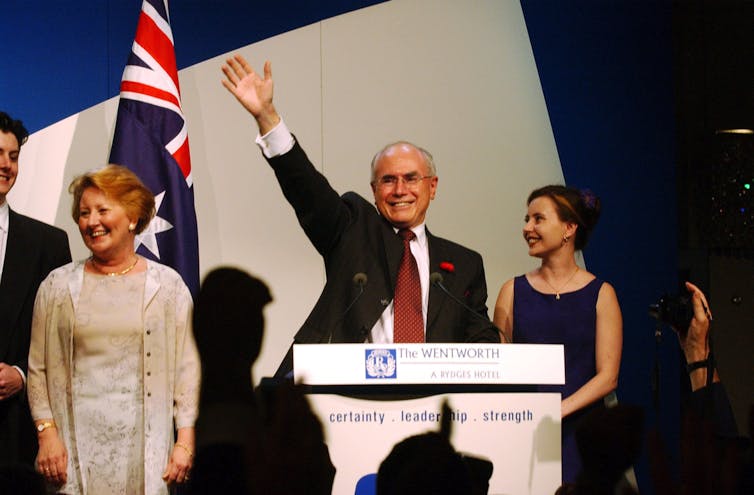
After Wednesday’s larger-than-expected inflation number, all attention has turned to the Reserve Bank’s meeting on Tuesday. If the bank moves next week, it will be the first time there’s been a rise in a campaign since 2007, the election John Howard lost.
Pointing to recent rate rises overseas, independent economist Saul Eslake says: “If the Reserve Bank were to do nothing in the face of this much sharper-than-expected acceleration in inflation, it would be leaving itself open to a charge of acting in a political way, which would undermine its credibility for an extended period.
“So I think the Reserve Bank really has to raise interest rates at its meeting next week.” If it doesn’t, Governor Philip Lowe would require “a very persuasive explanation”.
If the bank didn’t act next week, it could subsequently have to make a 75 basis points rise in one hit, “which would be a considerable shock to the mortgage-paying population in particular, but I think for small businesses and a whole lot of other participants in Australia’s economy more broadly.”
Michelle Grattan does not work for, consult, own shares in or receive funding from any company or organisation that would benefit from this article, and has disclosed no relevant affiliations beyond their academic appointment.
Source: The Conversation (Au and NZ) – By Jean Burgess, Professor and Associate Director, ARC Centre of Excellence for Automated Decision-Making and Society, Queensland University of Technology
The world’s richest man, Elon Musk, seems set to purchase the social media platform Twitter for around US$44 billion. He says he’s not doing it to make money (which is good, because Twitter has rarely turned a profit), but rather because, among other things, he believes in free speech.
Twitter might seem an odd place to make a stand for free speech. The service has around 217 million daily users, only a fraction of the 2.8 billion who log in each day to one of the Meta family (Facebook, Instagram and WhatsApp).
But the platform plays a disproportionately large role in society. It is essential infrastructure for journalists and academics. It has been used to coordinate emergency information, to build up communities of solidarity and protest, and to share global events and media rituals – from presidential elections to mourning celebrity deaths (and unpredictable moments at the Oscars).
Twitter’s unique role is a result of the way it combines personal media use with public debate and discussion. But this is a fragile and volatile mix – and one that has become increasingly difficult for the platform to manage.
According to Musk, “Twitter is the digital town square, where matters vital to the future of humanity are debated”. Twitter cofounder Jack Dorsey, in approving Musk’s takeover, went further, claiming “Twitter is the closest thing we have to a global consciousness”.
Are they right? Does it make sense to think of Twitter as a town square? And if so, do we want the town square to be controlled by libertarian billionaires?
What is a town square for?
As my coauthor Nancy Baym and I have detailed in our book Twitter: A Biography, Twitter’s culture emerged from the interactions between a fledgling platform with shaky infrastructure, an avid community of users who made it work for them, and the media who found in it an endless source of news and other content.
Is it a town square? When Musk and some other commentators use this term, I think they are invoking the traditional idea of the “public sphere”: a real or virtual place where everyone can argue rationally about things, and everyone is made aware of everyone else’s arguments.
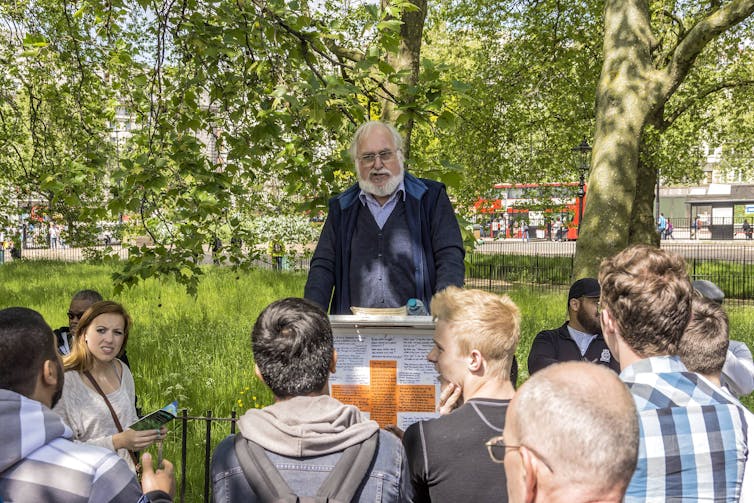
The ‘town square’ can be much more than just a soapbox for sounding off about the issues of the day. Shutterstock
I think the idea of the “digital town square” can be much richer and more optimistic than this, and that early Twitter was a pretty good, if flawed, example of it.
If I think of my own ideal “town square”, it might have market stalls, quiet corners where you can have personal chats with friends, alleyways where strange (but legal!) niche interests can be pursued, a playground for the kids, some roving entertainers – and, sure, maybe a central agora with a soapbox that people can gather around when there’s some issue we all need to hear or talk about. That, in fact, is very much what early Twitter was like for me and my friends and colleagues.
I think Musk and his legion of fans have something different in mind: a free speech free-for-all, a nightmarish town square where everyone is shouting all the time and anyone who doesn’t like it just stays home.
The free-for-all is over
In recent years, the increasing prevalence of disinformation and abuse on social media, as well as their growing power over the media environment in general, has prompted governments around the world to intervene.
Perhaps more consequentially for global players like Twitter, the European Union is set to introduce a Digital Services Act which aims “to create a safer digital space in which the fundamental rights of all users of digital services are protected”.
This will prohibit harmful advertising and “dark patterns”, and require more careful (and complex) content moderation, particularly on of the larger companies. It will also require platforms to be more transparent about how they use algorithms to filter and curate the content their users see and hear.
Such moves are just the beginning of states imposing both limits and positive duties on platform companies.
So while Musk will likely push the boundaries of what he can get away with, the idea of a global platform that allows completely unfettered “free speech” (even within the limits of “the law”, as he tweeted earlier today) is a complete fantasy.
What are the alternatives?
If for-profit social media services are run not in the public interest, but to serve the needs of advertisers – or, even worse, the whims of billionaires – then what are the alternatives?
Small alternative social media platforms (such as Diaspora and Mastodon), built on decentralised infrastructure and collective ownership, have been around for a while, but they haven’t really taken off yet. Designing and attracting users to viable alternatives at a global scale is really hard.
Proposals for completely separate, publicly supported social media platforms created by non-profits and/or governments, even if we could get them to work together, are unlikely to work. They would be hugely expensive, and will ultimately encounter similar governance challenges to the existing platforms, if they are to achieve any scale and to operate across national boundaries.
Of course, it is still possible Musk will discover running Twitter is much harder than it looks. The company is to some extent responsible for what is published on its platform, which means it has no choice but to engage in the messy world of content moderation, and balancing free speech with other concerns (and other human rights).
While Musk’s other companies (such as Tesla) operate in heavily regulated environments already, the “global social media platform” business is likely to be far more complex and challenging.
Twitter has already been looking at ways out of this situation. Since 2019, it has been investing in an initiative called Bluesky, which aims to develop an open, decentralised standard for social media which could be used by multiple platforms including Twitter itself.
Facebook’s attempt to move into the “metaverse” is a similar maneouvre: avoid having to deal with content and restrictions by building the (proprietary) infrastructure for others to create applications and social spaces.
To try out another “blue-sky” idea for just a moment: if the existing corporate giants were to vacate the social media space, it might leave room for a publicly funded and governed option.
In an ideal world, public service media organisations might collaborate to build international social media services using shared infrastructure and protocols that enable their services to talk to and share content with each other. Or they might build out new social media services on top of the internet we have now – requiring the commercial players to ensure their platforms are interoperable would be an essential part of that.
Of course, either way, this model would ultimately require taxpayer support and serious, long-term investment. If that were to happen, we might have something even better than a digital town square: a public service internet.
Jean Burgess receives research funding from the Australian Research Council and the Social Sciences and Humanities Research Council (Canada). She has previously engaged with Facebook as an academic consultant in an advisory capacity.
Hospital patients are often given strong, opioid pain medicines when discharged home after surgery and other treatments. This can sometimes lead to long-term use and dependence.
The standards encourage hospital doctors to consider prescribing alternative pain relief such as paracetamol and ibuprofen for mild to moderate pain where possible.
When stronger pain relief is required – and medicines such as oxycodone, morphine, fentanyl, tramadol and codeine are prescribed – the standards recommend discharging patients with up to seven days’ supply, depending on their circumstances.
So what are the risks of dependence? And how can clinicians ensure pain is adequately managed?
Acute pain isn’t just unpleasant to experience. Pain causes the body to enter a stress response. This can have wide-ranging effects on the body, from raising your heart rate, to reducing the functioning of your immune system.
Uncontrolled pain in hospital may lead to poorer patient outcomes: people in pain take longer to recover and may experience longer hospital stays.
Uncontrolled acute (short-term) pain may even progress to chronic pain, which is much harder to manage and can have significant impacts on a person’s quality of life.
Treating pain is also ethical, and access to adequate pain management has been recognised as a fundamental human right.
Patients have a right to adequate pain management. Shutterstock
There are several reasons why people may experience pain in hospital, including injury, illness or surgery. Internationally, 84% of hospital patients report experiencing pain. And up to three-quarters of patients experience moderate to severe pain after surgery.
Opioid medicines are commonly used to manage pain in hospital. But with hospitals encouraged to get patients home earlier, many people may still be experiencing pain when they’re discharged. So opioids are also often prescribed on discharge.
Opioids are high-risk medicines
Although opioids are effective in treating many types of pain, they are considered “high risk medicines”. They can cause multiple unwanted effects which range in severity from nausea and constipation, to life-threatening breathing problems and loss of consciousness.
Prescription opioid use has increased internationally over the past 30 years. In Australia, we’ve seen a 15-fold increase in opioid prescriptions dispensed on the Pharmaceutical Benefits Scheme between 1995 and 2015.
To address these issues, government bodies have introduced strategies to improve the safety of opioid use. Although many focus on addressing opioid use in the community, opioids are also commonly used in acute care settings such as hospitals.
Finding a balance between benefits and risks
Good pain management aims to ensure pain is well managed while making sure the risk of any unwanted effects is low.
Good pain management means balancing the risks and benefits of medicines. Shutterstock
Guiding principles for clinicians
Clinical care standards are a set of quality statements written by an expert writing group for consistent and high-quality health care. They aren’t rules; they’re guiding principles that inform patients and clinicians about “best practice” for a clinical area.
In many ways, the new opioid standards aren’t new – they’re consistent with current guidelines and research. However, they provide “indicators” for health care organisations to measure their performance against. Given ongoing issues with opioids, indicators may provide important feedback on how opioids are being used.
Building on regulatory changes implemented in 2020, such as smaller pack sizes when filling prescriptions from community pharmacies, these new standards come at a good time and will play an important role in ensuring opioids and other analgesic medicines are used appropriately and safely for short-term pain.
However, they don’t cover chronic pain, cancer pain, palliative care, or patients with opioid dependence.
It’s now up to clinicians to ensure they’re implemented, with patients given adequate pain relief and prescribed the lowest dose for the shortest time possible.
Ria Hopkins receives funding from the Australian National Health and Medical Research Council.
Natasa Gisev does not work for, consult, own shares in or receive funding from any company or organisation that would benefit from this article, and has disclosed no relevant affiliations beyond their academic appointment.
Source: The Conversation (Au and NZ) – By John Hawkins, Senior Lecturer, Canberra School of Politics, Economics and Society and NATSEM, University of Canberra
Shutterstock/ABS
Australian consumer prices jumped an extraordinary 2.1% in the first three months of the year, the biggest quarterly jump since the introduction of the 10% goods and services tax at the start of the century.
The outsized increase, together with a larger than normal increase in the months to December, pushed Australia’s annual inflation rate way above the Reserve Bank’s 2-3% target to 5.1% – the biggest annual inflation rate for two decades.
Petrol prices rose to a record high. The Bureau of Statistics says averaged unleaded petrol averaged A$1.83 per litre in the March quarter.
The annual increase, 35.1%, was the biggest since Iraq’s invasion of Kuwait in 1990.
New dwelling prices rose due to shortages of labour and materials, and fewer government grants. Fresh food prices have increased due to floods.
Home prices, sometimes erroneously thought to be excluded from the consumer price index, surged 13.7% over the year, the most since the start of the GST.
The increase tracks the cost of buying a new dwelling by an owner occupier, and reflects what the Bureau describes as high levels of building activity combined with ongoing shortages of materials and labour.
While the cost of housing is included in the consumer price index, the cost of land is not, being treated as an investment rather than a consumer good.
To get a better idea of what would be happening were it not for these unusual and outsized moves, the Bureau of Statistics calculates what it calls a “trimmed mean” measure of underlying inflation.
The trimmed mean excludes the 15% of prices that climbed the most in the quarter and the 15% of prices that climbed the least or fell.
This underlying measure, closely watched by the Reserve Bank, climbed 3.7% – the first time it has climbed beyond the bank’s 2-3% target range since 2010.
Many people don’t believe the official inflation figures. They say they are too low (although interestingly this time, the 5.2% estimate in the Melbourne Institute’s April consumer survey matched reality).
In part this is because people tend to notice the prices that have jumped. Petrol prices are particularly visible. People tend not to notice the many other prices, including rents in some parts of Australia, that have been falling.
And in part it is because movements in the consumer price index are an average.
The price of the bundle of goods and services used by around half the households would have gone up by more than 5.1%, and the price of the bundle used by the other half by less than 5.1%. The households facing the increases notice it more.
Over the past ten years the price of clothing has fallen 6%, and the price of communications services 23%. The price of health services has climbed 40%
Looking ahead, inflation is likely to drop in the June quarter. Oil prices are falling, and the budget petrol price relief will cut prices a further 22 cents a litre.
Some supply chain problems and skilled labour shortages caused by the pandemic are likely to ease. And the Australian dollar has climbed, which should push down the price of imports.
Unless there is a significant pickup in wage growth (we find out in three weeks, three days before the election) inflation may start to come back down of its own accord, without the need for the Reserve Bank to push up rates.
But there are certainly alternative scenarios.
Over to the Reserve Bank
The response of the Reserve Bank to higher prices is not as automatic as often supposed. But with the RBA cash rate at an all-time low, and an increasing risk that the current inflation will become embedded in expectations, an increase in rates is a matter of “when” not “if”.
As Prime Minister John Howard and Treasurer Peter Costello discovered in the election they lost in 2007, the Reserve Bank won’t hold off on increasing interest rates just because an election is imminent.
After its April meeting the bank said it would wait for information before moving.
over coming months, important additional evidence will be available on both inflation and the evolution of labour costs. Consistent with its announced framework, the board agreed that it would be appropriate to assess this evidence
The labour cost (wage) data are released on May 18, meaning the first increase in interest rates may well not be until after the election, at the board’s June 7 meeting. If the wages data show no acceleration, it might be later.
How high for mortgage interest rates?
The Reserve Bank generally tries to move the “cash rate” (the interest rate on overnight loans) in steps of 0.25 percentage points. But, unusually, the current target is 0.10%. So it might first move 15 points to 0.25%.
If it wants to send a stronger signal, it will move 40 points to 0.50%. Banks are generally not shy about passing these changes on.
If the Reserve Bank hikes more than once, mortgage interest rates might climb from their present range of 3-3.5% to 4-5% over the course of the year.
But the Reserve Bank will not push interest rates as high as it did during previous tightening cycles. Households have more debt, meaning that a rate increase of any given size has more impact than it once would have.
It’s hard to know where a series of rate rises would end, but it’s a fair bet the cash rate will end up higher than the Reserve Bank’s 2-3% inflation target, making the real interest rate positive (above inflation).
Banks are required to assure themselves that borrowers could meet repayments if rates rose by three percentage points, which is just as well.
Who will be hurt?
About a third of households have a mortgage, and face higher payments.
But it will take a while for all of them to be affected. Around 40% of borrowers have “fixed-rate” loans where the interest rate is only adjusted every three years.
And according to the Reserve Bank, typical borrowers are currently two years ahead on repayments, which suggests most will be able to cope.
John Hawkins is a former economic forecaster in the Reserve Bank and Australian Treasury.
Elon Musk’s US$44 billion offer to buy Twitter and turn the social media platform into a private company is almost a done deal.
But not quite. While Twitter’s board has endorsed his offer, Musk now needs the nod from a majority of Twitter’s shareholders and US corporate regulators.
Before we get on to the details of these remaining hurdles, let’s recap the tumultuous events that got us to this point.
It became public in early April that Musk – an avid Twitter user – had acquired 9.2% of the company’s shares, making him the biggest shareholder. There were talks about him joining Twitter’s board, but Musk demurred.
About a week later, on April 14, Musk launched a full takeover bid, offering US$54.20 a share – about 38% more than the company’s share price on April 1.
Twitter’s board responded with a “poison pill” provision. This would allow other shareholders to buy new shares issued by the board at a discount if Musk acquired a 15% stake (more than 15% is considered a controlling stake). This would have diluted Musk’s stake, thwarting his takeover ambitions.
Musk responded to that by flagging a hostile takeover. This involved bypassing the board with a “tender offer” direct to shareholders, asking them to tender their shares for sale despite the board’s opposition.
With no competing bidder, and with no alternative plan to create value for shareholders, Twitter’s board this week finally accepted Musk’s bid of US$54.20 a share in cash.
Musk plans to finance the bid using equity and debt, according to his filings with the US Securities and Exchange Commission. He has secured about US$25.5 billion in loans. He has also raised his own equity, totalling around $21 billion, including through margin loans against Tesla stock.
How might regulators react?
The acquisition still requires regulatory and shareholder approval. While these are unlikely to sink the deal, they are not trivial.
There are two main regulatory approvals here. First the Securities and Exchange Commission – which is akin to a financial watchdog – must approve the takeover. Then the Federal Trade Commission and Department of Justice will consider if the takeover may reduce competition.
Musk has had negative interactions with the SEC in the past. In 2018 it charged him with fraud over him tweeting he had funding to take his electric vehicle company Tesla private. Musk ultimately settled, paying a US$20 million fine and stepping down as chair of the Tesla board. Some shareholders are suing him for losses suffered as a result of his tweet.
Elon Musk has been offside with US regulators previously over his use of Twitter. Christian Marquardt/EPA/Pool
Musk’s conduct during his bid for Twitter could also influence regulators. There are questions about whether he disclosed his 9.2% holding in a timely enough manner. Ordinarily a shareholder should disclose their stake once they own 5% of a company. Musk appears to have acquired more than 5% of Twitter on March 11 2022 but filed with regulators on 4 April.
Further, Musk appears to have made a “short form” filing with the SEC, reserved for passive shareholders. His subsequent behaviour, however, suggests he is an activist investor.
Given Musk’s disclosure record, the SEC is likely to be be especially careful to ensure Twitter’s shareholders are properly informed. If it finds Musk violated any laws, it could impose penalties or require undertakings covering Musk’s role with Twitter after the acquisition. It is, however, unlikely to stop the deal.
The other US anti-trust and competition regulators are also likely to scrutinise the bid, given its high profile and bipartisan concerns about the power of Big Tech.
But it is also unlikely they would block Musk’s bid, because he has little other financial interest in tech companies to clearly suggest his takeover is anti-competitive.
How will other shareholders respond?
Shareholders must approve the deal via a shareholder vote, which is yet to be scheduled. If a majority approve the bid, then all shareholders must sell.
In making their vote, some shareholders might consider non-financial matters, such as their view of Musk and what – if anything – the acquisition means for free speech.
Some shareholders have complained that Musk’s $54.20 bid is too low. Twitter briefly traded above US$70 in July 2021 – in line with the rise of tech stocks generally in 2021, but it fell steadily thereafter to US$32.42. In February 2022, Goldman Sachs valued Twitter shares US$30 over the next 12 months based on its most recent earnings.
Twitter’s share price
Twitter’s end-of-day closing stock price, in US dollars.
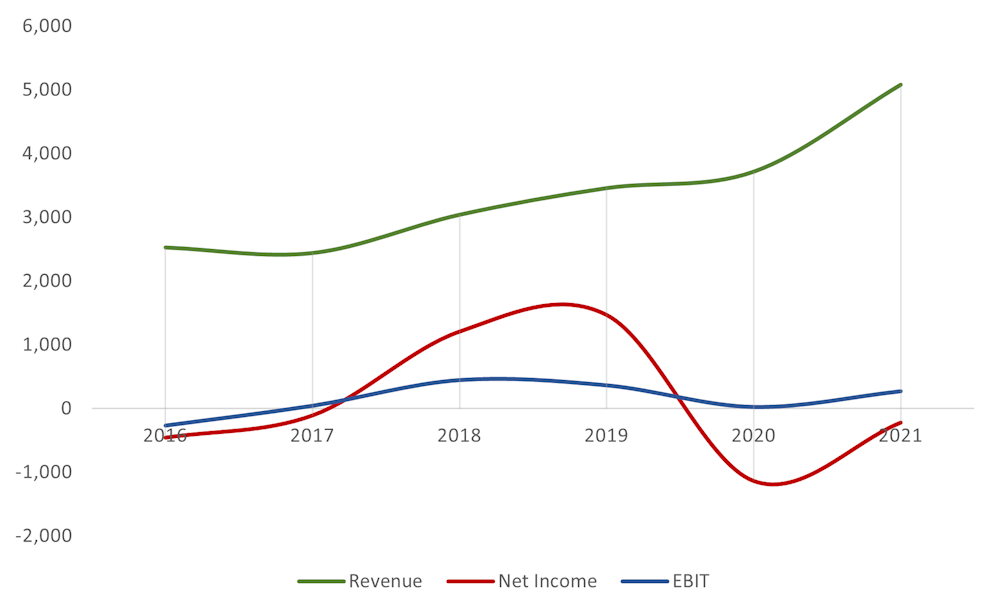
Twitter’s earnings have been variable and face continued pressure. While revenues have increased, Twitter is not profitable, owing partly to a litigation charge.
Other tech firms have signalled continued pressure to advertising revenue. For example, Google’s parent company, Alphabet, reported a decline in YouTube ad revenue in the first quarter of 2022, relative to the end of 2021.
Twitter’s earnings
Earnings in millions of dollars (US)
These facts should influence how most shareholders vote. Musk’s US$54.20 bid price offers a solid takeover premium: 18% above the price before the takeover bid, 38% above the price on April 1, and about 50% above the price before Musk accrued shares on January 31 2022. This is on the upper end of takeover premiums reported by Boston Consulting Group.
So what now
So Musk is very likely to complete the acquisition for Twitter. Regulators may impose conditions but are unlikely to block the deal.
The big questions now are how Musk will enable “free speech” without turning Twitter into a cesspool, how he will deal with censorious countries in which his other companies (Tesla, SpaceX, Starlink and others) do business, and if he will make money from Twitter.
But these headaches will be Musk’s alone, not the former shareholders.
Mark Humphery-Jenner does not work for, consult, own shares in or receive funding from any company or organisation that would benefit from this article, and has disclosed no relevant affiliations beyond their academic appointment.
The researchers aimed to test whether adding a restriction on what time of day you were allowed to eat (or not) to the usual low calorie (or kilojoule) diet led to greater weight loss compared to just following a low calorie diet. They recruited 139 adults whose average weight was 88 kilograms and age 32 years.
The participants were randomised to follow either the low calorie diet that had reduced their usual daily energy intake by 25%, or the same low calorie diet with the addition of a time period during which they were allowed to eat in an eight-hour window between 8am and 4pm each day.
This approach is called “time-restricted eating” or a “16-hour intermittent fast”. Both groups received support from health coaches to follow their diets for 12 months.
Results showed that after one year, people in both groups lost 7-10% of their baseline body weight. While the low calorie group lost an average of 6.3 kilograms, the low calorie plus time restricted eating group lost 8 kilograms. Although there was a 1.8 kilogram difference between the groups, it was not a statistically significant difference.
Participants in both groups also had better blood sugar and blood fat levels and improved insulin sensitivity, but again there was no significant differences between groups.
There are four reasons this weight loss trial is important.
1. It wasn’t based in the US
Most intermittent fasting studies have been conducted in the United States. This trial was done in China and recruited people in Guangzhou, so it provides important data using a culturally sensitive, prescribed calorie restriction over 12 months.
This study was based in China, one of few intermittent fasting studies based outside the US. Shutterstock
2. It showed small extra time restrictions on eating don’t make much difference
In their normal lives, the participants in Guangzhou had a usual window for daily eating of about 10.5 hours. Studies in other populations, particularly the US, show about 90% of adults have an eating window of 12 hours, with only 10% of adults having an overnight fasting period greater than 12 hours.
For more than 50% of people in countries like the US, the overnight fast is less than nine hours, meaning they eat over a 15 hour time period each day. So in the current study, the time restriction on eating was only minor – at about two hours less per day than what’s usual for people in China. This would not have been too big a difference from usual.
The researchers also reported that in China, the biggest meal is usually eaten in the middle of the day, so that was not influenced by the time restriction. In countries where the evening meal is the biggest or people snack all evening, then time restriction may still be a beneficial way to reduce intake.
A 2020 review of 19 studies that used time-restricted intermittent fasting found it was an effective treatment for adults with obesity, leading to greater loss of body weight and body fat, with significantly lower systolic blood pressure and blood glucose.
3. It showed support is imperative
Both groups in this trial were given a lot of support to adhere to the kilojoule-restricted diet. They were provided with one meal replacement shake per day for the
first six months, to make it easier to follow the kilojoule restriction and help improve adherence to the diet.
Participants had support from health coaches over the phone, apps and information sessions. Shutterstock
They also received dietary counselling from trained health coaches for the 12 months of the trial. They received dietary information booklets that included advice on portion size and sample menus. They were encouraged to weigh foods to improve their accuracy in reporting kilojoule intakes and were required to keep a daily log with photographs of foods eaten and the time, using the study app.
They also received follow-up calls or app messages twice a week and met with the health coach individually every two weeks for the first six months. In the second six months, they continued to fill out their dietary records for three days per week and received weekly follow-up telephone calls and app messages and met with a health coach monthly. They also attended monthly health-education sessions.
This was a lot of support and is very important. Receiving long-term support to achieve health behaviour changes typically achieves a weight loss of 3–5% of body weight, which significantly lowers risk of weight-related health conditions, including a 50% lower risk of developing type 2 diabetes over eight years.
4. Even with good adherence, individual weight loss varies
Individual weight loss responses were very variable, even though adherence was high in this trial.
About 84% of participants adhered to the prescribed daily calorie targets and time restricted eating period. Weight loss at 12 months varied from 7.8 to 4.7 kilograms in the low calorie only group, and 9.6 to 6.4 kilograms in the low calorie plus time-restricted eating group.
As we have seen many times previously, this study confirms there is no one best diet for weight loss. It also shows small decreases in the window of time you’re eating probably won’t make a difference to weight loss.
Clare Collins is a Laureate Professor in Nutrition and Dietetics at the University of Newcastle, NSW and a Hunter Medical Research Institute (HMRI) affiliated researcher. She is a National Health and Medical Research Council (NHMRC) Leadership Fellow and has received research grants from NHMRC, ARC, MRFF, HMRI, Diabetes Australia, Heart Foundation, Bill and Melinda Gates Foundation, nib foundation, Rijk Zwaan Australia, WA Dept. Health, Meat and Livestock Australia, and Greater Charitable Foundation. She has consulted to SHINE Australia, Novo Nordisk, Quality Bakers, the Sax Institute, Dietitians Australia and the ABC. She was a team member conducting systematic reviews to inform the 2013 Australian Dietary Guidelines update and the Heart Foundation evidence reviews on meat and dietary patterns.
Source: The Conversation (Au and NZ) – By Vanessa Teague, Adjunct associate professor (ANU) and CEO, Thinking Cybersecurity, Australian National University
Dan Peled/AAP
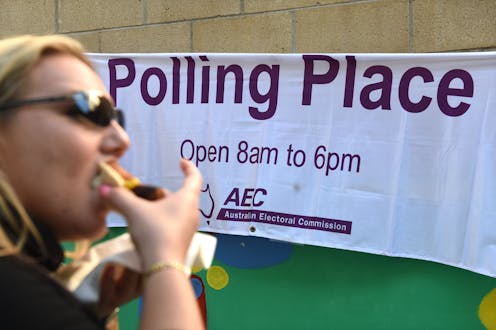
As we head towards the federal election, you may be wondering why we can’t skip the polling booth queues and vote online instead.
The reason is the difficulty of verifying that each person’s vote is accurately recorded and tallied. As yet, there is no safe way to ensure this over the internet.
But there are ways technology can improve the election – if we are careful. Recent legislative changes will help make this year’s electronic Senate count more secure and transparent.
House of Representatives voting
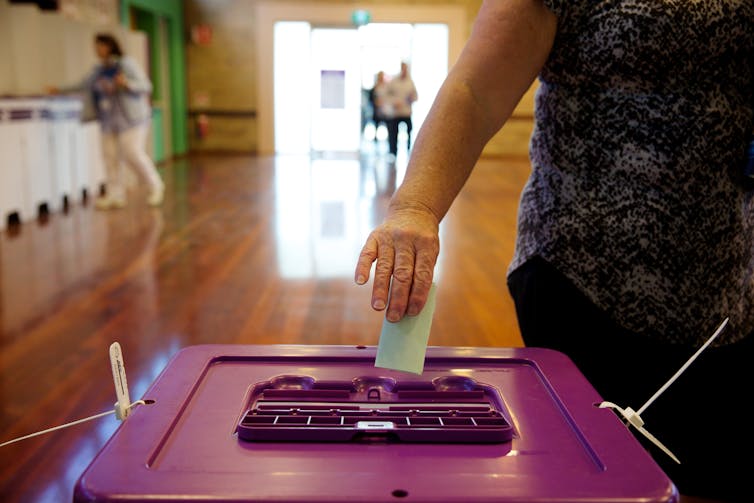
Think for a minute about how Australian election results earn public trust. House of Representatives ballots are cast on paper, voters put their own ballot into a ballot box, they are then manually counted and scrutineers are entitled to watch every aspect of the process.
Australian voters put their own ballots in the ballot boxes. Richard Wainwright/AAP
Except for some requirements to trust the postal service (for postal votes) and a phone-based remote voting service (for the small minority unable to vote by post) the entire process can be independently verified.
We don’t know how to replicate this transparent, verifiable process in a paperless way over the internet.
What’s the problem with online voting?
Australia has no secure or universal way of verifying a citizen’s identity online, so online voting incurs a risk of allowing ineligible people to vote, perhaps a very large number of times.
Another key problem is enabling voters to verify the electronic vote they sent is the one they wanted.
Unlike a postal ballot paper, an electronic vote cannot be directly verified. Malware, or a bug, on the voting device might change the vote without the voter’s knowledge.
Some countries have tried to address this, but issues remain.
In Estonia, voters can use an independent device to redo the vote encryption and check it matches what they asked for. This method has some good security properties, but introduces problems around coercion and vote-buying.
In Switzerland, voters receive a code sheet in the mail and use the codes to check their vote was properly received. In 2019 colleagues and I discovered some subtle flaws in this process, and in the later stages of the SwissPost verification process. These could allow a malicious attacker to alter votes while making it appear that verification had passed.
Online voting in Australia
New South Wales used an online voting option called iVote for its local government elections in 2021.
Although originally justified as a necessity for special classes of voters, by 2021 iVote eligibility had expanded to include anyone who said they would be outside their local government area on election day. More than 600,000 votes, including one third of votes for the Sydney City Council, were received over this system.
The system suffered outages under this load – the NSW Electoral Commission estimated 10,000 or more people couldn’t cast a vote. This estimate is probably conservative, but nobody knows for sure how many people were disenfranchised. The NSW Supreme Court determined in February that three council election outcomes should be voided and re-run.
Analysis by mathematical scientist Dr Andrew Conway and myself shows for 36 additional councils, the number of people acknowledged by the NSW Electoral Commission to have been excluded was enough to have possibly changed the outcome.
The systems used for local elections elsewhere in Australia may be even worse. The ACT allowed some overseas voters to vote online in the 2021 election for the ACT Assembly. A February 2022 report on that system by Australian National University computing lecturer Thomas Haines found it didn’t use end-to-end encryption to protect the privacy of the votes and didn’t use any sound cryptographic method to protect them from being modified when they passed through an internet-facing server. Nor does it appear to have any method of allowing voters to verify their votes are cast as they intended.
This is why it’s a good thing internet voting isn’t permitted for federal elections in Australia. And it’s important to remember it’s the verification issues, more than reliability failures, that are the problem.
Senate vote counting
Senate ballots are cast on paper and then scanned and digitised in a hybrid human and automated process. First preference votes for the Senate are manually tallied. But the rest of the Senate count is conducted electronically.
The complicated Senate count takes several weeks to complete. Bianca De Marchi/AAP
The electronic preferences are published online, so the counting step can be independently checked using any open source Senate counting software.
The hard part is ensuring the published preferences are accurate representations of the ballot. Until recently, there was no careful way to assess this. If a software error or security problem caused a divergence between the paper ballots and the scanned images, or between the scanned images and the final preferences, it might not have been detectable even by the Australian Electoral Commission, let alone scrutineers.
New laws, which passed parliament in December 2021, represent a tremendous improvement. They mandate a statistical audit of the ballot papers to verify they’re accurately reflected in the digital preferences.
By law, the electoral commission must publish their audit methodology in advance, which should be soon. We need to see a clear, rigorous procedure for randomly choosing ballot papers and comparing them to their digitised preferences, in the presence of scrutineers. Observers also need to be able to check the pencil marks on the ballot paper have been accurately digitised.
This will provide a complete evidence trail all the way from the ballot papers to the election outcome.
Earning and maintaining public trust
We don’t know how to run trustworthy elections over the internet, but we can use technology to improve some electoral processes, without sacrificing the public evidence trail that is absolutely central to earning public trust in the results.
It is tempting but wrong to emphasise secrecy rather than transparency, to hide problems rather than exposing them to public scrutiny. The new Senate bill bucks this trend.
Auditing the Senate ballot papers is hard work and it’s not fashionable or convenient, but it will make a huge difference to the security of Australian elections.
Vanessa Teague is consults for the Swiss Federal Chancellery for examination of their Internet voting system through their Expert Dialogue. She is a member of the advisory board of Verified Voting, a US nonprofit dedicated to improving the integrity of US elections. She is the chairperson of Australian not-for-profit Democracy Developers Ltd, which has received a research grant from Microsoft.
The COVID pandemic has highlighted several interesting features of modern medical practice – most recently the “nocebo” response, which may account for a significant number of side effects people experience following vaccination.
Nocebo responses (from Latin noci: to harm) are the opposite of the better known placebo. While the latter describes improvements in symptoms following inert medication, the nocebo response heightens symptoms if a person anticipates them. It can increase pain if someone expects something will hurt.
A fascinating meta-analysis examined data from 12 clinical trials of COVID vaccines, involving over 45,000 participants, and found about two-thirds of common side effects people experience after vaccination could be due to a nocebo response, rather than the vaccine itself.
Nocebo responses can be troublesome and significant. They include headaches, fatigue, muscle pains, nausea or diarrhoea. Such symptoms may be related to anxiety or negative expectations, or day-to-day sensations being incorrectly attributed to a treatment.
While previous analysis in other fields had already confirmed the presence of nocebo responses in randomised trials, COVID vaccine research dramatically highlights its frequency.
The latest study found up to 35% of patients in the placebo arm of vaccine trials had adverse events such as headaches and fatigue. Mathematical analysis showed 50-75% of patient symptoms after the real vaccination (not placebo) may have been caused by those nocebo responses.
A different group of researchers from Italy reviewed other COVID vaccine trials and confirmed these conclusions. These findings are potentially significant, as vaccine hesitancy and refusal have been linked to patient concerns about side effects or major adverse events. Knowing how frequently self-limiting nocebo responses happen may reduce vaccine hesitancy.
The ‘meaning response’
Together, the placebo and nocebo effects are better understood as two aspects of what medical practitioners call a “meaning response”. Both occur in relation to the importance and meaning patients place on their illness, their relationship with their healthcare providers, and their thoughts and beliefs about proposed treatments.
Nocebo responses are now being recognised as potentially important contributors to patient outcomes. For example, if a doctor or nurse give pessimistic or negative information about pain, various studies have demonstrated the patient’s pain can worsen, regardless of the degree of tissue damage.
Previous research in New Zealand has also illustrated how negative media coverage may increase patients’ experiences of adverse events after compulsory changes to their medication regimes. For example, brand switches of thyroxine in 2007 and of an antidepressant in 2018 were followed by increased reporting of side effects and adverse events.
Acknowledging and publicising the potential contribution of nocebo responses may be useful for further generic substitutions.
Implications for COVID vaccinations
Vaccinators need to avoid inadvertently contributing to nocebo responses when advising their patients. They could use positive framing about the very low risk of serious adverse events. They could also briefly explain that nocebo responses are common and self-limiting.
However, my own experience as a patient receiving three COVID vaccinations was disconcerting. No one in the various vaccinating teams said anything positive about the vaccine or its efficacy in preventing me or my family from catching the virus, or reducing the severity of the illness if we did.
And just after receiving the third injection, I was further disquieted by warnings about chest pain and reminders I should seek immediate medical attention if I experienced any. This extra information on heart problems as a potential adverse event followed recent concerns about rare cases of myocarditis after vaccination.
All the vaccinating staff were conscientious and kind, but it seemed odd they hadn’t been instructed to discuss the benefits of vaccination. It might have been a useful approach to country-wide vaccine hesitancy.
While well intended, it is possible their emphasis on serious side effects from the vaccine may increase the incidence of nocebo responses in a population already primed for them. This could mean more patients will present to their doctors or emergency departments with symptoms unrelated to the vaccine itself.
How to improve awareness
Anecdotally, advice from vaccinators appears to be quite variable. It may be helpful if they incorporated an understanding of potential placebo and nocebo responses into their vaccination advice to each patient.
Health authorities and health professionals need to understand meaning responses and their role in clinical practice. Incorporating those insights into healthcare communication may prevent unnecessary patient anxiety, worrisome symptoms and considerable healthcare expenditure.
Respecting autonomy means patients need to be asked if they want to receive information about side effects or adverse events. The juggle is how to inform patients about the very low risk of serious harm while not increasing their apprehension.
Pandemic research is now also exploring potential parallels between long COVID and other chronic conditions such as Myalgic Encephalitis/Chronic Fatigue Syndrome as well as tentative associations between adverse childhood experiences and vaccine hesitancy.
Without intending to minimise the pandemic’s devastating impact, it is providing us with useful insights into wider current medical and sociological issues.
Hamish John Wilson does not work for, consult, own shares in or receive funding from any company or organization that would benefit from this article, and has disclosed no relevant affiliations beyond their academic appointment.
Former independent federal MP Cathy McGowan has hit back at John Howard’s description of independent candidates as “anti-Liberal groupies”.
In this Below the Line exclusive, McGowan says the former Prime Minister’s use of the term was clearly meant to be derogatory. “I suspect someone has given it to him,” she said. “It doesn’t bring to mind the calibre of the people who are standing. If he is trying to talk to people in the leafy suburbs of Melbourne and Sydney, and calling those candidates groupies, then he has missed the mark totally.”
McGowan argues that independents cannot be put into just one category. While some are high-profile, have branded themselves with the colour teal and receive funding from the Climate200 group to promote action on climate change, “there are orange and pink and yellow and other colours as well… There are at least 25
community independents running and you could not group them together.”
McGowan, who defied the odds and won the traditional Liberal seat of Indi (previously held by Liberal Sophie Mirabella), predicted as many as ten independents could get over the line on polling day. “There is an incredible sense across the country of disillusionment with the government, and people are desperate to send a message to both parties that they are not doing well enough, and the independents are putting their hand up as a very viable alternative,” she said.
If McGowan’s prediction came true, independents would likely hold the balance of power in the lower house, forcing a minority government. Below the Line’s Anika Gauja says working with such a large crossbench would be “unprecedented in Australian federal politics”. And if the independents do poll well, Simon Jackman explains it may make counting the vote complicated on election night, possibly slowing down the final result.
Our expert panel also discuss Defence Minister Peter Dutton’s recent comment that “the only way you can preserve peace is to prepare for war”, the record number of female candidates this election (39%, up from 32% last time around), and large numbers of young people enrolling to vote at the last minute.
Below the Line is a twice-weekly election podcast hosted by award-winning broadcaster Jon Faine and brought to you by The Conversation and La Trobe University.
Image credit: Diego Fedele/AAP
Disclosure: Simon Jackman is an unpaid consultant on polling data for the Climate 200 network of independent candidates.
Days out from the event, festival goers for Canberra’s Groovin the Moo festival were told the event would no longer be offering a free drug checking service after Pill Testing Australia, which provides the testing service, had public liability insurance withdrawn, without explanation from insurers.
Pill testing in the Australian Capital Territory was hard fought and won, and this represents a setback for an intervention that can reduce the harms of drug consumption.
A history of pill testing in Australia
In Australia, the ACT has been ahead of other states in applying innovative drug policies. In 2018, it gave permission for Australia’s first trial of pill testing at a music festival. Pill testing, or “drug checking” as it’s often called internationally, is a harm reduction intervention with clear benefits.
Acknowledging a “drug-free” Australia is magical thinking, and that some people will always use drugs, pill testing provides consumers with information about the actual content of their chosen substance, so they might make better decisions about consumption. It also gives us access to an otherwise invisible group of “functional” drug consumers.
Advocates have been working to have pill testing made legal in Australia since the early 2000s. And while there was apprehension in the ACT in 2018, it was deemed a huge success at its first trial there.
Colleagues in other states have followed progress in the ACT with interest, but several proposals have stumbled as a consequence of political or ideological objections by conservative elements.
Pill testing trials in Australia have been deemed a huge success. Shutterstock
Pill testing reduces drug harms
Since 2002, severalstudies have clearly shown pill testing has never been associated with increased drug use, or drug-related harm – no matter how much opponents of pill testing would have you believe.
Work conducted by colleagues from the ANU shows quite clearly a deep trust by those using the service and in broader health services providing services to drug users.
Research increasingly confirms pill testing does influence the behaviour of people who use drugs, especially when pill testing results show unexpected results, or drugs of concern. From our own work in Canberra, we have also found consumers spaced out doses, reduced doses, or even disposed of their drugs, following conversations with those providing the service.
These general findings have been corroborated by several coronial inquests in Australia into music festival deaths and a special inquiry commissioned by the New South Wales government.
Both recommended, independently, further trials of pill testing in those jurisdictions, as have subsequent coronial inquiries in Victoria. The Australian Medical Association also officially supports calls for medically supervised, ethically approved pill testing.
Such has been the success of the festival-based testing in Canberra, a fixed site is now on the cusp of opening, ensuring a service that functioned only at music festivals, and for the demographic groups that attend them, can now be extended to benefit a broader group of consumers over a longer period of time.
There is no research comparing festivals that did or did not deploy pill testing – it would be quite the design challenge to try to conduct controlled experiments in the chaos of a music festival. But we can follow the behaviours of those who participate in the pill testing process, and when we do, most early indications suggest those who use drugs change their behaviour in such a way as to be less likely to result in harm.
What has to happen to ensure pill testing goes ahead?
In this recent instance, the issue was not with government, but with private insurers. We cannot say what made them pull out, but the fact a private entity determined the course of public health policy is a disappointment and should not be allowed to happen again. Given the manner and timing in which this was done, it suggests the prevention of pill testing was the intended outcome.
Governments could address this by requiring insurers to provide the actuarial basis for any decisions they make about insurance. They might also consider their insurance options when choosing insurance providers, selecting those prepared to support evidence-based health care.
Pill testing, now established in the ACT, is not going away. It is only a matter of time before other jurisdictions find a way to introduce their own systems in their own way.
Insurers should be trying to win customers with ethical and evidence-based policies. Harm reduction is insurance, not just for people who use or who have used drugs, but also for people who love the people who use drugs. Between those two groups, that represents a lot of Australians – all of them who have choices as to where to source their insurance products.
Dr David Caldicott is the clinical lead for Pill Testing Australia.
This is part of a foreign policy election series looking at how Australia’s relations with the world have changed since the Morrison government came into power in 2019. You can read the other pieces here and here.
It feels like a lifetime ago now former Prime Minister Malcolm Turnbull had a very tense conversation with the recently inaugurated Donald Trump.
Aside from some carefully worded diplomatic statements, however, the alliance under Joe Biden and Scott Morrison remains the central pillar of Australian foreign policy.
Its strength was demonstrated by the trilateral AUKUS pact between Australia, the United Kingdom, and the United States last year.
But the future of this historic security partnership remains uncertain.
What impact will elections, climate policy, and tumultuous relations with China have on Australia’s alliance with the United States?
From mid-2018, the Morrison government has pursued a closer relationship with the US.
In the Trump years, Morrison was one of just two world leaders invited to a White House state dinner – and arguably the only one who did not later regret it.
Most recently, the Morrison government affirmed Australia’s long-standing security ties to the US through the AUKUS agreement, which represents the most significant development in the alliance since the foundational ANZUS Treaty in 1951.
Yet the Morrison government was also criticised for pursuing a close relationship with Trump. Opposition leader Anthony Albanese echoed arguments the government’s focus on Trump left Australia exposed after his 2020 election loss to Biden.
Nevertheless, former US ambassador to Japan and incoming US Ambassador to Australia Caroline Kennedy praised Australia for its bipartisan commitment to the alliance in a US Senate confirmation hearing earlier this month.
Kennedy’s comments reflect a desire to keep the alliance above the fray of domestic politics. This is understood as especially crucial in what Morrison called the world’s “most difficult and dangerous security environment in 80 years”.
Biden can expect this to continue no matter which party wins the May election.
This broad bipartisanship does not mean, however, that there wouldn’t be important differences between an Albanese and a Morrison government.
The alliance under a second Morrison government
Should Morrison win the election, we can expect Australia’s alliance with the United States to remain largely the same.
The current government is clearly aware of the Indo-Pacific’s strategic importance to the alliance. But its actions and rhetoric suggest an almost singular focus on China; it appears to consider the Pacific a diplomatic afterthought.
A second Morrison government would likely uphold the alliance as the bulwark against the so-called “arc of autocracy” represented by Russia and China.
And looking closely, the primacy of the security relationship obscures deep ideological differences. While the security relationship will hold sway, Morrison has been seemingly dismissive of Biden’s politics.
More broadly, Labor’s foreign affairs spokeswoman Penny Wong has outlined a foreign policy agenda directing resources to reinforce Australia’s independent diplomatic presence. Wong has argued this is crucial for countering China’s influence in the Pacific and “maximising” Australia’s influence.
And Albanese has explicitly linked Australia’s national security to its “environmental security”.
Whichever party wins the May election will only have six months until the American mid-term elections in November.
Nothing is inevitable, but a historically consistent result would see the Democrats lose their congressional majority.
The impact on the security alliance would be negligible. However, this would likely see Australia engage with a US administration less able to pursue its own political agenda – particularly on climate action.
This development would likely be welcomed by a second Morrison government, while it would strike a blow to Labor’s more ambitious foreign policy goals.
Perhaps of even greater consequence, about two-thirds of the way through the next government’s term, the world will be faced with another US presidential election and the potential return – through legitimate process or otherwise – of Trump.
It’s not clear if either party, or the rest of the world, has a plan for that.
Emma Shortis’ research draws on projects funded by Jean Monnet Awards from the European Union’s Erasmus Plus program.
Source: The Conversation (Au and NZ) – By John Hawkins, Senior Lecturer, Canberra School of Politics, Economics and Society and NATSEM, University of Canberra
Eric Risberg/AP
In a surprise capitulation, the board of Twitter has announced it will support a takeover bid by Elon Musk, the world’s richest person. But is it in the public interest?
Musk is offering US$54.20 a share. This values the company at US$44 billion (or A$61 billion) – making it one of the largest leveraged buyouts on record.
In a letter to the chair of Twitter, Musk claimed he would “unlock” Twitter’s “extraordinary potential” to be “the platform for free speech around the globe”.
But the idea that social media has the potential to represent an unbridled mode of public discourse is underpinned by an idealistic understanding that has surrounded social media technologies for some time.
In reality, Twitter being owned by one person, some of whose own tweets have been false, sexist, market-moving and arguably defamatory poses a risk to the platform’s future.
Can Twitter expect a total overhaul?
We see Musk’s latest move in a less-than-benign light, as it gives him unprecedented power and influence over Twitter. He has mused about making several potential changes to the platform, including:
Shortly after becoming Twitter’s largest individual shareholder earlier this month, Musk said “I don’t care about the economics at all”.
But the bankers who lent him US$25.5 billion to eventually acquire the platform probably do. Musk may come under pressure to lift Twitter’s profitability. He claims his top priority is free speech – but potential advertisers may not want their products featured next to an extremist rant.
In recent years, Twitter has implemented a range of governance and content moderation policies. For example, in 2020 it broadened its “definition of harm” to address COVID-19 content contradicting guidance from authoritative sources.
Taking a longer-term view, however, it seems Twitter’s bolstering of content moderation could be seen as an effort to save its reputation following extensive backlash.
Regardless of Twitter’s motivations Musk has openly challenged the growing number of moderation tools employed by the platform.
He has even labelled Twitter a “de facto public square”. This statement appears naïve at best. As communications scholar and Microsoft researcher Tarleton Gillespie argues, the notion that social media platforms can operate as truly open spaces is fantasy, given how platforms must moderate content while also disavowing this process.
Gillespie goes on to suggest platforms are obliged to moderate, to protect users from their antagonists, to remove offensive, vile, or illegal content and to ensure they can present their best face to new users, advertisers, partners, and the public more generally. He says the critical challenge then “is exactly when, how, and why to intervene”.
Platforms such as Twitter can’t represent “town squares” – especially as, in Twitter’s case, only a small proportion of the town is using the service.
Public squares are implicitly and explicitly regulated through social behaviours associated with relations in public, backed by the capacity to defer to an authority to restore public order should disorder arise. In the case of a private business, which Twitter now is, the final say will largely default to Musk.
Even if Musk were to implement his own town square ideal, it would presumably be a particularly free-wheeling version.
Providing users with more leeway in what they can say might contribute to increased polarity and further coarsen discourse on the platform. But this would again discourage advertisers – which would be an issue under Twitter’s current economic model (wherein 90% of revenue comes from advertising).
The viewpoints users are exposed to are determined by algorithms geared towards maximising exposure and clicks, rather than enriching users’ lives with thoughtful or interesting points of view.
Musk has suggested he may make Twitter’s algorithms open source. This would be a welcome increase in transparency. But once Twitter becomes a private company, how transparent it is about operations will largely be up to Musk’s sole discretion.
Ironically, Musk has accused Meta (previously Facebook) CEO Mark Zuckerberg of having too much control over public debate.
Yet Musk himself has a history of trying to stiflehis critics’points of view. There’s little to suggest his actions are truly to create an open and inclusive town square through Twitter — and less yet to suggest it will be in the public interest.
The authors do not work for, consult, own shares in or receive funding from any company or organisation that would benefit from this article, and have disclosed no relevant affiliations beyond their academic appointment.
Content warning: This article contains mentions of racial discrimination against First Nations people.
Comments pages on social media too often constitute an echo-chamber for racist rhetoric being peddled by a combination of the misinformed and the malicious.
Mainstream media outlets have embraced social media as an avenue to publish regular articles about Indigenous peoples and racism. These posts regularly elicit comments that are misinformed, malicious, and aimed at delegitimising Indigenous peoples’ culture and identity.
Such misinformation needs to be eradicated if the conversations about Australia coming to terms with its past is going to move forward.
Indigenous peoples are quite vocal about avoiding the quagmire of negativity in online comments pages. Racist tropes get dug up, recycled, and levelled at Indigenous peoples. This is often done in order to silence Indigenous voices and call into question Indigenous identity.
This is not new. In 2018 Professor Bronwyn Carlson and Dr Ryan Frazer found
Some respondents reported being questioned over whether they were “really Indigenous”, with critics drawing on stereotypical ideas — particularly about skin colour.
Challenging Indigenous identity based on skin colour is a well-known racist strategy.
In other cases, online comments resemble what is called “sealioning” which, according to journalist Chris Stokel Walker,
is the process of killing with dogged kindness and manufactured ignorance by asking questions, then turning on the victim in an instant.
One example of this is found in research into Indigenous peoples and social media. In this research, one participant recalled a post they had seen recently:
[…] there was one commenter just said “I’m confused”, obviously pointing out that how is this person Aboriginal when they’ve got such white skin.
Feigning confusion is a common strategy deployed to call into question Indigenous identity. The alleged confusion is often based on colonial ideas that Indigenous culture is ancient, uncivilised, and incompatible with modern Australia.
The aim: to silence Indigenous voices by delegitimising Indigenous peoples’ connection to community, culture, and identity.
First Nations people identify social media as places for collaboration and connection. GettyImages
Mainstream media on social media
On April 7 this year, NITV published on Facebook the story of AFL player Eddie Betts’ reflection on his decision not to speak up about the racism he faced early in his AFL career for fear of the retribution.
One of my research participants noted, articles about racism in Australia “only serve to just basically invite hundreds more comments of horrible racist rhetoric”. The publication of Betts’ story was no exception.
One commenter echoed the worn-out trope of Indigenous identity being legitimate only when it is considered “traditional”.
They never do the “traditional” thing where their [sic] was no concept of personal property within the clan […] otherwise they wouldn’t have their mansions, flash cars.
The sentiment here is that the only acceptable Indigenous identity is one which rejects technology, money, or anything considered “modern”.
Social media platforms are interested in stamping out negative content on their platforms. In February 2021 many of the industry’s largest players signed up to a Code of Practice on Disinformation and Misinformation.
Also in 2021, Facebook announced a new admin tool for moderators to “nurture community culture”. This admin tool, powered by artificial intelligence, would alert admins to situations in the comments pages threatening to escalate to a breach of community standards.
Combating the specific types of racist rhetoric faced by Indigenous peoples however, presents unique challenges. Sealioning and feigned confusion sidesteps artificial intelligence as well as non-indigenous peoples’ familiarity with harmful content. The comments typically don’t always include key racist terms and slurs, rather they can appear as confusion and lines of often excessive questioning.
The damage done by the persistence of subtle racism, sealioning and challenges to Indigenous identity in comments sections remains difficult to measure.
What can be done?
Indigenous peoples identify social media as a site for collaboration and connection. Deliberately racist lines of questioning are identified by Indigenous peoples and allies and quickly challenged. In some cases, the responses to racist comments demonstrate some Indigenous peoples’ willingness to educate.
Yet, systems need to be in place to better monitor these interactions, because these interactions often deteriorate into even more violent and racist altercations. However, allies calling out racist trolls could contribute to setting a standard of conversational etiquette and better facilitate meaningful discussions.
One research participant told me:
I think that people’s comments have a lot to do with just not being educated on the real truth of what has happened to all of our peoples.
As more people call out misinformed and malicious commentary, more will begin to understand the complexity of identifying as Indigenous online.
This will help inspire honest conversation about Australia’s past and what it means to be Indigenous.
Tristan Kennedy received funding from Facebook for part of this research.
Elections held in the shadow of war or overarching national security concerns tend to favour incumbents.
In the three elections since the second world war that have been directly affected by security worries, incumbent governments have prevailed.
In 1951, Robert Menzies fought an election on his determination to ban the Communist party. This was an effort to wedge the Labor party on divisions within its own ranks between a Soviet Union-sympathetic left and an anti-communist right.
Menzies’ election speech of April 28, 1951, delivered in his own electorate of Kooyong, makes interesting reading in light of debates now about surging Chinese influence in the region. He said:
I need not tell you that every way the Communists are delighted with the Labor Opposition.
This speech was delivered against the backdrop of the Korean war, in which Mao Zedong’s forces fought on the side of North Korea and against Australian soldiers defending the south.
Menzies’ Coalition went on to win the election against Ben Chifley’s Labor Party. While the Coalition lost five seats, it was a status quo result in the 121-member House of Representatives, with the Liberal and Country parties maintaining a comfortable majority 69-52. Labor lost control of the Senate.
Harold Holt won the 1966 election largely on his position on the Vietnam War. Museum of Australian Democracy
In 1966, Harold Holt, as newly-anointed leader of the Liberal Party and prime minister, won a landslide victory against Arthur Calwell’s Labor largely on the issue of Australia’s commitment to Vietnam.
This was a popular cause at a time of significant community concern about communist influence in the region accompanied by the spectre of dominos falling towards Australia.
Calwell, who had given one of the great parliamentary speeches in 1965 in which he opposed Australia’s commitment to Vietnam, presided over a catastrophic loss for Labor. It was reduced to 41 seats in the 124-member House of Representatives against the Coalition’s 82, with one independent.
In the third example of incumbency proving to be an important element in an election victory, John Howard in 2001 parlayed anxiety about boat arrivals and a terrorist attack on American soil to propel him to victory.
The Coalition had been faltering in the polls.
Howard’s win over Kim Beazley’s Labor in the shadow of the commitment of Australian troops to Afghanistan to root out al Qaeda underscored the advantages of tenure in uncertain times.
The Tampa episode on the eve of the 2001 poll, in which a Norwegian vessel with stranded boat people on board was refused entry to Australia, prompted one of the more telling interventions in an Australian political debate. Howard responded with:
We will decide who comes to this country and the circumstances in which they come.
At the 2001 election, John Howard capitalised on national security fears – highlighted by the Tampa incident and the September 11 attacks – to win the election. AAP/Dean Lewins
This brings us to the election of 2022 in which Prime Minister Scott Morrison and Defence Minister Peter Dutton are seeking to use legitimate concerns about a Chinese presence in the Pacific as election fodder.
The Solomon Islands security pact with China has provided a pretext for wedge-politics electioneering, aimed at Labor.
In remarks on Anzac Day, Dutton returned a familiar theme in which he likened China’s rise to that of Third Reich in Nazi Germany, and compared Russian President Vladimir Putin with Adolf Hitler in his efforts to subjugate Ukraine.
We’re in a period very similar to the 1930s. And I think there are a lot of people in the 1930s that wish they would have spoken up much earlier in the decade.
In his own efforts to exploit security concerns arising from China’s growing presence in the Pacific, Morrison warned of a “red line” should Beijing seek to establish base facilities in the Solomon Islands.
With its long history of having paid the price politically on national security, Labor has been skittish on the China issue in its efforts to minimise differences with the government.
Morrison and Dutton have sought to make capital out of Labor’s attempts to argue for a more constructive relationship with Beijing. This has caused discomfort among Labor frontbenchers, notably its deputy leader Richard Marles.
In a speech to Beijing’s Foreign Studies University in September 2019, Marles described talk of a new Cold War as “silly and ignorant”. He went on to say, “to define China as an enemy is a profound mistake”.
These words have been seized on by the government and its friends in the media to portray Marles, who may well become defence minister in an Albanese government, as “soft” on China.
Marles has pushed back against these slurs, but it is unlikely he would deliver a similar speech today given China’s further encroachment into the region.
His Beijing speech is absent from his website.
In his efforts to exert pressure on his opponent over Labor’s more nuanced approach to China, Morrison used a peoples’ forum debate to claim Anthony Albanese had taken “China’s side” in debates over the pandemic and border closures.
Albanese responded “that’s an outrageous slur by the prime minister”.
This matters because if a Coalition is re-elected, the prospects of an improvement in relations with China would remain poor. Morrison’s and Dutton’s interventions have hardened the edges of Australia’s relationship with its largest trading partner.
All this is a very long way from the agreement between then Prime Minister Tony Abbott and visiting Chinese President Xi Jinping in Canberra in 2014, to upgrade relations to a “comprehensive strategic partnership”.
When Morrison made the ‘red line’ statement, he jeopardised the red line of the Solomon Islands, an independent country, by failing to recognise the latter’s diplomatic sovereignty.
This year, unlike 1951, 1966 and 2001, Australians are going to the polls not when lives might be lost in foreign conflicts, but at a time when voter concerns are domestically-focused.
A “True Issues” survey by JWS Research in the Australian Financail Review in March found that cost of living and healthcare trumped concerns about defence, security and terrorism.
An ABC Compass poll this month found that climate change was top of mind, followed by cost of living and affordability. Defence and public security rated a lowly eighth in the ABC poll, as it did in the JWS Research poll.
In other words, there is no clear indication a “China threat” will prove significant in an election dominated by bread and butter issues.
Tony Walker is a member of The Conversation board.
Source: The Conversation (Au and NZ) – By Thea van de Mortel, Professor, Nursing and Deputy Head (Learning & Teaching), School of Nursing and Midwifery, Griffith University
A Florida court recently overturned mask mandates on planes in the United States, saying the directive was unlawful. That decision is now under appeal.
Before that, Australian comedian Celeste Barber told her social media followers a passenger sitting next to her on a recent flight took off her mask to sneeze.
So wearing masks on planes to limit the spread of COVID is clearly a hot-button issue.
As we return to the skies more than two years into the pandemic, what is the risk of catching COVID on a plane? And does it really matter where on the plane you are?
It’s impossible to give a precise answer about your risk of catching COVID on a plane as there are so many variables.
For instance, not all countries and airlines require passengers to wear masks or be vaccinated.
Some countries and airlines require a negative COVID test within a certain timeframe before flying, others have scrapped that requirement entirely.
Then there are different rules that may apply if you’re flying domestically or internationally, or leaving or entering a country.
That’s before we start talking about the virus itself. We know more recent variants have emerged (Omicron and the sub-variant BA.2, for example), that are much more easily transmitted than the original virus or the Delta variant. We don’t know how transmissible future variants or sub-variants will be.
So we can only talk in general terms about the risk of catching COVID on a plane. All up, your risk is very low, but the measures airlines put in place help achieve that. You can also reduce your personal risk further in a number of ways.
Air flow is designed to largely travel vertically, from the ceiling to the floor, to reduce the potential spread of contaminated air through the plane.
The height of the seats acts as a partial barrier to air movement from rows in front and behind you.
To see how this works in real life, researchers looked at how the virus spread on a long-haul flight when an infected person (the index case) sat in business class.
Twelve of 16 people who were infected on the plane sat within a few rows of this person; another was a flight attendant. This suggests limited spread of contaminated air through the rest of the plane.
Recycled air is also filtered through high-efficiency particulate air (or HEPA) filters. These remove more than 99% of viral particles, further reducing the risk of droplet or airborne transmission.
Well fitted masks or respirators (worn properly) can reduce your risk of contracting COVID on a flight. That’s why many airlines say wearing a mask is a condition of flying.
For example, modelling of several known transmission events on planes demonstrates an advantage if both the infected person and others around them wear masks.
Vaccination
Some countries, such as Australia, require entering travellers to be fully vaccinated. This lowers the risk of someone becoming sick with COVID.
Not all flights require a negative COVID test before boarding. For those that do, the time frame before a flight varies, as does the type of test required.
However, we know tests do not detect every single COVID case. A range of factors can influence test sensitivity (ability to detect COVID). These include the type and brand of test you take, whether you have symptoms, your age, and the viral variant.
You can also still test negative two days before a flight and catch COVID in the meantime.
Airlines may do additional cleaning of high-touch areas, and overnight disinfection, to reduce the spread of COVID through touching contaminated surfaces.
However, the risk of transmission by this route is low compared to the risk of catching COVID through breathing in infectious droplets and aerosols.
When and where are you most at risk?
The closer you are to the infected person
Most transmission occurs within two to three rows of an infected person. If you sit next to someone who is coughing or has other symptoms you might ask to move seats if spare seats are available.
Distance yourself from others if you can, particularly when getting on and off the plane.
You might also avoid sitting close to the toilets as passengers will hang about in the aisles waiting to use them, particularly on long flights.
If you or others are not wearing a mask or wearing it properly
You can breathe infectious particles in and out via your nose as well as your mouth, so don’t wear your mask under your chin or nose.
The risk also increases when everyone takes off their masks during food service. You might choose not to eat or drink on short flights to avoid this. Alternatively you might bring a snack to eat before food service begins, or eat after those around you.
If you contaminate your food or your face
You can catch COVID through touching your food or face with contaminated fingers. Sanitise your hands regularly and train yourself to not touch your face.
If you are in business class
Based on limited reports, the transmission risk appears higher in business class. This is possibly because of more interruptions to mask wearing due to greater service of food and drinks.
Thea van de Mortel teaches into the Graduate Infection Prevention and Control program at Griffith University.
Global wheat prices have soared since Russia invaded Ukraine in February. The two nations account for 30% of the world’s wheat production.
That means many low-income nations who are net food importers are bracing for a year of hunger. The disruption of war compounds existing drops in food production linked to climate change. On a global scale, climate change has already cut global average agricultural production by at least one-fifth.
Food insecurity often translates to widespread social unrest, as we saw in the 2011 Arab Spring protests, which came after major food price rises.
Countries in the Middle East and North Africa are likely to be hit hardest in the short term, given they are the major importers of Ukrainian wheat and have major food security issues. Countries dependent on specific commodities and which can’t switch to alternative food sources are also at risk.
As many nations face hunger and worsening food security, it is time to redouble our efforts on climate change. Climate change is the great risk multiplier, worsening all existing global crises.
Anti-government protestors clash with riot police in Egypt during the Arab Spring uprisings in 2011. Ben Curtis/AP
What effect is the war having?
The world produces enough food to feed everyone. Hunger persists due to the critical factors of distribution and access.
We can add war and climate change to this list too. The current wheat price spikes are driven by a combination of war pressures and market speculation.
The world’s largest wheat importer is Egypt, which buys in over half of its calories. At the same time, it exports rice.
This is a dangerous combination. Much of Egypt’s population lives in poverty, with a high reliance on wheat. Civil unrest took root when bread prices rose by almost 40% in 2007-08 due to droughts in food producing nations and oil price rises.
Egypt’s poor rely on imported wheat to make flatbread and other staples. Amr Nabil/AP
Climate change, conflict and food security will keep compounding
The world’s current 1.2℃ of warming has already slashed the world’s average agricultural production by at least 21%.
To date, rich countries have not seen much effect. But the rest of the world has. In Africa, Central and South America, food insecurity and malnutrition have risen sharply due to floods and droughts damaging crops.
The world’s poor live where land is cheapest and most vulnerable to climatic extremes. They often have sporadic or no access to health care, education, transport, meaningful employment, food and water. Each of these factors amplifies others, which intensifies the underlying disadvantage and can fuel conflict. Climate change can worsen all of these factors.
In 2022, a war between two nations is directly influencing global food, fuel and fertiliser supplies and prices. As the world warms and our agricultural systems begin to fail in some areas, it is a certainty that climate, food insecurity and war will combine to produce more suffering.
Rich countries are not immune
Rich countries like Australia are learning food insecurity can affect everyone. The pandemic years have led to heightened financial vulnerability and food insecurity among more Australians than ever.
The pandemic comes on top of climate change-linked weather events disrupting food supply due to unprecedented bushfires and floods. The record-breaking rains have made it harder to sell recent bumper grain crops at a good price due to water damage to crops as well as export infrastructure damaged by the previous prolonged drought cycle.
Australia exports enough food for 70 million people. That can give a false sense of security. In reality, our position as the most arid inhabited continent in a steadily warming world has led to drops of up to 35% in farm profitability since 2000.
What can be done?
For many in Ukraine, other conflict zones and refugee camps, life becomes a question of knowing how and when the next meal will come.
People who have experienced true hunger know the memory will linger even after living in a food-rich country for decades, as one author knows from living through the war in former Yugoslavia.
Knowledge about food is critical to resilience: food production and preserving skills, diversity of edible weeds and foraging opportunities, how supply chains work and the consequences of trading food in the face of hunger.
To build resilience in the face of these intensifying and overlapping threats, we must move away from our current dependence on wheat, corn and rice for fully 40% of our calories. Of the world’s thousands of plant species, we farm around 170 on a commercial basis. And of these, about a dozen supply most of our needs.
Wheat, corn and rice supply a surprisingly high proportion of all calories consumed by humans. Shutterstock
As the threats to food security intensify, we will also need to question why basic foodstuffs are commodities of profit. A radical but widely advocated approach is the model in which foods are traded equitably to address need. Access to food is, after all, a human right.
If we can embed more equitable and resilient food systems, we will be better placed to adapt to climate change already locked in by previous emissions, as well as dampen the sparks of conflict. Improving the way we produce food can also help us tackle climate change and biodiversity loss.
We are heartened by growing interest in urban food production, efforts to reimagine distribution as well as regenerative agriculture and technological innovations on farms. Taken together, these changes can shorten supply chains and increase food diversity and resilience.
Why does that matter? Because producing food closer to home reduces the risk of food insecurity linked to climate change, war and other disruptions.
As more and more of us move to cities, we will have to embrace greater urban production of food and support for the family farms and smallholders who still, to this day, produce more than half of every calorie consumed by humanity.
We have a real opportunity – and need – to rethink how we produce and distribute the food we rely on. We still have a chance to head off some of the suffering heading our way.
Ro McFarlane and family own a cropping farm in Victoria
Nenad Naumovski received research funding from National Health and Medical Research Council NHMRC, ACT government, Dementia Research Foundation, Arthritis ACT, Australian Association of Gerontology; university grants from University of Newcastle, Australian National University, University of Canberra; industry funding from Assistive Technology Australia (P/L), Chiron Health Products (P/L), Capitol Chilled Foods Australia (P/L); received travel funding from Nutrition Society of Australia and Australian Atherosclerosis Society. All grants and funding are registered with University of Canberra Research Office. He lived through the Balkan Wars.
Shawn Somerset has previously received funding for nutrition-related research from Horticulture Australia, Fisheries Research and Development Corporation, State Government Granting Systems and AUSAid.
But when searching the National Library of Australia’s digital archive, our colleague Paul Van Reyk came across an advertisement in the December 30, 1843, Parramatta Chronicle and Cumberland General Advertiser for a cookbook none of us knew about: The Housewife’s Guide; or an Economical and Domestic Art of Cookery.
If this is indeed Australia’s earliest colonial cookbook, it would set the date back by 20 years.
The advertisement published December 1843. Trove
A British recipe book
The Housewife’s Guide was published by Edmund Mason, who also published the Parramatta Chronicle.
The son of printer William Mason of Clerkenwell, London, Edmund arrived in Sydney in 1840 to work at the Sydney Morning Herald. He was employed there for two years before setting up his own printing business in Parramatta.
The title page of the original British version of the cook book. Wellcome Collection
No author’s name is provided in the 1843 advertisement for The Housewife’s Guide, but a book with the identical title, written by Mrs Deborah Irwin, “23 years cook to a tradesman with a large family”, had been published in England by Mason’s father in 1830.
At the time, Australia’s cookery texts were generally imported from Britain, but Mason asserted this Housewife’s Guide was “the only work of the kind published in the colony”.
Perhaps through his father’s connections, Mason was printing Mrs Irwin’s text in downtown Parramatta.
A locally reprinted text does not, to our minds, qualify as an Australian cookbook. But reading the list of contents given in Mason’s advertisement, “native currant jam” leapt off the page.
It is unlikely English Mrs Irwin would have had native currants in her repertoire.
The 1830 edition of Mrs Irwin’s Housewife’s Guide has been digitised, allowing us to compare its contents more closely with the list provided in the Parramatta Chronicle. While there are clear similarities, with some sections possibly repeated verbatim, other significant differences convinced us this was a localised version of the original Irwin text.
Fish species common in Britain – sole, carp, haddock, grayling, trout, perch, tench and others – do not appear in the local listing. Varieties such as salmon, mackerel and eels, which are found in Australian waters, have been retained, and snapper has been added.
The original advertisement listed the book’s recipes, including for fish available in Australia at the time. Trove
Irwin’s Housewife’s Guide contains several recipes for game – hare, partridge, pheasant – none of which are listed in the Australian edition. Recipes for rabbits and pigeons, on the other hand, are found in both.
The Parramatta edition also has sections not included in Irwin’s book. A section on preserved meat provides instructions for salting and smoking mutton and ham.
A new section on syrups includes two which may have been incorporated for their local appeal: capillaire made from maiden hair fern – several species of which are native to Australia, and “Pine apply” (presumably pineapple) syrup. Highly exotic in Britain, pineapples were grown in colonial gardens and sold at produce markets.
Clearly this publication was not simply a reprint of Mrs Irwin’s text, but an upgraded, localised edition. It could also be the first formally published cookbook with recipes using native ingredients.
In July 1844 the Chronicle advised “a second impression has been thrown off and is ready for publication”.
This new round of advertising at last provided an author’s name, promoting the book as Mrs Irving’s Housewife’s Guide. The uncanny similarity between Irving and Irwin was impossible to ignore. Had Mason misspelled the name by accident or by intent? Was there indeed a Mrs Irving?
The cookbook was reprinted in 1844. Trove
We have not identified a Mrs Irving in the colony at this time, and we are yet to find a physical copy of this early colonial cookbook. It does not appear in library catalogues and has not been referenced in any bibliography of Australian cookbooks.
It is quite probable that no copies have survived the 175-plus years since they were published.
We can confidently claim however, that Mrs Irving’s Housewife’s Guide published by Edmund Mason in Parramatta is the first locally produced Australian cookbook. The majority of recipes may have been British by nature and origin, but departures from the British text are clearly aimed at localising the book for produce available in colonial New South Wales.
Mrs Irving’s Housewife’s Guide indicates there was an appetite for local culinary knowledge, and the use of native ingredients – rather than relying on British authority – 20 years before Edward Abbott’s The English and Australian Cookery Book.
This collaborative research project is independent of Jacqueline Newling’s role as Assistant Curator at Sydney Living Museums.
This research was conducted with Paul van Reyk, author of True to the Land: a History of Food in Australia (Reaktion, 2021).
Threats, intimidation and misogyny have long been a reality for women in public life around the world, and the pandemic appears to have amplified this toxic reality.
Aotearoa New Zealand is led by one of the world’s best-known female prime ministers, Jacinda Ardern, and was the first country in the world to grant all women the right to vote.
Yet even here today, attempts to silence, diminish and demean the prime minister, female MPs and other prominent women have plumbed new depths, leading to calls for more robust policing of violent online and offline behaviour.
Women working in universities, including those in positions of academic leadership, are also routinely subjected to online vitriol intended to shut them down – and thus to prevent them exercising their academic freedom to probe, question and test orthodox ways of making sense of the world.
One of the commonest defences of abusive or threatening language (online or not) is an appeal to everyone’s right to free speech. And this has echoes within universities, too, when academic freedom becomes a testing ground of what is acceptable and what isn’t.
A duty to call it out
The international evidence indicates that almost all of this behaviour comes from men, some of them colleagues or students of the women concerned.
The abuse comes in various forms (such as trolling and rape or death threats) and takes place in a variety of settings, including conferences. It is enabled by, among other things, the hierarchical nature of universities, in which power is stratified and unequally distributed, including on the basis of gender.
As male academics we have an obligation not just to call out these sorts of behaviour but also to identify some of the corrosive consequences of the misogyny directed against women academics, wherever they may work.
We need to use our own academic freedom to assess what can happen to that of academic women when digital misogyny passes unchecked.
Whose freedom to speak?
Misogyny in university settings takes place in a particular context: universities have a statutory obligation to serve as producers and repositories of knowledge and expertise, and to act as society’s “conscience and critic”.
Academic freedom is what enables staff and students to carry out the work through which these obligations are met. This specific type of freedom is a means to various ends, including testing and contesting perceived truths, advancing the boundaries of knowledge and talking truth to power.
It is intended to serve the public good, and must be exercised in the context of the “highest ethical standards” and be open to public scrutiny.
A great deal has been written about threats to academic freedom: intrusive or risk averse university managers, the pressures to commercialise universities’ operations, and governments bent on surveilling and stifling internal dissent are the usual suspects.
But when women academics are subjected to online misogyny, which is a common response when they exercise academic freedom, we are talking about a different kind of threat.
Betrayal of academic freedom
The misogynists seek to silence, shut down, diminish and demean; to ridicule on the basis of gender, and to deride scholarship that doesn’t align with their own preconceptions of gender and body type.
Their behaviour is neither casual nor accidental. As journalist Michelle Duff put it, it is intended to intimidate “as part of a concentrated effort to suppress women’s participation in public and political life”.
Its aim is to achieve the obverse of the purpose of academic freedom: to maintain an unequal status quo rather than change it.
It is to the credit of women academics that the misogynists frequently fail. But sometimes the hostility does have a chilling effect. For a woman to exercise her academic freedom when she is the target of online threats to rape or kill requires considerable bravery.
Women who continue to test perceived truths, advance the boundaries of knowledge and speak truth to power under such conditions are academic exemplars. They are contributing to the public good at considerable personal cost.
‘Whaddarya?’
The online misogyny directed at women academics is taking place in a broader context in which violent language targeting individuals and minority groups is becoming increasingly graphic, normalised and visible.
We do not believe the misogynistic “righteous outrage” directed at academic women is justified under the statutory underpinnings of freedom of speech.
Freedom of speech – within or beyond a university – is not absolute, and to the extent that it is invoked to cloak violent rhetoric against women, existing constraints on that freedom (which are better thought of as protections for the targets of misogyny) need strengthening.
Men who engage in online misogyny almost always speak from an (unacknowledged) position of privilege. Moreover, by hiding their sense of entitlement behind core democratic notions, their self-indulgence does all of us a disfavour.
With academic freedom comes the moral responsibility to challenge misogyny and not stay silent. What so many women across New Zealand’s tertiary sector are subject to poses a challenge to men everywhere.
The kind of conduct our women colleagues are routinely subjected to is the sort of behaviour at the heart of Greg McGee’s seminal critique of masculinity and masculine insecurity in New Zealand, the play Foreskin’s Lament. In the final scene of the play, the main character stares out at the audience and asks: “Whaddarya, whaddarya, whaddarya?”
He might have been asking the question of every man, including those of us who work in universities.
The authors do not work for, consult, own shares in or receive funding from any company or organisation that would benefit from this article, and have disclosed no relevant affiliations beyond their academic appointment.
As well as her interviews with politicians and experts, Politics with Michelle Grattan includes “Word from The Hill”, where she discusses the news with members of The Conversation politics team.
In this podcast Michelle and politics + society editor Amanda Dunn canvass
the latest (static) polls, apparently unaffected by Anthony Albanese’s COVID absence, or indeed by much else in the campaign so far.
They also discuss shock jock Ray Hadley’s extraordinary shouty assault on Albanese, how the very serious issue of the Solomons-China security pact is playing into the campaign, and whether controversial Liberal candidate Katherine Deves is really all about seats other than Warringah, the one she is contesting.
Michelle Grattan does not work for, consult, own shares in or receive funding from any company or organisation that would benefit from this article, and has disclosed no relevant affiliations beyond their academic appointment.
Source: The Conversation (Au and NZ) – By Michael O’Keefe, Director, Master of International Relations, Department of Politics, Media and Philosophy, La Trobe University
The news China has negotiated and signed a defence cooperation agreement with the Solomon Island has exposed the Australian government to a barrage of criticism.
Perhaps seeing an opportunity to score points in this increasingly khaki election, Labor responded this week with a Pacific policy announcement it says would provide a “whole of government effort […] to reassure the region they can rely on Australia.”
So what has Labor promised, and to what extent is this issue really an election game-changer?
a new Australia-Pacific defence school to train security forces from Pacific Island nations, leading to what it describes as “deeper institutional links between the ADF and its regional counterparts”
increased funding for the Pacific Maritime Security Program, providing aerial surveillance of Pacific Island countries’ exclusive economic zones, which Labor says will help Pacific governments counter illegal fishing
an Indo-Pacific broadcasting strategy that “boosts Australian public and commercial media content to audiences in our region”.
Also on the cards are aid increases, support for climate infrastructure, and improvements to Pacific labour arrangements to help address economic challenges in the Pacific and ease Australia’s agricultural worker shortages.
Prime Minister Scott Morrison quickly dismissed the plan as “farcical” on Tuesday.
A stoush over the Pacific
Labor’s announcement takes the fight to the government in an area where it has traditionally been strong.
The Coalition’s advantage is best evidenced in the khaki election of 2001. Howard drew a rabbit out of a hat by cracking down on “unauthorised arrivals” and launching the “war on terror” in response to the September 11 terrorist attacks on the US.
Since then, Labor has been consistently wrong-footed by the Coalition on national security.
Labor’s announcement seems to narrow the gap, but in reality only has a light khaki tinge.
The defence school proposal involves a worthwhile focus on military diplomacy with Pacific security forces. But this only involves modest spending of A$6.5 million over four years “through existing Defence resources”.
The expansion of maritime surveillance meets a demand to counter increasingly sophisticated illegal fishing and smuggling. But it’s also a very modest increase at just $12 million and, as Labor says in its own press release, “the cost of this measure will be met from existing defence resources.”
Spending so little from the $48 billion defence budget is underwhelming and hardly a creative response to China’s increasing influence in the Pacific.
Aid spending may well appeal to inner city voters, most of whom already vote Labor (or Green). Farmers will be pleased with any streamlining of visas for foreign workers, but it seems to me an issue unlikely to shift allegiances.
Increased surveillance of illegal fishing and other initiatives will be welcomed by Pacific island governments, but they can’t cast a vote for Labor.
Labor’s announcement simply signals it senses political mileage can be gained from the Coalition’s vulnerability on the Chinese security agreement issue.
It wants to deny the Coalition any opportunity to paint it as soft on national security. But it’s not offering any hugely substantive alternative.
A cacophony of dire predictions
What’s more troubling is the politicisation and militarisation of foreign policy. This removes any substantive alternative that Labor could offer on Pacific policy.
Among the cacophony of dire predictions of the China threat there is very little circumspect commentary on the options Australia faces.
Nor is there much analysis of Australia’s own role in militarising Chinese foreign policy in the Pacific.
The Morrison government’s finger waving about “red lines” over the feared Chinese base on the Solomons fits a tried and tested “megaphone diplomacy” approach.
This approach will not be welcomed by Pacific islands resentful of Australia’s unwillingness to meaningfully address the existential threat climate changes poses to their very survival.
What Pacific islands really want is for Australia to make deep, rapid and substantive cuts to our emissions.
If Labor is seeking to outdo the Coalition’s attempts to inflate national security threats, it has a long way to go.
Signalling a willingness to fight a khaki election may prove counterproductive as it could prompt a more bellicose response from the government – one Labor may be unwilling to match.
For example, Defence Minister Peter Dutton this week warned Australians to “prepare for war”. It’s hard for Labor to coherently respond to such statements without being seen as either mirroring the Coalition or appeasing China.
Moving debate further toward dire Cold War style worst-case scenarios helps nobody.
It is no substitute for dispassionate analysis that protects Australia’s interests, respects Pacific interests and accepts the reality of China’s influence in the region.
Only four months into 2022, and Australians have already watched several climate disasters unfold across the continent, from coral bleaching to devastating floods and bushfires. These are stark reminders of how climate change can wreak havoc on communities – destroying homes, lives and ecosystems.
The Intergovernmental Panel on Climate Change (IPCC) recently made it clear we can expect both more disasters and long-term environmental changes, even if we restrict global warming to the internationally agreed limit of 1.5℃ this century.
In its February report, the IPCC urged us to better adapt to challenges already locked in. This, however, can feel daunting when many measures required to adapt are outside our personal control, such as bolstering the national economy and reducing industrial greenhouse gas emissions.
It’s often problematic when complex challenges are framed narrowly as the responsibility of individuals to fix themselves. However, it’s becoming increasingly clear that big shifts can come from many such changes. During the COVID pandemic, for example, many individual decisions made a huge difference to public health outcomes.
So how can we, personally, prepare for a future with not only more frequent natural disasters, but one that will also profoundly change the environment, communities and the economy? Let’s look at our options.
Yet another coral bleaching event has struck the Great Barrier Reef this year. Shutterstock
Adaptation in Australia
Adaptation in Australia has had peaks and troughs of attention, but there have been recent, positive developments.
Still, adaptation researchers and practitioners worldwide agree there’s a gap between the scale of adaptation challenges and the action required to meet them. Indeed, the IPCC recommends that adaptation requires both incremental and transformational change.
However, we are not – as individuals, communities, governments – well equiped to proactively making changes in response to seemingly distant and uncertain threats, which is exactly what climate adaptation requires of us.
But as we’ve seen in past disasters, including the COVID pandemic, we can also act in surprisingly generous, wise, future-orientated ways with the right support.
Research shows many people are already undertaking the following adaptive behaviours. These can be broadly grouped into four categories.
1. Working together to make things better
One way to pursue a healthy community, environment and economy is to demand more of governments and other powerful actors. This could include lobbying climate-exposed businesses, or voting for effective climate adaptation policies such as retrofitting low-income housing to better withstand heatwaves, and other community adaptation goals.
Making changes in your daily life with multiple benefits can help protect the environment and conserve natural resources such as Australia’s forests and wetlands, while reducing your own emissions.
For example, you could reduce or completely avoid purchasing products that drive land clearing (such as beef) or favour food from farms adopting sustainable land management practices that sequester carbon.
Preparing for an uncertain future under climate change not only protects aspects of life we already value, it also reduces immediate risks from disaster.
You could provide urban greenery by planting a street-side or rooftop garden, or plant a water-sensitive indigenous food garden that not only provides habitat, but also local cooling.
Planting a rooftop garden is a great way to encourage biodiversity in urban areas. Shutterstock
But it’s important to consider whether a personally beneficial action in the short term is bad for the community or ourselves in the long term by imposing unintended impacts and shifting risks on others. For example, directing flood water off your property with a barrier might simply cause it to hit your neighbours.
Taking action to proactively protect your family, your house and possessions from climate-induced natural disasters fits into this category. This includes creating emergency kits and plans, better insulating the home, installing storm shutters, and getting flood or cyclone insurance.
Reducing the risk of future harm to vulnerable community members such as the elderly or homeless is also important by, for instance, strengthening the social connections in your neighbourhood (work together on that verge side garden).
So what can we do during a climate disaster? The immediate focus is to protect oneself or others , whether through planned or unplanned actions, to directly mitigate the threat or avoid the harm it can cause.
Examples include carrying water to stay hydrated during a heatwave, sheltering in place, or volunteering to rescue people in your community. We saw the latter most starkly during the recent floods across New South Wales, when locals rescued stranded neighbours using their own boats or jet skis.
It could also mean leaving your home temporarily (such as evacuating to avoid a flood or bushfire) or relocating entirely.
It’s not just physical impacts of climate change we need to be aware of. In its February report, the IPCC put a spotlight on mental health issues associated with climate change for the first time.
As more people experience more extreme weather events, mental health challenges such as anxiety, stress and post traumatic stress disorder are projected to rise. We need to build coping and mindfulness strategies to protect each other, seek counselling, and find solace in community restorative processes.
Helping each other make long-term lifestyle changes in anticipation of this future can help us adjust. This could mean changing when school holidays occur to avoid worsening bushfires, or pursuing sufficiency lifestyles.
Limiting global warming to 1.5℃ above pre-industrial levels will see increasing disasters and longer term stresses on what we value. But taking action now can reduce the threat, and reduce the harm when it occurs – join the many people taking action now.
Stefan Kaufman receives funding from the Victorian Government Department of Environment, Land, Water and Planning, Sustainability Victoria, the Shannon Company, the Australian Government Department of Agriculture, Water and Environment, and the NSW Environment Trust.
Source: The Conversation (Au and NZ) – By Maroš Servátka, Professor of Experimental and Behavioral Economics, Macquarie Graduate School of Management
shutterstock
In 1928 Scottish microbiologist Alexander Fleming, while studying the staphylococcus bacteria, noticed mould on his petri dishes inhibited its growth. He experimented, leading to the discovery of penicillin, the first antibiotic.
In 1945 engineer Percy Spencer, while working on developing a radar system, noticed a chocolate melt very quickly when a new vacuum tube was switched on. He pointed the tube at other objects, which also heated up. This gave rise to the microwave oven.
The lesson from these examples is that great discoveries and new inventions can arise by accident. What also mattered is that Fleming and Spencer had time to experiment.
This is a luxury people working in modern organisations often don’t have. All the focus is on efficiency and meeting performance targets. There’s no slack to experiment or room to make mistakes and learn from them.
Over the years I have talked to many business leaders that dislike experimentation. They firmly believe in sticking to the way things are done. This is particularly prevalent among managers directly responsible for the bottom line. They want their subordinates to focus on tasks set them, not try new things.
It’s somewhat understandable. Better performance improves managers’ remuneration and promotion prospects. But the cost is limiting organisational opportunities for creativity and innovation.
Fear of failure can infect organisational culture
A graphic example of this is playing out in Russia’s invasion of Ukraine.
The Russian military’s huge blunders have been credited to factors such as low morale, corruption and poor logistical support. But equally important is an organisational culture that discourages initiative.
As The New York Times has reported, the evidence from dozens of American, NATO and Ukrainian officials paints a portrait of senior Russian army officers being extremely risk-averse, of
young, inexperienced conscripted soldiers who have not been empowered to make on-the-spot decisions, and a non-commissioned officer corps that isn’t allowed to make decisions either.
This is a feature of Russian organisational culture more generally, according to Michel Domsch and Tatjana Lidokhover, authors of the 2017 book Human Resource Management in Russia. They describe “the noted Russian apprehension and negative attitude towards failure and making mistakes”. As one expatriate businessperson told them:
This attitude can also manifest itself in the hiding of bad news in an attempt to avoid harsh realities as well as to avoid being the unpopular messenger.
Russian organisational culture promotes deference to the leader and avoiding individual initiative that might earn wrath from the top. Alexei Nikolsky/AP
Failure and invention ‘are inseparable twins’
Employees at the coalface of making a product or providing a service often know more about certain things than an executive. They see inefficiencies and waste, they deal with customer complaints.
Involving them in thinking about innovation and trialing new ways to do things increases the probability of improvement. That’s why great organisations go to great lengths to empower their employees at all levels and encourage them to participate in generating ideas.
Even companies not known for worker empowerment understand the value of experimentation.
At Uber, for example, experiments are at the heart of improving customer experience.
The ride-sharing company can certainly be criticised for its “algorithmic management” practices and treatment of subcontractors. But its success is also due to encouraging employees to suggest new product features.
Uber developed an experimentation platform where proposed features are launched, measured and evaluated. More than 1,000 experiments run on the platform at any given time.
Another champion of experimentation is Amazon founder and chief executive Jeff Bezos. Again, his company is notoriously anti-union – but in a 2015 letter to shareholders he did say this:
I believe we are the best place in the world to fail (we have plenty of practice!), and failure and invention are inseparable twins. To invent you have to experiment, and if you know in advance that it’s going to work, it’s not an experiment. Most large organisations embrace the idea of invention, but are not willing to suffer the string of failed experiments necessary to get there.
Cutting employees slack and allowing them to be proactive means some mistakes will be made. What matters is that on average the benefits of new discoveries and new approaches outweigh the costs.
Experimenting when everything is running smoothly seems to go against the maxim “don’t fix what isn’t broken”. But successful businesses and organisations experiment continuously, not out of desperation when things are going haywire.
So cut yourself, and others, some slack. It is OK to fail. If an experiment yields expected results it merely confirms what we already knew. But when the experiment fails we learn something new.
Maroš Servátka receives funding from Slovak Research and Development Agency, International Foundation for Research in Experimental Economics, and Czech Science Foundation.
Netflix’s recently released first quarter earnings for 2022 reported a shocking loss of 200,000 subscribers – a worrying shift for a business that had previously only seen sustained growth since 2011.
The New York Times headline: Netflix loses subscribers for the first time in a decade was catchy – however, a little bit of nuance is required. The company’s withdrawal from Russia as a response to the Russian invasion of Ukraine and related sanctions saw a loss of 700,000 subscribers attributed to the quarter.
Netflix is increasingly challenged by a streaming landscape populated with a growing number of platforms – a fact the company recognised in their letter to shareholders. Referring to the robust competition from other players, the company noted:
over the last three years, as traditional entertainment companies realized streaming is the future, many new streaming services have also launched.
The launches of Disney+ in 2019, HBO Max in 2020, and Paramount+ in 2021 has seen these US-based entertainment companies step into streaming. There are a growing number of players in the market. Every major studio that launches a platform means less content Netflix can distribute – when the major studios launch they remove their content from Netflix.
The Netflix license for Friends – once one of Netflix’s top watched shows – was not renewed by rights holder Warner Brothers Television in 2020. As a result, Friends is disappearing from Netflix markets around the world, instead streaming on Warner Brothers’ Discovery platform, HBO Max.
Friends was one of the most popular licensed shows on Netflix, but is now exclusive to streaming service HBO Max. IMDB
Global streaming platforms have also made inroads with popular originals. Severance on Apple TV+, Halo on Paramount+, and Raised by Wolves on HBO Max have all been popular with audiences. This success is no doubt forcing a more savvy approach from consumers increasingly hit with the reality of high monthly bills when paying for all services.
Netflix and others are also competing for attention with local Subscription Video-on-Demand (SVOD) services, like Stan in Australia and Blim in Mexico, and regional services, like Viaplay in Northern Europe and VIU in Asia.
These services hold unique value propositions in their markets and often trade upon pre-existing relationships in local media ecosystems. Viaplay has a long history as a satellite television network in Sweden while Stan is a venture of local Australian free-to-air broadcaster Nine Network.
It is becoming increasingly difficult for global streaming companies like Netflix to compete against not just other global media companies, but also compete with local and regional services as well that have deeper ingrained relationships with audiences.
Stranger Things is one of Netflix’s most-watched Originals. Netflix
Why Netflix needs subscriptions
How can a drop of only 200,000 subscribers from a total of 220 million subscribers crash a share price by 35% and instil fear across the broader streaming sector?
Netflix is a pureplay SVOD service and they are relatively unique in the marketplace. They focus on a single product and delivery method – subscription television. In their 2021 annual report, Netflix said 99.4% of all revenues came from subscription fees (a paltry 0.6% came from the dying DVD business).
Given the uniqueness in the market of this pureplay focus, streaming scholar Amanda D Lotz termed Netflix “a zebra amongst horses” to describe the company’s relationship to other SVOD services.
Almost every competitor of Netflix has another aspect to their business. In her 2022 book Netflix and Streaming Video, Lotz refers to the SVOD component of Disney for example as a “corporate extension” of the underlying media business and of Apple TV+ as a “corporate complement” to their technology business.
For companies like Disney, the SVOD service can leverage and cross-subsidise the broader business. Apple TV+ itself is under little to no pressure to turn a profit, as Apple’s major growth driver is the iPhone.
But for Netflix, all of the eggs are in the same basket. Even small changes to subscriber numbers, and certainly a negative growth outlook, forces a conceptualisation of their future, without other business areas that can offset these losses.
Indeed, that is partly why Netflix has been making inroads into other businesses, through the acquisitions of Scanline VFX, a visual effects company in 2021, and Boss Fight Entertainment, a gaming company in 2022. We can expect some greater urgency across these acquisitions.
Historical romance series Bridgerton has been one of Netflix’s recent successes. Netflix
What’s next for Netflix?
Netflix is proposing two key measures to alter the negative subscriber trajectory – a lower cost, ad-supported subscription tier and a crackdown on password sharing between households.
Neither of these suggestions does anything to offer a reason to stay subscribed. There is no promise enjoyable original series won’t be cancelled too soon, like Sense8, Altered Carbon, or The OA for example. Rather than adding new features or content, the Netflix answer is removing key cornerstones of the service.
For Netflix, its recent subscriber loss could warn of a less promising future.
Oliver Eklund owns shares in Apple, Disney, and Netflix.
Are you finding it difficult to get moving after having COVID? You are not alone. Even if you have mild symptoms, you may still experience difficulty in regaining your fitness.
Building back up to exercise is important, but so is taking it slowly.
In general, most people can start to return to exercise or sporting activity after experiencing no symptoms for at least seven days. If you still have symptoms two weeks post-diagnosis, you should seek medical advice.
It’s normal for your body to feel fatigued while you are fighting a viral infection, as your body uses up more energy during this period. But it’s also very easy to lose muscle strength with bed rest. A study of older adults in ICU found they could lose up to 40% of muscle strength in the first week of immobility.
Weaker muscles not only negatively impact your physical function but also your organ function and immune system, which are vital in regaining your strength after COVID-19.
You might consider doing some very gentle exercises (such as repeated sit to stands for a minute, marching on the spot or some light stretches) to keep your joints and muscles moving while you have COVID, especially if you are older, overweight, or have underlying chronic diseases.
Five things to keep in mind about exercising after COVID
If you do feel you are ready to return to exercise and have not experienced any COVID-related symptoms for at least seven days, here are five things to remember when resuming exercise.
1)Adopt a phased return to physical activity. Even if you used to be a marathon runner, start at a very low intensity. Low intensity activities include walking, stretching, yoga and gentle strengthening exercises.
2)Strengthening exercises are just as important as cardio. Strength training can trigger the production of hormones and cells that boost your immune system. Bodyweight exercises are a great starting point if you do not have access to weights or resistance bands. Simple bodyweight exercises can include free squats, calf raises and push-ups.
3)Don’t over-exert. Use the perceived exertion scale to guide how hard you should be working. For a start, aim to only exercise at a perceived exertion rate of two or three out of ten, for 10-15 minutes. During exercise, continue to rate your perceived level of exertion and do not push past fatigue or pain during this early stage as it can set your recovery back.
4)Listen to your body. Only progress the intensity of your exercise and lengthen your exercise duration if you do not experience any new or returning symptoms after exercise, and if you have fully recovered from the previous day’s exercise. Do not over-exert. You may also need to consider having a rest day between exercise sessions to allow time for recovery.
5)Look out for worrying symptoms. If you experience chest pain, dizziness or difficulty with breathing during exercise, stop immediately. Seek urgent medical advice if symptoms persist after exercise. And if you experience increased fatigue after exercise, talk to your GP.
If you experience pain or fatigue during exercise, don’t push through, stop. Shutterstock
Beware post-exertional malaise
For most people, exercise will help you feel better after COVID-19 infection. But for some, exercise may actually make you feel worse by exacerbating your symptoms or bringing about new symptoms.
Post-exertional malaise can be experienced by people resuming exercise post-COVID infection. It occurs when an individual feels well at the start of the exercise but experiences severe fatigue immediately afterwards. In addition to fatigue, people with post-exertional malaise can also experience pain, emotional distress, anxiety and interrupted sleep after exercise.
If you believe you may have post-exertional malaise, you need to stop exercise immediately. Regular rest and spreading your activities throughout the day is needed to avoid triggering post-exertional malaise. Seek advice from your doctor or see a physiotherapist or exercise physiologist who can give you advice on how best to manage this condition.
Clarice Tang receives funding from Multicultural NSW, Department of Health and Maridulu Budyari Gumal. She is affiliated with Western Sydney University and is a member of the Australian Physiotherapy Association, Thoracic Society of Australia and New Zealand and the American Thoracic Society.
There are four economic wildcards between now and the election, and we know exactly when each will be played.
The first is this Wednesday at 11.30am eastern time, when we get the official update on inflation. We’re likely to see a figure so large it will take many of us back to the 1990s, to a time before anyone under 30 was born.
With the exception of a short-lived blip following the introduction of the goods and services tax in 2000, inflation has scarcely been above 5% since 1990.
After a series of extremely large interest rate hikes in the early 1990s succeeded in taming inflation, it has been close to the Reserve Bank target of 2-3% ever since – so much so that even those of us who remember the 8% inflation of the 1980s and the 18% in the 1970s have come to regard fairly steady prices as normal.
When ABC Vote Compass asked voters to name the issue of most concern to them in the 2016 election, only 3% picked “cost of living”.
Only 4% picked “cost of living” in 2019. With inflation so low it had dropped below the Reserve Bank target band, and a good deal below slow-growing wages, there was nothing much to be concerned about.
Suddenly, the cost of living matters
That was until the last few months. Suddenly, the latest Vote Compass finds “cost of living” is voters’ second biggest concern, behind only climate change.
This election, 13% of voters – one in eight – regard the cost of living as the most important concern of the lot, ahead of accountability, defence, health, education and COVID.
It has happened because prices are climbing like they haven’t in years. The official inflation rate for December (the most recent we’ve got) had prices climbing at an annual rate of 3.5%.
Led by petrol and food, they climbed an awful lot more in the lead-up to March, with the figures to be released on Wednesday likely to show annual inflation approaching 5%.
While that’s some way short of the 6.7% inflation in Canada, the 6.9% in New Zealand, the 7% in the United Kingdom, and the 8.5% in the United States, each of these countries has begun increasing interest rates as a result, some quite aggressively.
A high inflation rate on Wednesday will confirm what the public suspects: that prices really are climbing at a pace without modern precedent, and that for those who rely on wages, it is sending their living standards backwards.
It will also encourage the Reserve Bank to begin to push up interest rates in line with its contemporaries throughout the English-speaking world, eating into the living standards of Australians on mortgages.
The second wildcard: rising interest rates
That’s when the second election wildcard gets played, next Tuesday May 3, at 2.30pm eastern time, after the Reserve Bank board’s May meeting.
If inflation is especially high, there’s a chance the bank will announce it is pushing up rates, lifting its cash rate from its present all-time low of 0.10% to 0.25% or to 0.50%, and holding an afternoon press conference to explain why.
If fully passed on, an increase to 0.50% would add an extra $100 to the monthly cost of paying off a $500,000 mortgage.
The increase, and the explanation that it was much higher prices that brought it about, would be crushing for a government campaigning on what it is doing to address the cost of living. It would help Labor, which has made the cost of living a key plank of its campaign.
There ought to be no doubt that if the bank decides it needs to raise rates at its meeting next Tuesday, it will do it then, rather than wait a month until the campaign is over. It pushed up rates during the 2007 campaign, three weeks before John Howard was swept from power.
But if inflation isn’t ultra-high but merely high, and not necessarily sustainably high, the bank is likely to wait for another piece of evidence before acting.
After its last meeting it said it wouldn’t lift rates until it saw “actual evidence” that inflation was “sustainably” within the 2-3% target range.
The wages wildcard – 3 days before polling day
To get that evidence, the board would need either very high inflation, or evidence that wage growth was high enough to sustain what might otherwise be short-lived high inflation, caused by a spike in the oil price (which has since retreated 16%).
That official word on wages is the third economic wildcard, arriving at 11.30am eastern time on Wednesday May 18, three days before voting day.
To date wage growth has been frustratingly low: at 2.3% in the year to December, well below what is needed to maintain living standards in the face of inflation, and well below what would normally be needed to make high inflation self-sustaining.
High official wage growth in the year to March could make a post-election interest rate hike all but certain, if rates haven’t already gone up ahead of the election.
Continued demonstrably weak wage growth – which is probably more likely – will officially confirm that prices are racing ahead of wages, just before polling day.
The poll-eve jobs wildcard
Which leads on to the fourth economic wildcard, to be delivered the next day, two days before polling day on Thursday May 19 – about the only piece of economic news ahead that’s likely to play well for the government.
Ultra-low interest rates and massive government stimulus, originally designed to keep people in jobs during COVID but continued beyond that, have delivered an unemployment rate that rounds to 4% but is actually a touch below it at 3.95%, the lowest since November 1974, almost 50 years ago.
There’s every chance the April unemployment rate will be even lower, perhaps the 3.75% the treasury expects later in the year. If it is, the Coalition will deserve and will claim a lot of the credit. Labor will be left to talk about the cost of living.
Peter Martin does not work for, consult, own shares in or receive funding from any company or organisation that would benefit from this article, and has disclosed no relevant affiliations beyond their academic appointment.
Source: The Conversation (Au and NZ) – By Adrian Beaumont, Honorary Associate, School of Mathematics and Statistics, The University of Melbourne
AAP/Lukas Coch
This week’s Newspoll, conducted April 20-23 from a sample of 1,538, gave Labor a 53-47 lead, unchanged from last week. Primary votes were 37% Labor (up one), 36% Coalition (up one), 11% Greens (down one), 4% UAP (steady), 3% One Nation (down one) and 9% for all Others (steady).
54% were dissatisfied with Scott Morrison’s performance (up two), and 42% were satisfied (down one), for a net approval of -12, down three points. Anthony Albanese gained two points to be at -12 net approval. Morrison led as better PM by 46-37 (44-37 previously). Newspoll figures are from The Poll Bludger.
After a rise to -9 net approval last week, Morrison fell back into negative net double digits. But Albanese only recovered two points of net approval after last week’s 11-point crash, which was the biggest poll to poll drop for an opposition leader since Bill Shorten lost 16 in February 2015.
Although last week’s Newspoll was stable at 53-47 to Labor, all other polls last week had a reduced Labor lead. This week’s Ipsos poll, which gave Labor a 55-45 lead, is easily Labor’s best of the campaign.
The Poll Bludger reported Monday that the Coalition hopes to win regional and outer suburban seats to make up for losses in the inner city by using controversial Warringah candidate Katherine Deves as a “foghorn”.
My view is that concerns over the economy, such as inflation, will be far more important to most voters than culture war issues. The ABS will release its March quarter inflation report Wednesday. Also, city whites without a university education have not moved to the right in the same way they have in the regions.
An Ipsos poll for The Financial Review, conducted April 20-23 from a sample of 2,302, gave Labor a 55-45 lead, unchanged from early April. Primary votes were 34% Labor (down one), 32% Coalition (up one), 12% Greens (up two), 4% One Nation (steady), 3% UAP (up one), 7% for all Others (down one) and 8% undecided (up one).
By 2019 election preference flows, Labor led by 50-42 (51-42 previously) – the headline figure excludes undecided. By respondent allocated preferences, Labor led by 48-38 (48-37 previously).
48% disapproved of Morrison (steady) and 34% approved (up one), for a net approval of -14. Albanese’s net approval was down two points to -4. Albanese led as preferred PM by 40-38 (38-37 previously).
While Labor would win the election on current two-party preferred figures, Morrison remains preferred PM. AAP/Mick Tsikas
Record number of candidates for House
Candidate nominations for the election closed last Thursday, and were declared Friday. The Poll Bludger wrote there are a record 1,203 candidates for the House of Representatives, up from 1,056 in 2019 – an average of about eight candidates per seat.
Labor, the Coalition, the Greens and UAP will contest all 151 seats, One Nation will contest 149, the Liberal Democrats 100, the Federation Party 61 and Animal Justice 48. The large number of candidates is likely to increase the informal vote owing to numbering errors.
Newspoll and other polls have assumed One Nation would only contest the 59 seats it did in 2019. Their results for One Nation are thus far lower than they would be if they were asking for it nationally. One Nation’s support is likely to double in next week’s polls to about 6%.
While House candidates are at a record, the number of above the line boxes for the Senate is down from 2019 in most states. I will have more on the Senate in a future article.
Last week’s Essential poll: Labor’s “2PP+” lead at just 47-46
I covered last week’s Newspoll and Resolve polls here. There were two additional polls last week from the most Coaliton-friendly pollster (Essential) and the most Labor-friendly one (Morgan). Both had Labor’s lead falling.
In last week’s Essential poll, conducted April 14-17 from a sample of 1,020, Labor led by 47-46, down from 50-45 in early April, on Essentail’s “2PP+” that includes undecided.
Primary votes were 37% Coalition (steady), 35% Labor (down one), 9% Greens (down one), 4% UAP (up one), 3% One Nation (down one), 5% for all Others (steady) and 7% undecided (up two).
48% disapproved of Morrison (steady since March) and 44% approved (down one), for a net approval of -4. Albanese’s net approval was down seven to zero. Morrison led as better PM by 40-36 (39-36 in March).
Essential asked for ratings of Greens leader Adam Bandt and Nationals leader Barnaby Joyce. Bandt had a 33-27 approval and Joyce a 45-33 disapproval. This is far better for Joyce than Resolve polls of him last year, with a July 2021 Resolve poll giving Joyce a 45-16 negative rating.
The federal government had a 40-35 good rating for its response to COVID (39-35 in March). State government ratings were relatively stable from March, with Victoria the lowest and WA the highest.
Labor was trusted more than the Coalition by at least 15 points to manage four aspects of the caring economy. 34% (up two since March) thought the Coalition deserved to be re-elected, while 48% (steady) thought it was time to give someone else a go.
Morgan poll: 55-45 to Labor
A Morgan poll, conducted April 11-17 from a sample of 1,382, gave Labor a 55-45 lead, a two-point gain for the Coalition since the previous week. Primary votes were 35.5% Coalition (up three), 35% Labor (down one), 14% Greens (up 1.5), 4.5% One Nation (down 0.5), 1.5% UAP (steady), 6.5% independents (down two) and 3% others (down one).
This is the first time since November that the Coalition has been ahead of Labor on primary votes, and the highest Greens support in Morgan since the previous election.
WA poll: Albanese leads Morrison on economic management
The Poll Bludger reported a Painted Dog poll conducted for The West Australian from a sample of 1,241 on April 20. The poll gave Albanese a 54-46 lead over Morrison on handling the economy, which is normally a Coalition strength. Morrison’s net approval was -29, while Albanese was at net zero.
The Poll Bludger notes that this poll has never provided voting intentions, and so has never been tested at an election. In the March quarter Newspoll aggregate, both Morrison and Albanese were at net -5 approval in WA.
Seat polls: Kooyong, North Sydney and Griffith
Seat polls are unreliable, and particularly those released for partisan campaigns.
The Poll Bludger reported that a uComms poll in the Melbourne seat of Kooyong for the campaign of independent Monique Ryan gave Ryan a 59-41 lead over Treasurer Josh Frydenberg, from primary votes of 35.5% Frydenberg, 31.8% Ryan, 12.8% Labor and 11.7% Greens. This poll was conducted April 12 from a sample of 847.
A Community Engagement poll in North Sydney, conducted April 11-12 from a sample of 1,114, gave the Liberals 37.1% of the primary vote, an independent 19.4%, Labor 17.3%, the Greens 8.7%, the UAP 5.6%, others 3.8% and undecided 8.2%. No two party vote was given.
The Poll Bludger reported that the Greens claim they will win the Brisbane seat of Griffith from Labor based on 25,000 responses to their door-knocking campaign. They claim this method was accurate in predicting Greens successes at past elections.
Macron easily wins French presidential election
In Sunday’s French presidential runoff election, incumbent Emmanuel Macron defeated the far-right Marine Le Pen by a 58.5-41.5 margin. My Poll Bludger article also included a preview of the May 5 UK local and Northern Ireland assembly elections.
A prior article covered Republican Florida governor Ron DeSantis’ Florida gerrymander, and an upcoming UK parliamentary byelection in Wakefield.
Adrian Beaumont does not work for, consult, own shares in or receive funding from any company or organisation that would benefit from this article, and has disclosed no relevant affiliations beyond their academic appointment.
So low is Australia’s unemployment rate, the official count says there are now just 580,300 people unemployed – the least since 2009, when Australia’s population was one-sixth smaller than it is today. Compared to just before the start of the pandemic, 184,800 fewer Australians are now unemployed.
Yet surprisingly, the number of Australians on unemployment benefits (now known as JobSeeker and Youth Allowance Other) remains higher than at any point before the pandemic, at 935,300. This is 49,100 more than before COVID.
We think we have worked out a lot of what’s happened, and – to jump straight to one of our important findings – it isn’t the unemployment figures that are at fault.
You might be surprised to discover that many Australians who are unemployed are not on unemployment benefits.
Prior to COVID, the Parliamentary Library found only about 30% of unemployed Australians were on benefits. It used the Bureau of Statistics survey of income and housing to estimate the overlap between benefits and unemployment.
Even odder, many of the Australians on those benefits (paid to those with the “capacity to work now or in the near future”) are not unemployed as defined by the Bureau of Statistics and international statistical agencies.
Some are not seeking and not available for work. Others are in part-time work, able to get benefits because their employment income is low – but therefore not unemployed.
Unemployment and benefits used to move together
For most of the past 40 years, the number of people on unemployment benefits and the number unemployed have generally tracked each other, although since 1994 there have been more people on benefits than unemployed.
One thing to note is that it is perfectly legal to receive unemployment benefits if you have a part-time job. In fact, Australian governments have been trying to encourage this since the 1980s.
The Bureau of Statistics and international statistical agencies define “employed” as at least one hour per week. Yet the Department of Social Services makes JobSeeker available to low-income Australians working casual and part-time.
Before COVID, in December 2019, about 140,000 people – 7% of those on benefits – were also working part-time.
Also in December 2019, 407,000 people (about half those receiving unemployment benefits) were classified as “non-jobseekers”.
“Non-jobseekers” can receive JobSeeker in a range of circumstances, including
undertaking approved full-time voluntary work or a combination of voluntary and part-time work
undertaking one or more other activities including training, education and self-employment development that are not job search
being temporarily ill or incapacitated
being a single principal carer (such as a single parent) granted an exemption from the requirement to search for work for reasons including foster care and home schooling
How many people there are in these situations now is hard to determine, not least because the Department of Social Services stopped publishing the number of “non-jobseekers” when the benefit started being called JobSeeker in early 2020.
It is likely that before COVID, in December 2019, around 267,000 people were both unemployed and receiving the main unemployment benefit. Given that 667,000 people were classified as unemployed at the time, this suggests that only around 40% of those classified as unemployed were receiving benefits.
Among those not receiving unemployment benefits would have been
people excluded by the partner income test (before COVID an unemployed person whose partner earned more than $925 per week was ineligible, making more than two-thirds of second earners ineligible)
sole traders who face more complex income-testing procedures intended to limit access to payments
people with $5,500 or more in available liquid assets, who have to wait between one and 13 weeks. If they find a job before then, they will have been counted as unemployed without receiving payments
seasonal workers excluded by preclusion periods applying to people who have earned more than average earnings in the six months before they claim. This applies to “fly-in, fly-out workers”, lobster and abalone fishermen, people working in arts and entertainment, and people doing relief work
people who lost their job facing a preclusion period because they were paid a lump sum that was intended to cover sick leave, annual leave, long service leave, a termination payment or a redundancy payment
newly arrived permanent residents in Australia for less than four years face a waiting period (NARWP). This was 26 weeks when imposed in 1993, then extended to 104 weeks in 1997 and 208 weeks in 2019
temporary foreign visa holders. Students, backpackers, skilled visa holders and many people from New Zealand are not eligible for benefits. In the last census, there were 104,700 temporary visa holders unemployed, making up 13.5% of all the unemployed people in Australia
people receiving other payments including parenting payment single, carers payment and the disability support pension. Our calculations suggest there were around 75,000 people unemployed but receiving one of these other payments in 2017-18, about 10% of the unemployed in that year.
Many chose not to claim – and then came COVID
Not all people eligible for unemployment benefits claim them.
Among the reasons identified in international studies are lack of information, the level of benefits (some can be so low it is not seen as worth the effort) and stigma.
Since 2015, there has been considerable publicity given to a government program presented as recovering overpayments known as “Robodebt”. This might have discouraged people from claiming, at least until the widespread distribution of benefits during COVID.
And then came COVID. In just four months between March and July 2020, the number of unemployed people shot up 220,000, the number on unemployment benefits soared 735,000 and the number employed plunged 533,000.
During those months, the highly-publicised Coronavirus Supplement effectively doubled the size of unemployment benefits and removed much of the stigma associated with claiming them.
As well, many of the conditions that limited access to the benefits were temporarily suspended.
These included preclusion periods, making instantly eligible not only the people who lost their jobs, but also people already unemployed who had been ineligible.
Receiving benefits became easier and more normal, and also more worthwhile.
More people have stayed on benefits
These more generous eligibility conditions were wound back between September and December 2020. While the number of recipients declined substantially, it remained and still remains well above the number unemployed.
We have calculated what we call “net coverage” of the JobSeeker and Youth Allowance (Other) unemployment benefits.
This excludes from the total people who the Bureau of Statistics would not define as unemployed (those with earnings from work, and those with only a partial capacity to work) and presents it as a proportion of the total unemployed.
It suggests that pre-COVID, only 44% to 52% of people the bureau counted as unemployed were on unemployment benefits.
As COVID payments peaked, this shot up to around 100% of all unemployed people being on benefits.
Even now, with special payments stopped, it remains higher than it was before COVID, at about 75%.
Put differently, on our (admittedly imperfect) measure, about one in four of Australia’s unemployed are not receiving benefits, whereas before COVID it was one in two.
The missing data we still need
What we do know is that the share of those on unemployment benefits with earnings has climbed from 17% to 21% since COVID, possibly as a result of greater take-up.
There are about 60,000 more people in part-time work and on payments than before COVID.
We also know that the number of people aged 65 years and over receiving JobSeeker has roughly tripled in the past three years (from a low base), with roughly 23,000 more people over 65 on JobSeeker.
In 2021 the age pension age rose from 66 years to 66 years and six months.
And we know that rules limiting the access of relatively highly paid seasonal workers to JobSeeker will have worked differently during COVID, as many will not have had the opportunity to work they had before.
Also, people excluded by the residence waiting periods and temporary foreign workers are likely to form a lower share of the Australian population than before borders were closed.
But all of our explanations are tentative, since we don’t have the data to be definitive. We would know more if the Department of Social Services and the Australian Bureau of Statistics improved the quality of their data and the Department of Social Services made public more of the data it has.
But what we’ve uncovered suggests that the unusually high number of people on unemployment benefits is neither a sign that there are more people on benefits who don’t want to work than before, nor a sign that the official unemployment rate is less reliable than before.
Decisions made on the assumption that the unemployment rate is unreliable or that the nearly one million Australians on unemployment benefits don’t want to work would do us a disservice.
Peter Whiteford receives funding from the Australian Research Council. He is a Fellow of the Centre for Policy Development.
Bruce Bradbury receives funding from the Australian Research Council, conducts contract research for other government bodies and is involved in a Poverty and Inequality research collaboration between UNSW and ACOSS.
New Zealand Parliament Buildings, Wellington, New Zealand.
Political Roundup: 26 April 2022
Political Roundup is entirely subscriber-funded. The ethos behind this public service is to help foster a robust and informed public debate, with a great diversity of perspectives. If you appreciate what we are doing in providing non-partisan analysis and information about politics, economy, and society, please consider helping us keep going, by donating via Victoria University of Wellington’s fundraising page here: https://bit.ly/VUWDemocracyProject
Getting out of prison is often assumed to be cause for celebration and a new beginning. However, many women exiting prison face profound disadvantage, isolation, poor mental and physical health and struggle finding housing.
Further complicating return to civil society is the fact some women are released from prison without formal identification.
We worked alongside members of a not-for-profit group called Seeds of Affinity – all women with lived experience of prison – to consider how a technology-based solution may ease the transition from prison to community life.
We then developed a prototype messenger chatbot that helps women in South Australia through the steps involved in acquiring ID after exiting prison.
Getting ID may seem simple. It’s not
Formal identification is necessary to create a bank account and to enable Centrelink payments. Neither entity accepts prison paperwork as formal ID, so a piece of official ID is crucial.
While it is possible for support workers in the prison to organise ID prior to a woman’s release, often this does not happen.
Getting ID post-release is especially difficult if a woman has never had a driver’s license or passport, and is even more complicated if she was born interstate.
Getting a proof of age card – through, in the South Australian context, Service SA – is not easy either. It requires a copy of a birth certificate, which can set you back A$50 and can take weeks. The process can be highly confusing, as this flow chart outlining the process shows.
A flowchart showing the complicated process of getting formal ID in South Australia. Author provided
Some women exit prison without stable friendship and family networks on which they can rely to help them through this Kafkaesque process, or may not have access to the internet or phone data. They often need workers like Linda to help them.
‘Leave no woman behind’: the challenges of freedom
As researchers, we are interested in the ways technology can be leveraged to address social problems and promote social change.
In our pilot project, we partnered with Seeds of Affinity in South Australia.
Guided by their ethos of “leaving no women behind”, this organisation provides caring and judgement-free support to criminalised women.
This is important because many models of service available to criminalised women are rarely helpful or nurturing, and often add to women’s distress. This leaves many criminalised women reluctant to trust others.
In our co-design workshops, women with lived experience of prison shared glimpses into their first few weeks following their release from prison.
Every setback a woman faces when negotiating demands after release significantly impacts on upon her mental health; it can lead some women to believe it would be easier to give up and return to prison.
The cost to keep a person in prison varies across states in Australia, but ranges between A$294 – $559 per day. This money would be better spent in the community. Any intervention is worthwhile if it helps women navigate post-release demands, creates a sense of achievement and steers them away from “giving up” and returning to prison.
Before working with Seeds of Affinity women, we had envisaged an app as being the the best tech-based tool to use.
Lindabot in action. Author provided
But after analysing how they engaged with technology, we identified Facebook’s Messenger service as the best solution.
We developed a prototype messenger chatbot named “Lindabot” – named after Seeds of Affinity’s community coordinator, Linda Fisk.
We did this because we saw that it was the way information and support was delivered that mattered most to criminalised women seeking help.
For this reason, our “Lindabot” prototype does not just provide information. Instead, we have programmed it to use positive, nurturing language based upon the approach used by Seeds of Affinity volunteers.
Testing the tech
To evaluate our prototype, we took Lindabot back to the women for testing and feedback.
Encouragingly, they found it easy to navigate the familiar tech platform of Messenger. Women also responded positively to being actively involved in designing an intervention.
As one participant said:
Usually, we are told what we need, it was nice to be asked for a change.
Linda bot at work. Author provided
Lindabot is still at the prototype stage. However, the development process has shown us more possibilities for Lindabot to help criminalised women meet other needs.
We fully acknowledge technology-based solutions cannot replace human interaction, or undo the harms of imprisonment.
But technology-based solutions informed by end-user’s experiences have the potential to enhance and support the work of human service workers (like Linda).
That leaves them more time for advocacy and the face-to-face work needed to support women to transition out of the criminal justice system.
Seeds of Affinity community coordinator, Linda Fisk, contributed to this article.
Michele Jarldorn is affiliated with Seeds of Affinity as a volunteer. This story is part of The Conversation’s Breaking the Cycle series, which is about escaping cycles of disadvantage. It is supported by a philanthropic grant from the Paul Ramsay Foundation.
Susannah Emery does not work for, consult, own shares in or receive funding from any company or organization that would benefit from this article, and has disclosed no relevant affiliations beyond their academic appointment.
We are currently watching candidates battle night and day to win a spot in federal parliament. Many put their lives on hold trying to become an MP.
What is it like when they get there?
In recent years, Australian politicians have been under immense pressure, responding to COVID-19, floods, fires and international war. Yet, research repeatedly shows Australians’ trust of political leaders is at an all-time low. This is not helped by the constant scandals, power struggles, as well as alleged cases of bullying and corruption.
We recently interviewed politicians about their experiences, providing insight into the personal challenges of being a politician, including the loneliness and limited control over workloads. This is not to suggest we give politicians an easy ride (or excuse corruption), but to better understand some of the demands of a job they do on behalf of us all.
Our study
As part of research into what it’s like to lead during a crisis, we spoke with 13 Australian politicians between March and December 2021.
Prime Minister Scott Morrison plays lawn bowls at a retirement village in Caboolture on day 11 of the federal election campaign. Mick Tsikas/AAP
They included federal and state MPs and ministers, as well as mayors of local government.
Interviewees came from right across the political spectrum, but for ethical reasons, participants are not named.
The most challenging role
The politicians we spoke to described leadership as “very difficult” and a “responsibility”. It naturally also comes with high levels of scrutiny and criticism.
One interviewee noted:
I think the biggest challenge of leadership is having to make the hard decisions, knowing that there are times when you’ve got to make some decisions that will have a negative impact on people.
Another told us:
[Politics is] the most physically, intellectually, emotionally challenging role I could imagine.
Interviewees said serving the public was their primary objective, but they were well aware that their motives were questioned by constituents and the broader public.
The systems that we have favour people who seek power, but not every politician does […] There are politicians that are more than happy to find an answer even if they don’t get credit for it. But there are others that will only do things that they can claim [credit for].
A lonely job
Some politicians talked about feeling isolated. They were unsure whom to trust, whom to confide in, and whom to involve in key decisions. As one former premier observed:
It can be quite lonely […] You are often alone, and I noticed that particularly when I moved into the role of premier.
Federal politicians also spoke of physical isolation when in Canberra – away not just from constituents and families, but their colleagues.
We start work at 9 o’clock. We finish at 8.30 at night. We’re not allowed to leave the building. So, there isn’t a system where we gather around a coffee machine even. It just doesn’t happen. We’re in our own offices. And then, we meet for a particular purpose and then we separate again.
Bringing stress home
It is not uncommon for politicians to speak publicly about the impact politics has on their personal lives. For many, time away from family is what leads them to eventually leave office.
Labor leader Anthony Albanese greets a dog at a retirement village in Nowra on day 11 of the campaign. Lukas Coch/AAP
Our interviewees also spoke about this problem – as well as the issue of bringing work stress home to their loved ones.
You know someone told me once if 30% of the electorate doesn’t want to shoot you, then you are not doing their job properly. Politics is a blood sport and so it can get very personal and so I think that that has a significant impact on your family. A lot of members of parliament in public figures, their families really suffer as a result.
Maintaining any sort of work-life balance was near-impossible.
I don’t have weekends anymore [or] public holidays. I’m often juggling family time with work time. Often, I feel guilty about that as well. But yeah, certainly the guilt of leadership and commitment to the job can take its toll because of the time that it takes up, being available all the time.
Another interviewee – a federal politician – spoke of how they don’t have “control” of their days or weeks.
We spend 20 weeks of the year in Canberra […] there’s an irregularity about our work and a lot of it is reactive, we don’t have the control of our working lives. So, it’s not work-life balance, it’s work-work balance.
Constantly available
Political journalist Katharine Murphy has previously written about the “urelenting” demands of political life, noting, “the environment parliamentarians work in is a pressure cooker”.
The incessant nature of the media cycle, coupled with the personal nature of social media and mobile phones, means politicians can never escape their work. One interviewee told us:
Emails on phones were not a thing that existed when I first ran for politics. So [there’s] the idea that you are constantly available, that people can tweet at you, or Facebook message you any time, day or night.
This not only subjected them to constant requests, but also to anger and abuse, as other public figures – such as high-profile journalists – have also spoken about. As one MP told us:
I don’t blame people for expressing frustration, anger, or disappointment, but the political class, in some ways, have become a place where it’s legitimate to direct your anger, disappointment, and frustration in the most direct terms, and individually sometimes at political representatives on social media. And that’s really changed the landscape.
Who wins if politicians are overworked?
The politicians we interviewed seem to be devoted to their work and keen to do good for the community. They were not seeking an easy ride from the public, the media, or their opponents. Indeed, we need tough scrutiny of our political leaders for very good reasons.
Politicians told us about not having holidays or weekends, due to work demands. Dean Lewins/AAP
But a political career also needs to be sustainable.
As a community, we need more understanding of the pressures and demands of being a politician, and a serious examination of how our political system functions on a daily basis.
As one interviewee told us:
I think people expect that their leaders find the job intellectually challenging, I wonder how much the community understands how physically and emotionally challenging leadership is, and the extent of the demand that it places, not just on the individual, but on their family, their friends, their physical health.
If our politicians are less stressed and less exhausted, surely they will make better decisions and be better representatives.
Ataus Samad is affiliated with the following organisation:
Australian & New Zealand Academy of Management
Association to Advance Collegiate Schools of Business
Ethnic Communities Council of NSW Inc
In the past,I worked with the politicians as a party member, employee and advisory board member.
Currently I am working as a lecturer at the Western Sydney University.
Ann Dadich receives funding from the Sydney Partnership for Health Education Research and Enterprise. Furthermore, she is affiliated with the Australian and New Zealand Academy of Management and the Australian Psychological Society.
The war in Ukraine puts the plight of refugees and displaced people back in the headlines. From February 24, more than 5 million people have crossed Ukraine’s borders. A further 7.7 million are estimated to have been been displaced internally.
Sadly, these are only the most recent additions to the flow of refugees, displaced people and other forced migrants globally in 2022. Many will have had limited access to health care, safe drinking water or nutritious food.
Over the past 25 years, we have worked to deliver essential health care in wartime, natural disasters and epidemics. We have been on the ground in situations of forced displacement in Darfur, Myanmar, Thailand, Uganda, Afghanistan, Syria, South Sudan and Colombia. Survivors have taught us about their experiences, abilities and needs.
As humanitarian workers and health researchers, we can draw lessons from past events on what works, and what doesn’t, when dealing with mass displacements and forced migration.
Labels don’t matter to us
States may classify individuals fleeing war as refugees, internally displaced persons, or something else. However, these distinctions are largely irrelevant to humanitarian workers.
The medical imperative is to treat the person based on need, regardless of legal or social status. This tenet of medical ethics is doubly important in wartime.
Humanitarian medics are protected by international law, but in turn must practice strict neutrality.
Like any population, forced migrants are a diverse group with equally diverse health needs. Health interventions in situations of mass displacement are only effective if designed and implemented to meet individual context, informed by understanding of patients’ lives within their community and culture.
In “classic” refugee emergencies after the second world war, infectious disease and under-nutrition were major killers. So humanitarian agencies specialise in interventions that most impact these: basic health care, routine immunisation, nutrition, shelter, water, sanitation and hygiene.
Humanitarian agencies learned in more recent conflicts, such as in Syria, to offer a wider array of health services.
Syria had a middle-income economy. Pre-war, its health-care system offered complex treatments for chronic and non-communicable diseases.
As a result, patient demographics and disease profiles were different. Humanitarian medics were faced with dilemmas not previously encountered – for example, ensuring insulin supply during conflicts. We can expect a similar dynamic in Ukraine.
John F. Ryan, from the European Commission’s health policy body DG SANTE, said:
In a crisis of this kind, many people think of casualties and injuries, but they do not necessarily think of the problem of cancer patients, people with diabetes, people with HIV, people suffering from COVID.
Many Ukrainians on the move will have left behind complex care for conditions such as cancer, diabetes, heart or kidney disease. At some point on their journey – better sooner than later – those therapies will need to be resumed.
This highlights an important point: evacuation is often a last resort. Very few people willingly abandon home. The most effective health intervention is the one that prevents the need for displacement in the first place.
Using the levers of society and politics to address the root causes of conflict and displacement is more impactful than medically treating its after-effects. Humanitarian health-care providers have just as much a responsibility to advocate for this as providing care.
While preventing or ceasing war is the most effective health intervention, in Ukraine and more than a dozen other current conflicts around the globe this seems unlikely in the short term.
When affected populations can’t return, the next best option is rapid integration in a host community. This means new arrivals can access the same, or very similar, health care, education and employment opportunities as members of the host community.
Integration offers better health and social outcomes for people who have been forced to displace. It may equip people to return home after the conflict ends. When done well, integration provides short- and long-term benefits to the host country through entrepreneurship and the influx of skilled and unskilled essential workers.
Even rapid integration takes time, however, particularly if host countries frustrate entry and access to essential services such as health care, accommodation or employment. As a result, many fleeing conflict will be forced to spend time in a camp or similar accommodation. Some face barriers and never integrate, returning to their home countries when they are able.
The camp is perhaps the image that most comes to mind when hearing the word “refugee”. Refugee camps provide for the basic needs of thousands in the wake of conflict and displacement.
Although they enable the delivery of basic services at scale, camps are often crowded and provide limited opportunities for education or employment. They also take a toll on people’s physical and mental health.
Camps should be a temporary solution: transit accommodation to facilitate movement to more stable arrangements. So, ideally, camps should permit freedom of movement, allowing people to seek outside employment, health care or government paperwork. Yet, at times, camps are effectively places of detention.
While any journey of displacement is harmful to health, there is abundant evidence forced detention actively compounds harm. In addition to proven damage to physical and mental health, forced detention limits capacity to provide effective health care. Detention settings, by their nature, are difficult to access, so medical care can only be practiced under constrained conditions.
Other challenges are novel, for example, the spectre of a radiation event in a wartime humanitarian setting.
Ultimately, no medical intervention – nothing humanitarian health workers can do – is as beneficial for displaced people’s health as preventing the conditions that led to them leave their homes in the first place. So conflict prevention and reduction should be policymakers’ and citizens’ focus.
Darryl Stellmach has worked in various field and headquarters roles for Médecins Sans Frontières between 2003 and 2022.
Kamalini Lokuge has worked for Médecins Sans Frontières, the World Health Organization and International Committee of the Red Cross in the past.
The Royal Australian Mint has released a $2 collectors’ coin to celebrate 200 years since the introduction of the European honeybee.
At the time of writing, one of the 60,000 uncirculated coins was selling for as high as A$36 – but that’s not the only sting in the tail of this commemorative release.
The coin celebrates an invasive alien species, and continues a long tradition in Australia of romanticising introduced fauna.
Meanwhile, we’ve missed an important opportunity to showcase Australia’s native pollinators, some of which are threatened with extinction.
Honeybees: two sides of the coin
The coin was released to mark the bicentenary of Australia’s honey bee industry. Honeybees were introduced to Australia by early European settlers and there are now about 530,000 managed honeybee colonies.
The commercial honeybee industry provides pollination services to a range of crops, as well as honey and beeswax products.
But the industry comes with costs as well as benefits. The introduced honeybee can escape managed hives to establish feral populations, which affect native species.
Honeybees can take over large tree hollows to build new colonies, potentially displacing native species. Tree hollows can take many decades to form and bee colonies occupy hollows for a long time – so this is a long-term problem for native bees.
Many other native species also rely on tree hollows for shelter and breeding, and are likely to be affected by competition from honeybees. They include at least 20% of birds including threatened species such as the superb parrot and glossy black cockatoo, as well as a range of native mammals and marsupials.
Honeybees, both feral and managed, also compete with native species for nectar and pollen in flowers. Research has shown honeybees often remove 80% or more of floral resources produced.
Honeybees can compete with native species for tree hollows and pollen. Dave Hunt/AAP
Unrealised pollinator potential
As others have noted, farmers around the world have become “dangerously reliant” on managed honeybee hives to pollinate their crops. Overseas, honey bees colonies are declining due to threats such as parasites, loss of habitat, climate change and pesticides.
While Australia has been sheltered from some of these threats, relying on a single managed pollinator is still considered risky.
For example, Australia is the only inhabited continent free of the varroa mite, a parasite implicated in the collapse of overseas bee colonies.
Should the mite become established in Australia, it could lead to agriculture industry losses of $70 million a year. Fortunately, the varroa mite has little impact on native species.
Australia is home to a range of native pollinators, including bees, butterflies, and bats, which all contribute to the $14 billion pollination industry.
Some – such as Australia’s 11 species of stingless bees – can produce honey – though not to the extent honeybees can. They can also pollinate blueberries, macadamias and mangoes.
In fact, some native bee species can nest on the ground in stubble and other parts of crops. In contrast, honeybee hives are often trucked from crop to crop.
And best of all, pollination by non-commercial native species is free.
A recent study found the common native resin bee is a suitable lucerne pollinator, and that small, ground-nesting nomiine bees were more efficient at pollination than honeybees. Pollination by stingless bees also may result in heavier blueberries.
While these studies are promising, more research is needed to assess the potential of native pollinators.
Native bees, such as this Amegilla bombiformis, also have pollinator potential. Shutterstock
Feral horses: a true national icon?
This is not the first time an Australian coin has commemorated an invasive species. This year, the Perth Mint released a collectable $100 coin to celebrate Australian brumbies – or feral horses – which it described as “national icons seen by many as symbolic of our national character”.
Brumbies have long been an object of affection in Australian culture, including romanticised depictions in movies and poems such as Banjo Patterson’s The Man From Snowy River.
In recent years this has translated into a campaign to protect feral horse populations, which can wreak havoc in fragile ecosystems such as NSW’s Kosciuszko National Park.
Like feral honeybees, feral horses are listed as a key threatening process in NSW. They’re also considered a potentially threatening process in Victoria.
Feral horses can trample fragile ecosystems, including stream banks (pictured). NSW Office of Environment and Heritage
Which species should we celebrate?
When species are featured on a coin, it elevates their profile, engenders public affection and, according to the Royal Australian Mint, helps “tell the stories of Australia”.
Australia’s native species are tenacious – often the underdog fighting for a fair go in a harsh environment. Surely that’s a story also worth telling.
In response to this article, chair of the Australian Honey Bee Industry Council, Trevor Weatherhead, said the Royal Australian Mint “took the opportunity, after representation from our industry, to highlight a very important pollinator that makes an enormous contribution to the Australian economy […] If people want other pollinators to be on a coin then they can approach the mint to do so.”
Eliza Middleton receives funding from The Australian Research Council.
Caitlyn Forster receives funding from the Australian Research Council and is a board member for the Australasian Society for the Study of Animal Behaviour.
Don Driscoll receives funding from DPI NSW, DELWP Vic, National Geographic, Rufford Foundation, and Bushfire and Natural Hazards CRC. He is Director of the Centre of Integrative Ecology at Deakin University. Don is a member of the Ecological Society of Australia and Society for Conservation Biology.
Fewer students are choosing language electives at school, but contrary to popular perception, it isn’t purely a lack of interest causing the decline. My recent study suggests students want to study a language, but can’t.
Language electives continue to have the lowest enrolments compared to other subjects. In 2020, only 9.5% of Year 12 students were studying languages. This is the lowest figure in the last decade.
Learning another language is important in our globally connected world and has personal, societal and economic benefits. These include enhanced cognitive functions and cultural sensitivity. Language learners develop more of an understanding of the nature of language and communication and languages can improve employment opportunities.
I conducted an online survey with over 500 students from years 9 to 12, asking about their attitudes to school and learning languages. I found there are three main barriers stopping students from reaping the rewards of language study.
1. Lack of options
Not being able to study the language they preferred is a key barrier. Some 55% of students surveyed in my study said their school did not offer their desired language. One boy said, “I want to learn European languages but my school offers none”.
2. Timetable restrictions
Students experience barriers from their school’s timetabling arrangements. One boy said he was unable to study French and Chinese because both subjects were scheduled at the same time. Another boy said, “I am interested in continuing with a second language but cannot fit it in around other subject choices”. This is because students often only have room for up to six subjects on their timetable. In Year 12, this can drop to four.
The main reason students couldn’t study a language was access to their preferred language. Shutterstock, CC BY
3. Languages are rarely a prerequisite for study
In senior year levels, students start thinking about what subjects they need for future study, which leads to students prioritising some subjects over others. Although interested in a language, other subjects are seen as more important for study and career pathways. “I probably would’ve done French, but I needed a science to be applicable for studying to be a pilot,” said one boy. One girl added, “a lot of people do not study a LOTE because other subjects, such as prerequisites are more of a priority”.
To boost senior secondary language enrolments, languages need to be available and encouraged all the way from early learning to year 10 in order to build a pipeline of language students for senior year levels.
Students may be forced into subjects required by their preferred university degree. Shutter, CC BY
Ensuring students are familiar with language learning from an early age will set the foundation for them to continue with languages later.
Additionally, each state needs a language policy that requires schools to teach the recommended hours so students see a commitment to this subject area. The minimum recommended hours by the Australian Curriculum and Reporting Authority are 870 across Years 6-12. As this is a recommendation, these hours are not enforced and differ between states.
The most popular reasons for students doing a language are:
speaking the language when travelling
enjoying the challenge
liking the language and culture.
Parents and teachers should emphasise these aspects if they want to ensure their children and students reap the benefits of language learning.
Stephanie Clayton does not work for, consult, own shares in or receive funding from any company or organization that would benefit from this article, and has disclosed no relevant affiliations beyond their academic appointment.
Source: The Conversation (Au and NZ) – By Bronwyn Eager, Senior Lecturer Freelancing, Small Business, and Entrepreneurship, University of Tasmania
shutterstock
Announce to your friends and family that you’re choosing to live in your vehicle and you’re likely to raise some concern.
The 2017 book “Nomadland: Surviving America in the Twenty-First Century” by Jessica Bruder – made into the 2020 film starring Frances McDormand – drew attention to the hundreds of thousands of Americans living itinerant lifestyles due to poverty and insecure employment.
But not everyone choosing to live in a van is doing so out of desperation.
Technology and changing workplace norms have helped make the option of trading an office cubicle for a rotating vista of beachfront and desert sunsets an attractive option for the affluent.
This attraction has been amplified by the power of social media, with an entire movement evolving around the hashtag #vanlife.
To be part of the movement, any old grey-nomad style camper will not do.
Explore #vanlife on social media and you’ll discover glamorous adult cubby houses on wheels fitted with Scandinavian-inspired kitchens, parquet wood flooring, and linen bed sheets with matching throw cushions.
Interior of a custom converted van including wood benchtops, seating area, and bed with styled bedding. @sprintercaravans/Instagram
From Walden to wandering
Though it can be hard to discern in all this glamour, the ideas that shape the #vanlife movement have their origins in the philosophy of Henry David Thoreau and his famous book Walden (also titled Life in the Woods), first published in 1854.
The book relates Thoreau’s experience building a small cabin in the woods by Walden Pond in Massachusetts, and living there for two years, from 1845 to 1847. He wanted to connect to nature, be self-reliant and live simply. As he writes:
I went to the woods because I wished to live deliberately, to front only the essential facts of life, and see if I could not learn what it had to teach, and not, when I came to die, discover that I had not lived.
Walden Pond, in Massachusetts, US. Shutterstock, CC BY
Jack Kerouac’s hugely influential 1957 novel (On the Road) built on Thoreau’s message of economic freedom and transformed it into a lifestyle favouring hypermobility.
Thoureau also had strong views on the duty of civil disobedience, which endeared him to counter-cultures based on rejection of mainstream values.
John Steinbeck further contributed to the mythology of “living the good life on the road” with his 1962 book (Travels with Charley), recounting his travels across the US in a van with his French poodle.
Along came Instagram
Today’s #vanlife movement is driven not by authors and books, but by influencers and images.
Thoreau’s Instagram successor is Foster Huntington, who in 2011 quit his corporate job, moved into a vehicle and became a social media influencer, blogging and sharing videos of his life in a van.
His Instagram account, now with 917,000 followers, is credited with starting the #vanlife hashtag. His trademark images are artful glimpses of life on the road, from beach sunsets to alpine dawns.
Yellow van driving on the open road with mountains in the background. #fosterhunting/Instagram
This style has been replicated by a growing number of Instagram accounts portraying the travels of the young and beauty-filtered in custom-built campervans.
There are dozens of vanlife-related hashtags pushing the movement forward (#homeiswhereyouparkit, #vanlifemovement, #vanwives, #vandogs).
Social media has thus helped transformed life on the road into an aspirational lifestyle choice.
We can only imagine what Thoreau might think of his cries for “living on one’s own terms” turning into a movement spurred by seeking likes on social media and creating a booming consumer market. (The affluent economy around the #vanlife movement is part of our research.)
In the US, for example, demand for luxury conversions of vans and buses have boomed with the pandemic, keeping companies such as Marathon Coach busy.
These coaches cost hundreds of thousands of dollars – and are obviously the high end of the market. But a more modest #vanlife conversion will still cost tens of thousands of dollars on top of the price of the vehicle. It depends on material selection and inclusions – solar panels, bathroom, on-demand hot water, rooftop deck, and so on.
It’s not uncommon for used converted vans with more than 100,000 km on the odometer to sell well in excess of US$100,000 (about A$135,000).
The cost of entry into #vanlife (as apposed to life in a van without the hashtag) clearly places the movement in opposition to “nomadland” portrayals of necessity-based living.
Which might leave us wondering if announcing, by choice, to live life on the road has become a middle-class pastime reserved for the privileged few.
The authors do not work for, consult, own shares in or receive funding from any company or organisation that would benefit from this article, and have disclosed no relevant affiliations beyond their academic appointment.