Page 664

Could ‘virtual nurses’ be the answer to aged care staffing woes? Dream on

Source: The Conversation (Au and NZ) – By Micah DJ Peters, Senior Research Fellow / Director – Australian Nursing and Midwifery Federation (ANMF) National Policy Research Unit (Federal Office), University of South Australia

Shutterstock

Former Health Department Chief Martin Bowles has reportedly proposed “virtual nurses” could help address the shortage of nurses in aged care.

This might involve remote, possibly artificial intelligence-assisted, virtual care, rather than physical nurse presence, to assist nursing homes to meet new legislative requirements to have a registered nurse present 24/7.

There are clear opportunities for technological innovations to improve the care, health, and wellbeing of older people. However, substitution of face-to-face nursing and human interaction with remote care is not the answer.

This seriously risks perpetuating the status quo where many older people suffer from isolation, neglect and lack of human engagement.

Eroding requirements to properly staff nursing homes with registered nurses could make it even harder to attract and keep staff.


À lire aussi :
Our ailing aged care system shows you can’t skimp on nursing care


What are ‘virtual nurses’?

Robot nurses” already exist in some contexts, helping to move patients, take vital signs (such as blood pressure), carry medicines and laundry, and even engage with patients.

However, “virtual nursing” likely refers to more familiar technology where a real nurse provides a limited range of care via telehealth (by phone and/or video).

While some might appreciate when robots can assist with certain tasks, much of what nurses do cannot and should not be performed remotely (or by robots).

Indeed, older people, their loved ones, and staff are calling out for more physically present staff and more time to care and interact, not virtual interfaces and remote consultations.

The benefits of technology in health care are unquestionable and many innovations have improved care for older people. Artificial intelligence shows promise in helping prevent and detect falls, and socially assistive robots such as PARO (a baby harp seal), have been shown to reduce stress, anxiety and antipsychotic use in people with dementia.

Technology should not, however, be introduced at the expense of care quality or supporting and sustaining a suitably sized and skilled aged care workforce. We still need to adequately staff nursing homes to provide safe, dignified care.


À lire aussi :
Before replacing a carer with a robot, we need to assess the pros and cons


We need adequate staffing

The Royal Commission into Aged Care Quality and Safety heard a vast quantity of evidence regarding insufficient staffing, particularly of nurses who have the education and skills to deliver high quality clinical and personal care.

This expertise is why nurses cannot be replaced with remote care, and why the Commission recommended 24/7 registered nurse presence; this has now been legislated.


À lire aussi :
‘Fixing the aged care crisis’ won’t be easy, with just 5% of nursing homes above next year’s mandatory staffing targets


More than half of Australian aged care residents live in nursing homes with unacceptably low levels of staffing and around 20% do not have a registered nurse onsite overnight.

Insufficient staffing results in workers not having time to interact with residents meaningfully and compassionately and also contributes to avoidable hospitalisations, worse quality care and outcomes, and poor working conditions for staff.

As social beings, human interaction is fundamental to health, wellbeing, and best practice care. This is particularly true for older people in nursing homes who are less able to engage with others and is especially vital for those living with mobility challenges and dementia.

Partly due to nurse low staffing levels, loneliness, isolation and mental ill health are widespread in aged care and have become more common due to pandemic related restrictions on visitors and staff.


À lire aussi :
Working conditions in aged care homes are awful, largely because the work is done by women


Care experiences are shaped by human interaction and contact; the touch of a hand, a smile, eye contact, and being able to take the time to genuinely listen.

These actions are central to how nurses and other staff build effective and meaningful relationships with residents.

Seeking to replace human contact with virtual interfaces seems both inconsistent with the Royal Commission’s findings and possibly cruel.

Personal interactions also help staff, as the Royal Commission highlighted:

Knowing those they care for helps care staff to understand how someone would like to be cared for and what is important to them. It helps staff to care – and to care in a way that reinforces that person’s sense of self and maintains their dignity. This type of person-centred care takes time.

Rather than circumventing reforms to ensure more nurses provide face-to-face care in nursing homes, we need to address the range of challenges contributing to widespread and tenacious workforce shortages.

There are clear challenges for growing and retaining a sufficiently sized and skilled aged care workforce. However, government reforms, such as better pay, mandated care time, and greater accountability and transparency regarding the use of funds all work together to make aged care a feasible and attractive sector to work in.

This is one where staff are supported to provide the high quality and safe aged care all Australians deserve and where older people receive best practice, human care.

The Conversation

Micah DJ Peters works for and is affiliated with the Australian Nursing and Midwifery Federation (ANMF) Federal Office.

ref. Could ‘virtual nurses’ be the answer to aged care staffing woes? Dream on – https://theconversation.com/could-virtual-nurses-be-the-answer-to-aged-care-staffing-woes-dream-on-188215

World’s first ‘synthetic embryo’: why this research is more important than you think

Source: The Conversation (Au and NZ) – By Megan Munsie, Professor Emerging Technologies (Stem Cells), The University of Melbourne

Mouse emobryo model in the lab from day 1 to 8. The Wizemann Institute of Science

In what’s reported as a world-first achievement, biologists have grown mouse embryo models in the lab without the need for fertilised eggs, embryos, or even a mouse – using only stem cells and a special incubator.

This achievement, published in the journal Cell by a team led by researchers from the Weizmann Institute of Science in Israel, is a very sophisticated model of what happens during early mouse embryo development – in the stage just after implantation.

This is a crucial stage: in humans, many pregnancies are lost around this stage, and we don’t really know why. Having models provides a way to better understand what can go wrong, and possibly insights into what we may be able to do about it.

The tiniest cluster

What’s particularly interesting about the newly published model is its very complex structure; not only does it mimic the cell specification and layout of an early-stage body plan – including precursors of heart, blood, brain and other organs – but also the “support” cells like those found in the placenta and other tissues required to establish and maintain a pregnancy.

This eight-day-old mouse embryo model has a beating heart, a yolk sac, a placenta and an emerging blood circulation. The Weizmann Institute of Science.

The earliest stages of pregnancy are difficult to study in most animals. The embryos are microscopic, tiny clusters of cells, difficult to locate and observe within the uterus.

But we do know that at this stage of development, things can go awry; for example, environmental factors can influence and interfere with development, or cells fail to receive the right signals to fully form the spinal cord, such as in spina bifida. Using models like this, we can start to ask why.

However, even though these models are a powerful research tool, it is important to understand they are not embryos.

They replicate only some aspects of development, but not fully reproduce the cellular architecture and developmental potential of embryos derived after fertilisation of eggs by sperm – so-called natural embryos.

The team behind this work emphasises they were unable to develop these models beyond eight days, while a normal mouse pregnancy is 20 days long.

Are ‘synthetic embryos’ of humans on the horizon?

The field of embryo modelling is progressing rapidly, with new advances emerging every year.

In 2021, several teams managed to get human pluripotent stem cells (cells that can turn into any other type of cell) to self-aggregate in a Petri dish, mimicking the “blastocyst”. This is the earliest stage of embryonic development just before the complex process of implantation, when a mass of cells attach to the wall of the uterus.

Researchers using these human embryo models, often called blastoids, have even been able to start to explore implantation in a dish, but this process is much more challenging in humans than it is in mice.

Growing human embryo models of the same complexity that has now been achieved with a mouse model remains a distant proposition, but one we should still consider.

Importantly, we need to be aware of how representative such a model would be; a so-called synthetic embryo in a Petri dish will have its limitations on what it can teach us about human development, and we need to be conscious of that.


Read more:
Researchers have grown ‘human embryos’ from skin cells. What does that mean, and is it ethical?


Ethical pitfalls

No embryonic modelling can happen without a source of stem cells, so when it comes to thinking about the future use of this technology, it is vital to ask – where are these cells coming from? Are they human embryonic stem cells (derived from a blastocyst), or are they induced pluripotent stem cells? The latter can be made in the lab from skin, or blood cells, for example, or even derived from frozen samples.

An important consideration is whether using cells for this particular type of research – trying to mimic an embryo in a dish – requires any specific consent. We should be thinking more about how this area of research will be governed, when should it be used, and by whom.

However, it is important to recognise that there are existing laws and international stem cell research guidelines that provide a framework to regulate this area of research.

In Australia, research involving human stem cell embryo models would require licensing, similar to that required for the use of natural human embryos under law that has been in place since 2002. However, unlike other jurisdictions, Australian law also dictates how long researchers can grow human embryo models, a restriction that some researchers would like to see changed.

Regardless of these or other changes to how and when human embryo research is conducted, there needs to be greater community discourse around this subject before a decision is made.

There is a distinction between banning the use of this technology and technologies like cloning in humans for reproductive use, and allowing research using embryo models to advance our understanding of human development and developmental disorders that we can’t answer by any other means.

The science is rapidly advancing. While mostly in mice at this stage, now is the time to discuss what this means for humans, and consider where and how we draw the line in the sand as the science evolves.

The Conversation

Megan Munsie receives funding from Australian Research Council, Medical Research Future Fund and the Novo Nordisk Foundation. She is the Vice President of the Australasian Society for Stem Cell Research, non-executive director of the National Stem Cell Foundation of Australia and a member of ethics and policy advisory committees for several national and international organisations including the International Society for Stem Cell Research.

ref. World’s first ‘synthetic embryo’: why this research is more important than you think – https://theconversation.com/worlds-first-synthetic-embryo-why-this-research-is-more-important-than-you-think-188217

VIDEO: Government’s climate win, Plibersek says no to coal mine, Albanese moves forward on referendum

Source: The Conversation (Au and NZ) – By Michelle Grattan, Professorial Fellow, University of Canberra

University of Canberra Professorial Fellow Michelle Grattan and University of Canberra Associate Professor Caroline Fisher discuss the week in politics.

Michelle and Caroline discuss the first fortnight sitting of the new parliament, with the government’s emissions reduction bill passing on the final day, leaving the opposition looking divided and with the big challenge of forging a credible climate policy for the next election.

This week also saw Environment Minister Tanya Plibersek indicate she will block the development of a new coal mine, backed by Clive Palmer, that she says would have had an adverse impact on the Great Barrier Reef.

Michelle and Caroline also canvass the prospects and difficulties for the referendum on the Indigenous Voice to Parliament, after Anthony Albanese released the draft wording at the weekend.

The Conversation

Michelle Grattan does not work for, consult, own shares in or receive funding from any company or organisation that would benefit from this article, and has disclosed no relevant affiliations beyond their academic appointment.

ref. VIDEO: Government’s climate win, Plibersek says no to coal mine, Albanese moves forward on referendum – https://theconversation.com/video-governments-climate-win-plibersek-says-no-to-coal-mine-albanese-moves-forward-on-referendum-188281

The length of Earth’s days has been mysteriously increasing, and scientists don’t know why

Source: The Conversation (Au and NZ) – By Matt King, Director of the ARC Australian Centre for Excellence in Antarctic Science, University of Tasmania

Shutterstock

Atomic clocks, combined with precise astronomical measurements, have revealed that the length of a day is suddenly getting longer, and scientists don’t know why.

This has critical impacts not just on our timekeeping, but also things like GPS and other technologies that govern our modern life.

Over the past few decades, Earth’s rotation around its axis – which determines how long a day is – has been speeding up. This trend has been making our days shorter; in fact, in June 2022 we set a record for the shortest day over the past half a century or so.

But despite this record, since 2020 that steady speedup has curiously switched to a slowdown – days are getting longer again, and the reason is so far a mystery.

While the clocks in our phones indicate there are exactly 24 hours in a day, the actual time it takes for Earth to complete a single rotation varies ever so slightly. These changes occur over periods of millions of years to almost instantly – even earthquakes and storm events can play a role.

It turns out a day is very rarely exactly the magic number of 86,400 seconds.

The ever-changing planet

Over millions of years, Earth’s rotation has been slowing down due to friction effects associated with the tides driven by the Moon. That process adds about about 2.3 milliseconds to the length of each day every century. A few billion years ago an Earth day was only about 19 hours.

For the past 20,000 years, another process has been working in the opposite direction, speeding up Earth’s rotation. When the last ice age ended, melting polar ice sheets reduced surface pressure, and Earth’s mantle started steadily moving toward the poles.

Just as a ballet dancer spins faster as they bring their arms toward their body – the axis around which they spin – so our planet’s spin rate increases when this mass of mantle moves closer to Earth’s axis. And this process shortens each day by about 0.6 milliseconds each century.

Over decades and longer, the connection between Earth’s interior and surface comes into play too. Major earthquakes can change the length of day, although normally by small amounts. For example, the Great Tōhoku Earthquake of 2011 in Japan, with a magnitude of 8.9, is believed to have sped up Earth’s rotation by a relatively tiny 1.8 microseconds.

Apart from these large-scale changes, over shorter periods weather and climate also have important impacts on Earth’s rotation, causing variations in both directions.

The fortnightly and monthly tidal cycles move mass around the planet, causing changes in the length of day by up to a millisecond in either direction. We can see tidal variations in length-of-day records over periods as long as 18.6 years. The movement of our atmosphere has a particularly strong effect, and ocean currents also play a role. Seasonal snow cover and rainfall, or groundwater extraction, alter things further.

Why is Earth suddenly slowing down?

Since the 1960s, when operators of radio telescopes around the planet started to devise techniques to simultaneously observe cosmic objects like quasars, we have had very precise estimates of Earth’s rate of rotation.

Using radio telescopes to measure Earth’s rotation involves observations of radio sources like quasars. NASA Goddard.

A comparison between these estimates and an atomic clock has revealed a seemingly ever-shortening length of day over the past few years.

But there’s a surprising reveal once we take away the rotation speed fluctuations we know happen due to the tides and seasonal effects. Despite Earth reaching its shortest day on June 29 2022, the long-term trajectory seems to have shifted from shortening to lengthening since 2020. This change is unprecedented over the past 50 years.


Read more:
We found the first Australian evidence of a major shift in Earth’s magnetic poles. It may help us predict the next


The reason for this change is not clear. It could be due to changes in weather systems, with back-to-back La Niña events, although these have occurred before. It could be increased melting of the ice sheets, although those have not deviated hugely from their steady rate of melt in recent years. Could it be related to the huge volcano explosion in Tonga injecting huge amounts of water into the atmosphere? Probably not, given that occurred in January 2022.

Scientists have speculated this recent, mysterious change in the planet’s rotational speed is related to a phenomenon called the “Chandler wobble” – a small deviation in Earth’s rotation axis with a period of about 430 days. Observations from radio telescopes also show that the wobble has diminished in recent years; the two may be linked.

One final possibility, which we think is plausible, is that nothing specific has changed inside or around Earth. It could just be long-term tidal effects working in parallel with other periodic processes to produce a temporary change in Earth’s rotation rate.

Do we need a ‘negative leap second’?

Precisely understanding Earth’s rotation rate is crucial for a host of applications – navigation systems such as GPS wouldn’t work without it. Also, every few years timekeepers insert leap seconds into our official timescales to make sure they don’t drift out of sync with our planet.

If Earth were to shift to even longer days, we may need to incorporate a “negative leap second” – this would be unprecedented, and may break the internet.

The need for negative leap seconds is regarded as unlikely right now. For now, we can welcome the news that – at least for a while – we all have a few extra milliseconds each day.


Read more:
Curious Kids: could the Earth ever stop spinning, and what would happen if it did?


The Conversation

Matt King receives funding from the Australian Research Council, the Department of Climate Change, Energy, the Environment and Water, the Department of Industry, Science and Resources, and the Australian National Collaborative Research Infrastructure Strategy (NCRIS). He has previously received funding from the Centre for Southern Hemisphere Oceans Research.

Christopher Watson receives funding from the Australian National Collaborative Research Infrastructure Strategy (NCRIS) and the Australian Research Council.

ref. The length of Earth’s days has been mysteriously increasing, and scientists don’t know why – https://theconversation.com/the-length-of-earths-days-has-been-mysteriously-increasing-and-scientists-dont-know-why-188147

Should we be worried about our pet cats and dogs getting COVID?

Source: The Conversation (Au and NZ) – By Hassan Vally, Associate Professor, Epidemiology, Deakin University

Shutterstock

The SARS-CoV-2 virus, which causes COVID, originated from bats and then, probably after passing through an intermediary host, gained the ability to infect humans.

Many new viruses that emerge in this way, like SARS-CoV-2, maintain the ability to infect both animals and humans.

It’s well documented the SARS-CoV-2 virus infects a number of different animals. Cases of COVID have been recorded in animals as different as hamsters, ferrets, lions, tigers, mink and non-human primates.

However the question that concerns many of us in our cosy domesticated worlds, is what sort of threat does the virus pose to cats and dogs, the animals we have the closest relationship with?

Can cats and dogs get COVID?

Yes, cats and dogs can get COVID.

Both cats and dogs have been found to have been infected with the virus. A number of studies that involved the testing of domestic pets have confirmed the presence of these infections.

One of the more interesting suggestions from a pre-print study (one that is yet to be reviewed by other scientists), is that cats and dogs were less susceptible to the BA.1 Omicron variant compared to previous variants.

It was speculated the mutations in this variant which we know made it more transmissible in humans may have made it less able to bind to cellular receptors in cats and dogs.


Read more:
Understanding how animals become infected with COVID-19 can help control the pandemic


Who gives it to whom?

Although it’s theoretically possible for COVID to be transmitted in any direction – that is, from humans to cats and dogs, from cats and dogs to humans, and from these pets to each other – the current belief is the virus is primarily transmitted from humans to these pets.

There are a number of possible explanations for why transmission generally occurs in this direction.

However, the most likely explanation is that these animals, when infected, generate much lower viral loads than humans and they may shed the virus for only a short time, which makes them less likely to transmit the virus onwards.

How common is it in pets?

The question of how common COVID is in animals generally, and in domestic pets, is one being actively explored.

In terms of how common it is in cats and dogs, there are methodological challenges to answering this question in large studies. Try taking a nasal swab from your cat and see how this works out!

Despite the practical obstacles, a study published in June suggests these infections may be more common than initially thought. The researchers studied the blood samples of 59 dogs and 48 cats in Ontario, Canada, which lived with people who’d tested positive to COVID.

They found 52% of the cats, and 41% of the dogs, had antibodies targeted to SARS-CoV-2, suggesting they’d been previously infected with the coronavirus. Cats were more likely than dogs to have contracted COVID in this study, but the authors note there’s a lot of variability in the studies looking into the prevalence of infection in animals.


Read more:
Deer, mink and hyenas have caught COVID-19 – animal virologists explain how to find the coronavirus in animals and why humans need to worry


How severe is it in pets?

When a cat or dog gets COVID symptoms, they get pretty much the same symptoms as humans.

They generally don’t feel well and the symptoms they experience include coughing and sneezing, lethargy and loss of appetite.

But the good news is, available data suggests most of the time infection results in either no symptoms or very mild disease. And the duration of their symptoms, if they get them, may be very short.

Although it’s possible for a pet to get more severe symptoms, this seems to be uncommon.

So what should we make of this?

The strong message from what we know so far is that we humans pose much more of a threat to our cats and dogs than they pose to us when it comes to COVID.

Therefore, if you get infected it’s probably sensible to limit contact with your pets, particularly while you’re at your most infectious. Just like you probably do anyway, you should treat your pet as you would any other member of your family when you’re ill and do everything you can to reduce the likelihood of infecting them.

Trying to get your pet to wear a mask, however, is definitely a step too far…

The good news is that even if you were to give your pet COVID, chances are they will either get no symptoms or only mild symptoms. And even if they do experience more severe illness, the evidence suggests they will bounce back quickly.

Of course, if you do suspect your pet has COVID and you are unsure about what to do, you should seek professional advice.

The Conversation

Hassan Vally does not work for, consult, own shares in or receive funding from any company or organization that would benefit from this article, and has disclosed no relevant affiliations beyond their academic appointment.

ref. Should we be worried about our pet cats and dogs getting COVID? – https://theconversation.com/should-we-be-worried-about-our-pet-cats-and-dogs-getting-covid-186486

Record coral cover doesn’t necessarily mean the Great Barrier Reef is in good health (despite what you may have heard)

Source: The Conversation (Au and NZ) – By Zoe Richards, Senior Research Fellow, Curtin University

Shutterstock

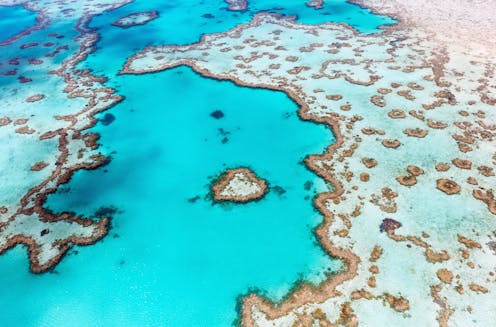
In what seems like excellent news, coral cover in parts of the Great Barrier Reef is at a record high, according to new data from the Australian Institute of Marine Science. But this doesn’t necessarily mean our beloved reef is in good health.

In the north of the reef, coral cover usually fluctuates between 20% and 30%. Currently, it’s at 36%, the highest level recorded since monitoring began more than three decades ago.

This level of coral cover comes hot off the back of a disturbing decade that saw the reef endure six mass coral bleaching events, four severe tropical cyclones, active outbreaks of crown-of-thorns starfish, and water quality impacts following floods. So what’s going on?

High coral cover findings can be deceptive because they can result from only a few dominant species that grow rapidly after disturbance (such as mass bleaching). These same corals, however, are extremely susceptible to disturbance and are likely to die out within a few years.

The Great Barrier Reef Long-Term Monitoring annual summary | AIMS.

The data are robust

The Great Barrier Reef spans 2,300 kilometres, comprising more than 3,000 individual reefs. It is an exceptionally diverse ecosystem that features more than 12,000 animal species, plus many thousand more species of plankton and marine flora.

The reef has been teetering on the edge of receiving an “in-danger” listing from the World Heritage Committee. And it was recently described in the State of the Environment Report as being in a poor and deteriorating state.


Read more:
This is Australia’s most important report on the environment’s deteriorating health. We present its grim findings


To protect the Great Barrier Reef, we need to routinely monitor and report on its condition. The Australian Institute of Marine Science’s long-term monitoring program has been collating and delivering this information since 1985.

Its approach involves surveying a selection of reefs that represent different habitat types (inshore, midshelf, offshore) and management zones. The latest report provides a robust and valuable synopsis of how coral cover has changed at 87 reefs across three sectors (north, central and south) over the past 36 years.

2018: A bare patch of reef at Jiigurru, Lizard Island in 2018 after most of the corals died in the 2016/2017 coral bleaching event.
Andy Lewis, Author provided
2022: By 2022, the same patch of reef was covered by a vibrant array of plating Acropora corals.
Andy Lewis, Author provided

The results

Overall, the long-term monitoring team found coral cover has increased on most reefs. The level of coral cover on reefs near Cape Grenville and Princess Charlotte Bay in the northern sector has bounced back from bleaching, with two reefs having more than 75% cover.

In the central sector, where coral cover has historically been lower than in the north and south, coral cover is now at a region-wide high, at 33%.

The southern sector has a dynamic coral cover record. In the late 1980s coral cover surpassed 40%, before dropping to a region-wide low of 12% in 2011 after Cyclone Hamish.

The region is currently experiencing outbreaks of crown-of-thorns starfish. And yet, coral cover in this area is still relatively high at 34%.

Based on this robust data set, which shows increases in coral cover indicative of region-wide recovery, things must be looking up for the Great Barrier Reef – right?

Are we being catfished by coral cover?

In the Australian Institute of Marine Science’s report, reef recovery relates solely to an increase in coral cover, so let’s unpack this term.

Coral cover is a broad proxy metric that indicates habitat condition. It’s relatively easy data to collect and report on, and is the most widely used monitoring metric on coral reefs.

The finding of high coral cover may signify a reef in good condition, and an increase in coral cover after disturbance may signify a recovering reef.

Acropora hyacinthus, a pioneering species of coral at Lizard Island.
Zoe Richards, Author provided

But in this instance, it’s more likely the reef is being dominated by only few species, as the report states that branching and plating Acropora species have driven the recovery of coral cover.

Acropora coral are renowned for a “boom and bust” life cycle. After disturbances such as a cyclone, Acropora species function as pioneers. They quickly recruit and colonise bare space, and the laterally growing plate-like species can rapidly cover large areas.

Fast-growing Acropora corals tend to dominate during the early phase of recovery after disturbances such as the recent series of mass bleaching events. However, these same corals are often susceptible to wave damage, disease or coral bleaching and tend to go bust within a few years.

Juvenile branching Acropora colonising bare space after a bleaching event.
Zoe Richards, Author provided

Inferring that a reef has recovered by a person being towed behind a boat to obtain a rapid visual estimate of coral cover is like flying in a helicopter and saying a bushfire-hit forest has recovered because the canopy has grown back.

It provides no information about diversity, or the abundance and health of other animals and plants that live in and among the trees, or coral.

Cautious optimism

My study, published last year, examined 44 years of coral distribution records around Jiigurru, Lizard Island, at the northern end of the Great Barrier Reef.

It suggested that 28 of 368 species of hard coral recorded at that location haven’t been seen for at least a decade, and are at risk of local extinction.

Lizard Island is one location where coral cover has rapidly increased since the devastating 2016-17 bleaching event. Yet, there is still a real risk local extinctions of coral species have occurred.


Read more:
Almost 60 coral species around Lizard Island are ‘missing’ – and a Great Barrier Reef extinction crisis could be next


While there’s no data to prove or disprove it, it’s also probable that extinctions or local declines of coral-affiliated marine life, such as coral-eating fishes, crustaceans and molluscs have also occurred.

Without more information at the level of individual species, it is impossible to understand how much of the Great Barrier Reef has been lost, or recovered, since the last mass bleaching event.

Based on the coral cover data, it’s tempting to be optimistic. But given more frequent and severe heatwaves and cyclones are predicted in the future, it’s wise to be cautious about the reef’s perceived recovery or resilience.

The Conversation

Zoe Richards receives funding from the Australian Research Council.

ref. Record coral cover doesn’t necessarily mean the Great Barrier Reef is in good health (despite what you may have heard) – https://theconversation.com/record-coral-cover-doesnt-necessarily-mean-the-great-barrier-reef-is-in-good-health-despite-what-you-may-have-heard-188233

VIDEO: On the first week of the new parliament

Source: The Conversation (Au and NZ) – By Michelle Grattan, Professorial Fellow, University of Canberra

University of Canberra Professorial Fellow Michelle Grattan and University of Canberra Associate Professor Caroline Fisher discuss the week in politics.

Michelle and Caroline discuss the first fortnight sitting of the new parliament, with the government’s emissions reduction bill passing on the final day, leaving the opposition looking divided and with the big challenge of forging a credible climate policy for the next election.

This week also saw Environment Minister Tanya Plibersek indicate she will block the development of a new coal mine, backed by Clive Palmer, that she says would have had an adverse impact on the Great Barrier Reef.

Michelle and Caroline also canvass the prospects and difficulties for the referendum on the Indigenous Voice to Parliament, after Anthony Albanese released the draft wording at the weekend.

The Conversation

Michelle Grattan does not work for, consult, own shares in or receive funding from any company or organisation that would benefit from this article, and has disclosed no relevant affiliations beyond their academic appointment.

ref. VIDEO: On the first week of the new parliament – https://theconversation.com/video-on-the-first-week-of-the-new-parliament-188281

‘This is not a barbeque’: a short history of neckties in the Australian parliament and at work

Source: The Conversation (Au and NZ) – By Lorinda Cramer, Postdoctoral Research Associate, Australian Catholic University

The question of what counts as professional dress for Australia’s politicians loomed large again this week.

New Greens MP Max Chandler-Mather rose to speak in question time. He wore a neat navy suit and a crisp cotton shirt, intending to pose a question about social housing.

But his shirt was unbuttoned at the neck, and a real problem – as Nationals MP Pat Conaghan saw it – was the fact that Chandler-Mather wore no tie.

“I suppose I shouldn’t be surprised the Coalition care more about ties than people waiting years for social housing,” Chandler-Mather wrote on Twitter.

The member for Griffith’s apparent affront to professional dress is the latest in a string of debates around what those leading the country wear.

But what exactly should our politicians wear, does it really matter, and is it time to accept “the tie is dead”?

Dressed for Australian politics

Speaker Milton Dick let Max Chandler-Mather’s tie-free ensemble pass.

Although Australia’s male MPs generally wear ties in the chamber, the House of Representatives Practice (the definitive guide to procedure and practice) says dress “is a matter for the individual judgement of each Member”.

The opening of the first Commonwealth Parliament in 1901 was a lavish affair. As the Argus reported it, men decked themselves out in their finest formal wear, in “sombre shades” of mourning for Queen Victoria, “softened by splashes of purple here and there”. The scarlet uniforms of governors and officers provided a “touch of brightness”.

Opening of the First Parliament of the Commonwealth, Exhibition Building, Melbourne, 9 May 1901.
Museums Victoria

In 1977, safari suits – expressly made to be worn without a tie – were ruled as acceptable to wear in the chamber.

And few could forget the pink shorts famously worn by South Australian Premier Don Dunstan in 1972. Dunstan sparked a media frenzy when he turned up at Adelaide’s Parliament House, the bold bright colouring of his shorts set off with a fitted white t-shirt and long white socks worn to his knees.

Five years earlier, Dunstan’s casual clothing had been photographed for the Bulletin as a “summertime example” for employees in government departments, with the article predicting the tie was “slowly but reluctantly on the way out”.

When the Bulletin named Australia’s best- and worst-dressed men in 1976, flamboyant federal politician Al Grassby received the worst-dressed title. Dunstan topped the best-dressed list.

Known for wearing bold, unconventional suits against the grey uniformity of his colleagues, the Bulletin likened Grassby to “something out of Guys and Dolls”. Others appreciated his irrepressible style: his purple suit, worn while being sworn in to parliament, or his loud patterned ties.

From 1983, federal MPs have been encouraged to dress with “neatness, cleanliness and decency”, as former Speaker Harry Jenkins put it.


Read more:
Dressed for success – as workers return to the office, men might finally shed their suits and ties


Loosening the (global) ties

Last year, Māori MP Rawiri Waititi was ejected from the debating chamber of the New Zealand Parliament for refusing to wear a tie.

Evocatively describing it as a “colonial noose”, Waititi insisted the hei tiki greenstone pendant he wore at his neck represented a necktie for him, while tying him to his people, culture and Māori rights.

Rawiri Waititi said his pendant connected him to his people, culture and Māori rights.
AAP Image/Ben McKay

Fierce debate followed. Were ties shorthand for masculinity, status or oppression? Ties were subsequently removed from “appropriate business attire” in the New Zealand Parliament.

Last week, Spanish Prime Minister Pedro Sanchez fronted the media without neckwear. He encouraged his ministers and other workers to ditch their ties to save energy running air-conditioning in the searing summer heat.

Spanish Prime Minister Pedro Sanchez is encouraging citizens to go open-collar to beat the heat.
EPA/BALLESTEROS


Read more:
The politics of the necktie — ‘colonial noose’, masculine marker or silk status symbol?


Staying smart with easing dress standards

This is not a barbeque,” Conaghan insisted to justify his objection this week.

Conaghan’s comment, likely unintentionally, echoed one made in the press 100 years ago.

In 1922, Fred Wright wrote to the editor of Sydney’s Daily Telegraph. He worried about what constituted smart, professional work attire when some suggested it was time for standards to ease.

Wright outlined the challenges faced by young men who were expected to “look respectable” by their employers, but who knew going without collars and ties was considered unbusinesslike.

“A young man cannot come to work dressed as if he were going to a picnic,” Wright explained.

A young man should not dress for work as casually as he does for a picnic – like these picnickers in 1928.
State Library of South Australia

Fewer men donned suits and ties for the office in years to follow, reflecting these shifting standards. This had to do with the Australian climate as much as the availability of new items of dress. Sportswear and separates looked smart, menswear experts assured, although some still held up the suit and tie as the pinnacle of power and professionalism.

Despite Conaghan’s objections, Australian men have been going tie-less while still looking professional for decades. And most politicians are alert to clothing’s rich potential to communicate a range of other messages: through a high-vis vest and hard hat, or a North Face jacket.

Should we hold our politicians to high sartorial standards – or just let them get on with the job?


Read more:
Politicians in high-vis say they love manufacturing. But if we want more Australian-made jobs, here’s what we need


The Conversation

Lorinda Cramer receives funding from the Australian Research Council.

ref. ‘This is not a barbeque’: a short history of neckties in the Australian parliament and at work – https://theconversation.com/this-is-not-a-barbeque-a-short-history-of-neckties-in-the-australian-parliament-and-at-work-188213

New Zealand has launched a plan to prepare for inevitable climate change impacts: 5 areas where the hard work starts now

Source: The Conversation (Au and NZ) – By Bruce Glavovic, Professor in Natural Hazard Planning, Massey University

Fiona Goodall/Getty Images

New Zealand’s first climate adaptation plan, launched his week, provides a robust foundation for urgent nation-wide action.

Its goals are utterly compelling: reduce vulnerability, build adaptive capacity and and strengthen resilience.

Recent reports by the Intergovernmental Panel on Climate Change (IPCC) have underscored the need for effective and transformative efforts to cut emissions urgently while also adapting and preparing for inevitable impacts of climate change.

But this national adaptation plan is just the beginning. The hard work is yet to come in its implementation. It is regrettable that proposed new law that would provide the institutional architecture for climate adaptation has been delayed until the end of next year.

Based on my experience as an IPCC author and working with communities around Aotearoa New Zealand and overseas, there are five key areas that need sharper focus as we begin to translate the intentions of the plan into practical reality.

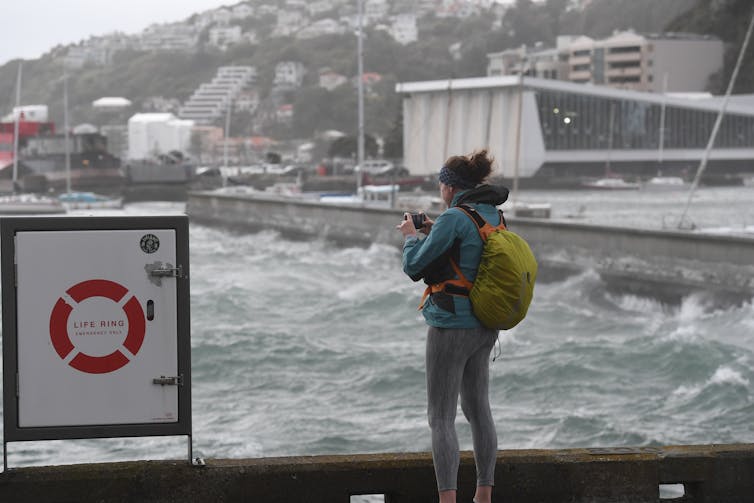
Woman taking photos of huge waves hitting the coastline of downtown Wellington.
Climate change compounds the impact of storms.
Guo Lei/Xinhua via Getty Images

Reducing risk for people on the ‘frontline’ of impacts

First, climate change will affect every aspect of life. These impacts will often be the result of climate-compounded extreme events that are already becoming more frequent and intense.

The people hardest hit are invariably those who are more vulnerable. We need to pay more focused attention to the root causes and drivers of vulnerability – and actions to reduce vulnerability and, ultimately, climate risk.


Read more:
IPCC report: Coastal cities are sentinels for climate change. It’s where our focus should be as we prepare for inevitable impacts


This means addressing poverty, marginalisation, inequity and other structural causes of vulnerability. Historically, much risk-based work has centred on calculations based on a formula that considers risk as a product of hazard and vulnerability. This approach is too technical.

We need to focus on reducing social vulnerability to climate change impacts, especially for those on the “frontline” of exposure to climate impacts, such as coastal communities facing rising sea level. Every region and locality needs to be able to identify and prioritise who is most exposed and vulnerable and catalyse proactive actions to reduce this vulnerability.

A climate-resilient future

Second, the plan clearly recognises the vital role of all governance actors in implementing it. However, in practice, local government will carry an especially significant responsibility in translating this plan into action.

There does not appear to be sufficient attention focused on how the adaptive capacity of local government will be built in this first stage of implementation. Local government will be the fulcrum for enabling – or hampering – adaptation at the local level.

Transformational capability building, from the political to operational level of local government, is imperative and needs to happen in partnership with tangata whenua, central government, the private sector (which receives scant attention in this plan) and civil society.

Third, introducing the concept of climate-resilient development is a welcome framing. This is an emerging concept, highlighted in a chapter of the IPCC report on adaptation. Climate-resilient development recognises the inherent intertwining of mitigation and adaptation efforts to advance sustainable development.

The plan limits the concept to climate-resilient “property development”. There is work to be done to deepen and extend this framing along the lines of the IPCC work.

Who should pay if people have to move?

Fourth, managed retreat looms large with so many New Zealanders living along rivers and the shoreline. We can only enable proactive retreat from imminent danger if the government determines who should pay.

At present, the trigger for retreat is usually an extreme event, often at huge cost to those impacted. In many cases, those in harm’s way cannot afford to retreat without government support. Often they are in localities approved by governing authorities.

Who should contribute to measures that reduce risk and enable retreat from climate-compounded hazards? What proportion of costs should be borne by those exposed or impacted and what proportion should be contributed by local and central government? And who makes the call for managed retreat and whether it should be voluntary or compulsory?

The “who pays” question is a tough call. The plan doesn’t provide an answer but we can’t avoid it if it is to be implemented.


Read more:
When climate change and other emergencies threaten where we live, how will we manage our retreat?


Fifth, it is inevitable there will be “winners” and “losers” in the ongoing struggle to adapt to a changing climate. Values and interests will collide and contestation will escalate as climate impacts become more intense and frequent.

We’ll need to find more constructive ways to resolve climate-compounded conflict. At times government will be only one of several parties involved and won’t be in a position to enable or guide conflict resolution. For this, we’ll have to develop institutional processes and capabilities to facilitate independent mediated negotiation solutions for escalating climate conflicts.

The Conversation

Bruce Glavovic receives funding from MBIE.

ref. New Zealand has launched a plan to prepare for inevitable climate change impacts: 5 areas where the hard work starts now – https://theconversation.com/new-zealand-has-launched-a-plan-to-prepare-for-inevitable-climate-change-impacts-5-areas-where-the-hard-work-starts-now-188221

A wet spring: what is a ‘negative Indian Ocean Dipole’ and why does it mean more rain for Australia’s east?

Source: The Conversation (Au and NZ) – By Andrew King, Senior Lecturer in Climate Science, The University of Melbourne

The Bureau of Meteorology recently announced a negative Indian Ocean Dipole event is underway.

But what does that mean and how does it affect Australia’s weather? Will we get a reprieve from the flooding rains of recent months?

For many places across the east coast, the answer is no. Spring won’t bring a clean break from this year’s very wet winter.


Read more:
Why is it so cold right now? And how long will it last? A climate scientist explains


Warmer waters around Australia equals more rain

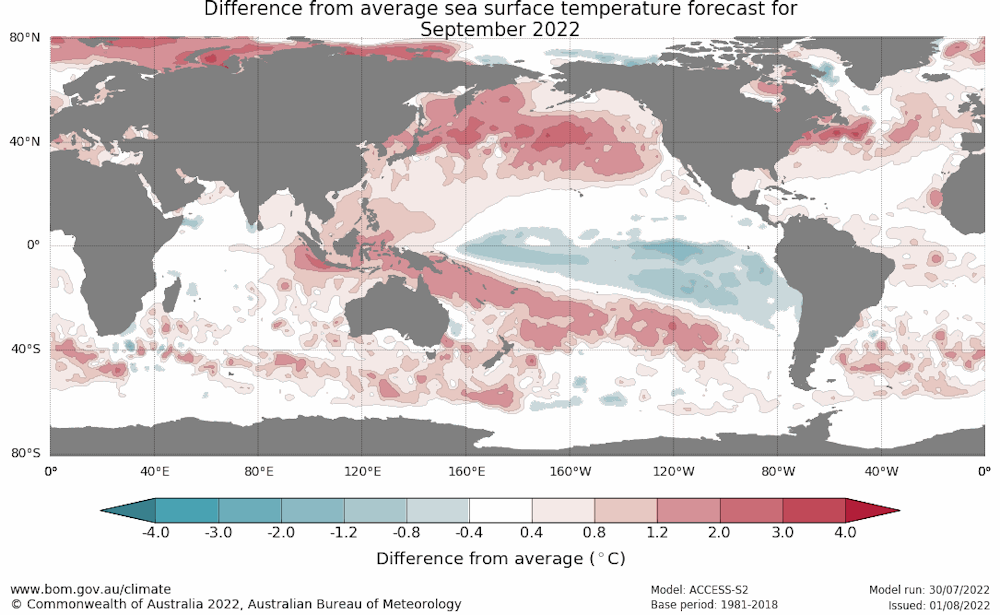
The negative Indian Ocean Dipole, or IOD, has been declared because ocean temperatures are warmer in the tropical east Indian Ocean than in the west Indian Ocean.

The Indian Ocean Dipole is a type of year-to-year climate variability, a bit like the El Niño-Southern Oscillation, but in the Indian Ocean rather than the Pacific.

Once it goes into a particular phase, it usually remains in that phase for a few months. This persistence in sea surface temperature patterns results in predictability in Australian climate conditions.

The Bureau of Meteorology’s seasonal outlook suggests warmer ocean conditions are on the way around northern Australia.
Bureau of Meteorology

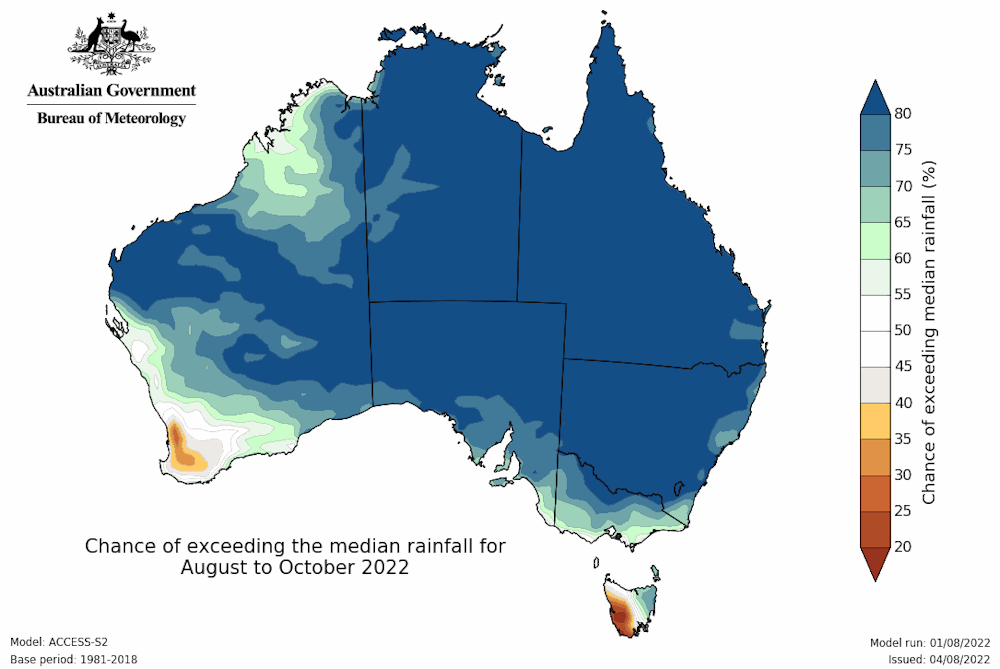
When we have negative Indian Ocean Dipole conditions we tend to see more rain over southern and eastern Australia.

The Indian Ocean Dipole relationship with Australian rainfall is strongest in September and October, so we’re likely to see wet conditions over the next few months at least.

Warm waters in the east Indian Ocean, like we’re seeing at the moment, increase the occurrence of low pressure systems over the southeast of Australia as well as the amount of moisture in the air.

This means there’s a higher likelihood of rain generally and an increased chance of extreme rain events too.

When will the rain stop?

Another wet outlook is alarming for many people in eastern Australia who have suffered through wetter than normal conditions since 2020.

We’ve seen back-to-back La Niña events and a negative Indian Ocean Dipole in 2021’s winter.

The negative Indian Ocean Dipole is showing its influence in the Bureau of Meteorology’s seasonal predictions. Wetter than normal conditions are forecast for the coming months throughout the east of the continent.

There is a high chance of wetter than average conditions over almost all of Australia in the next few months.
Bureau of Meteorology

This also happens to be the time of year when seasonal outlooks tend to be most skilful. In the summer, more rain falls in storms and small-scale systems that are harder to forecast well in advance. In winter and spring the outlooks tend to be a bit more accurate but are not always perfect.

Unfortunately, after two consecutive La Niña summers it is also looking increasingly likely we’ll see another La Niña form later this year.

Three La Niña events in a row is not unprecedented but it is unusual. The increased chance of another La Niña raises the odds of wetter conditions persisting for a few more months at least.

Have we seen the end of the cold weather?

We saw a cold start to winter in the southeast of Australia. Since then temperatures have been below normal across much of northern Australia.

Nationally, we had the coldest July for a decade, but in the past this would have been an unremarkable event as it was only slightly cooler than historical averages.

As we leave the coldest part of winter behind the temperatures will inevitably rise, although we could still have another cold spell.

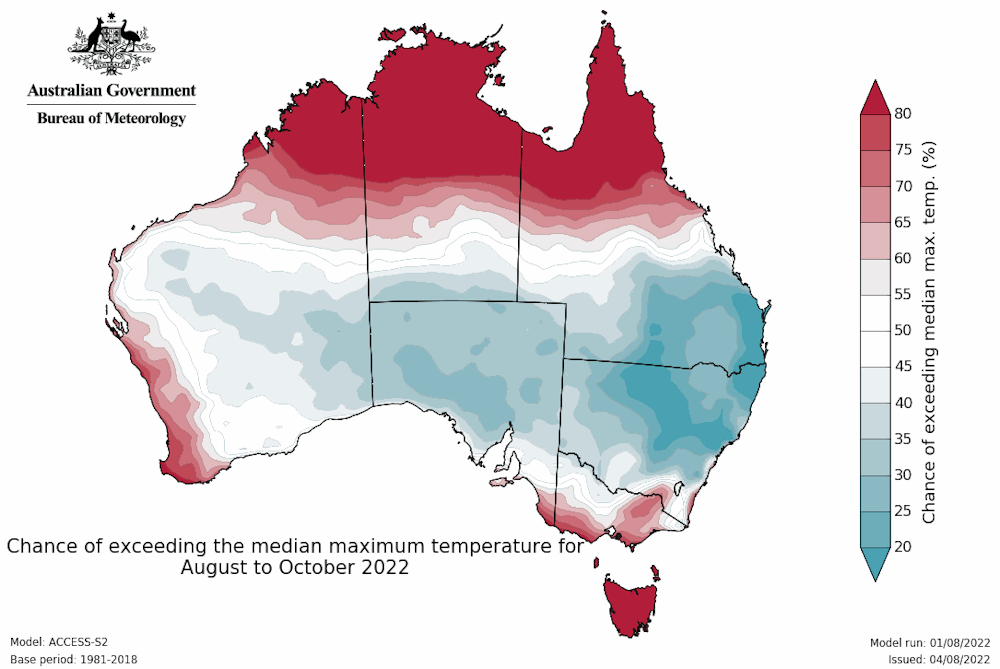
The Bureau’s seasonal outlook suggests warmer than average daytime temperatures are likely for the north and southern coastal areas. Other areas may be cooler than normal as increased cloud cover and rain are likely to suppress temperatures.

Daytime temperatures are likely to be below average in areas forecast to be wet.
Bureau of Meteorology
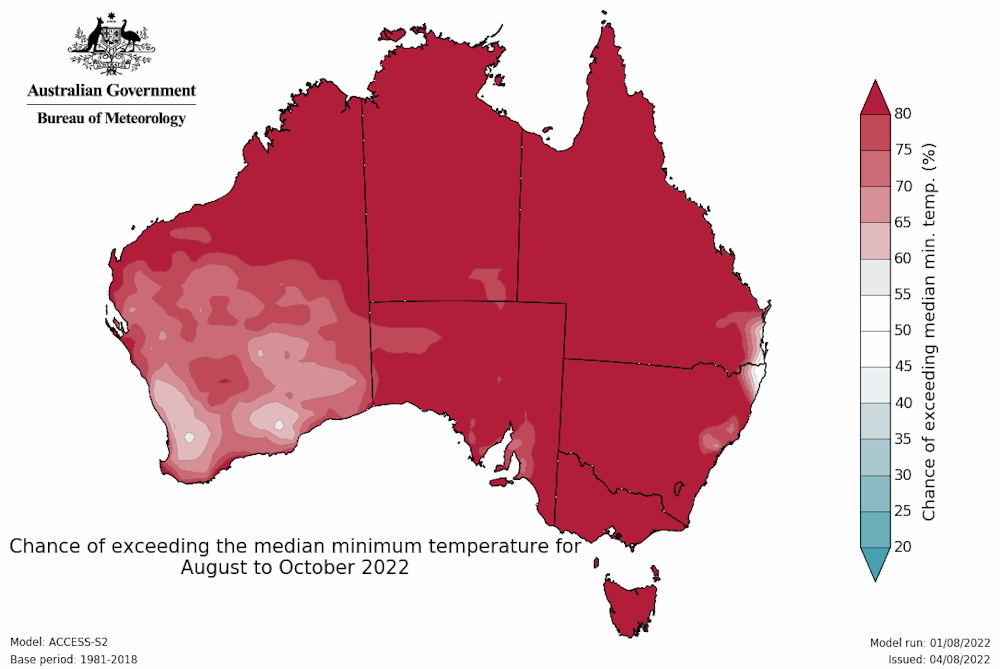
But minimum temperatures are more likely to hold up as cloud cover reduces the likelihood of cold nights.
Bureau of Meteorology

On the other hand, minimum temperatures are likely to be above normal across the country. Increased cloud cover and rain tends to be associated with warmer nights as the cloud prevents the ground from cooling rapidly overnight. This reduces the chance of frost.

Is the constant rain a result of climate change?

For parts of New South Wales, the news of wet conditions being on the cards could not come at a worse time. Sydney and other areas of the eastern seaboard have already received record-breaking rain totals so far this year, including in July. Catchments remain saturated so further rainfall may well lead to more flooding.

Australia has highly variable rainfall and we have seen multi-year spells of persistent wet conditions before – notably in the mid-1970s and 2010-2012.

There isn’t a strong trend in rainfall in the areas that have been devastated by floods and it’s only three years since we saw the driest year on record in New South Wales.

The jury is still out on how climate change affects rainfall over most of Australia.

It is vital we build a better understanding of rainfall changes under global warming so we can plan better for our future climate.


Read more:
‘One of the most extreme disasters in colonial Australian history’: climate scientists on the floods and our future risk


The Conversation

Andrew King receives funding from the National Environmental Science Program.

ref. A wet spring: what is a ‘negative Indian Ocean Dipole’ and why does it mean more rain for Australia’s east? – https://theconversation.com/a-wet-spring-what-is-a-negative-indian-ocean-dipole-and-why-does-it-mean-more-rain-for-australias-east-188167

Back on stage – Pacific Music Awards gig banishes covid blues

By Susana Suisuiki and Finau Fonua of RNZ Pacific

The Vodafone Events Centre in Manukau, Auckland came alive with music, glitz and glam for the first live Pacific Music Awards in two years last night.

The annual ceremony has been held online for the past two years due to covid-19 restrictions.

Fa’anana Jerome Grey was selected as the recipient of the Manukau Institute of Technology Te Pukenga Lifetime Achievement Award.

Grey’s iconic song We Are Samoa became the unofficial anthem of the country and his legacy was celebrated through a tribute performance by Brotherhood Musiq and Resonate.

Grey’s honour came at the end of the night, but up first was the Ministry for Pacific People’s Special Recognition Award, the three winners being Ngaire Fuata, Tagata Pasifika and Niu FM-Pacific Media Network.

PMN CEO Don Mann said that since its establishment in 2002, Niu FM has nurtured many well-known Pacific media personalities.

“It’s a radio station, it’s a multimedia platform but it’s more than that, it’s a gateway for Pacific people to realise their talent,” he said.

“You look at Sela Alo and Sandra Kailahi who’s had time at various media entities so it’s more than just a place than just a media outlet — it’s bigger than that.”

Topped the charts
Just over 30 years ago, Rotuman Ngaire Fuata topped the NZ music charts with her reindition of the 1967 Lulu hit “To Sir With Love”.

Nowadays, Fuata has carved out a successful career in television, particularly producing the flagship Pacific current affairs show Tagata Pasifika.

Futua said having a career in the music or television industry required focus and dedication.

“It takes determination, a determination to do a job and do it right and if I say I’m gonna do something I’m quite committed and driven to complete the job and that’s really important to me.”

East Auckland artist Jarna Parsons, known professionally as Jarna, was awarded the Phillip Fuemana Award for Most Promising Pacific Artist.

Jarna said she was pleased she had plucked up the courage to give music a go during her teens.

“I’ve always just loved music — with family we always did karaoke and that, and I actually didn’t start until the end of high school — I didn’t think anything of it. But then I thought, I might as well give it a go.”

‘Being different is okay’
Samoan metal band Shepherds Reign took out the Creative New Zealand Award and the band members were shocked when they were announced as the winners.

Shepherds Reign
Shepherds Reign … “There’s always room to do crazy things no one’s done before … Do what you want to do.” Image: RNZ

However, Shepherds Reign’s Filivaa James and Oliver Leupolu said that although the majority of Pacific people did not gravitate towards metal or rock, being different was okay.

“There’s always room to do crazy things no one’s done before. I think that’s the biggest message is just don’t be afraid — do whatever you want to do, just like what we did, even our parents were against us but we still went against it, so do what you want to do.”

The inaugural Arch Angel Independent Artist Award was presented to lilbubblegum.

The 18-year-old released his debut single “af1 in 2019, and it quickly became an online sensation during New Zealand’s first covid lockdown in the autumn of 2020.

The viral hitmaker said that pursuing your dreams as a new music artist came at a cost.

“I think the biggest challenge is definitely the tall poppy syndrome, especially in New Zealand, because when you’re doing something different people want to pull you down. You might not be bothering them but they just don’t know — that’s just the way it is in New Zealand.

“I feel like it’s slowly shifting with the newer generation but there’s a few people that feel that way and it’s the hardest thing coming through as a new artist.”

Several first-time finalists won their respective categories including Anthem who were recognised with 531pi Best Pacific Gospel Artist, while Sam V and Lisi were awarded Best Pacific Soul/RnB Artist and Niu FM Best International Pacific Artist respectively.

Passion the driver for rapper
Rapper Lisi, who was born in New Zealand before moving to Australia at the age of three, said having a music career was never part of his plan.

“My dreams weren’t to be a rapper, but I always loved rapping and I guess it just shows passion gets you a lot far in life — the passion for rapping that I had it made me want to start making music and now I’m reaching heights that I’d never thought I’d reach. So yeah it’s massive,” said Lisi — real name Talisi Poasa.

For their work on The Panthers soundtrack, Diggy Dupé, choicevaughan & P. Smith were recognised with the MPG/SAE Best Producer award.

Fellow artist Kings was named for NZ Music Commission Best Pacific Male Artist, and received both the NZ On Air Radio Airplay Award and NZ On Air Streaming Award for his track “Help Me Out” featuring Sons of Zion.

Kingdon Chapple-Wilson, aka Kings, said the awards were an opportunity for him to reconnect with his both his Māori and Samoan identity.

“I think for us, especially for me, my mum was a solo mum, so for her the culture aspect – she was adopted into a Pakeha family so it was really hard for us to identify and so it’s awards like these — its events like these that help to ground somebody to ground me to ground myself into Pasifika, into Māori into who we are.”

Prior to the start of the 2022 Pacific Music Awards.
Before the start of the 2022 Pacific Music Awards. Image: Liam Brown/RNZ

Melodownz & Summer Vaha’akolo won NZ On Air Best Pacific Music Video directed by Tom Hern and Timēna Apa, while Kas Futialo received the award for SunPix Best Pacific Language for the album Grandmasta Kas.

Onehunga-based hip hop crew SWIDT took out three awards for Flava Best Pacific Group, Base FM & Island Base Best Pacific Hip Hop Artist and APRA Best Pacific Song for “Kelz Garage”.

Tomorrow People were honoured with One Love Best Pacific Roots/Reggae Artist as well as the Recorded Music Te Pukaemi Toa o Te Moana Nui a Kiwa Best Pacific Music Album for their album 21.

Group member Tana Tupai said that throughout the 10 years of its existence the band had had its fair share of ups and downs.

“Everyone says they don’t do the music thing for awards which is true but just like anything we just worked really really hard. I’m so proud of our team, we sacrificed so much. When I mentioned before about internal struggles they were real. We’re just really proud of the music we’ve put out there.”

Lockdown challenges overcome
Soul and RnB singer Emily Muli, who won Best Pacific Female Artist for her track “Break”, said she did not expect to win the award, despite coming from a strong musical background.

“I came from a Tongan family, I grew up in a Tongan church so it’s not like I had a choice to sing.”

Cook Islands sibling group Samson Squad took home the SunPix People’s Choice Award for Best Pacific Artist.

Tautape Samson said trying to create music during lockdown was a challenge.

“We didn’t expect anything this time around. During covid it was a very hard time for us to produce new music so with the award, with all our friends, fans and supporters really backing us despite covid and everything, I guess we’re for the people and with the people, and we just want to thank the people as well.”

This article is republished under a community partnership agreement with RNZ.

Print Friendly, PDF & Email

Article by AsiaPacificReport.nz

Murray Horton: The day the police came looking for a swifty Mr Gangster

By Murray Horton

As I was having breakfast in my Christchurch suburban dining room on Monday morning, I heard a loud but indeterminate noise.

I actually thought it was a quake, but as there was no shaking, I assumed it came from the noisy construction site two doors away. So, I ignored it and carried on reading the newspaper over breakfast.

I then had a sense that somebody was nearby. Upon looking up I was surprised (to put it very mildly) to see two cops, with rifles at the ready, peering through the windows on the back door.

I thought: “This is exciting. Why spend good money to see Muru [a new movie based on the 2007 Tūhoe police raids] when you can get it delivered to your doorstep, free of charge” (but these cops didn’t have the ninja uniforms as seen in the movie).

I opened the door. Two cops with rifles rapidly became four cops with rifles facing me (the next door neighbour later told me he saw three cop cars in the street). It’s worth noting that although they all had a gun, none of them was wearing a mask.

“Can I help you?,” I asked. The one in charge said they were looking for Mr So and So. I replied that I’d never heard of him and they had the wrong address.

But wait, there’s more. The cop then said: “Mr So and So is a gang member. He was bailed to this address, he is under curfew at this address, and now he’s wanted.”

Don’t know any gang members
I reiterated that I’d never heard of this fellow, let alone provided him with a bail address (I don’t know any gang members. Well, not since I worked at the Railways decades ago).

I said that Mr Gangster had pulled a shrewdy on the judge, and voluntarily showed the cop written proof of my ID and ownership of the property (the power bill was the closest document to hand). I told them that I had owned and occupied this house for 40 years and had never heard of the fellow throughout that time.

It was all very chatty and polite. The cops could obviously see that their wanted man had pulled a swifty, plus I am a property-owning old Pākehā. They didn’t point their guns at me, nor did they ask to come inside (and I didn’t invite them). They took my word that my sleeping wife was the only other person in the house.

I asked if they were responsible for the loud noise I’d heard, and they said that was them pounding on the front door (plus the bedroom window, apparently). I told them that there also been pounding on the front door and bedroom window after dark on the previous Friday night, which I’d chosen to ignore (assuming it to be somebody at the wrong address).

The cop said it was probably police doing a bail curfew check.

The lead cop wrote a statement in his notebook and asked me to sign it, saying that I’d owned and occupied the place for 40 years, did not know the fellow they were seeking, and had not given him permission to use it as a bail address. Then they left.

Throughout the decades I’ve had plenty of cops on various doorsteps. But never with weapons, let alone weapons drawn. The only times I’ve been confronted by men in uniforms with rifles have been in places like the Philippines and Belfast.

Here’s the punchline. One of the cops said: “As I was coming up the drive, I was thinking, ‘this doesn’t look like a gang house’.” When it comes time to sell here, I must remember to instruct the real estate agent to highlight that as its unique selling point.

A flying start to the week.

Murray Horton is a political activist, advocate and researcher. He is organiser of the Campaign Against Foreign Control of Aotearoa (Cafca) and he has been an advocate of a range of progressive causes for the past five decades. Horton occasionally contributes articles for Asia Pacific Report.

Print Friendly, PDF & Email

Article by AsiaPacificReport.nz

Censoring SIBC an ‘assault on media freedom’ in Solomons, says IFJ

Pacific Media Watch newsdesk

The Brussels-based International Federation of Journalists (IFJ) has condemned the censoring of the Solomon Islands Broadcasting Corporation (SIBC) as an “assault on press freedom” and an “unacceptable development” amid mounting concern over China’s influence on the media and security.

“The censoring of the Solomon Island’s national broadcaster is an assault on press freedom and an unacceptable development for journalists, the public, and the democratic political process,” the IFJ said in a statement.

“The IFJ calls for the immediate reinstatement of independent broadcasting arrangements in the Solomon Islands.”

The government of the Solomon Islands on August 1 ordered the national radio and television broadcaster SIBC to censor its programmes of anti-government voices.

The Prime Minister and Cabinet Office of the Solomon Islands mandated the SIBC to censor its programmes of perspectives critical of the incumbent government.

According to SIBC staff, the acting chairman of the board, William Parairato, outlined the new guidelines on July 29.

Both news and paid programmes are to be vetted in line with government regulations, as the government attempts to crack down on “disunity”.

SIBC now beholden
Special Secretary to the Prime Minister Albert Kabui indicated that the SIBC would now be beholden to a government-appointed board of directors, who would be appointed solely from the Prime Ministerial office.

The SIBC, which has moved from a state-owned enterprise to receiving all funding from the ruling government, had previously allowed paid programmes to broadcast criticism of the government.

The broadcaster also provided full live coverage of Australian Foreign Affairs Minister Penny Wong’s visit to Honiara in June, with coverage funded by the Australian High Commission.

Prime Minister Manasseh Sogavere has been unavailable for comment, as reported by several news organisations.

In recent months the Solomon Islands has further developed existing links to China, which the Australian Broadcaster Corporation argues is indicative of “authoritarian and anti-journalist” developments in Solomon Islands’ leadership.

The IFJ raised concerns surrounding press freedoms in the Solomon Islands during Chinese Foreign Minister Wang Yi’s visit to the Pacific in May.

Wang Yi’s press tour of the Solomon Islands featured heavily restricted press conferences, with local journalists collectively confined to one question for the nation’s Foreign Minister.

Sourced from an IFJ dispatch.

Print Friendly, PDF & Email

Article by AsiaPacificReport.nz

O’Neill ‘bombshell’ throws top position in PNG elections wide open

By Gorethy Kenneth in Port Moresby

People’s National Congress party leader Peter O’Neill has blown the race for the Papua New Guinea prime minister’s job wide open by declaring he will not run for the country’s top post.

As the national election winds down and lobbying intensifies among Pangu Pati, People’s National Congress (PNC), United Resources Party (URP), People’s Progress Party (PPP) and the National Alliance (NA), the one-time prime minister O’Neill said his party would support an alternative prime minister candidate.

The bombshell from O’Neill is likely to shake up the Pangu camp on Loloata Island which contains several aspiring PM-minded politicians.

O’Neill also appealed to the elected leaders to choose a prime minister who could heal the nation from the chaos that has plunged the country into election-related violence.

He wants to focus on Ialibu-Pangia and Southern Highlands and wants to give an opportunity to those who have been elected the right way to put their hands up.

“You will have my 100 percent support and I ask nothing special in return,” the former PM said yesterday.

O’Neill had gone to the election, vying to form government but the dismal performance of his PNC party may have forced his change of heart for the top job.

Not just about O’Neill or Marape
He said that the position of prime minister should not just be about O’Neill or Marape.

“Let me make it clear. I do not believe that I have a right to be the only alternative to Marape for the prime minister position.

“It was my greatest privilege to lead Papua New Guinea, but I recognise that we need to heal and move forward, and that the restoration may move faster when leaders listen to the will of the people,” he said.

“I encourage leaders who have been elected properly and who are genuinely interested in rescuing PNG from the economic and social chaos Marape has plunged the country into over the past three years, to consider putting their hand up for the top job.

“The role of prime minister should be filled by a person who has firstly been elected with integrity — who has been mandated by the people honestly.

“It is a critical junction for our young nation, and we urgently need a Papua New Guinean who has a vision for our country and who can pull the nation together and lead us forward.

He said there was a very worrying “fake government” which had fostered deep hatred under the Marape leadership that was tearing at the cohesion that had kept the country peaceful.

‘No celebrations’
“There are no celebrations around the country despite the apparently overwhelming election of Pangu candidates,” he said.

“Very strange, no one at all seems proud of their apparent chosen leaders, rather people are scared with no one to turn to with all avenues for justice closed off to the regular person.

“The national general election has magnified the level of violence, hatred, and unfairness in society and it is time for a leader to step forward who can bring peace and execute on clear policies.

“I am prepared to support alternative prime minister candidates as I and my party are prepared to do whatever it takes to rescue PNG,” he declared in Port Moresby.

“I can assure those who may contemplate being the next prime minister, that the propaganda coming from the locked and guarded at Kalabus Pangu (Loloata Resort) is not true.

“Leaders are worried the economy is in tatters. They are asking why our economy is performing so badly that the IMF has announced that they are opening a dedicated office in Port Moresby to monitor more closely the Treasury functions.”

O’Neill said the closure of the Porgera mine and the failure to move ahead in three years with any new major investments such as Wafi Golpu, along with massive borrowings and wastage had “shredded our financial position”.

He said genuine leaders did not want another five years like the last three.

“Our children are growing up thinking this violent society is normal,” he said.

“We now seem to be in freefall economically and socially and need to use this moment in time to reset ourselves and move forward with new leadership.”

Gorethy Kenneth is a PNG Post-Courier journalist. Republished with permission.

Print Friendly, PDF & Email

Article by AsiaPacificReport.nz

Break this cycle of sorcery-related violence in Papua New Guinea

COMMENTARY: By Anton Lutz

The sun rises over a strange landscape. Come with me and meet these people over here.

Even though they have stayed awake all night, now that the sun has risen, they are jumping up and down, singing happy songs and even expressing tears of joy.

Next to them, there is a wooden post freshly buried in the ground. There is carved writing on the post which reads: “Memory of Year 2000″.

It was New Years Day, January 1, 2000, and this small community somehow thought that the sun might not rise, ever again.

Why? Because someone had come to their village and told them stories about the Year 2000, Y2K, and how the sun might not rise, ever again. The villagers believed the stories.

They gathered firewood to prepare for the endless night to come and set up vines to their outhouses so they could find them in the dark. At midnight, they drove the carved pillar into the ground, and then stood awake, praying through their fear, until the sun finally rose and they began to celebrate!

Amazing true story, right? But I wonder what would have happened if someone had told them a different story.

What if …?
What if someone told them that since it is Y2K, the sun might not rise again unless each family sacrificed their oldest child by burying them alive at midnight?

What if someone told them that the right way to ensure the sun will rise again is to blame a witch and torture her, burn her skin, threaten to kill her and terrorise her children? Would they have tortured innocent citizens of Papua New Guinea trying to get the sun to rise?

People have believed the strangest things on the worst evidence. When you believe wrong things, you do wrong things too. My ancestors believed wrong things. Your ancestors believed wrong things.


Anton Lutz on sorcery-related violence in Papua New Guinea in a 2020 video.

The Y2K villagers believed wrong things. Luckily, they didn’t hurt anyone as a result of their wrong beliefs.

Telling the truth
Here’s a thought: What if someone had told the villagers the truth? Planet Earth revolves on an axis and orbits a star. That is the reason why we experience sunrises and sunsets, years and seasons.

Unless the 5.9 sextillion metric tons of planet Earth — spinning at 30km per second — comes to a stop, or unless the star unexpectedly collapses into a black hole, there is every reason — barring a supernatural, multi-dimensional or alien apocalypse — to think there will be sunrises and sunsets on planet Earth for the next 7.6 billion years.

This means that we should use the time we have to be curious and to examine evidence and to educate our children in the truth.

Just because someone came to our village once upon a time and told us an amazing story about how “dangerous” women need to be tortured sometimes, that doesn’t mean we should just believe it.

There will be a sunrise tomorrow. Let’s make sure it’s a better day.

Anton Lutz has lived in Papua New Guinea for 30 years. He works with remote communities on infrastructure development projects, and is a leading advocate against sorcery accusation-related violence. This article was first published on the PNG Post-Courier and is republished with permission.

Print Friendly, PDF & Email

Article by AsiaPacificReport.nz

Business can no longer ignore extreme heat events – it’s becoming a danger to the bottom line

Source: The Conversation (Au and NZ) – By David Lont, Professor of Accounting and Finance, University of Otago

Getty Images

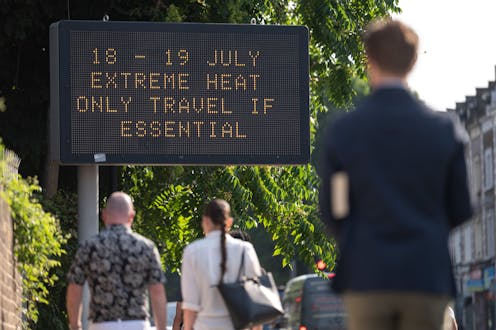
When record-breaking heatwaves cause train tracks to bend, airport runways to buckle, and roads to melt, as happened in the United Kingdom last month, it is likely that business performance will suffer.

The problem is not going away, either. Businesses will need to better manage extreme heat risk. But are investors sufficiently informed on the economic toll caused by the increasing frequency of extreme weather?

It is becoming clearer that extreme heat can have devastating and costly effects. People are dying, energy grids are struggling to cope, transport is disrupted, and severe drought is straining agriculture and water reserves.

While the frequency of these events is increasing, more worrisome is that heat intensity is also increasing. Clearly, businesses are not immune to the need to adapt, though their silence might make you think otherwise.

Rising temperatures affect everything

Keeping cool, transporting goods, and scheduling flights as runways melted were just some of the challenges people and businesses have faced during the current European summer.

As it became apparent that our workplaces and infrastructure might not be able to cope with extreme heat, we also saw unions call for workers to stay home. But could workers take the day off? The UK’s Home and Safety Executive stated:

There is no maximum temperature for workplaces, but all workers are entitled to an environment where risks to their health and safety are properly controlled.

Are these rules sufficient in this new normal? Some EU countries already have upper limits, but many do not. The Washington Post reported US federal action might be coming due to concerns over extreme heat for workers. Mitigation of these factors will no doubt be costly.

While media reports highlight the toll on workers and businesses, there is little empirical evidence on the financial hit to business. Here is where our research comes into play: how much of an impact does extreme heat have on business profitability?

Handwritten sign saying business is closed due to heatwave.
High temperatures are not going away. Businesses are going to have to find a way to manage the risks to their staff and their bottom line.
Sebastian Gollnow/Getty Images

Heat hitting the bottom line

We focused on the European Union and the UK because the region has a diversity of climate and weather extremes. They are a major economic force, with strong policies on decarbonising their economies, but also rely on coal, gas, and oil for many sectors.

When it’s hot, these countries are forced to burn more fossil fuel to cool overheated populations, contrary to the need and desire to do the opposite.

With detailed records on heat events at a local level, we connected weather data to a large sample of private and public companies in the EU and the UK. We focused on two critical aspects of a firm’s financial performance around a heat spell (at least three consecutive days of excessive heat): the effect on profit margin and the impact on sales. We also examined firms’ stock performance.


Read more:
How likely would Britain’s 40°C heatwave have been without climate change?


We found that businesses do suffer financially, and the effects are wide ranging.

For the average business in our sample, these impacts translate into an annualised loss of sales of about 0.63% and a profit margin decrease of approximately 0.16% for a one degree increase in temperature above a critical level of about 25C.

Aggregated for all firms in our sample, UK and EU businesses lose almost US$614 million (NZ$975 million) in annual sales for every additional degree of excessive temperature.

Impact bigger than the data shows

We also found the intensity of a heat wave is more important than its duration.

This financial effect might sound small, but remember, this is an average effect across the EU and the UK. The localised effect is much larger for some firms, especially those in more southern latitudes.


Read more:
Unnatural disasters: how we can spot climate’s role in specific extreme events


The stock market response to extreme heat is also muted, perhaps for the same reason. We find stock prices on average dropped by about 22 basis points in response to a heat spell.

These average annualised effects include businesses’ efforts to recoup lost sales during heat spells. They also include businesses in certain sectors and regions that appear to benefit from critically high heat spell temperatures, such as power companies and firms in northern European countries.

While we show a systematic and robust result, our evidence probably further underestimates the total effects of heat waves. That’s because businesses disclose very little about those effects due to lax disclosure rules and stock exchange regulations relating to extreme weather.

Sign showing temperature of 41.5C
Businesses lose money during heatwaves but exact losses are, in all likelihood, underreported.
Alain Pitton/Getty Images

Financial data part of climate change

Without a doubt, better disclosure will help untangle these effects.

Ideally, financial data needs to be segmented by climate risk and extreme heat dimensions so investors are better able to price the risk. Regulators need to pay attention here. Investors must be able to price material risk from extreme weather.

A good example is New Zealand, which is about to mandate climate risk disclosures with reporting periods starting in 2023. Such mandates recognise that poor disclosure of climate risk is endemic, and we don’t have the luxury of time.


Read more:
Extreme heat is a threat to lives in Africa, but it’s not being monitored


For those businesses negatively affected, disclosing the number and cost of lost hours and the location of the damage would be helpful. However, it is not yet clear if climate disclosure standards effectively capture these risks, as companies have significant discretion about what to disclose.

It is not necessarily all about cost – some sectors might even benefit. While power companies, for example, might report increased sales from increased energy consumption, they are also constrained by the grid and the increased cost of production.

And our evidence suggests there is little overall benefit to the energy sector. This doesn’t rule out some windfall profits, so we need to understand more about both the positive and negative effects on each industry.

Finally, this July saw temperatures in the United Kingdom soar to 20C above normal. Can businesses cope? Next time you feel the heat, pause to ask if this is also hitting the bottom line of your workplace or investment portfolio.

The Conversation

The authors do not work for, consult, own shares in or receive funding from any company or organization that would benefit from this article, and have disclosed no relevant affiliations beyond their academic appointment.

ref. Business can no longer ignore extreme heat events – it’s becoming a danger to the bottom line – https://theconversation.com/business-can-no-longer-ignore-extreme-heat-events-its-becoming-a-danger-to-the-bottom-line-188151

Curious Kids: what is the apex predator of the world?

Source: The Conversation (Au and NZ) – By Euan Ritchie, Professor in Wildlife Ecology and Conservation, Centre for Integrative Ecology, School of Life & Environmental Sciences, Deakin University

Shutterstock

What is the apex predator of the world? – Mahmood, age 11, Brisbane

Hi Mahmood, thanks for this interesting question!

Well, what sorts of animals do you typically imagine when you think about apex predators? Great white sharks, polar bears, killer whales, crocodiles, African lions, anacondas … perhaps a wedge-tailed eagle?

To determine what the apex predator of the world is, we first need to understand what types of “predators” there are, and what we mean by “apex”.

Different types of predators

Contrary to popular belief, predators aren’t just species with large sharp teeth or fangs, hooked beaks, or razor-sharp claws. A “predator” is any species that eats part of, or all of, another living species – or in some cases its own species (which is called “cannibalism”).

Predators can be:

Carnivores

These animals eat the flesh of other animals. Cannibalism is a special form of carnivory, and is widespread across the animal world. It has been recorded in several hundred species, including spiders, insects, fish, birds, reptiles, amphibians and mammals (including humans).

Herbivores

These are animals that eat plants, but they’re still considered predators. So yes, kangaroos are predators too, but they simply eat plants rather than animals. Although it appears this wasn’t always the case in Australia – beware Balbaroo fangaroo!

Parasites

These are animals or other organisms that live on (ectoparasites) or in (endoparasites) another species. They feed on this “host” for nutrients. Ticks, leeches and hookworms are all examples of parasites.

Parasitoids

These are organisms whose young develop on or inside another host organism, feed on it, and end up killing the host as a result. The iconic movie Alien features such a scenario, albeit fictional (although you might want to wait a few years before watching it). This group includes species of wasps, flies, beetles and worms.

It all depends on the environment

Apex predators are often referred to as “top predators” because they sit at the top of their food chain and are typically considered to be dominant and without predators of their own.

It’s important to note apex predators don’t have to be particularly large. Although they often are, it’s more about how their size compares with the species they interact with, and how they behave within their own ecological community.

Imagine a terrarium in your home with some plants and various insects, including a praying mantis; the praying mantis is most certainly the apex predator here.

Now imagine letting them all loose in a field somewhere. The praying mantis is now potentially on the menu for a spider, frog, bird, or other larger predator.

A praying mantis raises its arms while standing on a branch, facing towards the camera lens.
Praying mantises eat many different types of other insects, including crickets, grasshoppers, butterflies, moths, spiders and beetles. They may even eat other praying mantises, which is called cannibalism.
Shutterstock

A predator that is below other predators in the “pecking order” can be referred to as a mesopredator. For example, wolves are often considered apex predators, and are known to compete with and even kill coyotes (mesopredators).

In areas without wolves, however, coyotes might ascend to the apex position. They are known to kill cats, which can indirectly benefit songbirds.

In Australia, dingoes are considered apex predators. They hunt and eat a wide range of animals including kangaroos, emus, feral goats and feral deer.

But dingoes, similar to many predators around the world, are frequently killed by humans.

Danger in numbers

Because our question is concerned with determining the world’s main apex predator, we’ll need to consider how widespread a species is.

There are some “apex” predators that are found throughout much of the world, including grey wolves, blue whales, killer whales and great white sharks.

In my mind, however, humans are clearly the overall apex predator of the world. We’ve even been called the super-predator!

Human impact spans the entire globe – from the land to sea, and the south pole to the north pole.

Compared to other predators, we use a much larger percentage of the world’s food resources, as well as water and other natural materials. In doing so, we cause widespread environmental harm.

Humans are having a devastating effect on some other apex predator populations, threatening their chances of long-term survival.

For instance, although there are situations where large sharks have killed humans, it’s estimated humans kill more than 100 million sharks per year. Many shark species are at risk of extinction as a result.

Person stands in front of a large net with a shark caught inside, as it's lifted into a boat
Humans kill millions of sharks each year, often to eat them.
Shutterstock

The good news is we can all make choices to help reduce our environmental footprints and help protect other species – predator or otherwise.


Read more:
Curious kids: why don’t whales have teeth like we do?


The Conversation

Euan G. Ritchie is the Chair of the Media Working Group of the Ecological Society of Australia, Deputy Convenor (Communication and Outreach) for the Deakin Science and Society Network, and a member of the Australian Mammal Society.

ref. Curious Kids: what is the apex predator of the world? – https://theconversation.com/curious-kids-what-is-the-apex-predator-of-the-world-187616

Why Papua New Guinea urgently needs to elect more women to parliament

Source: The Conversation (Au and NZ) – By Ian Kemish, Adjunct Professor, School of Historical and Philosophical Inquiry, The University of Queensland

Rob Griffith/AAP

Counting is still underway following Papua New Guinea’s national elections, and there is still some hope that at least one woman might be elected to the country’s 118-seat parliament. At this point, Kessy Sawang may yet emerge as the winner in the Rai Coast electorate in Madang province. However, the overall picture is very disappointing. There were only 167 women out of more than 3000 candidates, and as its current term nears the end, PNG’s parliament is at the bottom of global rankings for female representation, with no women at all among its membership.

Things have been marginally better at some points in the past. Three women were elected in 2012, but Papua New Guineans have only sent seven women to their national parliament since the country achieved independence in 1975.

Why increased representation matters

The case for more women in PNG’s legislature is clear. A parliament that includes women is more likely to do something about the unacceptable conditions faced by many women across the country.

Women’s rights are severely restricted by poverty, poor access to education and health care, and patriarchal cultural practices. Gender based violence (GBV) is a serious problem and is generally under-reported. PNG is ranked 161 out of 162 countries on the United Nations gender inequality index.

Research also confirms that electing more women to public office strengthens democratic institutions and improves both the quality of government spending and the overall health of the national population.


Read more:
The more women in government, the healthier a population


And let’s face it – the men running PNG aren’t doing very well. Administrative weakness and corruption are serious challenges, and the economy is in bad shape. Health and education services are woefully inadequate for the country’s rapidly growing population, and people are dying in significant numbers from preventable diseases. The nation desperately needs a more thoughtful, mature approach from its elected leaders.

Efforts over time to address the huge gender imbalance in the national parliament have centred on advocacy for “temporary special measures” to boost women’s participation such as introducing reserved seats for a limited but undefined period. The rationale is to help build a base on which women’s representation can win acceptance and begin to be “normalised”, and for these measures to be withdrawn when the playing field levels out.

Women in PNG are leading the way

The UN, Australia and other donors have worked in the background to support this advocacy, with PNG women leading the way. External partners are anxious to avoid a perception that these are “foreign” ideas being pushed on PNG’s traditional society. They tend to combine this support with programs that address other challenges for women, such as combating GBV, education, and supporting economic empowerment.

Dame Carol Kidu in PNG, 2005.
AAP

There have been moments of hope in PNG’s recent history. Dame Carol Kidu, the only woman in parliament between 2007 and 2012, drove a strong campaign to establish 22 reserved seats for women – one for each of the country’s provinces. This proposal won the backing of then Prime Minister Peter O’Neill, which parliament voted to support in the December 2011 Equality and Participation Act.

But by the time the required enabling legislation came to parliament the following year, misgivings had grown about this challenge to male dominance, and it was voted down.

There have been other moments when a breakthrough seemed possible. In 2019 a special parliamentary committee recommended the establishment of five reserved seats, but Prime Minister James Marape decided the focus should be on supporting and encouraging women to engage in the existing, “open” electoral process. The political will to make systemic changes remains elusive.

Areas of success

The women of PNG can look internationally for success stories. In 2003, Rwanda reserved 24 out of 80 seats in the Chamber of Deputies for women; today, more than 60% of its members are women.

In Samoa, a provision in the national constitution, inserted in 2013, holds that at least 10% of the parliament should be women. Arguments over the interpretation of this clause did not, in the end, prevent Fiamē Naomi Mataʻafa from becoming her country’s first female prime minister last year.

And New Caledonia is covered by the French constitutional requirement, passed in 1999, that women must constitute fifty percent of the candidacy lists for certain legislative and executive posts.


Read more:
The case for quotas in politics: the absence of women isn’t merit-based


Papua New Guineans don’t even need to look that far for inspiration. There are three reserved seats for women in the 39-member regional parliament of PNG’s autonomous region of Bougainville. Some may argue Bougainville’s culture is different from the rest of PNG, but a key factor was that Bougainvillean men came to recognise the contribution women made to end the region’s bloody civil war.

Some Papua New Guineans have expressed concerns that these reserved Bougainvillean seats would prove to be a ceiling, rather than a floor, for women’s participation. In fact, several women have lined up to contest “open” seats in the parliament, and so far, two of them have overcome a field of men to win these contests. One of them, Theonila Matbob, is the region’s education minister today.

It may not sound like much, but it is better than PNG’s national parliament has managed in recent years.

The Conversation

Ian Kemish AM is a former Australian diplomat who served, among other roles, as Australian High Commissioner to Papua New Guinea from 2010 to 2013. He chairs the Kokoda Track Foundation, which receives Australian Government support for its work in PNG, and is the Pacific representative for the Global Partnership for Education. He is a nonresident fellow with the Lowy Institute, and represents Bower Group Asia in the region

ref. Why Papua New Guinea urgently needs to elect more women to parliament – https://theconversation.com/why-papua-new-guinea-urgently-needs-to-elect-more-women-to-parliament-188058

‘Brain fingerprinting’ of adolescents might be able to predict mental health problems down the line

Source: The Conversation (Au and NZ) – By Daniel Hermens, Professor of Youth Mental Health & Neurobiology, University of the Sunshine Coast

Shutterstock

Despite the best efforts of clinicians and researchers for decades, we still do not fully know why some people develop mental disorders and others do not. However, changes in the brain are very likely our best clues to future mental health outcomes.

The adolescent brain is particularly important in this pursuit as changes during this period are rapid and dynamic, sculpting our individual uniqueness. Furthermore, most mental disorders emerge during adolescence, with more than half occurring by 14 years of age, and three quarters by age 25.

By monitoring and tracking brain changes as they happen, we can tackle emerging mental health problems in adolescence and target early treatment. The challenge is accurately predicting the likelihood of a person developing a mental disorder, well before it happens.

We are researchers with the world-first Longitudinal Adolescent Brain Study (LABS). We have been tracking adolescent brain development, using MRI scans, for several years. Our recent paper is the first to show the uniqueness of an adolescent’s brain (or their “brain fingerprint”) can predict mental health outcomes.

Brain fingerprinting could be the future of mental disorder prevention, allowing us to identify signs of concern in teenagers through brain imaging, and intervene early before illness develops.


Read more:
Brain activity is as unique – and identifying – as a fingerprint


Our unique brains in action

Just as fingerprints are unique, each human brain has a unique profile of signals between brain regions that become more individual and specialised as people age.

To date, our study involves 125 participants, from 12 years of age, with over 500 brain scans among them. Our research captures brain and mental health development in adolescents over five years. It uses four-monthly brain imaging (MRI and EEG), and psychological and cognitive assessments.

We looked at each individual’s functional connectome – their brain’s system of neural pathways in action. We discovered that how unique these characteristics are is significantly associated with new psychological distress reported at the time of subsequent scans four months later. In other words, the level of uniqueness seems to be predictive of a mental health outcome.

The MRI scans were undertaken during a resting state, as opposed to task-based functional MRI. It still tells us a lot about brain activity, such as how the brain keeps connections running or gets ready to do something. You could compare this to a mechanic, listening to a engine idling before it’s taken for a drive.

In the 12-year-olds we studied, we found unique functional whole-brain connectomes do exist. But a more specific network – involved in controlling goal-directed behaviour – is less unique in early adolescence. In other words, this network is still quite similar across different people.

We found the extent of its uniqueness can predict anxiety and depression symptoms that emerge later. So those with less unique brains had higher levels of distress down the line.

group of teens outside
If we can predict the chance of future psychological distress, maybe we can prevent it.
Unsplash/Tim Mossholder, CC BY


Read more:
We’ve been tracking young people’s mental health since 2006. COVID has accelerated a worrying decline


Rich insights

We suspect the level of maturation in this brain network – the part that involves executive control or goal-directed behaviours – may provide a biological explanation for why some teens are at increased vulnerability of mental distress. It may be that delays in the “fine tuning” of such executive function networks lead to increased mental health issues.

By doing brains scans and other assessments at regular intervals – up to 15 times for each participant – LABS not only provides fine-grained information about adolescent brain development, but it can also better pinpoint the emergence and onset of mental ill health.

Our approach allows us to better establish the occurrence and sequence of changes in the brain (and in behaviours, lifestyle factors, thinking) and mental health risks and problems.

In addition to unique brain signatures to predict psychological distress, we expect there will be other ways (using machine learning) we can interpret information about a person’s brain. This will get us closer to accurately predicting their mental health and wellbeing outcomes. Data rich, studies over a long time period are the key to finding this “holy grail” of neuroscience.

Identifying mental health risk in teenagers means we may be able to intervene before adulthood, when many mental health disorders become embedded and more difficult to resolve.

girl walks outside near trees
Our research suggests brain uniqueness plays a role in teen mental health.
Unsplash/Jake Ingle, CC BY


Read more:
How you can talk to your toddler to safeguard their well-being when they grow into a teenager


Worth it

This vision for the future of mental health care offers hope in the wake of recent statistics from the 2020–21 National Study of Mental Health and Wellbeing. They revealed two in five Australians aged 16 to 24 had a mental disorder within the previous year, the highest rate of any age group. This is a jump of 50% since the last national survey in 2007.

With A$11 billion spent on mental health-related services in Australia every year, better prevention via early detection should be an urgent priority.

The Conversation

Daniel Hermens receives funding from the Australian Commonwealth Government – Prioritising Mental Health Initiative – and the National Health & Medical Research Council.

Jim Lagopoulos receives funding from the Australian Commonwealth Government – Prioritising Mental Health Initiative – and the National Health & Medical Research Council.

Zach Shan receives funding from the NHMRC and Mason Research Foundation.

ref. ‘Brain fingerprinting’ of adolescents might be able to predict mental health problems down the line – https://theconversation.com/brain-fingerprinting-of-adolescents-might-be-able-to-predict-mental-health-problems-down-the-line-187765

‘This is like banging our heads against the wall’: why a move to outsource lesson planning has NSW teachers hopping mad

Source: The Conversation (Au and NZ) – By Rachel Wilson, Associate Professor in Education, University of Sydney

This week, teachers in New South Wales learned they were going to get a “helping hand” preparing lessons from the start of term 4.

The state’s education minister Sarah Mitchell announced teachers will be given curriculum lesson plans, texts and learning materials to ease the pressure on their workloads. This will come via a “bank” of “high-quality, sequenced curriculum resources”.

Mitchell said this “game changer” has been developed off the back of teachers’ concerns. A 2021 Grattan Institute survey found 88% of teachers said they could save time each week by having access to high-quality curriculum and lesson planning materials.

But the reaction from some teachers has been white hot, describing the change as “offensive”, “another gimmick” and “not enough”.

As education researchers who have been been surveying teachers about their heavy and increasing workload, we can understand why they are angry.

Our research

In 2018, we surveyed more than 18,000 NSW teachers to get a better understanding of workloads in schools.

Noting this was done well before COVID and the new pressures that increased teachers workloads, classroom teachers in our survey reported working 55 hours a week. Nearly 90% of respondents said teaching and learning was hindered by their heavy workload.

Teachers said they wanted more time for their core work, which included lesson planning. Developing strategies to meet the needs of students and planning new lessons and programs were the top ranked work activities needing more time and resources. About 97% said administrative demands, including data work, reporting and compliance paperwork, had increased in recent years, causing their excessive workload.

It is important to note that wanting more time for lesson planning is not the same as wanting lesson plans to be provided.

In fact, teachers ranked “planning and preparation of lessons” as their most important, necessary and desired work activity. This was echoed by one teacher on Facebook this week, responding to the NSW government announcement:

This is like banging our heads against the wall. We don’t need lesson plans made for us. We like doing this, planning awesome lessons is one of my favourite things to do.

What do teachers want?

When we asked teachers what strategies they wanted to ease their workloads provision of lesson plans did not rate a mention. Instead, they said they wanted more time to collaborate with each other, and less time on unnecessary paperwork. They also wanted their professional judgement to be acknowledged.

Or, as another frustrated Facebook commenter interpreted this week’s change:

Teachers: “we want to spend less time doing admin tasks and more time planning our classes”

NSW gov: “here. Have some lessons. Now go do some more admin”

Who will plan lessons now?

The plan, according to the NSW government, is for “qualified organisations to partner with” the Department of Education to create this online curriculum content. There is already a competitive tender process to find external providers for the lesson plans. The resources need to ready by the start of next term, in early October.

This taps into existing concerns about commercialisation of schools, and teachers having less autonomy over what to teach and how to teach it. It also strikes at the heart of teachers’ core professional identity.


Read more:
Why is tech giant Apple trying to teach our teachers?


This is not helped by Mitchell’s comment that the new curriculum resources bank is about “about providing teachers with a basic recipe for student success, while allowing them to contextualise how they use the ingredients to get the best outcomes for their students.”

This “basic recipe” concept undermines the complexity of teaching and the lesson planning process. Lessons need be planned and tailored to individual classes and individual students within them.

As another teacher noted on Facebook:

Having access to high quality resources is great. But we’ve all used the same resource with two different classes and had different levels of success. What works for one class or even one student, doesn’t necessarily work for another.

What should be happening instead

In education circles there has been discussion of the need for national libraries for online teaching resources and assessments for more than a decade. The national Scootle database is one such example, with a wide range of resources and lesson ideas that can be developed into lesson plans.

There is potential for repositories to strengthen the profession, but surely that is only if they are produced and quality-assured by teachers.


Read more:
No wonder no one wants to be a teacher: world-first study looks at 65,000 news articles about Australian teachers


We know Australian teachers have an unreasonable and unsustainable workload. But we can’t fix this issue by diminishing their professional standing.

Teachers want less time on administration and more time to do their actual jobs. They also deserve better pay.

Ultimately, they want their skills and profession to be acknowledged and respected.

The Conversation

As part of a formal University research contract Rachel Wilson received research funding from NSW Teachers Federation to conduct the study reported here

As part of a formal University research contract Susan McGrath-Champ received research funding from NSW Teachers Federation to conduct the study reported here.

Jessica Amy Sears and Mihajla Gavin do not work for, consult, own shares in or receive funding from any company or organisation that would benefit from this article, and have disclosed no relevant affiliations beyond their academic appointment.

ref. ‘This is like banging our heads against the wall’: why a move to outsource lesson planning has NSW teachers hopping mad – https://theconversation.com/this-is-like-banging-our-heads-against-the-wall-why-a-move-to-outsource-lesson-planning-has-nsw-teachers-hopping-mad-188081

How ‘bad credit’ lender Cigno has dodged ASIC’s grasp

Source: The Conversation (Au and NZ) – By Lucinda O’Brien, Research Fellow, The University of Melbourne

Shutterstock

Cigno is exactly the sort of business the Australian Securities and Investments Commission had in mind when it asked for stronger powers to ban the sale of harmful financial products.

Cigno offers short-term loans (commonly called payday loans) of as little as $50 to people with what it calls “bad credit”. Its customers reportedly include disability pensioners, teenagers and people affected by mental illness or addiction.

It describes itself as an “emergency cash specialist”, offering help to people who can’t get loans from any other source. Consumer advocates call it a predatory lender, targeting desperate and vulnerable consumers.

Critics say Cigno traps its customers in a “debt spiral”, forcing them to take out new and higher loans to pay off their old ones.

Payments straight out of bank accounts

In most cases, Cigno takes payments straight out of customers’ bank accounts, along with any late fees or dishonour fees. Many customers find themselves without enough money left over for food or rent.

In a 2019 consultation paper, ASIC found Cigno’s fees were much higher than those of other payday business models.

The paper included case studies of customers who ended up owing Cigno almost 10 times what they originally borrowed, due to fees and charges.

In one case, a disability pensioner who borrowed $350 ended up owing $2,630, including late fees and ongoing weekly “account-keeping” fees. In another, an unemployed woman who borrowed $120 ended up with a debt of $1,189.

Operating outside the credit law

Cigno can charge these extraordinary fees because it operates outside the scope of the consumer credit laws that apply to ordinary payday loans, making use of gaps in the National Credit Act.

In 2020 the corporate regulator took legal action against Cigno in the Federal Court, alleging its loans broke the law.

It lost the case, but then won on appeal to the full bench of the court. Now Cigno wants to challenge this outcome in the High Court.

Cigno's website offers short-term cash loans Up to $1,000.
Cigno’s website offers short-term cash loans Up to $1,000.
cigno.com.au

The regulator asked the federal government for a new, wide-ranging product intervention power
to avert such costly and drawn-out legal battles.

In 2019 it was given the power to make a product intervention order, banning or limiting the sale of a financial product that causes “significant detriment” to consumers.

Such orders can remain in force for up to 18 months. Breaches can result in civil and criminal penalties. So far ASIC has made three product intervention orders aimed at Cigno’s lending practices.


Read more:
What 1,100 Australians told us about living with debt they can’t repay


The first order, in 2019, banned a Cigno lending model that took advantage of the National Credit Code’s “short term credit” exemption.

Under this exemption, the National Credit Act does not apply if a loan is offered for 62 days or less, the associated fees are no more than 5% of the amount lent, and the effective annual interest rate is no higher than 24%.

Before making the order, the corporate regulator was required by law to undertake a lengthy consultation process.

New model for Cigno

During this time Cigno launched a new lending model that took advantage of a separate, “continuing credit” exemption under the Credit Code. This exemption applies to certain loans for which the only charge is a periodic or other fixed charge of up to $200.

The short term credit order came into effect on September 14 2019. Within two days, according to ASIC, Cigno was issuing loans using the new model.

Consumer advocates say the transition was so smooth some Cigno customers were unaware of the change, and Cigno’s business “hardly skipped a beat”.

New order against Cigno

In July 2020 the corporate regulator began consulting on a second order aimed at Cigno’s new lending model, which took advantage of the exemption for “continuing credit” contracts under the National Credit Code.

However, it didn’t issue this order until July 2022. This was partly because Cigno mounted a challenge to the first order in the Federal Court. It lost this challenge in April 2020, and again on appeal in June 2021.

In the meantime, in March 2021, the regulator’s “short term credit” order lapsed.

Another lending model

ASIC says it understands that companies related to Cigno may have begun to issue new loans, using the original lending model.

The regulator issued the continuing credit order in July 2022. At the same time, it issued a third order, closely based on the original short term credit order.

Yet Cigno continues to offer loans via its website.

This has raised suspicions that it has moved to yet another lending model, again dodging the regulator.


Read more:
Loan shark regulators need a lesson in behavioural economics


It seems likely that the regulator’s product intervention orders will have limited success against persistent, well-resourced lenders like Cigno.

To address the harmful impacts of high-cost lending we need stronger consumer credit laws – including broad anti-avoidance clauses to prevent lenders from using gaps in the law to target vulnerable consumers.


The Conversation contacted Cigno for a response but received no reply by publication deadline.

The Conversation

Lucinda O’Brien’s current research at Melbourne Law School is funded by the Australian Research Council.

Ian Ramsay receives funding from the Australian Research Council.

Paul Ali receives funding from the Australian Research Council.

ref. How ‘bad credit’ lender Cigno has dodged ASIC’s grasp – https://theconversation.com/how-bad-credit-lender-cigno-has-dodged-asics-grasp-187887

Cancelled culture comes back: the Edinburgh Festival turns 75, alive and well after two years of pandemic disruption

Source: The Conversation (Au and NZ) – By Sarah Thomasson, Lecturer in Theatre, Te Herenga Waka — Victoria University of Wellington

Getty Images

After two years of pandemic programming, with performers and audiences moved into virtual online venues, the Edinburgh International Festival celebrates its 75th anniversary this year with the best possible birthday present – the return of a full programme of live performances.

Part of Edinburgh’s immense cultural legacy has been to inspire similar events around the world to innovate to sustain their infrastructure – including in Aotearoa New Zealand and Australia, whose own festivals are modelled on the Scottish original.

But COVID has had a massive impact. All arts festivals have had to quickly cancel and “unproduce” live events, or offer online alternatives, as restrictions on mass gatherings and international travel undermined their very reason for existence.

While organisers and performers have shown ingenuity and resilience, they are very aware that digital technology cannot replicate the joy of live performance. All the more reason to celebrate its return 2022.

Four years after its 1960 Edinburgh debut, comedians Alan Bennett, Peter Cook, Dudley Moore and Jonathan Miller filmed Beyond the Fringe for the BBC.
Getty Images

A launch pad for talent

As the world’s leading festival city, Edinburgh today hosts 11 events throughout the year, six of them in summer. These have launched the careers of countless unknowns who have gone on to become household names.

The playwright Tom Stoppard premiered Rosencrantz and Guildenstern are Dead in 1966, and British theatre greats Peter Cook, Dudley Moore, Alan Bennett and Jonathan Miller all appeared in a single year, 1960, in their Beyond the Fringe production.


Read more:
Edinburgh festivals: how they became the world’s biggest arts event


Two decades later, in 1981, Hugh Laurie, Stephen Fry and Emma Thompson, along with their Cambridge Footlights peers, received a Perrier Award (precursor to the Edinburgh Comedy Awards). More recently, in 2013, Phoebe Waller-Bridge’s Fleabag received a Fringe First award for new writing before being reinvented as the hit television series.

Consequently, Edinburgh has come to be seen as a necessary rite of passage for theatre, circus and comedy performers from around the world, including Australia and New Zealand. Each year, the Fringe lures artists hoping to become the next Rose Matafeo or Hannah Gadsby.

Circus Abyssinia perform at the launch of this year’s Underbelly, an offshoot of the Edinburgh Festival Fringe that produces shows and events around the world.
Getty Images

Edinburgh’s global influence

Edinburgh’s reputation as a festival city began with the Edinburgh International Festival of Music and Drama in 1947. Conceived as a cultural salve to the social wounds of WWII, its founders aimed to rejuvenate European culture, restore postwar diplomatic relations and rebuild the Scottish economy.

Its success soon prompted a wave of similar events around the world, including the original Auckland Festival (1949-82), its successor the Auckland Arts Festival/Te Ahurei Toi o Tāmaki (2003), and Wellington’s Aotearoa New Zealand Festival of the Arts (1986).

In his foreword to the 1956 programme, mayor John Luxford hailed Auckland’s festival as following “a less ambitious but no less worthy pattern” to Edinburgh’s. In Australia, too, the founders of the Adelaide Festival in 1960 promoted their festival as a “more modest” version of Edinburgh.

(Fittingly, perhaps, the 75th festival opens with a performance of Macro by Adelaide’s contemporary circus performers Gravity & Other Myths and Australian First Nations dance-theatre troupe Djuki Mala.)

International arts festivals are now annual events in most Australian state and territory capitals. In most cases they are scheduled alongside other arts and sporting events to capitalise on the festive atmosphere and draw visitors to the city.


Read more:
A tale of two festivals: the history of the Edinburgh Fringe


Cancelled culture

Nowadays, Edinburgh’s success is largely due to its most famous summer festival, the Edinburgh Festival Fringe. Begun in opposition to the perceived elitism and lack of Scottish representation in the “official” festival, it has since pioneered an open-access model that welcomes any artist who can find a venue to host them.

The festivals are economically important, too. Edinburgh’s summer festivals saw a record-breaking 4.4 million attendances in 2019. In total, the festivals had an estimated £313 million benefit to the Scottish economy when last measured in 2015.


Read more:
What 70 years of the Edinburgh Festival has done for the arts – and the economy


But with success comes inevitable problems. The festivals have also seen complaints from residents about access to public spaces and blocked views of Edinburgh Castle. There has also been criticism of the Fringe for alleged mismanagement, the high cost of participation, and the risk of normalising precarious labour practices.

In 2018, a Fair Fringe campaign successfully pressured the City of Edinburgh Council to adopt charters to improve pay and conditions. But it was the pandemic that presented a genuine existential threat when Edinburgh’s summer festivals were cancelled for the first time in 2020.

Live performance returns

Internationally, arts festivals responded creatively to support artists, venues and crews whose livelihoods have been affected. The expansion of outdoor venues and reduced seating capacities helped provide audiences with cultural connection during an unsettling time.

In 2021, Edinburgh made tentative steps to open up, presenting a restricted programme supported by a free digital “At Home” offering to 350,000 online viewers from 50 countries. In Auckland and Sydney, border closures saw festivals prioritise and highlight local work with their “100% Aotearoa” and “Australian Made” seasons.


Read more:
Without visiting headliners, can local artists save our festivals?


Fringe festivals, too, experimented with online alternatives, although their ability to adapt was largely determined by the level of government support they received. In the end, though, digital festival offerings are largely make-do measures born of extraordinary circumstances.

Not all shows translate well online and not all audiences have adequate digital access. These necessary experiments have sustained the festival ecosystem through the pandemic, but enthusiasm for them inevitably wanes.

As festival goers return to the venues and streets of Edinburgh this month, they will celebrate the magic of being together – performers and audiences – in a shared space for a short time.

The joy of live performance is about presence, the ability to eyeball the performer in front of you, or feel anticipation spread through a crowd. These festivals have offered this experience for 75 years. This year, more than ever, we will cherish it.

The Conversation

Sarah Thomasson does not work for, consult, own shares in or receive funding from any company or organisation that would benefit from this article, and has disclosed no relevant affiliations beyond their academic appointment.

ref. Cancelled culture comes back: the Edinburgh Festival turns 75, alive and well after two years of pandemic disruption – https://theconversation.com/cancelled-culture-comes-back-the-edinburgh-festival-turns-75-alive-and-well-after-two-years-of-pandemic-disruption-187519

Grattan on Friday: Government win on climate legislation leaves opposition looking like a stranded asset

Source: The Conversation (Au and NZ) – By Michelle Grattan, Professorial Fellow, University of Canberra

Perhaps not since the marriage equality vote has the passage of a bill in the House of Representatives carried such a combination of substantive and symbolic import as the Albanese government’s climate legislation.

While not actually necessary for the implementation of Labor’s policy, Thursday’s vote on the 2030 43% emissions reduction target sent multiple signals.

It marked a hinge-point in Australia’s climate policy, although it would be naïve to see it as the end of our “climate wars”, or to underestimate the challenges of turning the policy into reality.

It sent a crucial message to investors. Without the legislation – which will go through the Senate in September – the encouragement to shyer investors would be that bit weaker.

It showed, in the government’s prior negotiations with the Greens, that Labor would resist pressure from the minor party. The government rejected their demand for a ban on new coal and gas projects.

However on Thursday the Environment minister, Tanya Plibersek, did reject one new venture, announcing she proposed to block a Queensland coal mining project, backed by Clive Palmer, which would have “unacceptable impacts” on the Great Barrier Reef.

Given it was such a signature Labor policy, the climate vote put a stamp of action and delivery on the new government.

And it reinforced the point to the opposition that it has a massive task ahead in renovating its climate policy into something halfway saleable for the next election.

Indeed, the debate over the legislation has highlighted and exacerbated the bad place the Coalition is in.

Peter Dutton made a captain’s call in declaring it would vote against the legislation. While most of his colleagues were so inclined, it was a poor precedent for the new leader to preempt this week’s party room discussion.

In fact, it would have been better for the opposition to refrain from a stand, and just wave through the legislation. The government had a clear mandate for this policy, which had been spelled out in detail well before the election.

The Coalition’s opposition has exposed the unhappy position of the much-diminished Liberal moderates.

Tasmanian Liberal Bridget Archer crossed the floor to vote with Labor. Opposition Senate leader Simon Birmingham said if the 43% target had required legislation, then “I would have wanted to vote for it in a heartbeat. However, it doesn’t require legislation.” This reasoning made no sense.

The opposition has been left looking like a stranded asset on the climate issue, adrift from a pragmatic business community that wants to promote confidence. Anthony Albanese relished quoting what he described as “an alphabet soup” of business groups supporting “a vote for certainty”. He hit where it hurt when he taunted the opposition about “what the business community are saying about them in private”.

The government, with a majority in the House of Representatives, did not need any crossbenchers to get its bill through. But, in a gesture, it accepted modest amendments from some of them. It was a sign of the government’s desire where possible to be inclusive towards the teals (“good manners” as well as “good government”, Climate Change Minister Bowen called it). The teals, incidentally, had met together to discuss their amendments.

The climate vote was the culmination of what was, in legislative terms, a flying start for the government in its first parliamentary fortnight.

Albanese, anxious to reinforce the perception of momentum (that he had first generated on his overseas trips), piled the maximum number of bills into the parliament.

Among them were his aged care reforms, that passed both houses. Also on the agenda, as a private member’s bill but facilitated by the government, was the removal of the ban on the ACT and Northern Territory legislating for voluntary assisted dying. This passed the lower house overwhelmingly, with both sides giving a conscience vote. It is set to go through the Senate in September.

While it’s been a happy fortnight for the government on the legislative front, it was punctuated by a darker moment, when treasurer Jim Chalmers delivered his sombre economic update to the house last week. Followed by Tuesday’s interest rate rise, the government can’t escape that the months ahead will become increasingly tough as cost of living increases bite deeply.

The Albanese government’s early days have sent some signals about who has influence on it. Its determination to stare down the Greens was firm. On the other hand, we’ve seen its willingness to give concessions to the unions.

Labor’s policy to scrap the construction industry “watchdog”, the Australian Building and Construction Commission, was a well-known policy plank. It was more surprising, however, that Workplace Relations Minister Tony Burke acted so quickly to draw the ABCC’S teeth by regulation, well ahead of legislation being introduced later in the year.

Even more unexpected – and highly questionable – has been the government’s intention to wind back the more detailed disclosure requirements the Morrison government introduced for superannuation funds. This can only be seen as a sop to industry funds, with no good argument that it is in the interests of fund members.

While the victory on the climate bill was the fortnight’s parliamentary showstopper, Albanese’s most ambitious play was made outside parliament, when he attended the Garma festival in Arnhem Land last weekend. There he announced draft wording for his proposed constitutional amendment for an Indigenous “Voice” to parliament.

Albanese has a deep commitment to achieving the Voice, commencing his election night victory speech with a pledge to “the Uluru Statement from the Heart in full”, and talking about it often since. One influence is his chief of staff Tim Gartrell, who a decade ago went to work for the Recognise campaign, under the auspices of Reconciliation Australia. Recognise aimed to raise awareness about constitutional reform, without committing to a specific model.

Later this term, legislation will come before parliament for the referendum. It will easily pass both houses. But unlike the climate legislation, on which the Coalition’s stance ultimately didn’t matter, except to its own credibility, on the referendum bill its position will be crucial. Not to whether the bill gets through – but to the prospects for the referendum doing so.

If the referendum passed without bipartisan support, it would be defying history. This exercise needs a united stand across the political spectrum.

Yet it is already clear the opposition is divided on the Voice. Finding its way to a common position on the Voice referendum will be even more difficult for the Coalition than forging a new climate policy.

The Conversation

Michelle Grattan does not work for, consult, own shares in or receive funding from any company or organisation that would benefit from this article, and has disclosed no relevant affiliations beyond their academic appointment.

ref. Grattan on Friday: Government win on climate legislation leaves opposition looking like a stranded asset – https://theconversation.com/grattan-on-friday-government-win-on-climate-legislation-leaves-opposition-looking-like-a-stranded-asset-188231

Government win on climate legislation leaves opposition looking like a stranded asset

Source: The Conversation (Au and NZ) – By Michelle Grattan, Professorial Fellow, University of Canberra

Perhaps not since the marriage equality vote has the passage of a bill in the House of Representatives carried such a combination of substantive and symbolic import as the Albanese government’s climate legislation.

While not actually necessary for the implementation of Labor’s policy, Thursday’s vote on the 2030 43% emissions reduction target sent multiple signals.

It marked a hinge-point in Australia’s climate policy, although it would be naïve to see it as the end of our “climate wars”, or to underestimate the challenges of turning the policy into reality.

It sent a crucial message to investors. Without the legislation – which will go through the Senate in September – the encouragement to shyer investors would be that bit weaker.

It showed, in the government’s prior negotiations with the Greens, that Labor would resist pressure from the minor party. The government rejected their demand for a ban on new coal and gas projects.

However on Thursday the Environment minister, Tanya Plibersek, did reject one new venture, announcing she proposed to block a Queensland coal mining project, backed by Clive Palmer, which would have “unacceptable impacts” on the Great Barrier Reef.

Given it was such a signature Labor policy, the climate vote put a stamp of action and delivery on the new government.

And it reinforced the point to the opposition that it has a massive task ahead in renovating its climate policy into something halfway saleable for the next election.

Indeed, the debate over the legislation has highlighted and exacerbated the bad place the Coalition is in.

Peter Dutton made a captain’s call in declaring it would vote against the legislation. While most of his colleagues were so inclined, it was a poor precedent for the new leader to preempt this week’s party room discussion.

In fact, it would have been better for the opposition to refrain from a stand, and just wave through the legislation. The government had a clear mandate for this policy, which had been spelled out in detail well before the election.

The Coalition’s opposition has exposed the unhappy position of the much-diminished Liberal moderates.

Tasmanian Liberal Bridget Archer crossed the floor to vote with Labor. Opposition Senate leader Simon Birmingham said if the 43% target had required legislation, then “I would have wanted to vote for it in a heartbeat. However, it doesn’t require legislation.” This reasoning made no sense.

The opposition has been left looking like a stranded asset on the climate issue, adrift from a pragmatic business community that wants to promote confidence. Anthony Albanese relished quoting what he described as “an alphabet soup” of business groups supporting “a vote for certainty”. He hit where it hurt when he taunted the opposition about “what the business community are saying about them in private”.

The government, with a majority in the House of Representatives, did not need any crossbenchers to get its bill through. But, in a gesture, it accepted modest amendments from some of them. It was a sign of the government’s desire where possible to be inclusive towards the teals (“good manners” as well as “good government”, Climate Change Minister Bowen called it). The teals, incidentally, had met together to discuss their amendments.

The climate vote was the culmination of what was, in legislative terms, a flying start for the government in its first parliamentary fortnight.

Albanese, anxious to reinforce the perception of momentum (that he had first generated on his overseas trips), piled the maximum number of bills into the parliament.

Among them were his aged care reforms, that passed both houses. Also on the agenda, as a private member’s bill but facilitated by the government, was the removal of the ban on the ACT and Northern Territory legislating for voluntary assisted dying. This passed the lower house overwhelmingly, with both sides giving a conscience vote. It is set to go through the Senate in September.

While it’s been a happy fortnight for the government on the legislative front, it was punctuated by a darker moment, when treasurer Jim Chalmers delivered his sombre economic update to the house last week. Followed by Tuesday’s interest rate rise, the government can’t escape that the months ahead will become increasingly tough as cost of living increases bite deeply.

The Albanese government’s early days have sent some signals about who has influence on it. Its determination to stare down the Greens was firm. On the other hand, we’ve seen its willingness to give concessions to the unions.

Labor’s policy to scrap the construction industry “watchdog”, the Australian Building and Construction Commission, was a well-known policy plank. It was more surprising, however, that Workplace Relations Minister Tony Burke acted so quickly to draw the ABCC’S teeth by regulation, well ahead of legislation being introduced later in the year.

Even more unexpected – and highly questionable – has been the government’s intention to wind back the more detailed disclosure requirements the Morrison government introduced for superannuation funds. This can only be seen as a sop to industry funds, with no good argument that it is in the interests of fund members.

While the victory on the climate bill was the fortnight’s parliamentary showstopper, Albanese’s most ambitious play was made outside parliament, when he attended the Garma festival in Arnhem Land last weekend. There he announced draft wording for his proposed constitutional amendment for an Indigenous “Voice” to parliament.

Albanese has a deep commitment to achieving the Voice, commencing his election night victory speech with a pledge to “the Uluru Statement from the Heart in full”, and talking about it often since. One influence is his chief of staff Tim Gartrell, who a decade ago went to work for the Recognise campaign, under the auspices of Reconciliation Australia. Recognise aimed to raise awareness about constitutional reform, without committing to a specific model.

Later this term, legislation will come before parliament for the referendum. It will easily pass both houses. But unlike the climate legislation, on which the Coalition’s stance ultimately didn’t matter, except to its own credibility, on the referendum bill its position will be crucial. Not to whether the bill gets through – but to the prospects for the referendum doing so.

If the referendum passed without bipartisan support, it would be defying history. This exercise needs a united stand across the political spectrum.

Yet it is already clear the opposition is divided on the Voice. Finding its way to a common position on the Voice referendum will be even more difficult for the Coalition than forging a new climate policy.

The Conversation

Michelle Grattan does not work for, consult, own shares in or receive funding from any company or organization that would benefit from this article, and has disclosed no relevant affiliations beyond their academic appointment.

ref. Government win on climate legislation leaves opposition looking like a stranded asset – https://theconversation.com/government-win-on-climate-legislation-leaves-opposition-looking-like-a-stranded-asset-188231

Australia secures 450,000 new monkeypox vaccines. What are they and who can have them?

Source: The Conversation (Au and NZ) – By C Raina MacIntyre, Professor of Global Biosecurity, NHMRC Principal Research Fellow, Head, Biosecurity Program, Kirby Institute, UNSW Sydney

Caroline Brehman/EPA/AAP

Health Minister Mark Butler today announced Australia had secured 450,000 doses of a third-generation monkeypox vaccine, 22,000 of which will arrive later this week.

There are now 58 people with the virus in Australia.

The announcement comes after the Chief Medical Officer declared monkeypox a “communicable disease incident of national significance” last week. This means the federal government can assist states and territories — for example, making antivirals or vaccines available through the national medical stockpile. It also signals the seriousness of the epidemic and the need to bring it under control.

Most of Australia’s cases are in New South Wales and Victoria, with most through travel, but some through community spread.

Globally, we have gone from a few hundred to more than 23,000 cases in three months, with the United States overtaking European countries to have the largest number of cases.

The epidemic is still largely spreading in communities of men who have sex with men, with over 98% of cases in this group.

Overseas, the rate of a concurrent sexually transmitted infection is around 30%, and HIV around 40%. The rate of HIV coinfection is much lower in Australia, reflecting the success in controlling HIV.


Read more:
Monkeypox in Australia: should you be worried? And who can get the vaccine?


What’s the new vaccine?

The third-generation non-replicating vaccine is the preferred vaccine for monkeypox. It has fewer risks of serious side effects than second-generation vaccines and can be given safely to people with weakened immune systems.

Australia hadn’t stockpiled these ahead of the epidemic, but the new announcement is a welcome move.

The vaccine Australia has just purchased is made by Danish biotech Bavarian Nordic. The only other non-replicating vaccine is the LC16m8 from Japan, and scaling up production is difficult, so supplies are limited.

Monkeypox is closely related to smallpox, and the smallpox vaccines protect against it and other orthopoxviruses. Smallpox vaccines are made from the vaccinia virus. First- and second-generation vaccines replicate in the body, so if someone is immunosuppressed, the vaccinia virus can spread and cause serious illness. These vaccines can also cause myocarditis and pericarditis in one out of every 175 vaccinated people as well as rarer serious side effects.

The first-generation vaccines such as Dryvax were used for smallpox eradication until 1980 when smallpox was declared eradicated, but had impurities because it was manufactured on the skin of calves.

The second-generation vaccines, such as ACAM2000, are made using cell cultures and is purified. However, these also replicate in the body and have the same side effects.

First- and second-generation vaccines are given as a single dose with a two-pronged needle that scratches the skin, with a scar forming at the site, which indicates it has worked.

Third-generation vaccines need two doses and are given like other vaccines, and do not leave a scar.

Vaccine advisory body the Australian Technical Advisory Group on Immunisation (ATAGI) recommends the following people are prioritised for the vaccine:

  • high-risk monkeypox contacts in the past 14 days, including men who have sex with men who have recently had a high number of sexual partners or group sex, and those living with HIV
  • sex workers, particularly those with clients who are high-risk
  • anyone in the high-risk groups who is planning to travel to any country with a significant monkeypox outbreak.

Antivirals against smallpox (and monkeypox) were similarly not stockpiled ahead of the epidemic, but are expected to be available. There’s also a vaccinia immunoglobulin (antibody treatment) available to treat people with severe infection.

This outbreak is different

We don’t know much more about the genetic changes in the virus, except that there are more than 50 mutations. The virus appears to have been continuously mutating — and rapidly.

It’s possible some of these changes may be responsible for the rapid spread of the virus, and some new symptoms. Developing the rash around the genitals and anus is much more common in this outbreak than in the classic monkeypox presentation where the rash usually appears on the face, hands and feet.

A study from Cameroon found a 6% rate of asymptomatic infection. That’s not a high proportion, but shows that asymptomatic infection is possible. A pre-print study (not yet reviewed by other scientists) found that of 224 men screened, three had asymptomatic monkeypox.

Asymptomatic infection can also occur in vaccinated people, but none of the three men were vaccinated against smallpox. Still, this doesn’t adequately explain the spread of monkeypox globally.


Read more:
Monkeypox: an expert explains what gay and bisexual men need to know


So far the epidemic hasn’t spread widely outside of gay and bisexual men, and the death rate has been very low. Most deaths have been in children in countries in Africa where monkeypox is endemic. This means it is in the animal populations in those countries and causes outbreaks when infection spreads from animals to humans, and sometimes between humans.

To date there have been a handful of deaths in non-endemic countries such as Brazil, India and Spain.

Cases in children have occurred in the US and Europe. The risk of severe outcomes and death is much higher for children, so good outbreak control is important.

Australia should be able to control it

It’s important to ensure the virus doesn’t get established in animal hosts, which is a risk if the epidemic becomes very large. Rodents are the main host of this virus, but a range of other animals including monkeys can be a reservoir.

If the virus becomes established in animals in Australia, we will have to live with it forever – like we now have to live with Japanese encephalitis, which had never been found on the mainland until 2022.

It’s not yet known whether Australian native animals are susceptible to monkeypox. The virus is excreted in faeces, so environmental contamination poses a risk that the virus may get into waterways and thereby infect animals.


Read more:
Why declaring monkeypox a global health emergency is a preventative step — not a reason for panic


Australia should be able to control monkeypox, drawing on our successful HIV response.

This requires community engagement, good diagnosis, contact tracing and use of vaccines as both pre-exposure vaccine prophylaxis for people attending high-risk events or otherwise at high risk; and “post-exposure vaccine prophylaxis”, which you can take after you’ve been exposed to an infected person.

The Conversation

C Raina MacIntyre currently receives funding from NHMRC. MRFF and Sanofi. She has been on advisory board for Bavarian Nordic and had funding and in-kind support for a smallpox tabletop exercise in 2019 from Bavarian Nordic, Emergent Biosolutions, Siga and Meridien Medical. Bavarian Nordic and Emergent make smallpox vaccines, and Siga makes the anti-viral TPOXX. She is on the WHO SAGE Smallpox and Monkeypox ad-hoc Working group.

ref. Australia secures 450,000 new monkeypox vaccines. What are they and who can have them? – https://theconversation.com/australia-secures-450-000-new-monkeypox-vaccines-what-are-they-and-who-can-have-them-187691

Avoiding a gas shortage is one thing, but what’s needed is action on prices

Source: The Conversation (Au and NZ) – By Tony Wood, Program Director, Energy, Grattan Institute

The Albanese government has accepted the Australian Competition and Consumer Commission’s recommendation to “initiate the first step” to trigger the controversial Australian Domestic Gas Security Mechanism to avert a supply crisis in eastern Australia.

What the competition watchdog hasn’t recommended is what to do about the gas price, which has little to do with supply.

In its latest half-yearly report on gas supply, the ACCC predicts that, without action, eastern Australia will suffer a domestic gas shortage in 2023, and is concerned that already-high prices will go even higher.

The report identifies several causes. One is Russia’s war against Ukraine, which has European buyers seeking alternatives to Russian gas.


Competition and Consumer Commission

Australian liquefied natural gas (LNG) exporters have been keen to meet this demand and reap the high prices they are willing to pay.

But the report also makes clear there are significant problems with the Australian gas market itself, with ineffective competition between gas producers, poor compliance, and an apparent lack of real commitment by gas exporters to the agreement they made with the federal government to ensure affordable and sufficient gas for domestic users.

Frustratingly though, the report has little to say (beyond expressing concern) about the more immediate issue of escalating domestic prices.

Looming shortage

The report identifies an east coast gas supply of 1.98 billion gigajoules in 2023 – well in excess of domestic demand of 571 million gigajoules.

1.3 billion gigajoules of that supply is needed to meet long-term LNG export contracts. The ACCC has identified there will be a shortfall of 56 million gigajoules if the LNG producers export all of the 167 million gigajoules they will have in excess their contract obligations.

To avoid this shortfall, the ACCC has recommended the government take the first step in initiating the Australian Domestic Gas Security Mechanism. This involves determining if 2023 will be a “shortfall year”. Federal resources minister has said the government will take this step.


Read more:
The ‘gas trigger’ won’t be enough to stop our energy crisis escalating. We need a domestic reservation policy


If the government finds it will be a shortfall year, it can require exporters to offer their uncontracted gas to the domestic market first.

Whether the government will need to do that will depend on negotiations with the exporters – in particular the three joint venture exporters and their associates the ACCC says have influence over close to 90% of proven and probable eastern Australian reserves.

The ACCC report expresses concern that some LNG exporters “not engaging with the
domestic market in the spirit” of an agreement they signed:

Even if the behaviour could be proven to be technically compliant, we consider that some suppliers are not engaging with the domestic market in ways that are likely to result in supply agreements being reached and market conditions noticeably improving

It is also concerned the joint venture operators might be breaching the Competition and Consumer Act by effectively engaging in joint marketing without ACCC approval.

Another concern is the cost of transmission, with pipeline owners enjoying local monopolies. The ACCC has stopped short of recommending regulating the prices they can charge.

Few clues on prices

Where the recommendations fall short is on what to do about rising prices. Even before the looming shortfall, wholesale and retail prices to businesses have been climbing steadily for a year. The report says some prices have been doubled.

The ACCC has been operating on the superficially reasonable basis that domestic gas prices should be no higher than international ones.

It has been using “export parity prices” to indicate what the price would be if the federal government’s agreement with LNG exporters was functioning well.

On that metric, the agreement is functioning well. Domestic prices have largely followed international prices. But those prices have soared from A$3-10 per gigajoule to well above A$40.


Read more:
Why did gas prices go from $10 a gigajoule to $800 a gigajoule? An expert on the energy crisis engulfing Australia


The result is windfall profits to producers and unaffordable prices for domestic users of the kind that cannot be accepted as a well-functioning market.

The report makes no recommendation to address this problem.

While there have been arguments for a domestic reservation policy, a better way to address the price problem is a “windfall profit” tax on gas producers.

Even the threat of such a tax should be a brake on unfair domestic prices. The ACCC could set a price threshold to trigger the tax. It could be tailored to the specific circumstances and made defensible against claims of sovereign risk.

A windfall profits tax would be a start

Most of the findings of the latest gas inquiry report are neither new nor surprising. Yet their impact on gas users is heavy, and will get worse if further action is not taken.

The government has most of the tools it needs. It should act on the ACCC’s recommendations to meet the possible 2023 shortfall and on joint marketing.

It should go further on pipeline regulation, and it should implement a windfall profit tax to avoid catastrophic consequences for Australian gas users.

The Conversation

Tony Wood owns shares in several energy and resource companies via his superannuation fund

ref. Avoiding a gas shortage is one thing, but what’s needed is action on prices – https://theconversation.com/avoiding-a-gas-shortage-is-one-thing-but-whats-needed-is-action-on-prices-187980

Don’t fall for the snake oil claims of ‘structured water’. A chemist explains why it’s nonsense

Source: The Conversation (Au and NZ) – By Timothy Schmidt, Professor of Chemistry, UNSW Sydney

Yoann Boyer / Unsplash

Is there a “fourth phase of water”? From time to time you might see people talking up the health benefits of so-called hexagonal water, or structured water, or exclusion-zone (EZ) water.

A few weeks ago Kourtney Kardashian’s Poosh website was spruiking a US$2,500 “structured water filter”. Last weekend even Australia’s Sydney Morning Herald got in on the act, running a now-deleted story on the virtues of “structured water”.

So what’s going on?

As a professor of chemistry, I can tell you “EZ water” is nonsense. But let’s talk about what it’s supposed to be, and how it’s supposed to work.

What is EZ water?

EZ water has its origins in observations by Gerald Pollack, a professor of bioengineering at the University of Washington. He was studying the behaviour of water near “hydrophilic” surfaces, which are made of materials with a very strong attraction to water.

Pollack found that water pushes away objects such as plastic microspheres, salt and even dye molecules from the region close to a very hydrophilic surface.

Pollack’s explanation for this behaviour is that the structure of water changes in the “exclusion zone”.


Read more:
How snake oil got a bad name


While water molecules are made of two hydrogen atoms and one oxygen atom (with the familiar formula H₂O), Pollack believes EZ water has an extra hydrogen atom and an extra oxygen atom (formula H₃O₂). This change supposedly results in a negative electric charge and a layered hexagonal network arrangement of atoms in the water.

Hydrophilic surfaces exists in the cells of the human bodies, so some have argued EZ water is “more natural” than ordinary water, and therefore must have manifold health benefits.

Tenuous health claims

The now-deleted Sydney Morning Herald article interviewed a supposed expert in water structure science called Rob Gourlay.

He makes many common claims for structured water: it is more natural, it has negative electric charge, it flows into our cells more quickly than ordinary water, and has many other supposed health benefits.

Though the article failed to mention it, a quick search reveals Robert Gourlay’s job title as “chief scientist” of a company called Phi’on, which sells water structuring devices.

From the plausible to the preposterous

Let’s have a look at these claims. Some of them are plausible, while some are preposterous.

We know that water behaves differently near an interface with another substance, because it is no longer only interacting with other water molecules. Surface tension is a familiar example of this phenomenon.

We also know that water behaves differently if it is confined in a very small space, on a scale of billionths of a metre.


Read more:
An untapped resource: how water became the ultimate consumer product


As such, there is no special reason to be immediately sceptical of Pollack’s experimental findings about the behaviour of water in the “exclusion zone”. They are indeed interesting, and many aspects have been reproduced.

But Pollack’s explanations for the behaviour have no basis.

Follow the atoms

If water somehow changed into a H₃O₂ form, simple arithmetic shows that turning two molecules of H₂O into one of H₃O₂ would leave an extra hydrogen atom floating around.

We would expect to see this hydrogen released as H₂ gas. Alternatively, the reaction would need to bring in extra oxygen from the air. A simple experiment would show that neither of these happen.

EZ water, for all its interesting properties, cannot be anything but H₂O. Pollack does not propose the H₃O₂ structure in a peer-reviewed publication, and other explanations have been put forth to explain his published experimental findings.

And the hexagonal structure for H₃O₂ which Pollack proposes, if stable and rigid, would not flow like a liquid.

Water has no memory

But suppose water in the exclusion zone did have some special structure. Could it be bottled and keep its properties?

All signs point to no.

In water with a neutral pH (neither acidic nor alkaline), about one molecule in every billion has an extra hydrogen atom that has jumped across from another molecule. This creates one positively charged H₃O+ ion and one negatively charged OH ion.

The extra protons (H+) that make H₃O+ ions are highly mobile – they rapidly leap from one molecule to another. This happens so fast that each of the hydrogen atoms in a given water molecule is replaced 1,000 times each second.

There are also short-lived attractions between the oxygen atoms in one molecule and the hydrogen atoms in a neighbouring molecule called “hydrogen bonds”. In liquid water at room temperature these bonds only last millionths of a millionth of a second.

The rapid movement of hydrogen atoms, and the flickering on and off of hydrogen bonds, mean that any structure in EZ water would dissipate very quickly. In bulk, water has forgotten its neighbours within picoseconds and has switched its hydrogen atoms in milliseconds. This is why it is liquid.

Experiments using intense laser pulses to disrupt the structure of water also show that it recovers within picoseconds. So any bulk water structure that is different from the usual kind that flows from our taps does not last much longer than a few millionths of a millionth of a second.

Water is water

So what does it all add up to? Put simply, it is not possible to buy any other type of water than regular water. You can change the pH, you can change the dissolved ions and gases, but not the water itself.

The snake-oil merchants selling structured water products use scientific-sounding words that are generally meaningless and are at best based on misinterpretations and abuses of Pollack’s experiments.

Pollack distances himself from most companies selling structured water products. He has his own structured water company, which among other products sells a “filterless water filter”.

The Conversation

Timothy Schmidt does not work for, consult, own shares in or receive funding from any company or organization that would benefit from this article, and has disclosed no relevant affiliations beyond their academic appointment.

ref. Don’t fall for the snake oil claims of ‘structured water’. A chemist explains why it’s nonsense – https://theconversation.com/dont-fall-for-the-snake-oil-claims-of-structured-water-a-chemist-explains-why-its-nonsense-188159

Establishing a Voice to Parliament could be an opportunity for Indigenous Nation Building. Here’s what that means

Source: The Conversation (Au and NZ) – By Daryle Rigney, Director, Indigenous Nations Collaborative Futures Jumbunna Institute for Indigenous Education and Research, University of Technology Sydney

Prime Minister Anthony Albanese has announced the wording of the referendum question to enable a constitutionally enshrined Indigenous Voice to Parliament. It would seem Albanese has made a solid start on his election night promise to embrace the 2017 Uluru Statement from the Heart.

As Albanese put it at Garma Festival over the weekend:

The Uluru Statement is a hand outstretched, a moving show of faith in Australian decency and Australian fairness from people who have been given every reason to forsake their hope in both.

At its core, the Uluru Statement is an invitation to Australia to establish a new relationship with Aboriginal and Torres Strait Islander peoples. It is also an opportunity for First Nations to nation-build alongside the Australian people and its government.

An Indigenous Nation Building approach involves a shift in the mindset of First Nations peoples and non-Indigenous people. Rather than looking at what settler governments can do for First Nations peoples, the question becomes: how can we as First Nations people build our own capacity? If it aligns with our aspirations, how can we use their settler-colonial government policies for our own benefit?


Read more:
We keep hearing about a First Nations Voice to parliament, but what would it actually look like in practice?


What did the Uluru Statement ask for?

The statement acknowledges an intertwined relationship between “Australia’s nationhood” and the existence of First Nations:

With substantive constitutional change and structural reform, we believe (our) ancient sovereignty can shine through as a fuller expression of Australia’s nationhood.

However, the statement is also explicit about First Nations sovereignty, which “has never been extinguished”, and Indigenous nationhood:

Our Aboriginal and Torres Strait Islander tribes were the first sovereign Nations of the Australian continent and its adjacent lands, and possessed it under our own laws and customs.

The most effective way for governments to acknowledge and respect Indigenous nationhood would be to pursue structural reform that facilitates First Nations self-determination and self-government. An Indigenous Voice to Parliament may be one step towards this goal.

So far, First Nations peoples have largely been represented through issues-based initiatives such as the National Partnership Agreement on Closing the Gap. However, if Labor engages with the many Indigenous nations across this continent, a Voice to Parliament could better ensure cultural and political representation.

Minister for Indigenous Australians Linda Burney has encouraged Australians to see the Uluru Statement, and an Indigenous Voice to Parliament, as a “nation building project”.

She is right. However, both settler governments and Indigenous peoples should be encouraged to see this development not just as an opportunity for Australian “nation building”, but as a chance to rebuild Indigenous nations after the impacts of colonisation on their societies, law, culture and Country.


Read more:
The Albanese government has committed to enshrining a First Nations Voice in the Constitution. What do Australians think of the idea?


What is Indigenous Nation Building?

Indigenous Nation Building describes First Nations strengthening their capacity for effective self-government and self-determined community and economic development.

It requires First Nations peoples having long-term, decision-making control over their nation’s affairs. It is achieved through effective and culturally appropriate self-government institutions, whether these are newly established or revitalised.


Read more:
A new Treaty Authority between First Peoples and the Victorian government is a vital step towards a treaty


How can governments and First Nations achieve this?

We are Indigenous Nation Building practitioners and researchers who have been exploring what works over many years.

Based on this experience, the evidence, and recent conversations with First Nations leaders and researchers, we have two key pieces of advice for Australian governments and First Nations as they seek to embark on this new journey:

  1. If an Indigenous Voice to Parliament and other policies are to be successful and sustainable, governments need to engage with Indigenous nations as well as other Indigenous organisations

  2. Indigenous peoples’ collective aspirations can align with the Australian government’s commitment to a Voice to Parliament. First Nations peoples have been let down by governments many times before. But some nations are using policy for their own purposes. One example is the Gunditjmara People’s decision to pursue a World Heritage Listing for the Budj Bim Cultural Landscape. This would gain protection of their Country alongside recognition of their authority for it.

First Nations need to use any developments, including a Voice to Parliament, as an opportunity for their own nation building.

If Indigenous Nation Building is embraced by Australian governments and First Nations, there is an opportunity for real change, as envisaged by Indigenous nations for generations and reaffirmed in the Uluru Statement from the Heart.

The Conversation

Daryle Rigney, a citizen of the Ngarrindjeri nation is Professor and Director of the Indigenous Nations Collaborative Futures research hub, Jumbunna Institute for Indigenous Education and Research, University of Technology Sydney. Daryle is a Chief Investigator on the ARC Discovery Grant “Prerequisite conditions for Indigenous nation self-government” and advisor to the Ngarrindjeri Regional Authority. He is Deputy Chair of the Australian Indigenous Governance Institute and Lifelong fellow, Atlantic Institute for Social Equity.

Anthea Compton is a Research Associate on the ARC Discovery Grant “Prerequisite conditions for Indigenous nation self-government”, led by the Indigenous Nations and Collaborative Futures Hub at Jumbunna Institute for Indigenous Education and Research, University of Technology Sydney in partnership with the Gugu Badhun and Nyungar Nations, the Native Nations Institute, University of Arizona and James Cook University.

Damein Bell is a Gunditjmara person with ongoing collaborations with Indigenous Nation Building.

Debra Evans has been involved in Indigenous Nation Building (INB) Research for the past decade including the ARC Linkages Project (in-kind).

She also co-teaches into the INB subject (IKC401) within Charles Sturt University’s Graduate Certificate in Wiradjuri Language, Heritage & Culture.

Donna Murray has been involved in Indigenous Nation Building research for the past decade and is a casual lecturer in Indigenous Nation Building within CSU’s graduate certificate in Wiradjuri Language Heritage and Culture.

Janine Gertz’s PhD Doctoral research was funded by a JCU Australian Postgraduate Award and a JCU Prestige Indigenous Research Award. Janine is a Lecturer within the University of New South Wales’ Nura Gili Centre for Indigenous Programs and Researcher within its Indigenous Law Centre. As a Gugu Badhun citizen, Janine fulfils the role of Research Coordinator within the Gugu Badhun Aboriginal Corporation Registered Native Title Body Corporate. The Gugu Badhun Nation is participating in a Nation-Building research project “Prerequisite conditions for Indigenous nation self-government” which is funded by an ARC Discovery Grant, led by the Indigenous Nations and Collaborative Futures Research Hub at the Jumbunna Institute for Indigenous Education and Research, University of Technology Sydney in collaboration with Native Nations Institute, University of Arizona and James Cook University.

ref. Establishing a Voice to Parliament could be an opportunity for Indigenous Nation Building. Here’s what that means – https://theconversation.com/establishing-a-voice-to-parliament-could-be-an-opportunity-for-indigenous-nation-building-heres-what-that-means-187534

More than ever, it’s time to upgrade the Sydney–Melbourne railway

Source: The Conversation (Au and NZ) – By Philip Laird, Honorary Principal Fellow, University of Wollongong

It’s 14 years since former NSW rail chief Len Harper described the rail link between Australia’s two largest cities, Sydney and Melbourne, as “inadequate for current and future needs”. And it’s 31 years since former Prime Minister Gough Whitlam put the problem more bluntly during a TV interview:

there are no cities in the world as close to each other with such large population as Sydney and Melbourne which are linked by so bad a railway.

Despite remedial work by the Australian Rail Track Corporation since it leased the NSW section of track, the rail link’s most serious problem – its “steam age” alignment – remains.

Is a new, dedicated, high-speed rail link the answer? The Labor government thinks so: among the plans flagged last week when Governor-General David Hurley opened parliament was a pledge to begin work on “nation-building projects like high-speed rail”.

That vision isn’t new. A high-speed rail link between Sydney and Melbourne – with trains operating at speeds of 250 kilometres per hour or more on their own track – was first proposed in 1984 by CSIRO. Since then, it has been examined in depth no fewer than three times, most recently in a report released by the Gillard government in 2013.

After it lost government, Labor promoted the idea of a High Speed Rail Planning Authority. Infrastructure Australia added its voice in 2016 with a call for governments to start reserving land for a future high-speed rail link between Melbourne, Sydney and Brisbane.

The Coalition government preferred a less ambitious option. Its National Faster Rail Agency part-funded numerous studies assessing the viability of lifting speeds on the existing route to between 160 and 250 km per hour.

That approach could prove to be the best way forward, at least in the short to medium term. A high-speed link between Sydney and Melbourne might still be built, but it could take 20 years or more to begin operating. In the meantime, faster freight and passenger services are needed between Australia’s two largest cities if we are to meet our commitment to reducing carbon emissions from transport.

On average, according to Rail Futures calculations, rail freight is three times more energy efficient than road, and significantly more energy efficient than cars or planes in moving people.

Limitations of the existing line

Why has rail been losing ground to roads? The mainline track between Sydney and Melbourne – about 640 km of it in New South Wales and 320 km in Victoria – has many defects, some of which became more widely known after the fatal derailment of an XPT in Victoria in February 2020.

Much of the track within New South Wales has a “steam age” alignment to ease grades, adding an extra 60 km to the journey. Far too many tight-radius curves slow down freight and passenger trains.

On the same TV program as Whitlam made that earlier remark, another former state rail chief, Ross Sayers, argued that a tilt train – a train designed to negotiate curves more quickly – could travel at more than 200 km per hour between Sydney and Melbourne on an upgraded alignment. “We could set the passenger transit time at five, or perhaps five and a half hours,” he said. This is still a good, viable option.

Five and a half hours would be half the time the current XPT services take. And the gain isn’t purely speculative: when Queensland straightened much of its track between Brisbane and Rockhampton for faster and heavier freight trains – and then, in 1998, introduced a new tilt train – passenger transit time halved from 14 to seven hours.

Long journey: a 2008 plan for higher speeds between Sydney and Melbourne. The Wagga Wagga bridge was completed in 2007 (as shown) and Southern Sydney Freight Bypass in 2013.
From Railway Digest, February 2009, Author provided

One major improvement to the Sydney–Melbourne line in recent decades was the installation in 2008 of centralised traffic control signalling, which allows for the remote control of points and signals along the track. Why the track between Australia’s two largest cities had to wait so long even for that upgrade, which was essential for efficient train operations, is a good question. New Zealand’s two largest cities, Auckland and Wellington, were linked by such signalling 42 years earlier, in 1966.

The impact on freight and passengers…

Fifty years ago, rail and road held roughly equal shares of the land freight moving between Sydney and Melbourne. Trucks took about 15 hours to traverse a two-lane Hume Highway that was poorly aligned in many places.

Mainly with funds from the federal government, the entire Hume Highway was subsequently rebuilt to modern engineering standards at a cost of about $20 billion in today’s terms. Much larger trucks can now move freight between Sydney and Melbourne in ten hours.

The pro-road policies don’t end there. Low road-access road pricing for trucks – an estimated hidden subsidy of more than $8 per tonne – has combined with the substandard nature of the Sydney–Melbourne rail track to reduce rail’s share of palletised and containerised freight to about 1%, according to rail freight operator Pacific National.

The consequences include an increased risk of fatalroad crashes, higher highway maintenance costs, pressure for more road upgrades, and increased emissions.


Read more:
Transport is letting Australia down in the race to cut emissions


A detailed 2001 track audit identified how 197 kilometres of new track built to modern engineering standards – including three major deviations from the existing alignment – could bypass 257 km of substandard track. Freight train transit times would then be reduced by nearly two hours.

I estimate that if rail were to regain a 50% share of the freight between our two largest cities, emissions would fall by over 300,000 tonnes per annum. In Australia, this is the equivalent of taking about 100,000 cars off the road.

As for freight, so for passengers. By 2019, more than nine million passengers were flying each year between Sydney and Melbourne, making this the second-busiest air corridor in the world. Tilt trains on upgraded track would speed the passenger journey appreciably while providing long-overdue improvements to rail services between Sydney and regional New South Wales and from Melbourne and Sydney to Canberra.

… and on climate

Along with improving resilience of the track to the impacts of climate change, if Australia is serious about decarbonisation, the effort must extend to transport. A significant portion of road freight and passengers will need to shift to rail. As the International Energy Agency noted last year, “Rail transport is the most energy‐efficient and least carbon‐intensive way to move people and second only to shipping for carrying goods.”


Read more:
Why Labor’s new tax cut on electric vehicles won’t help you buy one anytime soon


The agency also stressed that “aviation growth will need to be constrained by comprehensive government policies that promote a shift towards rail” in order to achieve net-zero emissions.

If Australia fails to bring the Sydney–Melbourne track into the 21st century, we can expect not only excessive greenhouse gas emissions but also growing costs from many more trucks on the Hume Highway. Congestion at Melbourne and Sydney airports will worsen, and Australia will be left increasingly out of step with other countries in Europe, North America and Asia.

The Conversation

Philip Laird owns shares in some transport companies and has received funding from the two rail-related CRCs as well as the ARC. He is affiliated, inter alia, with the Chartered Institute of Logistics and Transport, the Railway Technical Society of Australasia and the Rail Futures Institute. The opinions expressed are those of the author.

ref. More than ever, it’s time to upgrade the Sydney–Melbourne railway – https://theconversation.com/more-than-ever-its-time-to-upgrade-the-sydney-melbourne-railway-187169

Is it ethical to allow soldiers to take performance enhancing drugs such as steroids?

Source: The Conversation (Au and NZ) – By Katinka van de Ven, Senior Lecturer, Centre for Rural Criminology, HASSE, University of New England & Visiting Fellow, Drug Policy Modelling Program, SPRC, University of New South Wales, University of New England

Shutterstock

There’s a long history and growing evidence base that the use of performance enhancing drugs such as anabolic-androgenic steroids to build muscle mass and strength is common in the armed forces, including in Australia.

This isn’t surprising considering the pressures soldiers face to complete missions successfully, achieve elite levels of fitness, and deal with the physical and mental stresses of their profession.

The Australian Defence Force (ADF) is also constantly looking for ways to amplify the performance of soldiers, which includes the consideration of technologies both “in” (such as drugs) and “on” (for example exoskeletons) soldiers.

In 2016, the Department of Defence also created the Human Performance Research Network, which is focused on enhancing the physical and cognitive performance of military personnel.

At the same time, the ADF has adopted parts of the World Anti-Doping Code – a code developed to govern drug use in sport – to manage the governance of human enhancing drugs within the military. Under the code, using steroids isn’t allowed.

But considering the military is constantly looking for means to create “super soldiers”, should we consider allowing the use of steroids and other enhancement drugs?

The answer to this question isn’t clear cut. But there’s no reason to believe the use of enhancement drugs such as steroids by soldiers is, in and of itself, unethical.

Are the ethics of using steroids on the battlefield the same as those in sport?

In sport, critics of drug use are concerned with the integrity of the contest. Many consider a level playing field in sport to be an essential element of the fairness of a contest.

But there’s a fundamental difference of purpose between a drug policy designed to protect the integrity of sport and one to protect the integrity of armed forces.

The thought that one side in a battle shouldn’t employ technologies unavailable to their opponents is irrelevant to the conduct of war.


Read more:
Steroids in sport: zero tolerance to testosterone needs to change


Two things matter for the integrity of a military conflict, according to traditional “just war theory”. Firstly, that the cause is just, or fair. Within just war theory, self-defence is generally regarded as one such just cause.

And second, that the means employed to wage war discriminate between innocents and genuine combatants, and are proportionate.

The use of performance enhancing drugs therefore does not, as such, affect whether a war is fair, at least according to the just war theory.

Risks and benefits

The use of steroids is a serious issue when considering the health of soldiers. There’s evidence people who use steroids have a higher risk of various physical and psychological harms, including cardiovascular disease and steroid dependence.

However, there are several issues with using such a simple dichotomy. First of all, life is generally full of risks, and simply avoiding them would mean we would live very sheltered and restricted lives.

Second, it has been well-established that many people use illicit drugs (including steroids) for pleasurable and functional reasons without necessarily experiencing serious harms. For these people, the benefits of using illicit substances outweigh their potential harms.

The benefits of steroids are obvious. Their use is associated with an increase in muscle strength and mass, reduced risk of injuries, and quicker recovery from injuries.

The use of battlefield medicine and technological developments (such as armour) have long sought to protect the physical and mental health of soldiers. For example, the prescription drug Modafinil, a drug licensed for the treatment of narcolepsy, is approved for use by the Republic of Singapore Air Force, and has been tested for military application in both the US and the UK.

Individuals who are sleep deprived have decreased psychological and physical capabilities. Soldiers often operate over long hours and are deprived of sleep. So using stimulants like Modafinil can support maintaining alertness, cognitive function, judgement, and situation awareness in sleep-deprived soldiers.

In a similar manner, steroids could potentially prove useful in protecting the bodies of soldiers.


Read more:
Doping soldiers so they fight better – is it ethical?


Having said this, special consideration needs to be given to the link between steroid use and aggression.

A study published in 2021 provides evidence of an increase, although small, in self-reported aggression in healthy males following steroid use. However, the relationship between aggression and steroid use is complex, and there are generally other mediating factors (such as other substance use and personality traits).

Regardless, the fact that steroid use may increase aggression when split-second decisions are required on the battlefield can be morally significant given these are often matters of life and death.

Consent and coercion

On the one hand, steroid use is a matter of personal and individual choice.

But on the other, there are tremendous social and cultural pressures to perform and succeed.

Competitive environments particularly, such as the military, have the potential to become highly stressful. As such, soldiers might well feel coerced by their peers and their superiors to undertake bodily or performance enhancement.

If steroids were to be allowed in the military, this would require informed consent.

But considering these pressures, satisfying the requirements of voluntary and informed consent for the use of illicit enhancement drugs within the military might well be challenging.

Such consent will often be undermined due to the pressures on soldiers to perform and succeed within the military.

Not unethical, but studies needed

There’s no reason to believe the use of enhancement drugs such as steroids is, in and of itself, unethical.

But there are concerns, such as the long-term health of soldiers, and any possible effects these drugs might have upon the behaviour of soldiers when in combat situations and when they return to society.

What’s required are robust empirical studies to determine the extent of the dangers.

Our list of such concerns isn’t intended to be exhaustive, but rather represents a list of issues that need to be addressed when developing any regulatory frameworks for the use of enhancement drugs in a military context.

The Conversation

The authors do not work for, consult, own shares in or receive funding from any company or organisation that would benefit from this article, and have disclosed no relevant affiliations beyond their academic appointment.

ref. Is it ethical to allow soldiers to take performance enhancing drugs such as steroids? – https://theconversation.com/is-it-ethical-to-allow-soldiers-to-take-performance-enhancing-drugs-such-as-steroids-180947

‘I am Country, and Country is me!’ Indigenous ways of teaching could be beneficial for all children

Source: The Conversation (Au and NZ) – By Benjamin Wilson, Associate Professor, University of Canberra

GettyImages

The authors are cultural men who have undertaken learning on and through Country with Elders in NSW, Queensland, and the Northern Territory. This piece is the product of their own experience and understanding and is not intended to represent the views of all Indigenous people.


As we acknowledge National Aboriginal and Torres Strait Islander Children’s Day, it’s important to recognise Indigenous Knowledge as vital to all children’s education.

When old Aboriginal people, like Kakadu Man Bill Neidjie and our cultural grandfather Damu Paul Gordon, say “I am Country, Country is me”, they are not speaking metaphorically. Our people have known for tens of thousands of years we come from the land, with our bodies composed of earth and water. The land is our big mother or Gunni Thakun, “Mother Earth” in the Ngemba language spoken by Damu Paul. If we damage her, we damage ourselves.

Environmentalist and academic David Suzuki reminds us modern science has also held evidence to support this narrative for more than 100 years. In The Sacred Balance: Rediscovering our Place in Nature, he points out 60-70% of our body weight is made up by water. Furthermore, every four to six weeks every one of these trillions of water molecules is replaced The remainder of our physical being is composed of molecules that come from the earth, through the food we consume. Essentially, we are all Country with a little stream running through us.


Read more:
Invisible language learners: what educators need to know about many First Nations children


‘Country as teacher’

For three years, we have been working through the Centre for Sustainable Communities (University of Canberra), to reinvigorate this Country-centric approach to education within ACT schools. Through the Affiliated Schools program, a partnership between the ACT Education Directorate and the Faculty of Education at the University of Canberra, we have been privileged to work with 24 teachers from four schools to pilot and explore this “Country as teacher” approach in their classes.

This approach involved the students spending time on Country and focusing on sensory experiences. Preliminary findings (due to be published in late 2022) indicate early childhood and primary teachers find young children are taking to a Country-centric education quickly. They are able to sit, look and listen for long periods of time, and talk meaningfully with each other and their teachers about their experiences. Focusing on sensory experiences invariably led to curiosity about insects, birds, trees, weather, and seasons. This also strengthened their connection to each other and culminated in further inquiry-based learning in the classroom.

Teachers report the children are highly motivated to get back outside each day to continue their in-Country practice. Largely, it is the students who lead this aspect of their learning, with teachers operating as facilitators or guides. First Nations people reminded us for generations that children are born into their bodies deeply connected and curious, hungering to develop a relationship with Country. The project concludes in December 2022, but there are plans to grow the research through more ACT schools with a broader and deeper Country as Teacher research project through 2023 and beyond.

A small child feeds a kangaroo lying on the ground.
First Nations ways of caring for Country and animals have the potential to influence all children to love and look after the planet.
shutterstock

First Nations ways of learning for our young ones

For tens of thousands of years, Aboriginal children were born into knowledge systems based on Country – a Country-centric knowledge system. This involved learning about their connections to their respective Countries and Earth-kin (animals, plants, and geographical features that shared their place) in processes facilitated by their old people. These educational processes focused on cultural practices of looking and listening to Country to come to know, understand, and care for the places they inhabited.

Palyku academic Jill Milroy and her mother, Palyku Elder Gladys Milroy refer to this knowledge system as the “right story” and believe it to be the birthright of all Aboriginal children. They propose this story must become the birthright of all children born in Australia, as these connections to Country lie within us all. This is not to say all children are immediately welcome to sacred Indigenous knowledge, but First Nations peoples’ ethic of caring for Country is one all children, indeed, all people, must adopt if we are to meet the looming and omnipresent ecological, social and environmental challenges of our future.

The Dreaming Path by Damu Paul Gordon and Uncle Paul Callaghan argues the more children come to know about the places they inhabit, the more they will come to love Gunni Thakun and want to care for her. As their knowledge of connections with their Earth-kin expands and deepens, these connections become obligations.


Read more:
Raising the age of criminal responsibility is only a first step. First Nations kids need cultural solutions


An Ongoing Learning Journey

Most teachers in the Country as Teacher project with upper primary, secondary and college classes have reported greater difficulty in incorporating “relating with Country” practices in an already “overcrowded” curriculum. Despite this, they have nevertheless reported significant shifts in students’ mood and engagement, especially with previously disengaged students.

There is still significant work to be undertaken to truly “Indigenise” school curricula. However this will require the full engagement of an entire school. The project shows what is possible when teachers question mainstream methods and understand the value of First Nations knowledges to help improve students’ lives.

We are beginning to see what happens when people take the lessons of Bill Neidjie and our old people to heart. What happens when we accept ourselves as Country – with a little stream running through us?

The Conversation

Benjamin Wilson receives funding from The ACT Affiliated Schools Network

David Spillman does not work for, consult, own shares in or receive funding from any company or organization that would benefit from this article, and has disclosed no relevant affiliations beyond their academic appointment.

ref. ‘I am Country, and Country is me!’ Indigenous ways of teaching could be beneficial for all children – https://theconversation.com/i-am-country-and-country-is-me-indigenous-ways-of-teaching-could-be-beneficial-for-all-children-187424

‘Decolonising’ classrooms could help keep First Nations kids in school and away from police

Source: The Conversation (Au and NZ) – By Aleryk Fricker, Lecturer, Indigenous Education, Deakin University

GettyImages

The recent decision to transport juvenile offenders into an adult maximum-security prison in Western Australia shows the youth justice system is in crisis. The findings of the Don Dale Royal Commission, and the landmark Royal Commission into Aboriginal Deaths in Custody were uncomfortably similar, even though being held almost three decades apart. Key similarities included a lack of training and accountability for prison staff, and an acknowledgement there was a need for policing reform and adequate community engagement.

Both of these commissions called for broad reforms across many different sectors, including policing and education in Australia. However many of these recommendations remain unimplemented.

As we observe Aboriginal and Torres Strait Islander Children’s Day today, our thoughts will be focused on the First Nations youth prisoners and their families. However we must also think of the processes, systems and institutions that resulted in these crises, what could have been done to prevent them, and what can we do to ensure they never happen again.

We know when any youth offender, regardless of their ethnicity, is released from detention, the likelihood of ending up back in prison is extremely high. In some cases, up to 80% of young people return to prison.

On average, 50% of young people in detention in Australia are First Nations, despite only representing about 6% of the overall youth population of the country.

For a lot of children, their first experiences of trouble and marginalisation in response to authority can manifest in the classroom. We also know the longer children engage with their formal schooling, the less likely they are to come into contact with the judicial system as children and adults.

So what can schools and teachers do to improve First Nations student engagement and retention?


Read more:
Raising the age of criminal responsibility is only a first step. First Nations kids need cultural solutions


Decolonising the classroom

One way to address First Nations youth incarceration lies with schools and teachers acquiring the skills and confidence to begin the process of decolonising their classrooms. This requires teachers and schools to change their approaches to include First Nations contexts across all aspects of teaching and learning.

There have been recent improvements in First Nations student retention and completion of year 12 qualifications, which was a target in the Closing the Gap strategy.

However too much of the focus of student retention has been put on the students and their families, with absenteeism from school a constant measure built into Indigenous education targets. Very little attention has been placed on the colonised classroom spaces these children are forced to endure.

The focus in Australian schools on the contributions of European colonisers and not on members of our rich, diverse and long-lasting First Nations leaders and heroes can have a profound cultural impact on all children in this country.

A way forward to support the outcomes of First Nations students and their engagement with school, is to begin the process of decolonising the classroom. There are five ways this can be done:

1. Policy

State, territory, and federal jurisdictions all have Indigenous education policies which cover things like, attendance rates, community engagement, and content and teaching methods used in the classroom. However, few of these policies are implemented effectively in classrooms. Implementing these policies which already exist is a good place to start.

2. Content

For generations of teachers and students, the content in the curriculum has been dominated by a Euro-centric focus on Australia’s recent history and “western traditions” of liberal democracy and Judeo-Christian values. This has come at the cost of including knowledge about First Nations cultures, and this phenomenon is known as the “Great Australian Silence”. This refers to the active erasure of First Nations histories, and although there has been some improvement, it still dominates classrooms today.

3. Education

Our children are part of the oldest continuous cultures in the world, and they are also taught these cultures from infancy from their families, Communities, and Countries. It stands to reason then, that we have the oldest teaching methods in the world that are perfectly suited to our kids and that can support all learners as well. First Nations ways of teaching should be incorporated into all classrooms.

4. Place and space

Our children need to see themselves reflected in their schools. This includes flags, acknowledgement plaques, art works, library books and other ways of making First Nations contexts more visible. They also need to be in spaces that are fit for purpose, especially when engaging with First Nations teaching approaches including yarning and on-Country learning. This might mean having movable furniture in classrooms, and access to outdoor spaces to engage directly with Country.

5. Community engagement

As much as we wish every First Nations student was taught by a First Nations teacher, this isn’t always possible. Much of our learning and knowledge is held by our Elders. They need to be present and visible in our schools, and our students need to be able to access Country and Community as part of their learning. This is how it has always been.

When these aspects are reformed, the classroom no longer becomes a reason not to attend school, and as students remain at school longer, they are less likely to engage with the judicial system.

We know not one single solution will address this complex problem, and any actions in this space must be supported by reforming and preventing the over-policing and unjust targeting of our kids. But non-Indigenous teachers have a role to play to decolonise their classrooms, lest we condemn yet another generation of our young people to the brutality and revolving door of youth incarceration.

The Conversation

The authors do not work for, consult, own shares in or receive funding from any company or organisation that would benefit from this article, and have disclosed no relevant affiliations beyond their academic appointment.

ref. ‘Decolonising’ classrooms could help keep First Nations kids in school and away from police – https://theconversation.com/decolonising-classrooms-could-help-keep-first-nations-kids-in-school-and-away-from-police-188067

Why do some people who take Paxlovid for COVID get ‘rebound’ symptoms? Or test positive again, like President Biden?

Source: The Conversation (Au and NZ) – By Lara Herrero, Research Leader in Virology and Infectious Disease, Griffith University

For many people with COVID, their recovery isn’t linear. United States President Joe Biden is one such person – he continues to test positive for SARS-CoV-2, the virus that causes COVID, and has experienced the return of a “loose cough”.

He returned a positive “rebound” test on Saturday, only days after testing negative for COVID.

President Biden was treated with the antiviral Paxlovid, in the hope this would allow him to recover faster and reduce his risk of severe disease.

What is Paxlovid and how does it work?

Paxlovid is a combination treatment that uses two different antivirals: nirmatrelvir and ritonavir.

Nirmatrelvir works to prevent the virus replicating. It does this by stopping a viral enzyme called a protease.

SARS-CoV-2, like many viruses, rely on proteases to “activate” them. Without the protease, the virus replication cycle cannot be completed and the virus can not become active.

So rather than “killing” the virus, it stops new “active” virus particles from being made.


Read more:
What is Paxlovid and how will it help the fight against coronavirus? An infectious diseases physician answers questions on the COVID-19 pill


Ritonavir is a “boosting agent” which prevents the metabolism of nirmatrelvir, meaning it stays in your system for longer.

Ritonavir has been used in low doses to boost the effectiveness of other protease antivirals in infections such as HIV.

Paxlovid treatment involves taking two nirmatrelvir 150mg tablets and one ritonavir 100mg tablet, together, every 12 hours for five days.

Like all antivirals, it’s important to start the course of Paxlovid as soon as possible after a diagnosis of COVID. This needs to be within five days of the onset of symptoms, so it can reduce virus replication and therefore reduce the spread of the virus in the body.

Older woman sits on a couch
Paxlovid treatment needs to start soon after testing positive.
Shutterstock

How effective is it?

In a clinical trial, Paxlovid showed an 89% reduction in the risk of hospitalisation and death. There were no recorded deaths among those who received treatment.

Compared to people in the study who didn’t receive the drug, Paxlovid treatment also reduced the viral load when measured on day five of the study.


Read more:
I have mild COVID – should I take the antiviral Paxlovid?


So what is rebound?

Rebound is when a person appears to have recovered and “cleared” the virus, meaning they test negative on the very sensitive PCR test and have no symptoms. Then a few days later, they test positive again or symptoms return.

Rebound is not specific to people who have taken Paxlovid – it can also happen to others with COVID who didn’t receive any drug treatments.

A study that is yet to be peer reviewed (independently verified) has also found that patients’ symptoms and viral load can worsen after an initial period of improvement in some cases. While this is not true “rebound” it does suggest the course of infection may not be linear.

There have now been increasing reports of rebound effects in people who were treated with Paxlovid, including President Biden. Biden finished his five-day course of Paxlovid and tested negative to the virus. Three days later, he tested positive.

Why and how rebound happens is still not exactly known. What we do know is Paxlovid stops the virus in a person’s body from replicating. It doesn’t kill the virus already there. For that, we need the body’s immune system.

One theory is that a five-day course is not long enough to suppress the virus replication to allow the immune system to kick in and kill the virus.

Or perhaps the timing of when treatment starts affects how the immune system kicks in.

Another theory is the drug is not being taken as prescribed. Research into the cause of Paxlovid rebound is ongoing.


Read more:
COVID drugs in Australia: what’s available and how to get them


A recent study of rebound after Paxlovid in 11,000 people, which has not yet been peer-reviewed (independently verified), found that seven days after treatment, 3.53% of participants had rebound positive PCR tests and 2.31% had rebound symptoms. After 30 days, 5.40% tested positive and 5.87% had symptoms.

So just because you’ve received SARS-CoV-2 antiviral treatment, does not automatically mean you’re “cured”.

How sick do ‘rebounders’ get?

While scientists and doctors are in the early stages of investigating Paxlovid rebound, early reports indicate rebound tends to be mild. Symptoms that return are commonly sniffles, sore throat or a cough.

Man holds his hand to his face, feeling unwell
Rebound symptoms tend to be mild.
Unsplash/Adrian Swancar

There are very few reports of severe rebound cases requiring hospitalisation and no reports on rebound resulting in death that I’m aware of.

It’s important to remember that if you still have symptoms you might still be infectious. Guidelines across Australia make it clear if you have ongoing symptoms after your isolation period, you need to take care not to spread the virus.

However, a person in rebound – even if they’re symptom-free – might also be able to spread the virus.

So is Paxlovid doing what we need?

If your goal is to prevent severe disease, hospitalisation and death in high-risk people, then Paxlovid is doing a great job.

However, if you want to shorten the duration of your symptoms, maybe Paxlovid isn’t the wonder drug we hoped for.


Read more:
6 steps to making a COVID plan, before you get sick


The Conversation

Lara Herrero receives funding from NHMRC.

ref. Why do some people who take Paxlovid for COVID get ‘rebound’ symptoms? Or test positive again, like President Biden? – https://theconversation.com/why-do-some-people-who-take-paxlovid-for-covid-get-rebound-symptoms-or-test-positive-again-like-president-biden-188002

Politics with Michelle Grattan: Tom Calma on the Indigenous Voice to parliament

Source: The Conversation (Au and NZ) – By Michelle Grattan, Professorial Fellow, University of Canberra

The Albanese government has released the draft wording for enshrining an Indigenous Voice to parliament in the constitution. Anthony Albanese is making a referendum a priority but history tells us how hard these are to pass.

Tom Calma, Chancellor of the University of Canberra, has been a leading participant in Indigenous affairs for many years. He and professor Marcia Langton prepared a report for the Morrison government on the Voice. They recommended a Voice structure involving local and regional levels as well as the national level.

The Albanese government has not spelled out a detailed model for the Voice it proposes, but the extensive consultations Calma and Langton undertook produced insights that will help shape the conversations ahead.

“We’ve got to understand that when we talk about the Voice through referendum changes to the Australian constitution, [it] is only about Commonwealth legislation and not about state and territory legislation,” Calma tells the podcast.

He says during the consultation process, people said “we support a national voice, but don’t forget us at the local and regional level, because that’s where all the action takes place”.

“When we look at education, employment, health service delivery, all of that takes place under a state or territory jurisdictional level, supplemented by funding from the Commonwealth. It’s administered through the states and territories by and large.”

Calma says regional groups could “do the canvassing of the membership and push that up to the national-level voice”.

“There needs to be these other regional level arrangements and all the [federal] government needs to do is to agree to that – and then the dialogue can start with the states and territory governments to build up what form it might take.

“But none of this is coming out cold because in every state and territory, they’ve already got some form of arrangement. And this is really about saying, how do we maximise the impact of the current arrangements, give them a secretariat, give them some guidance and support and make it an inclusive body?”.

The proposed Voice, Calma stresses, “is about giving an Aboriginal and Torres Strait Islander person’s perspective on that new legislation. But it has no other authority to veto or to direct politicians on how to think. This is only an advisory body and to make comment, so we have formal input by Aboriginal Torres Strait Islander people into legislation that most affects us.”

Calma says Aboriginal and Torres Strait Islander people “don’t always speak with the same voice and we all have different experiences, we represent different demographics and so forth.”

He rejects the argument that a Voice isn’t needed because there are 11 Indigenous members of the federal parliament. “We can’t expect that the elected politicians […] are going to be able to give a view for all Aboriginal or Torres Strait Islander people.”

“What we envisage is that the Voice […] will be able to work with the bureaucrats in providing Aboriginal and Torres Strait Islander perspective to bills, so that by the time [legislation] reaches parliament a lot of the issues might already be sorted out […] Once that relationship with Commonwealth agencies and departments starts to mature, hopefully those departments and agencies will work with the Voice group to look at their existing policies and programmes.”

“The Voice would not be usurping the role of any existing organisation. It would be about partnership, it’s about capacity development, it’s about inclusion.”

“I’m very confident that we could work cooperatively with the parliaments of the day – and that’s both the federal and the state and territory parliaments – for the betterment of Aboriginal and Torres Strait Islander people”.

The Conversation

Michelle Grattan is a Professorial Fellow at the University of Canberra.

ref. Politics with Michelle Grattan: Tom Calma on the Indigenous Voice to parliament – https://theconversation.com/politics-with-michelle-grattan-tom-calma-on-the-indigenous-voice-to-parliament-188164

More investment in literacy skills is needed if NZ is serious about ending persistent disparities for Pasifika students

Source: The Conversation (Au and NZ) – By Stephen Agnew, Senior Lecturer of Economics, University of Canterbury

Getty Images

Low English literacy rates in Pasifika students are a key predictor of exclusion from school, an analysis of ten years of data has found.

Our study analysed a cohort of over 43,000 students from their first day of school in 2008 to the end of their compulsory schooling in 2018. We found 9% of Pākehā were excluded at some point during their compulsory schooling compared with 21% of Pasifika students.

Pasifika students who were identified as having English literacy difficulties, and who subsequently received English for Speakers of Other Languages (ESOL) support, were 35% more likely to be excluded than Pasifika students who weren’t identified as having literacy issues.

This data highlighted the importance of literacy on educational outcomes and the possibility that greater investment in ESOL education may improve those outcomes for non-native English speakers.

Ending persistent disparities

In 2021, the Tertiary Education Commission (TEC) issued a ten year deadline for tertiary institutions to end persistent pass rate disparities between ethnic groupings.


Read more:
Why your ability to speak English could be judged on how you look


The TEC’s ultimatum came on the back of a significant gap in pass rates between Māori and Pasifika students and other students. According to the TEC, Pasifika university students had a qualification completion rate of 48% and course completion rate of 75%, while for non-Māori and non-Pacific students the figures were 66% and 90%.

In polytechnics, Pasifika students had a 46% qualification completion rate and 71% course completion rate, while for non-Māori and non-Pacific students the figures were 57% and 84%.

Pacific peoples not in education, employment or training (NEET) are also over-represented in the statistics, with the Ministry of Business, Innovation & Employment (MBIE) describing higher rates of NEET for Pacific youth as a persistent characteristic of the labour market in New Zealand.

Back of students with hands raised in a classroom.
Funding of English for Speakers of Other Languages (ESOL) is limited to $780 a year for primary and intermediate students and $1000 a year for high school students.
Getty Images

Excluded students aren’t just naughty

To really address disparities in tertiary education, substantial investment in students needs to start earlier.

The stereotype of excluded students has long been that they are the “naughty kids”. However, there can be many reasons why a student may act out in school. Our research shows that poorer households, households containing less educated parents, households where a parent has been charged with a criminal offence, or a household that has had contact with Child and Youth and Family (now known as Oranga Tamariki) are likely to contain children that have been excluded.

Other contributing factors include gender, ethnicity and having special educational needs.

Previous research has identified a correlation between children with poorer language skills being less likely to achieve academically and to be more likely to experience exclusion from school.


Read more:
Pacific people have been ‘pummelled and demeaned’ for too long – now they’re fighting back


Children who have been excluded from school are more likely to experience worse outcomes later in life, such as unemployment, mental and physical ill health, substance misuse, antisocial behaviour and crime. These outcomes all carry a cost to society as a whole, not just the individuals directly affected.

teacher with hands on desk in front of students.
Exclusion from school can have a lasting impact on both the student and their community. But it’s not just the
Peter Mueller/Getty Images

Reaching students early

As discussed, the Ministry of Education provides funding to schools that have students with the highest English language learning needs.

The need for ESOL funding is assessed using testing that records the child’s achievement level in listening, speaking, reading and writing. Students whose scores are below certain benchmarks may qualify for funding.

Government spending to enhance educational outcomes is common. New Zealand has 20 hours a week of free early childhood education (ECE) for children aged between three and five, as well as the “fees free” policy for tertiary students in their first year of study. The difference between these two policies and the provision of ESOL support at school is the level of funding.


Read more:
Australia and New Zealand have a golden opportunity to build stronger ties in the Pacific – but will they take it?


Funding for 20 hours of ECE depends on the age of the child, and the percentage of qualified teachers at the ECE centre. At the cheapest possible hourly rate, 20 hours a week for 50 weeks costs the government $4,170 a year.

The “fees free” policy at tertiary level funds each student (excluding international students) up to $12,000 to cover fees in their first year of study.

The current ESOL funding model allows for just $780 a year per primary and intermediate student and $1,000 per year for high school students.

Migrant students are entitled to up to a total of five years during their time at school. New Zealand-born students of migrant parents for whom English is not the first language spoken in the home are eligible for up to three years.

This raises the question, why is ESOL funding in schools so limited?

Increased ESOL funding for schools with Pasifika students could be a targeted way for the government to support students that our data shows are most at risk of being excluded from school or featuring in NEET statistics.

This increased support may take the form of more intensive English language support, or for longer periods of time. Alternatively, it may take the form of additional pastoral care support for Pasifika ESOL students. If it is successful in lowering rates of school exclusion and NEET for Pacific peoples, it will be beneficial for society as a whole, both socially and financially.

The Conversation

Stephen Agnew does not work for, consult, own shares in or receive funding from any company or organisation that would benefit from this article, and has disclosed no relevant affiliations beyond their academic appointment.

ref. More investment in literacy skills is needed if NZ is serious about ending persistent disparities for Pasifika students – https://theconversation.com/more-investment-in-literacy-skills-is-needed-if-nz-is-serious-about-ending-persistent-disparities-for-pasifika-students-187854

Where are all the ants? World-first ‘treasure map’ reveals hotspots for rare species

Source: The Conversation (Au and NZ) – By Simon KA Robson, Professor, CQUniversity Australia

Ajay Narendra, Author provided

The American biologist E.O. Wilson famously called invertebrates “the little things that run the world”. Despite their great importance, we still know very little about the worms, insects and other small creatures that make up the majority of animal species.

Working with researchers from around the world, we have made an important step to improve this knowledge: a high-resolution map of ant species across the globe.

Published today in Science Advances, this world-first map of ant diversity also acts as a “treasure map”, highlighting likely regions rich in undiscovered species.

A big part of our world

Invertebrates constitute the majority of animal species and are critical for ecosystem functioning and services. Nonetheless, global invertebrate biodiversity patterns and how they relate to vertebrate biodiversity remain largely unknown.

Like other invertebrates, ants are important for the functioning of ecosystems. They aerate soil, disperse seeds and nutrients, scavenge, and prey on other species.

Ants comprise a significant fraction of the animal biomass in most terrestrial ecosystems.
Prince Patel / Unsplash

Ants are hunters, farmers, harvesters, gliders, herders, weavers and carpenters. They are a big part of our world: there are more than 14,000 known species of ants, and they comprise a significant fraction of the animal biomass in most terrestrial ecosystems.

They are globally widespread and abundant, and their known species’ richness is comparable to birds and mammals combined. Yet we still lack a global view of their biodiversity.

World-first high-resolution global diversity map of ants

We used existing knowledge about biodiversity along with range modelling and machine learning to create a high-resolution (~20 km) map of the global diversity of ants and predict where undiscovered diversity is likely to exist.

Mapping the diversity of ant species alongside diversity of vertebrates can help to discover and conserve precious ants.
Kass et al., Sci Adv (2021), Author provided

Biodiversity among ants and other invertebrates is still poorly understood. We do not have good answers to basic questions such as which areas have the most species, which areas harbour concentrations of highly localised species, and even whether a major global decline in insect biomass is under way.


Read more:
Climate change is killing off Earth’s little creatures


Through our research we found that, while the richness and rarity patterns of ants and vertebrate groups can show congruence, each has distinct features. This finding underscores the need to consider a diversity of taxa in conservation.

The research

This project began a decade ago with Benoit Guénard (then at the Okinawa Institute of Science and Technology, now at the University of Hong Kong) and Evan Economo (currently at Harvard). They set out to create a database of occurrence records for different ant species from online repositories, museum collections and around 10,000 scientific publications.

Researchers around the world contributed and helped identify errors. More than 14,000 species were considered.

However, the vast majority of these records, while containing a description of the sampled location, did not have the precise co-ordinates needed for mapping. To address this, Kenneth Dudley from the Environmental Informatics Section at the Okinawa Institute of Science and Technology created a way to estimate the co-ordinates from the available data and also check the data for errors.

A map of the world with some areas shaded.
The top 10% of areas for rare ant species around the world. Areas shaded with diagonal lines are also centres of rare vertebrates.
Kass et al., Sci Adv (2021), Author provided

Then Jamie Kass and research technician Fumika Azuma, also at at the Okinawa Institute of Science and Technology, made different range estimates for each species of ant depending on how much data was available.

For species with less data, they constructed shapes surrounding the data points. For species with more data, the researchers predicted the distribution of each species using statistical models.

The researchers brought these estimates together to form a global map, divided into a grid of 20km by 20km squares. It shows an estimate of the number of ant species living in each square (called the species richness).

They also created a map showing the number of ant species with very small ranges in each square (called the species rarity). In general, species with small ranges are particularly vulnerable to environmental changes.

Unsampled territory

However, there was another problem to overcome: sampling bias.

Some parts of the world that we expected to have high levels of diversity were not showing up on our map, but ants in these regions were not well studied.

Other areas were extremely well sampled, for example, parts of the USA and Europe. This difference in sampling can impact our estimates of global diversity.

So, we used machine learning to predict how the diversity would change if we sampled all areas around the world equally. In this process, we identified areas where we think many unknown, unsampled species exist.


Read more:
Climate change triggering global collapse in insect numbers: stressed farmland shows 63% decline – new research


This gives us a kind of “treasure map”, which can guide us to where we should explore next and look for new species with restricted ranges. Within Australia, high levels of ant biodiversity are found along the east, north-western and south-western coasts.

Finally, we looked at how well-protected these areas of high ant diversity are.

We found it was a low percentage – only 15% of the top 10% of ant rarity centres had some sort of legal protection, such as a national park or reserve, which is less than existing protection for vertebrates.

Clearly, we have a lot of work to do to protect these critical areas.

The Conversation

Simon Robson receives funding from The Australian Research Council.

ref. Where are all the ants? World-first ‘treasure map’ reveals hotspots for rare species – https://theconversation.com/where-are-all-the-ants-world-first-treasure-map-reveals-hotspots-for-rare-species-188092

4 ways we can recover from the loneliness of the COVID pandemic

Source: The Conversation (Au and NZ) – By Michelle H Lim, Senior Lecturer and Clinical Psychologist, Swinburne University of Technology

Loneliness has been a huge concern since the start of the COVID pandemic. One review published in May, which looked at loneliness studies across many countries, found loneliness was more common since the start of pandemic.

The pandemic is far from over and our social routines and decisions continue to modify and adapt based on the health crisis.

So what can we do to reconnect and recover?

National health and community leaders have identified four actions to combat loneliness. These are detailed in a white paper launched today at Parliament House.

Loneliness has increased since COVID

Loneliness was already a growing problem before COVID. One in four Australians reported problematic levels of loneliness before the pandemic began – an estimated 5 million Australians at any given time.

Since COVID began, this has only worsened. One study that covered 101 countries found at least 21% of people reported severe loneliness, compared with only 6% who reported the same levels before the public health crisis.

Even after social restrictions were eased in Australia, the United Kingdom and the United States, a study I led found people continued to experience high levels of social anxiety, which we know adds to loneliness.

The costs of loneliness

Loneliness isn’t unusual given it’s a natural human emotion. But when ignored or not effectively addressed, it can lead to poorer physical health.

Loneliness increases the risk of heart disease, stroke, diabetes, cognitive decline and poorer immunity.

It’s also associated with negative impacts on our mental health, including increasing depression, social anxiety and paranoia.


Read more:
Loneliness is a health issue, and needs targeted solutions


Persistent loneliness is associated with an 83% higher likelihood of an earlier death in adults aged over 50, compared with 56% for situational loneliness (loneliness that occurs because of a specific situation and is more brief).

Due to the adverse impacts on our health, loneliness also has a negative effect on our economy. A 2021 report from Bankwest Curtin Economics Centre estimated the cost of loneliness at A$2.7 billion each year to the Australian economy, an equivalent annual cost of $1,565 for each person who becomes lonely.

Improving our knowledge for effective action

As a community, we have to understand what loneliness actually is. If we can understand what it is (and what it’s not), then we can take the right action.

People often confuse social isolation with loneliness, but they are distinct. Many solutions thought to be a cure for loneliness can increase social contact, and therefore reduce social isolation, but that doesn’t mean this reduces loneliness. Loneliness is subjective, so we won’t clearly know the true impact of these solutions on loneliness unless we ask people or better measure it.

We have different social needs and also different levels of access to resources. This means what can work for one person may not work for another.

For some people, their loneliness cannot be resolved easily because there are many things contributing to it that aren’t within the person’s control. Examples include having a chronic health condition, or living in more socially deprived neigbourhoods.

A broad approach to addressing loneliness is therefore needed because once loneliness is triggered, it can be maintained through systemic barriers and policies that govern the way we live, work and play. This may require us, for example, to educate young people how to manage the dynamic nature of friendships as they transition from high school to further education and employment, or to ensure safe places and opportunities for co-workers to come together to form meaningful social connection.

This also builds the case for prevention and early intervention. Addressing loneliness earlier can mitigate the risk of developing more enduring forms of loneliness.

Australia is at risk of falling behind on addressing loneliness. There’s growing recognition around the world that addressing loneliness needs government support and policy changes. For example, the UK and Japan have appointed government ministers to address loneliness.

4 actions to address loneliness

Earlier this year, national health and community leaders gathered to develop Australia’s National Strategy to Address Loneliness and Social Isolation. This puts forward four key actions as a start, which are detailed in the white paper launched today.

These four actions were developed to ensure all sectors of society are united in their understanding of loneliness. This will ensure evidence-based and cost-effective plans can be implemented to help people who feel lonely, and enable those around them to assist.

Action 1: develop a strategic framework for social connection

This involves all sectors from health, workplaces and communities coming together to develop a comprehensive evidence-based framework that can promote social connection, and address loneliness and social isolation.

Action 2: strengthen our workforce capacity across all sectors

This involves our workforce being supported to deliver evidence-based education, training, resources and practical solutions to people at risk of distressing or persistent loneliness. It involves up-skilling front-line practitioners from the health and community sectors, and people who work in our schools and workplaces, to identify and help people who are lonely.

Action 3: empower our communities to help each other

This involves increasing community awareness of the issue to ensure Australians of all ages, cultural backgrounds and many socially vulnerable groups feel able to ask for the help they need and to empower them to help others.

Action 4: invest in Australian-based scientific research

This involves significant government and industry investment in Australian-based scientific research to specifically target loneliness and to rapidly translate the evidence into practice and policy.


Read more:
‘I tell everyone I love being on my own, but I hate it’: what older Australians want you to know about loneliness


These actions are only the tip of the iceberg in terms of what we can do. But taking them is the first step towards addressing the rising rates of loneliness in this country.

Inaction will be costly, especially as we attempt to recover from the COVID pandemic.

The Conversation

Michelle H Lim is the Chair and Scientific Chair of Ending Loneliness Together, a not-for-profit focused on combatting chronic loneliness in Australia. Dr Lim has been the recipient of the Barbara Dicker Brain Sciences Foundation grant, NHMRC Special Initiative in Mental Health. Dr Lim is also the co-director of the Global Initiative on Loneliness and Connection.

ref. 4 ways we can recover from the loneliness of the COVID pandemic – https://theconversation.com/4-ways-we-can-recover-from-the-loneliness-of-the-covid-pandemic-187856

The Greens have backed Labor’s 43% target – but don’t think Australia’s climate wars are over 

Source: The Conversation (Au and NZ) – By Kate Crowley, Adjunct Associate Professor, Public and Environmental Policy, University of Tasmania

Shutterstock

After a decade of climate policy failure, Wednesday brought good news and slightly less good news for Australian action on climate change.

The good news: the nation will soon have a substantive target for emissions reduction, after the Greens agreed to back the Labor government’s reduction of 43% by 2030.

The slightly less good news: the Coalition isn’t playing ball on climate. And as far as the Greens are concerned, the climate wars aren’t over at all.

That’s because the Greens – who now hold the balance of power in the Senate – see Labor as the largest remaining obstacle to climate action that aligns with the goals of the Paris Agreement. That goal: keep global warming under 1.5℃.

As Bandt told the National Press Club on Wednesday, Labor’s refusal to stop new coal and gas projects was “untenable” and the Greens will “pull every lever at our disposal” to force a ban. Expect to see the Greens causing headaches for Labor by making good on this promise. Bandt’s rhetoric yesterday made that clear:

“We will continue to fight individual projects around the country … I call on all Australians to join this battle. This battle to save our country, our communities and indeed our whole civilisation from the climate and environment crisis.”

Adam Bandt
Greens leader Adam Bandt pledged his party would support Labor’s climate bill in both houses.
AAP Image/Mick Tsikas

The climate wars are not over – they’ve just changed form

So why did the Greens agree to back Labor’s climate change bill when the party wanted more? The reasons lie in recent political history.

The Greens copped huge criticism for blocking Labor’s last lukewarm climate policy, the Rudd government’s carbon pollution reduction scheme.

The Greens argued the scheme was full of holes. The Coalition also blocked the measure as part of its entrenched opposition to climate action. But rightly or wrongly, many see the Greens’ move as a strategic error that set climate action back by a decade.

For the record, the Greens – like the teal independents – are hardly being radical in pushing for stronger emissions targets. What the Greens want is a 75% emission reduction target by 2030, and no more new coal and gas projects.

The party believes it has a mandate, given 16 Greens were elected to parliament in May, up from 10 at the 2019 election. That’s not to mention the sudden appearance of the teals, who cut a swathe through the ranks of the climate-recalcitrant Coalition.

Whilst the Greens have publicly taken the fight to Labor over the emissions target, both Greens and teals have been negotiating with the government to ramp up the climate bill’s ambition.

Indeed it was independent Senator David Pocock who first suggested Labor’s target should be a “floor, not a ceiling and then ramping up ambition over time”.

Like the Greens, the teals have never seen this climate bill as job done. They, too, see it as just the beginning of the great decarbonising effort ahead. The Greens can ill-afford to cede them any credit for amending the bill.

That’s what lies behind the pragmatic declaration of support for the bill by Greens leader Adam Bandt in his National Press Club address on Wednesday.


Read more:
Climate wars, carbon taxes and toppled leaders: the 30-year history of Australia’s climate response, in brief


This bill is only the start

The Dutton-led opposition will not support the bill and, rather unhelpfully, has indicated it will push to expand Australia’s nuclear industry instead. But the Greens backing of the bill means the Coalition’s position is irrelevant for now.

Bandt’s address made clear the Greens see themselves taking electoral ground from Labor at the next election by pursuing climate change and social welfare policy gains.

Indeed, Bandt poured scorn on the economic liberalism embraced by Labor since the days of Hawke and Keating, saying it damaged the environment and delivered massive social inequality.

As Bandt said yesterday, supporting the climate bill is only stage one. The Greens are bullish about what’s next, claiming a mandate from the planet and the laws of physics.

To give Labor credit where it’s due, stage one is still significant. This bill legitimates climate action and gives renewable investors confidence that the government actually wants change.

For their part, the teals believe the devil will be in the policy details. The Greens, too, will be keenly awaiting that.

So how will Labor respond? We can sense that already. Even before Bandt had finished speaking, Prime Minister Anthony Albanese was batting away any Greens tinkering with the government’s soon to be revamped safeguard mechanism.

The government has also poured cold water on the Greens’ proposed climate trigger, which would more rigorously assess major projects for climate and environment impacts.

renewable power
Decarbonising is shaping up as a political wrestle over ambition.
Shutterstock

A new battleground

The Greens are treading a fine line. They want to push climate ambition upwards. But they must avoid repeating recent history.

This time around, it would be unthinkable for the Greens to sit with the Coalition in opposing climate action. It would cost them dearly in upcoming state elections, and probably cost them seats at the next election.

But the Greens still want to end Australia’s fossil fuel expansionism, and are prepared to take on the might of the fossil fuel industry. We’ve had the climate bill skirmish. But the battle is only just beginning.


Read more:
The Greens’ climate trigger policy could become law. Experts explain how it could help cut emissions – and why we should be cautious


The Conversation

Kate Crowley does not work for, consult, own shares in or receive funding from any company or organisation that would benefit from this article, and has disclosed no relevant affiliations beyond their academic appointment.

ref. The Greens have backed Labor’s 43% target – but don’t think Australia’s climate wars are over  – https://theconversation.com/the-greens-have-backed-labors-43-target-but-dont-think-australias-climate-wars-are-over-188156

Japan’s Old Enough and Australia’s Bluey remind us our kids are no longer ‘free range’ – but we can remake our neighbourhoods

Source: The Conversation (Au and NZ) – By Rebecca Clements, Postdoctoral Research Associate, Faculty of Architecture, Building and Planning, University of Sydney

In the popular Japanese TV series Old Enough, very young children are sent out into their neighbourhood on their first solo errand. The release of this long-running series on Netflix this year created a buzz among Western viewers about children travelling around their neighbourhoods on their own when only two to four years old.

Some viewers felt it would be challenging, if not impossible, in their own neighbourhoods to give children such liberty. Many expressed longing for a time when children in their countries had similar freedoms.

Old Enough is an eye-opener for viewers outside Japan.

Another popular TV show, Bluey, depicts the realities of children’s transport in Australia today. The family’s young children are mostly seen travelling in the back seats of their parents’ 4x4s, roaming only houses or childcare centres.

In one episode, the father recalls a time when at age 10 he and his peers roamed freely on BMX bikes around a holiday town. His children are shocked that he walked alone to a campsite shower block (“hey, it was the 80s!”).

The contrasts with Japan raise the question: how can we rethink our cities so children can once again get around safely on their own and benefit from diverse neighbourhood experiences?


Read more:
Everyone loves Bandit from Bluey – but is he a lovable larrikin, or just a bad dad?


The cultures and policies are different

For decades in Japan, roughly 98% of children have walked or cycled to and from school. Even kindergarten kids manage the trip on their own. Children’s levels of independent mobility are among the highest in the world.

The social practice of “first errands” gently initiates children into community participation. In Old Enough, community members keep an eye on the children and help them along the way as they complete their errands. The youngsters develop confidence to navigate their local neighbourhoods.

Beyond personal and community values, what changes might make this possible for our own children? Our research on Japanese and Australian cities explores multiple factors that make cities child-friendly.

In many Japanese cities – though not all – urban policies support low-traffic neighbourhoods with people-centred streets. People can walk to nearby shops and services because mixed-use zoning creates a neighbourhood blend of housing, retail and public services, while transit-oriented design means communities are built around public transport hubs.


Read more:
Five lessons from Tokyo, a city of 38m people, for Australia, a nation of 24m


A typical neighbourhood in Nakano, Tokyo, with parking-free streets and a small parking lot.
Image: Rebecca Clements, Author provided

Japan’s parking policies also reduce neighbourhood car traffic. A nationwide ban on overnight street parking is strictly enforced. Street parking is especially risky for young children.

Most buildings are exempt from minimum parking regulations and many homes and businesses have no parking. They lease nearby off-street spaces if needed. Parking lots in cities like Tokyo are typically small (the size of one housing plot or less) and some use space-efficient car-stacking technology.


Read more:
Empty car parks everywhere, but nowhere to park. How cities can do better


Because of these policies, many Japanese urban neighbourhoods function like “superblocks”. Most car traffic and parking is around main roads. Inner-neighbourhood streets have very low speed limits (often around 20km/h) and are relatively car-free.

Cars are “guests” passing through neighbourhoods that belong to walkers and cyclists. Drivers give way to pedestrians, including the little ones in Old Enough, when they raise a hand (or flag made by their parents) to cross the road.

A satellite view of a neighbourhood in Nada, Kobe. Five small monthly parking lots are highlighted in red.
A satellite view of a neighbourhood in Nada, Kobe, with parking lots highlighted in red.
Source: PhD work by Rebecca Clements, adapted from Google Maps, Author provided
Map showing parking space numbers within 800m of a rail station in a neighbourhood in Nakano, Tokyo.
Parking space numbers within 800m of a rail station in a neighbourhood in Nakano, Tokyo. Largest facilities are near transport corridors. Dark blue points are usually residential parking spaces (only collected in northern half of study area).
Source: PhD work by Rebecca Clements, Author provided


Read more:
Superblocks are transforming Barcelona. They might work in Australian cities too


Our streets were once the domain of children

Australian children had similar freedoms before we became a car-based society. In the early 20th century, children as young as four were able to venture out on their own.

While children’s ability to get about on their own in their local neighbourhood varies widely by country, in Australia independent mobility has plummeted in only a generation or two. What parents once did unthinkingly, their children now cannot contemplate.

Only about 20% of children were driven to school in the 1970s. By 2003, it was nearly 70%. Australia’s overall rates of walking and cycling to and from school haven’t improved since then.

School drop-off chaos is a recent phenomenon. Common reasons given by parents include increased distances to school and other destinations, and fears of abduction or even others’ judgments. Escorting children on their travels is often seen as solely the responsibility of parents, and not the community as in Japan.

While risks to children are real, perceptions of risks and of who is responsible for children’s safety reshape places and lives. The priority given to car traffic and street parking has led to cities being redesigned to accommodate cars rather than children and their needs.

When cars first appeared in American (and Australian) cities, the street was seen as the domain of children. Planning decisions of that time made now-surprising references to children having a right to public space, protected from:

“[…] the occupation, by moving and parked automobiles, of larger portions of the streets, thus detracting from their safety and depriving children of the privilege of quiet and open spaces for play”.

Since then, zoning, road rules and even responses to unsafe roads such as playgrounds have deprived children of the freedom to experience their neighbourhood on their own.


Read more:
The elephant in the planning scheme: how cities still work around the dominance of parking space


Many good reasons to reverse the trend

Allowing children freedom to move safely around their neighbourhoods has well-established benefits. These include physical and mental health, sense of belonging and place, socialisation and participation in public life, and even meaningful climate action.

People-oriented streets also have community-wide benefits: improved public health and safety, better air quality, less noise, more green space, reduced heat and flooding, and more equitable communities because of non-car transport options.

The contrast between Australian cities and Japan, and our suburbs of the not-so-distant past, raises challenging questions. Perhaps the remarkably child-friendly outcomes we’re seeing in Japan can inspire us to rethink what kinds of neighbourhoods are possible – and what kinds of lives our children can have.

The Conversation

Rebecca Clements receives funding from the Henry Halloran Trust at the University of Sydney.

Elizabeth Taylor receives funding from the Australian Research Council (ARC) and the Australian Housing and Urban Research Institute (AHURI). She has previously received funding from the Henry Halloran Trust, the City of Melbourne, Intelligent Transport Systems (ITS), and the German Academic Exchange Service (DAAD).

Hulya Gilbert does not work for, consult, own shares in or receive funding from any company or organisation that would benefit from this article, and has disclosed no relevant affiliations beyond their academic appointment.

ref. Japan’s Old Enough and Australia’s Bluey remind us our kids are no longer ‘free range’ – but we can remake our neighbourhoods – https://theconversation.com/japans-old-enough-and-australias-bluey-remind-us-our-kids-are-no-longer-free-range-but-we-can-remake-our-neighbourhoods-187698