Page 626

Fighting inflation doesn’t directly cause unemployment – but that’s still the most likely outcome

Source: The Conversation (Au and NZ) – By Michael P. Cameron, Associate Professor in Economics, University of Waikato

Getty Images

You may have seen the news: in its attempts to tackle inflation, the Reserve Bank is going to increase unemployment. The idea can even seem to come right from the mouths of experts, including the bank’s governor, Adrian Orr. Speaking recently to an industry conference, he said:

Returning to low inflation will, in the near term, constrain employment growth and lead to a rise in unemployment.

Similar sentiments have been expressed by independent economists and commentators.

But is it as simple as it might appear? What is the relationship between inflation and unemployment, and is it inevitable that reducing one will lead to an increase in the other?

Historic highs and lows

Like other developed countries, New Zealand has been going through a period of historically high inflation. The latest figures, for the September quarter of 2022, show an annual rise of 7.2%, only slightly lower than the 7.3% recorded for the June quarter.

Inflation is the highest it has been since 1990. The story is similar across the OECD, where inflation averages 10.3%, including 8.8% in the UK and 8.2% in the US.

At the same time, New Zealand is experiencing a period of very low unemployment, with a rate of just 3.3% for September 2022, following 3.2% in the June quarter. These are near-record lows, and the rate has not been below 4% since mid-2008.

So, right now New Zealand is in a period of historically low unemployment and historically high inflation. At first glance, that might suggest that in order to return to low inflation, we may inevitably experience higher unemployment.

The Phillips Curve

The idea that inflation and unemployment have a negative relationship (when one increases, the other decreases, and vice versa) dates back to work by New Zealand’s most celebrated economist, A.W. (Bill) Phillips.

While working at the London School of Economics in the 1950s, Phillips wrote a famous paper that used UK data from 1861 to 1957 and showed a negative relationship between unemployment and wage increases.


Read more:
Orthodox thinking won’t cut it: why Mathias Cormann’s leadership of the OECD has economists worried


Subsequent work by economics Nobel Prize winners Paul Samuelson and Robert Solow extended Phillips’ work to show a negative relationship between price inflation and unemployment. We now refer to this relationship as the “Phillips Curve”.

However, even though this relationship between inflation and unemployment has been demonstrated with various data sources, and for various time periods for different countries, it is not a causal relationship.

Lower inflation doesn’t by itself cause higher unemployment, even though they are related. To see why, it’s worth thinking about the mechanism that leads to the observed relationship.

Collateral damage

If the Reserve Bank raises the official cash rate, commercial banks follow by raising their interest rates. That makes borrowing more expensive. Higher interest rates mean banks will lend less money. With less money chasing goods and services in the economy, inflation will start to fall.

Of course, this is what the Reserve Bank wants when it raises the cash rate. Its Policy Targets Agreement with the government states that inflation must be kept between 1% and 3%. So when inflation is predicted to be higher, the bank acts to lower it.


Read more:
Fed faces twin threats of recession and financial crisis as its inflation fight raises risks of both


At the same time, higher interest rates increase mortgage payments, leaving households and consumers with less discretionary income, and so consumer spending falls. Along with reduced business spending, this reduces the amount of economic activity. Businesses therefore need fewer workers, and so employment falls.

So, while the Reserve Bank raises interest rates to combat inflation, those higher interest rates also slow down the economy and increase unemployment. Higher unemployment is essentially collateral damage arising from reducing inflation.

Great expectations

That’s not the end of the story, though. After its 1960s heyday, the Phillips Curve was criticised by economists on theoretical grounds, and for its inability to explain the “stagflation” (high unemployment and high inflation) experienced in the 1970s.

For example, Milton Friedman argued there is actually no trade-off between inflation and unemployment, because workers and businesses take inflation into account when negotiating employment contracts.

Workers’ and employers’ expectations about future inflation is key. Friedman argued that, because inflation is expected, workers will have already built it into their wage demands, and businesses won’t change the amount of workers they employ.

Friedman’s argument would suggest that, aside from some short-term deviations, the economy will typically snap back to a “natural” rate of unemployment, with an inflation rate that only reflects workers’ and businesses’ expectations.


Read more:
Why has the RBA raised interest rates for a record 7th straight month? High inflation – and worse is on the way


Symptom or cause?

Can we rely on this mechanism to avoid higher unemployment as the Reserve Bank increases interest rates to combat inflation?

It seems unlikely. Workers would first have to expect the Reserve Bank’s actions will lower inflation, and respond by asking for smaller wage increases. Right now, however, consumer inflation expectations remain high and wage growth is at record levels.

So, we can probably expect unemployment to move upwards as the Reserve Bank’s inflation battle continues. Not because lower inflation causes higher unemployment, but because worker and consumer expectations take time to reflect the likelihood of lower future inflation due to the Reserve Bank’s actions.

And since workers negotiate only infrequently with employers, there is an inevitable lag between inflation expectations changing and this being reflected in wages. Alas, for ordinary households, there is no quick and easy way out of this situation.

The Conversation

Michael P. Cameron does not work for, consult, own shares in or receive funding from any company or organisation that would benefit from this article, and has disclosed no relevant affiliations beyond their academic appointment.

ref. Fighting inflation doesn’t directly cause unemployment – but that’s still the most likely outcome – https://theconversation.com/fighting-inflation-doesnt-directly-cause-unemployment-but-thats-still-the-most-likely-outcome-193617

North Korea’s flurry of missile tests raises alarm – but are we seeing anything new?

Source: The Conversation (Au and NZ) – By Benjamin Habib, Lecturer in International Relations, Department of Politics and Philosophy, La Trobe University

Ahn Young-joon/AP/AAP

The sustained frequency and intensity of North Korea’s missile launches in recent weeks has refocused attention on the Korean Peninsula at a time when the danger of great power war seems more immediate.

Yet the basic strategic balance on the Korean Peninsula remains as it has for decades: mutual deterrence based on overwhelming US military superiority and its nuclear umbrella on the one hand; North Korea’s ability to inflict unacceptably significant damage to Seoul on the other. Even in the context of North Korea’s nuclear weapons proliferation, this strategic balance has remained remarkably stable since the Korean War.

There are several possible reasons North Korea is testing a range of ballistic missiles at this time. If we step back from the immediate detail of the tit-for-tat escalations and rhetorical machismo, there are familiar patterns in its behaviour and in the reactions of the US and South Korea.

Demonstration of deterrence

Missile launches are a demonstration of North Korea’s deterrent capability. They show enemy states the country has the ability to strike the enemy targets it claims. Testing also helps North Korea ascertain how its adversaries might respond to those capabilities in the event of hot conflict.

North Korea’s diverse range of missile systems are the backbone of its deterrence posture and its nuclear weapons capability. Its missile systems need to be able to attack a variety of different targets at different distances, defeat the missile defence systems of its adversaries, and have mobile launch capabilities so an enemy attack cannot destroy them all at once.

For this deterrent to be credible, North Korea needs to demonstrate to its enemies that these systems work. Hence the tests.

North Korean leader Kim Jong-Un inspects a missile test at an undisclosed location in North Korea.
AP/AAP/Photo released by North Korean government

Technological development and training

Missile launches test the technology itself. Once the technical aspects of each missile system are mastered, further testing helps personnel train command and control and launch protocols.

In January 2021, Kim Jong-Un announced a five-year weapons development plan to bolster and modernise the weapons inventory of the Korean People’s Army. This plan included a number of new missile systems such as submarine-launched missiles, intermediate-range missiles for targeting South Korea and Japan, and intercontinental ballistic missiles capable of targeting the continental United States.

An argument can be made that some of the recent missile activity is related to technological mastery and command and control training.


Read more:
It’s time to take Kim Jong Un and his nuclear threats seriously


Strategic signalling

North Korea has used missile tests for strategic signalling. This might include communicating displeasure to its adversaries, testing the resolve of an incoming president in Washington or Seoul, or as a pinprick escalation for coercive diplomatic bargaining.

In this context, North Korea’s behaviour through the past month represents a pendular swing back toward escalation, with an incoming conservative government in Seoul.

Newly elected South Korean President Yoon Suk-yeol came to office promising a more muscular North Korea policy in response to the breakdown of Moon Jae-in’s summit engagement with the DPRK. Yoon’s “audacious” plan for massive economic assistance to North Korea is conditional on its denuclearisation.

Yoon has also promised more assertive responses to North Korean provocations, essentially repackaging the policies of his right-leaning predecessors Park Geun Hye and Lee Myung Bak. As it did during these previous periods of conservative rule in Seoul, North Korea in 2022 has responded to this retreat from engagement with escalation.

New South Korean President Yoon Suk-yeol has promised a more muscular approach to North Korea, which may explain some of the North’s missile activity.
Yonhap/EPA/AAP

North Korea’s reaction to joint US-South Korea military exercises has also been predictable. This month’s Vigilant Storm airforce exercises were the largest mobilisation ever for this event. It comes on the back of South Korea’s Hoguk military exercises and the large-scale joint US-South Korea Ulchi Freedom Shield exercises, the first joint field training in nearly five years.

While usually held annually, the Moon Jae-in administration wound back joint US-South Korea military exercises as a confidence-building measure in its inter-Korean summit diplomacy. The exercises were then further curtailed due to the COVID pandemic. After a five-year hiatus, this year’s resumption of joint exercises rekindles what was an annual source of tension.

Internal signalling

North Korea has used missile tests for internal signalling to domestic audiences, as a nod to important constituencies in the military establishment, as a demonstration of strength and technological prowess to its public, and as a distraction during times of internal crisis.

The long-range ballistic missile launched from a mobile platform in the vicinity of Pyongyang on November 2 is interesting as a public demonstration of strength, because of the visibility of the missile launch to residents of the capital.

Such a demonstration makes sense in the context of the even greater hardship experienced by the North Korean people over the past three years. The convergence of the COVID pandemic with successive disaster impacts from typhoons, floods and drought has presented the nation with its most significant systemic challenge since the Arduous March period of the 1990s.

The sustained pace of missile launches may serve as a distraction to focus the North Korean people’s gaze on the external enemy rather than their own distress and the government’s role in it.


Read more:
North Korea: how the COVID outbreak is putting pressure on the regime


We’ve seen this before

In North Korea’s current flurry of missile launches we see the repetition of old patterns of escalation and response. While there is still risk associated with any escalation of tension on the Korean Peninsula, this is far from uncharted territory.

The Conversation

Benjamin Habib does not work for, consult, own shares in or receive funding from any company or organization that would benefit from this article, and has disclosed no relevant affiliations beyond their academic appointment.

ref. North Korea’s flurry of missile tests raises alarm – but are we seeing anything new? – https://theconversation.com/north-koreas-flurry-of-missile-tests-raises-alarm-but-are-we-seeing-anything-new-194025

More and more women in Australia are having their labour induced. Does it matter?

Source: The Conversation (Au and NZ) – By Angela Brown, Midwifery Program Director, University of South Australia

anastasiia chepinska/unsplash, CC BY-SA

Induction of labour for women having their first baby has risen in Australia from 26% in 2010 to 46% in 2020, according to the latest data from the Australian Institute of Health and Welfare (AIHW). This compares to a rise from 21% to 34% over roughly the same period in the UK (for all births, not just first-time mothers).

South Australia was the highest state with 48.8% induction rates for first time mothers, and Queensland the lowest with 40.5%.

Why are rates so high in Australia, and why are they increasing?

First, why do we induce labours?

Doctors or midwives might recommend induction when they believe allowing the pregnancy to continue could pose a risk to the mother or baby.

This can be for multiple reasons, including prolonged pregnancy (being overdue), diabetes, bleeding, medical complications, ruptured membranes, high blood pressure, twin pregnancy, infection, large babies or foetal death.

Pregnant woman at hospital wearing hospital gown, leaning on the side of the bed
There are many reasons labour might be induced, including being overdue.
jimmy conover/unsplash, CC BY

If the woman or birthing parent decides to proceed with induction, this can occur in several ways. A popular method for inducing labour involves the midwife or doctor inserting a small catheter through the woman’s cervix (the neck of the womb) and inflating a balloon on the other side, or sometimes on both sides.

This mechanical pressure can stimulate the production of prostaglandin (a natural hormone that helps prepare for labour) and encourage a slight opening of the woman’s cervix. This allows the doctor or midwife to break the membranes (releasing the amniotic fluid) around the baby with a special plastic hook. At this point, a hormone called oxytocin can be used to stimulate contractions and labour.

Other methods for inducing labour include applying hormones directly to the cervix, or rupturing the membranes of the amniotic sac.


Read more:
Weight gain during pregnancy: how much is too much?


Why are induction rates increasing?

Australian women are giving birth at the average age of 30.8 years, which has been slowly increasing over the past decade. Pregnancy risks and medical complications increase with advanced age or with very young women. Many of these complications can increase the likelihood of a recommendation of induction.

Obesity adds another layer of complexity when considering pregnancy and birth. The AIHW 2018 report found 47% of women giving birth in Australia were either obese or overweight at their first antenatal visit. We know women who are overweight or obese have significant increased risks in pregnancy and birth and these risks extend to their babies.

The UK’s Care of Women with Obesity in Pregnancy Guideline and Best Practice Statement from the Royal College of Australian and New Zealand College of Obstetricians and Gynaecologists highlights the risks for overweight pregnant women and these include hypertension, pre-eclampsia, haemorrhage, depression, diabetes, venous thromboembolism, infection, failed induction and death.

They also highlight additional risks for the baby if the mother is overweight or obese in pregnancy and these can include stillbirth, large baby, shoulder dystocia (where the baby gets stuck during birth), prematurity, admission to the nursery and undiagnosed congenital abnormalities.

Some inductions occur at the request of the woman and in the absence of risks that might necessitate induction. It is these cases where a reduction in rates should be targeted. Women can mistakenly believe induction is a risk-free procedure when we know it is better for mother and child a woman establishes in labour without interventions where possible. This is because each intervention in the birthing process is more likely to lead to further interventions.

Does it matter rates are increasing?

A recent review of studies found in places where labour is induced once a woman reaches 40 weeks or shortly thereafter, there are fewer stillbirths and perinatal deaths (deaths shortly after birth).

However when labour is induced the baby must be monitored, which involves strapping equipment to the woman’s abdomen or directly to the baby’s head. This can restrict movement for some women, and women frequently use movement to help them manage contractions.

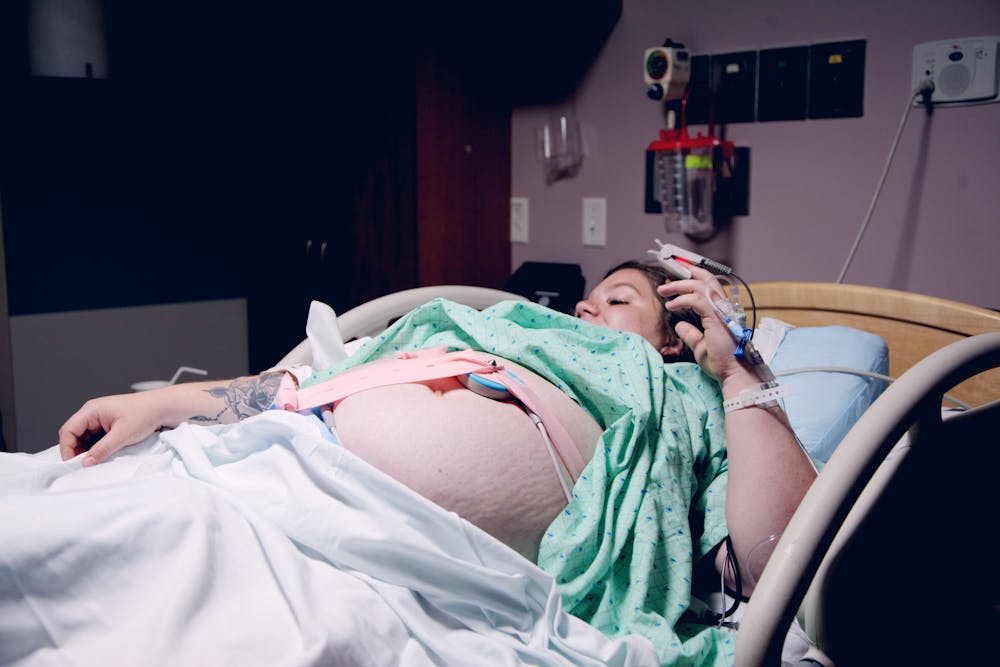
Pregnant woman lying in hospital bed with monitor around her abdomen.
Moving around helps women manage contractions, and foetal monitoring equipment makes that difficult.
alexander grey/unsplash, CC BY

Sometimes despite using the methods described above the induction may not be successful. In these cases, a different method may be attempted, or the doctor or midwife may try again in a few days. Sometimes a caesarean may be recommended.

Another potential side effect is from the hormone used to stimulate contractions – occasionally these hormones cause over-stimulation of the uterus, and this can stress the baby. The hormone can be stopped but sometimes because of the impact on the baby’s wellbeing a caesarean might be recommended.

Induction rates are higher in Australia than like countries and without detailed data about all reasons for induction it is difficult to comment on the cause of these increases. The demographics as described above may be one factor.

Ultimately women should talk with their midwife or doctor about any concerns they may have, and make the best decision that is informed by their individual pregnancy.


Read more:
Don’t blame and shame women for unintended pregnancies


The Conversation

Angela Brown does not work for, consult, own shares in or receive funding from any company or organisation that would benefit from this article, and has disclosed no relevant affiliations beyond their academic appointment.

ref. More and more women in Australia are having their labour induced. Does it matter? – https://theconversation.com/more-and-more-women-in-australia-are-having-their-labour-induced-does-it-matter-191582

With two days until US midterm elections, Republicans will probably win control of both chambers of Congress

The United States Capitol building west wing seen in August 6th 2021. WikiCommons.

Source: The Conversation (Au and NZ) – By Adrian Beaumont, Election Analyst (Psephologist) at The Conversation; and Honorary Associate, School of Mathematics and Statistics, The University of Melbourne


Shutterstock

The United States midterm elections will be held Tuesday. Owing to time differences, polls will not start closing until late Wednesday morning AEDT.

All 435 House of Representatives seats are up for election, as well as 35 of the 100 senators. Democrats won the House by 222-213 in 2020, and hold the Senate on a 50-50 tie with Vice President Kamala Harris’ casting vote.

The FiveThirtyEight forecasts now give Republicans an 83% chance to win the House and a 54% chance to win the Senate. There’s a 53% chance of Republicans winning both chambers, a 30% chance of Democrats holding the Senate while Republicans win the House, and a 16% chance of Democrats holding both chambers.

Since my October 20 article on the US midterm elections, Republicans have taken the lead in the Senate forecast after Democrats had a 61% chance to hold previously; this is Republicans’ first lead since July. Republican chances are also up in the House, from 75% to 83%.


Read more:
Republicans gain in US midterm polls with three weeks until election


Of the 35 Senate seats up for election, 21 are held by Republicans and 14 by Democrats. As Republicans are defending more seats, forecasts give Democrats a better chance to hold the Senate than the House.

The closest Senate races in the FiveThirtyEight averages are currently Georgia (tied), Pennsylvania (tied) and Nevada (Republicans up one). If Republicans won all three and there were no other upsets, they would win the Senate by 52-48. If Democrats won all three, they would win by 51-49.

Other Senate races within five points are Arizona (Democrats up two), New Hampshire (D+2), Wisconsin (R+3), North Carolina (R+4) and Ohio (R+4).

Polling of the national House popular vote now favours Republicans by 1.1% (46.6-45.5) after Democrats led by 0.3% in my October 20 article. Republicans recently regained the lead on this measure for the first time since early August.

President Joe Biden’s ratings have been steady since my last article; he’s currently at 53.1% disapprove, 42.3% approve (net -10.8). In polls of likely or registered voters, his ratings improve slightly to 53.1% disapprove, 43.5% approve (net -9.6).

In my last article on the US midterms, Democrats were already dropping in the FiveThirtyEight forecasts and poll aggregates, and this drop has continued. Republicans have made gains across the board, with Senate races that once looked safe for Democrats now close. Worries about inflation are a key reason for Republican gains.

In a Quinnipiac University national poll, conducted October 26-30 from a sample of 2,203, 36% of voters said inflation was the most urgent issue (up nine since August), with abortion well behind on 10%. By 61-34, voters disapproved of Biden’s handling of the economy, worse than his overall 53-36 disapproval rating in this poll.

At both the 2016 and 2020 elections, polls understated Donald Trump’s support. If polls are understating Republicans at these midterms, the results will be ugly for Democrats.

Poll closing times

I will focus here on the close Senate races that are within five points in the FiveThirtyEight poll aggregates. All times are Wednesday AEDT. The first US polls close at 10am in the eastern time zones of Kentucky and Indiana; Republicans will win both states easily.

Georgia will be the first state with a close Senate race to close its polls at 11am, then North Carolina and Ohio both close at 11:30am. New Hampshire and Pennsylvania will both close at 12pm. Polls in Wisconsin and Arizona will close at 1pm, with Nevada closing at 2pm. Polls in the Pacific coast states close at 3pm, with the final polls closing at 5pm in Alaska’s western time zone.

Poll closing times are derived from The Green Papers’ list, with 11 hours added to UTC/GMT.

Counting will usually take at least several hours after polls close, and in close contests we may have to wait days or even weeks for an outcome. Exit polls will be released once all polls in a state are closed, but are unreliable.

In Georgia’s Senate contest, there will be a December 6 runoff if neither major party candidate clears 50% on Tuesday. There is a third party Libertarian candidate who could prevent this.

In some states, early counting is likely to skew Republican, as Election Day votes are counted first. In other states, Democratic-leaning mail will be counted first, so their early counts will skew to Democrats.

Economic data: GDP and jobs

US GDP increased at a 2.6% annualised pace in the September quarter, after contracting in both the March and June quarters, according to the October 27 report. In Australia’s quarter on quarter terms, that’s a 0.65% increase in GDP.

The US jobs report for October was released Friday. There were 261,000 jobs created, but the unemployment rate rose 0.2% to 3.7%. The employment population ratio – the percentage of eligible Americans that are employed – dropped 0.1% to 60.0%, and is 1.2% below where it was in February 2020, before the COVID pandemic began.

Overall, this late economic data is good news for the economy, and should assist Democrats. But voters are more concerned with high inflation.

The Conversation

Adrian Beaumont does not work for, consult, own shares in or receive funding from any company or organisation that would benefit from this article, and has disclosed no relevant affiliations beyond their academic appointment.

ref. With two days until US midterm elections, Republicans will probably win control of both chambers of Congress – https://theconversation.com/with-two-days-until-us-midterm-elections-republicans-will-probably-win-control-of-both-chambers-of-congress-193442

A total lunar eclipse is set to dazzle tomorrow – along with some other stellar sights

Source: The Conversation (Au and NZ) – By Tanya Hill, Honorary Fellow of the University of Melbourne and Senior Curator (Astronomy), The University of Melbourne

Shutterstock

Tomorrow evening people across Australia and New Zealand will be treated to a total lunar eclipse, weather permitting. It’s an opportunity to not be missed, as the next one won’t be visible from our region until 2025.

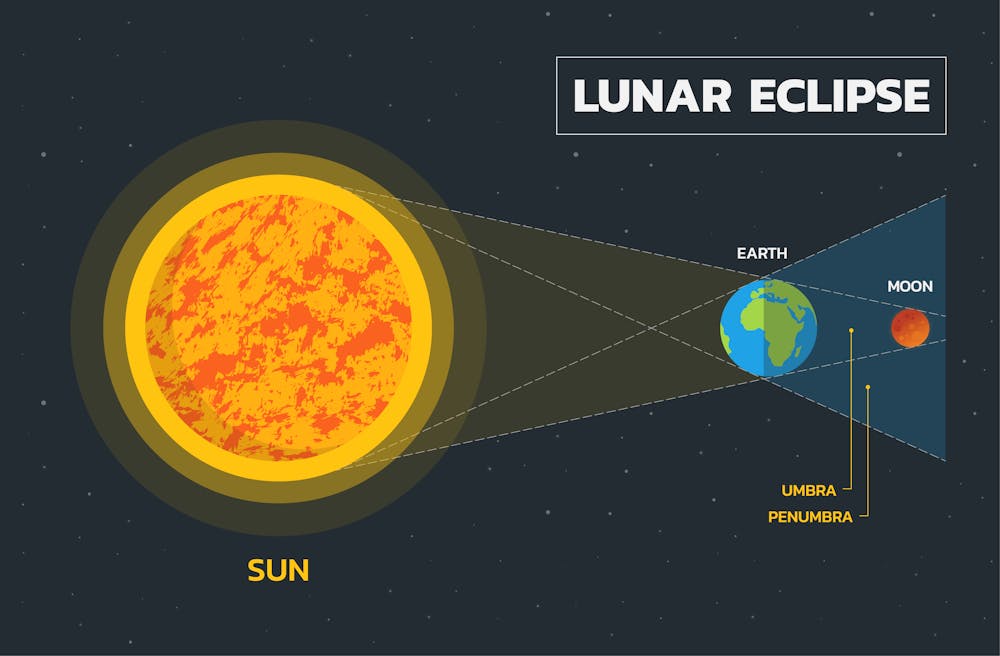
A lunar eclipse happens when the Moon travels through Earth’s shadow. If the Moon only partly makes it into the shadow, that’s a partial eclipse. In a total eclipse, the Moon becomes fully immersed and takes on a reddish/orange glow.

In tomorrow’s eclipse the period of totality – when the Moon is fully immersed in shadow – will last a leisurely 85 minutes.

A digital diagram shows the position of the Sun, Earth and Moon during a total lunar eclipse.
A total lunar eclipse happens when the shadow cast by Earth completely covers the Moon. The deepest part of the shadow is called the ‘umbra’.
Shutterstock

The only light reaching the Moon’s surface will first pass through Earth’s atmosphere, which is why the Moon will take on a red hue. Just how red it appears will depend on how dusty Earth’s atmosphere is at the time.

It will be a wonderful experience to share with family and friends, especially as you won’t need any equipment to see it. It’s also safe to look at – unlike solar eclipses, where special care must be taken when viewing the Sun.


Read more:
Explainer: what is a lunar eclipse?


A twilight moon or a midnight moon?

Everyone on the night side of the Earth will experience the lunar eclipse simultaneously. But what time that is for you will depend on your timezone.

In New Zealand the eclipse will happen late in the evening, and the eclipse maximum will be just before midnight. The Moon will be high in the northern sky.

Across Australia, the eclipse will happen around moonrise. So the Moon will be much lower in the sky and battling against the twilight glow during the eclipse’s early stages.

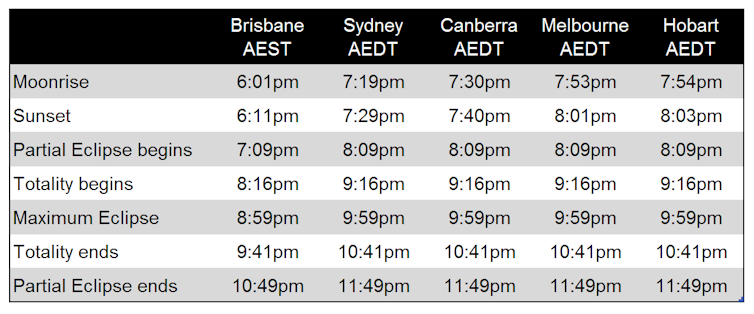
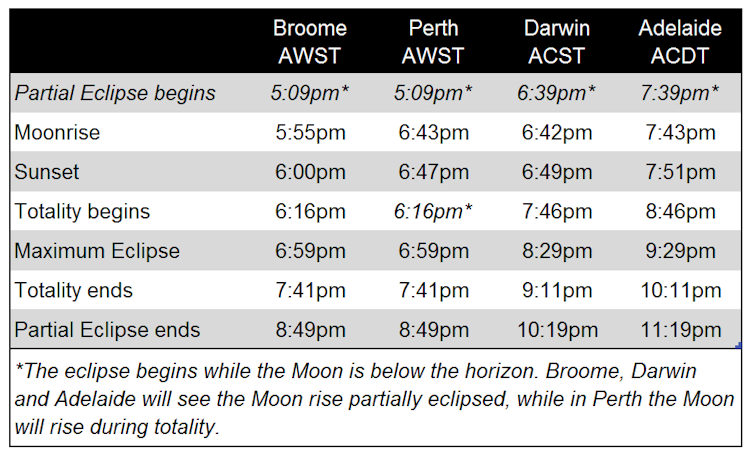
Eastern Australia will see the eclipse shortly after the full Moon rises. The further north you are, the longer you’ll need to wait before the eclipse begins. For Brisbane it will start more than an hour after moonrise, so the Moon will be higher in the sky. In Hobart the eclipse begins just 15 minutes after moonrise.

For the rest of Australia, the eclipse will begin before the Moon rises. Throughout central Australia it will start only a few minutes before moonrise, while in Western Australia it will be well and truly under way by moonrise.

Those up north will see some of the partial eclipse before totality sets in, but Perth can expect to see a fully eclipsed Moon deep in shadow at moonrise.

Big Moon rising

If you see the eclipse soon after Moon rises, expect it to look amazing. That’s because something called the “Moon illusion” will come into play. This is where your brain is tricked and the Moon looks much bigger when it’s low on the horizon, compared to when it’s high up in the sky.

The Moon will rise in the east-northeast for all of Australia, so a high location or a clear view of the horizon will help with seeing the early parts of the eclipse. As the Moon gets higher, and the sky darker, the later part of the eclipse should be easy to see for everyone.


Read more:
Why does the Moon look close some nights and far away on other nights?


Joined in opposition

But it’s not just the Moon you should be looking out for. On the night of the eclipse, the ice giant Uranus will appear near the Moon as seen from Earth. So if you have a pair of binoculars, you can try spotting Uranus during totality, when the Moon’s light won’t interfere.

view through binoculars showing eclipsed Moon at the centre and the planet Uranus towards the top right among a number of bright stars
Binoculars will provide enough magnification and a wide field of view so the Moon can be used to locate planet Uranus.
Museums Victoria/Stellarium

Uranus will reach opposition the day after the eclipse, on November 9, which means it will be – like the full Moon – in the opposite part of the sky to the Sun. This is when the planet is at its closest and brightest.

However, at a distance of 2.8 billion kilometres, Uranus is so far away that even through binoculars it will appear star-like. Only a large telescope will reveal it as a small blue-green dot.

One among the planets

But even without binoculars there are some lovely stars and planets to see. Bright Jupiter and Saturn will be easy to spot high overhead, above the eclipsed Moon.

Later in the evening, all viewers will be able to spot the constellation of Taurus rising in the north-east – with the lovely star cluster Pleiades and the red giant star Aldebaran – along with Orion and its red supergiant Betelgeuse.

depiction of the night sky looking north-east, the Moon sits above the constellations of Taurus and Orion, with the red planet Mars low to the horizon
The eclipse occurs in a rich part of the sky, with the constellations of Taurus and Orion visible.
Museums Victoria/Stellarium

The red planet Mars will also make an appearance. People in New Zealand and Queensland will be well-placed to see four red objects in the sky together: the eclipsed Moon, Aldebaran, Betelgeuse and Mars low to the horizon.

Lunar eclipses are reminder that we live on a planet that’s moving through space. When I stare up at the Moon in shadow, I like to imagine what it would be like to stand on it, and see the Sun blocked out by the Earth.

Perhaps you’ll have your own moment of wonder and awe – of how astronomy can sometimes leave us feeling a little small, yet also connected to something much grander.


Read more:
Explainer: Socrates and the life worth living


The Conversation

Tanya Hill does not work for, consult, own shares in or receive funding from any company or organisation that would benefit from this article, and has disclosed no relevant affiliations beyond their academic appointment.

ref. A total lunar eclipse is set to dazzle tomorrow – along with some other stellar sights – https://theconversation.com/a-total-lunar-eclipse-is-set-to-dazzle-tomorrow-along-with-some-other-stellar-sights-192734

Glute force: why big, strong bum muscles matter for your overall health

Source: The Conversation (Au and NZ) – By Charlotte Ganderton, Physiotherapy lecturer, Swinburne University of Technology

Shutterstock

The glutes are the large, powerful muscles in your bum that help support the pelvis, stabilise the hip joint and allow the hip to move.

Countless social media posts extol the virtues of building strong glutes through exercises such as squats. However, most of what you hear from such “gymfluencers” is about how the bum muscles look.

Forget about how they look; what about what they do? Why is having big, strong glutes important for your body to function well?

In fact, having strong bum muscles is crucial to good musculoskeletal health.

A person does squats in the park.
Strong glutes are important for overall health.
Shutterstock


Read more:
We’re two physios who ran away with the circus. Here’s what we learned


Bum muscles hold your body up and protect the hip joint

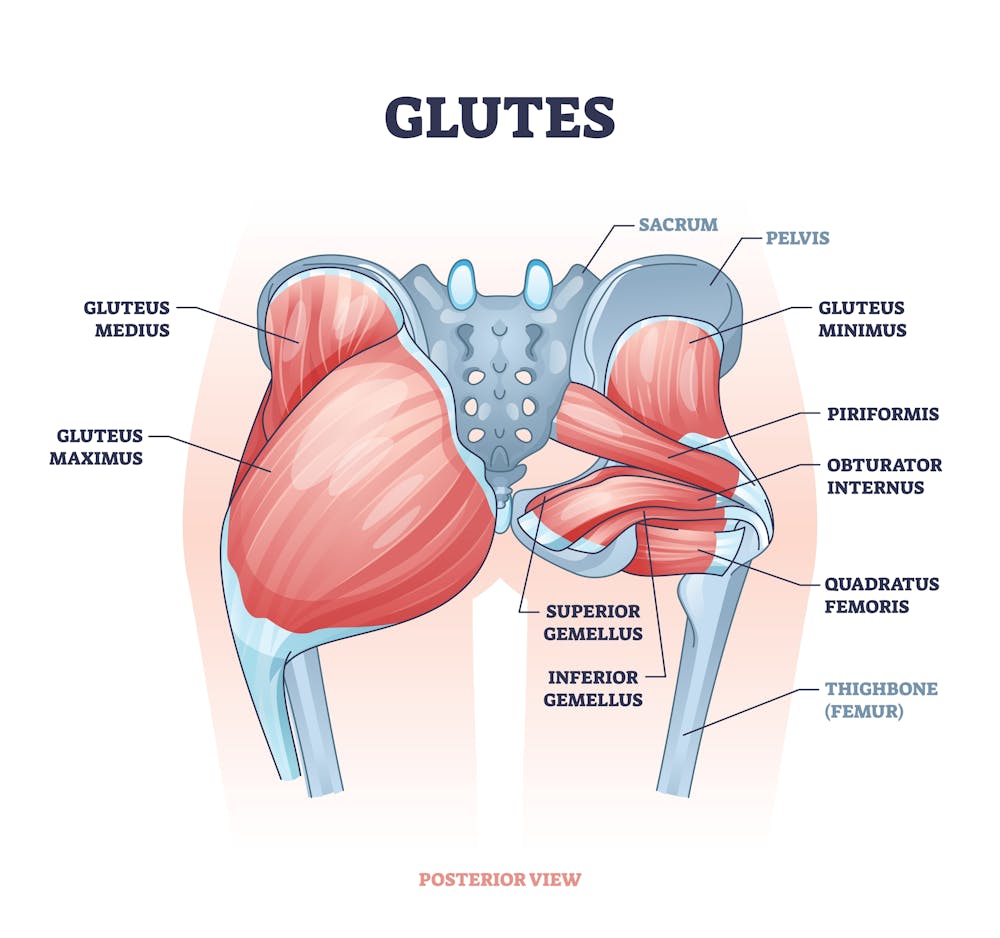
The gluteal muscles are a group of three separate muscles, each with unique anatomical structure and function.

The deepest and smallest muscle is called the gluteus minimus, which is very close to the hip joint itself.

Overlaying gluteus minimus is the gluteus medius. This one is relatively large and spans the whole outer surface of the pelvis.

The gluteus maximus is the largest of the three gluteal muscles and overlays both gluteus medius and minimus. This muscle is what gives the the bum its distinctive bum-like shape, but it plays a very important role in the way your body functions.

A diagram of the gluteal muscles.
The gluteal muscles are a group of separate muscles that work together.
Shutterstock

In combination, the gluteus maximus, medius and minimus gives rise to many hip movements, and provide shock absorption when you’re walking or running.

These muscles work together with your brain to generate a lot of power to hold your body up as gravity tries to pull it down. They also protect the hip joint from impact and from shearing forces that might cause long term damage.

Some of our work has identified some people with hip pain also have impairments in the gluteal muscles.

These impairments could reduce the bum muscles’ ability to protect the joint against long term damage and potentially affect a person’s ability to bear weight (for example, when standing on one leg or climbing stairs).

A man does hip thrusts in the gym.
Don’t skip the glutes.
Shutterstock

A reduction in muscle size and an increase in non-active tissue such as fat has been reported in hip conditions such as greater trochanteric pain syndrome (a common type of hip pain, also known as gluteal tendinopathy).

The same is also true for hip osteoarthritis, which affects the whole joint.

The rates of osteoarthritis in Australia are increasing, with one in every seven hip joint replacements conducted in people under the age of 55. However, it’s worth noting just because you have signs of arthritis on hip x-ray or MRI, it doesn’t mean you will have pain or develop pain.

Research suggests the way a person moves may contribute to the risk of hip osteoarthritis in young people.

If you do have hip pain, bum muscle strengthening is recommended as the first line treatment.

But strong glutes have also been shown to improve your day-to-day function, especially in those with hip osteoarthritis.

In particular, people with hip osteoarthritis who have stronger glutes walk faster and longer distances and climb stairs faster than those with weaker glutes.

Should I do my bum exercises?

Ultimately, better bum muscle function is likely to be helpful and is often recommended by doctors, physiotherapists and other health-care practitioners.

They may prescribe certain exercises to strengthen your glutes and target problems around the hip area.

Having weak glutes is associated with:

Two people do deadlifts in a gym.
Your physio might prescribe glute exercises.
Shutterstock

Glute strength may even have a role to play in keeping your pelvic floor in good shape (although further research is required).

That’s not to say doing your bum exercises will automatically cure all these ailments; each case is unique and involves a range of factors. But having strong glutes is, in general, very important for hip and pelvis stability and function.

No matter if you are a gymfluencer, a professional sports person, or just a regular bum-owner, having strong glutes will keep you in good stride.


Read more:
Physio, chiro, osteo and myo: what’s the difference and which one should I get?


The Conversation

Charlotte Ganderton receives funding from Arthritis Australia, Physiotherapy Research Foundation, Swinburne University of Technology, National Institute of Circus Arts and La Trobe University.

Charlotte Ganderton is a member of the Australian Physiotherapy Association and Sports Medicine Australia.

Adam Semciw is affiliated with Northern Health.

Matthew King receives funding from the Physiotherapy Research Foundation, Australian Physiotherapy Association, La Trobe University and the Transport Accident Commission . He is affiliated with the Australian Physiotherapy Association, Sports Medicine Australia and the International Hip-related Pain Research Network..

ref. Glute force: why big, strong bum muscles matter for your overall health – https://theconversation.com/glute-force-why-big-strong-bum-muscles-matter-for-your-overall-health-190978

A technologically advanced society is choosing to destroy itself. It’s both fascinating and horrifying to watch

Source: The Conversation (Au and NZ) – By Christopher Wright, Professor of Organisational Studies, University of Sydney

Landon Parenteau/Unsplash, CC BY

As world leaders assemble for the United Nations climate change conference (COP27) in Egypt, it’s hard to be optimistic the talks will generate any radical departure from the inexorable rise in global carbon emissions over the past two centuries.

After all, before last year’s Glasgow talks, experts warned the summit was the world’s last chance to limit global warming to 1.5℃ this century. And yet, a UN report last week found even if all nations meet their climate goals this decade, the planet would still heat to a catastrophic 2.5℃.

There were hopes the global pandemic might have shifted the world’s economies from their fossil fuel dependence as lockdowns reduced energy consumption, and progressive politicians proposed alternative policy agendas.

But after borders reopened, our fossil fuel addiction returned with a vengeance. In fact, the International Energy Agency projects net income for oil and gas producers will double in 2022 to an alarming US$4 trillion.

As social scientists, this is both horrifying and fascinating to observe. How is it that a technologically advanced society could choose to destroy itself by failing to act to avert a climate catastrophe?

two children hold signs reading 'save the world'
Our inaction is condemning today’s children to life on a hostile planet.
David Cliff/AP

We’ve had decades to act

Like watching a slow-motion train crash, the world’s leading climate scientists have for decades warned of the dangers of ever-increasing greenhouse gas emissions.

Political and corporate leaders knew of the threat more than a decade before it was key public knowledge. Back in 1977, United States President Jimmy Carter was briefed on the possibility of catastrophic climate change. That same year, internal memos at one of the world’s largest oil companies made it clear that continued burning of fossil fuels would dramatically heat the planet.

So why, in the 45 years since, has there been so little action in response? Why do we condemn today’s children and future generations to live on a dangerous and hostile planet?

We’ve have sought to answer this question in our research into business and climate change over the years, including our latest book.

The answer, we argue, rests on a prevailing assumption organised by corporate and political elites: that endless economic growth fuelled by fossil energy is so fundamental and commonsensical it cannot be questioned.

We term this all-consuming ideology the “fossil fuel hegemony”. It asserts that corporate capitalism based on fossil energy is a natural state of being, one that’s beyond challenge.


Read more:
Scientists understood physics of climate change in the 1800s – thanks to a woman named Eunice Foote


How fossil fuel hegemony works

The concept of “hegemony” was developed by the Italian intellectual Antonio Gramsci. In the 1920s, Gramsci sought to explain how dominant classes maintained their power beyond the use of force and coercion.

He argued hegemony involved a continuous process of winning the consent of key actors in society such as industrialists, the media, and religious and educational institutions, to form a ruling bloc. Civil society would thus accept the prevailing order, dampening any threat of revolution.

Gramsci’s ideas help us understand the lack of action in response to the climate crisis. In particular, it helps explain the business sector’s inordinate influence on climate policy across the world.

Coal
Fossil fuel hegemony asserts that corporate capitalism based on fossil energy is a natural state of being.
Shutterstock

For instance, a range of recent studies have explored the “fossil fuel hegemony” in countries such as Australia, Canada and the US. These studies argue such hegemony comprises a coalition of corporate and political actors with interests aligned around carbon-dependent economic growth. This leads to limited progress on legislation to reduce carbon emissions.

The hegemony has also extended to corporate-political activity seeding doubt about climate science, lobbying against emissions reduction and renewable energy, and the capture of political parties by interests aligned with fossil fuels.


Read more:
40 years ago, protesters were celebrated for saving the Franklin River. Today they could be jailed for months


This helps explain why environmentalists advocating to keep fossil fuels in the ground are attacked by conservative politicians and right-wing media.

They are presented not only as a threat to “our way of life”, but as deluded and dangerous radicals, or even terrorists.

There is another way

Of course, there are alternatives to the fossil fuel hegemony. It involves immediate and dramatic decarbonisation of the global economy, as COP27 in Egypt aspires to achieve.

But it also requires alternative economic models of “degrowth”. Degrowth involves a planned and equitable contraction of rich economies, until it operates steadily and within the capacity of the planet’s resources.

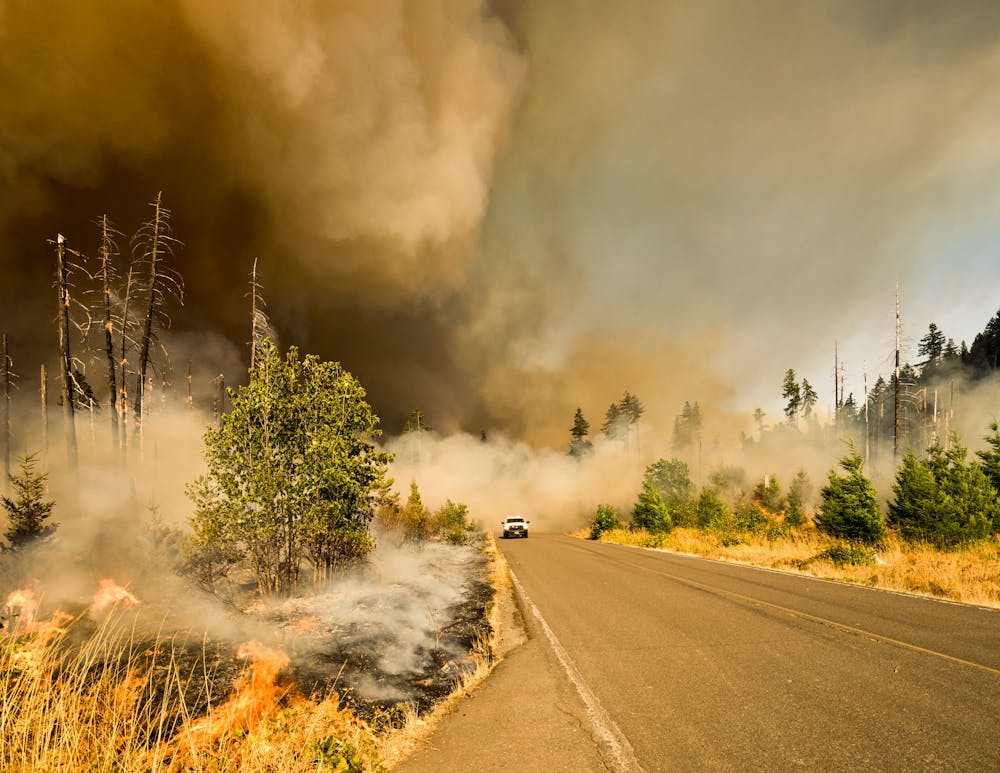
A car driving away from smoke from a forest fire
How long can fossil fuel hegemony continue as weather events become more extreme?
Marcus Kauffman/Unsplash, CC BY

This includes carbon trading systems with a rapidly lowering cap, fossil fuel extraction limits, worker autonomy and shorter working hours, and job guarantees with living wages.

These types of policies rest on tax reforms to limit resource use and reduce carbon emissions, while promoting work sharing and limiting production and consumption.

This also requires far more democratic politics than the current hegemony allows – one that challenges the illusion that economic growth can continue even as Earth’s life-support systems begin to fail.


Read more:
Life in a ‘degrowth’ economy, and why you might actually enjoy it


But the true test of the fossil fuel hegemony will be how long this image can persist as the weather becomes more extreme and climate activism grows.

Because as more people acknowledge the reality of the climate crisis, those seeking to maintain the fossil fuel hegemony will need to work harder to maintain their grip on climate politics.

The Conversation

Christopher Wright receives funding from the Australian Research Council.

Daniel Nyberg receives funding from the Australian Research Council.

Vanessa Bowden receives funding from the Australian Research Council.

ref. A technologically advanced society is choosing to destroy itself. It’s both fascinating and horrifying to watch – https://theconversation.com/a-technologically-advanced-society-is-choosing-to-destroy-itself-its-both-fascinating-and-horrifying-to-watch-192939

Koalas, parrots, frogs and orchids share our cities. Their fate depends on protecting each one’s habitat, not just 30% of all land

Source: The Conversation (Au and NZ) – By Simon Kilbane, Senior Lecturer, Landscape Architecture, Deakin University

Shutterstock

The global 30×30 target aims to protect 30% of the planet by 2030 to secure its biodiversity. This involves legal protection for land and sea areas designated as national parks and nature reserves. Australia has joined more than 100 countries in this bold initiative.

However, if we are to adequately protect all species, we must acknowledge we never start with a blank slate. As a major academic review of fragmented ecosystems observed:

“Conservation managers must work with the remnants and virtually never have the opportunity to design a reserve network before an area is fragmented.”

The areas we choose to protect must include ecosystems where biodiversity is under pressure from human land uses. Australia’s urban areas still have a surprisingly high level of biodiversity.

Our major cities are home to almost 380 threatened species. They range from the western ringtail possum, koala and grey-headed flying fox to the orange-bellied parrot, red-crowned toadlet and several orchids. Indeed, 39 endangered species are found only in our cities and towns.

These urban areas also include threatened ecological communities such as the banksia woodlands of the Swan coastal plain in Perth and blue gum high forest of the Sydney region.

So, what does the 30×30 target mean for our cities and how we protect their biodiversity?

Small toad with red markets on the head, legs and rump
The distinctive red-crowned toadlet is found only in the Sydney Basin bioregion.
Wikimedia Commons, CC BY


Read more:
The 39 endangered species in Melbourne, Sydney, Adelaide and other Australian cities


Many areas are poorly protected

To protect biodiversity it’s not enough to simply protect 30% of land in general. Australia’s National Reserve System prescribes a comprehensive, adequate and representative approach. This divides the country into 89 distinct bioregions and 419 subregions.

The latest data suggest that simply achieving 30% protection for all these areas will be difficult.

As the maps below show (dark green areas have 30% or more protection), Australia meets this target in only 29 of its 89 bioregions, and 96 of 421 subregions. Is this is an improvement from a decade ago when a modest target of 10% protected area had been achieved in only 57 of 89 ecoregions?

Map of Australia showing level of protection of bioregions

Source: Department of Climate Change, Energy, the Environment and Water
Map of Australia showing level of protection of subregions

Source: Department of Climate Change, Energy, the Environment and Water

Even the 30% target may not be adequate. And yet achieving it will be difficult in the face of worldwide challenges such as climate change, invasive species and the issues of resourcing and managing an ever-expanding network.


Read more:
Protecting 30% of Australia’s land and sea by 2030 sounds great – but it’s not what it seems


How do we protect urban biodiversity?

Adequately protecting biodiversity in the cities and towns where most Australians live will be especially difficult.

For example, a cursory look at protected area data for Sydney, situated across one bioregion, Sydney Basin, suggests good progress, with 40.99% of its area protected.

However, at the level of its subregions, the picture is different. Pittwater (31.62%), Yengo (58.55%) and Woollemi (71.81%) have high levels of protection. But look at how little land is protected in the subregions that sit entirely within Sydney proper – only 3.13% for Cumberland.

The most urbanised subregions of the Sydney Basin bioregion have minimal protected areas.
Map by Simon Kilbane using Commonwealth data

The picture is similar across all of Australia’s urban areas. To achieve comprehensive, adequate and representative protection of our biodiversity, we are going to have to think differently. How can we better plan our urban landscapes, or perhaps retrofit these areas, to provide habitat for our imperilled species?


Read more:
Labor’s plan to save threatened species is an improvement – but it’s still well short of what we need


5 approaches to protecting biodiversity

Here are five approaches drawn from practice around Australia and the world that could help.

1. A philosophical reframing

Biodiversity protection should not just occur in remote regions. It’s an issue closer to home. Urban and commercial development directly threatens 56 of Australia’s 255 flora and fauna species on the IUCN Red List of Threatened Species.

2. Green infrastructure

Green infrastructure can create a network of urban forest, foreshores and creek lines, parks and open spaces. In this way, we can reconnect fragmented habitat patches. This interconnected network has both ecological and human-related benefits.

Bolstered by a healthy groundswell of public and policy support – who wouldn’t want more green space? – there’s a growing momentum to reshape our cities. Notable initiatives include the Perth Biodiversity Project, the Sydney Green Grid and Melbourne’s Urban Forest Strategy.

The benefits for ecosystems come from water retention and flood management and increasing plant cover – so important for reducing urban heat island impacts. People’s mental health and wellbeing benefit from spending time in these green areas. Evidence even suggests greener streets and suburbs have higher real estate values.


Read more:
Here’s how to design cities where people and nature can both flourish


3. Creative conservation choices

Finding conservation candidates in urban areas requires imagination and creativity. Why not consider disused industrial lands, cemeteries, poorly frequented golf courses, our roof tops and the ubiquitous suburban nature strips?

If we radically reconfigured or “rewilded” our streets and gardens we could create more urban habitat. More diverse and local plantings and “backyards for wildlife”-type schemes seem a safe bet.


Read more:
Yes, the state of the environment is grim, but you can make a difference, right in your own neighbourhoood


4. Rethinking our idea of urban development

The above options are the lowest-hanging fruit. What would happen if we radically rethought our profit-driven development model of suburbanisation? We could create a better balance between the habitats of humans and all the other species we share our cities with – as a matter of ecological justice.

We might need to use collaborative tools and scenario planning to visualise possible impacts and benefits. This will help us better combine thinking about people, place and ecology.

5. Fostering ecological literacy

Starting with learning from how Australia’s lands have been managed through traditional ecological knowledge, we need to foster a deeper appreciation of the nature that exists under our noses. Incorporating ecological knowledge into education from as early as possible will build ecological literacy

This might then temper our desire for exotic plantings. We might even have
second thoughts about cat or dog ownership given their impacts: Australia’s 3.8 million pet cats kill up to 390 million animals every year.

It will take a monumental effort to rethink our country and our cities to preserve their biodiversity. Australia has just begun a worthwhile but difficult journey.

The Conversation

Simon Kilbane is a member of the Australian Institute of Landscape Architects, the IUCN World Commission on Protected Areas and the Government Architect of New South Wale’s NSW State Design Review Panel

ref. Koalas, parrots, frogs and orchids share our cities. Their fate depends on protecting each one’s habitat, not just 30% of all land – https://theconversation.com/koalas-parrots-frogs-and-orchids-share-our-cities-their-fate-depends-on-protecting-each-ones-habitat-not-just-30-of-all-land-192176

Australian schools are starting to provide food, but we need to think carefully before we ‘ditch the lunchbox’

Source: The Conversation (Au and NZ) – By Brittany Johnson, Postdoctoral Research Fellow, Flinders University

Anton Murygin/Unsplash

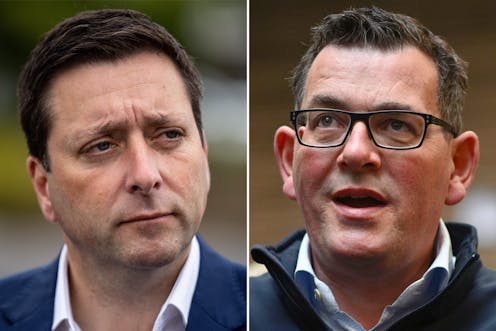
State Liberal leader Matthew Guy has promised a trial to provide free lunches in Victorian public schools if elected on November 26.

The A$300 million election policy is aimed at helping families with cost-of-living pressures, through an opt-in system sourcing meals from local business and cafes.

This idea is part of a small but growing trend in Australia to provide meals at schools. There are lots of good reasons to move away from kids bringing their own food to school.

But before we ditch the lunchbox, we need to think carefully about how we replace it.

Most Australian kids bring their lunch

In theory, about 90% of Australian children bring their own food to school, with 10% of children eating food bought from a school canteen or tuckshop, or via food relief programs.

We know the current system is failing to support children’s growth, health and development.

Lunch box with a sandwich and fruit.
The vast majority of Australian students bring their own lunch to school.
Shutterstock

More than one-third of the food students eat at school is unhealthy (such as sweet and savoury biscuits, sugary muesli bars and chips), with most lunchboxes not having any vegetables.

We also know 15% of children arrive at school without lunch or money to spend at the canteen, when families have limited budgets.

This is not just a question of children going hungry or eating too many meat pies. Good nutrition during school years supports health, growth, concentration, brain development and academic achievement.

Why don’t we have school lunches in Australia?

One in two children around the world are provided with a meal at school.

Salad bar vegetables including beans, spinach, tomato and corn.
The US and UK are among the countries that feed children during the school day.
Jonathan Borba/Unsplash

Most high-income countries offer school-provided meals, such as the United States, United Kingdom, Finland, Sweden, France and Japan. New Zealand is moving from a “lunchbox system” to school meals, and Canada is also looking at the idea.

Apart from some breakfast programs – which target children from disadvantaged backgrounds – Australia hasn’t had a tradition of offering food at school. This is largely because we have had a lunchbox system for so long, it is simply the norm that parents are responsible for feeding their children.

But this is starting to change. There are now are several pilot projects aimed at providing food at the individual school level, exploring options within schools or with local businesses.

There are also pockets of schools trialling food programs around Australia, including in the Nothern Territory, Australian Capital Territory and Tasmania. This is either to address food access in remote areas or improve nutritious food at school.

A three-school pilot in Tasmania has recently been expanded to 30 schools in 2022-23. Schools in the pilot provide students with a cooked meal, based on a set menu, certain days of the week. Where meals are prepared and served varies depending on the school. School staff are noticing increased attendance on school lunch days and a boost to social skills and school connection.

Why are school lunches a good idea?

Providing food at school has many benefits. Not only does it save time-poor families time and energy (no more morning meal prep), but it makes sure all students have access to good food.

It can also create jobs and other opportunities to teach students about food production and healthy eating.

From an environmental perspective, it can cut down on packaging waste.

We know there is support

In our research, we asked teachers, parents, canteen managers, food relief workers, and health promotion officers to come up with ideas for how school food could be done differently in Australia.

This group said a school-provided lunch prepared onsite was likely to be most achievable and have an impact. By repurposing existing canteen facilities, schools could provide a nutritious, sit-down meal.


Read more:
Swap shapes for rice crackers, chips for popcorn… parents can improve their kids’ diet with these healthier lunchbox options


We also know there is support from parents. Depending on how the question is it framed, surveys have found support ranging from 53% to 86%.

Parents don’t necessarily expect lunches to be free, either. They are already spending on average $4 per child per day, and some are willing to pay similar or more for school-provided lunches.

But we need to think about these issues

But while we know there is a good level of support at the community level, swapping from from a predominantly lunchbox model to a school-provided meals system will take some work.

Children eating lunch at a cafeteria table.
Eating together provides an opportunity for students to develop their social skills.
Shutterstock

There are several things we need to consider – it’s not just a question of handing out cheese and ham sandwiches. If meals are going to be provided at school, they will need to accommodate different cultures, dietary needs and geographic areas.

It also needs to be sustainable. Funding needs to be ongoing, and food supply chains and waste need to be taken into account. Importantly, those who access the meals need to be able to do so without stigma.

This leads to questions of who is responsible for running this? If school-provided meals are going to be successful and embraced by school communities, they need support from families, governments, health and education experts, as well as primary industries.


Read more:
A gutful of lunchbox hype – has selling ‘good bugs not drugs’ for kids’ health gone too far?


Schools will also need the appropriate infrastructure, so there is a place for food to be prepared and eaten. Together with the produce and staffing, this leads to inevitable questions about costs and funding.

Finally, we also need to think about whether this is a universal or opt-in system. While many families will welcome food at school, some others may feel disempowered, and as though their choices are being removed.

What next?

School meals could provide so many benefits, from creating jobs to addressing food insecurity, supporting local food production, reducing the burden on parents, and supporting student wellbeing, attendance and school performance.

With pockets of enthusiasm and innovation occurring across Australia, it is time for a national conversation to help get universal school-provided lunches on the menu at schools across Australia.

The Conversation

Brittany Johnson receives grant funding from the National Health and Medical Research Council.

Alexandra Manson receives funding from the Australian Government Research Training Program Scholarship and the King and Amy O’Malley Trust Postgraduate Research Scholarship.

Danielle Gallegos receives funding from the Queensland Children’s Hospital Foundation via a philanthropic donation from Woolworths. She has also received funding from the ARC and Foodbank Qld. The views expressed here are the author’s own and do not reflect those of the Children’s Hospital Foundations, Woolworths or Foodbank Qld.

Rebecca Golley receives funding from National Health and Medical Research Council, Hort Innovation Ltd.

ref. Australian schools are starting to provide food, but we need to think carefully before we ‘ditch the lunchbox’ – https://theconversation.com/australian-schools-are-starting-to-provide-food-but-we-need-to-think-carefully-before-we-ditch-the-lunchbox-193536

Government makes concessions on multi-employer bargaining bill

Source: The Conversation (Au and NZ) – By Michelle Grattan, Professorial Fellow, University of Canberra

The Albanese government has made concessions to employers on its planned extension of multi-employer bargaining, as it hopes to fast track its industrial relations legislation through parliament before Christmas.

Workplace Relations Minister Tony Burke said on Sunday there would be a change in the proposed way voting would work for these agreements.

He also flagged the government was sympathic to a “grace” period of six months to allow continued negotiations after a single-enterprise agreement ran out before employees were able to seek a multi-employer agreement.

Employers had expressed the “reasonable concern” that a large workplace could overwhelm the vote of a smaller one, in a general vote, Burke said.

Under the amendment, votes by workers – to be part of an agreement, to take industrial action, or to accept an agreement – would be at the individual business level.

“This puts an end to the argument that you’ll end up with workplaces that didn’t want to be part of an agreement but somehow got roped in anyway, or didn’t want to be part of industrial action,” Burke told Sky.

“If you vote against any of the stages at that business level, then you’re not part of it.”

The government says it wants the legislation through this year so it can get wage increases happening as soon as possible.

It believes the extension of multi-employer bargaining, which exists in only very limited form currently, will secure larger pay rises particularly in low paid feminised industries. On Friday the Fair Work Commission handed down its long-awaited decision for aged care workers, awarding a 15% pay rise.

The legislation will be debated in the House of Representatives this week, with a vote on Thursday. The government has the numbers to push it through the house, without any crossbenchers.


Read more:
Employers say Labor’s new industrial relations bill threatens the economy. Denmark tells a different story


But in the Senate it needs on extra vote on top of the Greens. Key crossbencher David Pocock, who met Burke on Friday, on Sunday continued to complain about the rush.

“The bill was introduced just over a week ago, and already we’ve seen a number of significant changes flagged by the government. That says to me that we need more time. That’s why I’ve suggested splitting the bill.”

Apart from multi-employer bargaining, the bill includes the scrapping of the Australian Building and Construction Commission and various measures to address the gender pay gap.

One issue that has come up is the threshold number of workers (15 in the current bill) for businesses to fall under the multi-employer bargaining provision. Burke said the Senate crossbench had been raising with him how the number was counted – for example, whether it would be a headcount of employees or full-time equivalents. Burke said he would have discussions about this when the bill reached the Senate.


Read more:
Politics with Michelle Grattan: Jim Chalmers, Angus Taylor and Danielle Wood on the budget


Business has pressed for the number to be raised to 100.

Jennifer Westacott, Business Council chief executive, welcomed the concessions but said more were needed.

“We’re pleased that we have brought the government back to the table to reduce some of the most harmful unintended consequence of this legislation but big problems remain,” Westacott said. Business argues the changes increase the complexity of an already complex system.

The Conversation

Michelle Grattan does not work for, consult, own shares in or receive funding from any company or organisation that would benefit from this article, and has disclosed no relevant affiliations beyond their academic appointment.

ref. Government makes concessions on multi-employer bargaining bill – https://theconversation.com/government-makes-concessions-on-multi-employer-bargaining-bill-194026

Attacks on Dan Andrews are part of News Corporation’s long abuse of power

Source: The Conversation (Au and NZ) – By Denis Muller, Senior Research Fellow, Centre for Advancing Journalism, The University of Melbourne

Joel Carrett/AAP

Sane people trying to fathom the Herald Sun’s bizarre coverage of Victorian Premier Dan Andrews over the past few days might be helped by some insights from the founding of News Limited, the company on which Rupert Murdoch’s News Corporation empire has been built and of which the Herald Sun is part.

The main insight is that journalism is not, and never has been, the purpose of News Corporation. Its purpose, its reason for existence, is to provide the means by which three generations of the Murdoch family accumulate wealth and exert power.

In her magisterial history of Australian newspaper empires, Paper Emperors, Sally Young tells what she calls the real story of the birth of News Limited.

The company’s own creation myth is that its first newspaper, the Adelaide News, was the work of a couple of rugged individuals, a “miner” called Gerald Mussen, who was in fact an industrial consultant to Broken Hill Associated Smelters, and a former editor of the Melbourne Herald, J. E. Davidson.

As Young makes clear, these two had long worked as collaborating propagandists for the Herald and Weekly Times, of which Keith Murdoch was managing director, and its associated mining interests in Broken Hill and Port Pirie. The evidence indicates that Mussen and Davidson were financed into the newspaper start-up by these interests for the purpose of continuing the propagandising.

Keith Murdoch later acquired the paper in his own right and bequeathed it to Rupert.

Propagandising was News’s original sin, and it has never been redeemed. Instead it has broadened out to beat-ups, misinformation, disinformation and conspiracy theories.


Read more:
As News Corp goes ‘rogue’ on election coverage, what price will Australian democracy pay?


Of course, along the way it has done plenty of journalism, some of it very high quality. In 1959, the Adelaide News, under the editorship of Rohan Rivett, played a large role in securing a judicial review of the Rupert Max Stuart case. Stuart had been sentenced to hang for the rape and murder of a nine-year-old girl, after a trial that caused much public disquiet. His conviction was never conclusively overturned but he was released after 14 years in prison.

More recently, Hedley Thomas’s exposés of the wrong done to Dr Mohamed Haneef and the inadequacies of the police investigation into the murder of Lynette Dawson, for which her husband Chris was recently convicted, have been instances of public-interest journalism at its best.

However, this function of doing journalism – the “what” – is to be distinguished from the “why”. The journalism is done in pursuit of the organisation’s primary purpose, the empowerment and enrichment of the Murdochs, while every now and again also serving the public interest.

The coverage of Daniel Andrews needs to be seen in this light.

The starting point is that the Murdochs – Lachlan or Rupert or both – clearly prefer a non-Labor government, and the continuance in office of a Labor administration in Victoria is an offence against their wishes.

So we saw in the 2018 election campaign a racist scare campaign against so-called African gangs, pushed along by Peter Dutton, now leader of the Liberal-National opposition in federal parliament, and turbo-charged by the Herald Sun.

It backfired spectacularly, and Andrews won in a landslide. That simply aggravated the offence.

Throughout the COVID-19 pandemic, the Herald Sun promoted increasingly shrill criticisms of the Andrews lockdowns, particularly by the former Liberal federal treasurer, Josh Frydenberg, who subsequently lost his Melbourne seat of Kooyong in the May federal election. More aggravation.

Most recently, on November 4, 22 days before the 2022 Victorian state election, there was yet further offence. Newspoll showed the Liberal Party trailing Labor 46-54% in two-party-preferred terms. Landslide territory again.

This succession of rebuffs shows that the capacity of the Murdoch media to influence electoral outcomes is weaker than it once was, adding insult to injury.


Read more:
Victorian Newspoll has Labor’s lead down, but would still win with three weeks until election


Time for some mud-chucking in the hope that enough will stick.

First, the Herald Sun resurrects a nine-year-old motor accident involving not Andrews himself but his wife. It publishes online a video-taped interview with the cyclist involved in the collision, and his father.

The interview is long on innuendo and short on facts. It is insinuated that in some undefined way, Andrews improperly used his power to deny the young man justice and that the legal system let him down.

Time, too, to resurrect a conspiracy theory.

On March 9 2021, Andrews slipped on some outside stairs at a holiday house he and his family had rented on the Mornington Peninsula, injuring his back and ribs.

As The Guardian has reported, an anonymous post about what had allegedly “really” happened appeared first on an encrypted messaging app favoured by far-right activists and conspiracy theorists, then moved to a fringe website promoting QAnon and Port Arthur massacre misinformation.

The conspiracy theory asserted that Andrews’ injuries had been sustained in dark circumstances.

For reasons best known to herself, the Liberals’ then Shadow Treasurer Louise Staley, decided this was a fire worth throwing fuel on, so she published a list of 12 questions she said Andrews needed to answer about the incident.

The list was predicated on so much misinformation and disinformation that Ambulance Victoria, whose crew had taken Andrews to hospital, and the chief commissioner of police both felt it necessary to issue statements setting out the facts.

This had the effect of killing off the conspiracy theory, and when Matthew Guy took over as leader of the Liberal Party a few months later, he demoted Staley to shadow minister for scrutiny of government.

Herald Sun front page, November 6 2022.

Yet on November 6, the Sunday Herald Sun devoted many hundreds of words to a rehash of the conspiracy theory. This time it included a photograph of the steps, noting that the house had been repainted since the incident. What might have been covered up by a fresh coat of paint, the reader is implicitly invited to ask.

News Corporation is cradled in conflict of interest, overt and covert influence-peddling and propaganda, all for the purpose of advancing the Murdoch family’s interests. Abuse of media power is baked into its culture.

This does not excuse what the Herald Sun is doing, but helps explain it.

The Conversation

Denis Muller does not work for, consult, own shares in or receive funding from any company or organisation that would benefit from this article, and has disclosed no relevant affiliations beyond their academic appointment.

ref. Attacks on Dan Andrews are part of News Corporation’s long abuse of power – https://theconversation.com/attacks-on-dan-andrews-are-part-of-news-corporations-long-abuse-of-power-194023

Victorian Newspoll has Labor’s lead down, but would still win with three weeks until election

Source: The Conversation (Au and NZ) – By Adrian Beaumont, Election Analyst (Psephologist) at The Conversation; and Honorary Associate, School of Mathematics and Statistics, The University of Melbourne

Diego Fidele/Joel Carrett/AAP

The Victorian election will be held in three weeks, on November 26. A Newspoll, conducted October 31 to November 3 from a sample of 1,007, gave Labor a 54-46 lead, a two-point gain for the Coalition since the last Victorian Newspoll in late August.

Primary votes were 37% Labor (down four), 37% Coalition (up one), 13% Greens (steady) and 13% for all Others (up three). Newspoll figures are from The Poll Bludger.

51% were satisfied with Labor Premier Daniel Andrews (down three) and 44% were dissatisfied (up three), for a net approval of +7, down six points. Liberal leader Matthew Guy had a net approval of -20, down three points. Andrews led Guy as better premier by 52-33 (51-34 in August).

A question on whether Labor deserved to be re-elected, or it was time to give someone else a go had the latter leading by 47-45, a reversal of a 47-46 lead for deserved to be re-elected in November 2021.

Analyst Kevin Bonham said this is the first public Victorian poll from any pollster since June 2021 that has had Labor’s lead inside 55-45, and that has not had Labor ahead on primary votes.

If this poll result were replicated on Election Day in three weeks, Labor would still win easily. But they will be worried that the polls continue to narrow in the final three weeks. A Resolve poll conducted about two weeks ago had given Labor a 59-41 lead.


Read more:
Labor retains large lead in Victorian Resolve poll four weeks from election; also leads in NSW


A federal Labor government would be expected to assist state Coalition parties. While federal Labor had been in honeymoon poll territory, the last federal Newspoll had their lead sliding to 55-45. I believe inflation and cost of living issues will negatively impact governments at all levels.

This poll had Labor’s primary vote down 6% in the lower house from the 2018 election. If Labor suffered a similar swing against it in the upper house, they would be likely to lose more seats than they would had the upper house electoral system been reformed from the current group voting ticket system.


Read more:
How Victorian Labor’s failure on upper house electoral reform undermines democracy


NSW Resolve poll: Labor’s lead falls, but would still win election

The New South Wales state election will be held in March 2023. A Resolve poll for The Sydney Morning Herald gave Labor 38% of the primary vote (down five since September), the Coalition 35% (up five), the Greens 11% (up one), the Shooters 1% (down one), independents 10% (steady) and others 5% (steady).

Two-party estimates are not provided by Resolve until close to elections, but Bonham estimated this poll would be 54.5-45.5 to Labor, a 5.5-point gain for the Coalition since September.

Liberal Premier Dominic Perrottet led Labor’s Chris Minns by 30-29 as preferred premier (a 28-28 tie in September). This poll was presumably conducted with the federal Resolve polls in early and late October from a sample of 1,150.

It is likely the last NSW Resolve poll was a massive Labor-favouring outlier, and hence the big swing back to the Coalition in this poll. Nevertheless, Labor retains a solid lead, and is the favourite to win the election next March. Other recent NSW polls have also had Labor ahead.

WA poll: Mark McGowan remains very popular

The Poll Bludger reported on Friday that a Painted Dog Research poll for The West Australian, conducted October 19-21 from a sample of 637, gave WA Labor Premier Mark McGowan a 70% approval rating (up two since March) and an 18% disapproval (down seven). Liberal leader David Honey was at 31% disapproval, 9% approval.

Federal Morgan poll: 55.5-44.5 to Labor

This week’s federal Morgan poll gave Labor a 55.5-44.5 lead, a one-point gain for Labor since the previous week. The Morgan weekly video update included primary votes, with Labor on 38% (up 1.5), the Coalition 37% (down 0.5), the Greens 12% (up one), One Nation 3% (down 1.5), independents 6% (down two) and others 4% (up 1.5).

This is Labor’s highest lead in a Morgan poll so far this term. Polling was conducted October 24-30, so the first two days were before the October 25 budget was delivered.

Federal Resolve poll on sport sponsorship

I covered the previous federal Resolve poll after the budget that gave Labor about a 58.5-41.5 lead. There were additional questions on which companies should be allowed to sponsor sports teams. By 62-25, voters would support a ban on gambling and betting companies.

However, bans were not supported for any other companies. By 45-38, voters would allow beer and spirit companies to sponsor. Voters supported allowing coal, oil and gas companies by 51-27 and fast food chains by 60-24.

By 43-38, voters agreed that sport players should have the right to tell their team or league to ban certain companies from sponsoring them.

Netanyahu’s bloc wins outright majority in Israeli election

At Tuesday’s Israeli election, former PM Benjamin Netanyahu’s bloc of four right-wing and religious parties – his own Likud, the Religious Zionists, Shas and UTJ – won a combined 64 of the 120 Knesset seats, exceeding the 61 needed for a majority. I covered this for The Poll Bludger.

The Conversation

Adrian Beaumont does not work for, consult, own shares in or receive funding from any company or organisation that would benefit from this article, and has disclosed no relevant affiliations beyond their academic appointment.

ref. Victorian Newspoll has Labor’s lead down, but would still win with three weeks until election – https://theconversation.com/victorian-newspoll-has-labors-lead-down-but-would-still-win-with-three-weeks-until-election-193825

Ishmael Kalsakau elected Vanuatu PM, applause for Gloria King swearing in

By Lydia Lewis, RNZ Pacific reporter, and Hilaire Bule, RNZ correspondent in Port Vila

Ishmael Kalsakau was elected today unopposed as the 13th Prime Minister of the republic of Vanuatu by secret ballot.

Kalsakau was elected by the 52 members of the country’s Parliament.

“Thank you, thank you for the election,” Kalsakau said after the vote.

The former prime minister and president of the Vanua’aku Party, Bob Loughman, stood up at the session and said his group had no candidate to put forward for prime minister but would vote for Kalsakau.

Under the national constitution, a prime minister must be elected by a secret ballot even if standing unopposed.

Kalsakau was elected by 50 votes, with two invalid votes.

At the time of his election the new coalition government led by Prime Minister Kalsakau was composed of eight political parties and no independents.

About the new PM
This is Ishmael Kalsakau’s first time as prime minister of Vanuatu.

He was deputy prime minister in the last government.

Kalsakau is a lawyer by profession. Before his involvement in politics, he served as the Attorney-General of Vanuatu.

He originates from a small island in Port Vila Harbor, Ifira, and went to Malapoa College.

Kalsakau is the younger brother of the Paramount Chief of Ifira, Matoi Kalsakau.

He is not the first prime minister from Ifira.

This honour is held by Barak Sope who was prime minister from 1999 to 2001.

Kalsakau and his soon to be formed cabinet step into their roles at a crucial time for Vanuatu as the heavily tourism dependent country emerges from the pandemic.

His priorities will be spelt out when the government is fully formed, he said in an interview following the first session of Parliament.

First session of Parliament
Elected representatives from both camps emerged from coalition talks to take their oaths at the first parliamentary session.

It follows last month’s snap election which was triggered by the dissolution of Parliament on August 18 on the eve of a vote of no confidence in the former prime minister Bob Loughman led by former opposition leader Ralph Regenvanu.

In the lead up to today’s sitting, Regenvanu’s camp had strong numbers — with 30 MPs on his side.

But before stepping foot in Parliament the consensus was that Ishmael Kalsakau be put up to lead the government, said Vanuatu Broadcasting Corporation senior journalist Simo Warijo.

On the floor, empty seats were noticeable on Bob Loughman’s side.

Despite Kalsakau’s landslide victory, Loughman walked into Parliament with 22 people in his camp.

Numbers do not lie
Prime Minister Ishmael Kalaskau is the leader of the Union of Moderate Parties and secured seven seats in the snap election, equal highest with former prime minister Bob Loughman’s Vanua’aku Pati.

In comparison, Ralph Regenvanu’s Graon mo Jastis Pati only managed to secure four seats.

Vanuatu's Gloria Julia King being sworn in
Vanuatu’s Gloria Julia King being sworn in . . . she is Vanuatu’s first woman MP in more than 14 years. Image: VBTC/Ralph Regenvanu

MP Gloria King takes first oath
Rapturous applause filled the house this morning as Gloria Julia King, the only woman MP to be elected to Vanuatu’s Parliament since 2008, stepped up to take the first oath:

“I King Gloria Julia, having been elected member of Parliament, I do swear that I will bear true faith and allegiance to the republic of Vanuatu…”

King has also been appointed third Deputy Speaker, a significant role for a first-time MP.

Simeon returned as Speaker
The former Speaker, Seoule Simeon, has been reelected by the new MPs.

He is the MP for Epi constituency and was nominated by former prime minister Bob Loughman’s coalition.

His contender for the job was MP for Port Vila constituency Ulrick Sumpton, who was nominated by former opposition leader Ralph Regenvanu’s camp.

This article is republished under a community partnership agreement with RNZ. 

Print Friendly, PDF & Email

Article by AsiaPacificReport.nz

Countering terrorism hui in Aotearoa – vital but why marginalise media?

ANALYSIS: By Khairiah A. Rahman

“On the ground, there is a sense of disquiet and distrust of the organisers’ motivations for the hui, as some Muslim participants directly connected to the Christchurch tragedy were not invited.”

— Khairiah A. Rahman

The two-day Aotearoa New Zealand government He Whenua Taurikura Hui on Countering Terrorism and Violent Extremism this week saw participation of state agencies, NGOs, civil rights groups and minority representations from across the country.

Yet media reportage of deeply concerning issues that have marginalised and targeted minorities was severely limited on the grounds of media’s potential “inability to protect sensitive information”.

Lest we forget, the purpose of the Hui is a direct outcome of the Royal Commission recommendations following the 2019 Christchurch mosque attacks.

The first hui last year had a media panel where Islamophobia in New Zealand and global media was addressed, and local legacy media reiterated their pact to report from a responsible perspective.

A year later, it would be good to hear what local media have done to ask the hard questions — where are we now in terms of healing for the Muslim communities? What is the situation with crime against Muslims across the country? What projects are ongoing to build social cohesion for a peaceful Aotearoa?

This year, the organisers decided to have the Hui address “all-of-society approaches” to countering violent extremism. This means removing the focus on issues faced by Muslims and extending this to concerns of other minorities subjected to abuse and hate-motivated attacks.

While Muslim participants embraced sharing the space with disenfranchised communities, many reflected that this should not detract from a follow-up to issues discussed at the last hui.

A media panel should address the role of media in representing the voiceless communities. In addition to media following up on Islamophobia, how has media represented minority groups based on their ethnicity, faith or sexual orientation? How can media play a direct role in truth-telling that would inspire social cohesion?

A participant of the LGBTQ+ community shared how bisexual members were threatened on social media as a result of local and international media’s reportage of the Amber Heard misogyny case in the US and the negative representation of bisexual people.

As a social conduit for communal voices and public opinion, the media have a significant role in countering terrorism and violent extremism and should not be excluded from the difficult conversations. Legacy, ethnic and diversity media must be included in all future hui, regardless of topics.

Confidential information can be struck from the record if necessary, but often this is hardly shared in a public forum.

There is little point having a Hui where critical national issues of safety and security are discussed across affected communities, if they are just noise in an echo chamber for those affected while people that care outside of this room are unaware.

Six takeaways from the Hui
Discussions centred on what community groups have been doing on the ground and what the larger society and government must do to counter radicalisation and terrorism.

  1. Victims’ families call for a Unity Week

Hamimah Ahmat, widow of Zekeriya Tuyan who was killed in the terror attack, and who is chair of the Sakinah Trust, called on the government to observe an official Unity Week for the country to remember the 51 lives lost in Christchurch.

“More than funds — we need to make sure that the nation ring fences their time for reflection and their commitment to that [social cohesion].”

Sakinah Trust, formed by women relatives of the victims, organised Unity Week where Cantabrians participated in social activities and shared social media messages on “unity” to commemorate the lives lost and build a sense of togetherness across diverse communities.

This bonding exercise connected more than 310,000 New Zealanders and initiated 25,000 social media engagements. Hamimah emphasised the importance of this as during the pandemic Chinese migrants had suffered racism and hate rhetoric.

“We need a National Unity Week not just because of March 15 but because it is an essential element for our existence and the survival of our next generation — a generation who feels they belong and are empowered to advocate for each other,” she said.

“And this is how you honour all those beautiful souls and beautiful lives that we have lost through racism, extremism and everything that is evil.”

2. Issues and disappointment

Members of the IWCNZ (Islamic Council of Women in New Zealand) and other ethnic minority groups have repeatedly shared their disappointment that some speakers appeared to equate the terrorist mass murder in the two Christchurch mosques to the LynnMall attack in Auckland. Yet, the difference is stark.

One terrorist was killed and the other was apprehended unharmed. One had a history of trauma and mental instability, and police knew of this but failed to intervene.

The other was a white supremacist radical who had easy access to a semi-automatic weapon. While both could have been prevented, the LynnMall violent extremism was within the authority’s immediate control.

Aliya Danzeisen, a founding member of Islamic Women’s Council of New Zealand (IWCNZ), said it was offensive that there was an inappropriate focus on the Muslim community in discourse on the LynnMall attack as there was failed deradicalization by the government corrections department.

“We find it offensive as a community because it was a failed government action, not getting in front, again, that someone was shot and killed and seven people were stabbed.”

Danzeisen also reported that despite sitting in the corrections forum for community, she was unaware of any change since the Royal Commission in terms of addressing radicalisation.

On the ground, there is a sense of disquiet and distrust of the organisers’ motivations for the hui, as some Muslim participants directly connected to the Christchurch tragedy were not invited.

Murray Stirling, treasurer of An Noor Mosque, and Anthony Green, a spokesperson for the Christchurch victims, were present at last year’s Hui but did not receive invitations this year.

3. Academic input from Te Tiriti perspectives

The opening of the conference was led by research from a Te Tiriti perspective. The Muslim community had called for a Te Tiriti involvement in the Hui to acknowledge the first marginalised people of the land.

One shared feature of all the discussions related to colonialism. Tina Ngata, environmental, indigenous and human rights activist, called out those in power who passively protect and maintain colonial privilege, allowing extreme and racist ideas to persist.

Ngata cited racialised myth-making in media and schools, state-sanctioned police violence, hyper-surveillance and the incarceration of non-white people.

She argued that a critical mass of harmful ideas was growing and that it is the “responsibility of accountable power to engage humbly in discussion; not just about participants as victims or solution-bearers but also about structural power as part of the problem”.

The Hui . . . Bill Hamilton
The Hui . . . Bill Hamilton from the Iwi Chairs forum paid tribute to the work of the late Moana Jackson in the area of Te Tiriti, reminding people that Te Tiriti belonged to everyone. Image: Khairiah A. Rahman/APR

Bill Hamilton from the Iwi Chairs forum paid tribute to the work of the late Moana Jackson in the area of Te Tiriti, reminding people that Te Tiriti belonged to everyone.

Hamilton recounted that despite Te Tiriti’s promise of protection and non-discrimination, Māori suffered terrorist acts.

“We had invasions at Parihaka . . . our leaders were demonised . . . our grandparents were beaten as small kids by the state for speaking their language [Māori].”

Hamilton reflected on the values of rangatiratanga and said that perhaps, instead of forming a relationship with “the crown”, Māori was better off forming relationships with minority communities based on shared values.

He explained that rangatiratanga is a right to self-determination; the right to maintain and strengthen institutions and representations. It is a right enjoyed by everyone.

Hamilton called for a state apology and acknowledgement of the terrorism inflicted on whānau in Aotearoa. He proposed a revitalisation of rangatiratanga, the removal of inequalities and discrimination, and the strengthening of relationships.

Rawiri Taonui, an independent researcher, presented a Te Tiriti framework for national security.

There was a marked difference between the Crown’s sovereign view of the Te Tiriti relationship with Māori and Māori’s view of an equal and reciprocal Te Tiriti relationship with the Crown.

Taonui highlighted that while Te Tiriti was identified as important for social cohesion in the Royal Commission Report, Te Tiriti was absent in the 15 recommendations for social cohesion.

He explained the tendency in policy documents to separate Māori from new cultural communities.

“That is a very unhelpful disconnect because if we are trying to improve social cohesion, one of the things we need to do is bring Māori and many of our new cultural communities together. Because we share similar histories — colonisation, racism, violence.”

Taonui proposed a “whole of New Zealand approach” towards countering terrorism, emphasising social cohesion to prevent extremism as “we all belong here”.

4. On countering radicalism

In a panel session on “Responding to the changing threat environment in Aotearoa”, Paul Spoonley, co-director of He Whenua Taurikura National Centre of Research Excellence, said that he was confused about how communities should be engaged as “often the affected communities are not the ones that provided the activists or the extremists. How do we reach out to those communities who might often be Pākehā?

“By the time we get to know about these groups, they have progressed down quite a long path towards radicalisation.

“So if we are going to provide tools to communities, we must understand that the context in which people get recruited are often very intimate; we are talking about whānau and peer groups. We are talking about micro settings.”

Sara Salman, from Victoria University in Wellington, spoke on radicalism and the thought processes and emotional attraction to notoriety and camaraderie that encourage destructive behaviours.

For radicals, there is a feeling of deprivation, “a resentment and hostility towards changes in the social world”, whether these are women in the workspace, migrants in society, or co-governance in the political system.

In the context of March 15, the radical is typically a white supremacist male. Such males join extremist groups because they feel a sense of loss and are motivated by power and social status.

According to Salman, there is now a real threat to our governance and democracy by radical groups through subtle ways like entering into politics.

“Radical individuals who ascribe to supremacy ideas are engaging in disruptions that are considered legitimate by entering into local politics to disrupt governance.”

Salman warned that although the government might prefer disengagement, which is intervention before a person commits violence, deradicalisation is critical as it aims to change destructive thinking.

Research showed that children as young as 11 have been recruited and influenced by radical ideas. Without being repressive, the government needs to deradicalise vulnerable groups.

5. Vulnerable communities and post-colonial Te Tiriti human rights

Several speakers on the “countering messages of hate” panel discussed horrific stories of physical, verbal and sexual attacks based on their identities including, ethnicity, disability and sexual orientation.

Many spoke about the lack of fair representations in media and professional roles and one participant emphasised that members of a group are diverse and not defined by stereotypes.

In an earlier session, chair of the Rainbow New Zealand Charitable Trust, called on society, including the ethnic and religious communities, to find ways of helping this group feel supported and loved in their communities.

Lexie Matheson, representing the trans community, spoke on the importance of being included in discussions about her people. She echoed my point at last year’s media panel about fair representations: “Nothing about us, without us”.

In the closing session, Paul Hunt, chair of the Human Rights Commission argued that the wide spectrum of human rights is normative as it defined the ethical and legal codes for conduct of states and constituted humanity’s response to countering terrorism.

Hunt offered a post-colonial human rights perspective and called for a process of truth-telling and peaceful reconciliation which respects the universal declaration of human rights and Te Tiriti.

“My point is in today’s Aotearoa, violent extremism includes racism, Islamophobia, antisemitism, homophobia, misogyny, xenophobia and white supremacy. And it is dangerous for all communities and for all of us.

“And if we are to address with integrity today’s violence, racism and white supremacy, we have to acknowledge yesterday’s violence, racism and white supremacy which was part of the social fabric of the imperial project in Aotearoa.”

6. What the Hui got right and wrong

Prime Minister Jacinda Ardern’s presence and participation on the final day was timely, inspired confidence and implied a seriousness to address issues. Ardern covered developments that impact on national security, from technology, covid-19 and the war in Ukraine to climate change.

She addressed the radicalisation prevention framework and announced its release at year end, with an approved budget funding for $3.8 million to counter terrorism and violent extremism.

The Hui must have cost a pretty penny. Participants appreciated the food and comfort of the venue, but was there really a need for illustrators to capture the meetings on noticeboards?

The Hui whiteboard
The Hui . . . Participants appreciated the food and comfort of the venue, but was there really a need for illustrators to capture the meetings on noticeboards? Image: Khairiah A Rahman/APR

If the organisers meant to enthuse participants with the novelties of artwork, stylish pens, and a supportive environment of aroha and healing, they have done a decent job.

But repeated feedback from Muslim representatives on the lack of action by government departments must be taken seriously and addressed promptly. All the good intentions without action achieve nothing.

Until those directly involved in the horrendous Christchurch massacres witness concrete sustainable actions that can support social cohesion, counter radicalism and violent extremism, the great expenses and show of love at this Hui would be wasted.

Khairiah A Rahman was a speaker at the media panel at the He Whenua Taurikura Hui in 2021. She is a senior lecturer at AUT’s School of Communication Studies, a member of FIANZ Think Tank, secretary of media education for Asian Congress of Media and Communication (ACMC), secretary of the Asia Pacific Media Network (APMN), assistant editor of Pacific Journalism Review and a member of AUT’s Diversity Caucus.

Print Friendly, PDF & Email

Article by AsiaPacificReport.nz

Shooting of Imran Khan takes Pakistan into dangerous political waters

Source: The Conversation (Au and NZ) – By Samina Yasmeen, Director of Centre for Muslim States and Societies, The University of Western Australia

The attempted assassination of Imran Khan on November 3 has ushered Pakistan into another stage of political instability, with increased likelihood of further political violence.

Imran has accused Pakistan’s Prime Minister, Shehbaz Sharif, Interior Minister Sanaullah Khan and Major General Faisal of masterminding the attack. He has demanded these three be removed from their positions immediately. Failure to act, he communicated through Asad Umer, a senior member of his party, Pakistan Tehreek-e-Insaf (PTI), would result in demonstrations across the whole country, and “things would not continue as they have been”.

The PTI’s Asad Umer said that two days ago, he had contacted Imran regarding threats to his safety. But Imran had stated: “We are engaged in jihad and we only need to trust Allah at this stage.” Building on this equivalence of the so-called “long march” with “jihad”, the PTI issued a call for demonstrations to start after Friday prayers on November 4.

The Pakistan government has responded by condemning the assassination attempt. But Minister Rana Sanaullah also told the PTI: “It is [a] law of nature: those who ignite fire may also burn in it.” The national government has also demanded “the Punjab government constitute a Joint Investigation Team (JIT) to investigate the attack”.

Others have raised questions about the security extended to the former prime minister in the province of Punjab, where a PTI government is in power.

Conspiracy theories about the shooting also abound, including claims on social media that the attack was orchestrated by PTI to boost support for Imran. Only a few days ago, the former international cricketer turned politician had launched a second march within five months for haqiqi azadi (real freedom). Others accuse “external powers” of fomenting instability in the wake of Prime Minister Shehbaz Sharif’s visit to China, where he met President Xi Jinping and revived the momentum for the China-Pakistan Economic Corridor (CPEC).


Read more:
What’s the dispute between Imran Khan and the Pakistan government about?


Then there is the reported admission by the alleged assassin that he was motivated by religious fervour, as Imran’s march would not cease playing music even during the calls to prayer. Reminiscent of the grounds on which Mumtaz Qadri assassinated the then governor of Punjab Salman Taseer, this explanation, with all its inconsistencies, locates the attempt outside the scope of political machinations.

The reaction among Imran’s supporters has been swift. There have been demonstrations in all provinces of the country, with people chanting the attack had “crossed the red line” and they would lay their lives for Imran. This outpouring of support for Imran and anger towards the government has catapulted the country into increased instability, with the future now very uncertain.

Imran Khan’s supporters have responded to his shooting with rallies across Pakistan.
Shahzaib Akber/EPA/AAP

In the past, the instability might have been reined in by the Pakistan military, which has traditionally acted as custodian of law and order in the country. During the 75 years of Pakistan’s existence, the military has intervened directly or indirectly in politics when the country experienced instability. Even if its intervention was not approved of, politicians and society generally remained complacent and managed to work withing the framework outlined by the military.

But in contemporary Pakistan, given the extent of political and social polarisation that has descended to a level not witnessed in the country’s history, the military may not be able to play this role. Already, Chief of Army Staff Qamar Javed Bajwa has claimed the military would remain neutral.

Even if instability persists and the military decided to intervene, the reaction of Imran’s supporters would be very different from how people reacted to previous military interventions. The assassination attempt on Imran has removed a lot of self-imposed censorship by people.


Read more:
Pakistan: new government must tackle police corruption and killings


While people demonstrated outside the office of the Corps Commander of Peshawar, others have been recorded chanting that the uniform is behind acts of terrorism and hooliganism. In the past, such comments were only openly made by Pashtoon Tahhafuz Movement (movement for the protection of Pashtoons).

But now, such comments also allude to the recent killing in Kenya of Pakistani journalist Ashraf Sharif, who had been a vocal critic of the military’s involvement in politics. It has been claimed the killing was orchestrated with the direct involvement of the military — a claim that prompted the director-general of Inter-Services Intelligence (ISI) to give a press conference refuting these claims.

Such expressions of anger and open opposition to the military leadership would suggest the military would avoid direct interference. One possible avenue could be of imposing governor rule in Punjab and Khyber Pakhtunkhwa, but even that is unlikely to tamper the anger being felt by Imran’s supporters.

Pakistan is fast moving into uncharted political terrain.

The Conversation

Samina Yasmeen does not work for, consult, own shares in or receive funding from any company or organisation that would benefit from this article, and has disclosed no relevant affiliations beyond their academic appointment.

ref. Shooting of Imran Khan takes Pakistan into dangerous political waters – https://theconversation.com/shooting-of-imran-khan-takes-pakistan-into-dangerous-political-waters-193937

COP27: Platform will boost Pacific presence at UN climate conference

By Rachael Nath, RNZ Pacific journalist

A platform has been dedicated to bolster the Pacific leadership at the 27th United Nations Climate Change Conference of Parties — COP27.

Known as the Moana Blue Pacific Pavilion, the Fono or council aims to faciliate talanoa, or conversation, and knowledge-sharing on issues important to the Pacific, especially advocacy for ambitious climate action and the need for financing.

More than 70 side events will be hosted at the Pavilion, providing a platform for Pacific people to tell their stories.

Another space, the Pacific Delegation Office, has been set up for hosting meetings with partners and strategising negotiation approaches.

New Zealand Climate Change Ambassador Kay Harrison said the platforms were a key part of ensuring the Pacific’s voice was heard and considered.

The two platforms are part of a Pacific partnership with New Zealand managed by the Secretariat of the Pacific Regional Environment Programme (SPREP).

Meanwhile, Tonga Meteorological Services Deputy Director Laitia Fifita said his department was attending the conference to share data on Tonga’s climate, which had seen the appearance of four devastating cyclones over the last decade.

“Not only is our director attending this meeting but also the head of government, and the King and Queen are also attending.

“So it’s a nationwide approach, taking relevant issues about the impacts of climate change on small island developing states including Tonga.”

COP27 kicks off this weekend in Sham El Sheikh, Egypt, with an estimated 45,000 people expected to attend.

However, climate experts are not holding their breath for major breakthroughs at the annual conference, with some concerns rich countries will be missing in action.

Tuvalu's foreign minister Simon Kofe
In one of the most iconic images relating to COP26 in Glasgow in 2021, Tuvalu Foreign Minister Simon Kofe spoke in knee-deep water to show rising seawater levels. Image: RNZ Pacific/EyePress News/EyePress/AFP/TVBC
Climate activists and delegates stage a walk out in protest of the ongoing negotiations yesterday.
Climate activists and delegates protesting at COP26 in Glasgow in 2021. Image: RNZ Pacific/AFP
Print Friendly, PDF & Email

Article by AsiaPacificReport.nz

Why Elon Musk’s first week as Twitter owner has users flocking elsewhere

Source: The Conversation (Au and NZ) – By Diana Bossio, Associate Professor, Media and Communications, Swinburne University of Technology

Evan Agostini/AP

It’s been a week since Elon Musk strode into the Twitter headquarters with a kitchen sink, signalling his official takeover of the company.

Having had some time to let the news of his US$44 billion (about A$70 billion) purchase “sink in”, Twitter users are now wondering what he’ll do with the platform.

What’s Musk going to do with Twitter?

After months of trying to walk away from his commitment to buy the platform, and just before entering what was looking to be a long, potentially embarrassing and costly court battle to enforce his original agreement, Twitter is now privately owned.

If we wade through some of the early reactionary media punditry, we see Musk has paid far too much for a platform that has not yet fulfilled its business potential to investors, nor its social potential to users.

This probably explains some of his first moves since taking over, such as planning to charge users US$8 (adjusted by country) for a blue tick, and threatening to fire half of Twitter’s staff.

He has already fired previous CEO Parag Agrawal, chief financial officer Ned Segal, head of legal Vijaya Gadde and general counsel Sean Edgett.

Will Twitter turn into (more of) a bin fire?

Musk’s intentions were perhaps best signalled with his first tweet after he bought the platform: “the bird is freed”.

Before the purchase, one of his oft-tweeted criticisms of Twitter was that there were too many limits on “free speech”, and moderation would need to be reframed to unlock Twitter’s potential as a “de facto public town square”.

There’s no doubt Musk is quite good at performative social media statements, but we’re yet to see any actual changes made to content moderation – let alone Musk’s utopian vision of a digital town square.

The “chief twit” has suggested the future appointment of “a content moderation council with widely diverse viewpoints” that would be charged with making decisions about moderation and account reinstatements.

This isn’t a new idea. Meta has convened such an oversight board since 2018, made up of former political leaders, human rights activists, academics and journalists. The board oversees content decisions and has been known to oppose CEO Mark Zuckerberg’s decisions, in particular his “indefinite” Facebook suspension of former US president Donald Trump after the US Capitol building riots.

It’s unclear whether a council would convene to discuss Musk’s suggestion to “reverse the permanent ban” Twitter imposed on Trump, or if Musk would allow a board to override his decisions.

Nonetheless, Musk’s suggestion of a moderation board is a step back from his previously self-described “free speech absolutist” views on content moderation.

Many have been concerned his approach to moderation may fuel more hate speech on Twitter.

In the past week, co-ordinated troll accounts have tried to test the limits of a Musk-run Twitter by flooding the platform with racial slurs. According to the US-based National Contagion Research Institute, the use of the N-word skyrocketed by more than 500% on October 28. However, the head of safety and integrity at Twitter, Yoel Roth, said many of the offending tweets came from a small number of accounts.

Another study by Montclair State University researchers found a massive spike in hateful terms in the lead-up to Musk’s acquisition.

Both Roth and Musk have confirmed “Twitter’s policies haven’t changed”. Rules on “hateful conduct” remain the same.

Musk remains a loose cannon

Perhaps more concerning than troll reactions is Musk’s decision to tweet and then delete a conspiracy theory about US house speaker Nancy Pelosi’s husband, Paul Pelosi. We could dismiss this as Musk’s love of sh-tposting, but if the right to post disinformation and personal attacks is the kind of speech he wants to protect, it’s worth questioning what kind of public square he envisions.

Musk takes a technocratic approach to the social issues that emerge from our use of online communication tools. It implies free access to technology absolves “free speech” of its cultural and social context, and makes it easily and readily available to everyone.

This is often not the case. That’s why we need content moderation and protections for the vulnerable and marginalised.

The other question is whether we want billionaires to have a direct influence on our public squares. If so, how do we ensure transparency, and that users’ interests are being upheld?

In less bombastic reportage of the takeover, Musk this week directed Twitter to find more than US$1 billion in annual infrastructure cost savings, which will allegedly occur through cuts to cloud services and server space. These cuts could put Twitter at risk of going down during high-traffic periods, such as around election times.

This might be where Musk’s digital town square vision fails. If Twitter is to resemble such a space, the infrastructure that supports it must hold up at the most crucial moments.

Where to go if you’re sick of Twitter?

While there’s so far no indication of a mass Twitter exodus, a number of users are flocking elsewhere. Shortly after Musk acquired Twitter, #TwitterMigration began trending. In the week since, micro-blogging platform Mastodon has reportedly gained tens of thousands of followers.

Mastodon is made up of independent, user-managed servers. Each server is owned, operated and moderated by its community and can also be made private. The downside is servers cost money to run and if a server is no longer running, all the content may be lost.

Twitter defectors have also moved to sites such as Reddit, Tumblr, CounterSocial, LinkedIn and Discord.

Of course, many will be waiting to see what Twitter co-founder Jack Dorsey comes up with. While Dorsey retains a stake in Twitter, he has launched a decentralised social media network, Bluesky Social, which is now in beta testing.

Bluesky aims to provide an open social network protocol. This means it would allow for multiple social media networks to interact with one another through an open standard.

If this experiment is successful, it would be more than a competitor for Twitter. It would mean users could easily switch services and take their content with them to other providers.

It would be a totally new user-focused model for social networking. And it might force traditional platforms to rethink their current data harvesting and targeted advertising practices. That might just be a platform takeover worth waiting for.


Read more:
The ‘digital town square’? What does it mean when billionaires own the online spaces where we gather?


The Conversation

Diana Bossio does not work for, consult, own shares in or receive funding from any company or organisation that would benefit from this article, and has disclosed no relevant affiliations beyond their academic appointment.

ref. Why Elon Musk’s first week as Twitter owner has users flocking elsewhere – https://theconversation.com/why-elon-musks-first-week-as-twitter-owner-has-users-flocking-elsewhere-193857

Government’s new gambling taglines are a start, but go nowhere near far enough

Source: The Conversation (Au and NZ) – By Charles Livingstone, Associate Professor, School of Public Health and Preventive Medicine, Monash University

Shutterstock

From next March, the “gamble responsibly” slogan will be discontinued on wagering advertisements. In its place, the federal government has announced a selection of alternatives, which it says will minimise problem gambling.

These new, stronger “taglines” – such as “chances are you’re about to lose” – are certainly an improvement on their largely meaningless predecessor. However, the likelihood of their preventing or reducing harm is low.

The government says the new lines have been researched and are evidence-based. Yet, the evidence from public health is that such messages, in isolation, have very limited effects. Other areas of public health success tell us changes to the way harmful products are advertised and consumed have much more impact.

For example, one of the early, and important steps in reducing tobacco consumption was restrictions on sport sponsorship and advertising. Messaging on tobacco products played a part, but by itself had, at best, modest effects.

Similarly, road safety achievements relied on changes to driver training, enforcement of road rules (such as drink driving and speeding laws), and improvements in roads and cars. Dramatic advertising and slogans arguably reinforced these, rather than acting independently to reduce road trauma.

Anyone with sport-loving children will testify to incessant gambling advertising. Kids now seem more likely to quote odds than player performance when assessing the likelihood of a win. This “normalisation” – treating gambling as integral to the game – has many parents greatly concerned.


Read more:
Should athletes just shut up and play ball? No – society is changing and sport sponsorship must too


Gambling ads saturate our screens

Gambling advertising is indeed at alarming levels. The Victorian Responsible Gambling Foundation estimates there are an average of 948 gambling ads on free-to-air TV daily.

Free-to-air TV is awash with gambling ads.
Shutterstock

The changes to taglines are elements of the Consumer Protection Framework for online gambling. This was negotiated between all Australian governments in the wake of the inquiry by former NSW Premier Barry O’Farrell into “illegal offshore wagering sites”.

The O’Farrell inquiry was initiated in 2015 because of fears of the impacts of offshore gambling sites. However, it was clear that the behaviour of wagering operators licensed in Australia was also inflicting great harm. The inquiry’s recommendations reflected this.

Measures so far implemented include improved verification of customer ID, prohibition of lines of credit being offered, restrictions on offering inducements to gamble or open a wagering account, and a voluntary opt-out pre-commitment scheme.

Online wagering is Australia’s second largest gambling sector, measured by losses. It grew rapidly during the pandemic restrictions, and is now estimated at between $7 to $8 billion annually. Poker machine gambling in clubs, pubs and casinos remains the largest sector, with about $15 billion in losses each year.

So, will the new taglines work?

“Gamble responsibly” certainly does little to dissuade gamblers. It downloads responsibility for gambling harm on to those experiencing it. It also allows gambling operators to avoid responsibility, while appearing concerned. Increased realisation of this has lead to recent calls from many quarters for a system of precommitment. This would allow people to set spending limits, which will stop them losing more than they plan. It would also help curb Australia’s runaway problem of gambling-based money laundering.


Read more:
Pubs and clubs – your friendly neighbourhood money-laundering service, thanks to 86,640 pokies


Pre-commitment is currently optional for online wagering. It should be universally mandated for all gambling forms, as it is in Norway.

As far as advertising is concerned, there would almost certainly be widespread support for gambling advertising to be scrapped altogether. A recent poll showed over 60% of people support a ban on sports sponsorship by gambling companies. It’s no stretch to imagine a ban on gambling advertising would be similarly supported.

Standing in the way of this are the commercial interests not just of the bookies, but broadcasters and some sporting codes. The TV rights for popular sports such as AFL, NRL, and cricket sell for billions. This is largely because the broadcasters know they can sell advertising for these at premium prices. The bookies spent over $287 million on ads in 2021, making them among Australia’s leading advertisers. There would be serious and powerful opposition to such a step.

However, banning sporting sponsorship, along with broadcast and other advertising, was a huge step forward in reducing harm from tobacco. It greatly limited the capacity of tobacco companies to recruit new smokers. The glamour and excitement of sport and sporting heroes was a hugely attractive association for tobacco. It is currently a hugely attractive association for bookies.

The target market for online wagering is young men, but inevitably, children are subjected to this as well. Bombarding children with positive associations between sport and gambling means wagering is normalised. It becomes closely associated with an activity many young people greatly enjoy and admire.

When tobacco sponsorship and advertising revenue was threatened, the tobacco industry argued sport would suffer. Those dire predictions did not eventuate.

Phasing out advertising and sponsorship over a reasonable period of time would allow existing arrangements to be honoured, and give sporting codes and others time to adjust to a new reality.

It would also mean new generations of young people would no longer come to associate sport with a product that causes enormous harm to those who use it and those around them.

Gambling should be legal, and regulated. But it doesn’t follow that those who promote it should be able to exploit the excitement of sport or digital media as vehicles to market, and normalise, their wares.

Australia’s parents would undoubtedly breathe a collective sigh of relief if watching sport was no longer accompanied by endless ads for bookies. It would also mean those struggling to end a harmful gambling habit could again relax and simply enjoy the game.

The Conversation

Charles Livingstone has received funding from the Victorian Responsible Gambling Foundation, the (former) Victorian Gambling Research Panel, and the South Australian Independent Gambling Authority (the funds for which were derived from hypothecation of gambling tax revenue to research purposes), from the Australian and New Zealand School of Government and the Foundation for Alcohol Research and Education, and from non-government organisations for research into multiple aspects of poker machine gambling, including regulatory reform, existing harm minimisation practices, and technical characteristics of gambling forms. He has received travel and co-operation grants from the Alberta Problem Gambling Research Institute, the Finnish Institute for Public Health, the Finnish Alcohol Research Foundation, the Ontario Problem Gambling Research Committee, the Turkish Red Crescent Society, and the Problem Gambling Foundation of New Zealand. He was a Chief Investigator on an Australian Research Council funded project researching mechanisms of influence on government by the tobacco, alcohol and gambling industries. He has undertaken consultancy research for local governments and non-government organisations in Australia and the UK seeking to restrict or reduce the concentration of poker machines and gambling impacts, and was a member of the Australian government’s Ministerial Expert Advisory Group on Gambling in 2010-11. He is a member of the Lancet Public Health Commission into gambling, and of the World Health Organisation expert group on gambling and gambling harm.

ref. Government’s new gambling taglines are a start, but go nowhere near far enough – https://theconversation.com/governments-new-gambling-taglines-are-a-start-but-go-nowhere-near-far-enough-193716

An Antarctic neutrino telescope has detected a signal from the heart of a nearby active galaxy

Source: The Conversation (Au and NZ) – By Gary Hill, Associate Professor, Astrophysics and Dark Matter Researcher, University of Adelaide

NASA / ESA / A. van der Hoeven

An enormous neutrino observatory buried deep in the Antarctic ice has discovered only the second extra-galactic source of the elusive particles ever found.

In results published today in Science, the IceCube collaboration reports the detection of neutrinos from an “active galaxy” called NGC 1068, which lies some 47 million light-years from Earth.

How to spot a neutrino

Neutrinos are very shy fundamental particles that don’t often interact with anything else. When they were first detected in the 1950s, physicists soon realised they would in some ways be ideal for astronomy.

Because neutrinos so rarely have anything to do with other particles, they can travel unimpeded across the Universe. However, their shyness also makes them difficult to detect. To catch enough to be useful, you need a very big detector.

That’s where IceCube comes in. Over the course of seven summers from 2005 to 2011, scientists at America’s Amundsen–Scott South Pole Station bored 86 holes in the ice with a hot-water drill. Each hole is almost 2.5 kilometres deep, about 60 centimetres wide, and contains 60 basketball-sized light detectors attached to a long stretch of cable.

A diagram showing the arrangement of detectors in the IceCube neutrino observatory.
The IceCube neutrino observatory has more than 5,000 detectors buried deep in the Antarctic ice.
NSF/IceCube

How does this help us detect neutrinos? Occasionally, a neutrino will bump into a proton or neutron in the ice near a detector. The collision produces a much heavier particle called a muon, travelling so fast it emits a blue glow, which the light detectors can pick up.

By measuring when this light arrives at different detectors, the direction the muon (and neutrino) came from can be calculated. Looking at the particle energies, it turns out most of the neutrinos IceCube detects are created in Earth’s atmosphere.


Read more:
Spotting astrophysical neutrinos is just the tip of the IceCube


However, a small fraction of the neutrinos do come from outer space. As of 2022, thousands of neutrinos from somewhere in the distant Universe have been identified.

Where do neutrinos come from?

They appear to come fairly uniformly from all directions, without any obvious bright spots showing up. This means there must be a lot of sources of neutrinos out there.

But what are these sources? There are plenty of candidates, exotic-sounding objects like active galaxies, quasars, blazars and gamma-ray bursts.

In 2018, IceCube announced the discovery of the first identified high-energy neutrino emitter – a blazar, which is a particular kind of galaxy that happens to be firing a jet of high-energy particles in Earth’s direction.


Read more:
Scientists discover a new source of neutrinos in space – opening up another window into the universe


Known as TXS 0506+056, the blazar was identified after IceCube saw a single high-energy neutrino and sent out an urgent astronomer’s telegram. Other telescopes scrambled to take a look at TXS 0506+056, and discovered it was also emitting a lot of gamma rays at the same time.

This makes sense, because we think blazars work by boosting protons to extreme speeds – and these high-energy protons then interact with other gas and radiation to produce both gamma rays and neutrinos.

An active galaxy

The blazar was the first extra-galactic source ever discovered. In this new study, IceCube identified the second.

The IceCube scientists re-examined the first decade of data they had collected, applying fancy new methods to pull out sharper measurements of neutrino directions and energy.

As a result, an already interesting bright spot in the background neutrino glow came into sharper focus. About 80 neutrinos had come from a fairly nearby, well-studied galaxy called NGC 1068 (also known as M77, as it is the 77th entry in the famous 18th-century catalogue of interesting astronomical objects created by the French astronomer Charles Messier).

The neutrinos offer a glimpse into the heart of the active galaxy NGC 1068.

Located about 47 million light-years from Earth, NGC 1068 is a known “active galaxy” – a galaxy with an extremely bright core. It is about 100 times closer than the blazar TXS 0506+056, and its angle relative to us means gamma rays from its core are obscured from our view by dust. However, neutrinos happily zoom straight through the dust and into space.

This new discovery will provide a wealth of information to astrophysicists and astronomers about what exactly is going on inside NGC 1068. There are already hundreds of papers attempting to explaining how the galaxy’s inner core works, and the new IceCube data add some information about neutrinos that will help to refine these models.

The Conversation

Gary Hill is a member of the IceCube collaboration. His IceCube research at the University of Adelaide is funded by the Australian Research Council.

ref. An Antarctic neutrino telescope has detected a signal from the heart of a nearby active galaxy – https://theconversation.com/an-antarctic-neutrino-telescope-has-detected-a-signal-from-the-heart-of-a-nearby-active-galaxy-193845

Is your teen a night owl? Their sleep pattern could shape their brain and behaviour years later

Source: The Conversation (Au and NZ) – By Rebecca Cooper, PhD candidate in neuropsychiatry, The University of Melbourne

mikoto.raw Photographer/Pexels

It’s 11 pm on a weeknight and your teenager still has their bedroom light on. You want them to get enough sleep for school the next day, but it’s a struggle.

Our new research shows what happens to the brains and behaviour of young teenagers, years after they’ve become “night owls”.

We found this shift in sleep pattern increased the risk of having behavioural problems and delayed brain development in later adolescence.

But it’s not all bad news for night owls.


Read more:
Explainer: why does the teenage brain need more sleep?


Sleep habits shift

People’s sleep patterns shift during their teenage years. Teens can stay awake longer, fall asleep later, and have a lie in the next day.

Many teens also shift from being a morning lark to a night owl. They feel more productive and alert later in the evening, preferring to go to sleep later, and waking up later the next day.

This shift towards “eveningness” can clash with teens’ school and work. A chronic lack of sleep, due to these mis-matched sleep schedules, can explain why teens who are night owls are at greater risk for emotional and behavioural problems than ones who are morning larks.

Emerging research also indicates morning larks and night owls have a different brain structure. This includes differences in both the grey and white matter, which have been linked to differences in memory, emotional wellbeing, attention and empathy.

Despite these links, it’s unclear how this relationship might emerge. Does being a night owl increase the risk for later emotional and behavioural problems? Or do emotional and behavioural problems lead to someone becoming more of a night owl?

In our study, we tried to answer these questions, following teenagers for many years.

What we did

We asked over 200 teens and their parents to complete a series of questionnaires about the teens’ sleep preferences, and emotional and behavioural wellbeing. Participants repeated these questionnaires several times over the next seven years.

The teens also had two brain scans, several years apart, to examine their brain development. We focused on mapping changes in the structure of white matter – the brain’s connective tissue that allows our brains to process information and function effectively.

Earlier research shows the structure of white matter of morning larks and night owls differ. However, our study is the first to examine how changes in sleep preferences might affect how white matter grows over time.


Read more:
A parent’s guide to why teens make bad decisions


Here’s what we found

Teens who shifted to becoming a night owl in early adolescence (around the age of 12-13) were more likely to have behavioural problems several years later. This included greater aggression, rule breaking, and antisocial behaviours.

But they weren’t at increased risk of emotional problems, such as anxiety or low mood.

Importantly, this relationship did not occur in the reverse direction. In other words, we found that earlier emotional and behavioural problems didn’t influence whether a teenager became more of a morning lark or night owl in late adolescence.

Our research also showed that teens who shifted to becoming a night owl had a different rate of brain development than teens who remained morning larks.

We found the white matter of night owls didn’t increase to the same degree as teens who were morning larks.

We know growth of white matter is important in the teenage years to support cognitive, emotional and behavioural development.

What are the implications?

These findings build on previous research showing differences in brain structure between morning larks and night owls. It also builds on earlier research that indicates these changes might emerge in the teenage years.

Importantly, we show that becoming a night owl increases the risk of experiencing behavioural problems and delayed brain development in later adolescence, rather than the other way round.

These findings highlight the importance of focusing on teens’ sleep-wake habits early in adolescence to support their later emotional and behavioural health. We know getting enough sleep is extremely important for both mental and brain health.


Read more:
There’s a strong link between anxiety and depression, and sleep problems, and it goes both ways


Here’s some good news

It’s not all bad news for night owls. As our research shows, morning lark and night owl preferences aren’t set in stone. Research indicates we can modify our sleep preferences and habits.

For example, exposure to light (even artificial light) alters our circadian rhythms, which can influence our sleep preferences. So minimising late-night exposure to bright lights and screens can be one way to modify our preferences and drive for sleep.

Exposure to light first thing in the morning can also help shift our internal clocks to a more morning-oriented rhythm. You could encourage your teen to have their breakfast outside, or go onto a balcony or into the garden before heading to school or work.

The Conversation

Rebecca Cooper receives funding from The Ubiversity of Melbourne Fay Marles Scholarship.

Maria Di Biase receives funding from the National Health and Medical Research Council

Vanessa Cropley receives funding from the National Health and Medical Research Council.

ref. Is your teen a night owl? Their sleep pattern could shape their brain and behaviour years later – https://theconversation.com/is-your-teen-a-night-owl-their-sleep-pattern-could-shape-their-brain-and-behaviour-years-later-193453

Everyone is talking about the NDIS – we spoke to participants and asked them how to fix it

Source: The Conversation (Au and NZ) – By Mark Brown, Research Fellow, La Trobe University

*Person pictured was not a study participant Shutterstock

Last week’s budget revealed the rapidly escalating costs of the National Disability Insurance Scheme (NDIS) and rekindled fears among people with disability about its sustainability.

The Albanese government is unequivocal in its support for the NDIS, but has also warned more needs to be done to bring down costs.

As part of this effort, it has brought forward an independent review of the NDIS to be co-chaired by former senior public servant Lisa Paul and former chair of the National Disability Insurance Agency (NDIA) Bruce Bonyhady. It will hand down findings and recommendations by October 2023.

The next year will be crucial for setting out the future path of the NDIS and participants in the scheme. Our new survey shows Australians with disability are keen to see real change.


Read more:
The budget sounded warnings of an NDIS ‘blow out’ – but also set aside funds to curb costs and boost productivity


Voices that matter

The Summer Foundation – supported by People with Disability Australia – recently conducted a national survey of NDIS participants. We asked people with disability or their families what works well with the scheme and what needs to be changed.

The 477 survey respondents included those with a wide range of disabilities, ages and locations around Australia.

Previous research drew on in-depth interviews and found that despite gratitude for the NDIS, participants have lost trust and confidence in the NDIA, which administers the scheme.

The new survey provides hundreds of examples of how the NDIS has enabled a wide range of participants to achieve important and transformative outcomes. The survey also provides rich data that illustrates the stress and unpredictability of navigating the NDIS. There are insights into how the scheme could be much more efficient and simpler for users to navigate. As one told us:

The concept of NDIS is great. The implementation and delivery needs to be improved.

Jumping through hoops

Survey responses indicate the range of issues participants want addressed.

Participants take issue with the reports and assessments they are asked to obtain as part of funding plan reviews. The NDIA asks participants to submit evidence from health professionals about their disability and needs. But participants believe NDIA staff often do not read, understand or factor in this evidence. This feels like a waste of time, effort and money.

The recommendations of long-term experts involved with a person [shouldn’t be] second-guessed or discarded by an inexperienced and unfamiliar NDIA officer (no matter their good intentions).

The national survey asked three main questions.

Not everyone can be an advocate

Participants report NDIA staff lack expertise and experience in disability issues.
This puts a burden on the participant or their family to educate the agency.

Those with the skills, knowledge, time and ability to self-advocate may eventually succeed in getting a suitable funding plan, but others with less capacity give up.

Participants say NDIA staff should receive more training, or have their expertise better matched to who they are working with; hiring more people with disability experience was also suggested. Here are some of things participants shared:

Planners, interviewers [should] know and understand the disabilities they are writing about fully – no one understands deaf. They keep trying to ring me – ughhh I am deaf.

I am very grateful for the NDIS and what it does. Although it is working well for me personally, I am appalled at how complex, time-consuming and sophisticated I had to be to get what I have.

The funding has been difficult to continue to fight for each year, having to prove lifelong disability that will never improve. However the funds received and the flexibility of using the funds has been so important.


Read more:
‘They treat you like a person, they ask you what you want’: what NDIS participants value in support workers


Wanting better

Participants say the NDIA lacks the fundamental elements of contemporary customer service, let alone an agency designed to engage with people who may have severe cognitive and communication limitations.

Participants’ frustration with the NDIS stems in part from knowing how well the scheme can work, and that it does work well for some people some of the time.

The current design of the NDIS is unnecessarily bureaucratic in a way that demonstrates a lack of trust in the competency of participants to make decisions about their lives.

three people gather, one reading a document
NDIS minister Bill Shorten reads the survey with researchers.
Summer Foundation, Author provided

Participants described many ways in which the NDIS allows them to participate socially and economically and make the most of life despite their disability.

When it does work, it’s the people who listen, the people who treat people with disability as humans, not as a burden. The people who recognise they are handling a person’s life, rather than managing an account.

My NDIS supports allow me to work for the first time in full-time ongoing employment in the open employment market. Prior to the NDIS supports that I receive, this would not have been possible.

Our daughter volunteers at three local organisations with the help of support workers. She is supported to go shopping for herself. She attends a centre-based program for socialising and fun. She is receiving regular overnight support to help increase her independence from us, her parents.

Getting to work

Many NDIS participants have untapped potential to work and make other valuable contributions to society. A new NDIS 2.0 needs to see the agency working in partnership with people with disability to enable economic and social participation and deliver real jobs for people with disability. Better connecting NDIS participants to job opportunities and reforming disability employment services may be part of the solution to increasing work participation.

The government’s pilot scheme announced this week has this focus. However, our survey suggests many participants cannot even begin to explore employment because their basic daily supports and housing are not secure in today’s NDIS.

Redesigning the NDIA to be an efficient and cost-effective administrator that consistently delivers great outcomes for NDIS participants will be a major challenge.

Giving a voice to a broad range of participants and their families – who have a wealth of expert knowledge on what works well and what needs to be changed – is crucial to transforming the scheme. The NDIS review is a once-in-a-generation opportunity to get the scheme right, stem the current waste of public resources, and transform the lives of half a million Australians.


Read more:
NDIS plans rely on algorithms to judge need – the upcoming review should change that


The Conversation

Mark Brown is a Research Fellow at the Summer Foundation and also an NDIS participant.

Di Winkler is the CEO and Founder of the Summer Foundation.

ref. Everyone is talking about the NDIS – we spoke to participants and asked them how to fix it – https://theconversation.com/everyone-is-talking-about-the-ndis-we-spoke-to-participants-and-asked-them-how-to-fix-it-193524

Bones of contention: the West Coast whale fossil and the ethics of private collecting

Source: The Conversation (Au and NZ) – By Nic Rawlence, Senior Lecturer in Ancient DNA, University of Otago

Getty Images

The past can inform the present in more ways than one.

Take the case of the 23-million-year-old whale fossil recently excavated by a private collector on the West Coast of the South Island. It has angered Karamea locals and Ngāti Waewae, who viewed the fossil as a treasured local attraction, and has led to a police investigation.

Despite the upset it caused, the actual legal situation remains unclear. But the incident has generated significant local and international media attention, and raised questions about the role and ethics of private fossil collecting and trading.

In the process, it has reminded us of the way palaeontology provides a unique window into the history of life on Earth, revealing how plants and animals have adapted to our dynamic geological, climatic and human history.

Nearly all species that ever existed are now extinct. Yet their remains are sparse and often destroyed by natural processes or human activity before they can be appreciated or studied. The world is simply too vast, and palaeontologists too few in number, to keep track.

The importance of private collectors

This is where private collectors come in. Driven by a passion for fossils and a desire to protect these fragile echoes of our past, they search land at a scale no professional institution ever could. Their discoveries have enriched both scientific knowledge and public collections across the world.

Local communities benefit from their findings through sharing knowledge, mounting and contributing to exhibitions, or simply from the awe in which fossils are often held.


Read more:
Despite the myth, deer are not an ecological substitute for moa and should be part of NZ’s predator-free plan


In Aotearoa New Zealand, perhaps the best known example is Joan Wiffen, who discovered our first dinosaurs and became internationally recognised for her achievements.

There are many other success stories of fruitful collaborations between scientists and private collectors. Some have even become so knowledgeable they can describe new species by themselves.

But sometimes things go wrong, and privately collected fossils become bones of contention.

New Zealand’s ‘dinosaur woman’, Joan Wiffen, whose fossil discoveries shed light on a prehistoric world.
Wendy St George/GNS Science

The legality and ethics of fossil collecting

The excavation of archaeological sites (those associated with human activity) requires an appropriate authority and must involve trained archaeologists. Fossils, however, cannot be managed this way because they occur almost anywhere and in a bewildering variety of forms.

At present, rules guiding fossil collecting are mostly tied to the legal status of the land. Excavations on private property require landowner permission, whereas collecting on conservation land generally needs a permit.
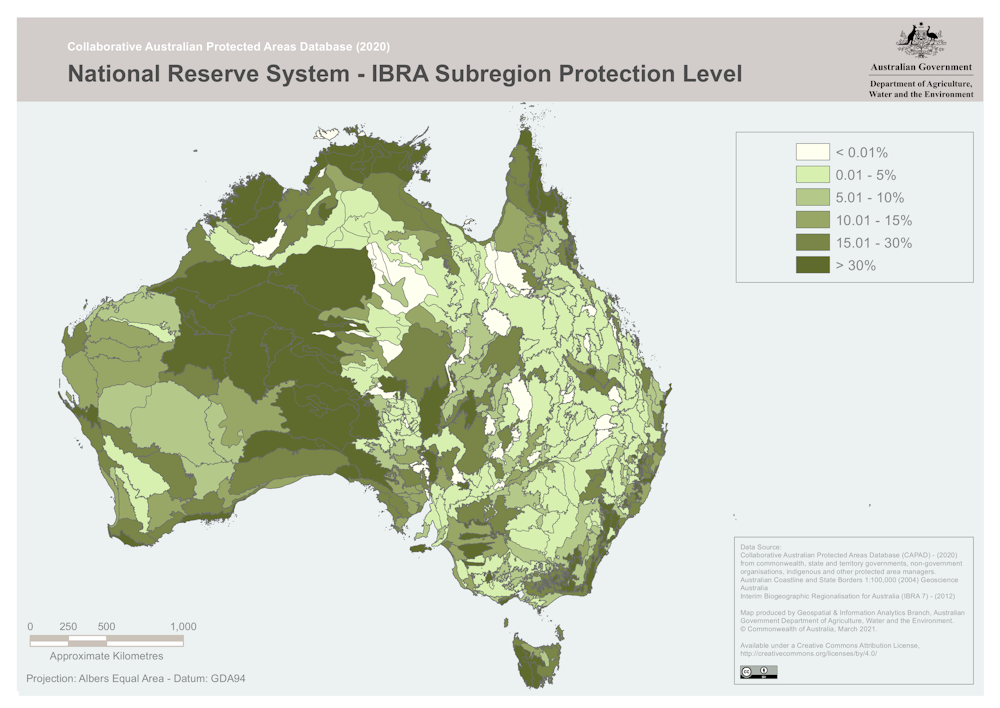


Read more:
From fertiliser to phantom: DNA cracks a century-old mystery about New Zealand’s only extinct freshwater fish


In non-protected public areas, including much of the coast, fossils can usually be collected at will if they are easy to remove. In some cases, this means they must already be lying loose on the ground. In others, limited digging with hand tools may also be allowed.
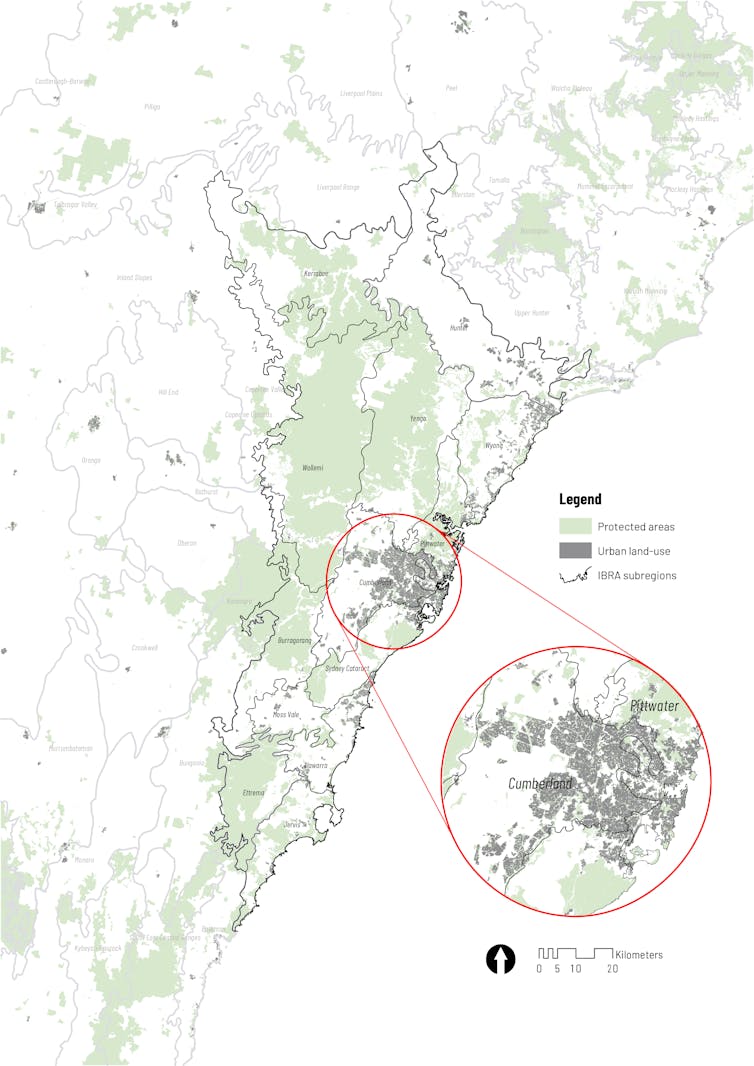
Larger or mechanical excavations often require resource consent. The exact rules depend on the local council, which means collecting should be planned on a case-by-case basis.

Irrespective of the legal status, any major collecting should be done in consultation with iwi and (where appropriate) local communities as kaitiaki (guardians) of the land. As the Karamea whale suggests, some fossils are more powerful in their original setting than in any museum.

Ethical fossil collecting: volunteers at the 16-19 million-year-old St Bathans deposits in Central Otago.
Nic Rawlence/University of Otago

Trading in fossils

While fossil trading can be a murky world, it often helps bring scientifically important discoveries to light. Paying for fossils may seem odd, but has a long precedent. Take Archaeopteryx, the “missing link” between dinosaurs and birds: many of the famous specimens now in museums were bought from private owners.

Putting a price on fossils often reflects the time, effort and experience required to collect them. It can also reflect their rarity, scientific interest, exhibition value and quality of preservation. In many ways, it is comparable to acquiring other cultural, historical and natural treasures.


Read more:
How did ancient moa survive the ice age – and what can they teach us about modern climate change?


Acquiring fossils for museums is condoned by professional associations like the Society of Vertebrate Paleontology. But trading is problematic when it relegates important specimens to private ownership and therefore inaccessible to scientists, locals and the general public.

It’s legal to collect, own and trade fossils without a permit in New Zealand, so long as they stay in the country. Fossil exports are regulated by the Protected Objects Act, which prevents scientifically important specimens from being sent abroad permanently.

As a result, the market for New Zealand fossils is relatively small and largely comprised of local collectors and museums. Eventually, many of these specimens do make their way into public ownership.

Several Archaeopteryx specimens, which helped scientists show dinosaurs evolved into birds, were sold to museums by private collectors.
Getty Images

The future of the past

Incidents like the one near Karamea raise the question of whether New Zealand is doing enough to protect its fossil heritage. Similar concerns are currently driving a public campaign to save Foulden Maar, a nationally significant fossil site in Central Otago.

Protections can apply to particular places or to particular kinds of fossils. Both have some drawbacks, however. Red tape can severely hinder research within protected sites. And sweeping protections applied to whole classes of objects can be difficult to enforce and might drive fossil traders underground.

A partnership between archaeologist Matt Schmidt, palaeontologists and local iwi was critical for the excavation of a moa fossil on Rakiura Stewart Island.

Alex Verry/University of Otago

Applied correctly, however, the current legal and ethical guidelines work well, despite recent exceptions. Given their colonial origins and public facing role, museums should also be raising awareness about ethical fossil collecting. Knowledgeable private collectors have, and always will, play an important role in New Zealand palaeontology.

Rather than pursuing law changes that create extra bureaucracy, we encourage stakeholders to join forces in protecting the interests of iwi and communities, save important fossils from being lost, and keep telling the story of ancient Aotearoa.

The Conversation

Nic Rawlence receives funding from the Royal Society Te Apārangi Marsden Fund.

ref. Bones of contention: the West Coast whale fossil and the ethics of private collecting – https://theconversation.com/bones-of-contention-the-west-coast-whale-fossil-and-the-ethics-of-private-collecting-193387

Are bananas really ‘radioactive’? An expert clears up common misunderstandings about radiation

Source: The Conversation (Au and NZ) – By Sarah Loughran, Director Radiation Research and Advice (ARPANSA), and Adjunct Associate Professor (UOW), University of Wollongong

Allexxandar/Shutterstock

The simple mention of the word “radiation” often evokes fear in people. For others, it’s fun to think a little exposure to radiation could turn you into the next superhero, just like the Hulk.

But is it true basically everything around us is radioactive, even the food we eat? You may have heard bananas are mildly radioactive, but what does that actually mean? And despite us not being superheroes, are human bodies also radioactive?

What is radiation?

Radiation is energy that travels from one point to another, either as waves or particles. We are exposed to radiation from various natural and artificial sources every day.

Cosmic radiation from the Sun and outer space, radiation from rocks and soil, as well as radioactivity in the air we breathe and in our food and water, are all sources of natural radiation.

Bananas are a common example of a natural radiation source. They contain high levels of potassium, and a small amount of this is radioactive. But there’s no need to give up your banana smoothie – the amount of radiation is extremely small, and far less than the natural “background radiation” we are exposed to every day.

Artificial sources of radiation include medical treatments and X-rays, mobile phones and power lines. There is a common misconception that artificial sources of radiation are more dangerous than naturally occurring radiation. However, this just isn’t true.

There are no physical properties that make artificial radiation different or more damaging than natural radiation. The harmful effects are related to dose, and not where the exposure comes from.

What is the difference between radiation and radioactivity?

The words “radiation” and “radioactivity” are often used interchangeably. Although the two are related, they are not quite the same thing.

Radioactivity refers to an unstable atom undergoing radioactive decay. Energy is released in the form of radiation as the atom tries to reach stability, or become non-radioactive.

The radioactivity of a material describes the rate at which it decays, and the process(es) by which it decays. So radioactivity can be thought of as the process by which elements and materials try to become stable, and radiation as the energy released as a result of this process.


Read more:
Explainer: the difference between radiation and radioactivity


Ionising and non-ionising radiation

Depending on the level of energy, radiation can be classified into two types.

Ionising radiation has enough energy to remove an electron from an atom, which can change the chemical composition of a material. Examples of ionising radiation include X-rays and radon (a radioactive gas found in rocks and soil).

Non-ionising radiation has less energy but can still excite molecules and atoms, which causes them to vibrate faster. Common sources of non-ionising radiation include mobile phones, power lines, and ultraviolet rays (UV) from the Sun.

A chart showing waves from radio towers to radioactive sources
The electromagnetic spectrum includes all types of electromagnetic radiation.
brgfx/Shutterstock


Read more:
Explainer: what is the electromagnetic spectrum?


Is all radiation dangerous? Not really

Radiation is not always dangerous – it depends on the type, the strength, and how long you are exposed to it.

As a general rule, the higher the energy level of the radiation, the more likely it is to cause harm. For example, we know that overexposure to ionising radiation – say, from naturally occurring radon gas – can damage human tissues and DNA.


Read more:
Have you tested your home for cancer-causing radon gas?


We also know that non-ionising radiation, such as the UV rays from the Sun, can be harmful if the person is exposed to sufficiently high intensity levels, causing adverse health effects such as burns, cancer, or blindness.

Importantly, because these dangers are well known and understood, they can be protected against. International and national expert bodies provide guidelines to ensure the safety and radiation protection of people and the environment.

For ionising radiation, this means keeping doses above the natural background radiation as low as reasonably achievable – for example, only using medical imaging on the part of the body required, keeping the dose low, and retaining copies of images to avoid repeat exams.

For non-ionising radiation, it means keeping exposure below safety limits. For example, telecommunications equipment uses radiofrequency non-ionising radiation and must operate within these safety limits.

Additionally, in the case of UV radiation from the Sun, we know to protect against exposure using sunscreen and clothing when levels reach 3 and above on the UV index.


Read more:
What is the UV index? An expert explains what it means and how it’s calculated


Radiation in medicine

While there are clear risks involved when it comes to radiation exposure, it’s also important to recognise the benefits. One common example of this is the use of radiation in modern medicine.

Medical imaging uses ionising radiation techniques, such as X-rays and CT scans, as well as non-ionising radiation techniques, such as ultrasound and magnetic resonance imaging (MRI).


Read more:
The science of medical imaging: magnetic resonance imaging (MRI)


These types of medical imaging techniques allow doctors to see what’s happening inside the body and often lead to earlier and less invasive diagnoses. Medical imaging can also help to rule out serious illness.

Radiation can also help treat certain conditions – it can kill cancerous tissue, shrink a tumour or even be used to reduce pain.

So are our bodies also radioactive? The answer is yes, like everything around us, we are also a little bit radioactive. But this is not something we need to be worried about.

Our bodies were built to handle small amounts of radiation – that’s why there is no danger from the amounts we are exposed to in our normal daily lives. Just don’t expect this radiation to turn you into a superhero any time soon, because that definitely is science fiction.


Read more:
There’s no evidence 5G is going to harm our health, so let’s stop worrying about it


The Conversation

Sarah Loughran receives funding from The National Health and Medical Research Council of Australia (NHMRC). She is the Director of Radiation Research and Advice at the Australian Radiation Protection and Nuclear Safety Agency (ARPANSA). She is is also currently a member of the Scientific Expert Group at the International Commission on Non-Ionizing Radiation Protection (ICNIRP).

ref. Are bananas really ‘radioactive’? An expert clears up common misunderstandings about radiation – https://theconversation.com/are-bananas-really-radioactive-an-expert-clears-up-common-misunderstandings-about-radiation-193211

Is child obesity really going to shorten lives?

Source: The Conversation (Au and NZ) – By Tim Olds, Professor of Health Sciences, University of South Australia

Shutterstock

Rising life expectancy is one of the great success stories. If you were born in 1870, you’d expect to live until you were 30. But if you were born today, you’d expect to live to 72, and the UN predicts it will continue to rise to 82 years by 2100. Australian life expectancy is currently 84.

There is the occasional blip – world wars, famines, pandemics (even COVID seems to have knocked a year or so off life expectancy globally) – but over time, it just goes marching on.

That’s why I was surprised to read a report from Health and Wellbeing Queensland, a government agency, suggesting life expectancy would fall by 0.6-4.1 years for children born in Queensland next year. According to the report, the problem is obesity.

While being overweight and obese increases your risk of serious diseases, it doesn’t mean children born in Queensland or the rest of Australia will have a shorter life expectancy.

Child obesity isn’t rising much, but we get heavier as we age

The proportion of children who are obese and overweight in Australia rose very rapidly from about 1970, but plateaued at about 25% in the mid-1990s, and has remained thereabouts pretty much ever since.

But the likelihood of becoming overweight or obese increases throughout the lifespan, or at least until deep old age. So as the current crop of kids age, they get heavier. When I was 40, 55% of my cohort were overweight or obese. By the time I was 60, it was 75%.

Life expectancy and obesity have both increased

Obesity increases the risk of the major killer diseases: heart disease, stroke, diabetes, and cancer — and many other conditions.

So, the Health and Wellbeing Queensland report argues, we can expect a tsunami of obesity-related deaths in the future, even without an increase in current levels of childhood obesity.

At first blush, this sounds plausible.

But life expectancy has been increasing in countries where obesity has been increasing for decades. The obesity-related reduction in life expectancy previously predicted hasn’t happened.



Read more:
Obesity’s paradoxical impact on trends in life expectancy


Obesity is associated with a higher risk of death but being moderately overweight isn’t

A slew of studies involving millions of people have found, rather counter-intuitively, that although slightly overweight people are more likely to get heart disease and diabetes, or suffer strokes, they live longer.

These studies find that life expectancy is greatest at a body mass index (BMI) of about 27: pretty much in the middle of the overweight range.

However, obesity (BMI of 30 or more) is consistently associated with a higher risk of premature death.

Woman on scales
Our weight tends to increase as we age.
Shutterstock

So what’s the problem with the report?

First, the report assumes “business as usual” – that is, childhood obesity levels will remain high, and the risk of disease and death associated with a given level of fatness won’t change.

But business is never as usual. Medical treatments improve, diet and activity change.

In fact, several studies have found that the level of fatness associated with the lowest risk of death has been increasing over time.

One Danish study found that in a cohort from 1977, the lowest risk of death occurred at a BMI of 24. By 1992, it was 25, and by 2008 it was 27. This probably reflects better medical treatment of people who are overweight or obese.

So by the time these children reach adulthood, even if they remain obese, their chance of dying prematurely will be less than it is today.


Read more:
Obesity has become the new normal but it’s still a health risk


Some data underpinning the modelling are questionable

There’s a second problem with this report. To estimate how much being overweight or obese increases the risk of death, the report relies on a 2009 study by an Oxford University-based group called The Prospective Studies Collaboration.

In contrast to the studies mentioned above, this study found the risk of death was lowest at a BMI of about 23-24.

However, the study relied in part on self-reported height and weight, and people tend to underestimate their BMI (we all think we’re a little taller and a little leaner than we really are).

This bias means that in these studies based on self-report, the lowest risk of death actually occurs at a higher BMI, rather than the reported 23-24.

This methodological flaw (and others) have been pointed out in relation to a different study using a similar methodology.

Another issue is that as we age, the BMI associated with the lowest risk of death increases. One British study found that under the age of 50, the “least lethal” BMI is about 23. By the age of 80, it is closer to 28.

So that as people age, higher levels of fatness carry less risk. This may be because fat provides a nutritional reserve, or cushioning from falls, or because older people get better medical care.

Woman walks on trail with poles
The studies on life expectancy aren’t what you’d expect.
Shutterstock

Separating science from activism

Finally, it troubles me that the report is openly activist in its intent.

The executive summary states that “to build social licence” for changes such as sugar taxes and advertising bans:

people need to accept the gravity of the situation and believe that maintaining healthy weight for children is not solely a parental responsibility.

This conclusion is nowhere justified by this report. The report doesn’t analyse factors driving obesity at all. It merely makes a mathematical projection of life expectancy.

Predictions about life expectancy arise from time to time, and we should always be wary about taking them at face value. As US baseballer Yogi Berra said, “It’s tough to make predictions, especially about the future.”


Read more:
Australia is dragging its feet on healthy eating. In 5 years we’ve made woeful progress


The Conversation

Tim Olds has received funding from the ARC and NHMRC, as well as SA Health.

ref. Is child obesity really going to shorten lives? – https://theconversation.com/is-child-obesity-really-going-to-shorten-lives-193718

This is what Australia needs to bring to Egypt for COP27

Source: The Conversation (Au and NZ) – By Wesley Morgan, Research Fellow, Griffith Asia Institute, Griffith University

Officials from nearly 200 nations are gathering in Sharm-El-Sheikh, Egypt, for the 27th United Nations climate change conference known as COP27. Multiple global crises threaten to overshadow the summit, but the task at COP27 over the next two weeks is more urgent than ever.

A report released today by the Climate Council shows the world is in the grip of a deepening climate crisis. Without more ambitious emission cuts this decade, we are headed for a full-blown catastrophe.

In this time of global volatility, Australia can play a key role. At COP27, Australian officials will be lobbying to co-host the UN climate talks with Pacific island countries.

But, to succeed in its bid, Australia will need to walk the talk. That means moving rapidly away from coal and gas, and helping developing nations to manage climate impacts.


Read more:
3 things a climate scientist wants world leaders to know ahead of COP27


Australia must show more ambition

After a decade of denial and delay, Australia has rejoined the global shift toward a clean energy economy. However, Australia’s new 2030 target – to cut emissions by 43% from 2005 levels – is still one of the weakest in the developed world. And dozens of major fossil fuel projects remain in the pipeline.

horizontal bar chart showing developed nations' emission reduction targets for 2030

Source: Climate Council of Australia, Author provided

More ambition is needed. At COP27, Climate Change and Energy Minister Chris Bowen has a chance to signal that Australia intends to become a renewables superpower, exporting the clean energy commodities and critical minerals other nations need to decarbonise their economies.

Australian diplomacy matters too. Australia is formally bidding to host a future round of UN climate talks, for the first time, in partnership with Pacific island nations. But a bigger role will come with bigger expectations.

To demonstrate Australia’s climate credentials, Bowen will need to explain that our 2030 target is just a starting point. Pacific island nations will want to see Australia end public finance for fossil fuels and join the growing list of countries that have set a clear deadline for exiting coal.

Australia will also be expected to commit more climate finance for developing countries and support a new global fund to address permanent loss and damage from climate change.


Read more:
Famine should not exist in 2022, yet Somalia faces its worst yet. Wealthy countries, pay your dues


With a responsible international climate agenda, Australia could play a crucial role reinforcing global co-operation and brokering the next phase of climate action.

We need delegates and world leaders to stay focused at COP27. Distraction will be deadly.

A world of climate suffering

Extreme weather records were broken on every continent this year. From Lismore to Lahore, records tumbled so fast it was hard to keep up.

Australia recorded its equal-hottest day on record and its costliest flood disaster.


Read more:
Some councils still rely on outdated paper maps as supercharged storms make a mockery of flood planning


China endured its most intense heatwave. In Pakistan, extreme floods affected more than 30 million people and killed thousands.

Europe’s hottest summer on record smashed the record from just last year. The continent also suffered one of its worst ever droughts. UK temperatures topped 40℃ for the first time.

The western United States also recorded its worst heatwave.

In South Africa, record rainfall led to hundreds of deaths. Drought in East Africa has left millions at risk of starvation.

These climate impacts, sadly, are just the beginning. They are occurring in a world that has warmed 1.2℃ since the Industrial Revolution, but it’s going to get worse. Even if all countries meet their targets for emission reductions by 2030, the world is headed for 2.4-2.6℃ of warming this century.

Deeper cuts to emissions this decade can avoid worst-case scenarios. But we must act now. Global emissions must fall by 45% by 2030 to have any chance of achieving the Paris Agreement goal of limiting warming to 1.5℃.

Geopolitics is driving clean energy race

Even while climate records tumble, world leaders are focused on strategic rivalry between nations. It’s not all bad news, however. While competition may undermine joint action, it is also speeding up the shift to clean energy.

The United States and China are competing to lead this transition.

China is the world’s largest emitter and relies heavily on coal-fired power, but it’s also the global leader in clean energy production and deployment.

Last year China built nearly half the world’s new renewable energy infrastructure. China also dominates global production of solar photovoltaics, batteries, wind turbines and electric vehicles.

In September, the US Congress passed legislation authorising the largest climate spend in US history. The intention is to establish a clean energy manufacturing base in the US, and to displace China as a key supplier of components for solar, wind, batteries and electric vehicles.


Read more:
Heat pumps can cut your energy costs by up to 90%. It’s not magic, just a smart use of the laws of physics


In Europe, Russia’s invasion of Ukraine has sped up the move away from fossil fuels, as it’s now also an issue of security. In May, the European Union set out a plan to cut Russian gas imports by two-thirds this year and end them altogether before the decade is out.

The strategy will cut Europe’s overall gas use — not just Russian gas — by a third by 2030. It also sets more ambitious 2030 targets for renewable energy and energy savings, and requires rooftop solar installations on new buildings.

As a result, the EU is expected to exceed its 2030 emissions target. European policymakers have agreed to formally strengthen the target next year.

Competition among major powers is clearly accelerating, not slowing, the shift to clean energy. A majority of countries — representing more than 90% of the world economy — have committed to achieving net-zero emissions. Most of the developed world has pledged to at least halve emissions this decade.

Australia is well placed to benefit from the global clean energy transition. At COP27 we must signal our shift from fossil fuel heavyweight to renewables superpower.

The Conversation

Wesley Morgan is a Senior Researcher with the Climate Council

ref. This is what Australia needs to bring to Egypt for COP27 – https://theconversation.com/this-is-what-australia-needs-to-bring-to-egypt-for-cop27-193531

A platypus can glow green and hunt prey with electricity – but it can’t climb dams to find a mate

Source: The Conversation (Au and NZ) – By Luis Mijangos, Researcher, Centre for Conservation Ecology and Genomics, Institute for Applied Ecology, University of Canberra

Shutterstock

The platypus is one of Earth’s most unique creatures. It sports a duck-like bill and flippers. It locates prey in murky water by emitting an electric charge. Males have venomous spurs on their legs, and the females lay eggs. And a platypus’ fur glows blue-green under UV light!

Sadly, however, this fascinating and irreplaceable animal is at risk of extinction. Among the human-caused threats are habitat loss, climate change, pollution and becoming prey for invasive species such as foxes and dogs. To that list, we can now add another threat: dams.

New research by myself and colleagues, published today, found large river dams restrict platypus movements and separate communities.

This increases the risk of inbreeding and restricts the exchange of genes essential to maintaining healthy platypus populations.

platypus swims through brown water
Research shows dams restrict platypus movements and separate communities.
Shutterstock

A spotlight on platypus genetics

Dams pose a major threat to global freshwater biodiversity. In Australia, as many as 77% (383 out of 495) of major dams – those with walls higher than 10 metres – are in regions where platypuses are found.

Platypuses spend most of their time in the water. They can also move over land, however until now it was not certain if dams restrict platypus’ movement.

My colleagues and I set out to answer this question. We did this by examining the genetic makeup of platypuses in nine rivers in New South Wales and Victoria: five dammed and four free-flowing. They spanned the Upper Murray, Snowy Mountains, Central NSW and Border Rivers regions.

We captured platypuses across 81 sites. We weighed, measured, sexed and aged them, collected a blood sample then returned the animal to the water. DNA was later extracted from the blood.

So what did we find? Genetic differentiation between platypuses below and above dams was four to 20 times higher than along similar stretches of adjacent undammed rivers. This suggest hardly any platypuses have passed around the dams since they were built.

In fact, one platypus below the dam, and one platypus above the dam, were as genetically different as two platypuses living in different rivers.

Genetic differentiation is not necessarily good or bad. It just describes how genetically different two populations are. But the results mean we’re now far more confident that dams pose insurmountable barriers to platypuses.

Importantly, the genetic differentiation increased the longer the dam had been in place. This reflects the long-term impacts on platypus genetics.


Read more:
Australia’s next government must tackle our collapsing ecosystems and extinction crisis


a dam wall
The results mean we’re now far more confident that dams pose insurmountable barriers to platypuses.
Shutterstock

What does all this mean?

There a several downsides for a species when populations are unable to connect.

First, it restricts the ability for animals to move to new habitat if needed, and find individuals to reproduce with.

Second, it reduces population size and gene flow. This is likely to lead to increased inbreeding and a reduction in the genetic variation necessary for the species to adapt to threats.

Third, it can lead to “inbreeding depression” – the reduced survival and fertility of offspring of related individuals.

The platypus is currently listed as near threatened by the International Union for Conservation of Nature. It’s also listed as endangered in South Australia and vulnerable in Victoria.

Continued declines are predicted under climate change as a result of drought and hotter conditions, which could mean more than 30% of suitable platypus habitat is lost by 2070.


Read more:
How to ensure the world’s largest pumped-hydro dam isn’t a disaster for Queensland’s environment


platypus swims through tropical river
Climate change could mean more than 30% of platypus habitat is lost by 2070.
Shutterstock

So how can we protect the platypus? There are many steps we could take, such as:

  • rehabilitating riverbanks by replanting trees and restricting livestock access

  • improving water quality and natural flow regimes in rivers

  • limiting dams, roads, weirs and other structures

  • building bypasses so platypuses can move across barriers

  • protecting platypuses from invasive predators when they move over land

  • reducing river pollution

  • establishing insurance populations to ensure genetic diversity

  • relocating individuals

  • more research to understand breeding requirements.

platypus clambers over rocks
Limiting dams and other barriers would help protect platypuses.
Shutterstock

Platypus, be dammed

Our results reinforce growing evidence that major dams contribute to a decline in platypus populations.

The problem extends beyond that identified in our study. Below major dams, altered natural flow regimes in rivers have been found to significantly impact the abundance of platypuses. And research has found conditions below and above major dams are poor for platypuses to forage and live.

We hope our research will inform conservation decision-making, and will help ensure the long-term survival of this Australian icon.


Read more:
Money for dams dries up as good water management finally makes it into a federal budget


The Conversation

Luis Mijangos receives funding from UNSW Canberra, Australian Research Council, Taronga Conservation Society, and the Australian Government’s Environmental Water Holder.

ref. A platypus can glow green and hunt prey with electricity – but it can’t climb dams to find a mate – https://theconversation.com/a-platypus-can-glow-green-and-hunt-prey-with-electricity-but-it-cant-climb-dams-to-find-a-mate-193707

Australia’s borders are open, so where are all the backpackers?

Source: The Conversation (Au and NZ) – By Kaya Barry, Senior Lecturer & ARC DECRA Research Fellow, Griffith University

Shutterstock

Backpackers on working holiday maker visas have been a crucial source of farm labour for decades, alongside smaller numbers of temporary migrants from the Pacific Islands, international students, and Australians.

In the 2018-19 financial year more than 200,000 people came to Australia on working holiday maker visas. On average about 35,000 a month – and more than 40,000 in December – worked on farms, picking vegetables, fruit or nuts.

Numbers declined with borders closed to visa holders from March 2020 to February 2022. But since borders reopened they have not recovered as hoped.

By the end of June almost 100,000 Working Holiday Maker visas had been granted. But by the end of August just 54,000 visa holders had arrived. With labour shortages creating more job opportunities in cities and towns, fewer are taking up farm work.


In regional communities facing extensive labour shortages there is growing uncertainty as to when – or indeed whether – enough backpackers will return to Australia to pick, pack, and process fruit and veggies.

So why aren’t backpackers coming?

In recent months I’ve interviewed 35 people – farmers, hostel operators, government representatives and community leaders – about the reasons migrant workers aren’t flocking back to Australia. This is an extension of my research into the pandemic impacts on seasonal farm workers.

Their responses suggest three main reasons for why backpackers have cooled on Australia as a top destination for a working holiday: fear of future border closures; the federal government’s poor treatment of migrants during the pandemic; and Australia’s reputation more generally for exploiting backpackers.

One hostel operator said they were fielding calls and emails mid-year from backpackers overseas hesitant to come to Australia: “They want to come and do the working holiday, but Australia’s known as the lockdown country now.”

Four other the hostel operators said they had heard similar concerns from young people in recent months, asking questions such as “What if we get stuck?” and “Who will help us book a flight back home?”.

When the federal government shut the border in 2020, its message to temporary visa holders was to “go home”.

Despite this, more than 50,000 backpackers, did stay for the first year of the pandemic, and 20,000 beyond that – providing an essential agricultural workforce. But they were excluded from most support payments and left to to fend for themselves.

Backpackers I interviewed last year said this had damaged Australia’s reputation.

On top of this are stories of exploitation, racism and mistreatment. A 2019 study by Unions NSW and the Migrant Workers Centre concluded 78% of horticulture workers were underpaid.

Increasing incentives

To entice tourists to the fields, the federal government has introduced incentives including a refund of the $495 Working Holiday Maker visa fee and relocation assistance – up to $2,000 for visa holders, and $6,000 for Australian workers – to take up seasonal work.

Piece rates, a contentious industry practice leading to many stories of wage exploitation, were finally replaced in April, when the Fair Work Commission ruled that farm workers should be guaranteed minimum hourly rate of $25.41.

Labour shortages have seen many farmers sign up to the Pacific Australia Labour Mobility scheme, a temporary migrant program open to workers from nine Pacific Island nations and Timor Leste.


Read more:
New Pacific Australia Labour Mobility scheme offers more flexibility … for employers


But these measures haven’t solved the shortfall. According to the National Farmers Federation, there are still about 172,000 vacant agricultural jobs.


Made with Flourish

What more can be done?

Backpackers bring great benefits to regional communities. Fruit and vegetable farmers need seasonal workers. Many backpackers are happy to use farm work to travel the country. According to a representative from Harvest Trail, the government farm labour information service, they are an “essential pool of workers because they’re so mobile.”

The working holiday maker visa is now available to 47 nations. India, Mongolia and Brazil were added this year.


Read more:
Australia is bringing migrant workers back – but exploitation is still rampant. Here are 3 changes needed now


Longer visa options would encourage more backpackers to stay. The visa, which requires a yearly renewal application, is capped at three years. Many backpackers I’ve interviewed said they “feel part of the community” and would happily remain in their farming jobs if allowed.

The Albanese government has promised to develop permanent resident pathways for some Pacific Island workers. It is worth exploring the feasibility of pathways to permanent residency for farm workers on working holiday maker visas.

The Conversation

Dr Kaya Barry works for Griffith University. She is the recipient of an Australian Research Council Discovery Early Career Award (project number DE220100394) funded by the Australian Government.

ref. Australia’s borders are open, so where are all the backpackers? – https://theconversation.com/australias-borders-are-open-so-where-are-all-the-backpackers-192614

Black Panther and Brown Power – how Wakanda Forever celebrates pre-Columbian culture

Source: The Conversation (Au and NZ) – By César Albarrán Torres, Senior Lecturer, Department of Media and Communication, Swinburne University of Technology

Marvel Studios

Wakanda is back in cinemas, promising to deliver high-voltage action and trigger new discussions about how Hollywood represents other races and cultures. On November 10 Marvel’s Black Panther will receive its long-awaited sequel, Wakanda Forever.

The first film was considered a landmark in how Black culture is represented in mainstream movies, breaking box office records and earning a Best Picture Oscar nomination. Now there are hopes that Wakanda Forever will have a similar impact in its depiction of pre-Columbian culture.

Directed by Ryan Coogler, the first Black Panther became an exemplar of ethnic diversity in mainstream cinema, as well as a watershed moment for how film interacts with everyday racial politics.

NBA icon and cultural commentator Kareem Abdul-Jabbar described Black Panther as a “cultural spearhead disguised as a thrilling action adventure”.

if you’re white, you’ll leave with an anti-‘shithole’ appreciation for Africa and African-American cultural origins. If you’re black, you’ll leave with a straighter walk, a gratitude for your African heritage and a superhero whom black children can relate to.

At last, global Black culture was imagined by Hollywood as empowered and proud, and immune to the lasting effects of colonialism and forced migration.

Reimagining pre-Columbian culture

After Black Panther’s original star Chadwick Boseman tragically died in 2020, Marvel Studios had to reframe the future of the franchise, with Coogler deciding not to recast the lead role of T’Challa.

The story of Wakanda Forever centres around the political turmoil within the Afrofuturistic nation of Wakanda after the death of its king. Different factions must band together to repel the advances of a new enemy, the hidden undersea civilisation of Talokan, lead by Namor (played by Mexican actor Tenoch Huerta).

In ancient Aztec culture, Talokan was the home of Tlaloc and his consort Chalchiuhtlicue, deities associated with rain and fertility. Marvel Studios has borrowed from pre-Columbian mythology to create a visually lush underwater civilisation based, in turn, on the character of Namor created by Bill Everett for 1939’s Marvel Comics #1.

The combination of an Aztec worldview and an old Marvel antihero could prompt concerns regarding cultural appropriation. However, given how Ryan Coogler and Marvel celebrated Afro culture in Black Panther, there is an expectation that this new Marvel movie will subvert stereotypes and expand wider understanding of the often misunderstood ancient cultures of what is now the Americas (known as the Kuna term Abya Yala by Indigenous activists and organisations).


Read more:
How afrofuturism gives Black people the confidence to survive doubt and anti-Blackness


How Black Panther unleashed a wave of non-white heroes

Coogler’s first film proved that inclusivity can also be profitable in Hollywood. Since Black Panther, a wave of blockbusters have been released featuring non-white heroes and challenge Western-centric conventions of action-adventure cinema.

In the past year alone, films such as Shang-Chi (based on Chinese mythology), Black Adam (set in a fictional Middle Eastern country), and The Woman King (about a group of 19th century African female warriors) have provided a corrective to the historical disservice that Hollywood has done to so-called minorities.

Examples of mainstream cinema depicting pre-Columbian civilisations have been rare, and tend to cater to the tourist gaze by oversimplifying the history and richness of the Mesoamerican region. Films such as Mel Gibson’s Apocalypto, Steven Spielberg’s Indiana Jones and the Kingdom of the Crystal Skull, or the more recent live-action version of Dora the Explorer reduce complex civilisations later vanquished by European colonial forces to a handful of cliches.

These depictions misconstrue the history of civilisations that were highly advanced in science and technology compared to their European counterparts. They also have a negative impact on how millions of Latin Americans and Latinx individuals are represented onscreen and perceived in everyday life.

Black Panther (2018) was considered a landmark in how Black culture is represented in mainstream movies.
Marvel Studios

Namor reframed as an Aztec-inspired antihero

First appearing in comic books in 1939, Namor has traditionally been depicted as the sometimes-villainous king of Atlantis. Wakanda Forever repositions Namor’s underwater home to the Pacific Ocean and draws on Aztec and other pre-Columbian culture to realise this new Marvel hero.

The new Namor wears an Aztec-inspired headdress and armour, as well as facial piercings, and his underwater kingdom features buildings resembling Mesoamerican pyramids.

Namor in his underwater realm in Wakanda Forever.
Marvel Studios

Mexican actor Tenoch Huerta, who stars as Namor, is one of the main voices of a social media campaign, #PoderPrieto (“Brown Power”), which fights against the white washing of the Mexican screen industry.

Contrary to fellow male Mexican actors who have been given diverse opportunities, up until now, the darker skinned Huerta has been typecast as a criminal and faced discrimination in the Mexican screen industry. Mexican film and television generally favours European-looking talent and systematically under-represents Indigenous Mexicans.


Read more:
From Bruce Lee to Shang-Chi: a short history of the kung fu film in cinema


The release of Wakanda Forever coincides with renewed efforts by the incumbent Mexican government and activists to revisit the Indigenous and colonial histories of the country, and address systematic racism on and off-screen. For example, the federal government has demanded Spain and the Vatican apologise to Indigenous Mexicans over human rights abuses during the conquest over 500 years ago.

Huerta has spoken about the importance of inclusivity and representation of non-white characters in superhero movies. When Huerta was first unveiled to be playing the iconic character at San Diego Comic-Con he explained to the thousands of fans in attendance “I wouldn’t be here without inclusion”, and then switching to Spanish said “Thank you to all the Latin Americans – you guys crossed the river, and you all left everything you love behind. Thanks to that, I’m here.”

The first Black Panther film was a milestone in Black representation on-screen, now it is hoped Wakanda Forever will be both a mirror and a spotlight for millions of Latin Americans, as well as for the vast Latinx diaspora around the world.

The Conversation

The authors do not work for, consult, own shares in or receive funding from any company or organisation that would benefit from this article, and have disclosed no relevant affiliations beyond their academic appointment.

ref. Black Panther and Brown Power – how Wakanda Forever celebrates pre-Columbian culture – https://theconversation.com/black-panther-and-brown-power-how-wakanda-forever-celebrates-pre-columbian-culture-193443

Grattan on Friday: Anthony Albanese won’t be at COP27 but energy will be on his mind

Source: The Conversation (Au and NZ) – By Michelle Grattan, Professorial Fellow, University of Canberra

Anthony Albanese leaves late next week for another round of international diplomacy, starting with the East Asia Summit in Cambodia, followed by the G20 in Indonesia, and APEC in Thailand.

But the PM will be notably missing from the COP27 leaders summit in Egypt early next week. The minister for climate change and energy, Chris Bowen, will represent Australia later in the conference.

On the back foot a year ago, Scott Morrison had to scramble politically to twist the Nationals’ arms to support the 2050 net zero emissions target ahead of COP26, before turning up (reluctantly) at the Glasgow meeting.

It did him no good. Australia was seen as a laggard on climate policy, not least because Morrison would not improve the Coalition’s medium-term target.

Whenever he is on the international stage, Albanese draws attention to the big change his government has made in Australia’s climate policy. He reckons he has enough credit in this particular bank to skip COP in favour of more urgent claims on his presence – being seen in parliament. Unlike British PM Rishi Sunak, who has been forced by political pressure to reverse his decision to stay at home.

“I can’t be in all places at once,” Albanese said, justifying his absence; he observed that this COP is about implementation, not new commitments. “I have a very busy schedule of parliament, then the international conferences, then back to parliament again. Making sure that our agenda gets through and that includes our agenda on clean energy and taking action on climate change.”

Indeed. And that energy and climate agenda is looking tougher to implement than it seemed before the election.

Anyway, from Albanese’s point of view, missing COP27 has its advantages. Australia’s policy switch will be welcomed, but more generally this will be a difficult meeting. While it is about “implementation”, that’s actually where the rubber hits the road in combating climate change.

The international energy crisis is causing backsliding, with some European countries forced to rely on fossil fuel to a greater extent than they’d planned.

Also, the conference will see pressure on developed countries for a fund to compensate poorer countries that suffer devastating weather events (such as the floods in Pakistan). Australia’s preference is to confine its assistance to its immediate region, rather than commit more widely.


Read more:
Politics with Michelle Grattan: Energy expert Bruce Mountain on what to do about the gas crisis


The Australian government will also have to admit that its ambition to host (with Pacific countries) the 2024 COP (which would be before the next election) was overreach. It is now expected to bid for the 2026 conference.

At home, while the government has put its 43% medium-term emissions reduction target into law, it still has to legislate, and regulate, for changes to the Safeguard Mechanism. These will strengthen the obligations on the big polluters.

The legislation will be introduced in the (very crowded) remaining parliamentary weeks of the year. The proposed changes are already running into resistance from some big emitters.

Most immediately, with the public reeling from the budget’s forecast of massive price increases for electricity and gas, the government knows it needs to come up with a gas policy quickly.

The energy crisis, substantially driven by overseas events, has already blown away any chance of Albanese meeting his election promise of a $275 reduction in household power bills by 2025. Ministers dodge questions about the promise, the fate of which is a warning against over-precise commitments.

But being unable to deliver a price cut is now not the issue – it’s how to head off extraordinary price hikes, by taking action on gas.

Appearing on the ABC on Thursday night, Treasurer Jim Chalmers said there were three paths the government could go down: act on tax, provide subsidies to people or companies, or regulate to bring down prices.

“Our preference is to do something with regulation,” he said, and that was the focus of the work being down. “But we don’t want to rule out subsidies or tax.” His aim is an announcement before Christmas.

Meanwhile Treasury is looking at whether changes should be made to the Petroleum Resource Rent Tax. Despite his strongly stated preference for regulatory action, Chalmers said “I do understand […] there is an appetite for us to get a better return on our resources”: he would consider whatever Treasury said on the PRRT and “try and involve the Australian public in that conversation”.

Labor before the election put itself in a tight corset on taxation generally. But the government would face minimal voter backlash if it decided to impose a super profits tax, although it would involve breaking a promise.

A survey for the Australia Institute’s Climate of the Nation report, launched on Thursday, found 61% support for a windfall profits tax on the oil and gas industry.

Such a tax would, however, obviously bring a sharp reaction from the industry and nervousness about international contracts.

The current policy debate also goes to gas’s longer-term role. The government recognises it as an essential transition fuel, which means fending off critics of new projects.

Looming state elections in Victoria and NSW are playing into the pressures on the Albanese government.


Read more:
Grattan on Friday: Cost of living goes from a winner for Albanese in May to a weapon for Dutton in October


NSW Liberal Treasurer Matt Kean, who had wanted cost-of-living relief in the budget, later said Bowen needed to “come up with a solution to support homes and business”.

Victoria’s Premier Dan Andrews urged a “domestic reserve” (as exists in Western Australia) “so that our gas is for our businesses and our households first and then the bit that we don’t need, these private companies can sell that to the world”. Some in federal Labor thought Andrews had a hide, given Victoria’s ban on onshore unconventional gas mining.

At the federal level, Industry Minister Ed Husic has again lashed out at the gas companies, declaring “this is not a shortage of supply problem; this is a glut of greed problem”. The Australian Petroleum Production & Exploration Association (APPEA), accused him of demonising the industry.

As the energy issue escalated, the government might not have been surprised at opinion polls showing the budget’s poor reception. In Newspoll, 47% thought the budget bad for them, and 29% said it was bad for the economy. But people didn’t think the Coalition would have done any better.

The ANU’s “Economic and other wellbeing in Australia” October survey, out this week, highlighted the impact of general cost-of-living pressures. The survey of nearly 3,500 (completed before the budget) found a steep increase during the year in the proportion of people “who think rising prices are a very big problem.

“In January 2022, over one in three (37.4 per cent) Australians thought that price rises were a very big problem. This increased to 54.6 per cent per cent in August 2022 and then again to 56.9 per cent in October 2022.”

The survey found: “One of the key determinants of life satisfaction in October 2022 is people’s experiences of price increases. Life satisfaction in October 2022 was 10 per cent lower for those who thought that rising prices were a very big problem compared to those who did not.”


Read more:
Politics with Michelle Grattan: Jim Chalmers, Angus Taylor and Danielle Wood on the budget


Exactly a week after the budget, its inflation forecast was blown up.

On Tuesday the Reserve Bank, increasing the cash rate by 25 basis points, indicated inflation is now expected to peak at 8%, rather than the budget’s 7.75% forecast.

As happened last year, Australians are facing another summer of discontent, this time with escalating living costs replacing Omicron at the top of their worry lists.

The Conversation

Michelle Grattan does not work for, consult, own shares in or receive funding from any company or organisation that would benefit from this article, and has disclosed no relevant affiliations beyond their academic appointment.

ref. Grattan on Friday: Anthony Albanese won’t be at COP27 but energy will be on his mind – https://theconversation.com/grattan-on-friday-anthony-albanese-wont-be-at-cop27-but-energy-will-be-on-his-mind-193850

Jason Clare has a draft plan to fix the teacher shortage. What needs to stay and what should change?

Source: The Conversation (Au and NZ) – By Fiona Longmuir, Lecturer – Educational Leadership, Monash University

Education Minister Jason Clare has released a draft plan to address what he calls an “unprecedented” teacher shortage in Australia.

As he said on Thursday, “there is a shortage of them right across the country”. For example, federal education department modelling shows there will be a high school teacher shortfall of about 4,000 by 2025.

The plan has been brewing since a meeting between Clare and his state and territory counterparts in August.

Since then, education department heads, schools, university and union leaders have been working on ways to address the teacher shortage. Clare now wants to know what should stay and what needs to change, before education ministers sign off on the plan in December.

First, what’s the problem?

We are education researchers who study teachers’ perceptions of their work in Australia. Earlier this year, we conducted a national survey of 5,000 teachers. We recorded more than 38,000 comments, including proposed solutions and ideas for change.

This research showed the teacher shortage is the result of complex problems that have been building for years.

If we are going to fix it, we need to address issues including excessive workloads, the increasing complexity of the role, growing expectations and administrative responsibilities, and a lack of respect for the profession.

What’s in the plan?

The plan includes a headline figure of A$328 million, some of which was announced in the budget last week.

It looks at six themes: improving teaching’s reputation, encouraging more people to do teaching degrees, improving how we prepare new teachers for the job, reducing workloads and better data. It includes 28 “actions”, such as:

  • $10 million to raise the status of teachers
  • new teacher of the year awards
  • recognising skills in other areas (like maths) that can be “transferable” to teaching
  • improving access to First Nations cultural competency resources

The draft plan also includes:

  • $25 million for a “workload reduction” pilot
  • improving data about current teacher supply, teaching graduate numbers and why teachers leave
  • improving mentoring and support for teachers starting out in their careers.

What does it get right?

The draft has many promising elements, which suggests there is a commitment to real action on key issues. This is particularly the case when it comes respect for teachers and their workloads.

1. Elevating the profession

The draft says we need to “recognise the value teachers bring to students, communities and the economy”. It is encouraging to see this is the top of the list of action items. Importantly, it also states:

ministers, education stakeholders, and the media will take every opportunity to actively promote the valued work of teachers and the merits of the profession, effective immediately.

Our research found 70% of surveyed teachers feel the profession is disrespected by the public. We also found 90% felt politicians don’t respect teachers and 80% felt the media do not respect teachers. As one teacher told us:

I plan to leave […]it is wearying constantly having to defend my profession against attacks in the media.

Raising the status of the profession and valuing teachers as a highly skilled, expert workforce (that is a critical part of society) is of utmost importance.


Read more:
‘They phone you up during lunch and yell at you’ – why teachers say dealing with parents is the worst part of their job


2. Workloads

In another section called, “maximising the time to teach”, there is a much-needed focus on workload issues. In our study, only 14% of teachers agreed their workloads were manageable. Workload issues were also the most frequent reason given for wanting to leave the profession, as illustrated by this teacher:

I’ve hit burnout twice already. I don’t expect I can keep up the level of energy or give so much of my time for much longer.

Workload is a crucial issue that requires an immediate response, as this draft has recognised. Ongoing consultation with teachers is crucial. Ministers and policymakers should keep asking teachers what support they need to make their workloads manageable – and listening to the responses.

What needs to change?

In releasing the draft, Clare has called for feedback from teachers and the broader community, and he wants to know what is missing. In our view, the final plan needs to have a bigger focus on two things:

1. Retaining teachers

Although the report includes sections to support current teachers, a significant proportion is spent on attracting new teacher and strengthening teaching degrees.

There is no question we need to attract and train great teachers. But if we want to have any short-to-medium-term impact on the issue, the top priority should be keeping the teachers we have now.

The current workforce shortage crisis is a result of teachers leaving the profession. Our research suggests attrition will continue, with only 28% of teachers indicating they plan to stay in the job until retirement, and almost 50% planning to leave within the next ten years.

There is also a lot of attention on teachers leaving the profession within their first five years. But we found those who had been in the profession for six-to-ten years were the most likely to be planning to leave. This suggests the more significant issues are those experienced on the job rather than while studying.

2. More trust

The other big element missing from this draft is trust. Australia has a history of blaming teacher quality for problems in education.

Policy responses have suggested teachers can’t be trusted to do their jobs well. We require teachers to constantly account for their professional decisions through excessive data collection and narrow performance-based markers (such as the NAPLAN tests).

Our research showed the lack of trust erodes Australian teachers’ commitment to, and passion for their work. As one teacher told us:

It’s not the profession I want to remain in. I became a teacher to educate and inspire students, not to push agendas and collect data.

When it comes to keeping teachers in the classroom where they are needed, we need to trust they are well-trained and committed to delivering the best for all their students.

If not, teachers will not feel respected, will be burdened by unrealistic workloads and they will not stay.


Read more:
No wonder no one wants to be a teacher: world-first study looks at 65,000 news articles about Australian teachers


The Conversation

The authors do not work for, consult, own shares in or receive funding from any company or organisation that would benefit from this article, and have disclosed no relevant affiliations beyond their academic appointment.

ref. Jason Clare has a draft plan to fix the teacher shortage. What needs to stay and what should change? – https://theconversation.com/jason-clare-has-a-draft-plan-to-fix-the-teacher-shortage-what-needs-to-stay-and-what-should-change-193834

The Robodebt scheme failed tests of lawfulness, impartiality, integrity and trust

Source: The Conversation (Au and NZ) – By Adam Graycar, Professor of Public Policy, University of Adelaide

The Robodebt royal commission is currently hearing evidence of tremendous hardship inflicted on people by a government that appeared to have little concern for the people its actions affected.

The bureaucratic process was malign, and it harmed and stigmatised welfare recipients.

Despite questions about the scheme’s legality, the program recovered about $750 million from around 380,000 people by a process called income averaging. This involved sending debt notices that came as a surprise to the recipients who had virtually no options to challenge these notices.

The whole process was outrageous. It led to severe trauma among many of the poorest people in the country, mental health episodes and some reported suicides.

When the matter finally came to court as a result of a class action involving about 400,000 people, the government made a $1.2 billion dollar settlement in 2020, but did not admit liability. It was absurd politics and absurd financial management.

What was the main driver? Was it recovery of money, or something else? The royal commission will answer these questions.

Irrespective of the final outcome, Robodebt lacked integrity and projected the government’s deficit of trust towards its most vulnerable citizens.


Read more:
Robodebt was a fiasco with a cost we have yet to fully appreciate


This wasn’t an example of artificial intelligence gone mad. Automation in public administration is inevitable and can bring great benefits. AI expert professor Anton van den Hengel, wrote in an email to the authors of this article:

Automation of some administrative social security functions is a very good idea, and inevitable. The problem with Robodebt was the policy, not the technology. The technology did what it was asked very effectively. The problem is that it was asked to do something daft.

Centrelink took income data from the Australian Taxation Office (ATO) and matched it with social welfare recipients’ income as self-reported to Centrelink. These income data were averaged, and though income fluctuated making recipients eligible for welfare payments, many were issued with debt notices.

The onus of proof was firmly placed on welfare recipients to prove their innocence.

A policy lacking integrity

There’s evidence many public servants were uneasy with the process. Evidence is also coming out that government lawyers cautioned about its legality.

The ATO also advised the Department of Social Services the scheme was “unlawful”.

Evidence is being heard now by the royal commission regarding the scheme’s lawfulness. This isn’t new, as law professor Terry Carney wrote in 2018

there can only be a debt if another provision [of the Social Security Act] creates it. There is no relevant provision ‘automatically’ creating a debt just because data-matching shows a discrepancy…

Carney also pointed to the flawed arguments in the government’s legal defence of debt averaging practices and the effective reversal of the onus of proof onto welfare recipients.


Read more:
The true cost of the government’s changes to JobSeeker is incalculable. It’s as if it didn’t learn from Robodebt


Impartiality is a central feature of government, but Robodebt had a disproportionate impact on welfare recipients. The complexity of the welfare system, and the lack of access – particularly in remote areas – ensured many were effectively unable to challenge debt notifications they received from Services Australia. People with the technical means to engage with a large bureaucracy were often able to challenge the notices, but those who weren’t were left out in the cold.

Integrity and trust in government is fundamental to a civil society and one in which legitimacy is accorded to actions of government, even though they may be unpopular or harmful to some people.

In this case, the fundamental principles of governance – a shared view between citizens and the state – fell short of normal expectations. The policy undermined the trust between government and the people, which resulted from an inability to establish a system to correctly identify and review debts owed to the government.

Governments are often concerned about the diminishing trust citizens have in them. Yet Robodebt sent a clear message to Australians that their government did not trust them.

Overall the scheme lacked integrity. It was a malign policy – and without even going into issues of whether it was designed to be malign or whether it became malign over time – and it set a very poor example for the conduct of government.

The lessons for the future are that lawfulness, impartiality, integrity and trust should underpin all government actions. These are so obvious that it seems superfluous to state them the way we have. But hopefully this will be one enduring lesson from Robodebt.

The Conversation

The authors do not work for, consult, own shares in or receive funding from any company or organization that would benefit from this article, and have disclosed no relevant affiliations beyond their academic appointment.

ref. The Robodebt scheme failed tests of lawfulness, impartiality, integrity and trust – https://theconversation.com/the-robodebt-scheme-failed-tests-of-lawfulness-impartiality-integrity-and-trust-193832

What is shadowbanning? How do I know if it has happened to me, and what can I do about it?

Source: The Conversation (Au and NZ) – By Marten Risius, Senior Lecturer in Business Information Systems, The University of Queensland

Shutterstock

Tech platforms use recommender algorithms to control society’s key resource: attention. With these algorithms they can quietly demote or hide certain content instead of just blocking or deleting it. This opaque practice is called “shadowbanning”.

While platforms will often deny they engage in shadowbanning, there’s plenty of evidence it’s well and truly present. And it’s a problematic form of content moderation that desperately needs oversight.

What is shadowbanning?

Simply put, shadowbanning is when a platform reduces the visibility of content without alerting the user.
The content may still be potentially accessed, but with conditions on how it circulates.

It may no longer appear as a recommendation, in a search result, in a news feed, or in other users’ content queues. One example would be burying a comment underneath many others.

The term “shadowbanning” first appeared in 2001, when it referred to making posts invisible to everyone except the poster in an online forum. Today’s version of it (where content is demoted through algorithms) is much more nuanced.

Shadowbans are distinct from other moderation approaches in a number of ways. They are:

  • usually algorithmically enforced
  • informal, in that they are not explicitly communicated
  • ambiguous, since they don’t decisively punish users who violate platform policies.

Which platforms shadowban content?

Platforms such as Instagram, Facebook and Twitter generally deny performing shadowbans, but typically do so by referring to the original 2001 understanding of it.

When shadowbanning has been reported, platforms have explained this away by citing technical glitches, users’ failure to create engaging content, or as a matter of chance through black-box algorithms.

That said, most platforms will admit to visibility reduction or “demotion” of content. And that’s still shadowbanning as the term is now used.

In 2018, Facebook and Instagram became the first major platforms to admit they algorithmically reduced user engagement with “borderline” content – which in Meta CEO Mark Zuckerberg’s words included “sensationalist and provocative content”.

YouTube, Twitter, LinkedIn and TikTok have since announced similar strategies to deal with sensitive content.

In one survey of 1,006 social media users, 9.2% reported they had been shadowbanned. Of these 8.1% were on Facebook, 4.1% on Twitter, 3.8% on Instagram, 3.2% on TikTok, 1.3% on Discord, 1% on Tumblr and less than 1% on YouTube, Twitch, Reddit, NextDoor, Pinterest, Snapchat and LinkedIn.

Further evidence for shadowbanning comes from surveys, interviews, internal whistle-blowers, information leaks, investigative journalism and empirical analyses by researchers.

Why do platforms shadowban?

Experts think shadowbanning by platforms likely increased in response to criticism of big tech’s inadequate handling of misinformation. Over time moderation has become an increasingly politicised issue, and shadowbanning offers an easy way out.

The goal is to mitigate content that’s “lawful but awful”. This content trades under different names across platforms, whether it’s dubbed “borderline”, “sensitive”, “harmful”, “undesirable” or “objectionable”.

Through shadowbanning, platforms can dodge accountability and avoid outcries over “censorship”. At the same time, they still benefit financially from shadowbanned content that’s perpetually sought out.

Who gets shadowbanned?

Recent studies have found between 3% and 6.2% of sampled Twitter accounts had been shadowbanned at least once.

The research identified specific characteristics that increased the likelihood of posts or accounts being shadowbanned:

  • new accounts (less than two weeks old) with fewer followers (below 200)
  • uncivil language being used, such as negative or offensive terms
  • pictures being posted without text
  • accounts displaying bot-like behavior.

On Twitter, having a verified account (a blue checkmark) reduced the chances of being shadowbanned.

Of particular concern is evidence that shadowbanning disproportionately targets people in marginalised groups. In 2020 TikTok had to apologise for marginalising the black community through its “Black Lives Matter” filter. In 2021, TikTok users reported that using the word “Black” in their bio page would lead to their content being flagged as “inappropriate”. And in February 2022, keywords related to the LGBTQ+ movement were found to be shadowbanned.

Overall, Black, LQBTQ+ and Republican users report more frequent and harsher content moderation across Facebook, Twitter, Instagram and TikTok.

How can you know if you’ve been shadowbanned?

Detecting shadowbanning is difficult. However, there are some ways you can try to figure out if it has happened to you:

  • rank the performance of the content in question against your “normal” engagement levels – if a certain post has greatly under-performed for no obvious reason, it may have been shadowbanned

  • ask others to use their accounts to search for your content – but keep in mind if they’re a “friend” or “follower” they may still be able to see your shadowbanned content, whereas other users may not

  • benchmark your content’s reach against content from others who have comparable engagement – for instance, a black content creator can compare their TikTok views to those of a white creator with a similar following

  • refer to shadowban detection tools available for different platforms such as Reddit (r/CommentRemovalChecker) or Twitter (hisubway).


Read more:
Deplatforming online extremists reduces their followers – but there’s a price


What can users do about shadowbanning?

Shadowbans last for varying amounts of time depending on the demoted content and platform. On TikTok, they’re said to last about two weeks. If your account or content is shadowbanned, there aren’t many options to immediately reverse this.

But some strategies can help reduce the chance of it happening, as researchers have found. One is to self-censor. For instance, users may avoid ethnic identification labels such as “AsianWomen”.

Users can also experiment with external tools that estimate the likelihood of content being flagged, and then manipulate the content so it’s less likely to be picked up by algorithms. If certain terms are likely to be flagged, they’ll use phonetically similar alternatives, like “S-E-G-G-S” instead of “sex”.

Shadowbanning impairs the free exchange of ideas and excludes minorities. It can be exploited by trolls falsely flagging content. It can cause financial harm to users trying to monetise content. It can even trigger emotional distress through isolation.

As a first step, we need to demand transparency from platforms on their shadowbanning policies and enforcement. This practice has potentially severe ramifications for individuals and society. To fix it, we’ll need to scrutinise it with the thoroughness it deserves.

The Conversation

Marten Risius is the recipient of an Australian Research Council Australian Discovery Early Career Award (project number DE220101597) funded by the Australian Government.

Financial support for Marten Risius and Kevin M. Blasiak from The University of Queensland School of Business in the Research Start-up Support Funding is gratefully acknowledged.

Marten Risius work is performed with support from the Algorand Centres of Excellence (ACE) Programme https://www.algorand.foundation/ace-university/monash-university.

Kevin M. Blasiak is a PhD candidate at The University of Queensland School of Business. His PhD research scholarship funding from The University of Queensland School of Business is greatly acknowledged.

ref. What is shadowbanning? How do I know if it has happened to me, and what can I do about it? – https://theconversation.com/what-is-shadowbanning-how-do-i-know-if-it-has-happened-to-me-and-what-can-i-do-about-it-192735

Does picking your nose really increase your risk of dementia?

Source: The Conversation (Au and NZ) – By Joyce Siette, Research Theme Fellow, Western Sydney University

Ketut Subiyanto/Pexels, CC BY-SA

Research Checks interrogate newly published studies and how they’re reported in the media. The analysis is undertaken by one or more academics not involved with the study, and reviewed by another, to make sure it’s accurate.


No matter your age, we all pick our nose.

However, if gripping headlines around the world are a sign, this habit could increase your risk of Alzheimer’s disease, the most common form of dementia.

One international news report said:

‘SCARY EVIDENCE’ How a common habit could increase your risk of Alzheimer’s and dementia

Another ran with:

Alzheimer’s disease risk increased by picking your nose and plucking hair, warns study

An Australian news article couldn’t resist a pun:

Could picking your nose lead to dementia? Australian researchers are digging into it.

Yet if we look at the research study behind these news reports, we may not need to be so concerned. The evidence connecting nose picking with the risk of dementia is still rather inconclusive.


Read more:
What causes Alzheimer’s disease? What we know, don’t know and suspect


What prompted these headlines?

Queensland researchers published their study back in February 2022 in the journal Scientific Reports.

However, the results were not widely reported in the media until about eight months later, following a media release from Griffith University in late October.

The media release had a similar headline to the multiple news articles that followed:

New research suggests nose picking could increase risk for Alzheimer’s and dementia

The media release clearly stated the research was conducted in mice, not humans. But it did quote a researcher who described the evidence as “potentially scary” for humans too.


Read more:
Is this study legit? 5 questions to ask when reading news stories of medical research


What the study did

The researchers wanted to learn more about the role of Chlamydia pneumoniae bacteria and Alzheimer’s disease.

These bacteria have been found in brains of people with Alzheimer’s, although the studies were completed more than 15 years ago.

This bacteria species can cause respiratory infections such as pneumonia. It’s not to be confused with the chlamydia species that causes sexually transmitted infections (that’s C. trachomatis).

The researchers were interested in where C. pneumoniae went, how quickly it travelled from the nose to the brain, and whether the bacteria would create a hallmark of Alzheimer’s disease found in brain tissue, the amyloid β protein.

So they conducted a small study in mice.

White mouse in open cage with raised nose
The study, which was conducted in mice, didn’t mention nose picking.
Shutterstock

The researchers injected C. pneumoniae into the noses of some mice and compared their results to other mice that received a dose of salty water instead.

They then waited one, three, seven or 28 days before euthanising the animals and examined what was going on in their brains.


Read more:
Of mice and men: why animal trial results don’t always translate to humans


What the study found

Not surprisingly, the researchers detected more bacteria in the part of the brain closest to the nose in mice that received the infectious dose. This was the olfactory brain region (involved in the sense of smell).

Mice that had the bacteria injected into their noses also had clusters of the amyloid β protein around the bacteria.

Mice that didn’t receive the dose also had the protein present in their brains, but it was more spread out. The researchers didn’t compare which mice had more or less of the protein.

Finally, the researchers found that gene profiles related to Alzheimer’s disease were more abundant in mice 28 days after infection compared with seven days after infection.


Read more:
When you pick your nose, you’re jamming germs and contaminants up there too. 3 scientists on how to deal with your boogers


How should we interpret the results?

The study doesn’t actually mention nose-picking or plucking nose hairs. But the media release quoted one of the researchers saying this was not a good idea as this could damage the nose:

If you damage the lining of the nose, you can increase how many bacteria can go up into your brain.

The media release suggested you could protect your nose (by not picking) and so lower your risk of Alzheimer’s disease. Again, this was not mentioned in the study itself.

At best the study results suggest infection with C. pneuomoniae can spread rapidly to the brain – in mice.

Until we have more definitive, robust studies in humans, I’d say the link between nose picking and dementia risk remains low. – Joyce Siette


Blind peer review

Nose picking is a life-long common human practice. Nine in ten people admit doing it.

By the age of 20, some 50% of people have evidence of C. pneumoniae in their blood. That rises to 80% in people aged 60-70.

But are these factors connected? Does one cause the other?

The study behind these media reports raises some interesting points about C. pneumoniae in the nasal cavity and its association with deposits of amyloid β protein (plaques) in the brain of mice – not humans.

We cannot assume what happens in mice also applies to humans, for a number of reasons.

While C. pneumoniae bacteria may be more common in people with late-onset Alzheimer’s disease, association with the hallmark amyloid plaques in the mouse study does not necessarily mean one causes the other.

The mice were also euthanised at a maximum of 28 days after exposure, long before they had time to develop any resultant disease. This is not likely anyway, because mice do not naturally get Alzheimer’s.

Even though mice can accumulate the plaques associated with Alzheimer’s, they do not display the memory problems seen in people.

Some researchers have also argued that amyloid β protein deposits in animals are different to humans, and therefore might not be suitable for comparison.

So what’s the verdict?

Looking into risk factors for developing Alzheimer’s is worthwhile.

But to suggest picking your nose, which introduces C. pneumoniae into the body, may raise the risk of Alzheimer’s in humans – based on this study – is overreach. – Mark Patrick Taylor

The Conversation

Mark Patrick Taylor works for the Environment Protection Authority (EPA) Victoria. He is the Executive Director of EPA Science and is also Victoria’s Chief Environmental Scientist.

Joyce Siette does not work for, consult, own shares in or receive funding from any company or organisation that would benefit from this article, and has disclosed no relevant affiliations beyond their academic appointment.

ref. Does picking your nose really increase your risk of dementia? – https://theconversation.com/does-picking-your-nose-really-increase-your-risk-of-dementia-193463

FijiFirst election candidates lineup – a bit light on educational credits

COMMENTARY: By Michael Field

The ruling FijiFirst Party has released its candidate list for the general election on December 14.

With it came some dubious biographies composed by candidates which voters will have to delve into over the coming weeks.

The list gives a basic outline of FijiFirst: 60 percent of its candidates — 31 people — have a university bachelor’s degree.

Very few have anything more, and it would be fair to say, FijiFirst is not rich in intellectuals or academics. No prestigious universities for any of them.

What is important is the fact that just over a third of the candidates — 18 people — have degrees from the Suva-based University of the South Pacific.

They owe their careers and jobs to a university that the FijiFirst government is trying to destroy.

Fiji continues to refuse to pay its USP dues of $88 million — and yet its own candidates benefited from the important regional institution.

The 21 FijiFirst candidates with nothing more than a high school education are famously led by Prime Minister Voreqe Bainimarama and include his possible successor Inia Seruiratu.

Michael Field is an independent journalist and author and co-editor of The Pacific Newsroom. Republished with permission.

Print Friendly, PDF & Email

Article by AsiaPacificReport.nz

Oversized plumbing is adding millions to Australian building costs, thanks to a standard dating back to the 1940s

Source: The Conversation (Au and NZ) – By James Gong, Senior Lecturer in Water Engineering, Deakin University

Shutterstock

Outdated plumbing standards are leading to oversized systems and inflated costs for Australian apartment buildings. Their plumbing systems are required to handle demand for water that’s more than three times the actual recorded peak demand, our newly published research shows.

The “designed peak demand” as laid out in the Australian plumbing standard dictates the design and scale of the water services in apartment buildings. The large discrepancy between designed and actual demand in most of these buildings means the water system is much larger than needed, adding to both construction and maintenance costs.

One case study of a 13-storey apartment building estimated A$120,000 could have been saved in building costs if actual peak demand were used for the plumbing design. With hundreds of apartment buildings built in Australia every year, updated standards could save many millions of dollars.

Even more of a problem is that oversized systems don’t work as designed. This leads to plumbing defects that account for a high proportion of strata insurance claims and cost the Australian economy about $200 million a year.


Read more:
Water leaks, cracks and flawed fire safety systems: Sydney’s apartments are riddled with building defects


We can improve plumbing systems using more accurate estimates of peak demand. However, it’s not simply a matter of reducing the size of pipes and pumps. This may create other damaging problems such as noisy vibrations in the pipes known as water hammer.

Updating the standard requires work to develop a modern and accurate process of sizing plumbing systems.

Plumbing standards and practices are outdated

The Australian plumbing standard provides a solution for sizing water services to comply with the Plumbing Code of Australia. Based on the number of apartments, the solution estimates the probable maximum water demand – the “designed peak demand”. The pipe size is then determined based on a desired range for how fast the water flows and water pressure at times of peak use.

Hunter’s work (1940) laid the foundation of plumbing engineering.

This approach is based on the “Barrie Book”. It was developed using the British plumbing code in the mid-1970s. The British and many other international plumbing codes are based on pioneering work by Roy B. Hunter in the US, which was published in 1940.

Hunter monitored the use of water fixtures in two hotel buildings at times of high demand. He used the data to determine each type of fixture’s probability of use at these times. Knowing the fixture flow rate and number of fixtures, the probable total demand can be determined.

We are much more water-efficient today

The over-estimation for buildings today is not a reflection on Hunter’s work. It is a result of changes in our water use and advances in plumbing technology.

In Australia, the Water Efficiency Labelling and Standards adopted in response to the Millennium Drought have largely driven changes in fixture flow rates and water use. For example, consumption in our two biggest cities has dropped by between a quarter and a third this century.

In Melbourne, residents used an average of 248 litres per person per day (L/p/d) in 2001. By 2020 it was 158 L/p/d.

Line graph of history of Melbourne water consumption per person
Daily residential and total water use per person in Melbourne from 2001 to 2020, and projected use.
Draft Greater Melbourne Urban Water & System Strategy: Water for Life/Melbourne Water, Author provided

In Sydney, demand fell from about 270 L/p/d to 200 L/p/d over the same period.

Line graph showing Total daily demand and residential usage of drinking water per person in Sydney from 1991-2021
Total daily demand and residential usage of drinking water per person in Sydney from 1991-2021.
Water Conservation Report 2020-2021/Sydney Water, Author provided

Oversized systems are costly

A case study of a 13-storey residential building with around 120 apartments found the pipe size would have been 40mm instead of 100mm if designed for actual peak demand. This could save $120,000 in building costs. This suggests very large savings could be made across the construction sector.

For the hot water system, the smaller pipe could reduce heat loss by 30-40%, saving another $2,000 a year in energy costs.

Pumps that are oversized as a result of overestimating peak demand are less energy-efficient and cost more. They start and stop more often, to “throttle down” water flow, which reduces the life of the pump. Pressure surges can also create water hammer.


Read more:
Analysis of 5,500 apartment developments reveals your new home may not be as energy efficient as you think


Building water pipes with cracks at the joint.
Image: James Gong

To deliver a given amount of water, wider pipes have lower flow velocities than narrower pipes, so oversized pipes may rarely experience self-cleansing velocities. These relatively high flows flush out trapped air and particulates that can cause pipe walls to wear out faster. Long-term low flows also promote the growth of biofilms and bacteria, which can result in corrosion and discoloured water.

Repeated water hammer, combined with other factors such as water chemistry, can lead to plumbing systems failing prematurely. When this happens after a building developer’s defects and liability period expires (usually within two years for non-structural defects), home owners are left liable for a hidden design problem.

A 2021 strata insurance report listed “water damage including leaks” and “burst water pipe” among the top four most common causes of claims in Australia. The combined claim costs were estimated at over $500 million from 2016-2020, based on a review of some 49% of all strata schemes in Australia. This equates to an annual nation-wide cost of $200 million.


Chart: The Conversation. Data: N. Johnston, A data-driven holistic understanding of strata insurance in Australia and New Zealand/Strata Community Association, CC BY


Read more:
Dealing with apartment defects: a how-to guide for strata owners and buyers


How can we improve plumbing design?

Deakin researchers are developing methods to estimate peak demand more accurately for multi-level residential buildings. Digital water meters have provided a rich dataset that shows how Australians use water indoors.

With more accurate estimates of peak demand, pipe sizes would reduce significantly using the existing standardised approach. However, smaller pipes may experience more severe water hammer and higher risk of pipe erosion and corrosion due to higher flow.

Future plumbing design has to consider a wide range of flow conditions. Most times the flow is much lower than the expected peak demand, but it can change quickly. Modelling can help us understand how systems perform under various conditions.

Capturing the dynamics of the flow, pressure, temperature and energy use is a challenge that requires further research. Australian plumbing standards and practices need a systematic update that goes beyond peak demand.

The Conversation

James Gong receives funding from Hydraulic Consultants Association of Australasia and Australian Building Codes Board.

Brendan Josey receives funding from Hydraulic Consultants Association of Australasia and Australian Building Codes Board.

ref. Oversized plumbing is adding millions to Australian building costs, thanks to a standard dating back to the 1940s – https://theconversation.com/oversized-plumbing-is-adding-millions-to-australian-building-costs-thanks-to-a-standard-dating-back-to-the-1940s-187862

Papua activist’s daughter happy with post-mortem, but suspicions linger

RNZ Pacific

The daughter of West Papuan human rights advocate Filep Karma who died on Tuesday aged 63 has confirmed that he died in a diving accident.

Andrefina Karma said she followed the external post-mortem process of Filep Karma’s body.

The results showed that Filep Karma had died from drowning while diving.

Andrefina Karma asked people not to protest over the death of her father.

Human rights watch researcher Andreas Harsono told RNZ Pacific Waves Karma was a master diver and had dived regularly at the same beach.

Harsono said Karma often encountered problems at sea.

He said that on the day of his death he was with two relatives and they were swimming together. The relatives went home as Karma wanted to fish alone, which Harsono said was dangerous for a diver.

Suspicions mount
However, some Papuan activists want a full investigation into the death.

West Papua National Committee (KNPB) activist Ogram Wanimbo, said the complete chronology of Filep Karma’s death must be revealed transparently to the public.

Wanimbo said they were dissatisfied with the post-mortem results.

“We need an explanation of who went to the beach with him and what exactly happened,” he said.

Papuan People’s Petition spokesperson Jefri Wenda also asked for a more detailed explanation.

The chairman of the Papua Customary Council, Dominikus Surabut, said his party also did not fully believe that Filep Karma’s death was purely an accident.

“The family said it was a pure accident but until now, I don’t believe it. Let there be an investigation into it,” Surabut said.

Indonesian human rights lawyer Veronica Koman said: “There were too many strange circumstances around his death and questioning police’s influence on the family. We are not accepting this as an accident.”

Veronica Koman
Indonesian human rights lawyer Veronica Koman . . .”too many strange circumstances around his death”. Image: ANU

This article is republished under a community partnership agreement with RNZ. 

Article by AsiaPacificReport.nz