Page 501

Universities Accord: there’s a push for a Higher Education Future Fund, but some unis ‘hate’ it

Source: The Conversation (Au and NZ) – By Gavin Moodie, Adjunct Professor, Department of Leadership, Higher and Adult Education, OISE, University of Toronto

Engin Akyurt/ Pexels , CC BY

The federal government has released the final report on a Universities Accord. Taking more than a year to prepare, it is billed as a “blueprint” for reform for the next decade and beyond. It contains 47 recommendations across student fees, wellbeing, funding, teaching, research and university governance. You can find the rest of our accord coverage here.


One of the most contentious recommendations so far from the Universities Accord final report is for a “Higher Education Future Fund”.

The fund would be established with money from both the federal government and universities, ultimately reaching A$10 billion in assets. The idea is the government would match funding from universities, which would provide money from their own “untied” revenue.

This means universities could not use any of the non-government funding they have gained that they currently spend on research, buildings and other institutional priorities.

So would a fund work and is it a good idea?

Why have a future fund?

The report says the federal government should set a target to more than double the number of government-supported university students in Australia by 2050. The future fund would help support this growth, by providing “built and digital infrastructure, including student housing”. It could also include spaces such as libraries and things like cyber-security.

The fund would be managed by the Board of Guardians of Australia’s Future Fund, Australia’s sovereign wealth fund. This board also manages the Medical Research Future Fund, the Future Drought Fund and four other funds.

Any grants paid by the higher education fund would be approved by an independent board.
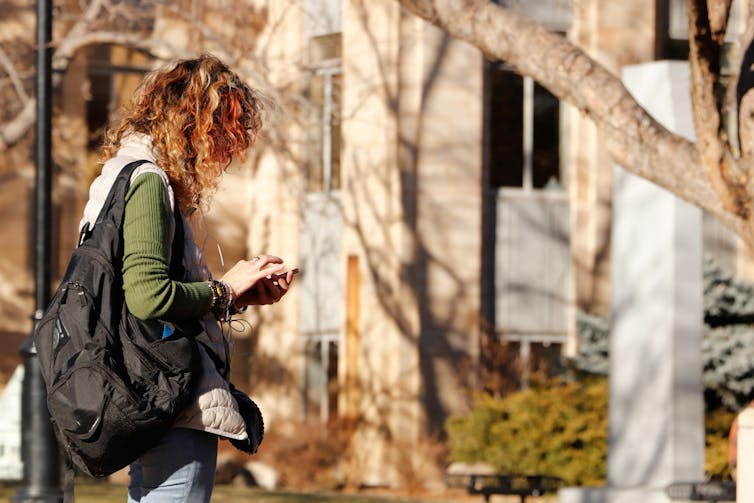
A woman with a backpack walks outside a building.
The Higher Education Future Fund could potentially be used to fund student housing.
Lisa McIntyre/Unsplash, CC BY

How would it work?

The accord final report suggests wealthier universities would pay more as the fund would “recognise universities’ capacity to pay”. The report contains little detail on how this would be achieved, but it seems likely the fund would redistribute resources from universities with more “untied non-government revenue” (from sources such as international student fees and business ventures) to those with less.

This appears to be a development of the proposed levy on international student fee income floated in the accord interim report last year.

This was criticised by higher education experts as being “unhelpful and unworkable”. Wealthier universities also opposed the idea.

So the review panel may not be surprised to see the future fund is being similarly criticised.

As the Group of Eight chair Mark Scott (who is also chair of The Conversation’s board) noted in a statement:

This is extremely poor public policy, and taxing the very system the report identified as underfunded is not a solution.

Scott added it could also undermine Australia’s “successes in international education and damage our global reputation”.

But not all universities think alike. According to The Australian, Western Sydney University Vice-Chancellor Barney Glover (who was also a member of the accord review panel) thinks the fund is “important future proofing” for the sector, but there is work to do on the details.


Read more:
What would a levy on international student fees mean for Australian universities?


What about the impact on research funding?

Asking universities to surrender some of their own funds for a communal fund seems to be inconsistent with other areas of the report.

The report calls for increased targets for how much Australia spends on research and development as a proportion of GDP and for a “pathway” to fund the “full economic cost of research”. At the moment, Australia’s university research is significantly subsidised by international student fees.

If funds were taken away from individual universities for a future fund, this would likely take funds away from research. Universities would gain more direct funding for research, but would loose some of their international student fee income which they currently reallocate to research.

Monash University (which is also a member of the Group of Eight) said the fund would “blunt” the impact of its research. As Vice-Chancellor Sharon Pickering said:

[It will] diminish Monash’s ability to deliver on the Accord’s objectives and aspirations.

The fund’s proposed model stands in contrast to that of the Australian Government Future Fund, which was set up in 2006 to soak up big federal government surpluses generated from the mining boom. In other words, it was funded fully by the government.


Read more:
Nobel laureate Brian Schmidt’s big ideas for how Australia funds and uses research


But a fund has some merit

Yet there are reasons to support a future fund for higher education. It would be prudent to use some of the revenue from the current boom in international students to generate revenue long into the future.

Collective action from the sector to set itself up for the future could also be more powerful and better coordinated than separate actions of individual institutions. And it is progressive to redistribute resources from those with more to those with less.

We also know affordable housing is a crucial issue for many Australians, and students are among those with the fewest resources. The huge numbers of international students has also increased pressure on student housing.

While Australian universities have not been expected to provide student housing, we already have some structures set up via university colleges and student residences as well as housing services that seek to match good landlords with responsible students.

So it is not unreasonable to expect universities to be part of the solution of student accommodation pressures.

However, history suggests it will be politically difficult. In 1988, the federal government levied universities (or “clawed back” funds) to establish the Australian Research Council.

This was the subject of fraught and prolonged negotiations between universities and the then education minister John Dawkins. In the end, the clawback was largely implemented as planned. But the spread of research funding across universities remains highly disputed.

An empty lecture theatre.
A proposed international student levy was opposed by Australia’s wealthier universities.
Pixabay/Pexels, CC BY


Read more:
Universities Accord: ‘Gonski-style’ funding is on the table for higher education. This will see some unis gain more than others


What now?

A future fund is not going to be set up anytime soon. The review panel advises it should not be established until after the full implementation of a recommended new needs-based funding model for universities.

This itself has many moving parts and is likely to involve extensive and intensive discussions and negotiations.

So there is plenty of scope for universities to offset what they consider to be disadvantages with other parts of the proposed accord.

In the meantime, the government is considering the report. When asked about the future fund by The Conversation’s Michelle Grattan, Education Minister Jason noted some universities “hate” the idea and others “like it”, before adding, “I’ve got an open mind”.

The Conversation

Gavin Moodie has received funding from the Australian Research Council and the National Centre for Vocational Education Research, and has worked at 6 Australian universities.

ref. Universities Accord: there’s a push for a Higher Education Future Fund, but some unis ‘hate’ it – https://theconversation.com/universities-accord-theres-a-push-for-a-higher-education-future-fund-but-some-unis-hate-it-224395


Universities Accord: early university offers won’t be made until later in Year 12. Is this a good idea?

Source: The Conversation (Au and NZ) – By Pearl Subban, Associate Professor, Faculty of Education, Monash University

Andrea Piacquadio/ Pexels , CC BY

The federal government has released the final report on a Universities Accord. Taking more than a year to prepare, it is billed as a “blueprint” for reform for the next decade and beyond. It contains 47 recommendations across student fees, wellbeing, funding, teaching, research and university governance. You can find the rest of our accord coverage here.


If you are a Year 12 student this year, you may be hoping to get an early offer for a university place before your final exams even begin.

While the bulk of students receive their university offers in January of the year they plan to start study, it is increasingly common for students to receive an offer while they are still at school. Offers have reportedly been made as early as March.

But this practice is set to change. While the federal government is still considering much of the Universities Accord final report, it has made a decision on its recommendation about early offers to Year 12 students.

Over the weekend, it announced university offers in all states and territories should not be made to school students before September.

What are early offers?

Most (though not all) Year 12 university applicants do their school exams, then their external exams and then apply to university with their ATAR (or Australian Tertiary Entrance Rank).

Universities use this to make an offer to students from January of the year they begin study.

But some universities and some subject areas take a different approach. They look at Year 11 results and factors such as portfolios of work, written responses to questions, demonstration of skills like resilience or motivation and/or letters of recommendation.

Students can apply under an early offer scheme. Then universities can make a provisional offer to Year 12 students before final exams and the release of ATARs.

Students are still required to complete Year 12 and may need to achieve a certain ATAR, have done certain subjects and received certain results in these subjects.

Early offers are not new to universities, particularly in areas such as visual and performing arts where measures beyond exam results are required. But the practice became more widespread during disruptions to learning and teaching during COVID.

A young woman looks at a notebook with a floral cover and types on a laptop.
Since COVID, more Australian students have had offers of a uni place during Year 12.
Karolina Grabowska/, CC BY


Read more:
‘So many things to consider’: how to help school leavers decide what to do next


Why are early offers changing?

The Universities Accord review panel found early offers to students at school to be a “contentious practice”. It found there was no consistency or transparency around it and little data.

While they noted they can ease the stress of Year 12, the panel also heard early offers can lead to student disengagement “in the final and important weeks and months” of school.

The panel also noted they can favour students who already have personal or socioeconomic advantages, such as principals, careers counsellors or parents who can advocate for and write letters of recommendation on their behalf.

What will happen now?

At a meeting last week, federal and state education ministers agreed early offers to Year 12 students should change.

For this year and next, no early offers will be made before September. A national approach will be developed by 2027.

Students who suffer from exam anxiety and who are not as confident may lose out as a result of this move.

Some students who become overwhelmed by Year 12, may perform better in the internal Year 11 exams where the pressure is often reduced. Year 11 exams are still significant but they are scored by classroom teachers and likely to take in other dynamics, including the student’s circumstances and background.


Read more:
We can predict final school marks in year 11 – it’s time to replace stressful exams with more meaningful education


Is this change a good idea?

At the moment, the system is geared towards a year of assessments and exams the concludes with an ATAR, which is a student’s ticket into a university course. This sort of incentivisation may prepare students for future challenges in their academic and career journeys.

It does however favour the student who performs well under test conditions and whose life circumstances enable them to work consistently all year.

It may also disadvantage those who already face challenges such as poor mental health, or those who are the first in their family to attend to university.

Drawing more students from underrepresented backgrounds into university is a key goal of the Universities Accord final report. If equity is a priority, it may be wise to rethink early offers for some vulnerable students.

Conscientious students are not likely to reduce their commitment to their study program and will persevere through Year 12 anyway.

The Conversation

Pearl Subban is affiliated with Monash University Australia.

ref. Universities Accord: early university offers won’t be made until later in Year 12. Is this a good idea? – https://theconversation.com/universities-accord-early-university-offers-wont-be-made-until-later-in-year-12-is-this-a-good-idea-224376

A new Netflix doco shows Alexander the Great as queer, and some viewers aren’t happy. An expert weighs in

Source: The Conversation (Au and NZ) – By Charlotte Dunn, Lecturer in Classics, University of Tasmania

Wikimedia/Johann Heinrich Tischbein, oil painting (1781)

You might be surprised to learn the sex life of a long-dead conqueror is making headlines in 2024. Netflix documentary Alexander the Great: The Making of a God has provoked outrage for its portrayal of Alexander in a romantic relationship with his male companion Hephaestion.

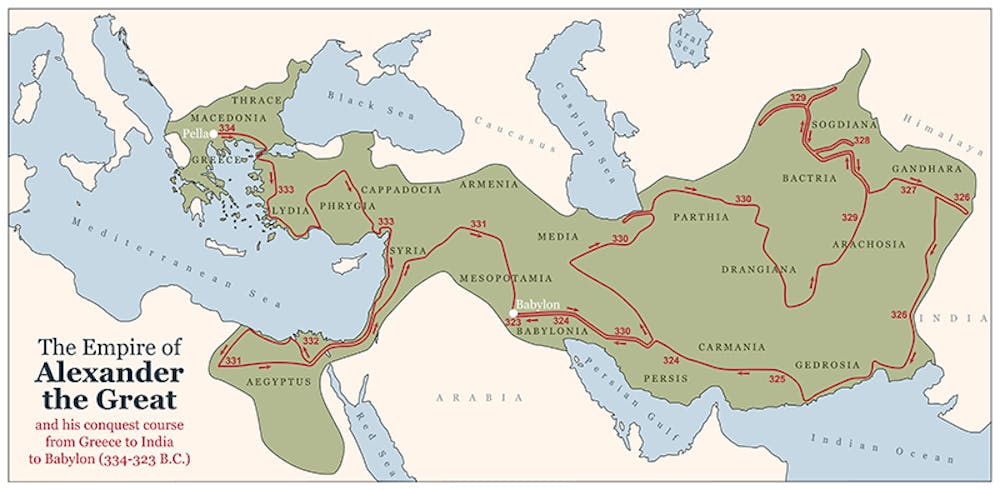
Alexander the Great (356–323BC) spent his short life undertaking an enormous military campaign. He defeated the Persian king Darius III and created an empire that stretched from Europe into Egypt, Western and Central Asia, and all the way to India.

Conquest course of Alexander the Great from Greece to India to Babylon in 334-323 BC, with the most important provinces of his empire.
Shutterstock

After dying at the young age of 32, he has remained the subject of intense fascination and speculation.

The six-episode series is the latest to tackle some interesting questions about the conqueror’s life through dramatised scenes and commentary from a range of experts. Although the show doesn’t try to cover everything – and there are several gaps – its portrayal of Alexander’s sexuality is what has caused the greatest stir.


Read more:
Romosexuality – embracing queer sex and love in Ancient times


Alexander, the great enigma

One of the first scenes depicts Alexander sparring with Hephaestion before the pair share several kisses. Hephaestion promises he will be by Alexander’s side “til the bitter end”. The experts then note the pair were likely more than just close friends.

Some viewers, however, have accused the show of pushing a supposed agenda. Others found it “too woke”.

Even Greece’s Minister for Culture, Lina Mendoni, has spoken on the topic, insisting that historical sources offer no evidence for the relationship going “beyond the limits of friendship”.

Mendoni’s comment was made in response to questions from Dimitris Natsiou, the president of a far-right Christian Orthodox political party. Natsiou has spoken out against the series for perceived inaccuracies. Along with other critics, he suggests the show’s portrayal of Alexander’s sexual identity is a historical distortion.

It’s true there is nothing written by Alexander himself that confirms how he viewed his own sexuality. But is it fair to call the show inaccurate for its interpretation of his relationship with Hephaestion?

The ancient evidence

While the ancient evidence suggests the pair were particularly close, reconstructing the past is not a straightforward matter. Most surviving ancient authors actually wrote centuries after Alexander’s death and often had their own interpretations of events. This makes it very challenging to uncover the truth.

Some sources do assume the pair were lovers, such as the Roman author Claudius Aelianus, or Aelian, because of the way they presented themselves in public.

This public presentation is probably the strongest evidence for how important Hephaestion was to Alexander. Alexander was an absolute master of propaganda. He took care to restrict how he appeared in art and sculpture, and controlled his campaign narrative through the use of his own historian, Callisthenes of Olynthus. Callisthenes was responsible for glorifying Alexander’s victories and presenting the version of events Alexander wanted.

Alexander claimed the mythological hero Achilles was his ancestor.
Shutterstock

Alexander also stage-managed a number of events at the start of his military campaign to make it seem like the beginning of another Trojan War. The tale of this war was incredibly important to the ancient Greeks, and especially Alexander, who claimed the mythological hero Achilles was his ancestor.

During the important opening act, Alexander laid a wreath on the tomb of Achilles. Some ancient accounts say Hephaestion did the same for the tomb of Patroclus, who many in the ancient world assumed was Achilles’ lover.

Hephaestion is the only companion of Alexander who is mentioned by name doing something important like this. Alexander was no doubt astute enough to understand the implication in his own day; he was therefore probably comfortable with his followers assuming he and Hephaestion were lovers, just as Achilles and Patroclus were thought to be.

Ancient author Diodorus Siculus reports that Alexander preferred Hephaestion above everyone else, even claiming that Hephaestion loved him as Alexander, while his other close friend Craterus loved him as the king. These are just some of the numerous anecdotes that demonstrate Hephaestion had a significant role in Alexander’s life – and one that was different to that of a friend.

After Hephaestion’s death in 324 BC, Alexander mourned him extravagantly, just as Achilles did for Patroclus.

These very public displays might be as close as we can get to understanding how Alexander wanted the pair to be perceived. And they suggest a romantic relationship is a strong possibility.

What does the scholarship say?

Perhaps a more important question is why a documentary exploring this angle might provoke such a strong reaction today.

It’s true that scholarship on Alexander’s sex life has not always been accessible. It wasn’t until 1978 that K. J. Dover’s work Greek Homosexuality paved the way for new insights into a more diverse interpretation of sexualities in the ancient world.

Before this, important scholars on Alexander, such as W. W. Tarn (1869–1957), had outright denied Alexander’s interest in men, asserting any such evidence was a result of “hostile” sources. Tarn even erased certain figures from history, including another possible male lover of Alexander’s, Bagoas. He was unable to accept Alexander as someone who didn’t fit with his own image of the conqueror.

The reality is that same-sex relationships were generally pretty common during the time of Alexander the Great, although there were also societal pressures on men, as they were expected to marry and have children with their legitimate wives.


Read more:
Friday essay: the myth of the ancient Greek ‘gay utopia’


Queer erasure has been all too common in scholarship, which has traditionally favoured hetero-normative interpretations, even when the evidence could clearly be interpreted in another way.

Media representations that explore these interpretations offer us a chance to understand ancient relationships in their own context. In doing so, they pave the way for a richer understanding of the possibilities of the past.

The Conversation

Charlotte Dunn does not work for, consult, own shares in or receive funding from any company or organisation that would benefit from this article, and has disclosed no relevant affiliations beyond their academic appointment.

ref. A new Netflix doco shows Alexander the Great as queer, and some viewers aren’t happy. An expert weighs in – https://theconversation.com/a-new-netflix-doco-shows-alexander-the-great-as-queer-and-some-viewers-arent-happy-an-expert-weighs-in-224262

Unintended consequences of NZ’s COVID vaccine mandates must inform future pandemic policy – new research

Source: The Conversation (Au and NZ) – By Jan Dewar, Head of Nursing, Auckland University of Technology

During the height of the COVID-19 pandemic, policy was being made in crisis management mode. Decisions had to be made faster than usual, and there was limited ability to undertake wider consultation and impact analysis.

Now the worst of the pandemic is over, we have the luxury of being able to reflect on what worked well and what didn’t.

One of the more controversial policies implemented during the height of the pandemic was the vaccine mandates. Thousands of workers across a range of professions had to get vaccinated to keep their jobs.

This mandate presented a trade-off between public health considerations and the right of individuals to refuse medical treatment and earn a living in their chosen profession.

Our research looked at whether these vaccine mandates increased COVID-19 vaccination rates among these workers, and what their employment, earnings and workplace experiences were.

The stated purpose of the mandates was to increase vaccination rates among these workers to ensure the continuity of public services.


Read more:
COVID vaccines don’t violate the Nuremberg Code. Here’s how to convince the doubters


In reality, the mandates had limited effect on increasing vaccine uptake. But they had a substantive negative effect on the employment, earnings and wellbeing of unvaccinated health workers.

The importance of choice

Vaccination rates among healthcare, education and corrections workers were already high when the government announced the mandates in October 2021.

Almost 90% of healthcare workers and 86% of corrections workers had already received two doses of the vaccine. The share among education workers was somewhat lower (82%), but they also did not have early access to the vaccine. There were only six weeks between the vaccine becoming available to everyone over 12 years and the mandates being announced.

While vaccination rates among these mandated workers did increase after the mandates were announced, the data shows a continuation of an upward trend rather than a jump in uptake.


It won’t surprise anyone that people don’t like being told what to do. And this appears to have some bearing on mandatory vaccine uptake.

One German survey found just over 3% of people said they would not want the COVID-19 vaccination if it was voluntary. But more than 16% said they would not want to get vaccinated if it was mandatory.

A consequence of vaccine mandates is that they can erode trust in government and provoke more resistance. This erosion of trust could potentially strengthen anti-vaccination sentiment generally and reduce uptake, not just of COVID-19 vaccinations, but also other vaccines.

This outcome is especially concerning given research has found New Zealand’s routine childhood immunisation rates have decreased since the pandemic.

Earnings took a hit

In addition to not causing a noticeable increase in vaccination rates, the mandates also had negative consequences for the employment and earnings of unvaccinated health workers.

Their employment rate fell by 15% and their earnings fell by 19%, compared with vaccinated health workers and those not subject to the mandates.


Read more:
Parents were fine with sweeping school vaccination mandates five decades ago – but COVID-19 may be a different story


Even after the health worker mandates were lifted in September 2022, the employment and earnings of unvaccinated workers never fully recovered.

This exacerbated existing health worker shortages. Closed borders and a global shortage of healthcare workers meant fewer moved into the health sector compared with the number leaving.

The trauma of being branded ‘anti-vax’

The effect of the mandates on health workers also went beyond financial consequences.

Affected health workers talked to us about the loss and ongoing trauma they have experienced. Those opposed to mandates are often incorrectly labelled as “anti-vaxxers”, or even conspiracy theorists.

All health workers we spoke to were pro-vaccination, but had legitimate reasons for not completing, or struggling to complete, the required vaccinations. They had researched the vaccine and made informed decisions based on their circumstances.

Some health workers pointed out that the case for mandates was not strong based on available evidence. While the vaccine reduces symptom severity, its ability to prevent transmission is currently limited.

As one health worker said:

I looked at the Australian data and couldn’t see the logic of me potentially being exposed to another vaccine where my potential benefit was so low […] the evidence wasn’t really strong.

Some workers had health conditions that put them at elevated risk from the vaccine. Or they had a history of adverse reactions to vaccines. But the mandates meant they either had to get vaccinated, sometimes against their doctors’ advice, or lose their jobs. While some medical exemptions were available, the threshold for these was very high.

In addition, even those with medical exemptions faced stigma. One health worker who got an exemption after suffering a stroke following their vaccination, described people’s reaction upon showing them the exemption.

That look on people’s faces, it was disgust […] it was really, really awful.

As another health worker explained:

We’re supposed to be a caring profession. Nothing about this is caring […] Due to no fault of my own, I have now been labelled an anti-vaxxer and anti-science, and in some people’s opinion, not worthy of calling myself a nurse. This hurts me immensely. This is what mandates have done. There is no room for individual circumstances.

The people we spoke with said they lost their sense of control, and it eroded their trust in the health system and government.

The risk of mandates

What does this tell us about the use of vaccine mandates during future pandemics?

In the context of high voluntary compliance, mandates should be used judiciously. Mandating something is not always the most effective way to get people to do something for the greater good.

During the COVID-19 pandemic, a strong motivator for vaccination was the “feel-good” factor of knowing you were protecting yourself and others.

Ironically, the increase in distrust that resulted from the use of mandates in the COVID-19 pandemic may actually lower voluntary vaccine uptake in future pandemics.

As one health worker summed it up:

Someone who’s been vaccinated badly, the trauma of that – it’s not just them, it’s their entire social circle, it’s their entire whānau. You’re seeding distrust in the health system, not just for COVID vaccinations, but the whole system, everything to do with medicine and the whole immunisation programme […] if there’s a policy that’s as big as a mandate for a whole population or health professionals, you really need to think about what are the unintended consequences.

The Conversation

This research received funding from the Ministry of Health.

Denise Wilson, Gail Pacheco, and Lisa Meehan do not work for, consult, own shares in or receive funding from any company or organisation that would benefit from this article, and have disclosed no relevant affiliations beyond their academic appointment.

ref. Unintended consequences of NZ’s COVID vaccine mandates must inform future pandemic policy – new research – https://theconversation.com/unintended-consequences-of-nzs-covid-vaccine-mandates-must-inform-future-pandemic-policy-new-research-222989

Marcos govt offers muted celebration of 1986 People Power revolution

There was no statement from Marcos Jr this year, but in a vlog posted on the anniversary of the 1986 People Power Revolution, he advised a student to be more discerning amid widespread disinformation.

It is the second year that the EDSA People Power Revolution is being commemorated under the administration of President and dictator’s son Ferdinand Marcos Jr, and Malacañang appears unwilling to give it the time of day.

On Sunday, February 25, neither Marcos Jr nor the Palace had issued a statement recognising the anniversary of the uprising that kicked the elder Marcos and his family out of Malacañang in 1986.

President Ferdinand Marcos Jr during his trip to Hawai'i
President Ferdinand Marcos Jr during his trip to Hawai’i in November 2023. Image: Rappler

This day is obviously awkward for the President. In the past, he described the aftermath of the 1986 EDSA uprising — including his family’s exile in Hawai’i — as among the darkest days of their lives.

But Marcos Jr at least made an effort last year to acknowledge the anniversary of the revolt, saying he was “one with the nation in remembering” the historic day.

“I once again offer my hand of reconciliation to those with different political persuasions to come together as one in forging a better society — one that will pursue progress and peace and a better life for all Filipinos,” he also said on this day in 2023.

Democracy advocates upset
This year, Marcos did not declare the anniversary of the uprising a holiday, upsetting democracy advocates who believe the move was meant to diminish the legacy of the People Power revolution.

There was, however, an official government commemoration this year, through the National Historical Commission of the Philippines, which, in its own words, held a “simple” ceremony on Sunday morning at the People Power monument.

“The EDSA People Power Revolution was a series of demonstrations from 22 to 25 February 1986. It was a civil resistance campaign against the regime of violence and electoral fraud,” the NHCP, which is the chair of the EDSA People Power Commission, posted on its Facebook page.

“The peaceful revolution led to the departure of former President Ferdinand Marcos ending 20 years of dictatorship and restoring democracy in the country.”

The Marcos Sr regime itself was considered among the darkest chapters in Philippine history. Human rights groups say 70,000 people were imprisoned, 34,000 people were tortured, and more than 3000 people were killed under the dictator’s rule.

Where are the Marcoses?
While anti-Marcos groups were holding various events — and protests — across the Philippines to commemorate the brutal dictatorship years, many members of the political family had their own get-together.

On Instagram, First Lady Liza Araneta Marcos posted a group photo of the clan on the dinner table, with a caption that read, “Happy Sunday everyone.”

In the photo are her husband Marcos Jr, former first lady Imelda Marcos, the President’s sister Irene Marcos, and Ilocos Norte Governor Matthew Manotoc, the son of Senator Imee Marcos.

Image: Liza Araneta Marcos’ Instagram

Interestingly, the President posted a YouTube vlog on Sunday, reacting to various letters sent to him. In that video, he offered advice to a humanities student who expressed interest in politics and history.

“Your interest in history is very, very, very important, because we have much to learn from history,” he started.

“Problem is, now with the technology we have, mahirap talagang makatingin ano ang fake news, ano ang totoo (it’s really difficult to determine which is the truth and which is ‘fake news’). It’s up to you. Huwag kayong magbabasa isa lang bagay. Basahin ‘nyo lahat (Don’t read just one source. Read everything),” he added.

A series of investigative pieces from Rappler in 2019 documented how the Marcoses took advantage of social media to rehabilitate the family’s image over the years.


The Marcoses documentary. Video: Rappler

Fact checkers from Tsek.PH and Vera Files also found that Marcos Jr benefitted the most from election-related disinformation in the run-up to the 2022 presidential election, which he won via a landslide victory.

So isn’t that comment on history a bit rich coming from him?

Republished with permission from Rappler.

Article by AsiaPacificReport.nz

Worried about price gouging? For banks, there’s a simple solution

Source: The Conversation (Au and NZ) – By Peter Martin, Visiting Fellow, Crawford School of Public Policy, Australian National University

Does it feel like you’re being charged more for all sorts of things these days, from groceries to banking? Turns out, you’re right.

While we might be more likely to remember prices that go up than prices that go down, the very best evidence – assembled by Australia’s Treasury, the federal government’s lead economic adviser – says your suspicions are right. We really are being charged more than we used to be two decades ago.

Coupled with the latest profit reports from Australia’s biggest supermarkets and banks, including Tuesday’s half-year results from Coles, it suggests we are contributing more to company profits than we used to.

Climbing price markups

The Treasury estimates show in the 13 years between 2003-04 and 2016-17, the average price markup – the difference between the cost of a product and its selling price – across all Australian industries climbed 6%.

That’s extra profit, taken from your wallet, going to the people selling you things.

Those Treasury estimates are contained in a background paper prepared for the competition inquiry being undertaken by a panel including Productivity Commission chair Danielle Wood, former Competition and Consumer Commission chief Rod Sims, and business leader David Gonski.

At the same time, the average share of each industry held by its biggest four firms edged up from 41% to 43%.


Read more:
See when Australia’s biggest banks stopped paying proper interest on your savings – and what you can do about it


Profit margins are also higher here than in more competitive markets overseas.

This is true in banking, where the big four have taken over St George, BankWest, and the Bank of Melbourne – and are about to take over Suncorp.

It’s also true in supermarkets, where the big two, Woolworths and Coles, have taken over or seen off Franklins, Bi-Lo and Safeway.

Bigger profit margins than overseas

Coles supermarkets reported earnings before adjustments of A$1.73 billion on sales of $19.778 billion in the half year to December – a profit margin of 8.7%.

Last week, Woolworths supermarkets reported earnings of $2.45 billion on sales of $25.648 billion – a margin of 9.6%.

By way of comparison, the dominant UK supermarket group, Sainsbury’s, has a profit margin of 6.13%.

In banking, the Commonwealth Bank has just reported a return on equity (profit as a proportion of shareholders’ funds) of 13.8%. National Australia Bank reported 12.9%.

While on a par with the big banks overseas, those recent returns are a good deal higher than CommBank’s 11.5% and NAB’s 10.7% reported two years ago.

Little hope for groceries

For supermarkets, there’s not a lot the government can do, apart from launching an inquiry, and perhaps giving Australian authorities the power to break up firms that abuse their market power.

But Prime Minister Anthony Albanese has said he isn’t keen on giving Australian authorities the sort of powers available to authorities in the United States and the United Kingdom, saying (incongruously) Australia is “not the old Soviet Union”.

And doing anything short of that would be unlikely to have much effect. Australia’s two supermarket giants have invested a fortune in high-tech warehouses and distribution systems, which new rivals would be hard-pressed to match.

Hope for more competitive banking

But for banks it’s altogether different. Richard Denniss of the Australia Institute has come up with the idea, and it’s a beauty.

It’s for the government to provide a low-cost banking service – expanding on services it already offers.

The costs would be so low, other banks might decide to add features and resell them in the same way as resellers sell mobile phone and NBN services.

The primary function of any bank is to provide a numbered account into which Australians can deposit and withdraw funds.

The Australian Tax Office does this already, at an incredibly low cost.

The tax office gives every working Australian a tax file number. Employers deposit money into these accounts, and – should the tax office owe a refund – taxpayers withdraw them.

Some taxpayers ensure their tax is overpaid, so they withdraw later.

Denniss describes it as a bank account with the world’s clumsiest interface.

The government could offer bank loans

It wouldn’t be much of a stretch from improving that interface to offering government loans.

In fact, government loans are already provided in some circumstances: such as to retirees with home equity through the home equity access scheme, and to Centrelink recipients through advance payments.

It woudn’t be much more of stretch to provide loans more broadly, at an incredibly low administrative cost. The government already lends against the value of homes.

Back in the days when the federal government owned the Commonwealth Bank, it had to cover the high costs of running bricks and mortar branches.

Freed from those costs, the government could now offer a low-cost, technology-enabled basic banking service that would tempt us away from the big four banks – unless they offered better value.

Of course it would cost money, although a lot of it has already been spent setting up the system of tax file numbers and accounts. And of course the banks would hate the idea. That would be the point.

But doing what we can to stop Australians being overcharged is important, not only for wage earners but also for businesses.

The competition inquiry the government has launched is a good start. It shouldn’t be frightened about where it might lead.

The Conversation

Peter Martin is Economics Editor of The Conversation.

ref. Worried about price gouging? For banks, there’s a simple solution – https://theconversation.com/worried-about-price-gouging-for-banks-theres-a-simple-solution-223821

How to be kind to yourself (without going to a day spa)

Source: The Conversation (Au and NZ) – By Lydia Brown, Senior Lecturer in Psychology, The University of Melbourne

Ground Picture/Shutterstock

“I have to be hard on myself,” Sarah told me in a recent telehealth psychology session. “I would never reach my potential if I was kind and let myself off the hook.”

I could empathise with this fear of self-compassion from clients such as Sarah (not her real name). From a young age, we are taught to be kind to others, but self-kindness is never mentioned.

Instead, we are taught success hinges on self-sacrifice. And we need a healthy inner critic to bully us forward into becoming increasingly better versions of ourselves.

But research shows there doesn’t have to be a trade-off between self-compassion and success.

Self-compassion can help you reach your potential, while supporting you to face the inevitable stumbles and setbacks along the way.


Read more:
‘Self-love’ might seem selfish. But done right, it’s the opposite of narcissism


What is self-compassion?

Self-compassion has three key ingredients.

1. Self-kindness

This involves treating yourself with the same kindness you would extend towards a good friend – via your thoughts, feelings and actions – especially during life’s difficult moments.

For instance, if you find yourself fixating on a minor mistake you made at work, self-kindness might involve taking a ten-minute walk to shift focus, and reminding yourself it is OK to make mistakes sometimes, before moving on with your day.

2. Mindfulness

In this context, mindfulness involves being aware of your own experience of stress or suffering, rather than repressing or avoiding your feelings, or over-identifying with them.

Basically, you must see your stress with a clear (mindful) perspective before you can respond with kindness. If we avoid or are consumed by our suffering, we lose perspective.

3. Common humanity

Common humanity involves recognising our own experience of suffering as something that unites us as being human.

For instance, a sleep-deprived parent waking up (for the fourth time) to feed their newborn might choose to think about all the other parents around the world doing exactly the same thing – as opposed to feeling isolated and alone.


Read more:
I was an expert advisor on the documentary ‘How to Thrive’. Here’s what happened after this wellbeing experiment


It’s not about day spas, or booking a manicure

When Sarah voiced her fear that self-compassion would prevent her success, I explained self-compassion is distinct from self-indulgence.

“So is self-compassion just about booking in more mani/pedis?” Sarah asked.

Not really, I explained. A one-off trip to a day spa is unlikely to transform your mental health.

Instead, self-compassion is a flexible psychological resilience factor that shapes our thoughts, feelings and actions.

It’s associated with a suite of benefits to our wellbeing, relationships and health.

Massage therapist massaging woman's back
A one-off trip to a day spa is unlikely to transform your mental health.
baranq/Shutterstock

What does the science say?

Over the past 20 years, we’ve learned self-compassionate people enjoy a wide range of benefits. They tend to be happier and have fewer psychological symptoms of distress.

Those high on self-compassion persevere following a failure. They say they are more motivated to overcome a personal weakness than those low on self-compassion, who are more likely to give up.

So rather than feeling trapped by your inadequacies, self-compassion encourages a growth mindset, helping you reach your potential.

However, self-compassion is not a panacea. It will not change your life circumstances or somehow make life “easy”. It is based on the premise that life is hard, and provides practical tools to cope.


Read more:
Wellness is not women’s friend. It’s a distraction from what really ails us


It’s a factor in healthy ageing

I research menopause and healthy ageing and am especially interested in the value of self-compassion through menopause and in the second half of life.

Because self-compassion becomes important during life’s challenges, it can help people navigate physical symptoms (for instance, menopausal hot flushes), life transitions such as divorce, and promote healthy ageing.

I’ve also teamed up with researchers at Autism Spectrum Australia to explore self-compassion in autistic adults.

We found autistic adults report significantly lower levels of self-compassion than neurotypical adults. So we developed an online self-compassion training program for this at-risk population.


Read more:
TikTok is teaching the world about autism – but is it empowering autistic people or pigeonholing them?


Three tips for self-compassion

You can learn self-compassion with these three exercises.

1. What would you say to a friend?

Think back to the last time you made a mistake. What did you say to yourself?

If you notice you’re treating yourself more like an enemy than a friend, don’t beat yourself up about it. Instead, try to think about what you might tell a friend, and direct that same friendly language towards yourself.

2. Harness the power of touch

Soothing human touch activates the parasympathetic “relaxation” branch of our nervous system and counteracts the fight or flight response.

Specifically, self-soothing touch (for instance, by placing both hands on your heart, stroking your forearm or giving yourself a hug) reduces cortisol responses to psychosocial stress.

Middle-aged man hugging himself
Yes, hugging yourself can help.
Krakenimages.com/Shutterstock

3. What do I need right now?

Sometimes, it can be hard to figure out exactly what self-compassion looks like in a given moment. The question “what do I need right now” helps clarify your true needs.

For example, when I was 37 weeks pregnant, I woke up bolt awake one morning at 3am.

Rather than beating myself up about it, or fretting about not getting enough sleep, I gently placed my hands on my heart and took a few deep breaths. By asking myself “what do I need right now?” it became clear that listening to a gentle podcast/meditation fitted the bill (even though I wanted to addictively scroll my phone).

The Conversation

Lydia Brown occasionally works as a clinical psychologist in private practice.

ref. How to be kind to yourself (without going to a day spa) – https://theconversation.com/how-to-be-kind-to-yourself-without-going-to-a-day-spa-223194

View from The Hill: Labor ‘highly unlikely’ to contest the Cook byelection, as Morrison bows out with ‘plenty of scars’

Source: The Conversation (Au and NZ) – By Michelle Grattan, Professorial Fellow, University of Canberra

Labor is not planning to contest the coming byelection in the Sydney seat of Cook, following the departure of former Prime Minister Scott Morrison, who delivered his parliamentary valedictory on Tuesday.

Cook is on a 12.4% margin and Labor – currently on tenterhooks over Saturday’s byelection in the Melbourne Labor seat of Dunkley – doesn’t want the political or financial pressure of running in a seat it could not win.

Labor sources said it was “highly unlikely” to field a candidate. No date has been yet set for the byelection.

The Morrison valedictory was heavy on saying “thank you” to many people in and out of politics, and emotional at times.

It had a riff on Taylor Swift. His daughters had suggested he should “play a type of Taylor Swift bingo [ … ] by trying to work the names of every single Taylor Swift album into my remarks”.

Morrison said he departed “having given all” and had “plenty of scars to show for it”. He reflected on “three things I have learned along the way that may help those dealing with the challenges of the future who continue in this place”.

The first was that “all good government must start with nurturing a strong, innovative, dynamic, entrepreneurial, market-based economy”.

In a warning against attempting to “reinstitutionalise” the
economy, he said “such an approach will only negate the
capacity we have as a nation to deliver on the essentials that Australians rely on”.

Secondly, Morrison warned about the threats to Australia’s security and the dangers posed by the “arc of autocracy”, to which he had referred when prime minister, ranging “from Pyongyang to Beijing to Tehran and Moscow.”

On China he said: “The 2022 election may have provided an
opportunity for Beijing to step back from their failed attempts at coercion. But we must not be deluded. Tactics change, but their strategy remains the same.”

Thirdly, Morrison highlighted the importance of “the Judaeo-Christian values upon which our liberty and society was founded. Even if you may not believe, it would be wise to respect and appreciate this important link and foundation.”

Morrison said he left parliament “appreciative and thankful, unburdened by offences, and released from any bitterness that can so often haunt post-political lives.

“This is due to my faith in Jesus Christ, which gives me the faith to both forgive but also to be honest about my own failings and shortcomings,” he said.

Speaking in response, Anthony Albanese described Morrison as “a truly formidable opponent”.

Earlier, at the Coalition parties meeting, Morrison told his soon-to-be-former colleagues to “work you arses off. That’s how you win an election.”

Meanwhile both sides are flat out trying to manage expectations ahead of the Dunkley outcome.

The PM told caucus the average swing against Labor governments was 7.1% “and we hold this seat by 6.3%”. The 7.1% is the figure senior Labor figures are using repeatedly. It is the average swing in byelections in government seats since 1984.

The opposition is choosing more modest figures.

In the Coalition party room Peter Dutton said Dunkley was not a marginal seat.

Dutton said the average swing against governments in byelections since the second world war was 3.6%. The average byelection swing against a first-term government was 1.5% and no first-term government had lost a seat in a byelection since WWII.

In Aston last year, Labor achieved a 6.4% swing to win the Liberal seat.

The Conversation

Michelle Grattan does not work for, consult, own shares in or receive funding from any company or organisation that would benefit from this article, and has disclosed no relevant affiliations beyond their academic appointment.

ref. View from The Hill: Labor ‘highly unlikely’ to contest the Cook byelection, as Morrison bows out with ‘plenty of scars’ – https://theconversation.com/view-from-the-hill-labor-highly-unlikely-to-contest-the-cook-byelection-as-morrison-bows-out-with-plenty-of-scars-224504

‘Time for talking is over’ – Turkish plan to break Gaza siege as Jordan airlifts supplies

Kia Ora Gaza

The head of the Turkish Humanitarian Relief Foundation (IHH), Bulent Yildirim, has announced that the organisation will head a naval fleet to Gaza to break Israel’s siege of the bombarded Palestinian enclave.

Speaking at a huge public rally in Istanbul last week, Yildirim said: “The time for talking is over. We will go down to the sea, we will reach Gaza, and we will break the siege.”

Yildirim participated in the Gaza Freedom Flotilla in 2010. The boat he was on was boarded by Israeli troops and nine pro-Palestinian activists were killed at the time.


Turkish NGO plans to send naval fleet toward Gaza to break siege. Video: Middle East Eye

He is hopeful that this new fleet will be successful in breaking the siege as part of Istael’s genocidal war against Palestinians and helping bring some relief to many Gazans who are starving.

Kia Ora Gaza is a member of the Freedom Flotilla Coalition.

“We hope to include Kiwis on the upcoming flotillas to break the siege of Gaza,” said Roger Fowler, a founder and facilitator of Kia Ora Gaza, who was at the planning meeting in Istanbul.

He appealed for donations to this mission through Kia Ora Gaza.

In September 2016, Kia Ora Gaza facilitated Green MP Marama Davidson in joining the Women’s Boat to Gaza peace flotilla, and in 2018 veteran human rights campaigner and union leader Mike Treen represented New Zealand.

The recent Freedom Flotilla meeting in Istanbul to plan the humanitarian voyage to Gaza
The recent Freedom Flotilla Coalition meeting in Istanbul to plan the humanitarian voyage to Gaza. Kia Ora Gaza’s Roger Fowler of Aotearoa New Zealand is on the left. Image: Kia Ora Gaza

Jordan airdrops aid to Gaza
Meanwhile, the Royal Jordanian Air Force has carried out airdrops of aid off the coast of the Gaza Strip — the biggest airdrop operation so far to deliver much-needed aid to millions of Palestinians amid restrictions by Israeli authorities on aid entering the territory by road.

The aid was dropped at 11 sites along the Gaza coast from its northern edge to the south for civilians to collect, and one French Air Force plane was also involved.

Print Friendly, PDF & Email

Article by AsiaPacificReport.nz

View from The Hill: Labor ‘highly unlikely’ to contest the Cook byelection

Source: The Conversation (Au and NZ) – By Michelle Grattan, Professorial Fellow, University of Canberra

Labor is not planning to contest the coming byelection in the Sydney seat of Cook, following the departure of former Prime Minister Scott Morrison, who delivered his parliamentary valedictory on Tuesday.

Cook is on a 12.4% margin and Labor – currently on tenterhooks over Saturday’s byelection in the Melbourne Labor seat of Dunkley – doesn’t want the political or financial pressure of running in a seat it could not win.

Labor sources said it was “highly unlikely” to field a candidate. No date has been yet set for the byelection.

The Morrison valedictory was heavy on saying “thank you” to many people in and out of politics, and emotional at times.

It had a riff on Taylor Swift. His daughters had suggested he should “play a type of Taylor Swift bingo [ … ] by trying to work the names of every single Taylor Swift album into my remarks”.

Morrison said he departed “having given all” and had “plenty of scars to show for it”. He reflected on “three things I have learned along the way that may help those dealing with the challenges of the future who continue in this place”.

The first was that “all good government must start with nurturing a strong, innovative, dynamic, entrepreneurial, market-based economy”.

In a warning against attempting to “reinstitutionalise” the
economy, he said “such an approach will only negate the
capacity we have as a nation to deliver on the essentials that Australians rely on”.

Secondly, Morrison warned about the threats to Australia’s security and the dangers posed by the “arc of autocracy”, to which he had referred when prime minister, ranging “from Pyongyang to Beijing to Tehran and Moscow.”

On China he said: “The 2022 election may have provided an
opportunity for Beijing to step back from their failed attempts at coercion. But we must not be deluded. Tactics change, but their strategy remains the same.”

Thirdly, Morrison highlighted the importance of “the Judaeo-Christian values upon which our liberty and society was founded. Even if you may not believe, it would be wise to respect and appreciate this important link and foundation.”

Morrison said he left parliament “appreciative and thankful, unburdened by offences, and released from any bitterness that can so often haunt post-political lives.

“This is due to my faith in Jesus Christ, which gives me the faith to both forgive but also to be honest about my own failings and shortcomings,” he said.

Speaking in response, Anthony Albanese described Morrison as “a truly formidable opponent”.

Earlier, at the Coalition parties meeting, Morrison told his soon-to-be-former colleagues to “work you arses off. That’s how you win an election.”

Meanwhile both sides are flat out trying to manage expectations ahead of the Dunkley outcome.

The PM told caucus the average swing against Labor governments was 7.1% “and we hold this seat by 6.3%”. The 7.1% is the figure senior Labor figures are using repeatedly. It is the average swing in byelections in government seats since 1984.

The opposition is choosing more modest figures.

In the Coalition party room Peter Dutton said Dunkley was not a marginal seat.

Dutton said the average swing against governments in byelections since the second world war was 3.6%. The average byelection swing against a first-term government was 1.5% and no first-term government had lost a seat in a byelection since WWII.

In Aston last year, Labor achieved a 6.4% swing to win the Liberal seat.

The Conversation

Michelle Grattan does not work for, consult, own shares in or receive funding from any company or organisation that would benefit from this article, and has disclosed no relevant affiliations beyond their academic appointment.

ref. View from The Hill: Labor ‘highly unlikely’ to contest the Cook byelection – https://theconversation.com/view-from-the-hill-labor-highly-unlikely-to-contest-the-cook-byelection-224504

Explainer: what are the protocols around the use of a firearm for NSW police?

Source: The Conversation (Au and NZ) – By Vincent Hurley, Lecturer in Criminology. Police and policing. Dept of Security Studies & Criminology, Macquarie University

As New South Wales police continue to investigate the alleged murders of Luke Davies and Jesse Baird, much attention has been paid to the alleged murder weapon – a police handgun.

Police allege the couple was murdered by Senior Constable Beau Lamarre-Condon last week, which has in turn provoked debate around the protocols around how, why and when police are able to use firearms.

How and when do officers have access to a gun?

Police firearms are stored in a standalone firearms room in a police station. Any time an officer enters the firearms room, their identity is recorded along with the time and date.

The room can also have CCTV in it, depending on the age of the building and its electronic infrastructure. In the room is an industrial-made firearms safe that is specifically made to store firearms.

Once in the room, officers have a key to the safe so they can access their firearm. Each firearm within the safe is individually locked and secured so no police can access anyone else’s firearm. This is due to the design of the gun safe, which must meet Australian Standards in safe storage of firearms and NSW legislation on the safe storage of firearms.

Police access their firearm and carry out a set of drills to ensure it is in working order. They then place the weapon in their holster while in the room, and then leave. At the end of the shift, they return their firearm, going through the same procedure.

Are they ever able to access a weapon off-duty?

Police do not, generally speaking, have access to their firearms when off-duty. In rare circumstances, an officer may be allowed to store their weapon at home, but the threshold to obtain permission for this is very high. It will only be granted when there is credible evidence an officer’s life is in danger, generally from organised crime syndicates or criminals with a history of extreme violence towards police. Any request must be supported by several senior police.

There are jobs police can undertake called “user pays” events. These have been around for over 25 years, and it simply means that outside organisations pay police to be at an event that requires extra security. Police have the same legislative powers when working at a user-pays event as they do with their regular duties, and also routinely carry a firearm.

If police are working “user pays”, they access their firearm in exactly the same manner as for a standard shift. However, when they complete their user-pays shift, they can return their firearm to the closest police station to where they live. They must follow the same procedure to secure their firearm.

Because the officer’s firearm is not being returned to their usual police station, the local officer in charge, usually an inspector of police, needs to give access to that police station’s gun safe as an additional layer of accountability. The officer’s firearm can also be double locked.

There will be a record made at that police station that an officer has placed his/her firearm in that station’s safe. Police firearms are not always checked to see if it has been discharged. This is due to the massive amount of administrative and policing time this would take.


Read more:
Police body cameras may provide the best evidence – but need much better regulation


How do police have to account for the weapons and the bullets?

Each officer is allocated a firearm from the day they finish their police academy training. That firearm is the responsibility of that officer for the duration of their career.

Police can voluntarily surrender their firearm or have their firearm taken from them if, for example, they are on restricted duties such as administrative jobs or if they have been found to have misused it. If it is surrendered, the firearm is taken to the ballistics unit. The officer will then never have access to that firearm again.

Pre-planned audits are carried out on police firearms several times a year, along with random audits that are not necessarily known to police. These spot checks are undertaken by officers who are senior to the individual police officer to whom that firearm is allocated.

All audits include checking firearm serial numbers, the number of bullets and the number of magazines each officer has in their organisational records. So any missing bullets would be noticed, but perhaps not right away.


Read more:
Australia had a record number of police shootings in the past year. Should we be concerned?


Should there be tighter controls on police access to firearms?

The process to gain access to an officer’s firearm is time-consuming, not only due to accessing the firearm itself but complying with the policies and procedures around it. It can take up to 15 minutes per officer to access and holster their firearm in a busy police station, given only one officer can access their firearm at any one time.

Any idea that an officer’s access to their firearm is easy, quick and they are not accountable for it is incorrect. But there may be ways to improve the procedures, and depending on the outcome of the investigation, police may need to review these.

The Conversation

Vincent Hurley is a former NSW police officer who was attached to police internal affairs (now called professional standards command) during his career.

Alex Simpson does not work for, consult, own shares in or receive funding from any company or organisation that would benefit from this article, and has disclosed no relevant affiliations beyond their academic appointment.

ref. Explainer: what are the protocols around the use of a firearm for NSW police? – https://theconversation.com/explainer-what-are-the-protocols-around-the-use-of-a-firearm-for-nsw-police-224499

Antarctica provides at least $276 billion a year in economic benefits to the world, new research finds

Source: The Conversation (Au and NZ) – By Rachel Baird, Senior Lecturer , University of Tasmania

All humanity benefits from Antarctica and the Southern Ocean that surrounds it. To some, these benefits may seem priceless. But in our market-driven world, calculating the economic value of the environment can be a useful tool in garnering support for its protection.

That was the intention of our new research. We crunched the numbers on the value of services Antarctica and the Southern Ocean provide in terms of fisheries, tourism and various natural processes that support Earth’s functioning.

And the result? We calculate the economic value at a whopping US$180 billion (A$276 billion) each year. We hope our findings will help prioritise conservation actions in Antarctica and galvanise international support to protect the region from the ravages of climate change.

Benefits seen, and unseen

The many benefits nature provides to humans are known as “ecosystem services”.

Some services provided by Antarctica and the Southern Ocean are invisible to most people. For example, the Southern Ocean absorbs carbon dioxide (CO₂) from the atmosphere, and ice in the region reflects heat. These processes help regulate Earth’s climate

The Southern Ocean also helps transport water around the globe, which helps distribute heat, fresh water, carbon and nutrients. These are known as “regulating” services.

We can think about the value of these services in terms of the cost that would accrue if it was not provided. For example, the Antarctic ice sheet contains 30 million cubic kilometres of ice. If that ice melted as a result of global warming, the effects on coastal communities around the world would be catastrophic.

Other benefits provided by the Antarctic region are more visible. For example, humans rely on toothfish and krill for food, pharmaceuticals and dietary supplements. A warmer and more acidic Southern Ocean would affect fish stocks – both in the region and elsewhere – and some species may become extinct.

The Antarctic region also provides cultural services such as hosting vital scientific research. And in recent years, Antarctica has experienced a surge in tourist numbers.

So how much are these services actually worth to humanity? Our research examined that question.


Read more:
Antarctica is the only continent without a permanent human population, but it has inspired a wealth of imaginative literature


Crunching the numbers

We used various methods to estimate the value of each service. Some, such as the provision of food, can be easily calculated by looking at what the market is willing to pay. Others, such as the avoidance of harm due to CO₂ absorption, are more complicated to ascribe value to.

Let’s start with tourism. Visitor numbers to Antarctica – mostly by ship – have increased markedly in recent decades, from about 8,000 a year in 1993–1994 to 105,000 in 2022–2023. We estimate the annual value of the Antarctic tourism industry at about US$820 million.

And what about the benefits of fisheries? Considering the tonnes of toothfish and krill caught in the region, we estimate the value at about US$370 million per year.

Finally, we estimated the economic value of “regulating services” such as carbon storage, sea level regulation and light reflection. We did this by multiplying estimates of the value of carbon stored in the Southern Ocean by estimates of the social cost of carbon.

This was a complex calculation, which we explain in greater detail in our paper. Overall, we estimate the value of the region’s regulating services at about US$179.3 billion a year.

All up, this brings the total value of Antarctica and the Southern Ocean’s ecosystem services to about US$180 billion a year. This is a conservative estimate which excludes some ecosystem services.

For example, the Antarctic Circumpolar Current and neighbouring ocean gyres – which distribute Antarctic nutrients around the world – are thought to help boost the value of global fisheries by about US$2.8 billion. We did not include this in the calculation above to avoid double-counting with other regulating services.

And due to a lack of data, we could not even roughly estimate the value of scientific work in Antarctica, so this is also excluded. But Antarctic research may have prevented significant damage to livelihoods and infrastructure across the world – for example, by monitoring changes in ice and sea levels – and we can expect this contribution to increase in future.

And the region provides other important services that we don’t have enough information to estimate, such as medicinal ingredients yet to be discovered.


Read more:
A heatwave in Antarctica totally blew the minds of scientists. They set out to decipher it – and here are the results


What role for the Antarctic Treaty?

As the Southern Ocean becomes warmer and more acidic, its natural systems will undergo huge changes. This will reduce the many benefits the Antarctic region provides, at great cost to the world. So how should the global community respond?

The Antarctic and Southern Ocean is governed by the Antarctic Treaty, which was adopted in 1959. The threats we’ve outlined were not anticipated at the time, and the treaty does not address them.

Treaty parties have the authority to safeguard some ecosystem services, such as tourism, fishing and science. But are unable to effectively safeguard others, such as regulating services when the threat comes from outside the Antartctic area.

The treaty has evolved over the years. Now it must go further, to safeguard the huge benefits – economic and otherwise – the region provides to the world.


Read more:
The Antarctic Treaty is turning 60 years old. In a changed world, is it still fit for purpose?


The Conversation

Natalie Stoeckl is on the Scientific Expert Panel for Queensland’s sustainable fisheries strategy and was a member of the Reef 2050 Expert panel, and the Wet Tropics Scientific Advisory Board.

Rachel Baird does not work for, consult, own shares in or receive funding from any company or organisation that would benefit from this article, and has disclosed no relevant affiliations beyond their academic appointment.

ref. Antarctica provides at least $276 billion a year in economic benefits to the world, new research finds – https://theconversation.com/antarctica-provides-at-least-276-billion-a-year-in-economic-benefits-to-the-world-new-research-finds-223355

Alabama ruling frozen embryos are equivalent to living children has worrying implications for IVF

Source: The Conversation (Au and NZ) – By Alex Polyakov, Medical Director, Genea Fertility Melbourne; Clinical Associate Professor, Faculty of Medicine, Dentistry & Health Sciences, The University of Melbourne

Ekaterina Georgievskaia/Shutterstock

In December 2020 in Alabama, a hospital patient gained unauthorised access to an adjoining IVF storage facility, which was not adequately secured. The patient is said to have removed several frozen embryos, which they then dropped on the floor, owing to a freeze-burn to their hand. The embryos were destroyed.

In Alabama, the Wrongful Death of a Minor Act allows parents of a deceased child to recover punitive damages for their child’s death, and three couples affected by the incident subsequently brought lawsuits against the clinic under this legislation.

When this case was heard recently in the Supreme Court of Alabama, the majority of justices opined this statute applies to frozen embryos because:

an unborn child is a genetically unique human being whose life begins at fertilization and ends at death.

This essentially means frozen embryos are protected under Alabama law to the same extent as any living child. While this was a civil matter, it’s not inconceivable that, based on this interpretation, anyone who destroys a frozen embryo in Alabama – accidentally or on purpose – could face criminal penalties, such as manslaughter or even murder charges.

Likely for fear it’s too risky, clinics in the state are now limiting their IVF services, leaving patients having to seek treatment elsewhere.


Read more:
Considering using IVF to have a baby? Here’s what you need to know


Ascribing personhood to frozen embryos is not a novel idea, but such a conviction is held only by the very fringes of the religious and conservative spectrum. There are clear political dimensions to this ruling, which appears to be an extension of a radical agenda on the altar of which the Supreme Court of the United States recently sacrificed the right to abortion.

This ruling from the Supreme Court of Alabama reflects a profound ignorance about how the process of IVF works.

Creating multiple embryos is essential for overall IVF success

The process of in vitro fertilisation, or IVF, begins with a “stimulated” cycle, where hormones are injected into a woman to stimulate an ovary to produce multiple eggs. These eggs are then collected and combined with sperm, forming embryos that are placed in an incubator to grow.

Five days later, the embryos are assessed. Some develop into “good quality” embryos suitable for transfer into a woman’s uterus. The hope is that following the transfer, the embryo will implant and result in a viable pregnancy, ultimately leading to the birth of a healthy child. Any good-quality embryos not used in a stimulated cycle are usually frozen for future attempts.

Unfortunately, IVF is somewhat inefficient, with attrition a prominent feature at every stage. Not all collected eggs are suitable for fertilisation, not all fertilise, not all embryos fertilise normally, and not all normally-fertilised embryos are of good quality. Poor-quality eggs, abnormally-fertilised embryos and poor-quality embryos are routinely discarded.

The practical implications of this process and the heartbreaking reality for individuals and couples undergoing IVF is that it takes, on average, three to five eggs to produce one good-quality embryo. However, this number is age-dependent and significantly higher for older women.

The chance of achieving pregnancy from one embryo transfer is also significantly influenced by the woman’s age, being as high as 50% in younger women but decreasing exponentially as a woman gets older. At the age of 46, it can be as low as 1-2%.

So it’s vital to be able to safely produce as many good-quality embryos as possible from one stimulated IVF cycle in case multiple sequential embryo transfers are needed to achieve a healthy pregnancy.


Read more:
The business of IVF: how human eggs went from simple cells to a valuable commodity


Should the initial embryo transfer fail to produce a viable pregnancy, and frozen embryos are available, those can be thawed and transferred into a woman’s uterus in a “thaw” cycle. These cycles usually don’t require the use of injectable hormones or an egg collection and, in most instances, require only monitoring (including ultrasounds and blood tests), and timed embryo transfer.

The risks associated with IVF, such as bleeding and infections, are mostly confined to the stimulated cycles, while thaw cycles pose minimal risk. Notably, the most labour-intensive, and, therefore, costly portion is the stimulated cycle, while a thaw cycle can be around three to four times cheaper.

Should embryo freezing become unavailable, all people undergoing IVF would have to rely solely on stimulated cycles to achieve pregnancy, significantly increasing the risks and radically escalating the costs.

The judge’s error in interpreting Australian practice

Tom Parker, the Chief Justice of the Supreme Court of Alabama, made the following statement in his judgement:

in Australia and New Zealand, prevailing ethical standards dictate that physicians usually create only one embryo at a time.

He implied that in Australia, the only IVF cycles ethically permitted are stimulated cycles, where just one embryo is created and transferred, with no embryos being frozen.

A pregnant woman holding her stomach.
Many women need the help of IVF to become pregnant.
10 FACE/Shutterstock

However, this assertion is demonstrably false. There are no guidelines or regulations in Australia that discourage the creation of multiple embryos, as this practice enhances overall pregnancy rates, while making IVF safer and more cost-effective.

What is discouraged is the transfer of multiple embryos at one time, as this increases the likelihood of multiple births, which carry heightened medical risks for both mothers and babies.

It seems the Chief Justice has fundamentally misunderstood the Australian regulatory framework. Ironically, the excellent IVF outcomes and very low rates of multiple births in Australia are largely attributable to the widespread use of frozen embryo transfer cycles – a practice now under threat in Alabama.

The Conversation

I am a fertility specialist and a Medical Director of Genea Fertility Melbourne, a private IVF unit.

ref. Alabama ruling frozen embryos are equivalent to living children has worrying implications for IVF – https://theconversation.com/alabama-ruling-frozen-embryos-are-equivalent-to-living-children-has-worrying-implications-for-ivf-224365

Marape praises security forces in daring kidnap, says lawnessness has ‘destroyed’ PNG

By Rebecca Kuku in Port Moresby

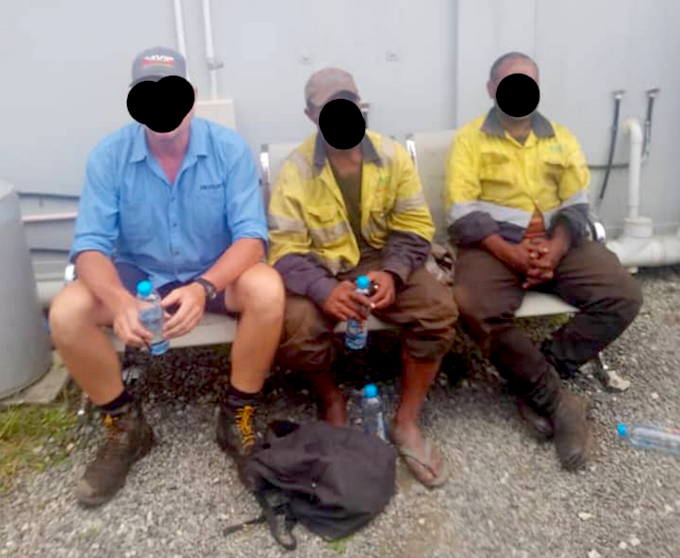
Prime Minister James Marape has commended Papua New Guinea’s police, defence force and the local community for their quick action in the release of an Australian pilot and two local workers who were kidnapped in the Highlands yesterday.

The pilot of Hevilift and two locals were at Hela’s Mt Sisa on routine work at a Digicel tower yesterday when they were kidnapped by an armed group in the area.

The group demanded a ransom to be paid.

However, due to quick action by the police, defence and locals in the area, the three were released safely a few hours after their kidnapping.

Marape, also the Tari-Pori MP in Hela, said lawlessness had “destroyed” the country.

“This country does not have any place for lawbreakers. You can hide and run now but you cannot hide forever,” he said.

“The more you hide and run, you will put yourself and your family at risk just like others who are in prison or dead because of their crimes.”

Special force ‘armed to teeth’
Marape said PNG would not tolerate lawbreakers.

“The special police force unit we are building will be armed to the teeth to deal with any crime anywhere, any place,” he said.

“Just as we did in the first kidnapping and this second attempt, we will not tolerate such crimes in our country.”

Police Commissioner David Manning said in a statement the Australian pilot of a Hevilift helicopter and two Papua New Guinean subcontractors were released without harm following “a rapid deployment of security force elements”.

Manning said security forces were mobilised and deployed in the area in large numbers through yesterday afternoon, and through local leaders the abductors had been warned that lethal force would be employed in order to free the captives.

He said the helicopter had since been flown to Hides with the pilot and sub-contractors on board.

Manning said security forces had entered the “direct apprehension” phase of the operation in which the abductors were being tracked so they could face justice.

“If these criminals resist or show any hostility towards police, other security personnel or any member of the public, their fates will be sealed,” he said.

‘Enough of domestic terrorists’
“Our country has had enough of these domestic terrorists who are undermining the safety and security of our communities, and they have no place walking free.

“These criminals will be caught or they will be killed in the process,” Manning said.

The pilot and technicians had been taken captive at a remote site in the vicinity of Mt Sisa, Tari.

It is understood the issue motivated the group was acting in connection with a compensation claim, and demands were being communicated by the group.

“I congratulate security forces personnel who worked together with local leaders and axillary police to bring this situation to a successful and swift conclusion,” Manning added.

Rebecca Kuku is a journalist with The National. Republished with permission from The National and PNG Post-Courier (front page screenshot).

Print Friendly, PDF & Email

Article by AsiaPacificReport.nz

The US just returned to the Moon after more than 50 years. How big a deal is it, really?

Source: The Conversation (Au and NZ) – By David Flannery, Planetary Scientist, Queensland University of Technology

Intuitive Machines, CC BY-NC-ND

In the few short years since the COVID pandemic changed our world, China, Japan and India have all successfully landed on the Moon.

Many more robotic missions have flown past the Moon, entered lunar orbit, or crashed into it in the past five years. This includes spacecraft developed by South Korea, the United Arab Emirates, and an Israeli not-for-profit organisation.

Late last week, the American company Intuitive Machines, in collaboration with NASA, celebrated “America’s return to the Moon” with a successful landing of its Odysseus spacecraft.

Recent Chinese-built sample return missions are far more complex than this project. And didn’t NASA ferry a dozen humans to the Moon back when microwaves were cutting-edge technology? So what is different about this mission developed by a US company?

Back to the Moon

The recent Odysseus landing stands out for two reasons. For starters, this is the first time a US-built spacecraft has landed – not crashed – on the Moon for over 50 years.

Secondly, and far more significantly, this is the first time a private company has pulled off a successful delivery of cargo to the Moon’s surface.

NASA has lately focused on destinations beyond the Earth–Moon system, including Mars. But with its Commercial Lunar Payload Services (CLPS) program, it has also funded US private industry to develop Moon landing concepts, hoping to reduce the delivery costs of lunar payloads and allow NASA engineers to focus on other challenges.


Read more:
US Moon landing marks new active phase of lunar science, with commercial launches of landers that will study solar wind and peer into the universe’s dark ages


Working with NASA, Intuitive Machines selected a landing site about 300 kilometres from the lunar south pole. Among other challenges, landing here requires entering a polar orbit around the Moon, which consumes additional fuel.

At this latitude, the land is heavily cratered and dotted with long shadows. This makes it challenging for autonomous landing systems to find a safe spot for a touchdown.

NASA spent about US$118 million (A$180 million) to land six scientific payloads on Odysseus. This is relatively cheap. Using low-cost lunar landers, NASA will have an efficient way to test new space hardware that may then be flown on other Moon missions or farther afield.

Ten minutes of silence

One of the technology tests on the Odysseus lander, NASA’s Navigation Doppler Lidar experiment or NDL, appears to have proved crucial to the lander’s success.

As the lander neared the surface, the company realised its navigation systems had a problem. NASA’s NDL experiment is serendipitously designed to test precision landing techniques for future missions. It seems that at the last second, engineers bodged together a solution that involved feeding necessary data from NDL to the lander.

Ten minutes of silence followed before a weak signal was detected from Odysseus. Applause thundered through the mission control room. NASA’s administrator released a video congratulating everyone for returning America to the Moon.

It has since become clear the lander is not oriented perfectly upright. The solar panels are generating sufficient power and the team is slowly receiving the first images from the surface.

However, it’s likely Odysseus partially toppled over upon landing. Fortunately, at the time of writing, it seems most of the science payload may yet be deployed as it’s on the side of the lander facing upwards. The unlucky payload element facing downwards is a privately contributed artwork connected to NFTs.

The lander is now likely to survive for at least a week before the Sun sets on the landing site and a dark, frigid lunar night turns it into another museum piece of human technology frozen in the lunar regolith.

Close-up view of a machine with golden foil and various panels with a grey moon surface in the background
The Moon visible 10km beneath the Odysseus lander after it entered lunar orbit on February 21.
Intuitive Machines, CC BY-NC-ND


Read more:
Scientists and space agencies are shooting for the Moon – 5 essential reads on modern lunar missions


Win some, lose some

NASA’s commercial approach to stimulating low-cost payload services all but guarantees some failures. But eventually NASA hopes that several commercial launch and landing providers will emerge from the program, along with a few learning experiences.

The know-how accumulated at organisations operating hardware in space is at least as important as the development of the hardware itself.

The market for commercial lunar payloads remains unclear. Possibly, once the novelty wears off and brands are no longer able to generate buzz by, for example, sending a piece of outdoor clothing to the Moon, this source of funding may dwindle.

However, just as today, civil space agencies and taxpayers will continue to fund space exploration to address shared science goals.

Ideally, commercial providers will offer NASA an efficient method for testing key technologies needed for its schedule of upcoming scientific robotic missions, as well as human spaceflight in the Artemis program. Australia would also have the opportunity to test hardware at a reduced price.

It’s worth noting that US budgetary issues, funding cuts and subsequent lay-offs do threaten these ambitions.

Meanwhile, in Australia, we may have nothing to launch anyway. We continue to spend less than the OECD average on scientific research, and only a few Australian universities – who traditionally lead such efforts – have received funding provided by the Australian Space Agency.

If we do support planetary science and space exploration in the future, Australians will need to decide if we want to allocate our limited resources, competing with NASA and US private industry, to supply launch, landing and robotic services to the global space industry.

Alternatively, we could leverage these lower-cost payload providers to develop our own scientific space program, and locally developed space technologies associated with benefits to the knowledge economy, education and national security.


Read more:
Australia wants a space industry. So why won’t we pay for the basic research to drive it?


The Conversation

David Flannery receives funding from the Australian Research Council and NASA.

ref. The US just returned to the Moon after more than 50 years. How big a deal is it, really? – https://theconversation.com/the-us-just-returned-to-the-moon-after-more-than-50-years-how-big-a-deal-is-it-really-224276

Poland has opened its arms to nearly 1 million Ukrainian refugees, but will they be able to stay for the long term?

Source: The Conversation (Au and NZ) – By Kate Golebiowska, Senior Research Fellow, Charles Darwin University

Two years after Russia’s full-scale invasion of Ukraine, the European landscape has been completely transformed by Ukrainian migrants fleeing their homeland.

According to the European Union, around 4.2 million Ukrainians currently receive temporary protection in EU countries, which entitles them to residence permits, working rights and access to health care and education.

The largest number are in Germany, where 1.2 million Ukrainians were living as of November 2023. Surprisingly, the second-largest number of refugees (960,000) are in Poland, a country with no significant history of accepting forced migrants.

In the weeks after Russia’s full-scale invasion in February 2022, Poland immediately opened its borders and became the primary recipient of Ukrainian refugees. By May 2022, 3.5 million Ukrainians – or 53% of all people who fled the country – had crossed the border into Poland.

Many have since returned to Ukraine or settled elsewhere, but many have stayed. Why has Poland been so open to this large number of migrants – and how long will they be able to stay?

Why Poland?

The large number of refugees was no doubt facilitated by the 530-kilometre border shared by the two countries. But Ukraine and Poland have much more in common. They share a complex, intertwined history marked by territorial wars, mutual antagonisms and historical disagreements, as well as linguistic and cultural similarities and first-hand experience of communist rule.

During Poland’s post-1989 transition to democracy, migrants from Ukraine became an important part of the labour force. Then, in 2014, conflict sparked by Russian-backed separatists in eastern Ukraine drove more Ukrainian migrants to Poland.

Before the 2022 Russian invasion, roughly 2 million foreigners lived in Poland – some 1.35 million of them Ukrainians. These Ukrainians were largely male workers, benefiting from the huge demand for labour in a country with an ageing and shrinking workforce.

Given this history of migration, it stands to reason Poland would show solidarity with Ukrainians after the invasion. And the large Ukrainian migrant population already familiar with living in Poland volunteered to help the refugees when they arrived – mostly women with children.

This spontaneous welcome and support was also offered by ordinary Polish citizens and local NGOs. They even opened their homes to refugees and helped them find (or offered) employment. The level of support from the public was unprecedented.

What drove this huge swell of public empathy? While some were motivated by their previous contact with migrants, the collective memory of Soviet invasion and occupation was also important.

As the war has dragged on, some Poles have begun to worry about the impact of refugees on the country’s finances and health care. While public support was nearly universal (94%) for admitting Ukrainian refugees in March 2022, it slipped to 65% in September 2023.

Polish volunteers rushed to aid recent Ukrainian refugees arriving at the Wroclaw railway station in early 2022. Maksym Szyda/Shutterstock.


Read more:
Polish generosity risks hardening anti-immigrant sentiments towards Ukrainian refugees in the long term


A notable shift from the government

The Polish government also swiftly adopted a special-purpose law that gave Ukrainians temporary protection status and access to the same publicly funded services as Poles, such as welfare and employment rights, including business ownership. This law is rooted in the 2001 EU Temporary Protection Directive, which was activated after the invasion for the first time.

By December 2023, more than 1.64 million Ukrainians had applied for asylum or temporary protection in Poland – by far the highest number in eastern Europe. Their protection status was recently extended until June 30 of this year, with a further extension expected.

This was a startling move for the right-wing, anti-immigration, populist government led by the Law and Justice party. After all, this is the same Polish government that did not implement the EU relocation scheme in response to the 2015–16 European migration crisis. It also responded with force when neighbouring Belarus manufactured another crisis in 2021 by sending hundreds of migrants from the Middle East and Africa to the Polish border.

We believe this paradox can be explained by the Ukrainian refugees being aligned with the government’s then-criteria for acceptance. They were perceived as being “genuine” refugees (for example, women, children and elderly people fleeing war) and shared cultural traits with Poles.

This open-door response contrasted with the earlier rhetoric of right-wing politicians and media, who presented non-European refugees as a security risk and a threatening “other” forced on the government by EU quotas.

Better opportunities beyond Poland

Because Ukrainian refugees now hold various residency permits, thanks to their EU-mandated temporary protection status, they can cross borders easily. There have been more than 17 million crossings from Ukraine to Poland since the invasion, and nearly 14.7 million crossings in the other direction.

Between August 2022 and June 2023, some 350,000 Ukrainian refugees also left Poland for other countries. About 100,000 resettled in Germany, lured by stories of better wages and welfare benefits.

Given their high mobility, it remains to be seen how many Ukrainian migrants decide to stay in Poland. The ability to work is key. In 2022, one survey showed the employment rate of Ukrainian refugees in Poland to be 65% – the highest for displaced Ukrainians in Europe. A year later, it had only dipped slightly to 62%.

According to other Polish surveys, between 48% and 70% of Ukrainian refugees also hold tertiary qualifications.

However, just like in other OECD countries, many Ukrainians in Poland have been working below their qualifications.

About half the refugees in one survey said they couldn’t find a job in 2023, double the rate the year before. And only 7.7% said they wouldn’t take a job below their qualifications, compared with 20% the year before.


Read more:
Ukraine: The good, bad and ideal refugees


Will they return home?

Whether refugees ultimately return to Ukraine, however, depends on several factors. Surveys show upwards of 39% of migrants intend to remain in Poland permanently or for the long term. The main reasons include the ability to work and provide for themselves and their families, job satisfaction, the opinions of their children, and better housing.

Although more Ukrainians are gaining Polish language skills, about a third report needing formal language training and assistance in finding employment.

How Poland responds to these needs will influence whether Ukrainian refugees feel welcome to stay and further integrate into Polish society, particularly under the newly elected, more liberal Polish government.

The Conversation

Marta Pachocka is an expert of the Team Europe Direct Poland.

Sabina Kubiciel-Lodzińska has collaborated academically (without financial reward) with the research company Openfield on a research report comparing pre-war Ukrainian migrants and refugees in Poland.

Kate Golebiowska does not work for, consult, own shares in or receive funding from any company or organisation that would benefit from this article, and has disclosed no relevant affiliations beyond their academic appointment.

ref. Poland has opened its arms to nearly 1 million Ukrainian refugees, but will they be able to stay for the long term? – https://theconversation.com/poland-has-opened-its-arms-to-nearly-1-million-ukrainian-refugees-but-will-they-be-able-to-stay-for-the-long-term-219481

As Varroa spreads, now is the time to fight for Australia’s honey bees – and you can help

Source: The Conversation (Au and NZ) – By Alexander Mikheyev, Professor, ANU Bee lab, Australian National University

Nic Vevers/ANU

A tiny foe threatens Australian beekeepers’ livelihood, our food supply and the national economy. First detected in New South Wales in 2022, the Varroa mite is now established in Australia.

The parasitic mite, which feeds on honey bees and transmits bee viruses, has since spread across New South Wales.

It is expected to kill virtually all unmanaged honey bees living in the bush (also known as “feral” honey bees), which provide ecosystem-wide pollination. Honey bees managed by beekeepers will survive only with constant and costly use of pesticides.

As the last holdout against Varroa, Australia has a key advantage – we can still take action that was impossible elsewhere. We know Varroa-resistant bees would be the silver bullet.
Despite decades of research, no fully resistant strains exist, largely because the genetics of Varroa resistance are complex and remain poorly understood.

A recently released national management plan places a heavy focus on beekeeper education, aiming to transition the industry to self-management in two years. This leaves research gaps that need to be urgently filled – and we can all work together to help tackle these.


Read more:
Australia has officially given up on eradicating the Varroa mite. Now what?


Unlocking the genetic key to resistance

Without human intervention, Varroa kills around 95% of the honey bees it infects, but the survivors can evolve resistance. However, losing almost all bees would decimate Australia’s agriculture.

Our feral honey bees will have no choice but to evolve resistance, as they have in other countries. However, feral honey bees are not suited for beekeeping as they are too aggressive, don’t stay with the hive and don’t produce enough honey.

In principle, we could breed for a combination of feral resistance and domestic docility. But figuring out the genetics of how feral bees resist Varroa has been a challenge. As most bees exposed to the parasite will die, the survivors will be genetically different.

Some of these differences will be due to natural selection, but most will be due to chance. Identifying the genes responsible for resistance in this scenario is difficult. The best way to find them is to measure genetic changes before and after Varroa infestation. But to do that, we need bee populations largely unaffected by Varroa.

This is where our unique Australian opportunity comes in. We have a small and vanishing window to collect bees before the inevitable rapid spread of the mites, and the mass die-offs, occur.

Close-up of the octagonal cells of a beehive with a small red-brown speck visible
A Varroa mite visible in a beehive – they mainly reproduce on bee larvae.
Igor Chus/Shutterstock

We are collecting information… and bees

My lab at the Australian National University’s Research School of Biology has started collecting data on feral bee populations around New South Wales to identify pre-Varroa genetic diversity.

We will also monitor changes in bee population size and the spread of viruses and mites.

The most efficient way to collect bees is to go to a local clearing, such as a sports oval surrounded by forest. Unbeknownst to the cricket players, honey bee males (that is, drones) congregate at these sites by the thousands on sunny afternoons looking for mates.

You can lure them with some queen pheromone suspended from a balloon, and sweep them up with a butterfly net. Bee drones have no stinger and only come out for a couple of hours when the weather is fantastic, making collecting them literally a walk in the park, suitable for nature enthusiasts of all ages.

A man with a beard and glasses holding a small honey bee on his fingertips
The author pictured with a stingless male honey bee (a drone) collected for genetic research into Varroa resistance.
Nic Vevers/ANU

Anyone can help

You can help this effort by collecting some drones in your local area – this would save us time and carbon emissions from driving all over the country. We will provide pheromone lures, instructions, and materials for sending the bees back via mail. By sacrificing a few drones for the research now, we might save millions of bees in the future.

If you can spare just a couple of summer afternoons, this would give two timepoints at your location, and we can monitor any changes as the Varroa infestation progresses. More information can be found on our website.

Apart from our project, there are also other urgent research questions. For example, how will native forests respond to the loss of their dominant pollinators? Will honey bee viruses spread into other insects?

Work on these and other projects also requires pre-Varroa data. Unfortunately, Varroa falls through our research infrastructure net. Most of Australia’s agricultural funding is industry-led, however, the beekeeping industry is small and lacks the resources to tackle Varroa research while also reeling from its impacts.

Other industries that rely on honey bees for pollination, including most fruit, nut and berry growers, have diverse research needs and are one step removed from the actual problem.

Together, we can take action to save Australia’s honey bees and assure security for our key pollinators.


Read more:
Hear me out – we could use the varroa mite to wipe out feral honey bees, and help Australia’s environment


The Conversation

Alexander Mikheyev receives funding from the Australian Research Council.

ref. As Varroa spreads, now is the time to fight for Australia’s honey bees – and you can help – https://theconversation.com/as-varroa-spreads-now-is-the-time-to-fight-for-australias-honey-bees-and-you-can-help-223204

Young people are drinking less in real life. But film and TV paints a different picture

Source: The Conversation (Au and NZ) – By Maree Patsouras, La Trobe University

Nokwan007/Shutterstock

The new Mean Girls is a fresh take on a classic teen comedy, this time appealing to a new audience: Gen Z. So how does the film paint the new generation? As one that loves to drink.

Mean Girls is filled with references to and depictions of alcohol. There’s drinking at parties, a scene where Cady gets drunk, and even a joke about a vodka-filled inhaler.

On-screen alcohol exposure is an important issue, particularly when underage drinking is shown. Greater on-screen exposure to alcohol is associated with an increased risk of beginning to drink alcohol at a younger age, and increased likelihood of weekly drinking and binge drinking among young people.

But despite the attempts to appeal to a young audience, the new Mean Girls film doesn’t reflect most of Gen Z’s attitudes towards drinking. In fact, research shows young people are increasingly rejecting alcohol, especially when compared to older generations. So why does alcohol retain a chokehold on our screens?

Drinks all round?

A 2023 Cancer Council report found in 1996, 90% of Australian secondary school students aged 16–17 reported drinking alcohol in the past year. By 2023, this had dropped to 64%.

The report also found recent risky drinking – that is, consuming five or more alcoholic drinks on any day within the past week – among 16- and 17-year-olds has particularly declined, dropping from 22% in 1996 to 9% in 2023.

This trend isn’t unique to Australia. Gen Z-ers across the world are drinking much less alcohol than previous generations.


Read more:
Youth drinking is declining – myths about the trend, busted


Teenagers with beer bottles.
Gen Z are drinking less alcohol than other generations.
Rawpixel.com/Shutterstock

But we’re yet to see this decline reflected in films and television targeting young people.

A 2019 analysis found alcohol remains the most frequently portrayed substance in films, and substance use (including alcohol) on screen was more often portrayed as having either neutral or rewarding consequences (such as increased popularity), in comparison to unrewarding consequences (such as vomiting or headaches).

One-fifth of teenage characters in PG-13 (roughly equivalent to an Australia M rating) and R-rated films are shown drinking alcohol, and nearly half of G-rated animated films show alcohol use.

One prime example is Ratatouille (2007). This Disney-Pixar film is so beloved by Gen Z it got turned into a TikTok musical. The film shows alcohol a whopping 60 times, even though it’s rated PG and aimed at children.

Alcohol imagery isn’t limited to film or broadcast TV. Recent research found more alcohol in streaming content from Amazon and Netflix than in broadcast television.

And despite the sheer volume of on-screen alcohol depictions, our research shows films depict alcohol exposure nearly five times more frequently than the average Australian adult thinks they do.

Lack of regulation – and young filmmakers

Locally, alcohol exposure in films is governed by the Australian Classification Board. The board considers six classifiable elements, such as sex and violence, when deciding on a rating.

Currently, alcohol is not explicitly represented among these, although excessive consumption and alcohol dependency is considered under the element of “themes”.

This has an impact: alcohol brand placements have nearly doubled in the last two decades, and alcohol brands appear in 41% of children’s films.

When we consider why young people are so often shown drinking in films, it’s not just a matter of what can be shown under Australian regulations. Film and television is largely not yet directed, written or created by Gen Z-ers. A lack of representation can lead to young people’s perspectives not being understood, or unaccounted for.

A film director
As Gen Z enters the film industry, the depiction of alcohol on screen may change.
Grusho Anna/Shutterstock

The mismatch between Gen Z’s drinking habits and the overexposure of alcohol in films is also surprising when we consider most adults in our research were supportive of a range of policies restricting alcohol exposure in films. A significant number of adult Australians support policies de-glorifying alcohol consumption and beverages in films – especially in films aimed at children.

Australia intends to reform its National Classification Scheme. Perhaps these changes – along with Gen Z entering the film industry themselves – will allow for young people’s actual drinking habits to be reflected more accurately on screen.


Read more:
Australians are embracing ‘mindful drinking’ — and the alcohol industry is also getting sober curious


The Conversation

Maree Patsouras receives funding from an Australian Government Research Training Program Scholarship.

Amy Pennay receives funding from the Australian Research Council, the National Health and Medical Research Council, the Victorian Health Promotion Foundation and the Victorian Responsible Gambling Foundation.

Benjamin Riordan’s research is funded by La Trobe University, the Victorian Health Promotion Foundation (VicHealth), the Australian Research Council (ARC), the National Health and Medical Research Council (NHMRC), and National Institute on Alcohol Abuse and Alcoholism (NIAAA; US).

Emmanuel Kuntsche receives funding from La Trobe University, the Victorian Health Promotion Foundation (VicHealth), the National Health and Medical Research Council (NHMRC), the Australian Research Council (ARC), and the University of Bayreuth Centre of International Excellence “Alexander von Humboldt”. Emmanuel Kuntsche serves as that Secretary of the Australasian Professional Society on Alcohol and other Drugs (APSAD).

ref. Young people are drinking less in real life. But film and TV paints a different picture – https://theconversation.com/young-people-are-drinking-less-in-real-life-but-film-and-tv-paints-a-different-picture-223854

70% of Australians don’t feel in control of their data as companies hide behind meaningless privacy terms

Source: The Conversation (Au and NZ) – By Katharine Kemp, Associate Professor, Faculty of Law & Justice, UNSW Sydney

Trismegist san/Shutterstock

Australian consumers don’t understand how companies – including data brokers – track, target and profile them. This is revealed in new research on consumer understanding of privacy terms, released by the non-profit Consumer Policy Research Centre and UNSW Sydney today.

Our report also reveals 70% of Australians feel they have little or no control over how their data is disclosed between companies. Many expressed anger, frustration and distrust.

These findings are particularly important as the government considers long-overdue reforms to our privacy legislation, and the consumer watchdog finalises its upcoming report on data brokers.

If Australians are to have any hope of fair and trustworthy data handling, the government must stop companies from hiding their practices behind confusing and misleading privacy terms and mandate fairness in data handling.

We are all being tracked

Our activities online and offline are constantly tracked by various companies, including data brokers that trade in our personal information.

This includes data about our activity and purchases on websites and apps, relationship status, children, financial circumstances, life events, health concerns, search history and location.

Many businesses focus their efforts on finding new ways to track and profile us, despite repeated evidence that consumers view this as misuse of their personal information.

Companies describe the data they collect in confusing and unfamiliar terms. Much of this wording seems designed to prevent us from understanding or objecting to the use and disclosure of our personal information, often collected in surreptitious ways.

Businesses can use your data to make more profit at your expense. This includes

  • charging you a higher price
  • preventing you from seeing better offers
  • micro-targeting political messages or ads based on your health information
  • reducing the priority you’re given in customer service
  • creating a profile (which you’ll never see) to share with a prospective employer, insurer or landlord.


Read more:
This law makes it illegal for companies to collect third-party data to profile you. But they do anyway


Anonymised, pseudonymised, hashed

Businesses commonly try to argue this information is “de-identified” or not “personal”, to avoid running afoul of the federal Privacy Act in which these terms are defined.

But many privacy policies muddy the waters by using other, undefined terms. They create the impression data can’t be used to single out the consumer or influence what they’re shown online – even when it can.


Read more:
How the shady world of the data industry strips away our freedoms


Privacy policies commonly refer to:

  • anonymised data
  • pseudonymised information
  • hashed emails
  • audience data
  • aggregated information.

These terms have no legal definition and no fixed meaning in practice.

Data brokers and other companies may use “pseudonymised information” or “hashed email addresses” (essentially, encrypted addresses) to create detailed profiles. These will be shared with other businesses without our knowledge. They do this by matching the information collected about us by various companies in different parts of our lives.

“Anonymised information” – not a legal term in Australia – may sound like it wouldn’t reveal anything about an individual consumer. Some companies use it when only a person’s name and email have been removed, but we can still be identified by other unique or rare characteristics.

What did our survey find?

Our survey showed Australians do not feel in control of their personal information. More than 70% of consumers believe they have very little or no control over what personal information online businesses share with other companies.

Only a third of consumers feel they have at least moderate control over whether businesses use their personal information to create a profile about them.

Most consumers have no understanding of common terms in privacy notices, such as “hashed email address” or “advertising ID” (a unique ID usually assigned to one’s device).

And it’s likely to be worse than these statistics suggest, since some consumers may overestimate their knowledge.

The terms refer to data widely used to track and influence us without our knowledge. However, when consumers don’t recognise descriptions of personal information, they’re less likely to know whether that data could be used to single them out for tracking, influencing, profiling, discrimination or exclusion.

Most consumers either don’t know, or think it unlikely, that “pseudonymised information”, a “hashed email address” or “advertising ID” can be used to single them out from the crowd. They can.

Most consumers think it’s unacceptable for businesses they have no direct relationship with to use their email address, IP address, device information, search history or location data. However, data brokers and other “data partners” not in direct contact with consumers commonly use such data.

Consumers are understandably frustrated, anxious and angry about the unfair and untrustworthy ways organisations make use of their personal information and expose them to increased risk of data misuse.

Fairness, not ‘education’

Simply educating consumers about the terms used by companies and the ways their data is shared may seem an obvious solution.

However, we don’t recommend this for three reasons. Firstly, we can’t be sure of the meaning of undefined terms. Companies will likely keep coming up with new ones.

Secondly, it’s unreasonable to place the burden of understanding complex data ecosystems on consumers who naturally lack expertise in these areas.

Thirdly, “education” is pointless when consumers are not given real choices about the use of their data.

Urgent law reform is needed to make Australian privacy protections fit for the digital era. This should include clarifying that information that singles an individual out from the crowd is “personal information”.

We also need a “fair and reasonable” test for data handling, instead of take-it-or-leave-it privacy “consents”.

Most of us can’t avoid participating in the digital economy. These changes would help ensure that instead of confusing privacy terms, there are substantial, meaningful legal requirements for how our personal information is handled.


Read more:
Proposed privacy reforms could help Australia play catch-up with other nations. But they fail to tackle targeted ads


The Conversation

Katharine Kemp receives funding from the UNSW Allens Hub for Technology, Law and Innovation. She is a Member of the Expert Panel of the Consumer Policy Research Centre, and the Australian Privacy Foundation.

ref. 70% of Australians don’t feel in control of their data as companies hide behind meaningless privacy terms – https://theconversation.com/70-of-australians-dont-feel-in-control-of-their-data-as-companies-hide-behind-meaningless-privacy-terms-224072

Should world leaders worry about another Trump presidency?

Source: The Conversation (Au and NZ) – By Lester Munson, Non-resident fellow, United States Studies Centre, University of Sydney

Should American allies be worried that if Donald Trump returns to the White House next year, he will tear apart treaties, recast decades-old international arrangements and adopt a go-it-alone approach to global affairs?

Recent comments from Trump disparaging NATO allies have put this question on the front burner in Washington and other world capitals.

Trump is, of course, in the middle of a presidential campaign and is seeking to show he would be a very different president from Joe Biden. Given Biden’s difficulties on foreign policy, it is easy to see why.

Biden’s mixed foreign policy record

Biden’s approval numbers are near historic lows – just under 40% of Americans approve of the job he is doing. In particular, Biden’s foreign policy has been a problem. His plunge in popularity began around the time of the catastrophically mismanaged US troop withdrawal from Afghanistan two and a half years ago.

Israel’s war against Hamas in Gaza – and the Houthi attacks in the Red Sea and Iranian proxy attacks against American forces in Iraq and Syria that followed – have only made Biden look weaker. In fact, recent polls show only a third of American voters approve of his foreign policy.


Read more:
Some truths are self-evident: Joe Biden is too old. But who could possibly replace him?


A resurgent Iran reminds older Americans of the more than 50 Americans taken hostage in Tehran in 1979 and then-President Jimmy Carter’s failure to free them – one of the main reasons why Carter lost the 1980 presidential election to Ronald Reagan. The hostages were freed the day Reagan took office.

Today, Biden faces the same potential election-year problem with the Gaza war. Younger, progressive Americans, as well as Arab-Americans, are more likely to be aghast at Biden’s support for Israel’s assault on Hamas in Gaza and the consequent civilian deaths. Many Biden supporters are concerned this could affect his chances against Trump in November’s election, particularly in swing states like Michigan, which has a large number of Arab-American voters.

Also working against Biden is the war fatigue felt by many Americans. After 20 years of fighting in Afghanistan and Iraq, many Americans are ready to take a break from global leadership responsibilities.

A long tradition of placing America first

Biden’s foreign policy weaknesses opens the door for Trump to show voters he will take a different approach.

Over the past four decades, starting with Reagan, successful presidential candidates have criticised foreign adventures, instead emphasising domestic investment. Political scientists use the term “strategic retrenchment” to describe this, but politicians are more likely to use a phrase like “America First.”

In 1984, for instance, Reagan ran one of the most effective presidential campaign ads in history called “Morning in America”, which depicted a return to domestic tranquillity and prosperity.

Reagan’s ‘Morning in America’ ad from the 1984 presidential campaign.

In 1992, Democratic strategist James Carville coined another famous phrase, “It’s the economy, stupid”, which then-candidate Bill Clinton’s campaign evoked successfully to focus on domestic economic issues in his race against President George H.W. Bush.

Then, in 2000, then-Republican challenger George W. Bush sharply criticised the Clinton administration’s focus on “nation building”, comparing it to “international social work”.

When it comes to Trump, bombast is a feature, not a bug. When he ran for the White House for the first time in 2016, he outlined his isolationist, “America first” approach, criticising President Barack Obama and his secretary of state, Hillary Clinton, for their “reckless, rudderless and aimless foreign policy”. He said, if elected,

I will return us to a timeless principle. Always put the interest of the American people and American security above all else.

He has returned to this rhetoric in the current campaign, even encouraging Russia to invade NATO countries that don’t spend the required 2% of their GDP on defence. While offensive at first blush, these comments serve the very useful purpose of showing a huge difference from Biden.

A 19th century, populist world view

It is also important to understand a deeper truth about these comments. In his bones, Trump does not truly value any formal alliances formed before his ascent to power. Call it narcissism or isolationism if you must (and neither is entirely inaccurate), the former president sees formal alliances as a lower priority than fair play and power politics.

Andrew Jackson portrait.
Wikimedia Commons

In this, Trump is a prime example of the Jacksonian tradition in American politics. Described best by the scholar and columnist Walter Russell Mead, the Jacksonian tradition is based on the political beliefs of former President Andrew Jackson, who was president from 1829 to 1837.

Jacksonians, like Trump and his most ardent supporters today, have a highly sceptical view of America’s involvement in global affairs. As Mead writes:

They prefer the rule of custom to the written law, and that is as true in the international sphere as it is in personal relations at home. Jacksonians believe that there is an honour code in international life […] and those who live by the code will be treated under it. But those who violate the code – who commit terrorist acts in peacetime, for example – forfeit its protection and deserve no consideration.

For Jacksonians, when a country welches on its obligations (such as, in Trump’s view, the level of defence spending of many European NATO nations), it is morally right to punish them by calling into question treaty obligations.

Seen as a liar and fabulist by his opponents, Trump embodies this Jacksonian tradition of “customary honour” for his supporters, whose contempt for global elites and international institutions is deep and profound. (Trump was so enamoured with Jackson, in fact, he had a portrait of the former president hanging in the Oval Office.)

This means, if Trump becomes president again, America’s allies, whether in NATO or the Indo-Pacific or elsewhere, will have to de-emphasise lawyerly arguments about international obligations and adapt quickly to the Trump-Jacksonian customary honour approach to diplomacy.


Read more:
Donald Trump is already flustering foreign leaders who are trying to prepare for a possible presidency


Superficially, this will mean global leaders offering praise for Trump’s various political performances. Going deeper, it also means finding a way to demonstrate that their relationship with the US is congruent with his sense of customary honour (and is also materially beneficial to the US, and maybe even to Trump himself).

The model for this is the late prime minister of Japan, Shinzo Abe. Within days of Trump’s surprising election win over Hillary Clinton in 2016, Abe visited him at Trump Tower in New York and gave him a gold-plated golf club worth almost US$4,000. Trump immediately identified Abe as “friend.”

After then-Australian Prime Minister Malcolm Turnbull had an unpleasant phone call with Trump in 2017, the Australian ambassador to the US, Joe Hockey, took to the links with Trump.

With good humour and some personal charm, Hockey helped restore the diplomatic relationship – not by emphasising legalistic constraints but by developing a personal relationship that was grounded in common sense and customary honour.

The Conversation

Lester Munson is a Non-Resident Fellow at the U.S. Studies Centre. Lester Munson has worked for President George W. Bush and congressional Republicans during his public service career in Washington.

ref. Should world leaders worry about another Trump presidency? – https://theconversation.com/should-world-leaders-worry-about-another-trump-presidency-224245

A pandemic that won’t go away – as COVID enters its 5th year, NZ needs a realistic strategy

Source: The Conversation (Au and NZ) – By Michael Baker, Professor of Public Health, University of Otago

February 28 marks four years since COVID-19 was first reported in Aotearoa New Zealand. Many of us are probably surprised this virus is still causing a pandemic.

The World Health Organization refers to COVID-19 as a continuing pandemic. As Scientific American put it recently, it “has been the elephant in every room — sometimes confronted and sometimes ignored but always present”.

It wasn’t meant to be like this. The 1918 influenza pandemic swept through New Zealand in eight weeks, killing 9,000 people – almost 1% of the population. Then it was gone, returning as a new seasonal flu virus.

In doing so, it defined how pandemics were expected to behave. This model was written into pandemic plans and collective thinking across the globe.

But COVID is still circulating four years after New Zealand reported its first case, and more than two years after the Omicron variant arrived and infection became widespread.

Constantly present, it is also occurring in waves. Unexpectedly, the current fifth wave was larger than the fourth, suggesting we can’t rely on the comforting assumption that COVID will get less severe over time.

Unpredictable evolutionary shifts

These waves are driven by the interaction of the organism (SARS CoV-2 virus), the host (human characteristics such as immunity and behaviour), and environmental factors (such as indoor ventilation).

Continuing viral evolution is a major contributor to the changing dynamic. The virus has demonstrated an ability for large, unpredictable evolutionary shifts that dramatically alter its genome and spike protein.

The result is an enhanced ability to evade prior immunity and infect more people. This jump was seen with the highly mutated BA.2.86 subvariant in mid-2023.

Its offspring, JN.1, has acquired additional changes and is causing such a wave of new infections it could potentially be the next variant of concern, with its own Greek letter. It is now driving epidemic increases across the globe, including in New Zealand. This dominance by a single subvariant takes us back to the first year of Omicron in 2022.


Read more:
I have COVID. How likely am I to get long COVID?


Under-counting the pandemic impact

The pandemic continues to have a large, visible health impact. It is a leading cause of serious illness and death, mainly in older populations and those with existing long-term health conditions.

In 2023, it caused more than 12,000 hospitalisations and 1,000 deaths in New Zealand.

But COVID-19 also has an important and largely unmeasured burden of disease as the cause of long COVID, which may become its biggest health impact. A growing number of studies are describing an estimated incidence of long COVID of 5% to 15% of all infections.

For example, a recent large study of almost 200,000 Scottish adults reported that, after adjustment for factors that might confuse the results, long COVID prevalence following an infection was 6.6% at six months, 6.5% at 12 months, and 10.4% at 18 months.

These findings illustrate an important feature of long COVID: recovery can take two years or more, with symptoms that fluctuate over time.

An integrated respiratory disease strategy

New Zealand now needs a strong, integrated response to COVID-19 and other respiratory infections.

The major pandemic interventions have not changed: vaccination, public health and social measures to prevent infection, and antivirals for more vulnerable groups. The evidence has firmed up that long COVID risk is reduced by vaccination, but research is less certain for antivirals.


Read more:
Vaccination, testing, clean air: COVID hasn’t gone away – here’s where Australia needs to do better


But growing pandemic complacency from political leaders and the public has changed things. Some of this apparent indifference can be put down to understandable fatigue with response measures. But it remains dangerous in the face of a continuing pandemic.

One way to keep a focus on prevention and control would be to include these measures in an integrated respiratory infectious disease strategy. This would combine COVID-19 control measures with those used to protect against influenza, respiratory syncytial virus (RSV), and other respiratory infections.

Measles could be added to the list, given the rising threat to New Zealand from a global resurgence of the disease.

This integrated strategy would include vaccination, promoting testing and self-isolation when sick, and measures to reduce transmission in critical indoor environments such as healthcare, public transport and education settings.


Read more:
Long COVID stemmed from mild cases of COVID-19 in most people, according to a new multicountry study


Such a programme would need to be supported with community engagement, education, surveillance and research.

Structural inequalities mean Māori, Pacific peoples, and those living in relative deprivation, are less vaccinated, less protected from infection, less tested and less likely to have antivirals.

Consequently, they are more likely to be hospitalised and die from COVID-19. These inequities are currently not being systematically tracked and acted on.


Read more:
COVID: there’s a strong current of pandemic revisionism in the mainstream media, and it’s dangerous


Ignoring it won’t make it go away

As we enter the fifth pandemic year, we need a change in thinking about COVID-19. This infection has pathological features in common with the other severe coronaviruses (SARS and MERS).

It is wishful thinking to imagine it will suddenly transform into a common cold coronavirus. As a recent review article concluded:

Transition from a pandemic to future endemic existence of SARS-CoV-2 is likely to be long and erratic […] endemic SARS-CoV-2 is by far not a synonym for safe infections, mild COVID-19 or a low population mortality and morbidity burden.

In the face of this continuing pandemic threat, we need a response that is evidence-informed rather than evidence-ignored.

The Conversation

Michael Baker is a member of the Ministry of Health’s COVID-19 Technical Advisory Group (TAG). The University of Otago receives funding from the Health Research Council of New Zealand and the New Zealand Ministry of Health for his research on COVID-19 and other infectious diseases.

The University of Otago receives funding from the Health Research Council of New Zealand and the New Zealand Ministry of Health for research on COVID-19 and other infectious diseases.

Matire Harwood was a member of the Ministry of Health COVID-19 TAG. She receives research funding from Health Research Council, National Heart Foundation and National Science Challenge-Healthier Lives. She also works at Papakura Marae which received funding for COVID-19 testing, vaccination and management.

ref. A pandemic that won’t go away – as COVID enters its 5th year, NZ needs a realistic strategy – https://theconversation.com/a-pandemic-that-wont-go-away-as-covid-enters-its-5th-year-nz-needs-a-realistic-strategy-224047

QANTAS pays women 37% less, Telstra and BHP 20%. Fifty years after equal pay laws, we still have a long way to go

Source: The Conversation (Au and NZ) – By Angela Jackson, Lead Economist, Monash University

Shutterstock

Men continue to outstrip women in the salary stakes, with men’s median annual salary $11,542 greater than women’s, according to newly released data for Australian private companies. It’s a gap of 14.5%, down from last year’s 15.4%.

Men’s median annual base salary in 2022-23 of $79,613 compares to $68,071 for women.

When bonuses and overtime are added – common for high-paying jobs mostly held by men – the gap in total remuneration widens to $18,461, equivalent to 19% and hardly budging from the previous year’s 19.8%).

This is the first time that the Workplace Gender Equality Agency, which annually reports gender pay gaps by industry, has released the names of actual companies and the differences in what they pay male and female employees.

In this year’s snapshot released on Tuesday, the difference is largest in male-dominated industries (including mining, construction and utilities), with a gender gap in base salaries of 17.5%.


The WGEA data is based on the median of workers’ annual salaries in all large private companies in Australia. The agency includes all workers and converts the numbers into full-time equivalent earnings.

The gap, highlighted in these figures, is the difference between what men and women in each company earn overall, as opposed to the differences between what they are paid for doing the same job.

While the latest ABS figures for average weekly earnings released last week show women’s wages are improving, they are still lagging behind men.

Which industries and companies?

Companies have been required to report their gender pay gap to the WGEA for the past decade, but until now, these statistics relating to individual businesses have not been made public.

New laws mandating the publication of numbers mean we can now dive deeper into company spreadsheets and find out the size of the gender pay gap for every private organisation in Australia with more than 100 employees.


This data reveals that we can’t typify companies by industry. There are bad performing companies – as well as good performers – across all industries.

Among Australia’s biggest employers, the retailers had relatively low gaps in total remuneration, with Woolworths reporting 5.7%, Coles 5.6%, and Wesfarmers 3.5%.

The mining companies had much bigger gaps, with BHP Group reporting 20.3%, and Rio Tinto 13.5%.

Qantas reported 37% and Telstra Group 20.2%.

This new transparency is part of reforms passed last year to the Workplace Gender Equality Act 2012, designed to spur companies to take more action on gender equity.

Of the almost 5,000 companies included in the WGEA report, almost 1,000 have a gender pay gap in median base earnings exceeding 20%.

About 350 of these have a gap of over 30% and for about 100, the gap is greater than 40%.

At the other end of the scale, there are about 1,000 companies where the pay gap favours women. These companies deal mainly in health, education and disability services where the high concentration of women means that senior roles are likely to be held by women.

Who does this data empower?

Pay gap transparency places public pressure on employers to do something about their gender pay inequities.

It equips employees with more information to take into their salary negotiations. This tackles the problem of “asymmetric information” where employers know where each worker sits on the pay scale, but employees don’t.


Read more:
Now you’re able to look up individual companies’ gender pay gaps


Transparency gives customers and investors more information about whether a company is an equitable employer. They can use this new knowledge to make decisions about which companies to do business with.

This data empowers the whole Australian community. Any member of the public can go to the WGEA data explorer and search for any large private sector company to see the magnitude of their gender pay gap.

Supermarkets, banks, telecommunication companies, retailers, airlines, builders and energy providers are all on the list.

But new knowledge needs to be followed by action

While evidence on the benefits of transparency for closing the gender pay gap is promising, it’s not a silver bullet.

Firstly, while this public outing aims to spark stronger pressure on companies to take action, some companies will be more driven by public perceptions than others.

Evidence of how widespread these gender pay gaps are could even normalise them, leading companies to reason they are not that out of step with others in their sector.

One of the biggest gaps in pay exists between men and women in mining.
Shutterstock

Secondly, there are risks in expecting individual women to use this new information try to negotiate more strongly for a pay rise.

Women still face the risk of backlash for showing assertiveness in bargaining. Being armed with extra data does not necessarily shield against these other gender biases.

Thirdly, even if women can bargain successfully, studies suggest pay transparency mostly empowers senior women. This was the outcome in UK universities where transparency led to more senior women securing a pay rise or switching to another higher-paying employer. Junior women with weaker bargaining power could not leverage this data in the same way.

Research shows that pay transparency can even worsen morale, productivity and perceptions of fairness if not also matched by clear explanations from employers on what actions they are taking to rectify inequities.

Employers and governments now have to act

With their gender pay gaps now in full view, the onus is on employers to adopt more equitable hiring, promotion and pay-setting practices.

This can even bring cost savings.

After Denmark mandated pay transparency, the gender pay gap narrowed. Not because women’s wage growth accelerated, but because men’s faster wage growth slowed down. It means pay transparency can moderate employers’ wage bill.


Read more:
‘Benevolent sexism’ in startups widens the gender gap by advantaging men over women


While greater transparency of information is empowering, it alone will not be enough. It needs to be accompanied by actions.

The fact Australia’s gender pay gap has endured, even over 50 years since equal pay was enshrined in law, reflects a combination of society-wide factors, family dynamics, organisational culture and practices, and policy settings.

Actions also need to include evidence-informed policy, such as increasing access to affordable child care and expanding paid parental leave, to close the gender pay gap for good.

The Conversation

Angela Jackson undertakes research consulting projects for state governments and non-for profits focused on achieving gender equity in Australia including closing the gender pay gap. Angela is currently a member of the Economic Inclusion Advisory Committee which will make recommendations to the Australian Government on measures to improve economic inclusion, including gender equity, ahead of the Commonwealth Budget.

Leonora Risse has undertaken research for WGEA and made a submission to the review of the Workplace Gender Equality Act. She serves as an Expert Panel Member on gender pay equity for the Fair Work Commission. She receives research funding from the Trawalla Foundation and the Women’s Leadership Institute Australia. She is a member of the Economic Society of Australia and the Women in Economics Network.

ref. QANTAS pays women 37% less, Telstra and BHP 20%. Fifty years after equal pay laws, we still have a long way to go – https://theconversation.com/qantas-pays-women-37-less-telstra-and-bhp-20-fifty-years-after-equal-pay-laws-we-still-have-a-long-way-to-go-223870

From a ‘magic mineral’ to the stuff of nightmares: a 6,700-year history of asbestos

Source: The Conversation (Au and NZ) – By Sonja Klebe, Associare Professor, College of Medicine and Public Health, Flinders University

Asbestos is making national news once again after being found in contaminated mulch used in hundreds of locations, including schools and hospitals, across Sydney and regional New South Wales.

With headlines featuring terms such as “crisis”, “nightmare” and “deadly”, it’s hard to believe the toxic mineral was once hailed for its supposedly “magical” properties.

In fact, the history of asbestos goes back at least 6,700 years. Its prevalence in our built environment means it’s (unfortunately) here to stay for a long time.

Before it became a ‘killer dust’

Asbestos is a naturally occurring mineral found in rock formations across the globe, including in some national parks in Australia.

It gets its name from the Greek word for inextinguishable (ásvestos), alluding to its resistance to fire and corrosion. It was these characteristics, along with its insulating properties, that made asbestos seem like a “magic mineral” in centuries prior.

Researchers have found ancient clay pottery from East Finland, dated to 2500 BC, with asbestos fibres mixed into it – likely added for extra strength and resilience. Some of the earliest asbestos pottery, also found in Finland, has been dated to 4700 BC. Asbestos use has also been recorded at other neolithic sites, including in Central Russia and Norway.

In (Western) literature, the first known reference to what might have been asbestos comes from Theophrastus (circa 372-287 BC), a student of Greek philosopher Aristotle and his successor at the Lyceum. In his book On Stones, Theophrastus writes:

In the mines at Scapte Hyle a stone was once found which was like rotten wood in appearance. Whenever oil was poured on it, it burnt, but when the oil had been used up, the stone stopped burning, as if it were itself unaffected.

In the 10th century, Christian pilgrims travelling to Jerusalem were sold pieces of asbestos as fragments of the True Cross – their divinity supposedly evidenced by their incombustibility. By the medieval ages, trading asbestos-containing items had become common. This fascination continued for millennia.

This earthenware pilgrim flask (circa 1585-1600) has an impresa with burning asbestos and the words ‘ardet aeternum’, meaning ‘burn forever’. It’s painted with a medallion showing a nude male (Bacchus) holding two bunches of grapes.
British Museum, CC BY-NC

In 1725, a young Benjamin Franklin found himself broke and living in London. In need of cash to pay his bills, he sold a purse made of fibrous mineral asbestos that he’d brought from North America. The recipient was Hans Sloane, whose collections would later be used to establish the British Museum.

A class I carcinogen

The carcinogenic effect of asbestos – even at brief, transient and “low” doses (such as bystander exposure) – has been recognised since at least 1965. Today, it is classified as a class I carcinogen and considered a deadly threat to humans.

Asbestos is the main cause of mesothelioma, a cancer of the surface of the lung. It can also cause lung cancer and is implicated in other cancers, including throat and stomach cancers.

In Australia, there are more than 700 cases of mesothelioma each year. We don’t know how many of the roughly 6,000 yearly cases of lung cancer are caused, wholly or partially, by asbestos.

Although asbestos use has been banned in Australia since 2003, people the world over continue to deal with its harmful effects.

The spread of ‘fibro houses’

Australia started using asbestos goods from around the 1880s, largely for steam-driven machines that benefited from its insulating properties. Only small local mines operated at the time.

Eventually, the world wars increased demand and active exploration led to larger-scale mining, especially at Wittenoom in Western Australia. Even then, local production wasn’t meeting demand.


Read more:
More than 2,000 people from Wittenoom died of asbestos-related diseases. A powerful and compelling requiem brings their story to the stage


It was initially miners who presented with the disease, followed by workers in industries manufacturing asbestos-containing products, as well as builders, plumbers and fitters. The Wittenoom miners and their families are still being followed by researchers to determine the effects of exposure.

The economic boom that followed WWII further drove demand for asbestos. In addition to local production, more than 50,000 tons of asbestos were imported to Australia each year throughout the 1950s and into the late 1970s.

Asbestos afforded many Australians a home. Timber-framed houses clad in flat asbestos cement sheeting (called “fibro houses”) were favoured by people who built or legally supervised the building of their own home.

In the mid-1960s, nearly 20% of Australia’s housing stock was made up of fibro houses – with the highest uptake (more than 50%) in the Northern Territory. It’s impossible to say exactly what percentage of existing buildings contain asbestos.

When cyclone Tracy swept through Darwin in 1974, the death and disease that resulted from the uncoordinated cleanup served as a warning of the possible dangers of asbestos removal.


Read more:
Asbestos still haunts those exposed as kids in mining towns


Asbestos is here to stay

Asbestos-related cancers have a long lag time between exposure and detectable disease. Although this lag is typically about 30 years, it can range anywhere between 10 and 70 years. As such, it can be difficult to trace exposure retrospectively.

Many buildings constructed before the mid-1980s contain asbestos. It’s often inseparably bound to other materials, such as tiles, vinyl and cement.

Regulations demand specialist removal for asbestos-affected areas of more than 10 square metres. In reality, whether this happens comes down to how effectively it can be detected, and whether the people affected can afford removals. Without specialised assessment and analysis, asbestos can be difficult to recognise.

Since there is no recognised “safe” dose – a dose below which there’s no risk of developing asbestos-related cancer – workplace standards can only minimise risk, not eliminate it.

Only time will tell what the long-term outcomes are from the latest exposure in NSW. The risk from asbestos depends on several factors, including the overall amount inhaled, the type of asbestos and the number of years since exposure.

Among the most heavily exposed Wittenoom miners, about 20% have developed mesothelioma so far.

Documenting cases

Since July 2010, the Australian Mesothelioma Registry has collected information on new mesothelioma cases diagnosed in Australia. The national Asbestos Exposure Register also allows any person to register a documented or suspected case of exposure.

If you’re worried about your neighbourhood, the Asbestos and Silica Eradication Agency has produced a national heat map showing the probability of asbestos presence in buildings by geographic area.

The Conversation

Sonja Klebe works for SA Pathology and gets called as a paid expert to court. She has received funding from NHMRC, MRFF, AstraZeneca, Roche and Ventana.

ref. From a ‘magic mineral’ to the stuff of nightmares: a 6,700-year history of asbestos – https://theconversation.com/from-a-magic-mineral-to-the-stuff-of-nightmares-a-6-700-year-history-of-asbestos-223972

Is there an alternative to 10,000 kilometres of new transmission lines? Yes – but you may not like it

Source: The Conversation (Au and NZ) – By Magnus Söderberg, Professor & Director, Centre for Applied Energy Economics and Policy Research, Griffith University

Aunging/Shutterstock

Building transmission lines is often controversial. Farmers who agree to host new lines on their property may be paid, while other community members protest against the visual intrusion. Pushback against new lines has slowed development and forced the government to promise more consultation.

It’s not a new problem. Communities questioned the routes of earlier transmission lines built during the 1950s-70s to link new coal and hydroelectric plants to the cities.

But this time, the transition has to be done at speed. Shifting from the old coal grid to a green grid requires new transmission lines. In its future system planning, Australia’s energy market operator sees the need for 10,000 kilometres of new transmission lines in the five states (and the Australian Capital Territory) which make up the National Energy Market.

Do we need all of these new transmission lines? Or will the “staggering growth” of solar on houses and warehouses coupled with cheaper energy storage mean some new transmission lines are redundant?

The answer depends on how we think of electricity. Is it an essential service that must be reliable more than 99.9% of the time? If so, yes, we need these new lines. But if we think of it as a regular service, we would accept a less reliable (99%) service in exchange for avoiding some new transmission lines. This would be a fundamental change in how we think of power.

Why do we need these new transmission lines?

The old grid was built around connecting a batch of fossil fuel plants via transmission lines to consumers in the towns and cities. To build this grid – one of the world’s largest by distance covered – required 40,000 km of transmission lines.

The new grid is based around gathering energy from distributed renewables from many parts of the country. The market operator foresees a nine-fold increase in the total capacity of large scale solar and wind plants, which need transmission lines.

That’s why the market operator lays out integrated systems plans every two years. The goal is to give energy users the best value by designing the lowest-cost way to secure reliable energy able to meet any emissions goals set by policymakers.

To avoid having to build transmission lines everywhere, policymakers have opted to group renewables in “renewable energy zones” with good wind or solar resources, and build transmission lines just to the zones.


Read more:
A clean energy grid means 10,000km of new transmission lines. They can only be built with community backing


According to the market operator, the major reasons why we need such a strong transmission network are:

– to harness flows of variable renewable power from different regions to make sure the system is reliable

– to cope with outages or shortfalls in supply. If a cloud band cuts solar farm output in one state, the grid can draw on solar from another state.

– boosting regional economies with advanced manufacturing and production of emerging green products and technologies.

So while 10,000 km sounds like a lot, it’s been kept to the minimum.

transmission lines on farmland
Transmission lines are necessary – but people often don’t want them nearby.
Ruud Morijn Photographer/Shutterstock

What if rooftop solar takes over?

Even so, some energy insiders question whether we need all these new transmission lines.

What if the growth of behind-the-meter energy resources such as rooftop solar, grid-connected home batteries and electric cars begin to cut demand from the grid?

About one in three households now have solar on their rooftops – the highest solar take up per capita in the world. And as more electric cars arrive in driveways, we will start using their large batteries as a backup power supply for our homes – or to sell the power on the grid. Could it be that cities could make their own power, as Nationals leader David Littleproud has called for?


Read more:
Unsexy but vital: why warnings over grid reliability are really about building more transmission lines


Planners at Australia’s market operator do anticipate ever-greater levels of rooftop solar, batteries and electric vehicles. Their latest forecasts see these resources with enough capacity to power 30% of the grid by the end of the decade and 45% by mid-century.

These are substantial contributions, but not enough to power a nation. As we move to electrify everything, we will need to roughly double how much electricity we produce. Electricity is a much more efficient way to power transport, for instance, but switching from petrol to electric vehicles will mean more grid demand.

Having said that, we cannot be certain. When we model ways of giving up fossil fuels and ending emissions, there is always major uncertainty over what shape the future will take. Some technologies may splutter while others surge ahead.

recharging electric car with grid in background
Over time, more of us will use electric vehicle batteries to store power or to send it back to the grid.
Owlie Productions/Shutterstock

We could trade new transmission lines for a less reliable supply

At present, electricity is considered an essential service under national electricity laws. That means there has to be enough power 99.998% of the time. To meet that threshold, outages have to be kept to ten minutes in a year.

Making electricity an essential service is a choice. We could choose differently. If we decided electricity should be a regular service, where 99% reliability is OK (translating to outages of up to 87 hours a year), we would be able to get away with fewer new transmission lines.

That’s because wealthier households would likely respond to more outages by investing more in big solar arrays and batteries. Some would become energy self-sufficient and cut ties with the grid.

In this scenario, self-generation by the rich would mean a reduced demand on the grid, and we might be able to get away with building fewer new transmission lines.

But we should be careful here. If we took this approach, we would reshape society. The rich would be insulated while poorer households deal with the pain of power outages. The idea of the grid as a public good would begin to disappear.


Read more:
New transmission lines are controversial for nearby communities. But batteries and virtual lines could cut how many we need


The Conversation

The authors do not work for, consult, own shares in or receive funding from any company or organisation that would benefit from this article, and have disclosed no relevant affiliations beyond their academic appointment.

ref. Is there an alternative to 10,000 kilometres of new transmission lines? Yes – but you may not like it – https://theconversation.com/is-there-an-alternative-to-10-000-kilometres-of-new-transmission-lines-yes-but-you-may-not-like-it-223964

I want to eat healthily. So why do I crave sugar, salt and carbs?

Source: The Conversation (Au and NZ) – By Hayley O’Neill, Assistant Professor, Faculty of Health Sciences and Medicine, Bond University

Lisa Fotios/Pexels

We all want to eat healthily, especially as we reset our health goals at the start of a new year. But sometimes these plans are sabotaged by powerful cravings for sweet, salty or carb-heavy foods.

So why do you crave these foods when you’re trying to improve your diet or lose weight? And what can you do about it?

There are many reasons for craving specific foods, but let’s focus on four common ones:

1. Blood sugar crashes

Sugar is a key energy source for all animals, and its taste is one of the most basic sensory experiences. Even without specific sweet taste receptors on the tongue, a strong preference for sugar can develop, indicating a mechanism beyond taste alone.

Neurons responding to sugar are activated when sugar is delivered to the gut. This can increase appetite and make you want to consume more. Giving into cravings also drives an appetite for more sugar.


Read more:
I’m trying to lose weight and eat healthily. Why do I feel so hungry all the time? What can I do about it?


In the long term, research suggests a high-sugar diet can affect mood, digestion and inflammation in the gut.

While there’s a lot of variation between individuals, regularly eating sugary and high-carb foods can lead to rapid spikes and crashes in blood sugar levels. When your blood sugar drops, your body can respond by craving quick sources of energy, often in the form of sugar and carbs because these deliver the fastest, most easily accessible form of energy.

2. Drops in dopamine and serotonin

Certain neurotransmitters, such as dopamine, are involved in the reward and pleasure centres of the brain. Eating sugary and carb-rich foods can trigger the release of dopamine, creating a pleasurable experience and reinforcing the craving.

Serotonin, the feel-good hormone, suppresses appetite. Natural changes in serotonin can influence daily fluctuations in mood, energy levels and attention. It’s also associated with eating more carb-rich snacks in the afternoon.

Woman sits at her desk, tired
Do you get 3pm sugar cravings? Serotonin could play a role.
Marcus Aurelius/Pexels

Low carb diets may reduce serotonin and lower mood. However, a recent systematic review suggests little association between these diets and risk for anxiety and depression.

Compared to men, women tend to crave more carb rich foods. Feeling irritable, tired, depressed or experiencing carb cravings are part of premenstrual symptoms and could be linked to reduced serotonin levels.


Read more:
Got period pain or cramps? What to eat and avoid, according to science


3. Loss of fluids and drops in blood sugar and salt

Sometimes our bodies crave the things they’re missing, such as hydration or even salt. A low-carb diet, for example, depleats insulin levels, decreasing sodium and water retention.

Very low-carb diets, like ketogenic diets, induce “ketosis”, a metabolic state where the body switches to using fat as its primary energy source, moving away from the usual dependence on carbohydrates.

Ketosis is often associated with increased urine production, further contributing to potential fluid loss, electrolyte imbalances and salt cravings.


Read more:
Health Check: do we crave the food our bodies need?


4. High levels of stress or emotional turmoil

Stress, boredom and emotional turmoil can lead to cravings for comfort foods. This is because stress-related hormones can impact our appetite, satiety (feeling full) and food preferences.

The stress hormone cortisol, in particular, can drive cravings for sweet comfort foods.

A 2001 study of 59 premenopausal women subjected to stress revealed that the stress led to higher calorie consumption.

A more recent study found chronic stress, when paired with high-calorie diet, increases food intake and a preference for sweet foods. This shows the importance of a healthy diet during stress to prevent weight gain.

What can you do about cravings?

Here are four tips to curb cravings:

1) don’t cut out whole food groups. Aim for a well-balanced diet and make sure you include:

  • sufficient protein in your meals to help you feel full and reduce the urge to snack on sugary and carb-rich foods. Older adults should aim for 20–40g protein per meal with a particular focus on breakfast and lunch and an overall daily protein intake of at least 0.8g per kg of body weight for muscle health

  • fibre-rich foods, such as vegetables and whole grains. These make you feel full and stabilise your blood sugar levels. Examples include broccoli, quinoa, brown rice, oats, beans, lentils and bran cereals. Substitute refined carbs high in sugar like processed snack bars, soft drink or baked goods for more complex ones like whole grain bread or wholewheat muffins, or nut and seed bars or energy bites made with chia seeds and oats


Read more:
How much protein do I need as I get older? And do I need supplements to get enough?


2) manage your stress levels. Practise stress-reduction techniques like meditation, deep breathing, or yoga to manage emotional triggers for cravings. Practising mindful eating, by eating slowly and tuning into bodily sensations, can also reduce daily calorie intake and curb cravings and stress-driven eating

3) get enough sleep. Aim for seven to eight hours of quality sleep per night, with a minimum of seven hours. Lack of sleep can disrupt hormones that regulate hunger and cravings

4) control your portions. If you decide to indulge in a treat, control your portion size to avoid overindulging.

Overcoming cravings for sugar, salt and carbs when trying to eat healthily or lose weight is undoubtedly a formidable challenge. Remember, it’s a journey, and setbacks may occur. Be patient with yourself – your success is not defined by occasional cravings but by your ability to manage and overcome them.

The Conversation

Hayley O’Neill is a wellness coach for Hayley M O’Neill Enterprises.

ref. I want to eat healthily. So why do I crave sugar, salt and carbs? – https://theconversation.com/i-want-to-eat-healthily-so-why-do-i-crave-sugar-salt-and-carbs-212114

Universities Accord: almost 50% students don’t feel like they belong at uni. We need to fix this if we’re going to double enrolments

Source: The Conversation (Au and NZ) – By Joseph Crawford, Senior Lecturer, Management, University of Tasmania

Andrew Neel/Pexels , CC BY

The federal government has released the final report on a Universities Accord. Taking more than a year to prepare, it is billed as a “blueprint” for reform for the next decade and beyond. It contains 47 recommendations across student fees, wellbeing, funding, teaching, research and university governance. You can find the rest of our accord coverage here.


The Universities Accord final report hopes more Australians will get a tertiary education. This calls for a huge increase in the numbers of university students: from 860,000 today to more than 1.8 million by 2050.

To achieve this, Australia will need more students from currently underrepresented backgrounds going to university. The report also notes the importance of keeping students at uni once they get there.

As the interim report noted last year, “too few” Australians are finishing their university degrees, with completions of a first bachelor degree “at their lowest since 2014”.

All of this is happening at time when the nature of university study is changing. Gone are the days when students spent all their time on campus, in lecture halls and tutorial groups with teachers and other students. University life is increasingly spent online.

This makes it harder to ensure students have a sense of belonging, which in turn impacts upon their wellbeing and capacity to succeed with their studies.


Read more:
Universities Accord final report: what is it, and what does it recommend?


What is belonging and why is it so important?

A significant part of this picture is students’ sense of belonging. Humans have a psychological need to have mutual and meaningful connections with others. A low sense of belonging has been linked to lower self-esteem, greater mistrust, feeling rejected and mental health issues including depression and anxiety. This can make it harder for students to persist with and stay resilient about completing their studies.

The accord final report notes how important it is for universities to ensure learning environments are welcoming and inclusive, saying students need to:

feel a sense of connection and belonging to their university, which can have positive impacts on wellbeing, student transition and retention and academic outcomes.

But recent research suggests belonging is a significant issue for Australian students and universities. The 2022 national student experience survey found only one in two (46.5% of undergraduates and 44.7% of postgraduates) students felt they belonged at university.

Two young men sit side by side at an outdoor table, looking at a notebook.
Having a low sense of belonging has been linked with low self-esteem and mental health issues.
Armin Rimoldi/ Pexels, CC BY

The move online makes things more difficult

In a 2023 study we used machine learning (or artificial intelligence) to analyse data from the student experience survey on more than one million students between 2013 and 2019. We looked at what factors helped students have a sense of belonging at their university.

We found the most important demographic feature contributing to a sense of belonging was whether the students studied online or on campus. This was more important than gender, age, where they were up to in their degree, or the language they spoke at home

Unfortunately, the momentum post-COVID is towards more online learning, not less. As the final report notes, the pandemic saw physical university spaces shut down and there has been a “profound shift” towards virtual classrooms.

In 2023 online learning grew by 34% in US universities and face-to-face learning declined by 24%. It is likely Australia shares similar growth.

The accord report notes the growth of technology to communicate with students, use of artificial intelligence in curriculum and support services (such as chatbots), “can affect students’ sense of belonging to their universities”.

In this sense, technology has undermined a formerly unique advantage of campus life.

The review also notes many students also need to work to fund their studies, which also makes it difficult for them to spend time on campus, even if their courses are in-person.


Read more:
Universities Accord: the final report mentions ‘equity’ 200 times, but can it boost access for underrepresented groups?


How can we facilitate belonging?

So if we can’t necessarily rely on traditional in-person approaches, what can universities do to help students feel as though they belong?

During the pandemic, universities began to grapple with this issue. Some approaches included informal peer-to-peer time before online classes and peer-to-teacher time afterwards.

This was to mimic an on-campus class waiting space and catching the teacher before they leave the lecture theatre. Initial feedback from students and staff about these measures was positive.

A man stands in front of a seated audience and points at a board
During COVID, some universities encouraged social time before online classes to help students feel more connected to each other.
Fauxels/ Pexels, CC BY

Mentoring, meeting and working together

In preparing the final report, the Universities Accord review panel commissioned 19 reports on specific issues. In my report for the panel on belonging, I suggested some other approaches universities could take to help students feel connected. These include:

1. a peer mentoring system: formal mentoring between different year group students, such as pairing first and last year students, can help younger students in particular see their way through difficult patches and understand they are not alone

2. keeping in touch with teachers: university often means having different teaching staff for different subjects and year levels, which is necessary to support academic specialisation. But universities should look at ways students can maintain contact with the same academic staff throughout their studies, to provide further opportunities for mentorship and connection

3. orientations: universities should have compulsory mandatory orientations or inductions to create space for students to make their first university friends. These should preferably be in person and at least be in the first semester, but reinforcement each semester can also help

4. teamwork, not group work: research suggests “teamwork” skills matter a lot for belonging, but “group work” does not. Group work is more about multiple people being involved in a task, such as a group assessment. Team work is about team members having skills to communicate clearly, plan together, solve conflicts and collaborate. Universities can train academic staff in creating collaborative learning environments online. This means teachers can then facilitate high-quality team interactions before setting group-based assessments

5. structuring opportunities to meet in person: if courses are all or mostly online, universities should look at onsite intensive sessions, informal but mandatory events such as guest speakers or assessments done face-to-face. While these will be logistically challenging – particularly in regional and remote learning – they can create important opportunities for students to connect

6. encouraging students to come to campus: there is a growing number of students studying online in the city they live in. These students ought to be encouraged to study in the campus library or attend a free food event, even if they are considered “online” or “distance” students. And when procuring on-campus shops and cafes, universities can also ensure they have features that encourage connection and a social atmosphere. These might include plenty of tables, places to meet, internet connections and spaces to work.

The accord’s final report places contains ambitious targets to see more Australians educated at tertiary level. This is welcome but we need to acknowledge the nature of university life is changing rapidly. Universities will need to change their approach to ensure students feel like they are a part of a something and not just on the receiving end of a pre-recorded lecture or online task.


Read more:
Help to settle in and friendships beyond class: what makes students feel like they belong at uni


The Conversation

Joseph Crawford does not work for, consult, own shares in or receive funding from any company or organisation that would benefit from this article, and has disclosed no relevant affiliations beyond their academic appointment.

ref. Universities Accord: almost 50% students don’t feel like they belong at uni. We need to fix this if we’re going to double enrolments – https://theconversation.com/universities-accord-almost-50-students-dont-feel-like-they-belong-at-uni-we-need-to-fix-this-if-were-going-to-double-enrolments-224249

Kidnapped Australian helicopter pilot, subcontractors set free in PNG

PNG Post-Courier

A kidnapped Australian pilot of a Hevilift helicopter and two Papua New Guinean subcontractors have been released in without harm following a rapid deployment of security forces.

Security forces were mobilised and deployed in the Mt Sisa, a remote area near the border of Hela and Southern Highlands, in large numbers this afternoon in response to the hostage-for-ransom ttack.

The kidnappers were warned through local leaders that the security forces would use lethal force to free the captives.

This latest daring attack for ransom took place a year on from the infamous kidnap and ransom demand at Mt Bosavi.

Tribal warriors from Mt Sisa, just north of Mt Bosavi, took control of a Hevilift helicopter and its expatriate crew at 9am yesterday morning.

The kidnappers demanded a substantial amount of money for the release of the Australian pilot and his crew.

In a statement tonight, Police Commissioner David Manning said the helicopter had been flown to Hides in the Southern Highlands with the pilot and sub-contractors onboard.

Security forces tracking kidnappers
Security forces were now tracking the kidnappers so they would face justice.

“If these criminals resist or show any hostility towards police, other security personnel or any member of the public, their fates will be sealed,” he said.

The unidentified helicopter pilot and two contract workers
The unidentified helicopter pilot and two contract workers taken captive . . . freed after their ordeal. Image: PNG Post-Courier

“Our country has had enough of these domestic terrorists who are undermining the safety and security of our communities, and they have no place walking free.

“These criminals will be caught, or they will be killed in the process.

The pilot and technicians had been taken captive at a remote site in the vicinity of Mt Sisa, Tari.

It was understood the issue motivating the group was over a compensation claim, and demands were being communicated by the group.

Released safely
The pilot with the two workers and the helicopter were released safely after the kidnappers heard that members of the PNG Defence Force and men from Mobile Squad 07,SMG HQ, and Mobile Squad 20 had been deployed in the Mt Sisa area.

“We have learned a lot from previous situations of a similar nature in this area, and landowners, leaders and village auxiliary police from the local area worked together with police command to resolve the situation,” Commissioner Manning said.

“I congratulate security forces personnel who worked together with local leaders and auxillary police to bring this situation to a successful and swift conclusion.

“As information comes to hand on the hunt for the abductors this will be released for public distribution,” the commissioner’s statement added.

Republished from the PNG Post-Courier with permission.

Print Friendly, PDF & Email

Article by AsiaPacificReport.nz

Now you’re able to look up individual companies’ gender pay gaps

Source: The Conversation (Au and NZ) – By Natasha Bradshaw, Senior Associate, Grattan Institute

Shutterstock

There will be nervous executives all over Australia this week.

Come Tuesday, large private sector organisations will have their company’s gender pay gaps published for the first time for all to see, name, and shame.

As they brace for the fallout, let’s look at how what we will be told is changing, and what it will mean for you.

What is changing?

Every year, the Workplace Gender Equality Agency (WGEA) collects information from every employer with more than 100 employees. Until now it has published only a summary of the findings on its website, including Australia’s overall gender pay gap, and the gap by industry and employment arrangement.

But for the first time legislation enacted last year also allows WGEA to publish the gender pay gaps of individual employers.


WGEA Guide for Employers

Tuesday’s release will include each large company’s median gender pay gap, and the share of women it employs in lower- and higher-paid jobs.

Employers will have the chance to publish a statement alongside their results to provide context.

That means from Tuesday you will be able to look on the WGEA website and find the median gender pay gap of your large private sector organisation, or of an organisation you are thinking of joining, and how it stacks up against its competitors.

Why the change?

Australian women, like women elsewhere, have made astounding progress in the workforce in recent decades.

Women are both working and earning more than ever before. But progress has stalled, and the gender pay gap remains stubbornly persistent.

The Albanese government has shown its commitment to gender equity by increasing the childcare subsidy and extending paid parental leave.

But beyond this, the options for governments are limited. Most of the barriers to women getting better-paid jobs can only be broken by employers.

The public naming and shaming that will begin on Tuesday will push accountability onto employers, holding them responsible for the conditions in their workplaces.


Read more:
Four big lessons from the UK’s new gender pay gap reporting rules


Workers and bosses are going to take notice: when employer gender pay gaps were released in the UK in 2018 it was the biggest business news story of the year, with coverage rivalling the wedding of Prince Harry and Meghan Markle.

At a time when companies are fighting for top talent, it is going to make it more difficult for employers with large pay gaps to hire talented women.

Research shows that on average women are willing to accept a 5% lower salary in order to avoid working for the employers with the biggest gender pay gaps.

Workplace Gender Equality Agency.

Let’s not rush to judge

While naming and shaming will help make this policy effective, we should be careful about rushing to judgement.

It is possible for an employer to be making serious efforts to improve while its gap remains large.

And some actions aimed at improving things, such as implementing a gender quota on entry-level positions, can worsen a company’s apparent gender pay gap in the short term by temporarily increasing the number of lowly-paid women.

Also, there will be firms that have a low gender pay gap because they pay both men and women poorly.

On Tuesday, we should instead look closely at whether the organisation has outlined clear steps it will take to improve, and how it compares to its competitors. In future years, we will be able to see how things have changed.

What will matter is what employers do next

Since the UK reforms were introduced in 2018, the gender pay gap has narrowed by one-fifth, with the biggest improvements coming from the worst offenders.

UK companies have also become more likely to include wage information in their job ads, equalising the starting point of wage negotiations for all applicants.

But for existing employees, the narrowing of the gap has been caused more by slower growth in men’s wages than faster growth in women’s wages, which isn’t good news for anyone looking for a pay rise.

The full effects of the Australian reforms won’t be seen for some time.

It is likely that making high-paid jobs more accessible to women will allow employers to tap into a new talent pool and encourage more highly credentialed women into the workforce, adding to productivity growth.

What is clear now is that if we want to narrow the gender pay gap, we need to know what’s happening. The avalanche of data due on Tuesday will be a start.

The Conversation

The Grattan Institute began with contributions to its endowment of $15 million from each of the Federal and Victorian Governments, $4 million from BHP Billiton, and $1 million from NAB. In order to safeguard its independence, Grattan Institute’s board controls this endowment. The funds are invested and contribute to funding Grattan Institute’s activities. Grattan Institute also receives funding from corporates, foundations, and individuals to support its general activities as disclosed on its website.

ref. Now you’re able to look up individual companies’ gender pay gaps – https://theconversation.com/now-youre-able-to-look-up-individual-companies-gender-pay-gaps-224167

Politics with Michelle Grattan: Jason Clare on the future of education in Australia

Source: The Conversation (Au and NZ) – By Michelle Grattan, Professorial Fellow, University of Canberra

The government has released its Universities Accord report, produced by a committee chaired by Mary O’Kane, a former vice-chancellor at the University of Adelaide.

The recommendations will be considered by the Minister for Education, Jason Clare and the government over the coming months, although Clare has given a few hints about what his response might be on certain issues.

One proposal Clare clearly favours is for an Australian Tertiary Education Commission which the report says would “provide the leadership and stewardship necessary to transform the tertiary education system”. Clare says it would give

the ability to steer and drive reform over the long term. This [accord] is a blueprint for 20 years, not for two years – it strikes me as a good idea.

The report canvasses a range of changes to assist students cope better financially. One is to pay students for time spent in (now unpaid) placements, which are often extensive in courses such as nursing and teaching. Clare is sympathetic.

I’ve spent the last year or so in this job talking to students. They tell me about the impact that has, often having to move to do the prac – having to give up the part-time job, working in the cafe or the restaurant or wherever else, to do unpaid work, and sometimes having to give up the degree […]. The theory can’t do the prac, can’t get the qualifications. So it strikes me this is the sort of thing that governments need to work on. And as I said, this is the sort of thing that I want us to have a look at.

On why the government isn’t hastening to do more now, Clare describes why he takes the long-term view.

Often we get criticised in government for just having quick fixes or thinking about what’s around the corner, what’s the immediate problem that needs to be solved. If we’re serious about fixing things in education, you’ve got to think long term.

The Conversation

Michelle Grattan does not work for, consult, own shares in or receive funding from any company or organisation that would benefit from this article, and has disclosed no relevant affiliations beyond their academic appointment.

ref. Politics with Michelle Grattan: Jason Clare on the future of education in Australia – https://theconversation.com/politics-with-michelle-grattan-jason-clare-on-the-future-of-education-in-australia-224369

From this week you’re able to look up individual companies’ gender pay gaps

Source: The Conversation (Au and NZ) – By Natasha Bradshaw, Senior Associate, Grattan Institute

Shutterstock

There will be nervous executives all over Australia this week.

Come Tuesday, large private sector organisations will have their company’s gender pay gaps published for the first time for all to see, name, and shame.

As they brace for the fallout, let’s look at how what we will be told is changing, and what it will mean for you.

What is changing?

Every year, the Workplace Gender Equality Agency (WGEA) collects information from every employer with more than 100 employees. Until now it has published only a summary of the findings on its website, including Australia’s overall gender pay gap, and the gap by industry and employment arrangement.

But for the first time legislation enacted last year also allows WGEA to publish the gender pay gaps of individual employers.


WGEA Guide for Employers

Tuesday’s release will include each large company’s median gender pay gap, and the share of women it employs in lower- and higher-paid jobs.

Employers will have the chance to publish a statement alongside their results to provide context.

That means from Tuesday you will be able to look on the WGEA website and find the median gender pay gap of your large private sector organisation, or of an organisation you are thinking of joining, and how it stacks up against its competitors.

Why the change?

Australian women, like women elsewhere, have made astounding progress in the workforce in recent decades.

Women are both working and earning more than ever before. But progress has stalled, and the gender pay gap remains stubbornly persistent.

The Albanese government has shown its commitment to gender equity by increasing the childcare subsidy and extending paid parental leave.

But beyond this, the options for governments are limited. Most of the barriers to women getting better-paid jobs can only be broken by employers.

The public naming and shaming that will begin on Tuesday will push accountability onto employers, holding them responsible for the conditions in their workplaces.


Read more:
Four big lessons from the UK’s new gender pay gap reporting rules


Workers and bosses are going to take notice: when employer gender pay gaps were released in the UK in 2018 it was the biggest business news story of the year, with coverage rivalling the wedding of Prince Harry and Meghan Markle.

At a time when companies are fighting for top talent, it is going to make it more difficult for employers with large pay gaps to hire talented women.

Research shows that on average women are willing to accept a 5% lower salary in order to avoid working for the employers with the biggest gender pay gaps.

Workplace Gender Equality Agency.

Let’s not rush to judge

While naming and shaming will help make this policy effective, we should be careful about rushing to judgement.

It is possible for an employer to be making serious efforts to improve while its gap remains large.

And some actions aimed at improving things, such as implementing a gender quota on entry-level positions, can worsen a company’s apparent gender pay gap in the short term by temporarily increasing the number of lowly-paid women.

Also, there will be firms that have a low gender pay gap because they pay both men and women poorly.

On Tuesday, we should instead look closely at whether the organisation has outlined clear steps it will take to improve, and how it compares to its competitors. In future years, we will be able to see how things have changed.

What will matter is what employers do next

Since the UK reforms were introduced in 2018, the gender pay gap has narrowed by one-fifth, with the biggest improvements coming from the worst offenders.

UK companies have also become more likely to include wage information in their job ads, equalising the starting point of wage negotiations for all applicants.

But for existing employees, the narrowing of the gap has been caused more by slower growth in men’s wages than faster growth in women’s wages, which isn’t good news for anyone looking for a pay rise.

The full effects of the Australian reforms won’t be seen for some time.

It is likely that making high-paid jobs more accessible to women will allow employers to tap into a new talent pool and encourage more highly credentialed women into the workforce, adding to productivity growth.

What is clear now is that if we want to narrow the gender pay gap, we need to know what’s happening. The avalanche of data due on Tuesday will be a start.

The Conversation

The Grattan Institute began with contributions to its endowment of $15 million from each of the Federal and Victorian Governments, $4 million from BHP Billiton, and $1 million from NAB. In order to safeguard its independence, Grattan Institute’s board controls this endowment. The funds are invested and contribute to funding Grattan Institute’s activities. Grattan Institute also receives funding from corporates, foundations, and individuals to support its general activities as disclosed on its website.

ref. From this week you’re able to look up individual companies’ gender pay gaps – https://theconversation.com/from-this-week-youre-able-to-look-up-individual-companies-gender-pay-gaps-224167

Secrets in the canopy: scientists discover 8 striking new bee species in the Pacific

Source: The Conversation (Au and NZ) – By James B. Dorey, Lecturer in Biological Sciences, University of Wollongong

James Dorey Photography

After a decade searching for new species of bees in forests of the Pacific Islands, all we had to do was look up.

We soon found eight new species of masked bees in the forest canopy: six in Fiji, one in French Polynesia and another in Micronesia. Now we expect to find many more.

Forest-dwelling bees evolved for thousands of years alongside native plants, and play unique and important roles in nature. Studying these species can help us better understand bee evolution, diversity and conservation.

Almost 21,000 bee species are known to science. Many more remain undiscovered. But it’s a race against time, as the twin challenges of habitat loss and climate change threaten bee survival. We need to identify and protect bee species before they disappear forever.

A group of research students using stepping stones to cross a creek in the rainforest while carrying sampling nets on short poles
Searching for bees in the rainforest on Vanua Levu, formerly known as Sandalwood Island, the second largest island of Fiji.
James Dorey Photography

Introducing the new masked bees

Pollinators abound in forests. But scientific research has tended to focus on bees living closer to the ground.

We believe this sampling bias is replicated across much of the world. For example, another related Oceanic masked bee, Pharohylaeus lactiferus (a cloaked bee), was recently found in the canopy after 100 years in hiding.

Closeup of one of the new masked bees showing the yellow markings on its face
This masked bee was collected from a canopy-flowering mistletoe near Mount Nadarivatu on Viti Levu, Fiji.
James Dorey Photography

Our first decade of bee sampling in Fiji turned up only one bee from the genus Hylaeus. This bee probably belonged in the canopy so we were very lucky to catch it near the ground. Targeted attempts over the next few years, using our standard short insect nets, failed to find any more.

But this changed when we turned our attention to searching the forest canopy.

Sampling in the canopy is physically challenging. Strength and skill are required to sweep a long, heavy net and pole through the treetops. It’s quite a workout. We limit our efforts to the edges of forests, where branches won’t tangle the whole contraption.

By lifting our gaze in this way, we discovered eight new bee species, all in the genus Hylaeus. They are mostly black with stunning yellow or white highlights, especially on their faces – hence the name, masked bees.

They appear to rely exclusively on the forest canopy. This behaviour is striking and has rarely been identified in bees before (perhaps because few scientists have been looking for bees up there).

Because the new species live in forests and native tree tops, they’re likely to be vulnerable to land clearing, cyclones and climate change.

More work is needed to uncover the secrets hidden in these dense tropical treetops. It may require engineering solutions such as canopy cranes and drones, as well as skilful tree-climbing using ropes, pulleys and harnesses.


Read more:
Move over, honeybees: Aussie native bees steal the show with unique social and foraging behaviours


Michener’s missing links

The journey of bees across the Pacific region is a tale of great dispersals and isolation.

Almost 60 years ago, world-renowned bee expert Charles Michener described what was probably the most isolated masked bee around, Hylaeus tuamotuensis.

Searching for bees on Fiji’s highest peak, Mount Tomanivi, here two researchers are picking a path through dense undergrowth while carrying nets on short poles
Fiji’s highest peak, Mount Tomanivi, is home to unique bee species.
James Dorey Photography

The specimen was found in French Polynesia. At the time, Michener said that was “entirely unexpected”, because the nearest relatives were, as the bee flies, 4,000km north in Hawaii, 5,000km southwest in New Zealand, and 6,000km west in Australia.

So how did it get there and where did it come from?

Our research helps to answer these questions. We found eight new Hylaeus species including one from French Polynesia. Using genetic analysis and other methods, we found strong links between these species and H. tuamotuensis.

So Michener’s bee was probably an ancient immigrant from Fiji, 3,000km away. A journey of that magnitude is no mean feat for bees smaller than a grain of rice.

Of course, there are more than 1,700 islands in the Pacific, which can serve as stepping stones for bees on their long journeys.

We don’t yet know how many new Hylaeus species might exist in the South Pacific, or the routes they took to get to their island homes. But we suspect there are many more to be found.


Read more:
Phantom of the forest: after 100 years in hiding, I rediscovered the rare cloaked bee in Australia


Our Pacific emissaries

The early origins of Fijian bees – both ground-dwelling Homalictus and forest-loving Hylaeus – can be traced to the ancient past when Australia and New Guinea were part of one land mass, known as Sahul. The ancestors of both groups then undertook epic oceanic journeys to travel from Sahul to the furthest reaches of the Pacific, where they diversified. But the Hylaeus travelled furthest, by thousands of kilometres.

These little emissaries have similarly brought together researchers across the region. We resolved difficulties sampling and gathering knowledge by working with people across the Pacific, including Fiji, French Polynesia, and Hawaii. It shows what can be accomplished with international collaboration.

Together we are making great strides towards understanding our shared bee biodiversity. Such collaborations are our best chance of discovering and conserving species while we can.

We would like to thank Ben Parslow and Karl Magnacca for their contribution to this article. We would further like to thank our collaborators and their home institutions, the Hawiian Department of Land and Natural Resources, Muséum national d’Histoire naturelle, University of the South Pacific, the South Australian Museum and Adelaide University.

The Conversation

James B. Dorey has received funding for this work from The Playford Trust as a PhD and Honours scholarship recipient, Flinders University through the AJ and IM Naylon PhD Scholarship, and the Australian Government through the New Colombo Plan . He is affiliated with both Flinders University and the University of Wollongong.

Amy-Marie Gilpin is affiliated with the School of Science and Hawkesbury Institute for the Environment, Western Sydney University. Funding to publish this work was in part provided by Western Sydney University. Amy-Marie is also a member of the IUCN Wild Bee Specialist Group Oceania.

Olivia Davies does not work for, consult, own shares in or receive funding from any company or organisation that would benefit from this article, and has disclosed no relevant affiliations beyond their academic appointment.

ref. Secrets in the canopy: scientists discover 8 striking new bee species in the Pacific – https://theconversation.com/secrets-in-the-canopy-scientists-discover-8-striking-new-bee-species-in-the-pacific-222599

West Papua advocacy group condemns arrest, ‘humiliation’ of two teenagers

Asia Pacific Report

An Australian-based West Papua advocacy group has condemned the arrest and “humiliation” of two teenagers by Indonesian security forces last week.

The head of Cartenz 2024 Peace Operations, Kombes Faizal Ramadhani, said in a statement on Friday that the 15-year-olds had been arrested after a clash with the West Papua National Liberation Army (TPNPB) in Kali Brasa on Thursday, February 22.

During the shootout, a TPNPB member named as Otniel Giban (alias Bolong Giban) had been killed.

The Sydney-based Australia West Papua Association (AWPA) today condemned the arrest of the teenagers, only identified by the Indonesian authorities by their initials MH and BGE and who were initially seized as “suspects” but later described as “witnesses”.

Faizal said that the teenagers had been arrested because they were suspected of being members of the TPNPB group and that they were currently being detained at the Damai Cartenz military post.

However, the TPNPB declared that the two teenagers were not members of the TPNPB and were ordinary civilians.

The teenagers were arrested when they were crossing the Brasa River in the Yahukimo Regency.

Aircraft shot at
The clash between security forces and the TNPB occurred while the Cartenz Peacekeeping Operation-2024 searched for those responsible for shooting at an aircraft in Yahukimo in which a military member had been wounded.

Meanwhile, also in Jakarta last Friday the Australian Deputy Prime Minister and Defence Minister, Richard Marles, met with Indonesian Defence Minister Prabowo Subianto — who is poised to win this month’s Indonesian presidential election.

Marles stressed at a media conference at the Defence Ministry that Australia did not support the Free Papua Movement, saying the country “fully recognise[d] Indonesia’s territorial sovereignty”.

“We do not endorse any independence movement,” he told a media conference.

However, in Sydney AWPA’s Joe Collins said in a statement: “I was at first surprised that West Papua even got a mention at the meeting as usually Australia tries to ignore the issue but even our Defence Minister can hardly ignore a media question on it.”

‘No support for any independence movements’
An extract from the media conference says:

Subianto: “Thank you very much. I don’t think there is any need for questions. Questions?”

Journalist:Thank you very much Mr Deputy Prime Minister. Regarding the huge amount of [the] Australian defence budget, how should the Indonesian people see it? Is it going to be a trap or an opportunity for our national interest?

“And my second question is what is Australia’s standpoint regarding the separatist [pro-independence] movement in Papua because there are some voices from Australia concern[ed] about human rights violations?”

Marles: “Thank you for the question. Let me do the second issue first. We, Australia utterly recognise the territorial sovereignty of Indonesia, full stop. And there is no support for any independence movements.

“We support the territorial sovereignty of Indonesia. And that includes those provinces being part of Indonesia. No ifs, no buts. And I want to be very clear about that.”

Collins said there was no shortage of comments during the delegation’s visit to Indonesian around how important the relationship was.

“West Papua will remain the elephant in the room in the Australia-Indonesian relationship,” Collins said. “We can expect many hiccups in the relationship over West Papua in the coming years “.

Print Friendly, PDF & Email

Article by AsiaPacificReport.nz

What happens when we outsource boring but important work to AI? Research shows we forget how to do it ourselves

Source: The Conversation (Au and NZ) – By Tapani Rinta-Kahila, Lecturer in Business Information Systems, The University of Queensland

Shutterstock

In 2009, an Air France jet crashed into the ocean, leaving no survivors. The plane’s autopilot system shut down and the pilots, having become reliant on their computerised assistant, were unable to correct the situation manually.

In 2015, a bus driver in Europe typed the wrong destination into his GPS device and cheerfully took a group of Belgian tourists on a 1,200 kilometre detour in the wrong direction.

In 2017, in a decision later overturned on appeal, US prosecutors who had agreed to release a teenager on probation abruptly changed their minds because an algorithm ruled the defendant “high risk”.

These are dramatic examples, but they are far from isolated. When we outsource cognitive tasks to technology – such as flying a plane, navigating, or making a judgement – research shows we may lose the ability to perform those tasks ourselves. There is even a term for our tendency to forget information that is available through online search engines: the Google effect.

As new AI technologies promise to automate an increasing range of activities, the risk of “skill erosion” is growing. Our research shows how it can happen – and suggests ways to keep hold of the expertise you need, even when you don’t need it every day.

Skill erosion can cripple an organisation

My research shows the risk of skill erosion is easily overlooked. In a recent study, my team and I examined skill erosion in an accounting company.

The company had recently stopped using software that automated much of its fixed-asset accounting service. However, the accountants found themselves unable to carry out the task without it. Years of over-reliance on the software had eroded their expertise, and ultimately, they had to relearn their fixed-asset accounting skills.

While the software was rule-based (it did not use machine learning or “AI”), it was “smart” enough to track depreciation and produce reports for many tax and financial purposes. These are tasks that human accountants found very complex and tedious.

The company only became aware of skill erosion after a client found errors in the accounting team’s manual reports. With its accountants lacking sufficient expertise, the company had to commission the software provider to fix the errors.

How skill erosion happens

We found that a lack of mindfulness about the automation-supported task had led to skill erosion. The old saying, “use it or lose it”, applies to cognitively intense work as much as to anything else.

The accountants were not concerned about outsourcing their thinking to the software, since it operated almost flawlessly. In other words, they fell prey to “automation complacency”: the assumption that “all is well” while ignoring potential risks.


Read more:
AI is everywhere – including countless applications you’ve likely never heard of


This had three major consequences:

  1. they lost their awareness of what automation was doing

  2. they lost the incentive to maintain and update relevant knowledge (such as tax legislation), because the vendor and software did that for them

  3. as the software was reliable, they no longer bothered to check the outgoing reports for accuracy.

How to maintain your skills

So, how do you prevent complacency while using AI and other automated systems? Here are three tips:

  1. pay attention to what the system is doing – what inputs are used, for what purpose, and what might affect its suggestions

  2. keep your competence up to date (especially if you are legally accountable for the outcomes)

  3. critically assess the results, even if the final outcomes appear satisfactory.

A photo of two pilots in a plane cockpit.
Keeping your skills sharp while using automated systems requires paying close attention.
Shutterstock

What would this look like in practice? Here’s an everyday example: driving with the help of an AI-powered navigation app.

Instead of blindly following the app’s instructions, pay attention to road signs and landmarks, and be aware of what you are doing even when guided by the app.

Study the map and suggested route before driving to increase your “domain knowledge”, or understanding of what is around the route. This helps you relate your specific path to the broader environment, which will be helpful if you get lost or want to find alternative routes.

When you reach your destination, reflect on the route the app suggested: was it fast, was it safe, was it enjoyable? If not, consider taking a different route next time, even if the app suggests otherwise.

Is AI a necessary companion?

The case of the accounting firm also raises a bigger question: what skills are relevant and worth maintaining, and which ones should we relinquish to automation?

There is no universal answer, as professional skills change across time, jurisdictions, industries, cultures and geographical locations. However, it is a question we will have to contend with as AI takes over activities once considered unable to be automated.


Read more:
Drowning in ‘digital debt’? AI assistants can help – but we must use them carefully


Despite the struggles, the accounting manager in our case study believes the automated software is highly beneficial. In his view, his team just got caught off guard by complacency.

In a world focused on efficiency and annual or quarterly targets, organisations favour solutions that improve things in the short term, even if they have negative long-term side effects. This is what happened in the accounting case: efficiency gains overshadowed abstract concerns about expertise, until problems ensued.

This does not mean that we should avoid AI. Organisations cannot afford to miss out on the opportunities it presents. However, they should also be aware of the risk of skill erosion.

The Conversation

Tapani Rinta-Kahila is a recipient of the Australian Research Council Discovery Early Career Researcher Award (project number DE240100269) funded by the Australian Government. His research on this topic has previously been funded by the Jenny and Antti Wihuri Foundation.

ref. What happens when we outsource boring but important work to AI? Research shows we forget how to do it ourselves – https://theconversation.com/what-happens-when-we-outsource-boring-but-important-work-to-ai-research-shows-we-forget-how-to-do-it-ourselves-223981

Our native animals are easy prey after a fire. Could artificial refuges save them?

Source: The Conversation (Au and NZ) – By Darcy Watchorn, PhD Candidate, Deakin University

A tawny-crowned honeyeater in an artificial refuge Author provided

Australia is home to some of the most spectacular and enigmatic wildlife on Earth. Much of it, however, is being eaten by two incredibly damaging invasive predators: the feral cat and the red fox.

Each year in Australia, cats and foxes kill an estimated 697 million reptiles, 510 million birds, and 1.4 billion mammals, totalling a staggering 2.6 billion animals. Since the predators were introduced more than 150 years ago, they have contributed to the extinction of more than 25 species – and are pushing many more to the brink.

Research suggests cats and foxes can be more active in areas recently burnt by fire. This is a real concern, especially as climate change increases the frequency and severity of fire in south-eastern Australia.

We urgently need new ways to protect wildlife after fires. Our study trialled one such tool: building artificial refuges across burnt landscapes. The results are promising, but researchers need to find out more.

Video showing a buttonquail using an artificial refuge built by the researchers.

Triple threat: cats, foxes and fire

Many native animals are well-adapted to fire. But the changing frequency and intensity of fire is posing a considerable threat to much of Australia’s wildlife.

Fire removes vegetation such as grass, leaf litter and shrubs. This leaves fewer places for native animals to shelter and hide, making it easier for cats and foxes to catch them.

We conducted our experiment in three Australian ecosystems: the forests of the Otway Ranges (Victoria), the sand dunes of the Simpson Desert (Queensland) and the woodlands of Kangaroo Island (South Australia). Each had recently been burnt by fire.

We built 76 refuges across these study areas. They were 90cm wide and up to 50m long – and backbreaking to install! They were made from wire mesh, mostly covered by shade cloth. Spacing in the mesh of 50mm allowed small animals to enter and exit from any point, while completely excluding cats, foxes and other larger animals. The shade cloth obstructed the vision of predators.

We then placed remote-sensing camera traps both inside and away from each refuge, and monitored them for periods ranging from four months to four years.

The placement of the cameras meant we could compare the effect of the refuges with what occurred outside them.


Read more:
A season in hell: bushfires push at least 20 threatened species closer to extinction


What we found

Across the three study areas, the artificial refuges were used by 56 species or species groups. This included the critically endangered Kangaroo Island dunnart, the threatened white-footed dunnart and the threatened southern emu-wren.

For around half the species, we detected more individuals inside the refuges than outside. As we predicted, the activity of small birds and reptiles, in particular, was much higher inside the refuges.

But surprisingly, reptile activity was also generally higher inside the refuges, particularly among skinks. We had not predicted that, because the shade cloth likely made conditions inside the refuges cooler than outside, and reptiles require warmth to regulate their body temperature.

Over time, the number of animals detected inside the refuges generally increased. This was also a surprise. We expected detections inside the refuges to decline through time as the vegetation recovered and the risk of being seen by predators fell.

But there were also a few complicating factors. For example, in the Otway Ranges and Simpson Desert, similar numbers of the mammals were detected inside and away from the refuges. This suggests the species didn’t consider the refuges as particularly safe places, which means the structures may not reduce the risk of these animals becoming prey.

So what’s the upshot of all this? Our findings suggest that establishing artificial refuges after fire may help some small vertebrates, especially small birds and skinks, avoid predators across a range of ecosystems. However, more research is required before this strategy is adopted as a widespread management tool.


Read more:
This critically endangered marsupial survived a bushfire – then along came the feral cats


Important next steps

Almost all evidence for an increase in cat and fox activity after fire comes from Australia, particularly the tropical north. But cats are an invasive species in more than 120 countries and islands.

That means there’s real potential for post-fire damage to wildlife to worsen globally, especially as fire risk increases with climate change.

Our results suggest artificial refuges may be a way to help animals survive after fire. But there are still important questions to answer, such as:

  • can artificial refuges improve the overall abundance and survival of individuals and species?
  • if so, how many refuges would be required to achieve this?
  • in the presence of natural refuges – such as rocks, logs, burrows, and unburnt patches – are artificial refuges needed?
  • does their effectiveness vary between low-severity planned burns and high-severity bushfires?

These questions must be answered. Conservation budgets are tight. After fires, funds must be directed towards actions that we know will work. That evidence is not yet there for artificial refuges.

Our team is busy trying to find out more. We urge other ecologists and conservationists to do so as well. We also encourage collaboration with designers and technologists to improve on our refuge design. For example, can such large refuges be made biodegradable and easier to deploy?

Solving these problems is important. It’s almost impossible to rid the entire Australian continent of cats and foxes. So land managers need all the help they can get to stop these predators from decimating Australia’s incredible wildlife.

The impact of roaming pet cats on Australian wildlife.

The Conversation

Darcy Watchorn receives funding from the Hermon Slade Foundation, Parks Victoria, the Conservation and Wildlife Research Trust, the Ecological Society of Australia, the Victorian Environmental Assessment Council, and the Geelong Naturalists Field Club. He is a member of the Ecological Society of Australia and the Society for Conservation Biology Oceania.

Chris Dickman receives funding from the Australian Research Council.

Don Driscoll receives funding from the ARC, Melbourne Water and Parks Victoria. He is affiliated with the Ecological Society of Australia and the Society for Conservation Biology.

ref. Our native animals are easy prey after a fire. Could artificial refuges save them? – https://theconversation.com/our-native-animals-are-easy-prey-after-a-fire-could-artificial-refuges-save-them-223357

What is Ryeqo, the recently approved medicine for endometriosis?

Source: The Conversation (Au and NZ) – By Nial Wheate, Associate Professor of the School of Pharmacy, University of Sydney

Pexels/Sora Shimazaki

For women diagnosed with endometriosis it is often a long sentence of chronic pain and cramping that impacts their daily life. It is a condition that is both difficult to diagnose and treat, with many women needing either surgery or regular medication.

A medicine called Ryeqo has just been approved for marketing specifically for endometriosis, although it was already available in Australia to treat a different condition.

Women who want the drug will need to consult their local doctor and, as it is not yet on the Pharmaceutical Benefits Scheme, they will need to pay the full cost of the script.


Read more:
People with endometriosis and PCOS wait years for a diagnosis – attitudes to women’s pain may be to blame


What does Ryeqo do?

Endometriosis affects 14% of women of reproductive age. While we don’t have a full understanding of the cause, the evidence suggests it’s due to body tissue that is similar to the lining of the uterus (called the endometrium) growing outside the uterus. This causes pain and inflammation, which reduces quality of life and can also affect fertility.

Ryeqo is a tablet containing three different active ingredients: relugolix, estradiol and norethisterone.

Relugolix is a drug that blocks a particular peptide from releasing other hormones. It is also used in the treatment of prostate cancer. Estradiol is a naturally occurring oestrogen hormone in women that helps regulate the menstrual cycle and is used in menopausal hormone therapy. Norethisterone is a synthetic hormone commonly used in birth control medications and to delay menstruation and help with heavy menstrual bleeding.

All three components work together to regulate the levels of oestrogen and progesterone in the body that contribute to endometriosis, alleviating its symptoms.

Relugolix reduces the overall levels of oestrogen and progesterone in the body. The estradiol compensates for the loss of oestrogen because low oestrogen levels can cause hot flushes (also called hot flashes) and bone density loss. And norethisterone blocks the effects of estradiol on the uterus (where too much tissue growth is unwanted).


Read more:
A new government inquiry will examine women’s pain and treatment. How and why is it different?


Is it really new?

The maker of Ryeqo claims it is the first new drug for endometriosis in Australia in 13 years.

But individually, all three active ingredients in Ryeqo have been in use since 2019 or earlier.

Ryeqo has been available in Australia since 2022, but until now was not specifically indicated for endometriosis. It was originally approved for the treatment of uterine fibroids, which share some common symptoms with endometriosis and have related causes.

In addition to Ryeqo, current medical guidance lists other drugs that are suitable for endometriosis and some of these have also only been recently approved.

The oral medicine Dienogest was approved in 2021, and there have been a number of injectable drugs for endometriosis recently approved, such as Sayana Press in 2023.

hands taking pill out of contraceptive blister pack
You can’t take the contraceptive pill with Ryeqo but the endometriosis drug could replace it.
Shutterstock

How to take it and what not to do

Ryeqo is a once-a-day tablet. You can take it with, or without food, but it should be taken about the same time each day.

It is recommended you start taking Ryeqo within the first five days after the start of your next period. If you start at another time during your period, you may experience initial irregular or heavier bleeding.

Because it contains both synthetic and natural hormones, you can’t use the contraceptive pill and Ryeqo together. However, because Ryeqo does contain norethisterone it can be used as your contraception, although it will take at least one month of use to be effective. So, if you are on Ryeqo, you should use a non-hormonal contraceptive – such as condoms – for a month when starting the medicine.

Ryeqo may be incompatible with other medicines. It might not be suitable for you if you take medicines for epilepsy, HIV and AIDS, hepatitis C, fungal or bacterial infections, high blood pressure, irregular heartbeat, angina (chest pain), or organ rejection. You should also not take Ryeqo if you have a liver tumour or liver disease.

The possible side effects of Ryeqo are similar to those of oral contraceptives. Blood clots are a risk with any medicine that contains an oestrogen or a progestogen, which Ryeqo does. Other potential side effects include bone loss, a reduction in menstrual blood loss or loss of your period.


Read more:
What’s a TENS machine? Can it help my period pain or endometriosis?


It’s costly for now

Ryeqo can now be prescribed in Australia, so you should discuss whether Ryeqo is right for you with the doctor you usually consult for your endometriosis.

While the maker has made a submission to the Pharmaceutical Benefits Advisory Committee, it is not yet subsidised by the Australian government. This means that rather than paying the normal PBS price of up to A$31.60, it has been reported it may cost as much as $135 for a one-month supply. The committee will make a decision on whether to subsidise Ryeqo at its meeting next month.

The Conversation

Nial Wheate in the past has received funding from the ACT Cancer Council, Tenovus Scotland, Medical Research Scotland, Scottish Crucible, and the Scottish Universities Life Sciences Alliance. He is a Fellow of the Royal Australian Chemical Institute, a member of the Australasian Pharmaceutical Science Association, and a member of the Australian Institute of Company Directors. Nial is the chief scientific officer of Vaihea Skincare LLC, a director of SetDose Pty Ltd a medical device company, and a Standards Australia panel member for sunscreen agents. Nial regularly consults to industry on issues to do with medicine risk assessments, manufacturing, design, and testing.

Jasmine Lee does not work for, consult, own shares in or receive funding from any company or organisation that would benefit from this article, and has disclosed no relevant affiliations beyond their academic appointment.

ref. What is Ryeqo, the recently approved medicine for endometriosis? – https://theconversation.com/what-is-ryeqo-the-recently-approved-medicine-for-endometriosis-224237

From viral social media ‘pranks’ to hooning, what makes teens behave so badly?

Source: The Conversation (Au and NZ) – By Kathryn Daley, Senior Lecturer, Youth Work & Youth Studies, Social Equity Research Centre, RMIT University

Two teens were arrested in Melbourne last month after horrific video footage of them pushing an unsuspecting elderly fisherman off a pier went viral.

The “prank” appeared to have been undertaken and filmed for the purpose of social media content. The man had to be rescued by good samaritans and the teens have been charged.

Soon after this, a schoolboy made headlines after being filmed on a footbridge pouring a whole bottle of milk on women enjoying a boat ride on Melbourne’s Yarra River.

It is easy to explain this behaviour away as poor parenting, problem children or with the old rationale that “kids will be kids”. But we can better explain human behaviour by considering biological, psychological and social influences.


Read more:
Why do young children sometimes steal? And what should parents do about it?


Invisible risks, invisible consequences

Perhaps the most important factor to consider is the development of a young person’s brain. The evidence is clear that a person’s brain does not fully mature until they are well into their 20s.

The prefrontal cortex of the brain is the last part to develop fully. The function of the prefrontal cortex is higher-order tasks such as decision-making and emotional regulation. Importantly, this is the part of the brain that considers information that is not immediately obvious.

So when a child rides their bike on a footpath, the adult behind them might tell them to slow down just in case a car reverses from a driveway. But the child doesn’t foresee this risk because there is no car to be seen. The potential risk is clear to the adult but, as it isn’t immediately identifiable, it is invisible to the child.

If risks aren’t immediate to children, parents’ warnings about them can fall flat.
Shutterstock

Humans have a self-preservation instinct: when we understand the risk of death, we avoid it. When a usually sensible young man drives his car too fast, he is not consciously taking a risk. He is simply enjoying the rush of going fast. The risk is not tangible or visible, and therefore not present in his decision-making.

For the teenaged boys in the viral videos, they’re in the same prank-like mindset of an annoying older brother. It is not that they are choosing to ignore potential consequences, it’s just that not all the consequences are visible to them. They might be driven by the immediate attention of laughs or internet notoriety, but harm to others, police charges and potential school expulsion are probably not in their thought process.

Personalities formed through nature and nurture

Some people have a larger appetite for risk. One child will dive head-first into an ocean and another won’t get their feet wet.

This is likely due to a combination of environmental and biological factors: some people are more comfortable with the feeling of fear, whereas some may have had parents who were overprotective, or perhaps an early life experience of trouble near water that has left a legacy.

These factors all contribute to a person’s psychology. A person who is risk-averse is more likely to be “scared” of pranks or unsafe behaviour. This is not necessarily because they are cognitively more able to think through the potential outcomes, but because they are acting on their fear of new or unknown environments. A new situation elicits fear and, in turn, cautionary behaviour.

A young boy hugs the leg of his dad
Some children have a higher capacity for fear than others.
Shutterstock

A young person who is less fearful will be less reluctant in new environments. So it’s not a coincidence that the “good” child who appears not to make “reckless” decisions is often the same child who struggles more with adapting to life changes, such as starting school. Similarly, the “naughty” toddler or the “class clown” might be the most adaptable and open to new environments.


Read more:
‘It’s real to them, so adults should listen’: what children want you to know to help them feel safe


The urge to fit in

Finally, our behaviour is influenced by those around us. When we are in a group we behave differently from when we are alone. We are all driven by a desire to fit in, to be liked, and sometimes we might do things we would not normally to be included.

For young people today, this is amplified through social media. Their audience is not only those right near them, but those who are in their wider digital circle. There is an instant reinforcement of a behaviour when there is a large, online audience.

A group of teenagers sit outside and use their smartphones
Young people are often driven by a desire to fit in, especially on social media.
Shutterstock

Frequently, we see prankster behaviour when young people are on school holidays. They are bored and looking for entertainment.

There are few spaces that are welcoming for groups of teenagers to simply “hang out”, and there are many that are actively hostile to groups of youths. Move-on laws for example, were designed with the intention of being able to prohibit young people from gathering.

Finally, a crucial factor is the construction of gender, where boys’ larrikinism can be seen as hyper-masculine and cool, making these types of behaviours more likely to be socially endorsed.

What can be done?

Unfortunately, not a lot. You cannot expedite the development of a brain and you can’t do much about someone’s psychology. School programs might be understood by some young people but not by others, and are expensive to deliver. Nationwide organisations like Life Education, which offers a program of health education to primary school students, and Elephant Ed, which is increasingly used by schools to deliver sex education, are provided at cost to the school.


Read more:
Teenage brain matures with onset of puberty


However, social influences can be changed, albeit slowly.

If we can provide young people with social places to be where they are engaged, they will then be less bored. The Adolescent Community Reinforcement Approach (an intervention developed to reduce “antisocial” behaviours by connecting people to their communities) is based on the premise that behaviour change shouldn’t be focused on stopping a problem behaviour.

Instead, it should provide young people with opportunity for positive “prosocial activity”. So for example, offering more access to free basketball courts for young people interested in basketball gives them a positive way to spend their time.

When we continue to see young people as wild criminals who have no respect, we create a greater divide between young people and ourselves.

The Conversation

Kathryn Daley has received funding from FARE Australia and Melbourne City Mission. She is a member of the Women’s Correctional Services Advisory Committee. She was formerly a youth worker at the Youth Support and Advocacy Service (YSAS).

ref. From viral social media ‘pranks’ to hooning, what makes teens behave so badly? – https://theconversation.com/from-viral-social-media-pranks-to-hooning-what-makes-teens-behave-so-badly-222392

Fiji Women’s Minister Lynda Tabuya calls for stronger online bullying laws

By Tiana Haxton, RNZ journalist

Fiji’s Women and Children’s Minister Lynda Tabuya says Pacific island countries need to “strengthen our laws” on online harassment.

Tabuya spoke to RNZ Pacific on the sidelines of the Pacific Women in Power forum taking place in Auckland this week.

She said the issue that she was dealing with — which is allegations of a sex and drug scandal between her and former cabinet minister Aseri Radrodro — was currently with the police.

“[Police] are investigating it,” she said.

“And it just so happens that a person who was causing this harassment online lives in Sydney,” she said.

She said she was able to get the assistance of Australia’s online safety watchdog to issue the notice to the person to take down the content — images — because it is a crime in Australia.

“If you put up content that is or appears to be the person, so then the person [who published it] needs to take the content down otherwise they can face prosecution,” she said.

‘Grateful for swift action’
“That was the process I followed and I’m grateful to the Safety Commissioner of Australia for the swift action.”

However, she said the situation she found herself in was not exclusive to her.

“It’s me today, it could be someone else tomorrow. It doesn’t have to be a minister or public figure.

“But if you have women in Fiji or across the Pacific who are facing this, and they’re being attacked — especially for populations where there are more people outside of the country than in [the] country.

Tabuya said therefore there was a need for strong policies, not just in Fiji, but across the region.

“You get more attacks from people who live overseas. Women MPs need to reach out to those countries where those people are attacking them live because the laws are much stronger.

“But it’s also a lesson for us within to strengthen our laws so that we can stand up against online bullying.

“The world is unfair and being a woman in politics, we face a lot of unfairness and injustices. But I think it also makes us so much more determined to stand up and be heard,” she added.

Meanwhile, Tabuya is currently the subject of an inquiry by her political party following the sex and drug allegation, the outcome of which has yet to be released.

This article is republished under a community partnership agreement with RNZ.

Print Friendly, PDF & Email

Article by AsiaPacificReport.nz

Labor steady in Newspoll but down in Resolve; it’s tied in Queensland

Source: The Conversation (Au and NZ) – By Adrian Beaumont, Election Analyst (Psephologist) at The Conversation; and Honorary Associate, School of Mathematics and Statistics, The University of Melbourne

A federal Newspoll, conducted February 19–23 from a sample of 1,245, gave Labor a 52–48 lead, unchanged since the previous Newspoll three weeks ago. Primary votes were 36% Coalition (steady), 33% Labor (down one), 12% Greens (steady), 6% One Nation (down one) and 13% for all Others (up two).

Anthony Albanese’s ratings were 51% dissatisfied (steady) and 43% satisfied (up one), for a net approval of -8, up one point. Peter Dutton’s net approval was down one point to -14. Albanese led Dutton as better PM by 47–35 (46–35 previously).

This graph of Albanese’s net approval in Newspoll shows there has not been a recovery since the defeat of the Voice referendum.

The Australian Bureau of Statistics reported last Wednesday that the wage price index rose 4.2% in the full year 2023 and 0.9% in the December quarter. This is the highest annual rise since 2009, though the quarterly rise was down from 1.3% in September.

The annual inflation rate for the full year 2023 was 4.1%, so wage rises just beat inflation. For the December quarter, inflation was up 0.6%, so wage rises exceeded inflation by 0.3%. I expect this will be good news for the government.

Labor down in Resolve poll, but would still lead

A federal Resolve poll for Nine newspapers, conducted February 21–24 from a sample of 1,603, gave the Coalition 37% of the primary vote (up three since early December), Labor 34% (down one), the Greens 11% (down one), One Nation 6% (up one), the UAP 1% (steady), independents 9% (steady) and others 4% (up one).

Resolve does not give a two party estimate until near elections, but applying 2022 preference flows to this poll gives Labor about a 52.5–47.5 lead, a 2.5-point gain for the Coalition since December. This is easily Labor’s worst position this term in a Resolve poll, which has been very pro-Labor relative to other polls.

Despite Labor’s drop, Albanese’s net approval improved six points to -6, with 47% giving him a poor rating and 41% a good rating. Dutton was down three points to a -11 net approval. Albanese led Dutton by 39–32 as preferred PM, a narrowing from 42–28 in December. Voters supported the changes to the stage three tax cuts by a 52–14 margin.

The Liberals increased their lead over Labor on economic management from 35–27 in December to 38–27. On keeping the cost of living low, the Liberals led by 30–26 (26–21 in December).

Labor gains in Freshwater poll for a 51–49 lead

A national Freshwater poll for The Financial Review, conducted February 16–18 from a sample of 1,049, gave Labor a 51–49 lead, a one-point gain for Labor since a mid-January Freshwater poll for The Daily Telegraph. Primary votes were 38% Coalition (down one since January), 31% Labor (steady), 14% Greens (steady) and 17% for all Others (up two).

Freshwater has been Labor’s worst pollster this term, while Resolve has been its best. Results from Freshwater, Newspoll and Resolve are now closer together than previously.

Albanese led Dutton as preferred PM by 42–38 (47–38 in January). In comparisons with the December poll, Albanese’s net approval was down two points to -7, while Dutton’s was down seven to -9. Barnaby Joyce’s net approval crashed 16 points to -33.

By 44–15, voters supported the changes to the stage three tax cuts, with 26% “indifferent”. By 32–12, voters thought they would be better off under the changes, with 43% saying there would be no difference.

The cost of living is still the top issue for voters, with 69% listing it as a priority. The Coalition led Labor as best party to manage cost of living by 34–28. Since December, “crime and social order” jumped eight points to 25% to rank fifth on the list of voters’ priorities.

Net approval of the federal political parties was +1 for the Liberals, -4 for Labor, -7 for the Nationals and -19 for the Greens. Net approval of other prominent Labor ministers was +6 for Penny Wong, -3 for Jim Chalmers, -4 for Tanya Plibersek and -10 for Chris Bowen.

Morgan poll: 52.5–47.5 to Labor

In last week’s Morgan poll, conducted February 12–18 from a sample of 1,706, Labor led by 52.5–47.5, a 0.5-point gain for Labor since the previous week. Primary votes were 37% Coalition (steady), 34% Labor (down 0.5), 13% Greens (up one), 4% One Nation (down 0.5) and 12% for all Others (steady).

Queensland UComms poll has a 50–50 tie

The Queensland state election will be held in October. A UComms poll for The Courier Mail, conducted February 13 from a sample of 1,743, had Labor and the Liberal National Party tied at 50–50, a one-point gain for Labor since December. This is the first Queensland poll commissioned by The Courier Mail that has not shown a LNP lead since December 2022.

The Poll Bludger reported the primary votes were 37.3% LNP (down 0.7), 34.2% Labor (down 0.2), 12.2% Greens (down 1.1), 7.7% One Nation (up 0.4) and 3.9% Katter’s Australian Party (down 0.1). Respondent preferences were better for Labor than in December.

Labor premier Steven Miles’ ratings were 44.2% positive (up 1.5), 25.2% neutral (down 2.4) and 25.2% negative (down 2.4). LNP leader David Crisafulli’s ratings were 41.7% positive (up 3.9), 31.2% neutral (up 1.0) and 18.7% negative (down 4.1). Crisafulli led Miles as preferred premier by 51–49 (52.2–47.8 in December).

This is the second UComms poll since Miles replaced Annastacia Palaszczuk as Labor premier in December. Some of Labor’s poll problems were probably due to Palaszczuk’s unpopularity. But Labor will have been in government for almost ten years by the October election, so there may be an “it’s time” factor.

Trump wins South Carolina, UK byelections and Indonesian election

Donald Trump won the South Carolina Republican primary on Saturday (US time), defeating Nikki Haley in her home state by a 59.8–39.5 margin. He is almost certain to seal the Republican presidential nomination by March 19, when 69% of Republican delegates will have been determined. I covered this for The Poll Bludger.

I covered the two February 15 UK byelections in Conservative-held seats for The Poll Bludger. Both seats were gained by Labour on massive swings. The next UK general election is likely to be held late this year, with Labour far ahead in national polls. However, Labour was forced to disendorse their candidate for the February 29 Labour-held Rochdale byelection after nominations had closed.

I covered the February 14 Indonesian election, in which the right-wing Prabowa Subianto won the presidency with an outright majority of the vote, meaning there won’t be a runoff election.

The Conversation

Adrian Beaumont does not work for, consult, own shares in or receive funding from any company or organisation that would benefit from this article, and has disclosed no relevant affiliations beyond their academic appointment.

ref. Labor steady in Newspoll but down in Resolve; it’s tied in Queensland – https://theconversation.com/labor-steady-in-newspoll-but-down-in-resolve-its-tied-in-queensland-223853