By Lawrence Fong and Gorethy Kenneth in Port Moresby
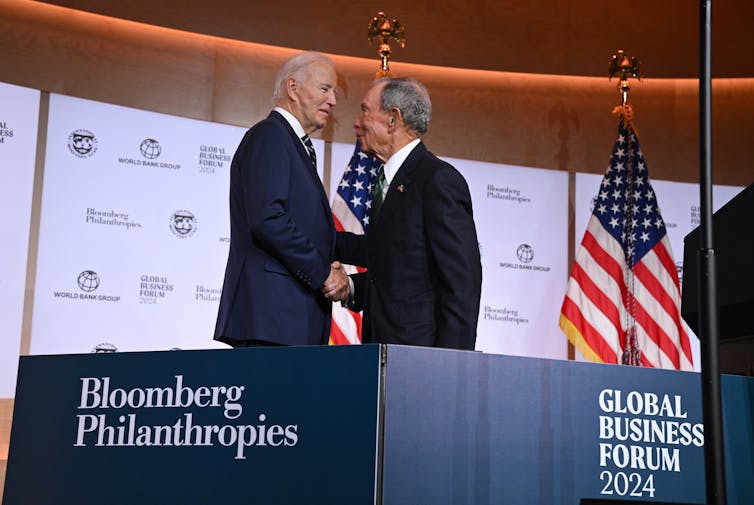
United States President Joe Biden yesterday apologised to Prime Minister James Marape and the people of Papua New Guinea for abandoning his planned trip to Port Moresby, and instead is sending Secretary of State Anthony Blinken.
Details of Blinken’s travel to PNG are still being finalised and will be announced soon, but he will be here on Monday, Marape said.
He said Blinken would be involved in bilateral dialogue with the PNG government and leaders of the Pacific Island countries.
Marape, while addressing journalists yesterday afternoon, had to excuse himself twice during the hour-long address, to take calls from the White House and from Biden.
He said Biden was apologetic but had given his commitment to visit PNG and the region in the near future.
Marape also talked about the benefits of the US-PNG Defence Cooperation Agreement, downplaying fears that the agreement was unconstitutional and would sacrifice PNG’s sovereignty.
“Sorry I didn’t mean to be rude, but this call that came in this time, you know the US President is a very important man, he is not easily accessible, he’s got stiff protocols to access him and I was privileged on behalf of our people that he placed a call directly through my cell phone,” Marape said in apology to the local and international journalists in attendance.
“We spoke and I just stepped out and got his call.
‘Sincerest apology’ “He [President Biden] conveyed his sincerest apology that he cannot make it into our country.
“I did place an invitation to him that the next earliest available time, please come and visit us here, but he has confirmed that he has directed Secretary of State Anthony Blinken to arrive here on Monday to meet with us for a specific bilateral with Papua New Guinea as well as a regional meeting with the Pacific Island leaders.
“He did invite again the Pacific Island leaders for a continuation of a progressive continuation of the meeting that we initially held last September in Washington.
“And so those were the reasons why I stepped out.”
Marape also said he had invited Biden to visit PNG whenever he could, and Biden had agreed.
He said that when Biden came, he would be able to sign the Ship Riders Agreement with PNG.
He said the agreement had been approved, and was ready for signing.
But he did not give a firm answer on the signing of other, more controversial agreement, the US-PNG Defence Cooperation Agreement.
He said the agreement was done within the confines of PNG laws, and assured the people that it would be of benefit to the country.
Rabuka arrived in the country today and paid a courtesy call on the Governor-General.
By way of introduction, the Prime Minister and his delegation performed a traditional Fijian reconciliation ceremony complete with the presentation of a whale tooth, a significant Fijian traditional gift, to the Governor-General.
The traditional ceremony that Prime Minister Rabuka performed sought forgiveness and reconciliation on behalf of the people of Fiji for the closure of the Fiji High Commission in PNG in 2020.
Lawrence Fong and Gorethy Kennethare PNG Post-Courier reporters. Republished with permission.
The PwC scandal reveals appalling behaviour by an individual consultant and his company that provided consulting services to the federal government.
PwC reportedly used its insider knowledge to advise multinational firms on how to continue to avoid tax when the legislation it advised on came into operation.
Confidentiality agreements were broken and the central objective of the contracted advice – to address tax avoidance by multinational companies – was directly subverted.
In light of this case, a Senate committee is investigating the use of consultancy firms by the federal government.
While the terms of reference focus on conflicts of interest, committee members are also interested in the growth in the use of consultants and contractors in recent years, how they are managed by government, and the impact this is having on the public service. As a former Australian Public Service Commissioner, I appeared before the committee to discuss these wider issues on May 2 this year.
So far, no evidence has been provided that the PwC case is representative of widespread abuse among consulting firms of their contracted obligations, or of extensive and systematic failure to properly manage conflicts of interest.
But the scale of the use of consultants raises questions about how well conflicts are managed and, indeed, about value for money in the use of such external advice by federal government agencies.
Differing values and blurred boundaries
In managing consultants, it’s essential the public service appreciates that the motives and values of the consultants are quite different from those of public servants. Their loyalty is to their employers and, while delivering what the contract for services requires, their interest is in their company’s profits.
What they deliver may be in the public interest, but the public interest isn’t their primary motivation.
The extensive use of consultants and contractors in recent years has sometimes blurred the boundaries between them and the public servants with whom they work.
The benefits of close working relationships can obscure the boundaries, leading to perceptions of working seamlessly together. But seamlessness is inappropriate and risks mismanagement of the different interests and values involved.
I was asked a few years ago to investigate a case in the defence department, in which a contractor was so embedded in the organisation, having high-level security clearances, that managers failed to see he was exploiting the relationship to gain further work without competitive processes.
He was also stealing intellectual property from a former employer to win new contracts. It was only after a court case, and my investigation, that the department accepted its mismanagement of the contractor.
The seamlessness of the relationship blinded them to the reality.
Public servants need to recognise the commercial interests of the consultants and contractors, which might motivate these contractors to engage in activities such as:
limiting the transfer of expertise to the public service so as to retain demand for that expertise externally into the future
tailoring advice to maximise the chances of new business, including by not providing advice that might not be welcome
further tailoring advice to recommend supplementary work, particularly where that might not be subject to competitive tender.
When contracting consultants, governments should:
have clarity about what is to be delivered
have a sound competitive process
carefully manage the consultancy to maximise the quality of the product and address any conflicts of interest
conduct a proper assessment of the product against the description in the requirement
and, where possible, publish the material delivered to expose it to external scrutiny.
Gone too far
The use of consultants and contractors grew initially in the 1980s and ‘90s in the context of new public management reforms. The mantra of “management for results” increasingly incorporated the use of competitive markets to pursue greater efficiency whether in service delivery, corporate services or government business enterprises (or, later, policy advice).
Central to this use of competition was a focus on value for money and having an even playing field, testing whether outsourcing was warranted. There’s little doubt that, despite some mistakes, significant efficiency gains were delivered during this period.
Subsequently, the focus on demonstrating value for money has shifted. An ideological view emerged that the private sector was necessarily more efficient or that public service advice was more self-interested than private sector advice.
The imposition of staff ceilings, in addition to budgetary ceilings, also led to the use of external labour even when departments knew it didn’t represent value for money. In addition, the scale of the shift to external providers undermined capabilities within the public service, including to be “informed purchasers” of externally sourced services.
There’s little doubt the extent of the use of consultants and contractors has gone too far in recent years. Not only beyond what could be fairly assessed as value-for-money, but also undermining critical capabilities in the public service.
This includes aspects of the core role of the public service, such as the provision of expert, disinterested policy advice drawing on its extensive administrative experience and its understanding of connections across the breadth of government policies.
There are welcome signs of attempts to wind back the use of consultants and contractors and to repair the damage to public service capability. This will take time.
This is not to deny the case for external assistance where expertise is required that the public service has no reason to maintain or where an external perspective is needed.
Andrew Podger does not work for, consult, own shares in or receive funding from any company or organisation that would benefit from this article, and has disclosed no relevant affiliations beyond their academic appointment.
Sunday May 21 is election day in Timor-Leste, when voters decide on 65 members of parliament to represent them. Each election is a reminder of the successful regional and international cooperation that led to Timor-Leste’s independence. It’s also a reminder of the importance of Timor-Leste as an exemplar of democracy, peace and human rights as foundational values.
It is in Australia’s interest that this be nurtured.
As a small state facing many challenges, maintaining these values has regional and global resonance. Timor-Leste is an important voice both in the Pacific and Southeast Asia. It is a successful state that, despite difficulties, has been able to be peace-loving and sustain relations with Indonesia.
By contrast, democratic regression, or the worst-case scenario of a failed state, would be an enormous setback for the entire region.
What role should Australia play in keeping this democracy strong?
The history of the Australia-Timor-Leste bilateral relationship is complicated. It includes the vital Timorese assistance during the second world war and Australia’s tacit approval of Indonesia’s 1975 annexation. It also includes Australia leading the United Nations International Force East Timor (INTERFET), which in turn led to Timor-Leste’s transition to independence following a referendum in 1999.
The two nations have been complexly intertwined through Timor-Leste’s journey to independence and democratic development.
There have been instances of unease between the two countries. The most notable was the allegation of Australian spying during negotiations on the Greater Sunrise oil fields. This remains an ongoing issue with the potential to derail ties again.
But there have also been positive steps, such as Operation Astute, an Australian-led military and police deployment. This operation helped stabilise the country during the 2006-2008 political turmoil that culminated in the attempted assassination of President Jose Ramos-Horta and his medical evacuation.
In 2018, Australia and Timor-Leste concluded a treaty establishing their maritime boundaries following a United Nations conciliation process.
The complexity of the relationship means Australia needs to be respectful in relations, but it should not stop Australia from being a partner to support Timor-Leste’s democratic processes and institutions.
Australia and Timor-Leste came to a resolution on a maritime dispute in March 2018. Antonio Dasiparu/AAP
A recent report outlines how Australia can support Timor-Leste’s governance in ways that ensure effective, capable and legitimate institutions that are responsive to people.
Australia has a track record of such programs. The eight-year, $72 million Governance for Development Program supported Timor-Leste agencies to develop good policy and improve systems as well as helping civil society engage with government decision-making. The program worked in areas including public financial management, economic policy, enabling business, public service administration, law reform and financial services.
The Partnership for Inclusive Prosperity (PROVISU) will continue to support good governance and economic policy by providing support to Timor-Leste’s central government agencies and economic ministries. Through programs like this, Australia can offer meaningful support to Timor-Leste.
Good governance that responds to citizens’ needs is a perennial problem. Timor-Leste’s nascent bureaucracy makes this a priority issue. Australia should continue to develop partnerships that strengthen institutions so they are able to deal with problems.
An example of this is PARTISIPA, a ten-year $80 million program to improve access to quality basic infrastructure and services. It works in partnership with national and subnational governments to improve the delivery of decentralised services and village-level infrastructure, such as rural water. It continues Australia’s long-term support for the national village development program and its community-driven processes.
Another area where Australia can contribute is in media.
Timor-Leste has a vibrant media landscape that is among the freest in the region. Australian can support Timor-Leste to ensure its media are strong and robust as well as free, with public interest is at its core. It can also work with local media to strengthen their ability to educate the general public on governance issues, to hold power to account and to promote the rule of law.
Australia can help Timor-Leste maintain a vibrant and free media landscape. Antonio Dasiparu/AAP
An example of this is a recent memorandum of understanding between the ABC and Timor-Leste’s public broadcaster RTTL, which includes media development programs. The agreement recognises the vital role both organisations play in informing audiences and contributing to democracy. The ABC will work with RTTL to establish a new English-language news service, helping staff enhance their journalism and content-making skills.
Another priority Australia can engage with is the justice system.
Consultations with Timorese civil society organisations, conducted by The Asia Foundation for the Asia-Pacific Development, Diplomacy & Defence Dialogue (AP4D) report, revealed a particular concern about rebuilding trust in the judicial system. It’s an area with which Australia has not been greatly involved compared to Portugal.
Australia should also engage with Timorese political parties, recognising the important structural role they play in governance. This can complement continued engagement with formal government institutions and the national parliament. Australia should continue to invest in the protection and promotion of human rights.
Finally, Australia should be a partner for youth civic and political engagement, given the reality of a future political transition from independence leaders to younger generations.
Timor-Leste today lives with a legacy of conflict, which has far-reaching implications. There is significant pressure on government to meet the needs and expectations of the Timorese people. Australia can be a partner to support these goals.
By helping to build a stronger, resilient and prosperous Timor-Leste, Australia is investing in a more secure and stable immediate neighbourhood, which will reap mutual benefits.
Melissa Conley Tyler is Executive Director of the Asia-Pacific Development, Diplomacy & Defence Dialogue (AP4D), a platform for collaboration between the development, diplomacy and defence communities. It receives funding from the Australian Civil-Military Centre and the Department of Foreign Affairs and Trade and is hosted by the Australian Council for International Development (ACFID).
Andrea Fahey is a PhD Scholar at the National Security College, Australian National University. She received funding from the Australian Government for her research. She previously worked with the United Nations Peacekeeping Mission in Timor Leste in 2007-2012.
Source: The Conversation (Au and NZ) – By Charles Livingstone, Associate Professor, School of Public Health and Preventive Medicine, Monash University
Turn on the TV and you’re four times more likely to see a gambling ad during a sports broadcast than during other programming.
The number of gambling ads on TV has grown from 374 a day in 2016 to 948 in 2021. The Australian Football League and National Rubgy League have an “official wagering partner”, whose logo is displayed prominently. Individual clubs have sponsorship deals with gambling companies, displaying their logos on team jerseys.
It’s something Prime Minister Anthony Albanese agrees is “annoying”, after Opposition leader Peter Dutton proposed a ban on gambling ads an hour before and after sports matches.
Children are regularly, and heavily, exposed to these ads. Parents are alarmed at the changing way their children view sport. It’s not just about the game, or the players, or the teams any more. Now children recite bookmaker brands and the odds as they discuss the weekend’s sport.
Normalising harmful behaviour
As with cigarette marketing in decades past, sports sponsorship and advertising has been the primary mechanism for the aggressive “normalisation” of gambling. It presents betting on your team (especially with your mates) as the mark of a dedicated supporter.
Associating a product with a popular pastime, and with sporting or other heroes, is a clear tactic of harmful commodity industries from tobacco, to alcohol, fast food, and gambling.
Gambling ads are effective in persuading people to make specific bets, and to encourage their friends to sign up.
Young men are particularly susceptible. More than 70% of male punters aged 18 to 35 are at risk of harm, according to the Australian Institute of Family Studies.
Proportion of Australian adults who gambled and were classified as being at risk of gambling harm in the past 12 months. AIFS, CC BY
What other countries are doing
These concerns have now lead to multiple countries prohibiting gambling ads altogether.
The Netherlands will ban all TV, radio, print and billboard gambling ads from July, with strict conditions on online advertising. A ban on club sponsorship will come into effect in 2025.
Belgium is going further, ban gambling ads online as well from July. It will ban advertising in stadiums from 2025, and sponsoring of sports clubs in 2028.
Spain imposed a blanket ban on gambling advertising in 2021, and Italy in 2019.
“Denormalisation” was a key strategy of tobacco control efforts in Australia. These are now seen as a massive public health success, with smoking and associated disease rates dropping dramatically.
There are at least two aspects to denormalising harmful products.
The first is to reduce the avenues through which the product can be promoted. With tobacco this includes even regulating the packaging. For gambling, getting rid of all forms of gambling promotion during sporting events is the obvious first step.
It’s also important to have counter-marketing. When Victoria banned tobacco sponsorship in 1987, it established the Victorian Health Promotion Foundation , funded by tobacco taxes, initially to support teams that had lost sponsorship.
If gambling ads were banned, it would be logical to replace at least some of the bookies’ ads with messaging that helps people avoid a gambling habit, or get help if they already have an issue.
What needs to be done
If the current parliamentary inquiry into online gambling makes recommendations in line with submissions from concerned citizens and non-government organisations, we can expect an extension of current restrictions. This should include banning ads in line with Peter Dutton’s suggestions.
It would also make sense to go further than just more restrictions on broadcast ads, to include online and social media promotion.
Even though gambling companies spend most of their marketing dollars on television, use of social media is increasing, with alcohol and gambling ads that deliberately target young people. This is despite platforms like Facebook saying it doesn’t allow targeting for online gambling and gaming ads to people under the age of 18.
A program of successive marketing restrictions, moving towards total prohibition, can give the broadcast industry, and the sporting codes, time to line up new sponsors.
There is a need for national uniformity, with a national regulator to replace current clunky arrangements. And only the federal government has any hope of making social media adhere to regulation.
We gained enormous benefits from removing tobacco advertising from our TV screens and billboards. We have the opportunity to protect a new generation from further serious, avoidable gambling harm.
No one can say Australian sport is worse off without tobacco ads.
Providing a clear timeline for the end of gambling ads will give our professional sports organisations the incentive they need to find an ethical solution that avoids entrapping a new generation in gambling harm.
Foundation, the (former) Victorian Gambling Research Panel, and the South Australian Independent Gambling Authority (the funds for which were derived from hypothecation of gambling tax revenue to research purposes), from the Australian and New Zealand School of Government and the Foundation for Alcohol Research and Education, and from non-government organisations for research into multiple aspects of poker machine gambling, including regulatory reform, existing harm minimisation practices, and technical characteristics of gambling forms. He has received travel and co-operation grants from the Alberta Problem Gambling Research Institute, the Finnish Institute for Public Health, the Finnish Alcohol Research Foundation, the Ontario Problem Gambling Research Committee, the Turkish Red Crescent Society, and the Problem Gambling Foundation of New Zealand. He was a Chief Investigator on an Australian Research Council funded project researching mechanisms of influence on government by the tobacco, alcohol and gambling industries. He has undertaken consultancy research for local governments and non-government organisations in Australia and the UK seeking to restrict or reduce the concentration of poker machines and gambling impacts, and was a member of the Australian government’s Ministerial Expert Advisory Group on Gambling in 2010-11. He is a member of the Lancet Public Health Commission into gambling, and of the World Health Organisation expert group on gambling and gambling harm.
Source: The Conversation (Au and NZ) – By Charles Livingstone, Associate Professor, School of Public Health and Preventive Medicine, Monash University
Turn on the TV and you’re four times more likely to see a gambling ad during a sports broadcast than during other programming.
The number of gambling ads on TV has grown from 374 a day in 2016 to 948 in 2021. The Australian Football League and National Rubgy League have an “official wagering partner”, whose logo is displayed prominently. Individual clubs have sponsorship deals with gambling companies, displaying their logos on team jerseys.
It’s something Prime Minister Anthony Albanese agrees is “annoying”, after Opposition leader Peter Dutton proposed a ban on gambling ads an hour before and after sports matches.
Children are regularly, and heavily, exposed to these ads. Parents are alarmed at the changing way their children view sport. It’s not just about the game, or the players, or the teams any more. Now children recite bookmaker brands and the odds as they discuss the weekend’s sport.
Normalising harmful behaviour
As with cigarette marketing in decades past, sports sponsorship and advertising has been the primary mechanism for the aggressive “normalisation” of gambling. It presents betting on your team (especially with your mates) as the mark of a dedicated supporter.
Associating a product with a popular pastime, and with sporting or other heroes, is a clear tactic of harmful commodity industries from tobacco, to alcohol, fast food, and gambling.
Gambling ads are effective in persuading people to make specific bets, and to encourage their friends to sign up.
Young men are particularly susceptible. More than 70% of male punters aged 18 to 35 are at risk of harm, according to the Australian Institute of Family Studies.
Proportion of Australian adults who gambled and were classified as being at risk of gambling harm in the past 12 months. AIFS, CC BY
What other countries are doing
These concerns have now lead to multiple countries prohibiting gambling ads altogether.
The Netherlands will ban all TV, radio, print and billboard gambling ads from July, with strict conditions on online advertising. A ban on club sponsorship will come into effect in 2025.
Belgium is going further, ban gambling ads online as well from July. It will ban advertising in stadiums from 2025, and sponsoring of sports clubs in 2028.
Spain imposed a blanket ban on gambling advertising in 2021, and Italy in 2019.
“Denormalisation” was a key strategy of tobacco control efforts in Australia. These are now seen as a massive public health success, with smoking and associated disease rates dropping dramatically.
There are at least two aspects to denormalising harmful products.
The first is to reduce the avenues through which the product can be promoted. With tobacco this includes even regulating the packaging. For gambling, getting rid of all forms of gambling promotion during sporting events is the obvious first step.
It’s also important to have counter-marketing. When Victoria banned tobacco sponsorship in 1987, it established the Victorian Health Promotion Foundation , funded by tobacco taxes, initially to support teams that had lost sponsorship.
If gambling ads were banned, it would be logical to replace at least some of the bookies’ ads with messaging that helps people avoid a gambling habit, or get help if they already have an issue.
What needs to be done
If the current parliamentary inquiry into online gambling makes recommendations in line with submissions from concerned citizens and non-government organisations, we can expect an extension of current restrictions. This should include banning ads in line with Peter Dutton’s suggestions.
It would also make sense to go further than just more restrictions on broadcast ads, to include online and social media promotion.
Even though gambling companies spend most of their marketing dollars on television, use of social media is increasing, with alcohol and gambling ads that deliberately target young people. This is despite platforms like Facebook saying it doesn’t allow targeting for online gambling and gaming ads to people under the age of 18.
A program of successive marketing restrictions, moving towards total prohibition, can give the broadcast industry, and the sporting codes, time to line up new sponsors.
There is a need for national uniformity, with a national regulator to replace current clunky arrangements. And only the federal government has any hope of making social media adhere to regulation.
We gained enormous benefits from removing tobacco advertising from our TV screens and billboards. We have the opportunity to protect a new generation from further serious, avoidable gambling harm.
No one can say Australian sport is worse off without tobacco ads.
Providing a clear timeline for the end of gambling ads will give our professional sports organisations the incentive they need to find an ethical solution that avoids entrapping a new generation in gambling harm.
Foundation, the (former) Victorian Gambling Research Panel, and the South Australian Independent Gambling Authority (the funds for which were derived from hypothecation of gambling tax revenue to research purposes), from the Australian and New Zealand School of Government and the Foundation for Alcohol Research and Education, and from non-government organisations for research into multiple aspects of poker machine gambling, including regulatory reform, existing harm minimisation practices, and technical characteristics of gambling forms. He has received travel and co-operation grants from the Alberta Problem Gambling Research Institute, the Finnish Institute for Public Health, the Finnish Alcohol Research Foundation, the Ontario Problem Gambling Research Committee, the Turkish Red Crescent Society, and the Problem Gambling Foundation of New Zealand. He was a Chief Investigator on an Australian Research Council funded project researching mechanisms of influence on government by the tobacco, alcohol and gambling industries. He has undertaken consultancy research for local governments and non-government organisations in Australia and the UK seeking to restrict or reduce the concentration of poker machines and gambling impacts, and was a member of the Australian government’s Ministerial Expert Advisory Group on Gambling in 2010-11. He is a member of the Lancet Public Health Commission into gambling, and of the World Health Organisation expert group on gambling and gambling harm.
New Zealand Parliament Buildings, Wellington, New Zealand.
New Zealand Politics Daily is a collation of the most prominent issues being discussed in New Zealand. It is edited by Dr Bryce Edwards of The Democracy Project.
While visiting various plants, bees need to figure out the best flowers so they can be the most efficient foragers possible, and communicate this to their hive.
But there’s much more these insects’ tiny brains are capable of.
Bees have a great memory and can learn a lot
Bees can visit hundreds of flowers a day across multiple locations, and are great at learning which floral colours, shapes and locations are best for finding food. These flower memories can last for days, allowing for individual workers to return to the best flowers.
Bees are capable of learning in complex ways. They can use “cross-modal” learning, recognising an object they’ve experienced with one sense when it’s presented in another sense. In one study, bumblebees were trained to tell cubes and spheres apart using only touch, but could still distinguish them visually if they were unable to touch the shapes – and vice versa.
Bumblebees can integrate information from different senses – a useful skill when foraging from colourful flowers. NON/Unsplash
Bumblebees were trained on different combinations of higher and lower quality coloured flower pairs. When bees were presented with flower combinations that had never been paired together, bumblebees forgot information about how sweet a flower was, but could remember if their experience was better or worse for the two flowers displayed.
This demonstrates bees can integrate sensory information independently of the specific sense involved. This is something human babies do when developing, and how we learn to read and write.
Bees also learn from each other
Honeybees are possibly most famous for the “waggle dance”, which is how they tell their nest mates about the distance, direction, and quality of a food source.
Honeybees are born to dance, but when young bees are able to observe older, more accomplished dancing bees, the young bees become “better” dancers.
Aside from the waggle dance, social bees use a range of social information to learn from others. They follow each other to good flowers, they use scent marks to mark both rewarding and empty flowers, or simply watch more experienced individuals to learn how to access food.
Their learning isn’t simply passive either. Bumblebees have been trained to push balls into holes to get rewards. During these experiments there have been observer bees who have learnt the skill either by watching (and no direct interaction with the teacher bee), or interacting with the teacher bee and then spontaneously improving on the technique.
This demonstrates an understanding of the task at hand and the desired outcome, allowing the observer bee to find her own, better way to get the reward.
As the FIFA Women’s World Cup approaches, we can even use this training technique to get bees to learn to play soccer.
Bees can recognise faces – and paintings
Bees’ ability to memorise doesn’t stop at flowers. In one example, honeybees were rewarded every time they visited a painting by a “rewarding” artist (either Monet or Picasso). When bees were given paintings they had never seen before, they still visited the rewarding artist, suggesting they can discriminate between art styles.
Their discrimination ability beyond flowers is also impressive, as honeybees can even recognise people’s faces.
Bees can play
Play is considered a really important part of learning and cognition, and it’s not limited to humans. A previous study of bumblebees showed they meet the criteria of play – repeated behaviours that occur voluntarily for pleasure, and offer little value to the animal’s ability to mate, reproduce, or feed successfully.
Bumblebees that entered a room full of wooden balls willingly rolled around with the balls, and were more likely to enter a room that was previously associated with wooden balls, even though they were given no food reward for doing so.
Native bees are smart
Most of our understanding of bee brains focuses on two groups of bees: honeybees and bumblebees. These bees are widely distributed across the globe and are commercially important pollinators.
But there are a lot of other species of bees we don’t know as much about.
In Australia, we have over 2,000 species of native bees, and we know that a lot of them have great colour vision, and innate preferences for particular shapes and colours. Halictid bees can learn to avoid flowers associated with predation, for example.
It is highly likely that most other bee species are capable of clever feats – we just need to spend more time studying them.
Thinking about these abilities and taking the research all together, it becomes clear that the “simple” minds of bees are far more capable than we could have imagined.
Though they only have about a million neurons (we have about 100 billion), bees show complex behaviours like tool use, they have a representation of space, and they can learn through observation.
This has brought about some exciting discussions around bees potentially having consciousness. If that were true, it could change not only how we see bees, but how we interact with them. It also raises the question – could other invertebrates have consciousness?
Stress and other factors limit their ability to do these clever things
Native bees face many risks, including the negative impacts of habitat loss, pollution, climate change, and the overuse of pesticides.
For bees generally, stress is a problem as well. All kinds of stress can make it harder for bees to learn, as it impacts their cognitive functions, their ability to think, and remember.
There is evidence that pesticides and air pollution can impair memory and learning in bumblebees and honeybees. When honeybees were exposed to road pollution, they were less able to remember floral scents, which makes it harder for them to locate the flowers they need to sustain their hive.
Next time you’re watching bees in your garden, don’t forget to appreciate all of the things their brains are able to do – and how much we need to look after them.
Caitlyn Forster received funding from the Australian Research Council and The Australasian Society for the Study of Animal Behaviour.
Eliza Middleton received funding from the Australian Research Council.
Senior cabinet minister Megan Woods, Minister of Finance Grant Robertson and Prime Minister Chris Hipkins prepare to deliver the May 18 budget.Getty Images
All the pre-budget talk of “bread and butter”, “no frills”, targeting and reprioritisation came with a sense of foreboding. History and research tell us that budgets in general – but particularly those hyper-focused on fiscal prudence – have different, often unequal impacts on women compared to men.
For those of us who have long advocated for applying a gender lens to the budget, however, those fears were misplaced. That’s because Budget 2023 included a gender budgeting “snapshot” – the first New Zealand budget to do so.
This is an important addition to the budget process. The aim is to secure the wellbeing of diverse groups of women, undermine structural inequalities, and avoid unintended negative consequences of investment decisions.
Although gender budgeting is new for Aotearoa New Zealand, it has a long history elsewhere, including in Australia. More than 80 countries have trialled some form of gender budgeting, including over 20 OECD member states.
Indeed, the OECD, the United Nations, the World Bank and the International Monetary Fund view gender budgeting as critical to correcting resource disparities, closing gender gaps in pay and the labour market, and enhancing economic, fiscal and social outcomes.
Valuable first steps
There are many gender budgeting models. But best-practice examples apply a data-based gender perspective to all stages of the budget process, from design and analysis to implementation and evaluation.
The New Zealand government’s expanded pilot is not at that stage yet. But we witnessed some valuable first steps towards building a more inclusive budget system.
Treasury guidelines asked government agencies to analyse how budget proposals would enhance the wellbeing of Māori and Pacific people, children, the environment – and, explicitly for the first time, women and girls.
Fifteen agencies, supported by the Ministry for Women, used a gender budgeting toolkit to undertake this work. As a result, the budget contained specific initiatives for diverse groups of women. Investments often assumed to be “gender neutral” were assessed through this gender lens.
Our analysis of previous “wellbeing” budgets has highlighted how the gender-segregated nature of the labour market, including unpaid care work, has meant the benefits of government investments often bypass women.
Women are underrepresented in the construction and technology sectors, for instance. They also rely heavily on affordable childcare to support their return to work after parental leave. They often have different transport needs to men, and may be affected differently by pandemics and natural disasters.
Without a gender perspective, new spending on transport and climate change mitigation is unlikely to be evenly shared.
Bringing gender into Budget 2023 overcame some of these inefficiencies. For example, gender analysis resulted in the digital technology package including NZ$26.6 million to help businesses address digital skills gaps, and increase women’s participation in the sector from 27% to 50% by 2030.
Expanding the 20 hours early childhood education (ECE) subsidy to cover two-year-olds (it previously covered those aged three to five) was another win for women. This $1.2 billion investment reduces by 18 months the period between parental leave payments ending and government support for childcare starting.
Reduced fees and cost-of-living support for parents with children already enrolled in ECE are also signalled. This may expand women’s labour force participation and increase productivity.
The government also began to address the gender gap in retirement savings by matching KiwiSaver employer contributions for paid parental leave recipients. This contribution is conditional on a co-contribution by employees, so may be less accessible to the lowest income earners.
However, it represents an investment in, and acknowledgement of, the unpaid care work predominantly done by women. And it is an important step towards reducing one component of the “motherhood penalty”.
The gender analysis completed by transport agencies revealed women are more likely than men to rely on public transport, use it in off-peak hours and make multiple short journeys. Women, particularly Māori and Pacific women, are also less likely than men to have a driver’s licence, making them more dependent on public transport.
So the promise of free fares for under-13-year-olds and reduced prices for under-25s is valuable. But it doesn’t cover the full cost for high school students, or help address the safety concerns associated with using public transport at night.
Gender analysis also matters for climate change and disaster recovery initiatives. For example, the University of Auckland’s 2021 International Social Survey Programme found more women than men reported experiencing extreme weather events in the past 12 months.
While the gender gap is not significant, this nevertheless reinforces the need to analyse the impact of climate disasters on diverse groups within regions.
Family violence and harm also increase during and following such events. The additional funding dedicated to eliminating family and sexual violence in the budget is welcome. But making gender analysis the norm across recovery packages will be essential for resilience plans as the impacts of climate change increase.
It’s possible this year’s gender budgeting snapshot will be read by naysayers as a “frill” or a “nice to have”. But in reality it will make New Zealand’s system of budgeting more effective, efficient and equitable. Ultimately, it makes good economic sense.
It might also help Labour, the Greens and Te Pati Māori retain enough of the women’s vote to swing this year’s general election in their favour come October.
The authors thank Eva Mountfort for her research assistance.
Jennifer Curtin leads the Gender Responsive Analysis and Budgeting Aotearoa New Zealand project (http://www.grab-nz.ac.nz) which was partially funded by a MBIE Smart Ideas Endeavour Grant awarded in late 2018. She has also consulted with policy advisers at the Ministry for Women, the Treasury, Sport NZ, the Ministry of Transport as part of her research on gender analysis and budgeting.
Komathi Kolandai has conducted analyses and reporting for the Gender Responsive Analysis and Budgeting Aotearoa New Zealand project, including integrating the LSF’s wellbeing indicators.
Dr Suzy Morrissey is the Director of Policy and Research at the Retirement Commission.
Oluwakemi Igiebor and Victoria Woodman do not work for, consult, own shares in or receive funding from any company or organisation that would benefit from this article, and have disclosed no relevant affiliations beyond their academic appointment.
The Customary Senate, Nouméa, New Caledonia.Eddie Wadrawane, Author provided
As Australia prepares to vote in a referendum on an Aboriginal and Torres Strait Islander Voice to parliament later this year, what can we learn from similar models in our region?
New Zealand’s Waitangi Tribunal was established in 1975 as a “permanent commission of inquiry” on issues affecting Māori people. Despite resulting from a treaty, it has no powers to veto legislation.
We can also look to New Caledonia, a French territory northeast of Australia. It has its own version of a Voice to parliament, called the Customary Senate, which represents Kanaks, the territory’s First Peoples and its largest ethnic group at over 40%.
The Customary Senate must be consulted by the territorial authorities on issues relating to Kanak identity, particularly in matters of customary civil status, and customary lands.
The Customary Senate, which has been sitting for more than 20 years, shows us a First Nations consultative body doesn’t pose a “threat” to democracy or the rule of law.
So how does it work?
The Customary Senate
New Caledonia has a unique government. It has a hierarchy of governance from French institutions in Paris, its own government with a Congress that sits in the capital Nouméa, as well as three provincial assemblies and local authorities.
There are differing views on moving to full independence from France. The 1998 Nouméa Accord signed with France, and included in the French Constitution, provided a timetable for independence. Three referendums have since been conducted, none of which has produced a vote in favour of independence – although the most recent referendum in 2021 was boycotted by most independence supporters.
The Customary Senate was established under the Nouméa Accord, and it first sat in 1999. It’s one institution in a long political process to recognise custom as the foundation of Kanak society. This means respecting cultural traditions, many of which date back more than 3,000 years, and norms of social behaviour that prioritise clan duties and values, and hierarchies based on generations over individuals. This is all different from French law.
The Senate is an advisory body composed of representatives from each of the eight customary areas of the archipelago.
Members are appointed for five-year terms, most recently in 2020, and the president rotates yearly between the customary areas. Candidates are nominated by local customary councils, which are the direct representatives of the customary world.
The Customary Senate must be consulted by the president of the New Caledonian government and the Congress, the presidents of the three provinces, or the French High Commissioner, on issues related to Kanak identity, custom and society.
It receives bills concerning such issues, and has two months to deliberate, with additional procedures in the case of disagreement.
But the Congress, not the Customary Senate, has ultimate authority under law.
In 2014, the Customary Senate published a Charter of the Kanak People aimed at structuring and formalising an alternative to French administrative organisation, and to promote Kanak values. Although this charter lacks legal status, it inspires legal proceedings and judgements. Across the archipelago, those of Kanak origin are governed in matters of civil law by their customs. Disputes that end up in court, for example, have customary assessors present who advise and assist legal representatives.
The name “Customary Senate” is not trivial in a territory still subject to French republican law. Indeed, some feel there’s an unrealised political project for it to become a second chamber of government, as exists in Paris or Canberra. In March this year, the Senate created an Indigenous discussion forum to debate the end of the Nouméa Accord.
Resolution of the complex debates surrounding the governance of New Caledonia will decide the Customary Senate’s future. Questions of First Nations sovereignty and independence currently remain unresolved.
Independence supporters have a political majority in two out of three provinces, and strong representation and leadership in the Congress. The president of the Congress is from a pro-independence party, and the president of the current government, Louis Mapou from the Party of Kanak Liberation, also supports independence.
Implications
As Kanak society changes over time, the Customary Senate could also play a role in the adjustment of customary norms, particularly in regard to the place of women in society. It’s already a meeting-place between Kanak clan-based customary consensus and Western democracy, according to its current director of culture, Louis Waia. Discussions are needed to open the Customary Senate to women and younger people, both urban and rural. At present, only (older) men serve in the Senate.
She said in 2022 that she’s “determined to see First Nations perspectives at the heart of Australian foreign policy”, and has now appointed an Ambassador for First Nations People.
The minister is aware of New Caledonia’s system of political representation and how independence supporters have recently received a negative reception from the Macron government in negotiations in Paris. Officially, Australia remains neutral on these disputed governance arrangements.
Nonetheless, the Australian Voice to parliament campaign can learn from, and support, these struggles taking place in its multicultural Pacific neighbour.
Matthias Kowasch is affiliated with University College of Teacher Education Styria (Austria) and Inland Norway University of Applied Sciences (Norway). He is also member of the research group Chôros (France).
Simon Batterbury receives funding from the University of Melbourne and the British Academy.
Eddie Wayuone Wadrawane dan Isabelle Merle tidak bekerja, menjadi konsultan, memiliki saham, atau menerima dana dari perusahaan atau organisasi mana pun yang akan mengambil untung dari artikel ini, dan telah mengungkapkan bahwa ia tidak memiliki afiliasi selain yang telah disebut di atas.
Two Pacific nations considered by Washington as crucial in its competition with China for influence in the region have agreed to 20-year extensions of funding arrangements as part of security and defence treaties.
The Federated States of Micronesia signed off on a nearly-final Compact of Free Association on Monday with US Presidential Envoy Joseph Yun, followed by Palau on Wednesday.
Both documents are expected to be formally signed later this month, ending two years of negotiations.
However, the Marshall Islands, the third North Pacific nation with a Compact, is unlikely to sign primarily because of outstanding issues surrounding the US nuclear testing legacy in the country.
The FSM will reportedly receive US$3.3 billion and Palau US$760 million over the 20-year life of the new funding agreements, according to US officials.
Yun was due to visit the Marshall Islands capital Majuro this week to discuss the situation further.
But the situation in the Marshall Islands appeared murkier than ever.
“The RMI (Republic of the Marshall Islands) looks forward to reaching an agreement soon with the US,” Marshall Islands Chief Negotiator and Foreign Minister Kitlang Kabua said on Wednesday.
Doubtful over new Compact It is unclear at this stage when the two governments will reach agreement on a new 20-year deal, despite Kabua and Yun having initialled a memorandum of understanding in January that spelled out the amounts of funding to be provided to RMI over 20 years.
That would bring in US$1.5 billion and an additional US$700 million related to the nuclear weapons test legacy.
Yun acknowledged the situation with the Marshall Islands telling Reuters it was “doubtful” that the US and Marshall Islands would sign off on the Compact before he departs from Majuro this weekend.
At least one member of the Marshall Islands Compact Negotiation Committee said he was in the dark as to next steps.
“I really have no idea what is the game plan here,” he said.
In a widely-circulated email on the eve of Yun’s visit, Arno Nitijela (parliament) member Mike Halferty said there had been no involvement of the atoll of Arno and the majority of islands in the nation in developing the Compact.
“There is no report on the Compact negotiations for us to understand the situation,” he said. He objected to the exclusion of Arno and other islands from participation, saying the people of Arno are Marshallese like the people involved in the talks with the US.
‘Let people decide own fate’ “If we are truly a democracy, we should have had (a vote on Compact Two) and should now let the people vote to decide their own fate,” he said.
Reuters cited an unnamed “senior US official” who said the discussion between the US and RMI “is no longer about the amount of money but … about how the money will be structured and how it will be spent and what issues it will cover.”
Kitlang Kabua’s comments to the Marshall Islands Journal tended to confirm this analysis: “The RMI has matters tabled in the negotiations that are unique to our bilateral relationship with the US.
“These matters include the nuclear legacy, the communities affected by the US military operations and presence in-country, and the existential threat of climate change,” she said.
“We are also keen on strengthening processes to facilitate the RMI working jointly with the US, without jeopardising accountability and transparency, to utilise resources for areas of priorities as deemed by the RMI government’s strategic plan and other planning documents for the future.”
This article is republished under a community partnership agreement with RNZ.
Runit Dome, built by the US on Enewetak Atoll to hold radioactive waste from nuclear tests. Image: Tom Vance/MIJ/RNZ
Prominent environmental groups in Aotearoa New Zealand are less than impressed with what they describe as underwhelming budget investments in climate, but an expert says the government has taken a multifaceted approach.
Among the announcements yesterday was $402.6 million to expand the duration and scope of the Warmer Kiwi Homes programme, $120 million to expand EV charging infrastructure, $100 million fund to help councils invest in future flood resilience, $24.7 million to improve data on impacts of climate change and adaptation and mitigation, and $167.4 million in building resilience to future climate events.
Forest and Bird said the budget did little to tackle climate change and turn around biodiversity loss.
“Keeping New Zealanders safe is clearly a ‘bread and butter’ issue, yet the government’s lack of investment in nature-based solutions is putting us all at risk,” chief executive Nicola Toki said.
Forest and Bird’s Nicola Toki . . . “Keeping New Zealanders safe is clearly a ‘bread and butter’ issue, yet the government’s lack of investment in nature-based solutions is putting us all at risk.” Image: Paul Donovan/RNZ
“What we looked for but have not found, is meaningful investment in nature-based solutions to climate impacts. And our biggest source of greenhouse gas emissions, agriculture, has not yet been priced more than 30 years after New Zealand promised the world it would cut emissions.”
The government’s $6 billion infrastructure-focused National Resilience Plan needed to prioritise investment in areas like river catchments, forests, and wetlands — otherwise it might even affect people’s ability to get insurance in the future, Toki said.
Insulation and heating retrofits Electricity Networks Aotearoa chief executive Richard Le Gros said the association, which represents New Zealand’s 27 electricity distribution businesses (EDBs), supported the focus in the budget on decarbonisation initiatives as well as insulation and heating retrofits.
“We welcome the government’s greater investment in public EV charging infrastructure throughout the country,” Le Gros said, adding it would help reduce household energy bills and encourage a green transition.
Electricity Networks Aotearoa welcomes greater investment in public EV charging infrastructure. Image: Andrew Roberts/Unsplash/RNZ
Greenpeace climate campaigner Christine Rose was critical of the government for missing the chance to implement radical change in farming, climate solutions, transport, and energy.
“While it’s positive to see that half-price fares remain for some, we needed bolder and more visionary strategies, including significant investment in expanding rail and making public transport fares free for all,” Rose said.
“We welcome the funding boost for home insulation and heat pumps, but are disappointed not to see significant investment in locally-owned renewable energy.
“This would end our dependence on oil, gas and coal, and also reduce the power bills of everyday New Zealanders, addressing both the cost of living and climate crisis.”
Long-term behaviour change University of Canterbury professor Bronwyn Hayward said the budget appeared “deceptively simple” but, for example, allowing children to use public transport for free was not just about increasing bus use, it would also ease family budgets and instigate long-term behaviour change.
“Critics of the government will rightly point out there is now less money available to spend on climate resilience due to the crash in carbon pricing, and yet a sizable new spend of $1.9 billion has been allocated in this budget for climate resilience alongside the $1 billion pledged for cyclone recovery,” Hayward said.
“This, together with spending on retrofitted housing, new homes, prescription charges and school lunches all contributes to the social infrastructure that communities will badly need when facing ongoing climate risk.
“We need to join the dots when we talk about climate budgets and see how many of the wellbeing initiatives are also very real investments in climate resilient futures too.”
“Tackling the cost-of-living and climate change together.” Photo: RNZ // Angus Dreaver
While making transport more equitable was important, University of Auckland School of Architecture and Planning senior lecturer Timothy Welch said the focus should also be on the infrastructure’s resilience as more intense and frequent weather events could be expected.
“New funding for maintaining public transport service and workforce development is important, but we need more funding to expand our public transport networks and help drive down transportation emissions.”
Research, science, and tech Universities New Zealand welcomed the announcement of $55 million for research fellowships and an applied doctoral training scheme, as well as the allocation of $451 million for multi-institutional research collaboration hubs in the Wellington region focused on health and wellbeing, oceans, climate and hazards, advanced manufacturing, biotech and energy futures.
However, it said it was unfortunate to see funding for the Centres for Asia-Pacific Excellence had been discontinued.
Professor Hayward said integrating science agencies based in Wellington was important, but it omitted “arts and imagination”.
University of Canterbury professor Bronwyn Hayward . . . “The climate crisis will bring repeated, cascading and compounding weather events that will test our resolve and tear at the fabric of our society.” Image: University of Canterbury/RNZ
“The climate crisis will bring repeated, cascading and compounding weather events that will test our resolve and tear at the fabric of our society. These are not challenges which can be fixed by science or investment in infrastructure alone,” Professor Hayward said.
“We need the arts, alongside sciences to help imagine a low-carbon economy in fair and just ways,” she said.
“While government could justifiably argue its attention to digital screen industries is a creative investment in ‘a high-wage low emissions and creative economy’ we also need a wider vision for the deeper integration of arts and sciences, one which helps us imagine new ways we might yet flourish in a climate challenged world.”
Addressing inequities Environmental consultant Andrea Byrom said it was heartening to see some of the tertiary investment addressing long-recognised inequities, with dedicated fellowships and awards for Māori and Pacific people and a boost to provision of Mātauranga Māori in the tertiary sector, and applied postdoctoral fellowships.
Byrom also applauded trialling apprenticeship training in the tech sector and boost to research fellowships and PhDs.
“The historical gap in funding for these types of fellowships, particularly at postdoctoral level, has resulted in much of Aotearoa New Zealand’s best and brightest talent heading offshore — sometimes never to return.
“Hopefully these fellowships will stem that flow.”
Malaghan Institute director Graham Le Gros said the investment in science and innovation recognised the sector’s value to the country’s resilience and prosperity.
“From building resilience in the face of future pandemics to investing in biotech, innovation and talent to help move New Zealand to a high-wage economy, we can rejoice in some much needed infrastructure so that all New Zealand scientists have a place to really focus their energy and attention,” Le Gros said.
“The multi-institutional research hubs will increase collaboration and productivity, allowing us to work together to tackle some of New Zealand’s most pressing challenges and opportunities.”
This article is republished under a community partnership agreement with RNZ.
The 2023 Budget — billed as a “no frills” affair — is set against a volatile economic backdrop with the government now forecast to return to surplus a year later than expected.
In a statement, Prime Minister Chris Hipkins said his first Budget would provide relief from the sharp cost of living without exacerbating inflation “as tax cuts would”.
“Budget 2023 isn’t fancy, nor should it be . . . it’s a carefully calibrated package that deals with the here and now pressures, while also laying the foundation for real long-term benefits.”
‘Support for today’ The Budget extends cheaper childcare to parents of two-year-olds, giving them access to 20 hours a week of free early childhood education (ECE). That support currently kicks in for children from the age of three.
For eligible families, the extension could save them more than $130 a week in childcare costs for an extra year.
They will have to wait, however, until March next year — critically after the election — for the $1.2 billion package to come into effect.
Speaking during the lock-up at Parliament, Finance Minister Grant Robertson told RNZ the delay was primarily due to administrative reasons.
From July this year, public transport will be made free for all children under 13 and will remain half-price for passengers aged 13 to 24. That initiative is costed at about $327 million over four years.
The existing discount on bus, train and ferry fares will expire for most other people at the end of June, except for Community Service Card holders. As signalled, the accompanying fuel discount will finish at the same time.
Most prescription medicine will be made completely free from July, with the government scrapping the current $5 charge at a cost of about $619 million over four years.
‘Building for tomorrow’ The government has committed $71 billion of infrastructure spending over the next five years — that is money for building schools, hospitals, public housing, roads, etc. The spend is up about 60 percent from the $45 billion spent over the previous same period.
On top of that, another $6 billion has been set aside for a National Resilience Plan with an initial focus on future-proofing road, rail and other infrastructure wiped out by extreme weather.
Three new multi-institution research hubs will be set up in Wellington at a cost of $451 million. Each will focus on a different subject: Climate change, health, and technology.
A new 20 percent rebate will be made available for game development studios who spend at least $250,000 a year in New Zealand as an incentive to keep them from moving abroad. Individual studios will be eligible for up to $3 million a year in rebates.
Tax, tax, tax As promised, the Budget does not include any major new taxes or tax cuts, but it does increase the trustee tax rate from 33 percent to 39 percent — in line with the top personal tax rate.
Revenue Minister David Parker said the discrepancy was currently allowing super-wealthy taxpayers to funnel their income through trusts to avoid paying their fair share of tax.
Both Inland Revenue and Treasury had recommended the change when Labour introduced the new top personal tax rate in 2021.
The trustee tax hike is estimated to raise about $350 million a year, beginning in April next year.
This article is republished under a community partnership agreement with RNZ.
A man has been arrested and charged in relation to the fatal fire at Loafers Lodge in the capital Wellington’s Newtown suburb on Monday night when at least six people died.
Authorities say it may be days before a final death toll is known. Two bodies were recovered from the scene today.
In a statement tonight, police said a man had been arrested earlier in the afternoon and charged with two counts of arson.
The investigation into the fire was ongoing and police said they could not rule out further, more serious charges in relation to the deaths at the scene.
Acting Wellington district commander Inspector Dion Bennett said police were not seeking anyone else in relation to the fire.
The arrested man is set to appear in Wellington District Court tomorrow.
Loafers Lodge is a 92-room boarding house close to Wellington Hospital and it accommodated residents from vulnerable and marginalised communities — including those on welfare and disability pensions — as well as hospital workers.
The fire has shocked New Zealand. Prime Minister Chris Hipkins called it “an absolute tragedy” and said it raised a wider discussion about the nation’s housing crisis.
This article is republished under a community partnership agreement with RNZ.
Source: The Conversation (Au and NZ) – By Dr Ausma Bernot, Postdoctoral Research Fellow, Australian Graduate School of Policing and Security, Charles Sturt University
Shutterstock
Australian government agencies’ use of Chinese-made technology has been making headlines again. This time, the potential threat comes from DJI drones produced by China-headquartered company Da Jiang Innovations.
A cessation order signed earlier this month will see the Australian Defence Force (ADF) suspend its use of DJI products, pending a six-month security audit of the force’s supply chain. DJI drones were being used for training and military exercises.
DJI joins a growing list of Chinese technology producers spurring anxiety in Australia and among allies. But the disproportionate focus on Chinese-made technologies might not be doing Australia’s national security much good.
A history of pointing the finger at China
It is important to note DJI does have links with China’s ruling political party, the Chinese Communist Party (CCP), which has its own branch within the company. DJI also supports public security efforts in Xinjiang. Recent research has demonstrated how private surveillance companies in China will keenly adopt the CCP’s language to position themselves advantageously in the domestic market.
All of the above has raised national security concerns in Australia – and not for the first time. In 2018, Malcolm Turnbull’s government blocked Huawei from supplying Australia’s 5G infrastructure to ensure the security of critical infrastructure. Turnbull said Australia must “defend our sovereignty with the same passion that China seeks to defend its sovereignty”.
An ongoing case is also being made against TikTok, with critics pointing to the potential for the CCP to use the app to harvest data. The platform was banned from Australian government devices in April.
In another example, the shadow cyber security and home affairs minister, James Paterson, earlier this year called for the removal of all CCTV cameras at government sites supplied by China-based companies Hikvision and Dahua. This came after an audit that involved counting the number of Hikvision and Dahua cameras being used on government premises (there were more than 900).
The problems, according to recent debates
Paterson’s reviews of the use of TikTok, Chinese CCTV camera and DJI drones by government agencies have been accompanied by two key arguments.
The first considers Chinese companies’ links to human rights violations. In 2022, the United Nations published an assessment that determined there was evidence of serious human rights violations against Uyghur and other predominantly Muslim-minority people in Xinjiang province.
The Australian Strategic Policy Institute has monitored Chinese technology companies and their sales in Xinjiang since 2019, and curated a list of 27 companies supplying surveillance infrastructure to the region. DJI, Hikvision and Dahua all compete for market share in China, and this includes sales to public security agencies in Xinjiang.
The second argument considers potential risks to Australia’s national security. In the case of DJI, Australia has acted in tandem with the US since 2017, when DJI drones where first prohibited from use by the US military. The same year, Australian Defence Forces suspended their use of DJI drones for two weeks. A recommendation was then made to use them only in non-sensitive and unclassified contexts.
In 2019, the US Department of Defence banned the purchase and use of drones and their components produced in China, and in 2022 made DJI a blacklisted supplier – less than a year before the ADF announced its current security audit.
What should Australia be doing?
In a 2017 parliamentary hearing that included a discussion on DJI drones, the ADF’s then deputy chief of information warfare, Marcus Thompson, noted “there were some concerns regarding the cyber security characteristics of the device”. The conversation continued behind closed doors.
More recently, Australian Security Intelligence Organisation (ASIO) Director-General Mike Burgess responded to concerns about CCTV camera use by saying: “There’s nothing wrong with the technology; it’s that the data it collects and where it would end up and what else it could be used for would be of great concern to me and my agency.”
These scenarios suggest, when it comes to China, there are risks of potential foreign interference, espionage and data leaks. Yet, at the same time, we don’t have concrete evidence of Chinese government agencies accessing Australians’ data via tech companies and their products.
Either way, starting a new debate on the use of Chinese technology every few months is not a sustainable security strategy, as much as it is a whack-a-mole tactical response. Nor is it very useful to conduct audits that merely count the number of Chinese-made devices in use.
Protecting Australia’s national security interests will require in-depth security reviews of all foreign technologies used, as well as a review of our overall national security strategy. ASIO has a foreign interference task force, which could consider incorporating the vetting of imported tech. Such an approach would help avoid hypotheticals.
It would also clearly articulate roles and responsibilities within government for whatever new technology comes along next. It is not just China that poses risks to Australia’s national security. Our politically driven focus on China takes away from efforts to weed out potential harms from elsewhere, such as Russia, Iran and non-state actors.
The authors do not work for, consult, own shares in or receive funding from any company or organisation that would benefit from this article, and have disclosed no relevant affiliations beyond their academic appointment.
Note of warning: This article refers to deceased Aboriginal people, their words, names and images. Words attributed to them and images in the article are already in the public domain. Also, historical language is used in this article that may cause offence. Individuals and communities should be warned that they may read or see things in this article that could cause distress.
In the breakthrough High Court case Love and Thoms vs Commonwealth in 2020, the court ruled that First Nations people could not be considered aliens in Australia. As Justice James Edelman noted in the decision,
whatever the other manners in which they were treated […] Aboriginal people were not ‘considered as foreigners in a kingdom which is their own’.
Yet, in my upcoming book with historian Kate Bagnall, I look at how Aboriginal and Torres Strait Islander people were long denied the rights of citizenship in their own land due to discriminatory laws – perhaps no more so than in Western Australia.
Until the 1970s, Western Australia still forced Aboriginal people to “dissolve tribal and native associations” and “adopt the manner and habits of civilised life” for two years before they could apply for citizenship under the state’s Natives (Citizenship Rights) Act 1944
Western Australia had copied racially discriminatory provisions on citizenship from the United States, specifically the outdated 1918 US Federal Code, with strong echoes of the notorious “Black Laws” from the early 1800s.
A letter from a WA government official to the US consul in Perth in 1943, seeking input on US government citizenship policies. State Records Office of Western Australia
As Garth Nettheim and Larissa Behrendt note in the 2010 edition of Laws of Australia, the Western Australian law “throughout its life was inconsistent with the Commonwealth legislation” and therefore unlawful.
This is because, from the time of federation, nationality and citizenship were matters for federal, not state law.
Under British law that had remained unchanged since the 17th century, all Aboriginal Australians were already considered British subjects under colonial rule. And in 1948, the Nationality and Citizenship Act gave citizenship to all Australians previously deemed British subjects, including Aboriginal people.
Noongar activists knew they were already citizens under the laws imposed by white settlers and called for the rights and protections that should have been granted to them.
As George Abdullah, founder of the Aboriginal Advancement Council of WA and president of the Aboriginal Rights Council, said in 1962:
Full Australian citizenship was the natives’ birthright, but even the most degraded white Australian had more rights than the native. To deprive a person of civil rights was to destroy his self-esteem and his incentive to become a responsible citizen.
Abdullah displayed the same resolve to achieve equal human rights for Aboriginal people that is evident more than 60 years later in the drive for a Voice to Parliament. He declared:
We are demanding freedom from restrictive legislation, with equal rights and opportunities as our white brothers and sisters, and then we can join them in developing a greater Australia.
Citizenship hearings more akin to criminal trials
A racist cartoon from the Daily News in Perth from 1944. State Records Office of Western Australia
For over a century, Australian states enforced so-called “protection laws” controlling every aspect of the lives of Aboriginal and Torres Strait Islander people. These laws led to the forcible removal of Indigenous children from their homes and controlled everything from where people lived and worked to their personal relationships and contacts with family and community.
But only Western Australia added citizenship legislation as well, peddling the lie that Aboriginal people had to apply under state law to become “Australian citizens”. Consistent with the national policy of assimilation at the time, one white MP told the state parliament in 1944 that citizenship was an “inspirational measure” for “de-tribalised natives” who lived according to “white standards”.
Government ministers in Western Australia wilfully disregarded the laws of the Commonwealth in setting up this discriminatory system. When introducing the Natives (Citizenship Rights) bill to state parliament in September 1944, A.M. Coverley, the minister for the North-West, claimed,
The main principle underlying the bill is to provide an opportunity for adult natives to apply for full citizenship as Australians.
A.M. Coverley, WA parliamentarian. Wikimedia Commons
After the law was passed, “citizenship” hearings in Western Australia were more like criminal trials, held before a police magistrate with local police as witnesses. Aboriginal applicants suffered the humiliation of intrusive medical examinations and personal inspections of their homes.
The magistrate had to be satisfied the applicant was “of good behaviour and reputation” and “reasonably capable of managing his own affairs”. In addition, applicants had to be “able to speak and understand the English language” and could not be suffering from “active leprosy, syphilis, granuloma or yaws”.
Some Aboriginal residents in WA refused to take part in the intrusive process.
In 1954, for example, Noongar man George Howard, who described himself as “a Native and […] proud of that fact”, addressed a Rotary luncheon at the Savoy Hotel, Perth. His very presence in the hotel contravened a state prohibition on “natives” entering licensed premises. As Perth’s Daily News pointed out, “he could get full legal rights by getting a certificate of citizenship”. But as Howard told the audience,
to get this certificate, I must pay fees and undergo personal investigation by a board, with the end result of being told I am what I am – a natural-born Australian.
Others who went through the process were mysteriously denied, even if they satisfied all of the requirements. In 1955, Noongar man Jack Shandley, head stockman at Gogo Station near Fitzroy Crossing, travelled 300 kilometres to the Derby magistrates court, declaring he wanted “to be Australian and be free to travel”. However, his application was refused, with no reason given.
A blank copy of a certificate of citizenship form. State Records Office of Western Australia
Even successful applicants faced increased racial harassment, not least being targeted as potential suppliers of liquor. In 1947, for instance, Police Constable C.H. Brown observed suspicious activity on Wellington Street in Perth:
I saw the native, Sport Charles Jones, holder of the certificate of citizenship No. 152 walking across the street from the direction of the Imperial Hotel. He was carrying two bottles bearing labels, which appeared to be Emu Bitter Beer Labels.
Jones was convicted and “fined £4 with 4/6 costs” for supplying beer to a “native”.
Aboriginal Australians derided their “certificate of citizenship” as a derogatory “dog licence” or “dog tag”. In 2002, Wongutha man Leo Thomas told the Federal Court:
When I was about 21 years old […] the football team would go drinking, but if I was caught getting a beer at a hotel my mate would be fined […] The president of the football club asked for me one day they said that we have to go to court […] so they ended up giving me the citizenship rights […] a little black book […] the dog collar, I used to call it.
Even former soldiers in the Australian armed forces had to show their citizenship “dog tag” to get a drink in a WA pub.
James Brennan enlisted in the army in 1940 and was one of the “Rats of Tobruk” in the second world war, a group of Australian forces who held the Libyan port of Tobruk against German-Italian forces. But as his son-in-law later related to the ABC,
When he came back from war […] he had to get a citizenship right to go into pubs […] He fought for the country and when he came back home, he couldn’t go into any hotel to get a drink.
Why truth-telling matters
Courts and policymakers are still making decisions about the lives of Aboriginal and Torres Strait Islander peoples without full knowledge of Indigenous histories and how they continue to affect people today. In our forthcoming book, I argue that even Australia’s highest court has presented a misleading, “whitewashed” view of the history of Indigenous belonging since 1788.
The Voice to Parliament – and the broader goals being sought under the Uluru Statement from the Heart – now offer Australia a chance to confront its history and construct a more inclusive narrative of nationhood.
This history should address the ways in which Australia’s First Peoples were refused equal citizenship and denied the rights and protections that should have accompanied that status. Western Australia’s citizenship law must not be forgotten – it’s an integral part of this story.
The authors do not work for, consult, own shares in or receive funding from any company or organisation that would benefit from this article, and have disclosed no relevant affiliations beyond their academic appointment.
Black Ferns rugby star Ruby Tui after winning the 2022 women’s Rugby World Cup.Getty Images
We’re becoming more used to hearing and seeing te reo Māori in everyday use these days. And Pacific languages are becoming increasingly familiar too – especially during the Pacific language weeks now under way.
But if there’s one forum that has seen a genuine surge in the use of Indigenous languages it’s the world of elite sport. It’s a reflection of the increased cultural pride felt by Māori and Pacific athletes – and it’s one more way these vulnerable languages are being kept alive in Aotearoa New Zealand.
Take women’s rugby star Ruby Tui, for example, who broke into her native Samoan during an impromptu interview with a BBC reporter during the Olympic Games in 2021.
After her Black Ferns team won the 2022 women’s Rugby World Cup, Tui led the crowd in a spontaneous rendition of the classic Māori waiata (song) “Tutira Mai Ngā Iwi” – making international headlines in the process.
This is more than a feel-good phenomenon. Public figures using their native languages on the big stage support the revitalisation efforts being made by Indigenous people in general.
Despite te reo Māori being an official language of Aotearoa New Zealand, and Samoan being the country’s third-most-spoken language (and second-most-spoken language in Auckland), there are still real concerns for their long-term survival.
Te reo Māori is listed as “vulnerable” on the UNESCO endangered languages list, and the number of Samoan speakers among the diaspora populations is decreasing.
New Zealand census data show only 3% of the population can speak te reo Māori, and only 2% Samoan. In fact, these numbers may be an overestimation of language capability, with the true percentages even lower. It is thought that, without deliberate effort, language loss can occur within three generations.
Tepaea Cook-Savage of Waikato and TJ Perenara of Wellington greet each other with a hongi after a provincial match in 2022. Getty Images
Collective cultural values
On a positive note, it wasn’t very long ago that Indigenous athletes would only speak English during interviews. So the fact they will now use their star status to raise awareness of their culture and language is a sign of progress.
In the process, these athletes are making inroads into what has largely been a eurocentric sporting arena. In fact, it might be better to think of them not as athletes of Indigenous heritage, but rather as Indigenous people who happen to be athletes.
This is something our research supports. Many of these athletes feel a sense of responsibility to their families, villages, tribes and nations – not only to play well, but to use their profile to benefit their people.
This runs counter in some ways to the often individualistic values and financial priorities of commercial sports. Even in the hyper-competitive world of American football (NFL), Pacific players have managed to bring their cultures and languages to the fore.
Since its inception in 2017, the Polynesian Bowl has celebrated the legacy of Polynesian NFL players, with a Polynesian Hall of Fame, as well as through an ambassador programme and high school all-star game – with a primetime live broadcast spot on the NFL network.
All these initiatives suggest there is another place where bilingual proficiency could make a difference – the commentary box.
Former Black Cap Peter McGlashan (jumping) during his playing days. Getty Images
There have already been examples of this – notably various initiatives by Whakaata Māori (Māori Television), including te reo Māori commentary during the 2011 Rugby World Cup and 2022 Men’s Softball World Cup.
In 2019, Sky Sport also offered a te reo Māori option for matches broadcast during te wiki o te reo Māori (Māori Language Week). The same year, Sky piloted a Pacific language commentary team for the Pasifika Challenge rugby event. Samoan, Tongan and Fijian commentaries were made available for all matches.
Television New Zealand and Spark Sport also offered te reo Māori commentary at this year’s T20 cricket series. Former Black Cap Peter McGlashan (Ngāti Porou) explained his involvement this way:
My grandma grew up in a time when Māori were prohibited from speaking their language – it was beaten out of us. So this is something very special to me.
Te reo Māori is about so much more than just words. It’s the story of a culture that you can’t articulate accurately in any other language. It’s important we keep using it.
Part of the purpose of the commentary initiative, of course, was to attract more Māori to cricket. With that will come more role models and more opportunities to put the culture on the field. As McGlashan also said:
It’s just like the language. You can’t speak what you can’t hear. And you can’t be what you can’t see.
Les auteurs ne travaillent pas, ne conseillent pas, ne possèdent pas de parts, ne reçoivent pas de fonds d’une organisation qui pourrait tirer profit de cet article, et n’ont déclaré aucune autre affiliation que leur organisme de recherche.
Alcohol management in Aboriginal and Torres Strait Islander communities has been a deeply divisive issue, as seen recently in Alice Springs in the Northern Territory.
This approach resulted in an immediate decrease in alcohol-related harms, including family violence and emergency department presentations.
But Elders in Alice Springs have warned these restrictions “should not let governments off the hook” from addressing the underlying social determinants of alcohol-related harm.
This reflects a long-standing community concern that prohibition alone does nothing to address issues such as intergenerational trauma, poverty, housing, education, unemployment, access to alternative activities, access to adequate health care and racism.
Critics of government-imposed alcohol management argue the allocation of resourcing is too strongly weighted toward supply reduction – and especially law enforcement – with inadequate funding of demand-reduction and harm-reduction strategies.
Our commentary, published this week in the Lancet Western Pacific Regional Health, highlights the need for culturally responsive approaches to alcohol in remote communities. Reductions in alcohol use are linked with the strength of culture, empowerment and community.
Australia’s National Drug Strategy outlines three ways to address alcohol-related harm, by reducing:
demand – preventing people taking up drinking or delaying starting, providing education, and offering treatment services
supply – reducing alcohol availability and greater policing
harm – encouraging responsible service of alcohol and providing services such as sobering-up shelters that reduce harm for people who are intoxicated.
But development and implementation of these strategies has overlooked culturally responsive approaches to meet the needs of Aboriginal and Torres Strait Islander peoples. One such approach is the “interplay wellbeing framework”.
The interplay wellbeing framework is based on Indigenous concepts of wellbeing and positions risky alcohol use in the context of systemic inequities across all the social determinants of health, including housing, education, employment and wealth.
Such approaches show how government and communities can work together in a shared and respectful space to progress the National Drug Strategy.
It’s important to look at risky drinking in the context of all the social determinants of health, including housing. Shutterstock
Non-drinkers and risky drinkers
Overall, Indigenous Australians are more likely to be non-drinkers (15.4%) compared to non-Indigenous people (7.9%).
But alcohol-related harm has been very destructive for many Indigenous communities. In 2018, alcohol accounted for 10.5% of the total burden of disease and injury for Indigenous Australians. This harm is preventable.
Risky levels of alcohol use for Indigenous Australians are often due to the ongoing negative impacts of colonisation. This includes intergenerational trauma, which manifests as poor psychological wellbeing and is sometimes interlinked with risky alcohol consumption.
According to the National Alcohol Strategy 2019–2028, many people who drink at risky levels don’t consider themselves as heavy drinkers. Nor do they identify alcohol use as a cause of cancer, heart disease, stroke, liver disease and gastrointestinal disorders.
Social harms related to alcohol use include physical assaults, injuries, child neglect and abuse, suicidal thoughts, partner violence and crime. Lives are lost prematurely to family violence, homicide, suicide and accidents.
The costs of alcohol-related social harm are estimated at A$66.8 billion dollars in Australia from 2017–2018.
Alcohol industry is a barrier to reducing harms
The alcohol industry uses excessive advertising to promote alcohol as a safe product. The DrinkWise program, for instance, is funded by the alcohol industry. It seeks to blame the consumer as an irresponsible drinker. This reduces the need for the alcohol industry to take responsibility for its harmful product.
Harm-minimisation strategies need the genuine support of the alcohol industry if they are to effectively reduce alcohol use and respond to the impact of serious injury, violence, illness and disease related to alcohol use.
But to date, the alcohol industry has capitalised on the challenges communities face. It provides easy access alcohol outlets in areas of lower socioeconomic status. This exploitative practice increases the risk of alcohol-related harm to people living in these areas.
The alcohol industry capitalises on the challenges of low socioeconomic communities. Shutterstock
Healing through culture
Indigenous-led approaches to alcohol-related harm promote holistic wellbeing and draw on the healing qualities that Aboriginal culture offers. This is an effective way of alleviating intergenerational trauma and interrelated alcohol harm.
Community-level healing- and trauma-informed approaches can overcome barriers such as racism that prevent people accessing health and social support systems.
However, they need to be adequately funded and resourced. Culturally responsive healing approaches need to be community-, evidence- and theory-informed and inclusive of both traditional healing and western methodologies.
Information collected through semi-structured interviews found that embedding culture and being on Country enhanced participants’ feelings of connection, identity and spirituality.
This ensures the healing process can privilege resistance, resilience, interpersonal relationships and strengths. Incorporating a holistic view of community and culture can facilitate mutually respectful collaboration and self-determination – and lead to sustained change.
Lorelle Holland receives funding from the National Health and Medical Research Council (NHMRC) Post Graduate Scholarship (PGS) and The Australian Academy of Science Douglas and Lola Douglas Scholarship in Medical Science.
Andrew Smirnov, Natasha Reid, Nicole Hewlett, and Tylissa Elisara do not work for, consult, own shares in or receive funding from any company or organisation that would benefit from this article, and have disclosed no relevant affiliations beyond their academic appointment.
Collectively we are driving Earth and civilisation towards collapse. Human activities have exceeded planetary boundaries. We are changing the climate, losing biodiversity, degrading land, contaminating freshwater, and damaging the nitrogen and phosphorus cycles upon which we all depend.
We ask how this could happen. Also, why democratically elected governments ignore the wishes of the majority of their people. Why some governments continue to export fossil fuels despite commitments to climate mitigation. Why some go to war in distant lands without any debate in parliament or congress. Why some give tax cuts to the rich while those on the dole struggle below the poverty line.
The answers to these questions all come down to one thing: decision-makers and influencers are captured by vested interests. That is the inconvenient truth revealed in our new book, The Path to a Sustainable Civilisation: Technological, Socioeconomic and Political Change. But these forces can be overthrown.
We argue it is not sufficient for citizen organisations and governments to address specific environmental, social justice and peace issues. It’s certainly necessary, but we must also struggle for systemic change. This means challenging the covert driving forces of environmental destruction, social injustice and war, namely, “state capture” and the dominant economic system.
It’s 90 seconds to midnight on the Doomsday Clock, so there’s no time to waste.
Political scientists and political economists argue governments, public servants, the media and indeed the majority of decision-makers and influencers become captured by vested interests.
This is known as state capture, where state means the nation-state. The captors include fossil fuel, armaments, finance, property and gambling industries.
Yet there is little discussion of the fact that, since 2015, six “retired” US admirals worked for the Australian government before the AUKUS announcement on nuclear powered submarines.
The forces driving the collapse of civilisation, in a nutshell. Mark Diesendorf, Author provided
State capture could explain why Australia’s defence is being shifted to the South China Sea under US sovereignty.
Confronting state capture involves reversing several undemocratic practices. Of particular concern is the funding of political parties by corporate interests as well as the revolving-door jobs between government and corporate interests.
There is also the concentration of media ownership and the influence of so-called “think tanks” funded by vested interests.
The first step is to set up coalitions or networks to oppose the power of vested interests. This would bring together diverse civil society organisations with common interests in democratic integrity and civil liberties.
One example is the Australian Democracy Network, which campaigns for “changes that make our democracy more fair, open, participatory, and accountable”. The Network was founded in 2020 by the Human Rights Law Centre, the Australian Conservation Foundation and the Australian Council of Social Service.
Conventional economic theory failed us when it came to recovery from the Global Financial Crisis of 2007–09 and the COVID pandemic. Nevertheless, many governments still accept its prescriptions.
The dangerous and destructive myths of conventional economics include the claims that:
economic theory can treat the natural environment as an infinite resource and infinite waste dump
endless economic growth on a finite planet is feasible and desirable
wealth trickles down from the rich to the poor
wellbeing and welfare can be measured by GDP
government intervention in the market must be avoided.
Australian economist Steve Keen first published Debunking economics in 2001. The financial crisis of 2007 gave him plenty of material for a revised edition in 2011. Richard Denniss gave us Econobabble: How to Decode Political Spin and Economic Nonsense in 2021. Yet, as John Quiggin so eloquently puts it, dead ideas still stalk the land (Zombie Economics.
They have devastating impacts on our life support system (the biosphere) and social justice. One of the principal destroyers of our planet is excessive consumption, especially consumption by rich individuals and rich countries.
A more appropriate economic framework for human and planetary wellbeing is the interdisciplinary field of ecological economics.
Unlike neoclassical economics, ecological economics gives priority to ecological sustainability and social justice over economic efficiency. It works towards a transition to a steady-state economy. That is, one with no global increase in the use of energy, materials and land, and no increase in population.
Human activity is crossing planetary boundaries. E/MSY is Extinctions/Mammal Species Years; the biogeochemical flows beyond the safe operating limits are nitrogen (N) and phosphorus (P). Some sectors are not yet quantified. Azote for Stockholm Resilience Centre/Stockholm University, Author provided
Since planetary boundaries have already been exceeded and low-income countries must develop, social justice demands that the rich countries undergo planned degrowth.
On the pathway to a sustainable civilisation, environmental protection and social justice must be addressed together. Because the rich are responsible for the biggest environmental impacts, reducing the gap between rich and poor is critical.
Universal basic services such as improved public health, education, housing and transportation – and a government-funded job guarantee – can achieve greater equality and give people incentives to support the transition.
Citizen action
Why would governments free themselves from state capture and discard economics ideology? Former US President Franklin D. Roosevelt once told a delegation: “OK, you have convinced me. Now get out there and make me do it!” In other words, pressure from voters is needed to make government action politically feasible.
That’s why we need citizen-based environmental, social justice, public health and peace groups to form alliances to challenge the overarching issues of state capture and flawed economics ideology.
This article is part of our series on big ideas for the Universities Accord. The federal government is calling for ideas to “reshape and reimagine higher education, and set it up for the next decade and beyond”. A review team is due to finish a draft report in June and a final report in December 2023.
Decades of research shows how the higher education system has failed to give Australians a “fair go”. For example, young people in major cities are much more likely to have a university degree than those from regional or remote areas. This is despite an increase in overall university participation over the past 20 years.
The Albanese government says it is aware of such discrepancies. “Greater access and participation” for students from underrepresented backgrounds is one of seven key areas identified for the University Accord review.
But how can we move from good intentions to long-overdue change?
The accord review team can begin by making recommendations that prioritise five key ideas: address student poverty, make it easier to study near home, properly understand disadvantage, support teaching staff and help marginalised students get a job when they graduate.
1. Address student poverty
Many Australian university students experience devastating poverty. A 2017 Universities Australia survey found one in seven regularly go without food or other necessities. This pre-pandemic figure increased to almost one in five for those from lower income backgrounds.
We know the prospect of debt also deters some students from studying in the first place, particularly those from disadvantaged backgrounds.
Changes to course fees in 2021 under the Job-ready Graduates scheme mean some undergraduates are now accruing record levels of debt.
So poverty does not end with graduation. According to a 2023 Melbourne University report, average debts are now as much as A$60,000. Former students can take more than nine years to repay their fees, with repayment times trending upwards.
We urgently need a national review of financial support for students separate from the accord process.
This should not just tinker around the edges but interrogate everything from student benefits such as Austudy, to the HELP scheme and the number of scholarships and bursaries available.
2. Make it easier to study near home
My research on Australian students has shown students in rural areas may be reluctant to go to university if it means leaving their communities.
According to the Australian Bureau of Statistics, 48.6% of 25 to 34-year-olds in major cities had a university degree as of May 2021. This figure drops the further away someone is from a city, from 26.9% (inner regional) to 21.1% (outer regional) and approximately 16% (remote and very remote).
If we want more students outside of urban areas to go to university, we need to give them more opportunities to study close to where they grew up. This is sometimes referred to as a “place-based pathway”.
We can do this through a nationally consistent approach to recognising studies undertaken across different education providers. This would see people able to move between universities, technical colleges, community colleges and regional university centres to complete their qualifications.
3. Properly understand disadvantage
The university sector continues to rely on an outdated approach when it comes to understanding disadvantage among its students.
Most students with a disadvantage are assigned into six blunt equity groups: low socio-economic status, students with a disability, rural and remote students, Indigenous students, women in non-traditional areas of study and students with English as a second language.
But about 50% of Australian students from underrepresented or marginalised backgrounds fall into more than one equity group. For example, someone could be from a low socioeconomic background and have a disability.
A 2019 Queensland University study showed experiencing many types of disadvantage reduces a student’s chances of entering or completing higher education.
Australia needs a national approach to understanding and responding to this complexity.
A 2020 federal government-commissioned study has already proposed how to do this. The University of Queensland team developed five prototype measurements to capture multiple disadvantaging factors. We need these types of measurements to properly support the diverse needs of our most vulnerable learners.
The accord discussion paper notes 50–80% of undergraduate teaching in universities is done by casual or contract staff.
This means the delicate work of supporting, engaging and teaching students from diverse backgrounds is often done by staff on temporary, precarious contracts.
Recent Australian studies show these staff often feel stressed, excluded and over-worked because of the nature of their work.
We cannot expect people to behave inclusively when they themselves are not included or valued in an institution.
Creating sustainable and secure employment options for academic staff would benefit staff and positively impact student outcomes and experience.
Assuming a student from a diverse background makes it to and through university, we need to support them when they look for a job.
Students from underrepresented groups can take longer to, or in some cases, are are less likely to find a job compared to their more advantaged peers. According to the 2022 Graduate Outcomes Survey 79.8% of undergraduates from a high socioeconomic backgrounds were in full-time work within six months of graduating, compared to 76.6% of students from low socioeconomic backgrounds.
Undergraduates with a reported disability had a full-time employment rate of 68.4%, compared to 79.5% for those with no reported disability. Those who spoke a language other than English at home have a full-time employment rate of 66%, compared to 78.9% of students whose home language was English.
We need a targeted national graduate employment strategy to level the playing field in a congested and competitive graduate employment environment. This should include ongoing support and advice offered to students to assist job-seeking activities even after graduation.
What now?
The accord promises to be a vast document with many recommendations. But if it really wants to live up to its promise to reshape and reimagine Australian higher education, equity can no longer be regarded as an add-on, bolted onto existing activities or structures.
Instead, it needs to be embedded across all the changes proposed by the University Accord.
Sarah O’ Shea receives funding from the Australian Research Council and the Department of Education. She is affiliated with University of Wollongong (Honorary Fellow) and the Churchill Trust.
Reading Margaret Simons’ recently released biography of Tanya Plibersek brought to mind an interesting question. What sort of Labor government would we have if Plibersek, rather than Anthony Albanese, had become Labor leader in 2019, and then won the 2022 election?
Or, indeed, what if Jim Chalmers – who like Plibersek (and Chris Bowen) flirted with a run in 2019 – had contested and secured the leadership and the election?
Plibersek and Albanese, both from the left and both holding inner-Sydney electorates, have been long-term rivals; Albanese looked over his shoulder at her when he was opposition leader. Then after the election the new prime minister surprised Plibersek by moving her out of education into the environment portfolio.
He also stripped her of the women’s portfolio, giving it to the incoming finance minister, Katy Gallagher, a decision hard to understand considering Plibersek’s background in the area and how demanding the finance job is.
Like Albanese, Plibersek is pragmatic, but probably hasn’t moved quite so far to the centre as he has. If she were running things, would this Labor government have a more radical tinge?
As it is, Plibersek finds herself in the unenviable position of being the minister deciding the fate of coal and gas projects, defending decisions from criticism from the Greens, who have been loudly demanding a ban on new fossil fuel projects and have their eye on Plibersek’s seat when she eventually leaves it.
A hypothetical Chalmers government raises the question of whether we’d have seen a bolder economic reform agenda early on. We can say, with a fair bit of certainty, that those controversial stage 3 tax cuts would have been refashioned in the October budget, because Chalmers wanted to do that but was overruled by Albanese.
Albanese will celebrate Sunday’s anniversary of his election victory in Japan, at the G7 meeting, to which Australia has been invited. That’s rather fitting, given that one – perhaps unexpected – feature of the PM’s first year in office is how enthusiastically he’s taken to the international stage, despite that not being his bailiwick when he was part of the Rudd-Gillard-Rudd government.
His recent trip to London for the coronation wasn’t rushed, as he made the most of the chance for talks. He said at the time that “we don’t share land borders with anyone else so you have to take every opportunity at events such as this to develop relationships”.
Hosting the Quad meeting in Sydney next week was to culminate Albanese’s busy and successful foreign policy year, before President Joe Biden pulled out because of the US gridlock over the debt ceiling. While some commentators saw this as a snub to Australia, that seems a huge stretch, given Biden’s circumstances and the fact the Quad leaders will all be at the G7 meeting and can caucus together there. Albanese, however, was anxious to point out he has a state visit to the US coming up later this year.
In foreign affairs (and leaving aside AUKUS), the most notable feature of Labor’s first year has been the thaw in the relationship with China, which is starting to bring economic dividends with the loosening of the trade restrictions that country imposed – this week saw a breakthrough on timber exports – though this has a way to go. The better relationship has been driven partly by the change of government, and partly by a change in China’s wider foreign policy stance.
As foreign minister, Penny Wong has won wide praise over the past year, but she has also attracted the sharpest attack of any senior minister from within the wider Labor family. Who can forget Paul Keating’s very personal excoriation of her after a major address: “I never expected more than platitudes from Penny Wong’s Press Club speech and, as it turned out, I was not disappointed.”
Within foreign policy circles, people are divided over Wong’s depth as a policy thinker. Within the caucus she is seen as a star.
Chalmers’ first year in government has been especially closely watched not just because of his pivotal treasury role but because he is regarded as a potential successor to Albanese.
It’s been clear, from how he conducts himself, that he sees himself that way. He is a hyperactive (and effective) communicator. He interprets his economic brief widely and he lays down markers for the future, as with his Monthly essay on “values-based” capitalism.
Chalmers fights his battles within the tent and doesn’t let whatever frustrations he might have come out in his public demeanour. He’s there for the long haul, but economic factors beyond his control will be crucial in how that works out for him.
A feature of this initial year of the government has been the discipline in its senior ranks. There have been no ministerial scandals, let alone resignations, and any cabinet-level policy struggles been have been contained. (Significantly, however, we are starting to see some backbench stirring on issues – on welfare assistance before the budget, and negative gearing subsequently.)
Mostly, ministerial lips have been zipped. Leaks have been few. Plibersek must have been unhappy about how she was treated but you would never have known. The Albanese camp used to be suspicious of Bill Shorten and may still be. But Shorten, whatever his private political griefs, has been publicly a team player. And probably no other minister but Shorten, father of the NDIS, could get away with slashing the rate of growth of the scheme, to make it sustainable, as he has undertaken to do.
Labor’s review of the 2022 election laid down a prescription for the future. “By governing well, placing a high value on internal unity and stability, and drawing together voting constituencies around well-designed policies that attend to people’s needs, concerns and Australia’s national interest, the opportunity to establish a long-term Labor Government can be realised.”
This describes the Albanese softly-softy catchee monkey formula. Keep promises, build trust, don’t frighten the horses in the first term. Have the credibility to then take a more ambitious agenda to the election ahead of a second term.
It’s looking an effective way to operate. It is low risk. Except it does carry the risk that events might blow it off course so that by the time of the next election the government has to offer, not a bolder agenda, but another cautious one in order to survive.
Michelle Grattan does not work for, consult, own shares in or receive funding from any company or organisation that would benefit from this article, and has disclosed no relevant affiliations beyond their academic appointment.
Human-caused greenhouse gas emissions mean strong El Niño and La Niña events are occurring more often, according to our new research, which provides important new evidence of the human fingerprint on Earth’s climate.
For more than 30 years, climate researchers have puzzled over the link between human-caused climate change and El Niño and La Niña events. We set out to bridge this knowledge gap.
Climate scientists have long observed a correlation between climate change impacts on our oceans and atmosphere, and the increase in greenhouse gas emissions from human activity.
Our research examined when this activity may have started to make El Niño and La Niña events more extreme. Our deep analysis found a relationship between human-caused greenhouse gas activity and changes to El Niño and La Niña.
Our findings were five years in the making. They help us understand how El Niño and La Niña will change as the world warms in the future.
What are El Niño and La Niña?
La Niña typically brings wet, cooler conditions to much of Australia. Every few years it alternates with an El Niño, which typically brings drier, hotter conditions. Together, the two phases are known as the El Niño-Southern Oscillation.
The events are driven by changes in sea-surface temperature in the tropical Pacific Ocean. During an El Niño, the surface temperature is warmer than usual. During a La Niña, it’s colder than usual.
Small changes in sea-surface temperature can lead to big changes in the atmosphere. That’s how El Niño and La Niña events can so dramatically affect weather patterns around the world.
The El Niño-Southern Oscillation is naturally occurring. But over the last 50 years or so, strong El Niño and La Niña events have occurred more often. Was climate change playing a role? Our research set out to answer this question.
So how might climate change affect the development of El Niño and La Niña?
Decades of observations of climate change show sea surface temperatures are warming. In many oceans across the world, including the Pacific, this has caused the sea surface to warm faster than the water below.
We set out to understand what impact this warming had on the El Niño-Southern Oscillation in the past century.
Our research analysed several simulations produced by 43 “climate models”, or computer simulations of Earth’s climate system.
First, we compared simulations from between 1901-1960 with those from 1961-2020.
Most results showed an increase in the “variability” of the El Niño-Southern Oscillation since 1960.
Variability refers to a departure from the average. In this case, our results show strong El Niño and La Niña events have occurred more frequently than average since 1960. This finding is consistent with observations over the same periods.
We then examined climate simulations over hundreds of years before humans started ramping up greenhouse gas emissions, and compared these to the simulations after 1960.
This analysis showed even more clearly the very strong variability in the El Niño-Southern Oscillation after 1960. This reinforces the finding that human-caused greenhouse gas emissions are the culprit.
The strong variability has contributed to more extreme and frequent droughts, floods, heatwaves, bushfires and storms around the world.
So what’s next?
Previous research suggests the El Niño-Southern Oscillation will continue to change this century. In particular, we can expect more intense and frequent El Niño and La Niña events.
We can also expect more frequent swings from a strong El Niño to a strong La Niña the following year.
These predictions apply to various emission scenarios. Even if greenhouse gas emissions were slashed and global warming was kept to 1.5℃, as per the goal of the Paris Agreement, we can expect more frequent strong El Nino events for another century. That’s because the Pacific Ocean holds a lot of heat, which will take several decades to dissipate.
Of course, variability in the El Niño-Southern Oscillation is already making itself felt. Think back to the extreme El Niño of 2015, which led to drought across much of Australia. And of course, a rare “triple” La-Nina from 2020 to 2022 led to severe flooding in eastern Australia.
An El Niño may develop later this year. As climate change worsens, we must prepare for many more of these potentially damaging climate events.
Climate change is the defining issue of our times, but this wasn’t always the case. Establishing a scientific consensus has taken decades. Behind the scenes, thousands of experts have worked countless hours amassing the evidence and sounding the alarm.
But who are these experts? How do they know what they know? And what does it feel like to work at the coalface of humanity’s greatest challenge?
The Conversation’s podcast Fear & Wonder was created to answer these questions. Our hosts, journalist Michael Green and scientist Joëlle Gergis, spoke to dozens of experts from the Intergovernmental Panel on Climate Change (IPCC) about their lives and work. We hear from a paleoclimatologist who watched the bleaching of a coral reef she worked on her whole career, a glaciologist measuring sea level rise from Icelandic glaciers, a Finnish fisherman witnessing changes to his village’s centuries-old lake ice patterns, and more.
The idea for the podcast was born when Michael visited Joëlle after his in-laws’ house burned down in the Black Summer bushfires, during which time she was hard at work on an IPCC report. He realised he’d never asked about her work as a climate scientist and what it feels like to carry the knowledge of a looming catastrophe.
This week we published the final episode in this terrific eight-part series, exploring how developing nations will be hardest hit by climate impacts. Listen to the full series via the player above, or search for Fear and Wonder on your podcast app of choice.
By Lawrence Fong and Gorethy Kenneth in Port Moresby
Papua New Guinea’s Prime Minister James Marape is still confident of delivering the PNG-US Defence Cooperation Agreement despite the cancellation of US President Joe Biden’s visit, and the leaking of a draft copy of the confidential document on Tuesday.
He said PNG’s national interest was at the heart of the agreement, which was still expected to be signed on Monday in Port Moresby between himself and the US government leader or official who would step in for Biden.
Marape said yesterday the agreement that was leaked on Tuesday was still in draft format, and he would announce the finer details today following a cabinet meeting yesterday
By yesterday afternoon, the White House was still yet to confirm who would step in for Biden to visit Papua New Guinea.
Marape said the agreement would greatly boost PNG’s defence capabilities and provide key infrastructure in strategic air and sea ports.
“There is a lot of misinformation in the news release. I will announce to the country the upsides of these agreements on Thursday [today],” Marape said told the Post-Courier.
Still in draft form “The agreement was still in draft form and we will discuss it fully at our cabinet meeting later today [Wednesday].
“I want to inform all that PNG’s national interest is the reason why we [are] elevating our traditional military relationship with USA to a higher and better level, including addressing the needs of our military, to upgrade and sea and airspace border protection.”
Speaking to the Post-Courier separately on Tuesday, and without making any particular reference to the US-PNG Defence Cooperation Agreement, Chief of the PNG Defence Force Major-General Mark Goina said budget support to the military over the years had been unsatisfactory.
“Such agreements with our bilateral partners are crucial in helping plug the gaps,” he said.
“We have devised plans where we have a budget put in place, in accordance to our needs, and based on that, we have identified where the gaps are, and that is where our partners are brought in, partners like Australia, New Zealand, US, China, India, UK and other partners we have relationships with.
“So they come and cover those gaps for us,” General Goina said.
“That’s how we have been addressing our budget shortfalls.
“And this will continue until such time, when we are able to meet our own needs satisfactorily.”
Pact yet to be finaiised The 14-page agreement, a copy of which was also seen by the Post-Courier, will be finalised by the end of this week for signing on Monday in Port Moresby.
When signed, the agreement will work in line with all previous defence agreements between the two countries.
The draft agreement, titled “Agreement on Defence Cooperation Between the Government of the United States of America And the government of the Independent State of Papua New Guinea’, contains a total of 22 specific sections or articles, which deal with a broad range of issues.
The articles range from issues such as:
the status of US personnel who will pass through or be based in PNG military facilities;
access to and use of agreed facilities and areas covered in the agreement;
pre-positioning and storage of equipment, supplies and materials;
property ownership, security; entry and exit;
movement of aircraft, vehicles and vessels; importation, exportation and taxes;
driving and professional licenses;
contracting;
logistics support; medical and mortuary affairs, postal and recreational facilities and communications services; and
utilities and communications; and o
Strategic specifics The specific areas and facilities covered under the agreement include the strategically-valuable Nadzab airport and Lae wharf, the Lombrum naval base and Momote airport in Manus, and the Port Moresby seaport and Jackson’s International Airport.
Access to these strategic areas and facilities are covered in article five of the agreement, which states, in part, that: “The parties shall cooperate to facilitate the required approvals to enable unimpeded access to and use of the agreed facilities and areas to US Forces and US contractors as mutually agreed.”
“Such agreed facilities and areas may be used for mutually agreed activities including visits, training, exercises, manoeuvres, transit, support and related activities, refueling of aircraft . .” and others.
There were fears that the agreement would undermine PNG’s sovereignty, even though many similar agreements exist between the US and its allies around the world and the Indo-Pacific region — countries which still enjoy their freedoms and sovereignty.
Lawrence Fong and Gorethy Kennethare PNG Post-Courier reporters. Republished with permission.
Asked to grade Jim Chalmers’ second budget on his own criteria of delivering “relief, repair and restraint”, most of the 57 leading economists surveyed by the Economic Society of Australia and The Conversation give it top marks.
On a grading scale of A to F, 37 of the 57 economists – almost two-thirds – gave the budget an A or a B.
The proportion giving the budget top marks is far higher than for the COVID-era budgets of his Liberal predecessor, Josh Frydenberg, which attracted top marks from 41% and 37% of the experts surveyed.
The economists chosen to take part in the survey have been recognised by their peers as Australia’s leaders in fields including macroeconomics, economic modelling, housing and budget policy.
Among those surveyed are a former head of the Department of Finance, a former member of the Reserve Bank board, and former Treasury, International Monetary Fund and Organisation for Economic Cooperation and Development officials.
Only one of the 57 surveyed gave the budget the lowest possible mark of F, and only three awarded it an E.
Ten of the experts qualified their approval by saying the budget should have done more to help vulnerable Australians suffering from higher rents and energy prices, including – but not limited to – Australians on JobSeeker.
Consultant Nicki Hutley said even the promise of a staged increase in JobSeeker would have been better than “the miserly increase given”.
Few of those surveyed said they would have preferred a tougher budget. Some, including economist Saul Eslake, warned the economic growth forecasts were so weak (1.5% for 2023-24) that a budget that took money out of the economy might have increased the risk of a recession.
The budget saved 82% of the revenue upgrades that had come from better-than-expected jobs and commodity price growth. Economist Rana Roy said if the budget had tried to save 100% of the revisions or more, it could well have triggered a recession or the first signs of it, and a reversal of the measures.
“A tough policy that is unsustainable is not actually tough,” he said, referring to the fate of the measures introduced by Treasurer Joe Hockey in the Abbott government’s first budget in 2014, many of which were abandoned or modified.
Other criticisms of the budget were that it failed to wind back the high-end Stage 3 tax cuts due mid next year (seven panellists’ criticised); that it was less generous to wage earners than those on benefits (two panellists) and that it offered little to address climate change (four panellists).
Former Paris-based OECD director Adrian Blundell-Wignall said the budget was “short on policies to prevent climate change and long on policies to help people deal with it”. Some of the profits that had made the budget strong came from exporting fossil fuels, the emissions of which are not counted in Australia’s totals.
Ken Clements of the University of Western Australia said the entire budget process needed to change. Decisions about defence, aged care, resource taxation and hundreds of other issues were all announced at once. A staggered approach might lead to better decisions and a better-performing economy.
Disagreement on inflation
The economists were less generous in their assessment of the budget as a tool to fight inflation, with fewer than half (46%) awarding the budget an A or a B on its ability to keep inflationary pressures in check.
More than 10% gave the budget the lowest possible marks of an E or F.
Four of the economists flatly rejected the treasurer’s assertion that greater subsidies for rents, energy, prescriptions and doctors visits would dent inflation.
Blundell-Wignal said putting cash into the hands of households had been the main cause of the surge in inflation worldwide.
James Morley of The University of Sydney said while spending to reduce power bills might make one or two quarters of the consumer price index look better, it would give consumers more money to spend spend and push up other prices.
Richard Holden said anyone who didn’t think growth in spending of 0.9% of GDP was inflationary was “off their rocker”. It was enough to make the Reserve Bank push up interest rates by 0.25 percentage points more than it would have.
The Grattan Institute’s Danielle Wood countered that the spending was likely to boost inflation by just 0.1%.
The budget has inflation falling from 7% to 6% by the middle of this year, and to 3.25% by the middle of next year.
Leonora Risse and Flavio Menezes argued that debate about whether the cost of living relief would slow the decline in inflation was misguided.
“Electricity rebates and JobSeeker increases are inflationary in the same way as wage increases,” Menezes said. “Yet no one suggests that we should not increase wages at all to alleviate inflation.”
Risse said rent still had to be paid and basics still had to be bought. If people couldn’t pay they would skip meals, forgo heating during winter, and lose the stability of a safe place to call home, damaging the economy in more costly ways.
Treasurers needed to consider more than a narrow definition of economics.
Individual responses. Click to open:
Peter Martin does not work for, consult, own shares in or receive funding from any company or organization that would benefit from this article, and has disclosed no relevant affiliations beyond their academic appointment.
The Labor government’s Family Law Amendment Bill 2023 is making its way quietly through Australia’s federal parliament. It will become one of the most important laws passed this year.
It proposes to overhaul the family law system to make it “safer and simpler for separating families to navigate, and ensure the best interests of children are placed at its centre”.
We should celebrate the fact this bill is passing through parliament. It shows the government has responded to insistent calls for change to protect families.
But here’s why it doesn’t go far enough in addressing family violence.
What’s the bill for?
The bill will make important changes to the rules that govern parenting arrangements after separation.
It will remove the presumption of “equal shared parental responsibility”. Under the current law, this presumption means both parents have a role in making major, long-term decisions about their children.
However, it’s often misinterpreted. Many people believe it means parents are entitled to equal time with their children, regardless of domestic and family violence or abuse.
This bill will finally make it clear that equal time isn’t always appropriate or safe for families with a history of abuse.
The problem of family violence
The grim reality is that family violence is the norm, not the exception in family law. Recent data shows well over half of cases before the family court involve allegations of family violence against children or one parent.
Separation often doesn’t mean an end to the violence, but more harm and control, especially at contact changeover times for children or during the court process.
Helen Politis, a victim-survivor of abuse and veteran of the family law system explains what this meant for her:
The reign of chaos my children and I experienced prior to separation escalated post separation. Even worse was that this damaging behaviour was inadvertently enabled, legitimised, perpetuated and, I fear, normalised for my children.
Victim-survivors face a common belief from family law professionals that children need a relationship with their father, no matter the abuse they have suffered. As Helen explains:
Despite the overwhelming evidence of continued abuse and countless examples of the ways in which my children were being used as pawns, my own lawyers denied my situation. Routinely my desperate pleas to my lawyers were met with dismissive responses such as “it takes two to tango” and “you can’t clap with one hand”.
This is even worse when the system itself is deliberately used by perpetrators to control and intimidate victim-survivors. Research in Australia and the United Kingdom demonstrates this “legal systems abuse” is common in family law.
For Helen, the legal system was a core component of family violence:
Being caught in the family law system felt very dangerous. I was in an impossible situation, with no way out and no way of protecting my children.
What needs to be done?
This bill makes important progress, but there are two main reasons why it doesn’t go far enough.
It must allow histories of violence
First, the bill needs to be stronger in recognising where family violence has occurred.
In the bill, there will be six principles to help judges, lawyers and parents decide what arrangements would be in children’s best interests. The bill includes reference to “safety” as one of these six principles, but at the same time proposes to remove a reference in the current law to a history of violence in considering the best interests of children.
Simplification of the law shouldn’t come at the cost of harm. As family law expert Zoe Rathus from Griffith University explains:
Talking about safety is talking about the future. Talking about violence is talking about the past – and talking about the past is critical to women and children being able to tell their stories when they have experienced family violence.
Helen’s own lawyers advised her not to raise her experiences of past family violence in her case, for fear it would be held against her:
I believed that the family law system would provide my children with the safety and support that they rightfully deserved. What I experienced was an incredibly lengthy, frightening and financially depleting process. Family violence is what led me into the family law system, yet despite the irrefutable evidence, it was routinely ignored.
As it stands, this bill reinforces this problem. It suggests we should ignore information and evidence about past violence, and pretend it isn’t relevant to the future safety of victim-survivors or the children at the heart of these arrangements.
To address this, the bill should retain the provision that allows evidence of any family violence to be considered.
A major achievement of this bill is it will introduce a new power for judges to make orders that stop people bringing court proceedings where it would cause harm to the other family members involved.
However, it needs to go further. The bill needs to reflect global evidence and finally recognise “systems abuse” as a form of family violence.
Systems abuse could be explicitly listed as an example of family violence in the Family Law Act 1975, as recommended by a recent unpublished study by Lucy Foster from Monash University.
We believe the bill could add systems abuse into the existing definition of family violence used in law.
It’s important parliament takes this opportunity to get our family laws as strong as possible on the issue of family violence.
We support Helen in her hope for this new law:
Although too late for me and my children… I am hopeful this time we have the courage to step up and deliver a Family Law Act that does not further damage the lives of vulnerable people. Simple changes such as recognising past violence can make all the difference. The proposed changes do not seem to go far enough to address the harms inflicted on vulnerable people before the family law system, overwhelmingly women and children.
The authors would like to acknowledge Helen Politis, who coauthored this article. Helen is a workplace advisor and advocate. She works with organisations, including 1800 Respect and the Judicial College of Victoria towards ending family violence.
Becky Batagol provided advice to Zoe Daniels MP on the Family Law Amendment Bill 2023. Helen Politis provided statements and input to the solutions proposed for this story based upon her lived experience of family violence in the family law system.
Jessica Mant provided advice to Zoe Daniels MP on the Family Law Amendment Bill 2023.
Minister of Finance Grant Robertson delivers his fifth Wellbeing Budget.Getty Images
Grant Robertson’s sixth budget was an exercise in threading various needles. Much of its substance had already been foreshadowed, and to begin with the mood music was suitably sober.
But by the time the finance minister had finished speaking, a surprising number of variously-sized rabbits had been pulled from the budget hat – some intended to have an immediate impact (the expansion of support for early childhood education and public transport) and others with a longer time horizon (investments in rail and other forms of infrastructure).
For a “no frills” budget, it was surprisingly frilly.
Today was also about drawing a narrative line under the kind of recent events – not least the Stuart Nash and Meka Whaitiri imbroglios – that have allowed the National Party to play the phrase “coalition of chaos” on high rotate.
It was also an important milestone on the road to the October 14 general election in Aotearoa New Zealand. Robertson’s job today was to convey the sense of a government which, following a challenging three years, still has focus, energy, competence and new policies.
His policy rhetoric may not have soared quite as high as some would have liked. But the announcements regarding new science hubs, support for the game development industry and the extension of electric vehicle (and other forms of) infrastructure will have placated at least some of those who like their governments to have ideas.
Robertson’s speech also contained a clear message for Māori voters (and Te Paati Māori). With additional support for Whānau Ora, Māori medium schools, Māori housing, repairs to whānau-owned homes in cyclone effected areas (read Meka Whaitiri’s seat of Ikaroa-Rāwhiti), and new spending on te reo revitalisation and Te Matatini, the finance minister made the case for Māori to stick with (or come over to) Labour.
Prime Minister Chris Hipkins congratulates Minister of Finance Grant Robertson after the budget address. Hagen Hopkins/Getty Images
The budget continues the incremental, pragmatic tack taken since Chris Hipkins moved into the ninth floor of the Beehive. But this comes with risks for Labour.
The collapse of the electoral alliance Jacinda Ardern constructed in 2020 means there are fewer voters in the centre than there were three years ago. The combined projected support for parties other than Labour and National hovered around 30% in one recent poll.
The general election will be won or lost in the margins. Labour strategists will be happy enough if today’s budget helps pull a few percentage points of support their way, and strengthens the party’s hand should it be part of discussions over the formation of the next government. Robertson will be hoping he released just enough rabbits today to get them there.
Many people were looking for three things from a budget focused on “bread and butter issues”: infrastructure investment, cost of living assistance, and changes in taxes and benefits.
The government recently announced $941 million in funding for rebuilding after Cyclone Gabrielle. This was bolstered in the budget by a $6 billion commitment over three years for a National Resilience Plan.
But the government has faced a delicate balancing act between addressing the acute effects of a rising cost of living, and ensuring that any additional support is not overly inflationary. The budget included relatively modest moves to reduce cost-of-living pressures, including an extension and increase of childcare subsidies. Prescription co-payments have also been scrapped.
The government had already ruled out significant tax changes, including new taxes on wealth or capital gains. Instead, it chose to align the trustee tax rate to the top personal tax rate. This alignment tidies up the tax system a little, but is unlikely to make a huge difference to most taxpayers, or to the government’s coffers.
Perhaps most surprisingly, anticipated changes to Working for Families were not announced – these may instead be an election sweetener later this year.
From an economic perspective, the “no-frills budget” was definitely as advertised. It was conservative and non-inflationary. We can take comfort that means little risk of further increases in the price of bread or butter.
With each budget we can expect a boost in support for health. This year is no exception. There is significant new spending, with $2.6 billion allocated over two years to respond to inflationary and other cost pressures on the health system – the costs of meeting ever increasing demand, for example.
This new funding should account for some of the inflationary pressures but it’s unlikely to be adequate. Too many people are missing out on treatment and there is a significant level of unmet need in the community for secondary healthcare and other health services.
There has been no measurement of this in any systematic way and we really don’t know how many people suffering in the community are in need of an elective procedure and have been denied access or are being treated by their GP instead.
Today’s budget includes $1 billion allocated to health sector staffing and wages. This is very important but it is coming very late in the day. Funding for 500 new nurses has also been provided. This will take time to deliver on.
The big win is $618 million to eradicate pharmacy co-payments. No one should face a financial barrier to accessing prescribed medicines. It is very good that the government has followed the evidence showing cost barriers are prohibitive for many. That said, a bold government would also have allocated funds to scrap patient charges to see a GP as well.
When the government set its second set of short-term child poverty targets in 2021, it did so with an assumption of a steady year-on-year march towards its long-term ten-year targets. The child poverty projections for two key targets that can be measured show little progress.
Indeed, this is one of the first budgets since reporting began to show a short-term projected increase in one of those key measures – the proportion of children living in households with disposable income below 50% of the median income (before housing costs).
The big policy announcements in this budget, however, are ones that are likely to decrease material hardship – the third key poverty indicator, and one where projections aren’t modelled – by putting money back into the pockets of families.
The extension of 20 “free” early childhood education (ECE) hours to include children aged two is a welcome and greatly needed extension of family policy supports. So is the raised income eligibility threshold for childcare assistance for lower-income families with young children announced at the end of last year. Both bring New Zealand closer to “gold standard” approaches to early childcare policy in other developed countries.
The 2023 budget includes an extra year of subsidised childcare for two-year-olds. Getty Images
Not only is access to high-quality and affordable ECE important for child development and wellbeing, it has the potential extra impact of increasing incomes – by helping parents who want to work, but for whom high ECE costs were a barrier.
While a welcome and needed extension to policy supports for families, this is not a targeted policy aimed at the lowest income families. It will, however, still help relieve hardship for middle- and low-income families. We should expect this to show up in lower rates of material hardship in the future, as families put money previously spent on childcare into meeting their other everyday needs.
The budget reflects a highly constrained spending model that focuses almost entirely on addressing our infrastructure needs in a reactive rather than proactive way.
Our infrastructure is rapidly ageing while we face the threat of more frequent and intense storms brought on by the effects of climate change. Over the past year, major weather events have shown the cracks in many systems and the extreme costs of repairing our infrastructure.
While a “no frills” budget may sound good at a time of high inflation, many of those “frills” are likely to be necessary investments in urban services and infrastructure. The government has been clear that spending on infrastructure would focus on rebuilding and restoring infrastructure hit hard by recent extreme weather events.
To that end, the budget allocates $71 billion over the next five years towards new and existing infrastructure programmes, an additional $1 billion flood and cyclone recovery package, and $6 billion for a National Resilience Plan. But this focuses almost entirely on getting us back to where we were before the storms. It doesn’t seem to ask whether that was ever the smart place to be to begin with.
By only focusing on repairing our existing infrastructure, we’re falling behind on doing what’s necessary to ensure we’re less vulnerable to the next big storm. These measures should include: investments in innovative stormwater systems and green infrastructure, alternative local transport modes like dedicated bus lanes and busways, expanding existing rail services, and making our power network less vulnerable by burying power lines and investing in microgrids.
The budget contains $6 billion in resilience funding, targeted at the kind of infrastructure vulnerabilities exposed by cyclones Gabriel and Hale earlier this year. Getty Images
While the budget doesn’t make any bold leaps towards infrastructure resiliency, there is some good news, especially for those struggling most with the cost of living: free public transport fares for children aged five to 12, and permanent half-price fares for people under 25.
Additional funding is going to maintain public transport services and boost bus driver wages, to the Clean Car Discount Scheme, and for expanding electric vehicle charging infrastructure. All good news, as is the $100 million allocated to a new infrastructure delivery agency.
In many ways, however, the budget is an exercise in kicking the can down the road. Recent events have shown that our infrastructure faces new and unprecedented pressure. We can either spend the money now to improve it, or continue to pay increasing repair bills into the future.
Kate C. Prickett is the Director of the Roy McKenzie Centre for the Study of Families and Children, which has previously received research funding from the Ministry of Social Development and the Department of the Prime Minister and Cabinet.
Michael P. Cameron, Richard Shaw, Robin Gauld, and Timothy Welch do not work for, consult, own shares in or receive funding from any company or organization that would benefit from this article, and have disclosed no relevant affiliations beyond their academic appointment.
Minister of Finance Grant Robertson delivers his fifth Wellbeing Budget.Getty Images
Grant Robertson’s sixth budget was an exercise in threading various needles. Much of its substance had already been foreshadowed, and to begin with the mood music was suitably sober.
But by the time the finance minister had finished speaking, a surprising number of variously-sized rabbits had been pulled from the budget hat – some intended to have an immediate impact (the expansion of support for early childhood education and public transport) and others with a longer time horizon (investments in rail and other forms of infrastructure).
For a “no frills” budget, it was surprisingly frilly.
Today was also about drawing a narrative line under the kind of recent events – not least the Stuart Nash and Meka Whaitiri imbroglios – that have allowed the National Party to play the phrase “coalition of chaos” on high rotate.
It was also an important milestone on the road to the October 14 general election in Aotearoa New Zealand. Robertson’s job today was to convey the sense of a government which, following a challenging three years, still has focus, energy, competence and new policies.
His policy rhetoric may not have soared quite as high as some would have liked. But the announcements regarding new science hubs, support for the game development industry and the extension of electric vehicle (and other forms of) infrastructure will have placated at least some of those who like their governments to have ideas.
Robertson’s speech also contained a clear message for Māori voters (and Te Paati Māori). With additional support for Whānau Ora, Māori medium schools, Māori housing, repairs to whānau-owned homes in cyclone effected areas (read Meka Whaitiri’s seat of Ikaroa-Rāwhiti), and new spending on te reo revitalisation and Te Matatini, the finance minister made the case for Māori to stick with (or come over to) Labour.
Prime Minister Chris Hipkins congratulates Minister of Finance Grant Robertson after the budget address. Hagen Hopkins/Getty Images
The budget continues the incremental, pragmatic tack taken since Chris Hipkins moved into the ninth floor of the Beehive. But this comes with risks for Labour.
The collapse of the electoral alliance Jacinda Ardern constructed in 2020 means there are fewer voters in the centre than there were three years ago. The combined projected support for parties other than Labour and National hovered around 30% in one recent poll.
The general election will be won or lost in the margins. Labour strategists will be happy enough if today’s budget helps pull a few percentage points of support their way, and strengthens the party’s hand should it be part of discussions over the formation of the next government. Robertson will be hoping he released just enough rabbits today to get them there.
Many people were looking for three things from a budget focused on “bread and butter issues”: infrastructure investment, cost of living assistance, and changes in taxes and benefits.
The government recently announced $941 million in funding for rebuilding after Cyclone Gabrielle. This was bolstered in the budget by a $6 billion commitment over three years for a National Resilience Plan.
But the government has faced a delicate balancing act between addressing the acute effects of a rising cost of living, and ensuring that any additional support is not overly inflationary. The budget included relatively modest moves to reduce cost-of-living pressures, including an extension and increase of childcare subsidies. Prescription co-payments have also been scrapped.
The government had already ruled out significant tax changes, including new taxes on wealth or capital gains. Instead, it chose to align the trustee tax rate to the top personal tax rate. This alignment tidies up the tax system a little, but is unlikely to make a huge difference to most taxpayers, or to the government’s coffers.
Perhaps most surprisingly, anticipated changes to Working for Families were not announced – these may instead be an election sweetener later this year.
From an economic perspective, the “no-frills budget” was definitely as advertised. It was conservative and non-inflationary. We can take comfort that means little risk of further increases in the price of bread or butter.
With each budget we can expect a boost in support for health. This year is no exception. There is significant new spending, with $2.6 billion allocated over two years to respond to inflationary and other cost pressures on the health system – the costs of meeting ever increasing demand, for example.
This new funding should account for some of the inflationary pressures but it’s unlikely to be adequate. Too many people are missing out on treatment and there is a significant level of unmet need in the community for secondary healthcare and other health services.
There has been no measurement of this in any systematic way and we really don’t know how many people suffering in the community are in need of an elective procedure and have been denied access or are being treated by their GP instead.
Today’s budget includes $1 billion allocated to health sector staffing and wages. This is very important but it is coming very late in the day. Funding for 500 new nurses has also been provided. This will take time to deliver on.
The big win is $618 million to eradicate pharmacy co-payments. No one should face a financial barrier to accessing prescribed medicines. It is very good that the government has followed the evidence showing cost barriers are prohibitive for many. That said, a bold government would also have allocated funds to scrap patient charges to see a GP as well.
When the government set its second set of short-term child poverty targets in 2021, it did so with an assumption of a steady year-on-year march towards its long-term ten-year targets. The child poverty projections for two key targets that can be measured show little progress.
Indeed, this is one of the first budgets since reporting began to show a short-term projected increase in one of those key measures – the proportion of children living in households with disposable income below 50% of the median income (before housing costs).
The big policy announcements in this budget, however, are ones that are likely to decrease material hardship – the third key poverty indicator, and one where projections aren’t modelled – by putting money back into the pockets of families.
The extension of 20 “free” early childhood education (ECE) hours to include children aged two is a welcome and greatly needed extension of family policy supports. So is the raised income eligibility threshold for childcare assistance for lower-income families with young children announced at the end of last year. Both bring New Zealand closer to “gold standard” approaches to early childcare policy in other developed countries.
The 2023 budget includes an extra year of subsidised childcare for two-year-olds. Getty Images
Not only is access to high-quality and affordable ECE important for child development and wellbeing, it has the potential extra impact of increasing incomes – by helping parents who want to work, but for whom high ECE costs were a barrier.
While a welcome and needed extension to policy supports for families, this is not a targeted policy aimed at the lowest income families. It will, however, still help relieve hardship for middle- and low-income families. We should expect this to show up in lower rates of material hardship in the future, as families put money previously spent on childcare into meeting their other everyday needs.
The budget reflects a highly constrained spending model that focuses almost entirely on addressing our infrastructure needs in a reactive rather than proactive way.
Our infrastructure is rapidly ageing while we face the threat of more frequent and intense storms brought on by the effects of climate change. Over the past year, major weather events have shown the cracks in many systems and the extreme costs of repairing our infrastructure.
While a “no frills” budget may sound good at a time of high inflation, many of those “frills” are likely to be necessary investments in urban services and infrastructure. The government has been clear that spending on infrastructure would focus on rebuilding and restoring infrastructure hit hard by recent extreme weather events.
To that end, the budget allocates $71 billion over the next five years towards new and existing infrastructure programmes, an additional $1 billion flood and cyclone recovery package, and $6 billion for a National Resilience Plan. But this focuses almost entirely on getting us back to where we were before the storms. It doesn’t seem to ask whether that was ever the smart place to be to begin with.
By only focusing on repairing our existing infrastructure, we’re falling behind on doing what’s necessary to ensure we’re less vulnerable to the next big storm. These measures should include: investments in innovative stormwater systems and green infrastructure, alternative local transport modes like dedicated bus lanes and busways, expanding existing rail services, and making our power network less vulnerable by burying power lines and investing in microgrids.
The budget contains $6 billion in resilience funding, targeted at the kind of infrastructure vulnerabilities exposed by cyclones Gabriel and Hale earlier this year. Getty Images
While the budget doesn’t make any bold leaps towards infrastructure resiliency, there is some good news, especially for those struggling most with the cost of living: free public transport fares for children aged five to 12, and permanent half-price fares for people under 25.
Additional funding is going to maintain public transport services and boost bus driver wages, to the Clean Car Discount Scheme, and for expanding electric vehicle charging infrastructure. All good news, as is the $100 million allocated to a new infrastructure delivery agency.
In many ways, however, the budget is an exercise in kicking the can down the road. Recent events have shown that our infrastructure faces new and unprecedented pressure. We can either spend the money now to improve it, or continue to pay increasing repair bills into the future.
Kate C. Prickett is the Director of the Roy McKenzie Centre for the Study of Families and Children, which has previously received research funding from the Ministry of Social Development and the Department of the Prime Minister and Cabinet.
Michael P. Cameron, Richard Shaw, Robin Gauld, and Timothy Welch do not work for, consult, own shares in or receive funding from any company or organisation that would benefit from this article, and have disclosed no relevant affiliations beyond their academic appointment.
Source: The Conversation (Au and NZ) – By Evangeline Mantzioris, Program Director of Nutrition and Food Sciences, Accredited Practising Dietitian, University of South Australia
This week, the World Health Organization (WHO) advised that “non-sugar sweeteners should not be used as a means of achieving weight control or reducing the risk of noncommunicable diseases” such as diabetes and heart disease.
Artificial sweeteners are either natural compounds or synthesised compounds that taste sweet like sugar – and are are up to 400 times sweeter by weight – but provide no or negligible energy. As a comparison, sugar has 17kj (or four calories) per gram, so one teaspoon of sugar would have 85 kilojoules.
Several types of artificial sweeteners are used in Australia. Some are synthetic, others are extracted from foods such as monk fruit and the stevia plant.
So, what do the new WHO guidelines mean for people who have switched to artificial sweeteners for health reasons? Should they just go back to sugar?
As a practising clinical dietitian in the 1990s, I remember when artificial sweeteners began to appear in processed foods. They were promoted as a way of substituting sugar into food products that may lead to weight loss.
A can of sugar-sweetened soft drink contains on average about 500kj. Theoretically, the substitution of one sugar-sweetened can of soft drink with an artificially sweetened can of soft drink every day would reduce your weight by about 1kg per month.
But research over the past few decades shows this doesn’t hold up.
What’s the new advice based on?
The WHO has based its recommendation on a systematic review it has conducted. Its objective was to provide evidence-based guidance on the use of artificial sweeteners in weight management and for disease prevention.
Weight management is important, given obesity increases the risk of diseases such as diabetes and certain types of cancer, which are the leading cause of death globally.
The WHO’s systematic review included data from different types of studies, which give us different information:
50 were randomised controlled trials (when scientists intervene and make changes – in this case to the diet – while keeping everything else constant, to see the impact of that change)
97 were prospective cohort studies (when scientists observe a risk factor in a large group of people over a period of time to see how it impacts an outcome – without intervening or make any changes)
47 were case-control studies (another type of observational study that follows and compares two groups of otherwise matched people, aside from the risk factor of interest).
Randomised controlled trials provide us with causal data, allowing us to say the intervention led to the change we saw.
Prospective cohort and case-control only give us associations or links. We can’t prove the risk factors led to a change in the outcomes – in this case, weight – because other risk factors that scientists haven’t considered could be responsible. But they give great clues about what might be happening, particularly if we can’t do a trial because it’s unethical or unsafe to give or withhold specific treatments.
The WHO review looked at different types of studies investigating artificial sweeteners. Unsplash, CC BY
The WHO’s systematic review looked at body fatness, non-communicable diseases and death.
For body fatness, the randomised controlled trials showed those consuming more artificial sweeteners had slightly lower weight – an average of 0.71kg – than those consuming less or no artificial sweeteners.
But the cohort studies found higher intakes of artificial sweeteners were associated with a higher BMI, or body mass index (0.14 kg/m2) and a 76% increased likelihood of having obesity.
The prospective cohort studies showed for higher intakes of artificial sweetened beverages there was a 23% increase in the risk of type 2 diabetes. If artificial sweeteners were consumed as a tabletop item (that the consumer added to foods and drinks) there was a 34% increase in the risk of diabetes.
In people with diabetes, artificial sweeteners did not improve or worsen any clinical indicators used to monitor their diabetes such as fasting blood sugar or insulin levels.
Higher intakes of artificial sweeteners were associated with an increased risk of type 2 diabetes, cardiovascular disease and death in the long-term prospective observational studies that followed participants for an average of 13 years.
But artificial sweeteners were not associated with differences in overall cancer rates or premature death from cancer.
Overall, while the randomised controlled trials suggested slightly more weight loss in people who used artificial sweeteners, the observational studies found this group tended to have an increased risk of obesity and poorer health outcomes.
Does the review have any shortcomings?
The WHO’s advice has led to some criticism because the randomised controlled trials did show some weigh loss benefit to using artificial sweeteners, albeit small.
However the WHO clearly states its advice is based on the multiple research designs, not just randomised controlled trials.
Additionally, the WHO assessed the quality of the studies in the review to be of “low or very low certainty”.
This advice is not suggesting artificial sweeteners are unsafe or should be banned. The WHO’s scientific review was not about chemical or safety issues.
So are we better off having sugar instead?
The answer is no.
In 2015, the WHO released guidelines on added sugar intake to reduce the risk of excess weight and obesity. Added sugars are found in processed and ultra-processed foods and drinks such as soft drinks, fruits drinks, sports drinks, chocolate and confectionery, flavoured yoghurt and muesli bars.
It recommended people consume no more 10% of total energy intake, which is about 50 grams (ten teaspoons), of sugar per day for an average adult who needs 8,700kj a day.
The WHO’s recommendation is in line with the Australian Dietary Guidelines, which recommends no more than three serves of discretionary foods per day, if you need the extra energy. However it’s best to get extra energy from the core food groups (grains, vegetable, fruit, dairy and protein group) rather than discretionary foods.
So if artificial and sugar in drinks are not advised for weight loss, what can you drink?
Some options include water, kombucha with no added sugar, tea or coffee. Soda and mineral water flavoured with a small amount of your favourite fruit juice are good substitutes.
Milk is also a good option, particularly if you’re not currently meeting you calcium requirements.
Evangeline Mantzioris is affiliated with Alliance for Research in Nutrition, Exercise and Activity (ARENA) at the University of South Australia. Evangeline Mantzioris has received funding from the National Health and Medical Research Council, and has been appointed to the National Health and Medical Research Council Dietary Guideline Expert Committee.
French Polynesia’s anti-nuclear organisation Association 193 has criticised the latest French report about the impact of the France’s nuclear weapons tests.
France’s National Institute of Health and Medical Research evaluated additional declassified data from the tests at Moruroa Atoll and found that radiation from them had a “minimal” role in causing thyroid cancer.
The association’s president, Father Auguste Uebe-Carlson, told the AFP news agency there was a tendency by the French state and the institute to minimise the impact of the nuclear fallout.
He said the French Committee for the Compensation of Victims of Nuclear Tests refused to recognise the files of victims born after 1974, when the military carried out its last atmospheric test.
But Father Uebe-Carlson said there was an argument to also recognise cancer sufferers born since then.
According to Father Uebe-Carlson, the institute would one day have to explain why there were so many cancers in French Polynesia.
He has repeatedly accused France of refusing to recognise the impact of the tests, instead using “propaganda” to say they were clean or a “thing of the past”.
He said health problems were now being attributed to poor diet and lifestyle choices.
He said that three years ago he had carried out a survey in Mangareva, which is close to the former weapons test sites, and found that from 1966 onward all families reported cases of still-born babies.
Call for release of scientific data The president of the test veterans’ organisation Moruroa e Tatou said the release of the scientific data was not enough.
Hiro Tefaarere told Polynésie 1ère TV that it was “absolutely necessary” for his organisation to get from the French state the register of the cancer patients and cancer deaths during the testing period.
He said it was “imperative” that these files be given to Moruroa e Tatou.
Tefaarere said this research, if the state agreed to release it, would give his organisation the essential elements to consolidate the complaints which have been filed
A Territorial Assembly member, Hinamoeura Cross, who suffers from leukemia, said she was outraged that reports were still being published that were downplaying the tests’ effects.
The new Tahitian president, Moetai Brotherson, said he would take the latest report into account when he entered into discussions with the French government.
French Polynesia had for years been trying to get France to reimburse it for the costs of cancer sufferers.
$1bn to treat radiation cancers Its social security agency, CPS, said that since 1995 it had spent almost US$1 billion to treat 10,000 people suffering from cancer as the result of radiation from the tests.
In 2010, Paris recognised for the first time that the tests had had an impact on the environment and health, paving the way for compensation.
Between 1966 and 1996, France carried out almost 200 tests in the South Pacific, involving more than 100,000 military and civilian personnel.
Paris has refused to apologise for the tests, but President Emmanuel Macron said France owed “a debt” to the French Polynesian people.
This article is republished under a community partnership agreement with RNZ.
An Association 193 protest group’s banners on Mangareva Atoll in opposition to the shipment of building materials from Hao Atoll, the former French military base. Image: Association 193/FB/RNZ Pacific
The government’s planned Housing Australia Future Fund has hit a roadblock.
Legislation for the $10 billion fund – the returns on which would be used to build social and affordable housing – is being blocked by an unusual alliance of the Coalition and the Greens.
Max Chandler-Mather, who won the seat of Griffith in Brisbane from Labor’s Terri Butler, has been under personal attack by the government. Labor leader in the Senate Penny Wong accused him of ego-stroking, and the prime minister suggested he was hypocritical for wanting more social housing while opposing a developments in his electorate.
Why is a party that has championed more social and affordable housing opposing an initiative to get more housing into the market?
In this podcast, Chandler-Mather says: “Our criticisms are twofold. The first is that Labor’s proposal as it stand, doesn’t guarantee a single cent for public and affordable housing and it does nothing for renters. Now Labor’s proposal is to get $10 billion of public money and rather than invest it directly in housing, they want to put it on the stock market via the Future Fund set up by Peter Costello, and only spend some of the returns on housing. Now the problem is that last year the Future Fund lost 1.2%, so the fund would have lost $120 million last year.
“You would not fund schools or hospitals via an uncertain gamble on the stock market and we’re much better off investing money directly in building public and affordable housing every year.”
The Greens are also pushing hard for a two-year national rent freeze, with a 2% cap set on increases after. They take inspiration from Scotland, which froze rent increases and Spain, which set a 3% cap. They don’t believe the criticism that rent freezes or caps will have a negative impact on the housing crisis.
“There is actually very little evidence to suggest that capping rent increases or controlling rents affects the supply […] the other broader point to make is that some commentators often, I would argue from the property developer lobby, will say, well, if we keep rents too low, then we won’t build enough houses. And to which I say, even if that were true, it’s not sustainable to have a housing system that will only build homes where rents start going up.
“That relies on having people having to suffer economic pain for us to get homes on the ground. And we know from around the world there’s a better way to do it.”
How would the Greens’ ambitious housing policy be paid for?
“There is easily enough money in the federal budget. One of the points we’ve made is that the biggest line item in this year’s federal budget, for instance, for housing is the tax concessions for property investors by negative gearing.
“The Parliamentary Budget Office found that those tax concessions to property investors are going to, [at] the end of the next ten years, cost the government over $20 billion a year.”
Chandler-Mather doesn’t buy into the argument from the Coalition that the projected 1.5 million net migration intake over the next five years will negatively affect the housing crisis, and believes it is sustainable.
“Migration has always made this country.
“I speak to a lot of people in my line of work, people in small businesses, aged care facilities or schools or all sorts of areas that need skilled labour, that say that there’s a shortage in Australia at the moment.
“It makes sense that we invite people in this country to set up their lives here.”
“But really, as always, in Australia, often it’s not a question of enough resources, it’s a question of how those resources are distributed.
“We could be much better fairly taxing large corporations in this country and using that wealth to build the public infrastructure, transport and housing that we need.
“I think often when the migration debate appears, it often distracts, I think, from the far more important debate, which is how we distribute resources daily in this country.”
Michelle Grattan does not work for, consult, own shares in or receive funding from any company or organization that would benefit from this article, and has disclosed no relevant affiliations beyond their academic appointment.
Source: The Conversation (Au and NZ) – By Dominic O’Sullivan, Adjunct Professor, Faculty of Health and Environmental Sciences, Auckland University of Technology, and Professor of Political Science, Charles Sturt University
Readers please be advised this article discusses racism.
We’ve heard many different arguments for and against the Voice to Parliament in the lead-up to this year’s referendum. This has included some media and politicians drawing comparisons between the Voice and South Africa’s apartheid regime.
Cory Bernardi, a Sky News commentator, argued, for instance, that by implementing the Voice, “we’re effectively announcing an apartheid-type state, where some citizens have more legal rights or more rights in general than others”.
As legal scholar Bede Harris has pointed out, it’s quite clear Bernardi doesn’t understand apartheid. He said,
How the Voice could be described as creating such a system is unfathomable.
Comparisons to apartheid
Apartheid was a system of racial segregation implemented by the South African government to control and restrict the lives of the non-white populations, and to stop them from voting.
During apartheid, non-white people could not freely visit the same beaches, live in the same neighbourhoods, attend the same schools or queue in the same lines as white people. My wife recalls her white parents being questioned by police after visiting the home of a Black colleague.
The proposed Voice will ensure First Nations peoples have their views heard by parliament. It won’t have the power to stop people swimming at the same beaches or living, studying or shopping together. It won’t stop interracial marriages as the apartheid regime did. It doesn’t give anybody extra political rights.
It simply provides First Nations people, who have previously had no say in developing the country’s system of government, with an opportunity to participate in a way that many say is meaningful and respectful.
Apartheid and the Voice are polar opposites. The Voice is a path towards democratic participation, while apartheid eliminated any opportunity for this.
Evoking emotional responses, like Bernardi attempted to do, can inspire people to quickly align with a political cause that moderation and reason might not encourage. This means opinions may be formed from limited understanding and misinformation.
Misinformation doesn’t stop at apartheid comparisons
The Institute of Public Affairs, a conservative lobby group, has published a “research” paper claiming the Voice would be like New Zealand’s Waitangi Tribunal and be able to veto decisions of the parliament.
The truth is the tribunal is not a “Maori Voice to Parliament”. It can’t veto parliament.
The Waitangi Tribunal is a permanent commission of inquiry. It is chaired by a judge and has Maori and non-Maori membership. Its job is to investigate alleged breaches of the Treaty of Waitangi.
The tribunal’s task is an independent search for truth. When it upholds a claim, its recommended remedies become the subject of political negotiation between government and claimants.
The Voice in Australia would make representations to parliament. This is also not a veto. A veto is to stop parliament making a law.
Unlike the apartheid and Waitangi arguments, many objections to the Voice are grounded in fact.
Making representations to parliament and the government is a standard and necessary democratic practice. There are already many ways of doing this, but in the judgement of the First Nations’ people who developed the Voice proposal, a constitutionally enshrined Voice would be a better way of making these representations.
Many people disagree with this judgement. The National Party argues a Voice won’t actually improve people’s lives.
Independent Senator Lidia Thorpe says she speaks for a Black Sovereignty movement when she advocates for a treaty to come first. The argument is that without a treaty, the system of government isn’t morally legitimate.
Other people support the Voice in principle but think it will have too much power; others think it won’t have enough.
Thinking about honest differences of opinion helps us to understand and critique a proposal for what it is, rather than what it is not. Our vote then stands a better chance of reflecting what we really think.
Lies can mask people’s real reasons for holding a particular point of view. When people’s true reasons can’t be scrutinised and tested, it prevents an honest exchange of ideas. Collective wisdom can’t emerge, and the final decision doesn’t demonstrate each voter’s full reflection on other perspectives.
Altering the Constitution is very serious, and deliberately difficult to do. Whatever the referendum’s outcome, confidence in our collective judgement is more likely when truth and reason inform our debate.
In my recently published book, Indigeneity, Culture and the UN Sustainable Development Goals, I argue the Voice could contribute to a more just and democratic system of government through ensuring decision-making is informed by what First Nations’ people want and why. Informed, also, by deep knowledge of what works and why.
People may agree or disagree. But one thing is clear: deliberate misinformation doesn’t make a counter argument. It diminishes democracy.
Dominic O’Sullivan does not work for, consult, own shares in or receive funding from any company or organisation that would benefit from this article, and has disclosed no relevant affiliations beyond their academic appointment.
Should poorer countries be compensated for climate disasters that aren’t their own making?
The concept of “loss and damage” was one of the most contentious raised at the United Nations COP27 climate summit in Egypt in November 2022. After difficult diplomatic discussions, it was agreed that a loss and damage fund should be established to compensate countries that are most vulnerable to the impacts of climate change. It’s a major step forward, but exactly how it will work remains to be seen.
In our final episode of Fear & Wonder, we discuss the Intergovernmental Panel on Climate Change’s (IPCC) final Synthesis Report and how its scientific findings influence global climate policy negotiations. We explore how the lived experience of climate change is already affecting human health in West Africa.
We meet Senegalese meteorologist and IPCC author Aïda Diongue-Niang, who explains how African nations are already highly vulnerable to the impacts of climate change. We follow her real-time updates from COP27 and the gruelling final approval session of the Synthesis Report. Her behind-the-scenes account reveals the dedication and determination of scientists involved in the IPCC process.
We hear from Mauritanian public health expert and IPCC author Guéladio Cissé, who details how more intense rainfall is already increasing the risk of water-borne and vector-borne diseases. So why is only a tiny fraction of climate adaptation funding devoted to health, and what needs to change?
Finally, we recap what we’ve learned throughout this podcast. We reflect on how the event that sparked its creation – the Australian Black Summer bushfires of 2019–20 – has inspired survivors to fight for climate action.
To listen and subscribe, click here, or click the icon for your favourite podcast app in the graphic above.
Fear and Wonder is sponsored by the Climate Council, an independent, evidence-based organisation working on climate science, impacts and solutions.
Dr Joelle Gergis has received funding from the Australian Research Council and the Australian Government’s Department of Industry, Science, Energy and Resources in the past. She currently receives funding from the Australian National University.
Michael Green does not work for, consult, own shares in or receive funding from any company or organisation that would benefit from this article, and has disclosed no relevant affiliations beyond their academic appointment.
Source: The Conversation (Au and NZ) – By Paola Magni, Adjunct Research fellow, The University of Western Australia; Research Fellow, Harry Butler Institute, Senior Lecturer in Forensic Science, Murdoch University
While the iconic “crime scene – do not cross” tape may be a familiar sight on land, it’s a different story when it comes to water.
With no way to tape off an entire lake or a slice of the vast expanse of the ocean, investigations in, under or beside the water present a unique challenge. This work is not just due to suspicious criminal activity, but also search and recovery operations or accidents.
Investigators called to such scenes must rely on specialised techniques and technology to gather evidence and piece together what happened. Sometimes they are supported by experts in the niche and multidisciplinary field of “aquatic forensics”, such as our research team.
The sheer size of a body of water can make it difficult to know where to start, but there are always four main questions to drive the investigators’ work. Who are the victims? How did they die? When did the death occur? And where did it happen?
Sometimes the first issue is finding the deceased person. Depending on the body of water and the circumstances surrounding the case, teams of divers can be dispatched to conduct a search.
Since investigators and pathologists usually do not experience the actual scene and will see the victim only when retrieved, underwater images and memories provided by divers become essential.
However, the safety of the divers always comes first. Divers can operate only for a certain period in an underwater scenario. This is determined by factors such as depth, water temperature, currents and waves that affect the divers’ breathing rate and air consumption from the tank.
Narrowing the search area is a pivotal fist step. Specially trained dogs can detect the scent of submerged human remains from the surface, if it’s not too deep. Technology can help, too – satellites and oceanographic data can help locate floating objects, and sonar can scan the water to detect any objects at the bottom, including a body.
Divers can then take what’s known as a visual record of the scene directly, or they can use remotely operated vehicles equipped with cameras. It is also important to use a reference photo scale – in the water objects appear up to 25% closer and 33% larger than their real size.
Despite the best efforts, depth, distance from the target and clarity of the water can affect the quality of the images. Some underwater areas have zero visibility, making the investigation more challenging and potentially unsafe.
For searches conducted underwater, such as in this Manchester city canal in 2019, police can employ specially trained divers. Shutterstock
Identifying and retrieving the body
Sometimes, identifying the victim is straightforward, for example in cases with witnesses present. However, bodies can be unrecognisable after a time spent underwater. Being submerged causes several changes due to temperature, currents, and interactions with animals and obstacles.
For example, cold and wet environments like the ocean cause fat tissue to turn into a waxy substance (adipocere) in less than 40 days. Limb loss is also common – investigators might have to identify a body based only on some parts. If a body loses a foot, it may be found floating thanks to the buoyancy offered by shoes.
As with cases on dry ground, clothing and personal items such as wallets and jewellery can assist the identification process. To avoid losing personal items during recovery, amphibious body bags have been developed. They allow body collection directly from the water, retaining associated objects but allowing the water to drain away.
Drowned or already dead?
One of the main questions is if the death happened in the water or elsewhere, with the body dumped afterwards. There are an estimated 236,000 annual drowning deaths worldwide.
Another tool is the diatom test – it compares microscopic algae found in the tissues of the body with the one present in the water where the body was recovered. For highly decomposed bodies, new molecular, artificial intelligence and “virtopsy” (virtual autopsy) technologies are fast developing.
Sometimes drowning is the mechanism of death, but there may have been other underlying causes – such as a cramp, a heart attack, drugs or an accident of some sort. It takes careful interpretation to discern these.
Photogrammetric surveys developed to map submerged archaeological sites, and underwater drones equipped with multiple sensors, special lights and acoustic imaging technologies to locate submerged targets, can help to create a 3D image of the underwater area. This helps to distinguish large items, such as shipwrecks and vehicles, bodies or bones, and pieces of clothing.
Unlike the standardised methods on dry land, procedures in underwater criminal scenarios are still being developed. Forensic scientists are also borrowing the knowledge, techniques and tools from other fields, such as underwater archaeology and marine biology – but without the crime scene tape.
The authors do not work for, consult, own shares in or receive funding from any company or organisation that would benefit from this article, and have disclosed no relevant affiliations beyond their academic appointment.
New Zealand Parliament Buildings, Wellington, New Zealand.
New Zealand Politics Daily is a collation of the most prominent issues being discussed in New Zealand. It is edited by Dr Bryce Edwards of The Democracy Project.
Devastating floods have hit community after community on Australia’s eastern seaboard over the last three years. Weather systems were dynamic and difficult to forecast.
What made the impact worse still was the fact that many of our flood gauges were unreliable or broken. In some cases, residents simply didn’t know the extent of the floodwaters rushing toward them.
As a resident of a flood-hit New South Wales town told us:
During that second flood we knew that gauge was wrong. It was wrong by metres. On the night of the February flood, very few people could sleep […] I remember looking at [warnings] and I’m thinking ‘What? How can that be?’
New federal funding for a better flood warning network is wise. But flood gauges are only one part of a total warning system. Social factors also require consideration.
Gathering better data to improve flood warnings
Public money (A$236 million) will be used to upgrade or purchase flood gauges for high priority catchments, replacing infrastructure found to be unreliable or broken.
We’ve known there were problems with our flood warning infrastructure for years.
But these issues came to a head during the widespread flooding in the first half of 2022 when communities were misled, confused or wrong-footed by unreliable information. Subsequent inquiries in New South Wales and Queensland found major issues and recommended the federal government take responsibility for building and maintaining the flood warning network.
We’ve long known that early warning systems boost public safety and reduce deaths. They cut financial losses and make possible earlier planning and responses by emergency services.
But by themselves, they are not enough. Some people will leave when warned, but others due to a range of social and economic factors, are either unable to leave or choose to stay. That’s why we need social supports alongside warning systems.
In our recent research, we interviewed almost 200 NSW and Queensland residents affected by floods in early to mid 2022 and surveyed 430 others.
People told us they relied heavily on river gauge data – when it was available and working. But when the gauges were broken or giving incorrect data, residents were left worried and confused.
Longtime residents in low-lying rural areas and in some upper catchment areas often had a good understanding of how rain and stormwater behaved in their landscape and how that translated to flooding. When they shared this knowledge on community social media pages, it was highly valued by many other residents, who used it to help interpret gauge data and river heights.
What matters is how people respond to warnings
It’s clearly important to give people warning about the size and timing of a flood which may affect them. Successful warnings are those which are accurate and timely, relevant to the specific area, motivate people to evacuate, if need be, and lead to reduced loss of life and property.
But even when warnings are received in time, research shows they’re unlikely to actually motivate safe, timely evacuation by most of the people at risk.
Our own research found over 60% of surveyed residents did not evacuate.
Why did people stay? It wasn’t for lack of timely warnings, for the most part.
For some, staying was the plan. Many had stayed in previous floods and had been safe. Others stayed to lift up their belongings, protect against looting and start the clean-up quickly after the waters receded. Some stayed to look after less mobile dependants, care for pets and livestock, or because they had nowhere else to go.
After the 2017 NSW floods, researchers found a similar approach of sheltering in place in some locations.
The problem is, previous floods are now no longer a reliable guide. Climate change is leading to more intense rain and more extreme floods. Choosing to stay because you were safe last time is no guarantee.
We need better supports
Given that many people choose to stay, we must do more to help people make the decision to evacuate and ensure those who are determined to shelter, or have no other choice, are better prepared to do so safely.
Each of us has a social context which greatly shapes our ability to act on information. Life might be complex or chaotic due to precarious housing, limited finances, poor health, caring responsibilities, or a lack of community connections. These social factors may make any of us reluctant – or simply unable – to act on warnings and prepare or evacuate.
For instance, one interviewee told us:
I am reliant on support workers to access the community, and due to the rising waters in outer suburbs the supports I had were unable to physically get to me.
Another said:
I was pregnant at the time and couldn’t do the heavy lifting required. [I] didn’t have the vehicle space to load things to remove from the property.
Warnings are not a guarantee of safety
Yes, it’s good the federal government is introducing a better way to monitor floods and warn people who live near affected creeks and rivers. But providing a warning is only part of the puzzle. We need many solutions that work together.
Sometimes warnings don’t get through. Sometimes disasters escalate rapidly. Sometimes people can’t or won’t take action. Warnings alone do not produce community resilience, but they can help.
As we brace for a future where natural hazards intensify, we need more resilience.
For floods, that means focusing on community connections, education, health and livelihoods, as well as land use planning and building design that reduces exposure to flood risk in the first place. We also need technical solutions like warning systems. Together, this will lead to a more resilient future.
The authors would like to acknowledge their fellow researchers on this project: Professor Kim Johnston, Associate Professor Anne Lane, Dr Barbara Ryan, Dr Harriet Narwal, Madeleine Miller, Helga Simon, and Dipika Dabas.
Mel Taylor receives funding from Natural Hazards Research Australia
Fiona Miller receives funding from Natural Hazards Research Australia.
Kat Haynes has received funding from the Bushfire and Natural Hazard CRC. Kat is the Natural Hazards Research Australia Node Research for NSW, ACT and SA.
Adam Makarenko/W. M. Keck Observatory, Author provided
When stars like our Sun die, they tend to go out with a whimper and not a bang – unless they happen to be part of a binary (two) star system that could give rise to a supernova explosion.
Now, for the first time, astronomers have spotted the radio signature of just such an event in a galaxy more than 400 million light-years away. The finding, published today in Nature, holds tantalising clues as to what the companion star must have been like.
An explosive star death
As stars up to eight times heavier than our Sun start to run out of nuclear fuel in their core, they puff off their outer layers. This process gives rise to the colourful clouds of gas misleadingly known as planetary nebulae, and leaves behind a dense, compact hot core known as a white dwarf.
Our own Sun will undergo this transition in 5 billion years or so, then slowly cool and fade away. However, if a white dwarf somehow puts on weight, a self-destruct mechanism kicks in when it gets heavier than about 1.4 times the mass of our Sun. The subsequent thermonuclear detonation destroys the star in a distinctive kind of explosion called a Type Ia supernova.
But where would the extra mass come from to fuel such a bang?
We used to think it could be gas being stripped off a bigger companion star in a close orbit. But stars tend to be messy eaters, spilling gas everywhere. A supernova explosion would shock any spilt gas and make it glow at radio wavelengths. Despite decades of searching however, not a single young Type Ia supernova has ever been detected with radio telescopes.
Instead, we began to think Type Ia supernovae must be pairs of white dwarfs spiralling inwards and merging together in a relatively clean fashion, leaving no gas to shock – and no radio signal.
Supernova 2020eyj was discovered by a telescope in Hawai’i on March 23 2020. For the first seven weeks or so it behaved in much the same way as any other Type Ia supernova.
But for the next five months, it stopped fading in brightness. Around the same time, it began to show features indicating gas that was unusually rich in helium. We began to suspect Supernova 2020eyj belonged to a rare subclass of Type Ia supernovae in which the blast wave, moving at more than 10,000 kilometres per second, sweeps past gas that could only have been stripped off the outer layers of a surviving companion star.
To our great surprise, we had the first-ever clear detection of an “infant” Type Ia supernova at radio wavelengths, confirmed by a second observation some five months later. Could this be the “smoking gun” that not all Type Ia supernovae are caused by the merger of two white dwarfs?
Patience pays off
One of the more remarkable properties of Type Ia supernovae is that they all seem to reach pretty much the same peak brightness. This is consistent with them all having reached a similar critical mass before exploding.
This very attribute allowed astronomer Brian Schmidt and colleagues to reach their Nobel Prize-winning conclusion in the late 1990s: that the universe’s expansion since the Big Bang is not slowing down under gravity (as everyone had expected), but is accelerating due to the effects of what we now call dark energy.
So, Type Ia supernovae are important cosmic objects, and the fact we still don’t know exactly how and when these stellar explosions occur, or what makes them so consistent, has been a worry to astronomers.
In particular, if pairs of merging white dwarfs can range in total mass up to almost three times the mass of our Sun, why should they all release about the same amount of energy?
Our hypothesis (and radio confirmation) that Supernova 2020eyj occurred when enough helium gas was stripped off the companion star and onto the surface of the white dwarf to push it just over the mass limit, provides a natural explanation for this consistency.
The question now is why we haven’t seen this radio signal before in any other Type Ia supernova. Perhaps we tried to detect them too soon after the explosion, and gave up too easily. Or maybe not all companion stars are as helium-rich and prodigious in shedding their gaseous outer layers.
But as our study has shown, patience and persistence sometimes pays off in ways we never expected, allowing us to hear the dying whispers of a distant star.
Stuart Ryder is affiliated with not-for-profit Astronomy Australia Ltd. AAL does not sponsor or endorse any of the research activities conducted under the auspices of his Adjunct role with Macquarie University, nor does it have any active connection with any of the telescopes used in this paper.
Erik Kool’s research is supported through funding from the Vetenskapsrådet, the Swedish Research Council.
Source: The Conversation (Au and NZ) – By Greg Barton, Chair in Global Islamic Politics, Alfred Deakin Institute for Citizenship and Globalisation, Deakin University
James Ross/AAP
Hate and prejudice hold no place in our community and we will not tolerate any offensive and abhorrent anti-social behaviour.
This statement by a Victoria Police spokeswoman could not have been clearer. Hate and prejudice are most certainly not welcome in one of the world’s most diverse and successful multicultural communities.
She was referring to a small group of neo-Nazis who performed the Sieg Heil Nazi salute on the steps of the Victorian parliament last weekend. Just two months earlier, the same act was performed by a group attending a rally by visiting UK anti-transgender activist Posie Parker.
Thankfully, Australian police are not in the business of prosecuting bad ideas. Hate is not illegal, no matter how abhorrent. But offensive antisocial behaviour is a different matter. Hate speech, and other actions inciting hate, are rightly subject to policing and prosecution.
Arrests were made but none for the act of performing the Nazi salute – it might be outrageous but it is not yet clearly illegal. But that will likely soon change with the performance of the Seig Heil joining the use of the Nazi swastika as proscribed hate speech.
No easy fix
But is this the best way of dealing with the neo-Nazi problem?
Two outrageous protests in two months would suggest something has to change. Not everyone agrees, even among the most well-informed analysts and practitioners.
Perhaps the greatest risk of banning Nazi symbols is that it will only serve to amplify the groups’ message and draw attention to their hateful cause. After all, by opportunistically bandwagoning onto the moral panic against the transgender community, and against migration, the National Socialist Network, a tiny community with scant support, is desperately seeking to amplify the message and their appeal. Prosecuting them for symbolic action risks giving them the very thing they so desperately want: attention.
The Australian Security and Intelligence Organisation (ASIO) argues neo-Nazis should be deprived of using extremist symbols to “raise their profile and to recruit new members”. The organisation believes banning the Nazi salute and other Nazi symbols “would assist law enforcement in early intervention”. The agency explains:
Extremist insignia [are] an effective propaganda tool because they are easy to remember and understand. They also can transcend language, cultural and ethnic divides; creating, distributing and understanding them is not limited to a select few or one cultural or language group.
Prosecuting bad behaviour, however necessary, does not automatically diminish the virulence of bad ideas. More importantly, it will not diminish the appeal and vitality of malign social networks built around hateful narratives of white supremacy.
If banning Nazi symbols were in itself efficacious, Germany would not be facing a rapidly growing problem of neo-Nazi activism, including within its uniformed services.
A global problem
The problem of what to do about neo-Nazis is far more difficult than it first appears. The neo-Nazi groups in Australia might be small in absolute numbers but they are well integrated into global networks. Not only do they draw on this international support, they leverage their disproportionate profile in Australia to generate content.
Every act of angry provocation and confrontation is recorded, packaged and framed, for outsized impact within North American networks. Consequently, what appears to be a pathetic and ineffectual protest in Australia results in applause and recognition for those involved.
This international feedback loop means neo-Nazi networks in Australia are resilient and energised.
More importantly, though, the explicit neo-Nazi element is just one small part of a much larger problem. Rather than viewing groups like the National Socialist Network in isolation, it is better to understand it as just one component, albeit a particularly provocative and visible one, of a much larger problem.
For while relatively few Australians are prepared to identify themselves as being neo-Nazi, or even to see themselves as being connected in any way to National Socialist ideas, there are many more for whom the central narrative of “white Christian Australians” being replaced by outsiders and “others” – Asians, Muslims, Jews and even First Nations Australians – holds strong emotional and intuitive appeal.
Not only does this dominate the public statements of renegade senators and independent members of parliament, it seeps into the broader body politic. When Opposition Leader Peter Dutton doubled down on stirring panic about creeping change such as the Voice to Parliament referendum and high levels of migration, he was channelling the “great replacement” ideas that were first deployed by Pauline Hanson and John Howard in the 2001 election campaign.
Consequently, there is a leakage between hard-line white supremacists and mainstream politicians seeking the support of anxious citizens who fear the ground beneath their feet is giving way.
This was a rising problem long before the COVID-19 pandemic lockdowns. But the recent spread of conspiracy theories, including curious recent American imports like QAnon that repackage old narratives of fear and loathing, have brought it to the fore.
Neo-Nazis exist in an ecosystem of hate. They are separate from, but interact with, religious fundamentalists, Christian Nationalists, Sovereign Citizens, ardent believers in conspiracy theories and grand narratives of victimhood.
Not all are consumed by hate, nor do all belong to the extreme right. But most are anxious and desperately searching for something to hang on to, and a community to belong to. In marching in the streets, or gatecrashing local government meetings, they find a sense of purpose and camaraderie.
In Europe, the problem of the extreme right began to accelerate in the wake of German reunification. And in America, it picked up speed during the Trump presidency. The pandemic experience and current economic hardships linked to inflation and the price of housing are serving to further amplify these developments.
At the same time, social media provide the means to link people around the world and across social strata with an ease and efficiency not seen before.
If the challenge was merely one of dealing with self-declared neo-Nazis, it would be difficult but remain a discrete and isolated problem. But this is not a discrete and isolated problem. It is linked to age-old problems of racism and structural inequality, and more recent problems with the rise of authoritarian populism. All this is then amplified and accelerated by technology to the point where democracy itself is threatened.
Fortunately, Australia is well behind the problems faced in Hungary or Turkey, where authoritarian populism is an existential threat to democracy and open society. Or even the problems faced in Italy, Germany, France and across Europe.
Nor is Australian democracy facing the immediate structural and cultural problems threatening American democracy.
I don’t have to tell you that fearless progress towards every act of justice often meets ferocious pushback from the oldest and most sinister of forces.
That’s because hate never goes away. But on the best days, enough of us have the guts and the hearts to stand up for the best in us […] to choose love over hate, unity over disunion, progress over retreat. To stand up against the poison of white supremacy.
The immediate danger in responding to neo-Nazis in Australia is that we inadvertently give them a stage and amplify their message.
But the bigger danger is that we fail to see the wood for the trees. It is tempting to dismiss the pathetic, clownish protests as an ugly aberration, and to fail to see the broader appeal of hateful, supremacist ideas.
The neo-Nazi protests are a wake-up call. In an age in which fear turns all too quickly to loathing, we can’t afford to take the values of liberal democracy for granted.
Greg Barton receives funding from the Australian Research Council. And he is engaged in a range of projects working to understand and counter violent extremism in Australia and in Southeast Asia and Africa that are funded by the Australian government.
Whether you know about it or not, it’s likely someone you work with or manage has a mental illness. One in five Australians have experienced a mental illness in the last 12 months.
Many people stay silent about their mental illness at work. Roughly 50%–70% of employees choose not to disclose their condition. This may leave employees vulnerable, as employers can’t provide individual support without disclosure.
Over the years, many experts and commentators have suggested workers stay silent about mental illness, for fear of stigma and discrimination, and to protect their jobs.
But the evidence suggests there are often benefits to disclosing a mental health condition at work.
What does the research say?
The largest Australian study of stigma, from 2018, found employees who disclosed their mental health conditions to their employers were well supported. They reported receiving accommodations such as flexible work arrangements and time off for appointments. They also felt supported by their colleagues and managers.
Other research shows disclosure can, for some people, lead to increased social support and better mental health. Being open about a mental health condition reduces self-stigma (negative beliefs people develop about themselves due to societal stigma and discrimination), increases empowerment and facilitates a sense of power and control.
Our team conducted a randomised controlled trial involving 107 adults considering disclosing their mental health concerns at work. Participants used our newly developed online decision aid to make an informed decision about disclosing their mental health concerns to their employers. It includes seven modules to guide users to consider the potential outcomes, benefits and challenges of disclosing.
A review of the decision aid found the people who disclosed their mental health condition at work reported a reduction in symptoms of depression and stress (from severe to moderate), on average, compared to those who chose to stay silent. This finding was based on self-reported clinical diagnostic scales for depression and validated measures of stress.
The decision aid is now publicly available and free to use through the New South Wales State Insurance Regulatory Authority.
Tools are available to guide you through the pros and cons. Shutterstock
Changing the culture
Many people with mental illnesses worry disclosing their condition will result in negative consequences, such as losing their job, being passed over for promotions, or being treated unfairly by colleagues.
However, the world of work is changing. Employees are seeking jobs that prioritise mental health, with many saying they would take a pay cut for an organisation that promotes and implements measures focused on employees mental health and happiness.
People who are open about their experiences with mental ill-health can experience increased self-acceptance and feelings of connectedness. Disclosure can help people feel more understood and supported by others, which in turn can lead to greater feelings of self-worth and belonging.
Sharing their experiences helps to break down the stigma surrounding mental illness and foster a culture of openness, understanding and empathy among peers. It can also help colleagues overcome the fear of stigma.
So how can employers create safe environments for disclosure?
Managers have a huge responsibility when it comes to their employee’s mental health. According to recent research, managers have just as much impact on an employee’s mental health as their partner, and significantly more than their doctor or therapist.
Managers need to ensure they provide a safe and supportive environment in which to disclose mental ill-health. This requires knowledge and confidence. Managers can emphasise the support and resources available to employees who choose to disclose, rather than dwelling on what the staff member might lose or the potential impact on the organisation.
People who perceive their disclosure positively tend to have supportive managers. As “David” from our research told us:
Five years ago, and at the very tail-end of my career, I thought I’d confide in a boss. His first words were, ‘What can we do to help you?’ With those simple words, he instantly won my undying loyalty.
With an increasing focus on mental wellbeing at work, it’s time our mental health advocates moved away from messages to stay silent. Instead, we need to ensure all staff with mental health conditions can access much-needed workplace support and accommodations.
By creating environments where employees feel safe and supported to share their experiences, we can begin to break down the barriers to disclosure and create workplace cultures that prioritise mental health and wellbeing. For many, disclosure can be positive and we have the tools to help.
Elizabeth Stratton receives funding from State Insurance Regulatory Authority (SIRA). Elizabeth Stratton co-owns the Intellectual Property developed in READY?, however, this is a non-profit tool not to be commercialised.
Nick Glozier has received funding from ARC, movember, and SIRA. He is affiliated with WHO (and helped formulate their Guidelines on Mental Health at Work), NSW Personal Injury Commission, the NSW Centre for Work, Health and Safety Research Foundation, and the insurers IAG and TAL.
Source: The Conversation (Au and NZ) – By Sarah Bendall, Research Fellow, Gender and Women’s History Research Centre, Institute for Humanities and Social Sciences, Australian Catholic University
Netflix
The hotly anticipated prequel to the popular Bridgerton series, Queen Charlotte: A Bridgerton Story, has just been released on Netflix. The Bridgerton writers have once again taken aim at the corset in the opening sequence of the first episode.
Sitting uncomfortably in a carriage on her way to London to meet King George III, Princess Charlotte of Mecklenburg-Strelitz laments that her underpinnings (stays – the 18th-century term for corset – and hoop petticoat) are not only uncomfortable but made of “the bones of whales”. These “whalebones”, she claims, are “delicate” and “sharp” and may stab her if she makes a wrong move.
While it is true that whales died to provide one key material used in the manufacture of women’s underpinnings from the 16th through to 20th centuries, the real Princess and then Queen Charlotte, who had a keen interest in the natural world, would have understood whalebone is not actually delicate bone.
Portrait of the British queen Charlotte of Mecklenburg-Strelitz. Wikimedia
What is Whalebone?
Whalebone is the colloquial English term for a material known as baleen. Baleen is not bone. Rather, it is the name given to long hairy plates made of keratin – the same substance that makes hair, fingernails and horn – in the mouth of various species of baleen whales.
Baleen allows the whale to feed, as it traps small sea creatures such as krill in the mouth as the animal gulps and then expels water.
Baleen whales had been hunted around the world since prehistoric times. However, modern commercial whaling first began in the 16th century, when Spanish and French Basques began hunting these animals around Labrador in Newfoundland, Canada.
By the start of the 17th century, Europeans (Basques, French, English, Dutch, Germans and Portuguese, to name a few) also began to hunt baleen whales along the shorelines of Brazil and in the Arctic in Spitsbergen in Norway, and then around Greenland.
Gray whale calf with mouth open, showing baleen. Wikimedia
Whaling and fashion
Whalebone had been used in European fashion since the mid-to-late 16th century when it began to be used to structure women’s farthingales and bodies (hoop skirts and corsetry) and to stiffen men’s doublets and collars. The first references to whalebone in Britain come from the wardrobe accounts of Mary Queen of Scots and Elizabeth I. By the 18th century it was used in foundation garments, bonnets, walking sticks, parasols and even dentistry!
Corset. made of cotton, linen, silk, baleen (c. 1770-1780) National Gallery of Victoria, Melbourne
While Charlotte in the Netflix series may claim that whales died so women “could look like this” – pointing to her fashionable outfit shaped by corsets and hooped skirts – fashion was not the driving motivator for whaling during the 18th century.
The primary motivator for commercial whaling for much of its history was oil. During the 18th century, the main species of whales targeted were the Bowhead Whale and the North Atlantic Right Whale. Both species were the “right” whales to hunt as they were slow swimmers that yielded large amounts of blubber.
Once removed from the whale, strips of blubber were placed in large iron vats called tryworks, and slowly boiled until rendered into oil. Oil was used for a variety of purposes: textile manufacturing, soap-making, lubrication and, most importantly, lighting.
A bottle of sperm whale oil. Wikimedia
As commercial competition between European nations expanded and the want for oil increased, so too did the whaling industry. By the end of the 18th century, British whalers began to venture into the South Atlantic and eventually places in the Pacific such as Australia to hunt baleen whales. They also began to hunt toothed sperm whales for oil and spermaceti.
Baleen was a useful and valuable byproduct, but it was not the main motivator for the whaling industry in the 18th century. It was not until the late 19th century, when petroleum products replaced the need for oil, that whales were killed primarily for their baleen.
Oswald Brierly, Whalers off Twofold Bay, New South Wales, 1867. Wikimedia Commons
Whalebone corsets: dangerous?
Soon after the expansion of whaling, Europeans began to realise the unique properties of baleen that would make it highly valuable for centuries to come: it was strong but flexible and lightweight. It could also be moulded into various shapes with heat. Essentially, it was a natural plastic and used in ways we use modern plastic now.
Court cases from the 18th century attest to the lightness of whalebone stays and the elasticity of whalebone within them.
This is a far cry from the description given in Queen Charlotte: A Bridgerton Story. Still, just as modern underwires in bras can come loose, sometimes baleen could stick out of the top and bottom of a corset, poking women in the underarms or hips. However, these were easily fixed by women or their staymakers.
A dark piece of whalebone is visible in the top left of this stay (corset) fragment dating to the early 18th century. Metropolitan Museum of Art, New York
While film and television may continue to make us hate corsets with their emphasis on tightlacing, which was far from the everyday experience of this garment, the reality of whalebone was that it was lightweight, flexible and strong, which made it perfect for use in corsetry that not only created the fashionable shape of the time but also gave women breast and back support.
Sarah Bendall does not work for, consult, own shares in or receive funding from any company or organisation that would benefit from this article, and has disclosed no relevant affiliations beyond their academic appointment.
French Polynesia’s newly-elected President Moetai Brotherson has presented a 10-member government, which includes four women.
Brotherson has confirmed his pre-election choice of Eliane Tevahitua as Vice-President as well as Culture, Lands and Environment Minister.
Several of the ministers are new to politics, with 29-year-old Jordy Chan as Infrastructure and Transport Minister being the youngest.
Vannina Crolas, who was an official in the now ruling Tavini Huira’atira party, is the new Public Sector and Employment Minister.
Minarii Galenon, who has been the president of the Women’s Council, is the new Housing Minister.
Nahema Temarii has been made Sports Minister.
Brotherson said weeks ago he had more women than men aspiring to be ministers but as some women withdrew, he has not been able to form a government with gender parityas he had expected.
Gender parity the aim Before the election, Brotherson said he planned to have a government made up by at least half with women.
Ronny Teriipaia has been made Education Minister, and Tevaiti Pomare has become Finance Minister.
Cedric Marcadal has been made Health Minister, and Teivani Teai is the Primary Industry Minister.
He added an additional position to his line-up by making Nathalie Salmon-Hudry an interministerial delegate responsible for People with Disabilities.
Wanting a broad government, Brotherson offered one ministerial position to the pro-autonomy opposition A here Ia Porinetai party, but it declined.
The term of government is five years.
Meanwhile, Brotherson has reaffirmed that the main priority for his government is not independence from France but continued assistance to the victims of the flooding two weeks ago.
The pursuit of independence, which is the central tenet of their Tavini Huira’atira, has been Brotherson’s repeatedly stated endeavour and a long-term goal but, like his predecessors, he has shown no hurry to call a referendum.
Nathalie Salmon-Hudry . . . given the new position of interministerial delegate responsible for people with disabilities. Image: Polynésie 1ère TV