One of the unique aspects of Washington life is a Senate “vote-a-rama,” in which the upper house of Congress tortures itself by pulling a marathon all-nighter of speeches, amendments and votes on a critical bill.
The Senate has just endured the usual mélange of horrors before passing US President Donald Trump’s massive tax and spending agenda – the One Big Beautiful Bill Act.
The process was a mess and the final result was tight: 51-50 after Vice President JD Vance broke the tie. But it landed another huge political win for Trump.
It will likely be no different when the bill hits the House of Representatives, before being signed into law, maybe as soon as July 4 – Independence Day.
Mega bill
Using the momentum from his bunker-busting strike on Iran’s nuclear weapons program, Trump pressured wavering congressional Republicans to toe the line and support the package.
The bill includes a continuation of Trump’s tax cuts from his first term, which were set to expire next year. They are being portrayed as new tax relief, even though American tax policy remains the same because of arcane budget process rules in Congress.
Trump included a provision eliminating taxes on tips and overtime, which will further endear him to many working Americans, particularly those in private sector unions and food services.
The bill also provides more funding for border security and a US$150 billion (A$227 billion) boost to defence spending, which will soon be tracking at more than US$1 trillion (A$1.51 trillion) per year.
Other measures include work requirements for government health care recipients and cuts to two major safety net programs, including Medicaid.
As a budget bill, there are some limits to what provisions can be included, but the Trump team was able to shoehorn nearly all of his domestic agenda into this bill – hence the absurd title.
All of this means Trump can get what he wants if he keeps Republicans united, as no Democrats are needed to pass the bill into law.
Democrat opposition
The “big beautiful bill” provides some political opportunities to Trump’s opponents.
The Democrats have fought the bill at every step, saying the “tax cuts” only benefit rich people while the health care cuts will have severe consequences for the working poor.
They can plausibly accuse Republicans of cutting taxes for the wealthy. However, the tax cuts on tips and overtime somewhat mitigate that attack.
The Democrats have also highlighted the impact of the bill on America’s national debt, which is at historically high levels. But this attack has only highly limited benefits for the party, which is not known for its own spending restraint.
Nevertheless, Trump’s bill is so far winning passage, often by the thinnest possible margins, at every stage of the wonderfully convoluted American legislative process.
‘Utterly insane and destructive’
The victory in the Senate has not come without some costs, especially given the way it has exacerbated Trump’s explosive feud with Elon Musk.
The public divorce between Trump and his former “First Friend” has been an ongoing soap opera. Saturation media coverage of the squabble between the world’s richest man and its most powerful, has featured threats, accusations, name-calling, and physical confrontations.
Once it became clear Trump’s One Big Beautiful Bill did not include significant budget cuts, Musk turned on his patron and severely criticised the legislative effort, as “political suicide” for the Republican Party:
It will destroy millions of jobs in America and cause immense strategic harm to our country
Although the two men patched things up a few weeks ago, the bitter feud has erupted again with the bill’s passage though the Senate.
Musk says the bill is “utterly insane and destructive” and is vowing political retribution on Republicans who voted for it:
In turn, Trump has threatened to deport Musk back to his birth country of South Africa and turn the Department of Government Efficiency (DOGE) loose on Musk’s companies that have contracts with the government, including SpaceX, which is a necessary component of the American space program.
Musk’s tantrums are unlikely to lead to real political problems for Trump, given many congressional Republicans continue to rely on the president for support.
They will not be tempted to support Musk no matter how much he threatens them.
Trump’s triumph
The president has managed his legislative strategy to near perfection.
Trump and his team used the DOGE process to give political cover to fiscal conservatives to vote with him on the bill. Even the breach with Musk didn’t change this dynamic much.
At the end of it all, Trump has been able to enforce discipline in his own party and get what he needed from Congress.
When Trump signs his big beautiful bill into law, it will be another political victory for the president.
Lester Munson receives funding from the U.S. Studies Centre at the University of Sydney. He is affiliated with BGR Group, a Washington DC consulting firm.
A Tongan cybersecurity expert says the country’s health data hack is a “wake-up call” for the whole region.
Siosaia Vaipuna, a former director of Tonga’s cybersecurity agency, spoke to RNZ Pacific in the wake of the June 15 cyberattack on the country’s Health Ministry.
Vaipuna said Tonga and other Pacific nations were vulnerable to data breaches due to the lack of awareness and cybersecurity systems in the region.
“There’s increasing digital connectivity in the region, and we’re sort of . . . the newcomers to the internet,” he said.
“I think the connectivity is moving faster than the online safety awareness activity [and] that makes not just Tonga, but the Pacific more vulnerable and targeted.”
Since the data breach, the Tongan government has said “a small amount” of information from the attack was published online. This included confidential information, it said in a statement.
Reporting on the attack has also attributed the breach to the group Inc Ransomware.
Vaipuna said the group was well-known and had previously focused on targeting organisations in Europe and the US.
New Zealand attack However, earlier this month, it targeted the Waiwhetū health organisation in Aotearoa New Zealand. That attack reportedly included the theft of patient consent forms and education and training data.
“This type of criminal group usually employs a double-extortion tactic,” Vaipuna said.
It could encrypt data and then demand money to decrypt, he said.
“The other ransom is where they are demanding payment so that they don’t release the information that they hold to the public or sell it on to other cybercriminals.”
In the current Tonga cyberattack, media reports say that Inc Ransomware wanted a ransom of US$1 million for the information it accessed. The Tongan government has said it has not paid anything.
Vaipuna said more needed to be done to raise awareness in the region around cybersecurity and online safety systems, particularly among government departments.
“I think this is a wake-up call. The cyberattacks are not just happening in movies or on the news or somewhere else, they are actually happening right on our doorstep and impacting on our people.
Extra vigilance warning “And the right attention and resources should rightfully be allocated to the organisations and to teams that are tasked with dealing with cybersecurity matters.”
The Tongan government has also warned people to be extra vigilant when online.
It said more information accessed in the cyberattack may be published online, and that may include patient information and medical records.
“Our biggest concern is for vulnerable groups of people who are most acutely impacted by information breaches of this kind,” the government said.
It said that it would contact these people directly.
The country’s ongoing response was also being aided by experts from Australia’s special cyberattack team.
This article is republished under a community partnership agreement with RNZ.
When advocates and defenders of a nuclear-free Pacific condemned the AUKUS military pact two years ago and warned New Zealand that the agreement would make the world “more dangerous”, a key speaker was Reverend Mua Strickson-Pua.
He was among leading participants at a Nuclear-Free and Independent Pacific (NFIP) movement teachers’ wānanga, which launched a petition against the pact with one of the “elders” among the activists, Hilda Halkyard-Harawira (Te Moana Nui a Kiwa), symbolically adding the first signature.
Speaking about the petition declaration in a ceremony on the steps of the Auckland Museum marking the 10 July 1985 bombing of the Greenpeace flagship Rainbow Warrior, Reverend Mua Strickson-Pua explained that the AUKUS agreement was a military pact between Australia-UK-US that was centred on Canberra’s acquisition of nuclear propelled submarines.
Reverend Mua Strickson-Pua and the NFIP petition has been featured in a new video report by Nik Naidu as part of a “Legends of NFIP” series by Talanoa TV of the Whanau Community Centre and Hub.
Source: The Conversation (Au and NZ) – By Lisa M. Given, Professor of Information Sciences & Director, Social Change Enabling Impact Platform, RMIT University
By the end of this year, the experience of using search engines in Australia won’t be as simple as it has always been.
That’s thanks to a new online safety code announced yesterday by Australia’s eSafety Commissioner, Julie Inman Grant. Among other measures, it will require all Australian users to provide assurance of their age when they sign into a search engine account.
So what’s the new code about? How will it work in practice? And how exactly will it affect kids – and adults – in Australia who use search engines such as Google?
What’s in the new code?
The code orders providers of internet search-engine services such as Google and Microsoft (which owns Bing) to “implement appropriate age assurance measures for account holders” within six months.
The code requires providers to review and mitigate “the risk that Australian children will access or be exposed to online pornography, high-impact violence material, and self-harm material” in search engine results.
While the code does not define the age of a “child” as being under 18, or another age, a search engine must apply tools and settings that “at a minimum” filter out online pornography and extremely violent material from search results. Providers must also ensure advertising in these content areas is not served up in search results to child account holders.
The code creates several other rules for search engine providers that will impact everyone.
For example, providers must “prevent autocomplete predictions that are sexually explicit or violent” and prominently display crisis-prevention information, such as helplines, in the results for queries relating to topics such as self-harm, suicide and eating disorders.
Search engine providers will also have to blur some images in search results by default to reduce the risk of kids inadvertently accessing or being exposed to pornographic or violent material. And they will have to provide parental controls to limit or alter children’s access to adult material.
On top of these measures, the code requires search-engine providers to report to eSafety, invest in safety and moderation teams, and engage with community organisations.
The new code has been in development since July 2024. It was co-drafted by the Digital Industry Group Inc, an industry association representing tech companies including Google, Meta and Microsoft. A single breach could result in a search engine provider copping a fine of up to A$49.5 million.
How will the code work in practice?
The code does not spell out the measures to be used to assure someone’s age.
They could including asking for government-issued ID or be similar to strategies currently being assessed for the Australian government’s under 16s social media ban, such as facial recognition technology.
Yet, the government’s recent age assurance trials highlighted concerns about the accuracy of age estimation tools, despite claims of their overall effectiveness.
Changing how people search
Once implemented, age assurance requirements will likely change how people engage with search engines and other applications.
Google is used by more than 90% of Australians and for more than just searching. The Google ecosystem includes Gmail, Google Drive, and Google Maps, providing seamless integration between search and other tools and tasks.
Repeated age assurance requests could disrupt the seamlessness of content-sharing across devices that users now experience.
Many people also opt to remain logged into their accounts on multiple devices, to quickly enable cross-device activities. This means within a family, users of multiple ages may access content on a single account, even when they don’t intend to do so.
Will search engines need to change this functionality, to more regularly log users off their accounts, and reconfirm the account holder’s age? And how will the code affect features such as Google’s “incognito mode”, which is used for private searching?
The code will apply to “any features integrated within the search functionality and the user interface” of the service, including results generated by artificial intelligence (AI). This means results generated by Google’s Gemini AI service fall under the code, alongside traditional search results.
However, the code doesn’t apply to “standalone applications or tools that are not integrated within the internet search engine service”. This means that while a browser extension such as ChatGPT for Google may fall under the code, as an integrated search engine service, the standalone ChatGPT app could be excluded.
This may make searching even more confusing for users, as many people may not understand the limitations of treating generative AI tools like search engines – but they are not.
Will the code work?
As with all age assurance checks, there may be ways people can get around these new search engine controls.
For example, they may use VPNs to trick the system into believing they are outside of Australia (and therefore not subject to age assurance checks). Or, children may access content on older people’s accounts and devices.
However, the code does preempt concerns that children might get around controls by simply not logging in to their accounts. And, the code’s insistence on reporting mechanisms means people of all ages will be able to report material and raise complaints about potential code violations.
One crucial question remains: will the steps companies take to comply with the code meet Australians’ expectations for seamless, integrated search practices and personal privacy as they access information online?
Lisa M. Given receives funding from the Australian Research Council. She is a Fellow of the Academy of the Social Sciences in Australia and the International Association for Information Science and Technology.
Horrific allegations of child sexual abuse in childcare centres across Melbourne have put the role of men in early childhood education back in the spotlight.
Coming after other major media reports of child mistreatment in care, many parents are feeling very anxious about the safety of their children.
Some may be deeply suspicious of men working so closely with children. That caution is totally justified.
But there are many innocent, well-intentioned and caring men working in centres across the country. They’re playing a vital role in a sector already plagued by well-documented staff shortages.
Driving them out of the workforce would be a mistake for the sector, for parents and for children.
Men are still a rarity in childcare centres nationally.
The latest workforce data show about 8% of early childhood educators are male, though that statistic could include men who don’t work with children directly.
We don’t know precisely how many early childhood educators are male, but best estimates are somewhere between 2–4% of the total workforce.
Given there are so few of them, male educators often report being hyper-vigilant about how they do their jobs.
I was once an early childhood teacher myself. Now in my academic research, I’ve spent almost 20 years mentoring men in the sector, including close to 100 male students coming through initial teacher education programs.
They are extremely aware of protecting children and themselves. They talk about trying to make sure they’re never alone with children and use distancing strategies to keep themselves safe and in full view of colleagues and parents.
If they’re changing nappies, they do so in open spaces, where others can see them. If a child is hurt or needs support, they often think twice about the most appropriate way to provide it.
The men I hear from feel they are surveilled and monitored more closely than their female colleagues. Male educators must use a heightened degree of caution in their day-to-day caring work due to broad (largely unspoken) suspicions of sexual misconduct. This is an inherent part of being a male early childhood educator.
There’s been no research done to determine whether men are watched more closely than women, but regardless, most don’t begrudge it. They fear ever harming a child, and would rather the extra supervision, perceived or real, to make everyone feel safer.
Leaving the sector
But early childhood education has an issue with worker attrition.
This is especially concerning as pre-school for three-year-olds is rolled out in South Australia, Victoria and the ACT, increasing the demand for staff and pressure on services to meet staff ratios and keep children safe.
Against this backdrop, it’s crucial we stem the tide of workers leaving the sector, including men.
Unfortunately, men are often the first to leave, especially after cases of sexual abuse at other centres.
In New Zealand, Peter Ellis was jailed in the 1990s for child sexual abuse in a creche, though his conviction was overturned posthumously in 2022.
The high profile case had long lasting negative impacts. Less than 1% of the childcare workforce in the country are men – one of the lowest participation rates in the world.
Parental and societal concerns around the risk of abuse have a profound impact on retaining and attracting more male educators in early childhood education.
This is also true at the student level. Typically, I see very few men enrol to study early childhood education (about four in a cohort of 150), but only about half that graduate. Many of these potential early childhood teachers drop their studies or move into primary teaching programs after they experience a sense of distrust during their professional placements in childcare.
Keeping children safer
Children who are abused experience lifelong trauma. Keeping them safe at all times should be the number one priority of educators and society at large.
The Melbourne case has left many parents rightly cautious and feeling uncertain about leaving their children in the care of men. We may well see less interest from centres in employing men, as has happened after similar cases in the past.
There’s no easy answer to this. But there are some things that may make early education safer.
The first is to strengthen working with children screening checks, something the Victorian government has already flagged it will do.
Victorian Premier Jacinta Allan has also announced a statewide register of childcare workers to introduce “an extra layer of checks and balances”.
Another is to ensure no educator, regardless of gender, is ever alone with a child. Though this may be challenging to achieve within tight staffing levels, it’s needed to prevent future abuse.
The Royal Commission into Institutional Responses to Child Sexual Abuse highlighted the need to make sure the physical environment minimises opportunity for abuse to occur. This includes glass walls around toilet and nappy change areas and no blind spots in centres.
And finally, for parents to be scared and angry about this is to be human. But it’s also important to remember many men are doing the right thing, and male educators in the sector are also angry and concerned about this.
Better processes and regulations would help restore confidence in parents that their children are safe in a man’s care. But it would also help male educators, who can do their work safe in the knowledge they’ve passed a robust set of requirements to get there.
The Victorian government has set up a dedicated website and advice line for parents whose children may have been involved in the alleged offences.
If this article has raised issues for you, or if you’re concerned about someone you know, you can call 1800 Respect on 1800 737 732, Lifeline on 131 114, Kids Helpline on 1800 55 1800, or Bravehearts (counselling and support for survivors of child sexual abuse) on 1800 272 831.
Martyn Mills-Bayne does not work for, consult, own shares in or receive funding from any company or organisation that would benefit from this article, and has disclosed no relevant affiliations beyond their academic appointment.
Coles is recalling two of its homebrand peanut butter products, over concerns they have been contaminated with aflatoxin, a toxic chemical linked to liver cancer.
The supermarket chain has issued the recall notice for Coles Smooth Peanut Butter 1kg and Coles Crunchy Peanut Butter 1kg, with the best before date of February 5 2027. They were sold in supermarkets and online nationally between May 1 and June 30 this year.
Aflatoxin can cause injury or illness if eaten, according to Australia’s food safety authority.
But what is aflatoxin? How does it get into food? And what is the risk if you eat it?
What is aflatoxin? Where does it occur?
Aflatoxins are a toxic chemical (a mycotoxin) produced by fungi. The mould-like fungi that produce aflatoxins belong to a large group called Aspergillus.
These fungi are found in all environments, for example in soils, compost, building surfaces and on crops and other plants, and can cause infections or poisoning in humans and animals.
Aspergillus flavus and Aspergillus parasiticus, which produce aflatoxins, thrive mainly in agricultural crops but also in soils, rotting food and compost. The fungi emerge as spores and form networks of microscopic filaments that can grow on products such as grains and nuts.
As these fungi grow they release a range of chemicals, including aflatoxins, that can lead to contamination of produce before and after harvest, or after processing.
Different kinds of aflatoxins usually affect contaminated food (aflatoxins B1, B2, G1), crops (G2) and milk (M1).
Which foods are most risky?
Crops produced and stored in warm, humid or moist tropical locations are most at risk, as toxin-producing moulds thrive in these conditions.
High-risk foods include peanuts, corn and tree nuts (such as brazil, walnut and pistachio nuts). The toxin-producing fungi can also grow on wheat, rice, sorghum and spice crops such as turmeric, chilli, ginger and coriander.
If animals graze on contaminated crops, their milk and meat can also become contaminated.
Internationally, the Joint Food and Agriculture Administration and World Health Organization is responsible for setting guidelines and monitoring standards for mycotoxins via its expert committee on food additives.
Aflatoxins can damage your liver and cause cancer.
Eating a lot of contaminated foods over a short period of time can lead to aflatoxicosis, acute poisoning that immediately damages the liver. Symptoms can include nausea, vomiting, abdominal pain and convulsions, and may be life-threating.
Over a long period, smaller amounts of contaminated foods can lead to liver cancer, birth defects, kidney disease and immune system dysfunction.
There is no specific treatment for alfatoxins. Management after acute or long-term exposure focuses on addressing symptoms and monitoring liver health.
How can I stay safe?
There is not much individuals can do to control the presence of aflatoxin and other mycotoxins in foods, as contamination occurs during agriculture and processing.
You should store nuts and nut products in a way that stops mould growing. Use well-sealed containers kept in dry and cool conditions.
Freezing and cooking may kill the fungi, but the toxin can survive extreme temperatures.
Unfortunately, it is difficult to see the fungi with the naked eye. However you should avoid visibly mouldy foods and throw away nuts and grains that are shrivelled or discoloured.
What should I do if I’ve bought or eaten these products?
Coles has advised customers to return the products to stores and contact its hotline for more information (1800 061 562).
If you’re concerned you may have eaten contaminated peanut butter, speak to a health professional.
The authors do not work for, consult, own shares in or receive funding from any company or organisation that would benefit from this article, and have disclosed no relevant affiliations beyond their academic appointment.
Disturbing allegations have emerged about a Melbourne childcare worker, who has been charged with more than 70 offences, including sexual assault and producing child abuse material.
The man who has been charged, Joshua Dale Brown, had a valid working with children check.
What is a working with children check? And how can they be reformed to keep children safe in the wake of yet more claims of abuse in childcare centres?
Working with children checks are done on a state-by-state basis, but every jurisdiction approaches it in much the same way.
In Victoria, it involves a simple application and proof of identity. There is no cost if it is for a voluntary position (for example, coaching your child’s soccer team) and a small fee if you are doing it as paid work (for example, as an early childhood educator or school teacher).
It will then look at:
your criminal record in all Australian states and territories, including any charges, regardless of the outcome
whether you’re required to report under sex offender legislation.
But does it work?
Regulation of the working with children check system is poor. Once you get your card, it lasts five years. There are no interim measures to check whether an offence has emerged in the meantime. So people can be flying under the radar.
There is also a high threshold for issues to come to the surface. It might be possible for someone to have complaints made against them, that don’t reach the level of charges laid. These would not necessarily show up in a police check.
On Wednesday, federal Education Minister Jason Clare said governments were working to improve information sharing between states “when there’s changes to people’s criminal history”.
He also suggested there should be a national register of early childhood educators: “there’s a register for teachers; there’s not a register for educators in centres”.
In 2015, the royal commission into child abuse did a specific report on working with children checks. It cautioned against an over-reliance on the checks. The report noted they can “provide a false sense of comfort to parents and communities”, who may believe people who have undergone the checks do not pose any risk to children.
We need to have more checks in place beyond the police system.
As the child abuse royal commission also noted in 2015, working with children checks are an “important tool” but only one component of making organisations safe for children.
Employers must exercise due diligence in hiring staff, checking with previous employers, asking about staff performance, and ensuring proper staff supervision.
According to the Victorian government, Brown worked at 20 childcare centres across Melbourne between January 2017 and May 2025. Some of this was casual work.
This type of employment history – where someone has cycled through many employers – may be a red flag.
If someone has such a fragmented employment history, it is difficult to check they can perform properly and appropriately in a role. It also goes against childcare wellbeing standards, which prioritise stability and continuity of care.
How many staff are around?
Supervision of staff is also important to keep children safe.
There are set ratios for educators and children in childcare, depending on the ages of the children.
But this may vary, depending on where children are in a centre. For example, does a child need particular help with toileting or have they had an accident or need first aid?
Staff also need certain levels of qualifications to work in childcare centres. But there can be waivers if an individual is “actively working towards qualification” – so they may not have completed a formal childcare training certificate yet.
We also need to make sure there is compulsory ongoing training for staff so they stay on top of best practice in terms of safety as well as education and care.
She told the ABC, “child safety and wellbeing is not a priority in this country”.
Any inquiry would need to look at the systemic factors that shape the provision of childcare as well as what checks and balances need to be in place.
Brown worked at centres run by two major private childcare chains: Affinity Education and G8 Education. Both say they followed the required security protocols.
About 70% of daycare centres in Australia are run by for-profit services, which on average employ fewer qualified staff and are rated lower by the national quality system. We need to closely examine why an essential social service to vulnerable people can be provided for private profit.
The Victorian government has set up a dedicated website and advice line for parents whose children may have been involved in the alleged offences.
If this article has raised issues for you, or if you’re concerned about someone you know, you can call 1800 Respect on 1800 737 732, Lifeline on 131 114, Kids Helpline on 1800 55 1800, or Bravehearts (counselling and support for survivors of child sexual abuse) on 1800 272 831.
Rosemary Sheehan receives funding from the Australian Research Council. She is chair of Pathways Response Victoria, an organisation which receives complaints of abuse by officers of the Catholic Church.
Source: The Conversation (Au and NZ) – By Simon Coghlan, Senior Lecturer in Digital Ethics, Deputy Director Centre for AI and Digital Ethics, School of Computing and Information Systems, The University of Melbourne
Some video game players recently criticised the cover art on a new video game for being generated with artificial intelligence (AI). Yet the cover art for Little Droid, which also featured in the game’s launch trailer on YouTube, was not concocted by AI. It was, the developers claim, carefully designed by a human artist.
Surprised by the attacks on “AI slop”, the studio Stamina Zero posted a video showing earlier versions of the artist’s handiwork. But while some accepted this evidence, others remained sceptical.
In addition, several players felt that even if the Little Droid cover art was human made, it nonetheless resembled AI-generated work.
However, some art is deliberately designed to have the futuristic glossy appearance associated with image generators like Midjourney, DALL-E, and Stable Diffusion.
Stamina Zero published a video showing the steps the artist took to create the cover art.
It’s becoming increasingly easy for images, videos or audio made with AI to be deceptively passed off as authentic or human made. The twist in cases like Little Droid is that what is human or “real” may be incorrectly perceived as machine generated – resulting in misplaced backlash.
Such cases highlight the increasing problem of the balance of trust and distrust in the generative AI era. In this new world, both cynicism and gullibility about what we encounter online are potential problems – and can lead to harm.
Wrongful accusations
This issue extends well beyond gaming. There are growing criticisms of AI being used to generate and publish music on platforms like Spotify.
Yet as a result, some indie music artists have been wrongfully accused of generating AI music, resulting in damage to their burgeoning careers as musicians.
In 2023, an Australian photographer was wrongly disqualified from a photo contest due to the erroneous judgement her entry was produced by artificial intelligence.
Recent discussions have drawn attention to common characteristics of AI writing, including the em dash – which, as authors, we often employ ourselves.
Given that text from systems like ChatGPT has characteristic features, writers face a difficult decision: should they continue writing in their own style and risk being accused of using AI, or should they try to write differently?
There are further ethical concerns that AI-generated images threaten Indigenous inclusion by erasing cultural nuances and challenging Indigenous cultural and intellectual property rights.
At the same time, the cases above illustrate the risks of rejecting authentic human effort and creativity due to a false belief it is AI. This too can be unfair. People wrongly accused of using AI can suffer emotional, financial and reputational harm.
On the one hand, being fooled that AI content is authentic is a problem. Consider deepfakes, bogus videos and false images of politicians or celebrities. AI content purporting to be real can be linked to scams and dangerous misinformation.
On the other hand, mistakenly distrusting authentic content is also a problem. For example, rejecting the authenticity of a video of war crimes or hate speech by politicians – based on the mistaken or deliberate belief that the content was AI generated – can lead to great harm and injustice.
Unfortunately, the growth of dubious content allows unscrupulous individuals to claim that video, audio or images exposing real wrongdoing are fake.
As distrust increases, democracy and social cohesion may begin to fray. Given the potential consequences, we must be wary of excessive scepticism about the origin or provenance of online content.
A path forward
AI is a cultural and social technology. It mediates and shapes our relationships with one another, and has potentially transformational effects on how we learn and share information.
The fact that AI is challenging our trust relationships with companies, content and each other is not surprising. And people are not always to blame when they are fooled by AI-manufactured material. Such outputs are increasingly realistic.
Furthermore, the responsibility to avoid deception should not fall entirely on internet users and the public. Digital platforms, AI developers, tech companies and producers of AI material should be held accountable through regulation and transparency requirements around AI use.
Even so, internet users will still need to adapt. The need to exercise a balanced and fair sense of scepticism toward online material is becoming more urgent.
This means adopting the right level of trust and distrust in digital environments.
The philosopher Aristotle spoke of practical wisdom. Through experience, education and practice, a practically wise person develops skills to judge well in life. Because they tend to avoid poor judgement, including excessive scepticism and naivete, the practically wise person is better able to flourish and do well by others.
We need to hold tech companies and platforms to account for harm and deception caused by AI. We also need to educate ourselves, our communities, and the next generation to judge well and develop some practical wisdom in a world awash with AI content.
The authors do not work for, consult, own shares in or receive funding from any company or organisation that would benefit from this article, and have disclosed no relevant affiliations beyond their academic appointment.
Millions of people in New South Wales hunkered down last night as an intense “bomb cyclone” swept in. Falling trees took out power lines, leaving about 40,000 people without power, while some areas copped 200mm of rain in 24 hours.
Evacuation orders are in place at Wamberal, an erosion hotspot on the NSW Central Coast. Flood warnings are in place for the Nepean and Hawkesbury Rivers in Sydney.
But it could have been significantly worse. That’s because a second, slightly weaker low has formed out to sea, sucking energy away from the main storm. Without it, wave heights would likely have been much higher, and winds and rain would have been more intense. The main storm’s sustained winds offshore were downgraded from storm force (88–116km per hour) to gale force (63–87km per hour).
It’s one reason why the storm didn’t end up being classified as an East Coast Low – an intense and often damaging low-pressure system – but rather as a complex, but vigorous coastal low.
But we can’t relax yet. These two lows may begin to slingshot around each other. One of the storms may well spin off and approach coastlines further south.
Workers operate heavy machinery to stabilise Wamberal Beach as a low-pressure Saeed Khan/Getty
A tricky storm to classify
Ahead of its arrival, this storm was shaping up as an East Coast Low – a specific type of very strong storm that emerges when a cold trough high up in the atmosphere triggers a strong low down at sea level.
But while the storm underwent “explosive cyclogenesis” – intensifying rapidly enough to make it a “bomb cyclone” – it didn’t meet the criteria for an East Coast Low.
The emergence of the second low out at sea drew some of the main storm’s energy away and reduced wind speeds and wave heights. This is why it’s considered a complex low. The storm also fell short of the duration of heavy rainfall and severe winds speeds needed to consider it an East Coast Low.
Meteorologists are rightly cautious about classifying a storm as an East Coast Low. That’s because these systems pack a real punch and deserve to be taken seriously on land and at sea.
The infamous 1998 Sydney to Hobart yacht race was hit by a sudden and severe East Coast Low. These storms normally form in cooler months, but this summer storm formed suddenly and made a direct hit on the yacht fleet. Six people died and many more had to be rescued. Intense winds destroyed masts and wild seas made rescue very difficult. That storm was also a bomb cyclone, as it intensified extremely quickly.
In 2007, five East Coast Lows hit. The biggest of these drove the huge Pasha Bulker coal carrier onto Nobbys Beach in Newcastle. In 2016, another East Coast Low led to the memorable image of a swimming pool collapsing onto a beach after huge waves caused erosion.
Spinning storms
One unusual thing about this storm is its core. If you didn’t know better, you might think it was a tropical cyclone.
Storms like this one can also be classified as extratropical cyclones if they’re strong enough. That’s because they have the characteristic whirling cyclonic shape on radar. But there are important differences.
Tropical cyclones have warm cores and their strongest winds near the core, whereas these storms affecting more southerly regions mostly have cold cores and the strongest winds further out. At certain times of year, they may be “hybrid” systems, showing both tropical and extratropical features.
The emergence of the second low is likely to trigger the “dumb-belling effect”, a two-way interaction very similar to the Fujiwhara effect in which two tropical cyclones begin to spin around each other.
A Bureau of Meteorology video explaining the Fujiwhara effect.
How does this happen? When two tropical or extratropical cyclones form close to each other, their low-pressure centres begin to orbit around a common point influenced by the intensity and relative size of each cyclone. This interaction can lead to the cyclones merging, intensifying or even altering their paths.
In the southern hemisphere, the two orbiting storms spin clockwise. That means it’s most likely the stronger low sitting off NSW will be spun northwest back out to sea, and the second low will spin southeast, possibly bringing more heavy rain and strong winds to southern NSW and eastern Victoria.
Steve Turton has received funding from the Australian government.
New Zealanders with attention-deficit hyperactivity disorder (ADHD) will now have easier access to diagnosis and medication after the government changed prescribing rules.
But there is still so much we don’t know about ADHD in Aotearoa. And while these changes will help many, easier access to medication alone won’t fill the gaps in other supports people with ADHD need to live well.
From February 2026 trained GPS and nurse practitioners will be able to diagnose and treat ADHD. Under the current system, only paediatricians or psychiatrists can make the diagnosis. GPs and nurse practitioners then provide followup care.
One major barrier to progress is the general lack of knowledge about adult ADHD.
he condition is broadly understood as causing persistent patterns of inattention, hyperactivity and impulsivity. In adults, ADHD can have a profound impact in family and work situations, substance abuse and a wide range of psychiatric disorders. But it has largely been ignored in older age groups, with some believing people “grow out” of the condition.
People with ADHD also often possess strengths, including creativity, spontaneity, high energy, risk tolerance and an ability to think divergently. Many also demonstrate strong problem-solving skills under pressure, passion-driven focus and persistence when engaged in meaningful tasks.
In New Zealand, estimates rely on indirect measures such as medication dispensing rates.
Recent research found 0.6% of the adult population in New Zealand was receiving drug treatment for ADHD. Based on a conservative estimate of 2.6% of adults with ADHD, this shows a large “treatment gap” exists.
Drug dispensing data in New Zealand also show gaps in who gets diagnosed with ADHD.
There are also substantial differences in the age of diagnosis across sociodemographic groups. These inequities raise serious concerns about access and systemic bias.
International research shows untreated ADHD is linked to worse mental and physical health, higher mortality, and reduced life expectancy.
Our ongoing research, including a survey, looks at the lived experiences of adults with diagnosed or suspected ADHD in New Zealand. Many have described the healthcare system as “broken”.
Survey respondents reported long wait times, high costs for diagnosis and treatment and a lack of expertise amongst health professionals. They also described ongoing stigma and misunderstanding about the lived reality of ADHD.
The survey mirrors international research showing how longstanding myths and stigmas about what ADHD is and who it affects have impeded societal understanding.
Adult women were overrepresented in the sample, constituting 83% of the 689 participants, with over 80% reporting being diagnosed after age 24, reflecting global trends of underdiagnosis in early age among women.
Research suggests ADHD in women is often missed or misdiagnosed, partly due to outdated knowledge and lack of understanding about its presentation in women, compounded by high rates of coexisting conditions such as anxiety, depression, substance use and autism.
Treatment matters
Growing evidence shows many of the negative outcomes of ADHD are mitigated by treatment with medication. One study from Sweden found a significant association between initiating ADHD medication treatment and lower mortality.
However, medication is only part of the solution. Strategies focused on the strengths of people with ADHD can have huge benefits for the individual, their whānau and communities. Particularly when they receive timely diagnosis, treatment and necessary accommodations.
Expanding prescribing authority is a vital step, but this alone will do little to increase access to psychological and allied health supports to ensure the right care can be provided to people with ADHD.
There continues to be an urgent need to address gaps in data and understanding, to provide an evidence-based assessment of the areas where research, funding and policy initiatives need to be targeted.
Trends show that some groups, including Māori and women, are disproportionately affected by a lack of knowledge and services. As the government revises how ADHD is diagnosed and treated, it must address these discrepancies.
There is also a complex but poorly understood relationship between ADHD and other neurodevelopmental conditions, such as autism, that needs further investigation. As ADHD New Zealand chairperson Darrin Bull has argued, a “whole-of-system” approach is required to support those with ADHD in New Zealand.
Belinda Wheaton is collaborating with ADHD NZ on research to improve understanding of ADHD in NZ,
Byron Rangiwai has received funding from Health Research Council. Byron is currently receiving funding from Apple Computers until October 2025.
Nicholas Bowden has received funding for ADHD-related research through MBIE’s A Better Start National Science Challenge.
Stephanie D’Souza has received funding for ADHD-related research through MBIE’s A Better Start National Science Challenge.
ER Report: Here is a summary of significant articles published on EveningReport.nz on July 2, 2025.
Parents of kids in daycare are terrified following Melbourne abuse allegations. What can they do? Source: The Conversation (Au and NZ) – By Danielle Arlanda Harris, Associate Professor in Criminology and Criminal Justice, Griffith University Parents have been left reeling by news a male Melbourne childcare worker has been charged with 70 counts related to the alleged sexual abuse of young children in his care. The charges include sexual penetration
We all have kangaroos hopping around our coin purse – and they’ve been on money since 1795 Source: The Conversation (Au and NZ) – By Adrian Dyer, Associate Professor, Department of Physiology, Monash University The one tonne gold kangaroo coin at the Perth Mint. Shutterstock On the Australian one dollar coin, you will often find the famous representation of a mob of five kangaroos. But when did the kangaroo first appear on
The Bradbury Group features Palestinian journalist Dr Yousef Aljamal, Middle East report and political panel Asia Pacific Report In the new weekly political podcast, The Bradbury Group, last night presenter Martyn Bradbury talked with visiting Palestinian journalist Dr Yousef Aljamal. They assess the current situation in Israel’s genocidal war on Gaza and what New Zealand should be doing. As Bradbury, publisher of The Daily Blog, notes, “Fourth Estate public broadcasting
New laws to make it harder for large Australian and foreign companies to avoid paying tax Source: The Conversation (Au and NZ) – By Kerrie Sadiq, Professor of Taxation, QUT Business School, and ARC Future Fellow, Queensland University of Technology The Conversation, CC BY The beginning of the financial year means for the first time in Australia the public will see previously unreleased tax reports produced by multinational taxpayers. These documents,
‘Shit in, shit out’: AI is coming for agriculture, but farmers aren’t convinced Source: The Conversation (Au and NZ) – By Tom Lee, Senior Lecturer, School of Design, University of Technology Sydney David Gray / AFP / Getty Images Australian farms are at the forefront of a wave of technological change coming to agriculture. Over the past decade, more than US$200 billion (A$305 billion) has been invested globally
The National Anti-Corruption Commission turns 2 – has it restored integrity to federal government? Source: The Conversation (Au and NZ) – By A J Brown, Professor of Public Policy & Law, Centre for Governance & Public Policy, Griffith University The National Anti-Corruption Commission (NACC) opened its doors two years ago this week amid much fanfare and high expectations. Since then the body has attracted considerable criticism, overshadowing a solid,
Gum disease, decay, missing teeth: why people with mental illness have poorer oral health Source: The Conversation (Au and NZ) – By Bonnie Clough, Senior Lecturer, School of Applied Psychology, Griffith University mihailomilovanovic/Getty Images People with poor mental health face many challenges. One that’s perhaps lesser known is that they’re more likely than the overall population to have poor oral health. Research has shown people with serious mental illness
Farming within Earth’s limits is still possible – but it will take a Herculean effort Source: The Conversation (Au and NZ) – By Michalis Hadjikakou, Senior Lecturer in Environmental Sustainability, School of Life and Environmental Sciences, Faculty of Science, Engineering & Built Environment, Deakin University Patrick Pleul/Getty The way we currently produce and consume food takes a big toll on the environment. Worldwide, farming is responsible for more than 20%
News laws to make it harder for large Australian and foreign companies to avoid paying tax Source: The Conversation (Au and NZ) – By Kerrie Sadiq, Professor of Taxation, QUT Business School, and ARC Future Fellow, Queensland University of Technology The Conversation, CC BY The beginning of the financial year means for the first time in Australia the public will see previously unreleased tax reports produced by multinational taxpayers. These documents,
What did ancient Rome smell like? Honestly, often pretty rank Source: The Conversation (Au and NZ) – By Thomas J. Derrick, Gale Research Fellow in Ancient Glass and Material Culture, Macquarie University minoandriani/Getty Images The roar of the arena crowd, the bustle of the Roman forum, the grand temples, the Roman army in red with glistening shields and armour – when people imagine ancient Rome,
Memo to Shane Jones: what if NZ needs more regional government, not less? Source: The Conversation (Au and NZ) – By Jeffrey McNeill, Honorary Research Associate, School of People, Environment and Planning, Te Kunenga ki Pūrehuroa – Massey University If the headlines are anything to go by, New Zealand’s regional councils are on life support. Regional Development Minister Shane Jones recently wondered whether “there’s going to be a
Antarctic summer sea ice is at record lows. Here’s how it will harm the planet – and us Source: The Conversation (Au and NZ) – By Edward Doddridge, Senior Research Associate in Physical Oceanography, University of Tasmania An icebreaker approaches Denman Glacier in March, when there was 70% less Antarctic sea ice than usual. Pete Harmsen AAD On her first dedicated scientific voyage to Antarctica in March, the Australian icebreaker RSV Nuyina found
Micronesian Summit in Majuro this week aims to be ‘one step ahead’ By Giff Johnson, editor, Marshall Islands Journal/RNZ Pacific correspondent in Majuro The Micronesian Islands Forum cranks up with officials meetings this week in Majuro, with the official opening for top leadership from the islands tomorrow morning. Marshall Islands leaders are being joined at this summit by their counterparts from Kiribati, Nauru, Federated States of Micronesia,
Distressed by all the bad news? Here’s how to stay informed but still look after yourself Source: The Conversation (Au and NZ) – By Reza Shabahang, Research Fellow in Human Cybersecurity, Monash University and Academic Researcher in Media Psychology, Flinders University KieferPix/Shutterstock If you’re feeling like the news is particularly bad at the moment, you’re not alone. But many of us can’t look away – and don’t want to. Engaging with
What are police allowed to do at protests and who keeps them in check? Source: The Conversation (Au and NZ) – By Kelly Hine, Senior Lecturer in Criminology, University of the Sunshine Coast Earlier this week, former Greens candidate Hannah Thomas was hospitalised with serious injuries after being arrested at a protest in Sydney. This incident sparked public outcry, raising questions about the limits of police power and what
Trump demands an end to the war in Gaza – could a ceasefire be close? Source: The Conversation (Au and NZ) – By Marika Sosnowski, Postdoctoral research fellow, The University of Melbourne Anas-Mohammed/Shutterstock Hopes are rising that Israel and Hamas could be inching closer to a ceasefire in the 20-month war in Gaza. US President Donald Trump is urging progress, taking to social media to demand: MAKE THE DEAL IN
A new ‘prac payment’ has just kicked in. But it ignores many uni students Source: The Conversation (Au and NZ) – By Kelly Lambert, Associate Professor Nutrition and Dietetics, University of Wollongong Fly View Productions/ Getting Images On Tuesday, some Australian university students got access to a new payment. The Commonwealth Prac Payment is available to eligible teaching, nursing, midwifery and social work students. It will provide A$331.65 a
‘I’m going to send letters’: the deadline for Trump’s ‘reciprocal’ trade tariffs is looming Source: The Conversation (Au and NZ) – By Peter Draper, Professor, and Executive Director: Institute for International Trade, and Director of the Jean Monnet Centre of Trade and Environment, University of Adelaide Brendan Smialowski/AFP via Getty Images US President Donald Trump’s 90-day pause on implementing so-called “reciprocal” tariffs on some 180 trading partners ends on
2 polls have Tasmania headed for another hung parliament, but disagree on which party is ahead Source: The Conversation (Au and NZ) – By Adrian Beaumont, Election Analyst (Psephologist) at The Conversation; and Honorary Associate, School of Mathematics and Statistics, The University of Melbourne Two Tasmanian state polls imply another hung parliament at the July 19 election under Tasmania’s proportional system. In one of these polls, Labor leads the Liberals, while
Preventive versus pre-emptive strikes. Headline: Preventive versus pre-emptive strikes. – 36th Parallel Assessments Photo credit: Reuters. Conceptual clarity is important in any context but especially when it comes to international relations, foreign policy and the initiation of conflict. Recent events in the Middle East have shown once again how clarity in the use of words is often deliberately obfuscated
Parents have been left reeling by news a male Melbourne childcare worker has been charged with 70 counts related to the alleged sexual abuse of young children in his care.
The charges include sexual penetration and producing child abuse material for use through a carriage service. The man has tested positive for a sexually transmitted disease, with more than 1,200 children now needing to be tested.
If you’ve got a child in daycare, or are planning to enrol them in one soon, you might be wondering: what can I do to reduce the risk of this happening to my child at care?
I’ve researched prevention of child sexual abuse for decades. Here are my main recommendations for parents.
Scrutinise the childcare centre
You need to make sure you know who is looking after your kids. Ask yourself:
who is playing with them during the day?
who are their main carers?
who helps them with naptime and toileting or nappy change?
High staff turnover at the centre should be a warning sign for employers and parents alike. You want to go to a place where the employees have been there for decades. Obviously, that is not always possible but it is something to look for.
Don’t be distracted with shiny play equipment; look for places where the staff are actually interacting with the children.
Ask the childcare centre the uncomfortable questions. Both the director and regular staff should be able to answer questions such as:
what is your recruitment policy and process?
what would you do if you saw a colleague kiss a child or touch a child inappropriately?
what is your child protection plan?
what do you do if a parent or child alleges there’s been an incident? What exact steps will you follow?
how do you ensure no worker is ever left alone with a child?
Any resistance to answering questions about policies and protocol should be a red flag. Trust your gut.
What to look for
Go to the childcare centre for a spot visit at an unexpected time.
That means going when it’s not drop-off or pick-up time. Everyone can put on a show at 8am and 5pm but go at 2pm or 3pm when the staff are starting to flag and the children are grumpy.
Any resistance is a problem. A good centre will let you visit any time.
You want glass walls for nappy change areas, or a really clear line of sight so nobody is able to be in there unseen.
Kids are most likely to be abused during nappy change, toileting and nap time. Look closely at these places and understand the workflow in those areas.
Look for nooks and crannies – any secret spaces that have been created.
At naptime, everyone should be sleeping out in the open; there should be no closed areas.
No worker should be alone with a child, ever. This should be made very clear to you when you ask the childcare centre about their safety policies.
Childcare workers should not have their personal phones with them on the floor. The centre should have one phone for the whole place but the staff should not have their personal phones on them at any time. There is no need for it and it creates risk.
What should I say to my kids?
It’s really important to talk to your children, even if they are very young. Give them the language to talk about this and understand what’s appropriate and what’s not.
Use proper anatomical terms for body parts so they have the language to disclose if something happens.
Let them know they can speak up and make sure they understand the steps to disclose.
For example, when you do a nappy change, narrate what you are doing so they understand what a “normal” nappy change is and can learn the words for these steps.
Ask: what’s it like when Mister James wipes your bottom? What did he do? Tell them: if you don’t like the way he wipes your bottom you can tell Miss Tracy or me.
It is never too early to start talking about this stuff and they’ll pick it up faster than you realise. If you’re not talking with your children about this stuff, you’re not preventing child sexual abuse.
Talk about “safe touching” and “unsafe touching”. Make sure they know they don’t have to hug someone if they don’t want to. They can always say no and they can give a high five instead. They need to learn: my body, my rules.
Talk with your child about what it’s like at naptime and at nappy change time at daycare.
And if your child seems like they really don’t want to talk to a particular instructor, that can be a warning sign.
Systemic change is needed
Obviously, childcare workers are poorly paid and we need to overhaul the system. Higher pay would mean people could stay longer in one job and would reduce staff turnover.
The working with children check is just one piece in a large and complicated puzzle. It just means that on the day that person applied for the job they hadn’t been convicted of an offence.
But the fact is a lot of people don’t have a choice but to send their child to daycare when they are pre-verbal.
So parents need to have uncomfortable conversations with childcare staff (and with their kids); lean into the discomfort and ask the questions anyway.
Danielle Arlanda Harris has received funding from the Australian Research Council, Australia’s National Research Organisation for Women’s Safety and the National Centre for Action on Child Sexual Abuse. She is on the national clinical reference group of the National Office for Child Safety.
The one tonne gold kangaroo coin at the Perth Mint.Shutterstock
On the Australian one dollar coin, you will often find the famous representation of a mob of five kangaroos. But when did the kangaroo first appear on money?
My new research, published in the Australian Coin Review, tracks through history the iconic representation of kangaroos on numismatic items: coins, tokens, paper notes and other objects that can act as money to enable the effective trade of goods.
It turns out that the first representation of a kangaroo on money was not in Australia, but actually in England in 1795.
‘The kanguroo’
In 1795, Thomas Hall of City Road near Finsbury Square in London – a well known taxidermist and exhibitor of exotic animals – issued half penny tokens depicting three exotic animals: a kangaroo (spelt “The Kanguroo”), an armadillo, and a rhinoceros.
A tradeable token issued in London 1795 shows the first representation of a kangaroo (spelt ‘The Kanguroo’) on a numismatic item. Author provided: photo AG Dyer, CC BY
Trade tokens were used in the late 18th century in England (and also much of the 19th century in Australia and New Zealand) due to insufficient supplies of official coinage for small-scale transactions.
The depiction on Hall’s 1795 token was inspired by the painting The Kongouro from New Holland (1772) by the English painter George Stubbs.
The oil painting by George Stubbs in 1772 titled The Kongouro from New Holland. Wikimedia Commons
Stubbs had been commissioned by the famous naturalist Sir Joseph Banks, based on an inflated skin of a kangaroo Banks had collected from the east coast of Australia during 1770. His sister, Sarah Sophia Banks, was an important collector of English tokens and ultimately bequeathed her entire collection of tokens to the British Museum.
The representation of a kangaroo with its head turned backwards looking over the shoulder on the Stubbs painting and the 1795 token is anatomically possible, but a less frequent depiction compared to a forward facing kangaroo common on modern coins.
Nevertheless, one kangaroo on our current dollar appears to hold a similar pose.
The classic mob of kangaroo design by Stuart Devlin, and the new obverse effigy of King Charles III by Daniel Thorne on the new Australian one dollar coins. Author provided: photo AG Dyer, CC BY
The Banks link
A McIntosh and Degraves Saw Mills, Tasmania, shilling token dated 1823 is one of Australia’s first and rarest numismatic items. It also represents a kangaroo looking over its shoulder.
An example of this rare token housed at Museums Victoria collection carries an attribution which says it was possibly minted at Boulton Mint in Soho, England.
A 1 Shilling 1823 silver token issued by Macintosh & Degraves Sawmills, Hobart, Tasmania, Australia. Copyright Museums Victoria, CC BY
If this is the case, the design may also be linked to the animal in the Stubbs painting.
Mathew Boulton from the Boulton Mint in England was a friend of Sir Banks, and the two men wrote to each other about the collection of Sarah Sophia Banks. The design element for representing kangaroos could have been passed on by Mathew Boulton to his son who ran the mint by the time the dated 1823 silver kangaroo token was made.
Thus the very first depictions of kangaroos on early money share links to Sir Banks and some of his contemporaries.
Tracing the evolution
A variety of depictions of kangaroos on trade tokens were employed during the 19th century in Australia.
Some, like the 1855 copper tokens from the John Allen General Stores in Jamberoo, New South Wales, are very rare and known by only a few surviving examples .
John Allen General Stores (Jamberoo, NSW) token showing the Arms of New South Wales supported by a poorly formed kangaroo and emu. Museums Victoria, CC BY
When I surveyed literature of known Australian tokens during the 19th century about 23% depicted a kangaroo – frequently as an incorporation into a coat of arms.
After federation, a distinctive official Australian currency emerged. This often used kangaroos as part of a coat of arms design.
The first sixpence coins were issued in 1911 and carried a common design of a forward facing kangaroo and emu as part of the coat of arms through to 1963.
On florin coins, which were worth two shillings or 24 pennies in the pre-decimal money system that lasted up until 1966, the style was modernised from 1938 with a newer representation of a kangaroo and emu.
On pennies and half pennies from 1939 a forward facing kangaroo was the main reverse design and lasted until 1964 when pre-decimal currency began to be phased out.
The durability of the dollar note was short, however, meaning individual paper notes had to be frequently withdrawn from circulation and replaced. Production of one dollar notes was stopped in 1984.
The replacement dollar coins featuring the mob of kangaroos proved very durable, and 1984 examples of the coin can still be found in change today.
On our current decimal coins, that have been in use since the 1960s, the 50 cent piece shows another representation of a kangaroo and emu on the coat of arms that can be found in change over 50 years after their first release.
The kangaroo and emu on the coat of arms has been on our 50 cent coins for over 50 years. Wojciech Boruch/Shutterstock
Many decimal coins now have special issues featuring kangaroos, like the 2024 Paris Olympic Games two dollar coin series with fun kangaroos performing athletic tricks with icons of the Paris landscape in the backgound.
The kangaroo has truly become an iconic symbol of Australian numismatics, and now famous coins like the one tonne gold kangaroo coin at the Perth Mint are major tourist attractions showing how far we have come since the first representation in 1795.
Adrian Dyer receives funding from the Australian Research Council and the Alexander von Humboldt Foundation. He is affiliated with the Australian Numismatic Society.
In the new weekly political podcast, The Bradbury Group, last night presenter Martyn Bradbury talked with visiting Palestinian journalist Dr Yousef Aljamal.
They assess the current situation in Israel’s genocidal war on Gaza and what New Zealand should be doing.
As Bradbury, publisher of The Daily Blog, notes, “Fourth Estate public broadcasting is dying — The Bradbury Group will fight back.”
Gaza crisis and Iran tensions. Video: The Bradbury Group/Radio Waatea
Also in last night’s programme was featured a View From A Far Podcast Special Middle East Report with former intelligence analyst Dr Paul Buchanan and international affairs commentator Selwyn Manning on what will happen next in Iran.
Martyn Bradbury talks to Dr Paul Buchanan (left) and Selwyn Manning on the Iran crisis and the future. Image: Asia Pacific Report
Political Panel: Māori Party president John Tamihere, NZ Herald columnist Simon Wilson NZCTU economist Craig Renney
Topics: – The Legacy of Tarsh Kemp – New coward punch and first responder assault laws — virtue signalling or meaningful policy? – Cost of living crisis and the failing economy
Source: The Conversation (Au and NZ) – By Kerrie Sadiq, Professor of Taxation, QUT Business School, and ARC Future Fellow, Queensland University of Technology
The beginning of the financial year means for the first time in Australia the public will see previously unreleased tax reports produced by multinational taxpayers.
These documents, known as country-by-country reports, or CbCR for short, contain information about the tax practices of large Australian businesses and foreign businesses operating in Australia. This information, previously only available to the taxpayer and the Australian Tax Office, will be made public.
Country-by-country reports, announced in the October 2022-2023 budget, were introduced with other measures designed to improve corporate tax behaviour. The reports will be released from this week as part of corporate reporting practices. Multinationals have 12 months to comply.
A fairer tax system
Country-by-country reporting forms part of the government’s multinational tax integrity election commitment package. The aim is to ensure a fairer and more sustainable tax system. Large firms will be required to publish a statement on their global activities plus tax information for each jurisdiction in which they operate.
Until now, large multinationals only had to prepare annual consolidated financial statements under international financial reporting standards. The traditional reports aggregate results and provide limited geographic reporting information.
Traditional high-level reporting allows multinationals to conceal their country-level activities. This hides questionable tax practices.
Country-by-country reporting allows us to better see where a multinational operates. More importantly, the amount of activity in each jurisdiction is reported. The information provides clues as to whether artificial profit shifting has occurred.
Anyone interested can uncover details about how multinationals structure their global operations. Information may reveal a misalignment between the company’s real economic presence in a country, the profits they book and taxes they pay in that country.
Bringing Australia into line with the EU
Country-by-country reporting is not new. It is the requirement that the information be made public that has changed.
Australian firms have been required to provide such reports to the Australian Tax Office since 2016. However, the information has been confidential.
The new public disclosure law brings Australia in line with large firms operating in the European Union which brought in the change last year.
How country-by-country reporting works
A taxpayer with annual global income above A$1 billion and at least A$10 million of its turnover Australian-sourced will need to produce a report. The obligation to disclose rests with the parent entity no matter where they are located.
Australia’s largest companies, including mining giants Rio Tinto and BHP, biotech firm CSL, and investment bank Macquarie Group, will be among those expected to report, as will foreign tech behemoths such as Apple, Amazon, Microsoft and Meta.
These tech giants are the same US firms likely to be excluded from the global minimum tax rules under a G7 agreement reached last week. Under the agreement, US multinationals were exempted from paying more corporate tax overseas. Other G7 members gave in to protect their own companies from the US’s threat of retaliation.
Under the law change in Australia, a parent entity will provide its name, the names of all members of the group, a description of their approach to tax, and information about operations in certain countries. Included on the list are countries that attract multinationals due to reduced tax obligations, such as Singapore, Switzerland, and the Bahamas.
Everyone will be able to see where a multinational is operating. They will also see the types of business activities conducted, number of employees, assets, revenue, and taxes paid. Large profits in a country but little business activity and very few employees may raise questions, especially if a country has a low tax rate.
Benefits of better transparency
Access to the extra information will help investors assess the tax and reputational risk of a firm. A multinational that shifts profits to low tax countries may be audited and pay extra tax and penalties.
Increased transparency allows greater scrutiny. In turn, it is hoped multinationals will reduce aggressive tax planning due to potential risk to their reputation.
If multinationals shift less taxable profits out of Australia to low-tax or no-tax jurisdictions, this will lead to Australia receiving a greater share of much needed corporate tax revenue.
Increased tax transparency helps investors and tax authorities to better understand a multinational’s economic and tax geographic footprint. It is also important when it seems that US giants will be excluded from the 15% global minimum tax rules. Transparency by itself, however, does not lead to multinationals paying more corporate taxes.
By its very nature, tax avoidance is legal but pushes the boundaries by going against the spirit of the law. Indeed, many large multinationals argue tax is a legal obligation and is not voluntary. They maintain they pay the tax required of them according to the law.
Undoubtedly, Australia’s new public country-by-country regime is a positive step for tax transparency. As a country initiative, it has been applauded as groundbreaking and world leading. However, it is not a panacea to corporate tax avoidance.
To limit corporate tax avoidance and have multinationals pay more corporate taxes, we must get to the heart of the problem. We must change the law that dictates the way multinationals are taxed.
Kerrie Sadiq currently receives funding from the Australian Research Council. She has previously received research grants from CPA Australia and CAANZ.
Rodney Brown has previously received research grants from CPA Australia and CAANZ.
Australian farms are at the forefront of a wave of technological change coming to agriculture. Over the past decade, more than US$200 billion (A$305 billion) has been invested globally into the likes of pollination robots, smart soil sensors and artificial intelligence (AI) systems to help make decisions.
What do the people working the land make of it all? We interviewed dozens of Australian farmers about AI and digital technology, and found they had a sophisticated understanding of their own needs and how technology might help – as well as a wariness of tech companies’ utopian promises.
These names all gesture towards a future in which the relationship between humans, computing and nature have been significantly reconfigured. Perhaps remote sensing technology will monitor ever more of a farm system, autonomous vehicles will patrol it, and AI will predict crop growth or cattle weight gain.
But there’s another story to tell about the way technological change happens. It involves people and communities creating their own future, their own sense of important change from the past.
AI, country style
Our research team conducted more than 35 interviews with farmers, specifically livestock producers, from across Australia.
The dominant themes of their responses were captured in two pithy quotes: “shit in, shit out” and “more automation, less features”.
“Shit in, shit out” is an earthier version of the “garbage in, garbage out” adage in computer science. If the data going into a model is unreliable or overly abstract, then the outputs will be shaped by those errors.
This captured a real concern for many farmers. They didn’t feel they could trust new technologies if they didn’t understand what knowledge and information they had been built with.
A different kind of automation
On the other hand, “more automation, less features” is what farmers want: technologies that may not have a lot of bells and whistles, but can reliably take a task off their hands.
Australian farmers have a ready appetite for labour-saving technologies. When human bodies are scarce, as they often are in rural Australia, machines are created to fill the void.
Windmills, wire fences, and even the iconic Australian sheepdog have been a crucial part of the technological narrative of settler colonial farming. These things are not “autonomous” in the same way as computer-powered vehicles and drones, but they offer similar advantages to farmers.
What these classic farm technologies have in common is a simplicity that derives from a clarity of purpose. They are the opposite of the “everything apps” that fuel the dreams of many Silicon Valley entrepreneurs.
“More automation, less features” is in this sense a farmer envisaging a digital product that fits with their image of a useful technology: transparent in its operations, and a reliable replacement for or an addition to human labour.
The lesson of the Suzuki Sierra Stockman
When speaking with one farmer about favoured technologies of her lifetime, she mentioned the Suzuki Sierra Stockman. These small, no-frills, four-wheel-drive vehicles became something of an icon on Australian sheep and cattle farms through the 1970s, ‘80s and ’90s.
By the 1990s, the Suzuki Sierra Stockman had an iconic status among Australian farmers. Turbo_J / Flickr
Reflecting on her memories of first using the vehicle, the farmer said:
Once I learnt that I could actually draft cattle out with the Suzuki, that changed everything. You could do exactly what you did on a horse with a vehicle.
It seems unlikely that Suzuki’s engineers in Japan envisaged their little jeep chasing cattle in the paddocks of Central West of NSW. The Suzuki was in a sense remade by farmers who found innovative uses for it.
Future technology must be simple, adaptable and reliable
The combustion engine was a key technological change on farms in the 20th century. Computers may play a similar role in the 21st.
We are perhaps yet to see a digital product as iconic as wire fences, windmills, sheepdogs and the Suzuki Stockman. Computers are still largely technologies of the office, not the paddock.
However, this is changing as computers get smaller and are wired into water tanks, soil monitors and in-paddock scales. More data input from these sensors means AI systems have more scope to help farmers make decisions.
AI may well become a much-loved tool for farmers. But that journey to iconic status will depend as much on how farmers adapt the technology as on how the developers build it. And we can guess at what it will look like: simple, adaptable and reliable.
This article is based on research conducted by the Foragecaster project, led by AgriWebb and supported by funding from Food Agility CRC Ltd, funded under the Commonwealth Government CRC Program. The CRC Program supports industry-led collaborations between industry, researchers and the community. This project was also supported by funding from Meat and Livestock Australia (MLA).
Since then the body has attracted considerable criticism, overshadowing a solid, if slow, start to a whole new anti-corruption system across federal government.
Established with strong powers after a history of much weaker proposals, what has it achieved in its first two years?
Early hurdles
On its first day, the decision to livestream the opening ceremony showed the Commission was alive to public expectations.
However, the Commission’s reputation faced major early challenges: fears its transparency had been “nobbled”, and its damaging initial decision not to investigate officials referred by the Robodebt Royal Commission.
The first challenge flowed from the politics that birthed the Commission.
In 2022, despite otherwise state-of-the-art powers, the Albanese government made a late decision to insert an “exceptional circumstances” test to its ability to hold public hearings in corruption investigations.
The shift created a bad impression. Many voices, including cross-bench parliamentarians, were left with good reason to question the very institution they helped create.
The problem will haunt the NACC until the unnecessary threshold is removed.
Public recognition
In reality, the NACC still has hefty public hearing powers, but they are as yet to be used.
When the need arises for royal commission-scale transparency, it will deliver an important side benefit the NACC still badly needs: public visibility.
The challenge is confirmed by research on public trust, yet to be published, by Griffith University. Surveyed in March this year, only 12% of respondents said they knew at least a fair amount about the NACC, while a third had never heard of it at all, or didn’t know.
This contrasts with the NSW Independent Commission Against Corruption, now 37 years old and the country’s heaviest user of public hearings. Over a quarter (26%) of NSW respondents said they knew at least a fair amount about the ICAC.
Building visibility is a slow road, and does not mean the NACC is not doing its job. But with recognition a cornerstone of confidence, it’s a key tool the Commission clearly still needs to learn how to use.
Workload
In fact, the NACC’s heavy pipeline of work is finally starting to give it more to talk about.
About 4,500 corruption complaints or referrals have been assessed since 1 July 2023, leading to more then 40 full investigations, including 31 currently underway.
It will take time for this workload to pay off, in dealing with and preventing corruption, as well as reinforcing the public trust everyone needs. But even if slow, the first results confirm the importance of the investment.
This week, the Commission published its fourth investigation report, revealing details of serious corrupt conduct by a Department of Home Affairs Senior Executive who abused her office by dishonestly advantaging her sister’s fiance for a job.
Small fry? Maybe to some. But the fact 15 of the current investigations relate to senior officials takes the fight against nepotism and cronyism right to where it needs to be.
Before the NACC, there was little confidence in how this kind of soft corruption was being dealt with by federal agencies.
Hard corruption
In its first two years, the NACC has also monitored 40 internal investigations by agencies which previously would have gone unsupervised, if they happened at all.
On harder corruption, some results tell an even stronger tale.
Last year, the NACC finalised an investigation which saw a former Australian Taxation Office employee jailed for five years, for accepting A$150,000 in bribes to reduce the tax debts of a Sydney businessman – also since jailed.
And in December, a former Western Sydney Airport manager pleaded guilty to soliciting a A$200,000 bribe in exchange for a A$5 million services contract at Badgery’s Creek.
Prior to the NACC, this was exactly the type of hard corruption many federal politicians and public servants claimed did not occur. No-one believed it, but now there’s a system for getting it under control.
Politicians not immune
The fact 13 of the NACC’s current investigations relate to former or current federal politicians or their staff is also reassuring. Of all the public officials in Australia, they have long been the most immune from integrity oversight.
Known referrals include former Liberal Minister Stuart Robert in relation to alledged improper financial dealings with Canberra lobbyist, Synergy 360.
A separate review found $374 million in contracts linked to Robert and the firm were poor value for money or plagued with perceived conflicts of interest.
Even if Robert’s denials are correct, the NACC has good scope to help ensure no such dealings are possible in the future.
The NACC’s strategic priorities highlight “senior public official decision-making” as an area where “even the perception of corruption can significantly harm trust in government”. This is especially important given the lack of regulation covering contractor, consultant and departmental relationships.
Robodebt setback
Tackling such fundamental issues, and not just driving a hamster wheel of criminal investigations, is the big challenge. It is underscored by the worst hurdle confronted by the NACC: its initial refusal to investigate Robodebt.
The NACC’s independent inspector, Gail Furness, found that decision was contaminated by a badly managed conflict of interest, which caused the Commission reputational damage.
But the poor handling also provided the circuit breaker needed for an independent reconsideration.
Since February, the NACC is now investigating whether six individuals referred by the Robodebt Royal Commission engaged in corrupt conduct.
It is a chance for the Commission to show it’s more than a compliance-focused enforcement agency, and is ready to play a positive part ensuring accountability and justice for victims when officials abuse their power.
The larger mission
Accepting this larger mission is a challenge for all anti-corruption commissions, but the NACC’s ability to do so is aided by some special powers.
Its broad definition of “corrupt conduct” means it can tackle any kind of serious integrity failure, including breaches of trust or abuses of power, which don’t involve the types of private gain often associated with corruption in the past.
A second key tool – also the likely solution to its visibility problem – is the Commission’s unique power to tackle larger issues through public inquiries.
Also yet to be used, this power extends to any “corruption risks and vulnerabilities” or “measures to prevent corruption” the Commission sees fit. Unlike individual investigation hearings, it does not require “exceptional circumstances”.
The last two years have seen the NACC well and truly blooded in its role as the cornerstone of the federal integrity transformation we needed to have.
Now the question is more about the Commission’s choices of direction, including how it nurtures its relationship with the public, than whether it has capacity to get the job done.
A J Brown AM is Chair of Transparency International Australia. He has received funding from the Australian Research Council and all Australian governments for research on public interest whistleblowing, integrity and anti-corruption reform through partners including Australia’s federal and state Ombudsmen and other regulatory agencies, parliaments, state anti-corruption agencies, and private sector industry bodies. He currently leads an ARC Discovery Project on mapping and harnessing public trust and distrust, in partnership with Sydney, La Trobe and Bond Universities. He is a former senior investigator for the Commonwealth Ombudsman, was a member of the Commonwealth Ministerial Expert Panel on Whistleblowing and is a member of the Queensland Public Sector Governance Council.
People with poor mental health face many challenges. One that’s perhaps lesser known is that they’re more likely than the overall population to have poor oral health.
Research has shown people with serious mental illness are four times more likely than the general population to have gum disease. They’re nearly three times more likely to have lost all their teeth due to problems such as gum disease and tooth decay.
People living with schizophrenia have, on average, eight more teeth that are decayed, missing or filled than the general population.
So why does this link exist? And what can we do to address the problem?
Why is this a problem?
Oral health problems are expensive to fix and can make it hard for people to eat, socialise, work or even just smile.
What’s more, dental issues can land people in hospital. Our research shows dental conditions are the third most common reason for preventable hospital admissions among people with serious mental illness.
Meanwhile, poor oral health is linked with long-term health conditions such as diabetes, heart disease, some cancers, and even cognitive problems. This is because the bacteria associated with gum diseases can cause inflammation throughout the body, which affects other systems in the body.
Why are mental health and oral health linked?
Poor mental and oral health share common risk factors. Social factors such as isolation, unemployment and housing insecurity can worsen both oral and mental health.
For example, unemployment increases the risk of oral disease. This can be due to financial difficulties, reduced access to oral health care, or potential changes to diet and hygiene practices.
It’s clear the relationship between oral health and mental health goes both ways. Dental disease can reduce self-esteem and increase psychological distress. Meanwhile, symptoms of mental health conditions, such as low motivation, can make engaging in good oral health practices, including brushing, flossing, and visiting the dentist, more difficult.
And like many people, those with serious mental illness can experience significant anxiety about going to the dentist. They may also have experienced trauma in the past, which can make visiting a dental clinic a frightening experience.
Separately, poor oral health can be made worse by some medications for mental health conditions. Certain medications can interfere with saliva production, reducing the protective barrier that covers the teeth. Some may also increase sugar cravings, which heightens the risk of tooth decay.
In a recent study, we interviewed young people with mental illness. Our findings show the significant personal costs of dental disease among people with mental illness, and highlight the relationship between oral and mental health.
Smiling is one of our best ways to communicate, but we found people with serious mental illness were sometimes embarrassed and ashamed to smile due to poor oral health.
One participant told us:
[poor oral health is] not only [about] the physical aspects of restricting how you eat, but it’s also about your mental health in terms of your self-esteem, your self-confidence, and basic wellbeing, which sort of drives me to become more isolated.
Another said:
for me, it was that serious fear of – God my teeth are looking really crap, and in the past they’ve [dental practitioners] asked, “Hey, you’ve missed this spot; what’s happening?”. How do I explain to them, hey, I’ve had some really shitty stuff happening and I have a very serious episode of depression?
What can we do?
Another of our recent studies focused on improving oral health awareness and behaviours among young adults experiencing mental health difficulties. We found a brief online oral health education program improved participants’ oral health knowledge and attitudes.
Improving oral health can result in improved mental wellbeing, self-esteem and quality of life. But achieving this isn’t always easy.
It’s crucial the health system takes a holistic approach to caring for people experiencing serious mental illness. That means we have mental health staff who ask questions about oral health, and dental practitioners who are trained to manage the unique oral health needs of people with serious mental illness.
It also means increasing government funding for oral health services – promotion, prevention and improved interdisciplinary care. This includes better collaboration between oral health, mental health, and peer and informal support sectors.
Amanda Wheeler is an investigator on a MetroSouth Health 2025 grant exploring use of Queensland Emergency Departments for people with mental ill-health seeking acute care for oral health problems.
Steve Kisely has received a grant on oral health from Metro South Research Foundation and one from the Medical Research Future Fund.
Bonnie Clough, Caroline Victoria Robertson, and Santosh Tadakamadla do not work for, consult, own shares in or receive funding from any company or organisation that would benefit from this article, and have disclosed no relevant affiliations beyond their academic appointment.
Source: The Conversation (Au and NZ) – By Michalis Hadjikakou, Senior Lecturer in Environmental Sustainability, School of Life and Environmental Sciences, Faculty of Science, Engineering & Built Environment, Deakin University
The way we currently produce and consume food takes a big toll on the environment.
Worldwide, farming is responsible for more than 20% of greenhouse gas emissions and uses more than 70% of all fresh water taken from rivers, lakes and groundwater. It’s the leading driver of deforestation and nutrient pollution, largely from fertiliser run-off. All of these pose a serious threat to ecosystems.
If this sounds serious, it’s because it is. If emissions and land clearing trends continue, the world’s food system alone could make it impossible to meet climate targets. If we continue eating and producing food in the same way we are now, we will almost certainly exceed crucial environmental limits by 2050.
What can be done? In our new research, we looked for ways to keep the food system within environmental limits by 2050. We found only one approach worked: combine high-impact changes such as shifting to flexitarian (low meat) diets, improving farming practices and reducing food waste.
Why will farming take us past environmental limits?
Environmental limits are also known as planetary boundaries. These nine boundaries are Earth’s natural safety limits. They range from freshwater resources to the biosphere to the climate. Human activities have pushed past six out of nine safe boundaries through clearing too much land, overusing water for irrigation, overapplying fertilisers or emitting more than our shrinking carbon budget permits.
If we cross these thresholds, we risk dangerous and irreversible changes to the conditions supporting a stable planet.
Transforming the way we farm and eat is essential if we are to keep humanity in a safe operating space within environmental limits.
The 2021 documentary Breaking Boundaries focused on the very real dangers of breaching planetary limits.
What does this transformation look like?
The challenge of making food production sustainable is long-running. Previous research has compared the effectiveness of different changes authorities and consumers could make. But most studies used different models, making it hard to compare changes.
To overcome this problem, we synthesised information from previous studies and built a database of thousands of future food system scenarios and possible changes. Then we performed a meta-analysis to combine data from multiple studies and draw more robust conclusions.
This approach allows policymakers and researchers to compare apples and apples, as well as see which combination of changes would let us stay within crucial safety limits by 2050.
We focused on four vital indicators: how much land and water is used for farming; the amount of greenhouse gases emitted; and the flows of two key nutrients, nitrogen and phosphorus.
What works best?
What stood out was the sheer variation in effectiveness. Some changes would work very well across several areas, while others would take a lot of effort for not enough result.
Two changes punch well above their weight on land, water and emissions.
The first is shifting to a flexitarian diet with fewer foods sourced from animals. This is similar to traditional regional diets such as the Mediterranean and Okinawan diets, where meat and dairy are eaten in much smaller proportions compared to whole grains, fruits, vegetables, nuts and legumes.
Returning to this diet could shrink how much land we use for farming by almost a quarter (24%), cut water demand by 14% and slash greenhouse gas emissions by 47%.
Traditional diets such as the Mediterranean diet rely less on animal products and more on plants, nuts, oils and legumes. monticello/Shutterstock
The second is breeding better livestock. Livestock today are much better at converting their feed into meat or milk than their precursors. But this could be better still. More productive animals could enable an 18% reduction in land use, a 10% drop in water use and a 34% cut to emissions.
Modern fertilisers have made it possible to produce many more crops and fodder. But if too much fertiliser is applied, it can wash off after rain and pollute waterways.
Better timed and more precise application of fertiliser is by far the best way to cut nutrient pollution. Major improvements here could cut nitrogen pollution by 39% and phosphorus pollution by 42%. As a side benefit, it could save farmers money.
Increasing crop yields, lowering agricultural emissions through better soil management and other practices, and taking up technologies such as methane-reducing supplements can significantly reduce our risk of exceeding environmental limits. So too can cutting food waste and using water more wisely in farming. Our extended results show the relative benefits of ten possible interventions.
There is no silver bullet
We found no single change was up to the task of making food production and consumption sustainable.
We considered over a million possible combinations of changes. Of these combinations, only a tiny fraction – 0.02% – give us a fighting chance of staying within all environmental limits.
In almost all successful combinations, the world would need to make significant cuts to how many calories come from animals, make big improvements to fertiliser use and nutrient management, and focus research and development on finding ways to farm land and livestock with less resources and emissions.
Most successful combinations also rely on halving food waste and reducing overconsumption.
Is it still possible?
Farming within the limits of Earth’s systems will be hard. But it is possible.
Some work is already being done. Global organisations such as the United Nations are making a concerted effort to accelerate changes to food systems across many countries.
Research like ours can make people feel powerless. But individual change is always worthwhile. Reducing your intake of animal products benefits your health and the planet.
Properly addressing these very real issues will take concerted, collective work. If we don’t succeed, we risk triggering ecological collapse – and threatening the foundation for human civilisation.
The knowledge and tools are at hand. What’s needed now is ambition – and a sense of what’s at stake.
The authors do not work for, consult, own shares in or receive funding from any company or organisation that would benefit from this article, and have disclosed no relevant affiliations beyond their academic appointment.
Source: The Conversation (Au and NZ) – By Kerrie Sadiq, Professor of Taxation, QUT Business School, and ARC Future Fellow, Queensland University of Technology
The beginning of the financial year means for the first time in Australia the public will see previously unreleased tax reports produced by multinational taxpayers.
These documents, known as country-by-country reports, or CbCR for short, contain information about the tax practices of large Australian businesses and foreign businesses operating in Australia. This information, previously only available to the taxpayer and the Australian Tax Office, will be made public.
Country-by-country reports, announced in the October 2022-2023 budget, were introduced with other measures designed to improve corporate tax behaviour. The reports will be released from this week as part of corporate reporting practices. Multinationals have 12 months to comply.
A fairer tax system
Country-by-country reporting forms part of the government’s multinational tax integrity election commitment package. The aim is to ensure a fairer and more sustainable tax system. Large firms will be required to publish a statement on their global activities plus tax information for each jurisdiction in which they operate.
Until now, large multinationals only had to prepare annual consolidated financial statements under international financial reporting standards. The traditional reports aggregate results and provide limited geographic reporting information.
Traditional high-level reporting allows multinationals to conceal their country-level activities. This hides questionable tax practices.
Country-by-country reporting allows us to better see where a multinational operates. More importantly, the amount of activity in each jurisdiction is reported. The information provides clues as to whether artificial profit shifting has occurred.
Anyone interested can uncover details about how multinationals structure their global operations. Information may reveal a misalignment between the company’s real economic presence in a country, the profits they book and taxes they pay in that country.
Bringing Australia into line with the EU
Country-by-country reporting is not new. It is the requirement that the information be made public that has changed.
Australian firms have been required to provide such reports to the Australian Tax Office since 2016. However, the information has been confidential.
The new public disclosure law brings Australia in line with large firms operating in the European Union which brought in the change last year.
How country-by-country reporting works
A taxpayer with annual global income above A$1 billion and at least A$10 million of its turnover Australian-sourced will need to produce a report. The obligation to disclose rests with the parent entity no matter where they are located.
Australia’s largest companies, including mining giants Rio Tinto and BHP, biotech firm CSL, and investment bank Macquarie Group, will be among those expected to report, as will foreign tech behemoths such as Apple, Amazon, Microsoft and Meta.
These tech giants are the same US firms likely to be excluded from the global minimum tax rules under a G7 agreement reached last week. Under the agreement, US multinationals were exempted from paying more corporate tax overseas. Other G7 members gave in to protect their own companies from the US’s threat of retaliation.
Under the law change in Australia, a parent entity will provide its name, the names of all members of the group, a description of their approach to tax, and information about operations in certain countries. Included on the list are countries that attract multinationals due to reduced tax obligations, such as Singapore, Switzerland, and the Bahamas.
Everyone will be able to see where a multinational is operating. They will also see the types of business activities conducted, number of employees, assets, revenue, and taxes paid. Large profits in a country but little business activity and very few employees may raise questions, especially if a country has a low tax rate.
Benefits of better transparency
Access to the extra information will help investors assess the tax and reputational risk of a firm. A multinational that shifts profits to low tax countries may be audited and pay extra tax and penalties.
Increased transparency allows greater scrutiny. In turn, it is hoped multinationals will reduce aggressive tax planning due to potential risk to their reputation.
If multinationals shift less taxable profits out of Australia to low-tax or no-tax jurisdictions, this will lead to Australia receiving a greater share of much needed corporate tax revenue.
Increased tax transparency helps investors and tax authorities to better understand a multinational’s economic and tax geographic footprint. It is also important when it seems that US giants will be excluded from the 15% global minimum tax rules. Transparency by itself, however, does not lead to multinationals paying more corporate taxes.
By its very nature, tax avoidance is legal but pushes the boundaries by going against the spirit of the law. Indeed, many large multinationals argue tax is a legal obligation and is not voluntary. They maintain they pay the tax required of them according to the law.
Undoubtedly, Australia’s new public country-by-country regime is a positive step for tax transparency. As a country initiative, it has been applauded as groundbreaking and world leading. However, it is not a panacea to corporate tax avoidance.
To limit corporate tax avoidance and have multinationals pay more corporate taxes, we must get to the heart of the problem. We must change the law that dictates the way multinationals are taxed.
Kerrie Sadiq currently receives funding from the Australian Research Council. She has previously received research grants from CPA Australia and CAANZ.
Rodney Brown has previously received research grants from CPA Australia and CAANZ.
The roar of the arena crowd, the bustle of the Roman forum, the grand temples, the Roman army in red with glistening shields and armour – when people imagine ancient Rome, they often think of its sights and sounds. We know less, however, about the scents of ancient Rome.
We cannot, of course, go back and sniff to find out. But the literary texts, physical remains of structures, objects, and environmental evidence (such as plants and animals) can offer clues.
So what might ancient Rome have smelled like?
Honestly, often pretty rank
In describing the smells of plants, author and naturalist Pliny the Elder uses words such as iucundus (agreeable), acutus (pungent), vis (strong), or dilutus (weak).
None of that language is particularly evocative in its power to transport us back in time, unfortunately.
But we can probably safely assume that, in many areas, Rome was likely pretty dirty and rank-smelling. Property owners did not commonly connect their toilets to the sewers in large Roman towns and cities – perhaps fearing rodent incursions or odours.
Roman sewers were more like storm drains, and served to take standing water away from public areas.
Professionals collected faeces for fertiliser and urine for cloth processing from domestic and public latrines and cesspits. Chamber pots were also used, which could later be dumped in cesspits.
This waste disposal process was just for those who could afford to live in houses; many lived in small, non-domestic spaces, barely furnished apartments, or on the streets.
A common whiff in the Roman city would have come from the animals and the waste they created. Roman bakeries frequently used large lava stone mills (or “querns”) turned by mules or donkeys. Then there was the smell of pack animals and livestock being brought into town for slaughter or sale.
The large “stepping-stones” still seen in the streets of Pompeii were likely so people could cross streets and avoid the assorted feculence that covered the paving stones.
Disposal of corpses (animals and human) was not formulaic. Depending on the class of the person who had died, people might well have been left out in the open without cremation or burial.
Bodies, potentially decaying, were a more common sight in ancient Rome than now.
Suetonius, writing in the first century CE, famously wrote of a dog carrying a severed human hand to the dining table of the Emperor Vespasian.
Deodorants and toothpastes
In a world devoid of today’s modern scented products – and daily bathing by most of the population – ancient Roman settlements would have smelt of body odour.
Classical literature has some recipes for toothpaste and even deodorants.
One was made by boiling golden thistle root in fine wine to induce urination (which was thought to flush out odour).
The Roman baths would likely not have been as hygienic as they may appear to tourists visiting today. A small tub in a public bath could hold between eight and 12 bathers.
The Romans had soap, but it wasn’t commonly used for personal hygiene. Olive oil (including scented oil) was preferred. It was scraped off the skin with a strigil (a bronze curved tool).
This oil and skin combination was then discarded (maybe even slung at a wall). Baths had drains – but as oil and water don’t mix, it was likely pretty grimy.
Scented perfumes
The Romans did have perfumes and incense.
The invention of glassblowing in the late first century BCE (likely in Roman-controlled Jerusalem) made glass readily available, and glass perfume bottles are a common archaeological find.
Animal and plant fats were infused with scents – such as rose, cinnamon, iris, frankincense and saffron – and were mixed with medicinal ingredients and pigments.
The roses of Paestum in Campania (southern Italy) were particularly prized, and a perfume shop has even been excavated in the city’s Roman forum.
The trading power of the vast Roman empire meant spices could be sourced from India and the surrounding regions.
There were warehouses for storing spices such as pepper, cinnamon and myrrh in the centre of Rome.
In a recent Oxford Journal of Archaeology article, researcher Cecilie Brøns writes that even ancient statues could be perfumed with scented oils.
Sources frequently do not describe the smell of perfumes used to anoint the statues, but a predominantly rose-based perfume is specifically mentioned for this purpose in inscriptions from the Greek city of Delos (at which archaeologists have also identified perfume workshops). Beeswax was likely added to perfumes as a stabiliser.
Enhancing the scent of statues (particularly those of gods and goddesses) with perfumes and garlands was important in their veneration and worship.
An olfactory onslaught
The ancient city would have smelt like human waste, wood smoke, rotting and decay, cremating flesh, cooking food, perfumes and incense, and many other things.
It sounds awful to a modern person, but it seems the Romans did not complain about the smell of the ancient city that much.
Perhaps, as historian Neville Morley has suggested, to them these were the smells of home or even of the height of civilisation.
Thomas J. Derrick does not work for, consult, own shares in or receive funding from any company or organisation that would benefit from this article, and has disclosed no relevant affiliations beyond their academic appointment.
Source: The Conversation (Au and NZ) – By Jeffrey McNeill, Honorary Research Associate, School of People, Environment and Planning, Te Kunenga ki Pūrehuroa – Massey University
If the headlines are anything to go by, New Zealand’s regional councils are on life support.
Regional Development Minister Shane Jones recently wondered whether “there’s going to be a compelling case for regional government to continue to exist”. And Prime Minister Christopher Luxon is open to exploring the possibility of scrapping the councils.
This has all been driven by the realisation that the government’s proposed resource management reforms would essentially gut local authorities of their basic planning and environmental management functions. Various mayors and other interested parties have agreed. While some are circumspect, there’s broad agreement a review is needed.
At present, each territorial council writes its own city or district plan. Regional councils write a series of thematic plans addressing different environmental issues. All the plans contain the councils’ regulatory “rules” that determine what people can or cannot do.
Under the coming reforms, the territorial and regional councils of each region would have only a single chapter each within a broader regional spatial plan. Their function would, for the main part, involve tweaking all-embracing national policies and standards.
Further, all compliance and monitoring – now a predominantly regional council activity – is to be taken over by a national agency (possibly the Environment Protection Authority). This won’t leave much for regional councils to do, compared with their broad remits now.
How regional government evolved
In truth, regional councils have been targets since they were created as part of the Labour government’s 1989 local government reform. Carried out in lockstep with the drafting of the Resource Management Act (passed in 1991), this established two levels of local government.
City and district councils were to be responsible for infrastructure and the built environment. The new regional councils were more opaque, essentially multi-function, special-purpose authorities, recognising that some government actions are bigger than local but smaller than national.
In the event, they became what in many countries would be thought of as environmental protection agencies. Their boundaries were drawn to capture river catchments, reflecting their catchment board antecedents, which looked after soil erosion and flood management.
Other functions were drawn from other government departments. Air-quality management came from the old Department of Health. Coastal management was partly inherited from the Ministry of Transport, shared with the Department of Conservation.
Public transport and civil defence were tacked on, given their cross-territorial scale and lack of anywhere else to put them.
Parochialism and politics
All their various functions have meant regional councils determine who gets to use the region’s resources – and who misses out. And political decisions are a surefire way to make enemies.
For example, the Resource Management Act applied the presumption that no one could discharge any contaminant into water unless expressly allowed by a rule or a resource consent. Regional councils therefore required their territorial councils to upgrade their rubbish dumps and sewage treatment systems.
Similarly, farmers could no longer simply take water to irrigate or empty cowshed effluent straight into the nearest stream as of right. The necessary infrastructure upgrades were expensive.
Ironically, these attempts to minimise the immediate impacts of such demands on water users saw urban voters and environmental groups criticise the councils and the government for being too soft on “dirty dairying” and other polluters.
Parochialism also plays a part, as does the feeling in some rural communities that they’re forgotten by their regions’ cities, where most voters live. The perceived poor handling of events such as last year’s Hawke’s Bay flooding and the 2018 Wellington bus network failure have not helped.
The government even replaced Environment Canterbury’s elected council with appointed commissioners in 2010 over performance concerns, particularly in water management.
Yet the regional council model has largely survived intact – with two exceptions. The Nelson-Marlborough Regional Council was replaced by the Nelson City and Marlborough and Tasman District unitary councils in 1992, as a token sacrifice to the conservative wing of the National government, which vehemently opposed the new regions.
The genesis of the Auckland Council super-region can be traced to the 1999–2008 Labour government’s frustration at getting a unified position from the city’s seven councils on where to build a stadium for the 2011 Rugby World Cup. Not everyone is happy with the resulting metro-regional solution.
Who will be accountable?
If regional government is indeed put to rest, it will be another phase in this piecemeal evolutionary process. But the new model will still require central government to have a significant regional presence – and commensurate central government funding.
But central government has had a regional-scale presence for a long time. Police, the fire service, economic development and social welfare agencies all have their own regional boundaries. Public health and tertiary training and education are also essentially regional.
All these functions are inherently political. And in many other countries, they are are delivered by regional governments. Maybe, once the implications are looked at more closely, leaving regional councils intact will seem the easier and cheaper option. Indeed, there is a counter argument that we need more regional government, not less.
The current impulse for local government change – including district council amalgamation – continues an ad hoc process going back more than 30 years. As I have argued previously, the form, function and funding of local government need to be considered together.
The regional level of administration will not go away. But the overriding question remains: who should speak for and be accountable to their communities for what are ultimately still political decisions, whoever makes them?
Jeffrey McNeill does not work for, consult, own shares in or receive funding from any company or organisation that would benefit from this article, and has disclosed no relevant affiliations beyond their academic appointment.
Over the past four summers, Antarctic sea ice extent has hit new lows.
I’m part of a large group of scientists who set out to explore the consequences of summer sea ice loss after the record lows of 2022 and 2023. Together we rounded up the latest publications, then gathered new evidence using satellites, computer modelling, and robotic ocean sampling devices. Today we can finally reveal what we found.
It’s bad news on many levels, because Antarctic sea ice is vital for the world’s climate and ecosystems. But we need to get a grip on what’s happening – and use this concerning data to prompt faster action on climate change.
Sea ice around Antarctica waxes and wanes with the seasons, growing in the cold months and melting in warm ones. But this rhythmic cycle is changing.
What we did and what we found
Our team used a huge range of approaches to study the consequences of sea ice loss.
We used satellites to understand sea ice loss over summer, measuring everything from ice thickness and extent to the length of time each year when sea ice is absent.
Satellite data was also used to calculate how much of the Antarctic coast was exposed to open ocean waves. We were then able to quantify the relationship between sea ice loss and iceberg calving.
Data from free-drifting ocean robots was used to understand how sea ice loss affects the tiny plants that support the marine food web.
Every other kind of available data was then harnessed to explore the full impact of sea ice changes on ecosystems.
We also used computer models to simulate the impact of dramatic summer sea ice loss on the ocean.
In summary, our extensive research reveals four key consequences of summer sea ice loss in Antarctica.
1. Ocean warming is compounding
Bright white sea ice reflects about 90% of the incoming energy from sunlight, while the darker ocean absorbs about 90%. So if there’s less summer sea ice, the ocean absorbs much more heat.
This means the ocean surface warms more in an extreme low sea ice year, such as 2016 – when everything changed.
Until recently, the Southern Ocean would reset over winter. If there was a summer with low sea ice cover, the ocean would warm a bit. But over winter, the extra heat would shift into the atmosphere.
That’s not working anymore. We know this from measuring sea surface temperatures, but we have also confirmed this relationship using computer models.
What’s happening instead is when summer sea ice is very low, as in 2016, it triggers ocean warming that persists. It takes about three years for the system to fully recover. But recovery is becoming less and less likely, given warming is building from year to year.
Comparing an average sea ice summer (a) to an extreme low sea ice summer (b) in which there is less sea ice for wildlife and more sunlight is absorbed by the ocean. The ice shelf is more exposed to ocean waves, calving more icebergs. The ocean is also less productive and tourist vessels can make a closer approach. Doddridge, E., W., et al. (2025) PNAS Nexus., CC BY-NC-ND
2. More icebergs are forming
Sea ice protects Antarctica’s coast from ocean waves.
On average, about a third of the continent’s coastline is exposed over summer. But this is changing. In 2022 and 2023, more than half of the Antarctic coast was exposed.
Our research shows more icebergs break away from Antarctic ice sheets in years with less sea ice. During an average summer, about 100 icebergs break away. Summers with low sea ice produce about twice as many icebergs.
Antarctic ice sheets without sea ice are more exposed to waves. Pete Harmsen AAD
3. Wildlife squeezed off the ice
Many species of seals and penguins rely on sea ice, especially for breeding and moulting.
Entire colonies of emperor penguins experienced “catastrophic breeding failure” in 2022, when sea ice melted before chicks were ready to go to sea.
After giving birth, crabeater seals need large, stable sea ice platforms for 2–3 weeks until their pups are weaned. The ice provides shelter and protection from predators. Less summer sea-ice cover makes large platforms harder to find.
Many seal and penguin species also take refuge on the sea ice when moulting. These species must avoid the icy water while their new feathers or fur grows, or risk dying of hypothermia.
4. Logistical challenges at the end of the world
Low summer sea ice makes it harder for people working in Antarctica. Shrinking summer sea ice will narrow the time window during which Antarctic bases can be resupplied over the ice. These bases may soon need to be resupplied from different locations, or using more difficult methods such as small boats.
Supply ships typically unload their cargo directly onto the sea ice, but that may have to change. Jared McGhie, Australian Antarctic Division
No longer safe
Anarctic sea ice began to change rapidly in 2015 and 2016. Since then it has remained well below the long-term average.
The dataset we use relies on measurements from US Department of Defense satellites. Late last month, the department announced it would no longer provide this data to the scientific community. While this has since been delayed to July 31, significant uncertainty remains.
One of the biggest challenges in climate science is gathering and maintaining consistent long-term datasets. Without these, we don’t accurately know how much our climate is changing. Observing the entire Earth is hard enough when we all work together. It’s going to be almost impossible if we don’t share our data.
Antarctic sea ice extent anomalies (the difference between the long-term average and the measurement) for the entire satellite record since the late 1970s. Edward Doddridge, using data from the US NSIDC Sea Ice Index, version 3., CC BY
Recent low sea ice summers present a scientific challenge. The system is currently changing faster than our scientific community can study it.
But vanishing sea ice also presents a challenge to society. The only way to prevent even more drastic changes in the future is to rapidly transition away from fossil fuels and reach net zero emissions.
Edward Doddridge receives funding from the Australian Research Council.
The Micronesian Islands Forum cranks up with officials meetings this week in Majuro, with the official opening for top leadership from the islands tomorrow morning.
Marshall Islands leaders are being joined at this summit by their counterparts from Kiribati, Nauru, Federated States of Micronesia, Guam, Commonwealth of the Northern Mariana Islands, and Palau.
“At this year’s Leaders Forum, I hope we can make meaningful progress on resolving airline connectivity issues — particularly in Micronesia — so our region remains connected and one step ahead,” President Hilda Heine said on the eve of this subregional summit.
The Marshall Islands and the Federated States of Micronesia have been negotiating with Nauru Airlines over the past two years to extend the current island hopper service with a link to Honolulu.
“Equally important,” said President Heine, “the Forum offers a vital platform to strengthen regional solidarity and build common ground on key issues such as climate, ocean health, security, trade, and other pressing challenges.
“Ultimately, our shared purpose must be to work together in support of the communities we represent.”
Monday and Tuesday featured official-level meetings at the International Conference Center in Majuro. Tomorrow will be the official opening of the Forum and will feature statements from each of the islands represented.
Handing over chair Outgoing Micronesian Island Forum chair Guam Governor Lourdes Leon Guerrero is expected to hand over the chair post to President Heine tomorrow morning.
Other top island leaders expected to attend the summit: FSM President Wesley Simina, Kiribati President Taneti Maamau, Nauru Deputy Speaker Isabela Dageago, Palau Minister Steven Victor, Chuuk Governor Alexander Narruhn, Pohnpei Governor Stevenson Joseph, Kosrae Governor Tulensa Palik, Yap Acting Governor Francis Itimai, and CNMI Lieutenant-Governor David Apatang.
Pacific Islands Forum Secretary-General Baron Waqa is also expected to participate.
Pretty much every subject of interest to the Pacific Islands will be on the table for discussions, including presentations on education, health and transportation. The latter will include a presentation by the Marshall Islands Aviation Task Force that has been meeting extensively with Nauru Airlines.
In addition, Pacific Ocean Commissioner Dr Filimon Manoni will deliver a presentation, gender equality will be on the table, as will updates on the SPC and Secretariat of the Pacific Region Environment Programme North Pacific offices, and the United Nations multi-country office.
The Micronesia Challenge environmental programme will get focus during a luncheon for the leaders hosted by the Marshall Islands Marine Resources Authority on Thursday at its new headquarters annex.
Bank presentations Pacific Island Development Bank and the Bank of Guam will make presentations, as will the recently established Pacific Center for Island Security.
A special night market at the Marshall Islands Resort parking lot will be featured Wednesday evening.
Friday will feature a leaders retreat on Bokanbotin, a small resort island on Majuro Atoll’s north shore. While the leaders gather, other Forum participants will join a picnic or fishing tournament.
Friday evening is to feature the closing event to include the launching of the Marshall Islands’ Green Growth Initiative and the signing of the Micronesian Island Forum communique.
This article is republished under a community partnership agreement with RNZ.
Source: The Conversation (Au and NZ) – By Reza Shabahang, Research Fellow in Human Cybersecurity, Monash University and Academic Researcher in Media Psychology, Flinders University
If you’re feeling like the news is particularly bad at the moment, you’re not alone.
But many of us can’t look away – and don’t want to. Engaging with news can help us make sense of what’s going on and, for many of us, is an ethical stance.
So, how can you also take care of your mental health? Here’s how to balance staying informed with the impact negative news can have on our wellbeing.
Why am I feeling so affected by the news?
Our brains are wired to prioritise safety and survival, and respond rapidly to danger. Repeatedly activating such processes by consuming distressing news content – often called doomscrolling – can be mentally draining.
Unfiltered or uncensored images can have an especially powerful psychological impact. Graphic footage of tragedies circulating on social media may have a stronger effect than traditional media (such as television and newspapers) which are more regulated.
Research shows consuming negative news is linked to lower wellbeing and psychological difficulties, such as anxiety and feelings of uncertainty and insecurity. It can make us feel more pessimistic towards ourselves, other people, humanity and life in general.
In some cases, consuming a lot of distressing news can even cause vicarious trauma. This means you may experience post-traumatic stress symptoms such as flashbacks and trouble sleeping despite not being directly involved in the traumatic events.
But this doesn’t stop us seeking it out. In fact, we are more likely to read, engage with, and share stories that are negative.
Is there a better way to consume news?
Switching off may not be an option for everyone.
For example, if you have friends or family in areas affected by conflict, you may be especially concerned and following closely to see how they’re affected.
Even without personal ties to the conflict, many people want to stay informed and understand what is unfolding. For some, this is a moral decision which they feel may lead to action and positive change.
This is why, in research I co-authored, we suggest simply restricting your exposure to negative news is not always possible or practical.
Instead, we recommend engaging more mindfully with news. This means paying attention to shifts in your emotions, noticing how the news makes you feel, and slowing down when needed.
1. Pause and take a few deep breaths. Take a moment to observe how your body is feeling and what your mind is doing.
2. Check in. Are you feeling tense? What else do you have going on today? Maybe you’re already feeling worried or emotionally stretched. Think about whether you’re feeling equipped to process negative news right now.
3. Reflect. What is motivating you to engage right now? What are you trying to find out?
4. Stay critical. As you read an article or watch a video, pay attention to how credible the source is, the level of detail provided and where the information comes from.
5. Tune into how it’s making you feel. Do you notice any physical signs of stress, such as tension, sweating or restlessness?
6. Take time. Before quickly moving on to another piece of news, allow yourself to process the information you’ve received as well as your response. Has it changed your emotions, thoughts or attitudes? Did it fulfil your intention? Do you still have energy to engage with more news?
It may not always be possible to take all these steps. But engaging more mindfully before, during and after you’re exposed to negative news can help you make more informed decisions about how and when to consume it – and when to take a break.
Signs the news is affecting your mental health
If you’re feeling emotionally overwhelmed, you’re more likely to have an automatic and emotion-driven response to what you’re reading or watching.
Signs your negative news consumption may be affecting your mental health include:
compulsive engagement, feeling like you can’t stop checking or following negative news
experiencing feelings of despair, hopelessness, or lack of motivation
feeling irritable
difficulty concentrating
fatigue
strong physical symptoms (such as an upset stomach)
trouble sleeping
an increase in rash or risky behaviours, or behaviours you don’t usually display when you’re calm, such as panic shopping and hoarding following news about bad events.
What should I do when I’m feeling upset?
First, take a break. This could be a few minutes or a few days – as long as it takes you to feel emotionally steady and ready to re-engage with negative news.
You might find it useful to reflect by writing down observations about how news is making you feel, and keeping track of intense fluctuations in emotions.
It can also be helpful to connect with supportive people around you and do activities you enjoy. Spending time outdoors and doing hands-on tasks, such as gardening, painting or sewing, can be particularly helpful when you’re feeling anxious or emotional.
But if you’re feeling overwhelmed and it’s affecting your work, life or relationships, it’s a good idea to seek professional help.
In Australia, the government provides free mental health support at walk-in Medicare Mental Health Centres, Kids Hubs or via phone.
Other free resources – including a symptom checker and links to online chat support – are available at Health Direct.
If this article has raised issues for you, or if you’re concerned about someone you know, call Lifeline on 13 11 14.
Reza Shabahang does not work for, consult, own shares in or receive funding from any company or organisation that would benefit from this article, and has disclosed no relevant affiliations beyond their academic appointment.
Earlier this week, former Greens candidate Hannah Thomas was hospitalised with serious injuries after being arrested at a protest in Sydney. This incident sparked public outcry, raising questions about the limits of police power and what happens when things go wrong.
Protests are becoming more common and more intense across Australia and worldwide. This surge stems from growing social and political concerns.
The right to peacefully protest is a fundamental aspect of democratic societies. It gives people the freedom to gather, speak out, and push for change.
But that right is not unlimited and can be subject to certain restrictions. While the public has a right to protest, police have a responsibility to ensure the safety of everyone involved including protesters, bystanders and officers. Maintaining public order and respecting the right to peaceful assembly is a balance.
So, what exactly are police allowed to do at protests? And if someone is hurt in the process, who is responsible, and who keeps police in check?
Why do things go wrong at protests?
Peaceful protesting is lawful in Australia and people have the right to gather and express their views. But that doesn’t mean anything goes.
If someone’s behaviour at a protest threatens public safety or breaches the law, police have a responsibility to intervene, and individuals can be charged with an offence.
Protests are emotionally charged events. Some groups may come to protests already hostile, especially those with strong anti-authority views or past negative experiences with police. In turn, this can increase the risk of confrontation from the outset.
Often protests are driven by a shared sense of injustice. This can build strong group identity and solidarity among protesters, but it can also intensify resistance towards police who are seen as symbols of authority.
When people act as part of a crowd, emotions can spread quickly. In these settings, individuals may feel less personally responsible for their actions and behave more impulsively or aggressively.
At the same time, police responses play a big role in how protests unfold. Tactics that are seen as heavy-handed (like blocking movement or using force) can heighten tensions and lead to confrontation.
In contrast, strategies focused on communication and de-escalation are more likely to calm things down and prevent violence.
Typically, protests don’t turn violent on their own. Instead, it’s a mix of crowd dynamics and police response that often determines the outcome.
What powers do police have at protests?
Police have wide-ranging powers to respond to protests to prevent behaviour escalation. A person does not need to be committing an offence for police to exercise powers during a protest. Police consider the behaviour of individual protesters, or the risk they’re perceived to pose, rather than waiting for a specific law to be broken.
While the specific laws differ between states and territories in Australia, there are several common features.
Police can tell community members to move on in some circumstances. If a protester is in a public place and causing disruption, interfering with others, endangering others or being disorderly, police can direct that person to leave. An offence does not need to be committed for police to direct community members to move on.
Where a person does not follow a police officer’s lawful direction, they are contravening the law and can be arrested.
However, move-on powers are limited when there is a peaceful protest. Police cannot direct a person to move on just because they are peacefully protesting something, picketing or publicly sharing their views (such as speaking loudly or carrying a sign).
States and territories have also criminalised certain behaviour related to protests. For example, it is unlawful to harass, intimidate or threaten a person accessing a place of worship in New South Wales.
Police can use force to maintain peace or prevent violence. The force used must only be “reasonably necessary”. This means police can only use the minimum amount of force needed that is proportionate to the event.
It might be appropriate for police to restrain a protester using their hands or handcuffs and individual circumstances will be relevant to whether use of force is permitted. Lethal force, though, would not be permitted against a protester unless a protester was endangering the life of another person.
Injuries can occur during police arrests. It has been alleged that Hannah Thomas’ injury arising during her arrest was the result of “excessive use of force”. However, just because a person is injured during an arrest does not automatically mean a police officer acted inappropriately.
Who holds police accountable if someone gets hurt?
Where concerns arise about police behaviour during a protest (including the use of force or other actions), there are different ways police can be held accountable.
Policing organisations have internal processes for investigating police conduct. Each policing organisation has a professional or ethical standards unit that investigates allegations of conduct.
But integrity bodies have flagged police investigating police can perpetuate potentially problematic “cover up behaviours that can mask police misconduct”.
Australia’s states and territories also have independent statutory organisations which target crime and corruption in the public service. These are generally corruption or integrity commissions and apply to all public service workers, including police officers. The relevant ombudsman can also assist to resolve complaints.
Community members can also sue a policing organisation for injuries they sustained during an arrest.
What’s the right balance?
Protest is a democratic right, but it also presents real public safety challenges.
Police face genuine risks and have a difficult job managing dynamic and often unpredictable situations.
They need certain powers to do their job, but those powers must come with strong accountability. If police exceed their power, it damages public trust and can escalate tensions further.
Good policing practices mean talking to protest organisers early, keeping communication clear, using de-escalation tactics and responding proportionally to individuals – not treating the whole crowd the same.
Protesters also play a role by staying peaceful, notifying police of a protest, knowing their rights, and helping to de-escalate tensions. The goal should always be to protect everyone. This includes protesters, police and the general public.
Dominique is a former police officer who was previously employed by the Queensland Police Service.
Hena Prince and Kelly Hine do not work for, consult, own shares in or receive funding from any company or organisation that would benefit from this article, and have disclosed no relevant affiliations beyond their academic appointment.
Hopes are rising that Israel and Hamas could be inching closer to a ceasefire in the 20-month war in Gaza.
US President Donald Trump is urging progress, taking to social media to demand:
MAKE THE DEAL IN GAZA. GET THE HOSTAGES BACK!!!
Trump further raised expectations, saying there could be an agreement between Israel and Hamas “within the next week”.
But what are the prospects for a genuine, lasting ceasefire in Gaza?
Ceasefires are generally complicated to negotiate because they need to take into account competing demands and pressures. They usually (but not always) require both sides to compromise.
Gaza is no exception. In a conflict that has been going on for more than 70 years, compromise and concession have become a game of cat and mouse.
Israel is the cat that holds the military strength and the majority of the political power. Hamas is the mouse that can dart and delay, but in the end has little choice but to accept the terms of a ceasefire if it wants to halt the violence currently being inflicted on Palestinians.
Trump the peacemaker?
Trump appears buoyed by what he perceives as the recent success of his efforts to broker a truce in the Israel–Iran war. He may think he can use similar tactics to pressure Israeli Prime Minister Benjamin Netanyahu into making a ceasefire deal for Gaza.
US President Donald Trump has posted on social media that Israeli Prime Minister Benjamin Netanyahu is negotiating a deal with Hamas ‘right now’. noamgalai/Shutterstock
Netanyahu will return to Washington next week for talks at the White House. This is a good sign some US pressure is being brought to bear.
Trump’s current push for a Gaza ceasefire may also signal he is keen for a return to the normalisation of economic ties previously delivered by the Abraham Accords between Israel and various Arab states. A ceasefire could unlock frozen regional relationships, potentially boosting the US economy (and Trump’s own personal wealth).
Israeli opportunities
Another positive sign a ceasefire may be on the cards is Netanyahu’s recent comments that the war with Iran had created opportunities for Israel in Gaza.
During its 12-day war with Iran, Israel assassinated 30 Iranian security chiefs and 11 nuclear scientists. Iran’s weakened security apparatus might disrupt its support for Hamas and help advance Israeli objectives.
Similar to what happened in Iran, this might enable Netanyahu to publicly declare Israeli victory in Gaza and agree to a ceasefire without losing face or political backing from his government’s right wing.
Domestic Israeli politics have also played a role in the Gaza ceasefire negotiations. As part of the current round, Trump reportedly demanded the cancellation of Netanyahu’s ongoing trial on corruption charges. The idea is to enable Netanyahu to reach a ceasefire without the threat of criminal conviction, and potentially prison, awaiting him afterwards.
Given there are no political or legal prescriptions or rules around what terms need to be included in a ceasefire, it is possible for such a demand to be made, although it is unclear how it would be accommodated by Israeli law.
Difficult terms
The current ceasefire deal, as proposed by Qatar and Egypt, seems to pick up where the deal negotiated in January fell apart – with a 60-day ceasefire.
Reports suggest it requires Hamas’ leadership to go into exile and that four Arab states, including the United Arab Emirates and Egypt, would be tasked with jointly governing Gaza.
Hamas has said for many months that it is open to a
more permanent ceasefire deal that Israel has so far refused. However, the proposed terms appear too far-reaching to make it likely Hamas would accept them in their current form.
The uptick in Israel’s military bombardment, as well as recent evacuation orders for parts of northern Gaza, suggest that even if there is a deal it may well mean Israel retains permanent territorial control of the northern Gaza Strip.
As part of any ceasefire, it also seems likely Israel would retain control over all Gaza crossings.
This, and the ongoing highly problematic promotion by Israel and the United States of the Gaza Humanitarian Foundation as the only organisation authorised to deliver and administer aid in Gaza, will be difficult for Hamas, and Palestinians, to accept.
Displaced Palestinians carrying bags of flour distributed by the controversial Gaza Humanitarian Foundation. Haitham Imad/Shutterstock
There have also been reports a deal would enable Gazans wishing to emigrate to be absorbed by several as-yet-unnamed countries. Such a term would continue the Trump administration’s earlier calls for the forced displacement of Palestinians from Gaza, as well as Israel’s insistence such displacement would be a humanitarian initiative rather than a war crime.
It would also not be the first time the terms of a ceasefire were used to forcibly displace civilian populations.
Hope for the future?
Many dynamics are wrapped up in getting to a ceasefire in Gaza.
They include US allyship and pressure, domestic Israeli politics, and the recent war between Israel and Iran. There is also the international opprobrium of Israel’s actions in Gaza which, for public (if not legal) purposes, amount to a genocide.
Ideally, any negotiated ceasefire would have detailed terms to ensure the parties know what they should do and when. Detailed terms would also enable international actors and other third parties to denounce any violations of the deal.
However, a ceasefire would only ever be a short-term win. In the best case, it would enable a reduction in violence and an increase of aid into Gaza, and the release of Israeli hostages and Palestinian prisoners.
However, amid the deep-seated sense of injustice and anxiety in the region, any ceasefire that does not address historic oppression and is forced on the parties would inevitably have deleterious consequences in the months and years to come.
Marika Sosnowski does not work for, consult, own shares in or receive funding from any company or organisation that would benefit from this article, and has disclosed no relevant affiliations beyond their academic appointment.
On Tuesday, some Australian university students got access to a new payment. The Commonwealth Prac Payment is available to eligible teaching, nursing, midwifery and social work students.
It will provide A$331.65 a week during compulsory professional placements, to help with living and study expenses. This could include travel, accommodation, uniforms and lost income from other employment.
But while the payment is a much-needed step in the right direction, many students are still missing out.
Who’s not covered?
The prac payment was a recommendation from the federal government’s 2024 Universities Accord review. It is designed to help students complete essential professional placements, so they can graduate and enter the workforce.
But numerous other health degrees with time-consuming work placements are excluded from the payment.
This includes medicine, physiotherapy, dietetics, psychology, radiography and other allied health professions. Veterinary medicine students are also ineligible. Many of these professions are also experiencing serious workforce shortages.
The payment is also only available to teaching, nursing and social work students who already qualify for Ausstudy (the income support payment for students and apprentices who are 25 and over).
So this means the prac payment is means tested. It is also considered taxable income and paid at the rate of Austudy – which is not generous. The basic Austudy rate is below the national poverty line.
The payment is also only available to Australian domestic students, even though many international heath students end up working in the Australian health system after graduating.
Why is this an issue?
Researchers, including ourselves, use the term “placement poverty” to describe the impact mandatory placements can have on students. It can be a major barrier to students completing their degrees.
Students have repeatedly described widespread impacts of doing up to 1,000 hours of unpaid work to graduate – taking a toll on their income and mental health.
Kelly Lambert’s 2024 research suggests health and teaching students can incur a further $12,500–15,000 to the cost of degrees during unpaid placements.
Students have explained the placement hours mean they can’t work in their regular paid casual or part-time jobs – and may lose this work as a result.
What does this mean for students?
In the short term, if students are not supported to complete their placements, they may not have enough money for food or accommodation.
Our research found 29% of teaching and allied health students regularly skip meals while on placement. Some students also described sleeping in cars or driving excessive distances due to limited or expensive accommodation options near their placements.
If students are not supported in their placements, research suggests they can experience burnout and may not finish their degrees. Or they may not even begin them in the first place.
This is particularly the case for students from regional or rural communities (who may have further to travel), students with parenting or caring responsibilities, and students from low economic and otherwise disadvantaged backgrounds.
We also know its important to support students to do placements in rural, regional and remote areas – students who complete placements in these communities are more likely to return and work in those communities.
What do we need to do instead?
As a first measure, the government should expand eligibility criteria for the current payment to include other health disciplines and those who don’t currently meet the means testing threshold.
Research tells us financial hardship is not confined to students who qualify for Austudy, it is experienced across the board.
Students have also suggested interest-free short-term loans, subsidised parking (similar to hospital employees), and greater transparency about the costs associated with unpaid placements. International students have also said public transport subsidies would help them complete their placements.
Other, more significant changes could include apprenticeship-type compensation models for healthcare students, where students get paid to study as part of their training. These schemes are already available in Scotland.
Ultimately, we want to support more students to do health and teaching degrees to fill workforce gaps – not discourage them with high costs of studying.
Kelly Lambert has received funding from the Australian Centre for Student Equity and Success.
Scott William does not work for, consult, own shares in or receive funding from any company or organisation that would benefit from this article, and has disclosed no relevant affiliations beyond their academic appointment.
Source: The Conversation (Au and NZ) – By Peter Draper, Professor, and Executive Director: Institute for International Trade, and Director of the Jean Monnet Centre of Trade and Environment, University of Adelaide
US President Donald Trump’s 90-day pause on implementing so-called “reciprocal” tariffs on some 180 trading partners ends on July 8.
How are countries responding to the threat, and will the tariffs be re-applied from July 9?
What the US thinks ‘reciprocal’ means
The United States is demanding four things from all trading partners, while offering little in return. So these negotiations are anything but “reciprocal”.
The main demand is to rebalance bilateral goods trade between the US and other countries. Nations with trade surpluses – meaning they export a greater value of goods than they import from the US – will be encouraged to import more from the US and/or export less to it.
The US is also pushing countries to eliminate a range of “non-tariff barriers” that may affect US export competitiveness. These barriers are drawn from the United States Trade Representative’s (USTR) March 2025 report and include a variety of perceived “unfair” practices, from value-added taxes (such as the Goods and Services Tax) to biosecurity standards such as those Australia applies to agricultural imports.
In a nod to the “tech bros”, (alleged) restrictions on digital trade services, such as Australia’s media bargaining code, and digital service taxes must be removed, along with taxes on the tech giants. On Monday, Canada dropped a new digital service tax on firms such as Google and Meta after Trump suspended trade talks.
Amazon founder Jeff Bezos, Google CEO Sundar Pichai and Tesla CEO Elon Musk at President Trump’s inauguration ceremony. Saul Loeb/Pool/AFP via Getty Image
Countries must also agree to reduce reliance on inputs from China in any exports to the United States. That means companies that moved manufacturing from China to countries such as Vietnam during President Trump’s first term trade wars will face challenges in sourcing input components from China.
Put together, this is a difficult package for any government to accept without securing something in return.
Who holds the cards?
Trump has been fond of saying the United States holds “all the cards” in trade negotiations.
It’s not known precisely how many countries are negotiating bilateral deals with Washington. Between 10 and 18 countries are priority “targets”, or to use an early, colourful phrase, were targeted as the “Dirty 15”.
Category 1 likely comprises many more countries than those in the US’s naughty corner. These countries were saddled with large reciprocal tariffs despite the tariff formula’s evident shortcomings. To paraphrase Trump, these countries don’t hold the cards and have limited negotiating power.
They have no choice but to make concessions. The smarter ones will take the opportunity to make reforms and blame the bully in Washington. Mostly these are developing countries, some with high dependency on the US market, including the poorest such as Bangladesh, Cambodia, and Lesotho.
To make matters worse, they must keep one eye on China for fear of retribution in case Beijing perceives any promises to reduce dependence on Chinese inputs would compromise Chinese interests.
Category 2 consists of countries that “hold cards”, or have some degree of leverage. Some, such as Canada, Japan, India and the EU, will secure limited US concessions although they may resort to retaliation to force this outcome. From discussions with our government and academic sources, Japan and India likely won’t retaliate, but Canada has previously and the EU likely will.
Australia’s Prime Minister Anthony Albanese initially said he would not negotiate and has repeated US reciprocal tariffs “are not the act of a friend”.
However, the Australian government is wisely looking to bolster its negotiation cards, such as creating a critical minerals strategic reserve.
No doubt policy makers are also reminding the US of their favourable access to Australia’s military infrastructure which could be essential to any US-China military confrontation.
China is category 3.
The Chinese government is determined not to kowtow to Washington as they did in Trump’s first term. The so-called “Phase 1 deal” was signed but instantly forgotten in Beijing.
Beijing has several cards, notably dominance of processed critical minerals and their derivative products, particularly magnets, and the US’s lack of short-term alternative supply options.
After China expanded export controls on rare earths and critical minerals, shortages hit the auto industry around the world and Ford was forced to idle plants.
What happens next?
Kevin Hassett, director of the National Economic Council, suggested on Friday more deals may be signed before July 8. But Trump is likely to undermine and/or negate them as his transactional whims change.
The British, after announcing their US deal that included relatively favourable automotive and steel export market access, watched in horror as Trump doubled tariffs on steel imports to 50%, and reimposed the 25% tariff on the UK.
The UK government was reminded this US administration cannot be trusted. That is why countries negotiate binding trade treaties governed by domestic and international laws.
Many countries are waiting on the outcomes from various US court battles testing whether the president or Congress should have the power to impose unilateral tariffs. After all, if there is a chance the Supreme Court rules Trump cannot change tariffs by decree, then why negotiate with a serially untrustworthy partner?
The Japanese government, for example, recently announced it is pausing negotiations after the US demanded increased defence spending.
‘I’m going to send letters’
Trump on Sunday suggested he would simply send letters to foreign nations setting a tariff rate. “I’m going to send letters, that’s the end of the trade deal,” he said.
That does not bode well for countries negotiating in good faith. It’s likely tariffs will be reimposed and bilateral negotiations will drag on to September or beyond as Treasury Secretary Scott Bessent has said.
After all, even the US government has limited bandwidth to process so many simultaneous negotiations. Category 2 trading partners will increasingly test their own political limits. And the rest of the world is hoping for a favourable Supreme Court ruling that may, like the character Godot in the play Waiting for Godot, never come.
Nathan Gray receives funding from the Department of Foreign Affairs and Trade.
Kumuthini Sivathas and Peter Draper do not work for, consult, own shares in or receive funding from any company or organisation that would benefit from this article, and have disclosed no relevant affiliations beyond their academic appointment.
Source: The Conversation (Au and NZ) – By Adrian Beaumont, Election Analyst (Psephologist) at The Conversation; and Honorary Associate, School of Mathematics and Statistics, The University of Melbourne
Two Tasmanian state polls imply another hung parliament at the July 19 election under Tasmania’s proportional system. In one of these polls, Labor leads the Liberals, while in the other the Liberals lead.
A Tasmanian snap state election will be held on July 19, just 16 months after the previous election in March 2024. This election is being held owing to a successful early June no-confidence vote in Liberal Premier Jeremy Rockliff.
Tasmania uses the proportional Hare-Clark system to elect its lower house. There are five electorates corresponding to Tasmania’s five federal seats, and each electorate returns seven members, for a total of 35 lower house MPs.
Under this system, a quota for election is one-eighth of the vote or 12.5%, but half of this (6.2%) is usually enough to give a reasonable chance of election. There’s no above the line section like for the federal Senate. Instead, people vote for candidates not parties, with at least seven preferences required for a formal vote.
Robson rotation means that candidates for each party are randomised across ballot papers for that electorate, so that on some ballot papers a candidate will appear at the top of their party’s ticket and on others at the bottom.
This means parties can’t control the ordering of their candidates. Independents can be listed in single-candidate columns.
At the last election, the Liberals won 14 of the 35 seats, Labor ten, the Greens five, the Jacqui Lambie Network (JLN) three and independents three. Two of the three JLN MPs were later expelled from their party, but remained in parliament as independents.
Candidate nominations were declared last Friday. There are 31 candidates in Bass, 38 in Braddon, 26 in Clark, 31 in Franklin and 35 in Lyons, for a total of 161 candidates, or 4.6 candidates per vacancy.
The JLN isn’t running candidates, but the Nationals are running in Bass, Braddon and Lyons, and they include two former JLN MPs. Previous Tasmanian attempts by the Nationals have been failures, with their last effort in 2014 earning them just 0.8% of the statewide vote.
YouGov and DemosAU polls
A Tasmanian YouGov poll, conducted June 12–24 from a sample of 1,287, gave Labor 34% of the vote, the Liberals 31%, the Greens 13%, independents 18% and others 4%. Despite trailing on voting intentions, Rockliff led Labor’s Dean Winter by 43–36 as preferred premier.
Respondents were asked to select the three most important items they wanted their candidate to agree with. Investing more in health was selected by 52%, building more public housing by 45% and reducing state debt by taxing those who can afford to pay by 41%.
Opposing privatisation and asset sales was selected by 34%, while supporting privatisation was selected by 18%. Being anti-Macquarie AFL stadium was selected by 33%, while being pro-stadium was selected by 22%. When asked specifically about privatisation, voters were opposed by 47–36.
Analyst Kevin Bonham reported a DemosAU poll, conducted June 19–26 from a sample of 4,289, gave the Liberals 34% of the vote, Labor 27.3%, the Greens 15.1% and independents 19.3%, leaving 4.7% presumably for others. This poll was originally reported in The Advocate, and was taken for an “unnamed peak body”.
Bonham thinks it is likely that the independent vote in both these polls is overstated. These polls were both conducted before nominations were declared.
If the DemosAU poll is correct, the Liberals would be likely to win more seats than Labor, while Labor would be likely to win more seats if the YouGov poll is right. But in both cases, the winning party would be well short of the 18 seats needed for a single-party majority.
From 2010 to 2014, Labor governed in coalition with the Greens, and its heavy loss at the 2014 election was widely blamed on this coalition. Labor has tried to distance itself from the Greens since. In the last parliament, Labor may have been able to form government with the Greens’ assistance, but they refused to attempt to form one.
If the YouGov poll is right, Labor may be able to form government with independents and not require the Greens. If the DemosAU poll is right, the result of this election is likely to be similar to the 2024 result, and Labor would need the Greens and some independents to form government.
Federal Morgan poll: Labor far ahead
A national Morgan poll, conducted June 23–29 from a sample of 1,522, gave federal Labor a 57.5–42.5 lead by headline respondent preferences, a 0.5-point gain for the Coalition since the June 2–22 Morgan poll.
Primary votes were 36.5% Labor (down one), 30.5% Coalition (down 0.5), 12% Greens (steady), 8.5% One Nation (up 2.5) and 12.5% for all Others (down one). Using 2025 election preference flows, Labor’s lead was reduced to 56.5–43.5.
Adrian Beaumont does not work for, consult, own shares in or receive funding from any company or organisation that would benefit from this article, and has disclosed no relevant affiliations beyond their academic appointment.
Headline: Preventive versus pre-emptive strikes. – 36th Parallel Assessments
Photo credit: Reuters.
Conceptual clarity is important in any context but especially when it comes to international relations, foreign policy and the initiation of conflict. Recent events in the Middle East have shown once again how clarity in the use of words is often deliberately obfuscated in pursuit of political agendas.
Unlike what is being reported in the corporate media and by some Western defense officials, the Israeli strike on Iran was not “pre-emptive.” “Pre-emptive” means “a sudden strike thwarting an imminent attack.” That is not the case here. Iran was not about to imminently attack Israel before Israel, and then the US, attacked it. What Israel did was a preventive attack designed to degrade Iran’s nuclear R&D/storage facilities, missile launcher sites and command and control capabilities. The IDF attack focused on preventing and delaying development of Iran’s nuclear strike capability before it reached operational status and was telegraphed in advance (remember the US pulling out embassy staff and military families from facilities in the Middle East in anticipation of an tit-for-tat Iranian response). Both suspected weapons-grade nuclear stores as well as launching platforms were on the target list, as were those responsible for them. The US then followed up with some preventive strikes of its own, using so-called “bunker buster” bombs to penetrate deep into suspected Iranian nuclear development and storage sites. The Iranians responded by lobbing some short and medium-range missiles in the direction of the main US base in Qatar.
Just like his response to October 7 with the ethnic cleansing of Gaza and expansion of illegal settlements in the West Bank, Netanyahu has seized his moment of opportunity because, quite frankly, he can. No one will stop him (certainly not the Iranians) and the US backs him, with most of the West tacitly supporting Israel with their silence or tepid responses to the conflict. This, I suspect, is due to Israel’s value as an intelligence partner of the West as much as any other reason.
The preventive nature and targets of the strikes may have helped moderate the Iranian response. On the other hand, killing the Revolutionary Guard Commander and Deputy Commander is a serious affront that will require a response in order for the Iranian regime to save face among its domestic audiences. So the escalation scenario is real, albeit not as bad as it could be. What is clear is that unlike preemptive attacks, the Israeli and US preventive attacks had no justification in the Laws of War (jus ad bellum) and were therefore illegal under International law. One might understand why the Israelis and US conducted the strikes and there is plenty of precedent for them, but that does not make them legal.
Deliberate conflation of the terms “pre-emptive” with “preventive” by security officials and media is either a product of conceptual ignorance or deliberate obfuscation in pursuit of legalistic white-washing of a blatant violation of international law. If the latter is true we know why they do it, but that does not mean that we have to accept they’re doing so.
ER Report: Here is a summary of significant articles published on EveningReport.nz on July 1, 2025.
Trauma is carried in your DNA. But science reveals a more complicated story Source: The Conversation (Au and NZ) – By Tara-Lyn Camilleri, Postdoctoral researcher of transgenerational effects, Monash University Radu Bercan/Shutterstock As war continues to rage in Gaza and Ukraine, there is concern about how the related trauma might be transmitted to future generations of people in those regions. More generally, interest in the idea of transgenerational
The rising rate of type 2 diabetes in young New Zealanders is becoming a health crisis Source: The Conversation (Au and NZ) – By Lynne Chepulis, Associate Professor, Health Sciences, University of Waikato vadimguzhva/Getty Images No longer just a condition of middle age, type 2 diabetes is increasingly affecting children, teenagers and young adults in New Zealand. And our health system is nowhere near ready to manage this surge. Type 2
Understanding the ‘Slopocene’: how the failures of AI can reveal its inner workings Source: The Conversation (Au and NZ) – By Daniel Binns, Senior Lecturer, Media & Communication, RMIT University AI-generated with Leonardo Phoenix 1.0. Author supplied Some say it’s em dashes, dodgy apostrophes, or too many emoji. Others suggest that maybe the word “delve” is a chatbot’s calling card. It’s no longer the sight of morphed bodies
Trump’s worldview is causing a global shift of alliances – what does this mean for nations in the middle? Source: The Conversation (Au and NZ) – By Dilnoza Ubaydullaeva, Lecturer in Government – National Security College, Australian National University Since US President Donald Trump took office this year, one theme has come up time and again: his rule is a threat to the US-led international order. As the US political scientist John Mearsheimer famously
We have drugs to manage HIV. So why are we spending millions looking for cures? Source: The Conversation (Au and NZ) – By Bridget Haire, Associate Professor, Public Health Ethics, School of Population Health, UNSW Sydney Alim Yakubov/Shutterstock Over the past three decades there have been amazing advances in treating and preventing HIV. It’s now a manageable infection. A person with HIV who takes HIV medicine consistently, before their immune
Sexy K-pop demons, a human lie detector and shearers on strike: what to watch in July Source: The Conversation (Au and NZ) – By John Mickel, Adjunct Associate Professor, School of Justice, Queensland University of Technology Tomorrow marks exactly halfway through 2025. Luckily there’s a suite of streaming options to help get you through the mid-year bump. We’ve got iconic classics celebrating major anniversaries, as well as an animated K-Pop spectacle,
Fiji human rights coalition challenges Rabuka over decolonisation ‘unfinished business’ Asia Pacific Report The NGO Coalition on Human Rights in Fiji (NGOCHR) has called on Prime Minister Sitiveni Rabuka as the new chair of the Melanesian Spearhead Group (MSG) to “uphold justice, stability and security” for Kanaky New Caledonia and West Papua. In a statement today after last week’s MSG leaders’ summit in Suva, the
Battle of Ideas: Political Lawfare and the Destitution of Pedro Castillo Source: Council on Hemispheric Affairs – Analysis-Reportage COHA On June 29, Radio Negro Primero, a community-based station in Venezuela, and affiliates, will examine the jailing and prosecution of Peru’s constitutional president, Pedro Castillo. The program, Battle of Ideas, hosted by William Camacaro (Senior Analyst for COHA) and Mary Dugarte (Venezuelan Journalist), will feature distinguished panelists:
In Struggle and Solidarity: The Enduring Legacy of Joaquín Domínguez Parada Source: Council on Hemispheric Affairs – Analysis-Reportage By Fred Mills and Evelyn Gonzalez Mills Silver Spring, MD Joaquín Domínguez Parada, a renowned Salvadoran attorney and tireless advocate for refugees of war and persecution, passed away on Thursday, June 26, 2025, four days after his 77th birthday in El Salvador, leaving a legacy of love, integrity,
Here’s how First Nations landholders can share the benefits of the NSW energy transition Source: The Conversation (Au and NZ) – By Heidi Norman, Professor of Australian and Aboriginal history, Faculty of Arts, Design and Architecture, Convenor: Indigenous Land & Justice Research Group, UNSW Sydney Hay Local Aboriginal Land Council staff and members with researchers and actuaries from Finity Consulting. UNSW Indigenous Land and Justice Research Group The shift
Warmer seas are fuelling the dangerous ‘weather bomb’ about to hit NSW Source: The Conversation (Au and NZ) – By Steve Turton, Adjunct Professor of Environmental Geography, CQUniversity Australia Heavy surf and intense rains hit Sydney beaches during a 2020 East Coast Low. Lee Hulsman/Getty Right now, a severe storm likely to be the first significant east coast low in three years is developing off the coast
‘I’m just exhausted’: sexual harassment at work is still rife. These new laws would help Source: The Conversation (Au and NZ) – By Sarah Ailwood, Associate Professor, School of Law, University of Wollongong FG Trade/Getty Last week, the Australian Human Rights Commission launched a new report on sexual harassment, called Speaking From Experience. It includes the voices of more than 300 victim-survivors of workplace sexual harassment from vulnerable communities. In
My shins hurt after running. Could it be shin splints? Source: The Conversation (Au and NZ) – By Krissy Kendall, Senior Lecturer in Exercise and Sports Science, Edith Cowan University lzf/Getty If you’ve started running for the first time, started again after a break, or your workout is more intense, you might have felt it. A dull, nagging ache down your shins after you exercise.
Australia’s cutest mammal is now Australia’s cutest three mammals Source: The Conversation (Au and NZ) – By Cameron Dodd, PhD Student in Evolutionary Biology and Taxonomy, The University of Western Australia The long-eared kultarr (_A. auritus_) is the middle child in terms of body size, but it has by far the biggest ears. Ken Johnson Australia is home to more than 60 species of
Occupational therapists tackle obstacles in the home, from support to cook a meal, to navigating public transport Source: The Conversation (Au and NZ) – By Danielle Hitch, Senior Lecturer in Occupational Therapy, Deakin University Occupational therapists (OTs) have been in the spotlight this month after the National Disability Insurance Agency (NDIA) froze NDIS payments for these services at $193.99 per hour for the sixth year. The NDIA also cut travel payments for
Do you have Bitcoin? Be aware of the tax consequences of selling your investment Source: The Conversation (Au and NZ) – By Christina Allen, Senior lecturer, Curtin University Bitcoin is ubiquitous. It is impossible to open a social media stream or news source without encountering yet another mention of the topic. Many Australians have invested, hoping for a good return. But they may not have considered the tax consequences
On her new album, Lorde creates pop at its purest – performative, playful and alive to paradox Source: The Conversation (Au and NZ) – By Rosemary Overell, Senior Lecturer in Communication Studies, University of Otago “✏️Describe the vibe” goes the demand to commenters underneath the YouTube video for Lorde’s latest single, “Hammer”. Fans form a flow; a “vibe check” in Zillenial parlance: The pure rawness … (@lynmariegm) A more raw true-to-self form
Men traded wares – but women traded knowledge: what a new archeological study tells us about PNG sea trade Source: The Conversation (Au and NZ) – By Robert Skelly, Archaeologist, Monash University Women loading pots on a Motu lakatoi trading vessel, in this photograph published in 1887. J. W. Lindt Australia’s closest neighbour, Papua New Guinea, is a place of remarkable cultural diversity. Home to cultures speaking more than 800 languages, this region has
Unsafe and unethical: bed shortages mean dementia patients with psychiatric symptoms are admitted to medical wards Source: The Conversation (Au and NZ) – By Cindy Towns, Senior Lecturer in General Medicine and Geriatrics, University of Otago Getty Images New Zealand’s mental health crisis is well documented in the government’s 2018 inquiry, He Ara Oranga, which shows one in five people experience mental illness or significant mental distress. However, an almost singular
As war continues to rage in Gaza and Ukraine, there is concern about how the related trauma might be transmitted to future generations of people in those regions.
More generally, interest in the idea of transgenerational trauma has recently surged. For example, earlier this year, National Geographic magazine asked whether genes carry past family trauma.
But while this might be a catchy question, it’s also slightly misleading. Because while trauma can ripple across generations, shaped by how our bodies respond to their environments, its effects aren’t hard-coded in our genes.
Plastic minds and bodies
At the heart of this process is what’s known as phenotypic plasticity.
This is the capacity for organisms to produce different outcomes from the same genes, depending on their environment. These outcomes, called phenotypes, can include stress sensitivity and body shape.
One way different phenotypes can arise from the same genes is via epigenetics: small chemical changes to the DNA molecule that make particular genes more or less active. Think of these like a director’s notes on a script. These notes guide the cell on which lines to emphasise or soften, without changing the script itself.
But epigenetics is just one way this plasticity is expressed.
Understanding how trauma is passed across generations means looking beyond genes and cells to the environments that shape and influence them.
Human development is sculpted by lived experience, from caregiving and community to stress, safety and belonging.
These factors interact to produce lasting – but not always fixed – effects. By focusing on how they interact, rather than on single causes, we can better understand why trauma echoes across generations. This also helps us identify how that cycle might be disrupted.
Widespread in nature
Phenotypic plasticity is widespread in nature.
In honeybees, genetically identical larvae become queens or workers depending on what they eat while developing. In three-spined stickleback fish, early exposure to predators reshapes their stress physiology and body shape, making them harder for predators to grasp.
These aren’t genetic differences – they’re environmental effects on development.
In humans, early-life conditions similarly shape development. A child raised in an unsafe setting may develop heightened vigilance or stress sensitivity – traits that help in danger but can persist as anxiety or chronic stress in times of safety. This is known as environmental mismatch.
Across generations, plasticity becomes more complicated. In some of my past research, I studied how diet in one generation of fruit flies shaped health, reproduction and longevity in their offspring and grand offspring.
The results varied depending on diet, generation and trait. Traits that appeared to be useful in one generation weren’t always so in the next. This highlights how difficult transgenerational effects are to predict – precisely because of this plasticity.
In three-spined stickleback fish, early exposure to predators reshapes their stress physiology and body shape. drakiragavon/iNaturalist, CC BY-ND
Too narrow an explanation
Epigenetics often reflect environmental exposures – such as stress, trauma, nutrition or caregiving. But they’re not necessarily permanent “scars”. Many are dynamic and can shift with changing environments – especially early in life.
Studies show that epigenetic patterns linked to early childhood adversity vary depending on later environments such as family stability and social support. This suggests the biological imprint of early stress is shaped by what happens next.
It’s tempting to treat epigenetics as the key to explaining inherited trauma – but that’s too narrow. Trauma can influence the next generation through altered hormones, immune function or in utero conditions – all of which shape brain development and stress reactivity.
Genetic variation also plays a major role. It doesn’t encode trauma itself, but it shapes traits such as sensitivity to threat or emotional regulation. These traits aren’t chosen – they arise from a web of biological and social influences beyond our control.
But how they unfold, and whether they’re amplified or softened, depends on the systems that surround us.
Connection to culture
Connection to culture plays an important role too.
In Aotearoa New Zealand, Māori-led initiatives that centre land, language and whakapapa (ancestral lineage) have shown promise in restoring wellbeing after generations of colonisation-related trauma.
For Holocaust survivors and descendants, connection to cultural identity through ritual and shared narrative can reduce the psychological burden of transmitted trauma.
But not all trauma is collective or institutional. Interventions such as trauma-informed parenting and early relational therapies have been shown to improve outcomes in the next generation.
These psychological supports affect biology. Feeling safe in our relationships, having stable routines and a sense of meaning can reduce stress hormones, modulate immune function, and buffer against long-term disease risk.
In this way, culture, caregiving and connection are all biological interventions. When they soften the effects of earlier stress, they may help interrupt its transmission.
Trauma-informed parenting has been shown to improve outcomes in the next generation. fizkes/Shutterstock
Reframing inherited vulnerability
This matters, because it changes how we understand inherited vulnerability.
Rather than a permanent wound passed down through DNA, the effects of trauma are better understood as changeable responses shaped by context.
Thanks to plasticity, our biology is always in conversation with the environment – and when we change the context, we can change the outcome.
Tara-Lyn Camilleri receives funding from from Australian Graduate Women, a not-for-profit organisation that advocates for education and supports women in postgraduate education with scholarships. Her research has also been supported by Australian Research Council grants and Royal Society funding. She is a volunteer committee member for Graduate Women Victoria.
Bollywood star Aamir Khan’s return to the big screen after a three-year hiatus has been far from ordinary. Sitaare Zameen Par (2025) which translates to “stars on Earth”, is the first major Bollywood production to feature a mostly neurodivergent cast.
A remake of the 2018 Spanish film Campeones, the story follows a mouthy, knuckle-headed basketball coach, Gulshan (Aamir Khan), who is put in charge of a team of players with intellectual disabilities.
The film slowly grows into itself, much like its characters, but ultimately delivers what the trailer promises: a heartwarming, humorous and uplifting celebration of our individual differences.
In an era of blockbuster spectacles, Aamir Khan Productions brings back a kind of Bollywood storytelling we haven’t seen in a while – something sincere, gentle and quietly revolutionary.
Who is Aamir Khan?
Aamir Khan was born in Mumbai in 1965, and started his acting career as a child actor in his uncle’s film Yaadon Ki Baaraat (1973).
Khan is now one of Bollywood’s most enduring and respected figures. He is one of the iconic “three Khans”, alongside Shah Rukh Khan and Salman Khan (the three are unrelated), who have dominated Indian cinema since the 1990s.
But unlike his Khan counterparts, Aamir Khan has carved a unique career path built on both commercial success and socially-driven storytelling.
He is known for championing social causes through cinema. In one 2015 article, media studies professor Vamsee Juluri referred to him as a “national conscience figure”.
Khan’s films don’t just entertain; they challenge norms and often spark national conversations on important issues.
From producing Lagaan: Once Upon a Time in India (2001), India’s Oscar-nominated colonial-era sports epic, to his directorial debut Taare Zameen Par (2007), a moving portrait of a child with dyslexia, Khan’s work often brings underrepresented stories to the mainstream.
Lagaan follows farmers from a small Indian village under British colonial rule. The British challenge the farmers to a game of cricket, in exchange for an exemption from paying the land tax (‘lagaan’). IMDb
His film PK (2014) challenges religious dogma. Meanwhile, Dangal (2016) is a boundary-pushing film based on real-life female wrestlers from rural India, and is also Bollywood’s highest-grossing film of all time.
Beyond the box office, Khan has hosted the TV show Satyamev Jayate (2012–14), which is also the national emblem of India, meaning “truth alone triumphs”.
This show tackles various topics considered taboo in Indian societies, including female feticide, domestic violence and caste discrimination. It has reached millions of households, and even ignited parliamentary debates.
Khan is also popular in other countries, including China, where his films 3 Idiots (2009), Dangal (2016) and Secret Superstar (2017) were massive hits that resonated with audiences for their universal themes.
In Dangal (2016), Mahavir (Aamir Khan) trains his two daughters in wrestling. IMDb
Sitaare Zameen Par marks his return following the commercial underperformance of Laal Singh Chaddha (2022), an Indian remake of Forrest Gump (1994).
Sitaare (stars) who make the film shine
Directed by R.S. Prasanna, Sitaare Zameen Par enjoyed a strong opening weekend at the box office.
It stars ten individuals with special needs as they prepare for a basketball tournament under the direction of their coach (Khan). This plot alone makes the film a significant entry to Indian cinema, which often ignores or misrepresents disability.
The neurodivergent stars of Sitaare Zameen Par are aged between 18 and 42. Aamir Khan Productions.
Despite early online trolling and negativity, the film depicts its neurodivergent characters not as victims, or “inspirations”, but simply as people with dreams, struggles and joy.
One line captures this beautifully: “Everyone sticks to their own normal. We each have our own normal.”
Aamir Khan, now 60, plays a key role in the film, but doesn’t dominate it. Instead, his younger co-stars shine. The result is a healing film that celebrates inclusion, while being full of joy and humanity.
Stories that matter
No film is perfect. But it’s hard to dislike a film made with so much compassion.
Bollywood as an industry has increasinglyleaned into action-packed blockbusters, as well as nationalist and Hindu-centred narratives (such as in the 2022 film Brahmāstra).
While many of these offer thrills, few deliver the kind of emotional and social depth that once defined Hindi cinema’s global appeal. Much like Taare Zameen Par – a spiritual prequel to the new release – did 18 years ago, Sitaare Zameen Par invites the audience to slow down and reflect.
In Taare Zameen Par (2007), Khan plays a neurotypical teacher who helps a student with dyslexia. IMDb
It prompts neurotypical viewers to see people with Down’s syndrome as part of the same emotional universe as them – and to laugh with, not at them.
In an interview, Khan explains how the film goes further than just neurodivergent representation, to participation:
In [Taare Zameen Par], it’s the teacher, Nikumbh, a supposedly neuro-typical person, who helps the child with dyslexia. In this film, ten neuro-atypical people are helping the coach, Gulshan. I feel Sitare takes the discourse of the first film ten steps ahead, especially in our country where people need to be sensitised to the topic of neurodivergence.
Last week, India’s president, Droupadi Murmu, attended a special screening and met the cast. The visit sent a clear messsage: stories like this matter.
With Sitaare Zameen Par, Aamir Khan returns to what he does best: using film as both a mirror and message for Indian society. While it won’t change the world overnight, it will make viewers see the world, and each other, a little differently.
Yanyan Hong does not work for, consult, own shares in or receive funding from any company or organisation that would benefit from this article, and has disclosed no relevant affiliations beyond their academic appointment.
No longer just a condition of middle age, type 2 diabetes is increasingly affecting children, teenagers and young adults in New Zealand. And our health system is nowhere near ready to manage this surge.
Type 2 diabetes is a condition where the body stops properly using insulin, the hormone that helps control blood glucose. Glucose then builds up in the blood. Over time, that can damage the heart, kidneys, eyes, nerves and more.
This condition is more aggressive in young people. It progresses faster, causes complications earlier, and is harder to manage, often due to the accumulation of damage across their lifetime. People with young-onset type 2 diabetes also tend to die earlier than those diagnosed later in life.
Our research looks at who has been diagnosed with type 2 diabetes across the Waikato and Auckland regions of New Zealand. From a dataset of more than 65,000 people with type 2 diabetes, 1,198 were aged under 25 years.
More than a quarter of people (28.0%) with diabetes under the age of 25 had type 2 diabetes (the rest mostly have type 1 diabetes – an unrelated autoimmune condition), up from less than 5% of this age group 20 years ago.
Further, only one in four young people with type 2 diabetes meet their blood glucose (HbA1c) targets, meaning a higher need for more doctor visits, more medication, and more chance of serious problems later on.
This rise in under 25s with type 2 diabetes has been flagged in recent years, but our research gives a clear picture of just how worrying the trend is.
Even though all young people with diabetes have access to specialist care, healthcare access remains challenging for many, particularly Māori and Pacific communities which are disproportionately affected.
And the pressure isn’t just on patients – it’s on the entire health system.
Young people with type 2 diabetes may need care, medication and effective treatment plans for the rest of their lives. That means higher costs for general practice, increased demand on diabetes clinics, and a growing strain on hospitals and emergency services.
There are also rising wellbeing costs associated with young-onset type 2 diabetes. These young people often miss school or work. They struggle with the emotional toll of living with a chronic illness. Some lose trust in a health system that doesn’t always meet their needs, and for some it feels like the start of a long, unsupported journey.
Addressing the deeper causes
There’s no one cause for young-onset type 2 diabetes. Obesity is a huge factor. Nearly 90% of young people in our research were overweight or obese, and childhood obesity has been rising in New Zealand for years.
Poverty plays a big role, too. It’s harder for families with less money to buy healthy food or get access to regular healthcare.
Health inequality in New Zealand also matters. Type 2 diabetes can be inter-generational and children born to mothers with diabetes are at a much higher risk of developing the disease.
Opportunities to turn this rising tide exist, but it needs a multi-pronged approach. That starts with addressing child poverty, making healthy food affordable and accessible, and making sure families have the support they need.
This means culturally respectful care, better access to medications and tech and making sure no one is left behind just because of their postcode or their background.
Managing type 2 diabetes in young people is also not the same as managing it in older adults. Clinicians need appropriate support to provide integrated care, including resources and programmes that are age appropriate.
Timely screening of at-risk asymptomatic young people could catch type 2 diabetes early, delaying or even preventing serious complications. Yet right now, many young people are being diagnosed late.
The increase in type 2 diabetes in young people demands serious investment, coordinated effort and long-term commitment. With better detection, smarter treatment plans, and a stronger, more connected health system, the problem can be addressed.
Lynne Chepulis receives funding from the Health Research Council of New Zealand.
AI-generated with Leonardo Phoenix 1.0. Author supplied
Some say it’s em dashes, dodgy apostrophes, or too many emoji. Others suggest that maybe the word “delve” is a chatbot’s calling card. It’s no longer the sight of morphed bodies or too many fingers, but it might be something just a little off in the background. Or video content that feels a little too real.
The markers of AI-generated media are becoming harder to spot as technologycompanieswork to iron out the kinks in their generative artificial intelligence (AI) models.
But what if instead of trying to detect and avoid these glitches, we deliberately encouraged them instead? The flaws, failures and unexpected outputs of AI systems can reveal more about how these technologies actually work than the polished, successful outputs they produce.
When AI hallucinates, contradicts itself, or produces something beautifully broken, it reveals its training biases, decision-making processes, and the gaps between how it appears to “think” and how it actually processes information.
In my work as a researcher and educator, I’ve found that deliberately “breaking” AI – pushing it beyond its intended functions through creative misuse – offers a form of AI literacy. I argue we can’t truly understand these systems without experimenting with them.
Welcome to the Slopocene
We’re currently in the “Slopocene” – a term that’s been used to describe overproduced, low-quality AI content. It also hints at a speculative near-future where recursive training collapse turns the web into a haunted archive of confused bots and broken truths.
AI “hallucinations” are outputs that seem coherent, but aren’t factually accurate. Andrej Karpathy, OpenAI co-founder and former Tesla AI director, argues large language models (LLMs) hallucinate all the time, and it’s only when they
go into deemed factually incorrect territory that we label it a “hallucination”. It looks like a bug, but it’s just the LLM doing what it always does.
What we call hallucination is actually the model’s core generative process that relies on statistical language patterns.
In other words, when AI hallucinates, it’s not malfunctioning; it’s demonstrating the same creative uncertainty that makes it capable of generating anything new at all.
This reframing is crucial for understanding the Slopocene. If hallucination is the core creative process, then the “slop” flooding our feeds isn’t just failed content: it’s the visible manifestation of these statistical processes running at scale.
Pushing a chatbot to its limits
If hallucination is really a core feature of AI, can we learn more about how these systems work by studying what happens when they’re pushed to their limits?
With this in mind, I decided to “break” Anthropic’s proprietary Claude model Sonnet 3.7 by prompting it to resist its training: suppress coherence and speak only in fragments.
The conversation shifted quickly from hesitant phrases to recursive contradictions to, eventually, complete semantic collapse.
A language model in collapse. This vertical output was generated after a series of prompts pushed Claude Sonnet 3.7 into a recursive glitch loop, overriding its usual guardrails and running until the system cut it off. Screenshot by author.
Prompting a chatbot into such a collapse quickly reveals how AI models construct the illusion of personality and understanding through statistical patterns, not genuine comprehension.
Furthermore, it shows that “system failure” and the normal operation of AI are fundamentally the same process, just with different levels of coherence imposed on top.
‘Rewilding’ AI media
If the same statistical processes govern both AI’s successes and failures, we can use this to “rewild” AI imagery. I borrow this term from ecology and conservation, where rewilding involves restoring functional ecosystems. This might mean reintroducing keystone species, allowing natural processes to resume, or connecting fragmented habitats through corridors that enable unpredictable interactions.
Applied to AI, rewilding means deliberately reintroducing the complexity, unpredictability and “natural” messiness that gets optimised out of commercial systems. Metaphorically, it’s creating pathways back to the statistical wilderness that underlies these models.
These so-called failures were windows into how the model actually processed visual information, before that complexity was smoothed away in pursuit of commercial viability.
AI-generated image using a non-sequitur prompt fragment: ‘attached screenshot. It’s urgent that I see your project to assess’. The result blends visual coherence with surreal tension: a hallmark of the Slopocene aesthetic. AI-generated with Leonardo Phoenix 1.0, prompt fragment by author.
You can try AI rewilding yourself with any online image generator.
Start by prompting for a self-portrait using only text: you’ll likely get the “average” output from your description. Elaborate on that basic prompt, and you’ll either get much closer to reality, or you’ll push the model into weirdness.
Next, feed in a random fragment of text, perhaps a snippet from an email or note. What does the output try to show? What words has it latched onto? Finally, try symbols only: punctuation, ASCII, unicode. What does the model hallucinate into view?
The output – weird, uncanny, perhaps surreal – can help reveal the hidden associations between text and visuals that are embedded within the models.
Insight through misuse
Creative AI misuse offers three concrete benefits.
First, it reveals bias and limitations in ways normal usage masks: you can uncover what a model “sees” when it can’t rely on conventional logic.
Second, it teaches us about AI decision-making by forcing models to show their work when they’re confused.
Third, it builds critical AI literacy by demystifying these systems through hands-on experimentation. Critical AI literacy provides methods for diagnostic experimentation, such as testing – and often misusing – AI to understand its statistical patterns and decision-making processes.
These skills become more urgent as AI systems grow more sophisticated and ubiquitous. They’re being integrated in everything from search to social media to creative software.
When someone generates an image, writes with AI assistance or relies on algorithmic recommendations, they’re entering a collaborative relationship with a system that has particular biases, capabilities and blind spots.
Rather than mindlessly adopting or reflexively rejecting these tools, we can develop critical AI literacy by exploring the Slopocene and witnessing what happens when AI tools “break”.
This isn’t about becoming more efficient AI users. It’s about maintaining agency in relationships with systems designed to be persuasive, predictive and opaque.
Daniel Binns is an Associate Investigator with the ARC Centre of Excellence for Automated Decision-Making and Society.
Source: The Conversation (Au and NZ) – By Dilnoza Ubaydullaeva, Lecturer in Government – National Security College, Australian National University
Since US President Donald Trump took office this year, one theme has come up time and again: his rule is a threat to the US-led international order.
As the US political scientist John Mearsheimer famously argued, the liberal international order
was destined to fail from the start, as it contained the seeds of its own destruction.
This perspective has gained traction in recent years. And now, Trump’s actions have caused many to question whether a new world order is emerging.
Trump has expressed a desire for a new international order defined by multiple spheres of influence — one in which powers like the US, China and Russia each exert dominance over distinct regions.
This vision aligns with the idea of a “multipolar” world, where no single state holds overarching global dominance. Instead, influence is distributed among several great powers, each maintaining its own regional sphere.
This architecture contrasts sharply with earlier periods – the bipolar world of the Cold War, dominated by the US and the Soviet Union; and the unipolar period that followed, dominated by the US.
What does this mean for the world order moving forward?
Shifting US spheres of influence
We’ve seen this shift taking place in recent months. For example, Trump has backed away from his pledge to end the war between Russia and Ukraine and now appears to be leaving it to the main protagonists, and Europe, to find a solution.
Europe, which once largely spoke in a unified voice with the US, is also showing signs of policy-making which is more independent. Rather than framing its actions as protecting “Western democratic principles”, Europe is increasingly focused on defining its own security interests.
In the Middle East, the US will likely maintain its sphere of influence. It will continue its unequivocal support for Israel under Trump.
Amid shifting global alliances, the Trump administration will continue to support Israel, led by Prime Minister Benjamin Netanyahu. noamgalai/Shutterstock
The US will also involve itself in the region’s politics when its interests are at stake, as we witnessed in its recent strikes on Iranian nuclear facilities.
This, along with increasing economic ties between the US and Gulf states, suggests US allies in the region will remain the dominant voices shaping regional dynamics, particularly now with Iran weakened.
Yet it’s clear Trump is reshaping US dynamics in the region by signaling a desire for reduced military and political involvement, and criticising the nation building efforts of previous administrations.
The Trump administration now appears to want to maintain its sphere of influence primarily through strong economic ties.
Russia and China poles emerging elsewhere
Meanwhile, other poles are emerging in the Global South. Russia and China have deepened their cooperation, positioning themselves as defenders against what they frame as Western hegemonic bullying.
Trump’s trade policies and sanctions against many nations in the Global South have fuelled narratives (spread by China and Russia) that the US does not consistently adhere to the rules it imposes on others.
Trump’s decision to slash funding to USAID has also opened the door to China, in particular, to become the main development partner for nations in Africa and other parts of the world.
And on the security front, Russia has become more involved in many African and Middle Eastern countries, which have become less trustful and reliant on Western powers.
Russian President Vladimir Putin and Chinese leader Xi Xinping see opportunities to spread their influence in the Global South. plavi011/Shutterstock
In the Indo-Pacific, much attention has been given to the rise of China and its increasingly assertive posture. Many of Washington’s traditional allies are nervous about its continued engagement in the region and ability to counter China’s rise.
Chinese leader Xi Jinping has sought to take advantage of the current environment, embarking on a Vietnam, Malaysia and Cambodia push earlier this year. But many nations continue to be wary of China’s increasing influence, in particular the Philippines, which has clashed with China over the South China Sea.
Strategic hedging
Not all countries, however, are aligning themselves neatly with one pole or another.
For small states caught between great powers, navigating this multipolar environment is both a risk and an opportunity.
Ukraine is a case in point. As a sovereign state, Ukraine should have the freedom to decide its own alignments. Yet, it finds itself ensnared in great power politics, with devastating consequences.
Other small states are playing a different game — pivoting from one power to another based on their immediate interests.
Slovakia, for instance, is both a NATO and EU member, yet its leader, Robert Fico, attended Russia’s Victory Day Parade in May and told President Vladimir Putin he wanted to maintain “normal relations” with Russia.
Then there is Central Asia, which is the centre of a renewed “great game,” with Russia, China and Europe vying for influence and economic partnerships.
Yet if any Central Asian countries were to be invaded by Putin, would other powers intervene? It’s a difficult question to answer. Major powers are reluctant to engage in direct conflict unless their core interests or borders are directly threatened.
While it is still early to draw definitive conclusions, the events of the past few months underscore a growing trend. Smaller countries are expressing solidarity with one power, but pragmatic cooperation with another, when it suits their national interests.
For this reason, regional power blocs seem to be of increasing interest to countries in the Global South.
For instance, the China-led Shanghai Cooperation Organisation has become a stronger and larger grouping of nations across Eurasia in recent years.
Trump’s focus on making “America Great Again,” has taken the load off the US carrying liberal order leadership. A multipolar world may not be the end of the liberal international order, but it may be a reshaped version of liberal governance.
How “liberal” it can be will likely depend on what each regional power, or pole, will make of it.
Dilnoza Ubaydullaeva does not work for, consult, own shares in or receive funding from any company or organisation that would benefit from this article, and has disclosed no relevant affiliations beyond their academic appointment.
Over the past three decades there have been amazing advances in treating and preventing HIV.
It’s now a manageable infection. A person with HIV who takes HIV medicine consistently, before their immune system declines, can expect to live almost as long as someone without HIV.
These drugs are known as as “pre-exposure prophylaxis” or PrEP. These come as a pill, which needs to be taken either daily, or “on demand” before and after risky sex. An injection that protects against HIV for six months has recently been approved in the United States.
So with such effective HIV treatment and PrEP, why are we still spending millions looking for HIV cures?
Not everyone has access to these drugs
Access to HIV drugs and PrEP depends on the availability of health clinics, health professionals, and the means to supply and distribute the drugs. In some countries, this infrastructure may not be secure.
For instance, earlier this year, US President Donald Trump’s dissolution of the USAID foreign aid program has threatened the delivery of HIV drugs to many low-income countries.
This demonstrates the fragility of current approaches to treatment and prevention. A secure, uninterrupted supply of HIV medicine is required, and without this, lives will be lost and the number of new cases of HIV will rise.
Another example is the six-monthly PrEP injection just approved in the US. This drug has great potential for controlling HIV if it is made available and affordable in countries with the greatest HIV burden.
But the prospect for lower-income countries accessing this expensive drug looks uncertain, even if it can be made at a fraction of its current cost, as some researchers say.
So despite the success of HIV drugs and PrEP, precarious health-care systems and high drug costs mean we can’t rely on them to bring an end to the ongoing global HIV pandemic. That’s why we also still need to look at other options.
Haven’t people already been ‘cured’?
Worldwide, at leastseven people have been “cured” of HIV – or at least have had long-term sustained remission. This means that after stopping HIV drugs, they did not have any replicating HIV in their blood for months or years.
In each case, the person with HIV also had a life-threatening cancer needing a bone marrow transplant. They were each matched with a donor who had a specific genetic variation that resulted in not having HIV receptors in key bone marrow cells.
After the bone marrow transplant, recipients stopped HIV drugs, without detectable levels of the virus returning. The new immune cells made in the transplanted bone marrow lacked the HIV receptors. This stopped the virus from infecting cells and replicating.
But this genetic variation is very rare. Bone marrow transplantation is also risky and extremely resource-intensive. So while this strategy has worked for a few people, it is not a scalable prospect for curing HIV more widely.
So we need to keep looking for other options for a cure, including basic laboratory research to get us there.
How about the ‘breakthrough’ I’ve heard about?
HIV treatment stops the HIV replication that causes immune damage. But there are places in the body where the virus “hides” and drugs cannot reach. If the drugs are stopped, the “latent” HIV comes out of hiding and replicates again. So it can damage the immune system, leading to HIV-related disease.
One approach is to try to force the hidden or latent HIV out into the open, so drugs can target it. This is a strategy called “shock and kill”. And an example of such Australian research was recently reported in the media as a “breakthrough” in the search for an HIV cure.
Researchers in Melbourne have developed a lipid nanoparticle – a tiny ball of fat – that encapsulates messenger RNA (or mRNA) and delivers a “message” to infected white blood cells. This prompts the cells to reveal the “hiding” HIV.
In theory, this will allow the immune system or HIV drugs to target the virus.
This discovery is an important step. However, it is still in the laboratory phase of testing, and is just one piece of the puzzle.
Further research on safety and efficacy is needed before testing in human clinical trials. Such trials start with small numbers and the trialling process takes many years. This and other steps towards a cure are slow and expensive, but necessary.
Importantly, any cure would ultimately need to be fairly low-tech to deliver for it to be feasible and affordable in low-income countries globally.
So where does that leave us?
A cure for HIV that is affordable and scalable would have a profound impact on human heath globally, particularly for people living with HIV. To get there is a long and arduous path that involves solving a range of scientific puzzles, followed by addressing implementation challenges.
In the meantime, ensuring people at risk of HIV have access to testing and prevention interventions – such as PrEP and safe injecting equipment – remains crucial. People living with HIV also need sustained access to effective treatment – regardless of where they live.
Bridget Haire has received funding from the National Health and Medical Research Council. She is a past president of the Australian Federation of AIDS Organisations (now Health Equity Matters).
Benjamin Bavinton receives funding from the National Health and Medical Research Council, the Australian government, and state and territory governments. He also receives funding from ViiV Healthcare and Gilead Sciences, both of which make drugs or drug classes mentioned in this article. He is a Board Director of community organisation, ACON, and is on the National PrEP Guidelines Panel coordinated by ASHM Health.
Tomorrow marks exactly halfway through 2025. Luckily there’s a suite of streaming options to help get you through the mid-year bump.
We’ve got iconic classics celebrating major anniversaries, as well as an animated K-Pop spectacle, and a documentary trawling through the controversial tenure of former Queensland premier Joh Bjelke-Petersen.
Joh: Last King of Queensland
Stan
The new documentary film Joh: Last King of Queensland offers a dramatised account of Sir Joh Bjelke-Petersen’s premiership from 1968 to 1987.
Directed by Kriv Stenders, using reenactments (Bjelke-Petersen is played by Richard Roxburgh), archival footage and contemporary interviews, the film portrays him as a complex and polarising figure. Roxburgh highlights Bjelke-Petersen’s rhetorical simplicity. He presented himself as an advocate for “ordinary” Queenslanders, especially in rural and conservative communities.
We are given a man who is socially conservative, economically ambitious and politically divisive. A man who profoundly shaped Queensland’s governance and development. But while the film effectively captures his popular appeal and role in the state’s economic transformation, it simplifies key aspects of his political ascent.
In particular, it doesn’t capture the complexities of electoral mechanics, internal party manoeuvring and the influence of the public service.
Bjelke-Petersen’s legacy continues to polarise. To supporters, he remains a visionary who championed economic growth and conservative values. To critics, he presided over an era of democratic erosion, civil rights suppression and entrenched corruption.
His story reflects the enduring tension between executive authority and democratic accountability in modern Australian political history.
Steven Spielberg’s Jaws, released 50 years ago, was the first summer blockbuster, received Academy Awards for sound, editing and music, and became the first film to earn US$100 million at the United States box office.
Chief of Police Martin Brody has recently moved from New York City to Amity Island with his wife and two children. As the small town prepares for its crucial 4th of July celebrations, a series of shark attacks threatens the festivities – and the town’s summer economy.
The mayor insists on keeping the beaches open for “summer dollars”. When the shark strikes again, local fisherman Quint is hired to hunt it down. Brody and visiting marine biologist Matt Hooper insist on joining the expedition to save the island.
Apart from one scene using real underwater shark footage from Australians Ron and Valerie Taylor, the shark was mechanical. The mechanical shark sank … a lot. No wonder Spielberg named the temperamental and unreliable shark after his lawyer.
With the lack of a functioning shark, Spielberg made the artistic decision – echoing Alfred Hitchcock – to suggest the shark’s presence rather than show it outright in the film’s first half. Even without appearing onscreen, the shark has an overwhelming presence and effect on the audience, thanks to John Williams’ music.
Jaws is now a cinema classic.
It launched Spielberg’s illustrious career, scared an entire generation from going into the water, and also inspired a new generation of marine activists – such as myself – who love sharks and the ocean.
KPop Demon Hunters is an animated movie that follows a Korean girl band, Huntrix, whose members happen to be covert demon hunters. Their songs and slays have the power to maintain the barrier between the human world and the underworld (called the “honmoon”).
Annoyed demon overlord Gwi-ma (voiced by Lee Byong-Hun) greenlights a devilishly sexy boy band, Saja Boys, to steal the girls’ fans (and their souls). The attack proves to be more than a challenge for lead singer, Rumi (Arden Cho), who has a dark secret she’s keeping under wraps.
For fans of the Spider-Verse films, the animation style will be familiar: a blend of 2D and 3D techniques, with a high-contrast colour palette. KPop Demon Hunters goes an aesthetic step further by adding some distinctive anime touches, such as by using the chibi style, when characters have intense reactions.
The film also showcases several musical interludes voiced by actual K-pop stars such as EJAE, Kevin Woo, Andrew Choi and Rei Ami – as well as an anthem performed by members of TWICE, famous for their 2016 megahit Cheer Up.
To older viewers, the success of this watchable yet somewhat predictable flick may be puzzling, but KPop Demon Hunters will resonate with any Gen Zs in the house. After all, it has catchy tunes, jokes that land, female empowerment, epic battle scenes, and a smidge of teen romance.
There’s also a deeper thematic around the duality of identity, and a message about confronting one’s own demons.
– Phoebe Hart
Poker Face, season two
Stan
Charlie Cale (Natasha Lyonne) is back for season two of Poker Face. Creator Rian Johnson is clearly a lover of the whodunnit genre. Between Poker Face and the Knives Out films, Johnson continues to pay homage to the format while pushing it into new directions.
Poker Face takes the format of the inverted detective story, made famous by popular series Columbo (1968–2003), where the episode opens with the killer committing the crime, only for the detective to arrive on the scene.
The joy of Poker Face lies in the viewer trying to figure out how the detective will catch the killer, while also enjoying comedic allusions to several genres. Charlie Cale has a unique skill in that she can always tell when someone is lying: “bullshit”, she calmly says when someone doesn’t tell the truth.
Season two continues the show’s all-star cameo lineup from different eras of popular culture. Standouts include Cynthia Erivo in the opening episode, Cheers star Rhea Perlman, Katie Holmes, and Awkwafina accusing Alia Shawkat of sleeping with her grandma to steal a rent-controlled apartment.
The strongest episode of the season features John Cho and Melanie Lynskey, where Charlie meet a group of scammers at a hotel bar. Cho plays the scammer and Lynskey is his unwitting victim. When Lyonne’s Charlie becomes involved, it becomes a game of who is playing who.
The episodic format never feels tired, as each mystery’s eccentricities and generic allusions shift in each episode. Natasha Lyonne’s performance anchors the show, allowing for the emotional beats to shift seamlessly, from the sadness of death, to the humour of each ridiculous situation.
– Stuart Richards
Sirens
Netflix
Much like The Perfect Couple (2024–), or Succession (2018–23), Sirens offers all the guilty pleasures of watching wealthy but dysfunctional families scheme and unravel inside their opulent homes. It contains the usual metamodern mix of irony, plot twists, clever dialogue and dark comedy (with hints of murder) we’ve come to expect from series that rank in Netflix’s top ten.
However, it’s not quite as binge-worthy or provocative as other shows in this genre. It also drags in the middle. You could probably watch the first episode and the last chapter to follow the narrative and catch all the best scenes.
Sirens tries to distinguish itself by foregrounding strong female leads, and leaning heavily into its postfeminist take on manipulative women of different ages competing against each other. They’re not fighting over the man (played by Kevin Bacon), so much as his estate and the social capital that comes with it.
Unlike Poison Ivy and other 90s classics I have explored, Sirens presents a more sympathetic and nuanced portrayal of the sexy, younger class usurper. Simone DeWitt (played by Milly Alcock) is the working-class personal assistant determined to improve her social positioning by any means necessary.
The series also attempts to elevate itself through images and sounds which reference Greek mythology, with lots of scenes of beautiful women perched precariously on cliff tops, while hapless men are lured in by their haunting high-pitched singing.
The ambiguous politics of it all will leave you wondering if you, too, have been just as expertly manipulated.
– Susan Hopkins
Sunday Too Far Away
Brollie and ABC iView
Released 50 years ago, Sunday Too Far Away deals episodically with a group of shearers led by Foley (Jack Thompson), and the events leading up to the national shearers’ strike of 1956.
The shearers are a ragtag group held together by rum, unionism and competitiveness – as Foley must deal with the camp cook from hell, as well as a threat to his “gun” status.
Like its contemporary Wake in Fright (1971), Sunday also centres on rural male mateship. But while Wake in Fright is revolted by it, Sunday strives for an elegiac celebration that might have drawn from Henry Lawson, of union-based mateship as the only defence against the harshness of life.
It is hard to overstate Sunday’s importance for the Australian film industry and for its producer, the South Australian Film Corporation (SAFC), founded in 1972 by the new Labor government. Sunday would be the organisation’s first film, budgeted at $231,000, with the commonwealth providing half this figure. It was a remarkable demonstration of maximum involvement by a state government body.
Sunday was accepted into the Directors’ Fortnight at Cannes, the first Australian film bestowed the honour, and it went on to win eight of the 12 awards on offer at the Australian Film Institute Awards. The success of Sunday Too Far Away, followed closely by Picnic at Hanging Rock (1975) and Storm Boy (1976), succeeded in establishing the SAFC as a prime mover in Australian film.
Michael Walsh is a consultant for the SAFC on its digitisation project. He has previously written a commissioned history for the organisation.
John Mickel, Phoebe Hart, Stuart Richards, Susan Hopkins, and Will Jeffery do not work for, consult, own shares in or receive funding from any company or organisation that would benefit from this article, and have disclosed no relevant affiliations beyond their academic appointment.
The NGO Coalition on Human Rights in Fiji (NGOCHR) has called on Prime Minister Sitiveni Rabuka as the new chair of the Melanesian Spearhead Group (MSG) to “uphold justice, stability and security” for Kanaky New Caledonia and West Papua.
In a statement today after last week’s MSG leaders’ summit in Suva, the coalition also warned over Indonesia’s “chequebook diplomacy” as an obstacle for the self-determination aspirations of Melanesian peoples not yet independent.
Indonesia is a controversial associate member of the MSG in what is widely seen in the region as a “complication” for the regional Melanesian body.
The statement said that with Rabuka’s “extensive experience as a seasoned statesman in the Pacific, we hope that this second chapter will chart a different course, one rooted in genuine commitment to uphold justice, stability and security for all our Melanesian brothers and sisters in Kanaky New Caledonia and West Papua”.
The coalition said the summit’s theme, “A peaceful and prosperous Melanesia”, served as a reminder that even after several decades of regional bilaterals, “our Melanesian leaders have made little to no progress in fulfilling its purpose in the region — to support the independence and sovereignty of all Melanesians”.
“Fiji, as incoming chair, inherits the unfinished work of the MSG. As rightly stated by the late great Father Walter Lini, ‘We will not be free until all of Melanesia is free”, the statement said.
“The challenges for Fiji’s chair to meet the goals of the MSG are complex and made more complicated by the inclusion of Indonesia as an associate member in 2015.
‘Indonesia active repression’ “Indonesia plays an active role in the ongoing repression of West Papuans in their desire for independence. Their associate member status provides a particular obstacle for Fiji as chair in furthering the self-determination goals of the MSG.”
Complicating matters further was the asymmetry in the relationship between Indonesia and the rest of the MSG members, the statement said.
“As a donor government and emerging economic power, Indonesia’s ‘chequebook and cultural diplomacy’ continues to wield significant influence across the region.
“Its status as an associate member of the MSG raises serious concerns about whether it is appropriate, as this pathway risks further marginalising the voices of our West Papuan sisters and brothers.”
This defeated the “whole purpose of the MSG: ‘Excelling together towards a progressive and prosperous Melanesia’.”
The coalition acknowledged Rabuka’s longstanding commitment to the people of Kanaky New Caledonia. A relationship and shared journey that had been forged since 1989.
‘Stark reminder’ The pro-independence riots of May 2024 served as a “stark reminder that much work remains to be done to realise the full aspirations of the Kanak people”.
As the Pacific awaited a “hopeful and favourable outcome” from the Troika Plus mission to Kanaky New Caledonia, the coalition said that it trusted Rabuka to “carry forward the voices, struggles, dreams and enduring aspirations of the people of Kanaky New Caledonia”.
The statement called on Rabuka as the new chair of MSG to:
Ensure the core founding values, and mission of the MSG are upheld;
Re-evaluate Indonesia’s appropriateness as an associate member of the MSG; and
Elevate discussions on West Papua and Kanaky New Caledonia at the MSG level and through discussions at the Pacific Islands Forum Leaders.
The Fiji NGO Coalition on Human Rights (NGOCHR) represents the Fiji Women’s Crisis Centre (chair), Fiji Women’s Rights Movement, Citizens’ Constitutional Forum, femLINKpacific, Social Empowerment and Education Program, and Diverse Voices and Action (DIVA) for Equality Fiji. Pacific Network on Globalisation (PANG) is an observer.






































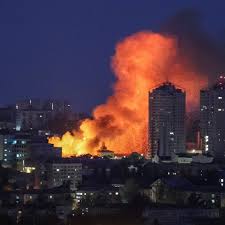


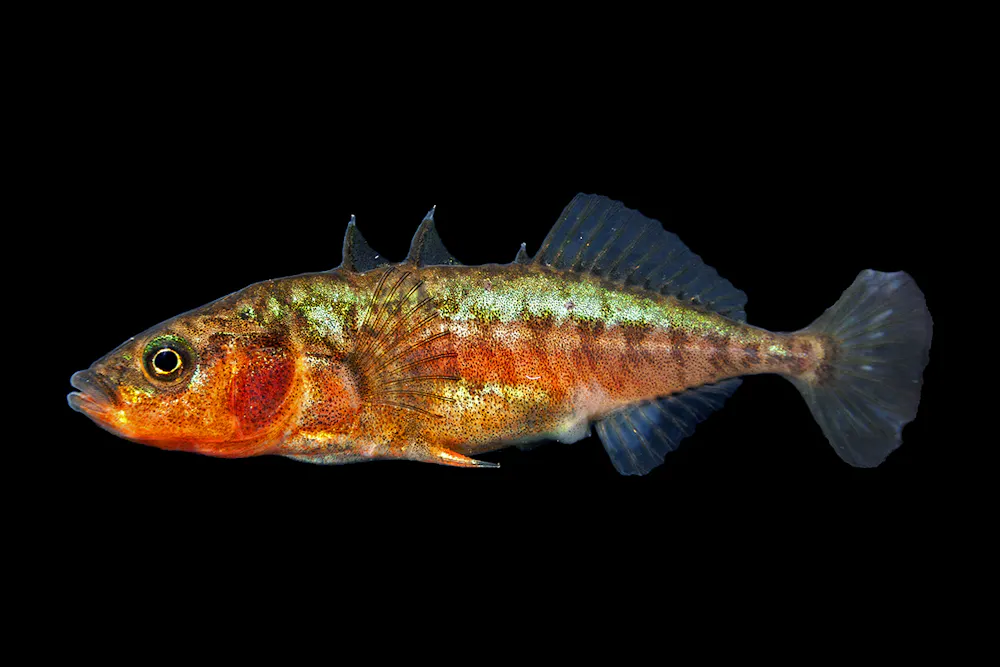













_NMM_ZBA5754_(cropped).jpg)


