

Source: The Conversation (Au and NZ)
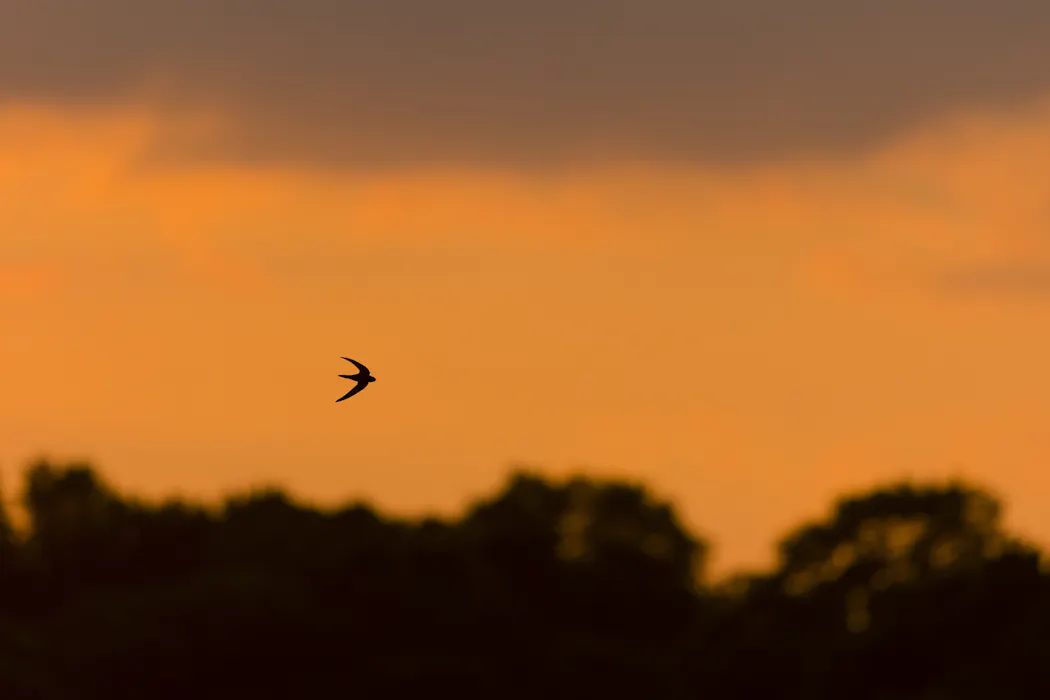
On a warm evening in May, swifts scream over rooftops, chasing insects above the traffic. A fox slips along a garden wall while gulls squabble on a supermarket roof. We tend to treat these animals as visitors. But they’re residents too, living alongside us in places designed for people.
My recent research argues this needs to change. Instead of asking how nature can make cities better for humans, urban planners should consider what cities owe the many species that already live in them.
More than half the world’s population now lives in urban areas, while cities continue to expand into wildlife habitats.
In the UK, swifts provide a distinct example. They nest in gaps under eaves and roof tiles, which can disappear when older buildings are demolished, re-roofed or insulated. UK swift numbers have fallen by around 60% since 1995. In 2021, the species was added to a list of birds at greatest risk of extinction.
The issue isn’t simply how we can make cities greener. It’s who we think cities are for.
For my new study, I compared approaches to incorporating nature into urban planning, including environmental offsetting, sustainable development and nature-based solutions such as green roofs, street trees and wetlands. I also examined cases where governments and courts have given species and ecosystems a different status in decision-making.
The pattern I found was striking. These approaches have become increasingly good at showing how nature benefits people, but much less willing to ask whether other species have interests of their own.
Trees are planted because they cool streets. Wetlands are protected because they can hold floodwater. Parks are funded because they improve our health.
All of those benefits are important. But they can also leave nature looking like a service provider for people. If a tree no longer provides enough shade, or a wetland becomes more valuable as development land, what happens to the argument for protecting it?
This is where the idea of “multispecies justice” comes in. It starts from a different premise, where animals, plants and ecosystems are not simply amenities that provide benefits to people. They are co-inhabitants of places we share.
That changes the question urban planning asks. Instead of only considering what nature can do for us, it asks what responsibilities we have towards the species with which we live.
What would change?
This doesn’t mean turning cities into wildlife reserves. It can involve small changes to decisions that shape urban life.
For example, before restoring a river, planners could consider whether the proposed changes are likely to create conditions in which fish and frogs can thrive. They could then assess the project not only on its effects on flooding or visitor numbers.
A development could be designed around established wildlife routes rather than treating them as obstacles to mitigate later. Environmental assessments could consider what a new road does to the routes used by badgers, bats or other animals, alongside its effects on drainage and emissions. Some places might be left undisturbed during breeding seasons.
There are already examples of governments experimenting with this type of approach. In New Zealand, the Whanganui River was recognised as a legal person in 2017, with guardians appointed to represent its interests. Colombia’s Atrato River was recognised as a subject of rights in 2016, with a similar system of guardianship.
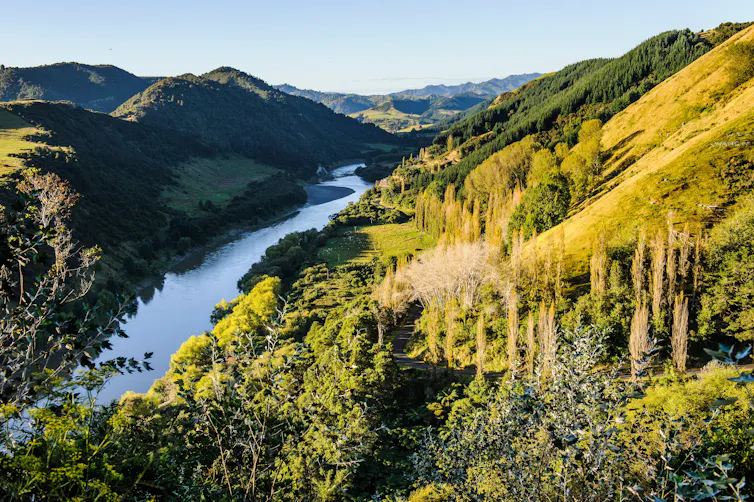
Robert Harding Video/Shutterstock
These cases aren’t straightforward solutions. The rights granted to rivers still have to operate within existing political and legal systems. Research suggests implementation in Colombia has been uneven.
But they illustrate a different way of thinking. Nature doesn’t have to justify its existence solely through the benefits it provides to people.
The idea is also beginning to appear in more conventional urban planning. Barcelona has built green corridors linking parks to the hills beyond the city so that wildlife can move through it.
In the UK, Scotland has become the first nation by law to require swift bricks in new buildings. These hollow bricks contain a nesting cavity and cost roughly £30 each. But its significance is larger than the brick itself. It treats the presence of another species as something that should be considered when we design buildings, rather than as an unexpected problem to deal with afterwards.
In England, efforts to require swift bricks by law were rejected by the House of Lords. The UK government has instead pursued their inclusion through planning policy and development requirements.
A different way of designing cities
None of this makes urban planning simple. Species can have competing needs, and protecting wildlife can sometimes conflict with other environmental or social goals.
A protected predator might threaten a vulnerable population. Preserving a habitat might complicate a development intended to reduce overheating. There won’t always be a simple answer.
But those conflicts already exist. The difference is that they’re often resolved using systems that give human interests the greatest weight. Multi-species justice asks us to make those choices more explicit.
Read more:
Why building nature-centric housing involves a mindset shift
Cities are already shared habitats. The birds nesting in our roofs, the insects in our gardens, the bats above our streets and the organisms in our soils are not simply passing through. They are part of urban life.
The challenge for planners is to decide whether they’ll continue to design cities primarily around human needs, adding nature where it provides a benefit, or begin to treat the flourishing of other species as a legitimate consideration in its own right.

Saman Sobhani receives funding from the MUST project (Enabling Multispecies Transitions of Cities and Regions), which is funded by the Strategic Research Council (SRC) within the Research Council of Finland (grant numbers 358365, 358368, and 358372).
Original source: https://analysis1.mil-osi.com/2026/08/19/what-if-our-cities-were-designed-for-wildlife-as-well-as-people/