

Source: The Conversation (Au and NZ)
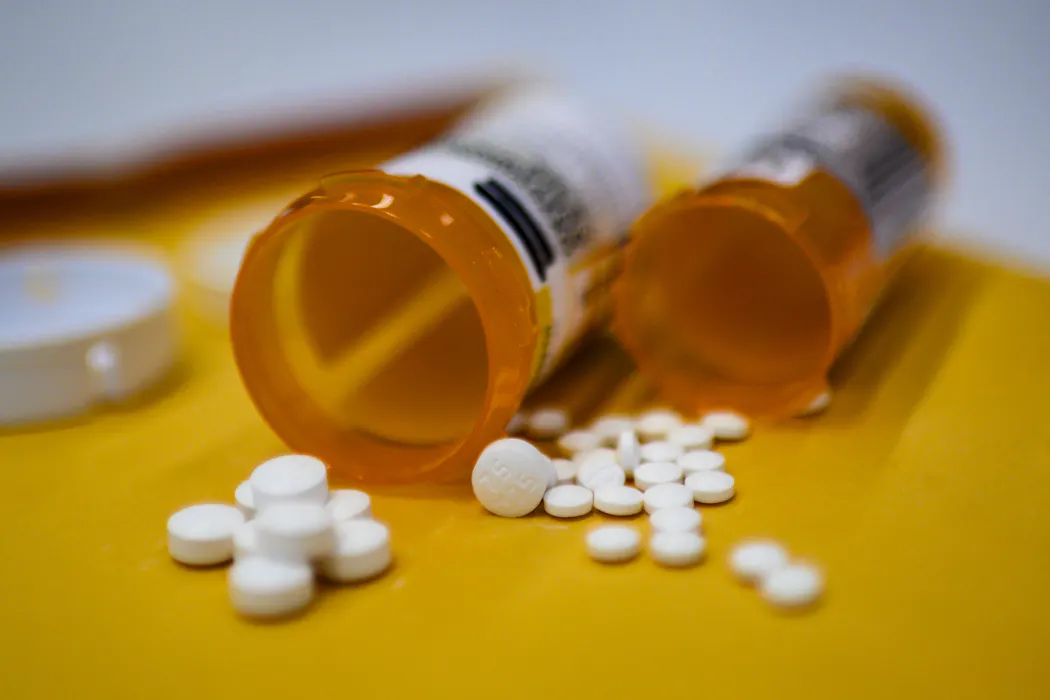
Deaths from illegal drug use – particularly from opioid abuse – are a global problem, and New Zealand is far from immune. Roughly three New Zealanders die from accidental overdoses every week – that’s 1,295 people since 2016.
Some of those lives might potentially have been saved, however, had help arrived sooner – and people were less afraid to dial 111 in a drug emergency.
That’s the reasoning behind Green MP Kahurangi Carter’s “Good Samaritan” member’s bill, which has just finished hearings before the Health Select Committee.
The Drug Overdose (Assistance Protection) Legislation Bill would prevent low-level drug prosecutions when people seek help (for themselves or others) for an overdose or acute reaction to illicit or prescribed drugs.
Police could not charge people at the scene after an ambulance had been called, and would not have grounds to search for evidence (although drug dealers would not be protected).
The bill mirrors similar laws now in place in Canada, large parts of the United States and parts of Australia. But it does not have unanimous backing in the New Zealand parliament, with National and NZ First arguing it creates legal loopholes and ignores existing police powers of discretion.
Submissions to the select committee and other testimony, however, have pointed to the increasing availability of illicit and new psychoactive substances here and overseas, as well as the risk of buying and ingesting something unexpected and dangerous.
Like so much legislation and policy in this area, the bill aims to walk that line between addressing drug use (and misuse) as a health issue, and not enabling genuinely criminal activity.
Making harm reduction legal
Harm reduction in the world of illicit drugs poses unique challenges because it requires law and policy to work with people who operate in a non-legal world. Credibility, safety and trust are key to success.
To its credit, New Zealand has been on this path since 1987 when it became the first country to establish a legal needle-exchange programme. This has proved a very effective tool for preventing the illness and death that can result from sharing contaminated needles.
Today, the New Zealand Needle Exchange Programme distributes over three million needles and syringes each year through a national network of 21 dedicated exchanges, two mobile exchanges and 197 pharmacies and alternative outlets.
At least 93 countries have followed suit with needle and syringe exchange programmes.
New Zealand has also made good progress with public education and information around drug use and risk. This is a particularly problematic area, because prohibition has left quality control to dealers and the black market.
The result has been people buying something other than the drug they intended to take, which is estimated to affect about 10% of all illegal drug sales.
Since 2020, Drug Information and Alerts, a collaboration between various government and non-government organisations, has sought to reduce acute harm from dangerous, contaminated or misrepresented substances by rapidly detecting threats and issuing public health warnings.
More than 1.4 million people have now visited the website, with nearly two million views of harm-reduction information.
Fewer overdoses
In 2022, the Misuse of Drugs (Drug and Substance Checking Service Providers) Regulations have made it legal for people to have their drugs tested by a licensed entity to ascertain their composition and safety.
Partly because of the information collected by such services – and following a number of serious hospitalisations and overdoses from potent synthetic opioids – the government drug-buying agency Pharmac loosened restrictions around Naloxone (Narcan), used in the treatment of opioid overdose,
Previously, Nalaxone had been a prescription-only medicine. Now it’s allowed for distribution by groups such as the Needle Exchange Programme. Again, New Zealand is not an outlier here, with formal community or take-home distribution programmes documented in at least 34 other countries.
Similarly, if passed into law, the Good Samaritan bill will align domestic legislation with common international practice.
By itself, such a law won’t guarantee positive outcomes in every case. But coupled with the harm-prevention measures already in place, it would expand efforts to combat a growing problem and potentially reduce New Zealand’s fatal overdose statistics.

Alexander Gillespie does not work for, consult, own shares in or receive funding from any company or organisation that would benefit from this article, and has disclosed no relevant affiliations beyond their academic appointment.
Original source: https://analysis1.mil-osi.com/2026/08/02/will-a-new-good-samaritan-law-really-reduce-drug-overdose-fatalities/