

Source: The Conversation (Au and NZ)
It may sound abstract, but distinctions between “native”, “introduced” or “invasive” species can often be life or death. Species considered invasive in Australia – such as European rabbits and feral pigs – are often culled, while most native animals are generally left alone.
Debate over these terms doesn’t usually go mainstream. But this month was different. On October 13, independent Senator David Pocock brought a motion in federal parliament calling for a long-term plan to “protect Australia’s landscapes and wildlife from invasive species”.
In response, Greens Senator Mehreen Faruqi took aim at the term “invasive”, saying:
There’s no need for labelling introduced species as invasive in a way that
blames animals for the man-made problems raised by this motion. Language matters. Animals are not villains to be shot or obstacles to be poisoned to death.
As an ecologist and conservation scientist, the debate spoke to me about how important it is to explain why “invasive” species are given this title, the damage they can do and why many need to be eradicated or their numbers greatly reduced.
If we stop trying to control some invasive species, we risk condemning even more native animals to extinction and worsening Australia’s environmental decline.
Every Australian knows common myna birds are bad, rabbits are worse and feral cats kill native animals unchecked.
But how do we decide what makes an introduced species “good” or “bad” – and will we ever concede that some species are here to stay?
Our new series on invasive species explores these questions.
Why do these terms matter?
Conservationists and authorities commonly use four words – introduced, feral, invasive and pest – to describe species present in Australia. Definitions can differ and there is debate over their exact meaning. But their broad meanings are clear:
Introduced species (also known as alien, exotic or non-native)
An introduced species has been moved by humans to areas outside their known natural historic range. This can be accidental (think black rats on ships) or intentional (deer species introduced for hunting). Native species – such as the superb lyrebird – can also be considered introduced when moved to new locations in the same country.
Feral
This term refers to introduced domesticated species that now have wild populations independent of people. Feral cats, goats, horses, pigeons, pigs and camels are common examples in Australia.
Invasive
Invasives are introduced species whose presence is concerning, either due to their clear (typically negative) impact on ecosystems or their rapid spread after introduction. Not all introduced species are considered invasive, but all invasive species are introduced.
Pest
A species is considered a pest if it damages things humans care about, such as crops. Typically, pest species are relatively abundant. Both native and non-native species can be pests.
While these terms have some overlap, they are generally not interchangeable. They help inform environmental decision-making and guide conservation efforts – including culling or biological controls.
Native species matter
For millions of years, Australia was relatively isolated. This shaped the evolution of the continent’s extraordinary array of native species. Most plants, animals and other lifeforms here are found nowhere else on Earth.
These species have a right to persist in the face of European colonisation, land clearing and waves of introduced species.
Native species are vital to healthy, functioning ecosystems. They support our economy and national identity, bring us immense joy and have deep cultural meaning for First Nations peoples.
Why do we need lethal control?
In her response, Faruqi stated:
Protecting our precious environment does not require inhumane treatment and cruelty to sentient animals, whether they’re native or introduced species. […] For decades, successive governments have culled and killed introduced species, and yet native species are in a worse position today.
She isn’t alone. Some people feel uncomfortable with killing some species to save others.
The problem with this is that if we do nothing, more and more native species will face extinction.
Globally, ecologists consider introduced and invasive species to be one of the greatest threats to nature’s wealth of species, alongside destruction or alteration of habitat, climate change, disease and pollution.
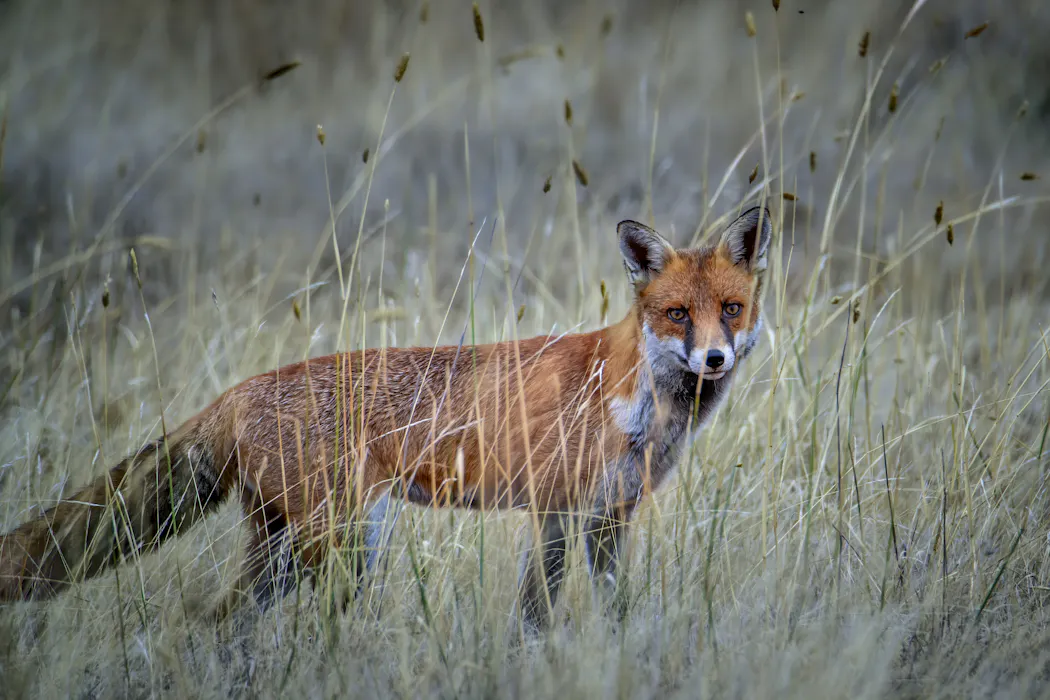
Two invasive predators – foxes and feral cats – have been implicated in the recent extinctions of many native Australian mammal species. Invasive rabbits are pests on farms, devastate many native plants and can bolster cat and fox populations.
Conservationists seek to do the least harm, maximising animal welfare while still keeping native species and ecosystems intact. But this brings a difficult choice. Sometimes, there’s a need to kill some species to save others.
If we have to make these decisions, we must ensure they have strong scientific justification. Any lethal control program must be able to clearly state its objectives prior to commencing, and measure and report its outcomes, so we can see if it worked or not, and why.
No control, no numbats
The numbat was once widespread across Western Australia. But predation by cats and foxes, habitat destruction via land clearing and changes in fire management drove the charismatic termite-eater to the brink of extinction in the 1970s.
But their numbers have now rebounded. Numbats are no longer endangered.
What saved the numbat was the difficult decision to use poison baits and traps to cut the numbers of feral cats and foxes in areas where numbats still survived, alongside establishing predator-free, fenced sanctuaries and breeding programs.

Lea Scaddan/Getty
Conservationists have had many similar successes across Australia. Scores of fenced sanctuaries and islands are helping many native species recover in the absence of non-native predators.
After the last foxes were removed from Victoria’s Phillip Island, little penguin numbers rose, while eastern barred bandicoots and bush stone-curlews were successfully brought to the island after being wiped out by predators and other pressures elsewhere.
When invasive species pressure lifts, native species can rebound
Faruqi’s claim that native species are in a worse position today is inaccurate, as Australia’s threatened mammal index shows.
Where authorities control invasive predator numbers and take other management actions, native mammals do far better. Populations of these species fell about 20% and largely stabilised between 2000 and 2022. By comparison, populations of threatened mammals without this management intervention fell more than 50% over the same period.
It’s true Australia’s overall conservation trajectory is dire and deteriorating. But that’s not a reason to stop controlling invasive species – quite the contrary.
Invasive species are only trying to live. But their success comes at a potentially very real cost to the survival of native Australian species.
We have a responsibility to try and solve the problems caused by the introductions of species by earlier generations. Letting cats, deer, foxes, horses, pigs, and other invasive species run riot is no answer.

Euan Ritchie receives funding from the Australian Research Council, the Department of Energy, Environment and Climate Action, and Natural Hazards Research Australia. Euan is a councillor with the Biodiversity Council, a member of the Ecological Society of Australia and the Australian Mammal Society, and President and Fellow of the Australian Mammal Society.
Original source: https://analysis1.mil-osi.com/2026/10/26/calling-species-invasive-and-culling-them-isnt-done-lightly-but-it-matters-to-australias-threatened-species/