

Source: The Conversation (Au and NZ)
Every year, one of Australia’s biggest longitudinal surveys provides a range of insights on how the nation is changing.
The Household, Income and Labour Dynamics in Australia (HILDA) Survey, released today, provides unique insights into the lives of Australians, and collects rich data on income, employment, health and wellbeing.
HILDA has been following the same people every year since 2001, with about 17,000 respondents in the latest survey. This makes it possible to examine how the lives of Australians have changed over time.
Funded by the Australian government and managed by the Melbourne Institute, the survey is one of Australia’s most valuable social research tools.
So, what are the highlights from the 2026 report?
Housing stress is on the rise
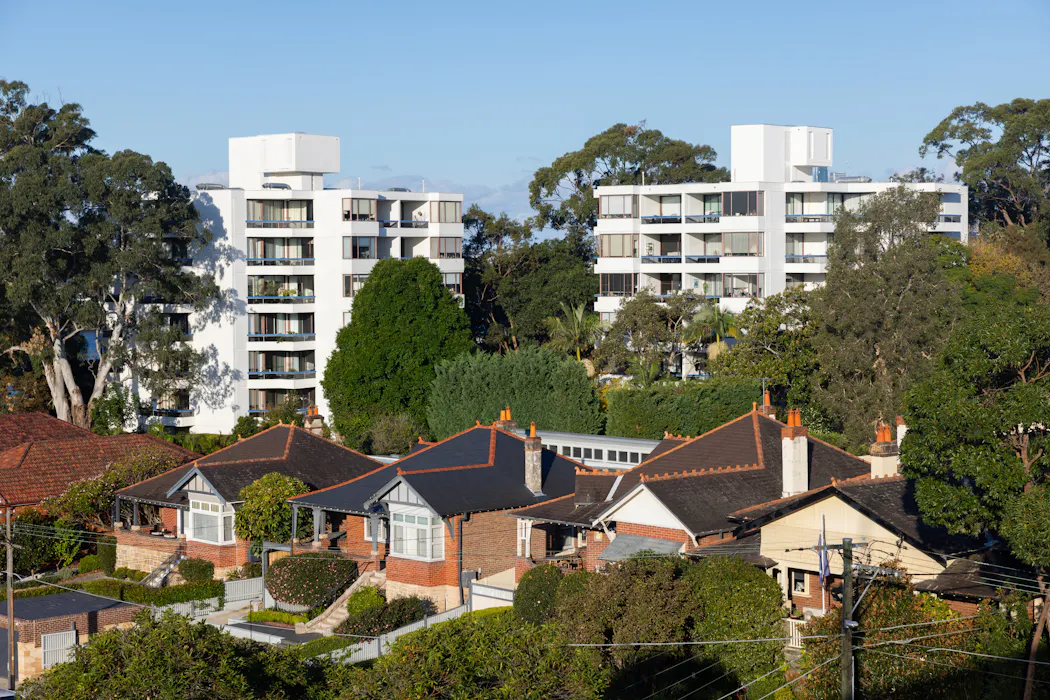
Housing stress occurs when a low-income household spends more than 30% of its after-tax income on rent or mortgage payments. This can leave little money for food, transport and other essentials. We define low income as being in the bottom 40% of Australia’s household income distribution, after adjusting for household size. This adjustment recognises that a family needs more income than a person living alone.
Housing costs and incomes differ substantially across Australia, so we separately examine three different regions. Among those living in the five mainland capitals – Sydney, Melbourne, Brisbane, Perth or Adelaide – the share of mortgage holders in housing stress more than doubled between 2021 and 2024, rising from 4.4% to 10%.
Renters living in mainland capital cities had much higher rates – about one in four experienced housing stress in 2024, compared with about one in five in 2001.
The largest long-term increase in housing stress was among renters living in regional areas, which includes small towns of fewer than 1,000 people as well as rural and remote areas. Rates of housing stress for this group rose from about 13% in 2001 to 29% in 2024.
In other urban areas – which includes Hobart, Darwin, Canberra and other areas with populations above 1,000 – housing stress affected about 9% of mortgage holders and 25% of renters in 2024.
Half of young adults are still living at home
Housing costs also matter for young people deciding whether to live with their parents or move out, and HILDA shows a long-term shift.
The proportion of young adults living with parents rose from 39% in 2001 to 47% in 2012. By 2024, half of Australians aged 18–29 were living with their parents.
The largest change was for those aged 18–21, which rose from 69% in 2001 to 85% in 2024. Among those aged 22–25, the proportion rose from 35% to 48%, while among those aged 26–29 it rose from 17% to 22%.
Young men remained more likely to live with their parents than young women in 2024 – 55% versus 45%.
Food insecurity is on the rise
Food insecurity – the inability to put food on the table due to a shortage of money – has been measured by the HILDA Survey in 2020 and 2024.
In 2024, 17.9% of Australians reported at least one indicator of food insecurity, up from 13.7% in 2020. The most commonly experienced form of food insecurity is eating only a few kinds of foods because of a lack of money, followed by inability to eat healthy and nutritious food.
Single-parent families are at the most risk, while people with disability, those in poor health and smokers also face an elevated risk.
Food insecurity appears to often persist for many years, with half of those experiencing food insecurity in 2020 also experiencing it in 2024.
One in ten have been victims of a cybercrime
For the first time, HILDA Survey respondents were asked to report whether they had experienced a form of cyber crime in the past 12 months, such as online harassment, identity fraud or other scams.
About 12.1% of women reported they had experienced at least one form of cyber crime, compared to 11% of men. Online scams and identity crime are the most common.
Life-partner relationships are very strong
This year’s report shows that even when long-term couples face challenges or problems, the most common dimension of an Australian relationship is love.
In 2024, the survey asked respondents not just how satisfied they are with their relationship, but also to rank the relationship’s strength on six more specific measures.
An overwhelming 87.9% of women and 92.3% of men in long-term relationships say they have strong love for their partner.
In other measures however, we see slightly larger differences between men and women, such as 72.4% of women reporting their partner meets their needs compared to 79.4% of men.
Read more:
Many Australians are overqualified for their jobs – which comes at a price, new data shows

Roger Wilkins receives funding from the Australian Government Department of Social Services and the Australian Research Council..
Ferdi Botha receives funding from the ARC Centre of Excellence for Children and Families over the Life Course.
Inga Lass and Kyle Peyton do not work for, consult, own shares in or receive funding from any company or organisation that would benefit from this article, and have disclosed no relevant affiliations beyond their academic appointment.
Original source: https://analysis1.mil-osi.com/2026/09/23/housing-stress-is-on-the-rise-7-essential-charts-from-this-years-hilda-survey/