

Source: The Conversation (Au and NZ)
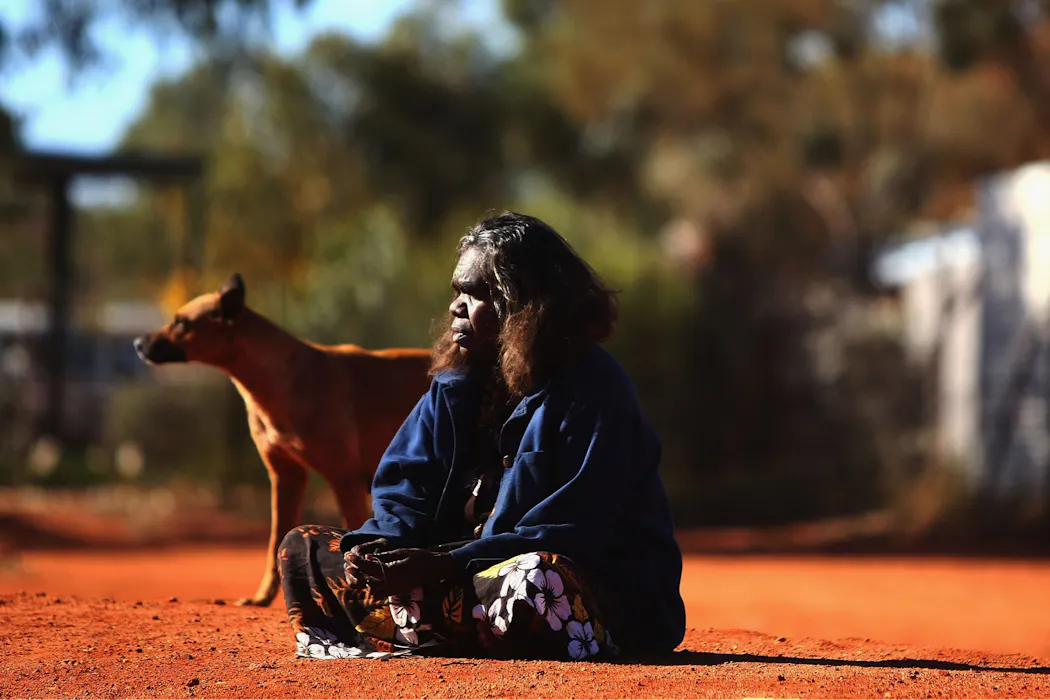
Indigenous women and children experience disproportionate levels of family violence. Aboriginal and Torres Strait Islander women are killed at rates up to six times higher than non-Indigenous women, overwhelmingly by intimate partners (76%) or family members.
A common response in Australia, by both federal and state governments, is to announce a new inquiry or review, especially when the deaths of women or children generate intense public and media attention.
Yet after decades of inquiries, reviews and recommendations, the question is increasingly not what we know about violence and its consequences, but what governments are doing with what they already know.
Rarely are such reviews Indigenous-led or controlled. These processes create the impression that governments still need to work out what should be done.
But Aboriginal and Torres Strait Islander women, communities and organisations have been providing answers for decades.
Our new research shows just how consistent those answers are. We examined 32 submissions made by Aboriginal community-controlled organisations to three Australian federal parliamentary inquiries into family violence between 2020 and 2025. Across those submissions, one principle was central: self-determination.
The problem is no longer simply a lack of evidence about what needs to change. It is getting governments to act on what Indigenous women and communities have recommended for decades.
Self-determination means genuine authority
Self-determination is sometimes treated as if it means governments consulting Aboriginal and Torres Strait Islander people or including them in existing systems. That is not what communities have been asking for.
The first Indigenous-led National Plan to End Family Domestic and Sexual Violence makes clear what self-determination is about. It is restoring Indigenous control over how responses are defined, governed and delivered.
In practical terms, this means Aboriginal and Torres Strait Islander people must have genuine authority over responses to violence affecting their communities. This matters because many of the systems victim-survivors encounter, including policing, child protection and mainstream services, remain controlled by governments.
Self-determination is a necessary shift away from government control over Indigenous lives. Our research shows how strongly that demand continues to shape what Aboriginal community-controlled organisations are telling governments today.
And these calls for self-determination are not new. They have been made by First Nations women and communities for more than 40 years.
Read more:
Too many Indigenous women are killed by domestic violence. They are more than just numbers
Repeated recommendations
Indigenous people have identified what needs to happen in responding to violence against Indigenous women and children.
The recommendations are consistent. Submissions repeatedly called for Indigenous-led and culturally safe services, data sovereignty, decolonisation and sustained investment in Aboriginal community-controlled organisations.
For example, the National Aboriginal and Torres Strait Islander Women’s Alliance said in one submission:
women want trauma-informed and culturally safe programs to heal men and empower them to develop better behaviours. Successful programs must be delivered through First Nations-led organisations and based on self-determination. They are at the heart of preventing violence.
Submissions consistently express frustration with short funding cycles and inadequate resourcing. In another submission the Ngaanyatjarra Pitjantjatjara Yankunytjatjara Women’s Council said:
community involvement is crucial and adequate resourcing is necessary to ensure […] solutions are able to be enacted and sustained. Solutions will not thrive if they are interrupted by short term funding cycles, change in policies and priorities and KPIs that are not embedded with self-determination and cultural understanding.
Finally, submissions wanted community-designed and led alternatives to state child protection interventions, ineffective policing and incarceration. A submission from the North Australian Aboriginal Justice Agency (NAAJA) recommended mandatory training including on “cultural safety, unconscious bias, anti-discrimination, culturally responsive trauma-informed practice, DFSV [domestic, family and sexual violence] training”.
Read more:
Cultural safety isn’t a buzzword. It’s a vital part of First Nations health care and healing
Governments failing to listen
Governments continue to fail to listen to recommendations made by Indigenous communities.
Indigenous law academic Eddie Cubillo has called out this failure. He questions whether ongoing government inquiries are “a deliberate strategy of distraction”.
In a Quarterly Essay, public law academic Megan Davis has similarly reflected on state-led inquiries and commissions that relate to Indigenous peoples. She has called them a “governmental can-kicking exercise” that presents the appearance of listening but without substantive change.
Indigenous-led organisations want to see action against violence against women and children. They don’t want the endless cycle of inquiries led by non-Indigenous people that endlessly repeat recommendations that are not acted on.
The primary challenge is no longer about how to gather and generate evidence. It is how governments can be held accountable for implementation.
Overdue accountability
Independent MP Allegra Spender has highlighted the countless recommendations made to inquiries on family violence, and the lack of any public mechanism to track progress on implementation.
She wants the Domestic Family and Sexual Violence Commission, an executive agency instigated in 2022, to be given statutory power to track and monitor the implementation of recommendations. Spender wants information about progress to be publicly available.
We support this monitoring. However, specific consideration must be given to recommendations made by Aboriginal community-controlled organisations and Indigenous women and communities to inquiries on family violence. These recommendations must be tracked and monitored as a priority.
That process should be government-funded and Indigenous-governed.
Accountability alone will not end violence against Indigenous women and children. But it could help shift governments away from endlessly asking communities what should be done and towards demonstrating what they have actually done.
Self-determination requires more than listening. It requires Indigenous-led governance, sustained investment in Aboriginal community-controlled organisations, culturally safe systems and a willingness by governments to transfer genuine decision-making power.
Governments have spent decades asking Indigenous communities for answers. It’s time to act on them.

Kyllie Cripps receives funding from the Australian Research Council Centre of Excellence for the Elimination of Violence Against Women (CEVAW).
Heather Douglas receives funding from the Australian Research Council Centre of Excellence for the Elimination of Violence Against Women (CEVAW).
Samantha O’Donnell’s position is funded by the Australian Research Council Centre of Excellence for the Elimination of Violence Against Women (CEVAW). She also volunteers for the Asylum Seeker Resource Centre.
Original source: https://analysis1.mil-osi.com/2026/09/22/governments-across-australia-know-how-to-stop-violence-against-indigenous-women-they-just-dont-do-it/