

Source: The Conversation – Canada
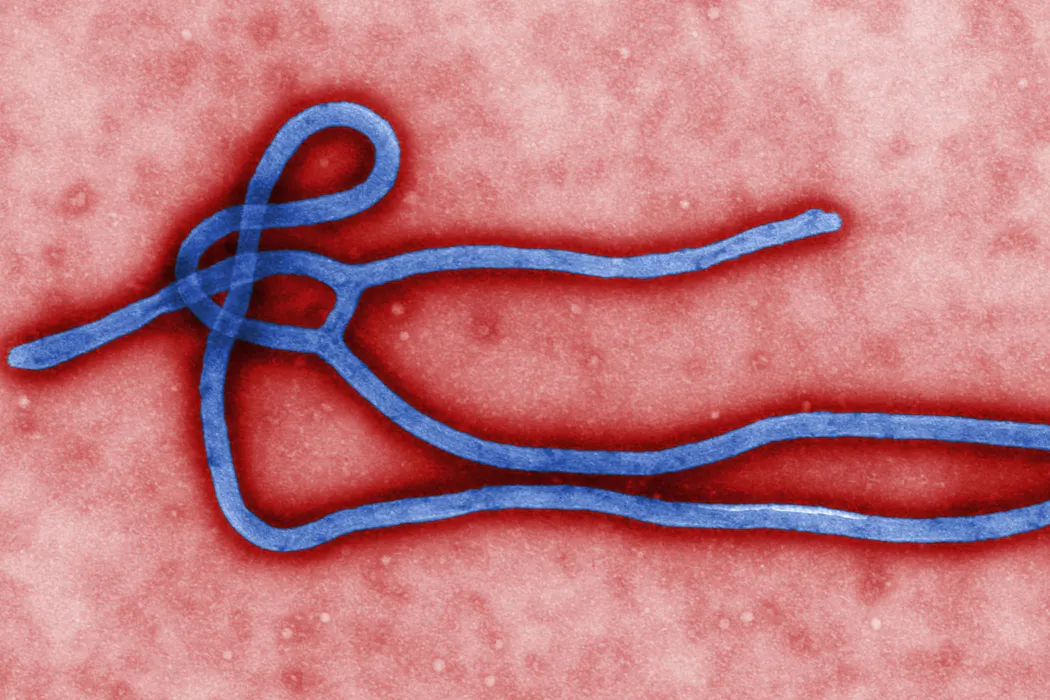
When you think of viruses, you probably think of flu-like symptoms and quarantines. Humankind has suffered from viral diseases ranging from smallpox to COVID-19, hantavirus and Ebola since the dawn of recorded history.
However, all living organisms that are susceptible to viral infections, not just humans. In fact, the greatest number and most diverse collection of viruses are those that infect bacteria.
Amazingly, some bacteria have transformed these infectious invaders into gene transfer agents (GTAs) that help them exchange genetic material among themselves.
This process is a type of horizontal gene transfer that allows genetic information to be shared among related bacteria rather than being restricted to inheritance by the offspring of a parent cell.
Because GTAs can empower bacteria to acquire new traits and spread disease-related genes, studying them may help unlock important applications in human health and biotechnology, including those that combat the spread of antibiotic resistance.
A recent study in Nature Microbiology, for example, pinpointed a cluster of genes that trigger bacteria to release GTA particles that can spread antibiotic-resistance genes.
Descendants of ancient viruses
In 2000, we isolated GTA genes from the bacterium Rhodobacter capsulatus and analyzed the proteins that these genes instruct the cells to make. We discovered that the proteins were very similar in structure to those found in a class of viruses known as “tailed phages.”
This was the first evidence that a gene-transfer agent bears more than just a passing resemblance to a virus. Subsequent studies showed that others are also derived from ancient viruses.
Since then, GTA genes have been discovered in a wide variety of bacteria, including the infectious agents responsible for cat-scratch fever and typhus, and abundant marine organisms.
New, advantageous traits
A small, random sample of genes from the bacterium are packaged into a geometric-shaped protein structure that forms the head of a gene-transfer agent, while other proteins form a tube-like tail.
The image below shows the appearance of the R. capsulatus gene-transfer agent in an electron microscope (on the left) and with its cryogenic-electron tomographic structure, displayed using the ChimeraX visualization program (on the right).

(P. Bárdy)
After release of the GTAs from the bacterium, flexible proteins that decorate the GTA bind to and anchor the GTA to the surface of a target cell.
Then, the genetic material contained within the head of the GTA is transferred through the tail and into the target cell, with help from bacterial proteins located in the cell membrane.
Inside the target cell, other proteins bind the incoming DNA and insert it into the cell’s genome. Since genes provide the blueprint for all of the cell’s biological activities, this process may allow the bacterium to acquire new, advantageous traits.
Altruistic sacrifice
The bacterium must weigh the benefits of shuffling genetic information against the cost. To release the gene-transfer agents, the original cell bursts and dies.
Most cells in a population survive because only a small subset of cells are allowed to turn on the genes required to produce gene-transfer agents. These cells act altruistically, sacrificing themselves to spread their genetic material — to facilitate new combinations of genes that could help target cells adapt and survive in a changing environment.
There are a few conditions under which a GTA-producing bacterial cell deems it worthwhile to make this sacrifice. One is when it runs out of nutrients, particularly amino acids, which are needed to make proteins. In this case, new combinations of genes could enable the cell to acquire previously inaccessible nutrients.
Another is when the cell senses a chemical signal given off by neighbouring cells, alerting it to many related target cells nearby. In this scenario, the cell recognizes that its own death could benefit a high number of its relatives.
Sharing antibiotic-resistant genes
While researchers have made great strides in understanding how GTAs work, there is still more we need to discover in order to leverage horizontal gene-transfer processes for real-world applications.
For example, one of the first laboratory demonstrations of a GTA was in the bacterium R. capsulatus and involved the transfer of genetic material that allows bacteria to resist being killed by antibiotics.
Scientists have since uncovered many instances in which GTAs enable the sharing of antibiotic-resistance genes and are now delving into the details of this process, revealing strategies to block this exchange and help combat the spread of antibiotic resistance.
New ways to treat infectious disease
As mentioned earlier, a recent study in Nature Microbiology identified a cluster of genes that, when deleted, prevented bacteria from rupturing and releasing GTA particles that can spread antibiotic-resistance genes.
The spontaneous death of a GTA-producing cell also provides a source of inspiration for new ways to kill harmful bacteria and potentially treat infectious diseases. In order to exploit this, however, we will need to understand how cell populations control which members are capable of producing GTAs and are therefore destined for death, and how to ramp up the proportion of these cells.
Once we understand gene transfer agents fully, there are likely to be many other potential applications of this knowledge.

John Thomas Beatty receives funding from the Natural Sciences and Engineering Research Council of Canada.
Andrew S. Lang receives funding from the Natural Sciences and Engineering Research Council of Canada.
Original source: https://analysis1.mil-osi.com/2026/09/15/how-bacteria-hijack-viruses-to-shuffle-their-own-dna/