

Source: The Conversation (Au and NZ)
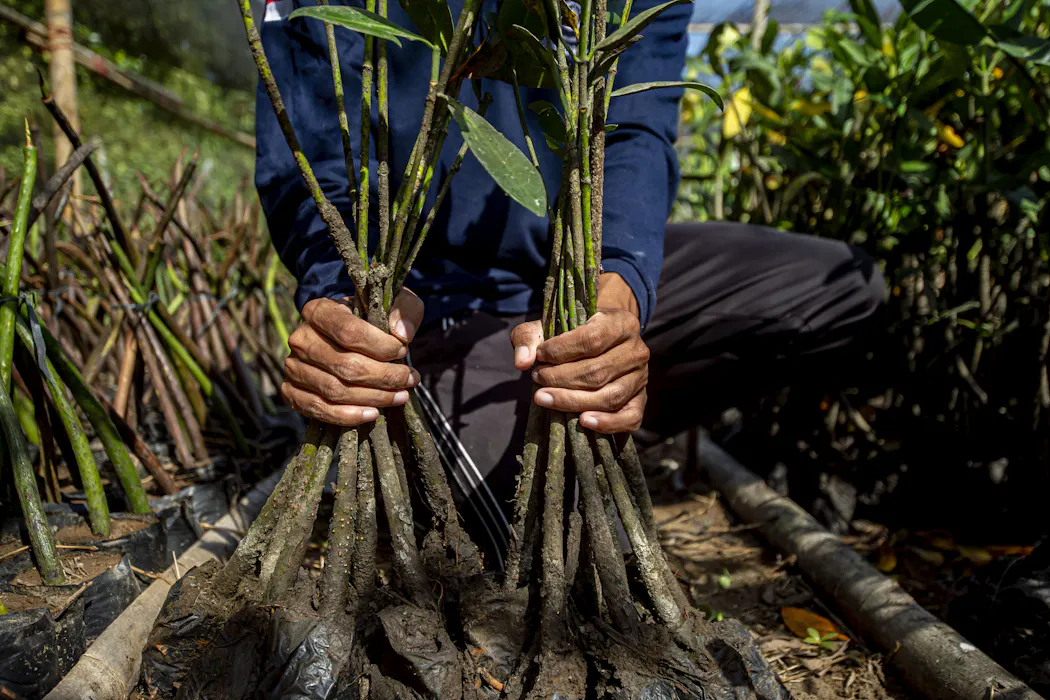
Mangroves are perplexing plants.
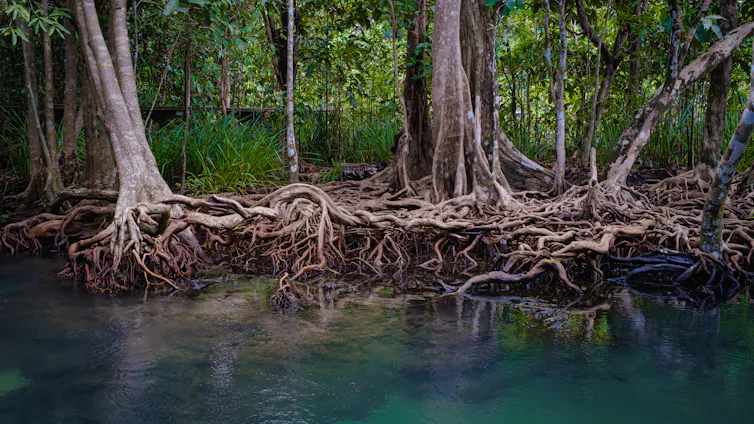
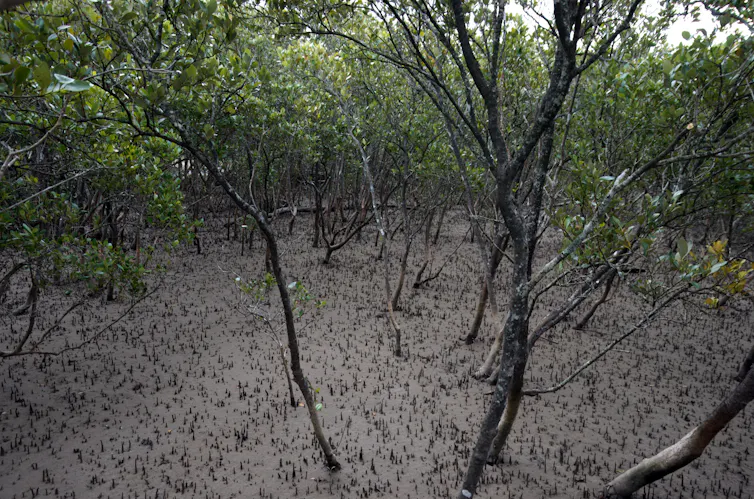
They breathe through their roots, appear to stand on stilts and grow best in hot, salty seawater drawn in and out by the tide.
Historically, mangrove forests have been dismissed as inhospitable places to avoid and have been extensively cleared. But these fascinating trees are now gaining attention for how they support biodiversity, store carbon and buffer the effects of storms, cyclones and tsunamis.
Since 1984, scientists have been monitoring the growth and geographical reach of mangrove forests using satellites. And for the first time, these unique ecosystems are expanding at a faster rate than they are declining.
So what’s driving this? And could it help curb climate change?
Vicki Smith
Why mangroves matter
Mangrove forests were long viewed as largely expendable places. Research shows people were quick to convert them into rice paddies, oil palm plantations and aquaculture operations. Some were even used as rubbish tips.
However, mangrove forests are now recognised as a vital part of our coastal environments. They provide habitat for a wealth of plants and animals including fish such as barramundi and giant shovelnose rays, reptiles such as seasnakes and even mammals such as the proboscis monkey and water mouse. They are crucial carbon stores, locking up roughly four times more carbon than other land-based forests. Mangroves can also shelter coastal communities and ecosystems from natural disasters by reducing the risk of flooding and erosion.
From an economic perspective, mangrove forests allow millions of fishers to earn a living as well as supporting commercial fisheries. These forests are also of immense cultural value to First Nations communities, many of which associate mangroves with certain religious gods or cultural practices.
lynnebeclu/Getty
Mangroves are bouncing back
For decades, mangrove forests have been systematically cleared and destroyed. Between the 1980s and 2010, we lost more than 12,000 square kilometres – an area the size of Jamaica – of mangroves worldwide. That means there are far fewer mangroves that can trap harmful greenhouse gas emissions and slow the effects of climate change.
However, this trend may be reversing. A recent study analysed four decades of global data documenting the reach and growth of mangroves. It had three key – and somewhat surprising – findings.
Mangroves are rebounding despite climate change
Human-induced climate change is putting immense pressure on our mangrove forests. It is driving more severe and frequent droughts and storms that can damage or kill mangroves. It is also accelerating sea level rise, potentially drowning mangroves.
This study shows the world’s mangrove forests are rebounding, even as our planet rapidly warms. Since 2010, they have expanded by more than 2,000 square kilometres.
Importantly, the reasons for this vary between regions. Before 2010, Myanmar and Indonesia were hot-spots of mangrove loss. But this trend has now stabilised, with policymakers strengthening the laws around mangrove protection following the catastrophic 2004 Indian Ocean tsunami and 2008 cyclone Nargis.
Australia’s mangrove forests are also expanding. However, research suggests this is because mangroves are increasingly growing on floodplains. Rising sea levels allow tides to reach further inland, creating the salty conditions in which mangroves thrive.
In some places – such as where mangroves regenerate in unused aquaculture ponds – this shift inland is positive. In northern Australia, however, it threatens to degrade freshwater ecosystems and is an urgent concern for Traditional Owners.
Mangroves are shifting closer to the sea
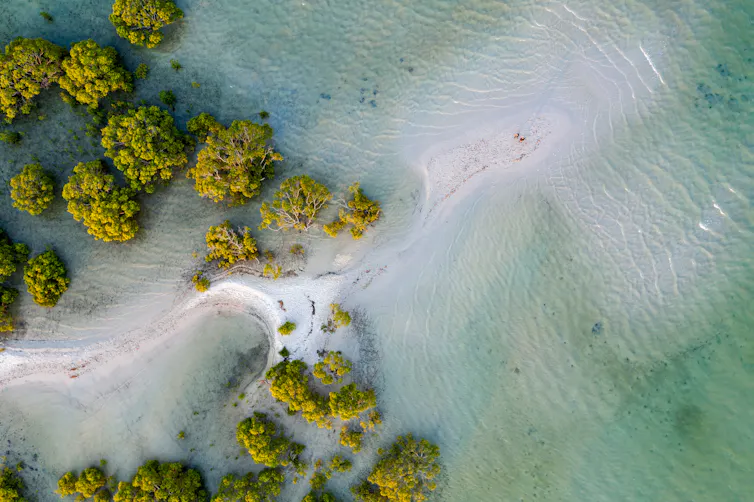
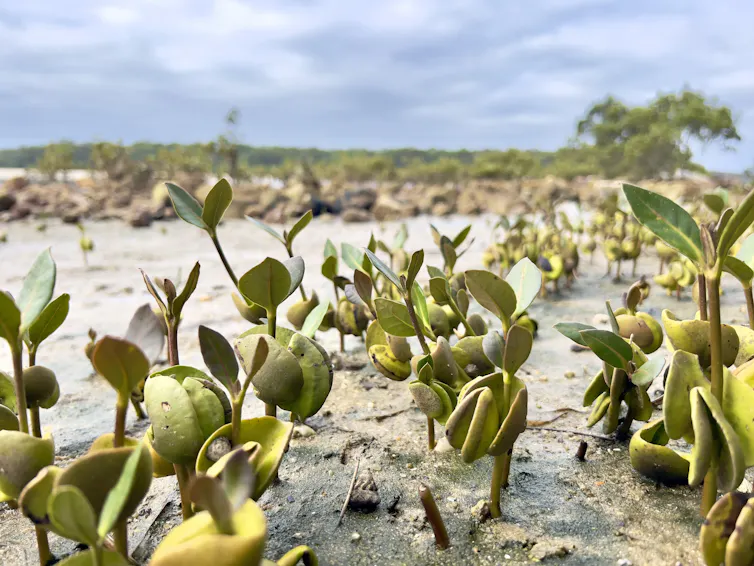
This new study suggests mangroves are increasingly growing on newly formed mud flats.
This is counter intuitive because rising sea levels should, in theory, restrict mangrove growth. It may be happening because rivers are carrying soil and sand from deforested areas to the coast, creating new habitat for mangroves.
This demonstrates the resilience of mangrove ecosystems. However, it seems mangroves aren’t regenerating rapidly in the coastal regions where they once thrived – an indicator of successful restoration.
Mangroves are expanding and retreating at the same time
The authors of this study also examined trends in mangrove degradation.
Degradation occurs when mangrove canopies become less dense – a sign they are not as healthy as before. The researchers point to human activities, such as harvesting or pollution, and extreme weather as the main factors driving mangrove degradation.
However, exact causes will differ between regions.
Dulyanut Swdp/Getty
More work needed
The expansion of the world’s mangrove forests is promising – and perhaps unexpected – news. However, we can’t be complacent. Current evidence suggests mangrove forests are still thinning overall, putting coastal ecosystems and climate action efforts at risk.
To combat this trend of mangrove degradation, we should support policies that strengthen mangrove protection and restoration.
Organisations such as the Global Mangrove Alliance and Mangrove Breakthrough are also raising the profile of these fascinating ecosystems.
Further research is needed to monitor the varying impacts of climate change on mangroves.
Simon McGill/Getty

Catherine Lovelock is a member of the Science Advisory group of the Global Mangrove Alliance, a councillor for the Mangrove Breakthrough and the Australian Biodiversity Council and a member of the IUCN Mangrove Specialist Group. She receives research funding from the Australian Research Council, National Environmental Science Program and the Department of Climate Change, Energy, the Environment and Water.
Original source: https://analysis1.mil-osi.com/2026/08/06/the-worlds-mangrove-forests-are-bouncing-back-thats-good-news-for-our-coasts-and-climate/