

Source: The Conversation – UK
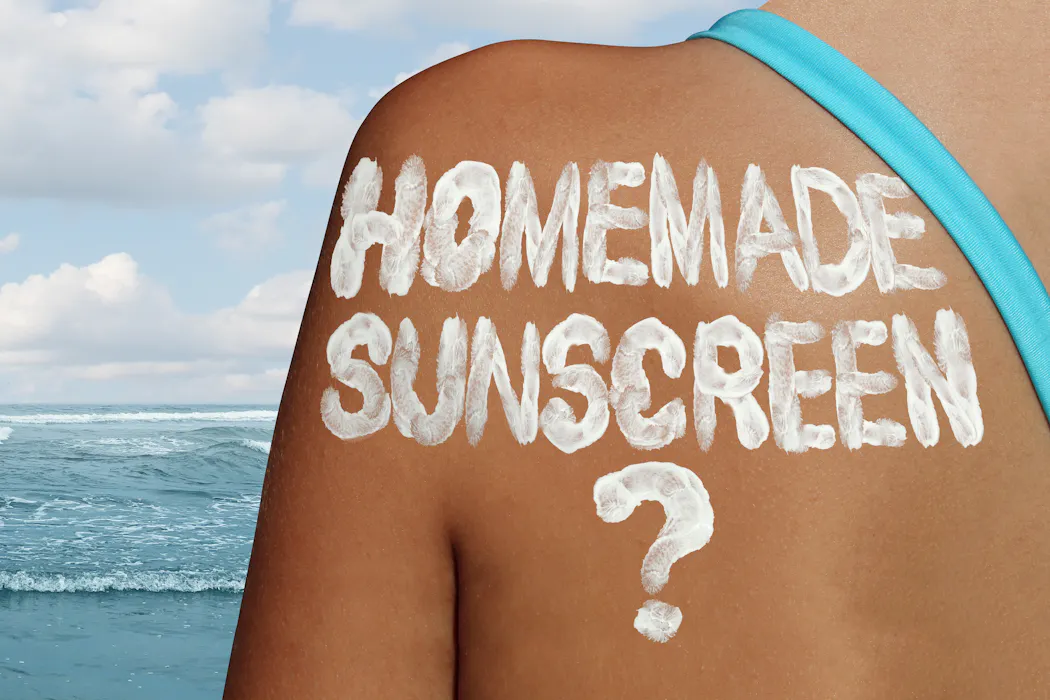
After more than 30 years studying how sunlight damages skin, I find the renewed enthusiasm for deliberate tanning worrying. On social media, a trend known as “tanmaxxing” encourages people to pursue increasingly deep tans, sometimes by using UV-index forecasts to seek out the strongest sunlight and avoiding sunscreen altogether.
In the laboratory, the damage caused by ultraviolet radiation is measurable. Yet online discussions can make avoiding sunscreen sound like the healthier choice.
Questions about sunscreen ingredients deserve serious answers. So do questions about vitamin D. But answering them means looking at research, including its limitations, rather than assuming that something described as “natural” must be safe.
Sunlight reaching the Earth contains two types of ultraviolet radiation: UVA and UVB. UVB is responsible for most sunburn and can directly damage DNA, the genetic instructions inside cells. UVA penetrates more deeply into skin and contributes to premature ageing. Both can contribute to skin cancer. Research on sunscreen and skin damage supports protection against both.
A tan may look reassuring, particularly if you have been told to develop a “base tan” before a holiday. But the colour does not tell you that your skin is adequately protected.
In experiments on human skin, researchers found that tans produced by UVA offered no meaningful protection against subsequent DNA damage. UVB-induced tans provided only modest protection. Deliberately exposing skin to UV to prepare it for more exposure therefore brings damage of its own.
Sunbeds
Sunbeds add another source of exposure. A systematic review and meta-analysis linked indoor tanning with increased risks of melanoma and other skin cancers. Starting young and using sunbeds frequently were associated with greater risks.
That does not mean everyone who used a sunbed as a teenager will develop cancer. Increased risk is not a prediction of a person’s future but it does mean avoiding further exposure is worthwhile.
Sunscreen has evidence behind it, although no product offers complete protection. In the long-term follow up of an Australian randomised trial, researchers recorded fewer melanomas among people assigned to daily sunscreen use than among those who used it at their discretion. The total number of cases was small, so the estimate was uncertain, but the findings supported a protective effect.
Concerns about ingredients still need investigation. A clinical trial found that some sunscreen ingredients could enter the bloodstream under intensive application conditions. Detecting absorption did not establish that those ingredients caused harm. The researchers explicitly said their findings were not a reason to stop using sunscreen.
Making your own product introduces a different problem: you cannot judge its protection by its appearance or ingredients list. In a laboratory study of 15 internet sunscreen recipes, none provided adequate protection. Three contained no UV filters; the remaining preparations had measured sun protection factors (a measure of how well sunscreen protects skin against UVB radiation) below six.
Adding zinc oxide to a mixture of oils does not establish a reliable SPF. The finished formulation needs testing, including how evenly it protects the skin.
Vitamin D
The issues around Vitamin D require a more nuanced answer than either side of the sunscreen debate sometimes offers. Skin uses UVB to make vitamin D, which has important functions in the body, from maintaining strong bones to supporting immune function. This means that reducing UVB exposure through the use of sunscreen can affect production.
A 2019 holiday study found that properly applied SPF15 sunscreen allowed vitamin D levels to rise while preventing sunburn. However, a 2025 Australian randomised trial found that routine SPF50+ use over about a year resulted in lower vitamin D levels than discretionary sunscreen use. These studies examined different products and circumstances.
The practical response is to address vitamin D without deliberately damaging skin. UK advice is that adults should consider a daily 10-microgram supplement during autumn and winter. Some people, including those with dark skin or little sun exposure, should consider supplementation throughout the year.
My own research examines damage that happens inside skin cells after UVA exposure. In research using human skin cells, my colleagues and I showed that UVA could release iron from ferritin, a protein that stores it. This available iron can help drive chemical reactions that damage cellular components. Sun exposure is certainly no treatment for iron deficiency.
This has led to research on antioxidants and compounds that bind iron, potentially limiting that damage. The aim is to improve skin protection. Laboratory findings do not, however, establish that any cream containing an antioxidant will prevent skin cancer, or compensate for inadequate sunscreen application.
For now, the practical priorities are well established. NHS guidance recommends SPF30 or higher with at least four-star UVA protection. A circled UVA logo indicates that a product meets the relevant European UVA standard.
Apply sunscreen generously to exposed skin. Adults covering their whole body need roughly six to eight teaspoons. Reapply every two hours while exposed, and after swimming or towel drying. Use clothing and shade alongside sunscreen, particularly around midday.
A sunscreen you can afford and comfortably use in sufficient quantities is more useful than an expensive product applied sparingly. Enjoying time outdoors and protecting your skin are perfectly compatible; a tan is not a requirement for either.
Strange Health is hosted by Katie Edwards and Dan Baumgardt. The executive producer is Gemma Ware, with video and sound editing for this episode by Anouk Millet. Artwork by Alice Mason.
If you’ve got a question about a viral trend or video you’ve seen and you’d like us to delve into the science behind it in a future episode, please email us at strangehealth@theconversation.com.
Listen to Strange Health via any of the apps listed above, download it directly via our RSS feed or find out how else to listen here. A transcript is available via the Apple Podcasts or Spotify apps.

Charareh Pourzand does not work for, consult, own shares in or receive funding from any company or organisation that would benefit from this article, and has disclosed no relevant affiliations beyond their academic appointment.
Original source: https://analysis1.mil-osi.com/2026/11/10/tanning-and-homemade-sunscreen-trends-overlook-what-sunlight-does-to-your-skin/