

Source: The Conversation (Au and NZ)
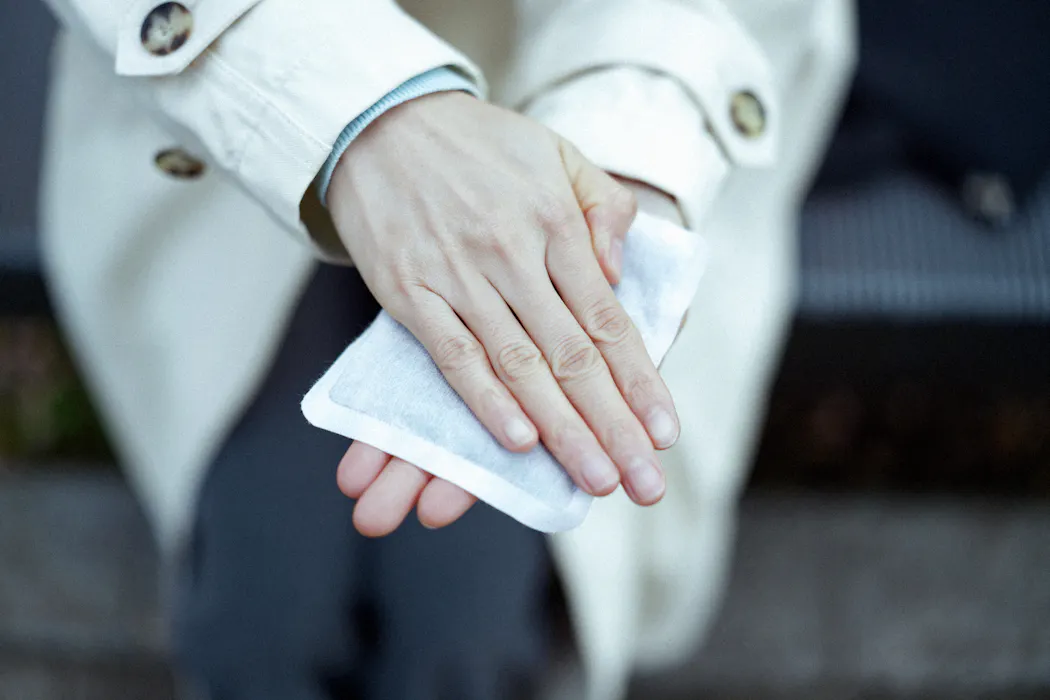
During these winter days, you might be fortunate enough to be skiing, or unfortunate enough to have an outdoor job. In both cases, you need to keep toasty, and sometimes wrapping yourself up in warm clothes doesn’t quite do the trick.
So what better way than an instant heat pack to warm up those fingers and toes? It can feel like magic – you pull a hand warmer out of a plastic packet, put it in your pocket, and feel it slowly warm up. Hours later, it’s still radiating a gentle heat.
But how do these heat packs work? Why do they last so long, and why are some reusable and some not? To understand this, let’s dive into some basic chemistry.
An exothermic reaction
One way to describe chemical reactions or physical processes is based on what they do with heat – do they produce or absorb it?
A process is endothermic if it absorbs heat from its surroundings. A familiar example is the melting of ice at room temperature – ice absorbs heat from the surroundings and melts as a result.
By contrast, a process is exothermic if it releases heat to its surroundings. The combustion of petrol is an exothermic reaction that emits a large quantity of heat to the surroundings.
Heat packs use exothermic processes. However, unlike the combustion of petrol mentioned above, they’re slow reactions that occur over time.
There are two main ways to initiate the exothermic process in a heat pack: air activation and mechanical activation. Incidentally, that’s also what determines if they’re reusable or not.
How do air-activated heat packs work?
As the name implies, exposure to air starts the exothermic process. Somewhat surprisingly, the process in question is iron reacting with oxygen – the contents of the heat pack are rusting.
If you expose any pure metal to air, it will react with oxygen and give out heat. This process can be very rapid – for example, the sparks that fly when an angle grinder hits a piece of steel come from an extremely rapid exothermic reaction between freshly exposed iron and oxygen.
Infamously, a wildfire in California in 2016 started when a golfer struck a rock with a metal club.
So why aren’t metal surfaces constantly sparking? Luckily, all metals have a very thin oxide coating which slows their reaction with oxygen. That’s why a solid piece of iron rusts very slowly.
But that’s too slow for a heat pack. To speed this reaction up to a useful rate – not too fast, not too slow – heat packs contain powdered iron. This significantly increases the surface area of the iron, exposing more of it for a reaction with oxygen.
Alongside the iron powder, the pack also contains salt and water to facilitate the reaction. While the ingredients are sealed inside the pouch, air can get in – and the reaction begins as soon as the pack is exposed to air.
The rate of reaction is such that this provides a moderate level of heat for several hours. Once the reaction is complete, all the iron has been irreversibly converted to rust (or, as we chemists call it, hydrated iron oxide). That’s why air-activated packs are single use.
How do reusable heat packs work?
Reusable instant heat packs are also exothermic, but they’re activated mechanically. The process responsible is crystallisation. You’d be familiar with it from freezing ice cubes, where water slowly gives up heat to its surroundings and turns into a crystalline solid (yes, freezing water is an exothermic process).
Heat packs use sodium acetate, a colourless solid that’s very soluble in water. In fact, it’s so soluble, if we dissolve the maximum possible amount in hot water and cool it down very carefully we can create a “supersaturated” solution – containing more sodium acetate than there should be.
A supersaturated solution can be stable until it’s subjected to some type of mechanical shock. In heat packs, clicking the small piece of metal within provides enough disturbance for the sodium acetate to begin crystallising – an exothermic process that then heats up the water in the pack.
Water heats up relatively slowly, but also cools down relatively slowly. So the heat from the rapid crystallisation of the sodium acetate stays contained in the heat pack for a long period of time.
To “recharge” the heat pack and use it again, you just need to heat the pack until all the sodium acetate is dissolved (usually by immersing it in hot water).
A note on wheat bags and hot water bottles
If you’re on the go, the chemical heat packs described above will be your best option. At home, you might also use a hot water bottle, or a wheat bag tossed in the microwave for a couple of minutes.
Wheat bags only stay warm for relatively short periods of time as they don’t produce continuous heat, and the contents of the bag cool down quickly because they have low moisture content. Hot water bottles last longer because water cools down more slowly.
So, next time you pop a hand warmer in your glove or pocket, you’ll be better able to appreciate the cool chemistry that keeps your fingers toasty.

Allan Blackman does not work for, consult, own shares in or receive funding from any company or organisation that would benefit from this article, and has disclosed no relevant affiliations beyond their academic appointment.
Original source: https://analysis1.mil-osi.com/2026/08/03/how-do-instant-heat-packs-work-a-chemist-explains/