

Source: The Conversation (Au and NZ)
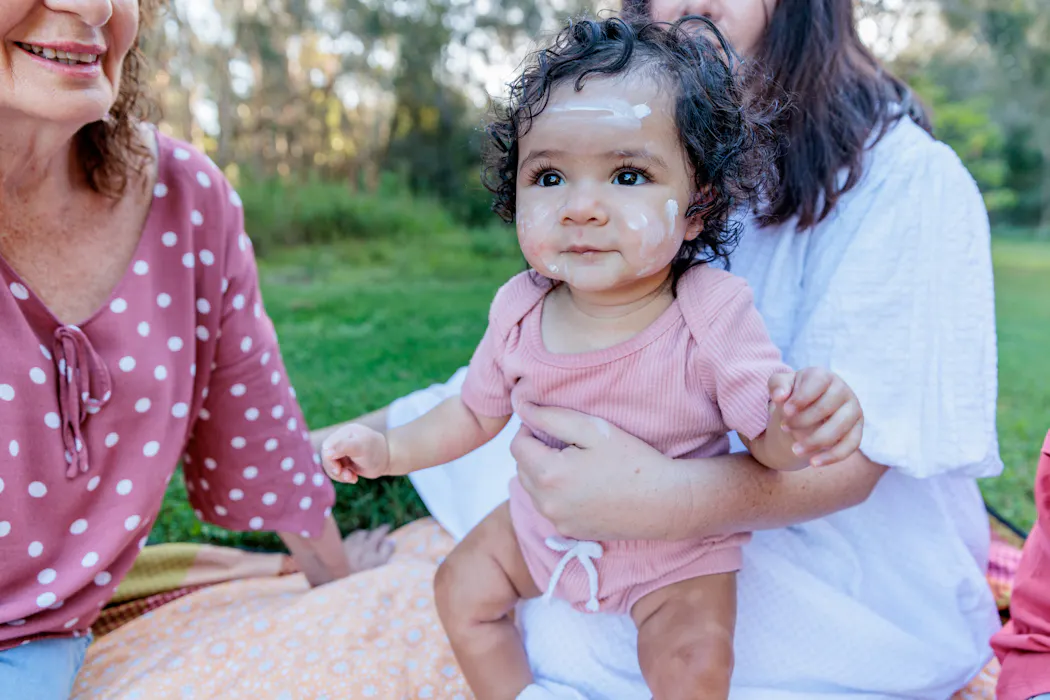
In Australia, every newborn baby is offered a screening test for 34 serious but treatable conditions (or groups of conditions), such as cystic fibrosis and spinal muscular atrophy. The test uses a small blood sample taken from the baby’s heel. Finding these conditions early can save lives and prevent disability.
In the future, sequencing the DNA of newborns as part of a genomic newborn screening program could allow the detection of many more conditions, potentially improving the health of more children. Over time, genetic data may also help scientists better understand diseases and develop new treatments.
However, these benefits will only happen if genomic screening tests are used in ways that are ethical, safe and equitable.
But Indigenous people around the world (including in Australia) have experienced exclusion, unfair treatment and misuse of biological samples and data in genetic research.
So as Australia considers adding genomics to newborn screening it is crucial to include the views of Aboriginal and Torres Strait Islander peoples.
We do not want these past mistakes to impact the opportunities for Aboriginal and Torres Strait Islander peoples to benefit from this type of screening.
Where are we now?
Research into genomic newborn screening is happening in Australia and around the world. One province in Italy has already started using it to diagnose disease. The United Kingdom plans to implement universal newborn genomic screening by the end of 2035.
But there are still questions to answer before it can be introduced in Australia, including:
- should we only include conditions that affect very young children?
- should we only include conditions where there is a treatment that works?
- how else might genomic data be used?
- how can families make informed choices about whether to take part?
- can the health system provide follow-up care for all babies, including those in remote areas?
For Aboriginal and Torres Strait Islander peoples, there are important additional and cultural considerations we must address.
What are the major concerns?
In a study published earlier this year, we asked 30 Australian adults (including two who identified as Aboriginal) what they thought about genomic newborn screening.
Most people supported it, but only if strict rules were in place, covering:
- consent (how families agree to the test)
- which results are shared
- how genetic data is stored and protected
- government oversight.
People had different opinions about how much genetic data should be collected and whether it could be used for other purposes, such as for research, choosing health care when the baby is older, or by the police.
For Aboriginal and Torres Strait Islander peoples who took part in our research and more generally, these concerns run deeper. Many of these concerns are due to the ongoing impact of colonisation, unethical use of biological samples (including using samples without proper consent), and research that did not respect cultural values or did not lead to benefits for communities.
There are also gaps in the current newborn screening program for Aboriginal and Torres Strait Islander families.
For instance, we know very little about how families experience screening, or what outcomes they have. So it is hard to know if the current program benefits everyone equally.
None of the existing information sheets about newborn screening have been designed for Aboriginal and Torres Strait peoples. So we do not know if every family receives the information they need before they agree to newborn screening.
The low numbers of Aboriginal and Torres Strait Islander health professionals also increases the barrier for culturally safe communication about newborn screening.
Using genomics will amplify these issues.
What needs to happen next?
Strong rules and systems (governance) about a future genomic newborn screening program must be in place from the start. These should be based on key principles such as:
- respect for Aboriginal and Torres Strait Islander peoples’ rights in how genomic screening is designed and rolled out
- equity (fair access to, and outcomes from, screening)
- control over how Aboriginal and Torres Strait Islander peoples’ data is used (data sovereignty)
- providing culturally safe health services.
Aboriginal and Torres Strait Islander peoples should be resourced to lead this process. Governments, researchers and health services need to support, not direct, it.
Investment is needed to help make the screening program more respectful, community-focused and responsive to people’s needs. This includes creating information materials designed with and for Aboriginal and Torres Strait Islander families.
We also need more Aboriginal and Torres Strait Islander midwives and genetic counsellors.
Midwives play an important role in explaining newborn screening to families before they take a blood sample. If we include genomics in newborn screening, midwives will need to be supported to provide additional information that covers Aboriginal and Torres Strait Islander peoples’ concerns.
Genetic counsellors explain newborn screening results to families when there is a high chance their baby has a condition. Genetic counsellors also need to be supported to have conversations that are respectful and sensitive to the needs of Aboriginal and Torres Strait Islander families and communities.
Finally, we need better data to be collected about Aboriginal and Torres Strait Islander peoples’ participation and outcomes. Without this, we cannot measure whether genomic newborn screening is fair and effective.
What if we don’t get this right?
Genomic newborn screening has great potential. But success should not only be measured by how widely the technology is used. If it is introduced without addressing these concerns, it could increase health inequalities instead of reducing them.
For example, if the program is not culturally safe:
- fewer families may participate, meaning fewer Aboriginal and Torres Strait Islander children may benefit from early diagnosis and treatment
- families may not be able to make fully informed decisions
- trust in the health system may be weakened, which could have broader negative impacts.
We would like to acknowledge our colleagues Joanne Scarfe, Louise Lyons, Idin Panahi, Kate Armstrong, Karen Beetson, Michelle Dickson, Thomas Harrington and Azure Hermes.

Gail Garvey receives funding from the National Health and Medical Research Council.
Sarah Norris receives funding from the Medical Research Future Fund. She is a member of the Medical Services Advisory Committee.
Original source: https://analysis1.mil-osi.com/2026/07/17/how-to-ensure-aboriginal-and-torres-strait-islander-peoples-benefit-from-newborn-dna-screening/