Papua New Guinea’s New Ireland Governor Sir Julius Chan has met and thanked Captain Nathan Tai Tombe and crew of the HMPNGS Moresby for their “brave action” in intercepting and impounding a foreign vessel off the coast at the weekend, reports the PNG Post-Courier.
Eight crew on the unregistered ship were arrested and charged – one of them wounded in the boarding operation.
Sir Julius was unaware of the action, but was inspecting a new fish processing plant in which the New Ireland government is a joint venture partner, with Arthur Jones and his company, PMAX, officials said yesterday.
When Sir Julius arrived at the site, he noted the PNG Navy vessel docked at the adjacent wharf and asked Jones what the vessel was there for.
He was told the HMPNGS Moresby had intercepted an unregistered foreign vessel at sea near Kavieng and had forced it to come to port.
Sir Julius immediately visited the docked vessel and the captain and crew.
On recognising the former prime minister, the crew double-timed from the ship and mustered on the dock, where they saluted Sir Julius on his arrival.
Sir Julius then introduced himself to Captain Tombe, who proceeded to explain what had happened two days before.
Warned by bullhorn The Moresby intercepted the foreign vessel and warned the crew of the ship by bullhorm to stop for inspection.
However, the warning was ignored. Warning shots which were fired over the bow of the ship were also ignored.
An update on the Chinese vessel #PNG Defence Force Navy intercepted today: the AFP was involved with the operation which saw the illegal vessel brought back to Kavieng. Former PM Sir Julius Chan congratulated the team. The 8 Chinese citizens have been arrested and charged. pic.twitter.com/HclD2oUHai
As a result, the HMPNGS Moresby drew alongside the vessel and fired aboard, wounding one crew member.
Following this, the ship pulled up and was ordered to accompany the Moresby to Kavieng, where it is at anchor, with the wounded crew member in Kavieng Hospital.
Sir Julius expressed his thanks to Captain Tombe and his crew, and invited the captain and several crew members to accompany him on his inspection of Arthur Jones’ rehabilitated fish processing plant.
Following the inspection of the plant, Sir Julius invited Captain Tombe to accompany him on a tour of the new New Ireland Legislative Assembly building, which is scheduled to be officially on September 15 and 16.
Captain Tombe, who hails from Jiwaka province, said he and his crew were stunned at the opportunity to meet Sir Julius.
“You don’t get a chance to meet someone like Sir Julius every day,” Tombe said.
“And for him to recognise us for the work we do was just amazing.
Brenton Terrant confessed to the murder of 51 people during Friday Prayer at Al Noor Mosque and at the Linwood Islamic Centre in Christchurch on March 15, 2019. Survivors and victims addressed him and the High Court during sentencing hearings this week.
In this episode of Evening Report’s A View from Afar programme we are joined by political scientist Paul Buchanan to discuss:
1) The Christchurch attacks of March 15, 2019… The sentencing hearings, how the voice of the victims has been heard.
2) But what of security intelligence errors that failed to identify the killer, Brenton Tarrant, prior to the attacks… and how did they fail to notice his comprehensive planning, surveillance, and online threats?
3) We will also discuss; How white extremism as a global threat; How they use social media, leaderless resistance tactics.
4) And what of solutions, what can be done so terrible acts of mass murder cannot happen again in New Zealand?
INTERACTION: Remember, if you are joining us LIVE via social media (SEE LINKS BELOW), you can make comments and include questions. We will be able to see your interaction, and include this in the LIVE show.
You can interact with the LIVE programme by joining these social media channels. Here are the links:
We often get bombarded with the message “regular physical activity is the key to good health and well-being”. To most of us, when we hear “physical activity”, we typically think of aerobic exercise such as walking, jogging, and cycling.
But recent evidence suggests muscle-strengthening exercise is very beneficial to our health. In our study, published today, we argue muscle-strengthening exercise deserves to be considered just as important as aerobic exercise.
And the good news is strength training can be done by anyone, anywhere — and you don’t need fancy equipment.
Strength is just as important as cardio
Muscle-strengthening exercise is also known as strength, weight or resistance training, or simply “lifting weights”. It includes the use of weight machines, exercise bands, hand-held weights, or our own body weight (such as push-ups, sit-ups or planking). It’s typically performed at fitness centres and gyms, but can also be done at home.
More than 30 years of clinical research has shown that muscle-strengthening exercise increases muscle mass, strength and bone mineral density. It improves our body’s capacity to clear sugar and fat from the bloodstream, and improves our ability to perform everyday activities such as walking up stairs or getting in and out of a chair. It can also reduce symptoms of depression and anxiety.
In our research, we reviewed the evidence from several large studies and found muscle-strengthening exercise is associated with a reduced risk of early death, diabetes, cardiovascular disease and obesity. Importantly, these health benefits remained evident even after accounting for aerobic exercise and other factors such as age, sex, education, income, body mass index, depression and high blood pressure.
Compared with aerobic exercise like jogging, clinical studies show that muscle-strengthening exercise has greater effects on age-related diseases such as sarcopenia (muscle wasting), cognitive decline and physical function.
This is particularly significant considering we have an ageing population in Australia. Declines in muscle mass and cognitive function are predicted to be among the key 21st-century health challenges.
Most of us don’t even lift — but we should
While the health benefits of muscle-strengthening exercise are clear, the reality is most adults don’t do it, or don’t do it enough. Data from multiple countries show only10-30% of adultsmeet the muscle-strengthening exercise guidelines of two or more days per week. Australianadults reported among the lowest levels of strength training in the world.
Our data from more than 1.6 million US adults show nearly twice as many do no muscle-strengthening exercise at all, compared with those who do no aerobic exercise.
The reasons fewer people do strength training than aerobic exercise are complex. In part, it might be because muscle-strengthening exercise has only been included in guidelines for less than a decade, compared with almost 50 years of promoting aerobic exercise. Strength training therefore has been considered by some physical activity and public health scientists as the “forgotten” or “neglected” guideline.
Other factors that may contribute to fewer people doing strength training include the fact it:
involves a basic understanding of specific terminology (sets and repetitions)
often needs access to equipment (resistance bands or barbells)
requires confidence to perform potentially challenging activities (squats, lunges and push-ups)
and risks the fear of judgement or falling foul of social norms (such as a fear of excessive muscle gain, or of getting injured).
Here’s how to get started
Unlike most aerobic exercise, strength training can be done at home. It can also be done without extensive equipment, using our own body weight. This makes it a great form of exercise during the COVID-19 pandemic, when many people are confined to their homes or otherwise restriced in where they can go.
If you are currently doing no muscle-strengthening exercise, getting started, even a little bit, will likely have immediate health benefits. Guidelines recommend exercising all major muscle groups at least twice a week: legs, hips, back, chest, abdomen, shoulders and arms. This could include bodyweight exercises like push-ups, squats or lunges, or using resistance bands or hand-held weights.
Here are some excellent free online resources that provide practical tips on how to start a muscle-strengthening exercise routine:
Muscle-strengthening exercise can be performed by anyone, anywhere. And its health benefits rival, and often exceed, aerobic exercise.Shutterstock
Governments need to step up
Many people find aerobic exercise difficult, impossible or simply unpleasant. For these people, strength training provides a different way to exercise.
The evidence supporting the health benefits of muscle-strengthening exercise, coupled with its low participation levels, provides a compelling case to promote this type of exercise. But historically, physical activity promotion has generally focused on aerobic exercise.
If governments expect more people to do muscle-strengthening exercise, they need to provide support. One strategy may be to provide affordable access to community fitness centres, home-based equipment and fitness trainers. And media campaigns endorsing muscle-strengthening exercise could also be important for challenging negative stereotypes such as excessive muscle gain. It’s unlikely any of these strategies will be successful individually, so we’ll have to tackle the problem on a few different fronts.
The Alliance of Indonesian NGOs has denounced the UAE-Israel normalisation deal, saying it harms the Palestinian cause and is a “robbery” of Palestinian rights, Anadolu news agency reports.
The Indonesian Coalition Defending Baitul Maqdis, an alliance of 30 NGOs, said the normalisation of relations with “zionist Israel” is a crime in terms of diplomacy, culture, economy and human rights.
“Parties or countries that normalise relations with invaders consider colonialism as normal, thus normalising injustice, murder and robbery,” Bachtiar Nasir, chairman of the alliance, told Anadolu.
The groups said countries that carry out normalisation with Israel agree with its crimes against Palestine.
“No one has this attitude unless the country that carries out normalisation has the mentality of colonialists and criminals,” said Nasir. “It is also a betrayal of efforts to maintain the sanctity of Al-Aqsa Mosque.”
The NGOs called on world leaders, especially those in the Muslim world, to help solve Palestinian problems fairly, and not to be easily tempted by material offers from Israel.
“Wealth will come and go, but a policy based on justice and humanity will set a lasting golden record in history,” the chairman said.
West Bank ‘annexation’ delayed This comes after US President Donald Trump announced a peace deal between the UAE and Israel brokered by Washington.
Abu Dhabi said the deal was an effort to stave off Tel Aviv’s planned annexation of the occupied West Bank.
However, opponents believe normalisation efforts have been in the offing for many years as Israeli officials have made official visits to the UAE and attended conferences in the country which had no diplomatic or other ties with the occupation state.
Israeli Prime Minister Benjamin Netanyahu repeated on August 17 that annexation is not off the table, but has simply been delayed.
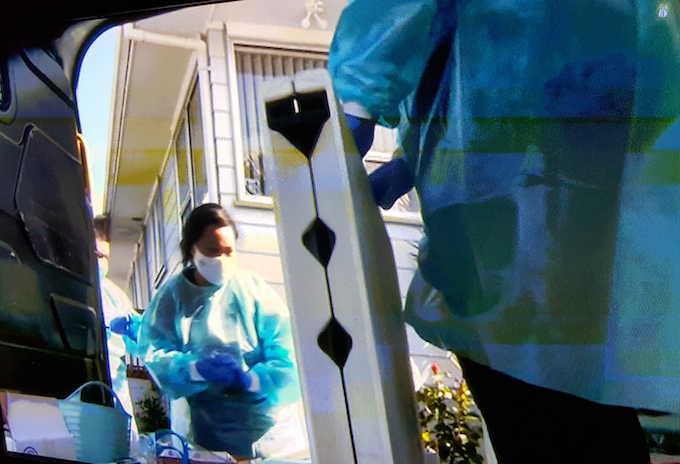
The group was created following the second wave of covid-19 infections in Auckland.
Pacific people comprise around three quarters of the cases included in the Auckland cluster so far.
Health Minister Chris Hipkins said the group must ensure Māori and Pasifika gain equitable access to testing.
Following his appointment, Dr Talemaitoga told Radio 531 he would ensure culturally appropriate community interventions.
He previously said Pacific leadership was needed to signal that the Pacific community was valued and to bring it together against the coronavirus.
This week Chris Hipkins said Māori and Pacific communities had been deeply involved in the planning of a testing blitz set in Auckland.
“We’ve been working Māori and Pacific health providers so they are very extensively involved in this,” he said.
“There has been a lot of consultation with Māori and Pacific communities, information is being made available in a variety of different languages for example, including Pacific languages, so we are working very closely with those communities.”
This article is republished by the Pacific Media Centre under a partnership agreement with RNZ.
If you havesymptomsof the coronavirus, call the NZ Covid-19 Healthline on 0800 358 5453 (+64 9 358 5453 for international SIMs) or call your GP – don’t show up at a medical centre.
Source: The Conversation (Au and NZ) – By Nick Bisley, Dean of Humanities and Social Sciences and Professor of International Relations at La Trobe University, La Trobe University
The author will be leading on online discussion through La Trobe University today on the threat of a new Cold War between China and the US, with former Prime Minister Kevin Rudd and China Matters director Linda Jakobson. Click here for more information.
China-US relations have been sliding toward confrontation throughout the Donald Trump presidency. The “beautiful chocolate cake” shared by Trump and Chinese President Xi Jinping at Mar-a-Lago in April 2017 seems from another era.
Indeed, Beijing’s recent shredding of its treaty commitments toward Hong Kong has the air of Berlin about it — a free and dynamic city with a complex past suddenly engulfed by an outside authoritarian state.
The great power contest between the US and China has been steadily ratcheting up over many years. Washington’s long-term strategy in Asia — to ensure the region is not dominated by a hostile hegemonic force — is plainly threatened by the growth in Chinese power.
It is tempting to look back to the most recent geopolitical analogue to make sense of current conditions. The Cold War was, after all, a global contest between two superpowers who saw the other as an implacable foe.
But we are in uncharted waters. Sino-American competition, if it continues on its current trajectory, will be no Cold War. It is likely to be more complex, harder to manage and last much longer.
A protester shouts pro-China slogans outside the US consulate in Chengdu after its closure last month.ALEX PLAVEVSKI/EPA
Risks of analogies
Using the Cold War to frame our understanding of the competition between China and the US is a risky endeavour. As Columbia University’s Adam Tooze put it,
For Americans, part of the appeal of allusions to Cold War 2.0 is that they think they know how the first one ended.
An overconfident reading of the past is accelerating the drive to confrontation in dangerous ways.
The point Tooze was hinting at is that the Cold War played out in different ways in both Asia and Europe. And crucially, in Asia, it ended in a much more ambivalent manner for the US and the West than many realise.
Asia’s Cold War
While the Cold War was a global contest, its dynamics were starkly different in Asia and Europe.
Most obviously, the first three decades of the contest were anything but cold in Asia. Indeed, the label seems like a cruel joke for a region that experienced several large-scale wars from the 1950s to the 1970s in Korea and Indochina, killing many millions of people. War and revolution was almost the norm.
Europe’s Cold War, by contrast, was an extended high-tension period, but one that was thankfully free of bloodshed.
As in the second world war, the timing and location of the end of the Cold War in Asia was also very different from Europe.
In Asia, there was no Berlin Wall moment, no “spring” tide of national liberation. Instead, the Cold War dynamics were subtly but significantly transformed in different places over different timeframes.
At one level, the Cold War ended in Asia in 1979 with the formal normalisation of relations between the US and China. This transformed the geopolitics of the region, at once marginalising the USSR, and establishing a four-decade period of great power amity between China and the US.
This, in turn, resulted in the greatest period of economic development in human history.
Elsewhere, however, the Cold War festered on long after the maps of Europe had changed. Korea remains divided and its border is among the most militarised parts of the planet. Taiwan’s uncertain standing — a state in all but name — is likewise a legacy of the Cold War’s early years.
The Cold War hasn’t ended at the DMZ separating the two Koreas.JEON HEON-KYUN/EPA
But the most important difference between the two is that in Europe, communism was defeated.
In Asia, however, it lives on. The Chinese Communist Party has not gone the way of the Soviet Union; quite the contrary, it now oversees the world’s second-largest economy, retains a high level of internal legitimacy and runs a country that is tightly connected with the rest of the world.
During the 1990s, Western scholars and politicians argued that history had ended and their liberal democratic model had vanquished all comers for all times.
The lesson for the world seemed to be that there was no option but to open their markets, liberalise their politics and free the animal spirits of their economies — or be left behind.
Could the West really win a Cold War redux?
Even then, such claims seemed self-indulgent. But the risk we face today is that policy-makers in Washington and elsewhere still believe in this premise: that a Cold War redux can be won by the same strategy and virtues that knocked the Soviet parrot off its perch.
The language of many in Washington and its allied capitals reflects this belief. The West is inherently superior in the organisation of its politics, economy and society, while China is a bundle of malign contradictions.
Squaring up to China in a full-spectrum competition should therefore be relatively easy. These Western leaders have the confidence of the sports fan watching a match they already know their team has won.
Beyond the fact that anyone who thinks the US model of politics and economics is particularly well-suited to the current moment is delusional, this outlook badly misunderstands the nature of the foe they have put in their geopolitical sights.
Perhaps the biggest failing of the Soviet Union was the communist party’s ignorance about the nature of the economy it ran and the people it led. The PRC is perhaps the most internally fixated great power yet seen. Party elites are acutely aware of the strengths and weaknesses of the system they have built.
Without doubt, China has a long list of significant challenges, from environmental degradation to widespread corruption, but the party has proven extremely effective at overcoming its internal difficulties. Moreover, it has shown economic and geopolitical success does not require conformity to a liberal model.
China has an increasingly robust military to match its enhanced position on the global stage.Pavel Golovkin/AP Pool
A serious challenge still unrealised
The biggest problem of seeing the China challenge as a repeat of the Cold War is this: Western leaders appear not to be taking seriously enough the scale of the confrontation they are heading toward.
The Cold War was won in Europe — but only after 50 years. And that included the US having a significant economic head start in 1945.
There is no sign Washington and its fellow travellers have begun to think through, let alone prepare for, a similar multi-decade fight across all domains against the world’s most populous country.
Given China’s scale, its importance to the global economy and its technological sophistication, an escalation of the rivalry between Beijing and Washington could bring costs of monumental proportions. Rather than carelessly invoking the past, we should be doing everything we can to stop the competition between the two sides from spiralling out of control.
Source: The Conversation (Au and NZ) – By Barbara Allen, Senior Lecturer in Public Management, Te Herenga Waka — Victoria University of Wellington
Prime Minister Jacinda Ardern has shown a remarkable grasp of fine detail and an ability to communicate it under pressure. But short of monitoring every flight, border interaction and hotel perimeter herself, she must rely on various forms of authority to ensure her government’s directions are carried out.
In recent weeks that authority has been challenged to its core by revelations border security staff were not being routinely tested, despite assumptions they were.
As well, the coming election has inevitably polarised the debate about the causes and source of New Zealand’s most recent COVID-19 outbreak.
While some interpret it as a serious government “botch-up”, a lack of transparency or even an attempt to intentionally mislead the public, others frame the issue as a natural manifestation of how governments actually work.
The government press release of June 23 was clear enough: “Under our enhanced strategy, priority for testing will be given to those who are most likely to have been exposed to COVID-19, which is our border and airline staff and those arriving back in New Zealand.”
The government’s official advice about its “testing strategy to keep New Zealand safe” supported this. It described the “regular health check and asymptomatic testing of all border facing workers”.
In terms of how, when and by whom this gets done, however, it becomes a matter of policy implementation.
A nurse at an Auckland COVID-19 testing facility after restrictions were reintroduced across New Zealand in response to the return of community transmission.GettyImages
Centralised control carries risk
The actual health order only came into existence on August 14 and the air border order on June 22. The maritime border order was communicated on June 30. But these orders did not in fact direct testing.
Given the intention seems clear, why did it not happen? Our answer is that the very reasons that previously made New Zealand one of the most successful cases of COVID-19 control and elimination might also have contributed to its resurgence.
The high centralisation of governance structures brings many benefits, but the risks are also significant. A centralised decision-making structure makes it easy for top-down decisions to be made and implemented quickly (such as a national lockdown or the design of the national alert levels system). But it may also make it harder to effectively monitor and enforce localised actions.
By default, leaders at the top are not fully capable of controlling their street-level staff. As political scientist Michael Lipsky reminded us more than 50 years ago, “policy implementation in the end comes down to the people who actually implement it”.
In this case, the good intentions of the government were unlikely to be successfully implemented for two main reasons. First, people at the top can’t be completely aware of the reality on the ground. Second, people on the ground might not have sufficient authority to do what they perceive as necessary.
Specifically, people may have been refusing to be tested because of “the invasive nature of the test”. Being aware of the nuances and difficulties facing quarantine staff would have made for a stronger leadership recommendation – for instance, by emphasising the compulsory nature of the testing.
Miscommunication: symptom, not cause
One might argue, as did the director-general of health, Ashley Bloomfield, that miscommunication was to blame. Either people were not being tested because those managing the quarantine locations didn’t emphasise its importance, or the Ministry of Health simply missed the warnings.
The reality of daily governmental operations, however, is that pressured local managers don’t have time to constantly manage information upwards. Nor can politicians digest and act on every piece of information coming from the ground.
To avoid this type of failure, those assumptions should not have been made in the first instance.
The fact that people on the ground were aware of the shortcomings in testing procedures but could not swiftly enforce changes is a perverse consequence of managing crises through highly centralised decision-making systems.
As the Fukushima nuclear disaster showed, depriving local authorities of full autonomy and authority in a crisis can slow down responses precisely when speedy responses are most needed. The Hurricane Katrina tragedy in 2005 also demonstrated how a lack of clear mandates resulting from several layers of authority is a recipe for failure.
Blame won’t solve the problem
Although the COVID-19 crisis can’t be directly compared to those fast-evolving technological or natural disasters, there are parallels. New Zealand’s centralised structure and top-down decision-making culture might have contributed to an assumption that responsibility and accountability would fall only on the highest levels of government.
Empowering local authorities by allowing and even urging them to make crucial decisions could have helped avoid this failure.
In a nutshell, although blame games are inevitable at this stage, more urgent is a closer look at the assumptions and responsibilities embedded in our institutional structures.
If we assume that leaders at the top cannot possibly be aware of everything, and that local authorities do not have enough power to change the problematic reality, reconsidering the decision-making system is much more pressing than finding someone to blame.
Perhaps it is time for a greater focus on systems of local decision-making and for having some faith in the “triumph of community”.
Source: The Conversation (Au and NZ) – By Albert Van Dijk, Professor, Water and Landscape Dynamics, Fenner School of Environment & Society, Australian National University
When the clocked ticked over to 2020, Australia was in the grip of a brutal drought and unprecedented bushfires. But in the months since, while many of us were indoors avoiding the pandemic, nature has started its slow recovery. That is the message of our new analysis released today.
Every year, my colleagues and I collate a vast number of measurements made by satellites, field sensors and people. We process the data and combine them into a consistent picture of the state of our environment.
Our 2019 report documented a disaster year of record heat, drought, and bushfires. We repeated the analysis after the first half of 2020, keen to see how our environment was recovering.
It’s not all good news. But encouragingly, our results show most of the country has started to bounce back from drought and fire. Here are four ways that’s happening.
1. Rain
Whether a region is in drought depends on the measure used: rainfall, river flows, reservoir storage, soil water availability or cropping conditions. On top of that, Australia is a vast country with large differences between regions.
By most measures, and for most of the country, wetter weather in 2020 helped ease drought conditions – although with caveats and notable exceptions.
Halfway through January, rain-blocking conditions in the Indian Ocean finally relented. This allowed the long-awaited monsoon to reach northern Australia, and encouraged more rainfall across the rest of the continent. February and March brought much needed rains in southeast Australia.
A young girl checks a rain gauge as her mum watches on at the family farm in February this year. Recent rainfall has eased drought conditions in parts of Australia.Peter Lorimer/AAP
2. Water availability
Across the continent, the volume of water flowing into rivers in the first half of 2020 was almost four times greater than the previous year – although still below average. Good rains fell in the northern Murray-Darling Basin. Some made it into the town and irrigation water supplies that ran empty during the drought, and storage levels showed a modest improvement by the end of June to 17% of capacity.
The flows were also enough to fill wetlands such as Narran Lakes and the Paroo and Bulloo River wetlands, west of Bourke. There were enough flood waters left to send a modest flood pulse down the Darling River in March for the first time since 2016.
Maximum measured daily flow in the Darling River at Wilcannia (left) and the maximum extent of wetland inundation in the 12 months up to June 2020, compared to the period 2000–2019.
Reservoir water storage across the entire the Murray-Darling Basin improved from 36% of capacity at the end of June 2019 to 44% a year later. Even so, by June 2020 dry conditions still persisted in the tributaries and wetlands of the middle and southern Murray-Darling Basin.
Storage in urban water supply systems increased for Sydney (52% to 81%) and Melbourne (50% to 64%) while remaining stable for Brisbane (66%), Canberra (55%) and Perth (41%).
Meanwhile, lake and wetland extent across much of Western Australia remained at record or near-record low levels. Due to the poor northern monsoon, Lake Argyle – the massive dam lake supplying the Ord irrigation scheme in northern Australia – shrank to 38% of capacity, a level not seen for several decades.
Soil moisture acts like a bank account: rainfall makes deposits and plant roots make withdrawals. This makes soil moisture a useful measure of drought condition.
Average soil water availability across the country was far below average at the start of 2020, but returned closer to average conditions from March 2020 onwards. Very to extremely low soil water availability across most of northwest and southeast Australia had eased by June 2020.
By the end of June, rains had also improved growing conditions in southeast Queensland, western New South Wales, Victoria and South Australia. However, recovery in these regions is, literally, shallow. Soil water remains low in the deeper soil layers and groundwater from which trees and other drought-tolerant vegetation draw their water. Drought conditions also persist in the dry inland of Australia.
Average soil water availability and vegetation condition by local government area at the end of June 2020 in comparison to 2000−2019 conditions.
4. Vegetation growth
Vegetation condition is measured by estimating leaf area from satellite observations. National leaf area reached its lowest value in December 2019 due to drought and bushfires, but improved once the rains returned from February onwards. It’s remained very close to average since.
Autumn rains also brought the best growth conditions in many years across much of the eastern wheat and sheep belt. But in the Western Australian wheat belt, which did not see much rain, cropping conditions are average or below average.
We separately measured vegetation recovery across areas in southeast Australia burnt at different times during the 2019-20 fire season.
In the central and northern NSW regions which burnt earlier in the fire season and received plentiful rains, recovery was relatively swift – more than 63% of lost leaf area had returned by June 2020.
Recovery of vegetation leaf area in areas burnt in Sept/Oct and Nov/Dec 2019 and in Jan/Feb 2020, respectively.
But in the areas burnt in early 2020, recovery has been slow. The burnt forests in the far south of NSW and East Gippsland did not receive good rains until very recently. Also, much of areas burnt in early 2020 are found in the mountains of the NSW-Victoria border region, where cool autumn and winter temperatures have paused plant growth until spring.
Leaf area recovery is not a good measure of biodiversity. Much of the increase will have been due to rapid leaf flush from fire tolerant trees and undergrowth, including weeds. Some damage to ecosystems and sensitive species will take many years to recover, while some species may well be lost forever.
Australia’s environment is bouncing back from a horrendous 2019.Marta Yebra/ANU
Climate change: the biggest threat
Rainfall after June has been average to good across much of Australia, and La Niña conditions are predicted to bring further rain. So there is reason to hope our environment will get a chance to recover further from a horrendous 2019.
In the long term, climate change remains the greatest risk to our agriculture and ecosystems. Ever-increasing summer temperatures kill people, livestock and wildlife, dry out soil and vegetation, and increase fire risk. In 2020, high temperatures also caused the third mass coral bleaching event in the Great Barrier Reef in five years.
Decisive climate action is needed, in Australia and worldwide, if we’re to protect ourselves and our ecosystems from long-term decline.
Many parents and students are engaged in a daily routine of speaking to people via a camera on a computer, tablet or phone during COVID-19 restrictions. This often means finding a quiet place in order to ask a question, provide an answer or share an opinion with a virtual audience.
Initial concerns about using video apps focused on privacy and equity issues.
Soon, new terms emerged such as Zoom fatigue. But an issue that has been less discussed is the role that nerves might play in these mediated sessions.
What is speaking anxiety?
For centuries, people have questioned their ability to speak in front of others. It’s said the Roman orator Cicero (106-43BCE) turned pale and quaked before any speech he gave.
Research suggests about one in five speakers experience high communication apprehension. This can make all speaking opportunities difficult.
It can be stressful speaking to a crowd of people.Matej Kastelic/Shutterstock
Examples include speaking to a boss or teacher, contributing to a group discussion, or delivering a presentation. Public speaking anxiety is part of communication apprehension.
The prevalence of public speaking anxiety is well documented. It is complex (varying causes, indicators and treatment options), individual (affecting speakers differently) and unstable (changing levels of anxiety within and between presentations).
A focus on individual differences acknowledges that internal thoughts and feelings might not match external behaviour. For example, a speaker who appears disengaged may actually feel a lack of control.
It is the audience, and the potential for negative evaluation from that audience, that can make us feel anxious. And those listening can be physically or virtually present.
It’s the audience that bothers some people, whether there in person or virtually online.Shutterstock/Cabeca de Marmore
This brings us to the rather awkward situation of speaking to rows of little boxes on a screen in a video hook-up. Not only does this set-up limit broader non-verbal cues, but it also restricts general banter between participants.
On the plus side, this can make sessions more time-efficient, but it does tend to make conversations more stilted.
A perceived need to be visible is a contested area in online delivery. In educational settings, those who support “cameras on for everyone” suggest it helps to replicate usual classroom conditions, encourages discussion and ensures students are actually in attendance (not just logged on).
But it is important to consider the rationale behind making any feature mandatory. Participating via a video app is not the same as a live setting.
For a start, speakers rarely see themselves when talking to others. As a lecturer, seeing myself onscreen while speaking with a class can be distracting, especially when trying to look directly at the camera lens to maximise eye contact.
7 tips to make things easier
Whether running a business meeting or teaching a class, the following tips may help you to feel more comfortable speaking online:
provide an agenda ahead of time, which could include sending out some prepared questions for discussion
reduce uncertainty about participation by letting people know from the outset if there is any need or expectation to talk in a hook-up
use linking statements and signposts to keep everyone on track as other cues and clues may be absent (walking across a room to a computer), so it’s important to let all participants know what you are doing and why (for example: “I’m going to check the chat box at the end of this point so feel free to add any questions as I go along.”)
model good speaking practices, draw on simple structures to make your point and use language that is suitable for oral delivery
rethink the value of calling on someone randomly to contribute to a discussion, because if people are worried they may be asked to respond without notice, they may be less likely to engage overall
make decisions about the need for interaction (including break-out rooms) based on the type of session and number of participants, because needless interaction is not better than no interaction
plan for each online event rather than stick to a set of general rules. For example, is it always necessary for speakers to see each other onscreen? As most educators will tell you, just because a student is physically present that doesn’t mean they are actively engaged.
Online tutorials, workshops and meetings are here to stay for the moment. To create safe, supportive and productive sessions, we need to build competent and confident speaking practices.
Acknowledging that speaking anxiety is common, and affects people in live and virtual settings, is a good place to start.
I’m writing this in the inner north of Melbourne, near two major roads that normally provide a constant hum of traffic noise. Yet if I stick my head out the front door after 8pm there’s near-total silence. A citywide curfew, unimaginable a month ago, is in full effect.
COVID-19 is pushing us all in ways we’ve never been pushed, and making us do thing we’ve never done. It’s also stressing us in very peculiar ways. Perhaps one of the most tiring things is the all encompassing lack of certainty.
In Melbourne, we’re hoping the curfew will lift after six weeks of this — but we simply don’t know. Neither do the people making these decisions, through no fault of their own. No-one can say with much confidence what will happen or when.
It’s astonishing how much daily life has changed in such a short time. Yet what is instructive about COVID-19 is not so much what it has changed as what it has exposed — and not just about weaknesses in institutions and economic structures. It’s not that COVID-19 has suddenly made the world uncertain; it’s that it has shown how uncertain it was all along.
Everything in our lives is subject to sudden and arbitrary reversals. We can lose our jobs, our health, or our relationships at any time, not just during a pandemic. Intellectually, we all know this. But mostly, like background noise, we don’t really notice this constant note of insecurity.
Sketch of Søren Kierkegaard, circa 1840. Based on a sketch by Niels Christian Kierkegaard (1806-1882).Wikimedia Commons
The most obvious example of this pervasive uncertainty, of course, is death itself. In his 1845 discourse At a Graveside, the Danish philosopher Søren Kierkegaard — who lost his parents and five of his seven siblings before he was 30 — dwells on what he calls the “uncertain-certainty” of death.
We know we will die, but also have no idea when we will die. Death could come for us at any moment, decades hence or “this very day.”
It’s understandable that we spend so much time and energy trying to escape this knowledge. One way of doing so is through a flight to statistics. We try to defang the spectre of death by appealing to actuarial tables, or simply by acting as if we are never going to die.
Many critics take precisely this route to argue against the sort of restrictions now in place. Few of us, statistically speaking, are likely to contract COVID-19; even fewer are likely to die from it. This possibility is then weighed against the things we have always taken to be bankable certainties: work, sport, family, friends and the knowledge that every year looks comfortingly similar to the one before.
A common refrain from those opposed to lockdowns is that “we have to live our lives!” But COVID-19 reveals that we don’t, in fact, have to live our lives at all: most of what we take to be given is alarmingly fragile. The virus also exposes that the lives of others really do represent a moral limit on our will. Most of the time, I don’t need to think about the fact that your staying alive matters more than my ability to go the pub.
It seems incomprehensible that all these things can just, well, stop. But as Kierkegaard puts it, every prediction or appeal to probability we try to make in order to declare how things will be “runs aground” on this statement: “It is possible.”
For Kierkegaard, this is in fact good news. Uncertain-certainty is the “schoolmaster” that teaches us what he calls alvor. English translators usually translate this as “earnestness,” though “seriousness” fits the Danish too.
Kierkegaard thought it was this seriousness that his own age, caught up in newspaper gossip in the streets and abstract theorising in the pulpits, was missing. In his short life (he died, probably of spinal TB, at just 42) he wrote a series of strange, frequently pseudonymous, philosophical works seeking to call people back to an awareness of their individual mortality and moral responsibility.
What does “seriousness” amount to in the face of uncertainty? For one thing, it means fronting up to the facts rather than trying to cut deals with reality. Right now, those facts are that for many of us, much of our lives are indeed on hold, and our responsibilities to each other require us to do painful things. We can’t say when this will stop or what life will look like on the other side.
For many of us, much of our lives is on hold.James Ross/AAP
There’s a common if rather trite bit of folk wisdom that tells us to live each day as if it’s our last. Yet that ignores the other side of possibility: it might not be your last day at all. For Kierkegaard, earnestness amounts instead to “the living of each day as if it were the last and also the first in a long life”.
The challenge is not to cling to certainty, nor to give in to nihilism, but the more challenging one of living as if anything is possible. Because, as we’re rapidly learning, it really is.
For more on Kierkegaard, see Gordon Marino’s overview from the Hong Kierkegaard Library, St Olaf College.
Scott Morrison finds himself besieged on two fronts in the political war over aged care.
The royal commissioners inquiring into the sector have made their second sortie within days into the debate, while Labor, struggling for cut-through, has resorted to an assault with shades of that successful “Mediscare” campaign.
Releasing research undertaken by the University of Queensland, commissioners Tony Pagone and Lynelle Briggs said it suggested higher funding was needed for residential care to meet basic standards, and even more would be required to achieve high-quality care.
The commissioners said: “Australians expect that all are entitled to the best quality level of care in aged care homes. Additional funding will be needed to enable providers to meet those expectations consistently”.
The research divided facilities into three quality categories, using various criteria: 11% were in the best group, 78% in the middle, and 11% in the worst group.
Those most likely to be in the best quality group were small-sized or government-owned facilities. The top group contained 41% of homes with up to 15 beds, but only 17% of those with 31-60 beds and 5% of those with more beds. The highest quality group contained 24% of government-owned facilities, 13% of not-for-profits, and only 4% of for-profit homes.
The problem with aged care being “for profit” is increasingly coming to the fore as the elephant in the room in the aged care debate.
Liberal backbencher Russell Broadbent told The Guardian this week, “Successive governments over 30 years have handed the care of people into the private sector, and that has been a mistake. Profit became more important than care. This [situation in Victoria] was a disaster waiting to happen.”
Peter Baume, a facilitator in medicine at the University of New South Wales and a former federal Liberal minister (including very briefly health minister), also says it was a mistake to privatise aged care.
“Private providers who operate for profit too often have scarce regard for the welfare and needs of old people, ” Baume told The Conversation.
“We now have a hierarchy of care. ‘For profit’ homes are sometimes awful. Food is poor, personal care is poor, provision of support is minimal, recent television footage has shown how some old people are abused, infections spread like wildfire.
”‘Not for profit’ homes are better. More money is available for food and for wages”.
As Scott Morrison contemplates how much extra he is going to have to spend on aged care in the coming couple of budgets, Labor’s attack has homed in on how much he allegedly cut in the past.
In the 2016 election Labor had great success with its Mediscare campaign – endlessly claiming what the Coalition would do to Medicare. Government denials were in vain. In Wednesday’s question time, the opposition applied a version of the same tactic, with the twist that it focused on the past rather than the future.
The opposition’s questions repeatedly insisted the government had cut $1.7 billion from aged care.
This number was based on two sources.
The 2015-16 mid-year budget update said the government “will achieve savings of $472.4 million over four years by refining the Aged Care Funding Instrument”. The 2016-17 budget said the government “will achieve efficiencies of $1.2 billion over four years through changes to the scoring matrix”.
Morrison rejected the Labor claim, and pointed to a RMIT ABC Fact Check (he couldn’t resist a snide reference to it being from the ABC). This examined the claim from then opposition leader Bill Shorten that Morrison had cut $1.2 billion from aged care in his first budget as treasurer.
The Fact Check concluded Shorten’s claim was “misleading”.
It said in 2016-17, Commonwealth funding for aged care was $17.4 billion – an increase of more than $1 billion over the previous year.
“The increase came despite a decision to pare $1.2 billion of ‘efficiencies’ over four years, largely by reducing the subsidies paid to aged care providers to tackle potential over-claiming and an unexpected cost blowout,” it said.
“Fact Check deems that an adjustment to future spending does not represent a ‘cut’ when the overall level of spending continues to rise.”
Though Morrison denied the “cut” every time it was raised, he knows this game as well as Labor does. It’s all about getting an impression across.
Unsurprisingly, aged care will be a major theme of Anthony Albanese’s Thursday National Press Club speech.
He will put forward “eight points the government could consider” to improve aged care. They are:
minimum staffing levels in residential aged care
reduce the home care package waiting list so more people can stay in their homes for longer
ensure transparency and accountability of funding to support higher quality care
independent measurement and public reporting as recommended by the Royal Commission this week
ensure every residential aged care facility has adequate personal protective equipment
better training for staff, including infection control
a better surge workforce strategy
provide additional resources so the Aged Care Royal Commission can inquire specifically into COVID-19 across the sector.
The $1.7 billion “cut” will likely get another run in the speech, not least because it is judged to have cut-through.
The Morrison government will introduce legislation to enable it to review and cancel agreements state, territory and local governments and public universities have entered with foreign governments.
The move can be expected to lead to the Victorian government’s “belt and road” agreement with China being quashed, and will put up in the air many university arrangements.
Scott Morrison has been highly critical of the Victorian deal, saying Belt and Road is not a program the federal government has signed up to and states should not be acting in ways inconsistent with Australian government policy.
The dramatic move reflects increasing concern about Chinese influence and interference, although the legislation would apply to agreements with any foreign government.
Under the legislation, the foreign minister will be given the power to stop proposed arrangements and cancel existing ones with foreign governments when they were considered against Australia’s national interest.
There will also be a public register to make agreements transparent.
Current arrangements are prolific. They include agreements for co-operation on cultural matters, education, health, the public sector, science, tourism, environmental management, and trade and economics. There are also sister city and state relationships.
The move will further deepen the tension between Australia and China. It comes as the deputy head of mission at China’s embassy in Australia, Wang Xining, accused Australia of hurting the feelings of the Chinese people in pressing for an inquiry into the origin of the coronavirus.
“All of a sudden, they heard this shocking news of a proposal coming from Australia, which is supposed to be a good friend of China,” he told the National Press Club on Wednesday.
“We believe this proposal was targeted against China alone, because during that time Australian ministers claimed that the virus originated from Wuhan, from China, and they did not pinpoint any other places as a possible source,” he said. “We don’t think it was fair.”
Morrison and Foreign Minister Marise Payne said in a statement: “The Commonwealth government has exclusive responsibility for conducting Australia’s foreign affairs. However, state and territory governments and their entities currently also enter into arrangements with foreign governments in a range of areas – from trade and economic cooperation to cultural collaboration and university research partnerships – without having to inform the Commonwealth.
“This legislation will support state and territory governments to ensure they are acting in a way that serves Australia’s national interests, is consistent with our values and aligned with our foreign policy objectives.”
The legislation will be introduced next week and the government wants it passed this year.
Morrison said he had recently arranged for all premiers and chief ministers to receive a comprehensive briefing on national security.
“It is vital that when it comes to Australia’s dealings with the rest of the world we speak with one voice and work to one plan,” he said.
“Australians rightly expect the federal government they elect to set foreign policy. These changes and new laws will ensure that every arrangement done by any Australian government at any level now lines up with how we are working to protect and promote Australia’s national interest.
“While many agreements and partnerships are of a routine nature, it is important that the federal government is notified of all and any agreements, be they state and local governments, or our universities.
“Where any of these agreements undermine how the federal government is protecting and promoting our national interests they can [be] cancelled.”
The legislation will cover written foreign arrangements that are legally binding under Australian law, legally binding under foreign law, or non-legally binding (such as a memorandum of understanding).
It will not apply to commercial corporations and state-owned enterprises. Nor will it apply to foreign universities, unless they are arms of a foreign government, such as government military universities.
The test the foreign minister will apply will ask:
Does the arrangement adversely affect Australia’s foreign relations?
Is the arrangement inconsistent with Australian foreign policy?
Within six months of the legislation coming into force states, territories, councils and universities will have to notify the government of their arrangements with foreign governments.
The foreign affairs department will review existing and proposed arrangements, and advise the minister of their implications for foreign policy and foreign relations.
If the arrangement fails the national interest test, the foreign minister will be able to stop the entity from negotiating, entering, remaining in, or giving effect to the agreement.
The minister will be able to terminate private contracts related to the main arrangement – for example an infrastructure construction contact resulting from the Victorian Belt and Road agreement.
If necessary the government could obtain an injunction in the Federal Court or High Court to enforce the foreign minister’s decision.
Payne said: “It is vital for Australia’s prosperity, security and sovereignty that our foreign policy is driven by our national interest.
“There is currently no legislative requirement, nor clear understanding, that states and territories consult properly with the Commonwealth on arrangements with foreign governments.
“These changes will provide governments, institutions and the Australian people with confidence that due diligence is given to international arrangements to ensure they are consistent with our national interest and our values.”
Warning: This story discusses details of the 15 March 2019 Christchurch mosque massacre.
The contrast cannot be more stark. The bravery of a 15-year-old girl, and the cowardice of a 29-year-old terrorist.
Brenton Harrison Tarrant is facing sentencing in the High Court at Christchurch for the murder of 51 worshippers at two mosques on 15 March 2019.
He has admitted 51 counts of murder, 40 of attempted murder and one charge under the Terrorism Suppression Act.
This afternoon the final victims spoke to the court. Just before the court adjourned for the day, it was confirmed that Tarrant would not address the court in his own defence.
A 15-year-old girl, who cannot be named, this afternoon confronted the terrorist directly during her victim impact statement.
“Why did you kill my dad? Why did you take the most important person away?” she asked him.
“He will always be in my heart and the hearts of those who love him. But you, you will be alone in prison.
‘The only one who lost everything is you’ “The only one who lost everything was you. Congratulations Mr Terrorist, you have failed.”
The terrorist’s cowardice was often pointed out during this afternoon’s session.
Sehan El Wakil told the terrorist he was a coward.
“If you were a real man you would have faced them [the victims], face-to-face, not with a gun behind their backs,” she said.
Abdul Aziz Wahabzadah, who chased Tarrant from Linwood Islamic Centre using an eftpos machine, told the terrorist he should thank Allah he did not catch him on 15 March 2019.
“He acts very tough but, to be honest with you, he’s nothing,” Wahabzadah said.
After the attack, police officers asked him for a description of the terrorist: “I told them, ‘He doesn’t look like a man’.”
Wahabzadah accompanied officers to the police station to give a statement.
It was there he found out the terrorist had been arrested.
‘Give me 15 minutes alone … with him’ “Your Honour, I pleaded to the police that day. I said, ‘Please give me 15 minutes alone in the cell with him, I want to see how many guts he has without a gun’,” he told the court.
“But they refused. I know because they have to follow the law.
“I saw the fear in his eyes when he was running for his life, your Honour.”
The terrorist was a coward, he said.
“You didn’t think about your mum, you didn’t think about your sister, how are they going to face the world with your coward act. You put their lives in danger. But you’re a coward, selfish, you didn’t care about them. I feel sorry for them. But not for you,” Wahabzadah said.
The government would have “saved a lot of money” if he was able to get his hands on Tarrant on that day, Wahabzadah said.
“You never forget these two eyes that you run from,” he said, finishing his victim impact statement.
Justice Cameron Mander stopped Wahabzadah from leaving.
Judge acknowledges courage “Mr Wahabzadah, before you go. I’ve seen the video and I want to acknowledge your courage,” Justice Mander said, as the public gallery broke into applause.
Justice Mander praised Abdul Aziz Wahabzadah’s courage on the day of the attack. Image: Conan Young/RNZ
The theme of Tarrant’s cowardice continued through the afternoon.
“You are a terrorist. You are a racist. You are a cold-blooded murderer who hides behind his weapons,” Feroz Ditta told Tarrant.
“Your time will come – that I can assure you, mate.
“For the rest of your life you won’t be able to embrace your parents and your family, and be part of their lives.
“You will no longer be able to hug your mother. They are at a loss because they have lost their son for the rest of their lives.”
Survivor Feroz Ditta … the gunman’s time will come. Image: RNZ/Stuff Pool
This article is republished by the Pacific Media Centre under a partnership agreement with RNZ.
Where to get help:
Need to Talk? Free call or text 1737 any time to speak to a trained counsellor, for any reason
Religious objections to vaccinations have been around almost as long as vaccinations themselves.
This week, three leading Australian religious figures have written to Prime Minister Scott Morrison outlining ethical concerns they have with the potential COVID-19 vaccine being developed at Oxford University.
The three Sydney archbishops are concerned the vaccine utilises a cell line derived from an aborted foetus. In their letter, they say the use of this cell line
will raise serious issues of conscience for a proportion of the population.
Today, the Australian Federation of Islamic Councils also signalled its “profound concern” over the use of foetal tissue in vaccine development. President Rateb Jneid urged Morrison
to reconsider accessing such vaccines but instead to invest into Australian research into ethical alternatives.
With Morrison saying last week he wants 95% of Australians to take a future COVID-19 vaccine, this will raise significant issues of freedom of religion.
Why some faith groups oppose vaccines
Faith groups object to vaccinations for a range of reasons. For example, Christian Scientists object to all vaccinations, relying instead on prayer to prevent and cure disease. They do so on the basis that
disease, in this construct, is not fundamentally real, but rather something that can be dispelled, to reveal the perfection of God’s creation.
Other faith groups only object to specific vaccines. In some cases, these objections are based on inactive ingredients in the vaccine.
For example, some Jews and Muslims object to vaccines that contain pork products. In 2018, Indonesia’s top Islamic body issued a fatwa declaring that the rubella-measles vaccine was religiously prohibited (haram) because it contained “traces of pork and human cells.”
Other faith groups object to vaccines because of the method by which they are developed. This is the basis for the archbishops’ objection to the potential Oxford COVID-19 vaccine.
In their letter to Morrison, the three archbishops, who represent he Anglican, Roman Catholic and Greek Orthodox communities in Sydney, said
Please be assured that our churches are not opposed to vaccination: as we have said we pray that one may be found. But we also pray that it be one that is not ethically tainted.
A number of existing vaccines use cells originally taken from aborted foetuses. While the use of these cells is considered ethical by most standards, this does not alleviate religious concerns about the practice.
In their letter, the archbishops say some Australians may
be concerned not to benefit in any way from the death of the little girl whose cells were taken and cultivated, not to be trivialising that death, and not to be encouraging the foetal tissue industry.
Sydney Anglican Archbishop Glenn Davies, one of the three signatories to the letter.David Moir/AAP
How does freedom of religion factor in?
Religious objections like these pose a dilemma for law and policy-makers, particularly now, in the middle of a pandemic.
On the one hand, there are strong public health reasons to create incentives to encourage widespread vaccination. On the other hand, such policies have the potential to inhibit freedom of religion.
However, this freedom is not unlimited. Under article 18 of the UN covenant, these rights may be limited in the interests of public health. It reads:
Freedom to manifest one’s religion or beliefs may be subject only to such limitations as are prescribed by law and are necessary to protect public safety, order, health, or morals or the fundamental rights and freedoms of others.
COVID-19 is not the first time the government has had to decide whether or not to limit freedom of religion in favour of public health outcomes.
In 1998, the federal government implemented a policy requiring proof of childhood vaccines in order for families to receive certain welfare benefits. Certain exemptions were permitted for religious and conscientious objectors.
In 2015, the government announced it was revising its “no-jab, no-pay” policy to remove these exemptions. The explanatory memorandum accompanying the bill noted
objection to vaccination can limit the rights of others to physical and mental health.
And in the context of COVID-19, we have already seen significant restrictions on freedom of religion, including the size of religious gatherings and the closure of places of public worship.
the Commonwealth shall not make any law for establishing any religion, or for imposing any religious observance, or for prohibiting the free exercise of any religion, and no religious test shall be required as a qualification for any office or public trust under the Commonwealth.
While this section appears to provide strong protection for freedom of religion, it has been interpreted narrowly by the High Court.
Scott Morrison has signalled he wants near-total compliance with a future COVID-19 vaccine.DAN HIMBRECHTS/AAP
In 1943, for instance, the High Court unanimously ruled a ban on the Jehovah’s Witnesses was not prohibited by section 116. The court found that in the context of war time, a ban was acceptable to protect the interests of a free society, even though it had the effect of limiting freedom of religion.
Further, section 116 only applies to federal laws. Any state-based laws creating incentives to encourage widespread uptake of a future COVID-19 vaccine would not allow for objections under the section.
While the potential Oxford University COVID-19 vaccine may “raise serious issues of conscience” for some religious groups, the interests of public health are likely to outweigh any freedom of religion concerns.
Despite this, the government cannot force people to be vaccinated, only compel them to do so. And there are likely to be some people, like Anglican Archbishop Glenn Davies, who would rather wait for a vaccine they find to be less “ethically tainted.”
Yesterday, the Victorian government released much-anticipated figures showing the proportion of the state’s health-care workers who caught COVID-19 at work.
Victoria’s chief medical officer Andrew Wilson said yesterday that 70-80% of health workers testing positive to COVID-19 were infected at work. That’s compared with 22% in the first wave.
That figure, which equates to at least 1,600 people infected in the workplace, is shocking and tragic. This is because occupational exposure of health-care workers to SARS-CoV-2, the virus that causes COVID-19, represents a failing of hazard control in many workplaces — across multiple locations, in hospital and in aged care.
We also need to acknowledge this problem is fundamentally an occupational health and safety issue rather than simply an infectious disease problem. This means experts in occupational health and safety need to be intrinsically involved in recommendations and guidance to government and employers.
What else did the report find?
The report found infection of health-care workers was greatest in areas where there were many patients with COVID-19 being cared for together (known as “cohorting”), and where health-care workers congregated, such as tea rooms.
Other contributing factors were the increased risk associated with putting on and taking off (donning and doffing) personal protective equipment (PPE), staff moving between health-care facilities, and poor ventilation systems with inadequate air flow.
The report tells us health-care workers in aged care accounted for around two in five infections, and hospital workers around one-third.
However, further details were not provided. These include the actual number of health-care workers infected at work, and a detailed breakdown of the category of health-care worker infected, as well as their age ranges and gender.
We also don’t know the severity of health-care worker infections (number of people who are or have been hospitalised, in ICU, or died).
How big a problem is this?
The number of health-care workers infected with COVID-19 in Victoria has reached 2,799. That makes a seven-day average of 43 new cases each day.
This means that while the state’s total number of new cases continues to decline, health-care worker infections make up around 30% of new cases each day.
Controlling the number of new health-care worker infections is essential, not only for health-care workers but for the sustainability of our health-care system, and to reduce the overall number of cases.
As the total number of health-care worker infections has risen, keygroups representing doctors and nurses have called on the government to produce data on the number of health-care workers infected at work and a breakdown of the data by health-care worker type, age, location and severity.
Yesterday the government released its keenly awaited analysis.
What should we do about it?
In light of the report, the Victorian government has established a new health-care worker infection prevention and well-being taskforce.
This is an important step forward and hopefully includes representation from all expert groups, especially occupation health and safety exerts.
Data from earlier in the year, and indeed prior experiences with SARS (severe acute respiratory syndrome), have already given us a blueprint for how to protect health-care workers today.
The blueprint includes implementing a system of hazard control measures (called a hierarchy of control model) in all health-care settings using experts in the field of occupational health and safety, including occupation hygienists.
The government report also outlines plans to develop ventilated and heated marquee-type tents for workers to have their tea breaks in, which is also good news. This recognises the contribution poor air flow makes to the transmission of SARS-CoV-2.
The planned introduction of PPE “spotters” in workplaces is also positive but further details are needed to understand exactly what they will do.
This will hopefully reduce staffing pressure in the workplace and ensure correct donning and doffing of PPE.
What about ‘fit testing’ respirators?
The report also included the surprising announcement that the government was going to undertake a fit-testing trial of respirators.
Testing that respirators, such as N95 face masks, fit and that staff are trained to use them are essential parts of workplace safety, in any industry. It is required as part of Australian standard AS 1715.
So, there is no need to trial fit testing. This is clear from experience in other industries where workers are exposed to hazards such as asbestos or dangerous laboratory fumes.
What is needed is immediate implementation of fit testing and training so health-care workers can be assured their masks fit correctly and do not allow the virus in. This is especially important for females, with many reporting the standard respirator size does not fit properly.
The government needs to do more
The government’s report acknowledged the likelihood of aerosol spread as a mechanism for the transmission of SARS-COV-2. So it has engaged the Victorian Health and Human Services Building Authority to conduct a study aimed at investigating aerosols and their spread on surfaces.
We do not have to wait for the results of this research. The government can act now and take the next step and immediately change its guidelines for PPE for health-care workers.
The Victorian PPE guideline for health-care workers still does not recommend universal PPE designed to protect health workers from aerosols when caring for COVID-19 suspected or positive patients.
The guidelines instead recommend PPE to protect against droplet transmission (such as surgical masks), even in the situation where a person with COVID-19 is severely coughing.
Disappointingly, national guidance still remain unchanged regarding its advice for health-care workers caring for COVID-19 suspected or positive patients. It too does not recommend universal aerosol precaution PPE (including respirators) when health-care workers care for patients with COVID-19.
These guidelines need to be urgently updated to protect health-care workers.
There is also an urgent need for a comprehensive, publicly accessible state and national registry of health-care worker infections that provides regularly updated disaggregated data about health-care worker infections.
This is essential so the magnitude of the problem can continue to be addressed and immediate preventative strategies put in place.
Finally, now the problem of occupational exposure of health-care workers to SARS-CoV-2 has been acknowledged, we must make all these changes immediately.
“This is not a bluff,” Scott Evans, the chief executive of Mosaic Brands, has said of his threat to permanently close 300 to 500 stores in Australia unless landlords reduce rents.
Mosiac’s network of about 1,300 apparel stores includes Katies, Noni B, Rivers, Rockmans, Millers and Crossroads. With stores shuttered temporarily due to COVID-19 restrictions, it posted a A$170.5 million loss in the year to June.
It and other retailers such as Premier Investments (owner of Just Jeans, Portmans and Jacqui E brands) have reportedly been paying lower or no rent to landlords, on the basis their rents should reflect revenue and landlords should share the pain.
Last week Mosiac’s stalled rent negotiations with Australia’s biggest shopping centre landlord, Scentre Group, led to a lockout of 129 Mosaic stores. Scentre also locked the doors to 38 stores owned by luggage retailer Strandbags.
The retail rental market in Australia is not paused because of the pandemic. It is fundamentally changed for the future.
A history of growth, conflict and negotiation
Though the coronavirus crisis has brought things to a boil, tensions between shopping centre tenants and landlords have simmered for more than 40 years.
Behind Mosaic’s standoff with Scentre are the underlying power dynamics between tenants and landlords. Mutually dependent on one another, they have always fought over the spoils of shopping centre profits. With the COVID-19 crisis, strained relationships are starting to break down.
Australia’s first American-style shopping centre opened in 1957, in the Brisbane suburb of Chermside. It had space for one department store, one supermarket, 24 specialty stores and parking for 650 cars.
The Westfield Chermside shopping centre in 2017.Shutterstock
As the rise of the private motor car reshaped cities and suburbs, shoppers embraced the convenience and comforts and comforts of the mall.
By the late 1970s they were the dominant shopping experience, outstripping many established “high streets”. They became social as well as commercial hubs.
They were also protected by planning legislation intended to constrain sprawling development, but which also created geographic monopolies by blocking competition nearby.
This all produced highly sought after and valuable retail space.
Naturally owners were keen to increase their profits by expanding these spaces to attract even more shoppers.
Calls for government intervention
But as centres got bigger and more and more specialty retailers signed leases, complaints began to emerge about exploitation and steep rent hikes. By the early 1980s tenants’ complaints had become an issue for both sides of politics.
Intense lobbying led to government inquiries around the country, which found sufficient evidence to recommend industry self-regulation and then retail tenancy legislation.
But the fundamental power dynamics remain. Landlords still have the most convenient and attractive locations for stores. They have control over entire retail environments, and even collect the sales data of their tenants. Their bargaining position in leasing negotiations is invariably very strong.
A Noni B store in Brisbane on August 25 2020.Shutterstock
Well-managed shopping centres can unify a large and divergent group of tenants and help centre trade. In return, tenants in centres generally pay higher rents and outgoing expenses than similar tenants in a shopping strip and forego some independence in operating their business.
It has often been a mutually advantageous relationship, but there has always been a contest between tenants and landlords over how they share both benefits and costs.
The retailers’ argument is rent should be based on the value of the customer traffic the shopping centre delivers to their stores, and those customers have evaporated with COVID-19. As analyst Bill Mooney put it:
With a lease agreement there’s an expectation of a certain amount of customers coming through into the shopping mall and if that nexus is broken, then yes, the landlord can insist on his rights, but which retailer is going to continue to pay rent and go broke?
Mosaic’s projection of store closures emphasises this point.
No one will come out of this a winner. The fight to minimise losses will be bitter. The first casualties will be the most vulnerable: the smallest tenants, with the least bargaining power, in the most precarious financial situations. This echoes the broader pattern of the pandemic’s impact.
For landlords there are longer-term questions. Will the current standoff push retailers towards a permanently smaller physical footprint and greater investment in online shopfronts? Has it created even more uncertainty about retail’s future? How deeply has trust been eroded?
Whatever happens, when there is any sort of return to normal, both sides will enter fresh leasing negotiations with an acrid taste from what is rapidly becoming their most vitriolic fight to date.
This article has been co-published with The Lighthouse, Macquarie University’s multimedia news platform.
Today marks six months since New Zealand’s first COVID-19 case was identified on February 26.
So far New Zealand has been largely in reactive mode, initially during the first elimination stage which finished in early June and now in response to the ongoing Auckland outbreak.
Given the vigorous response to controlling this current cluster, we have a good chance of eliminating community transmission again.
But to maximise our protection against future border control failures and outbreaks, we argue it is time to take a far more strategic approach to this pandemic — and we suggest five key steps New Zealand should take.
Strengths and weaknesses of New Zealand’s response
An effective ongoing response to COVID-19 is an all-of-government challenge. It requires seamless coordination of scientific input, policy design and implementation.
An early shift from a mitigation to an elimination strategy was a major strength of New Zealand’s response.
The combination of border controls with a stringent lockdown, supported by considerable science input, including from the government’s chief scientists, was effective in eliminating community transmission after the first outbreak.
The most pressing challenge is to bring the current outbreak (New Zealand’s largest cluster, with 108 cases) under control. We also need to learn from this new more targeted resurgence response so we can improve our ability to detect and control any future outbreaks.
Genome sequencing and COVID-19 testing of wastewater are promising new surveillance approaches. But we will also need to upgrade the alert level system to integrate the use of face masks and address high-risk transmission venues such as bars and nightclubs and incorporate new knowledge about controlling transmission.
Contact tracing should also be improved through digital technologies, including the CovidCard.
A second key challenge is to improve the management of our external borders to minimise the risk of introducing the virus. The border is New Zealand’s greatest vulnerability and we need an urgent review of the entire process from pre-travel to post-quarantine.
Last week, the government and the main opposition party both announced new border control policies that include the adoption of digital contact tracing technologies.
Modelling by ourselves and colleagues has been useful for assessing various border control interventions. Options include the use of digital technologies for tracking arriving passengers and staff and monitoring contact patterns.
A bus unloads passengers at a managed isolation facility for returning New Zealanders,Fiona Goodall/Getty Images
There are also important questions about how to improve quarantine, the benefits of purpose-built facilities (with proper ventilation and no shared spaces), and shifting isolation and quarantine facilities out of major cities (for example, to an air force base).
A further challenge is planning for the introduction of a vaccine. There is a long list of uncertainties to work through with any COVID-19 immunisation strategy, including the extent and duration of immunity and who should be targeted for immunisation (assuming limited initial supplies). New Zealand should begin planning now to improve the national immunisation register to support vaccine delivery.
Countries pursuing elimination have different science challenges compared with those where transmission is more widespread. They need to shift their focus to include ‘low-probability high-consequence scenarios’, such as the potential role of imported chilled food as a vehicle for the reintroduction of COVID-19 in the recent outbreak (albeit still much less likely than a border control failure).
Five key ways to be more strategic
We propose five key ways New Zealand could be more strategic in maintaining its elimination goal:
Establish a high-level COVID-19 science council. This council would provide evidence-based strategic advice across the entire response sector, help develop a COVID-19 research and development strategy, and assist with coordinating the efforts of research groups across New Zealand. In this role it might represent a logical development from the current Technical Advisory Group that advises the Ministry of Health.
Develop a well-resourced research and development strategy. This strategy would identify high-priority evidence needed to protect New Zealand from the pandemic while also achieving equitable outcomes and improving the efficiency of the response. A single day at the current alert level (level 3 for Auckland and level 2 for the rest of the country) is estimated to cost the economy NZ$63 million. It would make economic sense to invest at least this amount into research and development to identify ways of minimising the need for such lockdowns as well as addressing other major COVID-19 science questions.
Enhance the quality and transparency of science information. High-quality surveillance data are essential to guide and evaluate the COVID-19 pandemic response. These data and response documents need to be readily available for scrutiny by scientists, journalists and the public to help guide systematic improvements. Much of the critical data have never been available in this way, notably data on the pandemic itself and key components of the response, such as testing data and updates on the performance of the contact tracing system.
Evaluate the response through an official inquiry immediately after the October election. This inquiry would be useful to identify weak areas of the response that require urgent system improvements and help shape the proposed national public health agency.
Establish a national public health agency to deliver the COVID-19 response. Recent public health disasters such as the Havelock North waterborne disease outbreak and last year’s measles epidemic have already highlighted the need for such an agency. Taiwan is the country that has responded most effectively to the COVID-19 pandemic and its dedicated agencies have been a major part of its success.
Taking a highly strategic, science based approach to COVID-19 gives New Zealand the best possible opportunity to sustain its elimination approach. Focusing on principles of equity, transparency and innovation could help develop the organisations, infrastructure and workforce that provide lasting public health benefits beyond the current crisis.
Graphic by Belarusian artist, Antonina Slobodchikova. Courtesy of Ingo Petz.
LIVE AT 8pm (NZST) we cross LIVE to Berlin to talk to journalist, author and Belarus expert, Ingo Petz. But first… Belarus is in crisis. Weeks ago, Belarus had elections, but electoral fraud and corruption is expected after the country’s dictator Lukashenko supposedly won 80 percent of the vote.
Since then, Lukashenko’s security thugs have sought to silence the people’s desire for true democracy. People have disappeared, many have been injured, and there have been deaths.
Ingo will discuss with us why hundreds of thousands of Belarusians continue to protest in the streets… undeterred.
INTERACTION: Remember, if you are joining us LIVE via social media (SEE LINKS BELOW), you can make comments and include questions. We will be able to see your interaction, and include this in the LIVE show.
You can interact with the LIVE programme by joining these social media channels. Here are the links:
Yesterday, the New South Wales government accepted all 76 recommendations from an independent inquiry into last summer’s devastating bushfire season. Several recommendations called for increased hazard reduction, such as through controlled burning and land clearing.
But clearing and burning vegetation will hurt our native flora and fauna, which is still recovering from the fires. Rather than clearing land to reduce the bushfire risk, we must accept we live on a fire-prone continent and improve our urban planning.
Importantly, with fires set to become more frequent and severe under climate change, we must stop choosing to live in bushland and other high-risk areas.
Inquiry recommendations
The bushfire inquiry was conducted over six months, with former Deputy Commissioner of NSW Police Dave Owens and former NSW Chief Scientist and engineering professor Mary O’Kane at the helm.
The NSW government accepted all recommendations from the independent inquiry.AAP Image/Dan Himbrechts
It found changes are needed to improve the preparedness and resilience of local commmunities, as well as fire-fighting techniques, such as use and availability of equipment. And it noted prescribed burning should target areas such as ridge tops and windy slopes. These are areas that drive fires towards towns.
improving mapping of buildings at risk of bushfire
ensuring personal protective equipment for land owners and fire fighters
improving assistance for vulnerable people.
But a key finding was that there’s still a lot to learn, particularly about bushfire suppression methods. As a result, future property losses are “inevitable”, given settlement patterns and “legacy development issues”.
What risk are we prepared to accept?
If we as a community accept that property loss will occur, we should choose the level of risk we’re prepared to take on and how that will affect our environment.
Building homes in high bushfire risk areas requires a combination of land clearing to reduce flammable material such as dry vegetation, and ensuring your home has a fire-resilient design.
But after the unprecedented megafires of last summer, it’s clear living in these areas still exposes residents and firefighters to high risk while trying to protect buildings and the community.
Bushfire prone areas are often on the periphery of cities and towns, such as Sutherland in the south of Sydney, coastal areas such as the South Coast and Central Coast, or remote communities including Wytaliba in northern NSW. These areas contain a mix of medium to low density housing, and are typically close to heavy vegetation, often combined with steep slopes.
A house surrounded by dense bushland. Building in locations like this is a bad idea when Australia is so prone to bushfires.AAP Image/Julian Smith
But we should not continue to develop into these high risk areas, as the associated land clearing is too significant to our ecosystems and may still result in houses being lost.
Protecting our wildlife
It’s estimated more than 800 million animals were killed in the NSW bushfires, and more than one billion killed nationally.
The clearing of native vegetation is recognised as a major threat to biological diversity: it destroys habitats, can lead to local wildlife populations becoming fragmented, and increases the exposure to feral predators such as cats and foxes.
In 2018 around 60,800 hectares of woody vegetation was cleared in NSW for agriculture, infrastructure and forestry. This is an increase of 2,800 hectares from the year before.
If we continue to build in high risk areas and clear trees to create asset protection zones, we will add to the ongoing pressure on wildlife.
Where should we build?
Rather than trying to modify the environment by clearing trees, we must plan better to avoid high risk bushfire areas. This was reinforced in the inquiry report, which called for a more strategic approach to where we locate new developments.
Residents in fire-prone areas are told to evacuate before any fires start when conditions are catastrophic.AAP Image/Dan Himbrechts
We should encourage our communities to grow in low-risk areas away from native vegetation. This includes avoiding the development of new low-density housing in rural and remote locations.
To further separate our homes from risk, we should also consider instead putting non-residential land — such as for industrial factories and manufacturing plants — closest to vegetation.
Rural houses should be built in more urban settings near existing towns away from dense vegetation, rather than scattered buildings. In larger towns and cities we could focus on brownfield development with little ecological value. “Brownfield” refers to sites that have previously had development on them.
And community buildings such as hospitals, education and emergency services, should be placed in low-risk areas to facilitate response during and after a bushfire event.
While each community should decide how it develops, land rezoning and planning rules should not allow continued expansion into high bushfire risk areas.
We tend to assume disseminating public health messages is solely the role of public servants such as Victorian chief medical officer Brett Sutton and his former federal counterpart Brendan Murphy, both of whom have become de facto celebrities during the pandemic.
But to ensure vital health information reaches everyone in our community, we need a range of spokespeople, including religious and community leaders.
However, church leaders have expressed concerns some Christians may face an “ethical dilemma” over Australia’s COVID-19 vaccination plans.
Sydney’s Catholic and Anglican Archbishops and the leader of Australia’s Greek Orthodox church told Prime Minister Scott Morrison that the University of Oxford’s candidate vaccine, set to be given to Australians if it proves successful, is potentially problematic because its production method relies on cell lines from an electively aborted foetus.
There are many examples of religious community leaders helping vaccination programs. I experienced this first-hand in 2013, when I supported a catch-up immunisation clinic at a large Samoan church in Western Sydney, which aimed to reduce the measles risk among the Pacific Islander community. One community member who participated told me:
Most Pacific island people go to church. Maybe this is one of the best channels to go through. Ministers, because their job is spiritual health as well, will give out information for the health of their people.
That was the first time an Australian church had hosted an immunisation clinic. But the idea of religion crossing over with immunisation is not new. The earliest recorded example of “variolation” (or inoculation) was an 11th-century Buddhist nun’s innovative practice:
She ground scabs taken from a person infected with smallpox (variola) into a powder, and then blew it into the nostrils of a non-immune person to induce immunity.
Several centuries on, things are more vexed. While major faith traditions endorse the principles supporting the public health goals of vaccination, hesitancy has been documented at an individual clergy level, and concerns have been raised at an organisation level from time to time.
The church leaders who wrote to Morrison have asked the government not to pressure Australians to use the vaccine if it goes against their religious or moral beliefs. Sydney’s Catholic Archbishop Anthony Fisher called on the government to pursue arrangements for alternative vaccines that do not involve the foetus-derived cell lines.
What’s a cell line anyway?
A cell line is a population of cells that is grown continuously in the laboratory for extended periods. Once established, cell lines have an unlimited lifespan and so are a renewable and reliable system for growing viruses.
Some cell lines, called human diploid cell lines WI-38 and MRC-5, came from three abortions performed for medical reasons (including psychiatric reasons) in the 1960s.
These abortions were not done for the purpose of harvesting the cells. Cells taken from these cell lines are used to grow the virus, but are then discarded and not included in the vaccine formulation.
In Australia, several licensed vaccines have been manufactured using cell lines that originally came from this foetal tissue from the 1960s. This includes the vaccines against rubella, hepatitis A, varicella (chickenpox), and rabies.
The University of Oxford’s COVID-19 vaccine is made using human cells derived from abortions carried out in the 1960s.John Cairns/AP
The Catholic church has previously grappled with this issue. In the late 1990s and early 2000s, ethicists at the National Catholic Bioethics Center and the Vatican’s Pontifical Academy for Life declared the abortions from which the cell lines were derived were events that occurred in the past. Most importantly, they acknowledged the intent of the abortions was not to produce the cell lines, and therefore being immunised is a morally separate event from the abortions themselves.
In 2017, the Pontifical Academy for Life reiterated this stance, stating:
…we believe that all clinically recommended vaccinations can be used with a clear conscience and that the use of such vaccines does not signify some sort of cooperation with voluntary abortion.
Moreover, it concluded there is a “moral responsibility to vaccinate […] to avoid serious health risks for children and the general population”.
Supporting public health goals is the key principle previously applied by major faith institutions in situations where ethical issues around vaccination have been raised. One previous example is the use of gelatin – which is made from pig skin or bones and is forbidden as a food by some religions – in vaccine and medicine capsules.
After reflecting on the issue, the Kuwait-based Islamic Organization for Medical Sciences declared in 1995:
…the gelatin formed as a result of the transformation of the bones, skin and tendons of a judicially impure animal is pure, and it is judicially permissible to eat it.
The Grand Mufti of Australia released a letter in 2013 supporting this judgement, ruling it is acceptable for Australian Muslims to take vaccines containing pork-derived gelatin.
In the case of both gelatin and human cell lines, religious organisations have called on vaccine manufacturers to use alternative methods where possible. Yet given the urgency of the COVID-19 pandemic, it may not be feasible or ethical to delay or seek alternative vaccines.
This sentiment was outlined by Reverend Kevin McGovern, a Catholic priest and adjunct lecturer at the Australian Catholic University and the Catholic Theological College, in a recent piece for the ABC:
Developing ethically uncompromised cell lines and vaccines is important. In the crisis of this pandemic, developing and using an effective vaccine so as to save lives is even more important.
While this article is reflecting on religious organisations and vaccination, at an individual level it’s important to note that people who profess to decline vaccines for religious reasons may in fact be motivated not by theological concerns but by their own personal views about vaccine safety, perhaps influenced and echoed by others in their clustered social networks.
For example, US based studies have suggested some parents circumvent vaccine requirements by claiming religious exemptions, in the absence of a personal belief alternative.
To move forward, it’s important public health officials work with religious leaders to ensure they are equipped with accurate information about the potential COVID-19 vaccine, its development process and the rationale for its use. Engaging these leaders and building trust are crucial steps into the intersection of religion and vaccination.
Source: The Conversation (Au and NZ) – By Vasso Apostolopoulos, Professor of Immunology and Pro Vice-Chancellor, Research Partnerships, Victoria University
A Hong Kong man who recovered from COVID-19 more than four months ago has reportedly been reinfected with SARS-CoV-2, the virus that causes COVID-19. This time he didn’t have any symptoms.
This is not necessarily unexpected, because very few natural infections generate an immune response that completely prevents reinfection. Instead, what generally happens after an infection is that the body’s immune response gradually declines over months after the infection is cleared.
Specialised immune cells in the body are tasked with remembering each particular infection, so if you get infected again your body quickly starts producing the relevant antibodies and other immune cells (called T cells) in large numbers. This helps clear the new infection more rapidly and effectively. So you can still get reinfected, but you’re more likely to have fewer symptoms or be asymptomatic.
This is what seems to have happened to the 33-year-old Hong Kong man at the centre of the latest reports. The first infection caused symptoms, which he reportedly suffered from for some time. But the second time around he was asymptomatic, presumably because his body effectively repelled the disease.
However, we have to be careful about over-interpreting what we know about this case. This is just one person. Is he the exception or the rule? We don’t know yet for sure, and we have to wait for further research. Also, his case was announced via a press release, so we have to wait for the paper to be officially published to be able to properly scrutinise the data.
A different strain
There have been anecdotal reports of people being reinfected before, but many of these seem to be cases in which the initial infection simply persisted for a long time, or in which the person’s lungs were expelling dead virus.
But in this case, the virus isolated from the man’s two separate positive COVID-19 tests had slightly different genetic sequences. This suggests they had a different origin and are therefore different strains.
We must remember, however, it’s common for viruses to mutate. So it’s also possible we’ll need several different vaccines to account for multiple strains of the virus, like is often done with the flu vaccine.
The good news is this particular person’s immune system seems to have recognised the second infection, as shown by the fact his blood boosted antibodies against it. Despite the mutation, the man could still mount a good defence against the new strain.
Antibodies usually last in the blood for roughly 120 days following a stimulus such as natural infection with a virus or injection with a vaccine, though it varies depending on the disease. Both the B cells that produce antibodies, and the T cells that kill infected cells, also wane over time after the stimulus.
Vaccines can induce longer-lasting responses. But the key point is both natural infections and vaccines do generate memory B and T cells. So when the body comes in contact with the infection the second time, the memory cells respond rapidly and in high numbers. This can be so quick and strong that in some cases it can even result in “sterile protection”, effectively preventing the virus from infecting our cells. More commonly, there may be a small lag time for the immune system to respond fully, but in the end the virus is still unlikely to infect many cells.
In this case it appears the first infection was enough to teach the person’s immune system how to deal with the virus a second time. So he was reinfected, but didn’t develop symptoms.Alessandro Di Marco/EPA/AAP
He didn’t develop symptoms, but could he still pass it on?
At the moment it’s unclear if asymptomatic carriers can transmit infection. Indeed, there may be different types of asymptomatic carriers. Some asymptomatic people might transmit the virus, while others don’t. We don’t know why this is the case.
But based on our experience with other diseases, the higher the number of viral particles being spread from person to person, the higher the chance of infection. Therefore, asymptomatic carriers, who do not shed lots of virus through coughing or sneezing, should in theory have a lower risk of infecting others.
Does reinfection mean herd immunity is impossible?
Herd immunity is still possible if we get a successful vaccine, because vaccines can be more powerful and protective than the immunity conferred by being naturally infected with the virus. Some epidemiologists suggest at least 70% of a population needs to be immunised to achieve herd immunity.
What’s more, becoming reinfected does not mean the virus will necessarily be transmitted — it depends on the viral dose and the susceptibility of people around the infected person. If they are all immunised with a vaccine, we generate a ring of fire that can contain spread of the virus.
It’s also possible SARS-CoV-2 becomes an endemic virus, like many viruses circulating in the population. But as long as there are diagnostics, vaccines and treatments, we could continue functioning normally just as we do with influenza present in the population. Ultimately it’s about what level of risk society is willing to accept. And we may need to use infection control methods like masks and hand hygiene for some time.
Have you used Google lately and been greeted by a yellow warning saying that the way Australians search on Google is under threat?
To understand why these messages are appearing, Media Files interviewed former chair of the Australian Competition and Consumer Commission (ACCC), Professor Allan Fels, and CEO of the Public Interest Journalism Initiative (PIJI), Anna Draffin (full recording above, recorded from home due to the pandemic).
This episode of Media Files is about world-first laws to be introduced later this year that will force Google and Facebook to pay for news on their sites to help fund public interest journalism.
The yellow warning messages by Google (which also appear on its sister site, YouTube) aim to garner public support for a campaign to pressure the federal government to dump revenue-sharing laws planned for later this year.
In a similar vein, Facebook’s Australian and New Zealand director of public policy, Mia Garlick, argued in the Sydney Morning Herald before the draft laws were released, that Facebook already provided top value to media outlets with
billions of opportunities for publishers to monetise their stories, gain new paying subscribers, serve ads, and keep Australians on their websites.
And while Allan Fels said he’s not surprised by the tech giants fighting back against the new law, the public will expect the tech giants to “suck it and see”.
“I think people will ask Google and Facebook to ‘suck it and see’ to see what turns out instead of just going home with a cricket bat or baseball bat,” said Fels.
“It’s normal, it’s par for the course, in ACCC matters, that parties make threats […] with jobs, investment, higher prices, leave the country. Everything!”.
Fels believes the Morrison government may well respond with a new digital tax if Google or Facebook pulls some business out of Australia, like it did in Spain in 2014. Then, the Spanish government charged Google copyright fees for using news snippets, so Google shut down its news service.
“Personally, I think that the government has got this huge stick in the closet if Google walks or partly walks, and that is to put on a digital tax,” Fels said, adding that
A digital tax is being talked about globally, mainly at the OECD. And virtually every member of the OECD wants to put a digital tax on the platforms except the US. Certainly the US under Donald Trump […] But even if the US continue to oppose it, I think a lot of countries are just going to proceed with their own digital tax.
Anna Draffin and the big media companies agree with the ACCC’s findings that media companies cannot fairly compete with the digital platforms to win advertising revenue, and that this revenue shortfall has led to masthead closures and journalism job cuts.
Draffin said its introduction is urgent as COVID-19 has accelerated the demise of many news outlets, particularly in regional Australia.
At first, the ACCC was to oversee a voluntary code with the technology companies negotiating in good faith with the big news outlets.
But, unhappy with the progress of the bargaining talks, Treasurer Josh Frydenberg announced in April the code would be mandatory. The government released draft laws in July sparking Google’s fear campaign warning its users that Australians “search experience will be hurt by new regulation”.
In an August 24 blog post, Google argues it helps “more than 20 million Australians” and is unlikely to shut down Australian news from its search engines.
Google Australia’s blog post said the firm helps ‘more than 20 million Australians and over one million businesses in Australia.’Google
Facebook contends news is just a fraction of the information on its platform and the mandatory code is unnecessary.
ACCC chair Rod Sims, on the other hand, argues that
News content brings significant benefits to the digital platforms, far beyond the limited direct revenue generated from advertising shown against a news item […] News media businesses should be paid a fair amount in return for these benefits.“
The mandatory code includes transparency measures to force the digital platforms to share data and insights about how it uses algorithms to rank news content online.
Draffin said while the proposed laws are welcome, at this stage, they do not include the public broadcasters nor do they include smaller newsrooms with annual turnover under A$150,000.
“The code alone isn’t necessarily going to be the solution particularly for that [smaller] end of the market,” said Draffin.
“New market entrants would largely sit outside of any benefit from the code. So there could be room for a loan or venture capital fund for start-ups as a separate policy setting,” she said.
The draft laws force the companies to negotiate for up to three months or face a binding binary dispute resolution where independent arbiters determine the winning bid among the bargaining parties. Breaches of the news laws would attract fines of up to $10 million or 10% of a company’s annual domestic turnover.
Public consultation into the draft mandatory bargaining code closes this Friday, August 28.
Religious objections to vaccinations have been around almost as long as vaccinations themselves.
This week, three leading Australian religious figures have written to Prime Minister Scott Morrison outlining ethical concerns they have with the potential COVID-19 vaccine being developed at Oxford University.
The three Sydney archbishops are concerned the vaccine utilises a cell line derived from an aborted foetus. In their letter, they say the use of this cell line
will raise serious issues of conscience for a proportion of the population.
Today, the Australian Federation of Islamic Councils also signalled its “profound concern” over the use of foetal tissue in vaccine development. President Rateb Jneid urged Morrison
to reconsider accessing such vaccines but instead to invest into Australian research into ethical alternatives.
With Morrison saying last week he wants 95% of Australians to take a future COVID-19 vaccine, this will raise significant issues of freedom of religion.
Why some faith groups oppose vaccines
Faith groups object to vaccinations for a range of reasons. For example, Christian Scientists object to all vaccinations, relying instead on prayer to prevent and cure disease. They do so on the basis that
disease, in this construct, is not fundamentally real, but rather something that can be dispelled, to reveal the perfection of God’s creation.
Other faith groups only object to specific vaccines. In some cases, these objections are based on inactive ingredients in the vaccine.
For example, some Jews and Muslims object to vaccines that contain pork products. In 2018, Indonesia’s top Islamic body issued a fatwa declaring that the rubella-measles vaccine was religiously prohibited (haram) because it contained “traces of pork and human cells.”
Other faith groups object to vaccines because of the method by which they are developed. This is the basis for the archbishops’ objection to the potential Oxford COVID-19 vaccine.
In their letter to Morrison, the three archbishops, who represent he Anglican, Roman Catholic and Greek Orthodox communities in Sydney, said
Please be assured that our churches are not opposed to vaccination: as we have said we pray that one may be found. But we also pray that it be one that is not ethically tainted.
A number of existing vaccines use cells originally taken from aborted foetuses. While the use of these cells is considered ethical by most standards, this does not alleviate religious concerns about the practice.
In their letter, the archbishops say some Australians may
be concerned not to benefit in any way from the death of the little girl whose cells were taken and cultivated, not to be trivialising that death, and not to be encouraging the foetal tissue industry.
Sydney Anglican Archbishop Glenn Davies, one of the three signatories to the letter.David Moir/AAP
How does freedom of religion factor in?
Religious objections like these pose a dilemma for law and policy-makers, particularly now, in the middle of a pandemic.
On the one hand, there are strong public health reasons to create incentives to encourage widespread vaccination. On the other hand, such policies have the potential to inhibit freedom of religion.
However, this freedom is not unlimited. Under article 18 of the UN covenant, these rights may be limited in the interests of public health. It reads:
Freedom to manifest one’s religion or beliefs may be subject only to such limitations as are prescribed by law and are necessary to protect public safety, order, health, or morals or the fundamental rights and freedoms of others.
COVID-19 is not the first time the government has had to decide whether or not to limit freedom of religion in favour of public health outcomes.
In 1998, the federal government implemented a policy requiring proof of childhood vaccines in order for families to receive certain welfare benefits. Certain exemptions were permitted for religious and conscientious objectors.
In 2015, the government announced it was revising its “no-jab, no-pay” policy to remove these exemptions. The explanatory memorandum accompanying the bill noted
objection to vaccination can limit the rights of others to physical and mental health.
And in the context of COVID-19, we have already seen significant restrictions on freedom of religion, including the size of religious gatherings and the closure of places of public worship.
the Commonwealth shall not make any law for establishing any religion, or for imposing any religious observance, or for prohibiting the free exercise of any religion, and no religious test shall be required as a qualification for any office or public trust under the Commonwealth.
While this section appears to provide strong protection for freedom of religion, it has been interpreted narrowly by the High Court.
Scott Morrison has signalled he wants near-total compliance with a future COVID-19 vaccine.DAN HIMBRECHTS/AAP
In 1943, for instance, the High Court unanimously ruled a ban on the Jehovah’s Witnesses was not prohibited by section 116. The court found that in the context of war time, a ban was acceptable to protect the interests of a free society, even though it had the effect of limiting freedom of religion.
Further, section 116 only applies to federal laws. Any state-based laws creating incentives to encourage widespread uptake of a future COVID-19 vaccine would not allow for objections under the section.
While the potential Oxford University COVID-19 vaccine may “raise serious issues of conscience” for some religious groups, the interests of public health are likely to outweigh any freedom of religion concerns.
Despite this, the government cannot force people to be vaccinated, only compel them to do so. And there are likely to be some people, like Anglican Archbishop Glenn Davies, who would rather wait for a vaccine they find to be less “ethically tainted.”
Regular physical activity is linked to improvements in physical and mental health including anxiety and depression. It can also improve cognitive functioning such as attention and memory, and academic achievement in children.
But only 14% of Australian children get the recommended 60 minutes of physical activity per day and they spend 70% of the school day sitting. Primary school students spend over half of the school week in English and maths lessons, and the majority of these lessons are traditionally sedentary — up to 76% of their time is spent sitting during maths.
Australian students’ are scoring lower in international tests than before while sedentary behaviour and mental-health issues are on the rise. One way to improve academic outcomes and health is to add more movement to classes.
Mixing learning with movement
Theories of cognition — the mental processes in acquiring knowledge — hold that we learn through physical actions in our environment, as well as through physical senses and perceptions. So, engaging in physical activity can help students better understand concepts and retain the experience in a meaningful way.
But for this to occur, the students’ actions must directly correspond to the learning concept. For example, in maths, kids can stretch their arms diagonally to represent the function y=x, “crocodile” arms can show acute angles, and crossing forearms can create perpendicular lines.
Students can cross their forearms to create perpendicular lines.Shutterstock
In groups, they can link arms to form a triangle, and stretch and shrink without changing the angle measurements.
In English lessons, research shows physical activity can improve students’ engagement with, and enjoyment of, tasks and lead to better spelling and reading.
Learning and movement doesn’t only have to happen in school. At home, parents can encourage children to move and learn at the same time.
This might involve talking about the numbers on letterboxes while walking to school, as a way to learn about odd and even numbers, or skip counting. When playing soccer in the park, parents can make scoring more challenging with each goal being a fraction (¼) or decimal (1.5) .
At various times during reading, you could ask your child to stand up and act out a scene to represent what they have just read.
What teachers can do to help kids move more
We have developed an evidence-based program called Transform-Us!. This provides primary school teachers with professional learning and resources to help them adopt teaching strategies that get students moving more and sitting less across the school day.
We also conducted a randomised controlled trial to test the program among seven–to–nine-year-old children in 20 Victorian primary schools. Results showed significant increases in physical activity, time spent on tasks and enjoyment of lessons.
One goal could be 1.5 instead of 1, to teach kids maths.Shutterstock
All teachers can use some of the below strategies to engage students in moving as they learn, which is particularly important in the online learning environment.
Get kids to move during a lesson to help them learn concepts
This could include using arms or bodies to create shapes, or using arms to learn time on a clock. When learning online, a teacher could ask students to
stand up and move safely away from the computer. Get ready for an active lesson to energise your body and activate your brain.
Get students to take two minute active breaks for every 20 minutes of sitting
During these breaks, students engage in short bouts of activity such as a maths activity called “Friends of 10” where one student stands up and faces a partner and puts up a hand with a certain number of fingers (say seven). The other student responds with the number that would take it to ten (three).
In online learning, a teacher could instruct students to stand up and clap or stomp patterns in time together before returning to their work.
Create a classroom environment that supports movement
This could include having standing desks, roving group work or pushing desks to the side to leave open space in the middle of the class for movement. Teachers could also use the playgrounds, outdoor spaces or ground-line markings as learning spaces.
Remotely, this can happen by setting children tasks that require them to work away from the screen. A shape treasure hunt is one example. Here, students walk around their house or backyard looking for specific shapes found on a worksheet, and then draw a map indicating where each shape was.
Engage families through physically active homework
This could include asking children to explore the backyard or home and select ten items, predict their measurement and record predictions, measure the items and record measurements, and record accuracy of predictions.
And of course, encourage students to move at recess and lunchtime.
While most of the research on movement during lessons has been done in primary schools (which is where our resources are for), we have started research to see how such strategies would work in secondary schools.
Ideally, all children in the future will have the opportunity to move while they learn through their school years.
Warning: This story discusses details of the 15 March 2019 Christchurch mosque massacre.
The last of the victim impact statements were being heard in a New Zealand court today on the third day of sentencing of the Christchurch mosque terrorist.
Brenton Harrison Tarrant is facing sentencing for the murder of 51 worshippers at two mosques on 15 March 2019.
The 29-year-old will also be sentenced on 40 counts of attempted murder and one charge under the Terrorism Suppression Act.
So far the court has heard from 56 victims of the attack.
About a dozen more are expected to speak today before the Crown makes its submissions on the sentence to be handed down to Tarrant.
The convicted terrorist will then have the opportunity to speak.
A standby lawyer is available to assist Tarrant if necessary.
Heavy with emotion and anger Yesterday was heavy with emotion and anger.
“In this whole time, 17 years, since I was living in New Zealand… people were calling me – because I was from Afghanistan – they were calling me, for fun or a joke or intentionally, a terrorist,” he said.
“But you took that from me.
“Today you are called a terrorist and you proved to the world that I was not and us, as Muslims, were not.”
The court also heard from Wasseim Sati Ali Daragmih, who was wounded in the attack.
“Good afternoon everyone – except you,” Daragmih said pointing at Tarrant.
The remark elicited a smile from the terrorist.
‘You have not succeeded’ “You think your actions have destroyed our community and shaken our faith, but you have not succeeded.
“You have made us come together with more determination and strength.
“So you have failed completely. So you have failed completely.”
The convicted terrorist nodded following the remarks about him being where he deserved to be and deserving the death penalty.
Nathan Smith, who converted to Islam about nine years ago, recalled the death of a small child at Al Noor Mosque.
“After you left Mosque Al Noor I was surrounded by the injured, the dying and the dead. I held a three-year-old boy in my arms praying he was alive – he was not. You took him away. He was three.”
Survivor Nathan Smith … “I was surrounded by the injured, the dying and the dead.” Image: RNZ/Stuff Pool
Weight off his chest A victim of the Christchurch mosque attacks said speaking directly to the gunman in the High Court took a weight off his chest.
Temel Atacocugu was shot nine times, and had his fifth surgery yesterday after giving his victim impact statement.
Speaking outside the High Court this morning, Atacocugu said he was nervous about what Tarrant could say, when the gunman has his only opportunity to speak later today.
But he said he felt empowered by his own opportunity to talk, having implored the gunman to “think for the rest of his life [about] what he did”.
“I passed the messages to him, and he was listening … it was a very emotional time for me,” he said.
“When I said my last words, kia kaha, then I believe a big weight has come off my shoulders, and feel stronger than before,” he said.
Survivor Temel Atacocugu … he feels stronger after reading his victim impact report. Image: RNZ/Stuff Pool
‘Cathartic’ experience for survivors Former Christchurch city councillor Raf Manji, who is supporting mosque attack victims in court, said it had been a “cathartic” experience for people to let out 18 months of hurt and anger.
He said the process was helping people feel less like victims and more like survivors.
“The sentencing organisation has been good and it’s run really smoothly, so that has helped with people’s anxiety that they were feeling prior to the sentencing,” he said.
“But generally people are feeling positive about the experience, about the opportunity to speak, the opportunity to get out – almost expel some of the pain that they’ve been carrying.”
Counsellor Raf Manji … “People are feeling positive about the experience…” Image: Katie Todd/RNZ
Manji said people’s initial apprehension about what Tarrant might say was diminishing.
“I mean this guy looks a shell of a person,” he said.
“He’s listening to the submissions and occasionally sort of acknowledging bits of them. So he’s paying attention but I don’t get the sense this is a guy who is going to use this as a platform.
‘Disappearing from people’s view’ “He’s in a way disappearing from people’s view. I mean one of the statements yesterday said you’re already kind of dead to me.”
Rashid Omar, whose son Tariq was murdered at Al Noor Mosque, recounted the pain he felt at learning of his son’s death.
“I remember being there with my kids and hugging them and I started crying with them. As a dad I’m meant to be strong for my family and as a dad be invincible in their eyes,” he said.
“I could not hold my emotion together to be strong for my family because I was hurting so much inside to hear that I had lost my baby Tariq this day.
“As a parent no matter how old your children are they will still be your baby forever.”
Ibrahim Abdelhalim, the imam at Linwood Islamic Centre, was leading Friday prayers when the terrorist opened fire.
“The gunfire was very fast and repetitive like a submachine gun,” he said.
“It was a horrible time.
‘Trapped inside the mosque’ “We had nowhere to go as we were trapped inside the mosque with the defendant standing at the entrance.
“The defendant stopped firing and I saw all the people who had been shot. Some were injured and some were dead.”
The widow of Naeem Rashid, who saved lives by charging at Tarrant as he carried out the slaughter at Al Noor Mosque, told the court of the difficulties of picking up the pieces of her life after losing her husband and eldest son, Talha.
Naeem Rashid and his wife Ambreen Naeem … he died saving lives by charging at the terrorist as he carried out the slaughter at Al Noor Mosque. Image: RNZ supplied
Ambreen Naeem said her husband’s bravery brought her some solace, but it would never fill the void of his loss.
Naeem Rashid charged at the gunman as he shot at worshippers trying to flee the main prayer room at Al Noor Mosque. He crashed into Tarrant despite being shot and his actions allowed others to escape the prayer room.
Ambreen Naeem’s youngest surviving boy is only seven.
“I had to tell him that his father and Talha were very brave but that they aren’t coming home,” she said. “I had to tell him that they were in heaven with Allah.”
This article is republished by the Pacific Media Centre under a partnership agreement with RNZ.
Where to get help: Need to Talk? Free call or text 1737 any time to speak to a trained counsellor, for any reason
The Papua Defence Force’s Navy has intercepted what news media have described as a suspected Chinese pirate vessel and have detained eight crew members, one with gunshot wounds.
EMTV News reporter Jeremy Mogi reported last night that the unregistered ship had been boarded between Kavieng and Manus after a routine patrol noticed suspicious movement on board.
Yesterday’s The National front page splashed the story under a banner headline: “Drama at Sea”.
According to EMTV, sources from Lombrum Naval Base said 8 crew members of the unnamed vessel had been detained, one of whom is currently admitted at Kavieng General Hospital after receiving gunshot wounds.
The vessel is believed to be operating illegally in PNG waters, with the source saying the navy took aggressive action after non-compliance by the crew who had refused to allow the navy to board the ship.
At present, all crew members are being interrogated by PNG Customs officials with assistance from the Australian Federal Police.
In 2017, the same vessel was intercepted in the Milne Bay waters, with cocaine also being seized from the vessel.
Sighted off New Ireland Earlier, The National’s Miriam Zarriga reported that an official said the ship had been sighted in waters off New Ireland on Saturday. The navy fired at it when it ignored orders to stop, injuring one of its crew members.
PNG Defence Force Chief-of-Staff Captain Philip Polewara told The National that the unregistered foreign vessel was then escorted back to Kavieng Port by naval officers on the HMPNGS Moresby.
Captain Polewara confirmed that the PNGDF was now assisting police in their investigations into the vessel.
“As it is, I am unable to reveal any more information but can confirm the boat has no name, is unregistered and no other information can be found on it,” he said.
“Only one crew member on board is able to speak English.
“There is no fish on board as well.”
It is understood that naval officers on the HMPNGS Moresby had warned the crew members of the foreign vessel to stop.
But it continued to motor away.
Second warning shot The officers fired another warning shot but to no avail.
The navy ship then pulled up alongside the vessel and fired shots, wounding the crew member.
A police source in New Ireland confirmed with The National that the crew member who was shot was recovering at the Kavieng General Hospital after an operation.
The vessel is anchored off Kavieng port wharf.
New Ireland police and the provincial administration confirmed yesterday that the incident occurred on Saturday evening as the HMPNGS Moresby was leaving for Lombrum Naval Base on Manus.
Police officers from Port Moresby, accompanied by members of the Australian Federal Police, arrived in the province on Monday to investigate what the ship was doing in the area.
Officers from the police, customs, National Fisheries Authority and Defence Force searched the vessel and found only two passports.
On board were eight men who appeared to be from different countries.
The area where the vessel was intercepted between New Ireland and Manus is known to seafarers as the “Morgado Square”, a protected marine area barred to fishing.
News reports from The National and EMTV are republished by the Pacific Media Centre with permission.
“Drama at Sea” – yesterday’s National front page graphic. Image: The National
Frontline Pasifika healthcare teams have been given a NZ$19.5 million funding boost in New Zealand as they work around the clock to fight covid-19 at the community level.
A mobile team from health provider, The Fono, is just one of several critical to stemming the tide of covid-19 in the Pasifika community, which makes up three-quarters of all positive cases in the current outbreak.
Testing in homes has found several positive cases from those unable or too afraid to go to a testing station.
“We had a case where there was somebody on the property that wasn’t actually listed to be tested but we did an opportunistic test on them and we caught a positive case,” The Fono public health manager Emily Hughes said.
Medical staff who can speak the first language of Pasifika households are key to testing.
“Understanding the cultural norms and practises of our families are also quite critical, but also it’s the trust and the relationship with these families that help them during the times that is high anxiety,” The Fono chief executive Tevita Funaki said.
The government has since provided almost $20 million in an urgent response for Pasifika healthcare providers.
Contact tracing importance “This is important, especially for contact tracing because in order to get the right information, it’s really important that we have people that can speak the different Pacific languages,” Associate Health Minister Jenny Salesa said.
Along with its normal welfare work, The Fono is looking after 230 families who have tested positive for covid-19 or are close contacts currently in isolation.
“It could range from support for the young children, what are their needs, to the elderly to the whole family,” Funaki said. “We also provide a crisis immediate support around utilities and rent and so forth for this short period of time.”
Providing food has also been critical, having provided close to 700 food packages to families in need yesterday. More packages will be going out today to vulnerable Pasifika households and families in isolation due to coronavirus.
“They really appreciate what we do, going and doing that special requirement, shopping for them – things that we might not have available here at our Fono,” team leader Tima Hunt said.
TVNZ’s Barbara Dreaver reports are republished with permission.
A mobile team from health provider The Fono is just one of several critical to stemming the tide of covid-19 in Auckland’s Pasifika community. Image: PMC screenshot TVNZ
This year’s Mabo Day, June 3, was a special day for Indigenous astronomy. That was when the International Astronomical Union officially accepted five new asteroid names that honour a selection of Aboriginal and Torres Strait Islander communities, elders and academics whose work has been particularly influential.
The move follows similar commemorations in 2019, the International Year of Indigenous Languages, when a plethora of stars, exoplanets, planetary features and asteroids were given Indigenous names. They included six stars that received names from the Wardaman (NT), Booring (Vic) and Kamilaroi/Euahlayi (NSW) communities, as well as a star and planet named Bubup (“child”) and Yanyan (“boy”) – names derived from the Boon Wurrung language of Melbourne.
Asteroids (sometimes also called minor planets are large rocks in the Solar system, ranging from 10 metres to more than 100 kilometres in diameter. Most are found in a region called the asteroid belt, between the orbits of Mars and Jupiter, and are only visible with a powerful telescope.
Here are the five asteroids that have been newly named in recognition of influential Aboriginal and Torres Strait Islanders.
7546 Meriam
Formally known as 1979 MB4, this is a 2km-wide asteroid of the Flora family in the asteroid belt’s inner region. It is 2.3 times farther from the Sun than Earth is, and takes 3.5 years to complete one orbit.
Meriam dancers performing the Maier (Shooting Star) Dance for the Werner Herzog film Fireball.Duane Hamacher
The Meriam are an Indigenous Australian group of people in the islands of the eastern Torres Strait, who are united by a common culture and language: Meriam Mir, Australia’s only Papuan language.
Meriam people developed and maintain complex systems of astronomical knowledge centred around Tagai, a great warrior who is central to their Creation and identity. Meriam star knowledge has featured in academic papers, educational curricula, planetarium displays, a forthcoming commemorative coin, and the upcoming Werner Herzog film Fireball.
Formally known as 1979 MH4, this is a 1.9km-wide asteroid in the main asteroid belt. It is 2.4 times farther from the Sun than Earth is, and its orbit takes 3.7 years.
Uncle Segar Passi, senior elder on Mer and award-winning artist.Cairns Art Gallery
Segar Passi is a Dauareb man and highly respected Senior Elder on Mer (Murray Island) in the eastern Torres Strait. He is an award-winning artist who shares extensive traditional knowledge about Meriam ecology, meteorology and astronomy. Uncle Segar’s paintings reflect careful observations of the local environment, using an extensive colour palette to reflect and embed deep layers of knowledge about ecology, geology, astronomy, and culture.
Uncle Segar has coauthored academic publications featuring Meriam astronomy, including papers on music and astronomy in the Torres Strait, how Meriam people observe the twinkling stars to predict seasonal change, and the link between death and Maier (bright meteors) in Meriam traditions.
7630 Yidumduma
Formally known as 1979 MR2, this 6.4km-wide asteroid of the Koronis family is in the outer region of the asteroid belt. It is thought to have formed 2 billion years ago from a major collision between two larger bodies. It takes 4.8 years to orbit the Sun.
Senior Wardaman Elder Yidumduma Bill Harney, commonly known as ‘Bush Professor’.Charles Darwin University
Bill Yidumduma Harney is a Senior Wardaman Elder near Katherine, NT, who grew up in a traditional Aboriginal community. He is a globally renowned artist, storyteller and musician and was fully initiated in Wardaman Law. He has shared the rich and complex astronomical systems of Wardaman astronomy in his books Dark Sparklers and Four Circles, as well as academic papers on navigation.
Uncle Yidumduma was featured in the Message Stick program Before Galileo and the Warwick Thornton film We Don’t Need a Map. Four of the six IAU-approved Aboriginal star names come from Yidumduma’s star knowledge.
Formally known as 1979 ML1, this 4.25km-wide asteroid is in the main asteroid belt and has a 3.6-year orbit.
Distinguished Professor Marcia Langton AO, Associate Provost and Foundation Chair of Australian Indigenous Studies at the University of Melbourne.University of Melbourne
Marcia Langton AO is Redmond Barry Distinguished Professor, Associate Provost, and Foundation Chair of Australian Indigenous Studies at the University of Melbourne. Born in Brisbane, she is a Yiman and Bidjara woman whose traditional country is central Queensland. She has been involved in the fight for Aboriginal rights, Native Title, and was the first Indigenous graduate in anthropology at ANU before completing a PhD in geography at Macquarie University.
In 2018 she spearheaded the Indigenous Knowledge Resources for Australian School Curricula Project to incorporate Indigenous Knowledge of fire, water, and astronomy into the Australian National Curriculum for all subjects in primary and secondary school.
Formally known as 1979 MO4, this is a 3.32km-wide asteroid of the Koronis family in the outer region of the asteroid belt. It is thought to have formed 2 billion years ago from a major collision between two larger bodies and takes 4.8 years to complete an orbit.
Professor Martin Nakata, Pro Vice-Chancellor (Indigenous) at James Cook University.Australian Research Council
Martin Nakata AM is a Professor and Pro Vice-Chancellor (Indigenous Education & Strategy) at James Cook University in Townsville, Australia. He is an Indigenous Torres Strait Islander whose traditional country is the island of Naghir (Nagi). He is the first Torres Strait Islander to earn a PhD in Australia and his work focuses on the development of the Cultural Interface, which he describes in his book Disciplining the Savages, Savaging the Disciplines.
Professor Nakata leads research and the development of tech programs at the interface of Indigenous astronomy and Western astrophysics and worked to develop collaborations between tech companies, libraries and universities to enable Indigenous communities to share their astronomical knowledge on their terms.
Orbit of asteroid 7547 Martinnakata.IAU Minor Planet Center
Source: The Conversation (Au and NZ) – By Marija Taflaga, Lecturer, School of Political Science and International Relations, Australian National University
In recent months, twoinvestigations by The Age and the Nine Network have revealed allegations of branch stacking in the Victorian divisions of the Labor and Liberal parties. The scandals saw ministers and powerbrokers resign and investigations launched.
But what is branch stacking? At its most basic level, it involves recruiting members to a political party who have no genuine interest in supporting the principles or participating in the activities of that party. It can involve paying new recruits membership fees, falsely reporting addresses and recruiting people who don’t know they are even joining a political party.
By increasing the number of members in a given branch, the “stacker” can manipulate party decisions about candidate pre-selection and its internal governance bodies. These organs control the rules about how the party selects candidates, resolves disputes and governs its internal affairs.
As political scientist Anika Gauja explained, one way to reduce branch stacking might be to adopt the Queensland model of electoral commission oversight. By shifting responsibility and compliance to a third party, this could reduce the incentive structure for party operatives.
But branch stacking raises two broader questions about the health of our political parties and the way our political system operates.
The Labor branch stacking allegations resulted in several Victorian MPs losing their ministerial positions.James Ross/AAP
Our parties aren’t as healthy or representative as they could be
The first is philosophical. It relates to why branch stacking is a problem for political parties in the first place — and it’s not just that it violates the parties’ own rules.
Australian parties claim to be democratic institutions that represent popular opinion, albeit shaped by specific political values and principles. In this way, they claim to be a vital democratic link between citizens and the elected elites who govern us, rather than a narrow group of power-seeking individuals. This is key to their claims of legitimacy.
Branch stacking undermines this claim, because it shows the selection of candidates is not always based on democratic principles, merit or representation.
Are the candidates who win the right to represent parties in government a true reflection of the values of the voters? It becomes harder to argue this point if the only way representatives got into power is because they ingratiated themselves with the right power-broker.
The second question goes to the health of political parties. Australian parties have very low rates of membership (less than 2% of the population). Moreover, they are not required to publish membership numbers, despite receiving public funding.
As the recent branch stacking scandals demonstrate, manipulating party membership numbers and votes is far easier in institutions that have scant members in the first place. In small branches that are poorly attended, it only takes a few new recruits to shift outcomes.
Labor is pushing Scott Morrison to sack Housing Minister Michael Sukkar over the latest branch stacking allegations.Mick Tsikas/AAP
Better ways to bring citizens into government
While parties can take steps to try to boost membership and internal party democracy by giving members a greater say in selecting candidates, leaders and policies, it may also be time to consider system-wide institutional reforms.
There are multiple options that could help fix the current system. Some include increasing the overall size of parliament, creating more opportunities for people to run for office, or modifying the voting system to be more favourable to minority candidates.
Expanding the size of parliament can bring new opportunities for different types of representation, such as deliberative forums. This style of forum involves the recruitment of ordinary citizens to consider a specific problem facing society with the assistance of balanced, expert advice.
Citizens are given the opportunity to discuss and deliberate issues, potentially changing their minds. It was precisely this process that saw the historic removal of abortion laws in Ireland.
Another option is to select a portion of our representatives by democratic sortition.
Sortition involves the selection of representatives by lottery, similar to jury duty. The advantage of sortition is that it is random and more likely to recruit from across the community.
Given this, careful consideration would need to be given to the exact number of members drawn by lot and how long we might expect citizens’ recruited this way to serve in parliament, given the disruption this may cause to their lives. Such a system could be combined with the methods of party-based selection that we use today.
No magic bullet, but clear alternatives
To be clear, political parties remain important institutions in our democracy and are likely to persist for some time to come. Further, none of these measures outlined above would be a magic bullet.
In fact, any of these suggested alternatives involve trade-offs, but they would all change our current structure which encourages recruitment of professionalised politicians from narrowing groups.
Ultimately, what the alternatives do offer is a chance to reconsider how we bring ordinary Australians into the political system again and to encourage a debate about what we want representation to look like in the 21st century in order to best renew our democracy.
The recent decision to delay the 2020 general election has given thousands more New Zealand citizens the opportunity to vote for the first time.
But while it’s wonderful for those who turn 18 between the original election date and the new one, it does shine a spotlight on an ongoing source of inequality among New Zealand citizens: the voting age of 18 itself.
If these young people are capable of voting on October 17, they were probably capable of voting on September 19. Those four weeks are not going to be the difference between making reasoned or random choices when casting a vote.
The current system disadvantages an already vulnerable and powerless group – the young. Lowering the voting age would address this. And we could start by listening to the young Kiwis who have taken their age discrimination campaign, Make it 16, to the High Court.
It’s important to recognise the voting age limit of 18 for what it is – a procedural decision: 18 is a convenient number that happens to coincide with some (but not all) other age limits for the granting of rights in our society.
Procedural decisions aren’t necessarily bad. It might, for example, make sense to limit the ability to gain a driver’s licence to those 16 years of age or older.
This isn’t to claim that no-one under 16 could ever be capable of driving. Rather, the age limit of 16 is a reasonable imposition on an activity and can be justified by appeal to the development of certain capacities.
Age limits are arbitrary
But voting isn’t like driving. Political participation – of which voting is the prime example – is a human right, and protected as such. Driving is not. So the standard for justifying not letting someone vote is and should be higher than the standard of justification for not letting someone drive.
Why then don’t we let people vote until they are 18?
Some might say younger citizens aren’t capable of voting well and so shouldn’t be entitled to. Maybe under-18s don’t pay enough attention to political news, or maybe they just can’t make political decisions.
This line of reasoning runs into multiple problems. If we really care about people being capable of voting well, then an age limit of 18 doesn’t provide sufficient guidance. Young people don’t receive powers of political reasoning as a magical 18th-birthday gift. In reality, they develop the skills over time and 18 is merely when we recognise them.
So, even if it’s true that some people can’t vote well and therefore shouldn’t vote at all, this line of reasoning begs the question about the voting age. It assumes, wrongly, that 18 is a good place to draw the line.
That isn’t the only problem. We should and do allow those with severe cognitive disabilities to vote once they are 18, despite many of these people having demonstrably less capacity for political decision-making than teenagers. If capacity to vote matters, it matters for everyone, not just for young people.
Others may argue that turnout among young voters is low compared to voters in general. They are right – but so what? It isn’t clear to me that participation rates are the most important metric here. But even if we think they are, there is no reason to believe that letting younger citizens vote will cause overall rates to drop.
On the contrary, there is reason to think the opposite. Evidence from Austria, which lowered the voting age to 16 for its 2008 elections, suggests that enfranchising very young voters improves their participation rates.
Importantly for the long-term health of our democracy, once very young voters have voted, they are more likely to continue voting than those who couldn’t until they were 18.
Lowering the voting age may, in fact, benefit turnout. Voting is a habit which, once formed, is harder to break. If 16-year-olds have the desire but not the opportunity to vote, by the time they can, some percentage of them has become disengaged.
By contrast, if the development of the desire to vote coincides with the ability, they are more likely to act on that desire in the moment – and to continue voting in future.
This also helps dissolve a further objection, that young people aren’t interested in politics and so are less likely to make good choices.
A legitimate reason for young people not to care about politics is that they can’t participate in the first place. Being able to vote is an incentive for younger people to learn about politics in ways they otherwise might not.
So spare a thought for those who will turn 18 just after October 17, who miss out simply because of when the election falls. We can and should do better – by recognising this inequity and working to change the voting age for 2023.
Older adults and those with chronic health conditions share an increased risk of experiencing severe symptoms if they contract COVID-19.
But they’re not a homogeneous group. In the event they become very sick, one person may want all available treatment, even if this includes intensive care and an extended period of rehabilitation. Another may prefer to avoid life-sustaining but highly invasive medical interventions.
If either of these people became suddenly unwell, how likely is it health professionals would know their wishes? Understanding a person’s wishes in advance makes it easier for the health-care system to provide care that matches the person’s preferences.
Yet research shows only 25% of older Australian adults accessing health and aged-care facilities have documented their wishes for future care through advance care planning.
What is advance care planning?
Advance care planning is about discussing your goals for future care, in case of a time when you’re unable to communicate or make your own decisions. It works best when it includes health professionals, family members and other significant people (for example, a spiritual advisor).
A competent adult can specify their preferences for future health care in an advance care directive, or nominate a substitute decision-maker to make health-care decisions on their behalf.
The goal is even if a person is too unwell to make decisions, health-care professionals can still respect their preferences.
Why is advance care planning important during COVID-19?
In a recent paper, my colleagues and I make the case for incorporating advance care planning into the COVID-19 response.
First, it allows us to better prepare for any unexpected surges and reduce the need for rationing of medical resources in this event.
The recent outbreak of COVID-19 in Victoria has severely impacted aged-care settings and the broader community, and reignited concerns about the health-care system’s capacity to cope with local outbreaks.
Three-quarters of older Australians don’t have an advance care plan.Shitterstock
Much debate about ethical decision-making has focused on the “rationing” scenario, in which outbreaks overwhelm health-care resources and some people are refused treatment.
However, we shouldn’t put our ethics hat on only when the truck gets close to the cliff. Ethics and evidence should inform all decision-making in the COVID-19 response, including taking all sensible steps to avoid a rationing scenario.
If future surges in demand push health-care systems beyond capacity, it will be too late to have advance care planning discussions with people at the time of their admission to hospital.
The public health response to prevent and control outbreaks is of course crucial. Beyond this, advance care planning can ensure those who wish to refuse certain treatments have communicated this, and are not inadvertently “competing” with others for scarce health-care resources.
This is not about abandoning people or an excuse to provide less care. Advance care planning must always be a voluntary process, aimed at respecting a person’s informed preferences.
Importantly, routine care delivery is more complicated in the COVID-19 context, and respecting a person’s preferences can require preparation. For example, a person’s wish to receive care at home may depend on supplies of consumables and personal protective equipment, visiting rosters and backups in case family members or care staff need to quarantine.
Finally, it’s a matter of respecting human rights. Advance care planning enables a person to exercise some level of control over their care, even while highly dependent.
How can we boost the uptake of advance care planning?
In terms of policy, the Australian health sector’s emergency response plan for COVID-19 does indicate aged-care providers should encourage advance care planning among residents.
But the plan should be updated to incorporate a more strategic approach to increasing advance care planning across primary care, hospital and community settings — not just aged care.
Health professionals should discuss advance care planning with their patients.Shutterstock
Health professionals, including primary care, allied health and aged-care workers, can all help patients and family members understand their condition and options for future treatment, and encourage further discussion about advance care planning.
Lawyers, trained community volunteers, health promotion units and mass media strategies can also play a role in encouraging the broader community to discuss their wishes with family members and health professionals, in non-acute community settings.
The COVID-19 pandemic has stimulated changes in attitudes and accepted practices across the board. We should leverage this to promote increased uptake of advance care planning.
Notably, telehealth technology enables advance care planning discussions from a distance, and new legislation in some states allows remote witnessing of legal documents.
While these discussions may be most pressing for older people and those with chronic conditions, we can all access relevant resources and start talking with family members and health professionals about our wishes.
US Democratic presidential nominee Joe Biden is campaigning on a platform that puts climate action front and centre. At the Democratic National Convention last week, he outlined a US$2 trillion clean energy and infrastructure plan, a commitment to rejoin the Paris climate agreement and a goal of net-zero emissions by 2050.
This contrasts starkly with the agenda of President Donald Trump, which has involved rolling back climate regulations and plans for a US withdrawal from the Paris deal.
Clearly, a Biden election win would bring a climate policy sea change in the US – the world’s second-largest greenhouse gas polluter and a key player in any international agreement.
The Trump presidency has been a godsend for an Australian government apparently uninterested in significant climate action. But with Trump behind in the polls, a Biden presidency would further expose the Morrison government’s lack of climate ambition – a position that was already fast becoming indefensible.
US President Donald Trump signalled the US’ intention to exit the Paris Agreement.Steve Helber/AP
Climate policy: Australia in the world
In international terms, Australia’s emissions reduction commitments are clearly at the lower level of ambition.
It’s pledged a 26% reduction from 2005 levels by 2030, and plans to “carry over” carbon credits earned during the Kyoto protocol period to substantially reduce the emissions reduction task under Paris. Even given this modest goal, and the emissions slowdown during the pandemic, it’s still not certain Australia will meet its target.
But unlike the US, at least Australia can point to its continued commitment to the Paris Agreement itself. And the Morrison government’s claim that Australia’s emission reduction will have little global impact is easier to make when a major emitter is refusing to take substantive climate action.
But that state of play will change under a Biden presidency. Importantly, the new administration will likely use its re-entry to the global climate action “tent” to push other countries to increase their ambition.
This would put pressure on Australia ahead of COP26 – the next round of United Nations climate talks in Glasgow, in November 2021. The central focus of these talks – postponed from 2020 – will be new national commitments on emissions reduction.
Under the terms of the Paris Agreement, countries have to ratchet up their commitments every five years. So far, there is no indication Australia will comply but ahead of the next COP, host nation the UK will be among a group of nations pushing the Morrison government to go harder. Under Biden, the US would likely join the chorus.
Scott Morrison is a vocal supporter of Australia’s coal industry.Lukas Coch/AAP
Pressure from all directions
Even without a Biden presidency, other forces are making Australia’s climate position less tenable.
Pressure from Australia’s near neighbours has been significant. At the 2019 Pacific Islands Forum, the Morrison government was roundly chastised for its climate inaction – an issue central to the concerns of Pacific island states. Indeed, it seems clear Australia’s climate policy is undermining the Morrison government’s so-called Pacific step up, making effective engagement with the region much more challenging.
At home, the devastating effects of the last bushfire season brought Australian climate action into sharp focus. Under climate change, natural disasters such as bushfires will become more frequent and severe.
In 2019, Australians identified climate change as the biggest threat to our vital national interests. The 2020 Lowy Poll saw a slight decline in concern for climate change as the effects of the coronavirus took hold, but support for strong action was still well above 50%.
The National Farmers Federation, historically a relatively conservative voice on climate policy, last week called for Australia to commit to the same target as Biden – net-zero emissions by 2050.
The National Farmers Federation wants Australia’s economy to transition to net-zero emissions by 2050.Shutterstock
This target is also a feature of the federal opposition’s position on climate policy, together with a 40% emissions reduction by 2030. Current Labor infighting over the policy after its 2019 election loss casts some doubt on that commitment. But the party’s climate change spokesman Mark Butler, and others in Labor pushing Australia to do more, will surely be empowered by the dynamics noted above.
If the case for emissions reduction needed strengthening further, a Greenpeace report released on Monday, reviewed by scientists, found pollution from Australia’s 22 coal-fired power stations is responsible for 800 premature deaths each year.
Added to this, research has found more coal power generation closed than opened around the world this year. And the International Energy Agency says renewable electricity may be the only energy source to withstand the COVID-19 demand shock.
Combined with the falling cost of renewables technology, the Morrison government’s dogged support for the fossil fuel industry is increasingly unjustifiable.
No silver bullet
A Biden presidency won’t be a silver bullet for Australian climate policy. The Morrison government has shown itself willing to shrug off international condemnation and view climate action primarily through the lens of mining exports and electricity prices. And for that, they’ve arguably been rewarded at the ballot box.
But domestic and international pressure for Australia to do more is increasing. A Biden election victory would certainly make it that bit harder for Australia to keep its head stuck in the sand.
Forceful suppression of political and scholarly views in universities has a long and shameful history. University of Cambridge Chancellor John Fisher was hanged, drawn and quartered for failing to support Henry VIII’s “great matter”. A few years later, John Hullier was burned at the stake on Cambridge’s Jesus Green for refusing to renounce Protestantism.
We imagine our modern universities to be more civil. Certainly, in the 1950s, when Russel Ward’s appointment to the New South Wales University of Technology (now UNSW) was blocked for political reasons, this was frustrating, but not deadly. In Soviet Russia, by contrast, scientists who disagreed with Stalin’s approved theory of genetics went to prison. Some were executed.
This sounds like a good thing, which we would expect to reinforce academic freedom. However, in this case, the category of “free speech” actually conceals particular political interests that could threaten academic freedom.
Free speech and academic freedom
Academic freedom has been very hard won. Such freedoms are important because they are how we know we can trust scholars to tell the truth about the discoveries they make, even when that means society, politics or the economy may need to change as a result. If Stalin had allowed his geneticists academic freedom, for example, they might well have prevented widespread famine.
Robert French’s review didn’t find evidence of systemic problems with free speech in Australian universities.Faculty of Law, University of Cambridge/Wikimedia, CC BY
One of our most meticulous retired High Court judges, Robert French, wrote a 300-page report on the subject. He concluded:
Reported events […] do not establish a systemic pattern of action […] adverse to freedom of speech or intellectual inquiry in the higher education sector.
French was not the only one who took the time to consider the question. Philosophers, legal scholars and vice-chancellors authentically explored free speech and academic freedom from every angle.
It became evident there was no “crisis” at all. Nevertheless, conservative commentators kept saying there was. No review could mollify them.
The rather more alarming news that the government has appointed another legal authority to monitor university compliance with French’s model code of free speech is unlikely to satisfy them either. The “crisis” cannot be resolved by assuring free speech, because that is not what it was about.
A ‘crisis’ born of an anti-PC campaign
The so-called “free speech crisis” is actually an anti-political correctness campaign waged by particular groups of conservative intellectuals. French’s review shows some Australian conservatives looked to the success of such campaigns in the United States and the United Kingdom in increasing the political right’s power. They manufactured a similar “crisis” in Australian universities to achieve the same ends here.
Claims of a ‘free speech crisis’ in universities originated with campaigns by conservative forces in the US and UK.Marcio Jose Sanchez/AP/AAP
Anti-political correctness is a philosophy that is not the same as free speech. Anti-political correctness claims that conservative students, lecturers and visitors to university campuses are unfairly limited in what they can say. Often this relates to so-called “politically correct” subjects such as race, gender or sexuality.
The difference from free speech is obvious. Anti-PC advocates want to be able to say what they like, but they do not want to be called “racist”, “sexist” or “homophobic” in response. Anti-political correctness is always earned at the expense of someone else’s free speech.
Anti-political correctness is connected to libertarian philosophies, which value individual freedom over collective well-being. However, anti-political correctness typically does not grant everyone the same freedom.
This is because anti-political correctness is linked to a conspiracy theory known as “Cultural Marxism”. Cultural Marxism is an imaginary left-wing movement that some conservatives believe deliberately coordinated a take-over of cultural institutions, including universities. Political sociologist Rachel Busbridge and her colleagues describe the transfer of this conspiracy theory from the US to Australia, where what was a far-right fringe theory has taken root in more mainstream conservative movements.
So, when the Institute of Public Affairs points to a “free speech crisis” in universities, it’s in fact seeking to take universities back from Marxists who some conservatives (falsely) believe control higher education. This is clearly not about free speech at all.
The IPA’s ‘free speech crisis’ campaign is a well-rehearsed political strategy.Institute of Public Affairs/YouTube
Does anti-PC have a place in universities?
Intellectuals earnestly exploring the supposed free speech crisis have suggested progressive (though probably not radical leftist) scholarship is more thoroughly developed in universities than conservative thinking. This may be placing some limits on conservative students to explore their politics in a rigorous and critical way.
If the university system was at its best, the right kind of response would see scholars making a new bargain: I’ll read Ayn Rand with you if you read Karl Marx with me (I’m game). But those who manufactured a free speech crisis did not intend to produce this kind of critical engagement nor even an authentic scholarly conversation between thinkers with diverse politics.
This is a pity. Universities have many flaws – they always have – but also many uses. It would be useful if they provided the intellectual underpinnings to democracy, especially as the world changes. This means producing better conservative work than they currently achieve, while also continuing to nurture the universities’ quite well-developed progressive thinking.
This is a critical job. It’s not one that can be achieved by the loudest, most insulting yelling – though students are free to do that, too. But the job of the university, at its best, is to find a critical place for anti-political correctness on campus, just as for all kinds of ideas.
Students could fruitfully explore the history and philosophy of libertarianism and anti-political correctness in political science, cultural studies, history, political economy and many other disciplines. Of course, they should similarly engage with feminism, critical race studies and postmodernism.
A willingness to read both Ayn Rand and Karl Marx is not the kind of critical engagement many free speech campaigners have in mind.
Imposed ‘solution’ threatens academic freedom
Imposing anti-political correctness on all members of the university as a compulsory philosophy undermines, rather than promotes, academic freedom. To do so under the cover of “free speech” is not only disingenuous, it further jeopardises our universities, which are already facing risks to academic freedom. These are increasingly due to the commercial pressures universities face.
Financial pressure was not always the source of threats to academic freedom. It used to be government. The predecessor to the National Tertiary Education Union was formed during the Cold War in part to defend academic freedom in Australia from the kind of McCarthyism going on in the United States.
In the 1950s, the union was active in the Ward case, which was about academic freedom. The union was also very influential in the Orr case, which it believed to be about academic freedom. (It was wrong about this one, it turned out.)
Things have changed, but the union has continued to support academic freedom. More recently, the union spoke in support of Peter Ridd, whose comments on Sky News opposing his colleagues’ claims that climate change has affected the Great Barrier Reef got him sacked from James Cook University.
This last case is rather different to the earlier ones, since many more commercial interests are at stake. Ridd’s GoFundMe page seeking support for a High Court appeal shows hundreds of thousands donated by the likes of Bryant Macfie, whose commercial interests align with their denial of the majority of climate science.
Commercial interests are a threat
Universities are vulnerable to commercial pressure. Over the past 40 years, universities have become explicitly commercial enterprises. A vice-chancellor’s job now pressures them to protect their institution’s “brand” first, perhaps more than academic freedom.
Although the specifics of the Ridd case suggest this is actually about the university’s code of conduct, university managers have tended to be quicker to protect income streams than scholarly independence.
In 2016, La Trobe University management suspended Roz Ward over a private post on Facebook supporting the “red flag forever”. Management reportedly responded to pressure that threatened the withdrawal of funding for their Centre for Health, Sex and Society.
Academic capitalism has grown in universities worldwide since the 1980s. Its critics have regularly pointed out the academic freedom risks associated with commercialising scholarly endeavour. These have only increased as the logic of profit dominated higher education.
Recently, the University of New South Wales appeared to allow its commercial interests – the importance of international fees paid by students from China – to trump its commitment to academic freedom when it deleted a tweet by Elaine Pearson about human rights in Hong Kong.
Aligning commercial interests to academic work was always fraught, but government funding too came with risks. In fact, mid-20th-century vice-chancellors were at first reluctant to accept Commonwealth funding for fear government interference would jeopardise academic freedom. Between the Murray review of the 1950s and the Dawkins reforms of the 1980s, a “buffer body”, the Australian Universities Commission (later the Commonwealth Tertiary Education Commission, when colleges of advanced education were included), sought to keep the government’s political interests at arm’s length from university funding.
The buffer has long gone. As the university commercialised, academic freedom has become more precarious.
From this point of view, the Walker appointment to monitor university compliance with free speech seems perilous. Since there was no free speech crisis, the government’s attentiveness to free speech on Australian campuses is little more than a dog-whistle to particular political interests.
Review: I am Woman, streaming on Stan from August 28.
There’s a scene in Unjoo Moon’s debut feature I Am Woman, out this week on Stan, where Helen Reddy (Tilda Cobham-Hervey) confronts an all-male row of record executives intent on dropping her signature song from her debut album.
Some are balding and sweaty-faced, others have big hair and handlebar moustaches. Some are dressed in brown suits with polo neck sweaters, others in flamboyant shirts with flyaway collars – and they snigger.
“It’s kind of angry,” says one. “It’s man-hating,” says another. “Wait until all this campaigning leads to unisex toilets. See how she feels then.”
Helen Reddy singing I am Woman in 1972.
It’s a shock to hear Reddy’s jazz-tinged, pop melody about female empowerment and self-belief described in such terms. But this is what makes Moon’s film resonate.
We’ve come so far, and yet we haven’t.
A song for 1972
Reddy’s I Am Woman was released at the zenith of the counterculture era. It reached number one on Billboard’s Hot 100 in 1972 and went on to sell an estimated 25 million copies.
It climbed the charts the year Gloria Steinem founded Ms magazine and Ita Buttrose founded Cleo, the year Shirley Chisholm made her bid for the US Presidential ticket, backed by the Black Women’s Caucus, the year Martha Griffiths put the Equal Rights Amendment back on the political agenda – seeking legal equality between US men and women in divorce, employment, financial and property matters.
The feeling of history erupting over the threshold of the present makes Moon’s film compelling viewing.
The opening credits show Reddy arriving in New York City from Melbourne with her three-year-old daughter, Traci, having won an audition with Capitol Records in an Australian Bandstand competition. She walks by a billboard declaring “Even I can open it” – a nod to Alcoa Aluminium’s ads for twist top bottles marketed to 1960s housewives.
An Alcoa Aluminum advertisement for twist top bottles.Wikimedia Commons
In a crushing counterpoint, the executives at Capitol tell her “I can’t do anything with a female singer”, and Reddy ends up singing in small bars in Syracuse for cash.
All in the details
Moon has a fantastic eye for period detail. The halter neck pants suits, vintage Lurex knits, the bold diagonals. The pale pink Hoover in the living room of a Los Angeles bungalow is an amazing touch, as is the Hockney-esque swimming pool, and a 1970s Hollywood Regency mansion with a Spanish theme.
The film’s period detail is fabulous.Lisa Tomasetti/Stan
As Moon tells it, Australian music critic Lillian Roxon (Danielle MacDonald) draws Reddy into the nascent world of feminism.
Roxon had moved to New York in 1959, and her personal and controversial report about the 1970 women’s rights march in New York was published in the Sydney Morning Herald under the title “There is a tide in the affairs of women”.
Central to Helen’s feminist journey in the film is her friendship with the journalist Lillian Roxon.Lisa Tomasetti/Stan
There’s a scene in which Reddy and Roxon riff on Sandy Posey’s 1966 hit Born a Woman, with lyrics saying “you’re born to be stepped on, lied to, cheated on and treated like dirt” and, alarmingly, “I’m glad it happened that way”.
In response, Reddy pens I Am Woman using her daughter’s textas.
I am Woman is one of the few songs Reddy co-wrote. She is best known for her covers, dark pop songs about marginalised women like Delta Dawn or the eerie and heartbreaking Angie Baby.
Helen Reddy singing Delta Dawn.
These darker songs acknowledge the flipside of the self-belief in I am Woman: not every woman can be strong and invincible in every situation.
Not your burning diva
There are moments in the film where the dialog and the action feel forced, as Moon and writer Emma Jensen try to find their feet in all this amazing material.
But there are so many great moments, notably Reddy’s 1973 Grammy win when she thanked God, “because she makes everything possible”. The deft use of Roxon’s liner notes from Reddy’s debut album I Don’t Know How to Love Him will make you tear up.
Too often, diva films feel like a spectacle about women being punished for living their dreams: they crash and burn like Bette Midler in The Rose, or they struggle under Pygmalion “man makes star” themes like Judy Garland, Barbara Streisand and Lady Gaga in A Star is Born.
Helen Reddy with her Gold ARIA at the 2006 ARIA Hall of Fame.Joe Castro/AAP
The strength of I Am Woman is in the way Reddy comes through. There’s no crash and burn. There’s no selling out.
The film ends with the 1989 women’s march on Washington, and the placards and posters cut to the heart of now. It’s hard not to think about the political zealotry of our own times and the passage of regressive anti-women legislation throughout America.
Alice Cooper once called Reddy the “Queen of housewife pop”. Reddy took this as an accolade, and maybe this was her secret. She took rock songs full of gritty vocals and emotion and gave it a gleaming pop sound, bringing women’s equality into the mainstream.
The Morrison government is accelerating and repurposing defence spending in a A$1 billion boost to support about 4,000 jobs and assist small and medium-sized businesses in the defence industry supply chain.
In several workforce initiatives worth about $80 million, up to 210,000 more days will be available to give supplementary employment to Australian Defence Force reservists, some of whom have lost civilian income. There are 27,000 ADF active reservists.
Five hundred more reservists will be recruited, which could help people with part time employment who have lost their primary employment due to businesses closing and the restrictions.
The ADF will slow or delay the transition of personnel out of the force for medical reasons, subject to medical advice. There will also be support for ADF partners to find work.
A $300 million “defence estate” program, supporting up to 2,200 jobs, will speed up work scheduled for defence facilities around the country. Some of the areas to benefit suffered in the bush fires.
The program will take in the RAAF bases East Sale, Pearce, Wagga and Amberley, as well as Jervis Bay and Eden, the Albury Wodonga Military Area, and Blamey Barracks. This builds on an announcement made in May.
About $190 million will be invested in bringing forward seven infrastructure projects in the Northern Territory, involving Robertson Barracks, RAAF Base Darwin, Larrakeyah Defence Precinct, and the Delamere Air Weapons Range.
Another $200 million will be spent on “sustainment of existing capabilities and platforms” including the upgrade of Bushmaster protected mobility vehicles, modernisation of ADF uniforms, and extra C-27J maintenance. The last will provide work for 23 former Qantas engineering and technical workers, and 14 ex-Virgin technical peronnel.
The uniform modernisation will speed up the delivery of “a contemporary, practical Navy uniform”.
Accelerating various projects to develop and deliver capability will cost $200 million and give work in the areas of manufacturing, construction and high tech.
About $110 million will be allocated to defence innovation, industry grants, skilling and micro credentialling and cyber training.
Scott Morrison, who will formally announce the package on Wednesday, said that like other parts of the economy the local defence industry was “doing it tough”.
“Supporting our defence industry is all part of our JobMaker plan – especially high-paying, high-skilled jobs that ensure we are supporting a robust, resilient and internationally competitive defence industry, ” he said.
“We will also support our ADF members and families, particularly any reservists who are doing it tough because of COVID-19.”
The medical evacuation of Alexei Navalny, the outspoken political critic of Vladimir Putin who was allegedly poisoned last week, has shed more light on his illness.
The Charité – Universitätsmedizin hospital in Berlin said in a statement yesterday:
The patient is being treated in intensive care and remains in a medically induced coma. While his condition is serious, it is not currently life-threatening.
Notably, the hospital states he was poisoned by “a substance from the group of cholinesterase inhibitors”. But what are these, and how can this sort of poisoning be treated?
From pesticides to weapons-grade chemicals
Cholinesterase inhibitors, also called anticholinesterases, are a broad group of chemical agents.
They also include more exotic weapons-grade chemicals such as sarin, which was deployed in Syria, and novichok, reportedly used to poison two Russian expatriates in Salisbury, UK, in 2018.
In this form, these chemicals are often collectively referred to as “nerve agents”.
Cholinesterase inhibitors aren’t all chemical weapons — they can include everyday pesticides.Shutterstock
First developed in Germany in the lead-up to World War II, nerve agents are several times more potent, and therefore dangerous, than organophosphate or carbamate pesticides. They’re banned under the Chemical Weapons Convention.
These chemicals can cause harm through simple contact or inhalation, in minuscule quantities. Some reports suggest Navalny was poisoned via a cup of tea, which would also be effective.
It’s no exaggeration to say this group represents the most lethal chemicals humans have ever created.
Cholinesterase inhibitors work by blocking an enzyme called acetylcholinesterase.
Under normal circumstances, acetylcholinesterase regulates the amount of a neurotransmitter called acetylcholine (ACh) that crosses our nerve junctions (or synapses), converting electrical signals through the body.
ACh acts mainly on the body’s autonomic (involuntary) nervous system, which controls fundamental functions such as heart rate, breathing rate, salivation and digestion. It’s a crucial neurotransmitter.
Left unregulated, the effect of cholinesterase inhibitors is a little bit like blocking one of the major “off-switches” of the body. You’re left with all the lights turned “on” and the body quickly runs into trouble.
A rapid build-up of ACh at the nerve junctions leads to the effects we tend to see in nerve agent toxicity, including mucus secretions from the respiratory and digestive tracts, breathing problems, and muscle dysfunction.
Ultimately, death is usually a result of respiratory failure.
How can this poisoning be treated?
It is possible to treat nerve agent poisoning, with a combination of physical and pharmacological interventions. But it is dangerous, and difficult.
Initially, decontamination is critical. Poisoning continues as long as contact with the agent continues, and there’s a risk of contamination for those providing medical care.
Significant exposure will invariably require intubation and mechanical ventilation.
The German hospital reports Navalny is currently being treated with atropine. Atropine is used to bind to and blanket ACh receptors, rendering the circulating excess of these neurotransmitters less hazardous.
Health workers can detect whether or not someone has been exposed to harmful cholinesterase inhibitors by taking urine and blood samples.
But as time passes, and the toxin is secreted in the urine, it becomes more difficult to identify exactly what type of cholinesterase inhibitor was the culprit.
The “ghosts” of the poisoning — incapacitated acetylcholinesterase enzymes — are detectable for a longer time, but it can be very hard to link these in isolation to a specific agent.
Alexei Navalny is now being treated in a Berlin hospital.Markus Schreiber/AP
Depending on the toxicity of the agent, how much was used, how long patients were exposed, and how they were exposed, enzyme levels can start to return to normal from several days to several weeks after exposure.
The person’s health will improve, but often not back to normal. An intermediate syndrome can last for weeks, and people affected describe this as very debilitating.
A history of exotic poisonings
Critics of the Russian regime and their affiliates seem to have a higher than average chance of succumbing to exotic poisons, compared with the general population.
In 2004, the then Ukrainian president Viktor Yushchenko was poisoned with a chemical called TCDD-dioxin, and left with facial disfigurement.
In 2006 Alexander Litvinenko, a defected ex-FSB agent, was poisoned with radioactive isotope polonium-210.
The attempts on the lives of the Skripal family in Salisbury, with the agent generally assumed to be novichok, has probably been the highest-profile poisoning in recent years.
In the case of Navalny, it’s very unlikely the specific agent used will ever be proven. But his case does share common ground with these others.
To assume all of these attempts were necessarily at the personal behest of the Russian leader is probably too long a bow to draw. But it would be reasonable to assume someone in an inner coterie was involved each time — if only to access such sophisticated weapons of assassination.
The government has reclassified university courses in psychology and social work into a cheaper fee band under its Job-ready Graduates legislation, to be introduced into parliament on Wednesday.
The change, part of a deal with the Nationals, means instead of paying a proposed $14,500 for these courses, students will now pay $7,950.
The Nationals have also won a change in the planned $5000 Tertiary Access Payment for students from outer regional and remote areas who relocate to study. This will now be provided to universities to offer as scholarships, structured in a way that favours regional institutions.
As well, the government has agreed not to proceed with a January 1 2024 cut off for fee-grandfathering for students enrolled before January 1 next year.
Originally social work and psychology (as distinct from clinical psychology, a post-bachelor qualification) were both in the most expensive band 4.
To offset the reductions in the proposed fees for these courses, the maximum fee for student bands 1 and 2 are being increased by $250.
The new fee structure is designed to cut the cost to students of courses in areas of expected future job demand. But it contains big fee hikes for law and courses in the humanities.
Education Minister Dan Tehan said: “We have made sensible amendments to the legislation after listening to the constructive feedback provided during the consultation process”.
The Minister for Regional Education, Andrew Gee, from the Nationals, said the amendments would “help bridge the gap between country communities and the cities, including the divide in educational attainment and access to services such as mental health”.
“Country universities have made it clear that they like the fact that the reforms provide faster growth in university places for them, and bring stability and certainty to the tertiary education sector,” Gee said.
“The changes to the Tertiary Access Payment mean that country universities are able to better compete on a more level playing field with their city counterparts to attract country students, while uncapped grandfathering means that country students studying part-time can now rest easy with funding certainty.”
But as they mark a win on education, the Nationals are facing another bout of destabilisation with The Australian reporting speculation Deputy Prime Minister Michael McCormack’s leadership will come under pressure later in the year.
Questioned about the speculation, Deputy Nationals leader David Littleproud, who has recently been highly visible in the media on the issue of state borders, said on Tuesday the party was “100%” behind McCormack, who would lead them to the next election.
Asked whether he wanted to be leader someday, Littleproud said:
“Obviously, everybody in this place aspires to lead their party. but there’s a time and place and you’ve got to understand very few have achieved it.”
Particularly the head of chairman David Murray, who this week resigned, somewhat unapologetically, over the sexual harassment scandal that has enveloped the embattled Australian financial services giant.
As chair, the buck stopped with Murray.
The board’s decision to promote executive Boe Pahari, an executive with a record of sexual harassment, to one of its most senior positions was bad enough.
Compounding the problem was the way the board defended its decision, downplaying the offence and dismissing staff concerns, until finally buckling under shareholder pressure.
Appointed to replace Catherine Brenner in 2018 in the wake of the damning findings of the banking royal commission, the veteran banker was probably never the right man to salvage AMP’s tattered reputation.
In it he managed to avoid any apology or concede any mistake. He maintained the complaint against Pahari had been “dealt with appropriately” in 2017. He suggested putting Pahari in charge of the company’s investment management division had “considerable support” apart from “some shareholders”.
Social licence to operate
Under Murray’s leadership, AMP’s clear focus has been financial performance. His view of management responsibilities can be described as “traditional”. It emphasises the board’s prime responsibility is shareholder value. He has never been a fan of broader social and environmental responsibility agendas, or anything else he regards as a distraction.
He was one of the biggest critics, for example, of the Australian Stock Exchange’s 2018 proposal to include in its corporate governance principles a reference to “a social licence to operate”. The proposal was ultimately dropped in early 2019.
The proposal would have added the following commentary to its principle of acting lawfully, ethically and responsibly:
A listed entity’s social licence to operate is one of its most valuable assets. That can be lost or seriously damaged if the entity or its officers or employees are perceived to have acted unlawfully, unethically or in a socially irresponsible manner.
Preserving an entity’s social licence to operate requires the board and management of a listed entity to have regard to the views and interests of a broader range of stakeholders than just its security holders, including employees, customers, suppliers, creditors, regulators, consumers, taxpayers and the local communities in which it operates.
Long-term and sustainable value creation is founded on the trust a listed entity has earned from these different stakeholders. Security holders understand this and expect boards and management to engage with these stakeholders and to be, and be seen to be, ‘good corporate citizens’.
Murray (and others) pushed back against the proposal hard. In his first major interview after taking over as AMP chair he declared.:
We will not be guided by the ASX corporate governance principles where they either weaken accountability or distract the company to less important issues.
More attention to social licence, though, might have helped Murray and AMP avoid its grievous recent history, which includes charging fees for no service and billing dead customers.
AMP’s business model has privileged shareholder value above community and employee consideration. Yet this narrow view has also failed to serve investors – a message that has been delivered by several of AMP’s biggest institutional shareholders.
A culture in which profit takes precedence over non-financial risks, ethical standards and legal constraints heightens the propensity for flawed business models, governance oversights, conflicts of interest and bad behaviour.
That pretty much sums up where AMP is still mired.
Murray departs with his promise to restore AMP’s battered reputation unfulfilled. But it will take more than his exit to change the company.
His replacement, Debra Hazelton, has said she is committed to regaining the “trust and confidence of clients, shareholders and employees”.
This will require a massive culture shift to win back customers and employees that have been treated so shabbily.
Companies that disregard social licence do so at their peril.



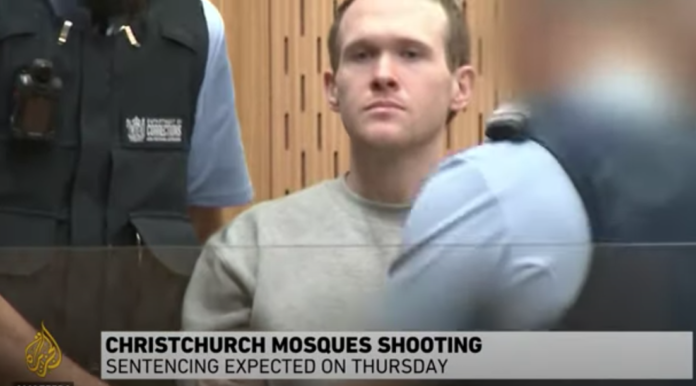



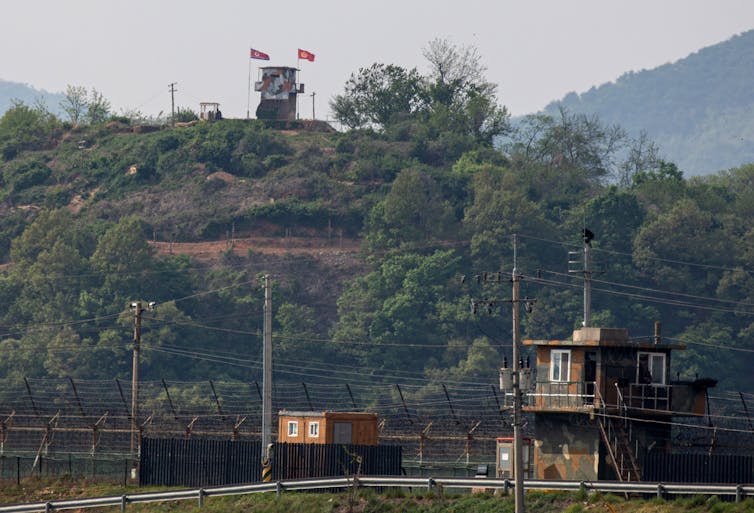
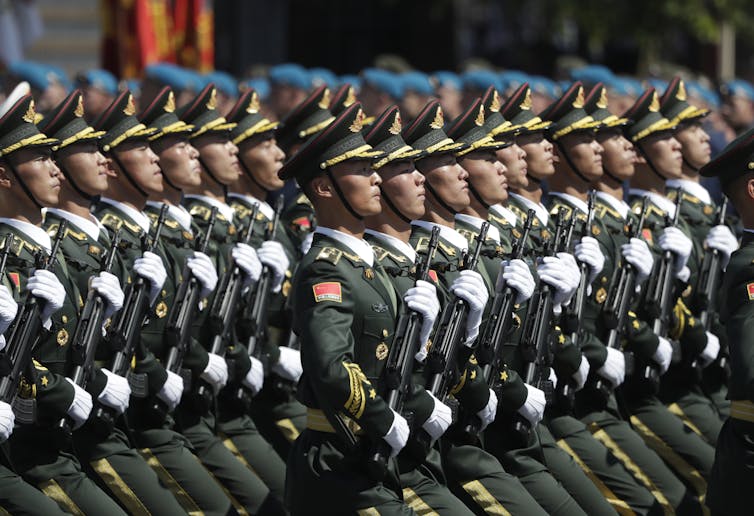

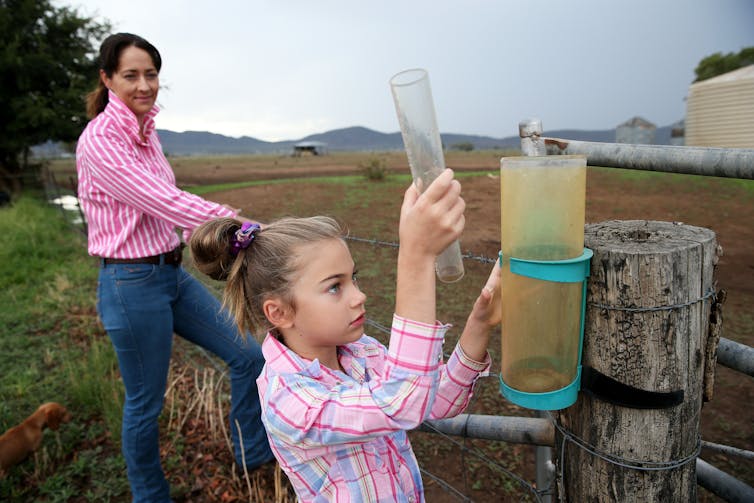
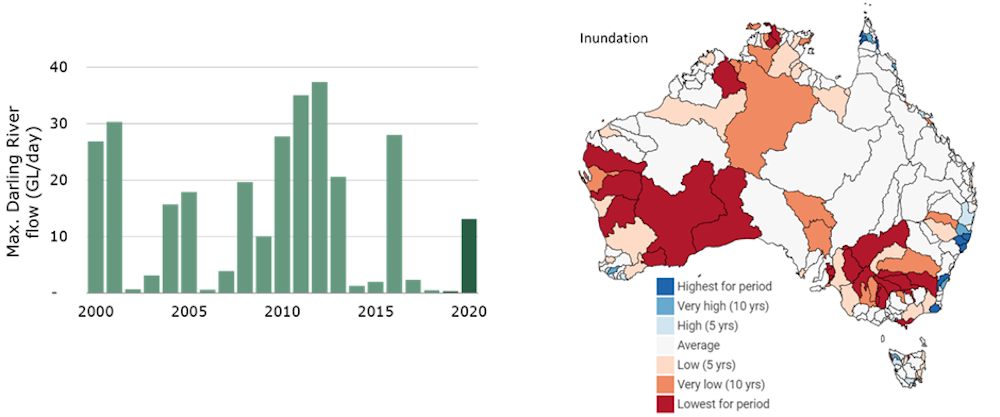
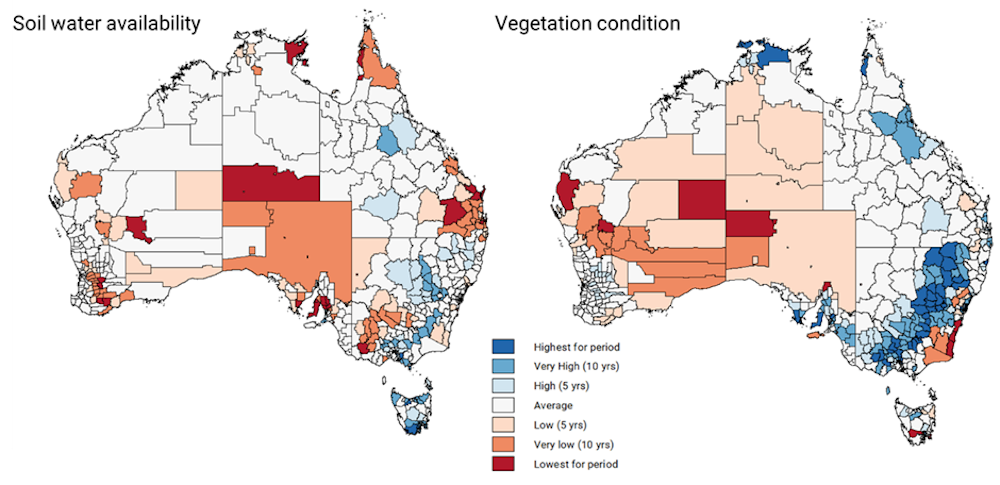
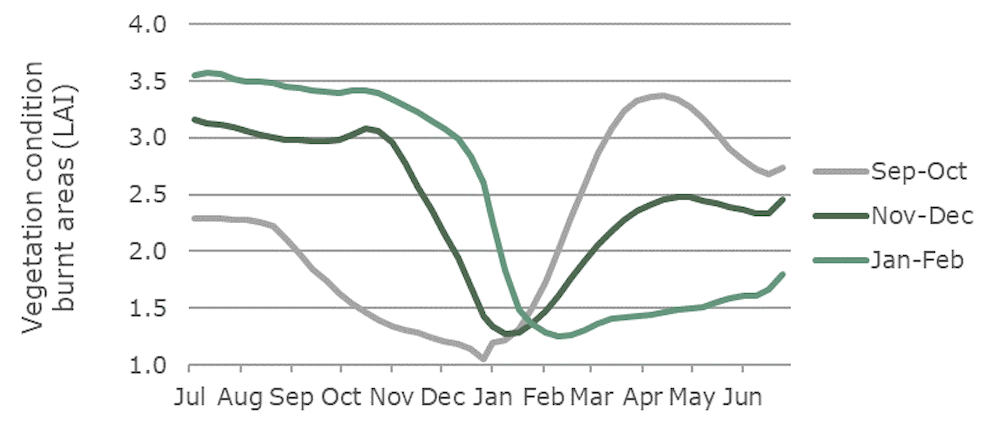
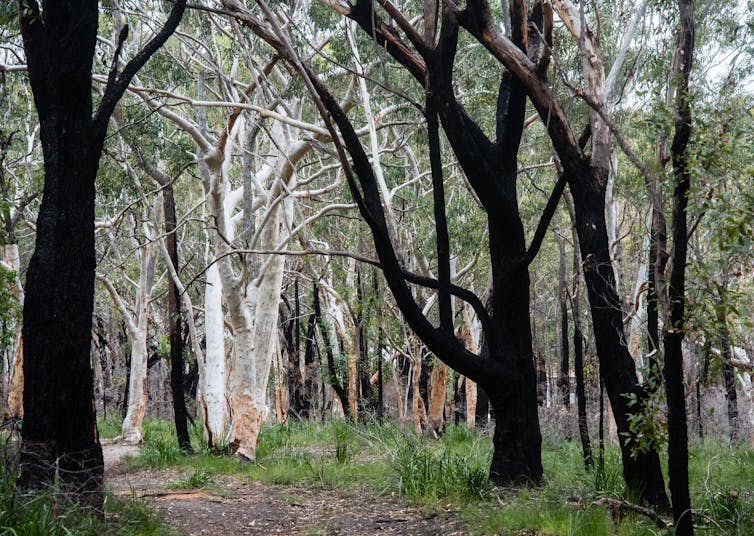




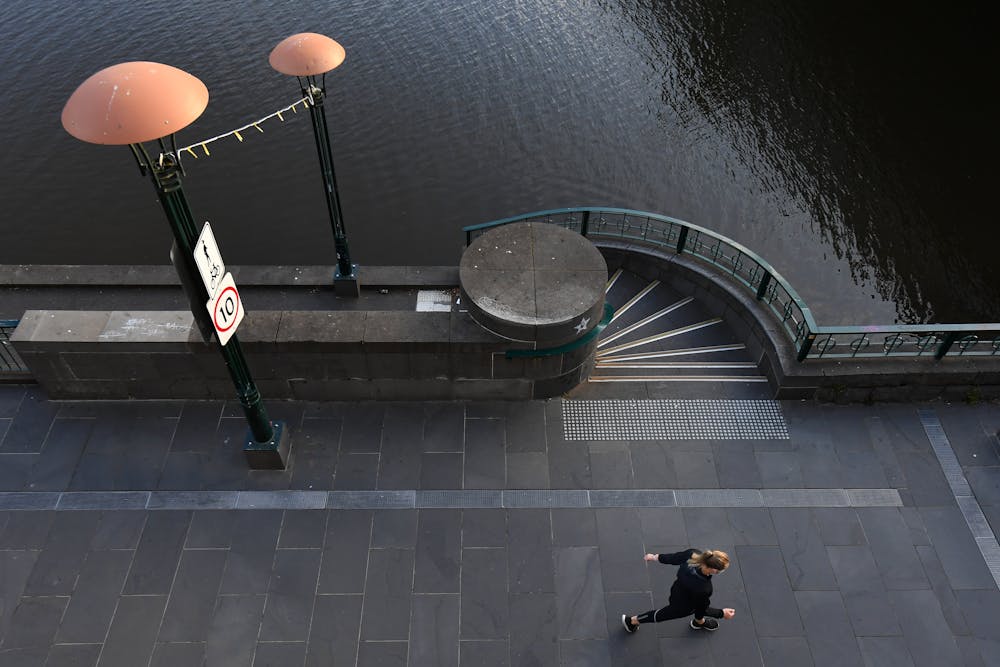





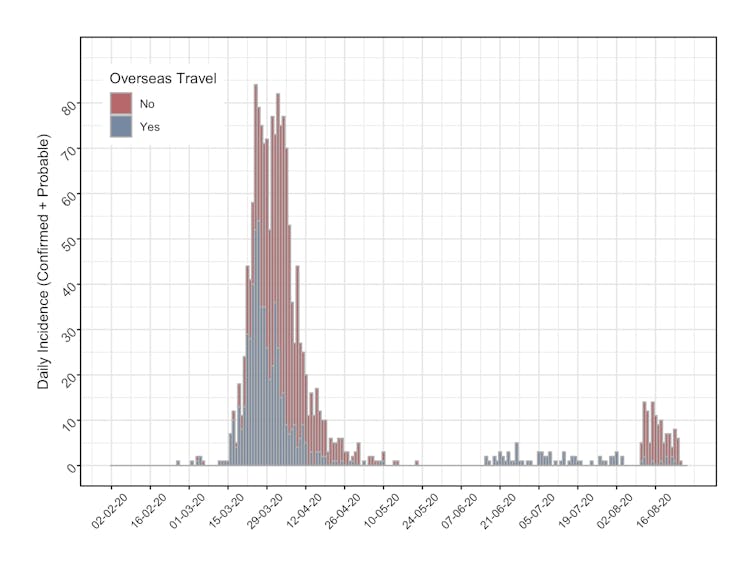
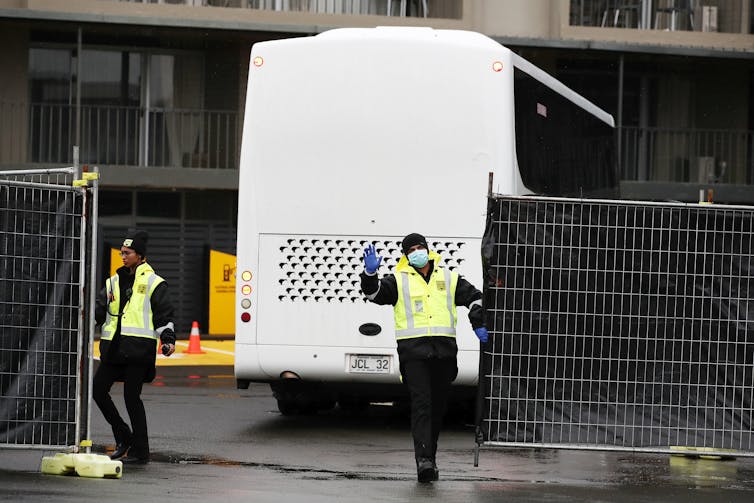
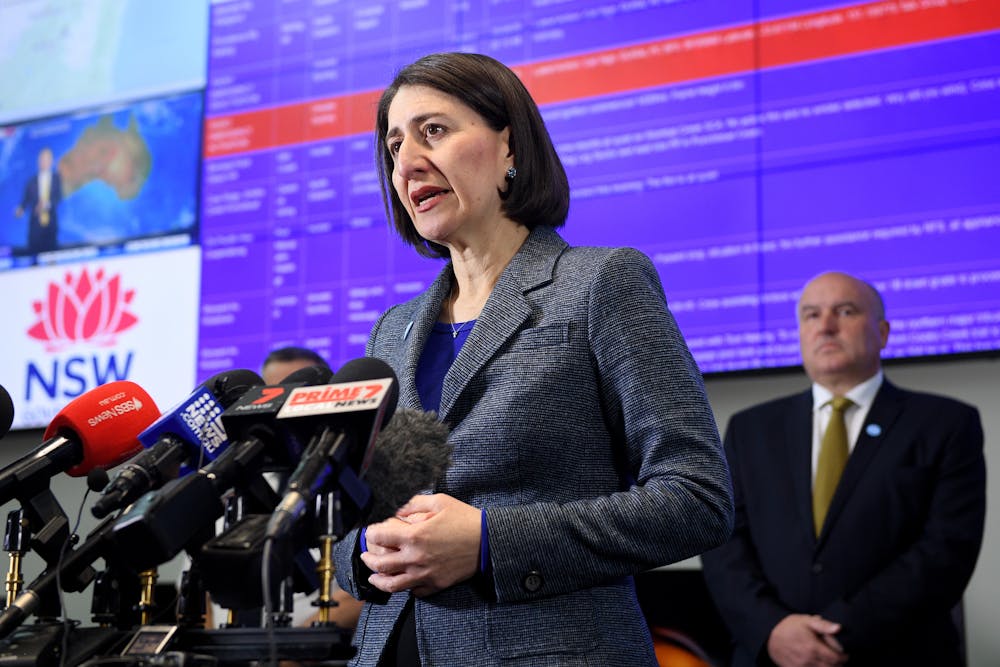





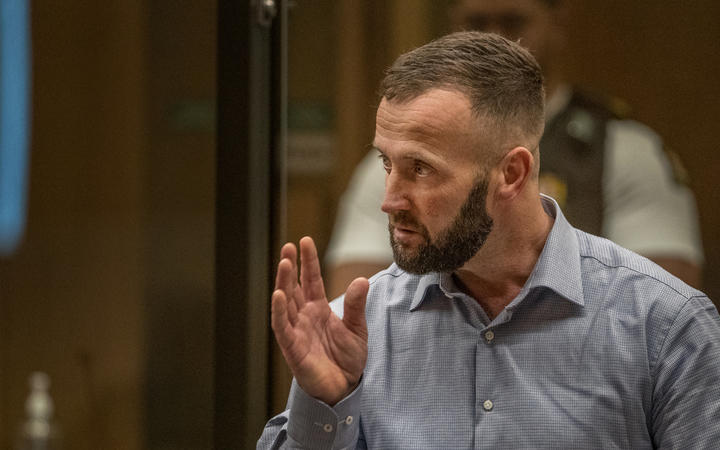
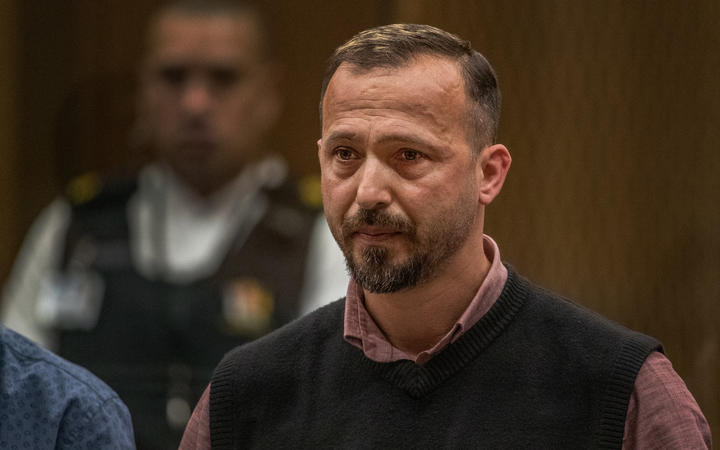
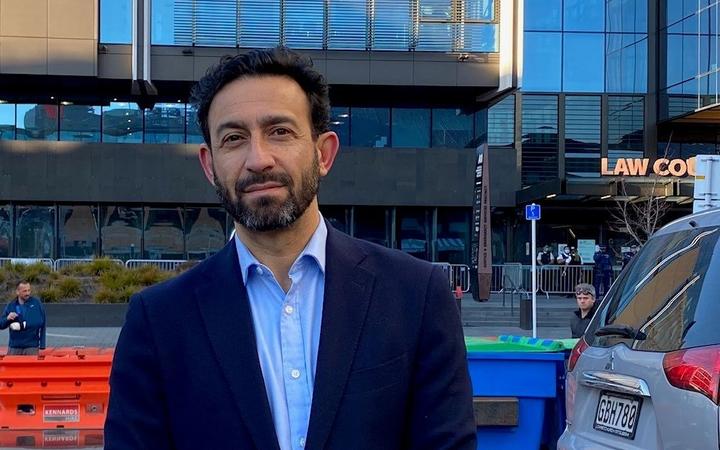
.jpg?1598392139)