Source: The Conversation (Au and NZ) – By Pep Canadell, Chief research scientist, Climate Science Centre, CSIRO Oceans and Atmosphere; and Executive Director, Global Carbon Project, CSIRO
The Paris climate agreement seeks to limit global warming to 1.5℃ this century. A new report by the World Meteorological Organisation warns this limit may be exceeded by 2024 – and the risk is growing.
This first overshoot beyond 1.5℃ would be temporary, likely aided by a major climate anomaly such as an El Niño weather pattern. However, it casts new doubt on whether Earth’s climate can be permanently stabilised at 1.5℃ warming.
This finding is among those just published in a report titled United in Science. We contributed to the report, which was prepared by six leading science agencies, including the Global Carbon Project.
The report also found while greenhouse gas emissions declined slightly in 2020 due to the COVID-19 pandemic, they remained very high – which meant atmospheric carbon dioxide concentrations have continued to rise.
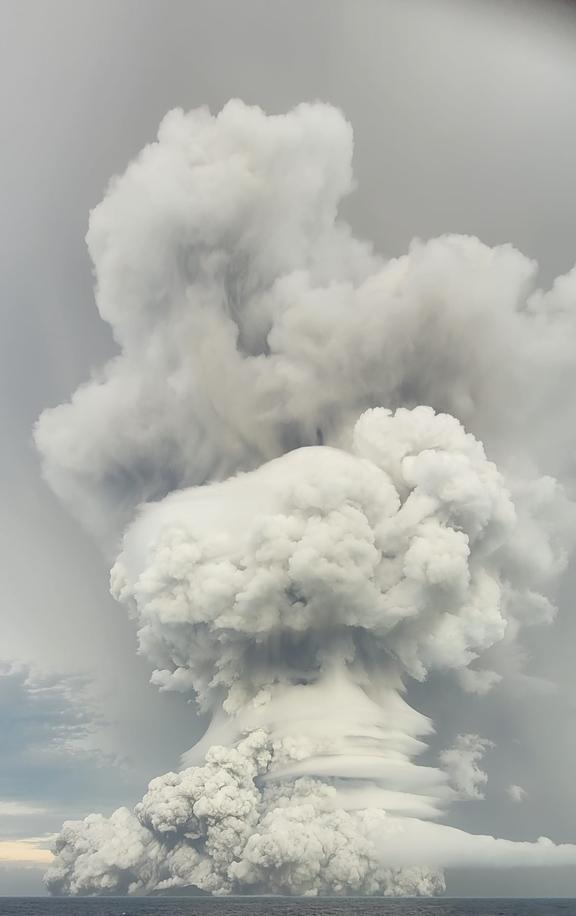
The world may exceed the 1.5℃ warming threshold sooner than we expected.Erik Anderson/AAP
Greenhouse gases rise as CO₂ emissions slow
Concentrations of the three main greenhouse gases – carbon dioxide (CO₂), methane (CH₄) and nitrous oxide (N₂O), have all increased over the past decade. Current concentrations in the atmosphere are, respectively, 147%, 259% and 123% of those present before the industrial era began in 1750.
Concentrations measured at Hawaii’s Mauna Loa Observatory and at Australia’s Cape Grim station in Tasmania show concentrations continued to increase in 2019 and 2020. In particular, CO₂ concentrations reached 414.38 and 410.04 parts per million in July this year, respectively, at each station.
Atmospheric concentrations of carbon dioxide (CO₂), methane (CH₄) and nitrous oxide (N₂0) from WMO Global Atmosphere Watch.
Growth in CO₂ emissions from fossil fuel use slowed to around 1% per year in the past decade, down from 3% during the 2000s. An unprecedented decline is expected in 2020, due to the COVID-19 economic slowdown. Daily CO₂ fossil fuel emissions declined by 17% in early April at the peak of global confinement policies, compared with the previous year. But by early June they had recovered to a 5% decline.
We estimate a decline for 2020 of about 4-7% compared to 2019 levels, depending on how the pandemic plays out.
Although emissions will fall slightly, atmospheric CO₂ concentrations will still reach another record high this year. This is because we’re still adding large amounts of CO₂ to the atmosphere.
Global daily fossil CO₂ emissions to June 2020. Updated from Le Quéré et al. 2020, Nature Climate Change.
Warmest five years on record
The global average surface temperature from 2016 to 2020 will be among the warmest of any equivalent period on record, and about 0.24℃ warmer than the previous five years.
This five-year period is on the way to creating a new temperature record across much of the world, including Australia, southern Africa, much of Europe, the Middle East and northern Asia, areas of South America and parts of the United States.
Sea levels rose by 3.2 millimetres per year on average over the past 27 years. The growth is accelerating – sea level rose 4.8 millimetres annually over the past five years, compared to 4.1 millimetres annually for the five years before that.
The past five years have also seen many extreme events. These include record-breaking heatwaves in Europe, Cyclone Idai in Mozambique, major bushfires in Australia and elsewhere, prolonged drought in southern Africa and three North Atlantic hurricanes in 2017.
Left: Global average temperature anomalies (relative to pre-industrial) from 1854 to 2020 for five data sets. UK-MetOffice. Right: Average sea level for the period from 1993 to July 16, 2020. European Space Agency and Copernicus Marine Service.
1 in 4 chance of exceeding 1.5°C warming
Our report predicts a continuing warming trend. There is a high probability that, everywhere on the planet, average temperatures in the next five years will be above the 1981-2010 average. Arctic warming is expected to be more than twice that the global average.
There’s a one-in-four chance the global annual average temperature will exceed 1.5℃ above pre-industrial levels for at least one year over the next five years. The chance is relatively small, but still significant and growing. If a major climate anomaly, such as a strong El Niño, occurs in that period, the 1.5℃ threshold is more likely to be crossed. El Niño events generally bring warmer global temperatures.
Under the Paris Agreement, crossing the 1.5℃ threshold is measured over a 30-year average, not just one year. But every year above 1.5℃ warming would take us closer to exceeding the limit.
Global average model prediction of near surface air temperature relative to 1981–2010. Black line = observations, green = modelled, blue = forecast. Probability of global temperature exceeding 1.5℃ for a single month or year shown in brown insert and right axis. UK Met Office.
Arctic Ocean sea-ice disappearing
Satellite records between 1979 and 2019 show sea ice in the Arctic summer declined at about 13% per decade, and this year reached its lowest July levels on record.
In Antarctica, summer sea ice reached its lowest and second-lowest extent in 2017 and 2018, respectively, and 2018 was also the second-lowest winter extent.
Most simulations show that by 2050, the Arctic Ocean will practically be free of sea ice for the first time. The fate of Antarctic sea ice is less certain.
Summer sea ice in the Arctic is expected to virtually disappear by 2050.Zaruba Ondrej/AP
Urgent action can change trends
Human activities emitted 42 billion tonnes of CO₂ in 2019 alone. Under the Paris Agreement, nations committed to reducing emissions by 2030.
But our report shows a shortfall of about 15 billion tonnes of CO₂ between these commitments, and pathways consistent with limiting warming to well below 2℃ (the less ambitious end of the Paris target). The gap increases to 32 billion tonnes for the more ambitious 1.5℃ goal.
Our report models a range of climate outcomes based on various socioeconomic and policy scenarios. It shows if emission reductions are large and sustained, we can still meet the Paris goals and avoid the most severe damage to the natural world, the economy and people. But worryingly, we also have time to make it far worse.
In light of Victoria’s cautious roadmap out of lockdown, with some experts claiming the exit is too fast, and others believing it is unnecessarily slow, the modelling underpinning the decisions is under close scrutiny.
University of Melbourne Professor Jodie McVernon is director of epidemiology at the Doherty Institute, and a modelling expert.
She tells the podcast, “I think the broad qualitative conclusions of the model would have been reached by really any kind of model formulation – that the lower numbers can be driven down, the less likely a resurgence would be”.
This week saw a setback in the progress towards a hoped-for Oxford vaccine, when a clinical trial produced an unexplained illness in one participants.
But McVernon remains optimistic. “I think we will get vaccines. I don’t think we’ll get perfect ones, but I’m hoping we’ll get useful ones – because without vaccines, we only have behaviour to prevent this disease. … So I think [a vaccine will] be one of a suite of things that we’ll be using into the future to control the spread of Covid.”
The pandemic has seen ‘experts’, including public health officials and academics, come centre stage as public figures – as policy heroes but, latterly, also targets for some critics who think their voices are carrying too much influence.
“I would have to say I’m a very reluctantly public figure,” McVernon says.
“[I] was convinced by others early on that it is important …in these times of uncertainty that people are reassured by having the evidence explained.
“If we we do have expert knowledge and we can help to clarify things for the public – I think that’s an important responsibility. Part of having knowledge is sharing that knowledge.”
Only days after the federal government announced a A$1.7 billion vaccine deal to roll out COVID-19 vaccines to Australians in 2021, one of the two candidates has halted its phase 3 trials after a participant became ill.
The AZD1222 vaccine, considered one of the frontrunners in the global race for a COVID-19 vaccine, was developed by the University of Oxford and has been undergoing testing with British-Swedish pharmaceutical company AstraZeneca.
Melbourne-based biotechnology company CSL has committed to producing and supplying more than 30 million doses of the vaccine to Australians if it’s found to be safe and effective.
But this pause in the trials doesn’t necessarily mean it’s not safe. Rather, it indicates the testing is progressing as it should, with due consideration of safety.
What happened?
There’s been no official statement on the nature of the incident that caused the trial to be halted. We only know it was a suspected adverse reaction in a participant in the UK. (Phase 3 trials for the AZD1222 vaccine have been taking place in several countries.)
The New York Times has reported the participant was diagnosed with transverse myelitis, an inflammatory condition than affects the spinal cord and can be sparked by viral infections.
Transverse myelitis is very rare, with between one and eight new cases per million people per year.
Most people will recover, but may be left with some symptoms such as weakness.
In the world of vaccine safety, transverse myelitis is one of several conditions collectively known as a serious acute neurological episode (SANE) temporally associated with vaccination. Others include Guillain-Barré syndrome and acute disseminated encephalomyelitis.
“Temporal” suggests they occasionally occur some time after vaccination, but we don’t know whether the relationship is one of cause and effect. Unfortunately, it’s not always easy to find what caused these conditions, and it’s important to look for other infections that may be associated with the diagnosis.
There are a couple of things worth noting in this case. First, in the UK branch of the trial, not all participants were receiving the AZD1222 vaccine. To ascertain its effectiveness, researchers have given a control group a type of meningococcal vaccine (MenACWY) that has already been licensed. As the trial is double-blinded, we don’t yet know whether the affected participant received the COVID-19 vaccine.
Second, AZD1222 is not a “live-attenuated” vaccine — it’s not made from live SARS-CoV-2 virus. (It does use a chimpanzee adenovirus vector, but this doesn’t replicate or cause disease in humans.) It’s not impossible the transverse myelitis — if confirmed as a diagnosis — was related to the vaccine. But it wouldn’t be possible for the vaccine to cause a COVID-19 infection, which could then spark the myelitis.
Further, phase 2 and 3 trials involve much broader populations than the young, healthy adults who typically participate in early testing. The UK trial of AZD1222 includes people 70 years and older, which naturally increases the risk of temporally associated adverse events.
The University of Oxford vaccine is being tested together with pharmaceutical company AstraZeneca.Alastair Grant/AP
So what next?
AstraZeneca will already be investigating the incident, with input from external regulatory bodies such as the study’s data safety monitoring board, the European Medicines Agency (EMA) and the US Food and Drug Administration (FDA).
These independent bodies will review all parts of the investigation, such as an MRI on the participant to confirm the diagnosis, and look at which of the groups the person was in (whether they received AZD1222 or the other vaccine).
They will try to find out what caused the illness, but this may not be possible. It will be particularly hard to prove the vaccine caused the illness with only one case. Illnesses like transverse myelitis, although rare, have a “background rate” of occurrence already in the community.
The World Health Organisation provides a framework to assess the cause of an adverse event following immunisation. AstraZeneca and the independent bodies monitoring their processes will follow this or similar frameworks to evaluate the event.
Once they’ve reviewed the incident, they will decide whether to resume the trial. Given the impetus to move quickly with this, we’d expect this to happen in a matter of days.
This halt on the trial doesn’t indicate the vaccine isn’t safe — we’ll need to see further evidence before we can ascertain this.
But it does reflect robust processes for a clinical trial. In a sense, this is what phase 2 and 3 clinical trials are designed for — to pick up any potential safety issues and investigate them further.
These sort of things happen occasionally in other clinical trials too. We just don’t hear about it. There’s perhaps never been so much attention on a single clinical trial as there is on the trial of this and other potential COVID-19 vaccines.
We’re not sacrificing safety for speed
In the course of this pandemic, we’ve often heard that fast can’t be safe in the context of a vaccine. We don’t feel that’s the case here.
The reason these trials are moving so fast is largely because recruitment is happening quickly. The phase 3 trials of AZD1222 will have 40,000-50,000 participantsin total.
Beyond the AZD1222 vaccine, we’re seeing open disclosure of processes and transparency around any issues. This includes a pledge from the major pharmaceutical companies to keep safety at the forefront when evaluating COVID-19 vaccines.
Of course, there are exceptions to this — notably the Russian vaccine, which has published some phase 1 data but reportedly gone into widespread use before completing all of the standard safety and effectiveness checks.
In Australia, we follow certain steps to assess the safety of new vaccines. If the trial of the Oxford/AstraZeneca vaccine resumes and it proves safe and effective, Australia’s Therapeutic Goods Administration (TGA) will see the data and interact closely with regulatory bodies around the world to ensure it’s safe to use.
The TGA is also responsible for post-marketing surveillance, which we regard as phase 4. When the vaccine is being rolled out, we continue to monitor for adverse events, and follow these up using both jurisdictional vaccine safety units, such as SAEFVIC in Victoria, and active surveillance systems, such as Smartvax and Vaxtracker.
Source: The Conversation (Au and NZ) – By Monica Barratt, Vice Chancellor’s Senior Research Fellow, Social and Global Studies Centre and Digital Ethnography Research Centre, RMIT University
Lockdown and other public health measures to halt the spread of COVID-19 haven’t driven us all to drink (and other drugs), as many news stories would have us believe.
Our Global Drug Survey released today, which includes replies from more than 55,000 participants, shows a mixed response.
We found some people are increasing their use of alcohol and cannabis, mainly due to boredom, which previous research has found.
But other people have reduced their drinking and drug use now festivals, nightclubs or parties are no longer an option – a trend that has so far gained less attention.
The survey provides a snapshot of changed patterns of alcohol and drug use, drug markets and other drug-related trends during the pandemic.
People from 171 countries responded to the web survey, which was available in ten languages. It was live for seven weeks, spanning May and June 2020.
This report, based on 55,811 responses, includes data from 11 countries where we had the most respondents: Austria, Australia, Brazil, France, Germany, Ireland, Netherlands, New Zealand, Switzerland, United Kingdom, and the United States.
People reflected on how their alcohol and other drug use had changed in the past month (April to May) compared to February 2020, before the COVID-19 pandemic was declared and lockdown restrictions implemented in most countries.
Multiple stories on drinking during COVID-19
The Australian sample of 1,889 people consisted mainly of younger adults (73% were younger than 35). The sample spanned Australian jurisdictions, including 40% from Victoria.
We asked people about how often they drank alcohol, how much they drank in a typical session, and how often they binge-drink, defined as drinking five or more drinks in a session.
Some 39% reported drinking more compared to before COVID-19, whereas a similar number (37%) were drinking less. A total of 17% reported drinking at the same frequency and quantity, while 7% reported a mix of effects.
This challenges the existing narratives that people are mainly drinking more alcohol during lockdown. While we acknowledge many people did drink more, our results showed a varied response.
What’s happening for people who drank less?
Of the Australian people who reported drinking less, this was largely due to a reduction in binge drinking.
Indeed, 37% reported reductions in binge drinking compared with 30% reporting increases in binge drinking, while the remaining 34% reported their binge drinking remained the same.
Looking at the reasons why people in the Australian sample reduced their drinking, the most common reasons were they had less contact with people they normally drink with (77%), less access to the settings where they usually drink (67%) and they don’t like drinking at home or when not out with friends (50%).
It is also worth noting large proportions of the group that drank less reported improvements in aspects of their lives as a result. These include 52% reporting improved finances and 42% reporting improved physical health.
And what about people who drank more?
A total of 39% of the Australians in our sample reported drinking more often, a greater quantity per session, and/or more frequent bingeing.
Drinkers who reported having a diagnosed mental health condition (typically depression or anxiety) were more likely to report increasing their drinking compared to February, before COVID-19 restrictions.
Australians in our sample who increased drinking noted worse outcomes for physical health (55%), mental health (36%), work or study performance where relevant (30%) and finances (26%).
The negative impact on physical and mental health among this group was profound, highlighting the risk of choosing alcohol as a coping strategy for stress, anxiety and depression.
A total of 49% of the Australians we surveyed who used cannabis in the past 12 months said their use had increased compared to February, including 25% who reported their cannabis use had increase “a lot”. The main reasons given for this increase were similar to alcohol: boredom (66%) and having more time (64%).
Over half (55%) of people who used cannabis alone also reported they are now more likely to consume cannabis alone compared to before COVID-19.
Of those who used illegal drugs in the previous 12 months, MDMA, cocaine and ketamine were the most likely to have decreased since before the pandemic. Lack of access to nightclubs, festivals and parties was the most common reason for the change.
Drug market shifts were reported too: including 51% of the Australian respondents saying general availability of illegal drugs had decreased, 29% reporting increases in drug prices, and 17% reporting decreased drug purity.
What are the implications?
The COVID-19 pandemic has had wide ranging impacts on substance use. For some people, who would otherwise have spent a lot of time socialising and working with the public, they may now have more available time and alcohol and other drug use may fill this time.
For others, the lack of access to festivals, nightclubs, parties and other social settings where drinking and drug use typically occurs has resulted in a reduction in binge drinking and the use of drugs like MDMA, cocaine and ketamine.
For some people, the pandemic may have silver linings, as they have reduced their substance use and report better life outcomes.
However, we need to be mindful to support young people when restrictions lift, to encourage people to return to their socialising and partying in a safe way.
There is a risk people whose drinking and drug tolerance has reduced may consume too much and be at risk of overdose when life returns to normal over the coming months.
Australians who would like to drink less can get personalised, anonymous feedback on their drinking via our free Drinks Meter app. You can learn more and download it from www.drinksmeter.com
A Papua New Guinea court has given police three more weeks to submit their evidence against Bosip Kaiwi, who is accused of the murder of his partner in a high-profile case that shocked the nation – or their defence lawyer will be allowed to apply that it be dismissed.
Kaiwi, 25, of Minj, South Waghi, Jiwaka, appeared in court for the third time yesterday since his arrest on June 25.
He is charged with the wilful murder of his partner, Jenelyn Kennedy, the mother of their two children, on June 23 in Port Moresby.
Magistrate Tracy Ganaii yesterday told police prosecutor Chief Sergeant Polon Koniu at the Committal Court in Waigani that the three months normally given to police to complete investigations would end on September 30.
She therefore adjourned the case to October 1.
Koniu submitted in a court a letter from investigating officer Detective Senior Constable Yaku Gwampom seeking another adjournment.
Covid-19 delays Gwampom explained in the letter that the investigation was taking a long time because of the covid-19 social distancing restrictions and that he needed more time to:
Get a doctor’s affidavit and interview one more doctor;
Get photos and statements from the forensic crime scene examiner;
Complete editing of statements;
Get statements from other witnesses; and
Get CCTV footage from the Port Moresby General Hospital.
The National’s headlines today – 9 September 2020. Image: PMC screenshot
Kaiwi’s lawyer, Samuel Inisi, of Inisi Lawyers did not object to the adjournment but indicated that he would submit “appropriate applications” on October 1 if police files were still not ready then.
Magistrate Ganaii said she allowed the adjournment because the three months police were allowed to complete investigations had not lapsed.
“If a case goes past three months, by practice, the defendant is automatically entitled to be discharged, unless the prosecutor have very good reasons to justify why there should be a further adjournment,” she said.
‘More work needed’ “The court has received that letter and considered that there is more work to be done on the investigations.”
She noted defence lawyer Inisi’s comments that he could ask the court that Kaiwi be discharged for want of police file on October 1.
“The court will consider the application when it’s made at the appropriate time,” she said. Kaiwi was alleged to have tortured his partner between June 18 and 23.
She died on June 23 after five days of alleged assault.
Her body was left at the Port Moresby General Hospital where a doctor pronounced her dead.
Kaiwi was arrested and charged on June 25.
The Pacific Media Centre republishes The National articles with permission.
There’s an emerging view that China’s belligerent approach and “torching” of diplomatic relationships with the wider world is a sign of “insecurity and weakness”; that its economic growth is “unsustainable”; and that “everyone in the top ranks of the Chinese Communist Party” knows the day is coming when “China’s entire economic structure and strategic position crumbles”.
He describes himself as a geopolitical strategist whose work history includes a stint working for the US State Department in Australia.
He is hardly the first person to say these sorts of things, and I suspect he won’t be the first to be wrong about them, at least for quite a while.
That’s not to say he doesn’t draw on facts. China has been extraordinarily profligate in its use of capital, and has become progressively more so over the last two decades.
Paul Krugman (1994) famously made the same point about the then rapidly-growing smaller East Asian economies a few years before the Asian financial crisis in The Myth of Asia’s Miracle.
China is certainly laden with debt
Nor is there any denying that China has an enormous amount of debt relative to the size of its economy, especially for what is still in many ways a “developing” economy.
But, and this is an important “but”, most of that debt is owed by state-owned enterprises to state-owned banks – which can be thought of as two entries on opposing sides of the same balance sheet, that of the People’s Republic of China.
If a lot of that were to turn “bad”, which is by no means impossible, then the ensuing “crisis” could be solved by writing it off, and then re-capitalising the state-owned banks by drawing down on the foreign exchange reserves of the People’s Bank of China.
China has actually done this twice before, in the late 1990s as part of the state-owned enterprise reforms pushed through by then-Premier Zhu Rongji, and again between 2003 and 2005, when the big four state-owned banks were “cleaned up” ahead of their very partial privatisation and listing on the Hong Kong Stock Exchange.
The “bad assets” were transferred into an entity called Central Huijin which subsequently became the nucleus of China’s sovereign wealth fund, the China Investment Corporation.
An unknown question is whether the People’s Bank of China’s foreign exchange reserves would be sufficient for what would now be a much larger task.
It lost one quarter of its reserves (almost US$1 trillion) defending its currency between June 2014 and December 2016, after which it imposed very strict controls on capital outflows, which have remained in force ever since and are easier to maintain in an authoritarian regime that knows how to deploy modern technology for surveillance purposes than in other countries that have resorted to capital controls such as Argentina.
But it is aware of the risks…
Since that time, the ubiquitous “Chinese authorities”, as they are usually referred to by Western economists, have been acutely aware of the risks to financial stability posed by the growth of so-called shadow banks and the way Chinese banks have become more dependent on wholesale funding and less on deposits; as US and European banks did, to a much greater extent, in the years leading up to the global financial crisis.
That’s in part why China’s economic growth rate has been steadily slowing over the the past decade, from an average of 11.3% in the five years to 2009, to 8.5% in the five years to 2014, and to 6.6% in the five years to 2019.
Another important reason has been that China’s working-age population peaked in 2014 and has since shrunk by almost 1.5%.
It also helps explain why the People’s Bank of China hasn’t done nearly as much monetary stimulus as it did during and after the financial crisis or in 2015-16.
There hasn’t been a significant acceleration in credit growth in recent months nor has there been a surge in property development or prices, as there would have been if the People’s Bank of China had unleashed another wave of credit.
Average annual growth in China’s real GDP over five-year intervals
Source: China National Bureau of Statistics
China’s authorities are doing more fiscal stimulus than they did 12 years ago, although it is in different forms to the construction-intensive programs it implemented then.
The potentially most worrying development – albeit not from the perspective of the next year or so – is the one depicted in this chart, which shows a marked divergence between the level of foreign exchange reserves and the rate of growth in domestic credit.
China’s domestic credit and foreign exchange reserves
For a fixed exchange rate system to be sustainable, the two ordinarily need to maintain a fairly close and stable relationship – which they do under a “currency board” like the one Hong Kong has had since 1984 (or that the Baltic states had before joining the euro, and which Bulgaria still has) where the monetary authority is explicitly precluded from issuing currency unless it is backed by foreign exchange reserves (or, in Hong Kong’s case, reserves plus the Land Fund).
China’s foreign exchange rate is of course no longer completely fixed, but rather is “carefully managed” around a peg to a trade-weighted index (as the Australian dollar used to be between 1976 and 1983).
But the People’s Bank of China’s capacity to maintain that peg is dependent on the credibility of its implicit promise to buy or sell its currency in whatever quantity is required to keep the exchange rate close to the peg.
…and good at limiting capital flight
Obviously China can sell its currency in whatever quantities it likes, since it are the ultimate source of its currency, and so can always prevent it from appreciating more than it wants (as can any country which is prepared to accept the potentially inflationary consequences of a sudden large increase in its domestic money supply).
But China doesn’t own or operate a US dollar factory, so it can only stave off a big depreciation for as long as it has sufficient foreign exchange reserves to satisfy everyone who wants to convert its currency into foreign dollars.
And that’s why the capital controls are so important at the moment: because they limit the demand for foreign currencies enough to ensure that the level of foreign exchange reserves is more than adequate, and widely regarded as such.
If something were to happen that resulted in a tsunami of capital outflows, and the Chinese authorities didn’t have any other ways of stopping it (such as confiscating the assets of or imprisoning or executing people who tried to get their money out of the country, something which I am sure they might not baulk at) there would be a “currency crisis”; the Chinese renminbi fall a lot, and the weakness in the domestic financial system (resulting from the accumulation of so much bad debt) would be fully exposed.
But you have to ask, how likely is that in the foreseeable future?
I can’t see any reason to answer that question with anything other than “not very”.
It’s worth remembering in this context that the lesson which the Chinese Communist Party drew from the collapse of the Soviet empire is that brutal authoritarian regimes can only survive, once they have clearly failed to deliver on the promise of delivering ongoing improvements in people’s well-being, for as long as they are willing to kill their own people in sufficient numbers to quieten resistance, or for as long as there is someone else who is willing and able to do it for them.
China is authoritarian…
The Communist regimes of Eastern Europe, most of which had been demonstrably willing to shoot their own people (or allow the Soviets in to do it for them) at various times in the 1950s, 1960s and early 1980s, collapsed when they lost the will to shoot their own people, and the Soviets under Gorbachev lost the will to do it for them.
And the Soviet Union itself collapsed in 1991 when neither Gorbachev, nor the cabal of drunken fools who briefly tried to overthrow him in August of that year, were willing to shoot their own people.
It is worth noting in passing that Vladimir Putin has repeatedly demonstrated that he has no such scruples about killing his own people – whether they be ordinary Russians in high-rise apartments around Moscow, middle-class Muscovites attending the theatre, school children and their parents in Beslan, troublesome journalists, former KGB agents living in the UK, lawyers for aggrieved hedge fund managers, or prominent opposition figures.
By contrast with their contemporaries in Eastern Europe and the Soviet Union, Deng Xiaoping and Li Peng demonstrated that they were perfectly relaxed about the idea of shooting, or running over with tanks, large numbers of their own people in order to ensure that they remained in power – and even more competent than Josef Stalin in air-brushing those events out of the collective memory of the people who remained alive.
And I suspect nothing has changed, at least in that regard, since then.
Indeed Xi Jinping has repeatedly shown that he’s prepared to do whatever is required to entrench the Chinese Communist Party as the source of all power in China, to sideline potential rivals and to remain in office for as long as he is capable of drawing breath (not least because he is smart enough to know that he has made a lot of enemies, and that they would take their revenge on him and his family and supporters as soon as he was out of power – as Putin did to Boris Yeltsin’s wealthy supporters).
Far from feeling “weak and insecure”, I think China feels strong and emboldened – not only by its apparent success in stopping the spread of the virus (admittedly after a number of initial serious missteps) but also by the manifest incompetence of the US administration in dealing with COVID-19, and its almost complete abdication of its traditional global leadership role (something that, to be fair, didn’t start under Trump).
That’s why Xi has explicitly discarded Deng Xiaoping’s dictum that China should “hide your capacities and bide your time” – much as, Woodrow Wilson and, more forcefully, Roosevelt and his successors all the way to George W Bush – were prepared to discard George Washington’s advice, in his 1796 farewell address (which was actually written by Alexander Hamilton) to “avoid foreign entanglements”.
Xi (and, as far as one can tell, most of the Chinese population) think that “now” is China’s “time”. That’s what he means by phrases like “the great rejuvenation of the Chinese nation” and the “Chinese dream”.
And of course China’s economy, notwithstanding its burden of debt, is much stronger than the Soviet Union’s ever was.
Size of Soviet Union and China economies in relation to the United States
The closest the Soviet economy ever got to matching the United States’ was between 1974 and 1976 when it reached 44% of US gross domestic product. By the time Gorbachev took office in 1985 it was down to 38%, and in 1991, when the Soviet Union collapsed, its GDP was less than a third of the United States.
By contrast, measured in the same way, China’s economy surpassed the US economy in 2017, and this year is likely to be at least 10% bigger than the US (when compared using actual buying power – “purchasing power parity” – rather than the official exchange rate which shows the Chinese economy only about two-thirds of the US economy which is still a lot closer than the Soviet Union got).
…and its least dependent in decades
It’s perhaps also worth noting that China isn’t really all that dependent on exports any more – in 2019 exports accounted for only 18.4% of China’s economy, down from a peak of 36% in 2006 and less than at any time since 1991.
Big economies, like China’s now is, tend to be relatively “closed”, which is why exports only represent 12% of the US GDP and 18.5% of Japan’s compared to 24% of Australia’s.
So, to summarise, I can’t agree with the proposition that China’s growth model is unsustainable and its leadership weak and insecure.
Of course, in the long run (when, as the economist John Maynard Keynes famously said, we’re all dead), it might turn out to be right. China’s government and its growth model might collapse.
But I’m going to lie awake at night wondering whether it’s happened.
Source: The Conversation (Au and NZ) – By Marc Trabsky, Senior Lecturer, La Trobe Law School and Director, Centre for Health, Law and Society, La Trobe University
The COVID-19 death toll is reported every day by state and federal governments. These numbers are often used, alongside case numbers, to assess how public health policies are faring in controlling the pandemic, and to gauge the success of various drugs or interventions.
There’s been confusion, however, over whether reported death statistics reflect those who’ve died from COVID-19, or those who’ve died with the virus. Often it’s hard for medical practitioners to determine which of these categories a death falls into.
But the COVID-19 death toll publicised daily on Australian state and territory government websites and reported to the press does not differentiate between the two. It includes all people who’ve died with SARS-CoV-2 (the virus that causes COVID-19) in their body. It’s unclear if the federal government currently makes this distinction or not.
Lumping these statistics together makes it hard for the public to understand the true impact of the virus. Clarifying what’s being counted as a COVID-19 death is necessary for understanding the impact of the virus, and for informing public health and clinical responses to the pandemic. If we know who is susceptible to dying with COVID-19 because of pre-existing conditions, public health responses could more effectively target and protect potentially vulnerable people and communities.
We are not suggesting this is a reason to downplay the seriousness of the virus, but rather that successful public health engagement requires open communication of death causation data, especially in a pandemic. Therefore, we need a transparent approach to counting and reporting coronavirus deaths in Australia.
Cause of death is not straightforward
Federal Deputy Chief Medical Officer Nick Coatsworth acknowledged that determining cause of death is complex when questioned by reporters on Tuesday, saying:
I remember as a junior doctor trying to do death certificates – it’s not always an easy thing […] I don’t, by any stretch of the imagination, think it’s a reason to underplay the severe impact that COVID has on people who have [pre-existing] conditions.
Indeed, distinguishing between dying with and dying from COVID-19 may require a more complex investigation into the cause of a death, beyond citing a positive SARS-CoV-2 test that was completed prior to the person’s death.
It’s not always easy to tell if someone has died because of the effects of the SARS-CoV-2 virus, or whether they’ve passed away from pre-existing medical conditions but with the virus in their system.NIAID/NIH/AP/AAP
For example, Victoria’s coroner is currently investigating the death of a man in his twenties, who was widely reported as being Australia’s youngest coronavirus death. The coroner is investigating whether his death was primarily caused by SARS-CoV-2, or whether the virus contributed less substantially to his death.
While this death was reported on August 14 in Victoria’s daily death toll, according to The Sydney Morning Herald, as of August 28 it wasn’t counted in the federal COVID-19 death tally. It remains unclear whether the death has been added to the federal count as of today.
Generally when a person dies a medical practitioner is responsible for indicating the cause of death. The doctor will complete a “medical certificate of cause of death”, and inform the Registry of Births, Death and Marriages in their state or territory.
In some circumstances, the cause of a death can also be reported by a coroner, but they typically investigate deaths that are sudden, unnatural, violent or accidental, or which occur during or after medical procedures. The cause of death may be initially unclear at the beginning of a coronial investigation. Sometimes, the determined cause of death may be multiple, while other times it may change when more information is revealed, for example through a post-mortem examination or toxicology tests, or when new information comes to light about how a virus affects the body.
The Victorian Coroner is currently investigating the death of a man in his twenties believed to be Australia’s youngest coronavirus victim.Stefan Postles/AAP
We don’t know the true death rate
The lack of nuance in Australia’s COVID-19 death tally means the true death rate may be unknown, and may be adjusted in the future.
For example, on August 31 Victoria recorded only eight COVID-19 deaths from the previous 24 hours, but also added 33 historical deaths to the toll. According to the state’s Chief Health Officer Brett Sutton, this backlog was due to changes in how aged care providers reported COVID-19 deaths, and differences in reporting methods between the state and federal governments.
On September 4 there were six deaths recorded over the previous 24-hours, but a further 53 historical deaths were added to the daily toll, 50 of which were related to aged care.
There is a lack of transparency about why there is a discrepancy between how Victoria and the Commonwealth count COVID-19 deaths.
A spokesperson for federal Aged Care Minister Richard Colbeck suggested delays in data collection and reporting are the primary reasons for the discrepancies. But there appeared to be confusion in early August in the aged care sector about the necessity of reporting “all COVID-19 related deaths, including those involving other causes or comorbidity factors”, according to a letter written to Victorian aged care providers from the secretary for the Department of Health, Brendan Murphy.
Delays may have been caused by aged care providers struggling to verify not only residents who died from COVID-19, but also those suspected to have died with the virus.
The Victorian and Commonwealth governments are reportedly working to reconcile how COVID-19 deaths are counted and reported. But it may be months or years before detailed death data can be analysed.
In the meantime, we need more detail about what’s being reported in the daily COVID-19 death data, and governments should be transparent about what is (and is not) being counted as a COVID-19 death.
Source: The Conversation (Au and NZ) – By Sung-Young Kim, Senior Lecturer in International Relations, Discipline of Politics & International Relations, Macquarie School of Social Sciences, Macquarie University
As the COVID-19 pandemic devastates the global economy, there’s an opportunity for governments to support a green-led recovery. This involves spending fiscal stimulus on renewable energy and other clean technologies to create jobs while addressing climate change.
Unfortunately, some national governments have not heeded the calls. This includes Australia, where the Morrison government is spruiking a “gas-led recovery” and talking up fossil fuel-derived hydrogen. At the same time, our government is refusing to extend the renewable energy target beyond 2020, and there are strong signs it wants to change the investment mandates of Australia’s clean energy agencies to encourage funding of gas projects.
However some countries, such as South Korea, are using the crisis to kickstart environmentally sustainable economic growth. Australia can learn a lot from the smart strategy of our Asian neighbour.
The South Korean government is spending big to encourage a green-led recovery from COVID-19.Koki Kataoka/AP
Rising from a COVID battering
South Korea’s economy, like those across the world, has been hit hard by the pandemic. In particular, its export industries dropped by 24% in May as demand for the nation’s mainstay products, such as cars, semiconductors, machinery, petrochemicals and steel, fell away.
In April, 26.93 million Koreans were reportedly employed – 392,000 fewer than a year earlier. Job losses were highest in the wholesale and retail sectors, accommodation and food services.
In response, Korean President Moon Jae-in in July launched the Korean New Deal or “K-New Deal”. The US$135 billion investment in green and digital technology comprises:
US$96.3 billion from Treasury
US$21.2 billion from local governments
US$17.3 billion from the private sector.
The “green” part of the plan is known as the Green New Deal (not to be confused with the US’ proposed package of climate policies, of the same name). The Korean green plan involves US$61.9 billion targeting the creation of 319,000 jobs by 2022 and 659,000 by 2025.
President Moon will personally chair a monthly strategy meeting on the K-New Deal to monitor the performance of government ministers, and ensure the private sector meets its commitments.
South Korean President Moon Jae-in, centre, discussing the K-New Deal. It includes huge investment in green technology.Yonhap/EPA
What the green recovery looks like
The Green New Deal involves investing in advanced technology initiatives to create jobs.
The plan calls for an expansion of solar panels and wind turbines to 42.7 gigawatts in 2025, up from 12.7 gigawatts last year. The government will also install solar panels on 225,000 public buildings.
Central to the plan are so-called “smart grids” – digital technology that allows an energy utility to communicate with and respond to its customers, and vice-versa. Korea plans to install “smart meters” in five million more apartments, to help consumers reduce their electricity use.
The government will also invest in microgrid communities. This involves using renewable energy and energy storage systems in regional areas, and those with many islands, creating decentralised, low-carbon energy systems.
The Green New Deal also sets a target of 1.13 million electric vehicles and 200,000 hydrogen-powered fuel-cell electric vehicles on Korean roads by 2025. This creates a domestic market for Korean car manufacturers such as Hyundai.
Money will also be spent building electric vehicle recharging stations (15,000 rapid and 30,000 standard). About 450 hydrogen refuelling units will also be built, benefiting homegrown firms such as EM Korea.
Circular economy initiatives will also be implemented such as reducing and recycling energy using advanced computerised power grids in factories. The plan also involves technology to capture and store carbon emitted from industrial processes and re-using industrial materials.
Wind turbines along South Korea’s Mount Taegi range. The Green New Deal involves big investment in renewable technology.Yonhap/AAP
More grey than green?
Critics have cast the K-New Deal as more grey than green. For example, they argue while the dirtiest fossil fuels, such as coal, are being phased out, they’ve been replaced with ‘cleaner’ fossil fuels such as liquified natural gas, or LNG.
LNG will be used to provide baseload power, but it is intended only as a “bridging fuel”. Importantly, unlike Australia, the Korean government has set an end date to the use of fossil fuels, aiming for zero net emissions by 2050. Korea has already gone far towards meeting its renewables targets of 20% by 2030 and 30-35% by 2040.
Critics also question if hydrogen is a realistic and affordable way to decarbonise transport. The scepticism is valid. But around the world, there is enormous investment into research, development and demonstration of hydrogen projects, including in Australia. Hydrogen produced using renewables is expected to be competitive with fossil fuel-derived hydrogen by 2040, if not earlier.
Korea’s focus on controversial carbon capture and storage technologies may also come under scrutiny, for good reason. And the recent government bail-out of a nuclear reactor and coal power plant manufacturer shows Korea cannot yet claim it has perfect green credentials.
Lessons for Australia
Throughout the developed world, many voices are calling for a green-led recovery. South Korea stands out for its decisiveness, despite some valid criticism of its approach. Its Green New Deal is an opportunity to build the high-tech, high-wage green industries of the future, with massive export and job creation potential.
The Morrison government should take note: this is what a real green-led recovery looks like. With a bit of political vision, risk-taking and a national strategy led by government, Australia too can kickstart green investment in the post-COVID recovery.
For the past three years, I have been researching Australia’s transgender history and have had the privilege of interviewing trans women and men who play sport and, to varying degrees, faced fights over their right to play.
Rugby union is the latest front in the battle over transgender participation in sport.
In July, The Guardian reported that World Rugby – the international governing body for the sport – prepared draft guidelines on a new transgender policy.
These guidelines would ban trans women and non-binary people assigned male at birth from competing in women’s rugby. They argue trans women pose a safety risk to cisgender women players.
The policy is much stricter than any other sport, and certainly more so than the International Olympic Committee (IOC) rules adopted in 2015.
I brought the proposed guidelines to the attention of colleagues who specialise in sport management, sport science and public health, as well as others who conduct research with trans and gender diverse people. With the support of these scholars and transgender rugby players – including Caroline Layt – we drafted an academic response to World Rugby.
the lack of meaningful consultation with transgender athletes and community groups
a model designed using some research that is not peer-reviewed or conducted with transgender athletes
the importance of anti-discrimination laws in many rugby-playing jurisdictions.
Eighty-four scholars have signed the letter from over 60 universities in eight countries.
A long history of fighting for inclusion
Debates over trans women in sport have been going on since American tennis player Renée Richards was outed as transgender in 1976. At the time, the Lawn Tennis Association of Australasia said Richards would not be eligible to compete in Australia, and Margaret Court was reported as saying
I wouldn’t be found playing on the same court as him. I would flatly refuse to take part.
Renee Richards playing at the 1977 US Open.DAVE PICKOFF/AP
Perhaps the first public example of an Australian trans woman banned from sport was in 1982. A Sydney lawn bowls club declared Noelina Tame ineligible to register as a woman and ordered her to hand back her subscription to NSW Women’s Bowling Association.
She challenged the decision in court, but at the time, anti-discrimination laws did not protect transgender people.
The debates over transgender participation in sport heated up in the 1990s when runner Ricki Coughlan was unwittingly outed in 1991. Amid the ensuing media storm, Athletics NSW affirmed Coughlan’s right to compete.
Other sports became pioneers in accepting trans women, particularly at the grassroots level. In 1995, the national president of Women’s Cricket in Australia declared
Women’s cricket is a game for everybody and we don’t care about shape, size, religion or sexual preference – we even have transsexuals playing.
Then, in 1999, the Adelaide Advertiser broke the story of openly transgender golfer Mianne Bagger. She won the South Australian women’s amateur championship that year after Women’s Golf Australia permitted trans women to compete in amateur competitions.
Mianne Bagger became the first transgender golfer to compete in a professional tournament at the 2004 Women’s Australian Open.DEAN LEWINS/AAP
The same arguments used against Coughlan and Bagger back then continue to reverberate with trans athletes today: trans women are not really women and have an “unfair advantage” over their competitors. Men will just claim to be women to secure an advantage or to invade women’s spaces.
A key point that Coughlan, Bagger and other athletes shared with me was that most of their teammates and competitors had no problem with them. Criticism came primarily from a minority of athletes who had not met them, or commentators, officials and politicians far removed from their lives.
That said, other interview participants who competed in the 2000s and 2010s certainly faced transphobia on and off the field.
In 2004, the IOC adopted the Stockholm Consensus for trans participation in the Olympics, which required gender affirmation surgery, at least two additional years of hormone treatment and testosterone levels within a certain range.
The IOC rules have consistently served as a benchmark guiding sporting organisations around the world.
Since then, the debates over transgender inclusion have grown louder and more intense. And as a result of increased transgender visibility and anti-discrimination protections, individual sporting bodies have felt compelled to design their own policies on transgender inclusion.
In the 2010s, Australian state and federal human rights commissions held substantial consultations with transgender athletes, player associations, sporting organisations, governments and legal advisers.
They produced guidelines that outlined many issues, including
sporting clubs’ and associations’ legal obligations with regards to trans athletes
the preferred terminology to be used around gender identity
strategies for developing inclusion policies
clear information to debunk myths around transgender people and sport.
Even among transgender athletes and community groups, though, there is no consensus on what the rules should be for trans women and non-binary people in sport.
Some of the sportspeople I have interviewed support a more restrictive approach similar to the Stockholm Consensus. Others are satisfied with the updated 2015 IOC rules, which removed the surgery requirement and focus on testosterone levels instead.
In their interviews, none supported a complete ban like World Rugby has proposed – especially when it comes to amateur, grassroots sport. That said, Bagger has endorsed the process undertaken by World Rugby on Twitter.
This diversity of views underpins the very need for World Rugby to undertake a wide consultation process.
Questioning the World Rugby proposed guidelines
What is new about World Rugby’s proposed guidelines is the research and scientific modelling underpinning them.
There has also been little engagement with trans sportspeople and organisations — a point confirmed by trans rugby player Verity Smith and scientist Joanna Harper, who were the only two trans athletes invited to speak at a forum organised by World Rugby in February.
World Rugby has defended the rigour of the research and its consultation process, saying
World Rugby has operated a fully inclusive and extensive transgender guideline consultation process with relevant bodies as evidenced by the ground-breaking workshop in London.
Other sporting bodies have embarked on more meaningful consultation processes. I often point to Cricket Australia as a model of best practice in how to develop inclusive guidelines for trans and gender diverse athletes.
So far, only Rugby Canada has publicly stated it will not support or adopt the proposed guidelines, which go to a vote among member unions at the World Rugby Council meeting in November. Rugby Australia has not publicly taken a stance yet.
The principle underpinning ethical research with marginalised groups certainly rings true in this case: “nothing about us without us”. It is time that World Rugby and the member unions adopt a similar approach.
The COVID-19 pandemic has driven a rapid shift to online learning at all Australian universities. This presents unique opportunities for both educators and students, but also new challenges. Recent media reports suggest online learning might not be meeting the needs of all students.
In particular, university students with disabilities report they are struggling with online learning that lacks the features they need to fully participate.
Why is this important?
Pre-pandemic research tells us students with disabilities are more likely to drop out of higher education than their peers without disabilities. The Organisation for Economic Co-operation and Development (OECD) has identified that higher education institutions have an obligation to improve their approach to the inclusion of students with a disability. Article 24 of the UN Convention on the Rights of Persons with Disabilities states that “without discrimination and on the basis of equal opportunity, [signatories] shall ensure an inclusive education system at all levels”.
Online learning can be effective in supporting students with disabilities. However, accessibility must be central to online course development. Designing online learning with this in mind can have a profound effect on student engagement, academic performance and completion rates.
What are the pros and cons?
Online learning has many benefits. For a start, it offers students flexibility and convenience.
It also enables teaching to expand beyond traditional methods. For instance, the use of technology and multimedia can provide students with new examples, explanations, activities and means of assessment.
However, online learning reduces classroom interaction time. The result may be less contact between lecturers and students.
Students also need to learn how to navigate new technology, often with little direct support. The resulting frustration, anxiety and confusion can lead to a sense of learner isolation and higher attrition rates.
UDL principles guide curriculum and instructional design, with the aim of removing barriers to learning so all students have an equal opportunity to succeed.
UDL is about designing proactively for accessibility. This approach ensures that:
the way students navigate through the online classroom is simple and intuitive
content is clearly organised and readable
students have multiple means – including video, audio and text – of engaging with the content.
We’ve found the layout of online learning environments is not always simple and intuitive. This makes it hard for students to find the information they need. In addition, we’ve found multimedia content is often inaccessible to students with disabilities.
Simple steps to make learning accessible
There are a lot of things you can do to improve the accessibility and inclusiveness of your online learning content. Here are our top five tips:
1. Consider how students will navigate through your online classroom.
Aim to make navigation simple and intuitive. Keep the structure of your online learning environment consistent from week to week. This helps save students from spending a lot of time figuring out where to access the most critical information they need to get started and engage with the content.
One way we do this is by breaking the semester down into weekly topics. Create a set of topic-level learning objectives for each week and a set of learning activities (video lectures, podcasts, mini-quizzes and text) aligned to each objective.
2. Provide a video tour of your online classroom at the start of the semester.
In the video, you can share your screen and show students how the content is displayed on the learning management system (LMS). You can walk students through sections of your online classroom to show them where they can find readings, course assignments, learning activities and other resources. At the end of your video tour, you can tell students what to do first to start engaging with the week 1 or topic 1 content.
3. Ensure all Word documents, PowerPoint presentations and PDFs are accessible and searchable.
It is best to avoid uploading scanned material. Scans of Word documents, PowerPoint presentations and PDFs are not accessible or searchable. Scans also cannot be read by screen readers, which read out loud the content that is on the screen.
Clicking the “review” tab on Word documents and PowerPoint slide decks will allow you to run a quick accessibility check. This will help identify accessibility problems or areas for improvement.
Adobe Acrobat Pro also allows you to use an inbuilt accessibility checker. It will identify and automatically correct most accessibility problems with the click of a button.
Alternative text allows the image or graphic to be read aloud to students who are using a screen reader. You will often be prompted to do this when uploading your image and graphics to your LMS, so be sure not to skip this step.
5. Add captions and transcriptions to your videos.
YouTube easily generates captions for videos. Students can turn these captions on or off when viewing the video.
Closed captions and subtitles can easily be added to YouTube videos.
Other video hosting software may not generate captions automatically. Check with your institution’s technology support team to identify how to add captions to your video lectures.
If possible, we recommend providing transcripts for your video lectures. As well as helping students with hearing difficulties, transcripts are a great reference for your students to keep and refer back to later. Google Chrome offers extension software that allows you to create transcriptions of audio files or speech.
The principles of Universal Design for Learning can help educators make small changes to the design and delivery of online courses that can benefit all students.
UDL offers flexibility in the ways that content is delivered and how understanding of the content is assessed. These principles can be applied to both physical and virtual environments. The result is opportunities for teaching innovation and creativity that make content accessible to all students.
What is the Bermuda Triangle and why is it considered dangerous? Adellaii, age 13, Paterson, NSW
Hi Adellaii, thank you for your question!
The story of what we call the “Bermuda Triangle” actually began 56 years ago, in 1964. The name was first used by American author Vincent Gaddis in Argosy magazine, to describe an area the shape of a triangle in the Atlantic Ocean, off the coast of Florida.
There are no exact boundaries for the Bermuda Triangle, but according to Encyclopaedia Britannica its total area is between 1.3 and 3.9 million square kilometres. Australia is about 7.7 million square kilometres in size.Shutterstock
This area has also been referred to as the “Devil’s Triangle”. Throughout the decades it has been discussed in thousands of popular movies, books and documentaries. But why all the attention?
Old unexplained ‘mysteries’
The hype around the Bermuda Triangle can be traced back to a series of unexplained disappearances of ships and aircraft.
In 1945, five US Navy planes and 14 men disappeared in the area while doing routine training exercises. The flight’s leader, Lieutenant Charles Taylor, was heard over the radio saying:
We are entering white water, nothing seems right. We don’t know where we are, the water is green, no white.
The US navy investigated and ultimately reported the incident as “cause unknown”. From the time of this incident until the mid-1980s, 25 small planes disappeared while passing through the Bermuda Triangle. They were never seen again. No wreckage was ever recovered.
These stories captivated the public. Some people gave extraordinary explanations, claiming there was something paranormal or supernatural going on. It was even suggested aliens or the mythical underwater lost city of Atlantis had something to do with the tragic events.
The fact that some official accounts of the incidents describe them as “cause unknown” had added to the intrigue.
Critical thinking
In light of the above, we should ask ourselves: if we don’t know what caused something, or if something appears entirely mysterious, should we look for the answer in the paranormal (such as ghosts or spirits) or the supernatural (such as magic or miracles)?
Some people do. They find such explanations exciting. This is what has happened for decades with the incidents in the Bermuda Triangle.
However, when we take the time to learn more about these events and not jump to conclusions, they start to look much more ordinary.
Take the disappearance of Charles Taylor and the five planes which the US Navy investigated. The investigation found that as it got dark outside and the weather changed, Taylor had navigated the planes to the wrong location.
Taylor also had a history of getting lost while flying. He had twice needed to be rescued in the Pacific Ocean. The navy itself had a good idea of what had happened ahead of the disappearance.
But the incident was ultimately described as “cause unknown” because Taylor’s mother, not wanting to blame her son for the disappearance, maintained if the navy couldn’t find the aircraft they couldn’t say for sure what had happened. Not wanting to blame Taylor for the tragedy, the navy agreed.
Most of the pilots involved in the incident were trainees. This means they weren’t properly taught how to use all the aircraft instruments when flying at night, or in bad weather.
What’s more, the aircraft they had been flying were known to sink in as little as 45 seconds if they landed in water. And once aircraft sink in the vast ocean (although this is extremely rare these days), they are often never found again.
This is true even now, despite big improvements in aircraft technology and search-and-rescue methods. For instance, only a small amount of debris from the missing Malaysia Airlines MH370 flight, which disappeared in 2014, has been found.
A piece of debris from Malaysia Airlines flight MH370 was displayed during a remembrance ceremony in Kuala Lampur in March last year, to mark the fifth anniversary of the plane’s disappearance.Fazry Ismail/EPA
Moving on from old tales
Today, large passenger planes often fly through the Bermuda Triangle and none has ever disappeared in it. You can even track flights in the area live.
In fact, from the mid-1940s to the mid-1980s, more small planes have crashed over the US mainland than in the Bermuda Triangle. But because they crashed on land where the wreckage was found, they were not considered mysterious.
It has also been shown the number of ships and aircraft reported missing in the Bermuda Triangle is not much bigger, proportionally speaking, than in any other part of the ocean.
Sometimes, when an event is hard to explain, it’s tempting to say it was caused by the paranormal or supernatural.
But if 1,000 aircraft fly through the Bermuda Triangle and we can explain what happened to 990 of them, should we say the other 10 were supernatural cases? No.
All we can say is we don’t know what happened for sure – and we should try to learn more. Usually when we learn more, the mystery disappears.
The comforting claim that New Zealand is a great place to bring up kids took another hit with last week’s damning UNICEF report on child well-being.
The latest in two decades of monitoring and comparing best practice for children in the world’s richest countries, the report gives New Zealand a dismal ranking of 35 out of the total 41. It highlights several crucial areas of failure:
youth suicide rates are the second highest in the developed world, more than twice the average of the other rich countries surveyed
childhood rates of obesity are also the second highest
educational outcomes were already poor and this latest report suggests they are getting worse
income inequality is a key problem
New Zealand children do not feel they are listened to.
On the eve of an election focused on economic recovery, these findings raise important legal questions about the extent to which New Zealand is protecting young New Zealanders’ rights to health, education and an adequate standard of living.
The gap in our law
Those rights are protected in a range of international human rights instruments that New Zealand has already accepted over the years, starting with the Universal Declaration of Human Rights 1948.
Everyone has these rights, including children, as New Zealand recognised in 1993 when it signed the United Nations Convention on the Rights of the Child. Yet despite these international commitments, our domestic legal framework makes no overarching or explicit provision for children’s rights.
Yes, there is a right to education. But, given the links between educational outcomes, health and economic inequality, this right by itself only takes us so far.
Our key piece of legislation, the New Zealand Bill of Rights Act 1990, does not include the right to health (physical or mental) or to an adequate standard of living – both strongly related to the right to education.
One of the roles of the Children’s Commissioner is to give better effect to the Children’s Rights Convention. However, the Child Poverty Reduction Act 2018 makes no mention of children’s rights. That is despite recent findings by the commissioner that New Zealand’s child poverty rates have hardly changed since 2012.
Children should seen and heard
To ensure an integrated approach to child well-being and to plan for the future, the UNICEF report recommends the government listen carefully to the perspectives of children and young people. The prime minister has accepted that recommendation.
The fact is, however, New Zealand is already obliged to do this. The Children’s Convention requires that the best interests of the child be a primary consideration in all actions affecting children.
The convention also stipulates that the child has the right to express their views and be freely heard in all matters affecting them. These principles have been interpreted broadly to apply to all matters affecting children, including decisions affecting their health, education and well-being.
To be fair, New Zealand is making some good progress here. The Children’s Commissioner has published a child-centred strategy to help decision-makers consider the implications of their actions for children. Similarly, the Ministry of Social Development has published a Child Impact Assessment Tool.
But these are policy statements only, and the UNICEF report would suggest they are not enough.
So, perhaps a better question might be asked: are young New Zealanders experiencing such poor outcomes because of their age?
Expand the definition of age discrimination
Imagine if the data contained in the UNICEF report referred to women, Māori or other minorities. We would of course have to ask whether such poor outcomes were the result of discrimination based on a shared characteristic such as gender, race or ethnicity.
Alas, it is not that easy with young people, even though they are defined by their age. International human rights law has only recently recognised age-based discrimination. The concept that young people might be the victims of age-based discrimination is a work in progress.
New Zealand law has actually been ahead of international law since our Human Rights Act prohibited age-based discrimination back in 1993. The problem is the act itself sets an age limit and doesn’t apply to people under 16.
Maybe it’s now time to extend the prohibition on age-based discrimination to all young New Zealanders.
Changing the law on age-based discrimination may be no silver bullet. And there is no doubt that responding to the issues raised in the UNICEF report is a hugely complex task.
However, if the laws and policies affecting young people were subject to the same kind of legal scrutiny as other forms of discrimination, New Zealand might take one step towards demonstrating a more serious commitment to doing better by its young people.
Source: The Conversation (Au and NZ) – By Breanna Wright, Research fellow, BehaviourWorks Australia, Monash Sustainable Development Institute, Monash University
Victoria’s much-anticipated roadmap out of lockdown was released on Sunday, bringing with it a clear outline of how (and provisionally when) Victoria will see an easing of restrictions.
The plan is transparent about the case numbers, or lack of them, required for the state to move to each progressive stage. For example, moving to the second step, provisionally scheduled for September 28, will require an average of 30-50 new cases per day over a 14-day period.
Victorians are suffering from lockdown fatigue. They’re exhausted and drained. The reopening of playgrounds, the singles bubble, shortening the curfew, and an extra hour of daily exercise are all gestures to keep them going during this difficult time. But many people are still desperate for the lockdown to end.
Lockdown won’t be over until the number of positive cases falls. And there’s a risk that a desire to end restrictions might discourage Victorians from getting tested, for fear of adding to the numbers and prolonging the lockdown.
Not getting tested?
The way society views an illness affects how people who have it or might have it feel and behave. Since the beginning of the pandemic, terms such as “COVID suspect” or “superspreader” have risked creating a sense of shame for those who contract the virus.
Those feeling unwell may not want to be seen as “part of the problem”. We know from other diseases, when there is stigma attached to being sick, people with symptoms are less likely to seek care. No Victorian will want to be blamed for restrictions lasting any longer than they have to.
Nevertheless, it is crucial people continue to get tested. Without this information, it will be impossible for the government to negotiate a safe path out of restrictions. Gaps in our knowledge could mean the decision-makers don’t have enough confidence to progress to the next step.
If you have symptoms, testing is still the right way to go.James Ross/AAP Image
Analysts already know when there are gaps in our understanding. Earlier this week, evidence of the coronavirus was found in sewage from Apollo Bay, about 200 kilometres southwest of Melbourne, despite no one in the area having tested positive.
Test results are just one piece of data — albeit a crucial one — that informs our understanding of the situation. Testing actually helps us move forward faster, not slower.
How to encourage testing
There are several ways to ensure the number of COVID-19 tests remains high. More than 2,403,388 tests have now been done in Victoria, 12,938 on Sunday.
1. Create a sense of pride in getting tested
Obviously, low numbers of positive tests are good. But high numbers of negative tests are much more informative than no test results at all. Telling your friends you’ve been tested, or posting it on social media, should be a source of pride that you’re doing your bit for Team Victoria.
2. Remove the stigma and shame
We should also work to remove the stigma of contracting COVID-19 — no one is catching it on purpose, after all. Campaigns such as Melbourne Strong aim to help people who are struggling in lockdown, and we should extend this kind of support to those going through COVID-19 itself.
3. Promote positive messaging
It’s important to remember how far we’ve come since the peak of Victoria’s second wave. On July 30 there were 723 new cases; yesterday we had 41. We also now know the targets we need to hit to end the restrictions, and Premier Daniel Andrews has raised the possibility they could even be lifted early. Influential community messengers can help reinforce this message of hope.
4. Make testing easier
The Victorian government has tried to make testing as easy as possible, through measures such as mobile testing, incentive payments and research into faster tests. They should also consider keeping information on wait times for different testing sites up to date, as for many places it is not currently available.
There’s no easy road out of this pandemic, but now we have the roadmap and we know where we need to get to. So if you have COVID-19 symptoms, don’t hesitate to get tested. You’ll be doing yourself and the whole state a favour.
Ecologists and conservation experts in government, industry and universities are routinely constrained in communicating scientific evidence on threatened species, mining, logging and other threats to the environment, our new research has found.
Our study, just published, shows how important scientific information about environmental threats often does not reach the public or decision-makers, including government ministers.
In some cases, scientists self-censor information for fear of damaging their careers, losing funding or being misrepresented in the media. In others, senior managers or ministers’ officers prevented researchers from speaking truthfully on scientific matters.
This information blackout, termed “science suppression”, can hide environmentally damaging practices and policies from public scrutiny. The practice is detrimental to both nature and democracy.
When scientists are free to communicate their knowledge, the public is kept informed.University of Queensland/AAP
Code of silence
Our online survey ran from October 25, 2018, to February 11, 2019. Through advertising and other means, we targeted Australian ecologists, conservation scientists, conservation policy makers and environmental consultants. This included academics, government employees and scientists working for industry such as consultants and non-government organisations.
Some 220 people responded to the survey, comprising:
88 working in universities
79 working in local, state or federal government
47 working in industry, such as environmental consulting and environmental NGOs
6 who could not be classified.
In a series of multiple-choice and open-ended questions, we asked respondents about the prevalence and consequences of suppressing science communication.
About half (52%) of government respondents, 38% from industry and 9% from universities had been prohibited from communicating scientific information.
Communications via traditional (40%) and social (25%) media were most commonly prohibited across all workplaces. There were also instances of internal communications (15%), conference presentations (11%) and journal papers (5%) being prohibited.
A video explaining the research findings.
‘Ministers are not receiving full information’
Some 75% of respondents reported having refrained from making a contribution to public discussion when given the opportunity – most commonly in traditional media or social media. A small number of respondents self-censored conference presentations (9%) and peer-reviewed papers (7%).
Factors constraining commentary from government respondents included senior management (82%), workplace policy (72%), a minister’s office (63%) and middle management (62%).
Fear of barriers to advancement (49%) and concern about media misrepresentation (49%) also discouraged public communication by government respondents.
Almost 60% of government respondents and 36% of industry respondents reported unduly modified internal communications.
One government respondent said:
Due to ‘risk management’ in the public sector […] ministers are not receiving full information and advice and/or this is being ‘massaged’ by advisors (sic).
University respondents, more than other workplaces, avoided public commentary out of fear of how they would be represented by the media (76%), fear of being drawn beyond their expertise (73%), stress (55%), fear that funding might be affected (53%) and uncertainty about their area of expertise (52%).
One university respondent said:
I proposed an article in The Conversation about the impacts of mining […] The uni I worked at didn’t like the idea as they received funding from (the mining company).
A university researcher was dissuaded from writing an article for The Conversation on mining.Dave Hunt/AAP
Critical conservation issues suppressed
Information suppression was most common on the issue of threatened species. Around half of industry and government respondents, and 28% of university respondents, said their commentary on the topic was constrained.
Government respondents also reported being constrained in commenting on logging and climate change.
One government respondent said:
We are often forbidden (from) talking about the true impacts of, say, a threatening process […] especially if the government is doing little to mitigate the threat […] In this way the public often remains ‘in the dark’ about the true state and trends of many species.
University respondents were most commonly constrained in talking about feral animals. A university respondent said:
By being blocked from reporting on the dodgy dealings of my university with regards to my research and its outcomes I feel like I’m not doing my job properly. The university actively avoids any mention of my study species or project due to vested financial interests in some key habitat.
Industry respondents, more than those from other sectors, were constrained in commenting on the impacts of mining, urban development and native vegetation clearing. One industry respondent said:
A project […] clearly had unacceptable impacts on a critically endangered species […] the approvals process ignored these impacts […] Not being able to speak out meant that no one in the process was willing or able to advocate for conservation or make the public aware of the problem.
Information suppression on threatened species was common.
Consequences of constraints on public commentary
Of those respondents who had communicated information publicly, 42% had been harassed or criticised for doing so. Of those, 83% believed the harassers were motivated by political or economic interests.
Some 77 respondents answered a question on whether they had suffered personal consequences as a result of suppressing information. Of these, 18% said they had suffered mental health effects. And 21% reported increased job insecurity, damage to their career, job loss, or had left the field.
One respondent said:
I declared the (action) unsafe to proceed. I was overruled and properties and assets were impacted. I was told to be silent or never have a job again.
Another said:
As a consultant working for companies that damage the environment, you have to believe you are having a positive impact, but after years of observing how broken the system is, not being legally able to speak out becomes harder to deal with.
Scientists want to have a positive impact on environmental outcomes.Elaine Thompson/AP
Change is needed
We acknowledge that we receive grants involving contracts that restrict our academic freedom. And some of us self-censor to avoid risks to grants from government, resulting in personal moral conflict and a less informed public. When starting this research project, one of our colleagues declined to contribute for fear of losing funding and risking employment.
But Australia faces many complex and demanding environmental problems. It’s essential that scientists are free to communicate their knowledge on these issues.
Public servant codes of conduct should be revised to allow government scientists to speak freely about their research in both a public and private capacity. And government scientists and other staff should report to new, independent state and federal environment authorities, to minimise political and industry interference.
A free flow of information ensures government policy is backed by the best science. Conservation dollars would be more wisely invested, costly mistakes avoided and interventions more effectively targeted.
And importantly, it would help ensure the public is properly informed – a fundamental tenet of a flourishing democracy.
Climate Explained is a collaboration between The Conversation, Stuff and the New Zealand Science Media Centre to answer your questions about climate change.
Methane is a shorter-lived greenhouse gas – why do we average it out over 100 years? By doing so, do we risk emitting so much in the upcoming decades that we reach climate tipping points?
The climate conversation is often dominated by talk of carbon dioxide, and rightly so. Carbon dioxide is the climate warming agent with the biggest overall impact on the heating of the planet.
But it is not the only greenhouse gas driving climate change.
Comparing apples and oranges
For the benefit of policy makers, the climate science community set up several ways to compare gases to aid with implementing, monitoring and verifying emissions reduction policies.
In almost all cases, these rely on a calculated common currency – a carbon dioxide-equivalent (CO₂-e). The most common way to determine this is by assessing the global warming potential (GWP) of the gas over time.
The simple intent of GWP calculations is to compare the climate heating effect of each greenhouse gas to that created by an equivalent amount (by mass) of carbon dioxide.
In this way, emissions of one gas – like methane – can be compared with emissions of any other – like carbon dioxide, nitrous dioxide or any of the myriad other greenhouse gases.
These comparisons are imperfect but the point of GWP is to provide a defensible way to compare apples and oranges.
Limits of metrics
Unlike carbon dioxide, which is relatively stable and by definition has a GWP value of one, methane is a live-fast, die-young greenhouse gas.
Methane traps very large quantities of heat in the first decade after it is released in to the atmosphere, but quickly breaks down.
After a decade, most emitted methane has reacted with ozone to form carbon dioxide and water. This carbon dioxide continues to heat the climate for hundreds or even thousands of years.
Emitting methane will always be worse than emitting the same quantity of carbon dioxide, no matter the time scale.
How much worse depends on the time period used to average out its effects. The most commonly used averaging period is 100 years, but this is not the only choice, and it is not wrong to choose another.
As a starting point, the Intergovernmental Panel on Climate Change’s (IPCC) Fifth Assessment Report from 2013 says methane heats the climate by 28 times more than carbon dioxide when averaged over 100 years and 84 times more when averaged over 20 years.
Many sources of methane
On top of these base rates of warming, there are other important considerations.
Fully considered using the 100-year GWP and including natural feedbacks, the IPCC’s report says fossil sources of methane – most of the gas burned for electricity or heat for industry and houses – can be up to 36 times worse than carbon dioxide. Methane from other sources – such as livestock and waste – can be up to 34 times worse.
While some uncertainty remains, a well-regarded recent assessment suggested an upwards revision of fossil and other methane sources, that would increase their GWP values to around 40 and 38 times worse than carbon dioxide respectively.
These works will be assessed in the IPCC’s upcoming Sixth Assessment Report, with the physical science contribution due in 2021.
While we should prefer the most up to date science at any given time, the choice to consider – or not – the full impact of methane and the choice to consider its impact over 20, 100 or 500 years is ultimately political, not scientific.
Undervaluing or misrepresenting the impact of methane presents a clear risk for policy makers. It is vital they pay attention to the advice of scientists and bodies such as the IPCC.
Undervaluing methane’s impact in this way is not a risk for climate modellers because they rely on more direct assessments of the impact of gases than GWP.
Tipping points
The idea of climate tipping points is that, at some point, we may change the climate so much that it crosses an irreversible threshold.
At such a tipping point, the world would continue to heat well beyond our capability to limit the harm.
There are many tipping points we should be aware of. But exactly where these are – and precisely what the implications of crossing one would be – is uncertain.
Unfortunately, the only way we can be sure of where these tipping points are is to cross them. The only thing we know for sure about them is that the impact on lives, livelihoods and the places we love would be beyond catastrophic if we did.
But we cannot ignore disturbing impacts of climate change that are already here.
The scientific understanding of climate change goes well beyond simple metrics like GWP. Shuffling between metrics – such as 20-year or 100-year GWP – cannot avoid the fact our very best chance of avoiding ever-worsening climate harm is to massively reduce our reliance on coal, oil and gas, along with reducing our emissions from all other sources of greenhouse gas.
If we do this, we offer ourselves the best chance of avoiding crossing thresholds we can never return from.
Relationships and sex education became compulsory throughout schools in England at the beginning of September 2020. In primary schools the course will focus on relationships, while secondary schools will include topics such as managing intimate relationships, consent and online behaviour.
Schools — including government, independent and faith-based — must also develop a specific relationships and sex education policy that reflects their community and involves engagement with families.
In contrast, Australia’s relationships and sex education response is not clearly directed or regulated. Its delivery varies widely and often fails to support the personal and social development of young people.
Why do children need relationship and sex education?
There is a wealth of evidence relationships and sex education in Australia is not meeting the needs of young people.
Young people need skills and information to navigate puberty, engage in respectful relationships (romantic or otherwise), practise safer sex, and control when and if they become pregnant.
Young people’s engagement with media and technology also means they need education on how to be critical consumers and how to interact safely online.
They need to understand how sexual behaviour can affect their mental health, and to know about the support services available to them to manage their sexual health.
There are many other reasons why Australia’s young people need better education in this area, including:
Students in a 2016 online survey of more than 2,000 students across 31 secondary schools in South Australia and Victoria said learning at school focused too much on biological aspects like bodies, bugs and babies. Many asked for more information on diversity, relationships, intimacy, sexual pleasure and love.
Under England’s new policy, primary schools focus on relationships. Students should develop an understanding of families, friendships, respectful relationships and how to stay safe (offline and online). This complements the science curriculum which requires instruction about body parts, human development (including puberty) and reproduction.
Primary schools can then opt to provide additional sex education tailored to the age and maturity of their students, which may help with the transition to secondary school.
In secondary schools, lessons build on these topics in an age-appropriate way, with further instruction on general sexual health and the management of intimate relationships. Topics here can include consent, considering the influence of alcohol or other drugs, sexting and other online activities, and skills to reduce the risk of sexually transmissible infections or pregnancy.
relationships and sexuality lessons are appropriately resourced, staffed and timetabled
content is accessible for students with special educational needs. This is critically important as these students are most vulnerable to exploitation
discussions about diversity of gender and/or sexuality are fully integrated into lessons
the curriculum is complemented and supported by the broader school culture and engagement with community
families are informed about lesson content and encouraged to discuss topics with their children.
What is Australia doing?
The national Australian curriculum, which provides guidelines for states and territories to adapt, isn’t clear on what the subject needs to teach. For instance, curricula in Victoria and Western Australia make no reference to terms such as “contraception” or “sexually transmissible infection” despite these terms existing in the national curriculum.
Clearer articulation of the relationships and sexuality curriculum would ensure consistent delivery across all schools.
Without a comprehensive policy of delivering specific relationships and sexuality education, we are failing young people.Shutterstock
An Australian survey reported most relationships and sex education teachers felt confident to teach general knowledge. But they were less confident in teaching about feelings, values and attitudes related to relationships or sex, or promoting risk-reducing behaviour. They were also unhappy with the level of training, resources, and external support networks provided to them.
There is some level of government regulation in certain jurisdictions. Lessons focused on respectful relationships have justifiably attracted greater support in recent years, resulting in some states either mandating (Victoria), rolling out (Queensland) or trialling (WA) various programs.
Victorian government schools are also required to provide free menstrual products to students.
What Australia needs to do
There is an abundance of support materials schools can use to deliver content about relationships and sex. But we need further materials that best support marginalised groups. Those working with students from diverse cultural backgrounds or special educational needs are often left to adapt mainstream lessons with limited support.
We must not forget the importance of retaining lessons about biological concepts — such as growth and development, puberty, the menstrual cycle, reproduction, and sexually transmissible infections. But students also need to develop skills to critically evaluate media and seek help from professionals. All these topics, collectively, meet international guidelines for effective delivery.
The lack of well-defined and tightly regulated legislation, at both a state and federal level, impacts our ability to effectively meet the needs of young people. Our governments need to closely observe the regulations in England (and elsewhere) and implement similar measures in Australia.
If you or someone you know needs more information
– Kids Helpline has many great resources for young children and teenagers, with respect to sex and relationships
– The eSafety website is a resource to help Australians stay safe online
– Talk Soon. Talk Often is a resource to help families have discussions about relationships and sex with their children.
Australia is in for a long and damaging economic slump, unless governments inject substantially more fiscal stimulus.
The July budget update forecast that unemployment would hit 9.25% in coming months.
The Treasury now apparently expects it to remain above 6% for the next half-decade.
That would be a disastrously sluggish recovery – as slow as the recovery after the 1990s recession, now widely seen as a failure of economic management.
It would be a slower recovery in unemployment than Australia experienced after the 1980s recession, and also substantially slower than the US experienced after the global financial crisis, when unemployment took five years to fall from a peak of 10% to 5.7%.
The performance of the United States after the global financial crisis was no one’s idea of a rapid labour market recovery. Yet that’s what we are drifting towards.
Note: The ‘Australia — COVID’ number is based on a forecast 9.25% unemployment rate in late 2020 and a forecast 6% unemployment rate in 2025.Sources: OECD.Stat and Grattan calculations
A recession this long and deep would leave ugly scars.
Recent work by officials at the Treasury found that when youth unemployment goes up by 5 percentage points, the wage that new graduates can expect to receive goes down by 8 percentage points, and they’re less likely to get jobs at all.
The effect on graduates’ wages lasts for years.
Over a decade they lose the equivalent of half a year’s salary compared to otherwise similar young people who graduated in more benign conditions.
Note: The shaded error is a two standard error confidence band.Source: Treasury Working Paper 2020-01
A Productivity Commission staff working paper came to a similar conclusion: economic downturns have big and long-lasting effects, particularly on young people unlucky enough to be entering the job market during and after them.
But the Treasury study finds the worst can be avoided if unemployment falls quickly.
For instance, if unemployment returns to pre-recession levels within three years, the hit to young workers’ wages over the following decade almost halves.
Getting unemployment down quickly will cost money
Faced with this scenario – a long and deep recession with sluggish recovery – governments ought to do everything in their power to stimulate the economy.
The Reserve Bank can and should do more, but by itself it can’t do enough. The Commonwealth government has to step up, spending what is needed.
It acted quickly and commendably to support households and businesses through the acute crisis period. Its actions weren’t perfect, but helped turn what was set to be an unprecedented catastrophe into something more like a conventional terrible recession.
But the spending taps look set to be turned off in the coming months, as the emergency support is withdrawn in accordance with a schedule approved by parliament last week.
The fall off the “fiscal cliff” might be cushioned a bit by the boost from households that have saved more during the shutdowns and households that have withdrawn their super savings, but right now the government looks set to be a drag on growth.
More – much more – government support is going to be needed over the months and years ahead.
In June, the Grattan Institute called for additional fiscal stimulus of about $70-to-$90 billion over the next two years.
Those numbers now look too small.
Based on the updated Reserve Bank forecasts, we now estimate than an extra stimulus of $100-to-$120 billion will be needed.
RBA forecasts are linearly interpolated between six-month increments. Full employment estimate range represents one standard error band around central estimate of 4.5 per cent.Source: RBA (2020) Statement on Monetary Policy August 2020; Ellis, L. (2019), Watching the Invisibles, 2019 FreebairnLecture.
Our calculations suggest that would be enough to cut the unemployment rate by about two percentage points beyond where it would otherwise fall to by the end of 2022.
It would bring unemployment back down to around 5% rather than 7%.
It’s hard to imagine that Martin Scorsese’s GoodFellas is 30 years old. A massive influence on contemporary filmmakers ranging from Quentin Tarantino and Fernando Morales to David O. Russell and Paul Thomas Anderson, it remains one of the peaks of Hollywood genre filmmaking.
GoodFellas is a movie defined by an extraordinary, almost anthropological attention to experiential and procedural detail, a stylistic virtuosity that ranges across freeze-frames, majestic subjective tracking shots, overlapping and sometimes improvised dialogue, propulsive editing, dual voice-overs, a breathless pop-rock soundtrack, and an insider’s knowledge of the life of organised crime.
Documenting the 25-year story arc of a foot soldier on the fringes of the Mob, the film is both brilliantly designed and executed and a bravura mash-up of tones, styles and sensibilities, influenced by movies such as Truffaut’s Jules et Jim.
As an example, who can forget the wonderfully staged scene between Henry (Ray Liotta), Jimmy (Robert De Niro), Tommy (Joe Pesci) and his mother (played by Catherine Scorsese, the director’s own mother) as the boys drop in on their way to completing the murder of a “made man” they have bundled up into the boot of their car?
Despite the palpable tension — and this is not a movie for those suffering from any kind of anxiety disorder — this scene is remarkable for its equally humorous, affectionate, conversational and even sweet-natured tone, as well as the wonderful physicality of the performances.
Even when we hear Tommy mischievously ask his mother if he can borrow a large carving knife, the spell is never completely broken. As in GoodFellas’ greatest disciple, The Sopranos, we are hitching a ride with these characters until the very end, living each moment with them.
A highly ritualised world
This overwhelming feeling for the material realities and pleasures of the film’s chosen, often garish, milieu helps draw us into a largely masculine, chauvinist world defined by easy corruption, hair-trigger violence, moral ambivalence and imperiousness.
GoodFellas builds up a minutely rendered environment we both observe and are deceptively drawn into. As in many Scorsese films, we latch onto the story of an outsider inculcated into a highly ritualised, semiotic world. Unlike that found in many other period films, this world appears truly lived in with, as Scorsese suggests, every frame “packed with motion and detail”.
In the process, a sense of abundance is communicated that is often overwhelming. Although key collaborators such as editor Thelma Schoonmaker and cinematographer Michael Ballhaus have often and rightly been singled out for their contributions, the production design by Kristi Zea truly brings this “cloistered” and insular world to life.
Joe Pesci and Katherine Wallach in Goodfellas. The just-right domestic interiors are richly suggestive.Warner Bros
For example, the tacky, expensive but just-right domestic interiors are richly suggestive and immersive. From the moment the film opens mid-story — the harsh red taillights under-lighting Henry’s face as he proclaims, “As far back as I can remember, I always wanted to be a gangster” — we’re well and truly hooked.
Jump Into the Fire: music and performance
Scorsese’s movies are often difficult to pin down and describe. They regularly take their lead from a snatch of music, the riff from a particular song, or the rapid-fire transition from one track to another. This use of music feeds into their angular, sometimes abrupt, almost jazz-like rhythms and tones.
For example, the extraordinary, manic, cocaine-fuelled final day of Karen (Lorraine Bracco) and Michael’s freedom in the last stages of the film is scored by a head-spinning, needle-jumping combination of tracks by Harry Nilsson, Muddy Waters, The Rolling Stones, and many others.
Although the use of the compilation soundtrack has become a cliché, Scorsese’s choice of particular tracks and musical moments still seems remarkably fresh (Donovan’s Atlantis, anyone?).
The use of Derek and the Dominos’ keening, soaring “coda” from “Layla” to score the carefully arranged images of corpses discovered in the aftermath of Jimmy’s killing spree still takes your breath away.
It is also the close connection forged between music and performance that makes it difficult to imagine a particular moment, gesture or action scored by a different track.
Although one of the truly seminal gangster films, in its fusion of character, action and sound GoodFellas could almost qualify as a musical.
An uneasy love letter
GoodFellas sits somewhere near the mid-point of Scorsese’s career and was a significant return to peak form after his more disparate work of the 1980s. The movie ushers in a period of extraordinary productivity in the first half of the 1990s that takes in such key works as The Age of Innocence, his documentary A Personal Journey with Martin Scorsese Through American Movies, and GoodFellas’ “evil twin”, Casino.
In many ways, GoodFellas is an uneasy love letter to the gangster film replete with characteristic references to much-cherished earlier influences such as The Roaring Twenties.
Goodfellas is an uneasy love letter to the gangster film.Warner Bros
Following a conventional rise and fall narrative arc, and based on the nonfiction source Wise Guy by screenwriter Nicholas Pileggi, it is, perhaps, the defining work of Scorsese’s career. But it is also dangerously seductive.
Casino revisits many of the same tropes and features some of the same actors, but its abundance of information is exhausting, and the world of crime just isn’t much fun anymore.
When Pesci’s Tommy appears one final time to shoot straight at the camera in GoodFellas, scored by Sid Vicious’ version of My Way, you know where you’d rather be.
Evening Report's Tech Now programme with Sarah Putt and Selwyn Manning.
LIVE on Tech Now this week: How and why international cyber attackers have New Zealand organisations in their sights? There are BIG Changes looming to how our Emergency services communicate. Why is this change coming? What’s the cost? And, what will it mean for you, and for first responders? AND… Media Tech: Is print really dead? And, why is the New York Times a digital success story?
Tonight, on Tech Now technology commentator Sarah Putt joins Selwyn Manning to check out what’s been happening in the tech world this week.
The show’s main points include:
What’s Happening in the Tech World?
How and why international cyber attackers have New Zealand organisations in their sights?
There are BIG Changes looming to how our Emergency services communicate. Why is this change coming? What’s the cost? And, what will it mean for you, and for first responders?
Media Tech: Is print really dead? And, why is the New York Times a digital success story?
INTERACTION: Remember, if you are joining us LIVE via social media (SEE LINKS BELOW), you can make comments and even put Sarah on the spot with a few questions. We will be able to see your interaction, and include this in the LIVE show.
You can interact with the LIVE programme by joining these social media channels. Here are the links:
And, you can see video-on-demand of this show, and earlier episodes too, by checking out EveningReport.nz
The programme is the latest effort by EveningReport as it rolls out its public service webcasting programmes, produced by ER’s parent company Multimedia Investments Ltd.
ER’s Tech Now programme explores the latest tech trends both here in New Zealand and globally.
The programme’s format examines the tech world in the present and post-Covid-19 world. It looks at new innovations, what they mean to us as we grapple with the ‘new normal’. Tech Now also looks at the policy settings to see if they are a hindrance to progress or part of the solutions.
Evening Report’s Tech Now also includes audience participation, where the programme’s social media audiences can make comment and issue questions. The best of these can be selected and webcast in the programme LIVE.
Once the programme has concluded, it will automatically switch to video on demand so that those who have missed the programme, can watch it at a time of their convenience.
So join us on Facebook, Twitter, and Youtube as we will promote Tech Now via our social media channels and via web partners. It will also webcast live and on demand on EveningReport.nz, and other selected outlets.
Do bookmark EveningReport.nz and we look forward to you taking part in some robust live debate.
About Us: EveningReport.nz is based in Auckland city, New Zealand, is an associate member of the New Zealand Media Council, and is part of the MIL-OSI network, owned by its parent company Multimedia Investments Ltd (MIL) (MILNZ.co.nz).
EveningReport specialises in publishing independent analysis and features from a New Zealand juxtaposition, including global issues and geopolitics as it impacts on the countries and economies of Australasia and the Asia Pacific region.
On an island off the Queensland coast, a battle is brewing over the fate of a small population of goats.
The battle positions the views of some conservation scientists and managers who believe native species must be protected from this invasive fauna, against those of community members who want to protect the goat herd to which they feel emotionally connected. Similar battles colour the management decisions around brumbies in Kosciuszko National Park and cats all over Australia.
These debates show the impact of a new movement called “compassionate conservation”. This movement aims to increase levels of compassion and empathy in the management process, finding conservation solutions that minimise harm to wildlife. Among their ideas, compassionate conservationists argue no animal should be killed in the name of conservation.
But preventing extinctions and protecting biodiversity is unlikely when emotion, rather than evidence, influence decisions. As our recent paper argues, the human experience of compassion and empathy is fraught with inherent biases. This makes these emotions a poor compass for deciding what conservation action is right or wrong.
It sounds good on paper
We are facing a biological crisis unparalleled in human history, with at least 25% of the world’s assessed species at risk of extinction. These trends are particularly bad in Australia, where we have one of the world’s worst extinction records and the world’s highest rate of mammal extinctions.
The federal government recently announced it will commit to a new ten-year threatened species strategy, focused on eradicating feral pests such as foxes and cats.
This approach goes against the principles underpinning compassionate conservation. The movement, which first emerged in 2010, is founded on the ideals of “first do no harm” and “individuals matter”.
Yesterday the federal government announced a new 10-year threatened species strategy. Consultations will begin in October.AAP Image/Mick Tsikas
When you first think about it, this idea sounds great. Why kill some animals to save others?
Well, invasive animals — those either intentionally or accidentally moved to a new location — are one of the biggest threats to global biodiversity.
Fortunately, endangered populations can recover when these pests are removed. Controlling pest numbers is one of the most effective tools available to conservationists.
Thousands of wild horses are rapidly degrading the ecosystems of Australia’s high country.
Compassionate conservationists argue it’s morally wrong to kill animals for management, whereas conservation scientists argue it’s morally wrong to allow species to go extinct — especially if human actions (such as the movement of species to new locations) threaten extinction.
These conflicting moral standpoints result in an emotional debate about when it is justified to kill or let be killed. This argument centres on emotion and moral beliefs. There is no clear right or wrong answer and, therefore, no resolution.
In an attempt to break this emotional stalemate, we explored the biases inherent in the emotions of compassion and empathy, and questioned if increased empathy and compassion are really what conservation needs.
Evolutionary biases
At first, compassion and empathy may appear vital to conservation, and on an individual level, they probably are. People choose to work in conservation because they care for wild species. But compassion and empathy come with strong evolutionary biases.
The first bias is that people feel more empathy toward the familiar — people care more for things they relate most closely to. The second bias is failure to scale-up — we don’t feel 100 times more sorrow when hearing about 100 people dying, compared to a single person (or species).
Feral and pet cats are one of the biggest threats to native Australian wildlife.AAP Image/Threatened Species Recovery Hub, Hugh McGregor
Evolution has shaped our emotions to peak for things we relate most strongly to, and to taper off when numbers get high — most likely to protect us from becoming emotionally overloaded.
Let’s put these emotions in the context of animal management. Decisions based on empathy and compassion will undoubtedly favour charismatic, relatable species over thousands of less-familiar small, imperilled creatures.
This bias is evident in the battle over feral horses in national parks. There is public backlash over the culling of brumbies, yet there is no such response to the removal of feral pigs, despite both species having similarly negative impacts on protected habitats.
More harm than good
If compassionate conservation is adopted, culling invasive species would cease, leading to the rapid extinction of more vulnerable native species. A contentious example is the race to save the endangered Tristan albatross from introduced mice on Gough Island in the south Atlantic.
Sealers introduced mice in the 1800s, and the mice have adapted to feed on albatross chicks, killing an estimated two million birds per year. Under compassionate conservation, lethal control of the mice would not be allowed, and the albatross would be added to the extinction list within 20 years.
What’s more, compassionate conservation advocates for a more hands-off approach to remove any harm or stress to animals. This means even the management of threatened fauna would be restricted.
Under this idea, almost all current major conservation actions would not be allowed because of temporary stress placed on individual animals. This includes translocations (moving species to safer habitat), captive breeding, zoos, radio tracking and conservation fencing.
With 15% of the world’s threatened species protected in zoos and undergoing captive breeding, a world with compassionate conservation would be one with far fewer species, and we argue, much less conservation and compassion.
In this time of biodiversity crisis and potential ecosystem collapse, we cannot afford to let emotion bias our rationale. Yes, compassion and empathy should drive people to call for more action from their leaders to protect biodiversity. But what action needs to be taken should be left to science and not our emotions.
The forced departure from China of leading Australian journalists Bill Birtles of the ABC and Mike Smith of The Australian Financial Review robs Australia of direct coverage of events in the vast nation for the first time since the Mao Zedong era.
They left behind Australian journalist Cheng Lei, a celebrated business presenter on China’s own CGTN global news channel, who for a month has been held for unknown reasons in an unknown location where she will remain for an unknown period of time.
In coordinated moves, security agents visited the homes of Birtles in Beijing and Smith in Shanghai at midnight last Wednesday, told them they were banned from leaving China and ordered them to come in for questioning over a national security case, possibly in connection with Cheng’s detention.
The journalists then shifted immediately to Australia’s Beijing embassy and Shanghai consulate, respectively, where they remained while Australian diplomats negotiated with Chinese government officials.
This led to a brief interview between Birtles (accompanied by Ambassador Graham Fletcher) and officials in Beijing before he flew to Shanghai (also accompanied by Australian diplomats). Both journalists were then able to board a flight back to Sydney, arriving today.
Long line of expelled journalists
The Australian’s China correspondent, Will Glasgow, has been working for a short time in Sydney, having returned for family reasons. And Eryk Bagshaw, appointed as China correspondent for The Sydney Morning Herald and The Age, has been unable to take up his post due to COVID restraints, and remains in Canberra.
Australian journalist Phil Wen, with The Wall Street Journal, and the doyen of Australians covering China, New York Times correspondent Chris Buckley, were required to leave China earlier this year as the authorities declined to extend their visas.
Foreign journalists lined up to attend a National People’s Congress held at the Great Hall of the People in Beijing.Ng Han Guan/AP
This was in part due to a “tit-for-tat” exchange with the Trump administration, which had limited the numbers of visas to Chinese journalists working for state media.
Five other reporters for US news organisations – the Journal, CNN, Bloomberg and Getty Images – have also been told in recent days their press credentials will not be renewed. A growing number of foreign journalists have had their visa periods reduced to two or even a single month.
The much-depleted Foreign Correspondents’ Club of China has issued a rare statement saying it is “very alarmed” about such moves.
These coercive practices have again turned accredited foreign journalists in China into pawns in a wider diplomatic conflict.
China’s Ministry of Foreign Affairs announced in March that more than a dozen journalists from the US would be expelled from the country.Andy Wong/AP
How will the Australian government respond?
The task of covering China has become increasingly challenging, with journalists provided access to only a tiny number of government set-piece events every year. Very few people in public life — including academics — are prepared to risk speaking to media.
But Australian journalists covering China have gained a generally high reputation, both within the profession and among Chinese people — including some officials — for even-handed and empathetic coverage, despite the daily obstacles.
Some will seek to blame the Australian government and opposition for the plight of the Australian journalists, pointing to their increasing firmness in responding to Beijing’s efforts to expand and deepen its global influence, including in Australia.
Unlike Washington, however, Canberra is unlikely to respond to China’s moves to banish and detain Australian journalists by imposing reciprocal restraints – for instance, withdrawing visas from Xinhua or CCTV reporters working in Australia.
Richard McGregor, a senior fellow at the Lowy Institute and former correspondent in Beijing for The Australian and the Financial Times, told ABC Radio such a response would be “a really unproductive exercise”.
Canberra has declined to pursue tit-for-tat measures as Beijing has imposedtariffs and duties on Australian goods in recent months.
The Australian government was notified of Cheng Lei’s detention earlier this month.Ng Han Guan/AP
Risk of more arbitrary detentions
Meanwhile, the unknowns in China-Australia relations remain immense.
China’s politicians have increasingly become difficult to reach and interpret, while its diplomatic corps — which formerly helped provide guidance to foreign counterparts and others about underlying issues, concerns and narratives — have been transformed into far less communicative “wolf warriors”.
Before this week’s dramatic events, Australia’s Department of Foreign Affairs and Trade had upgraded its travel advisory to warn that Australian citizens faced “arbitrary detention” in China. Business people, among others, will now be weighing their safety if they visit.
Several Australian journalists are still working in Beijing for international media, such as the BBC correspondent and former ABC correspondent Stephen McDonell. There are also Australians working for China’s state and party media – as Cheng Lei did.
It is a perilous and challenging time for all those attempting to interpret events in China. As Birtles said on arriving in Sydney, it was good to be home, but also
very disappointing to have to leave under those circumstances, and it is a relief to be back in a country with a genuine rule of law.
Source: The Conversation (Au and NZ) – By Kylie Quinn, Vice-Chancellor’s Research Fellow, School of Health and Biomedical Sciences, RMIT University
Yesterday, Prime Minister Scott Morrison announced Australians will get access to 84.8 million COVID-19 vaccine doses throughout 2021, provided current trials prove the vaccines in question are safe and effective.
A series of deals worth A$1.7 billion between the federal government and two major pharmaceutical companies would see the local production and supply of two vaccines, developed by the University of Oxford and the University of Queensland, respectively.
So what’s in the deals, what are the vaccines, and are we picking the best of the bunch for a fair price?
What’s the deal?
The current and previous deals represent progress in negotiations between the Australian government, UK/Sweden-based pharmaceutical company AstraZeneca, and Melbourne-based biotechnology company CSL. The ultimate aim is a formal agreement to manufacture the two vaccines in Australia.
Previously, the government signed a letter of intent with AstraZeneca, which is working with University of Oxford researchers to test their AZD1222 vaccine.
But AstraZeneca needed a manufacturer in Australia to make the vaccine locally. The biggest local vaccine manufacturer is CSL, which is also working with the University of Queensland to test its V451 vaccine.
CSL and AstraZeneca agreed CSL will produce and supply 30 million doses of AZD1222, from early 2021
CSL and the government agreed CSL will produce and supply 51 million doses of V451, from mid-2021.
The government and CSL also entered a funding deed worth up to A$1.7 billion, under which CSL will prepare to manufacture AZD1222 and one other COVID-19 vaccine (likely V451).
Meanwhile, the government and AstraZeneca have a separate agreement to supply 3.8 million doses produced overseas in early 2021 for vulnerable people and health-care workers.
The final formal agreement remains contingent on whether the vaccines protect against COVID-19 in clinical trials currently underway.
A recap of the vaccines
Oxford and AstraZeneca have what’s called a viral vector vaccine. Researchers take a fairly harmless virus (in this case an adenovirus from chimpanzees) and modify it to produce a target (here they’ve used the spike protein of SARS-CoV-2, the coronavirus that causes COVID-19).
A viral vector looks like a virus to our immune system, so the idea is it can train our body to mount a strong response against SARS-CoV-2. But the viral vector can’t cause disease.
The spike protein, on the surface of the SARS-CoV-2 virus, has been important in developing a vaccine.Shutterstock
The University of Queensland and CSL have a protein subunit vaccine, which also uses the spike protein as a target. Unfortunately, spike protein is notorious for changing its shape, which makes it harder for our immune system to recognise.
So the University of Queensland has developed a molecular clamp to hold the spike protein in the correct shape. The clamped spike is then mixed with an adjuvant, a compound that stimulates an immune response. The adjuvant here is MF59, used in some influenza vaccines for older people.
AstraZeneca has started vaccinating volunteers as part of phase 3 clinical trials in the United States, while CSL and the University of Queensland are vaccinating volunteers for their phase 1 clinical trial in Australia.
Until a vaccine is shown to work in a phase 3 clinical trial, it’s educated guesswork as to which will be effective.
Selecting two very different types of vaccines is a good strategy though. Each has different pros and cons, and we’ll have a better chance of ending up with an effective vaccine, than, say, if we were banking on two similar candidates.
The Oxford/AstraZeneca vaccine can be made quickly and should generate immunity after a single shot. Only one viral vector vaccine has been approved before, for Ebola, so it’s more experimental. But it’s already well advanced through clinical trials.
The Queensland/CSL vaccine takes longer to make as manufacturing large amounts of protein can be difficult, and it will require two shots. But protein subunit vaccines are more of a known entity, routinely used to prevent influenza and hepatitis B.
Why so many doses?
Some 84.8 million doses may seem like a lot to vaccinate 25 million Australians. But it’s reasonable for two reasons.
First, each person might need two doses of vaccine to generate optimal immunity. For the Queensland/CSL vaccine, the pledged 51 million doses will allow for that and more.
A total of 33.8 million doses of the Oxford/AstraZeneca vaccine would allow for each person to get one, as intended for this type of vaccine, with plenty to spare. But we should note early clinical trial data has suggested two doses are better than one.
We’ll need more doses of a COVID-19 vaccine than there are people in Australia.Shutterstock
Second, it’s logistically challenging to get a vaccine from the manufacturer into a person’s arm. Not every dose will get to where it needs to go safely and on time. So we’ll need a few million extra doses, just in case.
Is the price reasonable?
There’s a large range in pricing of potential COVID-19 vaccines. Some bulk deals are as low as roughly A$5.50 per dose (AstraZeneca) and other vaccines could be as high as around A$100 per dose (Sinopharm).
Several factors contribute to this variation, including differing manufacturing costs and profit margins.
The current deals with CSL average A$21 per dose, which is mid-range and reasonable considering the resources CSL will need to put towards reconfiguring their operations.
All eyes will be on the phase 3 trial results for AZD1222, expected in October. If these are good, the government, AstraZeneca and CSL would need to finalise a formal agreement and production could proceed.
Even if AZD1222 is successful, the V451 clinical trials remain essential. V451 could potentially be more effective or better suited to specific groups, especially older people. It could also potentially be used to boost responses after AZD1222 vaccination. It’s a crucial card to have up our sleeve.
In recent weeks, Queensland and the ACT became the first Australian jurisdictions to ban conversion therapy.
Both passed laws making the widely discredited practice a criminal offence.
While this is progress, it is not enough to adequately protect LGBTIQ Australians from the devastating impact of conversion therapy. A national approach is needed.
What is conversion therapy?
Conversion therapy involves practices aimed at changing the sexual orientation, gender identity or expression of lesbian, gay, bisexual, trans and gender diverse people.
The goal is achieve an exclusively heterosexual and cisgender identity (in other words, where a person’s gender identity matches that assigned at birth).
In Australia, religious-based conversion therapy is most common, and includes things like counselling for “sexual brokenness”, prayer, scripture reading, fasting, retreats and “spiritual healing” .
According to the International Rehabilitation Council for Torture Victims, so-called “therapeutic” measures can also include forms of abuse like beatings, rape, electrocution, forced medication, confinement, forced nudity, verbal abuse and aversion therapy.
Crucially, conversion therapy does not refer to interventions that help affirm a person’s lived gender identity, such as for transgender people.
How widespread is it?
There are no studies of the prevalence of conversion therapy in contemporary Australia, but a 2018 Human Rights Law Centre/La Trobe University report pointed to the United Kingdom as a reasonable comparison.
The UK’s 2018 national LGBT survey saw 2% of respondents report having undergone conversion therapy, with a further 5% reporting they had been offered it. People from multicultural and multi-faith backgrounds were up to three times as likely to report being offered it.
As The Age reported in 2018, conversion therapies are commonly encountered in religious settings.
[They are] hidden in evangelical churches and ministries, taking the form of exorcisms, prayer groups or counselling disguised as pastoral care. They’re also present in some religious schools or practised in the private offices of health professionals.
Why does it need to be banned?
The practice causes real harm to survivors, many of whom live with acute and long-lasting distress, psychological damage, feelings of guilt and isolation as a result. Conversion therapy encourages internalised homophobia, self-hatred, shame and confusion about sexuality and gender identity.
In the lead up to the 2019 federal election, federal Labor promised a nationwide ban.
But Prime Minister Scott Morrison said while he didn’t support conversion therapy, it was “ultimately a matter for the states”.
Pre-COVID, the Victorian government announced plans for a ban.James Ross/AAP
On top of Queensland and the ACT, Victoria also intends to ban the practice, and South Australia’s Labor opposition is calling for a ban.
A national approach is required
While Australia is making welcome progress, a much more comprehensive approach is needed. Conversion practices remain legal in most of Australia, despite their clear harms.
It is important to note the UN’s independent expert on sexual orientation and gender identity recommends banning conversion therapy beyond just healthcare to include religious, education, and community settings.
Lawmakers so far have also focused on balancing the rights of LGBTIQ people with religious freedoms. For example, the ACT legislation was amended after Christian schools raised concerns the definition of “conversion” was “vague and imprecise” (the ACT Law Society also criticised the bill as “too broad”).
The Morrison government’s controversial religious discrimination legislation, stalled due to COVID-19, may also raise difficult questions for state lawmakers.
Legal groups, such as the Law Institute of Victoria, have already criticised the proposed legislation for allowing health professionals to put their religious beliefs before the Australian Charter of Healthcare Rights.
State-based bans could also be undermined by federal religious freedom exemptions.
A new system is needed
Australia needs to enact a ban that works in concert with federal human rights and anti-discrimination law, overseen by the Australian Human Rights Commission.
Individual state bans on conversion therapy are not enough.Lukas Coch/AAP
This is essential to counter any ramifications of the proposed religious freedom legislation and address recommendations made by the UN.
Ultimately, law reform also needs to go hand in hand with complaint mechanisms and other support for victims. This includes community awareness campaigns to tackle the deep discrimination and prejudice at the heart of conversion practices.
Anyone looking for evidence of just how devastating the COVID-19 pandemic has been to Australia’s performing arts industry need look no further than its flagship company, Opera Australia.
The aim of this restructure, employees were told, was to better align the organisation to the changing environment of COVID-19 with a new operating model. But what, exactly, should that model be?
Certainly, redundancies were inevitable. Jeffes had already called an abrupt end to the company’s 2020 season. Even where governments have allowed entertainment venues slowly to reopen, the economics of “socially distanced” opera going simply do not support the budget models of old.
The Media, Entertainment & Arts Alliance, however, has described the proposed changes as “a disgrace”, citing a lack of staff consultation among other grievances. In response, a spokesperson for Opera Australia said last week the 25% figure refers to administration staff only, and consultations are happening with employees in the rest of the organisation.
The dispute, now before the Fair Work Commission, will be followed with interest and concern across the industry. Opera Australia is Australia’s largest, and most lavishly publicly funded performing arts company and many livelihoods are at stake.
Musicians from Opera Australia at a protest rally in March.Joel Carrett/AAP
A city artform
Opera is especially exposed because it is so closely connected to the places where pandemics have the greatest impact — large cities. Opera is an urban art form par excellence. By the mid-19th century, it had become a principal medium through which burgeoning urban populations might hear and see stylised representations of their lives (albeit filtered through the lens of historical or mythic subjects). It’s not for nothing, for instance, that so many operatic heroines die of “consumption”, a preeminently urban disease.
Now, however, under the shadow of COVID-19, the future of the city itself is under question; the rise of video platforms like Zoom seems to make the necessity of “being there” no longer a necessity. This idea has been refuted by others who highlight the human yearning for togetherness. The general manager of New York’s Metropolitan Opera, Peter Gelb, similarly has said that while it may be soothing to watch opera streamed at home, it is ultimately a “one dimensional experience”.
Nevertheless, with theatres unable to return to full capacity for the indefinite future, and public funding bodies becoming strapped for cash, a return to anything like our pre-COVID operatic culture is unlikely. The current crisis does, however, offer a chance to think afresh about opera’s place (literally as well as figuratively) in our society.
Do we now have an opportunity, as Michael Volpe, the director of London’s Opera Holland Park, has suggested, “for the opera ecology to remodel itself into something that’s more cost effective and fleet of foot”?
Volpe calls for an “opera socialism”. What he is advocating is a return to something closer to opera’s own origins as a performance culture more directly connected to, and supported by, the local communities in which it is based.
Local, not global?
Until the pandemic hit, Opera Australia worked within an industry dominated by a global commerce in “star” singers, conductors, and directors, typically managed by a system of international artist agencies.
Teddy Tahu Rhodes performs during the final dress rehearsal of Opera Australia’s Il Viaggio a Reims in Sydney last year.Dan Himbrechts/AAP
Now that system is in a state of collapse. In recent weeks, two of the largest classical music agencies, the US-based Columbia Artists Management and the UK’s Hazard Chase have announced they are shutting their doors.
Is is now time for us to reconsider the need for a national opera company in turn? The economic impact of Opera Australia touring main-stage productions, even just to Melbourne, puts it under significant operational stress. But it also doesn’t allow the company to develop strong local connections outside its Sydney home.
A fully decentralised model might, in fact, be better able to support the operatic “ecology”. Many smaller professional, semiprofessional, and amateur operatic companies already operate successfully in our major metropolitan centres with little or no public funding.
They are also currently much more likely than Opera Australia to mount productions of new Australian operas, or works outside the mainstream repertoire.
While Opera Australia’s Artistic Director Lyndon Terracini said back in 2014 that he was “desperate to create new work that is relevant to a significant audience,” he also conceded the company’s operating model does not give it the financial resources to do more than produce mostly a narrow range of traditional works, supplemented by productions of commercial musical theatre.
Maybe it is now time for both federal and state governments to consider focusing more on a civic based or “ground-up” institutional foundation for opera rather than sustaining a nationally based “top-down” one.
The 2016 National Opera Review ducked considering such a possibility. But a new parliamentary inquiry into Australia’s creative and cultural industries and institutions is underway. Now is the opportunity for us to contemplate a new place, and indeed new places, for opera in Australia.
In the early months of the pandemic, Australia’s public policy response to COVID-19 was widely celebrated across the world. The missteps and extended lockdowns in Victoria recently, though, shows how at least one state has slipped from being a gold standard.
So, what has gone wrong?
Effective public policy-making in a pandemic is enormously difficult. Very few countries around the world, if any, have had an exemplary record in the past few months. There are nonetheless a set of key principles that should underpin approaches to decision-making.
What good policy-making looks like
Identifying those principles begins with accepting that pandemics are, by definition, international. They sweep across the world. Terrible though this is in many ways, it nonetheless provides policy-makers with the opportunity to learn from the experiences of others.
Early on in the pandemic, other countries learned swiftly from the horrific impact of the virus on Italy and were able to adjust their policy responses accordingly.
Similarly, as the pandemic has worn on, governments have increasingly recognised the potentially devastating consequences of blunt “stay at home” orders on mental health, social connections and the broader economy. As a result, they have sought to switch their emphasis away from sweeping lockdowns in favour of intensive testing, contact tracing and helping people to self-isolate with financial assistance, if required.
Victoria’s lockdown has been among the most strict in the world.James Ross/AAP
In addition to widening the circle of other nations from which they take advice, governments need to have a willingness to engage a broad range of expertise.
In the early days of the pandemic, epidemiologists — especially those gifted in mathematical modelling — understandably held enormous sway.
However, it has become clear the science required for us to emerge stronger from the pandemic must be far wider in scope. A sole focus on predicting and controlling COVID case numbers fails to take into account the other compelling consequences of our public policy.
Good decision-making in these circumstances demands a breadth of perspectives. We need to draw on the predictive powers of psychologists and psychiatrists, sociologists and anthropologists, economists and educators — in addition to the epidemiological modellers.
A further advantage of such breadth is it enables policy-makers to examine their choices against different timelines.
Those whose focus is limiting case numbers, that is, can tell us what is likely to happen in a matter of days or weeks. Other experts can draw attention to the impact of choices in months or years.
For example, Victoria’s stage 4 lockdown may appear successful by pushing case numbers into single digits after a period of exponential increase, but it could also extract an enormous toll, including on the development and mental well-being of children.
Good policy-making takes all of these perspectives into account.
These three principles — an international perspective, a breadth of expertise and an ability to look to the long-term as well as the short — show us precisely where Australia, and especially Victoria, has gone wrong.
When Premier Daniel Andrews announced his roadmap out of lockdown, none of these conditions were met.
There was no indication the Andrews administration had learned from global best practice or had any interest in doing so. In fact, the only references to other countries made by government officials have been derogatory and dismissive.
No explanation was provided why the Victorian government says, for example, that cases have to fall below an average of five per day over a 14-day period for lockdown to be eased, when recent research in the British Medical Journal suggests a reasonable track-and-trace program, rather than a lockdown, can control the spread as long as there is a seven-day rolling average of fewer than four new cases per 100, 000 people a day.
Nor was an explanation was provided for why the government believed the nighttime curfews were required, when they have been absent in most other democratic nations, including those with otherwise strict lockdowns.
Melbourne’s curfew has been extended under the government’s roadmap.Erik Anderson/AAP
Similarly, there is no sense the government has either commissioned work from or listened attentively to experts from beyond the narrow world of epidemiological modelling.
Shitij Kapur, the dean of medicine at the University of Melbourne, recently drew attention to this folly, emphasisng that different experts recognise
there are more than one vulnerable groups to COVID-19. We need to protect them all. Differently.
Most worryingly of all, the Andrews roadmap says nothing about the long-term consequences of lockdown, nor does it paint a picture of alternative futures, including a future where there is no workable vaccine and societies around the world must learn to live with the virus.
Others will have their explanations of precisely why the Victorian government’s decision-making has failed in this regard. It is rooted, perhaps, in the competitive politics that exists between the states, and between states and the Commonwealth government.
That does not matter to the rest of us, though. What we need is for a swift return to policy-making that inspires the world, not leaves it behind.
It’s been two years since the New Zealand Defence Force set up Operation Respect to stamp out sexual harassment and abuse in its ranks. It came after reports exposed a culture of “persistent sexism” in the NZDF.
But a recent independent review of the program, commissioned by the Ministry of Defence, revealed a “code of silence” continues, with an overall lack of trust that complaints will be taken seriously.
Despite some positive changes, such as the Sexual Assault Response Team, the review found these initiatives lacked resources and suffered from high staff turnover.
From July 2016 to November 2018, there were 126 disclosures of sexual violence. Given the “code of silence”, these numbers are likely to be just the tip of the iceberg.
The review made 44 recommendations, which included introducing independent oversight by the auditor-general, an external complaints channel and a more comprehensive data management system to assess progress.
Why sexual harassment and abuse persist in NZDF
Sexual harassment and sexual abuse in the NZDF take place within a wider societal context of systemic violence against women. But the military as an institution has its own unique environment of risk factors.
Even though promotions of women in the armed forces have increased, the NZDF remains overwhelmingly male. Women make up less than 25% of the NZDF. This creates an inherently gendered context.
Additionally, the gender stereotype of the strong warrior, characterised by male aggression, hyper-heterosexuality, excessive consumption of alcohol and dominance over the feminine, can foster sexual violence.
In this environment, sometimes conceptualised as “toxic masculinity”, women are more likely to be dehumanised, hyper-sexualised and the subject of male aggression.
Where superiors perpetuate this culture, the result is a “boys will be boys” attitude. This context also makes it harder for male victims to make complaints because to do so would be considered weak and betraying their unit.
The NZDF is not alone
The Canadian Armed Forces introduced new policies in 2015 (largely mirrored in NZDF’s Operation Respect), but there has been little change in the prevalence of sexual assault.
Women face sexual abuse in several defence forces around the world.Shutterstock/Cory Smith
A 2018 report from Canada’s national statistics agency, Statistics Canada, said there had been about 900 victims of sexual assault over a 12-month period, the majority of them women.
A survey in 2016 found 27% of women in the Canadian Armed Forces suffered sexual assault during their career, more often than not at the hands of their superiors.
From 2014 to 2018, the Australian Defence Force received 912 complaints of sexual misconduct. In just one example, an Australian Army captain raped a male colleague with a beer bottle at a function. His lawyer called the incident “tomfoolery gone wrong”.
In the United Kingdom, The Sun newspaper reported that the armed forces received 550 individual complaints of sexual assault from 2015-2020. Conviction rates for rape are said to be six times lower in military courts than in civilian courts.
After 20 years of education and campaigns to eliminate sexual assault, an inquiry report last year said more needs to be done to “stop instances of inappropriate behaviour” in the UK defence force.
Similarly, in the United States, the military has been at the centre of sexual abuse scandals since the early 1990s. The US Defence Department said 7,825 allegations of sexual assault were reported in 2018. There remains a reluctance to report due to fear of retaliation or re-traumatisation.
The context is also male-dominated: women make up less than 25% of the US military, less than 20% of the armed forces in Canada and Australia, and less than 15% in the UK.
How to end sexual harassment and abuse in the NZDF
What we learn from looking across Western armed forces is that often sophisticated policies exist and that top brass talk a lot about “zero tolerance”. Yet victims of sexual harassment and sexual abuse do not trust the systems that are in place.
In addition to the New Zealand review’s recommendations, there are three general points to be made.
First, the accountability of perpetrators must be timely and visible. This requires greater transparency and communication from NZDF about numbers of complaints and results of cases. Greater visibility will help lead to greater trust in the system.
Second, leaders throughout the hierarchy, not just top brass, must be consistent in their messaging to create the cultural change needed. These are the people who victims will have the most interaction with.
Third, Operation Respect must be adequately resourced – in terms of both money and people. With a strong and well-funded team, Operation Respect could become proactive, rather than reactive.
The NZDF now has an opportunity to take the lead in driving the cultural change necessary to tackle sexual harassment and sexual abuse, and break away from the dire global trends.
New Zealand health authorities have reported a surge in the number of people returning to the country from India who have tested positive for the covid-19 coronavirus.
In the last fortnight, 26 people have tested positive after returning to New Zealand from India, 20 of them from one flight alone.
Travel to and from India was largely impossible early in the global pandemic but a recent return of flights has contributed to a rise in the number of imported covid cases here.
The flights landed in New Zealand on August 23 and 27 – landing in Christchurch with a stopover in Fiji.
Since their arrival, 26 people in managed isolation and quarantine have tested positive after they travelled from India.
Of these, 20 are from the first flight six from the second.
Children contracted virus These cases included people, particularly children, who had contracted the virus from other family members.
Six of the current cases in managed isolation and quarantine connected to India are children.
Economist and epidemiologist Dr Ramanan Laxminarayan said that with the lockdown measures removed, Indian cases were on an upward trajectory.
“The low amounts of testing are no longer a problem just for counting cases, because no one is really keeping track of these reported infections,” he said.
“If you don’t test, then people don’t know that they are covid-positive and then they are transmitting the infection to people and their families, and workplaces.”
Dr Ramanan Laxminarayan said a lack of testing meant positive cases were likely being under-reported and the real tally could be 50 to 100 times more.
India has had 4.2 million reported cases and more than 71,000 deaths.
Quarantine required Rohit Sharma recently returned from India and told RNZ First Up all passengers had to return a negative result before boarding.
“All of us, no matter where we are living in India, we have to do quarantine in New Delhi in a designated hotel by the Fiji High Commission.
“In that hotel we had a covid test on day 3 – we can only board that flight if we have a negative Covid test.”
Sharma said they also spent two weeks in quarantine in New Delhi before flying out.
But Fiji’s Secretary of Health James Fong said there was no threat to the community because the Christchurch-bound passengers did not leave the terminal in Nadi.
“We noted that several recent cases confirmed at the New Zealand border in Christchurch to have transited through Fiji while travelling from India.
“We want to assure the public that these individuals did not contact nor did they transmit the virus while in Fiji.
“They landed in Fiji, they spent 30 minutes in the Nadi Airport transit area, interacted with no one and then they transited to New Zealand,” he said.
Since August 28, five recent travellers have tested positive after arriving from places other than India.
This article is republished by the Pacific Media Centre under a partnership agreement with RNZ.
I totally support the goal of eliminating the coronavirus from Victoria and at the same time hopefully eliminating it from all of Australia.
I’ve written a book making the case this is the best way to get Australia back to normal given the uncertainty of the timeline for a vaccine and the difficulty of continually managing a pandemic.
But an examination of the modelling the Victorian government has used to justify an extension of Melbourne’s Stage 4 lockdown for a further two weeks suggests its deficiencies might have driven the results.
A different, more traditional, model would have suggested a more granulated location-based (e.g., local authority or post-code group) easing of restrictions achieving the same result with fewer economic and social costs.
There can be no doubt the Stage 4 lockdown, introduced at 6pm on Sunday August 2, has achieved spectacular results.
Usually in an upswing, measures take two or more weeks to have an effect. But in Victoria the decline was dramatic.
That doesn’t mean costs don’t matter. The delays inherent in the extension and reopening plan are considerable. It works like this:
Step 1 announced on Sunday extends the Stage 4 restrictions for an extra two weeks but with some small extra freedoms. These include:
moving the start of the nightly curfew from 8pm to 9pm
allowing two hours of exercise, up from one
allowing outdoor public gatherings of two people or one household
creating “social bubbles” for single people who live alone and single parents with children under the age of 18
reopening playgrounds.
Steps 2, 3 and 4 are all subject to health advice, and depend entirely on daily new case numbers going down.
If new cases meet the required thresholds, Step 2 may begin on September 28 allowing:
public gatherings of up to five people from a maximum of two households (for a maximum of 2 hours and within 5km of home if you’re in metropolitan Melbourne)
staged return of some students to school, and child care reopens
more workplaces can reopen
outdoor pools can reopen and personal training sessions with up to two clients allowed
outdoor religious gatherings with five people and a leader allowed.
curfew abolished, no restrictions on reasons or distance to leave home
up to 10 people can gather outdoors, and you can create a “household bubble” with one nominated household allowing up to five visitors from that household at a time
more progression on school years 3-10 returning
hairdressing, retail and hospitality can reopen conditionally
a staged return to outdoor, non-contact sport for adults (outdoor contact sport for under-18s is allowed).
And from November 23, subject to all the necessary requirements, Step 4 includes:
allowing up to 50 people to gather in public and up to 20 visitors at homes
hospitality to reopen with limits, retail and real estate to reopen
up to 50 people at weddings and funerals (20 in a private residence)
further return to community sport.
The trigger for Step 2 is fewer than 50 new daily cases on average over two weeks, while the trigger for Step 3 is only five new daily cases over two weeks. For Step 4, the trigger is fewer than five mystery cases over two weeks, and for the end of restrictions no new cases for two weeks.
There are some good, progressive things about this plan. Schools are opening relatively soon, and before pubs. Playgrounds are opening quickly and allowances are being made for social bubbles. And big gatherings are last.
The issue is: why is the pace of reopening so slow?
One reason could be that the government is trying to avoid disappointment of things being extended. But playing those games seems second order to providing clarity. It seems to me the plan is slow because it relies on the outcomes from some modelling.
So let’s look at that modelling.
The Victorian model
The model used by the Victorian government has been published in the Medical Journal of Australia. It is peer reviewed. But peer review only tells us that the model is accurate for what it claims to do, not whether or not it is the right model for the decisions being made.
The model is an “agent-based” epidemiological model.
That means that unlike the standard “SIR” model which uses as inputs the number of Susceptible, Infected, and Recovered individuals and explicitly lists equations to describe behaviour and information flows, this one is a computer simulation based on the interaction of agents.
It runs the simulation over and over again as agents randomly run into each other, and observes how the pandemic progresses. That can be a useful approach, but it is heavily dependent upon a critical assumption: that agents spread the virus by interacting with neighbours, but that (in order to make those interactions computable) the geographical distribution of those agents is pretty smooth.
This means such models don’t divide the population into groups, with the result that, if there is a little bit of the virus somewhere, they predict it will eventually end up everywhere. They invite the conclusion that the best way to stop the virus ending up everywhere is to eliminate the cause of transmission, which is people movement.
Not surprisingly, that is what Victoria has decided to do.
It used a model that is well-calibrated but is based on people moving around, and then decided to stop people moving around because, not surprisingly, in the model that is about the only thing that works.
Recall that the premise of the agent-based model is that people interact with neighbours and are linked in a fairly smooth, albeit probabilistic, manner, is this the case for the spread of the coronavirus.
Here is a map of the pattern of outbreaks across greater Melbourne where the strongest lockdowns are in place.
This is the pattern right now, but I have been watching all along and it has been the same throughout.
The pattern suggests that people interact more intensively within their own local areas than in ways that create the same probability of transmission city-wide.
It also suggests that if you are going to have a stringent lockdown and need resources to make that work, there are places where it is more important to put resources than others.
A couple of other things are worth observing.
If you check Google Trends data for a common COVID-19 symptom such as anosmia, it shows people have been googling this term at a fairly steady rate since April. Hopefully, that means there are not large numbers of people the government is missing in tests (a huge surge in Google searches of common symptoms at a time when new case numbers didn’t appear to be surging might suggest an undiscovered cohort of COVID-19 cases).
Finally, summer is coming. If allowed to, people will get outdoors more and, from what we know about the coronavirus, that drastically reduces spread.
What should Victoria do?
The government should make public any other modelling it has done and explain how it compares with the model it is using.
There is too much economic cost to additional months of lockdown not to do this.
It is important to take into account network patterns — how people move around in their city and social groups.
Second, the government could make reopening either postcode-based or local government area based. That way the government can monitor whether the low-prevalence areas it reopens first have outbreaks and use that to inform the pace of reopening.
It can use real-time information to update restrictions fortnight by fortnight.
Toronto, Canada where I now live, has a footprint as large as Melbourne and did not treat the entire area as one as it reopened. It has worked reasonably well although the goal pushed in Toronto is a lesser one than elimination.
Taking the whole of Melbourne as your unit for triggers does not seem to be compatible with the nature of the outbreak.
The most defensible case for it is based on the idea that people regularly travel long distances throughout Greater Melbourne. A middle case is that policing a location-by-location lockdown is harder than policing a city-wide lockdown.
The least defensible case is based on some notion of fairness.
Third, the government should encourage people to be outside as much as possible. No mask mandate outdoors. A more relaxed approach to outdoor gatherings would make the job of enforcing the important directives much easier.
Finally, and I can’t emphasise this strongly enough, test and trace – and quickly! This is the theme of the updated edition of my book and I cover ways of doing it in a pandemic newsletter.
Lockdowns alone won’t get infections to zero. But when cases are low, aggressive identification and isolation of infectious people will.
Victoria is in striking distance of getting infections to zero while avoiding economic pain.
Yesterday, 16 years ago, Munir Said Thailb, a defender of human rights, was murdered with arsenic poison aboard a Garuda plane on his way to the Netherlands to pursue his postgraduate studies.
An official independent joint investigation team later concluded it was a premeditated murder.
However, the mastermind of the assassination has not been prosecuted.
If Munir was still alive, he would have said “justice delayed, justice denied”, very similar to the serious human rights crimes that he had fought against in Indonesia.
The findings and recommendations of the 2005 independent fact-finding team into the killing, established by then-president Susilo Bambang Yudhoyono, were disregarded by his government and the government that followed and have never been made public.
The current government refuses to recognise the existence of the official report, even though the Central Information Commission has ruled that the document should be publicly disclosed.
The report could lead to a criminal investigation if there is the political will from the government to reveal the truth.
‘Black September’ rights violations It seems like something of a coincidence that many serious human rights violations in Indonesia have taken place in September, which is why we refer to it as “Black September”. Apart from the killing of Munir on September 7, 2004, the “scorched earth” mass violence in East Timor, now Timor-Leste, occurred in September 1999 after people in the territory voted for independence from Indonesia.
In the same year, violence perpetrated by troops resulted in the deaths of student protesters in Jakarta in the Semanggi 2 tragedy on September 24.
The carnage in Tanjung Priok happened on September 12, 1984, and the mass killings and persecution of people deemed to be followers and sympathisers of the Indonesian Communist Party began after the September 30, 1965, movement.
During his life, Munir worked tirelessly to demand justice for victims of human rights violations, including the victims of those aforementioned atrocities.
He would never have thought he would also be on the “Black September” victims list, although he several times acknowledged that he risked losing his life as a consequence of his fearless fight.
Unfortunately, the murder of Munir was not the last serious human rights violation committed against human rights and democracy defenders in the country. Violence has continued to be used against human and women’s rights activists, labor and farmer activists, corruption watchdogs and leaders of indigenous groups who defend their communities, land and cultural pride, as well as journalists and bloggers who promote human rights.
According to human rights monitors, many Indonesian human rights defenders have been increasingly exposed to threats, harassment, intimidation, violence, prosecution and defamation.
Examples of attacks on advocates Among the prominent examples are the acid attack against Corruption Eradication Commission (KPK) investigator Novel Baswedan, the prosecution of lecturer Saiful Mahdi from the University of Syiah Kuala for criticising his university policies, the arbitrary arrest of musician Ananda Badudu for using crowdfunding to support student movements, the arrest of journalist Dhandy Dwi Laksono and the hate speech charges leveled against human rights lawyer Veronika Koman for revealing alleged human rights abuses in Papua.
Some people who have defended the rights of local communities to land and the environment have also paid for their advocacy work with their lives. I can recall Yanes Balubun in Maluku, Salim Kancil in East Java and more recently Golfrid Siregar in North Sumatra.
Justice has not been served in any of these human rights violations. The truth surrounding those cases has never been revealed either, due to the absence of credible and independent investigations, which are required under the United Nations Declaration on Human Rights Defenders. It is very hard to establish a complete truth that can provide the lessons needed to guarantee such acts are not repeated.
The UN Declaration on Human Rights Defenders, adopted by the UN General Assembly in December 1998, recognizes specific protections for human rights defenders, including the right to conduct human rights work individually and in association with others and to make complaints about official policies and acts relating to human rights and to have such complaints reviewed.
On the other hand, the state has the obligation to protect human rights defenders, and to conduct prompt and impartial investigations of alleged rights violations against them.
The murder of Munir illustrates the continuation of impunity in Indonesia. After 16 years, only recently did the UN Human Rights Committee, a body overseeing the implementation of the International Covenant on Civil and Political Rights (ICCPR) to which Indonesia is a state party, release a question on Munir’s case. The Indonesian government will have to answer, most likely in the second review session next year.
A similar recommendation on the specific case was raised in an initial review under the ICCPR in 2013. This is only one of many recommendations made by international human rights groups, which have persistently urged Indonesia to solve the killing of Munir and other cases of serious human rights violations in the country.
Impunity lingers on Last year, Indonesia was reelected as a member of the UN Human Rights Council. This should have pushed the country to work harder to solve Munir’s case once and for all. On the contrary, impunity has facilitated the recurrence of human rights violations, weakened people’s trust in the law and left them defenseless when confronted with injustice.
Revealing the truth of the premeditated murder of Munir and prosecuting the main perpetrators will be an important step to ending the chain of impunity. A few years ago, President Joko “Jokowi” Widodo expressed a commitment to solve Munir’s case and other past serious human rights violations.
“Our homework is dealing with the past, including the case of Munir,” Jokowi said. Munir’s family and friends remain sceptical about the fulfillment of the promise.
However, all is not lost. Through hard work and creative campaigning by human rights groups, the first ever human rights museum built by a (local) government in Indonesia will be named after Munir.
During the anniversary of Munir’s birthday on December 8, 2019, the East Java governor kicked off the construction of the Munir Human Rights Museum in Batu city, Munir’s hometown. The museum will be managed by an independent group to ensure that Munir’s legacy will continue to inspire new generations.
We still have a long way to go on the road to justice, but I believe we are walking on the right path and soon many more will join us.
Indria Fernida is a board member of Museum Omah Munir and regional coordinator of Asia Justice and Rights (AJAR).
Seven millennia since its invention, leather remains one of the most durable and versatile natural materials. However, some consumers question the ethical ramifications and environmental sustainability of wearing products sourced from animals.
This shift in social standards is the main reason we’re seeing a wave of synthetic substitutes heading for the market.
Leather alternatives produced from synthetic polymers fare better in terms of environmental sustainability and have achieved considerable market share in recent years.
But these materials face the same disposal issues as any synthetic plastic. So, the leather market has begun to look to other innovations. As strange as it might sound, the latest contender is the humble fungus.
Research by my colleagues and I, published today in Nature Sustainability, investigates the history, manufacturing processes, cost, sustainability and material properties of fungus-derived renewable leather substitutes – comparing them to animal and synthetic leathers.
How unsustainable is animal leather, actually?
How sustainable leather is depends on how you look at it. As it uses animal skins, typically from cows, leather production is correlated with animal farming. Making it also requires environmentally toxic chemicals.
The livestock sector’s sustainability issues are well known. According to the United Nations Food and Agriculture Organisation, the sector is responsible for about 14% of all greenhouse emissions from human activity. Cattle rearing alone represents about 65% of those emissions.
Still, it’s worth noting the main product of cattle rearing is meat, not leather. Cow hides account for just 5-10% of the market value of a cow and about 7% of the animal’s weight.
There’s also no proven correlation between the demand for red meat and leather. So a reduction in the demand for leather may have no effect on the number of animals slaughtered for meat.
According to 2019 figures from the Australian Bureau of Statistics, about 49% of all Australian farms carry beef cattle and these manage more than 79% of all agricultural land.freestocks.org/Pexels
That said, leather tanning is still energy- and resource-intensive and produces a lot of sludge waste during processing.
This gives leather a higher environmental impact than other minimally processed animal products such as blood, heads and organs (which can be sold as meat products or animal feed).
From spore to mat
Fungus-derived leather technologies were first patented by US companies MycoWorks and Ecovative Design about five years ago.
These technologies take advantage of the root-like structure of mushrooms, called mycelium, which contains the same polymer found in crab shells.
Mycelium is the vegetative body for fungi that produces mushrooms. Fungal colonies made of mycelium can be found in and on soil and wood.Shutterstock
When mushroom roots are grown on sawdust or agricultural waste, they form a thick mat that can then be treated to resemble leather.
Because it’s the roots and not the mushrooms being used, this natural biological process can be carried out anywhere. It does not require light, converts waste into useful materials and stores carbon by accumulating it in the growing fungus.
Going from fungal spores on a Petri dish (left) to a natural fungal mat (right) takes just a couple of weeks.Antoni Gandia
Going from a single spore to a finished “fungi leather” (or “mycelium leather”) product takes a couple of weeks, compared with years required to raise a cow to maturity.
Mild acids, alcohols and dyes are typically used to modify the fungal material, which is then compressed, dried and embossed.
The process is quite simple and can be completed with minimal equipment and resources by artisans. It can also be industrially scaled for mass production. The final product looks and feels like animal leather and has similar durability.
It’s important to remember despite years of development, this technology is still in its infancy. Traditional leather production has been refined to perfection over thousands of years.
There are bound to be some teething problems when adopting fungal leather. And despite its biodegradability and low-energy manufacturing, this product alone won’t be enough to solve the sustainability crisis.
There are wider environmental concerns over animal farming and the proliferation of plastics – both of which are independent of leather production.
Nonetheless, using creativity to harness new technologies can only be a step in the right direction. As the world continues its gradual shift towards sustainable living, perhaps seeing progress in one domain will inspire hope for others.
Will I be wearing it anytime soon?
Commercial products made with fungi-derived leather are expected to be on sale soon – so the real question is whether it will cost you an arm and a leg.
Prototypes were released last year in the US, Italy and Indonesia, in products including watches, purses, bags and shoes.
US-based startup Bolt Threads has used myceliym leather to successfully create products such as this bag.Bolt Threads
And while these fundraiser items were a little pricey – with one designer bag selling for US$500 – manufacturing cost estimates indicate the material could become economically competitive with traditional leather once manufactured on a larger scale.
The signs are promising. MycoWorks raised US$17 million in venture capital last year.
Ultimately, there’s no good reason fungal leather alternatives couldn’t eventually replace animal leather in many consumer products.
So next time you pass the mushrooms at the supermarket, make sure you acquaint yourself. You may be seeing a whole lot more of each other soon.
Within days of COVID-19 being declared an international public health emergency on January 30, multiple groups of scientists began working on a vaccine. At the same time, governments began working on back-room deals to lock in their access to these vaccines ahead of anyone else.
With “vaccine nationalism” increasingly becoming a concern, several international organisations (including the World Health Organization) have put their diplomatic weight behind the COVID-19 Global Access (COVAX) initiative. This encourages countries to sign up to a deal that is designed to make 2 billion doses of vaccines available by the end of 2021.
So far, 172 countries, including Australia, have signed up to the initiative; they must now make that commitment binding by September 18 and start paying into a fund to support vaccine research by October 9.
There are a couple notable exceptions. Last week, the United States opted out of the plan, seeking instead to go it alone. Russia, too, has decided against joining, and China has yet to commit.
This means some of the world’s largest countries have refused to participate, weakening the collective aims of the COVAX initiative by buying up vaccine stock.
Why vaccine hoarding is a concern
Vaccine nationalism is when governments sign agreements with pharmaceutical manufacturers to supply their own populations with vaccines ahead of them becoming available for other countries.
Though we expect governments to make these arrangements to protect their citizens, the downside is it creates supply problems that leave poorer countries without access to life-saving vaccines.
Because no one knows which vaccine will be effective, some wealthy countries are hedging their bets by buying up vast quantities of multiple vaccines, before scientists have completed clinical trials and proven the vaccines to be safe or effective.
In total, wealthy countries have already signed deals to secure 3.7 billion doses from western drug-makers, according to a report last week.
To date, the United Kingdom has been the worst offender, with a recent estimate showing it has pre-ordered enough vaccine for five doses per person. The government has also announced plans to sign additional agreements with manufacturers to lock in even more supplies.
Last week, Canada also signed deals with two companies to secure a guaranteed 88 million doses, enough for every citizen to be vaccinated at least twice.
The chair of the UK Vaccine Taskforce says the country is ‘not pursuing a strategy of vaccine nationalism’.Andrew Parsons/Downing Street Handout/EPA
Is COVAX the ‘fastest way’ to end the pandemic?
The WHO has made a push to get all countries to support the COVAX initiative, with Director-General Tedros Adhanom Ghebreyesus stressing it is
the fastest way to end this pandemic.
Certainly, COVAX is a step in the right direction. The initiative effectively creates the world’s largest advance market commitment for vaccines, outstripping any deals countries make independently.
Low-income countries that have signed up to the plan will also gain access to safe and affordable vaccines they might otherwise be prevented from accessing for years.
While the WHO and its main partners — the global vaccine alliance GAVI and the Coalition for Epidemic Preparedness Innovations — are certainly to be congratulated for launching this initiative, it is not the cure-all some are claiming it to be, for several reasons.
The first challenge is that COVAX does not prevent countries signing their own independent deals with manufacturers, as the UK, Canada and recently Australia have done. This could place additional strain on what are expected to be already limited supplies.
These deals are expected to further drive up prices, potentially making them even more unaffordable for many poorer countries.
A second problem is the commitment for 2 billion doses by the end of 2021 is far too small, given most of the vaccines currently in Phase 3 clinical trials require up to two or three doses to confer immunity.
When divided among all the countries that have signed up to COVAX, it means each country will receive a very small supply. As a result, this could encourage governments to seek out additional independent deals to meet the demands of their populations.
A third issue is that while COVAX is wisely not putting all its eggs in one basket — it is supporting nine vaccines in development and evaluating another nine for possible support — the 2 billion doses will likely be sourced from multiple manufacturers.
As a result, some governments may not be happy with the vaccine they are allocated under the plan, particularly if one vaccine appears to be more effective than another or is produced by a country they don’t trust.
This could lead to disagreements and vaccines sitting unused while the politics are sorted out.
The University of Queensland’s vaccine is one of the nine supported by CEPI as part of the COVAX initiative.Glenn Hunt/AAP
What the absence of the US means
President Donald Trump’s decision to not join COVAX is potentially one of the most serious, as it has implications for the US and the world.
By refusing to join COVAX, the US has intentionally excluded itself from a raft of promising vaccines that are still under development. That is a particularly risky strategy, especially if the current US vaccine candidates are shown to be less effective than others.
While this could be rectified by Trump arranging separate deals with COVAX-supported vaccine developers to gain access, it would likely prove a very costly exercise that would also see the US having to wait until other countries’ vaccine orders are filled.
Phase 3 clinical trials of a vaccine being developed in the US by Moderna and the National Institutes of Health began in late July.Hans Pennink/AP
Some experts have pointed to the fact that by potentially missing out on the first round of vaccines, the US economy will suffer and lengthen the pandemic. Others have highlighted the “go it alone” approach further tarnishes the United States’ reputation as a reliable partner.
Either way, it seems rather short-sighted given the WHO has already stressed that countries need not choose between COVAX and signing independent deals with vaccine manufacturers.
A good first step, but more action is needed
A COVID-19 vaccine is likely going to be the only way the world will return to any semblance of normal life. Every country needs access to a safe and effective vaccine, and the COVAX initiative currently offers the best way to achieve that.
By itself, COVAX will not be enough. We need a global commitment and framework for how governments will rapidly upscale manufacturing and distribution of a safe and effective vaccine.
Let’s hope we can come together sooner rather than later to see such an agreement come to pass.
The case for a referendum on New Zealand’s cannabis law was already urgent in 2015 when the supposedly more pressing issue was whether we should change the flag. As I argued at the time, prohibition had failed and was costing society far more than the drug itself.
As with alcohol, tobacco, prostitution and gambling, regulation – not prohibition – seemed the smarter way forward. Nothing has changed as the cannabis legalisation and control referendum looms on October 17. If anything, the evidence from five wasted decades of war on cannabis is even more compelling.
First, tens of thousands of New Zealand lives have been disproportionately damaged – not through use of the drug, but because of its criminalisation.
According to figures released under the Official Information Act, between 1975 and 2019, 12,978 people spent time in jail for cannabis-related convictions (using and/or dealing). In the same period, 62,777 were given community-based sentences for cannabis-related convictions.
These statistics have not been evenly distributed. Māori are more likely to be convicted on cannabis charges, even accounting for higher rates of use.
Each conviction represented real or potential harm to job prospects, ability to travel, educational and other forms of social opportunity.
Despite the law, cannabis use increases
Second, despite these penalties and the millions of hours of police time spent enforcing the law, demand remains stronger than ever. Mirroring international trends (an estimated 192 million people used cannabis in 2018, making it the most used drug globally), the number of people using cannabis in New Zealand is increasing.
The most recent statistics suggest 15% of people used it at least once in the past year – nearly double the 8% recorded in 2011-12. The rate for those between 15 and 24 could be closer to 29% (nearly double the 15% in 2011-12).
Research suggests most New Zealanders (about 80%) born in the 1970s have used cannabis at least once. Despite the hype, propaganda and fear, such widespread use has not sent the nation spinning of control.
This is not a universal rule. For a minority (perhaps 4% to 10% of all users), there is a risk of developing a dependence that impairs their psychological, social and/or occupational functioning. Again, Maori suffer disproportionately in this area.
Despite these risks, overall the damage of cannabis is far less (for both individuals and wider society) than for legal drugs such as alcohol and tobacco.
Boom and bust: police remove some of the 1,000 cannabis plants discovered in an Auckland warehouse in 2005.GettyImages
Black markets only work for criminals
Third, criminals have thrived on the illegality of cannabis. The median price of an ounce fluctuates between $350 and $400. With such attractive profit margins for an illegal product, a black market is inevitable.
In turn, the quality and safety of the product are not regulated, the market is not controlled (children become customers), and no tax is earned from the profits. The spill-over crime rate increases as gangs or cartels seek to monopolise business and expand their territory.
The referendum now offers the Cannabis Legislation and Control Bill as a solution to these problems. If it became law the current situation would change in several significant ways:
access to cannabis for those aged 20 or over would be restricted to a personal supply (two plants) or purchase of 14 grams per day at a set potency level
sale would be through licensed premises selling quality-controlled product from licensed producers
standardised health warnings would be mandatory
advertising would be strictly controlled
cannabis could not be consumed in a public place
selling to someone under 20 would risk four years in jail or a fine of up to $150,000
cannabis sales would be taxed
money would be available for public education campaigns to raise awareness of potential harm and promote responsible use.
Some estimates put the potential tax take as high as NZ$490 million per year. There are also optimistic arguments that criminality and harm associated with the drug will drastically reduce, if not be eliminated altogether.
But these outcomes will depend on the price and quality of the product, the effectiveness of policing the non-compliant, and providing the right help to those who need it.
There is no perfect solution
While overseas evidence suggests legalisation reduces many of the peripheral crimes associated with the illegal supply of cannabis, this tends to turn on the types of crimes examined and the nature of the black market.
New Zealand conditions may differ. These caveats suggest it is overly simplistic to believe that regulation of recreational cannabis will lead to a happy utopia down under. There will always be harm and there will undoubtedly be teething problems if the new law goes ahead.
But that is not the question being asked on October 17. What voters have to answer is this: does regulation offer a better pathway than prohibition when it comes to reducing harm in our society?
Five decades of failure would suggest one of those options offers more hope than the other.
As climate change worsens, the future of fossil fuel jobs and infrastructure is uncertain. But a new energy storage technology invented in Australia could enable coal-fired power stations to run entirely emissions-free.
The novel material, called miscibility gap alloy (MGA), stores energy in the form of heat. MGA is housed in small blocks of blended metals, which receive energy generated by renewables such as solar and wind.
The energy can then be used as an alternative to coal to run steam turbines at coal-fired power stations, without producing emissions. Stackable like Lego, MGA blocks can be added or removed, scaling electricity generation up or down to meet demand.
MGA blocks are a fraction of the cost of a rival energy storage technology, lithium-ion batteries. Our invention has been proven in the lab – now we are moving to the next phase of proving it in the real world.
MGA blocks promise to give new life to old coal stations.Themba Hadebe/AP
Why energy storage is important
Major renewable energy sources such as solar and wind power are “intermittent”. In other words, they only produce energy when the sun is shining and the wind is blowing. Sometimes they produce more energy than is needed, and other times, less.
So moving to 100% renewable electricity requires the energy to be “dispatchable” – stored and delivered on demand. Some forms of storage, such as lithium-ion batteries, are relatively expensive and can only store energy for short periods. Others, such as hydro-electric power, can store energy for longer periods, but are site-dependent and can’t just be built anywhere.
If our electricity grid is to become emissions-free, we need an energy storage option that’s both affordable and versatile enough to be rolled out at massive scale – providing six to eight hours of dispatchable power every night.
MGAs store energy for a day to a week. This fills a “middle” time frame between batteries and hydro-power, and allows intermittent renewable energy to be dispatched when needed.
Researchers Alex Post and Erich Kisi. The company is looking to built a pilot manufacturing plant in NSW.Authors provided
How our invention works
In the next two decades, many coal-fired power stations around the world will retire or be decommissioned, including in Australia. Our proposed storage may mean power stations could be repurposed, retaining infrastructure and preventing job losses.
For coal stations to use our technology, the furnace and boiler must be removed and replaced by a storage unit containing MGA blocks.
MGA blocks are 20cm x 20cm x 16cm. They essentially comprise a blend of metals – some that melt when heated, and others that don’t. Think of a block as like a choc-chip muffin heated in a microwave. The muffin consists of a cake component, which holds everything in shape when heated, and the choc chips, which melt.
The blocks don’t just store energy – they heat water to create steam. In an old coal plant, this steam can be used to run turbines and generators to produce electricity, rather than burning coal to produce the same effect.
To create the steam, the blocks can be designed with internal tubing, through which water is pumped and boiled. Alternatively, the blocks can interact with a heat exchanger – a specially designed system to heat the water.
Old coal plants could run on renewable energy that would otherwise be switched off during periods of oversupply in the middle of the day (in the case of solar) or times of high wind (wind energy).
Our research has shown the blocks are a fraction the cost of a lithium battery of the same size, yet produce the same amount of energy.
The technology may help prevent job losses in the coal industry.KYDPL KYODO/AP
Proving MGA blocks in the real world
Our team perfected the novel material through research at the University of Newcastle between 2010 and 2018. Last year we formed a company, MGA Thermal, and are focused on commercialising the technology and conducting real-world projects.
In July this year, MGA Thermal received a A$495,000 grant from the federal Department of Industry, Innovation and Science, to establish a pilot manufacturing plant in Newcastle, New South Wales. This project is due to start operating in the second half of next year. The goal is to begin manufacturing a commercial quantity of MGA blocks economically, at scale, for large demonstration projects.
MGA Thermal have partnered with a Swiss company, E2S Power AG, to test the technology in the rapidly changing coal-fired power industry in Europe. Beginning next year, the testing will include retrofitting a functioning coal power plant with MGA storage. This will also verify the economic case for the technology.
We are aiming for a cost of storage of A$50 per kilowatt hour, including all surrounding infrastructure. Currently, lithium-ion batteries cost around A$200 per kilowatt hour, with added costs if energy is to be exported to the electricity grid.
So what are the downfalls? Well, MGA does have a much slower response time than batteries. Batteries respond in milliseconds and are excellent at filling short spikes or dips in supply (such as from wind turbines). Meanwhile MGA storage has a response time above 15 minutes, but does have much longer storage capacity.
A combination of all three options – batteries, MGA/thermal storage and hydro – would provide large-scale energy storage that can still respond quickly to fluctuating renewable supply.
Safe and recyclable
MGA blocks are safe and non-toxic – there is no risk of explosion or leakage, unlike some other fuels.
The blocks can also be recycled. They are expected to last 25-30 years, then can be easily separated into their individual materials – to be made into new blocks, or recycled as raw materials for other uses.
Like any new technology, MGA blocks must be financially proven before they’re accepted by industry and used widely in commercial projects. The first full-scale demonstrations of the technology are on the horizon. If successful, they could allow coal-fired power plants to be used cleanly, and provide hope for the future of coal workers.
Source: The Conversation (Au and NZ) – By Ivano Bongiovanni, Lecturer in Information Security, Governance and Leadership / Design Thinking, The University of Queensland
Universities worldwide are a growing target for hackers. A July 2020 report by cybersecurity company Redscan found more than 50% of UK universities recorded a data breach in the previous 12 months.
More recently, a data breach has affected 444,000 users of ProctorU. Universities, including several Australian ones, use this online tool to supervise students sitting exams from home. Personal records from ProctorU were made available on hacker forums.
The online-first approach universities are adopting during the COVID-19 pandemic further increases their digital footprint. This was done at very short notice. This meant risk analysis was different from the traditional processes, leading to additional cybersecurity risks.
Why do unis attract attacks?
Why are universities such attractive targets? It basically boils down to higher education’s “bread and butter”: they hold precious data, information and knowledge. Typical examples include emails, personal information, technical resources, sensitive research data and intellectual property.
In addition, universities have attractive infrastructure – such as high-bandwidth connections via high-capacity wiring – and access to expensive resources. Their structures and processes are also inherently complex.
All of these factors make them vulnerable.
In a recently published research paper, we sought to disentangle this complexity. We interviewed 11 cybersecurity and IT leaders in universities and research centres across Australia. We asked them about the main cyber challenges their institutions faced daily.
Challenges everywhere
University IT systems host a variety of users, including academics, professional staff, students and visitors. They have different levels of knowledge and understanding of cybersecurity and could create vulnerabilities, albeit unwillingly.
At the same time, they have work to do and they sometimes feel security controls hamper their productivity. One interviewee said:
We regularly get pushed back by researchers saying: ‘Your controls are too tight; we can’t run software or do the experimentation we want to do.’
Legacy systems at highly connected universities make them vulnerable to hackers.Pixabay
Universities are hyper-connected organisations, whose edges are hard to establish: the boundary is no longer simply “the campus”.
Universities increasingly operate as businesses. They connect with industry partners and third-sector organisations to make an impact on the “real world”. They outsource some of their services and develop entrepreneurial branches in the form of start-ups and spin-offs.
These activities create further complexity, as universities’ value chains are extended to involve other universities, private and public organisations and non-government organisations. A breach in one component of these value chains could have devastating effects on the other components.
Last but not least, universities have a natural inclination towards innovation. To innovate, information-sharing is essential. This, together with academic freedom, may at times clash with a culture of security. As one interviewee said:
The boards of directors are looking at growth, and there is no growth without risk.
It’s all about protecting intellectual capital
Intellectual capital is the mix of human capital (the knowledge of individuals), structural capital (systems, processes and technology to organise knowledge) and relational capital (the value that comes from connections with the external world). Protecting data and information held in universities ultimately means protecting their intellectual capital.
This cannot be achieved without bearing two levels of embeddedness in mind: vertical (the different end-user categories) and horizontal (the different organisations that engage with universities).
Intellectual capital protection in universities and levels of embeddedness.Author provided
Once more, this teaches us that, in cybersecurity, a one-size-fits-all approach is rarely the best solution. Even more so for universities.
Governments are acutely aware of the issues. The recently launched Australian Cyber Security Strategy dedicates A$1.6 million over ten years to enhancing the cybersecurity of universities.
Will this be enough? More money for higher education could come from critical infrastructure protection, joint cyber security centres and perhaps defence, through programs such as the Defence Industry Security Program (DISP).
1. Engage with all end users. Making cybersecurity easier to understand for academics, researchers, students and other users helps make them part of the solution. Engagement goes a long way towards changing people’s behaviours.
2. Share information. Analysis of past breaches and chains of events – like the analysis by the Australian National University – can help other universities improve security and repel attacks. This improves cybersecurity for all.
3. Couple technology investment with investment in people. Universities such as Monash, Deakin and the University of Queensland have recently required multi-factor authentication by users. Legacy systems, where possible, should be replaced or retired, but training and awareness also have to be refined, improved and personalised.
4. Establish coalitions of universities to counter common cybersecurity challenges. This is especially important for universities that have limited resources to tackle the scourge by themselves.
5. Understand your assets. Whether holistically as intellectual capital or specifically as data, information and knowledge assets, a better understanding helps focus investments effectively and efficiently.
This article was co-authored by Dr David Stockdale, AusCERT Director and Deputy Director of Infrastructure Operations Information Technology Services at The University of Queensland.
In the face of the global health and climate crises, we look at our cities both anxiously and hopefully. We deviate from our normal patterns of behaviour to avoid close physical contact and suffer associated emotional and practical losses. At the same time, we envision our cities’ lasting transformation for the better.
We have become familiar with astonishing photographs of clear blue skies over usually polluted cities or of cyclists, pedestrians and even wild animals appearing on suddenly deserted streets. Although we are rightly warned not to get complacent, these images of what could be have animated calls for a “green”, sustainable healing. A window of opportunity is opening to accelerate action on climate change and sustainability, while safeguarding ourselves as we live with COVID-19.
But how and where do we kick-start and anchor the kinds of initiatives needed to achieve and unify these objectives? And what could and should these initiatives be?
How we want to use the urban realm is clearly changing. We require and value (more) cycling paths, pedestrianised areas and public green spaces. Once workers and students return to the city, things like outdoor lunch and meeting spaces may be essential.
With this in mind, we propose a renewed look at prevailing urban blueprints, drawing on potential answers from initiatives like the Melbourne Innovation Districts (MID).
The Melbourne Innovation Districts project was launched in 2017 and is still evolving.
Despite suspicions, public has a role to play
Innovation districts are a nucleus of knowledge-based and creative economic activities. They are walkable neighbourhoods that connect organisations like universities or cultural institutions with science-and-technology-driven businesses.
The idea is that the vibrancy and connectivity of these urban quarters attract creative start-ups and spin-outs. At local networking events, for example, researchers, students, knowledge workers, business and community organisations can come together to share new knowledge and city experiences.
In cities like New York and San Francisco, innovation districts have been criticised as “high-tech fantasies” and pure real-estate businesses that deepen segregation and inequalities. A survey across three Australian cities (Sydney, Melbourne, Brisbane) that are home to a number of innovation districts found communities view them with suspicion.
The district was established in 2016 and endorsed by the Future Melbourne Committee in late 2019. It is a partnership between the City of Melbourne, the University of Melbourne and RMIT University. With its identity and function evolving, it may play a guiding role in Melbourne’s and other cities’ way forward.
These are highly unpredictable times, so room for experimentation and rapid adaptation is needed. This is precisely what the Melbourne Innovation District provides.
The underlying MID action plan identifies so-called “innovation streets and spaces” to provide “test and engagement sites”. These are designated areas for testing new ideas and practices in a real-life urban context.
But the test sites are otherwise awaiting uptake. The innovation district and its test sites can be a springboard for vital experimentation leading to radical improvements of infrastructure and the public realm.
Smart litter bins that compact waste and hold seven times more than a standard bin have been tested in the innovation district.City of Melbourne
A sustainable city must balance ecological and economic goals with social ones. Part of the Melbourne Innovation District’s ambition is to foster “social innovation”. That is, innovative activity motivated by social need, not private profit.
Social innovation is sometimes derided for being a vague and hence easily co-opted buzzword. But the innovation district could give it a renewed, purposeful meaning: care, solidarity and collective action have been fundamental principles during this pandemic.
In this spirit, Melbourne City Council has pledged financial and in-kind support for the 52,000 international students living within its boundaries during the COVID-19 crisis. Many of them live in and around the innovation district. This gesture acknowledges the students’ vital contribution and takes a stand against bigotry.
With this as a guiding first step, the Melbourne Innovation District and its Social Innovation Hub can become spaces for creative collective action. This will help nurture community-building and mutual care for our future city.
Beyond coming together in empathy and care, knowledge alliances and co-operation are indispensable. Solutions for tackling the climate and global health crises will only be found in collaboration. The innovation district’s biomedical precinct will contribute to the fight against COVID-19.
To date, however, the Melbourne Innovation District has not gained the traction needed to realise its full potential as a collaboration between two universities and a local government. The partnership could position itself as a central platform within a citywide network of, for example, new satellite hubs of economic activity and co-working spaces. With our ways of using the city changing, spaces like these may prove to be increasingly important. Joint outdoor public lectures, labs and workshops (with physical distancing) could be launched.
Despite bearing the at-times-controversial label “innovation district”, the focus and trajectory of Melbourne’s version are not fixed. With the right intentions and effective backbone organisation in place, it may rise to lead by example.
The criticism is that radical voices have captured the humanities, stifling free speech on campuses.
The term has been used widely over the past decade. Most infamously, in former senator Fraser Anning’s 2018 “final solution” speech to parliament he denounced cultural Marxism as “not a throwaway line, but a literal truth”.
But is cultural Marxism actually taking over our universities and academic thinking? Using a leading academic database, I crunched some numbers to find out.
The back-story
The term “cultural Marxism” moved into the media mainstream around 2016, when psychologist Jordan Peterson was protesting a Canadian bill prohibiting discrimination based on gender. Peterson blamed cultural Marxism for phenomena like the movement to respect gender-neutral pronouns which, in his view, undermines freedom of speech.
But the term is much older. It seems first to have been used by writer Michael Minnicino in his 1992 essay The New Dark Age, published by the Schiller Institute, a group associated with the fringe right wing figure Lyndon LaRouche.
Around the turn of the century, the phrase was adopted by influential American conservatives. Commentator and three time presidential candidate Pat Buchanan targeted “cultural Marxism” for many perceived ills facing America, from womens’ rights and gay activism to the decline of traditional education.
The term has since gone global, sadly making its way into Norwegian terrorist Anders Brevik’s justificatory screed. Andrew Bolt used it as early as 2002. In 2013, Cory Bernardi was warning against cultural Marxism as “one of the most corrosive influences on society”.
By 2016, the year the Peterson affair unfolded, Nick Cater and Chris Uhlmann were blaming it for undermining free speech in The Australian. The idea has since been adopted by Mark Latham and Malcolm Roberts.
So, what is cultural Marxism?
Insofar as it goes beyond a fairly broad term of enmity, the accusers of “cultural Marxism” point to two main protagonists behind this ideology.
The first is Italian Marxist Antonio Gramsci. Writing under imprisonment by the fascists in the 1920s, Gramsci argued the left needed to capture the bureaucracy, universities and media-cultural institutions if it wished to hold power.
A collection of notebooks in which Antonio Gramsci developed his ideas while in prison.Wikimedia Commons
The second alleged culprits are “neo-Marxist” theorists associated with the Frankfurt School of Social Research. These “critical theorists” drew on psychoanalysis, social theory, aesthetics, and political economy to understand modern societies. They became especially concerned with how fascism could win the allegiance of ordinary people, despite its appeals to aversive prejudice, hatred and militarism.
When Hitler came to power, the Frankfurt School was quickly shut down, and its key members forced into exile. Then, as Uhlmann has narrated:
Frankfurt School academics […] transmitted the intellectual virus to the US and set about systematically destroying the culture of the society that gave them sanctuary.
While Soviet communism faltered, the story continues, the cultural Marxist campaign to commandeer our culture was marching triumphantly through the humanities departments of Western universities and outwards into wider society.
Today, critics argue it shapes the “political correctness” that promotes minority causes and polices public debate on issues like the environment, gender and immigration – posing a grave threat to liberal values.
If the conservative anxieties about cultural Marxism reflected reality, we would expect to see academic publications on Marx, Gramsci and critical theorists crowding out libertarian, liberal and conservative voices.
To test this, I conducted quantitative research on the academic database JStor, tracking the frequency of names and key ideas in all academic article and chapter titles published globally between 1980 and 2019.
By 1987, more academic articles were being published about Nietzsche than Marx.
In 1987, Karl Marx himself ceded the laurel as the most written about thinker in academic humanities, replaced by Friedrich Nietzsche – revered by many fascists including Benito Mussolini – and Martin Heidegger, another figure whose far-right politics were hardly progressive.
Over the past 40 years, the alleged mastermind of cultural Marxism, Gramsci, attracted 480 articles. This compares with the 407 publications on Friedrich Hayek, arguably the leading influence on the neoliberal free market reforms of the last decades.
The “Frankfurt School” featured in less than 200 titles, and critical theorist Herbert Marcuse (identified by Uhlmann as a key transmitter of the cultural Marxist “virus” in the US) was the subject of just over 220.
Over the last decade, the most written about thinker was the neo-Nietzschean theorist, Giles Deleuze, featuring in 770 titles over 2010-19.
But the notoriously esoteric ideas of Deleuze – and his language of “machinic assemblages”, “strata”, “flows” and “intensities” – are hardly Marxist. His ideas have been a significant influence on the right-wing Neoreactionary or “dark enlightenment” movement.
Cultural, not Marxist
Post-structuralist thinkers like Judith Butler are today more prominent than Marxist scholars.Penguin Random House
The last four decades have seen a relative decline of Marxist thought in academia. Its influence has been superseded by “post-structuralist” (or “postmodernist”) thinkers like Jacques Derrida, Michel Foucault, Judith Butler and Deleuze.
Post-structuralism is primarily indebted to thinkers of the European “conservative revolution” led by Nietzsche and Heidegger.
Where Marxism is built on hopes for reason, revolution and social progress, post-structuralist thinkers roundly reject such optimistic “grand narratives”.
Quantitative research bears out the idea that “cultural Marxism” is indeed a “post-factual dog whistle” and an intellectual confusion masquerading as higher insight.
A spectre of Marxism has survived the cold war. It now haunts the culture wars.
Scott Morrison and Daniel Andrews are in a high stakes arm wrestle.
Morrison, faced with the prospect of more economic devastation, is desperate to force Victoria to open faster than Sunday’s roadmap proposes.
Andrews, still reeling from the consequences of his government’s earlier mistakes, is terrified of risking a third Victorian wave by moving too quickly.
Morrison is flagging he’ll pull out whatever stops he can to prod Victoria to speed up its journey to COVID-safe activity in that state.
Describing the Andrew government’s plan as “a worst case scenario”, he said on Monday: “I see it as a starting point in terms of how this issue will be managed in the weeks and months ahead in Victoria”.
The federal government warns of dire consequences for the Victorian economy, with a national flow-on. With epidemiologists divided over Victoria’s map, it quotes those experts who are questioning. And it intends to put under the microscope the assumptions on which the timetable is based.
It also demands to know what relief the Victorian government will give suffering businesses. There’s a general promise without specifics.
On the more positive side, the federal government declares itself ready to do anything it can to improve Victoria’s contact tracing.
When Morrison, Health Minister Greg Hunt and Health Department secretary Brendan Murphy (former chief medical officer) appeared at a Monday news conference pegged on an announcement about new agreements to secure vaccines, the Victorian roadmap was centre stage.
Murphy put aside his bureaucratic cloak to say “this does seem a very conservative approach”.
He questioned some of the “triggers” for planned steps. “Five cases rather than 10, no cases rather than a few. There’s no rule book for this virus but I think some of us feel that, if there were more confidence in the public health response capability, you could take some slightly more generous triggers.”
But Murphy rejected the suggestion (made by some critics, not the state government) that Victoria was pursuing an elimination strategy. “They’re still pursuing aggressive suppression.”
Morrison is focused, laser-like, on contact tracing. Yet again he raved about the strength of the NSW system – gold standard, as he repeatedly describes it – that has enabled a continuing small number of cases to be managed with the economy more or less open.
His point might be right but every time he makes it, he does sounds so much like – well, a New South Welshman.
It’s generally accepted Victorian contact tracing was very poor and this was a reason the quarantine bungle turned into a disaster. It’s also accepted – and Murphy attested to this – that it’s much better now.
The Victorian government said on Monday that now, almost all cases are interviewed within 24 hours (97.8% on September 3) and their close contacts notified within 48 hours (98.6%) of the state health department being informed of the result.
But Morrison remains convinced the Victorian system still leaves much to be desired, and believes it holds the key to speeding up the state’s opening.
The proposed federal examination of the Victorian modelling and settings will be an interesting moment for federal and state health advisers.
These experts have become nationally known figures during the pandemic, and commentators early on remarked how good it was to see politicians turning to experts.
But as time has gone on, the experts have found themselves used and abused, literally. Sometimes used to buttress the politicians’ cases. And abused, particularly by critics on the right, who condemn them for having too much sway.
Acting Commonwealth Chief Medical Officer Paul Kelly last week had to come up with a “hotspot” definition for Morrison, which was not endorsed by the Australian Health Protection Principal Committee (AHPPC), or the national cabinet.
Now Kelly and other federal experts are charged with reviewing the Victorian assumptions and modelling, done by university experts and used by the state government to devise the roadmap.
Victoria’s Chief Health Officer Brett Sutton said on Monday Victoria hadn’t discussed the specific roadmap with the AHPPC ahead of Sunday’s announcement. “Because no-one’s got a view of the Victorian industry and population and epidemiology to the extent that we do ourselves,” he said.
Despite his tough talk, Morrison admitted the federal government was not looking at making some formal intervention in Victoria – for which it lacks power. It intended to provide “constructive feedback to the Victorian government once we’ve had the opportunity to fully look at the assumptions that sit behind this plan”.
The Andrews government always says it acts on the health advice, so Morrison might be a little encouraged by Sutton’s remarks at the premier’s Monday news conference, which suggested a possibility of some acceleration in the later stages of the roadmap.
Not of a bring-forward of the proposed September 28 date for taking step 2 – assuming case conditions are met – which Sutton said was “locked in”.
“We need to absolutely have that time to drive transmission down so that we’re going in the right direction,” he said.
After that there seems potential for faster progress – but for a slowing too. “I think we should always be in a process of continuous review,” Sutton said.
“We could miss [step dates] on the one hand because […] we don’t get to those [required] numbers. But we should also reflect on being in a much more successful position earlier on.”
In its battle with Queensland over its border with NSW, the federal government couldn’t force a general opening but did get action to facilitate the process for people who needed to cross for health reasons.
When states are exerting their rights and powers, small progress is all Morrison seems able to achieve.
At this stage, probably the best he can hope for is the Victorian government becomes willing to be a little more ambitious if the case numbers are going well come October.
Sex workers have urged the Papua New Guinea government to pass a law to protect them after one of them was recently gang-raped, beaten and left to die on a roadside in the capital of Port Moresby.
One told The National: “Yes, she is a prostitute. We all are. And we have our reasons why we are in this trade.
“But we are also Papua New Guineans. We are also human.”
The sex workers, who agreed to be interviewed on the condition that their identities not be revealed because they could end up in trouble with the law, said they were forced into the trade not by choice but as a matter of survival.
One said they sold their bodies “for a living out of necessity” knowing there was no law to protect them.
They are afraid to report to police inhumane and cruel acts inflicted on them by men who pay for their services because they can end up in trouble.
“My friend was brutally gang raped. She had to have her [private parts] stitched. She was beaten to the point where she nearly died,” one said.
‘Good Samaritan’ helped victim She said if not for a “Good Samaritan who found her and rushed her to the hospital”, the co-worker might not be living today to tell her story.
“She can’t even lodge a complaint because prostitution is illegal. We have no rights [protection].
“We can be murdered tomorrow and no one will care because we are prostitutes.
The National front page today. Image: The National
“But [people must remember] that we are also human beings and we are also Papua New Guineans.”
The 24-year-old victim said she was paid to spend an hour with the client.
He took her to a lodge in Port Moresby where eight men raped her. She told of how she called out for help but heard people outside laughing at her.
“No one helped me even though I screamed for help. There were people outside. I could hear them laughing and saying [that I was a prostitute]. Yes, I was paid for one hour with one client only.”
Previous protection bill defeated “In 2016, a motion to protect sex workers tabled in Parliament by then Sumkar MP Ken Fairweather met strong opposition. It was defeated.
In February this year, Justice Minister and Attorney-General Davis Steven said the position of the law on prostitution in PNG was not clear.
He was waiting for the State Solicitor “to give me specific legal support on matters like that”.
Community Development, Religion and Youth Department acting Secretary Pala Yondi earlier said the department was concerned about sex workers who were abused, assaulted and raped because there were no laws to protect them.
Catholic Bishops Conference of PNG and Solomon Islands Bishop Rochus Tatamai blamed the increase in sex workers on the current “economic crisis”.
The Pacific Media Centre republishes The National articles with permission.