Page 649

Aussie kids’ financial knowledge is on the decline. The proposed national curriculum has downgraded it even further

Source: The Conversation (Au and NZ) – By Emily Ross, Lecturer, Curriculum and Pedagogy, University of the Sunshine Coast

Shutterstock

Financial literacy means having an understanding of financial concepts and risks, and the skills, motivation and confidence to make effective decisions across a range of financial contexts.

In Australia, many young people have trouble with financial literacy, especially young people in lower socioeconomic groups, who live in rural areas or who have a language background other than English.

According to Scott Pape — author of the Barefoot Investor and whose program Money Movement is screening on Foxtel’s Lifestyle Channel — most children don’t learn the necessary financial skills they need at school. More than 100,000 people have signed his recently launched petition to bring a “financial revolution” to schools.

There is no independent financial literacy strand in the Australian Curriculum, but a sub-strand exists within maths. This is clearly not enough. The financial literacy performance of Australian 15 year olds’ in the OECD’s 2018 Programme for International Student Assessment (PISA) financial literacy assessment fell by by 15 points (or half a year of schooling) since 2012.

And yet, the draft of the revised Australian Curriculum downgrades financial literacy even further.


Read more:
Teaching kids about maths using money can set them up for financial security


What’s changed?

The current maths curriculum includes some content providing teachers with explicit direction to teach fundamental financial concepts. These include representing monetary values, rounding up to the nearest five cents, or solving simple and compound interest problems.

For example, in the current year 10 curriculum, students are required to

Connect the compound interest formula to repeated applications of simple interest using appropriate digital technologies.

This is a clear description of the need for teachers to help develop essential financial maths knowledge and skills.

The Australian Curriculum, Assessment and Reporting Authority in April released a draft of the proposed revised curriculum for consultation. The above year 10 content has changed to students having to:

use formulas involving exponents and real numbers to solve practical problems (including financial contexts) involving growth and decay and solve using digital tools as appropriate.

This wording no longer ensures students are taught about social aspects of, as well as how to calculate, compound interest. Previously it was the teacher’s discretion as to how they taught exponential growth and decay. Currently teachers are likely using transmission of COVID as the context to teach these concepts.

Four stacks of coins of various heights in front of a clock.
The current curriculum explicitly says year 10 students must learn about compound interest but the new curriculum doesn’t.
Shutterstock

In terms of what students should achieve by the end of each year, the proposed curriculum has also removed explicit mentions to financial literacy. For instance, in the current curriculum, by the end of year 7 students will
[…] solve problems involving percentages and […] operations with fractions and decimals. They compare the cost of items to make financial decisions. Students represent numbers using variables.

In the proposed curriculum, students by the end of year 7
[…] solve problems involving rational numbers, percentages and ratios and explain their choice of representation of rational numbers and results when they model situations, including those in financial contexts.

Again, this doesn’t mean they will learn about financial matters — they might.

Why does this matter?

One aim of the curriculum review is to declutter content. This may be why applications of maths have been relegated to optional status.

By making financial concepts mere examples, the number of content descriptions decreases. This might provide the appearance the quantity of maths has decreased. But teachers still need to provide students with a context in which to apply their maths skills.


Read more:
A ‘crowded curriculum’? Sure, it may be complex, but so is the world kids must engage with


Systematically teaching financial concepts in a maths course can improve the financial outcomes of more disadvantaged students. But research shows there is a diversity in practising teachers’ ability to identify and interpret opportunities for teaching financial literacy in curriculum.

If financial literacy is left as an example, not all teachers will see the same opportunities for teaching it and financial teaching will be haphazard across schools, and classrooms.

The issue is further complicated by the fact 38% of maths teachers in years 7-10 are not qualified in maths or maths teaching. Teaching financial maths for these teachers will be much more difficult if there are no explicit guidelines in the curriculum.

After Scott Pape’s lobbying New South Wales announced from term 3 all school children could participate in a “financial literacy challenge” to encourage them to develop positive money habits and increase their financial literacy.

But teachers will still need time to teach these programs. So the elements that have been removed from the curriculum to declutter it will then reappear in the form of additional teaching programs.

The Australian Curriculum provides the content all teachers are required to teach. While many states and territories then reflect this in their own syllabuses or curriculum documents, they all use the national curriculum as the basis.

If the Australian Curriculum doesn’t value financial maths, then other states and territories can choose not to include it.


Read more:
Proposed new curriculum acknowledges First Nations’ view of British ‘invasion’ and a multicultural Australia


Once the revised Australian Curriculum is released, other states and territories will begin their processes of redeveloping their own curricula. A structured financial literacy program may need to be created, even more so in Queensland where the national curriculum is adopted as it is written.

We need to ensure the Australian Curriculum keeps the explicit language to embed financial literacy concepts into maths lessons. This way, kids will grow up with the financial knowledge they need to make important decisions and participate meaningfully in society and the economy.

The Conversation

The authors do not work for, consult, own shares in or receive funding from any company or organisation that would benefit from this article, and have disclosed no relevant affiliations beyond their academic appointment.

ref. Aussie kids’ financial knowledge is on the decline. The proposed national curriculum has downgraded it even further – https://theconversation.com/aussie-kids-financial-knowledge-is-on-the-decline-the-proposed-national-curriculum-has-downgraded-it-even-further-163110

Marvel’s Black Widow has been handed to a small independent Aussie director. And she’s the perfect fit

Source: The Conversation (Au and NZ) – By Daryl Sparkes, Senior Lecturer (Media Studies and Production), University of Southern Queensland

Jay Maidment © Marvel Studios 2021

Cate Shortland is not your standard gun-for-hire director. Known for her dramas, verging on art-house, the Australian director’s oeuvre is just three feature films and some television work in 20 years.

And while the features are quality work, accepted to Cannes and Sundance with impressive reviews, they didn’t exactly set the box office on fire.

Somersault (2004), Lore (2012) and Berlin Syndrome (2017) are modestly-budgeted, intense personal dramas, centred on young female characters who are having some sort of dysfunctional relationship with a male counterpart. There are few (if any) special effects. These are character-driven stories in natural, realistic settings.

So it is interesting Shortland was chosen as the director of the newest Marvel film, Black Widow, which opens this week in cinemas.

Black Widow is so far removed from Shortland’s previous story and aesthetic style I can’t imagine any Marvel movie fan having Shortland as their first choice as director — assuming they would know her name at all.

But if you look closely at her previous films and the Marvel cinematic universe, there are some startling similarities, especially regarding female protagonists.

Indeed, Shortland’s forensic examination of the struggles that shape women’s pain and strength makes her the perfect choice to direct this film.


Read more:
‘I didn’t have a superhero that looked like me’: Marvel’s new female, culturally diverse and queer protagonists mirror our times


Dreamy coming-of-age stories

Somersault, written and directed by Shortland, is the coming-of-age story of a teen who runs away from home to the snow-covered fields of Jindabyne. The film looks at the main character’s awakening sexuality, and how it influences those around her.

It’s a complex, yet nuanced work, with highly stylised cinematography that creates a ponderous pace.

Shortland’s aesthetic style is very European. Her films have a dream-like quality, enhanced by muted colours and subdued, ambient lighting.

With this in mind, it was not surprising that Shortland’s next two films were produced in Germany.

Lore, co-written by Shortland with Robin Mukherjee and based on a story by novelist Rachel Seiffert, is set just after the second world war, where five German children are sent to find safety in their grandmother’s house in fear of the approaching Soviet forces.

Shortland weaves a gentle tale of sibling care against external threats, underlying this story with a relationship between the main character, Lore, and a young Jewish boy, a concentration camp survivor.

Berlin Syndrome, written by Shaun Grant and based on Melanie Joosten’s book, is the story of a young Australian traveller who meets a local man while in Berlin. She is soon held hostage in his apartment and forced to become his “girlfriend”.

In each of these films, the lead characters are fragile, vulnerable women, isolated in unfamiliar territory. As the story unfolds, they find strength through their struggle against adverse situations and hostile characters.

These are introspective, character-focused stories with sexual undertones.

Complex women; complex CGI

There is no realism in Black Widow; no soft lighting with slow paced, character- driven, inner perspectives. It is plot-driven, with little time for nuance: hyperbolic action produced in massive green screen studios, with computer generated imagery creating a substantial portion of the film.

And yet, Scarlet Johansson’s titular character shares many of the same qualities as Shortland’s other leads.

Production still: Florence Pugh and Johannsen talk
Between the explosions, Shortland is able to tell a gentle story of a woman’s coming of age.
Jay Maidment © Marvel Studios 2021

The Marvel Universe is ever-increasing, with new films and television series exploring the origin stories of minor characters. In this film, we discover Black Widow had to claim her strength after a childhood of hardship and abuse. And, like Shortland’s other female characters, men in her life try to control and dominate her.

Johansson has portrayed Black Widow in six previous Marvel films. In 2018 she said:

I think there is definitely an opportunity to explore the Widow as a woman who has come into her own and is making independent and active choices for herself, probably for once in her life.

With the Marvel franchise looking for more diversity in its creative teams 70 female directors were interviewed for this film.

Shortland told Variety she couldn’t see herself directing a film so reliant on CGI effects and highly choreographed fight scenes. Initially, she turned it down.

But Johansson was so impressed by Shortland’s previous films she pushed hard for her to direct, and worked hard at convincing Shortland to take the job.

The connection Shortland felt with Johannsson, as well as Johansson’s explanation of the Black Widow character as a parallel to Shortland’s own films, eventually persuaded her to take the helm.

Women finding strength in the face of trauma drives the narrative of every Shortland film. In Black Widow, Shortland imbues the quieter moments with character complexity and her signature visual style. Her artful storytelling is as much a part of the film as the explosions and superhero brawls.

The Conversation

Daryl Sparkes does not work for, consult, own shares in or receive funding from any company or organisation that would benefit from this article, and has disclosed no relevant affiliations beyond their academic appointment.

ref. Marvel’s Black Widow has been handed to a small independent Aussie director. And she’s the perfect fit – https://theconversation.com/marvels-black-widow-has-been-handed-to-a-small-independent-aussie-director-and-shes-the-perfect-fit-163797

Separatist or radically inclusive? What NZ’s He Puapua report really says about the Declaration on the Rights of Indigenous Peoples

Source: The Conversation (Au and NZ) – By Dominic O’Sullivan, Adjunct Professor, Faculty of Health and Environmental Sciences, Auckland University of Technology and Professor of Political Science, Charles Sturt University

The Tino Rangatiratanga flag symbolises Māori self-determination as expressed in the Treaty of Waitangi. GettyImages

For many New Zealanders, He Puapua came shrouded in controversy from the moment it became public knowledge earlier this year.

Released only when opposition parties learned of its existence, the report on “realising” the United Nations Declaration on the Rights of Indigenous Peoples was labelled a “separatist” plan by National Party leader Judith Collins.

“Quite clearly there is a plan,” Collins said, “it is being implemented, and we are going to call it out.”

But He Puapua is not a plan and it’s not government policy. It’s a collection of ideas drafted by people who are not members of the government. To understand its real significance we need to examine how and why it was commissioned in the first place.

Self-determination for all

He Puapua’s origins can be traced back to 2007 when the UN adopted the Universal Declaration on the Rights of Indigenous Peoples, confirming the human rights affirmed in all previous international declarations, covenants and agreements belonged to Indigenous peoples as much as anybody else.

It confirmed the right to self-determination belongs to everybody. Thus, in New Zealand, Pakeha have the right to self-determination, and so do Māori.

At the time, 143 UN member states voted for the declaration, including the major European colonial powers of Britain, Belgium, France, Spain, Portugal and the Netherlands.

There were 11 abstentions, but four states voted against — Australia, Canada, New Zealand and the United States. They were especially concerned about the scope of Article 28(2) which deals with compensation for confiscated or other dishonestly acquired land:

Unless otherwise freely agreed upon by the peoples concerned, compensation shall take the form of lands, territories and resources equal in quality, size and legal status or of monetary compensation or other appropriate redress.

New Zealand was worried this article would justify returning much more Māori land than was already occurring under te Tiriti o Waitangi (Treaty of Waitangi) settlements.

Future aspirations

However, the phrase “other appropriate redress” is open to less restrictive interpretation. In 2010, the National-led government decided the declaration did not threaten freehold private property rights. Then-Prime Minister John Key argued:

While the declaration is non-binding, it both affirms accepted rights and establishes future aspirations. My objective is to build better relationships between Māori and the Crown, and I believe that supporting the declaration is a small but significant step in that direction.

Australia, Canada and the United States also changed their positions. In 2019, New Zealand’s Labour-led government established a working group to advise on developing a plan for achieving the aims of the UN declaration. These aims are not just concerned with land rights, but also with things like health, education, economic growth, broadcasting, criminal justice and political participation.


Read more:
New authority could transform Māori health, but only if it’s a leader, not a partner


Not government policy

He Puapua, the group’s report, was provided to the government in 2019. However, the government didn’t accept a recommendation that the report be promptly released for public discussion. According to Prime Minister Jacinda Ardern, this was due to the risk it could be “misconstrued” as government policy.

Nevertheless, it has now been released and the government appears to have accepted the recommendation that Māori should be actively involved in drafting a plan.

Collins also objected to the report’s description of this involvement as “co-design”. What she can’t say, however, is that including people in policy making is separatist. Inclusion is an essential democratic practice.

He Puapua also uses co-design to describe Māori involvement in the delivery of social services and the protection of the natural environment. This involvement isn’t new, but He Puapua says it should be strengthened.

And while there may be arguments against this kind of inclusivity (for example, co-design is a weaker authority than the rangatiratanga affirmed in te Tiriti), calling it separatist is an error of fact.


Read more:
The Crown is Māori too – citizenship, sovereignty and the Treaty of Waitangi


Securing rangatiratanga

Rangatiratanga describes an independent political authority and is consistent with international human rights norms. It has gradually influenced public administration in New Zealand under successive governments over more than 40 years.

He Puapua says there are human rights arguments for strengthening and securing rangatiratanga.

In fact, the UN declaration may help clarify how independent authority might work in practice, especially in the context of the Crown’s right to govern — which the declaration also affirms.

Separatism versus sameness

He Puapua’s potentially most controversial idea involves creating “a senate or upper house in Parliament that could scrutinise legislation for compliance with te Tiriti and/or the Declaration”.

There are reasons to think this won’t get far. The government has already rejected it, and the idea was raised in just one paragraph of a 106-page report. But its inclusive intent shows why “separatism versus sameness” is the wrong way to frame the debate.


Read more:
The road to reconciliation starts with the UN Declaration on the Rights of Indigenous Peoples


What it means to ensure all, and not just some, people may exercise the right to self-determination requires deeper thought. In that sense, He Puapua might usefully be read in conjunction with British Columbia’s draft action plan on the UN declaration.

Released only last month for public consultation, the plan coincided with the Canadian federal parliament passing legislation committing to implement the declaration. The British Columbian plan addressed four themes:

  • self-determination and inherent right of self-government
  • title and rights of Indigenous peoples
  • ending Indigenous-specific racism and discrimination
  • social, cultural and economic well-being.


Read more:
Included, but still marginalised: Indigenous voices still missing in media stories on Indigenous affairs


He Puapua in practice

Some of the plan’s specific measures are not relevant to New Zealand and some may be contested. But its important general principles draw out some of the basic attributes of liberal inclusivity.

Those include ensuring people can live according to their own values, manage their own resources, participate in public life free of racism and discrimination, and define for themselves what it means to enjoy social, cultural and economic well-being.

British Columbia’s far-reaching proposals can inform New Zealand’s debate about what He Puapua’s proposals might mean in practice.

As I try to show in my book ‘We Are All Here to Stay’: citizenship, sovereignty and the UN Declaration on the Rights of Indigenous Peoples, there are ways state authority can be arranged to reject the colonial assumption that some people are less worthy of the right to self-determination than others.

This requires radical inclusivity.

The Conversation

Dominic O’Sullivan does not work for, consult, own shares in or receive funding from any company or organisation that would benefit from this article, and has disclosed no relevant affiliations beyond their academic appointment.

ref. Separatist or radically inclusive? What NZ’s He Puapua report really says about the Declaration on the Rights of Indigenous Peoples – https://theconversation.com/separatist-or-radically-inclusive-what-nzs-he-puapua-report-really-says-about-the-declaration-on-the-rights-of-indigenous-peoples-163719

Lawyers challenge New Zealand’s proposed emissions budgets as inconsistent with the 1.5℃ goal

Source: The Conversation (Au and NZ) – By Robert McLachlan, Professor in Applied Mathematics, Massey University

Lynn Grieveson – Newsroom via Getty Images

New Zealand’s Climate Change Commission is facing its first legal hurdle, as a group of 300 climate-concerned lawyers seek judicial review of the processes it used to calculate carbon budgets in its recently released advice to government.

Carbon budgets are a cornerstone of New Zealand’s climate change response under the Zero Carbon Act and lie at the heart of the commission’s advice package. They specify the allowed emissions over successive five-year periods, initially up to 2035. The advice calls for net emissions of all greenhouse gases to fall 27% between 2019 and 2030.

The Lawyers 4 Climate Action group claims the commission has misinterpreted pathways in Intergovernmental Panel on Climate Change (IPCC) reports in its calculations, making its advice inconsistent with the act, especially regarding the goal to limit global temperature rise to 1.5℃.

Pending the outcome of the legal challenge, the government is likely to adopt the recommended budgets, which would then flow into the settings of the Emissions Trading Scheme and all other aspects of climate policy.

The commission has engaged extensively with the more than 15,000 submissions it received on its draft advice. So it was surprising that in its final advice, the budgets were increased, allowing higher emissions.

The commission’s immediate reason for the increase was the significant blow-out of emissions in 2019, up by three million tonnes of CO₂-equivalent emissions. It judged this was not a one-off, and has allowed another two million tonnes in each year to 2030.

The commission also had to balance a long list of requirements, including that the budgets be ambitious, achievable and fair to both present and future generations, while supporting the global effort to limit warming to 1.5℃. The commissioners write:

A transition that is fair, inclusive and equitable for people is crucial so that it is acceptable to New Zealanders. Putting the values of manaakitanga, tikanga, whanaungatanga and kotahitanga at the forefront means having a deep ethic of care for people and the land. Having support and buy-in from New Zealanders is vital for meeting and sustaining emissions reduction targets.

But consider Ireland. Like New Zealand, Ireland has high agricultural emissions and a poor climate track record to date. Yet Ireland recently adopted a new climate law that requires net zero emissions of all greenhouse gases by 2050 and cuts of at least 51% between 2018 and 2030. This is unquestionably much stronger than New Zealand’s act.

Many goals, but no easy options

New Zealand is indeed in a tight spot. Decades of delay and spurious manoeuvring have seen emissions rise steadily, with few transition plans in place.

The main emitting sectors are often also key export industries, which should not face unfair competition, while consumption sectors (like private cars) lie broadly across the whole society.

Some key approaches from the past — international carbon trading, and extensive forest planting — have fallen out of favour. Following a collapse in credibility, international carbon trading will need new rules to allow it to restart, while afforestation, though still playing a part, pushes the transition out to future generations.


Read more:
How children are taking European states to court over the climate crisis – and changing the law


The scope of the transition is challenging, and the commission argues its budgets are the best combination of ambitious and achievable.

A path towards lower emissions

A major part of the report describes in detail how the budgets could be met. For example, a relatively easy first step is to phase out coal burning for electricity generation.

Coal and gas use in the food industry, mostly for the production of milk powder, has to rapidly decrease. So far, one plant, at Te Awamutu, has been converted from gas to biomass, saving 83,000 tonnes of CO₂-equivalent emissions per year. But by 2030, the industry needs to cut more than 20 times as much.

Fossil fuel use in buildings, like coal boilers in schools, gets a lot of attention, but only adds up to a small part of the cuts needed. All other industries (including steel, aluminium, methanol, cement, mining, hydrogen, and ammonia) need to cut fossil fuel use substantially, preferably without all having to close.

The table below shows the proposed emissions reductions for different sectors, under the commission’s demonstration path.

The transport sector has finally seen government action, with the introduction of an extensive system of fuel efficiency standards and fees and discounts for newly imported vehicles. The commission argued for all of these and more, with a substantial shift away from private cars to active and public transport on a scale beyond New Zealand’s experience.

This transformation is sure to be contentious, from local battles over car parking and cycleways to the entire operation of the public transport system.

New Zealand’s Paris commitments

Another significant piece of advice the commission was asked to give was whether New Zealand’s Nationally Determined Contribution (NDC) is adequate. Climate change minister James Shaw had punted this question to the commission, which has passed it right back like in a game of hot potato.


Read more:
New research suggests 1.5C climate target will be out of reach without greener COVID-19 recovery plans


There are two difficulties. First, the commission has already identified the biggest domestic emission cuts; anything further must come from overseas. That will be expensive, and there are no rules yet on how these “internationally transferred mitigation outcomes” will be conducted. This will be on the agenda at the 26th UN Climate Change Conference of the Parties (COP26) in Glasgow later this year.

Second, the entire basis for the NDC stems from the requirements to balance equity, responsibility and need. For New Zealand, that points towards much higher ambition than at present.

The commission did advise the NDC should involve an international mitigation effort of “much more than” 10% of current gross emissions, at a cost of many billions of dollars per decade. But it argued this required political, social and ethical considerations only the government could determine.

All of these matters will now fall under the scrutiny of the High Court.

The Conversation

Robert McLachlan does not work for, consult, own shares in or receive funding from any company or organisation that would benefit from this article, and has disclosed no relevant affiliations beyond their academic appointment.

ref. Lawyers challenge New Zealand’s proposed emissions budgets as inconsistent with the 1.5℃ goal – https://theconversation.com/lawyers-challenge-new-zealands-proposed-emissions-budgets-as-inconsistent-with-the-1-5-goal-162504

Workplace COVID jabs on the agenda as business is brought into vaccination effort

Source: The Conversation (Au and NZ) – By Michelle Grattan, Professorial Fellow, University of Canberra

Major companies and business groups are being brought into the rollout effort to speed up the rate of vaccination, opening the way potentially for workplace jabs later in the year.

Treasurer Josh Frydenberg and the rollout’s supremo, Lieutenant General John Frewen on Wednesday will hold a virtual roundtable with business representatives to identify both the opportunities and barriers for business and industry to support and participate in the program.

Frewen, who held a “wargaming” session with the states and territories on Tuesday, said workplaces were used to vaccinating their workforce against flu and this was “another efficiency in the program potentially”.

It would take the burden off both the primary healthcare system and the state mechanisms, he told a news conference. “It’s just another way of helping accelerate the program.”

But he indicated workplace vaccinations would not be until “around September and October, when we have greater access to the vaccines”. At present Pfizer is in short supply and Moderna is not yet available, leaving only AstraZenena, which is recommended for the over 60s, not those younger.

Frewen also said Wednesday’s meeting would discuss incentives to encourage people to get vaccinated, although he thought these would be more appropriate later.

“For now there is a lot of interest from the community about getting vaccinated. I think right now the incentivisation isn’t as necessary.” He said incentives fell into two categories – policy and “handouts”.

Asked when the Pfizer vaccine would be generally available for people under 40, Frewen said this was a supply issue. If the vaccine supplies were as forecast, more choice might be available for this group from September-October.

Scott Morrison has encouraged the under 40s to talk with their doctors about taking AstraZeneca on a basis of informed consent.

At Tuesday’s meeting, smaller jurisdictions were worried about having sufficient workforces for the vaccination task when the program entered its top speed towards the end of the year. Queensland was concerned it could be hit by weather conditions at that time.

The government says the business roundtable will seek agreement to:

  • establish a framework for business to engage with the program, including partnerships to encourage workforces and communities to get vaccinated

  • produce sector-specific strategies to engage with industry, with particular focus on regional areas

  • develop “business tailored communications programs to ensure consistent messaging” and

  • agree to a “national business partnership wargaming session”, being held in the next fortnight.

Among the companies participating will be Coles, Woolworths, the major banks, Qantas and and Virgin, Telstra, Optus, Deloitte, KPMG, Ernst and Young, PricewaterhouseCoopers, and Melbourne Airport.

The groups range from the Business Council of Australia and the Australian Hotels Association to the National Farmers’ Federation and the Minerals Council.

Frydenberg said: “Throughout the pandemic we have partnered with the business community and we are looking to do so again to roll out the vaccine in a safe and efficient manner.”

“As we move our focus from suppression to living with the virus in line with the roadmap set out by National Cabinet, our largest employers will play an important role in supporting Lieutenant General Frewen roll out the vaccine.”

The initiative with business comes as the Australian Grand Prix has been cancelled for the second year running, with the Victorian government laying blame on the slow rollout.

Victorian Sports Minister Martin Pakula said: “Until we get much higher vaccination rates we cannot return to normal settings”.

The Conversation

Michelle Grattan does not work for, consult, own shares in or receive funding from any company or organisation that would benefit from this article, and has disclosed no relevant affiliations beyond their academic appointment.

ref. Workplace COVID jabs on the agenda as business is brought into vaccination effort – https://theconversation.com/workplace-covid-jabs-on-the-agenda-as-business-is-brought-into-vaccination-effort-164006

Podcast with Michelle Grattan: Julia Banks and international travel caps

Source: The Conversation (Au and NZ) – By Michelle Grattan, Professorial Fellow, University of Canberra

As well as her usual interviews with experts and politicians about the news of the day, Politics with Michelle Grattan now includes “Word from The Hill”, where all things political will be discussed with members of The Conversations’s politics team.

In this episode, politics + society deputy editor Judith Ireland and Michelle discuss the allegation by former Liberal MP Julia Banks that she was inappropriately touched at Parliament House by an unnamed cabinet minister, and her labelling of Prime Minister Scott Morrison as a “menacing, controlling wallpaper”.

They also canvass the government’s decision to reduce the intake of returning international travellers, and the four-stage plan announced to eventually exit the pandemic’s restrictions.

Listen on Apple Podcasts

Stitcher Listen on TuneIn

Listen on RadioPublic

Additional audio

Gaena, Blue Dot Sessions, from Free Music Archive.

The Conversation

Michelle Grattan does not work for, consult, own shares in or receive funding from any company or organisation that would benefit from this article, and has disclosed no relevant affiliations beyond their academic appointment.

ref. Podcast with Michelle Grattan: Julia Banks and international travel caps – https://theconversation.com/podcast-with-michelle-grattan-julia-banks-and-international-travel-caps-163991

RBA starts three-year countdown to lift in interest rates

Source: The Conversation (Au and NZ) – By Isaac Gross, Lecturer in Economics, Monash University

In line with expectations, the Reserve Bank of Australia has announced it will keep official interest rates on hold at 0.10%.

But is also ready to start tapering off its “unconventional” monetary policy measures introduced in response to the COVID-19 economic crisis.

These measures, designed to stimulate spending by keeping interest rates low for the next few years, have had two key components,

1) The “Yield Curve Control program” — involving the bank buying government bonds to keep interest rates at 0.1% for the next three years.

2) Quantitative Easing – involving the RBA buying long-term government bonds to help keep interest rates low over the five to ten years, but without a fixed goal for interest rates.

These measures will be wound back slowly.

Following the Reserve Bank board’s July meeting, at which these decisions were made, governor Philip Lowe said the Yield Curve Control program would end in April 2024 (the bank had been considering extending it to November 2024). The bond buying will continue but at a lower rate – at $4 billion a week rather than $5 billion.

A monetary policy dilemma

Heading into the meeting, the bank’s directors faced a dilemma. They knew the economy still required more support. Inflation remains below the target band. Unemployment is still too high. Lockdowns continue to periodically shutter large swathes of the economy.

Lowe has long promised the RBA won’t lift interest rates until inflation is back within its target band. He reiterated this today: “It will not increase the cash rate until actual inflation is sustainably within the 2-3% target range.”

It is not enough for inflation to be forecast in this range. The RBA wants to see results before it changes rates.

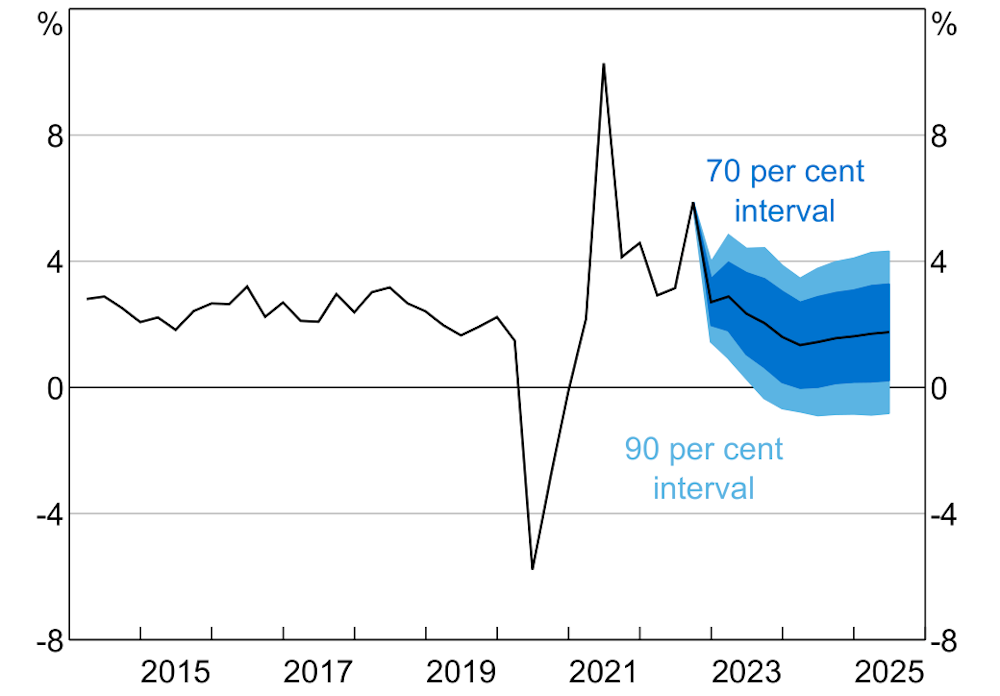
That still seems a long way off, with the central bank expecting the underlying inflation to be 1.5% over 2021, rising to 2% by mid-2023.

It maintains the key to getting wages and inflation higher is a stronger labour market. While unemployment is now at 5.1%, with underemployment also falling, that’s still a long way from “full employment”, which economists broadly agree is about 4.5-4.75%.


CC BY

This starts the countdown to lift-off

Despite the still mediocre state of the economy, there has been rising concern the central bank’s stated commitment to keep interest rates at 0.1% until late 2024 would be risky if the economy continued to quickly improve as it has done over the past six months.

So the board’s solution to this dilemma is to wind back some of the unconventional monetary policy measures, in small bite-size chunks.

By doing this gradually, the RBA hopes to avoid a panic in the financial markets of the sort that occurred in the United States during the “Taper Tantrum” of 2013, when the US Federal Reserve announced it would start to wind back the quantitative easing programs first deployed in response to the Global Financial Crisis of 2007-08.

Today thus officially starts a three-year countdown to when we can expect interest rates to gradually lift off.

Steady as she goes

By continuing its quantitative easing program – albeit at the lower rate of buying A$4 billion of government bonds each week – the RBA will help keep long-term interest rates low.

This policy combination allows the bank to continue supporting the economy today with flexibility down the road to lift interest rates if and when appropriate.

If these optimistic forecasts do not pan out and the economy slows in the months ahead, the RBA has made it clear it will step back in with more support.

This dovish response will be good news for home owners and sellers. Low interest rates will likely see strong buyer demand continue.


Read more:
Vital Signs: It’s not the Reserve Bank’s job to worry about housing prices


The RBA has said housing affordability is not an issue for it to resolve, but Lowe promised it “will be monitoring trends in housing borrowing carefully and it is important that lending standards are maintained.”

The Conversation

Isaac Gross does not work for, consult, own shares in or receive funding from any company or organization that would benefit from this article, and has disclosed no relevant affiliations beyond their academic appointment.

ref. RBA starts three-year countdown to lift in interest rates – https://theconversation.com/rba-starts-three-year-countdown-to-lift-in-interest-rates-163805

Why is Delta such a worry? It’s more infectious, probably causes more severe disease, and challenges our vaccines

ANALYSIS: By Michael Toole, Burnet Institute

While Australians may be focused on the havoc the Delta variant is wreaking on our shores, Delta is in fact driving waves of covid infections all around the world.

With the World Health Organisation (WHO) warning Delta will rapidly become the dominant strain, let’s take a look at this variant in a global context.

The Delta variant (B.1.617.2) emerged quietly in the Indian state of Maharashtra in October 2020. It barely caused a ripple at a time when India was reporting around 40,000 to 80,000 cases a day, most being the Alpha variant (B.1.1.7) first found in the United Kingdom.

That changed in April when India experienced a massive wave of infections peaking at close to 400,000 daily cases in mid-May. The Delta variant rapidly emerged as the dominant strain in India.

The WHO designated Delta as a variant of concern on May 11, making it the fourth such variant.

The Delta variant rapidly spread around the world and has been identified in at least 98 countries to date. It’s now the dominant strain in countries as diverse as the UK, Russia, Indonesia, Vietnam, Australia and Fiji.

And it’s on the rise.

In the United States, Delta made up one in five covid cases in the two weeks up to June 19, compared to just 2.8 percent in the two weeks up to May 22.

Meanwhile, the most recent Public Health England weekly update reported an increase of 35,204 Delta cases since the previous week. More than 90 percent of sequenced cases were the Delta variant.

In just two months, Delta has replaced Alpha as the dominant strain of SARS-CoV-2 in the UK. The increase is primarily in younger age groups, a large proportion of whom are unvaccinated.

2 key mutations
Scientists have identified more than 20 mutations in the Delta variant, but two may be crucial in helping it transmit more effectively than earlier strains. This is why early reports from India called it a “double mutant”.

The first is the L452R mutation, which is also found in the Epsilon variant, designated by the WHO as a variant of interest. This mutation increases the spike protein’s ability to bind to human cells, thereby increasing its infectiousness.

Preliminary studies also suggest this mutation may aid the virus in evading the neutralising antibodies produced by both vaccines and previous infection.

A woman wearing a mask crosses the street in New York.
Evidence shows the Delta variant is more infectious. We can understand why by looking at its mutations. Image: Shutterstock

The second is a novel T478K mutation. This mutation is located in the region of the SARS-CoV-2 spike protein which interacts with the human ACE2 receptor, which facilitates viral entry into lung cells.

The recently described Delta Plus variant carries the K417N mutation too. This mutation is also found in the Beta variant, against which covid vaccines may be less effective.

One good thing about the Delta variant is the fact researchers can rapidly track it because its genome contains a marker the previously dominant Alpha variant lacks.

This marker — known as the “S gene target” — can be seen in the results of PCR tests used to detect covid-19. So researchers can use positive S-target hits as a proxy to quickly map the spread of Delta, without needing to sequence samples fully.

Why is Delta a worry?
The most feared consequences of any variant of concern relate to infectiousness, severity of disease, and immunity conferred by previous infection and vaccines.

WHO estimates Delta is 55 percent more transmissible than the Alpha variant, which was itself around 50 percent more transmissible than the original Wuhan virus.

That translates to Delta’s effective reproductive rate (the number of people on average a person with the virus will infect, in the absence of controls such as vaccination) being five or higher. This compares to two to three for the original strain.

There has been some speculation the Delta variant reduces the so-called “serial interval”; the period of time between an index case being infected and their household contacts testing positive. However, in a pre-print study (a study which hasn’t yet been peer-reviewed), researchers in Singapore found the serial interval of household transmission was no shorter for Delta than for previous strains.

One study from Scotland, where the Delta variant is predominating, found Delta cases led to 85 percent higher hospital admissions than other strains. Most of these cases, however, were unvaccinated.

The same study found two doses of Pfizer offered 92 percent protection against symptomatic infection for Alpha and 79 percent for Delta. Protection from the AstraZeneca vaccine was substantial but reduced: 73 percent for Alpha versus 60 percent for Delta.

A study by Public Health England found a single dose of either vaccine was only 33 percent effective against symptomatic disease compared to 50 percent against the Alpha variant. So having a second dose is extremely important.

In a pre-print article, Moderna revealed their mRNA vaccine protected against Delta infection, although the antibody response was reduced compared to the original strain. This may affect how long immunity lasts.

A global challenge to controlling the pandemic
The Delta variant is more transmissible, probably causes more severe disease, and current vaccines don’t work as well against it.

WHO warns low-income countries are most vulnerable to Delta as their vaccination rates are so low. New cases in Africa increased by 33 percent over the week to June 29, with covid-19 deaths jumping 42 percent.

There has never been a time when accelerating the vaccine rollout across the world has been as urgent as it is now.

WHO chief Tedros Adhanom Gebreyesus has warned that in addition to vaccination, public health measures such as strong surveillance, isolation and clinical care remain key. Further, tackling the Delta variant will require continued mask use, physical distancing and keeping indoor areas well ventilated.The Conversation

Dr Michael Toole is professor of international health at the Burnet Institute. This article is republished from The Conversation under a Creative Commons licence. Read the original article.

Print Friendly, PDF & Email

Article by AsiaPacificReport.nz

SODELPA leader blasts PM, Attorney-General over Fiji covid ‘recklessness’

By Litia Cava in Suva

Fiji’s opposition SODELPA leader Viliame Gavoka has condemned Prime Minister Voreqe Bainimarama and Attorney-General Aiyaz Sayed-Khaiyum for their “unimaginable recklessness” over the country’s covid pandemic crisis.

The politicians should know “they are held responsible for every covid-19 death for not listening and not doing what is right,” Gavoka said.

Fiji has reported a record 636 new positive covid-19 cases and six deaths in the last 24-hour period ending at 8am today.

Gavoka said: “To the Prime Minister and the Attorney-General, this is the message — health first.

“The economy is second and will rebound.

“There is no balancing act between the two, as clearly evident by the disaster we have today.”

Gavoka said “the disastrous situation with covid-19” was because of the “we know best attitude” and the recklessness on the part of the Prime Minister and the Attorney-General.

“The current situation could have been avoided if the Prime Minister and Attorney-General listened to repeated calls for a national lockdown to contain the virus within a zone or border and carry out mass vaccination,” he said.

“Instead, the government decided to allow people to travel through borders bragging about its protocols, recklessly taking huge risks at a time when cases were spiking. The permanent Secretary for Health keeps saying, “when people move, the virus moves”.

Sayed-Khaiyum and Bainimarama did not respond to the statement made by Gavoka after a copy was sent via email yesterday.

Litia Cava is a Fiji Times reporter. This article is republished with permission.

Print Friendly, PDF & Email

Article by AsiaPacificReport.nz

Fiji mortuary full, public frustration, confusion rife over covid-19

RNZ Pacific

Public frustration over mixed messages from the government is growing in Fiji as covid-19 continues to spread rapidly.

The latest daily update saw another 352 new cases reported yesterday.

The Health Ministry also confirmed three more deaths due to the coronavirus, bringing the toll to 33 – 31 from this latest outbreak that started in April.

All three were unvaccinated and died at home or on the way to a health centre.

On Sunday, the ministry reported a daily record 522 new cases and three deaths due to covid-19.

Making the situation even more grim, is the main mortuary is full — and people are being told to make immediate plans to farewell their loved ones.

Relatives have to make plans to uplift their deceased family members and arrange funeral rites.

Infected people sent home
With hospitals unable to cope, health authorities have sent many of the people infected with covid back home to isolate – more than 1000 of them.

RNZ Pacific correspondent in Suva, Lice Movono, said people were getting more and more worried.

“There are a lot of fearful people, so much anxiety and continuing distrust of the government, but the government is not coming out to explain itself very well and we haven’t seen our ministers, our Prime Minister, for a very long time now.”

Movono said she had not been out of her house, even to shop, for almost six weeks.

The opposition National Federation Party leader, Professor Biman Prasad, said that meant some were going to multi-generational, crowded households.

“With the increasing number of cases our health systems are giving up. People with other kinds of ilness are being affected. They’re not able to get the treatment they ought to get,” he said.

“People are dying on arrival, or people are dying before they even get to the hospitals.”

NFP leader Biman Prasad.
Opposition NFP leader Professor Biman Prasad … “People are dying on arrival, or people are dying before they even get to the hospitals.” Image: Alex Perrottet/RNZ

Government urged to seek foreign help
The deteriorating situation in the country is failing to sway Prime Minister Voreqe Bainimarama from his no-lockdown stance.

In a bid to save the economy, the government is allowing some businesses to stay operational.

So while Fiji’s Health Secretary is advising the public to stay at home, the Trade Minister is talking about retail businesses, restaurants and gymnasiums staying open as long as safety measures are followed.

Dr Biman Prasad, a professor of economics, says the government’s mixed messages, and “business as usual” approach, has caused a disaster.

“The situation is going to get worse and it is not too late for this government to change its strategy, to stop being arrogant about what they have decided before.

“If you look at the numbers, which have risen exponentially, it’s only happened after the prime minister made the decision to open up the containment zones.”

Dr Prasad is urging the government to request help from Australia and New Zealand in implementing a nationwide lockdown.

He said that if the expense of catering for people in a lockdown was too much for Fiji, help must be sought.

“Let’s ask Australia and New Zealand for help,” he said.

The government has not responded to requests for comment.

There are more than 600 areas of interest in the central division with one zone in the western division.

More than 5000 people have been in isolation since the latest outbreak in April.

Fifteen covid-positive patients have died from the serious medical conditions they had before they contracted the virus, the Health Ministry said.

Fiji security forces monitor essential movement between red and green zones under Covid-19 response operations.
Fiji security forces monitor essential movement between red and green zones under covid-19 response operations. Image: Lice Movono/RNZ

Workers forced to show up amid outbreak
Meanwhile, some Fijian workers have been forced to continue going to work despite the rapid spread of the virus in the wider community.

A retail worker in Suva, who did not want his name used, said he still had to go to work, on reduced hours.

The father-of-five added it was critical that he earned money to feed his family, even though community transmission was rife.

“Numbers going up. Yesterday it was 500 (cases). Numbers keep going up but I don’t know what this f***ing government is doing. They’re not doing any nationwide (lockdown) We’re having a lot of pressure, you know, our families, no food. A lot of things, man.”

The father-of-five said safety measures were being followed at his work.

However public adherence to the safety measures remained mixed.

This is not helped by slow communication from authorities over which areas have been designated red zones, according to Allen Lockington, a social worker in Lautoka who delivers food to families in need in informal settlements.

“We just deliver the food, and people say, ‘we’ve been locked down’. We try to get out of there as fast as possible,” he explained.

“The other thing: when we go to the informal settlements, and we see the people walking around with no masks and in groups, 10 or 20 all clustered together. And if someone should be sick there, no doubt it will spread like wildfire.”

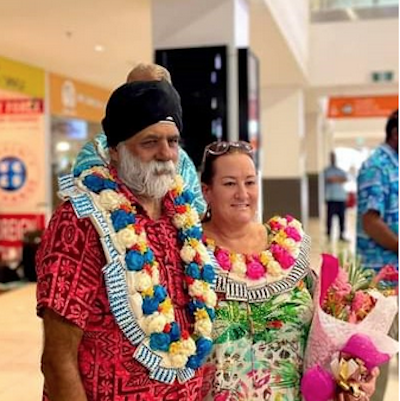
If there is a ray of hope for Fiji, it is that the vaccination rollout is progressing swiftly — more than half of the eligible population have had at least a first jab of Astrazeneca, while around 50,000 people are fully innoculated.

But the delta variant of covid-19 is moving rapidly through Fiji, and calls for the government to exert some control on the spread of the virus by calling a nationwide lockdown are growing.

This article is republished under a community partnership agreement with RNZ.

Print Friendly, PDF & Email

Article by AsiaPacificReport.nz

Thinking of getting a minor cosmetic procedure like botox or fillers? Here’s what to consider first

Source: The Conversation (Au and NZ) – By Simone Buzwell, Senior Lecturer in Psychology, Swinburne University of Technology

Shutterstock

At a dinner party recently, my friend Kaity whispered, “I’ve been staring at my face in Zoom meetings and I look tired. I’m considering Botox. What are the risks?”

I shouldn’t have been surprised; Kaity isn’t alone in thinking cosmetic procedures could fix Zoom-face-fatigue. Our new research shows one in three Australians have new concerns about their appearance since the pandemic began.

What’s more, Kaity is in the primary demographic: 35-50 year old women. And she lives in Australia, where we have the highest cosmetic procedure rates per capita. We spend A$350 million to A$1 billion on cosmetic procedures per year – a figure expected to increase.

For most people, cosmetic procedures lead to improved self-esteem, confidence and body image. I never thought Kaity was shy, or had self-esteem issues, but she told me she’s different at work and after the last year she craves some self-care.

However, for a significant minority, there are negative outcomes. So before deciding if it was right for Kaity, she needed to consider a few things:

1. What type of cosmetic procedure?

First, the type of cosmetic procedure is important. There are two forms: major and minor.

Major cosmetic procedures (“cosmetic surgery”) involve cutting the skin, such as for facelifts or breast augmentation. These are conducted under anaesthetic by medical doctors bound by Medical Board of Australia guidelines.

Minor cosmetic procedures, such as fillers and botox, are different. There is no anaesthetic, or cutting the skin, although they may involve piercing the skin. Fillers involve injecting subtances under the surface of the skin to add volume, while botox is a drug that relaxes the muscle to reduce wrinkles.

The category of minor cosmetic procedures also includes microdermabrasion, which removes superficial layers of dead skin cells to “polish” the skin.


Read more:
Will microdermabrasion or skin needling give me better skin?


2. What provider do you choose?

Minor cosmetic procedures aren’t regulated in Australia and can be administered by doctors, nurses, dentists or beauticians. They aren’t funded by Medicare, so the outcomes are not monitored.

Concern about shonky operators prompted a warning from NSW Health Commission about unsafe and illegal practices, with a number of women experiencing significant harm.

So it’s essential to choose a reputable practitioner. But how do you find one?

Man about to have botox
A range of registered and unregistered providers offer minor cosmetic procedures.
Shutterstock

Providers of minor cosmetic procedures don’t require registration. But if you choose someone registered with the Australian Health Practitioner Regulation Agency (AHPRA), you know you’re being treated by a practitioner who is bound to minimum professional standards of safety and patient care.

If you’re unsure, you can always ask your GP and check for verified reviews of your preferred cosmetic practitioner.

3. How much does it cost?

The cost of minor cosmetic procedures range up to thousands of dollars per session. One session lasts for about four months so must be repeated, making them an ongoing cost.

Luckily Kaity could afford it, but there are reports of cosmetic customers going without food to pay for procedures, and feeling the need to go back for more and more.

Minor cosmetic procedures shouldn’t cause financial strain. If it would cause Kaity financial pressure, she should not go ahead.

4. What are the side effects?

The possible side effects vary depending on the procedure and may include:

  • pain
  • swelling or bruising at the injection site
  • infections
  • dry eyes or throat
  • headaches or flu-like symptoms
  • muscle stiffness.

They’re usually not long-lasting.


Read more:
Cosmetic facial procedures are not risk free – here are some of the most popular


5. What could go wrong?

Botox and dermal fillers can be administered incorrectly, resulting in “droopy eyelid”, “cockeyed eyebrows”, odd lumps or scarring.

Rashes or bleeding are possible, as is necrosis, where skin cells die. There are also reports of blurred vision and even blindness.

It’s assumed these are rare, but given the lack of data, rates are unknown.

6. Could it cause psychological distress?

The psychological consequences of minor cosmetic procedures are often ignored. For most people, they are positive.

However, some people rely on cosmetic treatments to self-manage psychological disorders or stress.

Woman in her 40s looks in the mirror and stretches her wrinkled skin.
For some people, cosmetic treatments can cause psychological distress.
Shutterstock

Minor cosmetic procedures don’t solve psychological problems and may exacerbate underlying emotional difficulties and relationship strain. Indeed for some patients, cosmetic procedures have contributed to self-harm, even suicide.

Importantly, some psychological factors predispose people to negative outcomes and in turn are exacerbated by cosmetic procedures. These include body dysmorphic disorder (BDD) – which has long been a contraindication for cosmetic work, meaning people with BDD shouldn’t have cosmetic procedures.

BDD involves preoccupation with appearance flaws, with some spending hours checking their appearance, with negative impacts on employment and relationships.

BDD symptoms usually worsen after cosmetic procedures, or concern shifts to a new body part. Other psychological and social factors, as well as identity concerns, are also linked to negative outcomes.


Read more:
Body dysmorphic disorder and cosmetic surgery: are surgeons too quick to nip and tuck?


Customers of minor cosmetic procedures are more likely than average to have psychological disorders. We found more than 25% of minor cosmetic procedure customers had potential BDD and high numbers reported psychological distress, including anxiety, stress and/or depression. But some providers fail to adequately screen for these conditions, putting their customers at risk.

During lockdowns and COVID restrictions, people with BDD struggled because they couldn’t access beauty treatments, which fuelled their desire for future therapies.

7. Are your expectations realistic?

A final risk factor involves the motivations for procedures. Previously, only external motivations were considered unhealthy: having minor cosmetic procedures to please others, or believing the procedures would lead to friends and career success.

We did find this in our research, but in addition, we discovered unrealistic internal motivations – such as believing minor cosmetic procedures would change your personality – are similarly problematic.


Read more:
New year, new you? Why we think a better body will be a better self


Essentially, your expectations must be realistic because if they’re not, it’s likely the procedures will result in distress.

These red flags can indicate if cosmetic procedures are a safe choice – and ethical cosmetic providers will screen customers for these before proceeding.

The Conversation

Gemma Sharp receives funding from an NHMRC Early Career Research Fellowship (Health Professional Category).

Susan Rossell receives funding from an NHMRC Senior Research Fellowship.

Toni Pikoos received funding from the Australian government.

Simone Buzwell does not work for, consult, own shares in or receive funding from any company or organisation that would benefit from this article, and has disclosed no relevant affiliations beyond their academic appointment.

ref. Thinking of getting a minor cosmetic procedure like botox or fillers? Here’s what to consider first – https://theconversation.com/thinking-of-getting-a-minor-cosmetic-procedure-like-botox-or-fillers-heres-what-to-consider-first-161271

The ‘madness’ of Julia Banks — why narratives about ‘hysterical’ women are so toxic

Source: The Conversation (Au and NZ) – By Camilla Nelson, Associate Professor in Media, University of Notre Dame Australia

Lukas Coch/AAP

On Monday night, former Liberal MP Julia Banks spoke to Laura Tingle on 7.30. In the detailed interview about her new book, Power Play, she described how Scott Morrison’s office began backgrounding against her when Banks told the prime minister she was quitting politics and making it public.

The spin allegedly put on the story was that she had a “complete sort of emotional breakdown” and had not “coped” with the coup that saw Malcolm Turnbull replaced by Morrison in 2018.

By the time Banks’ announcement reached the media, the narrative was already set. When Morrison fronted journalists he merely had to express concern for “Julia” — a sly signalling that Banks was mentally unstable.

What am I doing right now? I’m supporting Julia and I’m reaching out to Julia and giving her every comfort and support for what has been a pretty torrid ordeal for her.

Banks told Tingle the prime minister was “very good” at “controlling the narrative” and constructing her as “this weak petal that hadn’t coped”.

The history of hysteria

Words associated with madness and emotion are frequently applied to women to discredit them and undermine their authority.

Because it is often so subtle — expressing itself as an apparently genuine concern — it can be easy to dismiss. And yet it plays to stereotypical perceptions of women as irrational and hysterical. This is one of the most insidious tactics used in all walks of life to deny women power and agency.

It is also part of the repertoire of gaslighting — a tactic used to dismiss women as disproportionately emotional or crazy, in a way that silences and controls them, denying them access to power. It has gained new prominence during the #metoo movement. When women speak out — the refrain from those in power is victims have somehow “misread” a situation.

Gaslighting in workplaces doesn’t have the obvious hallmarks of sexual harassment or bullying. But for exactly this reason, it is incredibly effective. It is the woman — not the situation — that is claimed to be the problem. It is the woman — not the culture — that needs to be “fixed”. Try to call it out and the perpetrator is extremely well placed to declare themselves the “victim”.

But wait, there’s more

Other subtle tactics revealed in Banks’ interview on 7.30 included repeatedly calling the 50-something MP (and former corporate lawyer) by her first name “Julia”.

Julia Banks campaigning with Malcolm Turnbill in 2016.
Banks was elected to the Victorian seat of Chisholm in 2016, in a surprise win for the Coalition.
David Crosling/AAP

This functions not only as a claim to intimacy, supporting Morrison’s alleged knowledge of the state of Banks mental health, but also as infantalisation. Morrison once referred to professor Alison McMillan, as “chief nurse Alison”, while reserving the accolade of “professor” for chief medical officer Paul Kelly. It relegates well-credentialled women to the status of a “girl”.

Banks says she was dragged through “this sexist spectrum narrative” when it came to the backgrounding against her. On top of being emotionally weak, she was also criticised by colleagues for speaking out against bullying in the party and for eventually going to the crossbench.

I was this weak overemotional woman, to the bully bitch

All of these stereotypes play to pre-existing cultural assumptions about women’s relationship to power.

‘Menacing wallpaper’

This kind of undermining is extremely difficult to combat. If the victim speaks out, she will be told that she is over-reacting, that she is over-sensitive. Treasurer Josh Frydenberg allegedly told Banks she could take a break from Canberra and do a stint at the United Nations. Banks says,

it would have got me out of the parliament because they basically wanted to silence me.


Read more:
Misogyny, male rage and the words men use to describe Greta Thunberg


Banks, with decades of experience working in male-dominated professions, thought she could see what Morrison and his colleagues were doing. But it is much easier to call out overt acts. If diffuse and low-level untruths are repeated constantly, the danger is the public starts believing that there must be something wrong.

Banks description of Morrison as “menacing, controlling wallpaper” is an apt description of the tangible and intangible barriers that so many aspiring women face.

And so it continues

A key question is why hasn’t this angle in Banks’ story attracted more attention? Up to now, media coverage of her new book has largely focused on an incident of “inappropriate touching” that occurred in the Prime Minister’s Office, when a member of the Turnbull cabinet allegedly touched Banks’ leg, then ran his hand up her inner thigh.


Read more:
Explainer: what does ‘gaslighting’ mean?


While this is obviously worth serious attention, it is not the whole story.

In a statement, Morrison’s office “absolutely rejected” the content of his conversations with Banks. The spokesperson said the prime minister had “several conversations with her to understand what she was going through”. And that she had been offered “support”.

And so the subtle campaign of sexist denigration continues in plain sight.

The Conversation

Camilla Nelson does not work for, consult, own shares in or receive funding from any company or organisation that would benefit from this article, and has disclosed no relevant affiliations beyond their academic appointment.

ref. The ‘madness’ of Julia Banks — why narratives about ‘hysterical’ women are so toxic – https://theconversation.com/the-madness-of-julia-banks-why-narratives-about-hysterical-women-are-so-toxic-163963

Young Australians faced unique challenges even before the pandemic. Neglecting them jeopardises the country’s future.

Source: The Conversation (Au and NZ) – By George Patton, Professor of Adolescent Health Research, The University of Melbourne

Shutterstock

Two major reports released in the past week shine a light on Australia’s future.

The fifth Intergenerational Report addressed the sustainability of the Australian government budget through to 2060 based on current economic and demographic trends.

In the context of COVID-19’s disruptions to the national economy, it received much press attention. It made little comment on young Australians, beyond noting they make up a smaller proportion of the population than ever before. Yet young Australians are central actors in the nation’s economic future: they will determine patterns of population growth, workforce participation, productivity and social cohesion.

In contrast, Australia’s Youth, the first national report on young Australians in a decade, attracted little attention. The Institute of Health and Welfare (AIHW) report detailed how our 12- to 24-year-olds are faring in their health, education, housing, employment prospects, finances and well-being. In a decade where the lives of young people have profoundly changed with the rise of social media, a gig economy, shifting geopolitics, climate change and most recently the disruptions of COVID-19, the lack of public comment was striking.


Read more:
The intergenerational report was sobering, but the reality may be worse


Intergenerational inequality

As Australia enters a phase of falling population growth, how Australia’s youth are faring in becoming healthy, productive and flourishing adults should be a priority — not just for governments, but for all of us.

Even before the pandemic, young Australians faced the prospect of being less well off than their parents. Although spending more time in education than any previous generation, finding a decent job, achieving financial independence, becoming a parent, buying a home of their own and enjoying a good life was eluding many. The pandemic is bringing further disruption and likely to deepen intergenerational inequalities.

Creating opportunities or entrenching disadvantage?

The adolescent and young adult years provide opportunities for social mobility; equally, disadvantage can become entrenched. One in five young Australians are not fully engaged in education or employment, but that figure is much higher in those from poorer neighbourhoods and regional Australia. So too, living in a bigger city or having professional parents brings higher achievement in numeracy and literacy.

These differences will have increased in the pandemic with school closures and online learning. Students from poorer families have had fewer resources for working effectively at home, and many have been less able to call on struggling parents. Surprisingly, we will know very little about the immediate consequences of school closures on learning as NAPLAN assessments for 2020 were cancelled.

Fitness and resilience

The fitness and emotional resilience of young Australians matters for their future health and well-being, and their contribution to future families, communities and the broader economy. Their mental health profiles remain poor.

Trends in psychological distress and presentations to hospital with self-harm, particularly for adolescent girls, have worsened in the past decade. As loneliness and social isolation have increased in the pandemic, so too levels of psychological distress in 18- to 24-year-olds rose substantially through to April 2020 without, as yet, a return to pre-pandemic levels.

Physical fitness peaks in youth and predicts people’s health through their lives. Just over one in ten 15- to 17-year-olds is meeting international guidelines for physical activity. Obesity in young Australians has continued to rise with declining physical activity and increased consumption of highly processed foods. The longer terms implications for cardiovascular disease, cancer, infertility, type 2 diabetes and mental disorders in adulthood will be great.


Read more:
5 charts on how COVID-19 is hitting Australia’s young adults hard


Why the Australia’s Youth report matters

The AIHW report holds governments to account for their investments in our young. Mental health is a case in point. In this area, 15 years of investment in youth mental health appear to have done little. In reality, it’s hard to track the mental health of young Australians as our data have been so poor. In that context, it is hard to understand why the new $90 million Intergenerational Health and Mental Health Study has no plans to include Australians younger than 16.

This generation faces wicked problems without simple solutions. We need to move beyond the short-term, issue du jour approach that has dominated government responses in recent decades. Mental health, physical fitness, educational engagement and underemployment are interconnected. They are embedded in the communities, schools and families in which young Australians are growing up. Effective responses lie beyond any single sector, government department or three-year election cycle.

With the effects of COVID-19 yet to play out, and the challenge of climate change, we cannot afford to wait ten years for the next report. More regular reports would provide a basis for moving beyond simplistic and short-term policy responses.

At the very least, the Australia’s Youth report every five years, in tandem with the Intergenerational Report, would provide a mechanism for reviewing government investments in our most precious resource: our young people. It would create an opportunity for a sustained engagement with young Australians around their unique challenges, that they understand better than politicians and bureaucrats. The nation’s future depends on it.

The Conversation

George Patton chaired the external advisory group for AIHW’s report on Australia’s Youth.

ref. Young Australians faced unique challenges even before the pandemic. Neglecting them jeopardises the country’s future. – https://theconversation.com/young-australians-faced-unique-challenges-even-before-the-pandemic-neglecting-them-jeopardises-the-countrys-future-163718

Gender-ambiguous author Eve Langley is ripe for rediscovery. A new biography illuminates her difficult life

Source: The Conversation (Au and NZ) – By Donna Mazza, Senior Lecturer in Creative Arts, Edith Cowan University

Courtesy of Monash University Publishing

Review: Eve Langley and The Pea Pickers by Helen Vines (Monash University Publishing)

When your subject is a mid-century, gender-ambiguous author who lived under other names and wasn’t always honest about basic points of identification, writing a biography is a huge challenge. But Helen Vines’ Eve Langley and The Pea Pickers builds a substantial picture of this elusive author.

Eve (left) and June Langley, 1920s.
Courtesy of Monash University Publishing

I first came to Langley’s work through her 1940 poem Native-Born as part of my research on dead kangaroos in Australian literature.

Langley had been absent from my educational curriculum, dominated by her male contemporaries — Kenneth Slessor, Nevil Shute and the school-boy squabbles of the Ern Malley affair — and the more influential Patrick White and Randolph Stow. This wasn’t unusual in the 80s and 90s. Now, it is hard to justify any more than a sprinkling of them in an English course.

Native-Born, however, is still startlingly relevant to contemporary ecofeminism by subtly linking the discovery and cremation of a dead female kangaroo to women and the nature of the Australian landscape.


Read more:
Friday essay: hidden in plain sight — Australian queer men and women before gay liberation


Cross-dressing sisters

Born in remote New South Wales in 1904, Langley is best known for her first novel, The Pea Pickers (1942). It follows the journey of two young women who cross-dress so they can work as agricultural labourers in Gippsland during the Depression.

This novel was loosely based on Eve and her younger sister June’s experiences, and Vines’ biography includes evocative photographs of the two sisters in lacy dresses, and also in trousers, shirt and tie with their hair cut short and boyish.

Eve (left) and June Langley, photographed in the 1920s.
Courtesy of Monash University Publishing

For contemporary readers with an interest in gender, Langley might well be poised to become an icon. Later in life, she changed her name to Oscar Wilde, hitching her wagon to another writer resisting the gender expectations of his times.

The previous authoritative biography of Langley, by Joy Thwaites, was published in 1989. According to Vines, Thwaites drew heavily on the fiction as a source of biographical content. This practice is never going to yield a definitive narrative of the author’s life, and Vines is sensitive to the limitations Thwaites faced in her research.

June and Eve Langley, c. 1913.
Courtesy of Monash University Publishing

June Langley also contributed to the content of Thwaites’ book. It is clear from Vines’ writing there have been issues in digging out truth around the lives of both sisters. According to Vines, the girls’ mother was a serial liar about names, dates and facts, a habit both girls adopted. So it is admirable this biography illuminates so much without the need to cleave the truths from the lies the three women told about themselves and each other.

It is evident there was something to hide. In the final chapter, Vines considers evidence that Langley’s father was a cross-dresser who abused Eve as a child, and hypothesises much of the obfuscation had its roots there.

What remains as material evidence presents a maze of clues and trails.

Unpacking a puzzle

Eve Langley and The Pea Pickers is a puzzle built around correspondence from Langley’s editors and her sister, and a new reading of her writing and her family’s story in the public records.

Eve Langley at ‘St Pats Picnic Racecourse Te Awa’ in the 1930s with Father O’Flynn.
Courtesy of Monash University Publishing

At times, the story is deeply sad. Langley’s first child, Luis, was born in 1935 to her lover Luigi Rinaldi in Auckland, but Luis died at three months. In 1937, Langley married “a great and glorious drinker”, Hilary Clark. They had three children by 1941: Bisi, Langley and Karl Marx.

Eve Langley was often a solo parent while Clark worked away, or escaped to calm his anxiety. In 1942, she was incarcerated for eight years in Auckland Mental Hospital. Vines points to Eve being a victim of childhood abuse and trauma, but no diagnosis is known and no records are available on her treatment.

Although her husband, sister and mother were in New Zealand, Langley’s children were put into an orphanage. She briefly reunited with them as adults, but, Vines writes, did not re-establish a parental relationship.

The sequel to the Pea Pickers, White Topee, was published in 1954 after Langley’s release from the asylum.

She continued to write, regularly publishing poetry in The Bulletin throughout the 50s and 60s. Two further novels and “some 4,000 closely-typed pages on pink paper” remain unpublished.

The chapter covering Langley’s relationship with her editors at Angus & Robertson over several decades details both her life and these editorial relationships. For many years, her work was published by Beatrice Davis, who began corresponding with June during Eve’s incarceration.

June Langley, c.1925, when she was dressing as a boy and calling herself Jim or Jimmy.
Courtesy of Monash University Publishing

In Vines’ drawing on these letters it is clear a friendship developed between the editor and June, who shared her own judgements on Langley. The two sisters became steadily more estranged and their relationship reads as toxic, but Davis remained focused on Langley’s creative works.

The description of Langley’s death in Katoomba in 1974, where June also lived, firmly underlines the hostile nature of their relationship.

Vines’ final chapter draws together threads of evidence and tries to determine the true figure of Eve Langley. She considers the intergenerational impact of abuse, and concludes it wasn’t Eve who was gender-fluid, but her sister. It was Eve’s forthright use of this in her fiction which was central to the eventual “hate” June felt for her sister.

June, as a periodic cross-dresser, appears to unconsciously mimic her cross-dressing father. June’s identification of herself with her father and Eve’s identification of June with their father take on a sinister light. June, unconsciously all her life, keeps the abuse memory alive for Eve.

Fragmented families

The Pea Pickers is a lyrical novel, raw and modern for its time in Australian fiction. It’s plot is meandering, but the book is also feminist and sketches out a life of young women in Australia largely untold elsewhere.

It is ironic Langley’s writing was tied to ideas of family, when the family she was born into and the one she birthed were so fragmented. The biography tracks this in a substantial chapter, including re-examining The Pea Pickers, White Topee and the unpublished Wild Australia.

A photo of Eve Langley thought to have been referenced by Eve in The Pea Pickers.
Courtesy of Monash University Publishing

Vines examines sections of The Pea Pickers with a contemporary eye for gender and the representation of sisters Steve (Eve) and Blue (June) where:

Hirsute masculinity (Blue’s beard) is juxtaposed with female anatomy (her breasts) suggesting that a defining characteristic of masculinity — facial hair — is easily removed, while the feminine body is less easily disguised.

The fictional narrative and its depiction of two sisters who are intimately close is another point of sadness in this biography when considered against the breakdown of the real sisters’ relationship.

Eve Langley, with her articulate rendering of the environment and her thematic focus on gender ambiguity in her writing is ripe for rediscovery by a new Australian audience. Vines’ biography provides an excellent gateway into her life and her work.

The Conversation

Donna Mazza does not work for, consult, own shares in or receive funding from any company or organisation that would benefit from this article, and has disclosed no relevant affiliations beyond their academic appointment.

ref. Gender-ambiguous author Eve Langley is ripe for rediscovery. A new biography illuminates her difficult life – https://theconversation.com/gender-ambiguous-author-eve-langley-is-ripe-for-rediscovery-a-new-biography-illuminates-her-difficult-life-162932

What did the public say about the government’s Indigenous Voice co-design process?

Source: The Conversation (Au and NZ) – By Dr Dani Larkin, Lecturer/Deputy Director of the Indigenous Law Centre, UNSW

In January, the Australian government released the Indigenous Voice co-design group’s interim report. This was followed by a public consultation process led by a senior advisory group, chaired by Marcia Langton and Tom Calma, and supported by the work of a national co-design group and a local/regional co-design group.

Together, these groups were tasked with advising the minister for Indigenous Australians, Ken Wyatt, on “options for models that will ensure that Indigenous Australians are heard at all levels of government – local, state and federal.”

The public consultation process sought feedback on design options for the Voice, through written submissions, an online survey, public consultation hearings and closed stakeholder meetings. It concluded on April 30.

As public law academics working with the Indigenous Law Centre at the University of New South Wales, we have followed this process carefully and analysed all consultation documents.

Our analysis revealed:

  • overwhelming public support for a constitutionally enshrined First Nations Voice

  • a sense of momentum and urgency for the government to take this reform to a referendum

  • deep concerns the government is not listening to First Nations people in designing the detail of this Voice.


Read more:
Indigenous recognition is more than a Voice to Government – it’s a matter of political equality


Constitutionally enshrined First Nations Voice

There were extremely high levels of engagement with the public submissions process. As of June 9, 2,554 public submissions had been uploaded to the National Indigenous Australians Agency (NIAA) website.

Of these submissions:

  • 90% believe the First Nations Voice should be constitutionally enshrined in line with the Uluru Statement from the Heart

  • a third of public submissions stated explicitly that a referendum on the Voice needs to be held before the Voice is legislated

  • only four submissions indicated a preference for a legislate-first approach.

Submissions in support of constitutional enshrinement were made by:

  • non-Indigenous individuals organisations and groups (including corporate organisations (61%)

  • First Nations community organisations and groups (17%)

  • First Nations people (3%).

Some pragmatists argued constitutional enshrinement of the Voice is needed to protect it from being removed by future governments. Denise McConnachie from Wollongong says:

I have observed what occurred to The Aboriginal and Torres Strait Islander Commission at the hands of a hostile government. Legislated bodies can be unlegislated, at a whim. The Voice to Parliament needs to be secure, consistent and an inalienable right for First Nations people…

Others said constitutional enshrinement was about observing the wishes of First Nations people. The Ngalaya Indigenous Corporation said:

The delivery of the Uluru Statement from the Heart was a watershed moment for this nation. […] The path forward requires that a structural promise to listen to Aboriginal and Torres Strait Islander voices be enshrined in the Australian constitution.

Other submissions said constitutional enshrinement of the Voice is essential for recognising the unique status of First Nation people via substantive structural reform. As primary school students N (age 9) and E (age 10) said in their submission (prepared alongside their year ¾ classmates):

[First Nations people] should have a say because everyone’s voice and point of view is important and it should be listened to because they have been here for 65,000 years and they are no different than everyone else. They have the right to say what they need to say.

Submissions also strongly opposed the government establishing a legislative Voice before deciding whether to progress constitutional enshrinement.

Submissions further argued this approach would set the Voice up to fail, and it would reduce momentum and support for a referendum.


Read more:
Toxicity swirls around January 26, but we can change the nation with a Voice to parliament


Concerns the government hasn’t engaged with First Nations people

The interim report says the national Voice co-design group’s work was informed by a number of discussion papers prepared by the NIAA. These were not publicly available and we ultimately accessed them via a freedom of information request.

The papers revealed options for the design of the Voice were never properly canvassed in the interim report, nor put to the public for feedback.

Options not included in the report included

  • support for a stronger relationship between the Voice and parliament

  • ensuring the Voice has secure and independent funding

  • envisioning the Voice be empowered to conduct audits and evaluations of government policy, administration and service delivery.

Community consultation summaries also indicate there is widespread criticism of the interim report, including concerns it lacked First Nation community involvement in the selection of advisory group members and in developing the design options.

An individual who attended the Perth community consultation expressed frustration that co-design members were a top-down, government-appointed group, with little involvement from community people leading and driving the work.

The Central Land Council also said in a submission it had:

concerns about transparency and accountability in the processes that have led to the release of the report, and in the stage two consultation processes planned.

We are concerned that the current process does not appear to have been a genuine, fully equitable and participatory co-design with Aboriginal and Torres trait Islander peoples in full partnership.

This is particularly worrying, given the extensive discussions and consultation we carried out among our own people, which led to the Uluru Statement.

Where to from here?

The co-design process has substantially progressed the concept of an Indigenous Voice, what its functions will be, and how it might be designed. There is now a foundation of information sufficient to take the Voice to a referendum.

It’s important to remember that only the existence of the Voice as a First Nations’ representative institution and its core function will be constitutionally enshrined. The rest of the details will be established through legislation.

Four years after the Uluru Statement from the Heart, the time is now to put a referendum to the Australian people.

The Conversation

Gabrielle Appleby worked as a pro bono constitutional adviser to the Referendum Council during the Regional Dialogues and the Constitutional Convention in 2016-2017 that led to the Uluru Statement from the Heart.

Dr Dani Larkin and Emma Buxton-Namisnyk do not work for, consult, own shares in or receive funding from any company or organization that would benefit from this article, and have disclosed no relevant affiliations beyond their academic appointment.

ref. What did the public say about the government’s Indigenous Voice co-design process? – https://theconversation.com/what-did-the-public-say-about-the-governments-indigenous-voice-co-design-process-163803

What does it take to do a spacewalk? Skill, courage, and being able to wear a men’s size medium

Source: The Conversation (Au and NZ) – By Steven Moore, Professor/Deputy Dean Research, School of Engineering and Technology, CQUniversity Australia

NASA/AP

On June 25, astronauts Shane Kimbrough and Thomas Pesquet successfully completed an almost seven-hour EVA (extravehicular activity, or spacewalk) to install solar panels on the International Space Station. What does it take to don a spacesuit and venture out on such a technical and dangerous mission? Surprisingly, one of the main criteria (besides the years of astronaut training) is body size.

EVA capabilities blossomed during the era of NASA’s space shuttle. Astronauts rode robotic arms, floated tetherless through the void using jetpacks to steer, corralled satellites by hand, and built the International Space Station (ISS). They’ve done it all while wearing spacesuits based on the design first developed for the Apollo missions in the 1960s.

Each suit is a human-shaped spacecraft, featuring a backpack that houses a primary life support system; a layered, pressurised outer garment to protect astronauts from the space environment; and a “long john” undergarment that circulates chilled water via tubes over the body to stop the astronauts getting too hot inside their suit.

When designing these “next-gen” spacesuits in 1974, NASA opted for a modular “tuxedo” approach, in which the various components (upper torso, lower torso, helmet, arms and gloves) could be mixed and matched to fit individual astronauts. The suits came in five sizes, from extra small to extra large, and were based primarily on male body shapes — females were not eligible for NASA’s astronaut program until 1978.

Fast-forward 47 years, and Kimbrough and Pesquet were wearing those exact same spacesuits while working on the ISS, despite the fact the suits were only designed to last 15 years.

These days, NASA’s spacesuits are less like bespoke tailoring and more like remainder stock at an outlet mall; of the 18 suits originally made by the next-gen program, only four full suits remain. Four were lost in the Challenger and Columbia disasters, and others came to the end of their working lives and weren’t replaced.

This means that to be selected for an ISS spacewalk, an astronaut must fit one of the two remaining available sizes: men’s medium, or men’s large. The first all-female EVA, planned for March 2019, had to be postponed because only one medium-sized suit was available. Another medium suit was eventually cobbled together from spares, and astronauts Christina Koch and Jessica Meir successfully performed their groundbreaking spacewalk on October 18 2019.


Read more:
Almost 90% of astronauts have been men. But the future of space may be female


Christina Koch and Jessica Meir
NASA’s answer to ‘boyfriend jeans’: Christina Koch (left) and Jessica Meir wore men’s-sized spacesuits for their pioneering all-female spacewalk in 2019.
NASA/AP

Most EVAs are conducted in pairs, and flight controllers meticulously choreograph each astronaut’s activities well in advance, to minimise “idle” time and complete the tasks as efficiently as possible.

Each EVA participant undergoes up to ten hours of training per hour of EVA time, in a 12-metre-deep pool in which astronauts practise every aspect of their spacewalk, using life-sized mock-ups of ISS components.

During the actual EVA, mission controllers on the ground keep a watchful eye on the astronauts’ progress, and the astronauts can communicate with ground control, their EVA buddy and ISS crewmates as required.

Russian Orlan spacesuit
A Russian Orlan (‘sea eagle’) spacesuit, which unlike NASA’s design has undergone several updates over the past half-century.
Steven Moore

Space is a harsh environment. The spacesuit provides protection against radiation, temperature extremes (ranging from -270℃ to +120℃), and small particles of debris. To guard against the risk of being hit by “space junk”, EVAs are scheduled for periods of low risk, based on the tracking of known objects.

Astronauts must also take steps to avoid decompression sickness, or “the bends”. Much like a scuba diver ascending too fast from a deep dive, an astronaut who moves too fast from the pressurised space station to the lower pressure inside their spacesuit can suffer painful and potentially deadly bubbles of nitrogen forming in their bloodstream. Before an EVA, astronauts “camp out” overnight in the ISS airlock at a reduced pressure, to help acclimatise before donning their spacesuit.

Astronaut on spacewalk
It’s cold out there, be sure to wrap up warm (but not too warm).
NASA/AP

No one has died during an EVA, but there have been some close calls. The first ever spacewalk, by Soviet cosmonaut Alexei Leonov in 1965, almost ended in disaster when the expansion of his suit in the vacuum of space almost prevented him from re-entering the Voskhod capsule.


Read more:
Five space travel accidents that shaped the modern era


And on July 16 2013, Luca Parmitano entered the history books with two firsts: the first Italian to perform a spacewalk, and the first near-drowning in space. A week before his EVA, one of the water pipes in his spacesuit had sprung a leak. But this information was not passed up the chain of command, and mission controllers authorised his EVA to begin.

Within an hour Luca had almost two litres of water in his helmet, leaving him struggling to breathe. Unable to see out of his visor or communicate with colleagues, Luca said he used his tether to navigate his way back to the safety of the airlock.

Luca Parmitano
Luca Parmitano’s near-disastrous spacewalk was every claustrophobic’s worst nightmare.
Dmitri Lovetsky/AP

No doubt he and other astronauts will be keen to don NASA’s new “exploration extravehicular mobility unit (xEMU)” spacesuits currently under development for the Artemis program, NASA’s long-awaited return to the Moon.

Hopefully the Artemis moonwalkers will have more options when donning their suit, meaning astronauts can be selected for missions because they’ve got the right stuff, without also needing to be the right size.

The Conversation

Steven Moore has previously received funding from NASA and ESA.

ref. What does it take to do a spacewalk? Skill, courage, and being able to wear a men’s size medium – https://theconversation.com/what-does-it-take-to-do-a-spacewalk-skill-courage-and-being-able-to-wear-a-mens-size-medium-163256

Tourism operators are reeling from lockdowns, but the barriers to a full post-COVID recovery go far deeper

Source: The Conversation (Au and NZ) – By Gabrielle Lindsay-Smith, Research Fellow, Victoria University

With much of Australia in and out of lockdowns over the past month, tourism operators are reeling.

The current lockdown in Sydney has been disastrous for operators during what is normally one of the busiest times of the year — school holidays. Tourism and hospitality-related business are eligible for government grants up to $10,000, but for some, this still may not be enough.

The same goes for tourism operators along the Western Australia coast, due to the snap lockdown in the Perth and Peel regions. Said one lodge owner in the resort town of Kalbarri:

The lockdown for Perth will, I won’t say kill us, but it will hurt us really bad.

When Victoria was plunged back into lockdown over a month ago, it threatened to derail the entire ski season.

Almost half of the businesses surveyed by the Victoria Tourism Industry Council (VTIC) estimated they would lose more than $1,000 in spoiled food and other expenses during a seven-day lockdown, while 45% estimated revenue losses of more than $5,000.

A real concern was that 20% would lose more than $50,000.

Even after the lockdown was lifted, restrictions remained. Melbourne residents are mandated to have a COVID test within 72 hours of leaving the city and show the negative result on entry to the ski fields.

As a result of all of these stop-and-start lockdowns and ongoing restrictions, traveller confidence has declined and many people are no longer booking in advance, affecting cash flow. Many business owners are at an emotional and financial breaking point. As one Victoria business told VTIC:

…this will be the financial end of us. We have fought so hard, pivoted, and haven’t had a day off in 12 months, no staff to allow us to, and now this. All losses are self-funded again, but this time it is worse as we have no JobKeeper. We won’t open. We can’t. We’re tired. We’re over it.

Staff shortages, skyrocketing insurance and mental anguish

Our research on the second Victoria lockdown in 2020 found that a one-size-fits-all approach to restrictions, recovery, and support does not work for the industry. One business told us,

compensation needs to be proportional to business losses. A one-size-fits-all compensation approach is not effective.

For example, businesses that rely on international and local business travellers in Melbourne and Sydney have been hit far harder than the sectors of the industry, such as caravan parks, that are bouncing back well with domestic tourism. Tourism and hospitality businesses in our CBDs need real support.

And despite government efforts to incentivise people to return to tourist areas — such as Victoria’s $32.2 million tourism support package — our research shows there are deeper underlying issues preventing a full recovery for tourism operators.

According to our research, these issues in Victoria include:

  • severe staff shortages, due to a lack of affordable housing in tourist destinations, the absence of international temporary workers and a loss of approximately 54% of casual staff during the pandemic. Many former employees have found work in other, more stable industries

  • Job Keeper was considered a “lifesaver” by 91% of businesses we surveyed, but replacement support options in successive lockdowns have not been accessible

  • unaffordable business insurance, with some premiums rising by up to 400% following the bushfires

  • the impact of the long-term strain on people, with 45% of tourism business owners and managers telling us they were suffering mental health concerns. Many were also unlikely or unable to reach out for help.


Read more:
Vaccines may soon make travel possible again. But how quickly will it return — and will it be forever changed?


Not just a Victorian problem

The staff and accommodation shortages are more severe in Victoria, but are also being felt nationwide.

In the last month, staffing shortages have been emphasised in Tasmania, Queensland and New South Wales, primarily because of the lack of backpackers and international students.

The lack of affordable accommodation options for tourism staff, who are typically casual and low-paid, is also an ongoing issue across Australia, especially in places like Byron Bay.

What can get the industry back on track?

There is more that can be done to improve the outlook and resilience of the tourism industry, which adds $60.8 billion to Australia’s GDP every year and supports 5% of Australia’s total workforce.

Our recommendations to governments are to address both the short- and long-term issues arising from the pandemic.

For example, the problem of skyrocketing business insurance is a matter of urgency. This is a case of market failure — if the private insurance sector cannot offer a product that is affordable, regulatory measures must be introduced.

Other short-term measures are necessary, such as wage subsidies for tourism operators to retain their staff, as well as grants for business innovation and growth. And as regional housing prices escalate, social housing or subsidised accommodations for tourism workers are becoming increasingly important.

The longer-term problems resulting from the pandemic require a more thoughtful, strategic approach in order to reduce the burden being felt by the industry.

To start, this means much better engagement and communication between governments and tourism operators so they fully understand the effects health regulations will have on their businesses and can plan accordingly. Recent bushfires have shown how effectively emergency services can work directly with communities. Similar models could be replicated in the tourism industry.

A comprehensive and nationally relevant workforce review is also needed to examine how the industry can attract workers into the future.


Read more:
Tourism desperately wants a return to the ‘old normal’ but that would be a disaster


Most of all, there is a need to focus on developing resilience to all forms of crises, as highlighted by the recent Gippsland floods.

Our research shows that to build industry resilience, we need stronger risk management planning and leadership for both businesses and destinations. Promoting such planning, along with being accredited by industry bodies like VTIC, can lead to greater resilience to crises and speedier economic recovery.

Regional risk management also needs to be a part of strong regional tourism plans that are coordinated across local governments, regions and state borders.

Australia’s visitor economy is too important for economic recovery, job creation and the health of our communities to let it flounder as it has been over the last 18 months. If we, as a community, are going to reap the social and economic benefits of tourism again when we do open the borders, the industry needs support.
Long-term development strategies are necessary to not just recover but to build resilience to the inevitable future shocks we are yet to face.

The Conversation

Gabrielle Lindsay-Smith receives funding from the Department of Education and Training. She collaborates with VTIC.

Joanne Pyke receives funding from government research programs and is a member of the Victoria Tourism Industry Association.

ref. Tourism operators are reeling from lockdowns, but the barriers to a full post-COVID recovery go far deeper – https://theconversation.com/tourism-operators-are-reeling-from-lockdowns-but-the-barriers-to-a-full-post-covid-recovery-go-far-deeper-162608

Why is Delta such a worry? It’s more infectious, probably causes more severe disease, and challenges our vaccines

Source: The Conversation (Au and NZ) – By Michael Toole, Professor of International Health, Burnet Institute

Shutterstock

While Australians may be focused on the havoc the Delta variant is wreaking on our shores, Delta is in fact driving waves of COVID infections all around the world.

With the World Health Organization (WHO) warning Delta will rapidly become the dominant strain, let’s take a look at this variant in a global context.

The rise and rise of Delta

The Delta variant (B.1.617.2) emerged quietly in the Indian state of Maharashtra in October 2020. It barely caused a ripple at a time when India was reporting around 40,000 to 80,000 cases a day, most being the Alpha variant (B.1.1.7) first found in the United Kingdom.

That changed in April when India experienced a massive wave of infections peaking at close to 400,000 daily cases in mid-May. The Delta variant rapidly emerged as the dominant strain in India.

The WHO designated Delta as a variant of concern on May 11, making it the fourth such variant.

The Delta variant rapidly spread around the world and has been identified in at least 98 countries to date. It’s now the dominant strain in countries as diverse as the UK, Russia, Indonesia, Vietnam, Australia and Fiji. And it’s on the rise.

In the United States, Delta made up one in five COVID cases in the two weeks up to June 19, compared to just 2.8% in the two weeks up to May 22.

Meanwhile, the most recent Public Health England weekly update reported an increase of 35,204 Delta cases since the previous week. More than 90% of sequenced cases were the Delta variant.

In just two months, Delta has replaced Alpha as the dominant strain of SARS-CoV-2 in the UK. The increase is primarily in younger age groups, a large proportion of whom are unvaccinated.

2 key mutations

Scientists have identified more than 20 mutations in the Delta variant, but two may be crucial in helping it transmit more effectively than earlier strains. This is why early reports from India called it a “double mutant”.

The first is the L452R mutation, which is also found in the Epsilon variant, designated by the WHO as a variant of interest. This mutation increases the spike protein’s ability to bind to human cells, thereby increasing its infectiousness.

Preliminary studies also suggest this mutation may aid the virus in evading the neutralising antibodies produced by both vaccines and previous infection.

A woman wearing a mask crosses the street in New York.
Evidence shows the Delta variant is more infectious. We can understand why by looking at its mutations.
Shutterstock

The second is a novel T478K mutation. This mutation is located in the region of the SARS-CoV-2 spike protein which interacts with the human ACE2 receptor, which facilitates viral entry into lung cells.

The recently described Delta Plus variant carries the K417N mutation too. This mutation is also found in the Beta variant, against which COVID vaccines may be less effective.


Read more:
What’s the ‘Delta plus’ variant? And can it escape vaccines? An expert explains


One good thing about the Delta variant is the fact researchers can rapidly track it because its genome contains a marker the previously dominant Alpha variant lacks.

This marker — known as the “S gene target” — can be seen in the results of PCR tests used to detect COVID-19. So researchers can use positive S-target hits as a proxy to quickly map the spread of Delta, without needing to sequence samples fully.

Why is Delta a worry?

The most feared consequences of any variant of concern relate to infectiousness, severity of disease, and immunity conferred by previous infection and vaccines.

WHO estimates Delta is 55% more transmissible than the Alpha variant, which was itself around 50% more transmissible than the original Wuhan virus.

That translates to Delta’s effective reproductive rate (the number of people on average a person with the virus will infect, in the absence of controls such as vaccination) being five or higher. This compares to two to three for the original strain.

There has been some speculation the Delta variant reduces the so-called “serial interval”; the period of time between an index case being infected and their household contacts testing positive. However, in a pre-print study (a study which hasn’t yet been peer-reviewed), researchers in Singapore found the serial interval of household transmission was no shorter for Delta than for previous strains.

One study from Scotland, where the Delta variant is predominating, found Delta cases led to 85% higher hospital admissions than other strains. Most of these cases, however, were unvaccinated.

The same study found two doses of Pfizer offered 92% protection against symptomatic infection for Alpha and 79% for Delta. Protection from the AstraZeneca vaccine was substantial but reduced: 73% for Alpha versus 60% for Delta.

A study by Public Health England found a single dose of either vaccine was only 33% effective against symptomatic disease compared to 50% against the Alpha variant. So having a second dose is extremely important.

In a pre-print article, Moderna revealed their mRNA vaccine protected against Delta infection, although the antibody response was reduced compared to the original strain. This may affect how long immunity lasts.


Read more:
The symptoms of the Delta variant appear to differ from traditional COVID symptoms. Here’s what to look out for


A global challenge to controlling the pandemic

The Delta variant is more transmissible, probably causes more severe disease, and current vaccines don’t work as well against it.

WHO warns low-income countries are most vulnerable to Delta as their vaccination rates are so low. New cases in Africa increased by 33% over the week to June 29, with COVID-19 deaths jumping 42%.

There has never been a time when accelerating the vaccine rollout across the world has been as urgent as it is now.

WHO chief Tedros Adhanom Gebreyesus has warned that in addition to vaccination, public health measures such as strong surveillance, isolation and clinical care remain key. Further, tackling the Delta variant will require continued mask use, physical distancing and keeping indoor areas well ventilated.

The Conversation

Michael Toole receives funding from the National Health and Medical Research Council. .

ref. Why is Delta such a worry? It’s more infectious, probably causes more severe disease, and challenges our vaccines – https://theconversation.com/why-is-delta-such-a-worry-its-more-infectious-probably-causes-more-severe-disease-and-challenges-our-vaccines-163579

A tale of two valleys: Latrobe and Hunter regions both have coal stations, but one has far worse mercury pollution

Source: The Conversation (Au and NZ) – By Larissa Schneider, DECRA fellow, Australian National University

Shutterstock

We know coal-fired power stations can generate high levels of carbon dioxide, but did you know they can be a major source of mercury emissions as well?

Our new research compared the level of mercury pollution in the Hunter Valley in New South Wales and the Latrobe Valley in Victoria.

And we found power stations in the Latrobe Valley emit around 10 times more mercury than power stations in the Hunter Valley. Indeed, the mercury level in the Latrobe Valley environment is 14 times higher than what’s typically natural for the region.

So why is there such a stark difference between states? Well, it has a lot to do with regulations.

Following a NSW requirement for power stations to install pollution control technology, mercury levels in the environment dropped. In Victoria, on the other hand, coal-fired power stations continue to operate without some of the air pollution controls NSW and other developed countries have mandated.

To minimise the safety risks that come with excessive mercury pollution, coal-fired power stations in all Australian jurisdictions should adopt the best available technologies to reduce mercury emissions.

A dangerous neurotoxin

Mercury is a neurotoxin, which means it can damage the nervous system, brain and other organs when a person or animal is exposed to unsafe levels.

Coal naturally contains mercury. So when power stations burn coal, mercury is released to the atmosphere and is then deposited back onto the Earth’s surface. When a high level of mercury ends up in bodies of water, such as lakes and rivers, it can be transferred to fish and other aquatic organisms, exposing people and larger animals to mercury that feed on these fish.


Read more:
The death of coal-fired power is inevitable — yet the government still has no plan to help its workforce


Mercury does not readily degrade or leave aquatic environments such as lakes and rivers. It’s a persistent toxic element — once present in water, it’s there to stay.

The amount of mercury emitted depends on the type of coal burnt (black or brown) and the type of pollution control devices the power stations use.

The Latrobe Valley stations in Victoria burn brown coal, which has more mercury than the black coal typically found in NSW. Despite this, Victorian regulations have historically not placed specific limits on mercury emissions.

In contrast, NSW power plants are required to use “bag filters”, a technology that’s used to trap mercury (and other) particles before they enter the atmosphere.

While bag filters alone fall short of the world’s best practices, they can still be effective. In fact, after bag filters were retrofitted to Hunter Valley’s Liddell power station in the early 1990s, mercury deposition in the surrounding environment halved.

Mercury deposited in sediments of Lake Glenbawn (left) in the Hunter Valley and Traralgon Railway Reservoir (right) in the Latrobe Valley.

The best available technology to control mercury emissions from coal-fired power plants is a combination of “wet flue-gas desulfurization” (which removes mercury in its gaseous form) and bag filters (which removes mercury bound to particles).

This is what’s been adopted across North America and parts of Europe. It not only filters out mercury, but also removes sulphur dioxide, nitrogen oxides and other toxic air compounds.

Using lake sediments to see into the past

Lake sediments can capture mercury deposited from the atmosphere and from surrounding areas. Sediments that contain this mercury accumulate at the bottom of lakes over time — the deeper the sediment, the further back in time we can analyse.

We took sediment samples from lakes in the Latrobe and Hunter valleys, and dated them back to 1940 to get a historical record of mercury deposition.

This information can help us understand how much naturally occurring mercury there was before coal-fired power stations were built, and therefore show us the impact of burning coal.

A power station by a lake
Lake Narracan: one of the lakes we sampled sediments from, near a coal-fired power station in Latrobe Valley.
Larissa Schneider, Author provided

From these records, we found the adoption of bag filters in the Hunter Valley corresponded with mercury depositions declining in NSW from the 1990s.

In contrast, in Victoria, where there’s been no such requirement, mercury emissions and depositions have continued to increase since Hazelwood power station was completed in 1971.

What do we do about it?

In March, the Victorian government announced changes to the regulatory licence conditions for brown coal-fired power stations. Although mercury emissions allowances have been included for the first time, they’re arguably still too high, and there’s no requirement to install specific pollution control technologies.

There’s a risk this approach won’t reduce mercury emissions from existing levels. Victoria should instead consider more ambitious regulations that encourage the adoption of best practice technology to help protect local communities and the environment.

Coal-fired power station at the end of a road, at night
Loy Yang power station, Victoria’s largest, burns brown coal which contains more mercury.
Shutterstock

Another vital step toward protecting human health and the environment from mercury is for the federal government to ratify the Minamata Convention on Mercury, an international treaty to protect human health and the environment from mercury.

Despite signing the convention in 2013, the Australian government is yet to ratify it, which is required to make it legally binding in Australia.

Ratifying the convention will oblige state and federal governments to develop and implement a strategy to reduce mercury emissions, including from coal-fired power stations across Australia. And this strategy should include rolling out effective technologies — our research shows it can make a big difference.


The authors acknowledge Lauri Myllyvirta from the Centre for Research on Energy and Clean Air for her contributions to this article.


Read more:
Hazelwood power station: from modernist icon to greenhouse pariah


The Conversation

Larissa Schneider receives funding from the Australian Research Council on the long-term history of mercury in Australasia (DE180100573) and from the Asia Pacific Innovation Program (APIP) 2017 and 2018.

Nothing to disclose.

Cameron Holley receives funding from the Australian Research Council on Non-urban water governance (DP190101584) and Integrated governance of water and coal seam gas (DP170100281).

Darren Sinclair receives funding from the Australian Research Council on Non-urban water governance (DP190101584).

Simon Haberle receives funding from the Australian Research Council.

Neil Rose and Ruoyu Sun do not work for, consult, own shares in or receive funding from any company or organisation that would benefit from this article, and have disclosed no relevant affiliations beyond their academic appointment.

ref. A tale of two valleys: Latrobe and Hunter regions both have coal stations, but one has far worse mercury pollution – https://theconversation.com/a-tale-of-two-valleys-latrobe-and-hunter-regions-both-have-coal-stations-but-one-has-far-worse-mercury-pollution-163180

NZ Labour MP breaks ranks to accuse China of organ harvesting, slave labour

By Guyon Espiner, investigative reporter, RNZ In Depth

New Zealand Labour MP Louisa Wall has accused China of harvesting organs from political prisoners among the Uyghur and Falun Gong populations.

The MP, who is part of a global network of politicians monitoring the actions of the Chinese Communist Party (CCP), also says her own government needs to do more to counter what she calls the slave labour trade in China.

“Forced organ harvesting is occurring to service a global market where people are wanting hearts, lungs, eyes, skin,” Wall said.

China expert Professor Anne-Marie Brady of the University of Canterbury, describes the New Zealand government’s political strategy on China as something close to a cone of silence.

“Our MPs seem to have a pact that they’re not allowed to say anything at all critical of the CCP and barely mention the word China in any kind of negative terms.”

Prime Minister Jacinda Ardern and Foreign Minister Nanaia Mahuta refused to do interviews for the new Red Line podcast, which examines the influence of the CCP in New Zealand.

But Wall has broken ranks.

‘Used as slaves’
“I’m concerned that there appears to be a million Uyghurs being imprisoned in what they call education camps, but essentially, used as slaves to pick cotton.”

Wall, along with National’s Simon O’Connor, is one of two New Zealand MPs in the International Parliamentary Alliance on China, a network of more than 200 politicians from 20 parliaments, set up to monitor the actions of the CCP.

She thinks New Zealand should be doing much more to counter the slave labour trade from Xinjiang, in the north west of China.

“What the UK and Canada have done is they’ve got modern slavery acts and they want to ensure the corporates who are taking those raw materials, actually ensure that the production of those raw materials complies with the modern slavery act. I like that mechanism.”

She says the government also needs to pass new laws to stop New Zealanders getting organ transplants sourced from China or from any country that cannot verify the integrity of its organ donor programme.

This photo taken on May 31, 2019 shows the outer wall of a complex which includes what is believed to be a re-education camp where mostly Muslim ethnic minorities are detained, on the outskirts of Hotan, in China's northwestern Xinjiang region.
A 31 May 2019 photograph of a complex in Xinjiang believed to be a “re-education camp”. Image: RNZ/AFP

China sources some organs from political prisoners, she said.

“The Uyghur population, and also the Falun Gong population, both have been designated as prisoners of conscience,” she said. “We know that they are slaves. We also know that they’re being used to harvest organs.”

Tribunal finding
She bases that on findings from a recent independent tribunal chaired by Sir Geoffrey Nice, a British QC, who previously worked with the International Criminal Court (ICC).

His 600-page report, called the China Tribunal, says the killing of political prisoners for organ transplants is continuing in China and that many people have died “indescribably hideous deaths” in the process.

“Based on a report from Lord Justice Nice from the UK, we now know that forced organ harvesting is occurring to service a global market where people are wanting hearts, lungs, eyes, skin,” Wall said.

The Chinese embassy in New Zealand ignored requests to talk about this issue.

China announced back in 2014 that it would no longer remove organs from executed prisoners and when the China Tribunal report was released in 2018 the CCP dismissed it as inaccurate and politically motivated.

This article is republished under a community partnership agreement with RNZ.

Print Friendly, PDF & Email

Article by AsiaPacificReport.nz

Tahiti protest rally marks France’s ‘crime against humanity’ first atomic test in Pacific

RNZ Pacific

More than 2000 demonstrators in French Polynesia have joined a march in the capital Pape’ete to mark the 55th anniversary of the first French nuclear weapons test in the Pacific.

The rally was attended by the pro-independence opposition, veterans groups and the Māohi Protestant Church — some carrying banners declaring a “crime against humanity” — and protested over the first atmospheric nuclear test, Aldebaran, carried out in Moruroa Atoll on 2 July 1966.

It coincided with a French-sponsored roundtable in Paris on the nuclear legacy, attended by President Emmanuel Macron and French Polynesia’s territorial President Edouard Fritch.

France again ruled out an apology for its 193 weapons tests and a minister denied that there had been “lies” by the French state about the tests.

France said it would open its archives but bar access to documents which could aid the proliferation of nuclear weapons.

It dismissed demands to cover French Polynesia’s health care costs for cancer victims, suggesting France would reimburse only cases recognised by France as eligibile for compensation.

This article is republished under a community partnership agreement with RNZ.

Print Friendly, PDF & Email

Article by AsiaPacificReport.nz

Fiji GPs chief criticises ‘misconstrued’ video supporting conspiracy theories

By Repeka Nasiko in Lautoka

A video by a Fiji doctor on adverse side effects of the AstraZeneca vaccine has been misconstrued to support conspiracy theories and myths not supported by any scientific evidence, says Fiji College of General Practitioners president Dr Ram Raju.

He said the college “does not condone any member spreading false information to the public”.

He was commenting critically about the video made by Lautoka-based Dr Baladina Kavoa.

“It is a time for all of our healthcare workers to unite and educate the public about the truth and dispel all fears,”Dr Raju said.

“Doctors are seen to be community leaders who should therefore exercise extreme care and restraint in posting any news on social media.

“The Fiji College of GP’s is fully behind the vaccination programme rolled out by the Ministry of Health and Medical Services and we support their efforts.”

He said they had held many seminars on this subject well before the first covid-19 case was identified in March last year and all the doubts were dispelled.

Vaccinations ‘can save lives’
“At the moment, the covid-19 vaccination is the only method which can save lives,” Dr Raju said.

“It’s just like giving vaccination for a host of other diseases to save lives, like measles, diphtheria, tetanus, pneumonia, hepatitis, etc.”

He said there were some vaccination side effects that were to be expected.

“Getting covid-19 is not a joke and these conspiracy theories need to be laid to rest.

“By vaccinating, you are protecting yourself, your family and the population of Fiji.”

  • The Fiji Times did not publish any comment by Dr Kavoa.

Repeka Nasiko is a Fiji Times journalist. Republished with permission.

Print Friendly, PDF & Email

Article by AsiaPacificReport.nz

Samoa Observer: The nation’s chief justice – a gift from above

EDITORIAL: By the Samoa Observer editorial board

How quickly things change.

If, as the old cliche goes, a week is a long time in politics then a month is an eternity.

As a story on the front page of the Weekend Observer revealed, the caretaker government is once again seeking to shape the outcome of judicial decision-making.

Caretaker Prime Minister Tuila’epa Dr Sa’ilele Malielegaoi and the Attorney-General, Savalenoa Mareva Betham-Savalenoa, have presented the Supreme Court with a motion requesting that certain judges not preside over a contempt of court motion filed against them.

The justices the pair are seeking to have removed via a recusal motion are the Chief Justice, Satiu Simativa Perese, Justice Vui Clarence Nelson and Justice Tafaoimalo Leilani Tuala-Warren (“Tuilaepa wants judges off contempt case”).

Saturday’s revelation is the latest in a long and complex string of attempts by the caretaker Prime Minister to influence the judicial branch of government in his favour. But is also reflective of a curious trend: that Tuila’epa’s hand-picked jurist has fallen out of the caretaker Prime Minister’s favour.

Efforts to influence and bombard the court have recently reached their peak as the nation undergoes a constitutional crisis over Parliament’s failure to convene after April’s national election.

But these attempts to make the court empathetic to the caretaker Prime Minister were in fact underway long ago. They date back to when Tuila’epa was searching for a Chief Justice to replace Patu Tiava’asu’e Falefatu Sapolu who resigned in April 2019.

That time feels like a different era: before the measles epidemic, the global covid-19 pandemic and our current constitutional crisis.

Tuila’epa took an unhurried approach to choosing a permanent replacement for Patu, the longest-serving Chief Justice in Samoan history, with nearly 27 years of judicial experience under his belt.

In fact, Tuilaepa openly admitted that he was taking a passive approach to selecting the appropriate candidate and waiting for divine inspiration to guide him to select the best candidate.

“I am still praying and once I acquire the whispers from God, then a decision will be made,” Tuilaepa said at the time.

“If it takes up to six months, that’s not a bad thing at all,”

In fact, it took much longer than that. Samoa was without a permanent Chief Justice for more than a year while the Prime Minister waited for that divine whisper.

He eventually settled on Justice Satiu who was sworn-in in June last year.

The Prime Minister did not disclose the contents of any whispers he may have received from on high to guide his choice.

But at his swearing-in ceremony, Tuila’epa defended the amount of time he took in selecting a replacement, again maintaining that Justice Satiu’s installment was guided from above.

“It takes time to seek God’s face and turn to the Bible for guidance. And these things take time and the whispers [from the Holy Spirit],” he said.

As it happens, Justice Satiu has been resolute in changing the direction of the court.

But it has not been in the way that the caretaker Prime Minister perhaps envisioned; he has proven to be more of a thorn in Tuila’epa’s side than a blessing.

Justice Satiu, born in Magiagi, is deeply rooted in Samoan tradition, but he has also been influenced by the principles of judicial independence taught at the universities he attended in New Zealand and America. This commitment has been shown in his rulings on a flurry of post-election legal petitions.

His Honour, has time and time again, shown his loyalty to the principle of judicial independence during a time of intense legal wrangling.

But in doing so, the Chief Justice has countered widely held expectations about how he would rule from the bench.

In an April statement, issued shortly after national elections which are the root cause of our current power crisis he issued a short statement outlining his simple judicial philosophy.

“We are in a state of uncertainty after the General Election, but I wish to reassure ourselves as a community, that the role of the Judiciary as the Independent Branch of Government is to do right by all manner of people, without fear or favour affection or ill will,” he said.

“As sworn members of the Judiciary, we uphold that Oath to the best of our abilities so to adhere to the Rule of Law.”

All jurists know to affirm their commitment to judicial independence; sticking to them in practice is a different question altogether.

It was widely assumed that because such a long time was taken to approve his selection, Justice Satiu would lean towards the constitutional interpretations of Tuila’epa and that of his Human Rights Protection Party (HRPP).

But much to the caretaker Prime Minister’s frustration, Justice Satiu has upset all expectations by remaining cool and composed throughout the current legal onslaught and applied the law completely straight.

Fiame Naomi Mata’afa, the leader of the Faatuatua i le Atua Samoa ua Tasi (FAST) party condemned his early release from quarantine in May as a political manoeuvre “so that he [could] sit in on the electoral petitions.”

That led to Tuila’epa to leap to his defence as a principled jurist, while he was attacking unnamed members in Samoa’s judiciary of being biased against him:

“It’s apparent from the criticism that the Chief Justice is an honest person,” he said on his programme on state-owned radio 2AP.

“[Fiame’s…] criticism is due to the fact [the Chief Justice] is independent.”

But now Tuila’epa is seeking to avoid having him preside over a trial in which he is involved. How quickly perceptions change.

Before the month of May was out and the FAST party held its own swearing-in ceremony on the lawns of a locked down Parliamentary precinct, the appraisal of the Chief Justice’s integrity has changed considerably.

The office of the government’s lawyer, the Attorney-General, maligned his integrity in a later retracted media statement claiming he had too often ruled in FAST’s favour and was even a “close relative” of Fiame’s.

He also drew criticism for walking to Parliament to try and open its doors on May 24 after being on a panel that determined Parliament had to sit on that day. (The doors had been locked on orders of the former Speaker Leaupepe Toleafoa Faafisi, who is himself facing a motion of contempt).

“The actions of the Chief Justice indicate that he may be in contempt of Parliament,” a statement from the Attorney-General’s office said.

But throughout this personal disparagement during our current constitutional crisis, Justice Satiu has maintained cool and composed and methodically applied the law and stayed true to his oath to protect and uphold Samoa’s constitution.

Perhaps His Honour Satiu Simativa Perese was indeed a gift from God — just not the kind that the caretaker Prime Minister was hoping to receive.

Print Friendly, PDF & Email

Article by AsiaPacificReport.nz

National plan to allow battery cages until 2036 favours cheap eggs over animal welfare

Source: The Conversation (Au and NZ) – By Christine Parker, Professor of Law, The University of Melbourne

Shutterstock

Eggs laid by battery hens would be phased out within 15 years under a plan to improve poultry welfare in Australia. The proposal signals some relief for the 15 million or so egg-laying hens still kept in battery cages in Australia. But it doesn’t go far enough.

Among the recommendations of an independent panel were to phase out battery cages between 2032 and 2036. Egg production would move to barns, or larger furnished cages.

Such recommendations may seem like a happy compromise – balancing the interests of farmers, consumers and the hens themselves.

But developing welfare standards for farmed animals involves more than just practical, scientific and economic considerations. Such decisions also have an ethical dimension: what level of animal welfare should society provide? On that measure, we believe the standards fall short.

two cartons of eggs - one free-range, one caged
Under the draft standards, from 2036 no battery hens would be allowed in Australia.
Alan Porritt/AAP

An appetite for change

An panel drafted the proposal after consulting state and territory governments, industry, animal welfare groups and the public.

The draft standards cover poultry including chickens, ducks, emus, geese, quail and turkeys. Confining hens in battery cages is by far the industry’s most controversial practice, and we focus on those recommendations here.

Research has found hens are intelligent, social animals. But confined to battery cages – often a space smaller than an A4 sheet of paper – they cannot stretch their wings or perform basic natural behaviours such as roost, nest, forage and dust-bathe.

Battery hens can also suffer severe health problems such as feather loss, fractured bones and haemorrhagic fatty liver syndrome. They can also experience more pain than those in cage-free systems.

Industry figures show Australia produces around 17 million eggs each day. Of about half sold at supermarkets, 39% are from caged hens. Free-range (50%), barn-laid (10%) and specialty eggs (1%) make up the remainder.


Read more:
Not just activists, 9 out of 10 people are concerned about animal welfare in Australian farming


Our analysis of the industry figures suggests about half of all eggs sold in Australia are used in processed foods and catering, where the proportion of cage eggs is thought to be higher than those sold in supermarkets.

Cage-free eggs are generally more expensive than cage eggs. Nonetheless, major supermarkets and other food companies have also vowed to phase out caged eggs, or already use cage-free eggs in their products.

A 2018 report prepared for the federal government found 95% of Australians view the welfare of farmed animals as a concern and 91% want law reform to address it.

It found Australians want regulation that prevents the suffering of farmed animals, which are increasingly seen as sentient beings with capabilities, rights and freedoms.

Keeping hens in cages is not consistent with these views. An unprecedented 170,000-odd public submissions were made on the draft poultry standards, reflecting the huge public interest in the issue. The vast majority supported a ban on battery cages.

free range hens feeding
Under the proposal, hens would be free-range or kept in barns or larger cages.
Shutterstock

How did we get here?

State and territory agriculture ministers must now endorse the standards and enact regulations to bring them into effect.

If enacted, the standards will replace the outdated 2002 code of practice. The independent panel was appointed to help re-draft those standards after previous attempts were mired in controversy, including allegations of collusion between farmers and the NSW government.

Scientists, animal welfare organisations and two state governments also raised concern about the integrity of the process.

The panel’s appointment was a positive step. Importantly, it was made up of independent experts, rather than dominated by industry and agriculture department representatives.

hens in cage with feathers missing
Most submissions supported a ban on keeping hens in battery cages, which can cause serious health problems.
Emma Hanswell/AAP

Where the proposal falls short

The proposed standards give egg producers ten to 15 years to transition away from battery cages. Animal welfare groups such as the RSPCA say this timeline is too slow and cages should be phased out sooner – and we agree.

The use of battery cages in Australia is certainly out of step internationally. Most OECD nations have banned battery cages or are in the process of doing so.

The lengthy period of transition prioritises the continued availability of cheap eggs, and the interests of cage-egg producers, over the welfare of millions of animals.

The standards will still allow the use of furnished cages: larger cages with features such as perches and scratch pads.

Furnished cages are better than battery cages. And some researchers say furnished cages, if well managed, are better than poorly run free-range and barn systems. But the behavioural needs of hens are not fully satisfied in furnished cages. And if lifetime confinement represents a “better” animal welfare outcome than many cage-free facilities, this reflects very poorly on the regulation of cage-free systems.

A more humane approach would keep hens in well-managed free-range or barn systems. In fact, the European Parliament last month voted overwhelmingly (but non-bindingly) in favour of phasing out all cages in farming.

And enacting new standards is not enough. To ensure standards are maintained and enforced, an independent animal welfare regulator is needed, as recommended by the Productivity Commission in 2017.

three hens in field
An independent regulator should enforce poultry standards.
Shutterstock

A fundamental moral question

The draft standards represent an important first step in freeing Australian hens from cages. While not perfect, they will bring Australian agriculture closer to international scientific consensus and public opinion on the issue.

However, developing animal welfare standards involves considering the practical, the economic, the scientific and the ethical. Deciding whether and when to ban cage production systems touches on fundamental moral questions, such as whether non-human animals deserve a “good life” and what this means in practice.

At the most fundamental level, Australians must ask themselves: should sentient, intelligent creatures have the freedom to access the outdoors? Or should they spend their lives in a barren cage so we can have the option of cheaper eggs?


Read more:
Australians care about animals – but we don’t buy ethical meat


The Conversation

Christine Parker received funding from the Australian Research Council to research “Regulating Food Labels: The Case of Free Range Food Products in Australia” (DP150102168) from 2015 to 2018. She is affiliated with the Australasian Animal Law Teachers and Researchers Association and the Animal Welfare Lawyers group.

Lev Bromberg receives a Commonwealth Government Research Training Program Scholarship. He is affiliated with the Australasian Animal Law Teachers and Researchers Association.

ref. National plan to allow battery cages until 2036 favours cheap eggs over animal welfare – https://theconversation.com/national-plan-to-allow-battery-cages-until-2036-favours-cheap-eggs-over-animal-welfare-163552

Condoms, vaccines and sport: how the Tokyo Olympics is sending mixed messages about COVID-19 safety

Source: The Conversation (Au and NZ) – By Maximilian de Courten, Professor in Global Public Health and Director of the Mitchell Institute, Victoria University

The Tokyo Olympics are less than three weeks away. And the pressure is on for the International Olympic Committee (IOC).

Japan was just coming out of its fourth COVID-19 wave with about 1,400 new cases every day, but numbers are now rising again. This could turn into a fifth wave.

Despite this, the games will go ahead. There will be limited numbers of local spectators allowed in venues filled up to 50% capacity. This means 10,000 spectators wearing masks at all times and who are not allow to shout or cheer.

But these 10,000 spectators may be the least of the organisers’ worries.

About 90,000 international athletes, support teams and journalists are expected to arrive in Japan ahead of the games. And it is almost certain some will bring in the coronavirus.

Even full vaccination and pre-departure virus testing will not prevent this, as the recent COVID case in one Ugandan team member showed. Now an athlete from that team, who was also vaccinated before departing, has caught the highly infectious Delta variant.

The issue is then how to ensure those who bring the virus into Tokyo don’t spread it among other athletes and support crew, and consequently spread it among the Japanese population, which remains largely unvaccinated.

Currently only around 23% of the Japanese population have received at least one dose of COVID vaccine. This is despite a recent increase in the vaccine rollout over the past two months.

This low coverage is insufficient to protect the population. It’s also below the vaccination rates across Asia and Australia.

There is also concern that when internationals depart, they’ll take infections back to their home countries.

The Tokyo Games organisers are keen for the vaccine rollout to press on for people involved with the games. But they don’t provide details of how they can guarantee two vaccine doses will be administered with the required delay between the first and second dose.

There are also no details of whether vaccination plans include accommodation staff, drivers, media and over 110,000 volunteers who may come into contact with arriving participants.


Read more:
Olympic athletes speak up: current COVID plans aren’t enough to keep them safe


Aerosol transmission

Let’s go back to be the core problem: how to prevent the spread among the participating athletes.

One of the hard lessons Australia has realised is the spread of the virus through aerosols at quarantine hotels, infecting others across corridors when people never come into direct or close contact.

These very fine aerosol particles can sufficiently transmit infections to people more than 2 metres away, and in some cases to people who have passed through that space soon after the infectious person left.

As with Australian quarantine hotels that are not built to withstand aerosol transmissions, Tokyo’s Olympic accommodation and training facilities were designed and constructed before COVID-19. So they are also not designed to prevent aerosol transmission.

Then, there were condoms…

Then there’s what may seem a trivial and cheeky statistic. Some 160,000 free condoms were set to be distributed at the Tokyo games.

While condoms have been distributed at past games, this time the “safe sex” message seemed at odds with instructions for athletes to “ avoid unnecessary forms of contact”.

Despite reassurances these condoms were intended for use after the games when athletes return home, rather than during it, try telling that to athletes across the hall from each other in Tokyo. The Olympic Village could become a 24/7 site of superspreading.

Now, the Tokyo organisers say they will distribute the condoms as athletes are leaving the games, not during it. This may be a masterstroke of preventing COVID at the Olympics. However, participants will still be able to drink alcohol in their rooms. Let’s see what that does to social distancing.

It is hard to argue even the third and most recent version of the IOC’s playbook, which instructs athletes and officials on how to enjoy a safe games, will prevent human nature from taking charge.

A work in progress

The rules about what athletes and officials can and can’t do at the games to limit the spread of COVID-19 are constantly being revised.

Researchers and scientists have heavily criticised the previous version of the IOC’s playbook as not being built on scientifically rigorous risk assessment. They say it failed to consider how exposure to the coronavirus occurs, the factors contributing to exposure, and which participants may be at highest risk, including some competing at the Paralympics. We don’t yet know what they think of the updated version.

The Tokyo Games will go ahead. The Olympic brand cannot afford to do without them. But the collateral damage is likely to be significant.

The Conversation

Maximilian de Courten is the director of the Mitchell Institute a Think Tank for Education and Health Policy.

Hans Westerbeek is Professor of International Sport Business and Head of the Sport Business Insights Group at Victoria University.

ref. Condoms, vaccines and sport: how the Tokyo Olympics is sending mixed messages about COVID-19 safety – https://theconversation.com/condoms-vaccines-and-sport-how-the-tokyo-olympics-is-sending-mixed-messages-about-covid-19-safety-163361

Politics with Michelle Grattan: Jacinta Price’s parliamentary agenda

Source: The Conversation (Au and NZ) – By Michelle Grattan, Professorial Fellow, University of Canberra

Following her pre-selection victory, Alice Springs deputy mayor Jacinta Nampijinpa Price will now be the Country Liberal party’s Senate candidate at the election.

This essentially assures her of victory. The Northern Territory returns one Senate seat to each side of politics.

Price has made a name for herself already as a conservative Indigenous voice, critical of what she labels a paternalistic approach to Aboriginal autonomy. She is also well known for her advocacy work – bringing attention to high rates of domestic violence in Aboriginal and Torres Strait Islander communities.

Her stances on a range of issues have made her a controversial figure within the broad Indigenous community.

In discussing her political agenda, Price highlights affording traditional owners the ability to create business opportunities and own homes on their own land.

“A lot of traditional owners, and in my own experience as a traditional owner, have not had the opportunity to be able to access their own country for economic development opportunities and, and/or have the opportunity to own their own homes.”

Price doesn’t consider constitutional recognition for Indigenous peoples a policy priority, favouring instead “practical measures that are going to generate outcomes.”

“I certainly don’t mind the idea of being recognised in our nation’s constitution[…][but] I’m more focused on the more immediate, practical issues, trying to provide outcomes for the betterment of Indigenous Australians, as opposed to, you know, symbolic gestures.”

Nor does she call herself “a fan of” the voice to parliament, a proposal which would give Aboriginal and Torres Strait Islanders a say in law and policy affecting them.

“I think we do have Indigenous voices in parliament – I guess it’s upon them who have been there already to actually be doing a better job[…]if we need a voice to parliament, then clearly that’s saying something about the representatives who have been there already.”

“If we’re reaching for equality, true equality, then that means that Indigenous Australians be on the same footing as all other Australians”

Listen on Apple Podcasts

Stitcher Listen on TuneIn

Listen on RadioPublic

Additional audio

A List of Ways to Die, Lee Rosevere, from Free Music Archive.

The Conversation

Michelle Grattan does not work for, consult, own shares in or receive funding from any company or organisation that would benefit from this article, and has disclosed no relevant affiliations beyond their academic appointment.

ref. Politics with Michelle Grattan: Jacinta Price’s parliamentary agenda – https://theconversation.com/politics-with-michelle-grattan-jacinta-prices-parliamentary-agenda-163884

Same monster, different meanings: how Indigenous ideas about the Pangkarlangu Hairypeople have changed

Source: The Conversation (Au and NZ) – By Yasmine Musharbash, Senior Lecturer and Head of Anthropology, Australian National University

Anya Wotton, ANU

The monsters we are familiar with from books, films and TV have long been analysed by scholars as metaphors capturing what ails society. Think of how different types of zombies stand for fears about racial tensions, nuclear destruction, rampant capitalism, contagion, migration and so forth.

The monsters that haunt people off the screen or pages of a book can be found anywhere. All societies and cultures have concepts of, and often deep beliefs in, monsters. In the USA, religious scholars found that in “a strictly numerical sense, people who do not believe in anything paranormal are the odd people out”.

Indigenous Australia is rich in monsters. Some exist in both the realm of stories and in people’s daily lives. One such example are Hairypeople. Much stronger and hairier than humans, it is believed that, since time immemorial, they have lived their lives alongside Indigenous Australians.

Curiosity and intimacy

They made their TV debut as Hairies in the TV series Cleverman (2016-17). In the series, Hairies come into the dystopian city, where they are hunted down, institutionalised, incarcerated and tortured (much like Indigenous people were in the past).


Read more:
Shedding the ‘victim narrative’ for tales of magic, myth and superhero pride


The Hairies are wonderful examples of what anthropologist Faye Ginsburg calls the “Indigenous uncanny”. She contrasts this with the uncanny Sigmund Freud, the founder of psychoanalysis, associated with fear. The Indigenous uncanny, she says,

is characterised by a different register […] shaped by a kind of curiosity about and intimacy with the other side.

Tysan Towney in Cleverman.
Australian Broadcasting Corporation (ABC), Screen Australia, Screen NSW

Hairypeople are one of the few pan-Australian monsters. It seems they are known in one guise or another and under one or another name across the continent. (Yowie and Yahoo are two of the better known names).

In central Australia’s Tanami Desert, the traditional lands of Warlpiri people, Hairypeople are known as Pangkarlangu. Much like the Hairies in Cleverman, and in ways not dissimilar to zombies in movies, Pangkarlangu in the Tanami Desert are expressive of social concerns — across both time and space.

In the past, and in myths and songs, Pangkarlangu were understood as human-like but uncivilised. They did not perform ceremonies nor bury their dead. Worst of all, they were cannibals known to hunt and eat other monsters, other Pangkarlangu and humans, especially children.

Changed lives

Strikingly, as the lives of Warlpiri people changed with colonisation, so too did the lives of Pangkarlangu.

To give but one example: in the late 1940s and early 1950s, Warlpiri people were confined to a number of settlements close to (but not in) the Tanami Desert. One was called Lajamanu (back then Hooker Creek) in the northwest.

About 450 kilometres as the crow flies to the southeast, another was called Yuendumu.

Pangkarlangu have appeared in books, such as this traditional Walrpiri Dreaming narrative.
Harper Collins

Not only is there a vast distance between the two Warlpiri communities, but Lajamanu is on Gurindji country and Yuendumu is on Anmatyere country. This means the inhabitants of each respective community formed close relationships with different peoples and languages.

These new differences were amplified further by Lajamanu orientating towards Katherine and Darwin, in the Top End of the NT, as service centres and Yuendumu towards Alice Springs, in central Australia.

At Lajamanu, as academic Christine Nicholls reports, Pangkarlangu continued to be talked about, they were painted in art, and they were regularly sighted when people went hunting or camping out bush. She describes one group of Warlpiri people “almost stumbling upon” an “an entire family of Pangkarlangu sitting in a circle on the ground having a picnic”. Pangkarlangu, she reports, “seem to be becoming increasingly domesticated, acting a little more like ‘whitefellas’.”

At Yuendumu, on the other hand, for a while at least, they faded into the realm of stories. Until 2013, that is, when a family of Pangkarlangu (a father, a mother and a child) were observed by members of the community — from a distance and over the course of a few days — to be making their way from the southeast towards Yuendumu and then into the Tanami Desert.

A refaunation?

A pervasive way to interpret this event was suggested to me by my Warlpiri friend Kumanjayi Napangardi. She understood the reemergence of the Pangkarlangu from the direction of Alice Springs, and beyond that, the Eastern seaboard, as a kind of refaunation — mirroring the reintroduction of locally extinct species from elsewhere.

Yuendumu is located adjacent to Possum Dreaming (ancestrally linking it to both possums the species and possum ancestors) but possums have been extinct there for decades. Warlpiri people now only encounter possums when they travel to the urban centres of southeastern Australia.

Near Yuendumu, on Warlpiri land, lies Newhaven Wildlife Sanctuary, a refuge for threatened mammals, including Mala (rufous hare wallaby) from New South Wales. Central Australia not only experiences one of the highest rates of mammalian extinctions — it also is home to a booming refaunation industry. The industry employs rangers, ecologists, biologists and others in caring for, observing and protecting threatened species before releasing them back into the wild.

Given this, why wouldn’t a formerly extinct monster return?

The phenomena of the Pangkarlangu at Lajamanu and at Yuendumu show us the monster heralds change as well as changing itself.

The Conversation

Yasmine Musharbash received funding from the Australian Research Council (FT130100415)

ref. Same monster, different meanings: how Indigenous ideas about the Pangkarlangu Hairypeople have changed – https://theconversation.com/same-monster-different-meanings-how-indigenous-ideas-about-the-pangkarlangu-hairypeople-have-changed-160004

Why the latest travel caps look like an arbitrary restriction on Australians’ right to come home

Source: The Conversation (Au and NZ) – By Jane McAdam, Scientia Professor and Director of the Kaldor Centre for International Refugee Law, UNSW

Roy Vandervegt/AAP

National cabinet’s decision to halve the number of international arrivals to Australia is yet another blow to the 34,000 Australians overseas trying to return home.

But it is also far more than that. As international law scholars, our view is this latest move — 18 months into the pandemic — contravenes Australians’ right to enter their country.

Back in the 1950s, Australia was keenly involved in the drafting of the International Covenant on Civil and Political Rights — one of two core human rights treaties. The treaty was signed by the Whitlam Labor government and then ratified by the Fraser Liberal government in 1980. This voluntary act committed Australia to abide by its provisions as a matter of international law.

One of its provisions clearly states:

No one shall be arbitrarily deprived of the right to enter his own country.

The Australian government is relying on this provision — namely, the notion of “arbitrarily” — to justify the travel bans and caps during COVID-19. But is this lawful?

The history of the ‘right to enter’

The treaty was drafted by representatives from a number of United Nations member countries in the late 1940s and 50s, before being considered more widely by the General Assembly.

Our research into the drafting history of the “right to enter” provision reveals just how narrowly it was intended to be construed. And — most significantly — it shows the drafters considered it should never be used to exclude residents from returning on health grounds.

As the United Kingdom’s representative explained at a session in 1959,

it was inconceivable that a state should prohibit one of its nationals, who held a valid passport, from entering its territory for miscellaneous reasons and, in particular, for reasons of health or morality. Restrictions of that kind would be unprecedented and completely unjustified. Such steps could be taken with respect to foreigners or stateless persons but not with respect to nationals.

The Italian representative similarly stressed:

[it] was not really necessary for an individual to be debarred from re-entering his country for health or morality reasons, for there were other methods of keeping him from contaminating his fellow citizens [such as quarantine].

Approaching the issue from a slightly different perspective, the French and Lebanese delegates had argued a decade earlier:

a country was not entitled to foist its nationals on to other countries, particularly on grounds of disease.

Interestingly, the drafting records show that arbitrary deprivation of the right to return was intended as shorthand for a single exception – namely, the exclusion of individuals who had been lawfully exiled.

The exception for exile had been part of earlier drafts, but was ultimately removed because the practice was considered archaic and inappropriate in a human rights treaty. Instead, the word “arbitrarily” became its proxy.

An arbitrary restriction

In light of this background, Australia’s travel caps look like an arbitrary restriction on Australians’ right to come home.

Even taking a broad interpretation, the right to enter could only reasonably be curtailed by brief, temporary restrictions that pursue a legitimate objective and are necessary, reasonable, proportionate, and based on clear legal criteria.

Australians arrive in Darwin on a repatriation flight from India.
Australians have faced enormous financial and bureaucratic hurdles to come home since COVID hit last year.
Stewart Gould/AAP

Importantly, the federal government would need to show there were no other, less restrictive measures that can be taken to safeguard public health — such as quarantine. In 1999, the UN Human Rights Committee noted:

there are few, if any, circumstances in which deprivation of the right to enter one’s own country could be reasonable.

It is currently considering a claim by two Australians stranded overseas, and has requested Australia take interim measures to “avoid irreparable damage” to them — a call the government has rejected.


Read more:
Should Aussies stranded overseas go to the United Nations for help to get home?


Alternatives to travel caps

Over the past year, Australian public health experts have been pushing for the expansion of national quarantine facilities beyond those at Howard Springs. This was also a recommendation of former health department secretary Jane Halton’s report to the government last year.

Numerous health experts have also supported the idea of home quarantine for some returning international travellers.


Read more:
The crisis in India is a terrifying example of why we need a better way to get Australians home


National cabinet’s decision to halve the number of incoming travellers does not address these calls. Rather, it caves to demands by some state premiers.

We now have a virtually unprecedented situation in which the states are controlling Australia’s international border settings, and thousands of Australian citizens and residents — many of whom are vaccinated — continue to live in arbitrary exile.

The Conversation

Jane McAdam receives funding from the Australian Research Council, including for a project examining internal border controls during epidemics.

Regina Jefferies is an Affiliate of the Kaldor Centre for International Refugee Law.

ref. Why the latest travel caps look like an arbitrary restriction on Australians’ right to come home – https://theconversation.com/why-the-latest-travel-caps-look-like-an-arbitrary-restriction-on-australians-right-to-come-home-161882

Facebook’s failure to pay attention to non-English languages is allowing hate speech to flourish

Source: The Conversation (Au and NZ) – By Fiona R Martin, Associate Professor in Convergent and Online Media, University of Sydney

Facebook

If like many Australian Muslims you have reported hate speech to Facebook and received an automated response saying it doesn’t breach the platform’s community standards, you are not alone.

We and our team are the first Australian social scientists to receive funding through Facebook’s content policy research awards, which we used to investigate hate speech on LGBTQI+ community pages in five Asian countries: India, Myanmar, Indonesia, the Philippines and Australia.

We looked at three aspects of hate speech regulation in the Asia Pacific region over 18 months. First we mapped hate speech law in our case study countries, to understand how this problem might be legally countered. We also looked at whether Facebook’s definition of “hate speech” included all recognised forms and contexts for this troubling behaviour.

In addition, we mapped Facebook’s content regulation teams, speaking to staff about how the company’s policies and procedures worked to identify emerging forms of hate.

Even though Facebook funded our study, it said for privacy reasons it could not give us access to a dataset of the hate speech it removes. We were therefore unable to test how effectively its in-house moderators classify hate.

Instead, we captured posts and comments from the top three LGBTQI+ public Facebook pages in each country, to look for hate speech that had either been missed by the platform’s machine intelligence filters or human moderators.

Admins feel let down

We interviewed the administrators of these pages about their experience of moderating hate, and what they thought Facebook could do to help them reduce abuse.

They told us Facebook would often reject their reports of hate speech, even when the post clearly breached its Community Standards. In some cases messages that were originally removed would be re-posted on appeal.

Hate speech complaint report rejected by Facebook
An example of a hate speech complaint report rejected by Facebook.
Queerala Facebook site

Most page admins said the so-called “flagging” process rarely worked, and they found it disempowering. They wanted Facebook to consult with them more to get a better idea of the types of abuse they see posted and why they constitute hate speech in their cultural context.


Read more:
Revenge of the moderators: Facebook’s online workers are sick of being treated like bots


Defining hate speech is not the problem

Facebook has long had a problem with the scale and scope of hate speech on its platform in Asia. For example, while it has banned some Hindu extremists, it has left their pages online.

However, during our study we were pleased to see that Facebook did broaden its definition of hate speech, which now captures a wider range of hateful behaviour. It also explicitly recognises that what happens online can trigger offline violence.

It’s worth noting in the countries we focused on, “hate speech” is seldom precisely legally prohibited. We found other regulations such as cybersecurity or religious tolerance laws could be used to act against hate speech, but instead tended to be used to suppress political dissent.

We concluded that Facebook’s problem is not in defining hate, but being unable to identify certain types of hate, such as that posted in minority languages and regional dialects. It also often fails to respond appropriately to user reports of hate content.

Where hate was worst

Media reports have shown Facebook struggles to automatically identify hate posted in minority languages. It has failed to provide training materials to its own moderators in local languages, even though many are from Asia Pacific countries where English is not the first language.

In the Philippines and Indonesia in particular, we found LGBTIQ+ groups are exposed to an unacceptable level of discrimination and intimidation. This includes death threats, targeting of Muslims and threats of stoning or beheading.

On Indian pages, Facebook filters failed to capture vomiting emojis posted in response to gay wedding photos, and rejected some very clear reports of vilification.

In Australia, on the other hand, we found no unmoderated hate speech – only other types of insensitive and inappropriate comments. This could indicate less abuse gets posted, or there is more effective English language moderation from either Facebook or page administrators.

Similarly in Myanmar LGBTIQ+ groups experienced very little hate speech. But we are aware Facebook is working hard to reduce hate speech on its platform there, in the wake of it being used to persecute the Rohingya Muslim minority.

Also, it’s likely gender diversity isn’t as volatile a subject in Myanmar as it is in India, Indonesia and the Philippines. In these countries LGBTIQ+ rights are highly politicised.

Facebook has taken some important steps towards tackling hate speech. However we’re concerned COVID-19 has forced the platform to become more reliant on machine moderation. That too at a time when it can only automatically identify hate in around 50 languages – even though thousands are spoken everyday across the region.

What we recommend

Our report to Facebook outlines several key recommendations to help improve its approach to combating hate on its platform. Overall, we have urged the company to convene more regularly with persecuted groups in the region, so it can learn more about hate in their local contexts and languages.

This needs to happen alongside a boost to the numbers of its country policy specialists and in-house moderators with minority language expertise.

Mirroring efforts in Europe, Facebook also needs to develop and publicise its trusted partners channel. This provides visible, official hate speech-reporting partner organisations through which people can directly report hate activities to Facebook during crises such as the Christchurch mosque attacks.

More broadly, we would like to see governments and NGOs cooperate to set up an Asian regional hate speech monitoring trial, similar to one organised by the European Union.

Following the EU example, such an initiative could help identify urgent trends in hate speech across the region, strengthen Facebook’s local reporting partnerships, and reduce the overall incidence of hateful content on Facebook.


Read more:
Why Facebook created its own ‘supreme court’ for judging content – 6 questions answered


The Conversation

Fiona R Martin and Aim Sinpeng from the University of Sydney, together with Katharine Gelber and Kirril Shields from the University of Queensland received Content Policy on Social Media research funding from Facebook. Martin is also a chief investigator on the Australian Research Council funded Discovery Project “Platform Governance: Rethinking Internet Regulation as Media Policy” (DP190100222).

Aim Sinpeng does not work for, consult, own shares in or receive funding from any company or organization that would benefit from this article, and has disclosed no relevant affiliations beyond their academic appointment.

ref. Facebook’s failure to pay attention to non-English languages is allowing hate speech to flourish – https://theconversation.com/facebooks-failure-to-pay-attention-to-non-english-languages-is-allowing-hate-speech-to-flourish-163723

New Zealand’s second-largest city faces weeks of delays in the COVID-19 vaccine rollout

Source: The Conversation (Au and NZ) – By Bernard Walker, Associate Professor in Organisations and Leadership, University of Canterbury

Hagen Hopkins/Getty Images

A crucial delivery of 150,000 doses of the Pfizer vaccine has arrived in New Zealand this week, ahead of schedule.

But at the same time, the vaccination of most people living in the Canterbury region has been moved back by at least two months.

For the rest of the country, people in group 4 of the vaccination programme will become eligible by the end of July. But those living in Christchurch – New Zealand’s second-largest city – and the Canterbury region will only get their first vaccine dose from mid-September, at the earliest. The region’s COVID-19 response officer Ralph La Salle encouraged everyone “to be patient”.

It appears one of the reasons for the delays is that the vulnerable group 3 residents in the region are already facing delays, with only 2% vaccinated. While people in group 4 across the country will largely follow the government’s scheduled timeline, the Canterbury region will be left waiting to catch up.

Such regional disparities in the vaccine programme are unacceptable as borders reopen and quarantine-free travel with three Australian states resumes this week.

Being “patient” is the polar opposite of what we need for an effective COVID-19 response. We are still in the middle of a worldwide pandemic, and our nearest neighbour Australia has millions of people enduring lockdowns resulting from border failures.

New Zealand was lucky to avoid the same scenario following a weekend visit by an Australian traveller who subsequently tested positive for the delta variant.


Read more:
New Zealand has managed to dodge the COVID-19 bullet, again. Here’s why


Further border failures are highly probable. Compared to Australia’s border control, New Zealand’s system has been estimated to be up to three times more likely to be breached.

A failure to vaccinate raises the risk of expensive lockdowns. From a business perspective, this year’s level 3 lockdown in Auckland cost the country around NZ$240 million per week. Leaving Christchurch unvaccinated for an extended period in this current situation represents a significant threat to the overall economy.

Heightened urgency for vaccination

Vaccination is now a time-critical activity. The delta variant is up to twice as infectious as the original strain and can cause more severe symptoms, with increased rates of hospitalisation and deaths.

The number of people suffering from “long COVID” is also rising. Studies show 37%-61% of people experience ongoing symptoms for months after infection, affecting their ability to work and study.

Leading scientists and health experts are urgently calling for an acceleration of New Zealand’s vaccine rollout, given the heightened risks from new variants and the gradual opening of travel across the country’s borders.

New Zealand residents have already been extremely patient. They have waited, knowing that two thirds of the UK adult population are now fully vaccinated, with US numbers close behind. In contrast, New Zealand sits at 9%, one of the lowest in the OECD.

For the Canterbury District Health Board to delay vaccination even further would appear to be a breach of trust, and a significant failure in caring for its people.

The delays present risks and potentially adverse consequences, not only for the Canterbury region but for New Zealand. The combined economic, health and social costs all highlight the need for all vaccination programmes to get into action immediately, as vaccine stocks become available, and follow central government’s proposed timeline, with a July 28 start.

Vaccination is a government responsibility

There are no indications of a valid reason that would justify a delay for a region such as Canterbury. Although nationwide vaccine supplies have been limited, we are told the latest delivery should supply the intended nationwide rollout.

The benchmark for comparisons is the performance of district health boards in other regions. Many of those with a similar resource base of vaccines and staff are working to the government’s schedule or even exceeding it.


Read more:
At least four in five New Zealanders will have to be vaccinated before border controls can be fully relaxed


The government has overall responsibility for ensuring the vaccination programme proceeds promptly across the country. If the Canterbury District Health Board cannot meet its obligations, then the health minister needs to intervene. A pandemic is not a time for re-living any longstanding feuds between regional health boards and the central ministry of health.

If the problems stem from barriers in the management of the local response, those processes must be remedied. If there is a shortage of funding or other resources, central resources should be made available, urgently. The costs of those interventions would be small compared to the effect of outbreaks on the wider economy and the health of the population.

“Patience” is a euphemism for tolerating delays, but unwarranted regional delays are not something we should accept when confronting COVID-19.

The Conversation

Bernard Walker does not work for, consult, own shares in or receive funding from any company or organisation that would benefit from this article, and has disclosed no relevant affiliations beyond their academic appointment.

ref. New Zealand’s second-largest city faces weeks of delays in the COVID-19 vaccine rollout – https://theconversation.com/new-zealands-second-largest-city-faces-weeks-of-delays-in-the-covid-19-vaccine-rollout-163877

What do children think of economic inequality? We did an experiment to find out

Source: The Conversation (Au and NZ) – By Kelly Kirkland, Postdoctoral Research Fellow, The University of Melbourne

Shutterstock

COVID-19 is increasing economic inequality around the world.

On the one hand, the number of people in extreme poverty is on the rise for the first time in decades. The World Bank estimates at least 119 million more people will no longer have access to clean water, food and shelter as a consequence of the pandemic. On the other hand, the wealthy have benefited from a soaring stock market, rising house prices and better job security.


Read more:
COVID-19: how rising inequalities unfolded and why we cannot afford to ignore it


This gap between the rich and the poor is economic inequality – where a small number of individuals own most of the wealth.

Research has revealed much about how economic inequality affects human psychology. For example, people differ in how much they care about unequal wealth distribution. People’s tolerance of inequality usually depends on how fair they believe the economic system to be. If someone believes others deserve what have earned, they think inequality is more acceptable.

Social psychologists have also shown economic inequality affects how we treat others – when things are more unequal, we are much less generous. Importantly, those who think inequality is fair tend to be much less giving towards others.

All this research has so far asked how economic inequality affects adult psychology, but what about children?

Children experience the world differently from adults – they don’t watch the news and debate taxation laws over dinner parties. Despite this, it’s important we understand what children think about economic inequality. The adults that children grow up to be is, to some extent, shaped by their childhood experiences – where they grow up, what their parents think, and who their peers are.

My colleagues and I ran several studies to understand how children experience economic inequality, and how this affects how they treat others.

As you can imagine, asking a child what they think about the economy is difficult.
To overcome this obstacle, we designed a fun, child-friendly experiment in which children played several games with six puppets. During these games, the children and the puppets each gained points over time. But what the children did not know was that we, as experimenters, controlled everything.

Children always got the same number of points (14) and had the same relative placement (fourth place out of seven players). The only thing that changed was the inequality between players – it was either 1) highly unequal, where some puppets got a lot of points, and some got very few, or 2) highly equal, where all puppets got a similar number of points. Children then got 14 stickers to keep in exchange for their 14 points.

Importantly, the points children and puppets received did not clearly match the skill or effort they put in – it was neither meritocratic nor non-meritocratic. We did this on purpose; the way wealth is distributed in real life is not just about who has worked the hardest or who is most skilled. We wanted to mimic this more realistic division of wealth to see how children’s interpretations influenced their behaviour.

We then gave the children extra points to divide among the puppets as they saw fit. Would they try and adjust the outcomes by giving more to the poor? Well, it depends.

Children aged four to six appeared to have an “equality bias” – they gave everyone one point each, even if some were already poor and others were rich. They also didn’t care much about the inequality in the environment; rather, they focused on their own outcomes.

Younger children will share goods equally; older children are more likely to try to correct inequalities.
Shutterstock

Seven- to nine-year-olds, on the other hand, paid careful attention to how the resources were divided among the puppets. They then gave more to the poor puppets to try to adjust the outcomes.

We also asked children if they thought the points were divided fairly. To our surprise, whether the children experienced high or low inequality did not affect how fair they thought their economic system was. However, the children differed in their personal interpretations – some thought it was based on merit, others thought it was completely unfair, and some felt entirely indifferent – as one child put it, “You get what you get, and you don’t get upset”.

Critically, the children who thought the economic situation was unfair were the ones who gave to the poor. This suggests children’s interpretations of inequality, rather than inequality itself, is a strong driver of their care and concern for the poor.


Read more:
Rich and poor don’t recover equally from epidemics. Rebuilding fairly will be a global challenge


As it stands, hundreds of millions of people live on less than $1.90 per day. Most of these people are in this position simply because they were born into a country with poor education, opportunities and standards of living.

The next generation of children will inherit this world. It’s time we understand what they think about it, because what they think dictates what they’ll do to help in the years to come.

The Conversation

Kelly Kirkland does not work for, consult, own shares in or receive funding from any company or organization that would benefit from this article, and has disclosed no relevant affiliations beyond their academic appointment.

ref. What do children think of economic inequality? We did an experiment to find out – https://theconversation.com/what-do-children-think-of-economic-inequality-we-did-an-experiment-to-find-out-163262

Fifty years after Whitlam’s breakthrough China trip, the Morrison government could learn much from it

Source: The Conversation (Au and NZ) – By Tony Walker, Vice-chancellor’s fellow, La Trobe University

National Museum of Australia

Historical anniversaries sometimes – not always – provide an opportunity to take stock. Rarely do two anniversaries coincide that encourage such an opportunity.

That is the case with the 50th anniversary on July 3 of the breakthrough Gough Whitlam visit to China and the July 1 centenary of the founding of the Communist Party of China (CCP).

Australia needs to take stock of a troubled relationship with its dominant trading partner and guarantor of its economic well-being.

The two anniversaries, within a few days of each other, should remind us of both the costs and benefits of a complex relationship, and indeed the challenges and threats.

Chinese President Xi Jinping’s speech marking the July 1 centenary of the founding of the CCP in Shanghai by a group of leftist intellectuals could hardly have been more confrontational.

We will never allow any foreign force to bully, oppress, or subjugate us. Anyone who would attempt to do so will find themselves on a collision course with a great wall of steel forged by over 1.4 billion Chinese people.

By any standards, this was a nationalistic and xenophobic speech designed for domestic consumption. But it was also aimed directly at the United States and its allies, including Australia. It was not an address designed to lower the temperature in China’s increasingly fraught relationships with the outside world.


Read more:
The Communist Party claims to have brought prosperity and equality to China. Here’s the real impact of its rule


In some ways, the speech marked a throwback to the sort of language that defined China’s relationships with its perceived enemies in an earlier Maoist era. Xi’s words might be dismissed as propaganda, but in an era of aggressive “wolf warrior” Chinese diplomacy, they represent a new stage in how Beijing views what it perceives to be a hostile international environment.

Xi’s speech was effectively a call to arms by a Chinese leader who has emerged as his country’s new emperor.

In that regard, Xi is a successor to Mao Zedong and not Deng Xiaoping, who exercised power mostly behind the scenes.

Chinese President Xi Jinping gave a nationalistic speech to mark 100 years of the Communist Party in his country.
AAP/AP/Koki Kataoka

Xi might have dressed himself in a colour-coded grey Mao suit identical to that worn by Mao when he proclaimed the People’s Republic on October 1, 1949, but there is not much that is grey about his ambitions for his country.

In one of more pointed sentences in an hour-long speech, he said:

The Chinese people are not only good at destroying an old world, but also good at building a new world.

In Xi’s view, China’s Belt and Road thoroughfare does not stop at its frontiers. Whether we like it or not, the Chinese president’s speech marks an aggressive phase in what is clearly perceived by Beijing’s mandarins as a new and more hostile environment.

All this brings us back to the anniversary of the Whitlam outreach to China in 1971. Documents associated with that historic visit, usefully published by The Australian, remind us that in an earlier era Australia was well-served by a politician capable of navigating potentially treacherous diplomatic terrain.

At the time, the opposition leader, still 18 months away from becoming prime minister, went to Beijing to distinguish Labor from a stale Coalition facsimile of US policy.

At the heart of the Whitlam mission was to navigate a way for Australia to establish diplomatic relations with China. He needed to accommodate the vexed Taiwan issue so as not to lay himself open to accusations he had “sold out” the Taiwanese.

Whitlam’s own dispatches, published by The Australian, and independent accounts of his exchanges with Premier Zhou Enlai, revealed he more than held his own with China’s master diplomat. These included, principally, the question of Taiwan in what became the blueprint for Australia’s “one China policy”.

This stated that “Australia adheres to a one China policy which means we do not recognise Taiwan as a country, but we maintain economic and cultural ties”. This conforms more or less with the American formula published in the Shanghai Communique of February 1972, signed by US President Richard Nixon and Zhou.

Whitlam and Zhou in China, 1973.
National Archives of Australia

Whitlam was lucky politically in the sense that no sooner had then Prime Minister William McMahon berated him for allowing himself to be “played as a fisherman plays a trout” by Zhou, it emerged that even as the opposition leader was in Beijing, US National Security Adviser Henry Kissinger was in the Chinese capital arranging a visit by Nixon.

Whitlam’s timing could hardly have been more advantageous to him politically, and more propitious from an Australian point of view. The newly-elected Whitlam government recognised the “one China” formula as one of its first acts after being elected in December 1972.

This was followed by more than four decades of relatively harmonious relations between Canberra and Beijing, upset on occasions by episodes like the Tiananmen massacre. That was until China began to assert itself more aggressively in its own neighbourhood, and ours.

On the 50th anniversary of Whitlam’s ground-breaking mission to Beijing, it is reasonable to ask how he would have managed relations with a more assertive China in this latest period?

Since Whitlam is no longer with us, the words of Australia’s first ambassador to China and Whitlam’s interpreter on his 1971 China mission might be useful.

In the view of Stephen FitzGerald, Australia needs to find a way to make use of both formal diplomatic channels, and, if necessary, and maybe preferably, “back channels”. This is the realpolitik argument that tends to be ignored in Canberra these days, where China policy is dominated by the national security establishment.

It is a different China but that does not absolve us of the responsibility of trying to engaged with it. It does not matter what you think about the government and, let’s face it, the government in China when Whitlam went in 1971 was not exactly a loveable government. China is now economically bigger, more powerful, but you have to engage with a country like whatever you think of it. This is what Japan, Singapore, South Korea, Vietnam are doing.

Prime Minister Scott Morrison got similar advice last month from Singapore Prime Minister Lee Hsien Loong), whose message was that China’s rise is a fact of life and needs to be managed in a way that avoids confrontation, if possible.

You don’t have to become like them, neither can you hope to make them become like you […] There will be rough spots and you have to deal with that. But deal with them as issues in a partnership which you want to keep going and not issues, which add up to an adversary which you are trying to suppress.

On the anniversary of the Whitlam breakthrough these sentiments may be all very well, but the reasonable question is what the choice is.

Morrison and his foreign policy team should pay particular attention to Whitlam’s emphasis in his conversations with Zhou and in his written accounts of his visit to China to Australia’s own significance as a middle power seeking to play a constructive role in the region.


Read more:
Timeline of a broken relationship: how China and Australia went from chilly to barely speaking


This was Whitlam’s way of conveying to the Chinese that Canberra, under his leadership, would seek to define itself and its own interests from those of its American ally. That is, not in contradiction to Washington necessarily, but from Australia’s own middle-power standpoint.

This is what could be described as statecraft, a quality absent from Australian diplomacy these days.

Morrison and his advisers might pay heed to these lessons if he is to get Australia out of the diplomatic cul de sac with China in which it finds itself.

A bit of creative statecraft, along lines suggested by FitzGerald, would not go astray.

The Conversation

Tony Walker does not work for, consult, own shares in or receive funding from any company or organization that would benefit from this article, and has disclosed no relevant affiliations beyond their academic appointment.

ref. Fifty years after Whitlam’s breakthrough China trip, the Morrison government could learn much from it – https://theconversation.com/fifty-years-after-whitlams-breakthrough-china-trip-the-morrison-government-could-learn-much-from-it-163716

Australia has a new four-phase plan for a return to normality. Here’s what we know so far

Source: The Conversation (Au and NZ) – By Adrian Esterman, Professor of Biostatistics and Epidemiology, University of South Australia

from www.shutterstock.com

Prime Minister Scott Morrison has received criticism from the general public for not having a concrete plan to take us out of the COVID-19 pandemic.

However, he went some way to addressing this on Friday, announcing national cabinet had agreed to a four-phase plan to get us back to something resembling our pre-COVID way of life.

It’s not yet very detailed, and no dates have been set out for the various phases. But we do have some idea of what’s being proposed, and Morrison said moving through each phase will depend on reaching vaccination targets determined from modelling, currently being undertaken by Melbourne’s Peter Doherty Institute.

The idea is to transition from our current priority of suppressing transmission of the virus, to a focus on the prevention of serious illness, hospitalisation and deaths.

Let me take you through each phase and what we know so far.

Phase 1: vaccinate, prepare and pilot

We are in Phase 1 now, and the aim is to continue to minimise community transmission.

Lockdowns may continue to be used in this phase, although only as a last resort.

The international arrivals cap will now be reduced by 50% to take pressure off our hotel quarantine system due to the increased infectiousness of the Delta variant.


Read more:
What’s the Delta COVID variant found in Melbourne? Is it more infectious and does it spread more in kids? A virologist explains


Morrison has indicated he expects the cap to stay in place until at least the beginning of 2022.

However, the federal government will facilitate increased repatriation flights to Darwin for quarantine at Howard Springs.

Also, as part of this current phase, there will be a trial of home quarantine for fully vaccinated returnees. This will be for seven days rather than 14.

South Australia has already indicated it would be willing to take part in this trial.


Read more:
Home quarantine for vaccinated returned travellers is extremely low risk, and won’t damage their mental health


Phase 2: post-vaccination

In this phase, the international arrival cap will be restored to current levels for unvaccinated passengers, and a larger cap applied to fully vaccinated passengers.

Lockdowns would rarely be needed, and fully vaccinated people would have eased restrictions in any outbreak with respect to lockdowns or border closures. More students and economic visitors will also be allowed in.

Although no dates or vaccine rollout targets have been set, for us to reach Phase 2, we would clearly need a high percentage of our population to be fully vaccinated.

As it will take at least until the end of year for the whole adult population to have received their first dose, Phase 2 is likely to kick in some time in the first half of 2022.

Phase 3: consolidation

In Phase 3, COVID would be treated more like the flu, presumably with annual booster shots to account for new variants. Fully vaccinated Australians would be able to travel abroad.

There would be no lockdowns, no cap on returning vaccinated travellers, and no domestic restrictions for vaccinated residents. We would be able to have travel bubbles with countries in a similar situation.

There would also be increased, albeit still capped, entries for international students.

Realistically, we are probably talking about the second half of 2022 before we can enter Phase 3.


Read more:
View from The Hill: COVID transition plan has bad news for returning travellers


Phase 4: final

Here life returns to relative normality, very similar to the way it was before the pandemic began. However, there would still be pre- and post-flight testing for unvaccinated arrivals, and a vaccine passport system will likely be in place. I imagine there will still be a focus on hand hygiene and coughing etiquette.

The plan depends to a large extent on vaccine availability, any new and more transmissible variants arising, and persuading enough Australians to get vaccinated.

It will create a two-class system of those who are fully vaccinated and who will have lots of freedoms, and those not. Although there are some people who, for medical or even religious reasons, might not be able to be vaccinated, for the vast majority, it is a choice.


Read more:
A vaccine will be a game-changer for international travel. But it’s not everything


Morrison’s statement says the plan will depend very much on the percentage of Australians 16 years and older who are fully vaccinated.

However, the Delta variant may be spreading more easily in children, although it’s not yet clear whether this is simply a function of the variant being more transmissible in general. It’s also unclear whether this leads to increased serious illness in those children infected.

Overall, I think the plan is sensible, if somewhat vague. Phase 1 calls for lockdowns to be a last resort, although I think this a big ask given the low percentage of the population currently fully vaccinated. Singapore has proposed a similar plan, but is way ahead of us in its vaccine rollout, with more than 60% of its population likely to be fully vaccinated by August.

So, for those desperate for international holidays, there is light at the end of the tunnel. You can potentially start packing in the second half of next year.

The Conversation

Adrian Esterman does not work for, consult, own shares in or receive funding from any company or organization that would benefit from this article, and has disclosed no relevant affiliations beyond their academic appointment.

ref. Australia has a new four-phase plan for a return to normality. Here’s what we know so far – https://theconversation.com/australia-has-a-new-four-phase-plan-for-a-return-to-normality-heres-what-we-know-so-far-163804

‘Although we didn’t produce these problems, we suffer them’: 3 ways you can help in NAIDOC’s call to Heal Country

Source: The Conversation (Au and NZ) – By Bhiamie Williamson, Research Associate & PhD Candidate, Australian National University

Shutterstock

NAIDOC week has just begun and, after several tumultuous years of disasters in Australia, the theme this year is Heal Country.

In the last two years, Australia has suffered crippling drought that saw the Darling-Baaka run dry, catastrophic bushfires, and major flooding throughout coastal and inland areas of Australia’s east.

Just two weeks ago, UNESCO’s World Heritage Centre recommended one of our national treasures, the Great Barrier Reef, be listed as in danger.

If these events, and the thought of other inevitable climate change-driven disasters sadden or madden you, consider how it impacts Indigenous peoples.

So with this in mind, and the rest of NAIDOC week ahead of us, let’s take a moment (most likely from lockdown) to explore the theme of Heal Country in more detail.

More than a landscape

For Indigenous people, Country is more than a landscape. We tell, and retell, stories of how our Country was made, and we continue to rely upon its resources — food, water, plants and animals — to sustain our ways of life. Country also holds much of our heritage, including scarred trees, stone arrangements, petroglyphs, rock art, tools and much more.

Indigenous people talk of, and to, Country, as they would another person. As the late eminent ethnographer Deborah Bird Rose famously wrote:

Country is not a generalised or undifferentiated type of place, such as one might indicate with terms like ‘spending a day in the country’ or ‘going up the country’.

Rather, Country is a living entity with a yesterday, today and tomorrow, with a consciousness, and a will toward life.

As cultural and spiritual beings, and with deep and ongoing attachments to lands and waters, the impacts of climate change interrupt and make uncertain our unique ways of life. This increasing reality is shared with Indigenous peoples all over the world.

The Torres Strait Islands are under dire threat from climate change.
Shutterstock

These sentiments were captured by Tishiko King, a Kulkalaig woman from the island of Masi in the Torres Strait. In her reflections on returning home in December 2020, she explained:

I had to pick up the bones of my Elders because erosion is damaging our burial sites. As First Nations people we know that these are our spirits of our old people, and it’s a sign of disrespect.

It’s desecrating who they are. It’s that heart-wrenching pain in your chest.

This is why the National NAIDOC Committee has sought to draw attention to our struggle.

Why Heal Country?

Through this year’s theme, the National NAIDOC Committee invites the whole nation to embrace “First Nations’ cultural knowledge and understanding of Country as part of Australia’s national heritage”.

This requires understanding the depths of Indigenous peoples’ connections to Country and treasuring our heritage values.

But “understanding” and “treasuring” will only go so far in the face of increased drought, more severe storms or changing seasons and animal behaviours as a result of climate change.

As Bianca McNeair, a Malgana woman from Western Australia and co-chair of the First People’s Gathering on Climate Change, shared with The Guardian:

[Traditional Owners] are talking about how the birds’ movements across country have changed, so that’s changing songlines that they’ve been singing for thousands and thousands of years, and how that’s impacting them as a community and culture.

All Australians have much at stake if radical steps to cut emissions aren’t taken. For Indigenous peoples, the consequences of climate change are much more profound.

Country also holds heritage, including stone arrangements, rock art, tools and more.
Shutterstock

Not all disasters are natural

But talking only of climate change doesn’t capture the full reality threatening Indigenous peoples ways of life.

The destruction of Juukan Gorge by Rio Tinto in 2020 caused international outrage for the clear disregard for not only Indigenous culture, but human history.

Likewise, the notorious McArthur River mine in the Northern Territory has been damaging the environment and nearby township of Borroloola, from the leaking of potentially harmful contaminants to waste rock that smouldered for months.

These events, as well as others, continue to be examined through the Juukan Gorge Senate inquiry.

Heal Country forces us to see these events not in isolation, but in a chain of disasters that continue to impact and threaten Indigenous peoples. It invites people to see the land and water through our eyes and understand that although we didn’t produce these problems, we suffer from them.

Heal Country seeks reflection, for all Australians to ask themselves what they treasure about being from, and living on, this land.

If, like us, you find peace, pride and enjoyment from our natural values — our beaches, mountains, rivers, wetlands, forests, deserts and more — then perhaps it’s time to get off the bench and become an advocate for change.


Read more:
Rio Tinto just blasted away an ancient Aboriginal site. Here’s why that was allowed


Three ways you can help

Indigenous people continue to stand up for and protect their Country. But in a nation where their connections, culture and heritage are seen by governments as being of lesser value than minerals, it is often a lonely struggle.

I asked people to consider the impacts on Country, culture and heritage in my article for The Conversation during the 2019-2020 bushfires. Now, I ask that you consider it against the backdrop of an uncertain future.

Far from being powerless to protect Country, there is much an everyday Australian can do. Here are three examples:

1) Make a submission to the Juukan Gorge inquiry.

The Juukan Gorge inquiry is one of the most important in our recent history. The protection and management of Indigenous peoples’ culture and heritage is being thoroughly examined, with recommendations to better balance the protection of these things against future economic growth.

You can lend your voice — or that of your organisation — to express support and solidarity with Indigenous peoples through a submission.

Bleached coral
If events like coral bleaching sadden or madden you, consider how it impacts Indigenous peoples.
Shutterstock

2) Donate to charities that support Indigenous land and sea management programs.

These organisations are key to advocating on behalf of Indigenous people and offer guidance, advice and support to Indigenous communities seeking to establish their own programs. Two of note include Firesticks Alliance and Country Needs People.

3) Write an email to your local member.

Ask your local member how they’re supporting local Indigenous land and sea management programs, including ranger groups or cultural burning initiatives. If you live in the city, ask how their party supports Indigenous groups in their caring for Country aspirations.


Read more:
Strength from perpetual grief: how Aboriginal people experience the bushfire crisis


Heal Country invites all Australians to walk with us, to stand beside us, to support us.

But perhaps most importantly, it invites Australians to love, treasure and fight for this land, as we have done, and will do, forever.

The Conversation

Bhiamie Williamson is a member of the ACT Bushfire Council, an Independent Expert on the NSW Forest Monitoring and Improvement Program Steering Committee, and a Director of Country Needs People.

ref. ‘Although we didn’t produce these problems, we suffer them’: 3 ways you can help in NAIDOC’s call to Heal Country – https://theconversation.com/although-we-didnt-produce-these-problems-we-suffer-them-3-ways-you-can-help-in-naidocs-call-to-heal-country-163362

Setting goals to beat previous efforts improves educational outcomes. And the gains are bigger for disadvantaged students

Source: The Conversation (Au and NZ) – By Andrew J. Martin, Scientia Professor and Professor of Educational Psychology, UNSW

Shutterstock

Setting goals to try to outdo your previous best effort is known as growth goal setting or personal best goals. It is fundamentally focused on self improvement, such as investing more time or effort in a task than before or striving to achieve a higher result in the next test than the previous one.

Research over the past decade into approaches like these in education has shown it has many benefits. They include improved engagement, learning and achievement.

But it is unclear if these benefits disproportionately apply to already academically advantaged students. We wanted to know if setting goals to improve past performance affected the educational outcomes of academically disadvantaged students.

Our study, recently published in the Journal of Educational Psychology, looked at goal setting to beat previous efforts in high school students.

We found students who set goals like these were much more engaged in school than those who didn’t. And the benefits were even more positive for students in lower socioeconomic groups and students who had low levels of prior achievement.

Striving for self improvement

Growth goal setting refers to the very concrete and practical strategy of setting and striving for specific self-improvement targets.

Our interest follows a prior investigation showing that setting goals to improve was associated with increased engagement and achievement, particularly for students with attention-deficit/hyperactivity disorder (ADHD).


Read more:
You can do it! A ‘growth mindset’ helps us learn


In our new study, we wanted to find out if striving to improve through goal setting benefited other groups of students who may be academically disadvantaged — those from low socioeconomic status backgrounds and with low prior academic achievement. Research has shown disparities in academic outcomes between these students and students from high socioeconomic backgrounds and with high prior achievement.

So we wanted to find out if setting goals to improve could narrow the gap. We also explored the role of teachers’ instruction in supporting students’ growth goal setting.

How we did our study

We drew on the New South Wales Department of Education’s annual “Tell Them from Me” student survey (provided by, and the intellectual property of, The Learning Bar).

Our study involved 61,879 high school students from 290 government schools across NSW. This represented 66% of NSW high schools. An average of 71% of students in each school responded to the survey.

Students lined up at the starting line of a running track.
Setting growth goals is a practical strategy to try to beat your previous record.
Shutterstock

Students participated in the first term of 2018 and again in the first term of 2019. Students were in years 7-10 in 2018 and years 8-11 in 2019. Half the sample was female.

They had to answer four sets of survey questions on their:

  1. self-improvement goals. This was assessed by asking students to rate themselves (from “strongly disagree” to “strongly agree”) on statements such as “When I do my schoolwork, I try to improve on how I’ve done before”) from a validated self-report measure

  2. teachers’ instructional support. This was measured by students’ ratings of the extent to which their teachers gave them feedback on improving, as well as clear and organised lessons, and instructional relevance

  3. academic engagement (perseverance, aspirations, attendance and positive homework behaviour)

  4. personal background attributes (such as their socioeconomic levels and language background).

What we found

We found that setting self-improvement goals was associated with significant gains in all students’ perseverance, aspirations, and positive homework behaviour.

We also found teachers’ instructional practices (especially improvement-oriented feedback and instructional relevance) were important for supporting students’ growth goal setting.

The effect for perseverance was particularly striking: students who more frequently pursued growth goals were 30% more perseverant than students who were not as inclined to pursue growth goals.

Especially noteworthy was the finding that setting goals to improve on past efforts had particular benefits for academically disadvantaged students.

For students from low socioeconomic backgrounds and those with low prior achievement, such goals were associated with more aspirations to complete school and school attendance.

The positive effects on students’ engagement were over and above the effects of prior engagement. Students who pursued self-improvement by setting goals demonstrated significant improvements in aspirations and attendance from one year to the next.


Read more:
Five tips to help year 12 students set better goals in the final year of school


We also found setting goals to improve minimised differences in school attendance between students from low and high socioeconomic backgrounds. In fact, low socioeconomic students who had higher growth goals were among the highest school attenders.

With regard to aspirations, setting self-improvement goals seemed to have a significant bolstering effect for students with lower prior achievement. This helped reduce the aspiration gap between low and high achieving students.

We found if low achieving students set goals to beat their previous efforts, the gap between their aspirations and the aspirations of high achieving students decreased by more than 50%.

Why setting growth goals might help

Further research is needed to fully understand our findings. One explanation may be that focusing on personal progress is motivational for academically disadvantaged students.


Read more:
‘You’re the best!’ Your belief in your kids’ academic ability can actually improve their grades


Struggling students may believe they can’t personally be academically successful if they compare themselves to others. This can lead to feelings of inferiority and disengagement. But when students are encouraged to focus on themselves and their improvement (setting goals to improve), academic success is seen as much more accessible. Exceeding one’s own prior efforts is typically seen by students as more achievable than outperforming others.

Students can learn how to set goals to improve. For a practical guide to setting self-improvement goals, see the NSW Department of Education.

The Conversation

Andrew J. Martin consults with the New South Wales Department of Education. He receives funding from the New South Wales Department of Education.

Emma Burns, Keiko C. P. Bostwick, and Rebecca J Collie do not work for, consult, own shares in or receive funding from any company or organization that would benefit from this article, and have disclosed no relevant affiliations beyond their academic appointment.

ref. Setting goals to beat previous efforts improves educational outcomes. And the gains are bigger for disadvantaged students – https://theconversation.com/setting-goals-to-beat-previous-efforts-improves-educational-outcomes-and-the-gains-are-bigger-for-disadvantaged-students-163073

Open-plan office noise increases stress and worsens mood: we’ve measured the effects

Source: The Conversation (Au and NZ) – By Libby (Elizabeth) Sander, Assistant Professor of Organisational Behaviour, Bond Business School, Bond University

Monkey Business Images/Shutterstock

If you’ve ever felt your noisy open-plan office makes you cranky and sends your heart racing, our new research shows you aren’t imagining it.

Prior to the pandemic 70% of office-based employees worked in open-plan offices. Employee complaints about this design are rife.

Yet there is little experimental research investigating the effects of office noise on things like cognitive performance, physiological stress and mood.

The results of our study, in experimentally controlled conditions using heart rate, skin conductivity and AI facial emotion recognition, shows the effects of that noise are very real.

We’ve found a significant causal relationship between open-plan office noise and physiological stress.

Our results show such noise heightens negative mood by 25% — and these results come from testing participants in an simulated open-plan office for just eight minutes at a time. In a real office, where workers are exposed to noise continuously during the day, we would expect the effects on stress and mood to be even greater.

How we simulated open-plan office noise

We used a simulated office setting with volunteers to compare the effects of typical open-plan office noise to a quieter private office on a range of objective and subjective measures of well-being and performance. Our carefully manipulated soundscapes included people speaking, walking, printing papers, ringing telephones, and keyboard typing noises.

Our study involved observing the same individuals “working” — participants were asked to complete a proof-reading task — under the two noise conditions. We varied the order of the sound tests to avoid bias due to fatigue and training effects.
This “repeated measures experimental design” allowed us to make causal conclusions about the effects of the noise on well-being indicators.


Read more:
A new study should be the final nail for open-plan offices


We used sensors to track changes in heart rate and sweat response — both reliable indicators of physiological stress. We used facial emotion recognition software to assess emotional responses. We also had participants self-report their own feeling using a mood scale.

Even after a short exposure, we found a causal relationship between open-plan office noise and both stress and negative mood. Negative mood increased by 25% and sweat response by 34%.

While there was no immediate effect on reduced work performance, it is reasonable to assume such hidden stress over the longer term is detrimental to well-being and productivity.


The Conversation, CC BY-ND

Precise causal relationships

Our study addresses a gap in the literature by using a simulated office environment with objectively manipulated noise levels and a wide range of objective and subjective dependent variables.

Reviews in research in this field show past studies have tended to only use self-reported measures. They have not used controlled experimental conditions, nor tested sound parameters.

Comparing multiple output measures has allowed us to investigate cause-effect relationships. Much research on open-plan offices has not established direct causal connections, which is necessary to understand precise relationships, and thus the how to most effectively and efficiently reduce these stressors.

Although open-plan offices rarely present an immediate physical danger in terms of sound levels, unrelenting exposure all day intensifies their effects.


Read more:
How employers can design workplaces to promote wellness


Chronically elevated levels of physiological stress are known to be detrimental to mental and physical health.

Frequently being in a negative mood is also likely to harm job satisfaction and commitment. It potentially increases the likelihood of employees leaving.

What to do about it

The pandemic has changed our tolerance for office work. Surveys show up to 70% of employees will seek new jobs if their employer does not offer flexibility to work from home some of the time. So creating a healthy work environment is more important than ever.

As organisations seek to adapt to COVID-19, many are reconsidering how they set up and use the office. Though open-plan offices are unlikely to go away any time soon, our study highlights the importance of understanding employee needs in designing work spaces.


Read more:
The death of the open-plan office? Not quite, but a revolution is in the air


One advantage of more employees working from home at least some of the time is a is a less crowded office, reducing both visual and auditory distractions.

But there are other things that can be done. Acoustic treatments and sound-masking technologies — ambient sounds designed to make other people talking less intrusive — can help. Good old-fashioned walls or partitions may also assist.

Such interventions can be costly, but so is the impact of poor office environmental quality on productivity.

And we might all feel happier about going back to the office.

The Conversation

Libby (Elizabeth) Sander receives funding from the Australian Government under the Industry Connections Grant Award.

ref. Open-plan office noise increases stress and worsens mood: we’ve measured the effects – https://theconversation.com/open-plan-office-noise-increases-stress-and-worsens-mood-weve-measured-the-effects-162843

Smoke screens: vaping on film looks less glamorous than the Hollywood smoking of yesteryear

Source: The Conversation (Au and NZ) – By Becky Freeman, Associate professor, University of Sydney

Kate Winslet in Mare of Easttown (2021) Screen shot

The murder investigation hits another dead end. Tired and frustrated, the detective stomps out of the station. She stares into the middle distance, forcefully sucking on a vape and expelling smoky puffs. Actor Kate Winslett has smoked on screen before, but not like this.

The tobacco and entertainment industries have long and tangled histories — including product placement in movies, television sponsorships and promotional relationships with glamorous Hollywood stars. In 2012, the US Surgeon General’s report found “a causal relationship between depictions of smoking in the movies and the initiation of smoking among young people”.

Now new forms of nicotine consumption are being reflected in popular culture. Is vaping in movies and television merely a case of history repeating or something else entirely?


Read more:
Making it harder to import e-cigarettes is good news for our health, especially young people’s


Smoking exits stage left

From Humphrey Bogart’s hardboiled detective roles in the 1940s through teen rebels like James Dean and Olivia Newton-John in Grease to Sharon Stone’s femme fatale in the 1990s, smoking was a constant sight for cinema-goers until recently. Then attitudes and policies began to change in line with health warnings and government regulations.

While some major tobacco companies state they no longer pay for or allow their tobacco brands to appear on screen, depictions of smoking remain relatively common, including in global streaming service content with high youth viewership.

Equally, entertainment content creators, such as Disney, have stated they will no longer include smoking depictions in content aimed at children. But policy exceptions mean smoking depictions on screens continue.

Now vaping is also being depicted in films and on television.

Researched since the 1930s but first commercialised in 2003, e-cigarettes were designed to look like cigarettes, cigars, pipes, pens or memory sticks. As told in the podcast The Vaping Fix, battery-operated products like Juul were proposed as a safer form of smoking. They are emerging as far from harmless. In Australia it is illegal to sell e-cigarettes containing nicotine.

Smoking on our screens, from Bogart to Brad Pitt.


Read more:
Vaping-related lung disease now has a name – and a likely cause. 5 things you need to know about EVALI


Vaping hits the big time

The increasing popularity of e-cigarettes, vaping devices, and heated tobacco has seen these products appear in popular movies and television shows.

One of the earliest on-screen examples of e-cigarette use is from the 2010 film, The Tourist, which features Johnny Depp’s character using an electronic cigarette on a train.

Kevin Spacey’s character vapes in a luxe room in the second season of House of Cards.

In 2014, a Canadian e-cigarette company reportedly paid for its product to be used by the female lead, played by Milla Jovovich, in the film adaption of Cymbeline.

‘That’s cheating.’ ‘No it’s not. It’s vapour.’

At first glance it seems the vaping industry is simply repeating the highly successful tobacco marketing strategies of the past.

Since these early examples of e-cigarette use on screen, the global tobacco industry has become heavily invested in vaping products and their promotion. Exposure to vaping depictions and imagery on social media platforms is rife and includes paying high profile users to promote e-cigarettes and tobacco products.

On 29 June 2021, e-cigarette maker Juul, of which tobacco giant Altria (parent company of Philip Morris USA) has a 35% share, agreed to pay the US state of North Carolina $40 million for allegedly marketing to teenagers.


Read more:
Vaping and e-cigarettes are glamourised on social media, putting young people in harm’s way


From glamour to gritty

In contrast to early cinematic cigarette smoking, vaping in the critically acclaimed and popular television series, Mare of Easttown, is depicted as less than glamorous.

Kate Winslet stars as the titular character. Mare is a small-town detective who is haunted by family tragedy and is part of a community affected by drug use, violence, limited health and social services, and poverty. She vapes in scenes of high stress and to escape conflict situations.

Episode 7 is apparently the only one without vaping.
While Mare is a highly sympathetic character, her vaping is depicted as an addiction, not as an aspirational activity. (Insiders say the vape was a prop only and didn’t contain nicotine or tobacco.)

Mare also smokes a cigarette in the series which is a realistic portrayal, as nearly 40% of US adult e-cigarette users also smoke. Her smoking is not depicted as desirable or fashionable and the series’ themes make it decidedly adult viewing.

This stands in stark comparison to previous Winslet roles. In the 1997 film Titanic, her Rose character smokes using a slender cigarette holder while in the elegant dress and surrounds of the luxury cruise liner.

Two women in period costume, one smoking
In 1997’s Titanic, Kate Winslet made smoking look good.
IMDB

Other high-profile recent portrayals of vaping on screen include Rosamund Pike’s character, Marla, in the film, I Care a Lot. Her character has previously run a failed vape business.

There is no evidence or suggestion the vaping in Mare of Easttown or I Care a Lot is directly sponsored by the vaping or tobacco industry. These particular depictions may accurately reflect the reality of vaping and its growing popularity.

Can we regulate it?

Given Australia’s strict regulation of vaping products, including advertising restrictions and a ban on the retail sale of any devices that contain nicotine, no paid vaping product placement would be permissible in content that is produced in Australia. However, much of the media and entertainment content viewed in Australia is not made here.

Similarly, while paid tobacco placement or sponsorship of media content produced within Australia would be a violation of the Tobacco Advertising Prohibition Act 1992 Act, it does not prevent content made overseas, that may contain paid promotions, from being distributed here.

Tobacco depictions, even those that glamorise or promote smoking, are permissible provided these is no support or payment by the tobacco industry. Tobacco use may be considered though by the Australian Classification Board when assigning a classification rating.

e-cigarettes
E-cigarettes are battery operated and designed to look like cigars, memory sticks or pens.
Unsplash/CDC, CC BY

Several policy solutions have been proposed to reduce smoking depictions on screens and these could equally apply to vaping depictions. They include adult ratings on content that depicts use, certifying that no payoffs were received for vaping depictions and not making vaping brands identifiable on screen.

With the smoking and media landscape changing, it is critical Australia keeps pace with a ban on the advertising and promotion of all tobacco and vaping products.

The Conversation

Becky Freeman has received funding from the Cancer Council, NHMRC, Heart Foundation, Healthway, and the WHO for work related to e-cigarette use and promotion. She is a member of the NHMRC Electronic Cigarette Working Committee and acts as an expert advisor to the Cancer Council Tobacco Issues Committee.

Christina Watts is an employee of Cancer Council NSW.

ref. Smoke screens: vaping on film looks less glamorous than the Hollywood smoking of yesteryear – https://theconversation.com/smoke-screens-vaping-on-film-looks-less-glamorous-than-the-hollywood-smoking-of-yesteryear-163359

Fiji reports record 522 new cases of covid-19 – three more deaths

By Lice Movono, RNZ Pacific correspondent in Suva

Fiji has reported 522 new cases of covid-19 in the last 24 hours – a record number of daily cases.

The Fiji government has also confirmed three more deaths due to the coronavirus, bringing the toll to 30.

The Health Ministry said that all three were unvaccinated and had died at home or on the way to a health centre.

Two of the deaths had previously been under investigation to determine if the cause was covid-19.

A fourth under investigation has been found to be caused by a pre-existing illness.

There have now been 30 deaths due to covid-19 in Fiji, with 28 of these deaths during the outbreak that started in April this year.

The ministry issued an official reminder that home therapy was not the right remedy for the coronavirus.

Battled conspiracy theories
As health authorities record 6091 cases since the delta variant outbreak began in mid-April, the country has battled conspiracy theories, alternative treatments and vaccine reluctance.

“Steam therapy and drinking hot water are not the treatment for covid-19 and it does not protect one from contracting covid-19,” a government statement said.

“Inhaling steam (kuvui) and keeping hydrated with warm drinks are commonly used as home therapy to provide relief from a congested nasal passage, and short term instant relief from symptoms of cold or inflamed sinuses.

“They should not be taken as a treatment or protection from covid-19 infection.”

The ministry said getting vaccinated and practising hygiene measures such as wearing a mask when people left home, washing hands frequently or hand sanitising, covering the mouth while coughing or sneezing and social distancing remained the best ways to stay protected against the pandemic.

The measures also helped to stop the transmission of the virus from one person to another.

In addition, the government has also reminded those who have been told to quarantine at home because they have come into contact with someone who is positive that they should do so for as long as they have been told to.

Three deaths reported
Health Secretary Dr James Fong said the three deaths reported today, a 93-year-old woman, a man, 60, and a 56-year-old woman, all from Lami, were unvaccinated and either died at home or on the way to hospital.

Eight people who have died as a result of covid-19 in just over a month either died at home or on their way to hospital, prompting calls from the government urging people to get to health facilities once they experience covid-19 symptoms.

“As expected, with the increasing cases numbers we are also seeing increasing numbers of people with severe disease, and more deaths in the Suva-Nausori containment zone. It remains a serious concern that some people with severe disease come to a medical facility only in the late stages of their illness,” Dr Fong said.

“And we are still sadly seeing people with severe disease die at home or on the way to hospital, before our medical teams have a chance to administer what could potentially be life saving treatment.”

Fijian health authorities are running an average of 3144 tests per day and 10.4 percent of those are positive.

Meanwhile, 317,461 adults have received their first dose of the AstraZeneca vaccine and 52,001 have received their second dose. Health authorities still have to reach 91.1 percent of the 650,000 target population.

This article is republished under a community partnership agreement with RNZ.

Print Friendly, PDF & Email

Article by AsiaPacificReport.nz

Sayed-Khaiyum leading Fiji into chaos, says women’s crisis centre leader

By Litia Cava in Suva

The Fiji Civil Society Organisation Alliance for COVID-19 Humanitarian Response has repeated a call for the resignation of the country’s Economy Minister Aiyaz Sayed-Khaiyum.

The alliance claims that he is taking the country into chaos and says it is deeply concerned about lives being unnecessarily lost as a result of the pandemic crisis.

The call comes as Fiji has reported a record 522 new cases of covid-19 and three virus deaths for the 24-hour period ending at 8am today.

Fiji Women’s Crisis Centre co-ordinator and human rights activist Shamima Ali said the government had full authority to conduct a nationwide lockdown to minimise the impact of the virus.

“While it is the people’s responsibility, the authority lies with the government,” she said.

The government had full authority to lockdown and to regulate and also had the resources to call these things.

“And so they must take the bigger bit of the responsibility,” she said.

‘You must step down’
“And so I am asking the Minister for Economy to do the honourable thing and resign.

You must step down because you are taking this country into chaos and you know if we are not careful, a lot more of our people are going to die unnecessarily.”

Questions emailed to Attorney-General and Economy Minister Sayed-Khaiyum yesterday about the comments made by the CSO Alliance remain unanswered.

The alliance also said Fijians were confused with the mixed messages from government.

It questioned the recent announcement by Commerce, Trade, Tourism and Transport Minister Faiyaz Koya to reopen restaurants, food courts, and gyms on Viti Levu.

Ali said it appeared the government was prioritising the need to keep the economy afloat rather than the lives of people.

“We have a very small population,” she said.

‘What are we waiting for?’
“What are we waiting for? Half a million of us to die before we are going to wake up to the reality of what is happening?

“There seems to be no light at the end of the tunnel, nothing is under control.”

Ali said the call for covid-19 patients to safely isolate themselves at home was also an issue of concern.

“We are telling them to self-isolate at home. What are we telling them?

“Do we have a set of guidelines?”

Health Secretary Dr James Fong said the Ministry of Health had a protocol to support this “but we are also working with CSOs and other government ministries to increase the capacity for facility-based isolation”.

A full breakdown of areas of interest has been published online on the Ministry of Health and Medical Service’s covid-19 dashboard and on the Fiji Government Facebook page.

Approximate locations of cases are at this link: http://bit.ly/3vE2ZBb

Litia Cava is a Fiji Times reporter. This article is republished with permission.

Print Friendly, PDF & Email

Article by AsiaPacificReport.nz

- ADVERT -

MIL PODCASTS
Bookmark
| Follow | Subscribe Listen on Apple Podcasts

Foreign policy + Intel + Security

Subscribe | Follow | Bookmark
and join Buchanan & Manning LIVE Thursdays @ midday

MIL Public Webcast Service


- Advertisement -
- Advertisement -
- Advertisement -
- Advertisement -
- Advertisement -