Source: The Conversation (Au and NZ) – By Liza Lim, Professor, Sculthorpe Chair of Australian Music, Sydney Conservatorium of Music, University of Sydney
The Finnish composer Kaija Saariaho passed away Friday at the age of 70.
There’s been an outpouring of grief, sadness and love on social media and in statements from orchestras, festivals and opera companies as the music community processes the loss of one of the greatest composers of our time.
When I was a young composer, the first work by Saariaho I heard live was Jardin Secret I (1985) at the 1988 Hong Kong ISCM Festival.
It was the first time the International Society of Contemporary Music had staged a festival in an Asian country, and many European composers were in attendance.
I was swept up by the work with its haunting bell tones transformed through electronics. The music sounded simultaneously familiar and alien, intimate and immense. I was awed by the imposing presence of a composer I knew only from music history texts.
Later, we met when I served on some competition juries she chaired.
I briefly got to know someone of warm generosity, incisive knowledge and integrity who brought a hilariously dry wit and impeccable timing to telling stories.
Operas of love and loss of innocence
Saariaho will be remembered for her many illustrious achievements in forging a luminous musical language out of instrumental and electronic resources, the composition of five major operas, and through numerous orchestral works often showcasing close collaborators as soloists.
Her career reached its peak with two operas.
L’amour de loin (Love from afar) created a sensation when it premiered at the Salzburg Festival in 2000 in a production by American director Peter Sellars.
In a lyrical retelling of an enigmatic story of love and spiritual yearning, with a libretto by Lebanese-French writer Amin Maalouf, it has become one of the most successful 21st century operas.
Hypnotic, suspended harmonies and modal melodies create an alternative, idealised world in which one has time to contemplate themes of obsession, devotion and the realities and illusions of love.
In 2016, it was the first opera by a female composer to be staged at the Metropolitan Opera in New York since the production of Ethel Smyth’s Der Wald (The Forest) in 1903.
Two decades later, Saariaho’s last opera Innocence (2018) was described by the New Yorker as a “monumental cry against gun violence”. Again, it was immediately hailed as a masterpiece at its premiere at the 2021 Aix-en-Provence Festival in France.
Innocence is set in nine languages with a multitude of intersecting stories, but its genius lies in the way the luminously pulsing music is used to maintain dramatic momentum and a clear through line.
Following its premiere, Innocence has been taken up by major opera houses around the world.
Since the mid-80s, a time when there were very few prominent women composers on the international stage, Saariaho has been a major role model.
She resented the “woman composer” label and spoke infrequently about the prejudices and challenges she had encountered in the decidedly male-dominated world of classical music.
Yet on the occasions when Saariaho did address this topic, she conceded there was a role she could play in raising consciousness about the persistence of gender inequality in music.
I’ve seen it with young women who are battling with the same things I was battling […] 35 years ago. […] Maybe we, then, should speak about it, even if it seems so unbelievable. You know, half of humanity has something to say.
Saariaho opened pathways for many composers across different generations and practices. Her work alchemised several 20th century musical trends that had tended to inhabit separate “camps” into a unique and emotionally powerful style with broad appeal for both specialists and the general public.
Early on, she engaged with a modernist focus on a detailed chiselling of sounds working with techniques that extended the capacities of any virtuoso performer performing her work.
Working at IRCAM (the Institute for Research and Coordination in Acoustics/Music) in Paris in the 1980s, she created several genre-breaking works.
Lichtbogen (1985/86) for ensemble with live electronics used computer-aided analyses of sound to shape huge sweeping brushstrokes of sensuous sound.
She worked within the musical field of “spectralism”, where the analysis of the acoustic properties of sound is used as the basis of composition. This opened up new approaches to harmony in her music.
Orion (2002) for large orchestra is an example of how she could build up layer upon layer of sound where you hear individual colours in translucent detail within epic, billowing clouds of resonance.
Her operatic works from 2000 on brought a narrative directness, a ravishing beauty and devastating emotional punch that saw her work embraced by audiences around the world.
Soul listening
At the heart of her work was a kind of soul-listening and deep connection to nature.
In 2015, I had the privilege of going for a walk with Saariaho in a snowy landscape outside Hämeenlinna, Finland (the birthplace of Sibelius). As we walked, I got to hear the sounds of cracking ice and the whisper of birch trees through the lens of her delicate observations.
The task of today’s artist is to nurture with spiritually rich art. […] To provide new spiritual dimensions. To express with greater richness, which does not always mean more complexity but with greater delicacy.
Liza Lim does not work for, consult, own shares in or receive funding from any company or organisation that would benefit from this article, and has disclosed no relevant affiliations beyond their academic appointment.
The self-styled provisional government of the United Liberation Movement of West Papua “with the people” of the Melanesian region have declared political support for full West Papuan membership of the Melanesian Spearhead Group (MSG).
In a statement issued in the Vanuatu capital of Port Vila after a meeting of thew ULMWP executive in Jayapura last Sunday, West Papua Council chair Buchtar Tabuni said full membership of the MSG would be a “sign of victory” for the Papuan nation seeking to become independent from Indonesia.
“[West Papua] membership in the MSG is our safety [net]. The MSG is one of the UN [recognised] agencies in the Melanesian sub-region, as well as the PIF [Pacific Islands Forum] and others,” he said.
“For this reason, West Papua’s full membership in the MSG will later be a sign of safety for the Papuan people to become independent”.
The declaration of support was attended by executive, legislative and judiciary leaders who expressed their backing for full MSG membership status for the ULMWP in the MSG by signing the text.
Representing the executive, Reverend Edison K. Waromi declared in a speech: “Our agenda today [is] how to consolidate totality for full membership [ULMWP at MSG].
“Let’s work hand in hand to follow up on President Benny Wenda’s instructions to focus on lobbying and consolidating totality towards full membership of the MSG.”
‘Bargaining position’ This was how he ULMWP could “raise our bargaining political position” through sub-regional, regional and international diplomacy to gain self-determination.
Judicial chair Diaz Gwijangge said that many struggle leaders had died on this land and wherever they were.
“Today the struggle is not sporadic . . . the struggle is now being led by educated people who are supported by the people of West Papua, and now it is already at a high level, where we also have relations with other officially independent countries and can sit with them,” he said.
“This is extraordinary progress. As Melanesians, the owners of this country, who know our Papuan customs and culture that when we want to go to war, we have to go to the wim haus [war house].
“Today, Mr Benny Wenda, together with other diplomats, have entered the Melanesian and African, Caribbean and Pacific countries, and more states [are] running.”
Gwijangge added that now “we don’t just scream in the forest, shout only outside, or only on social media”.
“Today we are able to sit down and meet with the presidents of independent countries . . .”
Legal basis for support The events of today’s declaration were the legal basis for political support from the leadership of the provisional government of the ULMWP, he said.
“For this reason, to all the people of West Papua in the mountains, coasts and islands that we carry out prayers, all peaceful action in the context of the success of full membership in the MSG.
“As chairman of the judicial council, I enthusiastically support this activity.”
In February, Barak Sope, a former prime minister of Vanuatu, called for Indonesia’s removal from the MSG.
Former Vanuatu PM Barak Sope . . . opposed to Indonesian membership of the MSG. Image: Hilaire Bule/Vanuatu Daily Post
Despite being an associate member, Indonesia should not be a part of the Melanesian organisation, Sope said.
His statement came in response to the MSG’s revent decision to hire Indonesian consultants.
Sope first brought West Papuan refugees to Vanuatu in 1980.
Many of our economic and even social interactions are competitive. We use markets to find jobs, but also dates. What does this mean for our morals? Does capitalism give us the American dream, or American Psycho? Does the experience of competition keep us honest, or drive us towards cheating?
These profound questions preoccupied the minds of some of the great classical economists, who saw capitalism as rife with both good and bad moral influences. Adam Smith mostly focused on the good, whereas Karl Marx was admittedly less optimistic.
To test this question convincingly in the lab, our project coordinators invited dozens of behavioural scientists to contribute their own experimental designs, resulting in observations of more than 18,000 people in total.
We are not the first to take a scientific approach to the question of competition and morality. However, individual tests have delivered mixed results, possibly because of differences in the definitions and measures of morality used.
Some of the early results were provocative, such as a finding that people in competition were less likely to prevent the death of a mouse. However, these results were hard to replicate or interpret.
One way to account for differences in the design of individual studies is to conduct a “meta-analysis”, evaluating and combining the results of many different studies. However, meta-analysis often has troubles of its own, as selective reporting and publication bias can influence which studies are available to be included in the analysis.
What was different about our study
To really get some reliable results, we went a step further and carried out a “prospective meta-analysis”.
The “prospective” part means that all the studies to be included in the analysis were registered before they were done. This prevents cherry-picking of results, or bias in what kind of results are published.
Our project involved 45 different experiments carried out by teams around the world. Each team independently designed an experiment to test the effects of competition on morality.
The results of these studies, which involved observations of more than 18,123 individual participants, were then collated and analysed.
A small decline in morality (on average)
The meta-analysis revealed that competition has an overall negative effect on morality, but the effect is very small. (The effect is measured by a number called Cohen’s d. A value of 0.2 is considered a small effect, and the value we found was only 0.1.)
As expected, we also observed a substantial variation in the effects as measured by different experiments. Some were positive, some were negative, and the sizes of the effects also varied.
So despite the advantages of our new prospective meta-analysis, the jury is still out regarding the overall effect of competition on morality.
Perhaps the question is too general to answer properly without a particular context. The devil may be in the details.
Loss, not competition, to blame?
My team (one of the 45 involved in the meta-analysis) used a number-guessing game between two people as an instance of competition. This was followed by an individual game of honesty, which was our measure for the effects on morality.
This individual experiment resulted in a small negative overall effect of competition (d = –0.1) much like the meta-analysis, but it failed to reach statistical significance on its own.
However, exploratory analysis of our results revealed a potential breakthrough.
We found it was only the losers of the number-guessing game who became more dishonest, with a larger effect (d = –0.34). The winners of the competition stage, on the other hand, showed no change in their honesty behaviour.
These exploratory results – yet to be replicated – suggest a reason why competition does not affect morality much on average. Perhaps it is being disadvantaged in a competitive process that corrupts, not competition per se.
Ozan Isler is a research fellow at the University of Queensland’s School of Economics. He acknowledges funding from the Templeton Religion Trust for an international research grant on religious belief and moral behavor.
Source: The Conversation (Au and NZ) – By Kali Marnane, Honorary Associate Lecturer in Architecture and Urban Design, The University of Queensland
Kali Marnane (2023), Author provided
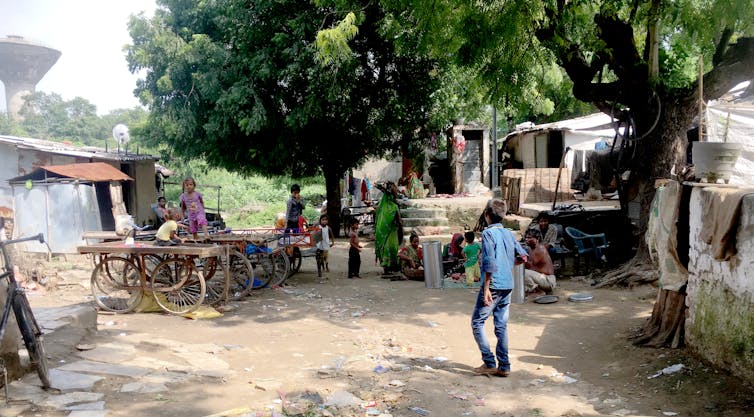
I’m in Ahmedabad, India, standing where families once built their homes under the shade of large trees. Today, those houses are a flattened dust bowl at the edge of a construction site. Apartment buildings are replacing the low-rise, high-density settlement called Ramapir No Tekro, the city’s biggest informal settlement.
I’m feeling the inevitability of political forces intent on shaping the city in a new image. Walking through the community, I see shops closed and homes reduced to rubble. It’s hard to reconcile these images with the once-vibrant streets I remember.
Apartments under construction on the site of demolished houses in Ramapir No Tekro. Kali Marnane (2023), Author provided
The 8,500 homes that housed 150,000 people in Ramapir No Tekro are being redeveloped as the government aims to achieve a “slum-free” India.
Although the stated aim of providing affordable housing to bring people out of poverty gives me hope, I feel heartbreak and frustration as residents continue to be short-changed. They receive poor compensation, the underlying reasons people build informal housing are not addressed, and authorities refuse to see value in the informal architecture that the residents created. Apartment designs lack key features of the settlement that our recent study identified as improving residents’ lives.
Redevelopment behind a partially demolished street in Ramapir No Tekro. Kali Marnane (2023), Author provided
Residents will receive a new apartment if they can prove they have lived here since 2010. To do this, they must have original documents such electricity bills, government survey, or birth certificates. Those who qualify for an apartment will get compensation to cover rent while construction is completed but they must dismantle their home before relocating.
Renters, more recent arrivals and those who lack the required paperwork are ineligible. They must relocate permanently at their own expense, often far from community support networks, livelihoods and schools.
Even for those who do qualify for new housing, nearby rental accommodation is hard to find due to high rents and/or caste discrimination. When residents return, their new apartment will consist of one room with a small entry space, kitchen and bathroom – regardless of the size of their family or of their previous house.
As an incentive for developers, height and setback restrictions have been eased. This allows more apartments to be sold for profit.
Houses in Ramapir No Tekro before redevelopment. Kali Marnane (2018), Author provided Houses in Ramapir No Tekro during redevelopment. Kali Marnane (2023), Author provided
How suitable design improves lives
In a recent study, Kelly Greenop and I examine the design of the “slum” I now stand in, before it was demolished. We identify four features that help improve living conditions:
houses are located near work, schools, healthcare and family
residents have control over design and construction, upgrading only when affordable, which creates a sense of ownership that means residents are more likely to invest in and maintain common areas, and also can give priority to spending on children’s education
houses are clustered in groups that connect neighbours, and designs typically feature an entry porch, which allows activities from small dwellings to spill into common areas and fosters social connection
neighbourhoods have a clear hierarchy and scale of shared spaces: from private house, to semi-private porch, to semi-public common area, to public street. Spending time in shared spaces directly outside the home helps to build strong community bonds.
Neighbours sit outside their houses to complete cottage industry work while children play nearby in Ramapir No Tekro. Kali Marnane (2017), Author provided The community is now buried beneath apartment construction. Kali Marnane (2023), Author provided
To understand what aspects of informal housing design work (or not), we compared the information we gained from interviews with women residents and detailed house and neighbourhood drawings against the United Nations’ Adequate Housing Criteria. The criteria state that housing must:
provide secure tenure
provide essential infrastructure, such as water and electricity
be affordable
be habitable, providing adequate space, structural stability and protection from the elements
be accessible
be located close to services, such as health, employment and education, and support networks, including extended family
enable the expression of cultural identity.
By definition, informal houses do not meet the first criterion. However, houses in Ramapir No Tekro often met three to six of the other criteria, with some exceptions performing poorly.
A street in Ramapir No Tekro left partially intact. Kali Marnane (2023), Author provided
Research by Uchita Vaid on housing quality before and after redevelopment reports that new apartments provide security of tenure (meeting criterion 1) and essential infrastructure (meeting criterion 2).
But the new buildings fail to meet other criteria. They suffer from substandard structural quality and lack of maintenance (failing criterion 4). They lack shared space for neighbourly interaction, resulting in more social isolation (failing criterion 6). And more time spent inside leads to higher electricity bills (failing criterion 3).
Slum redevelopment in Ahmedabad. Kali Marnane (2023), Author provided
Apartments are inaccessible to household goats and chickens, and are too small for multi-generational living or common employment types (failing criterion 5). They do not reflect household identity or allow for cultural expression (failing criterion 7).
Play area located away from apartments in slum redevelopment in Ahmedabad. Kali Marnane (2023), Author provided
It’s difficult and expensive to correct such faults in apartments after they’re built. Ramit Debnath and colleagues have shown that discomfort from poor redevelopment design causes some residents to move back into informal settlements.
Apartment entry in slum redevelopment in Ahmedabad. Kali Marnane (2023), Author provided
Community-based design matters
Housing design alone cannot change the persistent structural inequality facing low-caste and low-income residents of “slums”. But good design can improve wellbeing, opportunities for social connection and residents’ daily lives in general.
In Ramapir No Tekro, residents could and did create solutions adapted to their challenging circumstances. Instead of starting from scratch – risking the introduction of new problems – housing interventions should engage with and learn from residents by enhancing what already works, even in so-called “slums”.
Kali volunteered for The Anganwadi Project and Manav Sadhna, who built and managed preschools and community centres in Ramapir No Tekro, between 2016-2018.
On September 13 2013, speleologists Rick Hunter and Steven Tucker descended deep into South Africa’s Rising Star cave system and discovered the first evidence of an extraordinary assemblage of hominin fossils.
To date, the remains of more than 15 individuals belonging to a previously unknown species of extinct human, dubbed Homo naledi, have been found in the cave. These short-statured, small-brained ancient cousins are thought to have lived in Southern Africa between 335,000 and 241,000 years ago.
Rising Star Cave is an exceptional resource for exploring the origins of our species. However, archaeological work at the site has been some of the mostcontroversial in the discipline.
Threenewstudies made available today (as pre-prints awaiting peer review) claim to have found evidence Homo naledi intentionally buried their dead (a sophisticated practice we usually associate with Homo sapiens) and made rock art, which suggests advanced cognitive abilities.
However, as archaeologists who investigate early humans in Africa, we’re not convinced the new research stacks up.
Did Homo naledi bury their dead?
The research purports to have evidence Homo naledi undertook deliberate burial of their dead – a major claim.
So far, the earliest secure evidence for burial in Africa comes from the Panga ya Saidi cave site in eastern Kenya, excavated by our team and dated to 78,000 years ago. This burial of a Homo sapiens child meets rigorous criteria agreed upon by the scientific community for identifying intentional human burial.
The aim of the criteria is to help differentiate burial from other practices and phenomena that could lead to the depositing of human remains. These include, for example, the natural accumulation of skeletal parts in a predator’s cavern, or the kind of carrying and protecting of dead bodies observed among cognitively advanced non-human species such as gorillas and chimpanzees.
The claimed Homo naledi burials precede the Panga ya Saidi burial evidence by as much as 160,000 years. If the claim is correct, it significantly pushes back evidence for advanced mortuary behaviour in Africa. It also implies intentional burial wasn’t limited to our species or other big-brained hominins.
Such a finding would force us to rethink the role of brain size in advanced “meaning-making” cognition, as well as what distinguishes our species from our ancestors.
But is there actually evidence for funerary behaviour at Rising Star Cave? According to standards set by the palaeoanthropology community, the evidence presented so far indicates no.
However, not one of the burials provides compelling evidence of a deliberately excavated pit. Indeed, the shallow cavities may not be dug pits at all, but natural depressions where the bodies accumulated and were later disturbed by trampling, or partial cave collapse.
The alleged burials also fail to meet another fundamental criteria for deliberate burials: anatomical alignment of the body and articulation of skeletal remains.
In a deliberate burial, the body is generally intact and any minimal displacement can be explained by decomposition. That’s because burial involves immediately covering the body with soil, which protects the anatomical integrity of the skeleton.
Rising Star Cave so far hasn’t produced evidence for anything other than the general spatial association of some skeletal elements. At most, it provides evidence for the in-situ decomposition of particular body parts, such as an ankle, and partial hand and foot articulations.
Moreover, confirming intentional burial in the past has required the presentation of human remains in an arrangement that can’t have been achieved by chance. However, the scattered distribution of the remains at Rising Star prevents reconstruction of their original positions.
Other claimed evidence for funerary behaviour is equally uncompelling. A stone artefact supposedly included in the burial as a “grave good” is said to have scratches and edge serrations from use. But this so-called artefact’s shape suggests it may be natural. It’s still encased in sediment and has only been studied through synchrotron X-ray.
The purported stone artefact (from synchrotron X-ray) showing so-called scratches and edge serrations may actually be a natural rock and not culturally modified. Lee Berger et al, CC BY-SA
But perhaps the biggest barrier to confirming the status of the findings is that so far none of the alleged burials have been fully excavated. It’s therefore impossible to assess the completeness of the bodies, their original position, and the limits of the purported pits.
Did Homo naledi make rock art?
An equally splashy claim made in one of the publications is that Homo naledi left rock art on the walls of Rising Star Cave.
The report describes engravings in the form of deeply impressed cross-hatchings and geometric shapes such as squares, triangles, crosses and X’s. Further claims are made about the preparation of and potential repeated handling or rubbing of the associated rock surface, and the use of a similar “tool” to the one they claim was found with the alleged burial.
The researchers point to engravings in the wall as evidence of Homo naledi’s capability to create art and symbols. But these etchings haven’t been dated, and some of the lines look relatively recently etched. Lee Berger et al, CC BY
This claim has major implications. To date, rock art has only reliably been linked to Homo sapiens and, in rarer cases, some of our large-brained ancestors. Similar to deliberate burial, producing rock art has major implications for the cognitive abilities of a species. It denotes a capacity for representation, and the creation and communication of meaning via abstract symbols.
The problem with the rock art at Rising Star Cave is that it’s undated. To imply any link with Homo naledi requires firm dates. This could be achieved through using dating techniques on associated residues or natural deposits covering the art, or by studying materials from excavated and dated archaeological layers that can be linked to the art (for instance, if they contain engraving tools or engraved rock fall fragments).
In the absence of dating, it’s simply spurious to claim the engravings were made by Homo naledi, rather than by another species (and potentially at a much later date).
Did Homo naledi light up Rising Star Cave?
The researchers also claim the mortuary and engraving activities in Rising Star Cave involved strategic use of fire for illumination.
In public lectures and on social media they clarify they have found new evidence for hearths, including charcoal, ash, discoloured clay and burned animal bones. Yet none of the scientific research needed to confirm the use of fire has been carried out. Or if it has, it hasn’t been published.
Previously acquired radiocarbon dates obtained by the site investigators on the apparent hearth material provided very late dates that distanced the hearths from the remains of Homo naledi by several hundred thousand years.
We’re not opposed to the idea that the Rising Star Cave witnessed precocious mortuary behaviour involving the intentional disposal of bodies by Homo naledi. But it’s clear the latest inferences require further investigation before they’re accepted by the broader scientific community.
The authors do not work for, consult, own shares in or receive funding from any company or organisation that would benefit from this article, and have disclosed no relevant affiliations beyond their academic appointment.
Source: The Conversation (Au and NZ) – By M. Reza Hosseini, Senior Lecturer in Construction, Deputy Director, Mediated Intelligence in Design (MInD) Research Lab, Deakin University
Shutterstock
Architecture, engineering and construction employ 1.2 million people in Australia and account for 9% of GDP. But our biggest services sector also produces roughly 40% of landfill waste and accounts for 18.1% of Australia’s carbon footprint. The sector must change its practices fast for Australia to meet its commitments to cut emissions under the Paris Agreement.
A circular economic model can help solve the environmental challenges created by our built environment – water, waste and power systems, transport infrastructure and the buildings we live and work in. A circular economy involves sharing, leasing, reusing, repairing, refurbishing and recycling materials and products for as long as possible.
Circular economy principles have gained recognition from all levels of government in Australia. But there’s a big gap between acknowledgement and action. Progress towards systemic change has been very limited.
A new report by university and industry experts lays out a roadmap to a circular economy. Those working in the sector reported the top three barriers as: a lack of incentives, a lack of specific regulations, and a lack of knowledge. The top three enablers were: research and development of enabling technologies, education of stakeholders, and evidence of the circular economy’s added value.
The huge amount of waste created by building construction and demolition makes the industry unsustainable.
So what are the world leaders doing?
Extensive research for the report drew on real-world experiences, including a survey and interviews with stakeholders. The report offers practical recommendations to drive the transformation to a circular economy, with examples from global front-runners.
The first recommendation is to learn from these nations. Most are in Europe.
A leading example is the Netherlands’ “Cirkelstad”. This national platform connects key players in the transition to a circular economy in major cities. It provides a database of exemplary projects, research and policies, as well as training and advice.
Cirkelstad highlights the importance of broad collaboration, including research organisations. One outcome is the City Deal initiative. It has brought together more than 100 stakeholders with the shared goal of making circular construction the norm. They include government bodies, contractors, housing associations, clients, networks, interest groups and knowledge institutions.
We rarely see such collaboration in Australia. Connections between government, research and industry practices have been weak. Our universities compete fiercely.
In Denmark and Sweden, rigorous regulations have been effective in promoting circular practices. Denmark has incentives for the use of secondary materials such as recycled brick. It also promotes designs that make buildings easy to disassemble.
In Canada, Toronto is notable for its proactive approach. Measures include a cap on upfront carbon emissions for all new city-owned buildings.
Test beds and pilot projects have proven effective, too. A good example is the UK’s Waste House.
Waste House was built using more than 85% waste material from households and construction sites. Yet it’s a top-rated low-energy building. The project is an inspiration for architects and builders to challenge conventional construction methods and embrace circular practices.
Much of the focus of Finland’s circular economy initiatives is on construction and urban planning. Various policy tools and incentives encourage the use of recycled or renewable materials in construction. The renovation of Laakso hospital in Helsinki is a notable example.
Strategic zoning of public spaces can also be used to bolster circular economy activities. An example is the repurposing of urban land for activities such as waste sorting.
The Brighton Waste House was made largely from recycled materials.
How can Australia create a circular economy?
Australia has been slow to adopt such measures. There are voluntary schemes, such as Green Star, that include emission caps for buildings. However, Australia lacks specific, well-defined requirements to adopt circular economy practices across the built environment sector.
Our report’s recommendations include:
develop metrics and targets to promote resource efficiency
adopt measurable circular procurement practices for public projects
provide incentives for circular practices
establish technical codes and standards that foster the use of secondary products.
The report finds funding for collaborative projects is badly needed too. Regrettably, the Australian built environment is not seen as a research funding priority. But more funding is essential to foster the innovation needed to make the transition to a circular economy.
Innovation can help us reconcile the public demand for spacious homes with sustainable construction practices. We can achieve this through a mix of strategies:
moving towards modular construction techniques
creating incentives to adopt circular design principles
making adaptive reuse of existing structures a priority
designing multi-functional spaces that makes the most of resources.
Integrating circular economy principles into education and training at universities and schools can embed a culture of innovation. Equipping students with this knowledge and skills will enable the next generation to drive change in our built environment.
Currently, there are few Australian-based training programs that focus on the circular economy. And available courses and programs overseas are costly.
There is also a need to promote inclusivity in the built environment sector. Circular solutions must incorporate cultural considerations.
By embracing the above strategies, Australia can foster a harmonious balance between cultural values, environmental sustainability and efficient resource use.
Collectively, these initiatives will lay the foundation for a circular economy in the built environment sector. The growing need for housing and infrastructure underscores the urgency of achieving this goal in Australia. Ultimately, consumers, industry and the environment will all benefit.
Tuba Kocaturk is affiliated with Geelong Manufacturing Council, as a Non-Executive Director.
M. Reza Hosseini does not work for, consult, own shares in or receive funding from any company or organisation that would benefit from this article, and has disclosed no relevant affiliations beyond their academic appointment.
Anyone trying to follow the latest political debate over housing, urban intensification and development can be forgiven for feeling confused.
The National Party’s newly announced housing policy would allow local councils to opt out of the Medium Density Residential Standards the party originally supported. The Labour government calls it a “flip flop”, the Greens call it “confused”, but National says its policy is in fact “more ambitious”.
What does seem clear, however, is that some form of urban intensification will still play a role in New Zealand’s future planning. And that, of course, comes with its own layers of confusion and conflict – particularly between advocates of more medium-density housing and defenders of urban heritage.
Many urban communities are now having to balance the urgent need for more housing and the perceived dangers of what can appear like a tidal wave of sometimes inappropriate development.
This is partly due to the vague definitions of what constitutes urban heritage in the first place. Essentially, it refers to the layers of history within a community, from iconic monuments and buildings to housing and green spaces.
Often in New Zealand it is assumed “heritage” refers to the leafy suburbs of renovated colonial villas and bungalows. But it can also be ordinary, informal, unspectacular and utilitarian – what is known as “vernacular” – and still have deep significance. This kind of heritage also maintains connections with previous generations.
It’s hardly surprising, though, that the impact of development and regeneration can threaten urban heritage. Jackhammers or simply changes in planning law can fragment these valuable urban histories.
New Zealand has a particularly poor record of conserving its past, having failed to protect countless examples of its significant and vernacular built heritage. For every art deco treasure in Napier, there are many lost links to the past.
Despite resource management laws to protect historic heritage from inappropriate use and development, wider appreciation of heritage values has been slow to take hold.
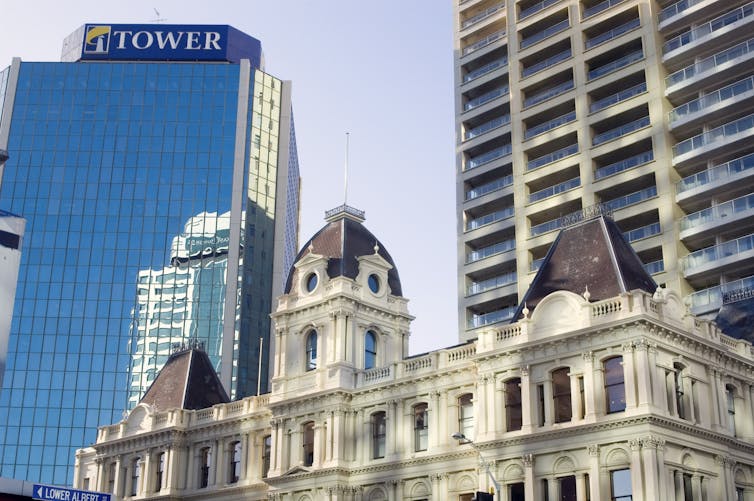
A poor record of maintaining links to the past: modern office towers overshadow Auckland’s ferry building. Getty Images
Rules for progress
One way to see progress – and to avoid a perpetual standoff between vested interests – might be through greater appreciation of international best practice. The principles of the International Council on Sites and Monuments (ICOMOS) provide a useful guide.
ICOMOS is the only global non-governmental organisation of its kind dedicated to promoting the conservation of architectural and archaeological heritage. It has national committees in 107 countries, including New Zealand, and provides expert advice to bodies such as the World Heritage Convention.
Since 1964 it has set standards for safeguarding and conserving historic cities, towns and urban areas. These standards are based on its original
principles, which were further updated in 2011.
As tension in New Zealand between urban intensification and preserving urban heritage seems likely to increase, these principles inform four broad themes that will be worth keeping in mind.
1. Local communities come first
Local people and communities should sit at the heart of any conservation efforts, not out-of-town developers or remote government departments. The desire to protect local heritage should be encouraged and supported. The relevant ICOMOS rule states:
The participation and the involvement of the residents are essential for the success of the conservation programme and should be encouraged. The conservation of historic towns and urban areas concerns their residents first of all.
2. Heritage areas must be credible
Planning for the conservation of historic towns and urban areas should be preceded by multidisciplinary studies that address not only architecture, but also the history, sociology and contexts of the places under review.
These plans should determine what must be preserved, what should be preserved under certain circumstances, and what may be expendable. But they should not be used as a tactic simply to deflect urban intensification. Once the authenticity and integrity of heritage areas is established, however, the presumption should be that conservation is a priority.
3. Protection requires a wide lens
Urban heritage protection needs to be about more than just buildings. It is about managing the relationship of the built environment to its surroundings, both natural and constructed.
This involves ensuring infrastructure is adequate and potential nuisances (such as traffic and parking) accounted for. Planners should also avoid sharp divisions between protected and unprotected areas by creating buffer zones.
These intermediate areas help enhance what is protected, rather than allow inappropriate bordering developments that can directly overshadow the conserved areas.
4. Improving housing is a priority
Urban heritage is not about preserving history in a glass case. Historic urban areas should be allowed to evolve. Change and development should be welcomed if they facilitate and improve housing, and are compatible with the character of a historic area, the existing spatial layout, scale and section size. ICOMOS is very clear on this point:
The improvement of housing should be one of the basic objectives of conservation.
The risk, of course, is that gentrification can price original communities out of their own neighbourhoods, and ultimately alter the character of a place to the extent its heritage value has changed too. As ICOMOS states:
Retention of the traditional cultural and economic diversity of each place is essential, especially when it is characteristic of the place.
None of these balancing acts is easy. But we need to avoid the perception of a binary choice between housing people and saving traditional urban areas. It is possible to do both – but this requires a degree of finesse currently missing from aspects of the local debate.
Alexander Gillespie is a former rapporteur for the World Heritage Convention, where he worked with ICOMOS. He has submitted to the Hamilton City Council about the importance of international principles in urban heritage management regarding proposed changes in heritage areas.
While Folbigg received an unconditional pardon, her conviction is not quashed and she has not yet been formally exonerated.
Few Australians have been exonerated or pardoned, so we know more from cases in the United States. Being released from prison comes with unique and significant psychological and practical challenges. Here’s what the research tells us.
Practical barriers experienced by exonerees
Typically, when someone is released from prison, they can access programs to assist with their reintegration into society. They may be eligible for halfway houses and have parole officers to help them with practical tasks, such as finding employment and seeking mental health treatment.
While exonerees have spent time in prison, they are no longer considered a (former) prisoner and may not have access to these same kinds of services.
Some states in the US now have specialised programs to assist exonerees after release. But the limited number of exoneration cases in Australia mean such services don’t exist here.
Even with assistance, exonerees often still struggle to organise their life after prison. For one, they may find it difficult to access compensation. US states have different compensation statutes that vary in terms of the amount exonerees can seek.
In Australia, exonerees have to engage in further legal proceedings to receive compensation. So far, fewer than one-third of exonerees have received compensation.
Exonerees may struggle to reintegrate into society due to the stigma. Research shows community members hold negative attitudes towards exonerees, including not wanting social contact with them. This can make it difficult for exonerees to form meaningful social connections.
This stigma may result in exonerees being discriminated against, denying them access to housing, employment and other crucial services.
Studies overseas have shown exonerees are less likely to receive a response back about rental listings than people who haven’t been to prison. And any responses they do receive are less friendly. In these studies, exonerees are treated similarly to ex-prisoners, despite having been proven innocent.
But limited Australian research indicates exonerees here tend to be perceived more like people who are found innocent than those found guilty. More research is needed to understand the unique challenges exonerees face here.
Exonerees can struggle to find housing and maintain friendships after their release. Shutterstock
Psychological issues
Exonerees have levels of psychological distress
comparable to other vulnerable groups such as war veterans, refugees and survivors of torture.
Unsurprisingly, they are at risk of developing clinical anxiety, depression and post-traumatic stress disorder. They may also encounter issues with substance use, sleep difficulties and strain on their relationships. They may struggle to form new connections or maintain connections from before their incarceration.
These problems are prevalent among wrongfully convicted people regardless of how long they spend in prison. In other words, even a short stint in prison while innocent may have serious and long-lasting psychological effects.
Exonerees may also struggle to adjust to a new way of life outside prison, given the rapid pace of social, technological and political change.
Not only do exonerees have to adjust to the routine of a “normal” life, they may struggle to adjust to changes they experience in their sense of self and their personality
Data from the US shows one in three wrongfully convicted women were convicted of crimes that involved harming their children or those in their care. More than 70% of these convictions were based on crimes which never took place, such as mothers being accused of murdering children when their death was an accident or due to natural causes. Women are three times more likely than men to be wrongly convicted for crimes that didn’t occur.
Women who have been wrongfully convicted of murdering their children will not only endure the stigma and discrimination much like other exonerees (which could be exacerbated given the high-profile nature of their cases), but they may also be battling with the tremendous grief of losing their child. Prison can stunt the grieving process, which is a necessary psychological response to loss.
Other women who were wrongfully convicted of the murder of their children in the US, such as Michelle Murphy and Julie Rea, have reported similar difficulties in working through their grief while also experiencing post-traumatic stress disorder, difficulty finding employment, and dealing with ongoing suspicion that they are in fact guilty of the crimes they have been exonerated for.
While Folbigg’s release from prison might seem like a storybook ending, some of her challenges are just beginning. The research suggests showing Folbigg compassion and support during this time may go a long way in breaking down some of the barriers she is likely to face as she adjusts to life outside after 20 years in prison.
Hayley Cullen previously worked on a voluntary basis for Not Guilty: The Sydney Exoneration Project, a separate organisation that reviews cases of potential wrongful conviction. She was not involved with Ms Folbigg’s case.
Celine van Golde is the director of Not Guilty; the Sydney Exoneration project, a project that assesses cases of wrongful convictions. Not Guilty, while assessing similar cases in NSW, was not involved with Ms Folbigg’s case.
Source: The Conversation (Au and NZ) – By Ang Li, Research Fellow, NHMRC Centre of Research Excellence in Healthy Housing, Centre for Health Policy, Melbourne School of Population and Global Health, The University of Melbourne
Australia, the world’s driest inhabited continent, is particularly vulnerable to climate-related disasters such as droughts, bushfires, storms and floods. In 2020, we were one of the top ten nations in the world for economic damage caused by disasters.
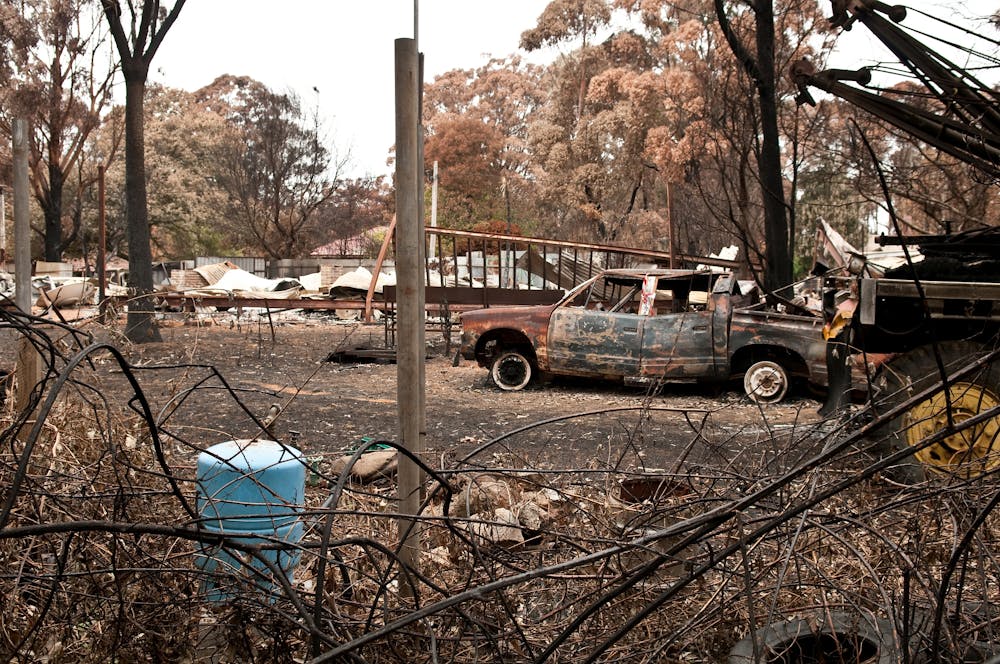
Recent catastrophic climate-linked disasters are etched into our communal psyche. The 2009 Black Saturday bushfires, where 173 people died and over 2,000 homes destroyed. The Black Summer bushfires in 2019–20, with 26 deaths and almost 2,500 homes destroyed. The triple La Nina from 2020–2022 caused flooding across the east coast, with last year’s claiming 23 lives and an estimated A$4.8 billion in property damage.
These climate-fueled disasters have immediate health impacts, from injury to distress and trauma. Less is known about the long-term effects on people who survived them.
Our new research in Lancet Planetary Health is the first to have explored this over a longer time frame. We found disasters have a long tail – particularly around housing. As you might expect, people hit by disasters have worse mental and physical health in the year afterwards. But this effect lasts longer, with affected people reporting worse mental health, worse emotional health and worse social functioning for two more years. Difficulty finding a place to stay is a large part of this.
As we plan for a future with intensifying natural disasters, governments must find ways to offer flexible housing support.
Intensifying climate-related disasters take a toll on houses and health. Nick Pitsas/CSIRO, CC BY
Housing matters a lot after disasters
Our research involved around 2,000 people – half affected by disasters and half unaffected. All had responded to the long-running HILDA survey. We compared data from the two groups over the decade to 2019. People were tracked up to eight years.
In this data were clear signs of the long tail of disaster. If your home had been damaged by climate-related disasters, you were more likely to have worse health and wellbeing compared to a person from a similar background who had not been affected by disaster. We could see this negative mental health effect two years after the disaster. The effect was meaningfully large compared to other environmental factors weighing on health such as residential noise.
The way you lived also made a difference. People already affected by housing affordability stress – where rent or mortgage takes more than 30% of income – had bigger health losses after the disaster. This was similar for those in poor quality housing. Another major risk factor was a preexisting mental or physical health issue.
We’ve long known unaffordable and insecure housing is strongly linked to worse mental and physical health. If you don’t know where you’re going to live in a month’s time, it causes intense stress.
There was another divide, too – renters and owners. After a climate-related disaster, owners with a mortgage were more likely to suffer housing affordability stress for the next two years. This longer tail is likely due to short-term relief measures running out.
By contrast, renters were more likely to face uncertain housing or forced relocation soon after the disaster. That’s likely due to Australia’s insecure tenure rights, which offer less protection against forced moves than comparable countries in Europe. Other factors include the ongoing shortage of rental properties, and the fact rentals tend to suffer more damage in disasters and have less access to recovery resources.
This divide suggests we’ll need different approaches for different populations. In particular, this means offering medium-term help as well as short-term help for those who are highly vulnerable or in precarious housing conditions, like those left homeless after the devastating Lismore flood.
What must we do?
As authorities plan for a future with more intense disasters, they must not forget housing.
Many communities will become more vulnerable, from towns next to a river to cities surrounded by forest. Governments have a responsibility to develop disaster preparedness and resilience – particularly around housing.
What we’re seeing now with post-disaster housing vulnerability is an unintended consequence of leaving housing to the market system.
That means finding flexible forms of housing support so we can respond to disasters as they happen. This will reduce longer-term damage to health.
What does this look like? It might include:
certainty for tenants that their tenure is secure immediately after a disaster
support for homeowners to prepare for and recover from disasters
safe, secure and high quality accommodation over short and long term for people who have lost their homes
avoiding building in disaster prone areas and relocation of people living in high risk or uninsurable areas
increasing the stock of climate resilient housing. Valuable work in this area has been carried out by local councils.
One thing is certain – doing what we’ve always done isn’t enough now. It certainly won’t be enough in a hotter world.
Ang Li receives funding from the Australian Research Council’s Centre of Excellence for Children and Families over the Life Course, the Lord Mayor’s Charitable Foundation, and the Fuel Poverty Research Network.
Rebecca Bentley receives funding from the National Health and Medical Research Council and the Australian Research Council.
Mathew Toll does not work for, consult, own shares in or receive funding from any company or organisation that would benefit from this article, and has disclosed no relevant affiliations beyond their academic appointment.
Surprisingly realistic – yet fake – images created by Artificial Intelligence (AI) are here.
To date, most have seemed more like curiosities than genuine deception attempts.
Last month, it was revealed that New Zealand’s National Party had used the AI image generation app Midjourney to produce promotional images. The results included imaginary healthcare workers and fearful-looking citizens worried about crime.
In this case, the use of AI was relatively benign – the AI creations effectively replaced the stock photos that would have been used in the past.
Until a media outlet raised suspicions, few people – if any – had even noticed that the realistic-looking images were actually fake.
While the New Zealand example showed how AI images can be used in election campaigns, we can also expect them to have an outsized impact on international relations.
In March, Bellingcat founder Eliot Higgins tweeted startling ‘deepfake’ images of Donald Trump being ‘arrested’ by New York police.
Higgins, who also used Midjourney, clearly labelled the images as AI creations.
But that did not stop the images from going viral and serving as a showcase of the sophistication of the technology.
Higgins also tweeted fake AI-generated images of an imaginary ‘peace summit’ between Vladimir Putin and Joe Biden – brokered by France’s Emmanuel Macron.
Given the current state of the war in Ukraine, these would be unlikely to fool anyone.
However, the realistic-looking deepfakes Higgins created of an imaginary nuclear explosion in Ukraine showed the potential AI could have amidst the fog of war.
Just after Russia invaded Ukraine last year, a fake video of Volodymyr Zelensky calling on Ukrainians to lay down their arms was published by hackers on the Ukraine 24 news website.
In the Indo-Pacific, it is surely only a matter of time until credible-looking AI-generated images are used to stoke geopolitical tensions in the region even further.
New Zealand Prime Minister Chris Hipkins has echoed his predecessor Jacinda Ardern in decrying what he calls the ‘militarisation of the Pacific’.
But in just the first half of 2023, the US has struck new defence arrangements with the Philippines and Papua New Guinea – a response to China signing its own security pact with Solomon Islands last year.
Tensions are building – and AI could take them to the next level.
Arguably, the sheer vastness of the Pacific creates some advantages for disinformation attempts.
Fake images of, say, military vessels near a remote island atoll could be hard to immediately disprove.
Poor communications infrastructure in the more remote corners of the Pacific will also not help.
Moreover, the rise of AI-created content may mean the public are left wondering what to believe.
A Brookings Institution report published in January identified ‘sowing confusion’ as a major aim of those behind disinformation operations.
The report gives an example of a robotic-like presidential address from Gabon’s president: while some believed it was evidence of a deepfake, others thought the president was simply ill. Regardless of the actual truth, chaos and a military coup attempt ensued.
AI has the power to create a hall of mirrors, where even genuine content is viewed with scepticism and distrust.
A real-life example of AI’s potential to wreak havoc came last month, when a fake image of an explosion at the Pentagon in Washington circulated on Twitter and caused financial markets to tumble briefly.
There are many potential responses to the new AI challenge for international relations.
One option is to regulate.
China recently banned deepfake images of real people unless consent has been given – and the country’s regulator now requires AI-generated, ‘synthetic’ content to be clearly labelled as such.
In New Zealand, the Department of Internal Affairs last week proposed tough new media regulations that would also cover content on social media. The suggestions include ‘warning labels and content advisories’ – and fines for non-compliance.
The downside to regulation is the potential for overreach.
The terms ‘disinformation’ and ‘misinformation’ are now frequently weaponised and used simply to denigrate the arguments of political opponents.
More optimistically, the public are less naïve than they are often given credit for.
After all, most people are by now well-accustomed to the idea that photos can be digitally altered. The first version of what is now Adobe Photoshop was released in 1987.
Still, the need to boost media literacy stood out as a theme in discussions on combating disinformation at the inaugural Global Media Congress that was held in Abu Dhabi last year – a topic that is also likely to feature at the 2023 edition of the event to be held this November.
A new ‘white paper’ from the first Congress, which the author attended as a guest of the organisers, summarised the view that there were no easy quick fixes.
Rather, everyone – from governments, to social media platforms, media outlets, educational institutions and consumers themselves – had a role to play.
Boosting awareness of the potential for AI to be used in disinformation is undoubtedly part of the solution.
We won’t have any choice.
Writing in the Global Media Congress white paper, Copenhagen-based futurist Sofie Hvitved estimates up to 99 per cent of the content we consume in the future could be created by AI.
Beyond this, we probably need to tackle the root causes.
In international relations, the de-escalation of conflicts and tensions would make it much harder for disinformation to take hold.
It is no accident that the current deepfake frontlines are on the battlefields of Ukraine.
In wartime, peacetime rules are thrown out of the window – making almost anything seem possible, or at least potentially plausible.
The fictional nuclear bomb created by Bellingcat’s Eliot Higgins is a prime example.
In the Indo-Pacific, steadily rising geopolitical temperatures form the ideal breeding ground for future AI-generated disinformation and propaganda efforts.
Ultimately, the best recipe to blunt the impact of AI fakes in international relations is as simple as it is difficult.
We need more diplomacy, engagement and compromise between states that don’t see eye-to-eye.
Only by reducing competition and conflict will the terrifying creations of AI seem more like fiction than reality.
Of course, this is easier said than done.
It will take human intervention to solve human problems.
AI can’t do it for us.
Geoffrey Miller is the Democracy Project’s geopolitical analyst and writes on current New Zealand foreign policy and related geopolitical issues. He has lived in Germany and the Middle East and is a learner of Arabic and Russian. Disclosure: Geoffrey attended the Global Media Congress in 2022 as a guest of the organisers, the Emirates News Agency.
New Zealand Parliament Buildings, Wellington, New Zealand.
New Zealand Politics Daily is a collation of the most prominent issues being discussed in New Zealand. It is edited by Dr Bryce Edwards of The Democracy Project.
Plants existed on Earth for hundreds of millions of years before the first flowers bloomed. But when flowering plants did evolve, more than 140 million years ago, they were a huge evolutionary success.
What pollinated these first flowering plants, the ancestor of all the flowers we see today? Was it insects carrying pollen between those early flowers, fertilising them in the process? Or perhaps other animals, or even wind or water?
The question has been a tricky one to answer. However, in new research published in New Phytologist, we show the first pollinators were most likely insects.
What’s more, despite some evolutionary detours, around 86% of all flowering plant species throughout history have also relied on insects for pollination.
How to move pollen
The timing of the evolution of the first flowering plants is still a matter of debate. However, their success is inarguable.
Around 90% of modern plants – some 300,000-400,000 species – are flowering plants, or what scientists call angiosperms. To reproduce, these plants make pollen in their flowers, which needs to be transferred to another flower to fertilise an ovule and produce a viable seed.
Small and highly mobile, insects can be highly effective pollen transporters. Indeed, recent research on fossil insects shows some insects may have been pollinating plants even before the first flowers evolved.
Flowers have evolved every sort of shape and colour to get themselves pollinated. Ruby E Stephens, Author provided
Most of today’s flowering plants rely on insects for pollination. The plant’s flowers have evolved to attract insects via colour, scent and even sexual mimicry, and most reward them with nectar, pollen, oils or other types of food, making the relationship beneficial to both parties.
Some flowers, however, rely on other means to transport their pollen, such as vertebrate animals, wind or even water.
Which kind of pollination evolved first? Were insects there at the beginning, or were they a later “discovery”?
While early evidence suggests it was probably insects, until now this has never been tested across the full diversity of flowering plants – their full evolutionary tree.
A family tree
To find an answer, we used a “family tree” of all families of flowering plants, sampling more than 1,160 species and reaching back more than 145 million years.
This tree shows us when different plant families evolved. We used it to map backwards from what pollinates a plant in the present to what might have pollinated the ancestor of that plant in the past.
The evolutionary tree for all flowering plant families shows when wind, water and vertebrate pollination evolved from insect pollination. Ruby E Stephens, Author provided
We found insect pollination has been overwhelmingly the most common method over the history of flowering plants, occurring around 86% of the time. And our models suggest the first flowers were most likely pollinated by insects.
Birds, bats and wind
We also learned about the evolution of other forms of pollination. Pollination by vertebrate animals, such as birds and bats, small mammals and even lizards, has evolved at least 39 times – and reverted back to insect pollination at least 26 of those times.
Wind pollinated flowers are often very small and plain, like these grass flowers which can only be seen clearly under a microscope. Ruby E Stephens, Author provided
Wind pollination has evolved even more often: we found 42 instances. These plants rarely go back to insect pollination.
We also found wind pollination evolved more often in open habitats, at higher latitudes. Animal pollination is more common in closed-canopy rainforests, near the equator.
What kind of insects were the first pollinators?
If you think of a pollinating insect, you probably imagine a bee. But while we don’t know exactly what insects pollinated the first flowering plants, we can be confident they weren’t bees.
Why not? Because most evidence we have indicates bees didn’t evolve until after the first flowers.
So what do we know about the pollinators of the first flowering plants? Well, some early flowers have been preserved as fossils – and most of these are very small.
The first flower pollinators must have been quite small, too, to poke around in these flowers. The most likely culprits are some kind of small fly or beetle, maybe even a midge, or some extinct types of insects that have long disappeared.
If only we had a time machine we could go back and see these pollinators in action – but that will require a lot more research!
Ruby E. Stephens receives funding from the Australian Government’s Research Training Program.
Hervé Sauquet receives funding from the Australian Research Council and Australian Research Data Commons.
Lily Dun received funding from Australian Research Data Commons.
Rachael Gallagher receives funding from The Australian Research Council.
Will Cornwell does not work for, consult, own shares in or receive funding from any company or organisation that would benefit from this article, and has disclosed no relevant affiliations beyond their academic appointment.
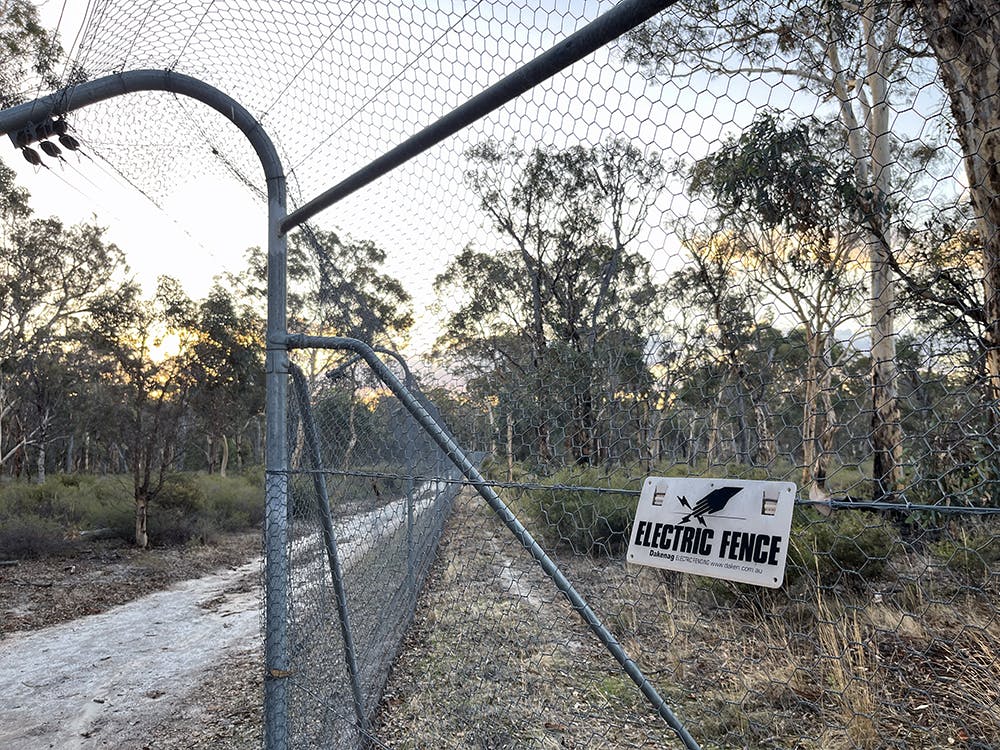
Breeding threatened mammals in fenced, predator-free areas is a common conservation strategy in Australia. The method is designed to protect vulnerable species and breed animals for release into the wild.
But our research – involving a cute, digging mammal known as a woylie – suggests the strategy may put animals at a distinct disadvantage once they’re fending for themselves.
We found animals bred in fenced conservation areas, known as “havens”, lost traits they need to detect and escape predators. It’s likely this made them less able to survive in the wild.
This unintended downside could jeopardise the survival of endangered species such as woylies. It shows we must increase investment in managing wild populations of threatened species, and help animals in havens get accustomed to predators.
The lead author releasing woylies following routine monitoring.
Saving our disappearing mammals
Woylies (also known as brush-tailed bettongs) are small marsupials that jump around like kangaroos. They improve soil health through their prolific digging; a single woylie can turn over about five tonnes of soil each year.
These animals were once abundant across much of Australia’s southern and semi-arid areas. They are now endangered, due to habitat loss and being killed by introduced predators such as cats and foxes.
Since Europeans arrived in Australia, one in ten native mammals have become extinct. Many more once-abundant species have fallen to critically low numbers.
Endangered animals are often bred in fenced conservation areas known as ‘havens’. Natasha Harrison
Given the vulnerability of many mammals to introduced predators, conservation havens have been established around Australia – both inside fences on the mainland, and on offshore islands.
Nationally, more than 120 havens now exist. They protect about 200 threatened mammal populations from introduced predators.
In many ways, havens have been a huge success. Populations of woylies and many other mammals have greatly increased inside havens and at least 13 extinctions have been avoided.
However, havens cover only around 0.1% of the country. For conservation to be effective, animals must be returned to areas where the species once lived, where they can perform their important roles in nature.
But do animals bred in havens have what it takes to survive outside the fence? Our research examined this question.
Woylies help improve soil health through prolific digging. Aiden Holmes
Life outside the fence
We examined ten-years of monitoring data collected from woylie populations inside and outside of a haven in Western Australia, and compared the two groups.
Inside the haven, where there were no predators, competition for food was the biggest pressure. Bold, carefree woylies ate before more cautious individuals which likely discouraged cautious behaviour.
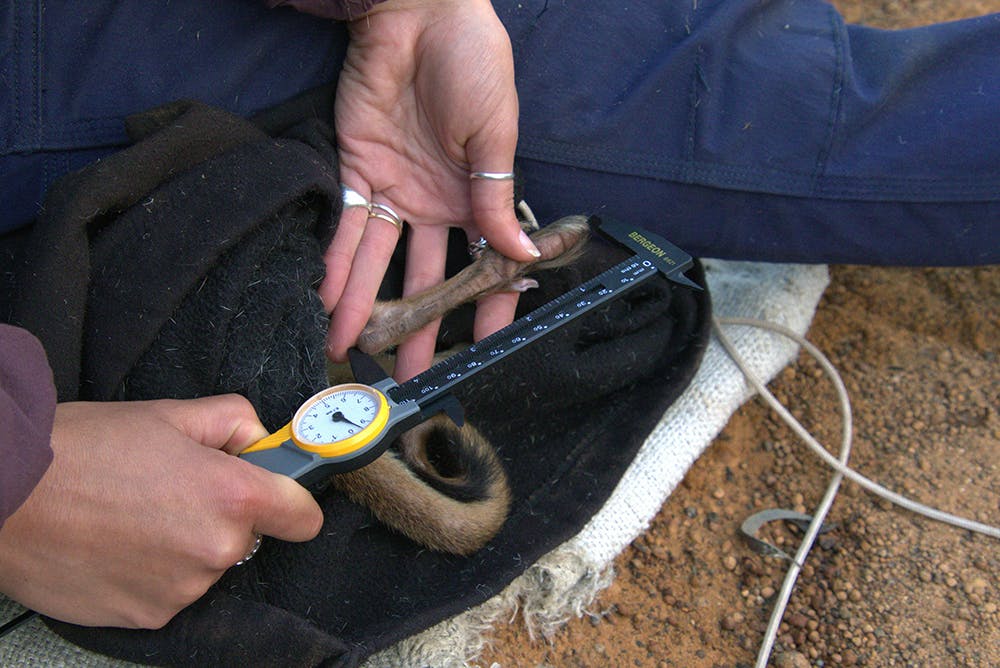
What’s more, in just four generations, woylies born inside havens became successively smaller than previous generations and their feet became shorter.
Why? We suspect it’s because food supply was limited and the animals didn’t need to escape from predators – which meant there was less benefit in being big. At this stage, we don’t know if the changes were the result of natural selection (in other words, survival of the fittest) or what’s known as “phenotypic plasticity” – changes in an organism in response to their environment.
The data showed protected woylies also became less reactive and fearful. It meant humans (and potential predators) could get relatively close to the animals before they fled.
Woylies in havens also had a dampened response to other natural anti-predator responses, such as ejecting young from their pouch to distract predators while they escape. (This may sound brutal, but it’s a survival strategy also used by other marsupials such as quokkas and potoroos.)
The loss of anti-predator traits has also been observed in populations of other species in havens, including the boodie, brushtail possum and eastern bettong.
A researcher measures a woylie foot. Woylies protected from predators developed smaller feet and lost other anti-predator traits. Aiden Holmes
What does this all mean?
The study revealed important insights into how quickly animal populations can lose anti-predator defences. This presents a problem for programs that reintroduce species to their former areas.
Havens have stopped rapid population declines and extinctions, and enabled some species – including woylies – to multiply quickly. But our study shows they’re not a silver bullet over the long term.
Other strategies outside havens are needed. Importantly, we must ensure native animals have good quality habitat. This should include sufficient food, and safe places to sleep and hide from predators.
Our study also highlights the value in regular monitoring of threatened species, to allow a robust comparison of anti-predator traits through time.
The findings suggest animals in havens may need to be exposed to low levels of predators to reinstate survival traits. Our future research will investigate this strategy. We will assess how quickly woylies can regain their anti-predator traits and what predator levels woylie populations can withstand.
We hope our findings will help conservation managers develop better ways to protect Australia’s threatened mammal species over the long term – so we can not only prevent extinctions, but restore species to their former roles in nature.
Natasha Harrison receives funding from the Hermon Slade Foundation, the Holsworth Wildlife Research Endowment, the Wettenhall Environment Trust, the Royal Society of Western Australia, WWF Australia, the University of Western Australia, and the University of Melbourne . She is a PhD candidate at the University of Western Australia, and is a member of the Royal Society of Western Australia, the Ecological Society of Australia, and the Australian Mammal Society. We acknowledge the important contributions of Ben Phillips, Marika Maxwell, Colin Ward, and Julia Wayne to this project.
Adrian Wayne received project funds from the South West Catchments Council and the Saving our Species Biodiversity Conservation Initiative to assist the WA Department of Biodiversity, Conservation and Attractions (DBCA) to establish and monitor the woylie population in the Perup Sanctuary. The department funded the data collection from ongoing routine monitoring of the wild woylie populations involved in this study. Adrian is an employee of the DBCA, and a member of the Ecological Society of Australia and the Australian Mammal Society.
Jaana Dielenberg works for the Biodiversity Council. She is a member of the Ecological Society of Australia. She was previously employed by the National Environmental Science Program Threatened Species Recovery Hub.
Nicola Mitchell has received funding from The Australian Research Council, the Commonwealth National Environmental Science Program through the Threatened Species Recovery Hub, the Western Australian Government, the Ian Potter Foundation, the Hermon Slade Foundation, The Australia and Pacific Research Foundation, the World Wildlife Fund Australia and collaborates with The Australian Wildlife Conservancy. Mitchell is a lead councillor of the Biodiversity Council.
Mycorrhizal fungi growing with a plant root Dr Yoshihiro Kobae, Author provided
Beneath our feet, remarkable networks of fungal filaments stretch out in all directions. These mycorrhizal fungi live in partnership with plants, offering nutrients, water and protection from pests in exchange for carbon-rich sugars.
How much bigger? These microscopic filaments take up the equivalent of more than a third (36%) of the world’s annual carbon emissions from fossil fuels – every year.
As we search for ways to slow or stop the climate crisis, we often look to familiar solutions: cutting fossil fuel use, switching to renewables and restoring forests. This research shows we need to look down too, into our soils.
This shows how mycorrhizal fungi (fine white filaments) connect to plant root systems (yellow) and out into the soil. Scivit/Wikipedia
This fungi-plant partnership is 400 million years old
Mycorrhizal fungi are hard to spot, but their effects are startling. They thread networks of microscopic filaments through the soil and into the roots of almost every plant on earth.
But this is no hostile takeover. They’ve been partnering with plants for more than 400 million years. The length of these complex relationships has given them a vital role in our ecosystems.
Sometimes fungi take more than they give. But often, these are relationships of mutual benefit. Through their network, the fungi transport essential nutrients and water to plants, and can even boost their resistance to pests and disease.
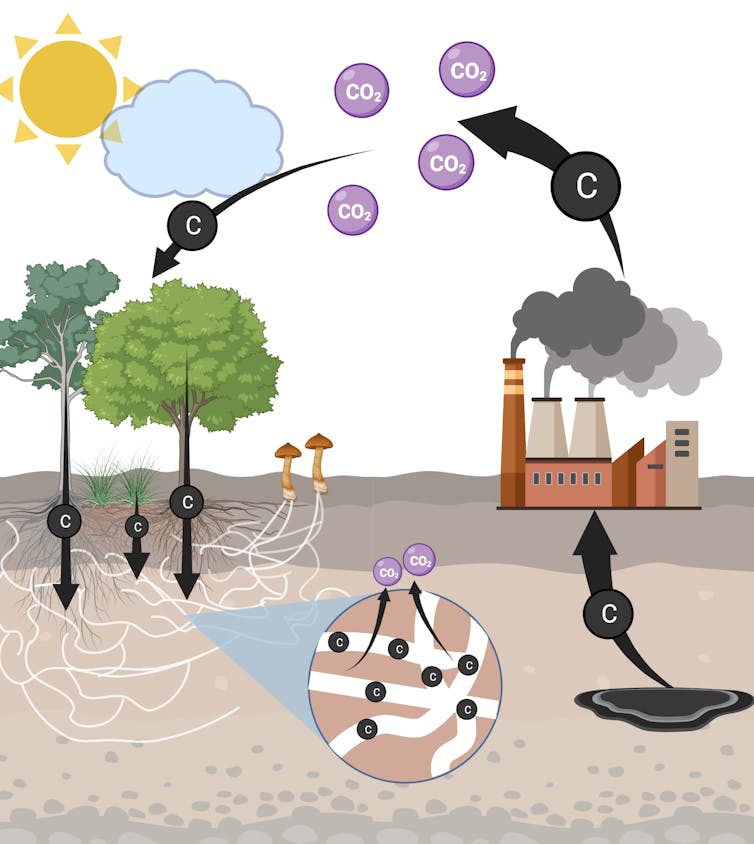
In return, plants pump sugars and fat made by photosynthesis in their leaves down through their roots to the fungi. These compounds are rich in carbon, taken from the atmosphere.
How do these fungi fit into the carbon cycle?
On land, the natural carbon cycle involves a delicate balance. Plants take CO₂ from the atmosphere through photosynthesis, while other organisms emit it back into the atmosphere.
Carbon is captured by plants through photosynthesis, some of this carbon then goes into the networks of mycorrhizal fungi. These fungi also will release some of this carbon as CO₂ and as compounds into the soil. Adam Frew/Author provided using BioRender
Now we know the carbon transfer from plants to mycorrhizal fungi isn’t a side note – it’s a substantial part of this equation.
By analysing almost 200 datasets, the researchers estimate the world’s plants are transferring a staggering 3.58 billion tonnes of carbon per year to this underground network. That’s the same as 13.12 billion tonnes of CO₂ – more than a third of the world’s 36.3 billion tonnes of CO₂ emitted yearly by burning fossil fuels.
To be clear, fungal carbon doesn’t present a climate solution by itself. It’s a missing piece in the carbon cycle puzzle.
We still have big gaps in data from particular ecosystems and geographic regions. For instance, this study didn’t have any data of this kind from Australia or Southeast Asia – because it doesn’t yet exist.
This image shows mycorrhizal fungi (blue) growing inside plant roots, where they obtain carbon and provide plants with access to resources such as nutrients. Adam Frew
What does this mean for the climate?
We already know mycorrhizal fungi help soils retain carbon by releasing specific chemical compounds. These compounds contain carbon and nitrogen. Once in the soil, these compounds can be used by other soil microorganisms, such as bacteria. When this happens it helps to form a highly stable soil carbon store that is more resistant to breakdown, and this store can accumulate more than four times faster in the presence of mycorrhizal fungi.
When these fungi die, they leave behind “necromass” – a complex scaffold of dead organic material which can be stored in soil, and often inside clumps of soil particles. The carbon inside these clumps can stay in the soil for close to a decade without being released back to the atmosphere.
In fact, other studies suggest this fungal necromass might contribute more to the carbon content of soil than living fungi.
But these fungi also naturally cause carbon to escape back to the atmosphere by decomposing organic matter or changing water and nutrient availability, which influences how other organisms decompose. Mycorrhizal fungi also release some carbon back into the atmosphere, though the rate this happens depends on many factors.
What does this mean for climate change? While atmospheric CO₂ concentrations keep rising, it doesn’t necessarily mean fungi are storing more of it. Recent research in an Australian woodland found higher atmospheric CO₂ did see more carbon sent below the ground. But this carbon wasn’t stored for long periods.
We need more research to better understand the role of mycorrhizal fungi in the carbon cycle across different ecosystems, including in agriculture. Dylan de Jonge/Unsplash
Protecting our fungal networks
When we cut down forests or clear land, we not only disrupt life above the ground, but underground as well. We need to safeguard these hidden fungal networks which give our plants resilience – and play a key role in the carbon cycle.
As we better understand how these fungi work and what we’re doing to them, we can also develop farming methods which better preserve them and their carbon.
We’ve long overlooked these vital lifeforms. But as we learn more about how fungi and plants cooperate and store carbon, it’s well past time for that to change.
Adam Frew receives funding from the Australian Research Council, the British Ecological Society, and the Ecological Society of Australia.
Jeff Powell receives funding from the Australian Research Council and NSW State Government.
Carlos Aguilar-Trigueros and Natascha Weinberger do not work for, consult, own shares in or receive funding from any company or organization that would benefit from this article, and have disclosed no relevant affiliations beyond their academic appointment.
Major international and national tests show rural students, on average, do not do as well at school as their city peers.
This includes lower scores on NAPLAN and the Programme for International Student Assessment (PISA).
For example, in the 2018 PISA test, Australian students outside cities performed at lower levels in reading literacy, mathematical literacy and scientific literacy. Their average performance was between two-thirds of a year and almost two years behind metropolitan students.
In our new research, we looked at New South Wales Year 12 Higher School Certificate results in standard and advanced English and maths. We controlled for students’ social background characteristics to test if it is socioeconomic status (SES) or a rural location that impacts student results.
SES measures a parents’ level of education and so, indicates a student’s familiarity with finishing school, going to university or other forms of educational attainment.
Our study
We studied more than 73,000 students and 772 high schools in NSW in 2017. The study included all high schools, government (selective and not selective), Catholic and other independent schools, using data from the NSW Education Standards Authority.
All Year 12 students living in outer regional, remote and very remote areas who completed (standard) Mathematics General 2, (advanced) Mathematics, Standard English or Advanced English were matched to students with the same characteristics who completed the same subject in major city or inner regional areas.
These subjects were chosen because English is mandatory in the NSW HSC, each has an advanced and standard offering and both English and maths are powerful for determining post-school options. For example Advanced English and Mathematics can potentially add more to a student’s ATAR (final rank) than Standard English and Mathematics General 2.
Matching means they had the same gender, the same level of parental SES status and they attended a school with the same level of school SES and school sector.
Our results
We found that when SES is controlled for, rural students still achieve lower results than non-rural students in HSC English and maths.
Put another way, students attending schools in rural locations, regardless of their parents’ SES levels, the average SES of their peers at school, their prior achievement in NAPLAN and school sector, achieve at lower levels than their non-rural counterparts.
In Mathematics, the difference in average marks was approximately 6% and approximately 3% for Advanced and Standard English. There was no significant difference for Mathematics General 2.
Our study found rural students achieve lower results than non-rural students in HSC English and maths, even when other factors are controlled for. Shutterstock
This includes a lack of access to some subjects in rural areas and teachers teaching out of their fields of expertise and training.
In a previous study we found if you live in a regional area you will have less access to subjects that help you get to university and more likely to be offered vocational subjects.
Rural students also have different everyday experiences from city kids. This is often overlooked in the school curriculum, especially in the HSC, where all students do the same content and exams.
In the past, we had the Country Areas Program to help schools make the curriculum more meaningful to rural students. But more recently we have focused on greater standardisation in search of “excellence”.
This new approach ignores how students come to school with different experiences, skills and prior achievements. Research shows cultural context has a an impact on student achievement in standardised tests such as NAPLAN. This is because familiarity with the examples used in questions clouds a students ability to demonstrate the skill being tested. For example, having to write about a beach when you have never been to one.
Earlier this year, a Productivity Commission review showed no significant improvements have been made in enhancing equity since programs like the Country Areas Program were abolished in favour of more standardisation.
We are still using the same approach of state-wide exams as we were 50 years ago. It is assumed that if everyone does the same thing, then this is “fair”.
The relationship between student background, their location and end-of-school achievement has not improved much in that time, regardless of more students finishing senior secondary school.
This one-size-fits-all approach ignores the fact that rural students have different experiences from urban children, and often their teachers.
At the moment, the federal government is developing the next National Schools Reform Agreement, to start in January 2025. This agreement between the federal government and all states and territories is designed to lift student outcomes – and has a huge role in shaping how education works in Australia.
The next agreement can make a big difference for rural students.
Firstly, it needs to focus on achieving equity in access to senior secondary subjects for rural students. Secondly, it needs to develop a program to help teachers make curriculum more meaningful and introduce fairer means of assessment.
We can do much better than the examination-based system developed half a century ago.
Philip Roberts receives funding from the Australian Research Council (DE200100953)
The exploitation of migrants is widespread in Australia. Our recent report for the Grattan Institute, Short-changed, found that as many as one in six migrant workers are paid less than the national minimum wage, which is meant to be the least a worker in Australia can be paid.
Underpayment is also a significant problem for preexisting workers – we
estimate that between 3% and 9% of all employees are paid less than the minimum wage – but it is far more common among migrants.
Migrants are also more likely to miss out on their superannuation, overtime and paid leave. Some face unsafe workplaces and sexual harassment.
Now the Albanese government is acting. Today, Immigration Minister Andrew Giles announced a package of reforms to help stamp out the exploitation of migrant workers. We think it will help, but alone it’s not enough.
Protections for temporary visa holders
Many temporary visa holders put up with mistreatment out of fear their visas will be cancelled if they are working in breach of visa rules, or that they will lose their pathway to permanent residency.
That’s why the government will strengthen the assurance protocol, which is supposed to protect exploited workers against the risk of their visas being cancelled.
The existing protocol has rarely been used, only 77 times in the past four years, because it can be invoked only at the discretion of the Fair Work Ombudsman, and many migrants and their lawyers don’t trust the process.
Fair Work Ombudsman Sandra Parker: few uses of the assurance protocol. Mick Tsikas/AAP
The strengthened protocol will make access to those protections a legal right.
The government also plans to pilot a new whistleblower visa, which will enable migrant workers to stay in Australia while they pursue an exploitation claim.
And temporary skill-shortage visa holders will get up to 180 days to find a new employer before their visa lapses, instead of the current 60 days, making it easier for migrants to flee from an exploitative employer.
The government will also increase protections for exploited migrants reliant on their employer for a future visa.
Action against employers
When it comes to employers, the government will empower the Australian Border Force with more funding, higher penalties and new compliance tools to target those that exploit migrant workers.
New laws will make it a criminal offence to coerce someone into breaching their visa condition, and employers found to be exploitative will be banned from the future use of temporary visas.
These reforms are a good step, but the government is yet to act on visa rules that encourage the exploitation of working holidaymakers.
We believe the rules that force working holidaymakers to work in regional areas in order to extend their stays ought to be abolished. Instead, working holidaymakers should be limited to a single one-year visa, which is what Australians are usually entitled to overseas.
And we would like the government to commission a review of international higher education in Australia, with a view to identifying ways of weeding out dodgy course providers and relax the fortnightly cap on students’ work hours.
But we need to treat it like tax avoidance
Underpaying workers seems to have become an accepted way of doing business in Australia. Until we treat underpayment as seriously as we treat, say, tax avoidance, it is likely to continue.
Last year, the workplace cop on the beat – the Fair Work Ombudsman – hit employers who underpaid their workers with a total of just $4 million in penalties.
By contrast, the Tax Office collected $3 billion in penalties from people who didn’t pay their taxes.
Imagine how many fewer workers would be exploited if we were as tough on employers who underpay their workers as we are on people who cheat on tax.
It’s little wonder that so many businesses regard underpaying their workers as an easily affordable cost of doing business.
The government ought to give the Fair Work Ombudsman the powers and budget necessary to properly hunt down and weed out bad-faith employers.
Courts should be able to issue much bigger fines to bosses who underpay their workers. Employers who knowingly exploit their workers should face jail time.
Funding for the ombudsman has fallen in real terms since 2010, while the Australian workforce has grown 25%. We reckon the ombudsman’s annual budget ought to be increased by $60 million a year, so its resources per worker return to where they were in 2011-12.
And the ombudsman needs a new name – we would call it the Workplace Rights Authority – to make it clear that Australia is going to be tough in protecting vulnerable workers.
The reforms to tackle migrant worker exploitation are a big step in the right direction. But until we take exploitation more seriously, it isn’t going to stop.
Grattan Institute began with contributions to its endowment of $15 million from each of the Federal and Victorian Governments, $4 million from BHP Billiton, and $1 million from NAB. In order to safeguard its independence, Grattan Institute’s board controls this endowment. The funds are invested and contribute to funding Grattan Institute’s activities. Grattan Institute also receives funding from corporates, foundations, and individuals to support its general activities, as disclosed on its website. We would also like to thank the Scanlon Foundation for its generous support of our migration research.
Trent Wiltshire and Tyler Reysenbach do not work for, consult, own shares in or receive funding from any company or organisation that would benefit from this article, and have disclosed no relevant affiliations beyond their academic appointment.
TikTok is one of the most prevalent social media platforms for trend-setting and trend-spotting – particularly within the relationship space. From trends and concepts like #DatingStoryTime to numbering the five stages of a relationship, TikTok is at the forefront of determining what’s hot and what’s not in the relationship world.
The newest trend to hit TikTok from a relationship trend perspective: beige flags.
For those unfamiliar with the platform, TikTok, is a video-sharing social media platform originally released by ByteDance as “Douyin” in China. Since its merger with Musical.ly in 2018, it has become a worldwide phenomenon. As of February 2021, TikTok was downloaded over 2.6 billion times worldwide, and boasts approximately one billion monthly average users.
Many would argue it presents similar features to pre-existing social media platforms like Instagram, Snapchat or Facebook. However, its ubiquity and popularity is often linked to its variety of content and distinct brand of weird humour echoed in many TikTok videos.
But TikTok is not simply fluff, it has increasingly become a space of contestation, negotiation and information of cultural, social and political norms.
Perhaps best described by Refinery29, TikTok has become a place “where we can learn about others’ morning routines, check out the latest headband hairstyles and follow creators who wear Victorian fashion every day” as well as “a place to exchange serious ideas … TikTok is helping people to question if they’re really straight, or just subscribing to ‘compulsive heterosexuality’”.
The latest TikTok relationship trend: beige flags. A trend which allows for both discussion and change in the relationship space but may also reinforce pre-existing boundaries and norms.
What is a “beige flag”?
The term “beige flag” was initially popularised by dating apps and referred to people who hadn’t put enough effort into their dating app profile, or presented as incredibly boring.
This included profiles which lent into generic hobbies like, “going to the gym” or a profile with a pedestrian series of pics, for example, a heterosexual standard, a single person holding a small dog.
In essence, the person wasn’t a “red flag” but a “beige flag” – for boredom. The term stuck briefly, but shifted quickly to another definition on TikTok.
The TikTok beige flag definition refers to the odd quirks your partner may have – which bother you, but you are willing to accept. Examples include, extreme lateness, sucking tears off crying faces, assisting wait-staff if food is late at a restaurant or even tearing off holey underwear as a form of entertainment.
Those developing the content around beige flags are usually in a long-term relationship and the post is framed as satirical or humorous.
Romance on TikTok
This follows trends like #DatingStoryTime, where users are encouraged to chronicle their dating wins and disasters in a vlog-like style. Some of these stories might include first date debacles on foods or drinks payment, strange and off-putting dating app Direct Messenger chit-chat and other spoof-like dating stories.
Again, this plays into a modern humour, a kind of jolly-absurdism, or merry-nihilism.
Simultaneously, these trends play into our desires, as human beings, to emplot ourselves into a masterplot. An overarching story which gives our lives shape, definition, a beginning-middle-end.
In this case, and via TikTok, users are playing into a well-known, white, western storyline: the romantic masterplot, and in particular the rom-com format.
Indeed, many of these relationship reels on TikTok rely on humour to entertain audiences, through beige flags or other intimacy trends, which are usually exaggerated for comedic effect.
By presenting these scenarios in a humorous way, TikTok can both entertain audiences and also help to normalise the idea that dating and relationships are processes fraught with potential missteps and pitfalls.
By laughing at these awkward situations, audiences may be more willing to accept that it is okay to make mistakes while dating and that these mistakes do not necessarily mean the end of a relationship. Also, that “odd” and “unusual” relationships are also relatively common.
Sites of struggle and negotiation
Academic Martin Nakata argues online spaces – such as TikTok – can be understood as digitally mediated “sites of struggle over the meaning of [our] experience”. Meaning that they are spaces where users can discuss, share opinions, contest and form new ways of thinking.
In contrast, TikTok has also been accused of moderating and removing LGBTIQ+ content. In 2019, The Guardian reported that TikTok’s efforts to provide locally sensitive moderation had resulted in the removal of content that could be perceived as being positive towards LGBTIQ+ people or LGBTIQ+ rights (such as same-sex couples holding hands) in countries such as Turkey.
With concepts like beige flags, #DatingStoryTime and other romantic trends, TikTok is pushing boundaries and leading us to question previously rigid dating norms and practices. It is also connecting like-minded people and establishing cultures of care among them.
Lisa Portolan does not work for, consult, own shares in or receive funding from any company or organisation that would benefit from this article, and has disclosed no relevant affiliations beyond their academic appointment.
New Caledonia’s pro-independence parties are prepared to negotiate changes to the provincial electoral rolls, according to French Overseas Minister Gerald Darmanin.
On his second visit to Noumea in less than four months, the minister announced the apparent change in the stance of the pro-independence FLNKS movement, which until now has ruled out any willingness to open the roll.
As yet, there has been no official statement from the FLNKS (Kanak and Socialist National Liberation Front), which is still demanding comprehensive discussions with Paris on a timetable to restore the sovereignty lost in 1853.
It insists on a dialogue between the “coloniser and the colonised”.
The restricted roll is a key feature of the 1998 Noumea Accord, which was devised as the roadmap to the territory’s decolonisation after New Caledonia was reinscribed on the United Nations’ list of non-self-governing territories in 1986.
Under the terms of the accord, voters in the provincial elections must have been enrolled by 1998.
In 2007, the French constitution was changed accordingly, accommodating a push by the Kanaks to ensure the indigenous population was not at risk of being further marginalised by waves of migrants.
‘Enormous progress’ However, anti-independence parties have in recent years campaigned for an opening of the roll to the more than 40,000 people who have settled since 1998.
Darmanin hailed the FLNKS’ willingness to negotiate on the issue as “enormous progress”, saying the issue surrounding the rolls had been blocked for a long time.
He said after his meetings with local leaders the FLNKS considered 10 years’ residence as sufficient to get enrolled.
The minister said he had proposed seven years, while anti-independence politicians talked about three to five years.
In March, Darmanin said the next elections, which are due in 2024, would not go ahead with the old rolls.
President of the Congress of New Caledonia Roch Wamytan … the FLNKS have had discussions but “hadn’t given a definite approval”. Image: RNZ/Theo Rouby/AFP
However, a senior member of the pro-independence Caledonian Union, Roch Wamytan, who is President of the Territorial Assembly, said “they had started discussions but that they had not given a definite approval”.
For Wamytan, an agreement on the rolls was still far off.
Impact of the Noumea Accord Darmanin tabled a report on the outcomes achieved by the Noumea Accord, whose objectives included forming a community with a common destiny following the unrest of the 1980s.
It found that “the objective of political rebalancing, through the accession of Kanaks to responsibilities, can be considered as achieved”.
However, the report concluded that the accord “paradoxically contributed to maintain the political divide that the common destiny was supposed to transcend”.
It noted that the three referendums on independence from France between 2018 and 2021 “confirmed the antagonisms and revealed the difficulty of bringing together a majority of qualified voters” around a common cause.
Darmanin also presented a report about the decolonisation process under the auspices of the United Nations.
It noted that “with the adoption of the first plan of actions aimed at the elimination of colonialism in 1991, the [French] state endeavoured to collaborate closely with the UN and the C24 in order to accompany in the greatest transparency the process of decolonisation of New Caledonia”.
It said that France hosted and accompanied two UN visits to New Caledonia before the referendums, facilitated the visit of UN electoral experts when electoral lists were prepared as well as at each of the three referendums between 2018 and 2021.
Kanaks reject legitimacy From a technical point of view, the three votes provided under the Noumea Accord were valid.
However, the FLNKS refuses to recognise the result of the third referendum as the legitimate outcome of the decolonisation process after the indigenous Kanaks boycotted the vote and only a small fraction cast their ballots.
As French courts recognise the vote as constitutional despite the low turnout, the FLNKS has sought input from the International Court of Justice in a bid to have the outcome annulled.
The FLNKS still insists on having more bilateral talks with the French government on a timetable to restore the territory’s sovereignty.
Since the controversial 2021 referendum, the FLNKS has refused to engage in tripartite talks on a future statute, and Darmanin has again failed to get an assurance from the FLNKS that it would join anti-independence politicians for such talks.
Last month, Darmanin evoked at the UN the possibility of self-determination for New Caledonia being attained in about 50 years — a proposition being scoffed at by the pro-independence camp.
In Noumea, he said he was against a further vote with the option of “yes” or “no”, and rather wanted to work towards a vote on a new status.
This article is republished under a community partnership agreement with RNZ.
Source: The Conversation (Au and NZ) – By David Peetz, Laurie Carmichael Distinguished Research Fellow at the Centre for Future Work, and Professor Emeritus, Griffith Business School, Griffith University
Shutterstock
The odds have been shortening on the Reserve Bank of Australia lifting interest again, and Australia’s workers are again being blamed for driving inflation.
Harvey Norman chairman and executive director Gerry Harvey is one of the business leaders flamboyantly warning higher wages will lead businesses to cut staff numbers or increase prices, making it harder for the central bank to get inflation down to its 2–3% target.
This follows the decision of Australia’s industrial relations umpire in its Annual Wage Review last week. The Fair Work Commission granted a 5.75% increase to award wage rates, and an 8.6% increase to the minimum wage.
But there are good reasons this decision won’t have a material impact on inflation or interest rates.
Limited impact on the wages bill
To start with, the increase in award rates directly affects only about 20% of workers. And those workers, being low paid and often part-timers, only account for about 11% of the national wages bill.
Markets expected a 5% rise anyway. The Fair Work Commission’s decision, being 0.75 of a percentage point above market expectations, means the national wages bill will be only 0.08% (less than one-thousandth) greater than expected.
As a general principle in economics, if the increase in “real wages” (“money wages” minus prices growth) is similar to the trend growth in national productivity, then wage increases will have no impact on inflation.
Over the long run, the Fair Work Commission aims to increase wages in line with growth in prices and productivity. In this decision, though, real wages for even most low-paid workers are falling. Wages growth is putting downward pressure on inflation.
Not all award-reliant workers will get the increase anyway, because there are still employers who ignore awards and underpay employees.
It’s true the decision to increase the federal minimum wage by 8.6% was for more than the increase in award rates. That’s because the minimum wage serves a different purpose to awards. It targets low-wage people who aren’t covered by awards, which is a tiny 0.7% of workers.
The Fair Work Commission raised the minimum wage benchmark from an old, rarely used classification in awards (known as C14) to one matching what most bottom-level workers get paid anyway (known as C13). While the commission is still reviewing the relationship between awards and the minimum wage, this one-off increase, affecting very few workers, is likely to be the biggest change we will see.
The implications of all this for other workers are very limited. Most workers on enterprise agreements (outside of retail and hospitality) and many on individual contracts receive so much more than the award that an award increase does not matter. Their wage outcomes are more influenced by the state of the labour market, employer approaches to bargaining, inflation and, critically, the bargaining power of unions – something that has been declining substantially in recent decades.
Some workers on enterprise agreements have received such low increases that award rates have caught up to them. This is one reason award coverage has grown from 16% in 2012 to 23% in 2021, but those workers are factored into the cost impact anyway.
Reserve Bank governor Philip Lowe in March said “the risk of a prices-wages spiral remains low”. The Bank’s wage forecasts are now slightly lower than then. But by continuing to raise interest rates, it keeps on behaving as if a wages break-out is a real prospect.
Profits had been growing considerably faster than wages, both in Australia and overseas, though profits are now slowing down in both. There’s a debate in Australia and more explicitly overseas, about the role of profit-making in reinforcing inflation.
But firms won’t chase cheap profits through hiking prices indefinitely. Sure, firms have the chance to raise prices more than they need, since customers expect price rises during shortages. Firms expect competitors to match price rises. So they can take advantage of a temporary supply shortage to permanently boost profits. But they’re wary of bumping up prices repeatedly, fearing loss of market share. So inflation (but not prices themselves) should fall.
Indeed, the Reserve Bank of Australia – along with the Treasury and pretty much everyone else – anticipates that inflation is falling anyway. In the central bank’s case, it expects inflation to more than halve, to 3.2% by December next year.
Inflation and interest rates
So there is no reason for the Reserve Bank of Australia to raise interest rates again in light of the award wage decision. It has minimal implications for inflation, which is heading downwards.
That could affect central bank actions down the track, though effective action on prices themselves would reduce that risk. It also creates policy problems for the federal government, on whether and how to redistribute income back to labour.
over the years David Peetz has received funding for research from the Australian Research Council, various unions and employers, state and national governments of both political flavours in Australia and overseas, the International Labour Organisation and the Organisation for Economic Cooperation and Development. He is presently employed by the Carmichael Centre at the Centre for Future Work.
It would be foolish to over-read the latest Newspoll. It doesn’t point to doom for the Voice, but it does suggest the referendum is in a fight of its life.
And it underscores how high the stakes are for Anthony Albanese.
The poll asked people the precise question they will face when they go to vote – whether they approve of the proposed alteration of the Australian Constitution “to recognise the First Peoples of Australia by establishing an Aboriginal and Torres Strait Islander Voice”.
The results were 46% in favour, 43% against and 11% undecided. If the undecided split equally, there would be narrow “yes” majority, but far too close for the government’s comfort, especially as a majority of states is also needed.
This poll comes in the context of a drift downwards in the “yes” vote in other polling.
No one can doubt Anthony Albanese’s deep and personal commitment to the Voice, which will be the most important social issue he promotes this term.
On a political level, though, he may calculate that even if his gamble fails, the fallout will favour him. Dutton has the most to lose, so the reasoning goes, whatever the result. If the Voice is carried, Dutton is on the wrong side of history. If it is lost, he has been the spoiler, and will cop blame for the result.
But while a loss would have a negative impact for the opposition leader, especially in teal seats he needs to win, it would have more serious challenges and consequences for Albanese.
Most immediately, the prime minister would have to manage the political situation. Blame would be spread a lot more widely than Dutton. Some would say the government had over-reached – that it should have put a more limited question, for instance excluding the reference to the Voice making representations to executive government.
Many Indigenous (and some non-Indigenous) people would be traumatised and/or angry. Albanese would require a strategy to manage the far-reaching implications for reconciliation. One course would be to legislate the Voice regardless, but that could be seen as flying in the face of the vote.
There would be wider consequences for the PM, however. His authority would be dented, even – to an extent – among his colleagues, some of whom are banking on his judgement that he can “land” the referendum. The PM’s political antennae over the past year have seemed neatly honed – that would no longer be the impression.
Almost all governments and prime ministers start with a store of political capital and Albanese’s is large. It needs to be, given the difficult economic times we are in (not that these are the government’s fault). A referendum loss would knock away a slab of that capital. It could, one might think, make a basically cautious government more so.
Most obviously, it would be a blow for a potential second-term referendum for a republic. But it could also affect how the government approached other issues as well, such as the scope of any economic reform agenda Treasurer Jim Chalmers might have in mind for the government to put forward at the next election.
Why is the Voice’s support declining? Misinformation, disinformation, scare campaigns and racism are only part of the story.
Other reasons include genuine differences of opinion about the effects of the change, uncertainty about what the Voice involves, and Australians’ innate conservatism when it comes to altering the Constitution, seen on a wide range of referendums over the decades.
It is hard to predict whether the “yes” vote will continue to drop or languish. One must wonder, however, whether this is a cold climate for a referendum, when people are preoccupied with their individual circumstances getting tougher.
In such times, are people more likely to turn inward? Does an ambitious referendum require a more benign environment? In retrospect, it might have been better to have had the referendum much earlier, after a short sharp campaign. But that would have gone against the measured approach Albanese has taken to running things.
The next question is, what can the “yes” campaign, and most notably the government, do to improve the chances of the referendum?
Clearly, it will be placing a lot of faith in an intense advertising campaign. Beyond that, its options appear limited.
The “yes” campaign already has the backing of sporting organisations, companies and a range of opinion leaders. But it is unclear how many doubters will be swayed by such endorsements.
Some doubters are concerned by the lack of detail about the Voice. However, we’ve gone beyond the point when the government can provide significantly more, because it is locked into the proposition that this will be approved by parliament, post referendum, after consultations with Indigenous people.
The point must be emphasised that there is a very long way to go. But as the weeks tick by, the government must be increasingly concerned about the outcome of this roll of the dice by a prime minister who, it is now fashionable to say, is often risk averse.
Michelle Grattan does not work for, consult, own shares in or receive funding from any company or organisation that would benefit from this article, and has disclosed no relevant affiliations beyond their academic appointment.
What penalties does the consulting giant PricewaterhouseCoopers face for sharing confidential government tax policy information and (in its words) betraying the public’s trust?
At most, there’s possible jail time for the PwC partners who the company says shared the confidential information. There’s also the possibility of fines. But there’s also the possibility of nothing happening. Part of the problem is that what happened involves two different pieces of government legislation.
The PwC saga has its roots in decisions made when Joe Hockey was treasurer in late 2013 and wanted to stop tax avoidance by multinational companies. The Treasury engaged consultants under contract to help draft the laws that would plug loopholes, each signing a confidentiality agreement.
One of the consultants was then-PwC Australia tax partner, Peter Collins, who shared information with PwC personnel at a time when (again in the words of PwC itself) it had a culture of aggressive marketing in its tax business.
The Tax Office grew suspicious when a number of multinational firms reorganised their affairs very quickly after the tax changes were announced in the May 2015 budget to escape the provisions.
It wanted to alert the Treasury, with whom Collins had signed the agreement, but was (ironically) stymied by the confidentiality provisions of its own act.
Section 355-25 of the Taxation Administration Act makes it an offence to disclose information relating to an individual’s tax affairs to another entity.
The penalty for the tax officer who discloses the information is two years in jail.
An alternative might have been to commence a prosecution itself under Section 8ZJ of the Taxation Administration Act, but that section only relates to tax offences, and breaching confidentiality is not a tax offence.
Had the Treasury known what the Tax Office knew, it could have sought an injunction to enforce its confidentially clause through the courts, but it didn’t know at the time, and (as it happened) entered into a second and third confidentiality agreement with Collins in 2016 and 2018.
When the Tax Office sought information from the big four accounting firms – Deloitte, Ernst & Young (EY), KPMG and PwC – about their involvement in the marketing of the new avoidance schemes, only one of them, PwC, invoked legal privilege in order not to comply on the ground that its documents were privileged legal documents.
PwC used legal privilege to stop release of its legal documents. Shutterstock
The Tax Office then sought communications between PwC partners not protected by legal privilege. The trove of documents subsequently tabled in parliament suggest (in PwC’s words) that Collins
breached confidentiality in connection with tax consultations with the Department of Treasury and the Board of Tax.
In 2018, the Tax Office referred the matter to the Australian Federal Police, who were unable to take the matter further because of lack of evidence. In 2020, the Tax Office referred it to the Australian Tax Practitioners Board, which deregistered Collins for two years for “integrity breaches”.
Last month, the Treasury referred the matter to the Australian Federal Police again to consider commencing a criminal investigation.
What might come of it?
Section 122.4 of the Criminal Code makes it an offence to communicate information if the person obtained the information by having been a Commonwealth officer or engaged to perform work for a Commonwealth entity and the person is under a duty not to disclose the information.
The penalty is imprisonment for two years.
On Monday, PwC provided a Senate committee with the names of four partners it said were involved in the confidentiality breaches, as well as the names of partners it had directed to go on leave pending the outcome of its own investigation.
It also provided the names of an extra 63 current or former partners and staff it said received at least one email containing the confidential information.
More may well come to light. Whatever the penalties turn out to be, it is becoming clear that cutting corners and breaching confidentiality can have huge consequences. It is dangerous to be a servant to two masters.
Michael Adams receives funding from the ARC but not for this project.
Michael William Blissenden does not work for, consult, own shares in or receive funding from any company or organisation that would benefit from this article, and has disclosed no relevant affiliations beyond their academic appointment.
The New South Wales Attorney-General Michael Daley today announced Kathleen Folbigg has been pardoned after having served 20 years for the murder of three of her infant children and the manslaughter of a fourth child. She has already been released, and won’t serve the rest of her 30-year sentence.
Daley had seen the preliminary findings of a second judicial inquiry led by former NSW Chief Justice Thomas Bathurst, which found there was reasonable doubt as to Folbigg’s guilt for each of the offences.
At trial, the prosecution had relied on the statistical improbability of so many of her children dying accidentally. However, at the second inquiry, this reasoning was called into question by fresh scientific evidence pointing to possible medical causes of the deaths.
Her two daughters were found to have a mutation in the CALM2 gene, which is associated with sudden infant death.
One of her sons may have had an underlying neurological condition such as epilepsy, which may have caused his death.
In relation to the death of her other son, Bathurst said the new medical evidence regarding the other three deaths undermined some of the reasoning used in the case against her. He said “the coincidence and tendency evidence which was central to the (2003) Crown case falls away”.
At trial, and in the first inquiry, the prosecution had argued Folbigg’s diary entries relating to the deaths of her children could be interpreted as admissions of guilt. But having been presented with fresh psychological evidence, Bathurst interpreted the diary entries as “the writings of a grieving and possibly depressed mother, blaming herself for the death of each child”.
Whereas at trial Folbigg had been presented by the prosecution as “Australia’s worst female serial killer”, Bathurst indicated he was “unable to accept […] the proposition that Ms Folbigg was anything but a caring mother for her children”.
The Folbigg case is a particularly tragic case, but it’s not unprecedented. The criminal justice system carries an inbuilt risk of wrongful conviction. Ad hoc commissions of inquiries like the Folbigg inquiry are inefficient and expensive. The system needs reform.
The Folbigg case is yet another demonstration that Australia needs a Criminal Cases Review Commission (CCRC) – a statutory body working at arm’s length to investigate claims of wrongful conviction.
A CCRC would have the powers and resources to investigate defendants’ claims to have been wrongfully convicted. Claims found to have substance can be referred back to the court of criminal appeal. Standing CCRCs have proven to bring a cost-effective improvement to the accuracy of criminal justice systems overseas.
Preferably, it would be a single federal body covering all jurisdictions, or failing that, one for each jurisdiction.
Wrongful convictions
Cases where miscarriages of justice are identified years later, such as Folbigg’s, do happen.
In the last decade, Jason Roberts in Victoria was acquitted in a retrial after serving two decades in prison for the murder of two police officers.
Scott Austic in WA was acquitted in retrial after serving 12 years for the murder of his partner who was pregnant with his child.
David Eastman in the ACT was acquitted in a retrial after serving 20 years for the murder of assistant police commissioner Colin Winchester.
Henry Keogh in SA was freed following an exceptional second appeal having served 20 years for the murder of his fiancé.
In these cases, as in the Folbigg case, the subsequent proceedings considered fresh forensic evidence or highlighted flaws in the original proceedings or investigation.
It’s a primary goal of the criminal justice system to avoid the searing injustice of a wrongful conviction. This goal is pursued through principles such as the presumption of innocence and the requirement of proof beyond reasonable doubt.
But absolute certainty in guilt isn’t feasible and isn’t required. A risk of error is run and occasional errors should be expected. They will not necessarily be corrected on appeal, where the defendant is no longer presumed innocent and weight is given to the “finality principle”. This means the jury verdict is ordinarily considered final, for the sake of efficiency and to provide the parties and society with closure.
Following an unsuccessful appeal, the finality principle bites still harder and it becomes significantly more difficult for the wrongly convicted defendant to achieve justice. The imprisoned defendant will face an almost insurmountable challenge in persuading the government (or, in some jurisdictions, court) to order an inquiry or an exceptional subsequent appeal. In order to achieve justice, defendants like Folbigg, Roberts, Keogh and Eastman require remarkable resilience, as well as supporters on the outside.
The criminal justice system needs to do more to address the statistical certainty of the occasional wrongful conviction. Overcoming this injustice shouldn’t demand superhuman reserves of fortitude, or the chance arrival of a champion.
The systemic risk of wrongful conviction demands a systemic solution.
Other developed nations have recognised that CCRCs are well-suited to this task, including England and Wales, Scotland, New Zealand, and Canada. Australia should follow in this path.
The extent of the change can be carefully calibrated through the design of the CCRC. The CCRC is a gatekeeper, and legislation can determine how widely the gate is opened.
Last year former High Court Justice, Michael Kirby, reiterated his view that “such a commission is needed”. And the Sydney Institute of Criminology is currently calling on governments to take steps to establish an Australian CCRC.
Cases like Folbigg’s demonstrate that this reform is urgently required.
The authors do not work for, consult, own shares in or receive funding from any company or organisation that would benefit from this article, and have disclosed no relevant affiliations beyond their academic appointment.
On Friday, the Federal Court dismissed Ben Roberts-Smith’s defamation case against The Age, The Sydney Morning Herald and The Canberra Times.
Justice Anthony Besanko ruled the newspapers had established, by the “balance of probabilities” (the standard of evidence in a civil lawsuit), that Roberts-Smith had committed war crimes.
Following the ruling, much public debate has focused on what the Australian War Memorial should do with Robert-Smith’s uniform, helmet and other artefacts of his on display.
Greens senator David Shoebridge called for the removal of these objects from public display to correct the official record and “to begin telling the entire truth of Australia’s involvement in that brutal war.”
The topic of what to do with Roberts-Smith’s uniform and helmet was debated on ABC’s Insiders yesterday: should the display be removed, effectively cancelled, or changed to tell the full story?
It is not just these artefacts on display. The memorial also has two heroic oil painting portraits of Roberts-Smith by one of Australia’s leading artists, Michael Zavros.
These paintings were commissioned by the memorial in 2014.
Pistol Grip (Ben Roberts-Smith VC) is a larger-than-life-sized depiction of Roberts-Smith, camouflage arms outstretched, mimicking the action of holding a pistol.
In an article in arts criticism website Memo yesterday, respected Monash University art historian Rex Butler and arts journalist Paris Lettau weighed into the debate.
Butler and Lettau say Pistol Grip is:
threatening, over-bearing, macho, hyper-masculine, celebratory, and enormous, like the man himself – some 220 centimetres wide and 160 centimetres high.
When Zavros created his large portrait it was a depiction of a soldier doing what he was trained – and venerated – for doing.
It is an aggressive pose that, given current developments, can be read in a much more sinister way. It touches on a far bigger question of how national institutions for the public memory of war address difficult and morally ambiguous moments in a national story.
Moral and ethical ambiguity
When the Canadian War Museum opened at its new site in Ottawa in 2005, its new displays included two paintings in their collection by Canadian artist Gertrude Kearns.
The paintings, Somalia without Conscience, 1996, and The Dilemma of Kyle Brown: Paradox in the Beyond, 1995, dealt with one of the most shameful episodes in Canada’s military history, known as the Somalia Affair.
In 1992, the Canadian Airborne Regiment was deployed as peacekeepers to Somalia. In 1993, 16-year-old Shidane Arone was found hiding in the Canadian base, believed to have been stealing supplies. He was tortured, and soldiers photographed themselves with the semi-conscious boy. Master Corporal Clayton Matchee and his subordinate Private Kyle Brown were charged with his murder and torture.
Somalia without Conscience depicts Matchee posing with the beaten Arone, while The Dilemma of Kyle Brown depicts Brown symbolically holding two potential fates in his hands: a lightly coloured cube in his right hand, and a darkened cube in his left. It addresses an ethical grey area many soldiers face during active service when the hierarchy of command comes into direct conflict with conscience.
Following the opening of the new Canadian War Museum, the presence of Kearns’s paintings sparked intense debate. Curator Laura Brandon received abusive emails from members of the public.
The Canadian War Museum in Ottawa. Shutterstock
The museum copped criticism from figures such as the head of the National Council of Veterans Associations, who called the paintings a “trashy, insulting tribute” and urged a boycott of the opening of the new museum.
Discussing this controversy in 2007, Brandon said what upset veteran communities was that “their” museum:
was not only telling the stories of heroism and courage that most of them expected to be told but also stories about failures, disappointments, and human frailty.
Brandon remained steadfast the museum needed to address the messy ambiguities of war and, despite pressure, kept Kearns’s paintings on display for the duration of the exhibition.
The complexity of contemporary art
Brandon’s curatorial decision to display Kearns’s Somalia paintings strike at the heart of what is special and important about contemporary war art in a national museum.
Contemporary art presents ethical and moral complexity, grey zones and a range of perspectives. This is vital in a healthy liberal democracy.
While Brandon’s choice to show Kearns’s Somalia paintings attracted criticism, the museum remained committed to telling a story that is difficult, ethically and morally complex, and uncomfortable for Canadians.
To remove Zavros’ portraits from display would remove the now-untenable hero narrative that once surrounded Roberts-Smith. But doing so would also rewrite public memory by effectively erasing an important part of why and how Roberts-Smith was revered.
These portraits now represent a morally complex story that needs to be addressed by our national war museum.
To remove the portraits would miss a valuable opportunity to debate important questions about how we construct hero stories.
So, how could these portraits still be shown in future?
Zavros’ portraits were already complex works.
Following Friday’s announcement, it is more important they are seen in all their additional multi-layered and problematic complexity.
The portraits show us how we create the nation through the stories we tell ourselves, and how dynamic that narrative can be. The portraits present a valuable opportunity to show narratives of war – like the stories of our own lives – are never simple, consistent and coherent.
The portraits should be displayed in ways that address this complexity, capturing the evolving story of Roberts-Smith in explanatory wall text. There is an opportunity here to not simply “correct” the official record, as Shoebridge suggests, but to have a deeper conversation about the role of hero narratives in diverting attention away from more important public debates about Australia’s involvements in conflicts.
Maybe this could be addressed in the art the memorial commissions in future.
The most compelling contemporary art works – and the most valuable museum displays in our national institutions – are those that consider our complex stories, raise important and self-reflective questions, and challenge simplistic narratives.
Prof Kit Messham-Muir is the lead Chief Investigator on the ARC Linkage Project Art in conflict: transforming contemporary art at Australian War Memorial, in partnership with the Australian War Memorial and National Trust (NSW), leading a team of investigators from University of Melbourne, UNSW and University of Manchester. Art in Conflict was funded by the Australian Government through the Australian Research Council. Art in Conflict (LP170100039) received a Linkage Project grant of $293,380 and in-kind contributions from the Australian War Memorial. Former Canadian War Museum Curator Laura Brandon was a keynote speaker at the War, Art and Visual Culture: Los Angeles symposium in 2019, as part of the Art in Conflict project. The opinions expresssed here do not in any way reflect those of the Australian War Memorial.
Former TVNZ Breakfast host Kamahl Santamaria, who quit following complaints about inappropriate workplace behaviour, has broken his silence and started a podcast he says would “set some records straight”.
The Emmy-nominated broadcaster lasted just 32 days at TVNZ after working at Al Jazeera, where he had also been accused of having sent a lewd email to a female colleague.
Speaking publicly for the first time in more than a year, Santamaria talked about the allegations, the effect they have had and how the reporting of them had led to his new website The Balance.
“It is very much informed and directed by my own experience over the past year, and yes I will be using it to set some records straight,” he told listeners in the first episode of his podcast, RE: Balance.
“Because in the end, I trust myself to tell my story.”
Santamaria said he had been a journalist for nearly 25 years, but for the last year had had to live with the label of being “a disgraced journalist”.
“That’s not a pleasant title to live with but that’s how it’s been ever since my departure from TVNZ in May of last year,” he said.
‘Full story yet to be told’ For legal reasons, Santamaria said he had not spoken about his departure from TVNZ — but he told listeners he would when he is able.
“The full story has definitely not been told, yet,” he said.
The Balance . . . Hosted by former Al Jazeera and TVNZ presenter Kamahl Santamaria who says he now “knows a thing or two about ‘being the story’ and how the quest for clicks and eyeballs can result in a story that doesn’t quite match the headline.” Image: APR screenshot
“The headline doesn’t always match the story, and countering that is a big part of what I’m embarking on with The Balance.
Santamaria said what happened had forced him to stop, look at himself and his behaviour in the past, and acknowledge there were times when he just got it wrong.
“I am deeply sorry for that and for the effect I have now learned that it had on others,” he said.
He said they also prompted him to look at the environments he was working in.
“What I failed to recognise was particularly in a post ‘Me Too’ world, there is just no place for over friendly, over-familiar, flirtatious, tactile behaviour or banter in the workplace no matter how friendly that workplace is or how prevalent that behaviour might be.
Mistakes impacted on health “I’ve made mistakes but I hope my past doesn’t define who I am in the future.”
Santamaria said the effect on his mental health and that of his family has been “immense, dilapidating and long-lasting” and “it still goes on now”.
He revealed he had been in hiding for a year “growing a beard, always wearing a cap”, afraid to use his own name, and that he is on medication.
Santamaria referred to a report about his visit to the National Business Review, which he said was the “one time” we went out publicly and a journalist turned it into a story.
He said the journalist wrote about how uncomfortable he made people feel by just shaking their hands.
“The whole thing was utterly ridiculous to the point now where I don’t even shake people’s hands anymore.”
Santamaria disclosed that in the early stages, he had been on heavy medication during the day and sedation at night, and the family had him on a round-the-clock suicide watch.
He said he had been in no position, physically or mentally, to speak up for himself at the time.
“The fact that I am still here now is a testament to my family who kept me alive when I didn’t want to go on and they continue to do so,” he said.
First published by The New Zealand Herald and republished here with the author’s permission.
The Australian Electoral Commission has launched a website aimed at rebutting disinformation.
This is a timely change, as we are seeing an increase of both disinformation and misinformation being spread about the First Nations Voice to Parliament.
Disinformation and misinformation are similar concepts. Both refer to the spread of political information that is false and misleading. The difference is disinformation is spread with the intention to deceive the recipient.
Misinformation is often spread with a genuine belief in the truth of the information. It is often difficult to determine whether someone intends to deceive, or whether they are misinformed in their beliefs.
In parliament last Thursday, Prime Minister Anthony Albanese accused Opposition Leader Peter Dutton of “amplifying misinformation” by increasing the circulation of false and misleading statements regarding the referendum.
As we wait for the government to announce the date of the referendum, both “yes” and “no” campaigns are actively seeking to persuade the Australian public. Unfortunately, this has resulted in some people spreading misinformation.
But how does one tell the difference between facts, and false and misleading statements?
Last week, “no” campaigner Warren Mundine claimed the Australian Electoral Commission was biased in its campaign to recruit Indigenous Australians to enrol on the electoral roll. He claimed the advertisement “Our Vote, Our Future” had “crossed the line” and leans in favour of the “yes” campaign.
This is an example of misinformation. This exact slogan has been used by the electoral commission to encourage Indigenous people to enrol to vote in previous elections over the years. In fact, the commision has used a very similar variation of the slogan dating as far back as 1962.
Australian Electoral Commission messaging from 2022 as shown on NACCHO materials. National Aboriginal Community Controlled Health Organisation website
Politicians and lobbying groups such as the Institute of Public Affairs have also been busy making claims, including statements that the Voice is a form of apartheid, or has the capacity to veto parliamentary decisions. These claims are likewise false and misleading.
Claims of insufficient detail surrounding the Voice are also misleading, as Senator Malarndirri McCarthy pointed out on ABC’s Q+A in January.
The report had been discussed with and presented to the former Morrison government’s cabinet in its entirety in July 2021. So, when Dutton claims there is not enough detail, it would seem he is being disingenuous.
The dangers of misinformation and how to identify it
During the COVID pandemic, we saw misinformation spread from the United States to Australia. This resulted in a significant growth in followers of the American-based conspiracy theory group QAnon. Groups such as QAnon are deeply rooted in distrust of institutions. Distrust and scepticism are healthy to a degree, but extreme distrust can fuel harmful conspiracy theories.
These conspiracies have placed lives at risk, as shown throughout the COVID pandemic, whereby unfounded medical treatments and fear of vaccines took centre stage in many misinformation campaigns.
Identifying misinformation in politics can be complex because it is a space where regular debates occur. In addition, the bombardment of “facts” presented through social media makes it difficult to distinguish between true and false information. However, in any debate, it is crucial that truth and facts are never abandoned.
Identifying who does or does not hold expertise on a topic can be difficult, particularly as some might try to discredit the expertise of particular groups for political reasons. However, in her recent book, political scientist Pippa Norris proposes there are three criteria for judging expertise: competence, benevolence and integrity.
Competence is the degree of technical knowledge acquired through developing skills and education. This is one of the easiest to judge. Benevolence is the degree to which self-interest is set aside. And integrity relates to a person’s honesty, fairness and overall ethical reputation.
An example of competence is law expert and professor Greg Craven, who initially expressed concerns about the wording of the Voice. He disagreed on some aspects, but the debate was within the framework of established facts. He now supports the Voice and the wording.
Indeed, neither of the two examples presented earlier regarding misinformation in the Trump campaign and in the treatment of COVID were backed by formal authorities or experts in the matter. Many of those who peddled Trump’s election lies stood to be promoted, or had electoral self-interest in pursuing the line.
How can you protect yourself against misinformation?
Humans tend to accept new information if they have no reason to doubt it. When you hear commentary around the Voice, be on the lookout for language that may be used to elicit strong emotional responses, instead of encouraging logical thinking.
Words such as “apartheid”, “divided” or even “racist” may be used intentionally to elicit strong emotions.
Emotional appeals when used in arguments have been shown to significantly influence our reasoning abilities. If we’re aware that certain comments are being used to persuade or manipulate us, we can equip ourselves with a healthy level of scepticism and apply critical thinking when assessing the information presented.
Additionally, it’s good to be cautious of new or surprising information.
For instance, Mundine and Country Liberal Senator Jacinta Nampijinpa Price recently used a quote for their “no” campaign from a Northern Territory man named Stewart Lingiari. Mundine and Price claimed Stewart was a descendant of renowned Aboriginal rights activist Vincent Lingiari.
Stewart later revealed this was not true, and the cameraman had instructed him what to say. Stewart also claimed he had not given permission for his image to be used in their campaign.
Unfortunately, Australia does not have federal laws that enforce truth in political advertising. So in the next few months, misinformation will likely continue to plague social media platforms and media.
However, there are resources available that can help with navigating this referendum and making an informed choice:
the ABC and SBS provide useful and non-partisan information on the Voice referendum
The Conversation is providing independent and factual coverage of the Voice campaign from experts
interactive yarning circles that can help you understand the proposed Voice
the Uluru Statement from the Heart website details everything about the proposed Voice and its history.
As the referendum date approaches, and each of the campaigns seek to persuade you, remember some claims may evoke emotions, or surprise, and their motivations may not always be truthful. A healthy dose of scepticism, and a search for the truth, will help you to find your own voice in this important referendum.
Christopher Arnott is a member of the Australian Labor Party
Paediatrician Dr Teuila Percival heads the list of Pacific recipients in the New Zealand King’s Birthday Honours List for 2023.
Dr Percival is one of at least 15 Pasifika people in New Zealand who are on the list. She is to be a Dame Companion of the New Zealand Order of Merit for services to health and the Pacific community.
For the past three decades she has been a strong advocate for Pacific children’s health in New Zealand and the Pacific.
Dr Teuila Percival . . . “It’s important for Pacific people to be recognised in the work they do.” Image: Pasifika Medical Association/RNZ
Dr Percival said she felt honoured to get the award after getting over the initial surprise.
“I think it’s important for Pacific people to be recognised in the work they do, so it’s really nice in that respect,” she said.
“It’s just a great job, I love working with kids. I think children are the most important thing.”
Dr Percival was a founding member of South Seas Healthcare, a community health service for Pacific people in Auckland since 1999.
She has also been deployed to Pacific nations after natural disasters like to Samoa in 2009 after the tsunami and to Vanuatu in 2015 following cyclone Pam.
Education Sacred Heart school counsellor Nua Silipa is to be an Officer of the New Zealand Order of Merit for her services to Pacific education.
Silipa said her experience struggling in the education system after immigrating from Samoa in 1962 had motivated her to help Pacific people in the classroom.
“When I look back now I think my journey was so hard as a minority in Christchurch,” Silipa said.
“It was a struggle because we weren’t in the classroom, the resources at that time were Janet and John . . . so as a learner I really struggled.”
She said the “whole experience of underachievement” motivated her to help “people who are different in the system”.
“It’s not a one size fits all in education.”
Nua Silipa said she felt humbled to be a recipient on the King’s Birthday Honours List.
She said the award also honoured the people who had been involved in improving education for Pasifika.
“I know there’s so, so many other people who are doing work quietly every day, helping our communities and I’m really in awe of them.
“There are many unsung heroes out in our community doing work for our people.”
Technology Mary Aue is to be a Member of the New Zealand Order of Merit for her services to education, technology and Pacific and Māori communities.
Coconut Wireless creator Mary Aue . . . “There was no communication back then, so I created an e-newsletter.” Image: RNZ Pacific
Mary Aue is to be a Member of the New Zealand Order of Merit for her services to education, technology and Pacific and Māori communitiesPhoto: Supplied
In 1999, she launched Coconut Wireless as an e-newsletter for Pasifika reaching 10,000 subscribers. It relaunched in 2014 as a social media platform and now has over 300,000 Facebook followers.
“There was a disconnect between community and government agencies and there was a disconnect between our communities,” she said.
“There was no communication back then, so I created an e-newsletter.”
The name Coconut Wireless was based on the island concept as a fast way of communicating through word of mouth.
Aue has also been an advocate for more Pacific and Māori learners in science, engineering, technology and mathematics (STEM).
Aue said she was originally going to decline the award as there were a lot of people in the community who do not get recognised behind the scenes.
“I have to thank my family, my friends and the amazing community that we’re all part of.”
Sport Teremoana Maua-Hodges said she “just about choked” on her cup of tea when she found out she had received the Queen’s Service Medal.
Maua-Hodges has been given the award for her contribution to sport and culture.
She said the award was the work of many people — including her parents — who travelled to New Zealand from the Cook Islands when she was a child.
“I’m very humbled by the award, but it’s not just me,” Maua-Hodges said.
“I stand on the shoulders of different heroes and heroines of our people in the community.
“It’s not my award, it’s our award.”
Maua-Hodges said the most important thing she had done was connect Cook Islanders.
“Uniting Cook Islanders who have come over from different islands in the Cook Islands and then to come here and be united here within their diversity makes me very proud.
“They’ve taken on the whole culture of Aotearoa but still as Cook Islanders . . . to show their voice, to show their flag, in the land of milk and honey.”
The Queen’s Service Medal will be renamed the King’s Service Medal once the necessary processes are done, and the updated Royal Warrant is approved by King Charles.
Pasifika recognised in the Queen’s Birthday Honours List for 2022:
Dame Companion of the New Zealand Order of Merit: Dr Teuila Mary Percival — for services to health and the Pacific community.
Officer of the New Zealand Order of Merit: Nua Semuā Silipa — for services to Pacific education.
Honorary Officer of the New Zealand Order of Merit: Meleane Pau’uvale — for services to the Tongan community and education.
Member of the New Zealand Order of Merit:
Mary Puatuki Aue — for services to education, technology and Pacific and Māori communities.
Dr Ofanaite Ana Dewes — for services to health and the Pacific community.
Fa’atili Iosua Esera — for services to Pacific education.
Dr Siale Alokihakau Foliaki — for services to mental health and the Pacific community.
Keni Upokotea Moeroa — for services to the Cook Islands community.
Talalelei Senetenari Taufale — for services to Pacific health.
Dr Semisi Pouvalu Taumoepeau — for services to education and tourism.
Honorary Member of the New Zealand Order of Merit: Fa’amoana Ioane Luafutu — for services to arts and the Pacific community.
Queen’s Service Medal:
Joseph Davis — for services to the Fijian community.
Reverend Alofa Ta’ase Lale — for services to the community.
Teremoana Maua-Hodges — for services to sport and culture.
Putiani Upoko — for services to the Pacific community.
This article is republished under a community partnership agreement with RNZ.
Former New Zealand prime minister Jacinda Ardern has received one of the top accolades in today’s King’s Birthday Honours.
Ardern, who was prime minister from September 2017 until January this year, has been appointed a Dame Grand Companion of the New Zealand Order of Merit.
She received the honour for services to the state.
Dame Jacinda declined to speak to RNZ about the award, but said in a statement she was “incredibly humbled”.
Jacinda Ardern after giving her valedictory speech. Image: Phil Smith/RNZ News
Former prime minister Jacinda Ardern featured on the NZ Herald front page today. Image: NZH screenshot APR
“I was in two minds about accepting this acknowledgement. So many of the things we went through as a nation over the last five years were about all of us rather than one individual,” Ardern said.
“But I have heard that said by so many Kiwis who I have encouraged to accept an honour over the years. And so for me this a way to say thank you — to my family, to my colleagues, and to the people who supported me to take on the most challenging and rewarding role of my life.”
Ardern’s official citation listed her leadership in response to the March 15 terrorist attacks and the covid-19 pandemic “positioning New Zealand as having one of the lowest covid-19 related death rates in the Western world.”
It noted she had been named top of Fortune Magazine‘s World’s 50 Greatest Leaders in 2021.
The citation also referenced Ardern’s focus on child poverty reduction and listed several policies her government introduced, including free school lunches in some schools.
Jacinda Ardern at a covid-19 vaccination clinic. Image: Angus Dreaver/RNZ
Ardern was first elected in 2008 and became leader of the Labour Party in 2017. She became prime minister later that year.
Jacinda Ardern meets with members of the Muslim community following the 2019 terrorist attack. Image: RNZ
She has also been appointed two fellowships at Harvard University.
In a statement, Prime Minister Chris Hipkins said Ardern was recognised for leading New Zealand through some of the “greatest challenges” the country has faced in modern times.
“Leading New Zealand’s response to the 2019 terrorist attacks and to the covid-19 pandemic represented periods of intense challenge for our 40th prime minister, during which time I saw first hand that her commitment to New Zealand remained absolute.”
This article is republished under a community partnership agreement with RNZ.
South Australia now joins New South Wales, Tasmania, Victoria and Queensland, states which have already passed anti-protest laws imposing severe penalties on people who engage in peaceful civil disobedience.
However, South Australia’s new law carries the harshest financial penalties in Australia.
Thirteen Upper House Labor and Liberal MPs voted for the Bill, opposed by two Green MPs and two SABest MPs. The government faced down the cross bench moves to hold an inquiry into the bill, to review it in a year, or add a defence of “reasonableness”.
The Summary Offences (Obstruction of Public Places) Amendment Bill 2023 was introduced into the House Assembly by Premier Peter Malinauskas the day after Extinction Rebellion protests were staged around the Australian Petroleum and Exploration Association (APPEA) annual conference on May 17.
The most dramatic of these protests was staged by 69-year-old Meme Thorne who abseiled off a city bridge causing delays and traffic to be diverted.
Meanwhile, the gas lobby APPEA which is financed by foreign fossil fuel companies has stopped publishing its (public) financial statements. Questions put for this story were ignored but we will append a response should one be available.
The APPEA conference is a major gathering of oil and gas companies that was bound to attract protests. Its membership covers 95 pecent of Australia’s oil and gas industry and many other companies who supply goods and services to fossil fuel industries.
The dramatic climate protest staged by 69-year-old Meme Thorne who abseiled off an Adelaide bridge last month. Video: The Independent
The principal sponsors of this year’s conference were corporate giants Exxon-Mobil and Woodside.
Since March, Extinction Rebellion South Australia has been openly planning protests to draw attention to scientific evidence showing that any expansion of fossil fuel industries risks massive global disruption and millions of deaths.
The new laws will not apply to those arrested last week, several of whom have already been sentenced under existing laws.
In fact, when SA Attorney-General Kyam Maher was asked about the protests on May 17 shortly after the abseiling incident, he told the Upper House that “there are substantial penalties for doing things that can impede or restrict things like emergency services. I know that (police) . . . have in the past and will continue to do, enforce the laws that we have.”
Sensing that something was in the wind, he said he would be open to suggestions from the opposition.
Fines up 66 times, prison sentence introduced That afternoon, SA Opposition Leader and Liberal David Speirs handed the government a draft bill. This was finalised by parliamentary counsel overnight and whipped through the Lower House on May 18, without debate or scrutiny.
It took 20 minutes from start to finish: as one Upper House MP said, it would take “longer to do a load of washing”.
While Malinauskas and Speirs thanked each other for their cooperation, some MPs had not seen the unpublished bill before they passed it.
The new law introduces maximum penalties of A$50,000 (66 times the previous maximum fine) or a prison sentence of three months.
The maximum fine was previously $750, and there was no prison penalty.
If emergency services (police, fire, ambulance) are called to a protest, those convicted can also be required to pay emergency service costs. The scope of the law has also been widened to include “indirect” obstruction of a public place.
This means that if you stage a protest and the police use 20 emergency vehicles to divert traffic, you could be found guilty under the new section and be liable for the costs.
Even people handing out pamphlets about vaping harm in front of a shop, or workers gathering on a footpath to demand better pay, could fall foul of the laws.
An SABest amendment to the original bill removing the word “reckless” restricts its scope to intentional acts.
The APPEA oil and gas conference in Adelaide last month triggered protests. Image: Extinction Rebellion/Michael West Media
Peter Malinauskus told Radio Fiveaa on Friday that the new laws aimed to deter “extremists” who protested “with impunity” by crowd sourcing funds to pay their fines.
In speaking about the laws, Malinaukas, Maher and their right-wing media supporters have made constant references to emergency services, and ambulances. But no evidence has emerged that ambulances were delayed.
The author contacted SA Ambulances to ask if any ambulances were held up on May 17, and if they were delayed, whether Thorne was told. SA Ambulance Services acknowledged the question but have not yet answered.
The old ambulance excuse Significantly, the SA Ambulance Employees Union has complained about the “alarming breadth” of the laws and reminded the Malinauskas government that in the lead-up to last year’s state election, Labor joined Greens, SABest and others in protests about ambulance ramping, which caused significant traffic delays.
The constant references to emergencies are reminiscent of similar references in NSW. When protesters Violet Coco and firefighter Alan Glover were arrested on the Sydney Harbour Bridge last year, police included a reference to an ambulance in a statement of facts.
The ambulance did not exist and the false statement was withdrawn but this did not stop then Labor Opposition leader, now NSW Premier Chris Minns repeating the allegation when continuing to support harsh penalties even after a judge had released Coco from prison.
It later emerged that the protesters had agreed to move if it was necessary to make way for an ambulance.
The new SA law places a lot of discretion in the hands of the SA police to decide how to use resources and assess costs. The SA Police Commissioner Grant Stevens left no doubt about his hostility to disruptive protests when he said in reference to last week’s abseiling incident, “The ropes are fully extended across the street. So we can’t, as much as we might like to, cut the rope and let them drop.”
In Parliament, Green MP Robert Simms condemned this statement, noting that it had not been withdrawn.
In court, the police prosecutor (as NSW prosecutors have often done) argued that Thorne, who has been arrested in previous protests, should be refused bail.
Her lawyer Claire O’Connor SC reminded that courts around the country had ruled bail could not be denied to protesters as a form of punishment.
Shock jocks, News Corp, back new laws She said that, at worst, her client faced a maximum fine of $1250 and three-month prison term if convicted — but added she intended to plead not guilty.
“You cannot isolate a particular group of offenders because of their motivation and treat them differently because of their beliefs,” she said. The magistrate granted Thorne bail until July.
For now the South Australian government has satisfied the radio shock jocks, Newscorp’s Adelaide Advertiser (which applauded the tough penalties), authoritarian elements in the SA police, and the Opposition.
But it has been well and truly wedged. After a fairly smooth first year in power, it now finds itself offside with a massive coalition of civil society, environmental groups, South Australian unions, the SA Law Society and the Council for Social Services, the Greens and SA Best.
In less than two weeks, Premier Malinkauskas’s new law was condemned by a full page advertisement in the Adelaide Advertiser that was signed by human rights, legal, civil society, environmental and activist organisations; faced two angry street rallies organised to demonstrate opposition to the laws; and was roundly criticised by a range of peak legal and human rights organisations.
Back to the past Worst of all from the government’s point of view, SA Unions accused Malinkaskas of trashing South Australia’s proud progressive history.
“South Australian union members have fought for over a century to improve our living standards and rights at work. It took just 22 minutes for the government to pass a Bill in the House of Assembly attacking our rights to take the industrial action that made that possible.
“Their Bill is a mess and must be stopped,” SA Unions stated in a post on their official Facebook page.
In hours long speeches during the night, Green MPs Robert Simms and Tammie Franks and SABest Frank Pangano and Connie Bonaros detailed the history of protests that have led to progressive changes, including in South Australia.
They read onto the parliamentary record letters from organisations condemning both the content and unprecedented manner in which the laws were passed as undermining democracy.
Their message was crystal clear — peaceful disobedience is at the heart of democracy and there can be no peaceful disobedience without disruption.
Simms wore a LGBTQI activist pin to remind people that as a gay man he would never have been able to become a politician if it was not for the disruptive US-based Stonewall Riots and the early Sydney Mardi Gras, in which police arrested scores of people.
Protest is about “disrupting routines, people are making a noise and getting attention of people in power . . . change is led by people who are on the street, not made by those who stand meekly by,” he told Parliament.
Simms read from a letter by Australian Lawyers for Human Rights president Kerry Weste, who wrote, “Without the right to assemble en masse, disturb and disrupt, to speak up against injustice we would not have the eight-hour working day, and women would not be able to vote.
“Protests encourage the development of an engaged and informed citizenry and strengthen representative democracy by enabling direct participation in public affairs. When we violate the right to peaceful protest we undermine our democracy.”
At the same time as it was thumbing its nose at many of its supporters, the South Australian government left no one in doubt about its support for the expansion of the gas industry.
SA Energy Minister Tom Koutsantonis told the APPEA conference, “We are thankful you are here.
“We are happy to a be recipient of APPEA’s largesse in the form of coming here more often,” Koutsantonis said. “The South Australian government is at your disposal, we are here to help and we are here to offer you a pathway to the future.”
‘Gas grovelling’ not well received This did not impress David Mejia-Canales, senior lawyer at the Human Rights Law Centre, whose words were also quoted in Parliament:
“Two days after the Malinauskas government told gas corporations that the state is at their service, the SA government is making good on its word by rushing through laws to limit the right of climate defenders and others to protest. Australia’s democracy is stronger when people protest on issues they care about
“This knee-jerk reaction by the South Australian government will undermine the ability of everyone in SA to exercise their right to peacefully protest, from young people marching for climate action to workers protesting for better conditions. The Legislative Council must reject this Bill.”
During his five-hour speech in the early hours of Wednesday, SA Best Frank Pangano told Parliament that he could not recall when a bill has “seen so much wholesale opposition from sections of the community who are informed, who know what law making is about.
“You have got a wide section of the community saying in unison, ‘you are wrong’ to the Premier, you actually got it wrong. But we are getting a tin ear.”
And it was not just the climate and human rights activists who were “getting the tin ear”: the SA Australian Law Society released a letter expressing “serious concerns with the manner in which the [bill] was rushed through the House of Assembly”.
It wrote, “This is not how good laws are made.
“Good laws undergo a process of consultation, scrutiny, and debate before being put to a vote. The public did not even have a chance to examine the wording of the Bill before it passed the House of Assembly.
“This is particularly worrying in circumstances where the proposed law in question affects a democratic right as fundamental as the right to protest, and drastically increases penalties for those convicted of an offence.”
The Law Society also sent a list of questions to the government which were not answered.
One of the last speeches in the early morning was by SABest MLC Connie Balaros who, wearing a t-shirt that read “Arrest me Pete”, vowed to continue to campaign against the laws and accused Labor MPs of betraying their members, the community and their own history.
No more baby steps. No more excuses. No more greenwashing. No more bottomless greed of the fossil fuel industry and its enablers.
Early this year, UN Secretary-General Antonio Gutierrez declared, “2023 is a year of reckoning. It must be a year of game-changing climate action.
“We need disruption to end the destruction. No more baby steps. No more excuses. No more greenwashing. No more bottomless greed of the fossil fuel industry and its enablers.”
Climate disasters mount Since he made that statement, climate scientists have reported that Antarctic ice is melting faster than anticipated. This week, there has been record-beating heat in eastern Canada and the United States, Botswana in Africa, and South East China.
Right now, unprecedented out-of-control wildfires are ravaging Canada.
An international force of 1200 firefighters including Australians have joined the Canadian military battling to bring fires under control. Extreme rain and floods displaced millions in Pakistan and thousands in Australia in 2022.
Recently, extreme rain caused rivers to break their banks in Italy, causing landslides and turning streets into rivers. Homelessness drags on for years as affected communities struggle to recover long after the media moves on.
Is it any wonder that some people don’t continue as if it is ‘business as usual’. Protesters in London invaded Shell’s annual conference last week and in Paris, climate activists were tear gassed at Total Energies AGM.
Is it any wonder that some people don’t continue as if it is “business as usual”. Protesters in London invaded Shell’s annual conference last week and in Paris, climate activists were tear gassed at Total Energies AGM.
In The Netherlands last weekend, 1500 protesters who blocked a motorway to call attention to the climate emergency were water-cannoned and arrested.
On Thursday, May 30, Rising Tide protesters pleaded guilty to entering enclosed lands and attempting to block a coal train in Newcastle earlier this year. They received fines of between $450 and $750, most of which will be covered by crowdfunding.
Three of them were Knitting Nannas, a group of older women who stage frequent protests.
This week the Knitting Nannas and others formed a human chain around NAB headquarters in Sydney. They called for NAB to stop funding fossil fuel projects, including the Whitehaven coal mine.
Knitting Nannas, Rising Tide Two Knitting Nannas have mounted a legal challenge in the NSW Supreme Court seeking a declaration that the NSW anti-protest laws are invalid because they violate the implied right to freedom of communication in the Australian constitution.
A similar action is already been considered in South Australia.
In this context, fossil fuel industry get togethers may no longer be seen as a PR and networking opportunity for government and companies.
Australian protesters will not be impressed by Federal and State Labor politicians reassurances that they have a right to protest, providing that they meekly follow established legal procedures that empower police and councils to give or refuse permission for assemblies at prearranged places and times and do not inconvenience anyone else.
Wendy Bacon is an investigative journalist who was professor of journalism at University of Technology Sydney (UTS). She worked for Fairfax, Channel Nine and SBS and has published in The Guardian, New Matilda, City Hub and Overland. She has a long history in promoting independent and alternative journalism.Republished from Michael West Media with permission from the author and MWM.
The president of a West Papuan advocacy group has appealed to the militants holding New Zealand pilot Philip Mehrtens hostage to free him unconditionally and unharmed, describing him as an “innocent pawn”.
United Liberation Movement for West Papua (ULMWP) president Benny Wenda said he held “deepest concern” for the life of Mehrtens, captured on February 7 by guerillas fighting for the independence of Papua.
Fighters of the West Papua National Liberation Army (TPNPB), armed wing of the rebel West Papua Organisation (OPM), have demanded third party negotiations for independence and have recently called for Papua New Guinea Prime Minister James Marape as a “mediator”.
West Papuan leader Benny Wenda . . . condemns the “brutal martial law” imposed by Indonesian security forces. Image: ULMWP
“Currently, the priority of all parties involved in this tragic ordeal is to help and assist the pilot to return home safely and rejoin his family and friends,” said Wenda in a statement.
He condemned the impact of the “brutal martial law” imposed by Indonesian security forces in the West Papua region.
“Philip Mehrtens’ condition is being made significantly more precarious by the Indonesian government’s refusal of outside aid and determination to use military means,” he said.
Jakarta’s aggressive stance went hand-in-hand with its increased militarisation of the region.
Mehrtens ‘innocent human being’ “Mehrtens is an innocent human being who has been unwittingly made into a pawn in a decades-old conflict between the colonial power of Indonesia and the indigenous resistance of West Papua.
“Therefore, securing Mehrtens’ safe return must be the top priority for all parties involved, as his life has been thrown into chaos through no fault of his own.”
Wenda said he was aware of a threat made by the TPNPB last week to shoot the pilot.
“It is indeed tragic that the life of the pilot is at risk, and I understand where the Liberation Army is coming from; however, I cannot comprehend why the blood of an innocent family man should be shed on our ancestral land.
“For more than 60 years, the blood of hundreds of thousands of innocent Papuans has been shed on this sacred land as a result of Indonesian military operations.
“We do not need to shed the blood of another innocent.
“As Papuans, we do not take innocent lives; nor do we have a tradition of genocide, killings, massacres, or land theft.
Peaceful resolution “This is not a teaching handed down from our ancestors. We have dignity and tradition and as our ancestors always taught us, the killing of an innocent person is strictly prohibited.
“We believe in this, and every Papuan knows it.
Wenda said the ULMWP sought a peaceful resolution to “reclaim our stolen sovereignty”.
“This does not imply that we are weak or ineffective, nor does it indicate that the international community has turned a blind eye to the crimes committed by the Indonesian security forces.
“The world is currently watching Indonesia closely due to their inhumane treatment, barbaric behaviours, genocidal policies, ecocide, and acts of terror against our people.
In a message to the TPNPB, he warned the rebels to “reconsider the threat” made against and what the pilot’s death would “mean to his grieving family, as well as to our national liberation cause”.
“All West Papuans know that international law is on our side: Indonesia’s military occupation and initial claim on West Papua being clearly wrong under international law.
“But so too is taking the life of an innocent person who is not involved in the conflict.
Wenda said it should never be forgotten that “truth is on our side and Jakarta knows it”.
“One day we will win. Light will always overcome darkness.”
Mourning for Beanal
Papuan leader Tom Beanal . . . mourned over his death. Image: ULMWP
Meanwhile, West Papuans have mourned the death of Tom Beanal, a freedom fighter, head of the Papua Presidium Council, and leader of the Amungme Tribal Council.
Wenda said that on behalf of the ULMWP and the West Papuan people, he expressed sympathy and condolences to Beanal’s family, friends, and “everyone he inspired to join the struggle”.
Tom Beanal was a member of the Amungme tribe. Along with the Kamoro people, the Amungme have been the primary victims of the struggle over the Grasberg Mine, the world’s largest gold and second largest copper mine. It is opened and operated by the US mining company Freeport McMoran.
“Amungme and Kamoro people are the indigenous landowners – tribes who have tended and protected their forest for thousands of years. But they have been forced to watch as their lands have been destroyed, physically and spiritually, by an alliance of big corporations and the Indonesian government,” Wenda said.
While some women glide through menopause, more than 85% experience one or more unpleasant symptoms, which can impact their physical and mental health, daily activities and quality of life.
Hot flushes and night sweats are the most common of these, affecting 75% of women and the symptom for which most women seek treatment. Others include changes in weight and body composition, skin changes, poor sleep, headaches, joint pain, vaginal dryness, depression and brain fog.
While menopause hormone therapy is the most effective treatment for menopausal symptoms, it is sometimes not recommended (such as following breast cancer, as there is conflicting evidence about the safety of menopause hormone therapy following breast cancer) or avoided by people, who may seek non-hormonal therapies to manage symptoms. In Australia it is estimated more than one-third of women seek complementary or alternative medicines to manage menopausal symptoms.
But do they work? Or are they a waste of time and considerable amounts of money?
What’s on the market?
The complementary or alternative interventions for menopausal symptoms are almost as varied as the symptoms themselves. They include everything from mind-body practices (hypnosis, cognitive behavioural therapy and meditation) to alternative medicine approaches (traditional Chinese medicine and acupuncture) and natural products (herbal and dietary supplements).
There is some evidence to support the use of hypnosis and cognitive behaviour therapy for the treatment of hot flushes. Indeed these therapies are recommended in clinical treatment guidelines. But there is less certainty around the benefit of other commonly used complementary and alternative medicines, particularly nutritional supplements.
The most popular nutritional supplements for hot flushes are phytoestrogens (or plant estrogens). This trend has been driven in part by supplement companies that promote such agents as a safer or more natural alternative to hormone therapy.
Phytoestrogens are plant-derived substances that can show oestrogen-like activity when ingested.
There are numerous types including isoflavones, coumestans and lignans. These can be consumed in the form of food (from whole soybeans, soy-based foods such as tofu and soy milk, legumes, wholegrains, flaxseeds, fruits and vegetables) and in commercially produced supplements. In the latter category, extracts from soy and red clover yield isoflavones and flaxseed gives us lignans.
Because declining oestrogen levels drive menopausal symptoms, the theory is that consuming a “natural”, plant-based substance that acts like oestrogen will provide relief.
Phytoestrogens can be consumed in foods like tofu or soy milk. Shutterstock
What does the evidence say?
In the case of isoflavones, initial support came from epidemiological data showing women in Asian countries, consuming a traditional, phytoestrogen-rich diet (that is, one including tofu, miso and fermented or boiled soybeans), experienced fewer menopausal symptoms than women in Western countries.
However, several factors may influence the effect of dietary phytoestrogens on menopausal symptoms. This includes gut microbiota, with research showing only around 30% of women from Western populations possess the gut microbiota needed to convert isoflavones to their active form, known as equol, compared to an estimated 50–60% of menopausal women from Japanese populations.
Circulating oestrogen levels (which drop considerably during menopause) and the duration of soy intake (longer-term intake being more favourable) may also influence the effect of dietary phytoestrogens on menopausal symptoms.
Overall, evidence regarding the benefit of phytoestrogens for hot flushes is fairly mixed. A Cochrane review synthesised study results and failed to find conclusive evidence phytoestrogens, in food or supplement form, reduced the frequency or severity of hot flushes or night sweats in perimenopausal or postmenopausal women.
The review did note genistein extracts (an isoflavone found in soy and fava beans) may reduce the number of hot flushes experienced by symptomatic, postmenopausal women, though to a lesser extent than hormone therapy.
Another recent study showed marked reductions in hot flushes in women following a low fat, vegan diet supplemented with daily soybeans. However, it was questioned whether concurrent weight loss contributed to this benefit.
In Australia, clinical guidelines do not endorse the routine use of phytoestrogens. Guidelines for the United Kingdom note some support for the benefit of isoflavones, but highlight multiple preparations are available, their safety is uncertain and interactions with other medicines have been reported.
Can phytoestrogens help the psychological symptoms of menopause?
Less research has explored whether phytoestrogens improve psychological symptoms of menopause, such as depression, anxiety and brain fog.
A recent systematic review and meta-analysis found phytoestrogens reduce depression in post- but not perimenopausal women. Whereas a more recent clinical trial failed to find an improvement.
Some research suggests phytoestrogens may reduce the risk of dementia, but there are no conclusive findings regarding their effect on menopausal brain fog.
The bottom line
At present there is uncertainty about the benefit of phytoestrogens for menopause symptoms.
If you do wish to see if they might work for you, start by including more phytoestrogen-rich foods in your diet. Examples include tempeh, soybeans, tofu, miso, soy milk (from whole soybeans), oats, barley, quinoa, flaxseeds, sesame seeds, sunflower seeds, almonds, chickpeas, lentils, red kidney beans and alfalfa.
Try including one to two serves per day for around three months and monitor symptoms. These are nutritious and good for overall health, irrespective of the effects on menopausal symptoms.
Before you trial any supplements, discuss them first with your doctor (especially if you have a history of breast cancer), monitor your symptoms for around three months, and if there’s no improvement, stop taking them.
Caroline Gurvich has received funding from the NHMRC, the Rebecca Cooper Foundation and Perpetuel Trustees.
Jane Varney receives funding from the Medical Research Future Fund.
Jayashri Kulkarni receives funding from NHMRC, and has received honoraria from Servier , Janssen, Lundbeck pharmaceutical industries. She has also received two honoraria from Swisse, H&H companies.
Source: The Conversation (Au and NZ) – By Mark Patrick Taylor, Victoria’s Chief Environmental Scientist, EPA Victoria; Honorary Professor, School of Natural Sciences, Macquarie University
Shutterstock
Wastewater is a by-product of humanity produced all day, every day. At home, wastewater is the used water that disappears when you flush the toilet, empty the sink or drain the washing machine.
Industrial processes also produce wastewater. Around the world, 359 billion cubic metres of wastewater is produced each year – equal to 144 million Olympic-sized swimming pools.
In Australia, some of this water is treated and reused. This so-called “recycled” water is used, for example, to wash cars, water crops and gardens. Treated water is also released back into rivers as “discharge”, which is regulated under an operator’s licence.
So is treated wastewater safe? Our research, published today, found wastewater treatment removes a lot of particles, but some contaminants remain. While it’s not enough to affect human health, effects on the environment are less clearly established.
Recycled water is commonly used to irrigate gardens and crops. Shutterstock
Making the most of our water
Water is a precious, finite resource. There is no such things as “new” water. Our planet’s water dates back 4.5 billion years and is constantly recycled by Earth’s systems.
As Earth’s population grows and the climate dries, we need all the water we can get.
In light of this challenge, the state of Victoria has a plan to better use treated wastewater. Other Australian states and territories have similarplans.
Wastewater comes from homes, businesses, industrial sites and farms, as well as any stormwater or groundwater that enters the sewer system.
Specialised treatment plants process this wastewater. A combination of technologies is used to achieve the treatment objectives, based on the character of raw wastewater and use of the treated wastewater. These processes include primary, secondary and tertiary treatment.
Wastewater treatment seeks to remove:
organics (proteins, hydrocarbons, oils and fats)
suspended solids (small particles)
bacteria (such as E. coli).
In Victoria, as elsewhere in Australia, wastewater must meet strict standards. Water corporations achieve this by implementing stringent procedures and processes, and monitoring water quality.
But even after treatment, some contaminants can remain. These can be divided into “emerging” and “legacy” contaminants.
Emerging contaminants include pharmaceuticals, pesticides, phthalates (used to make plastic more durable), industrial chemicals and chemicals in personal care products.
They’re described as “emerging” because of the limited information we have about them, the risks they pose and the dose-response effects, especially at low, ultra-trace concentrations.
Legacy contaminants include, for example, PFAS, trace metals and insecticides such as DDT.
So should we be concerned about contaminants in treated wastewater? Our new research examined this question.
EPA scientists partnered with the Victorian Department of Energy, Environment and Climate Action and 13 state water corporations to investigate emerging contaminants in wastewater. As a science-based regulator, EPA undertakes problem-based research on pollution and waste to protect the health of Victoria’s community and environment. It uses data and evidence from studies like these to guide future actions.
We collected 230 samples of treated and untreated water at a range of wastewater treatment plants. We analysed these for the presence of 414 emerging and legacy contaminants.
For the study, 230 samples of treated and untreated water were collected from wastewater treatment plants. Image: EPA, Author provided
We detected 180 contaminants in treated and untreated water. These included:
48 chemicals found in pharmaceuticals and personal care products
5 endocrine-disrupting chemicals
21 per- and polyfluoroalkyl substances (PFAS)
34 herbicides
8 insecticides
7 fungicides
12 industrial compounds
7 phenols
28 disinfection byproducts.
None of the contaminant levels in treated water exceeded human health guidelines for drinking water and water used for recreation.
As you might expect, concentrations of most emerging contaminants were lower in treated than untreated water. However, some contaminants remained in treated water. Examples included antidepressant venlafaxine and anticonvulsant medication carbamazepine.
So which treatment method is best? Based on our study, it’s one that combines all of the following:
an “activated sludge” process, which can be aerobic or anaerobic – if aerobic, air is needed and is introduced into the “mixed liquor” by aeration devices or by natural diffusion
extended aeration using a mechanical device to aerate the water
disinfection with ultraviolet light, which uses UV radiation to break down the DNA of pathogens
microfiltration, a membrane process that removes particles larger than 0.1 micron
reverse osmosis, which is another membrane process and removes most of the salt and large molecules, producing water with very low dissolved content
disinfection with chlorination, zonation or UV disinfection.
But treatment that combines all the above processes is relatively rare. It’s used by only four out of 200 wastewater treatment plants in Victoria. These plants produce the highest grade of recycled water.
None of the contaminants we detected in treated wastewater breached human health guidelines. However, we should not forget the environment.
Pharmaceutical pollution, in particular, is a pressing global issue. A recent study detected pharmaceuticals in 258 rivers in 104 countries across all continents. Pharmaceutical chemicals break down quickly in the environment, but are continually being replenished.
Environmental authorities regulate how businesses and industry use, store and dispose of their waste. However, your actions at home – no matter how small – can mean fewer contaminants make it to wastewater treatment plants.
Actions you can take include:
take medicines only as directed and return unwanted and expired medicines to a pharmacy
choose chemical-free cleaning products
minimise pesticide use in your garden and bug sprays in your home
if you have a wastewater management system at home, such as for greywater or blackwater, maintain it regularly and avoid using powerful chemicals.
Next steps
Further research is under way involving the Victorian EPA, water corporations and research institutions. It aims to build our understanding of what, if and how emerging contaminants are present in soil and taken up by crops irrigated with recycled water.
Ultimately, the work will reduce the potential risks to people and the environment posed by wastewater, by ensuring official advice is current and evidence-based.
The report’s authors are EPA Scientists Minna Saaristo, Simon Sharp, Shanli Zhang and Mark P. Taylor.
Mark Patrick Taylor is a full-time employee of EPA Victoria, appointed to the statutory role of Chief Environmental Scientist. He is also an Honorary Professor at Macquarie University. This research was supported by funding from the Department of Energy, Environment and Climate Action and Victorian water authorities to EPA Victoria.
Source: The Conversation (Au and NZ) – By Mark Patrick Taylor, Victoria’s Chief Environmental Scientist, EPA Victoria; Honorary Professor, School of Natural Sciences, Macquarie University
Shutterstock
Wastewater is a by-product of humanity produced all day, every day. At home, wastewater is the used water that disappears when you flush the toilet, empty the sink or drain the washing machine.
Industrial processes also produce wastewater. Around the world, 359 billion cubic metres of wastewater is produced each year – equal to 144 million Olympic-sized swimming pools.
In Australia, some of this water is treated and reused. This so-called “recycled” water is used, for example, to wash cars, water crops and gardens. Treated water is also released back into rivers as “discharge”, which is regulated under an operator’s licence.
So is treated wastewater safe? Our research, published today, found wastewater treatment removes a lot of particles, but some contaminants remain. While it’s not enough to affect human health, effects on the environment are less clearly established.
Recycled water is commonly used to irrigate gardens and crops. Shutterstock
Making the most of our water
Water is a precious, finite resource. There is no such things as “new” water. Our planet’s water dates back 4.5 billion years and is constantly recycled by Earth’s systems.
As Earth’s population grows and the climate dries, we need all the water we can get.
In light of this challenge, the state of Victoria has a plan to better use treated wastewater. Other Australian states and territories have similarplans.
Wastewater comes from homes, businesses, industrial sites and farms, as well as any stormwater or groundwater that enters the sewer system.
Specialised treatment plants process this wastewater. A combination of technologies is used to achieve the treatment objectives, based on the character of raw wastewater and use of the treated wastewater. These processes include primary, secondary and tertiary treatment.
Wastewater treatment seeks to remove:
organics (proteins, hydrocarbons, oils and fats)
suspended solids (small particles)
bacteria (such as E. coli).
In Victoria, as elsewhere in Australia, wastewater must meet strict standards. Water corporations achieve this by implementing stringent procedures and processes, and monitoring water quality.
But even after treatment, some contaminants can remain. These can be divided into “emerging” and “legacy” contaminants.
Emerging contaminants include pharmaceuticals, pesticides, phthalates (used to make plastic more durable), industrial chemicals and chemicals in personal care products.
They’re described as “emerging” because of the limited information we have about them, the risks they pose and the dose-response effects, especially at low, ultra-trace concentrations.
Legacy contaminants include, for example, PFAS, trace metals and insecticides such as DDT.
So should we be concerned about contaminants in treated wastewater? Our new research examined this question.
EPA scientists partnered with the Victorian Department of Energy, Environment and Climate Action and 13 state water corporations to investigate emerging contaminants in wastewater. As a science-based regulator, EPA undertakes problem-based research on pollution and waste to protect the health of Victoria’s community and environment. It uses data and evidence from studies like these to guide future actions.
We collected 230 samples of treated and untreated water at a range of wastewater treatment plants. We analysed these for the presence of 414 emerging and legacy contaminants.
For the study, 230 samples of treated and untreated water were collected from wastewater treatment plants. Image: EPA, Author provided
We detected 180 contaminants in treated and untreated water. These included:
48 chemicals found in pharmaceuticals and personal care products
5 endocrine-disrupting chemicals
21 per- and polyfluoroalkyl substances (PFAS)
34 herbicides
8 insecticides
7 fungicides
12 industrial compounds
7 phenols
28 disinfection byproducts.
None of the contaminant levels in treated water exceeded human health guidelines for drinking water and water used for recreation.
As you might expect, concentrations of most emerging contaminants were lower in treated than untreated water. However, some contaminants remained in treated water. Examples included antidepressant venlafaxine and anticonvulsant medication carbamazepine.
So which treatment method is best? Based on our study, it’s one that combines all of the following:
an “activated sludge” process, which can be aerobic or anaerobic – if aerobic, air is needed and is introduced into the “mixed liquor” by aeration devices or by natural diffusion
extended aeration using a mechanical device to aerate the water
disinfection with ultraviolet light, which uses UV radiation to break down the DNA of pathogens
microfiltration, a membrane process that removes particles larger than 0.1 micron
reverse osmosis, which is another membrane process and removes most of the salt and large molecules, producing water with very low dissolved content
disinfection with chlorination, zonation or UV disinfection.
But treatment that combines all the above processes is relatively rare. It’s used by only four out of 200 wastewater treatment plants in Victoria. These plants produce the highest grade of recycled water.
None of the contaminants we detected in treated wastewater breached human health guidelines. However, we should not forget the environment.
Pharmaceutical pollution, in particular, is a pressing global issue. A recent study detected pharmaceuticals in 258 rivers in 104 countries across all continents. Pharmaceutical chemicals break down quickly in the environment, but are continually being replenished.
Environmental authorities regulate how businesses and industry use, store and dispose of their waste. However, your actions at home – no matter how small – can mean fewer contaminants make it to wastewater treatment plants.
Actions you can take include:
take medicines only as directed and return unwanted and expired medicines to a pharmacy
choose chemical-free cleaning products
minimise pesticide use in your garden and bug sprays in your home
if you have a wastewater management system at home, such as for greywater or blackwater, maintain it regularly and avoid using powerful chemicals.
Next steps
Further research is under way involving the Victorian EPA, water corporations and research institutions. It aims to build our understanding of what, if and how emerging contaminants are present in soil and taken up by crops irrigated with recycled water.
Ultimately, the work will reduce the potential risks to people and the environment posed by wastewater, by ensuring official advice is current and evidence-based.
The report’s authors are EPA Scientists Minna Saaristo, Simon Sharp, Shanli Zhang and Mark P. Taylor.
Mark Patrick Taylor is a full-time employee of EPA Victoria, appointed to the statutory role of Chief Environmental Scientist. He is also an Honorary Professor at Macquarie University. This research was supported by funding from the Department of Energy, Environment and Climate Action and Victorian water authorities to EPA Victoria.
Source: The Conversation (Au and NZ) – By Helen Brand, Senior Beamline Scientist – Powder Diffraction, Australian Nuclear Science and Technology Organisation
Impact cratering happens on every solid body in the Solar System. In fact, it is the dominant process affecting the surfaces on most extraterrestrial bodies today.
On Earth, however, such craters are often lost over time by active geological processes, but elsewhere in the Solar System there are some truly majestic examples of impact craters preserved for all to see.
Here, we pick our highlights of what the Solar System has to offer.
1. South Pole–Aitken basin, the Moon
Our first crater is a big one: the biggest, deepest and oldest impact crater on the Moon. It is 2,500km diameter, 6.2 to 8.2km deep and formed roughly 4.2 billion years ago. As the name suggests, it is at the south pole on the far side of the Moon, although the crater rim can be seen from Earth as a dark mountain range, just on the border between the light and dark side of the moon.
A colour-coded topographical image taken by NASA’s Lunar Orbiter Laser Altimeter, showing the South Pole–Aitken basin in blue. NASA/Goddard
It is a prime site favoured by lunar scientists to visit and learn about our Moon’s geology. The depth excavated by the crater is almost as deep as the deepest ocean trenches on Earth. It gives us a unique view of the interior of the Moon’s crust, with 4.2 billion years of history exposed.
In 2019, a rover from the Chinese space agency, Chang’e 4, touched down in the basin and carried out the first scientific experiments there. One of the most interesting of these was the Lunar Micro Ecosystem, a collection of seeds and insect eggs designed to see if life could flourish in a tiny biosphere on the surface.
2. Unnamed Crater (S1094b), Mars
There are many famous craters on Mars, from the homes of Mars rovers (Gale Crater for Curiosity or Jezero for Perseverance) to the hypothesised source regions of Mars meteorites (Tooting or Mojave). But one of the newest craters on the red planet is actually quite a dramatic one.
The impact event on Mars on Christmas Eve 2021. NASA/JPL-Caltech/Malin Space Science Systems/Peter Grindrod, Author provided
While Mars rovers claim all the glory for exploring the Martian surface, the satellites orbiting Mars have been making discoveries of their own for decades. NASA’s Mars Reconnaissance Orbiter (MRO) was launched in 2005 but is still operational, and its 16+ years of Mars’s surface images allow us to make comparisons year on year, highlighting differences between data sets.
On Christmas Eve 2021, NASA’s InSight mission detected a large “Marsquake” on the red planet, which MRO data later helped to identify as a new impact on the other side of Mars.
The vibrant, fresh impact ejecta (“blankets” of material thrown aside by the impact) can be seen clearly from space using the context camera data aboard the orbiter, and thanks to InSight we even know what it sounded like.
A before-and-after comparison of the location on Mars’s Amazonis Planitia where a meteoroid impacted on December 24 2021. NASA/JPL-Caltech/MSSS
3. Enki Catena, Ganymede
Enki Catena is a chain crater on Ganymede, one of the Galilean satellites of Jupiter. At latest count, Jupiter has more than 90 moons, a mini planetary system of its own.
Jupiter’s gravity creates tidal forces which shape the moons and give us some of the most interesting geological features we have yet found, from the volcanoes of Io to the subsurface ocean of Europa. There are also strings of craters found on two of the moons, Callisto and Ganymede.
These crater chains were first spotted when the Voyager 1 spacecraft gave us some of the first pictures of the surface of these moons in 1979. They were thought to potentially be collapsed lava tubes, features that have been observed on Mars and the Moon.
However, their origin remained under debate until the Shoemaker-Levy 9 comet was observed as it smashed into Jupiter. The comet was seen breaking into multiple pieces and this gave an idea as to how these chains might form – the gravity from Jupiter pulls apart objects into many pieces that all impact close together.
Enki Catena is a chain of 13 craters which crosses from an area of dark to bright terrain on Ganymede. It is 162km in length and about 10km wide.
The European Space Agency’s Juice mission will visit the Jovian system in the 2030s and allow us to see the surfaces in greater detail than ever before. We might even find more of these crater chains.
Ceres is the largest body in the main asteroid belt between Mars and Jupiter. It is large and round enough to be considered a “dwarf planet” (along with Pluto and three less famous examples, Eris, Makemake and Haumea).
The Occator crater on Ceres is impressive because it contains a bright spot in the centre that has been observed both from space, and from Earth at Mauna Kea Observatory, Hawaii.
Occator crater with its bright spots as imaged by the Dawn mission. NASA
NASA’s Dawn mission entered an orbit around Ceres in 2015, and imaged the bright spot in Occator crater known as “Spot 5”. It’s a three kilometre wide dome covered in bright salts on the crater floor, likely resulting from hydrothermal activity.
Occator crater itself is 92km in diameter and 3km deep. Simulations indicate that the impactor (the space rock that created the crater) was rougly 5km across, striking Ceres between 20–25 million years ago.
This mosaic from NASA’s Dawn spacecraft combines images obtained from altitudes as low as 22 miles (35 km) above Ceres’ surface. NASA/JPL-Caltech/UCLA/MPS/DLR/IDA/PSI
5. Aurelia, Venus
Venus is sometimes called Earth’s twin. It is when it comes to size, but the surface images we have of Venus show the planets have very different features.
The best such images were taken in the 1990s by NASA’s Magellan spacecraft. Venus has a thick cloudy atmosphere, and visible-light cameras can’t see through to the surface. Magellan was equipped with a radar which can “see” the surface – but the images can be harder to interpret.
In radar, dark terrain is very smooth and bright terrain is very rough. This makes impact craters stand out really well in radar images. The ejecta are very rough, especially against the surrounding volcanic plains, so they appear bright in the images.
This is Aurelia, a 32km impact crater on Venus.
Aurelia crater on Venus, imaged by Magellan in 1996. NASA/JPL
You can see it stands out against the grey plains that surround it. The black terrain on the edges of the bright white ejecta are smooth flows of rock that melted when the impact hit.
Speaking of volcanoes on Venus, recently a group from the University of Alaska Fairbanks used this Magellan data to find the first active volcano on Venus
The authors do not work for, consult, own shares in or receive funding from any company or organisation that would benefit from this article, and have disclosed no relevant affiliations beyond their academic appointment.
Whales have long fascinated us with their size and beauty. Once we stopped whaling, their populations have begun to recover, in a major win for conservation.
Research has suggested healthy whale populations could help us in unexpected ways – by storing carbon for the long term.
How? Whales are usually huge. Among their number is the blue whale, the largest animal ever to have lived. At up to 30 metres long and 190 tonnes, they’re bigger than any dinosaur. This gives these mega-mammals an oversized role in the oceans. Their plumes of poo contains so many nutrients that phytoplankton blooms can form in its wake. These tiny photosynthesising creatures soak up carbon dioxide in their bodies. When they die, they can sink to the bottom and be covered in sediment, storing the carbon.
As we look desperately for good news on climate amid the accelerating crisis, whales seemed to offer one. Bring back the whales, store more carbon naturally.
But this is premature, as our new research points out. This area is riddled with uncertainties and a lack of data. While the story sounds good, we simply cannot say more whales means more carbon storage at this point. If we focus on unproven measures like encouraging whale populations, we risk taking attention away from proven climate measures such as steadily reducing emissions from fossil fuel burning or protecting our stores of blue carbon in mangroves and seagrass meadows.
Whale poo floating on the surface in Antarctica.
Why has there been so much focus on whales?
The climate crisis is intensifying. Our first year with over 1.5℃ of heating could come within five years. Given this, governments and researchers are looking for ways to tackle this global crisis by using nature to draw CO₂ back out of the air.
Trees and peatlands are natural carbon sinks. So is the ‘blue carbon’ stored in mangroves and seagrass meadows for thousands of years.
So why not whales? In recent years, there’s been mounting enthusiasm about whales – any marine animal able to boost phytoplankton growth is arguably adding to natural ways to store carbon.
Here’s how the chain of events would work. As whales feed and migrate, they pump large amounts of nutrients between different parts of the oceans and different depths – mainly through their poo. They also act as a conveyor belt, taking nutrients between different oceans. One species, the gray whale, is the largest animal involved in bioturbation, meaning they churn up sediment as they gouge the seafloor hunting shrimp.
These roles make whales ecosystem engineers. Their activities are significant enough to shape local ecosystems where they feed and fertilise the surface of the ocean through defecation. Whale poo, in particular, looks to have a significant effect on phytoplankton growth, especially in the Southern Ocean.
A whale pooing is quite an event, as this sperm whale shows. But is it enough to make a difference on an ecosystem scale? Shutterstock
Fish and other marine species also contribute to the biological carbon pump. In this process, CO₂ is stored in organic matter through photosynthesis and washed into the deeper ocean where some is stored for long periods of time.
Whales could also potentially capture carbon in other ways: in their flesh, where they keep it for their long lifespans, and when a whale falls and sinks to the bottom, where it might be covered in sediment.
These are the five main pathways through which whales might contribute to carbon sequestration.
So why should we be sceptical?
While it’s entirely possible whales can help sequester carbon, they are likely to make only a limited contribution.
Research in this area is challenging, with many complexities and uncertainties. How do you measure a whale’s lifetime contribution? We’ll need more research to find out either way.
For now, what we do know suggests blue carbon in mangroves, salt marshes and seagrasses is well beyond what large whales contribute to carbon storage.
For us to conclusively say whales can play a role in reducing CO₂ concentration in the atmosphere, we’d need to be able to trace a clear link between how they influence the biological carbon pump, with more whales leading to more organic carbon heading from the surface into the deep ocean, and how much of this then enters longer-term storage in sediments.
Whales are big. But we don’t know enough to say they’re good at storing carbon. This image shows a humpback whale feeding in Antarctic waters. Lauren Harrell
What we know about the way the oceans respond to carbon dioxide add further weight to whale scepticism. Of the carbon dioxide we emitted between 2009 and 2018, about 40% stayed in the atmosphere, 29% was soaked up by land ecosystems and 23% was absorbed by the oceans, largely due to the tireless photosynthesising of phytoplankton. The cold Southern Ocean is the major contributor among the oceans, accounting for 40% of all ocean absorption.
Zoomed out, all the world’s oceans take up an estimated 53 billion tonnes of carbon annually. Of this, 4 billion tonnes of organic matter sinks below the surface. But only 1% of this actually gets stored in sea floor sediment for the long term.
So when we look at the five ways whales could boost carbon removal, the most important one is through their huge poos, which can trigger plankton growth. The “whale pump” is also driven by their poo, and when gray whales or other species turn over sediment, it only has a local effect. When a dead whale falls to the seafloor and is eaten, some carbon may be stored long term if its bones are buried. But it’s unlikely to be a significant amount.
In short, we don’t know enough to say whales help carbon storage – and what we do know suggests the opposite.
Whales are more than their carbon
Whales are valuable for much more than their role in carbon cycles. They’re celebrated in cultures around the world. They support local economies through industries like whale-watching. Whales host many other species on them, provide a vital food source for deep-sea life when they die, and act as an indicator of ocean health.
Whale watching in Australia.
And while some species hard-hit by whaling are now recovering, many whales face a very uncertain future in a quickly heating ocean.
Whales are unlikely to protect us from climate change. It’s more likely we’ll have to save them.
Source: The Conversation (Au and NZ) – By Adrian Beaumont, Election Analyst (Psephologist) at The Conversation; and Honorary Associate, School of Mathematics and Statistics, The University of Melbourne
Lukas Coch/AAP
A federal Newspoll, conducted May 31 to June 3 from a sample of 1,549, gave Labor a 55-45 lead, unchanged from the last Newspoll, three weeks ago. Primary votes were 38% Labor (steady), 34% Coalition (steady), 12% Greens (up one), 6% One Nation (down one) and 10% for all Others (steady).
The gain for the Greens at the expense of One Nation should have contributed to Labor’s two party vote, and implies that Labor was unlucky not to gain on Newspoll’s two party estimate; rounding explains this.
Prime Minister Anthony Albanese’s ratings were 55% satisfied (down two) and 37% dissatisfied (down one), for a net approval of +18, down one point. Opposition Leader Peter Dutton’s net approval was up one point to -14. Albanese led Dutton by 55-28 as better PM (56-29 three weeks ago). Newspoll figures are from The Poll Bludger.
Support for the Indigenous Voice to parliament slumped to a 46-43 lead for “yes” with 11% undecided, from a 53-39 lead in early April. This is the lowest lead for the Voice in any national poll so far. The question wording was changed to reflect the question that will be asked at the referendum.
In early May, I wrote that just one of 25 constitutional referendums held by Labor governments have succeeded in carrying the required four of six states as well as a national majority, and that early polling is not predictive, with support often collapsing in the lead-up to the vote.
The remainder of this article covers additional federal polls, WA Premier Mark McGowan’s resignation, the US debt limit compromise bill that passed Congress last week, and state polls from Victoria, NSW and Tasmania.
Essential poll: 52-43 to Labor including undecided
In last week’s Essential poll, conducted May 24-28 from a sample of 1,138, Labor led by 52-43 including undecided (53-42 the previous fortnight). Primary votes were 34% Labor (down one), 31% Coalition (steady), 15% Greens (up one), 6% One Nation (up one), 2% UAP (up one), 7% for all Others (down one) and 5% undecided (steady).
Asked about the government’s proposed $10 billion for housing development, 41% thought the $10 billion about the right amount, 30% too little and 9% too much. On sports betting advertising, 43% thought it should be banned at all times, 26% allowed but not during sports events and 16% always allowed.
Freshwater poll only gives Labor a 52-48 lead
The Poll Bludger reported on May 22 that a Freshwater poll for The Financial Review, conducted May 15-17 from a sample of 1,005, gave Labor a 52-48 lead, a two-point gain for the Coalition since December. Primary votes were 37% Coalition (steady), 34% Labor (down three), 12% Greens (steady) and 17% for all Others (up three).
Albanese’s approval was 42% (down six) and his disapproval 37% (up seven), for a net approval of +5, down 13 points. Dutton’s net approval was down three to -12. Albanese led as preferred PM by 51-33, from 55-29 in December.
On a two-answer basis, support for the Indigenous Voice to parliament narrowed to 55-45 from 65-35 in December. Initial views were 48% “yes” (down two), 39% “no” (up 13) and 13% undecided (down 11). An April Freshwater poll had given “yes” an overall 56-44 lead.
Just 9% thought the May 9 budget would put downward pressure on interest rates and inflation, while 52% thought the opposite. By 70-13, voters supported Dutton’s call to curtail sport gambling ads.
The Poll Bludger also reported that a Redbridge poll of Victorian federal voting intentions gave Labor 41% of the primary vote (32.9% at the May 2022 election), the Coalition 34% (33.1%) and the Greens 12% (13.7%). A Painted Dog WA poll for The West Australian gave Albanese a net +23 approval while Dutton was at net -32.
Opposition to Voice drops in Morgan poll
A Morgan SMS poll, conducted May 26-29 from a sample of 1,833, had support for an Indigenous Voice to parliament at 46% (steady since mid-April), opposition at 36% (down three) and 18% undecided (up three). Excluding undecided, “yes” led by 56-44, a two-point gain for “yes”.
Morgan’s weekly voting intentions poll gave Labor a 55.5-44.5 lead last week, unchanged on the previous week but a 1.5-point gain for the Coalition since three weeks ago. Primary votes were 36% Labor, 33.5% Coalition, 11.5% Greens and 19% for all Others. This poll was taken May 22-28 from a sample of 1,389.
WA Premier Mark McGowan resigns
Labor Western Australian Premier Mark McGowan announced his resignation as premier and member for Rockingham last Monday. At the March 2021 WA state election, McGowan led Labor to the biggest landslide win in Australian state or federal political history.
Labor won 59.9% of the primary vote at that election and won the two party vote by 69.7-30.3 over the Liberals and Nationals. They won 53 of the 59 lower house seats and 22 of the 36 upper house seats – the first WA Labor upper house majority.
Labor reformed the upper house in September 2021 to remove the heavy malapportionment towards the non-Perth regions of WA and abolish the group ticket voting system. At the next election, all 37 upper house seats will be elected by a statewide vote.
US debt limit deal passes Congress
I covered the passage of the US debt limit deal between President Joe Biden and Republican House Speaker Kevin McCarthy through Congress last week for The Poll Bludger. The House passed it by 314-117 with a 78% “yes” vote from Democrats and 68% from Republicans, while the Senate passed it by 63-36 with 90% “yes” from Democrats but just 35% from Republicans.
My tactical analysis of the deal was harsh on McCarthy, saying he was more like a pussycat than a tiger. Upcoming elections in New Zealand and Spain were also covered, with both currently looking good for the right. In a previous post for The Poll Bludger, I covered recent election results in Thailand, Greece and Northern Ireland councils.
Republican House Speaker Kevin McCarthy, and US President Joe Biden struck a deal on the debt ceiling. Alex Brandon/AP/AAP
Morgan Victorian poll: 61.5-38.5 to Labor
A Victorian SMS Morgan state poll, conducted May 17-22 from a sample of 2,095, gave Labor a 61.5-38.5 lead over the Coalition (55.0-45.0 at the November 2022 election). Primary votes were 42% Labor, 28.5% Coalition, 12.5% Greens and 17% for all Others.
By 52.5-47.5 voters approved of Labor Premier Daniel Andrews’ performance (57.5-42.5 in a November Morgan poll). Liberal leader John Pesutto was at 53.5-46.5 disapproval. Andrews led Pesutto as better premier by 64-36. Respondents were asked why they approved or disapproved, with many who disapproved of Pesutto citing his handling of the Moira Deeming affair.
NSW Resolve poll: Labor honeymoon after election win
A New South Wales state Resolve poll for The Sydney Morning Herald, presumably conducted with the federal Resolve polls in April and May from a sample of about 1,100, gave Labor 44% of the primary vote (37.0% at the March 25 election), the Coalition 31% (35.4%), the Greens 9% (9.7%) and all Others 15% (17.9%).
Two party estimates are not generally provided by Resolve, but Labor is far ahead. Incumbent Chris Minns led new Liberal leader Mark Speakman as preferred premier by 42-12.
Tasmanian EMRS poll: Liberals slump but Labor doesn’t benefit
A Tasmanian state EMRS poll, conducted May 15-19 from a sample of 1,000, gave the Liberals 36% of the vote (down six since February), Labor 31% (up one), the Greens 15% (up two) and all Others 18% (up three). Tasmania uses a proportional system for its lower house, so a two party estimate is not applicable.
Labor’s Rebecca White led incumbent Liberal Jeremy Rockliff as preferred premier by 40-38, reversing a 44-36 Rockliff lead in February. This poll was taken after two Liberal MPs defected to the crossbench over the proposed new AFL stadium, causing the Liberal government to lose its majority.
Adrian Beaumont does not work for, consult, own shares in or receive funding from any company or organisation that would benefit from this article, and has disclosed no relevant affiliations beyond their academic appointment.
Social media contains enormous amounts of data about people, our everyday lives, and our interactions with our surroundings. As a byproduct, it also contains a vast trove of information about the natural world.
In a new study published in Flora, we show how social media can be used for “incidental citizen science”. From photos posted to a social site, we mapped countrywide patterns in nature over a decade in relatively fine detail.
Our case study was the annual spread of cherry blossom flowering across Japan, where millions of people view the blooming each year in a cultural event called “hanami”. The flowering spreads across Japan in a wave (“sakura zensen” or 桜前線) following the warmth of the arriving spring season.
Celebrating the cherry blossom is a centuries-old tradition in Japan. Shutterstock
Why are flowers useful to understand how nature is being altered by climate change?
Many flowering plants, including the cherry blossoms of Japan (Prunus subgenus Cerasus), require insect pollination. To reproduce, plant flowers bloom at optimal times to receive visits from insects like bees.
Temperature is an important mechanism for plants to trigger this flowering. Previous research has highlighted how climate change may create mismatches in space or time between the blooming of plants and the emergence of pollinating insects.
It has been difficult for researchers to map the extent of this problem in detail, as its study requires simultaneous data collection over large areas. The use of citizen science images deliberately, or incidentally, uploaded to social network sites enables big data solutions.
How did we conduct our study?
We collected images from Japan uploaded to Flickr between 2008 and 2018 that were tagged by users as “cherry blossoms”. We used computer vision techniques to analyse these images, and to provide sets of keywords describing their image content.
Next, we automatically filtered out images appearing to contain content that the computer vision algorithms determined didn’t match our targeted cherry blossoms. For instance, many contained images of autumn leaves, another popular ecological event to view in Japan.
The locations and timestamps of the remaining cherry blossom images were then used to generate marks on a map of Japan showing the seasonal wave of sakura blossoms, and to estimate peak bloom times each year in different cities.
Checking the data
An important component of any scientific investigation is validation – how well does a proposed solution or data set represent the real-world phenomenon under study?
Blossom dates calculated from social media images compare well with official data. ElQadi et al., Author provided
Our study using social network site images was validated against the detailed information published by the Japan National Tourism Organization.
We also manually examined a subset of images to confirm the presence of cherry flowers.
Plum flowers (Prunus mume) look very similar to cherry blossoms, especially to tourists, and they are frequently mistaken and mislabelled as cherry blossoms. We used visible “notches” at the end of cherry petals, and other characteristics, to distinguish cherries from plums.
Taken together, the data let us map the flowering event as it unfolds across Japan.
Images uploaded to social media over a ten year period 2008-2018, let us map the cherry blossom front as it sweeps across Japan. ElQadi et al., Author provided
Out-of-season blooms
Our social network site analysis was sufficiently detailed to accurately pinpoint the annual peak spring bloom in the major cities of Tokyo and Kyoto, to within a few days of official records.
Our data also revealed the presence of a consistent, and persistent, out-of-season cherry bloom in autumn. Upon further searching, we discovered that this “unexpected” seasonal bloom had also been noted in mainstream media in recent years. We thus confirmed that this is a real event, not an artefact of our study.
Cherry blossom photographs from Flickr taken within Japan from 2008 to 2018 show an April peak as well as an unexpected smaller peak in November. ElQadi et al., Author provided
So, even without knowing it, many of us are already helping to understand how climate change influences our environment, simply by posting online photographs we capture. Dedicated sites like Wild Pollinator Count are excellent resources to contribute to the growing knowledge base.
The complex issues of climate change are still being mapped. Citizen science allows our daily observations to improve our understanding, and so better manage our relationship with the natural world.
Adrian Dyer receives funding from The Australian Research Council, and the Alexander von Humboldt Foundation (Germany).
Alan Dorin receives funding and/or support from the Australian Research Council, AgriFutures, Costa Group, Australian Blueberry Growers Association and Sunny Ridge berries.
Carolyn Vlasveld was undertaking a PhD at Monash University while collaborating on the study mentioned in this article. Her PhD was financially supported by an Australian Government Research Training Program (RTP) Scholarship, a Monash University Graduate Research Completion Award, an Ecological Society of Australia (ESA) Student Scholarship, a Denis and Maisie Carr Award and Travel Grant, and an Australian Society of Plant Scientists RN Robertson Travelling Fellowship.
Moataz ElQadi worked on this project as part of his PhD where he was supported by an Australian Government Research Training Program (RTP) scholarship and a Monash university stipend. Moataz also received an AI for Earth grant from Microsoft.
Relations between a centrist Labor government feeling its way and an ascendant Greens party have become surprisingly strained of late.
The rancorous tone of public exchanges reveals deep-seated enmities born of an increasingly direct electoral contest in the inner cities, legitimate policy differences, and a hyper-sensitivity to criticisms made of each other.
A current flashpoint is Labor’s housing policy, or, as the Greens would describe it, Labor’s failure to square up to a full-blown rental affordability crisis.
Among its suite of policies, Labor proposes a Housing Australia Future Fund (HAFF), which would use the earnings only on $10 billion in capital (up to a cap of $500 million a year) to build 30,000 social and affordable homes over three years.
Labor’s bill to create the HAFF is currently before the parliament. But it faces a difficult future with the Greens flagging they will join with the Coalition in the Senate to vote it down, insisting it lacks ambition. This is essentially the same rationale the Greens relied on to justify defeating the Rudd government’s 2009 Carbon Pollution Reduction Scheme Bill, which they said at the time, “locks in failure”.
Labor is apoplectic. It accuses the smaller party of hypocrisy in claiming to speak for society’s most vulnerable while lining up with the conservatives to deliver no new social and affordable housing.
In parliament, Prime Minister Anthony Albanese has described the Greens’ calls for a nationwide rent freeze – incentivised by a $1 billion federal fund – and a five-fold increase in social housing expenditure as “absolute pixie dust”.
Foreign Minister Penny Wong, who is also government leader in the Senate, rounded on the minor party’s housing spokesperson, Max Chandler-Mather, claiming he was engaging in stunts to boost his profile.
Responding to Greens senator Nick McKim in the Senate on May 11, a furious Wong said: “Your spokesman on housing (Chandler-Mather sits in the lower house) is now prioritising media attention (before) housing for women and kids fleeing domestic violence. That’s shameful you know, this man’s ego.”
McKim hit back, saying Wong’s anger showed “that Mr Chandler-Mather is getting right under the skin of this government”.
Such bitterness might seem curious given both Albanese and Wong hail from Labor’s left, the faction closest in values to the Greens party. But perhaps that closeness on the political spectrum is actually the problem.
Just as it is drily observed that the arguments in academia are so bitter because the stakes are so low, there is a sense that the deepest vitriol in parliamentary politics is actually reserved for parties of a similar philosophical hue: that is, parties competing for the same voters’ affections.
This tendency is not confined to the left. Even within the Coalition, subterranean antipathies between Liberal MPs holding rural-regional seats and Nationals occasionally bubble to the surface.
Liberals have also gone to extreme lengths to see off smaller right–wing parties. One notable case involved Tony Abbott in the late 1990s, when he urged One Nation members to take legal action against their fledgling party’s founder, Pauline Hanson. Abbott said in 2003:
I met with numerous One Nation dissidents back in 1998 because I was very keen to bring about an end to what I thought was the counterproductive and destabilising influence of One Nation.
While Labor MPs would be unlikely to say so publicly, it is likely many regard the Greens as a similarly “destabilising influence” on their end of the spectrum, if only because Greens MPs can propose spending, uninhibited by the likelihood of having to balance an entire budget themselves.
Current hostilities go back a long way. Labor resents being sniped at from its left flank for not moving fast enough on matters of climate, social policy and economic redistribution.
For its part, the Greens bristle at being labelled “ideologically pure” – a tag clearly intended in the pejorative sense.
Bad blood lingers from the legislative failure of Rudd’s CPRS. The country ended up with no economy-wide mechanism for emissions reduction. That situation continues to this day.
Indeed, it was probably memories of this that led to a compromise on the Albanese government’s toughened safeguards mechanism on industrial polluters earlier this year. This succeeded despite the Greens grumbling that the mechanism amounted to trying to put the climate fire out while pouring petrol on it.
However, on housing, the smaller party is taking a harder line.
How much of this is principle and how much is political positioning depends on perspective.
As the major parties’ share of first preference votes erodes, the minor party believes it can take a greater slice of the more progressive, younger vote by styling the Greens as the natural party of renters.
With Labor and the Coalition reluctant to curb generous tax breaks for property investors – negative gearing and capital gains tax concessions – the Greens believe they can specifically speak for those locked out of home ownership.
Last year, they recalled parliament around the country to put caps on energy prices, you see the treasurer get up and say, ‘we’ve put caps on energy prices. But all of a sudden, rents don’t matter. Why is it that a third of the country don’t get the sort of representation – renters – that a lot of other people in this country do?’.
At just 30, Chandler-Mather scored one the last election’s most surprising upsets when he seized the Labor-held Brisbane seat of Griffith for the minor party. It was one of three lower house seats the Greens won in Queensland, which along with Melbourne, held by party leader Adam Bandt, took their total to four.
At just 30, the Greens’ Max Chandler-Mather won the Queensland seat of Griffith from Labor at the 2022 federal election. He is now the party’s spokesperson on housing. Mick Tsikas/AAP
A savvier political operator than any of his predecessors, Bandt has proved to be a shrewd negotiator. He is also a clear communicator, capable of delivering sharp attack lines against the government even as he reaches compromises.
His brand of assertive, values-based politics, tempered with a higher degree of political realism, has proved effective with his party room now 16–strong.
But, in politics, growth brings its own challenges.
Presenting as a party of immovable principle, rather than one of practical government, means that backing down in order to achieve some level of progress can become difficult. Party members may view compromise as retreat, failure or, even worse, as the politics of orthodoxy, major-party style.
This probably explains why, when Bandt’s party eventually supported Labor’s safeguard mechanism legislation in March, its votes came wrapped in scathing rhetoric more consistent with having opposed the bill. Bandt said:
It’s become readily apparent that we are dealing here in this parliament with a government that is still captured by the coal and gas corporations.
A further difficulty for parties built on unwavering fidelity to principles, above all else, arises when strongly professed standards are not lived up to internally.
Claims of racism within the party – first made by a Victorian First Nations senator, Lidia Thorpe, who has become an independent senator, and then by a current Greens frontbencher, Pakistan-born NSW senator Mehreen Faruqi, present Bandt with a conundrum.
The Greens leader must be seen to be doing all he can to establish the facts behind the allegations while his instincts – just like his major party competitors – will be to reject the suggestions to protect the party’s reputation as uniquely enlightened.
“The Greens are an anti-racist party, the Greens are an anti-hate party,” he told Radio National Breakfast following the allegations.
There’s no doubt that this is his party’s policy, but is it also its practice in every interaction? It’s a big call, and another example of the interface between good intentions and competitive politics on the ground.
Mark Kenny does not work for, consult, own shares in or receive funding from any company or organisation that would benefit from this article, and has disclosed no relevant affiliations beyond their academic appointment.
The recent decision in “one of the most complex and long running” trademark cases in New Zealand was a loss for the country’s mānuka honey producers. But it also served to highlight just how ill-equipped our laws are for protecting Māori taonga (treasures) and mātauranga Māori (traditional knowledge).
The case, decided by the Intellectual Property Office of New Zealand (IPONZ), centred on whether the term “Manuka Honey” could be registered by the Mānuka Honey Appellation Society as a certification trademark in Aotearoa New Zealand. The society represents a group of New Zealand producers.
Registration would have allowed the society to exclusively use the Manuka Honey name (without the tohutō or macron over the “a”) when marketing honey made from the nectar of the mānuka (Leptospermum scoparium) plant. Honey producers in Australia opposed any such move.
Certification marks are a type of trademark where the owner independently certifies that their goods possess certain defined characteristics. The marks enable owners to commercialise products that are sourced from specific geographical areas or produced using particular methods.
If it had been successful, the society would have only allowed New Zealand-based producers to use the trademark on their products.
The question of distinctiveness
The mānuka case dates back to 2015, when New Zealand honey producers lodged an application for the Manuka Honey trademark. The Australian Manuka Honey Association opposed the application, arguing the proposed trademark was merely descriptive and not distinctive.
In other words, the Australian producers claimed the trademark simply described honey sourced from the nectar of the mānuka tree. This is important, because one of the key requirements to receive a certification trademark in New Zealand is that the mark must distinguish the goods of one producer from those of another.
The distinctiveness test involves assessing whether the “average consumer” would regard the certification mark as a normal way of designating characteristics of the goods in question.
IPONZ concluded that the average consumer would not find the proposed Manuka Honey mark to be distinctive. This was largely because this term was already used extensively by both New Zealand and Australian honey producers before the application was lodged.
Mānuka as taonga
Although mānuka is a kupu (word) sourced from te reo Māori, the Leptospermum plant is also native to Australia, where it is commonly known as “tea tree”. Some scientists believe that Leptospermum scoparium likely originated in Australia and travelled to New Zealand before the last ice age, probably with the assistance of birds.
Today, over 80 different Leptospermum species grow in Australia. All of these can provide a honey source.
Although Australian Leptospermum scoparium is the same species as mānuka in Aotearoa, there are differences between the plants, the honey produced from them and their cultural significance.
Mānuka, as both kupu and plant, is regarded as a taonga by Māori. Significant mātauranga Māori exists in relation to mānuka. Māori have long used the plant for various purposes, including in medical treatments, the fabrication of objects such as waka, and for cosmetic reasons.
Much of the knowledge about the unique characteristics of mānuka is directly derived from mātauranga Māori. However, Māori rarely, if ever, benefit from the commercialisation of mānuka honey, especially by overseas businesses.
Limitations of New Zealand IP law
The mānuka case reveals some of the gaps in the intellectual property system in Aotearoa, especially in relation to the protection of taonga plants and mātauranga Māori.
Assistant Commissioner of Trade Marks Natasha Alley said she “carefully considered” the taonga status of mānuka, in addition to tikanga Māori and Te Tiriti o Waitangi/Treaty of Waitangi in deciding the case. Alley also acknowledged the “critical importance” of Māori intellectual property rights.
But she concluded that these factors did not outweigh the “clear provisions” of the Trade Marks Act which does not require IPONZ to consider the taonga status of kupu or plants, or the existence of mātauranga Māori, when evaluating certification mark applications.
Protection of taonga and mātauranga Māori
The need to provide legal protection for taonga and mātauranga Māori – including through the intellectual property system – has been long discussed in Aotearoa. The 1991 Wai 262 claim asked the Waitangi Tribunal to redress Crown laws and policies that denied Māori control over taonga, in violation of Te Tiriti.
In 2011, the Waitangi Tribunal issued a report containing specific recommendations about how New Zealand intellectual property laws should be reformed to ensure that taonga and mātauranga are protected.
Although the Wai 262 report was published a dozen years ago, some of its recommendations remain unfulfilled. For instance, the law does not provide any form of protection for mātauranga Māori specifically. The government is considering a number of reforms to respond to Wai 262 concerns, but these will take years to fully implement.
In the meantime, mānuka producers in New Zealand could consider alternative certification trademarks or forms of cultural branding to distinguish their products from Australian-made Leptospermum honey.
While any new certification marks would need to pass the distinctiveness test, they should also require businesses that market mānuka to meet culturally appropriate standards, especially where mātauranga is involved.
Kiwis may have lost the naming battle, but it may still be possible to win over consumers who are looking for products that embody the uniquely bicultural character of Aotearoa.
David Jefferson has funding from the Borrin Foundation and from the University of Canterbury Vision Mātauranga Development Fund.
The number of people needing an organ transplant vastly outweighs the number of organs available.
In 2022 there were about 1,800 Australians waiting for an organ but only about 1,200 people received an organ transplant.
But in a recent paper, I outline one unexplored option for increasing the number of potential organ donors in Australia – transplanting organs from people undergoing voluntary assisted dying. This would involve transplanting organs only after someone had died.
It’s estimated about 10% of people eligible for voluntary assisted dying are likely to be medically suitable to donate their organs. Based on Victorian figures alone, this could lead to about an extra 40 potential organ donors each year.
This type of organ donation has taken place for more than 20 years in Europe, and more recently in Canada.
Organs transplanted from donors undergoing voluntary assisted dying havesimilarsuccess rates to more traditional donations.
Yet, this is a discussion we’ve yet to have in Australia. Here are some of the ethical and practical issues we need to start talking about.
The main ethical challenge is ensuring a person isn’t motivated to end their life prematurely so they can donate their organs.
Internationally, this challenge is mainly addressed by having independent assessments by multiple doctors. This is to ensure the motivation is genuine and honest, much like assessing someone before voluntary assisted dying.
Similarly, it is important the doctor of someone undergoing voluntary assisted dying isn’t persuading them to donate an organ. This means any doctor overseeing voluntary assisted dying may be limited in how much they can discuss organ donation with their patient.
Is this what people really want, with so little time left? Shutterstock
Organ donation may also affect the way voluntary assisted dying is conducted, which may impact participants’ very limited quality of life.
That’s because determining if someone is eligible to donate an organ involves a number of investigations. These may include blood tests, radiology (imaging) and numerous clinical encounters to exclude diseases such as cancer, which would prevent someone donating their organs. These investigations may be exhausting but necessary.
This burden must be weighed against the participant’s wishes and motivation to donate their organs. So people must also be informed of the impact organ donation will have on their limited life left.
The choices of people considering this option must be respected and they must be given multiple opportunities to review their decision, without undue influence or bias.
Practically, combining organ donation and voluntary assisted dying is challenging. This includes the difficulty organising and coordinating specialists in organ donation, voluntary assisted dying and transplantation.
This is why, internationally, organ donation of this nature mostly occurs in large hospitals, where it’s easier to coordinate.
So if people want to donate an organ this way, they may spend their last moments in an unfamiliar environment.
People may have to be moved to a large hospital with the facilities and staff on hand. Shutterstock
Efforts have been made internationally to prioritise these valuable last moments by giving people the choice of where voluntary assisted dying occurs (such as their home). But this currently only occurs in a minority of cases and increases the complexity of organ donation.
Regulating the process is also essential to developing a safe, trustworthy and effective program. Ideally a centralised organisation such as Australia’s national Organ and Tissue Authority would organise, undertake and regulate this.
However, this may be challenging given voluntary assisted dying practices are specific to each state.
If someone considering voluntary assisted dying wants to donate their organs and is deemed eligible, there is currently no legal barrier in Australia to stop them.
What might prevent them is how their doctor responds, and whether there are the services and organisations willing to fulfil this request ethically and practically.
The next step in considering this form of organ donation is to discuss the prospect publicly.
Every extra donated organ is potentially lifesaving. So we should make every effort to consider potential safe and ethical ways to increase donation and transplantation rates.
Dr Robert Ray is also a physician trainee at Barwon Health, Geelong.
Source: The Conversation (Au and NZ) – By David Lindenmayer, Professor, The Fenner School of Environment and Society, Australian National University
By the end of this year, native forest logging will cease in Victoria. Now begins a long and difficult process to recover vast areas of forest after more than 50 years of clearfelling and other destructive logging practices.
The supply of sawlogs in Victoria was close to being exhausted, and the state’s logging industry had long been financially unviable. Restoring the forest offers the opportunity to put something better in its place.
For many years, we’ve thought deeply about the problem of these degraded forests and the restoration needed. It’s a huge job, but it can be done. Here, we outline what’s needed.
After decades of protect, native logging in Victoria will end. Now beings the process of restoration. Joe Castro/AAP
The scale of the problem
Since the 1960s, clearcut logging has occurred across more than 300,000 hectares of Victoria’s forests. Aside from the direct destruction, the logging has left remaining forest ecosystems badly fragmented.
Young trees now dominate much of Victoria’s forest. It can take more than 120 years for trees to mature and form the hollows that animals require to breed, nest and shelter. Until then, artificial hollows such as nest boxes will be required. They must be designed, built and installed properly, and replaced as needed.
In many parts of Victoria, extensive stands of trees need to be re-established. Preliminary assessments suggest regeneration of tree cover has partially or completely failed in up to 30% of logged areas. In addition, large parts of a logging coupe can comprise cleared areas where trees were dragged, trimmed and loaded onto trucks.
It gets worse. Following successive major wildfires in many parts of Victoria, large areas of forest have failed to regrow. Vast amounts of seed must now be collected and sewn to re-establish forest.
And in many areas, logging has altered the mix of tree species. The leaves of trees that remain are often unsuitable as food for iconic animals such as the koala and southern greater glider. The right mix of tree species must now be restored.
Logging in Victoria’s native forests will be banned from next year. Pictured: a logging area burnt after clearfelling. Chris Taylor, Author provided
Yet more challenges
The types of restoration methods used needs careful consideration. Forestry industry advocates have promoted activities such as industrial tree thinning, but this can make things worse.
We must be careful, too, about industrial-scale prescribed burning. When done badly, it can harm forests and their biodiversity. This recently occurred south of Perth, when a population of the endangered western ringtail possum was decimated by a prescribed burn.
Neither burning nor thinning on an industrial scale will be appropriate in some ecosystems. These include those dominated by mountain ash and alpine ash, where a lot of logging in Victoria was concentrated over the past few decades. Industrial-scale prescribed burning would likely lead to their collapse.
Yet another restoration challenge will be controlling feral animals such introduced deer, which do enormous damage. Major and sustained efforts will be needed to control exploding numbers of these pest animals.
Robust monitoring programs are essential to guide forest restoration. Collecting reliable data on a forest’s condition and biodiversity can help determine whether restoration activities should continue or be changed.
Victoria already has monitoring programs that can perform this task. They should be maintained and expanded. Monitoring programs will also be crucial to the federal government’s so-called “nature repair market”, in which investors pay for habitat restoration in exchange for tradeable certificates. Monitoring is needed to ensure the integrity of this scheme.
Restoration programs must be coupled with an expansion of national parks and other protected areas in Victoria. In particular, the Victorian government should honour its 2015 promise to create a Great Forest National Park. This park along with others must be developed with First Nations people.
Restoring heavily logged forests will need an active workforce for many years to come. Meaningful and productive jobs will be available in areas such as tourism and forest management.
And First Nations people should now be given the opportunity to heal and manage Country. A Victorian government program to support Aboriginal jobseekers may be a way to support these activities.
First Nations people have already identified ways to heal and manage Country through self-determination and cultural practices. It’s involved a lot of work convening traditional knowledge-holders and working with government, including a Cultural Landscapes Strategy launched in 2021. The end to logging removes a key barrier to implementing the plan.
The First Peoples’ Assembly of Victoria is making serious headway towards powerful and practical statewide and local treaties. These would ensure First Nations people have the power to make decisions that affect Country.
However, the Federation of Victorian Traditional Owner Corporations says protection and restoration challenges must be urgently addressed, and land rights can’t wait for treaties.
Let’s get this right
Many parts of the world have successfully moved away from heavy extraction-based industries – both ecologically and economically. It is time for Victoria to do this in forests.
The decision to end native forest logging in Victoria came decades too late, but vast areas of badly damaged forest can be restored. And if it’s done right, people and the economy will benefit too.
David Lindenmayer receives funding from the Australian Government, the Victorian Government and the NSW Government. He is a member of the Biodiversity Council and Birds Australia.
Chris Taylor does not work for, consult, own shares in or receive funding from any company or organisation that would benefit from this article, and has disclosed no relevant affiliations beyond their academic appointment.