As you’re driving around this summer holidays, there’s every chance you’ll see a strange-looking white or yellow box on the side of the road.
It might have cameras protruding overhead, or be emblazoned with road safety slogans.
It’s a mobile road safety camera. It’ll catch you out doing everything from speeding, to using your phone while driving, to failing to wear a seat belt.
So how did these cameras come about, and how do they work?
In Australia, around 1,200 people die in car crashes every year.
The number of people seriously injured has risen from 34,000 in 2011 to around 39,000 in 2019 (although this may partly be explained by changes in the way admissions to hospital are reported).
Alarmingly, these numbers are showing no sign of decline.
It is widely recognised that behaviours such as speeding, drink or drug driving, fatigue, distraction and dangerous driving increase the risk of a crash.
Failing to wear a seat belt can lead to more severe injuries when a crash occurs.
To reduce the trauma on our roads caused by these behaviours, we need to increase compliance with the road rules and encourage safer driving. The use of safety cameras for enforcement has become a crucial part of the road safety response.
A short history of safety cameras
Safety cameras were first used in Australia in 1985 with the introduction of speed cameras in Victoria.
Since then, the use of safety cameras has grown to include fixed red light and speed cameras, mobile speed cameras (that can be moved to different locations), and point-to-point cameras (also known as average speed cameras).
In the past three years, mobile phone detection cameras have been introduced in New South Wales, Queensland, Victoria, the ACT and Tasmania, and will soon be operating in South Australia. They have also been trialled in Western Australia.
Currently, Queensland and Tasmania are the only states to also use these cameras for seat belt enforcement, although NSW intends to do so in 2024.
Safety cameras, whether looking at speed or other dangerous driving behaviours, can be either fixed or mobile.
Fixed cameras are permanently located at one spot and operate around the clock. They have primarily been used to target speeding and red light running.
Mobile cameras, those roadside trailers you might see, can be moved from one location to another and can be deployed virtually anywhere at any time. They are mainly used to target speeding and can also be mounted on a vehicle or tripod.
Trailer-based safety cameras can be left unattended in place for longer periods and are usually equipped with security devices such as alarms and security cameras. They also have a secure housing (that’s sometimes bulletproof) to protect against tampering and vandalism.
Typically, they’re placed in areas with a history of crashes or where speeding, distraction, restraint use, or safety are of concern.
So how do they actually work?
Safety cameras use radar or laser to detect and measure vehicle speeds. Sensors embedded in the road are used to detect red light running.
Depending on how they are set up, safety cameras can monitor multiple vehicles across multiple lanes and approaching from opposite directions.
They use high-definition cameras that are effective in different lighting and weather conditions, including night, fog and heavy rain. Some are able to identify and enforce speed limits for different types of vehicles (like heavy vehicles).
They may also use automated number plate recognition capabilities that allow them to detect or identify so-called “hot list” vehicles that are of interest to police (stolen, unregistered, unlicensed owners, for example).
Fixed and mobile cameras enforce speeds in their immediate vicinity, while point-to-point cameras measure the average speed of vehicles between two points and as vehicles pass the camera locations at the beginning and end of the zone. Currently point-to-point enforcement is fixed, but it is likely that portable cameras will also be used in the future.
Mobile phone detection cameras make use of high-definition cameras and infrared lighting that allow them to see through the windscreen and determine when someone is illegally using a mobile phone. They can also determine whether they are wearing their seat belt correctly.
These cameras can also measure vehicle speed and use number plate recognition to monitor vehicles. It means they can help enforce pretty much everything. They can be either fixed or mobile.
Do they work to improve driver behaviour?
Research indicates safety cameras do just what the label implies: improve safety.
A systematic review of the effects of different types of speed cameras suggests they are effective at reducing average speeds and the number of vehicles speeding, and, more importantly, reduce serious injury and fatal crashes by around 20% each.
Studies examining the effectiveness of mobile phone cameras are yet to be undertaken. However, NSW experienced a substantial decline in mobile phone use in the three years following their introduction.
End-of-year results aren’t only for school and university students. Countries, too, can be measured for their progress – or lack of it – across numerous categories and subject areas.
This report card provides a snapshot of how New Zealand has fared in 2023. Given the change of government, it will be a useful benchmark for future progress reports. (Somewhat appropriately, the coalition seems keen on standardised testing in education.)
It’s important to remember that this exercise is for fun and debate. International and domestic indices and rankings should be read with a degree of caution – measurements, metrics and numbers from 2023 tell us only so much.
Nevertheless, it’s still possible to trace the nation’s ups and downs. As the year draws to an end, we can use these statistics and rankings to decide whether New Zealand really is the best country in the world – or whether we need to make some additional new year’s resolutions.
International pass marks
Overall, the country held its own internationally when it came to democratic values, freedoms and standards. But there was a little slippage.
Despite falling a spot, Transparency International ranked New Zealand second-equal (next to Finland) for being relatively corruption-free.
In the Global Peace Index, New Zealand dropped two places, now fourth-best for safety and security, low domestic and international conflict, and degree of militarisation.
The country held its ground in two categories. Freedom House underlined New Zealand’s near-perfect score of 99 out of 100 for political and civil liberties – but three Scandinavian countries scored a perfect 100. The Global Gender Gap Report recorded New Zealand as steady, the fourth-most-gender-equal country.
Supplementary work by the United Nations Development Programme shows New Zealand making impressive strides in breaking down gender bias.
The Index for Economic Freedom, which covers everything from property rights to financial freedom, again placed New Zealand fifth, but our grade average is falling. We also dropped a place in the World Justice Project’s Rule of Law Index to eighth.
New Zealanders are about as happy as they were last year, still the tenth-most-cheery nation, according to the World Happiness Report.
The Human Development Index did not report this year (New Zealand was 13th in 2022). But the Legatum Prosperity Index, another broad measure covering everything from social capital to living conditions, put New Zealand tenth overall – reflecting a slow decline from seventh in 2011.
The Economist’s Global Liveability Index has Auckland at equal tenth, with Wellington racing up the charts to 23rd. (Hamilton, my home, is yet to register.)
While New Zealand registered a gradual slide in the Reporters Without Borders Press Freedom Index, at 13th position it still ranks highly by comparison with other nations.
Could do better
New Zealand has seen some progress around assessment of terror risk. While the national terror threat level has remained at “low”, the Global Terrorism Index ranked the country 46th – lower than the US, UK and Russia, but higher than Australia at 69th.
On the Global Innovation Index, we came in 27th out of 132 economies – three spots worse than last year. The Globalisation Index, which looks at economic, social and political contexts, ranks New Zealand only 42nd.
But the country’s response to climate change is still considered “highly insufficient” by the Climate Action Tracker, which measures progress on meeting agreed global warming targets. The Climate Change Performance Index is a little more generous, pegging New Zealand at 34th, still down one spot on last year.
New Zealand’s overseas development assistance – low as a percentage of GDP compared to other OECD countries – had mixed reviews.
The Principled Aid Index – which looks at the purposes of aid for global co-operation, public spiritedness and addressing critical development goals – ranks New Zealand a lowly 22 out of 29.
The Commitment to Development Index, which measures aid as well as other policies (from health to trade) of 40 of the world’s most powerful countries, has New Zealand in 19th place.
median weekly earnings from wages and salaries continued to rise, by NZ$84 (7.1%) to $1,273 in the year to June
inflation is rising, but the rate is slowing, falling to 5.6% in the 12 months to September
and good or bad news according to one’s perspective, annual house price growth appears to be slowly recovering, with the average price now $907,387 – still considerably down from the peak at the turn of 2022.
It’s worth noting, too, that record net migration gain is boosting economic measurements. In the year to October 2023, 245,600 people arrived, with 116,700 departing, for an annual net gain of 128,900 people.
In the year to June, recorded suicides increased to 565, or 10.6 people per 100,000. While an increase from 10.2 in 2022, this is still lower than the average rate over the past 14 years.
Incarceration rates began to rise again, climbing to 8,893 by the end of September, moving back towards the 10,000 figure from 2020.
Child poverty appears to be stabilising, with some reports suggesting improvements in longer-term trends. While commendable, this needs to be seen in perspective: one in ten children still live in households experiencing material hardship.
The stock of public housing continues to increase. As of October, there were 80,211 public houses, an increase of 3,940 from June 2022.
In short, New Zealand retains some bragging rights in important areas and is making modest progress in others, but that’s far from the whole picture. The final verdict has to be: a satisfactory to good effort, but considerable room for improvement.
Alexander Gillespie does not work for, consult, own shares in or receive funding from any company or organisation that would benefit from this article, and has disclosed no relevant affiliations beyond their academic appointment.
At this time of year many of us resolve to prioritise our health. So it is no surprise there’s a roaring trade of products purporting to guarantee you live longer, be healthier and look more youthful.
While an estimated 25% of longevity is determined by our genes, the rest is determined by what we do, day to day.
There are no quick fixes or short cuts to living longer and healthier lives, but the science is clear on the key principles. Here are five things you can do to extend your lifespan and improve your health.
What you eat has a huge impact on your health. The evidence overwhelmingly shows eating a diet high in plant-based foods is associated with health and longevity.
If you eat more plant-based foods and less meat, processed foods, sugar and salt, you reduce your risk of a range of illnesses that shorten our lives, including heart disease and cancer.
The Mediterranean diet is one of the healthiest and most studied eating patterns. Louis Hansel/Unsplash
Plant-based foods are rich in nutrients, phytochemicals, antioxidants and fibre. They’re also anti-inflammatory. All of this protects against damage to our cells as we age, which helps prevent disease.
No particular diet is right for everyone but one of the most studied and healthiest is the Mediterranean diet. It’s based on the eating patterns of people who live in countries around the Mediterranean Sea and emphases vegetables, fruits, wholegrains, legumes, nuts and seeds, fish and seafood, and olive oil.
2. Aim for a healthy weight
Another important way you can be healthier is to try and achieve a healthy weight, as obesity increases the risk of a number of health problems that shorten our lives.
Obesity puts strain on all of our body systems and has a whole myriad of physiological effects including causing inflammation and hormonal disturbances. These increase your chances of a number of diseases, including heart disease, stroke, high blood pressure, diabetes and a number of cancers.
In addition to affecting us physically, obesity is also associated with poorer psychological health. It’s linked to depression, low self-esteem and stress.
One of the biggest challenges we face in the developed world is that we live in an environment that promotes obesity. The ubiquitous marketing and the easy availability of high-calorie foods our bodies are hard-wired to crave mean it’s easy to consume too many calories.
3. Exercise regularly
We all know that exercise is good for us – the most common resolution we make this time of year is to do more exercise and to get fitter. Regular exercise protects against chronic illness, lowers your stress and improves your mental health.
While one of the ways exercising helps you is by supporting you to control your weight and lowering your body fat levels, the effects are broader and include improving your glucose (blood sugar) use, lowering your blood pressure, reducing inflammation and improving blood flow and heart function.
While it’s easy to get caught up in all of the hype about different exercise strategies, the evidence suggests that any way you can include physical activity in your day has health benefits. You don’t have to run marathons or go to the gym for hours every day. Build movement into your day in any way that you can and do things that you enjoy.
If you want to be healthier and live longer then don’t smoke or vape.
Smoking cigarettes affects almost every organ in the body and is associated with both a shorter and lower quality of life. There is no safe level of smoking – every cigarette increases your chances of developing a range of cancers, heart disease and diabetes.
Even if you have been smoking for years, by giving up smoking at any age you can experience health benefits almost immediately, and you can reverse many of the harmful effects of smoking.
If you’re thinking of switching to vapes as a healthy long term option, think again. The long term health effects of vaping are not fully understood and they come with their own health risks.
When we talk about living healthier and longer, we tend to focus on what we do to our physical bodies. But one of the most important discoveries over the past decade has been the recognition of the importance of spiritual and psychological health.
People who are lonely and socially isolated have a much higher risk of dying early and are more likely to suffer from heart disease, stroke, dementia as well as anxiety and depression.
Although we don’t fully understand the mechanisms, it’s likely due to both behavioural and biological factors. While people who are more socially connected are more likely to engage in healthy behaviours, there also seems to be a more direct physiological effect of loneliness on the body.
So if you want to be healthier and live longer, build and maintain your connections to others.
Hassan Vally does not work for, consult, own shares in or receive funding from any company or organisation that would benefit from this article, and has disclosed no relevant affiliations beyond their academic appointment.
As each day passes, the need to protect Australia’s environment grows more urgent. As noted in the most recent State of Environment Report in 2021, we are increasingly turning to “measures of last resort” to prevent species extinctions and the collapse of ecosystems.
Around the globe, lawyers and policy makers have been engaged in finding ways the law can contribute to the protection of ecosystems. Conferring ecosystems with rights is one strategy we can use to prevent species extinctions and ensure a “voice” for nature.
Central to these efforts has been realising the rights of nature based on legal personhood, which confers entitlements and duties on an entity. There are benefits, complexities and risks involved in this approach.
Indeed, the use of legal personhood as a mechanism to give natural entities like rivers or wetlands rights has been criticised from a First Nations perspective.
At a time when we are seeing threats to the environment turn into catastrophes with alarming frequency, the law can be an inflexible tool and slow to respond.
In Australia, the rights of nature idea is emerging in social and political debate. Ultimately, the success of the rights of nature vision depends on effective broad legal frameworks combined with local action.
Sometimes, we can overlook the significant role local-level reform can play. So it is encouraging to see communities and councils leading the way.
The rights of nature principle provides a framework a local community can use when wanting to show its respect for nature and ensure due care for the local ecosystem.
Two examples of local governance
Two examples of such local leadership are the Blue Mountains City Council in NSW and the Shire of Augusta Margaret River local government area in WA.
In rights talk, “intrinsic value” means that a thing or being has value “in itself”, or “for its own sake”.
For example, a tree has intrinsic value for its own sake because it is a living thing and the tree’s life has value in and of itself. The tree’s value is not based on how it can be used by humans.
With some exceptions, Western philosophers have confined intrinsic value to human beings alone. The same notion permeates the law. Yet recognising the intrinsic value of other species and our broader environment is a pathway to ethical reflection and has the potential to transform our perspective.
In Western Australia, following community advocacy, the Shire of Augusta Margaret River has also shown leadership in this regard. Among other things, the shire’s May 2023 Overarching Sustainability Policy requires due regard for “the needs, rights and wisdom of Traditional Custodians” and “the rights of nature to exist, thrive and evolve”.
We believe these local examples give cause for optimism and a source of “slow hope”. And First Nations leadership sits at the heart of these developments. Community-led approaches are key to caring for Country, something that’s also noted in the latest State of the Environment report.
Best-practice local policy development can actively enable caring for Country and integrate it into the regulatory conversations that inform the operational plans of councils.
For the CSIRO First Nations Australian Peoples led research initiative Our Knowledge, Our Way, connection to Country is a cultural must. For First Nations peoples, Country already has “rights”: to be cared for, respected and listened to. This is a relationship that arises organically and is entwined in the experience of being human.
From a Western perspective, enshrining rights of nature thinking in environmental stewardship at all levels of society is something environmental ethicists describe as essential.
Local communities can draw upon these two convergent lines of thinking to inform culturally sensitive collaboration. While higher levels of government are yet to introduce the principle of rights of nature into legislation, leadership at local levels is showing us it can be done. State and federal governments should take note.
Alexandra McEwan is a member of the Australian Earth Laws Alliance.
Michael Hewson undertook a sabbatical at the Rachel Carson Centre for Environment and Society (Ludwig Maximillian University Munich Deutschland) from September 2022 to February 2023.
Rolf Schlagloth does not work for, consult, own shares in or receive funding from any company or organisation that would benefit from this article, and has disclosed no relevant affiliations beyond their academic appointment.
Source: The Conversation (Au and NZ) – By Paul J. Maginn, Interim Director, UWA Public Policy Institute; Associate Professor & Programme Co-ordinator (Masters of Public Policy), The University of Western Australia
Paul J. Maginn/@Planographer
Retail activity has been a defining facet of cities since antiquity. The Greek Agora and Roman Forum may be viewed as the original CBDs – central business districts, or what urban planners call activity centres.
Retail spaces have evolved over time. Urbanisation, mass production and the rise of conspicuous consumption led to the high street and CBD dominating the retail landscape across the Western world from the late 19th century until the mid-20th century.
The 21st-century retail landscape has become more diverse and competitive. The range of physical and virtual retail spaces, retailers, products and prices leaves consumers spoilt for choice.
Retailing is more than just about consumption. It’s Australia’s fourth-largest employment sector and plays a major role in shaping our cities. Retail helps define a city’s identity and brand and thus attract visitors. But the retail landscape and consumer behaviour are changing, and changing fast!
In Australia (and elsewhere), the CBD was at the epicentre of the evolution of discrete retail spaces. It offered a smorgasbord of independently owned shops, national and international chain stores and department stores. These were located in laneways, shopping arcades, main streets and multistorey shopping centres.
Centrality, easy public transport access and a largely suburban-based commuter workforce explain the dominance of the CBD in the 20th century.
A visit to the CBD on a Saturday was more than just a utilitarian shopping trip. It could be an urban exploration, a leisure pursuit, a pleasure-seeking adventure, a social event.
Children accompanying their parents were mesmerised by the intensity of urbanism and retail choice. Teenagers and young people, much like 19th-century flaneurs, paraded with their peers, their fashion denoting their subcultural affiliation.
For adults, the CBD offered a chance to indulge in retail therapy via window shopping and pleasurable consumption. For others a trip to the CBD allowed them to treat themselves and meet friends at the department store cafe.
In short, the CBD was the place to see and be seen.
CBD’s retail crown slips
The dominance of the CBD began to slip with the emergence of suburban shopping centres in the late 1950s – thank you, Victor Gruen. Rapid suburban growth, social mobility and increased car use drove an explosion in suburban shopping centres from the 1960s through to the 1980s.
According to the Shopping Centre Council of Australia, an average of 22 shopping centres a year have been built since the first centre, Brisbane’s Chermside, appeared in 1957.
Competition between CBD retailers and shopping centres intensified in the 1980s and 1990s. With the rise of online retailing in the past decade or so, these bricks-and-mortar retailers have had to lift their game again.
Over the same period, online retail spending increased by 132% from $27.5 billion to $63.8 billion. It now accounts for just over 18% of retail spending in Australia, up from 10% in 2018.
The “4 Cs” underpin the rise of online shopping: convenience, choice, competitive prices and COVID-19 (which ramped up the shift).
COVID and working from home led to Australian CBDs, especially Melbourne and Sydney, losing considerable ground, while suburban shopping centres gained in terms of shopper numbers and spending.
Although zombified CBDs at the height of pandemic restrictions are in the rear-view mirror, working from home lingers. This is especially true for Melbourne where office occupancy averages 53% – way behind Perth (91%), Adelaide (85%), Sydney and Brisbane (both 75%).
Actions include everything from free parking and public transport, tactical urbanism or temporary changes to the streetscape such as pedestrian plazas, pop-up bike lanes, and parklets, outdoor dining, public events and vouchers, through to changes in planning regulations to speed up high-density residential development.
Before and since COVID-19 major shopping centres across Australia have undergone multi-million-dollar refurbishments and redesign. They include centres in Adelaide (Marion), Brisbane (Chermside, Pacific Fair), Melbourne (Chadstone, Fountain Gate), Perth (Carousel, Karrinyup) and Sydney (Parramatta, Macquarie Centre). The centres have increased floorspace and diversified retail, entertainment and food and beverage offerings.
Suburban shopping centres are more than cathedrals of consumption. Mega-malls such as Chadstone (215,000m²), Fountain Gate (178,000m²) and Chermside (177,000m²) stand out as major hubs of economic activity and employment, tourist attractions and social and community spaces.
To help secure a ready customer base, upmarket hotels and luxury residential developments have been built, or are earmarked for development, as part of major shopping centres. Many more such residential developments in Australia (and the US) are likely over the next decade or so.
A proposed luxury apartment development, West Village, next to Karrinyup Shopping Centre in Perth, WA. Paul J. Maginn/@Planographer
Devil in the retail
The competition between bricks-and-mortar retailers in CBDs, suburban shopping centres and online retailers peaks each year with the onset of Black Friday and Cyber Monday in late November, closely followed by the Christmas shopping season and New Year sales.
Whatever big changes come next – in terms of what we buy, where and how – will have implications well beyond the retail sector. The structure and function of cities, plus our relationship with the city and retail spaces, are likely to change.
With the rise of online shopping and on-demand delivery, can we, for example, expect to see our streets and skies soon filled with autonomous robots and drones?
Autonomous delivery raises major questions about retail, urban and residential design, infrastructure provision, employment, human behaviour and, ultimately, regulation. Therein lies the devil in the retail.
The authors do not work for, consult, own shares in or receive funding from any company or organisation that would benefit from this article, and have disclosed no relevant affiliations beyond their academic appointment.
Source: The Conversation (Au and NZ) – By David Rowe, Emeritus Professor of Cultural Research, Institute for Culture and Society, Western Sydney University
As the old year passes and a new one arrives, three notable sport events occupy the languid vacation hours. Melbourne’s Boxing Day and Sydney’s New Year’s Test matches are spliced by the Sydney to Hobart Yacht Race.
Unlike the race, a set-piece seasonal spectacle notable mainly for its Rolex-sponsored affluence, picturesque helicopter shots, and (seemingly) AI-generated reporting, the cricket stirs strong emotions.
Many people are seduced by the nostalgic notion that no Australian summer is complete without two metropolitan Test matches played on green fields. Much of the experience involves half-watched television and part-heard radio broadcasts.
Like many “traditions”, the Boxing Day Test at the Melbourne Cricket Ground (MCG) is quite recent – in fact, barely 40 years old.
It is the product of jet travel, global year-round tour schedules and, especially, the needs of commercial television.
Kerry Packer grasped the lucrative potential of large, captive audiences on vacation. Acquiring the broadcast rights in 1979, he set about maximising their value for Channel Nine. Before then, Boxing Day Tests in Melbourne were intermittent, with three in the 1970s even being staged in Adelaide.
Fairly regular Tests at the Sydney Cricket Ground (SCG) in January and February began in the late 1960s, but it was not until the late 1990s that they settled on the first week of the year. Patriotic television advertisements substantially created this misleading picture of time-honoured festive cricket rituals.
An evolving game with a crowded calendar
In the midst of this orgy of cricketing nostalgia and overindulgence of food and liquid, purists find the mounting threats to the five-day format unpalatable.
It is hard to imagine today that one-day cricket was once regarded as the “fast food” version of the game.
But that was before we got the memo from, in particular, the men’s and women’s Indian Premier League.
Here, players are literally bought and sold in a sporting meat market, along with megabuck franchises. Cricket contests are shrunk to 20-over “big bashes” of barely three hours’ duration, the senses bombarded with music, dance, programmed crowd stimulation and loud advertisements.
This Twenty20 form of the game has mushroomed around the world, including in the sportswashing capitals of the Middle East. It has been joined recently by a newer, fast-paced variation called The Hundred to compete with the slower, longer one-day and Test forms of the game.
After more than a century in the Olympic wilderness, cricket is also returning to the fold at the 2028 Los Angeles Games, courtesy of some heavy lobbying by India. It may well feature at the 2032 Brisbane Games, where its famous venue, the Gabba, will be rebuilt.
Television ads for text cricket in the 1980s were big on patriotism (and jingles).
Consequently, the global cricket calendar is becoming even more congested. A clear case is the Twenty20 series that took place in India within four days of the month-long men’s 2023 World Cup.
The teams that played in the one-day final, Australia and India, faced off again in the Twenty20. But half the Australian team returned home, and only one of the Indian one-day team participated.
Such time pressures and competition variations encourage more players and coaches to specialise in different cricket formats. The money is comparatively easy in the short form of the game, while the physical and mental health toll can be reduced by opting out of Test and even one-day cricket altogether.
Suffering in the name of tradition
The Australian cricketers who do play in future Melbourne and Sydney Tests may find they will move west to Adelaide or Perth, or north to Brisbane. As Cricket Australia goes to tender for its new seven-year broadcast contract, it has made clear that no venue has a guaranteed Test match.
Of course, such matters are being raised in a play for more cash. But with expensive new stadia to fill and state governments offering juicy inducements to snag a prestigious Test match, Australia’s two largest cities may be dismissed on these crucial days.
There is also the problem of the frequently sodden Sydney, with agitation that the key New Year’s Test should be moved from one of the wettest cities where elite cricket is played.
To preserve the heritage value of the New Year’s Test, must bored, damp spectators sit in the stands? Or TV viewers be forced to watch images of a covered pitch and listen to droning fill-in commentary?
As the COVID pandemic lockdown showed, sports like cricket now resemble continuous-process manufacturing industries, or global just-in-time operations where the “product” is assembled via intricate logistics.
The lines between tradition and progress constantly shift in these hyper-commercial cricketing times. One casualty may be the largely illusionary sense of continuity proffered by Australia’s Boxing Day and New Year double bill.
David Rowe ne travaille pas, ne conseille pas, ne possède pas de parts, ne reçoit pas de fonds d’une organisation qui pourrait tirer profit de cet article, et n’a déclaré aucune autre affiliation que son organisme de recherche.
As we enter the festive season it’s a good time to think about what all those celebratory alcoholic drinks can do to your gut.
Alcohol can interfere with the time it takes for food to go through your gut (also known as the “transit time”). In particular, it can affect the muscles of the stomach and the small bowel (also known as the small intestine).
So, how and why does alcohol make your poos goes weird? Here’s what you need to know.
Alcohol’s effect on stomach transit time depends on the alcohol concentration.
In general, alcoholic beverages such as whisky and vodka with high alcohol concentrations (above 15%) slow down the movement of food in the stomach.
Beverages with comparatively low alcohol concentrations (such as wine and beer) speed up the movement of food in the stomach.
These changes in gut transit explain why some people can get a sensation of fullness and abdominal discomfort when they drink vodka or whisky.
How long someone has been drinking a lot of alcohol can affect small bowel transit.
Alcohol can affect the time it takes for food to go through your gut. Shutterstock
We know from experiments with rats that chronic use of alcohol accelerates the transit of food through the stomach and small bowel.
This shortened transit time through the small bowel also happens when humans drink a lot of alcohol, and is linked to diarrhoea.
Alcohol can also reduce the absorption of carbohydrates, proteins and fats in the duodenum (the first part of the small bowel).
Alcohol can lead to reduced absorption of xylose (a type of sugar). This means diarrhoea is more likely to occur in drinkers who also consume a lot of sugary foods such as sweets and sweetened juices.
This means chronic alcohol use may lead to diarrhoea and loose stools.
How might a night of heavy drinking affect your poos?
When rats are exposed to high doses of alcohol over a short period of time, it results in small bowel transit delay.
This suggests acute alcohol intake (such as an episode of binge drinking) is more likely to lead to constipation than diarrhoea.
This is backed up by recent research studying the effects of alcohol in 507 university students.
The Bristol Stool Chart classifies poo into different groups. Shutterstock
These students had their stools collected and analysed, and were asked to fill out a stool form questionnaire known as the Bristol Stool Chart.
The research found a heavy drinking episode was associated with harder, firm bowel motions.
In particular, those who consumed more alcohol had more Type 1 stools, which are separate hard lumps that look or feel a bit like nuts.
The researchers believed this acute alcohol intake results in small bowel transit delay; the food stayed for longer in the intestines, meaning more water was absorbed from the stool back into the body. This led to drier, harder stools.
Interestingly, the researchers also found there was more of a type of bacteria known as “Actinobacteria” in heavy drinkers than in non-drinkers.
This suggests bacteria may have a role to play in stool consistency.
But binge drinking doesn’t always lead to constipation. Binge drinking in patients with irritable bowel syndrom (IBS), for example, clearly leads to diarrhoea, nausea and abdominal pain.
What can I do about all this?
If you’re suffering from unwanted bowel motion changes after drinking, the most effective way to address this is to limit your alcohol intake.
Some alcoholic beverages may affect your bowel motions more than others. If you notice a pattern of troubling poos after drinking certain drinks, it may be sensible to cut back on those beverages.
If you tend to get diarrhoea after drinking, avoid mixing alcohol with caffeinated drinks. Caffeine is known to stimulate contractions of the colon and so could worsen diarrhoea.
If constipation after drinking is the problem, then staying hydrated is important. Drinking plenty of water before drinking alcohol (and having water in between drinks and after the party is over) can help reduce dehydration and constipation.
You should also eat before drinking alcohol, particularly protein and fibre-rich foods.
Food in the stomach can slow the absorption of alcohol and may help protect against the negative effects of alcohol on the gut lining.
If you’re drinking alcohol, have plenty of water, too. Shutterstock
Is it anything to worry about?
Changes in bowel motions after drinking are usually short term and, for the most part, resolve themselves pretty efficiently.
But if symptoms such as diarrhoea persist beyond a couple of days after stopping alcohol, it may signify other concerning issues such as an underlying gut disorder like inflammatory bowel disease.
Researchers have also linked alcohol consumption to the development of irritable bowel syndrome.
If problems persist or if there are alarming symptoms such as blood in your stool, seek medical advice from a general practitioner.
Vincent Ho ne travaille pas, ne conseille pas, ne possède pas de parts, ne reçoit pas de fonds d’une organisation qui pourrait tirer profit de cet article, et n’a déclaré aucune autre affiliation que son organisme de recherche.
In the hit dystopian TV series Severance, employees at biotech corporation Lumon Industries find it easy to separate work and home life. A computer chip is inserted in their brains to act as a “mindwipe”. They leave all thoughts of home behind while at work, and completely forget about their work when at home.
While the show explores the pitfalls of such a split in consciousness, there’s no denying it’s a tantalising prospect to be able to “flick the off switch” and forget about work whenever you’re not actually supposed to be working.
This is known as “psychological detachment”. People who can do it are happier and healthier, and experience less fatigue. But many of us struggle to detach and disconnect mentally from work, particularly when our jobs are demanding and stressful.
It may not be enough simply to be physically away from work, particularly in an era when so many of us work from home. We also have to stop thinking about work when we’re not there – whether it’s fretting over your to-do list while out at dinner, thinking about your unanswered emails while you’re at your daughter’s soccer game, or lying in bed pondering what you’ll say at tomorrow’s board meeting.
The art of detachment
Your choice of activity outside work can be crucial to this process of psychological detachment. To learn more about what strategies are most effective, my research surveyed nurses who were working shifts in hospital emergency departments in 2020, a highly stressful work environment.
My colleagues and I collected data from 166 nurses, using a survey called the Recovery Experience Questionnaire. This included collecting information about the underlying psychological experiences associated with home-time activities, such as feeling relaxed while reading a book or going for a walk.
Importantly, our survey results also showed nurses who were better able to forget about work had less fatigue and better physical and mental health.
Our results identified three key strategies that helped our survey participants to reduce fatigue and mentally recover from work:
exercise
spending time with family and friends
leisure pursuits.
Exercise and spending time with friends are great ways to unwind. Anupam Mahapatra/Unsplash, CC BY
The physical benefits of exercise are well known. But exercising – whether it’s doing yoga, going for a run or playing netball – also brings mental benefits by encouraging you to focus deeply on what you’re doing rather than dwelling on outside thoughts.
Friendship and social connection are also good for our wellbeing. Research suggests people who have plenty of friends and confidants are less likely to die from chronic disease. And one study found people who undertake a difficult task with the help of a friend have fewer abrupt changes in heart rate than those who tackle the task alone.
Deliberately making time to spend with family, friends or pets can help us forget about work at home, and to centre our attention instead on what is important to us besides work.
Many of the nurses in our study reduced the effects of fatigue during home time by pursuing hobbies and interests such as sewing or gardening. But you shouldn’t worry too much about what specific activity you pursue – the main thing is to pick something you find pleasurable and engaging, and which fits comfortably around your existing commitments.
Finally, switching off from work also means not letting your work come home with you. Where possible, complete all your daily tasks so these aren’t on your mind at home. Unplug from work-related technology by not checking work emails or texts.
Of course, technology and working from home have now made separating work and home even harder. But setting healthy routines can help put mental as well as physical boundaries around your work time – even when your workplace is in the next room.
Jane Gifkins ne travaille pas, ne conseille pas, ne possède pas de parts, ne reçoit pas de fonds d’une organisation qui pourrait tirer profit de cet article, et n’a déclaré aucune autre affiliation que son organisme de recherche.
The idea that we can comfortably manage all the different facets of life – work, family, other responsibilities – is certainly appealing. But in reality, there is no one-size-fits-all solution to work-life balance – especially for older workers.
Making up a third of the New Zealand workforce, older workers (aged 55 and older) are a growing cohort in the economy.
There is the temptation to treat everyone in this age bracket as the same. But our new research shows this is a mistake. In fact, the support older workers want in order to achieve better work-life balance can differ as they age.
Indeed, the lives of older workers can vary greatly when it comes to employment, family structure, financial resources, time and wellbeing.
As the number of older employees in the economy grows, it’s important to understand what will help keep them satisfied in their work as they move towards and beyond retirement age.
Anxiety, depression and older workers
The goal of our research was to better understand the effects of work-life balance on anxiety and depression caused by job stress among older workers.
We asked two key questions: what effect does work-life balance have on older employees? And are there differences between groups of workers?
We surveyed 512 New Zealand employees in three age groups: 55-59 years, 60-64, and 65-plus. Respondents had been in their current jobs for an average of 12.6 years.
Some 58.2% were in the private sector, 31.6% were in the public/government sector, and 10.2% were in the not-for-profit sector.
In terms of age, 43.8% of respondents fell into the 55–59 age group. Those close to retirement age (60–64) made up 31.3% of respondents, and a further 25% were 65 and older – still working despite being eligible for superannuation.
Work-life balance at different ages
The average levels of work-life balance among the older workers we studied were high, comparing well with similar studies looking at other age groups. Those reporting high levels of work-life balance said they were able to comfortably manage their work, family and other responsibilities.
Job stress (when the demands of work exceed the resources of the employee), job anxiety (when the job is mentally stimulating but not enjoyable), and job depression (when there is little mental stimulation or enjoyment), can all affect wellbeing at work.
The 55–59 year-olds reported higher levels of job stress than older respondents. These younger older workers reported juggling stress that was fuelled by high job demands. Workers in this group were also managing the needs of younger families, often including children in their teenage years.
But respondents reported they experienced less stress in their jobs when their work-life balance was high. They subsequently had lower levels of anxiety and depression.
The younger cohort (55–59 years) reported the strongest benefits of having work-life balance. This effect reduced but remained significant as employees aged.
Respondents who were 65 and older reported a reduction in job stress, and at levels significantly higher than the younger cohort with greater work-life balance.
Our analysis also showed the “retirement” group (those aged 65 and older) had the highest work-life balance, perhaps highlighting the strength of being “retired” (and receiving government income) while also being in paid employment.
At low levels of work-life balance, there was a significant difference in levels of job stress. Those in the younger age group (55–59 years) reported higher levels of job stress than respondents in the older age group.
When we compared this with respondents with high work-life balance, these differences were reversed, with respondents in the younger age group (55–59 years) reporting significantly lower job stress than the older age group.
Overall we found age – and proximity to the traditional retirement age – are important factors in how workers respond to work-life balance. Workers in the 55-59 age group still have a relatively long career ahead. For them, balancing work and life is especially beneficial.
Employers need to think differently
Managers need to understand that older workers are not a uniform group. It is important to develop age-relevant approaches to support the work-life balance of older employees.
Employers also need to consider how to allocate resources to support employee work-life balance across their lifespan.
These measures could include discussing interventions for managing job stress, as well as wellbeing resources that position ageing as positive. For example, using older managers as speakers in organisational wellness initiatives.
Older workers themselves should also seek to understand what drives and diminishes their own work-life balance. It is an important predictor of wellbeing – especially as workers 55 and over could be an “older” worker for decades to come.
Les auteurs ne travaillent pas, ne conseillent pas, ne possèdent pas de parts, ne reçoivent pas de fonds d’une organisation qui pourrait tirer profit de cet article, et n’ont déclaré aucune autre affiliation que leur organisme de recherche.
The Boxing Day sales are an essential part of Australia’s festive season.
Every year on December 26 news outlets invariably feature stories about excited shoppers queuing up at the major department stores hoping to score bargains and heavily discounted products. While such reports portray the day’s sales as a time-honoured tradition, they are only a recent ritual.
The origins of Boxing Day date back to the Middle Ages, when English masters gave their servants a day off after the Christmas celebrations. The servants would be given a box containing leftover food and treats to share with their families. In 1871 the day was formally recognised as a public holiday in the United Kingdom. Australian colonies later followed suit.
In the 19th and the early 20th centuries, the Boxing Day holiday was largely a day of rest and entertainment. Community sporting events were often held – a tradition that continues in Australia with the Boxing Day Test in Melbourne and the Sydney to Hobart yacht race.
As Boxing Day was an official public holiday, major retailers like department stores were not permitted to trade. These stores only re-opened for business three to five days after Christmas. Retailers certainly advertised “post Christmas bargains”, but most used this period to prepare for the annual stocktake sales that began shortly after New Year’s Day.
When the day became all about shopping
A gradual shift occurred during the economic boom after the second world war.
As consumer expenditure increased, the competition between retailers intensified. Eager to get ahead of the pack, Myer was advertising its “pre-stocktaking sale” in 1954. As others began their post-Christmas stocktake sales earlier, they became a key part of the retail annual cycle.
By the 1980s retail trading hours were coming under pressure. Since the beginning of the 20th century, retail was confined to 9am-6pm on weekdays and 9am-midday on Saturdays. Changing work patterns meant many Australians were only able to do their shopping in a mad rush on Saturday mornings. Over the 1980s and 1990s, trading hours were progressively extended in each state.
The liberalisation of Victoria’s retail trading hours coincided with a further intensification of competition across the department store sector. Daimaru, a Japanese department store, opened a branch in Melbourne in 1991. In its battle to steal market share from Myer and David Jones, Daimaru pioneered new initiatives, including 24-hour trading in the lead up to Christmas and trading on Boxing Day.
To promote its Boxing Day sale and generate a real buzz, Daimaru advertised a small number of enormously discounted products. These door buster sales worked. Crowds queued in the early hours of the morning to snare one of the bargains. As the doors opened, mayhem ensued as frenzied shoppers literally burst into the store.
The pursuit of a bargain got a little too serious
The appeal of the door buster sale took a hit in 1993 when one eager shopper lost the tips of her fingers in the store’s roller doors. Fearing further carnage, extreme discounts were subsequently dropped, but the crowds hoping to catch a bargain remained. By 2000, Boxing Day sales had become a firmly entrenched tradition.
The door buster sales stopped soon after one keen shopper was injured in the rush. DC Studio/Shutterstock
Although the novelty had faded, Boxing Day sales nevertheless remained an exciting event. Television news crews continued to capture the excitement when the stores opened while newspapers reported on the size of crowds and what this revealed about the state of retail and the economy more generally.
By 2018, a discernible shift was occurring. Fewer people were queuing up and stores were opening later. The major department stores were no longer the dominant retailers they had once been. A broader range of brands and cheaper products could be found elsewhere, notably online, where bargains could be secured without the frustrations of dealing with other frantic shoppers.
The arrival of online shopping
Online shopping changed Australian shopping patterns as bargain hunters could now access overseas sales like Black Friday in the United States. Staged on the day after Thanksgiving, Black Friday is American retail’s busiest day that also kicks off the Christmas shopping season. Sales abound as retailers desperately chase shoppers.
Online has become an integral part of these sales, with Black Friday being extended to Cyber Monday. Australians shopping online have readily joined in.
In 2022 Australians spent an estimated A$7.1 billion over the Black Friday sales period. While this figure is eclipsed by the $23.5 billion predicted for Boxing Day sales period, the reality is the gap is shrinking fast.
This year, it is predicted Australian expenditure on Black Friday will exceed that for Boxing Day.
Will Black Friday overtake Boxing Day?
So, are Boxing Day sales doomed to become another lost tradition? Large discounts and the convenience of shopping online have certainly helped Black Friday’s rapid growth. However, its real advantage is timing. Shoppers not only use these sales for themselves, they can do their Christmas shopping at the same time. Such a combination means Black Friday has quickly become a fixture in Australian retailing.
Of course, Boxing Day sales are not dead. Wherever there are bargains to be had, there will always be shoppers ready to buy. Rather than competing with Black Friday, it seems that the challenge for Australian retailers is to reinvent the Boxing Day sales tradition.
Maybe it’s time to bring back the door buster bargains.
Robert Crawford receives funding from the Australian Research Council’s Discovery Project scheme (DP220100943)
Source: The Conversation (Au and NZ) – By Rebecca Bentley, Professor of Social Epidemiology and Director of the Centre of Research Excellence in Healthy Housing at the Melbourne School of Population and Global Health, The University of Melbourne
Shutterstock
A startling number of Australian rental homes come with an unwanted housemate: mould.
If you discover mould in a rented home, who is responsible and what can you do if the landlord seems unwilling to fix it?
The landlord is responsible if the mould is caused by the structural condition of the property. This can include things like leaking pipes, gutters, roofs or windows.
Tenants are responsible for mould remediation if the way they occupy a home has promoted mould growth. For example, if they have not been using exhaust fans in bathrooms, have been failing to ventilate their home or have been storing wet clothes in a cupboard.
This means establishing the cause of the mould is crucial to working out who’s responsible for repairs.
Establishing the cause of the mould is crucial. Shutterstock
Why are so many rentals mouldy?
Australia has a rental home mould problem chiefly because much of our housing hasn’t been built to suit our climate. Houses tend not to be built with sufficient consideration of:
efficient energy consumption to regulate indoor temperature
the orientation of homes
the use of double glazing and insulation to regulate temperature and humidity.
It is estimated that nearly 17% of privately rented homes and 22% of social housing dwelling require major repairs. This includes structural defects, such as large cracks in walls or leaking gutters, that can generate mould growth.
Tenant representatives have said in the past there is also a problem of weak enforcement of laws concerning the condition of rental homes.
4 ways to cut mould risk
To reduce your mould risk, you need to manage indoor moisture and temperature. Try to:
keep the home well ventilated
open windows and use exhaust fans in the bathroom and kitchen
in humid climates, use air conditioning or a dehumidifier
in cold climate, use a dehumidifier (desiccant dehumidifiers might more appropriate in very cold places)
reduce moisture in the home by wiping up spills and condensation on surfaces
dry washing outside
if buying a dryer, opt for a condensing dryer instead of a conventional dryer (condensing driers put out much less vapour)
report any structural issues (such as leaking pipes or windows that don’t close properly) to the agent or landlord as soon as you notice them.
Don’t dry your washing inside. Shutterstock
Rental minimum standards differ by state or territory
In New South Wales, adequate ventilation is one of the minimum standards properties must meet to be considered fit to live in.
If the rental provider has been notified about mould problems in the house but has failed to act, you might consider getting advice from the Tenants’ Union of NSW.
In Queensland, it depends on when you signed the lease. If you signed after September 1 this year (after new standards were introduced) tenants should notify the landlords of mould as soon as they discover it.
The guidelines in Western Australia say the landlord must ensure the premises is “in a reasonable state of cleanliness and a reasonable state of repair […] and must conduct any repairs within a reasonable period after the need for the repair arises.” And in Western Australia, mould caused by faults in gutters or other fixtures is the responsibility of the rental provider. Further information on what to do if a dispute over the premises can’t be resolved amicably is available on the state government website.
In Tasmania, rental properties must be clean and in good repair when leased out. According to the Tasmanian government website on the issue,
‘Clean’ includes having no […] serious mould/rising damp issues.
If the tenant requests repairs and the landlord doesn’t act, the tenant can lodge a repair order with the Commisioner’s office.
In the Australian Capital Territory, the Tenants’ Union ACT has guidance on what to do if you discover mould in a property you rent.
In the Northern Territory, tenants may wish to seek advice from the Tenants’ Advice Service if there is a mould problem in a property they rent.
What policy change could help?
If the cause of indoor mould is related to the design and construction of the house, rental providers should act. But tenants may not have the information they need to determine and substantiate this claim and can’t do much to get rental providers to act on mould if it’s not clear what’s causing it. Also, renters often worry asking for repairs could lead to a rent increase or eviction.
Solutions include strengthening tenants rights to compel landlords to investigate the cause of mould in a house (given that knowing the cause is essential to assign responsibility for repairs). There should also be more stringent enforcement of current minimum standards relating to mould in rental properties.
Given the scale of problems like mould in Australian homes, policymakers may wish to consider whether a parliamentary inquiry on home environments and health is needed.
This would give Australians a chance to speak about their experiences – something that could help policy makers improve regulation in the rental sector.
Rebecca Bentley receives funding from the National Health and Medical Research Council and the Australian Research Council.
Tim Law is the Technical Lead for Building Sciences at Restoration Industry Consultants (RIC). He has received funding from the National Health and Medical Research Council, the Australian Building Codes Board, the Victorian Building Authority, Consumer Building and Occupation Services (Tasmania) and Commercialisation Australia.
This early sunscreen claimed you could ‘tan with ease’. Trove/NLA
Sunscreens have been available in Australia since the 30s. Chemist Milton Blake made one of the first.
He used a kerosene heater to cook batches of “sunburn vanishing cream”, scented with French perfume.
His backyard business became H.A. Milton (Hamilton) Laboratories, which still makes sunscreens today.
Hamilton’s first cream claimed you could “
Sunbathe in Comfort and TAN with ease”. According to modern standards, it would have had an SPF (or sun protection factor) of 2.
A tan was considered a “modern complexion” and for most of the 20th century, you might put something on your skin to help gain one. That’s when “safe tanning” (without burning) was thought possible.
Sunburn was known to be caused by the UVB component of ultraviolet (UV) light. UVA, however, was thought not to be involved in burning; it was just thought to darken the skin pigment melanin. So, medical authorities advised that by using a sunscreen that filtered out UVB, you could “safely tan” without burning.
But that was wrong.
From the 70s, medical research suggested UVA penetrated damagingly deep into the skin, causing ageing effects such as sunspots and wrinkles. And both UVA and UVB could cause skin cancer.
Sunscreens from the 80s sought to be “broad spectrum” – they filtered both UVB and UVA.
Researchers consequently recommended sunscreens for all skin tones, including for preventing sun damage in people with dark skin.
Up to the 80s, sun preparations ranged from something that claimed to delay burning, to preparations that actively encouraged it to get that desirable tan – think, baby oil or coconut oil. Sun-worshippers even raided the kitchen cabinet, slicking olive oil on their skin.
One manufacturer’s “sun lotion” might effectively filter UVB; another’s merely basted you like a roast chicken.
Since labelling laws before the 80s didn’t require manufacturers to list the ingredients, it was often hard for consumers to tell which was which.
In the 70s, two Queensland researchers, Gordon Groves and Don Robertson, developed tests for sunscreens – sometimes experimenting on students or colleagues. They printed their ranking in the newspaper, which the public could use to choose a product.
An Australian sunscreen manufacturer then asked the federal health department to regulate the industry. The company wanted standard definitions to market their products, backed up by consistent lab testing methods.
In 1986, after years of consultation with manufacturers, researchers and consumers, Australian Standard AS2604 gave a specified a testing method, based on the Queensland researchers’ work. We also had a way of expressing how well sunscreens worked – the sun protection factor or SPF.
Consumers could pick their product based on the sun protection factor or SPF. Shutterstock
This is the ratio of how long it takes a fair-skinned person to burn using the product compared with how long it takes to burn without it. So a cream that protects the skin sufficiently so it takes 40 minutes to burn instead of 20 minutes has an SPF of 2.
Manufacturers liked SPF because businesses that invested in clever chemistry could distinguish themselves in marketing. Consumers liked SPF because it was easy to understand – the higher the number, the better the protection.
Australians, encouraged from 1981 by the Slip! Slop! Slap! nationwide skin cancer campaign, could now “slop” on a sunscreen knowing the degree of protection it offered.
It wasn’t until 1999 that research proved that using sunscreen prevents skin cancer. Again, we have Queensland to thank, specifically the residents of Nambour. They took part in a trial for nearly five years, carried out by a research team led by Adele Green of the Queensland Institute of Medical Research. Using sunscreen daily over that time reduced rates of squamous cell carcinoma (a common form of skin cancer) by about 60%.
Follow-up studies in 2011 and 2013 showed regular sunscreen use almost halved the rate of melanoma and slowed skin ageing. But there was no impact on rates of basal cell carcinoma, another common skin cancer.
By then, researchers had shown sunscreen stopped sunburn, and stopping sunburn would prevent at least some types of skin cancer.
An effective sunscreen uses one or more active ingredients in a cream, lotion or gel. The active ingredient either works:
“chemically” by absorbing UV and converting it to heat. Examples include PABA (para-aminobenzoic acid) and benzyl salicylate, or
“physically” by blocking the UV, such as zinc oxide or titanium dioxide.
Physical blockers at first had limited cosmetic appeal because they were opaque pastes. (Think cricketers with zinc smeared on their noses.)
With microfine particle technology from the 90s, sunscreen manufacturers could then use a combination of chemical absorbers and physical blockers to achieve high degrees of sun protection in a cosmetically acceptable formulation.
Australians have embraced sunscreen, but they still don’t apply enough or reapply often enough.
Although some people are concerned sunscreen will block the skin’s ability to make vitamin D this is unlikely. That’s because even SPF50 sunscreen doesn’t filter out all UVB.
Sunscreens have evolved from something that at best offered mild protection to effective, easy-to-use products that stave off the harmful effects of UV. They’ve evolved from something only people with fair skin used to a product for anyone.
Remember, slopping on sunscreen is just one part of sun protection. Don’t forget to also slip (protective clothing), slap (hat), seek (shade) and slide (sunglasses).
Laura Dawes does not work for, consult, own shares in or receive funding from any company or organisation that would benefit from this article, and has disclosed no relevant affiliations beyond their academic appointment.
Source: The Conversation (Au and NZ) – By Gregory Moore, Senior Research Associate, School of Ecosystem and Forest Sciences, The University of Melbourne
The airwaves and shopping centres have been filled with Christmas songs and carols. Apparently mommy was seen kissing Santa underneath the mistletoe. Harry Potter’s first kiss was also under a twining white-flowered mistletoe.
Magic, mystery and symbolism surround mistletoes. Their popularity at Christmas comes from their evergreen foliage symbolising life without end.
The festive traditions relate to the English mistletoe, Viscum album, and American mistletoe, Phoradendron leucarpum. These traditions may not apply to our species, but the mystery and magic certainly do.
Australia has nearly 100 species of mistletoes – 75 of them in the plant family Loranthaceae – which are not to be confused with the northern hemisphere species. They occur across the country, except in Tasmania. They are parasitic plants, though for many species their biology is not fully understood.
My interest in mistletoes stems from the many native species that live on common trees such as eucalypts, elms, plane trees, liquidambars, oaks and common fruit trees. Being parasites, mistletoes have often been seen as receivers or even takers, rather than givers, which is hardly in the spirit of the festive season. However, recent research has revealed they are givers too!
Traditional Christmas mistletoes, as shown on this early 20th-century card, are the white-berried American and English species. Royce Bair/Flickr, CC BY-NC-ND
Indigenous communities were well aware of the sweet sticky fruits and the medicinal benefits certain mistletoe species provided. They also used mistletoes as a general indicator of the condition of Country and as part of fire management. Some may have used the foliage in their cleansing and welcome ceremonies too.
You may be thinking it’s a mystery why you haven’t noticed these plants more often. That’s explained by a bit of mistletoe magic.
Many of our species have a brilliant camouflage. Their leaves mimic those of the host tree (a phenomenon called crypsis). So mistletoes such as Amyema miguelli and A. pendula have leaves that resemble those of eucalypts, but they become conspicuous when they flower.
Mistletoes are hemi-parasites, which means they have green leaves and photosynthesise like other plants, but take water and nutrients from their hosts. They do this by tapping into the transport system inside the host plant and diverting some of the water and nutrients it contains.
Mistletoe leaves can look a lot like those of their host, such as this box mistletoe (Amyema miquelii) on a yellow box (Eucalyptus melliodora) tree. Arthur Chapman/Flickr, CC BY-NC-SA
Mistletoes shed more leaves more often than other plants of comparable size. These leaves contain valuable elements and compounds. This shedding creates a litter layer and compost that enriches the soil and increases the biodiversity not only in the soil but in the environment around them.
It isn’t just other plants that benefit from these gifts. The numbers of different insects, spiders and fungi present in the leaf litter goes up significantly where mistletoes are present. So too does the diversity of birds and other animals.
Many native mistletoes have spectacular and colourful flowers. These are an important source of food for many insect and bird species.
This means mistletoes are important for the biodiversity of the ecosystems that contain them.
There is more mistletoe magic! Mistletoes often have a dense foliage, which creates a cooler microclimate in their vicinity. Mistletoes also continue to transpire water when other plants have ceased due to dry conditions, which further cools the air.
There is evidence that birds and mammals nest in the denser cooler mistletoe foliage in preference to other more abundant plants growing around them. Animals also take refuge within and under mistletoes when it’s very hot. This benefit for native wildlife may be all the greater as climate changes.
We tend to notice mistletoes when flowering and bird feeding peak, or when their evergreen foliage stands out against the bare branches of deciduous host trees. We can then be surprised at how many mistletoes are growing in the canopy of a tree in our garden.
In some parts of Australia, the number of mistletoes can increase over time such that large numbers on a single host can sap the tree’s vigour. Branches beyond the point of mistletoe attachment die back, particularly on older trees and in drier seasons. When there are more than 20 mistletoes per tree, both its growth rate and flowering are reduced.
In hot dry conditions, high mistletoe numbers can lead to the deaths of older, stressed trees. Changes to fire regimes and the clearing of native vegetation are likely causes of increased mistletoe infestation.
For your garden trees, some appropriate mistletoe control may benefit not only your trees but the mistletoes too. Mistletoe control requires a sophisticated approach because of their importance for local ecosystems.
A large tree with a full canopy in good condition can cope with about four to six mistletoes. Survey mature trees to ascertain mistletoe numbers and take steps to control some, but not all, of the mistletoes if infestations are excessive.
To remove mistletoe, cut the connection to the host tree as close as possible to the branch or trunk without damaging the host. In some cases there may be more than one connection and so several cuts may be required. Sometimes nature will take control as mistletoes can die from excessive water loss during heatwaves.
Australia has two native mistletoes associated with Christmas: the cherry ballart (Exocarpos cupressiformis) and the Western Australian Christmas tree (Nuytsia floribunda). John Tann/Flickr, Grame Churchard/Wikimedia Commons, CC BY
A home-grown Christmas tradition
Not all mistletoes grow in tree canopies. Some are root parasites. They include the cherry ballart, Exocarpos cuppressiformis, and the spectacular Western Australian Christmas tree, Nuytsia floribunda.
The latter is renowned for its abundant brilliant yellow-orange flowers over the Christmas period. Early settlers used the cherry ballart with its conifer-like foliage as a Christmas tree with or without its red “cherries” as decoration. The “cherries” are not true fruits, but swollen fruit stalks – another bit of mistletoe magic and mystery.
Gregory Moore does not work for, consult, own shares in or receive funding from any company or organization that would benefit from this article, and has disclosed no relevant affiliations beyond their academic appointment.
Sleep, along with diet and physical activity, is one of the three pillars of good health. Good sleep makes it easier to grow, learn, perform, be happy, stay in our best weight range and generally be in the best mental and physical health. This is true for all humans but is particularly important with children.
Regular sleep patterns are important for good sleep. But children and their families often stay with relatives or in holiday accommodation around this time of year. Parents may anxiously wonder: will changing sleeping arrangements during school holidays sabotage good habits formed and maintained during the school term?
For over 20 years, I have researched and treated children sleep problems. The research suggests changing sleep patterns over the summer break does not have to be a problem. And there’s a lot you can do to manage sleep issues during and after the holidays.
Changing sleep patterns over the summer break does not have to be a problem. Shutterstock
In Australia, as in many western industrialised countries, parents often (but not always) expect their children to sleep alone in their own room and in their own bed.
Up to 40% of families use behavioural sleep strategies to teach their child sleep alone. While such strategies are generally successful in achieving this, it can be hard work for all the family.
Many parents worry that having children share a room or even a bed with their parents over the holidays will become the habit during term time, too.
However, the science says once children have learned a skill, such as sleeping alone, they have a “neural understanding” of that skill. That means their brain has registered, recorded and filed the “memory” of sleeping alone and this is stored for quite a long time.
Short relapses or interruptions to using that skill will not eradicate it in the brief time of a holiday. The child will still know how to sleep alone.
Children may may realise sleeping with parents or siblings is actually pretty great (for them). It may be less fun, however, for the parents (who may not necessarily want to share a bed with a wriggly child, or feel frustrated by seeing siblings who don’t normally share a room, muck around when they should be asleep).
Like many aspects of parenting, it helps for parents to remind their children of the rules at home and guide them back to their regular sleep pattern.
Helping children to understand the co-sleeping or room sharing arrangement may be temporary is helpful. Children can and do learn sleeping arrangements can be different in different places, but the rules stay the same at home.
Sometimes, being on holidays means sharing a room with your sibling or cousins for the first time. Shutterstock
What if my child won’t sleep at the holiday accommodation?
This is a problem not just because it keeps parents and others from a good night’s sleep. It also deprives the child of sleep.
For some children, particularly sensitive or anxious children, changing sleep routines and particularly sleep environments can really throw them off. These children may find any change very difficult.
When these children are faced with an unknown sleeping environment, they may keenly feel the separation from their parents (who make them feel safe). It can be very difficult and sometimes impossible for them to adjust quickly.
The result may be a child taking a longer time to get to sleep, or long and unsettled overnight wakings. Parents may need to mentally prepare and adjust their expectations.
Like many adults, some children struggle to sleep in an unfamiliar environment. Shutterstock
It may help to prepare the child for the changes. Find out information about sleeping arrangements, before you go to your holiday accommodation. Talk to the child about the sleep set up, who will be there, look at pictures and share the excitement of a new place with the child.
Discuss being scared and anxious with the child and learn some strategies together to help them be brave and calm such as “You will have your favourite bunny with you. And we will just be in the next room”? Or, “We can take our night light from home?” Practise these before leaving on the holiday.
Encouraging and helping your child to be brave rather than expecting them to be brave alone is more likely to result in a smoother transition from home to holiday and back again. Don’t shame them for feeling scared, but try to gently and empathetically help them learn some strategies to cope. Facing a difficult challenge such as changing sleep environments will also teach them resilience.
So parents don’t need to fear any negative repercussions from changing sleeping environments during the summer holidays. Bring on summer and enjoy.
Sarah Blunden does not work for, consult, own shares in or receive funding from any company or organisation that would benefit from this article, and has disclosed no relevant affiliations beyond their academic appointment.
In 1998, Victorian premier Jeff Kennett visited a town in regional Victoria and said he had discovered, in his opinion, the best vanilla slice in Australia at the local bakery. He was so inspired by his slice experience that he established a new competition to determine, conclusively, Australia’s best vanilla slice. The inaugural “Great Australian Vanilla Slice Triumph” was held in Ouyen, Victoria on October 23 that year.
Kennett’s press release promoting the event declared this “important Australian culinary delicacy has tantalised Australians since white settlement” and “the pursuit of the best vanilla slice and the best vanilla slice baker in Australia should be of great national interest”.
The competition became an annual event, hosted at Ouyen until 2001, when the honour was passed to nearby Merbein and has continued.
After some COVID-related cancellations, the contest was on again in 2023. Judges advise entrants on the Triumph website that they are looking for “a custard with a creamy smooth texture and a balance of vanilla taste with a crisp crunchy pastry topped with a smooth and shiny glaze fondant”. North End Bakehouse in Shepparton, Victoria took first place this year, fulfilling baker Matt Aylett’s career-long quest for top honours.
Proclaimed as a national icon, the vanilla slice is a familiar sight in Australian bakeries – but where did this pastry come from?
Slices from around the world
Across Europe and the United States there are many versions of the vanilla slice, with the earliest mention found in a 1651 French cookbook as a gateau with frangipane.
The French version is called a mille-feuille, translated as “one thousand leaves” of pastry created by repeatedly folding a thin sheet of butter wrapped inside a dough covering. In the oven, the butter melts and its water content creates steam, separating the dough to make countless crunchy layers.
A mille-feuille is a much more delicate affair. Shutterstock
Unlike the Aussie slice with its thick layer of custard, the mille-feuille has three sheets of puff pastry and only a centimetre of crème pâtissière in between.
In America, the same three-layer design is called a Napoleon, a corruption of Napoletana, referencing the origin of another version from Naples.
In Poland, there is the kremowka; in the Netherlands, the tompouce; in Serbia, the krempita; in Croatia the kremšnite; and then the caramel-covered version, the Hungarian Szegedinertorte.
In Poland, you can have a kremowka. Shutterstock
With similar versions across the globe, it is impossible to trace the genealogy of the Australian treat, but the combination of crunch and cream clearly has universal appeal.
Replacing the plain English name (vanilla slice, custard block) with an irreverent and outrageous moniker (“snot block” or “phlegm sandwich”) is standard practice in Australia, where informality and a lack of pretence are hallmarks of the vernacular.
The Macquarie Dictionary blog suggests that “snot block” is a regionalism that originated in central Victoria, with less frequently cited variants in other states, including “snot brick”, “phlegm cake” and “pus pie”.
Has the original delicate nature of the pastry followed the slide into slang from the French mille-feuille to snot block? The slice has grown in size over time, now with so much filling it can be difficult to eat gracefully. Extra skill is also required of the baker, tasked with making a custard-filled tower with the structural stability to stand on its own.
The baker’s slice?
Consulting the archives of Australian Women’s Weekly provided tips and tricks offered to help home bakers “make your custard set”.
For a dainty portion, with an extra layer of puff pastry, this is not a challenge.
Traditional pastry cream is not expected to be sliced like a jelly – it is a filling for cream puffs and eclairs.
The taller the slice, however, the more thickening power is required, usually in the form of cornstarch, gelatine or pudding mix. This is a delicate balancing act, however, as too much thickener produces a filling with the consistency of a bouncy ball, and too little will result in an uncontrollable blob.
Cooking the custard just enough to maximise the thickening power of the cornstarch but not scramble the eggs is also a tricky business, requiring either a keen eye or a thermometer and constant supervision.
This may account for the staying power of the vanilla slice in the bakery, especially in its new high-rise evolution. Only the most daring of home cooks would tackle such a temperamental recipe, only to have guests say “Oh, you made snot block!”
Imported from Europe, the vanilla slice has been fully assimilated into Australian food culture, an identifiable icon. A sure measure of its acceptance as a genuine element of Aussie culture is its unpretentious alias – snot block. You know you really belong when you finally get a nickname.
Garritt C Van Dyk does not work for, consult, own shares in or receive funding from any company or organisation that would benefit from this article, and has disclosed no relevant affiliations beyond their academic appointment.
Source: The Conversation (Au and NZ) – By Michael David Barbezat, Research Fellow, Institute for Religion and Critical Inquiry, Australian Catholic University
The Beast Acheron, 1475
Simon Marmion (Flemish, active 1450–1489)Getty Museum
There is an obscure medieval legend that says once upon a time in Bethlehem, a child was born whose holiness was so great it required the slaughter of all the “sodomites” in the world.
Sodomites, the legend says, are so impure God did not want to share His humanity with them. So, He killed them all before He became human.
Clearly, there was no divine annihilation of sodomites on the first Christmas. Nonetheless, this curious example of medieval “fake news” is important because of what it represents.
The story combines ridiculous assertions and pious hatred in a manner familiar to many queer people today. What a medieval theologian meant by “sodomite” is not the same thing as what we mean today by “homosexual”. Yet, religious condemnations of “sodomy” are all too often applied to contemporary LGBTQ+ people.
A false legend
The medieval authorities who cited the legend believed it was fact. Their faith in the story rested on its supposed origins in the writing of Saints Jerome and Augustine, as explained by James of Voragine (c. 1230–1298) in his famous collection of saints’ lives called the Golden Legend.
James of Voragine wrote that Jerome and Augustine spoke of how “even the sodomites gave witness by being exterminated wherever they were” on Christ’s birth, because God hesitated to become incarnate while this vice existed in human nature.
The sudden death of all the world’s sodomites, of course, did not happen on the first Christmas. What is more, Jerome and Augustine never actually claimed it did. People who have looked in their works for the legend’s origins have found nothing.
The legend probably began with Stephen Langton, later the Archbishop of Canterbury. Jules & Jenny/flickr, CC BY
Every part of the legend is false.
As far as I can tell, the story began in the classroom of Stephen Langton (c. 1150–1228) in Paris.
Langton was an intellectual who became the Archbishop of Canterbury and famously played a role in the events leading up to England’s Magna Carta.
Before all that, Langton in a lecture repeated a rumour he had heard about another great Parisian teacher, Peter the Chanter. He had heard Peter the Chanter had said he had read Jerome and Augustine who had said the world’s sodomites had died on the first Christmas.
Langton admitted he could not find where Augustine had made this claim.
Langton’s many students – who became some of the most influential and powerful men in history – repeated the story anyway. It conveyed what they wanted to be true. We can find it in saints’ lives, sermons, devotional works, compendiums of theology, and inquisitorial handbooks from the 13th to the 16th centuries and beyond.
Saints and theologians used the legend to solve apparent problems.
The great Italian preacher Bernardino of Siena (1380–1444) turned to the Christmas slaughter of the sodomites to explain why it was Jesus never mentioned sodomy, instead focusing on other vices like hypocrisy.
Saint Bernardino of Siena Preaching, Giovanni di ser Giovanni Guidi, called Lo Scheggia, mid-15th century. Birmingham Museum of Art
Bernardino – one of the most influential preachers in 15th-century Italy – especially detested sodomy, as well as witches and Jews. In a sermon preached at Florence in 1425, Bernardino explained Jesus did not address sodomy because there were no sodomites.
He “quoted” Jerome’s claim that all the sodomites in the entire universe died at Jesus’ birth, and said during Jesus’ ministry the practice had not re-emerged because of the fresh terror of God’s massacre. The saint urged the authorities of his day to follow God’s example and suggested the local sodomites be thrown into fires in the street.
Medieval thinkers’ ideas regarding sexual morality are still with us.
They especially endure in the connection between “sodomy” and modern homosexuality in some religious traditions. In official Catholic speech during the last century, as the theologian Mark Jordan has summarised:
‘Homosexuality’ took the place of ‘sodomy’ in the way a substitute teacher takes over a class.
Some modern far-right commentators have rediscovered the legend, celebrating its traditional values and saintly authority.
Today, we can see the Christmas slaughter of the sodomites as both baseless fantasy as well as indicative of traditional religious values regarding sexuality. Such values still connect “deviant” sex to deserving death. One of the early names for HIV was “WOGS”, or wrath of God syndrome. Televangelist Pat Robertson famously suggested AIDS was “God’s way of weeding his garden”.
We can also see the continuing power of the same violent impulse found in the Christmas legend in persecutions of queer people across the world, especially of trans people.
This legend, at its core, argued that God hated certain types of sexual behaviour more than He loved the people He had made.
Today, religious extremists channel the arguments, conclusions and spirit of centuries of murderous condemnations of sexual practices and identities.
The obscure medieval legend of the Christmas slaughter of the world’s sodomites is one example of how such persecutory traditions are rooted in prejudices presented as facts. It shows us the saints were frequently wrong, and their errors are now woven into what seem to be our traditions.
Michael David Barbezat does not work for, consult, own shares in or receive funding from any company or organisation that would benefit from this article, and has disclosed no relevant affiliations beyond their academic appointment.
As many as 90% or more of pregnant people experience some degree of nausea or vomiting, often colloquially referred to as “morning sickness”.
For some, it is relatively mild, coming and going during the first trimester without much fuss. For others, it can be severe, life-changing and traumatic.
But the term “morning sickness” is a misnomer. Findings clearly show nausea and vomiting can occur throughout the day.
A recent and novel study had pregnant women complete a symptom diary for each hour of the day across the first seven weeks of pregnancy. It found while peak symptoms occur in the morning, almost as many women experienced symptoms in the late afternoon or night as did in the morning.
Frequent symptoms of nausea and vomiting can become a significant problem, impacting an individual’s health, wellbeing and ability to perform basic tasks.
Given nausea and vomiting in pregnancy is frequently misunderstood and its effects often underestimated, its incorrect naming contributes to the stigma and lack of effective treatments faced by many women.
The severe impacts of nausea and vomiting in pregnancy
The most severe form of nausea and vomiting in pregnancy is called hyperemesis gravidarum and is reported to affect up to 3.6% of pregnant women. Women with hyperemesis gravidarum have severe and persistent symptoms that can make it difficult for them to eat and drink enough. It can lead to weight loss, dehydration, and nutritional deficiencies.
It can also have a big impact on a person’s emotional, mental and physical health. Some people might be too sick to work, look after themselves or others, or complete normal daily activities. The economic and psychosocial effects of this can be profound.
In addition, recent studies report high rates of pregnancy termination, as well as suicidal thoughts, among hyperemesis gravidarum sufferers. This is on top of the range of adverse pregnancy outcomes (such as low birth weight) associated with the condition.
Even when not considered severe enough to constitute hyperemesis gravidarum, nausea and vomiting in pregnancy can still have profound impacts, greatly impacting women’s health, mental wellbeing, work, relationships, quality of life and experience of pregnancy.
While the significant burden of nausea and vomiting highlights the importance of early and effective treatment, the reality faced by many women paints a different picture. A recent Australian survey found one in four respondents reported being denied medications for treating nausea or hyperemesis.
In part, this could reflect the ongoing hesitancy towards using medications during pregnancy since the thalidomide tragedy in the 1960s. But it also reflects the enduring stigma those experiencing nausea and vomiting in pregnancy face when trying to receive care.
As recently as the early 1900s, the root cause of nausea and vomiting in pregnancy was thought to be psychological. Journal articles referred to “hysteria” as a principal cause of nausea and vomiting, and of individuals manifesting symptoms as a result of being unhappy with their pregnancy or marriage, or seeking attention.
These erroneous beliefs have led to various dismissive and damaging practices resulting in women feeling isolated and unsupported. A 2004 French study reported treating women admitted to hospital for hyperemesis gravidarum by subjecting them to isolation from friends or family to see if they would reveal their “secret desire” for an abortion.
Biologists have argued nausea and vomiting in pregnancy serves a beneficial function to protect mothers and their unborn children from potentially harmful exposures. In part, this is based on evidence those experiencing nausea and vomiting in pregnancy are less likely to have a miscarriage.
While it seems to be accurate that nausea and vomiting in pregnancy has benefits, this argument presents it as a “rite of passage” and something individuals should welcome, while trivialising its associated burden.
How should nausea and vomiting in pregnancy be defined?
While nausea and vomiting in pregnancy is common, when prolonged it can quickly become a debilitating medical condition. It’s important individuals experiencing nausea and vomiting in pregnancy are listened to and get the treatment they need, rather than being dismissed.
Guidelines often recommend using screening tools which classify individuals as having mild, moderate or severe nausea and vomiting based on responses to three questions about how they have been feeling over the past 24 hours.
While tools like this can be useful to guide or monitor treatment, they can risk causing further harm if used to restrict access to care based on perceived symptom severity. It’s crucial that treatment decisions not be based solely on a number, but rather on a comprehensive evaluation of an individual’s emotional, mental and physical health.
Pregnancy sickness should be seen as an illness to be managed, not a rite of passage. SeventyFour/Shutterstock
Time to retire the term ‘morning sickness’
A term that incorrectly describes the nature and spectrum of an illness can be expected to further perpetuate stigmas faced by those seeking clinical care. Given it’s well recognised the term is felt by many to downplay the condition, we must ask ourselves why we continue to use the term “morning sickness”.
This description is inaccurate, simplistic, and therefore unhelpful. Referring to the illness by what it is, nausea and vomiting in pregnancy or “NVP”, could reduce stigma and lead to better outcomes for sufferers.
Perhaps more important is recognition that not all nausea and vomiting in pregnancy is experienced equally, and treating it as such risks trivialising the experience of each individual.
Luke Grzeskowiak receives funding from the Channel 7 Children’s Research Foundation, The Hospital Research Foundation and National Health and Medical Research Council.
Hannah Jackson receives an Australian Government Research Training Program Stipend from the University of Technology Sydney.
There’s no shortage of apps and technology that claim to shift the brain into a “theta” state – said to help with relaxation, inward focus and sleep.
But what exactly does it mean to change one’s “mental state”? And is that even possible? For now, the evidence remains murky. But our understanding of the brain is growing exponentially as our methods of investigation improve.
Brain-measuring tech is evolving
Currently, no single approach to imaging or measuring brain activity gives us the whole picture. What we “see” in the brain depends on which tool we use to “look”. There are myriad ways to do this, but each one comes with trade-offs.
We learnt a lot about brain activity in the 1980s thanks to the advent of magnetic resonance imaging (MRI).
Eventually we invented “functional MRI”, which allows us to link brain activity with certain functions or behaviours in real time by measuring the brain’s use of oxygenated blood during a task.
We can also measure electrical activity using EEG (electroencephalography). This can accurately measure the timing of brain waves as they occur, but isn’t very accurate at identifying which specific areas of the brain they occur in.
Alternatively, we can measure the brain’s response to magnetic stimulation. This is very accurate in terms of area and timing, but only as long as it’s close to the surface.
What are brain states?
All of our simple and complex behaviours, as well as our cognition (thoughts) have a foundation in brain activity, or “neural activity”. Neurons – the brain’s nerve cells – communicate by a sequence of electrical impulses and chemical signals called “neurotransmitters”.
Neurons are very greedy for fuel from the blood and require a lot of support from companion cells. Hence, a lot of measurement of the site, amount and timing of brain activity is done via measuring electrical activity, neurotransmitter levels or blood flow.
We can consider this activity at three levels. The first is a single-cell level, wherein individual neurons communicate. But measurement at this level is difficult (laboratory-based) and provides a limited picture.
As such, we rely more on measurements done on a network level, where a series of neurons or networks are activated. Or, we measure whole-of-brain activity patterns which can incorporate one or more so-called “brain states”.
According to a recent definition, brain states are “recurring activity patterns distributed across the brain that emerge from physiological or cognitive processes”. These states are functionally relevant, which means they are related to behaviour.
Brain states involve the synchronisation of different brain regions, something that’s been most readily observed in animal models, usually rodents. Only now are we starting to see some evidence in human studies.
Various kinds of states
The most commonly-studied brain states in both rodents and humans are states of “arousal” and “resting”. You can picture these as various levels of alertness.
Studies show environmental factors and activity influence our brain states. Activities or environments with high cognitive demands drive “attentional” brain states (so-called task-induced brain states) with increased connectivity. Examples of task-induced brain states include complex behaviours such as reward anticipation, mood, hunger and so on.
In contrast, a brain state such as “mind-wandering” seems to be divorced from one’s environment and tasks. Dropping into daydreaming is, by definition, without connection to the real world.
We can’t currently disentangle multiple “states” that exist in the brain at any given time and place. As mentioned earlier, this is because of the trade-offs that come with recording spatial (brain region) versus temporal (timing) brain activity.
Brain state work can be couched in terms such as alpha, delta and so forth. However, this is actually referring to brain waves which specifically come from measuring brain activity using EEG.
EEG picks up on changing electrical activity in the brain, which can be sorted into different frequencies (based on wavelength). Classically, these frequencies have had specific associations:
gamma is linked with states or tasks that require more focused concentration
beta is linked with higher anxiety and more active states, with attention often directed externally
alpha is linked with being very relaxed, and passive attention (such as listening quietly but not engaging)
theta is linked with deep relaxation and inward focus
and delta is linked with deep sleep.
Brain wave patterns are used a lot to monitor sleep stages. When we fall asleep we go from drowsy, light attention that’s easily roused (alpha), to being relaxed and no longer alert (theta), to being deeply asleep (delta).
Brainwaves are grouped into five different wavelength categories. Shutterstock
Can we control our brain states?
The question on many people’s minds is: can we judiciously and intentionally influence our brain states?
For now, it’s likely too simplistic to suggest we can do this, as the actual mechanisms that influence brain states remain hard to detangle. Nonetheless, researchers are investigating everything from the use of drugs, to environmental cues, to practising mindfulness, meditation and sensory manipulation.
Controversially, brain wave patterns are used in something called “neurofeedback” therapy. In these treatments, people are given feedback (such as visual or auditory) based on their brain wave activity and are then tasked with trying to maintain or change it. To stay in a required state they may be encouraged to control their thoughts, relax, or breathe in certain ways.
The applications of this work are predominantly around mental health, including for individuals who have experienced trauma, or who have difficulty self-regulating – which may manifest as poor attention or emotional turbulence.
However, although these techniques have intuitive appeal, they don’t account for the issue of multiple brain states being present at any given time. Overall, clinical studies have been largely inconclusive, and proponents of neurofeedback therapy remain frustrated by a lack of orthodox support.
Other forms of neurofeedback are delivered by MRI-generated data. Participants engaging in mental tasks are given signals based on their neural activity, which they use to try and “up-regulate” (activate) regions of the brain involved in positive emotions. This could, for instance, be useful for helping people with depression.
Another potential method claimed to purportedly change brain states involves different sensory inputs. Binaural beats are perhaps the most popular example, wherein two different wavelengths of sound are played in each ear. But the evidence for such techniques is similarly mixed.
Treatments such as neurofeedback therapy are often very costly, and their success likely relies as much on the therapeutic relationship than the actual therapy.
On the bright side, there’s no evidence these treatment do any harm – other than potentially delaying treatments which have been proven to be beneficial.
Susan Hillier receives funding from Medical Research Future Fund/NHMRC.
Antarctica is often imagined as the last untouched wilderness. Unfortunately, avian influenza (“bird flu”) is encroaching on the icy continent. The virus has already reached the sub-Antarctic islands between the Antarctic Peninsula and South America. It’s only a matter of time before it reaches the Antarctic continent.
So far avian influenza has been detected in several seabird species on South Georgia Island and the Falkland (Malvinas) Islands. These birds are known to travel to Antarctica. Researchers also suspect avian influenza caused mass deaths of southern elephant seals.
The arrival of avian influenza in Antarctica could have potentially catastrophic consequences for the wildlife, decimating large populations.
Antarctic avian influenza outbreaks may also disrupt tourism and research activities during the busy summer season. So what can we do during this challenging time?
We are in the midst of a “panzootic” – a large-scale pandemic of avian influenza, which is occurring across the world and has affected more than 200 species of wild birds.
While this strain of avian influenza (H5N1) is an old foe, the genetics and epidemiology of the virus have shifted. Once mostly found in poultry, it is now infecting large numbers of wild birds. Migrating birds have spread the virus with substantial outbreaks now occurring in Europe, Asia, Africa, North America and South America.
Avian influenza has devastated seabird populations around the world, including a 70% reduction of northern gannets on Bass Rock in the United Kingdom. Many birds are diseased, with signs including loss of coordination, watery eyes, head twisting, breathing distress or lethargy.
The first detection of avian influenza near Antarctica occurred in early October on Bird Island, South Georgia, in brown skuas (seabirds similar to large gulls).
A case on the Falkland (Malvinas) Islands was confirmed a few weeks later in another seabird species, the southern fulmar.
The Antarctic Peninsula, with its ice-free areas, is an important breeding ground for many key Antarctic species.
Critically, those species – and others, including the iconic Emperor penguin – live in dense colonies and are not found elsewhere in the world, making them particularly vulnerable to disease outbreaks.
Outbreaks on the Antarctic Peninsula will also be extremely disruptive to the tourism industry. More than 104,000 people visited as tourists in the 2022–23 season. People visit to see wildlife, make a continental landing, and enjoy the scenery.
Once avian influenza is confirmed at a particular location, sites will be closed to tourists. This will lead to a different experience for visitors, with land-based wildlife encounters pivoting to cruise-based activities.
What are we doing?
The Antarctic Wildlife Health Network of the Scientific Committee on Antarctic Research has developed recommendations for the research and tourism communities.
These recommendations include information around biosecurity, testing and reporting of cases. The network’s database collates information on suspected and confirmed cases of the H5N1 avian influenza strain in the Antarctic region. This is central to rapid data sharing.
During the 2022–23 season, a small number of researchers tested suspected cases and conducted surveys, which excluded the presence of avian influenza.
This year, through the generosity of industry partners, we will dramatically expand this effort. The network will conduct surveys across the Antarctic and sub-Antarctic to monitor the presence and impact of the virus on wildlife.
Safety and biosecurity measures have been boosted across the scientific community and tourism industry to reduce the risk of people spreading the virus. This should ensure essential scientific research and tourism activities can continue safely.
New measures now in place include:
disinfection of boots and outer clothing
wearing of N95 masks, protective glasses and gloves when working with wildlife
restrictions on access to infected sites.
Tourism can play an important role in detecting and monitoring the spread of the virus, alerting authorities to new cases in locations not visited by scientists.
The International Association of Antarctica Tour Operators is on high alert. Extra training for field staff will help them identify wildlife illness quickly.
Antarctica is connected
Many threats to Antarctica – including climate change, pollution, and pathogens – originate elsewhere. Climate change is expected to increase the spread of infectious diseases in wildlife and Antarctica is not immune.
Disease surveillance and information sharing between all those active in the far south are vital to help minimise the impacts of avian influenza and future disease threats.
The avian influenza example highlights the connectivity of our world, and why we need to care for the planet at home in order to protect the far south.
Hanne E F Nielsen receives funding from the Australian Research Council, Linkage partner organisation Intrepid Travel, the Dutch Research Council, and the Australian Antarctic Division. Hurtigruten Australia provides in-kind support for fieldwork.
Michelle Wille has an honorary appointment with the WHO Collaborating Centre for Reference and Research on Influenza.
Meagan Dewar ne travaille pas, ne conseille pas, ne possède pas de parts, ne reçoit pas de fonds d’une organisation qui pourrait tirer profit de cet article, et n’a déclaré aucune autre affiliation que son organisme de recherche.
Source: Council on Hemispheric Affairs – Analysis-Reportage
Roger D. Harris
Alex Saab was freed from US captivity in what Venezuelan Prof. Maria Victor Paez described as “a triumph of Venezuelan diplomacy.” The diplomat had been imprisonedfor trying to bring humanitarian supplies to Venezuela in legal international trade but in circumvention of Washington’s illegal economic coercive measures, also known as sanctions.
Negotiated prisoner exchange
In a prisoner exchange, Venezuela released ten US citizens and some other nationals to free Alex Saab after his over three years of imprisonment.
Saab’s plane landed in Venezuela on December 20. He was tearfully greeted by his family, friends, and Venezuela’s primera combatiente Cilia Flores, wife of the president. Shortly after, President Nicolás Maduro made a triumphal public address with Alex Saab at his side at the presidential palace.
Unlike Maduro, US President Biden made no such public address with his releasees beside him. Had he done so, he would have had to stand with “Fat Leonard” Francis, who had escaped US captivity after being convicted in a major US Navy corruption caseimplicating some sixty admirals. The US badly wanted him back in their custody. He knew too much about officials in high places.
The White House has so far declined to reveal the full list of those released. John Kirby, US Security Council spokesperson, tweeted, “Sometimes tough decisions have to be made to rescue Americans overseas.” Among the others released were mercenaries Luke Deman and Airan Berry, who were captured after the “Bay of Piglets” attempt to assassinate the Venezuelan president.
The US government would have liked nothing more than to have locked Alex Saab up and thrown away the key. And for a while, it looked like that was going to happen. Saab’s crack legal team had tried unsuccessfully to free him on the grounds that he was a diplomatwho, under the Vienna Convention for Diplomatic Relations, is supposed to enjoy absolute immunity from arrest. Although the US is a signatory to the convention, Uncle Sam saw no reason to abide by international law.
The US Department of Justice lawyers argued, in effect, that because the US does not recognize the legitimacy of the democratically elected government in Venezuela, it certainly does not have to accept its diplomats. Although appeals were made, the US government simply delayed the case.
In short, the likelihood of achieving justice from the US justice system was slim. The last hope for freeing Alex Saab was a prisoner exchange. And that turned out to be the route to freedom.
How the campaign succeeded
The saga of Alex Saab and his ultimate emancipation is similar to the campaign to free the Cuban 5. The five had infiltrated terrorist groups in the Miami area, which were planning attacks on Cuba. When the Cuban authorities notified the FBI in 1998 of these illegal actions being planned on US soil, the US government instead arrested the five Cuban heroes, as they became to be known in their homeland.
Cuban President Fidel Castro vowed that the five would be freed, and they were. Two of the five eventually completed their prison sentences. Then in 2014, the remaining three were released in a prisoner exchange after a successful international campaign.
Like the campaign to free the Cuban 5, the FreeAlexSaab campaign rested on four legs: the remarkable resoluteness of Alex Saab himself, the mobilization of the entire Venezuelan nation on his behalf, an international movement, and the support and involvement of his family.
Alex Saab’s resoluteness was exemplary. Unlike many prisoners, Saab had a get-out-of-jail-free card that he could have played if he had chosen to do so. He did not.
As US officials admitted, Saab was a high value asset because he had information that the US security state wanted regarding contacts and means to circumvent the illegal coercive economic measures. All he had to do was sing and renounce Venezuelan President Maduro and the Bolivarian Revolution. But he did not, even under extreme pressure. Not simply pressure, but he was tortured while imprisoned in Cabe Verde.
In his emotional welcoming speech to Alex Saab, President Maduro remarked on Saab’s Palestinian heritage, noting that came with a capacity to resist. Venezuela has been among the Latin American nations most critical of the Israeli assault on Palestine.
The second pillar to the successful campaign was the mobilization of the Venezuelan nation behind freeing their national hero. This mobilization extended from the grassroots to the head of state.
Maduro noted that even while Saab was languishing in jail, the diplomat’s efforts had not been in vain. Although Saab was behind bars for 1280 days, the Venezuelan people were benefiting from the vaccines, food, and fuel that Saab had arranged to be delivered, circumventing the US blockade. Sharing the podium with them at the welcoming speech was a high-ranking Venezuelan general who, hearing this, cried.
Efforts of friends and family
The third element in the successful effort was launching an international campaign to #FreeAlexSaab. All over the world, friends of Venezuela’s sovereignty united to hold actions demanding his freedom.
Out of Vancouver, Canada, Hands Off Venezuela! conducted monthly online virtual picket lines featuring guest speakers on the Saab case. British rock star Roger Waters spoke out for Alex Saab’s freedom, as did distinguished Nigerian lawyer Femi Falana, United Nations special rapporteurs Alfred-Maurice de Zayas based in Switzerland and Alena Douhan based in Belarus, international law expert Dan Kovalik at the University of Pittsburgh, and Puerto Rican national hero and former political prisoner Oscar Lopez Rivera. Also weighing in on the injustice to Alex Saab were the American Association of Jurists, the National Lawyers Guild, United Nations Human Rights Committee, and the African Bar Association, along with the Economic Community of West African States’ (ECOWAS) Court of Justice.
Head of the North American FreeAlexSaab Campaign, Venezuelan-American William Camacaro commented that this was an important victory for President Maduro and by extension the larger Bolivarian Revolution. An already fractious opposition in Venezuela, he observed, has gotten even more divided while the Chavista movement is more unified going into the 2024 presidential election year.
Parallel campaigns for a prisoner exchange were waged on behalf of US citizens imprisoned in Venezuela. Prominent among those drives were the friends of Eyvin Hernández. The Los Angeles public defender had been arrested in March 2022 when he illegally entered Venezuela from Colombia. The Hernández campaign waged a strong effort reaching government officials and doing effective lobbying.
Speaking of government officials, the removal of disgraced Democrat Robert Menendez as chair of the powerful Senate Committee on Foreign Relations eliminated a significant obstacle to the prisoner exchange. Surprisingly, Maduro revealed that a deal to free Saab had previously been made with Trump, but when Biden won the election, they had to start again from scratch.
The fourth and indispensable pillar for the successful campaign was Alex Saab’s family, who had been targeted by the US but stood firm and supportive. The day that Saab’s son turned eighteen, the US slapped him with sanctions along with his uncles and other family members. Camilla Fabri de Saab, the former prisoner’s wife, led the effort even though she was a young mother with two young children.
As would be expected, Fabri was initially devastated by her husband’s imprisonment. She too was targeted and even her parents in Italy were hit. But out of adversity came strength. Fabri took the lead in uniting the many pieces of the campaign and the legal effort. With no exaggeration, she became a major international leader. She was appointed by Maduro to be on the sensitive negotiating team meeting with members of the Venezuelan opposition in Mexico City to retrieve some of Venezuela’s assets that had been illegally seized by the US.
Fabri’s moving video, made just five days before her husband’s release, was about what the holidays would be like without him. As it turned out, this will be a more joyous holiday season for all the prisoners freed in this historic exchange and their families. The release of Alex Saab is a victory for Venezuelan sovereignty and shared with the third of humanity still under US sanctions.
Roger D. Harris is with the human rights organization Task Force on the Americas, founded in 1985. He has been active with the #FreeAlexSaab Campaign.
Keith Rankin, trained as an economic historian, is a retired lecturer in Economics and Statistics. He lives in Auckland, New Zealand.
Analysis by Keith Rankin.
Keith Rankin, trained as an economic historian, is a retired lecturer in Economics and Statistics. He lives in Auckland, New Zealand.
When countries’ national elections are closely fought, it means that the median voters critically determine the parliamentary or congressional outcome. But, though depending to a considerable extent on the prevailing political culture, the centre-of-gravity of the resulting government may be far from that median usually ‘centrist’ position of the voters.
The Aotearoan case
Aotearoa achieved something very rare in 1992 and 1993; a complete change of electoral system. Aotearoans were fed up with extremist winner-takes-all politics, where the ‘winner’ almost never got a majority of votes; and where the outcome in non-battleground electoral districts was purely academic, though ‘academic’ in the best sense of that word.
Ironically, the change was initiated by New Zealand’s ‘right-wing’ government of the last half century; the Bolger-Richardson National government which edged out the Lange-Douglas Labour government for this ‘honour’. (In both cases, the Prime Minister was comparatively ‘centrist’, but with extreme economic liberals as Ministers of Finance, although Roger Douglas was a relative latecomer to the cause of neoliberalism. In a sense, Prime Minister Jim Bolger did a ‘David Cameron’; expecting to put the matter of proportional representation to rest, just as Cameron expected his referendum in 2016 to dispel agitation for British exit ‘Brexit’ from the European Union.) We may also note that the Shipley-Birch government in 1998 and 1999 was very right-wing, having – in 1997 and 1998 – ousted both Prime Minister Bolger and Treasurer Winston Peters; in this case it was Prime Minister Shipley who was seen as more right-wing than Finance Minister Birch.
(There is some chatter – eg Chris Trotter, Nothing Left without Labour, 19 Dec 2023 – about as to whether the new government of Aotearoa New Zealand will be its “most right” ever. Time will tell of course, and there are alarming similarities showing between present Finance Minister Nicola Willis and 1990-1994 Finance Minister Ruth Richardson. For the last 100 years, I would rate the early Depression governments from 1930 to January 1933 as the most right-wing. This period from 1930, which commenced with the death in office of Prime Minister Joseph Ward, includes a Depression election at the end of 1931; an election which saw Labour, already in Opposition, trounced. In 1930 and 1932, Prime Minister George Forbes was also Finance Minister. In 1932 the extreme economic liberal, William Downie Stewart, was Finance Minister. In 1933, as in 1994, the government turned towards the political centre after the ousting of Stewart. The catalyst in 1933 was a critical change to monetary policy; the devaluation of the New Zealand pound which set New Zealand onto its eventual recovery path. Today’s byword for the 1932 and 1992 governments was ‘austerity’; we in Aotearoa sense – palpably – that austerity is also how the mid-2020s will be remembered.)
The hope in 1992 was that proportionally-elected governments would be loose coalitions, and that all parties in Parliament would contribute to some extent to the governance of New Zealand. And indeed we have seen that at times, with the ‘left-wing’ Green Party contributing to some policy delivery under a centre-right National-led government, and with the then radically-centrist Māori Party accepting the Prime Minister’s invitation to contribute formally to the governance process in the early 2010s.
The political culture in New Zealand – or at least the elite political culture – remained committed to binary politics; to the adversarial politics of Governments and Oppositions shouting at each other across a political theatre designed precisely for that kind of politics. As Peter Dunne – former leader of the former centrist United Party, a man who held the balance of power in three Parliaments this century – once said, the parties form into (or are formed into) “job lots” of the Left and the Right. In New Zealand’s history since 1996 of proportionally-elected governments, only three successful parties have resisted pre-election binarisation, and each only partially so: United, New Zealand First, and the previous incarnation of Te Pāti Māori (generally known then as the Māori Party).
As 2023 unfolded, it was looking like two distinct job lots would be fighting it out: National and Act as the Right; and Labour, Green and Te Pāti Māori as the Left. National and Labour were understood to be quasi-centrist neoliberal parties with nearly identical macroeconomic policies: fiscal conservatism laced with monetary austerity. But they had different political cultures: whereas National still represented the Old Right Elites (and rural New Zealand in general), Labour’s power base was the expanding New Left Elites, including the New Māori Elite. Elite politics – the politics of optics over substance, the politics of wilful neglect of the disadvantaged, and the politics of health and education mandates – was becoming increasingly adversarial, indeed becoming visceral.
Out of this cocktail of despair, Winston Peters’ nationalist New Zealand First Party – sometimes semi-radical, genuinely centrist – re-emerged, to the chagrin of the entire political class. But it New Zealand First had to be attached to the National-Act job lot. Peters and Labour had ruled each other out in 2022; and in a way that could not easily be undone. So one of the election campaign’s main ‘gotcha’ games was for the mainstream political media to force National leader Christopher Luxon to explicitly admit New Zealand First into his job lot of Parties, and then to blame Luxon’s ‘moment of weakness’ for Peters’ concurrent rise in the political polls.
The political polls had always indicated that the 2023 election would be a close – even ‘knife-edge’ – contest between the two designated job lots. The voters’ quandary was how to choose a moderate rather than an extreme government, given the relatively extreme positions on the left-right spectrum being taken by Te Pāti Māori, Green and Act. The quandary was exacerbated by the voters’ wish for a non-austere government, when both Labour, National and Act were firmly committed to fiscal austerity, and there was no intellectual commitment from Green or Māori towards an alternative to fiscal austerity.
(2023 was looking like an MMP – proportional – rerun of the 1931 and 1990 elections. We might note here that Joseph Ward’s United Party – unconnected to Peter’s Dunne’s more recent United – was a centrist party in the 1920s, the remnants of Richard Seddon’s Liberals. And, or at least it’s commonly believed, that Ward – then 72 years old, and perceived by some as a bit doddery – won the 1928 election because he misread his speech notes, and promised to raise a 70 million pound loan, when it’s believed he meant £7 million. Fiscal non-austerity is popular among the non-elite; and 1927 had been a terrible year for the New Zealand economy, under the public financial management of the fiscal ultra-conservative William Downie Stewart. More farmers walked off their farms in 1927 than in the Great Depression of the early 1930s.)
There is a party of the ‘radical centre’ in New Zealand – TOP, the Opportunities Party – but it never stood a chance of breeching the five-percent party-vote threshold in 2017, 2020, or 2023. And even TOP has deradicalised, presumably to edge closer to the mainstream fiscal narrative. I heard no mention from TOP or anyone else, in 2023, of a Universal Basic Income; a UBI, once TOP’s cornerstone policy, is counter-elite, hated equally by the elite left and the elite right. The message in 2023, to non-elite voters, was to vote for the elite job-lot they detested least, rather than to risk ‘wasting’ one’s vote on a party that couldn’t make the threshold. Since the first proportional election is 1996, no genuinely new party has made it past the five-percent barrier. (The ‘minor parties’ are all offshoots of ‘major parties’: the Green Party and Jim Anderton’s Progressive Party were offshoots of the Alliance, itself formed as New Labour, a Labour Party offshoot; Act was another offshoot of Labour; New Zealand First was an offshoot of National; Te Pāti Māori was an offshoot of Labour; United was an offshoot of both National and Labour.)
New Zealand voters have developed two techniques for moderating the left-right job-lot fait-accompli. They could tactically switch to United (as they did in 2002) or New Zealand First (as in 2005 and 2017) or the Māori Party (as they might have done in 2008 or 2017, but didn’t). The other possible tactic is for supporters of one of the ‘major parties’ – National or Labour – to switch to the other as a way of minimising the input in government of the minor party which they dislike the most. We saw that in 1999, 2008, and 2020. (In 2020, Prime Minister Jacinda Ardern called this other-party supporters “lending their vote” to Labour.)
What can happen is that a close ‘job-lot’ outcome – a close binary outcome between Left and Right – can increase the leverage in government of a small but extremist coalition partner. Act played that role of fear-nemesis to the Left, whereas Green is the traditional fear-nemesis of the Right. This is what is really meant by the ‘tail wagging the dog’; when an extremist party – or at least an adjudged extremist party – has excessive leverage, especially in close-election cases when the median voter supports a party like TOP.
Imagine if this present New Zealand government did not have its New Zealand First “hand-brake”, as Winston Peters accurately paints his intermittent role in New Zealand’s post-1993 proportional governance culture. That ‘hand-brake’ culture hasn’t developed to the point where the political class would be able to countenance a ‘grand-coalition’ of National and Labour. Indeed the median voter in New Zealand is not a bland centrist; not an elitist centrist. A bland-grand-coalition would only have the optics of centrist politics; it would not at all be in touch with non-elite voters.
Very few Prime Ministers in New Zealand have found a centrist position that’s in touch with middle New Zealand. Michael Joseph Savage did. Richard Seddon did. Joseph Ward did, briefly and too some extent inadvertently; but Ward wasn’t a fiscal conservative. And, perhaps belatedly, nostalgia is reviving the legacy of Robert Muldoon; he who helped New Zealand get through its second worst global economic crisis. On RNZ’s The Panel a few weeks ago, I heard someone suggest that Muldoon was New Zealand’s last “socialist” Prime Minister. To the great surprise of that show’s host, people texted in, in full agreement with that ‘last socialist’ proposition, and in a distinctly approving way.
Despite proportional representation, New Zealand’s political culture favours unpopular governments, and adversarial processes of rhetoric and repeal. Aotearoa New Zealand, one of the most privately indebted countries in the world can only elect governments which don’t pursue a ‘duty-of-care’ approach towards ordinary Aotearoans; the main parties are averse to spending money on social-wage services or universal public income support. Indeed, since 1994, ‘fiscal responsibility’ – read ‘wilful neglect’ – is embedded in the Public Finance Act; an Act which I would argue has become central to New Zealand’s de facto constitution.
To understand a political culture, comparisons need to be made with other political jurisdictions, with other sovereignties.
United States
The United States’ ‘parliament’ is Congress, elected on a two-year electoral cycle. Sometimes – like now – two years seems too long. The United States’ polity represents the ‘mother of all adversarial cultures’.
In the 2022 election, Congress flipped, giving the Republican Party a narrow win. That Republican Congress is significantly more extreme than just about any previous Congress, in large part because of the narrowness of its majority. This situation mainly arises because American culture has become so adversarial that the large Democrat minority voted with the Republican extremists to oust the Republican moderate – Kevin McCarthy – from his role as Speaker. (Speaker is the nearest to a Prime Minister that exists in the American system.) The result was an impasse of several weeks, and the eventual election of a Speaker – Mike Johnson – who is a conservative hardliner who endorsed the conspiracy theory that Donald Trump really won the 2020 presidential election.
In the United States system, close elections lead to more extreme outcomes, in complete contravention of the voters’ voice.
Israel
Israel has a proportional system, which allows for a much wider range of political parties than does New Zealand’s ‘MMP’ proportional system. The last two elections have been very close, with its multiparty ‘job lots’ only partly determined by the left-right political spectrum. Personality politics plays a big part.
Two elections ago the ‘man who would be king’ of Israel – Bejamin Netanyahu – was disempowered by an assortment of parties across the spectrum, including a small party supported by Palestinian Israelis. The temperature in this Levantine ‘powder-keg’ turned down a notch. But not for long. In the next election, with a sliver of a margin, Netanyahu was able to resume power by turning to the small ultra-Neozionist rump of his Parliament. The result is ‘history-in-the-present’, as we witness the brutal programmes to ethnically clear Gaza, and to squeeze the Palestinians out of any form of meaningful life in the West Bank and East Jerusalem. To maintain power during this electoral cycle, Netanyahu has no choice but to fall in line with his government’s most extreme voices. For perhaps most Israelis, the next election cannot come soon enough.
Again, given the prevailing political culture, close elections can lead to extreme outcomes.
France
In France – a European exception, without proportional representation – there has been a complete turnover of major parties. France’s equivalents of National and Labour both died in the 2010s. Neither seems capable of resurrection. In their place is a centre party – Renaissance – that looks like a mini-grand-coalition, a populist right party, and a new leftwing alliance. There are no multiparty job-lots as such; rather each party itself is a coalition of factions. A degree of stability is ensured by the two-ballot system; a system that was used in Aotearoa New Zealand in 1908 and 1911, but abolished in 1913 by one of New Zealand’s most right-wing governments (led by William Massey), and one with a paper-thin majority. (Massey’s first government formed mid-term when ‘Independent Liberal’ Gordon Coates was coaxed by Massey to join the conservative Reform Party. Massey’s first action was to abolish the two-ballot system – effectively preferential voting as in Australia – and return to the First Past the Post system whereby many elected representatives receive well under half of all votes cast.)
Under its present configuration of parties, it’s hard to see how Emmanuel Macron’s Renaissance Party cannot control France’s parliament. So, it will be the back-room coalitions which determine the extremity or otherwise of future French parliaments.
United Kingdom
The next election in the United Kingdom looks like being fought between a divided – and somewhat conservative Labour Party – and a Conservative Party which has outstayed its welcome. I am guessing that the centrist Liberal Democrats will score well, though the outcome will be determined by the balance of unpopularity between Labour and Conservative. If the balance of unpopularity is a fine one, and the Liberal Democrats go for a programme like that in New Zealand of TOP, then the United Kingdom may eventually achieve an outcome in line with popular appeal. But there are many ‘ifs’ and ‘maybes’.
The United Kingdom has had a deeply frustrating time with its democracy, of late. The point to note here is that those people voting for large small parties – like UKIP in United Kingdom, and the former Social Credit in New Zealand – and people in ‘safe’ constituencies, are rendered invisible to the elite political classes. One result is that David Cameron made a huge political mistake in 2015, promising a referendum on the United Kingdom’s membership of the European Union. The unexpected outcome was the result of a rare opportunity by those rendered invisible by the First Past the Post system, to render themselves visible.
Germany
Germany uses the MMP proportional system, the prototype of the New Zealand system. Before World War Two it had a different proportional system, with lower thresholds. As is well known, Germany gained a very extreme government in 1932, as the Great Depression peaked; a great depression made especially severe by both the post World War One Treaty of Versailles and the needless fiscal conservatism (ie austerity) of the centre-left coalition government prior to 1932. The Nazi Party came into the Bundestag (Parliament) on an anti-austerity economic programme, revealing its true colours (of national expansionism and ethnic scapegoating) later, once entrenched in power. The path to the Nazi outcome was a leftish government pursuing deflation, extreme fiscal conservatism; a mix of austerity and unimagination.
Elections were held in Germany in May 1928 (2.6% to the Nazis), Sep 1930 (18.3% to the Nazis), July 1932 (37.3% to the Nazis), Nov 1932 (33.1% to the Nazis), March 1933 (43.9% to the Nazis), and Nov 1933 (92.1%! to the Nazis). Before the Great Depression the Nazi party was a ‘lunatic fringe’ party. Adolf Hitler rode to power on the path of political instability and fiscal austerity.
In Germany today, while the parties in the present Bundestag cover a wide spectrum of ideologies, the post-war culture is to form coalitions around the centre, especially in a very close election. The problem is that the centre in Germany – defined by the Social Democrats (like NZ Labour) and the Christian Democrats (like NZ National) – is a centre of bland fiscal conservatism and of export-focussed mercantilism. We should not look to Germany to find solutions to the world’s financial problems.
New Zealand again
In New Zealand, consider these three-election sequences. The statistic quoted will be the percentage of votes for the parties to the left of (and opposed to) the leading conservative party.
centre-left
1928
59.8%
1931
46.0%
1935
58.4%
1972
57.9%
1975
52.3%
1978
59.5%
1987
55.3%
1990
51.3%
1993
62.3%
2005
58.5%
2008
48.7%
2011
48.3%
In each case, in the middle year, National (or its equivalent, Reform) swept to power, following centre-left governments which had ‘lost their mojo’.
In the first three cases (all first-past-the-post elections) the centre-left subsequently swept back in the popular vote. (Though, thanks to the prevailing voting system, in 1978 and 1993 there was no change of government. Even in 1935, Labour’s route to power may have depended on a split in the right-wing vote; the extreme-right Democrats got 7.8% of the vote, and split the vote in many electorates.) The centre-right governments of 1931, 1975 and 1990, which lost favour massively in the subsequent election, moved away from policies of austerity; real austerity (in 1993) or perceived austerity (in 1978).
In 2011, something different happened. The centre-left failed to get its vote back. Labour was looking very divided and uncool, whereas the National-led government managed its optics well, taking credit for a re-emergence from the Global Financial Crisis. Part of that political management was the creation of the impression that the 2008 to 2011 government was more centrist than right-wing.
What will happen in 2026? Just now I heard Sue Bradford – former Green left-wing MP – comparing this new government with the National government elected in 1990. I think she’s correct. My sense is that the present government is as intent on making itself unpopular as that early 1990s’ government was. (Indeed both Finance Ministers were young; Ruth Richardson was 40, and Nicola Willis is 42.)
The difference is that Labour (with the other centre-left parties in Labour’s job lot) also gives the appearance that it is similarly intent on retaining their 2023 levels of unpopularity; as they were in 2011 after 2008, and also as the British Labour Party did after Margaret Thatcher gained power in the United Kingdom in 1979.
The 1935 to 1938 Labour government also gained a degree of unpopularity, with left and right factions seeking to find ways to renege on its radical centrist promises of universal social security and superannuation. In the end it was Michael Joseph Savage’s political skills in 1938 that enabled Labour to storm to victory in 1938, and to stay in power for 14 years. New Zealand voters are looking forward to a non-austere non-elitist non-ideological government in 2026; a government with pragmatic imagination (no, that’s not an oxymoron). Good luck to Jo and Joe Median.
*******
Keith Rankin (keith at rankin dot nz), trained as an economic historian, is a retired lecturer in Economics and Statistics. He lives in Auckland, New Zealand.
Painful periods are common. More than half of people who menstruate have some pain for up to three days a month, typically throbbing or cramping in the lower abdomen.
Digestive changes – such as vomiting, gas, bloating, diarrhoea and a “bubbling gut” – are also common around the time of menstruation.
There are many treatments for period pain (known medically as dysmenorrhoea). Not all these treatments are well-tolerated or work for everyone.
We’re learning more about food’s role in influencing inflammation in our body. So, could eating or avoiding certain foods help with painful periods? Here’s what we know based on high-quality research.
Foods rich in omega-3 fatty acids include chia seeds, walnuts, flaxseeds, salmon, herring, sardines, mackerel, oysters and edamame beans. Omega-3 fatty acids are naturally present in oils including fish, cod liver, algal, krill, flaxseed (linseed), soybean and canola oils.
Omega-3 fatty acids affect how our cells function and the signalling pathways associated with inflammation and pain.
Earlier this year, researchers published a meta-analysis where they combined and analysed all data available on the impact of omega-3 fatty acids on period pain. They found diets high in omega-3 fatty acids (including supplements of 300-1,800 milligrams a day) over two to three months may reduce pain, and pain medication use, in people with painful periods.
Foods high in vitamin D include trout, salmon, tuna and mackerel, as well as fish liver oils. Small amounts are also found in beef liver, egg yolk and cheese. Mushrooms contain varying levels of vitamin D, and you can boost this by exposing them to direct midday sunlight for 15-120 minutes.
The body can make vitamin D when it gets sunlight exposure and you can also get vitamin D from supplements.
Vitamin D may help reduce the factors that cause inflammation in the uterus. This includes levels of hormone-like molecules called prostaglandins.
A 2023 meta-analysis showed women who received weekly doses of vitamin D greater than 50,000 IU (or international units) had relief from period pain, regardless of how long and how often women took the vitamin.
Foods rich in vitamin E include seeds (particularly sunflower seeds), nuts (particularly almonds, hazelnuts and peanuts) and spinach, broccoli, kiwifruit, mango and tomato.
There is some evidence vitamin E supplements reduce period pain. In a well-conducted trial run over the course of four periods, women took vitamin E supplements (90 milligrams, twice a day) for five days, beginning two days before the expected start of the period. This significantly reduced the severity and duration of period pain.
Highly processed foods include energy-dense, nutrient-poor foods such as takeaways, chips, biscuits, doughnuts, processed meats and soft drinks.
Research findings on the impact of a diet high in processed foods on period pain vary. A 2022 review found sugar consumption had little association with painful periods.
However, some observational studies (which do not involve an intervention) suggest women who eat more processed foods may have more intense period pain. For example, a 2009 study found adolescent females who ate fast or processed foods for two days or more a week reported more period pain compared with those who did not. Therefore, eating less processed food may be something to consider.
Foods high in caffeine include coffee, energy drinks and some processed energy bars. Caffeine intake is associated with menstrual pain.
Although we don’t know the precise underlying mechanism, researchers think caffeine may narrow blood vessels, which limits blood flow, leading to stronger cramps.
Drinking alcohol is not a recognised risk factor for painful periods. However, chronic heavy alcohol use reduces levels of magnesium in the blood. Magnesium is an important factor in relaxing muscles and supporting blood flow.
Having a healthy, balanced diet is one of the best ways we can support our own health and prevent future chronic conditions. This can help reduce inflammation in our bodies, thought to be the main way diet can help people with painful periods.
If you are looking for tailored dietary advice or a menstrual health meal plan, speak with an accredited practising dietitian.
It’s important to stress, however, that diet alone cannot treat all forms of menstrual pain. So if you are concerned about your painful periods, check in with your GP who can discuss your options.
Lauren Ball works for The University of Queensland and receives funding from the National Health and Medical Research Council, Queensland Health and Mater Misericordia. She is a Director of Dietitians Australia, a Director of the Darling Downs and West Moreton Primary Health Network and an Associate Member of the Australian Academy of Health and Medical Sciences.
Emily Burch is an Accredited Practising Dietitian and member of Dietitians Australia. She works for Southern Cross University.
Pui Ting Wong is a PhD Candidate at The University Queensland (UQ) Centre for Community Health and Wellbeing, and receives the UQ Tuition Fee Offset and Stipend Scholarship. She is also an Accredited Practising Dietitian and a member of Dietitians Australia.
As part of its coalition deal with National, the ACT Party is preparing to resurrect its “regulatory responsibility” legislation for the fourth time. This is despite the idea having been consistently rejected since 2007.
As ACT’s coalition partners decide whether to allow its Regulatory Standards Bill to succeed this time, they need to reflect on that historical context.
ACT’s definition of “regulation” goes beyond parliamentary laws to include all forms of regulation at all levels of government. Its bill requires new (and eventually all) such regulation to adhere to principles and processes, also defined by ACT. It would also allow the courts to issue declarations of non-compliance.
The proposal is an extension of the neoliberal rhetoric of “best practice regulation”, including regulatory impact assessments and statements, which has become embedded in government practice since the 1990s. It has been endorsed by both National-led and Labour-led governments.
The 1999-2008 Labour government embraced the notion of “risk-tolerant regulation”. Essentially a market-based approach, it spanned a spectrum from no regulation or self-regulation to co-regulation with government. Hands-on regulation was a last resort.
This minimalist approach assumed businesses would honestly and rigorously monitor themselves, and report on their compliance based on those loosely framed principles. Government agencies, meanwhile, would limit regulation based on risk assessments and cost-benefit analyses.
The origins of ACT’s latest push for regulatory reform lie as far back as the 1980s and 1990s, when the Labour finance minister, Roger Douglas, and his National Party successor, Ruth Richardson, ushered in core pieces of legislation: the Reserve Bank Act 1989, State Sector Act 1988, Public Finance Act 1989 and Fiscal Responsibility Act 1994.
A Regulatory Responsibility Act was the missing piece. In my 2015 book The FIRE Economy, I explained its significance as “meta-regulation”. In effect, it was designed to regulate the way governments regulate. It institutionalised a pro-corporate approach of self-regulation, light-handed regulation, or no regulation at all.
The neoliberal Business Roundtable think tank (now the New Zealand Initiative) began pushing the idea of an “economic constitution” in the early 1990s. A 2001 report for the Roundtable by former Treasury director Bryce Wilkinson, titled Constraining Government Regulation, contained a draft Regulatory Responsibility Bill.
This required all future laws and regulations to comply with a selective list of libertarian principles. These encompassed aspects of the rule of law, protection of individual liberties and property rights, and restrictions on the imposition of taxes and charges.
It also sought to embed “good law-making processes”, including cost-benefit analyses and prioritising non-regulatory options. Public entities would have to review their relevant laws for compatibility with the principles.
Significantly, it also empowered the courts to review legislation. Individuals could ask the courts to declare that new laws breached these regulatory standards, and after ten years could seek a judicial declaration on pre-existing laws.
The bill that wouldn’t die
ACT adopted the Roundtable’s draft bill, which was drawn from the ballot in the name of party leader Roger Douglas after the 2006 election. (Douglas had by then left the Labour Party to co-found ACT in 1993.)
A renamed Regulatory Standards Bill was introduced in 2011. Constitutional experts attacked its selective principles, and objected that judicial declarations of non-compliance with those principles would potentially involve judges in making political decisions.
The bill was also silent on Te Tiriti o Waitangi/the Treaty of Waitangi. The Legislative Advisory Committee opposed it. And the Treasury used the same regulatory impact process ACT’s bill championed to oppose it.
Arguing the bill lacked necessary broad-based support, and that compliance costs would exceed benefits, Treasury favoured the alternative of strengthening the parliamentary review process.
The third attempt to introduce the bill, by ACT leader David Seymour in 2021, fell at the first reading, although National (by then in opposition) supported it.
Considering this history, it is likely the same grounds for opposing ACT’s regulatory responsibility campaign will be rehearsed in select committee once again.
The potentially significant budgetary impacts of a proposed ministry of regulation, reviews and repeals of existing regulation and revisions of the current regulatory toolkit are also uncosted (despite ACT’s insistence on “fiscal responsibility”).
There is some irony, too, in ACT’s election promise to rein in “knee-jerk, populist laws”. The coalition government is implementing its 100-day plan with little pretence of “good regulatory” process, or even select committee hearings.
Already, the dual Reserve Bank objectives, fair pay agreements, smoke-free and employment laws – which all originally went through the regulatory impact assessment and statement process – have been repealed under urgency.
The government has also refused to release a draft regulatory impact statement for its bill to repeal the Clean Car Discount Act (which has implications for New Zealand’s ability to achieve its climate goals) until after parliament votes.
ACT’s Regulatory Standards Bill may yet meet trenchant and terminal opposition again. But perhaps its introduction will lead to a broader revisiting of the neoliberal model of “meta-regulation”, and how it has served Aotearoa New Zealand over the past 40 years.
Jane Kelsey received a Marsden Fund grant in 2009 to examine embedded neoliberalism in Aotearoa New Zealand, including the neoliberal regulatory regime and the Regulatory Responsibility Bill.
Much has been made of the increasing presence of the “bank of mum and dad” in the lives of Australians.
We know financial support from parents to adult children is increasingly used for entering the housing market.
But our new research shows parents are also helping their young adult children in other ways, including with meeting everyday expenses. We’ve gained new insights into who is receiving support from parents and what it’s used for.
So what does this look like in practice, and what does it mean for intergenerational inequality in Australia?
We have surveyed a diverse group of young Australians for almost 18 years, since they were in year 12 in 2006. This has allowed us to follow the trajectory of a cohort of millennials as they have transitioned to adulthood.
One of the areas we ask about is their sources of financial support. This includes their own income, savings and investments, and government support, but also gifts, loans and other transfers from their family.
Our findings show that financial support from family – typically parents – has become important for this generation well into young adulthood.
This support from family was very common for our participants when they were in their late teens. Perhaps more surprisingly, for many this support continued into their 20s and, for a significant minority, into their late 20s and beyond.
So is it only rich parents providing this assistance? Turns out, not really. Our results show young adults from diverse socioeconomic backgrounds get financial help.
Surprisingly, the educational level and occupation status of their parents did not predict whether our participants were receiving support. Parents with higher education and in managerial or professional careers are providing financial help. But so too are parents of more modest means, even if the amount of support they can provide clearly differs.
It’s not just about houses
Our participants are using this support to pay basic expenses.
One in five 32-year-olds in our study report struggling to pay for three or more basic expenses (we ask about food, rent or mortgage repayments, house bills and healthcare costs). These young adults are three times more likely than those not facing this struggle to report receiving financial support from their family.
These gifts and loans are also used to support parenting, and to support those working part-time out of choice or necessity.
Some of our participants working part-time in their late 20s and early 30s are not in such a precarious position. They are receiving parental support while they pursue graduate study in medicine or law, for example.
So while some are using support to meet day-to-day needs, we also see parents helping their children “get ahead”.
Financial support is also used to pursue extended education and manage a period of insecure and poorly paid employment on the way to more secure and well-paid careers in medicine, academia or journalism.
This intergenerational support has social ramifications that go beyond buying property. Our research suggests it also shapes education pathways, employment, parenting, and potentially general wellbeing.
Our results are an example of just how much life has changed in Australia. The growing challenges of cost of living and the effects of a booming housing market over many decades are changing the dynamics of inequality.
Most of the parents’ generation of the young people we have tracked are part of the Baby Boomer cohort. While there is substantial economic inequality within it, overall, this group benefited from the housing and other asset booms over recent decades.
Many parents are using this foundation to help their children well beyond their teenage years. Of course, wealthy parents might find it easier to provide this support but are not the only parents providing it. For less wealthy parents, this might potentially change their plans for their own future and retirement.
Previous research has highlighted that the bank of mum and dad is becoming crucial for buying a house and that this might exacerbate and entrench inequality for future generations.
Our work suggests it goes beyond housing. Parents are helping combat financial insecurity for their young adult children across the board. Our data shows this widespread insecurity emerged before the current cost-of-living crisis, but current conditions are going to exacerbate it.
So we need to ask whether we want the bank of mum and dad to continue to play an ever-growing role in life chances in Australia. Based on our research, that change is already underway.
Dan Woodman receives funding from the Australian Research Council.
Julia Cook receives funding from the Australian Research Council.
Quentin Maire does not work for, consult, own shares in or receive funding from any company or organisation that would benefit from this article, and has disclosed no relevant affiliations beyond their academic appointments.
Christmas is coming to Taipei and the city is at least partially decked out for the season. In Muzha, on the city’s outskirts, the Catholic church has set up a nativity scene. There is as yet no baby in the manger and the scene looks rather forlorn. That’s somehow appropriate for Taiwan, where there is a dearth of actual babies in cradles.
Over the road from the church are two pet-grooming shops, testimony to the changing composition of Taiwanese households. There are more registered cats and dogs in Taiwan than there are children under ten. As the country heads towards its eighth presidential election, to be held on January 13 2024, it is hitting a new low in births per year.
Taiwan’s fertility rate is one of many things on the minds of the three presidential candidates: front-runner Vice President Lai Ching-te, the candidate for the Democratic Progressive Party (DPP); close rival Hou Yu-ih, running for the once all-powerful KMT; and Ko Wen-je, candidate for Taiwan People’s Party (TPP), the latest of a series of minor parties to make a splash in the country’s lively electoral landscape.
Ko is a populist who offers disaffected youth an alternative to the two large parties. He effectively politicised the fertility rate when he called a press conference on November 7 specifically to discuss responses to the declining birth rate.
Apart from announcing his own ten-point plan, notable for its novel pregnancy bonus, he took the opportunity to wax sarcastic about Hou’s planned third-child bonus and to attack Lai’s record on related policies.
In response, Lai’s team drew attention to Ko’s long history of misogynistic statements such as “unmarried women are like disabled parking spaces” and “[unmarried women] are causing instability and a national security crisis”.
In fact, all candidates take the problem of the falling birth rate seriously. For three years now, deaths have exceeded births in Taiwan. Only immigration is preventing a real decline in population.
The policies the candidates offer vary more in detail than in substance: the particular amounts of money differ, as do the circumstances under which the money is paid. But in the end, their policies all amount to throwing money at the problem.
A long-term problem in Taiwan
The fertility crisis has long been a matter of concern in Taiwan. In a perfect illustration of “be careful of what you wish for”, early population planning targets set by the then-dominant KMT were met and then exceeded in the 1980s. The fertility rate dropped below replacement level in 1983 and has never recovered.
It was identified as an issue of national security in Taiwan’s first national security report, issued in 2006. Since then the issue has been consistently in the news, local and international. It is associated with several negative economic and social indicators: the gradual increase in the burden of the national debt on each individual; the weakening of domestic demand; the reduced supply of labour; the problem of aged care in a super-aged society.
For all these reasons, politicians take the problem seriously. Nonetheless, the fertility rate is a slow burner in Taiwanese politics – it lacks the immediacy of cross-strait relations, widely held to be the main issue in the current political contest.
But there is a meeting point between the two issues. Already many fewer young men are available for military service in Taiwan than there were a decade ago. The air force in particular is low on trained personnel and its fighter pilots are exhausted from the constant need to respond to Chinese jets crossing into Taiwanese air space.
This problem is only to some degree balanced by a parallel problem in China, where the fertility rate (1.45 in 2022) is also in precipitate decline.
On neither side of the Taiwan Strait does anyone have good ideas about how to reverse the fall. Candidates for the election in Taiwan all promise potential parents enhanced financial support while no doubt fully aware of the limited effects of such measures on fertility choices.
In China, President Xi Jinping’s advice to women that they should “play their role in carrying forward the traditional virtues of the Chinese nation” seems even less likely to yield results.
So why are so few people having babies?
Young women in Taiwan tend to explain their preference for pets over babies in terms of financial pressures, particularly the cost of housing. Housing is recognised as a serious problem in Taiwan and all contenders for the presidency are promising to help with housing for couples with children.
But in a society where having children is normatively associated with marriage, being married is generally a prerequisite for enjoying even existing benefits. The fertility rate for married couples in Taiwan is reasonably high, two children being standard. The key question appears not to be why don’t women have children? The question is why don’t women get married?
In Taiwan, as in much of East Asia, marriage avoidance has become a marked phenomenon. In 2021, a mere 50% of young Taiwanese between the ages of 25 and 34 were married.
Of the unmarried group, 70% of the men wanted to get married at some future date. A majority of the unmarried women had no such intention. Similarly, many more unmarried men (61.22%) than unmarried women (42.98%) wanted eventually to have children.
Since housing and raising children are costs for men as well as for women, there is presumably something more to the falling birth rate than simply the financial pressure.
Analysing the uniformly low and falling birth rates across East Asia, Yen-hsin Alice Cheng argues the problem is grounded in the Confucian cultural bedrock of the region. Family and society are rigidly patriarchal. Workplace organisation and wider societal structures are unfavourable to women.
Historical sex ratios at birth reflect, to varying degrees, a default preference for sons, Japan offering the only exception. Government initiatives frequently land on infertile ground, a phenomenon most notable in South Korea where only a small minority of women and a tiny percentage of men have taken advantage of extremely generous parental leave schemes aimed at arresting the declining birth rate.
In this East Asian mix, Taiwan has a more progressive society than China and a less rigid patriarchy than South Korea. It has high numbers of women participating in politics. Voter turnout among women is large, and the current president is a woman: the redoubtable Tsai Ing-wen. Women in leadership at local level – the all-important position of mayor – outnumber men. The sex ratio at birth has been skewed in recent history but now seems to have settled into a “within normal” range.
Given the relative advantages women enjoy in Taiwan, especially relative to South Korea, it is worth pondering the possible variables for its particularly low birth rate. In a comparative study of mental health in Ukraine, Poland and Taiwan during the first year of the Russo-Ukrainian war, researchers found post-traumatic stress effects among Taiwan respondents were only slightly lower than in Ukraine, with female gender a significant risk factor. Vicarious experience of the war, predicated on the anticipation of conflict in their own country, appears to have prompted a high degree of anxiety in Taiwan.
This finding raises the question of whether, in addition to other social forces informing their life choices, Taiwanese live with an undercurrent of concern about the future of their country. If so, the crisis of national security constituted by the declining birthrate would seem to be part of a vicious cycle, where a lack of security in geopolitical terms is informing decisions about whether or not to marry and have children.
Antonia Finnane does not work for, consult, own shares in or receive funding from any company or organisation that would benefit from this article, and has disclosed no relevant affiliations beyond their academic appointment.
EG.5 or the Eris COVID variant is dominant in parts of Australia. Eris, along with other circulating strains, are descendants of Omicron.
While these strains appear less severe than the original Alpha and Delta variants, the risk of long COVID remains.
So what does the latest data say about the chance of long COVID? What symptoms should you look out for? And what can be done to support people with long COVID?
For most people, long COVID means not getting better after a COVID infection.
The World Health Organization defines long COVID as continuing or new symptoms at least three months from the start of a COVID infection that last at least two months and cannot be explained by an alternative diagnosis.
The most common symptoms include fatigue, brain fog, breathlessness, headaches and abdominal pain. But people with long COVID can experience a wide range of problems including cardiovascular issues, mental health problems such as depression and anxiety, insomnia, muscle and joint pain, and gastrointestinal problems.
How common is long COVID?
Australian data on long COVID remains limited compared to international data, and estimates of its prevalence have varied. A report from Australia’s parliamentary inquiry into long COVID, published in April, suggested 2%-20% of people may develop long COVID following an infection.
A recent Australian study conducted when vaccines were widely available indicates earlier Omicron variants saw 10% of people who caught COVID develop long COVID.
Another recent study, yet to be peer-reviewed, found 18.2% of those infected went on to have long COVID. The wide-ranging estimates are likely to be because of different COVID variants, differences in vaccination, and different long COVID definitions and assessment methods.
The risk is lower in children. One Australian study indicated persistent symptoms in 8% of children who had COVID in 2020, while preliminary research points to a slightly lower risk among children infected in 2021.
But more research is needed, especially as the virus continues to evolve. This can be complicated because typical long COVID symptoms are common to many other health problems. As in other countries, more research is now underway in Australia to determine the accurate prevalence of the condition using a definition and methods that carefully exclude other causes.
Although research on long COVID risk factors with new variants is ongoing, we expect being female, having more severe initial disease and having other health conditions will increase a person’s chance of getting long COVID.
What’s different this time?
Research shows COVID vaccines offer protection against long COVID. As well as vaccinations, immunity from previous COVID infections and antiviral treatments are contributing to less severe COVID and potentially less long COVID than we saw earlier in the pandemic.
But while the Omicron waves may lead to fewer cases of long COVID than the earlier Alpha and Delta variants, because so many Australians are contracting COVID, this will still result in a large number of people with long COVID. And each repeat infection presents a new risk of prolonged symptoms.
Long COVID can affect all aspects of life
Long COVID can impact a person’s life in many ways. Fatigue following exertion, brain fog and other symptoms can reduce capacity to perform tasks such as concentrating at a computer, manual labour, and even normal household tasks.
Many people with long COVID submitted evidence to the recent parliamentary inquiry that they were unsupported, stigmatised, isolated, and not taken seriously by health professionals.
Evidence suggests many symptoms will improve in most people over 12 to 18 months, although recovery time can differ between symptoms. Some, including gastrointestinal and respiratory symptoms, tend to resolve sooner than others, such as cognitive symptoms.
I think I have long COVID, what can I expect from my doctor?
However, there is consensus on what constitutes good care. Clinicians seeing patients with possible long COVID should:
validate the person’s experience of symptoms and the impact their symptoms are having on their functioning, particularly when the cause is not clear
diagnose and treat any other health conditions that are part of the picture
support people to minimise the impairment their symptoms cause by pacing of physical and cognitive activities. Importantly, this doesn’t involve pushing through fatigue.
These steps are not a cure but they may improve a person’s ability to function in their day-to-day life, at work and to fulfil their caring responsibilities.
We still need to focus on reducing COVID transmission
The best way to prevent long COVID is to avoid contracting – and spreading – COVID. This means:
getting vaccinated or boosted, if you’re eligible
staying home if you feel unwell
wearing a mask to protect yourself and vulnerable community members
testing for COVID if you have symptoms and if you test positive, taking antivirals (if eligible) and isolating until your symptoms resolve.
Long COVID is not going away, but we all have a role to play in preventing and responding to it.
Ruby Biezen from the APPRISE Network and the University of Melbourne and Andrew Lloyd from the Kirby Institute at UNSW contributed to this article.
Andrew Baillie is a Conjoint Professor of Allied Health at Sydney Local Health District, a Member of the Australian Psychological Society (APS) and a Fellow of the Clinical College of the APS.
Amelia Gulliver is a senior research fellow at the Centre for Mental Health Research, National Centre for Epidemiology and Population Health, ANU College of Health & Medicine, and has lived experience of Long COVID.
Lena Sanci is the co-lead of the APPRISE initiative which has received commonwealth funding. She is the Chief GP advisor for the state department of health and the president of the Australasian School Based Health Association.
Lucette Cysique is a Senior Research Fellow based at the Kirby Institute, UNSW, and manages the DoHAC-funded APPRISE Long COVID initiative. Lucette Cysique receives support from the Peter Duncan Neuroscience Unit at the St. Vincent’s Applied Medical Research Centre which contributed to her involvement in the neurological substudy of the St. Vincent’s Hospital COVID-19 ADAPT study.
Philip Britton is Conjoint Associate Professor in Child Health at the University of Sydney. He has received funding from the NHMRC, MRFF and Royal Australasian College of Physicians
If we want to understand the future, it’s often useful to look at the past. And even more useful if you use octopus DNA to peer into worlds long gone.
About 125,000 years ago, the Earth was in its last warm period between ice ages. Global average temperatures during this interglacial period were about 0.5–1.5°C warmer than pre-industrial levels.
This has strong parallels with our time. For a third of 2023, the Earth’s temperature has been 1.5°C warmer than the pre-industrial era, driven by climate change.
For almost 50 years physical scientists have sought the answer to whether or not the vast West Antarctic Ice Sheet collapsed the last time global temperatures were this high. Rather than relying only on geological sampling, we turned to the DNA of a small Antarctic octopus for clues to the deep past.
The DNA had an answer. Our new research shows yes, it most likely collapsed.
The West Antarctic Ice Sheet is very susceptible to warming. If it melts, it has enough water to raise global sea levels by 3.3 to 5 metres.
Of octopuses and giant ice sheets
Sediment records and other ice cores show us that the ice sheet retreated at some point during the last ~1 million years in the late Pleistocene, but the exact timing and extent of any collapse remain ambiguous.
To get a more precise answer, we looked to cephalopod genetics.
Every organism’s DNA is a history book, and we now have the technology to read it. We can use DNA to look back in time and pinpoint when different populations of animals were interbreeding.
Turquet’s octopus (Pareledone turqueti) is fairly small, weighing up to 600 grams. They live on the seafloor all around Antarctica, but individuals don’t move far from home. Antarctica is so vast that populations in different regions cannot usually interbreed.
Deep under West Antarctica lies gaps in the rocks. At present, these are filled by the ice sheet, making the Weddell, Amundsen and Ross seas separate from each other.
If the ice melted, seaways would open up and connect these isolated basins. Octopuses could directly migrate into these regions and the evidence of their breeding would be laid down in DNA.
But if the ice sheet didn’t melt, we would only see evidence of breeding between octopus populations along the circumference of the continent.
We compared DNA patterns in Turquet octopus genomes all around Antarctica to see if there were direct and unique connections between octopus populations in the Weddell, Amundsen and Ross seas. We used statistical models to figure out if these connections could be explained by their present day connections around the Antarctic coastline.
The story was clear in the DNA: yes, there had been direct connections between these three octopus populations. Their connections could not be statistically explained by interbreeding around the present day Antarctic coastline. These populations could only come into contact through seaways now blocked by the West Antarctic Ice Sheet.
Even more interesting, we first found direct connections between the three populations during the mid-Pliocene, 3 million to 3.6 million years ago when temperatures were 2–3°C hotter and sea levels 25m higher than today. This supports existing geological evidence that the West Antarctic Ice Sheet collapsed during that era.
The most recent DNA signatures of direct connections between the octopuses of these three seas was during the last interglacial period around 125,000 years ago. That suggests the ice sheet collapsed when the global average temperature was around 1.5°C hotter than pre-industrial levels.
Our work provides the first empirical evidence the West Antarctic Ice Sheet could begin to collapse if we exceed the Paris Agreement goal of limiting warming to 1.5°C or even 2°C.
This discovery took effort across disciplines and countries
To use animal DNA as a proxy for changes in the ice sheet, we had to work across disciplines and countries. Bringing together physical scientists and biologists gave rise to new ways to answer long standing questions of vital importance to all of us.
We also turned to museum collections for samples. Some dated back three decades – well before the genetic sequencing and analytical techniques we used were available. This demonstrates the vital importance of careful sample preservation, linked with metadata, with specimens protected for future access.
Interdisciplinary science is hard. It requires time, effort, and an open mind to appreciate new terminologies, scales and approaches. Journal editors and scientists can be reluctant to review such papers, as some aspects of the research will necessarily be outside the area of their expertise. But we hope our results show the value of this approach.
The Antarctic seafloor is covered in marine life. Many of their ancestors also lived through climate changes in the past.
What’s next?
We hope to continue using DNA as a proxy to explore other parts of Antarctica with poorly understood climate histories.
There is a wealth of information on Antarctica’s recent and distant past also hidden in other types of biological data in moss beds and peat profiles, vertebrate animal colonies and living terrestrial and marine invertebrates. To date, very few of these biological archives have been brought into our understanding of Antarctica’s past climates.
As the world heats up at an unprecedented rate, we need to use these types of approaches to understand what else is likely to happen down on the ice.
Sally Lau receives funding from the Australian Research Council (ARC).
Jan Strugnell receives funding from the Australian Research Council (ARC), the Fisheries Research and Development Corporation (FRDC), the Department of Agriculture Water and the Environment through the National Environmental Science Program (NESP) and the Queensland Government through the Queensland Citizen Science Grants.
Nerida Wilson receives funding from the Australian Research Council (ARC), Interact for Change and the Morris Animal Foundation (Wild Genomes).
Earlier this month, a Senate inquiry recommended Australian students get specific lessons in how to behave.
Following concerns about increasing levels of disruptive behaviour in Australian schools at both primary and high school levels, the inquiry wants to see:
the explicit teaching of behaviour [as a] vital component of the Australian Curriculum.
This would mean behaviour would be part of the curriculum just like English, maths and science. Is this a good idea? What might it involve?
The Liberal-chaired Senate’s education committee has been looking at school behaviour this year. In December, it released an interim report (a final report is due in February).
It recommended a behaviour curriculum
to help students understand their school’s behavioural expectations and values.
This would be for students from the first year of schooling to Year 10. It would be developed by the Australian Curriculum, Assessment and Reporting Authority (which develops the existing curriculum and also administers NAPLAN testing).
What could we see in a behaviour curriculum?
The Senate committee explained the intent behind a behaviour curriculum is not to “dictate a list of unwanted behaviours” but
represent the essential habits and routines that are conducive to learning in a school environment.
Learning routines and school values can be the glue holding effective teaching and learning in place.
Learning routines are the processes students engage in across the school day, such as entering and exiting the class, getting started on independent work and participating in whole-class activities and teaching.
A behaviour curriculum could describe the routines necessary to support classroom success. It could also include more detail about the specific skills or steps making up a broader routine. For example, arriving at class before the lesson start time and with the required learning materials is a routine comprised of multiple smaller skills that can be supported and developed.
Values like “respect” or “responsibility” are abstract concepts. Students can potentially have very different ideas and experiences of a value may look or sound like.
A behaviour curriculum could also provide teachers with clear language to define these along with and concrete examples to help teach them within the normal routines of the classroom.
Potential benefits
Teachers told the Senate inquiry about having problems with too much talking and not enough listening in class and students not showing respect to teachers and peers.
So far, Australian teachers do not have a clear breakdown of these routines as well as how to teach, prompt and provide positive feedback to students for engaging in these routines. A curriculum could help with this.
A behaviour curriculum could also promote consistency. Teachers and school leaders (including principals) could use a behaviour curriculum to identify key values, routines and underlying skills to be taught across the school. This could reduce the pressure on individual teachers and support shared planning and resourcing.
A behaviour curriculum may also support teachers to identify and address underlying challenges or causes of disruptive behaviour. For example, disruptive behaviour may indicate a task is too hard and a student needs more academic support as and teaching to enhance their communication skills.
There is a risk a behaviour curriculum will end up presenting a simple solution to a very complex problem.
It could also present an overly narrow view of what student “behavioural success” can look like in class. It is possible descriptions of routines and how to teach them may not match the needs of students with disability, additional learning support needs, or diverse cultural or linguistic backgrounds.
For example, making eye contact with a speaker could negatively effect an autistic student’s ability to engage with the learning.
There is also a risk a behaviour curriculum could end up being used as a list of rules or expectations used to discipline students, rather than guide teachers to teach skills that support learners to succeed.
While students need to comply with rules and expectations in a classroom, research shows positive approaches (such as those that build students’ social and behaviour skills and focus on positive reinforcement) are more effective than disciplinary measures.
We also need more than a behaviour curriculum
A behaviour curriculum must serve students first. It should ultimately help teachers build students’ skills that enable them to succeed with their learning, work effectively with their peers and develop as independent citizens.
But even a well-developed behaviour curriculum will not fix disruptive classrooms on its own.
It needs to be implemented alongside school-wide approaches that support teachers to deliver evidence-based academic and social learning in their classrooms.
This way, the behaviour support will enable students to engage in work they are able to do, in an environment where they feel like they belong.
Russell Fox receives funding from the Victorian Department of Education.
We’re all familiar with the jolly, white-haired and bearded overweight man who sneaks down chimneys on Christmas Eve delivering presents to children. But where did this come from?
With roots in Christianity, the origins of the world’s most beloved gift-giver transcend time, culture and religion.
It all starts with St Nicholas, a man who lived in the fourth century. No credible historical sources can prove the facts of his life, but according to tradition, St Nicholas of Myra, later known as St Nicholas of Bari, lived during the reign of Emperor Constantine the Great.
According to tradition, he was born in Patara, a city in ancient Lycia in Asia Minor, part of what is now Turkey. Nicholas, who would later become the bishop of Myra, was known for his profound Christian faith and extraordinary compassion.
Although historical record does not provide detailed accounts of his life, tradition tells us he travelled to Palestine and Egypt in his youth, further cultivating his deep spiritual conviction.
Nicholas was orphaned when he was young and was left with a substantial inheritance. He chose to use this wealth to help the needy.
His acts of generosity meant when he was recognised as a saint, he was acclaimed the patron and protector of children.
St Nicholas Day
The Feast of St Nicholas, Jan Havicksz. Steen, 1665 – 1668. Rijksmuseum
Across Europe, the legacy of St Nicholas’s charity and kindness sparked a variety of traditions, with December 6 becoming his feast day.
In France, particularly in regions such as Alsace and Lorraine, children would leave their shoes out for St Nicholas, hoping to find them filled with chocolates and gifts the next morning.
This tradition was accompanied by parades in which a donkey would pass through town streets, laden with baskets of biscuits and sweets for the children.
In Central Europe, particularly in Alpine regions, St Nicholas Day tradition merged gradually with unique local customs when the non-Christian population adopted Christianity as their religion.
An image of Nikolaus and Krampus from the early 20th century. Wikimedia Commons
Here, St Nicholas not only rewarded well-behaved children with gifts but was also accompanied by Krampus, a fearsome figure who would “punish” those who had misbehaved.
This tradition underscored the contrasting themes of reward and retribution, integral to the local folklore.
In some regions of Poland, the earlier traditions centred on a figure called Gwiazdor. This “Star Man” dressed in sheepskin and a fur cap, with his face hidden under a mask or smeared with soot, carried a bag of gifts and a rod for naughty children.
The transformation into Santa Claus
The metamorphosis of St Nicholas into Santa Claus was a gradual process influenced by cultural and religious shifts.
In Germany and the Netherlands in the course of the 17th century, the practice of gift-giving in the name of St Nicholas began to take root. The Dutch called him “Sinterklaas”, a term that would eventually evolve into the English colloquial “Santa Claus”. This transformation first occurred in Germany and later spread to other European countries.
The Children’s Friend published in 1821 by William B. Gilley, includes a poem about ‘Santeclaus’ along with eight coloured illustrations. Wikimedia Commons
The tradition of St Nicholas was brought to North America in the 17th century.
By the 19th century, various iterations of St Nicholas were emerging in English-speaking communities across the world.
One of the first literary mentions of this figure in the American context was in Washington Irving’s 1809 book, Knickerbocker’s History of New York, which portrayed Nicholas flying in a wagon, delivering presents to children.
The red Santa suit and all related apparel, so familiar to us today, seem to be the invention of modern-day marketing in the English-speaking world.
Across Europe, St Nicholas’s outfit draws more on the traditional image of the saint, with clothes more closely resembling a bishop’s religious attire, complete with a mitre, the tall headdress.
In many parts of Europe, the more traditional dress of St Nicholas is still widely depicted at Christmas. New Africa/Shutterstock
The legacy of St Nicholas and Santa Claus
Through centuries of transformation, the core values of St Nicholas – generosity, compassion, and the joy of giving – have remained intact in the figure of Santa Claus. He has gone from being a revered Christian saint to a beloved secular icon.
When We All Believe, Rose O’Neill, Puck Magazine December 1903. Wikimedia Commons
This evolution reflects the dynamic interplay of religious tradition and popular folklore. English-speaking Santa Claus, with his North Pole workshop, flying reindeer, and elves, may seem a far cry from the historical bishop of Myra. Yet he continues to embody the spirit of giving that characterised St Nicholas.
Today, thanks to global marketing and commercialisation, Santa Claus transcends religious and cultural boundaries.
The story of his origin, rooted in the life of St Nicholas, enriches our understanding of Christmas and connects us to a tradition that spans centuries and continents.
It reminds us that at the heart of these festivities lies a timeless message: the importance of kindness, generosity, and the spirit of giving.
Darius von Guttner Sporzynski does not work for, consult, own shares in or receive funding from any company or organisation that would benefit from this article, and has disclosed no relevant affiliations beyond their academic appointment.
Paul G Buchanan and Selwyn Manning delivery episode 12 of season 4 of A View from Afar. December 23, 2023.
A View from Afar
PODCAST: Buchanan and Manning Assess 2023 Global Trends and Conflicts
/
RSS Feed
Share
Link
Embed
The LIVE Recording of A View from Afar podcast was produced at midday Thurs December 21, 2023 (NZST) and Wednesday December 20, 8pm (USEDST).
In this the twelfth episode of A View from Afar for 2023 political scientist Dr Paul Buchanan and Selwyn Manning note and discuss some of the big world events that have occurred and are occurring in 2023.
And in particular, Paul and Selwyn discuss the rise of the Global South; evaluate the the wars that continue to rage in Ukraine and Gaza; and tensions in the South China Sea.
Plus they note, with particular reference the trends that will become prominent in 2024, including the decline of Western democracies and a rightward turn in many places (including in Argentina and New Zealand in their respective 2023 elections).
INTERACTION WHILE LIVE:
Paul and Selwyn encourage their live audience to interact while they are live with questions and comments.
RECOGNITION: The MIL Network’s podcast A View from Afar was Nominated as a Top Defence Security Podcast by Threat.Technology – a London-based cyber security news publication. Threat.Technology placed A View from Afar at 9th in its 20 Best Defence Security Podcasts of 2021 category.
You can follow A View from Afar via our affiliate syndicators.
As record-breaking floods in North Queensland ease and water levels recede, the focus now turns to the mop-up and recovery. Residents have been supporting each other through the flood crisis, such as processing donated goods, conducting welfare checks on neighbours and helping each other clean up homes.
Such community resilience in disasters is vital. Successiveinquiries have shown we can’t rely solely on emergency services in large disasters. Crews can’t get to every community straight away, or provide support to every household that needs assistance.
Our research shows how communities can be supported to respond in a crisis – during the event, in the immediate aftermath and beyond.
As climate change worsens, extreme weather events are the new norm. Local community building and preparedness is now more important than ever.
Building disaster resilience
Volunteer numbers are declining nationally. However, when disaster strikes, people show a willingness to step forward and help their communities.
We have researched community-led responses to disasters in three locations in New South Wales – the Northern Rivers, Blue Mountains and Hawkesbury regions. We examined how community networks organised themselves during the response and recovery phases of the Black Summer bushfires (2019-20) and major floods (2020-22).
We found people leapt into action and helped one another: relaying early warning messages, distributing food when roads were cut and then cleaning up afterwards. They also provided emotional support when the going got tough. This included listening to and supporting flood-affected people who wanted to tell their story and start processing what had happened. Community members also supported elderly people when their at-home support services were cut off for extended periods.
In separate research in rural communities affected by drought, fire and flood, we found community-led collective action and planning can foster feelings of belonging and social connection. It can also help communities prepare for the broader consequences of climate change.
Examples of the activities flowing from these initiatives include:
homegrown produce swaps
community gatherings (such as festivals, barbeques and bushfire awareness talks)
creating or joining formal local community groups
creating community resilience plans
bush regeneration projects
improving emergency communications
creating animal welfare plans for disasters.
One community program in Northern NSW was run by community organisation Plan C. The lead author of this article, Rebecca McNaught, is a board member and former consultant to the organisation and co-author Jean Renouf is the founder and chief executive. The program trained and supported more than 270 Northern Rivers residents across six local government areas. Most (80%) of these people were affected by floods in 2022 through loss of property or incomes, and 30% were directly threatened by bushfires in 2019-20.
The program covered the technical aspects of preparing for disasters, such as learning about the roles of fire, police and state emergency services. It also trained participants in disaster risks associated with bushfire, flood, tsunami and landslips.
Disasters can take a toll on mental health. Training people in how to look after themselves and each other in challenging times is important. The program teaches participants about the benefit of sharing stories about individual experiences, and guides participants in how to provide emotional support to someone who has experienced trauma. The program also covers concepts such as active listening, compassionate communication skills and self-care for both the helper and the person receiving support.
Participants are also mentored and connected to a network of community carers and responders who support each other and their communities to both recover from recent floods and fires and build resilience to future disasters.
The connection of community leaders across the Northern Rivers is essential. Through Whatsapp groups, leaders can express solidarity, share skills and resources, and support each other to work through the governance issues involving community organisations.
Communities are important actors in preparing for and recovering from disaster, and should be supported to do this job well. And more robust research into community resilience programs is needed, to better understand what is working, who benefits and why.
Support for this work must come now, before the next disaster, so communities can pull together to withstand the challenges ahead.
The authors wish to acknowledge Emma Pittaway and Dr Johanna Nalau for their contributions to this article.
Rebecca McNaught is a Research Fellow at the University Centre for Rural Health (University of Sydney) in Lismore. She has received scholarship funding from the Australian Government’s Research Training Program Stipend. She is affiliated with the South Golden Beach, New Brighton and Ocean Shores Community Resilience Team. She has also conducted paid and voluntary work for the Northern Rivers not-for-profit registered charity Plan C.
Amanda Howard has received funding from Resilience NSW and the new NSW Reconstruction Authority, Infrastructure NSW.
Jean S. Renouf is a lecturer at Southern Cross University and the CEO of the Northern Rivers not-for-profit registered charity Plan C, which builds community resilience in the Northern Rivers of NSW. Plan C receives funding from Commonwealth and NSW government grants.
Jo Longman has received funding from the NSW Dept of Planning, Industry and Environment and the NSW Reconstruction Authority.
Australian cities are grappling with ways to increase housing supply and make it more affordable. One suggested solution is “pattern book” development. The idea made headlines when proposed recently by Housing Now, an alliance of businesses and lobby groups in New South Wales.
The problem, they argue, is that housing projects take years to process, due to overly lengthy processes of design, planning and public consultation. The group aims to fast-track development by commissioning “a modern pattern book with a suite of approved designs by recognised architects developed in partnership with local neighbourhoods”.
These ready-made, pre-approved designs for townhouses, terraces and low-rise apartments could then be rolled out at a much faster pace. This, Housing Now claims, would clear the backlog and cut the time it takes to make housing happen. In the past, the alliance argues, “many of the world’s greatest cities were designed using pattern books”.
What then is pattern book development? Could it help ease the housing crisis?
The term “pattern book” originally referred to books with design templates for textiles, wallpapers, sewing or knitting. For housing, the term is applied to books illustrating a range of architectural designs that could be copied or used as inspiration.
Since the early Renaissance, pattern books allowed architects, builders and clients to share and advertise designs to a wider audience. An example in Victorian Britain was The Builder’s Practical Director (1855), which contains a range of house designs with plans and facades. Architect and surveyor E.L. Tarbuck wrote this book as a reference guide for anyone wanting to build a house.
House design from a popular 19th-century pattern book. E.L. Tarbuck, The Builder’s Practical Director (London: J. Hagger, 1855), p. 58
Were cities designed with pattern books?
Certainly, there are houses resembling designs from pattern books across the Western world, including cities such as London and Dublin.
However, the idea that most houses were simply direct copies of designs from such books is unlikely to be historically correct. Until the mid-20th century at least, pattern books were more often used as inspiration for designers, rather than being merely copied without any deviations.
The growth of many cities in the 19th and early 20th centuries was certainly based on formulaic housing patterns. The rapid urbanisation that came with the Industrial Revolution produced a wide range of terraced, detached and semi-detached houses or apartment blocks with similarities and repetition in their layout and planning.
These repeating patterns were the result of a combination of drivers.
In Britain and Ireland, the leasehold development system played an important role, as small land parcels were laid out in repetitive patterns (often by estate surveyors) and then leased to different builders. These “masterplans” created a kind of template with approved housing types on which builders could base their designs.
Houses on the Minet Estate in Lambeth, South London, constructed by different builders under the leasehold system. David Kroll
The designs were often based on tried and tested precedents, which had evolved slowly over time. For example, the first houses to emerge in Dublin’s early 19th-century suburbs were based on the terraced house, a familiar housing typology since medieval times.
In London, another driver was that houses were codified into so-called classes or “rates” in the Building Act of 1774. This seems to have further reinforced patterns of similar housing types.
Terraced houses in Pembroke Road North, Dublin, from 1816. Susan Galavan
Could pattern books ease the housing crisis?
Housing Now’s proposal of pre-approved design templates and development patterns could indeed help speed up planning approvals for new housing and support planned increases in urban densities. We would still need to consider carefully how this could work in detail, of course.
This housing would need to align with urban design and planning strategies, such as the regional and district plans in NSW. The proposed typologies would also need to suit the context of their specific settings such as established suburbs, former industrial areas or alongside major highways.
A risk is that these pattern book templates will be too monotonous and too prescriptive for people’s needs. Some flexibility in the design and choice would seem sensible.
Pre-approved pattern book templates could set the overall building form and type while still allowing for different designs. Such an approach has historical precedents.
One example is the 19th-century Hobrecht Plan for Berlin, which determined the building heights and their outline.
A more recent example (from 1993-2000) of an area developed within an overall master plan of housing types and forms is Borneo-Sporenburg in Amsterdam. Within their set terrace-house typology and massing, this development achieved fairly high densities while allowing each house to be custom-designed.
A similar approach could be used to plan increases in density of established neighbourhoods through pre-approved, pattern book housing forms.
Proactive and innovative proposals that help speed up planning approvals and construction of housing are very welcome and urgently needed. One question that remains, however, is how to ensure this new housing will be affordable to those in need.
You’re inside on a scorching 40°C day, running your air conditioner on full for extended hours. Normally, you might worry about cost – or even the impact on the grid or the environment. But you’ve got solar on your roof, so you should be producing plenty of power to offset your aircon.
This line of thinking is common. Is it correct? Not quite. While it’s true that solar on your roof usually performs well over summer, there is an issue here for you and the grid.
Your solar performs at its best when the sun is high. But the hottest part of the day is actually in the late afternoon. As heat builds up and up, you often need cooling late into the evening even as output from your solar array starts to drop.
That’s not to say solar isn’t worth it – it will cut your cooling bill substantially. Here’s what this phenomenon means for you – and for the grid.
Solar and aircon can work well together – but it’s not a silver bullet to avoid energy bills. HDC Creative/Shutterstock
Hot and hotter
Australia has heated up by 1.47°C since 1910. Globally, this year is breaking all records, with temperatures briefly passing 2°C above the pre-industrial period.
Heatwaves have already started and we’re likely to see many more in Australia this summer. A heatwave is three or more days when daytime and night-time temperatures are unusually high. They’re often worse in cities, where black surfaces such as roads and roofs trap heat, and as air conditioners dump heat out to the outside air. This, in turn, means more demand for electricity to cool houses. Australia’s energy market operator forecasts electricity demand will hit a one in ten-year high this summer.
As electricity prices rise, many of us have responded by going solar. One in three Australian households – 3.6 million homes – now generate electricity domestically. In South Australia the proportion is nearly 50%.
As Australia gets hotter, aircon use will drive more electricity demand in all mainland cities. We estimate the extra demand for cooling will drive up demand in Sydney and Brisbane 20% and 49% respectively by 2050.
Heat – especially sustained heat – is dangerous. During the last northern summer, North America, Europe and China experienced record heatwaves. Deaths linked to this year’s heatwaves reached 62,000 in Europe.
Staying cool is a health issue. We do not want to advise people to turn off their aircon when they need it most – especially for people with health concerns or older people.
Staying cool matters for your health. Shutterstock
Solar and heatwaves
During hot periods, residential demand accounts for 50% or more of the peak demand in many parts of Australia. Before the age of solar, peak power demand in South Australia more than doubled during a heatwave and the peak demand on the grid occurred close to midday.
Now that solar is common, this midday peak has been cancelled out. But we now must cope with a smaller late-evening peak during heat events, as the sun sets but the air is still hot.
When we drill down to individual homes, we can clearly see domestic air conditioning is the major driver behind peak power demand.
Our research in homes shows air conditioning accounts for 72% (Adelaide) and 90% (Brisbane) of household electricity usage during peak times. This is true even of low-energy use houses. When we monitored 60 low energy homes in Adelaide’s Lochiel Park Green Village over a year, we found that while these homes used considerably less electricity overall, aircon was still a major draw.
The longer the heatwave, the higher the peak electricity demand. This is likely due to buildings struggling to shed excess heat overnight and households becoming less tolerant of the conditions. As heatwaves go on, the demand for power overnight gradually increases.
Most Australian homes have lower energy-efficiency ratings than these homes, and will need more electricity for cooling. But the average rooftop solar array in Australia is around 6 kilowatts, while the average for new solar is now almost 10kW. These larger arrays will cope with higher air conditioning demand during the day, but will not tackle the night peak.
Choosing the right size air conditioner for your space with a high energy efficiency (6 star rating) is essential at the outset. If your aircon is more than ten years old, replacing it by a more efficient one will save money.
If you already have aircon, you can reduce its thirst for power. We know well-insulated houses with light-coloured roofs are more resistant to heatwaves, are more thermally comfortable to live in, and need less air conditioning.
If you’re renting, you have limited ability to control these factors. One option to weather heatwaves without huge energy bills is to create a “cool retreat” – cooling one room rather than the whole house.
You can also cut energy bills and emissions by:
turning the air conditioner on earlier in the day while the sun is shining
setting it to a slightly higher temperature
using external blinds or shutters to reduce direct sun heat from windows
reducing other electricity use in late afternoon and evenings.
Looking to the future
At grid scale, the ever-growing number of residential arrays and grid-scale solar farms with batteries will help reduce the risk of blackouts this summer.
Home batteries can store excess electricity from solar for use in the evening peak. Thermal batteries are an emerging technology which store heat or cold for later use. When vehicle-to-grid technology gets cheaper and more widely used, you will be able to use your electric car as a much larger home battery and use your own stored solar when the sun is not shining, rather than paying top dollar for grid power.
Acknowledgements: The author would like to thank many colleagues, particularly Stephen Berry and David Whaley for contributing to the research behind this article.
Wasim Saman has received multiple federal and state research grants from the Australian Research Council, government departments, the CRC for Low Carbon Living and several industry partners for research into low carbon housing. He is a director of Isothermix Pty Ltd.
Source: The Conversation (Au and NZ) – By Yasmine Probst, Associate Professor, School of Medical, Indigenous and Health Sciences, University of Wollongong
Does it seem like most vegetables you serve your children end up left on the plate, or worse, strewn across the floor? But mention dessert, and your fruit skewers are polished off in an instant.
Or maybe the carrot and cucumber sticks keep coming home in your child’s lunchbox untouched, yet the orange slices are nowhere to be seen.
If you’re facing these struggles with your child, you’re not alone. Many children prefer fruit to vegetables.
So if your child eats lots of fruit but minimal or no vegetables, is that OK? And how can you get them to eat more veggies?
Consumption among Australian children falls well below recommendations. Around 62.6% of children aged over two meet the recommended daily fruit intake, but only 9% meet the recommended vegetable intake.
This is not surprising given children have a natural preference for fruit. At least in part, this is due to its sweetness and texture, whether crispy, crunchy or juicy. The texture of fruit has been linked to a positive sensory experience among children.
Vegetables, on the other hand, are more of an acquired taste, and certain types, such as cruciferous vegetables, can be perceived by children as bitter.
The reason children often prefer fruit over vegetables could also be related to the parents’ preferences. Some research has even suggested we develop food preferences before birth based on what our mother consumes during pregnancy.
Balance is key
So, a preference for fruit is common. But is it OK if your child eats lots of fruit but little to no vegetables? This is a question we, as dietitians, get asked regularly.
You might be thinking, at least my child is eating fruit. They could be eating no veggies and no fruit. This is true. But while it’s great your child loves fruit, vegetables are just as important as part of a balanced eating pattern.
Vegetables provide us with energy, essential vitamins and minerals, as well as water and fibre, which help keep our bowels regular. They also support a strong immune system.
If your child is only eating fruit, they are missing some essential nutrients. But the same is true if they are eating only veggies.
Evidence shows healthy consumption of fruit and vegetables protects against chronic diseases including high blood pressure, heart disease and stroke.
Consumed together, fruit and vegetables in a variety of colours provide different nutrients we need, some of which we can’t get from other foods. We should encourage kids to eat a “rainbow” of fruit and vegetables each day to support their growth and development.
If your child is eating slightly more fruit than what’s recommended each day, it’s not usually a problem.
Fruit contains natural sugar which is good for you. But too much of a good thing, even if it’s natural, can create problems. Fruit also contains virtually no fat and very little to no protein, both essential for a growing child.
When overindulging in fruit starts to displace other food groups such as vegetables, dairy products and meat, that’s when things can get tricky.
6 tips to get your kids to love vegetables
1. Get them involved
Take your child with you when you go shopping. Let them choose new vegetables. See if you can find vegetables even you haven’t tried, so you’re both having a new experience. Then ask them to help you with preparing or cooking the vegetables using a recipe you have chosen together. This will expose your child to veggies in a positive way and encourage them to eat more.
2. Sensory learning
Try to expose your child to vegetables rather than hiding them. Kids are more likely to eat veggies when they see, smell and feel them. This is called sensory learning.
3. Have fun with food
Use colourful vegetables of different sizes and textures. Make them fun by creating scenes or faces on your child’s plate. Add edible flowers or mint for decoration. You can even serve this with a side of veggie-based dip such as hummus or guacamole for some bonus healthy fats.
4. Teach them to grow their own
Teach your child how to grow their own vegetables. Evidence shows kids are more inclined to try the food they have helped and watched grow. You don’t need to have a big backyard to do this. A windowsill with a pot plant is a perfect start.
5. Lead by example
Your child learns from you, and your eating habits will influence theirs. Ensure they see you eating and enjoying veggies, whether in meals or as snacks.
6. Practise persistence
If your child refuses a particular vegetable once, don’t give up. It can take many attempts to encourage children to try a new food.
Yasmine Probst receives funding from Multiple Sclerosis Australia and has previously received funding from various industry groups that are not affiliated with the topic of this article. She is affiliated with the National Health and Medical Research Council, Multiple Sclerosis Plus and Multiple Sclerosis Limited.
Olivia Wills receives funding from Multiple Sclerosis Australia.
Shoroog Allogmanny receives funding from the government of the Kingdom of Saudi Arabia in the form of a PhD scholarship. She is affiliated with Clinical Nutrition Department, College of Applied Medical Sciences, Taibah University, Madinah 42353, Kingdom of Saudi Arabia.
Source: The Conversation (Au and NZ) – By Rob Brander, Professor, UNSW Beach Safety Research Group, School of Biological, Earth & Environmental Sciences, UNSW Sydney
This summer, millions of people will flock to Australia’s beaches – and tragically, not all will survive. Last summer, 54 people drowned along the Australian coast. This included 28 people in New South Wales – the highest number in the state’s recorded history.
About 80% of the drownings occurred at beaches and almost half were due to people caught in offshore flowing rip currents.
Crucially, all of these drownings occurred in locations not patrolled by professional lifeguards or volunteer surf lifesavers. That is a stark statistic.
The core safety message promoted to beachgoers is to always “swim between the flags” on patrolled beaches. But clearly, unpatrolled beaches represent the major beach safety challenge in Australia – and this must be addressed.
All drownings are preventable
A recent study showed coastal drowning rates in Australia did not change between 2004 and 2021. This was despite significant financial investment into coastal safety by all levels of government during this time.
And in 2023, the NSW government announced the biggest ever funding commitment to Surf Life Saving NSW (SLSNSW) – A$23 million over four years.
This raises important questions for both beach safety providers and their funding bodies. Are we doing enough to address the issue of drowning on unpatrolled beaches? Why aren’t we seeing a decrease in the number and rate of beach drowning? Is the current approach working? Are we doing enough evaluation?
These questions need to be answered because beach drowning, like all types of drowning, is preventable.
The ‘swim between the flags’ message is not enough
The safest place to swim on Australian beaches is between the red and yellow flags, under the supervision of trained lifeguards and surf lifesavers. This is the core safety message promoted to beachgoers, and should always take precedent.
But it’s unrealistic to assume beachgoers will always adhere to the message – in part, because the flags and lifeguards aren’t everywhere at all times.
Less than 5% of Australia’s 11,000 beaches are patrolled, and most of those are patrolled only seasonally. Patrols rarely cover early mornings and evenings when many people choose to swim, and the supervised flagged area may only cover a tiny percentage of the length of the beach.
A recent study documented why beachgoers swim at unpatrolled beaches. The reasons included proximity to their holiday accommodation and because the location is quieter and less crowded than patrolled beaches.
So while most Australians know they should swim between the flags, many choose not to, or simply don’t have the option. This can have fatal consequences. Surf Life Saving Australia’s latest National Coastal Safety Report report reported that 75% of the 902 coastal drowning deaths over the previous decade occurred more than 1km from a surf lifesaving service.
There’s an obvious need in Australia for a beach safety campaign that directly addresses safety on unpatrolled beaches. But we have to get it right – and taking an evidence-based approach is crucial.
For example, it seems logical to teach beachgoers how to identify dangerous rip currents. But research has shown that people armed with this knowledge might become emboldened to swim at unpatrolled beaches.
In 2018, Surf Life Saving Australia launched the “Think Line” campaign, which encourages beachgoers to spend a few minutes thinking about beach safety when they arrive at the beach. It’s a simple concept that could become generational over time. But it requires more promotion, more collaboration between beach safety providers, and more research into whether the message is changing beachgoer behaviour in a positive way.
Other efforts to improve safety on unpatrolled beaches include investment in technology such as emergency response beacons. However, to date there’s been little to no evidence-based evaluation of their effectiveness.
Research into beach safety is a powerful tool. It provides evidence that can identify which educational approaches are working and which are not. Yet, funding of beach safety research pales in comparison to the amounts invested in untested safety interventions, or upgrades to existing surf club facilities and equipment.
It’s globally accepted that lifeguards are the best beach safety intervention. So why aren’t we directing more funding into increasing the presence of local government lifeguard services?
This expansion should involve extending lifeguard patrol hours during the summer on patrolled beaches and adding seasonal lifeguards on popular but hazardous unpatrolled beaches.
Staying safe this summer
Preventing drownings on our beaches requires a new approach – and some serious questions about where funding should be best directed. Otherwise, the terrible drowning death toll will continue.
In the meantime, you might find yourself wanting to swim at an unpatrolled beach this summer, or to swim early in the morning before lifeguards start duty. To help you understand the hazards and stay safe, UNSW Sydney has developed a new educational resource, including a video. They are both worth a look; in fact, they may just save a life.
Rob Brander receives funding from Surf Life Saving Australia, the NSW National Parks and Wildlife Service and the Australian Research Council
Source: The Conversation (Au and NZ) – By Treena Clark, Chancellor’s Postdoctoral Indigenous Research Fellow, Faculty of Design, Architecture and Building, University of Technology Sydney
Aboriginal and Torres Strait Islander readers are advised this article contains names and images of deceased people, and links to old newspaper stories and research papers using outdated and potentially offensive terminology.
The ABC’s series The Way We Wore takes a look at stories of Australian fashion design and style.
First Nations people participated in the series and spoke about various periods and tales, looking at forced clothing policies during the Stolen Generation period, the contribution of Flinders Ranges/Adnyamathanha knowledge to the creation of the RM Williams iconic boot, and the emergence of First Nations fashion design from the 1970s and at Parisian fashion shows in the 1980s.
Yet, left out from the show was the rich backstory of our First Nations fashion design industry.
Prior to Parisian fashion shows, First Nations people showcased handmade clothing and accessories at 1800s international and national exhibitions, often as unpaid labour.
Earlier still, the making and crafting of animal and plant cloaks, skirts, belts, shoes and accessories were the original fashion designs.
Today, we are seeing a resurgence around the country of these adornments and the role they play in healing, wellbeing and cultural practice.
Showcasing at trades and exhibitions
First Nations women and girls who lived on reserves, missions and schools were forced to learn sewing and many produced goods including hats, bags, baskets, jewellery and rugs.
These items were crafted from cultural or Western methods, using both traditional or introduced materials.
From the mid-1800s, their work was often produced for various tourist trades and national and international exhibitions.
One Melbourne CBD shop stocked woven baskets and bags from Victoria’s Coranderrk Reserve.
Sydney’s La Perouse Mission sold shell baskets in the city and later exhibited them at the Sydney Royal Easter Show and in London.
At the 1888 Melbourne Exhibition, the Queensland section presented pearl jewellery from Thursday Island and the Torres Strait.
While some of the women and girls from these institutions received pay for their work, many did not.
Emergence of fashion within the craft industry
From the 1930s, non-Indigenous textile artists and fashion designers started producing First Nations-inspired designs using motifs such as boomerangs, shields and “hunting stick figures”, without the permission or input from First Nations artists.
Partly in response to this popularity, craft centres within the missions and reserves established their own industry and several hired First Nations people to design cultural textiles and fashions.
As the newspaper The Sun reported from the Mount Margaret Mission in 1941:
One of the most interesting exhibits in the exhibition of Aboriginal handicrafts and school children’s work at the Y.W.C.A. to-day is a bag woven from wool in a native stitch. It has been adapted from old aboriginal work which is usually seen only in tribal grass weaving.
Children’s work from these institutions were often exhibited in Australia and internationally. There was particular overseas interest in turning art from the Carrolup Native settlement onto textiles for fashion garments.
The business of First Nations textiles and fashion
Economic and cultural autonomy became more attainable for First Nations people from the 1950s.
Bill Onus produced cultural furnishing fabrics with non-Indigenous artist Paula Kerry for his Melbourne Aboriginal Enterprises store.
Bronwyn Bancroft, the owner of the Sydney store Designer Aboriginals, and Euphemia Bostock and Mini Heath presented their garments at the Parisian Au Printemps Department Store in 1987.
Two decades later at Australian Fashion Week 2023, Denni Francisco’s brand Ngali was the first Indigenous label to present a standalone collection.
Today, many First Nations labels promote their designs internationally in Paris, Milan, London, and New York. There are now several First Nations fashion bodies to support them in the industry.
These bodies connect with national and international fashion weeks and art fairs, and have insight into cultural appropriation and Intellectual Property Rights.
For First Nations people, fashion and style are significant channels through which culture, identity, healing and social change can be communicated and practised.
Learning about the foundation of First Nations fashion design is vital to understanding Australian history and advocating connection, wellbeing, expression and sustainability.
For much of the 65,000 years of Australia’s human history, the now-submerged northwest continental shelf connected the Kimberley and western Arnhem Land. This vast, habitable realm covered nearly 390,000 square kilometres, an area one-and-a-half times larger than New Zealand is today.
It was likely a single cultural zone, with similarities in ground stone-axe technology, styles of rock art, and languages found by archaeologists in the Kimberley and Arnhem Land.
There is plenty of archaeological evidence humans once lived on continental shelves – areas that are now submerged – all around the world. Such hard evidence has been retrieved from underwater sites in the North Sea, Baltic Sea and Mediterranean Sea, and along the coasts of North and South America, South Africa and Australia.
In a newly published study in Quaternary Science Reviews, we reveal details of the complex landscape that existed on the Northwest Shelf of Australia. It was unlike any landscape found on our continent today.
A continental split
Around 18,000 years ago, the last ice age ended. Subsequent warming caused sea levels to rise and drown huge areas of the world’s continents. This process split the supercontinent of Sahul into New Guinea and Australia, and cut Tasmania off from the mainland.
Unlike in the rest of the world, the now-drowned continental shelves of Australia were thought to be environmentally unproductive and little used by First Nations peoples.
But mounting archaeological evidence shows this assumption is incorrect. Many large islands off Australia’s coast – islands that once formed part of the continental shelves – show signs of occupation before sea levels rose.
Left: Satellite image of the submerged northwest shelf region. Right: Drowned landscape map of the study area. US Geological Survey, Geoscience Australia
Stone tools have also recently been found on the sea floor off the coast of the Pilbara region of Western Australia.
However, archaeologists have only been able to speculate about the nature of the drowned landscapes people roamed before the end of the last ice age, and the size of their populations.
Our new research on the Northwest Shelf fills in some of those details. This area contained archipelagos, lakes, rivers and a large inland sea.
During lower sea levels, a vast archipelago formed on the Australian northwest continental shelf (top). A modern day example of an archipelago on a submerged continental shelf is the Åland Islands near Finland (bottom). US Geological Survey, Geoscience Australia
Mapping an ancient landscape
To characterise how the Northwest Shelf landscapes changed through the last 65,000 years of human history, we projected past sea levels onto high-resolution maps of the ocean floor.
We found low sea levels exposed a vast archipelago of islands on the Northwest Shelf of Sahul, extending 500km towards the Indonesian island of Timor. The archipelago appeared between 70,000 and 61,000 years ago, and remained stable for around 9,000 years.
Thanks to the rich ecosystems of these islands, people may have migrated in stages from Indonesia to Australia, using the archipelago as stepping stones.
With descent into the last ice age, polar ice caps grew and sea levels dropped by up to 120 metres. This fully exposed the shelf for the first time in 100,000 years.
The region contained a mosaic of habitable fresh and saltwater environments. The most salient of these features was the Malita inland sea.
Our projections show it existed for 10,000 years (27,000 to 17,000 years ago), with a surface area greater than 18,000 square kilometres. The closest example in the world today is the Sea of Marmara in Turkey.
We found the Northwest Shelf also contained a large lake during the last ice age, only 30km north of the modern day Kimberley coastline. At its maximum extent it would have been half the size of Kati Thandi (Lake Eyre). Many ancient river channels are still visible on the ocean floor maps. These would have flowed into Malita sea and the lake.
A thriving population
A previous study suggested the population of Sahul could have grown to millions of people.
Our ecological modelling reveals the now-drowned Northwest Shelf could have supported between 50,000 and 500,000 people at various times over the last 65,000 years. The population would have peaked at the height of the last ice age about 20,000 years ago, when the entire shelf was dry land.
This finding is supported by new genetic research indicating large populations at this time, based on data from people living in the Tiwi Islands just to the east of the Northwest Shelf.
At the end of the last ice age, rising sea levels drowned the shelf, compelling people to fall back as waters encroached on once-productive landscapes.
Retreating populations would have been forced together as available land shrank. New rock art styles appeared at this time in both the Kimberley and Arnhem Land.
Rising sea levels and the drowning of the landscape is also recorded in the oral histories of First Nations people from all around the coastal margin, thought to have been passed down for over 10,000 years.
This latest revelation of the complex and intricate dynamics of First Nations people responding to rapidly changing climates lends growing weight to the call for more Indigenous-led environmental management in this country and elsewhere.
As we face an uncertain future together, deep-time Indigenous knowledge and experience will be essential for successful adaptation.
Kasih Norman received funding from an Australian Government Research Training Program Award and the Australian Research Council.
Corey J. A. Bradshaw receives funding from the Australian Research Council.
Frédérik Saltré receives funding from Australian Research Council
Tristen Anne Norrie Jones receives funding from Australian Research Council.
Chris Clarkson does not work for, consult, own shares in or receive funding from any company or organization that would benefit from this article, and has disclosed no relevant affiliations beyond their academic appointment.
Maybe you feel worn out. Perhaps you’re also having trouble losing weight. Generally, you just don’t feel 100%.
Could it be Hashimoto’s disease? This common autoimmune thyroid disorder is when your immune system (which fights off viruses and bacteria), mistakenly attacks a part of your body. In this case, it’s your thyroid – a gland located at the base of your neck – and can cause low thyroid hormones levels (hypothyroidism).
Your thyroid gland is a butterfly-shaped gland in the neck. It is essential in regulating things like muscle function, digestion, metabolism, the heart and lungs. In children, thyroid hormones are also needed for normal growth and development.
Hashimoto’s thyroid disease, named after the Japanese doctor who discovered it in 1912, is also known as Hashimoto’s thyroiditis or chronic lymphocytic thyroiditis. The disease can cause the immune system to mistakenly produce proteins called antibodies (thyroid peroxidase and thyroglobulin). These can cause inflammation and long-term damage to the thyroid gland. Over time, as thyroid tissue is inflamed and/or destroyed, there can be a decrease in the production of thyroid hormones (hypothyroidism).
Hashimoto’s can present subtly at first. If you only have antibodies with no change in thyroid levels, it is likely you won’t have any symptoms.
However, as the disease progresses, you may experience fatigue, weight gain (or difficulty losing weight), increased sensitivity to the cold, constipation, dry skin, muscle aches, irregular or heavy menstrual cycles, enlarged thyroid (goitre) and occasionally hair loss, including at the ends of your eyebrows.
The doctor might request an ultrasound of your thyroid gland. Shutterstock
In pregnancy, Hashimoto’s has a higher risk of pre-eclampsia (high blood pressure affecting several organs), premature birth, placental abruption (when the placenta separates from the inner wall of the uterus before birth) and, in severe cases, pregnancy loss.
The disease has also been linked with an increased risk (but low incidence) of the lymphocytes of the thyroid turning into cancer cells to cause thyroid lymphoma.
How is Hashimoto’s diagnosed?
Diagnosis can be confirmed with a blood test to check thyroid levels and antibodies.
Thyroid peroxidase antibodies are commonly present but about 5% of patients test antibody-negative. In those people, diagnosis depends on the thyroid levels, clinical presentation and ultrasound appearance of general inflammation. An ultrasound may not be required though, especially if the diagnosis is obvious.
Three hormone levels are tested to determine if you have Hashimoto’s.
Thyroid stimulating hormone (TSH) is produced by the brain to speak to the thyroid, telling it to produce two types of thyroid hormones – T3 and T4.
If you have either relative or absolute thyroid hormone deficiency, a test will show the stimulating hormones as high because the brain is trying to get the thyroid to work harder.
Hashimoto’s thyroiditis under the microscope. Antibodies against thyroid peroxidase and thyroglobulin were elevated. Patho/Wikimedia Commons, CC BY-SA
Can it be treated?
The management of Hashimoto’s depends on the severity of the thyroid levels. Up to 20% of the population can have antibodies but normal thyroid levels. This is still Hashimoto’s thyroid disease, but it is very mild and does not require treatment. There is no current treatment to reduce antibody levels alone.
Because thyroid peroxidase antibodies increase the risk of abnormal thyroid levels in the future, regular thyroid testing is recommended.
When the thyroid stimulating hormone is high with normal thyroid hormone levels it is termed “subclinical hypothyroidism”. When it is paired with low hormone levels it is called “overt hypothyroidism”. The first is a mild form of the disease and treatment depends on the degree of stimulating hormone elevation.
Overt hypothyroidism warrants treatment. The main form of this is thyroid hormone replacement therapy (levothyroxine) with the dose of the drug adjusted until thyroid levels are within the normal range. This is usually a lifelong treatment but, once the dose is optimised, hormone levels usually remain relatively stable.
In some people with very enlarged thyroid glands causing compressive symptoms (such as difficulty swallowing or breathing), thyroidectomy (surgical removal of the thyroid) is considered.
Hashimoto’s thyroiditis is a common condition caused by your body’s immune system incorrectly damaging to your thyroid and can go undetected. Long-term, untreated, it can cause issues with your heart, cognition, and fertility. It can be diagnosed with a simple blood test. Speak to your doctor if you have any concerns as early diagnosis and treatment can help prevent complications.
Aakansha Zala does not work for, consult, own shares in or receive funding from any company or organisation that would benefit from this article, and has disclosed no relevant affiliations beyond their academic appointment.
Do your attitudes about women and men influence how you parent your children?
Perhaps you think women are warmer and more supportive and so naturally better caregivers. Perhaps you see men as stronger, more independent, and better able to protect and provide for families.
But thinking women and men are different can do a lot of harm.Nowhere is this more obvious than in how some people view the roles of parents.
In this traditionalist world view, men should be physically strong, seek resources and status, and provide for their family. On the flip side, women should serve their partners and nurture their children.
And people who break with these gendered norms can face criticism from those who hold these views – also known as “hostile sexism”.
The term refers to overtly negative or misogynistic attitudes toward women. People inclined to hostile sexism more strongly agree with statements such as:
most women fail to appreciate fully all that men do for them
women seek to gain power by getting control over men
women exaggerate problems they have at work
once a woman gets a man to commit to her she usually tries to put him on a tight leash
women are too easily offended.
But how do parents with these hostile attitudes fare in the job of parenting? Our new research has found that hostile sexism can harm parenting. And it’s not just dads with more sexist attitudes. Mothers with sexist attitudes can cause problems as well.
But while there is a growing understanding of how hostile sexism might harm women, the way it might affect behaviour toward children has been largely ignored. This is starting to change.
For example, during the first COVID-19 lockdown in New Zealand, men with higher levels of hostile sexism reported more aggressive parenting when they were isolated at home with their families.
But self-reports measure what parents think they do, which is only weakly associated with how they actually interact with their children.
“Gold standard” behaviour assessments involve video recording parents interacting with their child. Trained observers then rate how warm, engaged and responsive parents are to their child.
In two studies, we used these behavioural methods to examine how hostile sexism influenced parenting.
We recruited 376 families with heterosexual parents and a five-year-old child from the Auckland community. Each child’s father and mother first completed scales assessing hostile sexism that included the statements listed above.
We then recorded parents undertaking family tasks, such as playing games or building a cardboard tower with their child. A team of trained coders independently rated how much fathers and mothers were warm, engaged and responsive to their child.
Both parents’ hostile sexism is harmful
Fathers who reported higher hostile sexism exhibited less responsive parenting towards both daughters and sons. They expressed less warmth, were less engaged with their child, were less sensitive to their child’s needs, and were more intrusive or controlling.
But mothers who held hostile sexist views also demonstrated less responsive parenting, showing less warmth, engagement, and sensitivity toward their children.
We propose two potential reasons for the unexpected effects of mother’s hostile sexism.
Mothers with higher levels of hostile sexism believe they should follow the father’s authority. Following the father’s lead during family interactions may detract from mothers attending to their children’s needs.
Another possibility is that mothers higher in hostile sexism believe they should be the primary caregiver and so limit fathers’ involvement in family interactions. Known as maternal gatekeeping, this could involve mothers controlling or criticising how the father is engaging with their child.
Enforcing their caregiving role may interfere with mothers being responsive to their children.
These findings have important consequences for children. Responsive parenting is pivotal to healthy child development. Less responsive parenting predicts greater behavioural problems, emotional difficulties, and lower health and wellbeing in children.
Our findings indicate that reducing beliefs about rigid gender roles, and whether fathers or mothers should have power, could allow parents to be more responsive to their children.
Changing gender roles and beliefs is challenging. Interventions designed to reduce hostile sexism typically involve showing that gender stereotypes are untrue or that gender inequality is harmful. But these intervention studies are ineffective.
However, parents generally do love and care about their children. So understanding what sexist attitudes mean for parenting and children’s wellbeing may offer motivation for parents to rethink their sexist attitudes.
Nickola Overall has received funding from the Royal Society of New Zealand Marsden Fund.
“Gravy Day” is a relatively new date in the Australian calendar. Paul Kelly’s song How to Make Gravy tells the story of a prisoner (Joe) writing to his brother on December 21. Joe laments missing the family Christmas celebrations and asks who will make gravy for the roast lunch in his absence.
While a roast may not be everyone’s idea of the perfect Christmas feast, “Gravy Day” does give the opportunity to discuss the chemistry involved in making gravy – a thickened sauce made from drippings collected from roasted meats.
Roasting meat sets off a cascade of chemical reactions, producing myriad new flavour chemicals. More than 1,000 flavour compounds have been identified in roasted meats.
Each chemical gives its unique characteristics to the taste and smell of the finished roast. The chemical 12-methyltridecanal helps give roast beef its “beefy” flavour, while the sulfur-containing compound 2-methyl-3-furanthiol is more often found in roast chicken.
There are three main types of chemical reactions taking place when roasting meats that produce flavour chemicals.
The Maillard reaction is responsible for both colour and flavour. This broad reaction type takes place between amino acids from the protein and sugars and simple carbohydrates found in the meat.
The Maillard reaction is also the chemistry responsible for many favourite flavours, including roasted coffee, chocolate, steak, toast and more.
The sulfur-containing compound 2-methyl-3-furanthiol is often found in roast chicken. AS Foodstudio/Shutterstock
A hundred degrees, even more maybe
The other main type of reaction occurring in a hot oven is the breakdown of fats by “lipid degradation”. This can form hundreds of different chemical compounds. Many of these chemicals are described as “fatty”, “tallowy”, or smell like fried foods.
The unique fat profiles found in different animals translate to the profile of flavour chemicals that form from lipid degradation when roasted. Further flavour compounds can arise through the third type of reactions combining products of Maillard reactions and lipid degradation.
One specific flavour compound identified as having a “gravy aroma” is known as 3-mercapto-2-methylpentan-1-ol. This compound comes from roasted vegetables, so including some veggies in your roasting pan will give you more depth of gravy flavour. Also, “cutting onions” is a useful excuse if listening to How to Make Gravy gets you feeling emotional.
The treasure and the trash
Roasting meats causes the fats to “render” and separate from the meat as a liquid. The fat pools in the tray with flavour-rich meat juices.
While the fat and the water both carry flavour compounds, too much fat can give the finished gravy an unpleasant mouth feel, or can separate into layers when served.
It’s worth pouring off the pan juices into a jug to allow the fat to separate from the liquid so you can control how much fat you’re adding. Be sure to dispose of the excess fat responsibly – don’t pour it down the drain.
Flour (or, more specifically, starch) is the secret ingredient of a good gravy. Starches are large complex chemicals that are made up of lots of sugars joined together.
Starch granules are tightly packed and swell greatly when they absorb water. The swollen starch molecules forms a gel-like network that traps water and oil to give a thickened gravy.
Wheat flour is most often used as the starch source. Corn and arrowroot starch can also be used. They have a higher percentage of starch than flour and a more neutral flavour.
Wheat starch typically requires a larger quantity to be added and longer cooking to form a paste. Whichever starch you use, don’t add it too quickly or without mixing as you’ll form lumps.
…salt, red wine, and a dollop of tomato sauce
Salt is a common ingredient when preparing roast meats, both on the surface of the meat to draw out moisture and as a flavouring agent. The pan juices are typically concentrated as part of the gravy making process.
Make sure you taste the gravy before seasoning, as salt will be concentrated by heating.
Additional flavour components can be introduced by adding red wine, sherry, stock, or tomato sauce. These ingredients will broaden the flavour profile through sweetness (sugar), acidity (vinegar, citric and malic acids), and umami in the case of tomato sauce (natural glutamates, such as those found in MSG). Some folk even add Vegemite to their gravy for an extra umami boost.
I bet it will taste the same
If you happen to have screwed up your gravy this time, or are after convenience, then you can turn to an instant gravy powder. The main ingredient is typically maltodextrin or another corn-derived (and possibly chemically modified) starch.
Shelf-stable powdered fats, salt, colours, and a range of flavour additives will be present in varying amounts depending on the style and price point of the product.
The advantages of the instant version are speed and uniformity due to the carefully controlled commercial production.
So unlike Joe’s concerns for his family’s gravy, an instant gravy will be more likely to taste the same, regardless of who ends up making it.
Nathan Kilah does not work for, consult, own shares in or receive funding from any company or organization that would benefit from this article, and has disclosed no relevant affiliations beyond their academic appointment.









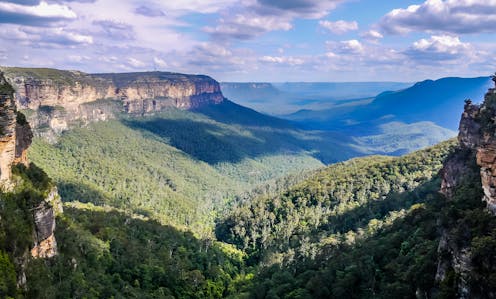

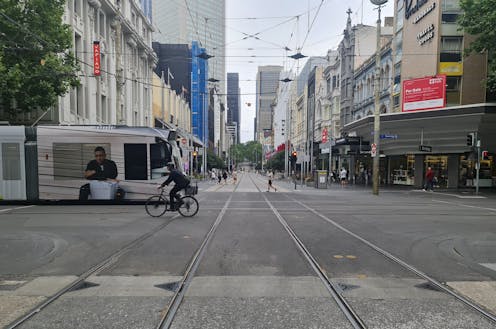
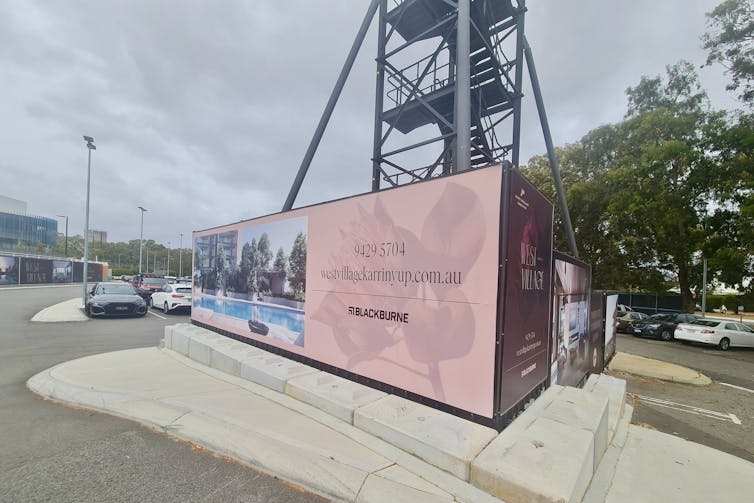





















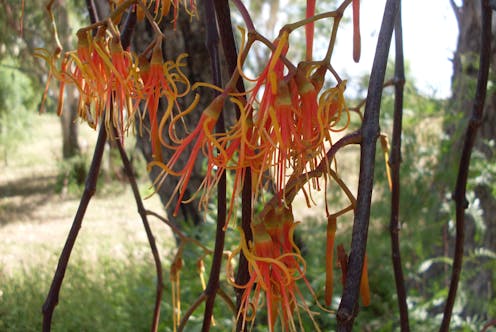

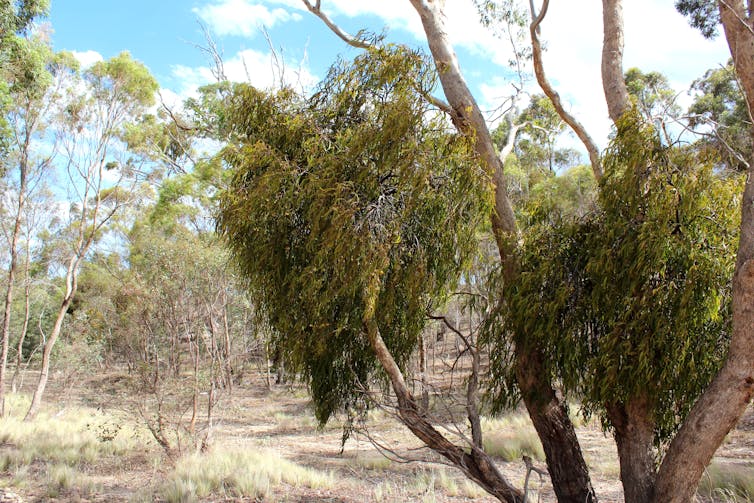
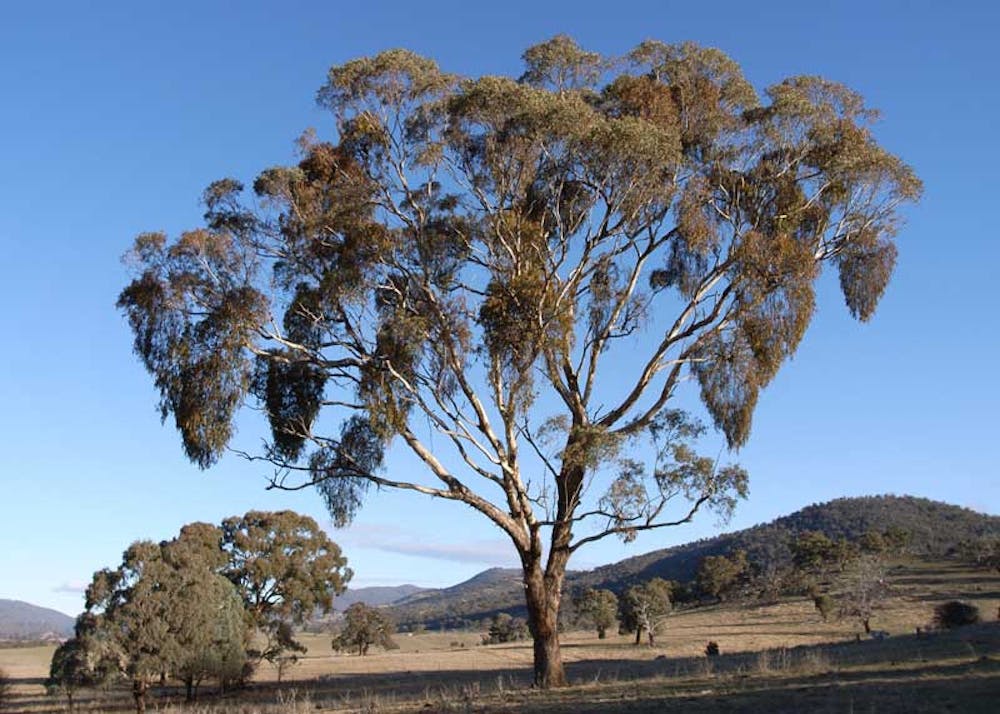
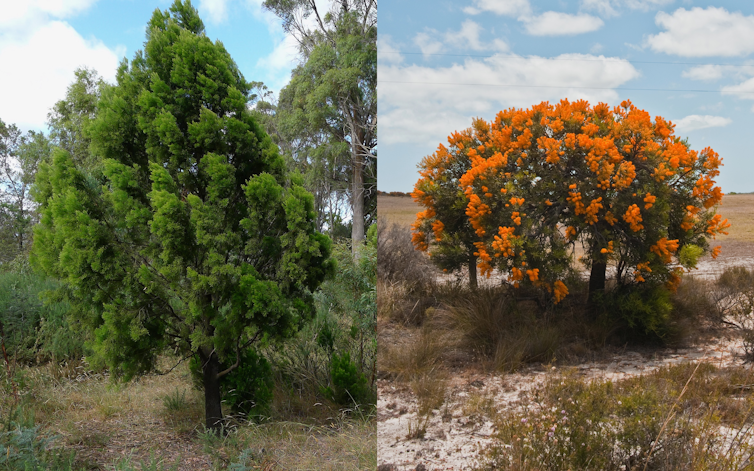




























































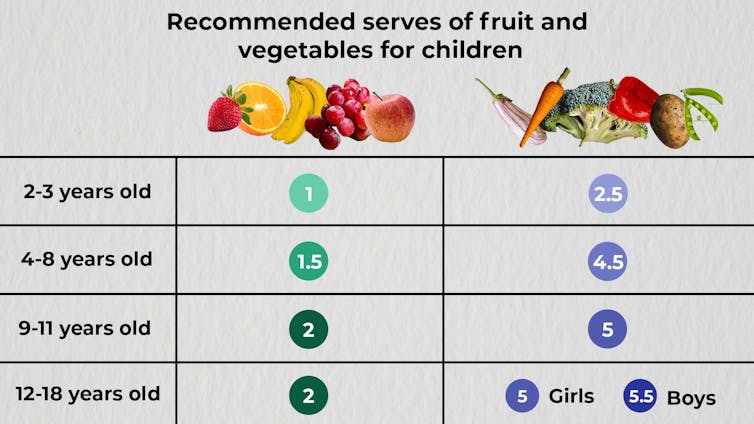













.jpg)


,_page_1.jpg)
.jpg)
