A Palestine solidarity group has protested over the participation of Israeli tennis player Lina Glushko in New Zealand’s ASB Tennis Classic in Auckland today, saying such competition raises serious concerns about the normalisation of systemic oppression and apartheid.
The Palestine Forum of New Zealand said in a statement that by taking part in the event Glushko, a former Israeli Defence Forces (IDF) soldier, was sending a “troubling message that undermines the values of justice, equality, and human rights”.
In the past 15 months, Israel’s military has killed almost 45,500 people in the besieged enclave of Gaza, mostly women and children.
Since the court ruling in July, Israel has intensified attacks on the civilian population in Gaza and their natural resources and infrastructure, including hospitals and health clinics.
“Welcoming Israeli athletes to Aotearoa is not a neutral act. It normalises the systemic injustices perpetrated by the Israeli state against Palestinians,” said Maher Nazzal of the Palestine Forum.
“Just as the international sports community united to oppose South Africa’s apartheid in the 20th century, we must now stand firm against Israel’s ongoing violations of international law and human rights.”
Implements apartheid policies He said former soldier Glushko symbolised a regime that:
Implements apartheid policies: As documented by leading organisations such as Amnesty International and Human Rights Watch;
Operates under leadership accused of war crimes: With an International Criminal Court (ICC) warrant issued against Israeli officials; and
Continues its illegal occupation of Palestine: In direct violation of international law and countless United Nations resolutions.
The statement said: “While sports often aim to transcend politics, they cannot be isolated from the realities of injustice and oppression.
“By welcoming athletes representing an apartheid regime, we risk ignoring the voices of the oppressed and allowing sports to be used as a tool for whitewashing human rights abuses.
“We urge the international and local sports community to remain consistent in their principles by refusing to host representatives of regimes that perpetuate apartheid.
“The global boycott of South African athletes during apartheid proved that sports can be a powerful force for change. The same principle must apply today.”
Today’s ASB Tennis Classic protest against Israel’s genocide in Gaza and the participation of an Israeli player and former IDF soldier in the tournament. Image: NZH screenshot APR
RNZ News reports that vocal pro-Palestine protesters managed to halt sixth seed Naomi Osaka’s eventual win 6-4 6-4 over Israeli Lina Glushko today at the ASB Classic.
A group of about a dozen protesters caused the players to briefly leave the court, as the noise from a loudhailer and shouting disrupted the usual silence while the ball was in play.
For her part, Osaka seemed non-plussed, saying that she had “just heard a lot of shouting and then people on the sidelines were telling me there was a protest”.
There was a further delay shortly after when Glushko had to leave the arena for a medical timeout, causing further confusion.
It’s unlikely you’ve missed the story. In recent weeks, US President-elect Donald Trump has again repeatedly voiced his desire for the United States to take “ownership and control” of Greenland – an autonomous territory of the Kingdom of Denmark.
Trump first floated the idea of the US buying Greenland back in 2019. At the time, he argued, quite correctly, that he was not the first US president to come up with the idea.
Modern-day territory sales are rare. Whether Trump will revive them remains to be seen. But the question is intriguing – how would one decide what to offer for an entire state, territory or nation?
Greenland’s strategic position has been of great value to the US since the early days of the Cold War.
In 1946, then-President Harry Truman offered to buy the Danish territory for US$100 million in gold. It is reported the Danes had much the same reaction to that offer as they did in 2019, and again in 2025: “No, thank you.”
One sovereign nation buying territory from another may seem strange today, but there are many instances where this has happened over time.
The US purchased much of its Western expansion in the early 19th century.
This included the “Louisiana Purchase”, vast swathes of land in North America, bought from France in 1803 for US$15 million (an estimated US$416 million in 2024 figures).
And it bought the US Virgin Islands from Denmark in 1917 for US$25 million (over US$600 million today) in gold coin.
It isn’t just the US. Japan, Pakistan, Russia, Germany and Saudi Arabia have all purchased territory, transferring jurisdiction over local inhabitants and gaining land, access to critical waterways or simply geographical buffers.
What is a country’s value?
Valuing a country (or an autonomous territory like Greenland) is no simple task. Unlike companies or assets, countries embody a mix of tangible and intangible elements that resist straightforward economic measurement.
A logical place to start is gross domestic product, or “GDP”. Simply put, GDP is the value of all the final goods and services produced in an economy in a given time (usually one year).
But does this really capture the true “value” of an economy? When we buy something, the benefits derived from it last – we hope – into the future.
So, basing a purchase price on the value produced in a given time period may not adequately reflect the value of that object (in this case, an entire economy) to the buyer. We need to consider the ability to continue to generate value into the future.
Greenland’s productive resources include not only the existing businesses, governments and workers used to generate its current GDP (estimated at about US$3.236 billion in 2021), but also its (difficult to measure) ability to change and improve its future GDP. This will depend on how productive these resources are expected to be in the future.
There are other attributes of value not captured in GDP. These include the quality of its capital (both human and infrastructure), quality of life, natural resources and strategic position.
The value of an entire economy includes factors that aren’t easily captured by GDP. Yingna Cai/Shutterstock
Unexploited resources
Beyond what is already there, from a market perspective, it’s the as-yet unexploited resources that make Greenland valuable.
Greenland has been mining coal for decades, with large, confirmed reserves. The subsoil has been shown to contain rare earths, precious metals, graphite and uranium.
In addition to coal mining, there is gold, silver, copper, lead, zinc, graphite and marble.
Finally, there is the potential for major oil exploitation off the waters of Greenland. None of this potential is reflected in Greenland’s current GDP.
National assets are easier
Putting a price on a large national asset, such as the Panama Canal (which Trump also wants under US control), is a much easier prospect.
The Panama Canal connects the Caribbean Sea with the Pacific Ocean, and is owned by the government of Panama. jdross75/Shutterstock
The theory of asset valuation is a fundamental part of the finance discipline and dates back to the 18th century.
The “asset pricing model” has evolved over time, but fundamentally, it’s about estimating the future net income flows from an asset, based on a few inputs.
For the Panama Canal, this would involve estimating the future net income that could be generated, based on factors such as fees generated by its use and the level of anticipated traffic.
You’d then take steps to subtract the anticipated costs of maintaining the equipment and any expected damage to the health of the waterway. Another factor in determining what you would pay is the risk of actually realising that net income.
The value or “price tag” of such an asset is usually determined by working out the present value of all of these future (net) income flows.
Modern territory sales are rare
The decline in territorial sales is tied to several factors. Historically, land sales often benefited ruling elites rather than ordinary citizens. In modern democracies, it is nearly impossible to sell land if local citizens oppose the idea.
Such democracies operate on the principle that national assets should serve the people, not the government’s coffers. Selling a territory today would require demonstrating clear, tangible benefits to the population, a difficult task in practice.
Nationalism also plays a powerful role. Land is deeply tied to national identity and selling it off is often seen as a betrayal. Governments, as custodians of national pride, are reluctant to entertain offers, no matter how tempting.
Compounding this is a strong international norm against changing borders, born of fears that one territorial adjustment could trigger a cascade of claims and conflicts elsewhere.
In today’s world, buying a country or one of its territories may be little more than a thought experiment. Nations are political, cultural and historical entities that resist commodification.
Greenland may theoretically have a price, but the real question is whether such a transaction could ever align with modern values and realities.
The authors do not work for, consult, own shares in or receive funding from any company or organisation that would benefit from this article, and have disclosed no relevant affiliations beyond their academic appointment.
A descendant of one of the original translators of New Zealand’s Treaty of Waitangi says the guarantees of the Treaty have not been honoured.
A group, including 165 descendants of Henry and William Williams, has collectively submitted against the Treaty Principles Bill, saying it was a threat to the original intent and integrity of te Tiriti.
Bill submissions reached a record of more than 300,000 on Tuesday night with Parliament’s Justice Select Committee extending the deadline for a week until 1pm, Tuesday, January 14, due to technical issues with the overloaded website.
The Williams brothers translated te Tiriti o Waitangi and promoted it to Māori chiefs in 1840.
William William’s great-great-great grandson, Martin Williams, told RNZ Morning Report they want to see the promises of the treaty upheld.
“Fundamentally, it’s time that we as Pākeha stood up and be counted . . . we prefer a future for our nation that isn’t premised on the idea that Māori were told a big lie in 1840.”
“It’s very concerning that the Waitangi Tribunal has described this bill as the worst, most comprehensive breach in modern times so it’s time for us to stand up and be counted and stand alongside tangata whenua.
‘We need to honour Te Tiriti’ “We need to honour Te Tiriti, not tear it up and scatter it to the wind.”
The two version of the Treaty — English and Māori — have become the source of debate and confusion over the intervening centuries because of varying content and wording.
Williams said his ancestors had faithfully followed the instructions of Governor Hobson and James Busby when translating the Treaty into te reo Māori.
“We don’t think that there was anything wrong about the way the Treaty was prepared and Henry did it under enormous time pressure, but the outcome was exactly as intended by those instructing him.”
“In essence, the Crown was conferred the right to govern for peace and good order and Māori retained their full rights as chiefs, Tino Rangatiratanga.
“That was the essence of the bargain and we’re wanting that bargain because that was the version that was signed by Māori to be honoured today, and we think it can be. If it is the future for our nation is bright, and if it isn’t the opposite applies.”
Williams said he and his whānau disagreed that the bill would make all New Zealanders, including Māori, equal under the law.
‘Equality’ not a Treaty principle “Ask Māori who are involved in abuse in state care, whether they enjoyed equal rights during that time of their lives.”
“Equality before the law is a great legal principle, but it’s not a Treaty principle.”
Minister for Regulation David Seymour, the bill’s architect . . . seeking to “promote a national conversation about [New Zealanders’] place in our constitutional arrangements”. Image: RNZ/Samuel Rillstone
“Māori very much, I think, as a result of systemic breach of the Treaty by the Crown again over decades are in a position where they have to start from way behind the line to have any hope of catching up with Pākeha for things that they take for granted.”
Williams said equity and equality were not the same thing.
The bill’s architect, Minister for Regulation David Seymour, argues the interpretation of the Treaty principles has been developed through the Waitangi Tribunal, courts and public service, and “New Zealanders as a whole have never been democratically consulted on these Treaty principles”.
Purpose to ‘provide certainty The principles have been developed to justify actions many New Zealanders feel are “contrary to the principle of equal rights”, he says, including co-governance in the delivery of public services.
The purpose of the bill, says Seymour, is to provide certainty and clarity and to “promote a national conversation about their place in our constitutional arrangements”.
ACT would argue the principles have a very influential role in decision-making, political representation and resource allocation that has gone too far. Seymour believes it is necessary to define the principles “or the courts will continue to venture into an area of political and constitutional importance”.
People have expressed frustration and outrage this week after persisent technical issues stopped them from submitting online feedback about the bill before the midnight on Tuesday night deadline.
This article is republished under a community partnership agreement with RNZ.
Debate erupted this week over the growing number of beach tents, or “cabanas”, proliferating on Australian beaches. The controversy, which began on social media, was fuelled by Prime Minister Anthony Albanese who declared it was “not on” for beachgoers to reserve a spot on the sand by erecting a cabana then leaving it vacant for hours.
Albanese told Nine’s Today show
“everyone owns the beach” and staking a claim on the sand was “a breach of that principle, really”.
Other critics deem beach cabanas an eyesore. And lifeguards say the structures can
obscure their view of the water, which poses a safety risk.
I’m a member of the University of NSW Beach Safety Research Group, and I’ve worked with local councils and national parks to address health and safety issues on beaches. So let’s look at how to strike the right balance between personal convenience and public safety when using a cabana.
A fair go for all?
In years past, Aussies came to the beach with a towel and maybe a book, stayed a little while then left.
But more recently, the use of beach tents and cabanas has grown. It’s likely the result of Australia’s growing coastal population, and a rising awareness of the dangers posed by sun exposure.
These days, it’s not uncommon to visit a popular beach in summer and find a village of cabanas stretching as far as the eye can see.
It’s great to see so many people using the beach. Beaches and oceans are health-giving places, though they come with inherent dangers.
And of course, in Australia the beach is free for all who wish to use it. It’s an approach in line with our supposedly egalitarian culture, in which everyone gets a “fair go”. Here, beaches are a place to be shared, no matter what your income or social status.
The approach contrasts to many destinations in Europe, the United States and elsewhere, where large sections of beaches are reserved for private use. At Waikiki beach in Honolulu, for example, people pay US$100 or more to hire an umbrella and chairs, and a place on the sand for the day.
To some naysayers, cabana use in Australia challenges the notion that the beach is for everyone. They question whether people should be allowed to mark out beach territory no-one else can use. That’s why in 2020, a bid by a private company to introduce paid cabanas on Sydney’s Bondi Beach prompted a public outcry.
Cabanas bring practical challenges, too. They represent an unplanned influx of temporary infrastructure into busy public spaces. Left unchecked, they could cause pedestrian congestion and become a flashpoint for disagreement between beachgoers.
Cabanas, pictured here among beach umbrellas, represent an unplanned influx of temporary infrastructure into busy public spaces. Shutterstock/LIGHTITUP
The current debate may prompt Australian beach authorities to consider bringing in cabana regulation, similar to what’s in place for some beaches in the US.
In the meantime, here are five tips for safe and fair use of beach cabanas:
1. Placement: Erect your cabana at the back of the beach and away from lifeguard towers or lifesaver tents to avoid obstructing lifeguards’ views. Clear sightlines to the water are essential for ensuring timely emergency responses. This positioning also leaves space closer to the water for other beachgoers, including children playing at the water’s edge.
2. Tying down: Secure your cabana firmly in the sand to prevent it from being blown away by strong winds. Flying cabanas are a danger to other beach users, potentially causing injuries and damage to property.
3. Spacing: Avoid overcrowding by maintaining two to three meters between structures. This ensures free movement and accessibility for all beachgoers, and ensures families and groups can enjoy the beach without feeling cramped. Also, stay within the boundaries of your cabana and don’t claim territory outside its boundaries.
4. Emergency access: Keep pathways and access points clear at all times. This is crucial for lifeguard vehicles, ambulances and surf rescue teams. Unobstructed access can make the difference between life and death in an emergency.
5. Common sense: As with using any shared space, consider the needs of others and apply common sense. How would you feel if someone set up a structure right in front of you, blocking your view of the waves or ruining your vibe? Or if you or a loved one needed medical attention on a beach, would you want an ambulance crew obstructed by an unbroken line of tents?
Make sure you leave adequate spacing between beach tents to allow emergency access. Shutterstock/Daria Nipot
When it comes to your next visit to the coast, by all means pack your cabana. But make sure you use it carefully and responsibly, so everyone’s day at the beach is safe and enjoyable.
Samuel Cornell receives funding from Meta Platforms, Inc. His research is also supported by a UNSW University Postgraduate Award, as well as project funding from the Royal Life Saving Society – Australia. He is affiliated with Surf Life Saving Australia and Surf Life Saving NSW.
Source: The Conversation (Au and NZ) – By Evangeline Mantzioris, Program Director of Nutrition and Food Sciences, Accredited Practising Dietitian, University of South Australia
The leaves contain high levels of a type of antioxidant called oleuropein. Olives and olive oil contain this too, but at lower levels.
Generally, the greener the leaf (the less yellowish) the more oleuropein it contains. Leaves picked in spring also have higher levels compared to ones picked in autumn, indicating levels of oleuropein reduce as the leaves get older.
Olive leaves also contain other antioxidants such as hydroxytyrosol, luteolin, apigenin and verbascoside.
Antioxidants work by reducing the oxidative stress in the body. Oxidative stress causes damage to our DNA, cell membranes and tissues, which can lead to chronic diseases such as cancer and heart disease.
Are olive leaves healthy?
One review and analysis combined data from 12 experimental studies with 819 participants in total. Overall, olive leaf extract improved risk factors for heart disease. This included healthier blood lipids (fats) and lowering blood pressure.
The effect was greater for people who already had high blood pressure.
Most studies in this review gave olive leaf extract as a capsule, with daily doses of 500 milligrams to 5 grams for six to 48 weeks.
Another review and analysis published late last year looked at data from 12 experimental studies, with a total of 703 people. Some of these studies involved people with high blood lipids, people with high blood pressure, people who were overweight or obese, and some involved healthy people.
Daily doses were 250-1,000mg taken as tablets or baked into bread.
Individual studies in the review showed significant benefits in improving blood glucose (sugar) control, blood lipid levels and reducing blood pressure. But when all the data was combined, there were no significant health effects. We’ll explain why this may be the case shortly.
Another review looked at people who took oleuropein and hydroxytyrosol (the antioxidants in olive leaves). This found significant improvement in body weight, blood lipid profiles, glucose metabolism and improvements in bones, joints and cognitive function.
The individual studies included tested either the two antioxidants or olive leaf incorporated into foods such as bread and cooking oils (but not olive oil). The doses were 6-500mg per day of olive leaf extract.
So what can we make of these studies overall? They show olive leaf extract may help reduce blood pressure, improve blood lipids and help our bodies handle glucose.
But these studies show inconsistent results. This is likely due to differences in the way people took olive leaf extract, how much they took and how long for. This type of inconsistency normally tells us we need some more research to clarify the health effects of olive leaves.
Can you eat olive leaves?
Olive leaves can be brewed into a tea, or the leaves added to salads. Others report grinding olive leaves into smoothies.
However the leaves are bitter, because of the antioxidants, which can make them hard to eat, or the tea unpalatable.
Olive leaf extract has also been added to bread and other baked goods. Researchers find this improves the level of antioxidants in these products and people say the foods tasted better.
Olive leaves can taste bitter, which can put people off. But you can bake the extract into bread. Repina Valeriya/Shutterstock
It appears safe up to 1g a day, according to studies that have used olive leaf extract. However, there are no official guidelines about how much is safe to consume.
There have been reports of potential toxicity if taken over 85mg/kg of body weight per day. For an 80kg adult, this would mean 6.8g a day, well above the dose used in the studies mentioned in this article.
Pregnant and breastfeeding women are recommended not to consume it as we don’t know if it’s safe for them.
What should I do?
If you have high blood pressure, diabetes or raised blood lipids you may see some benefit from taking olive leaf extract. But it is important you discuss this with your doctor first and not change any medications or start taking olive leaf extract until you have spoken to them.
But there are plenty of antioxidants in all plant foods, and you should try to eat a wide variety of different coloured plant foods. This will allow you to get a range of nutrients and antioxidants.
Olive leaf and its extract is not going to be a panacea for your health if you’re not eating a healthy diet and following other health advice.
Evangeline Mantzioris is affiliated with Alliance for Research in Nutrition, Exercise and Activity (ARENA) at the University of South Australia. Evangeline Mantzioris has received funding from the National Health and Medical Research Council, and has been appointed to the National Health and Medical Research Council Dietary Guideline Expert Committee.
We are not yet sure of the scale of the disaster, but maps show it is burning across many suburbs. That is shocking. We are looking at a disaster unfolding in real time.
But we knew this would happen eventually. We have moved from possible futures to these things now happening. The deferment has ended.
So, could something similar happen in major Australian cities – and how prepared are we? The answers are: yes, and not very.
Why is LA on fire?
The areas north of LA have always been at high fire risk. That’s because of the mix of the fuels from trees and plants and the uneven terrain; canyons and ridges can accelerate fire.
But in this situation, several things happened at once – all of which are bad.
We had the amazingly strong Santa Ana winds, in conjunction with a very dry landscape. The landscape was primed for fire, and then due to these winds, the fires grew extraordinarily fast. Fire suppression capacity was quickly overwhelmed.
In a place such as California, with its enviable aerial fire-fighting capacity, fires can usually be contained rapidly. But this one grew at a fantastic rate, driven by these terrible winds. It then got into the houses and all the way down the coast.
Shockingly, it crossed from the intermix housing on the border of bushland and city, and moved into suburban environments. It was an incredibly fast escalation.
All of these things aren’t unexpected. We know fires are burning faster and hotter and quicker, and fire seasons are getting longer. After all, these LA fires happened in the US winter.
The environment is being primed by climate change and we know there are limits to fire suppression.
So, we knew these things were going to happen – but it is still so confronting when they do.
Could this happen in a major city in Australia?
The short answer: yes.
We don’t have Santa Ana winds, of course, but we do have downslope winds (a wind that comes over a topographic barrier like a mountain range). They are often very dry and warm and can move quickly.
There is the possibility for fires to burn into Australian suburbs. It happened in Canberra in 2003. And it could happen again in a major city such as Sydney or Melbourne. We have all the ingredients.
If you have the wrong wind and the wrong fire and the wrong time, a fire can be driven very quickly into an urban area.
The degree to which it would spread depends on the suburban landscape and how well prepared the area is.
If a suburb has older housing stock with older gardens, for instance, it’s absolutely ripe for a fire to spread quickly. If you have more modern housing stock (which is usually better at defending against ember attack), and the houses are more spaced apart and the gardens are clearer, then you might be OK.
When fire gets into suburbs, the damage can be variable. Some houses might burn down and others may survive. But the worst case scenario is what we call “house-to-house ignition”, where the houses become the fuel.
Australia is not well prepared for scenarios such as this. But rather than be fatalistic and assume urban areas are open game for wildfires, effort is needed from all levels of government and community to reduce the risk of fires impacting suburban and semi-suburban areas.
That means better boundaries between houses and keeping fuel loads low. It also means households, councils and fire authorities having a plan for when fires hit.
This may mean implementing planning rules to enforce safer gardens or the clearing of bushland behind homes. But such measures will be controversial in many cases.
Gaining public support will require designing landscape-scale firebreaks that are attractive and sympathetic to biodiversity.
We also need to ask: how bushfire-aware are city residents?
So much messaging around having a plan, knowing where to go and leaving early has been targeted at rural and bushland residents. Many people in suburban areas may not consider themselves vulnerable and might not have a plan at all.
Many regional and rural areas in Australia have bushfire places of last resort – safe places for the community to go when all other bushfire plans have failed. The LA tragedy shows we also need these places in cities. People also need a plan on how to get there (by walking or going on bike, where possible), so traffic jams don’t ensue as everyone tries to escape.
People should also be educated about what to expect at the evacuation point when you arrive. Where possible, they should take their own food, water and medicines and include pets in their plan.
And the planning discussion should include residents in fire-prone areas installing their own specially designed fire-shelters at home, if they can afford it.
The LA fires show when it comes to climate change, there’s nowhere to hide. Around the world, authorities and communities must overhaul their assumptions about bushfire risk and preparedness. That includes people living in cities.
Kicking the can down the road won’t work. The crisis is already here.
David Bowman has received funding from the ARC and Natural Hazards Research Australia.
Hidden beneath the dunes, a mysterious creature glides through the sand.
This is not one of the giant worms of Arrakis in Frank Herbert’s sci-fi epic, Dune. Rather, it’s an enigmatic and tiny mammal found only in the deserts of Australia – the marsupial mole.
There are two related species of the marsupial mole.
Notoryctes typhlops, or southern marsupial mole, is found across the deserts of central and southern Australia. It is also also called itjaritjari by the local Indigenous Aṉangu peoples. Notoryctes caurinus, or the northern marsupial mole, is found in the deserts of northwestern Australia. It is also called kakarratul by the local Indigenous Martu people.
Until recently, these elusive animals have been nearly impossible to study. But our recent study in Science Advances has finally started to unravel the basis of their incredible “desert power”.
Rarely observed
Marsupial moles are small, about the length of a pencil, and weigh between 40 to 70 grams. They have a tubular body, yellow hair and limbs that barely protrude from their sides.
The subterranean lifestyle of marsupial moles, along with the vastness of the deserts they inhabit, means they are rarely observed. In fact, there are only a handful of sightings each decade.
New technologies, new insights
New DNA technologies can provide a window into the lives of cryptic species such as the marsupial mole that can’t be studied effectively in the wild.
To this end, our team worked with the Australian Biological Tissue Collection at the South Australian Museum to acquire two tiny tissue samples frozen more than a decade ago from a southern marsupial mole.
From these, we extracted extremely long fragments of DNA needed to produce a genome assembly. This is a digital representation of every base or “letter” that makes up the marsupial mole’s genetic code.
Because DNA contains both the instructions for how to make an organism’s traits and a record of its evolutionary history, we were able to glean remarkable insights into this cryptic species.
Distribution of the southern and northern marsupial moles. Jolly Janner, CC BY-SA
Unique adaptations
Marsupial moles have a variety of unique adaptations that help them survive in their harsh environment. For example, their eyes are tiny and located beneath their skin, making them functionally blind.
By comparing the sequences of eye genes to those of related marsupials, we were able to show that marsupial moles first lost genes critical for the eye’s lens. This probably happened because a clear image isn’t very important underground.
This was followed by genes for colour-sensing cone cells in the retina. After the eye had lost considerable function, the last genes to degrade were the ones active in rod cells, important for low-light conditions.
In mammals living on the surface, these changes would likely be harmful. Yet, by occurring in the right order, the stepwise degradation of eye genes allowed the marsupial mole’s ancestors to change gradually without harming their fitness.
This is a beautiful illustration of how both adaptations and disorders can share a similar genetic basis, with the line between them being shaped by their context.
Other traits
Sequencing the genome allowed us to study other traits in marsupial moles.
For example, we showed that a key gene involved in testicles dropping during puberty is likely to have also degraded in this species. This may help to explain why male marsupial moles lack a scrotum and have their testes perched in their abdominal wall.
We also found that marsupial moles have two copies of a gene encoding haemoglobin – the molecule that carries oxygen in red blood cells. This is important because sand has low oxygen levels and poor air movement.
Moreover, this duplicated haemoglobin gene is typically used in newborn mammals.
The pouch of a marsupial is already a low-oxygen environment, so marsupial moles needed to evolve ways to avoid their young suffocating. Having more haemoglobin may help.
Tracing the mole’s evolutionary heritage
For years the marsupial mole’s strange, specialised traits have frustrated attempts to determine precisely who its closest relatives actually are. But sequencing its genome has allowed us to trace its evolutionary heritage.
To do this, we examined a special type of DNA sequence called retrotransposons.
These are short stretches of DNA that can make copies of themselves that get randomly inserted across an animal’s genome and passed down through generations.
Our examination revealed marsupial moles are a sister group to bandicoots and bilbies, with carnivorous marsupials like the Tasmanian devil being distant cousins.
Given this, we also sought to glean the first insights into how marsupial mole populations have changed over time.
Using patterns of genetic diversity across the marsupial mole genome, we were able to show they have likely experienced a long-term decline in effective population size that began around 70,000 years ago. This corresponds with historical changes during the last glacial period, suggesting the decline was because of climate change rather than human actions.
It’s unclear precisely how genetic diversity lost over tens of thousands of years will affect the marsupial mole’s ability to continue its record of adaptation to extreme environments.
However, these findings highlight that new, more expansive efforts to study marsupial moles through genetic methods may be needed to ensure they aren’t lost to the sands of time like too many other Australian mammals.
Charles Feigin does not work for, consult, own shares in or receive funding from any company or organisation that would benefit from this article, and has disclosed no relevant affiliations beyond their academic appointment.
Dudes, dudines and dudettes of Australia, we need to talk about border security. Our long-time frenemies – the Americans (hey bae!) – seem to be taking over our English.
For many Aussies, our linguistic border security is a matter of cultural and national urgency. But are we any good at policing our linguistic ramparts? And how long has this been going on, anyway?
History: from great mate to ‘noxious’ trait
Long before submarines and supersized fast food, our cultural and linguistic relationship with the US was fairly uncontroversial.
In the 19th century, no-one was raising the alarm about Australian identity being steamrolled. True, we were finding our own cultural feet, and some were critical of Australian English, particularly its accent, comparing for example “familiar atrocities amongst young Australians” and “the Yankee twang”. But there was no sense these Australian “atrocities” were American-made.
So, when did commentary around American influence become negative?
Undesirable aspects of a language are typically the fallout of shifts in social dynamics. In Australia, this coincided with nation-building and the forging of a national culture. Aussies grew nervous at the idea of American culture barging in.
This fear grew worse as American cultural products began to weave themselves into the fabric of Australian life. As documented by historian Joy Damousi in Colonial Voices, this seems to have taken off with the arrival of “talking pictures”.
In June 1930, a piece in the Sydney Morning Herald noted:
It must be already apparent to many thinking people that since the introduction of the American talking films […] we are in grave danger of the Americanisation of our speech […] I do hope that this matter will be taken up by all those possessing the true Australian spirit, and help to save their country from this wholesale invasion and exploitation by a foreign power.
This Aussie spirit remains strong if the emails we get are anything to go by. Vehement objections are made to “American infiltration into our lingo” and “annoying American habits […] spreading to Australia”.
A little bit of this and a little bit of that …
You’d think the need to “save” our country from “wholesale invasion and exploitation” would make us vigilant.
And yet, our radar has always been a little too finely tuned – and at times, completely miscalibrated. Many named “Americanisms”, it turns out, are not in fact American at all, and it’s always been that way. Here’s explorer and naturalist Isabella Bird describing in 1877 the tendency in Australia to
adopt words which are rather American than English in their use. Thus a coach is a stage; a pair of horses, a span or team; a light trap of any kind, a buggy; light impediment, a swag; a wagon, a dray; a mounted policeman, a trooper.
Only “span” in this list is American English (though the Brits were spanning horses and oxen back in the 1500s).
much of the slang called Australian is really imported from the United States.
And yet, of the 31 American expressions listed, only “biff”, “bluff”, “boss”, “to chip in”, “to turn down”, “hitched” (married) and “tough” (luck) are American in origin — all the rest are either English or Australian.
More recently, Australian journalist Andrew Herrick decried the use of American words like “sandbox”, “mugging” and “rush hour”. “Sandbox” and “mugging” were originally British words (appearing in the 16th and 19th centuries respectively). “Rush hour” (instead of “peak hour”) has been used by some people in Australia since the early 1900s.
Yet, despite our overly sensitive radar, thousands of American expressions have in fact snuck in over the years without detection – arriving on the goldfields, through war, and via American entertainment.
Early arrivals include everyday terms such as “cinch”, “crack down on”, “lay off” (to dismiss a worker), “okay”, “block” (subdivisions of land), “state” (main regional sectors) — even terms we now think of as classic Australianisms, such as “bonzer” (very good) (from US “bonanza”), “digger” (originally a miner), “bushranger”, “squatter”.
Perhaps more than we realise, a lot of American slang crept into Australian English during the goldrush of the 19th century. State Library of New South Wales/Wikicommons
Have we got our knickers in a twist over nothing?
This confusion isn’t limited to our beloved Aussie lexicon. Spelling, pronunciation and grammar routinely show up in the crosshairs of complainants today.
But again, American influence isn’t clear-cut. Sure, American lexicographer Noah Webster rejected spellings such as -ise. But British usage accepts both -ize and the more French-looking -ise. In fact, -ize spellings are preferred by some authoritative British sources including The Oxford English Dictionary.
The Age newspaper used -or spellings in words such as “color” from the start of its publication in 1854. As Sidney Baker pointed out in 1945, this was not a convention inherited from America, and yet, it came to be seen as an endorsement of “American” -or spellings in place of English -our. In 2001, public pressure persuaded The Age to instate the -our spelling.
Complaints about pronunciation also highlight the complex and unclear role the US has played in Australian English developments. Take for example, this excerpt from an email we’ve received:
the annoying American habit of dropping the g off words ending in ing (ie walk’n talk’n etc).
So-called “g-dropping” has been a complex tug-of-love over many centuries. In the 19th century, one usage writer observed that the “n” pronunciation was “extremely common in all parts of the empire”. It was once even posh. But “n” has now fallen out of favour – and blame falls squarely, if arbitrarily, on American English.
Though grammar usually flies under our (often miscalibrated) radar, we’d be remiss not to address this common complaint (again, from our email stock): “we even see the American “GOTTEN” metastasising into our media”.
And, yet again, we see how complex the question of American influence is. Like “g-dropping”, choose a point in history and either “got” or “gotten” is the baddie.
“Gotten” is the older form (still found in “forgotten” and “ill-gotten”) and certainly the top choice in the earliest grammar books. Bishop Lowth’s influential Short Introduction to English Grammar (1762) describes the modern favourite “got” as an “abuse has been long growing upon us”.
Current popular perception of course brands older “gotten” as American but, given Australia has always had vestiges of dialectal “gotten” users, it is again hard to assess the role of American English contact.
The linguistic border might be more secure than we think
So our linguistic border security is serious business. But US influence can be overstated. Maybe in the words of the Americans, we need to “chill out”.
Further, research shows that if an Americanism does stick around it’s usually filling a niche. Take, for instance, the different terms we use for residential units in a housing block: “apartment”, “condominium” (both American), “flat” (British), “home unit” (Australian) – “flat” and “(home) unit” often imply simpler or smaller living spaces, while “condos” and “apartments” (especially “luxury”) can suggest more upscale accommodation.
When it comes to American influence, it would seem “our plates don’t beat” – to use long obscure bodgie slang, meaning “we don’t quite understand” as much as we think.
The authors do not work for, consult, own shares in or receive funding from any company or organisation that would benefit from this article, and have disclosed no relevant affiliations beyond their academic appointment.
The new film Conclave is a psychological thriller looking at the selection of the new pope. But what is a conclave, and where did this ritual begin?
The institution of the conclave is the formal process by which a pope is elected.
As cardinals cast their secret ballots, they partake in a process that upholds the Catholic Church’s millennia-old heritage and navigates the dynamics of contemporary global power, making the conclave a powerful intersection of faith, tradition, and geopolitics.
Who gets to be pope?
The pope’s role is deeply rooted in both spiritual and historical significance. The pope is the successor of Saint Peter, one of Jesus Christ’s disciples, entrusted by Jesus with the leadership of the early Christian Church.
The pope serves as the sovereign of the Holy See, the central governing body of the Catholic Church, and the head of state of the Vatican City State. The Holy See holds the status of an independent state in international law and maintains diplomatic relations with other countries and organisations such as the United Nations.
Any Roman Catholic male can be elected pope. But since the Middle Ages, every pope has been selected from the College of Cardinals, the group of highest-ranking Catholic leaders.
Many of the cardinals are archbishops and bishops appointed by the pope to lead Catholic communities in their country of residence.
Who gets to vote?
In the early Church, the Bishop of Rome was elected by the local clergy and laity. Over time, the clergy became the primary body responsible for the election, although the laity initially retained a degree of influence.
In 1059, Pope Nicholas II decreed only cardinals would primarily elect the pope, laying the groundwork for the formal role of the College of Cardinals. This shift marked the beginning of a more structured electoral procedure.
To expedite elections, in 1274 Pope Gregory X introduced the conclave system, sequestering the cardinals and rationing their food until a decision was reached.
Papal conclave following the death of Pope Alessandro VII, with an iconographic map of Vatican City and scenes of the funeral, procession, and election of the new pope, 1667. The Metropolitan Museum of Art
The process became further standardised in the modern era. Pope Gregory XV in the early 17th century introduced a secret ballot system and reinforced the two-thirds majority rule, aiming to ensure electoral integrity and prevent manipulation.
Today, there are 236 cardinals, and 123 are eligible to vote to elect a new pope.
How is a vote cast?
Various methods have been used to elect the Pope throughout history.
Acclamation, where cardinals unanimously declared a pope without a formal vote, was abolished in 1621. Another method was compromise, where a deadlocked College of Cardinals delegated the decision to a committee; this was last used in 1316.
The current method, known as scrutiny, involves a secret ballot.
Today, the papal election is governed essentially by rules set by Pope John Paul II in 1996. Cardinals reside in the Domus Sanctae Marthae within the Vatican during the conclave, but vote in the Sistine Chapel.
The dean of the College of Cardinals oversees the process, unless he is over 80 and age restricts his participation. Only cardinals participate in the election and, while campaigning for the papacy is discouraged, potential candidates are informally referred to as papabili (eligible).
When a pope dies, the cardinal camerlengo – the chief Vatican administrator – verifies the death and takes possession of the Ring of the Fisherman (the pope’s ring) which, along with the papal seal, is later destroyed to symbolise the end of the papacy.
During the period of papacy’s vacancy (sede vacante) the College of Cardinals assumes limited authority and manages the Church’s day-to-day matters.
The conclave to elect the new pope typically begins 15 to 20 days after the pope’s death, following the period of mourning. In the case of papal resignation, as with Benedict XVI in 2013, similar procedures apply.
Before the conclave, the cardinals attend two sermons that outline the Church’s current state and the qualities needed in a new pope. On the designated day, they celebrate Mass in St. Peter’s Basilica and proceed to the Sistine Chapel, where they take an oath of secrecy and adherence to the election rules.
After the oath, all non-participants are ordered to leave the chapel.
The conclave’s strict secrecy is enforced, with severe penalties for breaches. All electronic communication is blocked to prevent external interference.
Cardinals receive ballot cards and vote in the Sistine Chapel, with up to four ballots held daily. A two-thirds majority is required for election, and if a result is not reached, a runoff occurs between the top two candidates.
The ballots are then burned, with white smoke indicating a successful election and black smoke signalling no decision.
External influences
Secular rulers heavily influenced papal elections for much of the Church’s history. The Holy Roman Empire asserted control in the 9th century. From the 17th century, some Catholic monarchs held a veto power, used for the last time in 1903, when Pope Pius X banned government interference.
Despite this controlled environment, the world of politics, friendships and alliances, and the personal ambitions of the cardinals shape the outcome.
The conclave not only serves as a means of selecting the leader of the Catholic Church, but also reflects broader power dynamics within and beyond the Vatican.
Darius von Guttner Sporzynski does not work for, consult, own shares in or receive funding from any company or organisation that would benefit from this article, and has disclosed no relevant affiliations beyond their academic appointment.
Yesterday, during a meeting convened by the French High Commission, Ponga received the support of six of the 11 government members.
These include the four government members from his caucus (Les Loyalistes-Rassemblement), plus the decisive votes from moderate pro-France Calédonie Ensemble’s Jérémie Katidjo-Monnier and Petelo Sao from the Eveil Océanien.
Samuel Hnepeune, the candidate supported by the pro-independence camp, received three votes, from Union Calédonienne (UC)-FLNKS.
Two other agenda items A more moderate component of the pro-independence group, Union National pour l’Indépendance (UNI) and its two government members, chose to abstain.
However, two other outstanding items on the new government’s agenda remain: the election of a vice-president and the allotment of the government’s portfolios for each minister.
Under the principle of a “collegial” cabinet, the pro-independence camp should get the position of vice-president. But the two main pro-independence groups represented in the government (UNI and UC) said they needed more time to agree on a common candidate.
Under the organic law of New Caledonia, even if the vice-president’s position is not filled, the new government is deemed to be fully operational within seven days following the election of its members.
Who is Alcide Ponga? Alcide Ponga comes from a historically pro-France (“loyalist”) indigenous Kanak lineage and family which includes his father, mother and uncle having held high political positions in New Caledonia’s institutions, all under the then prominent pro-France Rassemblement pour la République (RPCR) headed by historic figure Jacques Lafleur.
His uncle, Maurice Ponga, was also an MP in the European Parliament.
With this family background, Alcide Ponga, who holds a Master in Political Science, joined politics in 2013.
Since 2014, he has been and remains the Mayor of New Caledonia’s small town of Kouaoua, a nickel-mining settlement where he was born.
He became president of the Rassemblement-LR in April 2024.
In June 2024, he was one of the candidates at the French snap general elections, but lost to pro-independence Emmanuel Tjibaou (who won with 57.12 percent of the vote in New Caledonia’s second constituency).
In the private sector, he has also held high positions in the nickel mining industry, including at the Northern Province’s Koniambo Nickel (KNS) company (2010-2024) and before that at the French Société Le Nickel (SLN).
New Caledonia’s 18th government was elected on Tuesday by the French Pacific territory’s Congress.
The new Cabinet The new 11-seat Cabinet is made up of:
4 members from the Loyalistes/Rassemblement (LR) caucus — Alcide Ponga, Isabelle Champmoreau, Christopher Gygès and Thierry Santa
3 members from the Union Calédonienne-FLNKS caucus — Gilbert Tyuienon, Mickaël Forrest and Samuel Hnepeune
2 members from the Union Nationale pour l’Indépendance (UNI) caucus — Adolphe Digoué and Claude Gambey
2 members from the Calédonie Ensemble/Éveil Océanien caucus — Jérémie Katidjo-Monnier (Calédonie Ensemble) and Petelo Sao (Éveil Océanien)
During his tenure (July 2021 – December 2024), Mapou faced several challenges, including the covid pandemic crisis, the near collapse of New Caledonia’s nickel sector and, more recently, the insurrection riots that erupted on 13 May 2024, and its social and economic consequences.
There has been an estimated 2.2 billion euros (NZ$4 billion) in damage, as well as hundreds of businesses destroyed and/or looted, and the subsequent loss of thousands of jobs.
Speaking to local media just after his election, Ponga said one of his priorities was to restore a spirit of cooperation between New Caledonia’s Congress and his government.
This article is republished under a community partnership agreement with RNZ.
The popularity of e-bikes has soared over the past decade. Shared electric bikes for rent have become a common sight in major cities worldwide, while private ownership is also rising.
Since 2020, both sales and import of e-bikes have nearly tripled in Australia.
Trends suggest these bikes – equipped with battery-powered motors that assist the rider – will continue to replace many conventional car and bike trips.
But some serious questions about safety remain – and in Australia we still don’t have the data to know how many injuries and even deaths e-bikes are connected to.
Data collected since 2000 shows Dutch cyclist fatalities remained relatively stable for almost two decades.
However, since 2018, this trend has begun to shift. Cyclist deaths hit a record high in 2022, with 291 fatalities reported — a nearly 25% increase on this century’s previous record (233 deaths in 2000).
This increase coincides with the rapid uptake of e-bikes. Between 2018 and 2021 the number of Dutch e-bike owners shot from 2.2 million to 3.1 million, while the number of regular bike owners declined.
Are e-bikes more deadly?
The Dutch data shows a higher number of cycling crashes still involve regular bikes compared to e-bikes. However, that’s likely because there are simply more regular bikes overall.
When we control the data for the number of e-bikes versus regular bikes, as well as the distance they tend to travel, we can compare the risk.
A clear trend emerges: e-bike riders face a higher risk of dying.
E-bike fatalities in Guangzhou have continued to rise since 2018, while deaths linked to regular bikes have plateaued.
What about injuries?
Cycling also has non-fatal risks. To look at what kind of injuries e-bikes are involved in, and how severe they are, we can examine hospital data and compare this to regular bikes.
One clinical study looked at 557 patients who presented to a Swiss trauma centre from 2010 to 2015. Traumatic brain injury was more frequent and more severe in e-bikers than in regular bike riders.
In Israel, the National Trauma Registry records all hospitalisations. Between 2013—17 it revealed a dramatic increase in hospitalisation rates for injuries related to e-bikes, while those related to regular bikes decreased. E-bikers were also at greater risk of head injuries compared to regular bike riders.
Clearly, there is variability across individual studies. But when we combine findings from multiple countries, some clear patterns emerge.
E-bike users are more likely to sustain injuries to their spine and lower extremities (hips, legs, ankles and feet) compared to regular cyclists.
When injured, they are more likely to be admitted to hospital wards or intensive care units, where they also have a higher chance of undergoing surgery – and of dying.
Do we know why e-bikes have greater risks?
Not exactly.
But speed is one prominent factor. E-bikes reach higher speeds with less effort – e-bike riders average around 13.3 km/h compared to 10.4 km/h for regular cyclists.
This combination of speed and potential physical limitations, along with the heavier weight of e-bikes, increases crash and injury risk.
In the Swiss study above, injured e-bike riders admitted to hospital were significantly older compared to regular cyclists.
The Dutch data also shows number of e-bike fatalities increases by age, especially for those aged 60 and older.
People who rent e-bikes for quick city trips may not be experienced cyclists. tal mocho/Shutterstock
E-bikes may be linked to other risky behaviours, including not wearing helmets, violating traffic rules and riding under the influence of alcohol – although we don’t have data to know if e-bikers do these more than regular cyclists.
Trends suggest this green mode of transport is here to stay. But two key changes are needed to make e-bikes safer for riders, pedestrians and other road users in Australia.
First, Australia should establish a national registry that tracks injuries and fatalities related to e-bikes. As we don’t currently collate these statistics, policymakers are forced to rely on international data.
Second, we need regulations tailored and proportional to the specific risks of e-bikes. This could mean stricter enforcement of helmet use, speed limits and better regulation of shared e-bike services, such as ensuring helmets are available and well-maintained.
Milad Haghani does not work for, consult, own shares in or receive funding from any company or organisation that would benefit from this article, and has disclosed no relevant affiliations beyond their academic appointment.
Once, borrowing money to make a purchase was a relatively tedious process, not a spur-of-the-moment thing.
True, some stores offered lay-by plans that would let you pay for goods in instalments. But if they didn’t, and you didn’t already have a credit card, you’d have to go to a bank and apply for one.
That would mean providing a range of supporting documents, negotiating an appropriate credit limit, and waiting for approval. It’s unlikely you’d apply for credit just for a single, small purchase.
In recent years, though, the financial technology or “fintech” revolution in the customer credit market has changed all that, with the meteoric rise of buy-now-pay-later (BNPL) services.
BNPL credit allows consumers to split their purchases into smaller, interest-free instalments. It is often directly integrated into online checkouts with fast approval, making it easy to purchase something instantly and spread the cost over coming months.
There are some obvious risks. Many BNPL providers charge less visible fees, such as late payment fees and account maintenance fees. In many countries, the BNPL sector is also less regulated than traditional credit.
But does it also change our spending habits? Our recent research uncovered a concerning insight: consumers who use BNPL services end up spending more money online than those who don’t. This effect is particularly strong among younger shoppers and those with lower incomes.
Our research
We analysed data from an online retailer in the Nordic region that offered customers three payment options for online purchases: card, pay on delivery and BNPL.
The customers analysed in our study could choose between traditional payment and buy-now-pay-later options. Tijana Simic/Shutterstock
We found that consumers who used BNPL spent an average of 6.42% more than those who didn’t.
This increase was particularly noticeable for low-ticket items, suggesting that BNPL may encourage customers to buy more when shopping for smaller, everyday things.
Why might this be the case? For one, BPNL spending is constrained by the size of the loans on offer. In the US, the average BNPL loan amount is US$135 (A$217).
It may also be related to what’s known in economics as the “lipstick effect”, where customers under financial strain tend to reduce spending on big-ticket items in favour of lower-priced luxuries.
Selling such low-ticket items doesn’t always give online retailers the biggest profit margins. But it can play a crucial role in acquiring and retaining customers, and creating opportunities to upsell.
Our research also showed that younger, lower-income customers were more likely to spend more when using BNPL services, likely because it provides them with additional “liquidity” – access to cash.
The ‘lipstick effect’ is the theory that customers spend more on small indulgences or luxuries when under financial strain. Nomad_Soul
Why might they be spending more?
It’s easy to see why so many consumers like BNPL. Some even think of it as more of a way of payment than a form of credit.
The core feature of such services – offering interest-free instalment payments for online purchases – has a significant psychological impact on customers.
It leverages the principle that the perceived benefit of spending in the present outweighs the displeasure associated with future payments.
This behaviour aligns with theories of “hyperbolic discounting” – our preference for smaller immediate rewards over larger later ones – and the related “present bias” phenomenon.
Our results also suggest customers with high category experience – that is, more familiar with the larger product categories carried by a retailer – and those more sensitive to deals and promotions are likely to spend more when online retailers provide BNPL as a payment option.
A growing influence on spending
The economic impact of BNPL is substantial in the countries that have pioneered its adoption.
In Australia, birthplace of Afterpay, Zip, Openpay, and Latitude, it’s estimated that (allowing for flow-on effects) BNPL services contributed A$14.3 billion to gross domestic product (GDP) in the 2021 financial year.
Industry research firm Juniper Research projects the number of BNPL users will exceed 670 million globally by 2028, an increase of more than 100% on current levels.
Substantial projected growth in the sector is attributed to multiple factors. These include increasing e-commerce usage, economic pressures, the flexibility of payment options and widespread adoption by merchants.
Buyer, beware
BNPL services can be a convenient way to pay for online purchases. But it’s important to use them responsibly.
That means understanding the potential risks and benefits to make your own informed decisions. Be mindful of your spending. Don’t let the allure of easy payments let you get carried away.
Customers should explore beyond the marketing tactics of interest-free split payments and pay close attention to terms and conditions, including any fees and penalties. They should treat BNPL like any other form of credit.
Whether you’re a shopper considering using BNPL or a business thinking about offering it, our research highlights that it may have the power to significantly influence spending patterns – for better or worse.
Ashish Kumar does not work for, consult, own shares in or receive funding from any company or organisation that would benefit from this article, and has disclosed no relevant affiliations beyond their academic appointment.
Four months ago, a group of lawyers in Aotearoa New Zealand called for a little reported inquiry into New Zealand spy agencies over whether there has been possible assistance for Israel’s war in Gaza.
In a letter to the chief of intelligence and security (IGIS) on 12 September 2024, three lawyers argued that the country was in danger of aiding international war crimes, reported RNZ News.
Inspector-General Brendan Horsley, who had previously indicated he would look into conflict-related spying this year, confirmed he would consider the request, according to the report.
At least one of the lawyers had been confident of a positive response, said the news report.
“I’m actually very optimistic,” noted University of Auckland associate professor Treasa Dunworth in the media interview about their argument that New Zealand’s Government Communications Security Bureau (GCSB) and Security Intelligence Service (NZSIS) intelligence might be making its way to Israel via the US, “because our request is very, detailed, backed up with credible evidence, [and] is very careful.”
But she got a disappointing result. The following month, on October 9 — just seven weeks before the International Criminal Court (ICC) issued arrest warrants against Israeli Prime Minister Benjamin Netanyahu and former Foreign Minister Yoav Gallant for war crimes and crimes against humanity — Inspector-General Horsley ruled out an inquiry at this time.
He said in a statement he did not want to “stop the clock” and tie up his office’s “modest resources to a deeper review of activity I have already been monitoring” while armed conflicts in the Middle East and Ukraine were currently “active and dynamic”.
Rapid deterioration
Yet rapidly the 15-month Israeli war has deteriorated since then with President-elect Donald Trump due to take office in Israel’s main backer the United States later this month on January 20.
As the humanitarian situation in Gaza worsens with intensified attacks on hospitals and civilians, a breakdown of law and order at the border, and more than 50 complaints filed against Israel soldiers for war crimes in multiple countries, UN Special Rapporteur Francesca Albanese has urged medical professionals worldwide to sever all ties with the pariah state.
I urge medical professionals worldwide to pursue the severance of all ties with Israel as a concrete way to forcefully denounce Israel’s full destruction of the Palestinian healthcare system in Gaza, a critical tool of its ongoing genocide.#FreeDrHussanAbuSafiyahttps://t.co/qzZ7CqufI6
— Francesca Albanese, UN Special Rapporteur oPt (@FranceskAlbs) December 30, 2024
Ironically, the New Zealand intelligence “debate” has coincided with the publication of a new book that has debunked the view that the SIS and GCSB have been working in the interests of New Zealand. The reality, argues social justice movement historian and activist Maire Leadbeater in The Enemy Within: The Human Cost of the State Surveillance in Aotearoa/New Zealand is that these agencies have been working in the interests of the so-called “Five Eyes” partners, including the United States.
Her essential argument in this robust and comprehensive 427-page book is that New Zealand’s state surveillance has been part of a structure of state control that “serves to undermine movements for social change and marginalise or punish those who challenge the established order. It had a deeply destructive impact on democracy.”
As she states, her primary focus is on the work of New Zealand’s main intelligence agencies, the SIS and the Government Communications Security Bureau (GCSB) “and their forerunners, the political police”.
Activist author and historian Maire Leadbeater with retired trade unionist Robert Reid at the Auckland book launching last November . . . her latest work exposes state spying on issues of peace, anti-conscription, anti-nuclear, de-colonisation, unemployed workers and left trade unionism and socialist and communist thought in Aotearoa New Zealand. Image: David Robie/Asia Pacific Report
The author explains that she is not concerned with the “socially useful work of the contemporary police in the detection of criminal activity, including politically motivated crime”. She notes also that unlike the domestic spies, police detection work is subject to detailed warrants, there is due process over arrests, and the process is open to public scrutiny.
The Enemy Within, by Maire Leadbeater. Image: Potton & Burton
Leadbeater points out that while New Zealand experience with terrorism has been limited, neither of the country’s two main intelligence agencies were much help in investigating the three notorious examples — the unsolved 1984 Wellington Trades Hall bombing that killed one, the 1985 bombing of the Greenpeace environmental flagship Rainbow Warrior in Auckland that also killed one (but the casualties could easily have been higher), and the 2019 Christchurch mosque shootings that murdered 51.
The regular police were the key investigators in all three cases.
Also, there is the failure of the SIS to discover Mossad agents operating in NZ on fake passports.
Working for ‘Five Eyes’ interests
Instead of working for the benefit of New Zealand, the intelligence agencies were set up to work closely with the country’s traditional allies and the so-called “Five Eyes” network — Australia, Canada, New Zealand, the United Kingdom and the United States.
An example of this was Algerian professor and parliamentarian Ahmed Zaoui who arrived in New Zealand in 2002 as an asylum seeker after a military coup against the elected government in his home country. Within nine days of arriving, his confidentiality was breached and he was falsely branded by The New Zealand Herald as an “international terrorism suspect”.
A 24-hour vigil in support of Algerian asylum seeker Ahmed Zaoui outside Mt Eden Prison in October 2003 organised by the Free Ahmed Zaoui and Justice for Asylum Seekers groups. Image: Amnesty International/The Enemy Within
He was jailed for two years without charge (part of that time held in solitary confinement) because of an SIS-imposed National Security Risk certificate and this could have have led to “deportation of this honourable man” but for the tireless work of his lawyers and a well-informed public campaign, as told by Leadbeater in this book, and also by journalist Selwyn Manning in his 2004 book I Almost Forgot about the Moon: The Disinformation Campaign Against Ahmed Zaoui.
Set free and granted asylum, he later became a New Zealand citizen in 2014. (However, on a visit to Algeria in 2023 he was arrested at gunpoint in a house in Médéa and charged with “subversion”).
Leadbeater says a strong case could be made that New Zealand’s democracy “would be stronger and more viable without the repressive laws that currently support the secretive operations of the SIS and the GCSB”. The author laments that the resources and focus of the intelligence agencies have focused too much, and wastefully, on ordinary people who are perceived to be “dissenters”.
“Dissent is the lifeblood of democracy but SIS operations targeted many of our brightest and best, damaging their personal and professional lives in the process,” Leadbeater says.
Among those who have been targeted have been the author herself, and others in her “left-wing family milieu” — including her late brother longtime Green Party foreign affairs spokesperson Keith Locke, as well as her parents Elsie and Jack, originally Communist Party activists prior to 1956.
The core of the book is based on primary sources, including declassified police records held in the National Archives and the declassified records of the SIS which have been released to individual activists – including her and she discovered she had been spied on since the age of 10 due to state paranoia.
At the launch of her book in Auckland last November, guest speaker and retired First Union general secretary Robert Reid — whose file also features in the book — said what a fitting way the narrative begins by outlining the important role the Locke family have played in Aotearoa over the many years.
The final chapter is devoted to another “Person of interest: Keith Locke” – “Maire’s much-loved friend and comrade.”
“In between these pages is a treasure trove of commentary and stories of the development of the surveillance state in the settler colony of NZ and the impact that this has had on the lives of ordinary — no, extra-ordinary — people within this country,” Reid said.
“The book could almost be described as a political romp from the settler colonisation of New Zealand through the growth of the workers movement and socialist and communist ideology from the late 1800s until today.”
Surveillance stories and files
Among others whose surveillance stories and files have been featured are trade unionist and former Socialist Action League activist Mike Treen; Halt All Racist Tours founder Trevor Richards; economics lecturer Dr Wolfgang Rosenberg’s sons George and Bill; Campaign Against Foreign Control of Aotearoa (CAFCA) organiser Murray Horton; antiwar activist and Peace Movement research Owen Wilkes; investigative journalist Nicky Hager; Dr Bill Sutch, who was tried and acquitted on a charge laid under the Official Secrets Act in 1975; and internet entrepreneur and political activist Kim Dotcom.
State paranoia in New Zealand was driven by issues of peace, anti-conscription, anti-nuclear, decolonisation, unemployed workers and left trade unionism and socialist and communist thought.
Leadbeater reflects that she had never accepted that “anyone in my family ever threatened state security. Moreover, the solidarity, antinuclear and anti-apartheid organisations that I took part in should not have been spied on. Such groups were and are a vital part of a healthy democracy.”
At one stage when many activists were seeking copies of their surveillance files in the mid-2000s through OIA requests or later under the Privacy Act, I also applied due to my association with several of the protagonists in this book and my involvement as a writer on decolonisation and environmental justice issues.
I merely received a “neither confirm or deny” form letter on the existence of a file, and never bothered to reapply later when information became more readily available.
‘A subversive in Kanaky’: An article about David Robie’s surveilance and first arrest by the French military in January 1987. Published in the February edition of Islands Business (Fiji-based regional news magazine). Image: David Robie/RNZ Pacific/ Lydia Lewis
But I have had my own brushes with surveillance and threatened arrest as a journalist in global settings such as New Caledonia, including when I was detained by soldiers in January 1987 for taking photographs of French military camps for a planned report about the systematic intimidation of pro-independence Kanak villagers.
This was perfectly legal, of course, and the attempt by authorities to silence me did not work; my articles appeared on the front page of the New Zealand Sunday Times the following weekend and featured on the cover of Fiji’s Islands Business news magazine.
Watched become the watchers
The structure of The Enemy Within is in three parts. As the author explains, the first part focuses on the period from 920 to the end of the First World War, and the second on the impact of the Cold War and the Western anti-communist hysteria between 1945 and 1955.
The final part covers the period from 1955 to the present, when the intelligence and security services have been under greater public scrutiny and faced campaigns for their reform or abolition.
As Leadbeater notes, “the watched, to some extent, have become the watchers”.
Because of my Asia-Pacific and decolonisation interests, I found a chapter on “colonial repression in Samoa” and the Black Saturday massacre of the Mau resistance of particular interest and a shameful stain on NZ history.
As Leadbeater notes, it was an “unexpected find in the Archives New Zealand” to stumble across a record of the surveillance of the “citizens who mounted an opposition to the New Zealand government’s colonial rule in Samoa”.
She pays tribute to the “vibrant solidarity movement” in the late 1920s and early 1930s, inspired by the peaceful Mau movement and its motto “Samoa mo Samoa” — Samoa for the Samoans — in their resistance to New Zealand’s colonial project.
This solidarity movement was in the face of a “prevailing attitude of white settlement” and its leaders were influenced by the Parihaka resistance of the 1880s.
Leadbeater is critical of New Zealand media, such as The New Zealand Herald, for siding with the colonial establishment and becoming “positively hostile to the Mau movement”.
New Zealand administrators under the League of Mandate to govern Samoa following German rule were arrogant and regarded Samoans as “inferior” and were “aghast” at Samoan and European leaders collaborating in resistance.
The leaders of the women’s Mau in Samoa: Tuimaliifano (from left), Masiofo Tamasese, Rosabel Nelson and Faumuina. Image: Francis Joseph Gleeson/Alexander Turnbull Library/The Enemy Within
Black Saturday massacre
On 28 December 1929, what became dubbed the “Black Saturday massacre” happened in Apia. A peaceful Mau procession marches to the Apia wharf to welcome home exiled trader Alfred Smyth.
Police tried to arrest the Mau secretary, Mata’ūtia Karaunu, but the marchers protected him. More police were despatched to “assert colonial authority”, shots were fired at the crowd and in the upheaval a police constable was clubbed to death.
A police sergeant the fired a Lewis machine gun from the police station over the heads of the crowd, while other police fired directly into the crowd with their rifles.
Paramount chief Tupua Tamasese Lealofi III, dressed in white and calling for peace, was mortally wounded and at least eight other marchers were also killed. The massacre was chronicled in journalist Michael Field’s books Mau and later Black Saturday: New Zealand’s Tragic Blunders in Samoa.
Protests followed and the Mau Movement was declared a “seditious organisation” and the wearing of Mau outfits or badges became illegal.
A crackdown ensued on Mau activists with heavy surveillance and harassment and in New Zealand public figures and community leaders called for an “independent inquiry into Samoan affairs”.
Eventually, the Labour Party victory in the 1935 elections changed the dynamic and the following year the Mau was recognised as a legitimate political movement.
After the Second World War, New Zealand became committed to self-government in Western Samoa with indigenous custom and tradition “as an important foundation”. However, full independence did not come until 1962.
Four decades later, in 2002, Prime Minister Helen Clark formally apologised to the people of Samoa for the “inept and incompetent early administration of Samoa by New Zealand”.
She cited officials allowing the “influenza” ship Talune to dock in Apia in 1918, and the Black Saturday massacre as key examples of this incompetence.
However, Leadbeater notes that the “saga of surveillance and sedition charges” outlined in her book could well be added to the list. She adds that Samoans remember the Mau Movement and its martyrs with “pride and gratitude”.
“For New Zealanders, this chapter in our colonial history is one of shame that should be far better known and understood. The New Zealand Samoa Defence League was ahead of its time, and thankfully so.”
Looking for ‘subversives’ in wrong places
Leadbeater notes in her book that the SIS budget alone in 2021 was about $100 million with about 400 staff. Yet the intelligence services have been spending this sport of money for more than a century looking for “subversives and terrorists” — but in the wrong places.
This book is an excellent tribute to the many activists and dissidents who have had their lives disrupted and hounded by state spies, and is essential reading for all those committed to transparent democracy.
Following her section on more contemporary events and massive surveillance failures and wrongs, such as the 2007 Tūhoe raids, Leadbeater calls for a massive rethink on New Zealand’s approach to security.
“It is time to leave crime, including terrorist crime, to the country’s police and court system, with their built-in accountability procedures,” she concludes.
“It is time for the state to stop spying on society’s critics.”
Meta has announced it will abandon its fact-checking program, starting in the United States. It was aimed at preventing the spread of online lies among more than 3 billion people who use Meta’s social media platforms, including Facebook, Instagram and Threads.
In a video, the company’s chief, Mark Zuckerberg, said fact checking had led to “too much censorship”.
He added it was time for Meta “to get back to our roots around free expression”, especially following the recent presidential election in the US. Zuckerberg characterised it as a “cultural tipping point, towards once again prioritising speech”.
Instead of relying on professional fact checkers to moderate content, the tech giant will now adopt a “community notes” model, similar to the one used by X.
This model relies on other social media users to add context or caveats to a post. It is currently under investigation by the European Union for its effectiveness.
This dramatic shift by Meta does not bode well for the fight against the spread of misinformation and disinformation online.
Independent assessment
Meta launched its independent, third-party, fact-checking program in 2016.
It did so during a period of heightened concern about information integrity coinciding with the election of Donald Trump as US president and furore about the role of social media platforms in spreading misinformation and disinformation.
As part of the program, Meta funded fact-checking partners – such as Reuters Fact Check, Australian Associated Press, Agence France-Presse and PolitiFact – to independently assess the validity of problematic content posted on its platforms.
Warning labels were then attached to any content deemed to be inaccurate or misleading. This helped users to be better informed about the content they were seeing online.
A backbone to global efforts to fight misinformation
Zuckerberg claimed Meta’s fact-checking program did not successfully address misinformation on the company’s platforms, stifled free speech and lead to widespread censorship.
But the head of the International Fact-Checking Network, Angie Drobnic Holan, disputes this. In a statement reacting to Meta’s decision, she said:
Fact-checking journalism has never censored or removed posts; it’s added information and context to controversial claims, and it’s debunked hoax content and conspiracy theories. The fact-checkers used by Meta follow a Code of Principles requiring nonpartisanship and transparency.
A large body of evidence supports Holan’s position.
In 2023 in Australia alone, Meta displayed warnings on over 9.2 million distinct pieces of content on Facebook (posts, images and videos), and over 510,000 posts on Instagram, including reshares. These warnings were based on articles written by Meta’s third-party, fact-checking partners.
An example of a warning added to a Facebook post. Meta
Fact checkers can verify claims from political actors and post content on their own websites and social media accounts. However, this fact‐checked content was still not subject to reduced circulation or censorship on Meta platforms.
Importantly, Meta’s fact-checking program also served as a backbone to global efforts to fight misinformation on other social media platforms. It facilitated financial support to up to 90 accredited fact-checking organisations around the world.
What impact will Meta’s changes have on misinformation online?
Replacing independent, third-party fact checking with a “community notes” model of content moderation is likely to hamper the fight against misinformation and disinformation online.
Meta’s turn away from fact checking will also create major financial problems for third-party, independent fact checkers.
The tech giant has long been a dominant source of funding for many fact checkers. And it has often incentivised fact checkers to verify certain kinds of claims.
Meta’s announcement will now likely force these independent fact checkers to turn away from strings-attached arrangements with private companies in their mission to improve public discourse by addressing online claims.
Yet, without Meta’s funding, they will likely be hampered in their efforts to counter attempts to weaponise fact checking by other actors. For example, Russian President Vladimir Putin recently announced the establishment of a state fact-checking network following “Russian values”, in stark difference to the International Fact-Checking Network code of principles.
This makes independent, third-party fact checking even more necessary. But clearly, Meta doesn’t agree.
Michelle Riedlinger has received funding from Meta’s 2022 Foundational Integrity Research granting scheme.
Silvia Montaña-Niño has received funding from Meta’s 2022 Foundational Integrity Research granting scheme.
Ned Watt does not work for, consult, own shares in or receive funding from any company or organisation that would benefit from this article, and has disclosed no relevant affiliations beyond their academic appointment.
The planning processes for residential development can be slow and unpredictable, creating additional barriers to new housing supply. This adds further pressure on construction affordability.
The demand pressures are equally concerning.
Rising living costs have made housing increasingly unaffordable, pushing many potential buyers into an expensive rental market.
In this challenging environment, house relocation – the practice of physically moving existing homes to new locations – is a possible alternative solution.
How does house relocation work?
House relocation involves preparing an existing house for transport, moving it to a new location (generally by lifting it onto a large truck) and re-establishing it on new foundations on a vacant block of land.
House relocations are complex for those in charge of moving the dwelling.
In Australia, this practice has a history dating back to the 1860s, especially in Queensland. This is because traditional, timber-framed, Queenslander-style homes are usually elevated on stilts with wraparound verandas, and this design and construction method means they are particularly suitable for relocation.
Comprehensive statistics on house relocations in Australia are limited. However, in New Zealand, about 3,000 houses are relocated annually. This accounts for up to 12% of the housing supply, according to estimates from the New Zealand Heavy Haulage Association.
Is it a viable solution?
The economics of house relocation are compelling.
Relocating a house in Queensland, for instance, typically costs $45,000–80,000, including restumping and council fees.
Of course, people relocating homes also need to own a block of land to put the house on.
Aside from being cost-effective, relocated houses are completed more quickly than a new construction. This can reduce waste and the carbon footprint associated with demolition and new builds. It also preserves heritage homes.
Construction and demolition data reveal most demolished houses (73%) are relatively modern structures built after the Second World War. This suggests redevelopment decisions are driven by land value rather than building condition.
And it indicates there is significant potential for house relocation as an alternative to demolition.
As such, there are opportunity costs of relocating homes to rural or remote areas where land is cheaper. These include longer commutes, reduced access to services and diminishing market demand for timber houses.
Why hasn’t this unconventional approach gained traction?
Despite its potential, house relocation faces significant obstacles.
Unlike other forms of relocatable dwellings (such as caravans or “prefab” homes), which are treated as personal property, relocated homes straddle the line between “real” property and personal property.
When a home is prepared for relocation, it must be detached from its existing site to a degree that changes its legal status.
This process involves more than just disconnection. The house must be sufficiently detached to be treated as a separate asset, yet its ultimate destination requires it to become real property for a title to be issued and registered once again.
This has significant implications:
similar to prefab houses, financial institutions often require relocation completion before approving loans, creating upfront costs
the bespoke nature of each relocatable home makes insurance solutions tricky
House relocation may not be a silver bullet for Australia’s housing crisis but it’s a proven solution that has successfully been used for generations.
The challenge lies not in proving the concept but in supporting systematic changes and making it more accessible and widely adopted. Some ideas include:
simplifying approval processes to make house relocations easier and more affordable
offering financial incentives for using relocated homes in affordable housing projects
improving infrastructure to streamline the transport and installation of relocated houses
promoting the awareness of relocated homes to boost public acceptance and demand.
The housing crisis won’t be solved by waiting for new developments alone.
But instead of tearing down perfectly good houses and sending them to landfill, we could be giving them new life in areas where they’re needed most, while freeing valuable urban land for denser developments.
The authors do not work for, consult, own shares in or receive funding from any company or organisation that would benefit from this article, and have disclosed no relevant affiliations beyond their academic appointment.
Many Australians have associations with beach shacks, through old family connections, recent sea changes or holiday rentals. They’re seared into family memories of place and time, where generations of children play in the same rockpools and revisit the same stretch of sand.
Writing about a shack in southern Tasmania, the author Shelly O’Reilly remembers family feasts of mussels “placed on a sheet of metal to fizz with the brine inside them until they opened up”. She also recalls learning to swim in the cold, calm saltwater of the tidal lagoon as her aunts safely held her.
Across the country, the Blowholes shack community near Carnarvon in Western Australia, has been threatened for several years with demolition by state and local governments. The small collection of rough-hewn shacks tucked into the dunes survives for now. Most are empty, but clearly in use, awaiting a weekend, school break or summer sojourn.
These beach escapes might be separated by thousands of kilometres – and inhabit vastly different parts of the country – yet they still evoke a shared feeling of everyday lives being shed.
A distinctly Australian architectural style
I’m researching and writing a history of the beach in Australia, and through this work, I’ve traced how a style of building and living has developed over generations around the beach shack. Heritage professionals refer to these spontaneous, opportunistic structures, woven together with reused materials on the fly, as a type of “vernacular architecture”.
While the origins of these structures are practical and humble, it’s ironic the very isolation and simplicity of their construction on the coastal edge now makes Australia’s beach shacks privileged spaces, out of reach for most people.
My research of material archives of the shacks reveals a long history stretching back to the 19th century, when keen fishers stashed swags and cooking pots in beach scrub and dunes to return to their favourite spot when the weather and tides were right.
Sometimes these camps were fashioned into meagre little shacks, scrounged together from anything at hand, such as driftwood, tin and repurposed building supplies. They were used as fishing shacks or weekenders. Some were shelters for the destitute who had nowhere else to live.
Many didn’t last, swallowed by the growing cities, increasingly regulated public spaces or the elements themselves. Others are still standing, palimpsests of beach occupation that are constantly being added to.
First Nations’ cultural connections to the shores
This built simplicity forced by place and culture might have an identifiable, even celebrated, architectural “style” today. However, it’s misleading to think the historical significance of these beach shacks doesn’t reach much farther back into the deep past.
What we now call “architecture” has been associated with Australian beaches for millennia. When Captain James Cook sailed in through the heads of Kamay Botany Bay in 1770, he describedgunyas dotted along the foreshore in his search for water:
Saw as we came in on both points of the bay Several of the natives and a few hutts.
The remnants one wooden structure — a possible sleeping platform — can still be seen at the Yindayin rock shelter above a beach on Flinders Island off Cape York, alongside a stunning gallery of rock art.
Research by archaeologists and Traditional Owners dates the human use of this place back 6,000 years, to the last sea level rise. This confirms an enduring cultural connection to the beach on Yithuwarra Country.
Colonisation profoundly disrupted First Nations life, pushing people off coastal Country in ways that facilitated settler-colonial leisure at the beach.
At other times, colonisation forced Indigenous communities onto the beach when their more arable Country further inland was invaded by pastoralists, who filled it with livestock and crops.
Coastal settlements, like Lake Tyers in Victoria, Wallaga Lake and Wreck Bay on the New South Wales south coast, and La Perouse in Sydney, provided some safety and autonomy, as well as varying degrees of financial and cultural independence, thanks to fishing.
But these First Nations communities were deliberately located on the fringes of colonial society, sometimes alongside other marginalised people, like Chinese fishers.
They were also wracked by the violent, impoverishing effects of colonisation, characterised by excessive state control on the one hand and neglect on the other.
Fringe-dwelling during hard times
During the Great Depression, swathes of non-Indigenous families were also forced into coastal shanties when they could no longer pay rent.
Those with nowhere to live took to camp life wherever they could — by the banks of the Swan and Canning rivers and on Wanneroo beachfront in Perth, along the Torrens in Adelaide, and by beaches up and down the east coast near towns and cities where there was likely to be work.
At places such as Frog Hollow (Yarra Bay) and Happy Valley in Sydney, the unemployed camped alongside the La Perouse Aboriginal reserve, blurring the racial boundaries of “fringe-dwelling” that had shaped geographies of Australian space since the early years of colonisation.
In 1932, at Yarra Bay alone, more than 1,000 people were living in 300 camps fashioned from flattened kerosene tins, packing cases, hessian and canvas.
Public attitudes to that place were a mix of disdain and admiration. “Misery camp at La Perouse”, read one desperate headline from The Sun in 1931. The paper reported:
There is no system of sanitation, and the water supply comes from a freshwater spring. The sea is their bathroom, and their food is Government rations, for which they walk weary miles into town twice a week.
Yet in that “misery” was also a sense of communitarian spirit. As the economic ripples of the Great Depression impacted more and more workers, renters and families, informal and illegal beach shacks like those at Crater Cove on Sydney Harbour, La Perouse and Royal National Park became permanently occupied.
It’s a vital part of Australian history, but not an uncomplicated one.
A precarious future
While a powerful sense of social connection and place is evoked in these historically significant shack communities, some conservationists and regulators have argued for their removal. They point out many shacks were built illegally on public land, can restrict public access to public beaches, and present ecological threats to vulnerable coastal habitats.
Yet, that very isolation and precarity, their unique vernacular style, is also what makes these beach shacks loved by shackies and their families, who have fought for their heritage protection.
Anna Clark does not work for, consult, own shares in or receive funding from any company or organisation that would benefit from this article, and has disclosed no relevant affiliations beyond their academic appointment.
Elder abuse is prevalent in New Zealand, with one in ten people aged 65 and older experiencing some form of it and only one in 14 abuse cases brought to the attention of a service agency that can intervene.
However, elder abuse is notoriously difficult to study. Those experiencing abuse often avoid disclosing these experiences for a variety of complex reasons. It is often friends, other family members, neighbours or practitioners who realise that something harmful is happening to the older person.
Some forms of ill treatment are immediately identifiable as abuse. But elder abuse can also be very subtle, which makes it difficult for older people to pinpoint when it happens and for others in the community to recognise it.
Our recent study explores a poorly understood form of elder abuse known as “cold violence” within the Chinese community in Aotearoa New Zealand. We interviewed older Chinese migrants, midlife Chinese migrants caring for older parents and practitioners supporting Chinese migrant families.
Although participants saw similarities in types of elder abuse across cultural groups, they described cold violence as particularly common.
What is ‘cold violence’
Cold violence is a form of emotional abuse that occurs within care relationships. It happens when the person with more power and resources in the relationship completely and intentionally withdraws communication and emotional support for a sustained period. Cold violence is used to punish people for particular conduct or to limit their independence and freedom.
This form of abuse is incredibly difficult to detect. Other forms of abuse have clear signs. Physical abuse may leave telltale marks. Suspicious bank transactions can be monitored and traced. Signs of neglect may be seen in malnutrition and poor hygiene. They are materially evident.
Cold violence, on the other hand, is open to interpretation. By strategically withdrawing emotional support and care, people can powerfully punish the older person without leaving any evidence, thus maintaining plausible deniability.
This makes cold violence difficult for older people to identify and for service providers or authorities to challenge. Family members and carers can argue they didn’t do anything wrong. This failure to respond to need is what makes cold violence a form of abuse.
Chinese culture values reverence for older generations. Getty Images
Understanding the context
Participants in our study commonly mentioned refusal to engage with older family members.
It’s like they see you but act as if they don’t.
Chinese culture values filial reverence and there is an expectation that the concerns and needs of older generations are prioritised. Being rejected by family is very damaging.
Consequently, older Chinese people in our study considered cold violence as the most unacceptable form of abuse that can happen to an older person. They told us that withdrawal of verbal communication and emotional care was made worse by demeaning nonverbal behaviours, such as looks of “disdain” or “disgust”.
They agreed that being treated this way had a “negative impact on their mental health”, making them “feel heartbroken”. One participant likened it to mental torture.
Experiencing cold violence can also leave older people unable to meet their basic needs. In the context of Chinese family arrangements, older parents who migrated in later life are often highly dependent on younger family members.
They might lack language skills, the ability to drive and knowledge of institutional systems necessary to independently navigate everyday life. In these situations, the withdrawal by family members is a highly destabilising experience, leaving older people unsure how to act and often without alternative sources of support.
Making sense of cold violence
Family carers are commonly under significant financial, emotional and time pressure and receive relatively little formal support for care. However, there was a clear mismatch between how practitioners and family carers framed emotional withdrawal as carer stress and the way it was experienced by older people as cold violence.
Chinese migrants providing care for older parents agreed that cold violence was concerning. However, they saw it as the unintentional outcome of limited time and resources. As one participant explained:
There are old people above and young children below, and their energy is limited […] They have tried their best.
Practitioners also attributed neglectful behaviour to carer stress.
This mismatch highlights the need to understand older people’s perspectives and to provide continuous education about less obvious forms of elder abuse. Awareness raising should extend beyond older people to include family members, practitioners and the wider community.
Cold violence is not unique to the Chinese community, but it may be experienced differently across cultural groups. Regardless of the cultural context, being treated in this way is an unsettling and undermining experience for older people.
We have a collective responsibility to create safe environments for people to be able to age with dignity. This starts with understanding how our actions can intentionally or unintentionally cause harm to older people in our families and communities.
Ágnes Szabó has received funding from the Ageing Well National Science Challenge and the Royal Society of New Zealand.
Mary Breheny has received funding from the Ageing Well National Science Challenge for this research.
Polly Yeung has received funding from the Ageing Well National Science Challenge for this research.
A doctor’s visit often ends with you leaving with a pathology request form in hand. The request form soon has you filling a sample pot, having blood drawn, or perhaps even a tissue biopsy taken.
After that, your sample goes to a clinical pathology lab to be analysed, in whichever manner the doctor requested. All this is done with the goal of getting to the bottom of the health issue you’re experiencing.
But after all the tests are done, what happens with the leftover sample? In most cases, leftover samples go in the waste bin, destined for incineration. Sometimes though, they may be used again for other purposes, including research.
Who can use my leftover samples?
The samples we’re talking about here cover the range of samples clinical labs receive in the normal course of their testing work. These include blood and its various components (including plasma and serum), urine, faeces, joint and spinal fluids, swabs (such as from the nose or a wound), and tissue samples from biopsies, among others.
Clinical pathology labs often use leftover samples to practise or check their testing methods and help ensure test accuracy. This type of use is a vital part of the quality assurance processes labs need to perform, and is not considered research.
Leftover samples can also be used by researchers from a range of agencies such as universities, research institutes or private companies.
They may use leftover samples for research activities such as trying out new ideas or conducting small-scale studies (more on this later). Companies that develop new or improved medical diagnostic tests can also use leftover samples to assess the efficacy of their test, generating data needed for regulatory approval.
What about informed consent?
If you’ve ever participated in a medical research project such as a clinical trial, you may be familiar with the concept of informed consent. In this process, you have the opportunity to learn about the study and what your participation involves, before you decide whether or not to participate.
So you may be surprised to learn using leftover samples for research purposes without your consent is permitted in most parts of Australia, and elsewhere. However, it’s only allowed under certain conditions.
One of the conditions for using leftover samples without consent for research is that they were received and retained by an accredited pathology service. This helps ensure the samples were collected safely and properly, for a legitimate clinical reason, and that no additional burdens or risk of harm to the person who provided the sample will be created with their further use.
Another condition is anonymity: the leftover samples must be deidentified, and not easily able to be reidentified. This means they can only be used in research if the identity of the donor is not needed.
The decision to allow a particular research project to use leftover pathology samples is made by an independent human research ethics committee which includes consumers and independent experts. The committee evaluates the project and weighs up the risks and potential benefits before permitting an exemption to the need for informed consent.
What research might be done on my leftover samples?
You might wonder how useful leftover samples are, particularly when they’re not linked to a person and their medical history. But these samples can still be a valuable resource, particularly for early-stage “discovery” research.
Research using leftover samples has helped our understanding of antibiotic resistance in a bacterium that causes stomach ulcers, Helicobacter pylori. It has helped us understand how malaria parasites, Plasmodium falciparum, damage red blood cells.
Leftover samples are also helping researchers identify better, less invasive ways to detect chronic diseases such as pulmonary fibrosis. And they’re allowing scientists to assess the prevalence of a variant in haemoglobin that can interfere with widely used diagnostic blood tests.
All of this can be done without your permission. The kinds of tests researchers do on leftover samples will not harm the person they were taken from in any way. However, using what would otherwise be discarded allows researchers to test a new method or treatment and avoid burdening people with providing fresh samples specifically for the research.
When considering questions of ethics, it could be argued not using these samples to derive maximum benefit is in fact unethical, because their potential is wasted. Using leftover samples also minimises the cost of preliminary studies, which are often funded by taxpayers.
The use of leftover pathology samples in research has been subject to some debate. Andrey_Popov/Shutterstock
Inconsistencies in policy
Despite NHMRC guidance, certain states and territories have their own legislation and guidelines which differ in important ways. For instance, in New South Wales, only pathology services may use leftover specimens for certain types of internal work. In all other cases consent must be obtained.
Ethical standards and their application in research are not static, and they evolve over time. As medical research continues to advance, so too will the frameworks that govern the use of leftover samples. Nonetheless, developing a nationally consistent approach on this issue would be ideal.
Striking a balance between ensuring ethical integrity and fostering scientific discovery is essential. With ongoing dialogue and oversight, leftover pathology samples will continue to play a crucial role in driving innovation and advances in health care, while respecting the privacy and rights of individuals.
Christine Carson is a founder with a financial interest in Cytophenix, a company developing new diagnostic tests. Her work is supported by government funding sources, philanthropy and private companies.
The views expressed here are the author’s own and are not those of Monash University.
By looking at light from distant exploding stars called supernovas, in 1998 astronomers discovered the universe isn’t just expanding – its expansion is speeding up. But what’s behind this acceleration?
Enter dark energy. It’s one of the most debated and intriguing missing puzzle pieces of modern physics – a mysterious form of energy believed to uniformly permeate all of space. In the current most accepted model of modern cosmology, dark energy is what drives the accelerated expansion of the universe.
But what if there’s another explanation that doesn’t involve dark energy? A recent study using data from supernovas hints there might indeed be one, and it’s called the Timescape model.
This finding could profoundly challenge our understanding of the cosmos, so let’s dive in.
What is dark energy?
The backbone of modern cosmology is the Lambda-Cold Dark Matter (Lambda-CDM) model. It describes a universe where a dark energy – denoted with Λ, the Greek letter Lambda – is the driving mechanism behind the universe’s accelerating expansion.
Under this model, galaxies are dancing together under the effect of an invisible dark matter web made of heavy particles that don’t interact with anything. The effects of this cold dark matter can only be observed through gravity.
Dark energy accounts for nearly 70% of the universe’s total energy budget, but its exact nature remains one of the greatest mysteries in physics.
Some interpretations suggest dark energy could be linked to the energy of the vacuum, while other studies have attempted to describe it as a new, evolving energy field spread across space.
It’s also possible that our current theory of gravity (Einstein’s theory of general relativity) is incomplete. Perhaps it requires an extension to describe gravitational interaction at cosmological scales – distances on the order of millions to billions of light-years.
What is the Timescape model?
Matter – dark matter, gas, galaxies, star clusters and super clusters – is not uniformly spread throughout cosmos.
But for the Lambda-CDM model, we assume the universe is homogeneous and isotropic. This means that, on cosmic scales, the distribution of matter appears smooth and uniform. Any clumps and gaps we might find can be considered insignificant due to the grand scale of the entire thing.
By contrast, the Timescape model takes the uneven distribution of matter into account. It suggests our intricate cosmic web – made up of galaxies, clusters, filaments and vast cosmic voids – directly affects how we interpret the expansion of the universe.
This would mean the universe isn’t stretching out evenly.
According to the Timescape model, the universe’s expansion rate varies across different regions, depending on how dense they are.
The key parameter in the Timescape model is the “void fraction”: it quantifies the proportion of space occupied by expanding voids.
Gravity dictates that voids expand faster than denser regions – they have less matter to hold them back, allowing space to stretch more freely. This creates an average effect that can mimic the accelerated expansion attributed to dark energy in Lambda-CDM.
In short, the Timescape model suggests it might only appear to us that the universe’s expansion is speeding up. The expansion speed depends on where you are in the universe.
What did the study find?
The authors of the new study looked at one of the biggest collections of Type Ia supernovas, called the Pantheon+ dataset. These supernovas are a reliable standard used to test cosmological models.
The team compared two major models: the standard Lambda-CDM (our “vanilla” recipe of the universe), and the Timescape model.
When looking at nearby bright supernovas, the Timescape model explained things better than our standard model. This was only statistical though, with the statistical analysis showing a “very strong” preference.
Even when they examined more distant supernovas, where things should be more evenly spread out, Timescape still held up slightly better than the usual model.
The takeaway? The Timescape model, which focuses on how cosmic “clumps and gaps” change the way we see the universe growing, might be better at capturing the true nature of our universe’s expansion. This would be especially so for the nearby universe – we have a lot of voids and filaments near us, which would affect how we see the expansion.
How strong is the evidence, then?
There are important caveats. The analysis doesn’t account for peculiar velocities – small, random motions of galaxies that can affect supernova measurements. They also don’t account for Malmquist bias, when brighter supernovas are more likely to be included in the data simply because they’re easier to detect.
These potential sources of error could badly affect their results. Additionally, the study didn’t use the latest DES5yr dataset of supernovas. It’s more consistent and uniform in its data collection than Pantheon+, potentially making it more reliable for comparison.
There are other things besides supernovas currently propping up the Lambda-CDM model, most notably baryon acoustic oscillations and gravitational lensing. Future work would need to integrate those into the Timescape model.
But with this new study, the Timescape model offers an intriguing alternative to Lambda-CDM. The bottom line is that our universe’s acceleration is an illusion due to the uneven distribution of matter with large cosmic voids expanding faster than denser regions.
If confirmed, this would represent a revolutionary paradigm shift in cosmology.
Rossana Ruggeri is the recipient of an Australian Research Council (ARC) Discovery Early Career Researcher Award (DECRA), which supports her independent research project titled “Probing Dark Energy with the Largest 3D Map of the Universe”.
Many Australians have associations with beach shacks, through old family connections, recent sea changes or holiday rentals. They’re seared into family memories of place and time, where generations of children play in the same rockpools and revisit the same stretch of sand.
Writing about a shack in southern Tasmania, the author Shelly O’Reilly remembers family feasts of mussels “placed on a sheet of metal to fizz with the brine inside them until they opened up”. She also recalls learning to swim in the cold, calm saltwater of the tidal lagoon as her aunts safely held her.
Across the country, the Blowholes shack community near Carnarvon in Western Australia, has been threatened for several years with demolition by state and local governments. The small collection of rough-hewn shacks tucked into the dunes survives for now. Most are empty, but clearly in use, awaiting a weekend, school break or summer sojourn.
These beach escapes might be separated by thousands of kilometres – and inhabit vastly different parts of the country – yet they still evoke a shared feeling of everyday lives being shed.
A distinctly Australian architectural style
I’m researching and writing a history of the beach in Australia, and through this work, I’ve traced how a style of building and living has developed over generations around the beach shack. Heritage professionals refer to these spontaneous, opportunistic structures, woven together with reused materials on the fly, as a type of “vernacular architecture”.
While the origins of these structures are practical and humble, it’s ironic the very isolation and simplicity of their construction on the coastal edge now makes Australia’s beach shacks privileged spaces, out of reach for most people.
My research of material archives of the shacks reveals a long history stretching back to the 19th century, when keen fishers stashed swags and cooking pots in beach scrub and dunes to return to their favourite spot when the weather and tides were right.
Sometimes these camps were fashioned into meagre little shacks, scrounged together from anything at hand, such as driftwood, tin and repurposed building supplies. They were used as fishing shacks or weekenders. Some were shelters for the destitute who had nowhere else to live.
Many didn’t last, swallowed by the growing cities, increasingly regulated public spaces or the elements themselves. Others are still standing, palimpsests of beach occupation that are constantly being added to.
First Nations’ cultural connections to the shores
This built simplicity forced by place and culture might have an identifiable, even celebrated, architectural “style” today. However, it’s misleading to think the historical significance of these beach shacks doesn’t reach much farther back into the deep past.
What we now call “architecture” has been associated with Australian beaches for millennia. When Captain James Cook sailed in through the heads of Kamay Botany Bay in 1770, he describedgunyas dotted along the foreshore in his search for water:
Saw as we came in on both points of the bay Several of the natives and a few hutts.
The remnants one wooden structure — a possible sleeping platform — can still be seen at the Yindayin rock shelter above a beach on Flinders Island off Cape York, alongside a stunning gallery of rock art.
Research by archaeologists and Traditional Owners dates the human use of this place back 6,000 years, to the last sea level rise. This confirms an enduring cultural connection to the beach on Yithuwarra Country.
Colonisation profoundly disrupted First Nations life, pushing people off coastal Country in ways that facilitated settler-colonial leisure at the beach.
At other times, colonisation forced Indigenous communities onto the beach when their more arable Country further inland was invaded by pastoralists, who filled it with livestock and crops.
Coastal settlements, like Lake Tyers in Victoria, Wallaga Lake and Wreck Bay on the New South Wales south coast, and La Perouse in Sydney, provided some safety and autonomy, as well as varying degrees of financial and cultural independence, thanks to fishing.
But these First Nations communities were deliberately located on the fringes of colonial society, sometimes alongside other marginalised people, like Chinese fishers.
They were also wracked by the violent, impoverishing effects of colonisation, characterised by excessive state control on the one hand and neglect on the other.
Fringe-dwelling during hard times
During the Great Depression, swathes of non-Indigenous families were also forced into coastal shanties when they could no longer pay rent.
Those with nowhere to live took to camp life wherever they could — by the banks of the Swan and Canning rivers and on Wanneroo beachfront in Perth, along the Torrens in Adelaide, and by beaches up and down the east coast near towns and cities where there was likely to be work.
At places such as Frog Hollow (Yarra Bay) and Happy Valley in Sydney, the unemployed camped alongside the La Perouse Aboriginal reserve, blurring the racial boundaries of “fringe-dwelling” that had shaped geographies of Australian space since the early years of colonisation.
In 1932, at Yarra Bay alone, more than 1,000 people were living in 300 camps fashioned from flattened kerosene tins, packing cases, hessian and canvas.
Public attitudes to that place were a mix of disdain and admiration. “Misery camp at La Perouse”, read one desperate headline from The Sun in 1931. The paper reported:
There is no system of sanitation, and the water supply comes from a freshwater spring. The sea is their bathroom, and their food is Government rations, for which they walk weary miles into town twice a week.
Yet in that “misery” was also a sense of communitarian spirit. As the economic ripples of the Great Depression impacted more and more workers, renters and families, informal and illegal beach shacks like those at Crater Cove on Sydney Harbour, La Perouse and Royal National Park became permanently occupied.
It’s a vital part of Australian history, but not an uncomplicated one.
A precarious future
While a powerful sense of social connection and place is evoked in these historically significant shack communities, some conservationists and regulators have argued for their removal. They point out many shacks were built illegally on public land, can restrict public access to public beaches, and present ecological threats to vulnerable coastal habitats.
Yet, that very isolation and precarity, their unique vernacular style, is also what makes these beach shacks loved by shackies and their families, who have fought for their heritage protection.
Anna Clark does not work for, consult, own shares in or receive funding from any company or organisation that would benefit from this article, and has disclosed no relevant affiliations beyond their academic appointment.
Source: The Conversation (Au and NZ) – By Nicholas Davis, Industry Professor of Emerging Technology and Co-Director, Human Technology Institute, University of Technology Sydney
In November 2023, the estates of two now-deceased policyholders sued the US health insurer, United Healthcare, for deploying what they allege is a flawed artificial intelligence (AI) system to systematically deny patient claims.
The issue – they claim – wasn’t just how the AI was designed. It was that the company allegedly also limited the ability of staff to override the system’s decisions, even if they thought the system was wrong.
They allege the company even went so far as to punish staff who failed to act in accordance with the model’s predictions.
Regardless of the eventual outcome of this case, which remains before the US court system, the claims made in the suit highlight a critical challenge facing organisations.
While artificial intelligence offers tremendous opportunities, its safe and responsible use depends on having the right people, skills and culture to govern it properly.
AI is pervading businesses whether they like it or not. Many Australian organisations are moving quickly on the technology. Far too few are focused on proactively managing its risks.
According to the Australian Responsible AI Index 2024, 78% of surveyed organisations claim their use of AI is in line with the principles of responsible AI.
Yet, only 29% said they had implemented practices to ensure it was.
AI applications range from easily accessible general-use chatbots to highly-specialised software. Tada Images/Shutterstock
Sometimes visible, sometimes not
In some cases, AI is a well-publicised selling point for new products, and organisations are making positive decisions to adopt it.
At the same time, these systems are increasingly hidden from view. They may be used by an upstream supplier, embedded as a subcomponent of a new product, or inserted into an existing product via an automatic software update.
Sometimes, they’re even used by staff on a “shadow” basis – out of sight of management.
AI is increasingly becoming embedded in all kinds of systems, making it hard to know where and how we rely on it. metamorworks/Shutterstock
The pervasiveness – and often hidden nature – of AI adoption means that organisations can’t treat AI governance as merely a compliance exercise or technical challenge.
Instead, leaders need to focus on building the right internal capability and culture to support safe and responsible AI use across their operations.
What to get right
Research from the University of Technology Sydney’s Human Technology Institute points to three critical elements that organisations must get right.
First, it’s absolutely critical that boards and senior executives have sufficient understanding of AI to provide meaningful oversight.
This doesn’t mean they have to become technical experts. But directors need to have what we call a “minimum viable understanding” of AI. They need to be able to spot the strategic opportunities and risks of the technology, and to ask the right questions of management.
If they don’t have this expertise, they can seek training, recruit new members who have it or establish an AI expert advisory committee.
Clear accountability
Second, organisations need to create clear lines of accountability for AI governance. These should place clear duties on specific people with appropriate levels of authority.
A number of leading companies are already doing this, by nominating a senior executive with explicitly defined responsibilities. This is primarily a governance role, and it requires a unique blend of skills: strong leadership capabilities, some technical literacy and the ability to work across departments.
Third, organisations need to create a governance framework with simple and efficient processes to review their uses of AI, identify risks and find ways to manage them.
Above all, building the right culture
Perhaps most importantly, organisations need to cultivate a critically supportive culture around AI use.
What does that mean? It’s an environment where staff – at all levels – understand both the potential and the risks of AI and feel empowered to raise concerns.
Telstra’s “Responsible AI Policy” is one case study of good practice in a complex corporate environment.
To ensure the board and senior management would have a good view of AI activities and risks, Telstra established an oversight committee dedicated to reviewing high-impact AI systems.
The committee brings together experts and representatives from legal, data, cyber security, privacy, risk and other teams to assess potential risks and make recommendations.
Importantly, the company has also invested in training all staff on AI risks and governance.
Appropriate AI training is necessary at every level of an organisation. Gumbariya/Shutterstock
Bringing everyone along
The cultural element is particularly crucial because of how AI adoption typically unfolds.
Our previous research suggests many Australian workers feel AI is being imposed on them without adequate consultation or training.
This doesn’t just create pushback. It can also mean organisations miss out on important feedback on how their staff actually use AI to create value and solve problems.
Ultimately, our collective success with AI depends not so much on the technology itself, but on the human systems we build around it.
This is important whether you lead an organisation or work for one. So, the next time your colleagues start discussing an opportunity to buy or use AI in a new way, don’t just focus on the technology.
Ask: “What needs to be true about our people, skills and culture to make this succeed?”
Nicholas Davis works at the UTS Human Technology Institute which receives funding from Minderoo Foundation for its AI Corporate Governance Program, among other grants from government, industry and philanthropic sources.
Gaby Carney works at the UTS Human Technology Institute which receives funding from Minderoo Foundation for its AI Corporate Governance Program.
Source: The Conversation (Au and NZ) – By Caroline Spry, Adjunct Senior Research Fellow, Department of Archaeology and History, La Trobe University
Earth ring on Wurundjeri Woi-wurrung Country, near Sunbury, Victoria.David Mullins
On the outskirts of Melbourne, Australia, there is a series of large rings which rise mysteriously out of hills.
These “earth rings”, located on Wurundjeri Woi-wurrung Country in the suburb of Sunbury, aren’t natural phenomena. In fact, they represent large scale feats of human endeavour. They also represent the ancient and ongoing connection Aboriginal people have to Country.
Our new study, published today in Australian Archaeology, presents the results of the only known archaeological excavation of one of these rings combined with Wurundjeri Woi-wurrung understanding of these enigmatic places.
It expands our understanding of the richness and diversity of Australia’s archaeological record, created over more than 65,000 years of continuous occupation by Aboriginal and Torres Strait Islander peoples.
Secret and sacred locations of initiation and ceremony
Earth rings have been reported across the world, including in England, Amazonia and Cambodia.
People created these rings hundreds to thousands of years ago. They did so by excavating and heaping together earth in a large circle (or circles) measuring up to hundreds of metres in diameter.
In eastern Australia, earth rings are understood to represent secret and sacred locations of initiation and ceremony for different Aboriginal language groups.
Many earth rings were destroyed following European colonisation and land development. It’s estimated that hundreds of earth rings once existed in New South Wales and Queensland alone. But only around 100 remain today. A smaller number of rings are documented in Victoria – including five earth rings in Sunbury.
Reading the landscape
The Wurundjeri Woi-wurrung people are the Traditional Custodians of a large area in central-southern Victoria. This area includes much of greater Melbourne and surrounds.
In 2021–22, Wurundjeri Woi-wurrung people led the first cultural values study of the broader landscape that encompasses the five Sunbury earth rings.
For Wurundjeri Woi-wurrung people, this landscape holds immense cultural significance.
It reflects a deep history of occupation, colonisation, resistance, adaptation, self-determination and resilience. It is where Liwik (Ancestors) have lived, travelled, gathered together and raised successive generations of people.
Wurundjeri Woi-wurrung people have actively managed this landscape over thousands of years. This is in accordance with their traditional lore and customs relating to creation ancestors Bunjil and Waa.
Wurundjeri Woi-wurrung people today continue to hold traditional responsibilities to care for Country. The Narrap team is currently working to restore and preserve the health of this important cultural landscape.
Sunbury Ring G, biik wurrdha (Jacksons Creek) and the Sunbury landscape (video courtesy of David Mullins).
New archaeological excavations
In 2022, Wurundjeri Woi-wurrung people led a new archaeological excavation of one of the rings, known as Sunbury Ring G.
Sunbury Ring G represents a place where Liwik travelled and came together, and of probable ceremony. It is also a highly significant location between the traditional lands of the Marin bulluk and Wurundjeri wilam clans of Woi-wurrung speaking people, separated by biik wurrdha (also known as Jacksons Creek).
Archaeologist David Frankel first excavated Sunbury Ring G in 1979. To date, no other excavation of an earth ring is known in Australia.
Wurundjeri Woi-wurrung people led the dating and re-analysis of the 166 stone artefacts found during the 1979 excavations.
This involved dating the ring deposits to estimate when the ring was made. It also involved piecing the artefacts back together like a jigsaw, and studying residues and wear patterns on their surfaces and edges. This provides clues on how Woi-wurrung speaking people made and used stone tools at Sunbury Ring G.
From left to right, Wurundjeri Woi-wurrung Elders Ron Jones and Allan Wandin; and David Frankel, Delta Lucille Freedman and Caroline Spry examining artefacts from Sunbury Ring G at Melbourne Museum. Caroline Spry
An ancient ring
The results of our study reveal Woi-wurrung speaking people constructed the ring sometime between 590 and 1,400 years ago. They spent time in the area clearing the land and plants, scraping back soil and rock to create the ring mound and layering rocks to create stone arrangements.
They also lit campfires, made stone tools which they used on a variety of plants and animals, and moved items around the ring’s interior.
Skin working tools from Sunbury Ring G. Elspeth Hayes
Wear patterns and residues on some of the stone artefacts suggest Woi-wurrung speaking people may have also used some of these stone tools to create feather adornments and scar human skin for ceremony. This practice has been documented in other parts of Victoria.
Our study is the first to combine cultural and archaeological insights on earth rings in Australia.
It demonstrates the importance of further investigating and preserving these earth rings, as well as others known to occur across eastern Australia. This is especially important in the face of continued threats by land development and climate change which threaten the survival of earth rings.
The authors of this article acknowledge Wurundjeri Woi-wurrung Elders and community, Wurundjeri Woi-wurrung Cultural Heritage Aboriginal Corporation, Aunty Di Kerr, Delta Lucille Freedman, Elspeth Hayes, Garrick Hitchcock, Wendy Morrison, Richard Fullagar, Rebekah Kurpiel, Nathan Jankowski, Zara Lasky-Davison, Ariana Spencer-Gardner, Lauren Modra, Lauren Gribble, Maria Daikos, Matthew Meredith-Williams, Paul Penzo-Kajewski, Jamie Rachcoff, Allison Bruce, Tracy Martens, Western Water, Hume City Council, Parks Victoria, Museums Victoria (including Rob McWilliams). The Victorian Department of Energy, Environment and Climate Action (formerly known as the Department of Environment, Land, Water and Planning) funded this study.
Caroline Spry receives funding from the Victorian Department of Energy, Environment and Climate Action (formerly known as the Department of Environment, Land, Water and Planning).
Allan Wandin, Bobby Mullins, and Ron Jones do not work for, consult, own shares in or receive funding from any company or organisation that would benefit from this article, and have disclosed no relevant affiliations beyond their academic appointment.
Source: The Conversation (Au and NZ) – By Kylie Message, Professor of Public Humanities and Director of the ANU Humanities Research Centre, Australian National University
National Museum of Australia
Pompeii: Inside a Lost City at the National Museum of Australia in Canberra depicts life in the flourishing Roman city of Pompeii before it was destroyed by the eruption of Mount Vesuvius in 79 CE.
It pictures an ancient city frozen in time, eerily preserved by volcanic ash. It also tells the story of the city’s rediscovery in the late 16th century and the archaeological excavations that have been underway ever since.
The exhibition’s representation of a natural disaster that has reached timeless proportions has the potential to say a lot about the risks and costs of the urgent environmental crises facing humans today.
It offers a crucial opportunity for contemporary audiences to look at a lost city from the perspective of a world on the verge of collapse, but could have done more to consider what this level of destruction might mean now.
Ancient artifacts and technical precision
The exhibition’s main intention is to create human understanding across millennia. “Beauty and fashion were no less important in the 1st century CE than they are today”, says one wall-text.
A highlight for many visitors will be the authentic, vividly coloured frescoes recovered from the site. A wide curved screen plays a montage of digital images in situ near a selection of tiny clay pots holding the remains of pigments the painters used immediately before the eruption.
A highlight for many visitors will be the brightly coloured frescoes. National Museum of Australia
The exhibition is split into three parts. The first emphasises domestic life before the eruption. The second explores the remains of Pompeii and documents the work of researchers bringing the site and its fragments back to life.
These “before” and “after” sections are connected by a wide central corso (thoroughfare) reflecting the urban plan and textures of the ancient city. It provides a space of civic engagement and interaction between exhibition visitors and the residents of Pompeii.
The thoroughfare leads to a vast projection of Vesuvius that erupts every 15 minutes, giving the impression volcanic rain is falling across the exhibition. The panoramic area relies heavily on large-scale digital reconstructions and soundscapes to bring a contemporary treatment to an ancient story.
A vast projection of Vesuvius erupts every 15 minutes. National Museum of Australia
But it is more than a space of technical precision. Walking around in the crowd, the heat of visitors’ bodies moving around each other offers a nod to the unsettling and perhaps unspeakable experience faced by the 20,000 people estimated to live in Pompeii at the time of the eruption.
A small alcove to the side of the exhibition holds historical copies of faceless casts of four people and a dog in their moments of death.
Most Pompeiians survived by fleeing the city when the early tremors hit, but many did not. Over a thousand victims have been excavated. In 1863, a technique was developed to inject plaster into the ash cavities left by the eruption to create casts from those who perished. This process has been extensively developed and analysed in the centuries since, and laser scanners and 3D printers now make more accurate casts.
Beautiful, often ordinary
Exhibition designers and curators have relied as much on spectacle as they have on information to create an emotive atmosphere to accentuate the feeling of travelling through time and space.
This effect is not solely produced through media supplementation but by the objects on display – including the terrible casts but also by the decayed frescoes, from which ever-young faces return our gaze.
Over a thousand victims have been excavated. National Museum of Australia
The excavated artifacts are beautiful, often ordinary: things like tweezers, cups, storage containers and lamps. Other everyday but less familiar items include small, mass-produced figurines of deities included in small shrines in a kitchen space or atrium.
Visitors can lean into displays to consider how similar – or different – the objects and the lifestyles they represent are from our own.
The excavated artefacts are beautiful, often ordinary.
They complement the only existing eyewitness account of the eruption, written by Pliny the Younger:
People bewailed their own fate or that of their relatives, and there were some who prayed for death in their terror of dying. Many besought the aid of the gods, but still more imagined there were no gods left, and that the universe was plunged into eternal darkness for evermore.
This description is presented in large text in a small anteroom that has the purpose of helping visitors suspend disbelief as they enter the exhibition. There are no objects in this room.
The moment of pause it demands prepares visitors to:
Walk the city streets and immerse yourself in both the ancient city and the archaeological site – but beware the ever-present volcano.
Our own at-risk planet
There is a certain irony in being encouraged to step out of our everyday life to enter a past world in which we are directed to find common experiences. This is more a function of immersive blockbuster exhibitions in general than it is a complaint of Pompeii.
Pompeii is a polished, beautiful exhibition about an endlessly fascinating topic that will draw, enthral and enlighten crowds.
And yet, Pompeii misses an opportunity to demonstrate connections between a long dead civilisation and our own at-risk planet. Its approach to building human understanding across time could have been extended to ask visitors to consider how they would react to an equivalent catastrophe or what it might mean today.
Pompeii is a polished, beautiful exhibition about an endlessly fascinating topic. National Museum of Australia
We do not need to look far to generate a conversation about crises in different eras: last month, we saw the 50th anniversary of Cyclone Tracy; we are now five years on from the Black Summer bushfires.
These events are featured in the museum’s Great Southern Land exhibition, which shows the damage they caused to communities as well as their legacies. It also features salvaged artifacts with similar everyday characteristics to those included in Pompeii.
This exhibition makes the case that distant civilisations are not too far from our own. But by placing us in a highly immersive exhibition we are – despite its opposite intention – disconnected from our own daily lives, and the true connection we have to the past. This can weaken society’s collective will to take the urgent action required if we are to survive the next 2,000 years.
Pompeii: Inside A Lost City Package is at the National Museum of Australia, Canberra, until May 4.
Kylie Message is an honorary Research Fellow of the National Museum of Australia (2023–25). She has received funding from the Australian Research Council.
Five years on from the first news of COVID, recent reports of an obscure respiratory virus in China may understandably raise concerns.
Chinese authorities first issued warnings about human metapneumovirus (hMPV) in 2023, but media reports indicate cases may be increasing again during China’s winter season.
For most people, hMPV will cause symptoms similar to a cold or the flu. In rare cases, hMPV can lead to severe infections. But it isn’t likely to cause the next pandemic.
What is hMPV?
hMPV was first discovered in 2001 by scientists from the Netherlands in a group of children where tests for other known respiratory viruses were negative.
But it was probably around long before that. Testing of samples from the 1950s demonstrated antibodies against this virus, suggesting infections have been common for at least several decades. Studies since have found hMPV in almost all regions in the world.
Australian data prior to the COVID pandemic found hMPV to be the third most common virus detected in adults and children with respiratory infections. In adults, the two most common were influenza and RSV (respiratory syncytial virus), while in children they were RSV and parainfluenza.
Like influenza, hMPV is a more significant illness for younger and older people.
Studies suggest most children are exposed early in life, with the majority of children by age five having antibodies indicating prior infection. In general, this reduces the severity of subsequent infections for older children and adults.
In young children, hMPV most commonly causes infections of the upper respiratory tract, with symptoms including runny nose, sore throat, fever as well as ear infections. These symptoms usually resolve over a few days to a week in children, and 1–2 weeks in adults.
Although most infections with hMPV are relatively mild, it can cause more severe disease in people with underlying medical conditions, such as heart disease. Complications can include pneumonia, with shortness of breath, fever and wheezing. hMPV can also worsen pre-existing lung diseases such as asthma or emphysema. Additionally, infection can be serious in people with weakened immune systems, particularly those who have had bone marrow or lung transplants.
But the generally mild nature of the illness, the widespread detection of antibodies reflecting broad population exposure and immunity, combined with a lack of any known major pandemics in the past due to hMPV, suggests there’s no cause for alarm.
Are there any vaccines or treatments?
It is presumed that hMPV is transmitted by contact with respiratory secretions, either through the air or on contaminated surfaces. Therefore, personal hygiene measures and avoiding close contact with other people while unwell should reduce the risk of transmission.
The virus is a distant cousin of RSV for which immunisation products have recently become available, including vaccines and monoclonal antibodies. This has led to the hope that similar products may be developed for hMPV, and Moderna has recently started trials into a mRNA hMPV vaccine.
There are no treatments that have been clearly demonstrated to be effective. But for severely unwell patients certain antivirals may offer some benefit.
Why are we hearing so many reports of respiratory viruses now?
Since the COVID pandemic, the pattern of many respiratory infections has changed. For example, in Australia, influenza seasons have started earlier (peaking in June–July rather than August–September).
Many countries, including Australia, are reporting an increased number of cases of whooping cough (pertussis).
In China, there have been reports of increased cases of mycoplasma, a bacterial cause of pneumonia, as well as influenza and hMPV.
There are many factors that may have impacted the epidemiology of respiratory pathogens. These include the interruption to respiratory virus transmission due to public health measures taken during the COVID pandemic, environmental factors such as climate change, and for some diseases, post-pandemic changes in vaccine coverage. It may also be the usual variation we see with respiratory infections – for example, pertussis outbreaks are known to occur every 3–4 years.
For hMPV in Australia, we don’t yet have stable surveillance systems to form a good picture of what a “usual” hMPV season looks like. So with international reports of outbreaks, it will be important to monitor the available data for hMPV and other respiratory viruses to inform local public health policy.
Allen Cheng receives funding from the Australian Government for respiratory virus surveillance. He is a member of the Australian Technical Advisory Group on Immunisation, the National Respiratory Virus Surveillance Committee and the Communicable Diseases Network of Australia, advising governments on surveillance and immunisation.
Nominations galore, but no wins for Aussiewood at the 82nd Golden Globes on Sunday.
Formerly, the Golden Globes were voted on by the nonprofit Hollywood Foreign Press Association, which consisted of about 100 entertainment journalists based in California and writing for foreign publications.
In 2023, the association rebranded as the Golden Globe Foundation and opened up its voting to entertainment journalists based anywhere in the world.
It’s an elite club compared to the 9,000 voters for the Oscars.
The award show is known for its hilarious, brutally honest tone. This year comedian and Golden Globe nominee Nikki Glaser became the first solo woman to host the ceremony.
Aussiewood presence
Five Australians were nominated for Golden Globes: three for motion pictures and two in television.
Nicole Kidman has won six times, and received her 20th nomination, this time for Best Female Actor in a Motion Picture – Drama for her role as Romy Mathis, a middle-aged CEO of a tech company seduced by a young male intern in Babygirl. The award went to Fernanda Torres in I’m Still Here.
Guy Pearce was up for his second nomination for Best Actor in a Supporting Role in a Motion Picture – Drama, as the wealthy industrialist Harrison Lee Van Buren in The Brutalist. Kieran Culkin won for his role in A Real Pain.
However, The Brutalist proved to be one of the big winners for the night, and so a favourite at the upcoming Oscars. The film won three Golden Globes in the drama categories for best motion picture, best director (Brady Corbet) and best actor (Adrian Brody).
The Australian animated feature Memoir of a Snail, from director Adam Elliot, was nominated for best animation, but lost out to Flow. Featuring all Australian voices, Elliot’s film is a melancholic tale about Grace Pudel (played by two-time Golden Globe winner Sarah Snook) who hoards snails. Her twin brother, Gilbert, is played by another past winner, Kodi Smit-McPhee.
Naomi Watts and Cate Blanchett were nominated for their work in television. This was Watts’ second nomination, this time as publisher and socialite Babe Paley in Feud: Capote vs. The Swans.
Blanchett was nominated for the 14th time, and what could have been her fifth Golden Globe, as documentary journalist Catherine Ravenscroft in Disclaimer.
Unfortunately, neither won, rounding out a disappointing night for the Australian contingent.
In 2021, a Los Angeles Times investigation exposed a lack of diversity among the voters, and raised concerns about its ethics and financial practices.
The awards are now run by the Golden Globes Foundation, a nonprofit organisation which manages the awards, film restorations, philanthropic activities and promotes freedom of the press.
Voters can be entertainment journalists working anywhere in the world. To become a voter you must be an experienced entertainment journalist working for a recognised media organisation.
Writers need to be sponsored by a current Golden Globe voter and submit at least five examples of published or aired work within the past 12 months. Most voters are now based outside the United States.
This year, Australia’s voters included film critic David Griffiths, the Saturday Paper’s Andy Hazel and Jenny Cooney, a long time voter and legacy member who has spent her career covering Aussies in Hollywood for various presses.
A rocky road ahead
In 2023, the Golden Globes was sold, and they are now owned by Penske Media Eldridge, the owner of Variety, Rolling Stone, Deadline Hollywood, Billboard and The Hollywood Reporter.
Since then, there have been allegations Jay Penske, CEO of Penske Media Corporation, has a “near-monopoly” of the celebrity press, while Todd Boehly, CEO of Eldridge, is “profiteering” from the awards.
More recently, Boehly has been accused of fraud by former members of the Hollywood Foreign Press Association in his co-takeover of the Golden Globes.
Unlike previous years, this year Boehly did not allow Golden Globe voters to attend the ceremony at the Beverly Hilton’s ballroom.
Instead, legacy members from the Golden Globe Foundation (those who were previous members of the Hollywood Foreign Press Association, and now play a role in supporting the foundation’s activities, particularly its charitable and philanthropic efforts) were invited to watch the ceremony via a “viewing party” in an adjacent, small function room.
Given the jubilant success of the 82nd Golden Globe awards these worries seem to be allayed. But institutional integrity is needed to ensure sustainability of the foundation, and the continuation of the awards.
Andrea Jean Baker does not work for, consult, own shares in or receive funding from any company or organisation that would benefit from this article, and has disclosed no relevant affiliations beyond their academic appointment.
Source: The Conversation (Au and NZ) – By Dirk Matten, Professor of Sustainability, Hewlett-Packard Chair in Corporate Social Responsibility, Schulich School of Business, York University, Canada
The second season of Squid Game, Netflix’s most-watched show of all time, has been eagerly awaited by many. The first season featured players participating in a series of deadly children’s games to win prize money.
More than a third of the season takes place outside the actual game setting, highlighting the dystopian life circumstances that drive participants to enter the deadly competition in the first place.
In many ways, Squid Game Season 2 is a very South Korean story. The country has one of the highest levels of household debt in the world, much of which has incurred through a failing social security system.
Beyond that, Season 2 highlights one specific feature of a capitalist system built on zero-sum competition: people are drawn into it because of the promise of fairy tale wins for a few, despite it resulting in devastating losses for the many.
The illusion of choice
In contrast to other contemporary critiques of capitalism that tend to highlight the players behind the scenes, Squid Game unearths the reasons why the general public plays along with the system in the first place. It’s a depiction of a very real individual financial abyss.
Squid Game doesn’t shy away from the motive of greed, a sentiment famously encapsulated in the 1987 film Wall Street. However, the show frames this greed against a broader canvas of personal bankruptcy, unpaid health-care bills and gambling losses in the form of failed crypto investments.
‘Squid Game’ Season 2 trailer from Netflix.
Squid Game’s perspective on contemporary capitalism, and why it’s supported by billions of people around the world, is striking. Crumbling public services, privatized insecurity and unattended health issues are not mere side-effects of neo-liberal economic policies — they are designed to push people into the system.
Almost all the players in the game see it as the only option left for them. No one enters the game willingly; they are all thrust in it involuntarily out of necessity.
It is a role in this game that provides the hope of steering clear of the potential abyss against which a declining middle class in many capitalist economies has survived. Like the players of Squid Game buy into the game as their only means of survival, we, too, buy into the capitalism system because we don’t have another choice.
In a global context, the show highlights how extreme poverty and lack of public infrastructure force vast parts of the population in so-called developing countries to participate in exploitative — and often lethal — labour conditions.
Business professor Bobby Banerjee has explored the latter aspect under the label of “necrocapitalism,” while
professors Carl Cederström and Peter Fleming have explored the experiences of first-world white-collar workers in their book Dead Men Working.
The promise of more
The repeating votes and battles over the continuation of the game highlight why so many people continue to participate in the broader capitalist system: the promise of more.
Squid Game plays on the almost comical ability people have to believe in their own capacity to survive and be the chosen winner.
The red light green light game returns in Season 2 of Netflix’s ‘Squid Game.’
The cruelty and violence of the game itself fuels players’ almost transcendental convictions that they are destined to be the sole victor of the games. These desires, however, clash with the core humanity of the players.
Camaraderie develops as the players work together, and family ties, past friendships, shared experiences, compassion and spirituality all have a clear presence in the show. But in the end, they are overshadowed by the rigid logic of the overarching game.
The most scandalous recent example for such behaviour is American financier Bernie Madoff who ruthlessly defrauded family and kinship in the Jewish community for his personal gain.
‘Temporarily embarrassed millionaires’
Some critics bemoaned that Season 2 is too focused on the lives of the players, with the actual games not beginning until episode four.
However, this shift arguably makes the relationship between the players’ real lives and the games much more explicit. In turn, it makes the show’s critique of capitalism even more pronounced.
While the high-stakes games are undoubtedly the series’ main draw, the popularity of the series still has a lot to do with its intrinsic message, which becomes much more pronounced in the second season. People can identify with the characters risking their survival for the promise of heroically winning another lease on life against all odds.
As American writer John Steinbeck once put it, many middle- and working-class Americans see themselves as “temporarily embarrassed capitalists.” This mindset encapsulates the relentless participation in a capitalist system that offers only the faint possibility of success.
This dynamic is illustrated in Squid Game Season 2, which explores how individuals rationalize their participation in a game that otherwise runs counter to their most basic human impulses.
The lyrics to Bertold Brecht’s satirical song March of the Calves comes to mind: “Following the drum / The calves trot / The skin for the drum / They deliver themselves.” It’s a sobering metaphor for the way the promise of success often blinds us to the personal sacrifice we may pay to achieve it.
Dirk Matten does not work for, consult, own shares in or receive funding from any company or organisation that would benefit from this article, and has disclosed no relevant affiliations beyond their academic appointment.
Source: The Conversation (Au and NZ) – By Frank Bongiorno, Professor of History, ANU College of Arts and Social Sciences, Australian National University
The Oxford English Dictionary defines a gaffe as a “blunder, an instance of clumsy stupidity, a ‘faux pas’.” It evokes a sense of triviality rather than high seriousness. If one’s clumsiness results in the outbreak of war, it would not usually be considered a mere gaffe.
Nor are gaffes ordinarily seen to result from the unworthy impulses of spite or cruelty. No one would call Robodebt a gaffe. It was far worse than that. Gaffes normally imply absentmindedness rather than deliberation.
So, what are the gaffes that have been most significant in Australian political history? What are the blunders that have mattered?
Bungled from the start
The Commonwealth of Australia was founded on a blunder.
The governor-general of the day, Lord Hopetoun, commissioned William Lyne as the first prime minister of Australia. Hopetoun had only recently arrived in Australia, and as there would be no federal election until March 1901, an interim government needed to be formed in the meantime.
Lord Hopetoun made an unfortunate choice for Australia’s first ever prime minister. State Library of Queensland
Lyne had recently become premier of New South Wales, the most populous of the colonies. To a newcomer unversed in local politics, making him prime minister seemed like a good idea.
But Lyne had been a longstanding opponent of federation of the colonies and was deeply unpopular with those who had worked for years to bring it about. Leading politicians, such as Edmund Barton, refused to serve in his cabinet.
Gaffes, however, often tend to be more about words than actions.
One of the most memorable to have occurred in the Australian parliament was on October 19 1955. Herbert Vere Evatt was leader of the opposition and had overseen – and helped trigger – a split in the Labor Party.
Entangled in that crisis was the defection the previous year of Soviet spies Vladimir and Evdokia Petrov, and Evatt’s clumsy handling of the matter.
Early in a speech delivered to the House of Representatives, Evatt reported he had written to the Soviet foreign minister, Vyacheslav Molotov, who had assured him the documents Petrov had taken from the Soviet embassy in Canberra had been forged under the “instructions of persons interested in the deterioration of the Soviet-Australian relations and in discrediting their political opponents”. One of the documents in question implicated Evatt’s staffers in passing information to the Soviets.
It seemed incredible an Australian political leader would write to a Soviet politician in such terms. What did he expect Molotov to say? That the documents delivered by a man who had betrayed the Soviet Union, and which disclosed the existence of Soviet espionage in Australia, were authentic?
Evatt’s speech was greeted with grim faces from those behind him, and raucous laughter from the government benches and Labor defectors. One of those who had split from Labor, Stan Keon, wanted to know if the letter had been addressed “Dear Boss”. Another from the government benches interjected “he’s nuts”.
Most so-called gaffes do not have such serious reverberations. They sound silly and reflect poorly on whoever made them, but the political cycle quickly moves on.
In this case, Evatt’s gaffe mattered. It destroyed what remained of his credibility and prompted some to question not only his judgement but also his sanity.
Following a closely fought election in 1954, it provided an opening for Robert Menzies to call an early election in 1955, which he won in a landslide. It paved the way for another 17 years of Coalition rule.
On cakes and recessions
It is hard to think of any gaffe in recent Australian political history that mattered quite as much.
John Hewson undoubtedly committed a gaffe during the 1993 election campaign in a television interview with Mike Willesee, when he was asked how his proposed Goods and Services Tax would apply to a cake.
Hewson’s answer weaved this way and that – in a manner that complicated rather than simplified. He probably would have lost the election anyway, but it didn’t help.
In other instances, a gaffe subsequently acquires importance because it comes to stand for some larger story about the times or the person who committed it.
Paul Keating’s remark at a 1990 media conference announcing the country had entered a recession was accompanied by the memorable remark “this is the recession Australia had to have”.
It looked like a gaffe. It smelt like a gaffe. It clung to Keating as a clumsy attempt by an arrogant politician to absolve himself of responsibility for the sad state of the economy.
Yet, in the eyes of many commentators a few years on, it didn’t look quite so bad.
A recession was inevitable following the boom in asset prices of the 1980s. Almost all developed economies had one in the early 1990s.
An effect of the recession is that it brought inflation down to the levels achieved by countries such as the United States and United Kingdom in the early 1980s, which became the foundation for several decades of high economic performance by Australia.
Paul Keating’s ‘recession we had to have’ remark is burnt into the collective consciousness. IMDB/ABC
I do not share this rosy view: the recession had catastrophic economic and social effects. But the combination of events is a reminder that what might look like a bad gaffe in one context can look rather different in another.
Keating’s 1986 remark in a radio interview with John Laws that unless the country turned around its balance-of-payments problems, it would become a “banana republic”, also looked like a gaffe.
Prime Minister Bob Hawke was deeply unhappy with what Keating had said, but in retrospect, it provided the government with cover for imposing greater economic discipline on the public.
Labor won the 1987 election that followed, just as Keating’s “recession” gaffe turned out to be a milestone on his way to the prime ministership and victory in 1993.
Symptoms of larger problems
More recently, Scott Morrison’s 2019 “I don’t hold a hose, mate” comment during the Black Summer bushfires merely seemed a bit clumsy, and much less of a big deal than his having taken a holiday in Hawaii when so much of the country was on fire. At worst, it reflected a lack of judgement about the seriousness of the situation back in Australia.
In the years that followed, it came to mean more, becoming for critics emblematic of his prime ministership.
His remark that COVID vaccination was “not a race” acted in tandem with the earlier statement.
Together they seemed to epitomise a complacent leader unwilling to lead. Labor made hay with this material as the 2022 election approached.
The search for gaffes can be trivialising. As we enter another election season, we can expect the media to spend at least as much time on the hunt for gaffes as they do on policy substance.
Burned in 2022, Albanese will be swotting up on the Reserve Bank cash rate and the present level of unemployment to the second decimal point in preparation for his own Hard Quiz-style ordeal.
He will probably get them right, too. But that will tell us precisely nothing about whether his government deserves a second term and, if it gets one, whether it will make anything of it.
CORRECTION: A previous version of this story stated Evatt’s speech was subject to laughter from the opposition benches. This was a gaffe from the author. The laughter came from government benches and the copy has been updated to reflect this. The article also corrects Scott Morrison’s quote to the exact wording, from “I don’t hold the hose” to “I don’t hold a hose”.
Frank Bongiorno does not work for, consult, own shares in or receive funding from any company or organisation that would benefit from this article, and has disclosed no relevant affiliations beyond their academic appointment.
Source: The Conversation (Au and NZ) – By Andrew King, Senior Lecturer in Climate Science, ARC Centre of Excellence for 21st Century Weather, The University of Melbourne
It’s the height of summer and many Australians have already experienced heatwaves, heavy rains and even significant bushfires over the Christmas and New Year period. But could we be in for something different as summer draws to a close?
Lower sea surface water temperatures in the central Pacific Ocean are leading to speculation about a La Niña event starting to form, raising the risk of wet weather. That would be unusual because La Niña events typically start in winter and get going properly in spring, before “decaying” in late summer and autumn.
Given the time of year, it would be hard for a proper La Niña event to get going now. But the Bureau of Meteorology’s outlook does point to a probable wet end to summer over most areas of Australia.
As the climate continues to change, there are challenges in monitoring and predicting El Niño and La Niña events. The best source of information is the Bureau’s outlooks as they encapsulate lots of climate information and don’t just focus on one driver of Australia’s climate.
What is a La Niña event and are we heading into one?
La Niña events are characterised by below-average temperatures in the central and eastern tropical Pacific Ocean and warmer waters in the west nearer to Australia. They often, but not always, bring wetter conditions for eastern and northern Australia. In contrast El Niño events, which are at the opposite end of the El Niño-Southern Oscillation (ENSO), usually bring drier weather to most of the continent.
La Niña: Trade winds strengthen, increasing the temperature of the warm water north of Australia. Cloudiness and rainfall north of Australia are enhanced, typically leading to above average winter–spring rainfall for eastern and central parts of the country, and a wetter start to the northern wet season. Bureau of Meteorology, CC BY
If a La Niña is on the horizon, many of us – especially people working in agriculture, emergency management and water resources – are keen to know in advance.
Since early last year, there has been speculation about a La Niña forming. The metrics used to determine if we are in an El Niño or La Niña (or somewhere in between) have been close – but not quite at the La Niña threshold – for much of the time over the past few months.
At the moment, some of the indicators used to track the state of the Pacific are just breaching the thresholds used for a La Niña event. This has led to discussion in some media outlets that we’re heading into a “rare summer La Niña”.
It’s worth noting that a criterion for a La Niña event is sustained cooler-than-normal conditions in the central Pacific, because there is some week-to-week fluctuation in sea surface temperatures. We are not yet close to having the three months of below average temperatures in the central Pacific that would often be required to declare a La Niña event.
The Niño-3.4 index represents central Pacific sea surface temperatures. It has just crossed the La Niña threshold but would need to stay there for a La Niña to be declared. Bureau of Meteorology, CC BY
In autumn, the variability in tropical Pacific Ocean temperatures starts to settle down, so it would be very hard for a La Niña to start in January and be maintained through to April. Indeed, we often see blips of warmer or cooler conditions at this time of year.
The Bureau of Meteorology has not declared a La Niña and instead notes that the El Niño-Southern Oscillation (ENSO) is currently “neutral”“ (neither El Niño nor La Niña), albeit with some indices drifting close to La Niña thresholds. Any unofficial declaration of a La Niña is jumping the gun.
Tracking drivers of climate variability in a warming world
Keeping track of how the drivers of Australia’s climate are evolving is tricky. Climate change makes it even more complicated.
Also, by warming the planet through our greenhouse gas emissions, we may be changing other aspects of La Niña events and their effects on Australian weather and climate.
At the moment, it’s hard to see any such changes because we don’t have lots of real-world La Niña events to study and detect trends. However, some studies suggest we should expect more strong La Niña events and stronger rainfall responses as we keep warming the planet.
Australia’s complex climate
La Niña is just one of many factors that can affect Australia’s weather.
Ocean temperature and wind patterns in the Indian Ocean, Southern Ocean and tropics all combine to influence our day-to-day weather. While La Niña events are often wetter on average, cooler waters in the Eastern Pacific do not guarantee rainfall and floods.
Our recent study of the unusually wet 2022 in Eastern Australia (the most recent La Niña period), found La Niña can help promote the background conditions needed for heavy rainfall, such as more onshore winds over Eastern Australia.
But it is the chaotic, and sometimes unlucky, behaviour of the day-to-day weather systems such as tropical cyclones, highs, lows and cold fronts that ultimately bring the extreme weather. Therefore, it is foolish to look at climate drivers such as La Niña in isolation to forecast the weather and climate.
This is why the Bureau is moving away from forecasts that focus on individual climate drivers like La Niña and are instead emphasising their long-range forecast, which takes into account all the drivers of Australia’s weather.
This shift in communication of climate information is partly due to an effort to end sensationalist reporting on El Niño and La Niña that can lead to public misunderstanding.
The next few months are more likely to be wet than dry for most of Australia. Bureau of Meteorology, CC BY
Unfortunately, a reduction in information on El Niño and La Niña from the Bureau risks a vacuum that may be filled with unofficial climate statements.
The Bureau’s long-range forecasts are the best source of information for Australians wishing to know what weather and climate conditions the next few months may bring.
Andrew King receives funding from the ARC Centre of Excellence for 21st Century Weather and the National Environmental Science Program.
Kimberley Reid receives funding from the ARC Centre of Excellence for 21st Century Weather.
Israelis were frustrated that captives remained in Gaza and surprised that, in recent weeks, Israeli military activity there had intensified, Liel said.
‘Surprised’ over military intensity “Generally speaking, Israelis are quite surprised that the intensity of the military activity is growing. I think the general feeling here was a month or two ago that [the war] will fade away and slow down, but it is not,” he said.
Two Israeli soldiers were killed and six wounded yesterday in further battles with the Palestinian resistance in northern Gaza.
Netanyahu, meanwhile, still faced the problems of looking like he had no victory in the war, and that any prisoner exchange with Hamas could topple him, he added.
“Any exchange will involve the release of many prisoners we have in our jails, and might — and probably will — topple his government,” Liel said.
“So he’s trying to manoeuvre and trying to find the point in time in which we will not be seeing the Hamas people and their supporters dancing in Gaza when they get the prisoners back and describing the result as a victory.”
Brazil court order over Israeli soldier Francesca Albanese, the UN’s special rapporteur on Palestine, hailed a decision by a court in Brazil to order a probe against a visiting Israeli soldier, saying legal actions against Israelis suspected of crimes in Gaza were “necessary and overdue”.
The remarks on X came in response to the Belgium-based Hind Rajab Foundation (HRF) announcing that a Brazilian court had acted on a complaint it had filed against Israeli solider Yuval Vagdani and ordered the country’s police to launch an investigation.
Israeli media later reported that Vagdani had fled the South American country.
The Hind Rajab Foundation was established to breaking the cycle of Israeli impunity and honouring the memory of Hind Rajab and all those who have perished in the Gaza genocide.
Hind Rajab was a five-year-old girl murdered by Israeli soldiers on 29 January 2024 in a car in which six family members were also killed, and two would-be paramedic rescuers were also slaughtered. She died with 335 bullet wounds in her body.
“Apartheid Israel will go to great lengths to shield its soldiers since a conviction abroad for crimes against Palestinians is a precedent it cannot afford,” Albanese wrote on X.
“Yet, justice is unstoppable,” she said.
In #Brazil and elsewhere, legal actions against Israelis suspected of crimes in Gaza are necessary and overdue. #Apartheid Israel will go to great lengths to shield its soldiers since a conviction abroad for crimes against Palestinians is a precedent it cannot afford. Yet,… https://t.co/y9nNd9GqN3
— Francesca Albanese, UN Special Rapporteur oPt (@FranceskAlbs) January 5, 2025
Israeli plans to help accused soldiers The Israeli newspaper Haaretz reports Israel’s government was preparing to assist soldiers who may face arrest for participating in war crimes in Gaza when they travel abroad.
So far, more than 50 complaints have been filed against Israeli soldiers in South Africa, Sri Lanka, Belgium, France and Brazil.
Meanwhile, the Palestinian Authority’s (PA) ban on Al Jazeera is part of a broader attempt to silence criticism of its security operation in the Jenin refugee camp in the occupied West Bank, say activists and analysts.
The ban came almost a month after the PA launched a crackdown on a coalition of armed groups that call themselves the Jenin Brigades, reports Al Jazeera.
Since early December, the PA has besieged the Jenin camp and cut off water and electricity to most of its residents in an ostensible attempt to restore “law and order” across the West Bank.
An Israeli apartheid placard at last Saturday’s Auckland solidarity for Gaza health professionals . . . the crime against humanity includes the “intent to maintain domination of one racial group over another”. Image: APR
indiscriminate Jenin tactics However, its indiscriminate tactics in Jenin coincide with a wider attack on free speech, activists and human rights groups told Al Jazeera.
Critics have claimed that the PA crackdown due to pressure by the Israeli authorities which have also imposed recent bans on Al Jazeera.
The PA originated with the Oslo Accords between Palestinian and Israeli leaders in 1993. It mandated that the PA recognise Israel and eliminate Palestinian armed groups in exchange for an independent Palestinian state alongside Israel by 1999.
Israel, however, has used the last 30 years block statehood while to expanding illegal settlements on large swathes of stolen Palestinian land, nearly tripling the number of settlers in the occupied West Bank to 700,000.
As an occupying power, it still controls most aspects of Palestinian life and frequently carries out raids, killings and arrests in the West Bank, even in areas where the PA is supposed to be in full control.
Source: The Conversation (Au and NZ) – By Frank Bongiorno, Professor of History, ANU College of Arts and Social Sciences, Australian National University
The Oxford English Dictionary defines a gaffe as a “blunder, an instance of clumsy stupidity, a ‘faux pas’.” It evokes a sense of triviality rather than high seriousness. If one’s clumsiness results in the outbreak of war, it would not usually be considered a mere gaffe.
Nor are gaffes ordinarily seen to result from the unworthy impulses of spite or cruelty. No one would call Robodebt a gaffe. It was far worse than that. Gaffes normally imply absentmindedness rather than deliberation.
So, what are the gaffes that have been most significant in Australian political history? What are the blunders that have mattered?
Bungled from the start
The Commonwealth of Australia was founded on a blunder.
The governor-general of the day, Lord Hopetoun, commissioned William Lyne as the first prime minister of Australia. Hopetoun had only recently arrived in Australia, and as there would be no federal election until March 1901, an interim government needed to be formed in the meantime.
Lord Hopetoun made an unfortunate choice for Australia’s first ever prime minister. State Library of Queensland
Lyne had recently become premier of New South Wales, the most populous of the colonies. To a newcomer unversed in local politics, making him prime minister seemed like a good idea.
But Lyne had been a longstanding opponent of federation of the colonies and was deeply unpopular with those who had worked for years to bring it about. Leading politicians, such as Edmund Barton, refused to serve in his cabinet.
Gaffes, however, often tend to be more about words than actions.
One of the most memorable to have occurred in the Australian parliament was on October 19 1955. Herbert Vere Evatt was leader of the opposition and had overseen – and helped trigger – a split in the Labor Party.
Entangled in that crisis was the defection the previous year of Soviet spies Vladimir and Evdokia Petrov, and Evatt’s clumsy handling of the matter.
Early in a speech delivered to the House of Representatives, Evatt reported he had written to the Soviet foreign minister, Vyacheslav Molotov, who had assured him the documents Petrov had taken from the Soviet embassy in Canberra had been forged under the “instructions of persons interested in the deterioration of the Soviet-Australian relations and in discrediting their political opponents”. One of the documents in question implicated Evatt’s staffers in passing information to the Soviets.
It seemed incredible an Australian political leader would write to a Soviet politician in such terms. What did he expect Molotov to say? That the documents delivered by a man who had betrayed the Soviet Union, and which disclosed the existence of Soviet espionage in Australia, were authentic?
Evatt’s speech was greeted with grim faces from those behind him, and raucous laughter from the government benches and Labor defectors. One of those who had split from Labor, Stan Keon, wanted to know if the letter had been addressed “Dear Boss”. Another from the government benches interjected “he’s nuts”.
Most so-called gaffes do not have such serious reverberations. They sound silly and reflect poorly on whoever made them, but the political cycle quickly moves on.
In this case, Evatt’s gaffe mattered. It destroyed what remained of his credibility and prompted some to question not only his judgement but also his sanity.
Following a closely fought election in 1954, it provided an opening for Robert Menzies to call an early election in 1955, which he won in a landslide. It paved the way for another 17 years of Coalition rule.
On cakes and recessions
It is hard to think of any gaffe in recent Australian political history that mattered quite as much.
John Hewson undoubtedly committed a gaffe during the 1993 election campaign in a television interview with Mike Willesee, when he was asked how his proposed Goods and Services Tax would apply to a cake.
Hewson’s answer weaved this way and that – in a manner that complicated rather than simplified. He probably would have lost the election anyway, but it didn’t help.
In other instances, a gaffe subsequently acquires importance because it comes to stand for some larger story about the times or the person who committed it.
Paul Keating’s remark at a 1990 media conference announcing the country had entered a recession was accompanied by the memorable remark “this is the recession Australia had to have”.
It looked like a gaffe. It smelt like a gaffe. It clung to Keating as a clumsy attempt by an arrogant politician to absolve himself of responsibility for the sad state of the economy.
Yet, in the eyes of many commentators a few years on, it didn’t look quite so bad.
A recession was inevitable following the boom in asset prices of the 1980s. Almost all developed economies had one in the early 1990s.
An effect of the recession is that it brought inflation down to the levels achieved by countries such as the United States and United Kingdom in the early 1980s, which became the foundation for several decades of high economic performance by Australia.
Paul Keating’s ‘recession we had to have’ remark is burnt into the collective consciousness. IMDB/ABC
I do not share this rosy view: the recession had catastrophic economic and social effects. But the combination of events is a reminder that what might look like a bad gaffe in one context can look rather different in another.
Keating’s 1986 remark in a radio interview with John Laws that unless the country turned around its balance-of-payments problems, it would become a “banana republic”, also looked like a gaffe.
Prime Minister Bob Hawke was deeply unhappy with what Keating had said, but in retrospect, it provided the government with cover for imposing greater economic discipline on the public.
Labor won the 1987 election that followed, just as Keating’s “recession” gaffe turned out to be a milestone on his way to the prime ministership and victory in 1993.
Symptoms of larger problems
More recently, Scott Morrison’s 2019 “I don’t hold a hose, mate” comment during the Black Summer bushfires merely seemed a bit clumsy, and much less of a big deal than his having taken a holiday in Hawaii when so much of the country was on fire. At worst, it reflected a lack of judgement about the seriousness of the situation back in Australia.
In the years that followed, it came to mean more, becoming for critics emblematic of his prime ministership.
His remark that COVID vaccination was “not a race” acted in tandem with the earlier statement.
Together they seemed to epitomise a complacent leader unwilling to lead. Labor made hay with this material as the 2022 election approached.
The search for gaffes can be trivialising. As we enter another election season, we can expect the media to spend at least as much time on the hunt for gaffes as they do on policy substance.
Burned in 2022, Albanese will be swotting up on the Reserve Bank cash rate and the present level of unemployment to the second decimal point in preparation for his own Hard Quiz-style ordeal.
He will probably get them right, too. But that will tell us precisely nothing about whether his government deserves a second term and, if it gets one, whether it will make anything of it.
CORRECTION: A previous version of this story stated Evatt’s speech was subject to laughter from the opposition benches. This was a gaffe from the author. The laughter came from government benches and the copy has been updated to reflect this. The article also corrects Scott Morrison’s quote to the exact wording, from “I don’t hold the hose” to “I don’t hold a hose”.
Frank Bongiorno does not work for, consult, own shares in or receive funding from any company or organisation that would benefit from this article, and has disclosed no relevant affiliations beyond their academic appointment.
New Caledonia’s territorial government has been toppled on Christmas Eve, due to a mass resignation within its ranks.
Environment and Sustainable Development Minister Jérémie Katidjo-Monnier said he was resigning from the cabinet, with immediate effect.
Katidjo-Monnier was the sole representative from Calédonie Ensemble (a moderately pro-France party), one of the parties represented at the Congress.
He also said in a letter that all other people from his party’s list who could have replaced him, had also resigned as a political bloc.
The letter was sent to government President Louis Mapou and copied to the French Pacific territory’s Congress President Veylma Falaeo.
The government of New Caledonia is made up of the parties represented at the Congress, under a proportional principle of “collegiality” — implying that all of its members and the parties they represent are supposed to work together.
In his letter, Katidjo-Monnier elaborated on growing tensions between Mapou’s government and the Congress MPs.
The tensions came to a head over the past few months, following the deadly pro-independence riots that started on May 13.
One particular point of contention was Mapou’s efforts to secure a loan of up to €1 billion (NZ$1.9 billion) from France, under a “PS2R” (reconstruction, refoundation and salvage) plan to rebuild New Caledonia after the riots damage estimated at some €2.2 billion (NZ$4 billion) and the subsequent thousands of job losses.
New Caledonia President Louis Mapou (centre) holding a press conference with some of his ministers in late November 2024. Image: New Caledonia govt/RNZ Pacific
Congress vs government: two opposing recovery plans At the same time, the Congress has been advocating for a different approach: a five-year reconstruction plan to secure funds from France.
A bipartisan delegation was last month sent to Paris to advocate for the plan — not in the form of reimbursable loans, but non-refundable grants.
The bipartisan delegation’s “grant” approach was said to be supported not only by Congress, but also by provincial assemblies and New Caledonia’s elected MPs in both houses of the French Parliament
The delegation was concerned that the loan would bring New Caledonia’s debt to unprecedented and unsustainable levels; and that at the same time, funds for the “PS2R” would be tied to a number of pre-conditioned reforms deemed necessary by France.
Katidjo-Monnier said neither the “obligation” for Congress and the government to act in “solidarity”, nor the “spirit of the Nouméa Accord”, had been respected.
Approached by local media on Tuesday, Mapou declined to comment.
‘Lack of solidarity’ The block resignation from Calédonie Ensemble entails that the whole government of New Caledonia is deemed to have resigned and should now act in a caretaker mode until a new government is installed.
The election of a new government must take place within 15 days.
One of the initial stages of the process is for the Congress to convene a special sitting to choose how many members should make up this new government (between five and 11) and then to proceed with their election.
The cabinet then elects a president.
Several governments have fallen under similar mass resignation circumstances and this “mass block resignation” ploy.
It has now been used 11 times since 1999, each time causing the downfall of the government.
Louis Mapou’s government was the 17th since New Caledonia’s autonomous government system was introduced in 1999.
He came to office in July 2021, months after the list of government members was chosen on 17 February 2021.
This was the first time a local territorial government’s leader belonged to the pro-independence camp.
This article is republished under a community partnership agreement with RNZ.
This is not a futuristic scenario. Workplaces globally are already quietly transforming into AI-powered environments, with 75% of knowledge workers using AI tools such as Microsoft Copilot, OpenAI’s ChatGPT and Microsoft Viva Insights, according to recent Microsoft data.
Most (85%) find these tools effective at prioritising tasks. A growing “bring your own AI” trend has also seen 78% of employees introducing their own AI solutions to find relief from endless emails, meeting overloads and blurred work-life boundaries.
As part of my research, I explored how the use of AI assistants works out in practice and how it is transforming our work experiences.
The study is based on interviews and self-reflection journals kept by workers across government, technology, education and finance sectors in New Zealand. My focus is on Microsoft Viva Insights, a productivity assistant which leverages AI to analyse work habits, offer personalised recommendations to optimise workflows and encourage healthier routines in the workplace.
My findings highlight benefits but also reveal a stark contrast between AI’s promises and workplace realities.
Office AI assistants can encourage healthier routines in the workplace. Getty Images
Potential for productivity and wellbeing
For many workers, the AI assistant offered tangible benefits. They discovered it could guide them into setting goals and prioritising tasks. As a result, they felt they could allocate their time and efforts more efficiently and effectively, which transformed how they tackle workloads.
The AI assistant functioned as a self-monitoring and reflection tool. Workers described it as a “dashboard”, “safety net” and “tracker” that helped them notice work patterns they might otherwise overlook. For example, by consolidating key meeting documents, the AI assistant helped them stay organised, prepared and efficient.
Beyond improved productivity, workers also discovered unexpected personal benefits. Some found that following the breathing exercise suggestions created a “settling feeling” and served as a “good reminder” to prioritise self care and not solely focus on work. Workers also described the AI assistant’s potential to facilitate interaction among “introverted” or “less socially active” team members.
However, the findings also revealed significant limitations.
The AI rigidity trap
Workers frequently found the AI assistant oversimplified the messy, interconnected and fluid nature of modern work, especially because it does not know about or understand the demands in other parts of workers’ lives.
The AI assistant’s suggestions often proved impractical for roles that demand constant availability and real-time collaboration. John, a software developer whose AI assistant regularly blocks off “focus time”, explained:
I cannot have any notifications off. My job right now […] a lot of it is collaborative and working with other people.
Kyle, an applications support manager, echoed this sentiment:
Booking focus time is lovely in theory, but I never have two hours free on my calendar. I’ve looked at different ways of properly focusing attention, for example shutting down the email, but people end up at your desk. So, focus time isn’t necessarily focus time.
Digital overwhelm and distraction
Workers found interacting with the AI assistant was an additional task to manage and its multiple interaction channels could be overwhelming. The effort and time needed to “interact with or research these tools to try and make them better” often felt counterproductive as it took time away from actual work.
The AI assistant’s personalised nature also raised privacy concerns. Workers indicated they were “always suspicious” because they never quite knew who is reading and analysing their data. The mood-tracking feature, which invites workers to pick an emoji from a menu of expressions that most closely matches their mood, exposes this privacy dilemma.
Workers mentioned they “do the smiley faces” but are “always a bit worried” when selecting frowning faces because they are not entirely sure if anyone is recording and judging them.
AI assistants hold immense potential, but their success depends on how well they align with the complex nature of work.
My research suggests workers are most likely to embrace these tools when they feel a sense of agency and understanding. As AI continues to reshape our workplaces, the key will be creating technology that serves humans and adapts to their work realities.
The most effective AI will not be the most powerful but the most flexible and adaptable to accommodate diverse roles and role-specific work patterns. To foster trust and acceptance, workers need to be given control to determine what data the AI assistant uses when making suggestions in specific work scenarios.
Finally, data transparency is crucial to ensuring workers’ confidence that their privacy is respected, and their data is used ethically.
Talitakuum Ekandjo does not work for, consult, own shares in or receive funding from any company or organisation that would benefit from this article, and has disclosed no relevant affiliations beyond their academic appointment.
He was successful in his first run for elected office as a member of Parliament in 2008, at his run for the leadership of the Liberal Party in 2013 and in his first national election when he became prime minister in 2015.
Trudeau’s Liberals were re-elected in 2019 and 2021, although both times to minority governments that required support in Parliament from the left-leaning New Democratic Party.
Trudeau dealt with three American presidents, most notably with Donald Trump during the president’s first term in office when the North American Free Trade Agreement was renegotiated.
After Trump’s re-election in November 2024, the president-elect has repeatedly mocked Trudeau, calling him governor of the 51st American state — comments that most Canadians find deeply offensive.
The COVID-19 pandemic transpired during Trudeau’s time in office. As with other social policies, Trudeau’s Liberals instituted a range of mandates to protect public health. Trudeau also invoked the Emergency Measures Act that allowed the federal government to exercise extraordinary powers to clear protesters that were blocking parts of Ottawa for weeks in February 2022.
The truckers’ protest began as a cross-country convoy protesting a federal vaccine mandate for truckers. THE CANADIAN PRESS/Justin Tang
Uphill battle
Trudeau’s resignation comes after members of his own party lost faith during the past several months in his ability to win a fourth mandate as leader heading into the anticipated October 2025 election. But the Liberals, with or without Trudeau, face an uphill battle after nearly a decade in power.
By resigning now, rather than battling his own party and then enduring what appears will be certain defeat in the next election, Trudeau leaves political life on a relative high note despite his unpopularity in the polls and among some in his own party. The shock resignation of one of his closest cabinet colleagues, Chrystia Freeland, likely played a role in his decision.
Prime Minister Justin Trudeau and his son, Hadrien, watch a traditional First Nations game in Whitehorse, Yukon in February 2023. THE CANADIAN PRESS/Mike Thomas
During Trudeau’s time in office, his marriage ended — as his own parents’ marriage did decades ago while Pierre Trudeau was in power. Two of his children are teenagers, while one is a pre-teen. Trudeau has in the past remarked: “The best days of my life are the ones I’ve spent outside with my kids.”
Still young at age 53, Trudeau could begin a second public life as the late U.S. president, Jimmy Carter, did following his four years in the Oval Office. Or he could largely withdraw from the public sphere and pursue a private sector career.
No matter what Trudeau’s future holds, he leaves an indelible mark on Canada — especially on its social policies.
Thomas Klassen does not work for, consult, own shares in or receive funding from any company or organisation that would benefit from this article, and has disclosed no relevant affiliations beyond their academic appointment.
You might think dairy farmers would be enjoying boom times. The dairy industry has been expanding worldwide in response to increasing demand, mainly in the emerging markets of Asia.
But across many developed countries, the number of dairy farmers has in fact steadily declined, as they face growing challenges.
In Australia, the number of registered dairy farms fell from 6,308 in 2014 to 4,420 in 2022.
Australia’s dairy farmers have had to grapple with increasing and unstable costs, labour shortages, long working hours and climate extremes. They’re also staring down fierce competition from increasingly popular plant-based milks.
Even so, dairy remains Australia’s third-largest rural industry. The sector employs about 33,500 people and generates more than A$6 billion in farm gate value.
As farmers leave the industry, the herd sizes of those who remain increase. So, too, do the financial pressures. The satisfaction levels of workers in the industry may then decline, putting pressure on families and the cattle they care for.
Our research, published in Nature journal Scientific Reports, drew on interviews with 147 dairy farmers to examine these pressures in detail. Our findings paint a sobering picture of low satisfaction with the industry, causing some farmers to consider leaving it.
Our research
Our survey was conducted in 2023 and used a mixed methods approach – obtaining both quantitative and qualitative responses to gain a detailed understanding of farmers’ difficulties.
Most dairy farmers (72%) said they faced major challenges – mostly increasing costs, drought and floods.
Long working hours and low incomes created mental strain for 69% of farmers or their families. Bigger farms with more workers had a more intense working environment, leading to more stress.
As one farmer put it:
Dairy farming is pretty hard yards.
Nearly all farmers (97%) emphasised that animal welfare was not at risk, saying animals had top priority in their farming system.
Only about 20% recognised long term issues like climate change uncertainty, lack of or insufficient subsidies and grants, and changing consumer demand, as major challenges.
69% of farmers said the challenges of dairy farming were impacting their mental wellbeing. StockMediaSeller/Shutterstock
Openness to alternatives
More than half of dairy farmers surveyed were open to exploring other agricultural enterprises, mostly cropping and beef. However, several recognised that their land was not suited to these alternatives.
Over a third (36%) were open to transitioning away from dairy to horticulture or other business ventures. Financial assistance and technical advice were seen as the most important forms of support required to do so.
The most common reasons for considering a transition were ageing or health problems (16% of all farmers), followed by labour shortages (12%) and increasing costs (12%).
Some were concerned about rezoning of agricultural land, the threat of disease, and increased paperwork.
However, those more upbeat about dairy thought the “grass” probably wouldn’t be any “greener” on the other side of the fence, with alternative industries likely subject to similar pressures.
The key characteristics of farmers who were interested in transitioning to other agricultural or horticultural industries were their low level of satisfaction with dairy farming, openness to alternatives, and willingness to receive support.
Those interested in transitioning away from dairy farming were more likely to believe that dairy farming in Australia was not sustainable.
Among those intending to transition, it was mostly foreseen that it would take place in the long-term, as they got older.
However, many farmers (64%) were not interested in transitioning away from dairy – even if government support and assistance were provided.
Many cited a long-standing family commitment to dairy farming and higher profits than other agricultural enterprises, necessary because of many farmers’ indebtedness to the bank.
Dairy under pressure
Longer-term pressures on the dairy industry may create a need for government involvement in the transition. These include declining milk sales and growing demand for plant-based alternatives.
As if that was not enough competition, a new technology, precision fermentation threatens to produce milk and casein for cheese without cows.
The technology mirrors that developed for cultured meat, except that yeasts and bacteria are used to manufacture the proteins and fats in milk. In future, this could potentially be done at a fraction of the cost of using dairy cows.
Some major dairy companies have already invested in the technology.
It is also necessary to achieve a reduction in cows’ contribution to climate change. The Australian government has committed to a 43% reduction in 2005 emissions by 2030, building to net zero by 2050.
Australia has also joined the Global Methane Pledge to collectively reduce methane emissions by at least 30% below 2020 levels by 2030.
Moving forward
Farmers need help in finding alternatives to dairy farming. Governments bear a responsibility for sustainable food production.
If they help farmers to plan long term, beyond the immediate difficulties, they can transition gradually into enterprises that will meet the anticipated future public demand for healthy, plant-based food produced in sustainable agricultural systems.
Poor farmer welfare often impacts negatively on their animals, as acknowledged in the One Welfare concept, an extension of the One Health movement.
This research was supported by funding from registered charity Farm Transitions Australia, which helps Australian dairy and beef farmers facing hardship and seeking a transition from the industry. Research was conducted by Curtin University researchers, Clive Phillips, Esra Celik, Dora Marinova and Diana Bogueva, and received Curtin University ethics clearance. Executive Director of Farm Transitions Australia, Krystal Camilleri, provided some in-kind support with survey design.
Clive Phillips is on the grant awarding committee of Voiceless, a not-for-proft animal protection organisation. He has previously received funding from the livestock industry, governments in Australasia and the EU, and animal charities.
Honolulu police have announced the death of a fourth person due to the New Year’s Eve fireworks explosion in Aliamanu, Hawai’i — a 3-year-old boy who has died in hospital.
Six people with severe burn injuries from the explosion were flown to Arizona on the US mainland for further treatment.
“We’re angry, frustrated and deeply saddened at this uneccessary loss of life and suffering,” Honolulu Mayor Rick Blangiardi told a news conference.
Three people died on New Year’s Eve after a Honolulu fireworks explosion. Image: Hawaii Governor/Josh Green FB
“No one should have to endure such pain due to reckless and illegal activity.”
He said this incident was a painful reminder of the danger posed by illegal fireworks.
“They put lives at risk, they drain our first responders, and they disrupt our neighbourhoods.
“Every aerial firework is illegal and this means we need to shut down the root cause — shutting down the pipeline of illegal fireworks entering our islands.”
The Illegal Fireworks Task Force seized 103,000 kilos of fireworks in the last year and a half, yet those cases have resulted in zero criminal charges.
Hawaii News Now obtained the state’s illegal fireworks task force’s 2025 report to lawmakers, revealing the big financial windfall for those who deal in illegal aerials.
The report said “the return on investment for those who smuggle illegal fireworks into Hawai’i is a rate of five to one”.
It also said law enforcement doesn’t have enough money or staff to interdict smuggling at points of entry.
It added that: “the task force is part-time and members have a primary job they must do in addition to task force work.”
The investigation into the explosion continues.
A fifth person died after a separate fireworks blast in Kalihi on New Year’s Eve.
He sustained multiple traumatic injuries, including a severe arm injury, according to Emergency Medical Services.
Meanwhile, five people died across Germany and a police officer was seriously injured from accidents linked to the powerful fireworks Germans traditionally set off to celebrate the new year, police said.
This article is republished under a community partnership agreement with RNZ.
The stakes are high – having quantum computers would mean access to tremendous data processing power compared to what we have today. They won’t replace your normal computer, but having this kind of awesome computing power will provide advances in medicine, chemistry, materials science and other fields.
So it’s no surprise that quantum computing is rapidly becoming a global race, and private industry and governments around the world are rushing to build the world’s first full-scale quantum computer. To achieve this, first we need to have stable and scalable quantum processors, or chips.
What is a quantum chip?
Everyday computers – like your laptop – are classical computers. They store and process information in the form of binary numbers or bits. A single bit can represent either 0 or 1.
By contrast, the basic unit of a quantum chip is a qubit. A quantum chip is made up of many qubits. These are typically subatomic particles such as electrons or photons, controlled and manipulated by specially designed electric and magnetic fields (known as control signals).
Unlike a bit, a qubit can be placed in a state of 0, 1, or a combination of both, also known as a “superposition state”. This distinct property allows quantum processors to store and process extremely large data sets exponentially faster than even the most powerful classical computer.
There are different ways to make qubits – one can use superconducting devices, semiconductors, photonics (light) or other approaches. Each method has its advantages and drawbacks.
Companies like IBM, Google and QueRa all have roadmaps to drastically scale up quantum processors by 2030.
Industry players that use semiconductors are Intel and Australian companies like Diraq and SQC. Key photonic quantum computer developers include PsiQuantum and Xanadu.
Qubits: quality versus quantity
How many qubits a quantum chip has is actually less important than the quality of the qubits.
A quantum chip made up of thousands of low-quality qubits will be unable to perform any useful computational task.
So, what makes for a quality qubit?
Qubits are very sensitive to unwanted disturbances, also known as errors or noise. This noise can come from many sources, including imperfections in the manufacturing process, control signal issues, changes in temperature, or even just an interaction with the qubit’s environment.
Being prone to errors reduces the reliability of a qubit, known as fidelity. For a quantum chip to stay stable long enough to perform complex computational tasks, it needs high-fidelity qubits.
When researchers compare the performance of different quantum chips, qubit fidelity is one of the crucial parameters they use.
How do we correct the errors?
Fortunately, we don’t have to build perfect qubits.
Over the last 30 years, researchers have designed theoretical techniques which use many imperfect or low-fidelity qubits to encode an abstract “logical qubit”. A logical qubit is protected from errors and, therefore, has very high fidelity. A useful quantum processor will be based on many logical qubits.
Nearly all major quantum chip developers are now putting these theories into practice, shifting their focus from qubits to logical qubits.
In 2024, many quantum computing researchers and companies made great progress on quantum error corrections, including Google, QueRa, IBM and CSIRO.
Quantum chips consisting of over 100 qubits are already available. They are being used by many researchers around the world to evaluate how good the current generation of quantum computers are and how they can be made better in future generations.
For now, developers have only made single logical qubits. It will likely take a few years to figure out how to put several logical qubits together into a quantum chip that can work coherently and solve complex real-world problems.
What will quantum computers be useful for?
A fully functional quantum processor would be able to solve extremely complex problems. This could lead to revolutionary impact in many areas of research, technology and economy.
Quantum computers could help us discover new medicines and advance medical research by finding new connections in clinical trial data or genetics that current computers don’t have enough processing power for.
They could also greatly improve the safety of various systems that use artificial intelligence algorithms, such as banking, military targeting and autonomous vehicles, to name a few.
To achieve all this, we first need to reach a milestone known as quantum supremacy – where a quantum processor solves a problem that would take a classical computer an impractical amount of time to do.
Late last year, Google’s quantum chip Willow finally demonstrated quantum supremacy for a contrived task – a computational problem designed to be hard for classical supercomputers but easy for quantum processors due to their distinct way of working.
Although it didn’t solve a useful real-world problem, it’s still a remarkable achievement and an important step in the right direction that’s taken years of research and development. After all, to run, one must first learn to walk.
What’s on the horizon for 2025 and beyond?
In the next few years, quantum chips will continue to scale up. Importantly, the next generation of quantum processors will be underpinned by logical qubits, able to tackle increasingly useful tasks.
While quantum hardware (that is, processors) has been progressing at a rapid pace, we also can’t overlook an enormous amount of research and development in the field of quantum software and algorithms.
Using quantum simulations on normal computers, researchers have been developing and testing various quantum algorithms. This will make quantum computing ready for useful applications when the quantum hardware catches up.
Building a full-scale quantum computer is a daunting task. It will require simultaneous advancements on many fronts, such as scaling up the number of qubits on a chip, improving the fidelity of the qubits, better error correction, quantum software, quantum algorithms, and several other sub-fields of quantum computing.
After years of remarkable foundational work, we can expect 2025 to bring new breakthroughs in all of the above.
Muhammad Usman receives funding from the Australian Defence and Australian Army.
Reformer pilates is steadily growing in popularity, with new studios opening regularly in major cities all over the world.
But what exactly is reformer pilates? And how does it compare with regular pilates and other types of exercise?
Classes aren’t cheap so let’s look at the potential benefits and drawbacks to help you decide if it’s right for you.
Pilates with special equipment
Pilates is a mode of exercise that focuses on core stability and flexibility, while also addressing muscular strength and endurance, balance and general fitness. At first glance, it might look a bit like yoga, with some more traditional weight training components thrown in.
Reformer pilates uses a piece of equipment called a “reformer”. This looks like a narrow bed that slides along a carriage, has straps to hold onto, and has adjustable springs that add resistance to movement. You perform pilates on the reformer to target specific muscle groups and movement patterns.
Unlike normal pilates, also known as “mat pilates”, which only uses your body weight, the reformer adds resistance, meaning you can change the difficulty according to your current level of fitness.
This not only provides a way to overload your muscles, but can make the exercise session more aerobically demanding, which has been proposed to improve cardiovascular fitness.
Despite being around for decades, there is surprisingly little research looking at the benefits of reformer pilates. However, what we have seen so far suggests it has a similar effect to other modes of exercise.
Reformer pilates has been shown to help with weight loss, cause some small increases in muscle mass, and enhance cognitive function. All of these benefits are commonly seen when combining weight training and cardio into the same routine.
Similarly, among older adults, it has been shown to improve strength, enhance flexibility and may even reduce the risk of falling.
Finally, there is some evidence suggesting a single session of reformer pilates can improve two key markers of cardiovascular health, being flow-mediated dilation and pulse wave velocity, while also improving cholesterol and insulin levels. This suggests reformer pilates could lead to long-term improvements in heart and metabolic health, although more research is needed to confirm this.
However, there are some key things to consider when discussing these benefits. Most of this research is quite exploratory and comes from a very small number of studies. So we do not know whether these findings will apply to everyone.
Very few studies compared reformer pilates to other types of exercise. Therefore, while it can improve most aspects of health and function, it’s unlikely reformer pilates provides the optimal mode of exercise for each individual component of physical fitness.
Traditional weight training, for example, will likely cause larger improvements in strength than reformer pilates. Similarly, stretching will probably make you more flexible. And running or cycling will make you fitter.
However, if you want a type of exercise that gives you broad overall health benefits, it could be a good option.
What are the downsides of reformer pilates
Reformer pilates is not for everyone.
First and foremost, classes can be expensive compared to other fitness options. You need to be doing at least two to three sessions per week of any type of exercise to maximise the benefits. So even if you can find a class for A$20 or $30, paying for two or three classes a week (or buying a weekly or monthly subscription) is a significant outlay.
Second, it’s not as accessible as other exercise. Even if you can afford it, not every town or suburb has a reformer pilates studio.
Cost and access are major barriers. Or you might get better results with specific modes of exercises. Karolina Grabowska/Pexels
Third, the effectiveness of your workout is likely to be impacted by how competent your instructor is. There are a host of different pilates qualifications you can get in Australia, and some take much less time than others. With this in mind, it might be best to look for accredited pilates instructors, although this will further reduce the number of options you have available.
Finally, there is a learning curve. While you will get better over time, the exercise will likely be less effective during those first few weeks (or months) when you are getting used to the machine and the movements.
Is it right for you?
Reformer pilates can be a great addition to your fitness routine, especially if you’re looking for a low-impact way to build strength and flexibility.
But if you have more specific goals, you might need a more specific mode of exercise. For example, if you need to get stronger to improve your ability to manage your daily life, then strength training is probably your best bet. Likewise, if your goal is to run a marathon, you will get more specific benefits from running.
The cost and availability of reformer pilates make it less accessible for some people. With this in mind, if you are after similar benefits at a lower price point, mat pilates might be a better option. Not only does it have evidence suggesting it can improve strength and fitness, but it is something you can do at home if you find a good resource (YouTube could be a good sttarting point here).
The authors do not work for, consult, own shares in or receive funding from any company or organisation that would benefit from this article, and have disclosed no relevant affiliations beyond their academic appointment.
Eating rabbit, camel, carp, feral cat, deer and cane toad might sound extreme to some, but it’s gaining attention as a solution to tackle the growing impact of invasive species.
Now, Tony Armstrong hosts the ABC series Eat the Invaders, inspired by artist Kirsha Kaechele’s 2019 cookbook and MONA exhibition Eat the Problem.
Over the course of the series, Armstrong talks to chefs, conservationists, Indigenous Elders, researchers, food producers and the general public to explore the idea of eating these species to reduce their populations.
Over each of the six episodes, the show features a different invasive species, transforming them from something perceived as an unwanted pest into a desirable food you may order off a menu.
Invasive species in Australia
Episode one poetically begins at ground zero of the rabbit invasion, Barwon Park in Winchelsea, Victoria, where 24 rabbits were introduced in 1859.
Ever since, invasive species like the rabbit have caused significant harm in Australia, now impacting 82% of our threatened species – a rate much higher than global norms. Feral cats and foxes are responsible for the deaths of 2.6 billion native vertebrates annually.
In the agricultural sector, invasive species cause significant damage, and cost Australian producers up to A$5.3 billion in management costs and losses annually.
The women of WACT, Women Against Cane Toads, hunt poisonous cane toads to protect native species. ABC
Cane toads have toxic skin that poisons native predators like goannas, crocodiles and quolls, who lack natural defences.
To combat this, researchers are testing innovative solutions, such as “cane toad sausages”, to train native mammals and reptiles to avoid the toxic toads.
Could invasive species belong on our plates too?
I’ll eat a cow, but not a camel
While we may accept animals like cows, chickens or pigs as food, species like rabbit, camel and carp remain off the menu for many Australians.
This is a form of cognitive dissonance, where we perceive some animals as pests but are also hesitant at the idea of turning them into food.
Adding invasive species back into culinary culture can increase public awareness of invasive species, assist in early detection and response efforts, and boost local economies.
Re-branding invasive species as a culinary opportunity isn’t a new concept. Carp is often sold in America under the name “copi”.
This idea is explored during episode three, as a marketing company is given an opportunity to re-brand cane toad meat. The final hypothetical product is a packaged “toad nugget” product called “Croaky Crunchers”.
Eating invasive species
A central theme of Eat the Invaders is that eating invasive species is good for the environment, while also being delicious.
Armstrong meets up with the Country Women’s Association to learn about how rabbits were once common on Australian dinner tables, while cooking a tomato and rabbit stew.
Carp is a staple food in China and Europe but is rarely found in Australian supermarkets.
Here, carp appears in fish and chips and as part of an experimental dish at MONA, served with invasive weeds and “edible plastic” made from corn flour and the invasive plant kudzu.
The carp as served up as part of an experimental dish at MONA. Jesse Hunniford/ABC
Bob Katter might not be the first person you’d expect to make a cameo, but it makes sense given far-north Queensland is one of the most densely populated regions for cane toads in Australia.
The main challenge with eating cane toads is the risk of bufotoxin, which is toxic to humans. Armstrong meets a former chef who prepares and eats cane toad – but Armstrong can’t get the meat safety-tested to try it himself.
Establishing safe processing, like Japan’s fugu system of safely processing the tetrodotoxin poison from puffer fish, could help to create an export market for toads. This might benefit conservation by reducing pressure on native frogs harvested in Indonesia and Vietnam.
Jodie Ward talks with Tony Armstrong about the Kiwirrkurra cat hunters and rangers. ABC
The show stops short of serving feral cats on the menu at MONA.
Instead, Armstrong travels to Kiwirrkurra Country in the Gibson Desert and joins the Kiwirrkurra rangers and cat hunters who protect wildlife like the vulnerable greater bilby by hunting feral cats.
They show him how the feral cats are prepared as food. He told the Guardian “it tasted like the most delicious rotisserie chicken I’ve ever had”.
Worth the watch
Changing our diets is a simple yet powerful way to tackle Australia’s extinction crisis. Eat the Invaders creatively explores this idea.
Armstrong’s style is approachable and engaging for people who are unfamiliar with the impact of invasive species. Especially as he himself is trying many of these species for the first time.
The show balances perspectives on food, conservation, Indigenous knowledge, and consumer experiences, creating a well-rounded narrative.
Eat the Invaders introduces thought-provoking ideas that challenge perceptions of invasive species. ABC
Throughout the show, Armstrong highlights the profound impact of invasive species on Indigenous Australians’ connection to Country, and how these species disrupt ecosystems and threaten culturally significant totem species.
As invasive species spread, management often shifts from eradication to long-term control. Policy contradictions, like deer being protected under some laws but considered threats in others, complicate management efforts.
Promoting invasive species consumption through eating them could help, but risks creating a business case to maintain or even expand invasive populations, undermining eradication goals.
Eat the Invaders is on the ABC from tonight.
Carla Archibald does not work for, consult, own shares in or receive funding from any company or organisation that would benefit from this article, and has disclosed no relevant affiliations beyond their academic appointment.
Source: The Conversation (Au and NZ) – By Frank Bongiorno, Professor of History, ANU College of Arts and Social Sciences, Australian National University
The Oxford English Dictionary defines a gaffe as a “blunder, an instance of clumsy stupidity, a ‘faux pas’.” It evokes a sense of triviality rather than high seriousness. If one’s clumsiness results in the outbreak of war, it would not usually be considered a mere gaffe.
Nor are gaffes ordinarily seen to result from the unworthy impulses of spite or cruelty. No one would call Robodebt a gaffe. It was far worse than that. Gaffes normally imply absentmindedness rather than deliberation.
So, what are the gaffes that have been most significant in Australian political history? What are the blunders that have mattered?
Bungled from the start
The Commonwealth of Australia was founded on a blunder.
The governor-general of the day, Lord Hopetoun, commissioned William Lyne as the first prime minister of Australia. Hopetoun had only recently arrived in Australia, and as there would be no federal election until March 1901, an interim government needed to be formed in the meantime.
Lord Hopetoun made an unfortunate choice for Australia’s first ever prime minister. State Library of Queensland
Lyne had recently become premier of New South Wales, the most populous of the colonies. To a newcomer unversed in local politics, making him prime minister seemed like a good idea.
But Lyne had been a longstanding opponent of federation of the colonies and was deeply unpopular with those who had worked for years to bring it about. Leading politicians, such as Edmund Barton, refused to serve in his cabinet.
Gaffes, however, often tend to be more about words than actions.
One of the most memorable to have occurred in the Australian parliament was on October 19 1955. Herbert Vere Evatt was leader of the opposition and had overseen – and helped trigger – a split in the Labor Party.
Entangled in that crisis was the defection the previous year of Soviet spies Vladimir and Evdokia Petrov, and Evatt’s clumsy handling of the matter.
Early in a speech delivered to the House of Representatives, Evatt reported he had written to the Soviet foreign minister, Vyacheslav Molotov, who had assured him the documents Petrov had taken from the Soviet embassy in Canberra had been forged under the “instructions of persons interested in the deterioration of the Soviet-Australian relations and in discrediting their political opponents”. One of the documents in question implicated Evatt’s staffers in passing information to the Soviets.
It seemed incredible an Australian political leader would write to a Soviet politician in such terms. What did he expect Molotov to say? That the documents delivered by a man who had betrayed the Soviet Union, and which disclosed the existence of Soviet espionage in Australia, were authentic?
Evatt’s speech was greeted with grim faces from those behind him, and raucous laughter from the opposition benches and Labor defectors. One of those who had split from Labor, Stan Keon, wanted to know if the letter had been addressed “Dear Boss”. Another from the government benches interjected “he’s nuts”.
Most so-called gaffes do not have such serious reverberations. They sound silly and reflect poorly on whoever made them, but the political cycle quickly moves on.
In this case, Evatt’s gaffe mattered. It destroyed what remained of his credibility and prompted some to question not only his judgement but also his sanity.
Following a closely fought election in 1954, it provided an opening for Robert Menzies to call an early election in 1955, which he won in a landslide. It paved the way for another 17 years of Coalition rule.
On cakes and recessions
It is hard to think of any gaffe in recent Australian political history that mattered quite as much.
John Hewson undoubtedly committed a gaffe during the 1993 election campaign in a television interview with Mike Willesee, when he was asked how his proposed Goods and Services Tax would apply to a cake.
Hewson’s answer weaved this way and that – in a manner that complicated rather than simplified. He probably would have lost the election anyway, but it didn’t help.
In other instances, a gaffe subsequently acquires importance because it comes to stand for some larger story about the times or the person who committed it.
Paul Keating’s remark at a 1990 media conference announcing the country had entered a recession was accompanied by the memorable remark “this is the recession Australia had to have”.
It looked like a gaffe. It smelt like a gaffe. It clung to Keating as a clumsy attempt by an arrogant politician to absolve himself of responsibility for the sad state of the economy.
Yet, in the eyes of many commentators a few years on, it didn’t look quite so bad.
A recession was inevitable following the boom in asset prices of the 1980s. Almost all developed economies had one in the early 1990s.
An effect of the recession is that it brought inflation down to the levels achieved by countries such as the United States and United Kingdom in the early 1980s, which became the foundation for several decades of high economic performance by Australia.
Paul Keating’s ‘recession we had to have’ remark is burnt into the collective consciousness. IMDB/ABC
I do not share this rosy view: the recession had catastrophic economic and social effects. But the combination of events is a reminder that what might look like a bad gaffe in one context can look rather different in another.
Keating’s 1986 remark in a radio interview with John Laws that unless the country turned around its balance-of-payments problems, it would become a “banana republic”, also looked like a gaffe.
Prime Minister Bob Hawke was deeply unhappy with what Keating had said, but in retrospect, it provided the government with cover for imposing greater economic discipline on the public.
Labor won the 1987 election that followed, just as Keating’s “recession” gaffe turned out to be a milestone on his way to the prime ministership and victory in 1993.
Symptoms of larger problems
More recently, Scott Morrison’s 2019 “I don’t hold the hose, mate” comment during the Black Summer bushfires merely seemed a bit clumsy, and much less of a big deal than his having taken a holiday in Hawaii when so much of the country was on fire. At worst, it reflected a lack of judgement about the seriousness of the situation back in Australia.
In the years that followed, it came to mean more, becoming for critics emblematic of his prime ministership.
His remark that COVID vaccination was “not a race” acted in tandem with the earlier statement.
Together they seemed to epitomise a complacent leader unwilling to lead. Labor made hay with this material as the 2022 election approached.
The search for gaffes can be a trivialising. As we enter another election season, we can expect the media to spend at least as much time on the hunt for gaffes as they do on policy substance.
Burned in 2022, Albanese will be swotting up on the Reserve Bank cash rate and the present level of unemployment to the second decimal point in preparation for his own Hard Quiz-style ordeal.
He will probably get them right, too. But that will tell us precisely nothing about whether his government deserves a second term and, if it gets one, whether it will make anything of it.
Frank Bongiorno does not work for, consult, own shares in or receive funding from any company or organisation that would benefit from this article, and has disclosed no relevant affiliations beyond their academic appointment.
Source: The Conversation (Au and NZ) – By Kelsie Boulton, Senior Research Fellow in Child Neurodevelopment, Brain and Mind Centre, University of Sydney
Neurodevelopmental conditions such as attention deficit hyperactivity disorder (ADHD) and autism affect about one in ten children. These conditions impact development, behaviour and wellbeing.
Digital tools, such as apps and websites, are often viewed as a solution to these gaps. With a single click or a download, families might be able to access information to support their child.
There are lots of digital tools available, but it’s hard to know what is and isn’t useful. Our new study evaluated freely available digital resources for child neurodevelopment and mental health to understand their quality and evidence base.
We found many resources were functional and engaging. However, resources often lacked evidence for the information provided and the claimed positive impact on children and families.
This is a common problem in the digital resource field, where the high expectations and claims of impact from digital tools to change health care have not yet been realised.
What type of resources?
Our study identified 3,435 separate resources, of which 112 (43 apps and 69 websites) met our criteria for review. These resources all claimed to provide information or supports for child neurodevelopment, mental health or wellbeing.
Resources had to be freely available, in English and have actionable information for children and families.
The most common focus was on autism, representing 17% of all resources. Resources suggested they provided strategies to promote speech, language and social development, and to support challenging behaviours.
Other common areas included language and communication (14%), and ADHD (10%).
Resources had various purposes, including journalling and providing advice, scheduling support, and delivering activities and strategies for parents. Resources delivered information interactively, with some apps organising content into structured modules.
Resources also provided options for alternative and assistive communication for people with language or communication challenges.
Most apps were functional and accessible
Our first question was about how engaging and accessible the information was. Resources that are hard to use aren’t used frequently, regardless of the information quality.
We evaluated aesthetics, including whether digital tools were easy to use and navigate, stylistically consistent, with clean and appealing graphics for users.
Most resources were rated as highly engaging, with strong accessibility and functionality.
We ranked resources on various features from 1 (inadequate) to 5 (excellent), with a ranking of 3 considered acceptable. These ratings looked at how credible the resource was and whether there was evidence supporting it.
Despite their functionality, 37% of reviewed apps did not meet the minimum acceptable standards for information quality. This means many apps could not be recommended. Most websites fared better than apps.
There also wasn’t a lot of scientific evidence to suggest using either apps or digital resources actually helped families. Studies show long-term engagement with digital tools is rare, and downloads don’t correspond to frequent usage or benefits.
Digital tools are often viewed as a panacea to health-care gaps, but the evidence is yet to show they fill such gaps. Digital health is a fast-moving field and resources are often made available before they have been properly evaluated.
What should you look for in digital resources?
We found the highest quality resources were developed in collaboration with institutions, such as health, university or government groups.
One highly rated resource was the Raising Children’s Network and the associated app, Raising Healthy Minds. These are co-developed with a university and hospital, and by people with appropriate qualifications.
This resource provides information to support children’s overall health, development and wellbeing, with dedicated sections addressing neurodevelopmental needs and concerns.
Our research shows parents can assess whether digital resources are high quality by checking they are:
factually correct. Look for where the app or resource is getting its information. Does the author have the qualifications and training to provide the information? Are they a registered health expert who is accountable to a regulatory body (such as AHPRA, the Australian Health Practitioners Regulation Agency) for providing information that does not cause harm?
consistent across multiple credible sources, such as health institutions.
linked to supporting information. Look for reliable links to reputable institutions. Links to peer-reviewed scientific journals are often helpful as those articles will also usually describe the limitations of the research presented.
up-to-date. Apps should be frequently updated. For websites, dates of update are usually found on the homepage or at the bottom of individual pages.
testimonials and anecdotes without evidence and scientific links to back the anecdotes up. If it sounds too good to be true, it probably is.
no information provided about conflicts of interest. Organisations gain when you click on their links or take their advice (financial, reputation and brand development). Think about what they gain when you use their information to help keep a balanced perspective.
Remember, the app’s star rating doesn’t mean it will contain factual information from a reliable source or be helpful for you and your child.
The role of digital tools
Digital tools won’t usually replace a health professional, but they can support care in many different ways. They may be used to help to educate and prepare for meetings, and to collaborate with health providers.
They may also be used to collect information about daily needs. Studies show reporting on sleep in children can be notoriously difficult, for example. But tracking sleep behaviour with actigraphy, where movement and activity patterns are measured using a wearable device, can provide information to support clinical care. With the promise of artificial intelligence, there will also be new opportunities to support daily living.
Our findings reflect a broader problem for digital health, however. Much investment is often made in developing products to drive use, with spurious claims of health benefits.
What’s needed is a system that prioritises the funding, implementation and evaluation of tools to demonstrate benefits for families. Only then may we realise the potential of digital tools to benefit those who use them.
Kelsie Boulton receives funding from the National Health and Medical Research Council and the Cerebral Palsy Alliance Research Foundation for research into neurodevelopmental conditions.
Adam Guastella receives funding from the National Health and Medical Research Council and Australian Research Council for research into neurodevelopmental conditions. He is director of the Clinic for Autism and Neurodevelopmental Research and scientific chair of Neurodevelopment Australia, a scientific group seeking to improve the knowledge and supports for all people with neurodevelopmental conditions.





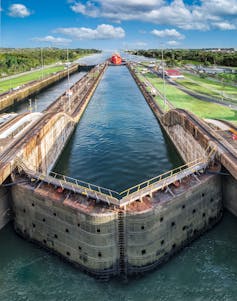


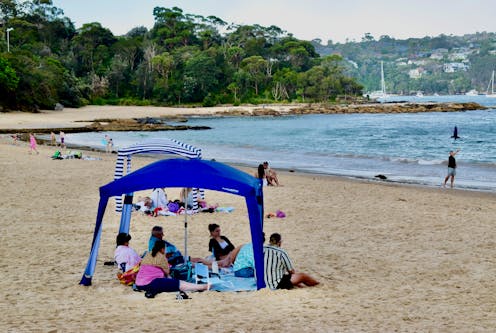
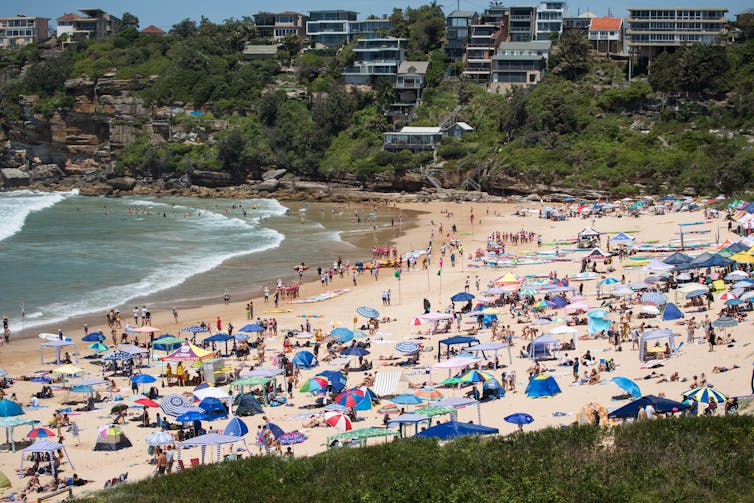













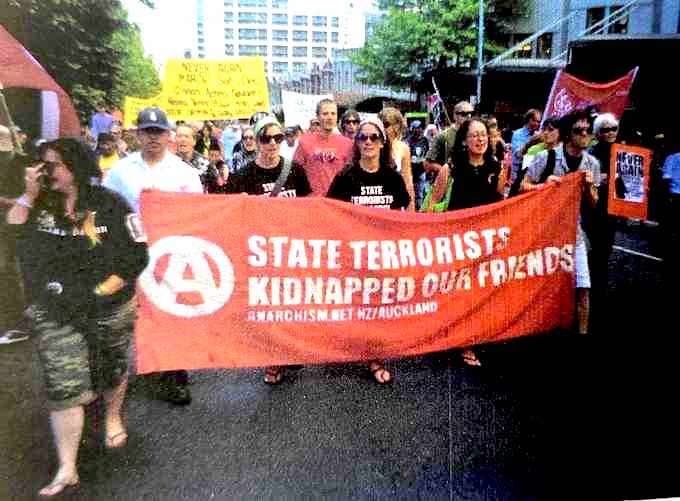
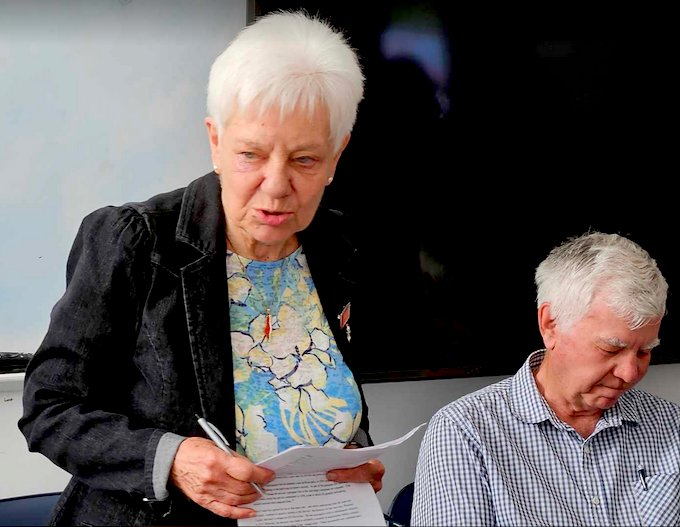
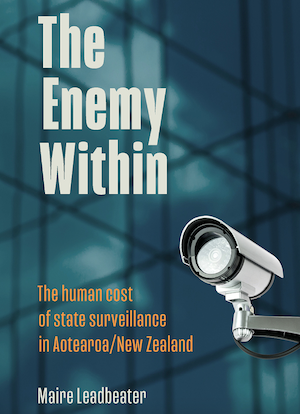

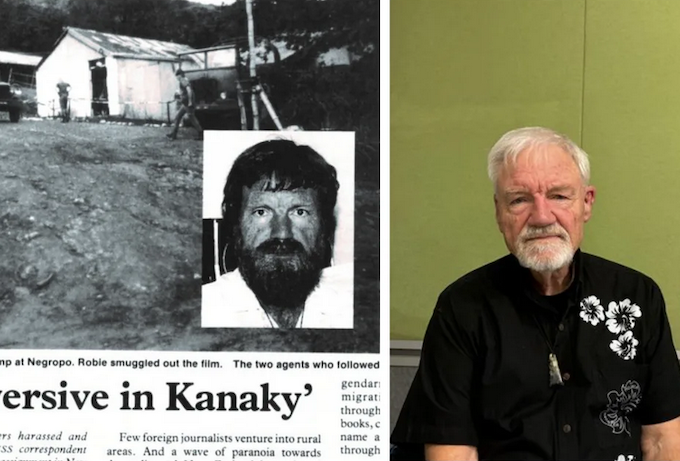















































.jpg)


