Page 332

ER Report: A Roundup of Significant Articles on EveningReport.nz for May 2, 2025

ER Report: Here is a summary of significant articles published on EveningReport.nz on May 2, 2025.

Unexpected humour and reflections on a complex past: my top 5 films from the 2025 German Film Festival
Source: The Conversation (Au and NZ) – By Claudia Sandberg, Senior Lecturer, Technology in Culture and Society, The University of Melbourne Foreign audiences often associate German cinema with tragedy, trauma and death. Certainly, major historical events such as the second world war and the Fall of the Berlin Wall — cornerstones of German film —

Explainer: what mental health support do refugees and asylum seekers get in Australia?
Source: The Conversation (Au and NZ) – By Philippa Specker, Postdoctoral Research Fellow at the Refugee Trauma and Recovery Program, School of Psychology, UNSW Sydney PeopleImages.com – Yuri A/Shutterstock When Australia signed the United Nations 1951 Refugee Convention, it committed to providing protection to people who have fled war, persecution and human rights violations. Refugees

Dark money: Labor and Liberal join forces in attacks on Teals and Greens for Australian election
Teals and Greens are under political attack from a new pro-fossil fuel, pro-Israel astroturfing group, adding to the onslaught by far-right lobbyists Advance Australia for Australian federal election tomorrow — World Press Freedom Day. Wendy Bacon and Yaakov Aharon investigate. SPECIAL REPORT: By Wendy Bacon and Yaakov Aharon On February 12 this year, former prime

How the US ‘war on woke’ and women risks weakening its own military capability
Source: The Conversation (Au and NZ) – By Bethan Greener, Associate Professor of Politics, Te Kunenga ki Pūrehuroa – Massey University US Defense Secretary Pete Hegseth during a visit with Michigan Air National Guard troops, April 29. Getty Images With US Secretary of Defense Pete Hegseth’s “proud” cancellation this week of the military’s Women, Peace

What are the symptoms of measles? How long does the vaccine last? Experts answer 6 key questions
Source: The Conversation (Au and NZ) – By Phoebe Williams, Paediatrician & Infectious Diseases Physician; Senior Lecturer & NHMRC Fellow, Faculty of Medicine, University of Sydney fotohay/Shutterstock So far in 2025 (as of May 1), 70 cases of measles have been notified in Australia, with all states and territories except Tasmania and the Australian Capital

Logging devastated Victoria’s native forests – and new research shows 20% has failed to grow back
Source: The Conversation (Au and NZ) – By Maldwyn John Evans, Senior Research Fellow, Fenner School of Environment and Society, Australian National University Old growth mountain ash forest in the Maroondah water supply catchment, Victoria. Chris Taylor Following the end of native logging in Victoria on January 1 2024, the state’s majestic forests might be

Schools today also teach social and emotional skills. Why is this important? And what’s involved?
Source: The Conversation (Au and NZ) – By Kristin R. Laurens, Professor, School of Psychology and Counselling, Queensland University of Technology DGLImages/Shutterstock The school curriculum has changed a lot from when many parents and grandparents were at school. Alongside new approaches to learning maths and increasing attention on technology, there is a compulsory focus on

As Dutton champions nuclear power, Indigenous artists recall the profound loss of land and life that came from it
Source: The Conversation (Au and NZ) – By Josephine Goldman, Sessional Academic, School of Languages and Cultures, Discipline of French and Francophone Studies, University of Sydney Opposition Leader Peter Dutton’s promise to power Australia with nuclear energy has been described by experts as a costly “mirage” that risks postponing the clean energy transition. Beyond this,

Grattan on Friday: Key markers on the bumpy road to this election
Source: The Conversation (Au and NZ) – By Michelle Grattan, Professorial Fellow, University of Canberra When we look back, we can see the road to election day has had a multitude of signposts, flashing red lights, twists, turns and potholes. Some came before the formal campaign; others in the final countdown days; some have been

NZ doctors defend nationwide strike action over recruitment
By Ruth Hill, RNZ News reporter Striking senior New Zealand doctors have hit back at the Health Minister’s attack on their union for “forcing” patients to wait longer for surgery and appointments, due to their 24-hour industrial action. Respiratory and sleep physician Dr Andrew Davies, who was on the picketline outside Wellington Regional Hospital, said

Gallery: Doctors, health workers challenge NZ government over national crisis
Asia Pacific Report Thousands of senior hospital doctors and specialists walked off the job today for an unprecedented 24-hour strike in protest over stalled contract negotiations and thousands of other health workers protested across Aotearoa New Zealand against the coalition government’s cutbacks to the public health service Te Whatu Ora. In spite of the disruptive

The Coalition’s costings show some savings, but a larger deficit than Labor in the first two years
Source: The Conversation (Au and NZ) – By Stephen Bartos, Professor of Economics, University of Canberra The Coalition’s policy costings have been released, just two days ahead of the federal election. The costings show the Coalition would run up a larger budget deficit than Labor in the first two years of government, but make a

Tourism to the US is tanking. Flight Centre is facing a $100m hit as a result
Source: The Conversation (Au and NZ) – By Anita Manfreda, Senior Lecturer in Tourism, Torrens University Australia Doubletree Studio/Shutterstock Flight Centre, one of the world’s largest travel agencies, has warned it could lose more than A$100 million in earnings this year, citing weakening demand for travel to the United States. In a statement to the

The rise of right-wing Christian populism and its powerful impact on Australian politics
Source: The Conversation (Au and NZ) – By Elenie Poulos, Adjunct Fellow, Macquarie University As Australians cast pre-poll votes in record numbers, it is not only political parties and candidates who are trying to influence votes. Australian Christian Right (ACR) groups have produced “scorecards” that rate party policies according to so-called Christian values. And they

Election quiz: have you been paying attention?
Source: The Conversation (Au and NZ) – By Digital Storytelling Team, The Conversation We’re at the tail end of five weeks of intense campaigning for the federal election. The major and minor parties, as well as independents, have thrown a slew of policies at the Australian people, most of which we’ve catalogued in our Policy

Major YouGov poll has Labor easily winning a majority of seats in election
Source: The Conversation (Au and NZ) – By Adrian Beaumont, Election Analyst (Psephologist) at The Conversation; and Honorary Associate, School of Mathematics and Statistics, The University of Melbourne A YouGov MRP poll has Labor clearly winning a majority of seats in the federal election – 84 of the 150 seats in the House of Representatives.

Which medications are commonly prescribed for autistic people and why?
Source: The Conversation (Au and NZ) – By Hiran Thabrew, Senior Lecturer in Child Psychiatry and Paediatrics, University of Auckland, Waipapa Taumata Rau Arlette Lopez/Shutterstock Autism is a neurodevelopmental condition. Someone may have social and communication differences, sensory issues and/or restricted, repetitive patterns of behaviour or interests. There has been increased awareness and an expanded

How do candidates skirt Chinese social media bans on political content? They use influencers
Source: The Conversation (Au and NZ) – By Fan Yang, Research fellow at Melbourne Law School, the University of Melbourne and the ARC Centre of Excellence for Automated Decision-Making and Society., The University of Melbourne This election, social media has been a major battleground as candidates try to reach younger voters. As Gen Z and

Who would win in a fight between 100 men and 1 gorilla? An evolutionary expert weighs in
Source: The Conversation (Au and NZ) – By Renaud Joannes-Boyau, Professor in Geochronology and Geochemistry, Southern Cross University Hung Hung Chih/Shutterstock The internet’s latest absurd obsession is: who would win in a no-rules fight between 100 average human men and one adult male gorilla? This hypothetical and strange question has taken over Reddit, TikTok, YouTube

The global costs of the US-China tariff war are mounting. And the worst may be yet to come
Source: The Conversation (Au and NZ) – By Kai He, Professor of International Relations, Griffith University The United States and China remain in a standoff in their tariff war. Neither side appears willing to budge. After US President Donald Trump imposed massive 145% tariffs on Chinese imports in early April, China retaliated with its own


Unexpected humour and reflections on a complex past: my top 5 films from the 2025 German Film Festival

Source: The Conversation (Au and NZ) – By Claudia Sandberg, Senior Lecturer, Technology in Culture and Society, The University of Melbourne

Foreign audiences often associate German cinema with tragedy, trauma and death. Certainly, major historical events such as the second world war and the Fall of the Berlin Wall — cornerstones of German film — are present in this year’s selection at the 2025 German Film Festival.

Alongside these themes is a variety of contemporary topics, innovative fictional formats and strong documentary work. The increased presence of women in directing and producing roles also brings female experiences sharply into focus.

Here are my highlights from this year’s programme.

Riefenstahl (2024)

Leni Riefenstahl (1902–2003), Hitler’s favourite filmmaker, has been a subject of controversy for decades – explored in documentaries such as The Wonderful Horrible Life of Leni Riefenstahl (1993).

Now, with access to new material from Riefenstahls’ private archive, director Andres Veiel and journalist Sandra Maischberger cast a fresh eye over this complex figure.

Using extensive visual materials, they trace Riefenstahl’s journey from dancer to actress, to filmmaker and photographer – capturing everything from her pioneering cinematic techniques to her entanglement with political power and personal vanity. And they are not afraid to confront uncomfortable aspects of her past.

Her claim to have endured an unwanted romantic pursuit by Nazi minister of propaganda Joseph Goebbels (first made in her 1987 memoir) appears in new light as an older Riefenstahl faces questioning from aggressive TV interviewers. She unflinchingly and fiercely maintains her version of events.

Is Leni Riefenstahl a creative genius, a political victim, or an ignorant perpetrator? This film invites audiences to grapple with this old question anew — and perhaps come to their own conclusion.

Montages depict Riefenstahl’s life from youth to old age, culminating in an image of an elderly lady who, even late in life, manipulates camera angles and lighting to ensure a more flattering appearance.

Two to One (2024)

Some German films such as Balloon (2018) or The Last Execution (2022) have a tendency to explore East Germans as either victims of oppression, or complicit with the regime of the German Democratic Republic.

But there are also films that rebel against such simplification – such as Beauty and Decay (2019), Dear Thomas (2021) and Someday We’ll Tell Each Other Everything (2023) – to powerfully present the many dimensions of former East Germany and its people.

Among them is Two to One, a thoughtful picture by director Nadja Brunckhorst, which fluctuates between thriller, comedy and melodrama. Based on a true story, this film remembers the delirious time between the Fall of the Berlin Wall and Reunification.

It is July 1990, and just days after the deadline for exchanging East German marks to more valued West German marks at the exchange rate of 2:1. This halved the life savings of many East Germans.

We follow a Hausgemeinschaft (community of renters) who discover millions of East German mark bills in an underground bunker. They cleverly use the more privileged members of their old and new worlds – sleek Western sales representatives and former East German diplomats – to transform the worthless bills into West mark and buy goods for everyone.

Two to One stars Ronald Zehrfeld (also in the festival opener Long Story Short), Sandra Hueller and Peter Kurth in top form.

Dying (2024)

As a contender in the 2024 Berlin Film Festival (where it won best screenplay), and winner of the 2024 German Film Award, Dying comes highly recommended.

Versatile German actor Lars Eidinger is cast as Tom, a youth orchestra conductor trying to pull off his best friend’s composition “Dying”. Not only does the performance never please the composer, his private world is also a mess.

Tom is raising someone else’s child. His father (Hans-Uwe Bauer) suffers dementia. His sister Ellen (Lilith Stangenberg) can’t keep up with the expectations of their estranged parents. And his mother’s (Corinna Harfouch) thinly veiled contempt for her own son is visible in a breathtaking scene involving the seemingly innocent ritual of coffee and cake.

But despite its weighty subject matter, humour appears in the most unexpected places.

There is Ellen’s affair with her boss, a dentist, who ends up drunk in a bar — where she pulls one of his teeth. There is also the quietly absurd scene of her ageing parents trying to drive home from the supermarket: one nearly blind, the other unable to remember where they live.

A film that uses absurdity and tenderness to break through emotional tension with surprising charm, Dying is a must see.

I Want It All (2025)

Singer and actress Hildegard Knef would have turned 100 this year.

Knef was one of the most prominent and daring post-WWII West German female artists. Driven from a young age to become successful, she began her career in the 1946 rubble film, The Murderers Are Among Us.

In her 2025 documentary I Want It All, director Luzia Schmidt captures Knef in rehearsals, at home, in the recording studio and through press photos. The film is a vivid portrait of an unapologetic woman constantly under scrutiny, as the German public seemed entitled to access every corner of her life.

Knef comes across as sharp but self-aware. The artist discusses her stage fright and the art of holding an audience’s attention. Her candid remarks about undergoing plastic surgery, as a female artist navigating the ruthless entertainment industry, remain just as relevant today.

Arguably the greatest assets of the film are the reflective comments from Knef’s daughter, Tinta, who speaks with empathy and kindness about her mother’s ambition and vulnerabilities.

I Want It All is a treat for anyone who is familiar with Knef, and for those who want to know more about this grand dame of German culture.

Cicadas (2025)

An idyllic countryside in summer: a paradise retreat for some, and a prison for others.

Isabell is the daughter of an architect, who is paralysed by a stroke. His beautifully designed house is in disrepair and no one can pay for it, but Isabell can’t get him to sell it. Meanwhile, Isabell’s marriage to her needy French husband Philippe is strained by a shared trauma.

Anja, a single mum to young Greta, navigates a fragile existence. In a region with weak infrastructure, she moves between low-paying jobs, barely making ends meet.

When the two women meet, their bond forms cautiously. Both are shaped by differences in class, age and life experience, yet there is a connection that bridges these divides.

Carried by compelling performances by Saskia Rosenthal and Nina Hoss (the latter of whom had worked with director Ina Weisse in The Audition (2019)), Cicadas is a quiet drama about vulnerability and loss of control that evolves in the open landscapes of the Brandenburg region.

Claudia Sandberg does not work for, consult, own shares in or receive funding from any company or organisation that would benefit from this article, and has disclosed no relevant affiliations beyond their academic appointment.

ref. Unexpected humour and reflections on a complex past: my top 5 films from the 2025 German Film Festival – https://theconversation.com/unexpected-humour-and-reflections-on-a-complex-past-my-top-5-films-from-the-2025-german-film-festival-254788

Explainer: what mental health support do refugees and asylum seekers get in Australia?

Source: The Conversation (Au and NZ) – By Philippa Specker, Postdoctoral Research Fellow at the Refugee Trauma and Recovery Program, School of Psychology, UNSW Sydney

PeopleImages.com – Yuri A/Shutterstock

When Australia signed the United Nations 1951 Refugee Convention, it committed to providing protection to people who have fled war, persecution and human rights violations.

Refugees have often experienced severe traumatic events. This can include war, torture, kidnapping and witnessing the murder of loved ones.

Understandably, refugees are more likely than the general population to experience mental health problems. About 27% of adult refugees suffer from post-traumatic stress disorder (PTSD) and 30% from depression. Only 5.6% of Australians experience PTSD and 6.4% experience depression.

Australia has a humanitarian and legal responsibility to support the mental health of refugees and asylum seekers so they can recover and thrive.

Mental health problems are highly treatable when people have access to effective treatment. Addressing key barriers to accessing mental health services is in everyone’s best interest.

So, what mental health support is available for refugees when they arrive in Australia?

Different pathways

Much depends on how the person came to Australia and through which scheme they applied to be recognised as a refugee.

First, there are people who apply for and are granted refugee status by the United Nations High Commissioner for Refugees (UNHCR) or Australia’s humanitarian program before arriving in Australia.

These people, often termed “humanitarian entrants”, represent the largest cohort of Australia’s refugees.

They are provided with permanent visas and join the government-run Humanitarian Settlement Program upon their arrival.

Humanitarian Settlement Program caseworkers can refer these people to internal or external mental health support services.

Importantly, people under Australia’s humanitarian program can also access vital services such as:

  • Medicare
  • Centrelink
  • English-language classes.

They also have the right to work and study. This helps promote recovery, adjustment and wellbeing.

Washing hangs on a line in a UNHCR refugee camp.
Some people apply for and are granted refugee status by the United Nations High Commissioner for Refugees before arriving in Australia.
John Wreford/Shutterstock

Second, there are people who sought asylum via alternate pathways.

This often means they arrived in Australia without a valid visa. Or, they may have held a non-refugee visa and subsequently applied for refugee status after arriving in Australia.

These people, termed “asylum seekers”, are in a much more precarious situation.

They face lengthy visa processing times, the possibility of being held in detention, and a greater likelihood of being granted only temporary visas.

Many people in this situation are restricted from accessing government-run settlement support, such as the Humanitarian Settlement Program and Centrelink.

This is a problem, because research shows people seeking asylum or holding temporary visas in Australia are especially likely to be experiencing mental health problems.

A range of services

That said, Australia has a range of mental health support services available to all refugees and asylum seekers.

This includes the Forum of Australian Services for Survivors of Torture and Trauma (FASSTT), a network of rehabilitation centres in every state and territory.

These specialised services provide holistic support including:

  • psychological and counselling sessions
  • community capacity building programs (such as work readiness and community garden initiatives), and
  • advocacy.

Organisations such as Settlement Services International, Australian Red Cross, AMES and Beyond Blue also provide refugee-specific mental health supports and resources.

And some community-run social programs, such as Football United, focus on increasing social inclusion, which can help boost mental health.

A woman sitting on a couch curls her hands into a fist.
Refugees have often experienced severe traumatic events.
PeopleImages.com – Yuri A/Shutterstock

Barriers to access

Demand for specialised mental health services is high. That can mean long waiting times for all Australians, including refugees and asylum seekers.

Research has identified a number of barriers that especially affect refugees and asylum seekers. These include:

  • stigma around mental health problems and help-seeking
  • lack of knowledge on mental health
  • language and cultural barriers, and
  • logistical barriers (such as cost and travel distance).

Finally, some refugees (particularly asylum seekers or people with temporary visas) may not be as aware of mental health services as humanitarian entrants. The latter group are often connected with such services while part of the Humanitarian Settlement Program.

This puts the onus on such individuals to independently research what services are available and refer themselves.

That’s a tough ask for people also busy finding housing, learning English, enrolling children in school, and progressing their visa applications.

Why does this matter?

Refugees represent a significant portion of our society. By the end of this year, Australia will have welcomed 1 million refugees since the end of World War II.

International law dictates that survivors of torture and other forms of persecution under Australia’s protection have access to effective rehabilitation services.

More broadly, the psychological cost of trauma can make it harder for some refugees to adapt to life in Australia. PTSD and depression can be chronic conditions. Without effective treatment, mental health challenges can persist for decades.

Helping refugees recover from the psychological effects of trauma and displacement also promotes the prosperity of the wider community. That’s because refugees enrich Australian society by establishing local businesses, working, facilitating new trade links, volunteering and contributing to the community.

When refugees thrive, we all do.

The Conversation

Philippa Specker receives funding from an MQ: Transforming Mental Health Postdoctoral Scholarship (MPSIP15). She is an associate of the Human Rights Institute, UNSW.

Angela Nickerson receives funding from the Australian Research Council and the National Health and Medical Research Council.

Belinda Liddell receives funding from the Australian Research Council and National Health and Medical Research Council.

ref. Explainer: what mental health support do refugees and asylum seekers get in Australia? – https://theconversation.com/explainer-what-mental-health-support-do-refugees-and-asylum-seekers-get-in-australia-255427

Dark money: Labor and Liberal join forces in attacks on Teals and Greens for Australian election

Teals and Greens are under political attack from a new pro-fossil fuel, pro-Israel astroturfing group, adding to the onslaught by far-right lobbyists Advance Australia for Australian federal election tomorrow — World Press Freedom Day. Wendy Bacon and Yaakov Aharon investigate.

SPECIAL REPORT: By Wendy Bacon and Yaakov Aharon

On February 12 this year, former prime minister Scott Morrison’s principal private secretary Yaron Finkelstein, and former Labor NSW Treasurer Eric Roozendaal, met in the plush 50 Bridge St offices in the heart of Sydney’s CBD.

The powerbrokers were there to discuss election strategies for the astroturfing campaign group Better Australia 2025 Inc.

Finkelstein now runs his own discreet advisory firm Society Advisory, while also a director of the Liberal Party’s primary think-tank Menzies Research Centre. Previously, he worked as head of global campaigns for the conservative lobby firm Crosby Textor (CT), before working for Morrison and as Special Counsel to former NSW Premier Dominic Perrottet.

Roozendaal earned a reputation as a top fundraiser during his term as general secretary of NSW Labor and a later stint for the Yuhu property developer. He is now a co-convenor of Labor Friends of Israel.

The two strategists have previously served together on the executive of the NSW Jewish Board of Deputies, where Finkelstein was vice-president (2010-2019) and Roozendaal was later the chair of public affairs (2019-2020).

Better for whom?
Better Australia chairperson Sophie Calland, a software engineer and active member of the Alexandria Branch of the Labor party attended the meeting. She is a director of Better Australia and carries formal responsibility for electoral campaigns (and partner of Israel agitator Ofir Birenbaum).

Also present at the meeting was Better Australia 2025 member Alex Polson, a former staffer to retiring Senator Simon Birmingham and CEO of firm DBK Advisory. Other members present included another director, Charline Samuell, and her husband, psychiatrist Dr Doron Samuell.

Last week, Dr Samuell attracted negative publicity when Liberal campaigners in the electorate of Reid leaked Whatsapp messages where he insisted on referring to Greens as Nazis. “Nazis at Chiswick wharf,” Samuell wrote, alongside a photograph of two Greens volunteers.

The Better Australia group already have experience as astroturfers. Their “Put The Greens Last” campaign was previously directed by Calland and Polson under the entity Better Council Inc. in the NSW Local government elections in September 2024.

The Greens lost three councillors in Sydney’s East but maintained five seats on the Inner West Council.

But the group had developed bigger electoral plans. They also registered the name Better NSW in mid-2024. By the time the group met for the first time this year on January 8, their plans to play a role in the Federal election were already well advanced.

They voted to change the name Better NSW Inc. to Better Australia 2025 Inc.

Calland and Birenbaum
Group member Ofir Birenbaum joined the January meeting to discuss “potential campaign fundraising materials” and a “pool of national volunteers”. Birenbaum is Calland’s husband and member of the Rosebery Branch of the Labor Party.

But by the time the group met with Finkelstein and Roozendaal in February, Birenbaum was missing. The day before the meeting, Birenbaum’s role in the #UndercoverJew stunt at Cairo Takeaway cafe was sprung.

This incident focused attention on Birenbaum’s track record as an agitator at Pro-Palestine events and as a “close friend” of the extreme-right Australian Jewish Association. The former Instagram influencer has since closed his social media accounts and disappeared from public view.

The minutes of the February meeting lodged with NSW Fair Trading mention a “discussion of potential campaign management candidates; an in-depth presentation and discussion of strategy; a review and amendments of draft campaign fundraising materials”. All of this suggests that consultants had been hired and work was well underway.

The group also voted to change Better Council’s business address and register a national association with ASIC so they could legally campaign at a national level.

On March 4, Calland registered Better Australia as a “significant third party” with the Australian Electoral Commission. This is required for organisations that expect their campaign to cost more than $250,000.

Three weeks later, Prime Minister Albanese called the election, and Better Australia’s federal campaign was off to the races.

Labor or Liberal, it doesn’t matter…
According to its website, Better Australia’s stated goals are non-partisan: they want a majority government, “regardless of which major party is in office”.

“In Australia, past minority governments have seen stalled reforms, frequent leadership changes, and uncertainty that paralysed effective governance.”

No evidence has been provided by either Better Australia’s website or campaigning materials for these statements. In fact, in its short lifetime, the Gillard Labor minority government passed legislation at a record pace.

Instead, it is all about creating fear.  A stream of campaigning videos, posts, flyers and placards carrying simple messages tapping into fear, insecurity, distrust and disappointment have appeared on social media and the streets of Sydney in recent weeks.

Wentworth independent Allegra Spender wasted no time posting her own video telling voters she was unfazed, and for her electorate to make their own voting choices rather than fall for a crude scare campaign.

Spender is accused of supporting anti-Israel terrorism by voting to reinstate funding for the United Nations aid agency UNRWA. Better Australia warns that billionaires and dark money fund the Teal campaign, alleging average voters will lose their money if Teals are reelected.

It doesn’t matter that most Teal MPs have policies in favour of increasing accountability in government or that no information is provided about who is backing Better Australia.

Anti-Green, too
The anti-Greens angle of Better Australia’s campaign sends a broad message to all electorates to “Put the Greens Last”. It aims to starve the Greens of preferences. The campaign message is simple: the Greens are “antisemitic, support terrorism, and have abandoned their environmental roots”.

It does not matter that calls unite the peaceful Palestine protests for a ceasefire, or that the Greens have never stopped campaigning for the environment and against new fossil fuel projects.

Better Australia promotes itself as a grassroots organisation. In February, Sophie Calland told The Guardian that “Better Australia is led by a broad coalition of Australians who believe that political representation should be based on integrity and action, not extremist or elite activism”.

It has very few members and its operations are marked by secrecy, and voters will have to wait a full year before the AEC registry of political donations reveals Better Australia’s backers.

It fits into a patchwork of organisations aiming to influence voters towards a framework of right-wing values, including

“support for the Israel Defence Force, fossil fuel industries, nationalism and anti-immigration and anti-transgender issues.”

Advance Australia (not so fair)
Advance is the lead organisation in this space. It campaigns in its own right and also supports other organisations, including Minority Impact Coalition, Queensland Jewish Collective and J-United.

Advance claims to have raised $5 million to smash the Greens and a supporter base of more than 245,000. It has received donations up to $500,000 from the Victorian Liberal Party’s holding company, Cormack Foundation.

In Melbourne, ex-Labor member for Macnamara, Michael Danby, directs and authorises “Macnamara Voters Against Extremism”, which pushes voters to preference either Liberals or Labor first, and the Greens last. Danby has spoken alongside Birenbaum at Together With Israel rallies.

Together With Israel: Michael Danby (from left), activist Ofir Birenbaum, unionist Michael Easson OAM, and Rabbi Ben Elton. Image: Together With Israel Facebook group/MWM

The message of Better Australia — and Better Council before it — mostly aligns with Advance. These campaigns target women aged 35 to 49, who Advance claims are twice as likely to vote for the Greens as men of the same age.

The scare campaign targets female voters with its fear-mongering and Greens MPS, including Australia’s first Muslim Senator Mehreen Faruqi, and independent female MPS with its loathing.

Meanwhile, Advance is funded by mining billionaires and advocates against renewable energy.

Labor standing by in silence
Better Australia is different from Advance, which is targeting Labor because it is an alliance of Zionist Labor and LIberal interests. Calland’s campaign may be effectively contributing to the election of a Dutton government. In the face of what would appear to be betrayal, the NSW Labor Party simply stands by.

The NSW Labor Rules Book (Section A.7c) states that a member may be suspended for “disloyal or unworthy conduct [or] action or conduct contrary to the principles and solidarity of the Party.”

Following MWM’s February exposé of Birenbaum, we sent questions to NSW Labor Head Office, and MPs Tanya Plibersek and Ron Hoenig, without reply. Hoenig is a member of the Parliamentary Friends of Israel and has attended Alexandria Branch meetings with Calland.

MWM asked Plibersek to comment on Birenbaum’s membership of her own Rosebery Branch, and on Birenbaum’s covert filming of Luc Velez, the Greens candidate in Plibersek’s seat of Sydney. Birenbaum shared the video and generated homophobic commentary, but we received no answers to any of our questions.

According to MWM sources, Calland’s involvement in Better Australia and Better Council before that is well known in Inner Sydney Labor circles. Last Tuesday night, she attended an Alexandria Branch meeting that discussed the Federal election. She also attended a meeting of Plibersek’s campaign.

No one raised or asked questions about Calland’s activities. MWM is not aware if NSW Labor has received complaints from any of its members alleging that Calland or Birenbaum has breached the party’s rules.

After all, when top Liberal and Labor strategists walk into a corporate boardroom, there is much to agree on.

It begins with a national campaign to keep the major parties in and independents and Greens out.

  • MWM has sent questions to Calland, Finkelstein, and Roozendaal, regarding funding and the alliance between Liberal and Labor powerbrokers but we have yet to receive any replies.

Wendy Bacon is an investigative journalist who was professor of journalism at UTS. She has worked for Fairfax, Channel Nine and SBS and has published in The Guardian, New Matilda, City Hub and Overland. She has a long history in promoting independent and alternative journalism. She is not a member of any political party but is a Greens supporter and long-term supporter of peaceful BDS strategies.

Yaakov Aharon is a Jewish-Australian living in Wollongong. He enjoys long walks on Wollongong Beach, unimpeded by Port Kembla smoke fumes and AUKUS submarines. This article was first published by Michael West Media and is republished with permission of the authors.

Article by AsiaPacificReport.nz

How the US ‘war on woke’ and women risks weakening its own military capability

Source: The Conversation (Au and NZ) – By Bethan Greener, Associate Professor of Politics, Te Kunenga ki Pūrehuroa – Massey University

US Defense Secretary Pete Hegseth during a visit with Michigan Air National Guard troops, April 29. Getty Images

With US Secretary of Defense Pete Hegseth’s “proud” cancellation this week of the military’s Women, Peace and Security (WPS) program, the “war on woke” has found its latest frontier – war itself.

Stemming from a United Nations Security Council resolution in 2000, the WPS initiative aimed to increase the participation of women in public institutions, including in the security sector and in peace-making roles.

The WPS agenda aims to better understand how women, men, boys and girls experience war, peace and security differently. It increases operational effectiveness and supports the underlying goal of gender equality, described by the UN as the “number one predictor of peace”.

In the military context, it emphasises the need to increase the participation of women and to better protect non-combatant women in war, particularly from the prevalence of conflict-related sexual violence.

The decision to end the program as part of a wider war on diversity, equity and inclusion seems to assume national security and military power are incompatible with the promotion of racial and gender equality.

In other words, it assumes certain types of people aren’t really cut out to be “warfighters”. And it asserts that anything other than basic skill (such as weapons handling) undermines readiness and ability in warfare.

History and the available evidence suggest both ideas are wrong.

The archetypal warrior envisaged by Hegseth and others is one who relies on very traditional concepts of what constitutes a warrior and who that might be: not female, definitely not transgender, ideally also not gay.

Recent bans on transgender personnel in the US military, the removal of mandatory mental resilience training, and the
disappearance” from US museums and memorials of the records of the military contribution of women and minorities, reinforce these ideas.

The ideal soldier, according to the new doctrine, is straight, white, physically fit, stoic and male. Yet people of all stripes have served their countries ably and with honour.

Hard-won progress in retreat

Military service is allocated a privileged kind of status in society, despite (or perhaps because of) the ultimate sacrifice it can entail. That status has long been the preserve of men, often of a particular class or ethnicity.

But women and minorities around the world have fought for the right to enter the military, often as part of broader campaigns for greater equality within society in general.

But there remains resistance to these “interlopers”. No matter their individual capabilities, women are painted as too physically weak, as a threat to combat unit cohesion, or a liability because of their particular health needs.

Women, in particular, are often perceived as being too emotional or lacking authority for military command. Minorities are seen as requiring distracting rules about cultural sensitivity, presenting language challenges, or are stereotyped as not cut out for leadership.

But problem solving – a key military requirement – is best tackled with a range of views and approaches. Research from the business world shows diverse teams are more successful, including delivering higher financial returns.

At a more granular level, we also know that minority groups have often outperformed other military units, as exemplified by the extraordinary feats of the New Zealand Māori Pioneer Battalion in World War I and the 28th Māori Battalion in World War II.

Women, too, have proved themselves many times over, most recently in the wars in Iraq and Afghanistan. As well as matching the skills of their male counterparts, they also had different, useful approaches to roles such as intelligence gathering in conflict zones.

US Marines on a military exercise – but history shows us there’s more than one type of successful soldier.
Getty Images

The ‘woke warrior’

The competence of military personnel is not determined by sex, gender, sexuality or ethnicity. Rather, competence is determined by a combination of learned skills, training, education, physical ability, mental agility, resilience, experience, interpersonal skills and leadership qualities.

Any suggestion that military units are best served by being made up of only heterosexual men with “alpha” tendencies is undermined by the evidence. In fact, a monocultural, hypermasculine military may increase the potential for harrassment, bullying or worse.

Modern military roles also involve a much wider range of skills than the traditional and stereotypically male infantry tasks of digging, walking with a pack, firing guns and killing an enemy.

In modern warfare, personnel may also need to engage in “hearts and minds” counterinsurgency, or in “grey zone” tactics, where specialisations in intelligence, cyber or drone piloting are more highly prized. Militaries are also much more likely to be deployed to non-warfighting roles, such as humanitarian aid and disaster relief.

This isn’t to say “controlled aggression” and other traditionally alpha-male attributes don’t have their place. But national military strategies increasingly stress the need to train ethical and compassionate soldiers to successfully carry out government objectives.

The evolution of war requires the evolution of the military forces that fight them. The cancellation of the Women, Peace and Security program in the US threatens to put a stop to this process, at least in that country.

Despite Pete Hegseth’s claim to be increasing “warfighting” capability, then, there is a real chance the move will decrease operational effectiveness, situational awareness and problem solving in conflict situations.

Far from being peripheral, the Women, Peace and Security program is central to the future of all military activity, and to developing conceptions of war, peace and security. Hegseth’s “proud moment” looks less like winning a “war on woke” and more like a retreat from an understanding of the value a diverse military has created.

Bethan Greener does not work for, consult, own shares in or receive funding from any company or organisation that would benefit from this article, and has disclosed no relevant affiliations beyond their academic appointment.

ref. How the US ‘war on woke’ and women risks weakening its own military capability – https://theconversation.com/how-the-us-war-on-woke-and-women-risks-weakening-its-own-military-capability-255710

What are the symptoms of measles? How long does the vaccine last? Experts answer 6 key questions

Source: The Conversation (Au and NZ) – By Phoebe Williams, Paediatrician & Infectious Diseases Physician; Senior Lecturer & NHMRC Fellow, Faculty of Medicine, University of Sydney

fotohay/Shutterstock

So far in 2025 (as of May 1), 70 cases of measles have been notified in Australia, with all states and territories except Tasmania and the Australian Capital Territory having recorded at least one case. Most infections have occurred in New South Wales, Victoria and Western Australia.

We’ve already surpassed the total number of cases recorded in all of 2023 (26 cases) and 2024 (57 cases).

Measles outbreaks are currently occurring in every region of the world. Most Australian cases are diagnosed in travellers returning from overseas, including popular holiday destinations in Southeast Asia.

But although Australia eliminated local transmission of measles in 2014, recently we’ve seen measles infections once again in Australians who haven’t been overseas. In other words, the virus has been transmitted in the community.

So with measles health alerts and news reports popping up often, what do you need to know about measles? We’ve collated a list of commonly Googled questions about the virus and the vaccine.

1. What is measles?

Measles is one of the most contagious diseases known to affect humans. In fact, every person with measles can infect 12 to 18 others who are not immune. The measles virus can survive in the air for two hours, so people can inhale the virus even after an infected person has left the room.

Measles predominantly affects children and those with weaker immune systems. Up to four in ten people with measles will need to go to hospital, and up to three in 1,000 people who get measles will die.

In 2023, there were more than 100,000 deaths from measles around the world.


Read more:
Travelling overseas? You could be at risk of measles. Here’s how to ensure you’re protected


2. What are the symptoms of measles?

The signs and symptoms of measles usually start 7–14 days after exposure to the virus, and include rash, fever, a runny nose, cough and conjunctivitis. The rash usually starts on the face or neck, and spreads over three days to eventually reach the hands and feet. On darker skin, the rash may be harder to see.

Complications from measles are common, and include ear infections, encephalitis (swelling of the brain), blindness and breathing problems or pneumonia. These complications are more likely in children.

Pregnant women are also at greater risk of serious complications, and measles can also cause preterm labour and stillbirth.

Even in people who recover from measles, a rare (and often fatal) brain condition can occur many years later, called subacute sclerosing panencephalitis.

Children are most vulnerable to measles.
Jacob Lund/Shutterstock

3. What’s the difference between measles and chickenpox?

Measles and chickenpox are caused by different viruses, although both commonly affect children, and vaccines can prevent both diseases. Chickenpox is caused by the varicella zoster virus, which is also transmitted through the air, and can cause fever, rash and rare (yet serious) complications.

The chickenpox rash is different to the rash seen in measles. It often starts on the chest or back, appearing first as separate red bumps that evolve into fluid-filled blisters, called vesicles. Chickenpox can also appear later in life as shingles.

4. Can you get measles twice?

The simple answer is no. If you contract measles, you should have lifelong immunity afterwards.

In Australia, people born before 1966 would have most likely been infected with measles, because the vaccine wasn’t available to them as children. They are therefore protected from future infection.

Measles infection however can reduce the immune system’s ability to recognise infections it has previously encountered, leaving people vulnerable to many of the infections to which they previously had immunity. Vaccination can protect against this.

5. What is the measles vaccine, and at what age do you get it?

The measles vaccine contains a live but weakened version of the measles virus. In Australia, measles vaccinations are given as part of a combination vaccine that contains the measles virus alongside the mumps and rubella viruses (the MMR vaccine), and the chickenpox virus (MMRV).

Under the national immunisation program, children in Australia receive measles vaccines at 12 months (MMR) and 18 months of age (MMRV). In other countries, the age of vaccination may vary – but at least two doses are always needed for optimal immunity.

In Australia, children are vaccinated against measles at 12 and 18 months.
Zhuravlev Andrey/Shutterstock

Measles vaccines can be given earlier than 12 months, from as early as six months, to protect infants who may be at higher risk of exposure to the virus (such as those travelling overseas). Infants who receive an early dose of the measles vaccine still receive the usual two recommended doses at 12 and 18 months old.

Australians born between 1966 and 1994 (those aged roughly 20–60) are considered to be at greater risk of measles, as the second dose was only recommended from November 1992. Australia is seeing breakthrough measles infections in this age group.

An additional measles vaccine can be given to these adults at any time. It’s safe to get an extra dose even if you have been vaccinated before. If you are unsure if you need one, talk to your GP who may check your measles immunity (or immunisation record, if applicable) before vaccinating.

However, as the measles vaccine is a live vaccine, it’s not safe to give to people with weakened immune systems (due to certain medical conditions) or pregnant women. It’s therefore important that healthy, eligible people receive the measles vaccine to protect themselves and our vulnerable population.

6. How long does a measles vaccine last?

The measles vaccine is one of the most effective vaccines we have. After two doses, about 99% of people will be protected against measles for life.

And the measles vaccine not only protects you from disease. It also stops you from transmitting the virus to others.

Phoebe Williams receives research funding focused on reducing antimicrobial resistance and neonatal sepsis from the National Health and Medical Research Council and the Gates Foundation.

Archana Koirala is the chair of the Vaccination Special Interest Group and a committee member of the Australian and New Zealand paediatric infectious diseases network with Australasian Society of Infectious Diseases. Her vaccine and seroprevalence research has been funded by the Australian Government Department of Health and Aged Care and NSW Health.

ref. What are the symptoms of measles? How long does the vaccine last? Experts answer 6 key questions – https://theconversation.com/what-are-the-symptoms-of-measles-how-long-does-the-vaccine-last-experts-answer-6-key-questions-255496

Logging devastated Victoria’s native forests – and new research shows 20% has failed to grow back

Source: The Conversation (Au and NZ) – By Maldwyn John Evans, Senior Research Fellow, Fenner School of Environment and Society, Australian National University

Old growth mountain ash forest in the Maroondah water supply catchment, Victoria. Chris Taylor

Following the end of native logging in Victoria on January 1 2024, the state’s majestic forests might be expected to regenerate and recover naturally. But our new research shows that’s not always the case.

We quantified the extent of regeneration following logging in the eucalypt forests of southeastern Australia between 1980 and 2019. This included nearly 42,000 hectares of logged mountain ash forest in Victoria’s Central Highlands.

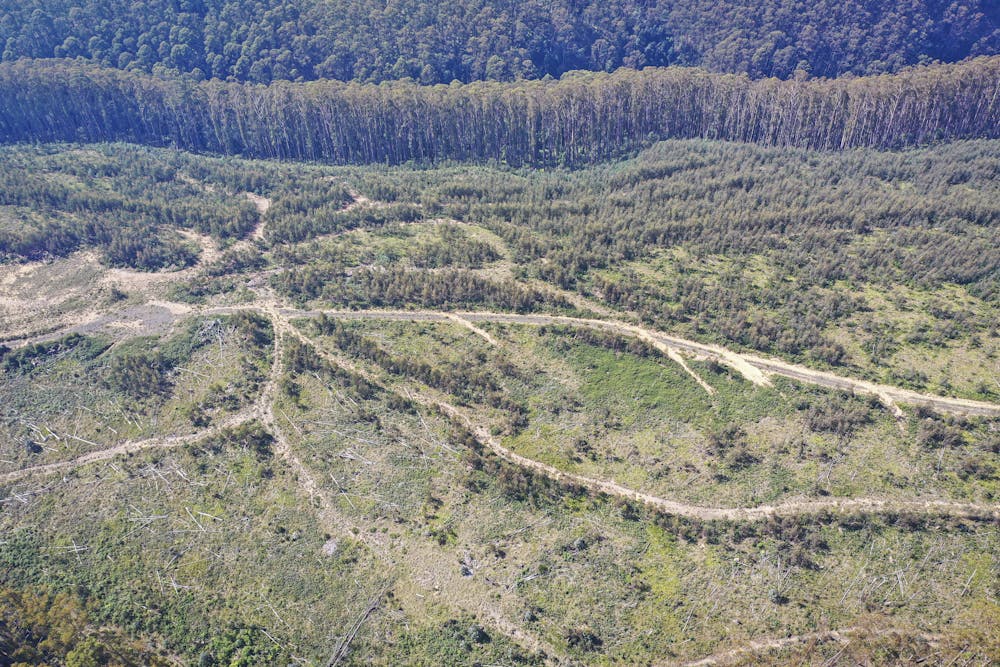
We analysed satellite data, logging records, on-ground surveys and drone photography, and discovered that nearly 20% of logged areas failed to regenerate. This represents more than 8,000 hectares of forest lost. All that remains in these areas are grassy clearings, dense shrublands or bare soils.

We also found the rate of regeneration failure has increased over the past decade. While failure was rare in the 1980s, it became much more common over time – affecting more than 80% of logged sites by 2019.

These regeneration failures weren’t random. They were found mostly in close proximity to each other, on areas with steep slopes, relatively low elevation, and where the area of clear-felled forest was long and narrow.

Our research shows more needs to be done to restore Victoria’s forest after logging.

Failed regeneration in the Upper Thomson water supply catchment.
Chris Taylor/Lachie McBurnie

Restoring majestic forests and their vital services

Victoria is home to some of the most spectacular forests on the planet. They include extensive stands of mountain ash, the tallest flowering plant on Earth, which can grow to almost 100 metres in height. Alpine ash, another giant, can grow up to 60m tall.

These forests have great cultural significance to Indigenous people and support many recreational and tourism activities.

Healthy forest ecosystems also deliver clean water and carbon storage services. In fact, mountain ash forests contain more carbon per hectare than most other forests around the world.

But Victoria’s forests have long been logged for timber and pulp. The main method of logging – clearfelling – scars the landscape, leaving large areas devoid of trees if natural tree regeneration fails.

Mountain ash is especially vulnerable

Our research revealed 19.2% of areas logged between 1980 and 2019 in our study area (8,030ha out of 41,819ha cut) failed to regenerate naturally.

We also found strong evidence of a significant increase in the extent of failed regeneration over 40 years, increasing from less than two hectares per cutblock in 1980 (about 7.5%) to more than nine hectares per cutblock in 2019 (about 85%), on average.

We found regeneration failure was more likely in mountain ash forests compared with other forest types.

This adds to the case for listing the mountain ash forests of the Central Highlands of Victoria as a threatened ecological community.

The presence of non-eucalypt categories of vegetation indicates large areas of regeneration failure in forest near Mt Matlock, in the Central Highlands of Victoria.
Chris Taylor

A responsibility to restore

Under Victoria’s Code of Forest Practice for Timber Production, logged native forests must be properly regenerated within two to three years of harvest.

That’s because it is nearly impossible for the native forest to regenerate after three years without human intervention. The young trees face too much competition from grass and shrubs.

These degraded areas no longer hold the value they once did and they cannot provide the same level of ecosystem services such as carbon storage, water purification, or habitat for wildlife.

With no current government restoration plan, these landscapes will remain degraded indefinitely. The Victorian government retains legal responsibility to restore these degraded forests, but currently lacks any large-scale restoration strategy, making action urgently required.

Photographs of vegetation categories on logged sites: Eucalyptus regeneration near Toolangi (A), grass-dominated area near Mt Matlock (B), shrubby vegetation at Ballantynes Saddle (C), Daviesia vegetation near Mt Matlock (D), Acacia near Mt Baw Baw (E), and bare earth near Mt Matlock (F).
Chris Taylor

A way forward: using green bonds to fund regeneration

Our research shows the regeneration of forests after logging is not guaranteed. Nature often needs a helping hand. But we need to find ways to fund these projects.

Globally, governments have used “green bonds” to lower the cost of borrowing tied explicitly to measurable environmental results.

Victoria already has green bonds “to finance new and existing projects that offer climate change and environmental benefits”. But funds are typically used to finance investments in transport, renewable energy, water and low carbon buildings.

As part of a coalition of researchers, environmental organisations, and finance sector partners we proposed a A$224 million green bond for forest regeneration. This proposal was put to the Victorian government via the Treasury Corporation of Victoria.

Green bond funding would help leverage co-investment from the Commonwealth government and philanthropic partners to improve monitoring and biodiversity outcomes in native forests.

As part of the proposed green bond, areas of logged forest where natural regeneration has failed would be restored.

Other investments under the green bond could include creating tourism ventures (and associated jobs), controlling feral animals such as deer, and biodiversity recovery – creating habitat for endangered species such as the southern greater glider and Leadbeater’s possum, for example.

The $224 million required for the ten years of the green bond — or around $22.4 million per year — is less than the substantial losses Victoria incurred on its investment in VicForests over the past decade.

Our research suggests leaving nature to its own devices would mean losing a fifth of the forests logged over the past 40 years. Bringing the trees back has multiple benefits and would be well worth the investment.

Maldwyn John Evans receives funding from the Australian Government.

David Lindenmayer receives funding from The Australian Government, the Australian Research Council and the Victorian Government. He is a Councillor with the Biodiversity Council and a Member of Birdlife Australia.

Chris Taylor does not work for, consult, own shares in or receive funding from any company or organisation that would benefit from this article, and has disclosed no relevant affiliations beyond their academic appointment.

ref. Logging devastated Victoria’s native forests – and new research shows 20% has failed to grow back – https://theconversation.com/logging-devastated-victorias-native-forests-and-new-research-shows-20-has-failed-to-grow-back-254465

Schools today also teach social and emotional skills. Why is this important? And what’s involved?

Source: The Conversation (Au and NZ) – By Kristin R. Laurens, Professor, School of Psychology and Counselling, Queensland University of Technology

DGLImages/Shutterstock

The school curriculum has changed a lot from when many parents and grandparents were at school.

Alongside new approaches to learning maths and increasing attention on technology, there is a compulsory focus on social and emotional skills.

Children start developing these skills by watching and observing others as babies. But they also need to be taught about them more actively – think about parents telling kids to say “thank you” or making sure they take turns when playing with friends.

How do schools teach social and emotional skills? And why is it important? Our new research shows how these lessons can improve students’ wellbeing and lead to better academic results.

What do schools teach about social and emotional skills?

As the Productivity Commission noted in 2023, schools should support students’ social and emotional wellbeing to help them “cope with the various stresses of life”. It also found strong social and emotional skills support students’ ability to engage and learn at school.

Since 2010, social and emotional skills have been a compulsory part of the Australian Curriculum. This involves four key strands for students from the first year of school to Year 10:

  1. self-awareness: understanding your strengths and limitations and having confidence you can achieve goals

  2. self-management: identifying and managing your emotions, thoughts and behaviours in different situations. This includes managing stress and controlling impulses

  3. social awareness: understanding other perspectives, empathising with others from different backgrounds and cultures and understanding social expectations for behaviour

  4. relationship skills: forming and maintaining healthy relationships, communicating and cooperating. This also includes responsible decision-making and understanding morals and consequences.

How are these skills taught?

Teaching these skills can be done in two ways.

The first is by incorporating them into core academic subjects. For example, an English teacher might ask students to discuss the emotions, behaviours and relationships of characters in a novel. Teachers should also model the skills in their interactions with students.

To do this effectively, teachers need specific knowledge of how to teach these skills. Busy schools may not prioritise this professional development for teachers because, unlike academic knowledge, these skills are not assessed.

The second approach is to use a structured program designed to develop these skills. These programs can particularly help teachers with less training in social and emotional teaching.

However, we know these programs are not always available or implemented adequately in schools. For example, in 2015 we surveyed 600 public, Catholic and independent NSW primary schools. Fewer than two-thirds (60%) taught social and emotional skills using formal programs. And of the programs used, one in three (34%) had either never been tested or showed no positive effects on students’ social-emotional skills.

Why is this important?

But research tells us formal programs can work. Our 2025 study looked at the social and emotional skills of 18,600 Year 6 students in NSW government and non-government primary schools. We also used data from their school leaders about the types of social and emotional skills programs they used – or did not use.

We found students who received structured, evidence-based programs (on average, over three to four years) had better social and emotional skills on our self-report survey than those who did not.

Students who received these programs had social and emotional skills that were 7-10 percentile points better than those who did not. That is, in a group of 100 students, they ranked 7-10 places higher.

But it showed there was only a benefit if programs were evidence-based – this means they had been formally tested to check they could be taught effectively by teachers in the classroom.

Social and emotional skills include being able to identify your emotions and cooperating with others.
DGLImages/Shutterstock

There are academic benefits as well

In another 2025 study, we followed students as they went to high school. We wanted to see how their social and emotional skills in primary school related to their later academic achievement.

We linked our survey data on NSW Year 6 students’ self-awareness and self-management skills with their NAPLAN reading and numeracy scores in Year 7. We could do this for almost 24,000 students who participated in our survey and in NAPLAN.

We found increases in these skills were linked to increases in NAPLAN scores. Standard gains ranged between 8–20 percentile points.

This fits with other research which shows students with strong self-awareness and self-management are more confident about achieving academic goals and more engaged and focused on their learning. This in turn helps them engage and persevere with challenges, so they achieve more academic learning.

What now?

Our research shows how programs teaching social and emotional skills can give young people fundamental skills to navigate learning and life beyond school. But implementation is patchy and not always based on evidence. School today involves more than reading, maths and facts. This means all schools need resources and access to effective programs to teach social and emotional skills.

Kristin R. Laurens received funding for this research from the Australian Research Council and the National Health and Medical Research Council of Australia.

Emma Carpendale received an Australian Government Research Training Program Stipend scholarship and a Queensland University of Technology Faculty of Health Excellence Top-Up scholarship.

ref. Schools today also teach social and emotional skills. Why is this important? And what’s involved? – https://theconversation.com/schools-today-also-teach-social-and-emotional-skills-why-is-this-important-and-whats-involved-253342

As Dutton champions nuclear power, Indigenous artists recall the profound loss of land and life that came from it

Source: The Conversation (Au and NZ) – By Josephine Goldman, Sessional Academic, School of Languages and Cultures, Discipline of French and Francophone Studies, University of Sydney

Opposition Leader Peter Dutton’s promise to power Australia with nuclear energy has been described by experts as a costlymirage” that risks postponing the clean energy transition.

Beyond this, however, the Coalition’s nuclear policy has, for many First Nations peoples, raised the spectre of the last time the atomic industry came to Australia.

Indigenous peoples across Oceania share memories of violent histories of nuclear bomb testing, uranium mining and waste dumping – all of which disproportionately affected them and/or their ancestors.

Two sides of the same coin

While it may be tempting to separate them, the links between military and civilian nuclear industries – that is, between nuclear weapons and nuclear energy plants – are well established. According to a 2021 paper by energy economists Lars Sorge and Anne Neumann: “In part, the global civilian nuclear industry was established to legitimatise the development of nuclear weapons.”

The causative links between military and civilian uses of nuclear power flow in both directions.

As Sorge and Neumann write, many technologies and skills developed for use in nuclear bombs and submarines end up being used in nuclear power generation. Another expert analysis suggests countries that receive peaceful nuclear assistance, in the form of nuclear technology, materials or skills, are more likely to initiate nuclear weapons programs.

Since the first atomic bombing of Hiroshima in 1945, Indigenous peoples across the Pacific have been singing, writing and talking about nuclear colonialism. Some were told the sacrifice of their lands and lifeways was “for the good of mankind”.

Today, they continue to use their bodies and voices to push back against the promise of a benevolent nuclear future – a vision that has often been used justify their and their ancestors’ suffering and displacement.

Black mist and brittle landscapes

In 2023, Bangarra Dance Company produced Yuldea. This performance centres on the Yooldil Kapi, a permanent desert waterhole.

For millennia, this water source sustained the Aṉangu and Nunga peoples and a multitude of other plant and animal life across the Great Victorian Desert and far-west South Australia.

In 1933, Yuldea became the site of the Ooldea Mission. Then, in 1953, when the British began testing nuclear bombs at nearby Emu Field (1953) and Maralinga (1956–57), the local Aṉangu Pila Nguru were displaced from their land to the mission.

Directed by Wirangu and Mirning woman Frances Rings, Yuldea tells the story of this Country in four acts: act one, Supernova; act two, Kapi (Water); act three, Empire; and act four, Ooldea Spirit.

The impacts of nuclear testing are directly confronted in a section titled Black Mist (in act three, Empire). Dancers’ bodies twist and spasm as a black mist falls from the sky, representing the fog of radioactive particles that resulted from weapons testing. In reality, this fog could cause lifelong injuries when inhaled or ingested, including blindness.

But Yuldea is more than just a story of destruction. By exploring Aṉangu and Nunga relationships with Country before and after nuclear testing, it affirms their enduring presence in the region. This is captured in the opening prose:

We are memory.
Glimpsed through shimmering light on water.
A story place where black oaks stand watch.
Carved into trees and painted on rocks.
North – South – East – West.
A brittle landscape of life and loss.

To acknowledge is to remember

The podcast Nu/clear Stories (2023-), created by Mā’ohi (Tahitian) women Mililani Ganivet and Marie-Hélène Villierme, uses storytelling to grapple with the consequences of colonial nuclear testing.

Ganivet and Villierme address the memories of French nuclear testing on the islands of Moruroa and Fangataufa in Mā’ohi Nui (French Polynesia) from 1963 to 1996.

Rather than using a linear understanding of time, which keeps the past in the past and idealises a future of “progress”, Nu/clear Stories draws on Indigenous philosophies of cyclical or spiral time to insist that by turning to the past, we can understand how history shapes the present and future.

As Ganivet says when introducing the first episode, Silences and Questions:

We are part of a long genealogy of people who found the courage to speak before us. […] To acknowledge them here is to remember that without them we would not be able to speak today. And so today, we stand on their shoulders, with the face firmly turned towards the past, but with our eyes gazing deep into the future.

Protest march against French nuclear testing in the Pacific, Willis Street, Wellington. Evening post (Newspaper. 1865-2002) :Photographic negatives and prints of the Evening Post newspaper.
Ref: 1/4-020364-F. Alexander Turnbull Library, Wellington, New Zealand. /records/22809366, CC BY-NC

Stories in the Tomb

In her 2018 poem video Anointed, Part III of the series Dome, Marshall Islander woman Kathy Jetn̄il-Kijiner pays homage to Runit Island. This island in the Enewetak Atoll was transformed into a dumping site for waste from US nuclear bomb tests between 1946 and 1958.

A huge concrete dome was built on Runit Island in the 1970s to cover about 85,000 cubic metres of radioactive waste. The island became known as “the Tomb” to the Enewetak people – a tomb that still leaks nuclear radiation into the ocean today.

Nuclear bombs were exploded above ground and underwater on the Bikini and Enewetak Atolls. A huge concrete dome on Runit Island, built to contain nuclear waste, has given the island the nickname ‘the Tomb’.
Wikimedia

However, like the creators behind Yuldea and Nu/clear Stories, Jetn̄il-Kijiner refuses to remember Runit Island as only a nuclear graveyard. Instead, she approaches it like a long-lost family member or ancestor who she hopes will be full of stories.

Jetn̄il-Kijiner speaks to the island through her poem, drawing a devastating contrast between what it once was and what it is now:

You were a whole island, once. You were breadfruit trees heavy with green globes of fruit whispering promises of massive canoes. Crabs dusted with white sand scuttled through pandanus roots. Beneath looming coconut trees beds of ripe watermelon slept still, swollen with juice. And you were protected by powerful irooj, chiefs birthed from women who could swim pregnant for miles beneath a full moon.

Then you became testing ground. Nine nuclear weapons consumed you, one by one by one, engulfed in an inferno of blazing heat. You became crater, an empty belly. Plutonium ground into a concrete slurry filled your hollow cavern. You became tomb. You became concrete shell. You became solidified history, immoveable, unforgettable.

While Jetn̄il-Kijiner describes herself as “a crater empty of stories”, she continues to find stories in the Tomb: namely, the legend of Letao, the son of a turtle goddess who turned himself into fire and, in the hands of a small boy, nearly burned a village to the ground.

Juxtaposing this fire with the US’s nuclear bombs, she ends her poem with “questions, hard as concrete”:

Who gave them this power?
Who anointed them with the power to burn?

The link between past and future

In their book Living in a nuclear world: From Fukushima to Hiroshima (2022), Bernadette Bensaude-Vincent and others explore how “nuclear actors” frame nuclear technology as “indispensable”, “mundane” and “safe” by neatly severing nuclear energy from nuclear history.

This framing helps nuclear actors avoid answering concrete questions. It also helps to hides the colonial history of nuclear technologies – histories which leak into the present. But not everyone accepts this framing.

Indigenous artists remind us the nuclear past must be front-of-mind as we look to shape the future.

During her PhD thesis – funded by the Australian Government Research Training Program – Josephine worked on photographic works by Marie-Hélène Villierme. She has also interviewed Villierme in the past, and worked with her collaboratively on a book chapter on her work (published in Francophone Oceania Today (2024)).

ref. As Dutton champions nuclear power, Indigenous artists recall the profound loss of land and life that came from it – https://theconversation.com/as-dutton-champions-nuclear-power-indigenous-artists-recall-the-profound-loss-of-land-and-life-that-came-from-it-249371

Grattan on Friday: Key markers on the bumpy road to this election

Source: The Conversation (Au and NZ) – By Michelle Grattan, Professorial Fellow, University of Canberra

When we look back, we can see the road to election day has had a multitude of signposts, flashing red lights, twists, turns and potholes. Some came before the formal campaign; others in the final countdown days; some have been major, others symbolic.

The importance of certain markers has been obvious in the moment; the significance of others became clear in retrospect. Here is a recap of a few of those that have shaped this campaign and its battle for votes.

1. Anthony Albanese’s January 6 $7.2 billion announcement to upgrade the Bruce Highway

Why start here? Because this was the prime minister jumping out of the blocks at the start of January, with multiple announcements over the summer. Albanese laid down policy groundwork in these weeks, giving voters time to absorb the initiatives.

In contrast, Peter Dutton, although he had a “soft” launch on January 12, was running slowly, believing voters weren’t yet paying attention.

2. Donald Trump’s inauguration

January 21 unleashed a tsunami; its waves would wash over the coming months, and profoundly affect the election. At first, the Coalition thought – wrongly – that the election of Trump would favour it, but Labor became the beneficiary. Many Australians (including Dutton) were appalled at the way Trump and Vice President JD Vance treated Ukraine President Volodymyr Zelensky. Later, Trump’s tariffs hit Australia (although not as hard as many countries).

Dutton argued he’d be better able than Albanese to handle the capricious president, but it became a spurious debate. Labor painted Dutton as Trump-lite and some of his decisions played into its hands, notably appointing in late January Senator Jacinta Nampijinpa Price to a Musk-like role to pursue efficiencies in government. She later made the comparison even more obvious by saying the Coalition would “make Australia great again”.

But the central factor was this: suddenly, the world had become more uncertain and many voters would think it wasn’t the time to change.

3. The Reserve Bank’s cut in interest rates on February 18

The amount was modest, 25 basis points, but the psychology was the thing. The cut reinforced Treasurer Jim Chalmers’ argument that the worst was over and the outlook was positive. In the campaign’s final week, just at the right time for the government, inflation figures pointed to another expected cut in May.

4. Cyclone Alfred’s March 7 election delay

Albanese appeared set to call an April 12 poll, when the approaching winds blew the plan off course. The prime minister was able to put himself at the middle of the response to the cyclone, projecting himself as a national leader as distinct from a partisan one; he appeared with Queensland LNP Premier David Crisafulli, and at the Canberra National Situation Room.

The election delay meant Labor had to bring down the March 25 budget. Many in the government had wanted to avoid a budget, because of its deficits into the distance. But the budget became a useful frame for the start of the formal campaign, with Albanese going to Government House at the end of budget week.

5. Dutton’s budget reply

The opposition leader’s reply contained his proposal to cut petrol excise but did not include tax cuts. The opposition had already voted against the government’s budget tax cut package, and committed to repealing it.

The excise move was popular – Dutton would visit countless service stations over coming weeks – but the government was able to say a Coalition government would raise taxes.

At his campaign launch subsequently, Dutton promised a $1,200 tax offset, despite earlier flagging he would not be able to announce any income tax relief during the campaign. The tax offset was an attempt to rectify what had been the mistake of thinking that the Coalition – traditionally committed to lower taxes – could go to the election on the wrong side of the tax argument.

6. Dutton’s April 7 backtrack on working from home

The opposition policy to get public servants back into the office all week was a disaster-in-the-making from the start. Workers in the private sector would, rightly, see it as sending a signal to non-government employers.

Women hated the policy, and it would further alienate the female vote. Dutton had to ditch the idea and apologise. Finance spokeswoman Jane Hume didn’t help the retreat by saying it was a good policy that hadn’t found its appropriate time.

7. News on April 15 that the Russians wanted to base planes in Papua

The story appeared on the respected military site Janes, and Dutton rushed to pick it up, but went off half-cocked, declaring wrongly that the Indonesian president Prabowo Subianto had announced the Russian request. It was symptomatic of Dutton being under-prepared. He had to make another apology.

8. Neo-Nazis heckle during the Welcome to Country at the Melbourne Shrine of Remembrance Anzac Day Dawn Service

This led to Dutton launching into “culture wars” in the final days of the campaign. In criticising the disruption, he at first said, “We have a proud Indigenous heritage in this country and we should be proud to celebrate it as part of today”.

Subsequently he said most veterans didn’t want the Welcome to Country as part of the Anzac Day ceremonies, although it was a matter for the organisers. In general, he believed Welcome to Country ceremonies were used too frequently.

Dutton segued the controversy back to criticism of the Voice, and seized on confusing remarks by Foreign Minister Penny Wong to claim Labor was still committed to bringing in a Voice, something Albanese flatly denied.

9. The price of eggs

In the last of the four debates neither leader could specify the cost of a dozen eggs. Dutton was way out ($4.20); Albanese rather closer (“$7, if you can find them.”. It was a small moment but sent the message that even in a cost-of-living election, the leaders do live in bubbles.

10. Dutton comments on Thursday

Almost at the road’s end, the opposition leader appealed to voters to overlook a flawed campaign. “This election really is a referendum not about the election campaign but about the last three years.”

Asked if there was anything he could have done differently, he said “we should have called out Labor’s lies earlier on”.

It was as though he was speaking to a postmortem, while praying for a miracle.

Michelle Grattan does not work for, consult, own shares in or receive funding from any company or organisation that would benefit from this article, and has disclosed no relevant affiliations beyond their academic appointment.

ref. Grattan on Friday: Key markers on the bumpy road to this election – https://theconversation.com/grattan-on-friday-key-markers-on-the-bumpy-road-to-this-election-255613

NZ doctors defend nationwide strike action over recruitment

By Ruth Hill, RNZ News reporter

Striking senior New Zealand doctors have hit back at the Health Minister’s attack on their union for “forcing” patients to wait longer for surgery and appointments, due to their 24-hour industrial action.

Respiratory and sleep physician Dr Andrew Davies, who was on the picketline outside Wellington Regional Hospital, said for him and his colleagues, it was “not about the money” — it was about the inability to recruit.

“We’ve got vacant jobs that we’re not allowed to advertise,” he said. “It’s lies that they’re not getting rid of frontline staff.

“The job is technically there on paper, but if you’re not going to advertise for the job, you’re not going to fill it.

“In our department, we’ve waited months and months and months to fill some jobs, and you don’t just get a doctor next week. It takes six months for them to come.”

Dr Davies said no-one wanted to strike and have their patients miss out on care, but thousands of patients were already missing out on care every day, due to staff shortages.

“Every week, we’ve got empty clinics,” he said. “There is space in the clinics that’s not being used, because there’s not a doctor in the chair there.

“While, today, that’s 20 percent of the work of the week gone, because we’re on strike, in some departments, it’s 20 percent every week.

“Every day of the week, there’s a 20 percent deficit in the number of patients people are seeing.”

5500 doctors on strike
Nationwide, about 5500 members of the Association of Salaried Medical Specialists are on strike until 11:59pm today, causing the cancellation of about 4300 planned procedures and specialist appointments.

In a social media post, Health Minister Simeon Brown blamed the union for the disruption, saying an updated offer last week — including a $25,000 bonus for those moving to “hard-to-staff regions” — was rejected by the union, before members even saw it.

Union executive director Sarah Dalton said she would be very happy to facilitate a meeting between doctors and the minister — or he could accept the invitation to attend its national conference.

“They would love to feel like someone up there was listening,” she said. “They don’t at the moment.

“We need to move away from rhetoric, and actually have some time and space for meaningful discussion.

“That’s one of the reasons we’re on strike today. After eight months of negotiating, there was nothing on the table from the employer.

“It was only after we called for strike action that anything changed, so let’s do better.”

Critical workforce shortages were undermining patient care and the current pay offer, which amounted to an increase of less than one percent a year for most doctors, would do nothing to fix that, Dalton said.

“How do you tackle vacancies? You put more time and effort in good terms and conditions for your permanent workforce, and you stop spending spending $380 million a year on locums and temps.

“We shouldn’t have that heavy reliance on those people, so we’ve got to change it.”

NZ training doctors for Australia
After many years of study subsidised by the New Zealand taxpayer, Maeve Hume-Nixon recently qualified as a public health specialist, but may yet end up going overseas.

“I actually thought last year that I would have to go to Australia, where I would be paid another $100,000 minimum, because there were no jobs for me here, basically.

Newly qualified public health specialist Dr Maeve Hume-Nixon says she has struggled to get a job in New Zealand but could earn $100,000 more in Australia. Image: RNZ/Ruth Hill

“In the end, I managed to get an emergency extension to my contract and this has continued, but I don’t have security and it’s a pretty frustrating position to be in.”

Neurologist Dr Maas Mollenhauer said he was not able to access the tests he needed to provide care for his patients.

“I’ve seen patients that I have sent for urgent imaging, but they didn’t receive it, and then I got an email from one of my colleagues who was on call, telling me that patient had rocked up to the Emergency Department and, basically, the front half of their skull was full of brain tumour.”

Cancer patients waiting too long
Medical oncologist Dr Sharon Pattison said the health system had reached the point where it was so starved of people and resources, it had become “inefficient”.

“Everyone is waiting for everything, so everything takes longer, and we are waiting until people get seriously ill, before we do anything about it.”

The government’s “faster cancer treatment time” target — 90 percent of patients receiving cancer management within 31 days of the decision to treat — would not give the true picture of what was happening for patients, she said.

“For instance, if I have someone with a potential diagnosis of cancer, there are so many points at which they are waiting — waiting for scan, waiting for a biopsy, waiting for a radiologist to report the scan to show us where to get the biopsy.

Medical oncologist Dr Sharon Pattison says some cancer patients are waiting too long to even get diagnosed, by which point it can be too late. Image: RNZ/Ruth Hill

“That radiologist may be overseas, so if I want to talk to that specialist I can’t do that. Then the wait for a pathologist to report on the biopsy can now take up to 6-8 weeks.

“We know that, for some people with cancer, if you wait for that long before we can even make your treatment plan, we’re going to make your outcomes worse.

“The whole system is at the point where we are making people more unwell, because we can’t do what we should be doing for them in the framework that we need to.”

This article is republished under a community partnership agreement with RNZ.

Article by AsiaPacificReport.nz

Gallery: Doctors, health workers challenge NZ government over national crisis

Asia Pacific Report

Thousands of senior hospital doctors and specialists walked off the job today for an unprecedented 24-hour strike in protest over stalled contract negotiations and thousands of other health workers protested across Aotearoa New Zealand against the coalition government’s cutbacks to the public health service Te Whatu Ora.

In spite of the disruptive bad weather across the country, protesters were out in force expressing their concerns over a national health service in crisis.

Among speakers criticising the government’s management of public health at a rally at the entrance to The Domain, near Auckland Hospital, many warned that the cutbacks were a prelude to “creeping privatisation”.

“Health cuts hurt services, the patients who rely on them, and the workers who deliver them,” said health worker Jason Brooke.

“Under this coalition government we’ve seen departments restructured, roles disestablished, change proposals enacted, and hiring freezes implemented.

“Make no mistake. This is austerity. This is managed decline.

“The coalition can talk all they like about spending more on healthcare, the reality for ‘those-of-us-on-the-ground’ is that we know that money is not being spent where it’s needed.”

Placards said “Fight back together for the workers”, “Proud to be union”, “We’re fighting back for workers rights”, and one poster declared: “Don’t bite the hand that wipes your bum — safe staffing now”.

Palestine supporters also carried a May Day message of solidarity from Palestinian Confederation of Trade Unions.

Article by AsiaPacificReport.nz

The Coalition’s costings show some savings, but a larger deficit than Labor in the first two years

Source: The Conversation (Au and NZ) – By Stephen Bartos, Professor of Economics, University of Canberra

The Coalition’s policy costings have been released, just two days ahead of the federal election.

The costings show the Coalition would run up a larger budget deficit than Labor in the first two years of government, but make a greater contribution to budget repair in years three and four.

This arises because two big-spending Coalition policies – the fuel excise reduction and cost of living tax offset – are short term. Their impact on the deficit disappears after year two.

Shadow Treasurer Angus Taylor said the deficit would narrow by A$14 billion by the end of the fourth year.

There are other spending initiatives – notably a significant increase in defence rising to $5.7 billion by the last year of the estimates, 2028-29. This will bring defence spending to 2.5% of gross domestic product (GDP).

The vexed question of nuclear costings

On the vexed question of nuclear power, the statement promises to fund the program primarily through equity investments in exchange for an ownership stake.

These do not appear in the budget, on the premise that they fund commercial activities. This funding is estimated to total $118.2 billion by 2050 – well short of the $600 billion Labor has estimated the proposal will cost. There is no independent Parliamentary Budget Office costing of the number – it is based on Coalition modelling.

Smaller sums are proposed for “community engagement” on nuclear technology ($87 million over four years) and a nuclear coordinating authority and training facility ($65 million). Both look to be in the right ballpark; they are however tiny compared with the costs of building nuclear reactors.

Items to reduce the budget deficit include income tax increases by abolishing Labor’s top-up tax cut and public service reductions. In 2028-29 the tax increase raises $7.4 billion and public service cuts save $6.7 billion.

A range of savings measures

There are numerous other savings, including:

  • taxation of vaping products
  • reduction in a variety of environmental programs
  • reversing tax incentives for electric vehicles
  • cuts to the Housing Australia Future Fund
  • reduced spending on overseas aid
  • restoring the activity test for childcare
  • changing eligibility for several government welfare payment programs.

It is a long and detailed list.

Most of the savings appear achievable, with the notable exception of cuts to the public service. It will be close to impossible to achieve a saving of 41,000 public servants in Canberra alone without forced redundancies.

The total Canberra public service workforce according to the Australian Public Service Commission is only around 68,000.

Anzac Parade from the Australian War Memorial..
Under the Coalition’s plan, some 41,000 public servant jobs in Canberra will be axed.
Phillip Kraskoff/Shutterstock

At the press conference announcing the costings, Opposition spokesperson Jane Hume said however the figure was 110,000.

It is not clear where that number comes from. If the Coalition is using a different set of public service numbers to those published by the Australian Public Service Commission, it should identify where the extra come from. Off a larger base the savings would be difficult, but not completely infeasible.

As with the Labor proposal to cut consultants, it still leaves the question of what will happen to the work those public servants were doing. Without changes to programs or activities, the Coalition will need to spend budget funds to get the work done.

Too late for the early voters

The costing release comes after more than 4.8 million Australians have already cast their vote. This is less than ideal for helping inform voters’ choices.

There is precedent for releasing costings late. The Albanese opposition similarly released costings on the Thursday before polling day in 2022.

This week, the Labor government released its costings on Monday.

It is not clear what drives the practice of late release. One possibility is small target strategy: the less detail there is to criticise the more comfortable an opposition feels.

There is so much detail in this Coalition announcement, and so many interest groups potentially offended, that the caution about its release may be justified.

Savings previously announced by the Coalition include scrapping production tax credits for critical minerals and hydrogen and removing fringe benefit tax breaks for electric vehicles.

The Coalition also plans to scrap some of the government’s off-budget funds and measures, including the Rewiring the Nation fund for electricity transmission and the Housing Australia Future Fund.

The Conversation

Stephen Bartos was Parliamentary Budget Officer for the past three New South Wales state elections.

ref. The Coalition’s costings show some savings, but a larger deficit than Labor in the first two years – https://theconversation.com/the-coalitions-costings-show-some-savings-but-a-larger-deficit-than-labor-in-the-first-two-years-255592

Tourism to the US is tanking. Flight Centre is facing a $100m hit as a result

Source: The Conversation (Au and NZ) – By Anita Manfreda, Senior Lecturer in Tourism, Torrens University Australia

Doubletree Studio/Shutterstock

Flight Centre, one of the world’s largest travel agencies, has warned it could lose more than A$100 million in earnings this year, citing weakening demand for travel to the United States.

In a statement to the Australian Securities Exchange (ASX) this week, the company pointed to “volatile trading conditions” linked to changes in US entry policies.

This is the first major indication from an Australian company that travel to the US is becoming a serious concern. It follows growing consumer fears linked to US immigration checks, reports of tourists being detained, and rising costs.

Australian visitor numbers to the US fell by 7% in March compared with the same time last year – the sharpest fall since the COVID pandemic.

Australians are not the only ones staying away. New US data for March show sharp drops in visitors from key markets: Germany (down 28%), Spain (25%), the United Kingdom (18%) and South Korea (15%), to name a few. In total, inbound tourism fell 11.6%.

Even Canadian travellers, traditionally the US’s most reliable market, dropped by more than 900,000 or 17% in March, as growing numbers of Canadians opt to boycott US holidays.

What was once a reliable flow of high-spending international travellers is becoming a much quieter stream.

America’s welcome mat is wearing thin

The US, long marketed as the land of opportunity and adventure, is increasingly perceived as unwelcoming. Tighter border scrutiny, aggressive immigration enforcement, and a sharp shift in political tone have made travellers wary.

International Arrival terminal of the Atlanta Hartsfield Jackson Airport. Signs direct passengers to U.S. Border protection
The international arrivals terminal at Atlanta airport: Tourists are rethinking their US travel plans.
Shutterstock

While the Flight Centre statement used careful language, its chief executive Graham Turner was clear, saying:

People from Europe, the United Kingdom and Australia really don’t want to go to the States, given what’s happening there. We’re hearing more and more people don’t want to go through passport control.

Reports of tourists being detained, shackled and deported at US airports over minor alleged visa issues or misunderstandings have circulated widely. In some cases, visitors have had their phones and electronic devices searched without clear cause. For many travellers, that is a risk not worth taking.

Governments have started to respond. Several countries, including New Zealand, Germany, France, Denmark and Finland, have updated their official travel advice for the US, urging citizens to exercise caution when visiting. The message filtering through international media is clear: the US is not as easy, safe or welcoming as it once seemed.

But while diplomatic warnings grow louder, the economic costs of America’s hardening stance are only beginning to register.

Tourism: America’s forgotten export

While President Donald Trump has slapped tariffs on goods imports from most countries, he has ignored the contribution of services trade to the economy. The US actually runs a surplus in services such as education and tourism. Trump has dismissed the decline in visitors as “not a big deal”.

The trade wars have focused on goods – cars, steel, farm products – but the service sector, which makes up a larger share of the economy, bears the hidden costs.

Tourism is the US’ biggest service export, contributing more than US$2.3 trillion to the economy and one in ten jobs. That’s a bigger contribution than manufacturing jobs, which account for about 8% of total US employment.

As a driver of economic prosperity, tourism isn’t simply about leisure; it sustains local businesses, rural economies and millions of livelihoods.

A double blow to the tourism experience

While the decline in arrivals has been widely reported, the experience for those who still choose to visit is also likely to change.

Tourism relies on global supply chains, from food to hotel amenities to rental car fleets. Trade war tariffs have raised input costs across the board. Hotels, restaurants, airlines and attractions are passing those higher costs onto customers.

Miami Beach, Florida, USA
Miami Beach, Florida: Tourism accounts for one in ten American jobs.
MDV Edwards/Shutterstock

Labour shortages are intensifying the problem. Nearly 20% of the US hospitality workforce was born overseas. Cuts to seasonal work visas and heightened deportation fears have left many businesses struggling to find staff, compounding existing labour shortages.

The burden is heaviest on small- and medium-sized enterprises, which form the bedrock of the US economy and play a central role in accommodation, dining and local tourism experiences.

A quiet but costly erosion

Tourism is not just a big part of the economy; it’s also a soft power, shaping how the world perceives a nation through its culture, values and hospitality.

Every visitor who feels unwelcome, scrutinised or disappointed is not just a lost sale, but a lost connection.

Research group Tourism Economics forecasts the US could lose up to US$10 billion in international travel spending in 2025 if current trends continue.

And while manufacturing job announcements grab headlines, the slow erosion of America’s tourism brand may leave a longer, deeper scar on its culture, its communities and its place in the world.

The Flight Centre downgrade is not an isolated warning. It is a symptom of a broader shift, one that risks turning visitors away for good.

And for thousands of US businesses, workers and communities – and now Australian ones too – the losses may not be so easily shrugged off.

The Conversation

The authors do not work for, consult, own shares in or receive funding from any company or organisation that would benefit from this article, and have disclosed no relevant affiliations beyond their academic appointment.

ref. Tourism to the US is tanking. Flight Centre is facing a $100m hit as a result – https://theconversation.com/tourism-to-the-us-is-tanking-flight-centre-is-facing-a-100m-hit-as-a-result-255498

The rise of right-wing Christian populism and its powerful impact on Australian politics

Source: The Conversation (Au and NZ) – By Elenie Poulos, Adjunct Fellow, Macquarie University

As Australians cast pre-poll votes in record numbers, it is not only political parties and candidates who are trying to influence votes.

Australian Christian Right (ACR) groups have produced “scorecards” that rate party policies according to so-called Christian values. And they have organised candidate forums designed for Christian audiences.

The Plymouth Brethren Christian Church has deployed hundreds of its members to pre-polling booths in marginal seats to campaign for the Coalition.

Who is the Australian Christian Right?

The ACR is a diverse movement of individuals, groups and churches that share traditional, fundamentalist approaches to the Bible and church teachings. It includes the Australian Christian Lobby, which has a long history of political activism in Australia and of engagement with the global Christian right.

In our research we examined how the ACL has adopted right-wing populist rhetoric and what the effects might be on Australian politics.

The ACR’s historical focus has been on abortion, euthanasia, sexuality and marriage. Now it also campaigns on human rights issues relating to gender, religious freedom and freedom of speech.

These interests have seen the ACR connect to global right-wing networks, including the US Conservative Political Action Network (CPAC) and Jordan Peterson’s Alliance for Responsible Citizenship.

For our research, we identified high-profile ACR actors and studied their publicly available texts. We found three intertwined themes of populist discourse. Each one has been given a Christian framing and adapted for the Australian context.

“Saving Western civilisation”

European populists have used this rhetoric to define the Muslim “other” and the threat Islam supposedly poses to Western democratic culture and values.

Australia’s construction as a white British “outpost” gives this ideology its power. It has been used to inspire fear of immigrants.

In Christian right rhetoric, “Western civilisation” is defined by Judeo-Christian values, which are purportedly under threat from an aggressive secularism that would rid society of its moral foundations and undermine the “family”.

This polemic found fertile ground in 2017’s marriage equality debate. LGBTQ+ people and their allies were cast as anti-Christian activists who undermined Western tradition. A point made by former prime minister Tony Abbott when he addressed the anti-gay Alliance Defending Freedom in New York in 2018:

the campaign for marriage in my country has mobilised thousands of new activists; and created a network that could be deployed to defend Western civilisation more broadly and the Judeo-Christian ethic against all that’s been undermining it.

“Saving the moral community”

The Australian Christian Right divides people into the traditional moral community that upholds family values, and the politically correct woke elites who allegedly threaten the Christian values that have shaped Australia.

In opposing marriage equality, religious freedom became the ACR’s primary weapon of choice.

Former Liberal Party senator and committed conservative Christian Amanda Stoker applies a right-wing populist approach to the movement’s opposition to transgender rights:

The new elite — exclusive and “woke” — in fact has disdain for the traditional family, actively seeking to break it down with new genders, new family forms, and greater dependence on the state for the roles that family used to play in education, in sharing values, and in care for those in times of need.

This rhetoric aims to position the ACR as arguing on behalf of all moral people who uphold traditional values, and all reasonable Australians who value freedom of religion.

“Saving the people from racial division”

The mythology of a “white Christian Australia” dates to the White Australia immigration policy, and remains a powerful force in Australian politics.

In contemporary Australian populism, it has found form in the identification of Indigenous people as the subject of alleged preferential treatment. In contrast, non-Indigenous Australians are portrayed as victims suffering reverse racism. It has now been given a Christian right twist.

During the referendum campaign for the Voice to Parliament, the ACR joined the far-right activist group Advance to argue the case for a “no” vote.

In its opposition to constitutional recognition, the ACR adopted two themes of the “no” campaign: Indigenous people don’t need the Voice, and it would divide Australians on the basis of race. It then added a third by doubling down on the progress made in the marriage equality debate with “religious freedom” rhetoric.

Lyle Shelton, head of Christians for Equality, claimed the Voice would be a “lever for anti-Christian” ideology.

And in a collection of essays on the “religious” perspective of the Voice proposal, a number of authors, including ACR leader Dave Pellowe, argued the Voice would breach religious freedom by imposing Aboriginal religious beliefs and practices on the entire country.

Dangerous consequences

Since last Sunday’s leaders’ debate, the populist trope of “saving Australia from racial division” has been in plain sight. Consistent with his anti-Voice position, Opposition Leader Peter Dutton declared that acknowledgement of Country has been “overdone”.

Christian political party Family First echoed his concerns, saying the ritual means:

citizens don’t have equal standing in this nation.

When the three thematic strands are woven together, the ACR’s populist vision for a “back-to-a-better” Australia becomes clear.

The mutually reinforcing rhetoric of the populist right and the Christian right creates a distinctly Australian agenda that has dangerous implications for many people, especially those who are already marginalised.

The Conversation

This article is based on research funded by the Australian Research Council Grant DP230100538 ‘Australian Spirituality: Wellness, Wellbeing and Risks’.

Elenie Poulos is an ordained Minister in the Uniting Church in Australia and a non-executive director on the Board of Uniting NSW.ACT.

This article is based on research funded by the Australian Research Council Grant DP230100538 ‘Australian Spirituality: Wellness, Wellbeing and Risks’.

ref. The rise of right-wing Christian populism and its powerful impact on Australian politics – https://theconversation.com/the-rise-of-right-wing-christian-populism-and-its-powerful-impact-on-australian-politics-255392

Election quiz: have you been paying attention?

Source: The Conversation (Au and NZ) – By Digital Storytelling Team, The Conversation

We’re at the tail end of five weeks of intense campaigning for the federal election. The major and minor parties, as well as independents, have thrown a slew of policies at the Australian people, most of which we’ve catalogued in our Policy Tracker.

There have also been memorable moments, a few fairly forgettable debates, and a whole lot of memes – both astute and cringeworthy. (Where does that Coalition “diss track” fit in? We’ll leave it to you to decide.)

So, how closely have you been paying attention? It’s time to test your election campaign knowledge.

The Conversation

Digital Storytelling Team does not work for, consult, own shares in or receive funding from any company or organisation that would benefit from this article, and has disclosed no relevant affiliations beyond their academic appointment.

ref. Election quiz: have you been paying attention? – https://theconversation.com/election-quiz-have-you-been-paying-attention-255603

Major YouGov poll has Labor easily winning a majority of seats in election

Source: The Conversation (Au and NZ) – By Adrian Beaumont, Election Analyst (Psephologist) at The Conversation; and Honorary Associate, School of Mathematics and Statistics, The University of Melbourne

A YouGov MRP poll has Labor clearly winning a majority of seats in the federal election – 84 of the 150 seats in the House of Representatives.

Labor also leads the Coalition by 53–47% in new polls from Redbridge and Spectre Strategy.

Respondent-allocated preference flows from various pollsters do not imply a big Coalition gain from the 2022 election preference flow method.

YouGov conducted a national MRP poll (multi-level modelling with post-stratification) from April 1–29 from an overall sample of 35,185 people. MRP polls are used to estimate the outcome in each House electorate using huge samples and modelling.

YouGov’s central forecast is Labor winning 84 of the 150 lower house seats, an 18-seat majority. The Coalition would win 47 seats, the Greens three, independents 14 and others two.

Since YouGov’s previous MRP poll that was taken from late February to late March, Labor is up nine seats, the Coalition down 13, the Greens up one and independents up three.

And compared to the first YouGov MRP poll conducted before mid-February, Labor is up 18 seats and the Coalition down 26.

The high forecast in the new MRP poll is 85 seats for Labor and 53 for the Coalition, while the low forecast is 76 for Labor (just enough for a majority) and 45 for the Coalition.

On national voting intentions, Labor led the Coalition by 52.9–47.1% in this MRP poll, a 2.7-point gain for Labor since the previous MRP poll. Primary votes were 31.4% Labor (up 1.6 points), 31.1% Coalition (down 4.4), 12.6% Greens (down 0.6), 9.3% One Nation (steady), 8.1% independents (down 0.2) and 7.6% others (up 3.7).

By 2022 election flows, Labor would lead the Coalition by 54.1–45.9%.

Labor won the 2022 election by 52.1–47.9% from primary votes of 35.7% Coalition, 32.6% Labor, 12.3% Greens, 5.0% One Nation, 4.1% United Australia Party, 5.3% independents and 5.1% others.

In this poll, the major parties combined are winning just 62.5% of the vote, down from 68.3% in 2022, which was already a record low for the combined major party vote.

Unless the Coalition surges in the final days before Saturday’s election or the polls are overstating support for Labor, Labor will win the election. The graph below includes the Redbridge poll, but not the Spectre Strategy one.

Labor takes 53–47% lead in Redbridge poll

The final national poll by Redbridge and Accent Research for the News Corp tabloids, conducted April 24–29 from a sample of 1,011 people, gave Labor a 53–47% lead over the Coalition by both respondent and 2022 election flows.

This is a one-point gain for Labor since the previous national Redbridge poll in early April.

Primary votes were 34% Labor (up one), 34% Coalition (down two), 12% Greens (steady), 8% One Nation (up one) and 12% for all others (steady). One Nation’s preference flows to the Coalition had increased in this poll compared with 2022, but Labor’s flow increased from other sources.

On type of government desired, 24% wanted a majority Labor government, 12% a Labor minority government with the Greens and 10% a Labor minority government with the teals (comprising a total of 46% who wanted Labor to govern).

For the Coalition, 30% wanted a majority Coalition government, 2% a Coalition minority government with the Greens and 7% a Coalition minority government with the teals (a total of 39% who wanted a Coalition government).

New pollster Spectre Strategy gives Labor 53–47% lead

A national poll by new pollster Spectre Strategy, conducted April 24–28 from a sample of 2,000 people, also gave Labor a 53–47% lead over the Coalition by respondent preferences from primary votes of 34% Coalition, 31% Labor, 15% Greens, 10% One Nation and 11% for all others.

By 2022 election flows, this poll would give Labor about a 52.5–47.5% lead over the Coalition.

Women voters (71%) and men aged 18–34 (64%) both massively favoured Labor. Among voters aged 35–54, 61% of women supported Labor, compared to just 49% of men. Both men and women aged 55 and over favoured the Coalition by 58–42%.

Anthony Albanese led Peter Dutton as preferred prime minister by 47–35%.

DemosAU polls of Melbourne and Sydney seats

DemosAU collectively polled the Labor-held seats of Dunkley, Bruce and Hawke in Melbourne from April 13–22 from a sample of 924 people. Labor led the Coalition by 53–47%. The party won the three seats by 56.5–43.5% in 2022.

Primary votes in the poll were 32% Labor, 31% Liberal, 13% Greens, 10% One Nation and 14% for all others.

DemosAU collectively polled the Labor-held seats of Parramatta, Reid and Werriwa in Sydney from April 13–27 from a sample of 905 people. Labor led the Coalition by 56–44%. The party won the three seats 54.7–45.3% in 2022.

Primary votes in the poll were 36% Labor, 28% Liberal, 10% Greens, 5% Libertarian, 4% One Nation, 11% independents and 6% others.

Preference flows

Phillip Coorey wrote in the Australian Financial Review Tuesday that JWS polling of some seats had right-wing party preferences flowing at 80 or 90% rates to the Coalition. If this is true, the Coalition would do better than expected from current polls.

But respondent preferences were used in the Redbridge poll above, giving the same result as the 2022 flow result. The Spectre respondent result was actually 0.5 of a point better for Labor than the previous election method.

The polls I covered on Tuesday from Resolve, Essential and Morgan used respondent preferences. The Coalition was up one point in the Morgan poll compared to the previous election method and up 0.5 of a point in the Essential poll. There was no difference between the two methods in Resolve.

JWS has given the Coalition very strong results in many of its seat polls. All other evidence suggests only a small gain for the Coalition from using respondent preferences as opposed to the 2022 election flows.

Inflation increased in March quarter

The Australian Bureau of Statistics released the March quarter inflation report on Wednesday. Headline inflation increased 0.9% in the March quarter, up from 0.2% in both December and September. This was the highest quarterly inflation since June 2024. Annual inflation was steady at 2.4% from December.

Core inflation increased 0.7% in the March quarter, up from 0.5% in December. Annual core inflation dropped to 2.9% in March from 3.3% in December.

The same principles with poll analysis can be applied to economic data. We’re most interested in the current polls, not in averaging these polls with those from months ago. The quarterly inflation numbers should be emphasised, not the annual numbers that include data from the June 2024 quarter.

The Conversation

Adrian Beaumont does not work for, consult, own shares in or receive funding from any company or organisation that would benefit from this article, and has disclosed no relevant affiliations beyond their academic appointment.

ref. Major YouGov poll has Labor easily winning a majority of seats in election – https://theconversation.com/major-yougov-poll-has-labor-easily-winning-a-majority-of-seats-in-election-255601

Which medications are commonly prescribed for autistic people and why?

Source: The Conversation (Au and NZ) – By Hiran Thabrew, Senior Lecturer in Child Psychiatry and Paediatrics, University of Auckland, Waipapa Taumata Rau

Arlette Lopez/Shutterstock

Autism is a neurodevelopmental condition. Someone may have social and communication differences, sensory issues and/or restricted, repetitive patterns of behaviour or interests.

There has been increased awareness and an expanded definition of autism over the past couple of decades. Now around one in 40 people are thought to be autistic.

Autistic people often have strengths such as focus, honesty and dedication. But due to a combination of genetic and autism-related factors, they also have higher rates of other health conditions.

Common mental health conditions include anxiety, depression, attention-deficit and hyperactivity disorder or ADHD, obsessive-compulsive disorder, eating disorders and intellectual developmental disorder.

Common physical health conditions include epilepsy, rheumatoid arthritis and heart disease.

The core features of autism can’t and don’t need to be altered. But a range of talking therapies and medications can help manage these other health conditions.

Commonly prescribed medications

The increased awareness of autism and availability of new medications has seen increased rates of prescribing for autistic people and those with other chronic conditions over the past few decades. This is a trend we have seen internationally.

The most common medications for mental health conditions among autistic people are:

  1. selective serotonin reuptake inhibitors (SSRIs), such as fluoxetine (Prozac), for anxiety and depression

  2. low-dose antipsychotic medications, such as risperidone and aripiprazole, for reducing stress-related irritability and aggression

  3. stimulants such as methylphenidate (Ritalin) for ADHD

  4. melatonin and other sleep medications.

The most common medications for physical health conditions among autistic people are:

  1. painkillers, such as paracetamol and ibuprofen, for pain and fever, especially in younger children. These are also the most commonly prescribed medication for non-autistic children

  2. antibiotics, such as amoxycillin, for suspected or confirmed infections (autistic children tend to have more infections)

  3. asthma and allergy medications, including salbutamol inhalers, loratadine and oral steroids (autistic people have similar rates of allergies to non-autistic people)

  4. laxatives, such as lactulose, for constipation. Autistic people are at increased risk of constipation due to limited food preferences, rigid toilet habits, and difficulty recognising when they need to use the toilet.

Man at pharmacy counter, female pharmacist checking medication label
Autistic people are prescribed a range of medications for physical and mental health conditions.
CandyRetriever/Shutterstock

Multiple medications, or not enough

Prescribing multiple medications at the same time is known as polypharmacy. This has become more of an issue for autistic people in Aotearoa New Zealand and Australia.

One study found autistic children and young people from Aotearoa New Zealand received a mean (average) four medications in one year (versus 2.9 medications for non-autistic people). Some 57% were prescribed three or more medications at a time.

Medications may work as well for people with and without autism. However, autistic people are more likely to have side effects. This might be due to heightened sensory sensitivities and the way medications affect the nervous system.

Polypharmacy increases the risk of medication interactions. It is also likely to contribute to autistic people’s higher chance of dying early. A 2024 study confirms this occurs at double the rate of non-autistic people.

Possible reasons for polypharmacy include:

  • lack of agreement between doctors and clear guidelines for prescribing medication

  • insufficient access to non-medication options to manage health conditions

  • greater likelihood of being treated during crises. For instance, behaviour that escalates to the point of personal or property damage and family burnout may require medication to allow a child to stay at home.

However, at times, autistic people may not receive appropriate medications. This may be because doctors do not have clear prescribing guidelines or vary in how they prescribe. It can also be because someone or their family are concerned about side effects.

Father sitting at edge of sofa, holding medicine, while son lies on sofa under blanket
Sometimes there are concerns about medication side effects.
Bee Bonnet/Shutterstock

The right dose for the right time

We should aim to use the appropriate medication for the appropriate period of time for the growing number of people diagnosed with autism.

It’s essential prescribers have clearer prescribing guidance, aim for the lowest possible dose of medication, actively address polypharmacy and regularly monitor autistic people with a view to weaning medications as soon as possible.

Earlier identification and support for autistic children and their families would reduce the chance of crises and stress-related health conditions.

We need health services that can better meet the needs of autistic people. Flexible, tailored care should be provided in an environment that matches someone’s sensory needs. For instance, an environment should not be too bright or loud, or overstimulating. Ideally, this will have been designed with autistic people.

We also need an adequately resourced health system to provide autistic people with timely, appropriate, safe and equitable care.

The Conversation

Hiran Thabrew is a child and adolescent psychiatrist, paediatrician, autism researcher and New Zealand Chair for the Royal Australian and New Zealand College of Psychiatrists. He has never received any pharmaceutical company sponsorship for his clinical or research activities.

ref. Which medications are commonly prescribed for autistic people and why? – https://theconversation.com/which-medications-are-commonly-prescribed-for-autistic-people-and-why-251715

How do candidates skirt Chinese social media bans on political content? They use influencers

Source: The Conversation (Au and NZ) – By Fan Yang, Research fellow at Melbourne Law School, the University of Melbourne and the ARC Centre of Excellence for Automated Decision-Making and Society., The University of Melbourne

This election, social media has been a major battleground as candidates try to reach younger voters. As Gen Z and Millennials now make up the dominant voter bloc in Australia, securing their support is more electorally important than ever.

This effort has also played out on Chinese social media platforms, namely WeChat and RedNote. Thousands of Australians use these apps, often as a main source of news.

The RECapture research team has been tracking political activity on these platforms for years. Between October 2024 and April 2025, we observed 319 Liberal Party advertisements, 68 Labor Party advertisements, and 258 ads from independent candidates on WeChat. More than 20 Australian politicians used RedNote for self-promotion. Both platforms are becoming increasingly popular among politicians.

But there’s a catch: political communication on these apps is either banned or hidden. So how do candidates work around the rules?

We’ve found they use influencers and third parties, blurring the lines between authorised political advertising and undisclosed campaigning.

Skirting the rules

Platforms such as Facebook and Google maintain public ad repositories to document political advertising.

On WeChat and RedNote, however, such content is not formally registered or subject to public scrutiny.

Since 2019, WeChat has been a key platform for Australian politicians trying to reach Chinese-Australian voters.

From 2022 onwards, our research has observed the rising political popularity of RedNote, driven by its low entry barriers and emphasis on visual content.

A smartphone with fingers scrolling a social media app on a red background
Chinese app RedNote is increasing in popularity.
Shutterstock

In January, a shift of US-based users from TikTok to RedNote further elevated the platform’s prominence. Now, candidates of all stripes are using it.

But WeChat bans political advertisements and campaigning. RedNote uses shadowbanning (the covert hiding of specific content) to limit the visibility of political accounts.

As a result, political figures in democracies globally often bypass these restrictions by working with Chinese-language media or influencers to reach Chinese-speaking voters.

This tactic enables political messaging outside platform and regulatory oversight. It undermines transparency and accountability in political communication.

How do political ads work on WeChat?

Political advertising on WeChat isn’t transparent. WeChat requires official account registration through Chinese businesses recognised by Chinese tech conglomerate Tencent.

In Australia, Chinese-language media outlets serve as intermediaries. They distribute political campaign materials on behalf of candidates.

Political advertising on WeChat is presented in three main formats:

  • embedded within articles

  • as sponsored content

  • and as short videos distributed via WeChat’s Channel function.

Advertising costs are typically negotiated between media outlets and campaign teams, ranging from a few hundred to several thousand dollars, depending on the outlet’s influence and the ad’s target demographic.

Spending on political ads on WeChat isn’t disclosed anywhere, so it’s very hard to track how much money is being spent this way.

What do these ads look like?

For example, we identified Scott Yung, a Liberal candidate for Bennelong, and Andy Yin, a former Liberal Party member now running as an independent for Bradfield. They both published between two and eight political advertisements on WeChat daily in April.

These ads were in addition to their self-promotional content and other campaigning activities via short videos.

This content sometimes includes celebrity endorsements. In 2019 and 2025, respectively, Yung and Yin used third-party media and marketing companies based in China to recruit celebrities to endorse their campaigns.

However, such strategies are criticised domestically due to concerns about potential “Chinese influence” and perceived links to the Communist Party of China.

But behind the public political ads lies a semi-private form of campaigning.

By attaching a QR code to their political ads, candidates direct their campaigns to private group chats, enabling a more targeted form of engagement (observed in the case of Liberal candidate for Reid Grange Chung’s sponsored content).

What about RedNote?

Non-Chinese Australian politicians often get around shadowbans on RedNote by signalling their connection to Chinese communities through symbolic gestures. This includes posts showcasing their visits to Chinese restaurants or photos taken at Lunar New Year community events.

Candidates of Chinese background often highlight their connections with prominent white Australian politicians, such as former prime ministers Tony Abbott and John Howard, to show their standing and political credibility within the party.

Discussions of party policies, especially controversial ones such as Australia-US-China relations, are rare. When they do occur, they are often selectively focused on matters of concern to Chinese migrants or those deemed safe for discussion on RedNote.

Chinese-Australian candidates often organise their offline campaign events to target Chinese-Australian influencers. The influencers then disseminate relevant content on RedNote.

As a result, candidates rely on content creators, influencers, supporters, migrant businesses and Chinese-language media outlets to promote their campaigns.

Regulations falling by the wayside

Candidates usually follow authorisation disclosure rules on their English social media pages.

These rules, however, are often disregarded on RedNote or WeChat.

Candidates often outsource their campaigning work to Chinese media and marketing agencies. This means the candidates have minimal oversight of the activities taking place on these platforms, raising concerns about whether electoral regulations may be inadvertently violated in the process.

We’ve found instances of unauthorised pages of politicians and candidates that have gone unnoticed by the Australian Electoral Commission (AEC).

These are hard to find because the content is largely shadowbanned. If users or the AEC searched a particular candidate’s name, they wouldn’t be able to find much.

In April, the AEC advised rules around authorising this sort of content. It said electoral communications distributed by people or organisations that are not political entities still require authorisation if monetary or gifts-in-kind transactions are involved.

The AEC’s guidance further says political parties should include an authorisation if they repost collaborative content. The general principle is: “when in doubt, authorise it”.

The key challenges here are identifying who collaborates with whom, on which platform, how content is remixed, and whether the collaboration is voluntary or involves monetary or in-kind transactions.

The AEC doesn’t actively monitor Chinese social media platforms. This makes enforcing any regulations almost impossible.

Given how much political candidates are using these apps, there needs to be better regulatory oversight of what happens on them.


We thank researchers Robbie Fordyce and Mengjie Cai for their contributions to this project.

The Conversation

The project is funded by the Susan McKinnon Foundation between 2024 and 2025.

Dan Dai, Luke Heemsbergen, and Stevie Zhang do not work for, consult, own shares in or receive funding from any company or organisation that would benefit from this article, and have disclosed no relevant affiliations beyond their academic appointment.

ref. How do candidates skirt Chinese social media bans on political content? They use influencers – https://theconversation.com/how-do-candidates-skirt-chinese-social-media-bans-on-political-content-they-use-influencers-253847

Who would win in a fight between 100 men and 1 gorilla? An evolutionary expert weighs in

Source: The Conversation (Au and NZ) – By Renaud Joannes-Boyau, Professor in Geochronology and Geochemistry, Southern Cross University

Hung Hung Chih/Shutterstock

The internet’s latest absurd obsession is: who would win in a no-rules fight between 100 average human men and one adult male gorilla?

This hypothetical and strange question has taken over Reddit, TikTok, YouTube and Instagram. Some argue that humans once hunted mammoths so, clearly, we would win. Others point out that a silverback gorilla can lift close to 1,000kg and could throw a grown man like a rag doll.

To be honest, it’s not really a question we need to answer – and yet, as usual on the internet, everyone has an opinion.

But, beyond the jokes and memes, this silly debate provides an opportunity to reflect on human evolution. What are the real strengths of our species? What have we sacrificed? And what can a gorilla, our majestic, powerful and endangered distant cousin, teach us about our own nature and evolution?

Gorillas and humans: two branches of the same evolutionary tree

Gorillas are one of our closest living relatives. Along with chimpanzees, bonobos and orangutans, they belong to the great apes or Hominidae family. Chimpanzees share about 98.8% of their DNA with us, while gorillas come a close second, sharing around 98.4%.

The last common ancestor between humans and gorillas lived roughly 10 million years ago, and it is also the same ancestor for chimpanzees.

Since the evolutionary split, humans and gorillas have followed very different paths. Gorillas have adapted to dense forests and mountainous terrains, while humans have evolved to live in the open, but realistically to multiple and various environments.

Despite the substantial difference in ecological niches, humans and gorillas share many traits, such as opposable thumbs, facial expressions, complex social behaviours and emotional intelligence.

Mastering forest power

In the recent Dune saga, to win, Duke Leto Atreides wanted to develop “desert power”. Well, gorillas have mastered forest power.

And let’s be clear – in terms of raw power, the gorilla wins every time. An adult male silverback can weigh more than 160kg and lift about a tonne without going to the gym every day. Their upper-body strength is shocking. And that’s no evolutionary accident – it’s the result of intense competition between males, where dominance determines mating.

Additionally, gorillas are extremely tough and resilient, yet gentle and calm most of the time. Gorillas, like many primates, have a strong social intelligence. They use a variety of vocalisations, gestures and even chest drumming to communicate across distances.

They have shown the ability to use sign language, mourn their dead, and demonstrate empathy, attesting to sophisticated cognitive skills.

Trading muscles for minds

A fight between 100 men and one gorilla might lead to a lot of dead men, but we all know that men will come with weapons, strategies, drones, fire and other clever tricks.

Humans are not physically strong in comparison to many other mammals. Our strength as a species is our adaptability and our ability to collaborate in very large groups.

Our brains are, on average, three times larger proportionally than those of gorillas. This fantastic evolutionary adaptation has allowed us to develop abstract thinking and symbolic language, but most of all, to pass and build on complex knowledge across generations.

And this is our greatest superpower, our ability to cooperate across vast groups, far beyond the average gorilla social unit, which usually ranges from a few family members up to a group of 30 individuals.

Humans’ evolutionary history has led to trading brute force for social, cultural and technological complexity, making us Earth’s most versatile and dangerous species.

So, who’s the winner?

In a one-on-one brawl, the gorilla can make “human-mash” with one hand. There is no contest when discussing brute force and bare hands.

But humans fight dirty. Judging by our evolutionary success, humans would likely lose many battles but ultimately win the fight. Mountain gorillas were not on the brink of extinction in the 1980s without our help.

Our species has spread across all continents, all terrains, and all climates. We have reshaped ecosystems, walked on the Moon, and developed advanced technologies. But gorillas are another kind of success rooted in harmony with their environment, physical grace, and quiet strength.

Perhaps the real takeaway message isn’t who wins in a fight, but to realise that two very different and yet very close cousins have walked two separate evolutionary roads, each in their own distinct way. And both are nature’s triumph and accomplishment.

The Conversation

Renaud Joannes-Boyau receives funding from the Australian Research Council, the Leakey Foundation, National Geographic, and the European Research Council.

ref. Who would win in a fight between 100 men and 1 gorilla? An evolutionary expert weighs in – https://theconversation.com/who-would-win-in-a-fight-between-100-men-and-1-gorilla-an-evolutionary-expert-weighs-in-255621

The global costs of the US-China tariff war are mounting. And the worst may be yet to come

Source: The Conversation (Au and NZ) – By Kai He, Professor of International Relations, Griffith University

The United States and China remain in a standoff in their tariff war. Neither side appears willing to budge.

After US President Donald Trump imposed massive 145% tariffs on Chinese imports in early April, China retaliated with its own tariffs of 125% on US goods.

US Treasury Secretary Scott Bessent said this week it’s up to China to de-escalate tensions. China’s Foreign Ministry, meanwhile, said the two sides are not talking.

The prospect of economic decoupling between the world’s two largest economies is no longer speculative. It is becoming a hard reality. While many observers debate who might “win” the trade war, the more likely outcome is that everyone loses.

A convenient target

Trump’s protectionist agenda has spared few. Allies and adversaries alike have been targeted by sweeping US tariffs. However, China has served as the main target, absorbing the political backlash of broader frustrations over trade deficits and economic displacement in the US.

The economic costs to China are undeniable. The loss of reliable access to the US market, coupled with mounting uncertainty in the global trading system, has dealt a blow to China’s export-driven sectors.

China’s comparative advantage lies in its vast manufacturing base and tightly integrated supply chains. This is especially true in high-tech and green industries such as electric vehicles, batteries and solar energy. These sectors are deeply dependent on open markets and predictable demand.

New trade restrictions in Europe, Canada and the US on Chinese electric vehicles, in particular, have already caused demand to drop significantly.

China’s GDP growth was higher than expected in the first quarter of the year at 5.4%, but analysts expect the effect of the tariffs to soon bite. A key measure of factory activity this week showed a contraction in manufacturing.

China’s economic growth has also been weighed down by structural headwinds, including industrial overcapacity (when a country’s production of goods exceeds demand), an ageing population, rising youth unemployment and persistent regional disparities. The property sector — once a pillar of the country’s economic rise — has become a source of financial stress. Local government debt is mounting and a pension crisis is looming.

Negotiations with the US might be desirable to end the tariff war. However, unilateral concessions on Beijing’s part are neither viable nor politically palatable.

Regional coordination

Trump’s tariff wars have done more than strain bilateral relationships; they have shaken the foundations of the global trading system.

By sidelining the World Trade Organization and embracing a transactional approach to bilateral trade, the US has weakened multilateral norms and emboldened protectionist tendencies worldwide.

One unintended consequence of this instability has been the resurgence of regional arrangements. In Asia, the Regional Comprehensive Economic Partnership (RCEP), backed by China and centred on the ASEAN bloc in Southeast Asia, has emerged as a credible alternative for economic cooperation.

Meanwhile, the Comprehensive and Progressive Agreement for Trans-Pacific Partnership (CPTPP) continues to expand, with the United Kingdom joining late last year.

Across Latin America, too, regional blocs are exploring new avenues for integration, hoping to buffer themselves against the shocks of resurgent protectionism.

But regionalism is no panacea. It cannot replicate the scale or efficiency of global trade, nor can it restore the predictability on which exporters depend.

Looming dangers

The greater danger is the world drifting into a Kindleberger Trap — a situation in which no power steps forward to provide the leadership necessary to sustain global public goods, or a stable trading system.

Economist Charles Kindleberger’s account of the Great Depression remains instructive: it was not the presence of conflict but the absence of leadership that brought about the global economy’s systemic collapse.

Without renewed global coordination, the economic fragmentation triggered by Trump’s tariff wars could give way to something far more dangerous than a recession – rising geopolitical and military tensions that no region can contain.

The political landscape is already fraught. The Chinese Communist Party, for instance, has long tethered its legitimacy to the promise of eventual unification with Taiwan. Yet the costs of using force remain prohibitively high.

Taiwanese President Lai Ching-te’s recent designation of China as a “foreign hostile force” have sharpened tensions. Beijing’s response has been calibrated – military exercises intended more as a warning than a prelude to conflict.

However, the intensifying trade war with the US may become the final straw that exhausts Beijing’s patience, leaving Taiwan as collateral damage in a US-China final showdown.

A role for collective leadership

China alone is neither able nor inclined to assume the mantle of global leadership. Its current focus is more on domestic priorities – sustaining economic growth and managing social stability – than on foreign policy.

Yet, Beijing can still play a constructive role in shaping the international environment through its cooperation with Europe, ASEAN and the Global South.

The objective is not to replace American hegemony, but to support a more multi-polar and collaborative system — one capable of sustaining global public goods in an era of uncertainty.

Paradoxically, a more coordinated effort by the rest of the world may ultimately help bring the US back into the fold. Washington may rediscover the strategic value of engagement — and return not as the sole leader, but as an indispensable partner.

In the short term, other states may seek to gain an advantage from the great power standoff. But they should remember that what begins as a clash between giants can quickly engulf bystanders.

In this volatile landscape, the path forward does not lie in exploiting disorder. Rather, nations must cautiously advance the shared interest in restoring a stable, rules-based global order.

The Conversation

Kai He receives funding from the Australian Research Council.

ref. The global costs of the US-China tariff war are mounting. And the worst may be yet to come – https://theconversation.com/the-global-costs-of-the-us-china-tariff-war-are-mounting-and-the-worst-may-be-yet-to-come-254583

ER Report: A Roundup of Significant Articles on EveningReport.nz for May 1, 2025

ER Report: Here is a summary of significant articles published on EveningReport.nz on May 1, 2025.

What’s the difference between a tantrum and a meltdown?
Source: The Conversation (Au and NZ) – By Shawna Mastro Campbell, Assistant Professor Clinical Psychology, Bond University Volurol/Shutterstock If you live with young children, there’s a good chance you’ve been on the receiving end of a child yelling, screaming, crying, throwing or hitting things. But how do parents know what is typical and age-related boundary

Is WA Health having final say over edits of Paramedics ‘censorship’? Yes. But it’s necessary
Source: The Conversation (Au and NZ) – By Jan Cattoni, Lecturer, Screen Production, CQUniversity Australia Australian reality TV debuted in 2006 with Bondi Rescue. The show featured a winning formula of sun, surf, heroes and danger. It sparked many similar programs featuring police, helicopter crews and paramedics. Paramedics (2018–), as the title suggests, follows Australian

Savvy athletes and new technology are flipping traditional sports marketing on its head
Source: The Conversation (Au and NZ) – By John Cairney, Professor and Head of Human Movement and Nutrition Sciences; Director, The Queensland Centre for Olympic and Paralympic Studies, The University of Queensland Not so long ago, life was pretty simple for sports leagues and teams when it came to connecting with fans: the contests and

3 years on from the ‘integrity’ election, how is Australia tracking on corruption reforms?
Source: The Conversation (Au and NZ) – By Kate Griffiths, Democracy Deputy Program Director, Grattan Institute Taras Vyshnya/Shutterstock At the last federal election, the then opposition leader Anthony Albanese pledged to “change the way politics operates in this country”. Integrity was a key issue in 2022, and Australians voted for a change of government and

Are side hustles really a way to escape the rat race, or just passion projects for a privileged few?
Source: The Conversation (Au and NZ) – By David Farrugia, ARC Future Fellow, School of Education, Deakin University PeopleImages.com – Yuri A/Shutterstock Is a “side hustle” really the only thing separating you from the life you desire? Listening to some influencers on social media could certainly have you thinking so. Side hustles encompass a range

Feuding mob families, mind control and a murder at the White House: what to watch in May
Source: The Conversation (Au and NZ) – By Alexa Scarlata, Lecturer, Digital Communication, RMIT University Disney+/Prime/Netflix/Paramount+/The Conversation It’s May! Where did the year go? It must be all the amazing TV we’re watching that’s making the time whiz by. This month’s lineup of expert picks is packed with standout shows across all genres. Whether you’re

How does consciousness work? Duelling scientists tested two big theories but found no winner
Source: The Conversation (Au and NZ) – By Tim Bayne, Professor of Philosophy, Monash University cdd20 / Unsplash “Theories are like toothbrushes,” it’s sometimes said. “Everybody has their own and nobody wants to use anybody else’s.” It’s a joke, but when it comes to the study of consciousness – the question of how we have

Australians are warming to minority governments – but they still prefer majority rule
Source: The Conversation (Au and NZ) – By Nicholas Biddle, Professor of Economics and Public Policy, ANU College of Arts and Social Sciences, Australian National University Minority governments have been part of Australia’s political history since Federation. In the country’s early decades, Prime Ministers Edmund Barton, Alfred Deakin, Chris Watson, George Reid and Andrew Fisher

Donald Trump has cast a long shadow over the Australian election. Will it prove decisive?
Source: The Conversation (Au and NZ) – By Emma Shortis, Adjunct Senior Fellow, School of Global, Urban and Social Studies, RMIT University Donald Trump is everywhere, inescapable. His return to power in the United States was always going to have some impact on the Australian federal election. The question was how disruptive he would be.

Playing politics with AI: why NZ needs rules on the use of ‘fake’ images in election campaigns
Source: The Conversation (Au and NZ) – By Bronwyn Isaacs, Lecturer, Anthropology, University of Waikato Laurence Dutton/Getty Images Seeing is no longer believing in the age of images and videos generated by artificial intelligence (AI), and this is having an impact on elections in New Zealand and elsewhere. Ahead of the 2025 local body elections,

When it comes to health information, who should you trust? 4 ways to spot a dodgy ‘expert’
Source: The Conversation (Au and NZ) – By Hassan Vally, Associate Professor, Epidemiology, Deakin University Surface/Unsplash When it comes to our health, we’re constantly being warned about being taken in by misinformation. Yet for most of us what we believe ultimately comes down to who we trust, including which “experts” we trust. The problem is

What is a downburst? These winds can be as destructive as tornadoes − we recreate them to test building designs
Source: The Conversation (Au and NZ) – By Amal Elawady, Associate Professor of Civil and Environmental Engineering, Florida International University A downburst blasts Bangkok, Thailand, in 2017. Natapat Ariyamongkol/iStock/Getty Images Plus From a distance, a downburst can look like a torrent of heavy rain. But at ground level, its behavior can be far more destructive.

Confirmed: Australian weapons sold to Israel, reveals Declassified Australia
Report by Dr David Robie – Café Pacific. – SPECIAL REPORT: By Michelle Fahy The Australian counter-drone weapons system seen at a weapons demonstration in Israel recently is actually just one of a few that were sold by the Canberra-based company Electro Optic Systems (EOS) and sent through its wholly-owned US subsidiary to Israel, Declassified

Amid Dutton’s ‘hate media’ and Trump’s despotism, press freedom is more vital than ever
COMMENTARY: By Alexandra Wake Despite all the political machinations and hate towards the media coming from the president of the United States, I always thought the majority of Australian politicians supported the role of the press in safeguarding democracy. And I certainly did not expect Peter Dutton — amid an election campaign, one with citizens

Election Diary: post-election rate cut and phone call from Trump in the pipeline
Source: The Conversation (Au and NZ) – By Michelle Grattan, Professorial Fellow, University of Canberra It used to be de rigueur for the prime minister and opposition leader to turn up to the National Press Club in the final week of the election campaign. But now Liberal leaders are not so keen. Scott Morrison gave

Inaccurate 1News reporting on football violence breached broadcasting standards, rules BSA
Broadcasting Standards Authority New Zealand’s Broadcasting Standards Authority (BSA) has upheld complaints about two 1News reports relating to violence around a football match in Amsterdam between local team Ajax and Israel’s Maccabi Tel Aviv. The authority found an item on “antisemitic violence” surrounding the match, and another on heightened security in Paris the following week,

People’s mental health goes downhill after repeated climate disasters – it’s an issue of social equity
Source: The Conversation (Au and NZ) – By Ang Li, ARC DECRA and Senior Research Fellow, NHMRC Centre of Research Excellence in Healthy Housing, Melbourne School of Population and Global Health, The University of Melbourne Across Australia, communities are grappling with climate disasters that are striking more frequently and with greater intensity. Bushfires, floods and

Older Australians are also hurting from the housing crisis. Where are the election policies to help them?
Source: The Conversation (Au and NZ) – By Victoria Cornell, Research Fellow, Flinders University shutterstock beeboys/Shutterstock It would be impossible at this stage in the election campaign to be unaware that housing is a critical, potentially vote-changing, issue. But the suite of policies being proposed by the major parties largely focus on young, first home

Inflation is easing, boosting the case for another interest rate cut in May
Source: The Conversation (Au and NZ) – By John Hawkins, Senior Lecturer, Canberra School of Politics, Economics and Society, University of Canberra Daria Nipot/Shutterstock Australia’s headline inflation rate held steady at a four-year low of 2.4% in the March quarter, according to official data, adding to the case for a cut in interest rates at

Is your child anxious about going on school camp? Here are 4 ways to prepare
Source: The Conversation (Au and NZ) – By Micah Boerma, Researcher, School of Psychology and Wellbeing, University of Southern Queensland Nitinai Thabthong/Shutterstock One of the highlights of the school year is an overnight excursion or school camp. These can happen as early as Year 3. While many students are very excited about the chance to

What’s the difference between a tantrum and a meltdown?

Source: The Conversation (Au and NZ) – By Shawna Mastro Campbell, Assistant Professor Clinical Psychology, Bond University

Volurol/Shutterstock

If you live with young children, there’s a good chance you’ve been on the receiving end of a child yelling, screaming, crying, throwing or hitting things.

But how do parents know what is typical and age-related boundary pushing, what is a tantrum and what is a meltdown?

What’s the difference anyway?

What’s a tantrum?

In general, a tantrum is considered behavioural. The child has learned that the behaviour (like screaming or crying in defiant protest) can help them get what they want.

The behaviour may be a natural reaction for a child who is still learning how to regulate their emotions.

Sometimes, the outcome a child wants is a parent’s attention. So if a parent yells and negotiates with their child, this can reinforce tantrums and make them more likely in the future.

Once a child has obtained the desired outcome, the behaviour can decrease in the short term. But as the child has learned a tantrum is an effective way to get what they want, this may contribute to further tantrums in the long term.

What’s a meltdown?

A meltdown relates to having difficulty in regulating (usually distressing) emotions. We may still see the same types of behaviours and emotional outbursts as those in a tantrum. But a dysregulated child in a meltdown typically cannot de-escalate quickly, and offering a desired outcome is of little comfort.

Usually, a meltdown happens because a child’s brain is overwhelmed, overloaded or under-resourced (for instance, if they are tired, hungry and don’t have skills to stay regulated). Their nervous system kicks into an “out of control” state of emotional dysregulation. In this situation, their brain is not yet able to learn, engage in rational discussion, or meaningfully apologise.

Sometimes behaviours start as tantrums, quickly spiral into a feeling of being emotionally out of control, before a shift to “meltdown”.

This can be especially relevant for children who are neurodevelopmentally divergent, such as autistic children or children with attention-deficit hyperactivity disorder (ADHD), who may have less capacity to regulate their emotions.

How to react?

Dealing with tantrums and meltdowns involves parents being responsive, and labelling and understanding their child’s emotions.

Empathy is the key to defusing big emotions and strengthening relationships. An empathetic response allows your child to feel connected to an understanding parent, which can de-escalate a conflict.

For instance, if your child is crying and yelling after you tell them to power off the iPad before dinner, you might say:

I can see you were enjoying watching that. It’s really tricky to stop doing something we like, like watching Bluey. I struggle to switch off my favourite show, too. But, it is time for dinner, so we will turn off the iPad now.

How we hold boundaries is also important. For example, you might respond to a meltdown that includes hitting or throwing things with:

You are allowed to be upset but you are not allowed to hurt me, hurt yourself, or our house.

Not all behaviour is dangerous – such as swearing, using a silly voice, or using toilet-talk (saying things like “poo”). So it’s OK to pick your battles and ignore those behaviours by looking or turning away and not responding.

However, if you are worried your child might harm themselves or someone else – perhaps by running away, or climbing on a table – an appropriate reaction is to ensure physical safety and say:

It is my job to help you keep your body safe, so I’m going to help you make a safe choice.

Dinner time! You know what usually happens next, a tantrum. But you can defuse the situation with some empathy.
Steve Heap/Shutterstock

What not to do

Being harsh to yourself or worrying about strangers judging your parenting won’t help end the tantrum or meltdown any quicker.

Distracting your child is rarely effective while a tantrum or meltdown is happening. This might even give children the impression they should avoid their feelings.

Decades of research has also shown using forms of physical punishment such as smacking does not deter problematic behaviour, and contributes to worsening mental health in the short and long term.

How about preventing tantrums and meltdowns?

We cannot avoid tantrums or meltdowns entirely. Having intense emotions is part of normal child development. It is also not possible to always respond perfectly. Trying to meet your child’s needs for connection and boundary setting most of the time is “good enough”.

But praising appropriate behaviour is the key preventative buffer against tantrums and meltdowns. You can also admire the unique and special qualities in your child.

Both increase the quality of your relationship, let your child know what types of behaviour are appropriate, and makes them feel good about themselves – and you.

Are you overwhelmed?

Having patience for children having a tantrum or meltdown while their brain develops can be a challenge. But in the short term, you can be empathetic towards your child and yourself by saying:

My child is learning, and so am I.

For a longer-term perspective, say:

This is a phase.

If you feel overwhelmed, quick strategies can mean the difference between responding with empathy and boundaries, or reacting with accidental reinforcement, such as yelling or giving in. Try:

  • taking a few deep, slow breaths

  • counting to five before reacting

  • taking a break – make a cup of tea, get a drink of water

  • checking if you are tired, hungry, or have an unmet need

  • saying nothing if you have nothing nice to say

  • labelling your own feelings, and describing what you are going to do to calm down.

Susan Rowe is a current member of the Gold Coast Primary Health Network Clinical Advisory Council.

Shawna Mastro Campbell does not work for, consult, own shares in or receive funding from any company or organisation that would benefit from this article, and has disclosed no relevant affiliations beyond their academic appointment.

ref. What’s the difference between a tantrum and a meltdown? – https://theconversation.com/whats-the-difference-between-a-tantrum-and-a-meltdown-245762

Is WA Health having final say over edits of Paramedics ‘censorship’? Yes. But it’s necessary

Source: The Conversation (Au and NZ) – By Jan Cattoni, Lecturer, Screen Production, CQUniversity Australia

Australian reality TV debuted in 2006 with Bondi Rescue. The show featured a winning formula of sun, surf, heroes and danger. It sparked many similar programs featuring police, helicopter crews and paramedics.

Paramedics (2018–), as the title suggests, follows Australian paramedics at work, and airs on Nine. Previous seasons focused on staff of Ambulance Victoria and SA Ambulance. The latest season, being filmed now in Perth, follows paramedics of St John Ambulance Western Australia.

Last week, the ABC reported WA Health has issued a directive that filming must end “at the time of entering a hospital ramp” and no filming is to happen at hospitals.

They also stipulate “vision that is used to negatively portray the WA Health system, including but not limited to perceived capacity constraints, is not permitted to be used”.

This move drew criticism from WA Shadow Health Minister, Libby Mettam, and WA president of the Australian Medical Association, Michael Page, who claimed it amounts to censorship of healthcare delivery issues, in particular issues of “ramping” – ambulances waiting outside emergency departments until space becomes available.

I created and directed the reality series Chopper Rescue (2009–11) for ABC, following real rescue helicopter crews saving lives in regional and remote north Queensland. Here’s what to consider when it comes to obtaining permissions to record factual television shows like these.

Sharing stories

These shows occupy a complex position between service provision and entertainment, creating inherent conflicts of interest.

I developed the concept for Chopper Rescue from dual perspectives: as a filmmaker and as an experienced PICU (paediatric intensive care unit) nurse who had participated in many retrievals.

I wanted to share stories of the incredible rescue crews: unassuming individuals undertaking extensive training, available 24/7. They might just happen to be the person sitting on the train opposite you travelling home after an all night saga.

I wanted audiences to appreciate how lucky we are to have such services.

From my first experience retrieving a child from a small regional clinic in the middle of the night, I was struck by the human drama and visual spectacle. Flying low at dawn over a sleeping city and safely delivering a sick child to expert care adhered to a perfect narrative structure.

The success of shows like Chopper Rescue and Paramedics depends on the willingness of professionals to share their knowledge, and of those being rescued agreeing to have their stories aired. The most successful shows are a partnership, where those in front of the camera are able to exercise some agency in how they are represented on screen.

By the time viewers see such content, multiple layers of permission have been negotiated.

Seeking consent

The most complex negotiation is the access agreements with organisations who have jurisdiction over the entities involved. For Paramedics, agreements would have been negotiated with St John’s Ambulance and WA Health.

Such agreements always include conditions to protect individuals and professional reputations.

Production companies must obtain signed consent from everyone identifiable onscreen. This is a complicated process when filming in emergency departments where multiple personnel might be attending to critically unwell patients.

Production release forms typically assign worldwide rights to use recordings, while indemnifying the company against claims. Individuals can request variations, such as viewing content before release, but this requires understanding this option exists. Ethical documentary practice would explore individuals’ options at the time of signing the release.

If someone doesn’t consent, their face is typically blurred. This highlights the tension between legal and ethical practice: blurring of identity meets legal requirements, but overlooks an individual’s choice not to participate.

Then there is the case of organisational access agreements. Post production facilities are intense spaces where editors, directors and producers make decisions about episodes, creating perfect cuts and dramatic effects. What’s often missing in the edit suite is professional knowledge to determine whether a scene, while being dramatically successful, might contain actions by a professional that could be viewed critically by peers.

There is little scope for the acknowledgement of human error once a show is aired, but human error occurs – particularly in high stakes situations.

Access agreements and filming protocols ensure edited content is reviewed by those familiar with the setting. In the case of the new season of Paramedics, this responsibility will fall to WA Health.

Is this censorship? Yes. Is it necessary? I would say yes, given these shows offer entertainment, not expository documentaries.

Our human vulnerability

There is another hidden risk for those being rescued: the presence of cameras capturing professionals at work.

Awareness that millions might be watching on can potentially distract paramedics, doctors and pilots – with potentially disastrous consequences.

And what about patients’ rights to receive assistance without the presence of microphones and cameras? Can we assume that patients are informed in advance that they may be filmed and have the option to decline? Clear protocols for filming are essential to ensure such patient rights are protected.

As a filmmaker, I recognise the appeal of these shows. Viewers access normally restricted spaces, witnessing emergency calls and human drama. Such moments can be potent, allowing reflection on our human vulnerability. The educational potential is also significant, sharing important information about health conditions and interventions.

It is unclear whether similar restrictions were requested in other states, but there is nothing unusual in WA Health seeking conditions to film in their facilities.

However, to specifically exclude ambulance ramping has potentially left them vulnerable to criticism, rather than requesting general content approval.

Jan Cattoni does not work for, consult, own shares in or receive funding from any company or organisation that would benefit from this article, and has disclosed no relevant affiliations beyond their academic appointment.

ref. Is WA Health having final say over edits of Paramedics ‘censorship’? Yes. But it’s necessary – https://theconversation.com/is-wa-health-having-final-say-over-edits-of-paramedics-censorship-yes-but-its-necessary-255417

Savvy athletes and new technology are flipping traditional sports marketing on its head

Source: The Conversation (Au and NZ) – By John Cairney, Professor and Head of Human Movement and Nutrition Sciences; Director, The Queensland Centre for Olympic and Paralympic Studies, The University of Queensland

Not so long ago, life was pretty simple for sports leagues and teams when it came to connecting with fans: the contests and athletes were the stars of the show, with the on-field action covered and celebrated by sports media accordingly.

Things are rapidly changing.

Sport used to primarily be about performance, competition and entertainment. Now, sport and the athletes who play it are often dynamic media platforms.

This paradigm shift is being driven by the convergence of artificial intelligence (AI), data mining, immersive technology and the creator economy. Each exposes anomalies in the old model and demands a new framework for how sport is consumed, valued and organised.


Read more:
The social media games: why sports teams and leagues aren’t just competing on the field


A changing landscape

In today’s modern sporting landscape, many leagues, teams and even mega-events are fully functioning media companies.

Athletes are both product and producer.

They not only generate performance-based content (highlights, stats) but also personal narratives, political positions, or cultural influence.

They are creators and media entities in the full sense — with their own brands, platforms and followers.

Professional leagues and events must reckon with the power shift these actions imply.

There is extraordinary opportunity in leveraging athletes’ identities for deeper fan engagement. But there is also caution: narratives may not always align with league and team/owner agendas.

Consider some recent examples.

Former No. 1-ranked women’s tennis player Naomi Osaka used her platforms to create a brand that spans fashion, media and activism.

Her 2021 withdrawal from the French Open, which she announced on her own terms on social media, stemmed from her decision to skip post-match press conferences to protect her mental health.

Osaka’s move highlighted both the opportunity created by authentic, athlete-driven engagement and the challenge it posed to traditional tournament control.

In 2024, Shohei Ohtani, the Japanese baseball phenomenon, offered a different but related case.

A dominant pitcher and elite hitter, Ohtani signed a record-breaking US$700 million (A$1.1 billion) contract with the Los Angeles Dodgers, the most lucrative deal in baseball history.

Since joining the Dodgers, he has tightly curated his public image, favouring controlled, self-managed media content over traditional press access.

His control over access and messaging means the Dodgers and Major League Baseball can’t fully shape his story.

Ash Barty’s post-retirement career offers a compelling Australian parallel.

Since stepping away from tennis in 2022 while ranked No. 1, Barty has carefully balanced commercial endorsements, a memoir and media appearances.

Like Osaka and Ohtani, Barty’s example speaks to a new form of athlete agency: one where narrative control, emotional transparency and strategic silence all play a role in reshaping sport’s public conversation.

All these cases illustrate a shifting paradigm — where athletes are no longer just performers but powerful media outlets, often with more influence than the familiar institutions they represent.

The influence of AI

This opens important questions around ownership, intellectual property, image rights and the ethical stewardship of public platforms.

It also means if athletes, players and leagues are media companies, monetisation is a function — but not the sole purpose. Successful media ecosystems don’t just sell content, they also build belonging.

This means investing in and influencing community, culture and shared values — not just launching branded apps, paid streaming services, or spin-off content that extend the brand.

AI, in this context, becomes a community-builder, not just a recommendation engine. Its ability to support personalised experiences and micro-segmented fan journeys allows for mass intimacy: experiences that feel deeply individual yet can be scaled broadly.

With the help of data and machine learning, leagues and teams can now deliver mass customisation not just of products but of experiences and narratives — tailoring highlight reels, merchandise, content and even storylines for each fan. This shift enables a deeper, more emotional form of engagement.

The National Basketball Association (NBA)’s upgraded app and NBA ID platform bring this to life, using Microsoft Azure AI to serve fans personalised highlight reels, real-time stat overlays and exclusive content based on their favourite teams and players.

These “fan journeys of one” show how leagues can turn data into connection — building not just audiences but communities, powered by AI.

As to what the future may hold, some key questions in this space are:

  • How does AI reshape the power dynamics between leagues, athletes and fans?
  • What new business models will emerge when the fan is also a co-creator?
  • Can AI be used to foster social good through sport, not just drive engagement metrics?

This ongoing tension between “brand-dom” (controlled or innovative messaging) and “fandom” (grassroots, emotionally driven engagement) will continue to evolve as technology also evolves.

Sport’s future won’t just be something we watch — it will be shaped by fans, athletes and technology working together, and it will keep changing faster than ever.

The Conversation

The authors do not work for, consult, own shares in or receive funding from any company or organisation that would benefit from this article, and have disclosed no relevant affiliations beyond their academic appointment.

ref. Savvy athletes and new technology are flipping traditional sports marketing on its head – https://theconversation.com/savvy-athletes-and-new-technology-are-flipping-traditional-sports-marketing-on-its-head-254596

3 years on from the ‘integrity’ election, how is Australia tracking on corruption reforms?

Source: The Conversation (Au and NZ) – By Kate Griffiths, Democracy Deputy Program Director, Grattan Institute

Taras Vyshnya/Shutterstock

At the last federal election, the then opposition leader Anthony Albanese pledged to “change the way politics operates in this country”. Integrity was a key issue in 2022, and Australians voted for a change of government and a wave of independents who championed anti-corruption reforms.

Labor’s election commitments included a federal corruption commission “with teeth” and the powers to hold public hearings. The new government was subsequently held to account by crossbenchers who were elected on platforms of integrity and honesty in politics.

Three years on, how much progress has been made on those promised changes?

Australia has made significant headway on some of these fronts, while others are still in progress or have stalled. Whoever forms government after Saturday will need to stay the course on many of these reforms and lift its game on others.

Corruption watchdog

Australia now has a National Anti-Corruption Commission(NACC), a huge reform for public accountability.

However, compromises were made on the promised model, most notably that the Commission only has the power to hold public hearings in “exceptional circumstances”.

The NACC has been fairly quiet in its first two years in operation – not surprising given the time it takes to establish itself and wade through a mountain of potential investigations.

But it did raise its head above the parapet with a decision not to investigate the Robodebt royal commission referrals, which drew so many complaints the decision was independently reviewed, and subsequently reversed.

It is too soon to assess the success of the NACC, but we have seen some improvement in Australia’s Corruption Perceptions Index in recent years, which is at least partly attributed to its establishment.

Other progress

The Albanese government has also made progress on reducing vested-interest influence in our politics. Under the Electoral Reform Bill passed in February this year, Australians will now get better and more timely information on political donations. The new caps on electoral expenditure put a ceiling on the fundraising “arms race”.

These are important steps forward. But the bill also takes a step back. It favours incumbents, which will make it harder for new entrants to contest elections. The changes don’t come into effect until July 1 next year, so there is still time for the next parliament to amend the rules.

Finally, progress was made on appointments to the Administrative Appeals Tribunal, which Labor claim had become highly politicised by the Morrison government.

That tribunal was abolished and replaced with a new body, the Administrative Review Tribunal.

Where are we now?

On the eve of the 2025 election, Australia’s institutions are generally strong, outperforming many of our international peers.

But we cannot afford to be complacent. The global context is increasingly alarming, with the international rules-based order under siege. Democracy is more fragile than ever.

Australians generally trust that government will protect lives in an emergency, and that it takes decisions based on evidence. But they are more sceptical when it comes to corporate influence in politics, and misuse of public office for personal or political gain.

5 priorities for action

There are several things the next government can do to maintain trust and confidence in our institutions.

The first is to stay the course on the NACC as it builds trust with the Australian people. This will take time, and increased public engagement, particularly through its corruption prevention outreach.

Second, amending the recent electoral reforms would level the playing field for new candidates. The total cap of $90 million for electoral expenditure by a political party is too high. And the per-seat cap of $800,000 is too low, advantaging incumbents over new entrants, who typically need to spend more to
introduce themselves to their electorates.

There are also loopholes in the legislation that benefit the major parties by allowing the donations cap and disclosure threshold to apply separately to each branch of a party.

Third, it would be timely to take a closer look at government advertising. Parliament should tighten the rules to ensure that taxpayer-funded advertising can’t be used to spruik the government of the day.

Fourth, the government has the opportunity to build on the abolition of the Administrative Appeals Tribunal, by extending best-practice processes to all public appointments. And it should make public grants processes more open and competitive.

These reforms would support confidence in our institutions, ensure taxpayers get better value for money, and reduce opportunities for “jobs for mates” and “pork-barrelling”, which are particularly corrosive to public trust.

Finally, the government can do more to reduce vested-interest influence in politics. Ministerial diaries should be published to improve transparency of lobbying activity.

Gambling is one example of a powerful industry swaying policy in its favour. Consumer protections to prevent gambling harm are weak, despite the compelling case for reform. Government should be taking action in the public interest.

Collectively, these reforms would have very little budgetary impact. But they could substantially improve confidence in our policy-making institutions, which should be a clear priority for whoever forms government after Saturday.

The Conversation

The Grattan Institute began with contributions to its endowment of $15 million from each of the Federal and Victorian Governments, $4 million from BHP Billiton, and $1 million from NAB. In order to safeguard its independence, Grattan Institute’s board controls this endowment. The funds are invested and contribute to funding Grattan Institute’s activities. Grattan Institute also receives funding from corporates, foundations, and individuals to support its general activities as disclosed on its website.

ref. 3 years on from the ‘integrity’ election, how is Australia tracking on corruption reforms? – https://theconversation.com/3-years-on-from-the-integrity-election-how-is-australia-tracking-on-corruption-reforms-255635

Are side hustles really a way to escape the rat race, or just passion projects for a privileged few?

Source: The Conversation (Au and NZ) – By David Farrugia, ARC Future Fellow, School of Education, Deakin University

PeopleImages.com – Yuri A/Shutterstock

Is a “side hustle” really the only thing separating you from the life you desire? Listening to some influencers on social media could certainly have you thinking so.

Side hustles encompass a range of self-directed entrepreneurial activities undertaken while also working a job. For young people with limited access to capital, they’re the most accessible opportunity to engage in entrepreneurship.

Yet, we still know very little about who takes them on and why, and what kind of impact they have on working life in economies like Australia.

Our new report – Side Hustles – How Young People Are Redefining Work – presents the first wave of findings from an ongoing three-year, mixed-methods study that seeks to answer these questions.

In our first year of data collection, we surveyed 1,497 side hustlers aged 18-34 and interviewed a further 68. Our findings raise questions about the merits of entrepreneurship as a solution to youth unemployment or a pathway to financial freedom.

What makes a side hustle?

To be included in our project, a young person had to be employed, but also carrying out some form of entrepreneurship.

We defined entrepreneurship as self-directed economic activity, where the side hustler has some measure of control over when they work, who they work for and what they charge.

The most popular side hustle among participants was selling goods (42.9%). Others included:

  • services such as gardening, dog-walking or moving furniture (29.2%)
  • creating media content (16.5%)
  • creative work such as graphic design or photography (11.3%).

Side hustling could include some “gig work” through online platforms, but only when these platforms allow workers to negotiate prices with clients and make choices about their work. As such, we excluded rideshare and food delivery drivers from the project.

Gardening services were one common side hustle.
Ultraskrip/Shutterstock

Projects for the privileged

While some people may assume that young people start a side hustle out of financial stress, we found side hustlers are actually a relatively privileged cohort.

They are a well-educated group. Almost two-thirds of our sample had university degrees and many of the remainder were studying. They also generally report their financial wellbeing as comfortable.

Why is this? Side hustles often don’t make much money, cost money to set up, and carry risk – all of the hallmarks of entrepreneurship.

Median hourly earnings from their side hustles are less than what they would make working in retail or hospitality, and on average they are about 50% what they make in their main job.

As one e-commerce side-hustler put it:

If I really put my time and energy into the consideration, I would say we’re not making much money at all […] It’s just something I enjoy doing in my free time.

Their side-hustle earnings are also uncertain: 65% say they are unsure what their earnings will look like in three months.

In other words, you need to be financially secure already to even contemplate a side hustle.

Passion over pay

Side hustles don’t make enough to help someone who is really financially struggling, and they are unlikely to be a pathway out of the employment “rat race”.

Despite this, our participants are overwhelmingly satisfied with their side hustles and say they have good work-life balance. So what motivates them?

Side hustlers often earned less than they would taking on a second job.
BAZA Production/

The top motivation reported in our study is passion and enjoyment. Side hustlers say they want work that relates to their interests and enjoy the autonomy and flexibility that a side hustle allows.

Even though side hustles are often less profitable than a second job, the second-highest motivation was still money.

That’s likely because they offer a way of making some supplementary income in a way that is flexible and autonomous.

They’re often a source of “play money”. One 33-year-old man with an e-commerce side hustle told us:

If I was to pick up a second job, like […] Uber driving at night time, I won’t be happy, I’ll be tired, I’ll be stressed out trying to do that

Whereas, I think because I’ve got the passion for it here, I’m happy to do it because, like I said, I’m doing it at my own pace.

Pressure to be productive

Our research suggests that rather than being a pathway out of unemployment, side hustles actually represent a broader social and economic trend: more and more of young people’s lives are being encompassed by work.

Interviewees frequently talked about feeling like they needed to make their time outside of work productive in some way. For some, it was as though they could not justify leisure time unless it was financially profitable.

One participant told us:

You obviously want to enjoy life and have a bit of a chill time, but some days you just go like, “What am I doing? Just sitting at home and just relaxing watching Netflix or whatever. I should probably be out there making more money”.

Blurring work life boundaries?

Most participants were also not very concerned about growing their side hustles into businesses.

Instead, they aspired for balanced working lives with a side hustle offering passion, flexibility and autonomous work, and paid employment supporting them financially and offering the option of a traditional career.

They also did not necessarily see the time spent on their side hustles as work, being much more personally invested and self-directed in their side hustles than in their paid jobs.

But this means that much of their “leisure” time looks very much like work, and more and more of their lives are dedicated to being productive.

David Farrugia receives funding from the Australian Research Council.

Brendan Churchill receives funding from the Australian Research Council.

Kim Allen receives funding from the ESRC

Stephanie Patouras does not work for, consult, own shares in or receive funding from any company or organisation that would benefit from this article, and has disclosed no relevant affiliations beyond their academic appointment.

ref. Are side hustles really a way to escape the rat race, or just passion projects for a privileged few? – https://theconversation.com/are-side-hustles-really-a-way-to-escape-the-rat-race-or-just-passion-projects-for-a-privileged-few-255002

Feuding mob families, mind control and a murder at the White House: what to watch in May

Source: The Conversation (Au and NZ) – By Alexa Scarlata, Lecturer, Digital Communication, RMIT University

Disney+/Prime/Netflix/Paramount+/The Conversation

It’s May! Where did the year go? It must be all the amazing TV we’re watching that’s making the time whiz by. This month’s lineup of expert picks is packed with standout shows across all genres.

Whether you’re in the mood for laugh-out-loud comedies, powerful historical fiction, or sci-fi that will leave your brain rattling for days, there’s something binge-worthy waiting for you.

MobLand

Paramount+

Lately, I’ve found myself counting down the days each week for a new episode of MobLand to drop on Paramount+ on Sunday afternoon. The crime series is executive produced (and the first two episodes directed) by Guy Ritchie, and stars Tom Hardy, Pierce Brosnan and Helen Mirren – along with a heavyweight supporting cast – in a story about two rival mob families in London.

When tensions escalate after a night out, Hardy’s “fixer” character, Harry, works to keep the peace between the Harrigans and the Stevensons – be it with a quiet word or brutal force.

MobLand is as twisty, gruesome and fun as we’ve come to expect from Ritchie’s popular gangster titles. But while others have been regularly criticised for their lack or limited portrayal of female characters, MobLand benefits from the scheming and swearing of the inimitable Helen Mirren as matriarch Maeve Harrigan, and the quiet fury of Joanne Froggatt as Harry’s wife, Jan, as she tries to force the enforcer into marriage counselling.

The series has been a huge success for Paramount+ in Australia – becoming the largest launch in the platform’s history. And while some may find the weekly episode drop frustrating, for me it adds to the suspense.

– Alexa Scarlata

The Residence

Netflix

Faced with Donald Trump, show makers turn to alternative visions of leadership. The latest: a gay president, who is only a bit of a player, in a ridiculously entertaining picture of a crime within the White House.

At a US state dinner for visiting Australian Prime Minister Stephen Roos (Julian McMahon), the dead body of the chief usher is discovered, and the world’s greatest detective, Cordelia Cupp (Uzo Aduba), is called in. Not only is Cupp an avid bird-watcher, she is also an Agatha Christie devotee who likes to assemble all her suspects for a prolonged denouement.

The Residence is full of oblique references to current US politics. One former senator, Al Franken, plays a fictional senator named Aaron Filkins. And Tripp Morgan (Jason Lee), US President Perry Morgan’s odious brother, has several real-life precursors.

The series is also a guide to the White House itself, complete with the sort of lavish detail we’d expect from Shondaland productions. And it’s nice to see Netflix acknowledging Australians. Even if they couldn’t persuade Hugh Jackman to actually show up, there’s plenty of other home-grown talent – including cameos by Kylie Minogue.

– Dennis Altman

Last One Laughing UK

Prime Video

Last One Laughing is a battle royale for stand-ups. Ten comedians, one room, surrounded by cameras. Laugh once and they’re warned. Laugh again, and they’re out. Last comic left wins.

An international TV phenomenon in 29 countries, the latest season is from the United Kingdom, hosted by Jimmy Carr and featuring comedians like Bob Mortimer, Sara Pascoe and Joe Lycett.

Comedy takes time, but laughter can take less than a moment. Richard Ayoade nearly catches out two players when, asked what his childhood hobbies were, he replies: “I don’t know. I cried a lot?”

Last One Laughing doubles our laughs. We watch the actual joke, we get it, we laugh. And then we see comedians desperately trying not to laugh – but we know that they get the joke too! And so we get an unexpected second look at the joke.

Last One Laughing helps us understand why we laugh at our own jokes, why we can’t always explain what’s funny, and why gags don’t need words. We’re watching professional comedians get the joke (as we do!) without laughing (as we expect?) but we know that it’s all OK. And, however briefly, we glimpse the world anew.

– Fergus Edwards


Read more:
We’re hardwired to laugh – this is why watching comedians try to be the ‘Last One Laughing’ is so funny


Dying for Sex

Disney+

Based on a popular podcast by Molly Kochan and Nicki Boyer, Dying for Sex is a funny, raunchy, heartfelt exploration of pleasure and death.

When Molly (Michelle Williams) finds out her cancer is back and this time it is terminal, she seeks out sexual desire and satisfaction in unusual places, making profound discoveries along the way.

The show is rated R for good reason: the depiction of sexual acts is graphic, but not exploitative or voyeuristic. Rather it embraces the messiness of having a body that is dying but seeking joy.

While Molly’s sexual adventures feature heavily (and explicitly), the heart of the show is Molly’s friendship with Nicki (Jenny Slate), which feels achingly real. Molly and Nicki are long-term friends, as such they adore and encourage each other’s idiosyncrasies and perceived flaws.

Williams is luminous and well-matched with Slate, who brings a levity and longing to caring for her best friend and supporting her new goals. Despite its relatively short runtime of just eight 30 minute episodes, we are treated to nuanced renderings of Molly’s complex relationships with her mother (Sissy Spacek), husband (Jay Duplass) and neighbour (Rob Delaney).

Dying for Sex is infuriating and heartbreaking, as well as absurdly funny – kinda like death.

– Jessica Ford

Black Mirror, season seven

Netflix

The seventh season of Black Mirror is an ominous return to the dark world of modern technology. This season comprises six new episodes, two of which are sequels to episodes from previous seasons.

Common People is a powerful opening to the season, starring two of the most famous actors to appear throughout. Amanda (Rashida Jones) and Mike (Chris O’Dowd) are an ordinary suburban couple struck by tragedy in the form of a serious medical emergency – a narrative turn that is compounded by an unexpected departure from Jones and O’Dowd’s comedic reputations. The collapse of their life reaches greater and greater depths, before culminating in a horrifying final scene.

The other five episodes of the season are not as dismal. USS Callister: Into Infinity, in particular, provides some resolution that the earlier episode USS Callister had not. Plaything, the sequel to the interactive film Bandersnatch, echoes USS Callister’s interest in video gaming, but takes its invasion of human life to an even more powerful conclusion. Bête Noire similarly toys with the idea of mind control.

Hotel Reverie and Eulogy are quieter episodes, and not as overtly critical of technological advance as the others. Both are very moving, and like Common People, are interested in the lengths one might go to for the people they love.

Black Mirror’s seventh season is both a warning and a guide for how to be human – and how not to.

– Jessica Gildersleeve

The Wheel of Time, season three

Prime Video

The Wheel of Time is Prime’s most recent entry into the increasingly popular epic fantasy genre. Despite a lacklustre first two seasons, season three finally rewards fans for their patience.

Adapted from Robert Jordan’s sprawling 14-book series, the new season begins full throttle with a violent battle between the all-female One Power-wielding Aes Sedai. While some episodes lag due to overly complicated exposition and agonising character development (just embrace the wolf already, Perrin), for the most part showrunner Rafe Judkins maintains the propulsive momentum established in the spectacular opening.

Episode four, The Road to the Spear, is a standout sure to please die-hard Jordan fans and new audiences alike. Cinematic in scope, the episode faithfully recounts Rand (Josha Stradowski) and Moiraine’s (Rosamund Pike) journey to Rhuidean in the Aiel Waste where Rand is confirmed as the Dragon Reborn.

Pike continues to provide much-needed gravitas as the steely Moiraine and Stradowski is a revelation. It doesn’t hurt that the episode makes good use of its deliciously vampy leather-clad villain Lanfear (Natasha O’Keeffe).

No doubt references to Jordan’s expansive lore might continue to baffle some viewers. However, the sumptuous costumes, increasingly assured performances and modernised relationships suggest the series has finally found its footing.

Long may The Wheel of Time continue to turn.

– Rachel Williamson

The Narrow Road to the Deep North

Prime Video

The Narrow Road to the Deep North stands as some of the most visceral and moving television produced in Australia in recent memory, marking a new accessibility and confidence to director Justin Kurzel.

Dorrigo Evans (Jacob Elordi/Ciarán Hinds) is a doctor sent to World War II. Captured during the Battle of Java he is taken as a prisoner of war (POW), where he is forced to lead his Australian soldiers on the building of the Burma-Thailand Railway.

Rather than an executor of violence, he is a pacifist and victim. Ultimately he has to make peace with his own trauma and guilt of survival when many around him perished – some of whom he knowingly sent to their inevitable death to ensure his own survival.

Faithfully adapted from Richard Flanagan’s novel in a screenplay by Shaun Grant, this production effectively creates interchanging timelines (seamlessly edited by Alexandre de Francesch) including prewar, war and postwar, and then flashes forward to Dorrigo in his mid-70s.

Structurally immaculate, The Narrow Road to the Deep North is not defined by its brutal torture of the POWs or comradeship of the starving soldiers (though they are powerful to watch). Instead, it points us towards the quieter visions of characters having to sit alone with their distorted memories.

Contemporary television is rarely this good.

– Stephen Gaunson


Read more:
Contemporary television is rarely as good as The Narrow Road to the Deep North


Andor, season two

Disney+

Andor returns for a second season, as we follow the early days of the Rebel Alliance leading up to events in Rogue One.

One year after the events of season one, we open with Cassian (Diego Luna) impersonating an Imperial test pilot so he can steal a prototype Imperial ship. After stealing the ship, he must navigate a ragtag brigade whose infighting becomes violent.

Elsewhere on planet Mina-Rau, Bix (Adria Arjona) and other undocumented farm workers await Cassian’s arrival with the ship. Over on Chandrila, Imperial Senator Mon (Genevieve O’Reilly) navigates the diplomacy of her daughter’s wedding while continuing to discreetly support the rebellion.

The most chilling scenes in the opening episodes are perhaps those that show Imperial supervisor Dedra Meero (Denise Gough) attend a top-secret meeting where they strategise how best to cleanse the population of Gorman so they can mine a rare mineral.

As film academic Daniel Golding notes in an article about how Andor takes on the era of Trump 2.0, showrunner Tony Gilroy takes inspiration from several real world revolutionary events. Given Russia’s invasion of Ukraine, Israel’s assault on Gaza and Trump’s increasing authoritarianism, it will be interesting to see how the revolution in this season continues to reflect real-world precarity.

I recommend refreshing your memory of season one before diving in, as the new season’s complexity relies on considerable assumed knowledge.

– Stuart Richards

The authors do not work for, consult, own shares in or receive funding from any company or organisation that would benefit from this article, and have disclosed no relevant affiliations beyond their academic appointment.

ref. Feuding mob families, mind control and a murder at the White House: what to watch in May – https://theconversation.com/feuding-mob-families-mind-control-and-a-murder-at-the-white-house-what-to-watch-in-may-255222

How does consciousness work? Duelling scientists tested two big theories but found no winner

Source: The Conversation (Au and NZ) – By Tim Bayne, Professor of Philosophy, Monash University

cdd20 / Unsplash

“Theories are like toothbrushes,” it’s sometimes said. “Everybody has their own and nobody wants to use anybody else’s.”

It’s a joke, but when it comes to the study of consciousness – the question of how we have a subjective experience of anything at all – it’s not too far from the truth.

In 2022, British neuroscientist Anil Seth and I published a review listing 22 theories based in the biology of the brain. In 2024, operating with a less restrictive scope, US public intellectual Robert Kuhn counted more than 200.

It’s against this background that Nature has just published the results of an “adversarial collaboration” from a group called the Cogitate Consortium focused on two prominent theories: global neuronal workspace theory and integrated information theory.

Two big theories go head to head

With so many ideas floating around and inherently elusive subject matter, testing theories has been no easy task. Indeed, debate between proponents of different theories has been vigorous and, at times, acrimonious.

At a particularly low point in 2023, after the initial announcement of the results Cogitate has formally published today, many experts signed an open letter arguing that integrated information theory was not only false but doesn’t even qualify as scientific.

Nevertheless, global neuronal workspace theory and integrated information theory are two of the “big four” theories that dominate current discussions of consciousness. (The others are higher-order representation theories, and the local re-entry – or recurrency – theory.)

The theories are hard to summarise, but both tie consciousness to the activity of neurons in different parts of the brain.

Advocates of these two theories, together with a number of unaligned theorists, generated predictions from the two theories about the kinds of brain activity one would expect to be associated with consciousness.

Predictions and results

The group agreed that integrated information theory predicts conscious perception should be associated with sustained synchronisation and activity of signals in a part of the brain called the posterior cortex.

On the other hand, they said global neuronal workspace theory predicts that a process of “neural ignition” should accompany both the start and end of a stimulus. What’s more, it should be possible to decode what a person is conscious of from activity in their prefrontal cortex.

The posterior cortex consists of the parietal, temporal, and occipital lobes. The prefrontal cortex is the front part of the frontal lobe.
Refluo/Shutterstock

These hypotheses (among others) were tested by “theory-neutral” teams from across the globe.

The results were not decisive. Some were in line with predictions of one or other of the theories, but other results generated challenges.

For example, the team failed to find sustained synchronisation within the posterior cortex of the kind predicted by integrated information theory. At the same time, global neuronal workspace theory is challenged by the fact that not all contents of consciousness could be decoded from the prefrontal cortex, and by the failure to find neural ignition when the stimulus was first presented.

A win for science

But although this study wasn’t a win for either theory, it was a decisive win for science. It represents a clear advance in how the consciousness community approaches theory-testing.

It’s not uncommon for researchers to tend to look for evidence in favour of their own theory. But the seriousness of this problem in consciousness science only became clear in 2022, with the publication of an important paper by a number of researchers involved in the Cogitate Consortium. The paper showed it was possible to predict which theory of consciousness a particular study supported based purely on its design.

The vast majority of attempts to “test” theories of consciousness have been conducted by advocates of those very theories. As a result, many studies have focused on confirming theories (rather than finding flaws, or falsifying them).

No changing minds

The first achievement of this collaboration was getting rival theorists to agree on testable predictions of the two theories. This was especially challenging as both the global workspace and integrated information theories are framed in very abstract terms.

Another achievement was to run the the same experiments in different labs – a particularly difficult challenge given those labs were not committed to the theories in question.

In the early stages of the project, the team took advice from Israeli-US psychologist Daniel Kahneman, the architect of the idea of adversarial collaborations for research.

Kahneman said not to expect the results to change anyone’s mind, even if they decisively favoured one theory over another. Scientists are committed to their theories, he pointed out, and will cling to them even in the face of counter-evidence.

The usefulness of irrationality

This kind of irrational stubbornness may seem like a problem, but it doesn’t have to be. With the right systems in place, it can even help to advance science.

Given we don’t know which theoretical approach to consciousness is most likely to be right, the scientific community ought to tackle consciousness from a variety of perspectives.

The research community needs ways to correct itself. However, it’s useful for individual scientists to stick to their theoretical guns, and continue to work within a particular theory even in the face of problematic findings.

A hard nut to crack

Consciousness is a hard nut to crack. We don’t yet know whether it will yield to the current methods of consciousness science, or whether it requires a revolution in our concepts or methods (or perhaps both).

What is clear, however, is that if we’re going to untangle the problem of subjective experience, the scientific community will need to embrace this model of collaborative research.

I’m a co-director with Liad Mudrik of CIFAR’s “Brain, Mind, and Consciousness” program.

ref. How does consciousness work? Duelling scientists tested two big theories but found no winner – https://theconversation.com/how-does-consciousness-work-duelling-scientists-tested-two-big-theories-but-found-no-winner-255610

Australians are warming to minority governments – but they still prefer majority rule

Source: The Conversation (Au and NZ) – By Nicholas Biddle, Professor of Economics and Public Policy, ANU College of Arts and Social Sciences, Australian National University

Minority governments have been part of Australia’s political history since Federation.

In the country’s early decades, Prime Ministers Edmund Barton, Alfred Deakin, Chris Watson, George Reid and Andrew Fisher all led without commanding a majority in the House of Representatives. Since the second world war, majority governments have become the norm at the national level, underpinned by the two-party system of Labor and the Liberal-National Coalition.

Minority government has been rare, with the notable exception of Julia Gillard’s Labor government from 2010 to 2013. However, at the state/territory level, minority governments are far more common.

The 2025 federal election could mark another shift. While Labor has pulled ahead in the polls over the course of the campaign, a minority government remains a real possibility.

Even if a slim majority is achieved, the trend of falling primary votes for both major parties suggests minority governments could become more common in the years ahead.

We have examined new data from more than 3,600 respondents in the March/April wave of the 2025 Election Monitoring Survey Series (EMSS) from the School of Politics and International Relations (SPIR) at the ANU. The results shed light on how Australians feel about the prospect of minority government, and how these attitudes could shape political expectations.

Australians are more accepting of minority governments

When respondents were asked whether they found the idea of a minority government acceptable, more said they did (39.3%) than said they did not (32.6%).


This pattern is especially strong among Labor voters, minor party supporters, and those undecided about their vote. Only among Liberal voters was a minority government viewed more negatively, with a majority (51.8%) saying it would be unacceptable.

These findings suggest that minority government does not present the widespread illegitimacy and inefficiency to the electorate that is sometimes claimed by political leaders.

Fears of instability, but hopes for accountability

Despite growing acceptance, Australians are divided about the likely consequences of a minority government.

When asked whether a minority government would make politics more unstable or more representative and accountable, the country was split. About 42.7% expected more instability, while 37.6% expected greater representativeness. Another 19.6% believed it would make no real difference.


Again, partisan divides are stark. Coalition voters overwhelmingly expect instability (62.3%), whereas minor party supporters are more optimistic about minority government delivering better accountability.

These mixed expectations suggest while many suspect minority government will be a rocky ride, most expect little to no change. This is in contrast to recent claims a return to minority government would either further damage democracy or revitalise it by forcing change.

Public supports reforms to make minority government work

If a minority government emerges post-election, institutions will need to adapt. Some changes will be legislative, others cultural, some political.

Recognising the challenges that minority governments can bring, Australians are supportive of modest reforms to help them function more effectively.

Nearly half (47.6%) support establishing an independent body to oversee power-sharing agreements between major parties and crossbench MPs. A significant share (42.7%) also back requiring minority governments to sign formal agreements with the independents or minor parties they rely on.


These preferences suggest Australians are pragmatic: if minority governments are to become more common, they want safeguards and structures to ensure stability and transparency.

Trust varies across parties – and independents score well

Australians remain relatively confident in key institutions, particularly when compared to the polarisation in other democracies. Trust is also a key factor in how Australians view different political actors in a minority government setting.

When asked how much trust they have in different groups to act responsibly in a minority parliament, Labor emerges with the highest broad trust levels (50.4%), compared to the Liberal Party (43.0%). The Greens are the least trusted (35.7%). Trust in Independents is relatively high (45.7%).


It is also interesting to note recent research tracking trends in non-major party voting. These find the Greens are increasingly likely to win seats from the ALP, while the Independents are more likely to win seats from the LNP.

This matters. Who holds the balance of power has implications for maintaining trust in government. These results would indicate that if independents hold the balance of power, it may not undermine, but may actually contribute to, broader trust.

A preference for majority rule remains

Despite growing openness to minority governments, Australians still show a strong attachment to the traditional model of majority government in the House of Representatives.

When asked whether “stable and effective government requires a majority of seats for one of the two major parties within the House of Representatives”, 53.8% agreed or strongly agreed. Only 16% disagreed.


Support for this statement was strongest among Coalition voters (70.9%), but even a majority of Labor voters (54.7%) agreed. Only among minor party voters was disagreement more common.

This result is not unexpected. Both major parties assertively campaign that major party majority provides the continuity, the stability and the certainty the country needs. It is worth noting these results were recorded in the lead up to a federal election.

This result should also be set against over three decades of minority in the Senate.

These findings suggest Australians prefer majority government (qualified by a desire for accountability) over minority government (particularly if that majority is led by their own party!).

It will be interesting to track these attitudes in future EMSS should a minority government occur after May 3.

What it means for the 2025 election – and beyond

The 2025 federal election could be a turning point. If Labor wins a majority, it may delay a broader shift toward minority government politics. But if another minority parliament emerges, it will test the resilience of Australia’s political institutions and the evolving attitudes of voters.

Australians appear ready to give minority government a chance – but they want it to work.

Our only concrete reference point is the Gillard government. It was recognised for its negotiation, legislative success and running full term, but widely viewed as a political failure. What this revealed is the importance of minority government that adopts a pragmatic, inclusive and flexible approach to governance.

Whatever the result, Australian electoral trends tell us minority governments are no longer the outlier they once were in Australian politics. Voters, political leaders, and importantly public institutions may need to adapt to a new norm in Australian politics.

The authors do not work for, consult, own shares in or receive funding from any company or organisation that would benefit from this article, and have disclosed no relevant affiliations beyond their academic appointment.

ref. Australians are warming to minority governments – but they still prefer majority rule – https://theconversation.com/australians-are-warming-to-minority-governments-but-they-still-prefer-majority-rule-255416

Donald Trump has cast a long shadow over the Australian election. Will it prove decisive?

Source: The Conversation (Au and NZ) – By Emma Shortis, Adjunct Senior Fellow, School of Global, Urban and Social Studies, RMIT University

Donald Trump is everywhere, inescapable. His return to power in the United States was always going to have some impact on the Australian federal election. The question was how disruptive he would be.

The answer is very – but not in the ways we might have thought.

As soon as Trump was elected president, the political debate in Australia focused on whether Prime Minister Anthony Albanese or Opposition Leader Peter Dutton would be best suited to managing him – and keeping the US-Australia security alliance intact.

Initially, at least, this conversation was predictable.

The Coalition looked set to continue an ideological alignment with Trumpism that had flourished under the prime ministership of Scott Morrison. Dutton prosecuted the argument that given his party’s experience with the first Trump administration, it would be better placed than Labor to handle the second.

Albanese, meanwhile, appeared caught off guard by Trump’s victory and timid in his response.

But as has become all too clear, the second Trump administration is radically different from the first. That has rattled the right of Australian politics and worked to Labor’s advantage.

A turning point at the White House

In January, the Coalition announced that NT Senator Jacinta Nampijinpa Price had been appointed shadow minister for government efficiency – a direct importation of the Department of Government Efficiency (DOGE) being led by Elon Musk in the US.

In a barely disguised imitation of the Trump administration’s attacks on “diversity, equity and inclusion” (DEI) measures, members of the Coalition, including Price, singled out Welcome to Country ceremonies as evidence of the kind of “wasteful” spending it would cut.

When the Coalition seemed to be riding high in the polls, Dutton, too, nodded at “wokeism” and singled out young white men feeling “disenfranchised”.

Soon after, however, this began to change. The first few weeks of Trump’s second term were marked by a cascade of executive actions targeting trans people, climate action and immigration. Trump and his new appointees began the process of radically reshaping the United States and its role in the world.

In February, polling by the independent think tank The Australia Institute found Australians saw Trump as a bigger threat to world peace than Russian President Vladimir Putin or Chinese leader Xi Jinping.

And then Volodymyr Zelensky went to the White House.

The Ukrainian president was humiliated in an Oval Office meeting with Trump and Vice President JD Vance, laying bare how the administration was willing to treat the leader of an ally devastated by a war it hadn’t started.

Trump’s territorial threats towards Canada and Greenland, in addition to his dismissive statements about European allies, shattered the long-held assumptions about the US as a force for stability in the world.

MAGA ideology isn’t ‘pick and choose’

After this incident, Dutton was careful to distance himself from Trump’s abandonment of Ukraine. He even went so far as to say that leadership might require “standing up to your friends and to those traditional allies because our views have diverged”.

Similarly, influential Coalition powerbroker Peta Credlin wrote in The Australian:

it’s hard to see America made great again if the Trump administration’s message to the world is that the strong do what they will and the weak suffer what they must.

Therein lies the bind for the Coalition – an ideological alignment with “Make America Great Again” cannot be fully reconciled with a nationalism that puts Australian interests first.

MAGA ideology is all-or-nothing, not pick-and-choose.

During the election campaign, the Coalition attempted to walk the path of “pick-and-choose”. And Labor quite successfully used this against them. Assertions the opposition leader was nothing but a “Temu Trump”, or “DOGE-y Dutton”, stuck because they had at least a ring of truth to them.

The opposition’s pledge to dramatically reduce the size of the public service, for example, was clearly linked to Musk’s efforts at DOGE to take a chainsaw to the public service in the US. This idea has been deeply unpopular with Australian voters, and the Coalition has faced innumerable questions about it.

For all the talk of “shared values” and how essential the US alliance is to Australian security, this campaign shows that Australia is not like America.

Most Australians concerned about Trump’s impact

When Trump’s tariffs arrived on “Liberation Day” in early April, both leaders claimed they were best placed to negotiate.

Albanese insisted Australia had got one of the best results in the world, while Dutton asserted, without evidence, that he would be able to negotiate a better one.

More broadly, the Trump tariffs have contributed to a growing sense of unease in the electorate.

A recent YouGov poll found that 66% of Australians no longer believe the US can be relied on for defence and security. According to Paul Smith, the director of YouGov, this is a “fundamental change of worldview”.

In the same poll, 71% of Australians also said they were either concerned or very concerned Trump’s policies would make Australia worse off.

While neither party has signalled it would make a fundamental shift in Australia’s alliance with the US if elected, that doesn’t mean changes aren’t possible.

Independents and minor parties may well play a significant role in the formation of the next government. Some, like Zoe Daniel and Jacqui Lambie, are increasingly vocal about the risks the Trump administration poses to Australia.

A limit to Trumpism’s appeal

As election day approaches, many of the assumptions driving conventional Australian political thinking are under pressure.

Labor’s recovery in the polls, and the Liberals’ election win in Canada, suggest assumptions about the dangers of incumbency might have been misplaced. The dissatisfaction with incumbent governments last year may have had more to do with unresponsive political parties and systems.

There’s evidence emerging, instead, that in more responsive democracies with robust institutions like Australia and Canada, Trumpism does not have great appeal.

The idea that “kindness is not a weakness” may yet prove to be a winning political strategy.

Emma Shortis is Director of International and Security Affairs at The Australia Institute, an independent think tank.

ref. Donald Trump has cast a long shadow over the Australian election. Will it prove decisive? – https://theconversation.com/donald-trump-has-cast-a-long-shadow-over-the-australian-election-will-it-prove-decisive-255422

Playing politics with AI: why NZ needs rules on the use of ‘fake’ images in election campaigns

Source: The Conversation (Au and NZ) – By Bronwyn Isaacs, Lecturer, Anthropology, University of Waikato

Laurence Dutton/Getty Images

Seeing is no longer believing in the age of images and videos generated by artificial intelligence (AI), and this is having an impact on elections in New Zealand and elsewhere.

Ahead of the 2025 local body elections, voters are being warned by overseas politicians and local experts not to automatically trust that what they are looking at is real.

Deepfakes – images or video created with the use of AI to mislead or spread false information – were used in last year’s United States presidential election. Early in the campaign, a deepfake voice clip impersonating then president Joe Biden told voters not to cast a ballot vote in New Hampshire’s primaries.

There have also been concerns about the role of deepfakes on the campaign trail in Australia. The Labor Party, for example, released an AI-generated video of opposition leader Peter Dutton dancing on its TikTok account.

But the worry is not just that deepfakes will spread lies about politicians or other real people. AI is also used to create “synthetic deepfakes” – images of fake people who do not exist.

Using artificially generated images and videos of both real and fake people raises questions around transparency and the ethical treatment of cultural and ethnic groups.

Cultural offence with AI isn’t a hypothetical concern. Australian voters have found some AI used in political advertising to be “cringe” and culturally clumsy, with one white female politician using auto-tuned rapping in her campaign.

Australians have also reported an increase in deepfake political content. The majority were unable to detect AI content.

Several countries including Australia and Canada are considering laws to manage the harms of AI use in political messaging.

Others have already passed legislation banning or limiting AI in elections. South Korea for example, banned the use of deepfakes in political advertising 90 days before an election. Singapore has banned digitally-altered material misrepresenting political candidates.

While New Zealand has several voluntary frameworks to address the growing use of AI in media, there are no explicit rules to prevent its use in political campaigns. To avoid cultural offence and to offer transparency, it is crucial for political parties to establish and follow clear ethical standards on AI use in their messaging.

Existing frameworks

The film industry is a good starting point for policymakers looking to establish a clear framework for AI in political messaging.

In my ongoing research about culture and technology in film production, industry workers have spoken about New Zealand’s world-leading standards on culturally aware film production processes and the positive impact this had on shaping AI standards.

Released in March 2025, the New Zealand Film Commission’s Artificial Intelligence Guiding Principles takes a “people first” approach to AI which prioritises the needs, wellbeing and empowerment of individuals when developing and implementing AI systems.

The principles also stress respect for matauranga Māori and transparency in the use of AI so that audiences are “informed about the use of AI in screen content they consume”.

The government’s Public Service AI framework, meanwhile, requires government agencies to publicly disclose how AI systems are used and to practice human-centred values such as dignity and self-determination.

AI in NZ politics

Meanwhile, the use of AI by some of New Zealand’s political parties has already raised concerns.

During the 2023 election campaign, the National Party admitted using AI in their attack advertisements. And recent social media posts using AI by New Zealand’s ACT party were criticised for their lack of transparency and cultural sensitivity.

An ACT Instagram post about interest rate cuts featured an AI generated image of a Māori couple from the software company Adobe’s stock photo collection.

Act whip Todd Stephenson responded that using stock imagery or AI-generated imagery was not inherently misleading. But he said that the party “would never use an actor or AI to impersonate a real person”.

My own search of the Adobe collection came up with other images used by ACT in its Instagram posts, including an AI generated image labelled as “studio photography portrait of a 40 years old Polynesian woman”.

There are two key concerns with using AI like this. The first is that ACT didn’t declare the use of AI in its Instagram posts. A lack of transparency around the use of deepfakes of any kind can undermine trust in the political system. Voters end up uncertain about what is real and what is fake.

Secondly, the images were synthetic fakes of ethnic minorities in New Zealand. There have long been concerns from academics and technology experts that AI generated images reproduce harmful stereotypes of diverse communities.

Legislation needed

While the potential for cultural offence and misinformation with faked content is not new, AI alters the scale at which such fakes can be created. It makes it easier and quicker to produce manipulative, fake and culturally offensive images.

At a minimum, New Zealand needs to introduce legalisation that requires political parties to acknowledge the use of AI in their advertising. And as the country moves into a new election season, political parties should commit to combating misinformation and cultural misrepresentation.

Bronwyn Isaacs is a member of the Association of Social Anthropologists of Aotearoa/New Zealand.

ref. Playing politics with AI: why NZ needs rules on the use of ‘fake’ images in election campaigns – https://theconversation.com/playing-politics-with-ai-why-nz-needs-rules-on-the-use-of-fake-images-in-election-campaigns-255415

When it comes to health information, who should you trust? 4 ways to spot a dodgy ‘expert’

Source: The Conversation (Au and NZ) – By Hassan Vally, Associate Professor, Epidemiology, Deakin University

Surface/Unsplash

When it comes to our health, we’re constantly being warned about being taken in by misinformation. Yet for most of us what we believe ultimately comes down to who we trust, including which “experts” we trust.

The problem is that not everyone who presents themselves as an expert is actually an expert. And an expert in one area isn’t necessarily an expert in everything.

The reality is that we often rely on superficial cues to decide who to trust. We’re often swayed by how confidently someone speaks, their perceived authority, or how compelling their story sounds. For some, it’s simply the loudest voice that carries the most weight.

Even if we feel we have some understanding of science, few of us have the time or the capacity to verify every claim made by every so-called “expert”.

So how can we distinguish credible experts from those that are not? Here are four things I look out for.

1. Dodgy experts don’t acknowledge uncertainty

One thing that separates trustworthy experts from dodgy ones, is their humility. They have a healthy respect of the limitations of science, the gaps in the evidence, and even the limitations of their own expertise.

And importantly, they communicate this clearly.


Read more:
Uncertain? Many questions but no clear answers? Welcome to the mind of a scientist


In contrast, one of the most common characteristics of the dodgy expert is they are misleadingly certain. They often present issues in overly simplistic, black-and-white terms, and they draw conclusions with misplaced confidence.

This, of course, is part of their appeal. A neat clear-cut message that downplays uncertainty, complexity and nuance can be persuasive – and often even more persuasive than a messy but accurate message.

One of the clearest examples of unfounded certainty was the confident claim by some “experts” early in the pandemic that COVID was no worse than the flu, a conclusion which ignored uncertainties in the emerging data.

2. The dodgy experts doesn’t strive to be objective

Credible experts follow a well-established and disciplined approach when communicating science. They present their understanding clearly, support it with evidence, and endeavour to remove emotion and bias from their thinking.

A core principle of scientific thinking is striving for objectivity – and language reflects this. Experts generally aim to provide high-quality information to assist the public to make informed decisions for themselves, rather than manipulating them to reach specific conclusions.

Dodgy experts often rely on overly emotional language, inject political agendas, or resort to personal attacks against critics in order to elicit strong emotions. This is a powerful tool for manipulating opinions when the evidence is lacking.

One of the most harmful examples of this is the use of emotional testimonials by dodgy experts who claim people have “beaten cancer naturally”, offering false hope and often leading patients to abandon proven treatments.

3. Dodgy experts cherry-pick evidence

Despite what those seeking to mislead you would have you believe, scientists only reach consensus when a large body of high-quality evidence points in the same direction.

So one of the most crucial skills experts possess is the ability to critically evaluate evidence. That means understanding its strengths and weaknesses, assessing its reliability, and synthesising what the full evidence base indicates. This task requires a deep understanding of their area of expertise.

Dodgy experts don’t do this. They tend to dismiss inconvenient evidence that contradicts their narrative and readily embrace flawed, or even discredited, studies. In short: they often cherry-pick evidence to suit their position.

Unfortunately, this tactic can be hard to spot if you don’t have an understanding of the full evidence base, which is something dodgy experts exploit.

Scientists only reach consensus when a large body of evidence points in the same direction.
Matej Kastelic/Shutterstock

A red flag that you are being misled by a dodgy expert is when there is a clear over-reliance on a single study, despite its low quality.

Perhaps the most well-known example of cherry-picking is the way dodgy experts rely on a single, discredited study to push the false claim that the MMR (measles, mumps and rubella) vaccine causes autism, while ignoring the vast body of high-quality evidence that clearly shows no such link.


Read more:
Monday’s medical myth: the MMR vaccine causes autism


4. Dodgy experts don’t change their mind when the evidence changes

Dodgy experts are often rigidly attached to their beliefs, even when new evidence emerges.

In contrast, genuine experts welcome new evidence and are willing to change their views accordingly. This openness is often unfairly portrayed as weakness, but it reflects an expert’s desire to understand the world accurately.

A striking example of this is the shift in our understanding of stomach ulcers. For years, ulcers were blamed on stress and spicy food, but that changed when Australian gastroenterologist and researcher Barry Marshall, in a bold move, swallowed Helicobacter pylori to demonstrate its potential role.

His self-experiment (which is generally not recommended!) was the first step in a broader body of research that ultimately proved bacteria, not lifestyle, was the primary cause of ulcers. This ultimately led to Marshall and his colleague pathologist and researcher Robin Warren being awarded a Nobel Prize.

As this example highlights, when presented with the evidence, clinicians and scientists acknowledged they’d got the underlying cause of stomach ulcers wrong. Clinical practice subsequently improved, with doctors prescribing antibiotics to kill the ulcer-causing bacteria.

This is how science informs practice so we can continually improve health outcomes.

In a nutshell

True expertise is marked by intellectual humility, a commitment to high-quality evidence, a willingness to engage with nuance and uncertainty, flexibility, and a capacity to respectfully navigate differing opinions.

In contrast, dodgy experts claim to have all the answers, dismiss uncertainty, cherry-pick studies, personally attack those who disagree with them, and rely more on emotion and ideology than evidence.

Hassan Vally does not work for, consult, own shares in or receive funding from any company or organisation that would benefit from this article, and has disclosed no relevant affiliations beyond their academic appointment.

ref. When it comes to health information, who should you trust? 4 ways to spot a dodgy ‘expert’ – https://theconversation.com/when-it-comes-to-health-information-who-should-you-trust-4-ways-to-spot-a-dodgy-expert-253437

What is a downburst? These winds can be as destructive as tornadoes − we recreate them to test building designs

Source: The Conversation (Au and NZ) – By Amal Elawady, Associate Professor of Civil and Environmental Engineering, Florida International University

A downburst blasts Bangkok, Thailand, in 2017. Natapat Ariyamongkol/iStock/Getty Images Plus

From a distance, a downburst can look like a torrent of heavy rain. But at ground level, its behavior can be far more destructive.

When a downburst’s winds hit the ground, they shoot out horizontally in all directions, sometimes with enough force to shatter windows and overturn vehicles.

These winds behave in complicated ways, particularly in cities, as our latest research shows. Downburst winds can deflect off tall buildings, increasing the pressure on neighboring buildings’ windows and walls. The result can blow out glass and chip off facade. Even buildings designed to survive hurricanes can suffer major damage in a downburst.

As engineers, we study downbursts with the goal of designing buildings, components such as solar panels and windows, and infrastructure such as power lines that can stand up to that powerful force. To do this, informed by field measurements, we create our own powerful downbursts using a hurricane simulator known as the Wall of Wind at Florida International University.

A NASA artist's rendering of a downburst.
An illustration of how the winds of a downburst fan out in open space. In a city with tall buildings, the wind can deflect off buildings, causing damage in unexpected ways.
NASA/Wikimedia Commons

What is a downburst?

Downbursts can be as destructive as tornadoes, but their winds develop in a very different way.

A downburst forms when a thunderstorm pulls cooler, heavier air down from high in the atmosphere. As this rain-cooled air rushes downward, it gains speed. Once it slams into the ground, it has nowhere to go but outward, sending strong winds in all horizontal directions.

The wind curls over a farmhouse after hitting the ground.
Dust in the air shows the curling rotation of a downburst’s winds.
NOAA

The wind speed in a downburst can reach over 150 miles per hour. That’s the strength of a Category 4 hurricane and strong enough to knock down trees and power lines, damage buildings and flip vehicles.

These winds also rotate, but not in the same way tornadoes do. Downburst winds are typically considered straight-line winds, but they rotate around a horizontal axis as the wind curls upward after hitting the ground. Tornadoes, in contrast, spin around a vertical axis.

Powerful storm systems known as derechos are often made up of multiple downburst clusters, each containing many smaller downbursts, sometimes called microbursts.

Recreating Houston’s downburst in a warehouse

On May 16, 2024, a derecho hit Houston with a downburst that was so strong, it blew out windows in several high-rise buildings that had been built to survive Category 4 hurricanes. The winds also pried off chunks of buildings’ facades.

Two months later, Hurricane Beryl hit Houston with similar wind speeds, yet it left minimal damage to the downtown buildings.

A view through downtown Houston shows windows blown out on one side of a building but not the other.
When a downburst hit downtown Houston on May 16, 2024, it shattered windows on some sides of buildings but not others, and not always in the line of the storm. The damage offered clues to how downbursts interact with tall buildings.
Cécile Clocheret/AFP via Getty Images

To understand how a downburst like this can be so much more destructive – and what cities and building designers can do about it – we simulated both the Houston downburst winds and Hurricane Beryl’s winds in the Wall of Wind.

The test facility is equipped with a dozen jet fans, each almost as tall as the workers who run them and powerful enough to simulate a Category 5 hurricane. Our team used these fans to recreate powerful downburst winds that hit horizontally with the maximum wind speeds near ground level. Then, we put several models of buildings to the test to see how roofs, windows, facades and the structures of power lines reacted under that force.

How the Wall of Wind’s fans mimic a downburst’s horizontal force.

In the Houston derecho, a downburst hit downtown with 100 mph winds. It cracked some lower windows, likely with blowing debris, but it also caused widespread unexpected damage midway up some of the buildings.

The Chevron Building Auditorium actually suffered the most damage on a side that wasn’t directly in the line of the storm but was facing another tall building. That left some intriguing questions. It suggested that the way the buildings channel the wind may have created a strong suction that blew out windows midway up the tower. Another burning question is whether building design codes are outdated when it comes to how well their cladding can stand up to these localized winds.

Using the Wall of Wind, we were able to test those pressures on models of the Houston buildings and see how downburst winds increased the pressured on a tall building model with excessive forces near the ground level.

The ability to simulate these winds is important for improving engineers’ understanding of the differences in how downbursts and other wind events exert force on buildings. The results ultimately inform building standards to help create more resilient and better-protected communities.

Building better power lines

Big storms, like downbursts, can also take down power lines.

Power lines extend hundreds of miles between cities and states, making them more susceptible to a hit from a localized severe storm, such as a downburst. If one of the towers falls, it can cause a chain reaction, like dominoes falling one after another. That can knock out power for large numbers of people.

A line of transmission towers are folded over like a giant stepped on them. The wires are a tangled mess.
The derecho that hit Houston with a downburst also crumpled transmission towers in Texas.
AP Photo/David J. Phillip

With colleagues, we have been testing transmission towers and multispan power-line systems under downburst and hurricane winds to understand how these structures respond, with the goal of developing better construction techniques. That work has helped to update the American manual for the design of power lines, which engineers use for designing safer, more storm-resilient transmission towers.

What’s next

Low-rise and mid-rise buildings are also vulnerable to downbursts, but the effects are less well understood. Downburst winds are most intense between 10 and 300 feet above the ground, meaning the roofs and walls of some low-rises can be hit with intense horizontal wind.

Recent building codes have offered design guidelines to help ensure these buildings can withstand tornadoes. However, the way downbursts rotate in a short time around a building or a community of buildings puts pressure on the walls and the roof in different ways. Similar to straight-line winds, we expect high suction on the roof. Due to their short duration, varying wind direction and intense wind speed, downbursts may also cause excessive vibrations and varying pressure distribution on the roof components.

How microbursts form.

We’re now testing downburst damage to low- and mid-rise buildings to better understand the risks and help highlight changes that can make buildings more resilient.

As populations grow, cities are adding more buildings. At the same time, powerful storms are becoming more frequent and more intense. Understanding the effects of different types of storms will help engineers construct high-rises, low-rises and power lines that are better able to withstand extreme weather.

The Conversation

Amal Elawady receives funding from the National Science Foundation.

Fahim Ahmed, Mohamed Eissa, and Omar Metwally do not work for, consult, own shares in or receive funding from any company or organization that would benefit from this article, and have disclosed no relevant affiliations beyond their academic appointment.

ref. What is a downburst? These winds can be as destructive as tornadoes − we recreate them to test building designs – https://theconversation.com/what-is-a-downburst-these-winds-can-be-as-destructive-as-tornadoes-we-recreate-them-to-test-building-designs-254931

Confirmed: Australian weapons sold to Israel, reveals Declassified Australia

Report by Dr David Robie – Café Pacific.

SPECIAL REPORT: By Michelle Fahy

The Australian counter-drone weapons system seen at a weapons demonstration in Israel recently is actually just one of a few that were sold by the Canberra-based company Electro Optic Systems (EOS) and sent through its wholly-owned US subsidiary to Israel, Declassified Australia can reveal.

It was the ABC who broke the news of the EOS weapons system being provided for the demonstration trial. In response, Prime Minister Anthony Albanese continued to insist, as he has since the war in Gaza began, that Australia does not sell weapons to Israel.

However the weapon displayed wasn’t just provided on loan for the demonstration – the weapon has been “sold” to the Israelis. Declassified Australia can reveal that EOS, by its own admission, sold more than one of its R400 weapons systems to the Israelis prior to the demonstration.

  • READ MORE: Other Declassified Australia reports

An EOS company presentation, titled “2024 Full Year Results”, describes a “potential new customer” for the R400 weapon in the “Middle East” (page 36). The presentation, prepared for EOS shareholders and lodged with the Australian Stock Exchange, is dated 25 February 2025.

EOS describes this potential new customer for its R400 as a “Preliminary” stage opportunity, valued at less-than-A$100 million, and states that more than one weapon was sold:

“Sample products sold, demo held, discussions underway.” [Emphasis added]

The company also points out a sense of urgency with the potential sale:

“Potential to accelerate due to operational requirements.”

In another section of the report (page 16), EOS reports a single entry in the “Preliminary” stage of a potential sale of R400 weapons, with the “Bid being prepared or submitted”.

EOS states (page 36) the “estimated opportunity size” of the sale is up to “$100 million”. At a unit price per system of A$1.55 million that potential contract is enough to purchase 60 of the R400 counter-drone system.

Under the heading “Notable Demonstrations” (page 15), EOS refers to “Counter Drone evaluation testing with New Customer”, held in January 2025, with an accompanying photograph of its R400 counter-drone cannon with five senior Israeli defence leaders posing beside it at the testing site.

EOS itself has revealed that the new customer is clearly Israel.

EOS states it had “supported a local prime [a major local weapons company] to demonstrate counter-drone capabilities in a high profile local demonstration”. EOS states that its R400 weapon system had “performed extremely well, earning high praise from the organisers.”

An extract from the Electro Optic Systems (EOS) company document titled “2024 Full Year Results”, showing a photograph of the EOS R400 counter-drone weapon system that was demonstrated to gathered Israeli defence and industry officials in January 2025. Image: Electro Optic Systems

The location of the demonstration of the Australian weapon is verified as being in Israel’s southern Negev Desert by a 5 February press release about the weapon testing, released by Israel’s Ministry of Defence.  [Note: Since publication of this article, the Press Release has been taken down from the Israeli Defense Ministry website, but is still available here, for now.]

An Israel Defense Force photograph included with the press release, is the same photo of the R400 weapon and Israeli officials, as published in the EOS document. Israel’s Ministry of Defence also posted this video of the final demonstration event, with a firing of the EOS R400 weapons system appearing at 01:06.

In the photograph standing behind the Australian company’s weapon are four senior Israeli defence officials, together with an Israeli defence industry CEO.

A photo distributed with an Israel Ministry of Defense press release showing the EOS R400 counter-drone weapons system at operational trials testing advanced counter-drone technologies organised by the Directorate of Defence Research & Development in January 2025. Pictured: Acting director-general of the Israel Ministry of Defence, Itamar Graf (from left); Israeli Defence Minister, Israel Katz; CEO of Israel Aerospace Industries (IAI), Boaz Levy; Head of Israel Defence Force’s Planning and Force Build-Up Directorate, Maj.Gen. Eyal Harel; Head of the Israel Directorate of Defence Research & Development, Brig.Gen. (retd) Dr Daniel Gold. Image: Israel Ministry of Defense

Countering drone attacks
EOS’ powerful R400 remote weapons system has a 2km range and is renowned for its lethality and precision in targeting. Using a sophisticated gimbal, its accuracy is maintained even when the system is mounted and used atop a moving vehicle. The weapon can be seen in use on a moving vehicle here in this video clip.

The EOS R400 is not solely a counter-drone weapons system. It can be configured to fire weapons ranging from machine guns, to 30mm cannons, automatic grenade launchers, anti-tank guided missiles and 70mm rockets, meaning it can be used against multiple types of targets in addition to drones — including people, buildings, armoured vehicles, and tanks.

The R400 Slinger variation is marketed by EOS as a system designed solely to counter modern drone threats with a single, lethal shot.

The Australian company’s customer in Israel is noted in the EOS company document as being an Israeli “local prime” arms manufacturer. Both Israel Aerospace Industries (IAI) and Elbit Systems participated in the demonstration trials, each demonstrating a Counter Unmanned Aerial System (C-UAS) that incorporated a 30mm cannon.

EOS sees a big future for the R400 and its suite of remote weapons systems. The EOS 2024 Financial Report was lodged with ASX on 25 February 2025. In the “Market Overview”section, it discusses weapons contracts signed in 2024, and notes (page 8) that:

“[EOS] Defence Systems is in active discussions and contract negotiations for the provision of RWS [Remote Weapons Systems] and related components with other potential customers.”

“Assuming the evaluation of these systems progresses positively, EOS would hope to move to sell larger, commercial quantities to these customers.” 

EOS R-400S Mk 2 30mm Remote Weapons Station being fired while mounted to a tactical vehicle. Image: Video screen shot/Defence Technology Review Magazine

Australia obliged to act on defence transfers
In October 2024, the UN’s Independent International Commission of Inquiry on the Occupied Palestinian Territory reported on the implementation of the International Court of Justice’s (ICJ) findings that Israel may be committing “genocide”.

As reported by Kellie Tranter in Declassified Australia in November, the Australian government’s international legal responsibilities extend to investigating and regulating individuals and corporate entities who act in and from Australia to support the legally proscribed conduct of the Israeli State.

The Commission stated:

“Thus, the Commission recommends that any State engaged in such transfer or trade to Israel shall cease its transfer or trade until the State is satisfied that the goods and technology subject to the transfer or trade are not contributing to maintaining the unlawful occupation or to the commission of war crimes or genocide and thereafter throughout any period when the State is not so satisfied.” [Emphasis added]

The UN Commission makes clear what trade it refers to:

On the issue of arms and military transfer and trade relating to Israel’s military capability, States have a duty to conduct a due diligence review of all transfer and trade agreements with Israel, including but not limited to equipment, weapons, munitions, parts, components, dual use items and technology, to determine whether the goods or technology subject to the transfer or trade contribute to maintaining the unlawful occupation or are used to commit violations of international law.” [Emphasis added]

If the government becomes aware of an impending military transfer of weapons or technology defined above, to Israel – as the stated intentions of EOS reported here make clear – it is obliged to investigate and if necessary intervene to halt the transfer:

This includes both preexisting agreements and future transfers to Israel. States are obliged to demonstrate that any transfer or trade relating to military capability is not being used by Israel to maintain the unlawful occupation or commit violations of international law.” [Emphasis added]

Words are not enough
The Australian government and the Defence Department have continued their obfuscation of Australia’s weapons trade with Israel, as Declassified Australia has been reporting repeatedly.

ABC television has reported how the government continues to insist no weapons or ammunition had been supplied “directly to Israel” since its latest genocidal war on Gaza began. The addition of the word “directly” is a notable change to the government’s wording, since this EOS news emerged.

In response to the ABC report, Prime Minister Albanese said: “We do not sell arms to Israel . . .  We looked into this matter and the company has confirmed with the Department of Defence that the particular system was not exported from Australia. Australia does not export arms to Israel.”

Declassified Australia has previously reported on the Albanese Government’s repeated and misleading use of the phrase “to Israel”. Arms companies are known for exporting their weaponry, or parts and components thereof, via third party countries in an attempt to cover their tracks.

A defence industry source told the ABC the Australian-made components of the EOS R400 remote weapons system were assembled at the company’s wholly-owned US subsidiary in Alabama USA, before being shipped to Israel without an Australian export approval.

Military exports, including ammunition, munitions, parts and components, do not need to travel ‘directly’ to Israel to be prohibited under the Arms Trade Treaty.

Governments are required to find out where their weapons will, or may, end up and then make responsible decisions that comply with the treaty. A government must consider and assess the potential ‘end users’ of its military exports.

A UN expert panel has issued repeated demands that States and companies cease all arms transfers to Israel or risk complicity in international crimes, possibly including genocide. It stated:

“An end to transfers must include indirect transfers through intermediary countries that could ultimately be used by Israeli forces, particularly in the ongoing attacks on Gaza.…” [Emphasis added.]

Greens’ defence spokesperson, Senator David Shoebridge, has said, “What we might be seeing here is the impact of what’s called AUKUS Pillar 2, the removal of any controls for the passage of weapons between Australia and the United States, and then Australia permitting the United States to send Australian weapons anywhere”.

The EOS R400 remote weapon system integrated with the Oshkosh Joint Light Tactical Vehicle. Image: US Army

Not the first time
EOS has a history of supplying its remote weapons systems to military regimes accused of extensive war crimes.

During the catastrophic Yemen war which started in 2014, despite significant evidence of war crimes, EOS sold its weapons systems to both Saudi Arabia and the United Arab Emirates. EOS enjoyed the full support of the Turnbull coalition government and its defence industry minister Christopher Pyne.

In early 2019, ABC TV reported, Saudi Arabia awarded Australian weapons manufacturer EOS a contract to supply it with 500 of its R400 Remote Weapons Systems.

The company has also benefited from the government-industry ‘revolving door’. Former chief of army, Peter Leahy, was on the EOS board from 2009 until late 2022, encompassing the period of the Yemen war. He served as the company’s chair from mid-2021 until his departure.

The two longest-serving current members of the EOS board are former chief of air force, Geoff Brown (joined 2016) and former Labor senator for the ACT, Kate Lundy (joined 2018).

The release of a Human Rights Watch (HRW) report in 2023 raised serious concerns about EOS and its Saudi Arabian arms deals.

HRW’s report revealed that hundreds, possibly thousands, of unarmed migrants and asylum-seekers had been killed at the Yemen-Saudi border in the 15 months between March 2022 and June 2023, allegedly by Saudi officers.

Human Rights Watch says it identified on Google Earth what looks like “a Mine-Resistant Ambush Protected (MRAP) vehicle” near a Saudi border guard posts north of the Yemeni refugee trail in January 1, 2023.

The vehicle has what appears to be “a heavy machine gun mounted in a turret on its roof”. This description closely matches the military equipment that Australia sold to Saudi Arabia a few years earlier.

Declassified Australia put a number of questions to EOS, the Department of Defence, and the offices of the Prime Minister, the Defence Minister, and the Foreign Minister. None responded to our questions on this matter.

Michelle Fahy is an independent writer and researcher, specialising in the examination of connections between the weapons industry and government, and has written in various independent publications. She is on X @FahyMichelle, and on Substack at UndueInfluence.substack.com. This article has been republished from Declassified Australia with permission.

This article was first published on Café Pacific.

Amid Dutton’s ‘hate media’ and Trump’s despotism, press freedom is more vital than ever

COMMENTARY: By Alexandra Wake

Despite all the political machinations and hate towards the media coming from the president of the United States, I always thought the majority of Australian politicians supported the role of the press in safeguarding democracy.

And I certainly did not expect Peter Dutton — amid an election campaign, one with citizens heading to the polls on World Press Freedom Day — to come out swinging at the ABC and Guardian Australia, telling his followers to ignore “the hate media”.

I’m not saying Labor is likely to be the great saviour of the free press either.

The ALP has been slow to act on a range of important press freedom issues, including continuing to charge journalism students upwards of $50,000 for the privilege of learning at university how to be a decent watchdog for society.

Labor has increased, slightly, funding for the ABC, and has tried to continue with the Coalition’s plans to force the big tech platforms to pay for news. But that is not enough.

The World Press Freedom Index has been telling us for some time that Australia’s press is in a perilous state. Last year, Australia dropped to 39th out of 190 countries because of what Reporters Without Borders said was a “hyperconcentration of the media combined with growing pressure from the authorities”.

We should know on election day if we’ve fallen even further.

What is happening in America is having a profound impact on journalism (and by extension journalism education) in Australia.

‘Friendly’ influencers
We’ve seen both parties subtly start to sideline the mainstream media by going to “friendly” influencers and podcasters, and avoid the harder questions that come from journalists whose job it is to read and understand the policies being presented.

What Australia really needs — on top of stable and guaranteed funding for independent and reliable public interest journalism, including the ABC and SBS — is a Media Freedom Act.

My colleague Professor Peter Greste has spent years working on the details of such an act, one that would give media in Australia the protection lacking from not having a Bill of Rights safeguarding media and free speech. So far, neither side of government has signed up to publicly support it.

Australia also needs an accompanying Journalism Australia organisation, where ethical and trained journalists committed to the job of watchdog journalism can distinguish themselves from individuals on YouTube and TikTok who may be pushing their own agendas and who aren’t held to the same journalistic code of ethics and standards.

I’m not going to argue that all parts of the Australian news media are working impartially in the best interests of ordinary people. But the good journalists who are need help.

The continuing underfunding of our national broadcasters needs to be resolved. University fees for journalism degrees need to be cut, in recognition of the value of the profession to the fabric of Australian society. We need regulations to force news organisations to disclose when they are using AI to do the job of journalists and broadcasters without human oversight.

And we need more funding for critical news literacy education, not just for school kids but also for adults.

Critical need for public interest journalism
There has never been a more critical need to support public interest journalism. We have all watched in horror as Donald Trump has denied wire services access for minor issues, such as failing to comply with an ungazetted decision to rename the Gulf of Mexico to the Gulf of America.

And mere days ago, 60 Minutes chief Bill Owens resigned citing encroachments on his journalistic independence due to pressure from the president.

The Committee to Protect Journalists is so concerned about what’s occurring in America that it has issued a travel advisory for journalists travelling to the US, citing risks under Trump administration policies.

Those of us who cover politically sensitive issues that the US administration may view as critical or hostile may be stopped and questioned by border agents. That can extend to cardigan-wearing academics attending conferences.

While we don’t have the latest Australian figures from the annual Reuters survey, a new Pew Research Centre study shows a growing gap between how much Americans say they value press freedom and how free they think the press actually is. Two-thirds of Americans believe press freedom is critical. But only a third believe the media is truly free to do its job.

If the press isn’t free in the US (where it is guaranteed in their constitution), how are we in Australia expected to be able to keep the powerful honest?

Every single day, journalists put their lives on the line for journalism. It’s not always as dramatic as those who are covering the ongoing conflict in the Middle East, but those in the media in Australia still front up and do the job across a range of news organisations in some fairly poor conditions.

If you care about democracy at all this election, then please consider wisely who you vote for, and perhaps ask their views on supporting press freedom — which is your right to know.

Alexandra Wake is an associate professor in journalism at RMIT University. She came to the academy after a long career as a journalist and broadcaster. She has worked in Australia, Ireland, the Middle East and across the Asia Pacific. Her research, teaching and practice sits at the nexus of journalism practice, journalism education, equality, diversity and mental health.

Article by AsiaPacificReport.nz

Election Diary: post-election rate cut and phone call from Trump in the pipeline

Source: The Conversation (Au and NZ) – By Michelle Grattan, Professorial Fellow, University of Canberra

It used to be de rigueur for the prime minister and opposition leader to turn up to the National Press Club in the final week of the election campaign. But now Liberal leaders are not so keen.

Scott Morrison gave it a miss in 2022, although he was there in 2019. Nobody expected Peter Dutton, who has often been reluctant to face the Canberra press gallery in the past three years, to front the club this week.

It’s also happened in the past that a leader has said something significantly newsworthy during the Q&A session on these final big occasions.

Bob Hawke, days away from becoming prime minister in 1983, flagged he would be willing to break election promises if he found, on reaching office, that fiscal circumstances were different from what was anticipated. They were, and he did.

Anthony Albanese on Wednesday made his appearance, but he was not going to grab a headline with anything unexpected.

He delivered a spirited stump speech concentrating on everything Labor is offering voters – improvements to Medicare, tax cuts all round, and much else. He played and replayed his familiar mantra about nobody being left behind or held back. When it came to questions, the prime minister defended and deflected.

Are Australians better off than before he was elected? Well, they’d be worse off if Dutton had had his way.

Will whoever is in government need to increase the tax base in the next decade? “We’ll have not one but two income tax cuts.”

Would he consider a compromise on Labor’s plan to tax unrealised capital gains on some superannuation balances? “We have our policy.”

Is there something he regrets from the last three years? “I don’t pretend to be perfect.” So no regrets? “I’m not saying that at all.”

What he is saying is that the final sprint of the campaign is not the time to enter the confessional.

With the polls, and even most Liberals, at least privately, expecting Albanese to still be PM next week, whether in minority or majority government, he knows he has two challenges in these last days: to avoid being caught on any sticky paper, and to continue to project a sense of momentum by going full tilt (Labor people remember Bill Shorten easing up just before polling day in 2019). He is visiting every state, before he votes in his home electorate of Grayndler where, he indicated, his talisman dog Toto will accompany him to the polling booth on Saturday.

Before his press club appearance, Albanese had encouraging news from the latest consumer price index quarterly figures, which showed underlying inflation falling to 2.9%. This points to another cut in interest rates.

Westpac said, “Inflationary pressures have moderated, and the door is open for a rate cut in May”.

The Reserve Bank doesn’t meet until May 19-20, but the prospect of a cut can be a mood lifter for stretched households – just as the pre-campaign February decrease was.

Also able to be cast positively, US President Donald Trump, who has proved elusive in the face of the government’s attempts to get him to pick up the phone to discuss a tariff deal, confirmed a call would come. Asked whether he would speak to Albanese about trade, the president said, “they are calling, and I will talk to him, yes.”

There is no detail of whether, or what, deal could be in the offing, but Trump, by signalling the call, has given (inadvertently) another bit of help to the government in an election in which the “Trump factor” has played all Albanese’s way.

Instead of the press club, Dutton had done an hour’s “Ask Me Anything” appearance on Tuesday with Paul Murray on Sky, taking around a dozen viewers’ questions. It was an easy, friendly gig, directed squarely at his base. That might be one thing if he’s seeking the preferences of those voting One Nation or Trumpet of Patriots, but it is not where the middle-ground swinging voters are.

In this last week, Dutton has put his anger at a section of the media on display. Earlier in the week he lashed out at the ABC, Guardian and “other hate media”.

On Wednesday he doubled down, in a bit of pointed but embittered humour on FM radio when quizzed on tips for a good election night party. “I think alcohol is the first essential ingredient, I’m sure of that. Responsible drinking as well, but not watching the ABC would be a good start. For any young ones listening at home, forget the ABC.”

Dutton’s disdain for the ABC is long-standing and well-known. But in an election campaign, why he thinks it is a good tactic to expose it so blatantly is a mystery. It shows questionable judgement and a lack of discipline.

The Conversation

Michelle Grattan does not work for, consult, own shares in or receive funding from any company or organisation that would benefit from this article, and has disclosed no relevant affiliations beyond their academic appointment.

ref. Election Diary: post-election rate cut and phone call from Trump in the pipeline – https://theconversation.com/election-diary-post-election-rate-cut-and-phone-call-from-trump-in-the-pipeline-255615

Inaccurate 1News reporting on football violence breached broadcasting standards, rules BSA

Broadcasting Standards Authority

New Zealand’s Broadcasting Standards Authority (BSA) has upheld complaints about two 1News reports relating to violence around a football match in Amsterdam between local team Ajax and Israel’s Maccabi Tel Aviv.

The authority found an item on “antisemitic violence” surrounding the match, and another on heightened security in Paris the following week, breached the accuracy standard.

In a majority decision, the BSA upheld a complaint from John Minto on behalf of Palestine Solidarity Network Aotearoa (PSNA) about reporting on TVNZ’s 6pm 1News bulletin on 9 November 2024.

This comprised a trailer reporting “antisemitic violence”, an introduction by the presenter with “disturbing” footage of violence against Israeli fans described by Amsterdam’s mayor as “an explosion of antisemitism”, and a pre-recorded BBC item.

TVNZ upheld one aspect of this complaint over mischaracterised footage in the trailer and introduction. This was originally reported as showing Israeli fans being attacked, but later corrected by Reuters and other outlets as showing Israeli fans chasing and attacking a Dutch man.

“The footage contributed to a materially misleading impression created by TVNZ’s framing of the events, with an emphasis on antisemitic violence against Israeli fans without acknowledging the role of the Maccabi fans in the violence – despite that being previously reported elsewhere,” the BSA found.

A majority of the authority found TVNZ did not make reasonable efforts to ensure accuracy.

It considered the background to the events was highly sensitive and more care should have been taken to not overstate or adopt, without question, the antisemitic angle.

The minority considered it was reasonable for TVNZ to rely on Reuters, the BBC and Dutch officials’ description of the violence as “antisemitic”, in a story developing overseas in which not all facts were clear at the time of broadcast.

The authority considered TVNZ should have issued a correction when it became aware of the error with the footage. It therefore found the action taken was insufficient, but considered publication of the BSA’s decision to be an adequate remedy in the circumstances.


Western media’s embarrassing failures on Amsterdam violence.    Video: AJ’s The Listening Post

In a separate decision, the authority upheld two complaints about a brief 1News item on 15 November 2024 reporting on heightened security in Paris in the week following the violence.

The item reported: “Thousands of police are on the streets of Paris over fears of antisemitic attacks . . . That’s after 60 people were arrested in Amsterdam last week when supporters of a Tel Aviv football team were pursued and beaten by pro-Palestinian protesters.”

TVNZ upheld both complaints under the accuracy standard on the basis the item “lacked the nuance” of earlier reporting on Amsterdam, by omitting to mention the role of the Maccabi fans in the lead-up to the violence.

The authority agreed with this finding but determined TVNZ took insufficient action to remedy the breach.

“The broadcaster accepted more care should have been taken, but did not appear to have taken any action in response, or made any public acknowledgement of the inaccuracy,” the BSA said.

The authority found the framing and focus careless, noting “the role of both sides in the violence had been extensively reported” by the time of the 15 November broadcast. TVNZ had also aired the mischaracterised footage again, not realising Reuters had issued a correction several days earlier.

As TVNZ was not monitoring the Reuters fact-check site, the correction only came to light when the complaints were being investigated.

Other standards raised in the three complaints were not breached or did not apply, the authority found.

The BSA did not consider an order was warranted over the item on November 15 – deciding publication of the decision was sufficient to publicly acknowledge and correct the breach, censure the broadcaster and give guidance to TVNZ and other broadcasters.

Article by AsiaPacificReport.nz

People’s mental health goes downhill after repeated climate disasters – it’s an issue of social equity

Source: The Conversation (Au and NZ) – By Ang Li, ARC DECRA and Senior Research Fellow, NHMRC Centre of Research Excellence in Healthy Housing, Melbourne School of Population and Global Health, The University of Melbourne

Across Australia, communities are grappling with climate disasters that are striking more frequently and with greater intensity. Bushfires, floods and cyclones are no longer one-off events. And this pattern is predicted to worsen due to climate change.

As it becomes more common to face climate disasters again and again, what does this mean for the mental health and wellbeing of people affected?

In a new study published today in the Lancet Public Health, we found experiencing repeated disasters leads to more severe and sustained effects on mental health compared to experiencing a single disaster.

What we did in our study

We drew on ten years of Australian data (2009–19) from the nationally representative Household, Income and Labour Dynamics in Australia survey.

Specifically, our study involved data from 1,511 people who experienced at least one disaster. We tracked them from the year before the first disaster, at the first disaster, and, where applicable, each subsequent disaster, and a few years after each disaster.

We also included 3,880 people who did not experience disasters during this time but shared similar demographic, socioeconomic, health and place-based characteristics for comparison.

We measured exposure to climate disasters based on whether respondents reported a weather-related disaster (for example, flood, bushfire or cyclone) damaged or destroyed their home in the previous year.

The mental health outcomes were measured using two questionnaires commonly administered to assess depression and anxiety disorders (the 5-item mental health inventory) and psychological distress (the Kessler Psychological Distress Scale).

Cumulative effects

Our results show mental health declines became more severe with repeated disasters.

The graph below plots the mental health trajectories for everyone in our study who experienced at least one disaster, and the control group who did not experience any disasters. We looked at a maximum of three disasters in the study due to data availability.

It shows experiencing one disaster led to a decline in mental health during the disaster year, followed by a recovery to pre-disaster levels in the post-disaster period.

However, with repeated disasters, mental health trajectories declined further and it took longer to recover to pre-disaster levels.


We also found experiencing an additional disaster close to a previous disaster (for example, one or two years apart) was linked to greater mental health declines than disasters that were spaced further apart.

Some risk factors

We observed that certain factors consistently shaped mental health outcomes. For instance, having social support was consistently a protective factor, while having a long-term health condition consistently increased the risk of poorer mental health. This was true regardless of the number of disasters someone experienced.

On the other hand, some risk factors became stronger with each disaster. In particular, households with lower incomes, those in rural areas, and younger people appeared to experience greater effects of cumulative disasters.

There are some limitations to our research. For example, the data we had did not detail the type or severity of each disaster. It also was limited in what it could tell us about the mental health effects of three or more disasters.

Nonetheless, our study provides novel insights into the mental health consequences of multiple climate disasters. This highlights the need for better support for communities facing an increasing number of emergencies.

Our findings also align with other studies that have observed increasing risk to mental health with multiple disasters.

At the same time, our findings add a new perspective by showing how trajectories can change over time. People’s mental health often recovers to pre-disaster levels after a single disaster, but repeat disasters can delay or halt this recovery.

Why might repeated disasters lead to worse mental health?

Repeated disasters, especially when they occur in close succession, can lead to cumulative stress driven by trauma and uncertainty. This can create a reinforcing cycle. People already facing social disadvantages – such as poor health and low income – are more likely to be exposed to disasters. In turn, these events disproportionately affect those facing existing disadvantages.

The result is a compounding effect that can contribute to worsening mental health outcomes and slower recovery over multiple disasters. This means disasters are an issue of social equity and must be considered in efforts to reduce poverty and improve social outcomes, as well as health outcomes.

Repeated disasters in particular can drain financial, social and community resources. They can exacerbate existing strain on household savings, disrupted social ties due to displacement, and reduced access to services after disasters – especially in rural areas.

What can we do to support people through multiple disasters?

We need to transform the way we think about disasters. It’s estimated children born today will experience up to seven times the number of extreme weather events across their lifetimes than someone born in 1960.

We are starting to get a better picture of what people need to recover from climate disasters. Our research points to the need for clinical services (for example, GPs) to screen for past disaster exposures in mental health assessments.

Emergency services need to plan services to reach at-risk groups during disasters. They also need to ensure recovery planning considers the effects of past disasters, for example by making sure support programs are not just tied to one disaster, but can be used across multiple.

The current approach to emergency services that looks at “one disaster at a time” doesn’t work anymore. As the climate continues to change, we urgently need to consider the effects of multiple disasters in public health, welfare and disaster services.

The Conversation

Ang Li receives funding from the Australian Research Council.

Claire Leppold does not work for, consult, own shares in or receive funding from any company or organisation that would benefit from this article, and has disclosed no relevant affiliations beyond their academic appointment.

ref. People’s mental health goes downhill after repeated climate disasters – it’s an issue of social equity – https://theconversation.com/peoples-mental-health-goes-downhill-after-repeated-climate-disasters-its-an-issue-of-social-equity-254475

Older Australians are also hurting from the housing crisis. Where are the election policies to help them?

Source: The Conversation (Au and NZ) – By Victoria Cornell, Research Fellow, Flinders University

shutterstock beeboys/Shutterstock

It would be impossible at this stage in the election campaign to be unaware that housing is a critical, potentially vote-changing, issue. But the suite of policies being proposed by the major parties largely focus on young, first home buyers.

What is glaringly noticeable is the lack of measures to improve availability and affordability for older people.

Modern older lives are diverse, yet older people have become too easily pigeonholed. No more so than in respect to property, where a perception has flourished that older people own more than their fair share of housing wealth.

While the value of housing has no doubt increased, home ownership rates among people reaching retirement age has actually declined since the mid-1990s.

Older people can also face rental stress and homelessness – with almost 20,000 homeless people in Australia aged over 55. Severe housing stress is a key contributing to those homelessness figures.

It’s easy to blame older Australians for causing, or exacerbating, the housing crisis. But doing so ignores the fact that right now, our housing system is badly failing many older people too.

No age limits

Owning a home has traditionally provided financial security for retirees, especially ones relying on the age pension. This is so much so, that home ownership is sometimes described as the “fourth pillar” of Australia’s retirement system.

But housing has become more expensive – to rent or buy – for everyone.

Falling rates of home ownership
combined with carriage of mortgage debt into retirement, restricted access to shrinking stocks of social housing, and lack of housing affordability in the private rental market have a particular impact on older people.

Housing rethink

Housing policy for older Australians has mostly focused on age-specific options, such as retirement villages and aged care. Taking such a limited view excludes other potential solutions from across the broader housing system that should be considered.

Furthermore, not all older people want to live in a retirement village, and fewer than 5% of older people live in residential aged care.

Elderly woman, in a grey hat, blue jacket and white pants, lies on a red park bench
More than 20,000 older Australians are homeless, blamed in part on severe housing stress.
Michael Heim/Shutterstock

During my Churchill Fellowship study exploring alternative, affordable models of housing for older people, I discovered three cultural themes that are stopping us from having a productive conversation about housing for older people.

  • Australia’s tradition of home ownership undervalues renting and treats housing as a commodity, not a basic need. This disadvantages older renters and those on low income.

  • There’s a stigma regarding welfare in Australia, which influences who is seen as “deserving” and shapes the policy responses.

  • While widely encouraged, “ageing-in-place” means different things to different people. It can include formal facilities or the family home that needs modifications to make it habitable as someone ages.

These themes are firmly entrenched, often driven by policy narratives such as the primacy of home ownership over renting. In the past 50 years or so, many have come to view welfare, such as social housing, as a last resort, and have aimed to age in their family home or move into a “desirable” retirement village.

Variety is key

A more flexible approach could deliver housing for older Australians that is more varied in design, cost and investment models.

The promises made so far by political parties to help younger home buyers are welcome. However, the housing system is a complex beast and there is no single quick fix solution.

First and foremost, a national housing and homelessness plan is required, which also involves the states and territories. The plan must include explicit consideration of housing options for older people.

Funding for housing developments needs to be more flexible in terms of public-private sector investment and direct government assistance that goes beyond first home buyer incentives.

International models

For inspiration, we could look to Denmark, which has developed numerous co-housing communities.

Co-housing models generally involve self-managing communities where residents have their own private, self-contained home, supported by communal facilities and spaces. They can be developed and designed by the owner or by a social housing provider. They can be age-specific or multi-generational.

Rows of white and grey houses on a grassy rise next to a road
Australian policy makers could look to the success of social housing developments in Copenhagen, Denmark.
ToniSo/Shutterstock

Funding flexibility, planning and design are key to their success. Institutional investors include

  • so-called impact investors, who seek social returns and often accept lower financial returns

  • community housing providers

  • member-based organisations, such as mutuals and co-operatives.

Government also plays a part by expediting the development process and providing new pathways to more affordable ownership and rental options.

Europe is also leading the way on social housing, where cultural attitudes are different from here.

In Vienna, Austria, more than 60% of residents live in 440,000 socially provided homes. These homes are available for a person’s entire life, with appropriate age-related modifications permitted if required.

At over 20% of the total housing stock, social housing is also a large sector in Denmark, where the state and municipalities support the construction of non-profit housing.

Overcoming stereotyes

Our population is ageing rapidly, and more older people are now renting or facing housing insecurity.

If policymakers continue to ignore their housing needs, even more older people will be at risk of living on the street, and as a result will suffer poor health and social isolation.

Overcoming stereotypes – such as the idea that all older people are wealthy homeowners – is key to building fairer, more inclusive solutions.

This isn’t just about older Australians. It’s about creating a housing system that works for everyone, at every stage of life.

The Conversation

Victoria Cornell is employed by Flinders University, and received The AV Jennings Churchill Fellowship to investigate alternative, affordable models of housing that could help older Australians to age-in-place

ref. Older Australians are also hurting from the housing crisis. Where are the election policies to help them? – https://theconversation.com/older-australians-are-also-hurting-from-the-housing-crisis-where-are-the-election-policies-to-help-them-255391