The Reserve Bank of Australia lowered the official interest rate by 25 basis points to 3.60% at its meeting today, marking the third cut this year. The move follows reductions in February and May, and comes after a pause in July that surprised analysts and upset mortgage holders.
The Reserve Bank cut its outlook for economic growth, and said inflation was back within its target band. In a post-meeting press conference, Governor Michele Bullock said:
The forecasts imply that the cash rate might need to be a bit lower than it is today to keep inflation low and stable, and employment growing, but there is still a lot of uncertainty. So the board will continue to focus on the data to guide its policy response.
Markets had widely anticipated the decision. Futures pricing put the odds of a cut at nearly 100%, and all four major banks had forecast at least one more reduction before the end of the year. A Reuters poll last week found all 40 economists surveyed expected the Reserve Bank to lower rates this week.
Bullock told reporters the bank did not discuss a larger rate cut. The Commonwealth Bank was the first to pass on the rate cut to mortgage rates. The other major banks followed suit.
The economy is cooling
The Reserve Bank is encouraged by the sharp fall in inflation. This is the second straight quarter with its preferred measure of core inflation, the trimmed mean, below 3% — a marked turnaround from 2023, when inflation was well above target. Headline inflation has slowed to 2.1%, comfortably inside the 2–3% target range, while the trimmed mean sits at 2.7%.
As the Reserve Bank noted, “inflation has fallen substantially since the peak in 2022, as higher interest rates have been working to bring aggregate demand and potential supply closer towards balance.”
At the same time, the economy is clearly cooling. Gross domestic product (GDP) grew just 0.2% in the March quarter and 1.3% over the year, well below the bank’s earlier forecasts.
In its quarterly policy statement, the bank trimmed its GDP forecast for December 2025 to 1.7% from 2.1%, based on slower consumer spending and business investment. The reduction suggests further rate cuts will be needed to support growth.
Minutes from last month’s policy meeting showed the decision then was finely balanced. Three members favoured cutting in July, while six preferred to wait for more inflation data.
Today, all nine board members voted unanimously for a cut — signalling the Reserve Bank is now more convinced about acting early, choosing to provide extra support now rather than risk a sharper slowdown later.
A cautious outlook
The Reserve Bank’s statement kept the door open to further cuts, noting that rates could fall again if inflation remains contained and economic activity softens further.
The Board nevertheless remains cautious about the outlook, particularly given the heightened level of uncertainty about both aggregate demand and potential supply.
Markets are still betting on additional cuts this year. Traders now see a high probability of another 25 basis point cut in November, with markets suggesting the cash rate could fall to around 3.35% by year-end.
Major bank forecasts point to lower rates ahead: NAB expects a cash rate of 3.10% by February 2026, while Westpac sees 2.85% by mid-2026. While the pace and scale differ, the consensus is that today’s cut is unlikely to be the last in this cycle.
Global uncertainty
The decision comes as the slowdown becomes more evident across key indicators. The economy is barely growing, the job market is weakening, and inflation has returned to the central bank’s target range. Wage growth is still above inflation but is no longer accelerating, easing fears of a wage–price spiral.
Australia’s move mirrors a global trend toward lower rates.
In the United States, the Federal Reserve cut official interest rates three times in the second half of 2024 and has since held steady.
In Europe, the European Central Bank paused at its July meeting, after eight straight 25 basis point cuts since June 2024, balancing weak growth in economies like Germany and France with stubbornly high inflation in other parts of the euro area.
Bullock noted at the press conference that Australia had not raised rates as aggressively as other central banks to tame inflation, and therefore would be more modest in the cuts:
Because we didn’t take rates as high as some other countries, it may be that we don’t need to reduce rates as much either.
By lowering the cash rate to 3.60% today, the Reserve Bank is showing it’s ready to act more quickly to help the economy as prices slow and growth weakens.
Markets expect more cuts ahead, but the pace will depend on whether inflation stays in check and the slowdown deepens. The interest rate cut cycle is clearly still in motion — and today’s decision suggests it may have further to run.
Stella Huangfu does not work for, consult, own shares in or receive funding from any company or organisation that would benefit from this article, and has disclosed no relevant affiliations beyond their academic appointment.
In June 2024, Ukraine shocked Russian forces with the surprise Operation Spiderweb, an unprecedented, coordinated drone strike deep inside Russian territory.
More recently, as part of Operation Rising Lion, Israel used drones to destroy Iranian air defences in a highly coordinated opening attack.
These operations were tactically successful, yet strikingly simple and inexpensive. They demonstrate the significant role drones have come to play on the battlefield.
But the same low-cost, easily assembled drone technology could be repurposed by extremists.
Policymakers need to act quickly by making it harder to purchase drone equipment, investing in methods to destroy drones in the air and investing in research into how drones might be used in the future.
In 2020, Houthi militants launched a combined missile and drone strike on a Yemeni military training camp, killing 79 and injuring 150.
In January 2024, a drone attack by Kataib Hezbollah killed United States soldiers at a military outpost in Jordan, the first such American fatalities attributed to enemy drones.
Yet, the evolution in drone use as part of the conflict in Ukraine reveals the potential to amplify the threat.
During the past two years, improvements in accessibility, affordability, range and speed have transformed commercial drones into precision strike platforms capable of inflicting mass casualties at low cost.
Drones having been credited with causing as much as 70% of frontline casualties on both sides in the war in Ukraine.
These innovations are unlikely to remain confined to state actors for long.
Historically, insurgent and terrorist groups have borrowed, adapted and repurposed military innovations to suit their needs.
How could terrorists use drones?
Drones in the hands of non-state actors pose the greatest danger on the battlefield but the domestic landscape is far from immune.
One especially vulnerable area is critical infrastructure. Several incidents in recent years highlight this.
Between 2015 and 2019, the United States experienced at least 57 drone incursions at two dozen of its nuclear sites.
In 2018 and 2019, drone sightings shut down major airports in London.
Sydney Airport has reported increasing levels of drone activity in its no-fly zone.
In the US in December 2023, drones repeatedly breached restricted airspace above Langley Air Force Base. The US government had no meaningful response to these incursions.
Even more concerning is the potential convergence of extremist ideology and drone capability.
“Accelerationism” – the belief that societal collapse should be hastened – has gained traction among far-right and fringe extremist groups. Critical infrastructure is a prime target: damaging it can both sow public panic while serving the movement’s broader strategic goal of engineering a systemic collapse by destroying key institutions.
So far, most drone-related incidents have not had a malicious intent. However, Ukraine has shown how easily drones can transition from nuisance to lethal weapon.
However, the operational complexity of Ukraine’s high-end drone tactics should not be understated. Achieving this level of drone innovation requires financial resources, technical skill, infrastructure and bespoke software.
While more established, state-like entities might possess such capabilities, it is less clear whether more fragmented or ideologically disorganised groups, or “lone wolf” actors, can replicate them at scale.
Nevertheless, resource and technological hurdles alone should not be relied on as the only safeguard.
What can be done?
Local and national law enforcement agencies must be equipped with counter-drone tools such as:
But these technologies are expensive, and too few are available to cover all potential targets.
Improving the regulation of over-the-counter drone products is also key.
Many drones sold in the US do not include in-built “geofencing” features, which block access to restricted airspaces. There is also no mandate requiring manufacturers to include them.
Australia has a similar regulatory framework, with the Civil Aviation Safety Authority largely relying on user compliance rather than requiring the embedding of safety features. The European Union, though, has developed a regulatory framework that requires geo-awareness and geofencing capabilities.
A more urgent challenge is the unregulated DIY drone market. Components can be sourced online and assembled with ease, sometimes using 3D-printed parts.
Malicious actors can tailor drones to bypass geofencing and other safety protocols, while also improving performance capabilities.
Just as 3D-printed firearm components are becoming subject to regulation, policymakers should consider establishing oversight mechanisms for drone parts and manufacturing tools.
One of the most effective ways to curb the misuse of DIY drone technology is to close the anonymity gap in how parts are made and shared. Requiring commercial 3D-printing providers to keep verifiable records of all jobs and to embed serial numbers or digital watermarks (a printer’s fingerprint) into critical printed components would make it far harder to produce and circulate untraceable parts.
In parallel, regulating the distribution of digital blueprints for high-capability drone components, as has been proposed in the United Kingdom for 3D-printed firearm schematics, would prevent the easy online spread of weaponisable designs.
Together, these measures would raise the cost, complexity and risk for extremists. They would also give authorities the tools to quickly trace and disrupt illicit drone manufacturing networks.
If extremist groups are allowed to adapt these technologies faster than governments can respond, we risk entering an era in which the skies are a vector for disruption and terror.
James Paterson does not work for, consult, own shares in or receive funding from any company or organisation that would benefit from this article, and has disclosed no relevant affiliations beyond their academic appointment.
A female plains-wanderer in open shrublands dominated by the low-growing woody herb _Sclerolaena_.Saskia Gerhardy
In the vast, arid landscapes of South Australia’s northeast, on the lands of the Adnyamathanha and Wilyakali, a surprising discovery is changing our understanding of one of Australia’s most endangered birds.
The plains-wanderer (Pedionomus torquatus) has long hovered on the brink of extinction. Conservation efforts focus on protecting its known grassland habitats, mainly in Victoria and and New South Wales. But our new research shows more than 250 of these birds are thriving in habitats previously considered unsuitable, on the western edge of its range.
We used tracking devices – attached to a harness resembling a tiny backpack – to discover that this new population prefers open shrublands to grasslands. This could change how we conserve one of Australia’s most unique birds.
Nocturnal surveys detected plains-wanderers and nest sites in Boolcoomatta Station Reserve, South Australia. Saskia Gerhardy
Studying the Goldilocks bird
Most people agree Australia is home to some pretty special birds, but the plains-wanderer often goes unnoticed. This small, mottled brown, ground-dwelling bird is the sole surviving member of an ancient lineage. It’s often called a “living fossil” because its closest relatives died out long ago.
Known as a habitat specialist, the plains-wanderer has been nicknamed the “Goldilocks bird” because its survival depends on conditions being just right.
Historically, this included well-managed native grasslands in Victoria and NSW, while habitat in SA was considered too degraded or unsuitable.
Our new research challenges this view, uncovering a population thriving in habitat nobody expected the species to use.
Semi-arid rangeland in South Australia was not previously considered preferred habitat for plains-wanderers. Saskia Gerhardy
Strap on the birdie backpacks
Against all expectations we found 272 plains-wanderers living in Boolcoomatta Station Reserve, 100km west of Broken Hill in semi-arid rangeland.
To learn more about this new population, we used miniature GPS data loggers to track their movements for a month. Then we used VHF (very high frequency) devices to locate the birds, so we could retrieve and download the information.
Both devices are lightweight and designed to sit comfortably between the birds’ wings, like a tiny hiking pack. Researchers conducted extensive testing with captive birds to ensure the fit was safe and comfortable.
Once we had ethics approval in place, we fitted 29 plains-wanderers with these miniature backpacks. Then, like following breadcrumbs through the bush, we traced the steps of our tracked birds to find the habitats they selected.
The tracking device fits neatly between the birds’ wings, like a little hiking pack. Saskia Gerhardy
Choosing shrublands over grasslands
We found this new population of plains-wanderers consistently selected open shrublands dominated by a low-growing woody herb, Sclerolaena.
This prickly, hardy, drought-tolerant plant does not seem like particularly hospitable habitat. It’s more often associated with grazed rangelands than endangered birds. But time and again, our GPS-tracked birds chose these sparse, open areas. Their preferred habitat featured about 55% plant cover with large patches of bare ground. The plants were an average 11cm tall.
Typical plains-wanderer habitat in South Australian arid-rangeland has large patches of bare ground. Saskia Gerhardy
Grassy places could also be found in the landscape. But these areas were particularly dense, providing the wrong kind of cover for plains-wanderers. The birds’ consistent avoidance of these denser grasslands suggests vegetation structure, rather than just plant species, is key.
This challenges decades of ecological thought. The plains-wanderer, long considered a “grassland specialist”, may actually be more selective about vegetation structure than species composition. In other words, habitat use is not solely about grass cover but the right mix of plant height, density and bare ground.
A female plains-wanderer in open shrublands dominated by the low-growing woody herb Sclerolaena. Saskia Gerhardy
Unanswered questions
Our discovery of more than 250 so-called grassland specialists in shrubland raises important questions about the management of this threatened species.
For decades, conservation efforts have focused on protecting core habitat of the plains-wanderer in NSW and Victoria. While these areas remain crucial, our findings suggest the species lives in a broader range of habitats than previously thought. Interestingly, the habitat we found is widespread in SA’s arid interior, opening up new possibilities for conservation in areas often dismissed as unsuitable.
Peripheral populations of threatened species are often overlooked, but they remain vital for survival of a species. These populations may have unique traits, behave differently, or buffer declining core habitats.
Our findings show conservation shouldn’t focus solely on assumptions about habitat. If we only search where we expect to find a species, we risk missing important parts of the bigger picture — or, in this case, vital parts of the population.
Yet, there is much we still do not know about this population. Where did it originate? How far does its range extend? How will it cope with droughts and climate change? Our discovery raises more questions than answers.
To better understand this population, we are now conducting genetic analyses to explore how it interacts with the core population. The results should tell us more about how closely they are connected.
We are also incorporating this new data into computer models to identify other possible hidden populations, refine the species’ range, and aid in population discovery.
Perhaps most importantly, this research allows us to protect not just the places we’ve always looked — but the places we’ve overlooked.
Keep searching for more surprises
It’s uncommon to write a positive story about a species listed as critically endangered, especially when they’re in better condition than expected.
Even as biodiversity loss accelerates, discoveries like this remind us nature still holds surprises.
This find serves as a strong reminder to keep searching, not just in the usual spots, but in the misunderstood areas at the edges of a species’ range. Because sometimes, hope can be found in the most unexpected places.
This research was made possible through Bush Heritage Australia funding, and with the support of the Grubb foundation, BirdLife Australia, Nature Conservation Society of South Australia, and the Schultz Foundation.
Steven Delean does not work for, consult, own shares in or receive funding from any company or organisation that would benefit from this article, and has disclosed no relevant affiliations beyond their academic appointment.
A new road charge is looming for electric vehicle drivers, amid reports Treasurer Jim Chalmers is accelerating the policy as part of a broader tax-reform push.
At a forum in Sydney this week, state and federal Treasury officials are reportedly meeting with industry figures and others to progress design of the policy, ahead of next week’s economic reform summit.
Much discussion in favour of the charge assumes drivers of electric and hybrid vehicles don’t “pay their way”, because they are not subject to the fuel excise tax.
This view is based on an economic misconception: that fuel taxes are justified by the need to pay for the construction and maintenance of roads.
This is incorrect. In a properly functioning economic system, fuel taxes should be considered a charge on motorists for the harmful pollution their vehicles generate.
That leaves the problem of paying for roads. To that end, a road-user charge should be applied to all motorists – regardless of the vehicle they drive – so no-one gets a free ride.
Some, such as the Australian Automobile Association claim revenue from the excise pays for roads. But it actually goes into the federal government’s general revenue.
The primary economic function of the fuel tax is that of a charge on motorists for the harmful pollution their vehicles generate.
Paying the cost of pollution
Vehicles with internal combustion engines – that is, those that run on petrol or diesel – create several types of pollution.
The first is carbon dioxide emissions, which contribute to human-caused climate change. Others include local air pollution from particulates and exhaust pollution as well as noise pollution.
In economic terms, these effects are known as “negative externalities”. They arise when one party makes another party worse off, but doesn’t pay the costs of doing so.
How big are the costs to society imposed by polluting vehicles? Estimates vary widely. But they are almost certainly as large as, or larger than, the revenue generated from fuel excise.
Before the re-election of United States President Donald Trump, the nation’s Environmental Protection Agency estimated the social cost of carbon dioxide emissions at about US$190 (A$292) per metric tonne.
So in Australian terms, that means CO₂ emissions from burning petrol costs about 67 cents a litre, more than the current excise of 51 cents per litre.
University of Melbourne analysis in 2023 landed at an even higher figure. It suggested vehicle emissions alone may be responsible for more than 11,000 premature deaths in adults in Australia a year.
Putting a dollar value on life and health is difficult – but necessary for good policy making.
The usual approach is to examine the “statistical” reduction in deaths for a given policy measure. For example, a policy measure that eliminates a hazard faced by 1,000 people, reducing death risk by 1 percentage point, would save ten statistical lives.
The Australian government ascribes a value of $5.7 million per (statistical) life lost or saved. So, hypothetically, a saving of 2,000 lives a year would yield a benefit of more than $10 billion.
This is more than half the revenue collected in fuel excise each year.
The best road forward
Given the harms caused by traditional vehicles, society should welcome the decline in fuel excise revenue caused by the transition to EVs – in the same way we should welcome declining revenue from cigarette taxes.
If we assume fuel excise pays for pollution costs, then who is paying for roads?
The cost of roads goes far beyond construction and maintenance. The capital and land allocated to roads represents a huge investment, on which the public, as a whole, receives zero return.
Vehicle registration fees make only a modest contribution to road costs. That’s why all motorists should pay a road-user charge. Such a system will soon be introduced in Aotearoa New Zealand.
The payment should be based on a combination of vehicle mass and distance travelled. That’s because damage to roads is overwhelmingly caused by heavy vehicles.
Then comes the question of Australia’s emissions reduction. The switch to electric vehicles in Australia is going much too slowly. A road user charge targeting only electric and hybrid vehicles would be a grave mistake, slowing the uptake further.
John Quiggin is a former member ot the Climate Change Authority.
Source: The Conversation (Au and NZ) – By Amanda Meyer, Senior Lecturer, Anatomy and Pathology in the College of Medicine and Dentistry, James Cook University
We’re all born with mammary glands – better known as breasts. These are made of glandular tissue, fat and the ligaments that attach them to our chest wall.
For roughly half of us – those born biologically female – our breasts will change dramatically in size and shape at puberty. Size is largely genetic: genes explain 56% of the differences in breast size between people. But breasts may also change during pregnancy and breastfeeding, and can be affected by age, diet and exercise.
So, what about bras?
There are a lot of popular beliefs about when, how and what kind of bra to wear to stop your boobs sagging or make them grow. But is there any evidence behind these?
Before we myth bust, let’s get one thing straight: breasts are sisters, not twins. So, while your bra is symmetrical, it’s normal your breasts aren’t.
1. Do bras give you cancer?
No, there is no evidence to show wearing a bra is linked to developing breast cancer.
This myth seems to come from the idea bras can block lymphatic drainage, but there is no evidence to support this or any other cancer-causing mechanism.
One study, involving more than 1,000 women aged 55 to 74, compared those diagnosed with breast cancer to those without. Researchers found no aspect of bra-wearing – including how many hours per day and whether it had an underwire – was linked to breast cancer risk in post-menopausal women.
Risk factors for breast cancer are well established and include being female, over 50 years old, having a family history of breast cancer, and lifestyle factors such as inactivity and drinking a lot of alcohol.
2. Does sleeping in a bra stop your boobs growing?
No. Wearing a bra – day or night – won’t affect their size.
Breasts grow thanks to hormones, which are regulated by your brain. Nutrition and overall health can also play a role; for example, if you lose body fat, your breasts may also shrink.
There is no evidence to suggest sleeping with a bra has a negative effect on their growth.
So, it comes down to comfort. Women with larger breasts may find a bra reduces how much their breasts move during sleep, while others may find it uncomfortable.
If sleeping in a bra is comfortable for you, don’t worry – it doesn’t affect boob size. Willie B. Thomas/Getty
3. Will wearing a bra stop my breasts sagging?
No.
Gravity affects everyone, meaning breasts will sag as we age. But larger breasts are affected more by gravitational forces pulling them towards the ground. This may stretch the skin and ligaments over time, making them sag more.
Being pregnant also usually makes your breasts grow bigger and this – along with milk production affecting their composition – can increase strain, potentially stretching skin and ligaments.
Some other factors can also increase this effect, including being older, having a higher body mass index, having multiple pregnancies and smoking. Even surgically reduced breasts sag more with smoking.
However, breastfeeding does not appear to make breasts saggy.
So, while we don’t have evidence to show bras can prevent natural sagging, a well-fitted one may offer support and comfort.
4. Should you only exercise in a sports bra?
Yes. Breasts and bras move with your body. The pull of gravity on your breasts has the potential to cause damage by straining the skin and breaking collagen fibres which support the structure of the breast.
Again, this is more likely to affect women with larger breasts. Researchers found when women with D-cups exercised without a sports bra, their breasts moved up and down about 4 centimetres when walking. When they ran, their breasts bounced about 15cm – the height of your smartphone.
High-impact sports bras are the most effective at reducing breast movement and discomfort, compared to crop tops and everyday bras.
So exercising in a bandeau or “boob tube” bra – like these Roman women in a 4th century mosaic – is not recommended.
These strips of fabric pulled across the chest don’t offer support against gravity and bounce. izanbar/Getty
5. Can underwire bras injure your boobs?
Yes. It’s possible for underwires from bras to escape their casing and scratch or dig into your breast skin, but this has not been studied.
However, one 2023 study found women who wear underwire bras after breast implants are 2.7 more times likely to have them rupture. This suggests underwire bras can put more pressure on breasts.
One case study in 2014 suggested a tight underwire bra was responsible for blocking and inflaming breast veins, causing pain and breast tissue to harden.
However we don’t have evidence this condition is common, and it can be avoided by wearing correctly fitted bras. If you have breast pain or notice unusual lumps or changes, speak to a doctor.
6. Should I get fitted if I have small breasts?
Yes. Wearing a poorly fitting bra can cause unnecessary discomfort, even if you have small breasts.
One study of 309 Australian women, with bra cup sizes ranging from A to K, found only one in ten were wearing a bra that fitted correctly. This affected women with small, medium, large and extremely large breasts equally.
Most had an incorrectly fitting backband (either too loose or too tight) and the wrong cup size. However women with smaller breasts were more likely to have badly fitting bra straps while women with medium or larger breasts were more likely to have ill-fitting front bands and underwire.
A 2018 review of evidence about women with benign but unidentified breast pain (mastalgia) also found most experienced relief when offered bra-fitting advice and reassurance from their GP.
Amanda Meyer is affiliated with the Australian and New Zealand Association for Clinical Anatomists, the American Association for Anatomy, and the Global Neuroanatomy Network.
Monika Zimanyi is affiliated with Global Neuroanatomy Network.
ER Report: Here is a summary of significant articles published on EveningReport.nz on August 12, 2025.
Māori wards: how the Hobson’s Pledge campaign relies on a ‘historical fiction’ Source: The Conversation (Au and NZ) – By Richard Shaw, Professor of Politics, Te Kunenga ki Pūrehuroa – Massey University Hulton Archive/Getty Images The phrase “We are now one people” has resurfaced lately, largely due to a campaign by the Hobson’s Pledge lobby group against the retention of Māori wards at referendums being held as
Whales and dolphins regularly hang out with each other – new study Source: The Conversation (Au and NZ) – By Olaf Meynecke, Research Fellow in Marine Science and Manager Whales & Climate Program, Griffith University drewsulockcreations/Getty As the annual humpback whale migration is underway with thousands of whales passing by the Australian coast, there are reports of dolphins joining the mass movement. But this isn’t a one
How the neoliberalism of ‘Hayek’s Bastards’ changed the world – and fuelled the rise of the populist right Source: The Conversation (Au and NZ) – By Christopher Pollard, Associate Teaching Fellow, Sociology, Deakin University F.A. Hayek, Hans-Hermann Hoppe, Milton Friedman and Murray Rothbard. Vladimír Krupa 81/Gage Skidmore/Bachrach Studios/Ludwig von Mises Institute, via Wikimedia commons, CC BY Neoliberalism has had an enormous influence on the world, driving policy and governance at the national and
How can you be sure your clothing has been produced ethically? Source: The Conversation (Au and NZ) – By Aayushi Badhwar, Lecturer in Enterprise and Technology, RMIT University Naomi Rahim/Getty Images/Canva Today’s consumers are swimming in a sea of information. Products are marketed with big, bold words such as “sustainable”, “ethical” and “organic”. They sound good, they catch our attention, and they make us feel better
Australian workers are likely to change occupations twice in the next 20 years. How do we help them do this? Source: The Conversation (Au and NZ) – By Catherine de Fontenay, Honorary Fellow, Department of Economics, The University of Melbourne Over the next two decades, the average Australian worker is likely to change occupations at least twice. Rapid technological change and longer working lives mean the days of having “one job for life” are long
Ozempic and other weight-loss drugs linked to rare but serious eye conditions Source: The Conversation (Au and NZ) – By Flora Hui, Research Fellow, Centre for Eye Research Australia and Honorary Fellow, Department of Surgery (Ophthalmology), The University of Melbourne Drugs such as Ozempic, Wegovy and Mounjaro (known as semaglutide and tirzepatide) have changed the way clinicians manage diabetes and obesity around the world. Collectively known as
Ethnicity is a powerful indicator of health needs – cutting it from a new GP funding formula is a mistake Source: The Conversation (Au and NZ) – By Peter Crampton, Professor of Public Health, University of Otago Getty Images The government’s recently announced new health funding formula for general practices aims to better distribute funding according to patient needs. We welcome the update, to take effect from July next year, and the government’s commitment to
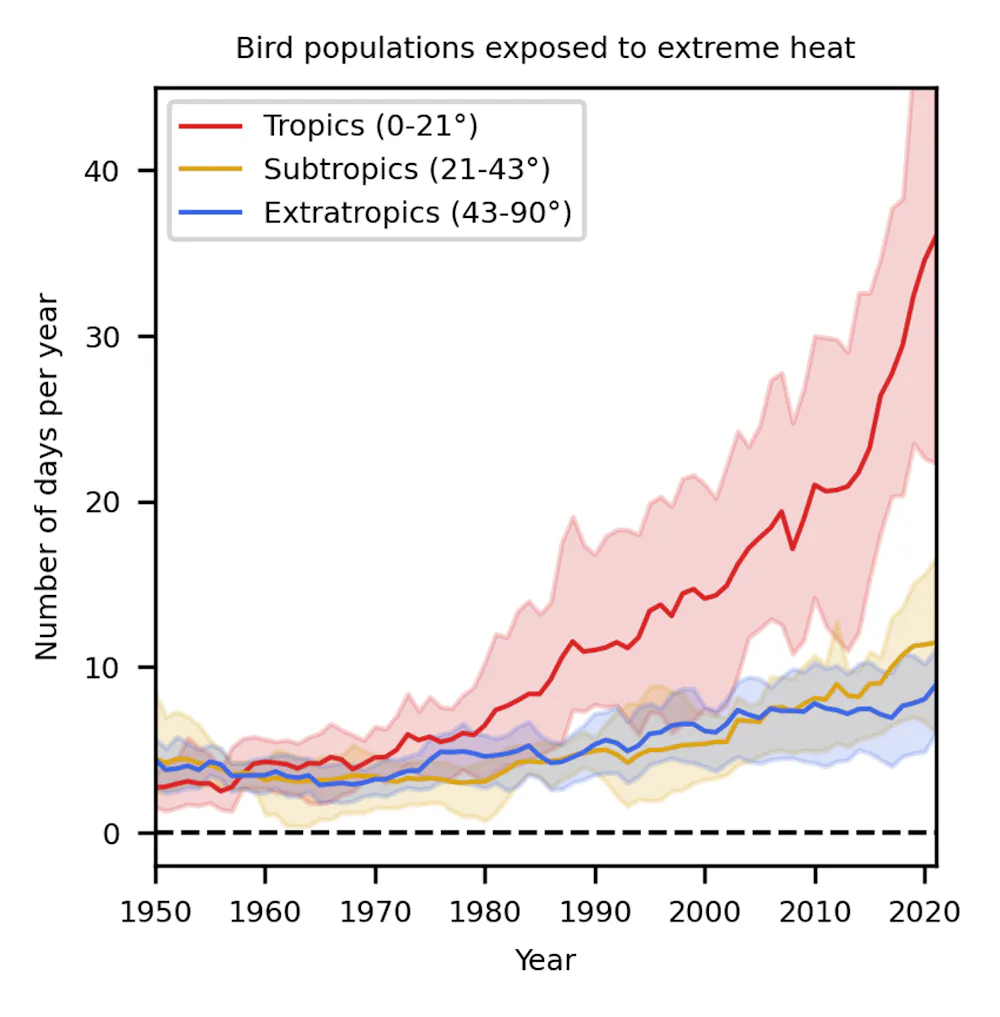
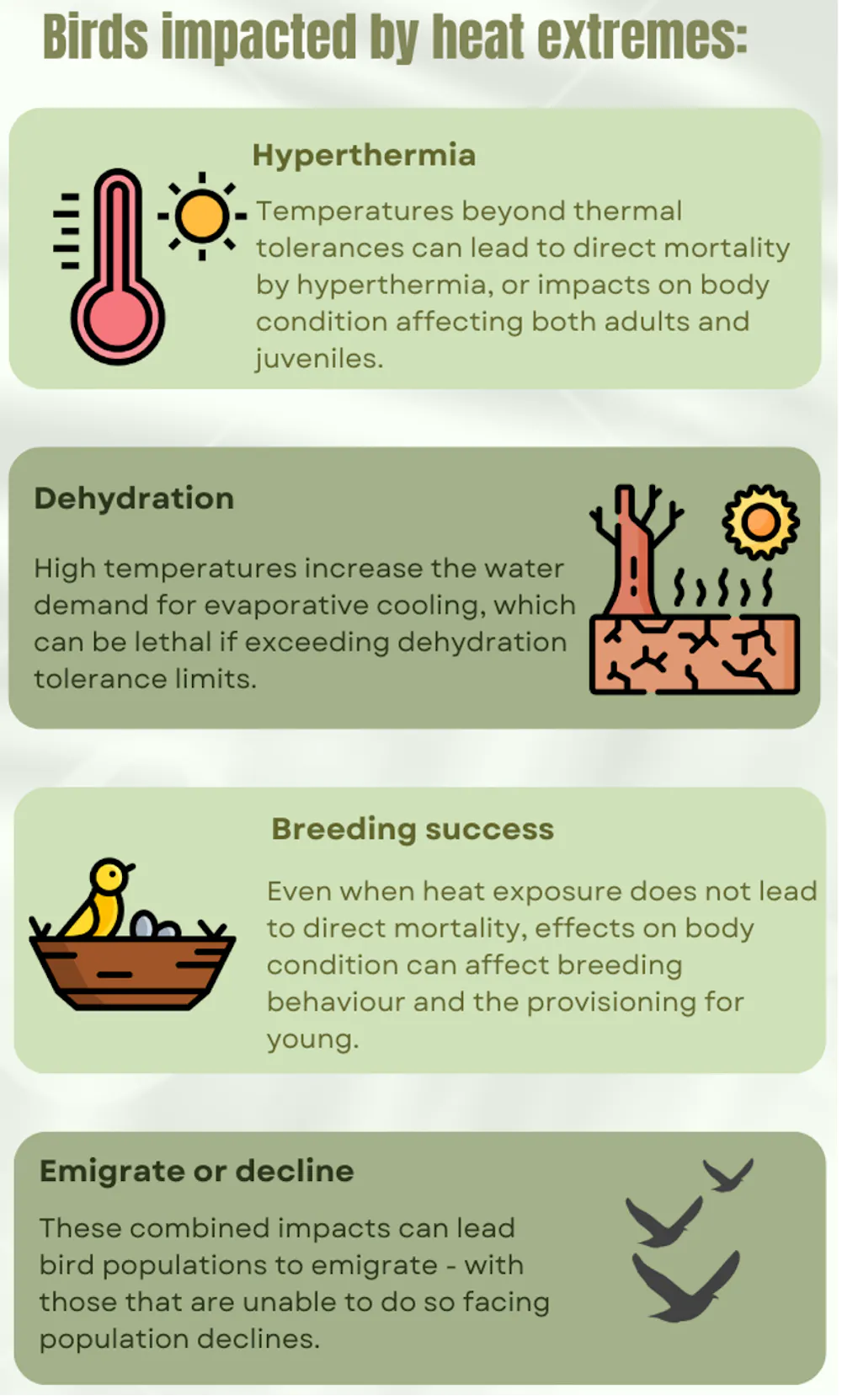
70 years of data show extreme heat is already wiping out tropical bird populations Source: The Conversation (Au and NZ) – By James Watson, Professor in Conservation Science, School of the Environment, The University of Queensland DeAgostini/Getty Images Human-driven climate change threatens many species, including birds. Most studies on this topic focus on long-term climate trends, such as gradual rises in average temperatures or shifts in rainfall patterns. But
Why Israel’s assassination of Al Jazeera’s Anas al-Sharif and crew threatens all journalists By David Robie, convenor of Pacific Media Watch I never knew Anas al-Sharif personally. But somehow he seemed to be part of our whānau. We watched so many of his reports from Gaza that it just appeared he would be always around keeping us up-to-date on the horrifying events in the besieged enclave. Although he
What should I eat (and avoid) while breastfeeding? How does my diet affect baby’s milk? Source: The Conversation (Au and NZ) – By Therese O’Sullivan, Associate Professor in Nutrition and Dietetics, Edith Cowan University Natalia Lebedinskaia/Getty Images Many people are familiar with the saying that a woman is “eating for two” during pregnancy. Although this is an exaggeration, nutritional needs do certainly increase during pregnancy to support the growing baby.
PSNA calls on Luxon to end ‘support’ for Israel as Australia plans backing for Palestine state Asia Pacific Report A leading advocacy group supporting Palerstine has called on the government to follow Germany’s lead and suspend New Zealand military support for Israel to continue its mass killing and mass starvation of Palestinians in Gaza. Germany and New Zealand were two of the countries to sign a letter yesterday condemning Israel’s plans
Beyond recognition: the challenges of creating a new Palestinian state are so formidable, is it even possible? Source: The Conversation (Au and NZ) – By Martin Kear, Sessional Lecturer, Department of Government and International Relations, University of Sydney Australia will recognise a Palestinian state at the UN General Assembly meeting in September, joining the United Kingdom, Canada and France in taking the historic step. Recognising a Palestinian state is at one level
Australia to recognise Palestine state next month at the United Nations Source: The Conversation (Au and NZ) – By Michelle Grattan, Professorial Fellow, University of Canberra Prime Minister Anthony Albanese has announced Australia will recognise Palestine as a state at the United Nations leaders’ week in late September. Unlike some other countries, the government has put no conditions on the recognition, relying on assurances received from
When a beach walk feels like grief: disasters like SA’s algal bloom cut us off from nature when we need it most Source: The Conversation (Au and NZ) – By Brianna Le Busque, Lecturer in Environmental Science, University of South Australia John White Photos/Getty In March 2025, surfers and swimmers were the first to notice the harmful algal bloom taking hold in South Australian waters. People catching waves at a popular break on the Fleurieu Peninsula later
Want to know how far your new EV can actually go? Take 10–20% off its claimed range Source: The Conversation (Au and NZ) – By Hussein Dia, Professor of Transport Technology and Sustainability, Swinburne University of Technology Alexwise/Getty Many electric vehicles (EVs) now come with range estimates of 400–500 kilometres, while some premium models claim ranges of more than 600km. Drivers new to EVs may look at the range figures given by
France’s betrayal of Kanak hopes for independence, Rainbow Warrior, climate crisis and other issues Pacific Media Watch Pacific affairs and media commentator Dr David Robie reflected on the 1985 Rainbow Warrior mission to Rongelap atoll to help US nuclear refugees and the bombing of the Greenpeace campaign ship by French secret agents in a kōrero hosted by the NZ Fabian Society. His analysis is that far from the sabotage
‘I end up buying less food’: Indigenous people should not have to go hungry to use the internet Source: The Conversation (Au and NZ) – By Azadeh Dastyari, Director, Centre for Western Sydney, Western Sydney University Access to the internet is not a luxury. It’s an essential part of life. It shapes how people study, find and do work, access healthcare, stay connected with community and interact with government services. For Indigenous peoples,
The phrase “We are now one people” has resurfaced lately, largely due to a campaign by the Hobson’s Pledge lobby group against the retention of Māori wards at referendums being held as part of the upcoming local body elections.
Māori wards and constituencies are the local authority equivalent of the Māori seats in Parliament, enabling a level of representation Māori have historically struggled to access. Anyone – Māori or non-Māori – can stand for election in a Māori ward or constituency.
The campaign against these arrangements has been somewhat overshadowed by the misuse of a Māori woman’s photograph on Hobson’s Pledge billboards next to the lines “My mana doesn’t need a mandate – vote no to Māori wards”.
But behind the immediate controversy lie deeper questions about the historical basis of claims made by Hobson’s Pledge and their justification for opposing city and district Māori wards.
At the core of those claims is the idea that the phrase “We are now one people” – more correctly, “He iwi tahi tātou” in te reo Māori, which is what Lieutenant-Governor William Hobson is held to have said at the signing of the Treaty of Waitangi in 1840 – has both moral and constitutional status.
Effectively, the inference is that Hobson’s words amount to a political requirement to treat everyone in the same manner, irrespective of ethnicity. The Hobson’s Pledge website frames this as Hobson’s “promise […] that all New Zealanders would be one people”.
However, the only evidence Hobson uttered the phrase “He iwi tahi tātou” comes from Church Missionary Society printer William Colenso’s account, The Authentic and Genuine History of the Signing of the Treaty of Waitangi, published as part of the colony’s jubilee celebrations in 1890, 40 years after the events it recounts.
William Colenso, 1868. Wikimedia
In his 39-page booklet, Colenso stresses that his recollections are based on notes written “down on the spot while fresh in memory”, and says the manuscript on which his history was based was read and commented on by fellow missionary William Wade and James Busby, the outgoing British Resident, in late February 1840.
But research comparing Colenso’s manuscript and his later history has concluded his account “should be treated with a degree of informed caution”, partly because “none of the footnotes attributed to Busby by Colenso in his 1890 history appear in his 1840 manuscript”.
Colenso is clear Hobson spoke in te reo Māori, uttering the phrase “He iwi tahi tātou” each time he shook hands with one of the 45 rangatira (chiefs) who signed the Treaty at Waitangi. But his English translation – “We are [now] one people” – appears in parentheses to clearly indicate it has been added after the fact.
In their promotional material, Hobson’s Pledge routinely remove those parentheses, suggesting Hobson also uttered Colenso’s English translation.
No other existing record corroborates Colenso’s claim about what Hobson said. This includes the one compiled at the request of parliament by William Baker, a translator for the Native Department, in July 1865 – 25 years before Colenso’s recollections of events were published.
Neither Hobson nor Colenso make any reference to a “pledge”. In fact, Colenso gives just one line to Hobson’s interactions with rangatira at the signing, and spends far longer on the lieutenant-governor’s concerns about the behaviour of the Queen’s British subjects.
He recounts at some length Hobson’s explanation to rangatira that because “the law of England gives no civil powers to Her Majesty out of her dominions”, she “asks you to sign this treaty, and so give her that power which shall enable her to restrain them [her subjects]”.
‘We are peoples together’
Rather than being a pledge or promise, it’s much likelier Hobson was simply being polite when he said “He iwi tahi tātou”.
Significantly, too, there is no record of what the Māori rangatira at the time had to say about being “one people”. The same goes for the 500 or so other Māori, including 13 wāhine, who would subsequently sign te Tiriti o Waitangi in other parts of the country.
Colenso’s account lays bare the concern among, and division between, rangatira about signing the Treaty. But their views on Hobson’s te reo Māori phrase have not survived. Perhaps they simply assumed “we” were all Māori, which would have made sense given the estimated Māori population at the time was some 80,000, compared to around 2,000 Pākehā.
It is curious that one particular line – “He iwi tahi tātou” – has been picked from Colenso’s translation, when other lines have not – including his recollection that “Mr. Busby addressed the Natives to the effect that the Governor was not come to take away their land, but to secure them in the possession of what they had not sold”.
None of this is Colenso’s fault, of course. And Hobson’s Pledge is entitled to promote its broader political aims. But to assert Hobson made a “pledge” at Waitangi is a historical fiction, based on a Pākehā missionary’s translation of words spoken in te reo Māori that can’t be independently verified.
In fact, when translated by someone for whom Māori is their first language, “He iwi tahi tātou” might be better understood to mean “We are peoples together”. Which is largely where contemporary debates about the Treaty’s meaning begin, not end.
Richard Shaw does not work for, consult, own shares in or receive funding from any company or organisation that would benefit from this article, and has disclosed no relevant affiliations beyond their academic appointment.
Source: The Conversation (Au and NZ) – By Olaf Meynecke, Research Fellow in Marine Science and Manager Whales & Climate Program, Griffith University
drewsulockcreations/Getty
As the annual humpback whale migration is underway with thousands of whales passing by the Australian coast, there are reports of dolphins joining the mass movement.
But this isn’t a one off. In fact, our new study, published today in Discover Animals, shows interspecies interactions between dolphins and whales are widespread and frequent around the world.
An astonishing interaction
There have been several reports of whale and dolphin interaction in the past.
But other forms of interactions resembling joint feeding, play and harassment are now being frequently documented thanks to drone technology. Many are also featured on social media.
A ‘whale’s-eye view’ of the world
For our new study, we undertook an analysis of 199 independent whale-dolphin interaction events involving 19 different species. These interactions spanned two decades and occurred across 17 countries.
We drew from social media platforms – such as Facebook, YouTube and Instagram – and footage contributed by citizens to get a variety of observations.
Each entry was carefully reviewed to identify the species involved, validate the interaction and categorise behaviours. Two additional cases came from camera tags attached to humpback whales. These offered an underwater “whale’s-eye view” of their encounters with dolphins.
We categorised behaviours such as rolling, tail slaps, bow riding, and rubbing, and classified dolphin positions relative to whale body parts such as head, flank and tail fluke.
Having fun or fighting?
The study contradicted earlier assumptions that interspecies interactions between dolphins and whales are very rare.
The most common interaction was dolphins swimming near the whale’s head (akin to bow riding). This accounted for 80% of observed dolphin positions. Humpback whales were the most involved whale species, while bottlenose dolphins led the dolphin side.
Based on videos we analysed, dolphins initiated most interactions through bow riding, swimming in formation, or even touching whales.
In more than one-quarter of the events, the whales responded in seemingly similar ways. For example, humpback whales often rolled, exposed their bellies, or gently turned toward dolphins.
Tail slaps and other signs of distress or aggression were rare (roughly 5% of cases).
As a result of this, we classified more than one-third of all interactions between humpback whales and dolphins as positive or possible social play.
The two camera-tag videos revealed previously undocumented interaction. Dolphins were observed following humpback whales not only at the surface but down to the ocean floor. They maintained eye contact or even touched the whales’ head – suggesting intentional, possibly social, engagement.
Reflecting advanced emotional capabilities
The findings reshape our understanding of how social marine mammals interact across species. They suggest interspecies interaction among marine mammals may be far more prevalent and complex than previously believed.
Dolphins may seek out whales as companions for stimulation, play or even courtship-like behaviour. Meanwhile, certain whale species, particularly humpback whales, may not only tolerate but also engage with dolphins in a social capacity.
This interspecies dynamic adds a new dimension to marine mammal social ecology and could point to cultural elements in whale and dolphin societies. The playfulness, cooperation and apparent enjoyment observed in many interactions reflect advanced cognitive and emotional capabilities.
The study also demonstrates the power of new technologies and community science. Social media and drones proved invaluable for collecting a range of diverse behavioural data that traditional surveys might miss.
Social media data has limitations, such as geographic and observer bias caused by different angles, heights, equipment and frequency of use of social media. But it does complement other data and helps uncover previously unknown behaviours.
Whales and dolphins don’t just coexist but also seek each other out. Future studies incorporating acoustic recordings and longer observation periods could further unravel the motivations and meanings behind these fascinating encounters.
Olaf Meynecke receives funding from the Whales and Climate Research Program through a private, charitable trust and is a board member of the not for profit organisation Humpbacks and Highrises Inc.
Neoliberalism has had an enormous influence on the world, driving policy and governance at the national and international level, particularly since the 1980s, when it was championed by the Reagan administration in the United States and the Thatcher government in the United Kingdom.
It has been associated with programs of economic deregulation, privatisation of state-owned enterprises, massive tax cuts for businesses and high-income earners, reduction of social services and welfare programs, anti-unionisation, and the independence of monetary policy.
The movement’s intellectual heart was the Mont Pelerin Society, founded in 1947 by the Austrian economist Friedrich Hayek, who used the term “neoliberalism” into the 1950s. With the support of wealthy backers, neoliberalism became a global movement, its free-market principles promoted by a welter of influential institutes and think tanks.
Review: Hayek’s Bastards: The Neoliberal Roots of the Populist Right – Quinn Slobodian (Allen Lane)
Neoliberalism is often described as a form of market fundamentalism: the view that, as Slobodian puts it, “everything on the planet has a price tag, borders are obsolete, the world economy should replace nation-states, and human life is reducible to a cycle of earn, spend, borrow, die”.
Slobodian suggests, however, that to understand neoliberalism as a “hypermarketization of everything” is “both vague and misleading”.
Slobodian calls this US-centred version of neoliberalism the “new fusionism”. He traces its influence on important factions on the contemporary right.
From the 1950s to 1980s, US conservatives often melded libertarian economic ideas with religious traditionalism. They drew on the language of religion to back up claims about immutable human differences based on gender, race and culture.
The “new fusionism” deploys the language of science to defend neoliberal policies. Taking their cues from evolutionary psychology, sociobiology, genetics and neuroscience, groups like the self-described “paleolibertarians” have sought to ground their claims on the “bedrock of biology”.
Slobodian helps us to see how important emerging factions on the Right are “mutant strains of neoliberalism”. Attention to the “new fusionism”, he suggests, helps to “clear up some of the confused framing of politics in the last several years”.
He challenges prominent narratives that describe populism and the alt-right in terms of a “backlash” against the forces of neoliberalism. The key figures in Hayek’s Bastards are not presented as “barbarians at the gates of neoliberal globalism but the bastard offspring of that line of thought itself”.
“Behind the abstract talk of liberties and freedoms in much of 21st century neoliberal and libertarian discourse,” argues Slobodian, “lies a much grubbier story of hunting and gathering, primordial beginnings, and adamantine differences.”
Better understanding of this, and of the visions of capitalism interwoven with these views, helps shed important light on “the mystique of evolutionary psychology in the work of right-wing gurus like Jordan Peterson”, the pronouncements of “so-called race realists on the radical right”, and the obsession with IQ among Silicon Valley techno-libertarians.
The Cold War: victory or defeat?
Slobodian writes interestingly about the 1990s and 2000s, when neoliberals might have been expected to be basking in the glory of having “routed their enemies, won the battle against communism, and conscripted international financial institutions to carry out their world-changing project”.
Instead, observes Slobodian, they “seemed to fear the Cold War had been lost”. The Soviet Union had collapsed and communism was defeated, yet “public spending continued to expand even as capitalism became the only surviving economic system”.
“In the democratic countries of Western Europe, the US, and elsewhere,” wrote neoliberal economist Gary Becker, “government control and regulation of economic activities is expanding, not contracting.”
“There weren’t any summit meetings in Washington about how to cut down the size of government,” lamented Mont Pelerin Society member Milton Friedman. Instead, there were “enormous increases” in what the neoliberals saw as paternalistic “statism”.
Key threats were identified as feminism, the civil rights movement, and supranational institutions, such as the United Nations and the European Union.
Neoliberals had initially viewed the European Union as promising: an institution with the potential to accelerate “competition between labour, product, and finance markets”. They came to view it as a “socialist Trojan horse”. It was, as German historian of science and Mont Pelerin Society member Gerard Radnitzky put it,
a European super-state […] on the road to more government and more bureaucracy, to creeping socialism and hence to less freedom and less growth.
Another new threat was environmentalism. “Having fought back a red tide, we are now in danger of being engulfed by a green one,” warned Fred Smith of the Competitive Enterprise Institute.
Many neoliberals believed that, as Mont Pelerin Society member Charles Murray wrote in the 1990s, “the last thirty years represent an aberration which goes against human nature”. They thought that, as Slobodian puts it, “decades of ‘collectivism’ and state dependency – even in the capitalist world – had eroded the virtues of self-reliance”.
The “mechanisms which existed prior to the welfare state and in some measure served to fulfill its functions are gone”, said Michael S. Joyce, the worried president of conservative funding body the Bradley Foundation.
This presented a serious problem. Joyce thought it unlikely that “the private sector and the free market [would] fill the gap instantly – like Athena sprung fully born from Zeus – thus replacing the welfare state and making the new order acceptable to our citizens”.
A painful transition out of the world of the social state was the only path to recovery.
A return to first principles
Against this background, neoliberals and libertarians in the 1990s argued that, as Slobodian writes, “it was necessary to return to first principles, to open a wide-ranging discussion on the human condition and the prerequisites for market order”.
This involved a shift in focus, away from purely economic issues. As neoliberals sought to ground their arguments in “something beyond the social”, they looked for scientific support for their core view that egalitarian politics and the social state went against “human nature”.
This “appeal to nature” was a central part of the neoliberal solution to the problem of expanding public spending.
Behind it, notes Slobodian, there was a political problem. The social movements of the 1960s and 1970s, the neoliberals believed, had “injected the poison of civil rights, feminism, affirmative action, and ecological consciousness into the veins of the body politic”.
They were, as Slobodian puts it, “confounded by persistent demands for the redress of inequality”. They experienced this as an oppressive atmosphere of “political correctness”. They felt it created “a culture of government dependency” and “special pleading”.
In their view, such demands came at the expense of productivity, innovation, efficiency, stability, and order. To combat them, intellectually and politically, they “turned to nature in matters of race, intelligence, territory, and money”.
Rethinking the conditions of capitalism
Slobodian suggests that changing demographics in the United States – “an aging white population matched by an expanding nonwhite population” – spurred some neoliberals and libertarians to “rethink the conditions necessary for capitalism”.
Extra-economic issues were traditionally addressed in neoliberal debates via a discussion of topics like law, religion and morality. The New Right, which would merge with the alt-right, developed in the direction of advocating an “ethno-economy”.
Proponents argued that certain cultures – and, for some, certain “races” – were “predisposed to market success”. Slobodian summarises their argument like this: “Some societies had developed the cultural traits of personal responsibility, ingenuity, rational action, and low time preference over long periods; others had not.”
The advantageous traits, these neoliberals believed, were not easily transplanted to “less culturally evolved societies”. Alongside this, many began to argue that “cultural homogeneity is a precondition for social stability, and thus the peaceful conduct of market exchange and enjoyment of private property”.
From this line of thinking sprang groups like the “closed borders” libertarians, who advocated free movement for capital and goods, but “drew a hard line against certain kinds of people”. Their demand for an ethno-state, writes Slobodian, was grounded in the demand for an “ethno-economy”.
Race and IQ
“Faced with the neoliberal problem of how to explain unequal capacity in a universal marketplace,” argues Slobodian, influential figures on the right “diverged from Hayekian arguments about social learning and cultural imitation”.
They seized on what they believed was the “objectivity of race science”. Relying on fringe work on IQ science, many adherents divided humanity into “cognitive classes”. Intelligence – measured by IQ – “became a central category for the new fusionists”.
In 1994, Murray and co-author Richard Herrnstein published The Bell Curve, which argued there was a link between “race” and “intelligence”.
The paleolibertarian Murray Rothbard, another Mont Pelerin Society member and a leading “new fusionist”, also saw differences as “rooted in biology and race as a rigid hierarchy of group traits and abilities”. There was, he thought, a “genetic basis for inequality of intelligence which undercut any attempts to create an equality of outcomes through education or redistribution”.
In the early 1990s, Rothbard outlined a strategy of what he called “paleo-populism”. Its aim was to use electoral democracy as a means of transitioning to a stateless society. Rothbard’s protégé Hans-Hermann Hoppe further radicalised his program. He vilified democracy as “the god that failed” and proposed “racial explanations for patterns of economic behaviour”.
Slobodian credits Hoppe with creating “forums for exchange between theorists of eugenics, ethnic secessionism, and Austrian economics”. Hoppe acted as a bridge from the US to “dissident [Mont Pelerin Society] members in Germany and Austria who sought to create their own alliances to the Right of the mainstream parties”.
‘Junk science yarns’
In their appeal to the “junk science yarns” about IQ and the “biological reality of race”, Slobodian’s neoliberals believed they had identified “a genetic basis for unequal capacity, unequal achievement, and in Hoppe’s work, an explanation for the supposedly natural aversion of races to cohabitation”.
The 2008 global financial crisis and its aftermath, argues Slobodian, “created the conditions for new mutations of neoliberal thought – as well as new schisms”.
In 2015, more than one million refugees arrived in Europe. With them came “a new winning political hybrid that combined xenophobia with free-market values”. In Germany, the racist right’s position was crystallized in Thilo Sarrazin’s book Germany Abolishes Itself, which sold more than 1.5 million copies.
Drawing on the same research as Murray, Rothbard and Hoppe, Sarrazin made the case for “race differences in cognitive capacity”. His “synthesis of free trade, independent monetary policy, and biological racism is the intellectual core of the insurgent Alternative for Germany (AfD) and Austrian Freedom Party”.
It is important to recognise, Slobodian emphasises, that these figures “did not propose the wholesale rejection of globalism but a variety of it, one that accepts an international division of labour with robust cross-border flows of goods and even multilateral trade agreements”, while “tightening controls on certain kinds of migration”.
The common view of neoliberals and the New Right is scorn for “egalitarianism, global economic equality, and solidarity beyond the nation. Both see capitalism as inevitable and judge citizens by the standards of productivity and efficiency.”
And yet, as Slobodian points out,
The parties dubbed as right-wing populist, from the United States to Britain and Austria […] offer few plans to rein in finance, restore a Golden Age of job security, or end world trade. By and large, the so-called populists’ calls to privatize, deregulate, and slash taxes come straight from the playbook shared by the world’s leaders for the past thirty years.
In other words, a lot of what we have been witnessing is a “family feud”.
Christopher Pollard does not work for, consult, own shares in or receive funding from any company or organisation that would benefit from this article, and has disclosed no relevant affiliations beyond their academic appointment.
Today’s consumers are swimming in a sea of information. Products are marketed with big, bold words such as “sustainable”, “ethical” and “organic”. They sound good, they catch our attention, and they make us feel better about what we buy.
The reality is, in today’s market, figuring out which claims are true is no easy task.
One big reason is greenwashing, when brands use these buzzwords to sell products without living up to what the words actually mean. In fashion especially, these terms are thrown around so often that their meaning has been watered down. Instead of being about genuine change, they are often just a sales tool.
So, how can you know what to look out for?
Who should take responsibility for green claims?
Greenwashing takes many forms. Sometimes brands know they are misleading; this is direct greenwashing. Other times, it’s indirect, when brands simply do not know the full story of their own supply chains. A T-shirt, for example, might start as raw cotton in one country, get processed into fabric in another, sewn into a garment, and then shipped overseas for sale.
At each stage, there are different suppliers, factories and workers. The brand has limited visibility over what happens in these tiers. When a brand claims it produces ethically, but does not, that is greenwashing. If it involves exploitation or forced labour, it then becomes modern slavery, turning greenwashing into something more dangerous.
This raises a big question: who is responsible? The obvious answer is the brands. They design, order, and sell the products, and they profit from them. Consumers are paying for these goods, so they should have access to credible information, not just vague claims or nice-sounding labels.
The fashion industry is constantly in the spotlight for problems in its supply chains. Stories about poor working conditions, environmental damage, and lack of transparency pop up all the time. But just like a viral trend on social media, the attention often fades quickly, and people move on to the next story.
Certifications aren’t perfect
There are many certifications in the fashion industry trying to help, but they are not foolproof. A label might promise ethical sourcing, but that does not guarantee transparency or prove that every step was ethical.
Tracing global supply chains is hard. But the responsibility does not disappear just because it’s complicated.
In Australia, the Modern Slavery Act took effect in January 2019 to tackle issues such as forced labour and exploitation. Penalties include heavy fines or jail time.
However, there is a major loophole, as only companies with an annual revenue over A$100 million are required to report under the act. For big corporations, even if they are caught, the penalty can be tiny compared to the profits they have made.
This is not just an Australian problem, it’s global. For example, luxury brand Dior was placed under judicial administration after being found negligent for failing to act against worker exploitation in its subcontracted supply chain in Italy. The pattern is often the same; a company gets accused, sometimes even fined, but the cost is minimal compared to their annual revenue, so it’s barely a setback.
Is there a role for government?
So, should the responsibility rest only with brands? Not entirely. Governments also benefit from these companies through taxes and trade. They profit indirectly when the companies profit, and they benefit from the jobs these companies provide.
A stronger approach would involve government bodies and brands working with supply chain mapping companies, such as Textile Genesis, TrusTrace or FibreTrace. These platforms, often powered by blockchain and artificial intelligence, track a product through every stage of production.
Blockchain – which uses a decentralised database – can be a game changer.
Unlike websites or paper trails, blockchain data cannot be altered without leaving trace. Once recorded, the information is permanent, and it can be shared across manufacturers, brands and government bodies to maintain real-time disclosure.
When products enter a country, the ethical claims behind them could be verified in real time, instead of relying on brands to respond after an allegation is made.
The upfront cost is high and adoption might be slow. But in the long run it could save money on compliance, audits and damage control, while also building consumer trust.
Brands would still make profits, but consumers would have the confidence the products they are buying live up to the claims. Instead of government agencies being passive players, they would actively enforce that products meet the standards consumers expect.
In short, brands need to be held accountable, but so do governments. Greenwashing, modern slavery, and unethical sourcing will keep slipping through the cracks, unless they both work together.
The tools to make the fashion industry more transparent and honest already exist; it’s just a matter of using them.
Aayushi Badhwar does not work for, consult, own shares in or receive funding from any company or organisation that would benefit from this article, and has disclosed no relevant affiliations beyond their academic appointment.
Over the next two decades, the average Australian worker is likely to change occupations at least twice.
Rapid technological change and longer working lives mean the days of having “one job for life” are long gone. New occupations will also appear and some older ones will shrink or vanish. And our preferences change.
So Australians’ ability to adapt to new occupations will be crucial for their wellbeing at work and for national productivity.
In a new Productivity Commission interim report, released today, we examine how Australia can build a skilled and adaptable workforce.
Here’s what we recommend for schools, mid-career learning and entering new occupations.
Can we help schools teach basic skills?
Being able to adapt in the workforce starts with having basic skills that can be transferred across different occupations. These are taught at school and include reading, maths and basic digital literacy.
But many Australian students lack these skills. For example, the most recent NAPLAN results show about 10% of students need additional support and about 20% are “developing” towards expectations.
Gaps in outcomes for students from disadvantaged groups emerge early and worsen over time. For example in Year 3, on average, students with parents who did not finish high school are two years behind in reading compared to students with parents with a bachelor’s degree. By Year 9, they are five years behind.
Students who fall behind also pose a huge challenge for teachers, who may need to teach a broad range of levels within one class. Our report found 53% of schools had the highest possible range of achievement levels when it came to NAPLAN scores.
To build these students’ skills, the Productivity Commission proposes investment in a comprehensive online bank of high-quality lesson planning materials. Some states and school systems already have, or are developing, banks of lesson plans. There is an existing central resource, but it requires updating and expanding.
A central bank could help teachers support students of all abilities in their classes. These would be available to all teachers, no matter what type of school they teach at. They would cover all aspects of the Australian Curriculum from the first year of school to Year 10.
Our report also found generative artificial intelligence (AI), if implemented well, has tremendous potential to support students who are falling behind (and to challenge those who are ahead).
We propose a national approach to “edtech” – including a stocktake of what’s currently used. This approach could also draw on the combined purchasing power of states to provide approved AI tools at a cheaper price than what schools could procure alone.
Can we make it easier to train and study mid-career?
Lifelong learning is also vital for adaptability. Workers who improve their skills or gain new ones over their working lives are more likely to adjust successfully to new technology and developments in their occupation.
We found sole traders and small and medium enterprises provided 65.9% of Australian jobs, yet their workers tend to receive less training than those in larger firms. So the Productivity Commission recommends trialling financial incentives (such as a tax credit) to encourage training for staff working in these organisations.
Some workers also need new qualifications to change occupations. They may look to get credit from their new institution for some of their prior experience to speed up their study.
But this system can be complicated. Providers get less revenue if students finish their courses more quickly and may be hesitant to give credit for prior learning. It can be also hard to determine what experiences, including overseas qualifications, should get what specific credits.
So we propose an independent process to assess “recognition of prior learning” and a public register of credit transfer decisions to show students what education pathways they might pursue.
Can we make it simpler to enter a new field?
Occupational entry regulations – or rules that require workers to meet minimum conditions – may also be hampering workers’ adaptability.
Our inquiry found between 15% and 31% of Australian workers are subject to registration or licensing – a higher proportion than as many as 23 European Union countries.
Across different Australian states, the rules for licensing workers vary widely, yet the Productivity Commission found no evidence those states with tighter licensing experience better consumer or worker safety outcomes.
Some of the industries we found has too many regulations included hairdressers, motor vehicle repairers, painters and decorators and air conditioning mechanics.
Many Australian occupations require lengthy qualifications, and in some non-trade occupations the educational requirements have ratcheted up over time.
In trades, trade apprentice numbers have stagnated. And only 54% of trade apprentices have finished within four years of starting their training. So we recommend alternative models are considered. These include a shorter apprenticeship for mature students, more narrowly focused qualifications, and completing coursework prior to a shorter apprenticeship.
Adapting to new job markets is always challenging. But workers who are changing occupations multiple times need to be supported to manage this volatility. Helping Australians to survive and thrive through change is the key to an adaptable workforce.
Catherine de Fontenay is a Productivity Commissioner.
Alex Robson is deputy chair of the Productivity Commission.
Source: The Conversation (Au and NZ) – By Flora Hui, Research Fellow, Centre for Eye Research Australia and Honorary Fellow, Department of Surgery (Ophthalmology), The University of Melbourne
Drugs such as Ozempic, Wegovy and Mounjaro (known as semaglutide and tirzepatide) have changed the way clinicians manage diabetes and obesity around the world.
Collectively known as GLP-1 agonists, these drugs mimic the hormone GLP-1. This limits both hunger and interest in food, helping users lose weight, and helps control blood sugar levels.
But two new studies published today show that people taking these drugs may have a small increased risk of serious eye conditions and vision loss.
Here’s what you need to know if you’re taking or considering these medications.
What damage can occur?
Non-arteritic anterior ischaemic optic neuropathy, or NAION, is a rare but devastating eye condition that occurs when blood flow to the optic nerve is suddenly reduced or blocked. It’s also called an “eye stroke”.
The exact cause of NAION remains unclear and there are no current treatments available. People with diabetes are at increased risk of developing NAION.
Unlike other eye conditions that develop gradually, NAION causes a sudden, painless loss of vision. Patients typically notice the condition when they wake up and discover they’ve lost vision in one eye.
Vision tends to worsen over a couple of weeks and slowly stabilises. Recovery of vision is variable, but around 70% of people do not experience improvement in their vision.
What has previous research shown?
A previous study from 2024 found participants prescribed semaglutide for diabetes were four times more likely to develop NAION. For those taking it for weight loss, the risk was almost eight times higher.
In June, the European Medicines Agency concluded NAION represented a “very rare” side effect of semaglutide medications: a one in 10,000 chance. In a first for medicines regulators, the agency now requires product labels to include NAION as a documented risk.
However the recent studies suggest the risks may be lower than we first thought.
In addition to NAION, there is also evidence to suggest GLP-1 drugs can worsen diabetic eye disease, also known as diabetic retinopathy. This occurs when high blood sugar levels damage the small blood vessels in the retina, which can lead to vision loss.
It may sound counter-intuitive, but rapid blood sugar reductions can also destabilise the fragile blood vessels in the retina and lead to bleeding.
What do the new studies say?
Two newly published studies investigated people with type 2 diabetes living in the United States over two years. The studies looked at the medical records of 159,000 to 185,000 people.
One study found semaglutide or tirzepatide was associated with a more modest risk of developing NAION than previously thought. Of 159,000 people with type 2 diabetes who were taking these drugs, 35 people (0.04%) developed NAION, compared with 19 patients (0.02%) in the comparison group.
The researchers also found an increased risk of developing “other optic nerve disorders”. However, it’s unclear what kind of optic nerve disorders this includes, as the medical record codes used didn’t specify.
Counter to this, the second study did not find an increased risk of NAION among those taking GLP-1 drugs.
However, the researchers found a small increase in the number of people developing diabetic retinopathy in those prescribed GLP-1 drugs.
But overall, participants on GLP-1 drugs experienced fewer sight-threatening complications related to their diabetic retinopathy and required less invasive eye treatments compared to the group taking other diabetes medications.
Further studies are still needed to understand how GLP-1 drugs can lead to eye complications. A current, five-year clinical trial is studying the long-term effects of semaglutides and diabetic eye disease in 1,500 people, which should tell us more about the ocular risks in the future.
What does this mean for people taking GLP-1 drugs?
NAION is a serious condition. But we need to strike a balance between these (and other) risks and the benefits of GLP-1 medications in diabetes care, obesity treatment, reducing heart attack risks and extending lives.
The key lies in informed decision-making and identifying different levels of risk.
People with multiple NAION risk factors – such as sleep apnoea, high blood pressure and diabetes – should undergo careful consideration with their treating doctor before starting these medications.
“Crowded” optic nerve heads are also a risk factor for NAION. This is an anatomical feature where blood vessels at the optic nerve head are tightly packed together. People with crowded optic nerve heads should also undergo careful consideration before starting GLP-1 medications.
Although NAION can strike without warning, regular comprehensive eye examinations with your optometrist or ophthalmologist still serve important purposes. They can detect other drug-related eye problems, including worsening diabetic retinopathy, and can identify patients with crowded optic nerve heads. It’s also important to tell them if you are taking GLP-1 medications so they can keep a close watch on your eye health.
Emerging research also suggests that improving your heart health might help reduce risks of developing NAION. This includes proper management of high blood pressure, diabetes and cholesterol – all conditions that compromise the small blood vessels feeding the optic nerve.
Studies also show patients with heart conditions who better adhere to their medication prescriptions have lower risks of NAION than those who don’t.
Doctors should discuss NAION risks during prescribing decisions and work with eye care providers to monitor regularly for diabetic eye disease. Patients need clear instructions to seek immediate medical attention for sudden vision loss and the need for regular eye examinations.
Aggressive treatment of sleep apnoea and other heart conditions may also help reduce NAION risks. But for now, there remains an ongoing need for more research to understand how GLP-1 medications can affect the eye.
Pete A Williams has received past funding from Novo Nordisk Fonden (Foundation) for glaucoma neuroprotection research and is involved in, but does not directly receive funds from, a Novo Nordisk Fonden-funded clinical trial for glaucoma neuroprotection. Novo Nordisk Fonden has no role in the planning, execution, or data analysis of these studies. Novo Nordisk Fonden owns Novo Holdings A/S, which owns and controls Novo Nordisk A/S, the pharmaceutical company that makes Ozempic and Wegovy.
Flora Hui does not work for, consult, own shares in or receive funding from any company or organisation that would benefit from this article, and has disclosed no relevant affiliations beyond their academic appointment.
We welcome the update, to take effect from July next year, and the government’s commitment to reviewing the funding formula regularly.
However, the new formula remains incomplete.
The government accepted expert advice to include factors such as rurality, morbidity (the level of sickness) and socioeconomic deprivation (poverty), but it modified recommendations and left out ethnicity.
Matching funding with need
The public health system strives very hard to match the level of funding to people’s need for healthcare services. Communities with the most need should of course receive the highest level of public funding.
Since the early 2000s, the formula has been the main funding mechanism for general practices providing primary healthcare and related services. It is used to allocate money to individual general practices based on the characteristics of the patients enrolled with each practice.
Over the past 20 years, there have been many calls for the formula to be substantially overhauled and to include not only age and sex, but also other factors that affect healthcare needs.
It was acknowledged when the formula was first set up 25 years ago that ethnicity and poverty should be included because they are powerful indicators of need. But back then, the necessary data were simply not widely available.
Despite these calls and various reviews and technical reports, as well as better data, changes to the formula were only minor and incremental.
Then, in 2022, the government commissioned the Sapere consultancy firm to carry out a thorough analysis. This report concluded a new formula should be implemented that includes age, sex, ethnicity, socioeconomic deprivation and morbidity.
Ignoring ethnicity leads to poor policy
Up until the most recent announcement, we expected the government to implement a state of the art, fully fit-for-purpose formula. But the government chose to change it in an unexpected way by removing the ethnicity funding factor.
For context, the government acknowledged the importance of needs-based funding in its cabinet circular in September last year. The circular directed all public services to adhere to the principles of needs-based funding and service provision, acknowledging that funding for a particular ethnic group is justified as long as there is evidence of need.
Extensive epidemiological evidence from the past 30 years tells us the need for health care of Māori and Pacific populations is very high, and is driven not just by poverty but also by the added disadvantages they face in New Zealand society.
By excluding ethnicity, the funding formula fails to properly reflect the underlying patterns of health need. This leaves us with an inferior formula because it does not take account of the measured health needs of Māori and Pacific families and communities.
Aside from reducing the effectiveness of the formula, the omission of ethnicity sends the misleading message that it is not important and has no place in health funding. Nothing could be further from the truth.
The government’s focus on blanking ethnicity is undermining the foundational principle of matching health dollars with need. This is poor public policy.
Instead of the partial formula that was announced, we argue for a complete, evidence-based mechanism to fund general practices – in keeping with the government’s own stated objective of needs-based funding, supported by evidence.
Peter Crampton has been involved with capitation funding formula design since its inception 25 years ago, as a member of technical advisory groups for the Ministry of Health and Te Whatu Ora. He receives funding from the Ministry of Health and the Health Research Council.
Gabrielle McDonald does not work for, consult, own shares in or receive funding from any company or organisation that would benefit from this article, and has disclosed no relevant affiliations beyond their academic appointment.
Human-driven climate change threatens many species, including birds. Most studies on this topic focus on long-term climate trends, such as gradual rises in average temperatures or shifts in rainfall patterns. But extreme weather events are becoming more common and intense, so they warrant further attention.
Our new research shows extreme heat is having a particularly severe effect on tropical birds. We found increased exposure to extreme heat has reduced bird populations in tropical regions by 25–38% since 1950.
This is not just a temporary dip – it’s a long-term, cumulative effect that continues to build as the planet warms.
We analysed data from long-term monitoring of more than 3,000 bird populations worldwide between 1950 and 2020. This dataset captures more than 90,000 scientific observations.
Although there are some gaps, the dataset offers an unmatched view of how bird populations have changed over time. Some parts of the world such as western Europe and North America were better represented than others, but all continents were covered.
We matched this bird data with detailed daily weather records from a global climate database that stretches back to 1940. This allowed us to track how bird populations responded to specific changes in daily temperatures and rainfall, including extreme heat.
We also looked at average yearly temperatures, total annual rainfall, and episodes of unusually heavy rainfall.
By combining all these sources of data, we created computer models to evaluate how climate factors and human impacts influence bird population growth.
Our research confirmed the work of other climate scientists showing extreme heat events have increased dramatically over the past 70 years, especially near the equator.
Birds in tropical regions are now experiencing dangerously hot days about ten times more often than they did in the past.
What we found: extreme heat is the biggest climate threat to birds
While changes in average temperature and rainfall do affect birds, we found the increasing number of dangerously hot days had the greatest effect – especially in tropical regions.
At temperatures beyond a bird’s limit of endurance, they go into hyperthermia, where their body temperature rises uncontrollably. In this state, birds may adopt a drooped-wing posture to expose more skin for heat loss, hold their beaks open and pant rapidly, spread their feathers, and become lethargic or disoriented. In severe cases, they lose coordination, fall from perches, or even collapse unconscious.
A black-collared barbet (Lybius torquatus) from Botswana. Sergey Dereliev
If they survive the experience, they can suffer long-term damage such as heat-induced organ failure and reduced reproductive capacity. Heat exposure reduces breeding success by lowering adult body condition and reducing time spent foraging – because the birds must rest or seek shade during the hottest hours.
It also causes heat stress in eggs and nestlings. In extreme events, nestlings may die from hyperthermia, or parents may abandon nests to save themselves.
Heat also increases a bird’s demand for water — not because they sweat (birds lack sweat glands) but because they lose water rapidly through evaporative cooling. This happens mainly via panting (respiratory evaporation) and, in some species, gular fluttering (rapid vibration of throat skin to increase airflow), as well as evaporation through the skin. As temperatures climb, these processes accelerate, causing significant dehydration unless birds can drink more frequently or access moister food.
Our study found that across tropical areas, the impact of climate change on birds is perhaps even greater now than the impact of direct human activities such as logging, mining or farming. This is not to say habitat destruction due to these activities is not a serious issue – it clearly is a major concern to tropical biodiversity. But our study highlights the challenges climate change is already bringing to birds in tropical regions.
Extreme heat is bad for birds in more than one way. James Watson, Maximilian Kotz and Tatsuya Amano with icons from Flaticon, design by Canva.
A clear warning
Our research highlights the importance of focusing not just on average climate trends, but also on extreme events. Heatwaves are no longer rare, isolated incidents – they are becoming a regular part of life in many parts of the world.
If climate change continues unchecked, tropical birds – and likely many other animals and plants – will face increasing threats to their survival. Change may be too fast and too extreme for many species to adapt.
Conservation strategies must take this into account. Protecting habitats from human industrial development remains important, but it’s no longer enough on its own. Proactive action to help species adapt to climate change needs to be part of wildlife protection plans – especially in the tropics.
Ultimately if we are to preserve global biodiversity, slowing down and eventually reversing climate change is essential. That means cutting greenhouse gas emissions, investing in ways to draw down existing carbon dioxide levels, and supporting policies that reduce our impact on the planet. The fate of tropical birds – and countless other species – depends on it.
Tropical bird population declined by one-third since 1980 due to climate change, featuring the study’s lead author Maximilian Kotz (Potsdam Institute for Climate Impact Research)
James Watson has received funding from the Australian Research Council, National Environmental Science Program, South Australia’s Department of Environment and Water, Queensland’s Department of Environment, Science and Innovation as well as from Bush Heritage Australia, Queensland Conservation Council, Australian Conservation Foundation, The Wilderness Society and Birdlife Australia. He serves on the scientific committee of BirdLife Australia and has a long-term scientific relationship with Bush Heritage Australia and Wildlife Conservation Society. He serves on the Queensland government’s Land Restoration Fund’s Investment Panel as the Deputy Chair.
Maximilian Kotz receives funding from European Union’s Horizon 2020 research and innovation programme under a Marie Sklodowska-Curie grant.
Tatsuya Amano receives funding from the Australian Research Council Future Fellowship and Discovery Project.
I never knew Anas al-Sharif personally. But somehow he seemed to be part of our whānau.
We watched so many of his reports from Gaza that it just appeared he would be always around keeping us up-to-date on the horrifying events in the besieged enclave.
Although he actually worked for Al Jazeera Arabic, the 28-year-old was probably the best known Palestinian journalist in the Strip and many of his stories were translated into English.
It is yet another despicable act by the Israeli military to assassinate him and four of his colleagues on the eve of launching their new mass crime to seize and demolish Gaza City with a population of about one million as part of Israeli Prime Minister Benjamin Netanyahu’s pledge to occupy the whole of Gaza.
In many ways the bravery of al-Sharif — he had warned several times that he was being targeted — was the embodiment of the Palestinian courage under fire when UNESCO awarded the 2024 World Press Freedom Award collectively to the Gazan journalists.
But it wasn’t enough just to “murder” him and his colleagues — as the Al Jazeera channel proclaimed in red banner television headlines — Israel attempted unsuccessfully to try to smear him in death as a “Hamas platoon leader” without a shred of evidence.
The drone attack late on Sunday night hit a journalists’ work tent near the main gate of Gaza City’s al-Shifa Hospital, killing seven people. Among those killed beside al-Sharif were fellow Al Jazeera correspondent Mohammed Qreiqeh and camera operators Ibrahim Zaher, Moamen Aliwa and Mohammed Noufal.
Call for UNSC emergency session Al Jazeera later said a sixth journalist, freelancer Mohammad al-Khaldi, was also killed in the strike. Reporters Without Borders said three more journalists had been wounded and called for a UN Security Council emergency session to discuss journalist safety.
Al Jazeera condemns the assassination of its journalists by Israeli occupation forces
Al Jazeera Media Network condemns in the strongest terms the targeted assassination of its correspondents Anas Al Sharif and Mohammed Qraiqea, along with photographers Ibrahim Al Thaher, and… pic.twitter.com/0otP6IYIgC
In a statement, the Qatar-based Al Jazeera Media Network condemned in “the strongest terms” the killing of its media staff in “yet another blatant and premeditated attack on press freedom”, noting that the Israeli occupation force had “admitted to their crimes”.
“This attack comes amid the catastrophic consequences of the ongoing Israeli assault on Gaza, which has seen the relentless slaughter of civilians, forced starvation, and the obliteration of entire communities,” Al Jazeera said.
“Anas and his colleagues were among the last remaining voices from within Gaza, providing the world with unfiltered, on-the-ground coverage of the devastating realities endured by its people.”
Five Al Jazeera journalists killed in Gaza by Israel’s “psychopathic liar” — Marwan Bishara Video: Al Jazeera
“In fact, we have decided, and I’ve ordered, directed the military, to bring in foreign journalists, more foreign journalists,” Netanyahu told a news conference in Jerusalem.
Israeli authorities have in the past barred any foreign media from entering the Gaza Strip, while it has been deliberately targeting and killing local Palestinian journalists.
Other attacks on Al Jazeera The deadly strike on Anas al-Sharif and his four colleagues is not the first attack on Al Jazeera journalists in Gaza since the start of Israel’s current war on the Palestinian territory in October 2023
Israeli forces have previously killed five Al Jazeera journalists: Samer Abudaqa, Ismael al-Ghoul, Ahmed al-Louh, Hossam Shabat and Hamza Dahdouh, son of Al Jazeera’s Gaza bureau chief, Wael Dahdouh, as well as many of the family members of Al Jazeera journalists.
The Israeli military has been systematically killing journalists, photographers and local media workers in the Gaza Strip since the start of the war in an attempt to silence their reports.
But some media freedom groups put the casualty figure even higher. The Government Media Office in Gaza, for example, reports that 242 journalists have been killed.
The Israeli military have frequently accused journalists of being “terrorists” without evidence.
‘Enormous influence’ “He’s held enormous influence there, and that’s precisely why Israel murdered him.
Shehada told Al Jazeera he had “looked into the allegations” that Israel produced, trying to smear him as a Hamas militant, adding that “the allegations were completely contradictory.” He added:
“There’s zero evidence that al-Sharif took part in any hostilities, in any armed actions, aided or abetted any kind of these hostilities. None at all. His entire daily routine was standing in front of a camera from morning to evening.”
An early Instagram report of the killing of the Gazan journalists . . . later updated to five Al Jazeera staff and a sixth journalist. Image: AJ
It had been alleged by Israel that Anas al-Sharif was a member of the military wing of Hamas, and the army claimed that it had found documents in Gaza that proved their point.
“It includes some links to content that anyone could have printed,” she said. “This has been going on for a few weeks, ever since Anas started reporting on the starvation in Gaza, and he had such a huge impact on the Arab world.
“Immediately after, a spokesman for the Israeli army in Arabic… posted a video on social media, accusing al-Sharif of being a Hamas member and threatening him.”
‘Knew he was at serious risk’ Abdel-Hamid said she had been going through his X feed.
“He knew his life was at serious risk, and he repeatedly wrote that he was just a journalist, and he wanted his message to be spread widely, because he thought that was a way to protect him.”
Posted on his X account in case he was killed was his “last will” and final message. He wrote in part:
“I entrust you with Palestine — the jewel in the crown of the Muslim world, the heartbeat of every free person in this world. I entrust you with its people, with its wronged and innocent children who never had the time to dream or live in safety and peace.
“Their pure bodies were crushed under thousands of tons of Israeli bombs and missiles, torn apart and scattered across the walls.
“I urge you not to let chains silence you, nor borders restrain you. Be bridges toward the liberation of the land and its people, until the sun of dignity and freedom rises over our stolen homeland . . . “
This is my will and my final message. If these words reach you, know that Israel has succeeded in killing me and silencing my voice. First, peace be upon you and Allah’s mercy and blessings.
Allah knows I gave every effort and all my strength to be a support and a voice for my…
— أنس الشريف Anas Al-Sharif (@AnasAlSharif0) August 10, 2025
Jodie Ginsberg, chief executive for the Committee to Protect Journalists (CPJ), said that last October Israel had accused al-Sharif and “a number of other journalists of being terrorists without providing any credible proof”.
“We warned back then that this felt to us like a precursor to justify assassination, and, of course, last month… we saw again, a repeated smear campaign”, she told Al Jazeera.
“This is not solely about Anas al-Sharif, this is part of a pattern that we have seen from Israel… going back decades, in which it kills journalists.”
Accusations repeated Al-Sharif had warned last month about the starvation facing journalists — “and we saw then the accusations repeated.
“Of course, now we are seeing a new offensive, plans for a new offensive, in Gaza, the kind of thing that Anas has been reporting on for the best part of three years.”
“The [Israeli] occupation is preparing for a major massacre in Gaza, but this time without sound or image,” Dr Mohammed Abu Salmiya told Turkiye’s Anadolu news agency.
“It wants to kill and displace the largest number of Palestinians in Gaza City but this time in the absence of the voice of Anas, Mohamed, Al Jazeera and all satellite channels.”
Assassinated Gazan journalist Anas al-Sharif . . . “killed to prevent coverage of atrocities” Israel intends to carry out in its Gaza City seizure. Image: AJ screenshot APR
‘Fabrications don’t wash’ Al Jazeera’s senior analyst Marwan Bishara warned that “Israel’s lies” about al-Sharif endangered journalists everywhere, saying that the “best response to the killing of our colleagues is by continuing to do what we do”.
“I want to correct one thing [about Western media reports], and I need our viewers and readers around the world to pay attention:
“It doesn’t matter whether what Israel said about al-Sharif is correct or not.
“It’s an absolute fabrication. It’s wrong. But it doesn’t matter.
“Because if every American journalist who served in Iraq and Afghanistan would have been killed because there’s a suspicion that they worked for the CIA; if every French and British journalist would be killed because they work for the MI5 or something like that, then I think there will be no Western journalists working in the Middle East.
“It’s not OK to kill a journalist in a tent of journalists because you accuse him of something.
“If you accuse him of something, you take him to court, you make a complaint, you follow certain procedures, with the network, with the [International Federation of Journalists], and so on and so forth.
“You don’t kill a journalist who has been doing their job for months on, day in, day out, night and day, and claim later that they work for Hamas.
“That doesn’t wash.
“It’s wrong, it’s a lie, it’s a fabrication as usual, but this psychopathic liar should not get away with killing a journalist and simply attaching an accusation to it.
“It doesn’t wash, because otherwise, every single Western journalist covering a war that a Western government is involved in is going to be a target.
I wrote that it was time for journalists to take a moral stand for truth and justice, and although I expected a strong response, the feedback was merely tepid. It was as if Western journalists did not comprehend the enormity of the Gaza crisis facing the world.
It is shameful that New Zealand journalists and media groups have not come out in the past 22 months with strong denunciations of Israel’s war on both journalists and truth – and the genocide against Palestinians.
Source: The Conversation (Au and NZ) – By Dan O’Brien, Professor of Public Policy and Urban Affairs and Director of the Boston Area Research Initiative, Northeastern University
A tree canopy can make a big difference in temperature for people on the street below. The challenge is getting trees where they’re needed most.Andrey Denisyuk/Moment via Getty Images
It’s summer, and it’s been hot, even in northern cities such as Boston. But not everyone is hit with the heat in the same way, even within the same neighborhood.
Take two streets in Boston at 4:30 p.m. on a recent day, as an example. Standing in the sun on Lewis Place, the temperature was 94 degrees Fahrenheit (34.6 degrees Celsius). On Dudley Common, it was 103 F (39.2 C). Both streets were hot, but the temperature on one was much more dangerous for people’s health and well-being.
The shade of a few nearby trees doesn’t keep Dudley Common from heating up several degrees more than neighboring streets. Dan O’Brien
A closer look at the two streets shows some key differences:
Dudley Common is public open space sandwiched between two thoroughfares that create a wide expanse of pavement lined with storefronts. There aren’t many trees to be found.
Lewis Place is a residential cul-de-sac with two-story homes accompanied by lots of trees.
This comparison of two places within a few minutes’ walk of each other puts the urban heat island effect under a microscope. It also shows the limits of today’s strategies for managing and responding to heat and its effects on public health, which are generally attuned to neighborhood or citywide conditions.
Emerging technologies are making it easier to find urban heat islets, opening the door to new strategies for improving health in our communities.
While the idea of reducing heat across an entire city or neighborhood is daunting, targeting specific blocks that need assistance the most can be faster and a much more efficient use of resources.
Doing that starts with making urban heat islets visible.
Data from those sensors generate a real-time map of the conditions in the neighborhood, from urban heat islets like Dudley Common to cooler urban oases, such as Lewis Place.
Temperature varied substantially in Boston’s Roxbury neighborhood at 4:30 p.m. on July 25, 2025. These are some of the readings captured by the Common SENSES heat sensors. Common SENSES
Although detailed knowledge of urban heat islets is becoming more available, we have barely scratched the surface of how they can be used to enhance people’s health and well-being.
The sources of urban heat islets are rooted in development – more buildings, more pavement and fewer trees result in hotter spaces. Many projects using community-based sensors aspire to use the data to counteract these effects by identifying places where it would be most helpful to plant trees for shade or install cool roofs or cool pavement that reflect the heat.
However, these current efforts do not fully capitalize on the precision of sensors. For example, Los Angeles’ massive investment in cool pavement has focused on the city broadly rather than overheated neighborhoods. New York City’s tree planting efforts in some areas failed to anticipate where trees could be successfully planted.
Most other efforts compare neighborhood to neighborhood, as if every street within a neighborhood experiences the same temperature. London, for example, uses satellite data to locate heat islands, but the resolution isn’t precise enough to see differences block by block.
In contrast, data pinpointing the highest-risk areas enables urban planners to strategically place small pocket parks, cool roofs and street trees to help cool the hottest spaces. Cities could incentivize or require developers to incorporate greenery into their plans to mitigate existing urban heat islets or prevent new ones. These targeted interventions are cost-effective and have the greatest potential to help the most people.
Comparing maps of New York’s vegetation and temperature shows the cooling effect of parks and neighborhoods with more trees. In the map on the left, lighter colors are areas with fewer trees. Light areas in the map on the right are hotter. NASA/USGS Landsat
But this could go further by using the data to create more sophisticated alert systems. For example, the National Weather Service’s Boston office released a heat advisory for July 25, the day I measured the heat in Dudley Common and Lewis Place, but the advisory showed nearly the entirety of the state of Massachusetts at the same warning level.
What if warnings were more locally precise?
On certain days, some streets cross a crucial threshold – say, 90 F (32.2 C) – whereas others do not. Sensor data capturing these hyperlocal variations could be communicated directly to residents or through local organizations. Advisories could share maps of the hottest streets or suggest cool paths through neighborhoods.
Trees in the yards of homes on Lewis Place in Roxbury help keep the street several degrees cooler than nearby paved open spaces such as Dudley Common. Dan O’Brien
There is increasing evidence of urban heat islets in many urban communities and even suburban ones. With data showing these hyperlocal risks, policymakers and project coordinators can collaborate with communities to help address areas that many community members know from experience tend to be much hotter than surrounding areas in summer.
As one of my colleagues, Nicole Flynt of Project Right Inc., likes to say, “Data + Stories = Truth.” If communities act upon both the temperature data and the stories their residents share, they can help their residents keep cool — because it’s hot out there.
Dan O’Brien has received funding from the National Science Foundation’s Smart & Connected Communities program for work associated with this article (award #2230036).
Many people are familiar with the saying that a woman is “eating for two” during pregnancy. Although this is an exaggeration, nutritional needs do certainly increase during pregnancy to support the growing baby.
But what’s perhaps less known is that energy needs are actually even slightly higher during breastfeeding than during pregnancy.
Human breastmilk is a dynamic liquid and its composition (including carbohydrates, fats, proteins, vitamins and minerals) varies over the entire breastfeeding period, and even between feeds.
It can change depending on what mum is eating, environmental factors, and what the baby needs, through a biofeedback system (sometimes called “baby backwash”). For example, if a baby is starting to get sick, breastmilk will adjust to include more leukocytes, immune cells that fight infection.
So what should breastfeeding women be eating? And how does a mother’s diet influence the nutritional makeup of her milk?
Nutritional needs increase during breastfeeding
Fully breastfeeding mums can produce around 800 millilitres of milk a day in the first six months after birth, which has an energy content of roughly 3 kilojoules per gram.
Even factoring in using up excess fat stored during pregnancy, mums still need on average an extra 2,000 kilojoules to support milk production. This is roughly equivalent to adding a cheese sandwich, a handful of nuts and a banana on top of normal dietary intake.
Interestingly, requirements don’t drop off after the baby starts solids. In the second six months, milk production is thought to drop to an average of 600ml per day, as babies start to eat solid foods. But because maternal fat stores deplete by this stage, additional energy requirements remain similar.
Some nutrients are particularly important during breastfeeding, including protein, calcium, iron, iodine and vitamins.
For example, compared with a non-pregnant, non-breastfeeding woman, protein requirements increase by almost half when breastfeeding (from 0.75 grams to 1.1 grams per kg of body weight per day).
Meanwhile, iodine requirements almost double (from 150 micrograms per day to 270 micrograms per day). Iodine is important for thyroid function, and can impact baby’s growth and brain development.
high-protein foods (meat, fish, eggs, nuts, seeds, soy-based protein such as tofu and tempeh, legumes such as chickpeas, baked beans and lentils)
dairy foods or alternatives (for dairy alternatives, check calcium is included)
whole grains
fruits and vegetables.
While making all that milk, drinking more water also becomes extremely important. Thirst is a good guide, but around 2.5 litres per day is generally recommended, or more if it’s hot or with exercise.
Is there anything I shouldn’t be eating?
What a mum consumes can pass into her breastmilk. For example, in one study, babies whose mothers drank small amounts of carrot juice while breastfeeding were more accepting of cereal flavoured with carrot juice compared with a control group of babies whose mothers drank water.
It’s therefore important to limit alcohol and caffeine, which can also pass though to the baby. No alcohol is the safest choice, but if you’re planning to have a drink, tools such as the Feed Safe app can be used to estimate when your breastmilk should be free of alcohol.
Up to 200mg of caffeine per day (equivalent to roughly a cup of brewed coffee, an energy or cola drink, or four cups of tea) is considered safe for breastfeeding.
Breastfeeding mums don’t need to take any particular foods out of their diet to prevent allergies in their baby. In fact, experts believe babies exposed to common allergens via breast milk could be less likely to develop allergies to these foods, however we need more research into this question.
Although relatively uncommon, babies can be allergic or intolerant to certain aspects of their mothers’ diet when breastfeeding. They may react in the form of colic or wind, reflux, mucus or blood in their poo, eczema or rash, or appear to be in pain.
In these cases, mum’s diet may need adjustment. The most common culprits include cows’ milk (the protein, not the lactose component), soy and egg.
It’s recommended to remove suspected foods from the diet for a minimum of three weeks. This should ideally be done with supervision from an Accredited Practising Dietitian who specialises in allergy, to ensure the mother’s nutritional needs continue to be met.
4 tips for breastfeeding mums
it’s a good idea to get a blood test to check your vitamin D and iron levels – these can be depleted over pregnancy and are important for breastfeeding. If your levels are low, you can discuss options with your doctor
iodine requirements are so much higher in breastfeeding that an iodine supplement of 150 micrograms a day is recommended to support infant growth and neurodevelopment
have a variety of nutritious snacks that can be eaten with one hand for those late-night feeds, such as peeled boiled eggs, a peanut butter sandwich on wholegrain bread, or avocado and cheese on a rice cake. My personal favourite is homemade rocky road with dark chocolate, nuts, seeds and dried fruit
keep a drink bottle with water nearby when breastfeeding.
The author’s home-made rocky road, which she gives as a gift to friends with new babies. Therese O’Sullivan/Author provided
If you’re considering a gift for a family with a new baby, remember new parents’ personal needs often take a back seat when bub arrives, including eating well. Consider a hearty frozen meal, muffins with oats and nuts, a nice stainless steel water bottle, gourmet trail mix or even some homemade rocky road.
Therese O’Sullivan has previously received funding from the Stan Perron Charitable Foundation and the Department of Health Western Australia for a project on antenatal colostrum expressing.
A leading advocacy group supporting Palerstine has called on the government to follow Germany’s lead and suspend New Zealand military support for Israel to continue its mass killing and mass starvation of Palestinians in Gaza.
Germany and New Zealand were two of the countries to sign a letter yesterday condemning Israel’s plans to extend its war to Gaza City, displacing another million Palestinians.
However, one of the other signatories, Australia, announced that it would go a step further by moving to recognise a state of Palestine at the UN General Assembly next month.
“I have said it publicly and I said it directly to Prime Minister [Benjamin] Netanyahu: the situation in Gaza has gone beyond the world’s worst fears,” he said.
“Far too many innocent lives have been lost. The Israeli government continues to defy international law and deny sufficient aid, food and water to desperate people, including children.”
The decision rides on a condition that the Palestinian resistance group Hamas plays no role in its future governance.
Letter condemns Israel New Zealand joined Australia, United Kingdom, Germany and Italy in signing a letter that said:
“The plans that the government of Israel has announced risk violating international humanitarian law. Any attempts at annexation or of settlement extension violate international law.
It will aggravate the catastrophic humanitarian situation, endanger the lives of the hostages, and further risk the mass displacement of civilians.”
PSNA co-chair John Minto said in a statement that Israel had a long history of ignoring outside opinion because they never included accountabilities.
“However, Germany has followed its condemnation with action. New Zealand needs to do the same,” he said.
Minto says New Zealand should:
• End approval for Rakon to export crystal oscillators to the US which are used in guided bombs sent to Israel for bombing Gaza; • Ban all Rocket Lab launches from Mahia which are used for Israel reconnaissance in Gaza; and • Launch an investigation by the Inspector-General of Security and Intelligence into the sharing of intelligence with the US and Israel which can be used for targeting Palestinians.
“New Zealanders expect our government to end its empty condemnations of Israel and act to sanction this rogue, genocidal state,” Minto said.
Source: The Conversation (Au and NZ) – By Martin Kear, Sessional Lecturer, Department of Government and International Relations, University of Sydney
Australia will recognise a Palestinian state at the UN General Assembly meeting in September, joining the United Kingdom, Canada and France in taking the historic step.
Recognising a Palestinian state is at one level symbolic – it signals a growing global consensus behind the rights of Palestinians to have their own state. In the short term, it won’t impact the situation on the ground in Gaza.
Practically speaking, the formation of a future Palestinian state consisting of the West Bank, Gaza Strip and East Jerusalem is far more difficult to achieve.
The Israeli government has ruled out a two-state solution and reacted with fury to the moves by the four G20 members to recognise Palestine. Israeli Prime Minister Benjamin Netanyahu called the decision “shameful”.
So, what are the political issues that need to be resolved before a Palestinian state becomes a reality? And what is the point of recognition if it doesn’t overcome these seemingly intractable obstacles?
Settlements have exploded
The first problem is what to do about Israeli settlements in the West Bank and East Jerusalem, which the International Court of Justice has declared are illegal.
Palestinians see East Jerusalem as an indispensable part of any future state. They will never countenance a state without it as their capital.
In May, the Israeli government announced it would also build 22 new settlements in the West Bank and East Jerusalem – the largest settler expansion in decades. Defence Minister Israel Katz described this as a “strategic move that prevents the establishment of a Palestinian state that would endanger Israel”.
Second is the issue of a future border between a Palestinian state and Israel.
The demarcations of the Gaza Strip, West Bank and East Jerusalem are not internationally recognised borders. Rather, they are the ceasefire lines, known as the “Green Line”, from the 1948 War that saw the creation of Israel.
However, in the Six-Day War of 1967, Israel captured and occupied the West Bank, Gaza, East Jerusalem, Egypt’s Sinai Peninsula (since returned), and Syria’s Golan Heights. And successive Israeli governments have used the construction of settlements in the occupied territories, alongside expansive infrastructure, to create new “facts on the ground”.
Israel solidifies its hold on this territory by designating it as “state land”, meaning it no longer recognises Palestinian ownership, further inhibiting the possibility of a future Palestinian state.
For example, according to research by Israeli professor Neve Gordon, Jerusalem’s municipal boundaries covered approximately seven square kilometres before 1967. Since then, Israeli settlement construction has expanded its eastern boundaries, so it now now covers about 70 square km.
Israel also uses its Separation Wall or Barrier, which runs for around 700km through the West Bank and East Jerusalem, to further expropriate Palestinian territory.
According to a 2013 book by researchers Ariella Azoulay and Adi Ophir, the wall is part of the Israeli government’s policy of cleansing Israeli space of any Palestinian presence. It breaks up contiguous Palestinian urban and rural spaces, cutting off some 150 Palestinian communities from their farmland and pastureland.
The barrier is reinforced by other methods of separation, such as checkpoints, earth mounds, roadblocks, trenches, road gates and barriers, and earth walls.
Then there is the complex geography of Israel’s occupation in the West Bank.
Under the Oslo Accords of the 1990s, the West Bank was divided into three areas, labelled Area A, Area B and Area C.
In Area A, which consists of 18% of the West Bank, the Palestinian Authority exercises majority control. Area B is under joint Israeli-Palestinian authority. Area C, which comprises 60% of the West Bank, is under full Israeli control.
Administrative control was meant to be gradually transferred to Palestinian control under the Oslo Accords, but this never happened.
Areas A and B are today separated into many small divisions that remain isolated from one another due to Israeli control over Area C. This deliberate ghettoisation creates separate rules, laws and norms in the West Bank that are intended to prevent freedom of movement between the Palestinian zones and inhibit the realisation of a Palestinian state.
Who will govern a future state?
Finally, there are the conditions that Western governments have placed on recognition of a Palestinian state, which rob Palestinians of their agency.
Chief among these is the stipulation that Hamas will not play a role in the governance of a future Palestinian state. This has been backed by the Arab League, which has also called for Hamas to disarm and relinquish power in Gaza.
Fatah and Hamas are currently the only two movements in Palestinian politics capable of forming a government. In a May poll, 32% of respondents in both Gaza and the West Bank said they preferred Hamas, compared with 21% support for Fatah. One-third did not support either or had no opinion.
Mahmoud Abbas, leader of the Palestinian Authority, is deeply unpopular, with 80% of Palestinians wanting him to resign.
A “reformed” Palestinian Authority is the West’s preferred option to govern a future Palestinian state. But if Western powers deny Palestinians the opportunity to elect a government of their choosing by dictating who can participate, the new government would likely be seen as illegitimate.
This risks repeating the mistakes of Western attempts to install governments of their choosing in Iraq and Afghanistan. It also plays into the hands of Hamas hardliners, who mistrust democracy and see it as a tool to impose puppet governments in Palestine, as well as Israel’s narrative that Palestinians are incapable of governing themselves.
Redressing these issues and the myriad others will take time, money and considerable effort. The question is, how much political capital are the leaders of France, the UK, Canada and Australia (and others) willing to expend to ensure their recognition of Palestine results in an actual state?
What if Israel refuses to dismantle its settlements and Separation Wall, and moves ahead with annexing the West Bank? What are these Western leaders willing or able to do? In the past, they have been unwilling to do more than issue strongly worded statements in the face of Israeli refusals to advance the two-state solution.
Given these doubts around the political will and actual power of Western states to compel Israel to agree to the two-state solution, it begs the question: what and who is recognition for?
Martin Kear does not work for, consult, own shares in or receive funding from any company or organisation that would benefit from this article, and has disclosed no relevant affiliations beyond their academic appointment.
Prime Minister Anthony Albanese has announced Australia will recognise Palestine as a state at the United Nations leaders’ week in late September.
Unlike some other countries, the government has put no conditions on the recognition, relying on assurances received from the Palestinian Authority, the current Palestinian governing body in the West Bank.
Announcing the decision on Monday, Albanese said he had spoken to Israeli Prime Minister Benjamin Netanyahu last Thursday. In what Albanese said was a long call, Netanyahu argued the case against the proposed Australian action.
“I put the argument to him that we need a political solution, not a military one, because a military response alone has seen the devastation in Gaza, and that has contributed to the massive concern that we see from the international community,” Albanese said.
Albanese told a joint news conference with Foreign Minister Penny Wong “a two-state solution is humanity’s best hope to break the cycle of violence in the Middle East and to bring an end to the conflict, suffering and starvation in Gaza”.
Asked whether this was a symbolic gesture, Albanese said, “This is a practical contribution towards building momentum. This is not Australia acting alone. What we are seeing is a range of countries engaging in detailed dialogue.”
Albanese said that over the past fortnight, he had discussed the issue with UK Prime Minister Keir Starmer, French President Emmanuel Macron, New Zealand Prime Minister Chris Luxon and Japanese Prime Minister Shigeru Ishiba.
He also had a call last week with the Palestinian Authority President Mahmoud Abbas.
Albanese said the Palestinian Authority had committed to there being no role for Hamas in a Palestinian state and reaffirmed it recognised Israel’s right to exist, as well as making other pledges.
Shadow Defence Minister Angus Taylor said there is a risk the decision would be rewarding Hamas for its attacks on Israel on October 7 2023.
When asked about this criticism, Albanese said “Hamas don’t support two states”.
“This is an opportunity to isolate Hamas, that has been forged by the very clear statements of the Palestinian Authority on June 10, and the very clear statements of the Arab League,” he said.
Before the announcement, Netanyahu strongly condemned the move.
He said it was “shameful” and “disappointing” that European countries and Australia would “march into that rabbit hole” and buy “this canard”. He made it clear Israel would not be deterred.
Asked about Australia and other countries moving to recognition, he said, “Well, first of all, those who say that Israel has a right to defend itself are also saying, ‘but don’t exercise that right’.”
He said Israel was applying force judiciously and “they know it”.
“They know what they would do if right next to Melbourne or right next to Sydney you had this horrific attack. I think you would do, at least what we’re doing – probably maybe not as efficiently and as precisely as we’re doing it.”
The Albanese government’s decision, which was reported to a cabinet meeting early Monday, followed years of pressure within the Labor party which has ramped up dramatically in recent months.
Wong spoke at the weekend to US Secretary of State Marco Rubio about Australia’s proposed course.
Michelle Grattan does not work for, consult, own shares in or receive funding from any company or organisation that would benefit from this article, and has disclosed no relevant affiliations beyond their academic appointment.
In March 2025, surfers and swimmers were the first to notice the harmful algal bloom taking hold in South Australian waters. People catching waves at a popular break on the Fleurieu Peninsula later reported feeling sick with flu-like symptoms.
Over the five months since, an “unprecedented” environmental disaster has unfolded, devastating marine ecosystems and the South Australian economy. It has also fundamentally changed the way people connect to the ocean.
This particular bloom – caused by Karenia mikimotoi – is deadly to various marine species, while in humans it can cause milder illness and irritation.
But the impact on mental health and wellbeing is profound.
When people can no longer use “blue spaces” such as the ocean to surf, swim, fish and walk on the beach, they are losing activities that calm and relax them – exactly when they’re most sick with worry about their beloved coastline.
A perfect storm
South Australia’s algal bloom is the result of a “perfect storm” – a marine heatwave, nutrient rich water from previous flooding, and a rare cold-water upwelling.
Current public health advice tells surfers and swimmers to stay out of water if it looks “discoloured, foamy, or where there’s dead marine life”.
Given that dead marine life is washing up across many South Australian beaches, this means it’s hard to find any place to surf or swim.
Recreational fishers are advised that catching fish (and other marine species) is safe if it’s cleaned thoroughly before eating. But many are not throwing their lines in due to concerns about depleting the surviving marine life.
Blue spaces and health
Activities such as swimming, surfing and fishing are not only enjoyable, they have a range of health benefits.
There is mounting empirical evidence about the range of benefits from spending time in “green spaces”, such as parks and bushland.
In 2020, a review of evidence about “blue spaces” – meaning oceans, rivers and lakes – found similar benefits.
For example, swimming outdoors in nature – sometimes known as “wild swimming” – can reduce fatigue and improve mental health. There is also early evidence that it can promote immune functioning.
Surfing also has physical and mental health benefits, and increases community connections. One study of recreational fishers found three in four (75.5%) fish for stress relief.
But these are benefits people in areas affected by the algal bloom are no longer getting.
Grief and anxiety
The algal bloom means people can’t access blue spaces and their health benefits. In fact, the devastation can mean engaging with blue spaces actually makes people’s mental health worse, through worry and grief about the environment.
Eco-anxiety describes the extreme fear, worry, sadness or a generally heightened emotional state we may feel in response to changes in the climate or environment. When people experience grief and other negative emotions about changes to a place they love, this is sometimes called “solastalgia”.
Both eco-anxiety and solastalgia can be responses to global changes, such as warming temperatures and rising sea levels. But they are felt most acutely among those affected directly by a disaster.
Research after Australia’s 2019–20 bushfires found high levels of eco-anxiety and solastalgia among those who survived, with the environment becoming a source of pain and grief.
Given this harmful algal bloom is being referred to as an “underwater bushfire”, it is unsurprising we are seeing people describe similar concern, worry, sadness and loss.
I am part of a team from the University of South Australia currently researching this impact, by surveying people who live near and use the beach to better understand their experience.
Are there any silver linings?
Grief about the destruction of a place we love is the sign of how much we care about it – and this can be galvanising.
We are already seeing this in South Australia. Over 12,000 recordings on iNaturalist – a website where members of the community upload photos and help identify species – provide shocking visual evidence of the loss and devastation.
Distressed beachgoers who are participating in citizen science programs such as these help keep the spotlight on the disaster, as well as rescuing stranded sea animals and protesting for action from government and industry.
Amid the grief, it’s important to try and still maintain our connection to our environment. When we can’t spend time in our usual natural spots, we can still benefit from connecting with nature beyond blue spaces – even if it’s simply visiting a park or planting something new.
Brianna Le Busque does not work for, consult, own shares in or receive funding from any company or organisation that would benefit from this article, and has disclosed no relevant affiliations beyond their academic appointment.
Many electric vehicles (EVs) now come with range estimates of 400–500 kilometres, while some premium models claim ranges of more than 600km.
Drivers new to EVs may look at the range figures given by the manufacturer and think that’s how far their new car will go on a single battery charge.
But this isn’t quite accurate. In reality, an EV’s actual range is usually less. Recent real-world testing of five popular EV models by the Australian Automobile Association showed the real range was an average of 11.6% less than the official figures. There was wide variation: BYD’s Atto 3 had 23% less range, while the Smart #3 had just 5% less.
This is because official figures come from a standardised laboratory test done in idealised conditions different to the way people actually drive.
The problem is not confined to EVs. When the same testing was done on popular petrol cars, some were found to use up to 35% more fuel than official figures claim.
Real-world testing is an important public service. Drivers looking for a new EV could knock off 10–20% from official ranges as a rule of thumb. But it’s worth looking for testing of the exact model to see what the true difference is.
How are official range figures produced?
To produce official range estimates, new EVs are run through a standardised test.
Vehicles are tested on a dynamometer – a treadmill for cars – in a controlled laboratory environment on a 30-minute driving cycle. During the cycle, the cars are driven at four levels of intensity: low (up to 60km per hour), medium (up to 80km/h), high (up to 100km/h) and extra high (above 130km/h), with a set sequence of accelerations, steady speeds and decelerations.
Testing is done at an ambient temperature of 23°C, with no passengers, accessories, or use of heating or air conditioning. The EV is driven by computer through repeats of the 30‑minute cycle until the battery is fully depleted. The total distance covered becomes the official range used by the manufacturer.
This testing regime is very useful, as it offers a single consistent way to compare cars worldwide. But the test doesn’t take conditions such as congestion, driving style and weather variations into account.
That means drivers should take the official range figures as a benchmark, not a guarantee.
How EVs perform in real-world driving
Testing the realistic range of EVs requires real-world testing. To get these figures, testers drove the EVs on a 93km circuit in and around Geelong, including a mix of urban, rural and highway driving conditions.
Their findings are similar to international results. European testing suggests everyday use cuts between 10% and 30% off the official range. If an EV is driven hard during winter, the range can drop as much as 40%.
Under Australian conditions, drivers can reasonably expect the real range to be 10–20% less.
What real world conditions affect range?
Real-world ranges can be less for several reasons, such as driving style, weather and extra weight.
Driving style is important. High speeds increase wind resistance and energy use. Driving in hilly terrain uses more energy, though some of this is returned to the battery through regenerative braking, where EVs convert the kinetic energy of braking back into electricity.
Temperature and weather can also have an impact. Very cold conditions can temporarily reduce range, while very hot conditions force the car to use some power to keep battery packs cool. Using air conditioning and heating can also reduce range, particularly in extreme temperatures.
How temperature and weather impact electric vehicle range.
Adding weight (passengers, cargo) can reduce range, as can roof racks or roof boxes.
Trip planning is key
The average Australian commute is around 35km per day – well within the capabilities of even the shortest-range EVs.
But range becomes important when doing longer trips.
Some EV owners use route planning tools such as A Better Route. These tools estimate how much energy you’ll use on a given journey, taking into account elevation, speed and temperature.
Setting EVs to eco-driving mode and reducing the use of energy hungry air-conditioning will help get more range. Keeping tyres properly inflated and avoiding unnecessary weight or roof racks where possible will also help.
Cooling or heating your EV before departure — known as preconditioning — can be done while plugged in or running off the battery. Doing it while plugged in is preferable, as it uses grid power rather than draining the battery, helping preserve range.
EV preconditioning explained.
Petrol and diesel cars use more fuel in the real world
There’s nothing new about the gap between lab-testing and real-world performance.
Combustion engine cars are sold with official figures for their fuel consumption. But they can use significantly more fuel in the real world.
Real-world tests in Europe found fuel consumption and carbon dioxide emissions from diesel and petrol vehicles were around 20% higher than under lab testing.
Range doesn’t have to be a guessing game
While countries such as Norway and China have streaked ahead in taking up EVs, Australia is still at the early stages. Clear, independent information is essential to help people make informed choices and encourage EV uptake.
Real-world testing helps bridge the gap between marketing promises and the reality on the road, giving drivers the confidence to plan their trips.
Lower real world ranges aren’t a deal breaker. Savvy drivers can use this data together with trip planning and an understanding of conditions to travel with confidence.
Hussein Dia receives funding from the Australian Research Council, the iMOVE Australia Cooperative Research Centre, Transport for New South Wales, Queensland Department of Transport and Main Roads, Victorian Department of Transport and Planning, and Department of Infrastructure, Transport, Regional Development, Communications and the Arts.
Pacific affairs and media commentator Dr David Robie reflected on the 1985 Rainbow Warrior mission to Rongelap atoll to help US nuclear refugees and the bombing of the Greenpeace campaign ship by French secret agents in a kōrero hosted by the NZ Fabian Society.
His analysis is that far from the sabotage being an isolated incident, it was part of a cynical and sordid colonial policy that impacts on the Pacific until today.
He also spoke on wide-ranging issues ranging from decolonisation in Kanaky New Zealand and Palestine to climate crisis and media upheavals in the livestreamed event on Friday evening.
The Fabian Society and Just Defence spokeperson Mike Smith introducing journalist and author David Robie at the kōrero on Friday.
Former professor David Robie has a passion for the Asia-Pacific region and he founded the Pacific Media Centre at Auckland University of Technology in 2007 that ran until 2020 when he retired from academic life.
A journalist for more than 60 years, David has reported on postcolonial coups, indigenous struggles for independence and environmental and developmental issues in the Asia-Pacific.
He was a journalist on board the Rainbow Warrior mission and his book Eyes of Fire: The Last Voyage and Legacy of the Rainbow Warrior has recently been republished with an introduction by former NZ prime minister Helen Clark.
On Saturday, he participated in the Nagasaki Day / Aro Valley Peace Talks where he and former RNZ journalist Jeremy Rose were in conversation analysing Pacific geopolitics and media coverage and challenges of the future.
Journalist and author Dr David Robie speaking to the Fabian Society about environmental activism, decolonisation and Pacific geopolitics. Image: Del Abcede.APR
Access to the internet is not a luxury. It’s an essential part of life. It shapes how people study, find and do work, access healthcare, stay connected with community and interact with government services.
For Indigenous peoples, the internet also plays a vital role in maintaining cultural connection, sharing knowledge, and keeping links to kin and Country strong.
Despite it being essential, a new study has found many Indigenous people are denied internet access because of poor infrastructure, high costs, lack of culturally appropriate training and inadequate services that don’t meet community and individual needs.
This digital exclusion compounds existing disadvantage and makes daily living, such as paying bills, working, or getting an education, prohibitively difficult.
Our research
Digital inclusion refers to having sufficient access to appropriate devices and the internet, affordable connectivity, and the necessary skills and ability to use digital technologies safely.
Digital connection is not just a challenge in rural and remote areas. It is also a major issue in urban areas such as Western Sydney, which is home to one-tenth of Australia’s population and the largest urban population of Indigenous peoples in the country.
Better digital inclusion is a key priority area under the Closing the Gap plan, but progress has been consistently hard to measure and the 2026 target is unlikely to be met.
A new report, First Nations Digital Inclusion in Western Sydney, chronicles the experiences of Indigenous peoples in Western Sydney through story telling, yarning circles and a survey of 105 Indigenous people.
While the study was concentrated to Western Sydney, the findings are consistent with other research nationwide.
We found some areas of Western Sydney simply don’t have reliable internet. Even where coverage exists, many people cannot afford the high costs of data, devices and ongoing connection they need.
No one should have to choose between internet access and essential medicine, but this is the reality for many Indigenous people surveyed, with 27% of people cutting back on medicine to stay connected.
One participant shared:
you have to have a mobile these days and internet. I end up buying less food but I need to feed my kid. I often skip meals to afford my bills.
But access isn’t the only problem. The digital divide is not just about having a device, it is also about feeling confident using it.
We found 66% of Indigenous participants in the study said they had never received any digital skills training. Elders and those who have not had the chance to build these skills are often left behind.
Online safety is also a serious concern. Of the Indigenous people surveyed, 74% reported experiencing racism or other forms of racial discrimination online. This creates further barriers to participation and trust.
The good news is there’s lots that can be done to help.
Currently, Indigenous community-led organisations are stepping up to fill the digital gap, often on shoestring budgets. They’re setting up free wifi hubs, distributing SIM cards and devices and offering digital support.
One participant shared:
since I was given a second hand laptop […] I completed six or more courses at TAFE. This is what is holding back our mob, give them access to an iPad or laptop and also a basic course how to use them.
But Indigenous community-led organisations and the community sector can’t do it alone. What’s needed is government support and long-term investment to make digital inclusion a reality. This means tackling affordability head-on.
Solutions must include cheaper internet plans, low-cost devices and flexible payment options that are designed with Indigenous communities.
Governments and telecommunications companies should work in partnership to deliver programs such as free data in local areas or device lending schemes that enable people to stay connected without financial strain.
On the education front, we need culturally safe, community-led training programs for people of all ages. These could be embedded in schools, workplaces, and local services, particularly through Indigenous-led organisations that already have the trust of the community.
Tech companies must be held accountable for harmful content, and there must be stronger rules to protect users. At the same time, more investment is needed in Indigenous-led platforms and online safety programs that create welcoming spaces.
Public services such as Centrelink need to be more accessible and better designed for people without digital access. In-person services must not only remain available, but be strengthened, to ensure everyone can access the support they need in a way that works for them.
As documented in the report, Indigenous community organisations and peoples have the knowledge and experience and are leading the work to close the digital gap. Their leadership must be respected and supported through genuine partnerships, sustained funding and real decision-making power.
This is not just about technology. Digital inclusion for First Nations peoples is about fairness, dignity and justice.
The answers are already here. Indigenous peoples have shared what works. It is time for government and industry to listen and act.
The First Nations Digital Inclusion in Western Sydney project was supported by the Australian Communications Consumer Action Network (ACCAN). The operation of ACCAN is made possible by funding provided by the Commonwealth of Australia under section 593 of the Telecommunications Act 1997. This funding is recovered from charges on telecommunications carriers.
Corrinne Sullivan receives funding from Australian Communications Consumer Action Network (ACCAN). She is affiliated with, and is a Director of BlaQ Aboriginal Corporation.
ER Report: Here is a summary of significant articles published on EveningReport.nz on August 11, 2025.
CPJ condemns Israeli killing of Gaza journalist Anas al-Sharif and video crew of four Pacific Media Watch The Committee to Protect Journalists has made a statement today that it is appalled to learn of the killing of an Al Jazeera media crew of five, including journalists Anas Al-Sharif, Mohammed Qreiqeh, camera operators Ibrahim Zaher and Mohammed Noufal, and Moamen Aliwa by Israeli forces in Gaza. The journalists were killed
ABC’s new suburban mystery The Family Next Door is understated and addictive Source: The Conversation (Au and NZ) – By Alexa Scarlata, Lecturer, Digital Communication, RMIT University ABC At first glance, the ABC’s new flagship drama looks like a soapy cross between Neighbours and Home and Away. Sweeping shots of rugged coastline and holiday homes roll into a tree-lined cul-de-sac near identical to Ramsay Street. The sun
56 million years ago, Earth underwent rapid global warming. Here’s what it did to pollinators Source: The Conversation (Au and NZ) – By Vera Korasidis, Lecturer in Environmental Geoscience, The University of Melbourne Pollinators play a vital role in fertilising flowers, which grow into seeds and fruits and underpin our agriculture. But climate change can cause a mismatch between plants and their pollinators, affecting where they live and what time
Where have all the coaches gone? The volunteer crisis hitting grassroots sport in NZ Source: The Conversation (Au and NZ) – By Blake Bennett, Senior Lecturer in Sport Coaching and Pedagogy, University of Auckland, Waipapa Taumata Rau As the international rugby season kicks off in earnest, and other sporting codes compete for TV airtime and fans’ disposable income, something worrying is happening down at the grassroots. Sports clubs across
Another Gaza injustice. Israel targets Anas in Al Jazeera media crew of 5 COMMENTARY: By Saige England Another truth-teller targeted and killed in Gaza. I wish the journalists — some of whom I taught to master the skills of journalism, would look at this travesty and call it what it is: a genocide. I wish they would remember that journalists have a code of ethics, I wish they
Wikipedia’s ‘neutrality’ has always been complicated. New rules will make questioning it harder Source: The Conversation (Au and NZ) – By Heather Ford, Professor, Communications, University of Technology Sydney Franckreporter / Getty Images Last month, the American non-profit organisation behind Wikipedia issued draft guidelines for researchers studying how neutral Wikipedia really is. But instead of supporting open inquiry, the guidelines reveal just how unaware the Wikimedia Foundation is
Pharmacists could one day work in GP clinics. Here’s what’s in it for you Source: The Conversation (Au and NZ) – By Lisa Nissen, HERA Program Director – Health Workforce Optimisation Centre for the Business & Economics of Health, The University of Queensland sturti/Getty You’re discharged from hospital with some painkillers but aren’t sure if they’re safe to take with the heart medication you’ve been prescribed for years or
Triple whammy: how 3 types of drought crippled southern Australia this year Source: The Conversation (Au and NZ) – By Tim Cowan, Senior Research Fellow, Centre for Applied Climate Sciences, University of Southern Queensland Soaking mid-winter rains have brought some relief to drought-stricken farms and rural towns across southern Australia, but the crisis is not over yet. And there’s more to this challenging episode than you might
Often parents and schools disagree about whether something is ‘bullying’: what happens next? Source: The Conversation (Au and NZ) – By Karyn Healy, Honorary Principal Research Fellow in Psychology, The University of Queensland Monkey Business Images/ Shutterstock Bullying in schools can can have a devastating impact on victims. Research shows it can lead to reduced academic performance depression, anxiety and even suicidal behaviour. So, preventing and reducing bullying
No one holds the government to account on spending. We need a budget watchdog that can bite Source: The Conversation (Au and NZ) – By Julian Pearce, Adjunct Lecturer in public finance, Griffith University Treasurer Jim Chalmers has made budget sustainability one of the key pillars of the reform roundtable to be held next week. Concern that budget spending is on an unsustainable trend has been caused by rising government spending as
The Committee to Protect Journalists has made a statement today that it is appalled to learn of the killing of an Al Jazeera media crew of five, including journalists Anas Al-Sharif, Mohammed Qreiqeh, camera operators Ibrahim Zaher and Mohammed Noufal, and Moamen Aliwa by Israeli forces in Gaza.
The journalists were killed in an attack on a tent used by media near Al-Shifa Hospital in Gaza City during a targeted Israeli bombardment, according to Al Jazeera which has described the killings as “murders”.
In a statement announcing the killing of Al-Sharif, Israel’s military accused the journalist of heading a Hamas cell and of “advancing rocket attacks against Israeli civilians and [Israeli] troops”.
Israel has a longstanding, documented pattern of accusing journalists of being terrorists without providing any credible proof.
“Israel’s pattern of labeling journalists as militants without providing credible evidence raises serious questions about its intent and respect for press freedom,” said CPJ regional director Sara Qudah.
“Journalists are civilians and must never be targeted. Those responsible for these killings must be held accountable.”
Al-Sharif had been one of Al Jazeera’s best-known reporters in Gaza since the start of the war and one of several journalists whom Israel had previously alleged were members of Hamas without providing evidence.
Reported on starvation Most recently, Al-Sharif had reported on the starvation that he and his colleagues were experiencing because of Israel’s refusal to allow sufficient food aid into Gaza.
In a July 24 video, Avichay Adraee, an Israel Defence Forces spokesperson, accused Al-Sharif of having been a member of Hamas’s military wing, Al-Qassam, since 2013 and working during the war “for the most criminal and offensive channel”, apparently referring to Al Jazeera Arabic.
⭕️ LIVE: Al Jazeera Arabic reporter Anas Al Sharif was killed in an Israeli strike on a tent in Gaza City. https://t.co/f5TlGRMjIH
Al-Sharif told CPJ in July: “Adraee’s campaign is not only a media threat or an image destruction — it is a real-life threat.”
He said: “All of this is happening because my coverage of the crimes of the Israeli occupation in the Gaza Strip harms them and damages their image in the world.
“They accuse me of being a terrorist because the occupation wants to assassinate me morally.”
The United Nations Special Rapporteur on Freedom of Expression, Irene Khan, said she was “deeply alarmed by repeated threats and accusations of the Israeli army” against al-Sharif.
Since the start of the Israel-Gaza war on October 7, 2023, CPJ has documented 186 journalists having been killed. At least 178 of those journalists are Palestinians killed by Israel.
At first glance, the ABC’s new flagship drama looks like a soapy cross between Neighbours and Home and Away. Sweeping shots of rugged coastline and holiday homes roll into a tree-lined cul-de-sac near identical to Ramsay Street. The sun is shining. It’s bin day.
But The Family Next Door’s powerfully restrained performances, stellar local cast and twisty tale elevates this suburban mystery. It will quickly have you hooked.
Trouble in paradise
The six-part series, based on Sally Hepworth’s 2018 novel, is set in the fictional seaside town of Osprey Point, on Victoria’s Great Ocean Road. Isabelle (Teresa Palmer) rents a house on Pleasant Court. She is ostensibly in town to write an article about “the new Byron Bay”.
However, we quickly learn she has been suspended from her job at Child Protective Services, and has actually moved in to start obsessively investigating the four neighbouring families. With each episode, Isabelle becomes more frantic and reckless in her search for someone or something, and less willing (or able) to face her own increasingly evident demons.
Palmer – who is in a rich vein of form this year, having starred in two of Binge’s latest series, Mix Tape and The Last Anniversary – brings a magnetism and disconcerting sense of foreboding to the ABC’s drama slate.
Mum’s the word
For me, the greatest appeal of The Family Next Door is its focus on the women in each of the families on the street. The series explores the universal challenges of motherhood, marriage and friendship, as well as the complexities of managing identity and responsibility across these roles.
Resident busy-body realtor Ange (Bella Heathcote) is manically trying to lock in a local property development that she is problematically invested in, while micromanaging everyone around her. She is palpably irritating.
Bella Heathcote, Jane Harber and Philippa Northeast are some of the stars that make the series feel hefty with talent. ABC
Essie (depicted brilliantly by Philippa Northeast) is struggling to physically and emotionally connect with her young children. The social and personal implications of a frightful incident at the playground reverberate across the series. All the while, Essie’s mother and husband loiter helplessly.
Each episode centres on a different matriarch, so the ensemble cast gets time to shine, as Isabelle chips away at their relationships, stories and secrets.
Familiar faces and accents
It is terrific to spend some time with such a strong local cast.
It’s not uncommon now for Australian dramas to (often clumsily) shoehorn in a big international name to secure development funding and ensure foreign distribution.
The Family Next Door doesn’t do this, and it’s better for it. There are many familiar and reliable faces, including Catherine McClements, Jane Harber, Maria Angelico and Bob Morley. The show feels hefty with talent.
At first glance, the ABC’s new flagship drama looks like a soapy cross between Neighbours and Home and Away. ABC
It also makes for an engaging and genuine experience: a funny and authentic portrayal of suburban life, without a random American accent that needs explaining. It’s relatable in an understated way – not in an “I can’t believe how much happens in Summer Bay!” kind of way.
No mystery in adaptations
This series likely got across the line without a big international name due to its limited six-episode run.
But this is also the kind of Australian storytelling that has the potential to resonate with local audiences and also travel well as part of the popular “mystery drama based on a book” genre.
In the past few years we’ve seen Netflix commission several similar examples, such as Boy Swallows Universe based on Trent Dalton’s novel and The Survivors, based on the novel by Jane Harper.
The value of this type of content lies in its existing audience of readers, as well as the ability to hook viewers in and keep them glued.
The Family Next Door is also reminiscent of Netflix’s The Perfect Couple. It even reminded me, bizarrely, of HBO’s The White Lotus – mostly because of the music parallels.
The series is directed by Emma Freeman, who also directed ABC’s The Newsreader (2021–25). With an experienced creative team, and adapted by a handful of award-winning screenwriters, Freeman has ensured the ABC’s latest foray into this genre sits comfortably alongside more expensive mysteries from the big streamers.
The Family Next Door is now on ABC and iView.
Alexa Scarlata does not work for, consult, own shares in or receive funding from any company or organisation that would benefit from this article, and has disclosed no relevant affiliations beyond their academic appointment.
Pollinators play a vital role in fertilising flowers, which grow into seeds and fruits and underpin our agriculture. But climate change can cause a mismatch between plants and their pollinators, affecting where they live and what time of year they’re active. This has happened before.
When Earth went through rapid global warming 56 million years ago, plants from dry tropical areas expanded to new areas – and so did their animal pollinators. Our new study, published in Paleobiology today, shows this major change happened in a remarkably short timespan of just thousands of years.
Can we turn to the past to learn more about how interactions between plants and pollinators changed during climate change? That’s what we set out to learn.
A major warming event 56 million years ago
In the last 150 years, humans have raised atmospheric carbon dioxide concentrations by more than 40%. This increase in carbon dioxide has already warmed the planet by more than 1.3°C.
Current greenhouse gas concentrations and global temperature are not only unprecedented in human history but exceed anything known in the last 2.5 million years.
To understand how giant carbon emission events like ours could affect climate and life on Earth, we’ve had to go deeper into our planet’s history.
Fifty-six million years ago there was a major, sudden warming event caused by the release of a gigantic amount of carbon into the atmosphere and ocean. This event is known as the Paleocene-Eocene Thermal Maximum.
For about 5,000 years, huge amounts of carbon entered the atmosphere, likely from a combination of volcanic activity and methane release from ocean sediments. This caused Earth’s global temperature to rise by about 6°C and it stayed elevated for more than 100,000 years.
Although the initial carbon release and climate change were perhaps ten times slower than what’s happening today, they had enormous effects on Earth.
Earlier studies have shown plants and animals changed a lot during this time, especially through major shifts in where they lived. We wanted to know if pollination might also have changed during this rapid climate change.
Paleobotanist Scott Wing, palynologist Vera Korasidis and colleagues searching for new pollen samples in Wyoming from 56 million-year-old rocks. Richard Barclay
Hunting for pollen fossils in the badlands
We looked at fossil pollen from the Bighorn Basin, Wyoming – a deep and wide valley in the northern Rocky Mountains in the United States, full of sedimentary rocks deposited 50 to 60 million years ago.
The widespread badlands of the modern Bighorn Basin expose remarkably fossil-rich sediments. These were laid down by ancient rivers eroding the surrounding mountains.
We studied fossil pollen because we wanted to understand changes in pollination. Pollen is invaluable for this because it is abundant, widely dispersed in air and water, and resistant to decay – easily preserved in ancient rocks.
We used three lines of evidence to investigate pollination in the fossil record:
fossil pollen preserved in clumps
how living plants related to the fossils are pollinated today, and
the total variety of pollen shapes.
56 million-year-old fossil pollen clumps collected from Wyoming and photographed on the National Museum of Natural History’s scanning electron microscope. Vera Korasidis
What did we discover?
Our findings show pollination by animals became more common during this interval of elevated temperature and carbon dioxide. Meanwhile, pollination by wind decreased.
The wind-pollinated plants included many related to deciduous broad-leaved trees still common in moist northern hemisphere temperate regions today.
By contrast, the plants pollinated by animals were related to subtropical palms, silk-cotton trees and other plants that typically grow in dry tropical climates.
The decline in wind pollination was likely due to the local extinction of populations of wind-pollinated plants that grew in the Bighorn Basin.
The increase in animal-pollinated plants means that plants from regions with warmer, drier climates had spread poleward and moved into the Bighorn Basin.
Earlier studies have shown these changes in the plants of the Bighorn Basin were related to the climate being hotter and more seasonally dry than before – or after – this interval of rapid climate change.
Pollinating insects and other animals likely moved 56 million years ago along with the plants they pollinated. Their presence in the landscape helped new plant communities establish in the hot, dry climate. It may have provided invaluable resources to animals such as the earliest primates, small marsupials, and other small mammals.
A lesson for our future
What lessons does this ancient climate change event have to offer when we think about our own future?
The large carbon release at the beginning of the Paleocene-Eocene Thermal Maximum clearly resulted in major global warming. It dramatically altered ecosystems on land and in the sea.
In spite of these dramatic changes, most land species and ecological interactions seem to have survived. This is likely because the event occurred at about one-tenth the rate of current anthropogenic climate change.
The forests that returned to the region after more than 100,000 years of hot, dry climate were very similar to those that existed before. This suggests that in the absence of major extinction, forest ecosystems and their pollinators could reestablish into very similar communities even after a very long period of altered climate.
The key for the future may be keeping rates of environmental change slow enough to avoid extinctions.
Vera Korasidis received funding from the University of Melbourne Elizabeth and Vernon Puzey Fellowship Award.
Scott Wing’s fieldwork was supported by the Roland W. Brown fund of the Department of Paleobiology, and by the MacMillan Fund of the National Museum of Natural History.
Source: The Conversation (Au and NZ) – By Blake Bennett, Senior Lecturer in Sport Coaching and Pedagogy, University of Auckland, Waipapa Taumata Rau
As the international rugby season kicks off in earnest, and other sporting codes compete for TV airtime and fans’ disposable income, something worrying is happening down at the grassroots.
Sports clubs across many codes are running with drastically fewer volunteer coaches and administrators, and the pressure is rising.
According to the NZ Amateur Sport Association, the average number of volunteers has fallen more than 40% since the onset of the COVID pandemic, and those who remain are close to burnout.
Volunteering has long been the lifeblood of community sport. But the average number of active volunteers in sport clubs has dropped from 31 to just 18 per club over the past five years. Coaching roles, so often filled by volunteers, are increasingly vacant or stretched.
But while participation numbers remain healthy, fewer volunteers are having to do more of the work in many clubs. We may be witnessing a slow erosion of capacity that will stretch clubs thinner each season – until something gives.
Admin and risk
The pressure is especially visible in the area of health and safety – specifically, the measures and policies put in place to safeguard children from harm, abuse and exploitation.
My research, conducted with volunteer coaches across New Zealand, has looked at how administering safeguarding policies affects coaching. The picture that emerged was one of confusion and caution rather than clarity.
Coaches were unsure how to get it right, and wary of getting it wrong. Just 33% found their sport’s safeguarding policy helpful. Others described defensive behaviours such as avoiding physical contact with players entirely, or hesitating to coach across gender lines.
These weren’t formal requirements, they were improvised responses, driven by uncertainty and fear of consequences. Some of the strain is caused by the system. Clubs are now expected to meet an expanding list of compliance and governance requirements.
The Incorporated Societies Act, for example, requires every registered club to review its constitution, a task that usually falls to the same handful of volunteers already juggling coaching, managing uniforms or running sausage sizzles.
A report from the Amateur Sport Association suggests only a third of clubs knew by 2024 what the re-registration process required, underscoring the challenges of implementing large-scale compliance changes in a volunteer-led system.
3 big pressures
It might be tempting to think volunteering would recover with better support – more toolkits, training and recognition. But early findings from my current research suggest something deeper is required.
Volunteers aren’t stepping back because they lack information, but because the experience of volunteering has become increasingly complex, isolating and hard to sustain.
Three types of pressure are emerging most clearly:
“Role bleed” is when volunteers end up doing far more than they signed up for – agreeing to coach a junior team but finding themselves managing finances, sorting uniforms or leading the AGM.
“Interpretive risk” is the stress of not knowing what the rules mean in practice (especially around sensitive areas such as child safety), and the potentially serious consequences of getting this wrong.
“Compliance fatigue” involves the energy-sapping obligations around paperwork, reporting and other bureaucratic requirements. While often necessary, this work is rarely energising.
As any volunteer will tell you, one thing that cuts across all three of these pressures is relationships. Where they are strong and volunteers feel supported, trusted and respected, they tend to endure, even when the demands are high.
But when they’re strained or absent, even modest pressure can take a toll – not just on retention, but also on personal wellbeing.
Shared responsibility
There’s another striking aspect of my research findings: it’s not just about why people walk away, but why some don’t.
Even when relationships fracture, support disappears and the joy is gone, many volunteers stay out of a sense of loyalty and obligation, and a mixture of identity and habit. There’s also a fear that if they step back, everything they’ve contributed will collapse.
This is the quiet cost that is rarely named: not just fewer volunteers, but lonelier, wearier ones. Still turning up, still carrying the weight, but without the sense of reward and fulfilment.
Stress, strained relationships and emotional fatigue are well established contributors to mental health decline. It’s a quiet contradiction: on one hand, we position sport and recreation as a path to personal and community wellbeing; on the other, we overlook the toll it takes on the volunteers who hold it all together.
There’s no silver bullet. But the first step is recognising volunteer wellbeing isn’t just a personal challenge, it’s a shared responsibility. We need club systems geared to ease the burden, expectations that don’t overreach, and cultures where kindness isn’t an afterthought.
Ultimately, recruiting more volunteers has to be a priority for all sporting codes – while ensuring the “lifers” who’ve kept the lights on are looked after in the process.
Blake Bennett does not work for, consult, own shares in or receive funding from any company or organisation that would benefit from this article, and has disclosed no relevant affiliations beyond their academic appointment.
Another truth-teller targeted and killed in Gaza. I wish the journalists — some of whom I taught to master the skills of journalism, would look at this travesty and call it what it is: a genocide.
I wish they would remember that journalists have a code of ethics, I wish they would remember to serve the people and not despotic governments.
Good journalists are truth seekers and truth tellers.
Like this man, Al Jazeera’s Anas al-Sharif, targeted, murdered for revealing the truth that tens of thousands of children, women, and men are regarded as the enemy by a country that wants to take their land and expand.
His Al Jazeera crew of five were wiped out yesterday.
In 1982, I asked an Israeli what he thought of the (then) invasion into Lebanon. He replled that if the government in Tel Aviv had its way and some Israelis were not against invasion, the army would have invaded Turkey. Look at what has happened now.
Massacre after massacre Far more Palestinians were killed in the year leading up to October 7, 2023, than Israelis killed on that day. Palestinians have faced massacre after massacre ever since the Nakba in 1948.
They experience apartheid, they experience exile, they are not allowed to call Palestine their homeland, but it is their homeland.
Britain swooped into that country and appropriated a religious myth that dated back thousands of years, but being anti anti semitism means ensuring that people are comfortable in their own land, it does not mean booting one people out to make a home for yourself.
Settler colonisation continues to perpetuate the worst injustice. It just dealt another blow. Starving children and a good man, a truth teller, killed in cold blood.
Saige England is an Aotearoa New Zealand journalist, author, and poet, member of the Palestinian Solidarity Network of Aotearoa (PSNA), and a contributor to Asia Pacific Report. This commentary was first published on England’s social media.
⭕️ LIVE: Al Jazeera Arabic reporter Anas Al Sharif was killed in an Israeli strike on a tent in Gaza City. https://t.co/f5TlGRMjIH
Last month, the American non-profit organisation behind Wikipedia issued draft guidelines for researchers studying how neutral Wikipedia really is. But instead of supporting open inquiry, the guidelines reveal just how unaware the Wikimedia Foundation is of its own influence.
These new rules tell researchers – some based in universities, some at non-profit organisations or elsewhere – not just how to study Wikipedia’s neutrality, but what they should study and how to interpret their results. That’s a worrying move.
As someone who has researched Wikipedia for more than 15 years – and served on the Wikimedia Foundation’s own Advisory Board before that – I’m concerned these guidelines could discourage truly independent research into one of the world’s most powerful repositories of knowledge.
Telling researchers what to do
The new guidelines come at a time when Wikipedia is under pressure.
Tech billionaire Elon Musk, who was until recently also a senior adviser to US President Donald Trump, has repeatedly accused Wikipedia of being biased against American conservatives. On X (formerly Twitter), he told users to “stop donating to Wokepedia”.
In another case, a conservative think tank in the United States was caught planning to “target” Wikipedia volunteers it claimed were pushing antisemitic content.
Until now, the Wikimedia Foundation has mostly avoided interfering in how people research or write about the platform. It has limited its guidance to issues such as privacy and ethics, and has stayed out of the editorial decisions made by Wikipedia’s global community of volunteers.
But that’s changing.
In March this year, the foundation established a working group to standardise Wikipedia’s famous “neutral point of view” policies across all 342 versions in different languages. And now the foundation has chosen to involve itself directly in research.
Its “guidance” directly instructs researchers on both how to carry out neutrality research and how to interpret it. It also defines what it believes are open and closed research questions for people studying Wikipedia.
In universities, researchers are already guided by rules set by their institutions and fields. So why do the new guidelines matter?
Because the Wikimedia Foundation has lots of control over research on Wikipedia. It decides who it will work with, who gets funding, whose work to promote, and who gets access to internal data. That means it can quietly influence which research gets done – and which doesn’t.
Now the foundation is setting the terms for how neutrality should be studied.
What’s not neutral about the new guidelines
The guidelines fall short in at least three ways.
1. They assume Wikipedia’s definition of neutrality is the only valid one. The rules of English Wikipedia say neutrality can be achieved when an article fairly and proportionally represents all significant viewpoints published by reliable sources.
But researchers such as Nathaniel Tkacz have shown this idea isn’t perfect or universal. There are always different ways to represent a topic. What constitutes a “reliable source”, for example, is often up for debate. So too is what constitutes consensus in those sources.
2. They treat ongoing debates about neutrality as settled. The guidelines say some factors – such as which language Wikipedia is written in, or the type of article – are the main things shaping neutrality. They even claim Wikipedia gets more neutral over time.
But this view of steady improvement doesn’t hold up. Articles can become less neutral, especially when they become the focus of political fights or coordinated attacks. For example, the Gamergate controversy and nationalist editing have both created serious problems with neutrality.
The guidelines also leave out important factors such as politics, culture, and state influence.
3. They restrict where researchers should direct their research. The guidelines say researchers must share results with the Wikipedia community and “communicate in ways that strengthen Wikipedia”. Any criticism should come with suggestions for improvement.
That’s a narrow view of what research should be. In our wikihistories project, for example, we focus on educating the public about bias in the Australian context. We support editors who want to improve the site, but we believe researchers should be free to share their findings with the public, even if they are uncomfortable.
Neutrality is in the spotlight
Most of Wikipedia’s critics aren’t pushing for better neutrality. They just don’t like what Wikipedia says.
The reason Wikipedia has become a target is because it is so powerful. Its content shapes search engines, AI chatbot answers, and educational materials.
The Wikimedia Foundation may see independent and critical research as a threat. But in fact, this research is an important part of keeping Wikipedia honest and effective.
Critical research can show where Wikipedians strive to be neutral but don’t quite succeed. It doesn’t require de-funding Wikipedia or hunting down its editors. It doesn’t mean there aren’t better and worse ways of representing reality.
Nor does it mean we should discard objectivity or neutrality as ideals. Instead, it means understanding that neutrality isn’t automatic or perfect.
Neutrality is something to be worked towards. That work should involve more transparency and self-awareness, not less – and it must leave space for independent voices.
Heather Ford receives funding from the Australian Research Council. She was previously a member of the Wikimedia Foundation Advisory Board.
Source: The Conversation (Au and NZ) – By Lisa Nissen, HERA Program Director – Health Workforce Optimisation Centre for the Business & Economics of Health, The University of Queensland
You’re discharged from hospital with some painkillers but aren’t sure if they’re safe to take with the heart medication you’ve been prescribed for years or the vitamins you take now and again. So you ask your GP. They recommend you see the pharmacist in the next consulting room for advice on how to safely manage all your medicines.
This is the future the Royal Australian College of General Practitioners (RACGP) wants to see. It wants the government to fund pharmacists to be a more permanent fixture in GP clinics – to be physically in the same building, as part of a multidisciplinary team.
The RACGP has made its case to the Productivity Commission inquiry into delivering quality care more efficiently. The commission’s interim report is due to be released this week.
But would this proposal really deliver more efficient health care? And how would it actually work?
We’ve just completed a large trial of pharmacists working in GP clinics in Queensland. Here’s what we think might work, and some of what we need to fix before this becomes reality.
Why would we want pharmacists in GP clinics?
Pharmacists are routinely co-located in GP clinics in the United States, United Kingdom, Canada, the Netherlands, Ireland, Brazil, New Zealand and Malaysia.
Their aim is to improve how patients manage their medicines. They can help clarify why a medicine is needed and how to take it. They can advise on more affordable medicine options. They can liaise between health professionals on issues related to medicines, say when a patient is discharged from hospital and needs care at home. They can also advise GPs on medicine issues, such as a recommendation to stop a particular medication or to prescribe one with more manageable side effects.
Under the Australian proposal these pharmacists would not dispense medicines while working in a GP clinic. The pharmacists would have a professional clinical role related to medicine management (which might also include activities such as giving vaccinations). However, a patient would still need to obtain their medicines in the usual way from a community pharmacy.
How would this be possible? Presumably by making it more likely patients take their medicines as directed (therefore staying healthier and using fewer health resources), reducing the level and severity of medicine problems (such as side effects that need to be managed), and potentially reducing the number of medicines people take.
While these benefits are broadly plausible, the magnitude of benefit is highly uncertain. This estimate is based on a report from ten years ago, which includes only small studies now almost 20 years old. Patient complexity and treatment options have changed over this time period, so more recent data and models should be considered.
Don’t pharmacists already do medication reviews?
Australian community pharmacists have been conducting medication reviews for more than 20 years. They can review a person’s medications in their home, in aged care, or in a community pharmacy.
But there are some clear advantages to pharmacists using their professional skills in GP clinics.
Having an on-site pharmacist may be convenient for patients who would like extra advice or to have their medicine reviewed outside their home or community pharmacy.
Having pharmacists and GPs work together in the same location also allows trusted relationships to form. This increases the likelihood of a GP responding to a pharmacist’s suggestion to change a patient’s medication compared to those made by pharmacists outside the practice.
But there are potential road blocks
While this sounds promising, it’s not clear if we have enough pharmacists to fill these roles. We need to maintain medication review services including those onsite in aged care and in community pharmacies, while supporting the expansion of pharmacists’ scope of practice (such as their ability to prescribe certain medicines).
Another issue relates to digital health records. Currently, a community pharmacist cannot easily add relevant information about medications purchased over the counter to a patient’s My Health record. It would often be impossible for a pharmacist working in a GP clinic to know what a patient has bought over the counter in a community pharmacy (such as aspirin as a blood thinner).
This means a pharmacist (or other health professional, including the GP) working in a GP clinic doesn’t necessarily have a complete picture of the patient’s medications. For the RACGP’s proposal to work well, the different digital systems used in the health sector need to be better integrated.
So, while the idea of general practice-based pharmacists is good in principle, details still need to be ironed out.
Could this work?
A recent Australian study has shown that when pharmacists worked with GPs to support patients discharged from hospital, this was cost effective. Patients were less likely to be re-admitted to hospital or go to the emergency department the following year.
However, other aspects of the implementation and benefits of this role require more specific evidence.
For example, our team has just completed a trial in Queensland to see if pharmacists in GP clinics can reduce the number of preventable medicine problems for key at-risk patient groups (for example, people with diabetes).
Through this unpublished research, we have already learnt that relationships and workflows between pharmacists and GPs must be negotiated on a practice-by-practice basis. This process takes time, support and additional funding.
Both GPs and pharmacists need to agree on their role, and pharmacists need to be trained and supported to work in this general practice setting.
Patients should also have a say in the type of services delivered in this model and the way they are offered.
Finally, while we can learn many lessons on how this works in other countries, we need more extensive implementation trials in Australia. They need to be appropriately supported to gather good evidence for evaluation. Then if successful, we could move to a staged roll-out to ensure value for money and better health outcomes.
Lisa Nissen received funding from the Medical Research Future Fund for the ACTMed trial in Queensland mentioned in this article. She is a member and Fellow of the Pharmaceutical Society of Australia.
Jean Spinks received funding from the Medical Research Future Fund for the ACTMed trial in Queensland mentioned in this article.
Source: The Conversation (Au and NZ) – By Tim Cowan, Senior Research Fellow, Centre for Applied Climate Sciences, University of Southern Queensland
Soaking mid-winter rains have brought some relief to drought-stricken farms and rural towns across southern Australia, but the crisis is not over yet.
And there’s more to this challenging episode than you might think. As climate scientists, we see more than a single drought. Rather, it’s a trilogy of droughts.
Across southern Australia over the past six months, three interconnected phases have unfolded in rapid succession: flash drought, green drought and fodder drought.
Each phase brings its own challenges. Together, they reveal the complex and cascading nature of climate stress in southern Australia.
Green pastures near Corryong in northeast Victoria mask dry soils. Jessica Bhardwaj/Bureau of Meteorology
Flash drought: the sudden onset
To state the obvious, drought in Australia happens when there’s a severe lack of rain.
In early 2025, flash droughts struck Australia in waves:
January in parts of South Australia
February along the SA-Victoria border and western Tasmania
March in the Otway Ranges in southern Victoria
April in northern Tasmania and southern Mallee in Victoria
May in central Victoria and southern New South Wales.
The May event was the most intense — short-lived but severe — catching many people by surprise.
Flash drought hit various parts of southeastern Australia month throughout early 2025. Hanh Nguyen/Bureau of Meteorology
Flash droughts are marked by a rapid increase in the “thirstiness” of the atmosphere, as measured by the “Evaporative Stress Index”. When the index drops quickly, farmers often have little time to respond — whether through destocking, securing feed or adjusting plans for sowing crops.
Pasture recovery is slow, often taking more than 12 weeks depending on the amount of sunlight, temperature and soil moisture. The impact on growth can linger for months. This delayed response sets the stage for the next phase: green drought.
The duration and intensity of the 2025 flash drought episodes varied. The Evaporative Stress Index provides a measure of intensity (values less than -1 indicate intense events). Hanh Nguyen/Bureau of Meteorology
Fields turned green, but these plants lacked the nutritional value needed to support livestock. This phenomenon – known as “green drought” – gives the appearance of drought recovery, but the deeper soils remain stubbornly dry and plants stressed.
Satellite data tracking the greenness of vegetation shows that even after soil moisture briefly improved in June, plant health continued to decline. This is due to ongoing dry soils and high evaporation rates (think thirsty atmosphere), which limit plant growth.
Green droughts are particularly challenging because they mask the true extent of agricultural stress. People see green fields but farmers continue to face shortages of feed for livestock, leading to the next phase: fodder drought.
Satellite data shows much of the vegetation is stressed. (Vegetation is considered stressed when the vegetation health index is less than 30%. Dots indicate regions where the modelled pasture growth is less than 50% of the long-term average.) NOAA, AussieGRASS
Fodder drought: the hidden crisis
Fodder drought is the third phase of the drought trilogy — a less visible but deeply distressing condition. It’s about whether there’s sufficient feed to keep livestock alive.
Pasture growth across southern Australia has remained well below average since late January, even though this period typically coincides with the off-peak season. With the late autumn break and soils remaining dry, the winter growing season is faring poorly.
Fodder droughts often go unnoticed by city people, but they have serious implications for rural communities. Farmers become increasingly reliant on imported feed, driving up costs and straining supply chains.
What lies ahead?
As we approach the end of winter, the outlook for rainfall in the drought-stricken communities of SA and Victoria’s Mallee is looking more promising.
The Bureau of Meteorology’s long-range forecast for spring shows a high chance of unusually wetter conditions for much of the southeast. In turn, soil moisture is likely to improve in these regions.
Climate and water long-range forecast, issued 31 July 2025 (Bureau of Meteorology)
It’s not just about rainfall totals; it’s about timing, temperature, soil health and vegetation response. Understanding how these drought types evolve and interact is crucial for building resilience in agriculture.
There’s still much to learn. What triggers the transition from one phase of drought to the next? How long do the impacts last? And what strategies can help farmers adapt?
The trilogy of droughts in 2025 is a wake-up call. As climate variability increases, so does the need for better forecasting, adaptive farming strategies, and policy support. Agricultural drought definitions may need to be updated to reflect the new realities of drought.
Farmers are on the frontline of climate change, so the experiences of those in southern Australia this year offer valuable insights into how communities can prepare for future extremes. By investing in research, improving early warning systems, and supporting rural communities, we can build a more resilient agricultural sector — one that’s ready for whatever the climate throws at us next.
This article includes scientific contributions from Hanh Nguyen and Jessica Bhardwaj from the Australian Bureau of Meteorology.
Tim Cowan receives funding from Meat & Livestock Australia (MLA) through the MLA Donor Company, and Queensland’s Department of Primary Industries through The Drought and Climate Adaptation Program.
Thong Nguyen-Huy is a Senior Research Fellow (Agricultural Climate Risk Management) at the Centre for Applied Climate Sciences, University of Southern Queensland (UniSQ).
However, a common obstacle to addressing bullying is that parents and schools often disagree about whether a particular situation constitutes bullying.
A study in Norwegian schools found that when parents think their child is being bullied, around two-thirds of the time, the school does not agree. There are also cases in which the school says a child is bullying others, but the child’s parents don’t agree.
Why is it so complicated? How can parents approach this situation?
What does ‘bullying’ mean?
When we look at the definition of bullying, it is not surprising disagreements occur. Identifying bullying is not clear-cut.
After a report of bullying, what does the school do?
When a student or parent reports bullying, usually the first thing a school does is talk with students, teachers and parents, and observe interactions between students.
However, there are many challenges in working out whether behaviour is bullying.
First, bullying often occurs when adults are not around and students often don’t tell teachers, so direct observation is not always possible.
Second, even if a teacher is present, social forms of bullying can be very subtle, such as turning away to exclude someone, or using a mocking facial expression, so it can be easily overlooked.
Third, determining whether there is “intent to harm” can be difficult as students accused of bullying may claim (rightly or wrongly) they were “only joking” or not intending to hurt or upset.
Fourth, the issue of power is not easy to determine. If the student is older or physically bigger, or if multiple students are involved in bullying, a power difference may seem apparent. But when power is based on popularity, a power difference may not be clear. There are also cases in which students may deliberately accuse others of bullying to get them into trouble (which may in itself constitute bullying).
Finally, not all aggressive behaviour is bullying. For example, conflict that involves arguments or fights between equals is not bullying, as there is no power imbalance. However, this situation can still be upsetting.
A more difficult situation occurs when the victim of bullying reacts aggressively – such as when they lash out angrily to taunts. The aggressive response of the victim may be more visible to teachers than the bullying that provoked the outburst, and this can make the direction of bullying difficult for schools to ascertain.
What if the school and parents disagree?
A school may not prioritise limited resources to resolve cases they do not see as bullying. This can leave the student languishing and can be very distressing for families.
However, research shows parents’ reports that their child has been bullied predict an increased risk of later child anxiety and depression, regardless of whether school staff concur or were even asked if the child was bullied.
So whether or not the school initially agrees a child is being bullied, it is important to improve the situation.
What can be done?
Sometimes, by taking steps to address the situation, the school can find out if bullying is occurring.
For example, sometimes children are upset by behaviours that may seem innocuous – such as humming, tapping or standing close. If this behaviour is not intended to hurt, we would expect children to reduce this when made aware it is upsetting. However, if the behaviour increases or continues, even with reminders, there would be more reason to believe it is deliberately intended to provoke (and is bullying).
One helpful strategy for parents is to keep a careful record of the child’s experiences – exactly what the child experiences and how it impacts them. This can help establish a pattern of hurtful behaviours over time.
It’s important for parents to maintain a good relationship and ongoing communication with the school (however difficult). As bullying can be a complex and evolving issue, good communication can help ensure issues are promptly managed.
The parent can coach the child to manage the situation – for example, to ask in a friendly and confident way for other students to stop when they are doing things they don’t like. The parent can also help the child plan when they would ask a teacher for help.
By working together, and understanding the problem better over time, schools and families can address behaviour that is hurtful – whether or not there is initial agreement it is “bullying”.
If this article has raised issues for you, or if you’re concerned about someone you know, call Lifeline on 13 11 14 or Kids Helpline on 1800 55 1800.
Karyn Healy has received funding from QIMR Berghofer Medical Research Institute, the Australian Research Council and Australian government Emerging Priorities Program and is an honorary Principal Research Fellow with The University of Queensland. Karyn is a co-author of the Resilience Triple P parenting program. Resilience Triple P and all Triple P programs are owned by the University of Queensland. The university has licensed Triple P International Pty Ltd to publish and disseminate Triple P programs worldwide. Royalties stemming from published Triple P resources are distributed to the Parenting and Family Support Centre, School of Psychology, Faculty of Health and Behavioural Sciences and contributory authors. No author has any share or ownership in Triple P International Pty Ltd.
Treasurer Jim Chalmers has made budget sustainability one of the key pillars of the reform roundtable to be held next week.
Concern that budget spending is on an unsustainable trend has been caused by rising government spending as a share of the economy. The spending has not been matched by an increase in tax revenue.
Government spending is forecast to increase further due to very high growth in National Disability Insurance Scheme (NDIS) spending, health and aged care, and a need for higher defence spending over time.
Budget, or fiscal, sustainability means that government debt as a share of the economy does not consistently increase. This is measured by the debt-to-gross domestic product (GDP) ratio.
Budget discipline improves the wellbeing of Australians by giving the government room to respond to economic shocks and ensures sustained provision of government services.
To keep government spending in check, stronger budget rules with numerical targets are needed. The treasurer’s roundtable is a good opportunity to consider such rules.
Why targets matter
Fiscal rules usually specify targets for ratios of government spending to GDP, and debt and deficits to GDP. All advanced economies have fiscal rules, as do 105 countries globally.
They were first used in Australia by then Treasurer Paul Keating in the 1985 “trilogy” commitments: that tax revenue to GDP would not increase; government expenditure to GDP would fall; and the size of the deficit would fall.
A legislative requirement for the government to specify fiscal targets was introduced by then treasurer Peter Costello in 1998 in the Charter of Budget Honesty.
Both Liberal and Labor governments since then have committed to several rules with numerical targets, such as spending to GDP, debt to GDP, or a commitment to balance the budget “over the (economic) cycle”.
The four budgets since October 2022 delivered by Chalmers have contained many general statements with good intentions, such as building fiscal buffers. But these are not targets that can be numerically tested and used to ensure the government keeps its promises.
“directing the majority of improvements in tax receipts to budget repair” (which has been met)
“limiting growth in spending until gross debt as a share of GDP is on a downwards trajectory, while growth prospects are sound and unemployment is low” (which has not been met).
It’s time to test the treasurer’s claims
As the treasurer renews his focus on budget sustainability, now is the time to commit to precise rules that require the government to meet measurable targets and clear time frames (such as within the next three years) for:
spending to GDP
deficit and debt to GDP
and, desirably, a cap on tax revenue to GDP.
These rules can play an important role in helping Chalmers and Finance Minister Katy Gallagher to argue against new spending proposals from their cabinet colleagues.
Having fiscal rules in place can also help show a government’s resolve and credibility in the event of a crisis in financial markets. This happened following the bond market crisis in the United Kingdom in 2022.
For the opposition, committing to these rules can show its capacity as an economic manager. They may be required by independents as one of the conditions to work with a minority government.
The role of the Parliamentary Budget Office
As it currently stands, there is no organisation that systematically holds the government to account against any fiscal targets.
The Parliamentary Budget Office (PBO) provides independent and nonpartisan analysis of fiscal policy. But it does not assess compliance.
Its remit should be expanded to include assessing the government’s compliance with fiscal rules. This occurs for many similar organisations internationally. Overseas research suggests that well-designed PBOs and similar bodies improve compliance with fiscal rules, and thus improve budget outcomes.
A policy remit for the PBO therefore has several precedents and would allow the office to become an advocate for sound fiscal policy, just as the Productivity Commission advocates for microeconomic efficiency.
Put simply, a fiscal watchdog with real teeth would assist the treasurer in meeting the goal of fiscal sustainability.
Julian Pearce is a former Treasury official. He does not work for, consult, own shares in or receive funding from any company or organisation that would benefit from this article, and has disclosed no relevant affiliations beyond his academic appointment.
Ross Guest does not work for, consult, own shares in or receive funding from any company or organisation that would benefit from this article, and has disclosed no relevant affiliations beyond their academic appointment.
ER Report: Here is a summary of significant articles published on EveningReport.nz on August 10, 2025.
Israel is deepening its war in Gaza – here are 5 big questions about Netanyahu’s ill-advised next phase Source: The Conversation (Au and NZ) – By Ian Parmeter, Research Scholar, Middle East Studies, Australian National University Israeli Prime Minister Benjamin Netanyahu is moving forward with his plan to take full control of Gaza, expanding his war efforts amid a deepening starvation crisis in the strip and intensifying international condemnation. In the plan, Netanyahu’s
Israeli Prime Minister Benjamin Netanyahu is moving forward with his plan to take full control of Gaza, expanding his war efforts amid a deepening starvation crisis in the strip and intensifying international condemnation.
In the plan, Netanyahu’s government also announced it would only end the war once five “principles” were met. These included the demilitarisation of the strip, the release of the remaining hostages held by Hamas, and the disarmament of the group.
This new phase of the war follows a familiar pattern of poorly devised strategy-making on Netanyahu’s part, without sufficient reasoning or apparent forward planning. Given his new stated goal of taking full control of Gaza City, an end to the war does not feel likely, or imminent.
Here are five questions about whether the plan makes sense.
1. Is it necessary, or wise, militarily?
Significantly, the chief of staff of the Israeli Defence Forces (IDF), Lt. Gen. Eyal Zamir, has opposed the decision to expand operations in Gaza. He has warned that any plan to occupy the Gaza Strip would “drag Israel into a black hole”.
For one, Zamir believes expanding the military campaign is not necessary – he says the IDF has “met and even exceeded the operation’s objectives” in Gaza.
Hamas has been substantially degraded as a military force and its senior leadership has been killed. It is no longer an organised force in Gaza – it is now embracing guerrilla-style tactics.
This makes an expanded campaign in an urban environment such as Gaza City risky. Hamas will be able to use its vast tunnel network to mount surprise attacks on Israeli soldiers and place booby-traps in buildings.
Moreover, taking full control of the strip would take months to complete and lead to countless more Palestinian civilian deaths.
Zamir has also warned it could endanger the lives of the remaining living Israeli hostages, which are believed to number around 20.
The freeing of Israeli hostages has only occurred during ceasefires – not as the result of military action. Hamas murdered six hostages in late 2024 when Israeli forces seemed to be getting close. Why wouldn’t it do so again if it was cornered?
2. Does Israel have enough military personnel for such an operation?
Israel has a relatively small army totalling about 169,000. It relies on more than 400,000 reservists, who have completed their military service, to augment the IDF during emergencies.
But taking reservists from their normal jobs for lengthy periods has adverse effects on the economy and harms Israel in the long term.
Netanyahu’s goal of degrading Hamas’ control of Gaza follows a basic strategy of
“clear, hold and build”. First, the IDF clears an area of Hamas fighters, then it holds the area with sufficient military personnel to prevent their return, and finally it builds an environment in which Hamas cannot function, for example, by destroying their tunnels and encouraging the return of civilian governance.
Israel does not have sufficient IDF personnel and reservists to deploy this strategy for the entire strip. It also needs soldiers in the West Bank, where clashes between Jewish settlers and Palestinian residents have become increasingly violent in recent years.
Netanyahu says he doesn’t want to permanently occupy Gaza, yet the far-right members of his cabinet do. They have made clear they want Israeli settlements re-established in Gaza and also to annex most, if not all, of the West Bank.
The mixed messages out of Netanyahu’s government make it very difficult to know what his actual long-term plan is for Gaza, if he even has one.
3. What kind of ‘Arab force’ would eventually come in?
In an interview this week, Netanyahu said he envisions the future security control of the strip would eventually pass to “Arab forces”. But which Arab states would contribute military personnel to such a force?
Arab states have long held the position that they will not solve Israel’s Palestinian problem for it, nor will they agree to any outcome in Gaza or the West Bank that Palestinians oppose. In short, while they oppose Hamas, they refuse to do Israel’s dirty work on its behalf.
A Hamas official, Osama Hamdan, also warned this week that his group would treat any force formed to govern Gaza as an “occupying” force linked to Israel. Any personnel policing Gaza on Israel’s behalf would have targets on their back.
4. What is the plan for Gaza’s civilian population?
In July, Defence Minister Israel Katz announced a plan to force Gaza’s entire population of two million people into a “humanitarian city” in the southern part of the strip. Former Prime Minister Ehud Olmert likened it to a “concentration camp”.
Little has been said about the plan in recent weeks, but implementing it would no doubt exacerbate the humanitarian crisis in the strip even further and draw even more international condemnation of Israel.
Earlier this year, Israel’s security cabinet also approved a plan to facilitate the “voluntary transfer” of Gazans from the strip to third countries. This plan, too, was decried as an attempt to ethnically cleanse the enclave.
Certainly, no states in the Arab League would have any willingness to receive more than two million Palestinian refugees.
5. Is Netanyahu willing to deepen Israel’s isolation?
In a piece for The Conversation on Friday, Middle East expert Amin Saikal pointed out just how much of a hit Israel’s international credibility has taken since the start of the war – even among Americans.
Israelis are becoming aware that travel outside their country could involve risks. Two Israelis were recently detained and questioned in Belgium after attending a music festival and allegedly waving the flag of their army brigade. A human rights group accused the pair of being complicit in war crimes in Gaza.
In addition, the international community has immediately responded to Netanyahu’s decision to expand the war. Germany, in a major step, announced it would halt all arms exports to Israel. The country is the second-largest supplier of arms to the Jewish state.
Netanyahu has responded to international criticism and moves by Israel’s allies to recognise a Palestinian state by accusing them of stoking antisemitism and rewarding Hamas.
However, the Israeli leader seems to be varying his strategy to deal with developments as they occur. He and others in his government probably feel they can continue weathering the international storm over their actions in Gaza until after the war and then work on rehabilitating relationships.
The final and biggest question, however, is: when will be the war be over?
Ian Parmeter does not work for, consult, own shares in or receive funding from any company or organisation that would benefit from this article, and has disclosed no relevant affiliations beyond their academic appointment.
ER Report: Here is a summary of significant articles published on EveningReport.nz on August 9, 2025.
Foreign interference can be hidden in plain sight. Here’s how countries use ‘sharp power’ in Australia Source: The Conversation (Au and NZ) – By Ihsan Yilmaz, Deputy Directory (Research Development), Deakin Institute for Citizenship and Globalisation & Research Professor of Political Science and International Relations, Deakin University Padini Carine/Wikimedia Commons, CC BY-SA Last week, Australian authorities arrested a woman for foreign interference. The Chinese citizen and Canberra resident is just the
As Netanyahu moves toward full takeover of Gaza, Israel faces a crisis of international credibility Source: The Conversation (Au and NZ) – By Amin Saikal, Emeritus Professor of Middle Eastern Studies, Australian National University; Vice Chancellor’s Strategic Fellow, Victoria University; Adjunct Professor of Social Sciences, The University of Western Australia For all its claims of being a democracy that adheres to international law and the rules of war, Israel’s global
Why Gareth Ward’s challenge to the power to expel him from the NSW parliament failed Source: The Conversation (Au and NZ) – By Anne Twomey, Professor Emerita in Constitutional Law, University of Sydney Gareth Ward, who was recently found guilty of four sexual offences, has resigned as a member of the New South Wales Legislative Assembly. In itself, this is unremarkable. Politicians accused of serious crimes or facing the threat
What to say and how to help if someone close to you has attempted suicide Source: The Conversation (Au and NZ) – By Milena Heinsch, Professor and Head of Social Work, University of Tasmania Adam Pretty/Getty If someone close to you has attempted suicide, you may be feeling scared, confused or overwhelmed. You’re not alone – the most recent data shows more than one in three Australians have been close
Cambodia is vowing to ‘rid’ the country of scam compounds. But we’ve seen several still operating in the open Source: The Conversation (Au and NZ) – By Ivan Franceschini, Lecturer, Chinese Studies, The University of Melbourne Last month, the Cambodian government launched the largest crackdown to date on the online scam industry that has taken root in the country and operated largely in the open. On July 16, a directive from Prime Minister Hun
‘What ‘are’ we going to do about the orchard?‘ Pony Cam takes on Chekhov classic for Malthouse debut Source: The Conversation (Au and NZ) – By Jonathan Graffam-O’Meara, PhD Candidate in Theatre, Monash University Pia Johnson/Malthouse Theatre Pony Cam makes its mainstage debut at Malthouse Theatre with The Orchard, an adaptation of Anton Chekhov’s classic. The company has recently produced a string of successes by launching new works at the Melbourne Fringe Festival
Source: The Conversation (Au and NZ) – By Ihsan Yilmaz, Deputy Directory (Research Development), Deakin Institute for Citizenship and Globalisation & Research Professor of Political Science and International Relations, Deakin University
Last week, Australian authorities arrested a woman for foreign interference. The Chinese citizen and Canberra resident is just the third person ever charged under our foreign interference laws.
According to the Australian Federal Police, she was allegedly gathering information on, and may be involved in efforts to infiltrate, the Guan Yin Citta Buddhist association. The group is banned in China, where the government regards it as a dangerous cult.
The story might seem unimportant. After all, it doesn’t involve defence secrets or political leaders, but a small, relatively obscure community.
But this is exactly why it matters. The case shows the Chinese Communist Party is deeply interested in Australia’s Chinese diaspora communities. It’s willing to disregard Australian law to police and manipulate them in ways that serve Beijing’s interests.
It also shows how authoritarian regimes use “sharp power”, or covert, manipulative influence, to do more than just spy. They also surveil, intimidate and control communities far beyond their borders.
From elections to TV dramas
Foreign interference in Australian affairs is no longer a hypothetical concern. Earlier this year, Australia’s spy chief warned that foreign agents were targeting the AUKUS submarine program, critical infrastructure and even political debate.
Beyond Australia, Russia has tried to sway US elections through disinformation campaigns.
Diaspora communities are a new front in wars for influence. For example, India’s government has attempted to mobilise its supporters in Canada against people demanding a separate homeland for Sikhs in India.
In Turkey, the ruling Justice and Development Party uses TV dramas. These glorify the Ottoman Empire to export Islamism, authoritarianism and pro-violence attitudes to other Muslim majority countries, in an effort expand Turkish influence across the world.
This is how sharp power works. It’s about shaping public narratives, creating division and undermining a country’s capacity to make independent, confident decisions.
What is sharp power?
The best way to understand sharp power is to compare it against “hard power” and “soft power”.
We are used to measuring power in economic and military terms, such as how many soldiers or warships a country has. This is “hard power”: the ability of a nation to coerce others to act according to its wishes through military prowess and economic dominance.
This kind of power is used by US President Donald Trump to bully other nations into accepting unequal trade deals. It can also be seen in Russia when it threatens nuclear war on Europe.
Many countries also use “soft power” to win the admiration of people in foreign countries. For example, despite its history of imperial domination, postwar Japan has enjoyed enormous soft power in Asia and beyond thanks to its popular culture.
Sharp power is different. It manipulates and distorts the information people receive, quietly shaping how they see the world and the choices they think they have. It’s the use of covert, manipulative and often emotional tactics to shape how other countries think, decide and act, often without them realising it’s happening.
The troubling thing about sharp power is that it sometimes wears a benign mask, such as TV dramas.
The Canberra spy case shows how Beijing can shape opinions by infiltrating local Chinese organisations. It can also control information and mobilise people in ways that serve its own political interests. It reveals how some authoritarian governments regard co-ethnic, co-religious, or culturally linked diasporas in the West as part of their national community and seek to influence them accordingly.
Australia’s universities have also been targets of China’s sharp power. Scholars critical of Beijing’s oppression of Tibetans, Uighur Muslims, and pro-democracy activists in Hong Kong have faced pressure from student groups aligned with Chinese state interests.
The Chinese language media in Australia has also become deeply influenced by Beijing’s narratives. Many once independent outlets now republish state controlled content, narrowing the diversity of views available to Chinese-speaking Australians. This also encourages them to remain loyal and connected to China.
For a multicultural society such as Australia, the challenge is to respond firmly to authoritarian sharp power attacks without undermining the openness and diversity that are among our greatest democratic strengths.
Indeed, if Australia responds to Chinese sharp power with blunt measures, it risks alienating Chinese Australians. Ultimately, that would do Beijing’s sharp power work for it.
Ihsan Yilmaz receives funding from Australian Research Council Grant Number DP230100257 and DP220100829 and from Gerda Henkel Foundation Grant Number AZ 01/TG/21.
Ana-Maria Bliuc receives funding from Australian Research Council Grant Number DP230100257 and DP220100829.
John Betts receives funding from the Australian Federal Police.
Nicholas Morieson receives funding from Deakin University and Australian Research Council Grant Number DP230100257 and DP220100829
Source: The Conversation (Au and NZ) – By Amin Saikal, Emeritus Professor of Middle Eastern Studies, Australian National University; Vice Chancellor’s Strategic Fellow, Victoria University; Adjunct Professor of Social Sciences, The University of Western Australia
For all its claims of being a democracy that adheres to international law and the rules of war, Israel’s global reputation is in tatters.
Prime Minister Benjamin Netanyahu’s latest plan for a full military takeover of Gaza, along with the expanding starvation crisis in the strip and Israel’s repressive measures in the West Bank, underline the country’s predicament.
Notwithstanding US support, the Jewish state faces a crisis of international credibility, from which it may not be able to recover for a long time.
According to a recent Pew poll, the international view of Israel is now more negative than positive. The majority of those polled in early 2025 in countries such as the Netherlands (78%), Japan (79%), Spain (75%), Australia (74%), Turkey (93%) and Sweden (75%) said they have an unfavourable view of Israel.
The International Criminal Court has issued arrest warrants for Netanyahu and Israel’s former defence minister, Yoav Gallant, on charges of war crimes and crimes against humanity. Many international law experts, genocide scholars and human rights groups have also accused Israel of committing genocide in Gaza.
In addition, hundreds of retired Israeli security officials have appealed to US President Donald Trump to push Netanyahu to end the war.
Israel’s global partners distancing themselves
With images of starving children in Gaza dominating the news in recent weeks, many of Israel’s friends in the Western alliance have similarly reached the point at which they can no longer tolerate its policy actions.
In a major shift in global opinion, France announced it would recognise Palestinian statehood in September. The United Kingdom and Canada vowed to follow suit. Even Germany has now begun the process for recognition. And Australian Prime Minister Anthony Albanese has indicated his country’s recognition of Palestine was only a matter of time.
Spain and Sweden have called for the suspension of the European Union’s trade agreement with Israel, while the Netherlands has officially labelled Israel a “security threat”, citing attempts to influence Dutch public opinion.
Israel and the US have rejected all these accusations and moves. The momentum against Israel in the international community, however, has left it with the US as its only major global supporter.
Israel’s sovereignty, security and prosperity now ride on the back of America’s continued support. Without US assistance, in particular its billions of dollars worth of arms exports, Israel would have struggled to maintain its devastating Gaza campaign or repressive occupation of the West Bank and East Jerusalem since the 1967 Arab-Israeli war.
Yet, despite Trump’s deep commitment to Israel, many in the US electorate are seriously questioning the depth of Netanyahu’s influence in Washington and the value of US aid to Israel.
According to a Gallup poll in March, fewer than half of Americans are sympathetic toward Israel.
This discontent has also been voiced by some of Trump’s MAGA ideologues and devotees, such as political strategist Steve Bannon and congressional hardliner Marjorie Taylor Greene. Even Trump publicly questioned Netanyahu on his claim there was no starvation in Gaza.
Israelis have dim view of two-state solution
Many Israelis would like to see the back of Netanyahu and his extremist right-wing ruling cohort, especially given his failure to secure the release of all the hostages from Hamas.
Many want the war to end, too. Recent polling by Israel’s Channel 12 found that 74% of Israelis back a deal to end the war in exchange for the release of the remaining hostages held by Hamas.
However, a majority of Israelis maintain a dim view of a future Palestinian state.
One poll commissioned by a US academic showed 82% of Jewish Israeli respondents backed the expulsion of Palestinians from Gaza. And a Pew poll in early 2025 showed that just 16% of Jewish Israelis believe peaceful coexistence with a Palestinian state is possible, the lowest percentage since the pollsters began asking the question in 2013.
This indicates that not only the Israeli state, but also its electorate, has moved to the extreme of the political spectrum in relation to acknowledging the right of the Palestinians to an independent state of their own.
Under international pressure, Netanyahu has expediently allowed a little more humanitarian aid to flow into Gaza. However, his new plan for a full military takeover of Gaza indicates he is not prepared to change course in the war, as long as US support remains steady.
His government is bent on eliminating Hamas and potentially depopulating and annexing Gaza, followed possibly by the West Bank. Such a move would render the idea of a two-state solution totally defunct.
To stop this happening, Washington needs to align with the rest of the global community. Otherwise, an unrestrained and isolated Israel will only widen the rift between the US and its traditional allies in a highly polarised world.
Amin Saikal does not work for, consult, own shares in or receive funding from any company or organisation that would benefit from this article, and has disclosed no relevant affiliations beyond their academic appointment.




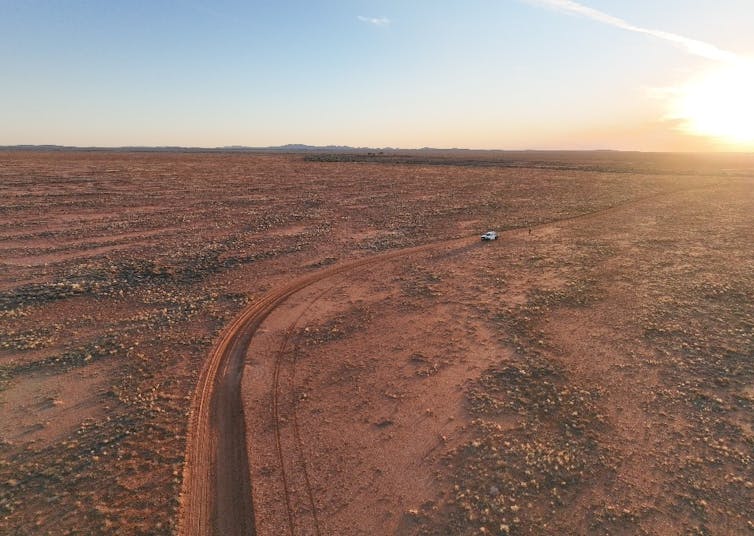



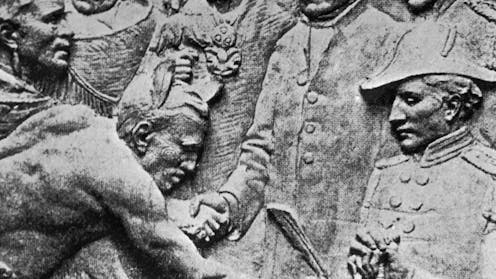


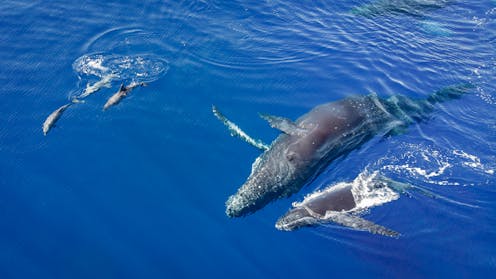







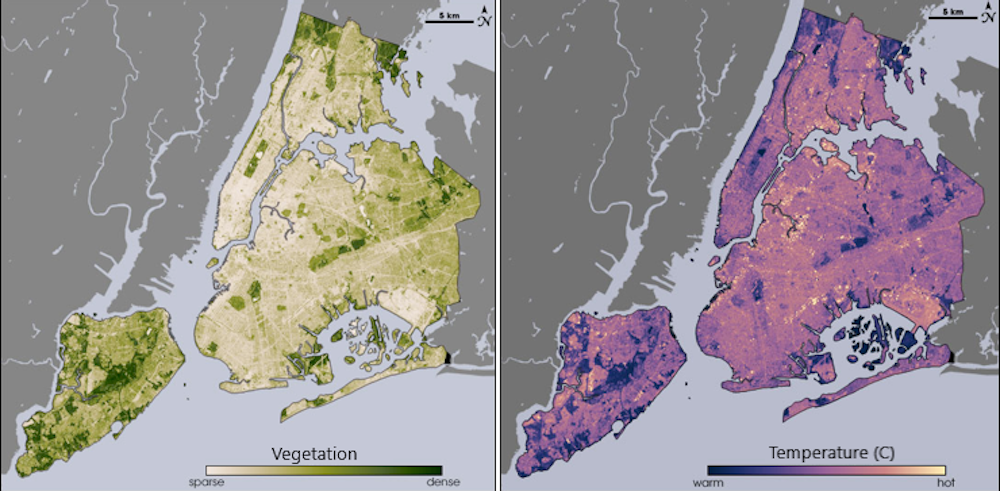











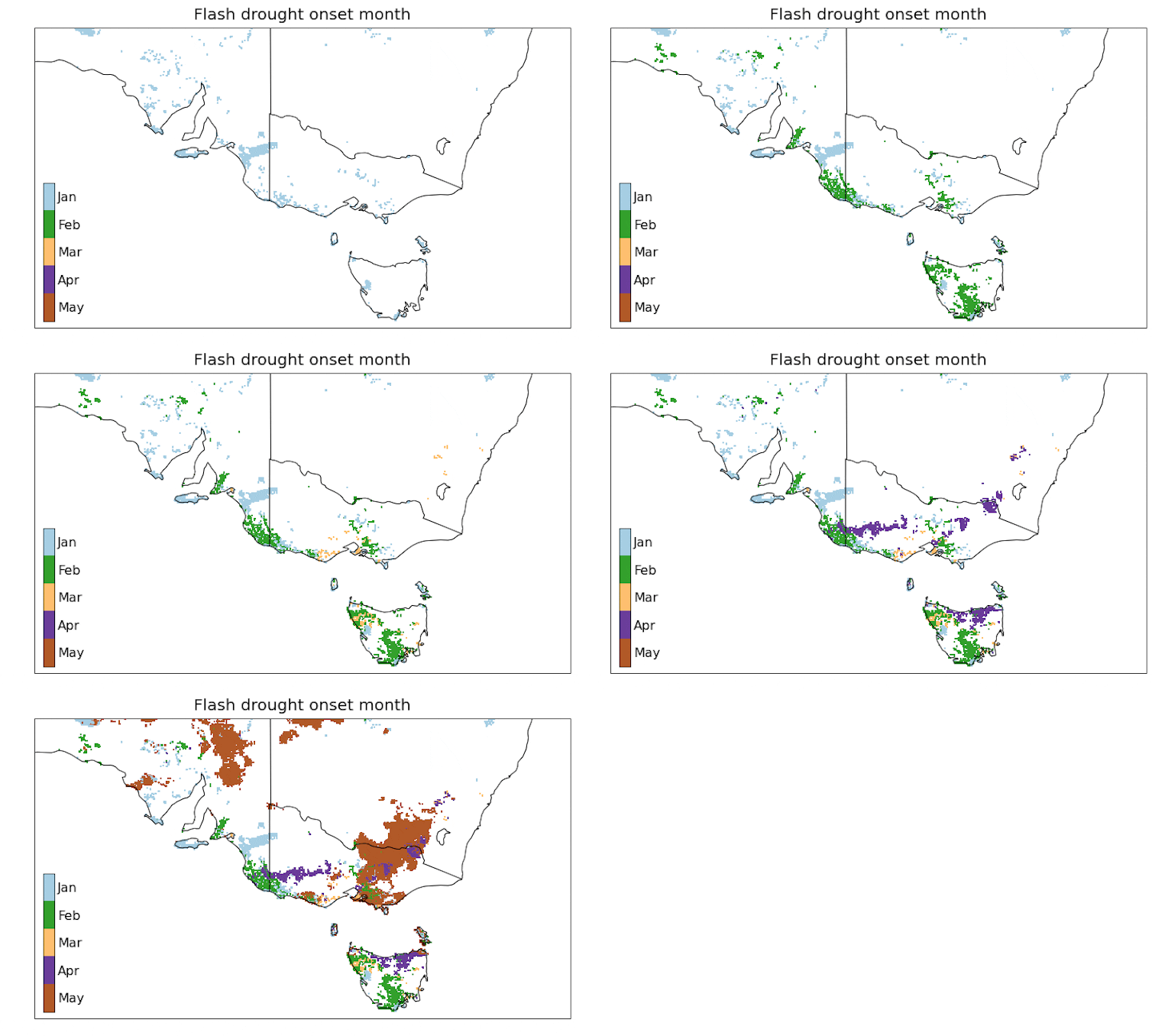







.jpg)