ER Report: Here is a summary of significant articles published on EveningReport.nz on September 9, 2025.
It takes a village to raise a child, but not everybody gets the support Source: The Conversation (Au and NZ) – By Megan Blaxland, Senior Research Fellow, Social Policy Research Centre, UNSW Sydney Eugene Lazovsky/Unsplash Many of us have heard the saying, “it takes a village to raise a child”. The idea that families need communities of support to raise their children has long resonated. New research explores how
Xi Jinping is in a race against time to secure his legacy in China Source: The Conversation (Au and NZ) – By Ian Langford, Executive Director, Security & Defence PLuS and Professor, UNSW Sydney The Chinese military parade that had the world talking last week was more than just pageantry. It was a declaration that Chinese leader Xi Jinping sees himself in a race against time to secure his
How do flowers know it’s spring? A botanist explains Source: The Conversation (Au and NZ) – By Gregory Moore, Senior Research Associate, School of Agriculture, Food and Ecosystem Sciences, The University of Melbourne For many plants, spring is just a really good time. They have endured a cold, dark, hard winter and in some places, winters can be murderously tough for plants. It makes
What we’ve learned about narcissism over the past 30 years Source: The Conversation (Au and NZ) – By Sarah A. Walker, Assistant Professor of Educational Psychology, Durham University Nicoleta Ionescu/Shutterstock You’ve probably seen the word “narcissist” thrown around online in headlines, on dating apps or in therapy-themed TikToks. But the label that people often unthinkingly slap on toxic bosses or reality TV villains hides a
When you’re caught between ‘yes’ and ‘no,’ here’s why ‘maybe’ isn’t the way to go Source: The Conversation (Au and NZ) – By Julian Givi, Assistant Professor of Marketing, West Virginia University Yes, no, maybe so? cundra/iStock via Getty Images Say you win a radio sweepstakes giving you two tickets to a sold-out concert the upcoming weekend. You eagerly text your friend and ask if they’d like to join. Their
Russia has provided fresh evidence of its territorial ambitions in Ukraine Source: The Conversation (Au and NZ) – By Jennifer Mathers, Senior Lecturer in International Politics, Aberystwyth University After a meeting hosted by the French president, Emmanuel Macron on September 4, 26 countries have pledged to create a “reassurance force” to provide security guarantees for Ukraine in the event that a peace agreement with Russia is
Latest data suggests Australia is overcoming its sugar addiction Source: The Conversation (Au and NZ) – By Lauren Ball, Professor of Community Health and Wellbeing, The University of Queensland d3sign/Getty Australia is now meeting the World Health Organization’s (WHO) guidelines on sugar, which recommend keeping sugar below 10% of daily energy intake. New data published by the Australian Bureau of Statistics (ABS) shows there
Yes, spectacled flying foxes are noisy and drop poo everywhere. But our rainforests need them Source: The Conversation (Au and NZ) – By Noel D. Preece, Adjunct Asssociate Professor, James Cook University In Far North Queensland, one special winged mammal helps keep rainforests alive. The spectacled flying fox travels vast distances each night, pollinating flowers and spreading seeds far and wide. But the species is in trouble. It’s now listed
Two profound but different ballet legacies: vale Colin Peasley and Garth Welch Source: The Conversation (Au and NZ) – By Yvette Grant, PhD Candidate in Dance and Dance History Tutor, The University of Melbourne Colin Peasley in Coppelia, and Garth Welch in Raymonda. The Australian Ballet September has seen the passing of two of Australia’s ballet legends, Colin Peasley and Garth Welch. Their passing signals the end
New type of ‘sieve’ detects the smallest pieces of plastic in the environment more easily than ever before Source: The Conversation (Au and NZ) – By Shaban Sulejman, PhD Candidate, Faculty of Science, The University of Melbourne Nanoplastic particles are captured by cavities in the optical sieve. Lukas Wesemann and Mario Hentschel Plastic pollution is everywhere: in rivers and oceans, in the air and the mountains, even in our blood and vital organs.
Why a possible $1 billion bill for Coles and Woolworths has put a common employment clause in the spotlight Source: The Conversation (Au and NZ) – By Tom Dillon, Research Fellow, The University of Melbourne Australian supermarket giants Woolworths and Coles now face the prospect of a combined bill exceeding A$1 billion in relation to the alleged underpayment of close to 30,000 staff over several years. These alarming liabilities were raised in statements issued
View from The Hill: Damage done by Jacinta Price’s Indian immigration comment likely to long haunt Liberals Source: The Conversation (Au and NZ) – By Michelle Grattan, Professorial Fellow, University of Canberra In their different ways, Liberal frontbenchers Jacinta Nampijinpa Price and Alex Hawke are two bare-knuckle fighters. Price, who switched from the Nationals in the (unachieved) hope of becoming deputy leader of the opposition, has made her career on cultivating a
Tom Phillips shooting in NZ shows what police face with skilled and desperate fugitives Source: The Conversation (Au and NZ) – By Ross Hendy, Lecturer in Criminology, Monash University DJ Mills/AFP via Getty Images New Zealand police have tonight found two children, alone at a camp site in a remote location, after their fugitive father was shot dead during a burglary early on Monday morning. The death of Tom
Rapid climate action will come at a cost, according to the Business Council. But experts say the benefits are far larger Source: The Conversation (Au and NZ) – By John Hawkins, Head, Canberra School of Government, University of Canberra Monica Bertolazzi/Getty This month, the Australian government will release its emissions-reduction target for 2035, likely to be between 65% and 75%. A 70% cut would mean reducing Australia’s emissions from about 440 million tonnes of carbon dioxide
Could cutting back on caffeine really give you more vivid dreams? Here’s what the science says Source: The Conversation (Au and NZ) – By Charlotte Gupta, Sleep Researcher, Appleton Institute, HealthWise Research Group, CQUniversity Australia Kristina Paukshtite/Pexels Have you recently cut down on caffeine and feel like you’re having the most vivid dreams of your life? While there are a number of potential benefits of reducing our caffeine intake – such
Why did Japanese Prime Minister Shigeru Ishiba resign? And who might replace him? Source: The Conversation (Au and NZ) – By Sebastian Maslow, Associate Professor, International Relations, Contemporary Japanese Politics & Society, University of Tokyo Japanese Prime Minister Shigeru Ishiba has bowed to weeks of pressure from within his party and announced his resignation, less than a year after taking office. His departure plunges Japan back into political
1 in 8 households don’t have the money to buy enough food Source: The Conversation (Au and NZ) – By Katherine Kent, Senior Lecturer in Nutrition and Dietetics, University of Wollongong Around one in eight (1.3 million) Australian households experienced food insecurity in 2023. This means they didn’t always have enough money to buy the amount or quality of food they needed for an active and healthy
Is space worth the cost? Accounting experts say its value can’t be found in spreadsheets Source: The Conversation (Au and NZ) – By Basil Tucker, Senior Lecturer in Management Accounting, University of South Australia Manuel Mazzanti / NurPhoto via Getty Images Since the early days of human space exploration, the endeavour has been haunted by a very good question: why spend so much on space when there are so many
Many of us have heard the saying, “it takes a village to raise a child”. The idea that families need communities of support to raise their children has long resonated.
New research explores how this applies to modern Australian families and communities. We looked at the villages helping raise children and young people and importantly, who has one and who doesn’t.
We found while many benefit from these support networks, other families go without, particularly those who could most do with the help.
Our research
The report is a collaboration between Uniting NSW.ACT and the University of New South Wales’ Social Policy Research Centre.
It expands on previous work that showed Australian families are increasingly diverse, including multi-generational, sole-parent, blended families and foster families.
This work goes beyond the household to look at extended family, friends, neighbours and communities who are also involved in raising children.
Our analysis of 2022 and 2023 Household Income and Labour Dynamics in Australia (HILDA) data and qualitative interviews with 28 families reveals that Australian villages provide wide-ranging support networks. They are highly dependable and care for one another.
Grandparents, extended family and friends are at the heart of modern Australian villages. About 42% of grandparents actively help care for their grandchildren, such as with child-minding and transport.
Grandparents are very involved in caring for their grandchildren. Unsplash
Friends are relied on too, often for emotional support through the highs and lows of parenting, with close to three quarters of all families (74%) connecting regularly.
Sole-parent families are most likely to make regular time to see friends.
Families told us a good mix of support is most helpful. While practical help and emotional support matter, parents and carers also value having other trusted adults in their children’s lives who provide cultural connections.
Extended family and community groups play a key role here in sharing language, traditions and stories. As one mother said:
my mum is like […] the big tree that we all sit under. She gives us that shade […] so, when I mean shade, is that she gives us the wisdom […] she tells us a lot of stories from her childhood […] the struggles, just everything that she’s been through. So, my kids listen to that as well.
When it comes to advice on raising children, extended family and friends who have relevant experience offer valuable advice, along with trusted professionals, such as early educators.
Importantly, families with more community connection are less likely to report that they find parenting difficult or exhausting. Only 34% of those with weekly contact with family and friends say that taking care of their children is much more work than pleasure, compared to 43% of those with only monthly contact.
Not everyone has a village
Not everyone can easily build strong social connections outside the family unit. Insecure housing, employment status or additional care responsibilities can negatively affect this.
Families who rent often feel less connected to their local community, with almost two in three (64%) reporting low participation in local social and community events.
Only 40% of families living with someone with a limiting health condition see friends or extended family weekly, compared to almost 50% of families without any care responsibilities.
Families who rent report feeling less connected to their community. Thong Vo/Unsplash
Of families facing financial stress (they cannot pay for food, heating, utilities or the like), 65% say they seldom take part in community activities, compared to 59% of families with little or no stress.
These families also spend less time with relatives and friends.
Whether someone has a job or not can affect how connected they feel to their community. Our analysis shows 66% of families with no employment were less involved in community activities, and many felt less satisfied with their sense of belonging.
There are differences between family types, too, with 44% of couple-parent families maintaining medium to high levels of community connections. This is more than the 38% of foster and other kin families, 37% of families living with multiple generations, 34% of sole parent families and 31% of step-blended families.
These less connected families are also more likely to have care responsibilities and to experience financial stress.
Giving back
Families value giving back just as much as receiving help from others. They describe their village as a reciprocal network: a dynamic, participatory ecosystem of care.
Often this means supporting ageing parents with doctors’ appointments, technology or just company.
They also help friends, taking turns transporting or minding children, and many reach out to help others in the community. Helping others matters, as one mother said:
I’m not the one that’s just a taker. I always give as well […] I find that I like helping more.
Families born overseas, particularly those from non-English speaking backgrounds, are more likely to volunteer or participate in local groups.
These families also have higher levels of community participation, with 44% reporting moderate participation and 37% regularly attending places of worship.
More support for all
Our research has implications for services supporting families that have few people they can rely on. Families using services want to give something back, too.
Services can respond by attending to the contributions people are able to make, as well as addressing their needs.
But to do this, services must be funded and supported to adopt models which build the connections between families.
Then, instead of support services focusing solely on filling a gap for families, they would enable peer relationships to grow, and provide opportunities for families to share their knowledge and expertise, building more villages for everyone.
The research in this article was funded by Uniting NSW.ACT in collaboration with Uniting Vic.Tas, Uniting WA and UnitingSA.
The research in this article was funded by Uniting NSW.ACT in collaboration with Uniting Vic.Tas, Uniting WA, and UnitingSA.
The Chinese military parade that had the world talking last week was more than just pageantry. It was a declaration that Chinese leader Xi Jinping sees himself in a race against time to secure his place in history.
For Xi, who has just turned 72, unification with Taiwan is not just a policy aim; it is the crown jewel that would elevate him above Mao Zedong and cement his reputation as the greatest leader in modern Chinese history.
The timing and staging of the parade underscored this urgency, a showcase of power before an audience of foreign leaders and cameras at a high-stakes anniversary event in Beijing.
Mao, the founder of the People’s Republic of China, unified the country under Communist rule, but left it poor and isolated.
Xi’s mission is to finish the job by formally ending the Chinese civil war that pitted the Communists against the Nationalists and annexing the island of Taiwan to lock in his place in the party pantheon.
But waiting is dangerous. Inside the Chinese Communist Party, loyalty is transactional and rivals constantly watch for weaknesses.
In 2012, for example, Bo Xilai, a rising star and once-close ally of Xi’s, suffered a dramatic and very public downfall. The scandal could easily have consumed Xi, but he turned it into an opportunity, using Bo’s downfall to cement his own rise.
That episode remains a cautionary tale in Beijing’s elite politics: power must never falter; momentum must never slip.
More than a decade later, Xi has removed or sidelined nearly every rival and manoeuvred himself into a third term. However, he still governs with the urgency of someone who knows how quickly fortunes can turn.
US catching up on hypersonic missiles
Abroad, the strategic equation is also changing.
For years, Beijing enjoyed a headstart in hypersonic weapons, anti-ship missiles and industrial production. China’s air and advanced missile defence systems have been designed to threaten US carrier strike groups and complicate allied operations across East and North Asia.
But Washington may soon close the gap. The Pentagon requested nearly US$7 billion (A$10.6 billion) in hypersonic missile program funding in the fiscal year 2024–25, while private firms are accelerating innovation in reusable missile testbeds and propulsion.
The US Navy is repurposing Zumwalt-class destroyers for its Conventional Prompt Strike hypersonic system, giving the navy its first maritime platform capable of hypersonic strike. Sea-based demonstrations of the new system are planned as soon as the program matures.
Every step narrows China’s military advantage.
US shipbuilding looking for revival, too
The industrial rivalry between China and the US is a similar story.
China currently dominates global commercial shipbuilding, a dual-use foundation that also supports naval expansion.
A recent analysis found one Chinese shipbuilder alone built more ships by tonnage in 2024 than the entire US industry has produced since the second world war. Foreign ship orders are underwriting this building capacity, which can rapidly pivot to naval platforms.
This edge has continued in 2025. Xi is counting on this industrial base to give China an edge in a future conflict over Taiwan.
However, US and allied investments in shipbuilding are starting to respond.
The Trump administration has set up a White House office dedicated to fixing US shipbuilding, while the Pentagon has requested US$47 billion (A$71 billion) for Navy ship construction in its annual budget.
Japan and South Korea, both major shipbuilders, have also added significant resources to their shipbuilding capacity in an acknowledgement of the changing power structures in East and North Asia. US politicians recently visited both countries to secure greater assistance in boosting US building capacity, too.
China is also getting older
More urgent still is the demographic clock. China’s population shrank by about two million in 2023, the second straight annual decline, as births fell to nine million, half the 2017 level.
The working-age cohort is shrinking, while the number of people over 60 years old is expected to rise to roughly a third of China’s population by the mid-2030s. This will be a major drag on growth and strain on social systems.
Demography is not destiny, but it compresses timelines for leaders who want to lock in strategic gains.
America’s competitive advantage
There is a final, often overlooked problem. The most efficient political-warfare system of the modern era is capitalism – the engine of competition that rewards adaptation and punishes failure.
The US still possesses a uniquely deep capacity for “creative destruction” – it constantly churns through firms and ideas that power long-term growth and reinvention.
That dynamism is messy, decentralised and often uncomfortable. However, it remains America’s strategic ace: it can retool industries, scale breakthrough technologies and absorb shocks faster than any centrally directed system.
China can imitate many things, but it cannot easily replicate that market-driven ecosystem of risk capital, failure tolerance and rapid reallocation.
All of this explains why Xi wants the world to believe China’s rise is unstoppable and unification with Taiwan is inevitable.
But inevitability is fragile. Beijing’s “win without fighting” approach, which involves grey-zone coercion, economic leverage and an incremental, “salami-slicing” approach to territorial claims in the South China Sea, has worked because it relies on patience and subtlety. The more Xi accelerates, the more he risks miscalculation.
A forced attempt to seize Taiwan would be the most dangerous gamble of his rule. If the People’s Liberation Army falters, the consequences would be severe: strategic humiliation abroad, political turbulence at home, and a punctured narrative of inevitability that sustains party authority.
Sun Tzu’s greatest victory is the one won without fighting, but only when time favours patience. For Xi Jinping, time is not on his side.
Ian Langford does not work for, consult, own shares in or receive funding from any company or organisation that would benefit from this article, and has disclosed no relevant affiliations beyond their academic appointment.
Source: The Conversation (Au and NZ) – By Gregory Moore, Senior Research Associate, School of Agriculture, Food and Ecosystem Sciences, The University of Melbourne
For many plants, spring is just a really good time. They have endured a cold, dark, hard winter and in some places, winters can be murderously tough for plants.
It makes sense that when spring comes around, plants are ready to take advantage of warmer temperatures, longer days and more sunshine. They resume growth after their winter dormancies and many rapidly produce flowers.
You’ve probably been spotting the sudden springtime explosion of flowers everywhere on your neighbourhood walks, your commute or in your own garden.
But why exactly do flowers go crazy in spring, and how do they know exactly when to show up for duty? Here’s the science.
Letting loose in a big rush
For many plants, the conditions for growth in spring are close to ideal. Water, warmth and sunlight are suddenly readily available.
Plants don’t have to hold back anymore. They can resume almost unconstrained growth and have the energy and resources to invest in flowering.
Your garden (or a patch of natural bush) is, in fact, a highly competitive environment.
Plants will rush to produce masses of flowers in the hope this will give individual plants an advantage in the reproductive race that ultimately might lead to seed and reproduction. This, after all, is the universal goal of biological success.
There is another factor, however, that also influences spring flowering.
Flowering plants (known as angiosperms) are relatively recent arrivals on the evolutionary time line. They first became significant during the Cretaceous Period, about 100 to 120 million years ago.
By then, insects had already been on the scene and evolving for millions of years. Birds had evolved more or less at the same time as these flowering plants, becoming more common during the Cretaceous Period too, but a few million years earlier.
These creatures, the plants noticed, were excellent at dispersing pollen and seeds. Many flowering plants evolved to use their helpful services.
Before the angiosperms, ancient plants used spores for reproduction. Conifers, which had evolved hundreds of millions of years before angiosperms, used wind to disperse their pollen. Seed dispersal was often limited, unreliable and slow.
Flowering plants needed to attract pollinators and seed dispersal vectors, such as insects and birds. Many developed flashy and showy flowers: the epitome of good advertising.
So flowering in spring coincides with the return of migratory birds and the life cycles of insects (insect activity usually declines over winter).
It makes great sense that many plants flower when the insects and birds so vital to their reproductive success are also getting active (and getting busy).
It is a matter of great timing that benefits all involved.
The way flowering plants time their flowering is superb biology.
Many people assume warmer temperatures trigger spring flowering. But temperature is renowned for its variability and unpredictability. Temperature is not a good indicator of season or time.
So most plants measure day length using a green pigment called phytochrome (literally plant colour). This exists in two forms, one of which is active in triggering plant metabolism.
This phytochrome system enables plants to measure, with remarkable accuracy, both day length (also known as photoperiod) and the night length.
The ratio of the two forms allows plants to measure time like a biological clock.
Photoperiod is a very accurate and reliable measure of time and season and so plants nearly always get their flowering times in spring right.
In some plants there is an extra feature that can affect flowering, where the plants produce an inhibitor (abscisic acid) before winter that keeps them dormant.
Abscisic acid is cold-sensitive. So when spring comes, the inhibitor level is low. This, combined with photoperiod, helps initiate flowering.
Flowering in spring means plants can use insects and birds to facilitate pollination and disperse seeds.
The pollen can be spread effectively and in a targeted way to other flowers of the same species. Less valuable pollen is wasted than if you’re relying on wind dispersal.
The seed can spread over much greater distances. The seed for many species will germinate during spring when growth conditions are highly favourable.
It’s not a coincidence flowering plants with this type of reproductive biology spread around the globe very quickly after their emergence during the Cretaceous Period.
They are highly efficient and successful plants.
Not everyone can be a flower in spring
So why don’t all flowering plants bloom in spring?
It is one of the delights of biology that there is nearly always room for contrarians and exceptions.
Some plants flower in autumn or perhaps during winter and some in summer, but there is always advantage in them doing so.
Sometimes it’s to avoid the fierce competition from all those other spring flowers in attracting pollinators.
Sometimes it’s because they are focused on a particular insect or bird vector that another season suits better.
Sometimes it’s because the plants can only survive in a highly competitive environment by not flowering in spring.
In the complex web of plant biology, a one-size-fits all approach never works.
Spring flowering has a lot going for it – as the current profusion of flowers attests – but many plants have made success of being different.
Gregory Moore does not work for, consult, own shares in or receive funding from any company or organisation that would benefit from this article, and has disclosed no relevant affiliations beyond their academic appointment.
You’ve probably seen the word “narcissist” thrown around online in headlines, on dating apps or in therapy-themed TikToks. But the label that people often unthinkingly slap on toxic bosses or reality TV villains hides a much more complicated psychological picture.
Psychologists have studied narcissism for many years, but over time, our understanding has evolved. One of the biggest changes is that today, narcissism is no longer seen as just grandiosity, arrogance or egotism.
Early scientific descriptions of narcissism focused on dominance, ambition and self-importance, all of which are traits associated with traditional masculine stereotypes. That meant narcissistic tendencies in women were often misread or overlooked. When those traits show up as emotional sensitivity, insecurity or relational manipulation, they sometimes still are misdiagnosed as anxiety, mood disorders or borderline personality disorder traits.
The most extreme and persistent forms of narcissism can sometimes be diagnosed as narcissistic personality disorder. This condition was added to the Diagnostic and Statistical Manual of Mental Disorders, the American Psychiatric Association’s diagnostic manual, in 1980. But most people with narcissistic tendencies won’t meet the threshold for a diagnosis.
So what does the research actually say?
Narcissism in general is now understood as a complex set of personality characteristics that can show up in different ways.
Psychologists had long suspected that there might be different kinds of narcissism, but it wasn’t until 1991 – when researcher Paul Wink and his colleagues presented a model including grandiose and vulnerable subtypes – that they were more formally recognised. Although there are other models, this remains one of the more popular approaches to understanding narcissistic tendencies in the wider population.
A 2021 review by US psychologist Joshua Miller and his colleagues pulled together decades of research to offer one of the most authoritative summaries of how psychologists now understand narcissism. It explains that narcissism has a common foundation, which includes things such as self-importance and entitlement. It then branches into different forms of narcissism, such as grandiosity, antagonism and vulnerability.
Researchers now often use the terms grandiose and vulnerable to describe two major forms of narcissism. One person with narcissistic traits may be bold with high levels of grandiose traits, confidence and emotional resilience. Another might be defensive, anxious and hypersensitive to criticism. Both show signs of narcissistic self-focus, but they end up looking quite different in how they experience and express emotion.
In a 2022 research paper I wrote with colleagues, we carried out the first meta-analysis examining how narcissistic traits relate to the ability to control one’s emotions. The results showed that vulnerable narcissism is consistently associated with greater emotional difficulty, which means these people might find it harder to keep their emotions in check.
In particular, people with high scores on vulnerable narcissism scales are more likely to rely on suppression. Suppression is a strategy that people use to hide or inhibit their emotional expressions, and has been linked to poorer wellbeing. On the surface, suppression might sound like self-control.
In some situations, it can be. For example, keeping a lid on your emotions when your boss is yelling at you. But trying to mute emotional expression without addressing the underlying emotions increases stress when it becomes our default strategy. It can worsen mental and physical health over time.
In contrast, grandiose narcissism wasn’t linked with emotion regulation difficulties. In fact, several of the studies included in our analysis suggest that people with higher levels of grandiose traits may not experience as much emotional distress in the first place. This challenges the popular idea among researchers that people who exhibit narcissistic tendencies are also experiencing emotional instability.
Emotional intelligence and self-perception
The differences between forms of narcissism show up in emotional intelligence research as well. In a 2021 systematic review on narcissism and emotional intelligence, my colleagues and I found that people with grandiose traits often said they were good at understanding and managing emotions. For instance, how well they think they can handle anger or recognise other’s emotions.
But when their skills were tested using emotion tasks (such as recognising facial expressions or identifying the best way to respond to an emotional situation), their performance didn’t always match up with how skilled they said they were. This is consistent with a 2018 study which also found that people with grandiose tendencies rated themselves as emotionally skilled but performed worse on skill-based emotional intelligence tasks compared to other participants.
In contrast, people with vulnerable narcissistic traits tend to rate themselves lower in emotional intelligence, and seem to genuinely struggle more with managing emotions in everyday life.
So what should we make of all this?
It’s time to move beyond the pop-psych trend of labelling difficult people as narcissists. Narcissism isn’t about taking too many selfies. And no, the partner who ghosted you or the colleague who dominates meetings isn’t necessarily high in narcissistic traits either – no matter how much we might like to complain about them over coffee.
These kinds of casual diagnoses aren’t just unhelpful, they’re often wrong.
Narcissism is a complex psychological pattern that can show up in different ways and can reflect a deeper struggle with things such as self-esteem, emotion regulation and social connection. Understanding this doesn’t excuse people’s bad behaviour – not at all. But it does help us look past the stereotypes to get a clearer picture of what narcissistic traits look like in everyday life.
Sarah A. Walker does not work for, consult, own shares in or receive funding from any company or organisation that would benefit from this article, and has disclosed no relevant affiliations beyond their academic appointment.
Say you win a radio sweepstakes giving you two tickets to a sold-out concert the upcoming weekend. You eagerly text your friend and ask if they’d like to join.
Their response? “Maybe.”
Your mood immediately turns. You feel slighted rather than joyous as you’re left in limbo: Now you need to wait for your waffling friend to make a decision before you can figure out your plans for the concert.
I’m a consumer psychologist who has studied social decision-making for over a decade. And if you’ve experienced anything like the above anecdote, I can tell you that you’re not alone. People responding “maybe” to invitations is a common yet irksome aspect of social life. Recently, my co-authors and I published a series of studies examining what goes on in people’s heads when they aren’t sure whether to accept an invitation.
Leaving your options open
Social invitations can be a delicate dance, and people often misread what someone extending an invite wants to hear.
We consistently found that people overestimate an inviter’s likelihood of preferring a “maybe” over a “no.” Moreover, they fail to realize how much more disrespected people feel when they receive a “maybe” in response to their invitation.
Another pattern emerged: The more someone incorrectly assumed that a host preferred a tentative response, the more likely they were to respond with a “maybe” themselves.
Naturally, we wanted to figure out why this awkward dynamic plays out. We found that it’s largely due to something called “motivated reasoning.” Motivated reasoning occurs when a person interprets information in a biased way to arrive at a conclusion that aligns with their own wishes.
In other words, invitees convince themselves that inviters want to hear “maybe” instead of “no,” because a “maybe” is better for the invitee, allowing them to leave their options open. Saying “no” right off the bat eliminates one’s options and opens the door for FOMO, or fear of missing out, to emerge.
Just say ‘no’
That said, there were certain situations that made people more comfortable saying “no” to an invite.
In one study, we had recipients of an invitation put themselves in the shoes of the person extending the invite. This made them more likely to realize that they’d probably prefer a definitive answer. That is, it seemed to prevent motivated reasoning from emerging.
In another study, we had participants get invited to do something they didn’t want to do. We found that motivated reasoning then became irrelevant: They had no desire to keep their options open, so they were more likely to assume that a “no” was preferable to a “maybe.”
Interestingly, while invitations are a widespread aspect of social life, social scientists have only recently started studying them. For example, a 2024 study found that people tend to overestimate the negative consequences of saying “no” to invitations. They think it will upset, anger and disappoint inviters more than is the case. This could also be part of the reason that many people fail to realize that someone extending an invitation prefers a “no” to a “maybe.” Other research has explored whether people respond better to some reasons for declining an invite over others: saying you’re too busy, not great; saying you don’t have enough money to make it work, much better.
While navigating social situations can be tricky, our work suggests that being direct and definitive is sometimes best.
It might reduce your options. But it’ll keep those who invited you from being left in limbo – and maybe they’ll still think of you when the next concert comes to town.
Julian Givi does not work for, consult, own shares in or receive funding from any company or organization that would benefit from this article, and has disclosed no relevant affiliations beyond their academic appointment.
After a meeting hosted by the French president, Emmanuel Macron on September 4, 26 countries have pledged to create a “reassurance force” to provide security guarantees for Ukraine in the event that a peace agreement with Russia is reached. The Russian president reacted by saying that Russia would target any European troops deployed in Ukraine.
He said if they appeared in Ukraine while Russia’s “military operation” was still underway, “we proceed from the fact that these will be legitimate targets for destruction”. And if a peace deal were eventually agreed, he added: “I simply do not see any sense in their presence on the territory of Ukraine, full stop.”
Russia is maintaining its demand that any peace deal should involve Ukraine ceding the regions it has occupied or part occupied: Crimea, Donetsk, Luhansk, Kherson and Zaporizhzhia.
But new evidence has come to light suggesting that Putin’s territorial ambitions in Ukraine go well beyond those regions.
A map, spotted in the background during a briefing given by Russia’s chief of the general staff, Valery Gerasimov, in August, shows the two countries divided by a thick black line. On the Russian side of the line are not only the five publicly claimed regions of Ukraine but also the territories of Odesa and Mykolaiv.
These areas, which hug the coastline of the Black Sea, are of considerable geostrategic significance. Russian occupation of Odesa and Mykolaiv would go a long way towards fulfilling one of Russia’s longstanding ambitions: domination of the Black Sea region.
Control of this territory would give Russia a land corridor to Transnistria, a breakaway region in eastern Moldova with strong pro-Russian sympathies. The leaders of Transnistria declared independence from Moldova following a civil war in the early 1990s. In a 2006 referendum, 97% of respondents supported Transnistria joining Russia. Russia currently has approximately 1,500 troops stationed there, and the territory has long been discussed in the west as a possible platform for a Russian invasion of Moldova.
Like Ukraine, Moldova was formerly part of the Soviet Union but is now orienting itself more towards western Europe and is currently seeking EU membership.
In addition to putting Russia in a strong position to exert pressure on Moldova, a more significant Russian presence in the Black Sea would increase Moscow’s ability to project power in neighbouring regions. This includes the Mediterranean, the Middle East and Africa.
Black Sea strategy
The Black Sea is also a vital site for east-west transport and communications. So much so that the European Union announced a Black Sea strategy in May 2025. The strategy recognises the region’s significance for different forms of security, including its importance for the environment, access to energy and other forms of trade and economic links. The EU plans to address these security issues by developing mutually beneficial partnerships with countries in the region.
Russian control of Ukraine’s Black Sea coast would be disastrous for Ukraine. It would mean the loss of Ukraine’s naval assets, which make extensive and effective use of maritime drones to target Russian ships and targets in occupied Crimea.
Being cut off from direct access to the Black Sea would also severely restrict Ukraine’s ability to export agricultural produce, an important source of income for an economy that has been hit hard by the war. Re-establishing and expanding Ukraine’s role as a producer of food for the world also forms the centrepiece of Kyiv’s efforts to build stronger relationships with Africa and other developing regions.
Putin’s hunger for ‘Novorossiya’
In addition to its strategic importance, these regions along Ukraine’s Black Sea coast also have special historical and symbolic significance for Putin’s Russia. Putin himself has described Odesa as a “Russian city” and claimed that the entire coastal area rightfully belongs to Russia as spoils of its war with Turkey in the 18th century.
The Black Sea coast also plays an important role in Putin’s use of Russian imperial history to justify his war against Ukraine. Empress Catherine the Great significantly expanded the Russian empire into southern Ukraine and Crimea. For more than a decade, Putin has presented his own actions in Ukraine as a continuation of Catherine’s legacy in increasing the territory controlled by Russia.
An important example of this practice came in April 2014, just weeks after Russia’s annexation of Crimea, when Putin used the phrase “Novorossiya” on Russian television. This is a term dating from Catherine the Great’s reign that refers to a large part of southern Ukraine, including Crimea. By invoking this historical term, Putin was signalling his intention to follow in the footsteps of the 18th century ruler and claim these lands for Russia.
In 2014, Moscow not only made a rhetorical claim on the city of Odesa and its surrounding region – it took active steps to turn that claim into reality. In the spring of that year, Russia used disinformation to persuade local people in eastern parts of Ukraine that the government in Kyiv did not have their best interests at heart and even posed a danger to them. At the same time, Russia provided money, weapons and training to local militant groups looking to stir up trouble.
These efforts were not limited to areas of the Donbas region, where they met with some success. They were also attempted in Odesa, where they were rebuffed.
More than a decade later, a map on the walls of Russia’s ministry of defence showing Odesa region as part of Russia demonstrates that Moscow has not abandoned its ambition to gather up lands that were once part of the Russian empire. As Kyiv’s European allies debate the extent of their involvement in providing security guarantees for Ukraine, there are still plenty of unanswered questions about the precise nature of the reassurance force being planned by the “coalition of the willing”.
But there is no question about the need for Ukraine’s international supporters to provide Kyiv with the strongest possible security guarantees.
Jennifer Mathers does not work for, consult, own shares in or receive funding from any company or organisation that would benefit from this article, and has disclosed no relevant affiliations beyond their academic appointment.
Australia is now meeting the World Health Organization’s (WHO) guidelines on sugar, which recommend keeping sugar below 10% of daily energy intake.
New data published by the Australian Bureau of Statistics (ABS) shows there is less sugar in our diet from food and drinks than three decades ago.
In 1995, sugar – either added to foods or drinks by manufacturers, or found naturally in honey and fruit juices – made up about 12.5% of the energy (or kilojoules) we ate each day. This dropped to 10.9% in 2011–12 and then to 8.2% in 2023, even though our energy intake from all food and drink was down by less than 5%.
Importantly, we are now drinking far fewer sugary drinks than we were in the past. This includes drinks sweetened with sugar or artificial sweeteners, or both, such as soft drinks, cordials, fruit juices and energy drinks.
In 2011–12, around 42% of us had at least one of these drinks daily. By 2023, this fell to under 29%.
In 1995, almost three in four children (72%) drank a sugary drink every day. By 2023, this had dropped to just one in four (25%).
So, what’s behind this trend? And will it continue? Let’s take a look at the data.
Why the fuss about sugar?
We have known for a long time that having a lot of sugar is not ideal for our health. Sugary drinks and foods are considered discretionary or “sometimes” foods, because they provide little nutritional benefit while contributing excess energy or “empty calories” to our diet.
Having a lot of sugar in our diet can increase our risk of obesity, type 2 diabetes and tooth decay. Sweetened drinks don’t fill us up like regular meals, making it easy to underestimate the energy being consumed.
Most soft drinks contain about 40 grams (ten teaspoons) of sugar per serve, close to the daily recommended limit. Energy drinks may contain up to double that amount, while sports drinks may contain slightly less.
Three decades of data
The ABS asked whether people had drunk sugary drinks the day before, as well as collecting data about their daily diets. Here are some key takeaways:
between 1995 and 2023, there was a 65.28% drop in the proportion of children drinking sugary drinks
the number of adults drinking sugary drinks fell from 40.2% in 2011–12 to 29.9% in 2023
but adults still consume about 5% more sugary drinks than children
on average, Australians have less sugar in their diet than they did a decade ago.
This change isn’t just about soft drinks. We’re also reducing the amount of sugar in our tea and coffee, eating fewer lollies and desserts, and reaching for fruit juice a little less often.
Some of the most significant changes have been in Australian children. In the mid-1990s, children were getting almost one-fifth of their daily energy from sugar. Today that figure is closer to only one-eighth, and our overall energy intake is quite similar.
What’s behind the change?
The new data suggests that efforts from individuals, families, communities and some food manufacturers to reduce sugar intake over the past few years may be working.
This drop in sugary drinks may reflect a growing awareness of the negative effects of sugar due to social media campaigns, as well as clearer labelling on food and beverage products, increased public messaging, and industry changes, such as more brands offering lower-sugar alternatives.
But progress is only part of the story
Even though people are consuming less sugar, obesity rates continue to climb in kids and adults.
Researchers suggest this shows sugar is just one part of the story and that overall diet quality and broader eating patterns also play a big role in our health, rather than focusing on sugar alone.
Discretionary foods – including snacks, chips, convenience meals, chocolate and other highly processed foods – still make up around a third (31.3%) of the average Australian diet.
This means many of us are still regularly having sweet drinks and highly processed foods. Overall, these foods chip away at Australia’s recent progress by offering new and different sources of added sugars and excess energy that are still considered empty calories and carry their own health risks with little nutrition.
policies such as sugary drink taxes (used abroad with success), restrictions on marketing junk food to kids, and clear front-of-pack labels
more incentives for industry to reformulate products to lower-sugar options where possible
education campaigns to help communities and schools where high-sugar habits remain common learn about healthy alternatives without shame and stigma
further data collection, so we can understand where sugar in diet comes from, beyond sugary drinks.
Although Australia may be losing its historically “sweet tooth”, ensuring a lasting change will take continued effort.
Lauren Ball receives funding from the National Health and Medical Research Council, Health and Wellbeing Queensland, Heart Foundation, Gallipoli Medical Research and Mater Health, Springfield City Group. She is a Director of Dietitians Australia, a Director of the Darling Downs and West Moreton Primary Health Network and an Associate Member of the Australian Academy of Health and Medical Sciences.
Emily Burch does not work for, consult, own shares in or receive funding from any company or organisation that would benefit from this article, and has disclosed no relevant affiliations beyond their academic appointment.
Mackenzie Derry does not work for, consult, own shares in or receive funding from any company or organisation that would benefit from this article, and has disclosed no relevant affiliations beyond their academic appointment.
In Far North Queensland, one special winged mammal helps keep rainforests alive. The spectacled flying fox travels vast distances each night, pollinating flowers and spreading seeds far and wide.
But the species is in trouble. It’s now listed as endangered, yet – as my new paper shows – little has been done to protect this vital species.
The spectacled flying fox has a PR problem. It can be seen as a noisy, smelly pest — especially when it roosts in urban areas. But this doesn’t justify inaction.
Local groups and scientists are working to protect the spectacled flying fox, but government support is lacking. Without urgent action, a species that helps hold rainforests together might be gone for good.
Spectacled flying-foxes in Cairns. The species’ numbers has plummeted in recent decades. Noel Preece
A spectacled forest saviour
The spectacled flying-fox (Pteropus conspicillatus) is named for the light-coloured fur around its eyes, which resembles spectacles. It’s found in the Wet Tropics and Cape York in Far North Queensland, and plays a vital role in the region’s rainforests.
Spectacled flying-foxes can fly more than 200 kilometres in a single night – leaving their roosts to find food and returning by morning.
The animals feed on the fruit and nectar of many tree species. They pollinate flowers and move fruits in their guts and mouths. This boosts biodiversity and helps keep trees healthy by preventing inbreeding.
Recovery plans aren’t enough
Global warming and habitat loss are the two biggest threats to the survival of the spectacled flying fox. Persecution by humans is also a threat.
The spectacled flying fox population is in sharp decline. Recent numbers are hard to come by, due to a lack of monitoring. But between 2004 and 2017, the species’ numbers fell by an estimated 75%, and it is listed nationally as endangered.
Authorities draw up “recovery plans” for some endangered species. The plans outline threats to a species, and the action required to prevent its extinction. Species that receive a recovery plan are considered fortunate. Many threatened species never get one.
Even a recovery plan does not prevent a species from declining. As I outline in my new paper, most of the 25 recovery actions for the spectacled flying fox haven’t happened.
They include protecting native foraging habitat, increasing knowledge of roosting requirements, and protecting important camps.
The National Flying Fox Monitoring Program did proceed. It provided scientific evidence that the spectacled flying fox population has declined, prompting a change in its status from vulnerable to endangered. However, the program is no longer operating.
Threats are growing
My paper also provides the first update since 2011 of threats to the spectacled flying fox.
Extreme heat is now a lethal reality for the species. For example, in 2018 a major heatwave in Cairns killed 23,000 individuals over several days. This was the first mass death recorded for the species.
Habitat destruction continues, despite the species’ endangered status. Every year, more than 2,000 hectares of forest – which could serve as habitat for the spectacled flying fox – is cleared.
Introduced grasses are also a threat because they change forest airflows which keep the roosts cool and increase fire risk.
Humans also pose a threat. Spectacled flying foxes have been harassed and deliberately killed. They can also become caught in nets over fruit trees and die.
Some people consider the spectacled flying fox to be a nuisance. This can lead to damaging policies that prioritise public convenience over a species’ decline.
A PR problem
Spectacled flying-foxes can congregate in large numbers and become noisy and smelly. They can also roost in urban areas and drop faeces onto properties and public places. This soils paintwork, swimming pools, roofs and clothes on washing lines.
But these impacts can be minimised – for example, by installing pool covers and shade structures.
Flying foxes carry diseases that can cause illness in people and livestock. Most can be prevented by hygiene measures and avoided by not handling bats. People who regularly handle bats are inoculated to prevent infection.
Sometimes, flying foxes are wrongly accused of carrying certain diseases, as occurred during the COVID-19 pandemic.
Flying foxes also eat fruits in gardens and orchards and can damage fruit trees. However, netting is available to protect fruit.
Looking ahead
Positive, citizen-led action is being taken to prevent the extinction of the spectacled flying-fox. For example, the Tolga Bat Hospital rescues individuals and advocates for the species.
But the continued decline in numbers of the spectacled flying fox shows much more action is needed.
Governments are not required to publicly report whether recovery plans are acted on. This must change. And long-term, dedicated funding is needed for conservation and research.
The spectacled flying fox urgently needs our help. The problems they cause can be managed, and their ecological value far outweighs the nuisance.
I am a non-executive director of Terrain NRM Ltd, which may contract with the Commonwealth and the State of Queensland for works associated with the spectacled flying fox. I have no direct association with such contracts. I am also a founding member of the spectacled flying-fox recovery team, from which I derive no financial benefit. I was contracted by the Commonwealth Department of Climate Change, Energy, Environment and Water to report on a meeting on the spectacled flying fox in 2023, which has now terminated.
Colin Peasley in Coppelia, and Garth Welch in Raymonda.The Australian Ballet
September has seen the passing of two of Australia’s ballet legends, Colin Peasley and Garth Welch. Their passing signals the end of an era – but not the end of their influence. An examination of their lives shows us how much has changed for men and ballet in Australia.
Both born in the mid 1930s, their long lives have shaped ballet dancers, ballet dancing and ballet companies across Australia and beyond. However, while both were extensively influential their paths were very different.
Colin Peasley
Peasley, born in 1934, started dancing in Sydney very late at 21 years old. He lamented that, because of this late start, he was never really a dancer. In an interview with dance historian and critic Blazenka Brysha in 2004, Peasley says he felt that it would have been impossible as a boy to ask to study dance.
He came to ballet via the more socially acceptable ballroom dancing. His first “real” dance classes were modern dance classes with Gertrud Bodenweiser in Sydney around 1957.
In 1962, Peasley became a founding member of The Australian Ballet. He spent the remainder of his career – and most of his life – working with the company in various roles.
Peasley as the Priest in Romeo and Juliet. The Australian Ballet
He was renowned for his character roles more than his technical prowess, dancing in roles such as the pompous and egotistical Gamache, suitor of Kitri in Don Quixote, and the skilled doll maker and alchemist, Dr Coppelius, in Coppelia.
Peasley continued performing character roles with the company until 2018.
He said he didn’t really have a consistent approach to developing a character but stated “the best character creation is the one that you’re not acting but the one you’ve taken and put on”.
In 1975, Peasley became the company’s ballet master: training dancers, passing down choreography and coaching for character roles. He also taught at The Australian Ballet School and later took on the more general role of education manager, until he retired from the company in 2012.
Peasley backstage during Swan Lake. The Australian Ballet
His passion for education led to him establishing in 1994 what is now known as the company’s education and outreach program. This significant program encourages the public to dance and includes workshops for rural, young and senior Australians.
While most of his legacy is embedded in The Australian Ballet company, he was also involved with other dance organisations such as Cecchetti Ballet Australia.
Garth Welch
Born in 1936, Welch trained in Brisbane in his youth and, at 18 years old, joined the Borovansky Ballet company – a Melbourne-based company led by Edouard Borovansky, who settled in Australia after Adolf Hitler’s annexation of Czechoslovakia.
Welch always remembered his days with Borovansky very fondly. He quickly became a principal dancer and, after short engagements with two European companies, continued in that role with The Australian Ballet from 1962 to 1973.
Welch performing in Mozartiana. The Australian Ballet
Unlike Peasley, Welch was a more technically proficient dancer. He was known for his artistry and range as well as his stage presence.
He partnered and married fellow dancer Marilyn Jones. They had two sons who also went on to have ballet careers: Damien was a dancer, and Stanton is currently company director of Houston Ballet. Jones and Welch separated in the 1970s, and he spent 50 years with his partner Jak Callick.
Welch’s career was not only as a dancer but also a choreographer with his earliest recorded work being with The Australian Ballet in 1964, Variations on a Theme. He created a number of other works with the company and for companies in New Zealand and the Philippines.
Marilyn Jones and Garth Welch in Aurora’s Wedding, Sleeping Beauty. Derek Duparcq/The Australian Ballet
Perhaps his most enduring work was Othello, which he choreographed in 1968 for The Australian Ballet School.
In the 1970s and 1980s he progressed to directorial roles with Ballet Victoria and The West Australian Ballet. In the 1980s and 1990s, he danced again with Graeme Murphy and The Sydney Dance Company, as well as teaching extensively across Australia.
Enduring legacies
These two men have deep and enduring legacies in ballet in Australia. One might be described as a character dancer and pedagogue of The Australian Ballet company; the other as an artist, choreographer and company director across Australia and beyond.
What is clear in this examination of their lives, however, is not only the depth and breadth of their influence but also how much attitudes to men and dancing have changed in the last 90 years.
In the 1930s, Peasley reported it was strange for men in Australia to want to dance. In the 2020s, it has become more normalised: last month, The Age reported even the Brighton Grammar School for boys, known for its cultivation of Australian footballers, has been running a popular dance program for the last three years.
Yvette Grant does not work for, consult, own shares in or receive funding from any company or organisation that would benefit from this article, and has disclosed no relevant affiliations beyond their academic appointment.
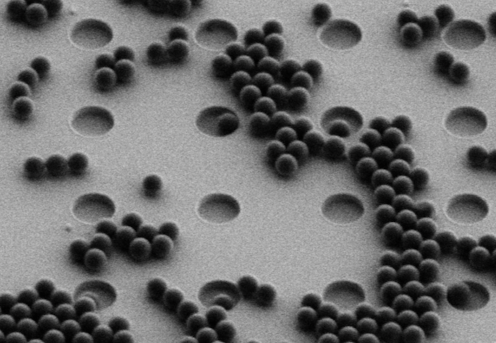
Nanoplastic particles are captured by cavities in the optical sieve.Lukas Wesemann and Mario Hentschel
Plastic pollution is everywhere: in rivers and oceans, in the air and the mountains, even in our blood and vital organs. Most of the public attention has focused on the dangers of microplastics. These are fragments smaller than 5 millimetres.
But an even smaller class of fragments, nanoplastics, may pose a greater risk to our health and our environment. With diameters of less than a micrometre (one millionth of a metre), these tiny particles can cross important biological barriers and accumulate in the body. Because they’re so tiny, detecting nanoplastics is extremely difficult and expensive. As a result, determining the extent of their impact has been largely guesswork.
A cheap, easy and reliable way to detect nanoplastics is the first step in addressing their potential impact. In our new study published today in Nature Photonics, my colleagues and I describe a simple, low-cost method that detects, sizes and counts nanoplastics using nothing more than a standard microscope and a basic camera.
Breaking down into ever-smaller pieces
What makes plastics useful is their durability. But that is also what makes them problematic.
Plastics do not disappear. They are not broken down by the ecosystem in the same way as other materials. Instead, sunlight, heat and mechanical stress slowly split the plastic apart into ever-smaller fragments. Larger pieces become microplastics, which eventually become nanoplastics once they are less than a micrometre in size.
At such a small size, they can pass through important biological safeguards such as the blood–brain and placental barriers. They can then start to accumulate in our organs, including our lungs, liver and kidneys. They can also carry other contaminants into our bodies, such as pollutants and heavy metals.
Plastics are not broken down in the ecosystem in the same way as other materials. Brian Yurasits
Yet, despite these dangers, real-world data on nanoplastics are scarce.
Today, detecting and sizing particles below a micrometre often relies on complex separation and filtration methods followed by expensive processes, such as electron microscopy. These methods are powerful. But they’re also slow, costly and usually confined to advanced laboratories.
Other optical laboratory techniques, such as dynamic light scattering, work well in “clean” samples. However, they struggle in “messy” real-world samples such as lake water because they cannot easily distinguish plastic from organic material.
An optical sieve
To address these issues, our international team from the University of Melbourne and the University of Stuttgart in Germany set out to make detection simple, affordable and portable.
The result of our collaborative work is an optical sieve: an array of tiny cavities with different diameters etched into the surface of a type of semiconductor material called gallium arsenide. Essentially, a collection of tiny holes, invisible to the naked eye, in a flat piece of a suitable material.
Physicists call these cavities “Mie voids”. Depending on their size, they produce a distinct colour when light is shone on them. When a drop of liquid containing nanoplastics flows over the surface, the nanoparticles will tend to settle into cavities that closely match their size.
Then, with a chemical rinse, mismatched particles wash away while matched ones stay tightly held in place by electromagnetic forces.
The optical sieve consists of a cavities of different sizes. When pouring a droplet of liquid containing nanoplastics over it, the particles get captured by the cavities of matching size and a colour change is directly visible in a microscope image. Lukas Wesemann
That part is simple. But it wouldn’t make the process cheaper or more portable if it still required a large, expensive electron microscope to visualise the trapped particles.
But here’s the key: when a particle is captured inside a cavity, it changes the colour of that cavity. This means filled cavities are easily distinguishable from empty ones under a standard light microscope with an ordinary colour camera, often shifting from bluish to reddish hues.
By observing colour changes, we can see which cavities contain particles. Because only certain-sized particles fill certain-sized cavities, we can also infer their size.
In our experiments, using nothing but our optical sieve, a standard light microscope and a simple camera, we were able to detect individual plastic spheres down to about 200 nanometres in diameter – right in the size range that matters for nanoplastics.
Nanoplastic particles with a size below one micrometer. Lukas Wesemann and Mario Hentschel
Putting it to the test
To validate the concept, we first used polystyrene beads in a clean solution. We observed clear colour changes for particles with diameters between 200 nanometres and a micrometre.
We then tested a more “real-world” sample, combining unfiltered lake water (including biological material) with clean sand and plastic beads of known sizes: 350 nanometres, 550 nanometres and a micrometre.
After depositing this mixture onto the optical sieve and then giving it a rinse, we were able to see distinct bands of filled cavities with diameters that matched the beads we had added.
This confirmed the optical sieve had successfully detected the nanoplastic particles in the lake water sample and determined their sizes. Importantly, this did not require us to separate the plastics from the biological matter first.
What’s next?
Our new method is a first step in developing a cheap, easy and portable method for routine monitoring of waterways, beaches and wastewater, and for screening biological samples where pre-cleaning is difficult.
From here, we are exploring paths to a portable, commercially available testing device that can be adapted for a range of real-world samples, especially those like blood and tissue that will be crucial in monitoring the impact of nanoplastics on our health.
The author would like to acknowledge the contribution of Lukas Wesemann to this article.
Shaban Sulejman receives funding from The University of Melbourne under a Ernst & Grace Matthaei Scholarship, the Australian Government Research Training Program Scholarship, and the Australian Research Council.
Australian supermarket giants Woolworths and Coles now face the prospect of a combined bill exceeding A$1 billion in relation to the alleged underpayment of close to 30,000 staff over several years.
These alarming liabilities were raised in statements issued by each company to the Australian Securities Exchange (ASX) on Monday, with updates to their estimated costs in the wake of a key Federal Court ruling on Friday.
It’s been a long-running matter. In 2021, the Fair Work Ombudsman commenced proceedings against Coles and Woolworths in the Federal Court, alleging the supermarket giants had made a series of underpayments dating back to 2015.
Those proceedings were heard in parallel with two class action lawsuits, brought in 2019 and 2020, which also alleged underpayments for Coles and Woolworths staff as early as 2013.
On Friday, Justice Nye Perram of the Federal Court delivered a judgment dealing with a variety of issues within the dispute. One particular focus was the use of “set-off” arrangements in employment contracts – simply put, agreements to bundle certain entitlements (such as overtime pay and penalty rates) owed under awards into higher base rates of pay.
The matter remains ongoing, with a number of further rulings possibly still to come. A case management hearing will be held on October 27 to determine how the future steps in the matter will be conducted.
But this recent ruling contains lessons for other employers in ensuring their employees are paid in-full and in compliance with the applicable award.
A bundle of benefits
In Friday’s ruling, Justice Perram noted the “basic problem common to each action” to be Coles and Woolworths’ use of what are called “set-off” arrangements.
Within such arrangements, employees are paid one salaried sum intended to fulfil their various entitlements under modern awards, including overtime pay and penalty rates. An employer “sets off” such entitlements by paying employees a higher base rate than is required under the relevant award.
Set-off arrangements are commonplace throughout Australia. In theory, they permit employers to streamline payroll processes and simplify the payment of worker entitlements.
Justice Perram found the supermarkets had, in implementing the set-off arrangements, failed to:
keep track of the entitlements of these employees under the award and hence, in many cases, did not pay entitlements which the employees properly had.
Record keeping
Under the Fair Work regulations, employers are required to keep records of employees’ overtime and rates of pay.
Justice Perram held that the supermarkets could not satisfy this requirement only by relying on set-off arrangements and requiring employees to fill out timesheets. Such records fell short of proving when employees had actually arrived at work or had finished.
Perhaps the most controversial set-off clause was one used by Woolworths, which purported to satisfy, “as far as possible”, all award entitlements by reference to a set rate of annual pay, calculated over a 26-week period.
The intention of the clause was to allow Woolworths to “set-off” employees’ above-award base rate against any award entitlements they had acquired in the preceding six months. If an employee had worked overtime hours over Christmas, for example, the payment for those hours could be set-off against higher base payments provided to the employee in July.
As Justice Perram discussed, one notable issue with this is the fact the award required the supermarkets to pay employees on either a weekly or fortnightly basis.
Justice Perram ruled in relation to the Woolworths clause, as well as five other similar clauses used by Coles, that the only way for the supermarkets to meet their obligations was to make payments within the relevant two-week pay period.
Relying on above-award payments given months earlier to justify not paying penalty rates would not comply with the award.
What’s next?
As Justice Perram observed, these proceedings are deeply complicated. They involve thousands of employees, “unique procedural challenges”, a series of parties and claims for significant amounts to compensate affected employees.
A case management hearing is next. This is where the parties and the court will try to reach an agreement on the next steps for the proceedings.
We may have to wait years for a final outcome. Given the complexity of these issues and the amounts at stake, appeals may also be forthcoming.
Lessons for other employers
For now, it is clear employers should take account of any set-off arrangements they have in place and review the drafting and implementation of such arrangements.
This ruling makes clear the extent of the risks to employers whose set-off clauses are either implemented deficiently or are non-compliant with modern awards.
Employers should also avoid relying only on set-off arrangements and employees’ fulfilment of timesheets for the purpose of complying with their record-keeping obligations.
Tom Dillon does not work for, consult, own shares in or receive funding from any company or organisation that would benefit from this article, and has disclosed no relevant affiliations beyond their academic appointment.
In their different ways, Liberal frontbenchers Jacinta Nampijinpa Price and Alex Hawke are two bare-knuckle fighters.
Price, who switched from the Nationals in the (unachieved) hope of becoming deputy leader of the opposition, has made her career on cultivating a high profile by her outspokenness, culminating in her role in the “no” case in the Voice referendum.
Hawke is a factional brawler and enforcer. He used to be a Scott Morrison numbers man; now he protects Sussan Ley’s back. On the backbench under Peter Dutton, Ley made him industry spokesman, manager of opposition business in the House of Representatives and a member of the leadership group.
Price’s inflammatory comment about Indian immigration followed by her claims about a subsequent stoush with Hawke have created major problems for Ley, most obviously with the Indian community but also by exposing (again) party disunity.
Ley may have more potential appeal to some middle ground voters than Dutton did, but she lacks one important advantage he had – the willingness of Liberal followers to unite behind the leader.
Price was part of a leadership ticket with Angus Taylor (although she did not run for deputy when Taylor lost to Ley). As a result of the failure of the ploy, her move to the Liberals, rather than promoting her career, has ended up costing her clout and a major public presence.
She is now sidelined in the junior shadow ministry of defence industry. She doesn’t sound too comfortable when speaking on portfolio issues, which provide her little opportunity anyway. But she’s willing to launch into other issues.
Hence her claim on the ABC last week that Labor promoted Indian immigration because this cohort voted for it.
(RedBridge’s Kos Samaras said on a recent podcast, The Great Australian Multiculturalism Debate, “85% of the Indian diaspora voted for the Labor Party at the last election, thereabouts. It varies across the country.”)
After Price’s comment, appalled Liberals immediately attempted to mop up. Against the background of outrage from many in the Indian community, Ley said the comment was wrong and wouldn’t be repeated. Price herself had quickly retreated – but, crucially, did not apologise.
Ley put out a video, and on Sunday visited members of the Indian community at Little India in Harris Park, Sydney. But then Price struck another blow. In a damaging social media post, she described what she said had been Hawke’s reaction.
She accused him of “cowardly and inappropriate conduct”, berating one of her staff (ahead of reaching her personally), and of making an apparent indirect threat.
“He even pressed my staff that if I did not comply with his requests, I may end up like another female member of the Coalition,” Price said. This was a reference to Jane Hume, who had made a claim in the election campaign about “Chinese spies” helping Labor. Hume was demoted to the backbench by Ley.
“If people want to talk about a so-called ‘woman problem’ in the Liberal Party, then it’s this: we don’t stand up for women when they are mistreated by our own colleagues,” Price wrote.
Hawke denied most of Price’s claims, including that he had berated her staffer.
The contact by Hawke, a former minister for immigration, citizenship, migrant services and multicultural affairs, was prompted by wanting to urge Price to apologise, as well as to express his frustration with her comment. “I was of the view an apology would fix it quickly because she didn’t mean it. I said to her, I don’t think you’re a racist person,” Hawke said when giving his version of the exchanges on Sky on Monday.
“After those flyers we saw before the anti-immigration rallies, which singled out the Indian community, this was a particularly bad week for these comments,” he said.
For Hawke, the issue has a very practical element. His Sydney seat of Mitchell has a large Indian population. The seat is now marginal. And his Labor opponent at the last election was of Indian heritage.
In her long Sunday statement, Price claimed her ABC remarks had been taken out of context by some in the media and that she had never intended to disparage the Indian community. Indeed, she said, her own children had Indian ancestry.
By refusing to deliver an immediate apology, as many Liberals wanted, and by making public her fury against Hawke, Price ensured the issue would widen and its damage deepen. Within the Liberal Party there is some concern about the possibility of future private conversations with Price being weaponised.
The question of an apology became a test of strength between Price’s determination (or stubborness) and the Liberal Party’s authority.
On Monday, Ley held a round table with Indian community representatives, as well as an earlier-arranged meeting with members of the Chinese community.
Ley will put in every effort to try to repair relations with the Indian community. But memories linger on after such incidents. The Liberals are likely to live with the consequences of Price’s intervention for a long time.
Michelle Grattan does not work for, consult, own shares in or receive funding from any company or organisation that would benefit from this article, and has disclosed no relevant affiliations beyond their academic appointment.
New Zealand police have tonight found two children, alone at a camp site in a remote location, after their fugitive father was shot dead during a burglary early on Monday morning.
The death of Tom Phillips came after almost four years on the run, hiding out in dense bush in the North Island’s western Waikato region.
Parallels have already been drawn with the ongoing search in Victoria for alleged police killer Dezi Freeman, who remains on the run and is believed to be hiding in old gold mine shafts in the Victorian high country.
Like Phillips, Freeman is also a skilled bushman, has local knowledge and likely sympathetic support in and around the area.
Tom Phillips disappeared with his three school-age children – now nine, ten and 12 – just before Christmas 2021, following a dispute with their mother. Despite various possible sightings, police had until now been unable to find the group.
But at about 2.30am on Monday, police were called to a burglary at a rural farm supply store near where the fugitive had been seen recently. Police believed the offenders to be Tom Phillips and one of his children, and deployed additional staff and a helicopter.
They used road spikes at an intersection the pair used to escape on a quad bike, and the fugitive fired multiple shots at the first attending police officer, causing serious injuries. A second police officer shot the offender, who died at the scene.
Attempts to apprehend
Phillips was wanted by police on charges including aggravated robbery, aggravated wounding and unlawful possession of a gun. But he managed to hide out in the wilderness with his children, relying on his bush craft and likely supported by some locals.
Like Freeman, Phillips chose to shoot his way out of legitimate and lawful attempts to bring them into custody. Their willingness to use lethal force to avoid apprehension creates life-and-death situations for those who are charged with the responsibility to bring them before the courts.
Their rejection of peaceful compliance also creates operational dilemmas for police. While standard police processes call for officers to contain an armed offender and appeal for surrender, offenders on the run who actively avoid apprehension present complications. Firearms obviously add a dangerous dynamic.
Having studied many shootings involving police officers in Australia, England and New Zealand, I can say many such events now tend to involve first-response officers rather than specialist squads. This suggests such incidents are becoming increasingly unpredictable.
The fatal encounter
At the time of Phillips’ disappearance, a custody dispute in the Family Court was ongoing and police were required to balance the welfare of the children, the requirement to enforce a court order, and the risks associated with taking parties into custody.
Police have consistently appealed for Phillips to surrender and engage with authorities regarding the custody dispute of his children. He has demonstrated a long history of avoidance and offending to support his evasion and his children’s survival.
The tragic end to this, and Phillips’ propensity to use lethal violence, show the depth of his conviction and his determination to evade capture. Photographs of the officer’s patrol car show it was shot at many times, suggesting Phillips’ mindset was not to resolve the matter peacefully.
It will take time for the sequence of events to be established, and rightly so. No doubt the second officer’s priority would have been to come to the aid of the injured officer, and to incapacitate the threat Phillips posed.
Police deployed the Special Tactics Group, the Armed Offenders Squad and the Police Negotiation Team to search for the remaining children. The use of these teams indicates police were concerned others may have been aiding or hiding them, but they were found alone at a camp, well and uninjured, and have been taken for medical checks.
Ross Hendy is a policing researcher who regularly works with police agencies. He is a former New Zealand police officer and is a member of the Police Registration and Services Board, Victoria.
This month, the Australian government will release its emissions-reduction target for 2035, likely to be between 65% and 75%. A 70% cut would mean reducing Australia’s emissions from about 440 million tonnes of carbon dioxide equivalent down to 132 million tonnes.
Ahead of its release, a split has emerged over whether achieving rapid cuts to emissions in ten years will be a net cost or benefit to Australia. Last week, Australia’s top business lobby group released a report suggesting A$500 billion of investment would be needed to cut emissions 70% by 2035.
The report, by the Business Council of Australia, calls for an “ambitious” but “achievable” 2035 target on the path to net zero. But this report seems more likely to be used as ammunition by those opposing an ambitious target, because it includes costs – but no benefits. By contrast, an earlier Business Council report suggested climate action would give GDP a boost.
Cutting emissions requires both public and private investment. It can also spur on new industries. Climate change is already costing a great deal of money and will cost far more if allowed to continue unchecked.
Is climate action a net cost or benefit? To date, the most detailed analysis in both Australia and the United Kingdom give the same answer: when the escalating damage done by climate change is accounted for, climate action has vastly more benefit than cost.
The cost of action – without the benefits
The Business Council’s $500 billion estimate has already become the headline figure used in the media as an estimate of the “cost” of ambitious climate action. This is unfortunate.
The $500 billion figure refers to the estimated capital investment required to achieve a 70% reduction in greenhouse emissions.
This figure is towards the upper limit of a wide band. And while $500 billion sounds huge, it is only around 1% of Australia’s likely total GDP over the coming decade.
The Business Council report is also based on “current costs and technologies”. But many of the technologies needed to achieve net zero, such as renewable energy, electric cars and grid-scale batteries, have steadily become more efficient and affordable. These trends are unlikely to halt.
The report also omits any benefits. It did not include any longer-term considerations, such as the costs of climate inaction and climate impacts. Neither did it attempt to measure GDP benefits associated with new investment.
Cutting emissions requires investment and infrastructure. But it comes with benefits and can spur on new industries. BJP7images/Getty
Climate investment brings benefits
Iron ore magnate and green industry backer Andrew Forrest has publicly challenged the Business Council report over the missing benefits, claiming it “underplays the opportunities for our economy”.
Forrest’s company, Fortescue, has led a breakaway high-ambition group of more than 500 businesses pushing for more ambitious emissions cuts.
This group – Business for 75% – recently released modelling suggesting cutting emissions by 75% rather than 65% over the next decade would increase investment by $20 billion a year. This would lead to a net benefit. Under a 75% reduction scenario, Australia’s GDP would be $227 billion higher than under a 65% reduction. There would be more exports and more jobs.
In 2021, the Business Council released a report on achieving a net-zero economy. The more comprehensive modelling here suggested substantial net benefits. On average, each Australian would be $5,000 (in today’s dollars) better off in 2050, assuming a smooth transition to net zero. Regional Australians would be even better off.
Who should we believe?
To date, arguably the most extensive modelling of the cost of climate action in Australia is the 2008 Treasury study, led by David Gruen, who is now the Australian Statistician.
The Treasury study concluded the economic cost of climate action in Australia would reduce the growth rate of real GDP by 0.1% per year.
These costs are much less than the economic damage expected from climate change. One estimate suggests:
The cumulative loss of wealth for Australia from the impacts of climate change on agricultural and labour productivity is expected to reach $4.2 trillion by 2100.
Globally, the 2006 Stern Review in the UK remains arguably the most respected and comprehensive study.
The review found cutting emissions to limit global heating would cost around 1% of the world’s GDP a year. That’s a lot. But it’s dwarfed by the damage climate change will do if allowed to continue – an estimated 5–20% of global GDP.
Estimates of how much climate change will cost have increased since then. Slow progress in reducing emissions has made action more urgent. Fortunately, the costs of renewable energy have dropped.
Most believe pricing carbon emissions is the most efficient method. This is an example of a Pigouvian tax – measures aimed at discouraging activities that cause other people harm.
Unfortunately, carbon pricing has been seen as politically unviable in Australia after a pioneering scheme was axed in 2014, despite recent interest.
What Australia has instead is the Safeguard Mechanism, which is akin to a carbon price. It sets gradually declining limits on emissions from Australia’s highest-emitting industrial facilities, which collectively produce almost a third of Australia’s greenhouse emissions. The New Vehicle Efficiency Standard will cut emissions from cars.
If politically viable, an emissions trading scheme or carbon tax would be the best approach. It would raise revenue for the government, which could be used to reduce or replace the most inefficient taxes. While critics might call it a tax on everything, it would bring widespread benefits.
Action stations
Many Australians like to think of themselves as minnows on climate change. But this is wrong.
The long economic success of wealthy Australia comes in part from cheap domestic coal and gas, as well as current exports of coal and liquefied natural gas. Australians are some of the highest per-capita emitters of greenhouse gases.
But Australia also has world-beating potential in green industries, from solar power to critical minerals to green iron. As a largely arid nation, it is likely to be hit hard by climate change.
Business leaders can often be cautious about change. But climate change will bring large, escalating and unwelcome change. The best modelling we have suggests the benefits of acting fast on climate far outweigh the costs.
John Hawkins was formerly a senior economist at Treasury and secretary of the Senate Select Committee on Climate Policy.
Have you recently cut down on caffeine and feel like you’re having the most vivid dreams of your life?
While there are a number of potential benefits of reducing our caffeine intake – such as whiter teeth and fewer trips to the toilet – we often hear one downside of cutting back on caffeine is the emergence of vivid (and sometimes scary) dreams.
It’s a strange and specific effect that many people say kicks in within days of reducing caffeine intake.
But is there actually any science behind this? Let’s look at what the research can tell us.
How caffeine affects sleep
Caffeine is a stimulant that makes us feel alert and awake. It works by blocking a chemical in our brain called adenosine.
Adenosine usually builds up during the day while we’re awake and active. By the evening, the build-up of adenosine in our brains helps us to feel sleepy. Adenosine gets cleared away while we sleep and we wake ideally feeling refreshed, ready for the adenosine to build up again.
When we have caffeine, it blocks adenosine’s signal. So, while the adenosine is still there, we don’t feel the sleepiness as strongly. When the caffeine wears off, our urge to sleep increases (the caffeine crash).
Caffeine has a half-life of around three to six hours, meaning half the caffeine we consume is still in our body after this time and, importantly, still affecting adenosine. That’s why, for many people, having caffeine in the afternoon or evening can make it harder to fall asleep at night.
By interfering with our adenosine signalling, caffeine can also make our sleep more disrupted and reduce the overall amount of sleep we get. This is especially true for our deep, restorative non-rapid eye movement (NREM) sleep. Overall, the research clearly shows the later we have caffeine and the more we have, the worse it is for our sleep.
There’s not a lot of direct research on whether cutting down on caffeine makes our dreams more vivid. Most studies focus on how caffeine affects sleep rather than what happens in our dreams.
But that doesn’t mean we’re totally in the dark. We know sleep quality and dreaming are closely linked.
So why might less caffeine = more vivid dreams?
Even though there’s no direct proof, people keep saying the same thing: they cut back on caffeine and within a few nights, their dreams start feeling more vivid, detailed, or just plain weird.
While cutting back on caffeine will not directly cause vivid dreams, there is a plausible link. Since caffeine can reduce total sleep and increase night-time wake-ups, especially when consumed later in the day, cutting back can let our body “rebound”. When we get more sleep, this can increase the amount of rapid eye movement (REM) sleep we get.
REM is a phase of sleep when our body is relaxed but our brain is very active. It’s also the stage of sleep associated with dreams. More REM sleep can mean more opportunity for our brain to produce vivid and elaborate dreams.
REM sleep is also the stage of sleep we are most likely to wake up from during the night, and if we wake up from REM sleep we are likely to remember our dreams, because they are “fresh” in our memory.
So, cutting back on caffeine can mean we get more REM sleep, which means more opportunity to dream and more opportunity to remember our dreams.
Of course, sleep is complex and so are dreams. Not everyone will suddenly have vivid dreams after ditching caffeine, and the effect might only last for a few days or weeks.
The bottom line is there’s not a lot of hard evidence linking cutting back on caffeine to vivid dreams, but there could be an association. Caffeine affects our sleep. Sleep affects our dreaming. And when we take caffeine out of the equation, or reduce it, this might give our brain a chance to spend more time in REM sleep.
It’s all in the timing
When we think of caffeine, we commonly think of coffee and energy drinks. But caffeine can also be found in certain fizzy drinks, chocolate, tea, pre-workout supplements and medications.
Caffeine has a number of benefits, including for cognitive function and mental health. For example, some studies have shown coffee drinkers have a lower risk of depression, while caffeine has been associated with a reduced risk of neurodegenerative diseases such as Parkinson’s disease. Coffee also contains B vitamins and antioxidants which are essential components of a healthy diet.
For shiftworkers, particularly those working at night, caffeine is often a way to manage fatigue. And even those of us who don’t do shift work may not be able to get stuck into the day’s tasks without that first (or second) cup of coffee.
If you’re not keen to cut out caffeine completely, but want to optimise your sleep, it’s all in the timing. Try avoiding caffeine for at least eight hours before bedtime, and steer clear of big doses within 12 hours of bedtime. Your sleep may thank you and your dreams may just surprise you.
The authors do not work for, consult, own shares in or receive funding from any company or organisation that would benefit from this article, and have disclosed no relevant affiliations beyond their academic appointment.
Source: The Conversation (Au and NZ) – By Sebastian Maslow, Associate Professor, International Relations, Contemporary Japanese Politics & Society, University of Tokyo
Japanese Prime Minister Shigeru Ishiba has bowed to weeks of pressure from within his party and announced his resignation, less than a year after taking office.
His departure plunges Japan back into political uncertainty, reviving fears of a return to the revolving-door prime ministers who dominated the 1990s and late 2000s, before Shinzo Abe restored stability in 2012.
Whoever succeeds him must not only steady the Liberal Democratic Party (LDP), but also restore public trust in a political system battered by scandals, factional infighting and rising voter scepticism about one-party dominance.
Why is Ishiba leaving?
Ishiba took office only last September, after Fumio Kishida stepped down amid a string of scandals.
He inherited a deeply troubled party. Kishida was forced out in 2024 after revelations of extensive ties between the LDP and the Unification Church. The church had long been controversial in Japan, but became even more so after Abe’s assassination in 2022 by a man who held a grudge against it. The church’s ties to the LDP were revealed shortly thereafter.
A slush-fund scandal further eroded public trust in the party. Ishiba promised reform and stricter accountability — but that stance angered many senior figures, especially those implicated in the scandals he sought to confront.
The LDP lost its lower-house majority soon after his election, followed by further setbacks, including a defeat in the July upper-house poll. Calls for Ishiba to quit grew louder, with party heavyweights warning of a split in the conservative base if he clung to power. Over the weekend, he finally surrendered.
Ishiba justified the timing by pointing to the risk of a political vacuum during ongoing trade talks with the United States. With an agreement on tariff reductions concluded last week, he yielded to critics without resorting to the traditional prime ministerial weapon of dissolving parliament to silence his rivals.
The decision may appear puzzling. Recent polls showed Ishiba’s popularity edging upward, suggesting ordinary voters were warming to him.
But his downfall underlines how much sway the LDP’s old guard still holds behind the scenes, prioritising internal discipline over electoral momentum.
Koizumi vs Takaichi
The leadership race is already underway, with a vote expected in early October. Two names stand out.
On one side is Shinjiro Koizumi, 44, son of former prime minister Junichiro Koizumi. Representing the party’s more liberal wing, he has previously expressed support for same-sex marriage and allowing married couples to use separate surnames – positions that set him apart in the LDP.
As agriculture minister in Ishiba’s government, he won recognition for tackling rising rice prices and pushing reform in a sector long tied to LDP patronage politics.
Charismatic and popular with voters, Koizumi has cultivated ties with the opposition Japan Restoration Party. This support could prove crucial in the LDP forging a new coalition or shoring up its minority government with its coalition partner, Komeito, which would still need opposition backing to pass legislation.
If chosen, he would become Japan’s youngest-ever prime minister.
On the other side stands Sanae Takaichi, a staunch conservative who finished runner-up in last year’s leadership race.
A self-styled heir to Abe’s legacy, she opposes same-sex marriage and dual surnames, favours constitutional revision to clarify to the role of the country’s Self-Defense Forces, and regularly stresses the need to strengthen Japan’s military posture.
She has likened herself to former UK prime minister Margaret Thatcher, calling for bold fiscal spending and monetary easing to drive growth.
If elected, she would become Japan’s first female prime minister, though her hardline positions could strain ties with coalition partner Komeito.
A TBS poll this week puts Koizumi and Takaichi neck-and-neck, each at 19.3%, while a Nikkei survey from August 31 gives Takaichi a slim lead at 23%, just one point ahead of Koizumi.
Other contenders may emerge, including Chief Cabinet Secretary Yoshimasa Hayashi. Much will depend on the LDP’s choice of election format: whether rank-and-file members get a say, or only lawmakers in parliament.
Either way, candidates need the support of 20 members of the Diet (Japan’s parliament) to enter the race.
High stakes for Japan’s ruling party
The stakes could not be higher. With Ishiba’s departure, hopes of reforming the LDP have faded.
If the new leader fails to regain public confidence, the party risks falling victim to its own long dominance. To maintain power, it has been locked into defending the status quo, while new right-wing populist challengers, such as Sanseito, gain ground with anti-foreigner rhetoric.
With the next elections not due until 2028, Japan is entering another uncertain political chapter. Whether the LDP emerges strengthened or weakened will depend not just on who replaces Ishiba, but on whether the party can convince a sceptical public it is still capable of renewal.
Sebastian Maslow does not work for, consult, own shares in or receive funding from any company or organisation that would benefit from this article, and has disclosed no relevant affiliations beyond their academic appointment.
Around one in eight (1.3 million) Australian households experienced food insecurity in 2023. This means they didn’t always have enough money to buy the amount or quality of food they needed for an active and healthy life.
The data, released on Friday by the Australian Bureau of Statistics (ABS), show food insecurity is now a mainstream public health and equity challenge.
When funds are tight, food budgets suffer
The main driver of food insecurity in Australia is financial pressure.
Housing costs and energy bills expenses consume much of household income, leaving food as the most flexible part of the budget.
When money runs short, families cut back on groceries, buy cheaper but less nutritious food, skip meals, or rely on food charities.
These strategies come at the expense of nutrition, health and wellbeing.
Inflation has added further pressure. The cost of food has risen substantially over the past two years, with groceries for a family of four costing around $1,000 per fortnight.
Who is most affected?
Not all households are affected equally. Single parents face the highest rates of food insecurity, with one in three (34%) struggling to afford enough food.
Families with children are more vulnerable (16%) than those without (8%).
Group households, often made up of students or young workers, are also heavily affected at 28%.
Income remains a defining factor. Nearly one in four (23.2% of) households in the lowest income bracket experience food insecurity, compared with just 3.6% in the highest.
These headline numbers are only part of the story. Past research shows higher risks of food insecurity for some other groups:
rural and remote communities face higher food prices and limited outlets. Some areas are becoming “food deserts” where affordable, nutritious food simply isn’t available
While the ABS survey can not provide local breakdowns, it will also be important to know which states and territories have higher rates of food insecurity, to better inform state-level responses.
What are the impacts?
Food insecurity is both a symptom and a cause of poor health.
It leads to poorer quality diets, as households cut back on fruit, vegetables and protein-rich foods that spoil quickly. Instead, they may rely on processed items that are cheaper, more filling and keep for longer.
The ongoing stress of worrying about not having enough food takes a toll on mental health and increases social isolation.
Together these pressures increase the risk of chronic diseases including diabetes, heart disease and some cancers.
For children, not having enough food affects concentration, learning and long-term development.
Breaking this cycle means recognising that improving health depends on improving food security. Left unaddressed, food insecurity deepens existing inequalities across generations.
What can we do about it?
We already know the solutions to food insecurity and they are evidence-based.
Strengthening income support by increasing the amount of JobSeeker and other government payments is crucial. This would ensure households have enough money to cover food alongside other essentials.
Policies that make healthy food more affordable and available in disadvantaged areas are also important, whether through subsidies, price regulation, or support for local retailers.
Community-based approaches, such as food co-operatives where members share bulk-buying power and social supermarkets that sell donated or surplus food at low cost can help people buy cheaper food. However, they cannot be a substitute for systemic reform.
Finally, ongoing monitoring of food insecurity must be embedded in national health and social policy frameworks so we can track progress over time. The last ABS data on food insecurity was collected ten years ago, and we cannot wait another decade to understand how Australians are faring.
The National Food Security Strategy is being developed by the Department of Agriculture, Fisheries and Forestry with guidance from a new National Food Council. It provides an opportunity to align these actions, set measurable targets and ensure food security is addressed at a national scale.
Food insecurity is widespread and shaped by disadvantage, with serious health consequences. The question is no longer whether food insecurity exists, but whether Australia will act on the solutions.
Katherine Kent is a member for the National Committee for Nutrition.
Since the early days of human space exploration, the endeavour has been haunted by a very good question: why spend so much on space when there are so many urgent problems here on Earth?
It’s a valid concern, and one that resonates with many people. The cost of living is rising, housing remains out of reach for growing numbers of people, healthcare systems are stretched, and education and climate change demand urgent action.
Against this backdrop, space exploration can seem like a luxury and an unnecessary detour when attention is needed here at home.
However, looking at space exploration purely as a question of dollars and cents may miss the bigger picture. As experts in accounting, we argue that asking only for the financial return on space investments risks overlooking the wider and often more profound benefits that space spending provides.
The limits of cost–benefit analysis
Historically, governments have justified space programs by quantifying their economic output. These calculations look neat on paper: dollars spent versus benefits gained.
But this narrow approach struggles to capture the full value of space-related technologies and their impacts.
Similarly, weather satellites, another spin-off of space research, help us predict and prepare for natural disasters, improving food security as well as saving lives.
These are tangible outcomes. But they didn’t come with a guaranteed return when they were first funded.
That’s because some of the most important innovations begin as long bets, driven by vision and the desire to explore more than certainty.
Intangible benefits
Even more, space exploration offers intangible benefits that are no less important. For many people, there’s something inherently inspiring about venturing beyond Earth. It signals boldness, curiosity, and a willingness to stretch human limits.
Space missions inspire young people to pursue careers in science, technology and engineering. They reinforce national pride and position countries as leaders on the global stage.
This is why space investment can’t be judged only by immediate fiscal outcomes. We need a broader lens, one that includes questions of ethics, identity, foresight and governance.
Instead of asking only “is this profitable?” we should ask:
how does space exploration reflect our values and aspirations as a society?
who ensures transparency and accountability in large-scale programs?
how do we strike a balance between urgent needs today and bold investments for tomorrow?
who benefits from these ventures, and who might be left behind?
These are not just economic questions. They speak to how we define progress, whom we include in our vision for the future, and how we steward public resources responsibly.
Beyond spreadsheets
When people raise objections to space funding, they may not just be talking about money. They’re expressing deeper concerns about equity, opportunity and unmet needs closer to home.
Instead of countering with spreadsheets, governments and policymakers would do well to engage with those deeper values. The job is not just to convince the public that space investment is worth it. This job is to make sure the result actually is worth it, in a way that reflects collective priorities.
This mindset is helpful far beyond the space sector. Public investment in healthcare, education, defence and agriculture also involves complex trade-offs. Each decision carries consequences – some visible, others subtle.
Whether funding a new hospital or researching future space habitats, the same questions should apply. Is this project aligned with our broader goals? Is it fair, transparent and forward-thinking?
As humanity’s ambitions stretch further, from revisiting the Moon to planning Mars missions to contemplating deep-space hibernation, these questions grow more urgent.
Should taxpayer money support the development of technologies for interplanetary travel? Who decides whether such work is visionary or indulgent? These are questions about who we are and want to be.
A broader view of value
We are not making a call to spend blindly. Like all public investments, space programs deserve rigorous scrutiny. Transparency, equity and sound governance are essential.
However, those discussions should be grounded in a well-rounded view of value. It can’t just be limited to costs and cash flow.
Backing space science doesn’t come at Earth’s expense. It often drives innovation that helps us here at home. It’s also about imagining what’s possible when we look beyond our planet while remaining rooted in the challenges we face right here.
The best public investments combine bold vision with a commitment to shared wellbeing. Space can do both if we approach it wisely.
The authors do not work for, consult, own shares in or receive funding from any company or organisation that would benefit from this article, and have disclosed no relevant affiliations beyond their academic appointment.
ER Report: Here is a summary of significant articles published on EveningReport.nz on September 8, 2025.
Noni Hazlehurst stars in world premiere of The Lark, a play that fails to take flight Source: The Conversation (Au and NZ) – By Jonathan Graffam-O’Meara, PhD Candidate in Theatre, Monash University Cameron Grant It’s an enticing proposition for a play: an aged barkeep shares snatches of memories as the small, inner-city Melbourne pub she’s inhabited since birth is slated for demolition. Daniel Keene’s new play The Lark centres 75-year-old Rose
Four victims, no remorse: Erin Patterson given a life sentence for mushroom murders Source: The Conversation (Au and NZ) – By Rick Sarre, Emeritus Professor in Law and Criminal Justice, University of South Australia Erin Patterson, having been convicted in the Supreme Court of Victoria two months ago on three counts of murder and one count of attempted murder, has today received a life sentence from the trial
Building consent reform: how digital technology can make new liability rules watertight Source: The Conversation (Au and NZ) – By Dat Tien Doan, Senior Lecturer, School of Future Environments, Auckland University of Technology Getty Images The government’s proposed shake-up of New Zealand’s building consent system will be the biggest reform in the sector since 2004. Essentially, the changes will spread liability for building failures across all involved
Making younger trees age faster could create more homes for wildlife – and it can be done without chainsaws Source: The Conversation (Au and NZ) – By Stanislav Roudavski, Founder of Deep Design Lab and Senior Lecturer in Digital Architectural Design, The University of Melbourne For wildlife, not all trees are equal. Large old trees have many horizontal and dead limbs for perching, and many fissures or hollows for sheltering. By contrast, younger trees
New research shows Year 12 students face many pressures – far beyond study and exams Source: The Conversation (Au and NZ) – By Ben Edwards, Professor, Child and Youth Development and Longitudinal Studies, Australian National University Westend61/ Getty Images The federal government wants to increase the number of Australians who complete tertiary study from 60% to 80% by 2050. To do this we will need more young people going to
Too many Indigenous Australians die before getting to claim the age pension. We need to make retirement fairer Source: The Conversation (Au and NZ) – By Levon Ellen Blue, Associate Professor, Office of the Deputy Vice-Chancellor (Indigenous Engagement), The University of Queensland Aaron Burden/Unsplash, CC BY If you’re a non-Indigenous Australian, when you hit the age of 67, you’ll typically have another 15 years of long, hopefully happy retirement to look forward to.
How Australians are slowly dominating the K-pop music industry Source: The Conversation (Au and NZ) – By Megan Moon, PhD Candidate, Department of Media, University of Adelaide Korean pop music, or K-pop, is now a certified cultural phenomenon that has captivated millions worldwide, including in Australia. But beyond the soft power spectacle lies something closer to home: Australian K-pop stars. From BLACKPINK’s Rosé to
Sharks now roam the open ocean. But for 200 million years, they only lived near the sea floor Source: The Conversation (Au and NZ) – By Joel Gayford, PhD Candidate, Department of Marine Biology, James Cook University Michael Worden/Unsplash When you picture a shark, you probably think of a large, powerful predator cruising the open ocean. Species such as the great white shark, tiger shark and bull shark dominate popular media, with stories
With global powers barred, can Pacific nations find unity at their annual summit? Source: The Conversation (Au and NZ) – By Meg Keen, Head of Pacific Research Program, Australian National University It’s been a testing time for Pacific regional unity. So far this year, there have been rifts between Cook Islands and New Zealand over security arrangements with China; New Caledonia and France over independence for the French
Australia will soon have its own ‘centre for disease control’. Let’s not repeat the chaos of the US Source: The Conversation (Au and NZ) – By Allen Cheng, Professor of Infectious Diseases, Monash University olia danilevich/Pexels Australia is a step closer to having its own national agency to inform and co-ordinate public health responses – a permanent Australian Centre for Disease Control (CDC). Long-awaited draft legislation was tabled in parliament last week to
It’s an enticing proposition for a play: an aged barkeep shares snatches of memories as the small, inner-city Melbourne pub she’s inhabited since birth is slated for demolition.
Daniel Keene’s new play The Lark centres 75-year-old Rose Grey (played by beloved Australian actor Noni Hazlehurst) at this critical moment of closure and change.
Keene, Hazlehurst and director Matt Scholten are also the team behind Mother, a production that has been touring for the past decade.
Stories of loss, punctuated by humour
Memories shape the dramaturgical patchwork quilt of Keene’s new play.
Rose directly addresses the audience as she shares fragments of stories. She inherited the pub from her father after his retirement, and it is her entire life.
The lingering effects of an abandoning mother are seeded early and tighten the bond between Rose and her father – a bond which is transferred to the pub upon his death.
His death is a spectre that haunts the play. But there are small moments of humour, punctuated by Hazlehurst’s sharp delivery.
Throughout the play, Rose introduces the audience to memorable characters from the pub in short narrative bursts. People appear, have an impact on Rose, and just as quickly disappear. These are endearing, humour-filled stories that resonate strongly with the audience.
At the age of 19, Rose makes a break for it, to get away from the pub and the all-consuming relationship with her father. She makes it as far as Warrnambool before making the slow, embarrassing train ride back through the western suburbs to the inner north.
Rose’s whole life plays out in the pub. She relays the details of losing her virginity, forming friendships with other local women, and ultimately becoming the publican as her father falls ill.
His death is a slow and agonising process. Decades later, Rose still grapples with this debilitating loss, while facing the razing of the pub and the realities of her own decline.
Keene crafts lyrically beautiful lines within these short, fragmented narratives.
Heavy-handed design elements
However, while the proposition for intimate and humorous storytelling by a witty, aged barkeep is enticing – and possibly successful in Keene’s writing – Scholten’s direction ultimately stifles the production’s tone.
A very literal decrepit pub forms the main part of Emily Barrie’s set design. Hazlehurst moves between this space, a small table and chair near the front of the stage, and standing directly in front of the audience.
The performer shines when seated downstage or standing close to the audience. This proximity allows for intimate connection with the audience, and forces greater nuance in her delivery. The large, drab pub is an unnecessary and burdensome visual crutch.
Richard Vabre’s lighting also does little to create dynamics or changes in the energy and mood until a few rather lovely moments toward the end of the play. In some key moments, Hazlehurt’s face is cast in shadow – an effect no actor appreciates when working hard to convey complex emotion.
Hazlehurst moves between the pub space, a small table and chair near the front, and directly in front of the audience. Cameron Grant
Sound design by Darius Kedros blankets the play in silence, adding weight to what are already grief-laden scenes. The repeated use of a cinematic-inspired soundscape underneath Rose’s dialogue about her father becomes predictable, and ultimately undermines the emotional nuance it seems intended to stir.
Hazlehurst, for the most part, remains behind the action of the dialogue rather than steering it. Between Scholten’s paint-by-numbers approach to directing movement and the lacklustre design elements the talented performer is inhibited.
Hazlehurst and Keene shine
Keene’s writing and Hazlehurst’s turn as Rose are the real forces of power in this production.
Scholten’s direction suffocates the delicacy of what Keene tries to balance in the dialogue: a coexistence of beauty, humour, pain and loss.
Heavy-handed design elements seem to favour imposing mood over complementing the complex character study Hazlehurst attempts to bring to life onstage. As a result, the production collapses with a profound sense of grief.
The Lark is at Fairfax Studio, Arts Centre Melbourne until September 28.
Jonathan Graffam-O’Meara does not work for, consult, own shares in or receive funding from any company or organisation that would benefit from this article, and has disclosed no relevant affiliations beyond their academic appointment.
He ordered a non-parole period of 33 years. Given her age (50) and the 676 days she’s already spent in detention, this means Patterson will not be eligible to apply for parole until 2056, when she is in her 80s.
Erin Patterson’s story is now one of the most well-known true crime cases in Australia. Nine weeks ago, a jury found her guilty of poisoning her lunch guests in July 2023 at her home in Leongatha with foraged death-cap mushrooms she had baked into individual servings of Beef Wellington.
In sentencing, Justice Beale said he had no hesitation in finding Patterson’s offending falls into the “worst category” of murder and attempted murder.
So after months of media frenzy and myriad headlines, the sentencing now bookends the case, pending any appeal. Here’s how the judge reached his decision and what happens now.
A lengthy prison term
The life sentence was as expected, given Patterson’s lawyer, Colin Mandy, did not oppose the prosecution’s bid for the maximum sentence for murder in Victoria.
The matter that exercised the judge’s mind, principally, in considering the sentence was the length of the non-parole period. The standard such period for murder in Victoria is 20 years.
If there’s more than one victim, however, the minimum non-parole period increases to 25 years.
While it’s possible to sentence a murderer to life without parole, it is very unusual.
In 2019, the judge who gave a life sentence to James Gargasoulas, the man who drove down Bourke Street Mall in Melbourne, killing six people, set a non-parole period of 46 years.
What did the judge consider?
The factors taken into account in sentencing relate to the nature of the crime and the personal circumstances of the person convicted.
The final outcome is informed by principles that vary only slightly across Australia’s states and territories.
The main one here, arguably, was denunciation: the sentence needs to reinforce in the public mind the abhorrence of her conduct.
Indeed, there was no plea of guilty, and no remorse from Patterson at any time.
Moreover, when considering a non-parole period, a judge takes into account what is referred to as “proportionality”. This can be a limiting feature where there is lesser culpability, but an exacerbating feature where there are multiple deaths.
One might refer to it colloquially as a person receiving their “just desserts”.
In this instance, the judge was mindful of the fact there were four victims.
He was also mindful of Patterson’s “harsh” prison conditions, telling the court:
you have effectively been held in continuous solitary confinement for the last 15 months and at the very least there is a substantial chance that for your protection you will continue to be held in solitary confinement for years to come.
Deterrence, as a regular feature of the sentencing exercise, in this case becomes a companion to denunciation.
Rehabilitation was always unlikely to have any impact on the sentence, given the life term. There was no submission by defence counsel that his client had a diagnosed mental disorder or would benefit from any form of an ongoing remediation or restorative program.
Huge personal tolls
What dominated the submissions at the pre-sentence hearing in August were the victim impact statements.
In Victoria, such statements have been in place since 1994, but it has only been since 2005 that the court has been required to take account of the impact of the crime on any victim when sentencing.
In the Patterson pre-sentence hearing, the sole survivor of the meal, Ian Wilkinson, read his own statement and described the loss of his wife Heather. He said he felt “only half alive without her”.
Patterson’s estranged husband Simon did not attend the pre-sentence hearing, so his statement was read to the judge by a family member. His children, he wrote:
have […] been robbed of hope for the kind of relationship with their mother that every child naturally yearns for.
The Wilkinsons’ daughter, Ruth Dubois, also addressed the judge with her own statement. She highlighted the wider victims of the crimes, namely medical staff, investigators, shop owners (who had had their names scrutinised), mushroom growers, the health department and taxpayers.
“I am horrified,” she said, “that our family is even associated, through no choice of our own, with such destructive behaviour towards the community”.
Will there be an appeal?
Patterson’s counsel has 28 days in which to appeal. An appeal would either be against conviction or the sentence or both.
In relation to an appeal against conviction, defence counsel would need to establish that the trial judge made a mistake in admitting (or ruling out) certain evidence or failing to properly explain the defence case.
The former, a mistake about evidence, is the more common appeal ground.
Less likely is the latter appeal ground because it would be difficult for defence counsel to assert that his client’s case was given too little regard by the judge, given the amount of time (almost two days) Justice Beale devoted to explaining the defence case to the jury.
When appealing the length of the non-parole period, either counsel can argue the duration was either manifestly inadequate (a prosecution submission) or manifestly excessive (a defence submission). It remains to be seen if either side will pursue this option.
Whatever the case, there would not be too many observers surprised by the judge’s final determination.
The authors do not work for, consult, own shares in or receive funding from any company or organisation that would benefit from this article, and have disclosed no relevant affiliations beyond their academic appointment.
The government’s proposed shake-up of New Zealand’s building consent system will be the biggest reform in the sector since 2004. Essentially, the changes will spread liability for building failures across all involved parties, reducing the potential risk faced by councils granting those consents.
At present, homeowners can claim the full cost of repairs from any one party, but councils often end up paying when builders collapse financially. Under the new model, each party will pay only for its share of the problem.
In theory, this will speed up the consenting process because councils will be less risk averse, meaning construction activity in general will be freed from bottlenecks. In practice, however, a crucial question remains: how will homeowners be protected if things go wrong?
Part of the answer lies in other proposals contained in the reform package, such as mandatory home warranties and professional indemnity insurance, similar to schemes in Australia and the United Kingdom.
Consolidation of the country’s 67 building consent authorities, which often interpret the Building Act and Building Code differently, is also being considered.
But when it comes to failures in building design and construction, the devil is always in the detail – and in New Zealand it is often still contained in unreliable paper trails. As the leaky homes crisis showed, if accountability is also not watertight the costs can be enormous.
A comprehensive, reliable and accessible record of the entire consent process is needed to trace and assign liability. The proposed reforms are therefore about more than just simplifying things. They are a chance to modernise the entire system through digital accountability.
Closing the accountability gap
Think of the consent-and-build record as a secure digital logbook. Every inspection, approval and change can be time-stamped and stored to create a clear record of who did what, and when.
For homeowners, that means being able to check years later who signed off their foundations, for example. The UK already does this through its “golden thread” requirement for higher-risk buildings. This ensures information is digital, up to date and accessible throughout a building’s life.
Digital tools can also improve efficiency in three main ways:
Digital “twins” and 3D models create virtual versions of a building. Approvals can be embedded directly into the design, so compliance is visible from the start. The UK’s building information modelling framework shows how digital information can be managed consistently across projects.
Online national portals would replace New Zealand’s patchwork of separate council systems, which often cause delays and inconsistencies. A single secure entry point would let builders submit and track applications in one place. Singapore’s regulatory approval process for building works, CORENET X, already shows how this works in practice.
Remote inspections use video calls, photos or drones instead of requiring inspectors to visit in person. This can shorten approval times and reduce bottlenecks. The Ministry of Business, Innovation and Employment already provides guidance on remote inspections.
The integration of digital tools in building approval systems, as shown in the UK and Singapore, makes construction more transparent and efficient. By contrast, New Zealand still relies heavily on paper-based trails and inconsistent council practices.
Restore trust and improve productivity
The proposed reforms should make the consent process fairer and more efficient. But without digital accountability, the risk remains that home or building owners still end up bearing the costs when things go wrong and blame can’t be clearly assigned.
For the reforms to succeed, these three steps will be vital:
mandatory digital record-keeping for all approvals and inspections
integration of design, approval and compliance data on shared national platforms
and clear standards for data storage and homeowner access, ensuring records remain usable for decades.
Without these safeguards, proportionate liability risks leaving homeowners in limbo. With them, New Zealand can finally build a system that is fair, fast and future-proof.
The changes being signalled are an opportunity to seize the moment and properly digitise the system. This would protect homeowners, restore trust and help close the productivity gap that has dogged the construction sector for decades.
Handled well, the reforms could turn the consent system from a bottleneck into a platform for transparency and innovation. But digital accountability can’t be treated as an afterthought, it must be built into the system from the very beginning.
The authors do not work for, consult, own shares in or receive funding from any company or organisation that would benefit from this article, and have disclosed no relevant affiliations beyond their academic appointment.
Source: The Conversation (Au and NZ) – By Stanislav Roudavski, Founder of Deep Design Lab and Senior Lecturer in Digital Architectural Design, The University of Melbourne
For wildlife, not all trees are equal. Large old trees have many horizontal and dead limbs for perching, and many fissures or hollows for sheltering. By contrast, younger trees have far fewer such features or lack them entirely. More than 300 species of Australian mammals, birds, reptiles and amphibians rely on on habitat structures in older trees.
Pygmy possums use small hollows that take around 100 years to form. Black cockatoos need larger hollows that might take 200 years, and bigger birds such as powerful owls need still older hollows. Many species also need dead branches, peeling bark and other features found only in older trees.
Birds and animals can’t wait centuries for new hollows to form. In response, land managers are experimenting with veteranisation, where younger trees are artificially given the features of older trees. If done carefully, veteranisation may have promise.
Younger trees of 100 years or more (L) can be physically large but have no horizontal branches birds need for perching. Older trees (200-300 years) have many more such branches. In this figure, the old tree is about 500 years old. Deep Design Lab, CC BY-NC-ND
Making young trees older
Artificially ageing trees isn’t new. The ancient practice of pollarding trees to promote growth also encourages hollow formation.
But there’s new interest in exploring veteranisation to boost habitat, either by damaging trees or adding structures or supports.
Most commonly, veteranisation is done by damaging younger trees to encourage decay. Using chainsaws to cut off a limb can open up the dead heartwood inside a tree to wood-rotting fungi, which can deepen smaller hollows.
Veteranisation can also involve adding structures resembling natural hollows or cavities. Nesting boxes are well known, but animals can avoid artificial-looking structures, find them too hot or struggle to climb smooth walls. Our research has found innovative shapes and materials and other approaches can avoid this. Mimicking natural complexity can trick wildlife into using younger trees.
Large old trees offer not only perching branches, but hollows and cavities in many sizes, shapes, positions and orientations. In this figure, purple indicates areas with large hollows, yellow medium and orange small. Deep Design Lab, CC BY-NC-ND
Removing limbs, causing damage
In Europe, managers have tried cutting off the crown of the tree, breaking or pruning branches, scorching surfaces with fire, ringbarking limbs, using “coronet” cuts to trap water, drilling holes to expose internal decay and bruising stems. Swedish researchers found these techniques increased decay and created more microhabitats but didn’t affect formation of large dead branches.
Our research suggests another possibility: constructing artificial perches able to stand on their own or attach to younger trees.
We should think of these human-made features as long-lasting habitat rather than a temporary tweak. They should be carefully designed, safely installed, maintained as needed and their use monitored. At the end of their life, they should be retired and an equivalent type of habitat installed or grown.
Another approach is to preserve existing veteran trees by propping and bracing branches likely to fall.
Techniques worth exploring?
To date, Australian trials have recorded feathertail gliders, sugar gliders, brown antechinuses, long‑eared bats, white‑throated treecreepers and other species using features created by both damaging and feature-adding techniques. Fungi, mosses and microorganisms can also benefit.
Many other species could benefit, including hollow‑nesting and perching birds, bats, arboreal marsupials and the saproxylic beetles which eat dead and decaying wood.
It will take more research to find out which techniques work best. Approaches such as topping aren’t very effective in speeding up hollow development, while other approaches can attract unwanted species or shorten the lives of damaged trees.
Similarly, some fissures close soon after their creation, while modifications such as inoculation with tree-rotting fungi don’t work well in producing these features.
Applying veteranisation in Australia will require adaptation. Bushfires can pose a threat to trees temporarily weakened by veteranisation or augmented by artificial structures. Eucalypts have distinct wood chemistry allowing them to repair wounds and resist rot.
Overall, we should think of veteranisation as a supplement rather than substitute for large old trees.
This is because artificial features aren’t the same as natural. The communities of fungi and invertebrates that live on tree surfaces, in cracks and within hollows can differ from their natural counterparts.
Large old trees offer far more habitat in the form of hollows, cavities and horizontal branches than younger. Pictured: an ancient Antarctic beech in Queensland. Oliver Strewe/Getty
Protect large old trees first
It can be alluring to come across new ideas such as veteranisation. But the thrill of the new can make it hard to see the situation clearly.
For land managers, the priorities are clear. Protect every remaining large old tree and ensure younger trees can grow old safely.
If this is done, it may be worth experimenting with veteranisation to mimic old trees in areas where there are shortages. Testing will be essential. Run trials, make adjustments to find improvements, share data openly about what works and what doesn’t, and make advanced methods available to everyone.
Tree-damaging methods are worth exploring, but they should not be our first choice. It doesn’t seem right to damage young trees to make up for the damage humans have done to their ancestors.
Acknowledgements: We thank Darren Le Roux for his research informing this article’s figures.
Stanislav Roudavski receives funding from the Australian Research Council and ACT Parks and Conservation.
Alexander Holland receives funding from the Australian Research Council and ACT Parks and Conservation.
Philip Gibbons receives funding from Riverview Projects Pty Ltd, the New South Wales Natural Resources Commission, the New South Wales Department of Climate Change, Energy, the Environment and Water and the Australian Capital Territory Environment, Planning and Sustainable Development Directorate.
The federal government wants to increase the number of Australians who complete tertiary study from 60% to 80% by 2050.
To do this we will need more young people going to university after they finish school. But this is not necessarily straightforward or easy.
We know the final year of school can be stressful, full of exams and study. But our new research shows Year 12 students also face many other pressures.
GENERATION is a national survey of young people conducted by the Australian National University, Australian Council of Educational Research, and Social Research Centre. Students were recruited from all Australian states and school sectors when they were in Year 10 in 2022 and have since been surveyed annually.
Here, we report findings from almost 4,000 young people from 2024, when most were in Year 12.
Mental health and neurodiversity in Year 12
Research shows mental health issues are most common during adolescence and early adulthood.
Our survey shows how widespread they are among Year 12 students. Almost one in three (32%) respondents reported high psychological distress (indicating a probable serious mental illness) in the four weeks before the survey was completed.
These levels of psychological distress are much higher than in another national cohort study (the Longitudinal Study of Australian Youth) of young people aged 20 in 2020. This found 22% reported high psychological distress.
In our survey, 18% of young people also reported some form of psychological disorder (such as an anxiety disorder, depression or psychosis) for six months or more.
A significant proportion of students also identified as neurodivergent, with 15% reporting they had an intellectual or learning difficulty, including autism spectrum disorder or attention-deficit/hyperactivity disorder.
Who are Year 12 students turning to for career advice?
We also asked young people where they are going for career advice.
Teachers, career advisers and other mentors were the most common source. But the level of expert advice differed by school sector.
About two-thirds (68%) of students from an independent school reported speaking with a career advisor about their plans – significantly more than students in Catholic (58%) and government schools (52%).
When students were asked what should change to give them the best chance of reaching their goals and aspirations, a common response was more career advice in schools. One participant said they would like
a compulsory meeting with a guidance career counsellor to talk about what I want to do and how to get there and possibly pathways I should consider.
This suggests students are getting patchy advice at this crucial time, and their access to career advice may depend on where they go to school.
Changing university aspirations over time
We also found young people’s aspirations towards university are changing.
Male students’ aspirations to attend university dropped between Year 11 and Year 12 (from 59% to 46%). There was a much smaller decline in uni aspirations for female students (from 68% in Year 11 to 62% in Year 12).
This is different from earlier cohorts of young people. University aspirations of teenage boys increased from Year 11 to Year 12 between 2016 and 2017.
But perhaps young men are looking at other pathways after school.
The percentage of young men aspiring to undertake vocational education, such as TAFE, has increased. We found 26% of our Year 12 group planned to undertake vocational education, compared with 17% of Year 12s surveyed in 2017 (via the Longitudinal Study of Australian Youth).
The costs of study
The high costs of post-school education (which have risen in recent years) may also be driving changes in university aspirations.
We asked young people about the possible financial barriers to pursuing further study. The chart below shows financial pressures impacting on future study plans, study loads and students’ life choices.
For example, young people want to pursue courses with a better chance of getting a job (62%), minimise the costs of study such as by taking a lower-fee course (40%) or completing studies part-time (34%), or not study at all (13%).
A third (34%) of young people also planned to postpone their studies due to the costs.
Where to from here?
Our study shows there are significant pressures on Year 12 students – they face challenges around their mental health, career planning and finances.
If governments are serious about encouraging more Australians to keep studying, they also need to support young people to overcome these challenges.
We are just about to survey students for 2025. So we will continue to follow the journey of young Australians as they transition to life beyond school.
Ben Edwards receives funding from the federal Department of Education, Defence Strategic Policy Grants, New South Wales Department of Education Screen-time fund and UK Research Infrastructure (UKRI).
Jessica Arnup receives funding from the federal Department of Education, New South Wales Department of Education Screen Use and Addiction Research Fund, and federal government Defence Strategic Policy Grants Program.
Source: The Conversation (Au and NZ) – By Levon Ellen Blue, Associate Professor, Office of the Deputy Vice-Chancellor (Indigenous Engagement), The University of Queensland
If you’re a non-Indigenous Australian, when you hit the age of 67, you’ll typically have another 15 years of long, hopefully happy retirement to look forward to.
But as we’ve seen too often with our own family and friends, many Indigenous peoples don’t make it to retirement age. The median age at death for Indigenous people in Australia is still 63 years old.
That, along with average life expectancy, is better than it used to be. But it remains almost two decades short of non-Indigenous Australians’ median age at death, 82 years old.
63 is not old enough to get the age pension. And it’s barely over the age of access to superannuation savings, which is 60.
So why doesn’t that apply to the age pension and superannuation too?
Our new research, published today in the Australian Journal of Social Issues, looks at how earlier access to the age pension and superannuation could stop so many people missing out on a chance to retire with dignity.
Access to retirement funds has changed for the better
Our research highlights how Australia’s retirement system has slowly changed over the past four generations, mostly for the better.
Before the second world war, the retirement system was “largely confined to male white-collar public servants” working full-time. Over time, that’s changed. We’ve seen universal superannuation introduced in 1992. Changes to pay low-income workers earning under $450. Changes for women and super for paid parental leave.
Today the superannuation guarantee is gradually increasing, with all employees entitled to 12% from their employer.
These barriers include difficulties locating super (including super held by the Australian Tax Office), not being treated with respect when dealing with super funds and challenges accessing super funds after the death of a loved one.
Even for Indigenous Australians who do reach retirement age, their retirement savings are far lower.
That’s due to many reasons, including lower workforce participation and incomes from being employed on schemes such as the Community Development Program, which have not paid super for decades.
For Indigenous women, the difference in average life expectancy rate is only slightly smaller than men’s, at 8.1 years.
That’s not just lost time with loved ones. It’s also lost pension, which is worth a maximum of $29,874 a year for a single person.
How earlier super access could help
You must be 60 years old to access your superannuation (unless you were born before July 1964). There are rules about who can access superannuation early, including compassionate grounds, terminal illness and severe financial hardship.
We propose early access to both the age pension and superannuation as an option for Indigenous Australians and anyone with a chronic health condition that impacts life expectancy rates.
This isn’t unprecedented; granting early access to superannuation was allowed when COVID hit.
We saw then how flexible the super system could be, with $37.8 billion released in super savings between April and December 2020.
There is an opportunity now for the federal government, superannuation industry and Indigenous Australians to work together to make real change.
Australia’s retirement income systems could move from being one-size-fits-all to economically just systems that finally work for all of us.
Levon Ellen Blue has previously received funding from the Australian Research Council.
Kerry Bodle receives funding from Australian Research Council, National Indigenous Australian Agency. She is affiliated with Fellow CPA Australia.
Peter Anderson receives funding from Australian Research Council.
Korean pop music, or K-pop, is now a certified cultural phenomenon that has captivated millions worldwide, including in Australia. But beyond the soft power spectacle lies something closer to home: Australian K-pop stars.
From BLACKPINK’s Rosé to Stray Kids’ Bang Chan and Felix, Aussie K-pop “idols” (the name given to K-pop stars) are bringing their hometown stories, slang and accents to one of the world’s biggest music industries – and by extension, to the world.
K-pop in Australia
The K-pop fanbase in Australia is comprised mainly of teens and young adults. Fans are drawn in by the perfectly synchronised choreography, dazzling visuals and catchy earworms sung in both Korean and English.
While far smaller than the fanbases in the United States or Asian countries, Australian K-pop fans are passionate and engaged. This is evidenced by streaming numbers and sold-out arena tours. As of writing, the song Golden from Netflix’s KPop Demon Hunters (2025) was enjoying its 5th week at the top of the ARIA Top 50 Singles chart.
Offline, K-pop’s growing popularity has seen Australia host a number of world tours, with acts such as BLACKPINK, Twice, and Stray Kids performing sold-out concerts to fans in Sydney and Melbourne.
In 2023, Twice became the first Korean act to headline a stadium show in Australia, to an audience of 25,000 fans. They will return later this year for a 360-degree stage arena tour.
Why Australian idols?
While musical talent in the Western music industry is typically discovered “organically”, K-pop works differently. The industry is run by South Korean entertainment companies, including the “big four”: HYBE, SM Entertainment, YG Entertainment and JYP Entertainment.
These companies cast their nets globally to sign prospective idols, often under the age of 15. Many will train for years, living in shared dorms under strict conditions. Only a fraction of the people recruited end up debuting in a K-pop group.
Singing and dance skills are of course a requirement. However, other factors such as English fluency, international marketability and multicultural backgrounds are now also extremely valuable for hopeful idols.
This reflects a broader trend in the K-pop industry, wherein the use of English has grown, both through song lyrics and the outsourcing of Western idols and artists for collaborations and features.
This was set in motion by the enormous success of BTS’ 2020 hit Dynamite. This song was the group’s first entirely English track, and the first K-pop song to hit #1 on the Billboard Hot 100. Since then, English has played a major role in driving K-pop’s global visibility, accessibility and chart success.
In my research on the rising use of English in K-pop, I have found while an Australian presence in the industry is still relatively rare, it is growing fast – likely due to a demand for English proficiency.
As of 2025, just 25 idols with Australian ties have debuted in the industry – a figure that pales in comparison to the more than 140 from both Japan and the United States.
However, 15 of these 25 idols debuted in the last five years and, most importantly, many are members of some of the biggest K-pop acts, including BLACKPINK’S Rosé, Stray Kids’ Bang Chan and Felix, NewJeans’ Hanni and Danielle, NMIXX’s Lily and ENHYPEN’s Jake.
These idols now serve as unofficial Australian ambassadors both onstage and online, with their Australian roots forming an integral part of their idol identity.
The ‘Aussie line’
This visibility has led K-pop fans to celebrate this distinct cohort, nicknamed the “Aussie line”. Many fans delight in their Australian accents, use of local slang and stories about growing up in Australia. Some idols even embrace the “Aussie line” label themselves.
In an industry where North American idols are normalised, their distinct “Aussie-ness” provides a novelty enjoyed not just by local fans, but internationally.
At the same time, their presence in K-pop highlights the limitations of Australia’s own music industry, which remains a site of insecurity and instability for local musicians. This is reflected in the ongoing underrepresentation of Australian acts in the ARIA charts.
Beyond this, Asian-Australian musicians (and Asian-Australians in general) have long had to contend with various forms of racism, prejudice and social exclusion.
Despite having to leave Australia to find fame, the achievements of Australian K-pop idols generate immense pride for local fans – and prove Australia is more than just an audience, but also a contributor, to the global K-pop phenomenon.
Megan Moon does not work for, consult, own shares in or receive funding from any company or organisation that would benefit from this article, and has disclosed no relevant affiliations beyond their academic appointment.
When you picture a shark, you probably think of a large, powerful predator cruising the open ocean.
Species such as the great white shark, tiger shark and bull shark dominate popular media, with stories of rare and isolated cases of attacks on humans (such as the tragic death of surfer Mercury Psillakis last Saturday on Sydney’s northern beaches) instilling a widespread fear of sharks in the public, and influencing government policy. For example, the expanding use of shark nets and other “control equipment” across Australia.
While these three species are certainly charismatic predators, they represent less than 0.6% of living sharks. The more than 500 species of living sharks exhibit an astounding diversity of shapes and sizes, from giant 20-metre-long whale sharks to phone-sized bioluminescent lanternsharks, flattened angel sharks, hammerheads, sawsharks, goblin sharks and wobbegongs.
But how did sharks become so diverse? A new study I led investigated the evolution of body shape in sharks from their ancient ancestors more than 400 million years ago, all the way to the present day.
A time before the dinosaurs
The huge variation in body shapes we see today did not appear overnight – the shark lineage traces back to a time before the dinosaurs.
Scientists often use fossils to recreate shifts in body shape and size across the evolutionary tree of different animal groups. Unfortunately, we can’t do the same thing with sharks.
That’s because shark skeletons are made of cartilage instead of bone. So unlike mammals, birds or reptiles, we don’t have many complete fossils of ancient sharks. Instead, we have loads and loads of isolated fossil teeth.
This means that, until now, scientists have known very little about how, when and why the huge diversity of shark body types we see today evolved.
Instead of using fossils, we collected information about body shape from scientific illustrations of more than 400 living shark species, and used a statistical method called ancestral state reconstruction to estimate the body shape of ancient sharks.
We also collected information about the habitats that different shark species prefer – and how environmental conditions have shifted since the emergence of the very first sharks.
Ancient sharks were bottom-dwellers
Our analyses suggest ancient sharks were probably benthic – meaning they lived on or close to the sea floor. Pelagic sharks that roamed the open ocean and resembled today’s large iconic predators such as great white, tiger or bull sharks, did not arise until the Jurassic period 145–201 million years ago, at the very earliest.
This means that, for the first half of their existence, sharks were restricted to habitats close to the sea floor.
Why? Interestingly, we found that three of the four times sharks have colonised the open ocean, there was a shift in body shape (including the evolution of a deeper body and more symmetrical tail) that occurred just before the shift in habitat.
The timing of these shifts also indicates historical climate change (including rising sea levels and tectonic shifts) may have played a crucial role in creating more pelagic habitats these sharks could have colonised.
This means that as the climate changed, so too did the habitats that ancient sharks inhabited, enabling the evolution of new body shapes. And it so happened that these deeper bodies with more symmetrical tails were better suited for open-water living.
Benthic shark body types with relatively shallow bodies and asymmetrical tails (above), and the pelagic shark body type with a relatively deep body and symmetrical tail (below). Species shown (left to right) are the small-spotted catshark (Scyliorhinus canicula) zebra shark (Stegostoma tigrinum), and the great white shark (Carcharodon carcharias). simonjpierce/iNaturalist; luispb/iNaturalist; Ken Bondy/iNaturalist, CC BY-NC-SA
Better understanding ancient ecosystems
By looking back in time at what ancient sharks looked like and how they might have lived, we can better understand how ancient ecosystems functioned, and predict how they may respond to future human-made climate change.
More broadly, these results showcase that not all sharks are the same. Most sharks – both ancient and living – are small and benthic, not large, dangerous apex predators.
So the next time you picture a shark, think not only of great whites and tigers, but also of the ancient bottom-dwellers that shaped the seas long before the first dinosaurs.
Joel Gayford receives funding from the Northcote Trust.
Now, geopolitical tussles are buffeting the annual Pacific Islands Forum (PIF) leaders’ meeting, held this week in Solomon Islands.
As regional leaders began preparing for their apex annual summit, there were disagreements over the regular dialogue with Pacific development partners held after the main meeting. Development partners include major outside powers such as the United States, China, France, United Kingdom and Japan, among others.
Last month, Solomon Islands Prime Minister Jeremiah Manele called off the meeting with these global partners. He argued that excluding outsiders will allow time to complete a review among members on how such external engagements occur.
However, most believe he was bowing to Chinese pressure to exclude Taiwan – Solomon Islands switched its allegiance from Taipei to Beijing in 2019.
Chinese rhetoric against Taiwan is sharpening. Earlier this year, a spokesperson for the Chinese embassy in New Zealand was blunt about the inclusion of Taiwan in the Pacific Islands Forum:
Taiwan is a province of China […] and has no qualification or right to participate in Forum activities whatsoever.
Even so, the PIF 1992 Honiara Declaration does sanction a Taiwan dialogue during the annual gathering for those wanting to meet on a bilateral basis — that arrangement has persisted for more than three decades.
Next year’s host Palau will reinstate the more inclusive status quo.
An official statement from Taiwan ahead of this year’s forum makes clear it is in the region to stay:
We firmly believe in the inclusive spirit of “The Pacific Way” [and…] look forward to ongoing participation in the PIF.
The Pacific pushes back
Most members are not happy with the exclusion of partner nations, but all are still coming this week and will work out their differences, as they have done in the past.
Tuvalu, Palau and Marshall Islands recognise, and have development partnerships with, Taiwan. They believe the exclusion of outside powers is a missed development opportunity. Tuvalu Prime Minister Feleti Teo has been clear:
We do not need the competition and conflict overshadowing our development agenda in the Pacific.
Even countries that recognise China worry about the cost of exclusion. Senior representatives from Australia, New Zealand, Papua New Guinea and Samoa (all of whom are PIF members and will attend the summit) have expressed their disappointment in the decision to keep partner nations away.
The decision to call off the partner dialogue is divisive, but it is only a hurdle, not a hard stop. Those nations with diplomatic missions or visit visas to Honiara, including China, may well hold quiet bilateral meetings on the margins of the summit this week. However, Taiwanese representatives will not be present.
Setting the Pacific agenda
While exclusions and sharp reactions grab media headlines, much more crucial issues are on the summit agenda this year.
Climate change is top of the list. Buoyed by the recent Vanuatu-led triumph at the International Court of Justice, which ruled that states have a legal obligation to combat climate change, Pacific nations will look for more avenues to collectively seek climate justice.
Already Vanuatu, Fiji and Samoa have submitted a resolution to the Rome Statute (the treaty that established the International Criminal Court) for a new crime of “ecocide” to be added in recognition of the irreversible damage to ecosystems from climate change.
Another high priority will be next year’s COP31 climate meeting, which Australia and the Pacific are proposing to co-host. This would be a chance to push harder for global climate action to speed up mitigation and adaptation. Pressure will be on Australia to deliver on its host bid promises, and for others to step up or out of the way.
Pacific nations also need better access to targeted funds to adapt to rising temperatures and sea levels. They are working to capitalise their own Pacific Resilience Facility to make communities disaster-ready. However, the ambitious aim to secure US$1.5 billion (A$2.3 billion) from the global community will be set back by the decision to exclude partner countries from the talks.
Working together to combat problems
Another priority on the PIF agenda is advancing economic integration. Supply chains, labour mobility and regional connectivity all need a boost.
For example, poor internet connectivity is hindering economic development, while inadequate infrastructure is impeding the movement of people, goods and information across the vast region.
With rising geopolitical pressures and donors crowding in to offer aid and curry influence in the Pacific, regional frameworks and rules of engagement need strengthening. Former PIF senior officials Sione Tekiteki and Joel Nilon argue:
By building on existing frameworks and creating a cohesive set of standards, the Pacific can assert its autonomy.
Significantly, the Blue Pacific Oceans of Peace Declaration will be launched at this year’s meeting — a move to advance Pacific sovereignty. It aims to prevent regional militarisation, keep the Pacific nuclear-free, and protect oceans from nuclear waste and degradation.
This reflects a determination to cooperatively manage transnational pressures such as ocean exploitation, pollution, and crime and security intrusions from foreign elements.
Tensions between global powers permeate all corners of the world, and the Pacific is no different. External players can pull at the fabric of regionalism, but PIF members are the threads that bind the region.
In the past, external pressures have led to improved collective management. The development of one of the world’s largest sustainable tuna fisheries is a good example. Let’s hope that will be true in the future and unity will hold.
Meg Keen leads the Pacific Research Program at the ANU which receives funding from the Australian Department of Foreign Affairs and Trade (DFAT). All research conducted under this program is independent.
Meg Keen is a non-resident fellow of The Lowy Institute.
Australia is a step closer to having its own national agency to inform and co-ordinate public health responses – a permanent Australian Centre for Disease Control (CDC).
Long-awaited draft legislation was tabled in parliament last week to create this permanent CDC, which is set to start from January 1 2026.
It’s a milestone for public health in Australia.
This national agency will help protect us against immediate issues including avian influenza (bird flu), falling immunisation coverage and health misinformation. Down the track it’s expected to address other areas of public health, such as cancer, diabetes and heart disease.
But there’s much we don’t know about how the agency will run. We also need to ensure safeguards are in place against political interference in public health, which we’re seeing play out in the United States.
Almost 40 years in the making
Public health experts have been calling for an Australian CDC since at least 1987.
At that time, the Australasian Epidemiological Association noted the fragmentation of disease control efforts across the country. It was particularly concerned about the lack of timely data to inform the public health response to HIV/AIDS.
More than three decades later, the COVID-19 pandemic also exposed weaknesses in Australia’s public health system.
The COVID-19 Response Inquiry found an Australian CDC could have helped. It could have been a trusted voice for governments and the public; it could have clearly summarised evidence and data as it became available to inform policy and the public; and it could better prepare and co-ordinate responses to future pandemics.
But how will a new national agency help tackle public health challenges? Let’s take vaccination as an example, which is already coordinated nationally.
However, the lack of a CDC highlights some of the current system’s weaknesses.
States and territories collect data about vaccine-preventable diseases, but not all data is shared nationally. So we don’t always have a complete national picture.
Funding for vaccines can also vary across the country. For example, all people aged six months and older in Queensland and Western Australia could get a free flu vaccine in 2025. But eligibility in most other jurisdictions is limited to high-risk groups.
An Australian CDC could help with providing evidence on what the best strategy would be to best reduce illnesses due to influenza (including vaccination but also other potential measures), develop national communications to increase vaccination uptake, and evaluate outcomes to inform ongoing control efforts.
How can we protect against political interference?
As recent experience in the US reminds us, government agencies can be subject to political interference.
But political interference in the US isn’t just a recent phenomenon. In the 1990s, political opposition led to the US CDC having to stop examining gun violence, clearly a major public health issue.
Closer to home, many in the public health community remember the short-lived Australian National Preventive Health Agency. This was established in 2011 but de-funded a few years later.
Ultimately, the CDC will need to have a close relationship with government. It will need appropriate funding, to provide input into government policies, and to be accountable for its work.
So if any governments make decisions against the advice of the CDC, this would be clear. This is similar to the Victorian pandemic legislation – the health minister makes decisions but is required to consider and release advice from the chief health officer.
So early signs for the Australian CDC are positive.
What don’t we know yet?
Many questions remain. The draft legislation is understandably vague in defining the scope of public health so as not to limit its activities.
For example, would hospital-acquired infections be regarded as a public health issue (and would come under the remit of the CDC), or a health-care quality issue (and be addressed by another agency)?
We don’t yet have timelines of what the CDC plans to achieve, nor a
strategic and implementation plan of how to get there. While infectious diseases are understandably a priority area, how soon will the CDC get into other important areas such as cancer, diabetes and heart disease?
We don’t know the CDC’s role in setting priority areas for research funding, how resources will be allocated within the CDC, and there is no mention of its role in training the future public health workforce.
But answers to these and other questions will come with time.
Allen Cheng receives funding from the National Health and Medical Research Council and the Australian Department of Health and Aged Care, including for public health surveillance systems. He has been a member of the Australian Technical Advisory Group on Immunisation and the Advisory Committee for Vaccines.
ER Report: Here is a summary of significant articles published on EveningReport.nz on September 6, 2025.
‘We want legitimate leaders’: Bougainvilleans head to the polls amid push for independence By Margot Staunton, RNZ Pacific senior journalist Bougainvilleans went to the polls today, keen to elect a leader who will continue their fight for independence. “There’s a mood of excitement among the people here,” said Electoral Commissioner Desmond Tsianai. “It is important that this election is successful and credible, because we want legitimate leaders in
Thailand has another new prime minister and an opening for progress. But will anything change? Source: The Conversation (Au and NZ) – By Adam Simpson, Visiting Scholar at the Center for Southeast Asian Studies, Kyoto University; Senior Lecturer, International Studies, University of South Australia Thai politics is often chaotic. But this past week has been especially tumultuous, even by Thailand’s standards. In a matter of days, Thailand has seen one
Keith Rankin Essay – The Coalition of Sanctimony and Hypocrisy Essay by Keith Rankin. The failing nation-states of Western Europe are not peacemakers. They are warmongers, the ‘Coalition of the Willing’ – the Coalition of Sanctimony and Hypocrisy. They are trying to frame the current geopolitical struggle between a unipolar versus a multipolar world order as a struggle of the ‘Democratic’ Axis of Good against
Can Florida really end vaccine mandates? What would this mean for the US and countries like Australia? Source: The Conversation (Au and NZ) – By Katie Attwell, Professor, School of Social Sciences, The University of Western Australia When it comes to the future of childhood immunisations, all eyes are on Robert F. Kennedy Jr, US Secretary of Health and Human Services, and his audacious attempt to discredit vaccinations with misinformation and dodgy
No, organ transplants won’t make you live forever, whatever Putin says Source: The Conversation (Au and NZ) – By Julian Koplin, Lecturer in Bioethics, Monash University & Honorary fellow, Melbourne Law School, Monash University Getty Images What do world leaders talk about when they think we’re not listening? This week it was the idea of living forever. Russian president Vladimir Putin and his Chinese counterpart Xi
Robodebt compensation is a win for victims, but now we may never know the full story Source: The Conversation (Au and NZ) – By Christopher Rudge, Lecturer in Law, Sydney Law School, University of Sydney The news of the largest-ever class action settlement in Australian history seems, in many ways, like the only fitting bookend to the awful ordeal of Robodebt. Some A$548 million (including legal and administrative costs) will be
Blaming ‘extremists’ for March For Australia rallies lets ‘mainstream’ Australia off the hook Source: The Conversation (Au and NZ) – By Liam Gillespie, Lecturer in Criminology, The University of Melbourne As the fallout from the so-called March For Australia rallies continues, many observers are saying Australia has reached a turning point, suggesting the weekend’s events signal a new era of far-right normalisation and political violence. Given the overt
Why Hollywood’s first iconic Phantom of the Opera film is still puzzling us, 100 years on Source: The Conversation (Au and NZ) – By Kit MacFarlane, Lecturer, Creative Writing and Literature, University of South Australia Universal Pictures Andrew Lloyd Webber’s extravagant 1986 musical version of The Phantom of the Opera will celebrate its 40th anniversary at the Sydney Opera House in 2026. But an even more enduring anniversary takes place in
As Trump abandons the rulebook on trade, does free trade have a future elsewhere? Source: The Conversation (Au and NZ) – By Peter Draper, Professor, and Executive Director: Institute for International Trade, and Director of the Jean Monnet Centre of Trade and Environment, University of Adelaide The global trading system that promoted free trade and underpinned global prosperity for 80 years now stands at a crossroads. Recent trade policy
We can’t fix what we don’t track. That’s why Australia needs an official poverty measure Source: The Conversation (Au and NZ) – By Melek Cigdem-Bayram, Ronald Henderson Senior Research Fellow, The University of Melbourne Duncan Sanchez/Unsplash Following last month’s economic reform roundtable, Treasurer Jim Chalmers said all attendees agreed “higher living standards is the holy grail, and a more productive economy is how we deliver it”. This signalled the government’s
How MPs’ ‘abandoned’ cats became the unexpected symbol of Indonesia’s protests Source: The Conversation (Au and NZ) – By Ken M.P. Setiawan, Senior Lecturer in Indonesian Studies, The University of Melbourne Instagram/animals_hopeshelterindonesia During Indonesia’s recent mass protests, the looted homes of politicians in Jakarta revealed unexpected victims: cats reportedly left behind or stolen as their owners fled for safety. The cats have gone viral on social
Bougainvilleans went to the polls today, keen to elect a leader who will continue their fight for independence.
“There’s a mood of excitement among the people here,” said Electoral Commissioner Desmond Tsianai.
“It is important that this election is successful and credible, because we want legitimate leaders in the government, who will continue discussions with Papua New Guinea over independence,” he said.
Tsianai said there were more than 239,000 registered voters in the autonomous PNG region and he expects a better turnout than the 67 percent during the 2020 election.
“We anticipate voter turnout will increase due to the importance of this election in the political aspirations of Bougainville.”
Tsianai said his office had been proactive, encouraging voters to enrol and reaching out through schools to first-time voters aged 18 and over.
Polling pushed back Polling was scheduled to begin on Thursday but was pushed back a day to allow time to dispatch ballot papers.
In addition, he said, there were some quality control issues concerning serial numbers.
“These are an important safeguard against fraud. We, therefore, took measures to ensure that these issues were rectified, so that electoral integrity was assured.”
The final shipment of ballot papers, which was scheduled for delivery on August 23, finally arrived on September 2, he said.
This did not allow enough time for packing and distribution to enable polling to take place on Thursday.
“The printing of the ballot papers and the delay afterwards was out of our hands, however we’ve taken the necessary steps to ensure the integrity of the process.
The polling period for the elections was from September 2-8, and the office had discretion to select any date within that period based on election planning, he said.
“Rescheduling allowed sufficient time to resolve ballot delivery delays and to ensure that polling teams are ready to serve voters.”
Preventing risk He said that the rescheduling was done in the interest of voters, candidates and stakeholders, to prevent any risk of disenfranchisement.
“We remain fully committed to delivering a credible election and will continue to provide regular updates to maintain transparency and confidence in the electoral process,” he said.
“We have taken the necessary steps and anticipated that some wards within constituencies have a larger voting population so extra teams had been allocated to those wards so polling can be conducted in a day.”
The dominant issue going into the election remained the quest for independence.
In 2020, there were strong expectations that the autonomous region would soon achieve that, given the result of an historic referendum.
A 97.7 percent majority voted for independence in a referendum which began in November 2019.
However, that has not happened yet, and Port Moresby has yet to concede much ground.
Toroama not pressured Bougainville’s 544 polling stations will open from 8am to 4pm local time (9am-5pm NZT) in what is the first time the Autonomous Bougainville Government has planned a single day poll.
Some 404 candidates are contesting for 46 seats in the Bougainville Parliament, including a record 34 women.
Six men are challenging Ishmael Toroama for his job.
Toroama recently told RNZ Pacific that he was not feeling any pressure as he sought a second five-year term in office.
“I’m the kind of man that has process. They voted me for the last five years. And if the people wish to put me, the decision, the power to put people, it is democracy. They will vote for me.” he said.
Counting will take place on September 9-21, and writs will be returned to the Speaker of the House the following day.
This article is republished under a community partnership agreement with RNZ.
Source: The Conversation (Au and NZ) – By Adam Simpson, Visiting Scholar at the Center for Southeast Asian Studies, Kyoto University; Senior Lecturer, International Studies, University of South Australia
Thai politics is often chaotic. But this past week has been especially tumultuous, even by Thailand’s standards.
In a matter of days, Thailand has seen one prime minister, Paetongtarn Shinawatra, ousted by the country’s top court. And following a great deal of intrigue and horse-trading, a new prime minister, Anutin Charnvirakul, has finally been elected.
Anutin, a conservative tycoon who led the fight to legalise medicinal cannabis use, was elected by parliament after securing the backing of the progressive People’s Party in a surprise move.
Despite a leader being agreed on, there will be little stability in the new arrangement. Anutin will lead a shaky minority government, as many of his conservative values and policies are in direct opposition to those of his new backers.
The deal also requires a snap election within the next four months, once some constitutional questions have been settled.
The People’s Party has demanded Anutin commit to constitutional reform in exchange for its support. So, there is a chance democratic changes might finally be achieved. But Anutin could also renege on the deal once in power, if he can peel away enough MPs from other parties to sustain his government.
This would not be surprising. The country’s conservative forces have a long history of undermining the will of the people.
An all-powerful court
This political drama was put in motion after Paetongtarn Shinawatra was removed from office last Friday by the powerful and conservative Constitutional Court over violations of ethics standards.
Paetongtarn is the daughter of former Prime Minister Thaksin Shinawatra, who was himself ousted by a military coup in 2006.
Since the Constitutional Court was established in 1997, it has toppled five prime ministers linked to the Shinawatra clan, in addition to dissolving 111 political parties, often linked to popular, pro-democracy politicians.
The court has dissolved three parties linked to the Shinawatras, as well as both progressive predecessors of the People’s Party. This includes Move Forward, which won the most seats in the last general election in 2023 but was prevented from taking power.
Thailand also has a history of military coups, with at least 12 over the past century. Not only was Thaksin’s government overthrown by a coup, so was his sister Yingluck’s government in 2014.
What did the People’s Party demand?
After Paetongtarn’s dismissal, the coalition government formed by Pheu Thai, the Shinawatra family’s party, and Anutin’s Bhumjaithai Party fell apart. In the political vacuum, the People’s Party emerged as kingmaker.
Despite its popularity, the People’s Party has been repeatedly stymied in its attempts to promote constitutional reform by the potent conservative forces in Thai society.
In exchange for supporting Anutin’s rise to prime minister, the People’s Party laid out several key conditions for the new government:
it must dissolve parliament within four months and hold a new election
it must organise a referendum, if required by the Constitutional Court, to allow parliament to amend the constitution
if no referendum is required, it must work with the People’s Party to expedite the process of moving towards drafting a new constitution.
The People’s Party also committed against joining the new coalition government or taking any ministerial seats in cabinet.
This plan would allow the People’s Party to put forward its candidates for prime minister at the snap election, which it is restricted from doing in the current parliamentary vote by the constitution.
Adding to the political turmoil, 76-year-old Thaksin Shinawatra abruptly left the country on his private jet on Thursday, heading for his mansion in Dubai.
Thaksin, who had previously spent 15 years in self-imposed exile to avoid legal charges, was acquitted in late August over charges he violated Thailand’s oppressive lèse-majesté law. Under Section 112 of Thailand’s Criminal Code, anyone found guilty of insulting the monarchy can receive up to 15 years in jail.
His acquittal initially suggested that a détente between the Shinawatras and conservative forces supporting the military and monarchy may have been back on track. But the removal of his daughter from office suggested these forces were keen to demonstrate they still held powerful cards.
Thaksin had been due to return to the Supreme Court next week in a separate case that could have seen him jailed. He said on social media he would return to Thailand for the court date on Tuesday, but whether he does so remains to be seen.
Where to now?
If the agreement between Anutin and the People’s Party holds, Thailand could see some movement towards constitutional reform, followed by a new election.
The People’s Party will likely win any election held, but whether its leader will be allowed to become prime minister is another question.
Since its predecessor was dissolved in 2024, its MPs have softened their rhetoric over reforming the lèse-majesté law. But there is little doubt conservative forces in Thailand still see the progressive policies and supporters of the party as a threat to their privileged status in society. They can be expected to use all means at their disposal to ensure the party doesn’t assume power.
Given the turmoil, another question is whether the military will step in, as it has in the past, to take control.
When asked about the military’s potential role in the current political negotiations, the Second Army commander said “the military has no plans for a coup”.
This will hardly be reassuring to Thais who have lived through more coups and removals of governments than they can count.
Adam Simpson does not work for, consult, own shares in or receive funding from any company or organisation that would benefit from this article, and has disclosed no relevant affiliations beyond their academic appointment.
Keith Rankin, trained as an economic historian, is a retired lecturer in Economics and Statistics. He lives in Auckland, New Zealand.
Essay by Keith Rankin.
Keith Rankin, trained as an economic historian, is a retired lecturer in Economics and Statistics. He lives in Auckland, New Zealand.
The failing nation-states of Western Europe are not peacemakers. They are warmongers, the ‘Coalition of the Willing’ – the Coalition of Sanctimony and Hypocrisy. They are trying to frame the current geopolitical struggle between a unipolar versus a multipolar world order as a struggle of the ‘Democratic’ Axis of Good against a strengthening ‘Autocratic’ Coalition of Evil located through most of Eurasia.
Germany’s new Chancellor, Friedrich Merz, says “whatever it takes“. Twice this year the coalition of sanctimony has derailed opportunities to end the Russia-Ukraine War through the re-creation of a neutral Ukraine. (The present war is already nearly as long-lasting as World War One.) The re-creation of a neutral Ukraine is the only available off-ramp to end this war.
The anti-peace phalanx that pretends to be pro-peace – headed by Merz, Keir Starmer, Ursula von de Leyen, and Mark Rutter (and formerly including Joe Biden and Boris Johnson) – represents the expression of a clear and open geopolitical strategy of eastwards expansion, both further into the Slavic Heartland (refer to Mackinder’s Democratic Ideals and Reality, free on Google Books, published early in 1919 though mostly written late in 1918) and in Southwest Asia (aka the ‘Middle East’). (France’s Emmanuel Macron is more ambivalent than these others, and is expected to fade from the presentCoalition as his political career comes to an end, and as France becomes consumed by domestic problems.)
Considered to be the academic founder of the discipline of geopolitics, Mackinder – born in Lincolnshire, England – was then the Conservative MP for a Scottish constituency. In late 1918 – a critical pivot moment in world history – he held his seat in the House of Commons, with a comfortable majority in Britain’s immediate-post-war election. Mackinder saw the necessity of establishing a group of smallish neutral nation-states between the two potentially resurgent “Going Concerns” of defeated Germany and defeated Russia (Russia, then in a post-war civil war, and in the process of becoming the ‘Bolshevik’ Soviet Union). In line with Mackinder’s analysis, the World War reignited in the late-1930s partly as a result of those smaller states eschewing neutrality in favour of various mostly-failed attempts to form security alliances with former antagonists, and/or with Britain and France.
On the matter of Mackinder’s relevance to the 2020s’ world, note this quote re Heartland: Three Essays on Geopolitics, by Halford John Mackinder: “Heartland is a fascinating introduction to a pioneer of geopolitics. Halford Mackinder’s trailblazing ideas have influenced international politics to this day. His concept that world domination depends on the control of the global ‘pivot area’ or ‘heartland’ – the centre of the large land mass of Europe and Asia – has informed the political tactics and wars in the Middle East and Eastern Europe through the decades. His theories have influenced politicians and political scientists for generations, most notably Zbigniew Brzezinski, adviser to a long line of U.S. presidents. In our times, the importance of Mackinder’s heartland theory for the United States’ fight to enforce global hegemony, Russia’s struggle to stay independent and relevant on a world stage, and China’s plans to establish a trade route between East and West, make Heartland essential reading for understanding our world.”
Ukraine and Israel as Western bridgeheads into the Eastern heartlands
In geopolitical context, both Ukraine and Israel can be seen as Western bridgeheads into the ‘Near East’ and ‘Middle East’ heartlands; bridgeheads against the west-resistant poles of Russia and Iran. Ultimately these geopolitical gambits seek as an end-goal the ‘containment’ of China; China being understood as the single biggest threat to the unipolar Western – essentially Christian, labelled ‘Democratic’ – world-order fantasy which prevailed especially in Washington in the 1990s. (In the Cold War, this geopolitical contest was presented as the battle of the Free against Communism.)
Since the demise of Joe Biden (dubbed ‘Genocide Joe’ by some, and not without reason), there has been a bifurcation of the western project.
The United States is most focussed on its Middle Eastern agenda (which, as in Obama times, very much includes geopolitical designs on Syria), so has doubled-down as Israel’s main sponsor of regional terror. Nevertheless, the self-appointed European coalition of sanctimony has been fully and consistently behind “Daddy’s” geopolitical interest in promoting Israel’s asymmetric war of aggression; and still is, despite some attempts to appear to be distancing itself from the Palestinian theatre of conflict. (On ‘Daddy’, see “Daddy” diplomacy: The politics of obsequiousness, Hugh Piper, Lowy Institute, 24 July 2025.)
Israel’s barbarism could only be tolerated by any group of countries if those countries had a ‘higher’ political purpose; namely opposition to a geopolitical adversary shared with Israel – an adversary which dares to resist western power. Any coalition facilitating Israel’s anti-human agenda (of erasing “human animals”, aka Amalek) has fully given up any claim to be considered The Good. In line with geopolitical realism, there are no Good Guys.
The European Coalition of Sanctimony quickly formed when peace threatened to break-out in Ukraine following the 28 February 2025 meeting in the White House. Their aim is to locate German soldiers in Ukraine; an insensitive act which to Russians would be as provocative as 1914 and 1941. If a post-war Ukraine is to have genuine peacekeepers, they cannot be belligerents; such peacekeepers would have to be there under the auspices of the United Nations, and only from countries which are verifiably neutral with respect to Eurasian geopolitics (India would probably qualify; so would South Africa, Brazil, Mexico, Indonesia, Vietnam, Philippines, Ethiopia, Egypt, Nigeria – and of course Fiji with its tradition of peacekeeping.)
The Coalition is, it claims, fighting for the ‘rules-based-order’ in one conflict while pushing-back against international law in the other (genocidal) conflict. A coalition of hypocrisy, indeed.
In the end, international rules are meaningless in a battle framed as Good versus Evil. Evil, by definition, does not follow the rules. So, if Good is to wage an unyielding war against Evil, why would Good handicap itself by following rules that Evil cannot be expected to follow? Laws can be applied to a real war – of A versus B – but not to a war when one or both sides claim to be Good combating Evil? For the sanctimonious, defeating the posited Evil is more important than following the rules.
These West European interests are pulling back from their unconditional support for Israel so that they can focus on their belligerence towards Russia. While they don’t admit the contradiction in their embarrassing support for one aggressor (Israel) and their adamant opposition to another (Russia), Israel’s war in Palestine has removed any possibility that the coalition can seriously claim the moral high ground.
In Aotearoa New Zealand – the little-West located in the far southeast – we need to show more empathy towards Asia, which has been invaded and abused many times by The West, and less towards West Europe which was last invaded by Asia in the fifth century (by Atilla the Hun). New Zealand (eg under Jim Bolger) once considered itself to be an Asian country. Now, New Zealand’s political class is at risk of reinterpreting the continent Asia – sixty percent of the world’s humanity – as a monolithic antagonist. Can the lands to the south of Asia – literally, Australasia – be trusted by Asia?
In geopolitical terms, the West are the aggressors – and the peace blockers – in both of the present faultlines.
The Central Issue: Unipolar versus Multipolar ‘World Order’
Realist scholars of geopolitics – including the conservative John Mearsheimer and the progressive development economist Jeffrey Sachs – are clear about the nature of and the openness of the western geopolitical project. They see the eastwards expansion of the west, cloaked in its narrative of sanctimony, as somewhat problematic.
A unipolar world order is not necessarily an overt dictatorship over every human on the planet. Rather, it is a system in which one central polity – potentially one man or woman, but more likely a technocracy of truth-guardians – has an effective global veto over the contest of ideas, should it choose to use that veto. In a multipolar world order, such vetoes may operate regionally, though there could be no ‘one-veto-to-rule-them-all’.
The first thing that people across the world should consider, is whether the one-empire world is a better aspiration than a multi-empire world; noting that empires come in both overt and covert forms, and that empires can vary from the somewhat benign (ie fraternal) to the severely malign. (Mackinder’s principal principle was that of ‘fraternity’.) Is a single benign empire best? The issues here are twofold: how easily can a benign empire become malign; and how can we be sure that a benign hegemon is really as benign as portrays itself? (We may note the more benign optics of Aldous Huxley’s Brave New World compared to the chilling repression underpinning George Orwell’s 1984.)
The West’s illusion of being non-violent in achieving its objectives is a result of it using violence only as a last resort; the West favours heavy-handed diplomacy, known in earlier imperial times as gunboat diplomacy. Importantly – as we have seen in Palestine and Iraq, and as we saw especially in World War Two, Korea and Vietnam – the West will always resort to extreme violence if it feels it has no other choice. The West will always bring out its ‘big bazookas’ if it feels sufficiently threatened or sufficiently punitive.
The coalition of sanctimony, through Mark Rutter, let slip the truth that the President of the USA is ‘Daddy’. Another ingratiating word that I’ve noted, for example in Berlin Briefing podcasts, is ‘uncle’; a word that this year cost the Prime Minister of Thailand her job (see Thailand’s PM suspended over probe into leaked ‘uncle’ phone call with Cambodian official, Euronews 1 July 2025).
Daddy! says it all. The coalition wants a military presence in Ukraine. Please Daddy! Don’t stop the war in a way that obliges Ukraine to become a neutral country (eg in the way that Austria was obliged after World War Two).
Mackinder claimed: “Who rules East Europe commands the Heartland; who rules the Heartland commands the World-Island [Eurasia-Africa]; who rules the World-Island commands the world.” (Not unlike the Muldoon political stratagem which contributed to New Zealand choosing to adopt MMP. “Who rules the Cabinet rules the Caucus. Who rules the Caucus rules the Parliament. Who rules the Parliament rules the Country.”)
Mackinder, in his later writing, emphasised the lands between the Black Sea and the Baltic Sea as the Heartland. The World Wars of the twentieth century can be seen as grabs by Germany for Ukraine, the heart of the Heartland. Which country is it today which – using ‘whatever resources it takes’ – most wants to gain effective control of all of Eastern Europe, including former Soviet republics. Who rules the European Union rules Europe. Who rules Nato rules the West. The United States’ role in Nato is diminishing. Who, who once played a back seat in Nato, is now muscling into the front row?
Let’s play Dominoes, noting that geopolitical advance is performed using various ways and means, soft power and economic power as well as hard power. From a European viewpoint, the final important dominos would be Georgia (an especially interesting prize, given the ambiguous statuses of Abkhazia as a seaside playground for Russia’s richest and South Ossetia), and maybe Belarus.
Further south, after Syria and Iran are neutralised by Israel and the United States (noting the events of 1953), there are – as dominoes for American imperialism – Turkmenistan, Uzbekistan, and Kyrgyzstan. Russia, with Belarus and Kazakhstan, would then be encircled. The geopolitical West then would be literally on China’s border; adjacent to China’s sensitive Xinjiang province (aka East Turkestan). It was Zbigniew Brzezinski’s published dream; to contain China, to effectively veto China as a ‘player’. Something like this was Brzezinski’s open conspiracy.
Conspiracy Theories
Yesterday we heard this (Donald Trump says China, North Korea and Russia ‘conspiring against’ US, BBC News, 3 Sep 2025) from the American president. Yes, he was probably baiting the media. But we have been told that only feeble-minded people believe in conspiracies. Are conspiracy theories only lulu-lala when they are espoused by anti-ruling-class people? Is it OK to laugh-off other people’s conspiracy theories while quite earnestly promoting one’s own?
I heard this just the other day on Berlin Briefing, Why military service is back on the table in Germany(14 August 2025; 28’20”); the 2029 hypothesis which is gaining all the hallmarks of a Euro-conspiracy theory. Young soldier: “For example, 2029, the date that is put there out in the room from all Nato allies…”. Nina Haase: “Hang on there, to explain what that means, the date 2029 is the date when most military experts seem to agree that Russia will be in a position theoretically to test Nato’s Article Five, so to test an attack on one of Nato’s countries to see just how Nato will react, whether the other countries will come to help, because that’s what Article Five means, an attack on one is an attack on all.”
A good reference for the 2029 story is Germany’s Army Is Rebuilding. What Could Go Wrong?, Politico, Jessica Bateman, 29 August 2025, ‘”We are now moving from a war of choice to a war of necessity,” he [Carsten Breuer, the Bundeswehr’s highest serving general] explained. From security analysis he believes Russia will be capable of attacking NATO territory by 2029, with the caveat that this depends on the outcome in Ukraine and whether the war exhausts the Kremlin’. Remember Iraq’s ‘weapons of mass-destruction’!
Nobody ever says why Russia would want to attack a Nato country in 2029 or any other year; allegations-of-evil by western soothsayers notwithstanding. Russia has never aspired to possess Western Europe, and its hegemony over Eastern Europe from 1945 to 1989 was entirely in the context of the finality of World War in Europe. The coalition of hypocrisy simply asserts this conspiracy theory as a justification for the militarisation of a near-bankrupt Old Europe, to deploy Donald Rumsfeld’s2003 putdown.
Western Europe is undergoing an Economic Implosion
France, Germany, and the United Kingdom are all now in economic crisis; in fiscal crisis. Their spending cuts led to revenue constriction, meaning that less government spending has led to bigger (not smaller, as the neoliberals presume) budget deficits. With France it’s especially political, given the present fiscal crisis, the looming presidential election there in 2027, and the lack of unifying candidates to replace Macron in that role. (Marine Le Pen, who has become a potential unifier of the non-Centre has been barred from running.) The United Kingdom government is imploding too, and for similar reasons (though Nigel Farage, continuing to espouse fiscal conservatism, remains a less likely unifier). Many people in Britain think that the Labour Government cannot survive even half of its five-year term, despite Labour’s huge majority in the House.
In Germany, there is some pressure on the right for the CDU to dump its SPD coalition partner in favour of finding common ground with the populist-right AFD. But ‘Putin’ has become the number one political issue in federal Germany, and the AFD are – at least in Merz’s eyes – ‘pro-Putin’.
In principle, Merz could revive Germany’s economy – and enhance his own political fortune – by practicing Hitlernomics; reindustrialisation through a government-spending initiative to invest in rearmament. Whatever it takes. Hitler’s popularity in the 1930s increased because he got Germans working again. But Merz has agreed to buy Germany’s weapons from the United States, so that the arm-twisting United States can make more money and less war.
Most European countries are facing radical demographic change. To fight wars, they will need to exploit immigrant labour. Of course that happened in World War Two, too. One thing we hardly ever heard about, re WW2, was Germany’s reliance on and exploitation of ‘immigrant’ slave labour. Many of the victims of the Royal Air Force in wartime Germany were in fact slaves from the places the RAF was supposedly trying to save.
It all leaves the polities of the countries which make up the coalition morally, intellectually and financially bankrupt.
The Rise of the Conservative Left
The nuanced political chatter in Europe now is about the rise of the ‘conservative left’. And, indeed, it appears that the ‘populist right’ is moving leftwards on economic policy. In practice, that will mean a return to something like Keynesian economics. To a degree this is what is keeping Giorgia Meloni popular in Italy, while the handwringers and conservatives to her north are tanking in the polls.
In New Zealand, there is one authentic party of the conservative left; New Zealand First.
The three policy-axes which determine elections are: economic (progressive [left; fiscal pragmatism] versus neoliberal [right; fiscal conservatism]); cultural [multiculturalism versus dominant-culturalism]; and geopolitical [conciliation versus belligerence re foreign states].
In Europe and elsewhere, the Left (Die Linke in Germany) is ‘progressive’ on fiscal policy, ‘progressive’ on identity politics (including open to immigration), and pro-peace. The Right (AFD in Germany) is becoming ‘progressive’ on fiscal policy, is conservative on identity politics (including immigration), and pro-peace in Europe. Two-out-of-three (potential points of agreement) ain’t bad; especially as left-identity politics is slowly giving way to ‘bread-and-butter’ issues.
So the left-Left and the right-Left may be able to ally to form future coalitions which will oust the “Saatchi and Saatchi” (to quote the late Jim Anderton, as in ‘the difference between National and Labour is the same as the difference between Saatchi and Saatchi‘) centrist legacy parties of the hitherto mainstream political class. (We note that ‘coalitions of opposites’ are not unknown to history; for example, the alliance between the West and the Soviet Union in World War Two.)
The legacy parties, though divided on cultural/identity issues (as are the new parties), are firmly neoliberal (ie fiscally conservative, claiming the virtue of balanced budgets), supportive of Ukraine, and facilitating Israel’s genocidal erasure of Palestine’s indigenous population. The legacy parties can only survive if their opposition remains divided. With the rise of the conservative left – the right-Left – such division can no longer be guaranteed.
Prediction
My sense is that, on or before 2030, there is a one-in-five chance (20%) that there will be a nuclear exchange between the world’s ‘great powers’. That ‘Third World War’ will have been caused by the last-gasp resistance – on the part of the West – to the new reality of a multipolar world order. If such a ‘last gasp of the West’ exchange does take place, my prediction is that there is a 50% chance of a mass extinction event on a scale at least as great as that of 65 million years ago. That’s a 10% chance of a mass extinction event.
Nevertheless ‘nine-out-of-ten’ (or ‘four-out-of-five’) ain’t’ bad, meaning it’s more likely than not that the world does eventually settle down. I am predicting a 50% chance that the politics of Europe will decisively shift towards the ‘conservative left’ in this half-decade (or in the 2030s, towards the radical centre, parties like TOP in New Zealand); and that there will be enough common ground between the old-left and the growing conservative left to make it possible for the two-lefts to form coalitions against the withering centre; against the diminishing hurrah of today’s elite political class. Something like this did indeed happen in the 1930s; then the creation of a coalition against fascism pushed the old conservative politics to one side.
Summary
The world is facing a dangerous moment. Sanctimony and hypocrisy are not the answers. Fraternity, trustfulness, dialogue, neutrality, sympathy; they are the qualities we need to embrace and project.
*******
Keith Rankin (keith at rankin dot nz), trained as an economic historian, is a retired lecturer in Economics and Statistics. He lives in Auckland, New Zealand.
When it comes to the future of childhood immunisations, all eyes are on Robert F. Kennedy Jr, US Secretary of Health and Human Services, and his audacious attempt to discredit vaccinations with misinformation and dodgy “science”.
But state governments have their own weapons to destroy vaccine uptake in line with the MAHA (make America healthy again) agenda. Children in the United States are currently required to be vaccinated against a range of infectious diseases, including measles, to attend school and kindergarten. This week, Florida’s Governor Ron DeSantis announced the state will scrap all vaccine mandates for children attending school, describing them as “slavery”.
With strong support from the Surgeon General of Florida to abolish vaccine mandates, and with the Florida State Senate and House of Representatives both controlled by Republicans, the measure is likely to proceed.
Why mandate vaccines?
High vaccination coverage rates protect individuals directly. They can also protect the community against diseases such as measles. “Herd immunity” shields people who can’t be protected directly by vaccines.
This is why high vaccination rates are everybody’s business.
Governments use various levers to promote vaccine acceptance. They need to be free, accessible, and promoted well to achieve high uptake.
But when governments do this poorly, they may rely on mandates to prompt people to get vaccinated. US states are heavily reliant on vaccine mandates because of the country’s under-resourced and privatised health system, which can make it difficult for some families to access vaccines.
Most would also agree that whatever you think of mandates, removing them is risky business.
In most US states, tensions around mandating vaccines are managed through religious and/or personal belief exemptions. These non-medical exemptions allow parents to opt out after following a bureaucratic process, such as completing a form with a clinician or participating in education.
The Florida proposal joins a long history of state legislators seeking to make school vaccine mandates more restrictive or more permissive. Republicans led efforts to loosen mandates, but both Democrats and Republicans led efforts to make them stricter.
These efforts in both directions have grown more extreme in recent years. The party distinction has solidified, and the courts got involved.
The proposed Florida policy is just a more extreme form of this: Republicans are no longer tinkering with vaccine mandates but removing them altogether.
What happens if Florida goes ahead?
Without a lever to prompt vaccination, some parents in Florida will stop vaccinating their children.
They won’t all be vaccine refusers. Many will be poor, disadvantaged or busy parents who need the prompt of the school enrolment routine.
Some will also take the cue from federal and state governments that vaccination isn’t important or valuable. Worse, they may internalise RFK Jr’s messaging that it’s dangerous.
Childhood vaccination rates have already fallen by 2.5 percentage points in the US since the pandemic.
In Florida, where parents can currently access religious and medical exemptions, the coverage rate for kindergarteners fell even more – from 93.8% before the pandemic to 88.7% in 2025 – leaving thousands of children unprotected.
This rate will decline even further without mandates.
And the damage won’t be limited to Florida. Mobile Americans will spread disease to other states and other countries. Even a visit to Disney World will come with increased risks.
In the longer term, other Republican-led states are likely follow suit. In each of them, we can expect to see more outbreaks, suffering and death, and likely more cases elsewhere in the US, Canada and around the world.
Could this happen in Australia?
Vaccination and vaccine policy is not politicised in Australia in the same way.
There is strong, bipartisan support for vaccine mandates; both Labor and Coalition governments introduced “No Jab, No Play” and “No Jab, No Pay” policies for children to attend early education, and for families to receive government benefits.
There is also strong support for childhood vaccination and vaccine mandates among those who vote for the major parties.
The greatest risk we face is from adjacent developments in the United States. RFK Jr is distorting vaccine information and sponsoring questionable science.
This attempt to make anti-vaccination messaging mainstream will affect vaccine confidence in Australia, and potentially vaccination rates – but we don’t know how much.
Most Australian parents support vaccination. But we can’t afford to lose any more people who vaccinate because our coverage has already fallen since the pandemic.
To prepare for these threats, we need to ensure our own house is in order. The federal government’s new National Immunisation Strategy aims to improve access, strengthen the workforce, use data more effectively to guide us and increase community confidence.
We need to see this bold agenda implemented well, with sufficient budget, and with a strong role for our new Centre for Disease Control, which will start in 2026.
Katie Attwell receives funding from the Medical Research Future Fund of the Australian Government. She has previously received research funding from the Australian Research Council of the Australian Government and the Health Department, Government of Western Australia. She is a board member of Eviva Partners, a not-for-profit organisation focused on addressing threats to public health.
Julie Leask receives research funding from NHMRC, WHO, and the NSW Ministry of Health. She received funding from Sanofi for travel to an overseas meeting in 2024. She has received consulting fees from RTI International and the Task Force for Global Health.
Nancy Baxter receives funding from the NHMRC and CIHR.
Source: The Conversation (Au and NZ) – By Julian Koplin, Lecturer in Bioethics, Monash University & Honorary fellow, Melbourne Law School, Monash University
What do world leaders talk about when they think we’re not listening? This week it was the idea of living forever.
Russian president Vladimir Putin and his Chinese counterpart Xi Jinping were caught off-guard at a military parade in Beijing discussing the possibility of using biotechnology to pursue immortality. In particular, Putin suggested repeated organ transplants could keep a person young forever.
There’s a lot to unpack here. The idea of lifespan extension is less outlandish, and less objectionable, than it might seem. But as a bioethicist, I do have some concerns.
Could transplants allow us to live forever?
Putin’s suggestion that we can achieve immortality via repeated organ transplants is almost certainly false.
One obvious question is where these organs would come from. Transplantable organs are a scarce medical resource. Using them to sustain the life of an ageing autocrat would deprive others of life-saving transplants.
However, Putin may have been envisaging lab-grown organs created using stem cells. This approach would not deprive others of transplants.
Unfortunately for Putin, while scientists can grow miniature “organoids” that model some aspects of human tissues, creating full-size transplantable organs remains far beyond current capabilities.
Even if, hypothetically, we had access to limitless replacement organs, ageing erodes our body’s general resilience. This would make recovering from repeated transplant surgeries – which are significant operations – increasingly unlikely.
Our ageing brains present an even deeper obstacle. We can replace a kidney or a liver without any threat to our identity. But we cannot replace our brains; whoever inhabits our bodies after a brain transplant would not be us.
There may be better routes to increasing longevity.
Scientists have prolonged the lives of laboratory animals such as monkeys, mice and fruit flies through drugs, genetic alterations, dietary changes and cellular reprogramming (which involves reverting some of the body’s cells to a “younger”, more primitive state).
It’s always challenging to translate animal studies to humans. But nothing suggests human ageing is uniquely beyond modification.
In 2024, Putin launched a national project to combat ageing. Could Russia deliver the necessary scientific breakthrough?
Perhaps, though many experts are doubtful, given Russia’s fragile research infrastructure.
But Putin is not alone in funding longevity research. Breakthroughs might come from elsewhere – including, potentially, from major investments in anti-ageing biotechnologies from billionaires in the West.
Anti-ageing research could bring benefits
Whether they are authoritarian presidents or Silicon Valley billionaires, it’s easy to sneer at wealthy elites’ preoccupation with lifespan extension.
Death is the great leveller; it comes for us all. We understandably distrust those who want to rise above it.
But we need to disentangle motives and ethics. It is possible to pursue worthwhile projects for bad reasons.
For example, if I donate to an anti-malaria charity merely to impress my Tinder date, you might roll your eyes at my motivations. But the donation itself still achieves good.
The same applies to lifespan extension.
Anti-ageing research could have many benefits. Because ageing raises the risk of almost every major disease, slowing it could make people healthier at every age.
If we value preventing diseases such as heart disease, cancer and dementia, we should welcome research into slowing ageing (which could in turn help to reduce these problems).
Is seeking longer lives ethical?
Putin and Xi might seem less concerned with improving population health than with postponing their own deaths. But is it wrong to want longevity?
Many of us dread death – this is normal and understandable. Death deprives us of all the goods of life, while the prospect of dying can be frightening.
Nor is it suspect to want more than a “natural” lifespan. Since 1900, life expectancy in wealthy countries has risen by more than 30 years. We should welcome further improvements.
The most serious ethical concern about lifespan extension is that it will result in social stagnation.
Our views become increasingly rigid as we age. Young minds often bring new ideas.
If Taylor Swift is still topping the charts in 2089, many other musicians will miss out. And we will miss out on enjoying the evolution of pop music.
Music is one thing; morals are another. The 21st century is raising many new challenges – such as climate change and AI developments – that may benefit from fresh moral perspectives, and from the turnover of political power.
A Russia still ruled by Putin in 2150 will strike many as the starkest version of this worry. Fortunately, we need not be too concerned about a 200-year-old Putin. He is no longer young, and significant lifespan extension is probably decades away.
Still, the prospect of ageless autocrats should give us pause. We should welcome technologies that slow ageing and help us stay healthier for longer, while remembering that even good technologies can have bad effects.
If we succeed in dramatically extending lifespans, we will need to work out how to prevent our societies from becoming as static as some of the elites who lead them.
Julian Koplin does not work for, consult, own shares in or receive funding from any company or organisation that would benefit from this article, and has disclosed no relevant affiliations beyond their academic appointment.
The news of the largest-ever class action settlement in Australian history seems, in many ways, like the only fitting bookend to the awful ordeal of Robodebt.
Some A$548 million (including legal and administrative costs) will be paid to more than 433,000 victims, once the settlement is approved by the Federal Court.
It’s undoubtedly a win for victims, who’ve spent years fighting for compensation for the trauma they experienced as a result of the Robodebt scheme. Lawyers representing them said it was “day of vindication and validation”.
But now the matter won’t go before a court. Without the piercing gaze of the law and judiciary, there are many questions of government and public service accountability that may never be answered.
We may never know the full Robodebt story.
Years of litigation
Robodebt was a debt-recovery system run under Coalition governments from 2015 until 2019. Designed to secure budget “savings”, it used an unlawful method of income averaging to issue false debts to welfare recipients.
The program unlawfully “withdrew” a predicted $1.76 billion of repayments from welfare recipients, and actually recovered at least $751 million, before it was conceded, in a first settlement, that these debts were unlawfully raised and erroneously calculated.
This compensation settlement will resolve a second class action lawsuit, brought against the government of the day for past wrongdoing. But the quest for justice has been wider.
This class action, an appeal of the first one, was launched after the damning findings of the royal commission.
In 2023, when handing down its final report, the commission described the Robodebt scheme as:
[…] a crude and cruel mechanism, neither fair nor legal, and it made many people feel like criminals. In essence, people were traumatised on the off-chance they might owe money. It was a costly failure of public administration, in both human and economic terms.
Unlike the first class action settlement in 2020, which provided refunds with interest, this payout will provide financial compensation to victims.
It takes the total government bill to staggering heights. If you add up the first class action settlement, the foregone revenue the government had baked into budget projections, and this latest settlement, the total liability of the Commonwealth for this single policy failure approaches $2.43 billion.
What was the legal challenge about?
Though the new class action had not reached the point where full claims had been filed, the litigation was slated to introduce into court the “damning evidence” of wrongdoing uncovered in the royal commission.
The victims’ lawyers stated this evidence was not available and had not been made available by the government during the original class action proceedings in 2020.
Lawyers for the victims had planned to argue this new information supported claims of a specific and serious civil wrong: misfeasance in public office.
What is public office misfeasance?
As a legal wrong, misfeasance is unique. It’s the only one that applies exclusively to public officials who misuse their public power.
The common law recognises that public officials always owe a duty not to abuse their powers because of their obligation to act in the public interest.
The misfeasance tort (a civil wrong) therefore targets the deliberate betrayal of that duty. This is known as “conscious maladministration”.
To prove misfeasance, it’s not enough to show incompetence or a mistake, even a catastrophic one.
Lawyers for the Robodebt victims would have needed to prove specific states of mind held by public officials. They would have had to prove the officials acted recklessly, indifferently or with targeted malice.
Although such settlements are typically reached on the basis that no fault or admissions are made, it’s fair to infer from the settlement that the government regarded the lawyers’ claims with a degree of seriousness.
The government had not, for instance, applied to get the legal claims dismissed.
Why did the government settle?
The decision to settle was likely driven by a combination of legal and political factors.
The evidence unearthed by the royal commission significantly strengthened the victims’ case for misfeasance. A trial would have been risky and potentially even more costly, with the prospect of further damaging revelations emerging in court.
Politically, settling the case allows the current government to draw a line under a scandal that plagued its predecessors. It can frame the payout as a necessary step in righting the wrongs of a “disastrous and heartless” policy.
How the settlement figure was calculated, and what it represents, is not yet, and may never be, clear.
Empirical studies on class actions have shown settlement amounts rarely match the actual damage caused.
Instead, they usually reflect a mix of the estimated damages, litigation risks, insurance coverage, and the strategic interests of both sides to avoid further costs and uncertainty.
However, the large size of this settlement suggests the government has not adopted a “nuisance-value” strategy, where payment is made to efficiently resolve an otherwise meritless claim.
Still, it should be remembered that the large size of the total settlement reflects the size of the cohort, not necessarily the generosity of the compensation. When the millions are divided among more than 433,000 people, the individual awards to victims may be reasonably criticised as modest.
The lingering questions
With the misfeasance claims dropped, there will be no legal finding on whether public servants knowingly acted unlawfully.
This leaves a crucial gap in the public’s understanding of precisely what kind of legal culpability the alleged wrongdoers may have had.
Indeed, other systemic issues that might have been raised, such as evidence suggesting members of the historic Administrative Appeals Tribunal were penalised or terminated for making decisions against the government, will remain untested.
The case has one final frontier: the National Anti-Corruption Commission (NACC).
Earlier this year, the NACC committed to investigating the six referrals it received from the Robodebt royal commission.
This was after initially choosing not to investigate the referrals, which resulted in multiple independent investigations into the watchdog itself and around 1,2000 public complaints.
It’s been a fraught process to get to this point, and there is no public timeframe for the conclusion of its investigation. Its proceedings are also typically held in private to avoid prejudicing any potential future legal action.
While the NACC can recommend criminal charges, it cannot prosecute individuals itself.
Whether we will see substantial findings from its investigation remains to be seen. It’s the last chance to investigate the key public officials behind Robodebt, and if necessary, hold them to account.
Christopher Rudge does not work for, consult, own shares in or receive funding from any company or organisation that would benefit from this article, and has disclosed no relevant affiliations beyond their academic appointment.
As the fallout from the so-called March For Australia rallies continues, many observers are saying Australia has reached a turning point, suggesting the weekend’s events signal a new era of far-right normalisation and political violence.
However, we should be careful about framing March For Australia as an aberration. Portraying these rallies as something new and unusual prevents us from understanding how this situation arose in the first place. This includes the unpalatable truth of ongoing racism and ethnic nationalism in Australia.
March For Australia is not exceptional, nor did it occur in a vacuum.
Consider also the similarity between the groups involved in March For Australia and other far-right groups such as the Australian Defence League, Reclaim Australia, United Patriots Front (UPF), True Blue Crew and Lads Society, as well as their counterparts overseas, such as the English Defence League, Proud Boys, and many more.
These groups often exist for a period and then disband, only to pop up later under another name. Neo-Nazi leader Thomas Sewell, for example, was previously a member of the UPF, Reclaim Australia, Lads Society and Antipodean Resistance.
While opportunistic, this shows that March For Australia did not emerge spontaneously.
Crucially, its emergence also cannot be explained solely in reference to so-called “extreme” events and actors.
There is a much longer and broader history here.
In recent days we have been inundated with terms such as “far right”, “extreme”, “extremists”, “radical”, “neo-Nazis” and “fascism”. This is understandable because the events we saw over the weekend were shocking for many people and literally involved neo-Nazis.
That said, an unintended consequence of this language can be that it portrays events such as March For Australia as if they originate and subsist only in the margins of society. This lets “mainstream” Australia off too lightly.
Contagion thesis
We can see this problem not only in public discussion, but also in research on the far right. For example, the idea that far-right actors are increasingly infiltrating the public sphere is sometimes called “the contagion thesis”, which describes a situation in which “fringe” actors come from outside to contaminate and occupy the centre of society.
We have seen this used to explain March For Australia, where it has been said white supremacist groups like the Nationalist Socialist Network “took over” the march and used it as a recruitment opportunity. In other words, it supposedly acted as a contagion on the “legitimate” concerns of everyday “mum and dad” protesters.
While it’s important to call out white supremacists and neo-Nazis, the problem with doing it in this way is that it makes them solely responsible for all the overt racism and ethnic nationalism that played out during the march. This provides cover to other participants by obscuring the prevalence of racism and ethnic nationalism in Australia. It also covers the extent to which their supposedly “legitimate” grievances are in fact in line with white supremacy.
Polarisation and social cohesion
“Polarisation” is also a term frequently used in public debate and far-right research. The idea is that society is increasingly dominated by forces at opposite ends of the political spectrum, moving further away from each other. The implication is that the shift away from the “sensible centre” is causing a lack of social cohesion and increased conflict in society.
An example of this can be seen in the way many are framing the violence of March For Australia in terms of clashes between “protesters” and “counter-protesters” (namely, those who participated in the march and the Pro-Palestine and anti-fascist movements that opposed them).
The problem is this language suggests there are two comparable sides that are both supposedly equally “extreme” and distant from a “sensible” middle ground.
It also leads to the liberal conclusion that what is needed is a “return” to the centre and “social cohesion”. This too provides an alibi to normalised racism and ethnic nationalism that has always been central to Australia.
The role of mainstream Australia
Academics concerned with this area of politics have explored how liberal democracies can not only fail to act as a buffer against the far right, but can actually be conducive to it.
In my own work, I have argued we need to contend with the proximity of the far right, as well as account for the role of not only racism and overt ethnic nationalism, but “everyday” and banal forms of nationalism as well.
This is because nationalism is always predicated on maintaining the idea that there are two groups: those on the inside and those on the outside. As is so often the case, the reality is far more complicated.
March For Australia, and the overt racism that went with it, cannot be explained away as some new or unexpected phenomenon. It is also not one for which only a select few “extreme” groups or people are primarily responsible. We simply have too much historical evidence that points otherwise.
We have to acknowledge that “mainstream” Australia is also implicated.
Liam Gillespie does not work for, consult, own shares in or receive funding from any company or organisation that would benefit from this article, and has disclosed no relevant affiliations beyond their academic appointment.
Andrew Lloyd Webber’s extravagant 1986 musical version of The Phantom of the Opera will celebrate its 40th anniversary at the Sydney Opera House in 2026. But an even more enduring anniversary takes place in September 2025: 100 years since Hollywood’s first film version of The Phantom of the Opera.
Officially released on September 6 1925 in New York, and directed by New Zealand-born Rupert Julian, the film remains an iconic symbol of silent cinema, with plenty of spectacle and intrigue for modern viewers.
And even a century on, it presents some puzzles.
From novel to 1925 blockbuster
Gaston Leroux’s Phantom of the Opera was published in France in 1909-1910, first serialised, and then as a novel.
In the story, a mysterious figure lurks in the Paris Opera House. This “Phantom” has an obsessive interest in a young singer, Christine, and manipulates her life and career from the darkness. The results include abduction, murder, nasty letters, and a chandelier-related disaster.
The 1925 silent film, produced by Universal, is the earliest surviving film adaptation we have of the novel. It was a large and costly production, with huge sets, spectacular colour sequences, and tumultuous edits and re-shoots before the official release.
It also had an extraordinary star in Lon Chaney. By the 1920s, Chaney had established a unique stardom, frequently focused on macabre roles and physical transformations. He was responsible not only for performing as the Phantom but also for his legendary makeup.
Lon Chaney was also widely known for playing Quasimodo in The Hunchback of Notre Dame (1923). Universal Pictures
So, 100 years later, what is Lon Chaney’s silent Phantom like?
Tragic or toxic?
A key question for any adaptation of The Phantom of the Opera is how it asks us to feel about the Phantom himself by the end. After all, he’s a violent, obsessive man manipulating a vulnerable young woman.
Lloyd Webber’s musical leans heavily into the original tale’s elements of unrequited love and gothic romance. This can leave us wondering if we’re being invited to romanticise dangerously toxic traits.
In 1925, horror hadn’t yet been cemented as a film genre the way it is today. The studio was also keen on romance.
Various endings were filmed, including ones that would approximate Leroux’s ending, wherein the Phantom gives his blessing for Christine’s departure and gains some sympathy from the audience in his death.
But none of those made it to the final version. The ending that was ultimately used frames the Phantom as a clear villain, terrorising Christine until he’s killed and thrown in the Seine by a crowd of angry Parisians.
This enduring villainy – and comeuppance – may be particularly refreshing for those who find the idea of a “romantic” Phantom more tiresomely toxic than tragic.
A tangled release history
The 1925 film of The Phantom of the Opera is in the public domain, which means it’s not restricted by copyright. A simple online search will lead to no shortage of options to celebrate the film’s centenary.
But there is a hitch: there are many different versions of the film circulating online. The most common versions you’ll find are actually from a somewhat confusing studio re-edit from 1929.
It includes alternate takes, changes in the story and scene order, missing scenes, new scenes, and even new characters. A rediscovered original colour sequence was also added into many of these versions much later.
As a result, the version most fans have been watching for the last century isn’t the same one viewers saw in 1925.
This is a shame, since the 1929 version is regularly seen as inferior to the original. While the official 1925 version (or close to it) still exists, it remains overshadowed by the ubiquitous 1929 re-edit.
This is just one of the many complexities of the film’s tangled release history, which includes a “talkie” version with sound added.
Trying to make sense of the various versions, and why they exist, is a great way to understand some of the difficulties film historians often face.
A great pathway into silent cinema
The silent Phantom of the Opera still has plenty to offer.
Despite its enduring popularity, the film isn’t necessarily regarded as one of the great films of the silent era, or even one of the best films of 1925. Nevertheless, it remains an iconic film from the silent era, and a formative part of The Phantom of the Opera’s cultural history.
It is still screened, circulates online and on blu-ray, and has new musical scores composed for it. Fans and film historians still discuss the puzzle of its various versions and work on restorations, making it a very living part of film culture.
It’s also a fun and easy way to start exploring silent cinema. This is the silent movie that got me started!
In the film’s 100th year, we can still hope there will one day be a fully-restored version of the official 1925 release to celebrate its legacy and untangle its complicated history once and for all.
Kit MacFarlane does not work for, consult, own shares in or receive funding from any company or organisation that would benefit from this article, and has disclosed no relevant affiliations beyond their academic appointment.
Source: The Conversation (Au and NZ) – By Peter Draper, Professor, and Executive Director: Institute for International Trade, and Director of the Jean Monnet Centre of Trade and Environment, University of Adelaide
The global trading system that promoted free trade and underpinned global prosperity for 80 years now stands at a crossroads.
Recent trade policy developments have introduced unprecedented levels of uncertainty – not least, the upheaval caused by United States President Donald Trump’s sweeping tariff regime.
This is presenting some fundamental changes to the way nations interact economically and politically.
The free trade ideal
Free trade envisions movement of goods and services across borders with minimal restrictions. That’s in contrast to protectionist policies such as tariffs or import quotas.
However, free trade has never existed in pure form. The rules-based global trading system emerged from the ashes of the second world war. It was designed to progressively reduce trade barriers while letting countries maintain national sovereignty.
Through successive rounds of negotiation, this treaty achieved substantial reductions in tariffs on merchandise goods. It ultimately laid the groundwork for the establishment of the World Trade Organization in 1995.
‘Plumbing of the trading system’
The World Trade Organization introduced binding mechanisms to settle trade disputes between countries. It also expanded coverage of rules-based trade to services, intellectual property and investment measures.
Colloquially known as “the plumbing of the trading system”, this framework enabled global trade to expand dramatically.
Yet despite decades of liberalisation, truly free trade remains elusive. Protectionism has persisted, not only through traditional tariffs but also non-tariff measures such as technical standards. Increasingly, national security restrictions have also played a role.
Trump’s new trade doctrine
Economist Richard Baldwin has argued the current trade disruption stems from the Trump administration’s “grievance doctrine”.
This doctrine doesn’t view trade as an exchange between countries with mutual benefits. Rather, it sees it as as a zero-sum competition, what Trump describes as other nations “ripping off” the United States.
Trade deficits – where the total value of a country’s imports exceeds the value of its exports – aren’t regarded as economic outcomes of the trade system. Instead, they’re seen as theft.
Likewise, the doctrine sees international agreements as instruments of disadvantage rather than mutual benefit.
Trump has cast himself as a figure resetting a system he says is rigged against the US.
Once, the US provided defence, economic and political security, stable currency arrangements, and predictable market access. Now, it increasingly acts as an economic bully seeking absolute advantage.
This shift – from “global insurer to extractor of profit” – has created uncertainty that extends far beyond its relationships with individual countries.
Examples include his ignoring the principle of “most-favoured nation”, where countries can’t make different rules for different trading partners, and “tariff bindings” – which limit global tariff rates.
China’s emergence as the world’s manufacturing superpower has fundamentally altered global trade dynamics. China is on track to produce 45% of global industrial output by 2030.
For the Trump administration, this represents a fundamental clash between US market-capitalism and China’s state-capitalism.
How ‘middle powers’ are responding
Many countries maintain significant relationships with both China and the US. This creates pressure to choose sides in an increasingly polarised environment.
Australia exemplifies these tensions. It maintains defence and security ties with the US, notably through the AUKUS agreement. But Australia has also built significant economic relationships with China, despite recent disputes. China remains Australia’s largest two-way trading partner.
This fragmentation, however, creates opportunities for cooperation between “middle powers”. European and Asian countries are increasingly exploring partnerships, bypassing traditional US-led frameworks.
However, these alternatives cannot fully replicate the scale and advantages of the US-led system.
Alternatives won’t fix the system
At a summit this week, China, Russia, India and other non-Western members of the Shanghai Cooperation Organization voiced their support for the multilateral trading system. A joint statement reaffirmed World Trade Organization principles while criticising unilateral trade measures.
This represents an attempt to claim global leadership while the US pursues its own policies with individual countries.
The larger “BRICS+” bloc is a grouping of countries that includes Brazil, Russia, India, China, South Africa and Indonesia. This group has frequently voiced its opposition to Western-dominated institutions and called for alternative governance structures.
However, BRICS+ lacks the institutional depth to function as a genuine alternative to the World Trade Organization-centred trading system. It lacks enforceable trade rules, systematic monitoring mechanisms, or conflict resolution procedures.
One possible outcome is that we see a gradual weakening of global institutions like the World Trade Organization, while regional arrangements become more important. This would preserve elements of rules-based trade while accommodating competition between great powers.
“Coalitions of like-minded nations” could set high policy standards in specific areas, while remaining open to other countries willing to meet those standards.
These coalitions could focus on freer trade, regulatory harmonisation, or security restrictions depending on their interests. That could help maintain the plumbing in a global trade system.
Nathan Howard Gray receives funding from the Department of Foreign Affairs and Trade
Peter Draper does not work for, consult, own shares in or receive funding from any company or organisation that would benefit from this article, and has disclosed no relevant affiliations beyond their academic appointment.