As Earth’s population grows, we will need more food. According to one estimate, we may need to nearly double our crop yields in the next century to keep up.
At the same time, climate change and wild weather events are making it harder than ever to grow food. We are faced with a complex problem, but one thing is certain: we will need to grow better, more productive crops.
Crops have already gone through aeons of evolution and millennia of human selection, so improving their growth even further isn’t easy. That’s where synthetic biology comes in: using engineering principles to build better biological systems.
In a new study published today in Nature Communications, we present a step towards more productive crops: a simple, tiny box made of proteins that can help plants use nitrogen and water more efficiently.
An important but inefficient enzyme
At school, you probably learned about photosynthesis: the solar-powered process where plants take carbon dioxide (CO₂) from the air and convert it to sugars that they use for energy. They use this energy to grow (and for crops, this means providing food for us).
An enzyme called Rubisco is a crucial player in photosynthesis. It is responsible for the first step of using CO₂ to make sugars.
When Rubisco reacts with carbon dioxide it helps plants make sugar for growth and energy, but when it reacts with oxygen it has a negative effect. Davin Saviro Wijaya/ANU
Rubisco just might be the most important enzyme on Earth. However, it acts slowly and sometimes reacts with oxygen instead of CO₂, wasting valuable resources. These shortcomings mean Rubisco is a significant bottleneck to plant growth.
To compensate, so-called C3 crops (a group which includes wheat, rice, canola and many others) mass-produce Rubisco to help with photosynthesis. This comes at a huge cost, wasting energy, water and nitrogen.
Learning from algae
On the other hand, cyanobacteria (also called blue-green algae) have taken a more elegant approach. They have evolved a “carbon-concentrating mechanism”, increasing the amount of CO₂ surrounding Rubisco to keep it on task.
As part of this system, they house Rubisco in specialised compartments called carboxysomes. This creates an ideal space where the enzyme can function more efficiently – a bit like a microscopic office with no distractions.
If C3 crops had a similar system, it could increase crop yields by up to 60%. Scientists have been trying to engineer such a system into these crops for many years, but it’s complicated.
A simpler container
The carboxysome compartment alone consists of many different proteins which must all cooperate in a precise manner. A simpler compartment that does the same job would be easier to work with.
As synthetic biologists, we often repurpose biological parts to play new roles.
In this case, we looked at encapsulins: these are nanoscale cellular storage boxes typically found in bacteria or archaea. They have one great feature for our purposes, which is that they are simple and easy to make – built from many copies of just a single protein stuck together.
A transmission electron microscope image showing encapsulin compartments. Alex Loustau/USYD
We are engineering encapsulins to make something like a carboxysome that is compatible with C3 crops.
Getting Rubisco to work harder
Our first step was packaging active Rubisco inside an encapsulin compartment. We immediately noticed the timing was critical.
If we tried to produce both Rubisco and encapsulin at the same time, the Rubisco we packaged wasn’t active. However, if we produced the Rubisco first and the encapsulin second, the packaged Rubisco was active.
With the timing sorted, we managed to create encapsulin protein cages that could function with three different types of Rubisco.
Illustration of Rubisco molecules packaged into an encapsulin – like a nanoscopic office. Davin Saviro Wijaya/ANU
There is still a way to go before we have supercharged crops – but our path is clear. We will incorporate other parts of the carboxysome and carbon-concentrating mechanism to build an ideal workspace for Rubisco, and engineer that into crop plants.
Taylor Szyszka receives funding from the Australian Research Council.
Davin Saviro Wijaya receives funding from the Australian Research Council and an ANU University Research Scholarship.
Yu Heng Lau receives funding from the Australian Research Council, the National Health and Medical Research Council, and Cancer Institute NSW.
The government used to be quite cosy with independent ACT senator David Pocock. That was back at the start, when it needed his vote.
In its second term, Labor only requires the Greens or the Coalition to pass contested legislation in the upper house. Now Pocock has become an irritant for Labor, as he and other crossbenchers need to demonstrate their relevance in changed circumstances.
Pocock is calling out the government’s gross lack of transparency. “When the numbers were crunched on the last parliament they were more secretive than the Morrison government,” he says, describing this as “one of the most secretive governments in the last 30 years”.
On Wednesday Pocock led a spectacular revolt that united, in a rare display, the Coalition, Greens and other crossbenchers.
The immediate trigger issue was the government’s refusal to release a report by former public service commissioner Lynelle Briggs into jobs for mates. The government commissioned the report in 2023 – spurred by the fact one of the “teals”, Sophie Scamps, was planning a private member’s bill.
The report, titled Review of Public Sector Board Appointments Processes, was completed the same year. But it has been sat on ever since, presumably because it is embarrassing for Labor. Finance Minister Katy Gallagher says, improbably, that the government is still working on the report. If it is, it must have started the work very late and presumably will be accelerating it.
On Wednesday the non-government senators passed a motion to extend the Senate’s hour-long question time, until the issue is resolved, by about half an hour, with the additional questions all to be asked by non-Labor senators. (In a chaotic Thursday afternoon, question time ran three and a half hours.)
The government reacted furiously. The opposition said the Leader of the House of Representatives Tony Burke told Manager of Opposition Business Alex Hawke the government was considering depriving Coalition lower house members of their positions as deputy chairs on various committees.
Liberal frontbencher James Paterson said “the government’s response is more like that of a petty authoritarian government than a democratic one”.
Environment Minister Murray Watt lashed Pocock, on Thursday accusing him of “a dummy spit”. “David Pocock was always in here lecturing the rest of us about the importance of Senate tradition and Senate convention, and he’s just gone and chucked the toys out of the cot yesterday. So he should have a good, hard think about that.”
This incident is not just a bit of byplay. It’s a test of strength between the Senate and the executive. Politically it is important because it highlights a concerning feature of the Albanese government – its penchant for secrecy. While governments generally have secrecy as their default position, Labor came in promising to behave differently.
Observers believe Anthony Albanese is the main driver of limiting information. We know for certain he is not a fan of freedom of information – the current bill for changes to FOI that the government has before parliament would (further) inhibit access to information about what is happening at senior levels of government.
The inclination to secrecy is part of the government’s disappointing record more generally on integrity issues, highlighted this week by the Centre for Public Integrity, an independent research institute chaired by Anthony Whealy, a respected legal figure.
The CPI issued “The Albanese Government’s Integrity Report Card”, which showed poor results on various fronts.
The centre urges the government to “reset course – to honour its commitments to transparency, respect for parliament, robust checks and balances, and action to stamp out corruption and undue influence”.
The CPI accuses the government of “leaning into a culture of secrecy”, highlighting the flawed freedom of information bill.
It says the government has failed to rein in the power of lobbyists. Although the report card does not canvass this, one big thing that compromises both sides of politics, is how political parties sell access to their senior figures, for large sums. Labor has its Federal Labor Business Forum; the Liberals their Australian Business Network. Companies sign up for meetings at party conferences and other events to get into decision-makers ears. It is surely a distortion of democracy.
For an opposition to hold a government to account requires resources. The CPI report criticises the government’s cut in the staff allocation it has provided to the opposition.
Albanese has been particularly arbitrary when it has come to resources for Senate crossbenchers. Instead of a general rule, some crossbenchers (including Pocock) have received more staff than others, according to prime ministerial preference. Labor defector Senator Fatima Payman was given minimal staff.
The CPI criticises that the scrutiny of Indigenous Affairs has been reduced by removing the previous dedicated day at Senate estimates to examine this area. The government also “continues to exempt major executive instruments from parliamentary review”.
On the issue of “frank and fearless advice” from the public service, the CPI points to the government ignoring key recommendations from the Thodey review, which reported under the Morrison government – notably recommending changes to the appointment and tenure of departmental secretaries. These would strengthen the independence of the public service, the CPI says.
And what of jobs for mates? The CPI says the government has made little progress on, and has little appetite for, “one of Australia’s most pressing integrity reforms”.
It quotes Gallagher’s words when she announced the Briggs inquiry – she said it was “all about putting an end to the jobs for mates culture that defined the previous Morrison government’s public sector appointments”.
Under the Albanese government “appointments continue to be made without sufficient guardrails”, the CPI says. It points to the recent choice of the new head of the Office of National Intelligence, Kathy Klugman, who went straight from the Prime Minister’s Office. (The government is enraged by this, seeing it as a slur, because she was a deputy secretary in the Department of Foreign Affairs seconded to the Prime Mnister’s Office.)
The CPI also notes legislation for the Australian Centre for Disease Control “establishes a major public office with no provision for merit-based appointment”.
The CPI calls for the release of the Briggs report and for the government to “legislate transparent, merit-based appointment processes across the public sector”.
The ball’s in the government’s court.
Michelle Grattan does not work for, consult, own shares in or receive funding from any company or organisation that would benefit from this article, and has disclosed no relevant affiliations beyond their academic appointment.
A national pro-Palestinian advocacy group has accused the New Zealand government of providing political cover and rewarding the Israeli genocide by deploying a “liaison officer” to the US-brokered peace plan for the besieged enclave.
“It’s a knee-jerk reaction for New Zealand to send in the troops to the Middle East to back Israel and the US,” said Maher Nazzal, co-chair of the Palestine Solidarity Network Aotearoa (PSNA).
“A liaison officer deployment is political cover to assist and reward Israel for its genocide in Gaza. The US makes bombs and bullets for Israel to fire.
“It’s a shameful betrayal of Palestine and the Palestinian steadfastness in the face of unbelievable depravity and cruelty,” Nazzal said in a statement.
He said it was ominous that the liaison officer would be based inside a US military office in Israel.
“Instead, we should be working with the United Nations in the region. Trump plans to perpetuate the Israeli occupation under a figleaf of it being multinational. That is what we are supporting.”
“This is more of the same complicity with the US-backed Israeli genocide in Gaza,” he said.
‘Joined at hip’ Nazzal said that for two years Foreign Minister Winston Peters had joined New Zealand “at the hip” to a country whose Prime Minister [Benjamin Netanyahu] was wanted for war crimes and crimes against humanity.”
“There have been no sanctions on Israel, but we frequently impose new sanctions on Russia and Iran,” he said.
“The NZDF was there in Iraq and Afghanistan. The government sent the army up to the Red Sea to fight with the Americans early last year to keep Israeli sea lanes open.”
Nazzal said the government should focus on aid, ensuring Palestinians’ rights and representation, and fact-finding.
“There should be a cross-party Parliamentary fact-finding mission assembled urgently, which could get into Gaza safely before Israel ramps up its murderous assault again.”he said.
“MPs should see for themselves, instead of signing off on a soldier whose job it is to ‘implement’ the Trump plan.”
Jordan rejects US plan The King of Jordan had recently rejected the US proposal to join in patrolling Gaza to implement Trump’s vision.
“Palestinians have no say in the Trump plan. Trump decides who is going to implement it. He’s picked Tony Blair,” Nazzal said.
“When he was British Prime Minister, Blair, and US President Bush, invaded Iraq to destroy the non-existent weapons of mass destruction. More than a million Iraqis died.
“The New Zealand people stand with Palestine – the government stands with Israel.”
Meanwhile, Al Jazeera reports that Palestinians in Gaza say they are losing hope in the ceasefire after Israel’s deadliest violation yet killed more than 100 people, mostly women and children, on Wednesday.
Israel’s military carried out another deadly attack in northern Gaza last night, killing two people, despite claiming to resume the fragile ceasefire, which had already been teetering from a wave of deadly bombardment it waged the night before.
US President Donald Trump said the ceasefire was “still strong” while mediator Qatar expressed frustration but said the mediators were looking forward to the next phase of the truce.
Source: The Conversation (Au and NZ) – By Tilman Ruff, Honorary Principal Fellow, School of Population and Global Health, The University of Melbourne
US President Donald Trump has instructed the Pentagon to resume nuclear weapons testing immediately, “on an equal basis” with other countries’ testing programs.
If Trump is referring to the resumption of explosive nuclear testing, this would be an extremely unfortunate, regrettable step by the United States.
It would almost inevitably be followed by tit-for-tat reciprocal announcements by other nuclear-armed states, particularly Russia and China, and cement an accelerating arms race that puts us all in great jeopardy.
It would also create profound risks of radioactive fallout globally. Even if such nuclear tests are conducted underground, this poses a risk in terms of the possible release and venting of radioactive materials, as well as the potential leakage into groundwater.
The Comprehensive Nuclear Test Ban Treaty has been signed by 187 states – it’s one of the most widely supported disarmament treaties in the world.
The US signed the treaty decades ago, but has yet to ratify it. Nonetheless, it is actually legally bound not to violate the spirit and purpose of the treaty while it’s a signatory.
What testing is used for, and why it stopped
In earlier years, the purpose of testing was to understand the effects of nuclear weapons – for example, the blast damage at different distances, which provides confidence around destroying a given military target.
Understanding the consequences of nuclear weapons helps militaries plan their use, and to some extent, protect their own military equipment and people from the possible use of nuclear weapons by adversaries.
But since the end of the second world war, states have mostly used testing as part of the development of new weapons designs. There have been a very large number of tests, more than 2,000, mostly seeking to understand how these new weapons work.
The huge environmental and health problems caused by nuclear testing prompted nations to agree a moratorium on atmospheric testing for a couple of years in the early 1960s. In 1963, the Partial Test Ban Treaty banned nuclear tests in all environments except underground.
Since then, nuclear-armed states have stopped explosively testing at different times. The US stopped in 1992, while France stopped in 1996. China and Russia also aren’t known to have conducted any tests since the 1990s. North Korea is the only state to have openly tested a nuclear weapon this century, most recently in 2017.
These stoppages came in the 1990s for a reason: by that time, it became possible to test new nuclear weapon designs reliably through technical and computer developments, without having to actually explode them.
So, essentially, the nuclear states, particularly the more advanced ones, stopped when they no longer needed to explosively test new weapon designs to keep modernising their stocks, as they’re still doing.
With the exception of this significant development, however, everything else has been going badly.
All nine nuclear-armed states (the US, China, Russia, France, the United Kingdom, India, Pakistan, North Korea and Israel) are investing unprecedented sums in developing more accurate, stealthier, longer-range, faster, more concealable nuclear weapons.
This potentially lowers the threshold for their use. And it certainly gives no indication these powers are serious about fulfilling their legally binding obligations to disarm under the Nuclear Non-Proliferation Treaty.
Moreover, multiple nuclear-armed states have been involved in recent conflicts in which nuclear threats have been made, most notably Russia and Israel.
This includes those in military stockpiles, those that have been deployed (linked to delivery systems such as missiles), and those on high alert, which are the ones most prone to accidental use because they can be launched within minutes of a decision to do so. All of these categories are on the increase.
Nearly all of the hard-won treaties that constrained nuclear weapons since the end of the Cold War have been abrogated.
There’s now just one remaining treaty constraining 90% of the world’s nuclear weapons, which are in the hands of the US and Russia. This is the New START Treaty, which is set to expire in February next year.
Putin offered to extend that treaty informally for another year, and Trump has said this is a good idea. But its official end is just four months away, and no actual negotiations on a successor treaty have begun.
The US has also said China needs to be involved in the successor treaty, which would make it enormously more complicated. China has not expressed a willingness to be part of the process.
Whether anything will be negotiated to maintain these restraints beyond February is unclear. None of the nuclear-armed states are negotiating any other new treaties, either.
All of this means the Doomsday Clock – one of the most authoritative and best-known assessments of the existential threats facing the world – has moved forward this year further than it has ever done before.
It’s really an extraordinarily dangerous time in history.
Tilman Ruff is affiliated with International Physicians for the Prevention of Nuclear War, the International Campaign to Abolish Nuclear Weapons and the Medical Association for Prevention of War.
Source: The Conversation (Au and NZ) – By Stephen Townsend, Research Fellow, UQ School of Human Movement and Nutrition Sciences, The University of Queensland
While details of the tragic accident are still emerging, it appears Ben Austin’s death was the result of being struck by a bouncing ball.
Cricket Victoria told the ABC Ben was wearing a helmet, but not a neck protector, at the time of the impact. The ball appears to have struck the base of his skull or high on the back of his neck, an area that remains exposed by most cricket helmets.
For those who knew Ben, the emotional weight of his passing cannot be overstated.
Understandably, it has also raised questions about the effectiveness of protective equipment used in cricket.
What we know about neck and head injuries
This kind of injury immediately recalls the blow that killed New South Wales and Australian international batsman Phillip Hughes during a Sheffield Shield match in 2014.
Hughes’ death prompted the introduction of neck protectors attached to the back of batters’ helmets. But the injury risks had been known long before he died.
Data available since 2013 for elite cricketers showed that 17% of head injuries occurred at the back of the skull and 6% occurred at the neck, with no contact to the helmet.
A 2023 study in elite Australian cricketers reported 22% of injuries in state and national level cricketers were to the neck.
In 2020, a review of available evidence found the head/face/neck was the second most commonly injured body region in community cricket.
This suggests the injury is common across all levels of the game, and points to the difficulty of fully protecting players from head injury with a helmet alone.
Current rules for helmets
The International Cricket Council requires any helmet worn in international matches to be compliant with the British Standards. In 2019, these were updated to include specifications for neck protectors.
Since 2019, Cricket Australia requires all players in its competitions to wear a helmet while batting and when fielding close to the batter. This includes Sheffield Shield, domestic T20 competitions such as the Big Bash League, and international fixtures with Australian teams.
Since 2023/24, Cricket Australia has also made neck protectors mandatory for its players, when they are facing fast or medium pace bowling.
Essentially, this means all elite cricketers playing in Australia are required to protect both their head and neck during training and games, going beyond the International Cricket Council’s requirements.
While evidence suggests helmets have reduced injuries overall, we don’t know about neck injuries specifically, given data is grouped together under “head and neck injuries”.
Different rules for community sport?
The rules are less concrete for community level cricket.
Cricket Australia “strongly recommends” community level players wear a helmet compliant with the British Standard from 2013. Neck protectors are also “strongly recommended” but not mandatory for community players.
However, enforcing helmet and neck protector use is left up to local associations.
We can’t speculate whether a neck protector would have prevented this tragic death in Melbourne.
But what is clear is that the potentially fatal consequences of a fast-moving cricket ball are not confined to the sport’s elite levels.
Resistance to protective gear
Helmets did not become commonplace in Australian cricket until the 1980s, a trend which sports physician Peter Brukner argues led to a significant decrease in the number of deaths.
But cricket is often seen as a genteel and generally safe game, especially compared with football codes. This perception – combined with the sport’s historical emphasis on tradition, forbearance and toughness – can make it difficult for new safety technologies to gain traction.
English player Dennis Amiss was the most prominent early proponent of wearing a helmet, famously donning a modified motorcycle helmet for the 1977 series against Australia.
A decade prior, suggestions Australian players should wear helmets to protect themselves from a ferocious West Indian bowling attack were debated in the press as a sign “sportsmen of the present day are going soft”.
Much earlier, a 1935 editorial in The Referee dismissed the deployment of protective equipment, including helmets, as “fastidious, ridiculous, and unchecked”.
Even the 2015 introduction of neck protectors was met with initial resistance from prominent players such as David Warner and Steven Smith, who argued the devices were restrictive and uncomfortable.
All sport is contact sport
Research and public debate on brain trauma in sport has mainly focused on combat and contact sports such as boxing and football. But the tragic deaths of Phil Hughes and now, Ben Austin, are a reminder that all sports are contact sports.
These accidents also show the risks are not confined to elite sport. Further attention must be paid to monitoring and mitigating the risk of brain injury in community sport.
Devices such as neck protectors can partially mitigate these risks – but they need to be normalised at all levels of sport.
To do this, Cricket Australia should mandate their use at the community level. At the elite level, we need prominent and charismatic athletes to break through the cultural stigma associated with their use.
Alan Pearce is currently unfunded. Alan is a non-executive director for the Concussion Legacy Foundation Australia (unpaid position) and Adjunct research manager for the Australian Sports Brain Bank (unpaid position). He has previously received funding from Erasmus+ strategic partnerships program (2019-1-IE01-KA202-051555), Sports Health Check Charity (Australia), Australian Football League, Impact Technologies Inc., and Samsung Corporation, and is remunerated for expert advice to medico-legal practices.
Stephen Townsend does not work for, consult, own shares in or receive funding from any company or organisation that would benefit from this article, and has disclosed no relevant affiliations beyond their academic appointment.
The chart above summarises Japan’s financial balance sheet since 1980. A wall of red below the line, and blue above. Additionally, a persistent ‘slice’ of green below the line, indicating that Japan – the country, not the government – is very much a creditor (ie saver) nation.
This red wall has been the norm for Japan, except for a brief period in the late 1980s and early 1990s when Japan had one of the world’s most spectacular financial bubbles and busts. Japan took a decade to get over that crisis, and in the process forged a new macroeconomics; a macroeconomics created ‘on the fly’ so to speak, and which substantially demonstrates the validity of modern monetary theory. (For Japan’s story of recovery, restoration and education, refer The Holy Grail of Macroeconomics: Lessons from Japan’s Great Recession 2009 by Richard Koo.)
The red wall shown in the chart is Japan’s monetary base. It functions in the monetary world much as gold was meant to function during the gold standard era. Japan is not starved of money, and Japan has inflation no higher than the rest of the most-economically-developed world. Its equivalent of New Zealand’s Official Cash Rate is 0.5%; the highest it’s been for over ten years. (Contrast the OCR, which has come down from 5.5% to 3.0% in the last year-and-a-bit.)
Further Japan’s ratio of people over 60 to people under 60 reached ‘crisis levels’ at least a decade ago, yet Japan is still able to provide for – to afford – an older generation of healthy and happy retired people.
The wall of ‘red gold’ in the chart features in Japan’s national accounts as government debt. On the other side of Japan’s national balance sheet, that red wall becomes a blue wall; a blue wall which features as the principal store of private wealth in Japan. The red wall and the blue wall are the same wall; it’s simply ‘painted’ blue on one side and red on the other.
During 25 years of construction, that red wall grew to 250 percent of Japan’s GDP in 2020; to the equivalent of five trillion United States dollars. Since 2020, Japan’s government has continued to run substantial though diminishing deficits, adding to its red golden wall of public debt; though the growth in the wall since 2020 has been slower than the growth of Japan’s economy, meaning that Japan’s government debt has fallen to 237 percent of GDP.
(Among developed economies, after Japan the next biggest red walls are those of Singapore, Greece, Italy, and the United States. The Singaporean government effectively borrows internationally at very low interest rates (and in its own currency), thereby providing much of the funding for its much-vaunted sovereign wealth fund; and the United States’ wall of red gold is the de facto base of the global monetary system. The currencies of Singapore and Japan will be best placed to take over from the $US as world reserve currencies – because of, not despite, the level of public debt in those currencies – should any financial catastrophe befall the USA.)
Japan’s red gold is safer than yellow gold, because it is fully backed by the Japanese taxpayer; all governments have the sovereign right to claim taxes from their citizens. The purchasing power of Japan’s store of red gold is not contingent on the variability of the global market for yellow gold.
The Yellow-Gold Bug
Meanwhile, the world has become enamoured with yellow gold; you only have to look at the triffid-like growth of yellow bling in the White House in Washington DC. Likely the unsanctioned new ballroom replacing the East Wing of that presidential residence will soon enough house the world’s biggest display of yellow gold. Red gold drives the global economy forward, though – given the levels of inequality outside of Japan – into some nasty elite consumption spaces. Yellow gold drives the narcissists’ vanity, and is driven by the widespread fear of the middle classes – especially in the emerging and developing world – of global collapse.
Sudan has produced truly massive amounts of gold bullion since the start of its ‘civil’ war; yellow gold which has been smuggled out by the genocidal ‘Rapid Support Forces’ under the patronage and tutelage of its megarich backers. ‘A true genocide’: RSF kills ‘at least 1,500 people’ in Sudan’s el-Fasher states: “Saudi Arabia, Egypt, Qatar, Türkiye and Jordan have condemned the abuses committed by the RSF in Sudan”. Significantly missing from that list – and from the whole story that we do hear – is the UAE, the United Arab Emirates, reputed to be the RSF’s principal patron.
The Virtual-Gold Bug
Crypto-currencies seek to mimic gold, through an equally environmentally unsustainable process of ‘mining’. They have succeeded, becoming a speculative commodity par excellence. Indeed the First Family, in addition to its very overt and rather sickening displays of yellow gold, is reputed to have made nearly a billion dollar’s worth (Reuters) of acquisitions (and capital gains) of various cryptocurrency hoards. (And see this from the Australian ABC.)
New Zealand’s Opposition leader Chris Hipkins wants to make revenue from a capital gains tax on residential and commercial real estate (see this on Scoop). Yet, except for a brief bubble in 2021/22, there have been minimal capital gains on New Zealand land holdings since 2017; rather, capital losses have been the 2020s’ norm. Yet there are massive capital gains being made, in yellow and especially in virtual gold. Also, there are increasing claims that world sharemarkets are at unsustainable levels; see Awash with cash. How the investment world is feeding upon itself, ABC. Indeed, the ‘investor’-class is busier than ever, though not in real estate. Further, there is no clear reason why there should be a resumption of real estate bubbles anytime soon, given the abundance of alternatives.
These booms in real-gold and unreal-gold booms pose a major financial instability risk. Red-gold, on the other hand, can be the epitome of stability.
Conclusion
There is a form of ‘gold’ – invisible in the political chatter – which represents the backbone of the world’s monetary system. That’s red gold, and Japan is showing us the way, if we could only look and see. (There’s an ever-present fear that Japan will sooner or later snatch monetary defeat from the jaws of victory. And see this about “embarrassing antics in Tokyo“: I hope that Japan’s new prime minister Sanae Takaichi will not push too far her Mrs Thatcher reputation.)
Meanwhile, parts of the financial world are spinning out into some Lulu La La land, in the gargantuanly wasteful – and at times genocidal – pursuit of gold and virtual gold.
*******
Keith Rankin (keith at rankin dot nz), trained as an economic historian, is a retired lecturer in Economics and Statistics. He lives in Auckland, New Zealand.
The 25-year-old Environment Protection and Biodiversity Conservation Act has been repeatedly criticised for failing to stem Australia’s biodiversity decline. These national laws are meant to protect threatened species and scrutinise some developments over the damage done to ecosystems.
But they haven’t worked. Species have kept going extinct, land clearing in Queensland and the Northern Territory has continued at high levels, and threatened species have declined every year since 2000.
The act’s flaws were laid bare in the 2020 Samuel Review. Lead author Graeme Samuel and his technical panel also laid out a reform blueprint.
Labor promised to overhaul these laws in its first term, using this blueprint as a guide, but ran into intractable political challenges.
Environment Minister Murray Watt has pitched the reforms as a win for both the environment and for business, which would benefit from faster approvals. It remains to be seen whether the legislation will get the support it needs to pass into law.
Could these draft laws really stop the steady decline of Australia’s unique species? My assessment is that some good features are included, but signs of compromise are everywhere.
Ministerial discretion wound back, no national standards yet
A key criticism of the existing laws is the almost unfettered discretion given to the environment minister of the day. A project found likely to cause significant environmental harm by the environment department can still be given a green light by the minister.
The Samuel Review recommended this discretion be tightened up by developing National Environmental Standards to help promote the survival of threatened species.
The minister’s decision would need to be consistent with these standards unless, as the review states, there was a “rare exception, justified in the public interest”.
On these grounds, the draft laws aren’t enough. The reforms would let the minister make standards, but not require them to be developed. The standards would be statutory instruments rather than laws, and are under development, according to the government.
This is a glaring absence, given the standards were described by Samuel as the “centrepiece” of his reform proposal.
If standards are created, they will have some effect on decisions. Under the new bill, the minister must not approve an action unless satisfied the approval is “not inconsistent” with them. The same requirement would apply to a state government if a decision is delegated to them.
This seems promising. But the use of the term “satisfied” means the minister still retains more discretion than Samuel intended. Much also depends on the standards themselves.
More positively, the bill addresses the question of unacceptable impacts. For instance, if a developer wants to build a new suburb on grasslands that represent one of the last remaining tracts of habitat for a critically endangered species, this could be considered an unacceptable impact.
Under the bill, the minister must not approve a development unless satisfied it will not have unacceptable impacts. Again, the word “satisfied” makes it a subjective assessment, but the inclusion of unacceptable impacts is an improvement over the current law.
Finally, all of these slight improvements in discretion can be overridden if the minister deems it to be in the “national interest”, a phrase not defined in the act.
Offsets still too prominent
The existing laws have long been criticised for their overreliance on biodiversity offsets, where a development doing damage to habitat can offset this by buying or restoring equivalent habitat elsewhere.
In his review, Samuel noted offsets had become the default option, rather than a last resort. It’s far better if damage can be avoided in the first place.
Unfortunately, offsets are still front and centre. The reform bill doesn’t require project developers to explore avoiding or reducing damage before moving to offsets under the so-called mitigation hierarchy. The minister must ‘consider’ the hierarchy, but is not obliged to apply it.
The bill tabled today also introduces “restoration contributions”. These essentially allow applicants to pay money into a offset fund rather than doing it themselves. A New South Wales scheme like this has attracted controversy as the fund has amassed money that can’t be spent as there’s no suitable replacement habitat. Without proper safeguards, these contributions are likely to become a payment for doing harm.
Offsets should only be used where habitat is actually replaceable. Despite this, the reform bill doesn’t require consideration of whether offsets are feasible for a project. The minister can’t apply offsets to unacceptable impacts, but again, this is a matter of discretion.
A new national EPA with few teeth
Today’s amendments provide for the creation of a new National Environmental Protection Agency. This seems like an improvement, as there’s no federal watchdog at present.
But at this stage, its proposed powers would extend only to compliance and enforcement, not environmental approvals as originally proposed last year. Giving an independent body power to approve or refuse projects proved highly unpopular with the mining lobby. The amendments do include some strengthened compliance and enforcement powers to be administered by the EPA.
Who will sign off?
The reforms allow the federal minister to delegate environmental decision making to the relevant state or territory government. This greatly concerns environmental groups, as it would avoid the existing extra layer of federal oversight of controversial proposals.
To delegate, the minister must be satisfied the state process is not inconsistent with any national environmental standard, and meets other requirements. The minister must also be sure any actions will be approved in accordance with the planned federal standards and that they will not have unacceptable impacts.
The reforms also allow for planning at a regional scale. This allows governments to zoom out to the landscape scale and zone areas for development and conservation. If done well, regional planning can be a good way to provide certainty for developers, while stemming the trend of habitat being carved up into smaller, disconnected islands. The devil will be in the detail – any new regional plans will need to be scrutinised carefully.
What about climate change?
Environment groups and the Greens have repeatedly called for the reforms to contain a “climate trigger”. This has been roundly rejected by two independent reviews of the act and by government.
A climate trigger would mean proposed projects would have their impact on the climate thoroughly assessed, which would increase scrutiny of coal and gas projects.
As anticipated, the amendments provide only a small concession to climate change considerations. Project developers will be required to provide an estimate of their direct emissions, but the minister doesn’t have to consider these. There’s no mention of the very large Scope 3 emissions caused by the burning of Australian coal or gas overseas.
Some progress amid many compromises
These environmental reforms are unsurprisingly a product of significant compromise due to the intensely political environment and past failures to progress reform. Even so, they face a rocky path to become law.
While the proposed reforms fail to fix some of the most problematic parts of the current laws, creating a federal EPA and legislating unacceptable impacts could lead to some improvement for the environment if other weak spots are addressed.
Justine Bell-James receives funding from the Australian Research Council, the Great Barrier Reef Foundation, the Queensland Government, and the National Environmental Science Program. She is a Director of the National Environmental Law Association and a member of the Wentworth Group of Concerned Scientists.
Getting vaccinated can reduce the chance of getting infected. And while you can still get infected if you’re vaccinated, you’re much less likely to become seriously ill.
Here’s what you need to know about chickenpox virus and how it can come back years later as shingles.
What is chickenpox and how does it spread?
Chickenpox is an infection caused by the highly contagious varicella zoster virus. It spreads from respiratory secretions – when people cough, sneeze or talk – and from the skin lesions.
Up to 90% of people who aren’t immune and are in close to someone with chickenpox will also get infected.
Symptoms begin with fever, runny nose, fatigue and cough. A distinctive, fluid-filled blistering rash appears over three to four days.
These symptoms begin two to three weeks after exposure to an infected person.
How likely are you to become seriously ill?
The virus usually causes a mild illness in children but can be severe in adults, and in those with abnormal immune systems such as transplant patients.
It can also affect the unborn fetus if pregnant women are infected, causing a condition called congenital varicella syndrome, with lifelong disability.
One in every 100 people suffers from infection-related complications such as such as secondary skin infections, severe chest infections and brain inflammation. Rarely, the infection can be fatal.
Who is more likely to get it? Can you get it twice?
In Australia, chickenpox tends to occur more often in late winter and early spring, but it can happen any time of year.
Before the vaccine, most cases were in young children. Now adults and teens – especially those over 15 years – are more likely to become seriously unwell and need hospital care.
The virus itself doesn’t change much over time, unlike the flu virus. It’s rare to get chickenpox twice, but it can happen if a person’s immune system becomes weakened, for example by chemotherapy or certain medicines.
What does the virus do in the body?
Once infected, the virus remains dormant or asleep in the body, hiding from the body’s immune system in nerve cells.
Later in life, the virus can reactivate during times of stress, causing shingles (herpes zoster). Older and immunocompromised people are at increased risk.
Shingles causes a painful blistering skin rash. This pain (known as post-herpetic neuralgia) can last even after the rash has gone.
How effective is the chickenpox vaccine?
The varicella vaccine for chickenpox is a live vaccine, meaning it contains a weakened form of the virus that can’t make you sick.
The vaccine is funded by the National Immunisation Program at 18 months, so it’s free. But can be given as early as nine months in an outbreak situation.
A second dose is not currently funded, meaning you’ll have to pay out-of-pocket for it. However, for those aged 14 years and over who aren’t immune, two doses are needed for the best possible protection. This vaccine is usually administered in combination with the measles, mumps and rubella vaccine.
Infections in children too young to be vaccinated have also fallen by 67%. This decline reflects herd immunity, where widespread vaccination reduces the overall circulation of the virus, indirectly protecting those who cannot be immunised.
This is especially important because the varicella vaccine is live and therefore cannot be given to people who are immunocompromised. By ensuring healthy children are vaccinated, we not only protect them individually but also help safeguard vulnerable members of the community from severe disease.
Chickenpox parties used to intentionally expose adults or children to chickenpox from an infected person, to get the disease. They used to be popular, particularly before introduction of the vaccines.
But while most people will get a mild disease, there’s no way of predicting who will get complications.
Now there’s a vaccine that’s safe and effective, there’s no need to take additional risk attempting to become infected, so avoid chickenpox parties.
How is the shingles vaccine different?
Australia also has a shingles vaccines (Shingrix): a non-live vaccine for adults.
It’s free for Aboriginal and Torres Strait Islander people aged 50 and over, the general population from 65 years onwards, and severely immunocompromised people from 18 years.
This vaccine doesn’t prevent chickenpox, but it boosts the immune system to stop the varicella virus from escaping our nerve cells and causing shingles.
The varicella and shingles vaccine are different and can’t be used in place of one another.
The easiest way to check if you or your child has had the chickenpox vaccine is to look at your immunisation record. If it’s not listed, or you can’t find the record, chat with your GP. They can help you check and let you know which vaccine is right for you.
Archana Koirala has worked on research funded by Australian Government Department of Health, Disability and Ageing and NSW Health. She is the chair of Vaccination Special Interest Group (VACSIG) and a committee member of the Australia and New Zealand Paediatric Infectious Diseases (ANZPID) Network, within Australasian Society of Infectious Diseases (ASID).
Joel Vosu does not work for, consult, own shares in or receive funding from any company or organisation that would benefit from this article, and has disclosed no relevant affiliations beyond their academic appointment.
When you look at clouds, tree bark, or the front of a car, do you sometimes see a face staring back at you? That’s “face pareidolia” and it is a perfectly normal illusion where our brains spot faces in patterns that aren’t actually faces.
For most of us, these illusions are harmless. But my new research, published in Perception, suggests people with visual snow syndrome – a rare neurological condition that causes constant “visual static” – experience this phenomenon more strongly and more often.
This finding offers a unique window into how an overactive brain may amplify the erroneous illusory patterns it sees in the world. It also shows how perception isn’t a perfect mirror of reality.
What is visual snow syndrome?
Visual snow syndrome is characterised by the persistent perception of flickering dots, like television static, across the entire field of vision. People with the condition often report the dots never go away, even in the dark.
The cause of this syndrome remains unclear, but recent evidence points to hyperexcitability in the visual cortex, the region of the brain that interprets what we see. In essence, the neurons responsible for processing visual information may be firing too readily, flooding perception with noise.
Many individuals with visual snow syndrome also experience migraines, light sensitivity, afterimages or visual trails that linger after motion. These symptoms can make everyday visual experiences confusing and exhausting. Yet, despite growing awareness, the condition remains under-diagnosed and poorly understood.
Testing how ‘visual snow’ shapes perception
To test whether this hyperactive visual system changes how people interpret ambiguous visual input, our research team invited more than 250 volunteers to complete an online experiment.
Participants first completed a short questionnaire to determine whether they experienced symptoms of visual snow. They were then shown 320 images of everyday objects, from tree trunks to cups of coffee, and asked to rate, on a scale from 0 to 100, how easily they could see a face in each image.
In total, 132 people met the criteria for visual snow syndrome, while 104 formed a control group matched for age. We also tracked whether participants experienced migraines, allowing us to compare four subgroups.
The results were striking. People with visual snow consistently gave higher “face scores” to each and every image than those without the condition. This suggests they were more likely to see faces in random textures and objects.
Those with both visual snow and migraines scored highest of all.
This pattern was remarkably consistent. In general, the groups agreed on which images looked most like faces, but the visual snow group reported seeing illusory faces more vividly.
In other words, the same objects triggered a stronger illusion.
The results align with earlier theories that the visual snow brain is hyper-responsive. Normally, our visual system generates quick, low-level “guesses” about what we’re seeing, followed by slower checks to confirm those guesses.
When that feedback loop is disrupted by excessive neural activity, an early “false alarm”, such as mistaking an object for a face, may be amplified rather than corrected.
Why migraine makes it stronger
Migraine and visual snow have been frequently linked, and both involve abnormally high levels of cortical activity. During a migraine, visual neurons can become hypersensitive to flicker, light and contrast.
Our data suggest that when migraine and visual snow occur together, the brain’s sensitivity to illusory faces increases even further. This may reflect a shared neural pathway underlying both conditions.
Future research could use this relationship to develop new diagnostic tools. Face pareidolia tests are quick, accessible, and could be adapted for children or nonverbal patients who can’t easily describe what they see.
A new way to understand perception
Face pareidolia isn’t a disorder — it’s a side effect of a perceptual system that prioritises social information. Evolution has biased our visual system to spot faces first and ask questions later.
For people with visual snow, that system may be dialled up too high. Their brains may “connect the dots” in visual noise, interpreting ambiguous input as meaningful patterns.
This finding supports the idea that visual snow is not just a vision problem but a broader disturbance in how the brain interprets visual input.
By understanding why some people see too much, we can learn more about how all of us see at all.
Why it matters
Visual snow syndrome is often dismissed or misdiagnosed, leaving patients frustrated. Linking the condition to a measurable illusion such as face pareidolia gives clinicians a tangible sign of the altered brain activity behind the symptoms.
It also humanises the experience. People with visual snow aren’t imagining their perceptions – their brains are genuinely processing the world differently.
Beyond diagnosis, this research contributes to a bigger question in neuroscience: how does the brain strike a balance between sensitivity and accuracy? Too little activity, and we miss the signal. Too much, and we start to see faces in the snow.
Jessica Taubert receives funding from The Australian Research Council.
Billions of dollars are spent annually on Indigenous programs and services. Yet we know little about which programs are effective, and often struggle to understand their impact. That’s why evaluating programs is crucial.
We need to know what worked, what didn’t, and why.
The Productivity Commission has called for “more and better” evaluations of Indigenous programs, meaning evaluation processes that engage Indigenous communities, organisations and leaders.
So, what do best-practice program evaluations look like?
To find out, colleagues and I looked at how governments and non-government organisations commission evaluations of programs aimed at boosting Indigenous health and wellbeing. We wanted to know what kinds of evaluation commissioning practices would support Indigenous engagement and leadership.
Simply “consulting” Indigenous people later in the evaluation process after the evaluation has been designed – or having no meaningful Indigenous involvement at all – risks yielding evaluation results that don’t actually help, waste time and money, and may ultimately lead to more death and illness among First Nations people.
What we did and what we found
Our project included a comprehensive scoping review, where we analysed 39 peer reviewed and grey literature documents (meaning documents produced by government, academics, business and industry) from Australia and New Zealand, Canada and the US. The documents were mostly from Australia and New Zealand.
We identified five main ways these evaluations are commissioned:
1. Indigenous-led models
This is where the evaluation is commissioned by and for an Indigenous community-controlled organisation. All engagement in the evaluation is overseen by an Indigenous organisation.
2. Delegative models
This is where the person or organisation commissioning the review – the “commissioner” – requests an evaluation. However, the commissioner delegates responsibility and funding to an Indigenous-led service provider.
3. Co-designed models
This is where the person or organisation commissioning the evaluation works with the Indigenous service providers to design the evaluation, and each has equal power in the decision-making process.
4. Participatory models
This is where Indigenous people may be involved in the evaluation to varying degrees, from tokenistic participation to active engagement. However, the power to make decisions rests with the non-Indigenous person or organisation that commissioned the evaluation.
5. Top-down models
This is where the non-Indigenous person or organisation commissioning the review has all the power and places no emphasis on Indigenous people’s engagement.
An evaluation could fall into one or more of these categories at different points in the process.
We still know too little about which Aboriginal health and wellbeing programs are effective. Vincent_Nguyen/Shutterstock
3 good models
We identified three of these five models – Indigenous-led, delegative, co-design – as good practices.
They achieved outcomes that:
were culturally safe (meaning they respected Indigenous people’s rights, cultures and traditions)
met the the needs of service providers and commissioners
provided insights that were actually useful for Indigenous communities.
Some service providers have extensive experience and can commission evaluations themselves.
Others, however, have limited capability and would value input from the person or organisation commissioning the evaluation. This could supplement their staff skills.
For evaluations involving multiple service providers, a co-design model may be used instead.
What does good practice look like?
One example we looked at showed how Indigenous health program evaluations can be done well.
The Healing Foundation, an Aboriginal and Torres Strait Islander organisation that supports members of the Stolen Generation and their families, funded three organisations to deliver services to their local communities.
The Healing Foundation contracted a non-Indigenous evaluation organisation, Social Compass, to evaluate the programs. They made sure local people were engaged in the evaluation design and conduct.
Guiding the evaluation was a “knowledge circle” that included Aboriginal men from the three communities in which the program was being developed.
Community and relevant government and non-government agencies in these three communities were also involved in the evaluation. However, the power was maintained by the Healing Foundation to ensure the program and evaluation were culturally appropriate.
Top-down doesn’t work
Not all evaluations are done so well, unfortunately.
The top-down approach, due to its lack of Indigenous engagement, emerged as the worst-performing model. It risks wasting time and money for little practical benefit.
Without Indigenous engagement, and ideally self-determination, in the evaluation process, evaluation findings would be of little value to organisations providing services to First Nations people.
More importantly, the evaluations would likely be conducted in a culturally unsafe way, causing potential harm.
For example, not engaging Indigenous people means the evaluation could focus on the wrong questions for key communities, rendering the findings useless.
And if the right Indigenous people are not engaged from the start, it might damage relationships between the service provider and commissioner. Indigenous service providers may choose not to engage with the project at all, making it hard or impossible to collect data needed for a good evaluation.
This doesn’t just waste time and money, including taxpayer dollars. It also means that, due to a lack of good information to inform policy, First Nations people will continue to be sicker and die younger than other Australians.
If we are to have any hope of closing the gap, our research suggest First Nations people should be meaningfully involved in evaluating what worked and what didn’t about Indigenous-focused programs.
The author would like to acknowledge the other authors on the paper: Jenni Judd (CQU), James A. Smith (Flinders), Helen Simpson (UOW), Bronwyn Fredericks (UQ), Amohia Boulton (Whakauae Research Services), Yvette Roe (CDU), Janaya Pender (Lowitja Institute), Sophie Kerrigan (UOW), Anna Temby (UOW), Melissa Opozda (Flinders) and Margaret Cargo (Flinders).
Summer May Finlay periodically consults to government on policy. She has received funding from the NHMRC. She is a member of the Australian Labor Party.
ER Report: Here is a summary of significant articles published on EveningReport.nz on October 30, 2025.
Why do we think hard work is virtuous? Max Weber’s Protestant Ethic gives a sharp answer Source: The Conversation (Au and NZ) – By Chris Fleming, Associate Professor in the School of Humanities and Communication Arts, Western Sydney University Lathe operator – Howard R. Hollem (1939). Public domain, via Wikimedia Commons Not long ago, a relative of mine told me he had been working so hard in the yard that he’d
Prince Andrew’s ‘one peppercorn’ lease exposes how little is known about royal finances Source: The Conversation (Au and NZ) – By Robert Hazell, Professor of British Politics and Government & Founder of the Constitution Unit, UCL In announcing that Prince Andrew would no longer use his title or honours, Buckingham Palace hoped to shift the spotlight away from his friendship with Jeffrey Epstein, and the accusations of sexual
Hurricane Melissa is a warning – why violent storms are increasingly catching the world off guard Source: The Conversation (Au and NZ) – By Alexander Baker, Research Scientist, National Centre for Atmospheric Science, University of Reading Hurricane Melissa is tearing through the Caribbean, bringing record-breaking wind and torrential rain to Jamaica – the island’s first ever category 5 landfall. What makes Melissa so alarming isn’t just its size and strength, but
Grandparenting tells us much about our history. It’s important to preserve these stories Source: The Conversation (Au and NZ) – By Liz Allen, Demographer, POLIS Centre for Social Policy Research, Australian National University Grandparents can play a fundamental role in families, yet they have often been overlooked in Australian history. Grandparents and grand friends make significant contributions to helping share the load of caring for children. Important cultural
French MPs vote to postpone New Caledonia’s elections to June 2026 By Patrick Decloitre, RNZ Pacific correspondent French Pacific desk French MPs narrowly endorsed the postponement of New Caledonia’s provincial elections to no later than 28 June 2026 in a crucial vote in Paris this week. It comes as newly appointed Overseas Minister Naïma Moutchou prepares to visit the French Pacific territory for more talks on
Taking from the young, giving to the old: how our tax system is letting us down Source: The Conversation (Au and NZ) – By Robert Breunig, Professor of Economics and Director, Tax and Transfer Policy Institute, Crawford School of Public Policy, Australian National University Australians are retiring with unprecedented levels of wealth. This wealth, which is primarily held in housing, investment properties and superannuation, allows retirees to draw incomes to support
A 2,000-year history of chucking a sickie Source: The Conversation (Au and NZ) – By Konstantine Panegyres, Lecturer in Classics and Ancient History, The University of Western Australia Dallas and John Heaton/Getty One of the earliest figures known to have faked an illness for personal advantage was Odysseus. Odysseus was the hero of Homer’s Odyssey, which was probably written around the 8th
In 2024, the climate crisis worsened in all ways. But we can still limit warming with bold action Source: The Conversation (Au and NZ) – By Thomas Newsome, Associate Professor in Global Ecology, University of Sydney abstractaerialart/Getty Climate change has been on the world’s radar for decades. Predictions made by scientists at oil giant Exxon in the early 1980s are proving accurate. The damage done by a hotter, more chaotic world is worsening
Are you finishing Year 12? Here’s how to avoid a post-school slump Source: The Conversation (Au and NZ) – By Sarah Jefferson, Senior Lecturer in Education, Edith Cowan University Mart Production/ Pexels The period immediately after completing Year 12 can feel unexpectedly anticlimactic. You have been building up to the end of school for years, then there is the intensity and pressure of exams and festivities of
When you click on an ad in sales season, retailers get to harvest your data Source: The Conversation (Au and NZ) – By Aayushi Badhwar, Lecturer in Enterprise and Technology, RMIT University Earlier this year, the consumer watchdog fined three retailers, Michael Hill, MyHouse and Hairhouse Online, almost A$20,000 each for advertising “site-wide discounts” that allegedly never applied to all items on the website. At first glance, this might look
60 years ago, supermodel Jean Shrimpton’s Cup outfit shocked the nation – but few know the full story Source: The Conversation (Au and NZ) – By Pauline Hastings, Affiliate, School of Philosophical, Historical & Indigenous Studies (SOPHIS), Monash University The Australian Women’s Weekly, November 17 1965 issues (page 3). Today marks 60 years since English photographic model Jean Shrimpton, dubbed “The Shrimp”, caused a stir among conservative racegoers at the Melbourne Cup. On
Filipino radio storytelling and community empowerment – a Vinzons update Report by Dr David Robie – Café Pacific. – By David Robie in Vinzons, Philippines More than five years ago I wrote an article for the Pacific Media Centre addressing community radio broadcasting in the Philippines, with a special focus on the rice-producing township of Vinzons in Bicol. At the time — January 2020 —
PSNA condemns Collins for ‘can’t be trusted’ stance on Gaza over satellites Asia Pacific Report The Palestine Solidarity Network Aotearoa (PSNA) has challenged Defence Minister Judith Collins over her “can’t be trusted” backing for controversial BlackSky Technology satellite launches and called on the Prime Minister to withdraw approval. National co-chair John Minto today wrote to Prime Minister Christopher Luxon — who is currently in Korea for the
View from The Hill: pressure on embattled Ley to do a deal on EPBC reform Source: The Conversation (Au and NZ) – By Michelle Grattan, Professorial Fellow, University of Canberra Sussan Ley will survive “the killing season”, as commentators dub the fag end of the political year. But she’s in bad shape. In an Essential poll published this week, Ley polled just 13% when people were asked who, from a
Darwin residents are worried about toxic chemicals and gas leaks. We need laws to protect clean air Source: The Conversation (Au and NZ) – By Melissa Haswell, Professor of Health, Safety and Environment, School of Public Health and Social Work, Queensland University of Technology The federal government is considering enforcement action against oil and gas company Inpex after it admitted serious reporting errors that significantly underestimated hazardous emissions released from its liquefied
Politics with Michelle Grattan: Sam Rae on big changes to aged care Source: The Conversation (Au and NZ) – By Michelle Grattan, Professorial Fellow, University of Canberra This weekend, the aged care sector will see a major shakeup that’s been a long time coming. The reforms include a statement of rights for older people who are receiving publicly funded care, as well as putting the system on
Pacific lawmakers call for creation of human rights commissions to fight nuclear testing legacy By Mark Rabago, RNZ Pacific Commonwealth of the Northern Marianas correspondent A Marshall Islands lawmaker has called on Pacific legislatures to establish and strengthen their national human rights commissions to help address the region’s nuclear testing legacy. “Our people in the Marshall Islands carry voices of our lives that are shaped by this nuclear legacy,”
Higher than expected inflation report dashes hopes for further RBA rate cuts Source: The Conversation (Au and NZ) – By Stella Huangfu, Associate Professor, School of Economics, University of Sydney Inflation jumped 1.3% in the September quarter, above economists’ and the Reserve Bank’s own expectations. That is likely to rule out a cut in interest rates next week. The Australian Bureau of Statistics today released the consumer
Source: The Conversation (Au and NZ) – By Chris Fleming, Associate Professor in the School of Humanities and Communication Arts, Western Sydney University
Not long ago, a relative of mine told me he had been working so hard in the yard that he’d “literally thrown up”. He didn’t offer this as a health update, or to warn me about overexertion. It was, oddly enough, a boast.
We are familiar with this type of thing. Elon Musk once claimed “nobody ever changed the world on 40 hours a week”, apparently unaware that people from Archimedes to Nobel laureate Sir Alexander Fleming managed just fine on a normal schedule
If Musk turned overwork into public theatre (he even said he slept on Tesla’s factory floor), the biographies of Microsoft founder Bill Gates had already given us a prototype. Gates would stretch out under his terminal like a secular Buddha, waiting not for enlightenment, but for executable code.
Whether you find these stories inspiring or slightly deranged, the point is the same: today, overwork is one of the few politically neutral ways to show virtue. We don’t just work to live; we work to prove we deserve to.
These values aren’t written in the stars, or in our DNA, or in the logic of history. So why do they carry such moral weight? Why is work treated, strangely enough, as if it were next to godliness?
One of the sharper answers came from German sociologist Max Weber. His book The Protestant Ethic and the Spirit of Capitalism (1905) has become a classic – though we need to be careful about what “classic” means here. Like the Bible or Stephen Hawking’s A Brief History of Time, The Protestant Ethic is widely bought, regularly invoked, and rarely read.
Weber’s book is not quite a history of economics, nor is it what we would label “religious history”. It borrows from both, but is stranger than either. The Protestant Ethic is a study of how religious ideas, especially Calvinism, helped shape the mindset upon which modern capitalism thrives.
Weber argued that a certain kind of Protestantism didn’t just shift what people believed; it changed who they became. Anxious about their prospects for salvation, Protestants looked for signs of divine favour in worldly success. That anxious looking, Weber thought, helped to create – and then helped to reinforce – the disciplined, work-and-future-oriented modern subject that capitalism depends on.
The book is neither a lament nor a celebration, even if, by the end of the book, a tone of despondency creeps into the text. It was one of Weber’s key ideas, and not just in this book, that modernity had lost previous ages’ sense of spiritual meaning, which left behind a mere husk – the grim compulsion to work.
The spirit was gone, Weber thought, even if the ethic lived on, and even if the modern world risked becoming what he called an “iron cage”.
What did Weber actually argue?
Weber kept circling around the same deceptively simple question: why did modern capitalism take root in the West rather than somewhere else?
There are different ways of answering such questions. These days, thinkers like historian Jared Diamond might try to explain such things in terms of geography or the location of resources. Marxists might explain the same thing in terms of class struggle and shifts in the “modes of production”.
Weber would not have denied that such factors played a role, but he was interested in the role of culture, especially those moral and psychological habits that grew out of the Reformation. He argued that they didn’t just fit capitalism in some abstract sense; they helped form exactly the kind of person capitalism came to rely on.
First, it helps to understand what Weber meant by Geist des Kapitalismus – “the spirit of capitalism”. But it is also useful to know what he didn’t mean. He wasn’t referring to the emergence of markets or profit-seeking, as such; those had been around for centuries.
What was new, Weber thought, was the moral stance: that working hard, living frugally and accumulating wealth weren’t just practical skills for succeeding, but inherently virtuous forms of behaviour. Profit, for some, was more than a merely desirable personal outcome; it was a duty.
Weber traced this “Geist” to a particular strain of Protestantism, originating in the work of theologian John Calvin (1509-1564).
Calvinists believed in predestination. This is the idea that God has already decided who is saved and who isn’t, long before any merely human act could modify this outcome.
Some historians – and Calvin himself – thought that the purpose of the doctrine was to underline human helplessness. In practice, it bred deep anxiety. For if salvation could not be earned here on earth, how could anyone be sure of their fate?
The result was a kind of compensatory behaviour. Believers began looking for signs of God’s favour. Success in one’s calling – or “Beruf”, a word that means both “job” and “vocation” – became such a sign. Working hard, avoiding luxury, reinvesting profits: these weren’t just sound habits. They might be clues that one was among the elect.
Weber called this “inner-worldly asceticism”: religious energy channelled not into monasteries or seclusion, but into ordinary life. You did not retreat from the world to find God. You showed your worth through worldly discipline.
Over time, these behaviours detached from their religious roots. You didn’t need to believe in predestination to feel the drive to work endlessly, or to prove your value through success. The idea of a “calling” lingered on, but hollowed out. Eventually, it looked less like a vocation than an obligation.
So Weber’s point was not that Protestants invented capitalism. It was that Protestant ideas helped shape a certain kind of personality – disciplined, anxious, goal-oriented – that meshed perfectly with the new economic system.
He also thought the world had been stripped of transcendence. But, as theologian William Cavanaugh has argued, modern life is not disenchanted, so much as re-enchanted under new forms.
Capitalism didn’t erase worship; it redirected it. Our liturgies now involve tap-and-go offerings, algorithmic fate, and daily rituals of market devotion. The moral weight Weber saw in the Protestant calling has not vanished. It has been reborn: now it answers to dopamine hits and brand loyalty. We no longer justify our work in relation to God’s glory, but we still work as if something eternal depends on it.
The surprising bit
At first, The Protestant Ethic reads like an origin story for capitalism. Keep going, and it starts to feel more like a ghost story. Weber certainly wasn’t celebrating what he described. He was, instead, trying to document the moment when a spiritual or theological project hardened into something far more mechanical, compulsive and inescapable.
In this purview, a vocational calling contracts into a mere job and sacred duty. It becomes, over time, indistinguishable from base economic necessity.
One of the most quoted lines in the book comes near the end, where Weber declares that modern capitalism leaves us “with a casing as hard as steel” (“ein stahlhartes Gehäuse”). This was translated dramatically (and decisively) into English by Talcott Parson as the “iron cage”.
Weber’s point was that the moral energy that once drove the Protestant ethic has drained away. What remains are mere behavioural patterns, which have become reflexes. People still work obsessively; they still chase success as if it had ultimate meaning. The difference is that now they’re unsure why.
Australian philosopher Michael Symonds has argued that this tragic logic, where the terror of predestination drives believers into a compulsive ethic of work, produces a world where meaning itself becomes hard to grasp. The result is not just what sociologists – also following Weber – call “disenchantment”, but a deeper void. It is a world where suffering no longer automatically invites compassion and where love begins to look like inefficiency.
Labour becomes the only reliable reassurance available to us. “Waste of time,” Weber wrote, “is the first and in principle the deadliest of sins.” In this world, leisure is guilty until proven innocent.
This is one of Weber’s most unsettling points: a system designed to prove spiritual worth ends up building a world whose very operating logic seems to deny that any such worth exists. In chasing this particular kind of meaning, we have built structures that erode our ability to believe that anything means much at all. Modern capitalism is both a consequence of Protestantism and its betrayal.
Why it still matters
Clearly, one doesn’t need to know about Calvinism to inhabit the world Weber described. And yet, if anything, the patterns he traced have only deepened. It’s true of much of the way culture works more generally – the religious fingerprints are still there, though we rarely notice them.
It only takes a moment to realise that the word “secular” is itself derived from Christian theology and tradition. In the end, Weber suggested, capitalism didn’t kill religion; it merely embalmed it. It kept the ethic’s shell, while draining its transcendence.
Take the fixation with self-optimisation. The language of “vocation” is everywhere, but it has been flattened into a lifestyle brand. Work isn’t just work anymore; it is supposed to be passion, purpose, identity. You’re not just employed, you’re “doing what you love”. This idea is tempting, but it quickly turns into a trap, because if work is meaning, then failure or exhaustion start to look like moral flaws.
That logic – moralising productivity, pathologising rest – feels deeply Protestant, even if no one would put it that way. You hear it in career coaching, education reform, wellness talk. Everyone is encouraged to act like a miniature firm: building your brand, investing in “human capital”, squeezing returns from every hour.
But the anxiety has shifted. For early Protestants, work was a way of reassuring yourself that you might be saved. For many today, work is a way of proving you’re not disposable. The panic hasn’t gone, but the stakes have changed. It isn’t quite heaven or hell anymore. It is something smaller, if no less pressing: relevance.
And the ethic keeps working on us. We feel the pull to be useful, to produce, to stay busy – even when the rewards are uncertain, or vanish altogether. You can see it in people working long hours in precarious jobs, or feeling guilty when they take a break, or struggling to explain what they’re “doing” if it isn’t obviously productive.
That, roughly speaking, was Weber’s warning. He wasn’t just telling a story about religion and economics. He was tracing how ideas shape habits, and how habits, once institutionalised, keep working long after the ideas themselves fade.
Deposit on a cage
So even though The Protestant Ethic looks like an old book about theology and early capitalism, it still slices into modern life with surprising force. It explains why Elon Musk’s factory-floor sleepovers are admired instead of pitied, why “burnout” is treated like a rite of passage.
And it reminds us that systems don’t need belief to keep running. At base, they only need compliance.
Weber’s point wasn’t just that, once upon a time, religion fatefully shaped economics. It was that a certain kind of theology, and the specifically religious anxiety to which it gave rise, engendered a system that outlived its theology and hardened into something else entirely.
The religious energy that once drove productive labour aimed at glorifying God was stripped of transcendence. Where people once worked to glimpse signs of salvation, we now work to prove we still matter at all. The world has been disenchanted, but the demands that preceded the disenchantment remain.
There are evident paradoxes here. The ethic meant to reveal God’s grace ends up, in Weber’s account, eroding the very idea that the world has meaning at all. Even if it no longer speaks, the world still functions.
Weber’s tone at the end is not prescriptive or revolutionary, but mildly tragic. He offers no remedy and no call to arms. He asks only that we come to see how we got to where we are – how a certain religious tradition helped us build a machine that now runs on our labour without our belief.
In describing how capitalism arose, Weber was also probing how we became the kind of people ready and willing to live inside it. Although his tone is tragic, one thing remains clear: the world he describes is not determined by the stars or “human nature”. And although he is often set against reformers like Marx, Marxists can use him too, for Weber was willing to ask how it is that we came to see a cage not only as tolerable, but as something we’d put a deposit on.
Before his retirement, I worked alongside Michael Symonds at Western Sydney University. I also know William Cavanaugh. I’m happy to erase those names or parts of the article if citing them is seen as … I’m not even quite sure … nepotistic?
In announcing that Prince Andrew would no longer use his title or honours, Buckingham Palace hoped to shift the spotlight away from his friendship with Jeffrey Epstein, and the accusations of sexual abuse he has faced (and denied).
The media were encouraged to focus instead on King Charles’s visit to the Vatican, and the royal family’s good works. But this strategy has failed. Revelations about Prince Andrew’s living arrangements and finances have whetted the appetite for more.
One such revelation is his royal residence. Andrew has a 75-year lease from the crown estate on Royal Lodge, a large house in Windsor Great Park. The Times published the lease, revealing that he paid £1 million for it plus a minimum of £7.5 million in refurbishments. In return for this very large upfront cost, Andrew pays an annual rent of “one peppercorn (if demanded)”.
The crown estate is a statutory corporation operating under the Crown Estate Act 1961 (as amended in 2025), which manages a huge property portfolio including Regent Street in London and most of the foreshore around the coast, generating a big income from wind farms.
Its net revenue profit – which in 2023-24 amounted to £1.1 billion – is paid to the Treasury. The government uses 12% of the profits to fund the sovereign grant, which provides financial support for the monarchy.
Since 2019, when he ceased to be a working royal, Prince Andrew no longer receives any public funding from the sovereign grant. Mysteries about his sources of income may be hard for the palace to dispel without being more transparent about the royal finances more generally.
One particular area of interest is the Duchy of Lancaster, which last year provided King Charles with £27 million of his income. The palace website states that this is “a portfolio of land, property and assets held in trust for the sovereign. Its main purpose is to provide an independent source of income, and is used mainly to pay for official expenditure not met by the Sovereign Grant (primarily to meet expenses incurred by other members of the Royal Family).”
Prior to the sovereign grant, the monarchy was funded through the civil list. This was an annual sum of money voted by parliament, which included the annuities received by other members of the royal family.
Since the Sovereign Grant Act 2011, those annuities are no longer published. The Duchy of Lancaster’s annual report and accounts gives lots of detail about the Duchy’s income, but none about its expenditure.
The Liberal Democrat leader Sir Ed Davey MP has called for a select committee inquiry to “properly scrutinise” the crown estate, and Baroness (Margaret) Hodge, former chair of the public accounts committee, has called for greater transparency about the royal finances.
What next for Andrew?
The nine commissioners who manage the crown estate’s holdings are property experts who operate independently of government and the crown. They cannot simply terminate Prince Andrew’s lease, but there is mounting pressure on him to relinquish the lease voluntarily.
When it comes to his remaining titles, both the palace and UK government will be desperate to close the story down and move on. The government took the line that it was all a matter for the king and the palace.
Sir Alan Campbell, leader of the House of Commons, said: “The question of [Andrew’s] titles is primarily a question for His Majesty. I know there has been speculation about legislation, but the palace has been clear it recognises that there are other matters this House needs to be getting on with, and we are guided in this by the palace.”
In practice, the palace will also be guided by the government, which will be keen to avoid legislation if at all possible. Short of legislation, there is little more the palace can do.
The king could issue letters patent declaring that Prince Andrew is no longer His Royal Highness. He could also give an undertaking that Andrew would never be called upon to serve as a counsellor of state, deputising for the monarch in his absence.
If public anger remained unabated, and legislation was deemed unavoidable, a short bill could be prepared to strip Andrew of his peerage titles and remove him as a counsellor of state. It could be passed relatively quickly: the Counsellors of State Act 2022, which added Princess Anne and Prince Edward to the list of potential counsellors of state, went through all its Commons stages in a single day.
The finances are trickier. The Commons public accounts committee may hold a single evidence session just on Andrew’s finances, or launch a wider inquiry.
It may be hard to avoid the latter. Having made public the lease on Royal Lodge, the crown estate may find it difficult to refuse to disclose the leases on other properties occupied by the royal family, or other information about its finances.
If parliament decides to launch a wider inquiry, the payments to other members of the royal family funded by the Duchy of Lancaster would be an obvious place to start.
Want more politics coverage from academic experts? Every week, we bring you informed analysis of developments in government and fact check the claims being made.
Robert Hazell does not work for, consult, own shares in or receive funding from any company or organisation that would benefit from this article, and has disclosed no relevant affiliations beyond their academic appointment.
Hurricane Melissa is tearing through the Caribbean, bringing record-breaking wind and torrential rain to Jamaica – the island’s first ever category 5 landfall. What makes Melissa so alarming isn’t just its size and strength, but the speed with which it became so powerful. In a single day, it exploded from a moderate storm into a major hurricane with 170mph winds.
Scientists call this “rapid intensification”. As the planet warms, this violent strengthening is becoming more common. These storms are especially dangerous as they often catch people off guard. That’s because forecasting rapid intensification, although improving, remains a huge challenge.
Better forecasting will depend on more detailed monitoring of a hurricane’s inner core – especially close to the eyewall, where the strongest winds occur – and on higher-resolution computer models that can better capture a storm’s complex structure. New machine learning (AI) techniques may help but are largely untested.
As things stand, rapidly intensifying storms mean that communities are often provided little warning to evacuate, and government agencies may have little time to make preparations, such as opening evacuation shelters or preparing critical infrastructure.
That’s what happened with Hurricane Otis in Mexico in 2023 and Typhoon Rai in the Philippines in 2021. Both rapidly intensified shortly before landfall, and hundreds of people died because they were unable to reach safety.
Fortunately, the chance of Melissa reaching a category 5 hurricane was forecast sometime before it made landfall, helped by the storm moving very slowly towards Jamaica.
A particular set of conditions are required to fuel rapid intensification: high humidity in the atmosphere, low wind shear (the change in wind speed with height), and warm sea-surface temperatures. Recent research suggests that since the early 1980s, warmer seas and a more moist atmosphere means these conditions are becoming more common. These trends can’t be explained by natural variability. It seems human-caused climate change is significantly increasing the probability of rapid intensification.
In the case of Melissa, the fingerprints of climate change are visible on many of the factors that made it such a devastating storm. Sea-surface temperatures in the region are currently more than a degree above normal – conditions that may be 500 to 800 times more likely due to climate change. Warmer seas provide extra energy for a storm’s intensification. Rising sea levels also mean storm surges and coastal flooding are more severe.
Scientists are confident that rainfall is increasing as a result of climate change, because a warmer atmosphere holds more moisture, a trend evident in the North Atlantic. Melissa is travelling slowly, which leads to higher rainfall totals over land. Forecasts predicted mountainous regions of Jamaica could receive up to a metre of rainfall, raising the risk of severe flooding and landslides.
Some studies even suggest climate change is slowing down the speed of cyclones themselves (the rate at which the whole storm moves). This would mean they linger over land and dump more rain. Simulations by a colleague of ours at the University of Reading confirmed that past hurricanes striking Jamaica would produce more rainfall in today’s warmer climate.
The growing tendency for storms to rapidly intensify is helping more of them to reach the strongest categories, and that can be deadly when this surge in strength is not well forecasted. As the planet warms, this risk will only grow. That makes it crucial for scientists to improve hurricane monitoring and forecast models, as well as for emergency responders to prepare for the scenario of an intense hurricane arriving with little time to prepare.
Hurricane Melissa has brought the risks into sharp focus: storms are intensifying faster, hitting harder and giving people less time to escape.
Don’t have time to read about climate change as much as you’d like?
Alexander Baker receives funding from the Natural Environment Research Council.
Liz Stephens also works for the Red Cross Red Crescent Climate Centre as the Science Lead. She receives funding from the Foreign, Commonwealth & Development Office (FCDO) and the International Development Research Centre in Canada, as part of the CLARE (CLimate Adaptation and REsilience) research programme.
Grand friends are also increasingly being seen as part of the solution to housing affordability.
Our preliminary data show that generations of Australians have benefited from grandparenting far beyond its economic value. Reflecting on the contributions of grandparenting to the nation might even offer new ways to engage with current debates around immigration.
Modern grandparenting
Grandparenthood as a specific role for the parents of parents is a relatively modern concept, linked to the changing value of children in society since the 18th century.
The 20th century saw significant transformations in age structures and kinship networks in countries like Australia. Lower fertility rates, falling child mortality, and longer life expectancy were all major contributors. It was also a period when children acquired greater emotional and social value.
No-fault divorce, which came into effect in Australia in 1975, allowed grandparents to apply for a parenting order to spend time with their grandchildren. This in turn led to new public conversations about the rights of grandparents.
In more recent times, there has been a rise in grandparenting self-help books and a wave of grandparent-themed memoirs and anthologies.
With an ageing population comes greater potential for grandparenting. Grandparents help fill shortcomings of the welfare system through childcare and financial support. Inequalities emerge where grandparents are unable to provide support because of resources, conflict and distance.
Much of the demographic conversations about an ageing population neglect to consider the riches that come with grandparent and grand-friend relationships. There are reported health and social benefits to those providing such support.
Running alongside the stories of grandparenting is a rich tapestry of migration histories. Nearly half the Australian population has a parent born overseas, and 41% of people aged 65 and over were born overseas. Their histories help understand Australia’s national identity and nation building in the postwar era.
Social media abounds with heartwarming stories of modern grandparenting and grand-friend relationships that help maintain and strengthen cultural links. The Yiayia preparing homecooked meals for her young neighbours. A nonna and her granddaughter taking social media by storm through simply sharing the everyday. The comedy group of old school friends using their intergenerational cultural roots to connect. These relationships and stories reflect broader social and cultural connections.
Many of us have stories of how grandparents shaped our lives directly through our own interactions or indirectly through our parents. Good and bad.
Generations of grandparenting
In April 2025 we asked 2,000 adults in Australia about their experiences of and attitudes toward grandparenting.
Around three-quarters of the grandparents we interviewed told us they had provided care for their grandchildren at some stage. Most of these grandparents provide help at least once a month (65%) and are generally (70%) aged 65 and over.
Both parents and grandparents report strong contentment in the level of help provided (84% and 80%, respectively). Many also believe this is support that shouldn’t be paid for by parents or the government.
For the first time, we know three generations of grandparenting details.
Almost six in ten (58%) adults said they had been cared for by their grandparents when they were growing up. Parents similarly (56%) now rely on the help of grandparenting to raise their children.
When asked about how participants’ parents had been grandparented, just under half (46%) couldn’t respond. Most had never had conversations about grandparenting with their own parents.
Time means we may lose the opportunity to have these vital conversations of historical grandparenting and how it has changed over time.
While most of the people we spoke with (73%) said grandparents were an important source of help with childcare, slightly more (77%) believed grandparents were vital to imparting and learning culture.
Grandparents help build and maintain vital connections from the past and help lay the path for the future, especially through culture.
Keeping our stories alive
We’re embarking on writing the first history of grandparenting in Australia. As a multidisciplinary team with a strong commitment to inclusive and collaborative research, we’re working to create a living history of grandparenting in Australia since the second world war.
As part of the project, we’ll be conducting interviews with people of Italian, Greek, Vietnamese, English and other backgrounds to find out more about the histories of grandparenting in Australia. We’re also building a guide to conducting oral histories with grandparents. You can receive updates on the project by registering at grandparentsaustralia.net
While we recognise grandparenting can be a source of love and care, it can equally be associated with sadness, inequality and trauma. One grandchild, whose parents were refugees from Vietnam, remembered that
when there was Grandparents’ Day at school, I remember feeling quite jealous of the other kids […] because of the Vietnam War and the migration story, for me, growing up, grandparents were distant. We loved them, they loved us, but they were just far away.
Without important conversations about grandparenting we may lose the opportunity to preserve and understand the stories of family, caregiving and culture that are part of our national and transnational history.
Liz Allen receives funding from the Australian Research Council for a Discovery Project on the history of grandparenting in Australia (DP250100728).
Alexandra Dellios receives funding from the Australian Research Council for a Discovery Project on the history of grandparenting in Australia (DP250100728).
Emily Gallagher receives funding from the Australian Research Council for a Discovery Project on the history of grandparenting in Australia (DP250100728).
Francesco Ricatti receives funding from the Australian Research Council for a Discovery Project on the history of grandparenting in Australia (DP250100728). He is a member of the Australian Greens.
Nathalie Nguyen receives funding from the Australian Research Council for a Discovery Project on the history of grandparenting in Australia (DP250100728).
Tanya Evans receives funding from the Australian Research Council for a Discovery Project on the history of grandparenting in Australia (DP250100728).
French MPs narrowly endorsed the postponement of New Caledonia’s provincial elections to no later than 28 June 2026 in a crucial vote in Paris this week.
It comes as newly appointed Overseas Minister Naïma Moutchou prepares to visit the French Pacific territory for more talks on its political future.
The vote took place in the Lower House, the National Assembly, on Tuesday in a climate of division between national parties.
It was a narrow score, with 279 MPs backing the postponement and 247 voting against the “Constitutional organic” Bill.
A final vote (298 for and 39 against) in the other chamber, the Senate (Upper House), on Wednesday in a relatively less adverserial environment, was regarded as a sheer formality.
After this, the French Constitutional Council is to deliver its ruling on the conformity of the text.
New Caledonia’s provincial elections have already been postponed several times: originally set for May 2024, they had to be delayed due to the riots that took place, then were further delayed from December 2024 to November 2025.
As part of an emergency parliamentary procedure, a bipartisan committee earlier this week also modified the small text (which contains only three paragraphs), mainly to delete any reference to an agreement project signed in July 2025 in Bougival (near Paris).
The text was supposed to serve as the blueprint for New Caledonia’s future status. It contained plans to make New Caledonia a “State” within France’s realm and to provide a new “nationality”, as well as transferring powers from Paris to Nouméa (including foreign affairs).
The “agreement project” was initially signed by all of New Caledonia’s political parties, but one of the main components of the pro-independence movement, the FLNKS (Kanak and Socialist National Liberation Front) later said it withdrew its negotiators’ signatures.
The FLNKS said this was because the agreement was not in line with its aim of full sovereignty and was merely a “lure of independence”.
The party has since reaffirmed that it did not want to have anything to do with the Bougival text.
No more mention of Bougival The bipartisan committee modified the Bill’s title accordingly, introducing, in the new version, “to allow the pursuit of consensual discussions on New Caledonia’s institutional future”.
The modifications to the Bill have been described as a way of allowing discussions and, even though no longer specifically mentioned, to use the Bougival accord as a base for further talks, mainly with the FLNKS.
“This is a political message to the FLNKS, Bill rapporteur Philippe Gosselin (Les Républicains -centre right) said this week
One of the FLNKS key representatives at the National Assembly, pro-independence Emmanuel Tjibaou (who also chairs the Union Calédonienne party, the main component of FLNKS), however maintained his opposition to the modified text.
The postponement was also said to be designed to “give more time” to possible discussions.
The other National Assembly MP for New Caledonia, pro-France Nicolas Metzdorf, said even though the name Bougival was eventually removed, “everyone knows we will continue to talk from the basis of Bougival, because these are the most advanced bases in the negotiations”.
Tjibaou said the slight change can be regarded as “an essential detail” and mark “a new sequence” in future political talks.
“We’re still in the negotiating phase,” he said.
‘Denial of democracy’ However, he maintained his stance against the postponement of the local polls, saying this was a “denial of democracy”.
“The bill was originally designed to postpone provincial elections to allow Bougival’s implementation. Then they remove any mention of Bougival and then they say ‘we vote for the postponement’. What are we talking about? It just doesn’t make sense”, he said.
Tjibaou’s FLNKS has called for a peaceful march on Friday, 31 October 2025, to voice its opposition to the postponement of local elections.
Newly-appointed French Minister for Overseas Naïma Moutchou is expected to arrive in New Caledonia on Saturday.
Since she was appointed earlier this month in the second cabinet of Prime Minister Sébastien Lecornu (who was also Minister for Overseas between 2000 and 2022), Moutchou has repeated that her door remained open to further talks with FLNKS and that “nothing can be done” without the FLNKS as long as FLNKS “does not want to do things without the (other parties)”.
In New Caledonia, she said she would “meet all of the partners to examine how an agreement can be implemented”.
Ahead of her trip that will be her baptism of fire, Moutchou also spent hours in video conference talks with New Caledonia’s key politicians earlier this week.
‘Dialogue and respect’ “My approach will be based on dialogue, consistency and respect. Nothing should be rushed. It’s all about refining and clarifying certain points”.
Under the Bougival text, several key aspects of New Caledonia’s future remain highly sensitive. This includes a “comprehensive” agreement that would lift restrictions to the list of people entitled to vote at local provincial elections.
Since 2007, until now, under the existing Nouméa Accord (signed in 1998), only people who were born or resided in New Caledonia before 1998 are entitle to cast their votes for the local polls.
Under the Bougival roadmap, the “special” electoral roll would be “unfrozen” to allow French citizens to vote, provided they have resided for 15 (and a later stage 10) uninterrupted years, as well as those who were born in New Caledonia after 1998.
The change would mean the inclusion of about 15,000 “natives” and up to 25,000 long-term residents, according to conservative estimates.
The sensitive subject was regarded as the main trigger for civil unrest that started in May 2024 and caused 14 deaths, more than 2 billion euros (NZ$4 billion) in damage and a drop of 13.5 percent of New Caledonia’s gross domestic product (GDP).
MP Arthur Delaporte (Socialist party), who backed the modifications on October 27 at the bipartisan committee, assured his party would not support any constitutional reform that would not have been the result of a consensus or could be regarded as a “passage en force”.
The warning is especially meaningful on a backdrop of persistent instability in the French Parliament.
Lecornu is leading his second cabinet since he was appointed early September 2025 — his first was short-lived and only lasted 14 hours.
He has since narrowly survived two motions of no-confidence.
This article is republished under a community partnership agreement with RNZ.
Source: The Conversation (Au and NZ) – By Robert Breunig, Professor of Economics and Director, Tax and Transfer Policy Institute, Crawford School of Public Policy, Australian National University
Australians are retiring with unprecedented levels of wealth. This wealth, which is primarily held in housing, investment properties and superannuation, allows retirees to draw incomes to support their retirement.
As Australians have become wealthier, we might expect government spending on social safety nets for older Australians to fall. Instead, we have seen these programs grow in real, per-person terms.
The overall result is older Australians have much higher incomes than previous generations of retirees. The average 75-year-old’s post-tax and transfer income 25 years ago was little more than 75% of an average Australian income. Today it equals the average Australian income.
Older Australians also enjoy a post-tax income one third higher than Australians aged 18–30.
This astonishing fact points to flaws in our tax and transfer system.
Older and wealthier than ever
Our research shows the tax and transfer system treats people differently at different ages.
A “transfer”, in this context, is money people receive from the government, such as welfare payments. It also includes government provided services such as education, health care and aged care.
People receive benefits from the state as a child. They attend childcare paid for by government subsidies and they get a free (public) or subsidised (private) education.
They then contribute more in tax than they receive from government while at their most productive, before once again enjoying an excess of transfers (more payments received than tax paid) later in life, as their productivity declines and they enjoy retirement.
In our research, we first measure how private income throughout the life cycle has changed in the past three decades. This calculation includes income from all sources, including unrealised capital gains from housing and superannuation.
We found earnings have grown at all ages. Our peak earnings continue to occur in our 50s.
It also shows Australians are earning more passive income in retirement today than in earlier periods.
In the earlier periods of our study, older Australians earned relatively little income. The tax and transfer system provided income through the aged pension and in-kind support to give them an income similar to those at the beginning of their working lives.
In contrast, today’s average Australian in their 60s has a substantially higher private income and receives substantially more from the tax and transfer system. They end up with the post-tax income of an average 40-year-old (without the pressures of saving for the future or supporting a growing family).
This means the nature of the tax and transfer system has fundamentally changed in the past three decades.
While most of our system relies heavily on means testing, ensuring government support goes to those who need it most, much of our assistance to older Australians is disbursed on the basis of age.
Age used to be a good marker of disadvantage. This is no longer true.
Skewing the advantages
The evidence is stark: the Australian government’s relative expenditure on older Australians has increased significantly in recent decades, funded by those of working age.
At the same time, the wealth and incomes of those older Australians has increased more rapidly than for other age groups.
This is driven in part by good policy, ensuring Australians have strong incomes in retirement. We have succeeded in dramatically lifting the wellbeing of older Australians relative to several decades ago. Younger people today will similarly enjoy comfortable retirements.
But this significant change has several and serious implications for the future of Australia. These include the long-term sustainability of the federal budget and the broader design of the tax system. One third of total income is currently untaxed in our system. A dual income tax, which taxes all income from assets at a low, uniform rate, would go a long way towards fixing this problem.
Wealth over a lifetime
Governments support people to even out the amount of income they have throughout their lives. But do we have the balance right?
While younger Australians face buying a home and raising a family (while contributing 12.5% to superannuation), older Australians enjoy, largely unencumbered, similar levels of income (and often die with significant superannuation balances).
Australians are retiring with more wealth than ever before. Tony Anderson/Getty
We are taking money from people at an age where they need it most and giving it back to them when they appear to need it less.
Sensible reform that helps people spend retirement incomes and provides insurance against the worst possible outcomes would help.
We don’t want to undo the policies that make older Australians wealthy but we need to make sure that future generations will have the same benefits.
What about housing?
Increases in house prices over the past decades have increased the wealth of older Australians, helping grow their private income in the form of both capital gains and imputed rent (what a homeowner would pay in rent).
This income has come at the expense of younger Australians and migrants buying into the housing market, effectively keeping them poorer for longer. For those whose parents have assets, the problem is short-lived or solved by the bank of mum and dad.
For those whose parents don’t have assets, they may be locked out of home ownership for life.
The real inequality issue is between those young people who will inherit assets and those who won’t.
What creates much of this housing inequity? Government policy.
Intergenerational inequality is the term on the lips of policymakers in Canberra and beyond. In this four-part series, we’ve asked leading experts what’s making younger generations worse off and how policy could help fix it.
Preferential tax treatment of housing increases demand and pushes up prices.
Zoning and planning regulations limiting new housing supply contribute around 40% to the price of houses in Sydney and Melbourne and a quarter of all land within ten kilometres of Sydney’s CBD is subject to heritage protections.
There are also many well-documented policies that discourage older Australians from downsizing. These include capital gains exemptions for houses homeowners live in, means test exemptions for owner-occupied housing, rates and utilities subsidies for older Australians, ageing in place programs, the lack of a broad-based property tax and stamp duty.
To the extent that housing prices are driven by government policies that restrict land supply, these policies should be reversed as a matter of urgency.
And in the decades to come?
The current tax and transfer system is spiralling down and unsustainable.
As the government’s obligations to older Australians (in pensions, in aged care and health care benefits) increase relative to the size of the economy, government will need to increase taxation on the productive sectors of the economy.
Postponed childbearing, exit from the workforce and other consequences will reduce the relative size of the economy’s productive sector, ultimately exacerbating the problem to the point of disaster.
Clearly, policy must address this downward spiral sooner than later.
Robert Breunig does not work for, consult, own shares in or receive funding from any company or organisation that would benefit from this article, and has disclosed no relevant affiliations beyond their academic appointment.
One of the earliest figures known to have faked an illness for personal advantage was Odysseus.
Odysseus was the hero of Homer’s Odyssey, which was probably written around the 8th century BC, but based on much older legends.
According to one version of the story, Odysseus pretended to be mentally ill to avoid taking part in the war of the Greeks against Troy.
To show he was not sane enough to go to war, Odysseus ploughed sand instead of soil, and did other wild deeds. However, his lie was exposed.
Palamedes, one of the leading figures on the Greek side of the war, threw Odysseus’ baby son, Telemachus, in front of Odysseus’ plough. Odysseus stopped to protect his son, showing he was not mentally ill.
Pretending to be ill to gain some personal benefit – such as trying to avoid work or war – is something ancient and modern people have in common.
As we’ll see, “taking a sickie” has a long history.
The Greek physician Galen of Pergamum (129–216 AD) was familiar with the phenomenon of people pretending to be sick.
In one of his many books, he provides the most detailed ancient account we have of a doctor with a patient who fakes an illness.
Galen describes how a Roman slave boy tries to get out of doing his work by claiming he has severe pain in his knee.
As part of his deception, the slave smears poisonous ointment over his knee to make it look like it is swollen and bruised:
The slave boy had a large swelling at the knee which would frighten people who know nothing about medicine, but someone with medical expertise knows clearly that it was produced by the drug called ‘thapsia’.
This was Thapsia garganica, a poisonous plant that causes inflammation and swelling.
Galen could also tell this was a fake injury from the slave’s contradictory accounts of his pain. The slave said, at one point:
‘I feel tension in my whole joint’ and at another: ‘I feel a throbbing inside it’, and yet another: ‘it feels like there is an arrow stuck in it’ or: ‘it feels like it was pricked with needles’ or: ‘it feels heavy like a stone’, then ‘I feel pain in my whole leg in this way’ and then ‘the bone feels weak’.
Galen also gives the slave a fake cure to see how he responds:
I said to him: ‘I am going to rub a drug on your knee, and the pain you have will stop immediately’. I then rubbed a drug on it that does not at all relieve pain but usually only cools the heat generated by the thapsia. That slave confirmed after just a short while that his pain had gone completely. Had this pain really been caused by a hot swelling brought about by an internal cause, this cooling medicine would have intensified the pain and certainly not relieved it.
After the slave boy’s lie was exposed, he had to go back to work.
How to spot a faker
Galen also advised doctors on how to find out whether a patient was faking their illness. This included instructing doctors to tell their patients what they would have to give up to get better:
Some people are fond of drinking wine, some are fond of food, […] some are fond of bathing at the baths and some are fond of sex.
Clearly, Galen thought people wouldn’t want to pretend to be sick if they had to give up doing their favourite things or eating their favourite foods and drinks while receiving treatment.
Is faking an illness ever justified?
People in ancient times are shown faking all kinds of illnesses for personal advantage, mainly to get out of work, military service, or to conceal an affair.
However, in extreme cases lying may have been justified.
She then lies by saying she has always suffered from epilepsy, and is set free.
Modern sickies
In modern times, “taking a sickie” has become a well known phenomenon.
We’ve all seen the stories about people calling in sick and then their bosses seeing them on TV or social media boozing at the cricket or footy.
If the phenomenon of “taking a sickie” tells us anything, it’s that illness generates sympathy, and sympathy causes us to allow sick people time away from their duties – but this sympathy can be exploited for personal gain.
Galen knew that well, some 2,000 years ago.
Konstantine Panegyres does not work for, consult, own shares in or receive funding from any company or organisation that would benefit from this article, and has disclosed no relevant affiliations beyond their academic appointment.
Climate change has been on the world’s radar for decades. Predictions made by scientists at oil giant Exxon in the early 1980s are proving accurate. The damage done by a hotter, more chaotic world is worsening and getting more expensive.
Even so, many countries around the world are failing to meet their emissions targets, with major gaps found even this week between the commitments and actions needed to hold global warming to 1.5°C.
This has put Earth on a dangerous path, as our new report on the state of the climate reveals.
Every year, we track 34 of the planet’s vital signs. In 2024, 22 of these indicators were at record levels. Carbon dioxide levels in the atmosphere and ocean heat both hit new highs, as did losses of trees to fire. Meat consumption kept rising and fossil fuels consumption reached new heights.
Examples of vital signs, including carbon dioxide emissions, global tree cover loss to fire and energy consumption from different sources. State of the Climate 2025
The consequences of climate inaction are ever more clear. In 2024, the world’s coral reefs suffered the most widespread bleaching ever recorded, affecting roughly 84% of the world’s coral reef area between January 2023 and May 2025.
Greenland and Antarctic ice mass fell to record lows. Deadly and costly disasters surged, including the flooding in Texas which killed at least 135 people while the Los Angeles wildfires have cost more than A$380 billion. Since 2000, global climate-linked disasters have now caused more than $27 trillion in damages.
Stories and statistics like this are sadly not new. Many other reports and warnings have been published before we started this annual snapshot in 2020. Therefore, our report this year focuses on three high-impact types of climate action, across energy, nature and food.
Energy
Combined solar and wind consumption set a new record in 2024 but is still 31 times lower than fossil fuel (oil, coal, gas) energy consumption. This is despite the fact renewables are now the cheapest choice for new energy almost everywhere. One reason for this are the ongoing subsidies for fossil fuels.
By 2050, solar and wind energy could supply nearly 70% of global electricity. But this transition requires restricting the influence of the fossil fuel industry and a full phase out of fossil fuel production and use, not the expansion we continue to see globally.
As a result of surging fossil fuel consumption, energy-related emissions rose 1.3% in 2024 and reached an all-time high of 40.8 gigatons (Gt) of carbon dioxide equivalent. In 2024, the greatest fossil fuel greenhouse gas emitters were China (30.7% of total), the United States (12.5%), India (8.0%), the European Union (6.1%), and Russia (5.5%). Together, they accounted for 62.8% of global emissions.
Sadly, much of the rise in fossil fuel electricity generation may be due to hotter temperatures and heat waves.
Although there are concerns over the environmental impacts of renewables, the greater threat to our biodiversity is climate change and biodiversity conservation and mitigation measures can be part of project planning.
Nature
Protecting and restoring ecosystems on land and in the ocean remains one of the most powerful ways to support climate change, and support biodiversity and human well-being.
Protecting and restoring ecosystems such as forests, wetlands, mangroves and peatlands could remove or avoid around 10 Gt of carbon dioxide emissions per year by 2050, which is equivalent to roughly 25% of current annual emissions.
But we must also stop destroying what we have. Global tree cover loss was almost 30 million hectares in 2024, the second highest area on record and a 4.7% increase over 2023. Tropical primary forest losses were particularly large in 2024, with fire-related losses reaching a record high of 3.2 million hectares, up from just 690 thousand hectares in 2023, a 370% increase.
Food
Approximately 30% of food is lost or wasted globally. Reducing food waste could greatly reduce greenhouse gas emissions since it accounts for roughly 8–10% of global emissions. Policies supporting plant-rich diets could also help slow climate change, while offering many benefits related to human health, food security, and biodiversity.
The technical mitigation potential associated with switching away from eating meat may be in the order of 0.7–8.0 gigatonnes of carbon dioxide equivalent per year by 2050. This is in part because methane emissions from cows, sheep and other ruminant livestock account for roughly half of all agricultural greenhouse gas emissions. Per capita meat consumption hit all-time highs in 2024, and we currently add 500,000 more ruminants per week.
In our report, we note that social tipping points can trigger climate action. These refer to moments when a small, committed minority triggers a rapid and large-scale shift in social norms, beliefs, or behaviours. Research shows sustained, nonviolent movements and protests involving just a small proportion of a population (about 3.5%) can help trigger transformative change.
Many people underestimate how much support there is globally for climate action. Wikimedia, CC BY-NC
Many people underestimate just how much support there is globally for climate action, with most people believing they are in a minority. This arguably fosters disengagement and isolation. But it also suggests that as awareness grows and people see their values reflected in others, the conditions for social tipping points may be strengthened.
Reaching this positive tipping point will require more than facts and policy. It will take connection, courage, and collective resolve. Climate mitigation strategies are available, cost effective and urgently needed, and we can still limit warming if we act boldly and quickly, but the window is closing.
Thomas Newsome receives funding from the Australian Research Council. He is immediate past-president of the Australasian Wildlife Management Society and President of the Royal Zoological Society of New South Wales.
William Ripple receives funding from the CO2 Foundation and University of Oregon donor Roger Worthington.
The period immediately after completing Year 12 can feel unexpectedly anticlimactic.
You have been building up to the end of school for years, then there is the intensity and pressure of exams and festivities of formals and graduation ceremonies. And then suddenly, it’s all over.
Irrespective of how much you enjoyed school, it can be a vulnerable time. The familiar structure of school is gone and the next chapter is murky.
Now, you may face weeks or months of waiting, for exam results or to start study or work. Perhaps there is the (exciting but perhaps terrifying) limbo of a gap year.
Any kind of transition – even a positive one – can be stressful.
You can’t remove the uncertainty. But here are some research-informed strategies to help support you as you navigate the next chapter.
Reflect and debrief
It can be useful to reflect on Year 12. You’ve just completed something major, what did you learn about yourself? This is a life skill that is transferable across a range of contexts and research shows it facilitates self discovery.
Ask yourself what worked, what surprised you, what values or strengths did you discover?
For example, if you’ve applied to do a science degree, but the thing you loved most about Year 12 was your art major work, do you need reconsider your uni preferences? Remember many degrees offer broadening units (units outside your major) which allow you to explore other interests as well.
Make a flexible plan
You may already have a plan for what you do next. Or maybe you don’t. This period is a good time to think through your options, away from the stress and focus of exams.
You also don’t need to map out your whole life. You could just include some small, manageable milestones. For example, “this week I’ll research options,” “by the end of the month I’ll have a shortlist of what I want to do next year”.
‘Active’ waiting
Rather than sitting around passively, waiting for “the next stage”, think of something different to do with your time.
This could include some paid work, volunteering or a project – such as starting a new sport, or joining a local community group. There are groups as diverse as tree planting through to visiting your local aged care home.
This is a time where you can explore a field of interest, gaining work, or volunteer experience or developing a new skill like obtaining a barista or responsible service of alcohol licence.
These can also widen your social circle and help you start to see what life outside school looks like.
This includes getting enough sleep and regular exercise.
Monitor wellbeing
Are you OK? This is a stressful time.
Watch for signs of demotivation, persistent anxiety, withdrawal from friends or things you usually like to do, or feeling hopeless. These can be early indicators of mental health strain.
Seek help from a trusted adult or your GP if you are worried – and don’t wait to speak up.
A note for parents
For any parents reading, this can also be a tricky time. Legally, your child may now be an adult or just about to become one.
Research tells us 17- and 18-year-olds do not develop in a linear way. This means they may be ready for some challenges and thrown by others.
So it becomes difficult to know when to provide support and when to pull back and even let young people make their own mistakes. Each young person is different. Some may know exactly what they want and others may need more exploration time. Research shows imposing pressure or controlling too tightly tends to backfire.
For parents it can help to:
stay emotionally present. Parental warmth and connection remain crucial even as the child seeks independence. So listen and validate uncertainty but resist the urge to “have all the answers”
understand the role shift. You’re becoming more of an adviser, rather than a director in your child’s life. Ask questions and listen carefully to their answers. Their experience will differ to yours, so try to avoid leaping in with your own stories
negotiate new boundaries. Maybe you paid their phone bill while they were at school, but this will change once they get a job. Talk this through. Clarity helps avoid resentment
monitor wellbeing. Is your child overly stressed or depressed? Do they need help from a health professional? If they are transitioning out of youth mental health services, ensure there’s appropriate handover to adult services or a GP.
If this article has raised issues for you or someone you know, contact Kids Helpline (for ages 5–25 and parents): 1800 55 1800 or kidshelpline.com.au.
Sarah Jefferson does not work for, consult, own shares in or receive funding from any company or organisation that would benefit from this article, and has disclosed no relevant affiliations beyond their academic appointment.
Earlier this year, the consumer watchdog fined three retailers, Michael Hill, MyHouse and Hairhouse Online, almost A$20,000 each for advertising “site-wide discounts” that allegedly never applied to all items on the website.
At first glance, this might look like a straightforward case of using allegedly misleading advertising for an economic benefit. Yet the implications go further.
Years of exposure to constant promotions have trained shoppers to chase a bargain, promoting “clickbaiting”: tactics designed to lure consumers into browsing.
Businesses spend heavily to secure the spot on your social media feed, and that investment has to be recouped. The most effective way is through personalised, persistent ad campaigns that quietly push consumers to buy more.
The way these ad campaigns currently collect data leaves consumers exposed. They also feed into broader concerns about overproduction, which in turn drives overconsumption. That benefits the retailers, but it fuels waste.
Bargains and the data you give away
When you click on an ad, whether it is on a brand’s website or its social media feed, you are not just interacting with the campaign. Behind the scenes, these platforms are collecting your data, analysing your behaviour, and using it to shape personalised ads designed just for you.
Australia’s discount season kicks off in November and extends through to January. With Australians ready to consume, buying gifts for family and themselves, marketing teams go into overdrive. They flood websites and social media feeds with discount banners.
Every time a consumer clicks on an ad, they are revealing something about their shopping patterns. This information is collected through data harvesting (gathering user data) and data mining (analysing patterns in that data). The platform records and shares this information with the business to show the effectiveness of the campaign and whether it led to a conversion (a purchase, sign-up, or other intended action).
Behind this, tracking runs much deeper. Ads use “cookies”, which are tiny digital files that remember your browsing activity such as which sites you visit and how often. “Tracking pixels” quietly collect details such as your IP address, geo-location, time zone, and the type of device used. Together, these build a profile that helps predict your preferences and target you with similar ads later.
A long list of companies have access to your data
Advertisers also gather demographic and behavioural data, such as, your age, gender, interests and browsing history. They can tap data from other apps in your phone that share information through “third parties”. This is one of the vaguest terms in privacy policies. It sounds harmless, but usually hides a long list of unnamed companies getting access to your data.
This information creates a pool of bigger data which allows brands to “re-target” consumers, showing the same or related ads repeatedly. This triggers what psychologists call the “mere exposure effect”: the more you see something, the more familiar and trustworthy it feels. Over time that familiarity can nudge consumers towards buying, not because they needed it but simply because they had seen it so often. This subconsciously promotes overconsumption.
Although marketing campaigns are designed to make consumers buy, even if they do not, they still give away something of great value. Every click, scroll, or view generates data that is later used or sold to monetise; shaping targeted advertising, influencing consumer behaviour and creating economic value.
US authorities described a “vast surveillance network” run by social media platforms.
The Privacy Act 1988 forms Australia’s main legal framework, and is currently under review. But it only applies to businesses with an annual turnover above A$3 million. While most large retailers easily surpass the threshold, what’s less clear is whether the third parties in the privacy policies do.
In Australia, implied consent is often considered sufficient. If a website states in its privacy policy that it collects data, simply browsing the site is considered consent. A site provides little control over individual cookies unless the user manually adjusts their browser settings. Clicking an ad on social media can also be taken as agreeing to data collection.
In Australia, you either do not see a consent box at all or instead encounter a line stating that “by browsing this site, you agree to our privacy policy”. In both cases, consent is implied.
Stricter rules
In contrast, a website regulated under European Union regulations must clearly explain what data it collects. Only essential cookies are active by default. Marketing and tracking cookies are switched off unless consumers actively choose to allow them.
The difference is stark. The EU imposes stricter rules on data ownership, profiling and behavioural tracking, with no tolerance for vague implied consent. In Australia, behavioural tracking and targeted advertising depend on implied consent, typically hidden in lengthy, jargon-heavy privacy polices that few consumers can navigate.
While data privacy laws are still catching up, educating consumers is crucial to helping them understand how their data is used to influence them into overconsuming.
So now you know what really happens behind every click or “agree” button; the question is, will you still fall for the trick?
Aayushi Badhwar does not work for, consult, own shares in or receive funding from any company or organisation that would benefit from this article, and has disclosed no relevant affiliations beyond their academic appointment.
Source: The Conversation (Au and NZ) – By Pauline Hastings, Affiliate, School of Philosophical, Historical & Indigenous Studies (SOPHIS), Monash University
Today marks 60 years since English photographic model Jean Shrimpton, dubbed “The Shrimp”, caused a stir among conservative racegoers at the Melbourne Cup.
On October 30 1965, the then 22-year-old wore a “swinging 60s” minidress that would go on to become the stuff of legend.
Shrimpton ventured to Flemington Racecourse in a simple dress, minus the trappings of 1960s conservative female attire: hat, gloves and stockings. She was also flashing a few extra inches of bare thigh which would have been deemed unseemly for the occasion.
This dress, a mere 10cm above the knee, would hardly turn heads in 2025.
Shrimpton was one of the world’s most photographed faces at the time, and her Derby Day appearance has been credited with driving a cultural shift in Australian sartorial style – one that marked the dawn of casual dressing and the rise of youth fashion culture.
However, as my research highlights, Shrimpton did not come to Australia with the intention to shock or disrupt. In fact, her influence on fashion was more a result of the reach of one particular big business.
Why did Jean Shrimpton come to Australia?
Ahead of the 1965 Melbourne Cup, the Victoria Racing Club (VRC) invited a number of locally active textile fibre producers to bring an international model to the event dressed in their product.
The VRC hoped a bit of extra glamour and pizzazz (at no cost to them) might stem waning attendance numbers and generate more interest in the relatively new Fashions on the Field event.
But apart from the Australian Wool Board, the only party to take up the offer was multinational chemical and textile giant DuPont de Nemours Inc (DuPont). DuPont hired Shrimpton under a sponsorship contract, and arranged to fly her to Australia to wear and promote one of its synthetic fibres called Orlon.
At the time, Orlon’s reputation in the fashion market was practically non-existent. What better way to increase its profile than to have it associated with a famous face?
‘The Shrimp’ on the front cover of the Australian Women’s Weekly August 25 1965 edition. Trove
Rumours of a tussle over fabric
Shrimpton was sent lengths of woven Orlon fabric in advance, and given free rein in having her racewear made in designs of her choice in London.
Stories abound about her having insufficient fabric to work with – hence the short hemline. In her 1990 autobiography, Shrimpton blamed DuPont for shortchanging the fabric allowance, but then affirmed she would have worn similar styles to any other race meeting in the world, as short skirts were “in” in 1965. DuPont also knew about those “mini” London styles Shrimpton was famous for wearing.
If the company had erred, or if Shrimpton had really craved a more traditional hemline, supplying additional fabric would not have been a problem for the large, well-resourced multinational.
When Shrimpton and her boyfriend, English actor Terence Stamp, touched down at Essendon Airport on Derby Day, they were 24 hours late.
A welcome party planned for the evening before Derby Day at Melbourne’s Top of the Town restaurant was cancelled at the last minute when DuPont got word around 6pm that the guest of honour was still in Sydney. The “big shrimp” ice carving prepared as a party centrepiece was left to melt.
Shrimpton was lucky to have made it to the Derby Day meeting at all. With no time to freshen or change, DuPont representatives hastily bundled her and Stamp into waiting vehicles at the airport, and headed straight to Flemington Racecourse.
What happened next is, shall we say, history.
Fallout from a fashion faux pas
Many have recalled the indignation among racegoers when Shrimpton entered the members’ enclosure on Derby Day — as well as the furore that erupted later and was enthusiastically fanned by the media.
Strict dress codes ruled supreme in the members’ enclosure. It was a space of conspicuous consumption, and one where haute couture traditionally took centre stage.
The promotional buildup to Shrimpton’s Australian arrival had been robust thanks to DuPont’s marketing efforts, so some of the public’s indignation and anger was likely tinged with disappointment.
The magic of a much-anticipated celebrity appearance was quickly dashed by the reality of a young model with unruly, windswept hair, wearing a simple, synthetic dress.
On November 17 1965, The Australian Women’s Weekly published a photo spread of outfits worn by Jean Shrimpton and Parisian model Christine Borge during the cup. Trove
Critics blasted Shrimpton’s supposed lack of etiquette, manners and fashion choice, while Australia’s provincialism was called out internationally.
And while Shrimpton maintained her right to dress in her own style, she went home nursing bruised feelings over her public dressing-down. Meanwhile, DuPont’s involvement in the incident was all but forgotten.
Six decades on, Shrimpton retains her status as an icon who delivered Australian youth from the stifles of conservative dressing. But it’s also worth remembering the big business sponsorship behind her famous appearance.
After DuPont’s initial attempt at damage control – which involved supplying Shrimpton a hat and stockings for the Cup Day meeting – the company’s marketers quickly embraced the controversy as “absolutely sensational!”
It seems they followed the logic of 19th century showman P.T. Barnum, who reportedly said “there is no such thing as bad publicity”.
Pauline Hastings does not work for, consult, own shares in or receive funding from any company or organisation that would benefit from this article, and has disclosed no relevant affiliations beyond their academic appointment.
More than five years ago I wrote an article for the Pacific Media Centre addressing community radio broadcasting in the Philippines, with a special focus on the rice-producing township of Vinzons in Bicol.
At the time — January 2020 — I visited Radyo Katabang 107.7FM, which booms out over the town’s marketplace, in the wake of a devastating typhoon.
It had only been broadcasting for two years then but it had already picked up a national community broadcasting award. I celebrated with the staff at Christmas and now on this current visit I wanted to see if things had changed much.
At first glance, not too much. The station was still broadcasting from the public market rooftop, still in the old studio with egg cartons for sound proofing, and none of the volunteer staff that I had met last time were still there.
But things were looking up — a set of new studios and offices had been constructed on the rooftop and the station is expected to move into them in February. And a change of local government in the elections in May has meant a “new broom” and optimistic plans for the future.
Municipal Administrator Timothy Joseph D. Ang . . . we are rebranding the radio station, giving it a reset.” Image: David Robie/Café Pacific
“Our administration is entirely new,” says Municipal Administrator Timothy Joseph D. Ang, who has the responsibility for the radio station on his desk.
“To be honest with you, we are rebranding the radio station, giving it a reset.”
What was wrong with the previous era, given that it was broadcasting through the covid-19 pandemic after I visited last time? I had been very impressed with the station’s role for disaster relief information.
“In the past there were a lot of regulations. After covid, there was a huge emphasis on health programming, due to government mandated health policies.
Radyo Katabang . . . now broadcasting to a wider Bicol audience. Image: David Robie/Café Pacific
“Also, a big emphasis on nutrition, spreading awareness
“We have needed to reassess the radio’s role in our community now though. Are we giving the right programming? We did a study of the barangays (local village communities) and the demographics.
Vinzons public market . . . Radyo Katabang broadcasts from the rooftop. Image: David Robie/Café Pacific
“Radio Katabang should be catering for our wider community of 30,000 or so. But our broadcast antennae were focusing on small and remote communities, probably only potentially reaching 2000 to 5000 or so.
“Trouble is many of the people are poor and don’t have radios, so they were not realistically able to make the lifestyle changes advocated in the health programmes.”
This was viewed by the minicipality as a “waste of government resources”, especially as the current radio budget had run out by election time. There was “no return on investment”.
Ang said one of the first things done was to change the broadcasting direction — more toward the provincial capital of Daet, 10 km to the south, or a 20 minute ride by tricycle (Filipino taxi), enabling a wider audience demographic and a much larger listenership. The change opened up to a potential audience of about 100,000 people.
Also, as the result of audience surveys, it was decided to revamp programming, with regular community updates, current events, political issues, as well as traditional news.
“It’s a win-win situation,” says Ang. The station team, including three or four presenters and technical staff, plus volunteers, are thrilled with the new era.
Also the town management hopes to recruit some trained journalists for the station.
Vinzons Community Radio Council chair Merle Fontanilla … Radyo Katabang vital for local empowerment in the Philippines. Image: David Robie/PMC
By David Robie in Manila
Operating out of a modest three-roomed rooftop suite overlooking the local marketplace in the rice-producing Bicol township of Vinzons, a tiny Filipino community radio startup is quietly making its mark.
Radyo Katabang 107.7FM only began broadcasting two years ago out of a studio lined with egg-container acoustic buffers in the Camarines Norte community in the central Philippines island of Luzon.
But it has already picked up a national community radio award for best coverage of community event.
The Vinzons town hero Wenceslau Vinzons … executed by the Japanese military as a resistance leader in 1942. Image: David Robie/PMC
Vinzons was famously renamed from Indan in 1959 in honour of a local wartime resistance hero who fought against the Japanese Imperial Army before being captured and executed.
At the time of the Japanese invasion, Wenceslao Q. Vinzons, was governor of the province after being the youngest member the 1935 Constitutional Convention.
The town is proud of its most famous son who was regarded as a visionary leader and respected for his “advocacy for clean government and moral leadership” until his death in 1942.
Radyo Katabang’s core team of 11 are mostly volunteers but their dedication and pride in the station and community was amply demonstrated at their recent end-of-year Christmas party that I attended as a guest.
Scenes above and below at the Radyo Katabang staff Christmas party in 2019. Image: David Robie/PMCImage: Radyo Katabang
Three community stations Only three community radio stations like this exist in Bicol and Radyo Katabang is all Vinzons has for news and information – there is no local newspaper for the widely spread community of 46,000, which includes the offshore Calaguas Islands, and rarely do copies of the national daily press circulate this far from the provincial capital Daet, an 9km tricycle or jeepney ride away.
National television stations hardly ever run stories about Vinzons.
But the Radyo Katabang crew are under no illusions about the vital importance of their local station for education, disaster risk reduction strategies and combating malnutrition – many coastal barangays (villages) are remote and can only be reached through mangrove-fringed waterways or the open sea.
Merle Fontanilla, chair of the Community Radio Council, praises the support of the Local Government Unit of Vinzons for launching and continuing to back the radio station – part of the national Nutriskwela network – to tackle the nutrition and other community welfare issues.
She says Radyo Katabang is about “community empowerment” and is an “outstanding source of information about health, nutrition and development” since 2017.
“Our station discusses the lives of the local people as reflected in the reduction of malnutrition and boosting health through community broadcasting.”
Radyo Katabang’s Merle Fontanilla (right) and Fely Koy talk to the Pacific Media Centre’s David Robie about community broadcasting in the Philippines. Image: Mary Ann Almacin/Radyo Katabang
The station’s editorial policy is declared on the studio wall, guided by the principles of “balance, integrity and accuracy” with the belief that they can fill the gaps left by mainstream media shortcomings.
Independent alternative “Nutriskwela shall be a reliable, independent alternative to mainstream media,” begins the policy pledge. “It provides balance to listeners, by focusing on underreported communities and stories not heard in commercial radio and highlighting positive and developmental stories, particularly correct nutrition behaviour and good practices in nutrition programme management.”
On diversity, the radio station declares:
“Nutriskwela shall seek out a multitude of perspectives and diverse voices, particularly from underrepresented communities and identities.
“Nutriskwela shall focus content on local issues and grassroots activities. It shall promote an analysis of the news that will lead to dialogues and understanding among individuals of different communities across the Philippines.”
Fifty one radio stations belong to the Nutriskwela community network, which states on its website that the programme was launched by the National Nutrition Council in 2008 with the help of the Tambuli Foundation as a “long-term and cost-efficient strategy to address the problem of hunger and malnutrition” throughout the Philippines by using radio – “the most available form of mass media”.
At the end of its first year of broadcasting in 2018, Vinzons was “marooned” by a savage typhoon – Usman (the Philippines averages about 21 typhoons a year in different parts of the country) that killed 156 people. It was vital to communicate to remote parts of community isolated by flooded ricefields and no electricity for three days.
Emergency generator However, without power the 300 watt Radyo Katabang transmitter was forced off the air. Last year, the municipality responded by funding a 10kva emergency power generator for 250,000 pesos (NZ$7500).
This was a critical investment for the radio station’s important disaster risk management role. Radyo Katabang also maintains a rooftop garden to follow through on its nutrition advice to the community.
As a community station, Radyo Katabang carries no advertising or political news and it relies on municipality funding and donations to keep it afloat.
Community broadcasting in the Philippines faces a difficult mediascape compared with several other Asia-Pacific countries, according to speakers at the fourth AMARC regional conference for Community Radio in Yogyakarta, Indonesia, in November 2018.
This was attended by more than 200 broadcasters, networks and civil society organisations, including the World Association for Christian Communication (WACC) partner AlterMidya – People’s Alternative Media Network, which has more than 30 member organisations in the Philippines.
“Unlike corporate media newscasts, the stories which appear in our newscast, ALAB Alternatibong Balita [Alternative News], are deeply rooted in the daily struggles of communities of workers, farmers, indigenous peoples, migrants, urban poor, women and youth,” writes Ilang-Ilang Quijano in a WACC Global commentary.
Storytelling in diversity “The ALAB newscast and public affairs shows are broadcast to member community radio stations and programmes throughout the Philippines.”
Storytelling in newscasts that span diverse communities in several islands, and in local languages “is invaluable”.
Among radio stations in this network are Radyo Sagada, broadcasting in the mountainous Cordillera region and run by mostly indigenous women, and Radyo Lumad 1575AM, a community station run by the Higaonons in central Mindanao.
Back in Vinzons, Radyo Katabang’s programme manager Fely Koy is optimistic about the empowerment future of her Nutriskwela community station in making an impact on public health.
And the meaning of Radyo Katabang? It is a Bicolano word meaning “ally or helper”.
Professor David Robie, director of the Pacific Media Centre, was recently in Vinzons, Camarines Norte, Philippines, on his research sabbatical.
Pacific Media Centre’s David Robie with Vinzons Community Radio Council chair Merle Fontanilla (centre, programmes director Fely Koy (right) and other staff in the Radyo Katabang studio. Image: Mary Ann Almacin/RK
The Palestine Solidarity Network Aotearoa (PSNA) has challenged Defence Minister Judith Collins over her “can’t be trusted” backing for controversial BlackSky Technology satellite launches and called on the Prime Minister to withdraw approval.
National co-chair John Minto today wrote to Prime Minister Christopher Luxon — who is currently in Korea for the APEC meeting — in response to what he described as a “shocking” TVNZ 1News interview with Collins last Friday that revealed the satellite launches could be used by Israel in its genocidal attacks on the besieged enclave of Gaza.
Minto asked Luxon to “overrule” Collins and end the BlackSky satellite launches
He said PSNA had requested the Prime Minister direct Collins to withdraw approval for forthcoming Rocket Lab satellite launches for BlackSky Technology from Mahia, which could be used by Israel in Gaza.
“She went for any excuse to justify approving the launches, and the Prime Minister must rein her in.”
‘Free hand’ claim Collins had said in the 1News report that the UN Security Council did not encourage sanctions, so she believed New Zealand had a “free hand to be militarily complicit” in Israel’s resumed genocide in Gaza, PSNA said as the ceasefire remained shaky today with Israel’s renewed attacks on the enclave.
“But New Zealand has complained for decades about the veto powers of one country in the Security Council,” Minto said.
“Then, our government uses the very same US veto — which it opposes — to justify licensing the launch of spy satellites to target Gaza.”
Defence Minister Judith Collins warned over satellites, TVNZ’s 1News reported last Friday. Image: 1News screenshot APR
Minto said New Zealand government was ignoring the International Court of Justice(ICJ), which has directed countries to do what they could to prevent Israel’s illegal occupation from continuing.
“Signing off on delivering the technology, which the IDF [Israeli military] uses for its bombing runs on a civilian population, can hardly be interpreted as helping Israel end its occupation of Gaza.”
Minto said Collins’ alternative excuse was that New Zealand was “not at war with Israel, so can’t sanction it” was “equally nonsensical”.
“It may come as news to the Defence Minister, but New Zealand is not at war with Iran or Russia either,” Minto said.
“Yet the government routinely imposes sanctions on both of these countries, with putting new sanctions on Iran just a few days ago.”
Israel kills 91 people Meanwhile, Israeli forces have killed at least 91 people in Gaza overnight, including at least 24 children, according to medical sources, in violation of the US-brokered ceasefire.
Al Jazeera reports that US President Donald Trump said Israel had “hit back” after a soldier was “taken out” but he claimed “nothing was going to jeopardise” the ceasefire, Al Jazeera reports.
Sussan Ley will survive “the killing season”, as commentators dub the fag end of the political year. But she’s in bad shape.
In an Essential poll published this week, Ley polled just 13% when people were asked who, from a list, would be best to lead the Liberal Party.
On 10% each were Andrew Hastie and Jacinta Nampijinpa Price, with Angus Taylor on only 7%. Tim Wilson (who defeated teal Zoe Daniel to return to parliament) was on 3%, behind teal MP Allegra Spender at 4%. A whopping 42% weren’t sure about anyone.
Ley’s poor judgement and the unwillingness of some colleagues to support her publicly were highlighted again this week, when she called for Anthony Albanese to apologise for wearing a T-shirt celebrating the band Joy Division, as he exited his plane after his trip to the United States.
Joy Division was the name given to brothels in Nazi concentration camps where women were forced into sexual slavery. The shirt had been highlighted on “Sky After Dark” (where Ley has critics she may hope to placate) the night before she took up the matter.
But, as with her call last week for Kevin Rudd to lose his ambassadorship after the incident with Donald Trump, some of Ley’s Coalition colleagues obviously disagreed when they faced the inevitable questions over her latest foray. Once again, the embattled Ley had overreached.
If she is not to go into Christmas in even worse shape than she’s in now, Ley has to meet two immediate challenges. She must have the opposition settle its position on net zero. And she needs it to reach an agreement with the government on proposed changes to the Environment Protection and Biodiversity Conservation (EPBC) act.
Net zero is by far the more fraught of these two challenges, and the internal fractures are dangerous and deep.
The Nationals’ federal council meets this weekend and is set to pass a motion condemning net zero. The Nationals parliamentary Party is moving to an early decision.
More generally, Coalition parliamentarians are in the middle of intense discussions about the way forward, with an opportunity on Friday for all-comers to state their views at a special meeting called by the Coalition’s policy committee for the Australian economy. Some Nationals have complained they can’t attend because of commitments around the federal council.
Former Prime Minister Scott Morrison, who did the net zero deal with the Nationals in 2021, is now endorsing a reteat. He posted on social media Wednesday,
“It’s common sense to ensure our policy settings are right and practical for the world as it is, not as it was or what you would like to pretend it is. That’s where you find the national interest. Net Zero at any cost on any rigid timetable is not policy, it’s just ideology.”
Despite Dan Tehan, who is leading a review of the Opposition’s energy policy, suggesting time is needed to get it right, it would be a disaster for the Liberals, and the Coalition as a whole, not to have clarity about its position by Christmas.
For his part Environment Minister Murray Watt wants to have a settlement on his proposed changes to the EPBC act by year’s end.
Watt is making it clear he will do a deal with whichever of the opposition or the Greens is willing to come closer to what the government wants.
Both have issues with the bill, which the government is introducing on Thursday.
Watt’s plan is to have the bill pass the House of Representatives next week. His aim is then for a short Senate inquiry and, assuming a deal, to pass the bill through the Senate in the final sitting week, which is at the end of November.
The pressure is on Ley to do the deal. Business also has problems with some features of the bill, but wants an agreement reached because the present approvals process for projects seriously hampers development. But business wants the deal done between the “parties of government” – that is, with the Coalition rather than the Greens.
That would give the outcome more certainty into the future – a key consideration for business – as well as being more acceptable in terms of detail than whatever a deal with the Greens would entail.
Business Council of Australia chief executive Bran Black told Sky News on Wednesday,
“It is so important that it’s the two parties of government that ultimately make the call and support a position if it is to go ahead. And that is so that you get that longevity in terms of outcomes, you get that balance that comes of knowing that you’ve got those parties of government engaged”.
So far, before the horse-trading has begun in earnest, there have been more than a dozen meetings between Watt and the opposition, Greens and other crossbenchers. Watt is encouraged by his discussions with shadow environment minister Angie Bell and the Greens Sarah Hanson-Young
The government says that under current provisions average approval times have blown out by more a year – to be more than two years – since 2004. It estimates its proposed reforms to facilitate developments, ranging from housing projects to wind farms, could inject up to $7 billion into the economy.
When she was environment minister Ley commissioned the report from Graeme Samuel, on which the proposed changes are based. She will be marked down by the business community if she can’t now help get these changes (belatedly) done.
Michelle Grattan does not work for, consult, own shares in or receive funding from any company or organisation that would benefit from this article, and has disclosed no relevant affiliations beyond their academic appointment.
Source: The Conversation (Au and NZ) – By Melissa Haswell, Professor of Health, Safety and Environment, School of Public Health and Social Work, Queensland University of Technology
The federal government is considering enforcement action against oil and gas company Inpex after it admitted serious reporting errors that significantly underestimated hazardous emissions released from its liquefied natural gas (LNG) plant on Darwin Harbour over many years.
The LNG plant is 3 kilometres from residential suburbs and 10km from Darwin city. It is required to report emissions to the National Pollutant Inventory.
Inpex has now released corrections for 2023–24 that more than double the previous estimates of emissions of volatile organic compounds (VOCs) released into the air in Darwin, from 1,619 to 3,562 tonnes. The reason for the errors has not been disclosed.
The originally reported levels of very toxic compounds benzene and toluene were just 4–5 tonnes in 2023–24. However, corrected estimates were 136 and 112 times higher, respectively, with emissions exceeding 500 tonnes of both chemicals.
Currently there is no legal limit on the amount of VOCs that Inpex is allowed to emit. These new figures raise questions about the potential harms, given serious toxicity of benzene and toluene, the large amounts released into the atmosphere over several years, the closeness to population centres and the lack of detail in current sampling. As a cancer-causing chemical, there is no known safe threshold for benzene exposures.
When the news broke, NT Chief Minister Lia Finocchiaro responded with public statements of faith in Inpex and the NT Environment Protection Authority. She said the incident illustrated the reliability of industry self-reporting. Inpex said the revised levels raised no health concerns for Darwin.
As a group of leading scientists aware of the complexities involved in measuring these chemicals and their health impacts, we strongly disagree. We view the potential health implications to be significant – they require an urgent, comprehensive and independent investigation.
Given the size of this correction, it’s imperative that corrections across all years are made public immediately. Corrected levels of benzene and toluene for 2021–22 could be particularly high, as Inpex has already reported emitting 11,000 tonnes of volatile organic compounds to the National Pollutant Inventory. That is nearly seven times more than the amount now reported for 2023-24.
Higher volatile organic compound emissions in 2024/25
In the wake of this scrutiny, Inpex has also released corrected data for 2024–25. Compared with 2023–24, Inpex further increased its emissions of total volatile organic compounds by 21%, with a 31-fold increase in xylene emissions and continuing high emissions of benzene and toluene.
This led to detailed questioning of the chairs of Inpex and the NT Environment Protection Authority by senators David Pocock and Sarah Hanson-Young at the Senate Inquiry into federal support to the Middle Arm Industrial Precinct in Darwin in 2024.
In addition, documents provided by Inpex to the inquiry also revealed the facility’s two anti-pollution devices had been out of operation for extended periods of time since 2019. These devices, called acid-gas incinerators, destroy volatile chemicals such as benzene, toluene and hazardous sulphur-containing compounds before they are released. There were no legal consequences for these breakdowns and resulting elevated VOC emissions.
Alarmingly, the Middle Arm Inquiry Report ignored these discussions. Labor and Liberal senators gave full support for a third LNG facility to be built in Darwin with little mention of the extensive health concerns raised in submissions and additional papers.
Why are these emissions so concerning?
Many studies have linked exposure to the toxic family of chemicals known as BTEX (benzene, toluene, ethylbenzene and xylenes) to multiple health issues. Short exposures can cause symptoms such as headaches, respiratory symptoms and asthma attacks. Longer exposures can cause neurological damage, pre-term births and impaired liver, kidney, lung, reproductive and immune function.
The World Health Organization classifies benzene as a carcinogen, most strongly associated with leukaemia and other blood cancers.
While most research to date has examined risks associated with BTEX chemicals in workplaces and indoor settings, many recent studies have demonstrated that at least some of these risks extend to outdoor exposures.
Last month, an extensive multi-country study demonstrated a consistent link between benzene, toluene and xylene levels in outdoor air and the risk of death.
Besides these direct risks, BTEX chemicals react readily once in the atmosphere to form ground-level ozone, especially in warm, tropical environments such as Darwin.
Darwin residents are understandably concerned about the levels of highly toxic chemicals emitted by Inpex LNG so close to homes and urban areas of Darwin.
Days before these revelations, the NT EPA reported one of Inpex’s two LNG processing units had released 36,000 litres of hot oil across the plant and into stormwater drains.
These pollution issues follow the ABC investigation of a significant gas leak at the nearby Santos LNG facility, which had not been made public for nearly 20 years.
The federal Department of Climate Change, Energy and the Environment is now reviewing these incidents and considering enforcement action.
Inpex senior vice president Bill Townsend told the ABC workers had been told there was “no cause for health concern”, citing air quality monitoring – both on-site and in the Darwin region – which he said had “consistently” shown emissions were within government limits.
This week, hotly debated new national environment protection laws are expected to enter Parliament. Strong environmental laws aren’t just for wildlife – they are vital in protecting human health too. Improved evidence-based federal laws such as a Clean Air Act would go a long way to protecting Australia’s health and wellbeing.
Melissa Haswell is affiliated with the Climate and Health Alliance, Doctors for the Environment Australia and the Public Health Association of Australia.
Branka Miljevic and Lidia Morawska do not work for, consult, own shares in or receive funding from any company or organisation that would benefit from this article, and have disclosed no relevant affiliations beyond their academic appointment.
This weekend, the aged care sector will see a major shakeup that’s been a long time coming. The reforms include a statement of rights for older people who are receiving publicly funded care, as well as putting the system on a more sustainable financial basis, given the growing demands of an ageing population.
The Albanese government’s reforms have been broadly welcomed. But there are questions about the impact of the changes, including increased costs for better-off retirees.
To talk about how the new changes will affect older Australians, we’re joined by the Minister for Aged Care and Seniors, Sam Rae. He explains why the funding overhaul was needed, as well as what some pensioners will now have to pay for.
We’ve seen an 800% growth in government expenditure on in-home aged care over the last decade. And so as we transition to support at home, we bring in the co-contribution model.
Now, people who are already receiving care and who are part of that care system prior to September 2024 will have their arrangements grandparented, such that they won’t change.
But people who are newer to the system – that is, since September 2024 – they are going to be asked, where they have the means to do so, and that will be means-tested, to make a co-contribution to some of the care.
Now the government will continue to pay for 100% of the clinical care for every single Australian. But when it comes to independence-related care, a full pensioner will be asked to make a 5% percent co-contribution to the cost of those services provided. But we will have very strict and robust guardrails around that, including provision for hardship if people aren’t unable to make those payments to ensure they have continuity of care always.
Showering and gardening are among the “independence-related” care services that some pensioners will be asked to help pay for. Asked why showering isn’t being entirely funded as a necessity, Rae says:
We’ll be monitoring this very closely […] We want to make sure that every single older person gets the care that they need and that they deserve. So there are very modest co-contributions associated with some services, such as showering, that we are asking people who have the means to contribute to to do so.
On the long waiting list for home care packages, Rae says around 120,000 Australians were waiting for a package in September this year – and “that has been rising” over recent months.
Nevertheless, 99% percent of those people who are currently within the national priority system are either already receiving a home care package at a lower level than they are necessarily waiting for at this stage, or they’re eligible to receive home care assistance under the Commonwealth Home Support Program.
[…] Many of the people who are waiting for aged care assessments may not ever require home care. They may either require a lesser level of care or a greater level of care. There are also many who are already in the home care system, but who are also waiting for additional assessment for one reason or another, depending on their evolving circumstances.
Rae says the changes are designed to try to keep up with Australia’s ageing population.
Five years ago we had about 150,000 people receiving in-home care. We now have over 300,000 people receiving in-home care. So that’s a doubling in just five years.
As you would be aware, we’re in the process at the moment of rolling out 83,000 additional home care packages just this financial year, in order to try and address some of that increasing demand.
[…] One of the really important features of the new support at home program, which comes into effect from Saturday, is that it has an inbuilt growth component to it. So it draws upon the Treasury modelling of our ageing population and demand for in-home care and has an annualised growth component associated with it, so that we don’t have to rely on ad hoc increases to the supply of home packages. We will be able to meet that demand moving forward.
Michelle Grattan does not work for, consult, own shares in or receive funding from any company or organisation that would benefit from this article, and has disclosed no relevant affiliations beyond their academic appointment.
A Marshall Islands lawmaker has called on Pacific legislatures to establish and strengthen their national human rights commissions to help address the region’s nuclear testing legacy.
“Our people in the Marshall Islands carry voices of our lives that are shaped by this nuclear legacy,” Senator David Anitok said during the second day of the Association of Pacific Island Legislatures (APIL) general assembly in Saipan this week.
“Decades later, our people still endure many consequences, such as cancer, displacement, environmental contamination, and the Micronesian families seeking safety and care abroad. Recent studies and lived experience [have shown] what our elders have always known-the harm is deeper, broader, and longer lasting than what the world once believed.”
Anitok said that once established, these human rights commissions must be independent, inclusive, and empowered to tackle not only the nuclear testing legacy but also issues of injustice, displacement, environmental degradation, and governance.
“Let’s stand together and build a migration network of human rights institutions that will protect our people, our lands, our oceans, our cultures, our heritages, and future generations,” he said.
“Furthermore, we call upon all of you to engage more actively with international human rights mechanisms. Together, it will help shape a future broadened in human rights, peace, and dignity.”
Marshall Islands Senator David Anitok . . . “Let’s stand together and build a migration network of human rights institutions that will protect our people . . . and future generations.” Image: RNZ Pacific/Mark Rabago
To demonstrate the Marshall Islands’ leadership on human rights, Anitok noted that the country has been elected to the UN Human Rights Council twice under President Dr Hilda Heine — an honour shared in the Pacific only once each by Australia and Tahiti.
Pohnpei Senator Shelten Neth echoed Anitok’s call, demanding justice for the Pacific’s nuclear testing victims.
“Enough is enough. Let’s stop talking the talk and let’s put our efforts together — united we stand and walk the talk.
“Spreading of the nuclear waste is not only confined to the Marshall Islands, and I’m a living witness. I can talk about this from the scientific research already completed, but many don’t want to release it to the general public.
“The contamination is spreading fast. [It’s in] Guam already, and the other nations that are closer to the RMI,” Neth said.
He then urged the United States to accept full responsibility for its nuclear testing programme in the Pacific.
“I [want to tell] Uncle Sam to honestly attend to the accountability of their wrongdoing. Inhuman, unethical, unorthodox, what you did to RMI. The nuclear testing is an injustice!” Neth declared.
Anitok and Neth’s remarks followed a presentation by Diego Valadares Vasconcelos Neto, human rights officer for Micronesia under the UN High Commissioner for Human Rights, who discussed how UN human rights mechanisms can support economic development, health, and welfare in the region.
Neto underscored the UN’s 80-year partnership with the Pacific and its continuing commitment to peace, human rights, and sustainable development in the wake of the Second World War and the nuclear era.
He highlighted key human rights relevant to the Pacific context:
Right to development — Economic progress must go beyond GDP growth to include social, cultural, and political inclusion;
Right to a clean, healthy, and sustainable environment — Ensuring access to information, public participation, and justice in environmental matters; and
Political and civil rights — Upholding participation in governance, freedom of expression and association, equality, and self-determination.
Based in Pohnpei and representing OHCHR’s regional office in Suva, Fiji, Neto outlined UN tools available to assist Pacific legislatures, including the Universal Periodic Review, special procedures (such as thematic experts on water, sanitation, and climate justice), and treaty bodies monitoring state compliance with human rights conventions.
He also urged Pacific parliaments to form permanent human rights committees, ratify more international treaties, and strengthen legislative oversight on human rights implementation.
Neto concluded by citing ongoing UN collaboration in the Marshall Islands-particularly in addressing the human rights impacts of nuclear testing and climate change-and expressed hope for continued dialogue between Pacific lawmakers and the UN Human Rights Office.
This article is republished under a community partnership agreement with RNZ.
Inflation jumped 1.3% in the September quarter, above economists’ and the Reserve Bank’s own expectations. That is likely to rule out a cut in interest rates next week.
The Australian Bureau of Statistics today released the consumer price index (CPI), showing headline inflation was almost double the 0.7% increase recorded in the June quarter.
Over the year to September, consumer prices climbed 3.2%, a big increase from 2.1% in the previous quarter, and above the top end of the central bank’s target.
The consumer price index was the last major piece of data before the Reserve Bank meeting on Melbourne Cup day.
The main driver of the September-quarter increase was housing, with the sharpest rise in property rates and charges in more than a decade. These jumped 6.3% — the biggest quarterly rise since 2014 — as councils across all capital cities lifted general rates, waste levies and other local charges.
Electricity prices also rose sharply, up 9.0%, driven by annual price reviews and the timing of Commonwealth Energy Bill Relief Fund rebates, the Bureau of Statistics said.
Beyond housing, travel costs added further pressure. Domestic holiday travel and accommodation rose 3.2%, pushed up by strong school holiday demand, while international travel increased 2.7% amid continued appetite for overseas trips, particularly to Europe.
While rent inflation eased to 3.8% — the lowest since December 2022 — and insurance costs moderated sharply from last year’s double-digit increases, these declines were offset by renewed price pressures elsewhere.
Inflation proves harder to contain
The result came in well above the Reserve Bank’s earlier forecasts, confirming inflation remains more stubborn than policymakers anticipated.
Overall, today’s figures point to renewed upside risks for inflation and suggest that the path back to the 2–3% target band could take longer than the Reserve Bank had expected.
A reality check for the RBA
The Reserve Bank has already cut the cash rate three times this year — in February, May and August — taking it from 4.35% to 3.6%. Those reductions were meant to ease pressure after a long period of higher interest rates.
But today’s figures serve as a reminder that the inflation challenge is far from over.
For the Reserve Bank, the path ahead may not be as smooth as hoped.
The RBA now faces conflicting signals: inflation remains at the high end of its target range, while the labour market continues to cool. Unemployment has edged up to 4.5%, job vacancies have fallen, and hiring intentions are easing. Household spending has eased slightly but not collapsed.
With inflation still elevated, a rate cut in November looks highly unlikely.
Those expectations have now evaporated. According to ASX futures data, markets are now pricing in an 85% chance of no change and only a 13% chance of a 25-basis-point cut on Tuesday, down sharply from around 50–60% before the inflation numbers were released.
Speaking at the Australian Business Economists annual dinner on Monday, RBA Governor Michele Bullock said the labour market remained “a little tight”, even after the recent rise in unemployment. Today’s stronger inflation result has reinforced that view, convincing investors that any further easing is now off the table for the rest of the year.
Commonwealth Bank, which previously expected one final cut this year, now sees the next move coming in early 2026. Westpac and NAB have also pushed their forecasts back, with both banks expecting rate cuts to resume in mid-2026. When rate cuts do resume, most analysts expect a slow and cautious cycle.
A soft landing — but a bumpier path ahead
The economy is slowing but not stalling. Growth remains modest, held back by weak household spending and softer public demand, while business investment and exports continue to provide some support.
For now, Australia still appears close to the “soft landing” the RBA has been aiming for — where inflation cools without a sharp rise in unemployment. But after today’s stronger-than-expected inflation data, keeping that balance may become more difficult in the months ahead.
The takeaway
The September-quarter CPI is a reminder that Australia’s inflation story isn’t over yet. Price growth has cooled from its peak, but remains stubborn in key areas such as housing and services.
With the labour market softening but still holding up, the RBA is expected to keep rates steady next week and take a cautious approach from here — waiting for clearer evidence that inflation is back under control before cutting further.
For households, rate relief is still on the horizon — just a little further away than many had hoped.
Stella Huangfu does not work for, consult, own shares in or receive funding from any company or organisation that would benefit from this article, and has disclosed no relevant affiliations beyond their academic appointment.
ER Report: Here is a summary of significant articles published on EveningReport.nz on October 29, 2025.
‘I want my daughter to see a strong, free mother’: Iranian women keep hope alive with daily acts of resistance Source: The Conversation (Au and NZ) – By Shadi Rouhshahbaz, Associate Research Fellow at Alfred Deakin Institute, Deakin University Three years ago, protests erupted across Iran after the death of Mahsa Jina Amini, a 22-year-old woman who had been arrested by the morality police for not wearing her hijab properly. The Islamic Republic cracked down
Stormy weather: here’s what went wrong with the Bureau of Meteorology’s website redesign Source: The Conversation (Au and NZ) – By Steve Turton, Adjunct Professor of Environmental Geography, CQUniversity Australia Nico Soro/Getty Every day, almost 2 million Australians visit the Bureau of Meteorology website for weather information. The data gathered and processed by the government agency’s radars, weather stations and supercomputers are converted into short and medium-term forecasts
Former MP Anae calls for ‘Pacific justice’ over immigration in petition Asia Pacific Report A former National MP has launched a petition calling for “equality and respect” in New Zealand’s immigration visa treatment of Pacific Islanders, saying “many are shocked when they learn the truth”. In a full page advertisement in The New Zealand Herald newspaper today, Anae Arthur Anae condemned the New Zealand government’s visa
‘Political chaos’ – Fiji PM Rabuka confirms Biman Prasad’s resignation RNZ Pacific Fiji Prime Minister Sitiveni Rabuka has confirmed that his Finance Minister — and one of three deputies — has resigned after being charged by the country’s anti-corruption watchdog. Local media first reported that Professor Biman Prasad, the man in charge of government finances, had been charged with corruption-related offences under Fiji’s political party
New images reveal the Milky Way’s stunning galactic plane in more detail than ever before Source: The Conversation (Au and NZ) – By Silvia Mantovanini, PhD Candidate, Astronomy, Curtin University Silvia Mantovanini (ICRAR/Curtin) & the GLEAM-X Team The Milky Way is a rich and complex environment. We see it as a luminous line stretching across the night sky, composed of innumerable stars. But that’s just the visible light. Observing the
Let’s celebrate nature’s spookiest and freakiest animals this Halloween Source: The Conversation (Au and NZ) – By Euan Ritchie, Professor in Wildlife Ecology and Conservation, School of Life & Environmental Sciences, Deakin University Bildagentur-online/Getty Beyond ghoulish costumes and mountains of lollies, Halloween is rooted in celebrating nature. It originated in the Celtic pagan tradition of Samhain, marking the bounty of the autumnal harvest and
Rare reptiles are moving up mountains as the world warms. They can’t keep doing it forever Source: The Conversation (Au and NZ) – By Jane Melville, Senior Curator, Terrestrial Vertebrates, Museums Victoria Research Institute Mountain Dragon (_Rankinia diemensis_). reiner/iNaturalist, CC BY-NC-SA In pockets of highlands across Australia’s east lives a shy and secretive lizard. It’s usually reddish grey in colour, with two pale strips running the length of its spiky back.
How much does it really cost to raise a child? An expert does the maths Source: The Conversation (Au and NZ) – By Ben Phillips, Associate Professor, POLIS@ANU Centre for Social Policy Research, Australian National University Australians are having fewer children than ever. At 1.5 babies per woman, the fertility rate is at a record low. Many attribute this to the cost of having and raising children. If this is
GPs will soon get extra incentives to bulk bill. So will your doctor be free? Source: The Conversation (Au and NZ) – By Stephen Duckett, Honorary Enterprise Professor, School of Population and Global Health, and Department of General Practice and Primary Care, The University of Melbourne Maskot/Getty Images A key commitment at May’s federal election was an A$8.5 billion promise to increase incentives for GPs to bulk bill patients. The
Is Halloween too scary for kids? Source: The Conversation (Au and NZ) – By Matthew Thompson, Lecturer in History and Communications, University of Southern Queensland Charles Parker/ Pexels It is easy to see Halloween as an inappropriate time for children. With its mixture of bloody costumes and scary themes, it can often feel like it is luring kids into topics they
How this 1985 documentary ‘scared the pants’ off us – and sparked a paranormal TV craze Source: The Conversation (Au and NZ) – By Alasdair Macintyre, Associate lecturer visual arts, artist, PhD, Australian Catholic University On a crisp winter evening in 1985, a documentary went to air whose advance advertising promised to scare viewers out of their wits. It didn’t disappoint. This year marks the 40th anniversary of the broadcast of
How a ‘sewer socialism’ revival could see Zohran Mamdani become New York’s next mayor Source: The Conversation (Au and NZ) – By Garritt C. Van Dyk, Senior Lecturer in History, University of Waikato Andres Kudacki/Getty Images Democratic candidate for mayor of New York City Zohran Mamdani looks increasingly like the one to beat at next week’s election. But he is up against more than the usual political challenges. US
Labour’s capital gains NZ tax gamble – from leak to launch COMMENTARY: By Craig McCulloch, RNZ News acting political editor It was hardly a dream debut for Labour’s long-awaited, much-argued-over tax package for Aotearoa New Zealand. What was meant to be a carefully choreographed reveal of a capital gains tax (CGT) later this week instead arrived early — leaked to RNZ over the long weekend and
Sport and dance benefit from performance psychology – why does acting largely ignore it? Source: The Conversation (Au and NZ) – By Tahlia Norrish, MPhil Candidate (Sport Sciences), The University of Queensland When most people think of actors, they imagine the glamour of movies, television and the stage. Yet few people realise actors are more likely to experience anxiety, depression, eating disorders, substance abuse and suicidal thoughts than the
Far-right extremists are setting up rural enclaves around the world. We need to counter the threat they pose Source: The Conversation (Au and NZ) – By James Paterson, Teaching Associate in International Relations , Monash University The idea of “getting away from it all” has long carried romantic connotations. In extremist circles, however, the idea of retreating to the land has been repurposed into a political strategy. It’s one that offers extremist actors
Fish species off icy Heard Island bounced back when illegal fishing stopped and sustainable fishing continued Source: The Conversation (Au and NZ) – By Joel Williams, Research Associate in Marine Ecology, University of Tasmania In the middle of the Southern Indian Ocean lies a vast underwater volcanic ridge known as the Kerguelen Plateau. At its centre sits Australia’s most remote territory: Heard Island and McDonald Islands. These icy outposts about 4,100km
OpenAI’s Atlas browser promises ultimate convenience. But the glossy marketing masks safety risks Source: The Conversation (Au and NZ) – By Uri Gal, Professor in Business Information Systems, University of Sydney Last week, OpenAI unveiled ChatGPT Atlas, a web browser that promises to revolutionise how we interact with the internet. The company’s CEO, Sam Altman, described it as a “once-a-decade opportunity” to rethink how we browse the web.
Blue Pacific’s unfinished business – West Papua and regional integrity ANALYSIS: By Ali Mirin When the Pacific Islands Forum concluded in Honiara last month, leaders pledged regional unity under the motto “Iumi Tugeda” — “We are Together”. Eighteen Pacific heads of government reached agreements on climate resilience and nuclear-free oceans. They signed the Pacific Resilience Facility treaty and endorsed Australia’s proposal to jointly host the
Three years ago, protests erupted across Iran after the death of Mahsa Jina Amini, a 22-year-old woman who had been arrested by the morality police for not wearing her hijab properly.
The Islamic Republic cracked down harshly on these protests, driving the Woman, Life, Freedom movement underground. Yet, Iranian women continue to resist in various ways every day, keeping the spirit of the movement alive.
I conducted interviews with Iranian women – both inside Iran and in Australia – as part of my research on women in peace-building. My research highlighted the numerous obstacles faced by these women, including economic hardship, insecurity, political barriers and increasing government control over their lives. Together, we created future visions of what Iran could become.
Despite their hardships, some women maintained hope, seeing themselves capable of making small but meaningful change.
Women, Life, Freedom as daily resistance
Days after Amini’s death in September 2022, Iranian women flooded the streets in more than 160 cities across Iran, demonstrating against gender-based discrimination, economic disparities and state violence against civilians. The Iranian diaspora also took part in solidarity protests, with more than 80,000 people marching in Berlin on one day alone.
Prominent activists and students have been arrested or forced into exile at an alarmingly high rate, especially since the Iran-Israel war earlier this year.
In such an environment, an effective political opposition hasn’t mobilised. As an Iranian woman in Australia told me:
At first, I was very angry and heartbroken when the opposition coalition failed. So many young people have died for change over the years. But I keep telling myself that no one taught us how to form coalitions or live in a society inclusive of plural opinions.
My daughter was born in 2023. How can I continue to live this double life now that I am a mother? Even though Isfahan is a religious city, I no longer wear the scarf [hijab]. When my daughter grows up, I want her to see me and my true beliefs as her role model: a strong and free mother.
Iranian women are also trying to support women-owned home businesses as a way of trying to alleviate poverty among women.
Others document harassment of women by the morality police, and even live-track the presence of officers using apps such as Gershad (morality police tracker) and platforms such as HarassWatch.
The use of social media platforms has been key to the continuation of the movement. These spaces provide opportunities for women to debate ideas and raise awareness of issues.
One prominent social media campaign, #StopHonourKillings, has been instrumental in raising awareness of femicide in Iran.
In response, the government has increased its online surveillance and targeted women activists with large social media followings with court summons, account suspensions and phishing and cyber attacks. The government has also enforced temporary nationwide internet shutdowns.
Singing and dancing have also emerged as a form of resistance. These activities are forbidden for women in front of men and in public, but many women flout the rules, courting arrest.
Last December, the Iranian singer Parastoo Ahmadi and her band live-streamed themselves performing several songs on YouTube without a permit – or her wearing a hijab. Afterwards, she was arrested and briefly detained. Ahmadi said of the concert:
This is a right I couldn’t overlook: singing for the land I deeply adore.
Parastoo Ahmadi’s online concert, which has received 2.8 million views.
Supporting women from the diaspora
Iranians in the diaspora face threats, too. The Islamic Revolutionary Guard Corps (IRGC) has harassed journalists, politicians and ordinary Iranians in many countries.
Such activities recently led to the expulsion of the Iranian ambassador from Australia.
Yet, many in the diaspora continue to amplify the voices of Iranian women. They have written to politicians, established solidarity groups, organised rallies and fundraisers, published articles and created protest artworks.
One of my interviewees in Melbourne said:
Back home we didn’t know about the process of writing to our Parliament member for accountability. We were discouraged from forming any kind of collective that could be identified as political. It was too risky. I learned everything from scratch here.
Some days, I don’t know how effective it will be. But I remind myself that in Iran people are looking at us and expecting us to use our freedom.
Business owners in the diaspora are also employing women freelancers inside Iran to help them support themselves and their families. A woman business owner who lived between Belgium and Iran shared her experience of employing and mentoring young Iranian women:
If I can’t pay my employee immediately or directly in Iran, I will purchase subscriptions for them instead (such as ChatGPT, Midjourney, Adobe or Grammarly). Some of them need these subscriptions for their work, but can’t purchase them easily inside Iran.
For Iranian women inside and outside Iran, life will not go back to the way it was before the Women, Life, Freedom movement began.
As a women’s rights activist from Uroomieh, Iran, told me:
We know we can’t go back. If the government tries to ban us from public life by preventing legal protection against us in the parliament, we will find ways to resist.
Shadi Rouhshahbaz was a Women Peacemaker Fellow at the Kroc Institute for Peace and Justice, the University of San Diego (2023-2024). She received funding from this fellowship to conduct research on Iranian women’s changemaking efforts inside Iran and in the diaspora of Australia. Shadi founded PeaceMentors, the first young women-led peacebuilding organisation in Iran in 2018.
Every day, almost 2 million Australians visit the Bureau of Meteorology website for weather information. The data gathered and processed by the government agency’s radars, weather stations and supercomputers are converted into short and medium-term forecasts essential for farmers, rural residents, professional and recreational fishers, pilots, emergency services and more. Farmers make decisions on whether to plant crops based on forecasts, while emergency services may boost response capacity ahead of wild weather.
Unfortunately, a controversial website redesign has brought this essential service under scrutiny. Last Wednesday, the bureau’s website switched to a fresh, modern look as part of a $A4 million program – the first major update since 2013. The former website – which is still accessible – had served Australia well, but was looking dated. Bureau staff, government agencies and key user groups had been calling for improvements for some time.
The problem was, the new website was less accessible. Vital data was hard to find or had changed format as the summer storm season loomed. On social media, the backlash was sudden and severe. Angry callers filled the bureau’s feedback lines. Media articles began appearing. Anger boiled over after severe storms hit Brisbane and Melbourne on Monday.
Many website users felt the bureau’s new design did not show its real severity. Queensland Premier David Crisafulli claimed the timing of the launch placed lives at risk.
Bureau management initially defended the updated site. But the federal government has now asked the bureau to fix the issues. Environment Minister Murray Watt said it was “clear that the new BOM website is not meeting many users’ expectations”.
So what went wrong? And are the criticisms warranted?
Major changes, poorly timed
When a public service makes major changes, regular users have to understand the changes and be able to access what they need.
Here, the bureau erred. Launching a major update at the start of the spring storm season and during a record-breaking heatwave was not ideal. Better public communication and walk-throughs could have helped make these changes easier.
Many users report finding it harder to access the data they want on the new Bureau of Meteorology website. Australian Bureau of Meteorology
All point to significant problems with the website’s usability and navigation, radar functionality and accuracy and wider design and launch issues.
Radar problems
The updated rain radar functionality has come in for particular criticism. On the previous website, users could see the path a storm or weather front had taken and see the time it was likely to arrive. This function was especially useful for emergency services. But this was removed. Other users have noted a lag time for the new radar – a storm could arrive before the bureau website suggested it would.
The old Bureau site rain radar used dbz (radar reflectivity units). But the new one has switched to a new unit, mm/h (rainfall rate in millimetres). It’s still possible to switch back to the more familiar dbz, but for many users, it won’t be clear how to do this.
On Monday, a severe storm hit Brisbane. The radar images on the new version of the Bureau website (right) gave the impression the weather system was less severe than on the old version of the site (left). Author provided/Bureau of Meteorology
As the bureau moves to fix these issues, it would make sense to make the old and new colour scales the same, as independent meteorologists have suggested. That is, the black colour showing highest intensity rainfall using the old dbz units should be tied to the highest rate for the mm/h units.
That’s not all. Farmers and fishers have been frustrated by the disappearance of the Doppler wind function. On the old site, this function was a vital way to track the intensity of winds associated with supercell storms, cold fronts and tropical cyclones.
In hilly regions such as the area between Cooktown and Townsville, local weather radars are essential as a way to give residents and farmers a better way to see rainfall. But in the new update, some areas appear to have been completely wiped from the radar view. Places such as Cape Tribulation – one of the wettest locations in Australia – can no longer access this crucial information.
It’s essential Australians have a reliable and understandable source of weather information before summer begins. This summer, Australia is likely to experience a La Niña event, which tend to bring cooler, rainier conditions as well as a higher risk of more tropical cyclones in Australian longitudes and a more active monsoon season across the tropics. Both of these will increase the risk of flooding across Australia’s north and east.
To their credit, the bureau’s management have requested constructive feedback on the new website. Giving clear feedback on what works and what doesn’t will be useful in fixing these issues and restoring confidence in Australia’s weather information.
In the interim, users can still access the old version of the website.
Steve Turton has received funding from the Australian and Queensland Governments.
A former National MP has launched a petition calling for “equality and respect” in New Zealand’s immigration visa treatment of Pacific Islanders, saying “many are shocked when they learn the truth”.
In a full page advertisement in The New Zealand Herald newspaper today, Anae Arthur Anae condemned the New Zealand government’s visa settings that discriminated against Pacific peoples visiting the country and recalled the “dark days of the Dawn Raids“.
The petition calls on the government to allow Pacific people to enter New Zealand on a three-month visitor visa issued on arrival.
“While 90 percent of New Zealanders value and respect the contribution that Pacific peoples have made to this beautiful nation, most are unaware of the unfair treatment we continue to face,” Anae declared.
“Many are shocked when they learn the truth.”
“Currently, citizens from 60 countries aroundn the world — representing a combined population of 1.65 billion peopole — can arrive at any New Zealand airport and receive a three-month visitor visa arrival, free of charge,” he said.
“In contrast, the 16 Pacific Island Forum nations, with a total population of fewer than 16 million, are denied this privilege.
‘Lengthy, expensive’ process Anae, who recently discussed his proposal on Radio Samoa, said that instead Pacific people needed to go through a “lengthy and expensive” visa application process — “preventing many from attending family funerals, emergencies, graduations and other important family events”.
Until recently, he said, New Zealand’s Immigration Office in Samoa had been open for just an hour a day, “serving over 200,000 people with deep family and historical ties to New Zealand”.
Anae said this lack of accessibility was “unacceptable for nations bound to New Zealand through treaties of friendship and shared sacrifice”.
Former MP Anae Arthur Anae discusses his petition with Radio Samoa.
“Let us reflect: Is this how we treat nations who have stood beside New Zealand through war, loss and shared history?” he said.
The “Pacific Justice:” advertisement in today’s New Zealand Herald. Image: NZH screenshot APR
“We have shown loyalty, worked hard to build this country since the 1940s, and contributed immensely to its growth. Yet, we were once hunted in the dark days of the Dawn Raids, a shameful chapter that should never be repeated.
“Pacific peoples have proven time and again that, when given the opportunity, we can achieve and contribute equally to anyone else.”
The petition has received at least 24,000 signatures and closes on November 7.
Fiji Prime Minister Sitiveni Rabuka has confirmed that his Finance Minister — and one of three deputies — has resigned after being charged by the country’s anti-corruption watchdog.
Local media first reported that Professor Biman Prasad, the man in charge of government finances, had been charged with corruption-related offences under Fiji’s political party laws and was expected to resign.
According to local media reports, Dr Prasad was charged with allegedly failing to declare his directorship in hotel ventures as required under the Political Parties Act.
The development came less than a week after the resignation of co-Deputy Prime Minister Manoa Kamikamica, who is also facing corruption charges.
“Today, I received Biman Prasad’s formal notification of his resignation from Cabinet and as Deputy Prime Minister. He will remain a member of Parliament and caucus. His resignation follows the formal charges being laid against him by the Fiji Independent Commission Against Corruption (FICAC),” Rabuka said in a video statement released by the Fiji government yesterday afternoon.
Dr Prasad, who is the leader of the National Federation Party, has served as a cabinet member since 24 December 2022. He was responsible for finance, strategic planning, national development and statistics portfolios.
Rabuka told fijivillage.com that he believed the cases against his two deputies would not be resolved quickly, and that “it may take some portfolio management and reshuffling”.
‘Shortest possible time’ However, in a statement last evening, Dr Prasad said he intended to “deal with this charge in the shortest possible time and in accordance with proper legal process”.
“My lawyers are dealing with this expeditiously,” he said.
He said Rabuka had “assured me of his personal support while I do so”.
“One thing I have learned in 11 years of political leadership is that it involves many challenges, often from unexpected places,” he said.
“This is just one more of those challenges to be dealt with calmly, patiently, and as swiftly as possible.”
Rabuka has appointed an MP from his ruling People’s Alliance Party to take over the ministerial portfolios that Dr Prasad and Kamikamica had been overseeing.
Manoa Kamikamica (left) and Prime Minister Sitiveni Rabuka . . . the resigned deputy PM is charged with perjury and giving false information to a public servant. Image: Facebook / Manoa Kamikamica DPM
Kamikamica is being charged with perjury and giving false information to a public servant, while the details of the charges against Dr Prasad have yet to be made public by FICAC.
‘Political and institutional chaos’ – Labour Party The Fiji Labour Party says the latest developments is a sign of “a total breakdown of leadership” under Rabuka.
“Fiji Labour Party notes with deep concern the ongoing political and institutional chaos gripping the coalition government,” it said in a statement.
“Instead of confronting the crisis head-on, the Prime Minister has chosen to downplay the gravity of the situation, pretending that everything remains ‘under control’.
“The truth is quite the opposite — the coalition is collapsing under the weight of its own hypocrisy, infighting, and betrayal,” it said.
The party added the government is “in free fall” and the country needs “renewal, not recycled politics”.
This article is republished under a community partnership agreement with RNZ.
Silvia Mantovanini (ICRAR/Curtin) & the GLEAM-X Team
The Milky Way is a rich and complex environment. We see it as a luminous line stretching across the night sky, composed of innumerable stars.
But that’s just the visible light. Observing the sky in other ways, such as through radio waves, provides a much more nuanced scene – full of charged particles and magnetic fields.
For decades, astronomers have used radio telescopes to explore our galaxy. By studying the properties of the objects residing in the Milky Way, we can better understand its evolution and composition.
To reveal the radio sky, we used the Murchison Widefield Array, a radio telescope in the Australian outback, composed of 4,096 antennas spread over several square kilometres. The array observes wide regions of the sky at a time, enabling it to rapidly map the galaxy.
A view of the Murchison Widefield Array antenna layout.
Between 2013 and 2015, the array was used to observe the entire southern hemisphere sky for the GaLactic and Extragalactic All-sky MWA (or GLEAM) survey. This survey covered a broad range of radio wave frequencies.
The wide frequency coverage of GLEAM gave astronomers the first “radio colour” map of the sky, including the galaxy itself. It revealed the diffuse glow of the galactic disk, as well as thousands of distant galaxies and regions where stars are born and die.
With the upgrade of the array in 2018, we observed the sky with higher resolution and sensitivity, resulting in the GLEAM-eXtended survey (GLEAM-X).
The big difference between the two surveys is that GLEAM could detect the big picture but not the detail, while GLEAM-X saw the detail but not the big picture.
A beautiful mosaic
To capture both, our team used a new imaging technique called image domain gridding. We combined thousands of GLEAM and GLEAM-X observations to form one huge mosaic of the galaxy.
Because the two surveys observed the sky at different times, it was important to correct for the ionosphere distortions – shifts in radio waves caused by irregularities in Earth’s upper atmosphere. Otherwise, these distortions would shift the position of the sources between observations.
The algorithm applies these corrections, aligning and stacking data from different nights smoothly. This took more than 1 million processing hours on supercomputers at the Pawsey Supercomputing Centre in Western Australia.
The result is a new mosaic covering 95% of the Milky Way visible from the southern hemisphere, spanning radio frequencies from 72 to 231 MHz. The big advantage of the broad frequency range is the ability to see different sources with their “radio colour” depending on whether the radio waves are produced by cosmic magnetic fields, or by hot gas.
The emission coming from the explosion of dead stars appears in orange. The lower the frequency, the brighter it is. Meanwhile, the regions where stars are born shine in blue.
These colours allow astronomers to pick out the different physical components of the galaxy at a glance.
The new radio portrait of the Milky Way is the most sensitive, widest-area map at these low frequencies to date. It will enable a plethora of galactic science, from discovering and studying faint and old remnants of star explosions to mapping the energetic cosmic rays and the dust and grains that dominate the medium within the stars.
The power of this image will not be surpassed until the new SKA telescope is complete and operational, eventually being thousands of times more sensitive and with higher resolution than its predecessor, the Murchison Widefield Array.
This upgrade is still a few years away. For now, this new image stands as an inspiring preview of the wonders the full SKA will one day reveal.
Natasha Hurley-Walker receives funding from the Australian Research Council.
Silvia Mantovanini does not work for, consult, own shares in or receive funding from any company or organisation that would benefit from this article, and has disclosed no relevant affiliations beyond their academic appointment.
Source: The Conversation (Au and NZ) – By Euan Ritchie, Professor in Wildlife Ecology and Conservation, School of Life & Environmental Sciences, Deakin University
Beyond ghoulish costumes and mountains of lollies, Halloween is rooted in celebrating nature. It originated in the Celtic pagan tradition of Samhain, marking the bounty of the autumnal harvest and transition to the dark depths of winter.
Fast forward to 2025, and Halloween is a commercial juggernaut expected to exceed $A19 billion in spending in the US alone.
It’s also one that can cause serious environmental harm, generating masses of plastic and food waste, and disturbing and harming wildlife.
This year, let’s celebrate nature’s spookiest and most gruesome wildlife with an environmentally-friendly Halloween.
Move aside werewolves, headless horsemen, witches and warlocks, here are ten of the most marvellous and macabre animals that will truly turn heads.
1. Vampire and ghost bats
Dracula had nothing on vampire bats. These flying mammals use razor-sharp teeth to puncture their prey’s bodies and grooved tongues then lap up the blood. Vampire bats are restricted to Central and South America.
But Australia has the aptly-named ghost bat, although they don’t drink blood. This species hunts mammals, birds, lizards, frogs, and other prey, but is itself sadly listed as vulnerable to extinction.
Australia’s ghost bat is an impressive predator of the night.
2. Horned lizards
Rather than being blood suckers, some animals squirt blood to protect themselves!
Horned lizards can control and constrict the blood flow in their heads, causing pressure to build up and, ultimately, rupture blood vessels around their eyes.
Rapid and repeated squirts of blood — laced with noxious chemicals from their venomous ant prey — are shot with remarkable precision over several feet at unsuspecting would-be predators, including coyotes.
Few can squirt blood as accurately and as far as horned lizards.
3. Dementor wasps
The dementor wasp is truly the stuff of nightmares, especially if you’re a cockroach. They inject venom into cockroach brains, turning them into compliant zombies.
Once in control, wasps lead the zombie cockroaches back to their nests, lay their eggs in or on them, and the young wasps eat them alive.
Dementor wasps turn cockroaches into zombies.
4. Goblin sharks
The ocean depths are renowned for bizarre animals, including the wolf-fish, the fang-tooth fish, the vampire squid … and the goblin shark!
These sharks have distinctly goblin-like pointed snouts and long sharp teeth. Perhaps their most shocking feature is their mouth, which can be rapidly shot out from their head when feeding.
Goblin sharks have a unique appearance and feeding behaviour.
5. Assassin bugs
Assassin bugs kill ants for a living. But that’s not all.
Once they’ve liquefied and sucked their prey dry, they pile the lifeless bodies onto their backs. This is thought to be a way to confuse living ants and avoid their attack.
Assassin bugs, nature’s body collectors.
6. Slow lorises
Beware cute first appearances. The slow loris is capable of turning living creatures into visions of the walking dead.
Glands in their armpits produce a noxious oil, which oozes out and is licked by the loris. Combining this oil with their saliva produces a powerful cocktail that can be delivered through strong jaws and grooved teeth capable of piercing bone.
A bite from a slow loris can cause flesh to gradually rot away.
Looks can be deceiving: beware the bite of a slow loris! CC BY
7. Sea cucumbers
The film The Exorcist is famous for its vomiting scene, but the humble sea cucumber delivers a far more unnerving performance.
When threatened they self-evisercate, spilling their guts out of their head or rear end (cloaca) and putting off would-be predators who prefer “live prey” from their meals.
Some have additional sticky and toxic filaments able to entangle, immobilise and even kill some attackers. Once danger has passed they can retreat and over several days they will remarkably regenerate their internal organs.
Sea cucumbers literally spill their guts in self defence.
8. Skipper caterpillars
Living in confined spaces can pose many problems, including how to avoid soiling your home. Skipper caterpillars that live in curled leaves have a solution – explosive defecation!
They fire their waste via a hatch and under elevated blood pressure, meaning their flung dung can travel as far as 1.5 metres. It’s believed this trick has evolved to reduce scent building up that could attract predatory wasps.
When their encysted larvae are eaten by unsuspecting grasshoppers or crickets, they develop inside their host and ultimately control their behaviour.
They lead them to water and cause them to drown themselves, whereupon the worm that has been growing inside them hatches out and completes the parasite’s life cycle. Ridley Scott’s iconic chest-bursting scene in Aliens comes to mind.
The Gordian (horsehair) worm is a parasitic body-snatcher.
10. Shrews
Like the slow loris, cute and furry can hide a darker side for shrews. Many shrew species are venomous, using their bite to subdue their prey.
But they don’t always eat their victims immediately. Instead, they engage in “live hoarding”, where they stow their incapacitated, comatose meals away until hunger calls.
What they lack in size, shrews make up for with fight and powerful venom.
Halloween horrors
Far scarier than any animal’s appearance or bizarre behaviour, is the toll Halloween takes on the environment.
Halloween sees a surge in the sale of single-use polyester and plastic costumes and decorations, as well as individually-wrapped sweets.
One of the most popular but dangerous Halloween decorations are fake spider webs. These synthetic fibres regularly entangle and kill wildlife. They’re often blown away, ending up in waterways – where they can cause the same issues for aquatic life.
In pockets of highlands across Australia’s east lives a shy and secretive lizard. It’s usually reddish grey in colour, with two pale strips running the length of its spiky back. Growing to a maximum of 20 centimetres, it could easily fit in the palm of an adult’s hand.
But although the mountain dragon (Rankinia diemensis) is small, it can teach us big lessons about the influence of climate change on Australian biodiversity, as our new research, published today in Current Biology, demonstrates.
Tracking change over geological timescales
The predictions about how climate change will impact native species aren’t good. But it is challenging to truly understand how future climate changes will impact how species are distributed. That’s largely because climate change happens at a scale and time frame that is difficult for researchers to directly observe and measure.
This is where the emerging field of conservation paleobiology comes in.
It uses the fossil record to understand how animals and other living organisms responded to past environmental changes over geological timescales – that is, thousands to millions of years.
Conservation paleobiology can also help overcome another challenge: distinguishing the impacts of human-induced environmental threats such as climate change, habitat destruction, introduced disease, pollution or invasive species from “natural” variations in climate.
All of these factors may be acting at the same time and may equally lead to species declines.
From cold and dry to warm and humid
The Quaternary – from roughly 2.5 million years ago until today – is a particularly promising period to study.
During this period the climate in Australia changed drastically and repeatedly from cold and dry glacial periods to warm and more humid interglacial periods. These changes shaped where today’s species are found. They also offer an opportunity to measure influences of climate change in the absence of human impacts.
By studying fossils, often preserved as isolated pieces of bone, it’s possible to find out how species react to these natural climatic changes during the Quaternary. These results then allow predictions of their reactions to the human-induced climate change we experience right now.
Our new research links this historical period with the present by combining analyses of fossils with genetic data from museum specimens. We used a technique called microCT imaging to study fossils. We then combined this information with genomic data to see if current populations of mountain dragons were still healthy.
A 3D rendering of a mountain dragon fossil skull and jaw. Till Ramm/Museums Victoria
A shrinking population
The mountain dragon is now found in Victoria, New South Wales and Tasmania, where it is the only native dragon lizard. An isolated population in the Grampians National Park in western Victoria is currently listed as critically endangered.
We found the range of mountain dragons was much larger roughly 20,000 years ago, during the peak of the last cold and dry glacial period. Isolated upper jaw bones found at two different fossil sites revealed these reptiles were once present in two locations where they’re are absent today: Kangaroo Island and Naracoorte in South Australia.
Our genetic results also revealed the populations of mountain dragons that still exist today are largely disconnected from each other, increasing their vulnerability.
Some populations in lower altitudes are genetically less diverse. This is an indicator of threatened or declining populations.
This species was also more widely distributed at lower altitudes 20,000 years ago compared to today. This suggests it has slowly been pushed up the mountains by changing climate.
This situation is alarming, because under rapid global warming, the species will at some point have nowhere to escape.
Mountain dragons don’t seem to be the only species reacting to climate change in this way.
Comparisons with other reptiles living in the same areas indicate the pattern we see in mountain dragons may also cause other reptile species to decline. For example, the blotched blue tongue lizard (Tiliqua nigrolutea) was also found on Kangaroo Island 20,000 years ago.
Other species such the she-oak skink (Cyclodomorphus praealtus), the Blue Mountains water skink (Eulamprus leuraensis) and White’s skink (Liopholis whitii) show similarities in terms of their genetic diversity and population connectivity. They also likely had larger ranges when the climate was more favourable.
Reptiles can’t actively regulate their body temperatures. This makes them less able to adjust to changing temperatures. Previous research shows the temperate southeastern Australian ecosystem, including the southern Alps, is a hotspot of endangered reptiles within Australia.
Now our research on mountain dragons suggests climate change is a likely cause for the high number of threatened reptiles in this area. It also highlights the urgent need for updated conservation strategies that take into account where Australia’s unique native species may move to as the planet continues to warm.
Jane Melville receives funding for this research from the Australian Research Council.
Till Ramm was supported during his PhD by a doctoral scholarship of the German
National Academic Foundation (Studienstiftung des deutschen Volkes), a
Michael Mavrogordato Award of the Native Australian Animals Trust, and the
Holsworth Wildlife Research Endowment.
Source: The Conversation (Au and NZ) – By Ben Phillips, Associate Professor, POLIS@ANU Centre for Social Policy Research, Australian National University
Australians are having fewer children than ever. At 1.5 babies per woman, the fertility rate is at a record low. Many attribute this to the cost of having and raising children.
If this is true, it raises questions of intergenerational fairness and future planning for governments. What do we do about the young would-be parents who are opting out because it’s simply too expensive?
The problem with this assumption is that while it may feel true that childbearing must have become more expensive over the decades, it’s not that simple.
So what do parents have to fork out to raise children, how do we measure it, and are kids really that much more expensive now than they used to be?
Intergenerational inequality is the term on the lips of policymakers in Canberra and beyond. In this four-part series, we’ve asked leading experts what’s making younger generations worse off and how policy could help fix it.
Crunching the numbers
Calculating the cost of raising kids is a complicated beast that raises many questions for academics to consider. Is a second child less expensive than a first child? Are older children more expensive than younger children? Do higher income families spend more on children than lower income families, and what share of that spending is necessary compared to discretionary?
These are debates in the literature for which there aren’t necessarily clear answers, in spite of much research.
Researchers also contest whether we should talk about just the direct cost, or if we should also consider the indirect costs, such as the impact on hours in paid work or the loss of leisure time for busy parents. We focus here and in our paper for the Economic Inclusion Advisory Committee on the direct costs.
One way, and probably the more intuitive, is the “budget standards” approach. This puts a value on the cost of a basket of goods and services for a family with and without children. The difference is the cost of children.
This seems simple, until it’s not. For example, do you need a fourth bedroom for a third child? Do you need a bigger car? A larger fridge? Private or public school? Childcare or at home care? What about hand-me-down clothes and toys?
Another approach, which is our focus, is a survey-based statistical method (or “iso-welfare” in technical terms) comparing living standards of different households. We ask how much more income (or spending) is required to ensure the same living standard between a family with children and a family without children.
Living standards are measured by what share of total household income or expenditure is spent on basic items, such as food or utilities.
The logic here is that a family that spends a lower share (on average) on basic goods has a higher standard of living than a family that spends a higher share on basic goods.
The latest high quality survey on expenditure in Australia is now ten years old, so in our latest research we’ve taken a new approach. We use financial stress as a measure of living standards instead.
Using Housing Income and Labour Dynamics in Australia (HILDA) data, we model financial stress against income and a range of other household variables and estimate how much extra disposable income a family with children needs to maintain the same living standard as a couple without children. That extra income is considered the cost of children.
While there are many advantages to using this method, a major drawback is that it doesn’t give you an estimate for how much a family needs to spend, rather how much they do spend. Families may well spend more than what they strictly need to.
So, how much do families spend on children?
We estimate families spend about 13% of their disposable income on the first child and a further ten percentage points for each child after that.
For a working-age couple earning the typical after-tax income (around A$130,000 per year), that equates to about $17,000 per year for the first child and around $13,000 per year for each subsequent child.
That means to raise the eldest child to adulthood, the couple would spend about $300,000 over 18 years in today’s dollars. Subsequent children would be about $230,000 each.
Research shows the first-born child costs about 13% of a family’s disposable income a year to raise. Getty
Lower income families spend a higher share of their income on children, at around 17% for the first child and 13% for subsequent children. But these households spend a lower absolute amount on children.
Does age of the child change the cost? There is uncertainty around this, but our latest research indicates younger children and older children are moderately more expensive than middle aged (six to 12) children.
This finding contrasts with previous research and conventional wisdom that older children are the most expensive.
These estimates are not set in stone. There are different ways to estimate such numbers and they can differ depending on what definitions you adopt and methods you use to analyse the data.
Ok, do kids cost more now?
The HILDA dataset has been gathered over many years, so we can compare the cost of children through time, albeit not perfectly.
Single year samples are relatively small and subject to error, but that analysis suggests not a lot has changed with the cost of children since 2001.
Our research doesn’t provide clues as to why fertility rates in Australia have dropped (as they have in most developed nations). Other data such as Australian Bureau of Statistics income survey and financial stress data suggest real incomes for couples with children have increased over the longer term (although not by much, if at all, in recent years).
The lack of evidence here likely points to other factors driving lower fertility rates. Families may be delaying having children to focus on other pursuits, such as employment or education. It’s also more acceptable for couples, and women in particular, to choose to not have children.
Another possible reason is people could be being deterred by the perception of higher costs, instead of the actual cost. Or perhaps people simply want to spend their money elsewhere.
Calculating the cost of children is complex and imprecise, but it’s fair to say the evidence doesn’t show that the direct cost of kids is getting more expensive over time. Younger generations not having kids, or fewer kids, is likely related to many factors, but we can’t draw affordability down generational lines.
Ben Phillips through his role at the ANU provides consulting services on a range of areas in economic and social policy and has recently published work on a consulting basis for the Economic Inclusion Advisory Committee on the cost of children.
Source: The Conversation (Au and NZ) – By Stephen Duckett, Honorary Enterprise Professor, School of Population and Global Health, and Department of General Practice and Primary Care, The University of Melbourne
A key commitment at May’s federal election was an A$8.5 billion promise to increase incentives for GPs to bulk bill patients. The government moved quickly after the election, with new arrangements to start on November 1.
When a patient is bulk billed they don’t have any out-of-pocket payment to see a GP. If a patient isn’t bulk billed, the GP can charge an out-of-pocket fee. The new incentive arrangements gives the GP a small additional payment to help cover the difference.
Bulk-billing incentives are unlikely to lead to 100% of GP visits being bulk billed. But that wasn’t the government’s ambition: it aims to increase the bulk billing to 90% by 2030. The current rate is 79%.
Here’s what’s changing, and what it means for patients and GPs.
The Medicare promise is that financial barriers to health care will be a thing of the past. All you should need is “your Medicare card, not your credit card” was Prime Minister Albanese’s mantra during the election campaign, as he waved his Medicare card around at every opportunity.
It has been a consistent Labor slogan since then-Prime Minister Bob Hawke and Health Minister Neal Blewett introduced Medicare over 40 years ago.
However, the Abbott-Turnbull-Morrison governments froze the Medicare rebate for almost a decade. This meant as inflation rose and the costs of running a clinic increased, GP net revenue went backwards. Many practices gave up on bulk billing and introduced patient co-payments.
Bulk-billing rates were artificially inflated in the first years of the pandemic because new telehealth items were only paid if they were bulk-billed. But when normal billing practices resumed, bulk billing went into freefall.
When Labor was elected in May 2022, the bulk-billing rate was 87% but dropped 10 percentage points within a year.
Labor implemented what it hoped was a quick fix, building on a bulk-billing incentive introduced by the Coalition. Labor tripled the incentive for visits by concession-card holders and children who were bulk-billed.
That stopped the decline. But it didn’t bring bulk-billing rates up to pre-pandemic levels.
How much are the rebates?
Starting on November 1, the bulk-billing incentive will apply to all Australians.
In addition, if a practice bulk bills all its patient visits, it will receive a further 12.5%.
The rebate for a typical (level B, 6 to 19 minute) consultation is A$43.90. The bulk-billing incentive will be $21.85 if eligible patients are bulk billed in metropolitan areas, totalling $65.75 (or $73.97 if all the practice bulk bills all patient visits.
For the one-quarter of visits that aren’t bulk-billed, the average out-of-pocket payment is around $50 – significantly less than the bulk-billing incentive payment.
GPs and practice owners are now doing their sums to see if they should increase bulk billing. The government has produced a calculator to help them do this analysis.
Will your GP bulk bill? It will depend on these things
Six factors will determine whether a practice will shift to fully bulk billing.
1. Ideology
Some GPs and practice owners are resolutely opposed to bulk billing. Some believe patients won’t value their service if they don’t pay something. Others think bulk billing makes them too beholden to government.
2. Indexation risks
GPs may not trust the government to continue to index rebates annually in line with inflation. GPs have been bruised by the previous government’s freeze, and they don’t want to risk having to reintroduce patient billing if a future government freezes rebates again.
To overcome this concern, a recent review of GP incentive payments recommended an independent body sets the new rebate level each year.
3. Current out-of-pockets
Practices that impose very high out-of-pocket payment now will probably not change. Many of these are in wealthy areas.
The expansion of eligibility for the bulk-billing incentive and the added 12.5% uplift for 100%-bulk-billing may not be enough to offset the lost revenue for these clinics.
4. Current bulk billing rates
If a practice has low rates of bulk billing now, even with moderate out-of-pocket charges, moving to full bulk billing may also leave them with reduced revenue.
5. Offsetting consumer pressure
The government is embarking on a promotional campaign to encourage GP clinics to bulk bill. When a practice decides to bulk bill all patients, the government will encourage practices to advertise this by erecting a poster outside their clinic.
This may encourage patients to change doctors or quiz their GP or the clinic receptionist about why they’re not being bulk-billed. Consumer pressure may make life uncomfortable for GPs who continue to impose co-payments, especially in low-income areas.
6. Availability of alternatives
Expansion of alternatives to general practice, such as pharmacist prescribing, might lead to a drift away from practices that are still charging out-of-pocket fees.
Contrary to the views of some GPs, the government target of 90% of all attendances bulk billed by 2030 will probably be achieved.
There will be an immediate uplift from the current rate of 79% when the new arrangements start on November 1. The current bulk-billing rate in areas with the lowest socioeconomic status is already 89% and that is likely to get even closer to 100% pretty quickly.
A combination of patient pressure, realisation that the sky has not fallen in under the new arrangements, and that this government can be trusted to index rebates, will mean the bulk-billing percentage will continue to increase over the next few years.
This means patients will face fewer financial barriers to access to essential primary medical care.
Stephen Duckett was a member of the Review of General Practice Incentives
It is easy to see Halloween as an inappropriate time for children. With its mixture of bloody costumes and scary themes, it can often feel like it is luring kids into topics they are not ready to grapple with.
However, since the time of fairy tales, the gothic and the macabre have held a fascination for children.
Why?
If it’s good for Snow White …
Some of the most classic children’s stories are scary and, at times, brutal.
They involve wolves eating grandmothers, witches trying to eat kids, kids pushing witches into ovens and stepmothers trying to poison their step daughters or use them as slaves.
It is horrible stuff. But it is important to remember these stories give children a safe space to negotiate and learn resilience. Child psychologist Bruno Bettelheim argues
Fairy tales intimate that a rewarding, good life is within one’s reach despite adversity – but only if one does not shy away from the hazardous struggles.
Studies by psychologists suggest fairy tales also show children they can cope with challenges in their own lives, because their fears can be managed and overcome. As English fantasy writer G.K. Chesterton said:
The baby has known the dragon intimately ever since he had an imagination. What the fairy tale provides for him is a St. George to kill the dragon.
What about gore?
In the 1880s, many of the children of the Victorian British slums grew up reading the famed “Penny Dreadfuls” – cheap, sensational, serialised novels. These were stories including bloody characters such as Sweeney Todd, as well as wild adventures, while readers were waiting to hear the true news about the exploits of Jack the Ripper in Whitechapel.
These tales, like violent video games are demonised today, were seen as corrupting young people.
These stories gave working class children a gateway into literacy. Alfred Cox, an ironworker’s son who became a doctor and prominent member of the British Medical Association, explained “far from leading me into a life of crime, [Penny Dreadfuls] made me look for something better”.
Labour Party politician John Paton described reading these Penny Dreadfuls during his childhood in Aberdeen as “good healthy stuff for an imaginative boy”.
We can compare these stories to modern tales such as Harry Potter. By inviting children into amazing new worlds where there are fearful creatures and events, they helped to develop a love of reading.
‘Scary’ is also funny
While it’s easy to be shocked by a child dressing up as a zombie, these kinds of things are a regular feature of mainstream kids’ entertainment today.
For example, zombies lose heads, arms and legs all the time in the 2012 movie, Hotel Transylvania – and for laughs. And the Count from Sesame Street is inspired from Bela Lugosi’s classic portrayal of Dracula.
Is Halloween too scary for kids?
So, while Halloween is “scary”, we can see it as scary in a way that kids can control, enjoy and even learn from.
They are already exposed to other scary things in the books, shows and movies they consume. And this can help them navigate other (real) scary things in their lives.
They can also choose which scary thing to dress up as. After all, what could be braver than showing the scary monster they’re an outfit to be worn and cast off when the child feels like it?
What are adults watching?
While it’s easy to tut-tut at children for their fascination for gore and horror, it’s not that different from adults. Cast a glance at streaming or podcast rankings and they are full of gore, true crime and horror.
Perhaps before we begin to fret about the fascination children have with the gory, we should look at whether our own is truly healthy.
Matthew Thompson does not work for, consult, own shares in or receive funding from any company or organisation that would benefit from this article, and has disclosed no relevant affiliations beyond their academic appointment.






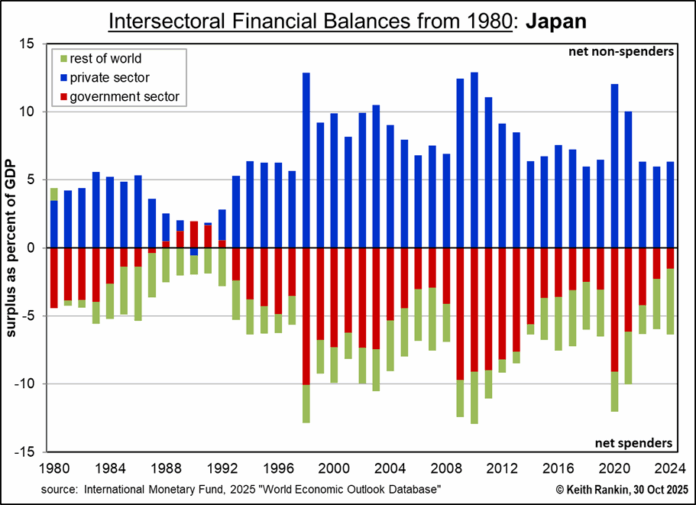






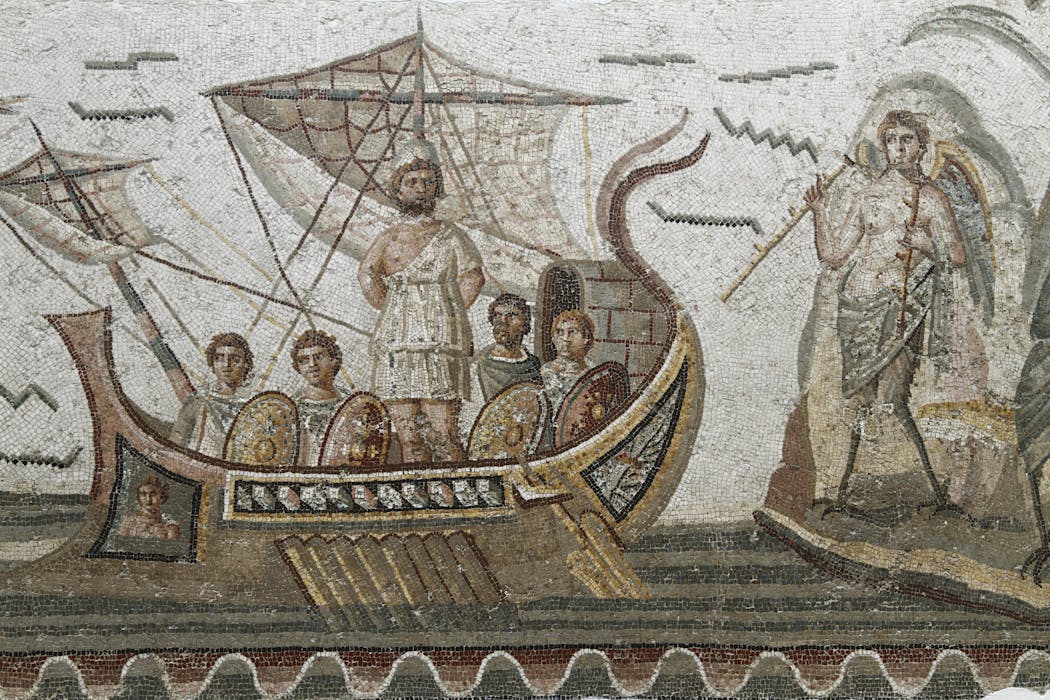











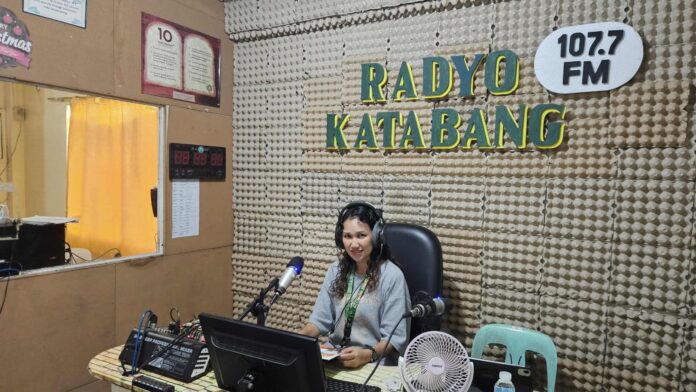


























.jpg)

.jpg)