Page 719

Did everyone in Bridgerton have syphilis? Just how sexy would it really have been in Regency era London?

Source: The Conversation (Au and NZ) – By Esmé Louise James, Doctor of Philosophy, The University of Melbourne
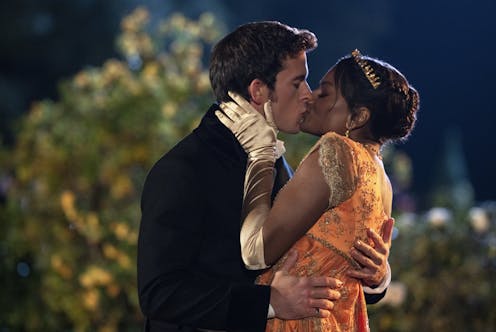
Colin Hutton/ Netflix

The success of Netflix’s Bridgerton is owed to many different factors: an addictive storyline, inspired casting choices, a dazzling costume design… and, of course, the fact the show is incredibly sexy.

Bridgerton has finally satisfied an ongoing craving for historical romance (and borderline erotica) which has existed since Mr Darcy’s wet-shirt moment in the 1995 adaptation of Pride and Prejudice.

But how sexy would Bridgerton have been in real life?

The show is set in the early years of the 19th century, placing it in the middle of the Regency period and towards the end of the Georgian era. Around this time, it is estimated one in five Londoners would have had syphilis (or “the Pox”) by the age of 35.

If this number isn’t already shocking enough, historians also estimate the number who contracted gonorrhoea or chlamydia was far higher. According to historian Professor Simon Szreter:

The city had an astonishingly high incidence of STIs at that time. It no longer seems unreasonable to suggest that a majority of those living in London while young adults in this period contracted an STI at some point in their lives.

There was no effective cure found for syphilis until the beginning of the 20th century, meaning if you happened to fall within the unlucky 20% of society, there was generally no hope of recovery.

William Hogarth, A Harlot’s Progress, shows Moll Hackabout dying of syphilis, having come to London as a young woman from the countryside and ‘fallen into prostitution’.
The Trustees of the British Museum

Syphilis in Bridgerton

The drama of the recently released season 2 of Bridgerton primarily revolves around the love interest of the eligible Viscount Anthony Bridgerton and the spinsterly Kate Sharma. However, their enemies-to-lovers romance is complicated by Anthony’s intentions to court the Queen’s favourite and Kate’s younger sister, Edwina Sharma.

Kate’s initial objection to the match concerns Anthony’s objectionable personality – and rumours of his licentious past. With the prevalence of syphilis at the time in mind, Miss Sharma is rather well justified in rejecting her sister’s match on the basis of the Viscount’s libertine history. As a titillating montage at the beginning of the first episode reminds us, Anthony regularly employed sex workers to help him blow off a little steam at the end of the day.

Jonathan Bailey as Anthony Bridgerton, who historically, probably had syphilis.
Liam Daniel/Netflix

Brothels and other forms of sex work were prolific across England during this time, commonly referred to as “the great social evil”. Brothels which catered to higher members of society were generally run by women to the west of London, whereas the bawdy-houses of the East End tended to be run by men.

By the mid-eighteenth century, it was estimated 50% of London’s brothel’s were operated by women. Brothel Madams were generally considered to be more tactful when it came to dealings with clients; frequenting these establishments was something that Lords (and, in some rare cases, Ladies) would regularly do, yet not something that should be spoken of in polite society.

As may well be expected, the spread of syphilis and the popularity of these establishments were not entirely unconnected. Admission records of London’s hospitals and workhouse infirmaries show the disease was particularly rife among young, impoverished, mostly unmarried women, who used commercial sex to financially support themselves.
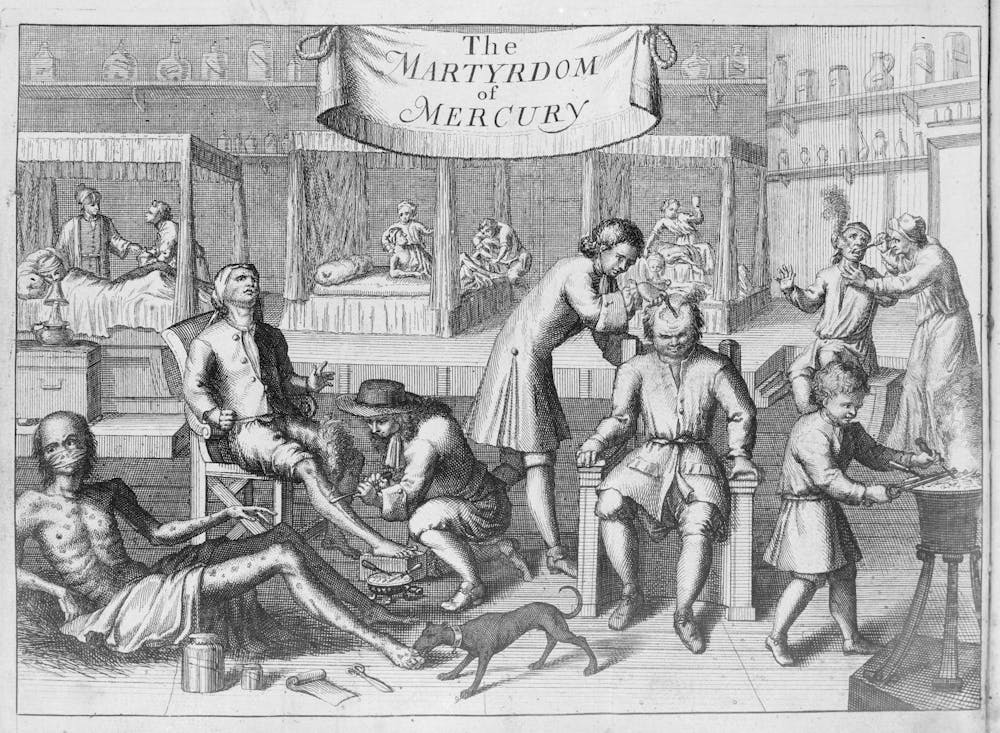
The Martyrdom of Mercury (1709). Depicts patients being treated for syphilis in an 18th-century hospital.
University of Cambridge

With no effective treatment available for the Pox, those afflicted were often prescribed mercury as a treatment (which, with the privilege of our modern worldview, we know to be just as detrimental – if not worse – than untreated syphilis). This led to the popular saying from the period, “A night with Venus, and a lifetime with mercury.”

For this reason, it was common for members of high society, such as Anthony Bridgerton, to have a more exclusive arrangement with a chosen mistress (or mistresses). This arrangement allowed Lords to minimise risk their of infection without forfeiting this favoured pastime.

Prevention is better than a cure (and also doesn’t exist)

It wasn’t just a cure for STIs that was lacking, but also preventative methods. While condoms did exist, they were not anywhere near as widely accessible, encouraged, or effective as we know them today.

One of the major proprietors of condoms within London (particularly for sex workers) was the infamous Mrs Phillips, who held a shop in Leicester Square. These were made of sheep and goat gut, pickled, and fashioned by hand on glass moulds by Mrs Phillips herself.

While certainly better than nothing, the material by which these condoms were made meant that they were generally prone to breaking (and certainly not a sexy addition to any licentious affairs).


Read more:
A whole new set of horny lords and ladies: how Bridgerton brought romance book serialisation to television


It would not be until the 1910s that the first effective treatment for syphilis was discovered through the development of the drug, Salvarsan. Until this stage, mercury remained the primary treatment for the disease. By the 1940s, a safe and accessible cure was established with the production of penicillin.

While Bridgerton is not limited by the often strangulating bounds of historical accuracy, it is rather fascinating to consider the dirtier environmental factors that did impact this world of balls and fine fabrics.

The Conversation

Esmé Louise James does not work for, consult, own shares in or receive funding from any company or organisation that would benefit from this article, and has disclosed no relevant affiliations beyond their academic appointment.

ref. Did everyone in Bridgerton have syphilis? Just how sexy would it really have been in Regency era London? – https://theconversation.com/did-everyone-in-bridgerton-have-syphilis-just-how-sexy-would-it-really-have-been-in-regency-era-london-180581

Long COVID affects 1 in 5 people following infection. Vaccination, masks and better indoor air are our best protections

Source: The Conversation (Au and NZ) – By John Donne Potter, Professor, Research Centre for Hauora and Health, Massey University

Getty Images

Many patients recover from COVID within a week or two, but at least one in five experience persistent or new symptoms more than four weeks after first being diagnosed.

Long COVID is a growing concern. But we still don’t have a clear definition and there are insufficient data to provide a trajectory or a timeline for how long it lingers. The National Institute for Health and Care Excellence (NICE) has proposed a working definition:

Signs and symptoms that develop during or after an infection consistent with COVID-19 but continue for more than 12 weeks and are not explained by an alternative diagnosis. It usually presents with clusters of symptoms, often overlapping, which can fluctuate and change over time and can affect any system in the body.

Although some symptoms resolve over time, others persist or re-emerge. There are many individuals with symptoms lasting 12 months or longer.

Downstream damage can affect the brain, heart, lungs, pancreas (causing diabetes) and other organs. However, we know that vaccination is protective against long COVID, whether given before or after the initial infection and illness.

On average, the risk is higher for people with more severe disease, but many develop long COVID after a mild initial illness. Long COVID is more common in women than men, but there is no consistent relationship with age. Although the initial viral illness is more severe for older people, this is not true for long COVID.

Common symptoms of long COVID

Most studies show a general pattern of higher prevalence of long COVID for people with more severe illness. The estimates of prevalence range from from 19% to 57%, with one outlier at more than 80%.

The three largest cohort studies place it at 19% to 30%, showing long COVID is common enough to be a major public-health threat, independently of acute COVID.

It is becoming increasingly clear that long COVID is much more than a collection of symptoms. Rather, it is a recognisable clinical syndrome (or set of syndromes) with well described underlying pathology.


Read more:
Long COVID: symptoms experienced during infection may predict lasting illness


SARS-CoV-2 infection can contribute to long COVID in a variety of ways. It can cause direct damage to tissue as well as microscopic blood clots, which sometimes result in deep vein thrombosis, pulmonary embolism and stroke.

The immune system can itself cause damage when it begins to attack normal tissue or produce a cytokine storm. All of these effects are seen in COVID-related brain damage, which is likely to be the result of infection, microclots, lack of oxygen and an activated immune response.

Impacts on the brain and heart

A study across 62 healthcare organisations reported that, among almost 250,000 patients with COVID, 33.6% were diagnosed with neurologic and psychiatric conditions in the following six months, with 12.8% being new-onset conditions. For ICU patients, the comparable estimates were 46.4% and 25.8%.

Specific outcomes included stroke, Parkinson’s, dementia, anxiety and psychosis. A large study of US veterans reported elevated risk of anxiety and depression. Studies in the UK and China established evidence of cognitive decline, again related to the severity of the initial illness.

A brain-imaging study in the UK involved participants who were initially scanned pre-infection, making it possible to see clearly the timeline of changes. The COVID-affected group showed damage to brain tissue and an overall reduction in brain size compared with those who had not been infected – changes that occurred with even relatively mild infection.


Read more:
Even mild COVID can cause brain shrinkage and affect mental function, new study shows


The most comprehensive study of cardiovascular complications of SARS-CoV-2 infection involved a cohort of more than 150,000 US veterans and more than 11 million controls. It revealed an elevated risk of new-onset stroke, heart arrhythmia, pericarditis and myocarditis, ischaemic heart disease and clotting disorders.

As with the brain, risks and burdens were evident even among individuals who were not hospitalised with acute infection and increased in graded fashion across non-hospitalised, hospitalised and intensive care. Other studies have shown inflammatory changes in the heart and markedly reduced oxygen supply to both blood and tissue.

Long COVID affects lungs and other organs

COVID can result in prolonged changes in both the lung blood supply and immune system, which may produce lethal lung disease and seems likely to cause persistent lung damage in those who recover.

A meta-analysis of eight studies with more than 3,700 patients reported 14.4% of those hospitalised with COVID developed diabetes. Patients with pre-existing type 2 diabetes are already at higher risk, but this provides evidence that SARS-CoV-2 can cause new-onset diabetes.

The virus can also damage muscles, which plausibly explains the very common symptoms of fatigue and muscle pain. Immune abnormalities probably contribute to the chronic inflammatory aspects of long COVID. Kidney damage occurs early during long COVID, particularly among those with respiratory failure. Clots in small blood vessels can cause erectile dysfunction.

Long COVID in children

Post-acute effects have been described in all infectious childhood diseases and COVID is no exception. It is useful to consider the persistent effects of COVID in children in three main groups:

  • multisystem inflammatory syndrome in children, a rare but severe syndrome that occurs from two to five weeks after the initial illness

  • longer-term symptoms grouped under the umbrella term of long COVID, with similar symptoms to adults

  • tissue-level damage (heart, lungs, blood vessels and brain) that may be silent during childhood but cause chronic disease in later life.

Minimising harm from long COVID

Prevention measures currently in place are not enough, given what we now know about the full population impact of widespread COVID infection. Prevalence is much less clear in children but the impacts of the pandemic could potentially last decades. Damage to tissues that may be undetected in childhood could emerge as chronic disease as the pandemic generation ages.

We now have a good sense of the services we need in Aotearoa for long-COVID patients.

There is strong and consistent evidence that vaccination protects against long COVID. However, recurrent infections with Omicron (and any future variants) suggest we need a “vaccine plus” approach while we wait for universal, sterilizing vaccines.

Public-health measures such as mask wearing remain highly protective because they are effective for all variants. But most of all, New Zealand urgently needs to deliver a high standard of air quality in all indoor settings, especially schools. These vital protections against airborne viruses are essential to ensure New Zealand can safely navigate the remainder of the pandemic without generating a long shadow of chronic disease.

The Conversation

Amanda Kvalsvig receives funding from the Health Research Council of New Zealand for infectious disease research.

John Donne Potter does not work for, consult, own shares in or receive funding from any company or organisation that would benefit from this article, and has disclosed no relevant affiliations beyond their academic appointment.

ref. Long COVID affects 1 in 5 people following infection. Vaccination, masks and better indoor air are our best protections – https://theconversation.com/long-covid-affects-1-in-5-people-following-infection-vaccination-masks-and-better-indoor-air-are-our-best-protections-180668

Word from The Hill: Morrison suggests voters judge him as they would their dentist

Source: The Conversation (Au and NZ) – By Michelle Grattan, Professorial Fellow, University of Canberra

As well as her interviews with politicians and experts, Politics with Michelle Grattan includes “Word from The Hill”, where she discusses the news with members of The Conversation politics team.

In this podcast Michelle and politics + society editor Amanda Dunn canvass the fallout from Anthony Albanese’s lapse when asked to nominate the unemployment level and the cash rate.

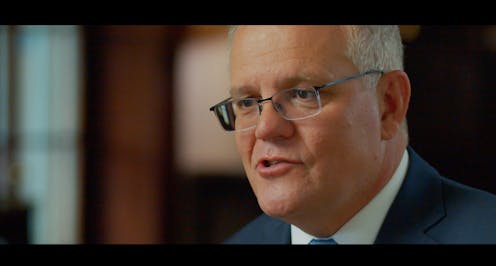
Meanwhile Scott Morrison, with poor popularity, has drawn on voters’ experience with their dentist: it doesn’t matter whether you like them – it’s about their competence.

They also discuss the strange story of Alan Tudge, who remains in cabinet and education minister, albeit without ministerial salary or duties, despite Morrison earlier saying “he is not seeking to return to the frontbench, and I support his decision”.

Finally, they canvass whether this election will ever turn to actual policy issues.

The Conversation

Michelle Grattan does not work for, consult, own shares in or receive funding from any company or organisation that would benefit from this article, and has disclosed no relevant affiliations beyond their academic appointment.

ref. Word from The Hill: Morrison suggests voters judge him as they would their dentist – https://theconversation.com/word-from-the-hill-morrison-suggests-voters-judge-him-as-they-would-their-dentist-181172

Forget the election gaffes: Australia’s unemployment rate of 4% is good news – and set to get even better by polling day

Source: The Conversation (Au and NZ) – By Peter Martin, Visiting Fellow, Crawford School of Public Policy, Australian National University

When Labor leader Anthony Albanese couldn’t say whether the unemployment rate was 5% or 4% on Monday, he might have had a point.

It’s 4%. But for a decade – the entire decade leading up to COVID – it never strayed too far from five-point-something per cent.

Melbourne University labour market specialist Jeff Borland points out that in March 2010, Australia’s unemployment rate was 5.4%. Ten years later, before COVID changed things in March 2020, it was 5.3%.

In the years between, it briefly dipped to 4.9% (three times), climbed slowly as the mining boom wound down, edged above 6% in 2014 as the newly-elected Coalition government cut spending, and then fell back slowly towards what the Treasury then regarded as the long-term sustainable rate of 5%.

For much of Albanese’s time in parliament, from 1996 to now, it has been 5-6%.


And a case can be made that it is 5% right now.

Independent economist Saul Eslake says what he calls the “effective” rate of unemployment is indeed 5%. To the 607,900 officially unemployed Australians in February 2022 (the lowest slice of the population in decades), Eslake adds the historically high:

  • 72,000 people who were counted as employed despite working zero hours, for what the Bureau of Statistics called “economic reasons” including being stood down or because there was insufficient work

  • 59,000 people who were counted as employed despite working zero hours for reasons “other than economic”, including being on leave

The result is an unemployment rate of 5%, which doesn’t count as unemployed the 221,000 employed Australians who worked zero hours due to illness or injury – twice as many as before COVID.

The figures point to something real

But even Eslake’s effective rate of 5% is lower than before COVID.

The massive 26,000-household survey of employment conducted each month by the Bureau of Statistics is pointing to something real.

To get an idea of the scale of the bureau’s survey, compare it to the Essential and Newspoll surveys used to indicate how people are going to vote in the election. Essential surveys 1,000 people each time, Newspoll about 1,500.

The bureau surveys 26,000 households every month to obtain information on the employment status of about 50,000 people aged 15 and over. The scale of the operation is exceeded only by national elections every three years and the census every five years.

Australia’s biggest survey

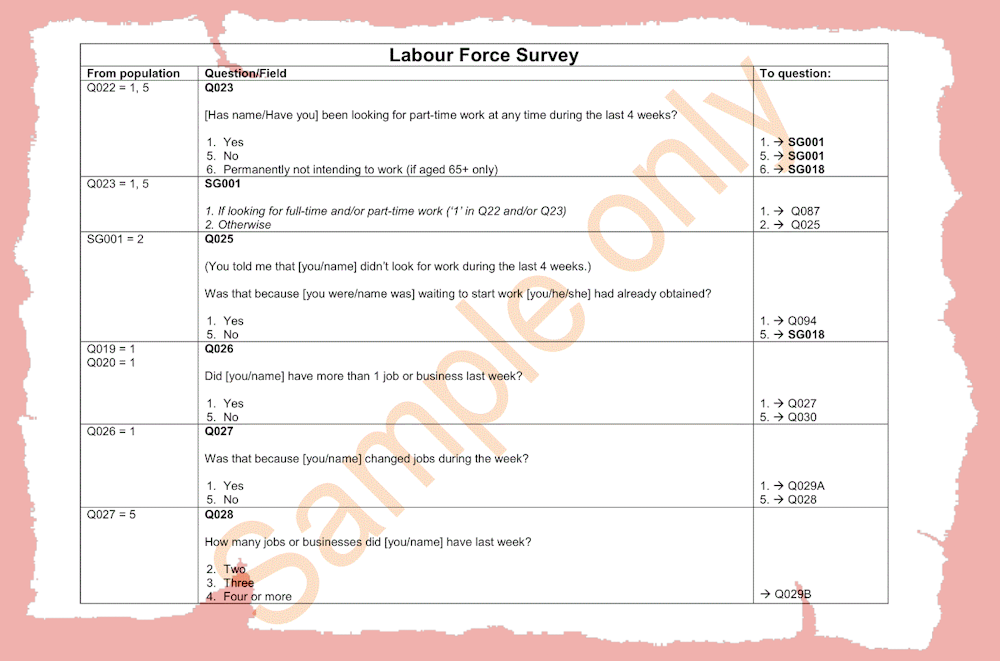
The survey asks first whether those surveyed worked in the previous week, then whether they were employed but away from work because of holidays, sickness or another reason. Then it asks about hours. Less than one hour (unless it was due to time off) counts as not working.

It is this definition (one hour a week = work) that generates so much of the mistrust of unemployment figures.

The bureau uses one hour per week as the cutoff because it has to use something and because every other comparable country has used it, since 1982.


Some of the questions asked in the ABS labour force survey

Fewer than 50 of the 50,000 people surveyed each month report working only one hour, meaning the cutoff makes little difference.

If the bureau used a different cutoff, such as three hours per week, its employment numbers would be moving in the same direction.

It defines being unemployed as not being employed and looking for work. If you are not looking, you are “not in the labour force” and not counted as unemployed.

This is a problem when times are tough and people don’t bother to look (or can’t easily look, such as during lockdowns) and can mean that genuine unemployment is higher than the figures suggest.

More jobs on offer than ever before

But that isn’t a problem at the moment. So many jobs are on offer (423,500 – far more than ever before) that people who want work know it is worth looking.

More of the population aged 15 and over is in work than ever before. And almost all of the new jobs are full-time.

As would be expected given the shift to full–time work, casual employment (defined by the bureau as employment without paid leave) has fallen in recent years, rather than climbed as the opposition leader’s material suggests.


Women have benefited more from the improved jobs market than men, getting 240,000 of the 395,000 new places created over the past year. Every age group up to 65 has more work than it did before.

We will get an inkling as to whether things will keep getting better on Thursday when the bureau releases the employment figures for March, and again just two days before the May 21 election, when it releases the figures for April.

The Treasury and the Reserve Bank are cautious, expecting unemployment to settle at 3.75% before (in Treasury’s case) gradually climbing back to 4.25%.

But private forecasters are bolder. Westpac is forecasting an unemployment rate of 3.25% by year’s end. Citibank is forecasting 3.3% by the end of this year and an extraordinary 3% by the end of 2024 – which would be a 60-year low not seen since 1974.

How to keep creating jobs with reopened borders

It is tempting to say what has happened with unemployment is the result of closed borders and slower population growth during COVID (more jobs per worker than there would have been). But the banks making those bold forecasts know the borders have been reopened.

New Zealand has enjoyed faster (although still slowed) population growth than Australia over a year in which its unemployment rate has slid to 3.2%.


Read more:
Australia cut unemployment faster than predicted – why stop now?


What New Zealand, Australia and the other nations now enjoying unusually low unemployment have in common is out-sized government spending and record low interest rates during COVID to keep the economy afloat.

Spending and ultra low rates create jobs. If we keep them in place right up to the point where we create worrying inflation, we will be able to get even more Australians into jobs and, all being well, keep them there.

It’s the most important thing to grasp from what’s happened. More important than the exact rate of unemployment.

The Conversation

Peter Martin does not work for, consult, own shares in or receive funding from any company or organisation that would benefit from this article, and has disclosed no relevant affiliations beyond their academic appointment.

ref. Forget the election gaffes: Australia’s unemployment rate of 4% is good news – and set to get even better by polling day – https://theconversation.com/forget-the-election-gaffes-australias-unemployment-rate-of-4-is-good-news-and-set-to-get-even-better-by-polling-day-181141

Bungled vaccine rollout, welcome financial support – here’s what Aussies thought of Morrison’s COVID response

Source: The Conversation (Au and NZ) – By Deborah Lupton, SHARP Professor, leader of the Vitalities Lab, Centre for Social Research in Health and Social Policy Centre, UNSW Sydney, and leader of the UNSW Node of the ARC Centre of Excellence for Automated Decision-Making and Society, UNSW Sydney

Before calling the election, Prime Minister Scott Morrison claimed in a promotional video his government had done a good job of handling the COVID crisis over the past two years.

According to Morrison, “Things are tough” but “40,000 people are alive in Australia today because of the way we managed the pandemic, 700 thousand people still have jobs and countless numbers of businesses […] would have been destroyed.”


Read more:
Did the Morrison government really prevent 40,000 COVID deaths? A health economist checks claims against facts


But what do Australians think of his government’s and their state leaders’ approach to COVID management? What could Morrison and other politicians have done better to control the spread of COVID and its economic impacts?

To find out, we interviewed 80 Australians from a wide range of ages and backgrounds – 40 people in mid-2020, then another 40 in September/October 2021. Here’s what we found.

The early days

The first set of interviews were after the first lockdown, when restrictions were beginning to loosen. It was looking as if lockdowns and border closures had worked to contain the pandemic.

The people involved in the first stage interviews were largely feeling fortunate and positive about Australian governments’ management of COVID. They remarked that in comparison to other wealthy countries, Australia was lucky to have escaped the worst effects of the pandemic.

As one respondent said:

We haven’t had the trauma that New York City or UK or Italy have or the USA in general have experienced, and I’m so grateful for that.

Participants said communication from state governments had been good – they particularly appreciated the regular press conferences held by premiers and chief health officers.

Nearly everyone was highly supportive of border closures between states and territories, as this made them feel safe and protected.

There was a more mixed response to the federal government. There was praise for closing Australia’s international border early:

They’ve made some really good moves. Closing down the international flights initially was probably what saved us going down a pretty dark road.

However, many people mentioned the federal government’s handling of the Ruby Princess cruise ship outbreak as a major misstep:

I’m particularly horrified by what happened with the Ruby Princess. There are people dead now who wouldn’t have been probably dead if those people weren’t let loose into Sydney.

In terms of economic support from the federal government, most interviewees praised the JobKeeper and JobSeeker initiatives to support workers and businesses.

Others pointed out that many people or occupation groups were left out of this support.

I think they haven’t thought through the JobKeeper and the JobSeeker finance very well. I think it should have been more far-reaching, because we really could have done with that.

Frustrations mount

Fast forward to September/October 2022. By then, the pandemic was in a very different phase. The Delta variant had caused major outbreaks in New South Wales, Victoria and the Australian Capital Territory, with strict and extended lockdowns.

The vaccine rollout had finally gathered pace, and Australians were promised that receiving two doses of COVID vaccine would be the “way out” of further restrictions or lockdowns.

The Australians we interviewed at this point had been through many twists and turns in the pandemic by then, and had some different views to offer.

A dominant theme was frustration that policy changes were so constant and different, state by state. Unlike the early national lockdown, where everyone went through the same restrictions, each state and territory had since experienced different lockdowns of different lengths.

People complained about a lack of clarity from governments about the best way forward for the nation as a whole. They remarked on the constant change in government advice about what to do in relation to the risk of COVID.

They were becoming weary of the difficulties posed by internal border closures and just wanted clear guidance from their leaders concerning what needed to happen to control the pandemic.

The vaccine rollout was a particular bugbear. Morrison came in for some trenchant criticism for what people saw as lack of decisive action in securing and providing enough vaccines for Australians:

I personally think that Scott Morrison really stuffed up when ordering the vaccines. Yeah, the vaccine rollouts have been shocking based on the federal government’s ordering of those vaccines.


Read more:
Australia has not learned the lessons of its bungled COVID vaccine rollout


Finally, a plan

In August 2021, a National Plan was agreed to by both the federal and state governments for “the way out” of continued lockdowns and moving towards “living with COVID”. This plan set targets for high vaccine coverage of eligible Australians.

By the end of September 2022, problems earlier that year with the vaccine supply and rollout had finally been dealt with. Rates of vaccinated Australians were rising quickly.

With these targets, Australians knew what they had to do. All 40 people interviewed for this part of the study had received at least one of the vaccines and were planning to get their second dose as soon as they could.

The interviewees were positive about improvements in the rollout and the clarity offered by the targets set by the road maps:

I really appreciated this benchmark being set at 80%, because it’s quantifiable.

People were able to see some end to the pandemic. But they still remembered some of the missteps of the federal government over the course of the pandemic. They continued to see their own state/territory leaders as doing a better job.

[At the] federal level, I don’t think they’ve even done anything really. I just think they’ve mishandled it completely. They haven’t dealt with the vaccinations quick enough. They don’t support the states enough.


Read more:
Australia has a new four-phase plan for a return to normality. Here’s what we know so far


Australians have long memories

Since these interviews took place, the Omicron variant has spread rapidly, schools, supply chains and workplaces have been badly disrupted, and vaccine uptake has slowed down.

As these interviews showed, Australians haven’t forgotten what has gone wrong during the pandemic.

When they go to the polls, they will also be considering how Morrison and his cabinet has handled the past six months, and weighing up the history of his response across these past two-plus years of pandemic crisis.

The Conversation

Deborah Lupton receives funding from the Australian Research Council.

ref. Bungled vaccine rollout, welcome financial support – here’s what Aussies thought of Morrison’s COVID response – https://theconversation.com/bungled-vaccine-rollout-welcome-financial-support-heres-what-aussies-thought-of-morrisons-covid-response-181149

Did the Morrison government really prevent 40,000 COVID deaths? A health economist checks claims against facts

Source: The Conversation (Au and NZ) – By Simon Eckermann, Professor of Health Economics, University of Wollongong

AAP Image/Supplied by Office of the Prime Minister

As an opening gambit to his re-election campaign, Prime Minister Scott Morrison claimed his handling of the pandemic had saved 40,000 lives.
This figure compares Australia over 2020 and 2021 with an average derived across higher-risk predominantly northern hemisphere countries.

He made similar comparisons to much higher-risk countries two years ago, at a press conference on April 7 2020. Morrison and Chief Medical Officer Brendan Murphy pointed to COVID graphs comparing Australian cases with modelling.

“We have so far avoided the many thousands, if not tens of thousands, of cases that may have otherwise occurred by this point across the Australian community — and indeed the many more fatalities that could also have occurred by this point,” he said then, urging Australians to “hold the course. We must lock in these gains.”

But a comparison with equivalent countries tells a very different story about the claim to have saved 40,000 lives.


Read more:
Here’s why you might need a 4th COVID vaccine dose this winter


The wrong comparison

Given Australia’s very different environment as an island in the Oceania region and strong evidence transmission of initial COVID strains were highly seasonal and temperature dependant, the comparison with OECD countries in the northern hemisphere doesn’t hold.

Australian-led research as early as February 2020 showed there were significant reductions in rates of COVID transmission associated with temperature. Higher average temperature was strongly associated with lower cases.

Those findings were confirmed by global research comparing 117 countries with more than 100 cases up to April 10 2020. That showed there was an average 5.4% reduction in case transmission for each degree increase in temperature above 0 centigrade and explained 72% of variation.

During 2020 this was reflected in rapidly increasing cases during European and North American winters. Numbers then tailed off in summer as temperatures rose while the South American winter saw case rates increase.

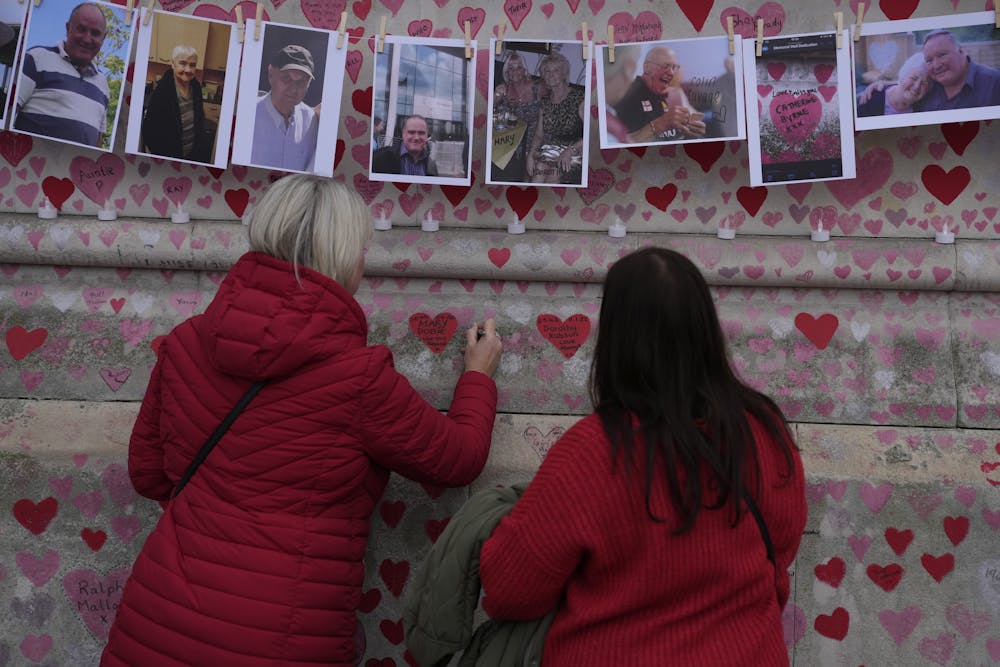
Family members remember loved ones lost to COVID on the National Covid Memorial wall in London.
AP Photo/Alastair Grant

Comparing within our region

As an island in the Oceania region, Australia’s 2020 outbreaks were largely restricted to those imported by air and sea travel, flourishing in the colder environments of meatworks, until temperatures dropped with winter and outbreaks started to emerge in Tasmanian hospitals and in Melbourne – the coldest, high-density urban population centre in Australia.

Robust comparison for Australia over 2020 are with Oceania region countries facing the same environmental risks with original variants. At December 21 2020, Australia had the highest COVID case rates (1,101 per million) or death rate (35 per million) of all Oceania countries , other than French Polynesia which opened up to cruise ships in August 2020.

However, Oceania’s climatic cloak of protection in 2020 would not last.

New variants brought greater risks

The Delta variant was much more transmissible than the original COVID strains and able to transmit at higher temperatures. This was clear from the catastrophic spread that occurred at the height of the Indian summer in April and May of 2021.

When the Delta outbreak emerged in Sydney in June 2021 from an unvaccinated limousine driver, less than 4% of the Australian population was double-dose vaccinated. The percentage in NSW was lower still, an at-risk population of sitting ducks.

Yet right up until June 26 2021 Morrison claimed no lockdown was required to address the Delta outbreak, despite the absence of broad vaccine protection.

The low vaccination rate was attributable to reliance on one vaccine and the contracting out of many aspects of the rollout to a range of for-profit companies. Each aspect of the process proved poor value, including vaccine rollout strategies and planning, vaccine distribution, delivery of vaccination programs in aged care, and systems meant to monitor these activities.

Bottom line: the relevant comparison is to New Zealand

The federal government’s claims of success show it did not learn the importance of the precautionary principle – a decision-making approach used in public health and environmental fields that urges caution when the science and risks are still uncertain – and wasted the luck Australia had in 2020.

To say there has been a saving of 40,000 lives relies on a comparison to the northern hemisphere at the beginning of the pandemic when Australia had a climatic cloak of protection and a safe distance from which to learn from overseas evidence.

New Zealand provides a more useful comparison if we’re to judge the success of the Morrison government’s pandemic handling. Our neighbour faced the closest set of climate and wider conditions to us and had similarly high levels of PCR testing (at least until Omicron overwhelmed testing in late 2021). On this comparison, Australia did not do well.

By September 15 2021, COVID case rates in Australia were almost four-fold that of NZ (3,038 versus 796 cases per million) with more than eight times the death rate (43 versus 5 five per million) – further puncturing the Morrison government’s 40,000 lives boast.

In November 2021, the federal government claimed it was well prepared for Omicron, but 70% of all COVID deaths in Australia (4,579 out of 6,569 as of April 11) have occurred after that date. The majority of those were in 2022 and are therefore not been accounted for in the 2020 and 2021 comparison underlying the 40,000 lives saved claim.


Read more:
COVID cases are rising but we probably won’t need more restrictions unless a worse variant hits


The Conversation

Simon Eckermann does not work for, consult, own shares in or receive funding from any company or organisation that would benefit from this article, and has disclosed no relevant affiliations beyond their academic appointment.

ref. Did the Morrison government really prevent 40,000 COVID deaths? A health economist checks claims against facts – https://theconversation.com/did-the-morrison-government-really-prevent-40-000-covid-deaths-a-health-economist-checks-claims-against-facts-181052

The Black Ferns review shows – again – why real change in women’s high performance sport is urgently overdue

Source: The Conversation (Au and NZ) – By Holly Thorpe, Professor in Sociology of Sport and Physical Culture, University of Waikato

GettyImages

New Zealand Rugby’s just released report into the culture of the Black Ferns national women’s team is damning, but sadly all too familiar.

Like a number of previous investigations into elite sporting codes – including football, cycling, rowing and gymnastics – it reveals abuses of power and inadequate systems that are failing sportswomen. Despite significant investment in women’s sport over recent years, its rapid professionalisation is exposing problems in systems designed by and for men.

Rugby may be New Zealand’s national game, but it is the women’s team that has brought home more World Cup titles. Historically under-funded and under-valued, the women’s game (both 15- and 7-aside) has become a source of national pride and mana with a strong player culture.

Until very recently, the Black Ferns have dominated the international game. But the team’s disappointing end-of-year European tour did not go to plan. Back home and stuck in quarantine with no support, Black Fern Te Kura Ngata-Aerengamate used social media to express her concerns about the coaching culture:

My confidence and self esteem was so low that it made me play like I was walking on egg shells and was constantly too scared to express myself […] I let the words over the years get to me, the words became the flesh.

The Instagram post prompted internal and external demands for an inquiry, with New Zealand Rugby commissioning the “cultural and environmental review” that hit this week like a hard tackle.

Stuck in the past

The report made 26 recommendations and identified seven key themes, including:

  • a strong culture among Black Ferns players that isn’t aligned with or supported by management structures

  • significant communication issues between coaches, managers and players

  • gaps in athlete health and well-being support

  • and that NZ Rugby has not sufficiently supported women’s high performance rugby.

The findings are familiar and mirror the six goals outlined in New Zealand Rugby’s 2017 “Respect and Responsibility” report, and bears striking similarities with recent similar reviews in Ireland and Canada.

The immediate question has been why Black Ferns coach Glenn Moore was being kept on until this year’s Rugby World Cup. As Women in Rugby Aotearoa chair Traci Houpapa said:

It does send a message to say they are retaining the status quo […] New Zealand rugby needs to think about what [message] that sends to the players and to the rugby community.

The report tells us in many ways what we already knew, that these are long-time, long-term systemic issues that have been affecting and impacting women who want to play rugby in Aotearoa.

Toxic sporting cultures

While it is important to focus on the specifics of the Black Ferns review, it is also necessary to look at the broader patterns emerging in light of the previous reviews of other sports.

At least 11 sports bodies, including Cycling New Zealand, Gymnastics New Zealand, Canoe Racing New Zealand, NZ Football and Hockey New Zealand, have come under scrutiny for toxic cultures.

Investigations and athlete testimonies have revealed the damage done through abuse, neglect and psychological harm. The “win at all costs” mentality has come at a huge price, causing significant harm and trauma for many athletes.


Read more:
Toxic sport cultures are damaging female athletes’ health, but we can do better


While each review was commissioned to address a specific incident, in most cases they have highlighted systemic problems. These stem from gender inequity and organisational failings such as bullying and lack of player welfare – all rampant in global elite sport.

Despite High Performance Sport New Zealand launching a new NZ$273 million strategy prioritising athlete wellbeing, it doesn’t address the distinct gender dynamics of the problem.

Despite important initiatives to increase women in leadership roles, sporting cultures that genuinely value and respect women as athletes, leaders, coaches, managers and experts are still some way off in New Zealand. The leadership and management teams in women’s sport don’t represent the gender and cultural diversity on the field, and this is part of the problem.

Turning words into action

Supposedly about accountability and change, reviews of sporting culture rarely translate into action by national sporting bodies.

Small amendments might be made – hiring a human resources manager, providing unconscious bias training or adding a high-profile coach – but the hard work of real cultural change tends to be avoided.


Read more:
The price of gold — what high-performance sport in NZ must learn from the Olivia Podmore tragedy


None of the reviews attach deadlines to their recommendations and very rarely are the recommended change processes subjected to systematic monitoring and evaluation processes.

In the case of Cycling NZ, a second review was necessary to identify why changes had not occurred, at huge cost to athlete health and well-being.

The self-regulating nature of sport organisations and the associated “one step forward, two steps back” reform process suggest more accountability is required from an elite sports model that has for too long been designed by and for men.

If sports organisations are serious about supporting women, on and off the field, they need to invest in programmes and structures designed by and for women’s sport. This is no longer a bold, brave move; it is a long-overdue and urgently needed solution.

The Conversation

The authors do not work for, consult, own shares in or receive funding from any company or organisation that would benefit from this article, and have disclosed no relevant affiliations beyond their academic appointment.

ref. The Black Ferns review shows – again – why real change in women’s high performance sport is urgently overdue – https://theconversation.com/the-black-ferns-review-shows-again-why-real-change-in-womens-high-performance-sport-is-urgently-overdue-181144

Voters love the Greens’ message more than ever – but it may not lead to a surge of votes for them

Source: The Conversation (Au and NZ) – By Narelle Miragliotta, Senior Lecturer in Australian Politics, Monash University

The Greens have long battled against the perception they’re the radical fringe or the electoral ingenues of Australian politics.

Today, neither of these labels bedevil them in quite the same way they might have previously.

Two factors make it increasingly difficult to typecast the Greens in these terms. First, the issue that elevated the Greens to electoral prominence – the environment – is no longer an abstraction for the public.

The second is the party is a known quantity. The Greens’ federal leader, Adam Bandt, is ensconced in one of the safest federal seats in the country, and is also one of Australia’s most “believable” politicians, according to the Believability Index 2022.

So what are the Greens’ prospects this federal election?

Although the electoral and political context is more amenable to the Greens’ message than ever before, it may not translate into a dramatically improved vote.

More experienced

The Greens’ experience is showing in their approach to the campaign.

The messaging around the party’s policy agenda is more disciplined and strategic.

Consider, for example, its net zero carbon economy agenda. The party’s commitment to a net zero carbon economy is unchanged, but it’s more adept at foregrounding the importance of a transition “plan” and guaranteeing affected communities won’t be left behind. Bandt even paid homage to coal workers:

We owe coal workers a debt of thanks for powering our country. We don’t need to choose between taking urgent climate action and supporting coal communities. We can do both.

Crowded electoral space

Campaigns are always noisy affairs, and 2022 is no exception.

In addition to the usual problem of visibility in an electoral context dominated by the two major parties, compounding the situation for the Greens is Clive Palmer’s extraordinary media advertising purchase power, and the fascination with the “teal” independents.

The problem of visibility in a crowded electoral space is reflected in the opinion polls.

If current trends are any indication, the Green vote won’t surge (with the possible exception of stronger growth in Queensland) but will remain stable at 10-11%.


Read more:
The Wentworth Project: polling shows voters prefer Albanese for PM, and put climate issue first in ‘teal’ battle


Seats to watch

Nevertheless, every election presents opportunities, and the Greens rate their prospects in eight lower house seats:

With the exception of Richmond, these are inner metropolitan seats. They’re also seats where the Greens have attracted over 20% of the primary vote, and the party has shown consistent vote gains over the past three electoral cycles.

However, some of these seats are more promising propositions than others. The Greens’ prospects are strongest in Liberal-held seats where their candidate has previously finished in second position, or in Labor-held seats where there is little difference in the Greens and Labors’ primary vote. Another useful requirement is that the incumbent’s primary vote is under 40%.

Based on this, Brisbane, Ryan, Kooyong and Higgins are likely dim prospects. In these seats, the incumbent’s primary vote was over 45% in 2019 and, with the exception of Kooyong, the ALP candidate polled in second place. The swing against the incumbent is likely to benefit Labor, assuming the electoral momentum in Labor’s favour holds.

The outlier of the four Liberal seats is perhaps Kooyong, because of Monique Ryan, one of the “teal” independents.

Kooyong becomes very competitive for the Greens if Ryan is able to attract double digit support away from Liberal incumbent Josh Frydenberg, but fails to surpass the Greens’ vote. If so, it might be an exciting finish for the Greens, even if Frydenberg is still widely tipped to win.

The situation is more dynamic in Canberra, Macnamara and Griffith. Here, Labor’s primary vote is under 40% (or slightly over 40% in the seat of Canberra) and the Liberals typically finish in second position behind Labor.

These seats become winnable for the Greens if the Liberal vote collapses and the Greens emerge as the main beneficiary of this collapse. Under these conditions, these seats should become a two-way contest between Labor and the Greens.

Preferences?

Whether the Greens succeed in winning these seats will, of course, depend on how the preferences of excluded Coalition candidates split.

We don’t have much federal data on this but based on the distribution of Liberal preferences in the seat of Melbourne in 2013, the overwhelming majority of these votes transferred to Labor.

Yet more recent state electoral data indicates the Greens can also emerge as the main beneficiaries of the votes of excluded Liberal candidates.

Of course, there are still a lot of unknowns, such as the actual size of Labor’s much vaunted swing and in which states and seats, as well as the lower house preference strategies of the major parties.

In spite of the Greens’ optimism, its sluggish ad spend in most of their targeted lower seats suggests they’re quite cautious about their prospects.

Whatever the outcome in the House of Representatives, the Senate presents an opportunity to build the party’s representation in the powerful upper house. Of the Greens’ nine serving senators, three are up for reelection.

If the party is able to maintain its primary vote, it will swell its ranks to 12 senators, returning it the balance of power in the Senate.

The Conversation

Narelle Miragliotta does not work for, consult, own shares in or receive funding from any company or organisation that would benefit from this article, and has disclosed no relevant affiliations beyond their academic appointment.

ref. Voters love the Greens’ message more than ever – but it may not lead to a surge of votes for them – https://theconversation.com/voters-love-the-greens-message-more-than-ever-but-it-may-not-lead-to-a-surge-of-votes-for-them-180671

What our negative comments and consumer gripes on social media reveal about us

Source: The Conversation (Au and NZ) – By Angela R. Dobele, Associate professor, RMIT University

Shutterstock

A supermarket starts stocking hot-cross buns straight after Christmas. A cling-wrap brand shifts its serrated cutter bar from the base of the box to inside the lid. The maker of M&M’s chocolates changes its marketing. Each time people take to social media to complain.

Why do people get so angry about things that seem so trivial?

We’ve examined the issue of consumer anger on social media because, as marketing academics, we’re interested in how companies handle the excessive toxicity that comes with corporate social media engagement. But our research also helps explain the causes of this culture of complaint.

Our findings point to this behaviour meeting two basic psychological needs.

First, complaining is a mechanism for social connection.

Second, it’s an opportunity to boost self-esteem through what psychologists call “downward social comparison”. Given social media feeds can be rife with opportunities to feel inferior, complaining about brands is an easy way to feel better about ourselves.

How we did our research

To figure out why people complain so much on social media, we analysed negative posts on Facebook about brands caught up in media controversies at the time.

We focused on six companies – a clothing brand, a supermarket, an airline, an e-commerce store, a department store and a beverage company.

Each had a Facebook page with more than 1 million followers. The controversies included alleged employee mistreatment, unethical business practices, bad customer experiences and a poorly received advertising campaign. We analysed hundreds of comments posted on these companies’ pages. We followed up with interviews with 13 social media users who said they used Facebook at least daily and interacted with brands on social media at least weekly.

We asked these 13 people what they posted about and their reasons for posting. We also asked them to speculate about other social media posts regarding the same brands. This enabled us to draw our conclusions.

Image of Facebook feed.

Shutterstock

Complaining to bond with others

The most common reason for complaining online was paying for something that didn’t arrive or failed to work in some way. This was our least surprising finding.

More surprising was how many who joined in posting negative comments, without any firsthand experience. We saw this complaining used as a bonding mechanism, with users tagging family or friends in posts about malfunctioning equipment with questions such as: “Has this happened with yours?”

Complaining has long been “a pervasive and important form of social communication”, as psychology professor Mark Alicke and colleagues noted in a 1992 study, published before most people had even heard of the internet.

Social media has amplified this, enabling us to not only complain to friends but also to create a type of social connection with strangers. We could give you dozens of examples from our research, but you can probably think of many from your own experiences.


Read more:
Does social media make us more or less lonely? Depends on how you use it


The people we studied got a kick out of debating strangers, particularly when they felt they had the upper hand. One interviewee told us:

I kind of like it, because it shows that at least I’m having an impact. If I’m talking about something someone’s so angry about that they write something back, at least we’re having a conversation.

Such responses speak the social dilemma of social networks. Our increasingly digital existence contributes to real-world social disconnection. To compensate, people look for whatever attention they can find on social media, including through complaining and arguing.

Downward social comparison

The second major psychological reward from complaining on social media was to boost their self-esteem. As one participant told us:

This is kind of that negative thing, but it’s more in a funny, sarcastic, trolling negative thing.

This pay-off came through strongly when we asked our interviewees to speculate on others’ complaints. “Maybe they’re bored and lonely at home,” said one. “The fact he’s obviously looking down on the people is elevating his position,” said another.


Read more:
New research shows trolls don’t just enjoy hurting others, they also feel good about themselves


Boosting self-esteem by looking down others is known as “downward social comparison”. This idea was articulated by American social psychologist Leon Festinger in 1954, who suggested humans were hardwired by evolution to compare our value against others.

Leon Festinger's 1954 paper,
Leon Festinger’s 1954 paper, ‘A Theory of Social Comparison Processes’.
Human Relations, CC BY

Generally we seek comparisons with people like ourselves. Upward social comparisons (to higher-status individuals or groups) is bad for our self-esteeem, while downward comparison (to lower-status targets) can boost our self-esteem.

Research over the past decade or so suggest amplifies our need to find things to feel superior about precisely because it is so effective in making us feel inferior, with social media feeds typically subjecting us to “highlight reels” of other people’s beachside holidays, job promotions, romantic dinners and so on.

One study, for example, has found that spending more time on social media is associated with a greater likelihood of thinking others are happier and have better lives.

Looking down on companies and brands may be an easy, relatively socially acceptable way for us to feel smarter and superior.


Read more:
How social media affects children at different ages – and how to protect them


Manipulating our love of complaining

Some complaining is a good thing. It shows companies we are ready to hold them to account.

But the degree to which complaining is done to scratch psychological itches is complicating the use of social media. Indeed, some companies now deliberately court controversy to exploit our love for complaining.

An example is British breakfast cereal maker Weetabix, which in February 2021 tweeted an image of Weetabix topped with baked beans. This is hardly an important issue. But it generated enough controversy on social media to also spill over into dozen of reports on legacy media.


Weetabix's baked beans on weetabix tweet

Twitter, CC BY

Whenever you see a brand bringing out some odd flavour, it’s probably not because company executives have lost their minds. It’s more likely their marketing experts are deliberately looking to provoke people to express mirth or disgust about it.

So if you find yourself engaging in online complaining, be mindful of the social and psychological factors lurking below the surface.

Just as you may be taking advantage of a brand to make yourself feel better, it is possible a company is stoking controversy to take advantage of you.

The Conversation

The authors do not work for, consult, own shares in or receive funding from any company or organization that would benefit from this article, and have disclosed no relevant affiliations beyond their academic appointment.

ref. What our negative comments and consumer gripes on social media reveal about us – https://theconversation.com/what-our-negative-comments-and-consumer-gripes-on-social-media-reveal-about-us-175148

Lockdowns doubled your risk of mental health symptoms

Source: The Conversation (Au and NZ) – By Gery Karantzas, Associate professor in Social Psychology / Relationship Science, Deakin University

During the almost two years of on-again off-again COVID lockdowns, we heard lots of concern from many different corners about the mental health effects of forcing people to stay home and keep away from friends and family.

Many research projects were undertaken to attempt to measure the scale of the impacts on mental health.

However, the speed with which research was generated meant in some cases, research quality was sacrificed, and some research found evidence of an effect on mental health, and some didn’t.


Read more:
Most of us will recover our mental health after lockdown. But some will find it harder to bounce back


To make sense of the very mixed findings, my colleagues and I conducted a review of all of the studies on mental health conducted during the first year of the pandemic.

We included 33 published papers which studied a total of nearly 132,000 people across various world regions.

We found that overall, social restrictions doubled people’s odds of experiencing mental health symptoms. This means, of those who participated in these studies, those who experienced lockdowns were twice as likely to experience mental ill health than those who didn’t.

This finding can be broken down further by different mental health symptoms. Social restrictions saw the odds people would experience symptoms of depression increase by over 4.5 times, the odds of experiencing stress increased by nearly 1.5 times, and the odds of experiencing loneliness almost doubled.

When we drilled down further into these results, we found the length and strictness of lockdowns affected mental health symptoms differently. For example, strict lockdowns increased depression, whereas the onset of social restrictions increased stress. Low social restrictions, where there were some restrictions in place but not total lockdown, were associated with increases in anxiety.

Also, mental health outcomes differed by age, with young and middle-aged adults reporting greater negative mental health symptoms than older adults.

What lessons can we take away from these findings?

The findings give us a good idea of what public health outreach should look like in the event of future pandemics.

Anxiety was most prevalent when low restrictions were introduced. This could be due to the fact people were nervous about the precarity of the situation and where the virus could be circulating. The introduction of such measures should be accompanied by public health messaging and interventions that focus on alleviating chronic fear and worry.

During the periods of strict social restrictions, the predominant mental health issue was depression, meaning mental health responses should focus on combating depressive-related symptoms such as hopelessness and loss of purpose.

The findings for stress suggest symptoms are likely to intensify during the early stages of social restriction enforcement. This is probably because the onset of restrictions communicates to people an increase in the seriousness of the pandemic threat, and people have to work very hard to re-organise their lives if restrictions involve the need to work from home and home-school.


Read more:
Lockdowns make people lonely. Here are 3 steps we can take now to help each other


During these times, providing messaging and interventions that help people manage their stress, such as dealing with work stress or the stress of home-schooling children, may be especially important. For parents, making them feel capable in the home classroom and promoting strategies that foster positive family functioning (such as more constructive communication and problem-solving) could reduce parental and family stress.

Given social restrictions were found to be associated with increases in loneliness, promotion of digital technologies to keep people feeling connected is also important.

Across all these mental health issues, messages that communicate these symptoms are to be expected are likely to help individuals normalise and acknowledge the nature and severity of their symptoms. This, in turn, may prompt people to seek help for their mental health symptoms.

Research quality was poor

Another important point to highlight from our review is the research conducted during the first year of the pandemic was generally of poor quality.

This is because good measures of social restrictions were hard to come by in studies. Some studies didn’t detail the specific restrictions in place in various cities, or did not ask study participants to what extent they complied with restrictions.

Also, some studies surveyed people’s mental health symptoms on the day social restrictions were first enforced. Most people are likely to experience heightened but temporary spikes in mental health symptoms that may naturally reduce after the initial lockdown announcements. This means it’s difficult to get a handle on the “true” mental health effects of social restrictions on the first day restrictions are activated.

Roadside sign that reads 'Statewide order stay home'
In the event of another pandemic, the messaging around mental health should go hand in hand with public health messaging.
Shutterstock

However, the effects of social restrictions on mental health symptoms were similar across studies where people were surveyed at one time point and where they were surveyed on more than one occasion during restrictions. This suggests the estimated effects seem robust, despite many studies not having the best assessments of social restrictions.

The findings of our review show that although we have a way to go in the way we conduct research into the mental health effects of COVID-19 social restrictions, the initial research highlights these restrictions indeed negatively impacted the mental well-being of citizens.

Although such restrictions may be an effective public health response to mitigate the spread of viruses such as COVID-19, there needs to be a co-ordinated response to safeguard people’s physical and mental health.


Read more:
Melbourne’s second lockdown will take a toll on mental health. We need to look out for the vulnerable


The Conversation

Gery Karantzas receives funding from the Australian Research Council. He is the founder of relationshipscienceonline.com. Gery Karantzas was a co-author on the review cited in this article.

ref. Lockdowns doubled your risk of mental health symptoms – https://theconversation.com/lockdowns-doubled-your-risk-of-mental-health-symptoms-180953

‘Don’t vote for money, relatives or cargo,’ warns PNG’s Marape

PNG Post-Courier

Prime Minister James Marape has called on Papua New Guineans not to vote for “money, relatives or cargo” in the country’s 2022 general election that kicks off later this month.

He made the call yesterday on the third anniversary of his resignation from the O’Neill-led government on 11 April 2019 due to “sheer frustration” at the way the country was being run.

Marape on that day in 2019 had resigned in protest at the way he said at the time Peter O’Neill was running down the country.

Reflecting on that occasion, Marape urged the people “to exercise your right to vote wisely in the 2022 elections”.

“Don’t vote for money, don’t vote for relatives, and don’t vote for people or parties who have sold your birthright,” he said.

“If I have not done well for this country, if I am not the leader of your choice, then vote in someone else who can do better.

“Pangu Pati, and the coalition that I have worked with over the last three years –– including National Alliance, United Resources Party, United Labour Party, People’s Party, Liberal Party, National Party, People’s Movement for Change, Allegiance Party, Triumph Heritage Empowerment Party, One Nation Party, People’s Labour Party, Social Democratic Party and others –– have tried our best to stabilise our economy and restore credibility for this country.”

‘Steadied the ship’
He said so much had happened since that fateful day on 11 April 2019.

“I never knew I was going to be Prime Minister. I resigned [as] one man because I was fed up with the way Peter O’Neill was running down our country.

“Yes, he was doing some good, but the greater part of him was for personal gratification and gain and I could not knowingly remain in his government.”

Marape said the country had been through a lot of political turbulence since he took office, the most-infamous being the failed no-confidence vote of November 2020, spearheaded by O’Neill.

“There were political challenges right up until the 18-month grace period of my election as prime minister was up in November 2020,” he said.

“There were economic challenges, there were covid-19 challenges, but we have prevailed through the Grace of God.

“We have steadied the ship.”

The writs are issued on April 28, and voting is due June 11-24.

Republished with permission.

Print Friendly, PDF & Email

Article by AsiaPacificReport.nz

Labor trending down in Newspoll before Albanese’s stumble

Source: The Conversation (Au and NZ) – By Adrian Beaumont, Honorary Associate, School of Mathematics and Statistics, The University of Melbourne

AAP/Lukas Coch

This week’s Newspoll, conducted April 6-9 from a sample of 1,506, gave Labor a 53-47 lead, a one-point gain for the Coalition since last week. Primary votes were 37% Labor (down one), 36% Coalition (steady), 10% Greens (steady), 4% UAP (up one), 3% One Nation (steady) and 10% for all Others (steady).

52% were dissatisfied with Scott Morrison’s performance (steady), and 42% were satisfied (steady), for a net approval of -10. Anthony Albanese’s net approval dropped two points to -3. Morrison’s lead as better PM increased to 44-39 from 43-42 last week. Newspoll figures are from The Poll Bludger.

It’s a concerning trend for Labor that they’ve lost two points from the early March Newspoll that gave them a 55-45 lead. That Newspoll gave Labor 41% primary, and they’ve lost four points since – two to the Greens, one to the Coalition and one to UAP. This is the Coalition’s best Newspoll since December.

Albanese had been urging Morrison to call the election for days before Sunday’s announcement of the May 21 poll. Analyst Peter Brent thought this could be perceived as arrogance by Albanese.

Politically engaged people, particularly Labor supporters, wanted the election as soon as possible, but the large majority of voters are not politically engaged and do not like elections.

Labor will be hoping that Albanese does not make more damaging stumbles like not remembering the Reserve Bank’s cash rate or the unemployment rate on Monday. This will play into Coalition claims that Labor is weak on the economy. All polling in this article was taken before this stumble.

Morgan: Labor retains 57-43 lead, but primary vote tumbles

A Morgan poll, conducted April 4-10 from a sample of 1,384, gave Labor a 57-43 lead, unchanged on the previous week. Primary votes were 36% Labor (down 3.5), 32.5% Coalition (down 0.5), 12.5% Greens (up 1.5), 5% One Nation (up 1.5), 1.5% UAP (up 0.5), 8.5% independents (down 0.5) and 4% others (up one).

Labor’s primary vote in Morgan was up four last week, so they’re now 0.5 points above their primary vote two weeks ago. Morgan is using respondent preferences for its two party estimate. By last election preferences, analyst Kevin Bonham gets 55.3-44.7 to Labor, a 1.5-point gain for the Coalition since last week.

Resolve state breakdowns

The Age has state breakdowns of the three Resolve federal polls conducted from January to April. Only primary votes are provided as Resolve does not give any two party estimates. Since the 2019 election, the biggest swings to Labor are in WA and SA.

Seat polls

I’ve said before that seat polls have been unreliable at past elections. Redbridge conducted four federal seat polls of Bass (Tas), Greenway (NSW), Longman (Qld) and Paterson (NSW). The polls were conducted by robopolling April 4-6 from samples of 880 to 1,000 per seat. Only primary votes were given.

In Longman, the LNP had 34%, Labor 33%, One Nation 9%, the Greens 7% and UAP 7%. The LNP would hold Longman. This is the second poll with the LNP holding Longman, a seat they gained in 2019.

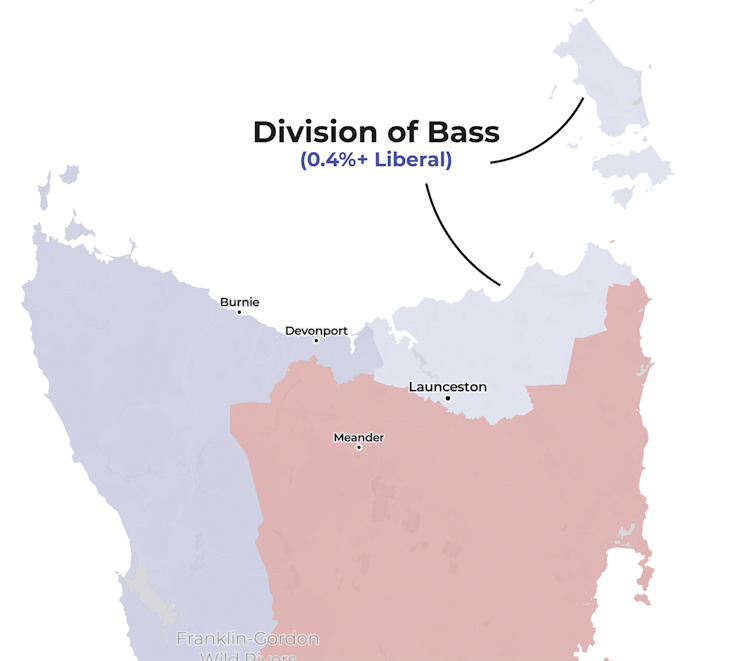
In Bass, the Liberals have 36%, Labor 36%, the Greens 11%, One Nation 6% and UAP 3%. In contrast to an earlier Bass poll, Labor would gain it.

In Greenway, the Liberals had 40%, Labor 38%, the Greens 6%, One Nation 5% and UAP 5%. This would be a Liberal gain, though 15% were undecided on the voting intentions question.

In Paterson, Labor had 38%, the Liberals 33%, One Nation 9%, the Greens 7% and UAP 3%. Labor would retain it.

There was also a uComms poll in Mackellar for independent Sophie Scamps, which implies she would defeat Liberal incumbent Jason Falinski by 55-45 according to The Poll Bludger. Polls released by candidates are very prone to be biased to that candidate. This poll was conducted April 5 from a sample of 833.

A Greeens-commissioned uComms federal poll of SA, reported by InDaily, gave Labor a 58-42 lead, from primary votes of 39.4% Labor, 33.2% Liberal, 9.6% Greens, 3.6% UAP and 3.1% One Nation. This poll was done April 5 from a sample of 1,052.

French presidential first round election

I covered Sunday’s French presidential first round election for The Poll Bludger. Incumbent Emmanuel Macron (with 27.8%) and the far-right Marine Le Pen (with 23.2%) advanced to the April 24 runoff, with the far-left Jean-Luc Mélenchon a close third with 22.0%. Mélenchon overperformed his polls, while other right-wing candidates underperformed, so Macron is the clear favourite to win the runoff.

Also covered: the landslide re-election of the far-right Fidesz in Hungary, which was a disaster for both the opposition and the polls.

The Conversation

Adrian Beaumont does not work for, consult, own shares in or receive funding from any company or organization that would benefit from this article, and has disclosed no relevant affiliations beyond their academic appointment.

ref. Labor trending down in Newspoll before Albanese’s stumble – https://theconversation.com/labor-trending-down-in-newspoll-before-albaneses-stumble-181048

‘A gentleman with the mad soul of an Irish convict poet’: remembering Chris Bailey, and the blazing comet that was The Saints

Source: The Conversation (Au and NZ) – By John Willsteed, Senior Lecturer, School of Creative Practice, Queensland University of Technology

Inala in the early 70s was bleak. A Brisbane suburb of wide dusty streets, treeless and bland. A planned community, meant to grow over time. Austerity, accented by the cheap houses – weatherboard, red brick, concrete – stifled the suburb like a blanket on a hot February night.

It was boring. Beyond boring. The only concession to communal childhood joy was the pool, and the crazy concrete skate rink. But if you wanted a creative outlet, you needed to search elsewhere.

Ivor Hay, (future Saints drummer), was heading to the picture theatre in Sherwood one Saturday night in early 1971:

and I saw Jeffrey [Wegener – another Saints drummer] with these two longhairs, Chris [Bailey] and Ed [Kuepper]. They were off to a birthday party in Corinda and asked me along. That was our first night.

Bailey was raised by his mum, Bridget, in a house alive with siblings – mostly girls, who looked after the kid. He got away with a lot.

“None of us had a lot of money,” Hay tells me.

Both Chris and I were raised by single mums in reasonably sized families. Chris’ mum was pretty feisty, with this Belfast accent which was just fantastic. They all looked after ‘Christopher’, he could do all sorts of things and they would accommodate him. His mum would have a go at him about the noise, but we’d just go to his bedroom and rehearse and bugger everybody else in the house!

Kuepper taught Hay to play the guitar: Stones and Beatles and Hendrix. Hay passed the knowledge down to Bailey, who was keen to learn. Neither Kuepper nor Bailey learned to drive, so Hay became the driver in those wide suburbs where driving and cars were everything.

There was politics in Bailey’s house – his sister Margaret chained herself to the school gates to protest uniform policy – but this pervaded the town. The conservative government had no time for the young, and the police force did their best to make life difficult.

But there was a sense that these young men were making something new. As Hay says:

We used to sing The Internationale at parties. I don’t know if we were revolutionaries, but we had that sense that something was happening. [With the band] we were doing something that we thought was going to change something. Chris was particularly good at pushing things, at being anti-everything.

Out of Inala

To escape the suburb was to head north to the railway line. It was the lifeline to the centre of Brisbane – record stores, bookshops and other forms of life.

Kuepper remembers going into the city with Bailey.

We had intended to steal a record, and we went into Myers […] both wearing army disposal overcoats […] these two long haired guys walking into the record department with these overcoats […] surprisingly enough, we were successful!

Like the railway line, Ipswich Road joins Brisbane to the old coal town of Ipswich. It slices through these western suburbs, carrying hoons in muscle cars and streams of commuters, the occasional screaming cop car or ambulance.

On Thursday nights, the boys used to sit at the Oxley Hotel, overlooking Ipswich Road, “just sit up there having beers, we wouldn’t have been much more than 17 or 18 at that time. Chatting about all sorts of stuff,” says Hay.

Chris and Ed were comic collectors and Stan Lee was the hero […] there were political discussions, philosophical discussions. Those guys could talk underwater.

They talked and played and sang. And Bailey had the voice. It was a force, not just loud and tuneful, but full of snarl and spit.

Soon they had songs, and in 1976 scraped the money together to record and release their first single on their own Fatal Records label. (I’m) Stranded took Bailey out of Inala, out of Brisbane and into the world.

He never looked back.

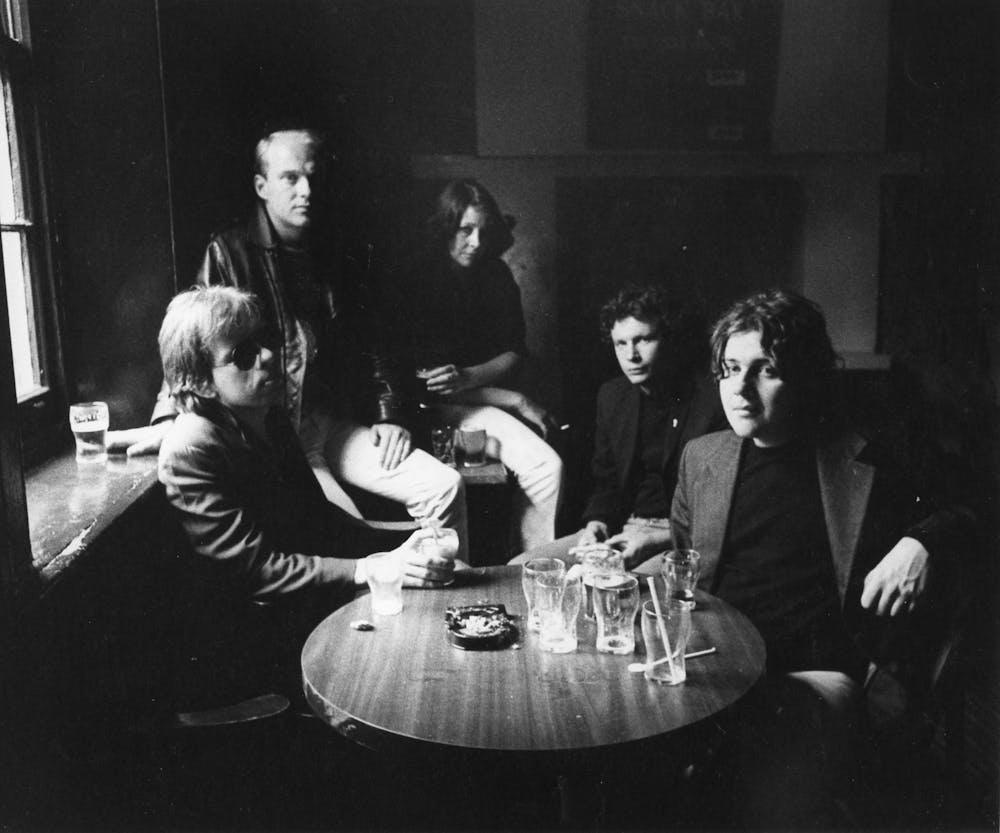
The Saints (Barry Francis, Ivor Hay, Janine Hall, Bruce Callaway, Chris Bailey) at The Hero of Waterloo, Sydney. 1980.
Picture by Judi Dransfield Kuepper

A changed city

The Saints released three albums in as many years – (I’m) Stranded, Eternally Yours and Prehistoric Sounds – before Kuepper and Hay returned from the UK to Australia, leaving Bailey to his own devices.

Bailey remained in Europe, releasing a cluster of solo albums and many Saints records over the next 40 years. He wrote some achingly beautiful songs. It is a testament to his talents as a songwriter that Bruce Springsteen recorded a version of Bailey’s Just Like Fire Would in 2014.

There’s no doubt that Bailey and The Saints changed Brisbane forever. People around the world who love music know Brisbane exists because of The Saints, The Go-Betweens and bands like them.

Peter Milton Walsh (The Apartments) was one of many who benefited from The Saints legacy:

They blazed through our young lives like comets. Showed so many what was possible – that you could write your way out of town.

“Without The Saints,” Mark Callaghan of The Riptides/Gang Gajang told me, “we probably wouldn’t have started. ”

They just made it all seem doable. It was like, ‘Well, they’re from Brisbane!’ So we started our first band, and at our first gig we covered (I’m) Stranded! We even took a photo of the abandoned house in Petrie Terrace with (I’m) Stranded painted on the wall. But it never crossed our minds to stand in front of this. It would be sacrilege, you know? And we were trying to work out a way that we could get it off the wall intact, because we recognised it was a historical document.

Chris Bailey isn’t the first of our creative children to leave this life behind and move on into memory. With their passing, like the returning comet, the past is freshly illuminated, allowing us to look back at our young lives. Back when the future was broad in front of us, urged on by voices like Bailey’s to open our eyes and see the world.

And Bailey’s was a unique voice. Kenny Gormley (The Cruel Sea) remembers him singing Ghost Ships:

But ah, I’ll never ever forget seeing Chris pick that shanty, alone at sea in a crowded room, holding us sway, wet face drunk and shining, quiet and stilled in storm, cracked voiced with closed eye and open heart. And that was Bailey, a gentleman with the mad soul of an Irish convict poet.“

The Conversation

John Willsteed would like to thank Ivor Hay, Mark Callaghan and Courtney Pedersen, for talking to him for this piece, and Ed Kuepper, Peter Milton Walsh and Kenny Gormley for their words.

ref. ‘A gentleman with the mad soul of an Irish convict poet’: remembering Chris Bailey, and the blazing comet that was The Saints – https://theconversation.com/a-gentleman-with-the-mad-soul-of-an-irish-convict-poet-remembering-chris-bailey-and-the-blazing-comet-that-was-the-saints-181059

NZ Defence Force confident ‘ageing’ Hercules aircraft can cope with Europe deployment

RNZ News

Commander of Joint Forces Jim Gilmour says he is confident New Zealand’s Hercules fleet will be up to the task as 50 Defence Force personnel deploy to Europe.

New Zealand is sending 50 defence force personnel to Europe tomorrow to help distribute donated military aid for Ukraine.

A Hercules aircraft carrying intelligence personnel, logistics is set to depart New Zealand on Wednesday.

This is being described as the country’s biggest military deployment to the region since the early 1990s.

Commander Joint Forces Rear Admiral Jim Gilmour told RNZ Morning Report the deployment presented a low level threat to New Zealand’s people.

He said an advance party which had been sent to the UK would convene with the latest deployment in Stuttgart, Germany — where the international effort is being coordinated.

Admiral Gilmour said the group would spend the week assessing the situation before hopefully travelling across Europe towards Ukraine early next week.

‘None entering Ukraine’
“None of our people will be entering Ukraine, we’ll be moving capabilities to wherever they’re required provided that it is safe for us to do so,” he said.

Admiral Gilmour expected military aid would be delivered via main supply routes into Western Ukraine.

He said although the military’s Hercules aircraft fleet is ageing, the bulk of the 50 military personnel travelling to Europe will be dedicated to supporting the aircraft.

“We’ve become used to being able to maintain them afar and we’ll just deal with problems if the aircraft gives us any … we always have our fingers crossed a little bit but I think I’m confident we’ll be able to start providing support there next week.”

He said military aircraft would remain available in New Zealand to respond to potential crises in the Pacific.

Joint forces commander Rear Admiral Jim Gilmour
Commander of Joint Forces Rear Admiral Jim Gilmour … “we always have our fingers crossed a little bit.” Image: RNZ/NZDF

Last week, former Defence Minister Ron Marks suggested New Zealand should send military LAVs (Light Armoured Vehicles) to bolster Ukraine’s efforts in the war — a similar move to Australia’s delivery of Bushmaster vehicles.

Admiral Gilmour said LAVs and other military resources were considered among a suite of response options provided to Cabinet.

“We provide options all the way from fairly light or low options in terms of personnel, advice or remote intelligence for example, all the way through to fairly extensive capabilities including our people.

“We don’t expect that government will take those but our job is to make sure our advice is comprehensive and within that we have a suite of material options we could provide.”

Prime Minister Jacinda Ardern has previously suggested the military’s low stock of sought after weapons, such as Javelin surface-to-air missiles, meant any contribution would make little difference to Ukraine’s efforts.

However, Admiral Gilmour said all decisions on military spending were up to the government but admitted it made logistical sense to release funding to allow the purchase of Javelin missiles closer to the conflict in Ukraine.

This article is republished under a community partnership agreement with RNZ.

Print Friendly, PDF & Email

Article by AsiaPacificReport.nz

Humanitarian group slams plan to divide Papua after draft law approved

Asia Pacific Report newsdesk

The Humanitarian Coalition for Papua says that the unilateral creation of three new provinces in Papua by the Indonesian central government is like repeating the management model of Dutch colonial power.

National Research and Innovation Agency (BRIN) head researcher Cahyo Pamungkas, who is part of the coalition, said that this policy would cause greater mistrust among the Papuan people against the government, reports CNN Indonesia.

“This top-down decentralisation which is being done arbitrarily by the central government is like repeating the model of Dutch power in order to continue exploiting natural resources and controlling the land of Papua,” said Pamungkas in a media release.

Pamungkas, who is also a member of the Papua Peace Network (JDP), said that the new Papua Special Autonomy Law (Otsus) and the policy on creating new provinces would be counter-productive.

Amnesty International Indonesia executive director Usman Hamid said that creating new provinces must involve the Papuan People’s Council (MPR) which represents the cultural interests of indigenous Papuan (OAP).

This is a mandate of Law Number 2/2021 on Papuan Special Autonomy (Otsus Law) as a form of protection for the rights of indigenous Papuans.

“Decentralisation in Papua must involve the MRP as the cultural representatives of OAP. This is regulated under the Otsus Law as a form of protection for the rights of indigenous Papuans,” said Hamid.

Call to wait for court ruling
Public Virtue executive director Miya Irawati said that the government must cancel or postpone the planned creation of new provinces in Papua until there was a ruling by the Constitutional Court (MK) on a challenge against the revisions to the Otsus Law which had been launched by the MRP.

According to Irawati, the move by the House of Representatives’ (DPR) Legislative Body (Baleg) and the government in agreeing to the draft law on the creation of three new provinces in Papua was a setback for democracy in Papua.

“We also urge the government to cancel the planned creation of new provinces in Papua or at least postpone the plan until there is a ruling by the MK in several months time,” said Irawati.

Indonesian Human Rights Watch (Imparsial) researcher Hussein Ahmad is concerned that the policy will be used to justify adding more military commands in Papua which have the potential to increase the level of violence and human rights violations.

“If there are three new provinces then usually this is followed by the formation of three [new] Kodam [Regional Military Commands] and new units underneath it which of course will impact on increasing the number of military troops in Papua,” he said.

The Papua Humanitarian Coalition is a voluntary partnership made up of a number of organisations and individuals including Amnesty International Indonesia, the Indonesian Communion of Churches (PGI) Papua Bureau, Imparsial, the Jakarta Institute for Public Research and Advocacy (Elsam), the Commission for Missing Persons and Victims of Violence (Kontras), the Democracy Alliance for Papua (ADP), the Land of Papua Peace and Unity of Creation Synod of the Papua Injili Christian Church (KPKC GKI-TP), the Jayapura Diocese Peace and Unity of Creation Justice Secretariat (SKPKC Keuskupan Jayapura), the Public Virtue Research Institute, the Indonesian Legal Aid and Human Rights Association (PBHI) and BRIN researcher Cahyo Pamungkas.

Aim to ‘improve public services’
DPR Speaker Puan Maharani claimed that the formation of three new provinces was to improve public services and social welfare.

Maharani said the additional provinces were aimed at accelerating even development in the Land of Cenderawasih as Papua is known.

“The additional provinces in the eastern part of Indonesia are intended to accelerate even development in Papua and to better serve the Papuan people,” said Maharani in a media release.

The chairperson of the ruling Indonesian Democratic Party of Struggle (PDI-P) Central Leadership Board said that the additional provinces were aimed advancing Papua and increasing the level and dignity of the Papuan people.

Maharani confirmed that the deliberations on the draft law on the creation of the new provinces will still be in line with Law Number 2/2021 on Otsus.

“In the deliberations on this draft law later it will pay attention to the aspirations and needs of the Papuan people”, said Maharani.

Baleg DPR Deputy Chairperson Achmad Baidowi said that the names of the three new provinces could still be changed.

Changed names
Earlier, it had been decided that the names would be Anim Ha for South Papua, Meepago for Central Papua, and Serta Lapago for the Papua Central Highlands.

“If there is a wish to change them, it can be done during the deliberations”, Baidowi told journalists.

Baidowi explained that the traditional names used for the prospective provinces were a recommendation from the Baleg. He claimed that the names were chosen in accordance with the wishes of the public and academic studies.

“Certainly we recommended that the traditional names be included in the draft law. For example Papua Central Highlands would be what, then Central Papua what, South Papua what”, he said.

Earlier, the Baleg agreed to the Draft Law on the Provinces of South Papua, Central Papua and Papua Central Highlands during a plenary meeting held on Wednesday April 6. The draft law will then be taken to a DPR plenary meeting for deliberation.

The draft law regulates the creation of three new provinces which will cover a number of existing regencies.

South Papua will have Merauke as the provincial capital and cover the regencies of Merauke, Mappi, Asmat and Boven Digoel.

Central Papua province’s provincial capital will be Timika and cover the regencies of Mimika, Paniai, Dogiyai, Deyiai, Intan Jaya and Puncak.

Papua Central Highlands provincial capital will be Wamena and cover the regencies of Jayawijaya, Puncak Jaya, Lanny Jaya, Mamberamo Tengah, Nduga, Tolikara, Yahukimo, and Yalimo.

Translated by James Balowski for IndoLeft News. The original title of the article was Koalisi: Pemekaran 3 Provinsi Baru Papua Ulangi Model Belanda.

Print Friendly, PDF & Email

Article by AsiaPacificReport.nz

Why The Conversation will focus on policy over personality in Australian election campaign

COMMENTARY: By Misha Ketchell, The Conversation

The bell has been rung, the shadow campaign is now official, and Australia heads to the polls on May 21. As the government enters caretaker mode, Australia enters a highly consequential period of democratic deliberation, but not for the reasons you might think.

It suits politicians — and many in the media — to portray a federal election as a grand job application process in which voters comprise the selection panel. But that’s really only half the story.

Political commentator Sean Kelly has written a convincing book on how Scott Morrison turned the 2019 election into a choice between him and the then Opposition Leader Bill Shorten.

Morrison won when Australians were more attracted to his persona than that of his opponent. Policy played a small part, notably when bold proposals on the Labor side became a lightening rod for fear.

This time around we are again likely to see a focus on leadership eclipse policy debate. Morrison enters this campaign behind in the polls and as an unusually unpopular prime minister, but with an unshakeable faith he can turn it around.

Labor knows Morrison is on the nose, and will be perfectly happy to cast the election to a referendum on their leader Anthony Albanese versus an unpopular PM.

If we let this happen it will be a poor outcome, no matter who wins. The great drawback of democracy is that while voters get to decide who forms government, we have little power to set the agenda.

Wasting a precious chance
Yet if we can’t have a proper policy debate during a campaign, we waste a precious chance to talk about the things that matter most to us.

The US journalism academic Jay Rosen takes a keen interest in Australian media. For for many years, he has been critical of Australian media’s over-reliance on polls and tendency to treat covering politics like calling a horse race.

Rosen says this means the media allows the politicians to decide what gets talked about. Important topics get neglected as the spin-doctors steer the discussion to narrow areas where they think their party might have an advantage.

With this in mind, The Conversation is determined to cover this election differently. We are going to talk about what what matters most to us — the policies that affect our lives and the future of the planet.

As a first step, we are going to set our own citizens’ policy agenda in collaboration with our readers. Please help us by filling out our #SetTheAgenda poll.

Once we know more about what you’d like to see on the agenda, we will report back on what you’ve said and tap into the deep expertise of the thousands of academic experts who write for The Conversation.

We will bring you coverage with a clear focus on the major problems we face as a society, and try to provide evidence-based solutions that the experts think could actually work.

Final ingredient
The final ingredient is the best coverage of the politics of the campaign from one of Australia’s most respected political correspondents, Michelle Grattan, backed up by the economic nous and insight of Peter Martin.

Michelle will be writing regularly throughout the campaign and you can subscribe to her politics podcast for in-depth interviews and informed commentary

We’re also bringing back the much-loved ABC radio presenter Jon Faine for Below the Line, an election podcast with political scientists Anika Gauja and Simon Jackman from the University of Sydney and La Trobe University’s Andrea Carson.

As always, we will do everything in our power to be evidence-led and non-partisan. In a media environment manipulated by vested interests and saturated with opinions, we are committed to covering issues chosen by you and hosting a genuine debate that focuses on the public interest.

Please take advantage of this opportunity to have your say and contribute to our efforts to ensure the democratic discussion is calm, compassionate, accountable and fair.The Conversation

Misha Ketchell is editor and and executive director, The Conversation. This article is republished from The Conversation under a Creative Commons licence. Read the original article.

Print Friendly, PDF & Email

Article by AsiaPacificReport.nz

PNG police chief demands covid-19 emergency funding reports from UN

PNG Post-Courier

Papua New Guinea’s Police Commissioner David Manning — who is also head of the country’s Covid-19 National Control Centre — has placed United Nations agencies on notice that they must reveal how they have spent virus emergency funding over the past two years.

Manning said Prime Minister James Marap and other Members of Parliament, and independent organisations such as Transparency International, have all called for the release of information on how covid-19 funds have been spent and they have been ignored.

“Unfortunately, these United Nations bodies have refused to provide financial information to the government and people of Papua New Guinea,” he said.

This matter has now come to a head with the Controller writing to the World Bank Acting Country Director in Papua New Guinea, Paul Vallely, on March 29, advising that he would no longer endorse any further increase in allocation of funds, or disbursements, under the PNG Covid-19 Emergency Response Project.

“I have repeatedly requested both directly and through auditors, acquittals of previously disbursed funds under this and other similar projects,” the Controller said in his letter to the World Bank on the loan money.

“The recipients of these funds have refused to provide any reasonable account for these monies.

“There is over US$1.3 billion (K4.5 billion) identified on the self-reporting donor tracker as being committed for managing the covid-19 pandemic in PNG.

‘How are UN agency funds used?’
“What our people need to know, and the global community needs to know, is how are these UN agencies using the funds allocated to them.”

Manning advised that the project is to receive no further funds until he is satisfied that previous disbursements have been acquitted.

“Enough is enough, I have called for the past year for this expenditure to be acquitted and they have refused, so now I am demanding compliance with transparency requirements in PNG,” he said.

“With the country going through the height of the pandemic, these agencies were provided with some leniency, but we have heard enough excuses and misleading information.

A substantial part of the funds being spent by these UN organisations had also become a part of national sovereign debt that must be repaid by future generations of the Papua New Guinean people, he said.

“But the terrible irony is that we do not even know what they spent this money on, particularly in areas such as communications and awareness in which they have failed.

“Details that have been revealed on the Covid-19 Donor Tracking Dashboard shows that UNDP, as one example, has facilitated the following funding of their own activities in PNG to an amount of K9 million (US$2.6 million).

“This is one just source of funding that is shrouded in secrecy and there are several others for which we have demanded information but is being ignored by this global body.”

Outraged by wording
Manning said he was outraged by the almost identical wording from UNICEF, WHO and UNDP in response to his requirement for an independent auditor to access their records, in which these agencies essentially said they would ignore the request.

In documents seen by the Post-Courier, UNDP Resident Representative Dirk Wagener and UNICEF PNG Representative Claudes Kamenga wrote to Manning with the same “contemptuous and arrogant” language stating that: “We would like to inform you that UNICEF, as a United Nations Agency, is submitted to the ‘Single Audit principle’ that gives the exclusivity of external audit and investigation to the United Nations Board of Auditors (UNBoA) founded in 1946 through the UN resolution 74 (I) of 7 December 1946.”

Manning said what UNICEF and UNDP were saying to PNG is that they would spend funds that were intended for the people, and they would not tell how they used this money.

“In other words, if these agencies have wasted money that was intended for our people, they claim they can keep it a secret,” Manning said.

“This is exactly what we have seen with the way UNICEF uses public funding for communications and awareness and delivers limited results.

“This is a matter that must be addressed at the highest level of the United Nations, because if this lack of transparency is happening in PNG, you have to ask how many other smaller developing countries are being treated with such contempt.”

The Controller said he would ensure the PNG public and international support partners were kept aware of developments in the matter and if acquittals were forthcoming.

Republished with permission from the PNG Post-Courier.

Print Friendly, PDF & Email

Article by AsiaPacificReport.nz

Economic sanctions still best way to pressure Russia, says Ardern

RNZ News

Prime Minister Jacinda Ardern says expelling the Russian ambassador remains an option, but it would not have the most impact of the actions New Zealand can take to condemn the Russian invasion.

MPs are debating whether they can summons Ambassador Georgii Zuev for questioning, after he has twice rebuffed their requests to discuss the war in Ukraine.

Ardern told RNZ Morning Report that it is a current discussion by the Foreign Affairs Select Committee and it would be “very unusual” for her to interfere in it.

Ardern said when it is deliberating, the committee is likely to keep in mind the fact that the first time they summonsed the Russian ambassador the request was rejected and the second time it was ignored.

New Zealand has not expelled the Russian ambassador and Ardern said she believes only one country has done so because there are other measures that have more impact on this conflict.

However, she did not rule out the ambassador being expelled in the future.

She said economic sanctions remain a far more powerful stance.

“When we’ve been engaging with our Ukraine counterparts, the focus for them, very much at the moment on economic sanctions, they can see it as having an impact, they want everyone to continue the pressure.”

Appearing before committee ‘minimum’ – Brownlee
However, National’s foreign affairs spokesperson Gerry Brownlee said appearing before the Foreign Affairs Select Committee was the least Russia’s ambassador could do.

Brownlee said the committee wanted to get the ambassador to appear after the Russian embassy in New Zealand put fake news about what was happening in Ukraine on social media.

“So he’s been asked to come to the committee for that to have a talk about that, that’s the minimum thing that he should do, otherwise what’s the point in having him here?”

Brownlee said there was an ongoing discussion about what happens from this point in terms of his appearing before the committee, but he saw it as a bare minimum.

“What is the point in having the guy in New Zealand if it’s not for us to at least put him on the mat over what we see his government has done, or want to be able to tell him his government is doing, is completely wrong.

“He is Vladimir Putin’s mouthpiece in New Zealand and he is able to sit here, get onto the social media, do all sorts of activities in that social media, pushing that Russian line [that] the rest of the world is making all this up and it’s not nearly as bad as it seems – no one believes that.”

This article is republished under a community partnership agreement with RNZ.

Print Friendly, PDF & Email

Article by AsiaPacificReport.nz

The overwork pandemic: Ashley Bloomfield’s resignation highlights burnout on the COVID-19 front line

Source: The Conversation (Au and NZ) – By Dougal Sutherland, Clinical Psychologist, Te Herenga Waka — Victoria University of Wellington

GettyImages

In Japan it’s known as karōshi. In China, guolaosi. The South Koreans call it gwarosa. The literal English translation is “death from overwork”.

While we might hope this term wouldn’t resonate in New Zealand, the recent resignation of Director-General of Health Ashley Bloomfield and two of his deputies, citing stress and exhaustion, suggests otherwise.

Bloomfield has rightly received widespread praise for his efforts in combating the COVID-19 pandemic. But do we really want our leaders working 24/7 to the point of exhaustion and ultimately resignation?

Short term stress can often be a useful thing. It gets adrenaline and cortisol pumping around our body, increasing our alertness and energy levels, and potentially improving our performance. But prolonged levels of stress without sufficient recovery can lead to burnout and exhaustion.

Unfortunately, organisations have not adapted to the prolonged stress associated with COVID-19. Consequently, many people are responding to the current situation as if it were a sprint, when we’re actually running an ultra-marathon.

Moral stress and injury

In 2019 the World Health Organization defined burnout as a syndrome caused by chronic workplace stress. Burnout is characterised by physical exhaustion, increased mental distance from work, increased negative or cynical feelings about it, and reduced productivity or difficulty focusing on work.

You may recognise these symptoms in your own life even if you’re not working in healthcare. Research shows increasing rates of burnout across many sectors in Aotearoa.


Read more:
Experts are back in fashion – now more than ever we need to question them


Nurses, doctors and other healthcare workers have long expressed concerns about their huge workloads and associated mental burnout. For many of these workers, burnout and fatigue have been an understandable response to years of being underpaid and under-resourced.

But COVID-19 has led to the adoption of a term previously used in military psychology, “moral stress and moral injury”, to describe the heightened response of healthcare workers caught at the front line of the pandemic.

Director-General of Health Ashley Bloomfield speaking at a podium.
Director-General of Health Ashley Bloomfield announced plans to resign on April 6, after leading New Zealand’s COVID response from the start of the pandemic.
Mark Mitchell/Getty Images)

Moral injury can occur when a person has to compromise or work contrary to their own moral beliefs or values, such as having to compromise on optimal care for patients due to insufficient resources. This dissonance can lead to complex emotions, including the feelings of guilt, shame or embarrassment, anger, contempt or disgust.

This sort of injury can affect a person’s social, psychological and spiritual well-being and is linked to a range of poor health outcomes.

Understanding this concept can help make sense of why healthcare workers may oscillate between tears, exhaustion, angry outbursts and guilt.

Person in scrubs with head in hands. A second person has their hand on their shoulders.
Healthcare workers have faced a dissonance between their morals and how they have been asked to work.
ER Productions Limited/Getty

Combating burnout and moral injury

Efforts to reduce or prevent workplace burnout and moral stress start with employers meeting their responsibilities to protect their workers’ psychological wellbeing under the Health and Safety at Work Act.

Citing his own journey with stress and anxiety, Bloomfield shared the importance of switching off and setting boundaries with work. He gave his executive team an extra week of annual leave in 2020 and explicitly instructed them to rest during that time – an example of how leaders can be role models of how to circuit-break cumulative stress by taking decent breaks.

But organisations need to go a step further.

As well as enabling employees to set good boundaries at a personal level (saying no, taking breaks, engaging in healthy habits), there should be an organisation-wide process for identifying and responding to work-related psychological risk factors.


Read more:
How to recover from burnout and chronic work stress – according to a psychologist


The first global standard for psychological health and safety at work calls these “psycho-social risk factors”. They include high workloads, exposure to emotional distress at work, tight deadlines, lack of control or role clarity, and poor support pathways.

Mitigation of psychological risks ensures they are effectively minimised and well-being prioritised. This in turn allows for the creation of high-performing teams who feel psychologically safe, are physically and mentally healthy, and are able to create, innovate and reconnect with the meaning behind their work.

Crucially, employees are also better protected against burnout, making them much more likely to stick around in their jobs.

Validation and appreciation

“Validating” might sound fluffy, but the science underpinning this concept is sound. Emotional validation is recognising and accepting, but not necessarily liking or agreeing about, employees’ thoughts, feelings and behaviours.

When organisational leaders do this well, the validation helps to acknowledge and dial down strong negative emotions like anger, frustration or being overwhelmed, reducing the impact of these feelings.


Read more:
Why the four-day week is not the solution to modern work stress


Appreciation needs to be offered carefully, given the risk it may sound patronising or minimising. Research found that employers should praise and reward aspects of performance that are under an employee’s control.

Employers should also praise behaviour rather than the person, as well as recognising the effort, not the end results. It’s also important that employers ask their people what kinds of appreciation and recognition will be validating and meaningful, rather than assuming they know.

Bloomfield will leave a lasting legacy in New Zealand’s public health system. His departure also creates an opportunity to shine light on workplace psychological health and safety so we don’t lose more people to burnout.


Gaynor Parkin and Dr Amanda Wallis from Umbrella Wellbeing contributed to this article.

The Conversation

Dougal Sutherland works for Victoria University of Wellington and is an Associate at Umbrella Wellbeing

ref. The overwork pandemic: Ashley Bloomfield’s resignation highlights burnout on the COVID-19 front line – https://theconversation.com/the-overwork-pandemic-ashley-bloomfields-resignation-highlights-burnout-on-the-covid-19-front-line-181050

‘Impulsive psychopaths like crypto’: research shows how ‘dark’ personality traits affect Bitcoin enthusiasm

Source: The Conversation (Au and NZ) – By Di Wang, Senior lecturer, Queensland University of Technology

Shutterstock

Since the invention of Bitcoin in 2009 the global cryptocurrency market has grown from nothing to a value of around US$2 trillion. From a price of US$1 in 2011, Bitcoin rose to an all-time high of more than US$63,000 in April 2021, and now hovers around the US$42,000 mark.

Large fluctuations in cryptocurrency prices are common, which makes them a highly speculative investment. What kind of people are willing to take the risk, and what motivates them?

We conducted a survey to find out. In particular, we wanted to know about the relationship between the so-called “dark tetrad” personality traits and attitudes towards cryptocurrency.

The dark tetrad

In psychology, the “dark tetrad” refers to a group of four personality traits. These are Machiavellianism, narcissism, and psychopathy (together known as the “dark triad”), plus sadism.

They are called “dark” because of their “evil” qualities: extreme selfishness and taking advantage of others without empathy. The dark tetrad are also often related to risk-taking behaviours.

The appeal of cryptocurrency

We identified two main areas of appeal. First, the high risks and high potential returns of crypto trading make it attractive to the kind of people who like gambling.

Second, cryptocurrencies are not issued or backed by governments like traditional or “fiat” currencies. This makes them attractive to people who distrust government.

What are the personalities of crypto buyers?

We asked 566 people to complete online personality surveys as well as answer questions about their attitudes to crypto and whether or not they planned to invest in it. Of our participants, 26% reported they own crypto and 64% showed interest in crypto investing.

We measured their dark tetrad traits using standard psychological tests. We also measured traits that might connect the dark tetrad to judgements about crypto: fear of missing out (FOMO; the feeling that others are experiencing better things than you are), positivity (the tendency to be positive or optimistic in life), and belief in conspiracy theories.

Why do people want to buy crypto? It’s not just about making money

A common reason to invest in crypto is the hope of earning high returns. Beyond the desire to build wealth, our research shows dark personality traits also drive crypto buying.

Machiavellianism is named after the Italian political philosophy of Niccolò Machiavelli. People who rate highly on this trait are good at deception and interpersonal manipulation.

Machiavellians take a calculated approach to achieving goals, and avoid impulsive decisions. They are less likely to engage in problem gambling.


Read more:
Behind the crypto hype is an ideology of social change


Machiavellians also tend to believe strongly in government conspiracies. For example, they often believe politicians usually do not reveal their true motives, and that government agencies closely monitor all citizens.

We found Machiavellians like crypto primarily because they distrust politicians and government agencies. Many crypto supporters believe governments are corrupt, and crypto avoids government corruption.

Overconfidence and positivity

Narcissism is a self-centred personality trait, characterised by feelings of privilege and predominance over others. Narcissists are overconfident and are more willing to do things like make risky investments in the stock market and gamble.

Narcissists tend to focus on the positive side of life. We found narcissists like crypto because of their great faith in the future, and because of their confidence their own lives will improve.

Impulsive psychopaths like crypto

Psychopathy is a callous, impulsive antisocial personality trait. Psychopathic people often find it difficult to perceive, understand, or address emotions due to a lack of emotional intelligence and empathy.

The reckless nature of psychopaths makes them more resistant to stress and anxiety. As a result, psychopaths like stimulation-seeking and risk-taking. They are prone to gambling and gambling addiction.

We found that impulsive psychopaths like crypto, because they fear missing out on investing rewards that others are experiencing.

How is sadism involved?

Everyday sadism relates to a personality enjoying another’s suffering. Sadists often display aggression and cruel behaviours. For example, sadists troll others on the Internet for enjoyment.

At first glance, buying crypto is unlikely to harm others. However, we found sadists like crypto because they do not want to miss out on investment rewards either. To them, perhaps both the pleasure from seeing another’s pain and the fear of missing out are related to selfishness.

Unlike narcissists, we found both psychopaths and sadists lack positivity about their prospects, which cancels out their liking of crypto.

Dark tetrad personality traits influence positivity, conspiracy beliefs, and fear of missing out, which in turn influence attitudes to cryptocurrency.
Wes Mountain/The Conversation, CC BY-ND

A psychological lens

Studying cryptocurrency through the psychological lens of the dark tetrad offers insight into why people want to buy crypto. We are not suggesting that everyone interested in crypto displays dark tetrad traits.

We studied only a subset of people interested in crypto who do have these traits. If you happen to be a Bitcoin or other crypto holder, you may or may not exhibit them.

If you want to know how you score for dark tetrad traits, you can do the Dark Triad Personality Test and Sadism Test online.

The Conversation

The authors do not work for, consult, own shares in or receive funding from any company or organisation that would benefit from this article, and have disclosed no relevant affiliations beyond their academic appointment.

ref. ‘Impulsive psychopaths like crypto’: research shows how ‘dark’ personality traits affect Bitcoin enthusiasm – https://theconversation.com/impulsive-psychopaths-like-crypto-research-shows-how-dark-personality-traits-affect-bitcoin-enthusiasm-180782

Populism and the federal election: what can we expect from Hanson, Palmer, Lambie and Katter?

Source: The Conversation (Au and NZ) – By Benjamin Moffitt, Associate Professor, Australian Catholic University

Populist politicians have been household names in Australian politics over the past decade, from Pauline Hanson to Clive Palmer, Bob Katter and Jacqui Lambie.

They tend to only get a small amount of the popular vote – between them, at the last election, they attracted 7% of first preferences in the House of Representatives and 8.32% of the Senate vote. Yet they can play a big role on the Senate crossbench and can get significant concessions regarding their pet issues.

They can also change the tenor of politics in Australia, and the way their preferences fall – or how they spend their advertising dollars – can make or break close electoral races.

But where do these populist parties – who all claim to speak for “the people” against “the elite” – sit as we begin the 2022 federal election?

Who are the main players to watch out for?

Pauline Hanson’s One Nation, Palmer’s United Australia Party, Katter’s Australian Party and the Jacqui Lambie Network are all fielding candidates in the upper and lower house elections.

Pauline Hanson and Jacqui Lambie in the senate.
Pauline Hanson and Jacqui Lambie say on senate crossbench together during the last parliament.
Mick Tsikas/AAP

In the light of the COVID-19 pandemic, two of these parties have sought to capitalise on anti-vaccination and anti-COVID vaccine mandate sentiments.

The United Australia Party has made this its core – maybe even single – issue. As you have surely seen on those yellow billboards, the party is promising “freedom” from the COVID restrictions and mandates of the past years. Meanwhile, party leader (and former Liberal MP) Craig Kelly spruiks hydroxychloroquine) and ivermectin as COVID treatments, despite evidence showing they’re not effective.

He is tipped to spend A$70 million on the campaign. In 2019, Palmer spent a record $84 million without winning a seat, but claimed his anti-Shorten ads “shifted” voters away from Labor.


Read more:
5 ways to spot if someone is trying to mislead you when it comes to science


One Nation has also tried to capitalise on the anti-vaccination movement’s prominence. While it is pushing its usual anti-immigration talking points, it has supplemented these with anti-mandate messaging, with Hanson and senator Malcolm Roberts appearing at anti-vaccine rallies in Canberra.

The other two populist parties are relying on their regional appeal.

The Jacqui Lambie Network is hoping to extend the former independent’s appeal more widely across Tasmania. The party’s message is all about making life better for the “underdog” – combining an anti-corruption message with campaigns for better healthcare, education and opportunities for young people and workers in Tasmania.

Katter’s Australian Party, meanwhile, portrays on a division between “the people” of rural Australia (particularly Far North Queensland) and the distant “elite” of Canberra and the big cities. As usual, it will be focusing on regional development, agricultural subsidies and ensuring FNQ gets fair treatment.

What has changed since 2019?

Coronavirus has markedly shifted the political, social and economic landscape since the last federal election.

Australia’s closed borders for much of 2020 and 2021 has made the anti-immigration position of One Nation less salient and effective, so it is no wonder they have pivoted to an anti-COVID mandate position to try and extend their appeal.


Read more:
Is it curtains for Clive? What COVID means for populism in Australia 


Meanwhile, the United Australia Party has completely rebuilt itself around the issue, moving from its almost singularly “Stop Bill Shorten” message in 2019.

Beyond this, repeated rorts and integrity scandals during the Morrison government have given fuel to populists (as well as numerous independent candidates) to push for more transparency in politics.

What are the key races to watch?

Clive Palmer.
Clive Palmer is vying to re-enter federal parliament as a Queensland senator.
Mick Tsikas/AAP

Other than Katter, who has held the seat of Kennedy since 1993, it is highly unlikely populist parties are going to have any success in the House of Representatives (despite the United Australia Party’s claim Kelly will be the next prime minister).

The Senate is where things will be interesting. The Queensland senate race is the big one for populists, with the two most prominent populist politicians in the country – Hanson and Palmer – running for what will likely be the sixth seat in the state. They also face competition from former Queensland Premier Campbell Newman (running for the Liberal Democrats this time around).

The final seat in some other states will also be worth watching. In Tasmania, the Jacqui Lambie Network is throwing its resources behind the campaign of Tammy Tyrell, their lead Senate candidate. Tyrell is a long-time office manager and advisor to Lambie (who is not up for re-election this time).

The Tasmanian Senate contest could see either see Liberal Eric Abetz, Tyrell, the United Australia Party or newcomers the Local Party take the seat. There’s also a very slim (but possible) chance One Nation or United Australia Party could win the sixth seat in New South Wales and Western Australia.

What are the key unknowns?

There are two big questions about populism in 2022.

First, has the political potency of the anti-vaccination/anti-lockdown message passed? As we enter the so-called era of “COVID-normal”, where restrictions are wound back and lockdowns are supposedly a thing of the past, it is unclear whether the United Australia Party and One Nation have backed the right horse at the right time.

Bob Katter and Pauline Hanson.
Bob Katter (pictured here with Pauline Hanson) has stepped down as leader of his party, but is re-contesting the seat he has held for almost 30 years.
Darren England/AAP

Second, are voters sick of the mainstream parties, or sick of the Morrison government? Populists prosper when there is a widespread sense of political malaise, but time will tell if they want to punish the political class in general, thus leading to a populist upswing, or the Morrison government specifically – in which we can expect much of that frustration to filter to a vote for Labor and the “teal” independents.

Whether this is going to be a good election for populist parties in Australia remains to be seen: stay tuned.

The Conversation

Benjamin Moffitt receives funding from the Australian Government through the Australian Research Council’s Discovery Early Career Researcher Award funding scheme and from the Marianne and Marcus Wallenberg Foundation.

ref. Populism and the federal election: what can we expect from Hanson, Palmer, Lambie and Katter? – https://theconversation.com/populism-and-the-federal-election-what-can-we-expect-from-hanson-palmer-lambie-and-katter-179567

3 reasons your teenager might skip breakfast – don’t fuss but do encourage a healthy start

Source: The Conversation (Au and NZ) – By Madeline West, PhD Candidate & Lecturer, Deakin University

Shutterstock

As I sit at the breakfast table with 12-year-old Martin, awaiting his daily bowl of Weetbix, I ask him, “So, how many do you do?” With a cheeky grin and a twinkle in his eye, he sits up tall and proudly shares, “I have five!”

But as kids enter their teenage years, interest in breakfast is much more hit-and-miss. It can slowly morph into a chore as opposed to an enjoyable morning ritual.

Whether it’s because they’re too tired, sleepy, running late, or just not hungry, it’s worrying watching your empty-bellied teen stroll off towards the school gates. Will they have enough energy for the day? Will they be able to concentrate and learn? And more alarmingly, is there something more serious behind this new breakfast skipping habit?


Read more:
Instagram can make teens feel bad about their body, but parents can help. Here’s how


The most important meal of the day?

We’ve all heard time and again that breakfast is the most important meal of the day, but why is it important for teens?

A nutritious breakfast will provide adolescents with energy for growth and fuel for the day’s activity. What is more, commonly consumed breakfast foods provide whole grains, fibre and calcium – important components of a healthy diet. Breakfast eaters are more likely to eat an overall higher quality diet throughout the rest of the day. Not skipping breakfast might also be good for long-term health, with evidence suggesting skipping may be linked to a greater risk of heart disease and death.

Aside from its health benefits, the consumption of a nutritious breakfast has been associated with better performance at school. A systematic review found eating breakfast (compared to skipping it) may have a beneficial effect on students’ cognitive function when measured within four hours of consumption. However, results were inconsistent depending on the cognitive domain (attention, executive function, memory), and effects were greater in undernourished students.

Another important aspect is that breakfast is when humans break their overnight fast! Considering the poor quality of sleep often experienced by teens, time in bed of a morning may be longer (especially on the weekends), leading to a longer overnight fast. This places a greater importance on replenishing the body’s energy stores with a nutritious morning meal.

kids in kitchen cooking
Changes in dietary habits can happen between the pre-teen and adolescent years.
Unsplash/Annie Spratt, CC BY

Are teens eating breakfast?

Yes and no.

Data collection for the 2011–2012 Australian National Nutrition and Physical Activity Survey (the most recent research available) took place over two days. On these two days, 87% of boys and 81% of girls consumed breakfast.

Given the convincing evidence supporting breakfast intake, it is concerning that 12% of boys and 15% of girls skipped it on both days. Especially concerning is the higher number of girls not eating breakfast, a phenomenon that has persisted over time.

There are several reasons why teens may intentionally avoid eating in the morning. It’s important to be curious about why your teen might be doing this. A simple conversation may help put an end to your worries.

It’s important to also be aware that teens from lower socioeconomic status households are more likely to skip breakfast, which is where school programs can be vital.


Read more:
Anorexia spiked during the pandemic, as adolescents felt the impact of COVID restrictions


3 reasons teens skip breakfast and some fixes

Talk about it with your young person. Getting to the bottom of why your teen isn’t keen on breakfast will help determine your game plan.

1. They’re not hungry

No worries, the principles of intuitive eating encourage us to honour our internal hunger and fullness signals to guide when and how much we eat.

Encourage them to take something easy to eat when hunger does strike just before school or between classes. Or perhaps, think about some easy morning activity you can do together (like a walk or some yoga) to promote a healthy appetite.

2. They’re always running late

Maybe it’s time to set that alarm a smidge earlier or prepare food the night before. Having ready-to-eat nutritious snacks available would also help for those times between the main family meals.

oat and fruit jars
Some grab and go options might help the teen who isn’t hungry first thing, or always running late.
Shutterstock

3. They’re dieting

If they’re trying out a new diet or fasting regime, or want to reduce their overall energy intake to change their body shape, then this is where a closer look is warranted. These could be early symptoms of an eating disorder.

However, if your teen is engaging in behaviours for weight or shape control, it’s also possible they won’t come right out and say so. Most of the time people with an eating disorder don’t realise they need help, but early intervention is so important for treatment success.

If you are concerned, keep an eye on drastic changes in food preferences or avoidance of specific foods or food groups. Aside from food-related behaviours, someone with an eating disorder also experiences psychological symptoms, most commonly depression and anxiety. Talking to a GP about these concerns is an important first step.


Read more:
A nice warm bowl of porridge: 3 ways plus a potted history


Don’t make a fuss

Regardless of your teen’s food behaviours, breakfast or not, this is a vulnerable time and it’s important not to introduce pressure or monitoring at mealtimes as this can interfere with their relationship with food.

Try to keep food chat neutral. Avoid linking food and body size or shape, focus on flavour and enjoyment and leave diet-talk out of it. If you’re concerned about a potential eating disorder, you can access resources online and talk to your doctor.

woman talks to teenage girl
Try not to nag and don’t make it weird, mum.
Shutterstock


Read more:
How to manage weight issues with your teenager when you’re not meant to talk about weight


The Conversation

tetyana.rocks@deakin.edu.au is affiliated with Dietitians Australia Eating Disorders Interest Group Leadership Team

Madeline West does not work for, consult, own shares in or receive funding from any company or organisation that would benefit from this article, and has disclosed no relevant affiliations beyond their academic appointment.

ref. 3 reasons your teenager might skip breakfast – don’t fuss but do encourage a healthy start – https://theconversation.com/3-reasons-your-teenager-might-skip-breakfast-dont-fuss-but-do-encourage-a-healthy-start-177457

The Morrison government wants farmers to profit from looking after the land – but will anyone want to pay?

Source: The Conversation (Au and NZ) – By Felicity Deane, Associate Professor, Queensland University of Technology

Shutterstock

The richness of Earth’s plant and animal species is rapidly declining. In Australia, responsibility for this biodiversity loss lies in many quarters – including agriculture.

To help address the problem, the federal government is pursuing a “biodiversity stewardship” policy to encourage farmers and other landholders to adopt practices that benefit native species, by financially rewarding them for their efforts.

Farmers who restore, enhance or protect biodiversity will receive credits, which can then be sold on private markets.

But a bill before parliament reveals the scheme devised by the Morrison government is potentially problematic. It may fail on two counts: to protect biodiversity and to create new income for farmers.

three men stand next to wire fence
The government says landholders should be rewarded for boosting biodiversity. Pictured: Prime Minister Scott Morrison and Agriculture Minister David Littleproud speak to a farmer.
Lukas Coch/AAP

Will demand meet supply?

The government says farmers already help maintain biodiversity, but to date have not earned income from these efforts.

The bill allows for the supply of tradeable biodiversity “certificates” issued by the government to landholders who, for example, plant native tree species or actively manage their land to protect existing vegetation.

Introducing the bill to Parliament, Agriculture Minister David Littleproud said it would:

“position Australia’s national biodiversity market as a trusted way to invest in robust and assured biodiversity benefits […] It will bring together interest from farmers, on the supply side, and corporate and philanthropic buyers, on the demand side.”

But in reality, there is no guarantee demand for the credits will meet supply.

Biodiversity credits are not products that a business or person needs. Unless a business is seeking to actively boost its environmental credentials, demand for biodiversity credits comes largely from government intervention.

The experience of the United Kingdom shows how governments can create genuine demand for biodiversity credits. In 2021, the UK passed legislation declaring a net gain in biodiversity was required before a development could receive planning permission.

new plantings in field
In the UK, planning legislation stimulates demand for biodiversity credits.
Shutterstock

It means, for example, a project which requires cutting down native trees could buy biodiversity credits from farmers to not just compensate for the damage, but leave nature in an overall better state.

No such “net gain” mandate exists in Australia. But federal environment law does include requirements for projects to offset damage caused.

The market proposal for Australia’s biodiversity credits makes reference to this. But it overlooks one important factor.

Under federal law, offsets only apply where the actions to boost biodiversity directly benefit the part of nature being damaged.

For example, say a housing project requires destroying a forest where koalas live. That damage is only offset if that same type of forest is planted or restored somewhere else where koalas will benefit.

But under the proposed biodiversity stewardship scheme, credits will represent different projects – and therefore different environmental benefits. In industry speak, such credits are known as “non-fungible”.

This runs a real risk that the credits on offer from farmers may not match what the market wants.


Read more:
A major report excoriated Australia’s environment laws. Sussan Ley’s response is confused and risky


dead koala in cleared forest
Land clearing can damage the habitat of native species such as koalas.
The Wilderness Society

A subsidy by another name?

Another option proposed under the bill involves the government directly purchasing biodiversity credits – at a potential cost of A$2 billion dollars a year for the next 30 years.

Direct government funding of such schemes is not without merit. Biodiversity is a public good and the benefits of conserving it are widespread. So the conservation costs must be similarly spread.

But such funding means the biodiversity market proposal could be considered a subsidy scheme – and so may be seen as flouting global trade rules.

The government has been at pains to emphasise the bill is not about displacing prime farmland. Actions for which farmers are paid are intended to take place on land that’s not agriculturally productive.

But under World Trade Organisation rules, agricultural subsidies can only replace existing income. So, if the Australian government foots the bill for credits, the scheme suddenly resembles a subsidy which is disallowed under our global obligations.

And finally, direct government funding of the scheme means costs will be borne across the taxpayer base, instead of by those causing the worst damage (and profiting from it).

Two people walk past WTO sign
The scheme may be considered a subsidy, flouting global trade rules.
Salvatore Di Nolfi/EPA

Looking ahead

The dissolution of parliament ahead of the federal election means the bill has lapsed. We can assume a re-elected Morrison government will reintroduce it.

Labor has promised to reform land management if elected. It’s unclear whether it would support the biodiversity credits scheme as proposed by the Coalition, however it will be under pressure from the Greens to make the measures more robust.

More broadly, creating a market for biodiversity credits is only a very small step in what’s needed to reverse biodiversity loss in Australia. Real change requires a paradigm shift, in which environmental damage forms part of the costs of a project – and influences decisions about whether it’s viable.

This will mean making tough decisions that disadvantage powerful industries, such as mining.

And as Australians head to the polls, we need a government with a big strategic vision to achieve genuine biodiversity conservation. This requires a national plan, rather than considering projects in isolation.

Because if history has taught us anything about environmental problems, it is that they compound over time – to the point they’re very difficult to reverse.

The Conversation

Felicity Deane does not work for, consult, own shares in or receive funding from any company or organisation that would benefit from this article, and has disclosed no relevant affiliations beyond their academic appointment.

ref. The Morrison government wants farmers to profit from looking after the land – but will anyone want to pay? – https://theconversation.com/the-morrison-government-wants-farmers-to-profit-from-looking-after-the-land-but-will-anyone-want-to-pay-180882

Renters spend 10 times as much on housing as petrol. Where’s their cost-of-living relief?

Source: The Conversation (Au and NZ) – By Joey Moloney, Senior Associate, Grattan Institute

If the pre-election budget was designed to address the cost of living, it missed something. In an effort to help those whose wages aren’t growing as quickly as prices, it offered

But it failed to offer help to some of the Australians who need it the most.

Australians only spend 3 per cent of their incomes on petrol. The typical renter spends more than 10 times as much on rent.

After a minor and temporary reprieve early in the pandemic, advertised rents are again on the rise – up nearly 10% over the last 12 months.


Weekly rents, national


SQM Research

Low-income renters are especially hard hit. More than half suffer rental stress, meaning they spend more than 30% of their income on rent.

One-third have less than $500 of savings on hand in the event of an emergency.

Prime Minister Scott Morrison has responded to complaints about rent by saying the “best way to support people renting a house is to help them buy a house”.

Cutting deposits can’t cut it

Morrison points to the federal government’s decision to more than double the size of the Home Guarantee Scheme, which helps people buy a home with less than the standard 20% deposit.

From this year, up to 50,000 people will be able to access the scheme, under which the government offers a guarantee to the banks that cuts the up-front deposit to 5% for ordinary first home buyers and just 2% for 5,000 single parents. There are 10,000 places reserved for regional house buyers.


Read more:
The compelling case for a future fund for social housing


The expanded scheme will help some Australians buy their first home earlier, but for everyone else looking to buy a house, the extra demand created by the scheme risks pushing up prices even higher.

And many renters won’t be able to find even the 5% deposit. Five per cent of $600,000 is $30,000.

Rent assistance assists less

If we really wanted to help low-income renters, we would boost rent assistance.

Commonwealth Rent Assistance is paid to pensioners, other beneficiaries and those receiving more than the base rate of Family Tax Benefit Part A who rent in the private rental market or community housing.

Paid at the rate of 75 cents for every dollar of rent above a threshold until a maximum, it works out at up to for $72.90 a week for a single and $68.70 for each member of a couple.


Read more:
$1 billion per year (or less) could halve rental housing stress


It hasn’t kept pace with rent. Boosting it by 40%, (roughly $1,450 a year for a single), would restore it to where it was in relation to rent, albeit at a substantial cost – $2 billion per year.

If the new rate was linked to the rents low-income earners actually pay, rather than to overall inflation as it has been, renters would be protected in the future.

Some argue this would lead to higher rents. But that’s unlikely. Most low-income renters first pay what’s needed to put a roof over their heads, then use what they have left to cover food and other bills, rather than offering more rent.

Rents needs properties

The other thing governments can do is to increase the number of homes.

Australian cities are not delivering denser forms of housing – townhouses and apartments – in the quantities Australians say they want.

The people who already live in a given suburb usually want it to stay as it is, whereas the people who would like to live there don’t get a say because they can’t vote in council elections. Their interests are left unrepresented, meaning housing isn’t built where it is needed.


Read more:
Older women often rent in poverty – shared home equity could help


The Commonwealth can help drive change by offering the states incentives tied to how well housing supply keeps up with population growth.

This will only reduce rents slowly, but low-income renters stand to gain the most since they are the first to lose out in the scramble today, just as they seem to have lost out in the pre-election budget.

The Conversation

Grattan Institute began with contributions to its endowment of $15 million from each of the Federal and Victorian Governments, $4 million from BHP Billiton, and $1 million from NAB. In order to safeguard its independence, Grattan Institute’s board controls this endowment. The funds are invested and contribute to funding Grattan Institute’s activities. Grattan Institute also receives funding from corporates, foundations, and individuals to support its general activities, as disclosed on its website.

Brendan Coates does not work for, consult, own shares in or receive funding from any company or organisation that would benefit from this article, and has disclosed no relevant affiliations beyond their academic appointment.

ref. Renters spend 10 times as much on housing as petrol. Where’s their cost-of-living relief? – https://theconversation.com/renters-spend-10-times-as-much-on-housing-as-petrol-wheres-their-cost-of-living-relief-180702

From CODA to Hawkeye, the surge of sign languages on screen is a sign of better things to come for the Deaf community

Source: The Conversation (Au and NZ) – By Naja Later, Academic Tutor in Media and Communications, Swinburne University of Technology

IMDB

When Troy Kotsur was awarded Best Supporting Actor at the recent Academy Awards, he dedicated his win to the Deaf community. CODA went on to win Best Picture and Best Adapted Screenplay, making it a major step forward for the Academy’s recognition of marginalised storytelling.

CODA, an acronym for Child Of Deaf Adults, follows the story of teenager Ruby Rossi. She dreams of being a singer, but is trapped by her Deaf family’s dependence on her as their interpreter. Torn between her familial burdens and her longing to fit into hearing culture, Ruby struggles to convince her family to support her own goals.

American sign language in pop-culture

CODA is one of many recent films and TV productions to incorporate sign languages. There’s been a noticeable wave of signing on screen since 2020: Sound of Metal, Eternals, A Quiet Place 2, Hawkeye, and Only Murders In The Building have all featured Deaf actors using American Sign Language (ASL).

Lauren Ridloff’s acclaimed supporting role in Eternals features her as Makkari, a Deaf superhero who can sense speaking vibrations and read lips, but communicates to others using (somewhat anachronistic) Australian Sign Language.

Lauren Ridloff – the first deaf actor to play a Marvel superhero – revealed that completely new hand movements were invented so that she could identify specific characters when filming certain scenes.
Disney+

Signing has also appeared in sci-fi: Dune, Godzilla vs Kong, and The Book of Boba Fett all showcase futuristic uses of non-verbal communication.

In Dune, sign language is a practical method of secret communication. King Kong is taught ASL to communicate with humans much like the real-life gorilla Koko .

Troy Kotsur also developed a fictional sign language for the alien Tuskens in The Mandalorian, and the spin-off Book of Boba Fett expands on Tusken signing.

Deaf actor Troy Kotsur was brought on as a consultant to help develop ‘Tusken Sign Language’ for The Mandalorian and The Book of Boba Fett.
Disney+

Positive representation

These are positive steps for representation in Hollywood, especially since many of these productions have hired Deaf performers and consultants. This wave could lead to normalising deafness, create more Deaf jobs, and attract more hearing people to learn how to sign.

Some Deaf critics have drawn attention to problematic stereotypes in CODA: the helplessness of the family is exaggerated to show the burden they put on hearing people.

At their core, these productions generally centre a hearing point of view. CODA sympathises primarily with a hearing protagonist, and its key emotional moments happen in speech and song.

There are similar problems with the other films: in A Quiet Place and its sequel, the ASL is often out of shot and poorly communicated. In Eternals, super-powered lip-reading removes any responsibility for the hearing characters to communicate in visually accessible ways.

A Quiet Place takes place 95% in silence, and director and star John Krasinski said that the cast learned sign language for every line in the script.
Paramount

Captions and accessibility

What makes CODA groundbreaking as a film for deaf people is not the narrative itself, but the accessibility. CODA is one of the first major features where the captions are “burned in” or hard-coded on every screen. what does this mean exactly how is it done? (Even the language of “burning”, mind you, shows how captions are treated as damaging a film.)

When only the signing is captioned, like in Eternals, the assumption is that the audience can understand everything except ASL. Even then, ASL is not a universal language: Deaf British and Australian audiences will be left in the dark. Many deaf people are not raised with sign languages because they have hearing parents, and rely entirely on captions.

Unless speech is captioned equally with signing, the film is packaging a deaf experience for a hearing audience. Captions are a concrete way films can support deaf audiences and ensure they are not just about deaf people but for deaf people.

Without hard-coded captions, the onus is placed on deaf viewers to seek out closed (optional or hidden) caption versions of the films that supposedly represent them. Closed caption technology is notoriously bad in cinemas: the devices are poorly-maintained and difficult to use, because they are designed to obscure the visibility to preserve the hearing audience’s experience.

Recently there have been more calls for open-captioned cinema sessions, where subtitles appear at the bottom of the big screen, but these are still few and far between. Hearing audiences are growing more accustomed to reading captions: as Bong Joon-Ho said of his own Best Picture winner Parasite: “Once you overcome the one-inch-tall barrier of subtitles, you will be introduced to so many more amazing films”.

Captions are perfectly normal outside the English-speaking world, where most cinemas will show Hollywood movies with captions. The booming popularity of streaming services has normalised captions on our TV screens, especially as we gain easy access to more international productions. Even the quality of transcription and translation has fallen under scrutiny, as we saw with the different caption track options in Squid Game.


Read more:
Squid Game and the ‘untranslatable’: the debate around subtitles explained


No matter how well Deaf people are represented on the screen, a lack of captioning creates an unequal language barrier for deaf viewers. Until the films and shows themselves are accessible, storytelling continues to favour and centre hearing people’s experience.

While CODA has some issues, it’s explicitly accessible to a deaf audience.

Unless the films themselves are screened equally, the communities onscreen will never be equal. CODA is not only a major win for Troy Kotsur and his fellow Deaf performers Marlee Matlin and Daniel Durant. It is a win for everyone who has struggled to feel included in screen media, on the surface and in the medium itself.

The Conversation

Naja Later does not work for, consult, own shares in or receive funding from any company or organisation that would benefit from this article, and has disclosed no relevant affiliations beyond their academic appointment.

ref. From CODA to Hawkeye, the surge of sign languages on screen is a sign of better things to come for the Deaf community – https://theconversation.com/from-coda-to-hawkeye-the-surge-of-sign-languages-on-screen-is-a-sign-of-better-things-to-come-for-the-deaf-community-180304

View from The Hill: Albanese trips, Morrison claims ignorance of huge payout in Tudge affair

Source: The Conversation (Au and NZ) – By Michelle Grattan, Professorial Fellow, University of Canberra

The first on-the-ground day of the election campaign has turned into a damaging loss for Anthony Albanese.

If Labor can find any bright side in the opposition leader’s failure to be able to specify the unemployment rate, or the cash rate, it would be that the gaffe came at the start of this six week marathon, rather than further in.

But that’s minor comfort. This was a really bad lapse. The 4% unemployment rate has been endlessly repeated around budget time.

And when Albanese had a guess, he was all over the place. “I think it’s five point, four – sorry, I’m not sure what it is.”

Was this a case of very inadequate briefing by his campaign team? Or did he have some sort of brain freeze?

Every leader makes slips during a campaign. But equally, they all know they should be prepared for basic questions. The point was reinforced when Scott Morrison earlier this year couldn’t provide the prices of bread, petrol and a RAT test, when asked at the National Press Club.

In a campaign a leader needs a cheat-sheet of basic stats and facts for the gotcha game, as well as the details of the state and seat in which they are at any particular time. Just like they are in an exam. Which is precisely what an election campaign is.

Albanese later came out and admitted he’d stuffed up, saying “when I make a mistake, I’ll fess up to it, and I’ll set about correcting that mistake. I won’t blame someone else. I’ll accept responsibility.”

This was an attempt to embellish a fig leaf by contrasting himself with Scott Morrison, but it hardly helped.

The blunder looks even worse when it’s remembered that after the budget Albanese could not provide a clear answer when repeatedly asked in a TV interview whether a Labor government would increase taxation.

If the problem is inadequate preparation, it should be fixable. If he is not coping well with the intense pressure, that is a major worry for the Labor camp.

Apart from avoiding unforced errors, Albanese needs to tighten his answers in news conferences and interviews. He has the fault that beset Kim Beazley as leader – the habit of waffling.

Meanwhile on the other side, Morrison on Monday tried to bluff his way out of the extraordinary affair of Alan Tudge.

Tudge said last month, after the inquiry into his former lover and ex-staffer’s allegations against him of emotional (and on one occasion physical) abuse, “I have requested not to be returned to the frontbench before the election”. Morrison at the time repeated this.

Now Morrison tells us Tudge is still in cabinet, still education minister, and will have that job if the Coalition is re-elected. “I look forward to him [returning], because it’s Alan Tudge who’s ensuring that he’s standing up for what our kids are taught in school.”

Morrison says the inquiry found nothing that would disqualify him for the ministry. But he doesn’t explain how a person can be in cabinet but not on the frontbench.

When on Monday it was put to him he’d said Tudge was not seeking to return to the frontbench, and he supported his decision, Morrison’s replied in Jesuitical fashion. “I never said he had resigned. I said he’d stood aside, and that’s what he’d done, and he wasn’t seeking to return before the election,” he told Nine.

Also on Monday journalist Samantha Maiden reported that the woman, Rachelle Miller, was receiving a settlement of more than $500,000.

Over time Miller made two sets of allegations against Tudge, and chose not to participate in the two inquiries that followed.

The amount reported, if correct, seems huge. Yet Morrison claimed he didn’t know the sum and couldn’t provide any information. “I have no knowledge of that. That’s a private matter between her and the [finance] department and so that is not a matter I have any involvement in or oversight or visibility on,” he said.

This is taxpayers’ money. Taxpayers are voters, and voters are disgusted about what they have learned about the culture around parliament house.

When there are allegations, denials, official inquiries, and a large payout on unspecified grounds, they’re entitled to feel they are being treated like disrespected cash cows.

If they are to provide hundreds of thousands of dollars to Miller they are surely entitled to know what for, and who ticked off on this decision.

And when it turns out Tudge is in a ministerial warehouse, after he and the PM indicated he was on the backbench, it looks like wilful deception on both their parts.

The Conversation

Michelle Grattan does not work for, consult, own shares in or receive funding from any company or organisation that would benefit from this article, and has disclosed no relevant affiliations beyond their academic appointment.

ref. View from The Hill: Albanese trips, Morrison claims ignorance of huge payout in Tudge affair – https://theconversation.com/view-from-the-hill-albanese-trips-morrison-claims-ignorance-of-huge-payout-in-tudge-affair-181070

Platforms supporting Ukrainian refugees must prioritise their safety — or risk exposing them to trafficking and exploitation

Source: The Conversation (Au and NZ) – By Adriana E. Bora, PhD Candidate, Queensland University of Technology

Yomiuri Shimbun/AP

The unimaginable tragedy of Russia’s invasion of Ukraine has forced 4.5 million Ukrainian refugees to flee into neighbouring countries, seeking protection. They’ve been met with overwhelming support and generosity by ordinary people offering clothes, food, transport and even their homes.

These humanitarian efforts quickly gathered traction online, with people using a plethora of WhatsApp and Facebook groups to coordinate support.

Soon websites and platforms popped up, dedicated to connecting those willing to help with those in need. These include A Roof, Shelter 4 UA, Homes for Ukraine, Refugees at Home, AirBnb, Room for Refugees, Host 4 Ukraine, Ukraine Take Shelter, Ukraine Shelter, Refugees.ro, Unitado,Ukraine Now and EU4UA.

These initiatives have allowed the public to support Ukrainian refugees.

However, many of these well-meaning projects have been developed with limited humanitarian knowledge, and without collaboration with governments or experienced NGOs. As such, they also risk opening the door for human trafficking and exploitation.

The risk is real and worrying

People displaced by wars are at risk of human trafficking and exploitation. In 2018, United Nations research showed a drastic increase in the number of human trafficking victims from conflict areas such as Syria, Iraq, Afghanistan and Myanmar.

These victims can end up in some of the worst forms of modern slavery, such as forced labour, forced marriage, sexual slavery or exploitation as part of armed groups.

Similar trends have already been seen in the war in Ukraine. Reports indicate perpetrators and traffickers have tried to exploit Ukranian refugees by confiscating IDs, demanding labour or sexual services, or targeting help only to young women.

This builds on an already well-established industry of criminal networks operating between Ukraine and countries in Europe and Central Asia.

According to Unicef, more than 500 unaccompanied children were identified crossing into Romania from Ukraine between February 24 and March 17. Secretary general of Missing Children Europe, Aagje Ieven, has said:

There are so many children […] that we lost track of […] This is a huge problem, not just because it means they easily go missing, and are difficult to find, but also because it makes trafficking so easy.

So while most offers of online support are well intended, the risk for perpetrators to infiltrate is real and worrying.


Read more:
Ukraine refugees: six practical steps to rise to the challenge


Platforms should shoulder responsibility

Ukrainian refugees arriving in neighbouring countries are exhausted and traumatised. When looking for services such as housing, transport, jobs and medicine, they shouldn’t bear the burden of having to ensure the offers presented on platforms are legitimate.

Background checks are a genuinely challenging task, even for mature institutions. And criminals are becoming increasingly skilled at bypassing the barriers built into these checks, such as by forging identities, and falsifying credentials and identification documents.

But without such checks, all parties — including those offering support — are at risk. Platforms have a duty to collaborate with the relevant experts and present only verified offers to refugees.

Some have led efforts on this front. For instance, A Roof, Homes for Ukraine, Refugees at Home, Airbnb and Room for Refugees have all either been led by, or co-created with, a government body or national or international NGO with relevant experience in humanitarian crisis.

These platforms declare that after receiving an offer, they check the credibility of the people making the offer and any conditions attached to it. Only then do the platforms connect the people providing the service with refugees. These platforms also claim to keep a record of all activity, and some present clear rules of engagement for all parties involved.

On the other hand, other platforms leave background checks to the refugees, offering only warning messages such as:

The platform functions as an emergency aggregator and does not ensure the validity of all data. We urge you to confirm the credibility of all those who you contact for any service. (Refugees.ro)

We provide refugees with a guide of some safety notes for contacting hosts. Refugees are ultimately responsible for their own safety. (Ukraine Take Shelter)

Many media outlets have endorsed and promoted these initiatives, including the two above, without asking vital questions regarding safety, security and privacy. Such endorsements can make an entity seem trustworthy to those desperately seeking help.

Protection for those wanting to help

The privacy of those offering support should also be protected by the platforms they are trusting with their data. In most cases these data will include their full name, email address, phone numbers, home address and pictures.

Some of the more reliable platforms declare the personal data received are only used to facilitate contact between hosts and refugees, and only made available to the entrusted organisation (generally a specialised NGO or government agency).

However, even these platforms could do more to ensure they are taking measures against cyber attacks, and have back-up solutions in case data are compromised.

Some platforms display users’ full names, emails, home addresses and pictures for all to see. This places individuals at risk of having their details scraped, sold and used for fraud or exploitation.

Matches between refugees and hosts should be clearly recorded and shared with authorities upon request. Without this, there are opportunities for perpetrators to groom or scam victims without leaving a trace.

We can all do more to help

Those who have developed solutions to help Ukrainian refugees should be celebrated, and this article isn’t intended to take away from their efforts.

However, it’s unreasonable to expect that vulnerable refugees — many of whom are arriving in countries where they don’t speak the local language — should be the ones ensuring the credibility of offers.

Platforms facilitating humanitarian efforts shouldn’t be able to ignore safety, security and privacy recommendations by hiding behind “terms and conditions”. It has been more than a month since the invasion started, so the initial excuse that there was no time to implement these measures no longer holds up.

Moving forward, developers of existing platforms should work closely with experienced organisations to ensure the safety, security and privacy of their users. At the same time, members of the public wanting to offer support are advised to only use platforms which have such measures in place.


Read more:
Russia a ‘real threat’ to Australia as well, Ukranian president Zelenskyy warns parliament


The Conversation

Adriana E. Bora does not work for, consult, own shares in or receive funding from any company or organisation that would benefit from this article, and has disclosed no relevant affiliations beyond their academic appointment.

ref. Platforms supporting Ukrainian refugees must prioritise their safety — or risk exposing them to trafficking and exploitation – https://theconversation.com/platforms-supporting-ukrainian-refugees-must-prioritise-their-safety-or-risk-exposing-them-to-trafficking-and-exploitation-180967

Do you shop for second-hand clothes? You’re likely to be more stylish

Source: The Conversation (Au and NZ) – By Louise Grimmer, Associate Head Research Performance and Senior Lecturer in Retail Marketing, University of Tasmania

Pexels

Not only is second-hand shopping good for the planet and your wallet, our new research finds the more style-conscious you are, the more likely you are to shop for second-hand clothes and accessories.

In the 2020-21 financial year, 72% of Australians purchased at least one item of second-hand clothes – but we wanted to know more about people who were shopping second hand.

It is often assumed those who shop for second-hand clothes do so to save money or reduce their impact on the environment.

In our study, we found the higher people rate on style-consciousness, the more likely they are to shop second hand. In fact, style-consciousness was a bigger predictor of second-hand shopping than being frugal or ecologically-conscious.

Style-conscious shoppers are very different from fashion-conscious shoppers. Fashion is all about the “new”: fashion is a novelty and constantly evolving.

Style, on the other hand, is about expressing long-term individual identity.


Read more:
Secondhand clothing sales are booming – and may help solve the sustainability crisis in the fashion industry


The problem with fashion

Fashion shoppers are used to a continuous supply of new trends and “fast fashion” products. Fast fashion works quickly to replicate an ever moving stream of fashion trends, generating large volumes of low-quality apparel.

The impact of fast fashion on the environment is significant and well-documented. Globally, the fast fashion industry creates 92 million tonnes of waste per year and uses 79 trillion litres of water. Less than 15% of clothes are recycled or reused.

Poorly made and low-quality fast fashion items are a significant problem for charity stores, who are forced to send fast fashion items they can’t sell to landfill.

But, going against this fast fashion trend, growing numbers of people are shopping for second-hand clothing and accessories.


Read more:
‘I can only do so much’: we asked fast-fashion shoppers how ethical concerns shape their choices


A growing market

It’s difficult to determine the size of the second-hand market because many sales take place in informal settings such as pre-loved markets and online platforms like Facebook Marketplace.

However, sales data from online platforms shows an explosion in growth. James Reinhart, CEO of online second-hand fashion retailer Thredup, has predicted the global second-hand market will double in the next five years to US$77 billion (A$102 billion).

He also predicts the second-hand market will be double the size of fast fashion by 2030.

Younger shoppers are driving growth in popularity of second-hand shopping, especially via online platforms.

Our research suggests much of this growth is due to shoppers considering themselves to be style-conscious.

What makes a second-hand shopper?

We surveyed 515 Australian female-identifying consumers looking at their “orientation” (the preference to behave in a certain way) when it comes to shopping. Each participant was measured for their orientation towards frugality, how ecologically conscious they are, their level of materialism, how prone they are towards nostalgia, their fashion-consciousness and their style-consciousness.

While we found there are frugal and ecologically-conscious second-hand shoppers, our research revealed overwhelmingly that style-consciousness is the greatest predictor of second-hand fashion shopping.

People who scored highly on the style-consciousness scale were more likely to shop for second-hand clothes than any of the other orientations.

A style-conscious person expresses themselves through their clothes. These shoppers want clothes that complement their personal style and values. They look for authentic and original pieces and avoid mainstream trends and fast fashion.

Style-conscious shoppers buy high-quality, durable clothing and accessories. While fashion-conscious shoppers are constantly buying new clothes to keep up with current trends, style-conscious shoppers buy clothes that are timeless, well-crafted and allow them to express their individual identity over the long-term.

Traditional thrift shops run by charities are responding to consumer demand, reinventing their stores with carefully selected, high-quality clothes, improved merchandising and store design, online sales and improved digital and social media marketing.

The number of independently owned, highly-curated “pre-loved” stores and online sales platforms is also increasing.

Social media influencers have driven much of this growth. Their accounts embrace second-hand fashion, the circular economy (which highlights reuse, repair, repurpose and recycle) and promote the notion of #secondhandfirst.

Helping the planet…with style

We hope with increasing numbers of second-hand stores, markets and online platforms selling a range of quality, pre-loved clothes at different price points for different budgets – coupled with the growing acceptance of second-hand shopping – shoppers will consider buying second-hand more often.

For those who already embrace “not needing new”, not only are you helping the planet – our research shows you are also likely to be doing it with style.

The Conversation

Louise Grimmer occasionally sells clothes and accessories via depop.com.

This research was conducted with Honours student Freya Evans.

ref. Do you shop for second-hand clothes? You’re likely to be more stylish – https://theconversation.com/do-you-shop-for-second-hand-clothes-youre-likely-to-be-more-stylish-180028

A new method of extracting ancient DNA from tiny bones reveals the hidden evolutionary history of New Zealand geckos

Source: The Conversation (Au and NZ) – By Nic Rawlence, Lecturer in Ancient DNA, University of Otago

Wikimedia Commons/Jennifer Moore

Aoteaora New Zealand has experienced a dynamic geological and climatic history. There was the separation from the southern super-continent Gondwana, the near drowning during the Oligocene some 27-22 million years ago, and the dramatic changes wrought by ice ages during the Pleistocene which started 2.6 million years ago.

In concert with these landscape-scale changes, the biodiversity of Aotearoa has undergone an equally dramatic journey, evolving into something uniquely New Zealand. Jared Diamond famously described our wildlife as “the nearest thing to studying life on another planet”.

The arrival of humans from the late 13th century seriously hampered our ability to study this evolutionary history. It resulted in the extinction of around 70 birds, one mammal, a fish, up to three frogs and potentially a skink. Those that survived suffered severe range contractions and significant loss of genetic diversity.

Ancient DNA preserved in bones for tens of thousands of years has allowed scientists to unlock the genetic secrets of some of our taonga species and show how they responded to environmental change.

But most palaeogenetic research has focused on big flashy animals, like moa and sea lions, whose bones can sustain having small chunks chopped out without erasing the landmarks we use to distinguish species, such as a heavy-footed moa from a giant moa. Smaller animals were often ignored because sampling would have destroyed the whole bone, leaving only an angry museum curator to deal with.


Read more:
Ancient DNA suggests woolly mammoths roamed the Earth more recently than previously thought


What if there was a way to extract ancient DNA from these small bones, or taonga tūturu (cultural artefacts), without destroying the very specimen you are interested in? We have developed a technique that does just that – an enzymatic bone bath that soaks out ancient DNA, allowing us to sequence ancient genomes without any observable bone damage.

A dynamic biological heritage

The upshot of our work is we can now reconstruct the previously hidden evolutionary histories of these small and neglected animals.

Take New Zealand’s geckos for example. There are at least 48 species, all of which have been severely impacted by human arrival, masking their true evolutionary history.

A bag of gecko bones.
Gecko bones were grouped by size, which was once thought to be the main taxonomic marker.
Lachie Scarsbrook, CC BY-ND

It was previously thought you could only distinguish gecko species based on their size, not shape, to the point that pre-human gecko bones were separated into coarse quasi-taxonomic size bins. Considering most living New Zealand geckos show considerable overlap in size, this doesn’t help in discriminating between species.

Using 3D scanning and our new non-destructive extraction method, we focused on the largest size class of gecko bones. It turns out you can distinguish gecko bones by shape but not size (with the exception of the largest extant species), which means our knowledge of Aotearoa’s geckos is now a palaeontological “blank slate”, a rare thing indeed.

3D scanning showed the bones from the largest size class either represented a previously unknown extinct gecko or Duvaucel’s gecko (Hoplodactylus duvauceli) had undergone a large decline in morphological diversity as it was exiled from mainland New Zealand after human arrival.

The skull of a gecko.
3D scanning revealed gecko bones can be distinguished by shape but not size.
Lachie Scarsbrook, CC BY-ND

Our genetic analysis of ancient mitochondrial genomes showed that Duvaucel’s gecko had undergone a major morphological and genetic bottleneck associated with mainland extinction. Not only that – it had a dynamic evolutionary history stretching back through time in response to some of the biggest changes in New Zealand’s geological and climatic past.

North and South Island populations diverged about five million years ago, as Duvaucel’s gecko dispersed across Pliocene straits and ephemeral islands that separated the two main islands of New Zealand long before Cook Strait formed some 500,000 years ago. These populations have now diverged so much that we think they could be different species, though more work remains to support our hunch.

Lachie Scarsbrook with a Duvaucel's gecko (_Hoplodactylus duvauceli_).
Lachie Scarsbrook with a Duvaucel’s gecko (Hoplodactylus duvauceli).
Lachie Scarsbrook, CC BY-ND

On the South Island, the ice ages forced Duvaucel’s gecko (and its forest home) to retreat into separate northern and southern refugia during cold glacial periods, highlighting that glaciation can be a creative force for biodiversity. As sea levels rose, several populations were isolated on craggy islands in Cook Strait. While these island populations survived the arrival of humans, those on the mainland weren’t so lucky.

In the North Island it was a tale of two different worlds. Ancient lineages lived in remote and rugged areas like Waitomo, Northland and on geologically old islands like the Poor Knights and Great Barrier. In contrast, younger lineages became restricted to offshore islands as sea levels rose at the end of the last ice age some 11,000 years ago. Like their South Island cousins, isolated island lineages are today’s sole survivors.


Read more:
The frog and the gecko: why tropical species are at greater climate risk


Far from being neglected, our small vertebrate fauna is finally coming of age as new scientific techniques are developed to reconstruct their biological heritage, and in turn, help evidence-based conservation management.

Further exciting discoveries are no doubt around the corner with new projects our lab group is conducting on geckos, skinks (they are plagued by sized-based identifications, too), frogs and tuatara. Sometimes the smallest things can unlock the biggest secrets.

The Conversation

Nic Rawlence receives funding from the Royal Society of New Zealand, and the Department of Conservation.

Lachie Scarsbrook does not work for, consult, own shares in or receive funding from any company or organisation that would benefit from this article, and has disclosed no relevant affiliations beyond their academic appointment.

ref. A new method of extracting ancient DNA from tiny bones reveals the hidden evolutionary history of New Zealand geckos – https://theconversation.com/a-new-method-of-extracting-ancient-dna-from-tiny-bones-reveals-the-hidden-evolutionary-history-of-new-zealand-geckos-180327

The top 3 skills needed to do a PhD are skills employers want too

Source: The Conversation (Au and NZ) – By Lilia Mantai, Senior Lecturer and Academic Lead, University of Sydney

Shutterstock

More and more people are applying to do a PhD. What many don’t know is it takes serious skills to do one – and, more importantly, complete it.

We analysed the selection criteria for PhD candidates on a platform that advertises PhD programs. Our analysis of thousands of these ads revealed exactly what types of skills different countries and disciplines require.

Why do a PhD in the first place?

People pursue a PhD for many reasons. They might want to stand out from the crowd in the job market, learn how to do research, gain a deeper expertise in an area of interest, or pursue an academic career.

Sadly, too many PhD students never finish. The PhD turns out to be too hard, not well supported, mentally taxing, financially draining, etc. Dropping the PhD often means significant financial loss for institutions and individuals, not to mention the psychological costs of other consequences such as low self-esteem, anxiety and loneliness.


Read more:
1 in 5 PhD students could drop out. Here are some tips for how to keep going


Our society and economy can only benefit from a better-educated workforce, so it is in the national interest to manage PhD intakes and be clear about expectations. The expansion of doctoral education led to a more competitive selection process, but the criteria are opaque.

To clarify PhD expectations, we turned to a European research job platform supported by EURAXESS (a pan-European initiative by the European Commission) where PhD programs are advertised as jobs. Required skills are listed in the selection criteria. We analysed 13,562 PhD ads for the types of skills different countries and disciplines require.

We made three specific findings.

1. Top 3 skills needed for a PhD

It turns out that it takes many so-called transferable skills to do a PhD. These are skills that can be translated and applied to any professional context. The top three required skills are:

  • communication – academic writing, presentation skills, speaking to policy and non-expert audiences

  • research – disciplinary expertise, data analysis, project management

  • interpersonal – leadership, networking, teamwork, conflict resolution.

Trending skill categories are digital (information processing and visualisation) and cognitive (abstract, critical and creative thinking and problem-solving).

Bar chart showing percentages of each category of skills/qualifications required by PhD ads

Chart: The Conversation. Data: Mantai & Marrone, 2022, Author provided

Previous research shows transferable skills are requested for post-PhD careers, including both academic and non-academic jobs. Our research shows such skills are already required to do a PhD. Those keen to do a PhD are well advised to provide strong evidence of such skills when applying.

2. Skill demands vary by country and discipline

Skill demands significantly differ by country and discipline. For example, 62% of medical science ads mention interpersonal skills. This is twice as often as in biological science ads. Digital and cognitive skills score much higher in the Netherlands than in other countries.

Our research article reports on 2016-2019 data and the top five represented countries (Netherlands, Germany, France, Spain and the UK) and the top five represented disciplines (biological sciences, physics, chemistry, engineering and medical sciences). However, you can use this tool for granular detail on 52 countries – including non-European countries like Australia, New Zealand, the US, etc. – and 37 disciplines included in the data sample. For continuously updated data, please visit https://www.resgap.com/.

3. PhD expectations are rising

We see a rise in PhD expectations over time (2016-2019) as more skills are listed year on year. The publish or perish culture prevails and rising demands on academics have led to calls for more engaged research, collaborations with industry, and research commercialisation.
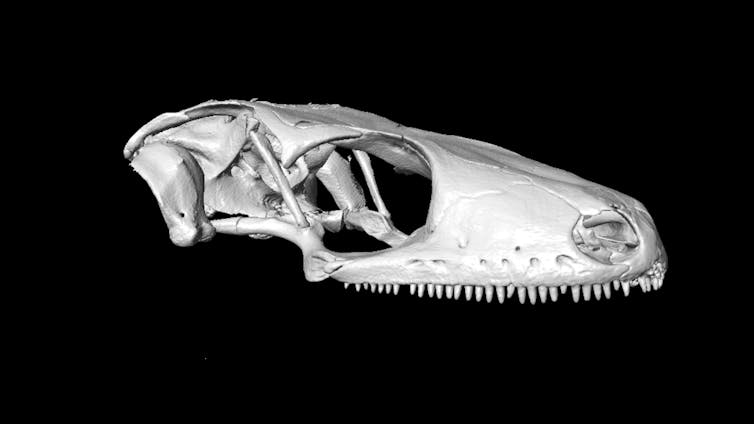
PhD students get accustomed early to competitiveness and high expectations.


Read more:
Is it a good time to be getting a PhD? We asked those who’ve done it


Research-based learning needs to start early

These insights have implications for pre-PhD education and pathways. Undergraduate and postgraduate degrees can further promote PhD readiness by embedding authentic hands-on research with academic or corporate partners, either as part of the curriculum or as extracurricular activities.

Many postgraduate degrees offer authentic research project work opportunities but are shorter. Those entering the PhD without a postgraduate degree miss out on developing essential research skills.

Authentic research experiences need to happen early on in higher education. Organisations like the Council on Undergraduate Research (CUR), the Australasian Council for Undergraduate Research (ACUR) and the British Conference of Undergraduate Research (BCUR) are designed to support institutions and individuals to do this effectively. They showcase great models of undergraduate research.

To get a good idea of what undergraduate research looks like, start with this comprehensive paper and catch up on undergraduate research news from Australasia.

We know research-based learning develops employability skills such as critical thinking, resilience and independence.

Embed career development in PhD programs

Doctoral training needs to take note, too, if it is to further build on the skill set that PhD applicants bring with them.

The good news is doctoral education has transformed in recent decades. It’s catching up to the call for better-skilled graduates for a range of careers. The training focus has shifted towards generating practice-based and problem-solving knowledge, and engaged research with other sectors.


Read more:
It’s time to reduce the number of PhD students, or rethink how doctoral programs work


Some institutions now offer skill and career training. Generally, though, this sort of training is left to the graduates themselves. Many current PhD candidates will attest that the highly regulated and tight PhD schedule leaves little room for voluntary activities to make them more employable.

Most PhD candidates also know more than half of them will not score a long-term academic job. Institutions would serve them better by formally embedding tailored career development opportunities in PhD programs that prepare for academic and non-academic jobs.

It’s not only PhD graduates’ professional and personal well-being that will benefit but also the national economy.

The Conversation

Lilia Mantai is an Executive Member of the Australasian Council for Undergraduate Research (ACUR), a non-for-profit association promoting undergraduate research.

Mauricio Marrone developed the data dashboard and is the founder of ResGap.com.

ref. The top 3 skills needed to do a PhD are skills employers want too – https://theconversation.com/the-top-3-skills-needed-to-do-a-phd-are-skills-employers-want-too-175923

New evidence shows blood or plasma donations can reduce the PFAS ‘forever chemicals’ in our bodies

Source: The Conversation (Au and NZ) – By Mark Patrick Taylor, Chief Environmental Scientist, EPA Victoria; Honorary Professor, Macquarie University

Shutterstock

You might have heard of PFAS, a synthetic chemical found in certain legacy firefighting foams, non-stick pans, carpets, clothes and stain- or water-resistant materials and paints.

PFAS stands for “per- and poly-fluorinated alkyl substances”. These molecules, made up of chains of carbon and fluorine atoms, are nicknamed “forever chemicals” because they don’t degrade in our bodies.

There is global concern about PFAS because they have been used widely, are persistent in the environment and accumulate in our bodies over time.

There was no way to reduce the amount of PFAS found in the body – until now.

Our new randomised clinical trial, published in the journal JAMA Network Open, has found regularly donating blood or plasma can reduce blood PFAS levels.


Read more:
PFAS ‘forever chemicals’ are widespread and threaten human health – here’s a strategy for protecting the public


What’s the concern about PFAS chemicals?

The science is unresolved around what levels of PFAS exposure, if any, are safe.

The historical use of some firefighting foams at fire stations, fire training bases, airports, military and industrial facilities has led to widespread environmental contamination across Australia, Europe and the US.

Major environmental and health agencies, including the US Agency for Toxic Substances and Disease Registry, US Environmental Protection Agency, and the Australian Department of Health have noted PFAS exposure has been associated with adverse health effects.

But now, new research from Macquarie University and Fire Rescue Victoria has found that the concentration of PFAS in a person’s blood can be reduced if that person regularly donates blood or plasma.

A large puddle of firefighting foam in a street.
The historical use of some firefighting foams at fire stations, training bases, airports, military and industrial facilities has led to widespread environmental contamination.
Shutterstock


Read more:
Wearing shoes in the house is just plain gross. The verdict from scientists who study indoor contaminants


How can PFAS in our bodies be reduced?

The trial aimed to find out whether plasma or blood removal are effective strategies for reducing serum PFAS concentrations. It was funded and supported by Fire Rescue Victoria to find a way to remove the PFAS from firefighters’ bodies.

The trial involved 285 Fire Rescue Victoria staff and contractors with elevated levels of PFOS, a common detected type of PFAS used in some firefighting foams.

They were randomly allocated to donate plasma every six weeks, to donate whole blood every 12 weeks, or to make no donations (the control group) for 12 months.

Their PFAS levels were measured at four intervals: at recruitment, the start of the trial, after 12 months of following their treatment plan, and again three months later to test if the results were sustained.

Both blood and plasma donation resulted in significantly lower PFAS chemicals than the control group, and these differences were maintained three months later.

Plasma donation was most effective, resulting in a roughly 30% decrease in average blood serum PFAS concentrations over the 12-month trial period.

Why would donating blood or plasma help?

Reductions in PFAS levels from blood or plasma donations may be because PFAS are bound to proteins primarily found in the serum; many other organic pollutants are bound to fats.

The finding that plasma was more effective than blood donation might be because firefighters in the plasma donation group donated blood every six weeks, whereas those in the blood donation group donated every 12 weeks.

In addition, each plasma donation can amount to as much as 800mL compared with 470mL for whole blood.

Plasma PFAS concentrations are also about two times higher than blood PFAS concentrations, which could make plasma donation more efficient at reducing the body burden of PFAS chemicals.

Still, plasma donation is more complex and can be more uncomfortable than blood donation. Indeed, the adherence to the study protocol was lower for the plasma group than the other groups.

A person's arm is attached to tubes as they donate plasma.
Plasma donation is more complex and can be more uncomfortable than blood donation.
Shutterstock

Overall, the randomised clinical trial — which is the gold standard for evaluating the effectiveness of intervention — had an exceptional 94% participant retention rate, with the 285 firefighters completing more than 1,000 blood tests and hundreds of blood and plasma donations.

This engagement from the Fire Rescue Victoria staff was a remarkable achievement because it spanned the Black Summer Bushfires as well as the extensive COVID-19 lockdowns in Melbourne.

It is a testament to their tenacity to support the discovery of an effective intervention to benefit others with substantial PFAS exposure.

Fire Rescue Victoria has replaced firefighting foams that contain PFAS and decontaminated fire trucks to eliminate or reduce ongoing occupational exposure to PFAS.

Still, because these chemicals accumulate in the body, many firefighters have elevated levels of PFAS because of historical exposures.

More research is needed to understand the ideal frequency and volumes of donations that will be effective for lowering PFAS, balancing the treatment efficacy with the obstacles to frequent donations.

It is also not clear whether reducing PFAS leads to improved health outcomes in the longer term. More research is needed to evaluate the clinical implications of the findings.

How can these findings be used in practice?

This study provides the first avenue for affected individuals to remove PFAS from their bodies and redress the effects of their PFAS exposure.

In future, more people with significant PFAS exposures may be encouraged to donate blood or plasma. According to the Australian Red Cross Lifeblood program, people who have been exposed to PFAS can still donate. For recipients of donated blood components, no PFAS threshold has been identified as posing an increased risk. Our study didn’t investigate this risk, but blood authorities should continue to monitor the possible health effects of PFAS and consider any implications of elevated PFAS levels in blood donors.

In late March, a Senate joint standing committee looking into PFAS recommended the government examine this research. For people with high PFAS levels who can’t donate blood or plasma – because, for example, of potential exposure to blood-borne illnesses – the committee recommended the government consider finding a way for them to make therapeutic donations.

The inquiry also recommended:

that the Australian government provide funding for further longitudinal studies on potential adverse health effects for firefighters and members of PFAS-affected communities.

The Conversation

Mark Patrick Taylor and co-authors from Macquarie University received funding for their study published in JAMA Network Open (2022): “Efficacy of plasma and blood donation on serum per- and poly-fluoroalkyl substances (PFAS) concentrations in firefighters: a randomised clinical trial.”

MPT received funding for two other separate projects for the Metropolitan Fire Brigade that merged in July 2020 to form Fire Rescue Victoria: (1) Chemical and health risks associated with the Tottenham Fire, Melbourne, 30 August 2018; (2) An assessment of PFAS and other toxicants at Metropolitan Fire Brigade’s 51 fire stations; provided expert advice and environmental guidance to South Australia United Firefighter’s Union and South Australian Metropolitan Fire Service in 2019 in relation to a PFAS contaminated fire station.

MPT is also a member of the Victorian Presumptive Rights Advisory Committee.

MPT is an Honorary Professor at Macquarie University and a full time employee of EPA Victoria, appointed to the statutory role of Chief Environmental Scientist. In his current role as Chief Environmental Scientist for EPA Victoria, part of his work involves working with emergency services, including Fire Rescue Victoria.

Bruce Lanphear receives funding from the National Institutes of Health, Canada Institute for Health Research, the US Environmental Protection Agency and the US Department of Housing and Urban Development.

Miri Forbes receives funding from the National Health and Medical Research Council (NHMRC), in addition to the funding received from Fire Rescue Victoria to conduct this study.

This study was funded by a grant from Fire Rescue Victoria.

Dr Yordanka Krastev and co-authors from Macquarie University received funding from Fire Rescue Victoria for their study published in JAMA Network Open (2022): “Efficacy of plasma and blood donation on serum per- and poly-fluoroalkyl substances (PFAS) concentrations in firefighters: a randomized clinical trial.”

Brenton Hamdorf does not work for, consult, own shares in or receive funding from any company or organisation that would benefit from this article, and has disclosed no relevant affiliations beyond their academic appointment.

ref. New evidence shows blood or plasma donations can reduce the PFAS ‘forever chemicals’ in our bodies – https://theconversation.com/new-evidence-shows-blood-or-plasma-donations-can-reduce-the-pfas-forever-chemicals-in-our-bodies-178771

Should we worry about the XE variant? Maybe not yet, but ‘hybrids’ will become more frequent as COVID evolves

Source: The Conversation (Au and NZ) – By Jemma Geoghegan, Senior Lecturer and Associate Scientist at ESR, University of Otago

GettyImages

A new hybrid COVID-19 variant dubbed XE has sparked fresh concerns recently.

XE is a combination of the highly transmissible BA.1 and BA.2 Omicron variants and was first detected in the UK in mid-January. Its spike protein derives from BA.2, which is potentially good news for New Zealand since this is the dominant variant (more than 90% of recent infections) and people who have been infected should have some protection against XE.

Globally, around 700 viral genomes have been assigned XE so far. The variant has mainly been detected in the UK and now in a handful of cases elsewhere, including Thailand and US, most likely due to travel-related spread.

According to current estimates from the UK, XE has a slight (5-10%) transmission advantage over BA.2, which would make it the most transmissible subvariant of Omicron identified to date. Any time a new more transmissible variant emerges, it has the chance of becoming the dominant variant over time.

XE has not been assigned its own Greek letter yet. For the moment, it belongs to Omicron until significant differences in transmission and disease characteristics, including severity, are identified.

So far there is not enough evidence to draw solid conclusions about XE’s transmissibility and there is almost no data about its severity or ability to evade immunity.

How hybrid variants emerge

Usually every individual virus is a near exact copy of its single parent virus. But viruses also undergo a process called recombination – they can have two parents.

Recombinant viruses can emerge when two or more variants infect the same cell in an individual, allowing the variants to interact during replication. This can result in a mix-up of their genetic material, forming new virus combinations.

Some viruses, such as influenza, have segmented genomes and can mix up whole segments through a process called reassortment. Viral recombination and reassortment are common among viruses but rates vary markedly, depending on the type of virus and the chance of co-infection.

More than two years into the pandemic and with high infection rates globally, SARS-CoV-2 recombination is both more likely and more easily detectable than during earlier stages. The global Omicron wave has seen a rapid increase in COVID prevalence, which increases the chances of co-infection and gives the virus more chances to recombine.


Read more:
What is the new COVID-19 variant BA.2, and will it cause another wave of infections in the US?


We are also more able to detect recombination than we were previously. Early in the pandemic, there was little genetic diversity in the SARS-CoV-2 virus and recombinants looked much like non-recombinants because the two parent virus were close to identical.

But now there are several genomically distinct variants infecting people in the same area, making recombinant genomes a lot easier to spot among the millions of genomes generated to date. Viral recombination will likely play an important role in the ongoing evolution of SARS-CoV-2.

Known viral recombinants

Recently there have been several recombinant SARS-CoV-2 variants identified, named XA, XB, XC etc, right through to XS. Some of these variants were sequenced as early as mid-2020. Some have only been seen a few times, while others have several hundreds of genomes assigned to them.

There are two main types of recombinants now frequently detected: mixtures of Delta and Omicron (dubbed Deltacron) and mixtures of Omicron subvariants.


Read more:
Deltacron: what scientists know so far about this new hybrid coronavirus


A few of these recombinants are being watched closely. They include XD and XF, which consist of genetic material from Delta and the BA.1 Omicron subvariant.

XD was first detected in France and contains a mixture of the spike protein from BA.1 and the rest of the genome from Delta. There was some concern it would inherit BA.1’s ability to evade our immune defences and Delta’s high virulence. To date, XD does not appear to be spreading widely or rapidly.

Should we be concerned?

There isn’t yet evidence suggesting recombinant viruses are more of a public health threat than any other variants. But recombinants should be closely monitored so that we can understand if they induce changes to the virus’ transmissibility, disease severity or ability to escape vaccine-induced immune protection.

At this point, there’s no need to be overly concerned about XE. But we need to continue surveillance of SARS-CoV-2 on a global scale to spot new variants and understand the risks they might pose.

Our best approach to limiting the rate of new recombinants or other variants emerging is limiting the spread of the virus. Despite widespread acceptance around the world that SARS-CoV-2 will be with us for the foreseeable future, we can still employ protective measures to slow and suppress the virus.

These include regular testing, isolating when we are infectious, wearing good quality masks and improved ventilation. All these measures reduce the chances of getting co-infected and becoming a host to a new recombinant.

The Conversation

Jemma Geoghegan is a Senior Lecturer at the University of Otago and an associate scientist at ESR. She receives funding from the Royal Society of New Zealand.

David Welch has received funding from MBIE, MoH and HRC.

Joep de Ligt is a Senior Science Lead at ESR and a Honorary fellow at Otago University. Through the genomics surveillance work at ESR Joep de Ligt receives funding from the Ministry of Health.

ref. Should we worry about the XE variant? Maybe not yet, but ‘hybrids’ will become more frequent as COVID evolves – https://theconversation.com/should-we-worry-about-the-xe-variant-maybe-not-yet-but-hybrids-will-become-more-frequent-as-covid-evolves-180672

What’s next for the National Broadband Network? Labor and the Coalition’s plans compared

Source: The Conversation (Au and NZ) – By Mark A Gregory, Associate professor, RMIT University

For many Australians, the promise of cheap, reliable broadband remains a dream. So why is the National Broadband Network (NBN) still not delivering an outcome that was promised more than a decade ago when the NBN rollout commenced?

Let’s take a look at the current state of the NBN, and what the major political parties have announced in the lead up to the next federal election.

What’s available on the NBN?

The NBN uses a range of different technologies to connect users to the internet, depending on what area they’re in and what pre-existing network infrastructure is available there.

Of the 11.8 million premises able to be connected to the NBN, the approximate number of premises in each “technology footprint” is:

  • 2.5 million for Hybrid Fibre Coaxial. This is where older coaxial cables installed for broadband and television services have been adapted for use in the NBN network

  • 4.7 million for Fibre to the Node/Basement (FTTN/B). This connection uses both copper and fibre optic wiring. The quality of the connection varies depending on the length of the copper cable, and the technology used to support the data transmission

  • 1.4 million for Fibre to the Curb (FTTC). This connection has fibre optic wiring closer to premises, allows faster data transmission than FTTN and services relatively fewer households

  • 1.1 million for Fibre to the Premises (FTTP) greenfields. This is a full fibre optic connection directly to the network from new premises. This provides reliable high-speed internet

  • 1 million for FTTP brownfields. This is a full fibre optic connection directly to the network from existing premises. This also provides reliable high-speed internet

  • and 1.1 million for fixed wireless/satellite. This is where data is beamed to the premises over radio frequency signals. This connection is usually targeted to regional areas and isn’t always stable.


Read more:
NBN upgrades explained: how will they make internet speeds faster? And will the regions miss out?


What have the major parties promised?

On March 22, NBN Co announced further fibre upgrades would be rolled out as part of an ongoing A$4.5 billion upgrade plan.

By the end of 2023, up to eight million premises will become eligible to access the Home Ultrafast plan of between 500Mbps and 1Gbps. Currently, about 4.4 million NBN-connected premises can access this plan.

For the FTTP upgrade to occur, NBN Co has said eligible customers will need to place an order with a participating retail service provider for one of the three highest-speed tiers: 100, 250 or 1,000Mbps.

Of the 4.1 million premises that can be connected to the NBN with FTTN, the current government and NBN Co plan provides an upgrade from FTTN to FTTP for two million of these premises.

Labor’s plan is to provide FTTP access to 3.5 million of these premises — and of the 1.5 million extra premises, 660,000 will be in regional Australia.

In response to the 2021 Regional Telecommunications Review, the Coalition announced a A$1.3 billion investment to further upgrade regional, rural and remote telecommunications. If it wins the election, it has promised to provide A$480 million to partly fund NBN Co’s upcoming A$750 million upgrade of the fixed wireless network, to support regional communities.

This upgrade will shift 120,000 premises from the NBN Skymuster satellite network — which currently provides NBN connections to remote premises — to a fixed wireless connection. This would provide up to 250Mbps service to 85% of the premises in the satellite network.

Removing 120,000 premises from the NBN Skymuster satellite network will also improve the overall performance of the service, offering faster connection speeds and a download capacity boost from 55GB per month to 90GB per month.

Labor has also committed to supporting the planned NBN fixed wireless upgrade, and made a further commitment that “80% of the 7.1 million Australians living in regional and remote areas will have access to speeds of 100Mbps or more by late 2025. Currently this is only 33%”.

Too litte, too late?

In the past, I’ve strongly criticised the Coalition’s decision at the 2013 federal election to move the NBN to a hybrid technology model that included obsolete technologies — namely FTTN, and to a lesser extent HFC and FTTC. The results of this decision are now measurable.

In 2013, the government said the hybrid technology model would mean the NBN could be completed for A$29 billion by 2019, and that Australian households would have a minimum of 25Mbps by the end of 2016.

The true cost of the NBN rollout has now exceeded A$57 billion, and will likely be about A$70 billion by the time the FTTP upgrade is rolled out to some 93% of premises later this decade (hopefully).

But for now, the number of NBN-connected premises using FTTP remains stuck below 30%. And it’s difficult to see this figure rising quickly unless there is a rapid change in direction after the next federal election.

The costs of NBN plans remain high, and ultimately if consumers aren’t able to afford higher-speed tiers then the FTTP upgrade will likely not be taken up by the vast majority.

In the first half year financial report for 2022, NBN Co indicates 76% of customers are now on a 50Mbps speed tier or higher.

NBN Co’s financial report states average revenue collected by per user is A$46 per month, and earning before interest, taxes, depreciation, and amortisation (EBITDA) was A$1.5 billion. Meanwhile, borrowings from banks increased to A$24.7 billion from $23.8 billion in the previous reporting period.

A lack of equitable and universal access to the internet is another important issue. One aspect of universal access is for the internet to be provided for free to people who can’t afford NBN plans.

In November last year, opposition leader Anthony Albanese announced an initiative to provide free NBN connection for one year to 30,000 families with children under 15 at home, who didn’t have internet. No other political party has a comparable plan.

Streaming stress

Another factor that affects the higher-speed tier uptake is the failure by government regulatory bodies to mandate a minimum definition and quality for streamed media, particularly television and movies.

In Australia, the majority of streamed media, such as television and movies, is provided in a very poor quality standard definition format. The very-high media compression used by the online streaming industry (such as Netflix, Stan and Amazon Prime Video) means high-definition and 4K programs are displayed in poor quality.

In Europe and other parts of the world, television is now broadcast and streamed primarily using 4K-enabled technologies. Australians have been purchasing 4K-enabled televisions and other devices since 2017, but haven’t been able to fully use their capabilities.

Final thoughts

At this point, in the lead-up to the next federal election, Labor’s NBN policy is superior to that of the Coalition.

Under the current policies of both major political parties, the NBN will remain in government ownership. But this doesn’t mean it can’t be put up for private sale in the future, if existing policies change.

And the current government’s NBN policy does not alleviate the consequences of the mistakes it has made over the past nine years. The glacial pace at which the government and NBN Co are upgrading services means if the Coalition wins the next federal election, Australians can expect to have second-rate broadband for years to come.


Read more:
Coronavirus: telcos are picking up where the NBN is failing. Here’s what it means for you


The Conversation

Mark A Gregory does not work for, consult, own shares in or receive funding from any company or organisation that would benefit from this article, and has disclosed no relevant affiliations beyond their academic appointment.

ref. What’s next for the National Broadband Network? Labor and the Coalition’s plans compared – https://theconversation.com/whats-next-for-the-national-broadband-network-labor-and-the-coalitions-plans-compared-180571

Where are the most marginal seats, and who might win them?

Source: The Conversation (Au and NZ) – By Adrian Beaumont, Honorary Associate, School of Mathematics and Statistics, The University of Melbourne

The map below shows the 2019 federal election results adjusted for redistributions in Victoria and Western Australia. Victoria gained a seat (Hawke), while WA lost one (Stirling). Hawke is a notional Labor seat, while Stirling was a Liberal seat, so Labor gained one notional seat by redistribution.

ABC election analyst Antony Green published the 2022 election pendulum last August. The Coalition notionally holds 76 of the 151 House of Representatives seats, Labor 69 and there are six crossbenchers. Labor needs to gain four net seats from the Coalition to be the largest party, and seven for a Labor majority.

Of the 151 seats, 142 use the Labor vs Coalition margin in 2019, with the six seats won by crossbenchers using that crossbencher’s margin. The three remaining seats (Grayndler (NSW), Cowper (Vic) and Wills (Vic)) use Labor’s margin against the Greens. The pendulum does not account for Craig Kelly’s defection from the Liberals to the United Australia Party in Hughes, as he was elected as a Liberal.

Electorate colours are blue for Coalition, red for Labor and black for crossbenchers. Distinctions between Liberals, Nationals and Queensland’s LNP have been ignored. Darker colours indicate safer seats. Margins in the maps reflect margins on the pendulum, but crossbench-held seats are always black.

The initial map of Australia appears very Coalition-dominated as the Coalition easily wins most large regional seats. You need to zoom in on big cities such as Sydney and Melbourne to see where Labor dominates.

Where the biggest swings are likely to occur, and where the Coalition could resist

Last May, I wrote about how whites without a university education had moved to the right in the United States, United Kingdom and Australia. However, better-educated people have shifted to the left relative to the national vote.


Read more:
Non-university educated white people are deserting left-leaning parties. How can they get them back?


If this pattern continues at this election, the biggest swings to Labor are likely to occur in seats that have long been seen as wealthy urban Liberal heartland. Such areas include Sydney’s north shore and Melbourne’s inner east.

However, the Coalition is likely to do better in swing terms in regional seats with high levels of whites without a university education. Labor could have difficulty regaining the marginal Tasmanian seats of Bass and Braddon that were lost in 2019, and could be threatened in the coal-mining seat of Hunter (NSW).

I don’t expect Labor to rebound in regional Queensland after it was utterly shellacked there in 2019. Fortunately for Labor, Australia’s population is far more urbanised than in either the UK or the US. I have researched this for a future article.

As price rises on essential items such as food affect low-income people more, inflation may damage the Coalition with these voters, who are also likely to be non-university-educated. So Labor could do better with non-university-educated whites than the above discussion expects.

Polls in WA have had large swings to Labor, but will those swings hold up until election day?

At the March 2021 WA state election, the Coalition was virtually obliterated, but federal elections are different from state elections, and WA has historically been a conservative state at federal elections.


Read more:
As the election campaign begins, what do the polls say, and can we trust them this time?


Don’t trust the Queensland state breakdowns

Australian polls usually release their state breakdowns with every poll, but Newspoll typically does its breakdown once a quarter for all polls conducted in that quarter. The smaller state samples mean that estimates of state votes and swings are far more volatile than the national figures.

The best way to analyse state level data is to aggregate it, which The Poll Bludger does with BludgerTrack.

Be wary of the Queensland polls- Labor has a long history of performing poorly in Queensland in federal elections.
AAP/Jason O’Brien

Labor currently has 53.9% two party in NSW, a 5.7% swing since the 2019 election, 56.5% in Victoria, a 3.4% swing, 50.4% in Queensland, an 8.8% swing, 55.1% in WA, a 10.6% swing and 58.4% in SA, a 7.7% swing. Sub-samples from Tasmania and the territories are not large enough for meaningful analysis.

You can use these state-level swings on the map above, which show the seats most likely to fall to Labor on current polling. You could also plug them into Antony Green’s ABC calculator. But don’t trust the Queensland swing of almost 9% to Labor.

Federal Labor has a long history of underperforming its polls in Queensland, and this was particularly the case in 2019. Polls in Queensland in 2019 suggested a 50-50 tie or 51-49 to the Coalition, but the actual result was a crushing 58.4-41.6 to the Coalition.

The last Newspoll breakdowns for the March quarter gave the Coalition a 54-46 lead in Queensland, and this is likely closer to Queensland’s voting intentions than current breakdowns, as Newspoll now weights by education.

Coalition marginals

These maps show the four most marginal Coalition seats, followed by maps of the four most marginal Labor seats. I will briefly comment on each seat.


CC BY-ND

As I said above, Bass could resist the Labor swing as it’s a regional seat which was gained in 2019. The new Liberal MP can expect a “sophomore” surge. A Telereach poll had the Liberals well ahead in Bass, but seat polls are unreliable.


CC BY-ND

Chisholm is an inner city seat that should be easily gained by Labor, although Telereach had the Liberals well ahead here.


CC BY-ND

Boothby is another inner city seat, and both Telereach and uComms seat polls have Labor way ahead.


CC BY-ND

Braddon has a bigger Liberal margin than Bass, and was also gained from Labor in 2019. If the Liberals are holding Bass, they should also be holding Braddon. But a uComms seat poll gave Labor a 53-47 lead, although analyst Kevin Bonham estimated 50-50 from the primary votes.

Labor marginals


CC BY-ND

With a strong NSW swing, Labor should have no trouble in Macquarie.


CC BY-ND

Lilley is an urban Queensland seat, and Labor should retain easily.


CC BY-ND

Eden-Monaro is a regional NSW seat, but Labor should hold given the Queanbeyan regional city is located in this electorate.


CC BY-ND

With a 10%+ swing to Labor in WA, Labor will easily hold Cowan.

The Conversation

Adrian Beaumont does not work for, consult, own shares in or receive funding from any company or organisation that would benefit from this article, and has disclosed no relevant affiliations beyond their academic appointment.

ref. Where are the most marginal seats, and who might win them? – https://theconversation.com/where-are-the-most-marginal-seats-and-who-might-win-them-179845

Explainer: what are preference deals and how do they work?

Source: The Conversation (Au and NZ) – By Josh Sunman, PhD candidate, Flinders University

original

In the run up to the federal election, there is growing discussion of “preference deals” between political parties.

But what are preference deals and how do they work?

In Australian federal elections, voters fill in ordinal ballots for both the house and the senate. This means voters are required to number the candidates who appear on the ballot paper in order of their preference.

On House of Representatives ballots, voters must number every candidate on the ballot paper. Senate ballots meanwhile, afford voters the choice of numbering at least six party groups in above-the-line voting, or numbering at least 12 individual candidates below-the-line.

In the 151 house electorates, candidates must achieve a vote total of “50% plus one” of valid votes in order to be elected. If no candidate achieves this on their primary vote – the number of votes that preference that candidate first – the preferences of unsuccessful candidates are distributed.

To do this, the candidate with the lowest primary is excluded from the count, and the ballots that preference them first are then allocated according to their second nominated preference. This process continues until a candidate achieves the “50% plus one” required to be elected.


Read more:
Explainer: how does preferential voting work in the House of Representatives?


Preferences matter more than they used to

The 2019 federal election saw the continuation of a downward trend in the primary votes of the two major parties. The Coalition and Labor received a combined 74.78% of first preferences in house electorates.

This means more than a quarter of voters gave their first preference to a candidate who was not from either of the major parties.

While the major parties still won 145 of the 151 lower house seats, a record 105 seats had to be decided on preferences. In 12 of these, candidates that were behind on primary votes overtook the person with the most primary votes and reached 50% plus one on the basis of preferences.

Preferences are becoming more decisive in how MPs are elected, and which governments are formed.

In the UK, Canada and the US, the candidates who achieve the most primary votes win their seat. In Australia, a candidate with fewer initial votes can be elected, if the preferences “flow” to them.

The key difference here is between majoritarian and plurality electoral systems. In Australia, preferential voting operates on a majoritarian principle of representation. It does not elect the candidate most preferred by the plurality of people; rather, elects a representative who wins more votes than all other candidates combined.

Senate reform has reduced the risk of people being elected to the chamber on a miniscule proportion of the vote.
AAP/Lukas Coch

Where the deals come in

With more seats being decided on preferences, where parties direct their preferences is naturally receiving more attention. Analysis by the ABC’s election analyst, Antony Green, shows 82.2% of Greens preferences flowed to the Labor party, while the Coalition received approximately 65% of One Nation and United Australia Party preferences.

There is an accepted narrative that parties direct preferences through clandestine deals. It is true senior party officials meet with each other to iron out preference recommendations, but these deals do not actually have any power over votes.

Instead, these deals are merely agreements about which preferences political parties recommend to voters on their distributed how-to-vote material.

For the deals to work, parties require volunteers to distribute how-to-vote cards on polling day, as well as postal and online material. Voters then have to follow the material in order for these published recommendations to have effect.

Since the 1960s, there has been a steady decline in voters reporting they used “how-to-vote” cards. At the 2019 election, it was a record low of just 29% of voters.


Read more:
So, how did the new Senate voting rules work in practice?


However, preference recommendations can still have an impact. In the 2018 South Australian election, the Liberal and Labor parties, facing the threat of an insurgent campaign from the Nick Xenophon-led SA-Best party, broke with long standing practice and recommended their voters preference each other in crucial seats, in order to prevent a third-party breakthrough.

The “party controls preferences” narrative does have some historical truth to it.

Under the previous Senate voting system, voters had the option of simply voting one above the line. If voters took this option, their vote would then be distributed according to party lodged preference tickets – essentially controlling what happened to voter preferences.

This had a huge impact on electoral outcomes, as in the 2013 election (the last held under this system), when 96.5% of voters took this option .

The 2013 result had some undemocratic outcomes, with Ricky Muir from the Australian Motoring Enthusiasts Party winning one of Victoria’s Senate seats on just 0.5% of the above-the-line vote.

This victory was orchestrated by Glenn Druery, dubbed the “preference whisperer”, who arranged preference swaps between micro parties with microscopic vote totals. These then cascaded to deliver Muir the seat.

This result drew scrutiny to above-the-line Senate voting, leading to reforms that abolished preference tickets, and gave more power to voters to direct their preferences conveniently.

Despite the preference deals, it is ultimately the voters who maintain control over which parties receive their preferences.

The Conversation

The authors do not work for, consult, own shares in or receive funding from any company or organisation that would benefit from this article, and have disclosed no relevant affiliations beyond their academic appointment.

ref. Explainer: what are preference deals and how do they work? – https://theconversation.com/explainer-what-are-preference-deals-and-how-do-they-work-180140

Should I get the 2022 flu vaccine? And how effective is it?

Source: The Conversation (Au and NZ) – By Maja Husaric, Senior Lecturer; MD, Victoria University

Shutterstock

Free influenza (flu) vaccines are now available for eligible groups, subject to local supply arrangements, with health authorities encouraging booking in from mid April.

For those who aren’t eligible for a free vaccine, flu shots are available now for a small fee (around A$25) from pharmacies and GPs (though you might also have to pay a consultation fee).

This year, you can get your flu shot on the same day as your COVID booster.

Not ‘just the flu’

Influenza is a disease of the respiratory tract. It can cause a runny nose, coughing, sneezing, sore throat, fever and chills, headache and body aches. It can cause vomiting and diarrhoea, which is more common in children.

Influenza affects people of all ages and can cause severe illness and lead to hospitalisation and death, particularly in young children, the elderly and those with underlying health conditions.

The number of cases and deaths in Australia each year fluctuates. In 2019, before the pandemic, 313,000 lab-confirmed cases and 953 deaths were reported. The 2019 case numbers were 2.7 times higher than the five-year average.

In the first two years of the pandemic, flu numbers plummeted due to prevention measures used to content COVID spread.

When do they start working? How long do they last?

Vaccines don’t cause disease in the person. Rather, they prompt the body’s immune system to respond, much as it would have on its first reaction to the actual virus.


Read more:
You can’t get influenza from a flu shot – here’s how it works


Flu vaccines stimulate antibodies to develop in the body usually within two weeks following vaccination.

While flu vaccines offer the highest level of protection three for four months after vaccination, research suggests antibodies continue to protect against infection 8.5 months after vaccination and 11.8 months after natural infection.

So while antibodies decrease over time, they generally last longer than a typical influenza season.

Current recommendations are to get vaccinated from April, before the flu season, which generally occurs from June to September.

Why do we need a flu vax each year?

There are four types (or strains) of influenza viruses: A, B, C or D. Types A and B cause severe disease in humans, and each year the seasonal flu vaccine protects against two A and two B strains.

The four types are related to the presence of specific proteins on the surface of the virus. These surface proteins aren’t stable and often mutate, or change.

When the body encounters these changes, the immune system cannot be activated.

So although the person may have been vaccinated against or infected by a “old” version of the viral strain, the body won’t easily recognise and neutralise the new strain.

Nisha Yunus, a 64-year old residential care aide in the Vancouver Coastal Health region, receiving her immunisation
Our bodies can’t recognise and respond to new flu strains.
Province of British Columbia/flickr, CC BY-NC-ND

Due to these continuous changes, the World Health Organization reviews and updates its recommendations for the composition of the vaccine annually. It selects the viruses (mutated versions of the virus) most likely to circulate in the coming season.

The Australian Influenza Vaccine Committee uses this recommendation to determine the composition of influenza vaccines for use in Australia.

Our 2022 seasonal flu vaccine protects against:

  • an A/Victoria/2570/2019 (H1N1)pdm09-like virus
  • an A/Darwin/9/2021 (H3N2)-like virus
  • a B/Austria/1359417/2021-like (B/Victoria lineage) virus
  • a B/Phuket/3073/2013 (B/Yamagata lineage)-like virus.

However, some vaccines protect against three strains (trivalent, covering one B strain) rather than four (quadrivalent, covering two B strains).

While it’s generally better to get the four-strain vaccine, the success of the vaccine depends on whether it matches (and therefore protects against) the strain or strains dominating that season.

Who should get vaccinated?

Annual vaccination is the most important measure to prevent influenza and its complications.

Vaccination does more than just protect an individual: sufficient vaccination levels across the community can protect members of the community who would otherwise be left vulnerable.

The seasonal flu vaccine is recommended for all Australians aged six months and over.

It’s available for free to the population groups most as risk of severe disease from influenza:

  • people aged 65 years or over
  • children aged six months to under five years
  • pregnant women at any stage of pregnancy
  • Aboriginal and Torres Strait Islander people aged six months and over
  • people aged six months or over who have medical conditions that mean they have a higher risk of getting serious disease.

For over-65s, adjuvanted influenza vaccines – which include an immune-stimulant to encourage a stronger immune response – are recommended over standard influenza vaccine.


Read more:
High-dose, immune-boosting or four-strain? A guide to flu vaccines for over-65s


How effective are vaccines?

Vaccine effectiveness varies depending on the outcome being measured, the age group affected (as vaccine effectiveness is generally lower in older people), and the match between vaccine and circulating influenza strains.

Estimates of flu vaccine effectiveness is 40-60% in the United States and 30-60% in Australia. This means 30-60% of those vaccinated are less likely to become seriously ill or die from influenza.

Elderly woman gets vaccinated.
Older Australians should receive a vaccine with an added immune-booster.
Shutterstock

What about side effects?

Most influenza vaccines are safe in adults and children.

However, they can sometimes cause side effects. These include fever, muscle pain, vomiting, nausea, headache, irritability, injection site reaction and rash.

Serious side effects are rare and include anaphylaxis, an allergic reaction to the nonactive ingredients.


Read more:
Should I get the flu shot if I’m pregnant?


The Conversation

The authors do not work for, consult, own shares in or receive funding from any company or organisation that would benefit from this article, and have disclosed no relevant affiliations beyond their academic appointment.

ref. Should I get the 2022 flu vaccine? And how effective is it? – https://theconversation.com/should-i-get-the-2022-flu-vaccine-and-how-effective-is-it-179309

Extinct or just missing? The curious case of the native blue-grey mouse

Source: The Conversation (Au and NZ) – By Tyrone Lavery, Research fellow, Australian National University

Penny Gale, Fabriculture, Author provided

From all accounts, Australia’s blue-grey mouse was a charming little creature. The famous British zoologist Oldfield Thomas of London’s Natural History Museum first described the species in 1910 and named it Pseudomys glaucus.

Within half a century, the species had seemingly disappeared, leaving behind only three scientific specimens. Since then, two of these have been lost.

But is the mouse extinct, or just extremely hard to find?

We decided to explore old museum specimens and correspondence in the hope of finding one of Australia’s most enigmatic extinct mammals. We have not rediscovered it yet – but our new research has shown us where to look.

The importance of questioning extinction

Biologists have rediscovered a number of Australian species long thought extinct. The bridled nailtail wallaby was rediscovered when a fencing contractor and his wife matched one they’d spotted in the wild to a picture in Women’s Day magazine.

The desert bettong was lost, found, and is now lost again. Gould’s mouse was found despite being thought extinct for over a century. It was hiding in plain sight thousands of kilometres away from its original range.

Painting of Gould's mouse
Gould’s mouse, feared extinct, is now known to be the same species as the Shark Bay Mouse.
John Gould/Wikimedia, CC BY

These efforts matter because Australia’s black book of animal extinctions has too many entries already, with 33 species of mammals lost. That’s the worst mammal extinction record in the world. Our native mice are one group suffering the most.

On the trail of the blue-grey mouse

To have a chance of rediscovery, we need to know as much as possible about distribution, habitat and the circumstances under which a species was last seen by humans.


Read more:
Can we resurrect the thylacine? Maybe, but it won’t help the global extinction crisis


The blue-grey mouse has a lower profile than Australia’s better-known extinctions, such as the thylacine, the Christmas Island Pipistrelle, a microbat, and what might have been the first victim of human-induced climate change: the Bramble Cay melomys.

To find out more, we went back to the beginning. The three blue-grey mouse specimens Thomas examined arrived in London in 1892 as a donation from the Queensland Museum in Brisbane. The holotype specimen (an example nominated to define a species) of this mouse was amongst a group of five donated rodents. Four had originally been entered in the register as “Mus” (the house mouse genus which at the time was regularly given to unidentified rodents) from “S. Queensland” and “Cape York”.

In 1892, five rodent specimens from the Queensland Museum were registered at the Natural History Museum, London. One of these was the blue-grey mouse holotype from ‘S. Queensland’
Courtesy of the Trustees of the Natural History Museum, London

Jotted next to the holotype was “Pseudomys glaucus” and “Type 1910”, in text that looked to have been added later. This specimen in London is now the only physical evidence we have that the blue-grey mouse ever existed. The other four rodents are missing.

The blue-grey mouse (Pseudomys glaucus) holotype skull (1892.8.7.2), Natural History Museum, London.
Chris Dickman

Later we found a tantalising clue to the existence of a third specimen from New South Wales in the 1957 book The furred animals of Australia by Australian Museum curator Ellis Le G. Troughton.

Here, too, the the details were frustratingly brief. A dried skin. Received in 1956 from “B.N. Parkins of Cryon”. Specimen missing.

Floods, mouse plagues and a bushie’s keen eye

We found a link between the uncommon surname Parkins and the property Coorallie at Cryon, a small region near the famous opal mining town of Lightning Ridge.


Read more:
100 years ago, this man discovered an exquisite parrot thought to be extinct. What came next is a tragedy we must not repeat


Threatened species artist and friend Penny Gale, who was originally from nearby Walgett, told us there was a Bob Neville Parkins, who lived at Coorallie and was able to put us in touch with his daughter, Jill Roughley.

Jill remembered the entire episode clearly. She had kept the original letter her father received from Troughton, the curator, thanking him for the specimen. And she remembered the circumstances of how her father found the rare blue-grey mouse.

Correspondence in 1956 from mammal curator Ellis Le G. Troughton of the Australian Museum, Sydney is precious evidence the blue-grey mouse was found in NSW.
Jill Roughley

In October 1955, record rains hit the region. By March 1956, there was major flooding. Once the rains eased, grasses and crops grew strongly. The conditions were perfect for a plague of introduced house mice.

At Coorallie, the swarms of mice broke into the stock feed rooms to gorge themselves. Desperate to keep the numbers down, Parkins set a steel drum on its end and poured grain into it to make an effective trap.

One night, a blue-grey mouse must have crept atop the drum and dropped inside. When Bob checked the trap, there it was, alongside hundreds of house mice.

Jill told us her dad was a typical “bushie”. He was acutely observant of what was happening in the environment.

Likewise, Jill recalled Coorallie in the 1950s with remarkable detail. She told us the property was on plains of native Mitchell grass, which had reached the height of a horse’s stirrups by early 1956. As the mouse population ballooned, so did their predators. Red foxes arrived in numbers, posing a major threat to the blue-grey mouse.

Jill’s memory has given us vital clues to where the mouse might still be hanging on. Mitchell grass, rural New South Wales, heavy rains. Given the mouse plagues of recent years, now might be a good time to look again.

Does one mouse species matter, amongst all the continent’s species? We believe so. And we hope the clues we’ve uncovered could see Australia’s sad list of extinctions drop by one, rather than keep going up.

The Conversation

Tyrone Lavery receives funding from the New South Wales Government

Chris Dickman receives funding from the Australian Research Council.

David Lindenmayer receives funding from The Australian Research Council and the NSW Government.

ref. Extinct or just missing? The curious case of the native blue-grey mouse – https://theconversation.com/extinct-or-just-missing-the-curious-case-of-the-native-blue-grey-mouse-179956