Page 635

Suddenly dodging potholes after all this rain? Here’s how drones could help with repairs

Source: The Conversation (Au and NZ) – By Cristobal Sierra, Research associate, Swinburne University of Technology

Shutterstock

When it rains, it pours. And when it pours – like it has this year – we get potholes. While minor potholes are an inconvenience, major potholes can destroy car wheels and cause crashes, as dozens of motorists discovered last week on the Hume Freeway.

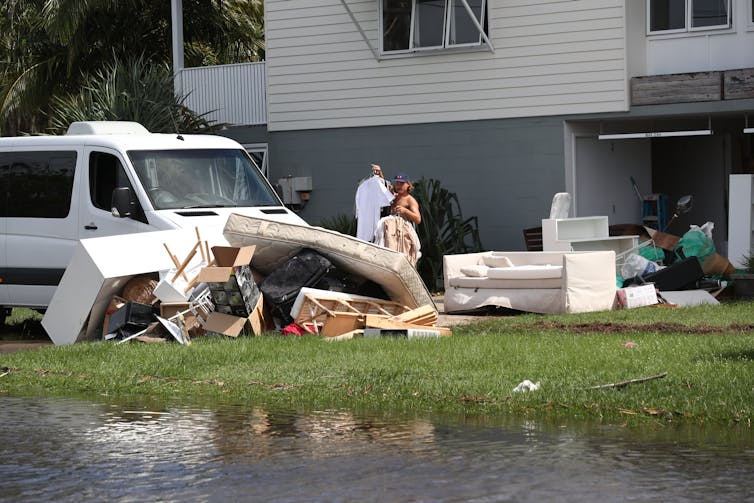
Three very rainy years along Australia’s east coast mean potholes are growing in number. In southeast Queensland, thousands of kilometres of potholed roads were awaiting repairs months after floods in the region. In inland New South Wales, road crews have repaired more than 135,000 potholes since February.

Potholes may even factor in next month’s Victorian election. Labor has promised urgent repairs while the Liberals have pledged A$1 billion per year over ten years towards roads maintenance.

Potholes repairs tend to happen long after the damage first appeared. This is especially true in rural areas where councils must maintain vast road networks on a very limited budget. The growing problem has already forced some councils to cut capital works programs to shore up their roads. That’s where our new research may help.

By using drones or cameras on cars, we can capture the state of an areas’s roads to build a digital model. We can then run a machine learning program on it to accurately predict which potholes are likely to widen into a wheel-destroying pit.

This could lead to safer roads and save ratepayers and motorists serious amounts of money. Cost benefit analysis suggests it could cut monitoring costs by around 40%.


Leer más:
‘Digital twins’ can help monitor infrastructure and save us billions


Why are potholes in the news right now?

Potholes are making news because they’re suddenly everywhere. As we endure our third year of La Nina, we’ve had unprecedented rains and floods in many parts of Australia.

A pothole typically forms when rain lands on asphalt and flows to lower points on the road. Vehicle tyres force the water deep into small cracks and crevices. Over time, this pressure breaks off small bits of the asphalt. A small pothole can quickly get wider and deeper as more traffic goes over it.

Potholes can form in other ways, such as when water infiltrates the base of the road and creates cavities underneath the asphalt. After enough cars run over the spot, the asphalt breaks.

Usually, roads authorities find out about potholes through complaints from the public or when workers drive around looking for them. Potholes are also dealt with by periodic repaving.

But right now, many councils are finding it hard to keep up with all the potholes that need fixing.

If enough time passes, a small pothole can become a giant and expensive problem. As a result, in practice, much pothole repair is reactive – and a headache for councils.


Leer más:
Potholes: how engineers are working to fill in the gaps


Why would a digital model of our roads help?

Digital twin technology is becoming increasingly popular as a way to monitor everything from supply chains to apartments to warehouses. The goal is usually to save money.

Once you build a detailed digital model of real world assets, you can run the model forward in time to see where the stress points are – and where you need to intervene early. Once the model is built, you would need to update it once or twice a year.

Let’s say you have a network of country roads in outback Queensland. You send up drones, which take thousands of high-resolution images of the roadways. Then you stitch these images together to make a 3D model. Once you have that, you can train a machine learning program on these images to spot telltale issues.

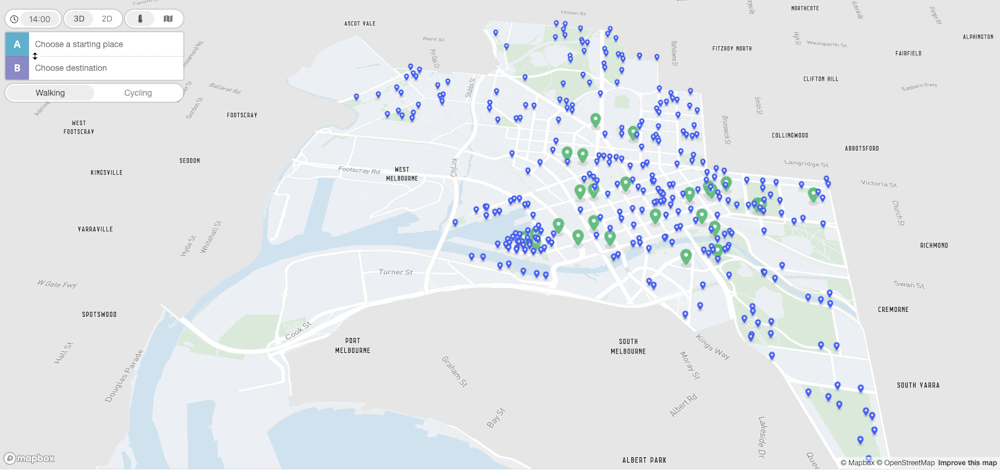
How do you make the model? In my research, I used two drones to create a 3D model of 250 metres of Turner Street in Port Melbourne, which is often damaged due to high numbers of trucks. The best method of getting quality photos turned out to be manual, rather than relying on the drone’s automatic systems. Once I had enough photos, I converted them into a digital twin and trained a machine learning tool to flag potholes worth repairing.

Not all potholes are created equal. Some will stay the same size for years, while unusually deep or wide potholes will worsen quickly. Once the program is taught what to look for, it can find the worst offenders and flag them for speedy repair

A roadworker with 20 years under their belt will usually have a sense for which potholes are going to get worse. Our research captures that knowledge and turns it into a widely available tool.

So how accurate was AI in learning to flag potholes likely to deteriorate? Around 85% accurate, which is acceptable.

In my cost benefit analysis, I found this method would be around 40% cheaper than the traditional method where one person drives, and another takes notes. It would require similar investment of time, but the job can be done by one person instead of two. What are the drawbacks? The largest for councils is likely to be storing the large volumes of data generated while ensuring it’s both secure and accessible.

pothole repair
Repairing early is much cheaper than repairing late.
Shutterstock

When people hear phrases such as drones, machine learning and digital twins, they can mentally file it under “interesting but too much work”. That’s a great shame. Using these tools is much easier now than it used to be – and industries from medical science to car manufacturing are taking them up.

This year’s floods and torrential rains offers councils and other road authorities an excellent opportunity to look at what’s now possible.


Leer más:
What are digital twins? A pair of computer modeling experts explain


The Conversation

Dr Cristobal Sierra receives funding from the Australian Research Council

Ambarish Kulkarni received funding for this project from the Australian Research Council and EON Reality.

ref. Suddenly dodging potholes after all this rain? Here’s how drones could help with repairs – https://theconversation.com/suddenly-dodging-potholes-after-all-this-rain-heres-how-drones-could-help-with-repairs-191077

3 ways app developers keep kids glued to the screen – and what to do about it

Source: The Conversation (Au and NZ) – By Sumudu Mallawaarachchi, PhD Candidate, School of Psychology, Deakin University

Shutterstock

From learning numbers to learning how to brush your teeth, it seems there’s a kids’ app for everything.

Recent US statistics indicate more than half of toddlers and three-quarters of preschoolers regularly access mobile apps. So it’s no surprise there has been an explosion of options within the app market to keep kids engaged.

These apps certainly offer some fun interactive experiences, not to mention good educational content in many cases. They’re also very good at keeping young minds engaged. So what’s the catch?

You just read it: they are very good at keeping young minds engaged – so much that kids can struggle to put their devices down. If you’ve ever wondered why it’s so hard to tear your child from their device, read on.

What is persuasive design?

Although there are national recommendations to help guide parents through the minefield of kids’ screen time, there is a hugely under-acknowledged piece of this puzzle – and that’s the way the technology itself is designed.

Persuasive design refers to strategies that grab and hold our attention. It’s something both kids and adults experience (usually unknowingly) while scrolling through social media or fighting the urge to play another round of Candy Crush.

If persuasive design can influence the screen-use behaviours of adults – who have supposedly developed regulatory skills and self-control – then toddlers and kids don’t stand a chance. This aspect of the screen-time debate is rarely scrutinised with the seriousness it deserves.

To find out just how persuasive kids’ apps can be, we applied a well-established model of persuasive design to 132 of the most popular early childhood apps downloaded by Australian families via the Android and iOS app stores. We found three main ways persuasive design features keep kids coming back.

1. Motivation

A key concept in persuasive design is to tap into kids’ emotions to ensure they stay motivated to engage with the app. This is done by:

  • offering pleasure through rewards. Kids are still developing their ability to delay gratification. They’re more likely to seek an immediate reward of lower value than wait for a reward of higher value. In the context of apps, they’re likely to be motivated by instant rewards that bring happiness or excitement. The apps we tested offered many more instant rewards (such as sparkles, cheers, fireworks, virtual toys and stickers) than delayed rewards.

  • provoking empathy. Just as adults seek positive feedback through “likes” on social media, kids love receiving social feedback from characters they admire (think Hello Kitty, or Bluey). Kids often attribute human feelings and intentions to fictional characters and can form emotional ties with them. While this can help foster a positive learning experience, it can also be exploited for commercial purposes. For instance, character empathy is at play when Hello Kitty looks sadly at a shiny locked box of food that can only be opened in the paid version of the app.

YouTube/Budge Studios.

2. Ability

No one wants to play a game that’s too difficult to win. Ability features provide kids with continuous instructions to reduce the likelihood of disengagement.

One way to increase a child’s sense of mastery is repetition. Many early childhood apps include rote learning, such as making the same cookie over and over with the Cookie Monster. By including tasks that are quick to learn and repeating them, app designers are likely trying to tap into childrens’ growing sense of autonomy by helping them “win” on their own.

So what’s the problem with that? While repetition is great for learning (especially for developing minds), the removal of any requirement for help from a parent can encourage more solitary use of apps. It can also make it harder for parents to engage in social play with their child.

Sesame Street's Cookie Monster holds up 7 fingers, next to some cookies and a surprised child in the background.
We have a responsibility to ensure kids’ apps are genuinely educational and aren’t exploiting their developmental vulnerabilities.
Google Play/Sesame Street Alphabet Kitchen

3. Prompts

Commercial prompts were the most common trigger we found in early childhood apps, especially free apps. They have one main purpose: to bring in revenue.

Prompts include pop-up advertisements, offers to double or triple rewards in exchange for watching an ad, or prompting the user to make in-app purchases. While adults might be able to see prompts for what they are, kids are much less likely to understand the underlying commercial intent.

So what can be done?

There’s no doubt some of these features in moderation help maintain a basic level of app engagement. But our research makes it clear a lot of persuasive design features simply exist to serve business models.

We need to have more conversations about ethical design that doesn’t capitalise on children’s developmental vulnerabilities. This includes holding app developers accountable.

The early-childhood app market is vast. Parents often won’t have enough information on how to navigate it, nor enough time to assess each app before downloading it for their child. However, there are a few ways parents can get an upper hand:

  • talk to your child after they’ve played with an app. Ask questions like “what did you learn?”, or “what did you enjoy the most?”.

  • play the app with your child and decide if it’s worth keeping. Are they getting smothered by rewards? Are there many distracting prompts? Is it too repetitive to be genuinely educational?

  • look for the “teacher-approved” indicator (on Play Store) when considering an app, or check reviews from trusted sources such as Children and Media Australia and Common Sense Media before downloading.

Ideally your child should be leading the play, actively problem-solving, and should be able to end their time on an app relatively easily.


Read more:
‘Screen time’ for kids is an outdated concept, so let’s ditch it and focus on quality instead


The Conversation

The authors do not work for, consult, own shares in or receive funding from any company or organisation that would benefit from this article, and have disclosed no relevant affiliations beyond their academic appointment.

ref. 3 ways app developers keep kids glued to the screen – and what to do about it – https://theconversation.com/3-ways-app-developers-keep-kids-glued-to-the-screen-and-what-to-do-about-it-191672

New dates suggest Oceania’s megafauna lived until 25,000 years ago, implying coexistence with people for 40,000 years

Source: The Conversation (Au and NZ) – By Michael Westaway, Australian Research Council Future Fellow, Archaeology, School of Social Science, The University of Queensland

Wikimedia, CC BY-SA

For most of Australia’s human past sea levels were lower than they are today. Australia’s mainland was connected to Papua New Guinea and Tasmania as part of a larger landmass called “Sahul”.

During the Ice Ages Sahul was home to a unique range of megafauna, which included giant marsupials, birds and reptiles. The extinction of megafauna in Sahul remains one of the most contested debates in Australian science.

Now, our new paper published in Archaeology in Oceania provides compelling evidence megafauna may have coexisted with people in the region longer than previously thought – and as recently as about 25,000 years ago.

Our research extends the likely period of overlap between megafauna and people to about 40,000 years. It brings new evidence against the theory that people in Sahul drove the megafauna extinction.

An enduring scientific debate

Like other regions during the ice ages (a period known as the Pleistocene) Sahul contained the enigmatic megafauna. The term “megafauna” as it’s used in Australia is generally applied to ancient animals that weighed more than about 45kg.

There is disagreement on how Sahul’s megafauna went extinct. Since 1831 – when eminent anatomist Sir Richard Owen received megafauna fossils from Wellington Cave in New South Wales, and a decade later from the Darling Downs in Queensland – there has been speculation about how Sahul’s megafauna went extinct.

Owen argued humans were responsible. Others, such as Prussian scientist Ludwig Leichhardt, favoured environmental change as the cause, proposing megafauna extinction in the Darling Downs occurred as a result of the draining of swamps due to tectonic uplift.

Today the debate continues along similar lines. Some researchers argue Aboriginal people were responsible for driving all megafauna extinct by 42,000 years ago.


Read more:
Humans coexisted with three-tonne marsupials and lizards as long as cars in ancient Australia


Decades of work in Sahul

The most direct approach to understanding what happened to the megafauna involves excavating sites containing their remains, and applying a range of techniques to understand how these sites (and their surroundings) have changed through time. Revisiting old sites with new techniques helps us gather as much data as possible.

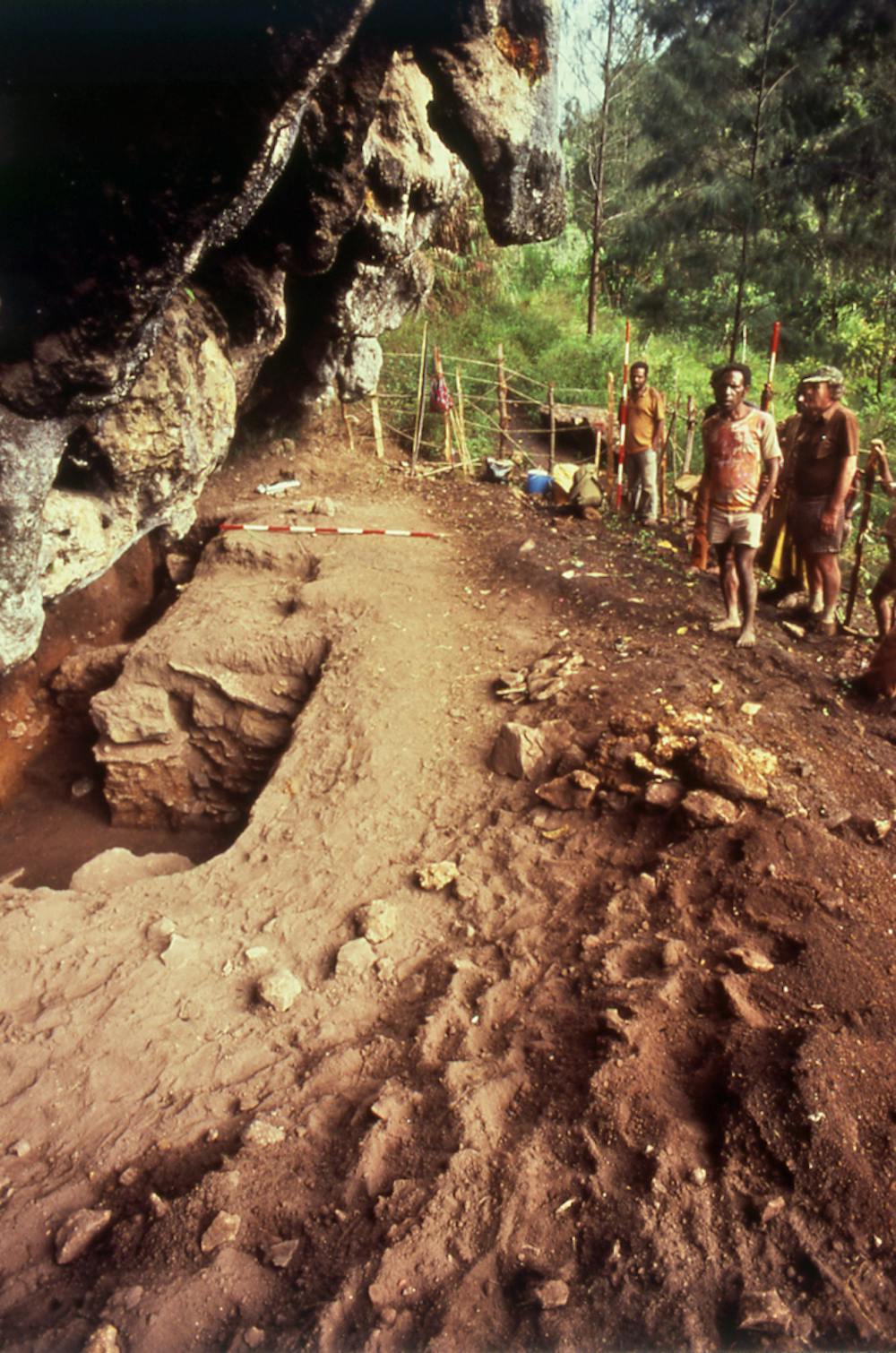
The most significant research into understanding megafauna extinction in northernmost Sahul was conducted in the 1970s by archaeologist Mary-Jane Mountain at the Nombe rockshelter in the Papuan Highlands.

Some men stand to the side at the Nombe rockshelter, with parts of the earth on the bottom-left partially excavated.
The Nombe rockshelter excavation in the 1970s provided some of the most significant estimates for when Sahul’s megafauna went extinct.
Barry Shaw, Author provided

Mountain’s careful excavation of a site known to have been inhabited by people in the late Pleistocene also uncovered megafauna fossils.

While the fossils themselves couldn’t be dated, the dating of charcoal samples, non-megafauna animal bones and snail shells from adjacent deposits revealed megafauna existed in the area as recently as 19,000 years ago.

However, a paper published in 2001 argued archaeological sites weren’t ideal for testing megafauna extinctions as they lacked near-complete animal fossils that had been moved by people.

Nombe was removed from the list, along with the original dates for megafauna surviving as recently as 19,000 to 25,000 years ago.

In 2016, another important paper was published reassessing these dates. This research used a more modern carbon-dating approach called accelerated mass spectrometry (AMS) dating.

This method can date much smaller charcoal particles, and once more led researchers to dates that supported the original estimates revealed through Mountain’s work.

Redating Nombe

For our new paper, we decided to further test these estimates using uranium-series (U-series) dating of megafauna fossils. The U-series dating technique has been refined over several decades. It allowed us to directly date megafauna fossils from the Papuan Highlands for the first time.

Our research suggests the fossils date to between 22,000 and 27,000 years ago – which is very close to Mountain’s original estimates and the more recent accelerated mass spectrometry dates.

The U-series dating provides minimum age estimates, which means the fossils could be older. But since our estimates are supported by previous accelerated mass spectrometry dating, collectively the data provide a compelling case for the existence of megafauna in Sahul as recently as 25,000 years ago.

This contradicts the persisting theory these animals were extinct by 42,000 years ago.

Our research also extends the period of overlap between megafauna and people. If the earliest dates for people in Sahul go back 65,000 years, this implies some 40,000 years of overlap.


Read more:
Aboriginal Australians co-existed with the megafauna for at least 17,000 years


Adding to this, recent work at the Willandra Lakes in NSW and the Seton Rockshelter at Kangaroo Island also estimates Sahul’s megafauna were alive some 30,000 years ago.

Was there another ancient human?

Some argued the arrival of people to Sahul drove significant environmental change, to the point that megafauna could no longer survive.

But our analysis of pollen at Nombe reveals high-altitude forests (called montane forests) persisted from at least 26,000 years ago to the end of the Pleistocene 10,000 years ago. The archaeological evidence shows people weren’t that active in the area during this time – which suggests it’s unlikely they drove the megafauna extinction.

Rather, we raise the possibility megafauna may have coexisted with hominins (a group including us, Homo sapiens, and our close ancestors) for much longer than previously thought.

Geneticists have found the mysterious ancient humans called Denisovans were likely present in the Papuan Highlands before Homo sapiens arrived. So they may have been familiar with megafauna further back than 65,000 years ago.

But this idea needs to be further investigated. We don’t have Denisovan fossils from Papua New Guinea. We only have genetic data in modern Highland populations to study.

More field work will help us understand not only how megafauna went extinct across Sahul, but how they interacted with their surroundings, and how their collapse may have shaped today’s environments.


Read more:
Giant marsupials once migrated across an Australian Ice Age landscape


The Conversation

Michael Westaway receives funding from the Australian Research Council.

ref. New dates suggest Oceania’s megafauna lived until 25,000 years ago, implying coexistence with people for 40,000 years – https://theconversation.com/new-dates-suggest-oceanias-megafauna-lived-until-25-000-years-ago-implying-coexistence-with-people-for-40-000-years-191857

The United States is gearing up for midterm elections. What are they and what’s at stake?

Source: The Conversation (Au and NZ) – By David Smith, Associate Professor in American Politics and Foreign Policy, US Studies Centre, University of Sydney

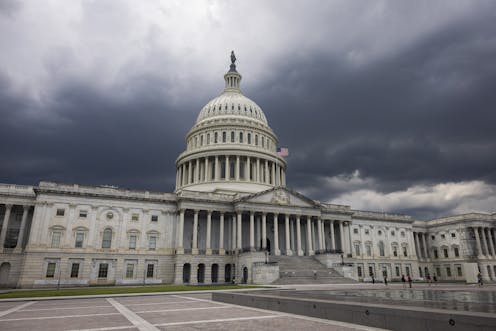
Jim Lo Scalzo/EPA/AAP

Midterm elections in the United States elect the House of Representatives, a third of the Senate, and thousands of state legislative and executive offices. For all their magnitude and importance, these elections attract far less attention than presidential elections and have much lower turnout.

But the November 8 2022 midterms, taking place in one of the most closely divided Congresses in history, could have far-reaching consequences.

What could happen in the elections?

Democrats currently hold the House of Representatives by a margin of just 10 seats out of 435. This is the narrowest House majority since 1955. They have no majority at all in the Senate, which is split 50-50, relying on the tie-breaking vote of Vice President Kamala Harris.

This makes it historically unlikely that the Democrats will hold on to the House. Since the Civil War, the president’s party has lost seats at every midterm election except for 1934 (the Great Depression), 1998 (Bill Clinton’s impeachment) and 2002 (the first election after the September 11 terrorist attacks). Republicans only need to gain five seats to take the House. This outcome is widely expected but far from certain, and Democrats can take some comfort from some encouraging results in special elections earlier in the year.

The Senate could be more favourable to Democrats, despite Republicans needing just one seat to flip it. Because only a third of Senate seats are contested at each election, one party often needs to defend far more of its seats than the other. This year Republicans are defending 20 seats compared to the Democrats’ 14, and a lot of these races are extremely close.

Under these circumstances, some forecasts slightly favour Democrats to retain control of the Senate. But given the tightness of key races, it could well come down to contingencies that are hard to predict.


Read more:
US Democrats’ gains stall six weeks before midterm elections; UK Labour seizes huge lead after budget


What are the main issues for voters?

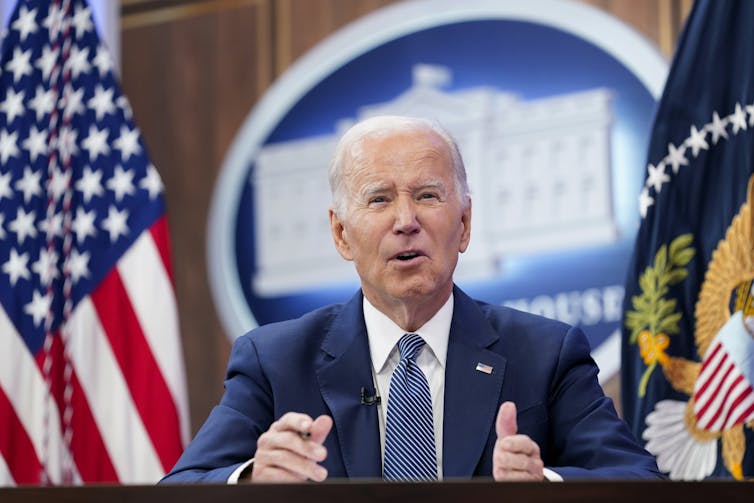
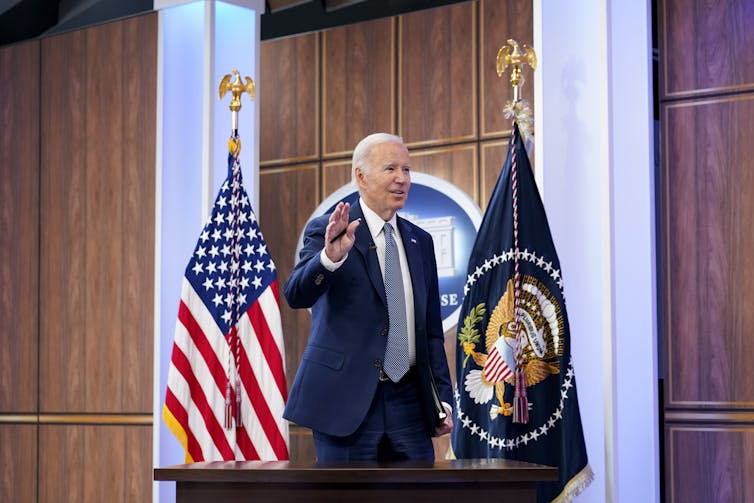
Each party wants voters to focus on different sets of issues. For Republicans, the job is straightforward. Voters often treat midterm elections as a referendum on the president, even though the president is not on the ballot. While Biden’s approval ratings have recovered somewhat this year, they are still in the low 40s, a historically bad sign for the president’s party.

Republicans are hoping the 2022 midterms will be a referendum on President Joe Biden.
Susan Walsh/AP/AAP

Inflation has dominated economic news for the last year and now there is talk of a recession. Republicans have harnessed increasing disquiet over crime, asylum seekers at the southern border and pandemic school closures. With such advantageous conditions for Republicans, commentators as recently as June were predicting a “red wave” election that would wipe out Democrats in both houses.

But developments over the American summer shifted the focus away from these problems. In June, the Supreme Court overturned Roe v Wade, the almost 50-year-old ruling protecting abortion rights across the United States. Republican legislators in some states quickly enacted new laws restricting or banning abortion, while Democrats initiated legislation in other states to protect rights that many had taken for granted.

There was little doubt that politically, the abortion issue helped Democrats as Republicans staked out increasingly extreme positions. A ballot initiative in Kansas, usually seen as a reliably “red” state, saw 59% of the population vote to keep the state’s constitutional protection for abortion.
The Supreme Court’s decision reflected the conservative super-majority installed by former President Donald Trump, and brightened the spotlight Democrats were already shining on the former president. The House Select Committee’s hearings into the January 6 riots, which are continuing, had a peak of just over 20 million TV viewers in June. They were presented with graphic and moving evidence of Trump’s culpability in the violence.

In August, an NBC News poll found 21% of Americans rated “threats to democracy” as the most important issue in the midterm elections, compared to 16% saying cost of living issues and 14% saying jobs and the economy.

The fallout from the Supreme Court’s decision to overturn Roe v Wade may play a role in the midterm results.
Michael Conroy/AP/AAP

It is hard to maintain the kind of attention these issues got over the summer. More recent polling suggests that economic issues have once again become the central focus of attention, which will hurt Democrats. Republican candidates have quietly toned down their opposition to abortion and removed endorsements from Trump from their campaign websites.

The impact of midterm elections

Biden has found it hard enough to advance a legislative agenda even with unified Democratic control of Congress. If Democrats lose either house, it will make almost any further major legislation essentially impossible because of the veto power of both houses and the president.

If Republicans win the House of Representatives, they will quickly put an end to the House Select Committee investigating the January 6 riot. As Democrats move to subpoena Trump himself as part of that investigation, Republicans are planning retaliatory investigations and subpoenas. Kevin McCarthy, the likely speaker of a Republican controlled House, has already threatened that the House would investigate Attorney-General Merrick Garland over the August FBI raid on Trump’s Mar-A-Lago residence. Numerous Republicans have said they should impeach Biden. The president will also be concerned that a majority Republican House might reduce military aid to Ukraine.

If Republicans win the Senate, Biden will face a lot of problems making appointments that need to be confirmed by the Senate. In particular, he will probably lose any chance of making another appointment to the Supreme Court. The last time a Republican-majority Senate confirmed a Democratic President’s Supreme Court nominee was in 1895.

But the most significant consequences could be for the next presidential election in 2024. Trump has continued to claim that the 2020 election was fraudulently “stolen” from him, and hundreds of Republican candidates across the 2022 midterms have echoed these claims. This was how many of them secured Trump’s endorsement, and their nominations. Some of these candidates are seeking statewide positions that could give them immense influence over the 2024 elections, especially the offices of governor and secretary of state, which have ultimate responsibility for certifying election results in most states.


Read more:
The January 6 hearings have been spectacular TV, but will they have any consequences for Trump?


Much to Trump’s chagrin, no governor or secretary of state refused to certify the 2020 election results, despite the pressure he applied to them. But this year’s Republican candidates in key swing states include Pennsylvania’s Doug Mastriano, who attended Trump’s January 6 rally and supported efforts to overturn the state’s election results in 2020, Arizona’s Kari Lake, who has said she would not have certified her state’s 2020 result, and Nevada’s Jim Marchant, who plans to lead a coalition of “America first secretary of state candidates” to get Trump elected in 2024.

Even state legislative races in the 2022 midterms could have huge implications for the 2024 elections. The Supreme Court will soon hear a case that could dramatically expand the power of state legislatures in elections. It could remove the ability of state courts to review electoral boundaries and electoral rules set by legislatures, even if those conflict with state constitutions. Republicans currently have unified legislative control over states that account for 307 out of 538 electoral college votes, a number which could expand or shrink this election.

These mid-terms show that no election in America is a discrete contest. State elections shape national elections. The institutional power that this year’s elections confer has major consequences for future elections. Although neither Biden nor Trump are on the ballot this year, they will be in voters’ minds as they go to the polls.

The Conversation

David Smith does not work for, consult, own shares in or receive funding from any company or organisation that would benefit from this article, and has disclosed no relevant affiliations beyond their academic appointment.

ref. The United States is gearing up for midterm elections. What are they and what’s at stake? – https://theconversation.com/the-united-states-is-gearing-up-for-midterm-elections-what-are-they-and-whats-at-stake-190661

My kid has gone vegetarian. What do I need to know (especially if they’re a picky eater)?

Source: The Conversation (Au and NZ) – By Evangeline Mantzioris, Program Director of Nutrition and Food Sciences, Accredited Practising Dietitian, University of South Australia

Photo by Alex Green/Pexels, CC BY

So your child has just announced they’ve gone vegetarian, on top of already being a picky eater. What now?

Generally, a well balanced vegetarian diet is low in saturated fat and rich in the vitamins, minerals, anti-oxidants and fibre.

Here are some evidence-based tips to ensure your growing child gets the nutrients they need, and how to help broaden their tastes.

What kind of vegetarian are they?

A vegetarian diet usually excludes all animal products except for dairy (milk, cheese, yoghurt) and eggs. However, there can be variations.

You might start by asking your child what’s in and what’s out according to their new diet. Will they still eat eggs, dairy, seafood or chicken? Don’t assume – your child’s interpretation of “vegetarian” may be slightly different to yours.


Read more:
Ultra-processed foods: it’s not just their low nutritional value that’s a concern


Careful planning required

Meat provides some critical nutrients, so some careful planning will be required. Children are still growing and need more nutrients (relative to their bodyweight) than adults, even though they may consume less food overall.

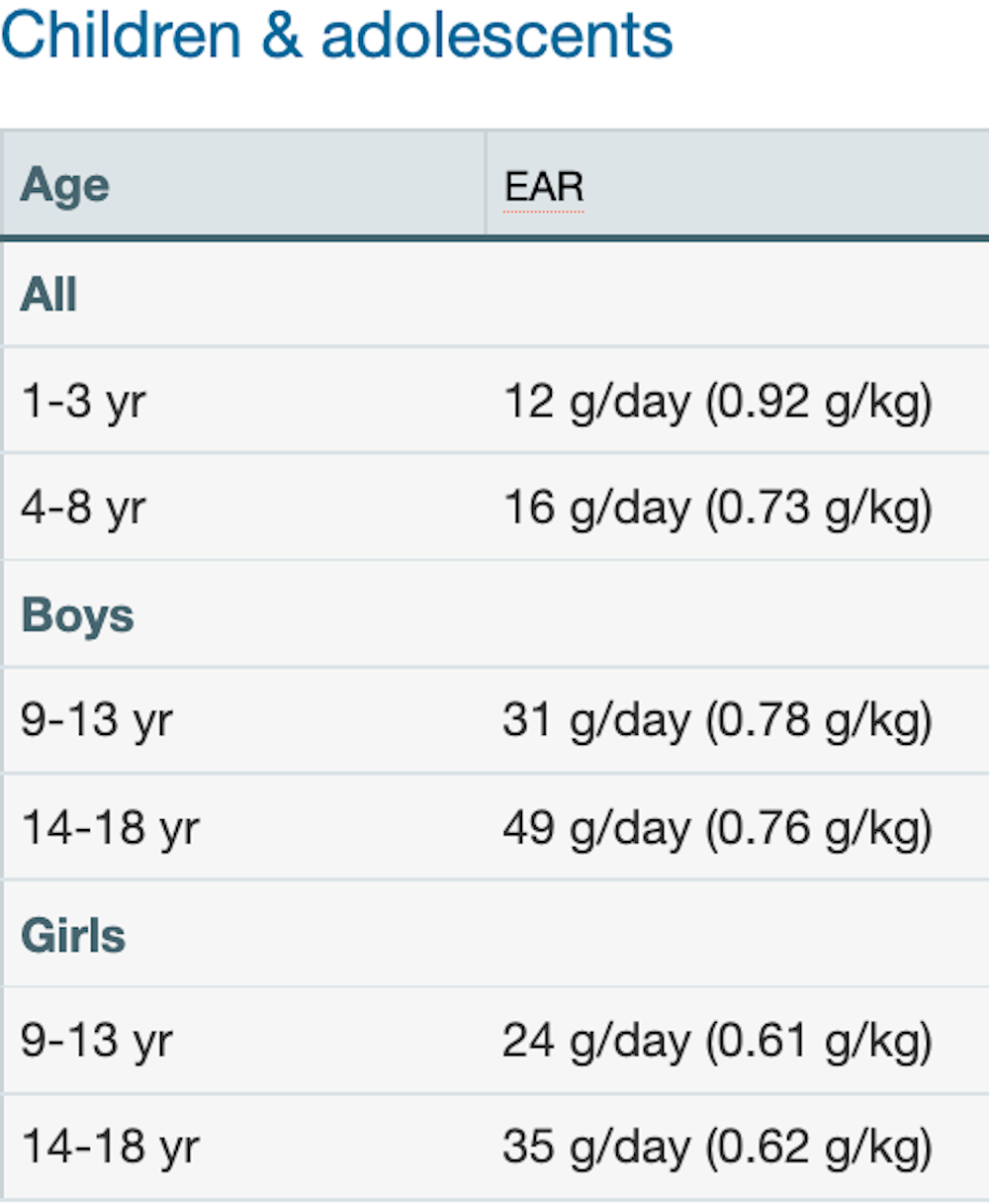
Let’s start with protein. In children aged 4-8yrs, the estimated average requirement (sometimes shortened to EAR) is 0.73 grams of protein per kilogram of body weight per day.

Boys aged between 9 and 13 years need about 0.78g of protein per kilogram of bodyweight, while boys aged between 14 and 18 years need about 0.76g of protein per kilogram of bodyweight per day.

Girls need about 0.61g of protein per kilogram of bodyweight between the age of 9 and 13 years and 0.62g of protein per kilogram of bodyweight between the ages of 14 and 18 years.

In children aged 4-8yrs, the estimated average requirement is 0.73g of protein per kilogram of body weight per day.
Nutrient Reference Values for Australia and New Zealand

By contrast, men need about 0.68g of protein per kilogram of bodyweight and women need about 0.60g of protein per kilogram of bodyweight.

There are still many good sources of protein for vegetarians. Each of these contain about 10g of protein:

  • two small eggs

  • 30g cheese

  • 250ml dairy milk

  • three-quarters of a cup of lentils

  • 120g tofu

  • 60g nuts

  • 300ml soy milk.

Meat is a good source of iron and zinc, so careful planning is needed to ensure vegetarians don’t miss out on these. Iron is of particular concern for menstruating girls, while zinc is of particular concern for boys for sexual maturation.

To maximise the intake of iron and zinc, try to ensure your child is eating wholegrain foods over refined grains. For example 100g of a multigrain bread roll contains 4.7mg of iron and 1.7mg of zinc. By contrast, 100g of a white bread roll contains 1.26mg of iron and 0.82mg of zinc.

Lentils, beans, nuts and fortified cereals like Weet-Bix are good sources of iron and zinc.

Children eat together around a table.
A healthy vegetarian diet does require some planning.
Photo by Yan Krukov/Pexels, CC BY


Read more:
How to get the nutrients you need without eating as much red meat


Ask your child why they’ve gone vegetarian

It is important to explore your child’s reason for going vegetarian; it may allow for some compromises.

For example, if animal welfare is the top concern, see if your child might agree to a compromise whereby only one (large) animal is butchered and frozen, to be consumed as required. The rationale here is that only one animal has been killed rather than many if you buy meat from smaller animals weekly at the butcher or supermarket.

If your child is concerned about environmental impact and emissions, see if the whole family could cut back on meat so more emissions are saved and your child still consumes some meat occasionally.

Beef and lamb in particular are big contributors to greenhouse gas emissions, so swapping to fish and chicken may be another strategy. You can replace meat with beans, lentils and nuts. As well as containing protein, these are also high in fibre and anti-oxidants.

Or, you might consider getting backyard chickens so food scraps are used rather than going to land fill, which will further reduce emissions and provide the family with eggs (a good source of protein).

Reducing consumption of some processed and ultra-processed foods is another way to reduce environmental impact; the production, processing and transport of these foods requires a lot of energy. Cutting back on processed foods is also a healthier choice for the whole family.

If the reason is taste preferences, keep trialling various meats and different cuts. Your child’s tastes will fluctuate with time. You might try new cooking techniques, different flavours, or new herbs and spices.

Get the kids involved

Involving your child in grocery purchasing, recipe selection and cooking may help broaden their tastes and ensure they’re hitting the right food groups.

Depending on their age, you may also encourage your child to research evidence-backed and reliable websites to find ideal replacement foods.

The Australian Guide to Healthy Eating has good information on food groups and non-meat protein sources such as beans, lentils, nuts and tofu.

For more detailed information, try the Australian Food Composition Database (formerly known as NUTTAB), an Australian government site that outlines nutrient levels in food. The National Health and Medical Research Council website may also be helpful.

A child chops mushrooms.
Involving your child in grocery purchasing, selection of recipes and cooking may help broaden their tastes.
Shutterstock

Other tips for picky eaters?

There are some good, research based strategies to help with picky eating.

You might need to offer your child new and unfamiliar foods many times before they try it. Don’t pressure them to eat it, but do make sure it appears on the plate again in future.

Model eating new or unfamiliar foods yourself and make sure your family’s diet is balanced.

However, a vegetarian diet with too much processed and ultra-processed foods is still going to be unhealthy.

If you are still concerned about your child’s eating, consult an accredited practising dietitian for personalised advice.

The Conversation

Evangeline Mantzioris is affiliated with Alliance for Research in Nutrition, Exercise and Activity (ARENA) at the University of South Australia. Evangeline Mantzioris has received funding from the National Health and Medical Research Council, and has been appointed to the National Health and Medical Research Council Dietary Guideline Expert Committee.

ref. My kid has gone vegetarian. What do I need to know (especially if they’re a picky eater)? – https://theconversation.com/my-kid-has-gone-vegetarian-what-do-i-need-to-know-especially-if-theyre-a-picky-eater-190439

‘A cunning plan’: how La Niña unleashes squadrons of storm clouds to wreak havoc in your local area

Source: The Conversation (Au and NZ) – By Ewan Short, PhD Candidate, School of Geography, Earth and Atmospheric Sciences, The University of Melbourne

Heavy rain and floods have once again hit towns and suburbs across eastern Australia. Some areas have been devastated, while others have been spared the worst. While climate drivers like La Niña make extreme wet weather more likely, what explains when and where the storm clouds deliver a deluge?

Extreme weather, such as the heavy rainfall battering eastern Australia, is like military conflict. In war, the enemy’s behaviour depends on the decisions of many actors: from generals and lieutenants down to individual soldiers. Similarly, heavy rainfall is the culmination of diverse physical processes, from the planetary scale down to the microscopic.

A strategic defence requires anticipating how the enemy will behave across this hierarchy. To continue with the military analogy, this is how we can explain the weather offensive of the past week.

The generals command the offensive

Processes on a yearly or planetary scale, such as La Niña and the Southern Annular Mode, are like generals. Over the preceding years and months, these two generals hatched a plot of warmer-than-usual waters and more-easterly-than-normal winds around northern and eastern Australia.

La Niña promotes easterly winds by strengthening the Pacific equatorial oceanic and atmospheric circulations. The Southern Annular Mode moves the belt of high- and low-pressure systems you see on the evening news further south, reducing their obstruction of the easterly winds.

Stronger easterlies help humid air over the Pacific advance into the eastern states and feed storm clouds: a cunning plan.


Read more:
La Niña, 3 years in a row: a climate scientist on what flood-weary Australians can expect this summer


3 lieutenants in action during floods

Daily and state-scale processes, such as the pressure patterns mentioned above, are like lieutenants. These lieutenants decide the particular day, and states, to attack. At least three lieutenants have been in action during the current flooding.

The first was a high south-west of New Zealand. Air wants to move from high to low pressure but is confounded by Earth’s rotation. Southern hemispheric winds thus travel anticlockwise around highs and clockwise around lows.

The New Zealand high reinforced the general’s stronger easterly winds, directing humid air toward Victoria and New South Wales.

The second lieutenant was an undulation in the upper-level winds over Victoria. Through complex physics, this undulation promoted upward motion over the south-eastern states, supporting the development of storm clouds.

The third lieutenant was a low in the Great Australian Bight. This low dragged cold Antarctic air clockwise around itself, forming a cold front. This cold front triggered the storm clouds as it advanced through Victoria.

These three lieutenants, supported by the strategy of their generals, together conspired to inflict the heavy rainfall on October 13 in the south-eastern states. Tactically devious.


Read more:
Floods in Victoria are uncommon. Here’s why they’re happening now – and how they compare to the past


Soldiers attack each suburb and town

Hourly and suburb-scale processes, such as storm clouds, are like the individual soldiers: they decide the particular suburb to attack. A storm cloud features an intense updraft usually about 2km wide.

These updrafts are largely powered by the condensation of water vapour onto dust particles – a microscopic process. Witnessing a growing storm cloud is like watching an explosion, except the energy source is condensation, not combustion.

A soldier’s behaviour typically reflects the designs of their lieutenants, but they are not robots. In a firefight, they make their own decisions and can organise of their own volition.

Soldiers may march single file through a city, successively attacking the same building as they pass. Or they may march many abreast, attacking more buildings but with reduced firepower. Squadrons of storm clouds make analogous choices.


Read more:
On our wettest days, stormclouds can dump 30 trillion litres of water across Australia


So how can we predict these events?

Because the enemy organises across large, medium and small scales, so must we.
To help with this, the Australia Bureau of Meteorology uses a computer simulation called the Unified Model. It’s akin to the physics engines in computer games such as Halo.

The simulation is “unified” because it uses the same basic infrastructure to predict the atmosphere’s behaviour at all scales, from generals down to soldiers.

Using the Unified Model we can predict lietenants’ behaviour – the high- and low-pressure patterns – extremely well five to seven days out. It took nearly a century of global scientific effort to build this capability.

Anticipating the schemes of generals – processes such as La Niña – is much harder. The bureau generates La Niña predictions by running the Unified Model many times and counting how often La Niña persists and how often it decays to estimate its most likely behaviour. Current simulations suggest La Niña will likely decline over spring and conclude early in 2023.

It is similarly difficult to predict the behaviour of individual soldiers – the individual storm clouds. Eventually, we hope to be able at least to predict how these clouds organise – whether they will march single file or abreast.

The bureau pursues this goal by running complex Unified Model simulations, which explicitly simulate the movement of individual storm clouds over each capital city. These complex simulations are run inside a simpler, global Unified Model simulation – a bit like the film Inception (a dream within a dream).

It will take decades, if not centuries, before we can seamlessly anticipate the behaviour of the generals and soldiers of the weather as well as we do for the lieutenants. Developing this capability requires sustained support for diverse scientists across many specialities.

While the threats are significant, we now have a deep grasp of the behaviour of lieutenants and are making promising progress with generals and soldiers. Coupled with the success of the unified approach, there are grounds for optimism.

The Conversation

Ewan Short does not work for, consult, own shares in or receive funding from any company or organisation that would benefit from this article, and has disclosed no relevant affiliations beyond their academic appointment.

ref. ‘A cunning plan’: how La Niña unleashes squadrons of storm clouds to wreak havoc in your local area – https://theconversation.com/a-cunning-plan-how-la-nina-unleashes-squadrons-of-storm-clouds-to-wreak-havoc-in-your-local-area-192500

University fees are poised to change – a new system needs to consider how much courses cost and what graduates can earn

Source: The Conversation (Au and NZ) – By Andrew Norton, Professor in the Practice of Higher Education Policy, Australian National University

One key change to universities under the Morrison government was the Job-ready Graduates program. Starting in 2021, this significantly increased student fees for humanities degrees, slashed them for nursing and teaching, and moved many other courses up and down.

University enrolment figures suggest it has not achieved its goal: to steer students into certain fields of study and away from others.

So, a new system of student fees is likely to be part of Labor’s promised Universities Accord, which aims to reset the relationship between the federal government and university sector.

Its terms of reference will be announced next month.

Ideas about setting student fees

Australia has had several student fee systems before. In a new paper, I look at the five different rationales used for setting HECS, later called student contributions, since 1989. These include: public benefits, increasing resources per student place, incentivising course choices, private benefits and course costs.

In the past month, two new reports have also looked at possible student contribution systems, adding to or varying those used previously.

In its October report on improving education outcomes, the Productivity Commission set out two main options.

Student with backpack.
The way university fees are set up is expected to change under the Albanese government.
Scott Webb/Unsplash, CC BY

In the first, courses with greater expected private financial benefits (or future income) would get lower public subsidies and require higher student contributions. Courses with the potential to earn low, medium and high incomes would have correspondingly low, medium and high student contributions.

In a second option, government subsidies would be a flat dollar amount or percentage of course teaching costs. Either way, students in courses with high teaching costs would pay the most, as student contributions make up the difference between the public subsidy and the course cost.

A new report from the Innovative Research Universities lobby group also suggests different options. Under one, most students would pay a flat student contribution rate, with public subsidies making up the difference between the flat rate and course costs.

For a budget-neutral transition from Job-ready Graduates, the flat rate would be about A$10,000 a year. The report says that this would offer “simplicity and predictability”.

These ideas have a history

It is important to remember these ideas have histories, with lessons today’s policymakers should not forget.

In 1997 the Howard government replaced the original flat HECS rate (where all students paid the same fee, regardless of their course) with three different HECS rates. Cabinet documents from the time show support for a “course costs” approach, so students in more expensive courses paid more.


Read more:
Governments are making nursing degrees cheaper or ‘free’ – these plans are not going to help attract more students


However, the Howard government also recognised what my paper calls the “nurses and lawyers problem”. Nursing costs more to teach than law, so under a course costs student contribution policy, nursing students would pay more than law students. That is a hard idea to sell.

Introducing a “private benefits” rationale solved this problem. On average lawyers earn more than nurses, and since 1997 law students have always paid higher student contributions than nursing students.

Despite the nurses and lawyers problem, the idea that course costs could be used to set student contributions has persisted. It led to two detailed government-commissioned reports in the 2010s, and is being suggested again now by the Productivity Commission.

Politics, income and policy

The education ministers who received those 2010s reports – Chris Evans from Labor and Simon Birmingham from the Liberals – did not implement their cost-sharing ideas. Student contribution levels are political as well as policy decisions, which need to be explained to the parliament, voters and students.


Read more:
The inequity of Job-ready Graduates for students must be brought to a quick end. Here’s how


Any rigid course cost model that ignores the politics of student contributions for areas like nursing and teaching isn’t politically viable. Public opinion will not support students training for these careers paying more for their education than law and business students.

The private financial benefits approach fits with Australia’s tax and social support system, under which we increase charges and reduce benefits with income.
But we also have to be careful about just relying on potential earnings to set course fees. On average, law graduates earn a lot, but a top commercial law barrister and a legal aid lawyer have very different incomes.

A flat-price student contribution would avoid some anomalies of the course cost and private benefit systems. But the transition back would be politically difficult – nursing and teaching student contributions would increase significantly unless overall public funding increased.

Real-life consequences

Although student contributions have little effect on course choices, my paper argues they do have practical consequences policymakers should take into account.

The doubling of humanities student contributions under the Job-ready Graduates scheme, combined with the relatively low incomes of humanities graduates, means their HELP student loan repayment times will be longer, with an increased proportion never fully repaying their debt.

While the HELP repayment system lets graduates repay over decades if necessary, this is to assist people with low or irregular incomes, not to penalise people for their course choices. Under the current student contribution system, two graduates on the same income could have significantly different repayment times.

Repayment delays are bad for the government too. Repaying the $74 billion in outstanding HELP more quickly would reduce the government’s interest bill and the risk of debt never being repaid.

To combat these issues, we need to consider how much graduates can potentially earn when setting university fees.

What does this mean for universities?

Student contributions affect universities as well as students. As the Productivity Commission points out, universities need to pay their bills now and must pay attention to revenue per student.

For universities, the key financial figure is the total funding rate. This is the public subsidy plus the student contribution. But each university has a cap on public funding. Once they reach it, additional students are funded on student contributions only.

For classroom-based courses such as arts or business, adding more students to subjects already being taught usually does not cost much. A low student contribution could cover it. But for courses with clinical components such as nursing, which requires expensive equipment and close supervision, the costs of more students are higher.

We know clinical training costs, combined with very low student contributions for nursing, are an obstacle to increasing enrolments despite high demand.

So, for universities’ purposes, we cannot forget what courses actually cost to run when setting student contributions.

Pragmatic student fees

Some student contribution systems, such as incentives to steer students into particular courses, should be ruled out. But when looking at university fees, the new federal government can adopt more than one rationale, pragmatically reflecting a mix of policy and political goals.

An enduring student contribution system will ensure that most graduates can repay their HELP debt in a reasonable amount of time, that students in nursing and teaching courses don’t pay more than other students, and that universities have the right incentives to meet student demand.

The Conversation

Andrew Norton was on an expert panel advising then education minister Simon Birmingham on higher education funding in 2016 and 2017.

ref. University fees are poised to change – a new system needs to consider how much courses cost and what graduates can earn – https://theconversation.com/university-fees-are-poised-to-change-a-new-system-needs-to-consider-how-much-courses-cost-and-what-graduates-can-earn-192023

One does not simply detonate a volcano into Mordor: a scientist explains the problems with that Rings of Power episode

Source: The Conversation (Au and NZ) – By Ray Cas, Professor emeritus, Monash University

New Line Cinema

In the blockbuster fantasy series The Lord of the Rings: The Rings of Power, one of the principal antagonists, the wicked Adar, diverted a river into the labyrinth of tunnels under a dormant Mount Doom to trigger an explosive volcanic eruption. This transformed the surrounding landscape into the bleak lands of Mordor – setting up the blighted kingdom of the orcs that features heavily in the Lord of the Rings movies.

The dramatic, and devastating scheme has led to many viewers wondering whether there’s any real science behind this fantasy terraforming plot. Can explosive volcanic eruptions actually be “engineered”?

Galadriel, shortly after the explosion of Orodruin in The Rings of Power.
Prime Video

What exactly is a volcanic eruption?

Volcanoes erupt molten rock, called magma, at temperatures between 700 and 1,300℃. Volcanic eruptions can be effusive, forming lava flows, or explosive, ejecting large fragments of magma and rock, fine ash and volcanic gas into the atmosphere. Mount Doom – or Orodruin – in The Rings of Power, is depicted as spectacularly doing the latter.

Some explosive eruptions are caused by high abundances of volcanic gases in magma. Others, called hydrovolcanic explosive eruptions occur when magma comes in contact with external water – such as groundwater, oceans, lakes, rivers, and glaciers or ice sheets – and superheats it to steam.

The heat energy of the magma is transformed into explosive mechanical energy in the steam as it expands in a process called thermal detonation.


Read more:
Volcanoes, plague, famine and endless winter: Welcome to 536, what historians and scientists believe was the ‘worst year to be alive’


Can a volcano create Mordor?

Many hydrovolcanic explosive eruptions have been witnessed, such as the 1963-1964 Surtsey volcanoin Iceland, the fatal 2019 eruption of Whakaari White Island volcano, New Zealand, and the 2022 Hunga Tonga-Hunga Ha’apai volcano in Tonga.

Experimental simulations of this have been undertaken at the laboratory scale, using small volumes of remelted lava and similar materials.

The theory of hydrovolcanic explosions is based on our understanding of how water acts as a coolant fluid in nuclear and other power stations. In nuclear reactors the radioactive fuel, often uranium, generates heat as it undergoes radioactive decay in the core of the reactor.

Lava from a volcano eruption flows on the island of La Palma in the Canaries, Spain, Tuesday, Sept. 21, 2021.
AP

This core is surrounded by a water reservoir which is heated by the fuel and converted to steam that drives turbines, generating electricity. If the core overheats, because the coolant water has escaped (potentially due to damage to the containment reservoir), the residual water may become superheated and explode. This happened during the 1986 Chernobyl power station disaster in Ukraine, and the 2011 nuclear disaster in Fukushima, Japan.

To generate maximum explosive intensity during such a fuel-coolant interaction, the ratio of water to fuel (or magma) has to be just right. Research into nuclear explosions indicates the optimum ratio of water to fuel is in the range of 2 to 5, whereas in volcanology it is about 0.1 to 0.3.

If there is too little or too much water, steam is generated but explosions are local and small, and the magma will cool, fracture and solidify.

The Hunga Tonga-Hunga Ha’apai volcano erupts near Tonga in the South Pacific Ocean on Jan. 14, 2015.
AP

So, could we really make our own Mordor?

Triggering a hydrovolcanic explosive eruption is not easy. Getting enough water into the magma reservoir of dormant or active volcanoes many kilometres beneath Earth’s surface is impossible because there are no Mount Doom-like tunnels, just highly compressed dense rock.

Volcanoes with an active lava lake in the crater won’t have a river feeding into them because the craters will be perched at the elevated summit of the volcano. And even pouring water onto a lava lake surface would produce a lot of steam, but not necessarily strong explosive eruptions because the water will cause a cooled solid crust to form on the lava surface.

The only substantial hydrovolcanic explosive eruptions have occurred where significant volumes of magma have erupted rapidly up through a body of water such as groundwater, a lake or ocean, and vigorously mixed with it triggering explosive interaction (e.g. Surtsey, Iceland; Hunga Tonga-Hunga Ha’apai, Tonga).

To trigger such a hydrovolcanic explosion, we would need to move a large amount of magma from a reservoir deep within Earth’s crust to the surface, by propagating a huge network of fractures many kilometres deep. This is nigh impossible at the scale required, even using nuclear explosions. So, unfortunately, The Rings of Power’s proposition is just a fantasy.


Read more:
Curious Kids: Why do volcanoes erupt?


What would happen to Earth if we did engineer a volcanic eruption?

Even if we could engineer a volcanic eruption, we probably wouldn’t want to. Global climate is affected by the volcanic gases and fine ash released into the stratosphere during large scale volcanic eruptions.

The gases can form sulphuric acid droplets, creating a haze that reflects incoming solar radiation, causing global atmospheric cooling. In addition, huge volumes of fine ash suspended in the stratosphere would also reflect solar radiation back to space.

Moderate size historical eruptions have had only a minor impact on global temperature. Only huge, explosive super-eruptions could potentially cause global atmospheric cooling for many years, triggering a major global cooling event.

There are huge problems with such human-made (or orc-made) geoengineering proposals to try to control climate. First as outlined above, it is physically impossible to trigger eruptions of large volumes of magma. Even if we could, we couldn’t control the amount of cooling caused by a super-eruption. Do we really want continental ice sheets engulfing Europe, Asia, North America, and the consequent flood of cold climate refugees?

The global blanketing of the landscape by fine ash would cause crop failure, famine and poisoning of water reservoirs. The fine ash would also infiltrate machinery, including power plants, causing them to fail.

What we would be left with could be similar to Mordor in terms of habitability and horror – not suitable for Middle-earth or Earth.

The Conversation

Ray Cas receives funding from Monash University.

ref. One does not simply detonate a volcano into Mordor: a scientist explains the problems with that Rings of Power episode – https://theconversation.com/one-does-not-simply-detonate-a-volcano-into-mordor-a-scientist-explains-the-problems-with-that-rings-of-power-episode-192328

Are ‘core memories’ real? The science behind 5 common myths

Source: The Conversation (Au and NZ) – By Penny Van Bergen, Professor in Educational Psychology, University of Wollongong

Jakob Owen / Unsplash

What are your core memories from childhood? Can you lock in a core memory by choice? What do your core memories say about you?

The notion of “core memories” has become well known in popular culture. First seen in the 2015 movie Inside Out, core memories are thought to be your five or so most important memories. The idea is that some specific events are so important, experiencing them instantly shapes your personality, behaviours and sense of self.

Thousands of TikTok users have made “core memory” posts about salient memories (often from childhood), with more than 880 million views worldwide. Typically these posts have a strong element of nostalgia and focus on small moments: watching Saturday morning cartoons, holding hands with a schoolyard crush, or splashing through the rain.

So, do core memories actually exist? While we do use memories to construct a sense of self, and these memories support our psychological wellbeing, memory science suggests the notion of a “core memory” is faulty in five key ways.

1: We don’t have just five core memories

Autobiographical memories (memories about our selves and our lives) are kept in our long-term memory. This is an enormous memory store with no known limits on size or capacity.

For this reason, we are not limited to just five (or 50) important life memories. And different memories might be relevant to us in different contexts, meaning we might bring to mind a different set of self-defining memories on different occasions.


Read more:
We’re capable of infinite memory, but where in the brain is it stored, and what parts help retrieve it?


2: Core memories don’t drive our personality

While our memory is critically important to us, individual memories do not drive our personality.

Psychologists and cognitive scientists often talk about autobiographical memory as having (at least) three key functions.
According to the self function, we know who we are because of our past experiences. According to the social function, telling memory stories helps us to socialise and bond with others. Finally, according to the directive function, our memories help us learn lessons from the past and solve problems into the future.


Read more:
Explainer: what is memory?


Some salient memories may be particularly important for our identity. For example, winning the state volleyball championship may be critical for how we view ourselves as an athlete. Underlying personality traits, however, are relatively stable.

3: Our childhood memories are not always our strongest

Contrary to popular media portrayals, our most salient autobiographical memories are not always from our childhoods. Indeed, we tend to have relatively poor memories from our early years. Although our earliest memories often date from three or four years of age, the number of events we remember remains low across the primary school years.

In contrast, most of our salient and important memories tend to cluster in our early adulthood. This phenomenon is known as a “reminiscence bump”.

One explanation for this finding is that our earliest childhood memories are often mundane. What interested us as a child may not be as interesting as an adult, and vice versa. Instead, our most formative experiences happen in late adolescence and early adulthood as our sense of self stabilises.

Of course, we do often develop nostalgia for our earlier lives: a bittersweet longing for the past. The core memory trend likely picks up on this nostalgia.

4: We can’t predict what will become a core memory

Across social media, “new core memory” has become shorthand for highlighting an exciting new experience as soon as it occurs. These experiences include snowfights, hugs, holidays, and more.

Although we do remember emotional events more easily than neutral events, we don’t get to choose our memories. This means it isn’t possible to predict what events we will recall later and what we will forget – our memories can take us by surprise!

The events that become important to us over the long term might be ones that seemed entirely ordinary at the time, and different memories may come to have different meaning at different stages of our lives.

Even for highly salient events, we are likely to forget many of the details we thought important at the time.

5: Core memories are no more accurate than others

Core memories are sometimes portrayed as literal snapshots of the past, like pressing play on a camcorder and watching the event unfold.

Similar arguments have previously been made about so-called “flashbulb memories”. These are the highly vivid memories that form when learning about dramatic events for the first time (such as the September 11 attacks or the death of Princess Diana).

In reality, every memory we have is prone to change, forgetting, and errors in minor details – even when it refers to an important event.


Read more:
‘Remember when we…?’ Why sharing memories is soul food


This capacity for error is because of the way memory works. When we encode a memory, we typically recall the broad gist of the event and some detail.

When we retrieve the event, we reconstruct it. This means piecing back together the gist and the fragments of detail as best we can, and filling in the gaps for any detail we might have forgotten.

Every time we recall the event, we have the potential to change details, introduce new emotion and reinterpret an event’s meaning. Consider the joyful memory one might have after becoming engaged to a beloved partner. If that relationship were to fail, the reconstructive memory process allows new negative emotions to be introduced into the memory itself.

What core memories get right

While “core memory” is a made-up term, the core memory trend is helpful in showing how valuable our memories are.

Memory allows us a window to our former lives: rich with emotion and tied to identity. By reminiscing about our experiences with others, we also share parts of ourselves.

The Conversation

Penny Van Bergen has received funding from the Australian Research Council.

Celia Harris received funding from the Australian Research Council.

ref. Are ‘core memories’ real? The science behind 5 common myths – https://theconversation.com/are-core-memories-real-the-science-behind-5-common-myths-191942

Thinking about bariatric surgery for weight loss? Here’s what to consider

Source: The Conversation (Au and NZ) – By Clare Collins, Laureate Professor in Nutrition and Dietetics, University of Newcastle

World Obesity Federation

Bariatric surgery is weight-loss surgery to treat obesity or reduce weight-related health complications. These surgeries alter the structure of the digestive tract, which helps reduce hunger.

As dietitians and a bariatric medicine doctor, we often get asked when an adult might consider surgery for weight management.

The short answer is people may be eligible for surgery if they have a body mass index (BMI) over 40 (defined as severe obesity), or if their BMI is less than 40 but they have medical complications such as diabetes.

But bariatric surgery is not suitable for everyone with obesity. Here are some factors to consider if you’re thinking about it.


Read more:
You don’t have to be the biggest loser to achieve weight loss success


How is your weight impacting your health?

The Edmonton Obesity Staging System is used to classify the physical, medical and wellbeing impairment of people with obesity. Stage zero means no impairment, while stage four – the highest category – indicates severe impairment.

People in stages three and four commonly have major health issues, higher medication and health service use, need longer periods of treatment to achieve their weight-related goals and are at greater risk of complications following surgery.

People eligible for bariatric surgery will typically be in stage three or four.

How does bariatric surgery work?

Bariatric surgery procedures reduce stomach volume. Most are keyhole procedures, where small cuts are made in the abdomen and tiny cameras inserted to guide the operation.

Bariatric surgery makes people feel fuller. Combined with changes in dietary intake, it typically leads to long-term weight reduction of 20% to 40% of the person’s starting weight.

This weight loss can help improve high blood pressure, type 2 diabetes, sleep apnoea and fatty liver disease.

However, there are risks from surgery which also need to be considered, including vomiting, constipation, increased bowel movements, as well as longer-term risks such as reflux, hernia, malnutrition and small bowel obstruction.

Alternative approaches to weight management

Before considering surgery it’s important to talk to a GP or obesity specialist about all suitable evidence-based approaches to improve your weight-related health, including very low energy diets.

Woman runs on a path
Some people might reach their health goals through lifestyle changes.
Shutterstock

Specific medications approved for weight management in Australia are available but can be costly. Medication can help achieve a 5-10% weight reduction, although results and side-effects vary, so regular review is needed.

While people with moderate obesity may lose enough weight to improve their health through diet alone, for severe obesity, diet may not be enough.

Weight management is a lifelong journey, so over time, a person might try numerous approaches and review their progress towards their goals at each stage. This includes interventions to improve nutrition, physical activity, fitness, mental health, and/or medications for health risk factors, appetite and complications from carrying excess body weight.


Read more:
Health Check: what’s the best diet for weight loss?


A word about stigma

Weight stigma and bias are negative attitudes, beliefs or discrimination based on a person’s weight. This can occur in both public and private health settings and prevent people getting the medical care and support to improve their weight-related health.

It’s important for people to find a doctor they can work with to develop a comprehensive management strategy for them. That plan may, or may not, include bariatric surgery.

Weight stigma can also prompt people to discontinue health care after surgery because they feel bad, or are made to feel bad, about their weight or surgical results.

When should bariatric surgery be considered?

Access to bariatric surgery through public hospitals in Australia is currently very limited, unless you have private health insurance that covers bariatric procedures.

Other considerations are:

1) What weight-related outcomes are you hoping for?

From improved health to fewer medications, remission of type 2 diabetes or better physical mobility, having a clear understanding of potential positive post-surgery impacts helps with monitoring progress.

It also helps decide whether other approaches could be tried first, such as medications.

Friends share a drink
It’s important to think about your own potential risks and benefits.
Unsplash/Allgo

2) What are advantages and disadvantages of bariatric surgery?

Bariatric surgery has both positive and negative implications. While body dysmorphia (negative feelings about your body) can improve post-surgery, it might not.

Other common concerns which you should be prepared for include difficulty eating out with friends, potential hair loss, excess skin, bone and muscle loss. Special considerations may be needed for those planning future pregnancy to ensure they’re getting enough nutrients.

3) Can the person considering surgery give fully informed consent?

A “yes” means the person has had all their questions answered, fully understands that permanent weight loss is not guaranteed and that lifelong follow-up is needed to optimise their health.

While most people do lose substantial amounts of weight, weight can rebound depending on the type of and time since surgery, presence of emotional or disordered eating, and consumption of larger food portions.

4) Can you access adequate post-operative support?

The first year after surgery requires more intensive follow-up involving surgeons, GPs, obesity specialists and allied health providers. Ongoing follow-up helps to monitor health improvements, nutritional status, mental health and any weight regain.

Bariatric surgery may be the right choice for people with obesity where the benefits are clear, the time is right, and to optimise their health and wellbeing. But preparation and long-term support are important. The best place to start is to talk to your GP.


Read more:
Five supplements that claim to speed up weight loss – and what the science says


The Conversation

Clare Collins is a Laureate Professor in Nutrition and Dietetics at the University of Newcastle, NSW and a Director of the Food and Nutrition Research Program, Hunter Medical Research Institute (HMRI). She is a National Health and Medical Research Council (NHMRC) Leadership Fellow and has received research grants from NHMRC, ARC, MRFF, HMRI, Diabetes Australia, Heart Foundation, Bill and Melinda Gates Foundation, nib foundation, Rijk Zwaan Australia, WA Dept. Health, Meat and Livestock Australia, and Greater Charitable Foundation. She has consulted to SHINE Australia, Novo Nordisk, Quality Bakers, the Sax Institute, Dietitians Australia and the ABC. She was a team member conducting systematic reviews to inform the 2013 Australian Dietary Guidelines update and the Heart Foundation evidence reviews on meat and dietary patterns.

Kathryn Williams is an Endocrinologist, the Head of Department of Endocrinology at Nepean Hospital and the Clinical Lead and Manager of the Nepean Blue Mountains Family Metabolic Health Service, a tertiary lifespan obesity service, in Greater Western Sydney. She is also a Conjoint Senior Lecturer at The University of Sydney. She has previously received funding from NovoNordisk, Pfizer and Lilly for clinical trials, development of educational materials and expert opinion.

Tracy Burrows is a Professor in Nutrition and Dietetics at The University of Newcastle. She currently receives funding from the National Health and Medical Research Council from the Emerging leader investigator grant scheme (EL2), The National Heart Foundation and NIB Foundation.

ref. Thinking about bariatric surgery for weight loss? Here’s what to consider – https://theconversation.com/thinking-about-bariatric-surgery-for-weight-loss-heres-what-to-consider-184153

What is avian flu, the disease afflicting viral TikTok emu Emmanuel?

Source: The Conversation (Au and NZ) – By Marta Hernandez-Jover, Professor in Veterinary Epidemiology and Public Health, Charles Sturt University

Twitter/@Hiitaylorblake

Viral TikTok star Emmanuel – an emu who gained a vast online following thanks to videos shared by his owner at Knuckle Bump Farms in Florida – has reportedly fallen sick with avian influenza.

Farm owner Taylor Blake wrote on Twitter that wild geese brought avian influenza to the farm, with many birds having since died.

As a large outbreak sweeps poultry farms across the US and the UK, many people are now asking: what exactly is avian influenza, and what do I need to know?


Read more:
Nearly half a million poultry deaths: there are 3 avian influenza outbreaks in Victoria. Should we be worried?


What is avian influenza?

Avian influenza is a disease caused by an influenza A virus, affecting birds across many species.

It can have significant consequences for the poultry industry, due to its potential impact on bird health, production and even international trade.

Although avian influenza does not usually infect people, it is considered a zoonotic virus. That means it can be transmitted to humans through contact with infected birds, and sporadic cases have been seen when outbreaks happen in poultry.

Some avian influenza viruses are more pathogenic than others. Pathogenic means disease-causing, so if highly pathogenic avian influenza gets into a poultry farm, it can cause sudden and significant mortality.

It has been reported the outbreak underway on the farm where Emmanuel lives is a highly pathogenic strain, which has been affecting poultry and wild birds in the US since January 2022.

Even low pathogenic strains can make birds unwell and cause them to lay fewer eggs.

Avian influenza infections in humans can cause a range of clinical symptoms, from mild upper respiratory symptoms to severe pneumonia.

Some strains of avian influenza, such as highly pathogenic H5N1 and H7N9, can cause significant disease in humans, and in some instances even death.

Recommended standard treatment for humans is with antiviral drugs, and will depend on individual circumstances and severity of the symptoms.

In domestic birds, the most likely path of infection is through contact with infected wild birds. This could be direct contact or contact through water contaminated with wild bird droppings.

Generally, an outbreak of avian influenza on a poultry farm means many birds have to be culled in an effort to stop the spread.

Is there any avian flu in Australia?

Australia is classed by the World Organisation for Animal Health as free of avian influenza in the domestic bird population. However, we do currently have a low-level circulation of low pathogenic influenza viruses among wild birds.

We have had several low and highly pathogenic avian influenza outbreaks in domestic poultry in Australia before, with the most recent one affecting farms in Victoria. Many birds were culled to eradicate the disease and in all cases eradication was successful.

None of the viruses causing these outbreaks in Australia have caused disease in humans. However, it is important that we use hygienic practices and biosecurity when working with poultry.

We currently do not have H5N1 in Australia; waterfowl, the bird species most likely to carry this virus, do not migrate to Australia. In addition, Australia has very strict biosecurity measures to prevent disease introduction through imports. Therefore, the risk of introduction of this strain into the country is very low.

Most measures aimed at reducing the risk of avian influenza outbreaks in poultry in Australia have focused on reducing contact between wild birds and farmed birds.

That means limiting the access wild birds can get to farms, as well as protecting and treating water sources.

In the past decade, we have seen an increase in the number of domestic outbreaks in Australia. Previous research suggests this increase could be associated with an increase in free range poultry over the last 30 years.

A paper I coauthored in 2019 modelled how intervention strategies could reduce risk, noting that:

a shift of 25% of conventional indoor farms to free-range farming practices would result in a 6–7% increase in the risk of a highly pathogenic avian influenza outbreak. Current practices to treat water are highly effective, reducing the risk of outbreaks by 25–28% compared to no water treatment.

Halving wild bird presence in feed storage areas could reduce risk by 16–19% while halving wild bird access of potential bridge-species to sheds could reduce outbreak risk by 23–25%.

A large outbreak in Australia would be enormously costly to industry, cause a vast number of birds to die and could potentially pose a health risk to humans.

Although vaccines for avian influenza for poultry are available, these would only be considered if an outbreak became widespread.

Following appropriate biosecurity practices on poultry farms continues to be the most important prevention tool we have to avoid outbreaks.

The Conversation

Marta Hernandez-Jover receives funding from the Australian Research Council and the Australia’s Rural Research and Development Corporations.

ref. What is avian flu, the disease afflicting viral TikTok emu Emmanuel? – https://theconversation.com/what-is-avian-flu-the-disease-afflicting-viral-tiktok-emu-emmanuel-192600

Google Earth is an illusion: how I am using art to explore the problematic nature of western maps and the myth of ‘terra nullius’

Source: The Conversation (Au and NZ) – By Jahkarli Romanis, PhD Candidate, Monash University

Within western society, maps are often perceived as scientific, neutral and objective tools. Map making has always been shaped by our social and cultural relationships to the land. In the last 20 years, approaches to map creation have become much more reliant on photographic and digital technologies, including Google Earth.

However, these technologies carry a rarely acknowledged subjective and colonial agenda towards representing place.

My artistic exploration of western maps began during my honours year in 2020 and has since become a key part of my PhD research. Due to the pandemic, travel to Pitta Pitta Country was prohibited, therefore making it impossible for me to create photographs of Country for my project.

Pitta Pitta is located in western Queensland, 300 kilometres south of Mount Isa. My maternal great-grandmother Dolly Creed was stolen from Country as a young child and my family has been dislocated since. My understanding of this landscape is informed by oral history, and my relationship to it is shaped by my distance from it.

I grew up on Wadawurrung Country, an hour south from Naarm (Melbourne), and have lived in Victoria my whole life. Like many Aboriginal and Torres Strait Islander people, my understanding of self is scarred by the atrocities my family have experienced due to colonisation.

These experiences heavily inform my practice and research.


Read more:
Drawing data: I make art from the bodily experience of long-distance running


Relationships with Country

In response to COVID travel restrictions, I decided to go to Pitta Pitta “virtually” via Google Earth. While looking around Pitta Pitta via the street view function, I began noticing the inaccuracy of the technology. The images hadn’t been updated since 2007, the technology glitched a lot and, most importantly, there was no acknowledgement of Indigenous Custodianship.

I went looking for places I recognised on Country within Google Earth to see what had been photographed.

On the outskirts of Boulia, a small town on Country, a Waddi tree sits. Waddi trees are rare species of Acacia endemic to central parts of Australia. This particular tree was a significant gathering place for my people.

Within Google Earth it had been reduced to a blob of pixels, a dark shadow smeared on a reddish landscape. I was angered that Google decided this tree was unimportant, but also began to wonder why.

Responding to Google’s representation of the tree, Waddi Tree from my series (Dis)connected to Country aims to demonstrate where Google Earth has erased topographical information and Indigenous Knowledges of place.

My research addresses this gap. Waddi Tree layers a photograph I made of the tree during my last visit to Country in 2019 onto a screenshot from its location within Google Earth.

Through the omission of Indigenous Knowledges of place, western maps of Australia continue the false colonial narrative of terra nullius – land belonging to no one.

The photographic technologies used within Google Earth don’t allow, nor represent, the significant relationships Indigenous peoples have with Country. Photographic and digital images have also become intertwined with mapping in Google Earth. This changes how we relate to place, normalising a flattened and very limited view.


Read more:
An Ode To My Grandmother: remaking the past using oral histories, theatre and music


Glitches in time

Indigenous Knowledges of place are rooted in relationships which recognise that all forms of life have agency and are interconnected.

Put very simply, Country, all that it encompasses, and self are intertwined and valued equally.

Other images from the series seek to identify where the technology dysfunctions and breaks down within itself. I like to think of these “glitches” as tears in the technological fabric of Google Earth, and therefore the narratives the technology enforces. Pitta Pitta (Google’s Earth) and Pitta Pitta (Published Without Permission) are freeze-frames from transitions between the aerial and street view functions which emphasise this glitch.

My research and arts practice are informed by my family history and my positionality as a Pitta Pitta woman.

I acknowledge my Ancestors and my great-grandmother Dolly whose story has shaped my family in unimaginable ways. Additionally, I extend my respects to the ongoing Custodians of the Kulin Nations where I work and live.

Sovereignty has never been ceded and it always was, and forever will be, Aboriginal land.

I’ll finish with a quote from Indigenous scholar Aunty Mary Graham:

There is no Aboriginal equivalent to the Cartesian notion of ‘I think therefore I am’ but, if there were, it would be – I am located therefore I am. Place, being, belonging and connectedness all arise out of a locality in Land.


Read more:
The air we breathe: how I have been observing atmospheric change through art and science


The Conversation

Jahkarli Romanis does not work for, consult, own shares in or receive funding from any company or organisation that would benefit from this article, and has disclosed no relevant affiliations beyond their academic appointment.

ref. Google Earth is an illusion: how I am using art to explore the problematic nature of western maps and the myth of ‘terra nullius’ – https://theconversation.com/google-earth-is-an-illusion-how-i-am-using-art-to-explore-the-problematic-nature-of-western-maps-and-the-myth-of-terra-nullius-187921

The UN says access to a healthy environment is a human right. Here’s what it means for Australia

Source: The Conversation (Au and NZ) – By Meg Good, Honorary Adjunct Assistant Professor, Faculty of Law, Bond University. Adjunct Lecturer, School of Law, University of Tasmania, University of Tasmania

Jacques Bopp/Unsplash, CC BY-SA

The United Nations recently declared that access to a clean, healthy and sustainable environment is a universal human right.

The declaration was the result of a hard-fought global campaign, coming hot on the heels of the UN Human Rights Council’s recognition of the right last year. It’s been a long road to get here, as the right was first recognised 50 years ago in the landmark Stockholm Declaration.

You might hear this news and wonder what it will mean. After all, UN member states don’t have to comply with the resolution. But in fact, it’s better news than it sounds.

When the UN passed a resolution in 2010 recognising the human right to water, countries around the world set to work changing their constitutions and introducing new programs to improve water management.

So will Australia join the rest of the world and introduce the right?

These resolutions are catalysts

As David Boyd, the UN’s independent expert on human rights and the environment explains: “These resolutions may seem abstract, but they are a catalyst for action, and they empower ordinary people to hold their governments accountable in a way that is very powerful.”

While most countries have already recognised the right to a healthy environment under law, Australia is one of the last 37 holdouts.

Although Australia did vote in favour of the declaration, the government hasn’t yet released an official statement in response or included mention of the right under the new Climate Change Act 2022.

If Australia refuses to implement the right under domestic law, it will become even more of a global outlier.

It will also cast into the international spotlight, yet again, the government’s failure to create a federal human rights act –and leave the government with the awkward task of reporting to the international community on its lack of progress.

Australia’s record on environmental and human rights protection is already the subject of global scrutiny, thanks to the UN human rights committee’s recent finding that Australia failed to protect Torres Strait Islanders against the impacts of climate change and violated their human rights.

With the UN now backing the right to a healthy environment, it will be much harder for the government to justify excluding it, especially in light of ever-more-visible climate change impacts and the latest damning State of the Environment report.


Read more:
Should Australia recognise the human right to a healthy environment?


What would it take to legally recognise the right?

While the federal government could try to embed the right in the Constitution, it would be extremely unlikely to pass at referendum. That’s because constitutional change is very difficult. It’s succeeded only eight times since 1901, and no new express human rights have ever been introduced.

As recognition at the federal level would be challenging in the absence of a national charter of rights, the best bet is through state and territory human rights legislation.

At present, the Australian Capital Territory is consulting on whether to add the right to its human rights act. Queensland missed the opportunity to include the right under its legislation a few years ago, so the ACT stands to become the first Australian jurisdiction to do so.

Recognition would mean the right would have to be considered as part of government decision-making in the ACT. It would give people a legal avenue to challenge public authorities for failing to properly consider or act consistently with the right. And it would give courts the power to declare laws “incompatible” with the right.

Not only that, but all new legislation would have to include accompanying detail addressing impacts on the right. For instance, if the ACT government tried to push through laws which would result in more water pollution or greater greenhouse gas emissions, it would have to formally justify those impacts.

Of course this wouldn’t stop the parliament passing legislation which breached the right, but it would ensure legislators turned their minds to the issue before a bill became law.

As others have noted, the ACT and Victorian rights charters make it more likely human rights concerns are raised and fixed before a law is passed.


Read more:
How the new human right to a healthy environment could accelerate New Zealand’s action on climate change


Giving environmental protection teeth

Clearly, this is not a silver bullet for Australia’s environmental woes.

But legal recognition will help. Across Latin America, Europe and Asia, the right has helped to strengthen environmental protection laws and policies, and encouraged stronger legislation. Importantly, the right has also prevented governments from rolling back effective laws introduced by their predecessors.

Legal recognition in Australia could open up new avenues to improve environmental protection and challenge questionable environmental decision-making.

Depending on how the right is recognised, it could also help climate change litigation. Right now, advocates seeking to launch rights-based climate change legal action have to rely on other rights.

That includes the ground-breaking case challenging a proposed Queensland coal mine on human rights grounds. With the right to a healthy environment unavailable, objectors have used a range of other rights – such as the right to life – to ground their climate change argument.

Other climate litigation has been forced to turn to other areas of law entirely. For instance, the federal court’s recent high-profile climate case relied on torts law, which deals with civil wrongs.

The court found the Australian government did not, in fact, owe a duty of care to Australian children to protect them from climate change. If the right to a healthy environment had been available, it’s possible the outcome could have been very different.

The time has clearly come for Australia to join the rest of the world and recognise this fundamental human right under the law.

The Conversation

Dr Meg Good is the Head of Programs and Legal Counsel at the Australian Alliance for Animals, and volunteers her time with various animal law initiatives. All views are her own.

ref. The UN says access to a healthy environment is a human right. Here’s what it means for Australia – https://theconversation.com/the-un-says-access-to-a-healthy-environment-is-a-human-right-heres-what-it-means-for-australia-188218

Famine should not exist in 2022, yet Somalia faces its worst yet. Wealthy countries, pay your dues

Source: The Conversation (Au and NZ) – By Joshua Hallwright, Deputy Director, Centre for Humanitarian Leadership , Deakin University

More than a quarter of a million people died of hunger in Somalia in 2011 – half of them children younger than five. The situation in Somalia in the coming months could be a great deal worse, despite global commitments to never let the 2011 famine happen again.

The United Nations predicts more than 300,000 people in Somalia will be in famine by December.

Somalia is home to 16 million people and has a rich history reaching back to before the Roman Empire. Somali people were producing beautiful rock art in the third millennium BC, trading with Ancient Egypt and establishing important masjids and mosques in Mogadishu from the 7th and 13th Centuries onwards.

More recently, however, the people of Somalia have endured wars, locust plagues, flash flooding, pandemics and, now, extreme drought. Today, crisis on top of crisis means 7 million people are in need of humanitarian assistance – two million more than just three months ago.

Despite historic levels of drought and hunger, Somali civil society continues to find ways to support people at risk of starvation. But additional help is needed. To date, the international community has largely failed the Somali population. In 2022, the risk of famine should not exist.

Defining ‘famine’

There is a well established and globally recognised system of categorising how close to famine people are. “Famine” is the worst of five levels.

For an area to be declared in a “famine”, there must be hard evidence of very high levels of child malnutrition (over 30%), very high levels of death (for every 10,000 people, more than two people dying every day), and extreme levels of hunger (more than one in five households going without food).

In 2022, no-one should suffer from a lack of food, let alone extreme starvation: the world is producing more food than ever before. And in 2011, humanitarian aid agencies and civil society organisations launched the Charter to End Extreme Hunger at the UN in New York, clearly outlining five steps to take to avoid famine.

Since then, it has been endorsed by the UN, world leaders, and dozens of humanitarian organisations.

So, why is this happening again?

The past four rainy seasons in Somalia have failed to materialise and the fifth is very likely to underperform as well.

Crops can’t grow to their full potential, if at all in some areas. The camel, goat and cattle herds of Somali pastoralists don’t have enough vegetation to eat nor enough accessible water to drink – already, millions of livestock have perished in the current drought.

Climate change underpins this continued lack of rainfall. Somalia is ranked second-most vulnerable (after Niger) to the adverse impacts of climate change, which will likely cause Somalia to experience more drought, affecting more land area, with fewer regular rainy seasons.


Read more:
A year of hunger: how the Russia-Ukraine war is worsening climate-linked food shortages


The extreme difficulties of prolonged drought are hard for anyone to cope with, especially if there is little to no safety net to catch people during hard times. Indeed, food prices are higher now than during the 2011 famine.

Somalia does have a nascent social safety net called Baxnaano. It aims to build a bridge beyond the humanitarian approach, addressing immediate food security and nutrition issues, while also laying the foundations for a stronger workforce. But it is still at the pilot stage.

The country is divided in three: south-central Somalia, the self-declared independent region of Somaliland, and the autonomous state of Puntland in the north. The various governments are not able to reach some parts of the country or provide adequate safety nets for Somalis experiencing the harsh challenges of a changing climate.

That said, some lessons have been learned by Somali governments from previous disasters. In 2021, the National Desert Locust Monitoring and Control Centre was established, along with the Drought Operations Coordination Center in Puntland, which predicts upcoming droughts and climate extremes.

This centre and many others warned Somalis and the world of the seriousness of the predicted drought back in early 2020. They have continued to repeat these warnings as the situation deteriorated.


Read more:
Somalia on the brink of famine: aid efforts risk failing marginalised communities yet again


These warnings fell on largely deaf ears until only very recently. The coordinated plan to respond to the Somali crisis had received only US$56 million in March, but needs US$1.5 billion to be properly implemented.

While the international community’s efforts have ramped up in recent months, the plan to provide life-saving support is still missing US$409 million.

What needs to change?

Between October and December, the drought is expected to force 6.7 million people across Somalia into acute food insecurity, a technical term meaning people are close to starving.

International assistance needed to be provided at scale when the first warnings were shared. This was clearly stated back in 2011.

This includes supporting preventative and resilience-building initiatives, such as rehabilitating water points and establishing mini greenhouses. Such initiatives will enable Somalis to help others prepare for difficult times and get through the worst impacts of the changing climate.

And, perhaps most importantly, wealthy countries should compensate Somalis for the catastrophic impacts climate change is having on their lives.

This compensation – known as “loss and damage financing” in UN circles – will be a central topic at the upcoming international climate change summit COP27, held in Egypt in November.

Loss and damage refers to climate change harms that can’t be prevented, mitigated, or sometimes even prepared for. Think rising sea levels destroying entire ways of life, or disasters that are happening so often, so severely, that even insurance companies refuse to insure people against them.


Read more:
Almost 200 nations are set to tackle climate change at COP27 in Egypt. Is this just a talkfest, or does the meeting actually matter?


Somalis produce a tiny, tiny amount of greenhouse gas emissions compared to the high-income countries of the world. Yet, they are experiencing some of the worst impacts of climate change, as the current drought and hunger crisis so clearly demonstrates.

COP27 should lead to Somalis, and the many millions more around the world hit hard by climate change, being financially compensated by the countries and corporations most responsible for changing the climate.

How can I help?

The crisis in Somalia will only worsen in the coming weeks. If you are in a position to donate, consider the following charities:

The Conversation

Joshua Hallwright does not work for, consult, own shares in or receive funding from any company or organization that would benefit from this article, and has disclosed no relevant affiliations beyond their academic appointment.

ref. Famine should not exist in 2022, yet Somalia faces its worst yet. Wealthy countries, pay your dues – https://theconversation.com/famine-should-not-exist-in-2022-yet-somalia-faces-its-worst-yet-wealthy-countries-pay-your-dues-191952

A new national plan aims to end violence against women and children ‘in one generation’. Can it succeed?

Source: The Conversation (Au and NZ) – By Anastasia Powell, Associate Professor, Criminology and Justice Studies, RMIT University

Eric Ward/Unsplash

The federal Labor government made delivering on its promises a core platform of the 2022 election campaign. On Monday, one key national policy was delivered – with the official launch of the next ten-year National Plan to End Violence Against Women and Children (2022 to 2023).

The national plan is an important policy that sets the priorities for continued action and investment to address gender-based violence. It represents a shared commitment across all levels of government to issues such as prevention, early intervention, responses to victim-survivors and perpetrators, as well as recovery and healing.


Read more:
Blueprint to tackle violence against women unveiled but detailed Indigenous plan still to come


Important strengths

There are several important areas of improvement in this second ten-year national plan.

Among its key principles are “advancing gender equality” and “closing the gap”. There is a welcome acknowledgement of the role that deeply embedded problems – such as women’s inequality and the ongoing impacts of colonisation – have in shaping violence in our society. There is also a commitment to a specific set of actions addressing Aboriginal and Torres Strait Islander women’s experiences of violence under a separate action plan.

A further key principle is “centring victim-survivors”, and ensuring responses are “trauma informed”. This is a significant development for national policy addressing gender-based violence. Listening to the experiences of victim-survivors is vital – as is ensuring our laws, institutions and support services do not add to the harm already done.

Both prevention, and the important role of working with men and boys, receive a much needed greater emphasis in the new plan. It takes clear direction from our national framework for preventing violence against women, and highlights the role we all have – including men – in addressing gender inequality and gender-based violence.

This plan also includes much greater emphasis on intersectionality. This refers to recognising and addressing the multiple inequalities that individuals face such as by gender, race, Aboriginality, sexuality, gender diversity, and ability. There is an important and welcome inclusion of trans women in the national plan, and an acknowledgement that both cisgenderism and heteronormativity are related to sexism, and reinforce violence against people of all genders and sexualities.

There is a vital emphasis on multi-sector approaches and workforce development to support the work of the national plan. These include engaging across government and the community with business, sporting organisations, educational institutions media and others over the next ten years. Building capacity across the community to better respond to, and prevent, violence against women is key to the success of the plan.

Key weaknesses

While the national plan aims for an Australia free of “gender-based violence” – much of the plan actually focuses on domestic, family and sexual violence. Other forms of violence that are disproportionately directed at women and girls receive little attention – such as online forms of harassment and abuse, labour exploitation, sexual exploitation, and abuse of children.

The plan makes little mention of the challenges faced in the Federal Court and family law in responding to domestic, family and sexual violence in the context of deciding on parenting matters. There are well documented injustices occurring in this setting – and it would be a lost opportunity if the national plan did not seek to correct these.

There are commitments made under the new plan to evaluate and measure its outcomes. But the details are vague, including the scope given to the incoming family, domestic and sexual violence commissioner to report on these measures.

There is a lot of work for governments to do under this plan – it will be important to ensure a rigorous, transparent and independent approach to monitoring progress.

Funding is always a key issue in policy – it remains unclear whether funding commitments made during the election campaign and under the previous government will be confirmed in the forthcoming federal budget. The plan will also need to be backed by proper funding if it is to end violence against women “in one generation”.

The plan commits to three more specific “action” plans. Two of these are separate five-year action plans that will outline specific activities under the national plan. The first of these is due to be released in 2023. A third is a dedicated Aboriginal and Torres Strait Islander Action Plan. It is in the implementation of these action plans that there will be opportunity to ensure some of the potential gaps are filled in.


Read more:
Half of Australians will experience technology-facilitated abuse in their lifetimes: new research


Where to next?

Our national statistics show that since the age of 15,

  • 1 in 2 Australian women have experienced sexual harassment
  • 1 in 4 women have experienced emotional abuse from a partner
  • 1 in 6 have experienced physical partner abuse
  • 1 in 5 have experienced sexual violence.

The next National Plan to End Violence Against Women and Children is vital for setting the stage. But its real impact will be seen through its implementation across the three action plans that are yet to lay out the details of activity under the plan.

Addressing and ultimately preventing violence against women and children must continue to be a national policy priority. We have to ensure all Australian governments are held to account for funding and delivery of actions under the national plan if we are truly to see this violence end in one generation.

If this article has raised issues for you, or if you’re concerned about someone you know, call 1800RESPECT on 1800 737 732. In immediate danger, call 000.

The Conversation

Anastasia Powell receives funding from the Criminology Research Council, Australia’s National Research Organisation for Women’s Safety (ANROWS), and Family Safety Victoria. Anastasia is also a director of Our Watch (Australia’s national organisation for the prevention of violence against women), and a member of the National Women’s Safety Alliance (NWSA).

ref. A new national plan aims to end violence against women and children ‘in one generation’. Can it succeed? – https://theconversation.com/a-new-national-plan-aims-to-end-violence-against-women-and-children-in-one-generation-can-it-succeed-192497

Tuatara are returning to the mainland – but feeding the hungry reptiles could be more difficult than expected

Source: The Conversation (Au and NZ) – By Sarah K. Lamar, PhD Candidate & Teaching Fellow, Te Herenga Waka — Victoria University of Wellington

Following the settlement of Aotearoa New Zealand, many native species were wiped from the mainland. It’s a familiar story – one that has affected species like the iconic flightless kākāpō and the tuatara, a reptile in a category all its own.

As the New Zealand government moves towards the goal of Predator Free 2050, the reintroduction of native species back into predator-free areas on the mainland is becoming increasingly common.

However, these reintroductions from offshore islands to the mainland can have unexpected outcomes.

A recent study led by researchers at Te Herenga Waka–Victoria University of Wellington raises questions about the impact habitat differences will have when we are reintroducing taonga species of special cultural significance to Māori.

The study focused on tuatara, which have undergone extensive recovery efforts. But the process of reintroducing these reptiles back onto the mainland may not be as straightforward as previously thought.

An icon of Oceania

Tuatara are reptiles so unique they are the sole surviving species in Rhynchocephalia – one of the four reptile orders.

Long-lived, slow to reproduce, and laying their eggs in the ground, tuatara are vulnerable to predators like stoats and rats. Natural populations of tuatara remain only on predator-free offshore islands.

However, tuatara have been settled back onto the mainland inside several fenced ecosanctuaries, a trend that’s likely continue as the impact of invasive mammals is reduced across the country.


Read more:
Tuatara are ancient, slow and endangered. But their super speedy sperm could boost conservation efforts


New research on the diets of tuatara living on Takapourewa/Stephens Island reveals that larger individuals are eating a surprising amount of seabirds – or at least seabird matter.

Using carbon signatures to assess diet, we found that as much as 40% of the dietary carbon in sampled tuatara had marine origins – explaining the headless seabird carcasses often encountered across the island.

For a tuatara with a mouth large enough to fit around a seabird, and a territory in the burrow-pocked forest floor, this might mean one fledgling head a week.

Up to 40% of a tuatara’s diet comes from seabirds.
Sarah Lamar, Author provided

The seabird situation

Seabirds represent a crucial food source on offshore islands, providing the opportunity for animals that can consume seabird eggs, fledglings or adults with a boon of nutrients like polyunsaturated fatty acids (PUFAs).

These fatty acids are important for egg hatchability, embryo development and juvenile growth in other reptile species.

However, seabird colonies like the ones found on the Takapourewa are absent from mainland New Zealand, which poses a couple of questions: what are populations of tuatara reintroduced to the mainland eating, and are there physiological implications from this dietary lack of seabirds?


Read more:
Not a lizard nor a dinosaur, tuatara is the sole survivor of a once-widespread reptile group


We currently don’t know how much of a benefit to growth and development the large role of seabirds in the tuatara diet provides or what the lack of these nutrients may mean for tuatara living on the mainland.

In ecosanctuaries, where biodiversity is high, skinks, geckos and ground-nesting native birds may provide some supplementation of PUFAs. However, PUFAs trend higher in marine environments than terrestrial systems.

Dietary disparity

This new research sheds light on an important facet of reintroducing native species to the mainland.

The biological communities on offshore islands are often very different from those on the mainland and the species living there are part of a complicated, interwoven web of predator and prey interactions.

While New Zealand is the undisputed seabird capital of the world, the mainland is very different from the time when tuatara were widespread. Once covered in either seabird colonies or the guano from seabird colonies, the mainland is now a patchwork of bush, agriculture and urban areas.


Read more:
Reptiles: why one in five species face extinction


This research supports the need for a holistic view of restoration and a measured approach to reintroductions.

For many mainland ecosanctuaries, the resources to restore seabird populations are extremely limited. Located near cities with large amounts of light pollution, and with poor or missing records of which seabirds historically inhabited the space, the possibility of large-scale seabird restoration to the mainland is difficult.

What will the lack of seabirds, which make up a significant portion of the diet of large tuatara on offshore islands, mean for mainland populations? And will we see physiological effects of this disparity at our ecosanctuaries?

With lifespans of well over 100 years, setting up tuatara restorations is aiming for success well beyond our lifetimes. While we don’t yet know how this dietary disparity is affecting the viability of tuatara populations, the sheer number of seabirds being consumed by large tuatara offshore makes it a pressing question for restoration – and raises questions about how we approach translocations in Oceania.

The Conversation

Sarah K. Lamar receives funding from the American Society of Ichthyology and Herpetology and Te Herenga Waka – Victoria University of Wellington.

Diane Karen Ormsby works for Te Herenga Waka – Victoria University of Wellington

Nicola Jane Nelson works for Te Herenga Waka – Victoria University of Wellington.

ref. Tuatara are returning to the mainland – but feeding the hungry reptiles could be more difficult than expected – https://theconversation.com/tuatara-are-returning-to-the-mainland-but-feeding-the-hungry-reptiles-could-be-more-difficult-than-expected-191164

‘Killer robots’ will be nothing like the movies show – here’s where the real threats lie

Source: The Conversation (Au and NZ) – By Toby Walsh, Professor of AI at UNSW, Research Group Leader, UNSW Sydney

Ghost Robotics Vision 60 Q-UGV. US Space Force photo by Senior Airman Samuel Becker

You might suppose Hollywood is good at predicting the future. Indeed, Robert Wallace, head of the CIA’s Office of Technical Service and the US equivalent of MI6’s fictional Q, has recounted how Russian spies would watch the latest Bond movie to see what technologies might be coming their way.

Hollywood’s continuing obsession with killer robots might therefore be of significant concern. The newest such movie is Apple TV’s forthcoming sex robot courtroom drama Dolly.

I never thought I’d write the phrase “sex robot courtroom drama”, but there you go. Based on a 2011 short story by Elizabeth Bear, the plot concerns a billionaire killed by a sex robot that then asks for a lawyer to defend its murderous actions.

The real killer robots

Dolly is the latest in a long line of movies featuring killer robots – including HAL in Kubrick’s 2001: A Space Odyssey, and Arnold Schwarzenegger’s T-800 robot in the Terminator series. Indeed, conflict between robots and humans was at the centre of the very first feature-length science fiction film, Fritz Lang’s 1927 classic Metropolis.

But almost all these movies get it wrong. Killer robots won’t be sentient humanoid robots with evil intent. This might make for a dramatic storyline and a box office success, but such technologies are many decades, if not centuries, away.

Indeed, contrary to recent fears, robots may never be sentient.

It’s much simpler technologies we should be worrying about. And these technologies are starting to turn up on the battlefield today in places like Ukraine and Nagorno-Karabakh.


Read more:
Drones over Ukraine: fears of Russian ‘killer robots’ have failed to materialise


A war transformed

Movies that feature much simpler armed drones, like Angel has Fallen (2019) and Eye in the Sky (2015), paint perhaps the most accurate picture of the real future of killer robots.

On the nightly TV news, we see how modern warfare is being transformed by ever-more autonomous drones, tanks, ships and submarines. These robots are only a little more sophisticated than those you can buy in your local hobby store.

And increasingly, the decisions to identify, track and destroy targets are being handed over to their algorithms.

This is taking the world to a dangerous place, with a host of moral, legal and technical problems. Such weapons will, for example, further upset our troubled geopolitical situation. We already see Turkey emerging as a major drone power.

And such weapons cross a moral red line into a terrible and terrifying world where unaccountable machines decide who lives and who dies.

Robot manufacturers are, however, starting to push back against this future.

A pledge not to weaponise

Last week, six leading robotics companies pledged they would never weaponise their robot platforms. The companies include Boston Dynamics, which makes the Atlas humanoid robot, which can perform an impressive backflip, and the Spot robot dog, which looks like it’s straight out of the Black Mirror TV series.

This isn’t the first time robotics companies have spoken out about this worrying future. Five years ago, I organised an open letter signed by Elon Musk and more than 100 founders of other AI and robot companies calling for the United Nations to regulate the use of killer robots. The letter even knocked the Pope into third place for a global disarmament award.

However, the fact that leading robotics companies are pledging not to weaponise their robot platforms is more virtue signalling than anything else.

We have, for example, already seen third parties mount guns on clones of Boston Dynamics’ Spot robot dog. And such modified robots have proven effective in action. Iran’s top nuclear scientist was assassinated by Israeli agents using a robot machine gun in 2020.


Read more:
Lethal autonomous weapons and World War III: it’s not too late to stop the rise of ‘killer robots’


Collective action to safeguard our future

The only way we can safeguard against this terrifying future is if nations collectively take action, as they have with chemical weapons, biological weapons and even nuclear weapons.

Such regulation won’t be perfect, just as the regulation of chemical weapons isn’t perfect. But it will prevent arms companies from openly selling such weapons and thus their proliferation.

Therefore, it’s even more important than a pledge from robotics companies to see the UN Human Rights council has recently unanimously decided to explore the human rights implications of new and emerging technologies like autonomous weapons.

Several dozen nations have already called for the UN to regulate killer robots. The European Parliament, the African Union, the UN Secretary General, Nobel peace laureates, church leaders, politicians and thousands of AI and robotics researchers like myself have all called for regulation.

Australian is not a country that has, so far, supported these calls. But if you want to avoid this Hollywood future, you may want to take it up with your political representative next time you see them.


Read more:
New Zealand could take a global lead in controlling the development of ‘killer robots’ — so why isn’t it?


The Conversation

Toby Walsh does not work for, consult, own shares in or receive funding from any company or organisation that would benefit from this article, and has disclosed no relevant affiliations beyond their academic appointment.

ref. ‘Killer robots’ will be nothing like the movies show – here’s where the real threats lie – https://theconversation.com/killer-robots-will-be-nothing-like-the-movies-show-heres-where-the-real-threats-lie-192170

Vladimir Putin is increasingly isolated in Russia and abroad. Does he have an exit strategy?

Source: The Conversation (Au and NZ) – By Matthew Sussex, Fellow, Strategic and Defence Studies Centre, Australian National University

One of Vladimir Putin’s oft-quoted maxims is that “sometimes it is necessary to be lonely to prove you are right”. As his ill-fated invasion of Ukraine drags on, he seems to be heeding his own advice.

Putin looks increasingly isolated, not just on the world stage, but inside Russia as well. The longer the war goes on, the harder it will be for him to extricate himself with any credibility, either at home or abroad.

So where does he go from here?

Dwindling allies

In a recent United Nations General Assembly vote condemning Russia’s sham “referendums” annexing chunks of Ukraine, Putin was on the end of a thumping censure, with 143 votes in favour, 35 abstentions and five against (including Russia itself).

If the vote was any indication, Russia has precisely four friends: North Korea, Syria, Belarus and Nicaragua. As the “anti-colonial movement” Putin announced Russia would lead in his bizarre annexation speech of September 30, it hardly inspires confidence.

And among those who abstained from the vote, powerful actors with influence in Moscow – including China and India – have publicly signalled their disquiet about Putin’s war.

In the Middle East, where Moscow has tried building diplomatic clout around its highly questionable support for non-interference, both Qatar and Kuwait – two energy giants – have called for Ukraine’s territory to be respected.

Closer to home, all the members of the Commonwealth of Independent States abstained, with the exception of Georgia and Moldova voting in favour of condemning Russia, and Belarus that voted with Moscow.

Domestic ructions

On the home front, the picture is of a disconnected leader finding it difficult to keep rival factions in check. Recent criticisms of Russia’s top military leadership have targeted Defence Minister Sergei Shoigu and Chief of the General Staff Valery Gerasimov.

The chief malcontents appear to be Yevgeniy Prigozhin, head of the Wagner group (allegedly a “private” military company, but in reality a military arm of the state) and Ramzan Kadyrov, currently the head of Russia’s Chechen Republic.

Aside from their opportunism and naked ambition, such critiques present Putin with a problem. He has previously been comfortable purging lower levels of Russia’s elite cadres: the military, the intelligence services and other parts of the Russian bureaucracy. But Shoigu is one of the most powerful people in Russia after Putin. While dismissing him would rid Putin of a potential rival, it would also upset a delicately balanced circle of patronage and power. That could end up rebounding on Putin himself.

It’s true that Putin has contained rumblings among the population. The estimated 700,000 Russians who fled the country following Putin’s mobilisation order are no longer a potential hub for disquiet.

But if jockeying for position at the top feeds popular discontent, Putin may find himself trapped between two unhappy constituencies: the Russian citizenry with whom he broke his contract by sending them to war; and Russia’s elites who are expected to carry out his orders without question, and then take the fall when they fail.

There are signs this is already occurring. General Andrey Kartapolov, a member of Russia’s parliament, and until recently the head of its influential Defence Council, has called openly for the government to “stop lying” to the population about its military failures in Ukraine. “The people know”, Kartapolov observed, adding:

Our people are not stupid, they see they are not telling them the truth and this can lead to loss of credibility.

Where does Putin go from here?

So how does Putin extract himself from this mess of his own creation? Realistically the only way to do so is to win the war in Ukraine, or at least to win sufficient concessions that would permit him to spin it as a victory.

However, that’s now highly unlikely. Putin has broadened the parameters of the conflict by endorsing the narrative – amplified by Russia’s far right – that he’s at war not only with Ukraine, but with NATO itself.

Putin evidently judged that necessary to rally flagging domestic support. But doing so also redefined his concept of victory. In order to “win” in Ukraine, Russia’s armed forces must now not only achieve their stated aims but dramatically exceed them, compelling the West to accept Putin’s demands for a new security compact in Europe on his terms.

Another problem for Putin is that Ukraine is unlikely to accommodate Putin, either on the battlefield or at the bargaining table. Ukrainian President Volodymyr Zelenskyy has already said he would only negotiate with Russia’s “new president”. He has also doubled-down on Ukraine’s war aims, amounting to the complete liberation of its territory.

The spectacular strike on the Kerch Bridge, sometimes referred to as Putin’s “wedding band to Crimea” was a direct insult to Putin, who had personally overseen its construction. In comparison to wilting Russian morale, it also symbolised the sense among Ukrainians that the war’s tide had turned.


Read more:
Crimean Bridge blast: experts assess the damage


Finally, Russia’s military position in Ukraine is now looking hopeless. Its forces are exhausted and they continue to retreat.

Putin’s decision to appoint Sergei Surovikin – the general who ordered indiscriminate bombings in Syria and Chechnya – to oversee Russia’s war has been uninspiring.

Indeed, his shift in tactics to mass cruise missile strikes against Ukrainian population centres and power generation facilities has backfired completely: it has made Ukrainians even keener to fight, and been seen globally as a vindictive act of petulance.

Unable to win on the battlefield, Surovikin has so far expended some US$400-700 million in missiles from a dwindling stock in an attempt to cow Ukraine’s population. This included hitting cities Russia had purportedly annexed, effectively targeting its own territory and people.

The upshot is that unless Putin chooses to escalate dramatically, even by crossing the nuclear threshold (which itself is fraught with risk), his only option is to find a face-saving way out.

3 hints at saving face

Putin has recently tried to do that in three ways. Instructively, they’re at odds with his more customary violence and threats. They also suggest a growing sense that his position is untenable.

  1. Turkish diplomats communicated Putin’s desire for a new “grand bargain” with Europe. This reportedly envisaged talks between Russia, the US and the EU. But doing so shut Ukraine out of the process, and little has come of the proposal.

  2. An apparent attempt to weaponise SpaceX founder Elon Musk, who tweeted a peace proposal for Ukraine and warned Russia would use nuclear weapons if its Crimean Black Sea base was threatened. Despite denying he had spoken to Putin, Musk’s proposal closely matched Putin’s past demands, including specific details about access to fresh water for Crimea.

  3. An overture from Russia’s Foreign Minister Sergei Lavrov, claiming Putin would be open to peace talks with US President Joe Biden at the upcoming G20 Summit in Bali.


Read more:
Ukraine war: a desperate Russia defaults to attacking civilians


The West shouldn’t react to these Kremlin hints. For one thing, they only restate its long-standing ultimatums. For another, Putin has ignored every previous diplomatic off-ramp offered to him, instead escalating his campaign against Ukraine ever more brutally.

It’s also likely Putin will use any ceasefire merely as a pause to refashion his forces for a renewed onslaught.

To his credit, US President Joe Biden has already said he has no intention of meeting Putin, and the recently-released US National Security Strategy paints a picture of continued mistrust of Putin’s intentions.

Ultimately, if peace breaks out in Ukraine it will be something Putin must arrive at himself. Otherwise, it looks increasingly likely Ukraine’s armed forces will bring him to that realisation.

And although Putin would find any climb-down unappealing and embarrassing, he has already lost his dignity. It now only remains to be seen whether he can retain his political skin.

The Conversation

Matthew Sussex has received funding from the Australian Research Council, the Carnegie Foundation, the Lowy Institute, and various Australian government agencies.

ref. Vladimir Putin is increasingly isolated in Russia and abroad. Does he have an exit strategy? – https://theconversation.com/vladimir-putin-is-increasingly-isolated-in-russia-and-abroad-does-he-have-an-exit-strategy-192175

Your home, office or uni affects your mood and how you think. How do we know? We looked into people’s brains

Source: The Conversation (Au and NZ) – By Isabella Bower, Research Fellow and PhD Candidate, Deakin University

Natalia Yakovleva/Unsplash, CC BY-SA

Think of a time when you felt vulnerable. Perhaps you were in a hospital corridor, or an exam hall, about to be tested. Now, focus on the building you were in. What if, without you knowing, the design of that space was affecting you?

We study environmental psychology, a growing field of research investigating the relationship between humans and the external world. This includes natural, and human-made environments, such as buildings.

Researchers could just ask people what they feel when inside a building – how pleasant or unpleasant they feel, the intensity of that feeling, and how in control they feel.

But we use neuroscience to see how the brain is stimulated when inside a building. The idea is for people to one day use that information to design better buildings – classrooms that help us concentrate, or hospital waiting rooms that reduce our anxiety.


Read more:
Build me up: how architecture can affect emotions


Why study buildings this way?

We spend at least 80% of our lives inside buildings. So it is critical we understand whether the buildings we occupy are affecting our brain and body.

Buildings – hospitals, schools, offices, homes – are often complex. They can have various contents (fixtures, fittings and objects), levels of comfort (such as the light, sound, and air quality). Other people occupy the space.

There are also a range of design characteristics we can notice inside a building. These include colour (wall paint, chair colour), texture (carpet tiles, timber gym floor), geometry (curved walls or straight, angular ones), and scale (proportions of height and width of a room).


Read more:
We can use colour to communicate how we feel – here’s how


What did we do?

We wanted to see what effect changing some of these characteristics had on the brain and body.

So we asked participants to sit in the middle of a virtual-reality (VR) room for 20 minutes.

We designed the room with a door (to show height) and chair (to show depth), keeping it empty of other cues that might influence people. We modelled the room using dimensions set by the local building code.

Other studies have compared complex environments, which are more realistic to everyday life. But we chose to use a simple VR room so we could understand the impact of changing one characteristic at a time.

To measure brain activity, we used a technique called electroencephalography. This is where we placed electrodes on the scalp to measure electrical activity as brain cells (neurons) send messages to each other.

Fitting cap of electrodes
Participants wore a cap covered in electrodes to detect electrical activity in the brain.
Donna Squire, Author provided

We also monitored the body by measuring heart rate, breathing and sweat response. This could reveal if someone could detect a change to the environment, without being consciously aware of that change.

Lastly, we asked participants to report their emotions to understand if this matched their brain and body responses.


Read more:
Buildings have their own microbiomes – we’re striving to make them healthy places


What did we find?

We published a series of studies looking at the impact of room size and colour.

Making the room bigger resulted in brain activity usually linked to attention and cognitive performance. This is the type of brain activity we would see if you were doing a crossword, your homework or focusing on a tricky report you were writing for work.

A blue room resulted in brain activity associated with emotional processing. This is the pattern we’d typically see if you were looking at something that you felt positive about, such as a smiling face, or a scenic sunset.

Changing the size and colour of a room also changed brain network communication. This is when different parts of the brain “talk” to one another. This could be communication between parts of the brain involved in seeing and attention, the type of communication needed when viewing a complex scene, such as scanning a crowded room to spot a friend.

The rooms also changed the participants’ autonomic response (their patterns of breathing, heart activity and sweating).


Your brain and body give away what you feel and think about different rooms, even if you can’t tell us yourself.

Despite these brain and body responses, we found no change in what participants told us about their emotions in each of these different conditions.

This suggests the need to shift from just asking people about their emotions to capturing effects they may not be consciously perceive or comprehend.

What does this mean for designing buildings?

This work tells us that characteristics of buildings have an impact on our brains and our bodies.

Our next steps include testing whether a larger room affects brain processes we use in everyday life. These include working memory (which we’d use to remember our shopping list) and emotion recognition (how we recognise what different facial expressions mean).

This will enable us to understand if we can design spaces to optimise our cognitive performance.

We also want to understand the implications on a wider population, including people who may be experiencing poor mental health, or diagnosed with an underlying condition where the environment may have a larger impact on their response.

This will help us to understand if we can change our built environment for better health and performance.


Read more:
Prisons and asylums prove architecture can build up or break down a person’s mental health


Why is this important?

Architects have long claimed buildings affect our emotion. But there has been a lack of brain-based evidence to back this.

We hope our work can help shape building planning and design, to support the brain processes and emotions we might require under different circumstances.

The Conversation

Isabella Bower receives funding from Deakin University, the Academy of Neuroscience for Architecture and Creative Futures Pty. Ltd. She is affiliated with the Australasian Cognitive Neuroscience Society as the Student Representative and Pint of Science Australia as the Chief of Staff.

Peter Enticott receives funding from the Australian Research Council, the National Health and Medical Research Council, and the Medical Research Future Fund.

Richard Tucker has received no funding relevant to the research presented in this article.

ref. Your home, office or uni affects your mood and how you think. How do we know? We looked into people’s brains – https://theconversation.com/your-home-office-or-uni-affects-your-mood-and-how-you-think-how-do-we-know-we-looked-into-peoples-brains-189797

Melbourne now has chief heat officers. Here’s why we need them and what they can do

Source: The Conversation (Au and NZ) – By Wendy Walls, Lecturer in Landscape Architecture, The University of Melbourne

The appointment of chief heat officers in Melbourne is a vital acknowledgement of how serious urban heat is for Australia. It’s a first for the country and part of an international movement to improve how cities handle heat in a warming world.

In partnership with the US-based Adrienne Arsht-Rockefeller Foundation Resilience Center, six cities around the world now have chief heat officers dedicated to reducing heat risks.

Urban heat does more than cause discomfort for city residents. It’s a threat to their lives. The City of Melbourne’s new chief heat officers, Tiffany Crawford and Krista Milne, will oversee the work of managing the risks of extreme heat in the city.


Read more:
Cities could get more than 4°C hotter by 2100. To keep cool in Australia, we urgently need a national planning policy


Why do cities need heat officers?

There is growing recognition urban heat problems are not simply an external environmental impact. They are tied to the ways we live in and use urban areas.

While rising temperatures and heat waves are hazardous for cities, Australia has a cultural expectation of living in a harsh environment. As Melbourne’s first climate adaptation strategy from back in 2009 explains, Australians have a “propensity to participate in events in very hot conditions”.

Even with increasing public recognition of the threat of climate change, these kinds of background social assumptions (and of course economic agendas) set up the public and political debates about how we should respond to our warming environment.

Melbourne is a particularly challenging city to plan for heat in a changing climate. It’s known for its variable weather – “four seasons in one day” – and temperatures can flip from hot to cold in the space of ten minutes.

Alongside overall warming, Melbourne suffers from dangerous heatwaves. As the 2019 Living Melbourne Strategy summarises:

“In Melbourne, deaths begin to rise when the mean daily temperature reaches 28℃, with hospital admissions for heart attack increasing by 10.8 per cent when the mean daily temperature reaches 30℃. When the average temperature is higher than 27℃ for three consecutive days, hospital admissions increase by 37.7 per cent. This suggests that even a small reduction in temperature during a heatwave will reduce the numbers of deaths.”


Read more:
Climate change hits low-income earners harder – and poor housing in hotter cities is a disastrous combination


So what can heat officers do?

The appointments of heat officers are a recent response to projections of a hotter climate alongside more frequent and intense heat waves. The first chief heat officer was installed in Miami-Dade County in the United States in 2021. Appointments followed in Athens, Greece; Freetown, Sierra Leone; Santiago, Chile; and Monterrey, Mexico.

In less than two years, these officers have overseen projects such as developing new ways to monitor urban heat, trialling cool pavement materials and creating refuges from the heat.

In Freetown, the chief heat officer, Eugenia Kargbo, has focused on the informal settlements and markets most exposed to increasing heat. New shading and tree plantings will help protect these economically important spaces.

In Santiago, Cristina Huidobro is sponsoring the roll-out of green roofs across state-owned buildings such as schools and hospitals. The Hospital de Maipú is being retrofitted with more than 1,000 square metres of vegetated rooftop to help keep the building cooler.

As these examples show, responses to heat must draw on both climate knowledge and local social understanding. Problems of heat in Melbourne are different to those of Sydney’s western suburbs or Darwin’s tropical intensity. Developing resilience to heat requires actions that work with the form of each city, the rules governing its spaces and how locals behave.


Read more:
Requiem or renewal? This is how a tropical city like Darwin can regain its cool


For Melbourne, practical actions might include trials of urban forms that allow for mixed plantings across buildings, infrastructure and streets.

Another option is to manage traffic to take account of local climate patterns. Melbourne’s heat waves often peak in the very late afternoon as people travel home. Reducing car traffic and adding cooled trams and buses at these times will help move more people safely.

We do know what to do

We already have a huge body of science, local research and tools to help keep cool in our cities.

For example, the Cool Routes project allows you to plot a path through Melbourne based on live temperature data. There are also heat health alerts, cool places mapping and heat-specific support for people who are homeless.

Screenshot of map of Melbourne from the Cool Routes website
The Cool Routes online tool lets users find the path to their destination that best protects them from the heat.
Cool Routes/City of Melbourne

We have a world-leading Urban Forest Strategy to guide urban planning and design. Toolkits such as the Guide to Urban Cooling Strategies and the Green Factor Tool are available.

Despite this, Melbourne is still vulnerable to heat. Extreme heat increases the risk of power failure and buildings then overheat. And most of our outdoor spaces were never designed for heat in the first place.

Even with the knowledge and tools at our disposal, it is voluntary for designers and developers to use them.

There is no single solution to manage increasing heat. While trees are fantastic for natural cooling, they aren’t a cure-all.


Read more:
How new design patterns can enable cities and their residents to change with climate change


Keeping cities cool is a complex task

Resilience to urban heat requires work across multiple physical scales. It involves negotiating the political and economic contests about how the city should grow.

The biggest task Melbourne’s heat officers face will be co-ordinating between partners – both within government and with the developers and private agencies that shape so much of the city. The officers have to create ties between policy, strategy, planners, designers, developers, research and tools.

They will also need to be on the ground and talk to the communities who experience heat stress. Much of our existing work on urban heat has been done from desktops and satellites. It’s time to hit the streets and start negotiating the technical, social and political worlds that determine how Australian cities respond to heat.

The Conversation

Wendy Walls does not work for, consult, own shares in or receive funding from any company or organisation that would benefit from this article, and has disclosed no relevant affiliations beyond their academic appointment.

ref. Melbourne now has chief heat officers. Here’s why we need them and what they can do – https://theconversation.com/melbourne-now-has-chief-heat-officers-heres-why-we-need-them-and-what-they-can-do-192248

In sticking with tax cuts divorced from reality, Labor is left with a hard choice

Source: The Conversation (Au and NZ) – By John Quiggin, Professor, School of Economics, The University of Queensland

The big question prior to Treasurer Jim Chalmers delivering the Albanese government’s first budget on October 26 has been whether it will seek to modify the “stage 3” tax cuts legislated by the Morrison government, with Labor’s support.

The cuts, set to come into effect in 2024, reduce the marginal tax paid on incomes between $45,000 and $200,000 to 30% (instead of the 32.5% now paid up to $120,000, 37% between $120,000 and $180,000, and 45% after that).

Labor promised before the election it would implement the cuts, but over the past few weeks it has encouraged a debate about abandoning this position, given changed circumstances. Nevertheless, it now appears the tax cuts will go ahead as legislated.


À lire aussi :
Grattan on Friday: Should Anthony Albanese keep his word on the Stage 3 tax cuts?


It’s worth considering that debate – and the comparisons drawn to the United Kingdom, where new Prime Minister Liz Truss announced a radical package of tax cuts, including reduced marginal rates for high income earners.

Within a matter of weeks she has been forced to scrap central elements of the package. She has now sacked her Chancellor of the Exchequer (treasurer) Kwasi Kwarteng, with whom she designed and announced the package. It looks like a doomed attempt to save her prime ministership.

Her backdown emboldened those calling for a similar policy shift in Australia. The parallels aren’t exact, but there are plenty of similarities between the economic and political difficulties faced by the UK and Australian governments.

What made the UK cuts different?

In both countries, the response to the COVID pandemic was broadly successful in keeping unemployment down and allowing for a rapid return to the pre-pandemic growth path.

High inflation, rising interest rates and sharp increases in energy costs now threaten to derail this recovery. The UK also faces extra challenges of its own making, with the mismanagement of Britain’s exit from the European Union disrupting exports to Europe and creating labour shortages.

Under previous prime minister Boris Johnson, the UK government’s economic response was more or less similar to that of other countries – with a modest increase to national insurance contributions and cost-of-living increase to welfare payments.

After replacing Johnson, Truss announced a radical package combining a massive fuel subsidy with equally massive tax cuts mostly benefiting corporations and high-income earners.

Britain's Prime Minister Liz Truss, centre, at the Conservative Party Conference in Birmingham, October 3 2022, shortly after the government announced it was abandoning the tax-cut plan.
Britain’s Prime Minister Liz Truss, centre, at the Conservative Party Conference in Birmingham, October 3 2022, shortly after the government announced it was abandoning the tax-cut plan.
Tolga Akmen/EPA

No offsetting savings were announced, although it was hinted that welfare benefits would not be raised in line with inflation. Estimates of the cost were £100 billion to £150 billion (7-10% of Britain’s annual national income), of which about half was associated with the tax package.

The public reaction was swift and hostile. But what mattered more was the response of financial markets.

Fears of inflation, which would reduce the real value of government bonds, led to holders of those bonds selling them off. Since market interest rates – that is, the return demanded by bond holders – move in the opposite direction to bond prices, these rates rose sharply.

The pound plummeted in value, as traders expected its real value to decline. Major pension funds, which employed complex strategies to manage their holdings of bonds, faced collapse. The Bank of England was forced to intervene by stepping in to inflate demand for government bonds.

Truss backed down on scrapping the top marginal tax rate of 45%, paid on income in excess of £150,000 (about A$250,000). This saved about £2 billion. In a second backdown late last , Truss accepted that a previously announced increase in corporate tax rates, which she had planned to cancel, would go ahead after all. But the equally regressive cut in national insurance contributions remains, along with a range of business handouts.

Projections now bear no relation to reality

Truss’s tax package was ideologically extreme. But it was, at least, designed as a response to current conditions.

By contrast, Australia’s stage 3 tax cuts were planned and legislated in 2018, on the basis of economic projections that now bear no relation to reality.

As their name implies, they followed two previous rounds of tax cuts. Stages 1 and 2, which came into effect in 2018-19 and 2020-21 respectively, were smaller and largely designed with the political goal of smoothing the path for stage 3.

Because of the unexpected acceleration of inflation, most of the tax relief these cuts provided for low- and middle-income earners will be eroded by bracket creep – the process by which inflation pushes incomes into higher tax brackets, even with no change in the real value of those incomes.


À lire aussi :
That $243 billion ‘saving’ from axing the Stage 3 tax cut is more mirage than reality


Moreover, some of the stage 1 cuts are temporary – implemented by then treasurer Scott Morrison as the so-called Low and Middle Income Offset (LMITO) rather than as a permanent change in tax rates.

This measure was originally due to expire in 2020-21, but Morrison extended it to 2021-22. Unless Chalmers extends it again, many Australians on modest incomes will face a tax increase this financial year, as their wealthier compatriots look forward to a cut.

As with the Truss tax measures, stage 3 massively favours high earners, with 70% of the benefits going to the 10% of taxpayers who earn more than $120,000 a year.

Let debt grow or cut services?

The macroeconomic impacts of the stage 3 cuts remain to be seen. But no one now can see them as a sensible response to economic difficulties likely to worsen over the next couple of years.

One idea that emerged from the past few weeks of debate was to maintain part of the cuts, by reducing the 32.5% marginal tax rate on incomes between $45,000 and $120,000 to 30%, while scrapping or scaling back the cuts for incomes between $120,000 and $180,000.

But with the tax cuts going ahead exactly as they were legislated in 2018, the Albanese government is left the same dilemma as in the UK: a choice between growing debt and cutting expenditure on vital services.

At a time when wages are failing to keep pace with inflation, while profits are booming, it’s not the kind of choice any government would normally like to make.

The Conversation

John Quiggin ne travaille pas, ne conseille pas, ne possède pas de parts, ne reçoit pas de fonds d’une organisation qui pourrait tirer profit de cet article, et n’a déclaré aucune autre affiliation que son organisme de recherche.

ref. In sticking with tax cuts divorced from reality, Labor is left with a hard choice – https://theconversation.com/in-sticking-with-tax-cuts-divorced-from-reality-labor-is-left-with-a-hard-choice-192243

The air we breathe: how I have been observing atmospheric change through art and science

Source: The Conversation (Au and NZ) – By Jessie Boylan, PhD student, RMIT University

Jessie Boylan, Author provided

Overlooking the Bass Strait on the remote and windy northwest tip of Lutruwita/Tasmania is the Kennaook/Cape Grim Baseline Air Pollution Station.

The air that arrives at Kennaook has travelled thousands of kilometres. It hasn’t touched land for many days, weeks or even months. It is said to be some of the cleanest in the world.

The powerful westerly winds – the “roaring forties” – carry air masses across the Southern Ocean, reaching land well-mixed and uncontaminated by recent human activity.

Considered “baseline”, this air is representative of true background atmospheric conditions, and grants us insight into the driving forces behind human-driven climate change.

When I arrived at Kennaook in mid-April, it was late afternoon and a storm was brewing. The wind was blowing from the southwest at a steady 54 kilometres an hour – baseline conditions – and the carbon dioxide levels were 413.5 parts per million.

More than 40 years ago, scientists warned⁠ CO₂ levels like these would create catastrophic and irreversible environmental damage and species collapse.

I climbed the stairs to the top deck, set up my camera and tripod, and started filming.


Read more:
Forty years of measuring the world’s cleanest air reveals human fingerprints on the atmosphere


Making invisible visible

Much of my work has been about the ongoing human and environmental harm caused by uranium mining and atomic testing programs. The invisibility of both the harm and the substances has continued to challenge me creatively.

How do you make visible the invisible? How do you communicate imperceptible change?

Discovering there is a place that captures, archives and measures the air and these imperceptible changes presented me with an opportunity to do just that.

I have since based my creative-practice PhD on the work done at Kennaook/Cape Grim, working alongside the scientists from the Bureau of Meteorology and the CSIRO.

As an artist whose projects have a documentary basis, I use photography, video and sound to respond to place through story, and expand out from there to go beyond what is simply before me.

I believe art has the capacity to reach us in ways other forms of information cannot, revealing the imperceptible hidden in the everyday. In this case: what stories are we breathing?

Sarah Sentilles wrote in The Griffith Review⁠ that art shows us “the world is made and can be unmade and remade”.

In troubled times, we are collectively searching for ways to unmake and remake the world around us. Art is one way to unlock that capacity.

The present emergency

For this project, titled The Smallest Measure, I have taken an intentionally slow, observational approach, using “slow cinema” techniques to respond to the slow science carried out on site and to the “slow violence” of climate change.
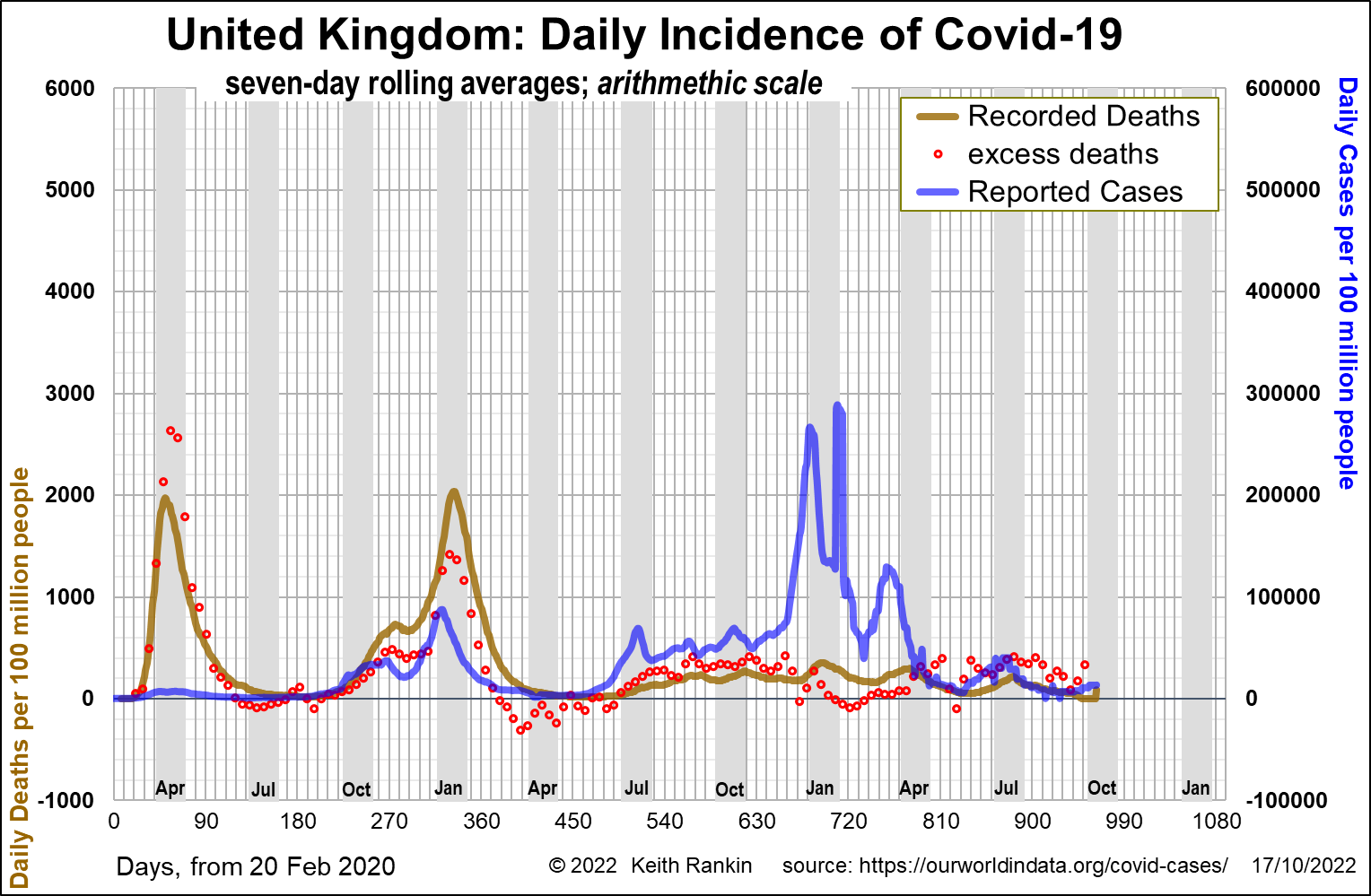
Slow cinema, says writer Matthew Flanagan, “compels us to retreat from a culture of speed […] and physically attune to a more deliberate rhythm”.

Slow violence is described by environmental literature professor Rob Nixon as “a violence that occurs gradually and out of sight […] an attritional violence that is typically not viewed as violence at all.”⁠
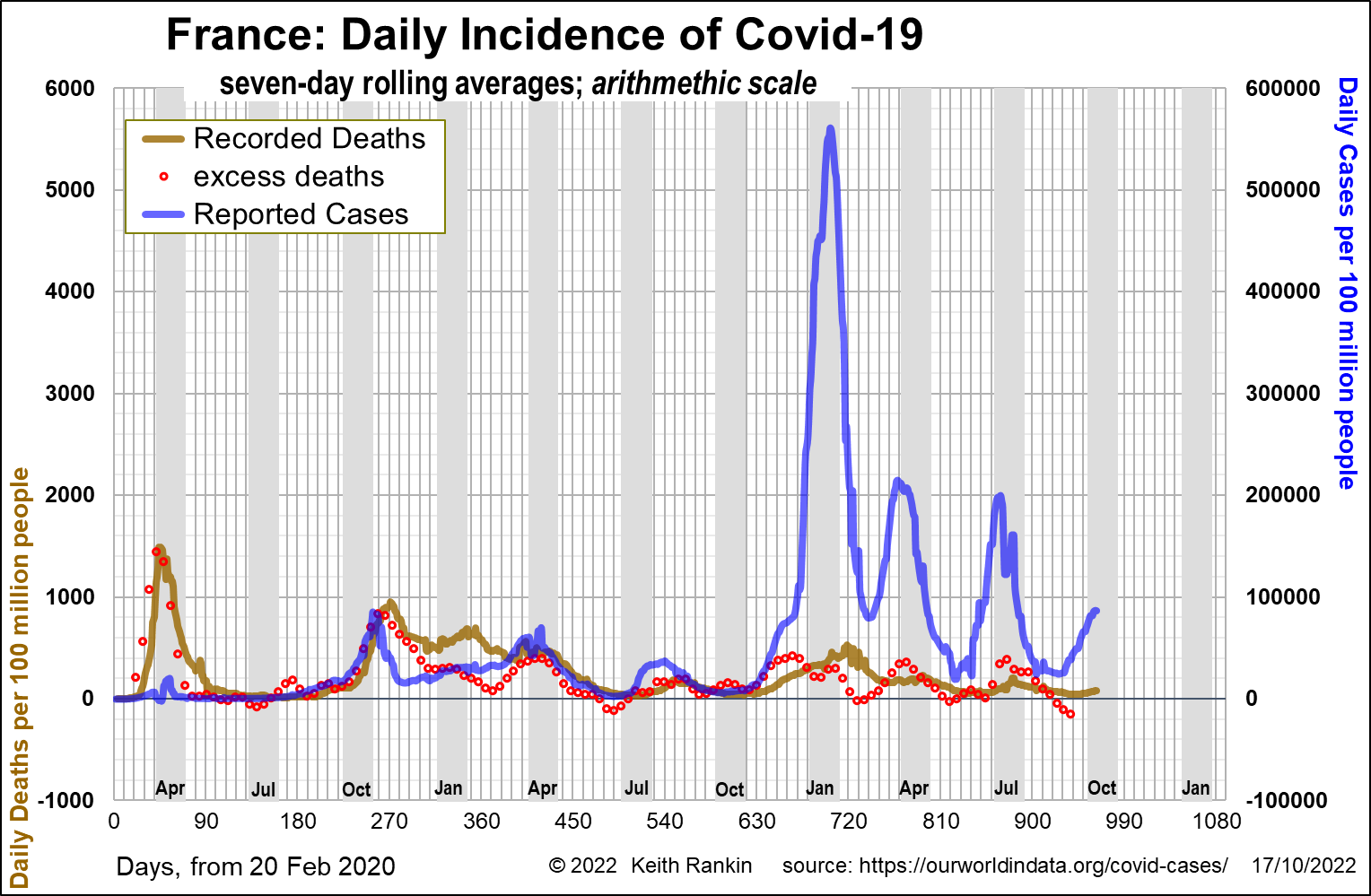
This kind of violence is so embedded within daily life, connected to commonplace activities and daily rituals we don’t see it at all, let alone regard it as an emergency. In using slow aesthetic techniques, myself and the viewer use our own capacities to observe and pay attention to the damage within the everyday.

On the top deck of the station, as I watch the storm roll across the ocean, I wonder where the air has come from, who else has breathed it, what is inside of it and how long it has been on its journey.

While at Kennaook, I film and record the landscape and science working together, in constant conversation.

Inside the station, the scientists and technicians are at work. A day is spent cleaning one of the instruments, tubes are flushed and reflushed, tests are run. All the while the air is flowing in from the outside through pipes and into different machines, registering numbers and building graphs, telling us what gases are contained within it and which direction it may have come from.

If there is a sudden spike, it has come from a car outside the station. If it is a more consistent patch of dirty contaminants, the air is probably coming from the north, from Melbourne.

Meanwhile, outside the station, the landscape is working too. The ocean currents ebb and flow, the waves crash onto the rocks below, the wind keeps on blowing, making patterns across the grass, sometimes with such force it is destabilising.

My work doesn’t show dramatic scenes or spectacularly catastrophic events. Instead, through slow visual, aural and scientific processes of attention and observation it shows the emergency is already here. We are entangled within it.

If we really want to, we have the capacity to respond.


Read more:
Almost 200 nations are set to tackle climate change at COP27 in Egypt. Is this just a talkfest, or does the meeting actually matter?


The Conversation

Jessie Boylan has received funding from RMIT University and the Australia Council for the Arts for this artwork.

ref. The air we breathe: how I have been observing atmospheric change through art and science – https://theconversation.com/the-air-we-breathe-how-i-have-been-observing-atmospheric-change-through-art-and-science-187985

Fijiana survive scare from South Africa to win 21-17 in dying seconds

By Alipate Narawa

The Fijiana 15s defeated 13th ranked South Africa 21-17 today to get their first win at the Women’s Rugby World Cup.

Fiji struck first through winger Ilisapeci Delaiwau in the 12th minute after some broken play and her try was successfully converted by Lavena Cavuru.

A couple of missed opportunities where the 16th ranked Fijiana could have extended their lead, but luckily the South Africans were not able to capitalise on this.

Zintle Mpupha sliced through the Fijiana defence and dotted down between the sticks making the conversion easy for Janse van Rensburg to level the score.

Akanisi Sokoiwasa cruised over for a try on the stroke of half-time with Cavuru getting the conversion to take a 14-7 lead at the break.

In the 59th minute, South Africa won a penalty and they powered over on their second attempt after recycling the ball quickly with Aseza Hele diving over to level the score 14-all.

Janse van Rensburg struck with a penalty goal to give the South Africans the lead with 40 seconds left, but the Fijianas had the last say with No 8 Karalaini Naisewa brushing aside the defence to score under the sticks.

Fijiana will face France at Northland Events Centre, Whangarei, next Saturday at 6.15pm in their final pool game.

Alipate Narawa is a Fiji Village reporter.

Print Friendly, PDF & Email

Article by AsiaPacificReport.nz

Blueprint to tackle violence against women unveiled but detailed Indigenous plan still to come

Source: The Conversation (Au and NZ) – By Michelle Grattan, Professorial Fellow, University of Canberra

A blueprint developed by federal and state governments to counter violence against women and children includes the ambitious goal of eliminating gender-based violence within one generation.

But a proposed standalone plan for dealing with violence against Indigenous women, which is much more prevalent than in the general community, is yet to be developed. No date is set for its release.

The National Plan to End Violence against Women and Children 2022 to 2032, put out on Monday by the Minister for Women Katy Gallagher and the Minister for Social Services Amanda Rishworth, describes violence against women and children as “a problem of epidemic proportions in Australia”.
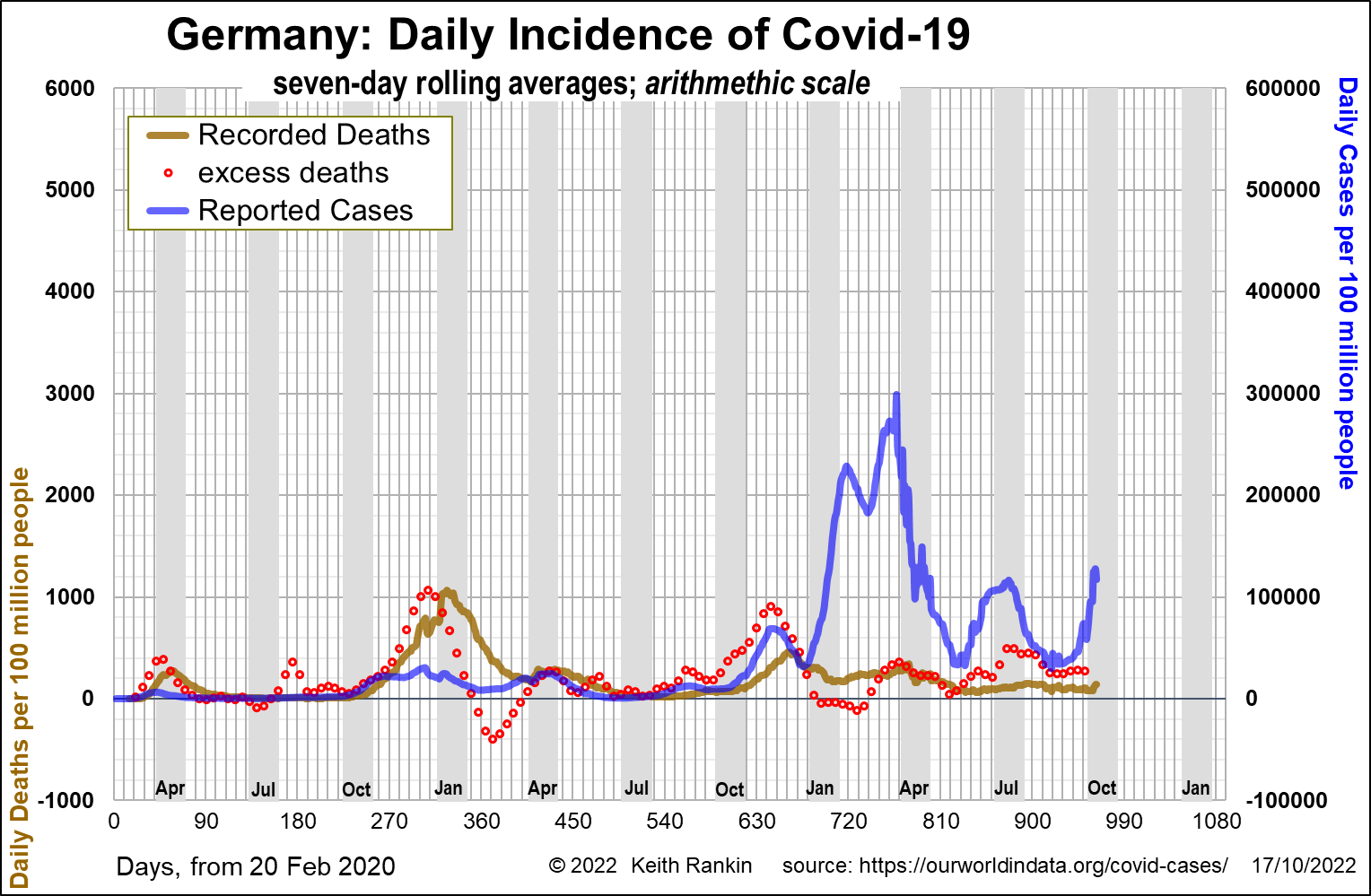
One in three women has experienced physical violence since age 15; the figure for sexual violence is one in five. A woman is killed by a current or former intimate partner every ten days.

Indigenous women are 34 times more likely to be hospitalised due to violence than non-Indigenous women, report three times as many incidents of sexual violence, and are more likely to be killed due to assault.

The national plan, which covers the four areas of prevention, early intervention, response, and recovery and healing, focuses on

  • promoting gender equality and combatting other forms of discrimination that contribute to this violence

  • changing attitudes in order to prevent violence

  • embedding effective early intervention measures

  • building the frontline sector workforce and ensuring women and children have access to support wherever they live

  • making sure tailored and culturally-safe support is there for all women and children and

  • the need for person-centred services and better coordination and integration across systems.


Read more:
Paid parental leave extended to 26 weeks by 2026, with pressure on dads to share more early caring


There will be two five-year action plans. They will include specific commitments by governments and investments in the various areas.

“In the longer term, a standalone First Nations National Plan will be developed to address the unacceptably high rates of violence Aboriginal and Torres Strait Islander women and children experience,” the plan says.

“This violence happens alongside the multiple, intersecting and layered forms of discrimination and disadvantage affecting the safety of Aboriginal and Torres Strait Islander families and communities.

“A deliverable under this National Plan is a dedicated action plan for Aboriginal and Torres Strait Islander family safety, which will provide the foundations for the future standalone First Nations National Plan.”

In the last few years, during the previous plan, attitudes in Australia seem to have improved but not the outcomes.

“Since the 2010-2022 National Plan, fewer Australians hold attitudes that support violence against women, and most Australians support gender equality. Women report that they are increasingly feeling safer in private and in community settings.

“Despite this progress, the 2010-2022 National Plan did not succeed in its goal of reducing violence against women and children. The prevalence of violence against women and children has not significantly decreased during the last 12 years and reported rates of sexual assault continue to rise.

“While increases in reporting may be due to women feeling more supported to come forward and seek help, we must reduce the prevalence.”


Read more:
Grattan on Friday: Government must find a way to force gas prices down – but how?


With advancing gender equality central to solving the problem, the plan says, “Everyone has a meaningful role to play – as families, friends, work colleagues, employers, businesses, sporting organisations, media, educational institutions, service providers, community organisations, service systems and governments”.

Rishworth said: “Current rates of family, domestic and sexual violence are unacceptable. We want to make these changes now so the next generation of women and children can live in a society free from violence.”

The Conversation

Michelle Grattan does not work for, consult, own shares in or receive funding from any company or organisation that would benefit from this article, and has disclosed no relevant affiliations beyond their academic appointment.

ref. Blueprint to tackle violence against women unveiled but detailed Indigenous plan still to come – https://theconversation.com/blueprint-to-tackle-violence-against-women-unveiled-but-detailed-indigenous-plan-still-to-come-192578

‘I feel guilty about not being good enough’: why all Australian schools need teaching material banks
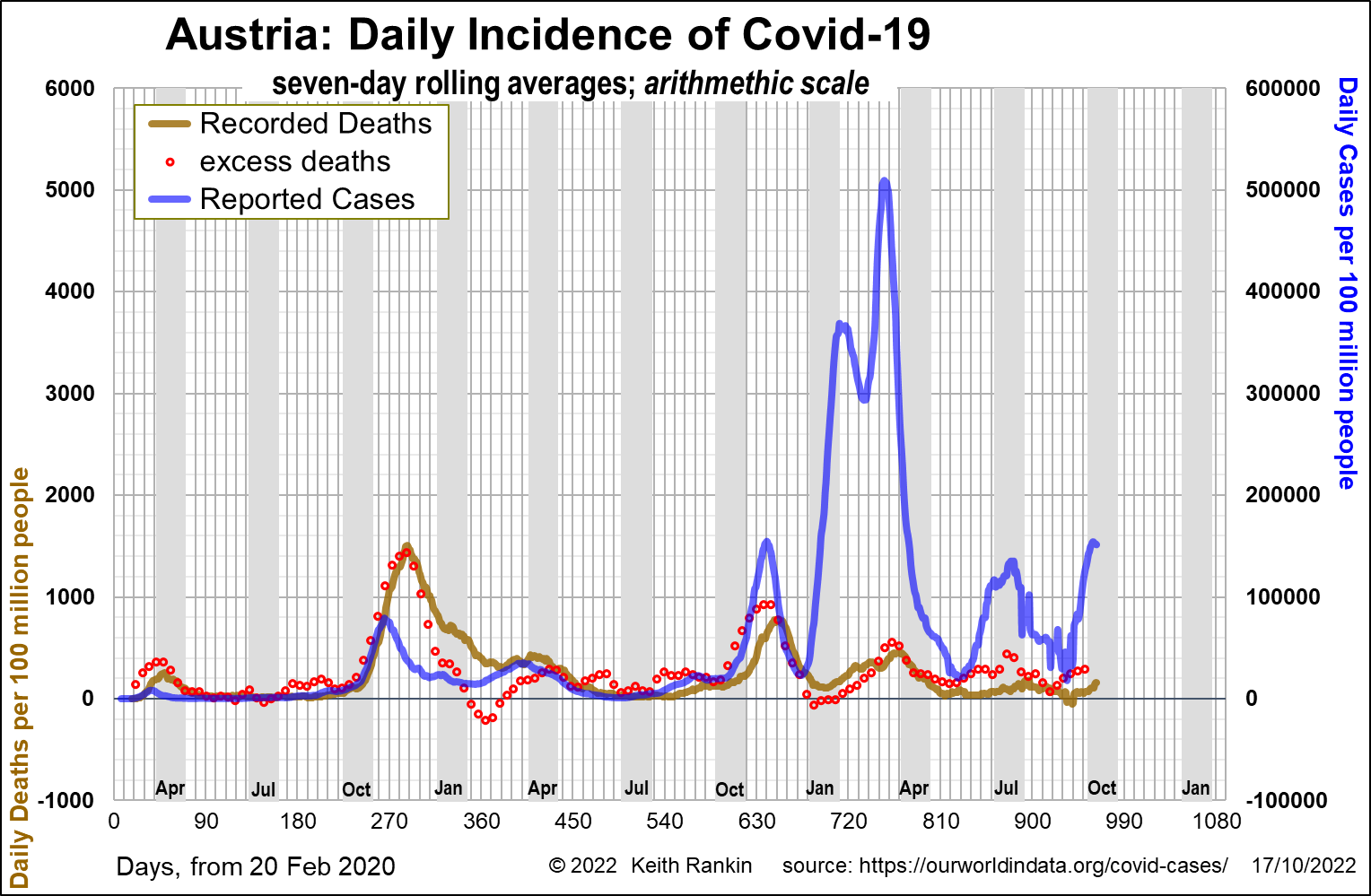
Source: The Conversation (Au and NZ) – By Nick Parkinson, Associate, Grattan Institute

Christina @wocintechchat.com/ Unsplash

School education in Australia needs a circuit-breaker. Student performance continues to stagnate and teachers report excessive workloads and alarming rates of stress.

Our new report from the Grattan Institute, Ending the Lesson Lottery: How to Improve Curriculum Planning, looks at how teachers could be much better supported.

Rather than tinkering at the edges of the education system, we should be looking more closely at curriculum planning – the process of deciding what to teach and the materials to use. This would reduce the load on teachers and help boost student achievement.

Why is lesson planning so important?

The Australian school curriculum and state versions provide broad direction on what to teach. But they leave teachers to do the heavy lifting when it comes to lesson planning and assessment.
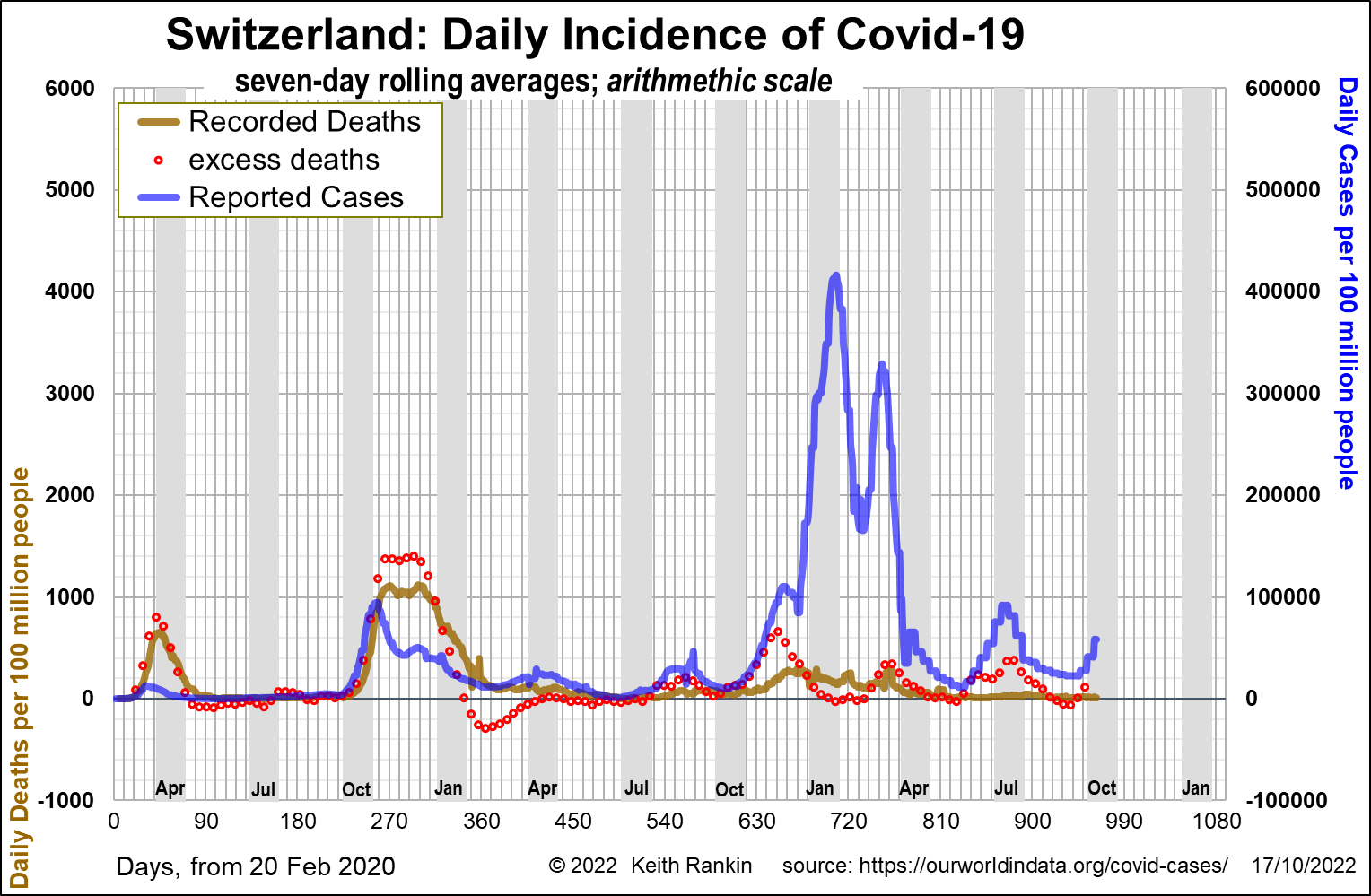
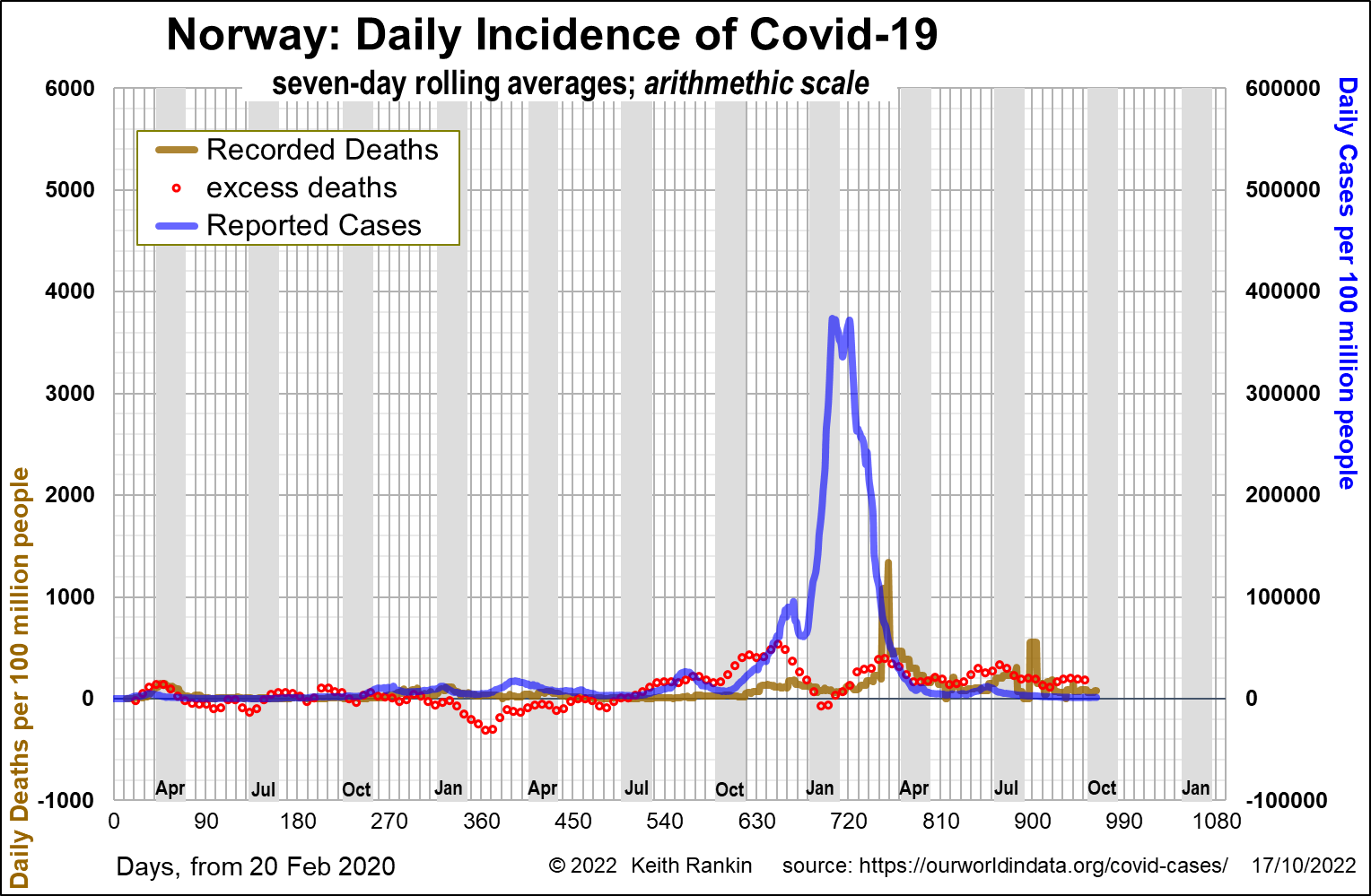
To make the most of class time, lessons should be carefully planned and sequenced so teachers can build on student learning in previous years and set up future learning. This requires a coordinated approach to curriculum planning, across all school years and subjects.


Read more:
Why is Peter Dutton trying to start another political fight over the school curriculum?


This is where a comprehensive bank of curriculum materials, which teachers can use and adapt, comes in. It means, for example, that all year 3 teachers at a school agree on the key storybooks they’ll use. And it means a student in one year 7 health class learns from the same classroom materials as their peers down the hall. While they’re using the same materials, teachers will make adjustments based on their students and bring their personal flair to the classroom.

A crucial part of this is a whole-school commitment to the process, so teachers work together and agree “this is what we’ll teach, this is how we’ll teach it, and these are the materials we’ll use”.

Without an approach like this, students can miss crucial content, double up on topics or get contradictory explanations from one classroom to the next. It also increases the odds that lessons are hastily cobbled together because a teacher simply – and understandably – ran out of time.

Our survey

As part of a new report, we surveyed more than 2,200 teachers and principals about curriculum planning.

We asked them if they had a bank of high-quality curriculum materials for all classes at their school. Only 15% said yes. Teachers in disadvantaged schools were only half as likely to have a bank as those in advantaged schools.


Our survey also found 50% of teachers spend six or more hours a week creating and sourcing lesson materials, and a quarter of teachers spend ten hours or more. Pressed for time, 66% of those surveyed go to social media sites such as Facebook and YouTube to look for materials. The quality of what they find obviously varies widely.

Burdened with a heavy planning load, it’s no wonder teachers are crying out for help. Teachers told us they cannot possibly maintain high-quality planning within reasonable working hours. As one teacher in the survey said:

There’s not enough hours in the day to make materials as high-quality as I would like them to be. I forever feel guilty for not being good enough.

Curriculum banks save time

Our survey found teachers in schools with a bank of common materials for all their subjects spend three hours a week less sourcing and creating materials. And these teachers are almost four times more satisfied with curriculum planning at their school.

Teachers in schools with a bank are also nearly twice as likely to say students consistently learn the same thing, no matter who they’re taught by, compared to teachers in schools without one.


Nine out of ten teachers surveyed said access to shared, high-quality materials would give them more time to meet the needs of individual students. Many were frustrated that it isn’t the norm. As another teacher told us in the survey:

It frustrated me to no end that schools and governments do not provide resources/lesson plans/unit plans that are ready to go. I was a lawyer before I was a teacher, and I would never have drafted a legal document without using a precedent!

Many schools will need help

Our report also profiles schools who have managed to establish an effective whole-school approach to curriculum planning. Four in five are public schools and they come from a range of areas, from metropolitan to regional.

What they have in common is school leaders who understood the need for a materials bank, prioritised school time and resources to develop it, and built a culture of professional trust where teachers share materials.

Our case studies didn’t have much government help, but realistically, without it, most schools will find it challenging to follow their lead.

Governments and education sector leaders need to invest in more high-quality, comprehensive curriculum materials that schools can choose to adapt and use.


Schools will also need more curriculum-specific professional development and less generic training.

We estimate an investment of between $15 million and $20 million would be enough to develop comprehensive high-quality materials for a single subject, up to year 10 level. This is a small amount in the overall scheme of the $71 billion we spend a year on education.

These materials should also be quality assured by an independent, expert body.

It is important to note that governments don’t necessarily have to do all the development work themselves. The United Kingdom uses a mix of government-made, charity and commercial providers for materials.

But time and money is only part of the solution. At the individual school level, we need principals prepared to lead change.

This is about giving teachers more time for teaching (not less)

Previous debate around lesson banks have sparked some anger among teachers who say lesson planning is a core part of their profession and should not be “outsourced”.

But this is not about removing school autonomy or downgrading professional expertise. Our case studies found a whole-school approach meant teachers could spend more time planning key lessons (rather than being stretched thin across 20 lessons a week).


Read more:
Australia spends $5 billion a year on teaching assistants in schools but we don’t know what they do


Our survey also overwhelmingly found teachers thought having access to high-quality materials would give them more time to respond to the individual needs of their students.

This is also not a call to mandate the curriculum materials that teachers must use. It is about increasing the availability of quality materials so schools have more options. Schools may adapt what is provided or choose to develop their own shared curriculum materials (provided they have the time and resources).

The burden of having to plan mostly from scratch is taking a heavy toll on teachers. A new partnership is needed between governments, education leaders, and schools to reduce this. Failure to do so is unfair on teachers as well as students.

The Conversation

Nick is currently training to be a teacher at the Melbourne University’s Graduate School of Education.

ref. ‘I feel guilty about not being good enough’: why all Australian schools need teaching material banks – https://theconversation.com/i-feel-guilty-about-not-being-good-enough-why-all-australian-schools-need-teaching-material-banks-192399

‘Would you like lunch? Can I clean out the chook house?’: what flood survivors actually need after disaster strikes

Source: The Conversation (Au and NZ) – By Mel Taylor, Associate Professor, Macquarie University

The floods ravaging Victoria have destroyed hundreds of homes and left at least one person dead. Some rivers are not expected to peak until Monday and more wet weather may leave towns battling floodwaters again in the coming weeks.

We’ve been researching the experiences of people who survived floods in Queensland and New South Wales this year. Our initial findings offer insights as Victoria now suffers its own flood disaster.

The current crisis is far from over. Those affected will be feeling confused and overwhelmed. Well-meaning helpers are likely to rush in, and recovery agencies will be mobilising.

In the difficult weeks and months ahead, here’s what Victorian flood survivors will be going though – and how best to help.

man hoses ground next to sign saying 'Bridgewater Hotel'
Insights from survivors of flooding earlier this year may help Victorians in the current flood crisis.
Brendan McCarthy/AAP

‘Just one step in front of the other’

Our study involves researchers from Macquarie University, University of Southern Queensland and Queensland University of Technology. Since late August this year, we’ve interviewed more than 200 flood survivors from about 40 communities.

Our research area stretches from the Queensland town of Maryborough down to Sydney’s Hawkesbury-Nepean Valley, taking in communities west of Brisbane as well as those in the Northern Rivers area around Lismore.

Some flood survivors we interviewed in September and October had experienced three or four floods this year – and lost everything multiple times.


Read more:
‘One of the most extreme disasters in colonial Australian history’: climate scientists on the floods and our future risk


Almost eight months after the worst of the floods, many are not back in their homes. Some have returned but don’t have electricity or water, and only have one or two habitable rooms in what is otherwise a shell of a house.

People were worn down by the multiple floods and getting back on their feet each time. They’d faced difficulties getting help from recovery organisations, and dreaded another summer the same as the last.

As one flood-affected resident said:

It’s just one step in front of the other, because what else can we do?

Another participant expressed frustration with the recovery efforts of their local council:

This isn’t their first rodeo. What the **** are they doing?

Some of the worst affected people lived in properties that had never flooded before. Some didn’t act to protect their belongings because their homes were built above all previous flood levels. But their homes were inundated to the ceilings, and they lost everything.


Read more:
‘I simply haven’t got it in me to do it again’: imagining a new heart for flood-stricken Lismore


An avalanche of decisions

Having disorganised thoughts is a normal response to stress and trauma. We spoke to many flood survivors who felt as if their brains were “scrambled” during and after the disaster.

Many said it had led to poor decision-making that left them facing a more complex and protracted recovery. For example, some who chose to delay evacuation faced trauma that could have been avoided, such as the loss of pets. Others regretted decisions made during the clean up.

Some people had the added stress of having to decide if they must permanently leave their homes – because, for example, it is built on a floodplain or is too damaged to repair. This additional emotional strain was also experienced by survivors of Victoria’s Black Saturday bushfires.

Cleaning up after the floods has been fraught. Many people didn’t take photos of their damaged houses before they were stripped out – and are now struggling to prove to their insurance company how badly their house was affected.

Wonderful people helped with the flood clean-up – but in some cases, it meant everything happened too fast. Precious damaged items that might have been cleaned or repaired – such as photos or a grandfather’s timber chair – were instead chucked out.

pile of refuse outside flooded home
Some interviewees allowed precious household items to be discarded – and later regretted it.
Jason O’Brien/AAP

The many questions from those offering help were overwhelming: what do you need? What can we do? We found in the first few weeks, survivors generally had capacity to answer only very specific questions involving a “yes” or “no” answer: would you like lunch? Can I clean out the chook house? Can I get you a trailer or generator?

Tracking down help was a grind. Every call seemed not to reach the right person to talk to, and ended in a promise that the person would call them back. Frequently, they didn’t.

Some insurance companies were dragging the chain, preventing people from rebuilding or relocating. Others with properties that had never flooded never thought they needed insurance – and their homes may now be un-insurable.

Local communities stepped up to carry survivors through the initial clean-up and recovery – a common experience after disasters.


Read more:
Floods in Victoria are uncommon. Here’s why they’re happening now – and how they compare to the past


But once the urgent work is done, volunteers usually return to their families, lives and jobs. For survivors, the feeling of being forgotten can be overwhelming – especially for those who live alone, or those struggling to access mental health services.

Our in-depth interviews with flood survivors will inform the next phase of the research, an online survey opening later this month. Anyone interested in contributing can contact us here.

Many themes we identified in our research so far also emerged after the Black Saturday bushfires in 2009. The journey of recovery from that tragedy is still underway.

charred remains of home after bushfire
Themes to emerge from the flood research echo those from research into Black Saturday.
Andrew Brownbill/AAP

The age of disasters

As we write, floodwaters in parts of Victoria continue to rise. Elsewhere the water is receding, but flooding is expected to persist for days yet.

We were saddened by the hundreds of conversations with flood survivors this year. But we also have huge admiration for people’s determination to pick themselves up.

And despite the devastation they’d experienced, most interviewees found silver linings. Some found renewed faith in their neighbours, friends and towns. Others were committed to being less attached to things, to helping their community when they can, or to be more responsive to family and friends.

Our research is too recent to provide tangible help to Victoria’s flood survivors. But we hope it will help in future as Australians recover from floods and other disasters.


The authors would like to acknowledge their fellow researchers on this project: Professor Kim Johnston, Associate Professor Fiona Miller, Associate Professor Anne Lane, Dipika Dabas and Harriet Narwal.


Read more:
More than a decade after the Black Saturday fires, it’s time we got serious about long-term disaster recovery planning


The Conversation

Mel Taylor receives funding from Natural Hazards Research Australia.

Barbara Ryan receives funding from Natural Hazards Research Australia. She is affiliated with Emergency Media and Public Affairs, a community of practice of emergency communicators and engagement practitioners.

ref. ‘Would you like lunch? Can I clean out the chook house?’: what flood survivors actually need after disaster strikes – https://theconversation.com/would-you-like-lunch-can-i-clean-out-the-chook-house-what-flood-survivors-actually-need-after-disaster-strikes-192577

Papuans mourn sudden loss of ‘one of their brightest stars’

OBITUARY: By Yamin Kogoya

The sudden death of activist Leonie Tanggahma has shaken Papuan communities. Her loss last week has shocked West Papuans who regarded her as one of those who had stood strong for decades advocating independence for the Indonesian-ruled region.

She had lived for decades in the Netherlands among hundreds of exiled Papuans who had left West Papua after Indonesia annexed the territory 60 years ago. She died at the age of 48 on 7 October 2022.

Papuans continue to express messages of condolence and tribute on social media.

“Sister Leonie passed away due to a severe heart attack,” said Yan Ch Warinussy, a Papuan lawyer and human rights activist and director of the Legal Aid, Research, Investigation and Development Institute (LP3BH), reports Suarapapua.com.

A prominent young Papuan independence activist and West Papua diplomat of the Asia-Pacific region Ronny Kareni, wrote on his Facebook page:

“Sincere and heartfelt condolences for the sad loss of West Papua Woman Leader Leonie Tanggahma. Leonie Tanggahma is the daughter of the late Bernard Tanggahma, Minister for Foreign Affairs in the exile of the Republic of West Papua, which was unilaterally proclaimed by the Free Papua Movement (OPM) in the seventies.

“She was a liaison officer for the Papuan-based human rights NGO ELSHAM in Europe, for which she provided among others, the regular representation of the Papuan cause at United Nations forums, such as the working group on Indigenous populations, the Commission on Human Rights (now Human Rights Council) and its sub-commission.

“In July 2011, the Papua Peace Network (JDP) appointed her, along with four other Papuans living in exile, as a negotiator in the event that the Indonesian Government implements its apparent willingness to hold dialogue with Papuans.

“Following the need for a united political front in a regional and international forum in December 2014, she was appointed as the ULMWP executive member, along with four others to spearhead the national movement abroad, which she served diligently for three years.

“On a personal note, in October 2013 sister Leonie reached out upon receiving information of a political asylum mission that brother Airi and I undertook for 13 prominent Papuan activists who had fled across to PNG.

“She fully supported me in terms of advocating behind the scenes to make sure activists were given support and protection, prior to the UN refugee office closure in December of the same year.

“She followed and listened to The Voice of West Papua despite the time difference and often gave feedback on the radio program. She even shared strong support of the cultural and musical work through Rize of the Morning Star and engaged with the Merdeka West Papua Support Network, where she often sat through countless online discussions during the global pandemic.

“A memory that I will share with many Papuan youths is the screenshot [partially reproduced above], taken on the 18th of September 2022. It demonstrates sister Leonie’s commitment to strengthening capacity of the movement and how much she enjoyed listening and being present for ‘Para Para Diskusi’.

“We will miss you in our weekly discussion, sister Leonie.
Condolences to family and loved ones. May her soul rest in peace.”


An interview last year with Leonie Tanggahma.   Video: Youngsolwara Pacific

A legacy hard to forget
Jeffrey Bomanak, a Papuan figure from Markas Victoria, the historic headquarters of the Free Papua Movement (OPM), wrote:

“On Friday, October 7, 2022, Mrs Leonie Tanggahma had a sudden heart attack and went to the hospital to seek help. She did not have time to seek assistance from a local doctor and was forced to leave her service in the Struggle of the Papuan Nation at exactly 10:00am, Netherlands time.

“Mr Bomanak said, the sacrifice, discipline, and loyalty she showed in Papua’s struggle is a legacy that is hard to forget for OPM TPNPB on this day and all the days to come”.

Octovianus Mote, a US-based Papuan independence figure who worked closely with Tanggahma, paid tribute to her as follows:

“Sister, we are saddened by your sudden passing at such a young age, as was your father. As believers, we believe that all this destruction appeals to you in heaven, and we will be praying there along with other Papuan warriors who have already gone ahead. We accept death as only a means of continuing a new life since life is eternal and only changes its form. Goodbye, Sister Leonie. We did it, my sister. We did it.”

Local West Papua news media website Jubi wrote:

“Hearing of the news of the passing of Mrs Tanggahma is like being struck by lightning, the Papuan nation lost a woman who cared about the struggles and rights of the West Papuan people. Papuans and activists in Papua feel bereaved by this news.”

Born into the heart of West Papuan struggle
Veronica Koman, the well-known Indonesian human rights activist and lawyer who advocates for the rights of Indigenous Papuans, wrote on her Facebook:

“Rest In Peace Leonie Tanggahma.
“Sister Leonie and I first met in Geneva, Switzerland, in 2017. I was astonished by her demeanour — intelligent, articulate, friendly, assertive, authoritative but not arrogant. She was one of the pioneers of the international human rights movement for West Papua. Sister Leonie is not only one of the greatest Papuan women but one of the greatest Papuans as well. It sometimes occurs to me that if society and movements were not sexist (meaning that men and women have equal value) how far would Kaka Leonie have succeeded? The people of West Papua have lost one of their brightest stars.”

Benny Wenda, the West Papuan independence icon paid tribute with the following words:

“Leonie Tanggahma was born into the heart of the West Papuan struggle. She was the daughter of Bernard Tanggahma, Minister for Foreign Affairs in exile of the Republic of West Papua which was unilaterally proclaimed by the Free Papua Movement (OPM) in the seventies. Leonie carried on her father’s legacy by working for the Papuan human rights body ELSHAM and representing her people’s cause at various United Nations forums. Later, she became an ULMWP executive member. In this role she was a dedicated servant of the West Papuan independence movement, helping to lead the struggle abroad.”

She was a member of a team of five representatives of the Papuan independence struggle (Jacob Rumbiak, Leonie Tanggahma, Octovianus Mote, Benny Wenda and Rex Rumakiek) elected in Jayapura in 2011 to promote a peaceful dialogue aimed at resolving the Indonesian conflict and Papuan independence.

Daughter of first West Papua ambassador to Senegal
According to Rex Rumakiek, one of the last surviving OPM leaders from Tanggahma’s father’s generation, who grew up and fought for West Papua’s independence:

Leonie Tanggahma was the second daughter of the late Ben Tanggahma and Sofie Komber. She had an older sister named Mbiko Tanggahma. Nicholas Tanggahma (brother of Leonie’s father) was a member of the New Guinea Council, formed with Dutch help to safeguard the new fledgling state of Papua.

In the early 1960s, Leonie Tanggahma’s father was sent to study in the Netherlands so that he would be trained and equipped to lead a newly emerging nation state. However, Ben Tanggahma did not return to West Papua and settled there and worked at the Post Office in The Hague, Netherlands. Her father finally stopped working in the Post Office and participated in the West Papua struggle with the political figures of that time, including Markus Kaisiepo and Womsiwor.

Rumaiek said Leonie Tanggahma’s father was the first West Papuan diplomat (ambassador level). He was the one who opened the first West Papuan foreign embassy in Senegal, Africa.

The President of Senegal at that time (1980s) was Léopold Sédar Senghor, a Catholic, as was Ben Tanggahma. Having this religious connection enabled both to develop a special relationship, which allowed West Papua to open an international office in Africa and allowed many African countries to support West Papua’s liberation efforts.

Ben Tanggahma was sent to Senegal as an ambassador by the Revolutionary Provisional Government of West Papua New Guinea (RPG), which received official fiscal and material support from African countries and stood behind Senegal. During that time, the government of Senegal provided Ben Tanggahma with a car, a building, and other resources as well as moral support.

These enabled him to lobby African countries for West Papua’s cause of self-determination.

Rumaiek said he got to know Leonie in 2011, when Benny Wenda, Octovianus Mote, Leonie and he were elected to lead peace dialogue teams in an attempt to resolve West Papua’s tragedies. No results were obtained from this effort.

Leonie Tanggahma was, according to Rex Rumakiek, a well-educated young West Papuan woman who carried her father’s legacy and came from a family who played a significant role in the liberation movement of the Papuan people.

Nicholas Tanggahma and West Papua political Manifesto 1961
Nicholas Tanggahma, brother of Leonie’s father (Ben Tanggahma), was a member of the Dutch New Guinea Council (Nieuw-Guinea Raad), which was installed on 5 April 1961 as the first step towards West Papua’s independence. As soon as the council was formed, Nicholas Tanggahma and his colleague realised that things were about to change dramatically against their newly imagined independent state.

After a few weeks, on 19 October 1961, Ben Tanggahma called a meeting at which 17 people were elected to form a national committee. The committee immediately issued the famous West Papua political manifesto, which requested of the Dutch:

  • “our [Morning Star] flag be hoisted beside the Netherlands flag;
  • “our national anthem (“Hai Tanahku Papua”) be sung and played alongside the Dutch national anthem;
  • “our country be referred to as Papua Barat (West Papua); and
  • “our people be called the Papuan people.”

Two months later, on 1 December 1961, the new state of West Papua was born, which Papuans around the world celebrate as their National Day.

Leonie Tanggahma died in the same month her uncle had first sown the seed for the new nation West Papua 60 years ago. This deep historical root of her family’s involvement in the struggle for a free and independent West Papua shocked people.

The following are excerpts from a lengthy series of interviews Leonie’s father, Ben Tanggahma had in Dakar, Senegal on February 16 1976. Tanggahma is famous for providing the following answer when asked about the connection between Black Oceania and Africa:

“Africa is our motherland. All the Black populations which settled in Asia over the hundreds of thousands of years came undoubtedly from the African continent. In fact, the entire world was populated from Africa. Hence, we the Blacks in Asia and the Pacific today descend from proto-African peoples. We were linked to Africa in the Past. We are linked to Africa in the future. We are what you might call the Black Asian Diaspora.”

Mbiko Tanggahma, older sister of Leonie Tanggahma, wrote on her Facebook:

“It is true that my little sister, Leonie Tanggahma, passed away on the 7th of October 2022. Although her departure was premature and unexpected, it gives us comfort to know that she was not in pain and that she passed away peacefully. Until her last moments, she continued to do what she loved. She continued to be her determined and fierce self. She fought for just causes, surrounded by her family, friends, activists, and loved ones.”

  • Leonie’s family in The Netherlands has provided this donation link. (Cite “Leoni” and your full name and e-mail or home address).
Print Friendly, PDF & Email

Article by AsiaPacificReport.nz

Lobbying begins for new coalition government in Vanuatu after vote

By Hilaire Bule, RNZ Pacific correspondent in Port Vila

Talks among Vanuatu political parties have started for the formation of a coalition government following Thursday’s snap election.

The talks have started as it appears that none of the political parties which contested the ballot won a simple majority in the 52-seat Parliament.

Sources from former government, and former opposition members have revealed that leaders of political parties who have won seats in Parliament following unofficial results have begun negotiations for the formation of a new government.

They said that so far both sides wanted to form a new government, but it would depend very much on the numbers that they have secured.

Ballot boxes from isolated areas in Vanuatu had not yet reached the main centres to be shipped to the capital, Port Vila.

A helicopter was yesterday still collecting the ballot boxes from isolated areas in the constituency of Santo.

According to political analysts, the lobby for the formation of a new government would not be easy because — according to the unofficial results — four former prime ministers had managed to be re-elected as members of Parliament.

They said that all four would want to be prime minister again.

This article is republished under a community partnership agreement with RNZ.

Print Friendly, PDF & Email

Article by AsiaPacificReport.nz

Draconian Fiji ‘nowhere near genuine democracy’, says NFP’s Prasad

By Finau Fonua, RNZ Pacific journalist

Fiji MP and the leader of the opposition National Federation Party, Professor Biman Prasad, is accusing Prime Minister Voreqe Bainimarama’s ruling FijiFirst Party of suppressing opposition parties with newly amended electoral laws ahead of the country’s general elections this year.

“These are draconian pieces of electoral laws which are designed to keep the opposition parties at bay,” Professor Prasad said.

“They are designed to persecute and gag the opposition parties and prevent them from campaigning. These are absurd and stupid laws governing the electoral process,” he added.

The Electoral Amendment Bill 2022 gives the country’s Supervisor of Elections, Mohammed Saneem, the right to “direct a person, by notice in writing, to furnish any relevant information or document…notwithstanding the provisions of any other written law on confidentiality, privilege or secrecy”.

It means candidates have no rights of confidentiality if ordered to hand over a document, and the punishments for now complying range from fines of up to $50,000 to a prison term of more than five years.

Saneem has been accused in the past of having a pro-government bias.

“You would never experience such absurd and ridiculous levels of conflict of interest,” Professor Prasad said.

Aiyaz Sayed-Khaiyum
Fiji’s Attorney General Aiyaz Khaiyum-Sayed . . . “Such powers are . . . extremely important.” Image: Facebook/Fiji govt/RNZ Pacific

‘We can’t even criticise’
“The laws have been made by this government led by the Attorney-General, who is also the Minister for Elections, and who is also the General Secretary of the FijiFirst Party. We can’t even criticise the Supervisor of Elections, so I must be very careful about what I say with respect to him [Mohammed Saneem].”

Attorney-General Aiyaz Khaiyum-Sayed said the amendments were necessary for the Secretary of Elections to vet candidates.

“Without this specific power, the Secretary of Elections is unable to make enquiries to obtain information necessary for the Secretary of Elections to arrive at decisions as required by the Act. Such powers are also extremely important to allow the Secretary of Elections to conduct enquiries into allegations of breaches of campaign provisions,” Khaiyum-Sayed told Parliament when the Electoral Amendment Bill 2022 was tabled last month.

Fiji People's Alliance Party leader Sitiveni Rabuka.
People’s Alliance Party leader Sitiveni Rabuka … the electoral law amendments are “really just to tie down the hands and feet of the opposition parties.” Image: Koroi Hawkins/RNZ Pacific

Professor Prasad alleges that only the FijiFirst party has the freedom to campaign “as they want, when they want, where they want, how they want”.

He said the opposition “have to look behind our backs constantly to make sure we don’t fall behind the wrong side of the law”.

Bainimarama’s main rival and leader of the People’s Alliance Party, Sitiveni Rabuka, shares Professor Prasad’s sentiments.

“It [electoral law amendments] is really just to tie down the hands and feet of the opposition parties,” Rabuka said.

Hampers ‘smooth running of elections’
“It does not facilitate the smooth running of an election and campaigns but only hampers the progress of other political parties,” he said.

Prime Minister Bainimarama has maintained power in the country as a popular leader since he won the democratic elections in 2014.

But opposition leaders say he is losing support due to a totalitarian style of governance that has been in force since Bainimarama first came to power after staging a coup in 2006.

Professor Prasad said foreign nations need to take notice of recent political developments in Fiji.

He said the country was not a “true democracy” because the government has been actively using laws to suppress dissent.

‘Don’t be fooled by propaganda’
“Don’t be fooled by this propaganda by Frank Bainimarama and Sayed-Khaiyum on that international stage that we have a genuine democracy,” he said.

“Fiji is nowhere near a genuine democracy. This is a bunch who came into power through the barrel of a gun in 2006.”

“They made their own constitution, they made their own laws and they want to remain in power at any cost, giving an appearance to the international community that somehow that we are genuine democracy.”

Professor Prasad said the international community — including neighbours Australia and New Zealand — should be “seriously concerned about what’s going on” in the country.

“The international community absolutely cannot ignore these fundamental laws used by the government to gag the opposition from effectively participating in the election.”

RNZ Pacific has tried many times to contact FijiFirst for a response to this story but has yet to receive one.

This article is republished under a community partnership agreement with RNZ.

Print Friendly, PDF & Email

Article by AsiaPacificReport.nz

Dominic O’Sullivan: The role of Te Tiriti in boosting local government

ANALYSIS: By Professor Dominic O’Sullivan

At this year’s local government elections, average voter turnout was 36 percent. This is comparable to the 2019 figure. It compares with voter turnout of 81.5 percent at the last general election.

Local Government New Zealand says that a review into why people don’t vote should be carried out before the next elections in 2025.

We need to know how many people didn’t vote because they didn’t receive their ballot papers and what practical obstacles to voting might have occurred.

We also need to know how many people just couldn’t be bothered, and if some people made a conscious choice not to vote. A conscious choice is a legitimate democratic decision.

Wayne Brown’s campaign for the Auckland mayoralty may have succeeded partly because it targeted people who traditionally vote — property owners and people over 50. People who are less likely to be Māori.

However, positioning Māori as Treaty partners to the Crown may also be a factor, because it overshadows The Māori citizenship as a share in the Crown’s authority to govern.

Participating in the affairs of government is a greater political authority than partnership. The state is a large and powerful institution and always the senior partner in the relationships it forms. Its partners may have a voice, but they don’t have the right to help make decisions. Decision-making is the task of the participant.

Democracy requires complementary participation
While there are examples of council/Māori partnerships that work well, democracy requires that they complement participation, rather than take its place.

Te Tiriti wasn’t a partnership between races. It was an agreement over the distribution of political authority. Rangatiratanga, as an independent Māori authority over Māori affairs, on the one hand, and the right of the British Crown to establish government on the other.

Fa'anānā Efeso Collins (left) and Wayne Brown
Auckland’s new mayor, Wayne Brown (right), may have succeeded at the election against Fa’anānā Efeso Collins by targeting people who own property and people over 50 – people who are less likely to be Māori. Image: RNZ News

Te Tiriti didn’t intend that the rights of government should override the rights of rangatiratanga. Indeed, it provided a check against this outcome by granting Māori the rights and privileges of British subjects.

In 1840 those rights and privileges were not extensive. But, in 2022 they have developed into the rights, privileges and political capacities of New Zealand citizenship.

Most importantly, citizenship means that everybody has the right and obligation to participate in public decision-making. They should expect that their contributions have the same likelihood of influence as anybody else’s.

Nobody should have reason to feel so alienated from the system that they can’t see the point of voting. Māori wards are supposed to guard against this possibility by supporting active participation and influence.

Influence means being able to participate with reference to culture and colonial context.

Yet, in 2019, the Iwi Chairs’ Forum commissioned a report on constitutional transformation, Matike Mai Aotearoa.

Ethnically exclusive Pakeha body
It comments on what rangatiratanga looks like, but it sees citizenship as the domain of its partner, the Crown. It sees the Crown as an ethnically exclusive Pakeha body governing only for “its people”.

In other words, government is for other people. It’s not for us because rangatiratanga is where our exclusive political authority lies. Our relationship with government is as Treaty partner.

Another view is that rangatiratanga and citizenship are different but complementary. While voting doesn’t matter if one is a partner, it’s essential if one is a participant. Participation means, as Justice Joe Williams, argued, that, there is a need for a mindset shift away from the pervasive assumption that the Crown is Pākehā [non-Māori], English-speaking, and distinct from Māori rather than representative of them.

“Increasingly, in the 21st century, the Crown is also Māori. If the nation is to move forward, this reality must be grasped.”

In 2022, I was commissioned by the Ministerial Review into the Future for Local Government to write a discussion paper on Māori and local government.

The review is required to consider Treaty partnership. But it has also decided to be “bold” in its thinking.

Boldness could mean strengthening Te Tiriti and democracy by thinking beyond partnership as a treaty principle, established by the Court of Appeal in 1987, to thinking about the real substance of rangatiratanga and citizenship.

Local government functions by iwi
Rangatiratanga could mean that not all local government functions need to be carried out by councils. There may be some that are more logically and justly carried out by iwi, hapu, marae, or other Māori political communities.

The ideal that decisions are best made at the point closest to where their effects are experienced is a well-established democratic principle.

Citizenship is different from rangatiratanga but especially important because if Māori are, like everybody else, shareholders in the Crown’s authority to govern, then they are entitled to make culturally distinctive contributions to council decisions.

They are also entitled to expect that councils’ powers and decision-making processes will work for them as well as they work for anybody else.

Increasing voter turnout depends on people believing that councils make a positive contribution to their lives.

Professor Dominic O’Sullivan (Te Rarawa, Ngāti Kahu) is adjunct professor at Auckland University of Technology’s (AUT) Taupua Waiora Centre for Māori Health Research, and professor of political science at Charles Sturt University in Australia. He is also a contributor to Asia Pacific Report. This article was first published by Stuff and is republished with the author’s permission.

Print Friendly, PDF & Email

Article by AsiaPacificReport.nz

Keep Maria Ressa out of jail, #HoldTheLine tells Marcos

Pacific Media Watch

The #HoldTheLine Coalition has urged President Marcos of the Philippines to end persecution of journalists and independent media by dropping all charges against Nobel Peace Prize co-laureate Maria Ressa and her co-accused.

This week, the Philippine Court of Appeals rejected Ressa’s motion for a reconsideration of her 2020 conviction on a trumped-up charge of criminal cyber libel.

This means that after a two-year struggle to overturn her conviction, all that stands between Ressa’s freedom and a lengthy prison sentence is a final appeal to the Supreme Court, and the government’s political will.

“We call on President Marcos to show the world that he rejects the Duterte-era persecution and prosecution of journalists and independent media by immediately withdrawing all charges and cases against Ressa, her co-accused, and her Manila-based news outlet Rappler,” the #HoldTheLine Coalition steering committee said on behalf of more than 80 international organisations — including Reporters Without Borders — joining forces to defend Ressa and support independent media in the Philippines.

“President Marcos should begin by ending his government’s opposition to Ressa’s appeal against her conviction on spurious criminal cyber libel charges, which were pursued and prosecuted by the State despite the Philippine Supreme Court’s warning that the country’s criminalisation of libel is ‘doubtful’.”

There have been 23 individual cases opened by the state against Maria Ressa, Rappler and its employees since 2018.

The criminal cyber libel case is one of seven ongoing cases implicating Ressa. If she is successfully prosecuted in all cases, she theoretically faces up to 100 years in jail.

The criminal cyber libel conviction is the most urgent, with an increased sentence of up to six years and eight months handed down by the Philippine Court of Appeal in July 2022.

Ressa now has just two weeks to file a final appeal to the Philippine Supreme Court, which could then swiftly issue a written verdict, resulting in the enforcement of her prison sentence.

Concurrently, Rappler is also the subject of a shutdown order pursued by the Duterte administration.

Julie Posetti (ICFJ), Rebecca Vincent (RSF), and Gypsy Guillén Kaiser (CPJ) on behalf of the #HoldTheLine Coalition.

The #HTL Coalition comprises more than 80 organisations around the world. This statement is issued by the #HoldTheLine Steering Committee, but it does not necessarily reflect the position of all or any individual Coalition members or organisations. Pacific Media Watch collaborates with Reporters Without Borders.

Print Friendly, PDF & Email

Article by AsiaPacificReport.nz

Paid parental leave extended to 26 weeks by 2026, with pressure on dads to share more early caring

Source: The Conversation (Au and NZ) – By Michelle Grattan, Professorial Fellow, University of Canberra

unknown

Government-funded paid parental leave will be extended, and more pressure placed on fathers to share caring for babies, under an initiative to be unveiled by Anthony Albanese on Saturday.

Parental leave will be lengthened by six weeks, phased in, to total 26 weeks by 2026, with use-it-or-lose-it provisions directed to having fathers undertake a greater part of the early parenting.

Leave will be able to be taken in blocks between periods of work. Single parents will be entitled to the full 26 weeks.

The present scheme is for 18 weeks government-funded leave to care for a newborn. There is a separate “Dad and Partner” payment for two weeks.

The government says it will introduce reforms to modernise the system and improve flexibility from July next year. From July 1 2024 the time will start lengthening, with two extra weeks put on each year until the scheme reaches 26 weeks from July 2026.

The government’s women’s economic equality taskforce, chaired by Sam Mostyn, will advise on details of the model, including what mix of flexible weeks and the use-it-or-lose-it component for each parent are considered best. Details will be in the October 25 budget.

Albanese will formally announce the initiative when he addresses the NSW ALP conference on Saturday morning.

In his speech, an extract of which was released ahead of delivery, Albanese says that, like the government’s child care policy, extending PPL is an economic reform.

“By 2026, every family with a new baby will be able to access a total of six months paid leave, shared between the two parents,” he says.

“We will give families more leave and more flexibility, so people are able to use their weeks in a way that works best for them.

“Our plan will mean more families take up this leave, share in that precious time – and share the caring responsibilities more equally.

“This plan will support dads who want to take time off work to be more involved in those early months.

“It’s a modern policy, for modern families. It delivers more choice, it offers greater security – and it rewards aspiration.”

Albanese says that extended leave was one of the clearest calls that came out of the recent jobs summit.

“Businesses, unions, experts and economists all understand that providing more choice, more support and more flexibility for families and more opportunity for women boosts participation and productivity across the economy.”

He says the government sees this as “the baseline, a national minimum standard.

“We are encouraged that there are already employers across Australia competing to offer working parents the best possible deal. And we want to see more of it.

“Because a parental leave system that empowers the full and equal participation of women will be good for business, good for families and good for the economy.”

Minister for Women Katy Gallagher said that “having a child shouldn’t be an economic barrier for families or indeed act as a handbrake on the broader economy.

“Right now, this burden is borne disproportionately by women but we know that good women’s policy is also good economic policy and this decision is evidence of that.”

Minister for Social Services Amanda Rishworth said: “This will benefit mums, it will benefit dads, it’s good for children, and it will be a huge boost to the economy.

“We know that treating parenting as an equal partnership helps to improve gender equality.”

The Conversation

Michelle Grattan does not work for, consult, own shares in or receive funding from any company or organization that would benefit from this article, and has disclosed no relevant affiliations beyond their academic appointment.

ref. Paid parental leave extended to 26 weeks by 2026, with pressure on dads to share more early caring – https://theconversation.com/paid-parental-leave-extended-to-26-weeks-by-2026-with-pressure-on-dads-to-share-more-early-caring-192506

Honouring the people’s fight against hardship, repression and racism

SPECIAL REPORT: By Tony Fala

Community organisers representing multiple Aotearoa struggles gathered at the Ponsonby Community Centre in Tāmaki Makaurau last Sunday to celebrate the 50th anniversary of the founding of the Ponsonby People’s Union (1972-1979).

Organised by former PPU activists, representatives of many Aotearoa social justice movements and struggles from around the country came together to honour the PPU’s work.

The gathering was simultaneously a birthday celebration; a communal remembering of activist history, and a hui to launch the important PPU commemorative book project.

Taura Eruera
Taura Eruera was a founding member of Nga Tamatoa and the PPU . . . he opened the hui with a mihi whakatau. Image: Tony Fala/Asia Pacific Report

Taura Eruera was a founding member of Nga Tamatoa and the PPU, doing important food co-op work for the union. He opened the hui with a mihi whakatau.

PPU activist Farrell Cleary chaired the meeting and provided excellent introductions for all speakers.

The speakers
Roger Fowler
co-founded the PPU and coordinated the group between 1972-1979. He spoke of how the PPU emerged from the Aotearoa countercultural movement; growing public opposition to the Vietnam War; Progressive Youth Movement activism, and Resistance Bookshop labours in Auckland.

Fowler paid tribute to his friend and PPU co-founder Cliff Kelsell. He acknowledged the writings of the Black Panther Party as formative to thinking concerning community activism — in particular, the writings of Huey P. Newton, Bobby Seale, and George Jackson.

Fowler explained why Huey P. Newton’s concept of “intercommunalism” was vital for developing the PPU’s community resilience and network building praxis in Ponsonby from 1972.

Roger Fowler
Roger Fowler . . . co-founder of the PPU and coordinator of the group between 1972-1979. Image: Tony Fala/Asia Pacific Report

He said the issues the Ponsonby community confronted were:

  • people needing food;
  • people needing protection from police harassment and racism; and
  • local tenants needing assistance against unjust treatment from property owners.

Fowler spoke about the PPU’s food co-op, prison visitors bus service, and free community newspaper and leaflet work. He said the PPU used the food co-op as an organising tool to mobilise people for multiple community interventions.

He expressed concern that knowledge of activism in the seventies may be disappearing — but he acknowledged Nick Bollinger’s recent history Jumping Sundays as an important addition to keeping public memory of activist history alive.

Fowler paid tribute to the Polynesian Panther Party (PPP) — the PPU’s sister organisation — and acknowledged the Polynesian Panther Party Legacy Trust’s (PPPLT) contemporary community organising in schools.

Ponsonby People's Union 50 years tee shirt
The striking 50th anniversary Ponsonby People’s Union tee shirt. Image: Tony Fala/Asia Pacific Report

Pam Hughes was an activist in the PPU. She spoke about the impact of the anti-Vietnam War Movement and the writings of Karl Marx upon her early life. She said she felt she possessed theoretical but not practical knowledge of struggle until she moved to Auckland and joined the PPU in the middle 1970s.

She spoke about the lives of working-class women who lived in Grey Lynn, Herne Bay, and Ponsonby at the time.

Hughes spoke of the terrible hardship these women endured: these women had to make the weekly choice of either paying their rents or buying food for families — they did not have the money to do both.

She spoke of the impact of the 1973 oil crisis; the racism Māori and Pacific people faced during the period, and the emergence of the Dawn Raids strategy as an approach to Pacific “overstayers” initiated by Norm Kirk’s Labour government — before the strategy was intensified under Muldoon’s National government.

Hughes said the PPU had stood up for collective rights and improved living standards in inner city Auckland. She acknowledged the PPU as an early forerunner to contemporary community development programme initiatives in Aotearoa today.

Fuimaono Norman Tuiasau
Fuimaono Norman Tuiasau . . . chairperson of the PPPLT and a former PPP member who worked closely with the PPU from the early 1970s. Image: Tony Fala/Asia Pacific Report

Fuimaono Norman Tuiasau is chairperson of the PPPLT and a former PPP member. He worked closely with the PPU from the early 1970s.

Fuimaono said he felt honoured to attend the 50th celebration for the PPU. He acknowledged all the brothers and sisters from different movements in attendance.

Fuimaono talked about the long, 50-year struggle of the PPU (and others) to uphold the mana of the poor, homeless, and lost in inner city Auckland. He talked about his deep alofa and gratitude for the PPU.

He told rich stories about the work the PPP did in partnership with the PPU. He told the story of how the PPP and the PPU worked together concerning the PPP’s Dawn Raids activist campaign.

Fuimaono talked about how the PPU, and PPP worked together to organise the PIG Patrol to monitor team policing in Auckland. He also shared the narrative of how the PPP assisted the PPU concerning tenancy eviction direct action activism in Ponsonby.

He acknowledged the PPU and his great friends, Roger Fowler and Lyn Doherty. He thanked the PPU for supporting the PPP.

At the conclusion of Fuimaono’s talk, PPP and PPPLT members Melani Anae, Tigilau Ness, Alec Toleafoa, and Fuimaono Norman Tuiasau stood together and sang the beautiful Samoan song “Ua Fa’afetai” to thank members of the PPU for their long years of community service.

Tigilau Ness
Tigilau Ness, a community activist, musician, PPPLT trustee and former PPP member … he worked closely with the PPU from the early 1970s. Image: Tony Fala/Asia Pacific Report

Tigilau Ness is a distinguished community activist, musician, PPPLT trustee, and former PPP member. He worked closely with the PPU from the early 1970s.

He offered warm salutations to the PPU at the 50th birthday celebration event. He spoke of how the loss of Panther sister Ama Rauhihi’s brother Peter in Vietnam galvanised the PPP’s anti-Vietnam War activism.

He articulated the bonds of fellowship between the PPP and the PPU via song. He performed songs such as “Teach Your Children”, and “American Pie” for the audience. These songs were sung by PPU and PPP members travelling on buses together to visit prisoners in Auckland.

Ness spoke about the importance of sharing histories of struggle with the youth of today. He spoke humbly about the community organising work the PPPLT do today speaking to youth in schools about PPP history. He warned that if activists did not tell their historical narratives, then outsiders might come and potentially misrepresent those stories.

Nick Bollinger is an eminent broadcaster and creative writer. He has written the important 2022 Aotearoa Counterculture Movement history Jumping Sundays: The Rise and Fall of the Counterculture in Aotearoa New Zealand.

The Jumping Sundays cover
The Jumping Sundays cover. Image: Auckland University Press

Bollinger evoked the 1960s as a period where communes formed, music festivals abounded, and younger Kiwis challenged social norms from hairstyles and dress codes to social assumptions concerning racism and sexism.

He talked about his book’s title and where the term “Jumping Sundays” came from. He said he wanted to explore ideas important to this emerging counterculture in his book. He wanted to explore whether ideas from this historical conjuncture had survived, been diluted, or had been hijacked.

Bollinger said he felt PPU’s ideas of community service still existed today in the lives and service of former PPU members. He talked about writing about the PPU in his book. He said that if we do not tell these stories, the stories will not survive. He quoted lines from Bob Marley’s renowned community struggle anthem, “No Woman, No Cry” to emphasise his point: “In this great future, you can’t forget your past.”

Alec Hawke is a Ngati Whatua activist and kaumatua. He collaborated closely with Roger Fowler and PPU members at the Takaparawhau Occupation in Tāmaki Makaurau in 1977-1978.

He talked about his early engagement in the anti-Vietnam War Movement as a high school student at Selwyn College in Tāmaki, and his involvement in anti-Vietnam War protests alongside the Progressive Youth Movement (PYM). Hawke spoke about the Takaparawhau struggle and said that Roger Fowler had asked protestors to remain peaceful as police arrested them at the Point in 1978.

Hawke said that Roger had supported Ngati Whatua kuia and kaumatua’s request that arrested protesters remain non-violent. He said Roger Fowler was the last person arrested at Takaparawhau because he refused to move off the wharenui roof!

Hawke thanked the PPP for always helping Takaparawhau protesters when his people called for assistance. He spoke about the death of his daughter Joannie at Takaparawhau: and how Tigilau Ness had written a beautiful song in tribute of Joannie. Alec said that Tāmaki Makaurau would not be the same place but for the work of Roger Fowler and Lyn Doherty.

Musicians Sam Ford and Trudi Green performed for the PPU in the 1970s
Musicians Sam Ford and Trudi Green performed for the PPU in the 1970s . . . they played several fine songs after Alec Hawke spoke. Image: Tony Fala/Asia Pacific Report
The Polynesian Panthers cover
The Polynesian Panthers cover. Image: Huia Press

Musicians Sam Ford and Trudi Green performed for the PPU in the 1970s. They played several fine songs after Alec Hawke spoke. As Sam and Trudi performed their music, guests gathered to converse, share food, and mix and mingle.

Huey P. Newton once said, “I think what motivates people is not great hate, but great love for other people.”

Alongside other organisations and movements, the PPU embodied this great alofa/aroha for others in their tireless community labours. Their work offers living inspiration for new generations today.

The author, Tony Fala, wishes to pay respects to the work of all former PPU members living and deceased. People can send photographs and stories by October 31, 2022, to Roger Fowler for the PPU book project at: roger.fowler@icloud.com People can learn more about the PPU by reading Roger Fowler’s contribution in the important PPP history edited by Melani Anae, Lautofa (TA) Iuli, and Leilani Tamu in 2015 titled, Polynesian Panthers: Pacific Protest and Affirmative Action in Aotearoa New Zealand 1971-1981. Nga mihi nui to Roger Fowler for providing insightful editing comments concerning this article.

Print Friendly, PDF & Email

Article by AsiaPacificReport.nz

Women-led protests in Iran gather momentum – but will they be enough to bring about change?

ANALYSIS: By Tony Walker, La Trobe University

As protests in Iran drag on into their fourth week over the violent death in custody of Mahsa Amini, a young Kurdish woman, there are two central questions.

The first is whether these protests involving women and girls across Iran are different from upheavals in the past, or will simply end the same way with the regime stifling a popular uprising.

The second question is what can, and should, the outside world do about extraordinarily brave demonstrations against an ageing and ruthless regime that has shown itself to be unwilling, and possibly unable, to allow greater freedoms?

The symbolic issue for Iran’s protest movement is a requirement, imposed by morality police, that women and girls wear the hijab, or headscarf. In reality, these protests are the result of a much wider revolt against discrimination and prejudice.

Put simply, women are fed up with a regime that has sought to impose rigid rules on what is, and is not, permissible for women in a theocratic society whose guidelines are little changed since the overthrow of the Shah in 1979.

Women are serving multi-year jail sentences for simply refusing to wear the hijab.

Two other issues are also at play. One is the economic deprivation suffered by Iranians under the weight of persistent sanctions, rampant inflation and the continuing catastrophic decline in the value of the Iranian riyal.

The other issue is the fact Mahsa Amini, the 22-year-old whose death sparked the protests, was a Kurd.

The Kurds, who constitute about 10 percent of Iran’s 84 million population, feel themselves to be a persecuted minority. Tensions between the central government in Tehran and Kurds in their homeland on the boundaries of Iraq, Syria and Turkey are endemic.


A BBC report  on the Mahsa Amini protests.

Another important question is where all this leaves negotiations on the revival of the Joint Comprehensive Plan of Action (JCPOA). The JCPOA had been aimed at freezing Iran’s nuclear weapons ambitions.

Former President Donald Trump recklessly abandoned the 2015 agreement in 2018.

The Biden administration, along with its United Nations Security Council partners plus Germany, had been making progress in those negotiations, but those efforts are now stalled, if not frozen.

The spectacle of Iranian security forces violently putting down demonstrations in cities, towns and villages across Iran will make it virtually impossible in the short term for the US and its negotiating partners to negotiate a revised JCPOA with Tehran.

Russia’s use of Iranian-supplied “kamikaze” drones against Ukrainian targets will have further soured the atmosphere.

How will the US and its allies respond?
So will the US and its allies continue to tighten Iranian sanctions? And to what extent will the West seek to encourage and support protesters on the ground in Iran?

One initiative that is already underway is helping the protest movement to circumvent regime attempts to shut down electronic communications.

Elon Musk has announced he is activating his Starlink satellites to provide a vehicle for social media communications in Iran. Musk did the same thing in Ukraine to get around Russian attempts to shut down Ukrainian communications by taking out a European satellite system.

However, amid the spectacle of women and girls being shot and tear-gassed on Iranian streets, the moral dilemma for the outside world is this: how far the West is prepared to go in its backing for the protesters.

There have also been pro-government Iranian rallies in response
Since the Iranian protests began there have also been pro-government rallies in response. Image: Abedin Taherkenareh/EPA/AAP

It is one thing to express sympathy; it is another to take concrete steps to support the widespread agitation. This was also the conundrum during the Arab Spring of 2010 that brought down regimes in US-friendly countries like Egypt and Tunisia.

It should not be forgotten, in light of contemporary events, that Iran and Russia propped up Syria’s Assad regime during the Arab Spring, saving it from a near certain end.

In this latest period, the Middle East may not be on fire, as it was a decade or so ago, but it remains highly unstable. Iran’s neighbour, Iraq, is effectively without a government after months of violent agitation.

The war in Yemen is threatening to spark up again, adding to uncertainties in the Gulf.

In a geopolitical sense, Washington has to reckon with inroads Moscow has been making in relations with Gulf States, including, notably Saudi Arabia.

The recent OPEC Plus decision to limit oil production constituted a slap to the US ahead of the mid-term elections in which fuel prices will be a potent issue.

In other words, Washington’s ability to influence events in the Middle East is eroding, partly as a consequence of a disastrous attempt to remake the region by going to war in Iraq in 2003.

The US’s ability to influence the Middle East now much weaker
The US’s ability to influence the Middle East is much weaker than before it went to war in Iraq in 2003. Image: Susan Walsh/AP/AAP

A volatile region
Among the consequences of that misjudgement is the empowerment of Iran in conjunction with a Shia majority in Iraq. This should have been foreseen.

So quite apart from the waves of protest in Iran, the region is a tinderbox with multiple unresolved conflicts.

In Afghanistan, on the fringes of the Middle East, women protesters have taken the lead in recent days from their Iranian sisters and have been protesting against conservative dress codes and limitations on access to education under the Taliban.

This returns us to the moral issue of the extent to which the outside world should support the protests. In this, the experience of the “green” rebellion of 2009 on Iran’s streets is relevant.

Then, the Obama administration, after initially giving encouragement to the demonstrations, pulled back on the grounds it did not wish to jeopardise negotiations on a nuclear deal with Iran or undermine the protests by attaching US support.

Officials involved in the administration, who are now back in the Biden White House, believe that approach was a mistake. However, that begs the question as to what practically the US and its allies can do to stop Iran’s assault on its own women and girls.

What if, as a consequence of Western encouragement to the demonstrators, many hundreds more die or are incarcerated?

What is the end result, beyond indulging in the usual rhetorical exercises such as expressing “concern” and threatening to ramp up sanctions that hurt individual Iranians more than the regime itself?

The bottom line is that irrespective of what might be the desired outcome, Iran’s regime is unlikely to crumble.

It might be shaken, it might entertain concerns that its own revolution that replaced the Shah is in danger of being replicated, but it would be naïve to believe that a rotting 43-year-old edifice would be anything but utterly ruthless in putting an end to the demonstrations.

This includes unrest in the oil industry, in which workers are expressing solidarity with the demonstrators. The oil worker protest will be concerning the regime, given the centrality of oil production to Iran’s economy.

However, a powerful women’s movement has been unleashed in Iran. Over time, this movement may well force a theocratic regime to loosen restrictions on women and their participation in the political life of the country. That is the hope, but as history has shown, a ruthless regime will stop at little to re-assert its control.The Conversation

Dr Tony Walker is a vice-chancellor’s fellow, La Trobe University. This article is republished from The Conversation under a Creative Commons licence. Read the original article.

Print Friendly, PDF & Email

Article by AsiaPacificReport.nz

Why is a UN torture prevention committee visiting Australia?

Source: The Conversation (Au and NZ) – By Lindsay A. Pearce, Research Associate, Curtin University

From October 16 to 27, United Nations will pay a special visit to look at some of the hidden corners of Australian society.

A UN torture prevention subcommittee will be making unannounced visits to various places of detention. These could include adult prisons, youth detention facilities, immigration detention centres, police cells, mental health institutions, and secure welfare facilities.

It will be looking for opportunities to prevent abuse and improve conditions of detention.

The visit will place international pressure on Australia to finally move forward with its commitments under the UN anti-torture protocol, on which the country has been dragging its feet.

It’s also a unique opportunity for Australians to see what’s happening behind closed doors and to demand better transparency, accountability, and treatment of vulnerable citizens.

Preventing harm

The subcommittee is a new treaty body that supports UN member states to prevent torture and mistreatment.

It has a right to unannounced visits to examine the treatment of people in prisons and other places of detention in countries that have signed the anti-torture protocol.

The subcommittee can publicly report their findings.

The anti-torture protocol signifies a commitment to establish independent monitoring bodies, called “national preventive mechanisms”. The bodies can freely access all places of detention, make recommendations, and engage in constructive dialogue to facilitate changes that prevent harm, mistreatment, and human rights abuses. Each state and territory, as well as the federal government, is expected to have its own monitoring body.

Like the subcommittee, the Australian monitoring bodies can show up completely unannounced so they can see what conditions are like when facilities haven’t been given advance notice.

These kinds of inspections are a powerful tool for transparency and accountability within sectors that typically operate behind closed doors.


Read more:
3 types of denial that allow Australians to feel OK about how we treat refugees


Australia dragging its feet

Unfortunately, Australia has not upheld its commitment.

Australia first signed the anti-torture protocol in 2009 and ratified it in 2017, joining 91 other countries.

After postponing the 2018 deadline to establish monitoring bodies and missing the latest deadline in January 2022, the UN reluctantly granted Australia another one-year extension.

So far, the federal government and the governments of Western Australia, Tasmania and the ACT have identified who will comprise their monitoring bodies. But New South Wales, Queensland, and Victoria have resisted until federal funding is confirmed.

By January 23 2023, all states and territories are required to have a monitoring body that’s fully compliant with the requirements laid out by the anti-torture protocol.

The apparent reason for the delay is a funding stalemate between the federal government and state and territory governments. The latter are responsible for nominating and coordinating their own jurisdictional monitoring bodies.

It’s hoped the subcommittee visit will speed up the implementation of the anti-torture protocol.

People deprived of liberty are vulnerable

Australia’s delay in establishing a monitoring body has been described as an international shame.

Prisons and other places of detention house some of our most vulnerable citizens. According to the Australian Institute of Health and Welfare in 2018:

  • 40% of people in Australian prisons had a pre-existing mental illness
  • 65% had used illicit drugs in the past year
  • 21% had a history of self-harm
  • 30% had a chronic illness
  • and 29% had a disability.

What’s more, over one-third of deaths in Australian prisons in 2020-21 were self-inflicted.

The statistics are similar in youth detention and immigration detention.

These vulnerabilities make people extremely susceptible to the physical and psychological harms of mistreatment.


Read more:
Why Australia needs its own torture report


Human rights abuses

Australia has an abysmal reputation when it comes to protecting the health and human rights of those in detention. A few examples of the conditions people may be subjected to include:

Despite recommendations from the 2017 Royal Commission into the Detention and Protection of Children in the Northern Territory, the following are still commonly reported in youth detention across Australia:

Disproportionate harm

These conditions disproportionately affect Aboriginal and Torres Strait Islander people. They are around ten times more likely than non-Indigenous people to be detained in prison and 17 times more likely to be detained in the youth justice system. This is largely due to the ongoing impacts of colonisation, systemic racism, and over-policing.

There have been 517 Aboriginal and Torres Strait Islander deaths in custody since the 1991 royal commission into the issue.

The anti-torture protocol ensures governments are accountable to the unique needs of all people deprived of liberty, including Indigenous people, children, and those with a disability.

A different future

Australia has a dark past when it comes to human rights in places of detention. Our future can, and must, be better.

The subcommittee’s visit should be a catalyst for establishing routine, independent monitoring that Australia has committed to under the anti-torture protocol.

It signals change towards collaborative, open discussion about the prevention of harm, mistreatment, and human rights abuses in all places where people are deprived of their liberty.


The authors would like to acknowledge the contributions of the following people who provided input on this article: Daphne Arapakis of Koorie Youth Council, Tiffany Overall of YouthLaw, and Fergus Peace of Victorian Aboriginal Legal Service.

The Conversation

Stuart Kinner receives funding from the NHMRC for research on the health of people in contact with the justice system. He is a technical advisor on the WHO Health in Prisons Programme.

Lindsay A. Pearce does not work for, consult, own shares in or receive funding from any company or organisation that would benefit from this article, and has disclosed no relevant affiliations beyond their academic appointment.

ref. Why is a UN torture prevention committee visiting Australia? – https://theconversation.com/why-is-a-un-torture-prevention-committee-visiting-australia-192169