Online platforms are awash with ads for so-called “green” products. Power companies are “carbon neutral”. Electronics are “for the planet”. Clothing is “circular” and travel is “sustainable”. Or are they?
Our study of more than 8,000 ads served more than 20,000 times in people’s Facebook feeds found many green claims are vague, meaningless or unsubstantiated and consumers are potentially being deceived.
This costs consumers, as products claiming to be greener are often more expensive. And it costs the planet, as false and exaggerated green claims – or “greenwashing” – make it seem more is being done to tackle climate change and other environmental crises than is really happening.
The widespread use of these claims could delay important action on tackling climate change, as it dilutes the sense of urgency around the issue.
The Ad Observatory captures ads from the personal Facebook feeds of around 2,000 people who “donate” their ads to the project via a browser plugin. This lets us analyse otherwise unobservable and ephemeral ads.
We found the most common claims were “clean”, “green” and “sustainable”. Other popular terms were “bio”, “recycled” or “recyclable”, “pure” and “eco-friendly”, often with no explanation of what lay behind them. All are very general, undefined terms, yet they imply a more environmentally responsible choice.
Our report didn’t verify each claim nor analysed their accuracy. We intended to highlight the volume and breadth of the green claims consumers see in social media ads.
Many ads used colours and symbols to put a green “halo” around their products and business. These included green, blue and earthy beige tones, background nature imagery and emojis featuring leaves, planet Earth, the recycling symbol and the green tick, often with no context or specific information.
A sample of green-coloured ads collected by our Ad Observer project. The claims in these ads may well be true, but consumers often need to ‘deep dive’ to verify this information. CPRC, Author provided
The top five sectors making green claims were energy, household products, fashion, health and personal care, and travel.
This was consistent with a recent internet sweep by the Australian Competition and Consumer Commission (ACCC), which found 57% of the business websites checked were making concerning claims. The proportion was highest among the cosmetic, clothing and footwear, and food and drink packaging sectors.
Examples of blue-coloured ads. The claims in these ads may well be true, but in many cases consumers need to ‘deep dive’ to verify this information. CPRC, Author provided
Strong incentives for greenwashing
Recent Consumer Policy Research Centre research shows 45% percent of Australians always or often consider sustainability as part of their purchasing decision-making. At least 50% of Australians say they are worried about green claim truthfulness across every sector.
Given consumer concern, businesses have a strong incentive to “green” their businesses. But that comes with a strong incentive to claim more than is justified.
Major Australian business regulators – the ACCC and Australian Securities and Investment Commission (ASIC) – are both prioritising enforcement action against greenwashing.
ASIC has issued dozens of interventions against misleading and deceptive environmental disclosures by companies and super funds. The ACCC has issued draft guidance for businesses on how to avoid greenwashing when making environmental and sustainability claims.
A Senate inquiry into greenwashing is expected to report in mid-2024 as to whether stricter regulation is necessary to protect consumers from misleading greenwashing.
Our research highlights the plethora of green claims businesses make in social media advertising. Consumers are forced to choose between accepting claims at face value or committing to a deep dive to research each product they buy and the claims they make.
Many green claims come from the energy sector, with some energy companies claiming to be “greener” without any detail. Some claim carbon offsets or carbon neutrality – highly contested terms.
Ads for “sustainable” travel often showed destinations emphasising a connection with nature, but did not explain what aspect of the travel was sustainable.
Examples of travel ads containing ‘green’ claims. The claims in these ads may well be true, but often consumers need to ‘deep dive’ to verify this information. CPRC, Author provided
One personal care brand heavily advertised its “sustainable” packaging, but the fine print showed it related only to the boxes their products are shipped in, not the actual product packaging. A claim like this can create an undeserved green halo across a whole product range.
Claims that products are biodegradable, compostable or recyclable can be particularly problematic, since this is often technically true yet practically difficult. Some products labelled biodegradable may need to be taken to a specific facility, but a consumer might assume they will biodegrade in their home compost bin.
Australians cannot wait years for enforcement action against potentially misleading green claims. The economy and the digital world is moving too fast and the need for sustainability is too urgent. Governments must enact laws now to ensure green terms are clearly defined and based on the truth.
The European Union is currently working on a “Green claims” directive that seeks to ban generic claims such as “eco-friendly”, “green”, “carbon positive” and “energy efficient”. Claims would have to be specific, meaningful and based on independently verified excellent environmental performance.
Australian regulators should have the power to blacklist green terms that cannot be substantiated and are inherently meaningless or misleading.
Some high-polluting sectors should be banned from making any kind of green claim in advertising, due to the overwhelming negative environmental impact of their business models and practices, as the EU is considering. Fossil-fuel companies, for example, should not be permitted to use green claims in marketing.
Australian consumers deserve green choices that are clear, comparable, meaningful and true.
Christine Parker receives funding from the Australian Research Council as a Chief Investigator with the ARC Centre of Excellence for Automated Decision-Making and Society.
Keith Rankin, trained as an economic historian, is a retired lecturer in Economics and Statistics. He lives in Auckland, New Zealand.
Analysis by Keith Rankin.
Keith Rankin, trained as an economic historian, is a retired lecturer in Economics and Statistics. He lives in Auckland, New Zealand.
Supremacism is a cultural belief that an in-group of humanity is inherently superior to other groups, and that those other groups have lesser human rights as a consequence of their presumed inferiority or corruption.
The Jewish religion does have texts which can be understood as supremacist. That doesn’t make Judaism a supremacist faith, though it does mean that it is a religion vulnerable to supremacist interpretations within that faith; including such interpretations within that faith community. This interpretation manifests today as giving Jewish extremists – neozionists – a priority claim over a piece of real estate which may be called the Southern Levant; especially the lands of the Post WW1 British Mandate Palestine, between the Mediterranean Sea and the Jordan River, and between the Sinai Peninsula and the lands of ancient Phoenicia which we now call Lebanon. (Levant is most meaningfully understood as the relatively fertile lands of the eastern Mediterranean, extending from Gaza in the south to a small strip of modern Türkiye in the north.) The present government of Israel is dominated by neozionists; especially those ministers representing the small parties to the political right of Likud. They represent an ultra-extremist tail wagging a willing Likud dog in a divided Israel; a divided nation in which opposition forces only this year waged mass protests against the suppression of judicial independence (refer Listening Post 29 July 2023, second story; quote: “Israelis are describing the fight over judicial reform as a looming civil war”).
Referencing Amalek as a call to Genocide
The following two programmes on Al Jazeera (among others, including other media) – episodes of Listening Post (about the international media) and Inside Story – showed and cited clips from Israeli domestic sources of Prime Minister Netanyahu making biblical references in what amounts to a call to genocide. Over and above the actual content of these clip, clips that are not fake news, my concern is the degree of self-censorship on the part of the media outlets which western audiences have most access to. In some ways New Zealand is even worse than the United States. Clips about Netanyahu’s Amalek comments have circulated in United States media, unlike New Zealand media (although I did see this by Eugene Doyle: The Holocaust Should be a Lesson not a Template, Scoop 7 Nov 2023).
The Wikipedia page for Amalek refers in the second paragraph to “The Biblical commandments to kill all Amaleks”. (And see dictionary.com.) Benjamin Netanyahu speaks: “‘Remember what Amalek has done to you’ says our holy bible. We do remember. And we wage war.” That bible passage goes on to say: “Now go and smite Amalek … kill both man and woman, infant”. Hamas, the present administrators and ‘defenders’ of Gaza, is the new Amalek. The Palestinians – and, for the moment, especially the Gazans – are the Amalekites. Netanyahu goes on to refer to “this chain of Jewish heroes” from Joshua “3,000 years ago” to “the heroes of 1948”. The audience Netanyahu is speaking to knows the texts referred to and the analogies being spun. The reference to the terrorist militias in the years upto and including 1948 is particularly informative. I’ll return to that.
(And we note that, whereas the United States, hidebound by a constitution drawn up in the pre-industrial 1780s, a colonial state which took for granted a deeply racist version of slavery, modern Israel is – or claims to be – a colonising state culturally informed by episodes of violence in the human past which date further back than the iron age. Have we, as a species, not moved on? Is modernity little more than a veneer, a figleaf no longer able to hide our innate savageness? And are our liberal elites, who think of themselves as the most civilised among us, in fact our least noble savages?)
Before coming back to the formation of modern Israel, I’ll elaborate on the biblical references, noting that Netanyahu might also have mentioned the legendary David and Goliath story; indeed both the Philistines and the Amalekites, neighbours in the Southeast Mediterranean, to the Israelites were inferior less-deserving peoples. To be a ‘philistine’ today means to be an uncultured person. Goliath was a Philistine, and Philistia was an ancient version of Gaza; the words ‘Philistine’ and ‘Palestine’ have the same etymology. [Note Philistia, and the adjacent Amalec, in this Wikipedia entry for Kingdom of Israel (united monarchy); and Philistine City States in this Wikipedia entry for Kingdom of Israel (Samaria).]
(Also, before returning to modern Israel, I want to look at the issue of supremacist ideology and theology more generally.)
Ancestry and Race in the Bible
Because the Christian bible incorporates the Jewish bible, the origin stories of the Israelite tribe are very familiar in our Christian-dominated global culture. Further, Muslims have the same origin story. Pedigree is an important feature of the Jewish bible – the Old Testament – with the divergence of correct peoples from corrupt peoples linked to fraternal disputes and ex-nuptial hereditary lines. I will never forget the word ‘begat’.
The place of Amalek (a tribal leader) is comparable in Zionism to the place of Islam (a religion); both follow allegedly ‘inferior’ lines of descent. In Islamic texts Muhammed is descended from Ishmael, the ‘illegitimate’ older son of Abraham/Ibrahim. (Abraham was an immigrant to Canaan from the area we today call Iraq. Abraham’s people were not indigenous to Southern Levant.) The Israelites, on the other hand, trace their genealogy from Ishmael’s younger ‘legitimate’ brother Isaac; or, strictly, through Abraham’s grandson Jacob. Amalek, also descended from Isaac, was descended through Jacob’s bother Esau.
Esau and Jacob were fraternal twins. Esau, the elder, was impulsive and feckless while Jacob was clever, cunning and focussed. Esau was tricked by Jacob into giving up his rights as elder brother. Later, Esau contracted two exogamous marriages; tantamount to, in a community which strongly favoured endogamy, an egregious sin. So, Esau’s descendancy was corrupted; God chose Jacob’s ‘superior’ descendancy as the foundational line for Israel and Judaism.
Amalek was Esau’s illegitimate grandson. At least one classical scholar, Flavius Josephus, considered that Amalek was a ‘bastard’ in the derogatory sense (ref. Wikipedia). We may apply that same ‘inferior line’ or ‘corrupted line’ sentiment to unreconstructed Jewish perceptions of Arabic ancestry, and a certain conflation of the concepts of Arabism with Islam. There is also the sense that, on purely ancestral grounds, the Jewish tradition sees Islam as a ‘bastard’ Abrahamic religion, and that in itself is indicative of inferiority.
This is supremacism based on ancestral disdain, which – in that thought mode – confers the right of the righteous collective to inflict arbitrary mistreatment upon people belonging to the ancestrally ‘corrupted’ collectives. In the Israel case, we might call this example of supremacism ‘Semitism’, because it’s the counterpoint to the misused term ‘anti-semitism’ (used to mean either anti-Jewish or anti-Israeli). This language is inaccurate and problematic; the widespread use of ‘Semite’ in lieu of either ‘Jew’ or ‘Israeli’ should be discontinued by those who should know better. (We might note that the Jewish supremacism seen in present times is better called neozionism, which characterises only a minority of adherents to Judaism and a minority of Israeli citizens.)
Before Abraham
The ancestral demarcations in Genesis did not begin with Abraham’s sons. (And we note that Old Testament genealogy is heavily patriarchal, with daughters mainly absent from the storylines and ‘misbehaving’ mothers often a source of corruption.)
The story of Cain and Abel, the elder sons of Adam and Eve, is widely known. Cain killed his younger brother in a fit of jealousy. So Abel was not able to establish a line of descent. ‘Fortunately’ for humanity, Adam and Eve subsequently had a third son, Seth. So we have two lines of descent, Cain’s line and Seth’s line. Cain’s collective line, however, was corrupted by Cain’s egregious behaviour.
As the story goes, generations later Cain’s line would be subject to divine genocide, the original ‘Act of God’ which remains as legal terminology today. Noah was the uncorrupted man, allowed to live, and he was descended from Seth. (Presumably other descendants of Seth were corrupted in other ways, establishing lines of descent which would in the main also become victims of divine genocide. The exceptions were Noah’s daughters-in-law.)
The Flood – presented as the first genocide, as retribution upon those corrupted – created a new second start for humanity; a second start that contained the raw material for three new bloodlines. (We learned this story of divine genocide at Sunday School, as if the ‘wicked’ citizens of Gomorrah and other places somehow deserved to die.) The ‘raw material’ for the new races was of course Noah’s daughters-in-law, though the racial bloodlines are named after Noah’s three sons: Shem, Japheth, and Ham.
The known world in Old Testament times comprised West Asia (including Arabia), Northeast Africa, and Southeast Europe (including the Caucasus). The descendants of Shem became Semites, and populated Asia. The descendants of Japheth became Europeans (aka Caucasians, a term used by police as a racial descriptor for Europeans). The descendants of Ham became Hamites – Africans – corrupted on account of the Curse of Ham. The Judeo-Christian biblical tradition thus gained a predisposition to anti-hamitism; a problem which clearly exists today, and which this decade has inspired the ‘Black Lives Matter’ movement.
Anti-semitism
Anti-semitism is a form of prejudice, which literally should target all persons of West Asian descent, not just people of Israelite descent. (And we should stop calling West Asians ‘Middle Easterners’. The term Middle East is itself a supremacist name, reflecting the perspective of Western Europe in recent centuries. We don’t call East Asian people ‘Far Easterners’. We have already switched to the widespread use of the term ‘South Asian’, in line with the established ‘East Asian’ in preference to ‘oriental’. Rishi Sunak is a British citizen of South Asian heritage. We should replace the term ‘Middle Eastern’ with ‘West Asian’, forthwith.)
This linguistic problem, the continued partial use of archaic racial constructs, is particularly problematic when we try to apply the European construct of ‘anti-semitic’ to groups of Arabs or Muslims. In the traditions from which the term derived, Arabs were themselves very much Semites. Further, the whole ‘hatred of Jews’ tradition which came to be called anti-semitism is a Christian European thing, and only has meaning in a Christian European context. There is no comparable racial or religious prejudice in the Arab world, although there is an aversion to supremacist behaviours perpetrated by Zionist (and other) colonists.
The present hatred in West Asia is a hatred of the Zionist and Neozionist behaviours that led to the ethnic clearances in the Southern Levant in the twentieth century; clearances which continue in the twentyfirst century. Anti-Neozism is a valid political position, as was Anti-Nazism in the World War 2 era; neither are hate crimes. These sentiments are anti-ideology, not anti-identity.
While the traditional Jewish texts may predispose some followers of Judaism to adopt a supremacist ideology, that hardly makes someone a supremacist if they identify as Jewish or because they descend in a patrilinear manner from Isaac. (In a strict endogamy, where Judaism is understood as a closed ethnicity as well as a religious faith, all Jews today would descend patrilineally from Jacob. However, given the realities of relationship formation and the biological advantages of exogamy, based on the laws of probability and descent, and assuming that Jacob was a genuine historical person, every person today of European or West Asian descent would be descended from him several times over. If we go back 100 generations, we should each have approximately 1,267,650,600,000,000,000,000,000,000,000 ancestors. Clearly there has been some doubling up!)
While anti-Jewish sentiments are unacceptable (an ‘identity offence’ if you will; I don’t like the expression ‘hate-crime’), being anti the politics of the Israeli government is acceptable. And, if we want to accuse people of being anti-Jewish, we should say ‘anti-Jewish’ rather than the archaic racial euphemism ‘antisemitic’. There can be little doubt that Israel at present has a neozionist government, and that it is right and proper to oppose that ideology on ethical grounds; yet without wishing harm on people – without hating people – because they happen to be Jewish by birth or by choice. And we should never hate people; including people who openly espouse a supremacist ideology.
While neozionist supremacism is derived from genealogy rather than ethnicity or theodicy, to some extent these amount to the same thing in this case, thanks to the historical self-segregationist proclivities of the Jewish people. Some genealogical websites treat Jewish as an ethnicity, including the Israel-based site My Heritage.
I will now look at two other fateful versions of supremacy, one based on religion, the other on ethnicity: Calvinism and Collective Darwinism.
The Reformation and Dutch/Calvinist Theo-Supremacism
The medieval Christian churches (Orthodox and Catholic) had their own versions of supremacy, in particular the ideas around hierarchy and priestly absolution. (While I am more familiar with Catholic than Orthodox doctrine, Peter Turchin details Orthodox supremacism in War and Peace and War, 2007.) But the Reformation took this to a substantively different level, especially the Calvinist variation of Protestantism which preached the doctrine of predestination; indeed double-predestination, under which damnation as well as salvation was predetermined. Under predestination, certain groups of people were born into supremacy; and belief in one’s own in-group’s supremacy had to be sustained by faith, even at the risk of being martyred (especially in the religious wars which peaked in West Europe in the third quarter of the 16th century).
The Calvinist doctrines were particularly attractive to Europe’s mercantile communities; with the ‘Low Countries’ – the Netherlands – already having Europe’s most developed mercantile culture. These mercenary sub-cultures (numismaphiles? lovers of money) were attracted to any doctrine for which money-accruing was a virtue, not a sin. In this sense, Calvinism had aspects in common with Judaism; and it is on the matter of moneylending that Judaism differs significantly from both Islam and historical Catholicism.
The Netherlands were riven by the Reformation, which created decades of severe sectarian violence amongst people who were ethnically pretty-much identical. This was the genesis of the split between the peoples of the provinces we now call Netherlands and those we call Belgium. In the culture wars of that time, Calvinist yahoos would terrorise Antwerp and Brussels and other places, inciting violence by calling the Pope the Anti-Christ. Devil-allegers and alleged Devils were everywhere.
The outcome was a 17th century in which Calvinist Netherlands – the successfully rebellious northern United Provinces – changed the world. As the Dutch global presence expanded, the inferior ‘other’ were decreasingly white Catholics, and increasingly black Africans (in South Africa, the South Caribbean, and New York) and brown Austronesians (in what became the Dutch East Indies, and Indonesia). The Dutch dominated world seaborne trade in the 17th century, creating ‘Dutch lakes’ in the North Sea and the Indian Ocean. One such Dutch voyage resulted in the extraordinary tragedy of the East-Indiaman ship ‘Batavia’ (see the actual ship, in Perth); another resulted in the European discoveries of Tasmania and Nieuw Zeeland.
Re the origins of white supremacism in the United States, it is important to note the rise of Calvinism in Scotland and Northern Ireland, under the name of the Presbyterian church. Various neo-Calvinisms followed, such as the Baptist church. It was subsequent settlement in the southeastern states of the United States; settlement – as in Cape Town in South Africa, rich in calvinist values – which created the United States ‘Bible Belt’, and the secessionist and segregationist Confederacy which brought about the United States Civil War. And we note that the sectarian-apartheid which underpinned the twentieth-century troubles in Northern Ireland is very much a manifestation of calvinist doctrine.
The theme of Dutch/Calvinist supremacism in the eastern Indian Ocean is particularly evocative of the Dutch project of global capitalism described by Amitav Ghosh as ‘omnicide’ (refer his The Nutmeg’s Curse, 2021). Well worth reading, also, for New Hollanders (Australians) and New Zealanders is Peter Fitzsimons’ 2011 book Batavia.
Afrikaner Calvinism formed the philosophical basis for the Apartheid state in South Africa, from 1948 to 1991. And not the starting date for that Apartheid regime.
Darwinism, secular European Supremacism, and Neoliberalism
We understand German Naziism as an extreme form of Teutonic supremacism. But this was the eventual tip of a very large iceberg. Further, the supremacism wasn’t particularly targeted at Jews. The Nazis scapegoated Jews as cunning, mercenary, and somewhat conspiratorial. But they were more inclined to see – or wanted to see – Hamitic people than Semitic people as inferior. Hence the deep frustration with the success of African-Americans at the Berlin Olympic games in 1936.
The more important though understated supremacism was the belief throughout northwest Europe in the superiority of the Teutonic or Anglo-Saxon race. In the 1920s, for example, this ran deep (see The Great Interwar Crisis by Robert Boyce, 2009). It manifested as a division of Europe into a hierarchy of three principal ‘races’: from superior to inferior, the sequence was the Germanic peoples, the Latin peoples, and the Slavic peoples. Indeed, in both World Wars One and Two, the principal fight was between Germany and Slavic Eastern Europe. The first war was largely about the break-up of the two formerly great empires in the east: the Austro-Hungarian Empire and the Ottoman Empire, and the contest for the oil reserves around the Caspian Sea. The second war was principally about Lebensraum, a supremacist grab for the lands and labour of the Slavs. The German Nazis were more interested in sidelining the British than defeating them. Jews became a scapegoat.
The anti-Judaism in Germany was more pretext than text. Less so in the Slavic lands – especially the Russian empire – where anti-Jewish Pogrom-culture developed. (This was not Slavic supremacism; more like anti-supremacist hate; and, in line with Peter Turchin’s arguments, possibly linked to Orthodox Christianity.) It was from these Eastern European lands that most Jewish emigration to the Southern Levant before 1940 took place, and which formed the breeding grounds for subsequent neozionism. Pogrom-culture spread into Central Europe in the interwar years, and ultimately was the genesis of the Holocaust of 1942 to 1945; a super-pogrom which was anti-Jewish but not only anti-Jewish. (There were earlier iterations of pogrom-culture in Europe, the most notorious being in the 13th and 14th century; culminating in the accusations that the Black Death was the result of Jews poisoning the water-wells. Many terrible retributions followed.)
Before 1948, many Jews lived relatively prosperous lives in other territories in which the predominant populations were Arabic and/or Muslim; those mainly African territories were not the seedbed of anti-Jewish hatred.
Charles Darwin should not be blamed for collective or ethno- Darwinism – supremacism linked to race rather than religion – although his social milieu played a substantial role in the propagation of ethno-supremacist ideas. Herbert Spencer‘s Social Darwinism – first published as Social Statics – preceded Charles Darwin’s Origin of the Species by 8 years. (And for a literary take on Social Darwinist versions of supremacism, try Jack London’s Martin Eden – written in 1909 when these ideas were especially prominent – or the 2019 Italian movie based on that book.) Charles Darwin’s cousin Francis Galton is regarded as having been the ‘father’ of Eugenics, a philosophy which became influential in New Zealand, especially in association with the founder of the Plunkett Society, Sir Truby King.
We should also contrast these collective identity supremacisms (Neozionism, Calvinism, Social Darwinism) with individualist supremacisms, such as those of Friedrich Nietzsche on the one hand and Ayn Rand on the other. These philosophies, though problematic, are different.
(Rand was particularly influential amongst the generation of men, mainly born in the 1930s and 1940s, who sequestered the 1970s’ inflation crisis to give ‘the west’ neoliberalism in the 1970s and 1980s. Indeed neoliberalism, a revival of the monetary supremacism of the 1920s, is so cemented into today’s ‘liberal’ narratives that the pragmatist economic insights of John Maynard Keynes, developed in the 1920s and 1930s, cannot even get onto the agenda of policy discussions around governance, inflation, and the cost of living. Public finance, in New Zealand at least, has become an excruciating zero-sum game; an elite intellectual closed shop.)
Al Nakba (‘The Catastrophe’): 1948 and all that; Ethnic Clearances
The Israel neozionists have told us and shown us what they see as the long-term solution to their ‘Palestinian problem’ – at best ethnic clearance in Gaza and surveillance control in occupied East Jerusalem and the West Bank; at worst, genocide – and have the will and the means to carry out that solution. (Having the means depends, though, on United States’ cooperation.) Further, their predecessors – as Zionists – have already done what today’s neozionists wish to do. The re-creation of Israel was always going to be a ‘game of two halves’. 1948 was the first half. The 1967 Six-Day War might have been the beginning of the second half, but it wasn’t to be. Circumstances have come together once again, in 2023, to make it possible for the Israeli regime to return to the 1948 playbook, and complete their modern-era refoundation project.
Basically, after World War II, groups of Zionist settlers waged a terrorist campaign against the United Kingdom, which had a continued mandate to administer the Southern Levant; a British mandate which began as an outcome of World War 1. This campaign of terror was known as the Jewish insurgency in Mandatory Palestine. The insurgents had different factions. The relatively moderate faction was Haganah; the more extreme factions were Irgun and the Stern Gang (aka Lehi).
All three militias were involved in the 1947 Deir Yassin massacre, though it was lead by Irgun. Before 1948 Irgun was the Jewish equivalent of Hamas pre-2006. (In addition to being a sectarian resistance movement, Hamas today is the elected administration of the semi-state of Gaza.) It was Irgun who in 1946 blew up the King David Hotel, British administrative headquarters, although Irgun sought to implicate Haganah (NY Times, 27 July 1947). Further, Irgun can be understood as the institutional forerunner of Israel’s ruling Likud Party.
Israel’s founding fathers were linked to either Haganah or Irgun. Founding mother ‘Golda Meir’ was linked to the political wing of Haganah; she was heavily involved in fundraising in United States for the Israeli cause.
As soon as the new United Nations was formed, the United Kingdom couldn’t leave quickly enough. The Zionist insurgency was the exemplar for a successful terror campaign. (The father of my first wife served in the British Army during the 1945-1948 mandate. She mentioned to me that, when he was travelling on the back of an army truck, the man next to him was shot in the chest by a sniper, dying instantly. Such is the randomness of life and death, under fire.) The United Nations took over responsibility for Mandatory Palestine (the Southern Levant west of the Jordan River) from Britain, noting that the United Kingdom had various other postcolonial obligations to unravel.
The 1948 Palestinian expulsion and flight involved a mass ethnic clearance; it was a land-grab. Gaza became a refugee ‘camp’, with responsibility held by both the United Nations (in the form of UNWRA) and Egypt. Most of the dispossessed fled to Gaza, though still claiming rights to the lands they had previously occupied and farmed. A substantial territory to the east of Mandatory Palestine – the ‘West Bank’ of the Jordan River – was not included in Israel, and was conjoined to Jordan after the 1948 post-independence Arab-Israeli war. This conjoined territory included East Jerusalem.
Both the Washington Post and the BBC have sites showing six critical maps of the formation of Israel to date. The first map shows Mandatory Palestine from 1922. This is essentially the combined area which modern Israel possesses and occupies. (Additionally today, Israel possesses and occupies a little more area around the Syrian border; the Golan Heights.)
Each second map shows the United Nations’s November 1947 partition plan. The BBC map shows more clearly that the Palestinian partition is in fact three disjoint territories, although the ‘joins’ are very close. (It’s important to note that Jerusalem/Bethlehem is specified separately as an ‘international city’.)
This was the essence of the ‘two-state’ ethno-sectarian solution which has been revived today, and was a solution very much in the mould of Britain’s partition solution for India earlier that year. The Palestinians rejected the United Nations’ two-state solution, and no wonder given what was happening in the then dividing India. In the South Asia case, the partition created two ethno-sectarian nation states; with Pakistan located in two detached and culturally different parts. This created two major episodes of catastrophic violence, and many minor episodes. (See Why Pakistan and India remain in denial 70 years on from partition, Guardian, 6 August 2017; review of The Great Divide by William Dalrymple, New Yorker 22 June 2015; Violence against women during the Partition of India, Wikipedia; and 1950 East Pakistan riots, Wikipedia; Bangladesh Liberation War of 1971, Wikipedia.) That ethno-sectarian India problem has rekindled since around 2010 with the accession to power of Narendra Modi, with the interesting (and worrying) pro-Zionist sympathy of the ruling Hindu nationalists (see the third story of the 11 Nov 2023 episode of The Listening Post). And ethno-sectarian violence against women remains a big problem in India.
The third map shows the outcome of the 1948/49 Arab/Israeli War, with the two parts we today think of as Palestine under occupation by Egypt (Gaza) and recently independent Jordan (West Bank; Jordan had been the British-mandated Trans-Jordan; see BBC first map). This 1949 map has a distinctly modern look.
The fourth map shows Israel’s annexation of Gaza, Sinai, the West Bank, and the Golan Heights in the 1967 Six-Day War. This could have been the completion of the Israeli project, but for the complications relating to Sinai, Egypt, and the closure of the Suez Canal. Eventually Egypt was able to reopen the Suez Canal in 1975, and its repossession of Sinai was formalised in 1982 (fifth map) following the 1978 Camp David Accords.
The Washington Post fifth map also mentions that Southern Lebanon was occupied by Israel from 1982 to 2000. The 1982 events were particularly nasty, though barely mentioned today because there is just so much other context to the present events. (Though we should note that present events include substantial militarisation and violence north and south of the Israel-Lebanon border.) This war largely took place under the cover of the British-Argentinean Falklands War, in June 1982. The nastiest single event, though, was the Sabra and Shatila massacre in September 1982, an aftermath to the Siege of Beirut.
The sixth map shows the situation of occupation in October 2023. (The BBC map shows Gaza only.) Of particular note is the extent to which Palestinians do not supervise the West Bank. It doesn’t take much imagination to see the West Bank’s fate as a slow Israeli land grab; an ethnic clearance accelerating under cover of the present War in Gaza. While the violence in Gaza has been full-on, the West Bank has been subject to huge amounts of petty violence which in its own way is as distressing.
One State, Two States, Three States?
The present Siege of Gaza began from 2005, after Israel closed its settlements there, and after Hamas acceded to government in Gaza. Gaza has been a ‘cage’, the “Gaza ghetto”, (see 20 November 2023 NZ Listener opinion-piece No Place to Call Home by Paul Oestreicher); a refugee enclosure since 1948 managed in large part by the United Nations in the form of UNRWA. Gaza and southern Lebanon were the major destinations for those 700,000 Palestinians dispossessed of their land during the Nakba.
Gaza once had an opportunity to become an independent nation-state; not an oil-state like Kuwait nor an entrepôt-state like Singapore, but a coherent small nation more along the lines of Malta or Cyprus. But the western obsession with a Two-State solution, with Gaza tagged onto the West Bank – like India and Pakistan (with Bangladesh concocted as a distant appendage, as East Pakistan) – put the kibosh on that.
Gaza became a semi-state under blockade, substantially dependent on aid from both foreign and besieging parties. Israel would utilise Gazan labour, to perform low-wage but essential tasks. Gaza – in a first-past-the post election in 2006 – chose Hamas as their administration and their military; Hamas gained a majority of seats but not a majority of votes. Hamas’ rival was Fatah, in control of the Palestine Authority in the West Bank. Gaza was voting for independence from the West Bank as well as from Israel.
People have been able to leave Gaza, but only in accordance with other countries’ immigration eligibility criteria. Thus, the Palestinian diaspora has taken place under a much more difficult ‘rules-based’ legal framework than the 2,000-year Jewish diaspora. (That’s not to understate the many difficulties Jews faced over the millennia in settling other parts of the world.) Persons in Gaza born to Palestinian refugees in 1948 would have led their entire 75-year-long lives in a United Nations supported refugee enclosure. There are few people alive in the Southern Levant today who have clear memories of life before 1948.
Hamas wants a one-state solution: one Palestine, no Israel. And it is mandated by a substantial minority of the Gazan people to remind Israel that it is still there and that it has aspirations to be much more than an enclosure of dispossessed people. Hamas-led Gaza has attacked Israel a number of other times since 2006, though with barely a ripple of international attention. (My recording of the 13 May 2023 Listening Postepisode about surveillance of Palestinians in East Jerusalem shows this in the lower-screen news-ribbon: “Israeli airstrikes on the Gaza Strip continue for the fifth consecutive day. Israeli military says at least 1,000 missiles have been launched from Gaza since Tuesday. Israel confirms killing a sixth commander of Islamic Jihad in air strikes on Gaza. At least 33 Palestinians killed and 120 injured in air strikes on Gaza. At least two people killed in Israeli raid on Balata Camp in Nablus in occupied West Bank”. Clearly Hamas had to do much more next time in order for the international community to take notice of the ongoing plight of the Palestinian people under siege and surveillance.) The world – and the news-cycle – follows an ‘out-of-sight out-of-mind’ reality. On 7 October 2023, Hamas did enough – probably more than enough – to be noticed. Egregious behaviour is rewarded with attention.
We should also understand that the willingness of many Palestinians to die in their struggle for freedom is not unique to them. Israel maintains a substantial monument to the Siege of Masada (by the Romans) in the year 0073. Apparently “The Jewish rebels had set all the buildings but the food storerooms ablaze and had killed each other, declaring ‘a glorious death … preferable to a life of infamy’.”
My sense is that an India-Pakistan-style two-state solution was never viable in the Southern Levant; just as it was never viable as a post-colonial solution to British India. The ‘two-state solution’ remains a fantasy of the self-proclaimed ‘liberal rules-based’ West. And, I suspect, it’s now too late for a three-state solution. Both Gaza and the West Bank have already been too substantially compromised. (A West Bank state has been compromised by the present degree of Israeli settlement there. There had been a possibility of a small landlocked independent state such as Eswatini, which – as Swaziland – ‘enjoyed’ an independent coexistence with Apartheid South Africa.) We should note the parallels between the assassination of Mahatma Gandhi in 1948 with that of Yitzhak Rabin in 1995, and this story from Al Jazeera in 2015: Rabin’s assassination marked the end of the two-state solution.
The only viable long-term outcome that I can see is a one-state solution, possibly with that state being Israel. For a first-best outcome, we can draw some inspiration from post-Apartheid South Africa. In the Levantine context, an ideal state would neither be called Israel nor Palestine. An important feature of such a state would be a truth and reconciliation process. In the words of Paul Oestreicher: “There is still a fast-shrinking possibility that apartheid Israel could become a nation with equal rights for all of its inhabitants … a dream worth pursuing.” Such a state might be called ‘South Levant’.
My sense though is that Israel’s campaign of supremacist violence has already become a fait-accompli. The rest of the world probably needs to focus on achieving – this decade – the second-best one-state solution. The best that the West can offer the Southern Levant is a state of permanent limbo; a permanent cycle of escalating and de-escalating violence; this is a third-best or fourth-best outcome. Contemporary Gaza is like a turkey-enclosure before Thanksgiving; enduring its own Squid Gamepurgatory. And the West Bank has already become a Kafkaesque nightmare of Israeli-imposed bureaucracy and petty collective cruelties to those Palestinians – especially Muslims – who resist being chased off their lands.
Military realism today may be a more likely precursor to a long-term realisation of the living-together one-state dream than another permanent set of temporary impasses; than another 75 years of limbo and a continuance of the passions that the last 100 years have brought, not only to that region but to the whole world.
Military and geopolitical realism may see all the Southern Levant west of the Jordan River become Israel; eventually (hopefully by 2050) a depoliticised and de-zionised Israel. To avoid genocide this northern hemisphere summer, the 1940s’ architects and sponsors of Israel – especially the United States and the United Kingdom – will need to facilitate a substantial 2020s’ expansion of the already-large Palestinian diaspora. Israeli writers are already saying this: refer The West Should Welcome Gaza Refugees, by Danny Danon and Ram Ben-Barak, Wall Street Journal 13 Nov 2023. The sooner the purgatory is over, even if the short-term outcome is not first-best, then the sooner people who identify as Palestinians will once again be welcome in the lands of their ancestors; welcome as equals in a 2040s’ Israel or South Levant that is very different from the present Israel.
We note that the Netherlands of today – renowned for its pluralist tolerance – is quite different from the Calvinist Netherlands of 1600; although Netherlands still retains much from its Calvinist origins, including its own rural Bible Belt. Some forms of supremacism wither, when circumstances no longer sustain them. In addition to the Dutch, consider the more recent histories of the Germans, and the South Afrikaners. The United States remains a work in progress; white supremacism remains a problem there. And there are other supremacisms still alive, still rampant; in Myanmar, and in Darfur, which have not so far been mentioned here, and are not mentioned much anywhere else either. The West’s attention span remains too short.
Afterword
The Zionists and the Calvinists – the Jews and the Dutch – have, for better and/or worse, punched above their weight in world history, in the creation of the modern capitalist world. Likewise, we must give much credit to Darwinism as a positive force; the science of evolution and the evolution of science that is (not supremacist Darwinian pseudo-sciences!).
Supremacism will not go away. It will not be smashed by anti-supremacism. Israel cannot and should not be smashed, just as the Calvinist tradition in modern Christianity cannot be eradicated. Rather, supremacist cultures can be ‘domesticated’, their energies channelled in ways that construct rather than destroy, that sustain rather than deplete. Jewish people should be – and are – proud of what they have achieved and have endured, in collectives and as individuals; they don’t need Zionism or Neo-Zionism through which to express that pride.
*******
Keith Rankin (keith at rankin dot nz), trained as an economic historian, is a retired lecturer in Economics and Statistics. He lives in Auckland, New Zealand.
Day one of the COP28 climate summit saw the first big breakthrough: agreement on a “loss and damage” fund to compensate poor states for the effects of climate change.
Met with a standing ovation in Dubai, the agreement means wealthy states and major polluters will put millions of dollars towards a fund that will in turn distribute funds to poor states harmed by climate change. The fund will be administered by the World Bank. Initial commitments amount to US$430 million.
It will come as a huge relief to the United Arab Emirates, the summit’s host. The country was under pressure even before talks began about its fossil fuel expansion plans and the fact the president of the climate talks is chief executive of a national oil company. This undoubtedly featured in the UAE’s decision to commit US$100 million to the fund.
Other countries to make initial commitments to the fund include the United Kingdom ($75 million), United States ($24.5 million), Japan ($10 million) and Germany (also US$100 million). Pressure will now build on other wealthy countries, including Australia, to outline their own commitments to the fund.
At the heart of the push for this fund is a recognition that those countries likely to be most affected by climate change are the least responsible for the problem itself. The fund would ensure those who created the problem of climate change – developed states and major emitters – would compensate those experiencing its most devastating effects.
With global warming now locked in and effects already being felt, from natural disasters to rising sea levels, the fund also recognises the world has failed to prevent climate change from happening.
A commitment to establish such a fund was one of the most important outcomes of last year’s climate talks in Egypt. Since then, a series of meetings had taken place to try to secure international agreement about how the fund would work, who would commit to it, and who would be eligible to receive funds.
In that sense, the COP28 announcement is a welcome and significant breakthrough.
Questions remain
There’s still a lot that needs clarifying about this fund. Some of the big outstanding questions include the fund’s size, its relationship to other funds, how it will be administered over the long term, and what its funding priorities will be.
In response to the announcement, leading African think-tank representative Mohamad Adhow noted there were “no hard deadlines, no targets, and countries are not obligated to pay into it, despite the whole point being for rich, high-polluting nations to support vulnerable communities who have suffered from climate impacts”.
There is also concern about the World Bank’s role in overseeing the fund in the first instance. Developing countries expressed opposition to this idea in the lead up to COP28, questioning the World Bank’s environmental credentials and the transparency of its operations.
While initial funding may seem generous, most analysts would also agree this fund is a long way from covering the full range of effects. Some estimates suggest the costs of climate-related harms are already at $400 billion annually for developing states: roughly 1,000 times the amount initially pledged.
Finally, we should not assume pledges will actually translate to countries putting their hands in their pocket. The Green Climate Fund announced in 2009 – designed to help developing states with their transition away from fossil fuels and to help with adaptation initiatives – included a commitment for developed states to provide $100 billion per year by 2020. They fell well short of this goal.
Agreement on this fund is a good thing in recognising the inequality at the heart of the causes and effects of climate change, and may ultimately be one of the key outcomes of these talks.
Early agreement also means it cannot be used as a bargaining chip over other crucial parts of these negotiations. Now the talks can now focus on the assessment of progress towards meeting commitments to the Paris Agreement, which aims to hold warming to 1.5°C to limit further dangerous levels of climate change.
Whether the UAE organisers and the rest of the world take up this challenge effectively will determine the effectiveness of these talks, and quite possibly the fate of the planet.
Known for his music with The Pogues, and perhaps the most important Irish writer since James Joyce, the venerated and critically acclaimed Shane MacGowan has died in Dublin at the age of 65.
MacGowan was the primary songwriter and lead singer of the folk-punk band who formed in London in 1982 and became best known for their chart-topping single, Fairytale of New York.
A mordantly comedic ballad sung by MacGowan and Kirsty MacColl, this unlikely Christmas favourite – which takes its title from a 1973 novel by the American-Irish writer J.P. Donleavy – is the fourth track on If I Should Fall With Grace From God.
Released to critical and commercial acclaim on January 18 1988, The Pogues’ third album provides us with a helpful means to better appreciate the rich musical and lyrical legacy the complex and notoriously unreliable MacGowan leaves behind.
This album, as with the four others MacGowan recorded with The Pogues, is an intoxicating admixture of the old and new, a heady concoction of the traditional and modern.
The opening song on the record – also called If I Should Fall With Grace From God – is proof. The track, which rattles along at furious pace and features a typically raspy vocal delivery by MacGowan, takes the traditional Scottish song The Bonnie Banks o’ Loch Lomond as a primary point of musical reference.
The thematic preoccupations of the lyrics leave little doubt as to MacGowan’s political affinities:
This land was always ours
Was the proud land of our fathers
It belongs to us and them
Not to any of the others.
Accordion player James Fearnley published an excellent memoir about his tenure as a member of The Pogues in 2012, and has this to say about the album’s opening number:
The song was as element as the best of all Shane’s songs. It had mud and land and rivers and oceans and corpses in it, in a landscape as expansive and ancient and threatening as the melody, bringing to mind the high road and low road, one of which – after the Jacobite Rising of 1745 – led to death.
All this, it should be added, in under two and a half minutes.
Shane Patrick Lysaght MacGowan was born in Kent, England, on Christmas Day in 1957. His parents were Irish immigrants who moved to England for work. As a child, MacGowan divided his time between the south-east of England and Tipperary, where he first learnt to play and sing Irish music.
A gifted writer, MacGowan won a scholarship to Westminster School in London in 1971, but was expelled for drug possession in his second year.
MacGowan’s passion for reading and writing was evident to his family and teachers. By the age of 12, he was reading Fyodor Dostoyevsky, Jean Paul Sartre and D. H. Lawrence.
MacGowan’s love of literature and prowess with language comes to the fore in the songs he wrote while in The Pogues. MacGowan took lyrical inspiration from transgressive and rebellious writers like Jean Genet and Federico García Lorca, both of whom are name-checked on The Pogues’ 1990 album, Hell’s Ditch.
The Irish republican writer and activist Brenden Behan was another enduring literary touchstone for MacGowan. His version of The Auld Triangle, popularised by Behan, can be found on The Pogues first album, Red Roses for Me, from 1984.
With his father, MacGowan read Joyce’s Ulysses and Finnegans Wake. Joyce’s influence on MacGowan and The Pogues was profound and lasting. (He quite literally appears on the cover of If I Should Fall With Grace From God.)
The academic Kevin Farrell reminds us, at the outset of their career, “the band called itself Pogue Mahone, a playful – and Joycean – attempt to slip Irish language vulgarity past the BBC censors”.
The Gaelic phrase póg mo thóin translates as “kiss my arse”, and a variation of the expression can be found in the Aeolus episode of Joyce’s modernist masterpiece, Ulysses. While they couldn’t get the reference past the censors, it is a clear indicator of the band’s love of Joyce, who also struggled against the suppression of expression.
The influence of Joyce
Joyce’s influence on MacGowan can be felt in the lyrics of The Sick Bed of Cuchulainn.
This song, the first track of 1985’s Rum, Sodomy & the Lash, serves as a lyrical statement of artistic and political intent: it fuses Celtic mythology with anti-fascist action. Here is a representative slice of the lyrics, which MacGowan delivers at a suitably frenzied pace:
When you pissed yourself in Frankfurt and got syph down in Cologne
And you heard the rattling death trains as you lay there all alone
Frank Ryan bought you whiskey in a brothel in Madrid
And you decked some fucking black shirt who was cursing all the Yids
At the sick bed of Cúchulainn we’ll kneel and say a prayer
But the ghosts are rattling at the door and the devil’s in the chair.
Cuchulainn is a central figure in The Ulster Cycle, a key work of Celtic mythology. A renowned fighter, the heroic Cuchulainn is often romanticised and deified.
MacGowan, who sees affinities between the mythological Cuchulainn and historical figures like the Irish republican Frank Ryan, takes a very different, and overtly Joycean tack.
Deftly toggling back and forth across temporalities, MacGowan foregrounds and celebrates the corporeal. And as with Joyce’s everyman hero, Leopold Bloom, MacGowan’s Cuchulainn is, as music critic Jeffrey T. Roesgen tells us:
made human, assuming the same misadventures, indulgences, and internal struggles between virtue and vice that consume us.
This also serves, I think, as a fitting description of MacGowan himself.
Alexander Howard does not work for, consult, own shares in or receive funding from any company or organisation that would benefit from this article, and has disclosed no relevant affiliations beyond their academic appointment.
Source: The Conversation (Au and NZ) – By Adam Piovarchy, Research Associate, Institute for Ethics and Society, University of Notre Dame Australia
It seems like we have free will. Most of the time, we are the ones who choose what we eat, how we tie our shoelaces and what articles we read on The Conversation.
However, the latest book by Stanford neurobiologist Robert Sapolsky, Determined: A Science of Life Without Free Will, has been receiving alotofmediaattention for arguing science shows this is an illusion.
Sapolsky’s book was published in October 2023. Wikimedia
Sapolsky summarises the latest scientific research relevant to determinism: the idea that we’re causally “determined” to act as we do because of our histories – and couldn’t possibly act any other way.
According to determinism, just as a rock that is dropped is determined to fall due to gravity, your neurons are determined to fire a certain way as a direct result of your environment, upbringing, hormones, genes, culture and myriad other factors outside your control. And this is true regardless of how “free” your choices seem to you.
Sapolsky also says that because our behaviour is determined in this way, nobody is morally responsible for what they do. He believes while we can lock up murderers to keep others safe, they technically don’t deserve to be punished.
This is quite a radical position. It’s worth asking why only 11% of philosophers agree with Sapolsky, compared with the 60% who think being causally determined is compatible with having free will and being morally responsible.
Have these “compatibilists” failed to understand the science? Or has Sapolsky failed to understand free will?
“Free will” and “responsibility” can mean a variety of different things depending on how you approach them.
Many people think of free will as having the ability to choose between alternatives. Determinism might seem to threaten this, because if we are causally determined then we lack any real choice between alternatives; we only ever make the choice we were always going to make.
But there are counterexamples to this way of thinking. For instance, suppose when you started reading this article someone secretly locked your door for 10 seconds, preventing you from leaving the room during that time. You, however, had no desire to leave anyway because you wanted to keep reading – so you stayed where you are. Was your choice free?
Many would argue even though you lacked the option to leave the room, this didn’t make your choice to stay unfree. Therefore, lacking alternatives isn’t what decides whether you lack free will. What matters instead is how the decision came about.
The trouble with Sapolsky’s arguments, as free will expert John Martin Fischer explains, is he doesn’t actually present any argument for why his conception of free will is correct.
He simply defines free will as being incompatible with determinism, assumes this absolves people of moral responsibility, and spends much of the book describing the many ways our behaviours are determined. His arguments can all be traced back to his definition of “free will”.
Compatibilists believe humans are agents. We live lives with “meaning”, have an understanding of right and wrong, and act for moral reasons. This is enough to suggest most of us, most of the time, have a certain type of freedom and are responsible for our actions (and deserving of blame) – even if our behaviours are “determined”.
Compatibilists would point out that being constrained by determinism isn’t the same as being constrained to a chair by a rope. Failing to save a drowning child because you were tied up is not the same as failing to save a drowning child because you were “determined” not to care about them. The former is an excuse. The latter is cause for condemnation.
Incompatibilists must defend themselves better
Some readers sympathetic to Sapolsky might feel unconvinced. They might say your decision to stay in the room, or ignore the child, was still caused by influences in your history that you didn’t control – and therefore you weren’t truly free to choose.
However, this doesn’t prove that having alternatives or being “undetermined” is the only way we can count as having free will. Instead, it assumes they are. From the compatibilists’ point of view, this is cheating.
Compatibilists believe humans are agents who act for moral reasons. Shutterstock
Compatibilists and incompatibilists both agree that, given determinism is true, there is a sense in which you lack alternatives and could not do otherwise.
However, incompatibilists will say you therefore lack free will, whereas compatibilists will say you still possess free will because that sense of “lacking alternatives” isn’t what undermines free will – and free will is something else entirely.
They say as long as your actions came from you in a relevant way (even if “you” were “determined” by other things), you count as having free will. When you’re tied up by a rope, the decision to not save the drowning child doesn’t come from you. But when you just don’t care about the child, it does.
By another analogy, if a tree falls in a forest and nobody is around, one person may say no auditory senses are present, so this is incompatible with sound existing. But another person may say even though no auditory senses are present, this is still compatible with sound existing because “sound” isn’t about auditory perception – it’s about vibrating atoms.
Both agree nothing is heard, but disagree on what factors are relevant to determining the existence of “sound” in the first place. Sapolsky needs to show why his assumptions about what counts as free will are the ones relevant to moral responsibility. As philosopher Daniel Dennett once put it, we need to ask which “varieties of free will [are] worth wanting”.
Free will isn’t a scientific question
The point of this back and forth isn’t to show compatibilists are right. It is to highlight there’s a nuanced debate to engage with. Free will is a thorny issue. Showing nobody is responsible for what they do requires understanding and engaging with all the positions on offer. Sapolsky doesn’t do this.
Sapolsky’s broader mistake seems to be assuming his questions are purely scientific: answered by looking just at what the science says. While science is relevant, we first need some idea of what free will is (which is a metaphysical question) and how it relates to moral responsibility (a normative question). This is something philosophers have been interrogating for a very long time.
Interdisciplinary work is valuable and scientists are welcome to contribute to age-old philosophical questions. But unless they engage with existing arguments first, rather than picking a definition they like and attacking others for not meeting it, their claims will simply be confused.
Adam Piovarchy does not work for, consult, own shares in or receive funding from any company or organisation that would benefit from this article, and has disclosed no relevant affiliations beyond their academic appointment.
Monitoring the level of glucose (sugar) in your blood is vital if you have diabetes. You get results in real time, which allows you to adjust your medications, exercise and food accordingly.
Because blood glucose levels fluctuate throughout the day, monitoring improves glucose control and reduces the risks of complications from hypoglycaemia (low blood glucose) and hyperglycaemia (high glucose levels).
But the type and range of blood glucose monitors has increased in recent years. Here are the two main options, with their pros and cons.
The first blood glucose monitors were the finger prick tests, which were developed over 50 years ago and are still in use today. These rely on you pricking your finger and placing a drop of blood on a strip, which you insert into a handheld meter.
Continuous glucose monitoring has transformed glucose testing over the past 20 years or so, particularly for people who need insulin injections or use an insulin pump.
These systems use sensors you usually stick on to your arm or abdomen. The sensor has a tiny needle that pierces the skin to measure glucose levels under the skin (subcutaneous glucose) every few minutes. The reading is then transmitted to a device, such as a smartphone or receiver. These systems also need to meet international standards for accuracy.
Because the glucose level under the skin is not exactly the same as the blood glucose level, an algorithm transforms this into a blood glucose reading.
These systems provide real-time glucose information and have become increasingly accurate and user friendly over time. All have alarms to alert the wearer to dangerously low or high glucose levels. These alarms bring peace of mind to users and carers who fear the consequences of severe hypos, particularly during the night or during activities, such as driving.
But there is a time lag between subcutaneous glucose and blood glucose of a few minutes that means continuous monitoring is always running a bit behind.
Applying pressure to the sensor (for example, sleeping on it) can affect its accuracy, as can various medications or supplements such as vitamin C or paracetamol.
You also cannot use these devices straight away. There’s a one to two hour warm-up period after applying them to the skin.
Then there’s the cost. Since 2022, all people with type 1 diabetes have had subsidised access to continuous monitoring under the National Diabetes Services Scheme. But there is no such subsidy for people with type 2 diabetes, who have to pay around A$50 a week for their systems.
Other options
The sensors for the continuous monitoring systems last for one to two weeks, depending on the system; then you have to apply a new sensor. But there are implantable devices in development that will last six months. These are not yet available in Australia.
Other devices based on watches that are widely advertised are not approved glucose monitors. There is no scientific evidence supporting their accuracy.
Whichever device you use or are considering, it is important you do so with your treating medical practitioner, specialist or diabetes nurse educator.
Neale Cohen consults to Abbott. He has received research funding from Ypsomed, the Juvenile Diabetes Research Foundation, National Health and Medical Research Council, and Diabetes Australia. He has had speaking engagements with Roche and Medtronic. The companies mentioned are manufacturers of insulin pumps, continuous glucose monitoring systems and glucose meters.
High-performance, affordable housing built in existing suburbs should be a big part of the solution to Australia’s housing crisis. Yet state governments and cities have struggled to achieve their goals of delivering affordable, multi-unit, infill housing.
For most people, their only choice is to buy an established home or off-the-plan. But there is a third way.
In 1990s Berlin, baugruppen (building groups) came to the fore in response to the German city’s housing crisis. Building groups are DIY collectives of future resident-owners who come together to develop their new homes. Households become producers rather than consumers, so they save on the developer’s profit margin and have more control over building design and quality.
The success of baugruppen has inspired building groups in Australia. Data from one development and advisory service that assists building group members show members have on average saved around 10% on their new home building costs since 2010.
As well, they save on transfer taxes/stamp duties and mortgage interest payments. So in Victoria, for example, total savings could be as much as 16.5% on a A$1 million house.
To illustrate the financial impact, let’s compare an example of two households. One household buys an apartment off the plan from a speculative developer. The other joins a building group.
Each household owns a home worth $840,000 at completion. The off-the-plan buyer pays $840,000, which includes the developer’s profit margin. The building group member gets their home for its cost price of $750,000. They effectively pocket $90,000 equity, which they have created.
In this example, the off-the-plan buyer puts down a deposit of around 20% (any less than this and they’d pay lenders mortgage insurance). The building group member must contribute the equivalent in equity plus an extra $70,000 or so over a four-year build (as construction financiers only provide only around 70% of the funds).
While this is a high hurdle for many, the building group member then only needs a mortgage with a loan-to-value ratio of 58% at settlement, which greatly reduces future interest costs. The ratio will be 77% for the off-the-plan buyer.
The rewards of the building group are significant, but members must also take on extra risk.
To start with, members have to contribute more upfront equity. They must also be able to inject cash during construction if there are unanticipated costs. They must accept a level of variability, too, in the final cost price of their home.
In contrast, off-the-plan buyers have the comfort of price certainty – albeit at the highest price a developer can squeeze from them. They have little control over the final build quality or timing.
The off-the-plan buyers will have equity equivalent to their deposit, but stamp duty and transfer fees reduce their overall wealth position. They are wholly reliant on future capital gains for their wealth to grow. The developer and government (through taxes) capture the initial equity created through the development process itself.
DIY does not mean the building group members must literally do everything themselves. New participants have emerged in the construction market that can provide development expertise to building groups.
In Australia, since 2010 Property Collectives has helped set up and manage ten building groups, building 80 homes worth around $97 million and saving members around $9 million. This has been achieved without any government subsidies or support.
Projects have ranged in size from four to 21 homes. They have been in well-located, inner and middle suburbs across Melbourne.
Tim Riley, the founder of Property Collectives, and Dan Demant from Six Degrees Architects talk about their roles in building group housing developments.
With the concept proven, the model is ready to be scaled up to deliver homes costing $600,000-$700,000 for middle-income and essential worker households. What is needed now is more institutional investment from impact investors (which seek social returns and often accept lower financial returns), community housing providers, member-based organisations (such as mutuals and co-operatives) and governments. They can use building groups to help create a new pathway to more affordable ownership and rental options.
Building groups also offer improved outcomes for shared equity schemes. Share equity involves the government or another investor covering some of the cost of buying the home in exchange for an equivalent share in the property.
Typically, shared equity schemes are reliant on variable capital gain in the future, which the owner-occupier uses to buy out the co-investor/owner. Developing housing (rather than buying existing housing) creates immediate equity (the difference between the construction cost and market value), which the owner-occupier can use to buy out the other party earlier.
If governments put equity into supplying new housing instead of (or in addition to) being a second mortgage holder on an existing home, this would create far greater financial benefit. Instead of adding to demand for housing it would add to supply, eliminating upward pressure on house prices from these schemes.
Tim Riley of Property Collectives contributed to this article. Andrea Sharam does not work for, consult, own shares in or receive funding from any company or organisation that would benefit from this article, and has disclosed no relevant affiliations beyond their academic appointment.
Since 1988, World AIDS Day has been held each year on December 1. This World AIDS Day, we’re reflecting on one of the most important HIV/AIDS documentaries ever produced: A Kid Called Troy, released in Australia 30 years ago.
The film tells the story of Troy Lovegrove, a seven-year-old Australian boy who became HIV-infected during birth, and the support and advocacy of his father, Vince Lovegrove. The story of Troy’s mother, Suzi Lovegrove, and her experience with HIV/AIDS had been documented in 1987’s Suzi’s Story, released the same year Suzi died.
The two films mark a significant moment in the cinematic history of health communication. Their agenda – unquestionably progressive for the time – was to document the family’s struggle against systemic injustice and social discrimination, and to centre attention on their story, told in their own words, with authority and agency.
The documentaries promote support and understanding in the place of rampant victimisation, erasure and neglect, just as the Lovegroves had achieved within their own community.
‘Triumphant testimony’
The made-for-television documentary tells Troy’s story through direct-to-camera interviews with Troy, Vince and others in their circle.
The crew, under director Terry Carlyon, were careful to build close bonds with the family prior to introducing any filming equipment. This ease and honesty is evident in the way Troy and Vince open up to the camera and thus directly to the viewer, sharing private thoughts on their experiences.
While the film is focused on Troy as a child with HIV, the emphasis is placed – perhaps for the first time – on living with HIV, rather than dying from it. We see Troy’s ordinary life at home with his father and sister, attending school, gymnastics and doctor’s appointments.
The Age praised the film’s “deeply moving and inspiring” content, “gigantic courage” and “blushingly intimate portrait of private joy and torment”. The ratings report for the week called for the ABC to “repeat this triumphant testimony to the human spirit – and soon”.
The films are a testament to the human spirit. But they are also important works of activism, advocacy and education.
In A Kid Called Troy, a local woman from a rural community in Arnhem Land, which Troy and Vince regularly visited as part of their outreach work, observes “AIDS doesn’t discriminate”.
Suzi became infected with HIV after a “casual affair” with a man in New York. Not yet aware of this, she passed the virus on to Troy at birth.
These films widened the common cultural understanding of who might be affected by HIV/AIDS. They made clear that, without preventive education and awareness-raising of how the virus works, suffering and stigma will continue.
By focusing on the experiences of an ordinary mother and her child, the films gave viewers an experience they could recognise, rather than insisting on the fundamental “difference” of people living with HIV.
Suzi wanted to get into people’s minds and souls and make them aware of what AIDS-fear was doing to our community. She wanted to let people know what life had been like as a minority within a minority.
Although the advertisement was part of a wider policy more transparent and innovative than those that had come before, the campaign relied on fearmongering as a primary strategy.
The commercial, part of a A$3 million national educational campaign, did not specify how HIV/AIDS could be contracted or transmitted, or the prevention and support strategies available. This fuelled a moral panic that targeted gay men, in particular those living with HIV and those who injected drugs.
The stigma associated with HIV made the programming of prevention education difficult. In 1987, Ted Coleman’s story in Living with Aids aired on WBZ-TV in Boston without commercials because the television station was unable to find a sponsor.
‘A beautiful brief flash’
A Kid Called Troy stands apart from other HIV/AIDS films of the time because it was concerned with quality of life rather than the spectre of death. It brought Troy’s life into mainstream attention through the accessibility and domesticity of a family-centred television documentary.
It was a landmark moment in the popular depiction of HIV/AIDS.
Troy’s life, in his sister Holly’s words, was “a beautiful brief flash”. He died at the age of seven, just three months before the film was aired.
In his film, Troy’s relentless optimism and zest for life, combined with his father’s unswerving determination, leaves us with the promise of hope, and even the audacity to laugh. In one scene, Troy asks his father, “My video’s going to win more awards than mummy’s, isn’t it dad?”
He seemed to understand his legacy was the very act of understanding itself – comprehension rather than apprehension, compassion above all else.
Jessica Gildersleeve received funding from the Queensland World AIDS Day Alliance under the Queensland World AIDS Day Regional Grants, in collaboration with Queensland Positive People and the Inclusive Counselling Collective.
Amy Mullens consults for Queensland Positive People and Mind Evolution Centre.
Amy Mullens has received external funding to conduct HIV-related research from Australian Government Department of Health: Activities to Support the National Response to Blood Borne Viruses (BBV) and Sexually Transmissible Infections (STI); Gilead Sciences, Inc; HIV Foundation Queensland; and the Sexual Health Research Fund (an initiative of the Sexual Health Ministerial Advisory Committee, funded by Queensland Health; administered by ASHM).
Amy Mullens is a member of the Australian Psychological Society-APS (including the College of Health Psychologists-CHP and College of Clinical Psychologists); and has served in a voluntary capacity on the APS CHP National Executive Committee.
Amy Mullens is a member of the Sexual Health Society Queensland, ASHM and GANQ.
Amy Mullens serves as a grant assessor on large health and medical research funding panels.
Amy Mullens serves as an ad hoc reviewer for several peer-reviewed journals in Sexual Health/HIV; and serves as a peer reviewer for abstract submissions for National and International Sexual Health/HIV conferences.
Tait Sanders has friendships with members of the Lovegrove family.
Annette Brömdal and Kate Cantrell do not work for, consult, own shares in or receive funding from any company or organisation that would benefit from this article, and have disclosed no relevant affiliations beyond their academic appointment.
Climate change has many effects, but one of the most significant will feature for the first time at COP28 – its impact on human health.
Now under way in Dubai, the latest Conference of the Parties to the UN Framework Convention on Climate Change includes a day dedicated to human health and climate action, Taking place on December 3, it will be attended by a record number of health ministers from many governments.
Health Day is a big deal. Health is – or should be – at the centre of climate policy. Nations do not progress if the health of their population fails. We also know climate change is a serious threat to good health.
In the past 20 years, for example, the number of heat-related deaths among people aged 65 and over has increased by 70% worldwide. Rising temperatures, altered rainfall patterns and the displacement of millions of people by floods and fires may amplify the spread of significant infectious diseases, such as dengue and cholera.
In New Zealand, extreme flooding in Hawkes Bay and Tairawhiti in early 2023 meant thousands were cut off from essential supplies. Many were trapped in homes that could not be repaired. There were 11 deaths from drowning and injury.
How probable is it that these extraordinarily heavy rains were due to climate change? According to a study led by Luke Harrington from the University of Waikato, 75% probable. With extreme weather events more likely in future, addressing the consequences for human health becomes more urgent.
Healthy adaptations
Health has long been on the margin of climate negotiations. The focus has been on loss and damage to property and land.
Health programmes have seldom been at the front of the queue when global climate funds are distributed. It’s estimated less than one cent in every dollar spent by international development agencies on adaptation to climate change has gone to health projects.
And yet we know reducing the risks of climate change in the long term can also provide opportunities to lift the health of populations rapidly.
These so-called “co-benefits” to human health may be greater than the cost of the climate interventions that enable them. One study of project options to reduce global air pollution, for example, found the median value of health co-benefits was roughly double the median cost of the project.
Closer to home, research has estimated best-practice bike infrastructure in Auckland would return health benefits 10-25 times greater than the costs involved.
Meat farming and production have significant climate impacts, whereas plant-based and flexitarian diets are typically healthier for people, environments and the climate. They can also cut food bills by up to a third, according to an Oxford University study.
A climate and health strategy
Health Day at COP28 is a significant opportunity to raise the profile of these interconnections and co-benefits. It will attract many senior politicians who might not otherwise attend the negotiations.
It also provides a platform for governments, international agencies, global funding bodies and the private sector to highlight initiatives and gather support.
The programme includes presentations on green healthcare, case studies in building health resilience, best-practice approaches to measuring the burden of disease due to climate change, and health funding priorities for agencies such as the Global Climate Fund.
One session will “showcase progress and new commitments to capture the vast health benefits of climate mitigation policies”. The closing session will “set out a roadmap and opportunities for action”.
The programme also suggests the basis for a New Zealand national climate and health strategy, so it is a pity Health Minister Shane Reti will not be attending. The new government is also repealing climate-related policies introduced by the previous administration, but it is not clear what will replace them.
Without the Three Waters infrastructure project, for instance, how will local governments be funded to sustain safe water supplies? Remember, the outbreak of campylobacteriosis in Havelock North in 2016, the largest mass poisoning in the country’s history, was caused by heavy rain washing sheep faeces into an unprotected water supply.
Painstaking reforms to the Resource Management Act (which everyone agrees is cumbersome and out of time) will be shelved under the National-Act coalition agreement. This has serious climate-health implications.
Urban density done well, for example, saves commuting time and cuts greenhouse emissions, and improves health with cleaner air and more physical activity. But large-scale changes in land use like this require legislation fit for purpose.
Meanwhile, according to a recent poll, two-thirds of New Zealanders expect to see severe climate impacts in their region in the next decade, mostly floods and fires. How will New Zealand manage when these impacts mount up?
The Health Day at COP28 points to what is required. Health must be brought to the centre of climate policy. As the director-general of the World Health Organization, Tedros Ghebreyesus, has put it:
Prioritising health is not just a choice, it is the foundation of resilient societies.
Alistair Woodward has received funding from the Health Research Council for environmental health studies. He is affiliated with Bike Auckland.
Journalists and media workers have criticised comments made by Aotearoa New Zealand’s newly-elected Deputy Prime Minister Winston Peters — who claimed that a 2020 Labour government media funding initiative constituted “bribery” — as a threat to media freedom.
The International Federation of Journalists (IFJ) reports that it has joined its union affiliate, E Tū, in strongly disputing Peters’s comments, and urging the minister and other politicians to uphold New Zealand’s “proud tradition of press freedom”.
Peters has repeatedly accused reporters of receiving bribes and engaging in corrupt practices.
Peters’ remarks relate to the participation of several media outlets, public broadcasters, and media initiatives in the Public Interest Journalism Fund (PIJF), a media support programme established in the wake of the covid-19 pandemic.
Speaking to journalists covering the first cabinet meeting of New Zealand’s new government on November 28, Peters asked journalists what they “had to sign before they get the money”, criticising the media professionals present for their perceived lack of transparency.
That same day, Peters claimed he was “at war” with the mainstream media, reports the IFJ.
On November 27, Peters accused the state-owned broadcasters Radio New Zealand (RNZ) and Television New Zealand (TVNZ) of accepting bribery, questioning their editorial independence and calling the funding initiative indefensible.
On November 24, Peters criticised media covering the new coalition’s signing ceremony for failing to give enough media coverage before the election, calling the journalists “mathematical morons”.
Avoided reporters’ questions Since the release of the final election results on November 3, Peters has avoided questions from political reporters.
Peters is the only coalition leader to have not engaged with political reporters since the results were confirmed.
The PIJF was designed to address the dramatic ad revenue drop-off in 2020. The fund provided NZ$55 million (US$34 million) from 2021 and 2023 and was designed to support local news initiatives, specific projects, trainings, and public interest media.
On November 23, Peters, alongside the conservative National Party leader Christopher Luxon, who is now Prime Minister, and the libertarian ACT party, announced the formation of New Zealand’s sixth National-led government, following elections in October.
The E Tū said in a statement: “By spreading misinformation and supporting conspiracy theories, Mr Peters is placing journalists at risk. We urge Mr Peters, as well as other senior politicians and public figures, to support and protect our independent media, not attack it.
“While journalists strongly reject Mr Peters’ claims, we will all continue to cover him, New Zealand First, and all parties in an unbiased way.
“The media has an important role to play in a democracy, holding politicians to account and acting as a watchdog for the community.
“Our journalists’ daily work helps support and protect an environment of free debate and wide-ranging input, and we hope and trust all our political leaders’ efforts do, too.”
The IFJ said:“Peters’ ‘war’ on journalism is deeply concerning, especially from the deputy leader of a democratic nation.
“Misinformation spread by a senior political leader can validate dangerous conspiracy theories, and can endanger journalists and media workers. The IFJ strongly urges New Zealand’s senior politicians to uphold press freedom.”
While the world remains fixated on the devastating October 7 Hamas attacks and the subsequent Israeli attacks on the Gaza Strip, there has been a pronounced — and mostly unnoticed — escalation in violence against Palestinians in the occupied West Bank and East Jerusalem.
Before the recent events, this had already been the deadliest year for Palestinians in the West Bank since 2005, with about 200 fatalities, mostly attributed to Israeli security forces.
This figure has more than doubled since October 7, including the killings of 55 children. That brings the yearly fatality total in the West Bank to more than 450 Palestinians so far, according to the United Nations.
The UN has also recorded 281 settler attacks against Palestinians in the West Bank since October 7, resulting in eight deaths. Four Israelis have been killed in attacks by Palestinians.
A sharp increase in displacements It is no coincidence the upsurge in anti-Palestinian violence this year has corresponded with the coming to power of the most right-wing nationalist government in Israeli history.
The new hardline government promised to expand Israeli settlements in the West Bank, which Israel has occupied since capturing the territory in the 1967 Arab-Israeli war.
This has emboldened Israeli settlers in the West Bank and East Jerusalem, who now regularly engage in violence and provocative nationalist actions around the al-Aqsa mosque compound.
Since 1967, Israel has built over 270 settlements containing approximately 750,000 settlers. Despite these settlements being deemed illegal under international law, they remain protected by the Israeli military and their own security squads.
In February, the Israeli government transferred the West Bank from military to civilian control, which critics claimed could represent a step towards legalised annexation.
Since October 7 alone, the Israeli human rights group B’tselem reports that 16 Palestinian communities have been “forcibly transferred” in Area C, which covers about 65 percent of the West Bank and is under complete Israeli control. Overall, more than 1000 Palestinians have been displaced in the West Bank due to settler violence and access restrictions, according to the UN.
“High Fives” . . . Hamas release more hostages to the ICRC on Day 6 of the temporary truce. Image: Palestine Online/ @OnlinePalEng
Israel’s continuous annexation of portions of the occupied Palestinian territory […] suggests that a concrete effort may be under way to annex the entire occupied Palestinian territory in violation of international law.
Settler violence against Palestinians also includes the uprooting of hundreds of olive trees, destruction of property, blocked roads, armed raids and sabotaged wells. Military checkpoints and barriers make movement between Palestinian areas increasingly difficult.
In a study of 1,000 cases of settler violence submitted to the Israeli judiciary between 2005 and 2021, the human rights organisation Yesh Din found 92% were dismissed.
A recipe for more violence The West Bank continues to be run, at least in parts, by the internationally recognised Palestinian Authority (PA), led by Palestinian President Mahmoud Abbas of Fatah.
However, the PA is considered corrupt, nepotistic and is deeply unpopular among Palestinians in the territories. Recent polling revealed 78 percent of Palestinians want Abbas to resign. Primarily, this is because the PA is seen by Palestinians in the West Bank as nothing more than Israel’s security subcontractor and has suppressed demonstrations in solidarity with Gaza.
These self-defence battalions are intended to defend Palestinians against Israeli incursions, especially in the Jenin refugee camp and the old city of Nablus, both of which have repeatedly been the subject of Israeli raids this year.
Meanwhile, Itamar Ben-Gvir, Israel’s national security minister and the leader of the Jewish Power Party, continues to openly defend settlers’ actions, setting the stage for more attacks.
Earlier this year, a joint statement by the Israeli military, Shin Bet (Israel’s domestic security agency) and Israeli police condemned Jewish settler violence against Palestinians, saying the increased vigilantism contradicted Jewish values and were a form of “nationalist terror in the full sense of the term”. Days later, though, Ben-Gvir blocked condemnation of the settlers and is reported to have called them “sweet kids” who had been turned into adults in detention.
After the October 7 attacks, Ben-Gvir’s ministry announced it had purchased 10,000 assault rifles to be distributed to civilian security teams around the country, including in West Bank settlements.
Other senior Israeli politicians have also been seen to encourage violence. In March, for instance, Finance Minister Bezalel Smotrich, who is also in charge of the civil administration of the West Bank, said a Palestinian town called Huwara should be “wiped out”.
The US State Department said the comment amounted to an incitement of violence and called it “repugnant”. Smotrich later apologised, calling it a “slip of the tongue”.
All of this has helped create an environment of fear, frustration and desperation among Palestinians in the West Bank. Following five weeks of war in Gaza, the Palestinian Centre for Policy and Survey Research reported 69 percent of Palestinians say they “fear future settler attacks”.
The upshot of this continued violence in the West Bank is the prospects for a viable two-state solution are more remote than ever, leaving Palestinians with little alternative then to continue resisting.
In the wake of New Zealand’s recent election, and subsequent coalition negotiations, Winston Peters has emerged as New Zealand’s Foreign Minister again.
I’ve never been able to adequately explain why a populist politician leading a party called New Zealand First would have an interest in a post that takes him overseas so often. But there you go.
Peters is foreign minister and, because New Zealand has no minister for development, he is the politician in charge of New Zealand’s aid programme.
Fortunately, for those who want to work out what Peters will mean for aid, he has a track record.
He was first elected in 1978. Although he’s been voted out numerous times since then, at some point in his political wanderings he clearly stumbled upon a pile of political athanasia pills.
He keeps coming back. As he’s done this, he’s managed to snaffle the role of foreign minister in coalition agreements with the centre-left Labour party twice, in 2005 and 2017.
In his first two stints as foreign minister he was responsible enough. He proved very capable at playing the role of statesman and diplomat overseas.
Dreary back-office work He also did the dreary back-office work that ministers need to do efficiently. When it came to aid — although it Is almost impossible to know Peters’s real views on anything — he appeared to believe New Zealand had a genuine obligation to help the Pacific.
Beyond that, he was hands-off and happy to let the aid programme be run by NZAid (in his first term) and MFAT (in his second term). By the time of his second term as foreign minister this was suboptimal — as I pointed out in my assessment of Nanaia Mahuta’s tenure as minister, the aid programme has numerous problems and could do with a minister who pushed it to improve.
On the other hand, as former foreign minister Murray McCully demonstrated with such vigour, aid programmes can suffer worse fates than hands-off ministers. Much better a minister who doesn’t meddle than a hands-on minister who thinks they understand aid when they don’t.
Peters was also able to use his role as a lynchpin in coalition governments to get the New Zealand aid budget increased. I don’t know whether this reflected a sincere desire to do more good in the world or whether he simply wanted the prestige of being a minister presiding over a growing portfolio.
Either way, it was a useful achievement.
This time round matters will likely be different though. Peters will probably continue to be a hands-off minister. But the government he is part of is conservative, comprising Peters’s New Zealand First, the centre-right National Party (the largest member of the coalition and currently Morrison-esque in ideology), and ACT, a libertarian party.
New Zealand is currently running a deficit. And the government has promised tax cuts. It is unlikely there will be money for more aid.
Right-wing rhetoric to win votes Peters himself uses right-wing rhetoric to win votes and — to the extent his actual views can be divined — is conservative in many aspects of his politics. (He only ended up in coalition governments with Labour because of bad blood between him and earlier National politicians.)
Peters, who is 78, doesn’t appear to care about climate change. He is also a strong supporter of New Zealand’s alliance with Australia and the United States.
His views in both of these areas are shared with National and ACT, which could be bad news for New Zealand’s recently improved climate finance efforts. It may well mean a stronger stance on China’s presence in the Pacific too, with the result that geostrategy casts an even larger shadow over the quality of New Zealand aid.
On the other hand, it is possible that even the current government will start to feel embarrassed turning up to COP meetings and having to admit it is doing less to mitigate its own emissions and less on climate finance too.
Similarly, New Zealand’s politically conservative farmers need China as an export market. Perhaps a mix of political economy and international political economy will moderate the government’s approach to the new cold war in the Pacific.
Winston Peters has a track record. But he has never been predictable, and now he is part of a very conservative government, in the midst of uncertain times.
“Predictions are difficult”, Yogi Berra is said to have quipped, “especially about the future”. It’s currently a very hard time to predict the future of New Zealand aid, even with a familiar face at the helm.
Source: The Conversation (Au and NZ) – By Mike W. Morley, Associate Professor and Director, Flinders Microarchaeology Laboratory, Flinders University
In June, researchers led by palaeoanthropologist Lee Berger published sensational claims about an extinct human species called Homo naledi online and in the Netflix documentary Unknown: Cave of Bones. They argued the small-brained H. nalediburied their dead in Rising Star Cave in South Africa more than 240,000 years ago, and may also have decorated the cave walls with engravings.
If true, this would be an astonishing new entry in the annals of human evolution. But many scientists – including ourselves (the authors of this article, along with Ian Moffat at Flinders University in Australia, Andrea Zerboni at the University of Milan in Italy, and Kira Westaway at Macquarie University in Australia) – are not convinced by the evidence in the three online articles.
The peer reviewers of these articles and the journal editor found that the evidence was “inadequate” and suggested a comprehensive list of changes that would be needed to make the articles’ argument convincing. More recently, a strongly worded, peer-reviewed critique by one of us (Herries) concluded there was not enough evidence to support the hypothesis that H. naledi carried out intentional burials.
The need for an analytical revolution
Archaeological scientist Kelsey Hamilton at work, Flinders University, Adelaide. Mike Morley
What would “enough evidence” for such claims look like? As we argue in a new comment piece in Nature Ecology and Evolution, there are modern scientific techniques that could provide it.
There are many kinds of evidence for human evolution, such as fossils and artefacts, and the sediment (or dirt) from which they are recovered. There are also many new and creative ways we can use to study this evidence.
We argue that the routine use of these techniques to generate supporting data will help avoid future controversies and increase public confidence in such claims.
Scientific collaborations
Human evolution researchers deal with very long timescales, often measured in hundreds of thousands – or even millions – of years. Because of this, we often work with geologists and other Earth scientists, and use their ideas and tools to analyse traces of ancient humans.
The analytical techniques of the Earth sciences can provide extremely useful information about the context of fossils and archaeological material.
These techniques are commonly used to study the sediments that the archaeology and fossils are recovered from. These kinds of analyses can be carried out at the microscopic level, which means we can find information about the collected remains that would otherwise be impossible to obtain.
Answers in the dirt
Better instruments and ways to study dirt means that archaeological science can be used to understand the processes that form archaeological sites and preserve fossils and artefacts in incredibly detailed ways. We can even study evidence at the scale of molecules and elements.
One way of studying dirt that is gaining traction in the field is known as micromorphology. This method involves the microscopic analysis of sediment that surrounds fossils or archaeology.
By studying intact blocks of sediment removed from archaeological trenches, microscopic clues can be pieced together to reconstruct the past environments present at the site and in the local environment.
A microscopic view of hyena coprolite (fossilised excrement) including pieces of bone. Mike Morley
What’s more, the same blocks of sediment can be used for other analyses, such as refining the ages of the dirt and to better understand how archaeological sites form and preserve up until the point of discovery.
What’s in the dirt? Science can tell us
Micromorphology has proven to be a powerful tool for analysing ancient human remains and burial practices. In 2021, scientists who studied the oldest known human burial (78,000 years ago) used micromorphology to help identify the burial and publish the work in Nature.
Earlier, in 2017, the technique was used to identify hearth features at Liang Bua cave (Indonesia). These small fireplaces were not obvious to the naked eye but under the microscope showed all of the characteristics of burning, including micro-traces of charcoal and ash.
A microscope slide showing traces of an ancient fireplace at Liang Bua cave. Mike Morley
Fossils of H. floresiensis (dubbed “hobbits”) were also found in this cave. However, it turned out the hearths were made by H. sapiens 46,000 years ago, after the last appearance of the hobbits (around 60,000–50,000 years ago).
In the case of H. naledi, micromorphology could have provided evidence for, or against, the idea that the remains were deliberately buried. It might have found traces of a grave cut or subtle differences in the sediment used to cover the body that might not have been obvious during excavation.
In fact, three of the four peer reviewers of the original burial paper suggested micromorphology could have been used to interpret the sediments of the possible grave fill.
What next?
As scientists working in the field of human evolution, we are thrilled about the Rising Star Cave fossils and the recognition of H. naledi as a new member of our genus, Homo. We trust the team working at the site will soon present new data that convinces us all one way or the other about the question of intentional burial.
On the weight of the currently available evidence we agree with others that there is no compelling case for that particular mortuary practice at the site. However, there are a raft of scientific techniques that could help end the controversy.
It can be incredibly difficult for the public to disentangle facts from fiction. We believe scientists need to be extremely careful about how they communicate their findings to avoid an increase in scepticism towards scientists that can have a major impact across all aspects of modern life.
Aside from the H. naledi burial debate, we would like to see a future where all investigations into human evolution use these scientific techniques from the outset. This might avoid future controversy and find clues that strongly support hypotheses. This would also allow for greater confidence in findings presented to the scientific community and public alike.
Mike W Morley receives funding from the Australian Research Council.
Andy I.R. Herries receives funding from the Australian Research Council
Anna M. Kotarba-Morley receives funding from Australian Research Council, National Centre for Science in Poland, Queensland Department of Environment, and Science and Rock Art Australia.
Renaud Joannes-Boyau receives funding from the Australian Research Council.
Vito C. Hernandez receives funding from the College of Humanities, Arts and Social Sciences of Flinders University, and the Australian Research Council Future Fellowship grant of Associate Professor Mike Morley.
Source: The Conversation (Au and NZ) – By Merja Myllylahti, Senior Lecturer, Co-Director Research Centre for Journalism, Media & Democracy, Auckland University of Technology
According to a recent survey by the News Media Association, 90% of editors in the United Kingdom “believe that Google and Meta pose an existential threat to journalism”.
Why the pessimism? Because being in the news business but relying on social media platforms and search engines has become very risky. The big tech companies are de-prioritising news content, making it harder for citizens to find verified information produced by journalists.
It is arguable the threat isn’t necessarily existential. News companies are also leaving social media platforms, potentially claiming back some control and building resilience into their revenue models.
Leading New Zealand digital publisher Stuff, for example, recently decided to stop posting its content on X (formerly Twitter), “except stories that are of urgent public interest – such as health and safety emergencies”.
But as I describe in my new book, From Paper to Platform, news organisations that continue to conduct their news business via these platforms will have limited control. As social media companies and search engines change the terms of their services at will, news companies are left to deal with the consequences.
Platforms such as Google and Facebook play various roles in the modern media ecosystem. Consequently, their actions create multiple risk points for news media. The impacts differ, of course, depending on each news company’s own goals and strategies.
As one Scandinavian study of media risk management noted, “platforms pose a competitive threat to news organisations”. But that threat varies, depending on how news organisations respond, and how reliant they are on those platforms for audience reach or funding.
News companies distribute their content on platforms such as Facebook or X because that’s where their audience is – at least a large proportion of it, anyway. But news is poorly promoted by those platforms, and Google and Facebook admit news makes up only a tiny fraction of their overall content.
Furthermore, the visibility of news within these platforms is rapidly declining. The result is described by the authors of The Power of Platforms as “platformed publishing”:
a situation where some news organisations have almost no control over the distribution of their journalism because they publish primarily to platforms defined by coding technologies, business models, and cultural conventions over which they have little influence.
As a recent Wired article observed, “Facebook is done with news”: its parent company Meta is “killing off the News tab in France, Germany and the UK”, having already temporarily blocked access to news content in Australia in 2021 and more recently in Canada where the blackout continues.
Instagram’s new Threads app (also owned by Meta) has no appetite for hard news, Google’s search results offer less news, and X has stopped showing news headlines and links on tweets.
Weakening democracy
The New Zealand news publishers I spoke to generally believe platform algorithms don’t prioritise factual news content. As one observed, the “platforms have the control over algorithms”. Another noted how platforms “can bury or promote you as they like, their tweaks in algorithms determine your fate”.
This has real consequences beyond the impact on media metrics and advertising revenue. Platforms have an influence on democratic processes – including elections.
The same News Media Association survey quoted at the start of this article also reveals 77% of UK editors believe platform antics such as news blackouts will weaken democratic societies.
When people cannot access (or have limited access to) verified and trusted news, other things fill the void. The Israel-Gaza conflict, to take just the most recent example, has seen an increase in disinformation on X – to the extent the European Union’s digital rights chief warned owner Elon Musk he was potentially breaching EU law.
There has been some cause for optimism recently due to Google and Facebook becoming funders of journalism and news, having been either mandated or coerced to pay publishers for their content.
Australia was first to introduce a law requiring platforms to compensate news companies, followed by Canada. The previous New Zealand government introduced a similar bill to parliament, but there is no certainty it will become law under the new administration.
In Australia and Canada, the platforms implemented news “blackouts” in their services as a response to these laws, effectively making news invisible to their users.
And while these platform payments have brought additional revenue to many news publishers, the terms of the payments are not public. It’s hard to estimate how much Google and Facebook have actually paid for news content, but it has been estimated in Australia to be A$200 million annually.
If that sounds substantial, consider this: a recent US study suggested Google and Meta should be paying far more than they do, estimating Facebook owes news publishers US$1.9 billion and Google US$10-12 billion annually.
It’s hard to see those platforms agreeing to such figures, or increasing any payments for news. More likely, the payments will gradually dwindle as Google and Meta continue prioritising other services and products over news.
Newsrooms will likely have to say goodbye to platformed publishing and social media news distribution. It’s clear it isn’t working as well as many hoped, and it will almost certainly not work in the long term.
Merja Myllylahti does not work for, consult, own shares in or receive funding from any company or organisation that would benefit from this article, and has disclosed no relevant affiliations beyond their academic appointment.
It’s getting towards the time of the year when you might feel more overwhelmed than usual. There are work projects to finish and perhaps exams in the family. Not to mention the pressures of organising holidays or gifts. Burnout is a real possibility.
Burnout is defined by the World Health Organization (WHO) as having three main symptoms – exhaustion, loss of empathy and reduced performance at work.
Australian research argues for a broader model, particularly as the WHO’s third symptom may simply be a consequence of the first two.
So what is burnout really? And how can you avoid it before the holidays hit?
More than being really tired
The Australian research model endorsed exhaustion as the primary burnout symptom but emphasised burnout should not be simply equated with exhaustion.
The second symptom is loss of empathy (or “compassion fatigue”), which can also be experienced as uncharacteristic cynicism or a general loss of feeling. Nothing much provides pleasure and joie de vivre is only a memory.
The third symptom (cognitive impairment) means sufferers find it difficult to focus and retain information when reading. They tend to scan material – with some women reporting it as akin to “baby brain”.
Research suggests a fourth symptom: insularity. When someone is burnt out, they tend to keep to themselves, not only socialising less but also obtaining little pleasure from interactions.
A potential fifth key feature is an unsettled mood.
And despite feeling exhausted, most individuals report insomnia when they’re burnt out. In severe cases, immune functioning can be compromised (so that the person may report an increase in infections), blood pressure may drop and it may be difficult or impossible to get out of bed.
Predictably, such features (especially exhaustion and cognitive impairment) do lead to compromised work performance.
Defining burnout is important, as rates have increased in the last few decades.
‘Tis the season
For many, the demands of the holidays cause exhaustion and risk burnout. People might feel compelled to shop, cook, entertain and socialise more than at other times of year. While burnout was initially defined in those in formal employment, we now recognise the same pattern can be experienced by those meeting the needs of children and/or elderly parents – with such needs typically increasing over Christmas.
Burnout is generally viewed according to a simple stress-response model. Excessive demands lead to burnout, without the individual bringing anything of themselves to its onset and development. But the Australian research has identified a richer model and emphasised how much personality contributes.
Formal carers, be they health workers, teachers, veterinarians and clergy or parents – are more likely to experience burnout. But some other professional groups – such as lawyers – are also at high risk.
In essence, “good” people – who are dutiful, diligent, reliable, conscientious and perfectionistic (either by nature or work nurture) – are at the greatest risk of burnout.
Breaking down tasks into realistic goals can stop them becoming overwhelming. Shutterstock
You may not be able to change your personality, but you can change the way you allow it to “shape” activities. Prioritising, avoiding procrastination, decluttering and focusing on the “big picture” are all good things to keep in mind.
Managing your time helps you regain a sense of control, enhances your efficiency, and reduces the likelihood of feeling overwhelmed by responsibilities.
1. Prioritise tasks
Rank tasks based on urgency and importance. The Eisenhower Matrix, popularised by author Stephen R Covey, puts jobs into one of four categories:
urgent and important
important but not urgent
urgent but not important
neither urgent nor important.
This helps you see what needs to be top priority and helps overcome the illusion that everything is urgent.
2. Set realistic goals
Break down large goals into smaller, manageable tasks to be achieved each day, week, or month – to prevent feeling overwhelmed. This could mean writing a gift list in a day or shopping for a festive meal over a week. Use tools such as calendars, planners or digital apps to schedule tasks, deadlines and appointments.
Minimise distractions that hinder productivity and time management. Research finds people complete cognitive tasks better with their phones in another room rather than in their pockets. People with phones on their desks performed the worst.
Setting specific work hours and website blockers can limit distractions.
4. Chunk your time
Group similar tasks together and allocate specific time blocks to focus on them. For example, respond to all outstanding emails in one stint, rather than writing one, then task-switching to making a phone call.
This approach increases efficiency and reduces the time spent transitioning between different activities.
5. Take breaks
A 2022 systematic review of workplace breaks found taking breaks throughout the day improves focus, wellbeing and helps get more work done.
6. Delegate
Whether at home or work, you don’t have to do it all! Identify tasks that can be effectively delegated to others or automated.
To finish the year feeling good, try putting one or more of these techniques into practice and prepare for a restful break.
Sophie Scott does not work for, consult, own shares in or receive funding from any company or organisation that would benefit from this article, and has disclosed no relevant affiliations beyond their academic appointment.
Logging typically degrades tropical forests. But what if logging is carefully planned and carried out by well-trained workers?
While public campaigns to end logging dominate both the popular press and high-profile science journals, a transition from “timber mining” to evidence-based “managed forestry” is underway. Given poor logging practices are likely to continue in about 500 million hectares of tropical forest, efforts to promote responsible forestry deserve more attention.
In our new report we recommend five ways to improve tropical forest management. This work was funded by the United States Agency for International Development (USAID) and the US Forest Service International Program.
Fortunately, these practices are compatible with management for non-timber forest products such as fruits, fibres, resins and medicinal plants, as well as biodiversity conservation. They would also reduce carbon emissions and increase carbon removal in cost-effective ways.
Harvesting 5–10% of the trees does temporarily reduce the total amount of carbon stored in the forest, but these stocks recover quickly if damage to young trees and soils is kept to a minimum.
Managed well, tropical forests can be a sustainable source of timber. Claudia Romero
Here are five ways to smooth the transition from “timber mining” and clear-felling to managed forestry featuring selective harvesting:
1. Improve logging practices. Planned harvest operations – carried out by trained workers suitably rewarded for the proper application of lower-impact logging practices – result in less soil erosion, fewer worker injuries, and half the carbon emissions of conventional logging.
2. Waste less wood. Workers can be trained to maximise the recovery of wood from harvesting and processing. For instance, if trees are felled properly, stumps are low and fewer logs are broken.
3. Allow time to recover.Sustaining timber yields often requires leaving forests alone for longer between harvests (reducing harvest freqency) and/or limiting the amount that can be harvested per unit area. Harvest intensity (that is, the numbers of trees or volumes of timber harvested per unit areas) can be reduced by increasing the distance between harvestable trees or by increasing the minimum size of trees that can be felled.
Either restriction reduces short-term profits, but ensures there will be timber to harvest in the future. Fortunately, these changes also reduce carbon emissions from managed forests, for which there should be compensation from carbon market investors seeking to compensate for their own emissions.
4. Protect young trees. If we protect and foster the growth of small trees, they will grow to a suitable size for the next harvest. This is especially important in forests that have been disturbed by previous logging. Liberating the future crop from woody vines (lianas) is a relatively cheap way to augment future timber yields and double the rate at which carbon dioxide is removed from the atmosphere.
5. Plant more trees. In areas that lack natural regeneration of commercial tree species, enrichment planting can help. If these planted trees are regularly tended for several years, growth and carbon sequestration rates can be substantial.
Forest management provides an alternative to deforestation and forest degradation. Rich Carey, Shutterstock
The carbon benefits of all five mechanisms described here are additional. That means they wouldn’t have happened in the absence of the intervention.
So carbon markets should support the transition away from exploitative timber mining once responsible forest management is accepted as a legitimate land use.
Managed forestry also creates jobs for professionals and supports a stable workforce. In contrast, carbon projects based on stopping logging run the risk of sending loggers elsewhere.
From exploitation and degradation to forest management
The long-awaited transition from tropical forest exploitation to responsible forest management requires support from governments, the private sector, and society as a whole.
Governments will need to enforce their laws. Failing to do so will starve their economies of tax revenue. Meanwhile the glut of illegal timber keeps log prices at a rock bottom low.
This forest near Gabon in the Congo Basin shows natural regeneration with a young tree growing to fill a gap left by logging. Claudia Romero
Forest industries need to recognise the benefits of investing in all aspects of forestry including the maintenance of productive timber stands.
Society also needs to support forestry by ensuring the supply of well-trained young foresters. Unfortunately, the common misconception of forest management as a synonym for forest degradation reduces the appeal of the profession to young environmentalists.
The closure of so many undergraduate forestry degreesoutside of Brazil, coupled with increased focus on plantations rather than natural forests, makes it hard to find trained and motivated people to support the transition to responsible forest management. But it will be worth the effort, because responsible forest management promises financial, environmental and social benefits.
Francis E Putz was funded to write this report by the US Agency for International Development and the US Forest Service International Program.
Claudia Romero received funding from the United States Agency for International Development and the United States Forest Service International Program to complete this report.
This week a new report said there was a “curriculum problem” in Australia. Education consultancy group Learning First found the science curriculum lacked depth and breadth and had major problems with sequencing and clarity.
While the report said it was not “assigning blame directly to the curriculum”, it also noted since the Australian Curriculum was introduced more than a decade ago, “the performance of students in international […] science assessments has fallen by almost a whole year of schooling”.
While students’ scores on some international assessments have been falling, is it right to blame the curriculum for these trends?
What is the Australian Curriculum?
The Australian Curriculum is designed for students from the first year of schooling to Year 10.
It sets out:
the expectations for what all young Australians should be taught, regardless of where they live in Australia or their background.
It is made up of eight “learning areas”: English, mathematics, science, humanities and social sciences, the arts, technologies, health and physical education, and languages.
It has been described as a “map” of all the learning a teacher covers in each year for each particular subject.
Importantly, as education experts note, the curriculum was never meant to be prescriptive and nor should it be. Teachers should be able to tailor lessons to particular classes, situations and students.
It is designed by the Australian Curriculum, Assessment and Reporting Authority, in consultation with teachers, academics, parents, business, industry and community groups. It undergoes a review every six years and all updates are subject to ministerial approval.
Commonwealth and state and territory education ministers first approved the curriculum in 2009. It was designed to reflect the priorities of the 2008 Melbourne Declaration on the purposes and goals of Australian education. For example, “Australian schooling promotes equity and excellence”.
The curriculum has since been updated four times (as recently as April 2022 under the Morrison government) but remains a contested document. Common criticisms include that the curriculum is overcrowded, too complicated, too political and not inclusive enough.
Teacher shortages and lack of funding
Given the curriculum has to cover so much diverse content and serve so many purposes, criticism is all but inevitable.
While it is important to scrutinise the curriculum, it does not dictate how students learn or the conditions they learn in. So we should not let “curriculum wars” distract us from other issues hurting Australian schools and education.
Public schools are also battling dire funding shortages. A report for the Australian Education Union recently found private schools were overfunded by about $800 million in 2023, while government schools were underfunded by $4.5 billion.
This is based on the Schooling Resource Standard, which outlines the minimum funding standard required for schools to respond adequately to their students’ needs.
In chronically underfunded schools with staffing shortages, it is no surprise students’ performance will be affected, regardless of teachers’ efforts – or whatever is in the curriculum.
The curriculum should be revised, challenged and critiqued to ensure it is responsive to the ever-changing needs of Australian students. We should also hold high expectations for quality education in Australia.
But blaming the curriculum for underperformance is a distraction from bigger issues that impact student learning.
Jessica Holloway receives funding from the Australian Research Council.
Stephanie Wescott does not work for, consult, own shares in or receive funding from any company or organisation that would benefit from this article, and has disclosed no relevant affiliations beyond their academic appointment.
Peter Dutton has his tail up, but he’s being careful to manage expectations. As the opposition celebrates its suddenly improved fortunes, Dutton told the party room this week that inevitably the government would recalibrate over the summer break.
He also said that from the start, the opposition had been determined to chart a course to return to power after a single term.
Even with Labor’s poll slide among its multiple problems, a Dutton government in 2025 looks, as things stand, unlikely – although Labor in minority is being widely canvassed.
Nevertheless, while a few months ago Dutton was considered simply “unelectable”, now that view is more hedged. If the government’s position doesn’t improve substantially, people will take a more serious look at the hard man from Queensland, and speculate about what sort of prime minister he’d make.
As often remarked, Dutton as opposition leader is another Tony Abbott. He is a relentless attacker, a devotee of the politics of negativity. It’s an unattractive style, but it can get the job done. Remember that when Abbott became leader, it seemed a joke. How could he possibly win an election?
Abbott made a success of opposition but failed in government, brought down – in part – by his poor judgement, obsessions and eccentricities (of which the Prince Philip knighthood was just the most bizarre).
Dutton observed, through the Abbott, Turnbull and Morrison eras, how not to run the prime ministership. In those years he also gained ministerial experience. After being assistant treasurer in the Howard government, he was initially health minister under Abbott. He then moved to immigration, home affairs, and finally defence.
As health minister, his performance was ordinary. For him, the ministerial green grass was anything to do with national security.
On security matters, Dutton as prime minister would lean in strongly, at home and abroad. But how would that work out in practice? If he inherited the present improved relationship with China, would he maintain or jeopardise it? Would his very arrival in office prejudice it? He certainly would never give China the benefit of any doubt. How would he deal with a Trump presidency? Or a Biden one?
If Dutton won in 2025 he would inherit a batch of economic problems. As Albanese has found, campaigning on the cost of living is easy but doing much to relieve it is not. On economic matters, Dutton presently doesn’t venture far beyond the politics, and his shadow treasurer Angus Taylor has been an ineffective performer.
That brings us to a potential Dutton cabinet. Though public attention is primarily on the leader, the quality of a government is determined to a significant extent by how good its frontbenchers are.
The Hawke government had an exceptional cabinet. Albanese has a mixed bunch, and some of them have recently set Labor back. Dutton’s team is second rate in opposition, which is not a good sign for government.
One of Dutton’s strengths – and preoccupations – as opposition leader has been holding his party together. Scott Morrison was a control and secrecy freak and a self-confessed “bulldozer”. Dutton is regarded as collegial, even by some Liberals who don’t share his views. He looks to John Howard as a model (one Liberal observer describes him as “a student of Howard”) and would probably run an orderly, conventional cabinet system.
Dutton is also pragmatic. This was evident in government when he facilitated (via the idea of a postal vote) resolving the marriage equality issue, regardless of his personal opinion on it.
But – and this is a major problem – he gives no indication of big picture thinking, let alone an ambitious reform agenda. Policy tidbits he has thrown out in budget reply speeches are small and ad hoc. Leading a Liberal party dominated by conservatives, and with many traditional Liberal voters looking to the teals, Dutton has neither the scope nor the personality to appeal to the country as an inspirational leader.
He does, however, know his prime constituency: the financially-stretched families on the outer rings of the cities. How they will judge him at election time remains to be seen.
Labor is putting maximum effort into discrediting Dutton, all the more important as the memory of Morrison starts to dim. Given he’s long been an unpopular and divisive figure, Dutton’s been a relatively easy target, but this might wear a tad thin.
As the election draws nearer, Dutton and his minders look to his image. He appeared on Annabel Crabb’s Kitchen Cabinet and cooked her a seafood chowder, an upmarket potato soup, presumably a riff on the frequent depiction of him as “potato head”.
Eyewear is now a thing in pursuing the prime ministership. Albanese’s new specs received many media mentions. Dutton’s eyesight may or may not have suddenly deteriorated but his appearance has been improved by donning glasses.
Dutton will remain anathema to parts of the electorate. At the state level: in Victoria. At an electorate level: in teal territory. But the ex-cop from Queensland is a strong asset in that state, where the Coalition needs to guard against Labor incursions.
At Tuesday’s Coalition parties meeting, Dutton indicated next year would see the rollout of policy. This will be a massive test for him. He’s suggested the Coalition won’t pursue a “small target” strategy, as Albanese did. But Bill Shorten showed the risks of going big-target. Dutton will presumably seek to position himself somewhere in between. “We will have a bold agenda,” Dutton told the NSW Liberals at the weekend. “People need a reason to vote for us, not just to vote against the Labor Party.”
His policies will be tested on two fronts. Are they attractive to middle and lower-middle Australia? And can they stand up to the assaults the government (and experts) will mount on them? Dutton will need to clear both hurdles to be credible at the election. And on the economic front, he will be facing the formidable skills of Treasurer Jim Chalmers who, one imagines, will be charged with much of the demolition task.
Also challenging will be Dutton’s policy on climate and energy. He wants to exploit Labor’s problems with the energy transition, but can’t afford to appear reactionary on climate. He’s attracted to nuclear power but will need to be cautious in how he puts it on the table. His energy policy must be deliverable, even if he never gets to deliver it.
Assuming Dutton’s hope of just one term in opposition is fanciful, what would happen if he took substantial bark off Albanese at the election, resulting in minority government?
The conventional wisdom is Dutton gets only one chance. If Josh Frydenberg had decided to contest the 2025 election, and returned to parliament, he’d have been next in line. Sussan Ley and others carry their batons, although there is no heir apparent.
But a skilled head kicker can be quite effective against a minority government and Dutton might, just possibly, hold his post, at least for a time.
Michelle Grattan does not work for, consult, own shares in or receive funding from any company or organisation that would benefit from this article, and has disclosed no relevant affiliations beyond their academic appointment.
A Senate committee has investigated why so many Australians are missing out on dental care and made 35 recommendations for reform.
By far the most sweeping is the call for universal coverage for essential dental care. The committee also proposed a suite of measures to get more dental care to groups who are missing out, including those in rural areas.
The government has three months to respond. It should lay out a plan to gradually expand coverage, while putting guardrails in place to make sure care is effective, efficient and equitable.
Dental care was left out of Medicare from the start, due to opposition from dentists and concerns about cost.
Half a century later, Australia still funds oral health very differently to how we fund care for the rest of the body, with patients paying most of the cost themselves.
As a result, many people miss out on care. In 2022-23, 2.3 million Australians skipped or delayed necessary dental care because of the cost – 17.6% of people, up from 16.4% the year before.
People on lower incomes were much more likely to miss out. People living in the poorest areas are around three times as likely to wait more than two years between visits to the dentist, compared to people in the wealthiest areas. One in four report delaying care.
Even if you can afford to see a dentist, you might not be able to get in. Our analysis of census data shows there is one dentist for every 400 to 500 people in inner-city parts of most capital cities. But in Blacktown North in outer Sydney, there is only one dentist for every 5,100 people.
Regional areas fare even worse. There is only one for every 10,300 people in the northeast of Ballarat in Victoria. In some remote areas, there are no working dentists at all.
Missing dental care can affect the whole body
The consequences of missing dental care are serious. Around 80,000 hospital visits a year are for preventable dental conditions.
Oral health problems are also linked to a range of chronic diseases affecting the rest of the body too, and may cause damage to the brain.
On top of that, there are costs from people not being able to work or study, leading to further economic costs of more than half a billion dollars a year.
Those numbers only hint at the individual suffering involved. Dental disease often means pain, embarrassment and stigma.
The Senate inquiry heard from one 30-year-old on a low income who couldn’t afford dental care for years. They skipped meals for months to save up enough money to go to the dentist, and were finally diagnosed with advanced gum disease. They now expect to lose teeth, which will affect them for the rest of their life.
Dental problems are rising, spending is falling
Compared to five years ago, more of us have untreated dental decay, are concerned about the appearance of our teeth, avoid food due to dental problems, and have toothaches.
Despite all this, government spending on dental health has been falling. In the ten years to 2020-21, the federal government’s share of spending on dental services – excluding premium rebates – fell from 12% to 5%, while the states’ share fell from 10% to 9%.
Federal government spending on private health insurance rebates for dental care increased, but that doesn’t close the funding gap, and it doesn’t help the most vulnerable.
Time for universal dental care
Most submissions to the Senate inquiry supported major reform to expand coverage for dental care, as previous reviews, Royal Commissions and a 2019 Grattan Institute report have recommended.
The May budget kicked the can down the road by extending the current, inadequate funding for public dental services for another year. That funding will now stop in mid-2025, the same time that federal and state governments need to agree on a new National Health Reform Agreement – the biggest financial health deal in Australia.
With national health funding up in the air, there is an opportunity to finally work out a plan to expand dental coverage, starting in less than two years.
Phasing, fairness and efficiency will be key
Building a new, universal health care system is something Australia hasn’t done for generations. It will take more than simply expanding funding. Instead, governments should seize an historic opportunity to avoid the problems in other universal coverage schemes.
First, dental coverage should ramp up gradually. The Senate committee recommended phasing in a universal scheme, and mentioned establishing a Seniors Dental Benefit Scheme, and expanding the Child Dental Benefits Schedule to cover all children over time.
Starting with these steps would allow time for the workforce, providers, and government funding to expand to care for more people, as Australia builds a universal scheme.
Second, policies should ensure care is available where it’s needed most. This means getting more dentists in disadvantaged and rural areas.
Even with more funding and broader coverage, some areas will struggle to attract dentists, particularly where there is a small population, few people who can afford fees and where clinics need to be set up from scratch.
The committee proposed incentives for providers in rural areas, new dental schools in regional universities, expanding rural medical student subsidies to dentistry and oral health, and better pay for clinicians in public dental clinics.
Third, given the huge costs involved, care must be efficient and effective. The committee outlined some ways to get good value for money. It said the universal scheme should fund essential oral health care, which would exclude cosmetic dentistry, for example. And it wants regulations and funding changed so oral health therapists can do more.
Governments and the public should also be able to see where the billions of dollars of new investment are going, and the difference it is making.
Participating public and private clinics should record the treatments they provide, how satisfied their patients are, wait times and their results. And clinics should commit to following evidence-based guidelines and using data to continually improve their care.
Successive governments have skimped on dental care even as demand has risen. But those savings are a false economy that causes unnecessary disease and entrenches inequality. Today’s proposal for an overhaul should be the last – it’s time to fill this gap in the health system.
Peter Breadon’s employer, Grattan Institute, has been supported in its work by government, corporates, and philanthropic gifts. A full list of supporting organisations is published at www.grattan.edu.au.
Anika Stobart does not work for, consult, own shares in or receive funding from any company or organisation that would benefit from this article, and has disclosed no relevant affiliations beyond their academic appointment.
Henry Kissinger, former US secretary of state, with then New Zealand Prime Minister Helen Clark, in Seoul South Korea, 2003. Photograph by Selwyn Manning.
Henry Kissinger was the ultimate champion of the United States’ foreign policy battles.
The former US secretary of state died on November 29 2023 after living for a century.
The magnitude of his influence on the geopolitics of the free world cannot be overstated.
From world war two, when he was an enlisted soldier in the US Army, to the end of the cold war, and even into the 21st century, he had a significant, sustained impact on global affairs.
Born in Germany in 1923, he came to the United States at age 15 as a refugee. He learned English as a teenager and his heavy German accent stayed with him until his death.
He attended George Washington High School in New York City before being drafted into the army and serving in his native Germany. Working in the intelligence corps, he identified Gestapo officers and worked to rid the country of Nazis. He won a Bronze Star.
Kissinger returned to the US and studied at Harvard before joining the university’s faculty. He advised moderate Republican New York Governor Nelson Rockefeller – a presidential aspirant – and became a world authority on nuclear weapons strategy.
When Rockefeller’s chief rival Richard Nixon prevailed in the 1968 primary, Kissinger quickly switched to Nixon’s team.
A powerful role in the White House
In the Nixon White House, he became national security advisor and later simultaneously held the office of secretary of state. No one has held both roles at the same time since.
For Nixon, Kissinger’s diplomacy arranged the end of the Vietnam war and the pivot to China: two related and crucial events in the resolution of the cold war.
He won the 1973 Nobel Peace Prize for his Vietnam diplomacy, but was also condemned by the left as a war criminal for perceived US excesses during the conflict, including the bombing campaign in Cambodia, which likely killed hundreds of thousands of people.
The pivot to China not only rearranged the global chessboard, but it also almost immediately changed the global conversation from the US defeat in Vietnam to a reinvigorated anti-Soviet alliance.
After Nixon was compelled to resign by the Watergate scandal, Kissinger served as secretary of state under Nixon’s successor, Gerald Ford.
During that brief, two-year administration, Kissinger’s stature and experience overshadowed the beleaguered Ford. Ford gladly handed over US foreign policy to Kissinger so he could focus on politics and running for election to the office for which the people had never selected him.
During the turbulent 1970s, Kissinger also achieved a kind of cult status.
Not classically attractive, his comfort with global power gave him a charisma that was noticed by Hollywood actresses and other celebrities. His romantic life was the topic of many gossip columns. He’s even quoted as saying “power is the ultimate aphrodisiac”.
His legacy in US foreign policy continued to grow after the Ford administration. He advised corporations, politicians and many other global leaders, often behind closed doors but also in public, testifying before congress well into his 90s.
Criticism of Kissinger was and is harsh. Rolling Stone magazine’s obituary of Kissinger is headlined “War Criminal Beloved by America’s Ruling Class, Finally Dies”.
His association with US foreign policy during the divisive Vietnam years is a near-obsession for some critics, who cannot forgive his role in what they see as a corrupt Nixon administration carrying out terrible acts of war against the innocent people of Vietnam.
Kissinger’s critics see him as the ultimate personification of US realpolitik – willing to do anything for personal power or to advance his country’s goals on the world stage.
Former US Secretary of State, Henry Kissinger, leaves behind a controversial legacy. Shutterstock
But in my opinion, this interpretation is wrong.
Niall Ferguson’s 2011 biography, Kissinger, tells a very different story. In more than 1,000 pages, Ferguson details the impact that world war two had on the young Kissinger.
First fleeing from, then returning to fight against, an immoral regime showed the future US secretary of state that global power must be well-managed and ultimately used to advance the causes of democracy and individual freedom.
Whether he was advising Nixon on Vietnam war policy to set up plausible peace negotiations, or arranging the details of the opening to China to put the Soviet Union in checkmate, Kissinger’s eye was always on preserving and advancing the liberal humanitarian values of the West – and against the forces of totalitarianism and hatred.
The way he saw it, the only way to do this was to work for the primacy of the United States and its allies.
No one did more to advance this goal than Henry Kissinger. For that he will be both lionised and condemned.
Lester Munson works for BGR Group, a Washington DC consultancy, Johns Hopkins University and the U.S. Studies Centre. He is affiliated with George Mason University and the Center for Strategic and International Studies in Washington, DC.
Many of the roles are a continuation of the portfolios MPs served while ministers in government, though some roles have had to be changed due to the departure of two senior figures.
David Parker has picked up Foreign Affairs, after former minister Nanaia Mahuta was not returned to Parliament. His former environment role has gone to Rachel Brooking, who served as Associate Environment Minister for the final few months of the Labour government.
The departure of Andrew Little means Phil Twyford has been given the immigration portfolio, while Dr Ayesha Verrall will be the Public Service spokesperson.
Ginny Andersen will keep the police portfolio, but her justice role has been given to Duncan Webb.
“Duncan is forensic in the sort of work that he does, and I think that he’s just the right person to scrutinise the actions that David Seymour’s taking in that portfolio.”
Experience and energy Leader Chris Hipkins said the line-up brought experience and energy to the job of opposition.
“The election didn’t go Labour’s way and we have work to do to make sure Kiwis know and feel that Labour backs them. I have absolute confidence our team will work with communities right across the country to build this support back,” he said.
“With the start this coalition has had, it’s clear New Zealanders will need an opposition that stands up for their values and what is right.”
Labour leader Hipkins reveals shadow cabinet Video: RNZ
Hipkins had already confirmed every MP, including the two newcomers Cushla Tangaere-Manuel and Reuben Davidson, would have a portfolio.
Tangaere-Manuel, the MP for cyclone-hit Ikaroa-Rāwhiti, picks up tourism and hospitality, forestry, and cyclone recovery.
Hipkins had already confirmed Grant Robertson would be finance spokesperson, while Dr Ayesha Verrall would remain in the health portfolio.
Robertson’s decision to run as a list-only candidate at the election had prompted speculation he would retire from Parliament if Labour lost the election, but on Wednesday, at a press conference accusing the government of a fiscal hole, he confirmed he would stick around.
“I’m here, and this first few days has indicated to me exactly why I’d like to be here,” he said.
‘Coalition of chaos’ Hipkins said the new Labour line-up was “going to hold the coalition of chaos to account over the next three years”.
“The front bench includes a mix of very experienced and newer former ministers, who are going to bring the skills and energy we need to those jobs and to their portfolios. We’ve got roughly three times more ministerial experience in our top 20 than National, NZ First and ACT combined.”
“There are six women and four men in our top 10 — it’s a diverse line-up.”
“What we’ve seen from the other side already is a lack of moral compass, a depressing laundry list that undoes progress and takes New Zealand and Kiwis backwards.
“This Labour team has the values, the energy and the experience to hold the other side to account . . . and that’s exactly what we’re going to be doing.
“We’re under no illusion though we’ve got a big job ahead to win back the support of our communities. But one thing is for absolute certain — when Christopher Luxon takes away the services people need and rely on, we will be there asking why.”
Hipkins said “every one of our 34 MPs has a contribution to make. I’ve been in opposition before . . . I’ve seen MPs from some of the lowest rankings make some of the biggest contribution to the opposition effort.”
Asked if any MPs planned on quitting, he said nobody had confirmed.
“Obviously in a period of time like this after an election loss, there will be people who will want to contemplate that, but nobody has given a firm timeline for making decisions on that.”
“Christopher Luxon set very high standards for ministers in the last government. He doesn’t seem to have anywhere near those standards for ministers in his own government.
“I think what really he announced yesterday was he has no control over Winston Peters because Winston Peters has no respect for him, and there’s nothing he can really do about Winston Peters’ behaviour. I don’t think that’s good enough from a prime minister.”
Hipkins calls Peters’ comments “very serious allegations” and “don’t comply with the requirements of a minister”.
“His implicit directions to TVNZ and RNZ . . . fall well foul of the requirements of a minister not to give directions to those organisations that are editorially independent, and Christopher Luxon has done nothing about it.”
The full line-up:
Chris Hipkins – Leader of the Opposition, Ministerial Services, National Security and Intelligence
Carmel Sepuloni – Deputy Leader of the Opposition, Social Development, Pacific Peoples, Auckland Issues, Child Poverty Reduction
Source: The Conversation (Au and NZ) – By Peter Thompson, Associate Professor of Media Studies, Te Herenga Waka — Victoria University of Wellington
Winston Peters had only just been sworn in as deputy prime minister when his long-standing antipathy to the news media emerged in the form of a serious accusation.
Referring to the Public Interest Journalism Fund (PIJF) set up under the previous Labour government (and no longer operating), the NZ First leader claimed “you can’t defend $55 million of bribery”.
He demanded the press gallery “tell the public what you signed up to, to get the money”. And he went on to question the independence of publicly owned media operators TVNZ and RNZ.
His claims have reignited arguments over the merits of publicly subsidised news media. This has already led to one NZ On Air board member resigning over his public reaction to Peters’ comments.
But the controversy is symptomatic of a broader and growing mistrust of the “mainstream” and government-funded media among some sections of the public.
Perceptions of bribery
The PIJF was established as part of the Labour government’s response to the COVID pandemic – which saw a sharp decline in advertising spend. It was a contestable fund administered by state funding agency NZ On Air.
The fund provided NZ$55 million between 2021 and 2023 to support local news initiatives, including journalist roles, specific projects, and industry development and training.
The fund was intended to extend news reporting into areas otherwise not commercially viable – including local democracy, courts, regional and farming issues, and Māori and Pasifika affairs.
Peters’ remarks about “bribery” may reflect his personal unease with the media in general. During and after the election campaign he accused one interviewer of being a “dirt merchant”, “corrupt” and a “left-wing shill”.
But it is also possible Peters has long-standing misgivings about public-funded media mechanisms like the PIJF. While in coalition with Labour as part of the 2017–23 government, NZ First reportedly vetoed an earlier Labour proposal for such a fund, citing concerns it could be misconstrued as bribery.
Misinformation and funding
Being sceptical about what we read or watch is entirely sensible. But wholesale cynicism toward the news – particularly at a time when disinformation thrives on unregulated platforms – can be corrosive to democracy and social cohesion.
Former editor-in-chief of the New Zealand Herald Gavin Ellis reviewed the open justice and local democracy reporting components of the PIJF. He has suggested the disinformation and conspiracy theories that emerged around the fund proved difficult to counter with factual evidence.
The problem was exacerbated when perceptions of bias or government influence on journalism were used by opposition politicians at the time to attack aspects of the PIJF and its operation.
One of the common themes of misinformation about the PIJF was that it required all bids for funding to conform to an ideologically motivated commitment to the principles of the Treaty of Waitangi.
This arguably flowed from the fund’s general guidelines setting out a number of overarching goals, including: “Actively promote the principles of Partnership, Participation and Active Protection under Te Tiriti o Waitangi acknowledging Māori as a Te Tiriti partner.”
However, this was not a generic requirement for all funding applications.
NZ On Air did commission an external report about what a Treaty-informed reporting framework might look like. This was in response to requests from media interested in applying for funding to cover Māori issues. The report proposed establishing some journalistic principles to address structural racism and colonisation.
There’s no doubt this could have been perceived as radical by those already hostile to the Treaty’s place in public life. But crucially, the report was only published in 2022 – and these were not the criteria NZ On Air used to administer actual funding decisions.
The head of funding for NZ On Air has confirmed that not a single PIJF application was declined for failing to meet Māori reporting criteria.
Public policy already affected
NZ On Air has existed since 1989 and has a track record of transparently and independently disbursing contestable public funds. Factual content and current affairs have been funded since 2009.
If the mechanism was prone to government interference, one has to wonder why it has only become a concern so recently.
To conflate a contestable funding mechanism, operating at arm’s length from the government, with the notion that state funding means direct government control, suggests either fundamental misunderstanding or ideological motivation.
The PIJF supported over 200 journalist roles, projects and training programmes across the sector. It seems implausible that none would have blown the whistle on government interference if it existed – which would surely have made headlines.
One practical alternative funding mechanism for public-interest journalism would involve imposing a levy on commercial media revenues, particularly the digital platforms which have captured so much of the advertising market.
Ironically, as the cabinet paper behind Labour’s Fair Digital News Bargaining Bill reveals, this was apparently considered by the minister at the time – but rejected in part because of concerns about perceptions of state influence over the media:
Continued financial support for the creation of public interest content through taxpayer funding increases risks around the perceived independence of, and public trust in, the media.
If one is looking for political conspiracy theories, this surely indicates disinformation has begun to affect the scope of public policy. The weaponised dissemination of political disinformation – whether deliberately or through ignorance – is surely the real threat to democracy.
Peter Thompson has received funding for commissioned research from the Ministry for Culture and Heritage, NZ on Air, the Department of Internal Affairs, and the Canadian Department of Heritage. He is chair of the Better Public Media Trust.
A parliamentary inquiry has delivered a scathing indictment of Australia’s employment services, finding it does not serve the interests of job seekers or employers and urging the privatised system be partially wound back.
A rigid approach to mutual obligation is killing unemployed people’s motivation, employers are flooded with inappropriate applications, and people are not adequately assessed upfront, the inquiry has found.
“We have an inefficient, outsourced, fragmented social security compliance management system that sometimes gets someone a job against all odds,” the committee chair, Victorian Labor MP Julian Hill, writes in his foreword to the report into Workforce Australia Employment Services.
The inquiry, done by a House of Representatives committee, finds the system can’t be fixed by “tweaks”.
It recommends a comprehensive rebuilding of the system with a much stronger role for government, including the establishment of a new entity within the public service to drive the system and be a “hybrid provider”.
Employment services were privatised 25 years ago and form the federal government’s biggest single procurement outside defence.
The inquiry found jobseekers are subject to “excessive – often very punitive – compliance and enforcement arrangements, which have little or no positive impact on their capacity for social and economic participation”.
The present approach “is tying the system up in red-tape and pointlessly harming productivity in providers, driving large and small businesses away from the system, and actually making many people less employable.”
The inquiry urges a more tailored approach.
This would include counselling clients several times before moving to compliance, an adjusted sanctions regime, and having “human decisions-makers” deal with key compliance functions, removing “Robo-Cancel” automation in suspending and cancelling payments.
The report, titled Rebuilding Employment Services, says stakeholders painted a picture of a scheme based on fear, excessive competition and compliance.
Participants fear doing something wrong and losing income. Providers fear the department giving them a black mark and losing their contracts. Excessive competition is to the detriment of employers and vulnerable job seekers.
The report says the public service, sitting on top of the system, “is detached and seemingly disinterested in or unaware of what actually happens at the frontline or in brokering place-based solutions, sharing best practice or encouraging innovation”.
Instead, it is focused on procurement, contract management and key performance indicators.
The employment services system is underpinned by two “flawed theories”.
“The first is that unemployment is an individual failing […] and that clients will make efforts to secure employment if only they are beaten hard enough.
“The second is that choice and competition in human services will inevitably result in better services and improved employment outcomes, especially for vulnerable and long-term unemployed people,” the report says.
“The system is also driven by the pernicious myth of the ‘dole bluder’, reflected in a patently ridiculous level of compliance and reporting activities.
“Employers have made it clear that the system adds little value to their business, and that it repeatedly tries to force unsuitable jobseekers into vacancies without providing adequate incentives or support.”
The report says “a hunger games-style contracting model and regulatory culture drives very high turnover in providers during contracting and licensing rounds”. This leads to disruption and devastates trust. In the last round, some 22% of regions saw all providers removed.
The inquiry urges government be an “active steward” proving enabling services as well as some direct service delivery in “thin markets” and to rebuild capability.
“Consistent with the world’s best employment systems and other human services (think TAFE, education, health or aged care) a public sector core to the employment services system must be rebuilt,” Hill writes in his foreword.
“Australia must change our culture and mindset from the current paradigm where politicians obsessively contract employment services out and deny responsibility, to a system where service partners are contracted to work with government and employers in local communities.”
The new entity proposed, Employment Services Australia, would be within the department of employment and workplace relations. It would be a large “digital-hybrid provider for jobseekers”.
It would establish regional hubs, where possible co-located with existing services, which would undertake jobseeker assessment and referrals to services, as well as engaging with industry and employers.
The inquiry’s blueprint for reform recommends dialling back excessive competition in local areas, focusing on more employer engagement, and considering integrating digital employment marketplaces, such as SEEK, LinkedIn and competitors into the system.
The committee’s 75 recommendations include the government creating a permanent administrative traineeship position for disadvantaged jobseekers in the electorate office of each MP. This is to lead by example and expose all parliamentarians to the lived experiences of disadvantaged people. Each placement would last between nine and 18 months.
The report says Australia spends materially less than the OECD average on employment services overall. Taking out administrative costs and the like, Australia spends slightly more than the OECD average on case management, job placements and benefit administration. But it invests significantly less in direct job creation, start up initiatives and training.
In a dissenting report, Liberal MP Aaron Violi criticised some of the central recommendations.
“The Coalition has concerns about some of the key recommendations […] that evidently seek to water down mutual obligation requirements, pass on key employment service functions from the private to the public sector, which end up increasing the size of the bureaucracy, inflating the cost to the taxpayer and simply risk
creating more red tape.”
Michelle Grattan does not work for, consult, own shares in or receive funding from any company or organisation that would benefit from this article, and has disclosed no relevant affiliations beyond their academic appointment.
Source: The Conversation (Au and NZ) – By Stacy Carter, Professor and Director, Australian Centre for Health Engagement, Evidence and Values, University of Wollongong
Artificial intelligence (AI) is already being used in health care. AI can look for patterns in medical images to help diagnose disease. It can help predict who in a hospital ward might deteriorate. It can rapidly summarise medical research papers to help doctors stay up-to-date with the latest evidence.
These are examples of AI making or shaping decisions health professionals previously made. More applications are being developed.
But what do consumers think of using AI in health care? And how should their answers shape how it’s used in the future?
AI systems are trained to look for patterns in large amounts of data. Based on these patterns, AI systems can make recommendations, suggest diagnoses, or initiate actions. They can potentially continually learn, becoming better at tasks over time.
If we draw together international evidence, including our ownand thatof others, it seems most consumers accept the potential value of AI in health care.
This value could include, for example, increasing the accuracy of diagnoses or improving access to care. At present, these are largely potential, rather than proven, benefits.
But consumers say their acceptance is conditional. They still have serious concerns.
1. Does the AI work?
A baseline expectation is AI tools should work well. Often, consumers say AI should be at least as good as a human doctor at the tasks it performs. They say we should not use AI if it will lead to more incorrect diagnoses or medical errors.
Consumers also worry that if AI systems generate decisions – such as diagnoses or treatment plans – without human input, it may be unclear who is responsible for errors. So people often want clinicians to remain responsible for the final decisions, and for protecting patients from harms.
If health services are already discriminatory, AI systems can learn these patterns from data and repeat or worsen the discrimination. So AI used in health care can make health inequities worse. In our studies consumers said this is not OK.
4. Will AI dehumanise health care?
Consumers are concerned AI will take the “human” elements out of health care, consistently saying AI tools should support rather than replace doctors. Often, this is because AI is perceived to lack important human traits, such as empathy. Consumers say the communication skills, care and touch of a health professional are especially important when feeling vulnerable.
Consumers value human clinicians and their expertise. In our research with women about AI in breast screening, women were concerned about the potential effect on radiologists’ skills and expertise. Women saw this expertise as a precious shared resource: too much dependence on AI tools, and this resource might be lost.
Consumers and communities need a say
The Australian health-care system cannot focus only on the technical elements of AI tools. Social and ethical considerations, including high-quality engagement with consumers and communities, are essential to shape AI use in health care.
Communities need opportunities to develop digital health literacy: digital skills to access reliable, trustworthy health information, services and resources.
Respectful engagement with Aboriginal and Torres Strait Islander communities must be central. This includes upholding Indigenous data sovereignty, which the Australian Institute of Aboriginal and Torres Strait Islander Studies describes as:
the right of Indigenous peoples to govern the collection, ownership and application of data about Indigenous communities, peoples, lands, and resources.
This includes any use of data to create AI.
This critically important consumer and community engagement needs to take place before managers design (more) AI into health systems, before regulators create guidance for how AI should and shouldn’t be used, and before clinicians consider buying a new AI tool for their practice.
We’re making some progress. Earlier this year, we ran a citizens’ jury on AI in health care. We supported 30 diverse Australians, from every state and territory, to spend three weeks learning about AI in health care, and developing recommendations for policymakers.
Their recommendations, which will be published in an upcoming issue of the Medical Journal of Australia, have informed a recently released national roadmap for using AI in health care.
Health professionals also need to be upskilled and supported to use AI in health care. They need to learn to be critical users of digital health tools, including understanding their pros and cons.
Our analysis of safety events reported to the Food and Drug Administration shows the most serious harms reported to the US regulator came not from a faulty device, but from the way consumers and clinicians used the device.
We also need to consider when health professionals should tell patients an AI tool is being used in their care, and when health workers should seek informed consent for that use.
Lastly, people involved in every stage of developing and using AI need to get accustomed to asking themselves: do consumers and communities agree this is a justified use of AI?
Only then will we have the AI-enabled health-care system consumers actually want.
Stacy Carter receives funding from National Health and Medical Research Council, National Breast Cancer Foundation, Medical Research Futures Fund.
Emma Frost receives funding from the Australian Government Research Training Program and the National Health and Medical Research Council.
Farah Magrabi receives funding from the National Health and Medical Research Council, the Digital Health CRC and Macquarie University. She is Co-Chair of the Australian Alliance for AI in Healthcare’s Safety, Quality and Ethics Working Group.
Yves Saint James Aquino receives funding from the National Health and Medical Research Council (CRE 2006-545 – WiserHealthcare). He is affiliated with Bellberry Limited, a not-for-profit organisation providing scientific and ethical review of human research projects.
Earth’s surface is the living skin of our planet – it connects the physical, chemical and biological systems.
Over geological time, this surface evolves. Rivers fragment the landscape into an environmentally diverse range of habitats. These rivers also transfer sediments from the mountains to the continental plains and ultimately the oceans.
The idea that landscapes have influenced the trajectory of life on our planet has a long history, dating back to the early 19th century scientific narratives of German polymath Alexander von Humboldt. While we’ve learnt more since then, many aspects of biodiversity evolution remain enigmatic. For example, it’s still unclear why there is a 100-million-year gap between the explosion of marine life and the development of plants on continents.
In research published in Nature today, we propose a new theory that relates the evolution of biodiversity over the past 540 million years to sediment “pulses” controlled by past landscapes.
10 years of computational time
Our simulations are based on an open-source code released as part of a Science paper published earlier this year.
To drive the evolution of the landscape through space and time in our computer model, we used a series of reconstructions for what the climate and tectonics were like in the past.
These two globes from our simulation show landscapes 200 million years ago (just before the Pangea supercontinent broke up, left) and 15 million years ago (right), after the formation of the Andes, Alps and Himalayas. Author provided
We then compared the results of our global simulations with reconstructions of marine and continental biodiversity over the past 540 million years.
To perform our computer simulations, we took advantage of Australia’s National Computational Infrastructure running on several hundreds of processors. The combined simulations presented in our study are equivalent to ten years of computational time.
Marine life and river sediment were closely linked
In our model, we discovered that the more sediment rivers carried into the oceans, the more the sea life diversified (a positive correlation). You can see this tracked by the red line in the chart below.
Reconstructed sediment fluxes to the oceans (red line) versus diversity of marine animals (black line, adapted from C. Bentley using Sepkoski’s compendium) from the Cambrian through to the Neogene. Author provided
As the continents weather, rivers don’t just carry sediment into the oceans, they also bring a large quantity of nutrients. These nutrients, such as carbon, nitrogen and phosphorus, are essential to the biological cycles that move vital elements through all living things.
This is why we think rivers delivering more or less nutrients to the ocean – on a geological timescale of millions of years – is related to the diversification of marine life.
Perhaps even more surprisingly, we found that episodes of mass extinctions in the oceans happened shortly after significant decreases in sedimentary flow. This suggests that a lack or deficiency of nutrients can destabilise biodiversity and make it vulnerable to catastrophic events (like asteroid impacts or volcanic eruptions).
On the continents, we designed a variable that integrates sediment cover and landscape ruggedness to describe the continents’ capacity to host diverse species.
Here we also found a striking correlation (see below) between our variable and plant diversification for the past 400 million years. This highlights how changes in landscape also have a strong influence on species diversifying on land.
Sediment cover in continental regions (black line) versus the long-term trend in land-plant diversity. Illustrations from Rebecca Horwitt. Author provided
We hypothesise that as Earth’s surface was gradually covered with thicker soil, richer in nutrients deposited by rivers, plants could develop and diversify with more elaborate root systems.
As plants slowly expanded across the land, the planet ended up hosting varied environments and habitats with favourable conditions for plant evolution, such as the emergence of flowering plants some 100 million years ago.
A living planet
Overall, our findings suggest the diversity of life on our planet is strongly influenced by landscape dynamics. At any given moment, Earth’s landscapes determine the maximum number of different species continents and oceans can support.
This shows it’s not just tectonics or climates, but their interactions that determine the long-term evolution of biodiversity. They do this through sediment flows and changes to the landscapes at large.
Our findings also show that biodiversity has always evolved at the pace of plate tectonics. That’s a pace incomparably slower than the current rate of extinction caused by human activity.
This research was undertaken with resources from the National Computational Infrastructure supported by the Australian Government and from Artemis HPC supported by the University of Sydney. This work was supported by an Australian Research Council grant.
Beatriz Hadler Boggiani, Laurent Husson, and Manon Lorcery do not work for, consult, own shares in or receive funding from any company or organisation that would benefit from this article, and have disclosed no relevant affiliations beyond their academic appointment.
OpenAI’s artificial intelligence (AI) chatbot ChatGPT was unleashed onto an unsuspecting public exactly one year ago.
It quickly became the fastest-growing app ever, in the hands of 100 million users by the end of the second month. Today, it’s available to more than a billion people via Microsoft’s Bing search, Skype and Snapchat – and OpenAI is predicted to collect more than US$1 billion in annual revenue.
We’ve never seen a technology roll out so quickly before. It took about a decade or so before most people started using the web. But this time the plumbing was already in place.
As a result, ChatGPT’s impact has gone way beyond writing poems about Carol’s retirement in the style of Shakespeare. It has given many people a taste of our AI-powered future. Here are five ways this technology has changed the world.
1. AI safety
ChatGPT forced governments around the world to wise up to the idea that AI poses significant challenges – not just economic challenges, but also societal and existential challenges.
United States President Joe Biden catapulted the US to the forefront of AI regulations with a presidential executive order that establishes new standards for AI safety and security. It looks to improve equity and civil rights, while also promoting innovation and competition, and American leadership in AI.
Soon after, the United Kingdom held the first ever intergovernmental AI Safety Summit in Bletchley Park – the place where the computer was born in World War II to crack the German Enigma code.
And more recently, the European Union has appeared to be sacrificing its early lead in regulating AI, as it struggled to adapt its AI Act with potential threats posed by frontier models such as ChatGPT.
Although Australia continues to languish towards the back of the pack in terms of regulation and investment, nations around the world are increasingly directing their money, time and attention towards addressing this issue which, five years ago, didn’t cross most people’s minds.
Before ChatGPT, it was perhaps car workers and other blue collar workers who most feared the arrival of robots. ChatGPT and other generative AI tools have changed this conversation.
White collar workers such as graphic designers and lawyers have now also started to worry for their jobs. One recent study of an online job marketplace found earnings for writing and editing jobs have fallen more than 10% since ChatGPT was launched. The gig economy might be the canary in this coalmine.
There’s huge uncertainty whether more jobs get destroyed by AI than created. But one thing is now certain: AI will be hugely disruptive in how we work.
3. Death of the essay
The education sector reacted with some hostility to ChatGPT’s arrival, with many schools and education authorities issuing immediate bans over its use. If ChatGPT can write essays, what will happen to homework?
Of course, we don’t ask people to write essays because there’s a shortage of them, or even because many jobs require this. We ask them to write essays because it demands research skills, improves communication skills, critical thinking and domain knowledge. No matter what ChatGPT offers, these skills will still be needed, even if we spend less time developing them.
And it isn’t only school children cheating with AI. Earlier this year, a US judge fined two lawyers and a law firm US$5,000 for a court filing written with ChatGPT that included made-up legal citations.
I imagine these are growing pains. Education is an area in which AI has much to offer. Large language models such as ChatGPT can, for example, be fine-tuned into excellent Socratic tutors. And intelligent tutoring systems can be infinitely patient when generating precisely targeted revision questions.
4. Copyright chaos
This one is personal. Authors around the world were outraged to discover that many large language models such as ChatGPT were trained on hundreds of thousands of books, downloaded from the web without their consent.
The reason AI models can converse fluently about everything from AI to zoology is because they’re trained on books about everything from AI to zoology. And the books about AI include my own copyrighted books about AI.
The irony isn’t lost on me that an AI professor’s books about AI are controversially being used to train AI. Multiple class action suits are now in play in the US to determine if this is a violation of copyright laws.
Users of ChatGPT have even pointed out examples where chatbots have generated entire chunks of text, verbatim, taken from copyrighted books.
In the short term, one challenge which worries me most is the use of generative AI tools such as ChatGPT to create misinformation and disinformation.
This concern goes beyond synthetic text, to deepfake audio and videos that are indistinguishable from real ones. A bank has already been robbed using AI-generated cloned voices.
Elections also now appear threatened. Deepfakes played an unfortunate role in the 2023 Slovak parliamentary election campaign. Two days prior to the election, a fake audio clip about electoral fraud that allegedly featured a well-known journalist from an independent news platform and the chairman of the Progressive Slovakia party reached thousands of social media users. Commentators have suggested such fake content could have a material impact on election outcomes.
According to The Economist, more than four billion people will be asked to vote in various elections next year. What happens in such elections when we combine the reach of social media to with the power and persuasion of AI-generated fake content? Will it unleash a wave of misinformation and disinformation onto our already fragile democracies?
It’s hard to predict what will unfold next year. But if 2023 is anything to go by, I suggest we buckle up.
Toby Walsh receives funding from the Australian Research Council and Google.org, the philanthropic arm of Google.
While the world remains fixated on the devastating October 7 Hamas attacks and the subsequent Israeli attacks on the Gaza Strip, there has been a pronounced – and mostly unnoticed – escalation in violence against Palestinians in the occupied West Bank and East Jerusalem.
Before the recent events, this had already been the deadliest year for Palestinians in the West Bank since 2005, with about 200 fatalities, mostly attributed to Israeli security forces.
This figure has more than doubled since October 7, including the killings of 55 children. That brings the yearly fatality total in the West Bank to more than 450 Palestinians so far, according to the United Nations.
The UN has also recorded 281 settler attacks against Palestinians in the West Bank since October 7, resulting in eight deaths. Four Israelis have been killed in attacks by Palestinians.
It is no coincidence the upsurge in anti-Palestinian violence this year has corresponded with the coming to power of the most right-wing nationalist government in Israeli history.
The new hardline government promised to expand Israeli settlements in the West Bank, which Israel has occupied since capturing the territory in the 1967 Arab-Israeli war.
This has emboldened Israeli settlers in the West Bank and East Jerusalem, who now regularly engage in violence and provocative nationalist actions around the al-Aqsa mosque compound.
Since 1967, Israel has built over 270 settlements containing approximately 750,000 settlers. Despite these settlements being deemed illegal under international law, they remain protected by the Israeli military and their own security squads.
In February, the Israeli government transferred the West Bank from military to civilian control, which critics claimed could represent a step towards legalised annexation.
Since October 7 alone, the Israeli human rights group B’tselem reports that 16 Palestinian communities have been “forcibly transferred” in Area C, which covers about 65% of the West Bank and is under complete Israeli control. Overall, over 1,000 Palestinians have been displaced in the West Bank due to settler violence and access restrictions, according to the UN.
Israel’s continuous annexation of portions of the occupied Palestinian territory […] suggests that a concrete effort may be under way to annex the entire occupied Palestinian territory in violation of international law.
Settler violence against Palestinians also includes the uprooting of hundreds of olive trees, destruction of property, blocked roads, armed raids and sabotaged wells. Military checkpoints and barriers make movement between Palestinian areas increasingly difficult.
In a study of 1,000 cases of settler violence submitted to the Israeli judiciary between 2005 and 2021, the human rights organisation Yesh Din found 92% were dismissed.
The West Bank continues to be run, at least in parts, by the internationally recognised Palestinian Authority (PA), led by Palestinian President Mahmoud Abbas of Fatah.
However, the PA is considered corrupt, nepotistic and is deeply unpopular among Palestinians in the territories. Recent polling revealed 78% of Palestinians want Abbas to resign. Primarily, this is because the PA is seen by Palestinians in the West Bank as nothing more than Israel’s security subcontractor and has suppressed demonstrations in solidarity with Gaza.
These self-defence battalions are intended to defend Palestinians against Israeli incursions, especially in the Jenin refugee camp and the old city of Nablus, both of which have repeatedly been the subject of Israeli raids this year.
Meanwhile, Itamar Ben-Gvir, Israel’s national security minister and the leader of the Jewish Power Party, continues to openly defend settlers’ actions, setting the stage for more attacks.
Earlier this year, a joint statement by the Israeli military, Shin Bet (Israel’s domestic security agency) and Israeli police condemned Jewish settler violence against Palestinians, saying the increased vigilantism contradicted Jewish values and were a form of “nationalist terror in the full sense of the term”. Days later, though, Ben-Gvir blocked condemnation of the settlers and is reported to have called them “sweet kids” who had been turned into adults in detention.
After the October 7 attacks, Ben-Gvir’s ministry announced it had purchased 10,000 assault rifles to be distributed to civilian security teams around the country, including in West Bank settlements.
Other senior Israeli politicians have also been seen to encourage violence. In March, for instance, Finance Minister Bezalel Smotrich, who is also in charge of the civil administration of the West Bank, said a Palestinian town called Huwara should be “wiped out”.
The US State Department said the comment amounted to an incitement of violence and called it “repugnant”. Smotrich later apologised, calling it a “slip of the tongue”.
All of this has helped create an environment of fear, frustration and desperation among Palestinians in the West Bank. Following five weeks of war in Gaza, the Palestinian Centre for Policy and Survey Research reported 69% of Palestinians say they “fear future settler attacks”.
The upshot of this continued violence in the West Bank is the prospects for a viable two-state solution are more remote than ever, leaving Palestinians with little alternative then to continue resisting.
The authors do not work for, consult, own shares in or receive funding from any company or organisation that would benefit from this article, and have disclosed no relevant affiliations beyond their academic appointment.
As the COP28 climate summit gets underway in the oil production hub of the United Arab Emirates today, Australia’s climate minister Chris Bowen will detail our progress in meeting emissions cut targets and updated projections.
The second Annual Climate Change Statement will be tabled in parliament at noon. But we already know some of the detail. Australia is now likely to cut its emissions 42% below 2005 levels by 2030 –very close to the legislated 43% target the government introduced last year.
This is likely to give Bowen a spring in his step, when combined with last week’s funding announcement on renewables and storage. From this strengthened platform, he will argue Australia can be trusted to meet its climate goals.
Next week Bowen heads to Dubai to lead Australia’s negotiating team. He can expect international pressure to be more ambitious in setting the nation’s 2035 target. This is essential if we are to keep 1.5°C within reach. Scientists consistently say wealthy countries such as Australia should be cutting their emissions by 50 to 75% by 2030 to meet the Paris Agreement goals.
But Bowen can also expect a different pressure, as efforts to phase down or phase out fossil fuels such as Australia’s gas and coal gather pace.
What role will Australia play in COP28 negotiations?
At COP28, Australian negotiators are likely to have two broad objectives. The first is to achieve ambitious emissions reductions in line with the Paris Agreement’s 1.5°C goal. The agreement requires countries to make increasingly stringent five year plans – called “nationally determined contributions” – in line with keeping global warming within the range of 1.5–2°C.
The second is to ensure positive outcomes for our Pacific neighbours. These objectives are linked, given the existential threat climate change poses to many Pacific island countries if 1.5°C of warming is exceeded.
Australia will play a prominent role in negotiations around adapting to climate change, as assistant climate minister Jenny McAllister will co-chair this work. We will also be visible in efforts to lay out the ground rules for the new Loss and Damage fund, a key outcome from last year’s COP27 in Egypt.
Negotiators are also hoping for an announcement on Australia’s bid to host a joint Australia-Pacific COP meeting in 2026. This bid has already increased global scrutiny of Australia’s international engagement on climate and its domestic actions.
The elephant in the room will be fossil fuels
For many nations – especially our Pacific neighbours – the elephant in the room is Australia’s plans to keep expanding fossil fuel production. This overshadows Australia’s credibility on domestic emissions reduction and its commitment to the Pacific.
As resources minister Madeleine King spruiked in June, Australia is “one of the world’s largest exporters of liquefied natural gas, as well as the world’s largest exporter of metallurgical coal and second largest exporter of thermal coal”, based on 2021 figures.
The federal government continues to approve new and expanded coal mines under the nation’s main environmental laws, the Environment Protection and Biodiversity Conservation Act. This is despite the contribution to climate change made by the emissions of the coal when burned.
Shutterstock
In October 2023, the Federal Court ruled environment minister Tanya Plibersek could legally decide on coal mine proposals under the act without considering their potential climate impacts.
At COP28, observers expect to see a strong push for the phase-down or total phase-out of unabated fossil fuels, given mounting evidence that planned fossil fuel production would blow the world’s remaining carbon budget several times over.
Even the COP28 President – UAE oil company CEO Sultan al-Jaber – has declared the phase-down of fossil fuels is “inevitable” and “essential”. This has been undercut by reports the UAE plans to make oil deals during the climate talks.
Australia’s position on phasing down fossil fuels remains uncertain but there’s an indication of the likely policy direction in Bowen’s recent speech to the Lowy Institute.
In this speech, the minister described Australia’s position as a “traditional fossil fuel-based economy in the middle of a major transition” to a low-carbon energy system. On energy exports, he sees Australia transforming from a major fossil fuel producer to a renewable energy superpower.
As Bowen noted, our domestic decarbonisation efforts are important, but in global terms they:
[…] pale in comparison to the emissions reductions achieved if we are able to harness and export our renewable energy to help countries without our abundant renewable resources to decarbonise.
How Australia navigates this dilemma will be of great interest to our Pacific neighbours and other international onlookers at COP28.
For many, it will be the real litmus test for Australia’s ambition to be a global climate leader.
Jacqueline Peel does not work for, consult, own shares in or receive funding from any company or organisation that would benefit from this article, and has disclosed no relevant affiliations beyond their academic appointment.
ChatGPT is one year old today. Depending on who you ask, this technology either spells great doom or great opportunity for education.
With ChatGPT capable of passing graduate-level exams, there have been calls for universities to drastically change assessments, amid concerns it will lead to cheating and students disengaging with their studies.
Some teachers and students have also expressed enthusiasm at the potential for generative AI to cut down their workloads and help with learning.
But what has happened on the ground?
We have been tracking the use of AI in Australian universities this year. We did a survey on the first half of 2023. Now we release data from semester two.
More students are using AI
Across the year, we have asked 154 students and 89 academics about their use of AI via an online survey. Of this group, 81 students and 60 academics from Australian universities completed the survey during the second half of the year (June to November).
At the start of the year, just over half of students had tried or used generative AI. In the second half of the year, this had climbed to 82% of students and some of these were were using it in the context of university learning (25%) or assessment (28%).
In some cases, it was suggested or required for assessments, but for most students using it in this way, this was self-directed (85%).
Perhaps as a result of this increased use, students appear to be far more “sold” on this technology now than earlier in the year. Only 30% of first-semester students agreed generative AI would help them learn, 67% of second-semester students agreed with this.
Students reported applying generative AI in lots of ways, including summarising dense and long pieces of text, generating ideas/brainstorming, or to help “test” their own learning (for example, by generating a quiz about a learning topic). One student wrote they use it
to help solve problems (it suggests things that I would never think of).
Another said it is “another pair of eyes” to help them proofread and edit their work.
Students also appear to be very aware of the limitations of generative AI. As one respondent wrote:
I love it […] when I am at the beginning of exploring a topic, I find it very helpful. As I dive in more deeply I have to rely on more credible sources of information.
Students consistently noted issues with accuracy. These include “AI hallucinations” (when a tool generates nonsense or something false or misleading), biases and specific limitations. Students also noted generative AI technology is still developing capabilities when it comes to solving and checking complex maths and coding problems.
Since the start of 2023, students have been more confident than academics in their knowledge of AI’s limitations (63% students, 14% academics), this confidence has only grown for students (88%) while academics have barely changed (16%).
This is interesting, given universities have been encouraging academics to support students to understand AI’s limitations.
An increasing proportion of students in the survey agree AI can help them learn. Mikhail Nilov/Pexels, CC BY
What are the ongoing issues?
While universities have scrambled to provide overarching policies, students who are using this technology want more specific, practical examples of what they are allowed to do with it.
In the second semester, few students considered the use of generative AI in assessment as “cheating” (22% compared to 72% in first semester). However, many students commented the rules for what is “ethical” versus what is “cheating” are still unclear. One student told us:
I want to comply with the rules […] but it’s not clear what I’m actually allowed to do with it.
Academics in our survey agreed with this sentiment, calling on universities to develop clear guidelines around the use of generative AI.
Students and academics both indicated they felt some universities had put the breaks on generative AI use. For those institutions allowing it, they felt the technology was not being incorporated meaningfully or obviously into teaching and learning. As one academic told us:
You should stop fighting the reality that AI is here to stay. It’s not the future, it’s actually the present […] I just don’t understand why academics are underestimating themselves and continue to be so hostile to the technology.
Students also advised their universities to “embrace it”, “discuss it openly” and noted:
we’ll need to work with it as it will not go away. We can work in a supportive, collaborative relationship with AI.
A growing concern for students is the potential for an uneven AI playing field. Some platforms, including ChatGPT, offer both free and paid models, with the latter being more advanced.
As the Group of Eight (who represent Australia’s top research universities) has noted, there is a potential for “disparities in educational outcomes” with this technology – depending on who is able to afford a subscription and who is not.
This is an issue that universities must grapple with as they look towards the future.
Meanwhile, advances in this technology keep coming and will keep redefining the educational landscape. Universities will need to plan and manage how generative AI is used across many different disciplines.
Important considerations include how generative AI could be used to optimise teaching and learning, opportunities for innovations in curriculum, assessment and research and potential uses for technology to support inclusion.
The authors do not work for, consult, own shares in or receive funding from any company or organisation that would benefit from this article, and have disclosed no relevant affiliations beyond their academic appointment.
Australia is experiencing a fresh wave of COVID, seeing increasing cases, more hospitalisations and a greater number of prescriptions for COVID antivirals dispensed over recent months.
In the early days of the pandemic, the only medicines available were those that treated the symptoms of the virus. These included steroids and analgesics such as paracetamol and ibuprofen to treat pain and fever.
We now have two drugs called Paxlovid and Lagevrio that treat the virus itself.
But are these drugs effective against current variants? And who is eligible to receive them? Here’s what to know about COVID antivirals as we navigate this eighth COVID wave.
What antivirals are available?
Paxlovid is a combination of two different drug molecules, nirmatrelvir and ritonavir. The nirmatrelvir works by blocking an enzyme called a protease that the virus needs to replicate. The ritonavir is included in the medicine to protect the nirmatrelvir, stopping the body from breaking it down.
Molnupiravir, marketed as Lagevrio, works by forcing errors into the RNA of SARS-CoV-2 (the virus that causes COVID) as it replicates. As these errors build up, the virus becomes less effective.
This year in Australia, the XBB COVID strains have dominated, and acquired a couple of key mutations. When COVID mutates into new variants, it doesn’t affect the ability of either Paxlovid or Lagevrio to work because the parts of the virus that change from the mutations aren’t those targeted by these two drugs.
This is different to the monoclonal antibody-based medicines that were developed against specific strains of the virus. These drugs are not thought to be effective for any variant of the virus from omicron XBB.1.5 onwards, which includes the current wave. This is because these drugs recognise certain proteins expressed on the surface of SARS-CoV-2, which have changed over time.
What does the evidence say?
As Lagevrio and Paxlovid are relatively new medicines, we’re still learning how well they work and which patients should use them.
Results from a previous trial suggested Lagevrio might reduce COVID deaths. But a more recent, larger trial indicated Lagevrio doesn’t significantly reduce hospitalisations or deaths from the virus.
However, few people at highest risk from COVID were included in this trial. So it could offer some benefit for patients in this group.
In Australia, Lagevrio is not routinely recommended and Paxlovid is preferred. However, not all patients can take Paxlovid. For example, people with medical conditions such as severe kidney or liver impairment shouldn’t take it because these issues can affect how well the body metabolises the medication, which increases the risk of side effects.
Paxlovid also can’t be taken alongside some other medications such as those for certain heart conditions, mental health conditions and cancers. For high-risk patients in these cases, Lagevrio can be considered.
Some people who take COVID antivirals will experience side effects. Mostly these are not serious and will go away with time.
Both Paxlovid and Lagevrio can cause diarrhoea, nausea and dizziness. Paxlovid can also cause side effects including muscle aches and weakness, changes in taste, loss of appetite and abdominal pain. If you experience any of these, you should contact your doctor.
More serious side effects of both medicines are allergic reactions, such as shortness of breath, swelling of the face, lips or tongue and a severe rash, itching or hives. If you experience any of these, call 000 immediately or go straight to the nearest emergency department.
Be prepared
Most people will be able to manage COVID safely at home without needing antivirals. However, those at higher risk of severe COVID and therefore eligible for antivirals should seek them. This includes people aged 70 or older, people aged 50 or older or Aboriginal people aged 30 or older with one additional risk factor for severe illness, and people 18 or older who are immunocompromised.
If you are in any of these groups, it’s important you plan ahead. Speak to your health-care team now so you know what to do if you get COVID symptoms.
If needed, this will ensure you can start treatment as soon as possible. It’s important antivirals are started within five days of symptom onset.
If you’re a high-risk patient and you test positive, contact your doctor straight away. If you are eligible for antivirals, your doctor will organise a prescription (either an electronic or paper script).
These medicines are available under the Pharmaceutical Benefits Scheme (PBS) and subsidised for people with a Medicare card. The cost for each course is the standard PBS co-payment amount: A$30 for general patients and A$7.30 for people with a concession card.
So you can rest and reduce the risk of spreading the virus to others, ask your pharmacy to deliver the medication to your home, or ask someone to collect it for you.
Dr Jessica Pace is a pharmacy practice academic and practising hospital pharmacist. She is a fellow and the chair of the Society of Hospital Pharmacists Australia (SHPA) NSW branch and member of the Pharmaceutical Society of Australia (PSA).
Nial Wheate in the past has received funding from the ACT Cancer Council, Tenovus Scotland, Medical Research Scotland, Scottish Crucible, and the Scottish Universities Life Sciences Alliance. He is a Fellow of the Royal Australian Chemical Institute, a member of the Australasian Pharmaceutical Science Association, and a member of the Australian Institute of Company Directors. Nial is the chief scientific officer of Vaihea Skincare LLC, a director of SetDose Pty Ltd a medical device company, and a Standards Australia panel member for sunscreen agents. Nial regularly consults to industry on issues to do with medicine risk assessments, manufacturing, design, and testing.
Source: The Conversation (Au and NZ) – By Robyn Eckersley, Redmond Barry Professor of Political Science, School of Social and Political Sciences, The University of Melbourne
Australia’s net-zero transition is struggling. Despite the government’s efforts, announced last week, to revive flagging investment in renewable energy, greenhouse gas emissions from existing industry are still rising. Yet under the Paris Agreement, Australia must adopt even more ambitious targets for 2035.
At the same time, governments in Australia and overseas are facing rising community opposition to the rollout of clean energy infrastructure needed for a net zero transition. Such opposition is being exploited by right-wing parties for electoral gain.
But that pressure only underscores what the Australian government must do. To lift its climate game, it needs a mission-oriented, whole-of-government approach, built on what is known as a “just transition”.
The two main elements of a just transition
A just transition requires both distributive justice and procedural justice. Distributive justice means policies that ensure a fair distribution of the economic burdens and benefits of the climate transition, along with protections for low-income people.
Procedural justice includes – but goes beyond – engaging with workers directly impacted by the decline of fossil fuel production. It means going beyond engagement with stakeholders that mainly represent incumbent industries.
A just transition would give all of Australia’s communities a chance to not only take part in discussions about the costs and benefits of different approaches to net zero, but also to have a say in designing climate policies that directly affect them.
The success of the net zero transition may depend on the government’s willingness to use the expertise of local communities in finding solutions for the lands and waters they know best.
the development of effective, nationally coherent, locally driven and delivered just transition plans within countries is dependent on effective and inclusive social dialogue.
Yet the Albanese government’s net-zero strategy has no explicit commitment to a just transition. Instead, its piecemeal strategy lacks integration and avoids tackling the essential phase-out of fossil fuels.
In May the government announced it would establish a statutory Net Zero Authority “to ensure the workers, industries and communities that have powered Australia for generations can seize the opportunities of Australia’s net zero transformation.”
The authority is expected to “help investors and companies to engage with net zero transformation opportunities,” to help regions and communities attract new investment in clean energy, and to assist workers in the transition away from emissions-intensive industries.
To design the legislation to create the Net Zero Authority and to “immediately kick-start” its work, in July the government set up an interim body known as the Net Zero Economic Agency, located in the Department of Prime Minister and Cabinet.
The agency is chaired by former Labor climate change minister Greg Combet and supported by a ten-member advisory board. The mining industry and mining unions are well represented, holding three seats. However, many key stakeholders, including environmental and climate NGOs and the social welfare sector, are not represented.
At the same time, climate minister Chris Bowen has established a Net Zero Taskforce in the Department of Climate Change, Energy, Environment and Water to advise on the 2035 emissions reduction target and the plan to reach net zero emissions by 2050.
How the work of all these bodies fits together is unclear. An overarching Net Zero National Cabinet Committee, as suggested by the Grattan Institute’s Tony Wood, could provide the necessary coordination, as long as it is guided by an integrated strategy for a net zero just transition.
Yet a just transition is not mentioned on government websites relating to the interim agency and the taskforce, other than to say that they will engage with communities, industry, First Nations, and unions, with an emphasis on affected workers in regions. There is no earmarked funding, institutional innovation, or capacity building to enable inclusive dialogues across communities and society.
The Net Zero Authority is well positioned to coordinate and fund such dialogues, which are best approached from a perspective geared towards systemic change.
As the Sydney Policy Lab has found in its community “listening campaign” on the climate transition in Geelong, the authority’s transition planning will lack support if it ignores the issues (such as secure housing and affordable living) communities most worry about.
Such approaches have already met with considerable success elsewhere. In Denmark, an OECD study found social dialogues have been a significant factor in the country’s successful transition to wind power. It now accounts for a major share of Denmark’s energy output.
And in Sweden, the government’s Innovation Agency, Vinnova, has recently developed highly collaborative processes for redesigning energy, food and other systems to achieve net zero and other goals.
Far from slowing the transition, a commitment to inclusive dialogue will secure it by building the social license for change, while ensuring some measure of accountability for the injustices of the fossil fuel era.
The more inclusive the dialogue, the better the government will be able to minimise political backlash as decarbonisation accelerates.
A national net zero summit
To reach these outcomes will need significant coordination between federal, state and local governments, and across government departments.
To jumpstart this process, and building on the success of regional summits, a national summit should be convened to explore the perspectives and initiatives of a wide range of stakeholders. That means not just unions and workers (as important as they may be) but also climate and energy NGOs, local governments and historically marginalised communities.
A net zero summit would place the perspectives of policy elites and incumbent interests in dialogue with the diverse demands of citizens. It must include Indigenous communities, on whose lands much of the renewable energy infrastructure is likely to be built and critical minerals likely to be extracted.
Debate at the summit cannot be perfunctory. It must provide ample space for many voices. The goal is to discover, propose and fund a net zero transition in ways that don’t unduly privilege the needs of investors and companies, but instead champion the wisdom and solutions of local communities.
Robyn Eckersley has received research funding in the past from the Australian Research Council and she currently hold a research grant with the Research Council of Norway.
Erin Fitz-Henry does not work for, consult, own shares in or receive funding from any company or organisation that would benefit from this article, and has disclosed no relevant affiliations beyond their academic appointment.
Bona fide Christmas films usually fit into one of the following categories.
There are the sardonic comedies poking fun at the consumerist undertones of the holiday (National Lampoon’s Christmas Vacation, Gremlins). There are the cheesy, schmaltzy Christmas fantasy films (The Christmas Star, Prancer) that strain to impart some of that good ol’ Christmas miracle to the viewer. There are the camp, deliberately kitsch bodgy romps like the Hulk Hogan vehicle Santa with Muscles. And there are the social realist dramas about people just trying to make it through the stress of the period (Almost Christmas).
This is not to mention the numerous Christmas horror films – anti-Christmas films? – that skewer the joy of the holidays with things like axe-wielding Santas (Silent Night, Deadly Night), deranged, obscene phone-calling maniacs (Black Christmas) and evil Krampuses looking to punish the naughty of every stripe (Rare Exports).
Christmess, the latest film from writer-director Heath Davis, fits firmly in the social realist mode.
Alcoholic ex-film star Chris (Steve Le Marquand) leaves rehab and moves into a halfway house with just over a week until Christmas. Living with his sponsor, Nick (Darren Gilshenan), a self-professed Yulephile, and musician and recovering addict Joy (Hannah Joy), he works hard to get his life on track and secures a job as a Santa at a suburban mall. But various obstacles – like bumping into his daughter Noelle, estranged for 20 years – impede his efforts.
As he attempts to develop a relationship with his daughter, he discovers, alas, that despite the optimism of people like his sponsor Nick, simply apologising isn’t always (or even often) enough, even if, as Nick is fond of saying, “Christmas is the time for forgivin’.”
There’s no glorious overcoming or transcendence at the end of the film, and anything that could be interpreted as a “Christmas miracle” is minor to say the least. But there is a definite sense of the development of genuine friendship between the characters, and a sense that the grey world Chris inhabits is at least a few shades warmer by the end of the film (even if, as is so often the case with addicts, macro-level patterns repeat).
Rather than dampening the film, the minor stakes make it a more touching experience – and it is an emotionally engrossing film, satisfying in its combination of melancholy tinged with the vague outlines of hope.
For a low-budget independent film to be successful – and this is a true independent film, which in Australia means no investment from any of the major screen bodies – it needs to be as close to flawless as possible across three fronts.
It needs to look good by embracing a suitable (and usually low-key) aesthetic, it needs to feature excellent actors, and the writing needs to be razor sharp. Christmess succeeds in each area.
The performances, particularly by seasoned veterans Le Marquand and Gilshenan, are exceptional.
Le Marquand has long been one of Australia’s most underrated stars of stage and screen – watch him in Two Hands or Last Train to Freo and it’s hard to understand why he hasn’t developed a longer Hollywood resume – and he effortlessly commands the attention of the viewer here.
Le Marquand effortlessly commands the attention of the viewer. Bonsai Films
Gilshenan, best known for television comedies like The Moodys and Full Frontal, is superb as the kind (if a touch sanctimonious) AA sponsor. Hannah Joy, lead singer and guitarist of Middle Kids, breaks up the drama with some beautifully performed songs.
The dialogue is naturalistic, fitting the minor tenor of the film, with some subtle bursts of wry humour punctuating the drama.
“Most Santas aren’t NIDA graduates,” Chris says to his employer. “You’d be surprised,” she barks in reply.
“I lied,” Chris says to Nick at one point, “I’m an actor and an addict, what’d you expect?”
The cinematography by Chris Bland is excellent – it looks like it’s been shot for cinemas and not streaming, making the most of the wide aspect ratio and long lenses, with the handheld style recalling the imagery of more savage suburban movies like Snowtown.
The film is full of carefully observed details that situate it within a Sydney milieu, capturing the sad banality of so much of suburban life. Unkempt, rubbish-strewn canals, ugly and depressingly empty shopping malls, carefully manicured weatherboard houses – all the stuff they tried to make us forget about during the Sydney Olympics.
At the same time, there are details anyone who’s spent a Christmas in Sydney would immediately recognise: the glorious but slightly unhinged light displays that seem out of place without snow peppering them; a dying Christmas tree, rescued from a fruit shop; much complaining about the heat, as an ancient air conditioner fruitlessly struggles to do its work. There are the ubiquitous Christmas warehouse stores, a barbecue, yellow brick houses, small, carefully mowed lawns, and lots of sweat.
Christmess is full of carefully observed details. Bonsai Films
The film’s only weakness – and it’s minor – is the score, which seems a little uninspired but, thankfully, is used minimally.
Christmess is an exceptionally well-crafted independent film punching well above its weight in terms of budget. It lingers in the imagination far longer than most Hollywood-scale productions.
There’s a subtlety to it unusual for contemporary cinema, which tends to browbeat viewers in an insufferably didactic register. It wouldn’t surprise me if this were at the top of lists of Australian Christmas movies. It’s undoubtedly one of the best Christmas films to emerge – from anywhere – in recent years.
Ari Mattes does not work for, consult, own shares in or receive funding from any company or organisation that would benefit from this article, and has disclosed no relevant affiliations beyond their academic appointment.
Extreme weather seasons are putting Australia’s energy systems more at risk of sabotage, the government’s annual Climate Change Statement warns.
These events place increased strain on the energy networks, and the resulting fragility could be exploited by “hostile actors”.
“The threshold for damage to Australia’s energy networks from sabotage may be significantly lower during high demand/low supply periods, such as extreme weather seasons,” the national security section of the statement says.
The statement, prepared by departmental officials, will be released by the Minister for Climate and Energy Chris Bowen on Thursday. The updated security warnings are informed by a declassified snapshot of work undertaken into climate change security risks by the Office of National Intelligence.
Labor asked the ONI to prepare a report on the security implications of climate change, following an election promise, but the government declined to release the report.
The Climate Statement forecasts Australia is heading towards meeting its 2030 target for reducing greenhouse gas emissions.
On present indications, emissions are expected to reduce by 42% below 2005 levels by 2030. The Labor target is a 43% reduction. The latest projection is better than last year’s, which was for a 40% reduction.
The Climate Statement highlights the biosecurity problems climate change brings. It will create “unprecedented potential for pests and diseases to spread to Australia, posing risks to the management of our border and supply chains.
“Invasive plants, animals and diseases could reduce forestry and agricultural productivity. Meanwhile, it is anticipated fisheries will become more contested as high ocean temperatures and acidification reduce ocean productivity and alter the range of fish stocks, which could have flow on impacts for Australia’s maritime security.”
Climate extremes are likely to put more stress on national coordination arrangements and domestic crisis management bodies, the statement says. This will stretch Australia’s emergency capabilities.
Rising sea levels are likely to see countries look to Australia and other countries for closer economic integration, through migration and expanded labour schemes, the report says, pointing to the recent agreement with Tuvalu, under which Australia will accept an annual intake of people.
The global transition to clean energy, while having many positives, could also bring problems, affecting Australia’s emergency response and warfighting capabilities.
“Maintaining a secure and affordable supply of legacy fuels during the transition is a priority for the government, as is the resilience of critical infrastructure in the face of extreme weather events or cyber attacks.”
Bowen will tell parliament on Thursday climate change already presents serious national security threats but they will become more severe, compounding as the planet becomes hotter.
“Australia will not sit on its hands, pause the transformation and expect to deploy speculative solutions in 2049 to address a climate emergency that is with us now.”
Michelle Grattan does not work for, consult, own shares in or receive funding from any company or organisation that would benefit from this article, and has disclosed no relevant affiliations beyond their academic appointment.
Australia’s inflation rate has dived from 5.6% to 4.9% in October, pushing it below 5% for the first time in 20 months.
The Australian Bureau of Statistics figures relate to the newer monthly measure of annual inflation, rather than the traditional quarterly measure, which came in at 5.4% in the September quarter, down from 6% in the June quarter.
Pushing down the annual inflation rate was a fall in average prices in October.
In October average prices fell 0.3%, driven down by a 2.9% fall in the price of petrol, a 7% fall in the price of price of holiday travel and accommodation, and a 2.5% fall in the price of household gas.
Even the average cost of rent fell 0.4% in the month, driven down by an increase in Commonwealth Rent Assistance.
The bureau says without the increase in rent assistance, measured rents would have climbed 0.7% making annual growth 8.6% instead of 7.6%.
The easing of inflation wasn’t limited to just a few sectors. So-called core inflation, which excludes volatile items like fruit, fuel and holiday travel, also experienced a decline, falling from 5.5% to 5.1%.
It means the RBA can relax just a bit
Economists who had anticipated a higher rate are now reconsidering their expectations for next week’s Reserve Bank board meeting, believing a further increase in interest rates at that meeting is now much less likely.
However, it is important not to get carried away with one month’s news.
We have previously seen inflation dip in a single month only to bounce back later.
Still, it is welcome news in the lead-up to the festive season.
It comes on top of news of very soft retail sales in October, up just 1.2% over a year in which we now know prices grew 4.9% and the population grow by about 2.4%, implying a fall in purchases per person of around 6%
Falling inflation in the US is about to help
While a lot of the fall in Australian inflation in October was due to lower oil prices, a lot from here on will be driven by a much higher Australian dollar, which climbed from 63.4 US cents to 66.5 US cents throughout November – an increase approaching 5%.
The higher dollar means that even if the price of oil and other overseas prices don’t fall further in November, they should fall further in Australian dollars.
The Australian dollar has climbed because the US dollar has fallen amid expectations that no further US interest rate hikes will be needed in the light of much lower inflation throughout the Western world.
Having said that, inflation in the cost of Australian services, from haircuts to dentistry, continues to concern Reserve Bank Governor Michele Bullock.
We will know more when the Australian Bureau of Statistics releases the major quarterly inflation report at the end of January ahead of the first Reserve Bank board meeting for the year on Monday and Tuesday February 5 and 6.
The Reserve Bank’s goal of bringing inflation back to its target band of 2-3% by late 2025 remains challenging, especially with ongoing price pressures in the labor-intensive services sector.
Still, if Australia can mimic the success of the US and other Western countries in continuing to bring inflation down, interest rates should peak soon, and perhaps even fall sometime in 2024.
Isaac Gross does not work for, consult, own shares in or receive funding from any company or organization that would benefit from this article, and has disclosed no relevant affiliations beyond their academic appointment.
Source: The Conversation (Au and NZ) – By Adrian Beaumont, Election Analyst (Psephologist) at The Conversation; and Honorary Associate, School of Mathematics and Statistics, The University of Melbourne
The Poll Bludger has summarised the final report of the Joint Standing Committee on Electoral Matters (JSCEM) that was released Monday. The most contentious recommendation is that the number of senators for both the ACT and the Northern Territory be increased from two to four.
In the current 76-member Senate, every state has 12 senators, with half elected at a normal election for the House of Representatives and half the Senate. In a special double dissolution election, all senators are up for election. The ACT and NT have two senators each, with all their senators up at every House election.
Elections use proportional representation with preferences. At a half-Senate election, the quota for election is one-seventh of the vote or 14.3% in a state. In the ACT and NT, the quota is one-third or 33.3%.
The Australian Constitution requires all states to have the same number of senators, so Tasmania is greatly overrepresented. Analyst Kevin Bonham wrote in July 2022 that Tasmania has 21 senators per million people while New South Wales has only 1.5 senators per million people.
Australia overall has three senators per million people, the NT eight and the ACT 4.4. So both territories are already overrepresented in the Senate. Doubling the number of ACT and NT senators would increase the NT’s senators per million people to 16 and the ACT’s to 8.8.
Proponents of more territory senators compare territory representation to Tasmania. But doubling the number of territory senators will increase Senate “malapportionment” – this term is used to describe situations where unequal numbers of people elect parliamentarians.
JSCEM did not recommend staggered terms, so all four NT and ACT senators would be up for election at every House election. The quota for election would drop from one-third to one-fifth or 20%.
For the left to get a 2–0 split in the ACT, they currently need about a 67–33 winning margin over the right. When David Pocock and Labor’s Katy Gallagher won the two ACT senators in 2022, it was the first time the ACT had not split 1–1 between the major parties.
With four senators, a 60–40 left win would be enough for the left to take three of these four. Bonham said that every federal election since 2007 would have given the left a 3–1 split of ACT senators. So the left would benefit from this increased malapportionment.
The four senators from the NT would be expected to split 2–2 between the left and right.
Essential poll: just a one-point lead for Labor
A federal Essential poll, conducted November 22–26 from a sample of 1,151, gave Labor a 48–47 lead including undecided (49–47 last fortnight). Primary votes were 34% Coalition (steady), 31% Labor (down one), 13% Greens (up one), 7% One Nation (steady), 1% UAP (down one), 8% for all Others (steady) and 6% undecided (up one).
If 2022 election preference flows were used, Labor would be further ahead. But respondent preferences from Essential have been weaker for Labor in the last few months than at the 2022 election.
By 47–42, voters disapproved of Anthony Albanese’s performance, a reversal of a 46–43 approval in October. Peter Dutton’s net approval improved four points to -3. This is the first time in Essential Albanese’s net approval has been negative since he became PM and also the first time he has trailed Dutton on net approval.
The Coalition led Labor by 33–25 on managing the economy and 28–25 on reducing cost of living pressures. Labor led the Coalition by 37–19 on supporting higher wages. Over 65% thought the government’s performance on cost of living and housing affordability was either below average or poor.
Respondents were read a detailed question on the stage three tax cuts that said those earning $200,000 would receive over a $9,000 tax reduction a year, while those earning $60,000 would only receive a $375 reduction.
On these tax changes, 41% said they should be revised so they mostly benefit those on low and middle incomes, 22% said they should go ahead for those earning under $200,000 but be deferred for those earning over $200,000 until conditions improve, 20% said they should go ahead as planned in July 2024 and 16% said they should not go ahead at all.
The problem with this detailed question is that the vast majority of voters would be unfamiliar with the detail of the stage three tax cuts, and could be persuaded by a broken promises campaign from the Coalition if Labor dumped or revised these cuts.
Morgan poll and additional Newspoll question
In the best poll news for Labor since the early November Resolve poll, a federal Morgan poll, conducted November 20–26 from a sample of 1,379, gave Labor a 52.5–47.5 lead, a three-point gain for Labor since last week.
Primary votes were 35% Coalition (down 2.5), 32% Labor (up 2.5), 13.5% Greens (steady), 5% One Nation (down 1.5), 9% independents (up two) and 5.5% others (down 0.5).
A Victorian state byelection occurred in Mulgrave on November 18. This seat was previously held by former Labor premier Daniel Andrews. Primary votes were 40.2% Labor (down 10.8% since the 2022 election), 21.7% Liberals (up 4.5%), 18.8% for right-wing independent Ian Cook (up 0.8%), 6.0% Greens (up 0.9%), 3.6% Victorian Socialists (new), 3.1% Family First (up 1.1%) and 2.9% Libertarian (new).
ABC election analyst Antony Green has details of the preference flow. Although Cook was 2.9% behind the Liberals on primary votes, preference flows from the Libertarians and Family First put Cook 0.4% behind the Liberals, and he surpassed the Liberals on preference leakage from the Socialists and Greens to finish 0.4% ahead of them at the point where one was excluded.
Labor then defeated Cook after preferences by 56.5–43.5, a 4.3% swing to Cook since the 2022 election. The electoral commission also provided a two party Labor vs Liberal measure, which showed that if the Liberals had made the final two, Labor would have won by 54.7–45.3, a 5.5% swing to the Liberals.
Adrian Beaumont does not work for, consult, own shares in or receive funding from any company or organisation that would benefit from this article, and has disclosed no relevant affiliations beyond their academic appointment.
Antibiotic resistance occurs when a microorganism changes and no longer responds to an antibiotic that was previously effective. It’s associated with poorer outcomes, a greater chance of death and higher health-care costs.
In Australia, antibiotic resistance means some patients are admitted to hospital because oral antibiotics are no longer effective and they need to receive intravenous therapy via a drip.
Antibiotic resistance is rising to high levels in certain parts of the world. Some hospitals have to consider whether it’s even viable to treat cancers or perform surgery due to the risk of antibiotic-resistant infections.
Australia is one of the highest users of antibiotics in the developed world. We need to use this precious resource wisely, or we risk a future where a simple infection could kill you because there isn’t an effective antibiotic.
Antibiotics only work for some infections. They work against bacteria but don’t treat infections caused by viruses.
Most community acquired infections, even those caused by bacteria, are likely to get better without antibiotics.
Taking an antibiotic when you don’t need it won’t make you feel better or recover sooner. But it can increase your chance of side effects like nausea and diarrhoea.
Some people think green mucus (or snot) is a sign of bacterial infection, requiring antibiotics. But it’s actually a sign your immune system is working to fight your infection.
Doctors sometimes tell patients to ‘watch and wait’. Shutterstock
It can be difficult for doctors to decide if a patient has a viral respiratory infection or are at an early stage of serious bacterial infection, particularly in children. One option is to “watch and wait” and ask patients to return if there is clinical deterioration.
An alternative is to prescribe an antibiotic but advise the patient to not have it dispensed unless specific symptoms occur. This can reduce antibiotic use by 50% with no decrease in patient satisfaction, and no increase in complication rates.
Sometimes antibiotics are life-savers
For some people – particularly those with a weakened immune system – a simple infection can become more serious.
Patients with life-threatening suspected infections should receive an appropriate antibiotic immediately. This includes serious infections such as bacterial meningitis (infection of the membranes surrounding the brain)
and sepsis (which can lead to organ failure and even death).
When else might antibiotics be used?
Antibiotics are sometimes used to prevent infections in patients who are undergoing surgery and are at significant risk of infection, such as those undergoing bowel resection. These patients will generally receive a single dose before the procedure.
Antibiotics may also be given to patients undergoing chemotherapy for solid organ cancers (of the breast or prostate, for example), if they are at high risk of infection.
While most sore throats are caused by a virus and usually resolve on their own, some high risk patients with a bacterial strep A infection which can cause “scarlet fever” are given antibiotics to prevent a more serious infection like acute rheumatic fever.
How long is a course of antibiotics?
The recommended duration of a course of antibiotics depends on the type of infection, the likely cause, where it is in your body and how effective the antibiotics are at killing the bacteria.
In the past, courses were largely arbitrary and based on assumptions that antibiotics should be taken for long enough to eliminate the infecting bacteria.
The duration of antibiotic courses has shortened. Shutterstock
More recent research does not support this and shorter courses are nearly always as effective as longer ones, particularly for community acquired respiratory infections.
For community acquired pneumonia, for example, research shows a three- to five-day course of antibiotics is at least as effective as a seven- to 14-day course.
The “take until all finished” approach is no longer recommended, as the longer the antibiotic exposure, the greater the chance the bacteria will develop resistance.
However, for infections where it is more difficult to eradicate the bacteria, such as tuberculosis and bone infections, a combination of antibiotics for many months is usually required.
What if your infection is drug-resistant?
You may have an antibiotic-resistant infection if you don’t get better after treatment with standard antibiotics.
Your clinician will collect samples for lab testing if they suspect you have antibiotic-resistant infection, based on your travel history (especially if you’ve been hospitalised in a country with high rates of antibiotic resistance) and if you’ve had a recent course of antibiotics that hasn’t cleared your infection.
Antibiotic-resistant infections are managed by prescribing broad-spectrum antibiotics. These are like a sledgehammer, wiping out many different species of bacteria. (Narrow-spectrum antibiotics conversely can be thought of as a scalpel, more targeted and only affecting one or two kinds of bacteria.)
Broad-spectrum antibiotics are usually more expensive and come with more severe side effects.
What can patients do?
Decisions about antibiotic prescriptions should be made using shared decision aids, where patients and prescribers discuss the risks and benefits of antibiotics for conditions like a sore throat, middle ear infection or acute bronchitis.
Consider asking your doctor questions such as:
do we need to test the cause of my infection?
how long should my recovery take?
what are the risks and benefits of me taking antibiotics?
will the antibiotic affect my regular medicines?
how should I take the antibiotic (how often, for how long)?
Other ways to fight antibiotic resistance include:
returning leftover antibiotics to a pharmacy for safe disposal
never consuming leftover antibiotics or giving them to anyone else
not keeping prescription repeats for antibiotics “in case” you become sick again
asking your doctor or pharmacist what you can do to feel better and ease your symptoms rather than asking for antibiotics.
Read the other articles in The Conversation’s series on the dangers of antibiotic resistance here. Listen to the podcast here.
Minyon Avent has received funding from the Metro North Hospital and Health Service, the Children’s Hospital Foundation Queensland, the Department of Health, MSD and the Society of Hospital Pharmacists of Australia.
Fiona Doukas has received funding from the Society of Hospital Pharmacists Australia and Hospira. She works for the Australian Commission on Safety and Quality in Health Care. She is part of an NGO called Hepatitis B Free. She works at two Sydney Hospitals.
Kristin Xenos works for the Australian Commission on Safety and Quality in Health Care.
Alex Gutierrez worked for MUR Shipping and its predecessors for nearly 30 years. But in 2018 he was told, in line with company policy, it was time to set a retirement date.
Gutierrez was moved to a fixed-term contract, asked to train his replacement and ultimately resigned from his job. He then complained to the Australian Human Rights Commission and brought his claim to court, alleging age discrimination.
He won the case but he also lost.
The court found the company had discriminated. But Gutierrez’s damages – A$20,000 – dwarfed his legal costs, which amounted to about $150,000. The low damages also meant Gutierrez might have to pay MUR’s costs, as the damages were lower than a previous settlement offer.
Gutierrez was the first person to win an age discrimination case in court in the roughly 20 years the federal Age Discrimination Act 2004 has existed and his situation explains why. You can win in court but still be hugely out of pocket for your costs and your employer’s costs. Few people take the risk.
That problem will be largely eliminated under a new government bill before the federal parliament. The bill would introduce a modified “equal access” cost protection provision for discrimination claims.
How changing the law would help
If the bill passes, claimants (workers) will generally recover their costs when their claim is successful. Respondents (employers) cannot generally recover their costs, except in limited circumstances. This could significantly increase the number of workers who are willing to sue over discrimination, of any kind.
If the changes to the law are passed, the cost of lodging a complaint will be less prohibitive. Dmytro Zinkevych/Shutterstock
Discrimination at work is common: in one survey conducted for the Australian Human Rights Commission, 63% of respondents said they had experienced age discrimination – being considered too young, or too old – in the last five years.
But few people challenge discrimination in the workplace. In my research on age discrimination law, I found people were often concerned about the costs of making a complaint. This includes financial costs, but also personal and emotional costs. People were also worried about the time it might take to resolve.
Costs have been a particular problem under federal discrimination law.
Australia has discrimination laws at state, territory and federal level. Discrimination is also banned under industrial law – the federal Fair Work Act 2009. In every jurisdiction except Victoria, a complaint is first made to a statutory equality agency, which tries conciliation.
In many cases, this succeeds and most claims are resolved, though many are withdrawn.
Conciliation can save time and money
Conciliation is comparatively quick and cheap and lawyers are often not involved because you can represent yourself.
It is when a complaint isn’t resolved at conciliation that the costs increase. In the states and territories, and under the federal Fair Work Act 2009, parties mostly pay their own costs (that is, the cost of a lawyer).
It is different under federal discrimination law. In the federal courts, the losing party generally pays the winning party’s costs. This makes the stakes of a discrimination claim incredibly high: if your claim fails, you may not just have to pay your own legal bill, but also the other side’s legal bill.
The perils of costs were shown by Gutierrez’s case. In Gutierrez v MUR Shipping Australia Pty Limited, despite winning his claim of age discrimination, Gutierrez had to appeal in order to escape punishing legal costs.
Fortunately, Gutierrez had his appeal upheld; his damages were increased to $232,215, so he was no longer liable for the other side’s costs, and he had his appeal costs paid. But not every claim under the current law will be so lucky.
Prohibitive costs can stop people from taking action
Costs make challenging discrimination at work under federal law much more difficult. The human rights commission’s Respect@Work report found the risk of a costs order was a significant “disincentive” to bringing a claim under federal law.
The new bill might remove this disincentive by re-balancing the costs of claiming, enabling many more people to challenge discrimination in the federal courts.
We all have an interest in challenging discrimination and inequality. Research suggests more equal societies are happier and healthier overall. There is a good chance, too, many of us will experience some form of discrimination in our working lives.
Using discrimination law – making a complaint – can benefit us as individuals but can also force broader change. It can lead to policy change and it can force employers to take equality seriously.
Alysia Blackham has previously received grant funding from the Australian Research Council’s Discovery Projects funding scheme (Project DE170100228) and the Victorian Commission for Gender Equality in the Public Sector. She is a member of the National Tertiary Education Union.
Australia is one of the greatest places to see birds. We are fortunate to have more than 800 different bird species across the nation. At least 370 species are found nowhere else on Earth. They range from the iconic Australian magpie to the migratory short-tailed shearwater, the golden-shouldered parrot and the delightful superb fairy-wren.
In our new research, we used citizen science data to rank Australia’s birds in terms of how well they are known. We looked at how often birdwatchers spot each species and where they find birds, compared with how often they look, to determine rates of survey success. This quantifies how “well known” each species is.
We found a quarter of all Australian bird species can be considered well surveyed and adequately represented in our sightings databases. Many of these species have ranges that overlap with the densely populated regions of Australia. And some, like the southern cassowary and eastern rosella, are well known to most Australians. At the other end of the spectrum, some birds are very hard to find. Here’s Australia’s top 10 most elusive birds.
Before smartphones took off, birders would take notes in their private notebooks. They might share details of interesting sightings on internet forums or birdwatching clubs, but otherwise most knowledge was locked away from scientists and conservationists.
Now birders are increasingly taking advantage of easy-to-use birding apps such as eBird run by Cornell Lab of Ornithology in the United States, and Birdata from Birdlife Australia.
Collectively, these two platforms contain more than 40 million bird occurrence records spanning the entire country. That represents 3.8 million volunteer hours, or more than 430 years of effort.
Using these apps, birdwatchers and scientists alike can quickly collate bird records at a specific location.
As conservation scientists and ornithologists, we wanted to work out how to identify species we know very little about because poorly known species may be disappearing without us realising. While some researchers have already highlighted serious declines in poorly known species like the red goshawk, swift parrot and buff-breasted buttonquail, we recognised citizen science databases as a vast untapped source of knowledge for all of our native birds.
Despite being highly sought after by birdwatchers, Australia’s red goshawk is one of the least reported bird species. James Watson
Australia’s most elusive birds
In our new study, published in the journal Emu (Austral Ornithology), we looked at millions of citizen science bird records. We focused on 581 terrestrial, native species.
We found a group of 56 “hide and seek” champions of Australia. These are the species which are seen least often by birdwatchers. Many of these species exhibit cryptic behaviour or are primarily nocturnal, which explains why they are not regularly seen by citizen scientists. However, we have serious concerns for a handful of these species.
The Coxen’s fig parrot emerges as a species of major concern. Birders recorded more than 300,000 surveys within this species’ range in the rainforests of south-east Queensland and northern New South Wales. Yet only four sightings of this tiny green parrot are documented in our combined citizen science database. None of these sightings were accompanied by photo or video evidence. In fact there has never been a photo of a live bird of this species. Our research suggests this species is well and truly “lost to science” and may already be extinct.
Another species of increasing concern is the buff-breasted buttonquail of far north Queensland. Only seven sightings of this bird are recorded in our combined dataset. Recent research suggests many reported sightings of this species may be mistaken. As with the Coxen’s fig parrot, no photo of a living buff-breasted buttonquail has ever been taken. Nevertheless, there is some hope for this elusive species, as its range has been less comprehensively surveyed by birdwatchers. There is now a concerted effort to find them.
Our analysis shows much of Australia is not frequented by birdwatchers, so birds in our least populated areas are still poorly known to contemporary science. Some of the most sparsely surveyed regions include Australia’s many deserts, and remote areas such as the Nullarbor Plain, Arnhem Land and western Cape York Peninsula.
Australians can help these elusive birds by heading outdoors with a smartphone and a pair of binoculars. Records of scarce birds will become increasingly important as species continue to decline. Even records of more common birds in backyards have value too. The more information we have, the more chance we can slow the rate of extinction and conserve our amazing birdlife.
James Watson has received funding from the Australian Research Council, National Environmental Science Program, South Australia’s Department of Environment and Water as well as from Bush Heritage Australia, Queensland Conservation Council and Birdlife Australia. He serves on scientific committees for Bush Heritage Australia, climate start up Subak Australia, BirdLife Australia and has a long-term scientific relationship with the Wildlife Conservation Society. He serves on the Queensland Government’s Land Restoration Fund’s Investment Panel as the Deputy Chair.
Louis Backstrom does not work for, consult, own shares in or receive funding from any company or organisation that would benefit from this article, and has disclosed no relevant affiliations beyond their academic appointment.
We are seeing more Indigenous businesses in Australia. This is important, given these businesses produce social impact, support Indigenous economic self-determination and maintain strong levels of Indigenous employment.
When we hear about Indigenous knowledge businesses, we often think about how this knowledge is presented within a business’ product or service, such as through art, tourism or clothing. What is less understood is the role Indigenous knowledge can play in the organisation and culture of a business, and the profound impact this can have.
There is still a stark gap between Indigenous and non-Indigenous employment on a national level. It doesn’t help when non-Indigenous-owned businesses continue to struggle with hiring and retaining Indigenous employees.
But for Indigenous-owned businesses across locations and industries, employment remains strong. Research shows 36% of employees within these businesses are Indigenous.
In our new research, we interviewed Indigenous business owners, managers and employees to explore how these businesses support strong levels of Indigenous employment. Our findings show a need for all Australian businesses to learn best practices from Indigenous businesses.
Indigenous ways of knowing, being and doing can bring a holistic approach to business management and organisational culture. In our research, participants discussed how Indigenous businesses maintained a non-hierarchical approach to their business structure. This structure incorporated a diversity of perspectives, which better informed tailored and effective policy and practices.
This meant the specific perspectives, values, strengths and circumstances of a workforce could be reflected by the business. This goes against the one-size-fits-all approach to Indigenous employment and recruitment policies that non-Indigenous businesses often implement.
To be formally recognised as an Indigenous-owned business, a business must be at least 50% owned by Indigenous people.
Most Indigenous businesses listed in Supply Nation, a national database of Indigenous businesses, are 100% Indigenous-owned. As such, these Indigenous businesses have Indigenous people in leadership roles. This is in contrast to non-Indigenous businesses that struggle with this.
Our research participants described Indigenous governance within businesses as collaborative, responsive and relational. Through this, managers can be better attuned to their employees’ needs, values and circumstances.
This knowledge builds a foundation to inform specific workplace practices. For example, workplace flexibility is often provided within Indigenous businesses, but how it is provided varies on the specific contexts of the workforce.
Cultural competence is essential
Cultural competence refers to the ability to work effectively and respectfully with people of other cultures.
Cultural competence in the workplace is often considered as education. Our research participants described cultural competence as an action embedded into the practices of their organisations. They did not view cultural competence as a nicety, but an occupational health and safety necessity.
For example, Indigenous businesses are not only aware of cultural obligations or individual circumstances that impact their employees. These businesses often accommodate, support and draw on these things to inform their business practices. Indigenous employees said this meant their businesses understood, valued and supported them.
Employees also detailed stark differences in experiences of racism between Indigenous businesses and their former workplaces. Indigenous business owners and managers were more attuned to their experiences and more committed to addressing and eliminating racism in the workplace.
These are just some of the ways Indigenous businesses can provide a model for rethinking the organisational cultures of non-Indigenous businesses.
Many organisations across Australia implement their own policies to increase Indigenous employment. Our research participants said many of these policies are heavily focused on “traditional” recruitment practices and policies.
This falsely presumes the supply of jobs is the sole problem. There are many factors affecting Indigenous people’s employment, which differ across the country. Approaches to Indigenous employment often don’t reflect this.
Indigenous businesses demonstrate there is no singular recruitment strategy, Reconciliation Action Plan, apprenticeship program or cultural competence training to improve levels of Indigenous employment.
For example, some Indigenous-owned businesses progress Indigenous employees from entry-level positions to management because they recognise the commitment, logistics and benefits of doing so. Simply creating an entry-level position where an employee does not progress cannot achieve the same outcome.
Strong Indigenous employment is not limited to Indigenous businesses in certain industries. This is why tailored practices are needed that reflect a diverse Indigenous workforce across the country.
Restructuring organisational culture in Australian businesses isn’t only beneficial for Indigenous peoples. Values-driven workplaces invest in employees, support their cultures, maintain a safe work environment and create opportunities for those often excluded from employment. This benefits everyone.
Non-Indigenous institutions can learn from Indigenous businesses, not just to become better employers of Indigenous people, but to be better employers for all.
This article is based on research undertaken at the Australian National University by Christian Eva, Jessica Harris, Kerry Bodle, Dennis Foley, Nina Nichols and Boyd Hunter.
The research project that this article reports on is subject to funding from the National Indigenous Australians Agency (NIAA)
Kerry Bodle works for Griffith University. The research project that this article reports on is subject to funding from the National Indigenous Australians Agency (NIAA)
A new legal framework to support climate-displaced people and guarantee their human rights is being served up ahead of COP28.
The United Nations Climate Change Conference opens tomorrow and is being held in the fossil fuel giant United Arab Emirates (UAE) from November 30 to December 12.
The human rights advocacy centre — the International Centre for Advocates Against Discrimination (ICAAD) — wants to ensure climate frontline communities will not be neglected.
The UN is estimating there could be 1.2 billion climate-displaced people by 2050.
ICAAD and partners are calling for climate mobility justice to feature on the agenda of COP28.
The Human Rights Centre wants discussions around how to expand protections for climate-displaced persons to ensure their dignity is upheld now and in the future.
ICAAD director and facilitator Erin Thomas said more than 40 indigenous and climate activists and researchers from eight Pacific Island countries were advocating for COP28.
‘Right to life of dignity’ “This is part of our right to life of dignity project which we have been working on over a number of years,” she said.
“But one of the thornier issues that the international community has yet to respond to effectively is protecting those who are displaced across borders.”
The group warned that climate change is already creating human rights abuses, especially for those already migrating without access to dignified migration pathways.
At the Pacific Islands Forum (PIF) annual meeting in Rarotonga two weeks ago, regional leaders noted that more than 50,000 Pacific people were displaced due to climate and disaster related events annually.
The leaders endorsed a Pacific regional framework on climate mobility to “provide practical guidance to governments planning for and managing climate mobility”.
They also called on development partners to “provide substantially greateer levels of climate finance, technology and capacity to accelerate decarbonisation of the Blue Pacific”.
This article is republished under a community partnership agreement with RNZ.











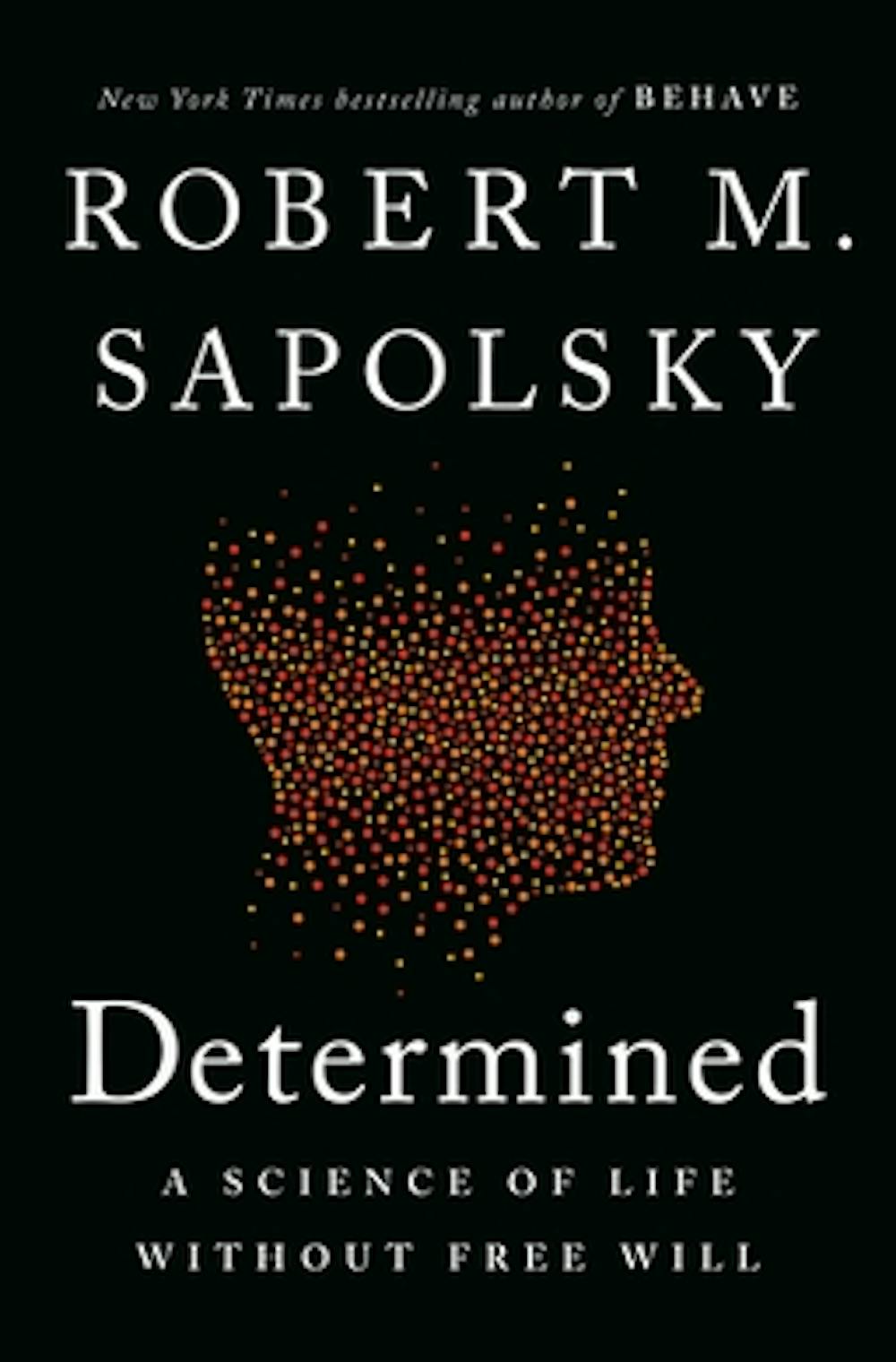





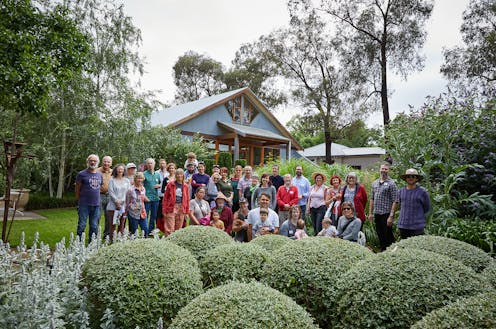
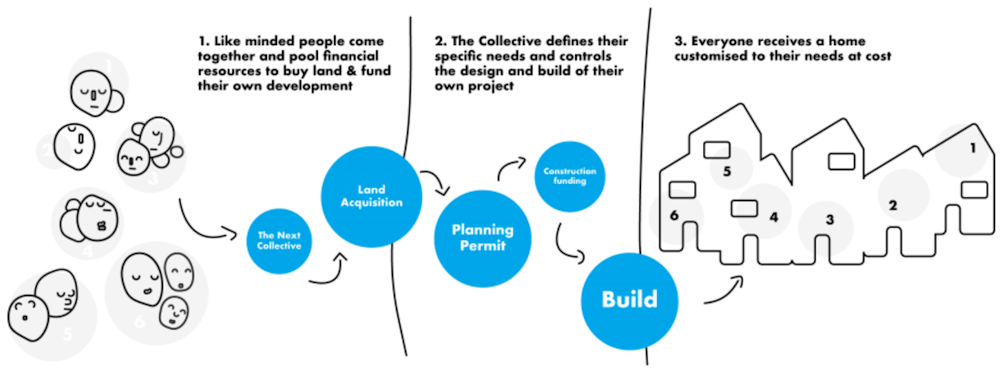



























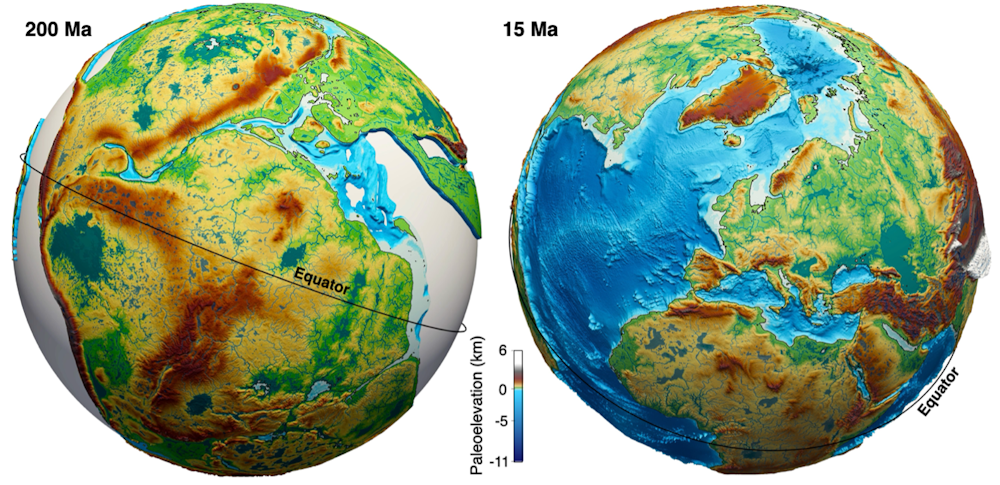
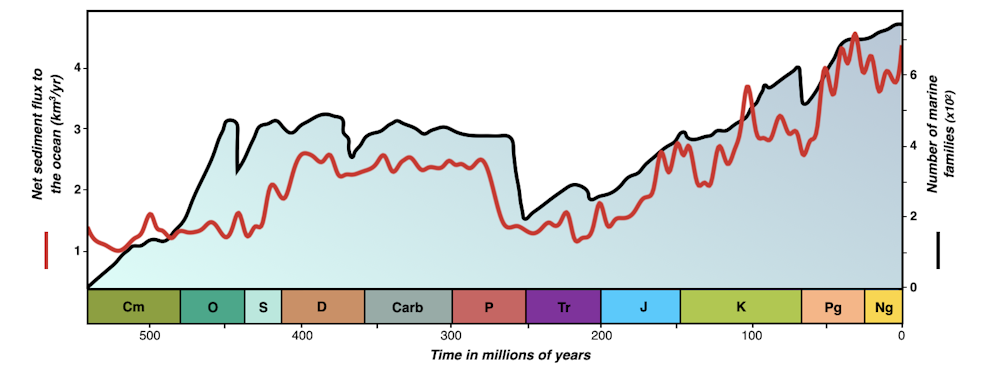
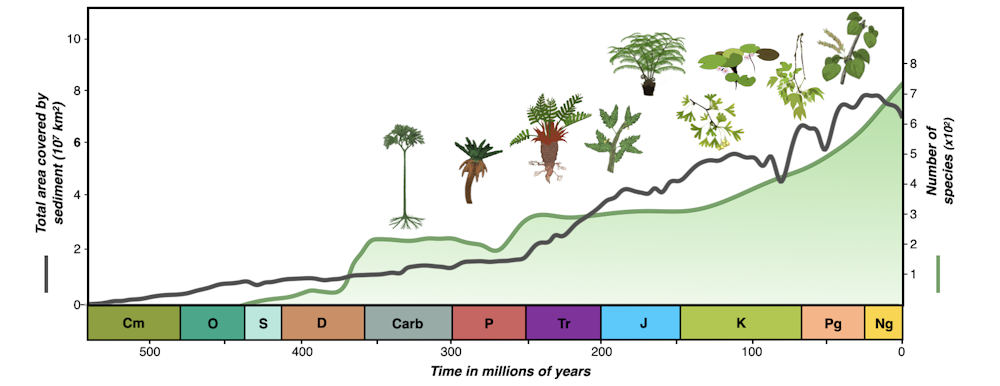



























.jpg)
