Page 516

This is Australia’s most important report on the environment’s deteriorating health. We present its grim findings

Source: The Conversation (Au and NZ) – By Emma Johnston, Professor and Deputy Vice-Chancellor (Research), University of Sydney

Jo Anne Mcarthur/Unsplash, CC BY

Climate change is exacerbating pressures on every Australian ecosystem and Australia now has more foreign plant species than native, according to the highly anticipated State of the Environment Report released today.

The report also found the number of listed threatened species rose 8% since 2016 and more extinctions are expected in the next decades.

The document represents thousands of hours of work over two years by more than 30 experts. It’s a sobering read, but there are some bright spots.

Australia has produced a national state of environment report every five years since 1995. They assess every aspect of Australia’s environment and heritage, covering rivers, oceans, air, ice, land and urban areas. The last report was released in 2017.

This report goes further than its predecessors, by describing how our environment is affecting the health and well-being of Australians. It is also the first to include Indigenous co-authors.

As chief authors of the report, we present its key findings here. They include new chapters dedicated to extreme events and Indigenous voices.

An eel sticks its head out of bleached coral
The Great Barrier Reef suffered four mass bleaching events since 2016.
Shutterstock

1. Australia’s environment is generally deteriorating

There have been continued declines in the amount and condition of our natural capital – native vegetation, soil, wetlands, reefs, rivers and biodiversity. Such resources benefit Australians by providing food, clean water, cultural connections and more.

The number of plant and animal species listed as threatened in June 2021 was 1,918, up from 1,774 in 2016. Gang-gang cockatoos and the Woorrentinta (northern hopping-mouse) are among those recently listed as endangered.

Australia’s coasts are also under threat from, for instance, extreme weather events and land-based invasive species.


Read more:
Another mass bleaching event is devastating the Great Barrier Reef. What will it take for coral to survive?


Our nearshore reefs are in overall poor condition due to poor water quality, invasive species and marine heatwaves. Inland water systems, including in the Murray Darling Basin, are under increasing pressure.

Nationally, land clearing remains high. Extensive areas were cleared in Queensland and New South Wales over the last five years. Clearing native vegetation is a major cause of habitat loss and fragmentation, and has been implicated in the national listing of most Australia’s threatened species.

2. Climate change threatens every ecosystem

Climate change is compounding ongoing and past damage from land clearing, invasive species, pollution and urban expansion.

The intensity and frequency of extreme weather events are changing. Over the last five years, extreme events such as floods, droughts, wildfires, storms, and heatwaves have affected every part of Australia.

Seasonal fire periods are becoming longer. In NSW, for example, the bushfire season now extends to almost eight months. Extreme events are also affecting ecosystems in ways never before documented.

For example, the downstream effects of the 2019-2020 bushfires introduced a range of contaminants to coastal estuaries, in the first global record of bushfires impacting estuarine habitat quality.

3. Indigenous knowledge and management are helping deliver on-ground change

This includes traditional fire management, which is being recognised as vital knowledge by land management organisations and government departments.

For example, Indigenous rangers manage 44% of the national protected area estate, and more than 2,000 rangers are funded under the federal government’s Indigenous rangers program.

Work must still be done to empower Indigenous communities and enable Indigenous knowledge systems to improve environmental and social outcomes.


Read more:
The world’s best fire management system is in northern Australia, and it’s led by Indigenous land managers


4. Environmental management isn’t well coordinated

Australia’s investment is not proportional to the grave environmental challenge. The area of land and sea under some form of conservation protection has increased, but the overall level of protection is declining within reserves.

We’re reducing the quantity and quality of native habitat outside protected areas through, for instance, urban expansion on land and over-harvesting in the sea.

The five urban areas with the most significant forest and woodland habitat loss were Brisbane, Gold Coast to Tweed Heads, Townsville, Sunshine Coast and Sydney. Between 2000 and 2017, at least 20,212 hectares were destroyed in these five areas combined, with 12,923 hectares destroyed in Queensland alone.


Read more:
Australia’s finally acknowledged climate change is a national security threat. Here are 5 mistakes to avoid


Australia is also increasingly relying on costly ways to conserve biodiversity. This includes restoration of habitat, reintroducing threatened species, translocation (moving a species from a threatened habitat to a safer one), and ex situ conservation (protecting species in a zoo, botanical garden or by preserving genetic material).

5. Environmental decline and destruction is harming our well-being

In this report we document the direct effects of environmental damage on human health, for example from bushfire smoke.

The indirect benefits of a healthy environment to mental health and well-being are harder to quantify. But emerging evidence suggests people who manage their environment according to their values and culture have improved well-being, such as for Indigenous rangers and communities.

Environmental destruction also costs our economy billions of dollars, with climate change and biodiversity loss representing both national and global financial risks.

Climate change is hitting ecosystems hard

Previous reports mostly spoke of climate change impacts as happening in future. In this report, we document significant climate harms already evident from the tropics to the poles.

As Australia’s east coast emerges from another “unusual” flood, this report introduces a new chapter dedicated to extreme events. Many have been made more intense, widespread and likely due to climate change.

We document the national impacts of extreme floods, droughts, heatwaves, storms and wildfires over the past five years. And while we’ve reported on immediate impacts – millions of animals killed and habitats burnt, enormous areas of reef bleached, and people’s livelihoods and homes lost – many longer-term effects are still to play out.

Extreme conditions put immense stress on species already threatened by habitat loss and invasive species. We expect more species extinctions over the next decades.

Flying fox hanging from tree branch
Some 23,000 spectacled flying foxes were killed in a 2018 heatwave.
Shutterstock

An extreme heatwave in 2018, for example, killed some 23,000 spectacled flying foxes. In 2019, the species was uplisted from vulnerable to endangered.

Many Australian ecosystems have evolved to rebound from extreme “natural” events such as bushfires. But the frequency, intensity, and compounding nature of recent events are greater than they’ve experienced throughout their recent evolutionary history.

For example, marine heatwaves caused mass coral bleaching on the Great Barrier Reef in 2016, 2017, 2020 and 2022. Such frequent disturbances leave little time for recovery.

Indeed, ecological theory suggests frequently disturbed ecosystems will shift to a “weedy” state, where only the species that live fast and reproduce quickly will thrive.

This trend will bring profound shifts in ecosystem structure and function. It also means we’ll have to shift how we manage and rely on ecosystems – including how we harvest, hunt and otherwise benefit from them.

Including Indigenous voices

Indigenous people of Australia have cared for the lands and seas over countless generations and continue to do so today.

In Australia, a complex web of government laws and agreements relate to Indigenous people and the environment. Overall, they are not adequate to deliver the rights Indigenous people seek: responsibility for and stewardship of their Country including lands and seas, plants and animals, and heritage.

For the first time, this report has a separate Indigenous chapter, informed by Indigenous consultation meetings, which highlights the importance of caring for Country.

Including an Indigenous voice has required us to change the previous approach of reporting on the environment separately from people. Instead, we’ve emphasised how Country is connected to people’s well-being, and the interconnectedness of environment and culture.

Failures of environmental management

Australia needs better and entirely new approaches to environmental management. For example, the inclusion of climate change in environmental management and resilience strategies is increasing, but it’s not universal.

As well as climate stresses, habitat loss and degradation remain the main threats to land-based species in Australia, impacting nearly 70% of threatened species.

More than a third of Australia’s eucalypt woodlands have been extensively cleared, and the situation is worse for some other major vegetation groups.

Experts say within 20 years, another seven Australian mammals and ten Australian birds – such as the King Island brown thornbill and the orange-bellied parrot – will be extinct unless management is greatly improved.

Threatened Species Recovery Hub identified the 50 Australian species at greatest risk of extinction.

Of the 7.7 million hectares of land habitat cleared between 2000 and 2017, 7.1 million hectares (93%) was not referred to the federal government for assessment under the national environment law.

Only 16% (13 of 84) of Australia’s nationally listed threatened ecological communities meet a 30% minimum protection standard in the national reserve system.

Three critically endangered communities, all in NSW, have no habitat protection at all. These are the Hunter Valley weeping myall woodland, the Elderslie banksia scrub forest, and Warkworth sands woodland.

The bright spots

The report also highlights where investments and the hard work of many Australians made a difference.

Individuals, non-government organisations and businesses are increasingly purchasing and managing significant tracts of land for conservation. The Australian Wildlife Conservancy, for example, jointly manages some 6.5 million hectares actively conserving many threatened species.

By building on achievements such as these, we can encourage new partnerships and innovations, supported with crucial funding and commitment from government and industry.

We also need more collaboration across governments and non-government sectors, underpinned by greater national leadership. This includes listening and co-developing solutions with Indigenous and local communities, building on and learning from Indigenous and Western scientific knowledge.

And we need more effort and resources to measure progress. This includes consistent monitoring and reporting across all states and territories on the pressures, and the health of our natural and cultural assets.

Such efforts are crucial if we’re to reverse declines and forge a stronger, more resilient country.


Read more:
‘Existential threat to our survival’: see the 19 Australian ecosystems already collapsing


The Conversation

Emma Johnston is contracted by the Department of Climate Change, Energy, the Environment and Water as an independent Chief author of the 2021 Australian State of Environment Report. She is a Director on the board of the Great Barrier Reef Marine Park Authority.

Ian Cresswell is contracted by the Department of Climate Change, Energy, the Environment and Water as an independent Chief author of the 2021 Australian State of Environment Report, and is a co-author on several chapters. He is affiliated with the Atlas of Living Australia, the Resilient Landscapes Hub of the National Environmental Science Program, the Western Australian Biodiversity Science Institute, the Tasmanian Land Conservancy, and the Western Australian Marine Science Institution.

Terri Janke is the sole director/shareholder of a multi-disciplinary law firm, Terri Janke and Company, who does work for clients in the environment and Indigenous sector, including Indigenous corporations, NGOs, Universities, Government Departments including the Department of Climate Change, Energy, the Environment and Water.

Her company is contracted by the Department of Climate Change, Energy, the Environment and Water as an independent author of the State of the Environment 2021.

ref. This is Australia’s most important report on the environment’s deteriorating health. We present its grim findings – https://theconversation.com/this-is-australias-most-important-report-on-the-environments-deteriorating-health-we-present-its-grim-findings-186131

‘That patch of bush is gone, and so are the birds’: a scientist reacts to the State of the Environment report

Source: The Conversation (Au and NZ) – By Ayesha Tulloch, ARC Future Fellow, Queensland University of Technology

Juliana Lee/Unsplash, CC BY

Australia’s State of the Environment Report was finally released today – and its findings are a staggering picture of loss and devastation.

As a conservation scientist, I’ve spent the last decade helping governments, community groups and individuals better manage our environment. But the report reveals things are getting worse.

I’m disappointed, but not surprised. I’ve seen firsthand the devastation wrought by threats such as bushfires and land clearing.

I remain hopeful we can turn the crisis around. But it will take money, government commitment and public support to protect and recover our precious natural places.


Read more:
Australia is underfunding biodiversity conservation


Crest-tailed mulgara captured on property where cattle have been excluded to enable biodiversity to recover.
Lachlan Hall

New Year’s Day, 2020

Since the last State of the Environment Report report was released in 2016, Australia has experienced record-breaking floods and fires. In fact, my New Year’s Day of 2020 was spent frantically packing precious family items at my mum’s home in rural New South Wales, as smoke from nearby megafires blanketed our property.

We evacuated, nervously watching a fire tracking app, while neighbours’ properties were progressively swallowed by a fire that eventually burned for 74 days, razing half a million hectares.

Thankfully, the fire stopped at a creek down the road. This creek and its adjoining forest is where my family have spent decades hiking, birding and exploring nature.

We’ve watched rare rock warblers dabbling in streams that trickle down sheer sandstone gorges and male lyrebirds singing their hearts out. Multitudes of king parrots, yellow-tail cockatoos and gang-gang cockatoos would visit to gnaw on gum nuts and, to my mum’s eternal anguish, her prize geraniums.

After the fires, I worked with a team to document their devastating impacts on wildlife. Gang gangs lost up to one-fifth of their entire population, and are now endangered.

I can’t imagine visiting the bush without hearing their creaking call, or peering into the branches to spot their telltale flash of red through the leaves.

Two gang gang cockatoos on a tree branch
Gang gang cockatoos recently joined Australia’s list of threatened species.
Shutterstock

Australia’s abysmal record

As the State of Environment report explains, the 2019-2020 bushfires razed more than eight million hectares of native vegetation. Up to three billion animals were either killed or displaced.

Last year, I contributed to the first global United Nations assessment of wildfire. We found the worldwide risk of devastating fires could increase by up to 57% by the end of the century, primarily because of climate change.

Most of Australia is likely to burn even more. That’s bad news for places such as Australia’s ancient Gondwana rainforests. Historically, these have rarely, if ever, burned. Yet more than 50% was impacted in the 2019-2020 fires.

These rainforests harbour the highest concentrations of threatened species in subtropical southeast Queensland and northern NSW. To recover, they need hundreds of years without fire.

Unfortunately for Australia’s ravaged species and ecosystems, more frequent and intense fires are not the only pressures they face. Australia’s history of managing native vegetation is abysmal.

For example in 2014, almost 40 nations pledged to end natural forest loss and restore 350 million hectares of degraded landscapes and forests by 2030 – but not Australia. Meanwhile, land clearing in NSW and Queensland increased between 2010 and 2018, mostly on farmland.

My research requires driving across large swathes of eastern and central Australia. I’ve watched patches of bush across rural and urban areas thin and, in many places, completely disappear.

One patch I grew to love was home to a very friendly, very noisy family of grey-crowned babblers. It wasn’t a particularly pretty patch of bush, but it was perfectly placed for a night’s rest on the three-day drive to my field sites.

At dawn I would lie in my swag, listening to them chattering away, giving me energy for the day. Now, that patch of bush is gone, and so are the birds.

They may be small, but these patches of bushland are vital for the persistence of already heavily fragmented, degraded ecosystems.

The clearing and thinning of vegetation makes it harder for remaining plants and animals to recover from extreme events such as drought. It also puts native wildlife at greater risk from introduced predators such as cats, and aggressive native birds such as noisy miners.

Most importantly, the cumulative loss of these seemingly insignificant little patches of woodland is a death by a thousand cuts, putting many ecosystems at greater risk of extinction.

Woodland recovering after the 2019/2020 megafires.
Ayesha Tulloch

Extinctions aren’t inevitable

I’m writing this because, despite the dire situation, it’s not too late to do something about it. Here are three ways to start.

First, we need immediate action on climate change. All levels of government must commit to urgently transitioning away from fossil fuels.

Investments and action must be proactive: planning for, preventing and responding to environmental threats. This would help avoid massive costs incurred after a disaster hits.

And crucially, management and conservation actions must respectfully draw from Indigenous knowledge.

Releasing an endangered Black-flanked Rock-wallaby at an Australian Wildlife Conservancy reserve in Western Australia, where invasive predators are intensively controlled.
Ayesha Tulloch

Second, vegetation should be restored, not removed, on private land. This requires overhauling vegetation clearing codes and taking action against those who flout the rules.

Finally, the federal government should acknowledge that a substantial increase in funding could, in fact, recover all disappearing species and ecosystems. Extinctions are a choice, not an inevitability.

Australia ranks among the world’s worst when it comes to funding biodiversity conservation. At least six times the current funding is needed to save our threatened species.


Read more:
This is Australia’s most important report on the environment’s deteriorating health. We present its grim findings


Research shows when adequate investment is made in management, threatened populations do recover.
The story of the yellow-footed rock wallaby in South Australia shows what’s possible.

Intensive goat and fox control reversed the species’ population decline. It was made possible through long-term state government investment and efforts by non-government conservation organisations and land managers.

Not only did rock-wallaby populations increase, but the pest control meant the western quoll and the common brushtail possum – both historically extinct in the area – could be reintroduced.

But sadly, such success stories are the exception. Today’s report clearly shows that unless we radically change course, we’re heading towards species extinctions, degraded landscapes and a less resilient nation.

All Australians – governments, business, individuals and communities – must commit to restoring our natural environment. Only then will we withstand whatever the future throws at us.

The Conversation

Ayesha Tulloch receives funding from the Australian Research Council. She is the Vice President of Public Policy and Outreach and co-convenes the Science Communication Chapter for the Ecological Society of Australia, and sits on Birdlife Australia’s Research and Conservation Committee. She is a member of eBird Australia, the Society for Conservation Biology and the University of Sydney’s Charles Perkins Centre Citizen Science Node.
ref. ‘That patch of bush is gone, and so are the birds’: a scientist reacts to the State of the Environment report – https://theconversation.com/that-patch-of-bush-is-gone-and-so-are-the-birds-a-scientist-reacts-to-the-state-of-the-environment-report-186135

We have developed a way to screen student feedback to ensure it’s useful, not abusive (and academics don’t have to burn it)

Source: The Conversation (Au and NZ) – By Abby Cathcart, Professor of Higher Education & Governance, Queensland University of Technology

Holland Taylor as Professor Joan Hambling in The Chair. Elize Morse/Netflix

This week, many Australian universities will be sending academics the results of the first semester student evaluation surveys.

For some this will be a worrying and unpleasant time. The comments university students make anonymously in their teaching evaluations can leave academics feeling fearful, distressed and demoralised.

And with good reason. As a 2021 survey of Australian academics and their experiences of student feedback found:

Personally destructive, defamatory, abusive and hurtful comments were commonly reported.

Hurtful or abusive comments can remain permanently on record as a measure of performance. These records can affect applications for promotion or for secure continued employment.

The authors of the 2021 survey, led by Richard Lakeman at Southern Cross University have been among those calling for anonymous online surveys to be scrapped. Some academics, burned by their experience of student feedback, say they no longer open or engage with student evaluation reports. They said the risk of harm outweighed any benefits.



Read more:
‘Lose some weight’, ‘stupid old hag’: universities should no longer ask students for anonymous feedback on their teachers


In the Netflix show, The Chair, a memorable scene sees the character Professor Joan Hambling burn her student evaluations. Clearly, a different solution is needed.

Feedback from students can still be valuable for lifting teaching standards and it’s important students have their say.

We have developed a screening system using machine learning (where software changes its behaviour by “learning” from user input) that allows students to talk about their experiences while protecting academics from unacceptable comments.

Why a new approach is needed

University codes of conduct remind students of their general obligation to refrain from abusive or discriminatory behaviour, but not specifically in regard to student evaluations.

Instead, universities rely on self-regulation or on others to report incidents. Some institutions use profanity blockers to screen comments. Even then, these often fail to detect emerging terms of abuse in online speech.

So, in setting up our screening system, we wanted to:

  • promote staff and student well-being
  • enhance the reliability and validity of student feedback
  • improve confidence in the integrity of survey results.

We developed a method using machine learning and a dictionary of terms to screen for unacceptable student comments. The dictionary was created by QUT drawing on historically identified unacceptable comments and incorporating prior research into abusive and discriminatory terms.

Our ‘Screenomatic’ solution

There is not a lot of published work on the detection of unacceptable or abusive comments in student evaluation surveys. So our team adapted earlier research on detecting misogynistic tweets. This worked because often the student comments we looked at were similar in length to a tweet’s 280-character limit.

Our approach, which we call “Screenomatic”, automatically reviewed more than 100,000 student comments during 2021 and identified those that appeared to be abuse. Trained evaluation staff members manually reviewed about 7,000 flagged comments, updating the machine-learning model after each semester. Each update improves the accuracy of auto-detection.


Read more:
Gender bias in student surveys on teaching increased with remote learning. What can unis do to ensure a fair go for female staff?


Ultimately, 100 comments were removed before the results were released to educators and supervisors. University policy enables comments to be re-identified in cases of potential misconduct. The central evaluations team contacted these students and reminded them of their obligations under the code of conduct.

The Screenomatic model can help protect both educators and students. Staff are safeguarded from abuse, and students at risk – who make comments that indicate they need mental health help, include allegations of bullying or harassment, or that threaten staff or other students – can be offered support. Universities can share data to train the model and maintain currency.

Importantly, the process enables universities to act morally to harness student voices while protecting people’s well-being.

Useful feedback, not abuse

The number of educators who receive abusive feedback may be relatively small. However, it’s still unacceptable for universities to continue to expose their staff to offensive comments in the full knowledge of their potential impact.


Read more:
Our uni teachers were already among the world’s most stressed. COVID and student feedback have just made things worse


With last year’s High Court ruling on liability for defamatory posts, and attempts to improve online safety, there is a growing acknowledgement that people should not be able to post anonymous, harmful messages.

After all, the cost of screening responses is nothing compared to the cost to individuals (including mental health or career consequences). And that’s ignoring the potential costs of litigation and legal damages.

At the end of the day, the anonymous comments are read by real people. As a tweet in response to the Lakeman findings noted:

The Screenomatic model goes a long way towards enabling the “tons of useful feedback” to serve its intended purpose while ensuring people aren’t harmed in the process.

The Conversation

Abby Cathcart leads the QUT Evaluation Strategy

Melinda Laundon and Sam Cunningham do not work for, consult, own shares in or receive funding from any company or organisation that would benefit from this article, and have disclosed no relevant affiliations beyond their academic appointment.

ref. We have developed a way to screen student feedback to ensure it’s useful, not abusive (and academics don’t have to burn it) – https://theconversation.com/we-have-developed-a-way-to-screen-student-feedback-to-ensure-its-useful-not-abusive-and-academics-dont-have-to-burn-it-185041

Bluey casts a tender light on being childless not by choice. Here’s what women told me about living with involuntary childlessness

Source: The Conversation (Au and NZ) – By Sianan Healy, Tracey Banivanua Mar Research Fellow, La Trobe University

ABC

In a recent episode of Bluey, Onesies, six-year-old Bluey asks her mum Chilli what’s wrong with Auntie Brandy, who has come to visit for the first time in four years.

“Is she sad?” Bluey asks. “And why have we only seen her once in our lives?”

It is hinted by the show Brandy is unable to have children.

“I’m sorry it’s been so long,” Brandy later says to her sister. “It’s just hard seeing you all, you know?”

“I know,” Chilli replies, reaching for her sister’s hand.

It is another example of the hit program’s gentle and insightful exploration of complex issues, sparking a flood of positive responses from viewers. As one person commented on the show’s Facebook page, “thank you Bluey, for showing the infertility and childless not by choice community”.

Close to one in six couples have experienced infertility. Those who haven’t usually know someone – a family member, colleague or friend – who has.

Shining a light on these experiences can help many who are going through it to feel less alone and lessen the sense of shame and stigma that unfortunately so often attends a diagnosis of infertility.

Much media coverage tends to focus only on IVF. But Bluey highlights another important aspect of infertility: the emotional and social toll of involuntary childlessness continues well past the period of actively trying to conceive.


Read more:
‘An idealised Australian ethos’: why Bluey is an audience favourite, even for adults without kids


‘An apology and a failure’

As part of my research into experiences of infertility, I have interviewed older generations of women living with involuntary childlessness. For these women, now in their 60s and 70s, the invisibility of their experiences in public discussion of infertility has had a lasting impact on their mental health and sense of community inclusion.

Some of the women who shared their stories experienced multiple miscarriages; some never found a reason for their infertility; some eventually had a child, while others did not.

For the women who were unable to have a child, the impact of infertility on their identity and relationships is long-lasting, reverberating through their lives well past the months or years they spent trying for a baby.

Heather* and her husband are in their 60s. At 36, after having tried to conceive for three years, Heather had a miscarriage at eight weeks. They then underwent eight IVF cycles without becoming pregnant, and eventually decided to stop treatment.

Her miscarriage, which happened after she had seen her baby’s heartbeat and experienced bad morning sickness, was deeply traumatic for Heather. Her pregnancy remains special and meaningful to her.

Nearly 30 years later, there are situations she still avoids because of the emotions they trigger. Since retiring she has become active in University of the Third Age but avoids some classes because of the constant conversation about grandchildren:
And then they ask me about my children and my grandchildren and I’ve got to tell them no, we don’t have any. And it’s almost like an apology […] an apology and a failure.

For Mary*, in her 70s at the time of our interview, getting older has meant reliving the trauma of friends’ young children’s birthday parties.

She recalled in her 30s having to leave parties because they were “just too hard”, and those feelings are returning as her friends become caught up in being grandparents. She reflected, “I’m losing my friends again.”

Renee*, 59 at the time of our interview, told me she no longer has people ask if she has children. “Now, it’s grandchildren,” she says.

The ongoing repercussions of childlessness are felt within families, too.

Greta* is 54, and has no children while her sister does. Her mother had moved interstate to live with her other daughter and grandchildren in her final months.

I’m so pleased, now, that she had that time with them, but at the time, it was quite wrenching.

She reflected how many people without children miss the connection to a multi-generational family. “That’s the longer-term impact. When I’m old, who’s going to care?”, she said.

Rich and full lives

Despite their ongoing grief, the women I spoke to who were unable to have a child emphasised their lives were rich and full. This included successful international careers, further study and career changes, running own businesses, becoming step-parents and step-grandparents.

But people who are childless not by choice continue to live with this reality long after their years of trying to conceive.

We all need to hear stories that reflect our own life experiences, to feel seen, to feel we belong. Bringing a more inclusive approach and a longer perspective to public discussions about infertility helps to undo the isolation and invisibility so often felt by older women who are childless not by choice.

It is perhaps ironic, and a little bittersweet, it has taken a children’s program to remind us of this.

*Names have been changed.


Read more:
Half of women over 35 who want a child don’t end up having one, or have fewer than they planned


The Conversation

Sianan Healy does not work for, consult, own shares in or receive funding from any company or organisation that would benefit from this article, and has disclosed no relevant affiliations beyond their academic appointment.

ref. Bluey casts a tender light on being childless not by choice. Here’s what women told me about living with involuntary childlessness – https://theconversation.com/bluey-casts-a-tender-light-on-being-childless-not-by-choice-heres-what-women-told-me-about-living-with-involuntary-childlessness-186912

View from The Hill: Chalmers warns he’ll deliver bad news in parliament’s first week

Source: The Conversation (Au and NZ) – By Michelle Grattan, Professorial Fellow, University of Canberra
The first week of the new parliament will contain some depressing news, with Treasurer Jim Chalmers on Monday softening up the community to expect a “confronting” statement on the economy.

Chalmers said he would deliver his statement on Thursday July 28. It will contain updated forecasts, and bad news on real wages.

While argy bargy over the government’s climate legislation will provide much of the colour and movement of the first parliamentary fortnight, the Chalmers statement will go to the nitty gritty of how difficult the economic outlook – and therefore many people’s financial juggling – will be over the months ahead.

A day before the statement, the inflation figures for the June quarter will be released, revealing a further spike. The most recent inflation number, for the March quarter, was 5.1%.

The Reserve Bank Governor Philip Lowe and The Conversation’s poll of economic forecasters predict 7% by year’s end.

On Monday New Zealanders learnt that their inflation rate had climbed to 7.3%

The Reserve Bank is also expected to raise interest rates again the week after Chalmers’ statement.

Chalmers told a Monday news conference: “When it comes to our expectations of inflation, when it comes to the impact of interest rate rises on growth, when it comes to what this spike in inflation means for real wages, there will be aspects of this ministerial statement that people will find confronting”.

Pressed on real wages, he said: “It will be confronting in terms of real wages because there is no credible economic forecaster in Australia right now who thinks that wages growth is going to keep up with inflation.

“And we will be revising up our expectations for inflation. And so that will make the real wages situation worse before it gets better.”

He said rising interest rates would have an impact on growth “and I’ll talk about that in the update”.

“I will be providing a suite of economic forecasts and an indication of what that means for the budget position as well. My inclination is to be as broad as I can and as full as I can when it comes to the update.” But he said it would not announce new policy.

As the government searches for savings to make in the October budget, Chalmers stressed the increasing burden rising interest rates would have on servicing government debt.

“Every additional dollar in the budget is a borrowed dollar and that now costs us more to pay back because of rising interest rates.

“And if you think about the consequences of those rising interest rates on the Budget – more than a billion dollars this year, more than $5 billion in the last year of the forwards, $13 billion accumulated over the forwards, $18 billion in 2032-33. So these are not small amounts of money.”

The government added to the budget burden at the weekend when it decided to reinstate the COVID pandemic leave payment for workers forced to isolate without sick leave. This measure, running to the end of September, will cost an estimated total of about $780 million, although the states have agreed to pay half.

Chalmers said that in speeches this week he would be talking about supply side issues. “We need to recognise that the reason we’ve got high and rising inflation is not just a story about too much demand in the economy – it’s also a story about choked-off supply.

“And that’s why almost every element of our economic plan is about making our supply chains more resilient.

“Making sure that we can get the workers that we need, making sure we can get the goods to market, making sure that we can lift the speed limit on the economy.”

Chalmers said the world economy was “a difficult, if not dangerous place right now. That combination of inflation and rising interest rates and slowing growth and food and energy insecurity, combined with the amount of debt that countries have racked up is a cause for concern in the global community”.

Also on the economic front, Chalmers is set to announce imminently the panel and terms of reference for a far-reaching inquiry into the Reserve Bank.

The Treasurer said he would consult the shadow treasurer Angus Taylor on the inquiry’s terms of reference, but said he expected him to have no problem with them. They would be broad enough to encompass any concerns anyone could reasonably have about conduct of the bank and the arrangements governing the bank.

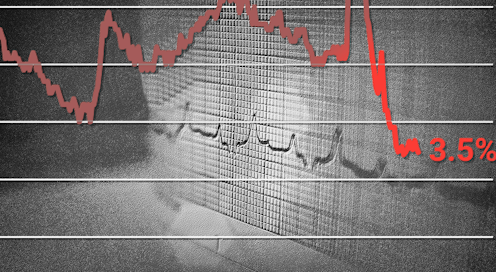
Of interest in Thursday week’s economic statement will be the Treasury’s forecasts on the unemployment rate, which, at 3.5%, has already fallen below the forecast in the Coalition’s March budget of 3.75%, and the forecast for inflation, which in the March budget was forecast to hit only 4.25% in the year to June 2022.

The latest monthly update from the Finance Department, for May, shows the budget deficit far smaller than forecast in March, showing a deficit for the 2021-22 financial year to May 2022 of $33.4 billion against the budget profile deficit of $60.5 billion.

The Conversation

Michelle Grattan does not work for, consult, own shares in or receive funding from any company or organisation that would benefit from this article, and has disclosed no relevant affiliations beyond their academic appointment.

ref. View from The Hill: Chalmers warns he’ll deliver bad news in parliament’s first week – https://theconversation.com/view-from-the-hill-chalmers-warns-hell-deliver-bad-news-in-parliaments-first-week-187186

While Australians line up for COVID boosters, low vaccination rates in poor countries continue to cost lives

Source: The Conversation (Au and NZ) – By Deborah Gleeson, Associate Professor in Public Health, La Trobe University

Shutterstock

Two and a half years into the pandemic, more than 12 billion COVID-19 vaccine doses have been administered worldwide, and more than 5 million are being administered each day. People in many high-income countries, including Australia, are now receiving their third or fourth dose. But the distribution of vaccines globally is still vastly unequal. More than 80% of people in low-income countries have not yet received a single dose.

In January 2021, the Director-General of the World Health Organization warned bluntly:

the world is on the brink of a catastrophic moral failure – and the price of this failure will be paid with lives and livelihoods in the world’s poorest countries.

Unfortunately, this dire prediction has come to pass, and there are no signs the situation is going to turn around any time soon.

How did things go so wrong, and is there anything Australians can do about it?


Read more:
Why ‘vaccine nationalism’ could doom plan for global access to a COVID-19 vaccine


How bad is the maldistribution of vaccines?

Similar to many high-income countries, more than 80% of Australians have completed an initial COVID vaccination protocol (two doses for most vaccines) and many have progressed to third and fourth doses.

In contrast, only 15.8% of the population in low-income countries has completed an initial vaccination protocol. And the situation in some countries is very dire – only 1.4% of Haiti’s population and 6.3% of Mali’s population, for example, can be considered “fully vaccinated”.

Needless to say, booster doses are also very inequitably distributed.

While vaccine hesitancy and slow uptake of vaccines by weak health systems are contributing factors, lack of access to vaccines at the time they are needed remains the biggest problem.

What went wrong with plans to vaccinate the world?

COVAX was set up in 2020 as a global mechanism for equitably sharing COVID vaccine doses. Some 92 countries relied on it as their main, or only, strategy for accessing vaccines.

COVAX initially aimed to deliver 2 billion doses by the end of 2021, enough to vaccinate 20% of the population in every country. But COVAX missed this target by a mile, delivering fewer than a billion vaccine doses by the end of 2021, and has delivered fewer than 1.6 billion so far.

Developing countries have suffered disproportionately from the pandemic. In the early stages of the pandemic, death rates for people with COVID, adjusted for age and other factors, were around twice as high in developing countries as in high-income countries.

Recent modelling has shown that while vaccination saved an estimated 7.4 million lives in low-income countries in 2021, if COVAX had met its 20% target, an additional 156,900 deaths would have been avoided. If the World Health Organization’s goal of 40% vaccine coverage had been reached, almost 600,000 more lives would have been saved.

People queueing for vaccine
If COVAX had met its 20% target of people in low income countries vaccinated, 156,900 deaths would have been avoided.
Shutterstock

COVAX struggled from the start. It relied heavily on donations of funds and doses from rich countries, many of which never materialised, or were too ill-timed or too close to expiry to be able to be absorbed by recipient countries.

Rich countries also undermined COVAX by negotiating directly with pharmaceutical companies to pre-purchase large quantities of vaccines, essentially starving COVAX of supplies. By November 2020, more than half of the global supply had been pre-purchased by high-income countries representing just 14% of the world’s population.

Australia was no exception to this trend. Despite Australia’s slow domestic COVID vaccine rollout, by August 2021 the Morrison government had entered agreements to secure more than 280 million doses. That’s more than ten doses per person.

Some countries that engaged in this sort of over-purchasing are now having to throw away doses they don’t need, and can’t use.


Read more:
Wealthy nations starved the developing world of vaccines. Omicron shows the cost of this greed


Australia has so far donated around 40.5 million of the 60 million doses pledged by the previous Australian government to countries in the Indo-Pacific by the end of 2022, along with other types of support.

Australia has also promised A$215 million to COVAX, and made a belated pledge in April this year to donate 10 million doses to COVAX – none of which have yet been delivered. Doses donated so far have been given to Indo-Pacific countries, arguably in line with Australia’s national interests given China’s growing influence in the region, rather than being funnelled through COVAX to countries that most need them.

Underlying problems haven’t been fixed

A strategy based on donations, underpinned by a charitable model, can only go so far in addressing inequities. We still have a situation where a small number of companies control the global supply of COVID vaccines.

Recently, wealthy countries blocked and then watered down a proposal at the World Trade Organization to relax intellectual property rules for COVID vaccines, which in its originally proposed form was set to support more widespread manufacturing in low- and middle-income countries. While an agreement of sorts was reached in June, it was so compromised it might not enable a single additional vaccine to be made.

The lack of attention to solving the underlying problem means we’re at risk of making the same mistakes again. We are likely to see the same patterns of hoarding and inequity when it comes to the newer vaccines being produced and developed, such as those targeting the Omicron variant, and future generations of vaccines, which may include breakthroughs in vaccines that prevent the transmission of SARS-CoV-2.

What can be done to fix the inequities, and how can Australia help?

It’s important for Australians to get the booster doses available to them. It won’t help other countries if we decline them, in the same way that skipping your dinner wouldn’t help solve global hunger.

But Australia needs a better and more sustainable plan to help other countries.

Our recent paper set out four actions Australia should take to help fix the inequities in global access to COVID-19 vaccines.


Read more:
How Australia’s fickleness on COVID vaccines is perpetuating global vaccine inequity


First, Australia needs to produce, donate, redistribute and fund more COVID vaccines for low-income countries. Doses the Morrison government ordered which are not needed in Australia should be relinquished. These should be channelled through COVAX to ensure they get where they are most needed, and can be effectively used in a timely way.

Second, Australia should support global initiatives to waive intellectual property rights in meaningful ways that enable low- and middle-income countries to manufacture COVID products.

Third, it can provide funds and practical help to build production capacity in low-income countries.

Finally, the Australian government should ensure companies developing vaccines in Australia share their intellectual property and know-how to enable more widespread manufacturing. This can be achieved by placing conditions on public funding invested in research and development.

The upcoming review into Australia’s COVID vaccine and treatment purchases announced by the Albanese government provides an opportunity to reset Australia’s approach, so we can be part of the solution rather than part of the problem.

The Conversation

Deborah Gleeson has received funding in the past from the Australian Research Council. She has received funding from various national and international non-government organisations to attend speaking engagements related to trade agreements and health. She has represented the Public Health Association of Australia on matters related to trade agreements and public health

Brigitte Tenni receives a PhD scholarship funded by the Australian government. She is affiliated with the People’s Health Movement and the Public Health Association of Australia.

ref. While Australians line up for COVID boosters, low vaccination rates in poor countries continue to cost lives – https://theconversation.com/while-australians-line-up-for-covid-boosters-low-vaccination-rates-in-poor-countries-continue-to-cost-lives-186736

There’s a smart way to push Labor harder on emissions cuts – without reigniting the climate wars

Source: The Conversation (Au and NZ) – By Adam Simpson, Senior Lecturer, International Studies, University of South Australia
James Gourley/AAP

The fate of Labor’s 2030 climate policy hangs in the balance as the Greens and other climate-conscious crossbenchers this week consider pushing the government harder on emissions reduction.

But trying to force Labor to go beyond its election commitment is a high-risk strategy that threatens to ignite a new round of Australia’s climate wars. The key question on the minds of progressive MPs and senators should be: how do we get the best climate outcome from this government’s term in office?

Labor has pledged to reduce Australia’s greenhouse gas emissions by 43% by 2030, based on 2005 levels. But there’s been very little media or political discussion of what Australia should be aiming for in 2035. This is baffling.

Pressuring Labor to adopt a higher 2035 target could have the same effect as increasing the 2030 target, without engaging in the frustrating wedge politics that has bedevilled climate action in Australia.

coal plant with steam coming from stacks
Labor has pledged to reduce Australia’s greenhouse gas emissions by 43% by 2030.
Dan Himbrechts/AAP

Avoiding another decade of disappointment

The teal independents, Greens and other crossbenchers are this week examining a draft of the climate legislation Labor will introduce when parliament resumes.

The Coalition looks set to oppose the climate bill. So Labor needs the Greens and another independent, probably the progressive senator David Pocock, to ease the policy through the Senate.

The Greens have called for emissions reductions of 75% by 2030 and many teal candidates want at least a 60% cut. In recent days, Greens leader Adam Bandt declared the Greens would push Labor to improve the bill, saying it:

allows future climate-wrecking governments to announce lower targets, doesn’t seem to require the government to actually do anything to cut pollution and allows more coal and gas projects, which will put even this weak target out of reach.

But Bowen says Labor “will not be walking away” from the 43% pledge it took to the election. High in Bowen’s mind, no doubt, is the Gillard Labor government’s experience in minority government in 2010.

As part of negotiations with the Greens to form government, Labor agreed to introduce a carbon price – a move some interpreted as a broken election promise.

The Abbott Coalition relentlessly pursued Labor over the policy all the way to the 2013 election, when it knocked Labor out of office.


Read more:
Climate policy in 2022 is no longer a political bin-fire – but it remains a smouldering issue for voters


man and three women in high vis smiling
Tony Abbott, second from right, led a relentless Opposition attack on Labor over the carbon price.
Ellen Smith/AAP

Now back in power, Labor wants only to deliver on its climate pledge, and no more. The party must also appease its traditional voter base in coal-reliant seats in New South Wales and Queensland.

Similarly, the Greens were painted as wreckers on climate action after the party blocked the Rudd government’s proposed carbon pollution reduction scheme in 2009, saying it lacked ambition.

The Greens are presumably keen to avoid the label again. But they also have to deliver for their voters, as do the teals.

The Greens say they’re willing to negotiate with Labor over the bill, although the Greens’ call for a ban on new coal projects is a likely sticking point.

Prime Minister Anthony Albanese says the 43% emission target is “a floor, not a ceiling”.
Pocock has indicated he may support Labor’s proposal if that’s the case.

Adding the words “at least” to the figure of 43%, which is currently missing, would ensure the target was indeed a floor, not a ceiling. It would also mean any government of the day would not have to return to parliament to increase the target at a later date.

After this should come a second step. The Greens and teals should demand that the legislation includes a strong interim target: at least 60% emissions reduction by 2035.


Read more:
Climate wars, carbon taxes and toppled leaders: the 30-year history of Australia’s climate response, in brief


woman's face on election poster with person in background
The Greens and teals should demand at least 60% emissions reduction by 2035.
Mark Baker/AAP

Filling the policy gap

Australia is scheduled to reach net-zero carbon emissions by 2050. But as it stands, Labor’s bill provides very little indication of the path to get there.

This leaves a policy gap the progressives should seek to fill. Australia needs an ambitious target for 2030, but we shouldn’t fixate on this date alone.

Interim emissions reduction targets are key to nations meeting their obligations under the Paris Agreement – and Australia needs such targets at regular intervals between now and 2050 to ensure long term and sustainable climate action.

One of Europe’s most progressive pieces of climate legislation, in Denmark, requires interim targets be set every five years, a decade in advance, to drive change.

Similarly in Australia at the state level, Victoria has a legislated requirement to set new interim targets every five years and has asked an expert panel to advise on an interim 2035 goal.

Think tanks in Australia have also been active on the target. Both the Climate Council and the Climateworks Centre have called on Australia to achieve net-zero by 2035.

And last year, a report by the expert Climate Targets Panel found Australia should reduce emissions by 67% by 2035, to do its fair share of limiting global warming below 2℃.

However, 2035 targets have been largely absent from national political discussion. The Greens want Australia to reach net-zero in that timeframe, but haven’t advertised it widely.

A strong 2035 emissions target would enable Labor to deliver on its election promise. The teals and Greens could also argue they’d significantly improved Labor’s climate policy.

And the target would would shift the dial on political discourse over emissions reduction. In turn, corporate strategies, state government plans and investment momentum would shift to reflect the new ambition.

wind farm on grass with blue sky
The target would would shift the dial on political discourse over emissions reduction.
Supplied – Granville Harbour Wind Farm

Seizing the moment

With a new Labor government, the crossbench must use this pivotal moment to shift the goalposts towards stronger climate action.

The teals and the Greens should accept Labor’s proposed 43% emission reduction target for 2030, while ensuring that the legislation includes a target of at least 60% in 2035.

The next political fight will be how Australia reaches the new target – and how fast we move away from coal and gas.

But as the new Labor government finds its feet, it’s crucial the crossbench seizes this opportunity to enshrine more ambitious emissions targets in law, to address the threats of a warming planet.


Read more:
Pacific Islands are back on the map, and climate action is non-negotiable for would-be allies


The Conversation

Adam Simpson does not work for, consult, own shares in or receive funding from any company or organisation that would benefit from this article, and has disclosed no relevant affiliations beyond their academic appointment.

ref. There’s a smart way to push Labor harder on emissions cuts – without reigniting the climate wars – https://theconversation.com/theres-a-smart-way-to-push-labor-harder-on-emissions-cuts-without-reigniting-the-climate-wars-187155

A heated steering wheel for $20 a month? What’s driving the subscriptions economy

Source: The Conversation (Au and NZ) – By Louise Grimmer, Senior Lecturer in Retail Marketing and Associate Head Research Performance, University of Tasmania

shutterstock

From gym memberships to music and movies, to razors, toilet paper, meal kits and clothes, there’s seemingly no place the subscription economy can’t go.

Having conquered the software market – where it gets its own acronym, SaaS (Software as a Service) – the subscription model is now moving into hardware.

Car makers are among the first cabs off the rank, using software to turn on and off optional extras.

German auto maker BMW is offering “in-car microtransactions” to access options for car buyers in Britain, Korea, Germany, New Zealand and South Africa. A heated steering wheel, for example, has a monthly cost of NZ$20 in New Zealand, and £10 in the UK.

Other markets including Australia will soon follow.

In the UK, seven of 13 “digital services” – from heated seats to automatic high beam and driving assistance – are now available in subscription form.

“Welcome to microtransaction hell” is how one headline put it.

But that’s probably overselling the onset of a corporate dystopia where “you will own nothing”. BMW’s motives are pretty straightforward – as is most of what’s driving the subscription economy.

What is the subscription model?

The subscription model means paying a fee for periodical access to a service or product. Until a decade or so ago, it was largely confined to a few select industries, such as the delivery of milk, newspapers and magazines.

From milk and magazines, subscription services have proliferated with digital technology.
Shutterstock

Other business models had similarities – such as rental businesses – but the point of the subscription model was different.

It was not about meeting a demand for a service someone only wanted to use temporarily or could not afford to own outright. It was about locking in a continuing relationship, to maximise “customer lifetime value”.

As Investopedia puts it, the subscription model’s focus is on customer retention over customer acquisition:

In essence, subscription business models focus on the way revenue is made so that a single customer pays multiple payments for prolonged access to a good or service instead of a large upfront one-time price.

This in large part explains why subscription services are now being adopted in markets outside their more obvious fit for things such as streaming news and entertainment.

In a broad sense, consumers can now be divided into two groups. One group comprises the “transactional shopper”, who interacts with the vendor once or twice, then disappears.

The other group comprises customers whose connection and “investment” in the brand is maintained through their subscriptions.

The subscriptions model emphasises customer retention over customer acquisition.
Shutterstock

E-commerce and access

Part of the growth in the subscription economy has come from companies riding the e-commerce wave, delivering goods such as meal kits, wine, coffee, baby supplies, pet food, cleaning products, razors and toilet paper.

Consultant firm McKinsey has estimated the subscription e-commerce market is doubling in value every year – though that was before the pandemic. It could be well be more now.

The other part of the market is represented by BMW’s approach, offering extra features to customers that can only be accessed for a fee.

In some cases this may involve standard “upsell” techniques. For example, when you buy a new Peloton exercise bike you’ll be enticed with subscription offers, such as virtual classes and “customised” training programs, to “reach your goals”.

Or increasingly, as with BMW’s heated seats and steering wheels, it can be done with software turning actual bits of hardware on or off.

What is BMW’s game?

Is BMW’s purpose to gouge its customers for more money through getting them to pay an ongoing fee for something instead of owning it outright?

This is not what its subscription structure indicates. The opposite, in fact.

Customers can still buy these options outright. A heated steering wheel in the UK, for example, costs £200, and in New Zealand NZ$350. But now they can also pay a subscription – for three years (£150, NZ$250), annually (£100, NZ$250) or monthly (£10, NZ$20).

These prices represent a strong signal – that the cost of outright ownership is the most economical. It’s unlikely BMW expects anyone to sign up for the annual or three-yearly options. These are probably just to make the outright cost look more attractive.


Read more:
The decoy effect: how you are influenced to choose without really knowing it


The monthly offering, on the other hand, may lure owners to try out a feature they would otherwise have rejected buying outright at the time of purchase.

Indeed, car makers argue the reason they offer so many options as extras is because most owners don’t want them. So this mostly looks like BMW offering a “try before you buy” option.

The pitfalls of over-subscribing

That said, companies don’t need to have sinister motives for us to have concerns about the spread of the subscription model.

The more things we pay for with “micro-payments”, the harder it becomes to keep track of payments.

Many of us continue to pay for products and services we don’t use. A survey of 1,000 Australian adults in 2021, for example, found about a third wasted money on unused subscriptions or memberships – losing an average of about A$200 a year.

Deep psychological associations can influence these decisions. Experiments by US marketing professors Jennifer Savary and Ravi Dhar suggests people with lower “self-concept” are less likely to sign up for subscriptions – but also less likely to cancel subscriptions they are not using.


Read more:
What makes us sign up to subscription boxes


We may see the subscription model increasingly used in other sectors – including the health and justice systems.

For example, a subscription payment may provide a better level of nutritious food for a resident in an aged care facility, or a hospital or even a prison. This is not dissimilar to the way private health insurance premiums are managed, but still presents important justice and equity concerns.

So while there’s no reason to exaggerate the dangers of the subscription economy, it’s also prudent for consumers, advocacy groups and governments to ask “What next?”.

The Conversation

Louise Grimmer does not work for, consult, own shares in or receive funding from any company or organisation that would benefit from this article, and has disclosed no relevant affiliations beyond their academic appointment.

ref. A heated steering wheel for $20 a month? What’s driving the subscriptions economy – https://theconversation.com/a-heated-steering-wheel-for-20-a-month-whats-driving-the-subscriptions-economy-186913

‘A weird dinging sound that everyone dreads’: what rapid deliveries mean for supermarket workers

Source: The Conversation (Au and NZ) – By Lauren Kate Kelly, PhD Candidate, ARC Centre of Excellence for Automated Decision-Making and Society, RMIT University

Woolworths

Online grocery shopping has boomed since the pandemic began in 2020, with Woolworths and Coles steadily expanding their home-delivery offerings. Rapid delivery is the latest frontier.

Woolworths and Coles Express have been offering on-demand deliveries through UberEats and Doordash since last year. Woolworths recently launched the Metro60 app which promises home delivery within an hour to select suburbs.

These arrangements have received little fanfare, yet they signal a significant shift for supermarket workers.

As part of ongoing research, I study how the gig economy is transforming conditions of work within traditional employment. To find out how interacting with delivery platforms affects supermarket employees, I interviewed 16 experienced “personal shoppers” at Woolworths and Coles who fill delivery orders from supermarket shelves.

The labour of on-demand grocery

In supermarkets that offer on-demand home delivery, the work of the personal shopper takes on a faster pace. For Woolworths employees, for instance, an UberEats order can drop in at any time, setting off an alarm until the order is accepted and picking begins. As one personal shopper explains:

We get this weird dinging sound that everyone dreads. You have to pick that order within the half hour or within the hour … it can drop in at any time. So if you’re sitting there having lunch for an hour, you still have to go do it because you’ve got that KPI to hit.

All the (scanner) guns in the store drop that sound. So it reverberates through the store. The customers can’t hear it because they don’t know what it is. But all of us know what it is.

Serving up urgent orders to couriers from gig economy platforms like DoorDash and UberEats has a significant impact on supermarket workers.
DoorDash

The on-demand orders must be prioritised alongside existing orders, requiring the personal shopper to juggle competing time crunches simultaneously.

It’s urgent, and they just pop out of nowhere. So you don’t really know when they’re coming until they’re there. It’s super stressful. I dislike them immensely.

Enter the gig worker

Once the order is picked from the supermarket aisles, the employee hands it over to a gig worker for home delivery. Supermarket staff say their interactions are brief and often impersonal.

It’s a complete mess. You have no idea who’s coming to pick up these things. And it’s just people showing up with their headphones in showing you that they’ve got this order on their phone. There’s no real rhyme or reason to any of it.

For supermarket workers, gig workers are neither colleagues nor customers, yet they play an essential role in home delivery and customer service.

When things go awry, however – such as a missing bag or broken eggs – it’s the supermarket staff who field those complaints. Similarly, when personal shoppers run behind schedule it has punitive flow-on effects for gig workers.


Read more:
Coles and Woolworths are moving to robot warehouses and on-demand labour as home deliveries soar


The on-demand model may, by design or otherwise, pit two groups of workers against each other, fostering frustrations at both ends.

Most of the time they’re pretty good. They deal with it. It’s just those bad times where we might be behind and then they don’t deal with it very well.

A new labour regime

At first glance the partnerships between supermarkets and gig economy platforms look like the supermarket is outsourcing the work of delivery.

But this is a simplification: in fact, the traditional companies are bringing the precarious and on-demand labour of the gig workers inside their own firm, and making it legitimate through formal partnerships.

The ‘dedicated team’ behind Woolworth’s Metro60 app includes traditionally employed staff and gig workers.
Woolworths

How do supermarket employees view on-demand grocery?

Most personal shoppers I spoke with are ambivalent or wary of the expanding on-demand services.

The people that I work with either love it or hate it. They like it because it’s different, you never get bored, and you’ve always got something to do. But that’s why other people hate it. Because you don’t get a chance to just stand for a second, you always have to be doing something.

Some enjoy the fast pace and express satisfaction in meeting targets and making the customer happy.

We’ve all gotten to the point now where we’re attuned, we hear the chime, we know what actions we need to take. So it almost happens autonomously. And before you know it, here comes another one and you just keep going.

Others expressed concerns about burnout, unpredictable workloads and an increasing pace of work.

It’s obviously a very high-demand, high-speed job. That’s probably the biggest frustration. We also have pick rates, essentially like Amazon, where we get told this is how many items we should average an hour … and a lot of the time people can’t meet the average.


Read more:
Guilt, shame, dissatisfaction: workers and customers on the gig economy (and how to make it better)


Staff who have been in the role more than a decade have seen the pace of work speed up significantly during their tenure, and are more critical.

You’re not a person when you walk in the door, you’re a machine.

Some expressed broader concerns about the possibility of their role being taken over entirely by the gig economy. In the words of one shopper:

I was a little dismayed when the whole DoorDashing started because it’s like, oh no, the gig economy is getting closer and closer. Gig stuff always … makes me uncomfortable … It’s all this whole long-term ploy to destroy some existing industry or place, or eliminate worker protections.

Another expressed a similar sentiment:

My biggest worry is that they start outsourcing the actual shopping procedure. I think that would be the next logical step similar to what America has with Instacart.

Supermarket jobs of the future

All the personal shoppers I spoke with shared a pride in their work and their deep knowledge of the supermarket and its local community. How the role continues to evolve through partnerships with the gig economy is not inevitable but a matter of choice.

The Conversation

Lauren Kelly receives funding from the Australian Research Council for PhD research on which this article is based. Lauren Kelly works with United Workers Union which has members in the supermarket supply chain.

ref. ‘A weird dinging sound that everyone dreads’: what rapid deliveries mean for supermarket workers – https://theconversation.com/a-weird-dinging-sound-that-everyone-dreads-what-rapid-deliveries-mean-for-supermarket-workers-185960

The major political parties have a membership problem. Footy club marketing might offer some solutions

Source: The Conversation (Au and NZ) – By Hunter Fujak, Lecturer in Sport Management, Deakin University

A huge story emerging from the 2022 federal election result was the grassroots strength of independents, who dislodged both Liberal and Labor in historically “safe seats”.

But the woes of the major parties extend beyond election day; they’re also reflected in the terminal trajectory of party membership.

In 2020, the Guardian reported the Australian Labor Party has around 60,000 members. The Liberal Party is currently estimated to have around 40,000 members, down from 197,000 during the halcyon days of the 1950s.

By comparison, there were eight AFL clubs in 2021 with more members than each of the two major parties. Two have more members than both parties combined.

When factoring in population growth, the rate of Liberal Party membership has plummeted since the 1950s, while AFL club membership has grown roughly eightfold since the 1980s.

So, what can the major parties learn from footy clubs about how to grow community support?


Read more:
AFL and NRL grand final TV ratings show codes still rely on their traditional heartlands


Mixing sport and politics

Political parties and sport teams are in fact quite conceptually similar.

Both represent a tribe of people who share a common identity, competing against other such tribes in contests bound by formal rules – whether they are elections or matches.

Political parties and sport teams aren’t just about winning (or at least, they shouldn’t be). At their best, they nurture a wide and passionate base of supporters through collective identity.

Despite a common purpose, they diverge fundamentally in their approaches to attracting support.

Major political parties engage in what marketers call “transactional marketing”; they largely concentrate on obtaining a sale (a vote) at a single moment in time (an election).

Such transactional approaches foster weak attachment to the major political parties outside election times, leaving them vulnerable to shifts in voter preferences.

Sport teams strive for what’s known as “relational marketing”; they concentrate on building relationships with fans that nurture attachment and longer-term loyalty.

Fostering such loyalty is vital for sport teams to ride out the bumps that come with fluctuating on-field performance.

The value of a relational approach is particularly evident in periods of crisis.

Despite the Essendon Bombers’ drug scandal being dubbed the “blackest day in Australian sport”, the club’s membership tally actually increased in the immediate aftermath, as supporters galvanised behind the club.

Of course, treating political parties like sports teams – which fans tend to support through thick and thin – risks encouraging bad policy; a rusted-on Liberal or Labor supporter may find themselves supporting the party even when it releases terrible policies.

There is a similar problem in sport; footy clubs accused of systematic cheating or even institutional racism, tend to retain supporters.

I’m not arguing blind support is ideal – but rather that the success footy clubs have found in growing membership and connecting with communities could offer some lessons for the major political parties.

3 tenets of sports marketing

Here are three key lessons the major parties could take from footy clubs.

1. Authentically connect with target communities

Brand authenticity means developing a genuine, natural, honest and real relationship with your constituencies.

The NRL’s South Sydney Rabbitohs launched Souths Cares in 2006 as a community arm with a charter to support disadvantaged and marginalised youth and families, particularly Aboriginal people in the local area.

The AFL’s North Melbourne similarly launched The Huddle in 2010, recognising how the region’s particular cultural diversity underpinned its goal of driving social inclusion.

Such initiatives are authentic because they are grounded in real communities, genuinely address local issues, and extend from a natural alignment between club and community.

This allows football clubs, which have evolved from kitchen table organisations to A$50 million-plus commercial operations, to remain authentically embedded within community.

2. Engage current and prospective supporters 365 days a year

Sport marketers retain a necessary focus on game day. But this is nestled in broader communication and community strategies that aim to achieve year-round engagement.

Non-game days typically represent 95% of the calendar year, so sport clubs employ communications specialists to produce media content beyond the match itself.

This includes player-focused interviews and biographies, match previews and debriefs, coach insights and community visits.

Such content helps fill the vacuum between individual matches or during the off-season, keeping supporters connected to their club.

And while sport clubs retain a focus upon their home games as major commercial events, professional sport clubs also have a broader calendar of less overt community events.

While a typical AFL or NRL club hosts about 12 home games a season, they run at least triple as many community-orientated events – such as school visits or fan days – to foster community engagement.

3. Defining and living an organisational identity

Sport teams are best known by their mascots and colours, but they’re also defined by the values they seek to associate the brand with – for example, family-orientated, pioneering, working-class.

All these elements combine to form a club’s identity.

Well-defined identities can inform decision-making, such as the Sydney Swans’ fabled “no dickhead” team recruitment policy.

Melbourne Football Club’s core values of “trust, respect, unity and excellence” informs their off-field staff recruitment. Club identity also helps fans make sense of why they support a particular team over another.

Where football clubs protect and cultivate their identity, major parties battle a perception they’re all “just as bad as each other” – there’s a perceived interchangeability.

By better defining their desired identities with communities outside of elections, major parties would become less reliant on election campaign advertising spending wars to educate voters.

They’d also be less vulnerable to smear campaigns.

Rewriting the gameplan

While Australia’s professional sports teams continue to illustrate their success in engaging communities, our major political parties are struggling to build and retain memberships.

Given the underwhelming performance of major political parties last match day, it is perhaps time they rewrite their game plans with the help of sport marketers.


Read more:
Regardless of the rules, sport is fleeing free TV for pay, and it might be an avalanche


The Conversation

Hunter Fujak does not work for, consult, own shares in or receive funding from any company or organisation that would benefit from this article, and has disclosed no relevant affiliations beyond their academic appointment.

ref. The major political parties have a membership problem. Footy club marketing might offer some solutions – https://theconversation.com/the-major-political-parties-have-a-membership-problem-footy-club-marketing-might-offer-some-solutions-185213

Vegetarian diets may be better for the planet – but the Mediterranean diet is the one omnivores will actually adopt

Source: The Conversation (Au and NZ) – By Nicole Allenden, PhD Candidate, School of Psychology, University of New England

shutterstock

What we eat and how we produce food matters. Food systems are responsible for more than a quarter of the world’s greenhouse gas emissions.

We cannot fully tackle the climate crisis without reducing the greenhouse footprint of our food. The issue is only becoming more urgent, as world population climbs alongside hunger stemming from war disruption of food exports. As people get richer and more urbanised, global consumption of meat and dairy products also grows.

Livestock are the main source of our food emissions and the third highest global source of emissions at 14.5%, after energy (35%) and transport (23%).

To cut these emissions, many advocate switching to plant-rich or plant-only diets. But will people who have a longstanding attachment to meat actually choose to switch? Our new research suggests the sweet spot is the Mediterranean diet, which includes some meat while remaining plant rich and healthy.

What’s the problem?

Rearing livestock requires large areas of land, as well as inputs of water and feed. More intensive livestock production is linked to biodiversity loss, land degradation, pollution of waterways, increased risk of zoonotic diseases such as COVID-19, and antibiotic resistance.

Chicken farm intensive
Intensive livestock production often entails worse animal welfare.
Shutterstock

While methods of cutting livestock emissions are undergoing development, production is only half the story. To have a real impact, we also need to consider the demand side.

Without reducing the overall demand for meat and dairy, it’s unlikely livestock emissions will fall fast enough and far enough. In wealthy countries like Australia, we consume meat and dairy at high rates. Reducing these consumption rates could cut greenhouse emissions and reduce other environmental damage.

So which diet should we eat? Clearly, any acceptable diet needs to be nutritionally adequate. While meat provides essential nutrients, too much of it is linked to diseases like cancer. It’s important to consider both environmental and health credentials of a diet. We can add animal welfare to this as well, which tends to be worse in intensive livestock production.

We hope by identifying healthy, environmentally sustainable diets with better animal welfare, we can help people make sustainable dietary choices.

What did we find?

We looked at five common plant-rich diets and assessed their impacts on the environment (carbon footprint, land, and water use), human health, and animal welfare. We focused on food production in high-income countries.

The diets we examined were:

  • Mediterranean (plant-heavy with small amounts of red meat, moderate amounts of poultry and fish)
  • Flexitarian/semi-vegetarian (meat reduction)
  • Pescatarian (fish, no other meat)
  • Vegetarian (no meat but dairy and eggs OK)
  • Vegan (no animal products)

All five of these plant-rich diets had less environmental impact than the omnivore diet, with no-meat diets (vegan and vegetarian) having the least impact.

We have to add the caveat, however, that environmental footprint measures used to compare diets are simplistic and overlook important indirect effects of shifting diets.

Overall, the Mediterranean diet was deemed the healthiest for humans, while the vegan and vegetarian diets had the best outcomes for animal welfare. When we combined all three measures, vegan and vegetarian diets were found to be the most ‘sustainable’ diets based on reducing our food footprint, staying healthy, and reducing negative impacts on farm animals.

Vegetarian diet
Vegetarian diets are better for the planet but are less popular.
Shutterstock

We know which diets are best. But what diet will people actually choose?

There is often a gulf between what we should do in an ideal world and what we actually do. To tackle this, we examined what people are actually willing to eat. Is promoting a vegan or vegetarian diet the most effective way to reduce demand for meat and dairy?

To find out, we asked 253 Australians what they currently eat and which of the five plant-rich diets they were willing to eat.

Australia is a high meat-eating country, so it’s not surprising that most of our respondents (71%) identified as omnivores.

It’s also no surprise that the diets least likely to be adopted were the vegan and vegetarian diets, as these diets represented a major shift in most people’s eating habits.

As a result, it was the Mediterranean diet – which entails a small reduction in meat consumption – which had the highest likelihood of adoption. Combined with its high health benefits and moderate environmental and animal welfare impacts, we identified it as the best diet to promote.

While some of these results may seem intuitive, we believe by combining social, environmental, human health, and animal welfare elements of food consumption, we gain a more complete picture to spot pitfalls as well as realistic solutions.

For instance, it’s likely a waste of precious time and resources to promote diets like the vegan diet which, realistically, most people are not willing to eat. Yet despite the evident lack of enthusiasm from people, most research assessing the environmental impact of different diets has favoured vegan and vegetarian diets.

That’s why taking a wider view is important. If we actually want to reduce meat and dairy consumption, we must use approaches that have the best chance of working.

In high-income countries like Australia, that means we should promote the Mediterranean diet as the best diet to begin to tackle the demand for emissions-intensive meat and dairy. We need to start at a realistic point to begin to create a more sustainable global food system.

The Conversation

Annette Cowie is a Senior Principal Research Scientist in the Climate Branch at the NSW Department of Primary Industries, and Adjunct Professor in the School of Environmental and Rural Science at the University of New England. She receives research funding from NSW and Commonwealth government programs and rural research and development corporations. She is a member of Soil Science Australia and an adviser to the Australia New Zealand Biochar Industry Group and the Land Degradation Neutrality Fund.

Amy Lykins and Nicole Allenden do not work for, consult, own shares in or receive funding from any company or organisation that would benefit from this article, and have disclosed no relevant affiliations beyond their academic appointment.

ref. Vegetarian diets may be better for the planet – but the Mediterranean diet is the one omnivores will actually adopt – https://theconversation.com/vegetarian-diets-may-be-better-for-the-planet-but-the-mediterranean-diet-is-the-one-omnivores-will-actually-adopt-185493

‘Respite care’ can give carers a much-needed break, but many find accessing it difficult

Source: The Conversation (Au and NZ) – By Nicole Sutton, Senior Lecturer in Accounting, University of Technology Sydney

Shutterstock

To seek “respite” is to look for a break from strenuous effort to recharge and regroup. In the context of aged care, subsidised respite care provides temporary support to older people, which gives their carers a brief relief or “respite” from their caring responsibilities.

Carers look after a family member or friend who is frail or has a disability, mental illness, substance dependency, chronic condition, dementia,
terminal or serious illness. Having access to respite services is crucial, as only one in five carers of an older person reports they can easily organise a friend or family member to help them out.

Access to respite can also improve a carer’s well-being, enable them to continue in their caring role, and postpone the need for an older person to move into permanent residential care.

However, in a recent survey, only 30.6% of carers reported accessing respite in the previous year, and just over half of those who did were satisfied with it.


Read more:
Life after a stroke: Family and friends provide nearly all post-hospital care, but who’s caring for the caregivers?


What is respite care?

Respite care is a support service for older people designed to give their carers a short-term break from their caring responsibilities. It can be planned or used in an emergency, such as when a carer falls ill.

In Australia, respite occurs in a variety of settings. The more formal residential respite occurs when an older person stays temporarily in an aged-care home. However, there is also a range of community-based respite services. These include “day stays” in local community clubs, overnight stays in dedicated “respite cottages”, as well as options for care workers to provide support in people’s own homes.

In 2020–21, 67,775 people received residential respite care, and 46,527 received community-based respite care.

While this may seem like a lot, it is small compared with the 428,500 people who are the primary carer for a person aged 65 years or older. And formal respite services accounted for just 3.2% of all government expenditure on aged care.


Read more:
Serving up choice and dignity in aged care – how meals are enjoyed is about more than what’s on the plate


Why don’t people use it?

Carers consistently report accessing respite care is difficult. The obstacles they face include:

  • not enough residential respite care beds
  • residential aged care facilities that do not routinely offer respite care
  • respite providers that can’t support people with dementia and high care needs
  • respite care that is not close to home
  • assessment delays that mean carers can’t access respite when they need it.

The royal commission heard evidence respite care can be risky for the care recipient due to poor communication in the transition process. For example, health and medical information about care recipients tends to be stored across multiple systems, some of them paper-based. This leaves scope for errors when care recipients move into a new care system.

Potential providers of respite care also face financial disincentives to offer short stays. The cost of the admission process is relatively high, so providing residential respite care for less than two weeks may not be financially viable.

A lack of appropriate respite care has significant consequences for both carers and the family or friends they look after. As one carer told the royal commission:

I have asked whether or not Betty can get respite care in Broome but I’m told that it is full. One time I had to go for a funeral out in the desert and I had to take Betty with me because I could not get her into respite care and I couldn’t leave her with other family. We drove over 1,000km to the funeral. Betty got sick and needed antibiotics. Having more access to respite care would make a difference, a big difference to me.

pair of old hands and pair of younger hands doing puzzle
Respite care can range from ‘day stays’ to overnight stays in residential aged care to home-based visits to give carers a break.
Shutterstock


Read more:
‘Fixing the aged care crisis’ won’t be easy, with just 5% of nursing homes above next year’s mandatory staffing targets


What needs to change?

From October 1, funding for residential respite care will change to better align with the funding provided for permanent residents. This aims to remove the financial disincentives for providers and improve respite availability in existing aged care homes.

But given the strong preference for respite in smaller cottage settings, further resources could be directed to expanding the availability of community respite. The royal commission noted that, while these services exist, they are limited, particularly in regional areas.

Improving the uptake of respite care will require more active and personal support for carers so they have the skills and confidence to organise respite care.

The previous government committed extra funding for the Carer Gateway program to streamline access to respite care and provide more face-to-face support for people looking for local services.

Perhaps most importantly, respite care needs to be understood as a service for the carer as much as for the older person they care for. We need to understand carers’ needs so we can design and match services for them.


Read more:
Today’s aged care falls well short of how we’d like to be treated – but there is another way


The Conversation

Nicole Sutton is the current Treasurer of the Palliative Care Association of N.S.W.

Deborah Parker receives funding from a range of research grants including the Department of Health and Ageing, the Australian Research Council, SPHERE and integratedliving. She is a member of the executive committee of Palliative Care NSW, is on the Editorial Board of the Aged Care Sector Report and Board Director of Carrington Care.

Gillian McAllister does not work for, consult, own shares in or receive funding from any company or organisation that would benefit from this article, and has disclosed no relevant affiliations beyond their academic appointment.

ref. ‘Respite care’ can give carers a much-needed break, but many find accessing it difficult – https://theconversation.com/respite-care-can-give-carers-a-much-needed-break-but-many-find-accessing-it-difficult-183976

Pacific Islands are back on the map, and climate action is non-negotiable for would-be allies

Source: The Conversation (Au and NZ) – By Wesley Morgan, Research Fellow, Griffith Asia Institute, Griffith University

This year’s Pacific Islands Forum marked the beginning of a more dangerous era as Pacific leaders tried to find common responses to both the climate crisis and sharpening geostrategic competition.

There was unprecedented interest in this year’s forum, held in Fiji’s capital Suva. I should know. I lived in Suva for much of my adult life, which included several years teaching at the University of the South Pacific. I was also in town for last week’s summit.

The annual gathering of island leaders and their counterparts from Australia and New Zealand is typically the one time of year when there’s international focus on the region. But this year’s forum was something else. A huge media pack descended, to the bemusement of many Fijians who felt the meeting was divorced from their daily challenges.

Many journalists were there to cover the growing competition between China and the United States, and attempts by Australia’s new government to shore up its influence. Pacific leaders tried to highlight their own priorities, especially climate change.

After the summit, it’s clear these things are connected. Pacific countries know they’re in a fight for survival, and any country that wants their support must show it’s serious about tackling climate change.


Read more:
Will Australia’s new climate policy be enough to reset relations with Pacific nations?


Competition returns to the Pacific

When the Cold War ended, Pacific island countries “fell off the map” of global geopolitics. Concerns the Soviet Union might establish a naval base in the Pacific had prompted the US and its allies to step up aid to the region in the 1980s. Once the Soviet threat receded, the US reduced its presence by closing embassies in the region.

This year, Pacific nations are back on the map. A security deal signed in April between China and Solomon Islands – which could allow for a Chinese military presence and ship resupply – has alarmed security planners in Washington and Canberra.


Read more:
In the wake of the China-Solomon Islands pact, Australia needs to rethink its Pacific relationships


Island nations nonetheless tried to keep geostrategic competition off the agenda at this year’s forum. They tried to exclude both China and the US by deferring a dialogue with partner countries that would usually be held the day after the forum leaders’ summit.

Undeterred, Chinese officials pressed to meet with island nations on the day of the leaders’ meeting. Washington trumped Beijing, however, as US Vice President Kamala Harris beamed in via video link to tell Pacific leaders the US would increase aid to the region and step up its diplomatic presence. The US has plans for two new embassies (in Kiribati and Tonga) and a new US envoy to the Pacific Islands Forum.

As forum chair, Fiji Prime Minister Frank Bainimarama had invited Harris. A week earlier, he had met with US Secretary of State Antony Blinken. After the meeting, Bainimarama said:

“Now that we are on the same page on climate action, the potential of our Pacific partnership is limitless!”

Declaring a Pacific climate emergency

Pacific island countries have been crystal clear for decades that climate change is their greatest security threat. Compared with geostrategic competition, the impacts of a warming planet – stronger cyclones, devastating floods, rising seas and dying reefs – are more immediate threats.

As Fiji’s military commander, Viliame Naupoto, told a regional security dialogue in 2019:

“I believe there are three major powers in competition in our region. There is the US […] there is China (and) the third competitor is climate change. Of the three, climate change is winning, and climate change exerts the most influence on countries in our part of the world. If there is any competition, it is with climate change.”


Read more:
La Niña just raised sea levels in the western Pacific by up to 20cm. This height will be normal by 2050


In recent years failure to do anything meaningful about climate change undermined Australian strategy in the Pacific. At the last in-person Pacific Islands Forum in 2019, the then prime minister, Scott Morrison, blocked the words “climate crisis” from appearing in the final communique. This move led to island leaders saying they would prefer to work with China.

So it was that new Prime Minister Anthony Albanese hoped to reset Pacific relations with strengthened climate targets – by promising to cut Australia’s emissions by 43% this decade.

In Suva, he joined island leaders in officially declaring a Pacific climate emergency. The contrast with Morrison could not have been greater. Solomon Islands Prime Minister Manasseh Sogavare warmly embraced Albanese and told him Australia remains his country’s security partner of choice.

Working together to tackle the region’s key threat?

Pacific leaders formally welcomed Australia’s new climate targets. But they also told Albanese they expect to see more. Bainimarama pointedly urged him “to go further for our family’s shared future by aligning Australia’s commitment to the 1.5-degree target”.

Island nations see limiting global warming to 1.5℃ as key to their survival – “1.5 to stay alive” is their slogan. The science is clear: if we are to have a reasonable chance of limiting warming to 1.5℃, global emissions must halve by 2030.

A wealthy nation such as Australia – with vast untapped renewable energy resources – should aim to cut emissions by 75% this decade.


Read more:
We could be a superpower: 3 ways Australia can take advantage of the changing geopolitics of energy


Pacific leaders also welcomed Australia’s proposal to co-host a United Nations climate summit, possibly as soon as 2024.

This could be a way for Australia to work with Pacific countries to shape global efforts to cut emissions. It would require significant diplomatic investment from Canberra. Planning to co-host a major climate summit also means we can expect an ongoing conversation with other nations about Australia’s own climate ambition.

No doubt island leaders will press the Australian government to do more. As the region hots up, we will find out just how serious Australia is about helping Pacific countries to counter their key security threat.

The Conversation

Wesley Morgan is a Senior Researcher with the Climate Council

ref. Pacific Islands are back on the map, and climate action is non-negotiable for would-be allies – https://theconversation.com/pacific-islands-are-back-on-the-map-and-climate-action-is-non-negotiable-for-would-be-allies-187086

PNG police taskforce to hunt down 15 candidate suspects over Enga crisis

By Miriam Zarriga of the PNG Post-Courier

Papua New Guinea’s Police Commissioner David Manning has fired the first warning shot in the hunt for candidates who were involved in disrupting the national elections in Enga province.

He is deploying a multipolice and army taskforce to hunt down 15 suspected candidates to bring them to justice in violence-torn Enga.

He said Enga police have identified the 15 candidates who are alleged to have instigated criminal acts that impacted on the election.

“This will allow for search warrants to be applied for on their persons, known associates, financial assets, and material property and if need be arrest warrants,” Commissioner Manning said.

“We are not time bound by the elections. If these candidates think that we are, then they are sadly misinformed.

“We plan to have this taskforce deployed in stages over the coming days.

“In the last 72 hours there has seen an upsurge in the rate of lawlessness in parts of Enga.

‘Situation is serious’
“The situation is very serious and I have grave concerns for the lives of many innocent people there who have become victims of barbaric and animalistic attacks,” he said.

Manning has been up in the restive Highlands of PNG since day one of polling.

“I have always maintained that the electoral process must be jointly delivered in partnership with the people, unfortunately certain candidates do not think this the way the elections should be delivered.

“Reading through the reports on the situation on the ground it is frustrating and sickening to note that known candidates and their supporters have deliberately attacked opposing candidates and their supporters to influence a favorable outcome he said.

PNG Post-Courier reports the Enga election crisis 150722
How the PNG Post-Courier weekend edition reported the Enga election crisis. Image: PNG Post-Courier screenshot

“To think that these candidates are considered to be highly educated and have successful careers, married and have children of their own, for them to condone such violent acts by their tribesman and supporters is sickening.

“These so-called elites of the province despite their degrees are nothing but highly educated people with questionable morals.

“We have a saying in many parts of the country with different versions depending where you are ‘mango diwai save karim mango, kapiak diwai save karim kapiak’, a law abiding upstanding citizen would not allow criminals to act on his/her behalf to better their chances of winning elections,” he said.

Concerns given to PM
“Similarly a citizen who resorts and supports illegal means of getting what he/she wants will never solicit the support of law abiding citizens to carry out their criminal activities.

“I have conveyed my concerns to the Prime Minister as well as the Commander of the PNGDF, and we have resolved to establish a separate multiforce taskforce to enforce the rule of law in Enga immediately and also secure the Porgera mine.

“The situation in Enga is no ordinary law and order situation, while many of the violent incidents are attributed to the elections there are sectors of the local communities in Enga that continue to engage in violent criminal activities pre-dating the elections and will continue throughout the election period.

“It will be the joint taskforce’s primary objective to enforce the rule of law and respond appropriately where necessary to these individuals and/or groups.”

“Candidates who have employed the services of these criminals or have supported these activities will be apprehended and face the criminal justice system.”

Reports of violence in the last 72 hours include:

Kompium- Ambum
– Destruction of four bridges on the Wabag-Kompiam road.
– Destruction of government Installations schools
– Unconfirmed reports of widespread killings
– Confirmed destruction of village homes and livestock
– Continuous tribal fighting between rival candidates

Lagaip
– Destruction of culverts and the digging of a three-meter wide and six meter deep trench on the Sirunki section of the Wabag–Porgera Road.
– Sporadic attacks on government security forces throughout the polling period.
– Continuous tribal fighting between rival candidates.
– Unconfirmed reports of killings.
– Access by road to Porgera via Wabag continues to be cut off.

Porgera-Paiela
– Destruction of schools and teachers homes.
– Destruction of shops and various other buildings in and around Paiam Station.
– Tribal clashes continue between rival candidates.
– Unconfirmed reports on unknown number of killings.
– Manning said that so far boxes had been airlifted from Enga.

Kompiam–Ambum
– Despite efforts of the joint security task force, only a limited number of boxes were able to be located from Kompiam and extracted to Hagen.
– All other boxes for the electorate that were extracted by road are currently being stored at the main storage containers in Wabag.
– The Kompiam returning officer and his officials were on hand and were involved in assisting the extraction of the boxes from Kompiam and delivered to Mt Hagen.
– All other remaining boxes not extracted will be left to the Returning Officer and Electoral Manager to decide as to what options to take.

Wabag
– All boxes that were in Maramuni were safely extracted and are securely stored in Mt Hagen after the use of Wampenamanda airport was discontinued.
– Issues relating to the threat and risk assessment of counting has been assessed and recommendations for the counting of votes of specific electorates from Enga has been relayed to the Enga PESC and the PNGEC Commissioner. The key recommendation is to count these electorates outside of Enga province.

Porgera-Paiela
– PPC Enga had led a team by road through Southern Highlands to Porgera to extract the polled ballot boxes. The ballot boxes for Paiela were unpolled and were also retrieved and brought back to Wabag.

Lagaip
– Certain boxes were unable to be inserted into designated polling areas during the polling period due to rival candidates clashing in those areas.
– The Returning Officer and the PEM will make representation to the PNGEC as to what can be done.
– All remaining polled ballot boxes were retrieved and have been securely stored in Wabag.

Miriam Zarriga is a PNG Post-Courier reporter. Republished with permission.

Print Friendly, PDF & Email

Article by AsiaPacificReport.nz

University journalism courses need to teach about cultural safety before students enter the workforce

Source: The Conversation (Au and NZ) – By T.J. Thomson, Senior Lecturer in Visual Communication & Media, Queensland University of Technology

Universities throughout the country have obligations to ensure their graduates leave with the knowledge and skills necessary to interact in a culturally safe way with Indigenous people. T.J. Thomson, Author provided

Content warning: this article contains mentions of racial discrimination against First Nations people.

The ABC recently apologised to staff for racism and cultural insensitivity in its newsrooms. This came after Indigenous and culturally and linguistically diverse ABC staff told an internal group they felt unwelcome in their workplace, their ideas were not being listened to and they received online abuse from the public.

Unfortunately these issues are not unique to the ABC and exist at other media outlets and newsrooms.

We also know media organisations can produce content that is racist or hostile towards First Nations people. Decades of research show, with few exceptions, many mainstream Australian media organisations have unfairly reported on First Nations Peoples over the years, and continue to do so.

This reporting has included racist cartoons, prejudiced stereotypes, questions of cultural identity and portrayals of First Nations people as either violent or victimised.

Racist and inappropriate portrayals of First Nations people can also make newsrooms and other media outlets unsafe places to work for Indigenous journalists, as well as influencing how First Nations issues are covered and thought about.

But it doesn’t have to be this way. Australians working in media can improve their cultural competency during their university education. This way, they can enter and contribute to workplaces prepared to ethically and respectfully interact with and report on stories outside their own cultures.

However, our new study shows many Australian universities with journalism programs have significant work to do in including cultural safety in their curricula.


Read more:
Media inclusion of Indigenous peoples is increasing but there is still room for improvement


Australia needs cultural safety in its newsrooms

Journalists can help shape national conversations and can influence audiences’ attitudes through how they choose to report. That’s why it’s critical for these journalists to be culturally safe in how they communicate about communities and individuals outside their own culture.

Cultural safety aims to create a space where “there is no assault, challenge or denial of” Aboriginal and Torres Strait Islander people’s identities and experiences.

It is built through non-Indigenous people deeply listening to First Nations perspectives. It means sharing power and resources in a way that supports Indigenous self determination and empowerment. It also requires non-Indigenous people address unconscious biases, racism and discrimination in and outside the workplace.

First Nations groups and high-level institutions have been calling for more expertise and training in this area for decades.

The 1991 Royal Commission into Aboriginal Deaths in Custody report called for journalism education to consider

in consultation with media industry and media unions, the creation of specific units of study dedicated to Aboriginal affairs and the reporting thereof.

The National Congress of Australia’s First Peoples notes Australian news outlets too often spread “myths and ill-informed or false stereotypes about Australia’s First Peoples, which in turn influence public opinion in unfavourable ways.”

This racism creates

a debilitating individual impact on Aboriginal and Torres Strait Islander people, devaluing their cultural pride and identity and having adverse impacts on their physical and mental health.

In 2009 The National Indigenous Higher Education Network recommended universities “systematically embed Indigenous perspectives in curriculum”.

In 2011, Universities Australia issued an expectation that “all graduates of Australian universities will have the knowledge and skills necessary to interact in a culturally competent way with Indigenous communities”.


Read more:
First Nations kids make up about 20% of missing children, but get a fraction of the media coverage


Our study

In our study, we reviewed in 2021 more than 100 media/journalism assessments from a sample of more than 10% of Australian universities with journalism programs. We found only one had an explicit focus on an Indigenous topic. Our interviews with 17 journalism students revealed how absent or minimal their education on Indigenous affairs has been.

In the words of a second-year university student:

There is definitely more that should be done because stories and issues concerning Indigenous people is, like, such a big topic. And it would be very useful for people becoming journalists to understand their role in communication and storytelling and the influence their words have on the public perception of Indigenous peoples as well.

The students we interviewed largely expressed desire for more training on Indigenous affairs in Australia. They stated this would help them achieve confidence in reporting on First Nations Peoples in respectful and culturally safe ways.

The students also thought their universities could integrate Indigenous content and perspectives in a more sustained and concentrated way. “It can’t just be that one week we talk about racism,” according to a third-year university student. More education on Indigenous affairs would also benefit First Nations students. One Indigenous participant from our study stated:

Even just having some more Indigenous journalists come through, you can talk to them, find out what it’s really like for them being like a black sheep, essentially, from a very white-dominated industry. I think that there’s a need to be able to put more perspectives and Indigenous knowledges in education in there.


Read more:
For an Indigenous perspective on ‘Australia Day’, here’s a quick guide to First Nations media platforms


Journalism training needs to include cultural safety

A possible solution could be increasing First Nations journalists in Australian newsrooms. However, the burnout rate for these journalists is high due to toxic workplace conditions. This contributes to the low proportion of Indigenous journalists in Australia.

Universities need to provide their staff and students with time and resources to thoughtfully consider how to work with and report on First Nations Peoples. This would allow for a more culturally safe way of working. This could also provide a safer space for Indigenous people wanting to pursue a role in journalism. It could hopefully address the burnout of these journalists when they join the media workforce.

The integrity of our media system and the way our nation engages with Indigenous affairs depend on it.

The Conversation

T.J. Thomson receives funding from the Australian Research Council through DP210100859. He and his team have also received research assistant funding that supported the study referenced in this article.

Julie McLaughlin and Leah King-Smith do not work for, consult, own shares in or receive funding from any company or organisation that would benefit from this article, and have disclosed no relevant affiliations beyond their academic appointment.

ref. University journalism courses need to teach about cultural safety before students enter the workforce – https://theconversation.com/university-journalism-courses-need-to-teach-about-cultural-safety-before-students-enter-the-workforce-185497

The downside of digital transformation: why organisations must allow for those who can’t or won’t move online

Source: The Conversation (Au and NZ) – By Angsana A. Techatassanasoontorn, Associate Professor of Information Systems, Auckland University of Technology

Getty Images

We hear the phrase “digital transformation” a lot these days. It’s often used to describe the process of replacing functions and services that were once done face-to-face by human beings with online interactions that are faster, more convenient and “empower” the user.

But does digital transformation really deliver on those promises? Or does the seemingly relentless digitalisation of life actually reinforce existing social divides and inequities?

Take banking, for example. Where customers once made transactions with tellers at local branches, now they’re encouraged to do it all online. As branches close it leaves many, especially older people, struggling with what was once an easy, everyday task.

Or consider the now common call centre experience involving an electronic voice, menu options, chatbots and a “user journey” aimed at pushing customers online.

As organisations and government agencies in Aotearoa New Zealand and elsewhere grapple with the call to become more “digital”, we have been examining the consequences for those who find the process difficult or marginalising.

Since 2021 we’ve been working with the Citizens Advice Bureau (CAB) and talking with public and private sector organisations that use digital channels to deliver services. Our findings suggest there is much still to be done to find the right balance between the digital and non-digital.

The ‘problematic’ non-user

The dominant view now suggests the pursuit of a digitally enabled society will allow everyone to lead a “frictionless” life. As the government’s own policy document, Towards a Digital Strategy for Aotearoa, states:

Digital tools and services can enable us to learn new skills, transact with ease, and to receive health and well-being support at a time that suits us and without the need to travel from our homes.

Of course, we’re already experiencing this new world. Many public and private services increasingly are available digitally by default. Non-digital alternatives are becoming restricted or even disappearing.


Read more:
The digital divide leaves millions at a disadvantage during the coronavirus pandemic


There are two underlying assumptions to the view that everyone can or should interact digitally.

First, it implies that those who can’t access digital services (or prefer non-digital options) are problematic or deficient in some way – and that this can be overcome simply through greater provision of technology, training or “nudging” non-users to get on board.

Second, it assumes digital inclusion – through increasing the provision of digital services – will automatically increase social inclusion.

Neither assumption is necessarily true.

‘Digital enforcement’

The CAB (which has mainly face-to-face branches throughout New Zealand) has documented a significant increase in the number of people who struggle to access government services because the digital channel was the default or only option.

The bureau argues that access to public services is a human right and, by implication, the move to digital public services that aren’t universally accessible deprives some people of that right.

In earlier research, we refer to this form of deprivation as “digital enforcement” – defined as a process of dispossession that reduces choices for individuals.


Read more:
Digital inequality: why can I enter your building – but your website shows me the door?


Through our current research we find the reality of a digitally enabled society is, in fact, far from perfect and frictionless. Our preliminary findings point to the need to better understand the outcomes of digital transformation at a more nuanced, individual level.

Reasons vary as to why a significant number of people find accessing and navigating online services difficult. And it’s often an intersection of multiple causes related to finance, education, culture, language, trust or well-being.

Even when given access to digital technology and skills, the complexity of many online requirements and the chaotic life situations some people experience limit their ability to engage with digital services in a productive and meaningful way.

The human factor

The resulting sense of disenfranchisement and loss of control is regrettable, but it isn’t inevitable. Some organisations are now looking for alternatives to a single-minded focus on transferring services online.

They’re not completely removing call centre or client support staff, but instead using digital technology to improve human-centred service delivery.


Read more:
‘Sorry, I don’t understand that’ – the trouble with chatbots and how to use them better


Other organisations are considering partnerships with intermediaries who can work with individuals who find engaging with digital services difficult. The Ministry of Health, for example, is supporting a community-based Māori health and social services provider to establish a digital health hub to improve local access to health care.

Our research is continuing, but we can already see evidence – from the CAB itself and other large organisations – of the benefits of moving away from an uncritical focus on digital transformation.

By doing so, the goal is to move beyond a divide between those who are digitally included and excluded, and instead to encourage social inclusion in the digital age. That way, organisations can still move forward technologically – but not at the expense of the humans they serve.

The Conversation

Angsana A. Techatassanasoontorn has received funding from Internet NZ, Auckland Council and MBIE for the 2017 World Internet Project New Zealand Survey.

Antonio Diaz Andrade is affiliated with the Digital Inclusion Alliance Aotearoa and has received funding from InternetNZ, MBIE and Auckland Council for the 2017 World Internet Project New Zealand Survey.

Bill Doolin and Harminder Singh do not work for, consult, own shares in or receive funding from any company or organisation that would benefit from this article, and have disclosed no relevant affiliations beyond their academic appointment.

ref. The downside of digital transformation: why organisations must allow for those who can’t or won’t move online – https://theconversation.com/the-downside-of-digital-transformation-why-organisations-must-allow-for-those-who-cant-or-wont-move-online-186905

Pacific leaders call on world to take urgent climate action for island region’s ‘survival’

By Geraldine Panapasa in Suva

Climate change remains the single greatest existential threat facing the Blue Pacific, as leaders concluded the biggest diplomatic regional meeting in Suva last week with a plea for the world to take urgent action to limit global warming to 1.5 degrees.

While renewed commitments by Australia to reduce its carbon footprint by 43 percent come 2030 and a legislated net zero emission by 2050 were welcomed initiatives, Pacific leaders reiterated calls for rapid, deep and sustained reductions in greenhouse gas emissions, adding the region was facing a climate emergency that threatened the livelihoods, security and wellbeing of its people and ecosystems, backed by the latest science and the daily lived realities in Pacific communities.

PIF chairman and Fiji Prime Minister Voreqe Bainimarama said the need was for “more ambitious climate commitments” — actions that would require the world to align its efforts to achieving the Paris Agreement’s 1.5-degree temperature threshold.

Fiji Prime Minister Voreqe Bainimarama
Fiji Prime Minister Voreqe Bainimarama … “That is our ask of Australia. That is our ask of New Zealand, the USA, India, the European Union, China and every other high-emitting country.” Image: Wansolwara

“We simply cannot settle for anything less than the survival of every Pacific Island country –– and that requires that all high emitting economies implement science-based plans to decisively reduce emissions in line with the Paris Agreement’s 1.5-degree temperature threshold,” he told journalists at the PIF Secretariat.

“That requires that we halve global emissions by 2030 and achieve net-zero emissions by no later than 2050. Most urgently, it requires that we end our fossil fuel addiction, including coal,” he said.

“That is our ask of Australia. That is our ask of New Zealand, the USA, India, the European Union, China and every other high-emitting country.

“It is also what Fiji asks of ourselves, though our emissions are negligible.”

Crisis felt in Fiji, Pacific
Bainimarama said the world faced a global energy crisis that was felt in the Pacific and Fiji.

While he understood the political realities that existed, planetary realities must take precedence.

“It will take courage and surely extract some political capital. But if Pacific Island countries can respond to and rebuild after some of the worst storms to ever make landfall in history, advanced economies can surely make the transition to renewables.

“The benefits will be remarkable. Our region has the potential to become a clean energy superpower if we summon the will to make it happen. That path is no doubt the surest way to an open, resilient, independent, and prosperous Blue Pacific.”

Pacific Islands Forum Secretary-General Henry Puna told Wansolwara ahead of PIF51 that issues such as climate change, oceans, economic development, technology and connectivity as well as people-centered development were key priorities on the talanoa agenda for leaders from PIF’s 18-member countries, including Australia and New Zealand.

These priorities and the way forward to achieving it are incorporated in the 2050 Strategy for the Blue Pacific Continent, a collective ambitious long-term plan to address global and regional geopolitical and development challenges in light of existing and emerging vulnerabilities and constraints.

Cook Islands is expected to host the next PIF Leaders and related meetings in 2023, the Kingdom of Tonga in 2024 and Solomon Islands in 2025.

Geraldine Panapasa is editor-in-chief of the University of the South Pacific journalism programme newspaper and website Wansolwara. The USP team is a partner of Asia Pacific Report.

Print Friendly, PDF & Email

Article by AsiaPacificReport.nz

Sick and tired of the sickness – some media try to downplay the pandemic

By Hayden Donnell, RNZ Mediawatch producer

Covid has now killed around 1700 people in New Zealand, but much of our news reporting and commentary has focused on how we’re moving on from the pandemic. Why is there such a mismatch between that media coverage, and the reality of a virus that’s inflicting more suffering and death than ever before?

On her show last week, Newstalk ZB’s Heather du Plessis-Allan made a momentous announcement in an almost blithe, off-hand manner.

“The pandemic’s over for all intents and purposes but we’re still having to deal with this nonsense. Isn’t that ultimately why we’re feeling miserable because we all want a break? If I was in government what I’d do right now is ‘green setting guys, go for your life, party party, whatever’. Just for the mental break of it.”

The announcement that the pandemic is over would have been news to the families of the eight people reported to have died with covid-19 in New Zealand that day.

But du Plessis-Allan is far from an outlier in wanting to place a still raging pandemic in the rearview mirror.

Recently a senior Stuff executive sent staff a memo telling them their audience is “over covid” and has “actively moved on from covid content”.

It implored them to find cracker non-covid stories on topics including cons, crime, and safety, the cost of living, NZ culture, and stuff everyone is talking about.

Much wider group
Stuff’s audience is part of a much wider group that’s actively moving on from covid.

National leader Christopher Luxon just returned from a whirlwind overseas tour with the news that most people he met were no longer even talking about covid.

“It’s interesting to me I’ve just come back from Singapore, Ireland, and the UK. In most of those places we didn’t have a single covid conversation. In places like Ireland there’s no mask wearing at all.”

Luxon is right. Many places around the world have dropped their covid restrictions.

But even if we’re determined to ignore it, covid has remained stubbornly real, and is continuing to cause equally real harm.

In the United States, hospitalisations and reinfections are rising with the increasing prevalence of the BA.5 strain of omicron.

In the UK, about 13,000 hospital beds are currently occupied by covid patients. Hospitals are dealing with staff absences, exhaustion, persistent backlogs and problems discharging patients, and the UK government is considering bringing back restrictions if the situation gets any worse.

Same story as here
If that all sounds familiar, it’s because pretty much the exact same story is playing out here.

Association of General Surgeons president Rowan French delivered some dire news to RNZ’s Morning Report about hospitals’ current troubles with scheduling elective surgeries.

“It’s the worst I’ve ever seen it,” he said. “We don’t say that lightly but I think it is the worst we’ve ever seen it, particularly with respect to our ability to treat our patients’ elective conditions.”

French said those issues were exacerbated by a wave of covid-19 and winter flu.

Covid patients were taking up a lot of the beds that would normally be used by people recovering from surgery, and he couldn’t see an end in sight to the crisis.

There’s a jarring mismatch between that kind of interview and the concurrent harping about the need to move on from covid.

That’s producing cognitive dissonance, not just in the public, but among media commentators, some of whom are now bobbling between berating our minimal remaining efforts to mitigate covid-19 and lamenting the damage being caused by the uncontrolled spread of the virus.

Mental oscillations
In some cases, these mental oscillations can take place in mere hours.

On the morning of July 6, Newstalk ZB Wellington host Nick Mills had harsh words for the epidemiologists urging caution over covid.

“Michael Baker, let us get on with our lives. You go back to your lab. Do some intelligent work. Get paid truckloads of money doing it, and live in an extremely flash house. But for me, I don’t want to hear from you anymore. I want to get on with my life and our life.”

On du Plessis-Allan’s panel show The Huddle later that day, he had a different message about the severity of the latest wave.

“I’m absolutely terrified because it could be the straw that breaks the camel’s back,” he said. “If we have to go back [to a red setting] – and it will all be based on hospitals gonna have to be overcrowded — these numbers are terrifying.”

Maybe if Nick Mills had listened more closely to Professor Michael Baker, his research on BA.5 wouldn’t have come as such a nasty surprise.

To be fair to these hosts, their contradictory approaches to covid are pretty relatable.

Sick of the sickness
Even without any hard data to hand, it’s safe to say many people are sick of the sickness, and some are prepared to live in a state of suspended disbelief to act like that’s the case.

But covid isn’t over, and now many leading experts are saying it may never be.

Last week The Project commissioned a poll which showed 38 percent of people agree with those experts. They believe covid is here for good.

Afterward presenter Kanoa Lloyd quizzed epidemiologist Dr Tony Blakely about whether those respondents were right.

“It’s possible,” he said. “It’s rolling on. Remember influenza in 1918, we still get influenza every year. This is a coronavirus. It could keep coming up every year.”

Dr Blakely is among a number of epidemiologists and healthcare workers who have gone to the media lately to deliver the message that there is still a pandemic on.

On last weekend’s episode of Newshub Nation, the aforementioned Professor Michael Baker compared covid to the “inconvenient truth” of climate change — a global threat that demands real change and ongoing action to mitigate.

Common sense safety
He went on to link covid precautions to another common sense safety measure.

“If you go out when you have this infection and infect your friends and family, you are going to be killing some people — just like drinking and driving,” he said.

At The Spinoff, microbiologist Siouxsie Wiles stuck with the driving metaphor, imploring people to make popping on a mask as natural as clicking in your seatbelt.

This recent flurry of cautious messaging stands in stark contrast to much of the media coverage over the last few months.

Despite the fact 10 to 20 people per day have been dying of covid-19, that is had a muted response outside of the pro-forma coverage of the Ministry of Health’s 1pm press releases.

When covid-19 has been covered, the death toll has usually been superseded in the news by complaints from businesses about the few restrictions that remain.

Maybe that’s not such a surprise. News organisations have a powerful commercial incentive to give their customers what they want, and as Stuff’s executive said, audiences have moved on.

Like drunk party guest
But, like a drunk party guest at 3am, coronavirus does not care that you’re tired of it and you want it to leave.

A month ago, Newsroom’s Marc Daalder made that point in a prescient piece headlined “Covid isn’t over, it’s just getting started“.

He said the media needed to adjust from covering covid as a crisis to seeing it as an ongoing concern like the road toll or crime.

“It’s no longer temporary. It’s here to stay with us. And I don’t think that journalists have really figured out how to cover it as a daily issue, just like we cover all of the other daily issues that are really problematic,” he said.

“In some respects, it’s a bit bigger because it has a much more serious burden in terms of deaths and hospitalisations and long covid than something like the road toll, but just because it’s not a temporary crisis anymore, doesn’t mean that we should be ignoring it.”

Daalder said reporters could reorientate their coverage, writing more human interest stories on issues like the impact of long covid, and looking forward at how the virus and the fight against it will evolve.

“I think we are poorly served by media coverage, after the peak of the first omicron wave, in which there was no looking forward to what’s going to be happening in the short term or the long term.

Omicron peaked … and then?
“There was just this all this focus on what would happen when omicron peaked, and then it did, and, and nothing filled the void after that. And so I think it’s quite natural for people to assume that covid is over.”

Journalists could also apply more pressure to the government over the continuing levels of preventable suffering and death being caused by cmicron’s spread, Daalder said.

He has advocated for the return of the alert level system, which he believes was much more simple and comprehensible than the traffic light system implemented late last year.

“There’s not really very much accountability journalism that looks at holding the government accountable for essentially abandoning vulnerable people to the whims of the virus,” he said.

“You have this sort of very strange juxtaposition in the [parliamentary] press gallery where the covid minister will be asked by one person: ‘Are you concerned about BA.5? It’s starting to spread in New Zealand. Should we be increasing our restrictions?’

“And then in the next breath, the question is ‘Why aren’t we in green? When will we ever get to green?’.

Better balancing
“I’m not sure that either of those get to the heart of the present issue, which is that the current settings aren’t aren’t even aligned with a non-BA.5 world.”

Daalder said news organisations should find ways to balance their commercial incentives and the public interest role of journalism when it comes to important, but not always clickable, stories like covid or climate change.

“There’s an extent to which you should follow what audiences want. And you shouldn’t necessarily be trying to force something down their throats that they don’t want.

“But with something like covid, where it’s such a huge, important thing that’s happening, and that’s going to keep happening, regardless of whether you write about it or not.

“I think that’s where you know that that mission of journalism to tell the truth really comes in and overrides maybe some of the audience imperatives.”

This article is republished under a community partnership agreement with RNZ.

Print Friendly, PDF & Email

Article by AsiaPacificReport.nz

A cosmic time machine: how the James Webb Space Telescope lets us see the first galaxies in the universe

Source: The Conversation (Au and NZ) – By Sara Webb, Postdoctoral Research Fellow, Centre for Astrophysics and Supercomputing, Swinburne University of Technology

NASA/JWST

It has been an exciting week with the release of breathtaking photos of our Universe by the James Webb Space Telescope (JWST). Images such as the one below give us a chance to see faint distant galaxies as they were more than 13 billion years ago.

The SMACS 0723 deep field image was taken with only a 12.5-hour exposure. Faint galaxies in this image emitted this light more than 13 billion years ago.
NASA, ESA, CSA, and STScI

It’s the perfect time to step back and appreciate our first-class ticket to the depths of the Universe and how these images allow us to look back in time.

These images also raise interesting points about how the expansion of the Universe factors into the way we calculate distances at a cosmological scale.

Modern time travel

Looking back in time might sound like a strange concept, but it’s what space researchers do every single day.

Our Universe is bound by the rules of physics, with one of the best-known “rules” being the speed of light. And when we talk about “light”, we’re actually referring to all the wavelengths across the electromagnetic spectrum, which travel at around a whooping 300,000 kilometres per second.

Light travels so fast that in our everyday lives it appears to be instantaneous. Even at these break-neck speeds, it still takes some time to travel anywhere across the cosmos.

When you look at the Moon, you actually see it as it was 1.3 seconds ago. It’s only a tiny peek back in time, but it’s still the past. It’s the same with sunlight, except the photons (light particles) emitted from the Sun’s surface travel just over eight minutes before they finally reach Earth.

Our galaxy, the Milky Way, spans 100,000+ light-years. And the beautiful newborn stars seen in JWST’s Carina Nebula image are 7,500 light-years away. In other words, this nebula as pictured is from a time roughly 2,000 years earlier than when the first ever writing is thought to have been invented in ancient Mesopotamia.

The Carina Nebula is a birthplace for stars.
NASA, ESA, CSA, and STScI

Anytime we look away from the Earth, we’re looking back in time to how things once were. This is a superpower for astronomers because we can use light, as observed throughout time, to try to puzzle together the mystery of our universe.

What makes JWST spectacular

Space-based telescopes let us see certain ranges of light that are unable to pass through Earth’s dense atmosphere. The Hubble space telescope was designed and optimised to use both ultraviolet (UV) and visible parts of the electromagnetic spectrum.

The JWST was designed to use a broad range of infrared light. And this is a key reason the JWST can see further back in time than Hubble.

The electromagnetic spectrum with Hubble and JWST’s ranges. Hubble is optimised to see shorter wavelengths. These two telescopes complement each other, giving us a fuller picture of the universe.
NASA, J. Olmsted (STScI)

Galaxies emit a range of wavelengths on the electromagnetic spectrum, from gamma rays to radio waves, and everything in between. All of these give us important information about the different physics occurring in a galaxy.

When galaxies are near us, their light hasn’t changed that much since being emitted, and we can probe a vast range of these wavelengths to understand what’s happening inside them.

But when galaxies are extremely far away, we no longer have that luxury. The light from the most distant galaxies, as we see it now, has been stretched to longer and redder wavelengths due to the expansion of the universe.

This means some of the light that would have been visible to our eyes when it was first emitted has since lost energy as the universe expanded. It’s now in a completely different region of the electromagnetic spectrum. This is a phenomenon called “cosmological redshift”.

And this is where the JWST really shines. The broad range of infrared wavelengths detectable by JWST allow it to see galaxies Hubble never could. Combine this capability with the JWST’s enormous mirror and superb pixel resolution, and you have the most powerful time machine in the known universe.


Read more:
Two experts break down the James Webb Space Telescope’s first images, and explain what we’ve already learnt


Light age does not equal distance

Using the JWST, we will be able to capture extremely distant galaxies as they were only 100 million years after the Big Bang – which happened around 13.8 billion years ago.

So we will be able to see light from 13.7 billion years ago. What’s about to hurt your brain, however, is that those galaxies are not 13.7 billion light-years away. The actual distance to those galaxies today would be ~46 billion light-years.

This discrepancy is all thanks to the expanding universe, and makes working on a very large scale tricky.

The universe is expending due to something called “dark energy”. It’s thought to be a universal constant, acting equally in all areas of space-time (the fabric of our universe).

And the more the universe expands, the greater the effect dark energy has on its expansion. This is why even though the universe is 13.8 billion years old, it’s actually about 93 billion light-years across.

We can’t see the effect of dark energy on a galactic scale (within the Milky Way) but we can see it over much greater cosmological distances.

Sit back and enjoy

We live in a remarkable time of technology. Just 100 years ago, we didn’t know there were galaxies outside our own. Now we estimate there are trillions, and we are spoilt for choice.

For the foreseeable future, the JWST will be taking us on a journey through space and time each and every week. You can stay up to date with the latest news as NASA releases it.

The Conversation

Sara Webb does not work for, consult, own shares in or receive funding from any company or organisation that would benefit from this article, and has disclosed no relevant affiliations beyond their academic appointment.

ref. A cosmic time machine: how the James Webb Space Telescope lets us see the first galaxies in the universe – https://theconversation.com/a-cosmic-time-machine-how-the-james-webb-space-telescope-lets-us-see-the-first-galaxies-in-the-universe-187015

How your status, where you live and your family background affect your risk of dementia

Source: The Conversation (Au and NZ) – By Yen Ying Lim, Associate Professor, Monash University

Shutterstock

As part of a series on cycles of disadvantage, supported by a philanthropic grant from the Paul Ramsay Foundation, we’re publishing three articles on the social determinants of health. They look at how factors like income, where you live and your background affect your risk for cancer, dementia and heart disease.


By the year 2050, the World Health Organization estimates one in five people will be aged 60 years and above. In Australia, our rapidly ageing population means that without a substantial medical breakthrough, the number of people living with dementia is expected to double from 487,600 in 2022 to 1.1 million by 2058.

Significant effort has gone into understanding what increases the risk of dementia. Here, we consider research into three factors – your socioeconomic status, where you live, and your background – and how they may influence dementia risk.

How your socioeconomic status affects your dementia risk

When assessing socioeconomic status, researchers typically look at a combination of your income, years of education and occupation. Socioeconomic status refers to your ability to access resources such as health, information and services.

Socioeconomic status has been closely linked to a range of health disorders, and dementia is no exception. Studies across multiple countries have shown people with higher socioeconomic status are less likely to develop dementia.

This is unsurprising. People with high socioeconomic status are more likely to have the financial resources to access better healthcare, better education and better nutrition. They are also more likely to live in areas with more services that enable a healthy lifestyle.


Read more:
Your pay, postcode and parents affect your heart disease risk


Where you live

My research team and others have shown neighbourhood socioeconomic status – an index that integrates a neighbourhood’s average household income, unemployment rates, occupational skills and housing arrangements, among others, is associated with poorer memory and higher dementia risk.

Understanding this is complex. A wide range of economic, social and environmental factors can influence the way we behave, which can influence our health. Studies suggest communities can support dementia risk reduction in three main ways.

The first is through encouraging social participation and inclusion. This can be achieved through programs that increase digital and technological literacy, social housing (which offers greater opportunity for socialisation) and neighbourhood assistance.

Luscious green neighbourhood as seen from above.
Neighbourhood socioeconomic status affects dementia risk.
Shutterstock

The second is through increasing proximity and access, particularly to health care, and social and cultural events.

The third is through improving recreational and well-being facilities, including emphasising traffic safety and increasing walkability and access to urban green spaces to encourage outdoor physical activity.

Your background

Several studies suggest parental education is related to an individual’s dementia risk. Specifically, low maternal education is associated with poorer memory performance, and higher dementia risk. However, these effects are small, and adult education and socioeconomic status may overcome these disadvantages.

Current evidence also suggests migrants from Africa and Asia (into Europe) have higher dementia risk compared with native Europeans. However, the prevalence of dementia in African and Asian countries is not higher than in European countries. Rather, we do see similarly elevated risk of dementia in culturally and linguistically diverse groups of people who are non-migrants.


Read more:
Who you are and where you live affects your likelihood of getting, and surviving, cancer


Part of this is due to the reduced access to high-quality education, healthcare, and health information in these groups. For migrants, there is the additional challenge of navigating health systems in their non-native language.

Another important part to consider is the potential bias in the tools we have to assess memory and thinking abilities. These tests have been developed primarily in English, for use in European countries. Being tested in a second language may lead to poorer performance that is not a reflection of true cognitive ability, but rather a reflection of a reduced mastery of English.

Woman doctor testing heart of man in wheelchair
It’s not clear whether migrants have a worse dementia risk because they have less access to health care, or because testing tools are in English.
Shutterstock

This is why it is so important we conduct more research to understand dementia and its risk factors in culturally and linguistically diverse populations, using tools that are appropriate and validated for these groups.

Addressing dementia needs a life-long approach

Undoubtedly, your pay, postcode and parents are highly interrelated. Your future income is highly related to your parents’ level of income. Your postcode can be determined by your pay. The cyclical nature of wealth – or rather, inequality – is part of the reason why addressing health disparities is so challenging.

Studies on social mobility – the ability of individuals to move from one socioeconomic class to another – have shown that upward mobility may only partially compensate for disadvantage earlier in life. This really brings home the message that addressing dementia risk requires a lifelong approach. And that intervention is needed at an individual and a broader societal level.


If you are interested in learning how to reduce your dementia risk by changing health behaviours, please join us at the BetterBrains Trial. We are actively recruiting Australians aged 40-70 years old with a family history of dementia.

The Conversation

Yen Ying Lim receives funding from the National Health and Medical Research Council (NHMRC), the Australian Research Council (ARC), Dementia Australia, and the Alzheimer’s Association (USA).

ref. How your status, where you live and your family background affect your risk of dementia – https://theconversation.com/how-your-status-where-you-live-and-your-family-background-affect-your-risk-of-dementia-183922

Why is tech giant Apple trying to teach our teachers?

Source: The Conversation (Au and NZ) – By Steven Lewis, Senior Research Fellow, Australian Catholic University

www.shutterstock.com

Apple products are already a central part of our lives in so many ways. We use them to work, socialise, monitor our heart rates, pay for things and watch TV.

But did you know they are also involved in teaching school teachers?

The shift to online learning following COVID-19 is not only for students. Teachers now also do a lot of professional development online, often via global technology companies or “EdTechs”.


Read more:
Edtech is treating students like products. Here’s how we can protect children’s digital rights


One familiar sounding example of this is Apple Teacher. This is a free professional learning program developed by Apple for school teachers. Offered in 36 countries including Australia, Apple Teacher claims to “support and celebrate teachers using Apple products for teaching and learning”.

In my new research, I argue Apple Teacher is helping Apple position itself as a global education expert. This move is largely flying under the radar.

What is Apple Teacher?

Apple has sold technology to schools since the early 1980s, especially in the United States. It has also had programs geared at teachers using Apple technology since the mid-1990s. But the tech giant now provides teacher professional learning via Apple Teacher, which launched in 2016.

As of 2022, there are more than 100 lessons and tutorials freely available on the Apple Teacher Learning Centre. The site promotes a “self-paced journey” and a “great way for schools to offer free professional learning”. There are “skill-building tutorials, lesson ideas and inspiration to deepen student learning”.

This could be something as simple as how to take a selfie on an excursion. Or it could be how to use coding or augmented reality in a lesson. There are also specific supports for COVID-19 remote learning, with time-saving tips and lesson ideas.

Teachers can complete interactive quizzes on how to use Apple software to earn “badges”. If they collect six badges, they are recognised as “Apple Teachers”.

Another key feature is the Apple Teacher Portfolio. Here, teachers develop and share lesson plans that intentionally use Apple products in the classroom. These include Keynote (which creates presentations) and GarageBand (which creates music or podcasts). Completing all nine lesson plans rewards teachers with more badges and gives them additional recognition.

Festivals, badges, followers

Beyond rewarding individual teachers, Apple Teacher also offers learning on a larger scale. Apple is in the middle of its third annual “Festival of Learning”. Between July 11 and 21, this global virtual conference is running 90 sessions on topics such as “creating your first app” and theatre design, all using Apple products.

As of July 2022, the Apple Education Twitter account (@AppleEDU) has more than one million followers. While not restricted to Apple Teacher participants, it clearly demonstrates its significant reach and appeal.

Apple Teacher is usually completed by individual teachers on their own initiative. However, schools with more than 75% of their staff as Apple Teachers can also seek recognition as an Apple Distinguished School. While the number of Apple Teachers is not publicly available, there are currently 47 Apple Distinguished Schools in Australia out of 689 around the world.

A rebranding for Apple

While it is perhaps unsurprising that Apple promotes the use of its products in schools, COVID-19 has clearly introduced a new sense of urgency and market opportunity in terms of the teaching and professional development side of the equation.

In comments made in 2021, one of Apple’s vice-presidents, Susan Prescott, said the company wanted to help “build educators’ confidence in reimagining their lessons and [recognise] them for the great work they do every day”.

In my research, I argue Apple Teacher positions Apple as a global expert in education. Apple has much to gain financially from this development. In 2021, the global EdTech industry was valued at US$85 billion (A$125.4 billion). By 2028, this is expected to explode to US$230 billion (A$339.4 billion).

By offering teacher learning and credentials and classroom curriculum guides, Apple is directly challenging more conventional sources of schooling expertise built over decades of experience and research. This includes the significant knowledge that teachers already possess, as well as universities, professional bodies and departments of education.

It is unclear what knowledge or expertise Apple uses to inform Apple Teacher. The company usually cites no research in its publicly available materials. But as the world’s largest information technology company, Apple can use its brand recognition to promote its own version of schooling knowledge and teaching qualification.

Apple’s reputation for tech products will also likely help attract prospective users to Apple Teacher, regardless of the learning provided. Given a significant focus of Apple Teacher is encouraging teachers to adopt Apple products for classroom use, there are clear financial motivations here as well.

What next

Before COVID-19, teachers were already under extraordinary pressure. In this context, it is understandable that Apple Teacher – free, recognisable and internationally available – might be attractive to overworked, under-appreciated teachers in search of support.

But, as teachers themselves know, not all learning opportunities are equal.

We already have decades of research that can support quality teacher learning and classroom practice. We should not accept a global EdTech as the preferred source of solutions, especially when these solutions involve promoting their own products.

Education policymakers and school leaders need to make sure programs like Apple Teacher are not the only opportunity for professional development. They can do this by providing additional time for teacher professional learning, or funding greater access to quality research behind paywalls.

Fostering close ongoing connections between teachers, professional organisations and academic researchers will also allow for conversations between experts without the risk of product placement and promotion.

We cannot continue to expect so much of teachers if we do not support the vital work they do. Ceding this space to profit-motivated EdTechs will only make the problem worse.

The Conversation

Steven Lewis receives funding from the Australian Research Council

ref. Why is tech giant Apple trying to teach our teachers? – https://theconversation.com/why-is-tech-giant-apple-trying-to-teach-our-teachers-186752

U311 Cherkasy, the little minesweeper of a Ukrainian film that gave the finger to the Russian Navy

Source: The Conversation (Au and NZ) – By Greg Dolgopolov, Senior Lecturer in Film, UNSW Sydney

When 13 Ukrainian soldiers were defending Snake Island in March, Russian forces told them to lay down their weapons. In response, the Ukrainians said “Russian warship, go fuck yourself!”.

This maritime call sign has its precursor in the naval drama U311 Cherkasy (2019), directed by Tymur Yashchenko.

U311 Cherkasy was the first Ukrainian film about the annexation of Crimea, and the film has been important in shaping the national identity.

It is a film about a little minesweeper: the U311 that took on the might of the Russian navy and gave them the proverbial finger.

Ukrainian film industry

After the heady days of Alexander Dovzhenko and Dziga Vertov in the 1920s, the Ukrainian film industry subsumed into the overwhelming Soviet Cinema machine.

Over the past 100 years, there have been rare glimpses of great films from the country by such masters as Sergei Parajanov, Kira Muratova and Sergei Loznitsa.

From 2014, Ukrainian cinema has been in an active process of recovery, with increased financial support from the government since 2017.

It is a modest film industry, with considerable documentary production. But there has been a steady increase in the number of quality mainstream feature films released theatrically. More than 24 films were released in 2020.

It is worth noting President Volodomyr Zelenskyy features in three of Ukraine’s top ten box office hits.


Read more:
How Solntsepyok, a brutal 2021 propaganda film, primed Russians for war with Ukraine


A touchstone of resistance

U311 is based on real events during the annexation of Crimea and the capture of the Ukrainian navy in March 2014.

In the siege of Ukraine’s Southern Naval Base, all Ukrainian naval vessels were blocked from entering the Black Sea at the narrow entrance of Lake Donuzlav. The blockade was initiated by the flagship of the Russian Black Sea Fleet, the missile cruiser Moskva.

This would be the same warship told where to go by the Ukraine defenders of Snake Island.

In 2014, the Ukrainian navy was terribly outnumbered. They surrendered one by one to the Russians. There was no other way. Only the U311 Cherkasy refused to surrender and continued its courageous – though hopeless – struggle for more than three weeks.

The ship’s resistance became a national touchstone.

The film creates the context to this foolhardy, opening with the ship’s commander defying the Russian ultimatum. The action then winds back to 2012, following Lev (Dmitry Sova) and Mishko (Yevhen Lamakh) and their senseless, drunken antics in their village. The only meaningful escape from their small town is joining the navy with all its beatings, rotten food, cramped conditions and hazing rituals.

Early in the film there are scenes of “friendly” rivalry between the Ukrainian sailors and Russian soldiers based in Crimea: they play off against each other at tug-of-war and arm wrestling. While the Russian soldiers make slurs against the Ukrainians, this is nothing compared to the institutionalised hazing rituals the young recruits experience at the hands of the older sailors and officers.

The young Ukrainian men are forced to eat rotten food and live in substandard conditions. They don’t respect the system as they don’t understand their mission. They seem unprepared for any conflict.

But when the defining moment arrives, the least likely stepped up.

The friendly relations between the Russians and the Ukrainians don’t last, as the Russians become increasingly violent in the act of annexing Crimea. Russia asserts the Ukrainians must surrender, but the Ukrainian officers announce to the sailors the minesweeper is not going to surrender. Those who disagree should leave immediately.


Read more:
Russia’s Ukraine invasion is slowly approaching an inflection point. Is the West prepared to step up?


Keeping morale high

The film is not a documentary, and it does take some liberties with the truth, but the actual commander of the minesweeper, Yuriy Fedash, was also the main consultant for the film.

He told a Ukrainian radio station:

I don’t really think that me and my crew are heroes. We just tried to do what every member of the Defence Forces is tasked to do. We tried to escape the situation, while remaining human.

The only thing Fedash regrets is that he did not give the order to sink the Cherkasy. At the time, he hoped the Russians would return the seized ships to Ukraine. He didn’t want his ship to end up rusting in Russia.

In one of the strongest scenes of the film, when the Ukrainian sailors realise their time is up, they lock themselves in the hull and start singing – keeping their morale high even when the ship is overrun by heavily armed Russian special forces.

In March 2014, the actual Ukrainian sailors released a YouTube video singing Warriors of Light, a Belarusian punk song that became one of the anthems of the Euromaidan protests in Kyiv. This video became a viral sensation and the stimulus for Yashchenko to write the script of U311 Cherkasy.

In the film, the soldiers make a similar YouTube video and then watch it on TV in their mess hall when it goes viral. They ask “will we just hand over our ship to them?”.

They know it is just a matter of time before they are overwhelmed by the Russian forces.

There are differing opinions, there is internal conflict and some fantastic combat scenes.

And then there are poetic moments of a drone shot over the dark blue water with seagulls flying in different directions and the sad promise this battle is just the beginning.

First time director Yashchenko told The Hindu “it is not an easy film to watch; it’s not for everyone.”

I was trying to show the collective image of the Ukrainian Navy, but I went much deeper and tried to show a portrait of Ukraine. It is just a lot of my love, a lot of my support and a lot of me as a Ukrainian.


U311 Cherkasy is available with English subtitles on Amazon Prime.

The Conversation

Greg Dolgopolov does not work for, consult, own shares in or receive funding from any company or organisation that would benefit from this article, and has disclosed no relevant affiliations beyond their academic appointment.

ref. U311 Cherkasy, the little minesweeper of a Ukrainian film that gave the finger to the Russian Navy – https://theconversation.com/u311-cherkasy-the-little-minesweeper-of-a-ukrainian-film-that-gave-the-finger-to-the-russian-navy-186559

Here’s a simple way to stop governments giving jobs to mates

Source: The Conversation (Au and NZ) – By Kate Griffiths, Deputy Program Director, Grattan Institute

Shutterstock

Handing out a cushy job to a political mate might seem harmless – after all, everyone does it, right? – but the politicisation of public appointments has real, pervasive consequences for Australian democracy. Increasingly, many government boards, tribunals and independent agencies are stacked with people who have worked in politics.

A new Grattan Institute report, released today, shows that political appointments are common at state and federal levels. It reveals the costs all Australians bear when governments choose mates over merit.

Political appointments are widespread

About 7% of federal government–appointed jobs in public bodies are filled by people who have worked as a politician, political adviser, candidate or party employee.

But this is just the baseline. Political appointments triple to 21% for jobs on well-paid, powerful and/or prestigious boards. That’s one in five of these top public roles. Individually, many of those people may have the right qualifications, but collectively their presence undermines these important positions.

On the boards of Australia Post and other federal government businesses – companies employing thousands of people and managing income in the billions – more than 20% of members have a political connection. In most states, the figure is above 10%. This is in stark contrast to ASX100 boards with very similar responsibilities, where fewer than 2% of board members have a direct political connection.

The boards of powerful independent government bodies, including regulators and commissions, are also filled with political appointments. Half of the members of the Productivity Commission board, for example, have a connection to the Coalition.

While skills established in a political career might be valuable, most political appointees are from the same side of politics as the government that appointed them. The signs are that mateship is prevailing over merit.

Political stacking is especially evident on the Administrative Appeals Tribunal (AAT), an independent expert body that reviews government decisions on everything from child support to migration status.

The AAT has become an attractive destination for political appointments, offering the full trifecta of powerful, prestigious and well-paid (AAT member salaries range from nearly $200,000 to nearly $500,000). A staggering 20% of the AAT’s 320 tribunal members have a direct political connection to the government that appointed them.

And the problem seems to be getting worse. Political appointments to the AAT have grown substantially in the past five years. Many of these appointments were made in the lead-up to the 2019 and 2022 federal elections.

Political appointments damage institutions and trust

Public appointments shouldn’t be regarded as “nice things to give to mates”. People in these roles make important decisions that should be kept at arm’s length from government. In some cases, political appointees have significant influence over public policy.

Politicising public appointments can compromise government regulation and oversight, promote a corrupt culture and undermine public trust in the institutions of government.

“Captain’s picks” don’t always have the skills and experience needed to carry out their responsibilities effectively. A Grattan Institute analysis of performance data shows AAT members with political affiliations perform worse on average than those without. Almost a quarter (24%) of political appointees fall well short of their performance targets, compared to 17% of non-political appointees.

Even if the person appointed is fully capable of doing the job, their presence can compromise the perceived or actual independence of the institution. These appointments promote a culture of patronage in which loyalty is assumed to be more important than merit. A culture of this kind can have a chilling effect on non-political candidates and appointees too – they may fear that rocking the boat or providing frank and fearless advice will be career-limiting.

A better way

If Australia had a better process for making public appointments, we could be confident appointees were there on merit, whether they are politically affiliated or not.

This problem has an easy fix. Federal and state governments should establish a transparent, merit-based process for all public appointments. As the chart below shows, the new process should be legislated and overseen by a dedicated public appointments commissioner. The commissioner’s work would restore public confidence in appointees and lift the performance of public sector boards and tribunals.

This process could help change the culture: seeking the best person for the job would become the only consideration ministers bring to bear on their decisions. If the new federal government is serious about doing politics differently, this is an easy change that would make a real difference.

The Conversation

The Grattan Institute began with contributions to its endowment of $15 million from each of the Federal and Victorian Governments, $4 million from BHP Billiton, and $1 million from NAB. In order to safeguard its independence, Grattan Institute’s board controls this endowment. The funds are invested and contribute to funding Grattan Institute’s activities. Grattan Institute also receives funding from corporates, foundations, and individuals to support its general activities as disclosed on its website.

Anika Stobart and Danielle Wood do not work for, consult, own shares in or receive funding from any company or organisation that would benefit from this article, and have disclosed no relevant affiliations beyond their academic appointment.

ref. Here’s a simple way to stop governments giving jobs to mates – https://theconversation.com/heres-a-simple-way-to-stop-governments-giving-jobs-to-mates-186816

Papua People’s Petition protesters hold rallies against new Papuan provinces

By Reiner Brabar in Jayapura

Papua People’s Petition (PRP) protesters have braved brutal police blockades, forced dispersals and assaults while staging simultaneous mass actions across Papua.

The actions were held on Thursday to demonstrate the people’s opposition to revisions of the Special Autonomy Law on Papua (Otsus), the creation of new autonomous regions (DOB) and reaffirming demands for a referendum on independence.

Reports by Suara Papua have covered the following rallies:

Jayapura
A PRP action in Jayapura was held under tight security by police who subsequently broke up the rally, resulting in several people being hit and punched by police.

Four students — Welinus Walianggen, Ebenius Tabuni, Nias Aso and Habel Fauk — were assaulted by police near the PT Gapura Angkasa warehouse at the Cenderawasih University (Uncen) in Waena, Jayapura when police forcibly broke up the student protest.

According to Walianggen, one of the action coordinators, scores of police officers used batons and rattan sticks to disperse them.

Meanwhile, PRP protesters arriving from different places conveyed their demands at the Papua Regional House of Representatives (DPRP) office. Although they were blocked by police, negotiations were held at the main entrance to the Parliament building.

Several DPRP members then met with the demonstrators who handed over a document stating their opposition to the creation of the three new provinces (South Papua, Central Papua and the Papua Highlands) — ratified by the House of Representatives (DPR) during a plenary meeting in Senayan, Jakarta, on Thursday, June 31 — and and demanding that revisions to the Special Autonomy law be revoked.

Timika
In Timika, a PRP action was held in front of the Mimika Indonesian Builders Association (Gapensi) offices but this was broken up by police.

Despite not having permission from police, several speakers expressed the Papuan people’s opposition to Otsus, the DOBs and demands for a referendum. The speakers also called for the closure of the PT Freeport gold and copper mine and the cancellation of planned mining activities in the Wabu Block.

Nabire
In Nabire, PRP protesters held their ground against the police but many people who had gathered at Karang Tumaritis, SP 1 and Siriwini were arrested and taken away by the Nabire district police.

A short time later, demonstrators from several places headed towards the Nabire Regional House of Representatives (DPRD) office where they packed into the Parliament grounds.

While they were giving speeches, the demonstrators who had been arrested rejoined the action after being dropped off by several Nabire district police vehicles.

Meepago
Speakers representing various different organisations and elements of Papuan society in the Meepago region took turns in expressing their views.

PRP liaison officer for the Meepago region Agus Tebai said that the Papuan people, including those from Meepago, rejected Otsus and the DOBs in the land of Papua. Speakers also said that Otsus and the recently enacted laws on the creation of three new provinces in Papua must be annulled.

Tebai said that the Papuan people were calling for an immediate referendum to determine the future of West Papua. These demands were handed over to the people’s representatives and accepted by three members of the Nabire DPRD.

Manokwari
In Manokwari, PRP protesters gathered on the Amban main road and gave speeches.

The hundreds of demonstrators were blocked by police and prevented from holding a long march to the West Papua DPRD offices. Negotiations between police and the action coordinator achieved nothing and the demonstrators then disbanded in an orderly fashion.

Similar mass actions were also held in Yahukimo, Boven Digoel, Sorong and Kaimana in West Papua province.

Wamena
In Wamena, meanwhile, the Lapago regional PRP conveyed its support for protesters who took to the streets via video. According to PRP Lapago Secretary Namene Elopere there was no action in Wamena for the Lapago region in accordance with the initial schedule because they were still coordinating with the Jayawijaya district police.

Aside from protest in Papua, simultaneous actions were also held in Bali, Ambon (Maluku), Surabaya (East Java), Yogyakarta (Central Java), Bandung (West Java) and Jakarta.

Translated by James Balowski for Indoleft. The original title of the article was Begini Situasi Aksi PRP Hari Ini di Berbagai Daerah.

Print Friendly, PDF & Email

Article by AsiaPacificReport.nz

American Samoa declares state of emergency over severe storms

RNZ Pacific

A state of emergency has been declared in American Samoa because of severe weather conditions resulting in damage to roads, infrastructure, property, and coastal villages.

American Samoa Governor Lemanu Peleti Mauga declared the state of emergency after homes, the school and church on Aunu’u island were swamped by huge waves, the building housing the generators on the island were flooded and sustained damage.

Several sections of the road are not accessible on the eastern side while Fatumafuti was covered with sand and debris and huge waves washed onto vehicles stalling them.

Bulldozers are at work clearing the highway and Utulei Beach has been littered with plastic bottles, wrappings and rocks.

Residents of east side villages said this was the worse they had seen as far as waves crashing onto the road.

Huge rocks, all sorts of debris and garbage was dumped onto low lying beach side roads from the eastern end of the island to the western most tip of the island.

On Tutuila, several sections of the road are not accessible on the eastern side while Fatumafuti was covered with sand and debris and huge waves washed onto vehicles stalling them.

The Emergency Operations Centre has been activated and Governor Lemanu said everyone’s cooperation was appreciated during this untimely event, and he asked that people in American Samoa remained vigilant and kept their families safe.

Flooding at Fatanafuti on Tetuila Island.

Pago Pago International Airport will remain closed due to damage from heavy waves to the runway, and all government offices are closed.

The Hawaiian Airlines flight scheduled for last night has also been cancelled and will resume as soon as the runway can reopen safely. Hawaiian Airlines is hoping the flight would operate today during the day.

Unexpected sea surges slam into Cook Islands and Tahiti
An unexpected weather event has damaged properties and flooded roads in the Cook Islands while French Polynesia is dealing with the aftermath of huge swells.

Swells of up to 4.5 metres inundating coastal areas, driven by a high pressure system pushing up from New Zealand have been labelled a highly unusual weather event by the Cook Islands Emergency Management Director John Strickland.

Sea swells hit a tourist resort in Rarotonga
Sea swells hit a tourist resort in Rarotonga. Image: Facebook

He said the impacts were the most far reaching he had seen in a decade.

“It was a sudden hit at night, there was damage that took place Tuesday night local time,” Strickland said.

He said there was an “unexpected sea surge” in Rarotonga.

“Rough seas, debris and rocks, you name it, it was shifted onto the road.”

Low lying coastal areas in Puaikura District along with Titikaveka, in Takitumu District, were the most severely impacted areas.

“At the Rarotongan Hotel, guests were shifted from their rooms, because some of the rooms were on the beach,” he said.

National emergency operation teams were activated from three vilages to support the infrastructure team as they were busy.

Strickland said while things have settled down, early on Thursday morning local time he received reports of northern Islands experiencing high seas, resulting in the closure of schools.

Emergency services remain on high alert and fresh warnings have been issued for the Northern parts of the Cook Islands.

A meeting is underway between Red Cross, police and other emergency teams.

Cook Islands’ meteorological service director Arona Ngari said homes were evacuated in Titikaveka and Arorangi districts.

“There seems to be a couple of events that have exceeded expectations and that revolves around a couple of the high tides. So it is a pity, it is awful to see the damage from the high pressure system,” he said.

Houses and roads submerged in French Polynesia
The level of the ocean surrounding French Polynesia has significantly risen and has submerged roads and houses bordering the oceans on the west coast of Tahiti.

Damage to houses in Tahiti
Damage to houses in Tahiti. Image: Facebook

La Premiere television reported that 15 houses on the coast were submerged and the homeowners evacuated.

French Polynesia was battered this week by 8-9 metre swells.

All marine and water related activities are forbidden for most of the territory including going to the beach.

According to local meteorological authorities this is an “exceptional phenomenon” which hasn’t been seen in French Polynesia since 2005.

A local fisherman, Benjamin Tematahotoa, said he is worried his boat will be lost in the flooding.

“Of course it’s worrying, thats why we are staying vigilant and we are staying here,” he said.

“If we really need to bring the boat back then we will tow it home. It’s stressful especially if this is only the start. It’s rising, it’s rising, every five minutes, it’s rising it looks like its going to keep rising”.

La Premiere reported that two surfers were injured while attempting to surf during the high swells.

This article is republished under a community partnership agreement with RNZ.

Print Friendly, PDF & Email

Article by AsiaPacificReport.nz

Climate rivalry between secretive autocracy and corrupted democracy

COMMENTARY: By Megan Darby, editor of Climate Home News

When it comes to the world’s two biggest emitters, we are caught between a secretive autocracy and an oversharing corrupted democracy.

Most media attention is focused on the latter. The United States this week raised hopes of a compromise climate spending bill and quashed it again before you could say “Joe Manchin is a bad-faith actor”.

Having somebody to blame does not make it any easier to address a system rigged in favour of fossil fuel interests.

At Climate Home, we bypassed that news cycle (come back to us when you’ve achieved something, America!) and took a longer look at the former.

Because the fact that so little climate journalism comes out of China at a certain point becomes newsworthy in itself. And once Chloé Farand started asking around, we knew this story’s time had come.

It has never been easy for journalists and civil society to operate in Xi Jinping’s China. As he looks to secure a third term as president over the coming months, it is harder than ever.

Beijing’s zero-covid policy is, most sources said, no longer just about public health, but a tool of control at a politically sensitive time. Conferences are cancelled indefinitely and travel restricted. Officials up and down the hierarchy are afraid to speak to the media.

Out of six China-based climate reporters who spoke to Climate Home for the article, four had left or were preparing to leave the country.

This is a problem. Not just for the international community, which has an interest in holding China to account for its emissions performance, but for China. In the vacuum, misinformation and Sinophobia flourish.

From the slivers of news that do emerge, we can see that Chinese experts have much to teach the rest of the world. Ok, so they might want to keep their advantage in mass producing solar panels, but when it comes to smart deployment policy, they have every incentive to share tips.

Perhaps they could give US climate campaigners, who are in despair right now, some fresh ideas.

Print Friendly, PDF & Email

Article by AsiaPacificReport.nz

Albanese government restores pandemic leave payment until September 30, saying COVID wave will peak in August

Source: The Conversation (Au and NZ) – By Michelle Grattan, Professorial Fellow, University of Canberra

The Albanese government will reinstate the pandemic leave payment for workers who have to isolate but do not have sick leave, after earlier vigorously defending its ending on budgetary grounds.

Prime Minister Anthony Albanese announced the decision after a national cabinet meeting, which had been brought forward from Monday to early Saturday to discuss the escalating COVID wave.

The leave payment expired on June 30 under a decision by the Morrison government. The Albanese government initially insisted it was time to transition from emergency measures but huge pressure has come over the past week, including from state governments and within the Labor party.

The cost of the extension will be about $780 million, to be shared on a 50-50 basis with the states. The cost for those on temporary visas, for whom the states previously paid, will also be shared.

People can apply for the payment from Wednesday. Eligibility will be backdated to July 1.

Albanese said the change was appropriate given the increasing infection risks from the new variants. “I want to make sure that people aren’t left behind, that vulnerable people are looked after, and that no one is faced with the unenviable choice of not being able to isolate properly without losing an income,” Albanese told a Saturday news conference in Sydney.

He said the health advice was that the new wave is likely to peak next month and then decline

The government is also restoring the crisis payment for people who receive an income support payment or ABSTUDY Living Allowance and who are in severe financial hardship. This will also run until the end of September.

In another change of position, the government will bring in a new temporary telehealth item “so GPs can spend longer with their patients to assess their suitably for oral COVID-19 antivirals”.

Under a decision of the Morrison government which took effect under this government, telephone consultations of longer than 20 minutes ended.

The new Medicare item will run until the end of October.

Although the federal government has not stepped back from ending the program of free RAT tests for concession card holders – another inherited decision – Albanese pointed out free RATs were widely available.

Amid a widespread community debate about masks, national cabinet agreed mask wearing should be encouraged.

First ministers agreed to provide “consistent health messaging encouraging Australians to follow the Australian Health Protection Principal Committee’s recommendations on health behaviours including wearing masks indoors, getting tested and practising good respiratory hygiene”.

But there was no suggestion of the extension of mandated mask wearing.

On his return from overseas on Friday, Albanese received a health briefing on the impact of new variants, and national cabinet was also briefed. The increasing case load will further intensify the pressure on the hospital system.

Albanese said first ministers understood “we need to get the health outcomes right in order to protect people’s health but also to protect our economy. When you get the health outcomes right, you protect jobs and you protect the economy.”

“The really positive thing as well today is working towards a much more consistent national approach. And that was agreed.”

Until at least the end of September, the national cabinet will meet each two or three weeks “to make sure that we’re hearing the updated reports from the AHPPC and to respond as need be, to make sure that our approaches are consistent so that people can be clear about the messages which are out there.”

Albanese stressed there would be “less spread if people take more action. If more people wear masks, if more people get vaccinated, it will provide more protection.”

“This is a very infectious disease. The chief health officer likened it to the infection rate of measles rather than the previous variants of COVID, and that is something which is a sobering thought for people. So I would encourage people to follow the advice, to make sure that they engage in social distancing, to make sure that they wear masks indoors if they’re in crowded areas.

“There are still some measures in place, for example, wearing a mask is mandated in specific areas – in aged care, in areas like on public transport here in New South Wales. So I’d encourage people to follow that advice.”

The Business Council of Australia and the ACTU both welcomed the leave payment’s reinstatement. The Australian Medical Association, while welcoming the telehealth decision, said it it didn’t “address the needs of vulnerable Australians with other medical needs, who need access to longer consultations by telephone during this surging COVID pandemic”.

The Conversation

Michelle Grattan does not work for, consult, own shares in or receive funding from any company or organisation that would benefit from this article, and has disclosed no relevant affiliations beyond their academic appointment.

ref. Albanese government restores pandemic leave payment until September 30, saying COVID wave will peak in August – https://theconversation.com/albanese-government-restores-pandemic-leave-payment-until-september-30-saying-covid-wave-will-peak-in-august-187146

Media warned over ‘doom-laden’ climate change narrative

RNZ Pacific

The media has been taken to task for doom-laden climate crisis presentations in a speech at an international workshop — and told to tell the full story.

Former Marshall Islands president Hilda Heine made the comments as the keynote speaker at the recent East West Centre’s international media conference in Hawai’i.

She said the media could sharpen people’s awareness about climate change, but too often the audience was overwhelmed with the problem, while there was little discussion of the solutions.

This could leave the public with an overall sense of powerlessness, she said, and suggested media should also uncover stories about sustainability.

“For example, in the dry and frequently drought-ridden northern Marshall Islands, families there place high value on sun-dried food preservation processes — for seafood as well as seasonal local food plants, including pulp from the pandanus fruit — we call it nogun.”

Pandanus fruit
Pandanus fruit is a staple in Marshall Islands. Image: RNZ

Heine said that when dried over several days nogun becomes a healthy sweet snack that can last for months, and was useful for long ocean voyages across the Marshall Islands.

Sustainable practices were living examples of positive human interaction with the planet, and publicising positive sustainable practices could help change the planet, she said.

“They tell us it is possible to never exploit labour and land. There are numerous other practices, and it takes the media to scale up such practices by widely disseminating the knowledge to others.”

This article is republished under a community partnership agreement with RNZ.

Print Friendly, PDF & Email

Article by AsiaPacificReport.nz

Australia’s special visa program for Ukrainians to end, despite war raging on

Source: The Conversation (Au and NZ) – By Olga Oleinikova, Senior Lecturer and Director of the SITADHub (Social Impact Technologies and Democracy Research Hub) in the School of Communication, University of Technology Sydney

Australian Prime Minister Anthony Albanese visited Ukraine this month, promising an extra A$100 million in military aid and pledging to help the country for “as long as it takes”.

So when a humanitarian visa program allowing Ukrainians to live and work in Australia was announced to end on July 14, it caught many by surprise.

Such short-notice visa changes are an impossible challenge for Ukrainians facing the many complexities and stresses of fleeing the war. In response to these concerns, the deadline has since been extended, but only by two more weeks.

The decision to end the visa program is disappointing, given heavy fighting continues and the humanitarian crisis worsens.

While understanding there may be economic and other reasons for the visa program change, we hope the government considers exemptions and other alternatives to continue supporting displaced Ukrainians.

Worsening humanitarian crisis

Civilians continue to be killed and injured by Russian forces.

Houses, hospitals, schools and other infrastructure are being consistently damaged or destroyed.

Food production has been disrupted as there’s evidence Russian forces have placed landmines to contaminate agricultural areas, and stolen and set fire to Ukrainian grain harvests.

Since Russia invaded Ukraine in February 2022, about one third of Ukrainians have been forced to flee their homes.

More than nine million people – around a quarter of the country’s population – have had to seek refuge abroad. This has created the largest current refugee crisis in the world.

Several countries in Europe and other parts of the world opened their doors to host displaced Ukrainians. Poland remains at the top, sheltering more than 1.2 million refugees, while other popular destinations include Germany, Czech Republic, Italy, as well as the United States, Canada and Australia.

Why do Ukrainians choose Australia?

Australia is one of the most distant destinations offering shelter to displaced Ukrainians.

I (Olga) have researched and written a book on Eastern European migration to Australia, and am currently leading a project with the University of Technology Sydney on Ukrainian migration to Australia.

I’m undertaking a follow-up pilot study on the pathways to humanitarian protection for recent Ukrainian arrivals fleeing the war.

Unpublished preliminary results from my interviews reveal four main reasons why some Ukrainians choose Australia over very attractive humanitarian programs in countries like Poland, Germany and Norway.

These reasons are:

  • relatives and friends in Australia

  • distant location from war-torn Europe

  • attractive three-year humanitarian program (Europe offers one year)

  • job opportunities.

Anna Kolieda, one of the participants, escaped Ukraine and went to Germany before coming to Australia. She said:

I didn’t know much about the country. Except that it is safe, far away from other world, has beautiful landscapes and English like first language. It is also harder in Europe with jobs. But the very big factor was that I had a support from friends here. They invited me and were supporting on my way. [Settlement Services International] and government do a great job in providing help also, so it create a good start – I feel very comfortable on my second month here.

Australia’s response

Despite very few direct interests in the region, Australia has shown extraordinary support for Ukraine.

The Australian government has contributed over A$385 million in aid to date.

Support for Ukrainians in Australia is also strong on the ground. For example, the NSW Government has generously donated over 350 Opal travel cards to newly arrived Ukrainians, pre-loaded with money.

Settlement Services International, the Red Cross, other services, and the local Ukrainian community have organised airport pickups, hotel accommodation, food vouchers, and phone cards.

The Adult Migrant English Program and community groups have provided language instruction locally and free of charge. Such initiatives play a crucial role in speedily integrating them into Australia.

The impact of the visa program cut-off

Since February, Australia has granted more than 8,500 visas to Ukrainians. According to The Australian newspaper, around 4,100 of these people have accepted the offer and are now in the country.

Under the visa program, displaced Ukrainians can work, study, and access Medicare.

Because Ukrainians have to be physically in Australia to accept the visa offer, many people have had to hurriedly alter their travel plans to arrive before the deadline, creating a wave of disappointment, fear and pressure on those who had made plans for the coming months.

According to a survey by the Australian Federation of Ukrainian Organisations (AFUO) with over 530 responses, the key issues facing Ukrainians from the changes to Australia’s humanitarian visa program include:

  • having purchased tickets for a later date

  • delays trying to escape territories occupied by the Russian armed forces

  • waiting for passports or other key travel documents to be issued or updated

  • caring for sick relatives

  • men 18 – 60 years old not being permitted to leave the country due to martial law.

AAP reports there’s concern that displaced Ukrainians who miss the deadline will have to reside in Australia on tourist visas, with no ability to work or access to Medicare.

Gendered impacts of the war are another concern. As most of those fleeing Ukraine are women and children, there are numerous further issues affecting them, including: a fear of sexual violence, worry for husbands and sons left behind, lack of access to sexual and reproductive health, vulnerability to trafficking, and loss of livelihoods.

It’s crucial that support for Ukraine from Australia and other countries doesn’t get phased out as the war drags on.


Read more:
Russia’s Ukraine invasion is slowly approaching an inflection point. Is the West prepared to step up?


The Conversation

Jaya A R Dantas received funding from Healthways (The Health Promotion Foundation of Australia) to undertake intervention projects with refugee and migrant women. She has lived and worked in post-conflict countries and examines the gendered impact of conflict. She is the International SIG Convenor of the Public Health Association of Australia, President of Australian Graduate Women and is on the Global Gender Equality in Health Leadership Committee for Women in Global Health, Australia.

Tetiana Bogachenko is a member of the Ukrainian Association of Western Australia.

Olga Oleinikova does not work for, consult, own shares in or receive funding from any company or organisation that would benefit from this article, and has disclosed no relevant affiliations beyond their academic appointment.

ref. Australia’s special visa program for Ukrainians to end, despite war raging on – https://theconversation.com/australias-special-visa-program-for-ukrainians-to-end-despite-war-raging-on-186829

Was Tricia the elephant happy? Experts on the ethics of keeping such big, roaming creatures in captivity

Source: The Conversation (Au and NZ) – By Jessica Turner, PhD Candidate, University of Adelaide

The beloved Asian elephant Tricia died at Perth Zoo this month at the ripe old age of 65, making her one of the world’s oldest elephants.

Tricia was born in 1957 and arrived at Perth Zoo in 1963 from Vietnam. Her keeper described her as expressive, playful, and mischievous.

Tricia’s death has led to an outpouring of grief in Perth, especially among zookeepers and her fellow elephants, Putra Mas and Permai. But it has also sparked renewed debate about the ethics of keeping such long-lived, wandering animals in zoos for decades.

This is an important topic to debate as, historically, elephant welfare in captivity has been poor. So are elephants generally happy and safe in enclosures today?

Vale Tricia | Perth Zoo.

The challenges of keeping elephants captive

Animal welfare, as a concept, is complex and evolving. In broad strokes, welfare is defined as an animal’s ability to avoid suffering and sustain fitness. This requires human carers to not only provide for physical needs, but mental ones.

But animal welfare wasn’t always a priority for captive elephants. A notorious example is elephants being held captive in circuses. These elephants were separated from their mothers at an early age for training, confined for long periods and moved improperly in flatbeds and box cars from place to place.


Read more:
China’s efforts to save its wandering elephants are laudable, but let’s not forget its bloody conflicts with the giants


Promoting good welfare for elephants in captivity is difficult due to their larger size, which requires greater resources such as water, space and up to 150 kilograms of food daily.

Satisfying their space and exercise needs in a captive environment is likely impossible. In the wild, elephants can roam great distances – up to 195km in a day – and are continually on the move.

An Asian elephant playing in a pool at Oregon Zoo.

These animals also have highly developed cognitive abilities, rivalling those of primates. For example, elephants can manufacture and use tools, such as manipulating and stripping branches to swat insects.

Elephants have a playful side. They splash water and mud or, in dry periods, use their trunks to entangle the trunks of others under the shade of a tree.

Various accounts suggest they can also show compassion, be cooperative, recognise themselves in a mirror, and demonstrate altruism.


Read more:
Rewilding: conservationists want to let elephants loose in Europe – here’s what could happen


They also demonstrate strong social bonds with other elephants. Emerging evidence suggests grief and comfort are displayed upon the death of a bonded family member. Management practices that disrupt these bonds lead to suffering.

Tricia became the foster mother of three elephant calves who came to Perth Zoo. Tragically in 2007, one of the elephants was euthanised due to health complications. Tricia grieved this loss for a year.

Animal welfare in modern zoos

Modern Australian zoos have made animal welfare a top priority. Some key considerations in assessing welfare are the complexity of the enclosure, a varied and species-appropriate diet, behavioural enrichment and regular heath care.

Carers also keep an eye out for behaviours suggestive of fear, stress, and anxiety, such as pacing, aggression, and self-harm.

Perhaps one of the best examples of the progress of zoological parks is Tricia herself. The captivity conditions in her early days were poor, by today’s standards.


Read more:
Early trauma affects an elephant’s ability to assess threat from lions – new research


She was originally housed in a concrete enclosure. Tricia was moved to a new enclosure in 1986 that included a new barn and pool.

The current elephant enclosure at Perth Zoo has tripled in size and contains a swimming pool, mud wallow, trees, scratching posts, and a heated barn with sand floors and sleeping mounds.

Various activities aimed at improving her life quality were also available in the form of zoo walks and painting – an extension of drawing and scribbling elephants do in the wild.

As a reader you may be thinking that, sure, this sounds nice, but how could it really compare to the freedoms and space of the wild?

Unfortunately achieving good welfare in the wild is rarely a given either. Wild populations of Asian elephants are listed as endangered, with a rapidly decreasing population and a long time between generations of 22-25 years.

They face many threats such as urban encroachment, hunting and habitat decline. They’re also viewed as pests by farmers and timber loggers.

Today’s captive elephants are often part of breeding and conservation programs aimed at Asian elephants. While captive breeding programs are unlikely to make significant contributions to wild population numbers, highlighting their plight in the wild to visitors can promote the conservation message.

Some zoos also use their experience to become involved in conservation efforts in the elephants’ home countries, where success is more likely. As an example, Australia Zoo has invested funds in an Indonesian elephant hospital to rehabilitate injured animals.

The future of captive elephants

Australian zoos are recognising the challenges of keeping certain species within their walls. We’re seeing a shift away from actively adding or replacing exotic species, in favour of redeveloping larger and more complex enclosures for remaining animals. Priority is given to species part of conservation and breeding programs.

So can we re-introduce elephants who have spent most of their lives zoos, back into the wild? This would be unethical, due to their reliance on generational knowledge to find food, water and migration routes.

But there is increasing recognition of the need for stable social groups, and a resolve to house Asian elephants across fewer locations that can provide the best conditions for them.

For example, Perth Zoo is searching for a new home for their two remaining elephants where they can be integrated into a larger herd. And Melbourne zoo will house their herd at Werribee Open Range Zoo, which will expand to 21 hectares available for roaming.

Only time will tell what the future holds for elephants in zoos. But we should take heart in the progress that has been made to elephant housing and care over the last 50 years, as well as a greater recognition of any emerging issues, ensuring robust debate.

The Conversation

Jessica Turner has a PhD supervisor, affiliated with Zoos SA; however they were not involved with the creation of this article

Alexandra Whittaker has previously received funding from the National Health and Medical Research Council.

ref. Was Tricia the elephant happy? Experts on the ethics of keeping such big, roaming creatures in captivity – https://theconversation.com/was-tricia-the-elephant-happy-experts-on-the-ethics-of-keeping-such-big-roaming-creatures-in-captivity-187016

Mask mandates – will we only act on public health advice if someone makes us?

Source: The Conversation (Au and NZ) – By Holly Seale, Associate professor, UNSW Sydney

Back in mid 2020, it was suggested mask use was similar to seat belt wearing in cars. Not everyone wore a seat belt start straight away, but now it’s unheard of to get into a car and not put it on.

In reality, it took seven years for seat belt compliance to reach 90%.

Now we are about 900 days into the pandemic, we are certainly not seeing 90% of people wearing masks. In my local area, it is probably more like one in ten people wearing a mask in the local shops. And others on social media report low compliance on public transport.

So is the answer to reintroduce rules for mask use in certain settings or a more general mandate around their use?


À lire aussi :
Time to upgrade from cloth and surgical masks to respirators? Your questions answered


Listening to advice

Already Victoria’s Health Minister Mary-Anne Thomas has dismissed recommendations from the state’s chief health officer to mandate mask wearing in retail and early education settings in response to rising case numbers. (People are still required to wear masks in some Victorian settings including public transport, aircraft, courts, prison, if they have COVID or are a close contact.)

Mandates were not the most effective way of getting the message out about the importance of mask wearing, the minister said. The government instead wants to focus on empowering Victorians to make their own choice.

Doctors are not happy. Australian Medical Association of Victoria president, Roderick McRae said it was “very disappointing” the health minister had ignored recommendations to mandate masks in schools, child care, retail and hospitality.

How does mask compliance track with and without a mandate?

One study tracked mask use based on newspaper photos published in Victoria during one month in mid-2020. It found prior to the mandatory mask policy announcement, 43% of the people in the photos were wearing masks.

During the period when the mask policy had been announced but not formally enacted, 74% were wearing masks. Lastly, during the period when mask wearing was mandatory, 98% were wearing masks.

Obviously, there are limitations to this work. Only a small number of photos were reviewed and the photographers may have been purposely taking photos of people who were not complying (prior to policy introduction) or were following the rules (once the policy was in place).

However, the study authors also surveyed the community and found a rapid change in self-reported mask wearing, from just over 40% of participants reporting always or often wearing a mask on July 20, to 100% reporting always wearing a mask on 26 July.

Based on case numbers, the authors concluded masks were effective at reducing transmission and though they were “somewhat inconvenient” for the individual, they were “less likely to have unintended negative impacts on the broader community than policies restricting movement, social engagement and the operations of business, schools and childcare”.


À lire aussi :
Politics with Michelle Grattan: Health Minister Mark Butler warns COVID wave will worsen


Will empowerment promote mask use?

Probably not. Community empowerment refers to the process of enabling communities to increase control over their lives. But that doesn’t mean everyone will feel empowered to do the safest thing.

“Empowerment” refers to the process by which people gain control over the factors and decisions that shape their lives. It can prompt innovation in health messaging and engagement.

In times of uncertainty, such as a pandemic which doesn’t yet appear to be nearing its end and new subvariants emerging, the simple act of not wearing a mask may give people a feeling of control over an unfamiliar situation.


À lire aussi :
We lost the plot on COVID messaging – now governments will have to be bold to get us back on track


What about a nudge in the right direction?

Early in the pandemic, it was suggested that promoting social norms (the values within the community) such as the widespread use of masks (through strategic communication and community engagement) could be just as effective as enforcement.

Some suggested strategies included sharing evidence of widespread adherence and encouraging news stories about positive trends in mask-wearing. Research from Sao Paulo showed individuals who received a text message referring to COVID restrictions as a “civic duty” were over 12% more likely to report keeping an appropriate distance from others and 3% more likely always to wear masks.

Successful use of messages to increase mask-wearing intentions were also reported in another study, when individuals were encouraged to “rely on their reasoning” instead of “relying on their emotions” to make the decision.

A United States study from 2021 showed exposure to a message about mask use from the president or the Centres for Disease Control increased the stated likelihood of wearing a mask, particularly among then President Trump’s supporters.

Lastly, they found if a person tested negative, they were more likely to support mask use. Testing positive to COVID had no affect on mask support and in some cases reduced support.

This far into the pandemic though, role modelling by leaders, highlighting the benefits masks can have on reducing risk and the possible knock-on financial gains might not have the same nudging effects.

Misunderstandings around masks and vaccines

Waning immunity from vaccines and the emergence of new variants, only increases the value of wearing face masks. However, the current low levels of mask use suggest many members of the public still believe using masks in certain situations is unnecessary.

A study of people surveyed in mid 2021 showed many thought widespread COVID vaccination would ease the burden of wearing masks. But the risk of reinfection means that’s not necessarily the case.

Health experts and government officials need to continuously communicate with people to explain how effective face masks are at preventing infection, even after getting vaccinated. Decreasing individuals’ uncertainty about the role of masks and vaccines could improve their judgement.

It is important we continue to draw on the learnings so far and the behavioural nudges that have been shown to have an impact on mask use. However we also need to be realistic given the point we are in the pandemic. These nudges may not be enough and if there are any other shifts in severe COVID cases due to new variants, it is important to prime the community that mandates may be needed again.

In the words of Batman, a caped and masked crusader since 1939:

I wear a mask. And that mask, it’s not to hide who I am, but to create what I am.

The Conversation

Holly Seale is an investigator on research studies funded by NHMRC and has previously received funding for investigator driven research from NSW Ministry of Health, as well as from Sanofi Pasteur and Seqirus.

ref. Mask mandates – will we only act on public health advice if someone makes us? – https://theconversation.com/mask-mandates-will-we-only-act-on-public-health-advice-if-someone-makes-us-186914

How are Australia and NZ managing the rising COVID winter wave – and is either getting it right?

Source: The Conversation (Au and NZ) – By Tony Blakely, Professor of Epidemiology, Population Interventions Unit, Centre for Epidemiology and Biostatistics, Melbourne School of Population and Global Health, The University of Melbourne

New Zealand, Australia and many countries are experiencing a further Omicron wave driven by the latest BA.4/BA.5 subvariants. Our response to this threat is remarkably laissez-faire compared with past approaches, as society has pivoted more to “living with the virus”.

But in both New Zealand and Australia, there’s a real risk current policy settings will be insufficient to prevent health services being overwhelmed – and more will need to be done in coming weeks.

We might squeak through under current policy settings if many more of us get vaccinated, wear masks, and isolate well when sick.

So, how do New Zealand and Australia compare on key policy settings?

Free masks? And what kind?

New Zealand: Free masks for all in Aotearoa – available from testing centres, marae (Māori communal meeting ground) and community centres, and provided directly to schools. Some 16 million surgical masks have been distributed in the last two months, as well as 3 million N95 masks (the latter to high risk and vulnerable people).

Australia: free masks are occasionally distributed to certain groups (for example, some schools might have them). But access is extremely variable. (Also, one of us – Tony Blakely – has been in both Australia and New Zealand in last ten days, and can report mask wearing is much higher in New Zealand.)

Free Rapid Antigen Tests (RATs)?

New Zealand: access is similar to masks. 10.4 million free RATs distributed in last two months.

Australia: the federal government will not extend free rapid antigen tests for concession card holders past July 31. New South Wales and Victoria make RATs available for free for some under certain circumstances. But nationwide, access to free RATs is variable and limited. (One of us – Tony Blakely – received four free RATs on arrival in New Zealand, and zero on arrival in Australia.)

Accessing antivirals (and do you need to go to the GP)?

There are two oral antivirals available in both countries: Paxlovid and Lagevrio.

Both are effective at preventing disease progression (for example, stopping you ending up in hospital) if taken within five days of symptom onset.

New Zealand: available to higher risk groups – access has been expanded from 2% to 10% of cases. Available by prescription from GP and directly from pharmacist. No cost if you’re eligible.

Australia: available to certain higher risk groups. Prescription needed from GP. Co-payment of A$42.50 ($6.80 if concession card).


Read more:
Australia approves two new medicines in the fight against COVID. How can you get them and are they effective against Omicron?


Vaccines?

Both countries are gradually widening access. Differences in one point in time may not be present in a few weeks. That said, as of mid-July 2022:

New Zealand: primary course (that is, the first two vaccines) available for all people five years and older. First booster available to all 16+ year olds. Second booster (that is, the fourth dose) available to all 50+ year olds (but targeted more to 65+ year olds, unless Māori or Pasifika, in which case all 50+ year olds prioritised). Free. Vaccines mandatory for health and disability sector workers.

Australia: primary course and first booster eligibility the same as in New Zealand. However, second booster encouraged for immunocompromised and all 50+ year olds, and available to 30-49 year olds if they wish. Free. Vaccines mandatory for some workers in some settings.

Income support for people who test positive?

New Zealand: several forms of assistance, including COVID-19 Leave Support Scheme for people who need to self-isolate.

Australia: very restricted availability.

Mask mandates?

New Zealand: mandatory for public transport, retail, visiting health care and aged care facilities, and public venues.

Australia: mandatory in aged and health care settings, on public transport and some other settings (but compliance is low).

Actual mask wearing is higher in indoor environments in New Zealand, based on direct observation in both New Zealand and Victoria by one of us – Tony Blakely – during July.

Mandatory self-isolation?

New Zealand: mandatory seven days self-isolation following positive test result. Household contacts also need to isolate for seven days, unless they have had COVID-19 in the last three months.

Australia: if you test positive for COVID-19 you must immediately isolate. However, the circumstances under which you can leave isolation may depend on which state you’re in. Household members in many places don’t have to isolate, as long as they have no symptoms.

Is either country getting it right?

Based on the above criteria, New Zealand is clearly “winning”. But getting policy settings right over the long haul is about more than just having the most favourable assessment on some selected (but important) criteria.

If the goal is to minimise hospitalisations, deaths and long-term illness, there is an argument for minimising infections by shifting from mitigation towards a suppression strategy.

Longitudinal studies are increasingly showing high rates of reinfection, which carry many of the same health consequences as the initial infection.

As the pandemic goes on (and on and on) we need to increasingly consider cost-effectiveness.

Giving out free RATs to all is a cost to governments, and carries sustainability consequences. Such interventions need to be effective and compared with alternative approaches.

These are complex decisions – and hard to quantify. We do not have a good enough crystal ball to know what is “right” now; we will, unfortunately, only know with the benefit of hindsight.

The Conversation

Tony Blakely is contracted to Moderna for provision of vaccine effectiveness estimates for Victoria, and in discussions with MSD for evaluation of Molnupiravir effectiveness in the Victorian population.

Michael Baker receives funding from the Health Research Council of New Zealand to conduct research on infectious diseases, including Covid-19

ref. How are Australia and NZ managing the rising COVID winter wave – and is either getting it right? – https://theconversation.com/how-are-australia-and-nz-managing-the-rising-covid-winter-wave-and-is-either-getting-it-right-187020

In the mood for sustainable funds? How feeling pessimistic can influence where investors put their money

Source: The Conversation (Au and NZ) – By Adrian Fernandez-Perez, Senior Research Fellow in Finance, Auckland University of Technology

GettyImages

Think about the last time you bought something expensive to make yourself feel better after a disappointment or when you treated yourself with a fancy and expensive dinner after some accomplishment.

Emotions have a strong influence on purchasing decisions. More often than we realise, we make these decisions based on emotions rather than rational calculations and facts. It is well documented that financial decisions are also influenced by emotions.

In low mood periods people are more pessimistic about firms’ prospects, which is associated with decreases in stock market prices.

Because of the growing popularity of assets with a strong focus on environmental, social and governance (ESG) goals – companies with corporate policies that encourage them to act responsibly – we wanted to look at what role emotions can play in determining people’s preference for sustainable investments.

Why do investors choose sustainable investments?

There are several reasons why people may want to invest in sustainable assets. Some may be “social signalling” – they like to talk about how their investments are socially responsible.

Another reason can be found in how someone was raised. An individual’s propensity to invest in socially responsible assets is influenced by having parents owning similar assets or growing up in a family that values environmental sustainability.


Read more:
Sustainable investment: is it worth the hype? Here’s what you need to know


The “warm glow effect”, which is a good feeling experienced through the act of giving, also explains why investors choose ESG assets. Investors experience positive emotions when choosing sustainable investments, irrespective of the investments’ impact.

But does an investor’s mood influence their preference for sustainable investments? There are several reasons why emotions might affect where people put their money.

Woman looking at investments on computer and phone screens.
Sustainable assets benefit from lower investor moods.
Getty Images

The role of mood in our investment decisions

There are two competing theories when it comes to examining the role of mood and sustainable investment.

The first is based on the idea that sustainable assets are generally less risky. In this sense, assets that are considered completely or mostly sustainable have been shown to outperform less sustainable assets in crises, as investors see them as more trustworthy and having fewer structural, legal and reputational risks.

This theory is also based on the idea that a lower mood leads to more risk-averse behaviour. That is, when someone is sad, depressed or angry they tend to become more cautious when making investment decisions and choose investments with lower risk.


Read more:
Why ethical investing is hard for big charities


A second and competing theory is based on the idea that a positive mood promotes prosocial behaviours and greater altruism. Investors with lower mood tend to focus on themselves and less about others. As such, they have less preference for sustainable investments.

Happier investors, on the other hand, may be more altruistic and favour sustainable investments because it benefits others (for example, community, workmates and the environment).

Our research has tested these theories, documenting evidence consistent with investors’ greater risk aversion.

More specifically, we found that a worse mood is associated with greater investment in sustainable assets. This is arguably due to a greater risk aversion pushing investors to favour sustainable investments that they perceive as less risky.


Read more:
5 tips to figure out if a tech company on the stock market is an ethical investment


How to identify sustainable funds and test investors’ mood?

To identify sustainable versus non-sustainable funds, we used the Morningstar Sustainability rating. This rating is intended to help investors better understand and manage total ESG risk in their investments. A higher sustainability rating is associated with a lower ESG risk.

To capture the change in the average mood of households for a given month, we used a metric called “onset and recovery” (OR). This metric measures the change in the monthly percentage of seasonally depressed individuals who are actively experiencing symptoms.

Higher OR indicates an increase in symptomatic depression cases and, therefore, lower mood on average. For the Northern Hemisphere, OR is high during autumn (September), low during spring (March), and moderate during summer and winter. Southern Hemisphere countries experience the same pattern in reverse.

We contrasted OR levels in relation to investment in sustainable equity mutual funds in 25 countries over the 2018–2021 period.

Environmental, social and governance (ESG) assets are seen as lower risk investments.
Khaosai Wongnatthakan/Getty Images

In general, mutual funds with high sustainability ratings tended to attract more capital, suggesting that investors value sustainable investments.

More importantly, however, we found that when there was an increase in the percentage of seasonally depressed individuals, capital inflows into high-sustainability funds increased relative to low-sustainability alternatives (an extra 0.070% per month or 0.84% per year).

For an average mutual fund with a size of US$100 million, this additional capital inflow equates to $840,000 per year.

This negative association is consistent with a risk-aversion interpretation, supporting the conclusion that lower mood leads to more sustainable investments as investors perceive them as being less risky.


Read more:
One small thing you can do for the environment: invest ethically


Our study comes with a caveat. Given the features of our data, we cannot test if the investors’ mood improves after investing in sustainable funds. This would not only confirm that sustainable investments are a safer option, but also that investing in them will boost people’s mood.

So, is sadness good for the environment and society?

Our research explores a potential channel that could explain people’s preference for sustainable investments.

Our findings suggest that, when it comes to investing in sustainable equity mutual funds, risk aversion triggered by negative moods was a more likely cause of increased investing than the potential happiness connected to their pro-social behaviour.

This does not imply that sadness is good for the environment or society, it rather confirms that investors consider sustainable investments a safer option.

The Conversation

The authors do not work for, consult, own shares in or receive funding from any company or organisation that would benefit from this article, and have disclosed no relevant affiliations beyond their academic appointment.

ref. In the mood for sustainable funds? How feeling pessimistic can influence where investors put their money – https://theconversation.com/in-the-mood-for-sustainable-funds-how-feeling-pessimistic-can-influence-where-investors-put-their-money-186994

First Nations people in rural NSW lived with more anxiety and fear about COVID-19 than non-First Nations people

Source: The Conversation (Au and NZ) – By Julaine Allan, Senior lecturer, University of Wollongong

At the beginning of the COVID-19 pandemic, the federal government’s pandemic response struggled to include the country’s most minoritised groups, including First Nations people.

Daily press conferences were broadcast, but the messages were not delivered or received equally across the country. Trust in the people delivering the messages and ability to follow health advice varies according to personal, social and cultural experiences.

Our study found First Nations people in rural NSW experienced significantly more anxiety and fear about COVID-19 than non-First Nations Australians.


Read more:
The first Indigenous COVID death reminds us of the outsized risk NSW communities face


Australia’s bungled response to communities hit hard by COVID

At the beginning of the pandemic Australia’s strategy resulted in low numbers of infected people until the Delta variant emerged. Then First Nations rural and remote communities were essentially left to fend for themselves. Even though First Nations people were found to be at greater risk of death and illness during past influenza pandemics.

The Aboriginal community-controlled health sector’s strengths based communication strategy led to culturally appropriate responses including the creation of pandemic tool kits and infection control advice. In some places this included closing remote communities and developing localised social media campaigns for these sites.

However, the Delta variant’s spread through Western NSW revealed limited access to vaccination and government’s failure to consult with hard-hit communities. These problems were compounded by complicated messages and limited attention to rural communities that has been a feature of pandemic communications in Australia.

Research limited with structurally marginalised communities

The research community responded rapidly to the need to investigate and inform responses to the pandemic. However, there was limited research about rural First Nations people’s perceptions of COVID-19 risks, or their information or communication needs.

There was also limited attention to the community needs in NSW where the largest population of First Nations peoples live in Australia.


Read more:
Access to a second COVID booster vaccine has been expanded to people 30 years and over


Study reveals how concerning COVID was for rural NSW First Nations communities

In our study we tested the links between age, sex, First Nations status, access to healthcare and family situation. We also asked how often First Nations people felt fearful about COVID-19, and how harmful they thought the virus was.

First Nations peoples felt afraid more often than non-First Nations people did. They also felt it was highly likely they would catch the virus, and that it would be very harmful to them and their community.

Nearly 60% of First Nations peoples thought there was nothing they could do about COVID-19, and only 11.6% of the rest of the sample agreed with this statement. This is interesting because when vaccines were first made available in Australia, First Nations people were identified as a high priority group.

Their fears were justified because the Delta variant of COVID-19 quickly took hold in small communities that have limited healthcare services. The availability of services needed to provide vaccinations was not taken into account in vaccine rollout plans.


Read more:
Natural disasters and the COVID-19 pandemic reveal the crucial role of First Nations media


Fear and mistrust stem from historical trauma

Our survey results of fear and perceptions of harm from COVID-19 is understandable when previous poor health care experiences and past harmful government practices has to led to distrust in health care by many First Nations Peoples.

Notably, two things that predicted high levels of anxiety in survey respondents were common to First Nations people in rural NSW – living with children under 18 years of age and living in small rural towns more than 20 kilometres away from the nearest health service.

One quarter of the First Nations population in Australia already experienced anxiety and depression before the pandemic. Lack of confidence in health services and health communications have been identified as things that will make anybody’s existing mental health conditions worse.

Fear of COVID infection has been linked to long-lasting post-traumatic stress symptoms. Combined with a shortage of mental health services in rural areas, there is an urgent need to consult with communities about how best to support them.

Co-designed health communication necessary

There were no First Nations representatives in daily government press conferences delivering health advice even though there were frequent mentions of risks to First Nations communities.

Different populations require nuanced communications that address their fears and concerns. To overcome distrust of government and poor health care experiences, including First Nations Australians in health communication design and delivery is essential.

The Conversation

Julaine Allan receives funding from NHMRC, Ian Potter Foundation and NSW Health. The research in this article was funded by. Charles Sturt University COVID-19 research grant.

Azizur Rahman receives funding from various organisations, including the Australian Government Department of Education, Department of Infrastructure, Regional Development and Cities, Australian Research Council (ARC) Centre of Excellence for Mathematical and Statistical Frontiers (ACEMS), Statistical Society of Australia (SSA), Institute for Governance and Policy Analysis (IGPA), Australian Mathematical Sciences Institute (AMSI), Australian Commonwealth Department of Health and Aging (DoHA) and Australian Housing and Urban Research Institute (AHURI).

Jodie Kleinschafer receives funding from Transformative Consumer Research Association

Jayne Lawrence and Mark Lock (Ngiyampaa) do not work for, consult, own shares in or receive funding from any company or organization that would benefit from this article, and have disclosed no relevant affiliations beyond their academic appointment.

ref. First Nations people in rural NSW lived with more anxiety and fear about COVID-19 than non-First Nations people – https://theconversation.com/first-nations-people-in-rural-nsw-lived-with-more-anxiety-and-fear-about-covid-19-than-non-first-nations-people-186730

Australians are installing rooftop solar like never before. Who is burdened with taking care of it at home?

Source: The Conversation (Au and NZ) – By Kathryn Lucas-Healey, Research Fellow, Battery Storage and Grid Integration Program, Australian National University

Shutterstock

Rooftop solar panels and small batteries are driving Australia’s rapid shift towards renewable energy. Some 30% of detached homes on Australia’s national grid have these systems installed. By 2050, this proportion could reach 65%.

This means responsibility for maintaining our power supply is shifting from skilled, well-paid power station engineers to householders. Essentially, care for our energy system is becoming housework.

Our new research has found rooftop solar maintenance, as with other forms of housework, has the potential to become an equity issue. And the burden of this unrecognised work is set to worsen as the energy transition accelerates.

If our energy system relies on invisible care, we should acknowledge who the burden is falling on and whether we’re creating new inequalities.

Rooftop solar maintenance as housework

The things we do to maintain our worlds – be it ourselves, others, the environment or everything else — can collectively be thought of as care. Historically, the burden of care has largely fallen on women and marginalised communities. When society does not value their care work, inequality is exacerbated.

Housework is a form of care, and it tends to be invisible, unpaid and performed only by those who notice it needs doing. In many cases, this means women. What does it mean in the case of household energy technologies?


Read more:
Don’t give mum chocolates for Mother’s Day. Take on more housework, share the mental load and advocate for equality instead


When a householder decides to install technologies such as rooftop solar, they must determine what size and type of system will meet their needs and to research products and installers.

Once the system is installed, they then need to check it’s performing as intended and recognise when maintenance is required. When something goes wrong, they need to follow up with the relevant organisation to resolve it.

We cannot yet declare exactly who the burden of rooftop solar and battery care is falling to – more research is needed on this. But our recent study found the changing nature of household energy has the potential to reproduce existing forms of inequality across gender, cultural groups and generations.

30% of detached homes connected to the national grid have rooftop solar
Shutterstock

What we found

We held interviews and focus groups with 55 Australian householders from metropolitan and rural areas who purchased energy technologies, as well as 18 people from installer businesses and community energy groups.

We found they envisage a more caring energy system – one that prioritises making sure everyone can pay their bills and facilitates sharing, rather than one that rewards individuals with the most resources and know-how.

We described the different types of care driving the energy transition, and found examples of community groups and businesses going above and beyond to provide support.


Read more:
Complicated, costly and downright frustrating: Aussies keen to cut emissions with clean energy at home get little support


For example, some installers we spoke with took time to help householders understand what type and size system best suited them. Others performed work for free to help someone out, such as one installer who told us:

We get customers right now because the company that installed it won’t come out and help them. That’s actually something we do promote as well, is that if you’re not our customer, we’ll help you. A lot of that is volunteer work.

But according to other research participants, some installers are only interested in making the sale, leaving neglected paperwork, missing components, or systems that just don’t work. Sometimes the householder is unaware their system is not working as intended.

One woman, a disability pensioner, had been sold an expensive solar and battery system that didn’t work. As she sought electricians to fix it, she lamented they were:

so male-dominated that they don’t want you looking over their shoulder […] they’re not willing to explain things either.

This example highlighted difficulties in establishing rapport between installers and householders of different genders, ages or cultural backgrounds, a finding shared by other researchers.


Read more:
‘Smart home’ gadgets promise to cut power bills but many lie idle – or can even boost energy use


Research from 2017 found technologies can be misused or ignored when optimistic assumptions are made about their user-friendliness. Other research from the United Kingdom showed developers of home technology rarely involve users in the design process, and tend to design for an idealised masculine consumer.

These different dynamics compound to the point where our energy system is designed to benefit those who understand its complexity and are able to take advantage.

Responsibility for maintaining household power supply is shifting from engineers to householders.
Shutterstock

A caring vision for our energy future

We also found our research participants wanted their caring visions for the future better represented in government policies.

For many, installing energy technology was about doing the right thing for the planet, rather than to lower their power bills or become self-sufficient in energy. But they told us how ideas based in care aren’t often taken seriously by industry and government.

Government incentive schemes that help people afford solar and batteries are important and effective. But they also give rise to opportunistic sales tactics and pitfalls for householders.


Read more:
What’s a grid, anyway? Making sense of the complex beast that is Australia’s electricity network


Incentive programs need to place high expectations on installers and expel operators with bad track records. More assertive regulation is needed that goes beyond simple consumer protections and puts less of an onus on householders to navigate their way alone. Governments can also support community groups that help in this task.

Policies should also accommodate caring, community-focused householders who aren’t just installing rooftop solar to benefit themselves. It might include allowing free or low-cost energy sharing at the local scale to help out neighbours and avoid spilling excess solar to the wider grid.

If we don’t recognise and act on creating a caring energy system, we could be left with one that’s partially built, unfair and rewards a race to the bottom.

The Conversation

Kathryn Lucas-Healey has received funding from the Australian Renewable Energy Agency for electric vehicle projects and the Australian Government Remote Communities Reliability Fund for microgrid projects.

Alice Wendy Russell receives funding from the Victorian Department of Environment, Land, Water and Planning to study neighbourhood batteries. She is Director of Double Arrow Consulting, a consultancy specialising in deliberative engagement.

Hedda Ransan-Cooper has received funding from the State and Federal governments, including from the Australian Renewable Energy Agency for work related to solar, batteries, microgrids, and electric vehicles.

Hugo Temby received funding from the Victorian Energy and Water Ombudsman and Department of Environment, Land, Water and Planning.

ref. Australians are installing rooftop solar like never before. Who is burdened with taking care of it at home? – https://theconversation.com/australians-are-installing-rooftop-solar-like-never-before-who-is-burdened-with-taking-care-of-it-at-home-184840

The Barassi Line: a globally unique divider splitting Australia’s footy fans

Source: The Conversation (Au and NZ) – By Hunter Fujak, Lecturer in Sport Management, Deakin University

Wikidata Fellowship

A particular eccentricity of the Australian sporting landscape is that, culturally, our football codes remain strongly tied to their geographic origins.

Australian rules originates from Melbourne, with the southwestern states as heartlands. The rugby codes made their Australian sporting debut in Sydney, with northeastern states as heartlands.

This phenomenon was dubbed “the Barassi Line” in 1978, describing a cultural dividing line based on football preference proposed to run from Eden, NSW, through Canberra and up to Arnhem Land. The term was first used by historian Ian Turner in his Ron Barassi Memorial Lecture that year.

The Barassi Line has been a focus of my research and has recently been plotted and visualised as part of a Wikidata fellowship.

In a country that has largely avoided political and cultural hyper-partisanship, the Barassi Line is perhaps our strongest sociogeographic dividing characteristic, and certainly novel in the global context.

Red states and blue states

Where one is raised has a remarkably strong bearing on likely football preferences.

If you walked down the streets of Melbourne, Adelaide, Hobart or Perth, every third person you walked by would be interested in Australian rules and no other football code.

If you entered a Melbourne pub filled with people interested in football (of any variety), 82% of them would AFL supporters.

In a similar Sydney sport pub, 73% would support a rugby code. Notably, however, support for the rugby codes varies significantly across Sydney’s geographic subregions. For example, rugby league interest is nearly half as prevalent in North Sydney (28%) as compared to Sutherland (52%).

If you’re Australian, you might be thinking, “Yeah – of course!” But this is not the international norm.

In the United States, for instance, where terrain can range from snow fields to desert landscapes, the variance in popularity between mainstream professional sports leagues is comparatively minimal.

While basketball’s popularity is linked to inner-city urbanisation and baseball retains a rural stronghold, Google search volume data nonetheless reveals that 48 of America’s 51 states exhibit an identical hierarchy of sport league popularity (being gridiron, basketball, baseball and ice hockey).

Where is the Barassi Line and how has it changed?

Australian rules authorities have actively attempted to shift the Barassi Line.

As early as 1903, Australian rules administrators began investing in game development, spending more than £10,000 on footballs, jumpers, and school coaches to promote the code in Sydney.

In the past decade, the AFL has distributed A$220 million in additional funding to its four northern expansion clubs (the Sydney Swans, GWS Giants, Brisbane Lions and Gold Coast Suns).

Yet despite ever-increasing media coverage and professionalisation, it is remarkable how intact the line remains.

Come 2019, AFL free-to-air telecasts averaged 261,000 Melbourne viewers, compared with 21,000 and 23,000 in Sydney and Brisbane, respectively (when not featuring a local team).

Similarly, NRL matches held an average rating in Sydney of about 197,000, compared with ratings typically between 5,000 and 20,000 across southern markets.

Mapping the battlefront

Given the Barassi Line represents a metaphorical battlefront, however, real progress is perhaps best measured at the frontline.

Here, the Wikidata fellowship work visualising community football clubs is insightful. This mapping identifies 1,504 Australian rules and 861 rugby league clubs nationally. (Of course, as primarily a creative work, it is possible some clubs were missed in this mapping project). But the distribution of clubs is particularly illuminating, noting:

where Aussie rules was dominant, it was clearly dominant, with league making up just 15% of the two-code-preferred at most in Aussie rules states […] League on the other hand, even when the dominant code, still had a much higher percentage of Aussie rules clubs.

This mapping identifies 1,504 Australian rules and 861 rugby league clubs nationally.
Wikidata fellowship

The conclusions outlined in this data visualisation align with those in my book Code Wars.

Australian rules is successfully creeping the Barassi Line northward, with the border-straddling region of Murray in NSW aligned with Australian rules.

Significantly, this mapping work suggests Australian rules is also advancing in the adjacent Riverina region.

These regions, while small in population, are of high strategic importance to the football codes because such regional areas produce a disproportionate amount of elite athletes.

Wagga Wagga in the NSW Riverina is known as the “City of Good Sports”. It not only produces a very high number of elite athletes per capita (“the Wagga effect”), but does so across an amazing diversity of sports.

Luminaries include Mark Taylor, Michael Slater, Alex Blackwell, Wayne Carey, Paul Kelly, Peter Sterling, Nathan Sharpe, as well as the Mortimer and Daniher families.

The Barassi Line is hence not just of academic interest, but of vital importance for our football codes in terms of maintaining vibrant junior participation bases. This helps secure the nation’s best future athletes.

The Barassi Line and the broader NSW-Victoria rivalry

A noteworthy feature of the Barassi Line is how it reflects more broadly upon New South Wales and Victoria, which remain fierce cultural, political, and economic rivals more than 120 years after federation.

This was brought into particular focus by political barbing over COVID management, but is otherwise most regularly overt in sport.

Sporting barbs fuel the state rivalry because Melbourne consciously targeted becoming Australia’s sporting capital in the 1980s. This was a means of economic salvation by diversifying from manufacturing. Sydney, by contrast, positioned itself as the nation’s preferred financial centre.

While Melbourne’s sport attendance culture is widely lauded, Sydney advocates have previously quipped this reflects the city’s otherwise dullness.

Irrespective of our individual sporting preferences, the Barassi Line is something to honour.

It not only puts Australia among the world’s most unique sports cultures. It also explains why we have so many professional football teams and leagues to support.

That Australia’s relatively small population can sustain such an abundance and diversity of football is worth celebrating.

The Conversation

Hunter Fujak does not work for, consult, own shares in or receive funding from any company or organisation that would benefit from this article, and has disclosed no relevant affiliations beyond their academic appointment.

ref. The Barassi Line: a globally unique divider splitting Australia’s footy fans – https://theconversation.com/the-barassi-line-a-globally-unique-divider-splitting-australias-footy-fans-185132

- ADVERT -

MIL PODCASTS
Bookmark
| Follow | Subscribe Listen on Apple Podcasts

Foreign policy + Intel + Security

Subscribe | Follow | Bookmark
and join Buchanan & Manning LIVE Thursdays @ midday

MIL Public Webcast Service


- Advertisement -
- Advertisement -
- Advertisement -
- Advertisement -
- Advertisement -