The University of the South Pacific — one of only two regional universities in world — is facing a “gathering storm” over leadership, a management crisis and a looming strike, reports Islands Business.
In the six-page cover story in the latest edition of the regional news magazine this week, IB reports that pay demands by the 12-nation institution “headline other contentions such as the number of unfilled vacancies and the strain that the unions say it’s causing staff”.
The magazine also reported concerns about the “diminishing presence of Pacific Island academics” at what is a regional institution with 30,000 students representing Cook Islands, Fiji, Kiribati, Nauru, Niue, Republic of the Marshall Islands, Samoa, Solomon Islands, Tokelau, Tonga, Tuvalu, and Vanuatu.
The world’s other regional university is Jamaica-based University of the West Indies with five campuses in 18 countries and 50,000 students.
Another factor at USP is the “absence of female academics, and questions over the way some key contracts have been handled by management”.
Staff say there are no longer any female professors on the Pacific university’s staff and the institution recently failed to renew the contract of Nobel Prize-winning academic Dr Elisabeth Holland, formerly professor of ocean and climate change and the longtime director of USP’s Pacific Centre for Environment and Sustainable Development (PaCE-SD), in controversial circumstances.
She had been one of USP’s most distinguished staff members and a key Pacific climate crisis voice in global forums.
Plunged into crisis “In February 2021, the University of the South Pacific (USP) was plunged into crisis when vice-chancellor Professor Pal Ahluwalia was unceremoniously thrown out of Fiji following a middle-of-the-night raid on his campus residence, accused by the then [FijiFirst] government of Voreqe Bainimarama of breaching the country’s immigration laws,” wrote the magazine’s Fiji correspondent Joe Yaya, himself a former graduate of the university who was a member of the award-winning USP student journalism team covering the George Speight attempted coup in May 2000.
“Within months of taking up the job in 2019, a bombshell report by Ahluwalia had alleged widespread financial mismanagement within the university under former administrations. It triggered an independent investigation by New Zealand-based accounting firm BDO and Ahluwalia’s eventual expulsion from Fiji.
“Three years later, USP finds itself beset by a host of new problems, most prominent among them an overwhelming vote this month by staff across Fiji (97 percent of academic staff and 94 percent of administration and support personnel) to go on strike over pay issues.”
USP’s Professor Pal Ahluwalia . . . facing mounting opposition from the university’s staff with unions planning strike action. Image: Fijivillage News
Some of the concerns about pay and appointments are shared by key members of the USP Council and its senior management team.
“Leadership emerged as a major point of discussion in interviews conducted by Islands Business,” wrote Yaya.
Dr Ahluwalia reportedly retains firm support from some USP Council members, and also the student association.
However, islands Business reported that the university had refused to respond to the magazine’s questions.
Several interview efforts “Over a seven-week period beginning January 22, we made several efforts to reach vice-chancellor Ahluwalia. In mid-February, his office said he would not be able to provide an interview while at Laucala Campus ‘because of his busy schedule’ (they specified ‘engagements with stakeholders and other university-related activities’).
On March 6, Dr Ahluwalia responded an email: “Many of the questions that you ask in relation to staff are being discussed with the respective unions and it is inappropriate for me to make comments through the media.
“Most of your other questions relate directly to matters that are the business of our Council and its deliberations are confidential so it is inappropriate too for me to discuss these matters outside of Council.”
Islands Business also sought a response from Professor Pat Walsh, acting pro-chancellor of USP, and chair of the Council. Dr Walsh is the New Zealand government’s representative on the Council. He did not respond to Islands Business.
Former USP pro-chancellor and chair, now Marshall Islands President Dr Hilda Heine, told Islands Business that during her term with USP, one of the “strong challenges we faced was the issue with the vice-chancellor”.
Professor Ahluwalia’s extended work contract is expected to be finalised at next month’s Council meeting which has been moved from May to April 26-27.
The vice-chancellor is due to meet the staff unions in mediation on Tuesday in a bid to avoid a staff strike.
University of the South Pacific staff protesting last November in black with placards calling for “fair pay” and for vice-chancellor Professor Ahluwalia to resign. Image: Association of USP Staff (AUSPS)
The 1997 Bringing Them Home report into the removal of Aboriginal children from their families was a turning point in Australia’s history. The inquiry rejected past government policies of assimilation and endorsed the importance of keeping Aboriginal and Torres Strait Islander children with their families.
Reducing the over-representation of Aboriginal children in out-of-home care is now a target of the federal government’s Closing the Gap policy.
Yet the rate of Aboriginal and Torres Strait Islander children in out-of-home care is increasing. Between 2021–2022 around 4,100 Indigenous children were placed in out-of-home care nationally. The highest rates were among children under one year old.
Across all age groups, Indigenous children are placed in out-of-home care at almost 12 times the rate of non-Indigenous children. In Western Australia, Indigenous children are placed in out-of-home care at 20 times the rate of non-Indigenous children.
Yet until recently, fewer than half of Indigenous children removed from their families were placed with kin or in their community. National efforts to better meet best-practice standards has led to a small increase in Indigenous children placed in kinship arrangements from 50% in 2017 to 54% in 2022. Clearly this situation must improve.
Studies show institutional racism, trauma, violence, homelessness, socioeconomic disadvantage and poverty present significant challenges for Aboriginal and Torres Strait Islander children and families.
Out-of-home care means overnight care of a temporary or permanent nature for children under 18 who aren’t able to live with their family for risk-related issues determined by the state. Common types of out-of-home care include foster care, residential care and kinship care.
A kinship carer is an Indigenous person who is a member of the child’s community, a compatible community, or from the same language group. Kinship care aims to maintain a child’s social and cultural connections.
Compared to foster care, children in kinship care tend to have more contact with their parents, family and community. Children may visit their country, learn their languages and learn about their cultural and family background.
A kinship carer involved in the Indigenous Child Removals Western Australia (I-CaRe) study spoke about how he connects the children in his care with their culture. The grandfather, aged 60, from Perth, Boorloo, said:
Yeah, I’ll take them to sites and explain to them what the site is all about. We will go up to Yagan memorial site there. We’ll go to the statue. We’ll talk about the river and the Derbarl Yerrigan, and I’ll tell them why that name is there. I take them downtown to [Tuyim] Park, for example, and say, this is where all the Noongars used to hang around here. Look, see here?
Research shows Indigenous children with strong cultural identity and knowledge are less likely to experience emotional and social problems. So, the risks of placing Aboriginal and Torres Strait Islander children in non-kinship care arrangements are serious.
Indigenous children aren’t always placed with kin. Why?
All jurisdictions have committed to the principle, however, non-Indigenous departmental staff and judicial officers can readily make contrary decisions and place children in non-Indigenous care. While child protection workers across the nation must develop “cultural support plans” for Aboriginal children in out-of-home care, such plans often lack content and can be tokenistic. They are no replacement for kinship care.
Aboriginal researchers have highlighted that while connection to culture is critical to Aboriginal children’s health and wellbeing, it is poorly understood by departmental staff.
Also, child protection’s reliance on western psychological theory (“attachment theory”) is being used to displace kinship care. Aboriginal children’s placements with non-Aboriginal carers is given priority over the Aboriginal and Torres Strait Islander Child Placement Principle and reunification with their Aboriginal family and kin. This is identified as systemic racism on the part of child protection systems.
The Indigenous Child Removals WA research found further significant barriers facing Indigenous kinship carers. This included complex and demanding interactions with government departments, lack of support, health risks, and difficulty meeting the needs of children impacted by trauma. Kinship carers may receive a subsidy payment, but this depends on the nature of the care arrangement and whether it’s formalised through a court order.
There are considerable screening requirements including working with children clearances, health checks and criminal checks, household inspections, and screening of all family members living in the household.
Some kinship carers described their experiences as very hard and even traumatic. As one Aboriginal kinship carer, a 51-year-old grandmother from Geraldton, explained:
Apparently, I wasn’t fit enough for my grandchildren, so I had to go through the court cases and everything to prove that we were fit enough […] I just went downhill and yeah, we just kept fighting and then it got to that stage where we’re getting interrogated and I’ve had enough, because it went over a period of six months.
The high rate of Indigenous children in non-kinship arrangements has concerned Aboriginal and Torres Strait Islander people over many years. South Australia’s Commissioner for Aboriginal Children and Young People, April Lawrie, recently said unless changes are made, Aboriginal children will enter care at rates similar to those of the Stolen Generations.
And SNAICC, the National Voice for our Children, has warned that when the Bringing Them Home report was issued more than 25 years ago, one in every five Aboriginal children were in out of home care. Today, one in every three Aboriginal children is in care.
Australia cannot continue to harm First Nations children in this way, and kinship care must be improved urgently is we are to address this dire situation.
Jocelyn Jones receives funding from the National Health and Medical Research Council
Hannah McGlade is a member of the Noongar Family Safety and Wellbeing Council (NFSWC), a peak body in WA for Noongar children and families.
Sasha Moodie is affiliated with the Australian Red Cross (volunteer), National Drug Research Institute (employment) and Melbourne School of Population and Global Health (employment).
Meta, the giant social media corporation, has “unpublished” Green Left’s longstanding Facebook page, which had tens of thousands of followers.
We had been regularly posting stories, videos and photographs on the page from our consistent reporting of the news and views that seldom get into the mainstream media.
But our recent interviews with veteran Palestinian freedom fighter Leila Khaled have resulted in what appears to be a 10-year ban, imposed without warning, nor an avenue of appeal.
Khaled, 79, is a member of the Palestinian Council (Palestine’s parliament) and a member of the Popular Front for the Liberation of Palestine. She lives in political exile in Jordan.
She is recognised as the Che Guevara of Palestine; she has enormous respect from Palestinians and millions of progressive people around the world.
The Facebook banning came shortly after Zionist organisations combined with right-wing media (SkyNews and the Murdoch media) to pressure Labor to say it would prevent Khaled from addressing Ecosocialism 2024 — a conference GL is co-hosting in Boorloo/Perth in June — by not only denying her a visa, but even banning her from speaking by video link.
Multiple visits As GLreported, the excuse for such political censorship is, as the Executive Council of Australian Jewry alleged in its letter to Labor, that allowing Khaled to speak “would be likely to have the effect of inciting, promoting or advocating terrorism”.
This is nonsense.
Khaled has visited Britain on multiple occasions over the past few years. Israel issued her a visa to visit the West Bank in 1996.
She has visited Sweden and South Africa and, on one of her multiple visits, met Nelson Mandela (once also labelled a “terrorist” by the West), who warmly welcomed her.
A growing number of human rights activists, academics, journalists and community leaders have protested against this blatant political censorship. Their statements are here and we urge you to join in by sending us a short statement.
Palestinian freedom fighter Leila Khaled . . . “Kurds have a national identity just as we have our identity as Palestinians.” Image: Green Left/ANF
Khaled told GL the real reason for this censorship is to “make us shut up about what Israel is doing in Gaza and the West Bank today”.
Meta has been exposed for carrying out “systematic online censorship”, particularly of Palestinian voices.
Suppression of content In December 2023, Human Rights Watch (HRW) documented “over 1050 takedowns and other suppression of content on Instagram and Facebook that had been posted by Palestinians and their supporters, including about human rights abuses”.
Meta did not apply the same censorship to pro-Zionist posts that incited hate and violence against Palestinians.
HRW noted that “of the 1050 cases reviewed for this report, 1049 involved peaceful content in support of Palestine that was censored or otherwise unduly suppressed, while one case involved removal of content in support of Israel”.
Other studies have described the systematic “shadow banning” of pro-Palestinian posts on Facebook and Instagram.
AccessNow, which defends the “digital rights of people and communities at risk” reports that Meta is “systematically silencing the voices of both Palestinians and those advocating for Palestinians’ rights” through arbitrary content removals, suspension of prominent Palestinian and Palestine-related accounts, restrictions on pro-Palestinian users and content, shadow-banning, discriminatory content moderation policies, inconsistent and discriminatory rule enforcement.
Social media corporations, such as Meta and Elon Musk’s X (formerly Twitter), exercise a lot of power to manipulate people’s social and political views. This power has grown exponentially as more people access their news, views and information online.
Break this power The search for ways to break this power will go on.
In the meantime there is one way readers can break the social media bans and restrictions on GL’s voice-for-the-resistance journalism: become a supporter and get GL delivered to you.
It has always been a struggle to keep people-power media projects alive. But GL has been going since 1991 and, with your help, we will not let the giant social media corporations silence us.
Since the atrocious footage of the suffering of an indigenous Papuan man reverberates in the heart of Puncak by the brute force of Indonesia’s army in early February, shocking tactics deployed by those in power to silence critics has been unfolding.
Nowhere is this more evident than in the plight of the leaders of the United Liberation Movement for West Papua (ULMWP), Markus Haluk and Menase Tabuni. Their unwavering resolve in condemning the situation has faced targeted harassment and discrimination.
The leaders of the ULMWP have become targets of a state campaign aimed at silencing them.
Menase Tabuni, serving as the executive council president of the ULMWP, along with Markus Haluk, the executive secretary, have recently taken on the responsibility of leading political discourse directly from within West Papua.
This decision follows the ULMWP’s second high-level summit in Port Vila in August 2023, where the movement reaffirmed its commitment to advocating for the rights and freedoms of the people of West Papua.
On March 23, the ULMWP leadership released a media statement in which Tabuni condemned the abhorrent racist slurs and torture depicted in the video of a fellow Papuan at the hands of Indonesia’s security forces.
Tabuni called for an immediate international investigation to be conducted by the UN Commissioner of the Human Rights Office.
Since UU ITE took effect in November 2016, it has been viewed as the state’s weapon against critics, as shown during the widespread anti-racism protests across West Papua in mid-August of 2019.
Harassment and intimidation . . . ULMWP leaders (from left) Menase Tabuni (executive council president), Markus Haluk (executive council secretary), Apolos Sroyer (judicial council chairperson), and Willem Rumase (legislative council chairperson). Image: ULMWP
The website SemuaBisaKena, dedicated to documenting UU ITE cases, recorded 768 cases in West Papua between 2016 and 2020.
The limited information on laws to protect individuals exercising their freedom of speech, including human rights defenders, political activist leaders, journalists, and civil society representatives, makes the situation worse.
Threats and hate speech on his social media accounts are frequent. His Twitter account was hacked and deleted in 2022 after he posted a video showing Indonesian security forces abusing a disabled civilian.
Systematic intimidation The systematic nature of this intimidation in West Papua cannot be understated.
It is a well-coordinated effort designed to suffocate dissent and silence the voice of resistance.
The barrage of messages and missed calls to both Tabuni and Haluk creates a psychological warfare waged with callous indifference, leaving scars that run deep. It creates an atmosphere of perpetual unease, leaving wondering when the next onslaught will happen.
The inundation of their phones with messages filled with discriminatory slurs in Bahasa serves as crude reminders of the lengths to which state entities will go in abuse of the law.
Translated into English, these insults such as “Hey asshole I stale you” or “You smell like shit” not only denigrate the ULMWP political leaders but also serve as threats, such as “We are not afraid” or “What do you want”, which underscore calculated malice behind the attacks.
This incident highlights a systemic issue, laying bare the fragility of democratic ideals in the face of entrenched power and exposing the hollowness of promises made by those who claim to uphold the rule of law.
Disinformation grandstanding In the wake of the Indonesian government’s response to the video footage, which may outwardly appear as a willingness to address the issue publicly, there is a stark contrast in the treatment of Papuan political leaders and activists behind closed doors.
While an apology from the Indonesian military commander in Papua through a media conference earlier this week may seem like a step in the right direction, it merely scratches the surface of a deeper issue.
Firstly, the government’s call for firm action against individual soldiers depicted in the video, which has proven to be military personnel, cannot be served as a distraction from addressing broader systemic human rights abuses in West Papua.
A thorough and impartial investigation into all reports of harassment, intimidation and reprisals against human rights defenders ensures that all perpetrators are brought to justice, and if convicted, punished with penalties commensurate with the seriousness of the offence.
However, by focusing solely on potential disciplinary measures against a handful of soldiers, the government fails to acknowledge the larger pattern of abuse and oppression prevailing in the region.
Also the statement from the Presidential Staff Office could be viewed as a performative gesture aimed at neutralising international critics rather than instigating genuine reforms.
Without concrete efforts to address the root causes of human rights abuses in West Papua, such statements risk being perceived as empty rhetoric that fails to bring about tangible change for the Papuan people.
Enduring struggle Historically, West Papua has been marked by a long-standing struggle for independence and self-determination, always met with resistance from Indonesian authorities.
Activists advocating for West Papua’s rights and freedoms become targets of threats and harassment as they challenge entrenched power structures and seek to bring international attention to their cause.
The lack of accountability and impunity enjoyed by the state and its security forces of such acts further emboldens those who seek to silence dissent through intimidation and coercion. Thus, the threats and harassment experienced by the ULMWP leaders and West Papua activists are not only a reflection of the struggle for self-determination but also symptomatic of broader systemic injustices.
In navigating the turbulent waters ahead, let us draw strength from the unwavering resolve of Markus Haluk, Menase Tabuni and many Papuans who refuse to be silenced.
The leaders of the ULMWP and all those who stand alongside them in the fight for justice and freedom serve as a testament to the enduring power of the human spirit.
It is incumbent upon us all to stand in solidarity with those who face intimidation and harassment, to lend our voices to their cause and to shine a light on the darkness that seeks to envelop them.
For in the end, it is only through collective action and unwavering resolve that we can overcome the forces of tyranny and usher in a future where freedom reigns freely.
Ronny Kareni is a Canberra-based Free West Papua activist, musician, trained-diplomat, youth vocational specialist and human rights defender. He graduated in diplomacy studies at the Australian National University. He is committed to and passionate about working with First Nations, Pacific and the nonprofit sector to support social, cultural and legal justice for the most vulnerable target groups. Special report for Asia Pacific Report.
Opposition MPs and unions are criticising a proposal by New Zealand’s Ministry of Pacific Peoples to cut staff by 40 percent.
The country’s largest trade union — The Public Service Association — says the ministry has informed staff that it is looking to shed 63 of 156 positions.
Opposition MPs have slammed the decision, which they say will undermine the delivery of services to Pasifika communities in New Zealand.
Labour MP and former deputy prime minister Carmel Sepuloni said it also reduced a Pasifika voice in the public sector.
“Our overriding concern is not only the impact on direct support from the delivery of services to communities, but also the equality of advice that would be offered across government agencies in areas such as health, housing or education,” Sepuloni said.
“We would have a thought that Pacific people should be a priority given the fact that many of the challenges in New Zealand at the moment disproportionately affect Pacific people.”
The slash is the latest proposal by government to cut staff across the public sector. Within the last week alone, the Ministry for Primary Industries and the Ministry of Health proposed cuts amounting to more than 400 positions.
Prime Minister Christopher Luxon said the cuts were needed to “right size” the public service.
Staff cuts had long been promoted by Luxon in order to fund a tax cut package.
“What’s happened here is that we’ve actually hired 14,000 more public servants and then on top of that, we’ve had a blowout of the consultants and contractor budget from $1.2 billion to $1.7 billion, and it’s gone up every year over the last five to six years,” Luxon said.
“And really what it speaks to is look, at the end we’re not getting good outcomes,” he added.
Prime Minister Christopher Luxon . . . cuts needed to “right size” the public service. Image: RNZ/Angus Dreaver
But critics say the cuts will only cause mass unemployment and undermine services needed across New Zealand. Public Sector Association national secretary Duane Leo said the cuts would have far-reaching consequences for the health and well-being of Pasifika families in Aotearoa.
“We know that Pasifika families are more likely to be in overcrowded unhealthy housing situations and challenging environments, and they’re also suffering from the current cost of living,” Leo said.
“The ministry plays an active role in supporting housing development, the creation of employment opportunities, supporting Pasifika languages cultures and identities, developing social enterprises — this all going to suffer.
“The government is after these savings to finance $3 billion worth of tax cuts to support landlords … why are they prioritising that when they could be funding services that New Zealanders rely on.”
NZ’s Ministry of Pacific Peoples . . . the massive cut indicates a move to get rid of the ministry, something that has long been promoted by Coalition partner – the ACT Party. Image: Ministry of Pacific Peoples
The extent of staff cuts will be revealed next month when the New Zealand government is expected to announce its Budget on May 30.
Sepuloni said the massive cut indicated a move to get rid of the ministry, something that has long been promoted by Coalition partner — the ACT Party.
“We have to wonder if these are the first steps towards abolishing the Ministry,” Sepuloni said.
“It’s undermining the funding to an extent that it looks like they’re trying to make the ministry as ineffective as possible, and potentially justify what ACT has wanted from the beginning . . . which is to disestablish the ministry.”
In response to criticism about cuts to the Ministry of Pacific Peoples, Finance Minister Nicola Willis said all government agencies should be engaging with the Pacific community — not just the Ministry of Pacific Peoples.
Willis said the agency had grown significantly in recent years and a rethink was appropriate.
“It’s our expectation as a government that every agency engaged effectively with the Pacific community not just that ministry,” Willis said.
“We think the growth that has gone on in that ministry was excessive.”
This article is republished under a community partnership agreement with RNZ.
Keith Rankin, trained as an economic historian, is a retired lecturer in Economics and Statistics. He lives in Auckland, New Zealand.
Analysis by Keith Rankin.
Keith Rankin, trained as an economic historian, is a retired lecturer in Economics and Statistics. He lives in Auckland, New Zealand.
My earlier article – Can ‘Good’ be the Greater Evil? – looked at the issue of how wars should end, and how Good versus Evil framing of international conflicts makes it difficult for participants – especially those who are convinced they are the Good in an epic battle against an Evil – to bring hostilities to an end. This is especially pertinent if the side designated ‘Evil’ has a military advantage tantamount to ‘winning’.
World War Two
World War Two (WW2) is the one war that just about everyone has heard of, and which in the light of history is still understood in Good versus Evil terms. As part of the mythologising of WW2, it is commonly presented as a simple four-word trope: ‘Hitler versus the Jews’. With Hitler being our historical byword for Evil, that trope automatically casts ‘the Jews’ as Good. Hence it is very confusing for many today when ‘the Jews’, in the form of Israel, reveal themselves to being somewhat less than angelic. And the great-grandparents and grandparents of Israel’s present leaders were doing things of questionable morality in Palestine before hardly anyone in the anglosphere had ever heard of Hitler.
Here I identify eight ‘personalities’ from World War Two, and divide them into ‘Evil’ and ‘Good’.
For my baddies, I make the obvious choices by including these fascist leaders: Mussolini (Italy), Franco (Spain), and Hitler (Germany); and the totalitarian allegedly socialist leader of the Soviet Union (Stalin).
For my goodies, I choose the four ‘victorious’ allied political leaders: Churchill (United Kingdom), De Gaulle (France), Truman (United States), and Chiang Kai Shek (China).
We’ll note that five countries were the victors of WW2, and these countries became the five permanent members of the Security Council of the United Nations. The leaders of these victor nations are one of our baddies (Stalin) and our four goodies. We need to note that, at its core, WW2 was never a clash between Germany and the United Kingdom, although it is true that in one year, 1941, United Kingdom was the only active sovereign opponent of Germany (and until December of that year, that year China was the only serious sovereign opponent of Japan).
When we look at the core conflict of World War Two, we see that it was about lebensraum – ‘living space’ in Eastern Europe for Germany – and hence the core conflict was the German Third Reich versus the Soviet Union. Hence, the supreme winner of WW2 – the ‘Great Patriotic War’ – was Stalin’s Soviet Union.
Mussolini
Fascism is an Italian word, and Mussolini was the prototype fascist. Mussolini came to power in 1922 in a coup rather than through an election. He effectively established a brutal ‘one-party-state’. In the 1930s he became renown as a North African imperialist. In 1938 he formed a military axis with Hitler’s Third Reich. He was deposed and killed in 1943, having become a ‘puppet’ of Hitler. As baddies go, he was pretty bad; although Hitler thought that he was insufficiently anti-Jewish at a time when anti-Jewish sentiment was widespread in Western Europe. After 21 years of fascist power in Italy, eventually Good prevailed over Evil.
Franco
Franco was Europe’s second fascist dictator. He came to power in Spain by waging a Civil War, from 1936 to 1939, against the elected government. Franco had support from much of the old elite in Spain, including the Catholic Church, and depended militarily on soldiers from Morocco, under Spanish control.
The Spanish Civil War has much in common with the present Ukraine-Russian War, not least the fact that it became a cause-celebre for the progressive politics of the left in the liberal west. The International Brigades, fighting against Franco, drew on many idealist young men from places as far from Spain as New Zealand. Yet in the end, as George Orwell documented in Homage to Catalonia, the progressive government side defeated itself, through factional in-fighting. Good wasn’t always good. Further the fascists in Italy and Germany used Spain as a military training ground, with atrocities that included Hitler’s gratuitous carpet-bombing of Guernica in April 1937.
During and after the uncivil Spanish Civil War, atrocities were committed on a massive scale, and many progressive Spaniards had to flee for their lives to places such as Mexico.
The Spanish War was won by Evil. And Franco remained dictator of Spain until his death in 1975.
Yet progressive Spain did not die forever. Indeed, Spain is arguably the most progressive country in the European Union in 2024. As a 21-year-old I spent a few days in Franco’s Spain, in 1974; I visited Barcellona, Madrid, Granada and Seville, before going on to Portugal. Certainly, the country was clearly poorer then than say France or Netherlands, and there was an awareness of a day-to-day military presence. But it was a country with good people, much human potential, and welcoming to tourists.
While Bad won the Spanish war, the long-run outcome was not-at-all bad. Further, Spain, tired from conflict, refused to join World War Two. As a neutral country, access to Spain from Occupied France was crucial to the eventual outcome of the western WW2.
Hitler
We need say little more. He – the face of Evil – lost the War in Europe. Good won, in the West. But it is worth imagining how the war in the west might have ended had events taken a different turn. Yet, even if Hitler had become emperor of all Europe, the world still would not have ended. And West Europe most likely would have evolved – as did Spain – back to some form of liberal democracy.
Stalin
The core war was not in the west. While the Jewish question was an important and sinister backgrounder to Hitler’s war, the main Nazi agenda was to appropriate the Slavic lands, and indeed turn the Slavs into effective slaves.
Stalin prevailed in this most brutal of all wars; far more brutal than the war in the West. But Stalin, in totalitarian power since 1924, had already waged his own war against many of his own people. The famine in Ukraine in the 1930s is a particular example. In addition, the Zionist Jews who settled in Palestine in the 1920s and 1930s were substantially refugees from Stalin. Stalin arguably contributed more than Hitler to the problems that Palestine faces today.
Stalin was an Evil, little doubt about that; though as an ally of the West many progressive westerners (including my parents) refused to see this. So it is not true to say that the outcome of World War Two was a victory of Good over Evil; far from it. And the harm resulting from that war is far from over; as indicated by the present war in Ukraine.
Nevertheless, Eastern Europe survives, and has had – and still has – many hopeful moments. No nuclear weapons have as yet been used in anger in Eastern Europe / Western Russia. Evil has had a good run in that region, but as the Lesser Evil. There is still hope.
The Four ‘Goodies’
In the years 1951 and 1952, four of the five named victors were heads of state of the permanent members of the Security Council: Stalin, Churchill, Truman and Chiang Kai Shek. (De Gaulle did not become head of state in post-war France until 1958.)
How Good was Churchill? He made the decision in 1940 to keep United Kingdom in the war at a time when Britain could have opted for Irish-style neutrality. And he was not a party to some of the quite cynical decisions made by the Conservative British Government in the late 1930s. But he had been part of the problem in World War One, including the architect of the Gallipoli campaign.
He was also very much part of the conservative ‘old guard’; an old imperial political elite which exacerbated the Israel-Palestine problems through its cynical manoeuvres against Egypt that created the 1956 Suez crisis. That was when the first massacre of Khan Younis took place.
I feel that, while Britain did end up on the winning side of WW2, Churchill falls far short of the mantle of Good. Much that is good in the liberal west happened despite Churchill rather than because of him. And there’s much in the liberal west that is not good.
What about Truman? He came to power in the United States in 1945, just before the end of WW2. But he had played an important war role in the United States since 1941, through the ‘Truman Committee’. He saw through the surrenders of both Germany and Japan. We know enough about this ‘Good’ man that he resorted to nuclear weapons to achieve the surrender of Japan, and to head off Stalin who had entered the Pacific War after the surrender of Germany in May 1945. Truman started the Cold War, which was a nuclear war though in which nuclear weapons were not fired subsequently in anger. The bombings of Hiroshima and Nagasaki should be understood as both ending WW2 and starting the Cold War. We should be careful in casting Truman as a Good in the battle against Evil.
De Gaulle, like Churchill, was a strongman of the European imperial world. His moment of inglory came in the 1960s, with the colonial resistance to the decolonisation of Algeria. This was one of the most brutal wars of decolonisation, ever; only to be overshadowed by the Vietnam War waged by Truman’s successors after an earlier phase waged by De Gaulle’s predecessors.
Finally, Chiang Kai Shek. Although listed here as Good, in many ways he was a Franco-like figure, though operating in China on a larger scale than Franco ever could in Spain. And, while militarily defeating Japan, he lost the subsequent civil war in China. Today’s legacy of his misdeeds is the China-Taiwan debacle that threatens to set off a new global Pacific War.
Conclusion
When the Baddies won, the eventual outcomes weren’t always bad (though the immediate outcomes were bad). And when the Goodies won, the eventual outcomes weren’t necessarily good. Indeed, adverse consequences today for the western lands of the former Russian Empire have been a result of the twentieth century misdeeds of both ‘Evil’ and ‘Good’. Warring political elites are mischievous by their very nature. War itself is a Greater Evil, especially when it becomes global in scope and can bring about fatal consequences for combatants and non-combatants alike. The ultimate ‘good’ is to act in ways that help to pull the world back from existential consequences. Peace, not Perfection, is the Greater Good.
Spain is a peaceful nation state today; a country which plays a constructive role in the European Union; it is peaceful and progressive despite the last victor of the last war in Spain having been undisputedly ‘Bad’.
*******
Keith Rankin (keith at rankin dot nz), trained as an economic historian, is a retired lecturer in Economics and Statistics. He lives in Auckland, New Zealand.
A petition urging the New Zealand government to provide urgent humanitarian assistance to the Palestinian people has been tabled in the House.
More than 200 people gathered on Parliament’s forecourt today and they were met by MPs from Labour, the Greens and Te Pāti Māori.
Member of the Palestinian community Katrina Mitchell-Kouttab presented Labour MP Phil Twyford with the petition, signed by more than 16,000 people.
Twyford said Labour unequivocally supported the call for special humanitarian visas for families of New Zealanders currently trapped in Gaza.
“We created a special visa for the families of Ukrainian Kiwis so they could sponsor their families to escape the war zone. To not do so for the people of Gaza is a disgraceful double standard,” he said.
Green Party co-leader Chlöe Swarbrick reiterated her party’s support for special visas.
“The Minister of Immigration has patronisingly said that the government do not want to offer what they call false hope to the people of Palestine. Let us say, that’s for the people of Palestine.
‘Offer consistency’ “It’s not for politicians in this place to patronise the people in Gaza and tell when what they should or shouldn’t hope for. The very least we can do is offer the consistency that we have to those affected in Ukraine by Russia’s aggressions.”
Last week, the government was urged to create a special humanitarian visas for Palestinians in Gaza who have ties to New Zealand.
It followed more than 30 organisations — including World Vision, Save the Children and Greenpeace — sending an open letter to ministers asking they step up support and help with evacuation and resettlement efforts.
More than 200 people gathered at Parliament in support of the petition. Image: RNZ/Anneke Smith
Immigration Minister Erica Stanford acknowledged there was an “unimaginable humanitarian crisis in Gaza” but said issuing special visas would not assist people.
“Those people in Ukraine were able to leave. They were able to get on a plane and get to New Zealand. The situation in Gaza is that they cannot leave.
“I’m not going to be issuing visas, which is issuing false hope, for people on a great scale who cannot leave. As and when the situation changes, we will reconsider our position.”
Labour MP for Nelson Rachel Boyack, a Christian, said she was calling on MPs of all faiths in Parliament to stand up for Palestine.
‘War about land, power’ “Our religion and our faith has been used to fight a war that is fundamentally about land and power. I said in the House earlier this week in the debate that as a Christian, it pains me greatly to see other people of faith misuse their faith to kill and harm other people.”
The urgent humanitarian situation in Gaza will be a focus of the trip, with Peters saying New Zealand was part of an “overwhelming international consensus demanding an immediate humanitarian ceasefire”.
“This travel will allow us to share information and perspectives with a range of interested parties and coordinate on broad international action,” he said.
Green Party co-leader Marama Davidson said Peters did not need to travel to the region to understand the need for further humanitarian support.
“it’s good to hear the minister talking about some support but we can do it now,” sdhe said.
“It’s right now that people are starving and dying without water and medical supplies. We can actually see that from here and that decision can be made right now to use all of the levers to get that kai and food and medical supplies through.”
This article is republished under a community partnership agreement with RNZ.
The Paris-based global media freedom watchdog RSF (Reporters Without Borders) has appealed for information about the “disappearance” of Palestinian journalist Bayan Abusultan.
She was reportedly last seen on March 19 among people “sequestered” in this week’s raid and siege of Al Shifa hospital by Israeli troops in northern Gaza.
Following the opening of two centres in Ukraine in the aftermath of Russia’s large-scale invasion of the country in 2022, this initiative by RSF underlines the organisation’s ongoing commitment to helping information professionals meet the specific challenges they face.
Equipped with internet access, the Beirut centre, a regional hub for the media in the Middle East, will welcome journalists to work there if they wish.
RSF and its local partners will offer training in physical and digital security, particularly for those wishing to travel to Palestine.
Bullet-proof vests Access to psychological support and legal assistance will also be provided, as well as protective equipment to cover dangerous areas (bullet-proof vests, helmets, first-aid kits, etc.).
“There is a clear and urgent need to support Palestinian journalism and the right to information throughout the Middle East, particularly the parts of the region most affected by the war in Gaza,” said RSF campaign director Rebecca Vincent.
“Drawing on our experience in Ukraine, where we opened two press freedom centres during the war, RSF is launching a regional centre in Beirut dedicated to supporting journalists.
“The centre will provide a crucial space, and essential services to reinforce the safety of journalists working in the region, and to defend press freedom.”
It happens again and again; indigenous Papuans fall victim to Indonesian soldiers.
This time, we have photographic evidence for the brutality, with videos on social media showing a Papuan man being tortured by a group of plainclothes men alleged to be the Indonesian Military (TNI) members. One clip shows the man’s head being beaten with a rod, while another has his back slashed by a blade that looks like a combat knife.
After initially denying the assailants in the footage were military personnel, the TNI issued on Monday a rare apology and said that 13 soldiers had been arrested following the viral video.
“I apologise to all Papuans, and we will work to ensure this is never repeated,” said Cenderawasih Military Commander in Papua Major General Izak Pangemanan.
That rare apology is a positive sign, but it is not enough. We have had enough pledges from the military about not inflicting more violence on Papuans, but time and again blood is spilled in the name of the military and police campaign against armed separatist [pro-independence] groups.
The resource-rich Papua region has seen escalating violence since 2018, when the military increased its presence there in response to deadlier and more frequent attacks, allegedly committed by armed rebels.
Throughout 2023 alone, there were 49 acts of violence by security forces against civilians recorded by the rights group Commission for Missing Person and Victims of Violence (Kontras) in the form of, among others, forceful arrest, torture and shooting. At least 67 people were injured and 41 others lost their lives in the violence.
Also according to Kontras, some of the arrested civilians could not be proven to have ties to the armed rebel groups, particularly the West Papua National Liberation Army (TPNPB).
In regard to this week’s viral videos, the TNI claimed that the man beaten in the video was identified as Defianus Kogoya, a separatist [pro-independence activist] who planned to burn down a health center in Central Papua.
Whether Defianus was a rebel or civilian, what the soldiers did to him is unjustified, because no national or international law allows the torture of members of hostile forces.
The Geneva Conventions and its additional protocols have at least seven articles banning torture. There are also other sets of regulations banning cruel or inhuman treatment of captured enemies.
National regulations also prohibit security forces personnel from committing unnecessary violent acts. Article 351 of the Criminal Code mandates two years and eight months’ imprisonment for any individuals committing torture, a provision that also applies to military personnel.
For soldiers, the punishment can be heavier as they face the possibility of getting an additional one third of the punishment if they are found guilty of torture by a military court.
The TNI also announced on Monday that it had arrested 13 soldiers allegedly involved in the incidents in the video. The investigations are still ongoing, but the military promised to name them as suspects soon.
These might be good first steps, but they may mean nothing if their superiors are not prosecuted alongside the foot soldiers. At the very least, the TNI must ensure that the 13 suspects are prosecuted thoroughly in a military court of justice.
The TNI should also work harder to prevent systemic issues that allow such violence to occur. A TNI spokesperson acknowledged on Monday that the military was far from perfect. That is good, but it would be better if the TNI actually worked in a transparent manner on how it addresses that imperfection.
Overall, the government and especially the incoming administration of President-elect Prabowo Subianto must make more serious efforts at achieving a long-lasting peace in Papua.
Sending more troops has proven to merely lead to escalation. The incoming government should consider the possibility that fighting fire with fire, only leads to a bigger fire.
This editorial in The Jakarta Post was published yesterday, 27 March 2024, under the title “Stop fighting fire with fire”.
Meta’s Instagram and Threads apps are “slowly” rolling out a change that will no longer recommend political content by default. The company defines political content broadly as being “potentially related to things like laws, elections, or social topics”.
Users who follow accounts that post political content will still see such content in the normal, algorithmically sorted ways. But by default, users will not see any political content in their feeds, stories or other places where new content is recommended to them.
For users who want political recommendations to remain, Instagram has a new setting where users can turn it back on, making this an “opt-in” feature.
This change not only signals Meta’s retreat from politics and news more broadly, but also challenges any sense of these platforms being good for democracy at all. It’s also likely to have a chilling effect, stopping content creators from engaging politically altogether.
Meta has long had a problem with politics, but that wasn’t always the case.
In 2008 and 2012, political campaigning embraced social media, and Facebook was seen as especially important in Barack Obama’s success. The Arab Spring was painted as a social-media-led “Facebook Revolution”, although Facebook’s role in these events was widely overstated,
However, since then the spectre of political manipulation in the wake of the 2018 Cambridge Analytica scandal has soured social media users toward politics on platforms.
Increasingly polarised politics, vastly increased mis- and disinformation online, and Donald Trump’s preference for social media over policy, or truth, have all taken a toll. In that context, Meta has already been reducing political content recommendations on their main Facebook platform since 2021.
Instagram and Threads hadn’t been limited in the same way, but also ran into problems. Most recently, the Human Rights Watch accused Instagram in December last year of systematically censoring pro-Palestinian content. With the new content recommendation change, Meta’s response to that accusation today would likely be that it is applying its political content policies consistently.
Instagram has no shortage of political content from advocacy and media organisations. Jakob Owens/Unsplash
How the change will play out in Australia
Notably, many Australians, especially in younger age groups, find news on Instagram and other social media platforms. Sometimes they are specifically seeking out news, but often not.
Not all news is political. But now, on Instagram by default no news recommendations will be political. The serendipity of discovering political stories that motivate people to think or act will be lost.
Combined with Meta recently stating they will no longer pay to support the Australian news and journalism shared on their platforms, it’s fair to say Meta is seeking to be as apolitical as possible.
But with Meta positioning Threads as a potential new town square while Twitter/X burns down, it’s hard to see what a town square looks like without politics.
The lack of political news, combined with a lack of any news on Facebook, may well mean young people see even less news than before, and have less chance to engage politically.
Politics and hard news are important, I don’t want to imply otherwise. But my take is, from a platform’s perspective, any incremental engagement or revenue they might drive is not at all worth the scrutiny, negativity (let’s be honest), or integrity risks that come along with them.
Like for Facebook, for Instagram and Threads politics is just too hard. The political process and democracy can be pretty hard, but it’s now clear that’s not Meta’s problem.
A chilling effect on creators
Instagram’s announcement also reminded content creators their accounts may no longer be recommended due to posting political content.
If political posts were preventing recommendation, creators could see the exact posts and choose to remove them. Content creators live or die by the platform’s recommendations, so the implication is clear: avoid politics.
Creators already spend considerable time trying to interpret what content platforms prefer, building algorithmicfolklore about which posts do best.
While that folklore is sometimes flawed, Meta couldn’t be clearer on this one: political posts will prevent audience growth, and thus make an already precarious living harder. That’s the definition of a political chilling effect.
For the audiences who turn to creators because they are perceived to be relatable and authentic, the absence of political posts or positions will likely stifle political issues, discussion and thus ultimately democracy.
How do I opt back in?
For Instagram and Threads users who want these platforms to still share political content recommendations, follow these steps:
go to your Instagram profile and click the three lines to access your settings.
click on Suggested Content (or Content Preferences for some).
click on Political content, and then select “Don’t limit political content from people that you don’t follow”.
Source: The Conversation (Au and NZ) – By Robyn J. Whitaker, Director of the Wesley Centre for Theology, Ethics, and Public Policy & Associate Professor, New Testament, Pilgrim Theological College, University of Divinity
A strange and eclectic range of activities takes place across these few weeks of the year. Some enjoy the season of hot cross buns and egg-shaped chocolates; others forgo such luxuries during daylight hours due to their Ramadan fast. Jews have recently celebrated Purim and remembered the bravery of Esther; meanwhile, the Hindu festival of Holi begins.
Elsewhere, hordes in their colours flock to the footy; others get involved in the Good Friday Appeal; and certain Christians enact a medieval tradition of walking the way of the cross around the streets of Melbourne.
To enter into the Stations or Way of the Cross ritual is to enter into the last hours of Jesus before he was crucified, just outside Jerusalem around the year 33 CE.
Those last hours included a meal with his friends, prayer in a garden, his arrest and a trial that ends in the sentence of death by crucifixion. His body was then stripped and flogged, the cross placed on his shoulders to carry to the execution place. He stumbled under the weight of the cross, then placement on the cross to which he was nailed through his hands and feet, his last words, and his death. The last two stations, usually only visited on Easter morning, celebrate his resurrection from death.
The Stations of the Cross is a devotional and contemplative exercise, as pilgrims stop and pray, hear scripture, and ponder in silence the significance of each station, getting closer to the moment of Jesus’ death each time.
The practice of memento mori (remembering death) is found in a wide variety of religious and philosophical traditions. But Jesus’ death is a bit different – at least for Christians. At one level, Jesus died in a typical manner of execution for lower class people in the Roman Empire. As gruesome as it was, it was not unique or special.
But Christians quickly imbued this particular death with much more meaning. Jesus was believed to be the incarnation of God (that is, God in human form) and to have been raised from the dead three days later. And so his death and resurrection was interpreted as an event that brought salvation, forgiveness, and a new way of life into the world. It is this mystery Christians continue to celebrate all these years later.
For Christians, the Stations of the Cross is an opportunity to reflect on every stage leading to Jesus’ crucifixion, and later resurrection. Shutterstock
The Stations of the Cross has its roots in early Christian pilgrims visiting Jerusalem to walk in the final footsteps of Jesus. While the origins are unclear, it became popular in the late medieval period and was common across Europe by the 16th century.
The Melbourne city version of these stations include 14 bronze reliefs located at a wide variety of churches in and around the CBD. Individuals can walk these themselves or join the city churches at 10am on Good Friday, starting at St Francis’ Church. Pre-COVID, this walking in the way of Jesus attracted up to 3,000 people each Good Friday.
This public expression of faith can seem unusual in a contemporary Australian city like Melbourne. Australian culture sometimes encourages people to keep their faith private. Our religious tolerance strains at its limits when religion spills out of homes, synagogues, temples, churches, or mosques and into the public sphere. People walking around the city stopping to reflect on a violent death that took place more than 2,000 years ago can seem awkward, even embarrassing to those looking on. Others watch with interest.
This raises the question of the kind of secular society we want to live in. One version of secularism says that religion should be kept well out of the public sphere, practised in private, and should not inform a person’s participation in public life. France often tends in this direction (see, for example, repeated attempts to ban the hijab in public).
But another version of secularism says that while the state should not favour any particular religious or non-religious tradition, we are a stronger and richer society if we encourage all faiths and cultures to express themselves in public. Rather than hiding our deepest beliefs away, we should share them with each other.
On Good Friday afternoon, another tradition comes to life, as thousands gather to scream, yell and sing tribal songs as their teams fight it out on a football oval. To a non-AFL fan like myself, that gathering is equally strange. Yet, I can recognise the emotion and fervour as something familiar, something joyful, something that taps into our deepest desires and brings us together across cultural and social divides.
When footy games were first scheduled on this holy day for Christians, it was not without controversy. Headlines cried “religion versus sport” and genuine questions about consumerism and work were raised.
For me, there is a certain delight in living in a society where not everyone is religious and even if they are, they are not religious in the same way. I’m glad to live in a society where such activities occur side by side, be they footy, Purim, Ramadan, Holi, or Easter. I am glad to live in a society where some yell at the footy and some pray in a city street – and some do both.
The Stations of the Cross is one more visible sign of our multicultural, multifaith society at work. We can be proud to live in a society where rituals that seem strange to some are nonetheless tolerated and even welcomed. This is something everyone can celebrate, whether religious or not.
Robyn J. Whitaker does not work for, consult, own shares in or receive funding from any company or organisation that would benefit from this article, and has disclosed no relevant affiliations beyond their academic appointment.
It’s Easter weekend, which means many of us will be kicking back with the greatest hits on repeat. But whether you’re a boomer, or an ‘80s or ’90s kid, you might be surprised to find many of your favourite tunes are more concerned about Jesus and God than you’d realised.
Many chart-topping songs in Western music delve into themes of faith (especially Christianity), spirituality and divinity. But unlike Christmas music, most of these come from a rock tradition.
Early gospel makes the charts
Hits by some of rock’s greatest guitarists, such as George Harrison, Lenny Kravitz and Prince, feature strong guitar riffs that create a sense of aural transcendence. These riffs, which involve a repeated note sequence or chord progression, help to define their songs.
This intertwining of guitar and Christian spirituality dates back to the emergence of rock music in the 1940s. American rock pioneers such as Jerry Lee Lewis (1935–2022) and Sister Rosetta Tharpe (1915–73), both from the Pentecostal church, used powerful guitar riffs that surged with soulfulness.
Using electric guitar, and the theological message “Jesus is the holy light”, Tharpe’s was the first song to cross over from gospel into a mainstream “race” chart in the US. “Race music”, which eventually became R&B, was the term used to describe African American music (but generally just referred to secular music).
The rise of spirituality and counterculture
Christian rock also has roots in the 1960s US counterculture “hippie” movement. The Jesus People brought a Christian vibe to this movement, leading to works such as Andrew Lloyd Webber’s 1971 rock opera Jesus Christ Superstar, which is still being performed more than 50 years later.
Throughout the 1960s and ’70s, plenty of songs exploring themes of God, faith and spirituality climbed their way into the Top 20. For example, Norman Greenbaum’s 1970 track Spirit in the Sky became popular during the Christian rock movement.
It was joined in the same year by Harrison’s hit My Sweet Lord, which is particularly interesting because of its mix of spiritual undertones, which reflect the West’s growing interest in Eastern spirituality at the time.
Along with the the repetition of “lord” (which is said around 40 times) and the use of the Christian/Hebrew word “Hallelujah”, the song also includes chants of “Hare Krishna” and “Hare Rama”, praising the Hindu gods.
My Sweet Lord became the highest-selling single in the United Kingdom in 1971, as well as the first solo number-one hit by a member of the Beatles. It wasn’t all smooth sailing, though. The song sparked controversy, and a lawsuit that claimed it was too similar to The Chiffons’s 1963 hit He’s So Fine.
For some, My Sweet Lord is considered a Christian song – at least the until the Hindu chants begin. But the mixing of religious elements was seen by some conservative Christians as satanic, or pagan (even though Hinduism isn’t a pagan religion).
Music throughout the 1960s and ’70s, while it still touched on religious themes, grew much more rebellious and edgy with bands like The Rolling Stones and Black Sabbath.
Topics such as sex, drugs and hedonism became common – as did protesting against traditional values. From this cocktail emerged the view that rock was the devil’s music.
The 1980s and ’90s continued the trend of intertwining spirituality and popular music. Many of these tracks stirred deep discussions on faith, cementing music’s power as a medium for expressing complex themes.
Lenny Kravitz’s Are You Gonna Go My Way (1993) was written to sound like the lyrics came from Jesus himself:
I was born long ago, I am the chosen. I’m the one. I have come to save the day, and I won’t leave until I’m done […] But what I really want to know is, are you gonna go my way?
Prince’s Lets Go Crazy (1984) was a metaphor for God and Satan, hinted at in the line “are we gonna let the elevator bring us down? Oh no let’s go!”
Meanwhile, Madonna’s 1989 smash Like a Prayer made more than one wave when it topped the charts 35 years ago. The music video stirred up quite a controversy by mixing the sacred with the profane. Among other things, Madonna is shown dancing among burning crosses, and kissing a black Christ who comes to life from being a statue.
The video conveys messages about prejudice, racism, violence and sexuality. Some networks refused to show it, deeming it inappropriate for children. Others aired it with a warning it might offend viewers. The Catholic Church was outraged and the Vatican condemned it.
Nonetheless, the video achieved huge commercial success, winning MTV’s 1989 Video Music Award for Viewer’s Choice. Even now, it remains a pinnacle of music video art.
Religion is still everywhere in music
Today, most of us won’t bat an eyelid when we see Lil Nas X giving Satan a lapdance, and that’s probably because of the work of artists like Madonna.
It’s interesting that, despite a rise in secularism, the intersection of the sacred and secular in music has persisted. Leonard Cohen’s Hallelujah, with its intermingling spiritual and sexual themes, is still one of the most popular songs of all time.
Today, many of the world’s most famous contemporary artists continue the tradition of engaging with spiritual and religious themes. Take Drake’s 2018 hit God’s Plan, or The Weeknd’s highly acclaimed 2022 album Dawn FM, replete with spiritual undertones and religious symbolism.
Perhaps it’s just in the nature of religion to evoke feeling and inspire, even for those who aren’t “religious” themselves. Or perhaps we’ve collectively realised musicians can experiment with themes and take risks, and it won’t bring about the end of the world.
Panizza Allmark does not work for, consult, own shares in or receive funding from any company or organisation that would benefit from this article, and has disclosed no relevant affiliations beyond their academic appointment.
Fiji’s Acting Public Prosecutor has filed an appeal against the sentences of former prime minister Voreqe Bainimarama and suspended police chief Sitiveni Qiliho in their corruption case.
Bainimarama was granted an absolute discharge for attempting to pervert the course of justice while Qiliho received a conditional discharge with a fine of FJ$1500 ($NZ$1110) for abuse of office by the Suva Magistrates Court earlier today.
“The sentence delivered by Magistrate Puamau is unsatisfactory, is wrong both in fact and in law and does not reflect the considerations and tariff of cases or matters of similar nature,” Acting Director of Public Prosecution John Rabuku said in a statement following the sentencing.
The notice of appeal against the sentence was filed in the High Court this afternoon.
The state has filed four grounds of appeal:
a. That the sentence imposed by the learned Magistrate against both the Respondents are manifestly lenient and in breach of sentencing principles, case laws and the tariff set in other similar matters and offences.
b. That the learned Magistrate erred in law and in fact when she made a finding that there were no aggravating factors against the Respondents.
c. That the learned Magistrate erred in law and in fact in considering irrelevant factors in sentencing the Respondents; and
d. That the learned Magistrate erred in law and in fact when she made a finding that there was no victim and that the offending was a technical breach by both Respondents.
Lowest-level sentence An absolute discharge is the lowest-level sentence that an offender can get. It means no conviction was registered against Bainimarama.
State broadcaster FBC News reports that Magistrate Puamau considered Bainimarama’s health.
The 69-year-old was sentenced alongside Qiliho, who was given a FJ$1500 fine without conviction as well.
The absolute discharge and a fine without conviction was given despite the prosecutors last week urging Magistrate Puamau to order immediate custodial sentences towards the high end of the tariff for both men — which would be no less than five years in jail for Bainimarama and 10 years for Qiliho.
RNZ Pacific reported earlier today that a Fiji governance professor, Dr Vijay Naidu, said the magistrate had been sypathetic to both men.
“It is surprising in that the sentencing is like the minimalist kind of approach,” he said.
“I didn’t expect the magistrate to sentence them for the maximum of you know 10 . . . and five years, but the sentence now is quite farcical because these persons are found guilty and they are given sentences that, to say the least, is quite ludicrous.”
He said Bainimarama was “not out of the woods yet” because there was a string of other charges that he would face in the coming months.
This article is republished under a community partnership agreement with RNZ.
Toothpaste makes your mouth smell fresh and feel clean. If you brush your teeth two times a day, toothpaste also helps protect your teeth from forming holes or cavities. Let’s look at these benefits one at a time.
That fresh feeling
Some toothpaste ingredients mix with your spit (or saliva) to make a soapy sudsy foam. The sudsy foam turns into slimy slop that you spit out.
Many toothpastes also have a slight sandy feeling to scrub stains off your teeth. This also helps remove the sticky, soft, white globs that grow on your teeth called plaque (pronounced plark).
Plaque is made from sticky bits of food and bacteria (tiny bugs). The bacteria in your plaque live, grow and multiply in your mouth. Some bacteria – such as Streptococcus mutans (pronounced strep-toe-cock-us mew-tans) – love to digest the sugary food you eat. Other bacteria in your plaque burp rotten-egg gases that make your breath smell.
No wonder we want to get rid of plaque with gassy bacteria.
What is plaque?
Prevents cavities
Even worse, plaque bacteria poo out diarrhoea (pronounced die-ree-a). That diarrhoea is “acidic”, meaning it can dissolve your teeth to form holes. So we brush our teeth twice a day to get rid of as much bacteria and their diarrhoea as we can.
There are lots of special ingredients in toothpastes to prevent holes from forming that include:
xylitol (pronounced zy-lee-toll). When bacteria in your plaque eat this, they get constipated and poo less acid
fluoride (pronounced floor-ride). Your teeth have tiny gaps on the surface that are so small you can only see them with a microscope. Fluoride fills these gaps to make your teeth strong. This is how fluoride protects against nasty bacteria poo from dissolving your teeth.
People who lived a long time ago didn’t know much about Streptococcus mutans and bacteria poo. They thought getting holes in teeth was part of growing up. They were wrong. But they tried to make their teeth look whiter by using tooth powders.
People in ancient Egypt, China and India used their fingers to rub tooth powders on their teeth.
The first tooth powders were made of crushed animal bones, ox hooves, and egg, snail and oyster shells. Later, people added crushed charcoal (the black stuff you get when you burn bones or wood), powdered tree bark and flavouring herbs.
The next time you brush your teeth, think of all those people in the olden days. They made tooth powders with bones and shells, and toothpaste with pee.
Luckily, we now have toothpastes that leave a better taste in your mouth and stop holes forming in your teeth.
But when you brush your teeth, remember to spit out the toothpaste. Don’t rinse it away with water. We want to keep a bit in your mouth to protect your teeth from that nasty bacteria poo.
Hello, Curious Kids! Do you have a question you’d like an expert to answer? Ask an adult to send your question to curiouskids@theconversation.edu.au
Arosha Weerakoon’s PhD research on the effect of ageing on mineral and collagen in teeth was funded by Colgate. She is also an Advocate for Oral Health with Colgate. Arosha is a practice owner and works as a general dentist..
Solar SunShot is well named. The Australian government announced today it would plough A$1 billion into bringing back solar manufacturing to Australia, boosting energy security, swapping coal and gas jobs for those in the solar industry, and guarding against supply chain shocks and geopolitical tension.
The announcement is big. At a stroke, the federal government is proposing to directly invest in manufacturing the main technology Australia will rely on to make its power. By 2050, solar should provide most of our electricity – but only if we have enough panels.
What would that look like? Australia was once a world leader in solar energy technology. But while our solar researchers are still highly regarded, we only have one company commercially manufacturing solar panels. That means the SunShot program will likely start by boosting efforts to make modules here using imported cells and module components, before building out the supply chain to make glass for the panels, aluminium frames and, eventually, the solar photovoltaic cells themselves and the pure polysilicon needed to make them.
If we had a solar manufacturing industry able to make a gigawatt’s worth of panels annually, we would create around 750 jobs and meet about 20% of our current demand for solar. More jobs would come as the ecosystem grows, including manufacturing glass and aluminium frames.
Critics will say it’s pointless to compete with China’s dominant renewable energy industry. But as climate change worsens and global efforts to go green intensify, we can’t rely on a single country. The backdrop, of course, is the increasing popularity of reshoring, where Western countries use public funding to try to bring back manufacturing from nations such as China, as the United States is aiming to do with its mammoth Inflation Reduction Act.
In 1983, UNSW professor Martin Green invented the first PERC solar cell (which stands for Passivated Emitter and Rear Contact). This cell was better at converting sunlight to electricity than previous cells. His invention is now in use in about 90% of the world’s installed solar panels.
Australian researchers have long been at the forefront of solar development. But where we’ve struggled is in commercialisation and manufacturing. The world’s first solar billionaire, Shi Zhengrong, did his PhD at UNSW before returning to his native China to found the multinational solar giant SunTech. Even now, many of China’s top solar firms have connections with Australian researchers.
China became dominant in renewables not simply because of its enormous domestic market and a deep manufacturing base. The Chinese government has long funded solar firms to make their products more competitive.
That’s where Australia’s SunShot would come in, by helping to create the market of suppliers needed to make solar panel manufacturing a reality.
Australia wouldn’t be trying to go for global market share, but rather to substitute its own imports. Currently, only about 1% of the millions of panels we install annually are made in Australia. Even so, as the solar industry surges worldwide, there may well be room for more entrants.
What would Australian solar manufacturing look like?
We can’t run before we can walk. Bringing manufacturing back won’t happen overnight. Today’s announcement is short on detail. But we know it draws on work done last year by the Australian PV Institute in a report titled Silicon to Solar, which this article’s lead author worked on.
Realistically, what we’ll have to start with is working with our single existing solar panel manufacturer, Tindo, as well as boosting other market entrants such as the startup SunDrive.
Tindo doesn’t make solar panels from scratch. Instead, it imports cells from overseas and assembles them into modules.
The first step, then, is to grow the market for Australian-made modules using imported products. This is the quickest step in the supply chain to establish.
Then we can begin helping suppliers of other components, such as the special glass to cover the panels, and the aluminium frames.
The next step would be to establish solar cell production lines in Australia and scale them to meet the demand from our own module production lines.
We could then move to the next challenge, turning silicon ingots into the wafers used for cells. Establishing these capabilities in Australia might allow Australia to export these materials to other markets such as the US and Europe.
The final step – and one that will take years and more investment, even if we start planning now – would be to have our own polysilicon factories. A multibillion-dollar factory near Townsville is being planned, with support from the Queensland government.
Turning lower-grade metallurgical silicon into 99.9999% pure polysilicon is hard and expensive. You can’t build a small polysilicon factory – scale is important. But it can be done. The size of the factory needed means most of the polysilicon it produces will need to be exported to regions like the US and Europe. We could begin to substitute polysilicon for exports of coal and gas.
Building up our solar manufacturing capabilities will take many steps. 06photo/Shutterstock
What are the benefits?
The government will spruik jobs in the regions, especially where retiring coal plants such as Liddell in New South Wales will take jobs with them.
But there are other benefits. We could take better advantage of the talent and research knowhow in Australia to begin building next-generation cells.
If we can kickstart a viable solar industry, it would help us unlock other parts of the green economy. Cheap and plentiful solar power could make it viable to crack water to make green hydrogen or make green steel and aluminium.
Many of these initiatives have to be set in train now to gain the benefits in five or ten years’ time. Today’s announcement is just the start. But in a sun-drenched country, it makes sense to aim for the skies.
Brett Hallam is a senior consultant for ITP renewables and was involved in the ARENA Silicon to Solar report.
Fiacre Rougieux does not work for, consult, own shares in or receive funding from any company or organisation that would benefit from this article, and has disclosed no relevant affiliations beyond their academic appointment.
Given the challenges in establishing MPAs, including objections from fisheries and the frequently small size and sub-optimal location of protected areas, one would expect their economic benefits to be hard to detect.
My new study reviews 81 publications about MPAs in 37 countries. It shows their establishment has resulted in benefits to commercial fisheries in 25 countries and to tourism in 24. These benefits covered a diversity of ecosystems, including coral reefs, kelp forests, mangroves, rocky reefs, salt marshes, mudflats and sandy seabed habitats.
There were 46 examples of economic benefits to fisheries adjacent to a marine protected area. These include increased fish stocks and catch volumes, higher reproduction and larval “spillover” to fisheries outside the MPA. Other studies also reported larger fish and lobsters close to existing MPAs.
Despite claims in the research literature of fishery displacement due to the establishment of an MPA, it seems the benefits outweigh any temporary disruption of fishing activities.
In my research, I have found no evidence of net costs of an MPA to fisheries anywhere, at any time.
Fishery models need to account for protection benefits
Most economic models estimating the costs marine protected areas impose on fisheries don’t account for the present costs of fishery management (or absence of management).
When an entire fishery is closed temporarily by fishery management, the models estimate the potential benefit from stock recovery. But they don’t do that when a fraction of a fishery is closed for the long-term in an MPA.
Overall, my research shows that MPAs which ban all fishing have lower management costs and greater ecological and fishery benefits than more complex fishery regulations within a protected area. Thus, the economic models of the effects of MPAs need radical revision.
Although it may seem counterintuitive that a full restriction of fishing in an area will result in more fish elsewhere, this happens because MPAs act like a reservoir to replenish adjacent fisheries.
In financial terms, the capital is invested and people benefit from the interest on the investment. To count the establishment of an MPA as a cost to fisheries is like claiming that interest earned on money is a cost.
In some areas, fishery controls such as quota and the type of gear allowed already restrict fishing over larger areas than a MPA (especially when most MPAs still allow some fishing).
An analysis of the long-term effects of marine reserves in Sweden found they complemented fishery management measures. But when they were reopened to fisheries, even if temporarily, the benefits were promptly lost.
MPAs represent a simple, viable, low-tech and cost-effective strategy that can be used for small and large areas. As such, they have proven highly successful both for safeguarding marine biodiversity and ecosystem functioning. More pertinently, they reverse fishery declines, secure food and ecosystem services and enable the sustainable exploitation of marine resources.
MPAs shift the management of fisheries from being purely a commercial commodity to include the wider socio-economic benefits they provide to coastal communities. This includes food security, cultural activities and sustainable likelihoods. A recent review of 118 studies found that no-take, well enforced and older MPAs most benefited human wellbeing.
In addition to economic benefits to fisheries, MPAs that are accessible to the public, and which harbour biologically diverse habitats, can generate millions to billions of dollars in tourism revenue per year.
This revenue is generated not only from entrance fees and MPA-associated businesses that may develop, but also from providing jobs and therefore improving the local economy and living standards, while contributing significantly to national GDP.
The largest benefits to fisheries and biodiversity, and lowest costs in management, come from the designation of MPAs from which no marine wildlife can be killed or removed.
This principle has been termed Ballantine’s Law after the late New Zealand marine biologist Bill Ballantine, known as the “father of marine reserves”.
Back in the 1970s, Ballantine championed what was then a radical idea – that MPAs should be entirely no-take, permanent areas called marine reserves. This led to the establishment of New Zealand’s first marine reserve.
I have worked with Ballantine and one of our earlier studies found three-quarters of coastal countries didn’t have even one marine reserve. Today, less than 3% of the global ocean is under some form of protection.
Considering the proven benefits and popularity of MPAs, this is a missed opportunity for these countries’ economies and public engagement with nature. Once people witness the benefits of a fully protected area they are likely to want more.
New Zealand’s first marine reserve has seen an increase in fish numbers, such as large shoals of blue maomao. Shutterstock/Bill Xu
The fishing industry and fishing communities have much to gain from MPAs. But outdated misconceptions perpetuated in the scientific literature create barriers to their implementation.
Fishery scientists and fishermen need to promote the placement of MPAs as a strategy to support biodiversity, including ecosystem-based management of fisheries. They should work with conservation scientists to realise the true capacity of MPAs for economic success.
Marine protected areas represent our best strategy to reverse declining biodiversity and fisheries, because business-as-usual for global fisheries is unsustainable.
Mark John Costello receives funding from the European Commission Horizon Europe research programme..
Easter is the time for chocolate. The shops are full of fantastically packaged and shiny chocolates in all shapes and sizes, making trips to the supermarket with children more challenging than ever.
Meanwhile kids are receiving chocolate eggs at every turn from friends, relatives and the Easter Bunny (or bilby).
But this can also make it very tricky for parents to manage their kids’ chocolate intake.
There are potential health benefits of chocolate. Cocoa beans are rich in fat, vitamins, minerals and phenolic compounds (or phytochemicals) which have been shown to reduce blood pressure.
But these phenolic compounds taste so bitter they make raw cocoa almost inedible. And this is where food processing steps in.
Sugar, milk fat and other ingredients are added to make milk chocolate – the amount of cocoa used is small. By the time you get to “white chocolate” there is no cocoa at all.
If there is a benefit, it comes from very dark, bitter chocolate with a high proportion of cocoa (and phytochemicals), which children tend not to like. Dark chocolate sometimes gives adults a “mood boost” as it contains caffeine.
Dark chocolate is higher in bitter phytochemicals, which children do not tend to enjoy. Sigmund/ Unsplash, CC BY
How much chocolate should kids eat?
All types of chocolate are classed as “discretionary” foods, the same as biscuits, cake and sugary drinks. This means they should be considered as treats.
As a rough guide, kids aged two to three years should not have more than one serve per day of discretionary foods and for older kids up to three serves per day. Translating this into “chocolate”, a serve of chocolate would be 25–30g. An average hollow chocolate Easter egg weighs in at around 100g.
But it is OK for children to have some chocolate as a treat. Kids are not going to go sugar crazy if they enjoy eating their bunny or have some extra chocolate over the Easter break.
If children eat only chocolate through the day, this could lead to a sugar crash and leave kids hungry and cranky at bedtime. So make sure you fill them up with real food before letting them at the chocolate eggs.
Babies should not be offered chocolate as it will sensitise them to overly sweet flavours. But those more than six months old can join in the fun with a “real egg” hard boiled.
When planning treats for your kids, there are a few things you can do to manage the chocolate:
if you are buying eggs and bunnies, compare the weight of products to help you choose a suitable serving size for your child’s age
use small, individually wrapped eggs in your egg hunt. Smaller pre-wrapped portions help parents manage consumption over time without nagging and demonising chocolate as a “bad food”
ask family members to buy an alternative gift such as a book or game to reduce the sheer quantity of chocolates entering the house at Easter
remember bunnies eat carrots too! Offer savoury snacks before the chocolate to help fill them up with essential nutrients before they have their treats.
Clare Dix receives funding from a Department of Health and Aged Care Preventative Health grant.
Helen Truby has received funding from the Commonwealth Department of Health: Public Health and Chronic Disease program for the Grow and Go Toolbox, the Medical Research Future Fund, National Health and Medical Research Council, The Victorian Cancer Agency and the AJ Logan Trust.
Stella Boyd-Ford recives funding for employment from a Department of Health and Aged Care Preventative Health grant.
Even in a stubborn cost-of-living crisis, it seems there’s one luxury most Australians won’t sacrifice – their daily cup of coffee.
Coffee sales have largely remained stable, even as financial pressures have bitten over the past few years.
So too have prices. Though many of us became upset when prices began to creep up last year, they’ve since largely settled in the range between $4.00 and $5.50 for a basic drink.
But this could soon have to change. By international standards, Australian coffee prices are low.
No one wants to pay more for essentials, least of all right now. But our independent cafes are struggling.
By not valuing coffee properly, we risk losing the internationally renowned coffee culture we’ve worked so hard to create, and the phenomenal quality of cup we enjoy.
Coffee is relatively cheap in Australia
Our recent survey of Australian capital cities found the average price of a small takeaway flat white at speciality venues is A$4.78.
In London, a small flat white costs about A$6.96. Singapore, $8.42. In Athens, as much as $9.95.
The cafe business is getting harder
Over the past few decades, coffee prices haven’t kept pace with input costs. In the early 2000s, after wages, food costs, utilities and rent, many cafes earned healthy profit margins as high as 20%.
For an independent owner operating a cafe with the average turnover of A$300,000, this would amount to a meagre A$22,800 annual net profit after all the bills are paid.
What goes into a cup?
Just looking at the cost of raw inputs – milk, beans, a cup and a lid – might make the margin seem lucrative. But they don’t paint the whole picture.
Over the past few years, renting the building, keeping the lights on and paying staff have all become much bigger factors in the equation for coffee shop owners, and many of these pressures aren’t easing.
1. Green coffee price
Increasingly subject to the effects of climate change, the baseline commodity price of green (unroasted) coffee is going up.
Arabica – the higher quality bean you’re most likely drinking at specialty cafes – is a more expensive raw product. Despite levelling off from post-pandemic highs, its price is still trending up. In 2018, it sold for US$2.93 per kilogram, which is projected to increase to US$4.38 dollars in 2025.
Robusta coffee is cheaper, and is the type typically used to make instant coffee. But serious drought in Vietnam has just pushed the price of robusta to an all-time high, putting pressure on the cost of coffee more broadly.
2. Milk prices
The price of fresh milk has risen by more than 20% over the past two years, and remains at a peak. This has put sustained cost pressure on the production of our most popular drink orders: cappuccinos and flat whites.
3. Wages and utilities
Over the past year, Australian wages have grown at their fastest rate since 2009, which is welcome news for cafe staff, but tough on operators in a sector with low margins.
Electricity prices remain elevated after significant inflation, but could begin to fall mid-year.
Specialty vs. commodity coffee: why price expectations create an industry divide
One of the key factors keeping prices low in Australia is consumer expectation.
For many people coffee is a fundamental part of everyday life, a marker of livability. Unlike wine or other alcohol, coffee is not considered a luxury or even a treat, where one might expect to pay a little more, or reduce consumption when times are economically tough. We anchor on familiar prices.
Because of this, it really hurts cafe owners to put their prices up. In touch with their customer base almost every day, they’re acutely aware of how much inflation can hurt.
But in Australia, a huge proportion of coffee companies are also passionate about creating a world-class product by only using “specialty coffee”. Ranked at least 80 on a quality scale, specialty beans cost significant more than commodity grade, but their production offers better working conditions for farmers and encourages more sustainable growing practices.
Although not commensurate with the wine industry, there are similarities. Single origin, high quality beans are often sourced from one farm and demand higher prices than commodity grade coffee, where cheaper sourced beans are often combined in a blend.
Running a specialty cafe can also mean roasting your own beans, which requires a big investment in expertise and equipment.
It’s an obvious example of doing the right thing by your suppliers and customers. But specialty cafes face much higher operating costs, and when they’re next to a commodity-grade competitor, customers are typically unwillingly to pay the difference.
Approach price rises with curiosity, not defensiveness
When cafe owners put up their prices, we often rush to accuse them of selfishness or profiteering. But they’re often just trying to survive.
Given the quality of our coffee and its global reputation, it shouldn’t surprise us if we’re soon asked to pay a little bit more for our daily brew.
If we are, we should afford the people who create one of our most important “third spaces” kindness and curiosity as to why.
Emma Felton does not work for, consult, own shares in or receive funding from any company or organisation that would benefit from this article, and has disclosed no relevant affiliations beyond their academic appointment.
Months after COVID vaccines were introduced in 2021, governments and private organisations mandated them for various groups. Health and aged care workers were among the first to need two doses to keep their jobs.
State and territory governments subsequently implemented employment and public space mandates which required people to show proof of vaccination to enter hospitality venues and events. A constellation of private companies also required vaccines for their workers or patrons.
Vaccine mandates receive considerable attention when they’re introduced. For COVID vaccine mandates, policymakers offered reasoning including protecting the vulnerable, safeguarding health systems, and making it possible to open state borders and lift internal restrictions. Experts and the public sometimes debated the merits of these policies, but the reasons behind them were relatively clear.
By contrast, the removal of vaccine mandates often appears haphazard. Less is known about how or why it happens, or how it should be done.
However, mandate removal may have just as much of an influence on people’s future attitudes and behaviour as mandate imposition. As New South Wales considers removing its COVID vaccine mandate for health-care workers, it’s pertinent to explore how to abolish a vaccine mandate in the right way.
Why do mandates end?
Many COVID vaccine mandates terminated when state governments stopped classifying the pandemic as an emergency. The mandates which remained in place covered workers in high-risk settings, but even some of these have since ended.
Queensland and Western Australia removed their COVID vaccine requirements for health workers in 2023, and this week NSW announced it’s considering doing the same.
This is good news. Governments should treat vaccine mandates like other health policies and review them regularly in the context of changing evidence. Some criteria governments should think about when implementing or removing vaccine mandates include:
Disease burden in the community
Governments should consider the rate of severe illness and availability of treatment options and hospital resources. In the case of COVID, the general population has developed high levels of hybrid immunity from vaccination and infection.
Health-care workers are more likely to be exposed to disease, and they may transmit it to patients who are at high risk of serious outcomes. This is why NSW and some other states require staff in health or aged care to get flu vaccines each year.
Vaccine effectiveness
It matters how well the mandated vaccine prevents severe disease in people who are vaccinated, which COVID vaccines do well. But whether they reduce transmission to others is also relevant. Importantly, COVID vaccination reduces but does not prevent disease transmission. Outside an emergency situation, this weakens the argument for mandating vaccination.
Another good reason to revisit NSW’s current two-dose mandate for health workers is the fact it’s obviously outdated. Although some other states and territories have required one booster, this did not have to be regular or recent.
Having received two or three doses of the vaccine, often much earlier in the pandemic, is unlikely to offer protection against infection today. Most people – vaccinated or not – have now also developed some immunity through infection.
Since these policies don’t reflect current evidence or recommendations, leaving them in place could actually be damaging. It may erode trust and confidence in the health system and government, both for health-care workers and the public.
Health-care workers in a number of Australian jurisdictions need to be vaccinated against COVID. Rawpixel.com/Shutterstock
So how should we repeal mandates responsibly?
While it’s important to review these policies in changing contexts, there’s a risk vaccine or mandate opponents will use this opportunity to claim mandates were never necessary.
No COVID decisions were perfect, and we should evaluate pandemic decision-making across a range of measures. But the circumstances and justifications for introducing mandates were very different from today. This distinction should be kept in mind when communicating changes in mandate policy.
For NSW and any other jurisdictions considering removing mandates, first, they should consult meaningfully with the community to drive decision-making and communication. This includes engaging with those who are subject to the mandate and those indirectly affected by it.
We applaud NSW Health for consulting with health workforce stakeholders. However, they haven’t described consulting with patients or vulnerable groups, who may worry mandate removal exposes them to untenable risk from their health-care providers. It’s important to prepare a communication strategy for this group, too.
Transparency is key to maintaining trust in public health officials. When a decision is made to alter or remove a mandate, we recommend transparently explaining the decision and the data that informed it. For communicating about mandate removal, spokespeople could provide clear, simple data that compares the burden of disease or immunity rates at the time of implementation versus now.
It’s also crucial any announcement about mandate removal makes clear that vaccination is still recommended. NSW Chief Health Officer Kerry Chant framed the early messaging well, saying NSW Health would continue to strongly recommend employees stay up-to-date with their COVID vaccinations.
Finally, governments should provide clear and accessible legal and health guidance to private companies. These employers may still have mandatory vaccination policies in place, and need support on how best to consider or announce their removal.
The abolition of COVID vaccine mandates is an important milestone in our journey out of the pandemic. At the same time, it means governments need to ensure high voluntary vaccine uptake.
This requires funding, efficient service delivery, support for health-care workers who administer vaccines, and persuasive public health campaigns. When governments manage mandate removal well, they make it easier for themselves to continue to protect the public against disease.
Katie Attwell is a specialist advisor to the Australian Technical Advisory Group on Immunisation. She is a past recipient of a Discovery Early Career Researcher Award funded by the Australian Research Council of the Australian Government (DE19000158). She leads the “Coronavax” project, which is funded by the Government of Western Australia. She leads “MandEval: Effectiveness and Consequences of Australia’s COVID-19 Vaccine Mandates” funded by the Medical Research Future Fund of the Australian Government. All funds were paid to her institution. Funders are not involved in the conceptualization, design, data collection, analysis, decision to publish, or preparation of manuscripts.
Jessica Kaufman receives funding from the Australian government and the Victorian state government. She is the deputy chair of the Collaboration on Social Science and Immunisation.
For decades, the pursuit of quantum computing has struggled with the need for extremely low temperatures, mere fractions of a degree above absolute zero (0 Kelvin or –273.15°C). That’s because the quantum phenomena that grant quantum computers their unique computational abilities can only be harnessed by isolating them from the warmth of the familiar classical world we inhabit.
A single quantum bit or “qubit”, the equivalent of the binary “zero or one” bit at the heart of classical computing, requires a large refrigeration apparatus to function. However, in many areas where we expect quantum computers to deliver breakthroughs – such as in designing new materials or medicines – we will need large numbers of qubits or even whole quantum computers working in parallel.
Quantum computers that can manage errors and self-correct, essential for reliable computations, are anticipated to be gargantuan in scale. Companies like Google, IBM and PsiQuantum are preparing for a future of entire warehouses filled with cooling systems and consuming vast amounts of power to run a single quantum computer.
But if quantum computers could function at even slightly higher temperatures, they could be much easier to operate – and much more widely available. In new research published in Nature, our team has shown a certain kind of qubit – the spins of individual electrons – can operate at temperatures around 1K, far hotter than earlier examples.
The cold, hard facts
Cooling systems become less efficient at lower temperatures. To make it worse, the systems we use today to control the qubits are intertwining messes of wires reminiscent of ENIAC and other huge computers of the 1940s. These systems increase heating and create physical bottlenecks to making qubits work together.
The more qubits we try to cram in, the more difficult the problem becomes. At a certain point the wiring problem becomes insurmountable.
After that, the control systems need to be built into the same chips as the qubits. However, these integrated electronics use even more power – and dissipate more heat – than the big mess of wires.
A warm turn
Our new research may offer a way forward. We have demonstrated that a particular kind of qubit – one made with a quantum dot printed with metal electrodes on silicon, using technology much like that used in existing microchip production – can operate at temperatures around 1K.
This is only one degree above absolute zero, so it’s still extremely cold. However, it’s significantly warmer than previously thought possible. This breakthrough could condense the sprawling refrigeration infrastructure into a more manageable, single system. It would drastically reduce operational costs and power consumption.
The necessity for such technological advancements isn’t merely academic. The stakes are high in fields like drug design, where quantum computing promises to revolutionise how we understand and interact with molecular structures.
The research and development expenses in these industries, running into billions of dollars, underscore the potential cost savings and efficiency gains from more accessible quantum computing technologies.
A slow burn
“Hotter” qubits offer new possibilities, but they will also introduce new challenges in error correction and control. Higher temperatures may well mean an increase in the rate of measurement errors, which will create further difficulties in keeping the computer functional.
It is still early days in the development of quantum computers. Quantum computers may one day be as ubiquitous as today’s silicon chips, but the path to that future will be filled with technical hurdles.
Our recent progress in operating qubits at higher temperatures is as a key step towards making the requirements of the system simpler.
It offers hope that quantum computing may break free from the confines of specialised labs into the broader scientific community, industry and commercial data centres.
Andrew Dzurak works at Diraq. Through Diraq, he receives funding from Australian Research Council (ARC), UNSW Sydney, US Army Research Office (ARO), the US Air Force Office of Scientific Research (AFOSR) and the Australian Government, among other organisations.
Andre Saraiva works at Diraq. Through Diraq, he receives funding from Australian Research Council (ARC), UNSW Sydney, US Army Research Office (ARO), the US Air Force Office of Scientific Research (AFOSR) and the Australian Government, among other organisations.
Source: The Conversation (Au and NZ) – By Adrian Beaumont, Election Analyst (Psephologist) at The Conversation; and Honorary Associate, School of Mathematics and Statistics, The University of Melbourne
A national Essential poll, conducted March 20–24 from a sample of 1,150, gave the Coalition a 50–44 lead including undecided, a reversal of a 48–47 Labor lead last fortnight. Primary votes were 36% Coalition (up one), 29% Labor (down three), 13% Greens (steady), 7% One Nation (down one), 3% UAP (up one), 7% for all Others (down one) and 6% undecided (up one).
Excluding undecided, this poll would be 53–47 to the Coalition. It is easily the worst poll of this term for Labor. Weak flows to Labor on respondent allocated preferences partly explain this result, with analyst Kevin Bonham’s estimate using 2022 election preference flows at about a 50.5–49.5 Coalition lead.
Essential’s poll was probably too favourable for the Coalition this week, but Newspoll gave Labor its second worst result this term: a 51–49 lead. In this week’s four federal polls, only Resolve had an improvement for Labor since the last time they did a poll.
Respondents were asked to give a rating of 0 to 10 for Anthony Albanese and Peter Dutton, then ratings of 0–3 were counted as negative, 4–6 as neutral and 7–10 as positive. Albanese was at 35–32 negative (35–33 in February), while Dutton was at 34–31 negative (33–32 previously).
On addressing climate change, 38% (up two since October) thought Australia was doing enough, 35% (down three) said we are not doing enough and 18% (up one) that we are doing too much. During Coalition governments, not doing enough had a large lead.
Among those who have social media, 29% thought it had a negative impact on their lives and 20% a positive impact. By 45–23, respondents supported a ban on TikTok in Australia. On regulation of social media companies, 57% thought they should be regulated more, 34% the current regulation is about right and 9% wanted them regulated less.
Resolve poll: Labor gains after preferences, but Albanese slides
In a federal Resolve poll for Nine newspapers, conducted March 21–24 from a sample of 1,610, the Coalition had 35% of the primary vote (down two since February), Labor 32% (down two), the Greens 13% (up two), One Nation 5% (down one), the UAP 2% (up one), independents 11% (up two) and others 2% (down two).
Resolve does not give a two party estimate until near elections, but an estimate based on 2022 preference flows would give Labor about a 53.5–46.5 lead, a one-point gain for Labor since February. Resolve has been easily the pollster most favourable to Labor.
Albanese’s net approval was down five points to -11, with 49% giving him a poor rating and 38% a good one. Dutton’s net approval improved two points to -9. Albanese led as preferred PM by 40–30 (39–32 in February).
The Liberals led Labor on economic management by 37–25 (38–27 in February). On keeping the cost of living low, the Liberals led by 28–22 (30–26 in February).
In a question on efficiency standards for vehicles, we are not told how the new vehicle efficiency standard is defined for poll respondents. This means we don’t know what the 41–22 opposed to this standard were asked.
Morgan poll and additional Newspoll question
A national Morgan poll, conducted March 18–24 from a sample of 1,633, had a 50–50 tie, a 1.5-point gain for the Coalition since the previous week. Primary votes were 38% Coalition (up one), 31.5% Labor (steady), 14% Greens (up 1.5), 4.5% One Nation (down one), 7.5% independents (down 1.5) and 4.5% others (steady).
As with Essential, respondent allocated preferences were weak for Labor in Morgan. An estimate based on 2022 election preference flows would give Labor about a 52–48 lead.
I covered the previous Newspoll on Monday. In an additional question, 51% were in favour of changing the term of the federal house of representatives from the current three-year term to a four-year fixed term, while 37% were against.
Changing the terms of the house would require a referendum, and support usually slumps as a referendum approaches. A bare majority in favour currently is not a good position for referendum success.
Labor gains Dunstan at SA byelection and Tasmania
A byelection occurred last Saturday in former South Australian Liberal premier’s seat of Dunstan, which he won by a narrow 50.5–49.5 margin at the 2022 election. Labor gained it by 50.8–49.2, a 1.4% swing to Labor. This is a government gain from an opposition at a byelection.
Primary votes were 43.5% Liberals (down 3.2%), 32.1% Labor (down 3.0%), 19.1% Greens (up 5.5%) and 3.2% Animal Justice (new). Counting of election day polling booths on Saturday night had given Labor a 54.0–46.0 lead, but declaration votes counted after election day gave the Liberals a 54.0–46.0 lead. Labor won because there were more votes cast on election day.
In Tasmania, the Hare-Clark distribution of preferences won’t start until after the deadline for receipt of postals next Tuesday. I expect this to be completed by the end of next week. Then we will know the identity of the 35 Tasmanian lower house members. I covered how the Hare-Clark system works in the article on last Saturday’s election.
Victorian Resolve poll: Labor well down but still leads
A Victorian state Resolve poll for The Age, conducted with the federal February and March Resolve polls from a sample of 1,107, gave the Coalition 35% of the primary vote (up four since December), Labor 33% (down four), the Greens 13% (up two), independents 12% (down two) and others 7% (up one).
No two party estimate was provided by Resolve, but analyst Kevin Bonham estimated 53–47 to Labor using 2022 election preference flows, a 3.5-point gain for the Coalition since December. No mention is made of preferences in The Age’s article.
In June 2023, the Coalition’s primary vote was 26% with Labor on 41% in this poll, so the Coalition has recovered much ground. This Resolve poll is similar to a mid-March Redbridge poll that gave Labor a 54–46 lead.
Labor premier Jacinta Allan led the Liberals’ John Pesutto by 34–25 as preferred premier (34–22 in December). By 44–14, respondents thought Victoria’s outlook would get worse in the next 12 months, rather than improve. By 34–19, the said their personal situation would get worse rather than better.
“Voters overwhelmingly blamed the state government over their federal counterparts and private electricity providers” for the February electricity blackouts, and more than 75% favoured spending money to bury power lines.
Adrian Beaumont does not work for, consult, own shares in or receive funding from any company or organisation that would benefit from this article, and has disclosed no relevant affiliations beyond their academic appointment.
Source: The Conversation (Au and NZ) – By Nicholas Khoo, Associate Professor of International Politics and Principal Research Fellow, Institute for Indo-Paciifc Affairs (Christchurch), University of Otago
Highlights of the visit included the signing of a new defence and security agreement, and the formal appointment of British firm BAE and Australian government-owned company ASC to build submarines under the “pillar one” component of AUKUS.
The visit was an important reminder that Australia’s 2021 decision to initiate AUKUS was one of the most important developments for New Zealand’s foreign policy since the breakdown of the ANZUS alliance in the mid-1980s.
Membership in AUKUS “pillar two” would represent a valuable contribution to New Zealand’s security, the ANZAC alliance and regional security.
What is an independent foreign policy?
AUKUS’ growing strategic significance has two implications for New Zealand.
First, it highlights the imperative for greater clarity in our foreign policy discourse, beginning with the concept of New Zealand’s “independent foreign policy” and Australia’s role in it.
Former prime minister Helen Clark and former National Party leader Don Brash recently stated their opposition to New Zealand’s participation in AUKUS, citing the incompatibility between membership and maintaining our independent foreign policy.
This is curious logic. There are certainly questions that need to be answered before making a decision on AUKUS pillar two – not least if we can actually afford membership, and whether there is domestic support from the electorate.
But the danger posed by AUKUS to an independent foreign policy is not one of them.
Quite the opposite, in fact. If the concept of an independent foreign policy means anything, it surely must mean New Zealand retains the ability to make foreign policy decisions based on its national interests.
Former prime minister Helen Clark has urged New Zealand’s political leaders to stay out of the AUKUS partnership. Fiona Goodall/Getty Images
Time to define independence
Close alliances and partnerships with other states are clearly compatible with both foreign policy independence and New Zealand’s national interests. After all, few alliances in contemporary world politics have been as enduring or as close as the ANZAC alliance.
There is therefore no persuasive reason to preemptively rule out New Zealand’s AUKUS membership — as AUKUS critics appear to have done.
Equally significantly, the AUKUS critics’ commentary undervalues Australia’s role in New Zealand’s foreign policy. We need to correct this blind spot.
Like it or not, New Zealand’s decision on AUKUS pillar two will invariably be seen by Canberra as a signal of its commitment to the ANZAC alliance. How can it not be?
New Zealand’s limited response to the unprecedented sanctions policy imposed on Australia by China since 2020 might be viewed in some quarters as necessary pragmatism, but it has come at the cost of alliance solidarity.
Do AUKUS critics view our reticence in that instance as an example of the effective functioning of an independent foreign policy? It would be instructive to know the answer.
Foreign policy needs to be strategic
Second, a fit-for-purpose foreign policy cannot be indifferent to strategic context. We are a long way from the historically benign era that existed from the end of the Cold War to the onset of US-China strategic competition in 2017.
The onus is therefore on AUKUS critics to explain how exactly they propose to provide for New Zealand’s national security if it is not through AUKUS. If New Zealand does not invest in AUKUS, what exactly is the critics’ vision for the ANZAC alliance?
Given the persistent budgetary challenges New Zealand faces, how does passing up on the pillar two technology aspect of AUKUS increase security?
The share of New Zealand’s total trade with the states that are either AUKUS members or have expressed an interest in joining – Canada, Japan and South Korea – surpasses our trade with China. How much does New Zealand value its credibility with these partners?
Are we expected to believe the AUKUS critics’ preference for taking policy actions that diverge substantially from those partners will serve New Zealand well in the new era of great power rivalry?
AUKUS gives New Zealand agency
AUKUS critics appear to share former defence minister Andrew Little’s sober and accurate 2023 assessment that “we do not live in a benign strategic environment”.
But their critique of AUKUS suggests that they have not rigorously thought through the implications of Little ‘s statement.
Don Brash recently asked why New Zealand would join AUKUS in any form. The answer is clear.
New Zealand can either take a proactive approach to security and help shape the regional environment through AUKUS membership and a rebooted ANZAC alliance. Or it can adopt a reactive high-risk foreign policy that places New Zealand’s fortunes in the hands of fate.
Nicholas Khoo has received research funding from the Australian National University, Columbia University, and the Asia New Zealand Foundation in Wellington. He is a non-resident principal research fellow with the Institute of Indo-Pacific Affairs in Christchurch.
A nasty quarrel arose in the 11th century over what kind of bread should be used in holy communion.
The view in Constantinople was the bread for the eucharist must be sourdough. But in Rome, an unleavened wafer had been used for longer than anyone could remember and the Vatican argued unleavened bread was more authentic.
It might sound like a storm in a chalice, but it mattered a lot because church authority seemed to be at stake.
Neither side could back down, and the grand fracas – known as the “azyme controversy of 1054” – became so divisive that it led, among other quibbles, to the schism of east and west. Today, the sourdough loaf in the Orthodox liturgy is cut up and mixed with wine, while the Catholic church still uses a small circular wafer.
Scholars have difficulty accounting for this unfortunate brawl. Was it politically motivated, or just an escalation of insults among bickering headstrong men that’s best forgotten?
But rather than reading the controversy as a case study in antagonism, it occurred to me the historical record is useful in illuminating medieval attitudes to bread and fermentation.
Christ’s sacrifice
The Byzantine Greeks had a gut reaction to the Latin wafer or matzo (azymon). They were disgusted by the idea of an inflexible board representing the Saviour. The Lord’s body had to be figured in a more flesh-like genuine bread.
They accused the Latin wafer of being like the clay of a brick; the Latin unleavened bread as being “dead” (nekron). Even in the 8th century, John of Damascus described this characterless wafer as “insipid” (moron).
Much of the debate concerned doctrine.
The Byzantines thought the Latins didn’t really understand the point of the sacrament, because their unleavened bread was a throw-back to Jewish practice. The Byzantines said they must not Judaicise (ioudaïzein) the holiest rite, which is all about Christ’s sacrifice that Jews don’t recognise.
The Adoration of the Eucharist, early 1460s, Willem Vrelant (Flemish, died 1481, active 1454– 1481). Getty Museum
Aside from these dogmatic arguments, an important part of the Greek revulsion against the wafer was aesthetic. The leaven in the sourdough process was identified with life and warmth and the bread itself – though technically sour – is endowed with sweetness (hedytes).
The Latin church retorted the fermentation of the dough introduces an impurity into the angelic substance of the eucharist. After all, they said, the process of sourdough must be a bit like rot or putrefaction.
It seemed to them the original unadulterated ingredients of wheat and flour are sullied by (the then) unknown alien substance that eventually results in degradation and spoiling (vitiatio).
Observing the yeast
Behind this disagreeable theological dispute between eastern and western churches, we gain precious insight into how the premodern mind understood fermentation, and especially what distinguishes it from rot and decay.
The debate brings out intuitions that anticipate the findings of Louis Pasteur 800 years later, who understood the action of yeasts as an additive process rather than a form of decay.
Actually, the positive interpretation of yeast begins with Jesus himself. In a Biblical verse quoted repeatedly during the squabble, Jesus compares heaven to sourdough:
The kingdom of heaven is like unto leaven (zyme), which a woman took, and hid in three measures of meal, till the whole was leavened.
As the Byzantines argued, Jesus wouldn’t have proposed this analogy if he thought the leaven was some form of corruption that takes over and damages the food.
The Adoration of the Magi, about 1240, unknown artist. Getty Museum
His parable envisages good things (think divine love) spreading miraculously in the holy environment, in the same way the lump of dough is enriched by the discrete amounts of leaven that end up permeating it.
The Byzantines and Pasteur would agree with Jesus. Following Pasteur, we identify the wild yeast in sourdough as lactobacillus – but there was no microscope in the middle ages and a scientific approach could only be based on what could be seen, which is marvellously enigmatic.
The Latin view rejected the homely Greek interpretation. Their Vulgate Bible mistranslates a line of Paul, saying “a little leaven spoils (corrumpit) the whole lump”, instead of “a little leaven leaveneth (zymoi) the whole lump”.
A belligerent Cardinal Humbert dismissed the analogy of heaven and leaven, scoffing that Jesus also compares heaven to a seed of mustard.
Mold for a Eulogia (Blessing) Bread, 600s-900s. Byzantium, Palestine, Byzantine period. The Cleveland Museum of Art
Humbert argued the yeast in the leaven has to come from somewhere: its origins belong with similar yeasts in beer, and these in turn are related to the scum of foul organic matter.
Humbert also reminds us of what happens when you leave the leavened dough for too long: it goes off and becomes inedible.
Today we might say that the Latins came to the wrong biochemical conclusions, but in many ways their approach was more empirical and scientific. Observing how leavened dough easily becomes foul, they reasoned that fermentation must involve impurities.
For those of us who haven’t looked at a microscope since high school, the Byzantine polemic in general helps us understand how we still imagine microbiological processes without being able to see or name the various bacteria and enzymes at work.
Bread baked by the author, embossed with a bread-stamp from a monastery in Greece. Robert Nelson
Even after peak sourdough during the lockdowns, sourdough strikes me as mysterious as a process and seductive in its results, with a tough texture and pleasantly sour taste arising from unseen bugs.
And though our secular bakers are remote from the passionate theology of Byzantine clerics, we know deep down that sourdough is heavenly and the most charismatic of breads.
Robert Nelson does not work for, consult, own shares in or receive funding from any company or organisation that would benefit from this article, and has disclosed no relevant affiliations beyond their academic appointment.
In some parts of Australia, coastal dunes are retreating from the ocean at an alarming rate, as waves carve up the beach and wind blows the sand inland. But coastal communities are largely oblivious to the changes.
Our new research documents the retreat, revealing an accelerating rate of change along Australia’s longest coastal dunefield, in South Australia. These beaches are being reshaped in the geological blink of an eye.
Our South Australian study site, the Younghusband Peninsula, is the longest coastal dune system in Australia. It extends some 190km from the Murray River mouth at Goolwa to Kingston in the state’s southeast.
The dune study area in South Australia was half a mile southeast of 42 Mile Crossing. Patrick Hesp
The shoreline of the central region of the peninsula, near 42 Mile Crossing in the Coorong National Park, started eroding in the early 1980s.
Our new research has found the shoreline has eroded about 100 metres since that time, at an average rate of 1.9m per year. Recently this has become much faster and is now up to 3.3 metres a year. That’s equivalent to losing a tennis court from the front of your house every seven years.
Meanwhile, the dunes are marching inland at an incredible rate of 10 metres a year.
This is an extraordinary rate of change. If the shoreline erosion trend continues, it will dramatically change the national park dune system.
Dune sands may also invade the iconic Coorong Lagoon, impacting the Ramsar-listed wetland of international significance. Sand could slowly fill the lagoon, transforming the environment and reducing the habitat available for fish, waterbirds and other wildlife.
Contrasting aerial imagery from 1978, 1995, 2005, 2008, 2013 and 2019, showing erosion of the shoreline and formation of new sand dunes. Marcio DaSilva using images from Google Earth
Our research also examined how the shoreline has changed over the past 80 years, using aerial photography and satellite imagery, and when the dunes on the Younghusband Peninsula formed, using various dating methods, historical aerial photography from 1945, and satellite imagery. We found they are forming at a very rapid rate.
This new field of coastal dunes developed in just over a decade. The landward edge of the dunefield has moved inland more than 100 metres in eight years.
Three factors may be causing the shoreline erosion and subsequent dune evolution. Offshore reefs that would have protected the coastline have been breaking down. Sea level has been slowly rising since 1920, so higher waves may be reaching the shore. And wave energy has been increasing in the Southern Ocean in the past ten years.
Shaping coastal dunes
Large dune systems are formed by sediment transported by waves from the ocean and the surfzone (where waves break). Once waves deposit the sand on the beach, the wind transports it landwards, creating dunes.
Where large amounts of sediment are delivered to a beach and blown inland, “transgressive” dunes may form. We also examined what drives the development of a transgressive dunefield.
Our research shows there are various factors involved, including:
high sediment supply from the nearshore and beach system
rising sea level acting as a marine bulldozer that pushes sediments shorewards
wave scarping (creating steep, precipitous sand cliffs that are then prone to collapse) followed by wind erosion of dunes at the back of the beach
climate change resulting in lower rainfall, stronger winds, and a lowering of the water table, which all affect plant growth.
Our continuing observations and fieldwork show beach erosion and scarping now extends for several kilometres northwest and southeast of the area near 42 Mile Crossing.
Underlying older dunes are being cannibalised by the wind. As the scarp slope retreats, it supplies sediment that continues building up the dunes and transporting sand landwards across the older dunefield.
Drone footage shows wave action is forming steep sand cliffs (~12m high). The new sand dunes are cannibalising and migrating over the older vegetated dunes. Patrick Hesp
Drone footage shows how wave erosion of the shoreline combined with wind-driven erosion can trigger the creation of a transgressive dunefield.
Our research shows many of the standard assumptions about the development rates and timescales of dunefield evolution may be wrong. If erosion at this site continues to extend north and south, massive changes to the dunefield system, coastal habitats and possibly the Coorong Lagoon may occur.
Such shoreline erosion and dunefield changes suggest what may happen in future to many Australian beach and dune systems as sea levels continue to rise with climate change.
Flinders University Professor Patrick Hesp talks about his research into coastal dunes.
Patrick Hesp receives funding from Australian Research Council
Marcio D. DaSilva does not work for, consult, own shares in or receive funding from any company or organisation that would benefit from this article, and has disclosed no relevant affiliations beyond their academic appointment.
With an impressive 60% of the US smartphone market, Apple is undeniably big, but not a clear monopoly.
Yet, years of innovation by Apple have effectively given the company its own exclusive tech ecosystem. Now, the US Department of Justice (DOJ) has alleged this ecosystem is harming competition and innovation through Apple’s unique market power.
The department’s lawsuit will face a few big hurdles. Perhaps chief among them: many of the “anti-competitive” systems Apple has built are the very things that enable the bold innovation they’re famous for.
The charges
Apple is the latest modern major US tech firm to face investigation into alleged anti-competitive behaviour by the US government.
The DOJ explains its lawsuit through five consumer-relatable examples of where Apple’s iPhone ecosystem stifles competition:
The department blames Apple’s closed tech ecosystem for a lack of US competitors to ‘super apps’ like WeChat. Allmy/Shutterstock
the inability to give “super apps” like WeChat full functionality on iPhone
restrictions on game streaming apps
a functionality divide between “blue bubble” and “green bubble” friends on iMessage
poor connectivity between non-Apple smartwatches and iPhones
digital wallet technology that locks out third parties.
In the US and other jurisdictions, the tech giant has already taken steps to address some of these concerns.
However, the DOJ stresses these complaints aren’t exclusive or exhaustive. They’re examples to show where Apple’s “closed” ecosystem locks customers into what Apple has built.
One problem for the DOJ is that the tech world has been left to private design for 30 years. Enjoying strong growth and innovation has meant relying on private infrastructure.
Having the most disruptive ideas might draw consumer attention, but vast infrastructures keep them as customers (for example, OpenAI’s partnership with Microsoft).
Our research group considers how digital innovations come to shape the “infrastructures” that guide our increasingly digital lives.
Despite its long insistence on ‘lightning’ connectors, Apple had a major hand in developing USB-C technology. Ivan_Shenets/Shutterstock
The DOJ’s core argument is that Apple’s business model has now shifted from leading innovation to gatekeeping its cultural-technical infrastructures.
Such shifts are not necessarily planned evils. Infrastructure can lead to further infrastructure with novel benefits: it is no accident internet fibre cables follow old rail lines on land and telegraph cables undersea.
Over time, though, a combination of cultural-technical infrastructures built up by a powerful company can monopolise a market. To know that story’s end game, think Boeing.
Defining Apple’s monopoly
Another problem for the DOJ is it will be hard to define the market that Apple allegedly monopolises or attempts to. Use of the 1890 Sherman Anti-Trust Act on firms requires such a definition.
It makes sense the department is using this act against Google, which controls more than 90% of the search market. But Apple’s market share is far lower – not even a majority of mobile phone sales worldwide.
To get around this, the department argues the market that Apple does have is unique. Apple is famously good at creating its own markets – rehashing familiar things (hard drives and MP3 files) to make novel products (iPods) that “just work” for consumers and suppliers.
Apple’s competitive edge is creating the exclusive platforms it’s now being pursued for.
As many will remember, before the iPhone, browsing the internet on a phone wasn’t a thing. Before iTunes, digital music was a pain or illegal.
For millions of Apple fans across the US, the DOJ’s logic is a hard sell.
A highly trusted middleman
Notably repeated in this lawsuit is the need for “disintermediation”, which means removing the “middlemen” who take a cut between customers and suppliers.
The DOJ alleges Apple acts as such a middleman by imposing on consumer choice – whether by restricting Apple’s interoperability with other products, or charging a 30% fee (the so-called Apple Tax) to do business on Apple’s platforms.
The challenge is that in a world of bad actors on the internet (evil or incompetent), people actually seem to love Apple’s capacity to intermediate.
The company’s strict control of its apps, products and services enables growth across its platforms and has given it a reputation for being an exceptional “middleman” for privacy, usability and other consumer concerns.
Apple Wallet securely completes transactions without sharing credit card details with a merchant. Kaspars Grinvalds/Shutterstock
The department’s claim this practice creates an “additional point of failure for privacy and security” is incoherent.
An extensive history of cybercrime incidents around the world shows that for consumers, credit card companies and merchants, holding customer data becomes a liability, as well as an asset.
During the pandemic, Apple’s trusted ability to intermediate also fostered the success of “Exposure Notification”, a privacy-preserving contact tracing system that kept personal exposure data away from governments and other parties.
But in other areas, the department argues that Apple has leveraged this reputation in self-serving ways.
Fortnite developer Epic Games’ ongoing stoush with Apple over policies to charge 30% on in-app purchases is one key example.
Epic Games sued Apple after being kicked off the App Store for adding a direct billing mechanism. mundissima/Shutterstock
Many developers would likely have followed Epic in trying to get their customers cash out of Apple’s grasp, if not for fear of retribution from Apple.
Yet, Epic Games largely lost to Apple in US courts, and this year the Supreme Court refused to hear the appeals. This loss may have compelled the DOJ to act.
Even the success of this lawsuit won’t necessarily bring about useful change at Apple or for the consumer.
In Europe, the tech giant has already demonstrated an expert capacity for “malicious compliance” – after meeting the European Union’s new Digital Markets Act policy in such bad faith that its solution barely works and is now being re-investigated.
Overall, it’s not that Apple is necessarily, well, a “bad apple”, but that “Apple vs USA” allows us to think different about what really drives innovation in modern tech.
Luke Heemsbergen does not work for, consult, own shares in or receive funding from any company or organisation that would benefit from this article, and has disclosed no relevant affiliations beyond their academic appointment.
Nuclear explosions on a neutron star feed its jets. Danielle Futselaar and Nathalie Degenaar, Anton Pannekoek Institute, University of Amsterdam, CC BY-SA
How fast can a neutron star drive powerful jets into space? The answer, it turns out, is about one-third the speed of light, as our team has just revealed in a new study published in Nature.
Energetic cosmic beams known as jets are seen throughout our universe. They are launched when material – mainly dust and gas – falls in towards any dense central object, such as a neutron star (an extremely dense remnant of a once-massive star) or a black hole.
The jets carry away some of the gravitational energy released by the infalling gas, recycling it back into the surroundings on far larger scales.
The most powerful jets in the universe come from the biggest black holes at the centres of galaxies. The energy output of these jets can affect the evolution of an entire galaxy, or even a galaxy cluster. This makes jets a critical, yet intriguing, component of our universe.
Although jets are common, we still don’t fully understand how they are launched. Measuring the jets from a neutron star has now given us valuable information.
Jets from black holes tend to be bright, and have been well studied. However, the jets from neutron stars are typically much fainter, and much less is known about them.
This presents a problem, since we can learn a lot by comparing the jets launched by different celestial objects. Neutron stars are extremely dense stellar corpses – cosmic cinders the size of a city, yet containing the mass of a star. We can think of them as enormous atomic nuclei, each about 20 kilometres across.
In contrast to black holes, neutron stars have both a solid surface and a magnetic field, and gas falling onto them releases less gravitational energy. All of these properties will have an effect on how their jets are launched, making studies of neutron star jets particularly valuable.
One key clue to how jets are launched comes from their speeds. If we can determine how jet speeds vary with the mass or spin of the neutron star, that would provide a powerful test of theoretical predictions. But it is extremely challenging to measure jet speeds accurately enough for such a test.
When we measure speeds on Earth, we time an object between two points. This could be a 100-metre sprinter running down the track, or a point-to-point speed camera tracking a car.
What has made this measurement so difficult in the past is that jets are steady flows. This means there is no single starting point for our timer. But we were able to identify a short-lived signal at X-ray wavelengths that we could use as our “starting gun”.
Being so dense, neutron stars can “steal” matter from a nearby orbiting companion star. While some of that gas is launched outwards as jets, most of it ends up falling onto the neutron star. As the material piles up, it gets hotter and denser.
When enough material has built up, it triggers a thermonuclear explosion. A runaway nuclear fusion reaction occurs and rapidly spreads to engulf the entire star. The fusion lasts for a few seconds to minutes, causing a short-lived burst of X-rays.
One step closer to solving a mystery
We thought this thermonuclear explosion would disrupt the neutron star’s jets. So, we used CSIRO’s Australia Telescope Compact Array to stare at the jets for three days at radio wavelengths to try and catch the disruption. At the same time, we used the European Space Agency’s Integral telescope to look at the X-rays from the system.
To our surprise, we found the jets got brighter after every pulse of X-rays. Instead of disrupting the jets, the thermonuclear explosions seemed to power them up. And this pattern was repeated ten times in one neutron star system, and then again in a second system.
We can explain this surprising result if the X-ray pulse causes gas swirling around the neutron star to fall inwards more quickly. This, in turn, provides more energy and material to divert into the jets.
Most importantly, however, we can use the X-ray burst to indicate the launch time of the jets. We timed how long they took to move outwards to where they became visible at two different radio wavelengths. These start and finish points provided us with our cosmic speed camera.
Interestingly, the jet speed we measured was close to the “escape speed” from a neutron star. On Earth, this escape speed is 11.2 kilometres per second – what rockets need to achieve to break free of Earth’s gravity. For a neutron star, that value is around half the speed of light.
Our work has introduced a new technique for measuring neutron star jet speeds. Our next steps will be to see how the jet speed changes for neutron stars with different masses and rotation rates. That will allow us to directly test theoretical models, taking us one step closer to figuring out how such powerful cosmic jets are launched.
James Miller-Jones receives funding from the Australian Research Council and the Western Australian State Government.
Earlier this week, independent MP Andrew Wilkie accused the AFL of conducting “off the books” illicit drug testing to identify players using substances of abuse, then inappropriately withdrawing them from matches under false pretences.
His comments created a media storm, largely because he inferred a nefarious cover-up.
However, Wilkie may not understand how and why Australian sports are pressured into taking a responsibility for protecting athletes, which the World Anti-Doping Agency (WADA) and Sports Integrity Australia (SIA) fail to do in regards to illicit drugs.
What is WADA’s position on illicit drugs?
Australia is a signatory to the WADA Code, which monitors performance integrity in respect of doping. This includes substances banned at all times, such as anabolic steroids and EPO, as well as substances banned only in competition, notably cannabis, heroin, ecstasy, and cocaine.
The latter are deemed “substances of abuse” and are associated with so-called recreational use in society.
Scientists do not consider these to be performance-enhancing – if anything they compromise exercise and endurance.
However, according to WADA, these drugs contravene two pillars (Section 4.3) of the anti-doping code: they are understood to be a “threat to athletes’ health” and their use contrary to the “spirit of sport”.
Despite this position, WADA, and by extension SIA, does not monitor substances of abuse outside of competition; it is only interested in their use on match day.
Indeed, WADA’s unwillingness to test for illicit substances out of competition (which it could do from the same urine sample that tests for performance-enhancing drugs) means sports are left to manage the risk of athletes engaging with substances of abuse and testing positive on match day.
The AFL’s illicit drugs policy has come under fire in recent days.
Why does the AFL have an illicit drug policy?
Since 2005, the AFL has operated an illicit drug policy with a core goal of monitoring substance abuse behaviour to minimise the risk of WADA’s match-day violations.
To do so, it pays a drug testing company to act on its behalf and report back to the league, which then communicates with club doctors.
With three “strikes”, the emphasis is on rehabilitation rather than punishment, though a player with a second or third strike will be named publicly, fined, and miss games.
The illicit drug policy is made possible because the AFL Players Association – like their equivalents in the NRL, cricket, and so on – have voluntarily consented to the process, provided it is driven by a medical model that protects players’ privacy up to the second strike, at which point there are consequences for repeat misconduct.
However, the confidential, medical nature of the illicit drug policy has triggered many critics, who are eager to learn which athletes have a substance abuse problem, especially when such information can be used to trigger media eyeballs or political capital.
Has the illicit drug policy helped athletes with substance abuse issues avoid the risk of positive tests on match day?
All we have to work with are raw numbers. There are some 800 players in the AFL men’s competition. In recent years, Sam Murray (Collingwood, 2018), Sam Gilbert (St Kilda, 2020) and Joel Smith (Melbourne, 2023) have been served with anti-doping violations for the presence of cocaine on match day.
Murray was given a four-year ban, but after appealing that the drug was not intended for match day, the penalty was reduced to 18 months.
Gilbert was not on the Saints’ playing list at the time of the infringement, but copped a two-year ban to end his career. Murray never played in the AFL again. Smith’s case is yet to be heard.
Can the AFL’s illicit drugs policy be improved?
A review into the policy is already been under way, but it seems unlikely the underlying foundation – a medical model – will change.
Just as importantly, the AFL’s role in working with drug testers to identify players at risk – and suspend them from play when it’s believed they could contravene anti-doping rules – is bound to continue.
However, the mechanism by which players are withdrawn from games might be finessed.
Athletes are unavailable for various reasons such as injury, illness, or personal circumstances.
The Wilkie speech to parliament suggested “faking” of injuries by players to “keep coaches in the dark” about why a player was unavailable for selection.
The AFL Doctors Association (AFLDA) disputed that claim, reiterating its commitment to truth and confidentiality in medical practice.
However, that still begs the question of what a player says to a coach about their inability to be available for selection. The AFLDA notes patients have the liberty to ask doctors to share information about their status and treatment with coaches, but without player permission, confidentiality remains.
Given athletes are part of this culture of substance abuse, it is no wonder that the AFL, and other Australian sports, are trying, even if inelegantly, to manage the risk of WADA punishments from match-day violations.
Daryl Adair does not work for, consult, own shares in or receive funding from any company or organisation that would benefit from this article, and has disclosed no relevant affiliations beyond their academic appointment.
The federal government has bowed to pressure from the car industry, announcing it will relax proposed emissions rules for utes and vans and delay enforcement of the new standards by six months.
The legislation was introduced to parliament on Wednesday. The government says the new rules give Australian motorists a greater choice of electric vehicle models and insists the policy is “good for the environment”.
But on the latter point, the government is mistaken. The amended rules will slow the reduction in emissions from Australia’s polluting road transport sector. And they reflect domestic and international trends that, taken together, increase the risk Australia, and the world, will fail to achieve net-zero emissions by 2050.
Vehicle emissions standards set a limit on grams of CO₂ that can be emitted for each kilometre driven, averaged across all new cars sold. Carmakers failing to meet the standards will incur financial penalties.
The federal government released its initial version of proposed vehicle emissions standards in February.
Under the changes announced this week, some 4WD wagons – such as the Toyota LandCruiser and Nissan Patrol – will be reclassified from “passenger car” to “light commercial vehicle”. The change means less stringent emissions standards will apply to those models.
In a statement, the government justified the change by saying some off-road wagons have a similar chassis and towing capacity to vehicles in the light-commercial category, and so should be subject to the same standards.
The government will also give more favourable treatment to heavier vehicles. And manufacturers will not be penalised under the scheme until July 2025 – six months later than the government originally proposed.
The global picture
The government’s decision to weaken the standards is a response to pressure from the domestic vehicle industry, and a concession to the Opposition which falsely claims the new standards are a “ute tax”.
But the watering-down also reflects a broader international trend in which the legacy vehicle industry is backing away from its earliercommitments to a rapid transition to electric vehicles.
For example, in the United States Ford and GM have both cut back production of some models, reportedly due to lower-than-expected consumer demand.
Also in the US, carmakers this month secured a relaxation of the Biden administration’s fuel efficiency targets for new vehicle sales.
US politicians are also pushing for increased tariff protection from imports, already taxed at 27.5%. This would make US producers even more competitive against big Chinese electric vehicle brands such as BYD.
Toyota, the world’s largest car maker, has gone all-in on hybrid electric vehicles, beginning with the highly successful Prius. But as the global market has shifted to fully electric cars, Toyota has fought against further tightening of standards.
US carmakers secured a relaxation on fuel efficiency targets. Shutterstock
Pressures in Australia
Australia no longer has a domestic car manufacturing industry. But global carmakers continue to exert powerful influence through the Federated Chamber of Automotive Industries, Australia’s peak industry body for manufacturers and importers of passenger and light-commercial vehicles. The chamber has consistently lobbied against effective climate action.
The government’s agreement to weaken standards also reflects the prevailing assumption, apparently shared by both major parties, that tradespeople comprise the majority of the “working class” voters for whom they are vying.
But it’s an out-of-date assumption. In the 1980s, the occupations fitting a broad interpretation this term (trades and technical workers, machinery operators and labourers) accounted for 40% of all employed workers, and a majority of full-time non-managerial workers.
But today, only 28% of workers fit this description. Workers with professional qualifications, such as teachers and nurses, outnumber trades and technical workers two to one. But their concerns are frequently dismissed by some politicians as those of a woke, inner-city minority.
Utes are changing
The shift from substance to symbol in regards to the working class is mirrored in the transformation of utes themselves.
Until relatively recently – and as the name implies – utes were utilitarian vehicles designed for the practical tasks of carrying a farming couple “to church on Sundays and the pigs to market on Mondays”. But over time, this has been replaced by various forms of cosplay.
Utes have been tricked out with sports bars and fancy wheels, metallic paint and so on. More recently, the traditional ute has been replaced by US-style pickups, typically sold in dual-cab configurations.
Most models of the market-leading Ford Ranger don’t even offer a single-cab version, though such versions are sold overseas.
These vehicles are massive, but many have far less carrying capacity than a traditional ute. For example, the Ram 1500 has a tub length of 1.7 metres, compared to about 2.4 metres for the tray of a standard single-cab ute.
Unless the growth in the size of passenger vehicles is stopped and reversed, Australia’s task of meeting our net-zero target will be even more difficult.
It’s unlikely the two big parties will act on this issue any time soon. But as climate change worsens, the need to wean ourselves from monster cars and internal-combustion engines will demand the attention of our political leaders.
John Quiggin is a former Member of the Climate Change Authority, which recommended fuel efficiency standards in 2014
In his latest book, Jewish Life in Medieval Spain, Jonathan Ray focuses on the tumult of the 14th century in Spain – a time of the plague, civil strife and war between the two largest kingdoms, Aragon and Castile, with frequent attacks against Jews. This culminated in riots in 1391, which resulted in deaths, destruction of property, rapes and forced conversions.
Ray describes an appeal the Jewish community made to the Spanish king in 1354, describing the hatred they faced:
[…]the people made the earth tremble with their cries of: “all this is happening because of the sins of Jacob [later renamed Israel]. Let us destroy this nation! Let us kill them!”
Treating Jews as scapegoats during times of hardship is an ongoing feature of Jewish history. Some 100,000 Jews were murdered in eastern Europe as part of the struggles following the 1917 Russian Revolution. These attacks were followed by the tragedy of the Holocaust.
Jews were also targeted in riots in the Middle East and North Africa during the second world war. During the Farhud of 1941, for example, a violent mob attacked the Jews of Baghdad, killing up to 180 people, raping women and looting properties.
An awareness of this ongoing history of persecution is important to understand the trauma of the October 7 attack by Hamas in southern Israel, during which 1,200 people were killed (and some sexually assaulted) and around 240 people abducted. It was a watershed moment for Israelis, as well as the Jewish diaspora.
It also helps to understand the Jewish perspective on some of the rhetoric heard at global protests against Israel’s subsequent war in Gaza – and more broadly against Zionism – since October 7. To many, this equates to antisemitism.
Much ink has been spilt on the issue of whether protests against Zionism, or anti-Zionism, are inherently antisemitic.
Certainly, within the academic realm, anti-Zionism does not necessarily conflate with antisemitism. As Michelle Goldberg recently wrote, anti-Zionism can emerge from those who believe in the potential for Israelis and Palestinians to live together in the same state, or from well-intentioned concerns for Palestinian suffering, among other reasons.
However, when the real-life impact of anti-Zionism results in cries advocating for the killing of Jews, then it can only be understood as antisemitism. As is any criticism of Zionism or Israel that crosses the line into blatant racism or discrimination, demands to de-platform or exclude Zionists, the resurfacing of tropes and conspiracy theories about Jewish people, or the questioning of Israel’s right to exist as a state.
On October 9, just two days after Israel’s declaration of war against Hamas, a pro-Palestinian rally took place in Sydney with clear parallels to 1354.
While the police may quibble as to whether the protesters’ chants were “gas the Jews” or “where’s the Jews”, for Jewish people, the intent was the same.
The crowd at another rally at the Victoria parliament chanted “Khaybar, Khaybar, the armies of Muhammed are coming”. This refers to attacks by the Muslim army against the Jewish tribe in Arabia in 628, when Jews were subjugated, expelled or slaughtered.
These hateful messages coincided with an unprecedented upsurge of antisemitism in Australia – an increase of 738% since October 7, according to the Executive Council of Australian Jewry. These acts included vile graffiti messages, the boycotting of Jewish businesses deemed “Zionist”, verbal abuse (including death threats), physical abuse and attacks on social media.
This rising antisemitism – as well as the lack of empathy and support many Jewish people felt in Australia following the October 7 attack – is what led to the formation of the Jewish creatives and academics WhatsApp group.
Its members were later shocked at the leaking of their chat with personal details and photos, as well as the threats and abuse some experienced. As Jewish historian David Slucki stressed, such doxxing has no justification.
Some have argued the release of the chat messages was whistleblowing because the group was trying to suppress pro-Palestinian voices. To Jewish members, however, this argument evokes ancient tropes of secret Jewish cabals. It also suggests that being Zionist automatically means one is anti-Palestinian. Such assumptions foster antisemitism, the clear outcome of the leak.
For example, the ongoing idea of Jews having “tentacles” that reach far and wide to control people was recently resurrected by Jenny Leong, a Greens MP for Newtown (who later apologised).
Where Zionism comes from and how it’s evolved
To understand what anti-Zionism is, one needs first to understand what Zionism means.
The word “Zion” stems from the bible. It refers to a mountain in Jerusalem where King David, one of the most revered figures in Jewish history who conquered Jerusalem in the 10th century, is believed to be buried.
Over millennia, “Zion” has come to refer to Jerusalem itself, as well as the Land of Israel. Zionism is also the Jewish national self-determination movement, which emerged in the 19th century to create a Jewish state in the Jews’ ancestral homeland, Israel. This goal was achieved in 1948.
Before 1948, there were Jews who opposed the Zionist movement for different reasons. The ultra-Orthodox believed Jews had to wait for the coming of the Messiah and creation of a theocratic state. Secular socialists, meanwhile, believed Jews needed to fight for full equality and self-determination in their own countries.
As he discusses in his autobiography, Jewish journalist Michael Gawenda grew up with such an anti-Zionist viewpoint, but gradually shifted his views on Israel. Then, he says, the world changed on October 7. As he suggests in a recent article, some of those criticising Israel on the left today see the state as “the bastard child of an evil ideology”. He writes:
The Hamas pogrom and its aftermath — the explosion of antisemitism and Jew hatred [around the world] — reminded Jews like me that in Jewish history, what may have seemed to be a golden age for Jews can end suddenly, violently, inexplicably and with devastating and sometimes murderous consequences.
In a recent survey, 77% of Australian Jewry identified as Zionist and 86% agreed the existence of Israel was essential for the future of the Jewish people.
Many anti-Zionists today, particularly among the progressive left, however, believe Israel was “born in sin” as a racist, settler-colonial state. In their view, Zionists are pursuing ethnic cleansing, expulsions, theft, apartheid and genocide against the Palestinians.
These beliefs were also propagated by the Soviets from the early 1960s as part of their efforts to win over the Arab world.
It is important to stress that criticising the Israeli government’s actions towards the Palestinians is not inherently anti-Zionist. This includes legitimate criticism of Israel’s conduct of the war in Gaza and the government’s failure to set out clear plans for the aftermath of the war.
For example, US Senator Chuck Schumer, who is Jewish, recently strongly criticised the actions of Benjamin Netanyahu’s government. Schumer is one of the most pro-Israel senators in US history. He cannot be considered an anti-Zionist.
Excerpt from Schumer’s speech in Congress on March 14.
Conflicting definitions on antisemitism
In recent years, efforts have been made to define antisemitism to show how it intersects with attitudes towards Israel and to draw clearer lines explaining when anti-Zionism becomes antisemitism.
This culminated in the International Holocaust Remembrance Alliance’s adoption of a working definition of antisemitism in 2016. While stressing that legitimate criticism of Israel is not antisemitism, seven of its 11 examples of antisemitic behaviour relate to Israel. These include:
denying the Jewish people their right to self-determination, for example, by claiming the existence of a state of Israel is a racist endeavour
drawing comparisons of contemporary Israeli policy to that of the Nazis
holding Jews collectively responsible for actions of the state of Israel.
To date, 38 nations have accepted this definition of antisemitism, including Australia in 2021.
Some scholars, including those who would consider themselves anti-Zionists, however, have rejected the definition and developed and signed another, known as the Jerusalem Declaration on Antisemitism.
A small minority of Jews who oppose Israel’s existence as a Zionist state adhere to this definition. For other Jews it is seen as more accurate because it is less prescriptive than the IHRA definition and also seeks to “clarify when criticism of (or hostility to) Israel or Zionism crosses the line into antisemitism and when it does not”.
For instance, it says criticising or opposing Zionism “as a form of nationalism” is not antisemitic, while “denying the right of Jews in the state of Israel to exist and flourish” would be.
As Jewish historian Derek Penslar explains in terms of why he signed it:
There are a great many people in the world who bear no animus against Jews but who are troubled by Israel’s treatment of Palestinians and want it to change. Such critics include Jews who are deeply attached to Zionism as an ideal and Israel as the fulfilment of that ideal.
Without an historical lens, it’s not possible to fully understand the complex interconnections between anti-Zionism and antisemitism today.
Instead of the polarising pro-Palestinian and anti-Zionist narratives we are currently seeing, our aim should be to work towards understanding each other’s pain and learning to listen to each other with respect, even if we choose to agree to disagree. We seem to have a long way to go to achieve this goal.
Suzanne Rutland has received an Australian Research Council grant for her research on the Australian Jewry and funding from the Pratt Foundation, as well as an Australian Prime Ministers Centre (APMC) fellowship for her research on Soviet Jewry and Australia. She is also involved with numerous NGOs, including the Australian Jewish Historical Society (patron), the Australian Association for Jewish Studies (past president and committee member), and the Australian government’s expert delegation to the International Holocaust Remembrance Alliance. In addition, she is a board member of the Freilich Project for the Study of Bigotry at ANU; she is on an academic advisory committee at the Sydney Jewish Museum; she has joined the Australian Academic Alliance Against Antisemitism; and she is an Australian board member for Boys Town Jerusalem. These roles are all undertaken in an honorary capacity. She is also writing the history of the Executive Council of Australian Jewry in an honorary capacity.
Earlier this month, the New South Wales government announced it would roll out programs for gifted students in every public school in the state.
This comes amid concerns gifted school students are not achieving their potential.
A previous review in 2019 estimated that 10% of the state’s students were gifted but that up to 40% of those students were not meeting their potential. Other studies have suggested about 50% of gifted students are underachieving.
Our new research found teachers tend to focus their tailored approaches toward helping students performing below standard, rather than their gifted peers. Our study also looks at how gifted students can be better supported at school.
What does ‘gifted’ mean?
There are lots of different ways to be gifted and different definitions of a gifted child.
Gifted students are generally understood to have natural abilities well above their peers of the same age. This roughly puts them in the top 10% of their age group.
Many Australian school systems, such as NSW and Victoria, base their understanding of gifted students on the work of Canadian educational psychologist Françoys Gagné.
Gagné says giftedness occurs across various domains, from intellectual to physical, creative and social-emotional.
Signs a child may be gifted include reading or manipulating numbers before they start school, being very knowledgeable about topics of interest, and making connections easily. Gifted students can also have an acute interest in social justice, a mature sense of humour and enjoy hypothesising. Or they may show advanced skill in the arts or sporting activities.
A student is seen as underachieving when there’s a significant mismatch between their ability and their performance in assessments.
Our research
Our research was a scoping review looking at 38 studies from 2000 to 2022. It examined what teachers and schools have done to meet the needs of high-achieving students. A scoping review is a study that maps out all the available evidence on a topic.
The review included studies from around the world, including Australia, the United States, England, the Netherlands, Canada, Germany, New Zealand and Singapore.
It found while teachers try to meet all students’ needs, their tailored efforts tend to be geared towards supporting students who are not meeting basic standards.
This means gifted student may not get sufficient help at school to support their own particular needs. Instead, they may be directed simply to work on their own or take on “class helper” roles if they finish their tasks early.
How can gifted students be supported?
Teachers of course need to have the time, resources and school support to get to know each individual student and to offer appropriate programs.
Provided teachers have these things, our study identified multiple teaching approaches that can have a positive impact on gifted students. They can be used in both primary and secondary schools.
The emphasis is on collaborating with students, tailoring content for individual students and being flexible. Some specific approaches include:
exploring a topic in greater depth or breadth with a student
assigning tasks that specifically tap into a student’s interests
giving open-ended tasks that allow for problem-solving
giving students a choice in how a topic should be investigated
having students work through the curriculum at a faster pace
skipping content if a student has already mastered it
encouraging students to explore topics across different disciplines (for example, studying a novel as a piece of literature, from a historical perspective and as a basis on which to explore a health issue raised in the text)
providing access to role models and experts to extend learning.
There are other reasons students can underachieve
It is also important to note there are other reasons why gifted students may not meet their potential.
There may be issues with a student’s confidence at school or motivation. Or they may have attitudes towards teachers or school that negatively impact their learning.
Very narrow definitions of “gifted” may also mean students are not picked up as high-achieving if they don’t perform above expected in certain assessments.
If parents think their child is showing signs of being gifted they should contact their child’s teacher or school to talk about specific support.
Maria Nicholas provides professional learning courses on behalf of Deakin University for the Victorian Department of Education on the teaching of high-ability school students.
Andrew Skourdoumbis provides professional learning courses on behalf of Deakin University for the Victorian Department of Education on the teaching of high-ability school students.
Ondine Bradbury provides professional learning courses on behalf of Deakin University for the Victorian Department of Education on the teaching of high-ability school students.
In a world first, we heard last week that US surgeons had transplanted a kidney from a gene-edited pig into a living human. News reports said the procedure was a breakthrough in xenotransplantation – when an organ, cells or tissues are transplanted from one species to another.
The world’s first transplant of a gene-edited pig kidney into a live human was announced last week.
Champions of xenotransplantation regard it as the solution to organ shortages across the world. In December 2023, 1,445 people in Australia were on the waiting list for donor kidneys. In the United States, more than 89,000 are waiting for kidneys.
One biotech CEO says gene-edited pigs promise “an unlimited supply of transplantable organs”.
Not, everyone, though, is convinced transplanting animal organs into humans is really the answer to organ shortages, or even if it’s right to use organs from other animals this way.
There are two critical barriers to the procedure’s success: organ rejection and the transmission of animal viruses to recipients.
But in the past decade, a new platform and technique known as CRISPR/Cas9 – often shortened to CRISPR – has promised to mitigate these issues.
CRISPR gene editing takes advantage of a system already found in nature. CRISPR’s “genetic scissors” evolved in bacteria and other microbes to help them fend off viruses. Their cellular machinery allows them to integrate and ultimately destroy viral DNA by cutting it.
In 2012, two teams of scientists discovered how to harness this bacterial immune system. This is made up of repeating arrays of DNA and associated proteins, known as “Cas” (CRISPR-associated) proteins.
When they used a particular Cas protein (Cas9) with a “guide RNA” made up of a singular molecule, they found they could program the CRISPR/Cas9 complex to break and repair DNA at precise locations as they desired. The system could even “knock in” new genes at the repair site.
In 2020, the two scientists leading these teams were awarded a Nobel prize for their work.
In the case of the latest xenotransplantation, CRISPR technology was used to edit 69 genes in the donor pig to inactivate viral genes, “humanise” the pig with human genes, and knock out harmful pig genes.
While CRISPR editing has brought new hope to the possibility of xenotransplantation, even recent trials show great caution is still warranted.
In 2022 and 2023, two patients with terminal heart diseases, who were ineligible for traditional heart transplants, were granted regulatory permission to receive a gene-edited pig heart. These pig hearts had ten genome edits to make them more suitable for transplanting into humans. However, both patients died within several weeks of the procedures.
Earlier this month, we heard a team of surgeons in China transplanted a gene-edited pig liver into a clinically dead man (with family consent). The liver functioned well up until the ten-day limit of the trial.
The gene-edited pig kidney was transplanted into a relatively young, living, legally competent and consenting adult.
The total number of gene edits edits made to the donor pig is very high. The researchers report making 69 edits to inactivate viral genes, “humanise” the pig with human genes, and to knockout harmful pig genes.
Clearly, the race to transform these organs into viable products for transplantation is ramping up.
Only a few months ago, CRISPR gene editing made its debut in mainstream medicine.
In November, drug regulators in the United Kingdom and US approved the world’s first CRISPR-based genome-editing therapy for human use – a treatment for life-threatening forms of sickle-cell disease.
The treatment, known as Casgevy, uses CRISPR/Cas-9 to edit the patient’s own blood (bone-marrow) stem cells. By disrupting the unhealthy gene that gives red blood cells their “sickle” shape, the aim is to produce red blood cells with a healthy spherical shape.
Although the treatment uses the patient’s own cells, the same underlying principle applies to recent clinical xenotransplants: unsuitable cellular materials may be edited to make them therapeutically beneficial in the patient.
Medicine and gene technology regulators are increasingly asked to approve new experimental trials using gene editing and CRISPR.
However, neither xenotransplantation nor the therapeutic applications of this technology lead to changes to the genome that can be inherited.
For this to occur, CRISPR edits would need to be applied to the cells at the earliest stages of their life, such as to early-stage embryonic cells in vitro (in the lab).
In Australia, intentionally creating heritable alterations to the human genome is a criminal offence carrying 15 years’ imprisonment.
Even without creating inheritable gene changes, however, xenotransplantation using CRISPR is in its infancy.
For all the promise of the headlines, there is not yet one example of a stable xenotransplantation in a living human lasting beyond seven months.
While authorisation for this recent US transplant has been granted under the so-called “compassionate use” exemption, conventional clinical trials of pig-human xenotransplantation have yet to commence.
But the prospect of such trials would likely require significant improvements in current outcomes to gain regulatory approval in the US or elsewhere.
By the same token, regulatory approval of any “off-the-shelf” xenotransplantation organs, including gene-edited kidneys, would seem some way off.
Christopher Rudge was a member of a research team that designed and convened an Australian citizens’ jury on genome editing in 2021-22. This was funded by the Medical Research Future Fund.
The 5th-century Maskell panel showing Jesus in a loincloth.British Museum, CC BY-NC-SA
When Jesus is shown on the cross, he is almost always depicted wearing a loincloth around his waist. We now know, however, this has more to do with artistic convention than historical accuracy.
Featuring a loincloth goes back to the first Christian images of the crucifixion. Early examples include the Maskell ivory panel from early 5th-century Rome, and the depiction carved into the doors of the Santa Sabina basilica in Rome, built between 422 and 432 CE.
Door panel from the Santa Sabina basilica in Rome. Wikimedia Commons, CC BY-NC-SA
The Santa Sabina depiction shows Jesus crucified alongside the two thieves. But even though their wooden crosses are not shown, the artists have taken care to give each figure a loincloth.
The loincloth adornment has become so firmly fixed since the 5th century that most people take it for granted. However, the historical evidence shows it is not something victims of crucifixion would have been permitted.
The naked truth
There are five sources of evidence indicating Jesus was crucified naked.
First, all four New Testament gospels record he was stripped of his clothing at the cross. John includes the detail that Jesus was stripped not only of his outer garment but also his undergarment – his chiton, or tunic.
There is no mention of a loincloth in any of these accounts. Early readers would not have needed to be told Jesus was fully naked. They would have understood what crucifixion involved.
In support of this, early Christian writers make reference to Jesus’ nakedness. For example, Melito of Sardis, a 2nd-century bishop in what is now Turkey, writes:
The Sovereign has been made unrecognisable by his naked body, and is not even allowed a garment to keep him from view. That is why the luminaries turned away, and the day was darkened, so that he might hide the one stripped bare upon the tree.
In the 4th century, the theologian and philosopher Augustine compared Jesus with Noah, after Noah became drunk and fell asleep naked.
Non-Christian depictions of the cross
The second piece of evidence is a bloodstone amulet from the late 2nd or early 3rd century, often referred to as the Pereire gem (named after a former owner). It shows a bearded and fully naked male figure on the cross, surrounded by inscriptions that include “Son, Father, Jesus Christ”.
The Pereire gem depicts a naked Jesus on the cross. British Museum, CC BY-NC-SA
It is believed this gemstone was a magical amulet from the Eastern Mediterranean (Syria or Turkey). Its origins are likely non-Christian, since Christians were warned against magical images.
The image is probably the earliest representation of Jesus on the cross, and predates by about 200 years the Christian 5th-century depictions of the crucifixion featuring a loincloth.
Third, the Puteoli graffito, dated to the Trajan-Hadrian period of the Roman Empire (98–138 CE), is the earliest image so far discovered for any Roman crucifixion. It was unearthed in 1959 on the wall of an inn in Puteoli near Naples.
It shows a crucified figure pictured from behind. The horizontal stripes across the body suggest the figure has been whipped while naked, and then crucified fully naked.
Fourth, Dionysius of Halicarnassus (writing in the 1st century BCE) records the execution of a slave who was marched to the place of execution naked. Dionysius does not specify that the execution was a crucifixion, but “slaves’ punishment” was a common euphemism for crucifixion. The passage is often cited as historical evidence for the Roman practice of naked crucifixions.
The Puteoli graffito is visible on the wall 15 seconds into the video.
Shame and humiliation
Finally, both Christian and Roman writings describe crucifixion in terms of supreme shame, not just extreme pain. The forced naked exposure of the victim would have been a powerful way to promote such shame and humiliation. Permitting a loincloth would undermine this.
The intense shame associated with crucifixion is also a likely reason why Christian artists did not show Jesus on the cross until the 5th century.
When they finally began to show the scene, about a century after the emperor Constantine abolished crucifixions, they always gave Jesus a loincloth to reduce the shame and violence of the act.
So, there is no clear historical evidence in favour of loincloths at crucifixions. But there is firm evidence from Christian and non-Christian sources indicating victims were naked.
The practice of including a loincloth was an understandable response to a form of execution intended to deny the victim any dignity. For those interested in the history of crucifixion and how it was seen at the time, the loincloth needs to be seen as an artistic convention to soften the public shame of the cross.
David Tombs does not work for, consult, own shares in or receive funding from any company or organisation that would benefit from this article, and has disclosed no relevant affiliations beyond their academic appointment.
When you think about a red object, you might picture a red carpet, or the massive ruby in the Queen’s crown. Indeed, Western monarchies and marketing from brands such as Christian Louboutin have cemented our association of the colour red with power and wealth.
But what if I told you this connection has been pervasive across time and cultures? In fact, the red pigment has fascinated humans for millennia.
Prickly pear blood
The vibrant red we often see in cosmetics, food and drinks is actually derived from a tiny insect called the cochineal, which lives on prickly pear cacti and today is harvested mainly from Peru and the Canary Islands. The cochineal’s ubiquitous crimson dye is also known as Carmine, Natural Red or E120.
The links between red and esteem and power can be traced back to the Inca civilisation that flourished in the Andean region of South America from around 1400 to 1533.
Red carries profound symbolism in Inca mythology, intertwined with the legendary story of Mama Huaco – the inaugural warrior queen – who was often envisioned as emerging in a resplendent red dress.
The historical journey of the cochineal mirrors the journeys of several other global staples – such as potatoes, chilli and tomatoes – thatoriginated from pre-Columbian Mexico and South America.
A close up view of cochineals (Dactylopius coccus) on a prickly pear cactus. Shutterstock
The cochineal insect was brought to Europe by Spanish conquistadors in the 15th century, and held a worth akin to gold and silver. It strengthened Spain’s economic influence, provided support for the Spanish empire’s expansion, and stimulated global trade.
Cultivation and harvest were carried out by the Indigenous Mesoamerican peoples living under Spanish rule, who had already been doing this for centuries. They were paid in pennies while their labour allowed Spain to maintain its monopoly on the valuable red dye.
The king’s shoes
Before the conquistadors began the cochineal trade, achieving a rich red hue was a challenge, which meant European nobility had to use purple and blue instead.
But by the 1460s, the cochineal gained such popularity in Europe that it superseded Tyrian purple as the traditional colour of the cardinals of the Roman Catholic Church. This red was unmatched in vibrancy. Its depth and rarity eventually made it among the most expensive dyes of the time.
It became a prominent feature in European Baroque art – characterised by its intensity and drama. And its widespread uptake by European royalty further solidified its connection with power and wealth.
The Return of the Prodigal Son by Dutch Master Rembrandt is a famous example of a dramatic baroque work. Wikimedia
In France, King Louis XIV’s (1638-1715) penchant for red was evident in his lavish décor choices, which included 435 red beds in his palace at Versailles. He displayed red in the soles of his shoes. He even instituted a law in 1673 restricting the coveted red heels to aristocrats who were granted permission by the monarch himself, effectively making them a hallmark of royal favour.
Spiritual significance
The colour red holds significant spiritual symbolism across various religions. In Judeo-Christian traditions, an intriguing connection exists between the Hebrew word for “man” (Adam), “red” and “blood”, all stemming from a common etymological root.
According to Biblical accounts, Adam, the first man, was formed from the Earth – and the colour red could symbolise the richness of the soil or clay from which Adam was created. This interplay of language and symbolism underscores a profound interconnectedness between red and spiritual belief systems.
This spiritual significance reverberates across cultures. In Hindu tradition, red is imbued with sacred meaning symbolising fertility, purity and prosperity. In Chinese culture, it is considered auspicious, and signifies joy and prosperity.
In Hinduism, red represents love and prosperity, which is reflected in the bindi – a small red dot applied between the eyebrows. Shutterstock
In terms of visibility, red has the longest wavelength. This might help explain our longstanding cross-cultural attraction to it: studies show it stimulates excitement and energy when viewed, which can cause physical effects such as an increased heart rate. It has even been shown to increase our appetite.
Psychologically, red seems to have more influence on humans compared with other colours in the spectrum. In an experiment at the 2004 Athens Olympics, athletes across four contact sports were randomly clad in either red or blue. Those who wore red were more often victorious.
Another study of English football teams over a 55-year period found wearing red shirts was associated with greater success on the field. That’s because red is linked to a heightened sense of determination and endurance, which can translate to better focus. From this angle, red seems to be the colour of champions.
The “red carpet” tradition itself is thousands of years old. The first known reference to it comes from the ancient Greek play Agamemnon, written in 458 BCE, in which a red path (said to be reserved for the gods) is laid out for King Agamemnon by his wife as he returns from the Trojan war. The twist is that Clytemnestra seeks to lead him to his death:
Let all the ground be red / Where those feet pass; and Justice, dark of yore, / Home light him to the hearth he looks not for.
This symbol has since morphed into the celebrity red carpet, graced by pop culture “royalty”.
Meanwhile, red also has also garnered some alarming associations in our everyday vernacular, with “red pills”, “red flags” and “seeing red” being just a few examples.
This potent symbol continues to have diverse interpretations, representing not only achievement, but also the power – and sometimes the dangers – that come with it.
Besides its links to spirituality and nobility, red is also used to convey more sinister meanings. Shutterstock
Panizza Allmark does not work for, consult, own shares in or receive funding from any company or organisation that would benefit from this article, and has disclosed no relevant affiliations beyond their academic appointment.
The UN Security Council passed a resolution demanding an immediate ceasefire in Gaza on Monday — and for the first time since the beginning of the Israeli military’s genocide of Palestinians, the United States abstained rather than vetoing it.
Security Council resolutions are legally binding, despite the Biden administration claiming that they are not.
But it is up to the Palestine solidarity movement to ensure the US government enforces it.
The resolution demands an immediate ceasefire that leads to a “lasting” and “sustainable” ceasefire, demands the “immediate and unconditional release of all hostages,” and emphasises “expand[ing] the flow of humanitarian assistance.”
The resolution also contains several weaknesses, reflected in its intentionally vague, watered-down language, which obscures member states’ responsibilities to enforce the ceasefire.
Concerningly, the resolution only demands a ceasefire “for the month of Ramadan,” which ends in two weeks. US diplomats also lobbied for concessions until the last minute, leading to replacing the call for a“permanent ceasefire” with the much weaker “lasting ceasefire.”
The resolution demands the release of all hostages, but it fails to explicitly name the tens of thousands of Palestinians held illegally in Israeli detention and subject to systematic abuse, instead referring ambiguously to both parties complying with “their obligations under international law in relation to all persons they detain.”
Essential clause ‘buried’ And although the resolution does “reiterate its demand for the lifting of all barriers to provision of humanitarian aid at scale” — in a clear message to the Israeli government — this essential clause is buried at the end of a longer sentence that merely emphasises the need to expand the flow of humanitarian aid.
As JVP international advisor Phyllis Bennis puts it, “in UN diplo-speak… ‘emphasising’ something ain’t even close to ‘demanding’ that it happen.”
Nevertheless, the US’s decision to abstain on the vote has inflamed tensions with Israeli Prime Minister Benjamin Netanyahu, who immediately announced that he had cancelled a high-level Israeli delegation bound for Washington.
President Biden had explicitly requested the meeting to raise concerns about Israel’s potential ground invasion of Rafah, Gaza’s southernmost city where nearly 1.5 million Palestinians are currently sheltering.
Biden has insisted on a plan to evacuate civilians, however impossible that may be, and has called the planned ground invasion a “red line.”
That a ceasefire resolution was finally achieved is in large part due to the massive pressure being exerted by the Palestine solidarity movement. It is a reminder that pressure works, and that now is not the time to let up.
That it took this long, however, shows us how far we have to go.
US vetoed four times The US vetoed four previous UNSC ceasefire resolutions while the Israeli military slaughtered tens of thousands of Palestinian men, women, and children, even after the World Court found South Africa’s claim that Israel was committing genocide to be “plausible.”
Gaza is now a shell of its former self, its entire landscape rendered unrecognisable by the Israeli military’s months-long genocidal onslaught.
Over 32,000 Palestinians have been killed. Full-blown famine is imminent, and half of Gaza’s entire population — 1.1 million people — are facing starvation.
Yet the Biden administration remains intent on continuing to arm the Israeli military.
Immediately following the passage of the resolution, US Ambassador Linda Thomas-Greenfield was already undermining it by claiming that UN Security Council resolutions are not legally binding.
This is patently false — and it tells us that the Biden administration is fully prepared to skirt any and all responsibility to enforce this resolution, which would necessitate cutting off the flow of US weapons to the Israeli military.
$3.8 billion for Israeli military Last week, Biden signed off on a spending bill that would provide $3.8 billion in funding to the Israeli military.
The bill will also ban funding to the United Nations Relief and Works Agency for Palestinian Refugees (UNRWA) through March 2025.
Meanwhile, the US military continues to conduct aid airdrops in Gaza — a public relations manoeuvre intended to diffuse pressure on the US government.
These aid drops will not prevent a famine, and they do not absolve the United States government of its complicity in this genocide. They are also dangerous, expensive, and inefficient.
A New Zealand investigative journalist and author says the US spy system hosted by the Government Communications Security Bureau (GCSB) appears to be a controversial intelligence system used in global capture-kill operations.
“The IGIS report said the GCSB decision to host a foreign system from 2012-2020 was ‘improper’ and that the GCSB ‘could not be sure the tasking of the capability was always in accordance with… New Zealand law’,” he wrote.
“The Inspector-General said: ‘I have found some of the GCSB’s explanations about how the capability operated and was tasked to be incongruous with information in GCSB records at the time’,” Hager wrote.
But the Inspector-General could not reveal details of the system to the public because they were “highly classified”.
“The name and function of the foreign spy spying equipment, the identity of the ‘foreign partner agency’ and the location of the ‘GCSB facility’ where foreign equipment was hosted all remained secret,” Hager wrote.
Hager argued that the mystery spy equipment appeared strongly to be a top secret US surveillance system that had been installed at the GCSB’s Waihopai base at the same time as the equipment in the IGIS investigation was installed at a “GCSB facility”.
25 years of investigations
Hager has worked as an investigative journalist for the past 25 years, and has been a New Zealand member of the International Consortium of Investigative Journalists for 20 of those years.
In 2018, he was part of a reference group established by the Inspector-General of Intelligence and Security.
Hager wrote that the top secret NSA spy equipment had the ghostly codename “APPARITION” and fitted with all the details presented in the IGIS report.
“APPARITION was owned by and controlled by the US National Security Agency — the world’s largest intelligence gathering agency and head of the Five Eyes intelligence alliance that includes the GCSB,” he wrote.
According to Hager, the NSA internal report, written after the launch of the APPARITION system in 2008, said that it “builds on the success of the GHOSTHUNTER prototype . . . a tool that enabled a significant number of capture-kill operations against terrorists”.
“Capture-kill operations involve lethal attacks on targeted people using drones, bombs and special forces raids,” wrote Hager.
“Human rights organisations have documented numerous deaths of civilians during capture-kill operations — many of them ‘algorithmically targeted’ by electronic surveillance systems such as APPARITION.
‘Extra-judicial killings’
“They are also criticised as being ‘extra-judicial killings’.”
For decades, protesters had been calling for the GCSB’s iconic radomes at Waihopai Valley spy base in rural Marlborough to be dismantled, saying that when that intelligence was shared with Five Eyes partners — the United States, the United Kingdom, Canada and Australia — it made New Zealand complicit in the military campaigns of those countries, among other criticisms.
However, Anti-Bases Campaign (ABC) organiser Murray Horton said at the time of news of the domes’ redundancy in 2021 was nothing to celebrate, since the base itself would continue to operate at the site, “albeit without its most conspicuous physical features that stick out like dogs’ balls”.
Repeated cases of Indonesian military (TNI) soldiers torturing civilians in Papua have been evident, as seen in the viral video depicting the torture of civilians in the Puncak Regency allegedly done by soldiers of Raider 300/Brajawijaya Infantry Battalion.
There is a pressing need for stringent law enforcement and the evaluation of the deployment of TNI troops from outside Papua to the region.
Frits Ramandey, the head of the Papua Office of the National Commission on Human Rights (Komnas HAM Papua), said that since 2020, Komnas HAM Papua had handled several cases of alleged torture by TNI soldiers against civilians.
“This [case of torture against civilians] is not the first to occur in Papua,” said Ramandey said this week.
Ramandey cited the case of the torture and murder of Pastor Yeremia Zanambani in Intan Jaya Regency in September 2020.
He also mentioned cases of violence against people with disabilities in Merauke in July 2021.
Torture of children In 2022, Komnas HAM Papua also dealt with cases of civilian torture in Mappi regency, as well as the torture of seven children in the Puncak regency.
In Mimika regency, four Nduga residents were murdered and mutilated, and three children were tortured in Keerom regency.
Ramandey said that the cases handled by Komnas HAM indicated that the torture experienced by civilians was extremely brutal, inhumane, and violated human rights.
According to Ramandey, similar methods of torture used by the military were employed during Indonesia’s New Order regime.
Head of the Representative Office of Komnas HAM Papua, Frits Ramandey (centre), with colleagues presenting the statement about the latest allegations of Indonesian military torture in Jayapura City, Papua, last weekend. Image: Jubi/Theo Kelen
“They tend to repeatedly commit torture. [The modus operandi] used [is reminiscent of] the New Order regime, using drums, tying up individuals, rendering them helpless, allowing perpetrators to freely carry out torture,” he said.
Ramandey emphasised that such torture only perpetuated the cycle of violence in Papua.
Human rights training He insisted that TNI soldiers deployed in Papua must receive proper training on human rights. Additionally, soldiers involved in torture cases must be prosecuted.
“Otherwise, the cycle of violence will continue because [the torture that occurs] will breed hatred, resentment, and anger,” said Ramandey.
Ramandey called for an evaluation of the deployment of TNI troops from outside Papua to the region.
According to Ramandey, TNI troops from outside Papua would be better placed under the control of the local Military Area Command (Kodam) instead of the current practice of under the Operational Control of the Joint Defence Region Command (Kogabwilhan) III.
He believed that the Papua conflict could only be resolved through peaceful dialogue. He urged the state to create space for such peaceful dialogue, including humanitarian dialogue advocated by Komnas HAM in 2023.
Repetition due to impunity In a written statement last weekend, the director of Amnesty International Indonesia, Usman Hamid, said that the right of every individual to be free from torture was part of internationally recognised norms.
Usman said that Article 7 of the International Covenant on Civil and Political Rights (ICCPR) and General Comment No. 20 on Article 7 of the ICCPR had affirmed that no one could be subjected to practices of torture/cruel, inhuman, or degrading treatment or punishment under any circumstances.
“No one in this world, including in Papua, should be treated inhumanely and have their dignity degraded, let alone resulting in loss of life,” wrote Usman.
Usman criticised the practice of impunity towards suspected perpetrators of various past cases, which had led to repeated cases of torture of civilians by TNI soldiers.
“These actions keep repeating because there has been no punishment for members who have been proven to have committed crimes such as kidnapping, torture, and even loss of life,” he said.
According to Jubi’s records, TNI soldiers are suspected of repeatedly being involved in the torture of civilians in Papua.
On February 22, 2022, TNI soldiers allegedly assaulted seven children in Sinak District, Puncak Regency, after a soldier from 521/Dadaha Yodha Infantry Battalion 521, Second Pvt. Kristian Sandi Alviando, lost his SS2 weapon at PT Modern hangar, Tapulunik Sinak Airport.
The seven children subjected to torture were Deson Murib, Makilon Tabuni, Pingki Wanimbo, Waiten Murib, Aton Murib, Elison Murib, and Murtal Kulua. Makilon Tabuni later died.
Killed and mutilated On August 22, 2022, a number of TNI soldiers allegedly killed and mutilated four residents of Nduga in Settlement Unit 1, Mimika Baru District, Mimika Regency.
The four victims of murder and mutilation were Arnold Lokbere, Irian Nirigi, Lemaniel Nirigi, and Atis Tini.
On August 28, 2022, soldiers from Raider 600/Modang Infantry Battalion allegedly apprehended and assaulted four intoxicated individuals in Mappi Regency, South Papua Province.
The four individuals arrested for drunkenness were Amsal Pius Yimsimem, Korbinus Yamin, Lodefius Tikamtahae, and Saferius Yame.
Komnas HAM Papua said that these four individuals also experienced abuse resulting in injuries all over their bodies.
On August 30, 2022, soldiers stationed at Bade Post, Edera District, Mappi Regency, allegedly committed assault resulting in the death of Bruno Amenim Kimko and severe injuries to Yohanis Kanggun.
A total of 18 soldiers from Raider 600/Modang Infantry Battalion were suspects in the case.
On October 27, 2022, three children in Keerom Regency, Rahmat Paisei, 15; Bastian Bate, 13; and Laurents Kaung, 11; were allegedly abused by TNI soldiers at a military post in Arso II District, Arso, Keerom Regency, Papua.
These three children were reportedly abused using chains, wire rolls, and hoses, requiring hospital treatment.
On February 22, 2023, TNI soldiers at Lantamal X1 Ilwayap Post allegedly assaulted Albertus Kaize and Daniel Kaize. Albertus Kaize died as a result.
Republished with permission from Jubi/West Papua Daily.
In 2023, Anthony Albanese was shooting for the moon, his eyes on the Voice referendum. On one view, he looked like the idealist reflecting his left-wing roots.
In 2024, we’re seeing a pragmatic, determined, managerial prime minister, busy attempting to reinforce the anchors of the ship of state and to clear its decks ahead of the May 14 budget. But this week, some rough weather hit the boat.
At a Labor national conference less than a decade ago Albanese opposed the ALP embracing turning back boats carrying asylum seekers. This week, his government tried to rush through legislation to give it power to deport non-citizens who refuse to cooperate with their removal (by, for example, not signing an application for a passport).
Also this week, the government watered down its proposed vehicle efficiency measure in an effort to defuse opposition attacks that it is a “new car and ute tax”.
On another front, Albanese last week took the extraordinary course of declaring the government won’t proceed with legislation on religious discrimination without bipartisan support.
Taken together, these actions show a PM wanting to chart a course firmly focused on an election that is at most just over a year away.
Preoccupied as it was with the Voice referendum for much of last year, the government was late to appreciate the extent to which voters were becoming overwhelmingly concerned with the cost of living.
It’s not making that mistake now.
Last year it also didn’t anticipate a possible threat to its immigration detention regime. It was ambushed by the High Court’s judgement in November prohibiting the indefinite incarceration of immigration detainees.
As a result of that decision, about 150 people were released, the Coalition sparked a fear campaign about ex-criminals roaming the streets, and the government played catch-up with emergency legislation including for preventative detention.
But it always has the refugee lawyers on its heels and so, for example, to avoid court rebuffs to legislation already passed, it has been withdrawing its requirement for individuals to wear ankle bracelets.
The government didn’t want to be caught out a second time by the High Court, which has another seminal case coming, with a hearing in April. It relates to an Iranian man who’s refusing to cooperate with attempts to deport him; Iran won’t take back involuntary removals.
The government has better prospects of winning this case. But it wants to shore up its defences, both to convince the court, and in the event the worst happens.
This week’s bill would prohibit non-citizens the government is trying to remove from refusing to cooperate. The penalty would be a mandatory year’s jail, with a maximum sentence of five years. Countries that refuse to accept involuntary returnees would also be subject to sanctions – their citizens (with some exceptions) could not get visas to come to Australia.
One can imagine what Labor would have said if a Coalition government had thrown up such a bill with no notice.
The government gambled the opposition would have little option but to pass the bill. But on Wednesday the Coalition called its bluff.
In a rare alliance of Coalition, Greens and crossbenchers, the Senate has referred the bill to a committee inquiry. This is due to report on May 7, meaning the legislation can’t be passed before the budget session (or the High Court hearing).
Worse for the government, the heat intensified on Home Affairs Minister Clare O’Neil, after a report that she had bawled out her departmental secretary, Stephanie Foster, over Foster making public, in the context of a Senate hearing, a document about detainees’ criminal backgrounds.
On the same day the immigration legislation was unveiled, Energy Minister Chris Bowen and Transport Minister Catherine King walked back the government’s vehicle efficiency standards policy.
Initially the government had released three options for this new (and overdue) policy, declaring its preferred option would see Australia in line with the United States.
Then a few things happened. The Coalition went into full attack. The US recalibrated its own position, under pressure from its auto industry. The Greens, unhappy about another government policy, indicated they wouldn’t wave through the government’s option.
The Albanese office maintained oversight of negotiations with the industry, and agreed to take meetings with senior stakeholders from the car companies and industry bodies, to build confidence in the consultation process.
The retreat on emissions standards is modest, although the opposition will campaign against the standards regardless.
While the battle over the immigration bill and the retreat on emission reduction standards were playing out in public, behind closed doors Attorney-General Mark Dreyfus was briefing his opposition counterpart Michaelia Cash, the Greens and crossbenchers about the proposed religious discrimination draft legislation.
The government has given Cash the draft legislation, on a confidential basis. The Greens and some crossbenchers were angry they were not provided with it.
From what’s been said so far, the proposed religious discrimination legislation would scrap the present provisions of the Sex Discrimination Act, which allow religious schools to discriminate on grounds of sexuality and gender identifications against both students and teachers.
This would be replaced in new legislation by a prohibition of any discrimination against students. Schools would be able to preference people sharing their faith and values in hiring, but not discriminate in firing.
In addition, there would be an explicit protection to safeguard people against discrimination on the basis of their faith.
The Senate forced the government into an inquiry on the immigration legislation, but Albanese has said he won’t have an inquiry into the religious freedom legislation.
Albanese’s conditional stand on this legislation is driven by his not wanting a divisive debate in the run up to the election. He has been seared enough by the Voice issue.
On religious discrimination, he is wedged between LGBTQ+ advocates and various faith groups. The situation is further complicated by the Greens saying they would be willing to work with the government on the legislation. If the attempt to get bipartisanship – Labor-Coalition agreement – falls apart, both sides can blame each other. Most voters will have their minds on more urgent concerns.
The final days of the autumn parliamentary sitting have run off course for the government, with the delay of the immigration legislation. The uncertainty hanging over the religious freedom legislation is unhelpful. Despite Albanese’s efforts, the seas are still choppy.
Michelle Grattan does not work for, consult, own shares in or receive funding from any company or organisation that would benefit from this article, and has disclosed no relevant affiliations beyond their academic appointment.
Since the review of the National Disability Insurance Scheme (NDIS) released its recommendations in December, there has been a series of Town Hall events to discuss them around the country – but no actual changes. Today the government introduced a new bill to make way for NDIS reform.
Disability minister Bill Shorten said “legislation and rule changes are the key to unlocking a trustworthy and sustainable NDIS and will enable the government to drive change”.
What changes does the bill suggest? And what do people with disability need to know about what might happen next?
Although the NDIS Review set out a five-year timeframe for reform, many of the items within this bill are needed to modify the NDIS Act and to allow for those changes to take place. One big motivator for action is the government’s commitment to moderate cost growth of the NDIS – rather than see it grow to more than one million participants and cost up to A$100 billion a year by 2032.
Some in the disability community have expressed concern about legislation being introduced without co-design with them. Reports suggest disability advocates who did see the bill before its introduction were subject to non-disclosure agreements. The government says co-design will take place over an 18-month period to flesh out the changes.
Although states and territories asked the government to delay introducing this legislation because of concerns over foundational supports, the bill does not mention them. It is mostly focused on the scheme and the work of the National Disability Insurance Agency (NDIA) that administers it.
What changes are outlined in the legislation?
There are a large number of changes outlined in the bill and there will be a lot to unpack in coming weeks. Broadly these focus on:
how people access the scheme and plans are created
how participants can spend funds
how the NDIA can step in if they have concerns funds are not being spent effectively
the powers of the NDIS Quality and Safeguards Commission.
The first big change is in how people will be assessed for entry to the scheme.
At the moment the scheme lists impairments that are likely to give people access to the scheme, for example permanent blindness or severe intellectual disability.
The review argued this was unfair because people may have a similar level of need as a result of a condition that isn’t listed. They have had to provide more evidence, which can be difficult to obtain and expensive. It has also meant access has been driven via diagnosis rather than the impact on function and daily activities.
The changes outlined in the bill will move the NDIS towards a needs-based assessment.
This will be supported by the use of functional assessment tools, removing some need for individuals to collect evidence from medical professionals.
“Your needs assessment will look at your support needs as a whole,” Shorten said. “And we won’t distinguish between primary and secondary disabilities any longer.”
Many of the tools needed for this process do not yet exist. But some in the community are wary given the controversy over proposals to introduce Independent Assessments a few years back. Those plans were shelved after significant backlash suggested they could become dehumanising and traumatising.
The bill also outlines changes to how individuals can spend their plans.
At the moment plans are made up of a number of categories of funding and line items that set out how plans should be spent. The NDIS Review noted this process is often confusing for individuals and limits how they can spend funds. The changes will allow participants to spend funding allocations in more flexible ways.
However, holidays, groceries, payment of utility bills, online gambling, perfume, cosmetics, standard household appliances and whitegoods will not qualify as NDIS supports. Participants will only be able to spend funding on those things identified as an NDIS support and which a participant requires as a result of their impairment.
The bill would give the NDIA more power over how participants manage plans. These powers will be used if the NDIA have concerns that an individual is not able to use their plan effectively or someone else might be trying to exploit or coerce them to use their funds in a way that isn’t consistent with their best interests.
The Quality and Safeguards Commission has previously been criticised for insufficient action. The review suggested a new model of regulation that would be scaled according to the level of participant risk. A taskforce examining provider and worker registration will report back some time in the middle of this year. So there are no changes to provider registration in this bill.
There is an expansion of the commission’s compliance and enforcement powers. They will be able to scale up efforts and restrict employment of a support worker when they have been banned by an approved quality auditor.
These won’t be the last changes we will see to the NDIS legislation in the near future.
The government has already indicated it is likely there will need to be further changes following engagement with the disability community.
Co-design requires trust and the government will be hoping that releasing this legislation without significant engagement with the disability community hasn’t damaged relationships too badly.
Helen Dickinson receives funding from ARC, NHMRC and CYDA
Two of the global Freedom Flotilla ships are being prepared in Turkey and almost ready for the upcoming humanitarian mission to Gaza.
It is expected that the flotilla will include a New Zealand medical team.
Kia Ora Gaza is a member of the international Freedom Flotilla Coalition — a grassroots solidarity movement of different campaigns and activists across the world who are working together to end the “illegal and inhumane” Israeli blockade of the Gaza Strip.
“With the genocide of Palestinians in Gaza and the increased violence against all Palestinians living under Israeli oppression and occupation, our work is now more important than ever,” said Roger Fowler, a founder and facilitator of Kia Ora Gaza.
Since forming in 2010, Kia Ora Gaza has successfully participated in six non-violent direct challenges to the Israeli siege of Gaza:
Lifeline to Gaza land convoy (2010)
Miles of Smiles land convoy (2012)
Research visit (2012)
Freedom Flotilla 3 to Gaza (2015)
Women’s Boat to Gaza (2016)
Right to a Just Future for Palestine (2018)
“This year we are again joining with the Freedom Flotilla Coalition and the Save Gaza Campaign and planning three separate actions that will deliver much needed humanitarian aid to Palestinians in the Gaza Strip,” said Fowler.
“We’ll also be challenging the illegal Israeli blockade and siege of the enclave.”
“Where our governments fail, we sail” . . . a message from a Canadian member of the Freedom Flotilla. Image: Kia Ora Gaza
Source: The Conversation (Au and NZ) – By Jane McAdam, Scientia Professor and Director of the Kaldor Centre for International Refugee Law, UNSW Sydney
The Albanese government came to power with a promise to be “strong on borders without being weak on humanity”.
But there was little humanity in parliament yesterday as the government tried to force through some of the most draconian migration laws this country has seen in decades. The draft legislation was distributed to MPs and introduced in the lower house for debate just hours later.
Today, the senate stopped the bill in its tracks, referring it to a committee instead of passing it just before a parliamentary break.
In a radical departure from the existing framework, the government is seeking to further criminalise the migration system. The consequences could be disastrous.
The Migration Amendment (Removal and Other Measures) Bill proposes amendments to the Migration Act to deal with situations where non-citizens subject to removal are not cooperating with government authorities, or where their own government refuses to take them back.
It is widely understood to be a response to the High Court’s ruling in November 2023 that found indefinite immigration detention to be unlawful.
It’s also considered an attempt to pre-empt further litigation scheduled in the High Court. The case of an Iranian man refusing to cooperate in his deportation is due before the court next month.
However, the amendments introduced in the bill go far beyond addressing this issue. They have wide-ranging impacts for how non-citizens are treated in Australia, and indeed for Australia’s relationship with governments around the world.
As such, it is particularly concerning the government tried to rush the bill through parliament without the opportunity for proper scrutiny or review. While a senate committee hearing is a welcome development, it won’t fix everything.
Criminalising non-cooperation
The bill gives the minister new powers to compel people who have exhausted their options to stay in Australia to cooperate and take steps towards their own removal. This would apply not only to people affected by the High Court’s ruling last year, but also to certain bridging visa holders.
Extraordinarily, it would also apply to “any other non-citizens” the minister might seek to designate through the migration regulations.
The powers include directing individuals to sign and submit documents to facilitate their departure, attend appointments, and provide any other information as required. In the case of families, if the parents are affected non-citizens, they can be directed to help facilitate the removal of their children, irrespective of whether it is in the child’s best interests.
Anyone who fails to comply with these directions without a “reasonable excuse” will face a mandatory jail term of between one and five years, a A$93,900 fine, or both. The fact that someone faces a real risk of persecution or other serious harm will not be considered a reasonable excuse.
These are extraordinary provisions without precedent in Australia. Even in the context of terrorism offences, a failure to comply with a direction does not result in mandatory imprisonment.
The closest comparisons are offences under various state laws concerning failure to disclose identity, which may be punished by up to 12 months’ imprisonment. In some states, reportable offenders, such as child sex offenders, who fail to produce electronic devices when directed by police, may face up to five years in prison.
However, in all these cases, these are maximum sentences, not a mandatory minimum sentence. As the Law Council of Australia President put it: “In effect, this Bill will implement mandatory sentencing”.
Concerns for fast-track asylum seekers
Section 199D of the bill attempts to ensure that the new powers are not used to remove individuals to a country where they would face a real risk of persecution or other serious harm.
But there is a risk the bill could still lead to people who do have protection claims being forced to return to countries where their life or freedom is threatened. There are particular concerns for people assessed under Australia’s fast-track asylum processes.
The Labor party has acknowledged these processes have not been “fair, thorough and robust”, meaning people with genuine refugee claims may have been denied protection.
Others could also be at risk of removal contrary to Australia’s protection obligations if their personal circumstances or the situation in their home country has changed since their original protection claim was determined.
The Refugee Council of Australia has warned about these risks and shared its concerns that “those who do have strong claims, but have not had a fair hearing or review, will be sent back to real harm.”
Countries can be blacklisted
The bill also gives the minister a new power to “blacklist” entire countries and prevent their citizens from applying for Australian visas.
This is a discretionary power that requires little consultation and is unlikely to be subject to administrative or judicial review. The only limitations on this power are that the minister first consults with the prime minister and minister for foreign affairs. The immigration minister must also detail why they think it is in the national interest to make such a decision.
The travel bans are intended to force targeted countries to cooperate and accept the return of their own nationals. But in practice, they will prevent people who may wish to work, study in or visit Australia from leaving – through no fault of their own.
Travel bans could also have unintended consequences. Diplomatic relations between countries may sour following such decisions, and countries may opt to retaliate in other ways, whether through trade, tourism or other matters of international concern.
The issue of international cooperation concerning the return of nationals to their home country is a diplomatic one that should be negotiated in good faith between political leaders. It is quite likely that inducements rather than threats would work better.
Other countries may also simply be unmoved to take any further steps to facilitate returns, or may even welcome their citizens not being able to visit Australia. It is important to remember that not all countries wish for their citizenry to be able to leave.
Walking the walk
At a time when the immigration minister has emphasised the “importance of lived experience in shaping national and international dialogue and policy” and claimed that the “government walk the walk on meaningful participation for refugees”, it is disappointing to see attempts to rush this bill through parliament without any consultation with refugee communities and other stakeholders, and very limited scrutiny.
The Albanese government is continuing the tradition of governments before it by attempting to ram legislation through parliament that severely curtails human rights and is disproportionate to its stated objectives. Both the government and the opposition have a vested interest in passing laws that further expand the minister’s discretionary powers, which are already ill-suited to a liberal democracy.
But the changes will have far-reaching consequences for both our migration program and our foreign policy objectives, and demand further democratic scrutiny.
Jane McAdam receives funding from the Australian Research Council. She is a member of the expert sub-committee of the Ministerial Advisory Council on Skilled Migration.
Daniel Ghezelbash receives funding from the Australian Research Council and the NSW Government. He is a member of the management committee of Refugee Advice and Casework Services and Wallumatta Legal, and a Special Counsel at the National Justice Project.
Madeline Gleeson and Tristan Harley do not work for, consult, own shares in or receive funding from any company or organisation that would benefit from this article, and have disclosed no relevant affiliations beyond their academic appointment.


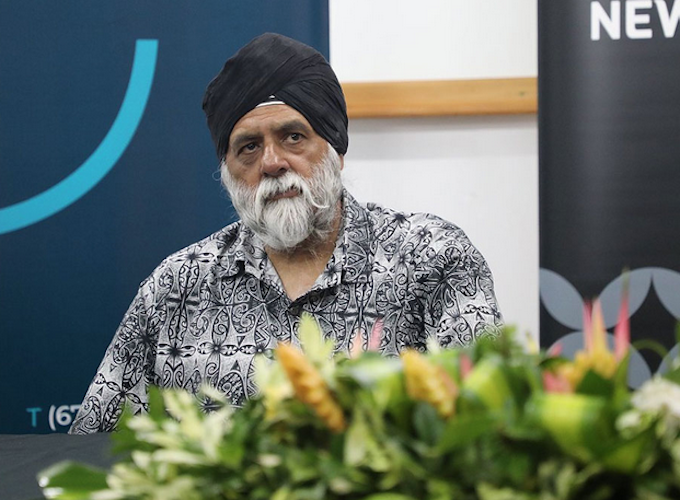
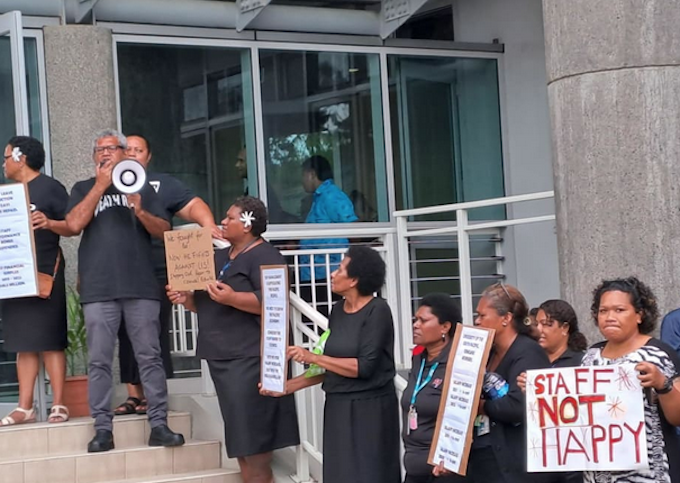









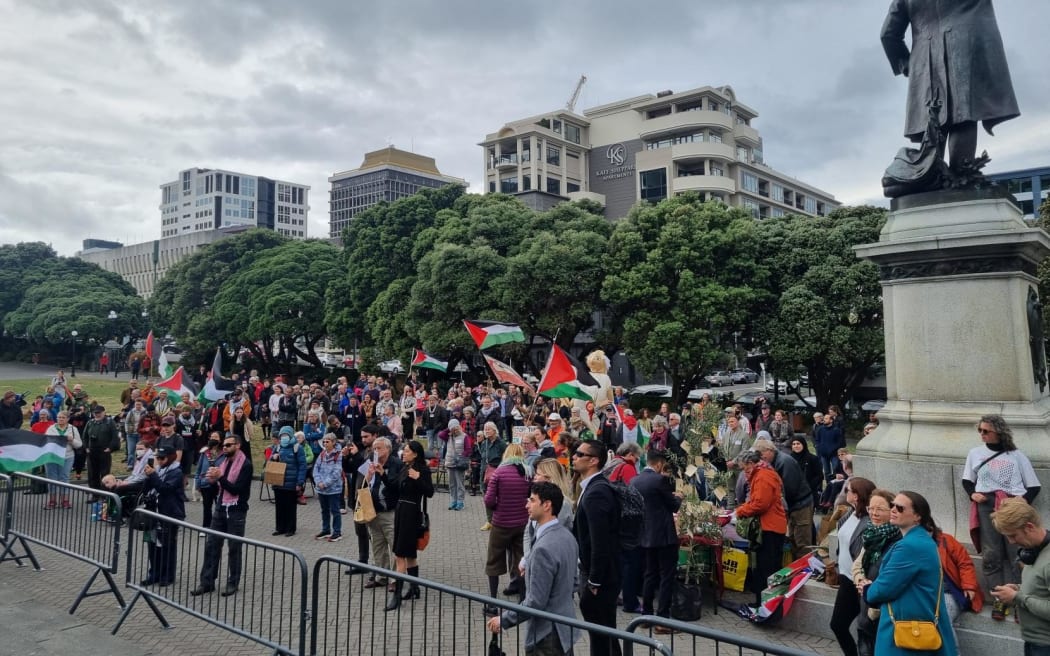














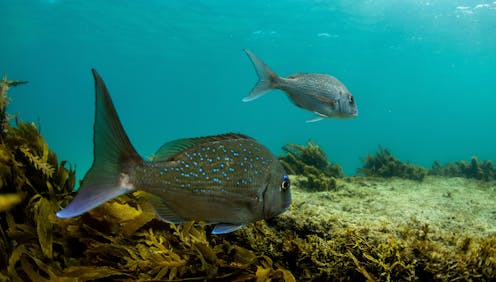

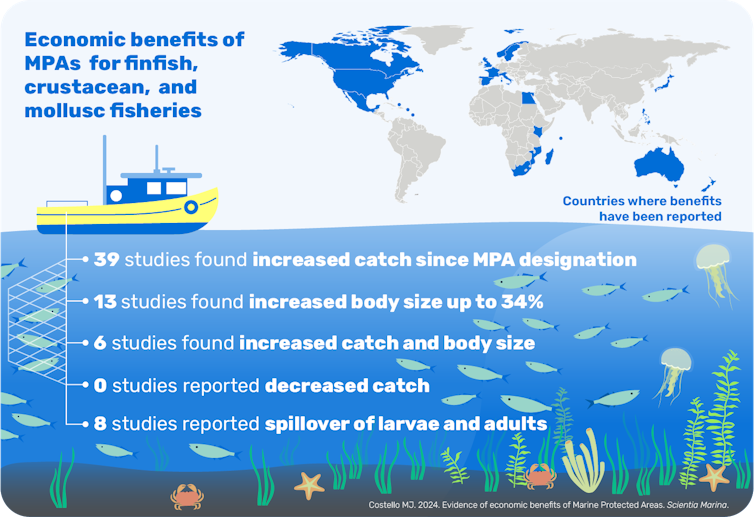

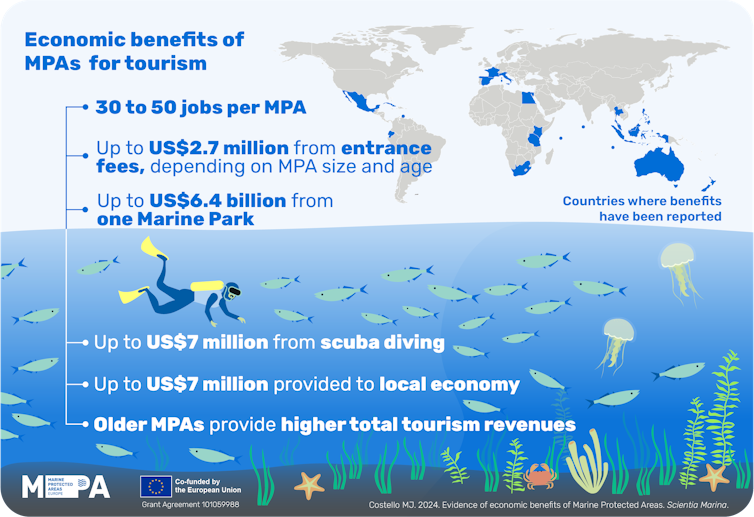
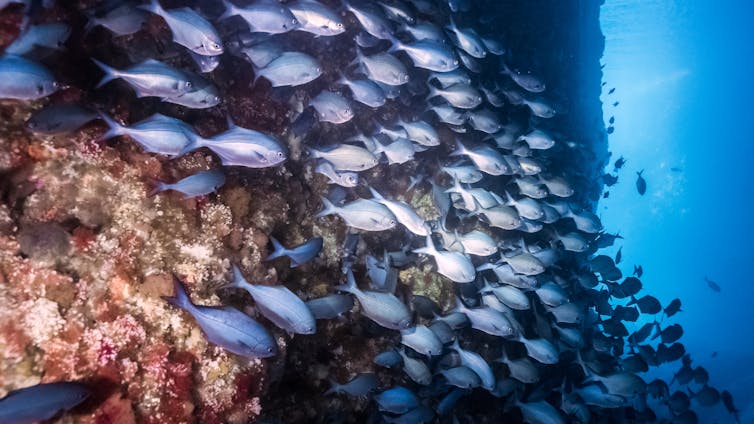


















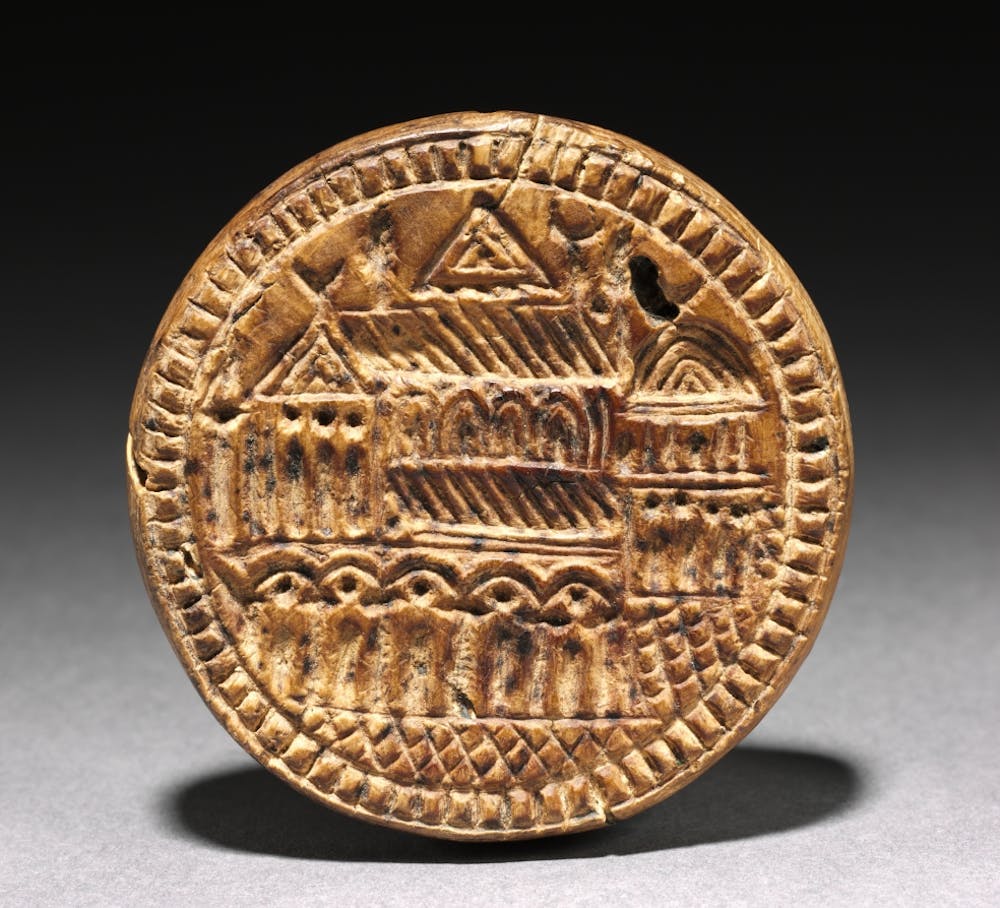



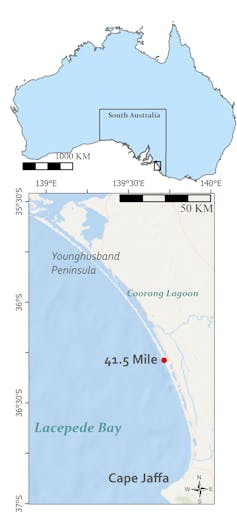


















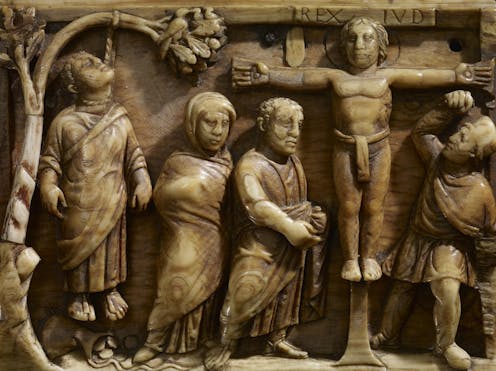





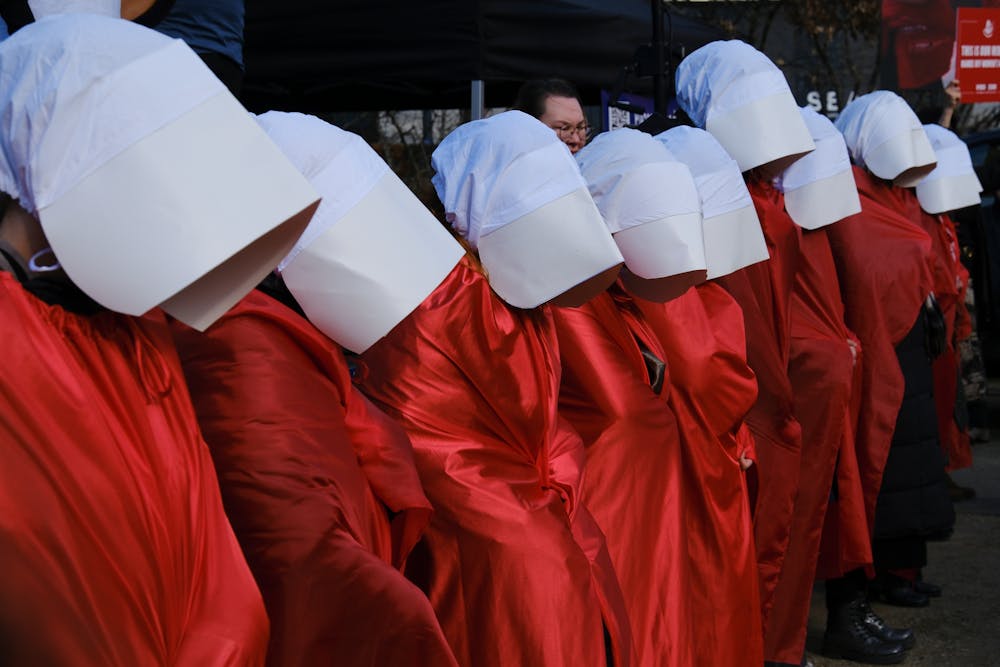







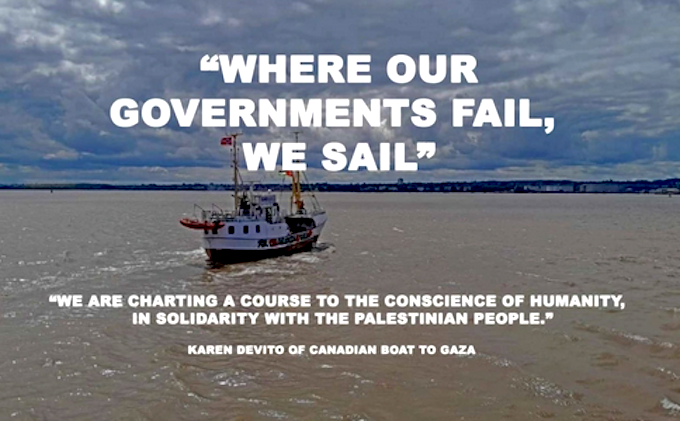


_detail.jpg)
#/media/File:Rembrandt_Harmensz_van_Rijn_-_Return_of_the_Prodigal_Son_-_Google_Art_Project.jpg)