Page 483

When all the world’s failings end in Gaza – Selwyn Manning, Paul Buchanan assess the crisis

By Selwyn Manning, editor of Evening Report

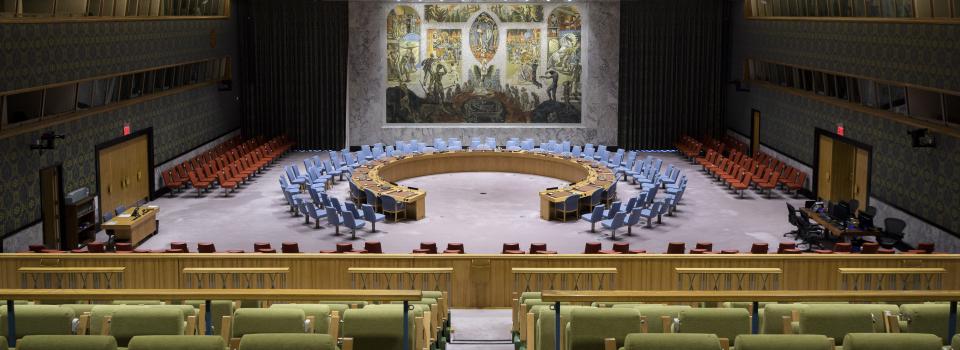
As we prepared for this podcast, representatives of Arab states have presented a united front at the United Nations, criticising the UN Security Council of doing nothing to protect civilians from Israeli bombing and missile attacks on Gazan civilians and locations.

Since then, the UN Security Council has considered two resolutions, the latter calling for a pause in hostilities to allow a humanitarian effort to enter Gaza to assist civilians.

The United States vetoed that Security Council resolution.

Al Jazeera has detailed that Israel forces have targeted and bombed civilian facilities include hospitals, schools, residential areas resulting in the deaths of thousands of people, civilians – around one-third of the deaths are children.

It remains contested by all sides in this conflict as to who, or what, is responsible for the deadly attack on Gaza Hospital, resulting in the deaths of at least 471 people.

Additional to this, Israel has sealed the borders of Gaza while it prevents food, water and medical supplies from reaching civilians — in breach of international law requirements and laws of conflict.

Israel ordered Gazan civilians, who wish to get to safety, to get out of North Gaza and move toward the south, to the border with Egypt.

Heavy bombing, sealed border
But as people fled south toward what appeared to be safety, Israel bombed the southern Gaza region killing more civilians and sealing off that corridor for others who sought refuge.

As a consequence of the bombing, Egypt responded by sealing the Gaza-Egypt border.

Humanitarian aid now sits on trucks, waiting, on the Egypt side of the border, while United Nations officials implore Israel and Egypt to allow medical supplies, food and water to get through to those who are injured and dying.

The Israel Defence Force strikes followed a surprise-attack on Israeli citizens by soldiers operating under the Hamas banner.

Civilians were slaughtered and others taken hostage, only to be used as bargaining chips and leverage against their enemies.

Even Palestinian advocacy groups like the Palestine Solidarity Network Aotearoa suggested that breaches of international humanitarian Law, crimes against civilians, have been committed by those Hamas-aligned fighters.

But they are clear, as others are too, that crimes against humanity, war crimes, have been committed by Israel, without consequence, as we all give witness to its response which is disproportionate, brutal, and disregarding of the thousands of Palestinian lives that have already been taken.


The View From Afar podcast on Gaza.

Getting worse
That is the grave current situation and it is likely to get much worse.

In this episode, Selwyn Manning and global security and geopolitics analyst Dr Paul Buchanan discuss the crisis yesterday:

  • What are the world’s leaders doing to stop the carnage?
  • Are the world’s nations being drawn into what will be an ever-expanding war?
  • Are we witnessing the beginning of a war where on one side authoritarian-led states like Russia, Iran, the wider Arab states, and possibly China stand unified against the United States, Britain, Germany, and other so-called liberal democratic allies representing the old world order?
  • Is what we are witnessing, what happens when a global rules-based order, multilateralism and institutions like the United Nations no longer have influence to prevent war, or restore peace and stability, or assert principles of international justice and enforce the rights of victims to see recourse to the law?
  • Why has this slaughter become an opportunity for the US and Russia to square-off against each other at the UN Security Council — a body that was once designed to advocate and achieve peace, but has now become a geopolitically divided entity of stalemate and mediocrity?
  • Eventually, will humanitarianism prevail? Will the world recognise that all people, the elderly, women, children, people of all ethnicities and religions, that they all bleed and die irrespective of their state of origin, when leaders of all sides, while sitting back in their bunkers, unleash weapons designed to kill as many people as is possible?

Watch this episode of A View from Afar

Print Friendly, PDF & Email

Article by AsiaPacificReport.nz

The climate impact of plastic pollution is negligible – the production of new plastics is the real problem

Source: The Conversation (Au and NZ) – By Karin Kvale, Senior Scientist, Carbon Cycle Modeller, GNS Science

The dual pressures of climate change and plastic pollution are frequently conflated in the media, in peer-reviewed research and other environmental reporting.

This is understandable. Plastics are largely derived from fossil fuels and the burning of fossil fuels is the major driver of human-caused climate change.

The window for cutting emissions to keep warming at internationally agreed levels is closing rapidly and it seems logical to conclude that any “extra” fossil carbon from plastic contamination will be a problem for the climate.

Our research examines this question using an Earth system model. We found carbon leaching out of existing plastic pollution has a negligible impact. The bigger concern is the production of new plastics, which already accounts for 4.5% of total global emissions and is expected to rise.

Organic carbon leaching from plastic pollution

In nature, plants make organic carbon (carbon-hydrogen compounds) from inorganic carbon (carbon compounds not bonded with hydrogen) through photosynthesis. Most plastics are made from fossil fuels, which are organic carbon compounds. This organic carbon leaches into the environment from plastics as they degrade.

Concerns have been raised that this could disrupt global carbon cycling by acting as an alternative carbon source for bacteria, which consume organic carbon.

A key assumption in these concerns is that organic carbon fluxes and reservoirs are a major influence on global carbon cycling (and atmospheric carbon dioxide) over human timescales.

It is true that dissolved organic carbon is a major carbon reservoir. In the ocean, it is about the same amount as the carbon dioxide (CO₂) held in the pre-industrial atmosphere. But there are key differences between atmospheric CO₂ and ocean organic carbon storage. One is the climate impact.

Atmospheric CO₂ warms the climate directly, whereas dissolved organic carbon stored in the ocean is mostly inert. This dissolved organic carbon reservoir built up over many thousands of years.

When phytoplankton make organic carbon (or when plastics leach organic carbon), most of it is rapidly used within hours to days by bacteria and converted into dissolved inorganic carbon. The tiny fraction of organic carbon left behind after bacterial processing is the inert portion that slowly builds up into a natural reservoir.

Once we recognise that plastics carbon is better considered as a source of dissolved inorganic carbon, we can appreciate its minor potential for influence. The inorganic carbon reservoir of the ocean is 63 times bigger than its organic carbon store.

Plastics carbon has little impact on atmospheric CO₂

We used an Earth system model to simulate what would happen if we added dissolved inorganic carbon to the surface ocean for 100 years. We applied it at a rate equivalent to the amount of carbon projected to leach into the ocean by the year 2040 (29 million metric tonnes per year).

This scenario likely overestimates the amount of plastics pollution. Current pollution rates are well below this level and an international treaty to limit plastic pollution is under negotiation.


Read more:
Four reasons to be hopeful about the planned global plastics treaty


We repeated the model simulation of adding plastics carbon both with strong climate warming (to see if plastics carbon might produce unexpected climate feedbacks that increase warming) and without (to see if it could alter the climate by itself). In both cases, plastics carbon only increased atmospheric CO₂ concentrations by 1 parts per million (ppm) over a century.

This is a very small increase, considering that current burning of fossil fuels is raising atmospheric CO₂ by more than 2ppm each year.

A mechanical claw grabbing pile of mixed plastics at a waste treatment plant.
Limiting plastic incineration would help reduce emissions from plastic waste.
Shutterstock/zlikovec

Direct emissions from burning plastic

We also examined the impact of plastics incineration. We used a scenario in which all plastic projected to be produced in the year 2050 (1.1 billion metric tonnes) would be burned and directly converted into atmospheric CO₂ for 100 years.

In this scenario, we found atmospheric CO₂ increased a little over 21ppm by the year 2100. This increase is equivalent to the impact of fewer than nine years of current fossil fuel emissions.

Relative to the current continued widespread burning of fossil fuels for energy, carbon emitted from plastic waste will not have significant direct impacts on atmospheric CO₂ levels, no matter what form it takes in the environment.

However, plastics production, as opposed to leaching or incineration, currently represents about 4.5% of total global emissions. As fossil fuel consumption is reduced in other sectors, emissions from plastics production are expected to increase in proportional footprint and absolute amount.


Read more:
Oil companies are ploughing money into fossil-fuelled plastics production at a record rate – new research


A legally binding plastics pollution treaty, currently under development as part of the UN’s environment programme, is an excellent opportunity to recognise the growing contribution of plastics production to climate change and to seek regulatory measures to address these emissions.

Limiting the use of incineration is another climate-friendly measure that would make a small but positive contribution to the goals of the Paris Agreement.

Of course, environmental plastics pollution has many negative impacts beyond climate effects. Our work does not diminish the importance of cleaning up plastic pollution and implementing stringent measures to prevent it. But the justification for doing so is not primarily grounded in an effort to cut emissions.

The Conversation

Karin Kvale is affiliated with the Scientists’ Coalition for an Effective Plastics Treaty. She received a research grant from the Marsden Fund.

Andrew Weaver received a research grant from Canada’s Climate Action and Awareness Fund.

Natalia Gurgacz does not work for, consult, own shares in or receive funding from any company or organization that would benefit from this article, and has disclosed no relevant affiliations beyond their academic appointment.

ref. The climate impact of plastic pollution is negligible – the production of new plastics is the real problem – https://theconversation.com/the-climate-impact-of-plastic-pollution-is-negligible-the-production-of-new-plastics-is-the-real-problem-207813

Rabuka calls for Pacific peace zone – ‘We don’t want to be caught in struggle’

By Dionisia Tabureguci in Suva

The political superpowers of the world have been gently reminded this week of Fiji’s intention to turn the Pacific islands region into a zone of peace and not be pawns in geopolitics.

In his address at a Lowy Institute event in Canberra on Tuesday afternoon, Fiji Prime Minister Sitiveni Rabuka emphasised the Pacific’s peace stand in a world that has become riddled with volatile conflicts.

Referring to the US-China rivalry as “very evident” in the Blue Pacific, Rabuka said Fiji did not want to be caught in the middle.

“Fiji’s position is very clear. We’re friendly with China now. And with the US — always. And we do not want to be caught in the struggle between the superpowers,” he said.

The Pacific region has become known as a contested region, with interest from the two conflicting superpowers increasing in recent times.

University of the South Pacific academic Professor Sandra Tarte said in an earlier interview with this newspaper that Fiji and other Pacific countries could turn the increased engagement from these countries into economic opportunities to benefit them.

“I think certainly countries want to retain their independence to do what they want and who they deal with,” she said.

‘We don’t want to provoke’
“I think while you can applaud that, there is also the question: how can our countries actually work more collectively on this sort of thing? And we don’t want to provoke any anything.

“We don’t want to create more tension. We are a region of peace or zone of peace, as our prime minister said, so how can we as a Pacific Island region actually work together to make that happen?”

Rabuka said this would be discussed at the next Pacific Islands Forum (PIF) leader’s meeting in Cook Islands next month.

“I envisage the basic foundation built on refraining from actions that may jeorpadise regional order and stability. And maintaining respects for each other’s sovereignty and territorial integrity,” he said.

“There will be continued emphasis on the Pacific way of dialogue, diplomacy and consensus. We will continue to promote our concept of the vuvale cooperation and our vuvale way of resolving our differences,” Rabuka said.

After bilateral talks in Canberra on Wednesday, Rabuka and Australia’s Prime Minister Anthony Albanese signed a “renewed and elevated Vuvale Partnership, with a pledge of A$68 million (F$98 million) in budgetary support to Fiji.

Dionisia Tabureguci is a Fiji Times reporter. Republished with permission.

Print Friendly, PDF & Email

Article by AsiaPacificReport.nz

We traced a powerful radio signal to the most distant source yet – a galaxy billions of lightyears away

Source: The Conversation (Au and NZ) – By Ryan Shannon, Associate Professor, Swinburne University of Technology, Swinburne University of Technology

Every day and night, hundreds of thousands of intense, brief flashes of radiation suddenly flicker on and then off all across the sky. These “fast radio bursts” are invisible to the naked eye, but to a radio telescope many almost outshine everything else in the sky for a few thousandths of a second.

Since the first such burst was spotted in 2006, we have found that nearly all of them come from distant galaxies. Most bursts pass unnoticed, occurring outside the field of view of radio telescopes, and never occur again.

In new research published in Science, we have found the most distant fast radio burst ever detected: an 8-billion-year-old pulse that has been travelling for more than half the lifetime of the universe.

Seizing the opportunity

Astronomers are fascinated by fast radio bursts for two reasons.

The first is that their cause is unknown. The bursts are a trillion times more energetic than the things that look most like them: rotating neutron stars called pulsars, in our own galaxy.

The second reason is that the bursts provide a new tool to study other aspects of the cosmos.

Fast radio bursts let us study the “cosmic web” of matter floating in the space between galaxies. This matter is very hot, diffuse gas and almost invisible, but it subtly slows down fast radio bursts as they pass through it. (This is ordinary matter, the same kind that makes up stars, planets and humans, not the invisible “dark matter” that also lurks throughout the universe.)

The degree to which bursts slow down correlates with the distance they have travelled.

In 2020, analysis of fast radio bursts revealed that the cosmic web actually contains more than half of the normal matter in the universe – which astronomers had previously thought was “missing”.

In search of the extreme

More distant and extreme fast radio bursts promise to reveal further secrets about the universe, so astronomers are on the hunt. I lead a team doing just that, using the Australian SKA Pathfinder (ASKAP) radio telescope.

On June 6 2022, our team detected and pinpointed a very bright burst with a high degree of slowing (known officially as “FRB 20220610A”). Our initial calculations suggested it might be the most distant ever found.

However, there was a possibility that the burst was closer than we thought – or that it might come from a distant galaxy too faint to be seen with an optical telescope.

We turned to one of the world’s most powerful optical observatories to search for the host galaxy: the Very Large Telescope (VLT) in Chile. The observatory’s four telescopes are equipped with cutting-edge cameras and spectrographs that can identify faint host galaxies and study their properties in detail.

At the position pinpointed by ASKAP as the source of the burst, initial images revealed faint smudges of light that looked like a distant galaxy. Analysing the spectrum of light from the galaxy showed it was strongly “redshifted”, meaning the emission from the burst has doubled in wavelength as it stretched out on its journey through the expanding universe.

The redshift had a value just over 1, which shows the burst was emitted more than 8 billion years ago, when the universe was less than half its present age. This confirmed that FRB 20220610A had broken the record for the most distant fast radio burst.

Pushing the limits of the universe

Like Olympic athletes, astronomers (including me) enjoy breaking records. Beyond personal satisfaction, however, this detection can also be used to explore the two fundamental questions about fast radio bursts.

First, the burst has the most energy of any that has been securely pinpointed to a location. It is more energy than our Sun puts out in 30 years, and approaches what we believe are fundamental physical limits.

The upper limit on the amount of energy any one fast radio burst can carry may be determined by quantum mechanical effects. At a certain point, the burst’s surge of radio photons may meet resistance from a sea of “virtual” electrons and positrons which British physicist Paul Dirac predicted in 1930.

Our discovery also demonstrates the potential for fast radio bursts to study the composition of the distant universe. As we look back in time, we see the structure of galaxies changes a great deal. Bursts in distant galaxies may allow us to study the detailed structure of their hosts.

Delving deeper in the cosmos

We now know that energetic bursts exist in the distant universe. As new and upgraded telescopes join the hunt for fast radio bursts, we are likely to see many more tracked down to their host galaxies.

We are currently building a new fast radio burst search system for ASKAP which will make it five times more sensitive, enabling us to push the frontier of our research further out into the universe.

And in the future, ultra-sensitive radio telescopes such as the Square Kilometre Array (SKA) will be able to detect bursts at ever greater distances. These detections will be used to map the structure of the universe and resolve the tale of a modern astronomical mystery.

The Conversation

Ryan Shannon receives funding from the Australian Research Council.

ref. We traced a powerful radio signal to the most distant source yet – a galaxy billions of lightyears away – https://theconversation.com/we-traced-a-powerful-radio-signal-to-the-most-distant-source-yet-a-galaxy-billions-of-lightyears-away-214553

Can Israel and Hamas be held to account for alleged crimes against civilians?

Source: The Conversation (Au and NZ) – By Amy Maguire, Associate Professor in Human Rights and International Law, University of Newcastle

International humanitarian law – the law of armed conflict – aims to constrain how wars are fought. It is designed to protect noncombatants and limit the means of warfare.

As each hour brings news of further horror in the Israel-Hamas conflict, what role should international law be playing? And does it actually have any capacity to constrain the behaviour of the combatants?

A humanitarian nightmare is unfolding

On October 7, the Hamas militant group launched thousands of rockets against Israel in advance of a ground attack. Militants killed more than 1,400 people and wounded 3,400 others in towns and kibbutzim across southern Israel. It was the deadliest day for Jewish people since the Holocaust.

Most of those killed were civilians, including many children who were shot, blown up or burned to death. Hundreds of young people were also massacred at a music festival, and Hamas took around 200 hostages back to Gaza.

Israel is responding to this attack with airstrikes, which have to date killed at least 4,000 people in Gaza and injured thousands more. The vast majority of these casualties are Palestinian civilians.

Israel has also rapidly mobilised around 360,000 reservists in preparation for an anticipated ground offensive on Gaza.

In recent days, a blast at a Gaza hospital killed hundreds, including patients and displaced people seeking sanctuary. Hamas and several Arab states have blamed Israel for the explosion, while Israel has blamed Palestinian Islamic Jihad.

The situation in Gaza is dire for people with urgent needs, including 5,000 women due to give birth this month and newborn babies whose families cannot find drinking water to prepare formula.

Meanwhile, Israel has cut off water, electricity and fuel supplies to Gaza and ordered a total siege of the territory. Israel has also ordered residents of northern Gaza to evacuate to the south. Aid agencies have been unable to provide desperately needed humanitarian assistance to civilians through the border crossing with Egypt.

Prior to this latest horrific escalation, Gaza was already entrenched in a humanitarian crisis. The situation now is beyond comprehension.

Léo Cans, the head of mission for Doctors Without Borders in Palestine, said hospitals are being overwhelmed and hundreds will die without electricity being restored:

This is something that is known and could be prevented just by letting fuel and supplies inside Gaza. What is ahead of us is beyond words […] at the end of the road it’s a big wall, and this big wall is full of dead people.

Principles governing the conduct of war

International humanitarian law is a pragmatic body of law. Its existence acknowledges the inevitability of armed conflict and it aims to mitigate war’s impact on people.

International humanitarian law is not, in itself, concerned with the justifications for why combatants engage in war. It applies even in situations where a state is entitled to act in self-defence under broader international law.

We are witnessing gross violations of fundamental humanitarian law principles in the conflict. Here are some examples:

Distinction between civilians and combatants

Attacks are considered unlawful if they are:

  • directed specifically against civilians

  • launched indiscriminately without distinction between civilians and combatants

  • or directed at military targets but anticipated to cause harm to civilians disproportionate to the military advantage being sought.

Methods of warfare

It is unlawful to conduct war in a manner that causes unnecessary suffering. Attacks targeting civilians are fundamentally unnecessary and, therefore, illegal.

Collective punishment

The fourth Geneva Convention prohibits collective punishment:

No protected person may be punished for an offence he or she has not personally committed. Collective penalties and likewise all measures of intimidation or of terrorism are prohibited.

This prohibition reflects the idea of individual criminal responsibility under international criminal law. Prosecutions for breaches of humanitarian law are directed towards individuals who can be proven responsible, rather than against states or populations.

Humanitarian protection

Common Article 3 of the Geneva Conventions requires humane protection for all people in enemy hands. It prohibits murder and hostage-taking. It also requires the provision of humanitarian assistance to all people without distinction.

Obligations of occupying powers

It is arguable Israel is a de facto occupying power of the Gaza Strip because it has such a high level of control over people’s lives. For example, it has the ability to shut off supplies of essential life services. The argument Israel is occupying Gaza will be strengthened should Israel launch a ground invasion.

As such, the rules of international humanitarian law on occupiers are also relevant. These include an obligation to protect civilians from attacks and respect their human rights.


Read more:
How the ‘laws of war’ apply to the conflict between Israel and Hamas


Hamas and humanitarian law

International humanitarian law applies to all combatants, whether they are state or non-state actors. UN independent experts say Hamas has clearly committed war crimes, including the murders and hostage-taking of Israeli civilians.

Hamas also put Palestinian civilians in harm’s way by telling them not to evacuate to southern Gaza, as ordered by Israel. The group has a history of using civilians as human shields as a strategic tool in conflicts with Israel.

However, holding Hamas accountable for violating international humanitarian law is very challenging. As a non-state actor, Hamas is not a member of forums like the United Nations, where pressure may be brought to bear on member states.

If individual Hamas militants are apprehended, they could be charged with war crimes and tried in Israeli courts or the International Criminal Court. Even though Hamas is a non-state actor, Palestine has accepted the court’s jurisdiction.

In fact, the International Criminal Court opened an investigation into alleged war crimes in Palestine in 2021. The current Gaza conflict would fall within the court’s mandate and could lead it to direct greater energy to that ongoing investigation.

The court’s chief prosecutor, Karim Khan, said on October 13:

We have jurisdiction for any Rome Statute crimes […] committed by Palestinians in Israel and also we have clear jurisdiction for any crimes committed by the forces of Israel in Palestine.

Israel and humanitarian law

Israel and its allies also have a complex relationship with international humanitarian law.

One key issue is Israel’s right to self-defence in response to the October 7 attack by Hamas. International law confirms a state may use force to defend itself in response to an armed attack. Israel, the United States and other allies contend the Hamas attack triggered Israel’s right to self-defence.

But there is a distinction to be drawn between a state’s right to self-defence and what that right permits, in the sense of how war is conducted.

For example, UN independent experts have condemned Israel’s “indiscriminate military attacks” against Palestinian civilians:

This amounts to collective punishment. There is no justification for violence that indiscriminately targets innocent civilians, whether by Hamas or Israeli forces. This is absolutely prohibited under international law and amounts to a war crime.

Neither Israel nor the United States is a party to the International Criminal Court. Neither state would accept the court’s jurisdiction over its nationals. Indeed, the United States has condemned the court’s decision to open its investigation into alleged war crimes in Palestine.

In time, the court may seek to hold Israeli nationals accountable for war crimes, but its capacity to do so seems very limited.

What about the United Nations?

UN Secretary-General Antonio Guterres has called for an immediate ceasefire.

He said the grievances of the Palestinian people after more than 50 years of occupation do not “justify the acts of terror committed by Hamas”. And he said the Hamas attack on October 7 does not “justify the collective punishment of the Palestinian people”.

UN human rights chief Volker Türk has also warned all parties that violations of humanitarian law will have consequences, and those who commit war crimes will be held accountable.

But the UN Security Council, which is charged with maintaining international peace and security, has yet to agree on a statement on the conflict.

The debate in the council since the latest escalation in this perpetual conflict demonstrates the deep diplomatic fault lines between the key global players and the warring parties.

At this point, a sad reality is that international law and global institutions can do little to constrain the actions of the combatants on both sides or provide assistance to the millions at grave risk of harm.

The Conversation

Amy Maguire does not work for, consult, own shares in or receive funding from any company or organisation that would benefit from this article, and has disclosed no relevant affiliations beyond their academic appointment.

ref. Can Israel and Hamas be held to account for alleged crimes against civilians? – https://theconversation.com/can-israel-and-hamas-be-held-to-account-for-alleged-crimes-against-civilians-215705

Insomnia and mental disorders are linked. But exactly how is still a mystery

Source: The Conversation (Au and NZ) – By Ben Bullock, Senior Lecturer, Psychology, Swinburne University of Technology

Shutterstock

This article is the next in The Conversation’s six-part series on insomnia, which charts the rise of insomnia during industrialisation to sleep apps today. Read other articles in the series here.


The 2004 movie The Machinist gives us a striking depiction, albeit a fictional one, of the psychological effects of chronic insomnia.

When people don’t have enough sleep, their memory and concentration are impaired in the short term. They are also less able to regulate their emotions.

If sleeping difficulties continue, longer-term psychological effects can include anxiety, depression, mania and psychosis. Indeed, Christian Bale’s character in The Machinist has increasingly vivid visual hallucinations and paranoid delusions as his insomnia deepens.

The relationship between insomnia and mental disorders is complex. It’s not just a case of “which comes first, the insomnia or the mental disorder?” Insomnia and mental disorders are interrelated in ways we don’t yet fully understand.


Read more:
A short history of insomnia and how we became obsessed with sleep


What is insomnia? Is it a mental disorder?

Insomnia is, by far, the most common disorder of sleep. An estimated 12-15% of Australian adults at any one time meet criteria for insomnia.

People with insomnia have frequent and ongoing difficulties in falling and staying asleep, and/or going back to sleep after early waking. Insomnia not only affects people’s quality of sleep, but how they function the next day.

Many of the factors that trigger insomnia and help maintain its negative long-term effects are psychological or behavioural. These include:

  • psychosocial stressors (such as money, work or family problems)

  • attentional bias and worry about sleep (the more we think and worry about sleep, the worse it gets)

  • poor sleep habits (such as irregular sleep and wake times).

Insomnia is not a mental disorder in the same way that, say, depression and anxiety are mental disorders. Insomnia is a recognised sleep disorder that nonetheless has close links to a wide variety of mental disorders.


Read more:
What’s insomnia like for most people who can’t sleep? You’d never know from the movies


Many people have both insomnia and a mental disorder

Around half of all people diagnosed with insomnia also have an associated mental disorder. The most common ones associated with insomnia are depression, anxiety, bipolar disorder, post-traumatic stress disorder, and substance-related disorders.

We don’t (yet) know why we see such high levels of mental disorders in people with insomnia. But there are several leading theories, including:

  • a shared genetic risk for insomnia and a mental disorder. In other words, some people’s genes may predispose them to both conditions

  • a shared neurobiological response. How the brain responds to sleep loss may be connected to how systems in the brain control cognition, emotion and reward. Disturbances of these brain functions are implicated in a range of mental disorders

  • inflammation and/or dysfunction of the immune system may underlie both insomnia and mental disorders.


Read more:
How dangerous is insomnia? How fear of what it’s doing to your body can wreck your sleep


Which comes first?

Further complicating the picture is evidence showing insomnia can occur before someone develops a mental disorder, or afterwards. Researchers call this a “bidirectional” relationship.

We can’t say one causes the other. We can only say there is a clear link between them.

This link means diagnosis and treatment of one can have implications for diagnosis and treatment of the other. For instance, if you don’t adequately treat insomnia, this can worsen symptoms of someone’s mental disorder, increasing both the severity and risk of relapse.

A type of talking therapy known as cognitive behavioural therapy for insomnia (CBTi) aims to change the unhelpful thoughts, feelings, emotions and behaviours that contribute to insomnia. And, in many cases, successful treatment of insomnia with CBTi can also treat someone’s mental disorder (and vice versa).

CBTi is particularly effective at treating insomnia plus depression, substance use or post-traumatic stress disorder. But it is less effective at treating insomnia plus psychosis or bipolar disorder.

Man having counselling or therapy, with therapist filling in questionnaire on clipboard
Fixing the sleep problem can often resolve the mental disorder (and vice versa).
Shutterstock

Filling the gaps

There’s much we don’t know about the link between insomnia and mental disorders. Last year an international panel of experts outlined the research needed to plug the knowledge gaps. Recommendations included:

  • longer-term studies starting in childhood and adolescence that collect data on sleep and mental health using wearable or smartphone technologies. The aim is to provide more objective measurement of insomnia and mental health in these younger age groups, and to intervene early if needed

  • more studies involving people from diverse social and cultural backgrounds. Sleep practices are often culturally-determined. So researching diverse populations would provide a more comprehensive picture of insomnia and mental disorders

  • a greater recognition of people’s daytime behaviours and environmental exposures, and their contribution to insomnia and poorer mental health. This includes, eating fast food, having disrupted sleep routines (for example, shift work) and using technology excessively.

Results of this research will have profound implications for accurate diagnosis of both insomnia and mental disorders, and their treatment. The aim is to reduce the burden when these conditions occur together, both for individuals and society more broadly.


If this article has raised issues for you, or if you’re concerned about someone you know, call Lifeline on 13 11 14. Free information about insomnia and mental health is available from the Sleep Health Foundation.

The Conversation

Ben Bullock receives funding from Australian Rotary Health and the Barbara Dicker Brain Sciences Foundation. He is a member of the Sleep Health Foundation.

ref. Insomnia and mental disorders are linked. But exactly how is still a mystery – https://theconversation.com/insomnia-and-mental-disorders-are-linked-but-exactly-how-is-still-a-mystery-212106

The dams are full for now – but Sydney will need new water supplies as rainfall becomes less reliable

Source: The Conversation (Au and NZ) – By Stuart Khan, Professor of Civil & Environmental Engineering, UNSW Sydney

Shutterstock

When Australia last went into El Niño, we had water supply issues in Brisbane, Sydney, Canberra and Melbourne.

Are we better placed now, after three wet La Niña years? Yes and no. Take Sydney as an example. After the big wet, Greater Sydney’s dams are around 90% full, holding more than four times the volume we use in a year. But hot, dry weather can drain them surprisingly rapidly through increased demand, increased evaporation and environmental flows in rivers such as the Nepean.

Hot weather also dries out the soil in water catchments. When it rains, dry soils soak up water like a sponge, preventing it from running off to waterways. This means there’s little runoff to replenish the dams. You need very intense rainfall to overcome this.

So despite Sydney’s full dams, it will inevitably face water supply shortages if El Niño returns for several years. That’s because the city of five million is highly dependent on rainfall, which isn’t always plentiful and doesn’t always produce runoff.

To fix this problem and future-proof supplies as climate change makes rainfall less reliable, we must draw more water from desalination plants and recycling schemes.

Desalination

The combined effects of a growing population and future periods of drought will increasingly challenge our ability to meet water demand from Sydney’s dams.

In 2010, Sydney’s first large seawater desalination plant came on line. At maximum production, it can provide 90 gigalitres of drinking water per year. This is about 15% of Sydney’s annual demand.

In the past, the desal plant has been turned off and on depending on rainfall. After the Millennium Drought broke in 2009, dams began refilling. Once Sydney’s dams were 90% full in 2012, the plant was switched off. In 2019, it was turned back on as drought intensified. One problem is that it takes months to restart a mothballed desalination plant.

If the desalination plant had been operating continuously at a low rate, it could have more quickly shored up supply shortages when the drought started in 2017.

To achieve full benefit, desal plants must be used to provide ongoing service, rather than just as an emergency drought-response solution. Keeping the plant running is also an effective way of maintaining the workforce and skills required to operate the plant when it’s needed.

room full of reverse osmosis tubes in a desalination plant
Desalination plants often rely on reverse osmosis to remove the salt and other impurities from seawater.
Shutterstock

Water recycling

Many cities around Australia now have desal plants. Fewer have explored purified water recycling from wastewater treatment plants due to unwarranted public scepticism.

Australia’s most significant purified recycled water project is Perth’s groundwater replenishment scheme, built to refill the aquifers on which the city draws much of its water.

Beginning in 2017, wastewater was purified and injected below ground into an important aquifer used for drinking water. The project was recently doubled in size, and now puts around 10% of Perth’s drinking water demand (28 gigalitres) back below ground annually.


Read more:
How drought is affecting water supply in Australia’s capital cities


By 2035, Water Corporation aims to recycle more than a third (35%) of treated wastewater.

Queensland has built but not fully used a far larger water recycling scheme, the Western Corridor Recycled Water Scheme. If it was used for drinking water as well as industrial use, it could add 80 GL a year to supply – more than a quarter of the water used by South East Queensland’s 3.8 million residents. That would be enough to replenish supplies in the region’s largest surface water storage, Lake Wivenhoe.

Fountain in Kings Park Perth, green grass
Perth has had to shift from dams to groundwater to desalination and water recycling as climate change makes rainfall less reliable.
Shutterstock

So what should Sydney do?

Sydney relies on rainfall-dependent sources for about 80% of its drinking water supply.

If dry conditions continue, the city could be running short of water within three years, according to the Greater Sydney Water Strategy.

To make sure that shortfall never arrives, Sydney needs to start building more rainfall-independent water supplies. This would help ensure full dams at the start of future droughts, allow more time to respond, and slow dam depletion rates during the drought.

Authorities could expand the desal plant. They could build a new desal plant. Or they could develop purified recycled water as an option. Each of these has costs and benefits which must be considered.

In reality, the city is likely to need all of the above. This is because there are limits to how much water can be delivered to any specific location in the supply network, so several water sources will be needed in different areas of Sydney.

The real question isn’t which one to choose. It’s which order to construct them in.


Read more:
Sydney’s dams may be almost full – but don’t relax, because drought will come again


The Conversation

Stuart Khan was a member of the Independent Metropolitan Water Advisory Panel appointed by previous NSW Minister for Water, Melinda Pavey MP to advise on the development and implementation of water plans for the Lower Hunter and Greater Sydney regions (2021-2023). He has previously received funding from Sydney Water. He is affiliated with the Australian Academy of Technology and Engineering.

ref. The dams are full for now – but Sydney will need new water supplies as rainfall becomes less reliable – https://theconversation.com/the-dams-are-full-for-now-but-sydney-will-need-new-water-supplies-as-rainfall-becomes-less-reliable-214071

Some kids with reading difficulties can also have reading anxiety – what can parents do?

Source: The Conversation (Au and NZ) – By Genevieve McArthur, Professor at the Australian Centre for the Advancement of Literacy, Australian Catholic University

Element5 Digital/Pexels , CC BY-SA

Australian children are facing some big challenges. NAPLAN data shows about one in three students in years 3 to 9 are behind in reading-related skills. It is also estimated about one in seven children have poor mental health.

Until recently, most people assumed these were separate problems. However, there is growing evidence difficulties with reading and mental health may be related in some children.

What is reading anxiety?

Recent studies suggest reading anxiety may be the mental health problem most closely related to reading difficulty.

Reading anxiety is an excessive fear of reading that interferes with everyday life. For example, a child may be so anxious about reading they refuse to go school.

Like maths anxiety, reading anxiety can affect both children and adults. In one of our very recent studies (not yet published), we discovered 50% of children with reading difficulties appeared to have reading anxiety. That equates to around one in ten children at primary school.


Read more:
‘Maths anxiety’ is a real thing. Here are 3 ways to help your child cope


How does reading anxiety happen?

Why might a child who struggles with reading also develop reading anxiety? Current evidence suggests the following hypothesis:

When a child first starts school, many children in their class will not read well. However, after a few months of reading lessons, most will start to improve. A few will not. Many of those children will get negative feedback about their reading from others (such as their teachers, parents and other students) or even from themselves.

They will then start to believe they are poor readers. Researchers call this a “poor reading self-concept”.

If a child believes they are bad at reading, they may start to feel worried or scared about reading, particularly in front of other people.

This anxiety can make it hard for them to concentrate in reading classes. Or they find a way to avoid going to reading classes at all, such as playing up in class so they get kicked out of the room.

A young boy reads a book, using his finger as a guide.
Children may become fearful of reading in front of other people.
Michal Parzuchowski/Unsplash, CC BY

A negative cycle

It is important to note these avoidance behaviours are an entirely reasonable response to reading anxiety.

Anxiety is a fight or flight response that evolved to keep humans alive. If you are facing a lion who wants to eat you (or you need to read in front of the class), the last thing you need to do is concentrate hard on learning how the lion’s growl sounds correspond to his paw movements (or how different letters correspond to different speech sounds).

What you really need to do is run away.

The trouble is, when it comes to reading, running away means not attending, or concentrating in, reading classes. This will make everything worse: your reading, your reading self-concept and your reading anxiety. This sets up a cycle of failure that gets stronger over time.


Read more:
Anxiety can affect academic performance. Here are 10 things parents and teachers can do to relieve the pressure


Is it possible to break this cycle?

A couple of recent studies suggest we can help reading anxiety.

In 2021, a case intervention study gave eight Australian primary-school children 12 weeks of very intensive and targeted reading and anxiety intervention. All children showed significant improvements in their targeted reading and anxiety symptoms.

A 2020 Australian study delivered reading self-concept training to 40 children with reading difficulties. As a group, these children showed significant reductions in their non-productive coping strategies (such as procrastination or avoidance).

These results suggest it is possible to improve the mental health of children with reading difficulties with intensive and targeted training. But many more studies are needed before we can be sure.

A young girl lies on a towel on the grass, reading a book.
Initial studies suggest it is possible to break the cycle between reading and anxiety.
Skylar Zilka/Unsplash, CC BY

What can parents do?

What can parents do if they suspect their child has problems with reading anxiety?

First, it is important to know both the reading and mental health problems need to be treated by experts. It is not something parents can do alone at home.

However, a parent can help identify if a child needs help. As a starting point, they could ask their child’s teacher, or a reading clinician, to screen their child for problems with reading and reading anxiety. A good free screen for reading is the CC2 word reading test. A good free screen for reading anxiety is the Reading Anxiety Test or RAT.

If the results suggest a child has problems with both reading and reading anxiety, then teachers and reading clinicians can help parents find people to help. Not many people are experts in both reading and anxiety. But good clinicians will happily work together to support the diverse needs of children.

The Conversation

Genevieve McArthur has received funding from various funding bodies including the Australian Research Council and the National Health and Medical Research Council. She works for the not-for-profit Dyslexia SPELD Foundation as well as the Australian Catholic University.

ref. Some kids with reading difficulties can also have reading anxiety – what can parents do? – https://theconversation.com/some-kids-with-reading-difficulties-can-also-have-reading-anxiety-what-can-parents-do-215438

NZ’s always-on culture has stretched the 8-hour workday – should the law contain a right to disconnect?

Source: The Conversation (Au and NZ) – By Amanda Reilly, Senior Lecturer in Commercial Law, Te Herenga Waka — Victoria University of Wellington

When Wellington carpenter Samuel Parnell began the struggle for an eight-hour working day back in 1840, he could have never foreseen how modern work culture would evolve. But he would no doubt empathise with the challenges faced by today’s workers.

History tells us that Parnell, recently arrived from London, agreed to take a job building a store on the proviso he only work eight hours a day. He reportedly told his would-be employer:

There are twenty-four hours per day given us; eight of these should be for work, eight for sleep, and the remaining eight for recreation and in which for men to do what little things they want for themselves.

Given the scarcity of carpenters at the time, there wasn’t a lot of bargaining and Parnell was granted his wish. The idea gained momentum, with a meeting of Wellington workmen later that year resolving to work from 8am to 5pm.

They also agreed that anyone offending against this principle would be ducked in the harbour – one way of ensuring solidarity perhaps. The principle of an eight-hour day was picked up by various union campaigns, and over time achieved some recognition in law.

More than 180 years after Parnell made his stand, New Zealanders largely take the celebration of Labour Day for granted. But those able to enjoy the coming long weekend might also pause to reflect on what has happened to the eight-hour day in an era of constant digital connection and being “always on”.

Constant connectivity

Samuel Parnell, 1890.

When Samuel Parnell left work each day, neither his employer nor or his co-workers could contact him. Before any real rapid communications technology, let alone cell phones or email, he had no reason to contemplate the need for a “right to disconnect”.

But our modern, digital work lives raise serious questions about how we reconcile the demands of work with the need for rest, recreation and family life. How do we limit after-hours contact to maintain a boundary between work and non-work time?


Read more:
Do you answer emails outside work hours? Do you send them? New research shows how dangerous this can be


As expectations of constant connectivity and accessibility have increased, that boundary has blurred for many workers. Research has shown how significant after-hours work communication creates high stress levels, and long working hours are a health hazard that can even lead to premature death.

New Zealanders generally work more hours than their OECD counterparts. And there is research that suggests the pressure to always be online is driving burnout around the country.

A growing movement

For all that, the regulation of working time in New Zealand is relatively rudimentary and non-prescriptive compared to other jurisdictions. It is covered by section 11B of the Minimum Wage Act, which says employment agreements should be fixed at no more 40 hours a week unless both parties agree to more.

Occupational health and safety law requires both employers and workers to take all practicable steps to ensure health and safety in the workplace, including a responsibility to manage fatigue.

But there is no statutory right to disconnect, even though the concept has been gaining traction overseas.


Read more:
4-day work week trials have been labelled a ‘resounding success’. But 4 big questions need answers


It was first proposed in France in 2013, with a national agreement encouraging businesses to specify periods when work communications devices should be switched off. This became law in 2017, regulated by a “Droit à la Déconnexion” (right to disconnect) article in the Labour Code, which refers to the need for “respect for rest, personal life and family”.

Several European nations followed France’s lead, and other countries (including Kenya, India, Argentina, and the Philippines) have either implemented, or are considering establishing, such a right.

Early forms of regulation have been relatively light, simply requiring employers of a certain size to have a policy, or to consult with worker representatives about developing one.

But more prescriptive law is emerging. In Portugal, for example, employers must not contact employees outside working hours, except in emergencies. There are sanctions available if employers transgress.


Read more:
How businesses can best help employees disconnect from work


New Zealand lagging

It isn’t only governments looking into a right to disconnect. Following the example of the Victorian Police, some of Australia’s biggest trade unions are now bargaining to have the right included in enterprise agreements.

In the private sector, some progressive companies (including in New Zealand) are beginning to get on board, voluntarily implementing their own policies.

But despite New Zealand workers being among the first in the world to fight for and claim the eight-hour working day, the right to disconnect has not appeared anywhere on the local policy horizon. It’s a conversation the country should have.

In the meantime, there are small steps we can take as individuals – starting with making work emails outside of working hours the exception, rather than the rule.

It might not change the world overnight. But if enough people join the movement, it could lead to healthier work-life balance for everyone. Samuel Parnell would surely approve.

The Conversation

Amanda Reilly does not work for, consult, own shares in or receive funding from any company or organisation that would benefit from this article, and has disclosed no relevant affiliations beyond their academic appointment.

ref. NZ’s always-on culture has stretched the 8-hour workday – should the law contain a right to disconnect? – https://theconversation.com/nzs-always-on-culture-has-stretched-the-8-hour-workday-should-the-law-contain-a-right-to-disconnect-215444

Sydney Opera House at 50: a public appeal, a controversial build, a lavish opening – and a venue for all

Source: The Conversation (Au and NZ) – By Michelle Arrow, Professor of History, Macquarie University

Sydney Opera House, Bennelong Point Sydney, 1965. City of Sydney Archives, CC BY-NC-ND

It is one of the most famous buildings in the world. It has an instantly recognisable silhouette that adorns tea towels, bottle openers and souvenir sweatshirts.

Miniature versions huddle in snow domes. You can build your own from Lego. Bidjigal artist and elder Esme Timbery constructed a replica in her trademark shell art. Ken Done put it on doona covers and bikinis. If you search the hashtag on Instagram, you will see over a million posts.

Fifty years ago today, after a prolonged and controversial period of construction, the Sydney Opera House was officially opened by Queen Elizabeth II in a lavish ceremony.

Spectators carrying flasks of coffee and cushions watched from the sidelines. More than 2,000 small boats viewed the ceremony from the water.

After the national anthem was played and nine F111 aircraft roared overhead, the crowd heard a didgeridoo and Aboriginal actor Ben Blakeney delivered a prologue “representing the spirit of Bennelong”.

In her speech, the Queen remarked the Opera House had “captured the imagination of the world”.

The opening festivities gestured both to Australia’s deep Indigenous roots and white imperial origins. The building itself symbolised a new era of state investment in cultural infrastructure. This was a hallmark of the “new nationalism” in the 1970s: the arts were regarded as essential to Australia’s newly confident sense of national identity.

Today, the Sydney Opera House reminds us Australia can value culture for its own sake. But what did the Opera House mean to Australians when it opened 50 years ago?


Read more:
16 visits over 57 years: reflecting on Queen Elizabeth II’s long relationship with Australia


Building the Opera House

The campaign for an Opera House in Sydney was initiated by Sir Eugene Goosens, who came to Australia as conductor of the Sydney Symphony Orchestra in 1947. He found a sympathetic ear in Joe Cahill, the Labor premier who committed Bennelong Point to the project and launched an international competition to design the building in 1955.

Sydney Opera House under construction, 1964.
City of Sydney Archives, CC BY-NC-ND

This part of the story is well-known (indeed, there was even an opera). Danish architect Jørn Utzon’s bold, avant garde design won the competition and construction began in 1961, funded – in a democratic touch – by the NSW government’s Opera House lottery.

Construction was plagued by difficulties and expanding costs. Utzon famously resigned from the project in 1966; Australian architect Peter Hall oversaw the construction of the interior.

In spite of the jokes and doubts, by the time the building was finished, Australians had embraced the Opera House as their own.

Model of inside of Opera House from 1966.
City of Sydney Archives, CC BY-NC-ND

The Queen tactfully acknowledged the building’s construction delays in her speech at the opening ceremony, suggesting “every great imaginative venture has had to be tempered by the fire of controversy”.


Read more:
40 years on: how Gough Whitlam gave Indigenous art a boost


Cringe and strut

As historians Richard White and Sylvia Lawson note, while the Opera House was intended for all performing arts, the centrality of opera – with its expense and small audiences – made a symbolic statement a “new, more sophisticated Australia” had arrived.

As Australia sought to find an identity independent of Britain, the Opera House became a symbol of this new nationalist turn.

Giraffe’s eye view of the city, Taronga Zoo Mosman, 1998.
City of Sydney Archives, CC BY-NC-ND

Some fitted the Opera House into older narratives of Britishness: in his book Sydney Builds an Opera House, Oswald Zeigler remarked we needed to thank Captain Arthur Phillip “for finding the site for this symbol of the Australian cultural revolution”.

Gough Whitlam declared it was

a magnificent building, Our civilisations are known by their buildings and future generations will honour the people of this generation […] by this building.

In spite of this, there was still cultural cringe. The Canberra Times reported the British media believed the Opera House was a sign that “the country had turned a corner artistically”. It was a telling sign of cultural cringe that their opinions were sought at all.

The Sydney Opera House on its opening day, October 20 1973.
John Ward, John Ward Collection – Shipping. City of Sydney Archives, CC BY-NC-ND

The Opera House was part of an Australian cultural renaissance in 1973. The ABC broadcast an adaptation of Ethel Turner’s beloved Seven Little Australians. The bawdy Alvin Purple was a box-office smash. Patrick White became the first (and so far, only) Australian to win the Nobel Prize for Literature. The new wave of Australian drama was in full swing, and the Opera House’s opening season included a play by new wave star David Williamson alongside Shakespeare’s Richard II.

Historians have nominated many emblems for the new nationalist mood (from the new national anthem to The Adventures of Barry McKenzie) but I would suggest the Opera House embodies it best: the soaring sails, the bold, rich colours of the interiors, and John Coburn’s glorious, confident curtains for the performance venues.

For the elite or for the people?

There were always objections on the grounds that government investment would be better focused elsewhere, rather than on a performance venue for “elites”. These arguments are wearyingly familiar today.

Premier Joe Cahill rejected this charge from the outset: in 1959 he declared

the average working family will be able to afford to go there […] the Opera House will, in fact, be a monument to democratic nationhood in its fullest sense.

Opera House interior, Sydney Opera House, Circular Quay, 1996.
City of Sydney Archives, CC BY-NC-ND

Cahill’s insistence this was a building for everyone to enjoy and be proud of has been fulfilled by its creative use ever since. School children regularly perform; new audiences have been drawn by musicians of all genres, from punk to Prince. But the Opera House has also been a place for creative experimentation and innovative performance – as it should be.

Today, 50 years from its opening, the Sydney Opera House reminds us the state still has a role to play in supporting the performing and creative arts in Australia. This radiant, soaring building belongs to all of us: a great reason to celebrate its birthday.


Read more:
The Golden Mean: a great discovery or natural phenomenon?


The Conversation

Michelle Arrow receives funding from the Australian Research Council.

ref. Sydney Opera House at 50: a public appeal, a controversial build, a lavish opening – and a venue for all – https://theconversation.com/sydney-opera-house-at-50-a-public-appeal-a-controversial-build-a-lavish-opening-and-a-venue-for-all-213252

Grattan on Friday: Anthony Albanese had good motives but his referendum has done much harm

Source: The Conversation (Au and NZ) – By Michelle Grattan, Professorial Fellow, University of Canberra

The National Anti-Corruption Commission the other day issued its weekly statement about its work program. The government legislated for the NACC late last year, it began operations on July 1, and it’s now going full steam.

What if Anthony Albanese had taken the same approach to the Voice? The Senate would have passed the legislation. The Voice could be operating right now.

Instead, the Voice is dead and reconciliation is, at least for the moment, a wasteland. In medicine they say “do no harm”. Albanese was well motivated, but a great deal of harm has been done.

The prime minister and others will say, the Indigenous people wanted a Voice in the constitution, not simply a legislated Voice. How could he ignore that, when he made his pre-election promise to pursue the Uluru Statement from the Heart in full?

It sounds a compelling argument. Except when you consider the result. Instead of getting something, the outcome has been to achieve nothing.

The destruction of the Voice has been a bipartisan saga over many years, since the Uluru Statement was put out in 2017. The Turnbull government tried to strangle it at birth by wrongly describing it as a “third chamber” of parliament (Malcolm Turnbull later changed his mind). The Morrison government rejected a constitutional Voice and never got around to a legislated one. Finally, the Albanese government has blown it out of the water.

The fact Albanese had the best of intentions is, unfortunately, irrelevant. This wouldn’t be the first disaster coming from a good heart.

Given that around six in ten people voted “no”, former Labor powerbroker Graham Richardson is almost certainly right when he said this week, “there was never a time when there was a glimmer of hope this could get through”.

That’s regardless of the early positive polling, when the debate hadn’t started in earnest.

Australians almost never want to change the constitution, and many would not countenance a proposal that lacked enough detail and accorded one section of the community a particular constitutional place.

To blame lack of bipartisanship, mis/disinformation, and racism is kidding ourselves. The margin was too wide.

To think Peter Dutton’s support could have swung things is a very long stretch. The conservatives would have been divided, whatever Dutton did.

And yes, there was misleading information and conspiracy theories flying around. But it’s insulting to suggest that so many voters were just duped.

Kos Samaras is a director of RedBridge, a political consultancy firm that undertakes research, including deep dives to tap people’s attitudes. Samaras is no right winger – he’s a former Labor operative, and a declared “yes” voter. His views on the intense focus on disinformation are worth thinking about.

He tweeted this week:

“Why do some fixate on disinformation when digesting election results?

“1. It avoids self-reflection 2. It assumes everyone is interested in politics 3. It confirms a societal bias that people who do not agree with you are stupid, especially poorer folk 4. Some MPs, some media and the staffer class live separated lives from the lived experience of Australians. It helps to ignore this reality 5. It ignores the real reason disinformation works. It is believed if it aligns with a person’s voting intention and existing biases 6. It avoids having to alter campaign approaches that may force you to empower people who are culturally different 7. It helps with the sudden realisation that you belong to a minority.

“The fixation on disinformation also guarantees repeating the same mistakes next time.”

The Albanese government has legislation on the go to crack down on online “misinformation and disinformation”. But, as critics have pointed out, including constitutional lawyer Anne Twomey, a strong backer of the Voice, this carries significant dangers for freedom of speech. In fighting one problem, we should beware of creating another.

Racism reared its head during the campaign, and that was abhorrent. What proportion of votes racism drove, however, is another matter.

Racism should be always called out. Equally, it should not be exaggerated in the wake of this defeat. To explain the result as fundamentally the product of a racist Australia is likely to add to the despair some Indigenous people are feeling.

A central reason the Indigenous backers of the Voice campaign wanted it in the constitution was so a future (conservative) government could not abolish it. That insistence was understandable but had two flaws.

First, the plan had parliament possessing wide powers over the body’s structure, so a later government could have emasculated it to the point of near extinction.

The second flaw was this. If making the “perfect” (constitutional status) the enemy of the “good” (legislated only) was likely to end up where we are now, wouldn’t it have been better just to pursue the “good”?

Albanese apparently thought he could deliver the perfect, which is extraordinary for a politician with his experience. But plenty around him must have known this was unlikely and should have persuaded him to confront reality. And then he should have been straight with Indigenous leaders about what could be achieved. Instead he seemed almost intimidated by some of them.

Indigenous leaders are observing a week of media silence and contemplation. They too must feel the responsibility they carry.

Albanese says he is waiting to be advised by Indigenous people on where to from now. When the government said in the campaign it had no plan B, that seems to have been the case. It has not clarified its post-referendum position on treaty and truth-telling.

Given a fractious and difficult parliamentary sitting week, and internal Labor tensions over the Middle East crisis, the prime minister would be glad of the official Indigenous silence.

Politically, Albanese and the government want to move on quickly to other issues. Asked by a backbencher at Tuesday’s caucus meeting what they should say to constituents in the wake of the loss, the prime minister reeled off a list of the government’s achievements in education, health, employment and other areas.

On Thursday, the government issued a release announcing $30.8 million for health research “that listens to Indigenous communities”. It said the 26 research projects “have all involved First Nations people from the start, listening to the lived experience of people at every stage”.

There are a lot of Indigenous voices out there: when it regroups, the government will need to step up its efforts to work more effectively with them. In one encouraging result in a bleak week, an Essential poll reported more than six in ten people had agreed if the referendum failed the government should continue to work with First Nations communities to find solutions to the issues they face.

The Conversation

Michelle Grattan does not work for, consult, own shares in or receive funding from any company or organisation that would benefit from this article, and has disclosed no relevant affiliations beyond their academic appointment.

ref. Grattan on Friday: Anthony Albanese had good motives but his referendum has done much harm – https://theconversation.com/grattan-on-friday-anthony-albanese-had-good-motives-but-his-referendum-has-done-much-harm-215996

Cabinet Minister Ed Husic says Palestinians are being ‘collectively punished’ for Hamas’ barbarism

Source: The Conversation (Au and NZ) – By Michelle Grattan, Professorial Fellow, University of Canberra

Industry Minister Ed Husic, the only Muslim in the Albanese cabinet, has said he feels “very strongly” that Palestinians are being “collectively punished” for Hamas’ barbarism.

As the Middle East crisis risks raising tensions within Labor, which has a divided feelings about Palestine, Husic sought to tread a careful line, while emphasising the mounting toll of Palestinian victims.

“Let me put it in a way that might be difficult for some to hear,” he said on the ABC. “It might also go to some way explaining why Palestinians and people who are sympathetic of them have reacted in the way that they have.”

He said the Hamas attacks on Israeli civilians had been described as Israel’s equivalent of the September 11, 2001 terrorist attacks in the United States.

“The number of Palestinians that have been killed so far equates to the number of people who lost their lives in 9/11,” Husic said.

“We don’t see any public landmarks in Australia that are being lit up in red, black, white and green,” a reference to the Opera House and Parliament House being lit with Israel’s colours after the attacks.

“Now there will be people that are very uncomfortable with me making that remark. But it goes to the heart of what Palestinians and those who care for them in Australia […] think, which is that Palestinian lives are considered lesser.”

A humanitarian catastrophe was unfolding in Gaza, Husic said. There were choices that could be made to avoid that.

“It’s really important that we are conscious of that, and that we contribute to international voices speaking up for Palestinians, particularly innocent Palestinian families.” The 3000 deaths so far included about 1000 children.

It was important to say there had to be “a more strategic and precise way to hold Hamas to account, but not affect innocent Palestinian families,” he said.

“You’ve got homes, schools, medical centres destroyed – that’s before we even contemplate how they’ll get rebuilt. No food, fuel, medicines, water.

“It’s no surprise that there are some saying that this is the collective punishment being extended to Palestinians.”

Husic said he was very mindful of Anthony Albanese’s words that protecting the innocent was not a sign of weakness but a sign of strength. “I genuinely believe there needs to be a de-escalation.”

He also felt while pursuing a two-state solution was once seen as important, now “this is spoken more as a way in which we can just comfort ourselves at these points, and then when the situation and the tensions subside, nothing practically happens”.

Husic said he had made clear his depth of feeling for Israelis who had suffered and acknowledged Israel’s would respond to the Hamas barbarism.

“I have made that clear, but I’m also genuinely concerned about what happens to innocent Palestinians from this point on.”


Read more:
Politics with Michelle Grattan: Kim Beazley on Albanese’s US trip, Biden in the Middle East, and the Voice’s defeat


Anne Aly, also Muslim, who is in the outer ministry, said some people said Israel had committed war crimes. Asked whether she believed that, she told the ABC it was “possibly something that could be investigated. And I think that anyone, any state or any group that commits war crimes should be investigated and should be held accountable.”

Deputy Liberal leader Sussan Ley said Husic’s comments exposed Labor’s deep division about Israel.

“Cabinet ministers do not get the luxury of freelancing on foreign policy and the precedent is very clear when ministers publicly disagree with their government’s official position,” Ley said in a statement.

Foreign Minister Penny Wong told the Senate: “Every innocent life matters, whether Israeli or Palestinian.”

She said at home “our role as a government and I would say our role as a Senate is to do all we can to keep our country unified, to make sure our community feels heard.

“There are times where it is important that we actually put aside partisan politics and differences of views because there’s a greater purpose to what we are doing,” she said.

Opposition leader Peter Dutton said the Prime Minister, who will be in Washington for a state visit next week, should go to Israel.

The Conversation

Michelle Grattan does not work for, consult, own shares in or receive funding from any company or organisation that would benefit from this article, and has disclosed no relevant affiliations beyond their academic appointment.

ref. Cabinet Minister Ed Husic says Palestinians are being ‘collectively punished’ for Hamas’ barbarism – https://theconversation.com/cabinet-minister-ed-husic-says-palestinians-are-being-collectively-punished-for-hamas-barbarism-216008

Adele called herself a ‘borderline alcoholic’. But is that a real thing?

Source: The Conversation (Au and NZ) – By Nicole Lee, Professor at the National Drug Research Institute (Melbourne), Curtin University

British singer-songwriter Adele says she has quit drinking, describing herself as a “borderline alcoholic” when she was in her 20s.

She joins a growing number of people who are trying to quit or reduce their drinking.

But what does “borderline alcoholic” mean and is it a real thing?


Read more:
Why are young people drinking less than their parents’ generation did?


It’s not all-or-nothing any more

In the early days of alcohol treatment, people used to think of problems with alcohol as all-or-nothing. They used to believe there was something different about people who had problems with alcohol and those who didn’t. That’s how the idea of the “addictive personality” came about.

But now we think of drinking on a continuum. It goes from not drinking at all to dependent drinking. And people can move up and down that continuum at different points in their lives. The old saying “once an alcoholic, always an alcoholic” doesn’t apply any more.


Read more:
Is there really such a thing as an ‘addictive personality’?


How much is it OK to drink?

The Australian national alcohol guidelines say healthy men and women should drink no more than ten standard drinks a week and no more than four a day. So that’s about two to three drinks three to four times a week. Most Australians drink within these guidelines.

If you drink over those guidelines you are more likely to experience a number of long- and short-term problems including alcohol dependence, cancers, diabetes and heart disease. The risk of problems increases the more you drink and the more frequently you drink.

About 25% of Australians drink at risky levels and around 6% drink at such high levels that they would probably be dependent. Daily drinking is associated with dependence.

Someone with hand over glass of red wine, saying 'no' to a top up
How much do you drink a week, or on any one day?
Shutterstock

So when is someone an alcoholic or a borderline alcoholic?

The term “alcoholic” is rarely used by health professionals any more. It can make people believe there is nothing they can do about the problems they might be experiencing. Historically, that’s what the early treatment providers believed in the 1930s and that myth has continued. But some people find identifying as an “alcoholic” helpful to maintain their goal of quitting drinking.

Health professionals have never used the term “borderline alcoholic”. But in describing herself that way Adele is really saying alcohol is have too much of a negative impact on her life, and like many others has decided to do something positive about it by taking a break.


Read more:
Many define Adele’s voice by its power. But the true artistry comes from her fragile, authentic self


Which terms do we use now?

Now, we tend to talk about “dependence” on a continuum from mild to moderate to severe. We also talk about the range of problems other than dependence that people can experience, which also lie on a continuum.

The threshold for whether someone is a problem or dependent drinker is not just how much they drink (although that is important), but also how severe the alcohol-related problems are.

Problems with alcohol don’t always correlate with consumption. Some people can drink a moderate amount and have a lot of problems and others can drink a lot and appear not to have many negative consequences.


Read more:
Do different drinks make you different drunk?


I’m worried about my drinking. What next?

If you are wondering if you are drinking too much you can check online with a free and anonymous assessment.

Signs you may have a problem with alcohol include:

  • having trouble stopping once you start drinking

  • wanting or trying to cut back but slipping up frequently

  • spending a lot of time drinking or recovering from drinking

  • having cravings to drink alcohol, such as if you come home from work and reach straight for a drink

  • dropping the ball at work, study or home because you’ve been drinking, such as not being able to do your work because you’re hungover

  • continuing to drink alcohol even though you know it’s causing problems with your health, friends, work or relationships

  • giving up or reducing social and work activities to drink instead

  • drinking when it’s not safe, such as before driving or swimming.


Read more:
Did you look forward to last night’s bottle of wine a bit too much? Ladies, you’re not alone


Friends drinking alcohol, clinking glasses, outside
If you cannot quit alcohol like Adele, you can cut down.
Shutterstock

If you find you aren’t getting the same effects from alcohol as you used to or you need more and more alcohol to get the same effect, you have probably developed a dependence.

Sometimes people who are very dependent can experience withdrawal symptoms when they stop – strong cravings, nausea, sweating, agitation and anxiety.

The more of these signs you have, the more likely you are to be dependent on alcohol.

If you have any of these signs, taking a break from alcohol for a few months or longer can help. If you find that’s too hard, you can try sticking within the Australian alcohol guidelines by reducing the number of drinks per occasion and increasing your drink-free days.


Read more:
Trying to cut back on alcohol? Here’s what works


There’s help

Sometimes when people experience some of these problems they need a bit of help to keep them on track. You can talk to your GP who can refer you to a psychologist or treatment service. Or you can try self-help options such as the Hello Sunday Morning’s Daybreak app (a community of people supporting each other to change their relationship with alcohol). If your problems are more severe, you can try something like SMART Recovery (an evidence-based group support for alcohol and other drug problems).


If you are worried about your own or someone else’s alcohol or other drug use, you can contact the National Alcohol and other Drug Hotline on 1800 250 015 for free, confidential advice.

The Conversation

Nicole Lee is CEO at Hello Sunday Morning and also works as a consultant in the alcohol and other drug sector and a psychologist in private practice. She has previously been awarded funding by Australian and state governments, NHMRC and other bodies for evaluation and research into alcohol and other drug prevention and treatment.

ref. Adele called herself a ‘borderline alcoholic’. But is that a real thing? – https://theconversation.com/adele-called-herself-a-borderline-alcoholic-but-is-that-a-real-thing-215987

Quantum computers in 2023: how they work, what they do, and where they’re heading

Source: The Conversation (Au and NZ) – By Christopher Ferrie, Senior Lecturer, UTS Chancellor’s Postdoctoral Research and ARC DECRA Fellow, University of Technology Sydney

A complex cooling rig is needed to maintain the ultracold working temperatures required by a superconducting quantum computer. IBM

In June, an IBM computing executive claimed quantum computers were entering the “utility” phase, in which high-tech experimental devices become useful. In September, Australia’s Chief Scientist Cathy Foley went so far as to declare “the dawn of the quantum era”.

This week, Australian physicist Michelle Simmons won the nation’s top science award for her work on developing silicon-based quantum computers.

Obviously, quantum computers are having a moment. But – to step back a little – what exactly are they?

What is a quantum computer?

One way to think about computers is in terms of the kinds of numbers they work with.

The digital computers we use every day rely on whole numbers (or integers), representing information as strings of zeroes and ones which they rearrange according to complicated rules. There are also analogue computers, which represent information as continuously varying numbers (or real numbers), manipulated via electrical circuits or spinning rotors or moving fluids.


Read more:
There’s a way to turn almost any object into a computer – and it could cause shockwaves in AI


In the 16th century, the Italian mathematician Girolamo Cardano invented another kind of number called complex numbers to solve seemingly impossible tasks such as finding the square root of a negative number. In the 20th century, with the advent of quantum physics, it turned out complex numbers also naturally describe the fine details of light and matter.

In the 1990s, physics and computer science collided when it was discovered that some problems could be solved much faster with algorithms that work directly with complex numbers as encoded in quantum physics.

The next logical step was to build devices that work with light and matter to do those calculations for us automatically. This was the birth of quantum computing.

Why does quantum computing matter?

We usually think of the things our computers do in terms that mean something to us — balance my spreadsheet, transmit my live video, find my ride to the airport. However, all of these are ultimately computational problems, phrased in mathematical language.

As quantum computing is still a nascent field, most of the problems we know quantum computers will solve are phrased in abstract mathematics. Some of these will have “real world” applications we can’t yet foresee, but others will find a more immediate impact.

One early application will be cryptography. Quantum computers will be able to crack today’s internet encryption algorithms, so we will need quantum-resistant cryptographic technology. Provably secure cryptography and a fully quantum internet would use quantum computing technology.

A microscopic view of a square, iridescent computer chip against an orange background.
Google has claimed its Sycamore quantum processor can outperform classical computers at certain tasks.
Google

In materials science, quantum computers will be able to simulate molecular structures at the atomic scale, making it faster and easier to discover new and interesting materials. This may have significant applications in batteries, pharmaceuticals, fertilisers and other chemistry-based domains.

Quantum computers will also speed up many difficult optimisation problems, where we want to find the “best” way to do something. This will allow us to tackle larger-scale problems in areas such as logistics, finance, and weather forecasting.

Machine learning is another area where quantum computers may accelerate progress. This could happen indirectly, by speeding up subroutines in digital computers, or directly if quantum computers can be reimagined as learning machines.

What is the current landscape?

In 2023, quantum computing is moving out of the basement laboratories of university physics departments and into industrial research and development facilities. The move is backed by the chequebooks of multinational corporations and venture capitalists.

Contemporary quantum computing prototypes – built by IBM, Google, IonQ, Rigetti and others – are still some way from perfection.


Read more:
Error correcting the things that go wrong at the quantum computing scale


Today’s machines are of modest size and susceptible to errors, in what has been called the “noisy intermediate-scale quantum” phase of development. The delicate nature of tiny quantum systems means they are prone to many sources of error, and correcting these errors is a major technical hurdle.

The holy grail is a large-scale quantum computer which can correct its own errors. A whole ecosystem of research factions and commercial enterprises are pursuing this goal via diverse technological approaches.

Superconductors, ions, silicon, photons

The current leading approach uses loops of electric current inside superconducting circuits to store and manipulate information. This is the technology adopted by Google, IBM, Rigetti and others.

Another method, the “trapped ion” technology, works with groups of electrically charged atomic particles, using the inherent stability of the particles to reduce errors. This approach has been spearheaded by IonQ and Honeywell.

Illustration showing glowing dots and patterns of light.
An artist’s impression of a semiconductor-based quantum computer.
Silicon Quantum Computing

A third route of exploration is to confine electrons within tiny particles of semiconductor material, which could then be melded into the well-established silicon technology of classical computing. Silicon Quantum Computing is pursuing this angle.

Yet another direction is to use individual particles of light (photons), which can be manipulated with high fidelity. A company called PsiQuantum is designing intricate “guided light” circuits to perform quantum computations.

There is no clear winner yet from among these technologies, and it may well be a hybrid approach that ultimately prevails.

Where will the quantum future take us?

Attempting to forecast the future of quantum computing today is akin to predicting flying cars and ending up with cameras in our phones instead. Nevertheless, there are a few milestones that many researchers would agree are likely to be reached in the next decade.

Better error correction is a big one. We expect to see a transition from the era of noisy devices to small devices that can sustain computation through active error correction.

Another is the advent of post-quantum cryptography. This means the establishment and adoption of cryptographic standards that can’t easily be broken by quantum computers.


Read more:
Quantum computers threaten our whole cybersecurity infrastructure: here’s how scientists can bulletproof it


Commercial spin-offs of technology such as quantum sensing are also on the horizon.

The demonstration of a genuine “quantum advantage” will also be a likely development. This means a compelling application where a quantum device is unarguably superior to the digital alternative.

And a stretch goal for the coming decade is the creation of a large-scale quantum computer free of errors (with active error correction).

When this has been achieved, we can be confident the 21st century will be the “quantum era”.

The Conversation

Christopher Ferrie receives funding from the Australian Research Council. He is a co-founder of quantum startup Eigensystems.

ref. Quantum computers in 2023: how they work, what they do, and where they’re heading – https://theconversation.com/quantum-computers-in-2023-how-they-work-what-they-do-and-where-theyre-heading-215804

It’s good the High Court overturned Victoria’s questionable EV tax. But there’s a sting in the tail

Source: The Conversation (Au and NZ) – By John Quiggin, Professor, School of Economics, The University of Queensland

Shutterstock

For anyone concerned with the need to decarbonise transport – or with sound economic policy – yesterday’s High Court ruling might seem like good news.

The court ruled Victoria’s tax on road use for zero- and low-emissions vehicles was unconstitutional, after two electric car drivers challenged the state’s ability to impose excise-type levies.

But given the High Court’s previous track record on constitutional interpretation, there’s a grave danger this decision will be extended to rule out any kind of road user charge. It threatens many other state levies too, from luxury cars to mining royalties.

Why was Victoria’s tax so bad?

EV drivers don’t buy petrol or diesel, which means they avoid the fuel excise that other drivers pay – and which pays for road maintenance. That’s why Victoria introduced its EV road user charge, which cost owners about two cents per kilometre driven.

Despite this plausible-sounding rationale, the road user charge was terrible policy, both environmentally and economically. A tax specific to electric vehicles could only slow their adoption, at a time when early adopters need to be encouraged.

And in economic terms, the policy rested on a misunderstanding of economics. The tax was supposed to address a “distortion” in the incentives generated when electric vehicle drivers paid less to use the roads than internal combustion engine vehicle drivers.

But the government’s reasoning didn’t take into account a central principle of economic policy – the theory of the second-best.


Read more:
Victoria’s electric vehicle tax and the theory of the second-best


Drivers who fill up with petrol, gas or diesel don’t bear the social and environmental costs of their choices in the form of carbon dioxide and other pollutants emitted, or the cost of the damage done to our lungs.

So by taxing EVs, you make traditional car drivers better off – and that leads to worse social outcomes overall.

a red and blue car in a showroom
Taxes can change what we buy – another petrol car, or your first electric one?
Shutterstock

Three years ago, I finished a critique of the policy on a positive note, suggesting it opened the door to broader road user charges based on kilometres travelled.

Sadly, it seems my assessment was premature.

In recent decades, the High Court has been taking ever more expansive interpretations of Section 90 of the Constitution, which prevents state governments from “imposing duties of customs or of excise”.

In the first decades after federation, “excise” was interpreted to refer to taxes levied on goods manufactured in Australia, just as customs duties are levied on imported goods.

Over many years and many High Court decisions, the concept was broadened to include any tax or fee that increases the costs of goods for consumers.

The last remaining obstacle was the “Tobacco Tax” decision in 1974, which excluded consumption taxes from Section 90’s scope.

But that, too, is now gone. Despite some scathing dissenting opinions, a 4-3 majority overturned the 1974 precedent and expanded the scope of Section 90 even further.

In doing so, they have created large headaches for state and territory leaders, who have propped up state finances with an assortment of taxes, excise schemes and other charges that could now be subject to legal challenge.

Did the High Court just kill road user charges entirely?

Victoria’s law was a bad one. But other road user charges can be very useful, as a way to discourage overuse of private vehicles, charge heavy drivers more, or speed up the shift to clean, quiet EVs.

The reasoning of the High Court majority – which held that the Victorian charge wasn’t related to the cost of providing roads – leaves some hope that a broader road user charge might pass muster.

But to the extent that different kinds of vehicles were charged differently, it seems entirely possible the court might rule that road user charges are an unconstitutional excise. And the recent tendency of the court has been to push logical consistency up to, and beyond, the limits of reason.

a busy melbourne freeway seen from above
A tax on electric vehicles could act to keep internal combustion cars on the roads longer.
Shutterstock

We saw this with the saga over Section 44. Early decisions ruled dual citizens were not eligible to stand for parliament. Later, the court’s interpretation expanded to cover people who had lived their entire lives in Australia but who could theoretically be eligible for another citizenship. The end result was that as many as half of all Australians were ineligible to serve in parliament.

We can hope the current decision will not be stretched in the same way. But nothing is guaranteed.

It may be that the only way to replace our current fuel taxes with road user charges will be through a uniform charge imposed by the Commonwealth.

There may be some creative alternatives. One way to resolve the problem might be to turn all roads into “virtual” toll roads, charging drivers based on use and converting state transport departments into government business enterprises.

For the moment, we can be grateful the Victorian government’s misguided and muddled tax policy has been scrapped – and a barrier to EV uptake is gone. But the High Court’s decision has flagged the need for urgent action at the national level to work out a consistent policy.


Read more:
Distance-based road charges will improve traffic — and if done right won’t slow Australia’s switch to electric cars


The Conversation

John Quiggin is a former Member of the Climate Change Authority.

ref. It’s good the High Court overturned Victoria’s questionable EV tax. But there’s a sting in the tail – https://theconversation.com/its-good-the-high-court-overturned-victorias-questionable-ev-tax-but-theres-a-sting-in-the-tail-215985

PODCAST – When All the World’s Failings End in Gaza

AVFA_S04_E10
A View from Afar
A View from Afar
PODCAST - When All the World's Failings End in Gaza
Loading
/


In this the tenth episode of A View from Afar for 2023 political scientist Dr Paul Buchanan and journalist/analyst Selwyn Manning examine the current Israel-Palestine Atrocities.

As we prepared for this podcast, representatives of Arab states have presented a united front at the United Nations, criticising the UN Security Council of doing nothing to protect civilians from Israeli bombing and missile attacks on Gazan civilians and locations.

Since then, the UN Security Council has considered two resolutions, the latter calling for a pause in hostilities to allow a humanitarian effort to enter Gaza to assist civilians.

The United States vetoed that Security Council resolution.

Al Jazera has detailed that Israel forces have targeted and bombed civilian facilities include Hospitals, schools, residential areas resulting in the deaths of thousands of people, civilians, – around one-third of the deaths are children.

It remains contested by all sides in this conflict as to who, or what, is responsible for the deadly attack on Gaza Hospital, resulting in the deaths of over 471 people.

Additional to this, Israel has sealed the borders of Gaza while it prevents food, water and medical supplies from reaching civilians – in breach of international law requirements and laws of conflict.

Israel ordered Gazan civilians, who wish to get to safety, to get out of North Gaza and move toward the south, to the border with Egypt. But as people fled south toward what appeared to be safety, Israel bombed the southern Gaza region killing more civilians and sealing off that corridor for others who sought refuge.

As a consequence of the bombing, Egypt responded by sealing the Gaza-Egypt border.

Humanitarian aid now sits on trucks, waiting, on the Egypt side of the border, while United Nations officials implore Israel and Egypt to allow medical supplies, food and water to get through to those who are injured and dying.

The Israel Defence Force strikes followed a surprise-attack on Israeli citizens by soldiers operating under the Hamas banner.

Civilians were slaughtered and others taken hostage, only to be used as bargaining chips and leverage against their enemies.

Even Palestinian advocacy groups like the Palestine Solidarity Network Aotearoa suggested that breaches of international humanitarian Law, crimes against civilians, have been committed by those Hamas-aligned fighters. But they are clear, as others are too, that crimes against humanity, war crimes, have been committed by Israel, without consequence, as we all give witness to its response which is disproportionate, brutal, and disregarding of the thousands of Palestinian lives that have already been taken.

That’s the current situation. It is likely to get much worse.

In this episode, our questions will include:

What are the world’s leaders doing to stop the carnage?

Are the world’s nations being drawn into what will be an ever-expanding war?

Are we witnessing the beginning of a war where on one side authoritarian-led states like Russia, Iran, the wider Arab states, and possibly China stand unified against the United States, Britain, Germany, and other so-called liberal democratic allies representing the old world order?

Is what we are witnessing, what happens when a global rules-based order, multilateralism and institutions like the United Nations no longer have influence to prevent war, or restore peace and stability, or assert principles of international justice and enforce the rights of victims to see recourse to the law?

Why has this slaughter become an opportunity for the US and Russia to square-off against each other at the UN Security Council – a body that was once designed to advocate and achieve peace, but has now become a geopolitically divided entity of stalemate and mediocrity?

Eventually, will humanitarianism prevail? Will the world recognise that all people, the elderly, women, children, people of all ethnicities and religions, that they all bleed and die irrespective of their state of origin, when leaders of all sides, while sitting back in their bunkers, unleash weapons designed to kill as many people as is possible?

In this episode, Paul and Selwyn examine this most grave situation from a geopolitical vantage point. It may appear as dispassionate, and as so even disturbing, but we will take this approach in an attempt to aide an understanding of why this is happening in Gaza and why it is happening now.

INTERACTION WHILE LIVE:

Paul and Selwyn encourage their live audience to interact while they are live with questions and comments.

To interact during the live recording of this podcast, go to Youtube.com/c/EveningReport/

Remember to subscribe to the channel.

For the on-demand audience, you can also keep the conversation going on this debate by clicking on one of the social media channels below:

RECOGNITION: The MIL Network’s podcast A View from Afar was Nominated as a Top Defence Security Podcast by Threat.Technology – a London-based cyber security news publication. Threat.Technology placed A View from Afar at 9th in its 20 Best Defence Security Podcasts of 2021 category.

You can follow A View from Afar via our affiliate syndicators.

Podchaser - Evening Report
Listen on Apple Podcasts
***
 

In our first major intelligence review since COVID, here are 7 key priorities to be ready for the next pandemic

Source: The Conversation (Au and NZ) – By Patrick F Walsh, Professor, Intelligence and Security Studies, Charles Sturt University

It may have gone unnoticed with the Voice to Parliament referendum and the disability royal commission report, but Prime Minister Anthony Albanese has also recently announced a major independent review of Australia’s intelligence communities. It’s the first since the COVID pandemic.

The 2024 Independent Intelligence Review will consider how well our intelligence agencies are prepared for emerging security challenges.

Though the terms of reference do not explicitly mention the pandemic, the response of our intelligence communities to the health crisis should be a major focus. The review will run alongside the government’s much-anticipated COVID-19 inquiry, announced last month.

Both reviews will be vital to how Australia rethinks its intelligence services to meet the changing needs of national security in a post-COVID world.

The big changes since the last review

Reviews into Australia’s intelligence community are rather routine. We’ve had them in 2004, 2011 and 2017.

The terms of reference for the new review focus largely on how well the intelligence community has implemented the 23 recommendations from 2017.

The chief recommendation was to create a new intelligence agency, the Office of National Intelligence (ONI). The agency, similar to the US Office of the Director of National Intelligence, was founded in 2018. It reports directly to the prime minister.

ONI’s mandate is to improve governance and capabilities across Australia’s nine other agencies that do intelligence work. (This includes the Australian Federal Police, the Australian Secret Intelligence Service and Home Affairs, just to name a few.)

The 2024 review will specifically examine the agency’s progress on this front, particularly during the pandemic. This was when the strength and co-ordination of our public health and national security systems were tested like never before.

Andrew Shearer, director-general of the Office of National Intelligence, appears before Senate Estimates in February 2023.

Intelligence challenges during the pandemic

Nearly four years on from the start of the pandemic, there has been no independent review of the role the intelligence agencies played during the crisis.

This is concerning because there are many lessons to be learned from a once-in-a-lifetime health emergency. We have identified three key challenges the intelligence community faced:

  • finding the cause of the pandemic
  • providing our leaders with enough advance warning on the severity of the health emergency
  • combating the large amounts of misinformation and disinformation that impeded the government’s ability to communicate with the public.

But there are likely more. Such challenges underscore concerns about whether Australia’s intelligence community is generally fit for purpose, given how rapidly the security environment has changed since 2017.

We need to assess how our intelligence agencies can improve their collection and assessment of information related to emerging health threats. And we need to know if our agencies have the right kind of leadership and technological and health-related knowledge to be better prepared for the next health emergency.

At the height of the pandemic, the Parliamentary Joint Committee on Intelligence and Security noted the difficulties that six of the intelligence agencies faced in dealing with disinformation, misinformation, propaganda and the growing threats of extremism and espionage.

It also emphasised the national security implications that should compel the intelligence community to adapt quickly.

We have also written about how the pandemic demonstrated a need for the “Five Eyes” partners (Australia, Canada, the US, UK and New Zealand) to improve their intelligence collection methods and analysis of health security threats.

The government’s COVID-19 inquiry will likely only address the public health shortcomings of the pandemic, not the national security implications of a future health emergency. This is why the intelligence review must make this a priority.

7 key points the review should not miss

In particular, the intelligence review needs to do seven things:

1) Interview key ONI leaders and other heads of intelligence agencies to understand where their capabilities were tested and where there were gaps in their expertise and training during the pandemic.

2) Interview the small group of intelligence analysts responsible for bio-defence and health security issues to determine their capability gaps. Our research shows this expertise in Australia and our Five Eyes partners is narrow and superficial.

3) Recommend establishing a health security intelligence group in ONI to better co-ordinate the collection and analysis of both classified and open-source health-related intelligence.

4) Recommend establishing a new committee in ONI to co-ordinate the sharing of information between public health officials and national security agencies.

5) Recommend ONI commission an independent inquiry into intelligence workforce planning for future health security threats. This could consider recruitment, retention and attrition of those with health security expertise.

6) Recommend ONI develop an expert group of scientists, government officials, private sector experts and academics with expertise on health security to advise the intelligence community.

7) Recommend the government develop a national health security strategy similar to the national cyber security strategy. This would clearly articulate roles for all agencies in managing future health security threats. The UK’s Biological Security Strategy 2023 might be a good model to follow.

It is vital we don’t miss the opportunity to better prepare our intelligence communities for the next pandemic or bio-security emergency. We need to be ready for the future threats our country may face. It’s no longer a question of if another health emergency will occur, but when.


À lire aussi :
Disputes over COVID’s origins reveal an intelligence community in disarray. Here are 4 fixes we need before the next pandemic


The Conversation

Les auteurs ne travaillent pas, ne conseillent pas, ne possèdent pas de parts, ne reçoivent pas de fonds d’une organisation qui pourrait tirer profit de cet article, et n’ont déclaré aucune autre affiliation que leur organisme de recherche.

ref. In our first major intelligence review since COVID, here are 7 key priorities to be ready for the next pandemic – https://theconversation.com/in-our-first-major-intelligence-review-since-covid-here-are-7-key-priorities-to-be-ready-for-the-next-pandemic-214473

Australia has a new National Skills Agreement. What does this mean for vocational education?

Source: The Conversation (Au and NZ) – By Pi-Shen Seet, Professor of Entrepreneurship and Innovation, Edith Cowan University

This week, national cabinet signed off on a National Skills Agreement. This is a A$12.6 billion funding agreement determining federal and state funding for vocational education and training over the next five years.

More than a year in the making, the agreement also promises a new era of cooperation between governments, the vocational education and training sector, business and the community.

What is in the agreement and will it actually boost skills and productivity?

What is the National Skills Agreement?

The National Skills Agreement updates and renames the National Agreement for Skills and Workforce Development, first set up in 2012.

This agreement was supposed to be finalised in 2022 but was hampered by state objections to the Morrison government’s potential reductions in funding to TAFEs and increased course fees, among other concerns. Then the change in government further delayed the agreement.

But the delay also provided a opportunity to respond to Productivity Commissions concerns concerns two key targets – increasing skill levels and qualifications – were not being met by previous arrangements.

What’s in the new agreement?

Under the new agreement Australian governments have agreed to work together to:

  • deliver a high quality national vocational education and training system to boost productivity

  • support Australians to develop the skills they need to obtain well-paid, secure jobs

  • ensure Australia has the skilled workforce it needs now and in the future, with TAFE “at the heart” of vocational education and training.

The federal government will provide $12.6 billion over five years from January 2024.


Read more:
There may not be enough skilled workers in Australia’s pipeline for a post-COVID-19 recovery


How much of the money is new?

Based on the 2023-24 federal budget, the states and territories were already planning to receive about $9.8 billion of the $12.6 billion over the next five years.

Much of this was based on initiatives that had already been agreed during the first year of the Albanese government, including $8.6 billion in federal funding for states’ training systems. There is also $1.2 billion to fund schemes such as fee-free TAFE courses and to revitalise TAFE campuses across Australia.

The government says there is $3.7 billion in new funding. Looking at available government statements and documents, (such as the Working Future White Paper), our best estimate is there is between $2.8 billion and $3.7 billion of “new” funding from the federal government. This because because some of the funding is contingent on states also contributing funds to different components (and they may not choose to do all of this).

In terms of average yearly funding, the federal government will contribute an average of $2.5 billion per year to the new national skills agreement.
This is significantly higher than the average of $1.6 billion per year under the previous agreement.

What will the agreement do?

The bulk of the new money will be for “flexible funding” to state and territories to meet national priorities including:

The remainder of the funds will address some reforms recommended by the Productivity Commission and previous reviews. These include:


Read more:
Migration is a quick fix for skills shortages. Building on Australians’ skills is better


Will this work?

At this early stage, the new funds seem to be well targeted. It is also significant states and territories have agreed to address these issues and match the federal funding. When combined, this essentially doubles the investment to resolve some urgent and complex problems in the sector.

The National Skills Agreement is also based on a new “shared stewardship” approach. This will see governments working together and engaging with community stakeholders, to set shared outcomes for skills and workforce development.

This will be important for the next steps for the sector, which involves the federal government developing a vocational education and training “workforce blueprint” by early 2024, to grow the vocational education workforce and ensure it is sustainable. Next year all governments will also develop public “skills plans”, setting out how they will deliver on agreed priorities and targets.

An elderly man holds a stress ball, while another person helps.
The National Skills Agreement acknowledges the need for more aged care workers.
Matthias Zomer/Pexels, CC BY


Read more:
The government keeps talking about revamping VET – but is it actually doing it?


There are still risks and challenges

But it is important employers do not see this additional funding as a further excuse to reduce their contribution to employee skills and training and development. We need industry to coinvest in areas such as skills development and Closing the Gap if they are to truly succeed.

Other major training organisations apart from TAFEs will also have to do their part.

For example, a large amount of targeted federal funding is for strengthening collaboration between TAFEs, universities and industry and for growing and retaining a quality vocational education and training workforce. So universities and private Registered Training Organisations will also need to invest and support these initiatives.

This may also form part of the upcoming Universities Accord. A final report on the accord is due in December 2023.

As our research notes, we need all stakeholders to have skin in the game if Australia is going to to reverse its’ long decline in skills and training investment.


Read more:
Jobs are changing, and fast. Here’s what the VET sector (and employers) need to do to keep up


The Conversation

The authors do not work for, consult, own shares in or receive funding from any company or organisation that would benefit from this article, and have disclosed no relevant affiliations beyond their academic appointment.

ref. Australia has a new National Skills Agreement. What does this mean for vocational education? – https://theconversation.com/australia-has-a-new-national-skills-agreement-what-does-this-mean-for-vocational-education-215800

Barkindji custodians near Broken Hill continue to care for ancestral dingo remains with help from archaeologists

Source: The Conversation (Au and NZ) – By Amy Mosig Way, Lecturer in Archaeology, University of Sydney, and Archaeologist, Australian Museum

Just as people bury their pets today, First Nations groups across south-eastern Australia often buried their companion dingos. These companion animals were given ancestral burials – similar to family members.

Last week, at the request of the Menindee Aboriginal Elders Council, a group of researchers from the Australian Museum, University of Sydney and the Australian National University excavated a dingo burial.

It was found eroding out of a cutting on the junction of the Darling Barka and Ancestral Talyawalka rivers in the Menindee Lakes area, east of Broken Hill in New South Wales.

This dingo (kali in Barkindji language) had been buried in a midden, just as many ancestors were. It may be that burying family and dingos in middens is a way to connect them with the ancestors, as middens form a tangible link to the Old People.

A smoking ceremony for the burial

Barb Quayle, vice-chair of the Menindee Aboriginal Elders Council, conducted a smoking ceremony for the burial before the bones were lifted out of the midden.

A smoking ceremony is a long-standing custom of First Nations people. It involves passing smoke over a place, person or animal to cleanse it or ward off bad spirits for healing, spiritual renewal and strength.

Smoking ceremonies are very significant and are only performed where First Nations people determine they are necessary.

This burial was found right at the western edge of the areas where burying dingos in middens was practised. Dingo burials have been found in many archaeological sites in south-eastern Australia, particularly along the Murray-Darling river system and along the coast. Dingos are usually found buried in middens and often in the same place as ancestors.

Middens, contrary to popular belief, are not rubbish heaps. Rather they are sites built by the Old People. The act of burying family or companion dingos in middens imbues them with a spiritual character and connects them with the ancestors.

The dingo was first identified a few years ago as it eroded out of a road cutting. The Menindee Aboriginal Elders Council took Amy Way (co-author of this article), who has been working with the council since 2021, to see whether more could be found out about the dingo before it deteriorated further.

This dingo was old, short and male

Dingo expert Loukas Koungoulos, zooarchaeologist Rebecca Jones and archaeological geologist Sam Player were brought in especially to assist with the dingo excavation.

We can tell this was an old dingo from the wear on the teeth. Koungoulos, who examined the remains, believes the animal was several years into adulthood.

During the excavation, Koungoulos and Jones found a pathology (bone decay from a long-term ailment) at the ends of the long bones. This tells us the dingo may have had a long-term illness, such as arthritis, but we’ll need more detail to determine the exact nature of the ailment. One rib also had a possible healed fracture, which means the dingo may have been cared for to live through injury and illness.

A russet dog with pointy ears standing on red soil and looking at the camera
Dingos have lived with First Nations people in Australia for thousands of years.
Shutterstock

The length of the femur or thigh bone also tells us the dingo had a short stature. It’s possible ancestral companion dingos were smaller than both ancestral and modern wild dingos, as wild animals tend to be bigger than companion animals.

We see this today with feral cats being larger than domestic cats. Domestic animals are usually smaller than their wild ancestors. This may be from changes in their diet and becomes genetically encoded over time.

A good portion of the skeleton was still connected, and it was lying on its left side. We also know it was a male dog because the baculum or penis bone was present.

Loukas Koungoulos will now look at the skeleton in detail to determine its size and when it was buried. Through DNA analysis we may learn how it is related to other dingos. It will then be reburied on Country.

Dingos have been in Australia for thousands of years

Direct radiocarbon dating of other dingo burials suggests they first arrived around 3,500 years ago. However, these burials are from the South Australian coastline – as they came in from the north, they probably arrived earlier than this. DNA dating also suggests they may have arrived earlier.

The dingo is most closely related the New Guinea singing dog (Canis dingo hallstromi). Since Papua New Guinea and Australia were separated by rising sea levels 6,000–8,000 years ago, these animals must have been brought by people in boats. This tells us they were probably companion animals when they were brought to Australia.

This excavation was part of a multi-year collaboration between Barkindji cultural knowledge holders and research scientists, which is looking at Barkindji occupation in the Menindee Lakes region from first arrival more than 40,000 years ago until today.


Acknowledgement: The authors would like to thank the Menindee Aboriginal Elders Council and NSW National Parks and Wildlife (West Branch) for their support, Australian Museum donors and the Australian Museum Foundation for generous funding, and project team members (in addition to the authors) Cheryl Blore, Joseph Lehner, Paul Hesse, Tim Cohen, Alison Crowther and Anna Florin.

The Conversation

Amy Mosig Way receives funding from Australian Museum donors and the Australian Museum Foundation.

Barbara Quayle and Dave Doyle do not work for, consult, own shares in or receive funding from any company or organisation that would benefit from this article, and have disclosed no relevant affiliations beyond their academic appointment.

ref. Barkindji custodians near Broken Hill continue to care for ancestral dingo remains with help from archaeologists – https://theconversation.com/barkindji-custodians-near-broken-hill-continue-to-care-for-ancestral-dingo-remains-with-help-from-archaeologists-215457

Yes, Israel’s occupation of Palestinian lands has to end – but massacres of civilians won’t bring this end any closer

Source: The Conversation (Au and NZ) – By Eyal Mayroz, Senior Lecturer in Peace and Conflict Studies, University of Sydney

Notwithstanding a brief period of hope in the mid-1990s, successive Israeli governments have long held that the country’s security must inevitably rely on military might. But what may have worked in other places has not proven sustainable for the complex realities of the Israel-Palestine situation.

In the century-long feud between the two sides over land, there’s been little respite from violence. Competing territorial claims continue to fuel duelling narratives of victimisation. These foment anger, animosity, fear and mistrust. Colossal leadership errors on both sides during historical junctures have led to missed opportunities to resolve a conflict that becomes more intractable by the year.

On the Jewish Israeli side, deep-rooted existential fears, following millennia of persecution, pogroms and the trauma of the Holocaust, were later exacerbated by a number of mostly defensive wars fought against neighbouring Arab states.

From the 1960s, Israel’s desire for security was further challenged by continual terrorist attacks targeting its civilians. These experiences resulted in strong society-wide yearnings – to a level unfathomable by outsiders – for military supremacy as a means to ensure the country’s survival.

On the Palestinian side, experiences of dispossession, injustice, deprivation, daily humiliation, endless violations of rights and a sense of abandonment by the world – including by Arab states – have caused immeasurable despair.

Added to the tensions since the 1980s have been the steadily increasing influences of religious and radical nationalist ideologies on both sides of the fence. These developments have all but stymied hopes for a negotiated end to the conflict in the foreseeable future.


Read more:
Reflections on hope during unprecedented violence in the Israel-Hamas war


Palestinian despair

After decades of oppression, the sense of hopelessness among Palestinians has reached a peak, aggravated by the realities on the ground:

  • a continued illegal expansion of Jewish settlements in the West Bank and fears of wholesale annexation of Palestinian lands

  • worsening Jewish settler violence, aided at times, or not prevented by, Israel’s security forces

  • a suffocating 16-year blockade of Gaza following Israel’s 2005 withdrawal from the strip, interspersed with bouts of violence between Israel and Hamas or Islamic Jihad, with civilians as the main victims

  • diminishing prospects for an independent Palestinian state.

Consequently, 2023 has seen a significant rise in violent clashes between Israelis and Palestinians, mostly in the West Bank, but also in Gaza and inside Israel.

This was the situation on the eve of Hamas’ horrendous attack on southern Israel on October 7. The savage massacres of at least 1,400 Israeli civilians, including whole families, women, children, babies and the elderly – in addition to the kidnapping of an estimated 200 more civilians – shocked the world. It brought an instantaneous Israeli declaration of war against Hamas.

The first 11 days of Israeli bombardments of the Gaza Strip have left more than 3,000 Palestinians dead – mostly civilians. Many thousands have been wounded. These numbers will continue to grow with no end in sight to the terrible carnage.

Little empathy across fences

Israeli historian Yuval Noah Harari has noted that while nations can become at once victims and perpetrators of violence, such situations can be psychologically difficult to cope with.

Indeed, once we choose to support a side in a conflict, we may go to great lengths to defend its actions. New information, processed through our filters and conditioned responses, can be used to challenge, or cast doubt, on any claim made by the other side. The more emotionally invested we become in the cause, the harder it is for us to empathise with the suffering experienced across the fence.

Over the past days, heated debates and protests around the world have demonstrated this “empathy deficit” in action. On one side, many supporters of the pro-Palestinian camp, exasperated by the rapid increase in casualties and deteriorating conditions in Gaza, have seemed reluctant to extend empathy to Israeli victims.

Across the divide, traumatised supporters of Israel have reacted furiously to any attempt to draw lines or parallels between the Hamas attack and Israel’s mistreatment of Palestinians.

Saying ‘no’ to any violence against civilians

Free Palestine supporters have often been reluctant in the past to publicly criticise Hamas. For those who live in the occupied territories, fear may have been a factor. Another possible reason could have been the belief that disparaging groups like Hamas would undermine the cohesiveness and solidarity of their camp, and thus, play into the hands of Israel.

A question for the Palestinians to ask themselves, though, is whether the campaign is inflicting greater damage on its cause, both morally and practically, by not distancing itself more categorically from violent groups, like Hamas and Islamic Jihad, who target civilians. This question seems all the more relevant in the aftermath of October 7 and the current situation in Gaza.

By provoking Israel and retreating to hide behind its own civilian population as human shields – with full knowledge of what Israel’s response would be – Hamas demonstrated a willingness to sacrifice thousands of Gazans in the hope of raising the world’s anger against Israel.

This highly immoral and cruel strategy seems to have worked only partially so far. A sharp increase in civilian casualties following an expected ground incursion by Israel, however, may lead to further shifts in international opinion.

Ending the occupation

Decades of Israeli occupation of the Palestinian territories, meanwhile, have inflicted immeasurable hurt and suffering on the Palestinian people. The occupation has also caused significant damage to Israel’s social fabric, cohesion, economy, international standing, security, moral stature and more. The occupation should end, and the sooner the better.

The question is how.

The challenges, already vexing before Hamas’ attack, have become immeasurably greater. Would Israelis be willing to risk having a Hamas-run Palestinian state not just in Gaza, but potentially one day in the West Bank, as well, just 10 kilometres from Tel Aviv?

Many foreign governments have been formulating their policies on the conflict with the aim of minimising potential harm to their diplomatic, geo-strategic or economic interests. The world has lost hope in the viability of proposed solutions currently on the table. Global attention is also short. As soon as one cycle of violence ends, the world’s focus will drift away from Israel-Palestine to the next crisis.

Many Western countries, including Australia, continue to profess support for the Palestinians’ right to a state, but without formally recognising such a state.


Read more:
Gareth Evans: the case for recognising Palestine


This recognition, the argument goes, should be made as part of the negotiations over a two-state solution – one for Israelis and the other for Palestinians. However, as meaningful negotiations have not been carried out for years, how helpful, really, is such a policy for advancing a resolution to the conflict?

Recognition of West Jerusalem as Israel’s capital could and should go hand-in-hand with formal recognition of a Palestinian state, with East Jerusalem as its capital.

Perhaps the concern and passion currently being manifested by supporters of the two sides could lead this time to more effective action.

Those who care about Palestine should denounce terror, cruelty and violence against civilians, and put more pressure on their governments to support an end to the Israeli occupation in return for more viable solutions for Israel’s legitimate security needs. Those who are concerned about Israel should do the same.

There are no easy solutions to the conflict, but military ones won’t do anymore. Violence only begets more violence. It has to stop.

The Conversation

Eyal Mayroz does not work for, consult, own shares in or receive funding from any company or organisation that would benefit from this article, and has disclosed no relevant affiliations beyond their academic appointment.

ref. Yes, Israel’s occupation of Palestinian lands has to end – but massacres of civilians won’t bring this end any closer – https://theconversation.com/yes-israels-occupation-of-palestinian-lands-has-to-end-but-massacres-of-civilians-wont-bring-this-end-any-closer-215814

How dangerous is insomnia? How fear of what it’s doing to your body can wreck your sleep

Source: The Conversation (Au and NZ) – By Leon Lack, Emeritus Professor of Psychology, Adelaide Institute for Sleep Health, Flinders University

Shutterstock

This article is the next in The Conversation’s six-part series on insomnia, which charts the rise of insomnia during industrialisation to sleep apps today. Read other articles in the series here.


I (Leon) have recently seen several patients who were concerned their insomnia symptoms would increase their risk for dementia. They were in their 70s and were awakening two or three times a night, which they took to be insomnia. But they were not impaired in the daytime in a way typical of insomnia.

Their brief awakenings are normal for most people and completely harmless. Brief awakenings emerge from the periodic phases of light sleep that occur naturally between the four or five 90-minute deep sleep cycles. If you’re unaware of this “rollercoaster” of 90-minute cycles, you might think such awakenings are a sign of disease. In fact, they are perfectly normal and experienced more as people age when sleep naturally becomes lighter and shorter – with no ill effect.

Therefore, I reassured them their sleep patters were normal and they did not have insomnia. This requires daytime impairments – fatigue, cognitive problems, mild depression, irritability, distress or anxiety – in addition to night time symptoms.

I trust they were reassured, and so they avoided the type of fear and worry that would have triggered a cascade of events leading to insomnia.


Read more:
Broken sleep? It’s a rollercoaster ride


Is it really insomnia?

Older Asian woman awake in bed, alarm clock at about 3.30am
Reading about the health risks of insomnia can keep you up at night.
Shutterstock

So where did my patients get the notion their sleep symptoms could lead to dementia? Let’s pick apart this tsunami of alarming information.

It usually starts with very large surveys that find a statistically significant relationship between measures of sleep problems and subsequently developing dementia.

First, most of these studies ask participants to report how long they typically sleep. Those reporting less than six hours a night show a small but statistically elevated risk of developing dementia.

These studies do not say if people have clinical insomnia diagnosed by a health professional. Instead they rely solely on participants guessing how long they’ve slept, which can be inaccurate.

The studies would have also included many people without insomnia who are not allowing themselves adequate opportunity for sleep. Perhaps they’d been in the habit of socialising or playing computer games late at night.

In other words, we don’t know what proportion of these short-sleepers are simply over-estimating their sleep problems, or restricting their sleep and experiencing chronic sleep loss rather than insomnia.


Read more:
Is it possible to catch up on sleep? We asked five experts


What do the numbers really mean?

A second problem is with interpreting the meaning of “statistically significant”. This only means the results were unlikely to be due to pure chance. If a single study shows a 20% increased risk of a physical health problem associated with insomnia, how worried should we be? This single finding does not necessarily mean it’s worth considering in our everyday lives.

Studies relating insomnia to health risks are also typically inconsistent. For example, although some studies have found small increases in dementia risk with having insomnia, a very large UK study did not find any relationship between the amount of sleep or sleeping difficulties and dementia risk.


Read more:
Study links insomnia with increased heart failure risk


What’s the context?

A third problem is communicating a balanced perspective to the public about the potential dangers of insomnia. Some in the mainstream media, with the help of the researcher’s institution, will report on studies showing a statistically significant increase in the risk of a frightening disease, such as dementia.

But not all media reports ask about how clinically meaningful the risk is, whether there are alternative explanations, or how this result compares with what other researchers have found. So the public is left with no context to temper the scary, “increased risk” narrative. This narrative is then shared on social media, amplifying the scary finding.

Older man on laptop, at desk, at home
Scary headlines about the health impacts of insomnia don’t always reflect the actual risk.
Shutterstock


Read more:
Essays on health: reporting medical news is too important to mess up


Obesity, diabetes, high blood pressure

We’ve used dementia as one example of how fears about potential risks to physical health from insomnia arise and are magnified. But we could have used a potential increased risk of obesity, diabetes or high blood pressure. All have been associated with shorter sleep, but researchers are debating whether these links are real, meaningful or related to insomnia.

When we looked at the impact of sleep problems on life expectancy, we found no evidence sleep symptoms alone shorten your life. Only when daytime symptoms such as fatigue, memory problems and distress are included is there a small increased risk of dying prematurely. However, it’s difficult to know if that excess mortality can be explained by undiagnosed heart, kidney, liver or brain disease causing those daytime symptoms.


Read more:
Does picking your nose really increase your risk of dementia?


We should be talking about mental health

However, there is stronger evidence of increased mental health problems, especially depression, with insomnia.

The typical daytime impairments of fatigue, distress, cognitive impairments and irritability certainly lower the quality of life. Life becomes more of a challenge and less enjoyable. Over time, this can trigger hopelessness and depression in some people. This is enough reason to seek help to improve sleep and quality of life.

People with these problems should seek help from a health practitioner. The good news is there is an effective, long-term, non-drug treatment with no side effects – cognitive behavioural therapy for insomnia or CBTi. Even better, successful CBTi also decreases symptoms of depression and other mental distress.

What is not helpful is unnecessary fear triggered by reports suggesting serious physical health dangers of insomnia. This fear is only likely to increase insomnia rather than mitigate it.


If this article has raised issues for you, or if you’re concerned about someone you know, call Lifeline on 13 11 14.

The Conversation

Leon Lack received funding from the National Health and Medical Research Council (Australia) and the Australian Research Council.

Nicole Lovato receives funding from the National Health and Medical Research Council, the Australian Research Council and the Hospital Research Foundation.

ref. How dangerous is insomnia? How fear of what it’s doing to your body can wreck your sleep – https://theconversation.com/how-dangerous-is-insomnia-how-fear-of-what-its-doing-to-your-body-can-wreck-your-sleep-212248

Young crown-of-thorns starfish can survive heatwaves. That’s yet more bad news for the Great Barrier Reef

Source: The Conversation (Au and NZ) – By Matt Clements, PhD Student, University of Sydney

Shutterstock

You might not realise it, but the infamous crown-of-thorns starfish is native to coral reefs throughout the Indo-Pacific – including the Great Barrier Reef. When they’re fully grown, these large, thorn-covered starfish dine on hard coral polyps.

That’s fine when their populations are small. They can play an important role in keeping reefs healthy by eating fast-growing branching corals and clearing space for slower-growing coral species.

But when their populations surge, they can decimate coral reefs – and strip habitat for the myriad species relying on them.

Our coral reefs are already suffering from marine heatwaves, pollution and overfishing. Crown-of-thorns outbreaks can push reefs over the edge.

But can these starfish survive the marine heatwaves now striking the oceans more and more regularly? To find out, we worked out what temperatures the starfish could handle.

Our results suggest baby crown-of-thorns starfish are, unfortunately, very tolerant of warmer water. It’s more bad news for our sick reefs.

bleached coral reef near the surface of the sea
Coral bleaching can actually be good for crown-of-thorns starfish.
Shutterstock

Keystone predators of the reef

At up to 80 centimetres across, crown-of-thorns starfish are one of the largest invertebrates on coral reefs. They are named after their toxic spines.

Their large central body houses a particularly large stomach. To eat, they force their stomachs out of their mouths to cover the coral underneath their body. Once wrapped around the coral, enzymes released from the stomach liquefies the coral’s soft tissues and absorbs the nutrients – leaving only the skeleton behind.

These starfish have evolved to become keystone predators. That is, relative to their population, they have a disproportionately large ability to control how abundant other species are.

During an outbreak, their swarms can eat up to 95% of hard corals on some reefs. When this happens, not only are coral species hard hit, but the animals dependent on them as well.

When the conditions are right, these starfish can go from a very low abundance of one per hectare to upwards of a thousand in a short period of time.


Read more:
Is the Great Barrier Reef reviving – or dying? Here’s what’s happening beyond the headlines


They are remarkably good at reproducing. The females can spawn hundreds of millions of eggs and the males can put out 10 trillion sperm into the water during the breeding season.

Not only that, but the larvae can adjust their bodies depending on the availability of food. When food is low, the arms of the larvae grow longer. These arms have bands of little hairs used to capture food. The longer these bands are, the more food they can capture.

Despite their ability to breed like rabbits, crown-of-thorns populations go through boom and bust. Why? We don’t fully know, even after decades of intensive research and enormous expenditure. Leading theories include a boom following nutrient run-off from rivers and the removal of predatory fish. Other important predators such as the giant triton shell (which eats adults) and the red decorator crab (which eats juveniles).

An adult crown-of-thorns starfish eating coral
These starfish cover coral with their stomachs to eat it.
Shawna Foo, CC BY-ND


Read more:
There’s a hidden source of excess nutrients suffocating the Great Barrier Reef. We found it


What we did and what we found

Virtually all research on crown-of-thorns starfish has focused on larval or adult stages, with little to no attention to juveniles, which are difficult to study.

The juveniles start their life on the reef as algae eaters. Our previous research has shown they don’t have to grow up fast. They can remain herbivores for many years when there’s not enough coral to eat and feast on the algae growing on the skeletons of coral killed by heatwaves.

These Peter Pan-like juveniles can build up hidden in the reef over many years. But how do they cope with heat?

Our experiments revealed young starfish can survive tremendous heatwaves, well above the temperatures needed to bleach or kill coral. Coral can bleach or die when water gets 1–3°C warmer, depending on how long the heat lasts. But the starfish had much greater tolerance – almost three times the heat needed to bleach coral.

All of them survived in coral bleaching conditions – four consecutive weeks of temperatures 1°C above the average maximum temperatures for the sea surface in summer, as well as eight consecutive weeks (enough for mass death of corals) and even 12 weeks – extreme conditions well past what coral can survive.

Over the course of the experiment, the juveniles could handle waters up to 34–36°C.

A juvenile crown-of-thorns starfish eating algae from coral rubble.
These starfish eat algae when young and coral when they’re fully grown.
Monique Webb and Matthew Clements, CC BY-ND

More bad news for coral reefs

This is not good news for our reefs. Warming waters may actually make life easier for a major predator of coral.

Even if the coral-eating adults decline as their coral prey dies back, their young can wait patiently for the right moment to develop into predators able to devour corals just as they begin to recover.

This discovery may help explain why adult crown-of-thorns starfish outbreaks can occur so suddenly.

For years, we’ve suspected the acceleration of outbreaks was linked to predator removal or a build-up of nutrients in the water.

Now we have evidence that coral bleaching and death could actually aid the juvenile crown-of-thorns starfish – and that the heat tolerance of juveniles could add even more pressure to struggling reefs.

Ultimately, the only real solution is to rapidly reduce greenhouse gas emissions.


Read more:
Could ‘marine cloud brightening’ reduce coral bleaching on the Great Barrier Reef?


The Conversation

For this project, Matt Clements received funding for a PhD scholarship from the University of Sydney and partial support from the Ian Potter Foundation crown-of-thorns starfish grants through the Lizard Island Research Foundation.

For this project, Maria Byrne received partial support from the Ian Potter Foundation crown-of-thorns starfish grants through the Lizard Island Research Foundation.

ref. Young crown-of-thorns starfish can survive heatwaves. That’s yet more bad news for the Great Barrier Reef – https://theconversation.com/young-crown-of-thorns-starfish-can-survive-heatwaves-thats-yet-more-bad-news-for-the-great-barrier-reef-215543

The original and still the best: why it’s time to renew Australia’s renewable energy policy

Source: The Conversation (Au and NZ) – By Tim Nelson, Associate Professor of Economics, Griffith University

This article is part of a series by The Conversation, Getting to Zero, examining Australia’s energy transition.

If Australia is to meet its commitment to reduce greenhouse gas emissions to 43% below 2005 levels by 2030, we need to cut emissions faster. Even if all current government policy commitments are achieved – an unlikely outcome given delays in implementation – emissions are still projected to be only 40% below 2005 levels by 2030.

Last year the federal government announced that 82% of all electricity production would come from renewable energy by 2030. This was a crucial step. To have any chance of hitting our overall emission reduction targets, we must speed up the rollout of renewable energy.

Several experts, such as Tony Wood at the Grattan Institute and the Clean Energy Council are calling on governments to consider using the Renewable Energy Target (RET) to accelerate investment in new renewable supply. Why are these experts recommending the RET as a policy option?


Read more:
Why Australia urgently needs a climate plan and a Net Zero National Cabinet Committee to implement it


A brief history of renewable energy in Australia

At the turn of the century Australia had almost no wind or solar energy generation. In 2001, the Howard government recognised the potential benefits of renewables and introduced the RET. The target, which was expanded and reformed by the Rudd and Abbott governments, has two elements:

  • the Large-Scale Renewable Energy Target, which requires retailers to buy a set percentage (currently about 15%) of their energy from renewable producers through the purchase of a Large-Scale Generation Certificate

  • the Small-Scale Renewable Energy Scheme, which provides an upfront subsidy to households and small businesses that install their own rooftop solar panels.

Over the past two decades, the RET has been by far the most effective of all Australia’s climate initiatives. It has led to an additional 40 gigawatts (the capacity of around 20 Liddell power stations) of new solar and wind generation. It has lifted Australia’s renewable generation from almost nothing other than hydro (from Hydro Tasmania and Snowy Hydro) in 2000 to nearly 37% of all electricity today.


Read more:
The human factor: why Australia’s net zero transition risks failing unless it is fair


Between 2011 and 2021, the RET accounted for more than half of Australia’s greenhouse gas abatement, delivering by 2021 40 million metric tonnes (Mt) out of about 75 Mt. Over a decade that’s the equivalent of retiring two very large coal-fired power stations each year (see chart below).

Emissions reduction in Australia by policy driver.
Clean Energy Regulator, CC BY

The RET succeeded for two reasons. First, its targets extend all the way through to 2030, creating certainty for investors. Second, it created a market that encourages retailers to purchase the lowest-cost large-scale generation certificates. In purchasing a certificate, the retailer pays the difference between the cost of a project and what its generated power earns on the market.

That approach has diversified our renewable energy mix by making it easier to compare different technologies. For example, a wind farm might cost more to build than a solar farm but it can potentially earn more on the market by generating at the right time of day or night. A greater diversity of renewable energy sources means more reliable generation.

Why has the boom in renewables investment stalled?

The bad news is that while investment in small-scale solar photovoltaic continues to grow, investment in large-scale renewables has largely stalled. There are two main reasons why.

First, Australia must build more transmission infrastructure. We have great renewable energy resources but we need new transmission lines to take that energy to homes and businesses. Governments have recognised this and are prioritising new Renewable Energy Zones, with the Commonwealth providing substantial funding through its Rewiring the Nation package.

But the second reason for the stalled investment is less well known. The
target of 33 terrawatt hours under the Large-Scale Renewable Energy Target was largely achieved in 2020 and since then has not been increased. The current legislated target is about 15%, well below the government’s commitment to reach 82% by 2030. Why did governments pivot away from the successful RET policy?

In the late 2010s, the Commonwealth government was not interested in increasing renewable energy targets. So state governments keen to act on climate change moved away from using the RET and other market-based policies, instead creating their own policy frameworks, known as Contracts-for-Difference.

Under these frameworks, state governments hold reverse auctions and award solar and wind projects a contract for a guaranteed price for their energy for 15–20 years.

Government contracts-for-difference can be a useful tool to assist new technologies, such as offshore wind, to enter the market. But they have significant limitations when they are used to deploy mature technologies such as solar and wind.


Read more:
Too hard basket: why climate change is defeating our political system


The most obvious problem is that, in contrast to a market framework such as the Large-Scale Renewable Energy Target, under contracts-for-difference the government becomes the only market for renewable energy. The government assumes the risk of any project, freeing operators from the need to efficiently locate and run their projects. If a project fails, the public pays the cost in higher power prices or taxes.

Moreover, when government is buying the power, it naturally often goes for the cheapest option, thereby usually favouring solar and narrowing our renewable energy mix. And a generator has no incentive to sell its electricity to households and businesses. The result is that investors hold off building new projects, waiting instead to be awarded a contract-for-difference.

This dynamic is stalling investment even as coal generators near the end of their useful lives and the market demand for both energy and firming capacity grows.

Governments working together to get investment flowing

But there is reason to be optimistic. The states and the Commonwealth all now agree on the need to rapidly decarbonise the electricity sector by deploying renewables, transmission and storage. Now the states have the opportunity to work with the Commonwealth to incorporate their different frameworks into a nationally consistent, market-based approach built on the Large-Scale Renewable Energy Target.

The simplest approach, which would create a pivot back to market-based frameworks, would be to legislate to increase that target each year to achieve a linear growth from current renewable energy levels to 82% in 2030.

Under that solution, history suggests investors would rush to capture their share of the target. Investors and energy retailers would work together to find the right mix of technologies to deliver the lowest-cost power to consumers.

A national 82% renewable energy target also ensures that as other sectors use electrification to decarbonise, they will have access to clean energy. Without a target, electrification may lead to use of high-emissions coal power.

Under our proposal, state governments could still pursue their own objectives, such as supporting projects in a particular region, but they could align their policy frameworks with the RET by funding the cost of Large-Scale Generation Certificates rather than entire renewable energy projects.


Read more:
The road is long and time is short, but Australia’s pace towards net zero is quickening


If the electricity sector does not reach 82% by 2030, other sectors will have to do more to deliver our legislated 43% reduction in emissions by 2030. This is likely to be more costly and unnecessarily increase pressure on our trade-exposed industries, which would be required to reduce emissions more quickly at higher cost.

No Australian emission reduction policy matches the success of the Renewable Energy Target. By working together and aligning their renewable energy policies with the target, Commonwealth and state governments can get Australia’s renewable energy investment back on track, providing us with a reliable, competitive and clean electricity system by 2030 and beyond.

The Conversation

Tim Nelson is an Associate Professor at Griffith University and the EGM, Energy Markets at Iberdrola Australia, which develops renewable projects and batteries. He is also a Climate Councillor.

Joel Gilmore an Associate Professor at Griffith University and is the General Manager Policy and Regional Energy at Iberdrola Australia, which develops, owns and operates renewable energy and batteries.

Tahlia Nolan is the Commercial Manager Hydrogen at Iberdrola Australia, which develops, owns and operates renewable energy and batteries.

ref. The original and still the best: why it’s time to renew Australia’s renewable energy policy – https://theconversation.com/the-original-and-still-the-best-why-its-time-to-renew-australias-renewable-energy-policy-213879

Stress levels in Australian workplaces among the highest as we battle constant interruptions and irritating colleagues

Source: The Conversation (Au and NZ) – By Libby (Elizabeth) Sander, MBA Director & Assistant Professor of Organisational Behaviour, Bond Business School, Bond University

Shutterstock

As more companies mandate the amount of time to be spent in the office, employee stress levels are on the rise.

A recent study found 34% of employees reported lower mental health levels compared to six months ago. Alarmingly, 37% also reported decreased levels of engagement and sense of belonging.

So why might the return to the office be increasing employee stress? Research indicates a combination of commuting, cost of living pressures, noisy open-plan offices, work culture, interruptions, decreased autonomy and coworker relations are contributing to workers feeling more stressed.

In Gallup’s State of the Global Workplace 2023 Report, the US and Canada region along with East Asia tied for the highest level of stress at 52%, and Australia and New Zealand had the second-highest rate at 47%. These results maintain the record high set in 2021.

And an analysis of 382,000 employee exit interviews found reports of employee burnout have almost doubled in the past year.

The return to the office appears to be a contributing factor with 52% of employees preferring flexible/hybrid work to minimise mental health concerns.

So how might returning to the office be making employees more stressed?

Noisy offices are a significant contributor to stress

As staff have returned to the workplace they have been confronted with the thing employees dislike most about open plan offices, according to research: noise.

Noise has significant implications for both employee well-being and performance. Our research found relatively moderate levels of open-plan office noise caused a 25% increase in negative mood and a 34% increase in physiological stress.

Woman talking on phone distracting colleague who is trying to work
Constant interruptions and loud conversations have contributed to higher stress levels in the workplace.
Shutterstock

In addition to making employees more stressed and cranky, noisy open-plan offices reduce performance. Research shows employees in quieter one-person offices perform 14% better on a cognitive task than employees in open plan offices.

Fewer interruptions when working from home

In addition to not having to commute, for many employees, fewer interruptions and less noise from coworkers were some of the key benefits of working from home.

Modern knowledge work requires employees to focus and concentrate for lengthy periods. That is hard to do when colleagues are having impromptu meetings next to your desk, or discussing their weekends as you struggle to hit a deadline.


Read more:
Not just nice to have: nature in the workplace makes employees happier and healthier


In many open-plan offices, the drive for increased interaction and collaboration comes at the expense of the ability to focus and concentrate. When distraction makes it hard for employees to focus, cognitive and emotional resources are depleted. The result is increasing stress and errors, undermining performance.

Research shows it takes about 23 minutes to get back on task after an interruption. Being constantly interrupted by impromptu questions and random conversation will not only reduce productivity but can lead to withdrawalfrom work.

To cope with the unwanted noise and interruptions, increasing numbers of employees are wearing headphones while they work.

Keeping tabs on your employees

As resistance to returning to the office continues, companies including Meta, Google, JP Morgan Chase and Amazon have stated they will use technology to monitor building access card data and system usage to track employees who are not complying. Employees have been advised repeated violations could lead to termination.

A recent study by the American Psychological Association found employees who were subject to monitoring technology were 14% more stressed than those not monitored.

And 42% of employees who were monitored intended to look for a new job within the next 12 months, compared with 23% who were not monitored.


Employees who are monitored while working reported higher levels of feeling they do not matter at their workplace (to their coworkers [32% vs. 17% of those not monitored] or to their employer [36% vs. 22%]), they are not valued (26% vs. 17%), and they are micromanaged (51% vs. 33%).

Commuting is stressful and expensive

The lost time and expense of commuting on top of rising cost of living pressures has been a consistent theme as to why employees don’t want to return to the office five days a week.

The Real Australian Commute Report 2022 surveyed 5,000 Australians revealing the average cost of commuting per day is now $20. According to a recent study published by Fortune, the time Americans spent commuting in 2022 increased by 239 hours, a 20% jump from 2019 figures.

But it’s not just the cost in time and money that is of concern, commuting adds to employee stress. A systematic review and meta-analysis of the relationship between commuting and stress found objective measures of commuting (distance travelled and time spent) were positively associated with strain outcomes, especially perceived stress.

Our coworkers can be part of the problem

Returning to the office is great for social connection and can lead to a range of positive work outcomes. However, our coworkers can also be a source of stress.

During my research, I am frequently told by employees of colleagues who eat offensive smelling foods at their desk, make loud sounds while eating, and conduct animated personal phone calls right next to them. Then there are those who wear sweaty gym gear for the rest of the day after working out at lunchtime.

Most famously perhaps in the annals of annoying colleagues was the case of the employee on a research station in Antarctica who stabbed a coworker who persisted in telling him the endings of books he was planning to read.

Workplace culture remains crucial

Being back in the office brings the culture of the organisation into sharp focus. More than one in four workers (26%) indicate a toxic work culture is negatively impacting their mental health.

Employee stress, under performance and turnover are inevitable if organisations are more focused on tasks or just getting their staff back in for face-time for the sake of it, rather than on results. Similarly, if poor leadership is tolerated and understaffing is the norm, low morale and high turnover are likely to follow.


Read more:
Does your employer have to tell if they’re spying on you through your work computer?


Well designed workspaces that include acoustic treatment, psychological safety, effective leadership, healthy organisational culture, and work arrangements that support autonomy and employee well-being are crucial to reducing stress and employee turnover.

The Conversation

Libby (Elizabeth) Sander has previously received an Industry Connections Grant to examine the effects of noise in open-plan offices.

ref. Stress levels in Australian workplaces among the highest as we battle constant interruptions and irritating colleagues – https://theconversation.com/stress-levels-in-australian-workplaces-among-the-highest-as-we-battle-constant-interruptions-and-irritating-colleagues-215433

In 2003, one in four Aussie households owned Innocent Eyes. Delta Goodrem deserves a place in our music history

Source: The Conversation (Au and NZ) – By Kate Pattison, PhD Candidate, RMIT University

I remember when my family bought Innocent Eyes, at a JB Hi-Fi off the Nepean Highway. I was 12 and had just started high school. It was the first time I really understood the power of music; I felt like Delta was imparting words of wisdom through this time of transition. I played that original copy so much it started skipping and I had to buy a replacement.

Delta’s music has continued to define my life. It was the catalyst for lifelong friendships. The music bonded us, but our relationships transformed into something greater. We’ve worked together, travelled the world, and stood by one another on wedding days.

My story is one of many significantly shaped by this record. Innocent Eyes is the second highest selling Australian album in Australia of all time, only behind John Farnham’s Whispering Jack. It sold 4.5 million copies worldwide, including 1.2 million in Australia. To put that into context: one in every four Australian households owned a copy.

So why is Delta Goodrem overlooked in Australian music history?

A run-away success

Released 20 years ago, Innocent Eyes achieved unprecedented success, staying at number one for a record-breaking 29 weeks (that’s seven-and-a-half months). She became the first artist to have five number one singles on the Australian charts from a debut album.

At the 2003 ARIA awards, the 18-year-old had a record ten nominations, taking home every award she was nominated for, with the exception of album of the year (she twice lost to herself, for a total of seven wins). As Powderfinger accepted for Vulture Street, they joked “Can I see that envelope please? This is truly, completely unexpected”.

In the weeks leading up to the ARIAs, it was unclear whether Delta would attend: her diagnosis with Hodgkin’s lymphoma was front page news. The awards were Delta’s first public appearance in months; the night became an unofficial celebration of her return.

Delta recently went through her archives from this time as part of a sold-out 20th anniversary tour, a celebration of an album that captured the hearts and attention of the Australian public in a way that hasn’t been replicated.

This was not a comeback tour. Delta has remained an integral part of the Australian music scene. She’s one of our country’s standout performers, taking to the stage at AFL Grand Finals, Sydney Mardi Gras and the Commonwealth Games opening ceremony (twice).

She has released duets with Tony Bennett and Olivia Newton-John, written songs for Celine Dion, and filled in for Adele with less than an hour to rehearse.

Delta has mentored artists on The Voice; performed as Grizabella in Cats; her latest film, Love Is In The Air, has been streamed 12 million times; and she’s achieved five number one albums.


Read more:
All roads led back to Ramsay Street for a cul-de-sac of memory and nostalgia: a fitting Neighbours finale


But no hall of fame?

It was recently announced Jet would be inducted into the ARIA Hall of Fame. Their debut album, Get Born, was also released in 2003, featuring the smash hit Are You Gonna Be My Girl?.

Jet are an incredible Australian rock success story, with 6.5 million records sold worldwide.

But their impact and legacy doesn’t match Delta’s 9 million records sold. Get Born was certified nine-times platinum; Innocent Eyes is 23 times platinum.

In the decade to 2010, she sold more albums in Australia than any other artist – local or international.

Since the hall of fame began in 1988, 80 bands and artists have been celebrated. Only 11 have been women. The musical legacy of women is not recognised in the same ways as their male counterparts.

Many “best of” music lists are dominated by male artists. Rolling Stone’s Greatest Australian Albums of All Time only features two females in the top 20 (Kylie and The Go-Betweens). Characteristics of “good” music and artistic integrity often hold masculine connotations. This impacts which artists achieve consecrated status.

Innocent Eyes defined a generation of Australians, many who were teenage girls. Popular music and culture with predominantly female audiences is often dismissed. Rock is seen as “authentic” and masterful; pop is not worthy of such acclaim. While “poptimism” helped legitimise the genre, there’s still work to be done to shift these perceptions.

The elevation of Jet but not Delta to the ARIA hall of fame is evidence of how Delta’s talents as a songwriter and musician are underrated. She commands the piano, and has written almost every song she’s released. When speaking with people about why I’ve been a fan for so long, I always explain you have to see her live: Delta’s vocals are phenomenal, she truly connects.


Read more:
Music recommendation algorithms are unfair to female artists, but we can change that


This album means everything

I’ve been speaking with Delta fans as part of my PhD research on music fandoms. One fan described the album as “going home to my parent’s place […] no matter what is happening in the world, that album is a safe place.”

For many fans, this album means everything. These songs were the soundtrack to our adolescence, and have continued to wrap themselves around us.

“It is truly one of the greatest honours of my life to have written an album that might have meant something to you, or been a part of your life,” Delta said on stage last month.

At the peak of Innocent Eyes’ success, weeks before her cancer diagnosis, 8,000 fans descended on Highpoint Shopping Centre. She stayed signing CDs for 14 hours.

Music has a unique ability to document time and construct identity. There is a sense of nostalgia for the time we first heard these songs, and reflections of what they mean to us now.

“Iconic” Australian music often reinforces the pub rock canon, overlooking the significant impact of other songs and artists.

Innocent Eyes – and Delta Goodrem – deserve a place in the cultural memory and legacy of Australian music.

The Conversation

Kate Pattison has previously worked with Delta Goodrem’s social media team.

ref. In 2003, one in four Aussie households owned Innocent Eyes. Delta Goodrem deserves a place in our music history – https://theconversation.com/in-2003-one-in-four-aussie-households-owned-innocent-eyes-delta-goodrem-deserves-a-place-in-our-music-history-215053

Massey University science staff, students fight for jobs and studies

By Jimmy Ellingham, RNZ Checkpoint reporter

Science staff and students at Massey University in Aotearoa New Zealand are fighting to save their jobs, and their studies.

The cash-strapped university is proposing to slash science courses from its Albany campus, which would hollow out a new high-tech building full of specialised labs.

It is part of Massey’s scenic grounds on Auckland’s North Shore, which are shrouded with an air of uncertainty as proposed job cuts hang over this campus.

More than 100 jobs are on the line at Massey, the Tertiary Education Union (TEU) says, including from the schools of natural sciences, and food and advanced technology — programmes that would cease to exist in Auckland.

Only a year ago, a new Innovation Complex opened its doors in Albany, reportedly costing $120 million. The university would not confirm the price.

It was to be called the Innovation and Science Complex, but the science part of the name was quietly dropped, although it remains on some signs in the building.

Professor of behavioural ecology Dianne Brunton.
Professor of behavioural ecology Dianne Brunton . . . Photo: RNZ / Marika Khabazi

Professor Dianne Brunton — a specialist in conservation biology whose job is on the line — showed RNZ what the complex had to offer this week.

Building for the future
“This space — all of these labs, the whole building, really, is a building for the future, a building for the next 20 to 40 years,” she said. “And [for the] students and the staff and the growth we’ll see in the sciences here on the North Shore, where the population is just ballooning.

“It’s not going to stop. It’s just going to keep going.”

Staff and students have until Friday to have their say on Massey’s science proposals as the university deals with an expected shortfall of about $50 million for the year.

“We were in little huts. They were temporary buildings and they were fitted out,” Professor Brunton said of the previous office and lab space.

“They were like Lockwood houses, if you remember that far back. They’re little prefabs, but they worked.

“In fact, some of the best covid work was done on that campus by researchers that were here with us then, and they’ve since gone.”

Professor Brunton said Albany staff were determined to offer solutions to the university, and work with it so they could remain, including on how they pay to use their space.

Floor space rented out
Massey effectively charges rent for floor space to its colleges, and science takes up room.

“There are some solutions to that and one of them is to have biotech companies in. We’ve had a number of biotech companies working in the molecular lab, basically leasing it out,” Professor Brunton said.

“We’ve got lots of ideas about other things, but the instability that we’re seeing at the moment makes that a bit tricky.”

The Innovation Complex is an award-winning building, and a leader in its field.

“It’s not just a science building — make that clear. There’s lots of student space, work space, flexible teaching space, but really state-of-the-art, really efficient labs,” Professor Brunton said.

Among its jewels are a chamber for detecting spider vibrations and a marine wet lab which allows for experiments using live animals thanks to a reticulated salt water system.

In the previous buildings, buckets of salt water sourced from the sea had to suffice.

Massey University's Innovation Complex
Massey University’s Innovation Complex opened its doors in Albany in 2022 . . . It houses several disciplines and contains specialised spaces and equipment. Image: RNZ/Marika Khabazi

Specialised spaces
Professor Brunton said she did not know what would happen to specialised spaces or equipment if the Massey proposal went through.

“Some of these pieces of equipment are not the kind a local company could come in and use.”

Staff had to have hope the proposal would not go through, she said.

She also raised concerns about the quality of the financial information made available on which staff and students could make submissions.

Many students are in limbo due to the threat to cut courses from the Albany campus.

Third-year food technology student Cynthia Fan, 21, said those affected were trying to prepare for exams, while worrying about where they would be next year and organising submissions.

Under the proposal, food technology students were among those who might have to continue their studies at Palmerston North, unless Massey decided to stagger the cessation of the courses in Albany.

“The thing that really sucks is I have no idea and we have no idea. The uni has said that they will not speak to students,” Fan said.

Fan would like to see the university focused on helping its students.

“I think in the first week [after the proposal was announced] everyone was hard panicking. I think a lot of people missed lectures because they didn’t have energy.”

‘Financial sustainability is urgent,’ university says
In a statement, Professor Ray Geor, pro vice-chancellor for Massey’s College of Sciences, said the university’s financial statements were inspected and approved by Audit NZ.

“During a financial year, it is expected there could be adjustments. Additionally, during the close-inspection focus of the proposal for change processes, we expect there will be refinements of information,” Professor Geor said.

“Organisational finances are never static. However, we are confident that adjustments will be minor and not substantive to the financial drivers for the need for a proposal for change,” he said.

“As we are funded by taxpayers, part of being a financially responsible organisation is exploring revenue streams, as many tertiary education providers are doing within New Zealand.

“Staff can provide avenues for exploration and the College of Sciences will consider all feedback. However, the need to reduce costs and generate income to ensure financial sustainability is urgent for this year and for the near term — 2024-2027.”

This article is republished under a community partnership agreement with RNZ.

Print Friendly, PDF & Email

Article by AsiaPacificReport.nz

Politics with Michelle Grattan: Kim Beazley on Albanese’s US trip, Biden in the Middle East, and the Voice’s defeat

Source: The Conversation (Au and NZ) – By Michelle Grattan, Professorial Fellow, University of Canberra

The Prime Minister heads to Washington next week for a state visit. Talks between Anthony Albanese and President Joe Biden will canvass progress on implementing the AUKUS agreement, Ukraine, China and the situation in the Asia-Pacific region, and of course the Middle East crisis. Biden will have just returned from his visit to Israel and will brief the PM on the situation, which has worsened by the day.

In this podcast, Kim Beazley, defence minister during the Hawke government, former Labor leader, and former Australian ambassador to the US, joins The Conversation to talk about the Albanese visit and the international situation.

On AUKUS, progress has been slowed by the need to get approval for the export of sensitive military technology, and there have been some dissident voices over the supply of US-built Virginia Class nuclear-powered submarines to Australia.

“We’ve got a lot to move along,” Beazley says. “The most important thing, at least to me at the moment, to move along is the process by which the approvals are given for the export of nuclear materials.”

On the Middle East Beazley, from their contact in the past, is very impressed with Biden’s grasp of the detail of that fraught region.

I used to see Biden modestly regularly when I was ambassador to the US, and he was enormously impressive in his knowledge on Middle Eastern matters. I remember him having a most interesting discussion with then foreign minister Bob Carr, which I attended, on a shift in Australia’s position from opposing the Palestinian resolution in the UN […] to abstaining (which really infuriated the Americans when that was done). But Biden explaining his perception of Palestinian politics and attitudes – it was enormously sophisticated.

We all get caught up in this Republican propaganda […] that the president is mentally falling apart – has to be said that in this area he had great acuity. […] Biden moving into the Middle East is a totally confident man. He’s confident he knows all the nuances and confident that when he gets the intelligence about what is actually happening on the ground, he’ll have an erudite opinion on it.

On the Voice’s defeat, Beazley, a Western Australian, says he feels “terribly depressed”. He sees the result as damaging not just for Indigenous Australians, but for Australia’s reputation abroad:

This is not about government. This is about us, it’s about we as an Australian people and it’s not actually a good ad in the region around us that our response would be ungenerous.

Now the people come out and say, Oh, come off it, that’s just an elite thinking; it’s got nothing to do with the streets. That’s true. I don’t think anybody in the countries around us, or for that matter in the United States will be giving a minute’s thought to the referendum on its result. But every single elite will be. And it’s actually elites that make decisions.

You know, I was depressed by the way race seemed to be a factor in discussion about this whole proposition. This whole proposition had nothing to do with race. It had absolutely everything to do with originality. Who was here? Well, they have been here for 70,000 years.

The Conversation

Michelle Grattan does not work for, consult, own shares in or receive funding from any company or organization that would benefit from this article, and has disclosed no relevant affiliations beyond their academic appointment.

ref. Politics with Michelle Grattan: Kim Beazley on Albanese’s US trip, Biden in the Middle East, and the Voice’s defeat – https://theconversation.com/politics-with-michelle-grattan-kim-beazley-on-albaneses-us-trip-biden-in-the-middle-east-and-the-voices-defeat-215896

A new bill would bring Victoria’s strangulation laws in line with other states – but consent complicates matters

Source: The Conversation (Au and NZ) – By Heather Douglas, Professor of Law, The University of Melbourne

Shutterstock

In October 2011, Victorian woman Joy Rowley was strangled to death by her intimate partner. It was not the first time he had strangled her. Over the eight-month period leading up to her death she had called the police multiple times to report strangulation attacks.

In the inquest that followed, the coroner highlighted an incident months before she died that involved strangulation and a knife. Police did not lay charges against the offender James Mulhall until several months after that incident. Rowley’s family and others have tirelessly campaigned since for the introduction of a strangulation offence.

Today, 12 years later, the Victorian parliament introduced a bill to criminalise non-fatal strangulation as a standalone offence.


Read more:
When it comes to family violence, young women are too often ignored


Common and gendered

Strangulation, also referred to as choking, means stopping or hindering a person’s breath or blood flow through neck compression.

It is a common and gendered form of violence reported by 25–60% of family violence victim-survivors. It is recognised as a form of coercive control – a pattern of controlling and manipulative behaviours within a relationship. Through strangulation, abusers can show they literally hold the victim-survivor’s life in their hands.

A person who has experienced strangulation from their abusive partner is six or seven times more likely than other victim-survivors of family violence to experience death, or very serious harm, in the weeks or months that follow.


Read more:
7 red flags your teen might be in an abusive relationship – and 6 signs it’s escalating


Injury and death

Some 15% of deaths attributed to family violence are caused by strangulation. Death can occur in around a minute with a level of pressure required being less than what’s needed to open a soft drink can.

Sometimes death can occur weeks or months after strangulation because of blood clots, stroke or brain damage. When it is not fatal, injuries can be long-lasting including loss of consciousness, brain injuries resulting in memory loss, and pregnancy miscarriage.

Short-term injuries are common too, and may include bruising and nausea. However, in about 50% of cases victim-survivors have no visible injuries even when they have lost consciousness.


Read more:
Family violence can include fire threats and burning. We can do more to protect women


The new bill

In Victoria, strangulation is commonly charged as an assault, which does not reflect the seriousness of the offence. Victoria’s proposed strangulation legislation includes two forms of the offence. The most serious form will require the prosecution to prove the offender intended to cause injury. It will attract a maximum ten-year prison sentence.

A second form won’t require proof of injury and could attract a five-year maximum penalty. In such cases, it will be possible for the accused to demonstrate there was affirmative consent and avoid conviction. The government says this will:

[…] provide protection for people who have engaged in genuinely consensual non-fatal strangulation during sexual activity and no intentional injury has occurred.

Choking and sex

Historically, strangulation has been understood as a risky and edgy form of bondage and domination sexual practices. But despite its dangers, strangulation has become an increasingly common part of sex, especially among younger people. This may be driven by increasing engagement with pornography where depictions of choking are frequent.

A survey of over 4,000 American undergraduate students found around one quarter of women reported being choked in their most recent sexual experience. The same study also highlighted the gendered nature of the activity, with women much more likely to be choked by their male partner than the other way around.

woman sits on bed facing wall to hide face
Other states have already introduced laws to make non-fatal strangulation a crime.
Shutterstock

Should consent be a defence?

There is increasing debate about whether consent should be a defence to any form of strangulation, given the risks and dangers associated with it.

Reported cases of rape and sexual assault frequently feature claims by the accused that violent sex, including strangulation, was consensual. This leads to challenges to victim-survivors’ credibility and “he said-she said” arguments. Some experts are worried this resurrects the “she asked for it” defence in rape and sexual assault cases.

In Queensland, where the strangulation offence has been in place since 2016, lawyers report allegations of non-consensual strangulation during sex generally result in sexual offence charges, rather than for strangulation.

Claims strangulation was consensual have been rare. This likely points to low levels of complaint rather than that non-consensual strangulation during sex it is not happening.

Queensland court statistics show when a charge of strangulation is lodged, about 23% of charges lead to a conviction of strangulation. The other 75% of matters are withdrawn because victim-survivors do not wish to proceed, there is insufficient evidence or a different charge such as assault proceeds. Conviction of strangulation in Queensland results in imprisonment in over 95% of cases.


Read more:
First Nations women don’t always access health care after head injuries from family violence. Here’s why


An important step

Victoria is the final state or territory in Australia to introduce a standalone offence of strangulation.

Elsewhere the introduction of the offence has significantly improved knowledge among front-line workers about the risks and harms of strangulation. Greater understanding of its risk and harms should lead to more appropriate referrals and enhanced safety.

The proposed law is an important step in recognising the specific risks and harms associated with this behaviour. Now it’s been introduced to parliament, the text of the bill will likely be debated and potentially adapted before being passed. Hopefully the introduction of the offence will bring with it appropriate training opportunities and greater awareness.


For information and advice about family and intimate partner violence contact 1800 RESPECT (1800 737 732). If you or someone you know is in immediate danger, contact 000. Kids Helpline is 1800 55 1800. Men’s Referral Service (call 1300 766 491) offers advice and counselling to men looking to change their behaviour.

The Conversation

Heather Douglas receives funding from the Australian Research Council.

ref. A new bill would bring Victoria’s strangulation laws in line with other states – but consent complicates matters – https://theconversation.com/a-new-bill-would-bring-victorias-strangulation-laws-in-line-with-other-states-but-consent-complicates-matters-215874

What the David Beckham documentary tells us – and what it doesn’t – about controlling parents in sport

Source: The Conversation (Au and NZ) – By Mary Woessner, Lecturer in Clinical Exercise and Research Fellow, Institute for Health and Sport (iHeS), Victoria University, Victoria University

In the Netflix documentary Beckham, the footballer is asked how he coped with the abuse of his entire country after the 1998 men’s football World Cup. David Beckham responds:

I was able to handle being abused by the fans […] because of the way my dad had been to me.

A poignant scene shows Beckham’s mother Sandra struggling with how hard his father Ted was on their son. Ted’s shouting often brought David to tears. When asked if he was too tough on David, Ted says:

No […] if I told him how good he was, then he’s got nothing to work at.

Throughout the documentary, Ted’s behaviour is rationalised by Ted and even Beckham himself as necessary to support David’s sporting trajectory. But David also said he was scared of his father’s feedback and felt compelled to practise for hours every day.

Other athletes with similar stories include Tiger Woods, Andre Agassi and Australian Jelena Dokic.

Too often, controlling behaviour by parents is portrayed as necessary for success as an athlete. But the evidence shows this idea is false. In fact, such an approach can be detrimental to both a child’s chances of sporting success and their wellbeing.

And it’s not just a problem with elite sport; our research shows it’s also occurring with community sport.


Read more:
Winning at all costs – how abuse in sport has become normalised


What we found

Our research found about one in three people we surveyed said they’d experienced abuse by a parent during their time in Australian community sport.

Psychological abuse by parents was reported by just under a third of our respondents, and included behaviours such as:

  • excessive criticism

  • insults and humiliation

  • excessively training to extreme exhaustion/vomiting

  • ignoring a child following a sport performance.

The controlling and abusive behaviours described above have been consistently normalised by parents, coaches and sporting organisations as being necessary to create “mentally tough” athletes ready for high-level competition.


Read more:
Why taking a trauma- and violence-informed approach can make sport safer and more equitable


However, there is no evidence abusive and controlling behaviours have a positive impact on performance.

Instead, there is ample evidence to indicate it:

Research shows when adults in community sport use what’s known as an “autonomy-supportive approach” – in which young people are empowered to make their own decisions and have their feelings validated – children can be more self-motivated.

An experiment at the 2012 Olympic Games found coaches with a more supportive approach achieved higher medal tallies than those who did not.

Most of this evidence has focused on coaching, but given many parents act as coaches for their children, these findings remain relevant.

A child looks sad at football.
There is no evidence abuse improves performance of children in sport.
Shutterstock

Putting children’s experiences first

There is no evidence that controlling or abusive practices improve children’s performance in sport. But even if there was, sport performance should not be valued above a child’s health and wellbeing.

These behaviours would not be tolerated in different environments, such as workplaces or schools.

It’s time to move on from this debate in sport. So where to from here?

The sport system is complex, and while it’s easy to think it’s just a few problematic people, the reality is these practices have been normalised for generations.

Parents are repeating patterns from their own experiences and mirroring practices they see as normal in elite sport. There is no quick fix.

But we can all play a part by reflecting on our own behaviours and considering how we can prioritise children’s experiences and wellbeing.

Parents should focus on fun, learning new skills, enjoying the moment, and being part of a team so their kids can get the most out of the games they love.

Despite Beckham himself suggesting it was all worth it, the evidence suggests he was successful in spite of the high-pressure home environment, not because of it.


Read more:
In sport, abuse is often dismissed as ‘good coaching’


The Conversation

Alexandra Parker receives funding from the Australian Government Emerging Priorities Program.

Aurélie Pankowiak receives funding from VicHealth.

Mary Woessner does not work for, consult, own shares in or receive funding from any company or organisation that would benefit from this article, and has disclosed no relevant affiliations beyond their academic appointment.

ref. What the David Beckham documentary tells us – and what it doesn’t – about controlling parents in sport – https://theconversation.com/what-the-david-beckham-documentary-tells-us-and-what-it-doesnt-about-controlling-parents-in-sport-215437

The Chinese government claims LGBTQ+ people are protected from discrimination. Our interviews with 26 activists tell another story

Source: The Conversation (Au and NZ) – By Ausma Bernot, Postdoctoral Research Fellow, Australian Graduate School of Policing and Security, Charles Sturt University

Ausma Bernot

In China, LGBTQ+ activists and groups are consistently targeted by authorities and tech platforms. This is done digitally through computer algorithms, and physically by law enforcement and state security personnel trying to constrain their work.

For these people, living under the Chinese Communist Party (CCP) and government means being severely limited in any activities their organisations undertake.

For our latest research, we spoke with 26 LGBTQ+ activists from 12 different provinces in China, to investigate what life is like on the ground for them.

The Chinese government claims LGBTQ+ people do not face discrimination in their country – but our research shows this isn’t true.

The realities of Chinese LGBTQ+ activism

China’s LGBTQ+ communities are still awaiting legal recognition of their relationships in the form of marriage or de facto relationships. And as in many countries, trans people are the most marginalised on the rainbow spectrum.

The level of social acceptance of LGBTQ+ people is discouraging. One 2015 survey of 28,454 people, conducted by the United Nations Development Fund, found only 5% of LGBTQ+ people in China chose to disclose their sexual and/or gender identity at school, in the workplace or in religious communities.

The evidence suggests LGBTQ+ activists in China have had a particularly tough time since President Xi Jinping took office in 2013. The effects of targeting have spiralled in the past few years, reflected in the abrupt closure of the Shanghai Pride in 2020, and the 2021 shutdown of LGBT Rights Advocacy China – an organisation that held law-based campaigns.

However, arguably the toughest blow was delivered this year when the Beijing LGBT Center closed its doors after 15 years of service.

In May, the Beijing LGBT Center closed its doors after 15 years of servicing the community.
Mitch Altman, CC BY-SA

About half of the organisations we talked to for our research have since been closed.

The line between legal and acceptable

For our research, we used encrypted communication platforms to interview activists from 12 different provinces, various types of organisations, and all parts of the LGBTQ+ spectrum.

Our findings reveal these activists have long had to negotiate an invisible line between what is legal and what is acceptable.

For one thing, Chinese social media is tightly controlled. Social media companies are mandated to proactively support online censorship. WeChat, the most popular social media app in China, also actively engages in censorship.

Using the app is a double-edged sword for activists. They have to play around with words and content in a bid to dodge censorship, playing the cat-and-mouse game. In some cases, even using LGBTQ+ “double-speak”, or code words well known within the community, isn’t enough for content to be published (or remain published).

In July 2021, a number of LGBTQ+ activist groups woke up to find their WeChat social media accounts deactivated. Although they hadn’t breached any laws with their content, the date was very close to a key political event, which likely invoked pre-emptive repression.

Waves of censorship tied to key political events are known as the “dissident calendar”. These repression strategies most often coincide with the five-year anniversaries of the Tiananmen Square massacre, the founding of the People’s Republic of China, and high-level government meetings.

One queer woman activist spoke to us about the incident:

I tried to find some people [working for WeChat] to ask what exactly happened. It’s very difficult to find any proof […] after some investigation, our conclusion was that it might have been the company’s action based on their own fear of getting into trouble. They wanted to prove to the authorities that they were loyal.

Other Chinese-owned social media apps such as Weibo and Douban must monitor “sensitive terms” and cooperate with government authorities. This can lead to account “bombing”, where access to an account is frozen or blocked by the government – and shadow banning, where the content is only visible to the person who posted it.


Read more:
What is shadowbanning? How do I know if it has happened to me, and what can I do about it?


Using the law as a weapon

We also found an onslaught of regulatory practices (such as laws and policies) constraining most activities in which LGBTQ+ groups and organisations would typically engage, whether that be fundraising and partnering with donor organisations, or raising social awareness.

For example, the 2017 Charity Law allows registered charitable organisations to fundraise. However, it requires social groups and social service organisations to obtain registration certificates issued by the local civil affairs department.

As our interviewees noted, registering an LGBTQ+ organisation is extremely difficult as most activists are bluntly rejected. In other words, the law indirectly outlaws fundraising for LGBTQ+ activities. Authorities can use the law to validate an existing governance agenda in which they consistently monitor and even harass LGBTQ+ activists.

One genderqueer activist shared their experience with us:

The police called our landlord, telling them that we were an illegal organisation and […] not to rent the place to us anymore. […] The police called the owner of the property […], then our organisation closed down and ceased all activities.

The current state of birthrates in China hasn’t helped. Birthrates continue to fall, despite the relaxation of the one-child policy in 2015, which then became a two-child policy, and then a three-child policy in 2021.

One queer woman activist commented on the secondary pressure coming from declining birthrates:

China right now is going insane […] they are trying to put women back in [the] home, so that they produce more babies for the GDP. Some of my friends who are Party members are getting calls from the Communist Party saying, ‘are you having plans to have kids? Don’t make up excuses to not have kids’.

While regular police strategies include monitoring and intimidation, some use more extreme measures. In one case, an activist found their passport banned from overseas travel after arriving at the airport in preparation to fly internationally.

Survival as resistance

Queer activists in China have actively challenged the conditions of control and repression imposed upon them.

They told us their first priority was ensuring the longevity of their organisations. They did this by deprioritising outward-facing activities such as social awareness campaigns, and directing that focus to community activities.

Many still maintain social media accounts, but must increasingly put in effort to dodge shadow bans and avoid having their posts taken down.

Chinese authorities have weaponised regulatory practices against LGBTQ+ communities and activists, while maintaining decorum on the political world stage. We should expose these forms of oppression to help ensure they don’t become permanent fixtures in Chinese society.


Read more:
There are 60,000 Chinese-made surveillance systems in Australia – how concerned should we be?


The Conversation

Ausma Bernot received funding from the Canadian Institutes of Health Research under grant OV7-170639 which supported this research.

Sara Davies received funding from the Canadian Institutes of Health Research under grant OV7-170639 which supported this research. She serves on the Steering Committee of the Australian Civil Society Coalition for Women, Peace and Security.

ref. The Chinese government claims LGBTQ+ people are protected from discrimination. Our interviews with 26 activists tell another story – https://theconversation.com/the-chinese-government-claims-lgbtq-people-are-protected-from-discrimination-our-interviews-with-26-activists-tell-another-story-215158

Slow solutions to fast-moving ecological crises won’t work – changing basic human behaviours must come first

Source: The Conversation (Au and NZ) – By Mike Joy, Senior Researcher; Institute for Governance and Policy Studies, Te Herenga Waka — Victoria University of Wellington

As the world grapples with multiple ecological crises, it’s clear the various responses over the past half century have largely failed. Our new research argues the priority now should be addressing the real driver of these crises – our own maladaptive behaviours.

For at least five decades, scientists have worked to understand and document how human demands exceed Earth’s regenerative capacity, causing “ecological overshoot”.

Those warnings of the threats posed by the overshoot’s many symptoms, including climate change, were perhaps naive. They assumed people and governments would respond logically to existential threats by drastically changing behaviours.

The young researchers in the 1970s who published the Limits to Growth computer models showed graphically what would happen over the next century if business-as-usual economic growth continued. Their models predicted the ecological and social disasters we are witnessing now.

Once people saw the results of the research, the authors believed, they would understand the trajectory the world was on and reduce consumption accordingly. Instead, they saw their work dismissed and business-as-usual play out.

The behavioural crisis

During these past five decades, there have been innumerable reports, speeches and data, ever more strident in their predictions. Yet there has been no change in the economic growth trajectory.

The first world scientists’ warning to humanity was published in 1992 as an open letter, signed by hundreds of scientists and detailing how human activities damage the environment. A second notice in 2017, which thousands of scientists signed, included this stark statement:

If the world doesn’t act soon, there will be catastrophic biodiversity loss and untold amounts of human misery.

Many of those working in the natural sciences felt they were doing what they could to prevent this “ghastly future” unfolding. Researchers even laid out a framework of actions for the world to take, including human population planning and diminishing per-capita consumption of fossil fuels, meat and other resources. But few meaningful changes have been achieved.


Read more:
Critics of ‘degrowth’ economics say it’s unworkable – but from an ecologist’s perspective, it’s inevitable


By taking a different perspective, our research explores intervention points and demonstrates the behavioural roots of ecological overshoot. It is a collaboration with behaviour-change strategists in the marketing industry, and grew partly from their disaffection with the outcomes of their work on human and planetary health.

Behind the research sits a stark statistic: the wealthiest 16% of humanity is responsible for 74% of excess energy and material use. This reflects a crisis of human behaviour. It is the outcome of many individual choices involving resource acquisition, wastefulness and accumulation of wealth and status.

Some of these choices may have served humans well in the evolutionary past. In a modern global economy, however, they become maladaptive behaviours that threaten all complex life on Earth.

The ‘growth delusion’

Current interventions to restrain climate change – just one symptom of ecological overshoot – are failing to curb emissions. Last year, global emissions of carbon dioxide reached a new high, partly as a result of air travel rebounding after the COVID pandemic.

We argue that trying to fix an accelerating problem with slow solutions is itself the problem. Instead, we need to treat the root causes of ecological overshoot and its behavioural drivers, rather than be distracted by patching up its many symptoms.

A prime example is the current “solution” to climate change through a full transition to renewable energy systems. This simply replaces one form of energy with another, but doesn’t address the rising demand for energy that enabled overshoot in the first place.

Such interventions are incremental, resource intensive, slow moving and flawed: they aim to maintain rather than manage current levels of consumption. This “growth delusion” offers a false hope that technology will allow human society to avoid the need for painful change.

An emergency response

To overcome the critical disconnect between science, the economy and public understanding of these issues, an interdisciplinary response will be needed.

Paradoxically, the marketing, media and entertainment industries – central to the manipulation of human behaviours towards resource acquisition and waste – may offer the best way to reorient that behaviour and help avoid ecological collapse.


Read more:
Even temporary global warming above 2℃ will affect life in the oceans for centuries


Logically, the same behavioural strategies that fuelled consumerism can do the reverse and create the necessary desire for a stable state.

Understanding the many dimensions of the behavioural crisis, including the influence of power structures and vested interests in a market economy, is crucial. Defusing and even co-opting those forces to reform the economy and reverse the damage is the challenge.

It will require a concerted multi-disciplinary effort to identify the best ways to produce a rapid global adoption of new norms for consumption, reproduction and waste. The survival of complex life on Earth is the goal.


This research was led by Joseph Merz of the New Zealand-based Merz Institute and its Overshoot Behaviour Lab. Other authors include energy researcher Chris Rhodes; economist and ecologist Bill Rees; and behavioural science practitioner and vice chair of advertising company Ogilvy, Rory Sutherland.



The Conversation

Mike Joy is affiliated with The Merz Institute and the Morgan Foundation

Phoebe Barnard is affiliated with the University of Cape Town, University of Washington, Stable Planet Alliance, Global Restoration Collaborative and Global Evergreening Alliance, and occasionally works on contract for the United Nations and national governments.

ref. Slow solutions to fast-moving ecological crises won’t work – changing basic human behaviours must come first – https://theconversation.com/slow-solutions-to-fast-moving-ecological-crises-wont-work-changing-basic-human-behaviours-must-come-first-215055

Climate change will affect solar power and grid stability across Australia – here’s how

Source: The Conversation (Au and NZ) – By Shukla Poddar, Senior Research Fellow, School of Photovoltaics and Renewable Energy Engineering, UNSW Sydney

Taras Vyshnya/Shutterstock

Renewable electricity generation is at record levels in Australia. Renewables produced 36% of the nation’s electricity in 2022. Solar photovoltaics (PV) had the highest renewable contribution (about 15%) and are expected to keep growing in coming years.

But the increase in the share of grid-connected renewables adds to the challenge of maintaining a stable electricity grid, given the impact of weather conditions on their output.

An increasingly important question is what impact will climate change have on weather-induced inconsistencies in solar generation? Our newly published research is the first to quantify climate change’s impact on solar resource reliability in Australia over the next century.

We find that as the climate warms, in some regions of Australia there will be more weather-induced variability than in others. In particular, the eastern parts of Australia can expect fewer intermittent or lull periods of solar power generation by the end of the century. By contrast, some regions in the west will face prolonged periods of minimum-to-no power generation in the future.

Despite the changing climate, the good news is the future of solar power looks promising in most of Australia. Our research suggests solar resource reliability will increase in the regions where we have our existing solar farms.


Read more:
A successful energy transition depends on managing when people use power. So how do we make demand more flexible?


How does solar growth affect grid stability?

The grid distributes electricity generated from coal and gas-fired power stations, large solar and wind farms, rooftop solar, hydropower and so on.

Unlike coal or gas-fired stations, the power renewables generate is not constant. It varies depending on the local weather. For example, the amount of solar power generated depends on the amount of irradiance (intensity of sunlight) and, most importantly, cloud cover at that location.

So, any changes in the weather affect the amount of energy supplied to the grid. These variable outputs can not only cause an imbalance between electricity supply and demand, but also lead to voltage fluctuations and blackouts.

Electrical equipment is designed to function at a specific frequency and voltage. If the voltage exceeds the threshold it can damage the equipment. At a larger scale, voltage changes or frequency instability can trigger safety mechanisms that take parts of the grid offline, leading to blackouts.

How does climate change affect solar output?

Using regional climate model projections, our results predict that under a higher emissions scenario known as RCP8.5, often described as “business as usual”, the availability of solar resources will increase in most of Australia by up to 1% by 2099. We predict minor decreases of 0.25–0.5% near the west.

Similarly, the duration of extractable solar power (called “episode lengths”) will increase in the east by up to 30 minutes per year. We predict minor decreases in the west. This means the resource will be more reliable in the east and we can expect a more stable electricity supply from solar PV generation. This doesn’t take into account higher temperatures, which can decrease the PV yield.

We also predict the times with no-to-minimum power generation (called “lulls”) will reduce in eastern Australia by about 25 minutes per year. We expect minor increases in lulls in the west. These changes are mainly due to an increase in the number of clear-sky days in the east.

A less sunny outlook for world’s largest solar farm

Sun Cable is developing the largest solar farm in the world in the Northern Territory. It will have a generation capacity of at least 14 gigawatts. Sun Cable plans to supply electricity to Darwin and Singapore.

Based on our simulations, we predict a 2% reduction in radiation at the Sun Cable solar farm by 2099. This could lead to a loss of about 280 megawatts in its total generation capacity by then.

We also predict reduced episode lengths for the Sun Cable farm. This points to shorter periods of reliable power output. Likewise, the power generated is predicted to be highly variable throughout the day due to an increase in lull periods.

Sun Cable will likely need to consider having energy storage systems and strategies to control voltage fluctuations to tackle intermittency.

What else does Australia need to consider?

The latest Intergovernmental Panel on Climate Change (IPCC) report stresses the urgent need to prepare for extreme climate change and greatly reduce carbon emissions. One of the most efficient ways to do this is to develop more grid-connected renewable energy technologies world-wide.

Australia has an ambitious renewable energy target, and we expect more grid-connected solar farms in the future. This means grid operators and distributors will have to manage future periods of high demand and variable supply.

One of the most efficient solutions is to use storage facilities to soak up energy at times of high output. These can then supply energy when renewable output stops or is intermittent. Batteries are an obvious choice, and Australia will have several big battery storage plants by 2025.

Before setting up large-scale solar plants, we should assess the impacts of climate change using a range of climate models and different future scenarios to minimise future risks. We should also consider installing hybrid renewable energy plants, such as solar and wind at the same site. This will help optimise the energy mix to reduce intermittency.

The Conversation

Shukla Poddar is affiliated with the ARC Centre of Excellence for Climate Extremes.

ref. Climate change will affect solar power and grid stability across Australia – here’s how – https://theconversation.com/climate-change-will-affect-solar-power-and-grid-stability-across-australia-heres-how-213876

NASA’s Psyche asteroid mission: a 3.6 billion kilometre ‘journey to the centre of the Earth’

Source: The Conversation (Au and NZ) – By Hrvoje Tkalčić, Professor, Head of Geophysics, Director of Warramunga Array, Australian National University

NASA / JPL-Caltech / ASU

Psyche was the Greek goddess of the soul, born a mere mortal and later married to Eros, the God of love. Who knows why the Italian astronomer Annibale de Gasparis gave her name to a celestial object he observed one night in 1852?

Psyche was only the 16th “asteroid” ever discovered: inhabitants of the Solar System that were neither the familiar planets nor the occasional visitors known as comets. Today we know the asteroid belt between the orbits of Mars and Jupiter contains millions of space rocks, ranging in size from the dwarf planet Ceres down to tiny pebbles and grains of dust.

Among all these, Psyche is still special. With an average diameter of around 226km, the potato-shaped planetoid is the largest “M-type” asteroid, made largely of iron and nickel, much like Earth’s core.

Last week NASA launched a spacecraft to rendezvous with Psyche. The mission will take a six-year, 3.6 billion kilometre journey to gather clues that Earth scientists like me will interrogate for information about the inaccessible interior of our own world.

Natural laboratories

M-type asteroids like Psyche are thought to be the remnants of planets destroyed in the early years of the Solar System. In these asteroids, heavier elements (like metals) sank toward the centre and lighter elements floated up to the outer layers. Then, due to collisions with other objects, the outer layers were torn away and most of the material was ejected into space, leaving behind the metal-rich core.

These metallic worlds are perfect “natural laboratories” for studying planetary cores.


Read more:
Nasa’s Psyche mission is set for launch – here’s how it could unveil the interior secrets of planets


Our current methods for studying Earth’s core are quite indirect. We sometimes get tiny glimpses into the Solar System’s early history – and hence our planet’s own history – from metallic meteorites, parts of asteroids that fall to Earth. However, this view is very limited.

Another way to study the core is using seismology: studying how the vibrations caused by earthquakes travel through the planet’s interior, in much the same way doctors can use ultrasound to see the inside of our bodies.

However, on Earth we have fewer seismographs in the oceans and in the Southern Hemisphere, which restrict what we can see of the core.

What’s more, the core is buried beneath the planet’s outer layers, which obscure our view even further. It is like looking at a distant object through an imperfect lens.

As well as seismology, we learn about the core through lab experiments attempting to recreate the high pressures and temperatures of Earth’s interior.

We take the observations from seismology and lab experiments and try to explain them using computer simulations. In a recent paper in Nature Communications, we discussed the current challenges in studying Earth’s core – and the ways forward.

What the Psyche mission hopes to discover

We can think of NASA’s mission to Psyche as a journey to the centre of Earth without having to travel down through the planet’s rocky crust, the slowly moving mantle and the liquid core.

The mission aims to find out whether Psyche really is the core of a destroyed planet, that was initially hot and molten but slowly cooled and solidified like the core of our planet. On the other hand it’s possible Psyche is made of material that was never melted at all.


Read more:
What are asteroids made of? A sample returned to Earth reveals the Solar System’s building blocks


NASA also wants to discover how old Psyche’s surface is, which would reveal how long ago it lost its outer layers. The mission will also investigate the asteroid’s chemical composition: whether it contains lighter elements alongside iron and nickel, such as oxygen, hydrogen, carbon, silicon and sulphur. The presence or absence of these could give us clues about our own planet’s evolution.

Information about Psyche’s shape, mass, and gravity distribution will also be gathered. Also, the potential for future mineral exploration should be studied.

All of this will be possible with the broad-spectrum cameras, spectrometers, magnetometers, gravimeters and other instruments the spacecraft carries. Scientists like me will follow with impatience the mission’s long journey through space.

The Conversation

Hrvoje Tkalčić receives funding from the Australian Research Council.

ref. NASA’s Psyche asteroid mission: a 3.6 billion kilometre ‘journey to the centre of the Earth’ – https://theconversation.com/nasas-psyche-asteroid-mission-a-3-6-billion-kilometre-journey-to-the-centre-of-the-earth-215707

‘I’m not going to be cured’. How breast cancer awareness and support sidelines people with metastatic disease

Source: The Conversation (Au and NZ) – By Sophie Lewis, Senior Lecturer, University of Sydney, University of Sydney

Shutterstock

There have been incredible advances in breast cancer diagnosis and treatment in recent years. And stories about celebrities who have “beaten” breast cancer continue to be a source of inspiration for many people.

However, this emphasis on fighting, beating and surviving cancer shuts out the voices of those who will not survive. That is, the many people diagnosed with incurable, life-limiting metastatic breast cancer, which kills nine Australians every day or nearly 3,300 people a year. Yet an estimated 10,000 Australians are living with the diagnosis.

Being diagnosed with metastatic breast cancer, as one of the authors has been, means ongoing treatment to live as long, and as well, as possible. It also means an ongoing need for emotional and practical support.

However, society, health-care professionals, cancer advocacy organisations, even a patient’s closest family and friends, can struggle to understand what it is like to live with an incurable and life-limiting cancer and how best to provide support.

Why is there so little awareness?

Metastatic breast cancer, also called stage four breast cancer, is the most serious form of breast cancer. Unlike early breast cancer that is contained within the breast or nearby lymph nodes, metastatic breast cancer has spread to other parts of the body, most often the bones, lungs, liver, or brain.

There is no cure for metastatic breast cancer despite decades of advocacy, funding and research. Treatment continues for as long as it helps to control the cancer and is tolerated by the patient. Median survival is two to three years, although newer, novel treatments mean some patients are living much longer.

As a society, we can be uncomfortable talking about and facing death. When it comes to cancer, we usually prefer focusing on good news stories. These narratives are often perceived to be better for fundraising and are reassuring for people newly diagnosed. But they fail to represent the diversity and reality of cancer experiences.

Despite considerable research into people with non-metastatic breast cancer, relatively little is known about Australians with metastatic breast cancer.


Read more:
‘The dirty disease’ – both smokers and non-smokers get lung cancer. They face stigma on top of illness


Feeling silenced and unsupported

Through our research we wanted to better understand people’s experiences of metastatic breast cancer. We interviewed 38 participants from around Australia with diverse experiences of metastatic breast cancer. Participants were recruited through breast cancer and community organisations.

We found messages and public campaigns about cancer survivorship, which emphasise hope and positivity, drowned out the voices of those with metastatic breast cancer. The focus on “success stories” about surviving breast cancer made some people feel like it was their responsibility to “beat” cancer. If they didn’t, it was their own fault. As one interviewee told us:

I react quite badly to all the, ‘we’ve had breast cancer and we beat it and we’ve survived. Aren’t we fantastic.’ There’s almost a feeling if you haven’t beaten your breast cancer you haven’t tried hard enough.

Silence around metastatic breast cancer was common in research participants’ experiences. It prevented many from connecting with others and to the support they needed. It even affected relationships with those closest to them leaving them feeling misunderstood:

They don’t realise I’ve got to be on treatment forever. I’m not going to be cured. I think society thinks everything can be fixed; metastatic breast cancer actually can’t be fixed.

Sharing deep fears and worries about their life expectancy can leave people with metastatic breast cancer feeling drained rather than supported. Many participants reported having to support and shield family, friends, acquaintances and work colleagues from the reality of their terminal diagnosis.

You hide how you feel because you don’t want to be avoided […] You put on that big, happy face. But like an onion if you peeled the layers away, you’d find out what’s going on.

While many participants wanted to join a community of people with metastatic breast cancer, they struggled to know how to find one. Those who did, emphasised how invaluable it had been:

Being able to identify with and know that these people really get me is a huge relief and it reduces the isolation.

These findings echo previous research demonstrating people with metastatic breast cancer have higher support needs than those with non-metastatic breast cancer. And these needs are less likely to be met by health care, support services, family or friends.

Two women join hands in supportive gesture.
People with metastatic breast cancer must be represented in advocacy and support efforts.
Shutterstock


Read more:
Poor, middle-aged Australians are more likely to die from cancer – and the gap is widening


A new path

Being diagnosed with metastatic breast cancer can be terrifying, lonely and create significant support needs. It is essential people with metastatic breast cancer have their voices listened to and their needs met.

Next steps should include:

  • improving data collection by cancer registries so we know exactly how many people in Australia have metastatic breast cancer

  • increasing representation of people with metastatic breast cancer in advocacy, support organisations and research

  • nationwide access to peer-to-peer programs and professionally led metastatic breast cancer support groups.

We must ensure people with metastatic breast cancer are the ones to speak to their experience and needs. As a colleague with metastatic breast cancer said:

I read an article written by an early-stage breast cancer ‘survivor’. It felt like someone describing winter when they had only ever experienced autumn.

If you or someone you know has metastatic breast cancer, these organisations may be able to support you or connect you with others with the same diagnosis:


The authors would like to thank the members of Breast Cancer Network Australia’s Metastatic Breast Cancer Lived Experience Reference Group for their review of this article.

The Conversation

Sophie Lewis receives funding from the Australian Research Council and the National Health and Medical Research Council.

Andrea Smith receives funding from a Daffodil Centre Research Fellowship, The Professor Martin Tattersall ECR Oncology Award and the University of Sydney Bright Ideas Award. She works on a voluntary basis with several national and international breast cancer advocacy organisations including Breast Cancer Network Australia (BCNA) and the ABC Global Alliance.

Katherine Kenny receives funding from the Australian Research Council.

ref. ‘I’m not going to be cured’. How breast cancer awareness and support sidelines people with metastatic disease – https://theconversation.com/im-not-going-to-be-cured-how-breast-cancer-awareness-and-support-sidelines-people-with-metastatic-disease-215458

More than 200 scientists from 19 countries want to tell us the Southern Ocean is in trouble

Source: The Conversation (Au and NZ) – By Andrew J Constable, Adviser, Antarctica and Marine Systems, Science & Policy, University of Tasmania

Pat James, Australian Antarctic Division

While the Southern Ocean around Antarctica has been warming for decades, the annual extent of winter sea ice seemed relatively stable – compared to the Arctic. In some areas Antarctic sea ice was even increasing.

That was until 2016, when everything changed. The annual extent of winter sea ice stopped increasing. Now we have had two years of record lows.

In 2018 the international scientific community agreed to produce the first marine ecosystem assessment for the Southern Ocean. We modelled the assessment process on a working group of the Intergovernmental Panel on Climate Change (IPCC). So the resulting “summary for policymakers” being released today is like an IPCC report for the Southern Ocean.

This report can now be used to guide decision-making for the protection and conservation of this vital region and the diversity of life it contains.

Map showing the number of authors from different regions, illustrating the international nature of the assessment process.
Global participation (numbers of authors from different regions) in the assessment.
Constable, A.J. et al (2023) Marine Ecosystem Assessment for the Southern Ocean., CC BY-NC


Read more:
Fractured foundations: how Antarctica’s ‘landfast’ ice is dwindling and why that’s bad news


Why should we care about sea ice?

Sea ice is to life in the Southern Ocean as soil is to a forest. It is the foundation for Antarctic marine ecosystems.

Less sea ice is a danger to all wildlife – from krill to emperor penguins and whales.

The sea ice zone provides essential food and safe-keeping to young Antarctic krill and small fish, and seeds the expansive growth of phytoplankton in spring, nourishing the entire food web. It is a platform upon which penguins breed, seals rest, and around which whales feed.

The international bodies that manage Antarctica and the Southern Ocean under the Antarctic Treaty System urgently need better information on marine ecosystems. Our report helps fill this gap by systematically identifying options for managers to maximise the resilience of Southern Ocean ecosystems in a changing world.


Read more:
Emperor penguins face a bleak future – but some colonies will do better than others in diverse sea-ice conditions


An open and collaborative process

We sought input from a wide range of people across the entire Southern Ocean science community.

We sought to answer questions about the state of the whole Southern Ocean system – with an eye on the past, present and future.

Our team comprised 205 authors from 19 countries. They authored 24 peer-reviewed papers. We then distilled the findings from these papers into our summmary for policymakers.

We deliberately modelled the multi-disciplinary assessment process on a working group of the IPCC to distill the science into an easy-to-read and concise narrative for politicians and the general public alike. It provides a community assessment of levels of certainty around what we know.

We hope this “sea change” summary sets a new benchmark for translating marine research into policy responses.

A graphic illustrating how the system-level assessment of marine ecosystems came together, showing a group of people at a table with concentric circles in the background including observations, drivers of change and ecosystem services
Our system-level assessment addressed the multiple drivers of ecosystem change in the Southern Ocean.
Constable, A.J. et al (2023) Marine Ecosystem Assessment for the Southern Ocean., CC BY-NC

So what’s in the report?

Southern Ocean habitats, from the ice at the surface to the bottom of the deep sea, are changing. The warming of the ocean, decline in sea ice, melting of glaciers, collapse of ice shelves, changes in acidity, and direct human activities such as fishing, are all impacting different parts of the ocean and their inhabitants.

These organisms, from microscopic plants to whales, face a changing and challenging future. Important foundation species such as Antarctic krill are likely to decline with consequences for the whole ecosystem.

The assessment stresses climate change is the most significant driver of species and ecosystem change in the Southern Ocean and coastal Antarctica. It calls for urgent action to curb global heating and ocean acidification.

It reveals an urgent need for international investment in sustained, year-round and ocean-wide scientific assessment and observations of the health of the ocean.

We also need to develop better integrated models of how individual changes in species along with human impacts will translate to system-level change in the different food webs, communities and species.


Read more:
Antarctica’s heart of ice has skipped a beat. Time to take our medicine


What’s next?

Our report will be tabled at this week’s international meeting of the Commission for the Conservation of Antarctic Marine Living Resources in Hobart.

The commission is the international body responsible for the conservation of marine ecosystems in the Southern Ocean, with membership of 26 nations and the European Union.

It is but one of the bodies our new report can assist. Currently assessments of change in habitats, species and food webs in the Southern Ocean are compiled separately for at least ten different international organisations or processes.

The Southern Ocean is a crucial life-support system, not just for Antarctica but for the entire planet. So many other bodies will need the information we produced for decision-making in this critical decade for action on climate, including the IPCC itself.

Beyond the science, the assessment team has delivered important lessons about how coordinated, collaborative and consultative approaches can deliver ecosystem information into policymaking. Our first assessment has taken five years, but this is just the beginning. Now we’re up and running, we can continue to support evidence-based conservation of Southern Ocean ecosystems into the future.


Read more:
Record low Antarctic sea ice is another alarming sign the ocean’s role as climate regulator is changing


The Conversation

Andrew J Constable has worked for the Australian Public Service in the Australian Antarctic Division, received funding from Pew Charitable Trusts, and, for the marine ecosystem assessment for the Southern Ocean, he received funding from environmental and fisheries non-government organisations (details are identified in the Summary for Policy Makers).

Jess Melbourne-Thomas receives funding from the Climate Systems Hub of the Australian Government’s National Environmental Science Program, and the Fisheries Research and Development Corporation.

ref. More than 200 scientists from 19 countries want to tell us the Southern Ocean is in trouble – https://theconversation.com/more-than-200-scientists-from-19-countries-want-to-tell-us-the-southern-ocean-is-in-trouble-215529

The smarter the magpie, the better they can handle our noisy cities

Source: The Conversation (Au and NZ) – By Grace Blackburn, PhD Candidate, The University of Western Australia

James Blackburn, CC BY-ND

Cities are hard for wildlife. Many animal species avoid the cars, buildings, smog and fragmented habitats of urban environments. Then there’s the noise pollution, a serious issue for humans and animals alike, according to the World Health Organization.

Human-made (anthropogenic) noise can be very bad for animals. Busy cities can make it harder for animals to reproduce, communicate and behave naturally.

But magpies have generally found our cities to their liking. There is enough food about – and they can usually out-compete other urban bird species.

Even within magpie populations, there are differences in how individuals cope with noise. Our new research has found the magpies that perform better on an associative learning task are better able to maintain their normal anti-predator behaviours in noise. That is, the smarter the magpie, the better they are likely to do in our cities.

Perth, Western Australia, seen from Kings Park. Freeways and a city skyline and a park.
Cities like Perth offer grass, open space – and a lot of noisy machines.
Shutterstock

What does noise do to a magpie?

While magpies are often thought of as similar to crows, they’re not corvids at all and not related to Eurasian magpies. Their closest relatives are actually butcherbirds.

To date, most research on the damage done by human-made noise has examined what it means for a species or population. There’s been little work done on how individuals respond differently to noise. What we do know suggests factors such as the sex, age, body condition and prior experience with noise can change how animals cope with noise.

But what about cognition? Animals from the same species can have very different cognitive abilities – the ways an animal perceive, store and respond to information from their environment.

So would smarter animals be more able to change their behaviour to survive better in the urban jungle?

To find out, we observed all behaviours shown in timed 20-minute periods by 75 wild magpies in Perth (to a total of 333 observation periods). We also played magpie alarm calls with and without the noise of planes in the background to 24 magpies to see how plane noise affected their anti-predator response.

These wild magpies live in Perth, Western Australia and have been studied consistently since 2013. Most birds have coloured rings or bands on their legs so we can easily identify them.

two magpies standing on the ground close to each other in a city park
Urban parks offer good foraging for magpies – if they can put up with our noise.
James Blackburn, CC BY-ND

Individual identification meant we could test the intelligence of 52 of these magpies to see whether performing better on associative-learning tests would change how birds respond to and cope with anthropogenic noise.

The first thing we found was, yes, magpies find our noise difficult to handle. Our observations revealed loud man-made noises such as traffic, airplanes, or leafblowers forced magpies to spend more time vigilant and alert to threats, to sing less, and to forage less efficiently.


Read more:
How hyper-manicured public spaces hurt urban wildlife


That’s likely because these magpies saw anthropogenic noise as dangerous or threatening stimuli, or as a distraction. That forces them to spend more time alert, with less time for other important behaviours.

But there are other potential causes too. Noise from a bustling restaurant strip may drown out small sounds magpies use as cues, such as the rustle of beetles burrowing under leaf litter.

magpie bending its head and pulling out a worm from grass
Magpies have broadly adapted well to life in Australia’s cities.
Shutterstock

We also found human-made noise made it harder for our birds to respond to a magpie alarm call, used to warn others of predators. When we played an alarm call in isolation, about 37% of birds sought cover. When we added the noise of a plane flying overhead to the alarm, only 8% of birds fled. This suggests birds couldn’t properly hear and respond to this cue of danger.

Our magpies also spent much more time on alert after an alarm call played alone compared to an alarm call played with human-made noise. This suggests their normal anti-predator response doesn’t work as well against a backdrop of our noise.

Why would intelligence help magpies deal with noise?

Researchers in the United Kingdom working on animal cognition suggest better cognition on a species level may help animals cope with new environments or environmental stress. Other researchers argue cognition is what makes it possible to adapt to and succeed in urban environments.

To test this, we gave magpies a learning task to measure their intelligence and cognition. Could they associate a colour cue with a food reward? How long did it take them to learn that, say, dark blue meant a snack?

This test is a measurement of how quickly they learn. It’s thought to be involved in how successful an animal is in foraging, social interactions and responding to predators.

We found smarter birds reacted more similarly to a standalone alarm call as they did to one with a noisy plane in the background. By contrast, less intelligent birds responded significantly less to alarm calls with plane noise compared to an alarm call alone.

For a magpie, that could be the difference between life or death. If you’re clever enough to shut out the background noise of the plane so you can better hear a warning, you stand a better chance of surviving, say, a dog rushing you at a park.

Birds with better associative learning may also be better in other aspects of intelligence too. In fact, previous research on this species found birds that performed better in one cognitive task also performed better in other cognitive tasks.

As researchers learn more about animal intelligence, we’ll find out more about how associative learning helps animals adapt – and why these abilities are so strongly conserved in evolution.

Our study reveals intelligence matters for individual animals as they grapple with how to adapt to and cope with human-induced stressors.


Read more:
Toxic cities: Urban wildlife affected by exposure to pollutants


The Conversation

Grace Blackburn receives funding from an ARC Discovery Grant, a Holsworth Wildlife Research Endowment, and the University of Western Australia.

Amanda Ridley receives funding from the Australian Research Council Discovery Research Projects funding scheme

ref. The smarter the magpie, the better they can handle our noisy cities – https://theconversation.com/the-smarter-the-magpie-the-better-they-can-handle-our-noisy-cities-214387

6 books to help talk to your child about climate change

Source: The Conversation (Au and NZ) – By Pauline Jones, Associate Professor in Language in Education, University of Wollongong

Timur Weber/Pexels, CC BY

Many children and young people are anxious about climate change and what it means for their futures.

But adults can face the dilemma of how to talk to children about these incredibly serious issues without upsetting them further.

We are educational linguists investigating how writers and illustrators communicate ideas related to climate change to children. Books are an important way to help conversations around climate change in safe, age-appropriate ways.

Children’s literature has long been the vehicle for talking about difficult subjects, exploring the world from different perspectives and offering readers a means to imagine different ways of living.

Here are six books from Australian writers and illustrators that can help parents and carers look at issues related to climate change with children from preschool to the late primary years.

They have been chosen because they offer their readers hope, foster relationships to the environment and encourage agency and courage. These can all help children develop positive coping strategies around climate change.

1. Walk of the Whales by Nick Bland

For children four and up

Walk of the Whales shows children how the world around them is interconnected.

It is a simple tale of what happens when whales walk out of polluted oceans and establish homes on land. The ensuing chaos is brought to life through humorous illustrations, where the whales are shown wreaking havoc on their new homes. Imagine sharing a lane at the swimming pool with an whale or the state of the pavements when whales play jumprope!

This thought-provoking tale is told with a lightness of touch which will delight young readers while illustrating the consequences of our actions in a delicately balanced world.

2. Iceberg by Claire Saxby and illustrated by Jess Racklyeft

For children five and up

Iceberg is a beautifully illustrated book that brings the luminescent beauty of Antarctica to life. It is told from the perspective of an iceberg over the course of a year.

It presents Antarctica as rich, dynamic and teeming with abundant sea life. For children, Iceberg makes a gentle plea to appreciate and protect the world around us before it is lost forever.


Read more:
How do we teach young people about climate change? We can start with this comic


3. How to Bee by Bren MacDibble

For children eight to 12 years

How to Bee is set in a future Australia where insecticide has rendered bees extinct.

The importance of biodiversity is a key theme, as is our place within the ecosystem.

However, the strongest environmental message is carried by the fierce nine-year-old, Peony. Her fraught battle to return home parallels the return of bees to the farm and hope for the future.

For children struggling with climate anxiety and feelings of powerlessness, this novel models strategies for building resilience.


Read more:
How should we teach climate change in schools? It starts with ‘turbo charging’ teacher education


4. Bindi by Kirli Saunders and illustrated by Dub Leffler

For children eight to 12 years

With an El Niño event underway in Australia, young readers may find refuge from climate anxiety in the pages of Bindi.

This beautifully illustrated verse novel is told from the perspective of an 11-year-old Indigenous girl as her town survives catastrophic bushfires.

The poetry evokes an idyllic rural childhood while also propelling a cracking plot. Gundungurra language (from south east New South Wales) is woven throughout, inviting readers to learn Language (canbe means fire). Children will find strength in this story of perseverance and healing and may also develop a deeper connection to Country.


Read more:
‘I tend to be very gentle’: how teachers are navigating climate change in the classroom


5. The Giant and the Sea by Trent Jamieson and illustrated by Rovina Cai

For children eight and up

This is an exquisitely illustrated picture book that tackles climate change in a lyrical and rhythmical style.

A giant stands watch over the sea and warns a “brave girl” the sea is rising. This girl is reminiscent of young climate activists whose warnings – like those of our child hero – are often dismissed, with increasingly disastrous consequences.

The book deals with themes of whose voices count, the problem of unsustainable growth and how humans will adapt to different futures.

The Giant and the Sea doesn’t shy away from the effects of global warming, noting, “There is only so much that bravery can do”. Despite its dystopian conclusion, young readers will find the book motivating and hopeful because it shows they have a role to play alongside adults in this multigenerational problem.

6. Blueback by Tim Winton

For children eight and up

Blueback charts the life of Abel from child to adult.

It is a fable that explores his deep connection to ocean life and the human pressures on the natural world.

Through Abel’s mother Dora, Winton offers children a hero whose dogged but successful campaign to save a threatened site spreads

like a coral spawn, those letters, tiny white messages that drifted out from Longboat Bay into the offices of people all of the country.

In such beautiful prose, Winton shows children the importance of courage and resilience and reminds us all of our collective responsibility for the environment. This is a book that can inspire readers of all ages.


Read more:
‘What am I supposed to do about all this really bad stuff?’ Young people identify 7 ‘superpowers’ to fight climate change


The Conversation

Pauline Jones is currently engaged in literacy research projects funded by the NSW Department of Education and the Association of Independent Schools, NSW. She has previously received funding from the Australian Research Council. She is President of the Primary English Teaching Association Australia.

Annette Turney is currently engaged in literacy research projects funded by the NSW Department of Education.

Anne Hellwig does not work for, consult, own shares in or receive funding from any company or organisation that would benefit from this article, and has disclosed no relevant affiliations beyond their academic appointment.

ref. 6 books to help talk to your child about climate change – https://theconversation.com/6-books-to-help-talk-to-your-child-about-climate-change-215693

Australian theatre companies are shunning Shakespeare. A much-needed break, or a mistake?

Source: The Conversation (Au and NZ) – By Caitlin West, PhD Candidate in Drama and Theatre Studies, The University of Queensland

A decade ago, William Shakespeare was the most performed playwright in Australia. In 2024 not one mainstage theatre company in Australia will perform Shakespeare. The only exception will be Bell Shakespeare.

This shift has been a long time coming. Theatre makers such as Lachlan Philpott, Nakkiah Lui and Andrew Bovell have been calling for less Shakespeare and more new work since the mid-2010s.

Today, their advocacy is bearing fruit.

Of the 79 plays being performed in 2024, 68 (87%) were written after 2000, 60 (76%) were written after 2014, and 23 (29%) will have their world premiere in 2024. Only three were written prior to the 20th century – and that’s if you count Kip Williams’ new adaptation of Dracula, alongside Bell Shakespeare’s two plays.

New work is important. A truly rich cultural conversation must include a variety of voices and fresh perspectives. But alongside new work and new voices, nuanced engagement with the past is needed.

A forum for conversations

Shakespeare is important, not just because he wrote great plays, and definitely not because he is perfect. He is important because we have, for 400 years, made him important, using his work to have rich conversations about identity, truth, meaning and morality.

These conversations are worth participating in.

Australia’s mainstage comprises 11 companies: State Theatre Company of South Australia in Adelaide; Queensland Theatre and La Boite Theatre in Brisbane; Melbourne Theatre Company and Malthouse Theatre in Melbourne; Black Swan State Theatre Company in Perth; and Belvoir, Bell Shakespeare, Griffin Theatre Company, Ensemble Theatre and Sydney Theatre Company in Sydney. All except La Boite have announced their 2024 seasons.

The fact that none of these companies will perform Shakespeare next year suggests a decline in engagement with the canon outside of adaptations.

Edwin Landseer, Scene from A Midsummer Night’s Dream, Titania and Bottom (1848-1851). Oil on canvas 82.0×133.0cm. National Gallery of Victoria, Melbourne Felton Bequest, 1932. Photo: National Gallery of Victoria, Melbourne.
CC BY-NC

This decline is, in some ways, justified. We don’t need to perform Shakespeare all the time. We certainly don’t need to trot out tired, uninspired performances just for the sake of doing Shakespeare.

But if new work is not in conversation with the canon, we risk taking an uncritical and oversimplified view of the past – and present and future. We risk understanding ourselves merely through the lens of now, rather than enriching our present through discussion with our history.

Playwrights Philpott and Bovell have expressed understandable frustration at productions tying themselves in knots trying to make Shakespeare “relevant”. If your aim is to make the text reflect modern values, why not simply perform a new play?

Perhaps we do need a break from Shakespeare if all we can do is insist he is always, and in all things, our contemporary.


À lire aussi :
Shakespeare’s environmentalism: how his plays explore the same ecological issues we face today


Critical engagement

There is an alternative to this false dilemma. We are not restricted to either using Shakespeare as a sock puppet to voice our own ideas, or ignoring him altogether. Rather, we can perform Shakespeare in a critically engaged, nuanced way.

This means avoiding easy categories like “problematic” or “universal”. Like any fruitful conversation, it means listening, sitting with discomfort, learning, recognising what still speaks to us, and responding to what doesn’t.

Conversing with Shakespeare does not mean smoothing over problems or forcing him to agree with us. Sydney Theatre Company’s 2022 production of The Tempest, directed by Kip Williams, attempted to correct the play’s racism by radically editing the text.

By trying to solve The Tempest, the production glossed over its problems rather than engaging critically with them.


À lire aussi :
We’ve been editing Shakespeare’s plays for 400 years – but does a new Australian production of The Tempest idealise the Bard?


There are excellent examples of Australian theatre makers grappling with problems in Shakespeare.

Anne-Louise Sarks’ 2017 production of The Merchant of Venice for Bell Shakespeare explored the uncomfortable religious and social dynamics of the play.

The scenes in which Shylock is forced to surrender both his property and his faith were jarringly and uncomfortably melancholy. There was no attempt to shrug off the pain of the play’s conclusion for Shylock and his daughter Jessica.

Jason Klarwein and Jimi Bani’s 2022 Othello at Queensland Theatre used translation, casting and design choices to confront and interrogate the themes of the play.

This production explored and highlighted racism and sexism, both in 20th century Australia, and within the play itself.

Othello has a vexed performance history, and this production was an important contribution to a 400-year-old conversation.

In Benedict Andrews’ 2009 production of The War of the Roses for Sydney Theatre Company, Shakespeare’s Henry V was stripped back to a series of soliloquies spoken by Ewen Leslie.

Covered in glitter, then oil, and eventually blood, Leslie as Henry V invited audiences to confront not only the humanity of “the warlike Harry”, but also the horror associated with his military triumph.

Talking back to history

By confronting – rather than avoiding, removing or “fixing” problems in Shakespeare – productions can invite audiences to ask important questions. Why have certain ideas been acceptable in the past? Why are they not so now? What are we doing differently today, and what should we be doing differently?

Nuanced, two-way conversations with our cultural history are vital to progress.

Decolonising the canon does not mean ignoring it, but dialoguing with it. It means learning from, questioning, and talking back to our history. Doing this will allow us to better understand our present and know who we would like to be in our future.

Of the 79 works being performed on the 2024 Australian mainstage, 68 were written in the new millennium. Shifting the balance of old and new ever-so-slightly would enrich our cultural conversation.


À lire aussi :
Can you extract a pound of flesh without blood? How the power struggles in Shakespearean drama speak to an age of decolonisation


The Conversation

Caitlin West previously completed an industry placement at Bell Shakespeare.

ref. Australian theatre companies are shunning Shakespeare. A much-needed break, or a mistake? – https://theconversation.com/australian-theatre-companies-are-shunning-shakespeare-a-much-needed-break-or-a-mistake-215597

NZ election 2023: Labour out, National in – either way, neoliberalism wins again

Source: The Conversation (Au and NZ) – By Toby Boraman, Lecturer in Politics, Massey University

For an election ostensibly fought over a “cost-of-living crisis”, there was a strong unspoken consensus between the two major parties: most people’s living standards needed to reduce to thwart inflation. Regardless of the election result, a form of austerity was always going to win.

Both National and Labour essentially agreed with the Reserve Bank hiking interest rates to bring down inflation – a crude market discipline likely to cause redundancies, suppress wages, and increase debt and inequality.

Such policies – classically neoliberal, specifically monetarist – are presented as if there is no alternative. Yet other countries have successfully used other measures to protect living standards, including wealth taxes, rent caps, windfall taxes on excessive profits, and major subsidies on energy payments.

While National and Labour both offered targeted support for those struggling to get by, such as tax cuts (National) or the removal of GST from fruit and vegetables (Labour), such mitigation seems paltry by comparison.

Only smaller parties, notably the Greens and Te Pāti Māori, offered policies aimed at changing fundamental economic settings.

Radical incrementalism?

Of course, there were and are important differences between Labour and National. Many contend Labour has abandoned the free-market fundamentalism associated with “Rogernomics” that it adopted in the 1980s.

Under the Labour governments led by Jacinda Ardern and then Chris Hipkins, there was an attempt to ameliorate the worst excesses of market capitalism.

Hipkins, for instance, insisted Labour’s policies were not simply about “tinkering around the edges of the neoliberal model”. He spoke of “radical incrementalism” – allowing a government to “do big change”.

In that light, the 2017-23 Labour government lifted the minimum wage, introduced fair pay agreements, built state houses, increased Working for Families wage subsidies, and intervened during a pandemic and natural disasters to support people and jobs.


Read more:
From a red tide in 2020 to blood on the floor in 2023 – NZ slams the door on Labour


Labour also reformed the Reserve Bank’s targets to include “maximum sustainable employment”, alongside the bank’s traditional goal of keeping inflation within a 1–3% band.

Beyond Aotearoa New Zealand, neoliberalism’s demise was proclaimed in the aftermath of the 2007-09 global financial crisis, as governments everywhere shored up the financial sector.

The obituaries have increased since the COVID pandemic. In the United States, Joe Biden’s preference for public investment prompted one commentator to claim the president had “declared the death of neoliberalism”.

The ‘third way’

Given the Labour government’s track record, then, it might seem unfair to label it a neoliberal administration. But I think such reasoning is mistaken on several counts.

A rough scholarly consensus has emerged that neoliberalism has shown a remarkable ability to evolve. Labour – and to some extent National – have rejected the harsh “vanguard neoliberalism” of the 1980s and ‘90s. Instead, they have embraced the mild neoliberalism of “third way” politics since 1999.

Sometimes called the “post-Washington consensus”, third way economics accepts the need for some government intervention in the market, something the more hardline “Washington consensus” of the late 1980s did not.


Read more:
It’s National on the night as New Zealand turns right: 2023 election results at a glance


Yet under this softer form of neoliberalism, governments do not intervene to genuinely redistribute wealth. Instead, they act to temporarily support business during crises.

For example, the Labour government’s COVID business support and wage subsidy scheme was supposedly undertaken to protect workers from unemployment.

In reality, it facilitated a massive upward transfer of wealth by subsidising businesses, and boosting house prices and private savings. That wealth transfer amounted to about NZ$1 trillion, according to economic commentator Bernard Hickey.

Hickey also argued governments of both stripes have effectively cut social services such as housing, health and education in real per-capita terms, as the population has increased. For the most part, increased funding has not stayed level with inflation.

We might call this austerity by stealth, with one example being the current funding crisis in tertiary education that has resulted in many job cuts.


Read more:
With ACT and NZ First promising to overhaul Pharmac, what’s in store for publicly funded medicines?


Intervention for the market

In this sense, the various palliative reforms made by the Ardern-Hipkins governments do not represent a fundamental swing away from neoliberalism. Crucially, both prime ministers ruled out any kind of wealth or capital gains tax, and generally kept tax levels low (despite a small increase in the highest income tax rate).

Tellingly, the US Heritage Foundation – a think tank devoted to the “principles of free enterprise, limited government [and] individual freedom” – still ranks New Zealand fifth in its global “index of economic freedom”.

While Labour’s Reserve Bank reforms appeared to modify its monetary priorities to maximise sustainable employment, its governor admitted raising interest rates to control inflation was deliberately engineering a recession, with a likely rise in unemployment.


Read more:
The battle for NZ’s farming heartland: Groundswell, ACT and the changing face of rural politics


Before becoming prime minister in 2017, Ardern agreed with the view of previous National prime minister Jim Bolger that neoliberalism had failed. She said Labour accepted the need for government intervention in the market.

This might qualify as a rejection of neoliberalism if we define it only as a set of ideas or policies designed to “hollow out the state” and promote free-market, individualistic competition.

But there is another view of neoliberalism, put forward by historian Quinn Slobodian and other scholars, that it was never about rejecting big government. Rather, at its core, it is about imposing a global and state framework that favours business and private property.

To achieve this, they argue, the state restricts democracy, trade unions and community interest groups from achieving genuine improvements in ordinary people’s lives. Slobodian sees neoliberalism as involving “re-regulation” rather than deregulation.

The underlying consensus

None of this means Labour and National mirror each other. Labour is more centrist, more committed to maintaining public services. National is more business-friendly and seems poised to make deeper cuts to public services.

To differing degrees, National and its probable coalition partner ACT reject the “progressive” aspects of what feminist scholar Nancy Fraser called “progressive neoliberalism”. They aim to roll back most of Labour’s incremental reforms, and are aligned in their opposition to what they see as excessive government spending and regulation.

But beneath those apparent ideological differences there remains an underlying neoliberal consensus. Roughly speaking, this compact aims to keep taxes low, push for free trade agreements, maintain a largely deregulated business sector, enable financial speculation, and use interest rates to combat inflation.


Read more:
NZ’s Green Party is ‘filling the void on the left’ as voters grow frustrated with Labour’s centrist shift


Above all, the goal is to be “fiscally responsible” by keeping government spending tight and the debt-to-GDP ratio low. Austerity is the means by which this is achieved, whether by stealth or through more upfront cuts.

It was perhaps predictable that governments everywhere would revert to austerity to pay down debts incurred during the pandemic. But those same governments are also struggling with broader economic, climate, housing, health and education crises.

Wars and political polarisation generally have added to a sense that neoliberalism’s hegemony is fraying. There has been a trend towards more nationalist and authoritarian government – although not yet in Aotearoa New Zealand to any great extent.

Given we are now seeing living standards squeezed to combat inflation, and government austerity to pay off COVID debts, neoliberalism still seems embedded in the political and economic fabric of Aotearoa. This is especially so with the election success of parties promising to reduce government spending.

The Conversation

Toby Boraman does not work for, consult, own shares in or receive funding from any company or organisation that would benefit from this article, and has disclosed no relevant affiliations beyond their academic appointment.

ref. NZ election 2023: Labour out, National in – either way, neoliberalism wins again – https://theconversation.com/nz-election-2023-labour-out-national-in-either-way-neoliberalism-wins-again-214723