Source: The Conversation (Au and NZ) – By David Small, Senior lecturer, Above the Bar School of Educational Studies and Leadership, University of Canterbury
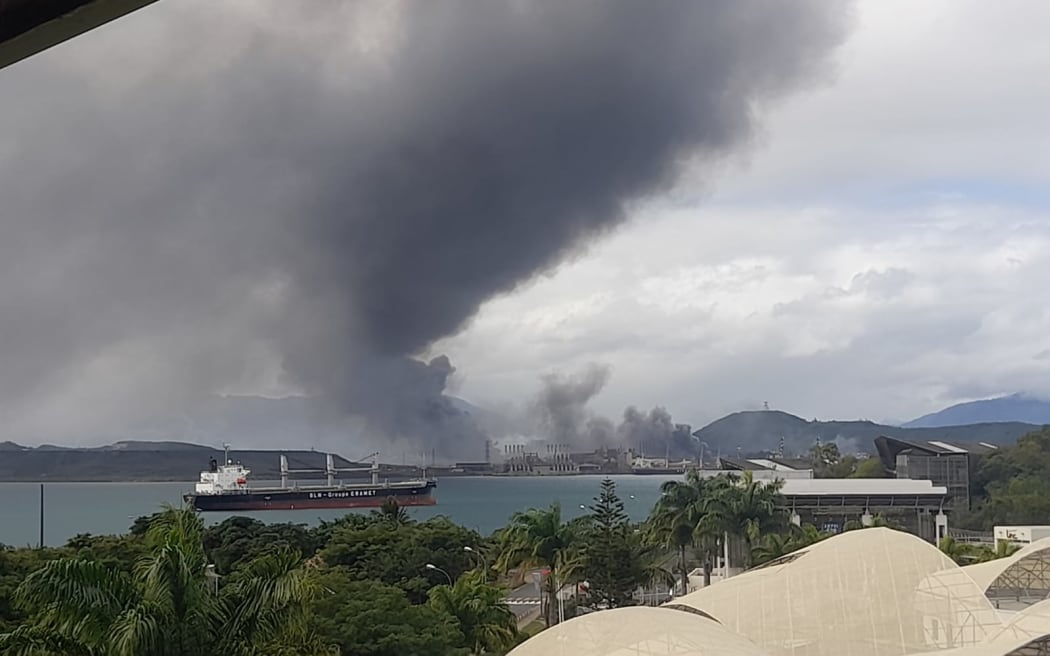
With an air force plane on its way to rescue New Zealanders stranded by the violent uprising in New Caledonia, many familiar with the island’s history are experiencing an unwelcome sense of déjà vu.
When I first visited the island territory in 1983, I interviewed Eloi Machoro, general secretary of the largest pro-independence party, L’Union Calédonienne. It was a position he had held since his predecessor, Pierre Declerq, was assassinated less than two years earlier.
Machoro was angry and frustrated with the socialist government in France, which had promised independence while in opposition, but was prevaricating after coming to power.
Tension was building, and within 18 months Machoro himself was killed by a French military sniper after leading a campaign to disrupt a vote on France’s plans for the territory.
I was in New Caledonia again last December, 40 years after my first visit, and Kanak anger and frustration seemed even more intense. On the anniversary of the 1984 Hienghène massacre, in which ten Kanak activists were killed in an ambush by armed settlers, there was a big demonstration in Nouméa.
Staged by a new activist group, the Coordination Unit for Actions on the Ground (CCAT), it focused on the visit of French defence minister Sébastien Lecornu, who was hosting a meeting of South Pacific defence ministers.
This followed the declaration by French president Emmanuel Macron, during a visit in July 2023, that the process set out in the 1998 Nouméa Accords had been concluded: independence was no longer an option because the people of New Caledonia had voted against it.
The sense of betrayal felt by the independence movement and many Kanak people was boiling over again. The endgame at this stage is unclear, and a lot will ride on talks in Paris later this month.
End of the Nouméa Accords
The Nouméa Accords had set out a framework the independence movement believed could work. Pro- and anti-independence groups, and the French government, agreed there would be three referendums, in 2018, 2020 and 2021.
A restricted electoral college was established that stipulated new migrants could still vote in French national elections, but not in New Caledonia’s provincial elections or independence referendums.
The independence movement had reason to trust this process. It had been guaranteed by a change to the French constitution that apparently protected it from the whims of any change of government in Paris.
The 2018 referendum returned a vote of 43% in favour of independence, significantly higher than most commentators were predicting. Two years later, the 47% in favour of independence sparked jubilant celebrations on the streets of Nouméa.
Arnaud Chollet-Leakava, founder and president of the Mouvement des Océaniens pour l’Indépendance (and member of CCAT), said he’d seen nothing like the spontaneous outpouring after the second referendum.
It was a party atmosphere all over Nouméa, with tooting horns and Kanak flags everywhere. You’d think we had won.
There was overwhelming confidence the movement had the momentum to achieve 50% in the final referendum. But in 2021, the country was ravaged by COVID, especially among Kanak communities. The independence movement asked for the third referendum to be postponed for six months.
Macron refused the request, the independence movement refused to participate, and the third referendum returned a 97% vote against independence. On that basis, France now insists the project set out in the Nouméa Accords has been completed.
Consensus and crisis
The current turmoil is directly related to the dismantling of the Nouméa Accords, and the resulting full electoral participation of thousands of recent immigrants.
France has effectively sided with the anti-independence camp and abandoned the commitment to consensus that had been a hallmark of French policy since the Matignon Accords in 1988.
Kanak and Socialist National Liberation Front (FLNKS) president Jean-Marie Tjibaou returned to New Caledonia after the famous Matignon handshake with anti-independence leader Jacques Lafleur. It took Tjibaou and his delegation two long meetings to convince the FLNKS to endorse the accords.
The Ouvéa hostage crisis that claimed 19 Kanak lives just weeks earlier had reminded people what France was capable of when its authority was challenged, and many activists were in no mood for compromise. But the movement did demobilise and commit to a decades-long consensus process that was to culminate in an independence vote.
With France unilaterally ending the process, the leaders of the independence movement have emerged empty-handed. That is what has enraged Kanak people and led to young people venting their anger on the streets.
A new kind of uprising
Unlike those of the 1980s, the current uprising was not planned and organised by leaders of the movement. It is a spontaneous and sustained popular outburst. This is also why independence leaders have been unable to stop it.
It has gone so far that Simon Loueckhote, a conservative Kanak leader who was a signatory of the Nouméa Accords for the anti-independence camp, wrote a public letter to Macron on Monday, calling for a halt to the current political strategy as the only way to end the current cycle of violence.
Finally, all this must be seen in even broader historical context. Kanak people were denied the right to vote until the 1950s – a century after France annexed their lands.
Barely 20 years later, New Caledonia’s then prime minister, Pierre Messmer, penned a now infamous letter to France’s overseas territories minister. It revealed a deliberate plan to thwart any potential threat to French rule in the colony by ensuring any nationalist movement was outnumbered by massive immigration.
And now France has brought new settlers into the country, and encouraged them to feel entitled to vote. Until a lasting solution is found, either by reviving the Nouméa Accords or agreement on a better model, more conflict seems inevitable.
David Small is affiliated with the Kanaky Aotearoa Solidarity group.
A New Zealand government plane is heading to New Caledonia to assist with bringing New Zealanders home.
Foreign Affairs Minister Winston Peters today confirmed it was the first in a series of proposed flights.
Peters said the flight would carry around 50 passengers with the most pressing needs from Nouméa to Auckland.
Passengers for subsequent flights will be prioritised by consular staff.
“New Zealanders in New Caledonia have faced a challenging few days — and bringing them home has been an urgent priority for the government,” Peters said.
“We want to acknowledge the support of relevant authorities, both in Paris and Nouméa, in facilitating this flight.”
Peters said the situation in New Caledonia was “dynamic” and New Zealand officials were working with French counterparts and other partners, like Australia, to learn what was needed to ensure safety of their people there.
“In cooperation with France and Australia, we are working on subsequent flights in coming days.”
Update SafeTravel details Peters said New Zealanders in New Caledonia were urged to make sure their details on SafeTravel were up to date.
This would allow officials to be in touch with further advice.
Meanwhile, a New Zealander desperate to return home said it was heartening to know that a flight was on its way.
Barbara Graham, who was due to fly home from a research trip in New Caledonia on Monday, had been on holiday there with her husband and six-year-old son last month.
She said she was desperate to get home to them, but knew others were in greater need.
“It’s really really heartening to hear that the flights have started and I’m extremely pleased they’re prioritising the people that really really need to get home, you know parents and children.
“I can’t imagine what it would’ve been like if my son had still been here in this situation.”
A nearby bakery was selling rationed bread to residents and visitors, Graham said.
This article is republished under a community partnership agreement with RNZ.
On Thursday last week, Australian media began reporting that an unnamed “commercial health information organisation” had been targeted by cyber criminals.
The public may be concerned at the lack of information shared to date, with the Australian government still saying it is in the preliminary stages of its response, and investigations are ongoing.
It is quite normal for such investigations to take time. In fact, it’s likely to be several days (even weeks) before we have a full picture of the impact.
While these investigations progress, it is important to be alert to opportunistic scams that are likely to emerge in the coming days – even if you have never received a digital prescription.
Am I a victim of the MediSecure breach?
MediSecure provided digital prescription (eScript) services across Australia until late 2023. The company would have held personal details and some limited medical data relating to prescriptions.
If you received a prescription (via email or SMS) prior to November, it is possible your medical practice was using the MediSecure prescription system. You can potentially check this by consulting older scripts and seeing if the hyperlink was issued via MediSecure.
However, there is currently no information that would allow us to determine who is affected. For many, this will be disappointing as there would obviously be records that would indicate which healthcare practices were using the prescription service from MediSecure.
It is, however, possible this data is currently inaccessible due to the ransomware incident. Alternatively, the government may be working with providers to plan communications with those who are affected. This could be a good way to manage the sharing of information with these people, if handled in a timely fashion.
The government has provided assurance that services provided by eRx have not been affected:
People should keep accessing their medications and filling their prescriptions. This includes prescriptions (paper and electronic) that may have been issued up until November 2023.
Look out for potential scams
The priority at the moment is to determine the level of the breach. Investigations will reveal if the company has simply been locked out of its systems, or if data was also stolen.
Meanwhile, there is potential for scams to start appearing – including ones that originate from completely unrelated criminal groups.
Criminals won’t miss an opportunity to capitalise on a public interest story, including significant events. Following the Optus data breach, it did not take long before criminals were establishing new campaigns to manipulate the public in the wake of a major security issue.
It is highly likely we will soon see scams that use the MediSecure story as a “hook”. This could be as simple as providing a link to “find out if you are a victim” or even offering to help alleged victims reclaim their data and/or identity.
If, however, the criminals behind the MediSecure ransomware have taken the data for their own use, we are potentially facing much bigger issues.
With access to personal information, prescription data and (possibly) a person’s Medicare card number, scammers can add an air of authenticity to their campaigns.
Imagine receiving an official-looking email that includes the final four digits of your Medicare card to “verify” the email is genuine. The email might even assure you it is genuine by saying it has not included the full number for “your security”.
If stolen data is then released (likely on the dark web), there is potential for other criminals to use the data in campaigns. This recently happened following the Optus data breach.
What next?
The investigation will be continuing for the coming weeks. The primary aim is to determine how much data has been accessed, if it has been copied and how many people are affected.
The most important message at the moment is to be alert. We are likely to see scams emerging over the coming days that will leverage this incident. Many will likely be very convincing.
If you receive direct communications claiming to be from MediSecure, stop. Refer to the Home Affairs website which will be updated with the latest information.
The Australian Competition and Consumer Commission’s Little Black Book of Scams is a great reference to raise awareness of the techniques used by cyber criminals.
Paul Haskell-Dowland does not work for, consult, own shares in or receive funding from any company or organisation that would benefit from this article, and has disclosed no relevant affiliations beyond their academic appointment.
The death of President Ebrahim Raisi in a helicopter crash this week occurred during one of the Islamic Republic of Iran’s most challenging periods.
Raisi, a prominent figure in the political elite, held substantial sway over Iran’s domestic policies. He was also central to Iran’s recent moves to improve relations with its rivals in the region.
Given his sizeable influence, what will his absence mean for the country’s domestic affairs? And how will it impact the country’s relations in the region?
Maintaining stability at a perilous time
Raisi’s government was very conservative and had a close relationship to the Supreme Leader, Ayatollah Ali Khamenei. There were almost no conflicts or disagreements between the two sides, which contrasts with previous governments, most of which had some distance or tension with the leader.
Raisi was also considered one of the leading candidates to succeed the 85-year-old Khamenei, who has held the office of Supreme Leader for 35 years. His broad influence within the country’s conservative circles made him a significant figure in shaping the future of Iran’s leadership.
However, his death, which occurred a year before the conclusion of his second term, came amid a backdrop of domestic, regional and international challenges.
Iran remains under severe sanctions imposed by the United States for its nuclear program, which have caused significant damage to the economy and had a profound impact on people’s lives.
The country also witnessed one of the most significant protest movements in its history over the death of 22-year-old Mahsa Amini in September 2022, following her arrest by the morality police.
There have been local protests in different parts of the country as well, mostly over the economic crisis and some of the government’s domestic policies.
Moreover, parliamentary elections in March of this year saw one of the lowest voter turnout rates in the country’s history. As a result, the holding of new elections, which is mandated within 50 days of Raisi’s death, poses a significant challenge for the regime at a time when its public legitimacy is at its lowest.
In addition, the recent escalation in the ongoing shadow war with Israel has presented serious security concerns and given rise to a host of conspiracy theories. Rumours have gained traction with the public suggesting the president’s helicopter crash was the result of electronic warfare, a drone attack or even a ground assault by Israel. (The IRNA state news agency said the crash was due to a “technical failure”.)
Despite these challenges, however, the transfer of power is unlikely to significantly impact the country’s stability due to the nature of power dynamics in Iran. The Iranian political system consists of multiple interconnected circles under the guidance of the Supreme Leader. Losing one main player would not cause a major disruption when there are several others ready to fill the void.
Vice President Mohammad Mokhber has stepped in as acting president until new elections are held. It is expected the conservative inner circle close to the Supreme Leader will select its preferred candidate for the poll, aiming for a smooth transition with minimal challenges. As Khamenei posted on X:
The nation doesn’t need to be worried or anxious, as the administration of the country will not be disrupted.
However, a historical analysis of leadership in the Islamic Republic suggests a recurring pattern of power shifting between conservatives and reformists, which creates a sense of balance in Iranian politics and boosts the regime’s public legitimacy.
Hence, even though Raisi’s successor will be nominated and supported by a conservative inner circle, he may embody somewhat of a moderate stance. Figures like the current parliament speaker, Mohammad Bagher Ghalibaf, or former speaker Ali Larijani, who are both moderate conservatives, fit this description.
What will it mean for Iran’s neighbours?
During his tenure, Raisi shifted the country’s foreign policy more towards the Middle East, making it the top priority. This marked a departure from his predecessor, Hassan Rouhani, who had prioritised strengthening relationships with European countries and normalising ties with other Western nations.
As a former advisor of strategic communication to the then-Iraqi prime minister, it became evident to me that Iran was earnest about forging a strategic, long-term, robust relationship with its neighbours.
The outcome of these negotiations marked the end of a lengthy civil war in Yemen, facilitated the normalisation of Arab countries’ relations with Syria, and contributed to enhanced stability in Iraq.
Additionally, Iran has recently engaged in substantial negotiations with Jordan and Egypt, facilitated again by Iraq. These initiatives offered a chance to move past the sectarian conflicts that have long dominated the region and lay the groundwork for greater cooperation.
Iran also grew closer with both China and Russia also during Raisi’s presidency, reflecting a strategic, long-term pivot towards the East endorsed by the Supreme Leader. However, Iran also continued negotiations with Western powers over its nuclear program, employing different tactics compared to Rouhani’s tenure.
Iran’s foreign policy looks likely to remain the same under a new president. The appointment of Ali Bagheri Kani as acting foreign minister following the helicopter crash (which also claimed the life of the current foreign minister) reinforces this continuity. Kani, who played a key role in leading the nuclear negotiations under Raisi, aligns with the country’s established foreign policy direction.
In addition, Iran’s closer relations with its neighbours signals a more permanent shift away from isolation. This will likely continue to improve in the short term.
Ali Mamouri does not work for, consult, own shares in or receive funding from any company or organisation that would benefit from this article, and has disclosed no relevant affiliations beyond their academic appointment.
There has been much excitement in the lead up to the first four episodes of Bridgerton’s season three, featuring leading couple Penelope Featherington (Nicola Coughlan) and Colin Bridgerton (Luke Newton).
For anyone who tuned-in to previous seasons, you’ll know Penelope is none other than the famed gossiper Lady Whistledown. With this intriguing backstory, and two seasons’ worth of investment into her character, it’s no wonder she is being described as Bridgerton’s “most compelling protagonist to date”.
But this season is also important for another reason: it provides a rare example of a larger woman as being sexually desirable, wanted and erotic.
The premise
In season three (the rest of which is due on June 13) Penelope is heartbroken in overhearing Colin – someone she loves – tell other men he would never court her.
She sets off to find herself a husband. A makeover sparks some interest from potential suitors, but her confidence falters in social settings. Since Colin feels guilty about what Penelope overheard, he decides to give her “lessons” to develop her confidence. Soon enough, her charm shines through and Penelope finds herself a match in the wealthy and aloof naturalist Lord Debling (Sam Phillips).
Importantly, Penelope’s “makeover” does not involve weight loss, nor is her weight framed as an obstacle to her finding a suitor in the show (as it is in the book series).
Actress Nicola Coughlan didn’t undergo a ‘weight loss transformation’ for her role in season three. Netflix
Fat stigma in the media
Fat stigma refers to hatred, bias and prejudice targeted at someone on the basis of their body-weight and size.
Research has found it significantly impacts people whose bodies don’t fit a certain size or norm. In fact, it’s so common many people think it’s okay to engage in discrimination against those with larger bodies on the premise of being “concerned for their health” (a phenomenon known as “healthism”). This so-called concern is often cited as the reason for a lack of representation of larger bodies in media.
Fat discrimination is particularly challenging when it comes to sex. In Western culture, desiring a larger person is often regarded as a fetish rather than a legitimate interest, which can result in shame for those feeling the attraction.
Larger women can experience a variety of challenges in sex and dating, such as men refusing to date them in public, or introduce them to loved ones. They may be treated poorly in sexual encounters, or told to settle for abusive or unfulfilling relationships on the premise that they can’t have high expectations for love, sex and romance.
In mainstream media, larger women tend to serve as tropes for humour – even when they have sexual interests. One example is Rhonda (Cynthia LaMontagne) from That 70’s Show (1998–2006), who was regarded as too big and too boyish for her boyfriend, Fez (Wilmer Valderrama).
Eddie Murphy’s Norbit (2007), in which Murphy dons a fat suit to play his character’s wife, Rasputia, is another problematic example. Rasputia is characterised as being tyrannical and sadistic, and her large body is consistently used as a site of horror for comedic purposes.
More contemporary examples have pushed back against these mean-spirited representations. Side characters such as Fat Amy (Rebel Wilson) in Pitch Perfect (2012), Donna Meagle (Retta) in Parks and Recreation (2009-2015) and Detective Shannon Mullins (Melissa McCarthy) in The Heat (2013) are loud, funny, sexual, witty, confident and crass.
This is a step forward from previous media, in which larger women are either non-existent, or are used as a humorous plot device. But at the same time, these characters aren’t romantic leads. Even in Netflix’s Sex Education (2019-2023) – a show praised for its diversity in representing sex and sexuality – doesn’t feature larger people as romantic interests.
On the rare occasion a larger woman is cast as a romantic lead, we don’t see much sexual activity. She may be kissed, but anything further is usually absent.
A celebration of sex and romance
Bridgerton is, at its heart, a story about love, sex and romance. And season three is so far remarkable in its depiction of all of these.
Despite her feelings, Penelope is trying to move on from Colin and wants to find herself a sensible and practical match. Colin, however, grows more despondent as Penelope becomes close to Lord Debling – a handsome, kind and solid match for her.
Colin has erotic dreams about Penelope. He continously seeks her out at social events. He even interrupts an almost-proposal from Lord Debling. All of this is in stark contrast with the common trope of larger girls only experiencing unrequited love.
Penelope and Colin’s NSFWcarriage scene is transgressive as a depiction of sex in which the larger woman receives (rather than gives) pleasure and is framed as the subject of love and desire. Not only does Colin desire Penelope, he does so in a way that centres her pleasure and consent. The resulting moment is highly intimate.
The carriage pulls over, interrupting the pair as they arrive at Colin’s house. Colin helps Penelope fix herself up and extends a hand to help her out, but she is worried his family will see her. In response, he simply asks Penelope to marry him.
This detail also goes against the portrayal of larger women as not being suitable to desire in public.
Empowerment for one and all
Actress Nicola Coughlan told interviewers she specifically wanted to film one particular nude scene (to come in later episodes):
It just felt like the biggest ‘fuck you’ to all the conversation surrounding my body; it was amazingly empowering. I felt beautiful in the moment, and I thought: ‘When I’m 80, I want to look back on this and remember how fucking hot I looked!’
Indeed, Bridgeton’s focus on an erotic romance with a larger heroine is an important push-back against society’s dislike of “big” bodies. It challenges a harmful narrative that seeks to dictate who is and is not worthy of love, sex and desire.
Spoiler alert: we all are.
Andrea Waling receives funding from the Australian Research Council, the Commonwealth Department of Health, and the Medical Research Future Fund.
Australian teenagers have more disruptive maths classrooms and experience bullying at greater levels than the OECD average, a new report shows.
But in better news, Australian students report high levels of curiosity which is an important for both enjoyment and achievement at school.
The report, by the Australian Council for Educational Research (ACER) analysed questionnaire responses from more than 13,430 Australian students and 743 principals, to understand how their school experiences impact on maths performance.
PISA examines how 15-year-old students are able to apply their knowledge in maths, reading and science for real-world problem solving. It is one of three major international tests Australia participates in. Students complete a computer-based test and a questionnaire.
A first report released last December showed Australian students’ performance in maths has not changed significantly over the past seven years. However, when compared to when PISA results were first reported about 20 years ago, there has been a decrease of 37 points.
This new report compares 24 countries out of the 81 countries who did the PISA test. The 24 were chosen because they performed higher or at the same level as Australia in maths.
Are students listening to their teachers?
Students were asked to note how frequently students are not listening to the teacher, there is noise and students are distracted by digital devices. A “disciplinary climate index” was then constructed for each country.
While Japan had the most favourable climate, Australian students’ reported one of the least favourable among the comparison countries. All but two countries (Sweden and New Zealand) had a more favourable disciplinary climate than Australia.
Tasmania and the Northern Territory has the least favourable scores and Victoria and New South Wales had the best. For example, more students in Tasmania than in all other states and territories reported “there is noise and disorder in most classes”.
Being left out and made fun of
The study also created an “exposure to bullying index” by asking students how often certain things happened to them. This included “other students left me out of things on purpose,” “other students made fun of me,” “I was threatened by other students,” as well as acts of physical digression.
Here, Australian students reported higher exposure to bullying than all comparison countries except Latvia. They also reported similar exposure to bullying as students in New Zealand and the United Kingdom.
Students in Tasmania reported the highest levels of bullying and those in Victoria reported the lowest.
However, Australian students’ exposure to bullying score decreased between this PISA and previous test in 2018.
The advantage gap
ACER’s first PISA 2022 report showed students from disadvantaged socioeconomic backgrounds were six times more likely to be low performers in maths than advantaged students.
It also showed the achievement gap between these two groups had grown by 19 points (or about one year of learning) since 2018.
This second report provides more insight into the challenges faced by disadvantaged students.
It shows a greater proportion of this group report learning in a less favourable disciplinary climate, experience lower levels of teacher support and feel less safe at school than their more advantaged peers.
Girls are more worried than boys
In last year’s report, the mean score for maths performance across OECD countries was nine points lower for girls than it was for boys. In Australia, the difference was 12 points.
The new report also showed differences in wellbeing. In 2022, a greater number of girls reported they panicked easily (58% compared to 32% of boys), got nervous easily (71% compared to 39%) and felt nervous about approaching exams (75% compared 49%).
Almost double the percentage of girls reported feeling anxious when they didn’t have their “digital device” near them (20% compared to 11%). Whether this was a phone, tablet or computer was not specified.
Overall, students who reported feeling anxious when they did not have their device near them scored 37 points lower on the maths test than those who reported never feeling this way or feeling it “half the time”.
Curiosity a strong marker for performance
Curiosity was measured for the first time in PISA 2022. This included student behaviours such as asking questions, developing hypotheses, knowing how things work, learning new things and boredom.
Students in Singapore, the highest performing country in PISA 2022, showed the greatest levels of curiosity, followed by Korea and Canada. These were the only comparison countries to have a significantly higher curiosity score than Australia, with the Netherlands showing the lowest curiosity score overall.
As ACER researchers note: “curiosity is associated with greater psychological wellbeing” and “leads to more enjoyment and participation in school and higher academic achievement”.
They found Australia’s foreign-born students reported being more curious than Australian-born students, with 74% compared to 66% reporting that they liked learning new things.
What next?
Their findings highlight concerns for Australian education, such as persistently poor outcomes for disadvantaged students and higher stress levels experienced by girls. We need to better understand why this is happening.
But they also identify behaviours and conditions – such as high levels of curiosity – that contribute to a good maths performance and can be used by schools and policymakers to plan for better outcomes.
Lisa De Bortoli does not work for, consult, own shares in or receive funding from any company or organisation that would benefit from this article, and has disclosed no relevant affiliations beyond their academic appointment.
New Zealand’s decision to no longer offer free influenza vaccines for all children under 12 will likely wipe out recent gains in uptake. And it will disproportionately affect those living in deprived areas and with a high risk of disease.
Influenza accounts for more than half of all potentially vaccine-preventable hospitalisations of children under 14 in New Zealand. But those living in poorer areas are three times more likely to be hospitalised due to a lung infection.
But in 2024, the funding was cut back to the previous criteria. This means only children with a history of significant respiratory illness, certain long-term medical conditions, or those hospitalised for any respiratory illness when aged under four are eligible for free vaccines.
We compared how many New Zealand children received the flu vaccine before (2018-21) and during (2022-23) universal funding and found substantially higher uptake when vaccines were free.
A step backwards
In 2018, before the COVID pandemic and free influenza vaccines for all children, only 4.4% of those under five received the vaccine. The uptake was lower in tamariki Māori (1.9%) and Pacific children (3.1%).
Flu vaccine uptake increased in 2020, likely because of general concern about respiratory illness during the first year of the COVID pandemic. But it declined again in 2021 to below 2018 levels.
Following universal funding in 2022, uptake almost tripled for under-fives (4.4% in 2018 to 12% in 2023). However, there were substantial differences by ethnicity. Uptake was highest in Asian children (21.3%) and lowest in Pacific children (8.0%) and tamariki Māori (4.9%).
The trends by age group give some insight into the impact of funding. In 2022, uptake increased more than two-fold in age groups where all children were eligible for free vaccines. In 2023, we saw a three-fold increase in uptake in the only newly eligible age group (six to 12 months). Overall, 12% of children of all ages except the oldest (nine to 12) were vaccinated.
Focusing flu vaccination funding only on those at the highest risk is a step backwards for New Zealand and will likely reduce uptake. In contrast, Australia has funded flu vaccines for all children aged six months to five years since 2019.
Influenza in children
Acute respiratory hospitalisations from any cause are almost three times higher in New Zealand than in comparable countries. A recent report shows influenza accounted for 56% of all potentially vaccine-preventable hospitalisations between 2016 and 2020 in children under 14 years. This is more than varicella, measles, whooping cough and meningococcal disease combined.
In New Zealand, influenza accounts for more than half of potentially vaccine-preventable hospitalisations. Christian Charisius/Getty Images
While deaths from influenza are rare in children, over half of US children who died from it during the 2023-2024 winter season were previously healthy.
Vaccination remains the best protection
The effectiveness of the influenza vaccine varies from season to season, depending on circulating strains and how well that year’s vaccine is matched. But vaccination remains the main way to protect against severe influenza.
Studies in children found the influenza vaccine reduces the risk of hospitalisation by about 50%, and even higher for some influenza strains and years.
Studies in countries comparable to New Zealand (UK, Italy and Finland) looking at the cost effectiveness of flu vaccines found universal funding to be highly cost-effective compared with a high-risk approach.
In 2024, Pharmac stated:
We considered widening access to the flu vaccine […] we would like to fund in the future, depending on available budget.
In contrast, the comparable Australian advisory committee concluded in 2019 that universal influenza vaccination for children under five met its cost-effectiveness criteria.
Where to next
Influenza causes more illness in young children, including severe disease requiring hospitalisation, than we generally recognise. An age-based universal programme would almost certainly result in substantially higher uptake, including in higher-risk children, than a targeted approach.
We believe the high and inequitable burden of influenza in young New Zealand children and the low cost of influenza vaccines, compared to other vaccines currently funded, should prompt urgent reconsideration of universal funding, at least for children below the age of five.
As for the influenza immunisation programme in general, it is not just about funding. We must engage with the community to raise awareness of the severity of flu in children and the effectiveness and safety of vaccines, along with improving access to immunisation services.
We would like to acknowledge the contribution from colleagues Ewan Smith and Emily Dwight.
Samantha Marsh receives funding from the Health Research Council of New Zealand and CureKids, and Flu Lab (a US philanthropic funder not linked to vaccine manufacturers) for research into influenza.
Peter McIntyre receives funding from Health Research Council for research in measles vaccine methods and from Flu Lab (a US philanthropic funder not linked to vaccine manufacturers) for research into influenza
Rajneeta Saraf receives funding from Flu Lab (a US philanthropic funder not linked to vaccine manufacturers) for research into influenza.
Janine Paynter does not work for, consult, own shares in or receive funding from any company or organisation that would benefit from this article, and has disclosed no relevant affiliations beyond their academic appointment.
Source: The Conversation (Au and NZ) – By Ben White, Professor of End-of-Life Law and Regulation, Australian Centre for Health Law Research, Queensland University of Technology
There is ongoing public discussion about whether dementia should be a qualifying illness under Australian voluntary assisted dying laws. Voluntary assisted dying is now lawful in all six states, but is not available for a person living with dementia.
The Australian Capital Territory has begun debating its voluntary assisted dying bill in parliament but the government has ruled out access for dementia. Its view is that a person should retain decision-making capacity throughout the process. But the bill includes a requirement to revisit the issue in three years.
The Northern Territory is also considering reform and has invited views on access to voluntary assisted dying for dementia.
Several public figures have also entered the debate. Most recently, former Australian Chief Scientist, Ian Chubb, called for the law to be widened to allow access.
Others argue permitting voluntary assisted dying for dementia would present unacceptable risks to this vulnerable group.
Australian laws exclude access for dementia
Current Australian voluntary assisted dying laws exclude access for people who seek to qualify because they have dementia.
In the other states, this occurs through a combination of the eligibility criteria: a person whose dementia is so advanced that they are likely to die within the 12 month timeframe would be highly unlikely to retain the necessary decision-making capacity to request voluntary assisted dying.
This does not mean people who have dementia cannot access voluntary assisted dying if they also have a terminal illness. For example, a person who retains decision-making capacity in the early stages of Alzheimer’s disease with terminal cancer may access voluntary assisted dying.
What happens internationally?
Voluntary assisted dying laws in some other countries allow access for people living with dementia.
One mechanism, used in the Netherlands, is through advance directives or advance requests. This means a person can specify in advance the conditions under which they would want to have voluntary assisted dying when they no longer have decision-making capacity. This approach depends on the person’s family identifying when those conditions have been satisfied, generally in consultation with the person’s doctor.
Another approach to accessing voluntary assisted dying is to allow a person with dementia to choose to access it while they still have capacity. This involves regularly assessing capacity so that just before the person is predicted to lose the ability to make a decision about voluntary assisted dying, they can seek assistance to die. In Canada, this has been referred to as the “ten minutes to midnight” approach.
But these approaches have challenges
International experience reveals these approaches have limitations. For advance directives, it can be difficult to specify the conditions for activating the advance directive accurately. It also requires a family member to initiate this with the doctor. Evidence also shows doctors are reluctant to act on advance directives.
Particularly challenging are scenarios where a person with dementia who requested voluntary assisted dying in an advance directive later appears happy and content, or no longer expresses a desire to access voluntary assisted dying.
Allowing access for people with dementia who retain decision-making capacity also has practical problems. Despite regular assessments, a person may lose capacity in between them, meaning they miss the window before midnight to choose voluntary assisted dying. These capacity assessments can also be very complex.
Also, under this approach, a person is required to make such a decision at an early stage in their illness and may lose years of otherwise enjoyable life.
Some also argue that regardless of the approach taken, allowing access to voluntary assisted dying would involve unacceptable risks to a vulnerable group.
More thought is needed before changing our laws
There is public demand to allow access to voluntary assisted dying for dementia in Australia. The mandatory reviews of voluntary assisted dying legislation present an opportunity to consider such reform. These reviews generally happen after three to five years, and in some states they will occur regularly.
The scope of these reviews can vary and sometimes governments may not wish to consider changes to the legislation. But the Queensland review “must include a review of the eligibility criteria”. And the ACT bill requires the review to consider “advanced care planning”.
Both reviews would require consideration of who is able to access voluntary assisted dying, which opens the door for people living with dementia. This is particularly so for the ACT review, as advance care planning means allowing people to request voluntary assisted dying in the future when they have lost capacity.
This is a complex issue, and more thinking is needed about whether this public desire for voluntary assisted dying for dementia should be implemented. And, if so, how the practice could occur safely, and in a way that is acceptable to the health professionals who will be asked to provide it.
This will require a careful review of existing international models and their practical implementation as well as what would be feasible and appropriate in Australia.
Any future law reform should be evidence-based and draw on the views of people living with dementia, their family caregivers, and the health professionals who would be relied on to support these decisions.
Ben White has received funding from the Australian Research Council, the National Health and Medical Research Council, and Commonwealth and state governments for research and training about the law, policy and practice relating to end-of-life care. In relation to voluntary assisted dying, he (with colleagues) has been engaged by the Victorian, Western Australian and Queensland governments to design and provide the legislatively mandated training for health practitioners involved in voluntary assisted dying in those states. He (with Lindy Willmott) has also developed a model bill for voluntary assisted dying for parliaments to consider. He is a sessional member of the Queensland Civil and Administrative Tribunal, which has jurisdiction for some aspects of this state’s voluntary assisted dying legislation. Ben is a recipient of an Australian Research Council Future Fellowship (project number FT190100410: Enhancing End-of-Life Decision-Making: Optimal Regulation of Voluntary Assisted Dying) funded by the Australian government.
Casey is a research fellow at the Australian Centre for Health Law Research. She has been employed on multiple projects as a research fellow, including the Australian Research Council Future Fellowship (project number FT190100410: Enhancing End-of-Life Decision-Making: Optimal Regulation of Voluntary Assisted Dying) funded by the Australian Government and the Western Australian Government’s Review of the Voluntary Assisted Dying Act 2019. She was also previously engaged as a legal writer for the Voluntary Assisted Dying Training in Queensland.
Lindy Willmott receives or has received funding from the Australian Research Council, the National Health and Medical Research Council and Commonwealth and state governments for research and training about the law, policy and practice relating to end-of-life care. In relation to voluntary assisted dying, she (with colleagues) has been engaged by the Victorian, Western Australian and Queensland governments to design and provide the legislatively mandated training for health practitioners involved in voluntary assisted dying in those states. She (with Ben White) has also developed a model bill for voluntary assisted dying for parliaments to consider. Lindy Willmott is also a member of the Queensland Voluntary Assisted Dying Review Board, but writes this piece in her capacity as an academic researcher. She is a former board member of Palliative Care Australia.
Rachel is a postdoctoral research fellow at the Australian Centre for Health Law Research. She is also employed on End of Life Law for Clinicians, a training program for clinicians about end of life law, funded by the Commonwealth Government. Rachel was previously engaged as a clinical consultant for the Voluntary Assisted Dying Training Education Module for Healthcare Workers in Queensland.
German cockroaches thrive in buildings all over the world. They’re one of the most common cockroach species, causing trouble for people both here and overseas. But in nature, they’re nowhere to be found.
Just how this urban pest evolved and populated our dwellings was unknown – until now.
We used DNA sequencing to study the German cockroach (Blattella germanica) and trace its origins back to east India and Bangladesh.
It’s a fascinating story about how humans enabled the evolution and spread of one of our most hated pests.
Then in 1767, Swedish biologist Carl Linnaeus classified and named the species (Blatta germanica). Blatta is Latin for “avoids the light” and germanica because the specimens he examined were collected in Germany. (The genus was later changed to Blattella to group the smaller varieties of cockroaches together.)
Eventually scientists discovered related species, with similar anatomy, in Africa and Asia. They variously suggested the German cockroach could have first evolved in either Africa or Asia, before going on to dominate the world.
But they had no way to test their theories. We do.
Enter gene sequencing
We took DNA samples from 281 cockroaches in 17 countries around the world.
Then we compared the DNA sequences for one particular genetic region, called CO1. This is known as “DNA barcoding”.
When we compared the German cockroach with similar species from Asia, we found a match. The sequence of the German cockroach was almost identical to that of Blattella asahinai from the Bay of Bengal.
More than 80% of our German cockroach samples matched perfectly. The remaining 20% barely differed.
This means the two species diverged from one another just 2,100 years ago – an eyeblink in evolutionary terms.
German cockroaches have a high reproductive rate. Matt Bertone and Coby Schal of North Carolina State University
From the Bay of Bengal to the world
We think B. asahinai adapted to living alongside people after farmers cleared their natural habitat, just as other species have done.
So the ancestors of B. asahinai moved from Indian fields into buildings and became dependent on humans. But how did they then spread across the world?
To answer this question, we analysed another set of DNA sequences from the cockroach genome.
This time we studied DNA sequences known as SNPs (single nucleotide polymorphisms). Using our samples from 17 countries across six continents, we were able to work out how the German cockroach spread from their native lands and around the world.
The first wave of migration emerged from the Bay of Bengal around 1,200 years ago and travelled westwards. It’s likely the cockroaches hitched a ride with the traders and armies of the expanding Islamic Umayyad and Abbasid Caliphates.
The next wave moved eastwards around 390 years ago into Indonesia. They probably travelled with European trading companies, such as the British East India Company or the Dutch East India Company. Several such companies traded across South East Asia and back to Europe from the beginning of the 17th century.
Our research suggests German cockroaches arrived in Europe about 270 years ago, which matches the historical records from the Seven Years’ War.
The German cockroach then spread from Europe to the rest of the world about 120 years ago. This global expansion is consistent with historical records of this new species in various countries.
We believe global trade facilitated this spread because more closely related populations are found in countries with cultural links, rather than countries that are simply close to one another. In keeping with this, we found one other expansion in Asia – north and eastwards into China and Korea – about 170 years ago.
As steam-powered ships replaced sail ships, the hitchhikers were transported more rapidly. Shorter journey times meant they were more likely to arrive alive and invade new countries.
Then improvements in housing, such as plumbing and indoor heating, created conditions conducive to surviving and thriving in buildings all around the world.
Why are cockroaches so hard to kill? (Ameya Gondhalekar, TED-Ed)
Cockroach baits were cheap and effective when introduced in the 1980s. But they soon became less effective against German cockroaches. That’s because the baits used sugars to tempt cockroaches. Cockroaches with a “sweet tooth” were killed, while those that preferred other tastes survived and reproduced.
As we develop new strategies to control German cockroaches, we need to consider how they might evolve to evade attack. If we understand how resistance emerges we can then find better ways to counter-attack. We can identify weak spots to exploit.
After all, the German cockroach will continue to evolve and adapt to stay alive, so the arms race between us and the cockroach will go on for years to come.
Theo Evans receives funding from the Australian Research Council.
Qian Tang does not work for, consult, own shares in or receive funding from any company or organisation that would benefit from this article, and has disclosed no relevant affiliations beyond their academic appointment.
Many young people in contact with the justice system come from backgrounds of extreme poverty, parental abuse or neglect, parental incarceration and disrupted education.
These complex traumas often manifest as addictions to drugs or alcohol, mental health challenges, poor physical health and wellbeing, and conduct disorders.
How we can effectively respond to offending by these vulnerable young people remains a contentious topic.
“Tough on youth crime” approaches are notoriously ineffective: 85% of young people in Australia reoffend within a year of release, and research from the United Kingdom suggests periods of detention increase the frequency and severity of offending.
Innovative solutions are urgently needed to reduce youth offending in ways that prioritise the best interests of the child.
Music can provide incarcerated youth with opportunities to redefine themselves from young offenders to young artists with creative potential.
Music as an arena for change
My analysis of international studies on music programs in youth detention centres found music can help young people to process trauma, build confidence, improve self-regulation, engage with learning, establish positive social relationships, and generate the hope needed to imagine new futures.
When we include music programs run for justice-engaged youth in community settings, researchers have identified more than 560 wellbeing benefits, including reductions in aggression and violence, a sense of cultural identity and belonging, and improvements in self confidence, trust and empathy.
The transformative potential of music is evident across musical styles and program approaches, from choirs to Javanese Gamelan groups to hip hop workshops.
However, my research suggests music programs need to be carefully designed and implemented to have lasting impact. Importantly, young people need to be given freedom to explore and express who they are and have opportunities to forge trusting relationships with peers and adults.
Music as a safe space
Music programs can alleviate the stressors of incarceration. The Australian Children’s Music Foundation runs music programs in five youth detention centres around Australia, often through guitar or songwriting workshops.
Musicians shared that these programs were not only an escape, but could “change the atmosphere” from a very intense environment in which youth are often wary and tense to one where they can dream and play.
One musician described
[there is a big] difference in the kids’ reactions and their interactions between the guards who are responsible for saying ‘get in your cell now, we’re locking the doors’, and musicians.
Bringing together all of the senses to learn a complex skill, such as playing guitar, means
kids are forgetting about everything that happened yesterday and not thinking about everything that might happen later. They’re thinking about what’s happening right now, so that already is a game changer.
Not a classroom
Musicians Scott “Optamus” Griffiths and Rush Wepiha of Banksia Beats
emphasise, their program is not a classroom and they are not teachers.
Taking place at Banksia Hill Detention Centre in Western Australia, Griffiths describes Banksia Beats as “simulating how a healthy community should be”.
Youth can participate to whatever extent they feel comfortable. This might involve writing rhymes, laying down beats, rapping, adjusting the microphone, holding a notebook for someone, providing feedback or ideas for others, or simply listening.
In this way, young people can develop trusting relationships and learn from each other as much as they do their facilitators.
Music as creative guidance
Particularly when incarcerated young people have little control over their lives, having ownership over their own stories through music can be significant.
This is not always a comfortable process.
Australian Childrens’ Music Foundation founder Don Spencer noted
it’s not ‘let’s all sing happy songs today’. Some of the songs that young people write are not happy songs, there’s no way you can make everything happy with what’s going on! But it’s the experience that we want to be positive.
The opportunity to experiment through music can be seen as a way to “try on” new identities and ways of interacting with others.
Musicians described music as a form of self care, with youths often requesting to learn songs they had “listened to with their mum and dad” – an important source of comfort and hope in an otherwise isolating environment.
This work demands that musicians build rapport and a safe environment for youth to share who they are, process their experiences, and imagine where they might belong. This can be challenging with young people who have been repeatedly let down by adults and society in general.
As Spencer says:
no matter what happens, you’ve got to be there next time. It’s not like young people can do whatever they want to us, but if there’s a conflict we say ‘Okay, that’s not right, I’d like you to think about it. I’ll see you next time, and we’ll try again’.
Griffiths and Wepiha emphasised they “always validate” young peoples’ lyrics and rhymes, even if they initially seem problematic.
Rather than forbidding swearwords or certain topics, or having a more moralising response, Banksia Beats uses such instances as opportunities to talk through the issues important to the young people themselves.
Music offers a non-confrontational way for musicians to guide the youths to reflect critically on their past experiences and understandings, and make positive decisions for their own futures.
Music as a right, not a reward
Musicians I have interviewed all agree that music programs should not be used to reward young people for good behaviour, only to be taken away if they don’t comply. Framing music as a reward – rather than a right – has the potential to mitigate the transformative potentials of music programs by subsuming them within broader carceral systems of discipline and control.
Music programs should be an alternative, safe, creative space where everyone belongs.
Rather than an intervention to “fix” young people while they also navigate the stressors of detention, music might also be an effective early intervention strategy. By reducing our overreliance on punitive responses to youth offending – which are “particularly unhelpful” at meeting the trauma-related and developmental needs of youth, we can imagine how such programs could change youth justice more broadly.
The question now is how we might make such programs available for the young people who need them the most. As one musician I interviewed asked, “how can music change the life of someone that isn’t given the opportunity?”
Alexis Anja Kallio does not work for, consult, own shares in or receive funding from any company or organisation that would benefit from this article, and has disclosed no relevant affiliations beyond their academic appointment.
For more than 76 years, Palestinians have resisted occupation, dispossession and ethnic cleansing, culminating in Israel’s genocidal war on Gaza.
Yet in the midst of this catastrophic seven months of “hell on earth”, it is a paradox that there exists an extraordinary oasis of peace and nature.
Nestling in an Al-Karkarfa hillside at the University of Bethlehem is the Palestine Institute for Biodiversity and Sustainability (PIBS), a remarkable botanical garden and animal rehabilitation unit that is an antidote for conflict and destruction.
“There is both a genocide and an ecocide going on, supported by some Western governments against the will of the Western public,” says environmental justice advocate Professor Mazin Qumsiyeh, the founder and director of the institute.
It has been a hectic week for him and his wife and mentor Jessie Chang Qumsiyeh.
On Wednesday, May 15 — Nakba Day 2024 — they were in Canberra in conversation with local Palestinian, First Nations and environmental campaigners. Nakba – “the catastrophe” in English — is the day of mourning for the destruction of Palestinian society and its homeland in 1948, and the permanent displacement of a majority of the Palestinian people (14 million, of which about 5.3 million live in the “State of Palestine”.)
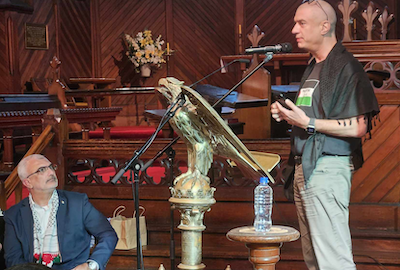
Three days later in Auckland, they were addressing about 250 people with a Palestinian Christian perspective on Israel’s illegal occupation of Palestine and the war in the historic St Mary’s-in-Holy-Trinity Church in Parnell.
This followed a lively presentation and discussion on the work of the PIBS and its volunteers at the annual general meeting of Palestine Solidarity Network Aotearoa (PSNA) along with more than 100 young and veteran activists such as chair John Minto, who had just returned from a global solidarity conference in South Africa.
Professor Mazin Qumsiyeh’s speech at Saint Mary’s-in-Holy-Trinity Church in Parnell. Video: Radio Inqilaab
Environmental impacts less understood While the horrendous social and human costs of the relentless massacres in Gaza are in daily view on the world’s television screens, the environmental impacts of the occupation and destruction of Palestine are less understood.
As Professor Qumsiyeh explains, water sources have been restricted, destroyed and polluted; habitat loss is pushing species like wolves, gazelles, and hyenas to the brink; destruction of crops and farmland drives food insecurity; and climate crisis is already impacting on Palestine and its people.
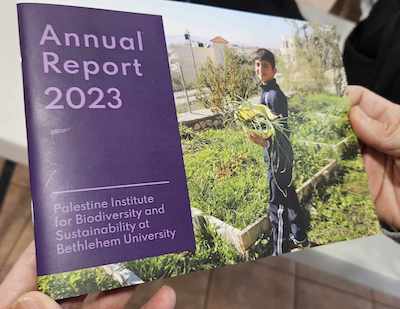
The PIBS oasis as pictured on the front cover of the institute’s latest annual report. Image: David Robie/APR
The institute was initiated in 2014 by the Qumsiyehs at Bethlehem University along with a host of volunteers and supporters. After 11 years of operation, the latest PIBS 2023 annual report provides a surprisingly up-to-date and telling preface feeding into the early part of this year.
“In 2023, there were increased restrictions on movement, settler and soldier attacks on Palestinians throughout the occupied territories, combined with the ongoing siege and strangulation of the Gaza Strip, under Israel’s extreme rightwing government.
“This led to the Gaza ghetto uprising that started on 7 October 2023. The Israeli regime’s ongoing response is a genocidal campaign in Gaza.
Professor Mazin Qumsiyeh . . . In contrast to false perceptions of violence about Palestinians, “these methods have been the exception to what is a peaceful and creative.” Image: Del Abcede/Pax Christi
“[Since that date], 35,500 civilians were brutally killed, 79,500 were wounded (72 percent women and children) and nearly 2 million people displaced. Thousands more still lay under the rubble.
“An immense amount – nearly two-thirds – of Gaza’s infrastructure was destroyed , including 70 per cent of residential buildings, hospitals, schools, universities and government buildings.
Total food, water blockade “Israel also imposed a total blockade of, among other things, fuel, food, water, and medicine.
“This fits the definition of genocide per international law.
“Israel also attacked the West Bank, killing hundreds of Palestinians in 2023 (and into 2024), destroyed homes and infrastructure (especially in refugee camnps), arrested thousands of innocent civilians, and ethnically cleansed communities in Area C.
“Many of these marginalised communities were those that worked with the institute on issues of biodiversity and sustainability.”
This is the context and the political environment that Professor Qumsiyeh confronts in his daily sustainability struggle. He is committed to a vision of sustainable human and natural communities, responding to the growing needs for education, community service, and protection of land and environment.
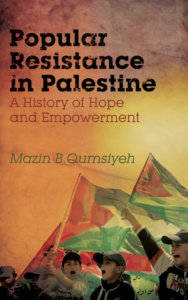
Popular Resistance in Palestine cover (2011). Image: Pluto Press/APR
In one of his many books, Popular Resistance in Palestine: A history of Hope and Empowerment, he argues that in contrast to how Western media usually paints Palestine resistance as exclusively violent: armed resistance, suicide bombings, and rocket attacks. “In reality,” he says, “these methods have been the exception to what is a peaceful and creative
Call for immediate ceasefire An enormous global movement has been calling for an immediate and permanent ceasefire in Gaza, to end decades of colonisation, and work toward a free Palestine that delivers sustainable peace for all in the region.
Professor Qumsiyeh reminded the audience at St Mary’s that the first Christians were in Palestine.
“The Romans used to feed us to the lions until the 4 th century,” when ancient Rome adopted Christianity and it became the Holy Roman Empire.
He spoke about how Christians had also paid a high price for Israel’s war on Gaza as well as Muslims.
PSNA’s Billy Hania . . . a response to Professor Qumsiyeh. Image: David Robie/APR
Christendom’s third oldest church and the oldest in Gaza, the Greek Orthodox church of Saint Porphyrius in the Zaytoun neighbourhood — which had served as a sanctuary for both Christians and Muslims during Israel’s periodic wars was bombed just 12 days after the start of the current war.
There had been about 1000 Christians in Gaza; 300 mosques had been bombed.
He said “everything we do is suspect, we are harassed and attacked by the Israelis”.
‘Don’t want children to be happy’ “They don’t want children to be happy, they have killed 15,000 of them in Gaza. They don’t want us to survive.”
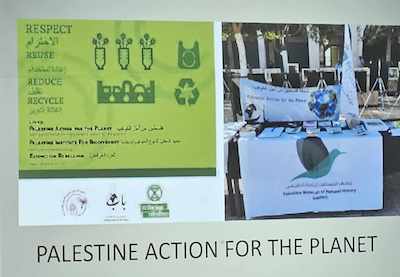
Palestine action for the planet . . . a slide from Professor Qumsiyeh’s talk earlier in the day at the PSNA annual general meeting. Image: David Robie/APR
He said colonisers did not seem to like diversity — they destroy it, whether it is human diversity, biodiversity.
“Palestine is a multiethnic, multicultural and multireligious country.”
“Diversity is healthy, an equal system. We have all sorts of religions in our part of the world.
“Life would be boring if we were all the same – that’s human. A forest with only one kind of trees is not healthy.’
Professor Qumsiyeh was critical of much Western news media.
“If you watch Western media, Fox news and so on, you would be told that we are people who have been fighting for years.”
That wasn’t true. “We had the most peaceful country on earth.”
“If you go back a few years, to the Crusades, that is when political ideas from Europe such as principalities and kingdoms started to spread.”
Heading into nuclear war He warned against a world that was rushing headlong into a nuclear war, which would be devastating for the planet – “only cockroaches can survive a nuclear war.”
“Humanity for Gaza” . . . a slide from Professor Qumsiyeh’s talk earlier in the day. Image: David Robie
Professor Qumsiyeh likened his role to that of a shepherd, “telling the world that something must be done” to protect food sovereignty and biodiversity as “climate change is coming to us with a vengeance. So please help us achieve the goal.”
The institute says that they are leaders in “disseminating information and ideas to challenge the propaganda spread about Palestine”.
It annual report says: “We published 17 scientific articles on areas like environmental justice, protected areas, national parks, fauna, and flora.
“Our team gave over 210 talks locally, only and abroad, and over 200 interviews (radio and TV).
“We produced statements responding to attacks on institutions for higher education, natural areas, and cultural heritage.
“We published research on the impact of war, on Israel’s weaponisation of ‘nature reserves’ and ‘national parks, and a vision for peace based on justice and sustainability.”
When it is considered that Israel destroyed all 12 universities in Gaza, the sustaining work of the institute on many fronts is vital.
Professor Qumsiyeh also appealed for volunteers, interns and researchers to come to Bethlehem to help the institute to contribute to a “more liveable world”.
Professor Mazin Qumsiyeh . . . an appeal for help from volunteers to contribute to a “more liveable world”. Image: David Robie/APR
The latest episode of the ABC’s flagship investigative program, Four Corners, makes for grim viewing.
It reveals cases of men making inappropriate and sexual comments on online images of children, often posted on accounts run by their parents. In some cases, the posts were made on “kidfluencer” platforms such as BrandArmy, which in the past allowed parents to run “junior creator” accounts to monetise their child’s online presence.
BrandArmy, which says it stopped accepting new “junior creators” late last year, lists on its site the rules parents running these accounts must follow. These include bans on “sexually suggestive content or language”, twerking videos, certain emojis and “rear (buttocks) imagery or videos”. Bikinis are allowed, under certain circumstances.
Four Corners reported on BrandArmy accounts it said were from girls under 18 that appeared to offer bikini pictures to paid subscribers.
When Four Corners sent questions to the company, BrandArmy removed some of the material.
The program also reported on men making sexual comments on photos posted on Instagram accounts depicting children — “usually young girls into dancing, modelling and gymnastics”. Four Corners reported “kidfluencer” content was also being shared in sexually explicit ways on encrypted chat channels.
Meta, the parent company of Instagram, told The Conversation Instagram requires everyone to be at least 13 years old to create an account, saying:
Accounts representing someone under 13 must be actively managed by a parent or manager, who is responsible for their content and can control who is able to message and comment on the account’s posts. We’ve developed a range of features that help people protect themselves from unwanted contact, including Hidden Words, which lets you filter comments and messages that contain certain phrases, as well as blocking and reporting. On top of that, we recently updated our policy so that accounts primarily posting content focused on children aren’t eligible to use our monetisation tools to receive payments from other Instagram users.
Meta also has rules against child exploitation, including sexualisation, and told Four Corners it takes action whenever it becomes aware of such material.
The latest revelations are shocking but perhaps not surprising. Here’s what could be done at the policy level, and what parents need to know.
A broad spectrum of ‘kidfluencer’ content
I have been researching “kidfluencer” content and families’ use of social media for more than a decade. It’s worth noting not all online kid-themed content is the same.
At one end of the spectrum are parents posting fairly innocuous kid content – such as a child playing or reaching a milestone – without seeking financial gain. We know many everyday internet users post images of their kids on social media to get reassurance, connection and reaction from friends and family.
Then there are parents who get financial gain from content, such as parent-bloggers or online personalities, where children are used as an extension of the parent’s brand. Children are naturally appealing and are a reliable way to get more “likes” and engagement online. Sponsored content and brand deals often follow.
Other forms of monetised kid content include unboxing videos or toy reviews, broadcast via subscription channels on platforms such as YouTube. Brands have cottoned onto the fact children are appealing and move product. This has become enmeshed in the world of “kidfluencer” content, which markets products to children (many of whom may not even be aware they are watching an ad). But there is, of course, nothing to prevent adults viewing this kind of content with a sexualised gaze.
Another category is parents who post images they see as innocent, but which can all too easily attract a sexualised gaze – this includes images of children in the bath, in swimwear or tight clothing, or doing dance or gymnastics routines. One thing the Four Corners report makes clear is that you cannot always be sure where your child’s image will end up or how it will be used.
Then there are those accounts which, according to the Four Corners report, appeared to be openly advertising underage content such as bikini pictures to paid subscribers.
You can’t tar all kid content with the same brush, but the element that ties all these together is that children are centred in the content.
History is littered with cases of people sexualising children; it’s just that now we have all these new technologies to facilitate it so easily.
What could governments and platforms do?
At a policy level, there are several things platforms and governments could consider.
One is looking at whether “kidfluencers” need to be protected by child labour laws. This was an issue Hollywood grappled with in the 1930s with regard to child actors. It led to laws requiring a child actor’s employer to set aside a portion of the earnings in a trust (often called a Coogan account), to ensure the child’s parent didn’t take it all.
There’s also an opportunity for platforms to take more responsibility to monitor content and comments more tightly, especially in cases where parents are posting “kidfluencer” content. It shouldn’t be up to the media to find and highlight the kinds of examples seen in the Four Corners episode.
Bringing in new laws to regulate platforms is not easy, given they are international entities. South Australia is considering banning children under 14 from having social media accounts, but is yet to explain how this law would be designed or enforced, and how it would affect “kidfluencer” accounts run by parents.
Australian lawmakers may also look more closely at what European countries have done with regard to a child’s “right to be forgotten” (meaning their right to request deletion of personal data shared when they were a child).
And as the Four Corners report notes, the federal government could consider expanding the act that governs what kinds of content the eSafety Commissioner can order to be removed.
What can parents do?
In research I am conducting with colleagues in the Digital Child Australian Research Centre of Excellence, we are talking with parents about their plans in relation to their children’s digital engagement.
For all parents, it would be useful to consider the following questions: what pictures would you share online of your child, if any? What kinds of images would you never share? What kinds of privacy settings would you have on any images you do decide to share?
How well do you understand that you cannot really control where your child’s image ends up? What is your family’s plan to teach your child about their own internet use? How will your plans change over time?
Unfortunately, a sexualised gaze can fall on any image of a child online, no matter how innocently it was shared. But there is room for all of us – whether that’s parents, policymakers or platforms – to do more to protect children online.
Catherine Archer is an Associate Investigator with the ARC Centre of Excellence for the Digital Child.
New Caledonia’s Tontouta International Airport remains closed, and Air New Zealand’s next scheduled flight is on Saturday — although it is not ruling out adding extra services.
Air NZ’s Captain David Morgan said on Monday evening flights would only resume when they were assured of the security of the airport and safe access for passengers and staff.
Later, the airline said its “next scheduled service is Saturday, May 25. However, we will continue to review this and may add capacity when the airport reopens”.
AirCalin said tonight Tontouta airport would be closed until May 23.
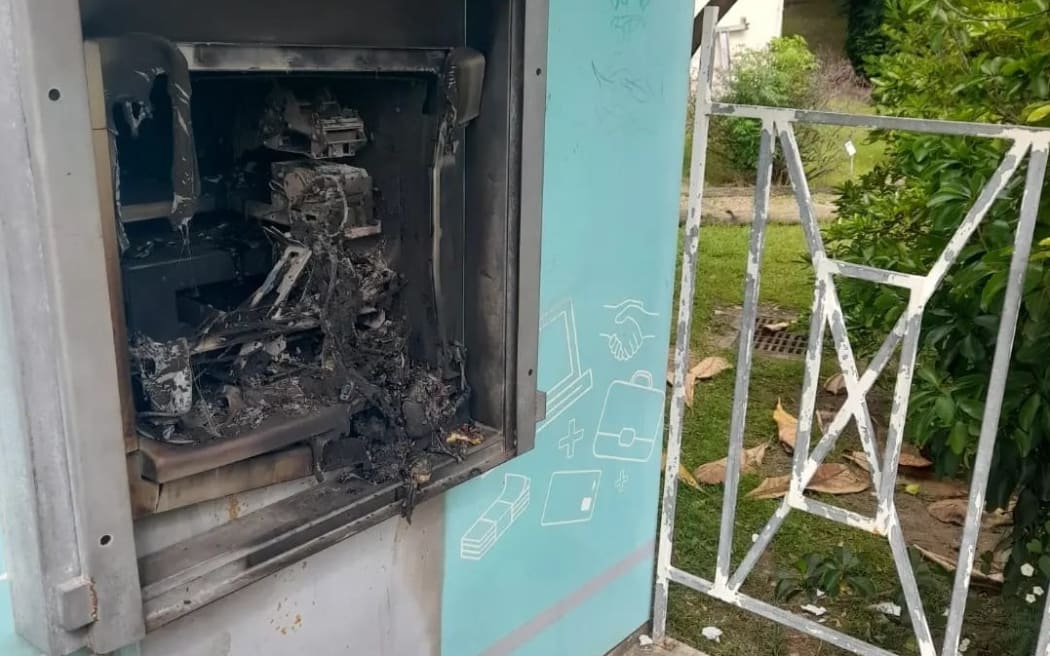
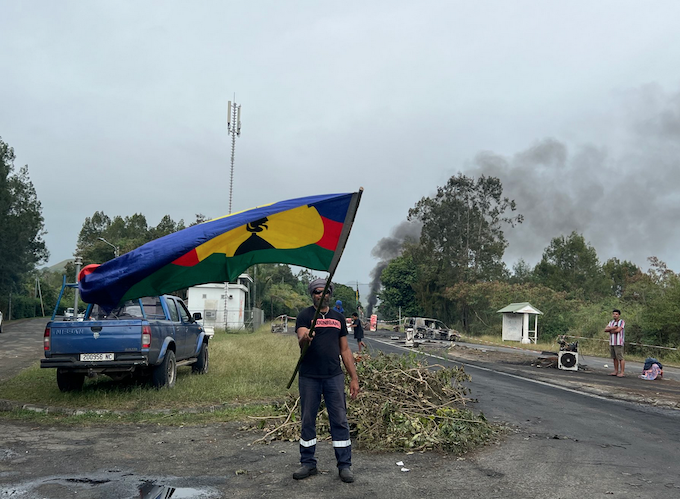
The capital descended into chaos last Monday, after riots protesting against a controversial new bill that would allow French residents who have lived there for more than 10 years to vote — which critics say will weaken the indigenous Kanak vote.
At least six people have been killed, and more than 230 people have been arrested.
A NZ Defence Force Hercules is on standby to bring 250 Kiwis home, but it is awaiting clearance from French authorities.
Clearing roadblocks Hundreds of armed French police have been using armoured vehicles to clear protesters and roadblocks between the international airport and Nouméa.
The risky route — which stretches for about 50 km north of the capital — is the key reason why the airport remains closed.
Emma Roylands, a Kiwi studying at the University of New Caledonia, said the nights on campus had been stressful.
“We’ve set up a sense of a roster, or a shift, that watches over the night time for the university, and this high-strung suspicion from every noise, every bang, that is that someone coming to the university,” she said.
Roylands said she was not sure if the French police would be able to successfully clear the main road to the airport.
“Clearing the road for an hour north seems like an impossible task with these rioters,” she said.
Shula Guse from Canterbury, who was on holiday with her partner and friends, said many shops were running low on stock.
‘Nothing on the shelves’ “The shops are closed or if they’re open they have empty shelves, the local corner dairy has nothing on the shelves,” she said.
Guse said she managed to buy some flour and yeast from a local pizza shop and had started making her own bread.
She said her group had flights rebooked for tomorrow — but there had been no confirmation from Air New Zealand on whether it would go ahead.
Guse, whose friends were running low on heart medication, said they would have to make other plans if it fell through.
“When today is finished, and we haven’t heard any news, then we might start tomorrow looking for more medication, more food, just to make sure we have enough.”
The Ministry for Foreign Affairs and Trade (MFAT) said the NZDF Hercules was ready, as soon as French authorities gave permission.
When asked whether the Navy would be deployed, MFAT said its focus was on flight repatriation.
RNZ asked whether New Zealand would consider helping evacuate people from other Pacific countries who were stranded in New Caledonia. MFAT said it had been engaging with Pacific partners about the crisis.
Foreign Minister Winston Peters said he was unable to put a timeframe on how soon New Zealanders could return.
He said they were continuing to explore possible options, including working alongside Australia and other partners to help get New Zealanders home.
This article is republished under a community partnership agreement with RNZ.
As Israel drives the Palestinians deeper into another Nakba in Gaza with its assault on Rafah, the Palestine Youth Aotearoa (PYA) and solidarity supporters in Aotearoa New Zealand tonight commemorated the original Nakba — “the Catastrophe” — of 1948.
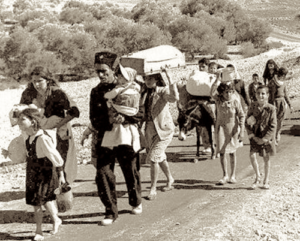
The 1948 Nakba . . . more than 750,000 Palestinians were forced to leave their homeland and become exiles in neighbouring states. Many dream of their UN-recognised right to return. Image: Wikipedia
This was when Israeli militias slaughtered more than 15,000 people, perpetrated more than 70 massacres and occupied more than three quarters of Palestine, with 750,000 of the Palestinian population forced into becoming refugees from their own land.
The Nakba was a massive campaign of ethnic cleansing followed by the destruction of hundreds of villages, to prevent the return of the refugees — similar to what is being wrought now in Gaza.
The Nakba lies at the heart of 76 years of injustice for the Palestinians — and for the latest injustice, the seven-month long war on Gaza.
Participants told through their stories, poetry and songs by candlelight, they would not forget 1948 — “and we will not forget the genocide under way in Gaza.”
Photographs: David Robie
Nakba Day vigil in Tāmaki Makaurau in Aotearoa 2024
Young people on the streets in New Caledonia are saying they will “never give up” pushing back against France’s hold on the Pacific territory, a Kanak journalist in Nouméa says.
Pro-independence Radio Djiido’s Andre Qaeze told RNZ Pacific young people had said that “Paris must respect us” and what had been decided by Jacques Lafleur and Jean-Marie Tjibaou, who were instrumental in putting an end to the tragic events of the 1980s and restoring civil peace in the French territory.
In 1988, Tjibaou signed the Matignon Accords with the anti-independence leader Lafleur, ending years of unrest and ushering in a peaceful decolonisation process.
Qaeze — speaking to RNZ Pacific today as the week-old crisis continued — said the political problem, the electoral roll, was the visible part of the iceberg, but the real problem was the economic part.
He said they had decided to discuss the constitutional amendments to the electoral roll but wanted to know what were the contents of the discussions.
They also wanted to know the future of managing the wealth, including the lucrative mining, and all the resources of New Caledonia.
“Because those young people on the road, plenty of them don’t have any training, they go out from school with no job. They see all the richness going out of the country and they say we cannot be a spectator,” he said.
‘Rich become richer, poor become poorer’ “The rich become richer and the poor become poorer, and they say no, we have to change this economic model of sharing.
“I think this is the main problem,” he added.
Qaeze said the old pro-independence generation used to say to the young generation: “You go and stop”.
“Then we are trying to negotiate for us but negotiate for ‘us’. The word ‘us’ means only the local government is responsible not everybody.
“And now, for 30 years the young generation have seen this kind of [political] game, and for them we cannot continue like this.”
He believed it was important for the local pro-independence leaders to take care of the content of the future statutes not only political statutes.
According to French High Commissioner Louis Le Franc, almost 240 rioters had been detained following the violent unrest as of Monday.
Qaeze said every year about 400 indigenous young people left school without any diploma or any career and these were the young people on the streets.
He added there was plenty of inequality, especially in Nouméa, that needed to change.
“Our people can do things, can propose also our Oceanian way of running and managing [New Caledonia].”
This article is republished under a community partnership agreement with RNZ.
Selwyn Manning and Paul Buchanan deliver A View from Afar (series 05, episode 02).
A View from Afar
PODCAST: A View from Afar - Is a second Trump Presidency Possible?
/
RSS Feed
Share
Link
Embed
This episode of A View from Afar podcast was recorded live from 12:45pm May 20, 2024 (NZST).
Political scientist Paul Buchanan and Selwyn Manning examine: The United States and how the world is engaging with it geopolitically.
Specifically, Paul and Selwyn analyse what has changed in this regard in 2024, and consider whether some leaders of global, regional, and even small powers are preparing for the possibility of a second Donald Trump presidency.
And, importantly, at this juncture, they assess whether some leaders who are central to conflict in the world today, regard the Biden Administration as having entered a lame-duck period.
INTERACTION WHILE LIVE:
Paul and Selwyn encourage their live audience to interact while they are live with questions and comments.
RECOGNITION: The MIL Network’s podcast A View from Afar was Nominated as a Top Defence Security Podcast by Threat.Technology – a London-based cyber security news publication. Threat.Technology placed A View from Afar at 9th in its 20 Best Defence Security Podcasts of 2021 category.
You can follow A View from Afar via our affiliate syndicators.
Victoria’s native forest logging industry ended on January 1 this year. The news was met with jubilation from conservationists.
But did logging really end? Last week, an endangered southern greater glider was found dead next to an area logged to create fuel breaks along the Yarra Ranges National Park. The news triggered outrage.
By itself, the death of one glider would be sad. But its death speaks to a larger problem. Three kinds of logging are continuing in Victoria’s forests, for fuel breaks, salvage logging after windstorms, and logging on private land. The first two are linked to the government’s Forestry Transition Program, which states:
Harvest and haulage workers will be offered alternative work in forest and land management, enabling them to continue to work in the forests they know so well and contribute to bushfire risk reduction.
These types of logging are likely to continue for years to come – and with less oversight than under the old regime, when logging was done by the state government agency VicForests.
Fuel breaks
The Victorian government has plans to cut or expand almost 1,500 kilometres of fuel breaks throughout Victoria’s native forests and other types of vegetation. Some of these fuel breaks are being cut in the tall mountain ash forests of Victoria’s Central Highlands, northeast of Melbourne. The trees cut down are being carted to timber mills.
It has been claimed the fuel breaks are intended for use by fire-management workers to do backburning and reduce fuel if there’s a serious bushfire in a region.
This may work in some drier grassland and woodland environments. But it doesn’t make sense in tall, wet mountain ash forests, which burn only in the most severe of fire weather conditions. These conditions are the worst possible time to light other fires.
So if this logging doesn’t make sense as fuel breaks, what is it for? Government maps of the fuel breaks label them as “Forestry Transition Projects”.
When trees are felled, harvest and haulage contractors are paid to cart the logs away. The contracts are for five years.
Fuel break logging is indiscriminate. A number of the trees already logged are between 200 and 350 years old, based on their diameters. These old trees are keystone structures and it is easy to identify them as trees which should never be cut down.
Nationally endangered southern greater gliders rely on tree hollows, which develop only in older trees – those with a diameter of 1.2 metres or larger. We have recently shown the loss of these trees is a major reason why this iconic species has declined catastrophically.
Salvage logging
Salvage logging is where logs are removed after windstorms or fires damage trees. This is taking place in the Wombat State Forest, Mount Cole State Forest, and even in national parks like the Dandenong Ranges National Park. The timber from salvage logged forests usually goes to sawmills and firewood yards.
Many people might think salvage logging makes sense. In the wake of unprecedented windstorms knocking down thousands of trees, doesn’t it make sense to cart the logs away and put them to use?
On a forest scale, salvage logging is the most destructive form of logging, worse than high-intensity clearfelling. Logging soon after a natural disturbance makes recovery harder, such as by badly damaging soils for many decades.
Fire-damaged or fallen trees become significant habitat for many plants and animals. Forests may take as long as 200 years to recover after salvage logging. Importantly, salvage logging operations can also make forests more flammable.
After widespread storms hit the Wombat Forest in 2021, the Dja Dja Wurrung Clans Aboriginal Corporation (DJAARA) appointed VicForests to undertake “making Country safe”, in part by salvage logging windthrown timber, but large numbers of living trees were also cut.
Since VicForests wound up its operations in January, DJAARA has stated continued logging in the Wombat Forest by the Victorian government is no longer part of its operations.
Logging on private land
Gliders and other forest creatures don’t know the difference between national park and private property.
Using Sentinel 2 satellite imagery, we have been monitoring a large clearfell logging operation on private land next to the southern boundary of the Yarra Ranges National Park. The logging began in March 2023 and is ongoing. 38 hectares of mountain ash forest, a critically endangered ecosystem, have been clearfelled.
Laws governing logging on private land can be weaker than logging in public state forests. In state forests, VicForests were bound to follow detailed regulations, but these do not apply to logging on private land.
Satellite images suggest this logging operation is being done very close (less than 50m) to locations known to support the critically endangered Leadbeater’s Possum, a tiny possum whose population in the wild may be as low as 2,500 individuals. These locations have been formally recorded and documented by the Victorian Government.
When VicForests was in operation, foresters and logging contractors were legally bound to provide a 200-metre buffer around sites known to be used by these possums. Logging on private land has no such requirement.
Logging hasn’t truly stopped
Whether for fuel breaks, salvage logging, or private land logging, native forest logging hasn’t stopped in Victoria. It will continue for many years, and the logs cut from these operations will be sold commercially.
Much of this logging is not be fully regulated, as the Office of the Conservation Regulator is in the same department as the one conducting fuel break and salvage logging. It is difficult for a government department to regulate itself. This regulator also has no power over logging on private land.
If it sounds like two steps forward, one step back, it is.
David Lindenmayer receives funding from the Victorian Government and the Australian Government. He is a member of the Biodiversity Council and Birds Australia.
Kita Ashman works as a Threatened Species and Climate Adaptation Ecologist for WWF Australia, and is an ambassador for Paddy Pallin.
Chris Taylor does not work for, consult, own shares in or receive funding from any company or organisation that would benefit from this article, and has disclosed no relevant affiliations beyond their academic appointment.
This article is part two of The Conversation’s “Business Basics” series where we ask leading experts to discuss key concepts in business, economics and finance.
How governments should manage their budgets, and how interest rates should be set, are two of the most important questions in economics.
Ideally, both work hand in hand to ensure the best outcomes for the economy as a whole. But they are enacted by different branches of government, and fall into different buckets within economics.
Budgeting – the way governments tax and spend – falls within the domain of fiscal policy. In contrast, the management of credit and interest rates falls into the domain of monetary policy.
With the recent federal budget handed down amid an ongoing battle to tackle inflation, both topics have dominated recent news coverage, so it’s important to understand the difference.
Paying tax is an unavoidable fact of life, but is needed to support spending on government services such as hospitals, roads, schools and defence. Taxation and spending decisions are made on different scales at every level of government, and form the basis of a government’s fiscal policy.
Traditionally, fiscal policy was seen as a very simple equation.
Governments should spend only as much as they earn through taxation, and only take on a small amount of debt for things like longer-term infrastructure projects.
But when economic growth falls, tax revenues also fall, forcing governments to cut spending to balance their budgets. Such spending cuts come at precisely the wrong time and are only likely to further worsen economic growth.
Noticing this pattern, economist John Maynard Keynes was the first to question this traditional wisdom, arguing that fiscal policy should be “countercyclical”.
According to Keynes, when economic growth falls, government spending should increase, only falling back as the economic recovery plays out.
Under a Keynesian approach, it’s therefore wholly appropriate for governments to issue debt to fund spending increases as the economy weakens.
The problem with this view of fiscal policy is that some governments have arguably abused their licence to spend, relying on ever-increasing levels of debt.
Greece famously suffered a spectacular debt crisis after the global financial crisis in 2008, but other European countries such as France, Italy, Portugal and Spain also have high and problematic levels of debt.
Chronically high debt can lead to higher interest payments on this debt, which in turn can limit a government’s ability to spend to support its economy.
Monetary policy
With the power to influence the cost of borrowing, interest rates are a powerful lever for regulating spending. Geometric Photography/Pexels
Monetary policy affects the economy via a different lever.
By changing the relative cost of borrowing money, changes in interest rates affect the aggregate level of spending in the economy.
This in turn can impact inflation – increases in the general level of prices.
Cuts in interest rates will tend to stimulate demand and push prices up, while rate increases reduce demand and push prices down.
Interest rates are typically set by a country’s central bank, whose primary role is to keep inflation low.
Our own central bank – the Reserve Bank of Australia, sets rates to meet an official inflation target of between 2% and 3%.
A combined Keynesian approach
Alongside Keynes’ writing on fiscal policy, he and other economists argued that interest rates should be reduced as an economy heads into recession, to support borrowing and spending by businesses and consumers.
Coupled with higher government spending, keeping interest rates lower in a recession should theoretically speed up economic recovery.
The merits of a Keynesian approach were borne out clearly in Australia in both the 2008 global financial crisis and the COVID pandemic.
Many central banks drastically lowered interest rates to boost spending during the pandemic. EyeofPaul/Shutterstock
Most recently, the pandemic saw the Reserve Bank cut interest rates to almost zero. Simultaneously, the government supported the economy with a wide range of spending programs, including big boosts to welfare payments and a generous JobKeeper program to mothball Australia’s workforce.
As a result, unemployment quickly returned to low levels and economic growth recovered following the lifting of restrictions.
Helping people pay their bills while taming spending is hard
Emergence from the pandemic left us with a different problem. Inflation surged and remained stubbornly above the Reserve Bank’s target range, forcing the bank to repeatedly raise rates to try to tame it.
At the same time, the government has been trying to support Australians through a cost-of-living crisis.
Now, critics of the government have argued that further spending to support Australians could unintentionally put further pressure on inflation and force the Reserve Bank to keep interest rates higher for longer.
Such challenges reflect the fact that our understanding of best practice for fiscal and monetary policy is constantly evolving.
Problems with burgeoning state debt have prompted debate on the former, and whether there should be limits on governments’ ability to issue debt.
These could include limits to public debt, or new oversight authorities to monitor levels of public spending.
And on monetary policy, a recent review of the Reserve Bank considered requiring a “dual mandate” that would force it to give equal consideration to employment and to inflation goals, as is currently required of the US Federal Reserve.
Mark Crosby does not work for, consult, own shares in or receive funding from any company or organisation that would benefit from this article, and has disclosed no relevant affiliations beyond their academic appointment.
On Sunday afternoon, Australian citizens who have been trapped in New Caledonia were called to a meeting at one of the large hotels in the capital, Noumea.
The meeting was hastily organised and long overdue in the view of many who have been stuck here (including myself) amid the violent unrest that has roiled the French territory. While communication between the Australian High Commission and Australian citizens has not been ideal, the meeting made clear local officials were working to the best of their abilities to develop repatriation strategies.
Their accounts of these strategies, however, suggest that not only is the situation dangerous and logistics complex, another sticking point is the French administration.
We were advised there was a plan to use military aircraft to evacuate Australians from Noumea’s domestic airport. This area has been a hotspot in the current crisis, but Australian officials believed it was more easily accessible than the international airport. This remains closed until the national highway running north of the city can be cleared of debris and made safe.
The Australian High Commission staff told us they had a flight schedule in place and the RAAF aircraft had been fuelled and was on the tarmac ready to depart. There were buses ready to transfer Australians from their hotels.
Yet, the plans were axed at the 11th hour on Sunday when permission to land at the domestic airport did not proceed. It was not clear if this was a decision made by French officials in New Caledonia or in France itself.
Pressure growing on the French government
About 300 Australians have requested repatriation from the Department of Foreign Affairs and Trade after violence broke out last week over new voting rules being sought by French authorities in Paris.
French forces began arriving in New Caledonia in recent days and launched a major operation to regain control of the main road to the international airport on Sunday.
On the one hand, a strategic logic explains the French government’s reticence to allow an Australian military plane to land. The optics of a foreign military operation to evacuate travellers could raise questions about the French authorities’ control over the situation and diminish France’s standing in the region.
Neighbouring states in the Pacific have long viewed France as a valued strategic ally capable of balancing China’s increased prominence in the region. The arrival of Australian military plane, however, would draw international attention to the compromised nature of French security in the Pacific.
Domestically, this would also play badly for President Emmanuel Macron, who is under pressure from both sides of politics for the headline-capturing crisis in New Caledonia that his government largely sparked itself.
On the left, figures such as John-Luc Mélenchon, who challenged Macron in the 2022 presidential election, have criticised the damage caused to the principles of the Noumea Accord peace agreement through Macron’s insistence the vote on constitutional changes to expand the territory’s electoral role should proceed last week. This occurred even while tensions were visibly increasing across “le Caillou” (as New Caledonia is also known in France).
The changes could give voting rights to tens of thousands of non-Indigenous residents of New Caledonia, which the Indigenous Kanak population says would dilute the strength of their vote in elections.
In recent days, even those on the right have joined this criticism, distancing themselves from a previously close relationship with Loyalist political elements in New Caledonia who are opposed to independence.
Opposition Leader Marine le Pen has proposed the need for a “solution globale” that goes beyond the narrower focus on residents’ voting status and addresses the chronic economic and social inequalities between the Kanak and non-Indigenous populations.
She has also suggested there now be a fourth referendum on self-determination, long a goal of many Kanaks. Anti-independence factions in the territory, however, oppose such a move, believing the question over independence has been concluded with three recent referendums failing in recent years.
Why Australia’s position should change
The violence in New Caledonia has been frightening, uncontrolled and devastating for the country. I have written that, for many, this violence is an expression of Kanak youths’ feelings of desperation due to the deep inequalities in the territory.
Some observers believe it is time to ask critical questions about the legitimacy of a colonial system of government in New Caledonia that allows these inequalities to persist.
As New Caledonia navigated an earlier pro-independence uprising known as les Événements in the 1980s, the Australian government stood with other Pacific nations in the Melanesian Spearhead Group and supported a move to see New Caledonia placed on the UN General Assembly’s list of non-self governing territories. This move required French authorities to establish appropriate forms of self-government for the territory.
The Australian high commissioner at the time was expelled from the territory as a result. Pacific Island states, Australia’s political leadership at the time and even many members of the public saw this stand as the right one to take.
As negotiations proceeded on the 1988 Matignon Peace agreement, which brought a halt to the violence, Australian policy on New Caledonia became more conciliatory towards France and less focused on the decolonisation question.
In recent days, the problem with this position has been clearly exposed. The scale of the rioting and devastation in Noumea demonstrate, yet again, the failures of France to properly address the feelings of discontent among the Kanak population and the profound inequalities that exist in New Caledonia.
It is time for Australia to address the injustice of this situation on our doorstep and revisit its policies of the mid-1980s.
Calls are mounting across the territory and the Pacific region for a new broad-based dialogue between all of New Caledonia’s communities to take place in the territory, rather than in Paris as Macron has proposed.
This is seen by local and regional political and civil society leaders as critical to the achievement of peace. For leaders such as Mark Brown, the outgoing chair of the Pacific Islands Forum and the Cook Islands prime minister, reviving the prospect of full territorial sovereignty can only enhance this cause.
As a nation that advocates internationally for democratic principles – and that publicly states its affinity for the Pacific family – Australia should no longer stay quiet on this question. This weeks shows why it must shift its foreign policy to support New Caledonia’s decolonisation as a matter of urgency.
Nicole George does not work for, consult, own shares in or receive funding from any company or organisation that would benefit from this article, and has disclosed no relevant affiliations beyond their academic appointment.
The latest large-scale ransomware attack on a health technology provider, electronic prescription company MediSecure, was revealed last week.
MediSecure announced it had suffered a “cyber security incident” affecting people’s personal and health information. Details of the attack are scant. We’ve been told it stemmed from a “third-party vendor”, which means a company that provides services to another company.
In a general sense, ransomware attacks occur when a hacker gets access to a system, infects and locks up files, and then demands a ransom – usually in cryptocurrency – for their release.
Cybercrime is big business, generating huge profits. This latest incident shines a light on the vulnerability of health data specifically.
What are e-prescriptions?
E-prescribing works by sending prescriptions to a digital exchange, essentially a secure database of prescription information. From there, patients control which pharmacy can access it, by showing pharmacy staff a token such as a QR code or barcode.
Electronic prescriptions contain personal information such as people’s name, address, date of birth and Medicare number. They include details about prescribed medicines, as well as the prescriber’s name, address and other information.
The Digital Health Agency (an agency of the Australian government) reports that over the past four years, more than 189 million e-prescriptions have been issued by more than 80,000 clinicians.
Until late 2023, MediSecure was one of two national e-prescribing services, delivering prescriptions from health-care providers to pharmacies.
MediSecure has noted the incident relates to data held by its systems up until November 2023.
While it’s unclear who has been affected by this breach, the potential pool of patients and prescribers involved is large.
A worrying trend
This incident, which comes less than two years after the widely publicised Medibank hack, is alarming but unfortunately not surprising.
Health care is digitising rapidly, with innovations such as patient-accessible electronic health records, remote monitoring and wearable devices. These developments can make health care more efficient and effective. They improve people’s access to care, and mean that information – such as prescriptions – is readily available where and when it’s needed.
Partly because of the scale of digital health data, breaches are very common. The Office of the Australian Information Commissioner routinely reports that health services suffer the most breaches of any sector, mainly through malicious or criminal attacks.
Why is health data so lucrative?
Health data is very attractive to hackers because of its volume, and ease of access via system vulnerabilities. Historical under-investment in IT security in the sector, understaffing and overstretched staff (leading to human error), and high connectivity, all contribute to this risk.
Health data is also easy to ransom because of the value patients, clinicians and health organisations place on keeping it private. No one wants a repeat of the Medibank ransomware attack, where Australians’ most sensitive health information – such as drug treatment or pregnancy termination details – was published online.
Electronic prescriptions offer convenience for patients. PH888/Shutterstock
Beyond finding out how the MediSecure attack happened, patients want to know how to protect themselves from harm. At present it seems too early to say. The initial advice from the government is that no action is required.
Unfortunately, the usual measures we use to protect against hacks of financial and identity data don’t work for health data. We cannot change our prescription or other medical history like we might change our passwords, get a new driver’s licence, or scrutinise our bank statements for fraud.
If someone’s medication history is released it may indicate things about their health status, such as mental illness, gender transitioning, fertility treatment or care for drug and alcohol addiction. Not much can be done to stop the personal distress and stigmatisation that may follow. People may be blackmailed through this information, or suffer harms such as discrimination.
Data breach notification is a legal requirement on organisations to inform individuals about breaches affecting their data. It was touted as a solution to the problem of hacking when laws were introduced in Australia in 2018, but it doesn’t help affected people very much in this situation. Being informed your prescription for an anxiety medication or a treatment for obesity is now public knowledge might simply cause greater distress.
Where does responsibility lie?
Hacking is a major threat to organisations holding health data, and the onus must largely be on them to protect against it. They must all have rigorous cyber-security protections, the capacity to respond rapidly when attacks take place, and resilience measures such as backups to restore systems quickly.
Patients are now taking steps against companies who don’t protect their data. In the case of Medibank, affected customers have launched several class actions with the national privacy regulator and under Australian corporations and consumer law.
The introduction of a right to sue for serious invasions of privacy under an amended Privacy Act is an important, impending, change. It would mean people whose prescriptions and other sensitive health information were hacked could pursue breached companies for damages.
Companies facing heightened cyber threats, increased regulatory scrutiny and legal claims by those whose data has been breached find themselves in a tight spot. But so do patients, who watch unfolding news of the MediSecure attack, waiting to find out what information about their health may soon be on public display.
Megan Prictor previously received funding from the Commonwealth Department of Health. She is a member of the International Association of Privacy Professionals, European Association of Health Law (associate member), and the Australasian Association of Bioethics and Health Law.
Source: The Conversation (Au and NZ) – By Hannah Soong, Senior Lecturer and Socio-cultural researcher, UniSA Education Futures, University of South Australia
International students have come under fire from both sides of federal politics in the past week.
The Albanese government introduced legislation to parliament last Thursday to put caps on the number of international students each institution can enrol. In his budget speech Treasurer Jim Chalmers said
“[international student] enrolments have grown without being matched by an increase in student housing supply”.
This puts pressure on prices and rents, especially in our cities and suburbs. It makes finding housing harder for every one.
In his budget reply speech, Opposition Leader Peter Dutton said the Coalition wants to cut the number of international students:
we will reduce excessive numbers of foreign students studying at metropolitan universities to relieve stress on rental markets in our major cities.
But is this fair? Our research shows international students are finding it stressful and difficult to secure accommodation. And the largest proportion is already in purpose-built housing.
Students unfairly blamed
The housing debate often misses what international students bring to Australia. International education is one of Australia’s top exports and was worth A$47.8 billion in 2023.
Last month, a Property Council of Australia report also found “international students are not the cause of the housing crisis”.
The report showed international students only make up 4% of the rental market in Australia. It points out rents started rising in 2020 during COVID “when there was no international student migration and most students had returned home”.
According to the Property Council, international students are not causing the housing crisis. Ketut Subiyanto/Pexels, CC BY
Our research
We have been researching the experiences of international students in South Australia. As part of a broader 2023 study, we surveyed 1,372 international students about their wellbeing, community engagement and housing situation. We also did follow up interviews with 16 students.
Students in the survey came from 142 countries and regions. Asia was the top source region with 38% of respondents, followed by Europe and Africa.
Respondents were studying at 27 institutions in South Australia. More than half of our sample were university students, but respondents were also studying at TAFE and private colleges.
Here we report our findings about housing.
Where are students living?
The biggest proportion of students in our study (25.5%) lived in the Adelaide CBD, of which 56% lived in student accommodation.
Students were then dispersed across the suburbs. The next biggest proportion of students in any given suburb was 2.2%.
Student accommodation was the most common type of housing for all students we surveyed (20.7%), followed by living in a shared house with a private bedroom (19.6%) and sharing a bedroom (13.2%).
Less than 1% of respondents lived alone and 2.5% lived in a property they or a family member owned.
This shows international students tend to live in the CBD and in student accommodation or shared houses or bedrooms. Many locals would not consider these types of housing suitable. So it is very difficult to see how they are driving up entire metropolitan housing markets.
How hard it is to find somewhere?
It is not as though international students are finding it easy to secure a place to live, either.
Students in our study reported finding suitable accommodation was one of the top three challenges undermining their life experience in South Australia (along with overall financial security and making local friends).
They told us how they often had little choice over where to live because they did not have a rental history or proper source of income. For example, a social work student from China was looking for a new place to rent but felt hopeless. She said she had sent out up to 40 applications but had no response.
We don’t have a renting record in South Australia and I don’t have a full-time job […] Lots of the [real estate] agents wouldn’t really want us […].
For many students, student accommodation was the only thing available, which they described as “very expensive” and “very compact”. One Sri Lankan student studying for a PhD in computing explained:
They are not going to give me a place […] the student accommodation was my only option. That’s why I chose it even though it’s quite costly.
Another Taiwanese student studying computing and information systems told us they had just A$150 to spend per month on food because the cost of student accommodation was so high.
Our research shows international students in South Australia are finding it expensive, difficult and stressful to secure a place to live while they are studying.
This suggests they are experiencing the problems of Australia’s housing crisis. But it does not indicate they are causing it.
We also need to be careful simply thinking more student accommodation will fix this issue. It does not address the problem of housing affordability and it does not help international students interact with their local communities in Australia.
It is also worrying to see international students blamed for a very complex problem, which experts acknowledge has multiple causes, of which overall migration is only a “relatively small part”.
So international students could be part of the solution to housing shortages, rather than mistakenly being blamed as the cause.
Hannah Soong receives funding from Bupa, City of Adelaide, and the Centre for Research on Educational and Social Inclusion and Academic Unit of Education Futures at the University of South Australia. She has established, and co-convened with Michael Mu, the International Student Well-being Network in South Australia.
Guanglun Michael Mu receives funding from Bupa, City of Adelaide, and the Centre for Research in Educational and Social Inclusion and the academic unit of Education Futures at the University of South Australia.
An example of shrimp Jesus.Shutterstock AI Generator
If you search “shrimp Jesus” on Facebook, you might encounter dozens of images of artificial intelligence (AI) generated crustaceans meshed in various forms with a stereotypical image of Jesus Christ.
Some of these hyper-realistic images have garnered more than 20,000 likes and comments. So what exactly is going on here?
The “dead internet theory” has an explanation: AI and bot-generated content has surpassed the human-generated internet. But where did this idea come from, and does it have any basis in reality?
An example of a shrimp Jesus image on Facebook with no caption or context information included in the post. Facebook
What is the dead internet theory?
The dead internet theory essentially claims that activity and content on the internet, including social media accounts, are predominantly being created and automated by artificial intelligence agents.
These agents can rapidly create posts alongside AI-generated images designed to farm engagement (clicks, likes, comments) on platforms such as Facebook, Instagram and TikTok. As for shrimp Jesus, it appears AI has learned it’s the current, latest mix of absurdity and religious iconography to go viral.
But the dead internet theory goes even further. Many of the accounts that engage with such content also appear to be managed by artificial intelligence agents. This creates a vicious cycle of artificial engagement, one that has no clear agenda and no longer involves humans at all.
Harmless engagement-farming or sophisticated propaganda?
At first glance, the motivation for these accounts to generate interest may appear obvious – social media engagement leads to advertising revenue. If a person sets up an account that receives inflated engagement, they may earn a share of advertising revenue from social media organisations such as Meta.
So, does the dead internet theory stop at harmless engagement farming? Or perhaps beneath the surface lies a sophisticated, well-funded attempt to support autocratic regimes, attack opponents and spread propaganda?
While the shrimp Jesus phenomenon may seem harmless (albeit bizarre), there is potentially a longer-term ploy at hand.
As these AI-driven accounts grow in followers (many fake, some real), the high follower count legitimises the account to real users. This means that out there, an army of accounts is being created. Accounts with high follower counts which could be deployed by those with the highest bid.
This is critically important, as social media is now the primary news source for many users around the world. In Australia, 46% of 18 to 24-year-olds nominated social media as their main source of news last year. This is up from 28% in 2022, taking over from traditional outlets such as radio and TV.
Bot-fuelled disinformation
Already, there is strong evidence social media is being manipulated by these inflated bots to sway public opinion with disinformation – and it’s been happening for years.
In 2018, a study analysed 14 million tweets over a ten-month period in 2016 and 2017. It found bots on social media were significantly involved in disseminating articles from unreliable sources. Accounts with high numbers of followers were legitimising misinformation and disinformation, leading real users to believe, engage and reshare bot-posted content.
This approach to social media manipulation has been found to occur after mass shooting events in the United States. In 2019, a study found bot-generated posts on X (formerly Twitter) heavily contribute to the public discussion, serving to amplify or distort potential narratives associated with extreme events.
Uncovered by activists and journalists, the coordinated efforts used bots and AI to create and spread fake information, reaching millions of social media users.
On X alone, the campaign used more than 10,000 bot accounts to rapidly post tens of thousands of messages of pro-Kremlin content attributed to US and European celebrities seemingly supporting the ongoing war against Ukraine.
This scale the influence is significant. Some reports have even found that nearly half of all internet traffic in 2022 was made by bots. With recent advancements in generative AI – such as OpenAI’s ChatGPT models and Google’s Gemini – the quality of fake content will only be improving.
Social media organisations are seeking to address the misuse of their platforms. Notably, Elon Musk has explored requiring X users to pay for membership to stop bot farms.
Social media giants are capable of removing large amounts of detected bot activity, if they so chose. (Bad news for our friendly shrimp Jesus.)
Keep the dead internet in mind
The dead internet theory is not really claiming that most of your personal interactions on the internet are fake.
It is, however, an interesting lens through which to view the internet. That it is no longer for humans, by humans – this is the sense in which the internet we knew and loved is “dead”.
The freedom to create and share our thoughts on the internet and social media is what made it so powerful. Naturally, it is this power that bad actors are seeking to control.
The dead internet theory is a reminder to be sceptical and navigate social media and other website with a critical mind.
Any interaction, trend, and especially “overall sentiment” could very well be synthetic. Designed to slightly change the way in which you perceive the world.
The authors do not work for, consult, own shares in or receive funding from any company or organisation that would benefit from this article, and have disclosed no relevant affiliations beyond their academic appointment.
Being a sport administrator comes with many perks, so it’s no surprise many want to stay in their positions as long as possible.
Recently, a trend has emerged whereby leaders in sport are seeking to extend or eliminate term limits (rules that restrict how long people can serve), raising serious questions about governance standards.
Several leading sport bodies have been involved. The Asian Football Confederation last week voted to remove term limits for its president and council members.
The Union of European Football Associations (UEFA) attracted attention when Aleksandar Čeferin pushed rule changes that would extend his tenure as president, although he ultimately decided to step down.
This trend raises two key questions: why should we care about term limits in sport? And how long is too long for sport administrators?
Why do we need term limits in sport?
The debate over term limits is ancient. Around 500BC, the Republic of Athens imposed a limit of two one-year terms for members of its ruling council. The Romans were even stricter, with a maximum one-year term.
The arguments for term limits back then were much the same then as they are for sport bodies today.
Simply put, term limits mitigate the risk of one individual accumulating an excessive concentration of power – the longer a leader remains in a position, the more power they accumulate.
This happens because over time, they can solidify control over resources and establish deeper connections within influential networks. In turn, this increases their influence over decision-making, leading to a cycle in which power reinforces itself.
Term limits, then, help to ensure power is more evenly distributed. They also offer a safeguard from leaders who could misuse their power indefinitely.
A 2013 report by CONCACAF’s Integrity Committee concluded Warner had committed fraud against both CONCACAF and FIFA. Amid the 2015 FIFA corruption crisis, FIFA’s Ethics Committee banned Warner from football for life, and US prosecutors charged him with 12 offences, including racketeering and bribery.
Warner denies the charges, and the US Supreme Court recently threw the case out on the basis of jurisdictional overreach.
However, the controversies surrounding Warner have been highly damaging to CONCACAF and FIFA. Had term limits been in place, the damage may not have been so severe.
Incumbency advantage
The longer an administrator stays in power, the more they can potentially benefit from “incumbency advantage”. This describes how long-serving leaders can use their powers (such as promises of funding) to build a critical mass of support within key voting blocs.
Such manoeuvring can make elections almost ceremonial, as it becomes exceedingly difficult for challengers to pose a real threat to the incumbent’s position. Without maximum term limits, leaders effectively become life presidents or quasi-monarchs.
Again, this all might sound familiar to anyone who follows international football.
With all 211 national football associations having an equal vote in the FIFA presidential elections, Blatter strategically garnered support across select regions, including Africa and the Caribbean, to ensure his continued leadership. While this political manoeuvring was not illegal, it created a system where it was extremely difficult to remove him through an election.
Since its formation in 1904, FIFA has had nine presidents (excluding interims). Only once has an incumbent lost an election. The winner of that election was Joao Havelange, who according to Swiss court documents, accepted millions in bribes during his presidency. Two presidents were impeached and resigned, while two voluntarily stepped down. Three died in office.
It may not be an exaggeration, then, to suggest that whether current FIFA president Gianni Infantino ever leaves his position is more a decision for him than the outcome of a competitive election.
The case against
There are, however, legitimate downsides to term limits. The most obvious is potential loss of experienced, highly competent leaders. Frequent turnover can also lead to instability.
This is the argument presented by IOC members regarding Bach. Between global conflicts and dwindling interest in the Olympics, they think the organisation is facing particularly tough times. From their perspective, stability and experienced leadership are paramount.
Term limits may also discourage long-term planning, with self-interested leaders opting to prioritise quick gains. Political science studies have validated this theory. Research shows shorter governmental tenures are associated with larger fiscal deficits and a neglect of long-term investments.
Despite this, consensus among experts is the benefits of implementing term limits dramatically outweigh the potential disadvantages.
This is especially true in sport, a sector with prestige and status. In such an environment, people are particularly inclined to stay involved.
How long is too long?
So if term limits are generally accepted as good governance practice, what exactly should that limit be?
This question is far from an exact science, and there is considerable variety in the extent and form of term limits across sport.
Our recent research on sport governance in Victoria highlights this variety.
The graph below displays the frequency of different term limit formats used in the 40 Victorian state sport organisations we studied. The size of the red dot indicates frequency.
As shown, a term of three years with a maximum of three terms is the most common model, adopted by 14 organisations.
In our experience working with these organisations, the optimal term limit is depends on the nature of the organisation, with smaller sports often requiring more flexibility due to limited interest in volunteer positions.
For larger organisations, three-year terms are most common, but arguably four-year terms better align with strategic planning and Olympic cycles.
Whether it is eight or 12 years, or somewhere in between, term limits are a cornerstone of good governance and it is essential to protect them from further erosion or being abolished altogether.
The authors do not work for, consult, own shares in or receive funding from any company or organisation that would benefit from this article, and have disclosed no relevant affiliations beyond their academic appointment.
If you buy your olive oil in bulk, you’ve likely been in for a shock in recent weeks. Major supermarkets have been selling olive oil for up to A$65 for a four-litre tin, and up to $26 for a 750 millilitre bottle.
We’ve been hearing about the health benefits of olive oil for years. And many of us are adding it to salads, or baking and frying with it.
But during a cost-of-living crisis, these high prices can put olive oil out of reach.
Let’s take a look at why olive oil is in demand, why it’s so expensive right now, and what to do until prices come down.
Remind me, why is olive oil so good for you?
Including olive oil in your diet can reduce your risk of developing type 2 diabetes and improve heart health through more favourable blood pressure, inflammation and cholesterol levels.
Some researchers have suggested you can get these benefits from consuming up to 20 grams a day. That’s equivalent to about five teaspoons of olive oil.
Why is olive oil so expensive right now?
A European heatwave and drought have limited Spanish and Italian producers’ ability to supply olive oil to international markets, including Australia.
This has been coupled with an unusually cold and short growing season for Australian olive oil suppliers.
The lower-than-usual production and supply of olive oil, together with heightened demand from shoppers, means prices have gone up.
We’ve seen unfavourable growing conditions in Europe and Australia. KaMay/Shutterstock
How can I make my olive oil go further?
Many households buy olive oil in large quantities because it is cheaper per litre. So, if you have some still in stock, you can make it go further by:
storing it correctly – make sure the lid is on tightly and it’s kept in a cool, dark place, such as a pantry or cabinet. If stored this way, olive oil can typically last 12–18 months
using a spray – sprays distribute oil more evenly than pourers, using less olive oil overall. You could buy a spray bottle to fill from a large tin, as needed
straining or freezing it – if you have leftover olive oil after frying, strain it and reuse it for other fried dishes. You could also freeze this used oil in an airtight container, then thaw and fry with it later, without affecting the oil’s taste and other characteristics. But for dressings, only use fresh oil.
I’ve run out of olive oil. What else can I use?
Here are some healthy and cheaper alternatives to olive oil:
canola oil is a good alternative for frying. It’s relatively low in saturated fat so is generally considered healthy. Like olive oil, it is high in healthy monounsaturated fats.
Cost? Up to $6 for a 750mL bottle (home brand is about half the price)
sunflower oil is a great alternative to use on salads or for frying. It has a mild flavour that does not overwhelm other ingredients. Some studies suggest using sunflower oil may help reduce your risk of heart disease by lowering LDL (bad) cholesterol and raising HDL (good) cholesterol. Cost? Up to $6.50 for a 750mL bottle (again, home brand is about half the price)
sesame oil has a nutty flavour. It’s good for Asian dressings, and frying. Light sesame oil is typically used as a neutral cooking oil, while the toasted type is used to flavour sauces. Sesame oil is high in antioxidants and has some anti-inflammatory properties. Sesame oil is generally sold in smaller bottles than canola or sunflower oil. Cost? Up to $5 for a 150mL bottle.
There are plenty of alternative oils you can use in salads or for frying. narai chal/Shutterstock
How can I use less oil, generally?
Using less oil in your cooking could keep your meals healthy. Here are some alternatives and cooking techniques:
use alternatives for baking – unless you are making an olive oil cake, if your recipe calls for a large quantity of oil, try using an alternative such as apple sauce, Greek yoghurt or mashed banana
use non-stick cookware – using high-quality, non-stick pots and pans reduces the need for oil when cooking, or means you don’t need oil at all
steam instead – steam vegetables, fish and poultry to retain nutrients and moisture without adding oil
bake or roast – potatoes, vegetables or chicken can be baked or roasted rather than fried. You can still achieve crispy textures without needing excessive oil
grill – the natural fats in meat and vegetables can help keep ingredients moist, without using oil
use stock – instead of sautéing vegetables in oil, try using vegetable broth or stock to add flavour
try vinegar or citrus – use vinegar or citrus juice (such as lemon or lime) to add flavour to salads, marinades and sauces without relying on oil
use natural moisture – use the natural moisture in ingredients such as tomatoes, onions and mushrooms to cook dishes without adding extra oil. They release moisture as they cook, helping to prevent sticking.
Lauren Ball works for The University of Queensland and receives funding from the National Health and Medical Research Council, Queensland Health and Mater Misericordiae. She is a Director of Dietitians Australia, a Director of the Darling Downs and West Moreton Primary Health Network and an Associate Member of the Australian Academy of Health and Medical Sciences.
Emily Burch does not work for, consult, own shares in or receive funding from any company or organisation that would benefit from this article, and has disclosed no relevant affiliations beyond their academic appointment.
Source: The Conversation (Au and NZ) – By Adrian Beaumont, Election Analyst (Psephologist) at The Conversation; and Honorary Associate, School of Mathematics and Statistics, The University of Melbourne
A national Newspoll, conducted after the May 14 budget from a sample of over 1,200 people, gave Labor a 52–48% lead over the Coalition, a one-point gain for Labor since the previous Newspoll four weeks ago.
Primary votes were 37% Coalition (down one point), 34% Labor (up one), 13% Greens (up one), 7% One Nation (steady) and 9% for all others (down one).
Prime Minister Anthony Albanese’s net approval jumped six points to net zero, with 47% (up three points from four weeks ago) satisfied with his performance and 47% (down three) dissatisfied.
Opposition Leader Peter Dutton’s net approval improved three points to -12. Albanese’s lead as better prime minister over Dutton widened to 52–33%, from 48–35% previously.
The graph below shows Albanese’s net approval in Newspoll this term, with a smoothed data line. This is the first time Albanese’s net approval has not been negative since before the Voice to Parliament referendum last October.
While Newspoll shows an improvement for Labor and Albanese, other polls listed below from Resolve and YouGov are much less rosy. On average, Labor remains narrowly ahead.
After every budget, Newspoll asks also three questions:
whether the budget was good or bad for the economy
whether it was good or bad for you personally
whether the opposition would have delivered a better budget.
This budget scored a net zero on economic impact and a net -2 on personal impact. Analyst Kevin Bonham said it’s relatively poor on the economy, but relatively good on personal impact, with the two measures closer than ever.
By 43–37%, voters thought the Coalition would not have delivered a better budget, compared to the 49% who believed they would last year.
Labor down further in Resolve poll
A national Resolve poll for Nine newspapers, presumably taken after the budget from a sample of over 1,600 people, gave the Coalition 36% of the primary vote (steady since April), Labor 29% (down one), the Greens 12% (down one), One Nation 7% (up two), the UAP 2% (steady), independents 12% (up one) and others 2% (down one).
Resolve doesn’t generally publish a two-party estimate, but applying 2022 election preference flows gives Labor about a 51–49% lead over the Coalition, a one-point gain for the Coalition since April. This is Labor’s worst result in Resolve, which was easily the most favourable pollster for Labor in 2023.
After gaining nine points in the April poll, Albanese’s net approval dropped eight points to -10 in this poll, with 49% giving him a poor rating and 39% a good rating.
Dutton’s net approval slid one point to -3. Albanese led Dutton as preferred prime minister by 40–32% (compared to 41–32% in April).
The Liberals’ lead over Labor on economic management slid to 38–29% from 38–27% in April. On keeping the cost of living low, the Liberals’ lead was steady at six points.
Labor drops to tie in pre-budget YouGov poll
A national YouGov poll, conducted May 10–14 from a sample of 1,506 people, showed Labor and the Coalition in a 50–50% tie. This was a two-point gain for the Coalition since late April.
Primary votes were 38% Coalition (up two points), 30% Labor (down three), 13% Greens (steady), 8% One Nation (steady) and 11% for all others (up one).
Albanese’s net approval slid one point to -12 since March, with 53% dissatisfied and 41% satisfied, while Dutton’s net approval rose five points to -6. Albanese led Dutton by 44–37% as better prime minister (compared with 46–34% in March).
On the most important issue for the government, 36% said housing affordability (up four points since November), 34% said living standards (down three points) and 29% said health care (down two points).
In another national YouGov poll conducted April 19–23 from a sample of 1,514 people, 35% of respondents thought the Australian government should recognise Palestine as an independent state, 21% were opposed and 44% were undecided.
Pre-budget Essential poll
In last fortnight’s national Essential poll, conducted May 1–5 from a sample of 1,150 people, the Coalition led Labor by 47–46%, including undecided (compared to 49–47% in mid-April).
Primary votes were 34% Coalition (down one point), 31% Labor (steady), 13% Greens (up two), 7% One Nation (down two), 1% UAP (steady), 7% for all others (down two) and 7% undecided (up three).
Excluding undecided and applying 2022 preference flows to the primary votes, The Poll Bludger had a Labor lead of about 52.5–47.5%, compared with Essential’s Coalition lead of 50.5–49.5% (excluding undecided). Essential’s respondent allocated preferences have been very poor for Labor.
By 59–30%, voters thought the budget would not make a meaningful difference on cost of living. By 59–41%, they also thought it better to focus on law enforcement than preventative measures to reduce crime. And by 70–30%, respondents backed the eSafety commissioner over tech billionaire Elon Musk in the argument over dangerous content vs free speech.
Age verification for pornography and gambling websites was supported by 80% of respondents. When asked who they would trust most to verify their age, 43% said the government, 14% businesses whose services they access, 12% not-for-profit third parties and 32% none of these.
Morgan polls
In the national Morgan poll conducted April 29 to May 5 from a sample of 1,666 people, Labor led the Coalition by 52–48%, unchanged from the April 22–28 poll.
In the Morgan poll conducted May 6–12 from a sample of 1,654 people, Labor again led by 52–48%. Primary votes were 37% Coalition (steady since the previous poll), 32% Labor (up two), 13.5% Greens (up 0.5), 5.5% One Nation (down 0.5), 7.5% independents (down one) and 4.5% others (down one).
NT Freshwater poll: CLP leads by 54–46
The Northern Territory election will be held on August 24. A Freshwater poll released by Sky News last Thursday gave the Country Liberal Party a 54–46% lead over the Labor government. This was a four-point gain for Labor since last December.
This poll was conducted for Australian Energy Producers NT from a sample of 1,000 people. Primary votes were 39% CLP, 29% Labor, 9% Greens and 22% independents.
Tasmanian upper house election results
I covered the May 4 Tasmanian elections for three of the 15 upper house seats on May 6. At that time, there were no two-candidate counts, with only primary votes known.
In Labor-held Elwick, independent Glenorchy Mayor Bec Thomas defeated Labor by 53.3–46.7%, from primary votes of 33.9% Thomas, 28.4% Labor, 19.0% Greens and 18.7% for a left-wing independent. Thomas slightly increased her lead after preferences.
In Liberal-held Prosser, the Liberals defeated Labor by 52.9–47.1%, from primary votes of 38.5% Liberals, 28.8% Labor, 12.4% Shooters and 20.4% combined for two independents.
In Hobart, which was previously held by a retiring left-wing independent, the Greens defeated independent John Kelly by 59.7–40.3%, from primary votes of 36.9% Greens, 22.3% Kelly, 18.5% Labor and 13.6% for another independent. This is the Greens’ first-ever upper house seat.
The overall composition of the upper house is now four Liberals out of 15 seats, three Labor, one Green and seven independents. Bonham said three of the existing six independents are centre-right, one centre and two left-wing. He expects Thomas to be centrist. Thomas’ win in Elwick will make it a bit easier for the Liberals to pass legislation in the upper house.
Adrian Beaumont does not work for, consult, own shares in or receive funding from any company or organisation that would benefit from this article, and has disclosed no relevant affiliations beyond their academic appointment.
A New Zealander studying at the University of New Caledonia says students have been taught to use fire extinguishers as firefighters are unlikely to come help if there is an emergency.
It comes as days of unrest followed a controversial proposed constitutional amendment which would allow more French residents of New Caledonia to vote — a move that pro-independence protesters say would weaken the indigenous Kanak vote.
Six people have been confirmed dead so far in the state of emergency and there are reports of hundreds of people injured, numerous fires and looting in New Caledonia’s capital Nouméa.
Emma Royland is one of several international students at the university in Nouméa and said everyone was getting a bit “high-strung”.
“There’s this high-strung suspicion from every noise, every bang that ‘is that somebody coming to the university?’”
Royland said a roster had been set up so that someone was constantly up overnight, looking over the university campus.
Nights had become more quiet, but there was still unrest, she said.
Concern over technology The vice-president of the university had visited yesterday to bring students some cooking oil and expressed the concern the university had for its expensive technology, Royland said.
“They are very worried that people come and they burn things just as a middle finger to the state.
Smoke wafts over the harbour near Nouméa. Image: Emma Royland/RNZ
“We’ve been told that ‘if you see a fire, it’s unlikely that the firefighters will come so we will try and manage it ourselves’.”
Royland said water to the part of Nouméa she was in had not been affected but food was becoming an issue.
The university was providing food when it could but even it was struggling to get access to it — snacks such as oreos had been provided.
But the closest supermarket that was open had “queues down the block” that could last three or four hours, Royland said.
Seeing ‘absolutely crazy things’ She was seeing “absolutely crazy things that I’ve never seen in my life”.
Food supplies are delivered to the University of Caledonia campus. Image: Emma Royland/RNZ
That included people holding guns.
“It is quite scary to know just 20 seconds down from the university there are guys with guns blocking the road.”
“Ever since the security situation in New Caledonia deteriorated earlier this week, the safety of New Zealanders there has been an urgent priority for us,” Peters wrote on X (formerly Twitter).
“NZ authorities have now completed preparations for flights using NZDF aircraft to bring home New Zealanders in New Caledonia while commercial services are not operating.
‘Ready to fly’ “We are ready to fly, and await approval from French authorities as to when our flights are safe to proceed.”
Businesses and facilities have been torched by rioters. Image: Emma Royland/RNZ
Royland praised the response from New Zealand, saying other countries had not been so quick to help its citizens.
She said she had received both a call and email from the Ministry of Foreign Affairs and Trade asking her if she was in immediate danger and if she needed assistance straight away.
Everyone she had spoken to at the university seemed impressed with how New Zealand was responding, she said.
This article is republished under a community partnership agreement with RNZ.
There have been so many submissions on the government’s proposed Fast-track Approvals Bill – 27,000 written, with 2,900 wanting to appear before the select committee in person – that a ballot system has been introduced to manage the process.
Given the already widespread disquiet over the bill’s shape and intent, it’s a fair assumption most of the submissions will be critical of its potential environmental and democratic impacts.
For those with memories long enough, it also calls to mind the original “fast-track” methods used by the then prime minister, Robert Muldoon, to expedite his “Think Big” projects in the 1970s. Then, too, special laws were passed to circumvent normal planning mechanisms.
The current proposed law goes even further. It expands what laws can be bypassed, while increasing ministerial powers and opening up conflict-of-interest risks. And it’s happening at a time when other democratic checks and balances are fragile, if not fading.
Missing safeguards
According to the democracy watchdog Freedom House, there is a global trend towards democratic decline. The Economist Intelligence Unit estimates less than 8% of the world’s population live in a full democracy, while almost 40% live under authoritarian rule.
New Zealand is clearly not in the high-risk group. Compared to others, its political and civil rights are exceptionally good. And its legal system, which safeguards many of those rights, is among the best in the world. Other checks and balances, such as the Ombudsman, are also robust.
Unlike many other countries, however, New Zealand lacks robust safeguards against abuses of power. It is one of only five countries (along with Saudi Arabia, Israel, Canada and the United Kingdom) without a written constitution.
But the Commonwealth cousins within that group both have bicameral (two-chamber) parliaments that can balance a government’s agenda and ambition. New Zealand’s Legislative Council, a weak version of an upper house, was broken up in 1951.
Think Big: as prime minister, Robert Muldoon also used special laws to fast-track big infrastructure projects. Getty Images
Freedom and trust
Politicians and others have defended this status quo by pointing to New Zealand’s largely stable political culture and the existence of a strong fourth estate to hold power to account.
But while New Zealand is still considered a good model of public interest journalism, its ranking in the latest Reporters Without Borders Press Freedom Index has fallen six points since last year (from 13th to 19th).
The decline is driven by a shrinking diversity of reliable media (with cuts and closures happening on an alarming scale), as well as falling trust in news overall. The combative approach to journalists and news media from the current deputy prime minister extends to other areas, too.
Take the current debate over te Tiriti o Waitangi/Treaty of Waitangi, for example. A remarkable document (some liken it to New Zealand’s Magna Carta), the Treaty’s political and legal rehabilitation is still relatively recent.
Since the 1975 Treaty of Waitangi Act and later establishment of the Waitangi Tribunal, meticulous cross-party work has gone into stitching the “principles” of the Treaty back into the shared national fabric.
The ACT Party’s Treaty Principles Bill (and the referendum it would trigger if successful) and recent attacks on the Waitangi Tribunal by senior government ministers suggest that shared fabric can tear more easily than some might have hoped.
A ‘brittle’ democracy
The supposed robustness, integrity and established due process of New Zealand’s legal system is likewise up for scrutiny – in particular, the government’s reliance on executive power and use of urgency to pass legislation.
No MMP government has passed more bills under urgency in its first 100 days than the present coalition, far outstripping previous administrations.
It is not necessarily a bad thing for parliament to have the option to pass laws urgently when circumstances demand it. The problem arises when there is no definition of, or required justification for, the use of urgency.
Instead, it becomes a normalised way to sidestep the mechanisms that help create better laws.
Speed and political advantage, not democratic quality, become the determining factors. The majority in parliament determines the foot on the legislative accelerator (and neither the left nor right has held a monopoly on its use).
None of this is to say New Zealand is sliding towards tyranny. But, equally, none of these trends is positive. Power is not being abused, but it is not being well managed either. New Zealand democracy, unique and currently brittle, should be handled with greater care.
Alexander Gillespie does not work for, consult, own shares in or receive funding from any company or organisation that would benefit from this article, and has disclosed no relevant affiliations beyond their academic appointment.
A View from Afar, Selwyn Manning and Paul G. Buchanan.
The LIVE Recording of A View from Afar podcast will begin today at 12:45pm May 20, 2024 (NZST) which is Sunday evening, 8:30pm (USEST).
Today, political scientist Paul Buchanan and Selwyn Manning will examine: The United States and how the world is engaging with it geopolitically.
Specifically, we will analyse what has changed in this regard in 2024. And we will consider whether some leaders of global, regional, and even small powers are preparing for the possibility of a second Donald Trump presidency.
And, importantly, at this juncture, are some leaders who are central to conflict in the world today, regarding the Biden Administration as having entered a lame-duck period?
Live Audience: Remember, if you are joining us live via the social media platforms, feel free to comment as we can include your comments and questions in this programme.
INTERACTION WHILE LIVE:
Paul and Selwyn encourage their live audience to interact while they are live with questions and comments.
RECOGNITION: The MIL Network’s podcast A View from Afar was Nominated as a Top Defence Security Podcast by Threat.Technology – a London-based cyber security news publication. Threat.Technology placed A View from Afar at 9th in its 20 Best Defence Security Podcasts of 2021 category.
You can follow A View from Afar via our affiliate syndicators.
Ever since armed conflict has existed, ceasefires have been thought of as a bridge between war and peace. Consequently, their success has been measured by their ability to stop violence between warring parties for a period of time.
However, ceasefires are not a panacea. This is as true for the Israeli-Palestinian conflict as it is for many other conflicts around the world, like Ukraine, Syria and Sudan. Ceasefires are often just the tip of the iceberg in terms of what needs to be done to provide meaningful, structural security for those most affected by complex systems of violence that transcend times of war.
Since 2007, there have been five major conflicts between Israel, Hamas and other militant groups in Gaza. All of these wars have ended in some sort of ceasefire agreement. Some of these ceasefires have been unilaterally declared, while others have been negotiated and agreed to by the parties to the conflict.
Since the earliest days of the current war between Israel and Hamas, there have been numerous calls and attempts to negotiate a ceasefire. Here’s a timeline of some of the key moments over the past seven months in the search for peace.
Marika Sosnowski does not work for, consult, own shares in or receive funding from any company or organisation that would benefit from this article, and has disclosed no relevant affiliations beyond their academic appointment.
Oral retinoids are a type of medicine used to treat severe acne. They’re sold under the brand name Roaccutane, among others.
While oral retinoids are very effective, they can have harmful effects if taken during pregnancy. These medicines can cause miscarriages and major congenital abnormalities (harm to unborn babies) including in the brain, heart and face. At least 30% of children exposed to oral retinoids in pregnancy have severe congenital abnormalities.
Neurodevelopmental problems (in learning, reading, social skills, memory and attention) are also common.
Because of these risks, the Australasian College of Dermatologists advises oral retinoids should not be prescribed a month before or during pregnancy under any circumstances. Dermatologists are instructed to make sure a woman isn’t pregnant before starting this treatment, and discuss the risks with women of childbearing age.
In a study published this month, we wanted to find out what proportion of Australian women of reproductive age were taking oral retinoids, and how many of these women were using contraception.
Our results suggest a high proportion of women are not using effective contraception while on these drugs, indicating Australia needs a strategy to reduce the risk oral retinoids pose to unborn babies.
Contraception options
Using birth control to avoid pregnancy during oral retinoid treatment is essential for women who are sexually active. Some contraception methods, however, are more reliable than others.
Long-acting-reversible contraceptives include intrauterine devices (IUDs) inserted into the womb (such as Mirena, Kyleena, or copper devices) and implants under the skin (such as Implanon). These “set and forget” methods are more than 99% effective.
Oral retinoids taken during pregnancy can cause complications in babies. Gorodenkoff/Shutterstock
The effectiveness of oral contraceptive pills among “perfect” users (following the directions, with no missed or late pills) is similarly more than 99%. But in typical users, this can fall as low as 91%.
Condoms, when used as the sole method of contraception, have higher failure rates. Their effectiveness can be as low as 82% in typical users.
Oral retinoid use over time
For our study, we analysed medicine dispensing data among women aged 15–44 from Australia’s Pharmaceutical Benefit Scheme (PBS) between 2013 and 2021.
We found the dispensing rate for oral retinoids doubled from one in every 71 women in 2013, to one in every 36 in 2021. The increase occurred across all ages but was most notable in young women.
Most women were not dispensed contraception at the same time they were using the oral retinoids. To be sure we weren’t missing any contraception that was supplied before the oral retinoids, we looked back in the data. For example, for an IUD that lasts five years, we looked back five years before the oral retinoid prescription.
Our analysis showed only one in four women provided oral retinoids were dispensed contraception simultaneously. This was even lower for 15- to 19-year-olds, where only about one in eight women who filled a prescription for oral retinoids were dispensed contraception.
A recent study found 43% of Australian year 10 and 69% of year 12 students are sexually active, so we can’t assume this younger age group largely had no need for contraception.
One limitation of our study is that it may underestimate contraception coverage, because not all contraceptive options are listed on the PBS. Those options not listed include male and female sterilisation, contraceptive rings, condoms, copper IUDs, and certain oral contraceptive pills.
But even if we presume some of the women in our study were using forms of contraception not listed on the PBS, we’re still left with a significant portion without evidence of contraception.
What are the solutions?
Other countries such as the United States and countries in Europe have pregnancy prevention programs for women taking oral retinoids. These programs include contraception requirements, risk acknowledgement forms and regular pregnancy tests. Despite these programs, unintended pregnancies among women using oral retinoids still occur in these countries.
But Australia has no official strategy for preventing pregnancies exposed to oral retinoids. Currently oral retinoids are prescribed by dermatologists, and most contraception is prescribed by GPs. Women therefore need to see two different doctors, which adds costs and burden.
Rather than a single fix, there are likely to be multiple solutions to this problem. Some dermatologists may not feel confident discussing sex or contraception with patients, so educating dermatologists about contraception is important. Education for women is equally important.
A clinical pathway is needed for reproductive-aged women to obtain both oral retinoids and effective contraception. Options may include GPs prescribing both medications, or dermatologists only prescribing oral retinoids when there’s a contraception plan already in place.
Some women may initially not be sexually active, but change their sexual behaviour while taking oral retinoids, so constant reminders and education are likely to be required.
Further, contraception access needs to be improved in Australia. Teenagers and young women in particular face barriers to accessing contraception, including costs, stigma and lack of knowledge.
Many doctors and women are doing the right thing. But every woman should have an effective contraception plan in place well before starting oral retinoids. Only if this happens can we reduce unintended pregnancies among women taking these medicines, and thereby reduce the risk of harm to unborn babies.
Dr Laura Gerhardy from NSW Health contributed to this article.
Antonia Shand receives funding from National Blood Authority. She is employed by New South Wales Health. She is a Member of an Expert Group revising Therapeutic Guidelines, Antibiotic 17: Surgical prophylaxis, trauma and perinatal infections. She is a fellow of RANZCOG.
Natasha Nassar receives funding from NHMRC, MRFF, Financial Markets Foundation for Children, NSW Health, Cancer Australia, Luminesce Alliance.
This month the federal government announced a plan to ban live sheep exports, set to come into effect from May 1 2028.
The announcement coincided with the release of a highly anticipated report by an independent panel set up to examine the issue.
Animal welfare advocates immediately hailed the news, having long campaigned for a ban.
But farming organisations have expressed deep concerns about its potential impact on the sector. They’ve also argued the four-year transition window won’t be nearly enough time to adjust.
Despite being something of an early mover, Australia is not the first country to implement a live export ban.
Neighbouring New Zealand imposed a total ban on live animal exports, which came into full effect in April last year.
In December, the United Kingdom also put forward legislation to ban live exports for slaughter and fattening. The issue continues to gain momentum across the European Union.
So are such bans really a death knell for the sheep industry, as is sometimes argued, or just an inevitable part of a necessary transition?
A deepening urban–rural divide
One of the earliest impacts of this proposal has been to ramp up tensions in Australia between state and federal governments, as well as between urban and rural communities.
Western Australia singlehandedly accounts for 99% of Australia’s live sheep exports. Groups opposed to the ban have framed it as just another example of Australia’s “inner city” east coast dictating terms to rural Western Australians.
But this “west versus the rest” narrative could itself be misleading.
Polling commissioned by the RSPCA found more than 70% of Western Australians were in favour of a ban, perhaps reflecting a more general urban-rural divide on the issue.
Will it really crush the sheep industry?
The size of the ban’s impact will obviously hinge on the importance of live exports to the sheep sector more generally, and the industry’s scope for adjustment. Adaptation could mean shifting this supply to the domestic processing market or expanding other enterprises.
Proponents of the ban argue that live exports are only a small component of the sheep industry. According to government figures, Australia’s lamb and mutton export industry was worth A$4.5 billion in 2023.
But live sheep exports by sea made up less than 2% of this trade, at around $77 million. To further emphasise this point, advocates of a ban have pointed out this trade equates to only 0.1% of Australia’s total agricultural exports.
In contrast, opponents of the ban would say these aggregate Australian figures significantly downplay live export’s economic importance to WA.
Despite a marked decline over the past decade, the sector still accounts for an estimated 5.4% of the state’s total sheep industry exports.
The live export market offers producers other benefits too. The ability to sell sheep to an alternative market can enhance the bargaining power of farmers when dealing with domestic processors.
In Ireland, where processing capacity is highly concentrated, the agriculture sector has fought vigorously to keep the live export trade.
Exporting live sheep is also an avenue for farmers in dry periods when feed is short.
How much should the industry be compensated?
The potential economic impact of the ban has been highly contested, but most estimates acknowledge there will be a financial loss.
The independent panel gave particular weight to the estimates generated for the WA government. These put the cost at around $123 million a year if no substitution of other enterprises took place, or $22 million a year if farmers turned to crop production.
When spread out on a per-farm basis, the losses estimated by some studies may appear relatively small.
But current financial and climatic challenges in the region are intense, and even small reductions in revenue could push some businesses and their owners past a tipping point.
The government has proposed a $107 million package to aid the transition, which includes $64.6 million to help sheep producers capitalise on existing and emerging opportunities, and $27 million to boost marketing of sheep products domestically and internationally.
The support is not just targeted at farmers. The government acknowledges that businesses right across the supply chain – hauliers, stock traders, feed producers – will all be impacted by the ban.
Feed producers are one part of an extensive supply chain that supports the sheep industry. Peter Kleinau/Unsplash
How effective this support will be depends on how it is implemented, the extent of its uptake, and how effectively it can soften the transition.
The planned marketing support will have a much more indirect impact, with considerable uncertainty as to how much the forecast losses can actually be offset by boosting demand.
Given the uncertainty around the actual costs that will be incurred, it is hard to assess the adequacy of the payments. Federal Agriculture Minister Murray Watt sees them as generous, pointing out that $107 million is five times the lower band estimate of annual losses.
The WA government, in contrast, has argued that the transition payments are wholly inadequate.
But in New Zealand, there were no transition payments associated with the export ban, and none appear to have been proposed in the UK either.
The situation in Australia reflects the historic importance of the live export sector to the sheep supply chain.
As part of the sheep industry’s social licence to operate, it would seem wise for businesses to plan for a future without live exports. Simultaneously, policymakers should work to increase the resilience of the sector against the significant financial and climatic challenges that it faces.
But politics is a fickle beast. In New Zealand, the recently elected coalition have now flagged plans to reverse the country’s ban, under sustained pressure from industry.
Australia’s National Party has already indicated that they too will push for a reversal.
While it is clear that a majority of the population are against live exports, that majority can be slimmer than one might think. A recent poll in New Zealand put support for the ban at just 51%.
Ultimately, this sort of political uncertainty is only likely to reduce the incentives for businesses to adjust.
Alan Renwick does not work for, consult, own shares in or receive funding from any company or organisation that would benefit from this article, and has disclosed no relevant affiliations beyond their academic appointment.
Auckland Island merganser. Artistic reconstruction by J. G. Keulemans from Bullers Birds of New Zealand (1888)Bullers Birds of New Zealand, Author provided
Ask a bird lover if they have heard of the extinct giant moa or its ancient predator, Haast’s eagle, and the answer will likely be yes. The same can’t be said of New Zealand’s extinct, but equally unique, mergansers – a group of fish-eating ducks with a serrated bill.
The only southern hemisphere representatives of this group are the critically endangered Brazilian merganser and those from the New Zealand region, which are now extinct.
Unlike some of New Zealand’s other extinct birds, the biological heritage of our enigmatic mergansers is shrouded in mystery. But our new research on the extinct Auckland Island merganser is changing the way we think about the origins of New Zealand’s birds. Did the ancestors of the merganser come from South America or the northern hemisphere – and when did they arrive?
Mergansers are relatively common in the northern hemisphere but were limited to Brazil and the New Zealand region in the southern hemisphere. Author provided
Lost to humans and pests
Mergansers were spread across the three main islands of New Zealand at the time of Polynesian arrival in the 13th century, as well as the Auckland Islands to the south and the Chatham Islands to the east.
Over-hunting, habitat destruction, and predation from the Pacific rat and Polynesian dog resulted in the extinction of mergansers on the New Zealand mainland and the Chatham Islands. By the time Europeans arrived in the 17th century, mergansers were restricted to an isolated population on the sub-Antarctic Auckland Islands.
European discovery of the Auckland Islands in 1806 led to a formal description of the Auckland Island merganser in 1841. However, European discovery brought new predators like pigs and cats.
Mergansers were also sought after as specimens for the museum trade. The last known Auckland Island merganser was shot and collected in 1902, a mere 61 years after its discovery.
Auckland Island Merganser, Mergus australis, collected June 1902, Auckland Islands, New Zealand. Te Papa (OR.001357), CC BY
Only recently have merganser bones from the Chatham Islands been described as a distinct species. The distinction of the Chatham Island merganser hints at greater merganser diversity in the New Zealand region than previously thought. It is possible the merganser bones found on mainland New Zealand may be another species, but only ongoing research will be able to confirm this.
From the northern hemisphere to NZ
The extinction of mergansers from the New Zealand region has meant their evolutionary history has remained a mystery. Did their ancestors, and those of the the Brazilian merganser, arrive via independent colonisation events from the northern hemisphere? Or was there a single push into the southern hemisphere, followed by subsequent divergence events?
To find out more, we sequenced ancient DNA from an Auckland Islands merganser and a Brazilian merganser. This allowed us to reconstruct the evolutionary history of the wider group.
We found mergansers originated in the northern hemisphere, diverging from their closest relatives some 18 million years ago, before rapidly evolving into several different species between 14 and seven million years ago.
The mergansers from the New Zealand region are most closely related to the northern hemisphere common merganser. Their ancestors arrived here at least seven million years ago in a separate colonisation event to the one that gave rise to the Brazilian merganser.
Further genetic research is currently underway. The goal is to reconstruct the evolutionary history of mergansers within the New Zealand region.
The global origins of New Zealand’s birds
Many New Zealanders believe the country’s native birds originate from Australia. Increasingly though, genetic and palaeontological research shows a number of our feathered friends hail from further afield.
The long journey of blue-eyed shags started in South America, with the birds island hopping via Antarctica and the sub-Antarctic islands to New Zealand. Mergansers arriving from the northern hemisphere add another piece to the puzzle.
It is possible that fossils of extinct mergansers (and other birds with distant geographic origins) will be discovered as palaeontologists increasingly focus on previously neglected and newly discovered southern hemisphere fossil deposits.
Only then, combined with the power of ancient DNA, will we be able to fully understand how New Zealand’s dynamic geological, climatic and human history has influenced the colonisation and diversification of birds on this isolated South Pacific archipelago.
Nic Rawlence receives funding from the Royal Society of New Zealand Marsden Fund.
Alexander Verry does not work for, consult, own shares in or receive funding from any company or organisation that would benefit from this article, and has disclosed no relevant affiliations beyond their academic appointment.
With New Caledonia about to enter its second week of deadly riots, French authorities have mounted a massive law enforcement operation to regain control of the main roads in and around the capital Nouméa.
French Prime Minister Gabriel Attal — after a 12-day presidential state of emergency was declared mid-week — is now chairing daily meetings of an “inter-ministerial crisis cell”, also involving Home Affairs and Overseas Minister Gérald Darmanin, his deputy Marie Guévenoux, Army Minister Sébastien Lecornu and Justice Minister Eric Dupont-Moretti.
Attal also hosted a parliamentary “liaison committee” on the crisis in New Caledonia meeting on Friday. The meeting involved parliamentary representatives of New Caledonia and parliamentary groups specialising in the French Pacific archipelago.
French Prime Minister Gabriel Attal hosts a parliamentary liaison committee on the crisis in New Caledonia. Image: RNZ/Le Monde
A ‘dialogue mission’ for New Caledonia It emerged after the conference that a “dialogue mission” was now very likely to be set up and to travel to New Caledonia in order to restore dialogue and trust between Paris and its South Pacific dependency.
The notion of the mission, which would have to be “impartial” and “bipartisan”, had been called by several key players within the French political scene.
This high-level dialogue mission could involve Senate President Gérard Larcher or National Assembly President Yaël Braun-Pivet.
Also mentioned have been former prime ministers such as Lionel Jospin (who signed the Nouméa Accord in 1998 on behalf of France) or Edouard Philippe, who has always said he had grown a strong bond with New Caledonia when he was in office (until 2020).
The constitutional amendment was endorsed by the French Senate on April 2 and the National Assembly on May 14.
However, a joint sitting of both upper and lower houses of the French parliament, which President Emmanuel Macron intended to convene before the end of June to endorse the amendment, was “unlikely to take place within this timeframe”, Braun-Pivet and Larcher told French media on Friday.
French High Commissioner Louis Le Franc speaks at a press conference today . . . trust broken between indigenous Kanaks and the French State. Image: French Highcom/Facebook
Feeling of ‘disrespect’ Several high-level experts and officials said that the spirit of the Matignon Accords — an agreement between loyalists and pro-independence groups which was signed in 1988, a decade before the Nouméa Accord — had been lost along the way. The breach of that consensus had led to a loss of trust and growing defiance between New Caledonian pro-independence players and the French State.
They also said the Kanak people felt “disrespect” when a request to delay the third independence referendum at the end of 2021 was ignored. That ended in a boycott of the final consultation on New Caledonia’s self-determination.
They also resented the fact that at one stage, Loyalist Party leader Sonia Backès had been appointed the French government’s Secretary of State (associate minister) for citizenship.
She was forced to resign in September 2023 after losing her bid for a seat at the senatorial elections.
More recently, tensions arose when another prominent pro-France leader, Nicolas Metzdorf, was appointed rapporteur for the the debates on the proposed constitutional amendment at the National Assembly.
Since the beginning of the unrest, there have been calls for the issue to be transferred back to the Prime Minister’s Office, as had been an unwritten rule since peace was restored back in the 1980s through negotiations with then-prime minister Michel Rocard.
Experts said this “special bond” was broken in 2020, after French Prime Minister Edouard Philippe was replaced by Jean Castex and the Overseas portfolio was transferred to Sébastien Lecornu, who is now France’s minister of armed forces.
Attal was also tasked to set a date for talks to be held in Paris with New Caledonian politicians for inclusive talks on the territory’s political future, but several players have refused, saying the time was not appropriate as yet.’We have pierced all the roadblocks’
‘We have broken through all the roadblocks’ Tonight, an operation involving about 600 security personnel was launched in the outskirts of the capital to regain control of the highway between Nouméa and Tontouta International Airport, French High Commissioner Louis Le France said.
The main objective was to “restore republican order”, he said, adding that he now had sufficient numbers of law enforcement officers after reinforcements had arrived from France.
“We have broken through all the roadblocks . . . Now to restore normal traffic, we have to clean the debris,” he said.
Overnight, French special forces would “carry out harassment operations” throughout the greater Nouméa area, he said.
All schools would remain closed this week from tomorrow, New Caledonia’s government said in a release.
A roadblock at Tamoa close to Tontouta International Airport. Image: APR screenshot from “X”
“This time will be used to work on the best scenarios to prepare the resumption and integrate all of the material, security, human and psychological implications.”
Nouméa’s archbishop Michel-Marie Calvert, speaking at the Catholic Sunday mass for Pentecost, said the community had “betrayed our faith, our baptism and Jesus” through its divisions.
“Our island, once known as ‘closest to paradise’, has now become closest to hell. So many political voices are disqualified. They are no longer audible or credible.
“Let’s sound a strong signal to say ‘no’ to violence. Let’s call for a stop to violence, let’s demand from our elected leaders an obligation of results for a shared peaceful future, of lost and found fraternity.”
More buildings were destroyed by fire on Saturday night in Nouméa, including a media centre in Rivière Salée.
This article is republished under a community partnership agreement with RNZ.
Pacific civil society and solidarity groups today stepped up their pressure on the French government, accusing it of a “heavy-handed” crackdown on indigenous Kanak protest in New Caledonia, comparing it to Indonesian security forces crushing West Papuan dissent.
A state of emergency was declared last week, at least people have been killed — four of them indigenous Kanaks — and more than 200 people have been arrested after rioting in the capital Nouméa followed independence protests over controversial electoral changes
In Sydney, the Australia West Papua Association declared it was standing in solidarity with the Kanak people in their self-determination struggle against colonialism.
“Like all colonial powers anywhere in the world, the first response to what started as peaceful protests is to send in more troops, declare a state of emergency and of course accuse a foreign power of fermenting unrest,” Collins said.
He was referring to the south Caucasus republic of Azerbaijan, which Paris has accused of distributing “anti-France propaganda” on social media about the riots, a claim denied by the Azeri government.
“In fact, the unrest is being caused by France itself,” Collins added.
France ‘should listen’ He said France should listen to the Kanak people.
In Port Vila, the international office of the United Liberation Movement of West Papua (ULMWP) issued a statement saying that West Papuans supported the Kanak and Socialist National Liberation Front (FLNKS) in “opposing the French colonial project”.
“Your tireless pursuit of self-determination for Kanaky people sets a profound example for West Papua,” said the statement signed by executive secretary Markus Haluk.
Part of the PRNGO statement on the Kanaky New Caledonia protests . . . call for UN and Pacific intervention. Image: APR screenshot
In Suva, the Pacific Regional Non-Governmental Organisations (PRNGOs) called for “calm and peace” blaming the unrest on the French government’s insistence on proceeding with proposed constitutional changes “expressly rejected by pro-independence groups”.
The alliance also reaffirmed its solidarity with the people of Kanaky New Caledonia in their ongoing peaceful quest for self-determination and condemned President Emmanuel Macron’ government for its “poorly hidden agenda of prolonging colonial control” over the Pacific territory.
“Growing frustration, especially among Kanak youth, at what is seen locally as yet another French betrayal of the Kanaky people and other local communities seeking peaceful transition, has since erupted in riots and violence in Noumea and other regions,” the PRNGOs statement said.
The alliance called on the United Nations and Pacific Islands Forum (PIF) leaders to send a neutral mission to oversee and mediate dialogue over the Nouméa Accords of 1998 and political process.
In Aotearoa New Zealand, Kia Mua declared it was “watching with grave concern” the Macron government’s attempts to “derail the process for decolonisation and usurp the Nouméa Accords”.
It also called for the “de-escalation of the militarised French response to Kanak dissent and an end to the state of emergency”.
‘Devastating nuclearism, militarism’ For more than 300 years, “Te Moananui a Kiwa [Pacific Ocean] has been subjected to European colonialism, the criminality of which is obscured and hidden by Western presumptions of righteousness and legitimacy.”
The devastating effects of “nuclearism, militarism, extraction and economic globalisation on Indigenous culture and fragile ecosystems in the Pacific are an extension of that colonialism and must be halted”.
The Oceanian Independence Movement (OIM) demanded an immediate investigation “to provide full transparency into the deaths linked to the uprising in recent days”.
It called on indigenous people to be “extra vigilant” in the face of the state of emergency and and to record examples of “behaviour that harm your physical and moral integrity”.
The MOI said it supported the pro-independence CCAT (activist field groups) and blamed the upheaval on the “racist, colonialist, provocative and humiliating remarks” towards Kanaks by rightwing French politicians such as Southern provincial president Sonia Backés and Générations NC deputy in the National Assembly Nicolas Metzdorf.
Constitutional rules The French National Assembly last week passed a bill changing the constutional rules for local provincial elections in New Caledonia, allowing French residents who have lived there for 10 years to vote.
This change to the electoral reform is against the terms of the 1998 Noumea Accord. That pact had agreed that only the indigenous Kanak people and long-term residents prior to 1998 would be eligible to vote in provincial ballots and local referendums.
The bill has yet to be ratified by Congress, a combined sitting of the Senate and National Assembly. The change would add an additional 25,000 non-indigenous voters to take part in local elections, dramatically changing the electoral demographics in New Caledonia to the disadvantage of indigenous Kanaks who make up 42 percent of the 270,000 population.
Yesterday, in the far north of Kanaky New Caledonia’s main island of Grande Terre, a group gathered to honour 10 Kanaks who were executed by guillotine on 18 May 1868. They had resisted the harsh colonial regime of Governor Guillan.
Today is the 24th anniversary of renegade and failed businessman George Speight’s coup in 2000 Fiji. The elected coalition government headed by Mahendra Chaudhry, the first and only Indo-Fijian prime minister of Fiji, was held hostage at gunpoint for 56 days in the country’s new Parliament by Speight’s rebel gunmen in a putsch that shook the Pacific and the world.
Emerging recently from almost 24 years in prison, former investigative journalist and publisher Josefa Nata — Speight’s “media minder” — is now convinced that the takeover of Fiji’s Parliament on 19 May 2000 was not justified.
He believes that all it did was let the “genie of racism” out of the bottle.
He spoke to Islands Business Fiji correspondent, Joe Yaya on his journey back from the dark.
The Fiji government kept you in jail for 24 years [for your media role in the coup]. That’s a very long time. Are you bitter?
I heard someone saying in Parliament that “life is life”, but they have been releasing other lifers. Ten years was conventionally considered the term of a life sentence. That was the State’s position in our sentencing. The military government extended it to 12 years. I believe it was out of malice, spitefulness and cruelty — no other reason. But to dwell in the past is counterproductive.
If there’s anyone who should be bitter, it should be me. I was released [from prison] in 2013 but was taken back in after two months, ostensibly to normalise my release papers. That government did not release me. I stayed in prison for another 10 years.
To be bitter is to allow those who hurt you to live rent free in your mind. They have moved on, probably still rejoicing in that we have suffered that long. I have forgiven them, so move on I must.
Time is not on my side. I have set myself a timeline and a to-do list for the next five years.
Jo Nata’s journey from the dark, Islands Business, April 2024. Image: IB/Joe Yaya/USP Journalism
What are some of those things?
Since I came out, I have been busy laying the groundwork for a community rehabilitation project for ex-offenders, released prisoners, street kids and at-risk people in the law-and-order space. We are in the process of securing a piece of land, around 40 ha to set up a rehabilitation farm. A half-way house of a sort.
You can’t have it in the city. It would be like having the cat to watch over the fish. There is too much temptation. These are vulnerable people who will just relapse. They’re put in an environment where they are shielded from the lures of the world and be guided to be productive and contributing members of society.
It will be for a period of up to six months; in exceptional cases, 12 months where they will learn living off the land. With largely little education, the best opportunity for these people, and only real hope, is in the land.
Most of these at-risk people are [indigenous] Fijians. Although all native land are held by the mataqali, each family has a patch which is the “kanakana”. We will equip them and settle them in their villages. We will liaise with the family and the village.
Apart from farming, these young men and women will be taught basic life skills, social skills, savings, budgeting. When we settle them in the villages and communities, we will also use the opportunity to create the awareness that crime does not pay, that there is a better life than crime and prison, and that prison is a waste of a potentially productive life.
Are you comfortable with talking about how exactly you got involved with Speight?
The bulk of it will come out in the book that I’m working on, but it was not planned. It was something that happened on the day.
You said that when they saw you, they roped you in?
Yes. But there were communications with me the night prior. I basically said, “piss off”.
So then, what made you go to Parliament eventually? Curiosity?
No. I got a call from Parliament. You see, we were part of the government coalition at that time. We were part of the Fijian Association Party (led by the late Adi Kuini Speed). The Fiji Labour Party was our main coalition partner, and then there was the Christian Alliance. And you may recall or maybe not, there was a split in the Fijian Association [Party] and there were two factions. I was in the faction that thought that we should not go into coalition.
There was an ideological reason for the split [because the party had campaigned on behalf of iTaukei voters] but then again, there were some members who came with us only because they were not given seats in Cabinet.
Because your voters had given you a certain mandate?
A masked gunman waves to journalists to duck during crossfire. Image: IPI Global Journalist/Joe Yaya/USP Journalism
Well, we were campaigning on the [indigenous] Fijian manifesto and to go into the [coalition] complicated things. Mine was more a principled position because we were a [indigenous] Fijian party and all those people went in on [indigenous] Fijian votes. And then, here we are, going into [a coalition with the Fiji Labour Party] and people probably accused us of being opportunists.
But the Christian Alliance was a coalition partner with Labour before they went into the election in the same way that the People’s Alliance and National Federation Party were coalition partners before they got into [government], whereas with us, it was more like SODELPA (Social Democratic Liberal Party).
So, did you feel that the rights of indigenous Fijians were under threat from the Coalition government of then Prime Minister Mahendra Chaudhry?
Perhaps if Chaudhry was allowed to carry on, it could have been good for [indigenous] Fijians. I remember the late President and Tui Nayau [Ratu Sir Kamisese Mara] . . . in a few conversations I had with him, he said it [Labour Party] should be allowed to . . . [carry on].
Did you think at that time that the news media gave Chaudhry enough space for him to address the fears of the iTaukei people about what he was trying to do, especially for example, through the Land Use Commission?
I think the Fijians saw what he was doing and that probably exacerbated or heightened the concerns of [indigenous] Fijians and if you remember, he gave Indian cane farmers certain financial privileges.
The F$10,000 grants to move from Labasa, when the ALTA (Agricultural Landlord and Tenants Act) leases expired. Are you talking about that?
I can’t remember the exact details of the financial assistance but when they [Labour Party] were questioned, they said, “No, there were some Fijian farmers too”. There were also iTaukei farmers but if you read in between the lines, there were like 50 Indian farmers and one Fijian farmer.
Was there enough media coverage for the rural population to understand that it was not a one-sided ethnic policy?
Because there were also iTaukei farmers involved. Yes, and I think when you try and pull the wool over other people, that’s when they feel that they have been hoodwinked. But going back to your question of whether Chaudhry was given fair media coverage, I was no longer in the mainstream media at that time. I had moved on.
But the politicians have their views and they’ll feel that they have been done badly by the media. But that’s democracy. That’s the way things worked out.
“The Press and the Putsch”, Asia Pacific Media Educator, No 10, January 2021. Image: APME/Joe Yaya/USP Journalism
Pacific journalism educator, David Robie, in a paper in 2001, made some observations about the way the local media reported the Speight takeover. He said, “In the early weeks of the insurrection, the media enjoyed an unusually close relationship with Speight and the hostage takers.”
He went on to say that at times, there was “strong sympathy among some journalists for the cause, even among senior editorial executives”.
David Robie is an incisive and perceptive old-school journalist who has a proper understanding of issues and I do not take issue with his opinion. And I think there is some validity. But you see, I was on the other [Speight’s] side. And it was part of my job at that time to swing that perception from the media.
Did you identify with “the cause” and did you think it was legitimate?
Let me tell you in hindsight, that the coup was not justified and that is after a lot of reflection. It was not justified and could never be justified.
When did you come to that conclusion?
It was after the period in Parliament and after things were resolved and then Parliament was vacated, I took a drive around town and I saw the devastation in Suva. This was a couple of months later. I didn’t realise the extent of the damage and I remember telling myself, “Oh my god, what have we done? What have we done?”
And I realised that we probably have let the genie out of the bottle and it scared me [that] it only takes a small thing like this to unleash this pentup emotion that is in the people. Of course, a lot of looting was [by] opportunists because at that time, the people who were supporting the cause were all in Parliament. They had all marched to Parliament.
So, who did the looting in town? I’m not excusing that. I’m just trying to put some perspective. And of course, we saw pictures, which was really, very sad . . . of mothers, women, carrying trolleys [of loot] up the hill, past the [Colonial War Memorial] hospital.
So, what was Speight’s primary motivation?
Well, George will, I’m sure, have the opportunity at some point to tell the world what his position was. But he was never the main player. He was ditched with the baby on his laps.
So, there were people So, there were people behind him. He was the man of the moment. He was the one facing the cameras.
Given your education, training, experience in journalism, what kind of lens were you viewing this whole thing from?
Well, let’s put it this way. I got a call from Parliament. I said, “No, I’m not coming down.” And then they called again.
Basically, they did not know where they were going. I think what was supposed to have happened didn’t happen. So, I got another call, I got about three or four calls, maybe five. And then eventually, after two o’clock I went down to Parliament, because the person who called was a friend of mine and somebody who had shared our fortunes and misfortunes.
So, did you get swept away? What was going on inside your head?
George Speight’s forces hold Fiji government members hostage at the parliamentary complex in Suva. Image: IPI Global Journalist/Brian Cassey/Associated Press
I joined because at that point, I realised that these people needed help. I was not so much as for the cause, although there was this thing about what Chaudhry was doing. I also took that into account. But primarily because the call came [and] so I went.
And when I was finally called into the meeting, I walked in and I saw faces that I’d never seen before. And I started asking the questions, “Have you done this? Have you done that?”
And as I asked the questions, I was also suggesting solutions and then I just got dragged into it. The more I asked questions, the more I found out how much things were in disarray.
I just thought I’d do my bit [because] they were people who had taken over Parliament and they did not know where to go from there.
But you were driven by some nationalistic sentiments?
I am a [indigenous] Fijian. And everything that goes with that. I’m not infallible. But then again, I do not want to blow that trumpet.
Did the group see themselves as freedom fighters of some sort when you went into prison?
I’m not a freedom fighter. If they want to be called freedom fighters, that’s for them and I think some of them even portrayed themselves [that way]. But not me. I’m just an idiot who got sidetracked.
This personal journey that you’ve embarked on, what brought that about?
When I was in prison, I thought about this a lot. Because for me to come out of the bad place I was in — not physically, that I was in prison, but where my mind was — was to first accept the situation I was in and take responsibility. That’s when the healing started to take place.
And then I thought that I should write to people that I’ve hurt. I wrote about 200 letters from prison to anybody I thought I had hurt or harmed or betrayed. Groups, individuals, institutions, and families. I was surprised at the magnanimity of the people who received my letters.
I do not know where they all are now. I just sent it out. I was touched by a lot of the responses and I got a letter from the late [historian] Dr Brij Lal. l was so encouraged and I was so emotional when I read the letter. [It was] a very short letter and the kindness in the man to say that, “We will continue to talk when you come out of prison.”
There were also the mockers, the detractors, certain persons who said unkind things that, you know, “He’s been in prison and all of a sudden, he’s . . . “. That’s fine, I accepted all that as part of the package. You take the bad with the good.
I wrote to Mr Chaudhry and I had the opportunity to apologise to him personally when he came to visit in prison. And I want to continue this dialogue with Mr Chaudhry if he would like to.
Because if anything, I am among the reasons Fiji is in this current state of distrust and toxic political environment. If I can assist in bringing the nation together, it would be part of my atonement for my errors. For I have been an unprofitable, misguided individual who would like to do what I believe is my duty to put things right.
And I would work with anyone in the political spectrum, the communal leaders, the vanua and the faith organisations to bring that about.
I also did my traditional apology to my chiefly household of Vatuwaqa and the people of the vanua of Lau. I had invited the Lau Provincial Council to have its meeting at the Corrections Academy in Naboro. By that time, the arrangements had been confirmed for the Police Academy.
But the Roko gave us the farewell church service. I got my dear late sister, Pijila to organise the family. I presented the matanigasau to the then-Council Chairman, Ratu Tevita Uluilakeba (Roko Ului). It was a special moment, in front of all the delegates to the council meeting, the chiefly clan of the Vuanirewa, and Lauans who filled the two buses and countless vehicles that made it to Naboro.
Our matanivanua (herald) was to make the tabua presentation. But I took it off him because I wanted Roko Ului and the people of Lau to hear my remorse from my mouth. It was very, very emotional. Very liberating. Cathartic.
Late last year, the Coalition government passed a motion in Parliament for a Truth and Reconciliation Commission. Do you support that?
Oh yes, I think everything I’ve been saying so far points that way.
Do you think it’ll help those that are still incarcerated to come out and speak about what happened in 2000?
Well, not only that but the important thing is [addressing] the general [racial] divide. If that’s where we should start, then we should start there. That’s how I’m looking at it — the bigger picture.
It’s not trying to manage the problems or issues of the last 24 years. People are still hurting from [the coups of] 1987. And what happened in 2006 — nothing has divided this country so much. Anybody who’s thought about this would want this to go beyond just solving the problem of 2000, excusing, and accusing and after that, there’s forgiveness and pardon.
That’s a small part. That too if it needs to happen. But after all that, I don’t want anybody to go to prison because of their participation or involvement in anything from 1987 to 2000. If they cooked the books later, while they were in government, then that’s a different matter.
But I saw on TV, the weeping and the very public expression of pain of [the late, former Prime Minister, Laisenia] Qarase’s grandchildren when he was convicted and taken away [to prison]. It brought tears to my eyes. There is always a lump in my throat at the memory of my Heilala’s (elder of two daughters) last visit to [me in] Nukulau.
Hardly a word was spoken as we held each other, sobbing uncontrollably the whole time, except to say that Tiara (his sister) was not allowed by the officers at the naval base to come to say her goodbye.
That was very painful. I remember thinking that people can be cruel, especially when the girls explained that it was to be their last visit. Then the picture in my mind of Heilala sitting alone under the turret of the navy ship as she tried not to look back. I had asked her not to look back.
I deserved what I got. But not them. I would not wish the same things I went through on anyone else, not even those who were malicious towards me.
It is the family that suffers. The family are always the silent victims. It is the family that stands by you. They may not agree with what you did. Perhaps it is among the great gifts of God, that children forgive parents and love them still despite the betrayal, abandonment, and pain.
For I betrayed the two women I love most in the world. I betrayed ‘Ulukalala [son] who was born the same year I went to prison. I betrayed and brought shame to my family and my village of Waciwaci. I betrayed friends of all ethnicities and those who helped me in my chosen profession and later, in business.
I betrayed the people of Fiji. That betrayal was officially confirmed when the court judgment called me a traitor. I accepted that portrayal and have to live with it. The judges — at least one of them — even opined that I masterminded the whole thing. I have to decline that dubious honour. That belongs elsewhere.
This article by Joe Yaya is republished from last month’sIslands Businessmagazine cover story with the permission of editor Richard Naidu and Yaya. The photographs are from a 2000 edition of the Commonwealth Press Union’s Global Journalist magazine dedicated to the reporting of The University of the South Pacific’s student journalists. Joe Yaya was a member of the USP team at the time. The archive of the award-winning USP student coverage of the coup is here.
Police have used tear gas and stun grenades on rioters at an airport near Nouméa as the chaos in New Caledonia stretched into its sixth day.
Five people, including two police officers, have died and hundreds of people are injured amid clashes between authorities and pro-independence protesters.
They were sparked by anger at a proposed new law that would allow French residents who have lived in New Caledonia for more than 10 years to vote — which critics say will weaken the indigenous Kanak vote.
Last night, local media reported rioters on the field at Magenta Airport had thrown hammers and stones at police.
Officers responded with tear gas and stun grenades.
Police warned that if that was not enough to control the situation, the military was authorised to use lethal weapons.
Nouméa is under a nightly curfew, with anyone who violates it warned they could face six months in prison or a fine of up to 895,000 French Pacific francs (NZ$13,000).
A New Caledonia government crisis unit spokesperson said there was enough food in the country to last two months.
However, there was a restocking issue, with some roads impassable due to debris.
A 71-year-old woman who missed out on dialysis treatment this week due to the blockages has finally been transported to Nouméa by boat for treatment.
Meanwhile, cars have been set on fire at Dumbéa town hall. Mayor Yohann Lecourieux told the public television station NC La Première he was “worried about the future”.
Gendarme mobile officer Nicolas Molinari, 22 . . . one of two police officers who have died during rioting in New Caledonia. Image: French Gendarmerie Nationale/RNZ
Journalists attacked La Première is strengthening security surrounding its journalists after an incident where a reporting team was attacked by about 20 hooded men.
A reporter said she and a camera operator were attacked yesterday morning near the centre of Nouméa.
The men ordered them to leave, then smashed the windows of their car, the reporter told AFP news agency.
They also snatched the camera operator’s camera from his hands and threatened him with a stone.
The journalists were not injured and were rescued by a passing motorist.
La Première news content director Olivier Gélin told AFP the station’s journalists would be accompanied by security agents until further notice.
“We will now take people to protect the teams during filming, in addition to the classic protections in this type of situation — helmets and bulletproof vests,” he said.
Meanwhile, Coralie Cochin said her husband, a reporter for AFP, was photographing the burnt ruins of a shop when a man started throwing rocks at him.
An intern who had been working with Cochin at the local media outlet, La Première, was also attacked yesterday.
She was also rescued by a passing motorist, but lost her belongings in the ordeal.
END FRENCH SETTLER COLONIALISM IN KANAKY, IN MELANESIA, IN PACIFICA !
‘A complete war zone’ A resident of Portes de Fer, in the centre of Noumea, said it was terrifying to witness the chaos unfold.
Hari Simon told RNZ Pacific that businesses, houses, car companies and factories in the area had all been burnt.
It was “a very frightening scene punctuated by the sound of gunshots that broke the silence of the night,” he said.
There was “a threatening sense of danger looming in the air,” he said.
At night, people roamed the streets with guns, burning down buildings and exchanging fire with police officers.
However, since the arrival of the first batch of military police officers (gendarmes) on Wednesday, the situation had died down a little, he said.
Residents did not expect the violence to escalate so quickly and were caught off guard, he said.
“When we became fully aware of the gravity of the situation that Monday night and, more specifically in the early hours of Tuesday morning, road blocks had already been erected.”
The global human rights watchdog Amnesty International has called on France to not “misuse” a crackdown in the ongoing unrest in the non-self-governing French Pacific territory of Kanaky New Caledonia in the wake of a controversial vote by the French Parliament to adopt a bill changing the territory’s voting rules.
“The state of emergency declared by the French government and the deployment of the French army, coupled with a ban on the social media app TikTok, must not be misused to restrict people’s human rights,” Amnesty Pacific researcher Kate Schuetze said.
“The deeply worrying violence and the French authorities’ response must be understood through the lens of a stalled decolonisation process, racial inequality and the longstanding, peacefully expressed demands by the Indigenous Kanak people for self-determination.”
Schuetze said it was a challenging situation for police — “sadly including several fatalities”.
She said it was imperative that French police and gendarmes only used force as “reasonably necessary and prioritise protecting the right to life”.
Banning the TikTok app seemed a “clearly disproportionate measure” that would likely constitute a violation of the right to freedom of expression.
“It may also set a dangerous precedent that could easily serve as a convenient example for France and other governments worldwide to justify shutdowns in reaction to public protests,” she said.
A contingent of about 1,000 police and army reinforcements have left the military air base of Castres (near Marseille) for New Caledonia. https://t.co/oPDI3hVRvH
“French authorities must uphold the rights of the Indigenous Kanak people and the right to peaceful expression and assembly without discrimination.
“People calling for independence should be able to express their views peacefully.”
In a 2023 resolution, following a report by the UN Special Political and Decolonization Committee, the UN General Assembly reiterated calls on “the administering power and all relevant stakeholders in New Caledonia to ensure the peaceful, fair, just and transparent conduct of the next steps of the self-determination process, in accordance with the Nouméa Accord.”
They were sparked by anger at a proposed new law that would allow French residents who have lived there for more than 10 years to vote — which critics say will weaken the Kanak vote.
Since then, five people have died, including two police officers, and hundreds have been injured in the French Pacific territory.
Late on Friday there were reports of clashes between police and rioters around a domestic airport near Nouméa, as New Caledonia’s capital entered its fourth night under curfew.
Local media reported rioters on the airfield at Magenta airport threw hammers and stones at police, and police responded with tear gas and stun grenades.
Police warned the military was authorised to use lethal weapons if they could not contain the situation otherwise. A local told RNZ Pacific the Kanaks were not going to back down, and things could get “nasty” in the coming days if the army could not contain the crisis.
New Zealanders feeling marooned Four friends from North Canterbury landed in Nouméa on Monday as part of a “lifetime dream” trip.
Shula and Wolf Guse, and Sarah and William Hughes-Games, were celebrating Shula’s birthday and Sarah and William’s 40th wedding anniversary.
But fresh off their flight, it became clear their celebrations would not be going ahead.
“As we left the airport, there were blocks just everywhere . . . burning tyres, and people stopping us, and lots of big rocks on the road, and branches, and people shouting, waving flags,” Shula Guse said.
They wanted to get out of there, but had barely heard a peep from New Zealand government organisation SafeTravel, Sarah Hughes-Games said.
“All they’ve done is send us a . . . general letter, nothing specific,” she said.
“We’ve contacted the New Zealand Consulate here in Nouméa, and they are closed. This is the one time they should be open and helping people.”
It was not good enough, she said.
“We’ve basically been just abandoned here, so we’re just feeling a little bit fed up about the situation, that we’ve just been left alone, and nobody has contacted us.”
It was unclear when they would be able to leave.
A looted supermarket in Nouméa’s Kenu-In neighbourhood. Image: NC la 1ère TV/RNZ
Struggling to find food Meanwhile, another person told RNZ they had family stuck in Nouméa who had registered on SafeTravel, but had heard nothing more from the government. They were struggling to find food and were feeling uneasy, they said.
“They don’t know where to go now and there seems to be no help from anywhere.”
“Even when the airport does reopen, Air New Zealand will only operate into Nouméa when we can be assured that the airport is safe and secure, and that there is a safe route for our ground staff and customers to reach the airport,” it said.
MFAT in ‘regular contact’ with impacted New Zealanders The Ministry of Foreign Affairs and Trade said it had activated its emergency crisis system, and consular officials in Nouméa were in regular contact with impacted New Zealanders, New Caledonia authorities, and “international partners”.
The Consulate-General was open, but staff were working remotely because it was hard to get around, it said. Those who needed immediate consular assistance should contact the 24/7 Consular Emergency line on +64 99 20 20 20.
“An in-person meeting was held for a large group of New Zealanders in Nouméa yesterday [Thursday, 16 May 16] and further meetings are taking place today,” a spokesperson said.
“Consular officials are also proactively attempting to contact registered New Zealanders in New Caledonia to check on their situations, and any specific health or welfare concerns.
“Regular SafeTravel messages are also being sent to New Zealanders — we urge New Zealanders to register on SafeTravel to receive direct messages from consular officials.”
The ministry was also speaking regularly with New Caledonian authorities about airport operations and access, and access to critical supplies like food and medicine.
“New Zealanders in New Caledonia should stay in place and avoid all protests, monitor local media for developments, and comply with any instructions and restrictions issued by local authorities.”
There are currently 219 New Zealanders registered on SafeTravel as being in New Caledonia.
Meanwhile, Foreign Affairs Minister Winston Peters told RNZ Morning Report the government was doing all it could to get New Zealanders home.
That could include using the Air Force, he said.
The Defence Force confirmed there had been discussions with officials.
This article is republished under a community partnership agreement with RNZ.
Jean-Marie Tjibaou, a revered Kanak visionary, was inspirational to indigenous Pacific political activists across Oceania, just like Tongan anthropologist and writer Epeli Hao’ofa was to cultural advocates.
Tragically, he was assassinated in 1989 by an opponent within the independence movement during the so-called “les événements” in New Caledonia, the last time the “French” Pacific territory was engulfed in a political upheaval such as experienced this week.
His memory and legacy as poet, cultural icon and peaceful political agitator live on with the impressive Tjibaou Cultural Centre on the outskirts of the capital Nouméa as a benchmark for how far New Caledonia had progressed in the last 35 years.
However, the wave of pro-independence protests that descended into urban rioting this week invoked more than Tjibaou’s memory. Many of the martyrs — such as schoolteacher turned security minister Elöi Machoro, murdered by French snipers during the upheaval of the 1980s — have been remembered and honoured for their exploits over the last few days with countless memes being shared on social media.
Among many memorable quotes by Tjibaou, this one comes to mind:
“White people consider that the Kanaks are part of the fauna, of the local fauna, of the primitive fauna. It’s a bit like rats, ants or mosquitoes,” he once said.
“Non-recognition and absence of cultural dialogue can only lead to suicide or revolt.”
And that is exactly what has come to pass this week in spite of all the warnings in recent years and months. A revolt.
Among the warnings were one by me in December 2021 after a failed third and “final” independence referendum. I wrote at the time about the French betrayal:
“After three decades of frustratingly slow progress but with a measure of quiet optimism over the decolonisation process unfolding under the Nouméa Accord, Kanaky New Caledonia is again poised on the edge of a precipice.”
As Paris once again reacts with a heavy-handed security crackdown, it appears to have not learned from history. It will never stifle the desire for independence by colonised peoples.
New Caledonia was annexed as a colony in 1853 and was a penal colony for convicts and political prisoners — mainly from Algeria — for much of the 19th century before gaining a degree of autonomy in 1946.
“Kanaky Palestine – same combat” solidarity placard. Image: APR screenshot
Here are my five takeaways from this week’s violence and mayhem:
1 Global failure of neocolonialism – Palestine, Kanaky and West Papua
Just as we have witnessed a massive outpouring of protest on global streets for justice, self-determination and freedom for the people of Palestine as they struggle for independence after 76 years of Israeli settler colonialism, and also Melanesian West Papuans fighting for 61 years against Indonesian settler colonialism, Kanak independence aspirations are back on the world stage.
Neocolonialism has failed. French President Emmanuel Macron’s attempt to reverse the progress towards decolonisation over the past three decades has backfired in his face.
2 French deafness and loss of social capital
The predictions were already long there. Failure to listen to the Kanak and Socialist National Liberation Front (FLNKS) leadership and to be prepared to be patient and negotiate towards a consensus has meant much of the crosscultural goodwill that been developed in the wake of the Nouméa Accord of 1998 has disappeared in a puff of smoke from the protest fires of the capital.
The immediate problem lies in the way the French government has railroaded the indigenous Kanak people who make up 42 percent pf the 270,000 population into a constitutional bill that “unfreezes” the electoral roll pegging voters to those living in New Caledonia at the time of the 1998 Nouméa Accord. Under the draft bill all those living in the territory for the past 10 years could vote.
Kanak leaders and activists who have been killed . . . Jean-Marie Tjibaou is bottom left, and Eloï Machoro is bottom right. Image: FLNKS/APR
This would add some 25,000 extra French voters in local elections, which would further marginalise Kanaks at a time when they hold the territorial presidency and a majority in the Congress in spite of their demographic disadvantage.
Under the Nouméa Accord, there was provision for three referendums on independence in 2018, 2020 and 2021. The first two recorded narrow (and reducing) votes against independence, but the third was effectively boycotted by Kanaks because they had suffered so severely in the 2021 delta covid pandemic and needed a year to mourn culturally.
The FLNKS and the groups called for a further referendum but the Macron administration and a court refused.
3 Devastating economic and social loss New Caledonia was already struggling economically with the nickel mining industry in crisis – the territory is the world’s third-largest producer. And now four days of rioting and protesting have left a trail of devastation in their wake.
At least five people have died in the rioting — three Kanaks, and two French police, apparently as a result of a barracks accident. A state of emergency was declared for at least 12 days.
But as economists and officials consider the dire consequences of the unrest, it will take many years to recover. According to Chamber of Commerce and Industry (CCI) president David Guyenne, between 80 and 90 percent of the grocery distribution network in Nouméa had been “wiped out”. The chamber estimated damage at about 200 million euros (NZ$350 million).
Twin flags of Kanaky and Palestine flying from a Parisian rooftop. Image: APR
4. A new generation of youth leadership As we have seen with Generation Z in the forefront of stunning pro-Palestinian protests across more than 50 universities in the United States (and in many other countries as well, notably France, Ireland, Germany, The Netherlands and the United Kingdom), and a youthful generation of journalists in Gaza bearing witness to Israeli atrocities, youth has played a critical role in the Kanaky insurrection.
Australian peace studies professor Dr Nicole George notes that “the highly visible wealth disparities” in the territory “fuel resentment and the profound racial inequalities that deprive Kanak youths of opportunity and contribute to their alienation”.
A feature is the “unpredictability” of the current crisis compared with the 1980s “les événements”.
“In the 1980s, violent campaigns were coordinated by Kanak leaders . . . They were organised. They were controlled.
“In contrast, today it is the youth taking the lead and using violence because they feel they have no other choice. There is no coordination. They are acting through frustration and because they feel they have ‘no other means’ to be recognised.”
According to another academic, Dr Évelyne Barthou, a senior lecturer in sociology at the University of Pau, who researched Kanak youth in a field study last year: “Many young people see opportunities slipping away from them to people from mainland France.
“This is just one example of the neocolonial logic to which New Caledonia remains prone today.”
Pan-Pacific independence solidarity . . . “Kanak People Maohi – same combat”. Image: APR screenshot
5. Policy rethink needed by Australia, New Zealand
Ironically, as the turbulence struck across New Caledonia this week, especially the white enclave of Nouméa, a whistlestop four-country New Zealand tour of Melanesia headed by Deputy Prime Minister Winston Peters, who also has the foreign affairs portfolio, was underway.
The first casualty of this tour was the scheduled visit to New Caledonia and photo ops demonstrating the limited diversity of the political entourage showed how out of depth New Zealand’s Pacific diplomacy had become with the current rightwing coalition government at the helm.
Heading home, Peters thanked the people and governments of Solomon Islands, Papua New Guinea, Vanuatu and Tuvalu for “working with New Zealand towards a more secure, more prosperous and more resilient tomorrow”.
The delegation is now heading home ✈️
Many thanks to the people and governments of Solomon Islands, Papua New Guinea, Vanuatu & Tuvalu for their kind hospitality – and for working with New Zealand towards a more secure, more prosperous & more resilient tomorrow.
His tweet came as New Caledonian officials and politicians were coming to terms with at least five deaths and the sheer scale of devastation in the capital which will rock New Caledonia for years to come.
News media in both Australia and New Zealand hardly covered themselves in glory either, with the commercial media either treating the crisis through the prism of threats to tourists and a superficial brush over the issues. Only the public media did a creditable job, New Zealand’s RNZ Pacific and Australia’s ABC Pacific and SBS.
In the case of New Zealand’s largest daily newspaper, The New Zealand Herald, it barely noticed the crisis. On Wednesday, morning there was not a word in the paper.
Thursday was not much better, with an “afterthought” report provided by a partnership with RNZ. As I reported it:
“Aotearoa New Zealand’s largest newspaper, the New Zealand Herald, finally catches up with the Pacific’s biggest news story after three days of crisis — the independence insurrection in #KanakyNewCaledonia.
“But unlike global news services such as Al Jazeera, which have featured it as headline news, the Herald tucked it at the bottom of page 2. Even then it wasn’t its own story, it was relying on a partnership report from RNZ.”
Also, New Zealand media reports largely focused too heavily on the “frustrations and fears” of more than 200 tourists and residents said to be in the territory this week, and provided very slim coverage of the core issues of the upheaval.
With all the warning signs in the Pacific over recent years — a series of riots in New Caledonia, Papua New Guinea, Solomon Islands, Timor-Leste, Tonga and Vanuatu — Australia and New Zealand need to wake up to the yawning gap in social indicators between the affluent and the impoverished, and the worsening climate crisis.
These are the real issues of the Pacific, not some fantasy about AUKUS and a perceived China threat in an unconvincing arena called “Indo-Pacific”.
Dr David Robie covered “Les Événements” in New Caledonia in the 1980s and penned the bookBlood on their Bannerabout the turmoil. He also covered the 2018 independence referendum.
Loyalist French rally in New Caledonia . . . “Unfreezing is democracy”. Image: A PR screenshot
Those were the unkind words of a colleague commenting on the subject of Vincent Namatjira’s acrylic painting, Gina. Every one of the prominent Australians and cultural heroes in Namatjira’s ensemble Australia in Colour (2021) is subject to his trademark distortions.
When the painter gets to work interpreting the press photographs that his main source, resemblance is always stretched. No one comes out unscathed: Tony Abbott looks just as scary as Angus Young from AC/DC; a grimacing Queen Elizabeth as grisly as a roaring Cathy Freeman. Indeed, in the 2023 volume on Namatjira there are no fewer than four paintings of Gina Rinehart – and they look like four different people.
Do we expect a portrait to be a moral physiognomy, the ancient pseudoscience that assumes the way someone has lived their life shapes their features and appearance?
Roman emperors were shown to be ideal types: the heroic portrait. Who knows what these men actually looked like? In the case of King Charles III, whose new portrait by Jonathon Yeo was unveiled this week, we can compare his likeness to the myriad photographic and filmic images.
Newspaper caricature, popular since the 1700s, works hard to point out imperfections, posit animal likenesses, and exaggerate specific facial features to satirise public figures.
Namatjira brushes with caricature even when depicting himself.
Can you control your image?
I think Rinehart should be flattered to be one of Namatjira’s favourites. The wits in the twittersphere have in the past 24 hours shown several more of his Ginas, and it turns out there are also at least half a dozen colour portraits of her by other artists.
They range from Scottie Marsh’s mural on a Sydney wall of a matronly Rinehart giving the breast to infant Barnaby Joyce (with apologies to Raphael), to Xavier Ghazi’s demonic hard-hatted Gina giving Australians the finger – it’s in newspaper caricature mode, his entry in the Bald Archies competition for 2023.
Although Rinehart has reportedly called for Namatjira’s painting to be taken down, the initiative apparently comes from members of the Australian swimming team and their former coach (Rinehart is that sport’s major private sponsor).
I suspect their discomfort comes from reading Namatjira’s Gina as a moral portrait; that is, ugliness of appearance projects an ugly spirit (whereas for them she is the epitome of generosity).
It’s an interesting idea that the fresh-faced teenage daughter of Lang Hancock in old news photos has changed not just because times takes beauty away (as we all know), but because of the impact of things she inherited from her father: not just the extreme wealth and the jawline, but the conservative views, and the ways she has used her money and power.
Her control of vast tracts of (unceded) grazing land across western and central Australia give reason to reflect on what Western Aranda man Namatjira might think of her.
And yet what about commissions?
When can a sitter control their portrait image? Only when they commission the work. Art history has plenty of cases in which a sitter has rejected their portrait. Monet in the 1860s painted his brother Leon, who so disliked the canvas he locked it in an attic, from which it emerged 150 years later.
Portrait paintings have had to be altered, payment refused, or be paid for then destroyed. The commissioned portrait, it’s assumed, must flatter the sitter or at least offer a fair and non-judgemental likeness.
The British royal family has historically been very forgiving about portraits, and has the sophistication to know it is futile to protest a likeness. Doing so invokes the perverse “Streisand effect”, as we see happening with Namatjira’s Gina.
There are dozens of depictions of Elizabeth II and Charles III in Namatjira’s pantheon – including one of the late queen alongside Rinehart in Australia in Colour. Namatjira has a family link to Elizabeth and Prince Philip, who met Albert Namatjira (the painter’s great grandfather) on their 1954 tour of Australia.
But no one is asking for Queen Bess to be removed from the National Gallery of Australia.
As a mark of noblesse oblige, King Charles has accepted the newly unveiled commissioned portrait of himself by Jonathon Yeo. It is an absolute shocker, and he should have sent it back.
The King, de-aged by 20 years, looks pleasantly out at us from a floor-to-ceiling fog of strawberry- and cerise-coloured paint that covers his dress uniform. The joke, of course, is that the red colouration can be read as a reference to “tampongate”, the product of an infamous case of tabloid phone-hacking in 1993.
It’s a case of a portrait generating an unintended consequence – just as Namatjira surely did not expect to provoke international headlines today with his Gina, whom he’s been depicting for years.
Fittingly, wise heads have rejected calls for the gallery to remove the canvas, starting with director Nick Mitzevich’s measured statement, seconded by the National Association for the Visual Arts whose press release insists on freedom of expression.
Finally, late yesterday, Namatjira, resisting myriad calls for interviews, issued a statement in the pithy mode of his book texts. Let him have the last word:
I paint people who are wealthy, powerful, or significant – people who have had an influence on this country, and on me personally, whether directly or indirectly, whether for good or for bad. Some people might not like it, other people might find it funny, but I hope people look beneath the surface and see the serious side too.
Roger Benjamin receives funding from the Australian Research Council.