Page 467

Australian teenagers record steady results in international tests, but about half are not meeting proficiency standards

Source: The Conversation (Au and NZ) – By Lisa De Bortoli, Senior Research Fellow, Australian Council for Educational Research

Australian high school students have achieved steady results in a new round of international tests.

The latest Programme for International Student Assessment (PISA) results, released on Tuesday night, show 15-year-olds have recorded similar results to 2015 and 2018 in mathematics, science and reading.

But when looked at over the past 20 years, Australian students’ performance has dropped significantly. PISA also shows about one in eight Australian students is a “high performer”, while one in every four or five is a “low performer”.

What is PISA?

PISA is an international test of 15-year-olds’ knowledge and skills as they near the end of compulsory education.

It looks at maths, science and reading. In 2022, for the first time, it also assessed creative thinking. The creative thinking results will be released in 2024.

Since 2000, PISA has been conducted every three years but the assessment planned for 2021 was postponed until 2022 because of COVID. About 690,000 students across 81 countries participated in the test. Almost 13,500 students from 743 schools did the test in Australia.

Students complete a computer-based test and a background questionnaire. In the test, students are presented with stimulus material, such as a brief text, sometimes accompanied by a table, graph or diagram, and a series of questions. Students have to select the correct response or provide a written response, ranging from a word or a number, to an explanation.

In the questionnaire, students are asked about their family background, school life and attitudes about learning.


Read more:
Australia’s Year 4 students have not lost ground on reading, despite pandemic disruptions


Why is PISA important?

While other national and international assessments (such as NAPLAN) assess what students have learned in school, PISA assesses how students apply what they have learned to real-world situations.

It is also one of three international assessments in which Australia participates, along with the Progress in International Reading Literacy Study (PIRLS), which looks at Year 4 students’ reading comprehension skills, and Trends in International Mathematics and Science Study (TIMSS), which covers maths and science in Year 4 and Year 8.

How did Australia go?

The PISA 2022 results show Australia was equal tenth in maths, and equal ninth in science and reading.

Australian students’ performance in maths and reading has not changed significantly over the past seven years, and their performance in science has not changed significantly over four years.

However, Australian students’ performance has declined significantly since PISA results were first reported. There has been a decrease of 37 points in maths, 20 points in science and 30 points in reading.

The test does not tell us the reasons for this drop. Other countries whose performance in maths, reading and science have also declined significantly include Canada, Finland, Greece, New Zealand and Sweden.

Other countries drop

Australia’s standing compared with other countries has improved since the last PISA test because the performance of other countries has declined.

In maths, 11 countries (Austria, Belgium, Czech Republic, Denmark, Finland, Ireland, the Netherlands, Poland, Slovenia, Sweden and the United Kingdom) that outperformed Australia in 2018 are now on par with Australia. We are now outperforming six countries that were on par with Australia in 2018 (France, Iceland, Italy, New Zealand, Portugal and the Slovak Republic).

In Australia, male students performed significantly higher in maths (with an average score of 493 compared to the female average of 481). Female students performed significantly higher in reading (with an average of 509 compared to the male average of 487). Male and female students performed at similar levels for science.

Students from higher socioeconomic backgrounds performed significantly higher than students from lower socioeconomic backgrounds and students in major cities performed significantly higher than students in regional or remote areas.

Australia sits around tenth in maths compared to OECD countries.
Australia sits around tenth in maths compared to OECD countries. The Conversation.
OECD, PISA, CC BY-SA

What about high and low performers?

About one in every eight Australian students is a “high performer” according to the test. This means they show high levels of skills and knowledge in reading, mathematics and science.

In reading and science, about one in every five of Australian students is a low performer, showing limited skills and knowledge in the relevant subject area, while in maths one in every four students is a low performer.

More than half of Australian students attained the (Australian-set) National Proficient Standard. This meet this, students must “demonstrate more than elementary skills expected at that year level”. In maths, 51% attained the proficient standard, 58% attained it for science and 57% for reading.

Between 2018 and 2022 there was no significant change in the proportion of students who attained the National Proficient Standard. But there has been a significant decline since PISA results were first reported. This includes a 16 percentage point drop in mathematics, nine percentage points in science and 12 percentage points in reading.

Next steps

While it is encouraging to see Australia’s results remain steady, we need to look at the bigger picture.

This includes a long-term decline in results and the reality that a significant proportion of students still aren’t meeting national standards.

Clearly, we are failing some of our 15-year-old students – because they lack basic literacy and numeracy skills and the ability to apply them to real-world situations.

To move forward, we need to ask how our education system can lift their performance. We also cannot forget our high performers – how can our education system support them to extend their learning further?

PISA not only provides us with an opportunity to compare how Australia’s education system fares against other countries. We can also to look at high-performing countries and learn how their curriculum and teaching practices could improve the education of young Australians on the cusp of adulthood.


Read more:
Yes, Australia’s PISA test results may be slipping, but new findings show most students didn’t try very hard


The Conversation

Lisa De Bortoli does not work for, consult, own shares in or receive funding from any company or organisation that would benefit from this article, and has disclosed no relevant affiliations beyond their academic appointment.

ref. Australian teenagers record steady results in international tests, but about half are not meeting proficiency standards – https://theconversation.com/australian-teenagers-record-steady-results-in-international-tests-but-about-half-are-not-meeting-proficiency-standards-218814

View from The Hill: government’s announcement tsunami overshadowed by crisis over ex-detainees

Source: The Conversation (Au and NZ) – By Michelle Grattan, Professorial Fellow, University of Canberra

It’s always a rush at the end of the year to push out announcements, but the Albanese government, with an overloaded work program, is finding itself jammed as Christmas bears down.

Several major items are still to come: the revamp of the National Disability Insurance Scheme (NDIS), the new migration policy, the review of aged care funding, and the Mid-Year Economic and Fiscal Outlook (the update of budget figures).

The changes to the NDIS are out on Thursday, after they go formally to Wednesday’s National Cabinet. They have triggered a row between federal and state governments.

The federal government is determined to trim the unsustainable rate of growth in the NDIS’s costs in part by shifting more of the disability funding to the states. The states have both protested and demanded payoffs in the form of more hospital funding, and a continuation of GST top-up payments. Prime Minister Anthony Albanese and the premiers were due to discuss a deal over dinner at The Lodge on Tuesday night.

It’s a typical example of fractious federalism; we’ve yet to see where a deal lands. We can anticipate, however, that any change the government makes to put the NDIS on a more sustainable basis will bring angry reaction from the sector.

The much-anticipated migration review will be controversial, whatever its content. Given the housing and other shortages, the government has to find ways to curb the larger-than-expected inflow.

But the options are limited. Employers want more workers. The education sector will be up in arms if student numbers are substantially squeezed, and that’s hard to do anyway.

The review needs to be released before the budget update, due next week, because the update will contain a number for net immigration.

The government mightn’t be too worried about having the aged care task force report, which canvasses how to make the sector more financially sustainable, released as the news cycle winds down for the holidays.

The report will be about people paying more for care, which is never good news. Aged care, as both the Howard and Hawke governments found, can be treacherous ground electorally.

The task force’s last meeting is on December 15, with the report to be finalised the following week. While the plan is for the report to be out in that pre-Christmas week, it could be pushed into the new year.

Most immediately, the government’s attention is still consumed by the political imbroglio over handling the immigration detainees it has been forced to release.

The news of the arrest of one of these on two charges of indecent assault – a 65-year-old man previously convicted of violent sexual offences – has particularly inflamed the issue, playing into Opposition Leader Peter Dutton’s hands. Two others have also been arrested: one for allegedly possessing drugs (believed to be cannabis), and a 33-year-old registered sex offender after allegedly breaching his reporting obligations multiple times.

The Coalition this week will pass the government’s latest tranche of legislation, which enables some of those released to be re-detained. But Dutton has plenty of ammunition to continue to exploit the issue.

The legislation provides two hurdles for someone to be re-detained – a decision made by a court on an application by the immigration minister. First, the person must have previously been convicted of a crime carrying a penalty of at least seven years (note: that doesn’t mean they must have served seven years).

Second, the court has to be satisfied “to a high degree of probability” that the person poses an “unacceptable risk of committing a serious violent or sexual offence”.

The legislation is based on the model applying to those who pose a terrorism threat. However, UNSW constitutional law expert George Williams points to the inherent differences between the two regimes, which could increase the danger of a successful High Court challenge.

The government has done as much as it can to help it survive a challenge, Williams says. But it had to go beyond the terrorism law in some respects, and therein lies the risk.

Unlike those potentially falling under the terrorism law, the detainees have already been released and are out in the community. Also, the terrorism legislation covers people who have been convicted in Australia – some of the ex-detainees were convicted overseas.

Williams says terrorism poses the highest-level threat to the community at large, which may be seen differently from the crimes committed by some of these people.

The terrorism offence applies to anyone convicted of that offence, but this legislation applies only to a particular group of people. Williams says that could make the High Court more concerned that it is a form of “punishment” rather than a matter of “community safety”, making it constitutionally problematic.

The opposition might want to further strengthen the bill. But Williams warns the tougher it is made – that is, the further it departs from the model of the terrorist legislation – the greater the risk of the High Court throwing it out.

Another issue is now being canvassed. Once the legislation is passed, what then?

How many people will Immigration Minister Andrew Giles seek to have detained? How hard will it be to collect the evidence to convince a court a person should be detained? And how long will that process take?

These questions are presently unanswerable, to the discomfort of embattled Home Affairs Minister Clare O’Neil and Giles.

The Conversation

Michelle Grattan does not work for, consult, own shares in or receive funding from any company or organisation that would benefit from this article, and has disclosed no relevant affiliations beyond their academic appointment.

ref. View from The Hill: government’s announcement tsunami overshadowed by crisis over ex-detainees – https://theconversation.com/view-from-the-hill-governments-announcement-tsunami-overshadowed-by-crisis-over-ex-detainees-219215

Will the RBA raise rates again? Unless prices surge over summer, it’s looking less likely

Source: The Conversation (Au and NZ) – By Peter Martin, Visiting Fellow, Crawford School of Public Policy, Australian National University

Shutterstock

If you’re looking for clues about whether the Reserve Bank has any interest rate rises left, Governor Michele Bullock offered several in her statement after Tuesday’s board meeting, saying:

  • the latest monthly figures showed inflation “continuing to moderate”

  • inflation expectations remained “consistent with the inflation target”

  • wages growth was “not expected to increase much further”.

The statement reads not only as an account of why the board kept rates on hold this month – as expected, after increasing them in November – but also an account of why it might not need to lift rates again.

Much will depend on “data and the evolving assessment of risks”. The board will make that assessment at its first meeting for the year in February.

Here’s why that next meeting matters so much.

Inflation’s headed in the right direction

The monthly measure of annual inflation has been falling since it peaked in December. Last week we learned that in October it fell from 5.6% to 4.9%, meaning it’s now closer to the Reserve Bank’s target of 2-3% than to the December peak of 8.4%.


A few special government measures helped push it down.

An increase in Commonwealth rent assistance decreased recorded rents; energy bill rebates decreased recorded electricity prices; and changes to the childcare subsidy decreased recorded childcare prices.

Those government measures won’t depress future inflation readings, suggesting that from here on inflation might bounce back.

But on the other hand, from here on the very large inflation outcomes recorded at the end of last year will drop out of the 12-monthly figures.

The mathematics of falling inflation

Simple maths suggests that if this year’s November and December readings are like the average of the other readings this year, annual inflation will fall to 3.1%.

The November figure will be released on January 10 and the December figure on January 31. Both will be available to the Reserve Bank board when it meets on February 5 and 6, along with the latest quarterly measure of inflation.

If that e quatelymeasure is the same as the average of the past two quarters, it will show annual inflation of 4%.

Such outcomes – which are likely if inflation continues along its present trajectory – would see inflation closing in on the Reserve Bank’s target band and relieve it of any need to further lift rates.

Of course, it mightn’t happen. But there’s a lot driving down inflation.

Prices we don’t much notice are falling

The prices we pay attention to are those we see in the supermarket, what we fork out on mortgage payments and household bills, and what we pay at the petrol pump. (Petrol prices have been falling for weeks now.)

Prices we notice less are far less troubling than they were.

During 2022, the price of household appliances climbed 8.2%. So far this year it has fallen 2%.

The price of furnishings climbed 5.3% during 2022. So far this year it has fallen 1.6%. The price of clothing climbed 5.4%. So far this year it has fallen 2.6%.


All sorts of prices are coming down, partly because the supply bottlenecks driving them up last year are being reversed and partly because – thanks to 13 near consecutive interest rate rises – we are not buying at anything like the rate we used to.

Retail spending grew by just 1.2% over the year to October – the least since the COVID lockdowns.

Likely population growth of 2.4% and what Westpac believes to be retail price growth of 3.6% means the amount bought per person actually fell 4.5%.

Even this year’s more hyped Black Friday spending was up only 0.6% to 1% compared to Black Friday in November last year. Given our population growth was higher than that, it suggests we spent less on those sales per person this year.

Dentistry and haircuts are more expensive

What about the prices that are climbing strongly?

With the exception of rents – up 7.6% over the year – it’s hard to find many.

Dentistry is becoming more expensive.
Shutterstock

In a speech after the last Reserve Bank board meeting, Governor Bullock said inflation was increasingly being driven by the price of services, which stands to reason given inflation in the price of goods has been ebbing away.

She nominated increases in the prices charged by hairdressers and dentists, as well as restaurants. And there’s definitely something to see there, for dentists.

During 2022, the statistician’s measure of the price of dentistry climbed 3.9%.

In the first three quarters of this year, it climbed by that much again, meaning the pace picked up. But the increase is not that much more than the overall increase in wages, suggesting dentistry is not being priced much further out of reach.

Haircuts climbed in price a hefty 6% during 2022 and continued to climb at that pace during the first three quarters of 2023, which is uncomfortable, but at least not accelerating.

The price of restaurant meals climbed 6.7% during 2022 but only 3.8% in the first three quarters of 2023, meaning the pace is easing.

Wage growth a risk, but not yet a worry

The governor is concerned high wage growth will become embedded in the price of services. But at 3.9%, wage growth isn’t particularly high.

About a third of workers are covered by enterprise agreements. Jeff Borland of the University of Melbourne points out the increases in most of the newly-lodged enterprise agreements are flat or trending down. Many of us got a top-up at the start of our three-year agreements, which won’t be continued.

Borland’s statistical analysis suggests individual agreements aren’t pushing up wage growth either, but increases granted by the Fair Work Commission to the 20% of workers on awards are. Yet, by design, these increases reflect, rather than drive, inflation.

If inflation does accelerate over the holiday season, the Reserve Bank probably will push up rates further. But as the governor seemed to acknowledge on Tuesday, it’s not looking likely.


Read more:
Inflation now starts with a 4, allowing the RBA to hold fire on rates


The Conversation

Peter Martin is Economics Editor of The Conversation.

ref. Will the RBA raise rates again? Unless prices surge over summer, it’s looking less likely – https://theconversation.com/will-the-rba-raise-rates-again-unless-prices-surge-over-summer-its-looking-less-likely-219197

Could antivirals reduce your risk of long COVID? Where the research is up to on prevention and treatment

Source: The Conversation (Au and NZ) – By Suman Majumdar, Associate Professor and Chief Health Officer – COVID and Health Emergencies, Burnet Institute

Bricolage/Shutterstock

Evidence is continuing to accumulate on the burden and frequency of chronic effects after a COVID infection, which fall under the umbrella term “long COVID”.

At least 5%–10% of people who contract COVID experience long COVID. This can include symptoms (for example, fatigue, brain fog and breathlessness) or conditions (for example, heart conditions, neurological conditions and diabetes) after the initial infection that may be persisting, new or relapsing.

Studies show the symptoms and increased risk of chronic conditions can persist for up to two years after infection. The individual impact of long COVID can range from temporary to severely disabling, and the societal cost – for example due to reduced workforce and increased health-care costs – is enormous

The lower risk of developing long COVID with up-to-date COVID vaccinations is substantially offset by the high levels of infections and re-infections globally. As a result, the cumulative burden of long COVID has increased, including in lower and middle income countries. A conservative estimate suggests 65 million people may be currently affected globally.

So where are we at with reducing the risk of, and treating, long COVID?

Could antivirals reduce the risk of long COVID?

COVID antiviral drugs, taken orally, continue to play an important role in reducing acute severe disease after infection. In Australia, they’re available to those at highest risk from COVID.

Observational research has suggested taking antivirals during a COVID infection can reduce the risk of long COVID in people with at least one risk factor for acute severe COVID.

In one study, nirmatrelvir and ritonavir, known as Paxlovid, was associated with a 26% reduced risk of developing long COVID. It was also linked to a 47% reduced risk of death and a 24% reduced risk of hospitalisation after the acute infection phase.

A similar 14% reduction in long COVID risk has been reported for molnupiravir (Lagevrio).

A box of Paxlovid, blister pack and some pills on a surface.
Some research suggests taking Paxlovid during a COVID infection could reduce the risk of long COVID.
J.A. Dunbar/Shutterstock

Ensitrelvir – a COVID antiviral available in Japan – could also reduce the risk of long COVID, preliminary analyses suggest.

More research is needed, but this data indicates antiviral medications may be a key approach to lessening the risk of long COVID.

The population most at risk of long COVID (often working-age adults) differs from those most at risk of severe disease from a COVID infection (older adults or those with chronic medical conditions). Eligibility criteria to access antivirals do not currently include consideration of long COVID.


Read more:
Long COVID symptoms can improve, but their resolution is slow and imperfect


Meanwhile, one randomised trial found metformin, a commonly prescribed diabetes medication, could also reduce long COVID risk. The study offered people with symptomatic COVID who were overweight or obese metformin for two weeks (beginning within a week of symptoms starting). This group was 41% less likely to develop long COVID compared with a placebo group that didn’t take metformin.

The way this works might involve an effect on the powerhouses of our cells, mitochondria, or directly on the virus. Whatever the precise mechanism, further research should be priortised to fast-track this potential.

We’re understanding more about long COVID

There are no effective or approved treatments for long COVID at present. Currently about 12 clinical trials are testing potential drugs. A number of candidate treatments exist for certain components of long COVID that may be useful in subgroups of patients.

However, recently we’ve seen major advances in understanding what’s actually driving long COVID in the body. This knowledge opens up approaches for both diagnosis and treatments or interventions.


Read more:
Common diabetes drug metformin could protect against long COVID


Research on treatments is lacking

An Australian parliamentary inquiry into long COVID stressed the best way to avoid the condition is to lower the risk of getting infected with COVID in the first place (through protective behaviours such as vaccination, mask wearing and cleaner indoor air).

While these are all important measures, we would benefit from having more tools at our disposal to prevent and treat long COVID. After all, COVID is still evolving rapidly and vast numbers of people are likely to be reinfected in the months and years ahead.

Overall, the quantity and speed of clinical trials into long COVID treatments has been insufficient. And most public health policy approaches are focused on preventing severe disease from a COVID infection, rather than the long-term effects.

That said, Australia recently announced an initial A$22 million of funding and a plan for research into long COVID through the Medical Research Future Fund.

In July 2023, the White House established the Office of Long COVID Research and Practice which will coordinate the US government’s response to long COVID, as well as two randomised trials of Paxlovid.

A woman in the supermarket wearing a mask.
COVID is still a threat – so long COVID is too.
eldar nurkovic/Shutterstock

What now?

Given what we now know about long COVID, and the additional concern of what we don’t know (for example, could organ damage reveal itself many years down the track?), we desperately need diagnostic tools, clinical care pathways coupled with health worker training, and treatments to prevent and cure long COVID.

Unaddressed, long COVID may well lead to a new and substantial health and societal burden for many years to come. The response must involve prioritisation of research, such as that which led to the fast development of COVID vaccines and antivirals.

While there are some positive signs in the policy and research space, we need to see stronger recognition of long COVID and a greater sense of urgency around finding solutions.

The Conversation

Suman Majumdar, through the Burnet Institute receives grant funding from the Australian Governemnt via the National Health & Medical Research Council of Australia, the Medical Research Future Fund and DFAT’s Centre for Health Security.

Brendan Crabb and the Institute he leads receives research grant funding from the National Health & Medical Research Council of Australia, the Medical Research Future Fund, DFAT’s Centre for Health Security and other Australian federal and Victorian State Government bodies. He is the Chair of The Australian Global Health Alliance and the Pacific Friends of Global Health, both in an honorary capacity. And he serves on the Board of the Telethon Kids Institute, on advisory committees of mRNA Victoria, the Sanger Institute (UK), the Institute for Health Transformation (at Deakin University), The Brain Cancer Centre (Australia), the WHO Malaria Vaccine Advisory Committee; MALVAC, and is a member of OzSAGE and The John Snow Project, all honorary positions.

Michelle Scoullar received funding from the RACP Foundation in 2018 and 2020 as part of her PhD. She is the lead paediatrician with Clinic Nineteen, a clinic specialised in the care and treatment of people with long COVID.

Ziyad Al-Aly consulted for Pfizer (uncompensated) and Tonix pharmaceuticals. He receives funding from the US government.

Emma Pakula does not work for, consult, own shares in or receive funding from any company or organization that would benefit from this article, and has disclosed no relevant affiliations beyond their academic appointment.

ref. Could antivirals reduce your risk of long COVID? Where the research is up to on prevention and treatment – https://theconversation.com/could-antivirals-reduce-your-risk-of-long-covid-where-the-research-is-up-to-on-prevention-and-treatment-216529

Pinchgut’s premiere of Handel’s Rinaldo sets a new benchmark for contemporary baroque opera

Source: The Conversation (Au and NZ) – By Daniela Kaleva, Program Manager, Researcher Development, Deakin University

Cassandra Hannagan/Pinchgut Opera

Sydney-based Pinchgut Opera is internationally praised for research-driven revivals of baroque opera gems with an acute attention to historically-informed interpretation of the music.

In this production of Rinaldo, composed by Handel in 1711, they deliver a rare synergy of historical and contemporary elements, bringing to the stage a story about how conflicts can be resolved without bloodshed.

When the company embarked on producing Rinaldo in 2020, little did they anticipate the narrative they wanted to bring to the stage would coincide with another escalation of conflict in the Middle East.

Although there are no explicit references to the current conflict, the dramatic text originally set in the area around Jerusalem during the First Crusade, offers a valuable perspective on fostering empathy by acknowledging the shared humanity in our adversaries.

The plot does not commence with combat but with lengthy elaborations on the inner world of the characters. In their opening arias, the warriors on opposing sides eloquently express their love and dedication to the women they hold dear. This display of intimate sentiment humanises them.

Jake Arditti charms the audience from the start with Ogni indugio d’un amante (To a lover every day) as the Italian hero Rinaldo on a crusade to reclaim Jerusalem from the Saracens.

In his opening aria Sibillar gli angui d’Aletto (All around I seem to hear), the Saracen king of Jerusalem Argante sings not of the precarious situation. Portrayed by Adrian Tamburini with a warm bass voice and commanding presence on stage, this aria sets in motion a complex character who turns away from violence.

Combat occurs only toward the end, where a twist in the story leads to an unexpected resolution through good will – and not divine intervention as usually happens in baroque opera.


À lire aussi :
The singing was great – but what was it about? Why opera companies should explain themselves better


A multi-sensory immersion

Rinaldo integrates historically informed baroque music of the highest standard into a contemporary performance. The acting is emotionally charged and grounded in detailed discernment of the dramatic text.

Directed by Louisa Muller, the singer-actors achieve an internalised characterisation and organic bodily movement authentic to the emotion and intention of each character.

The stage.
The set allows the music to take centre stage.
Cassandra Hannagan/Pinchgut Opera

Muller’s production is set in today’s world anywhere there could be military conflict. The contemporary staging and costumes by Simone Romanuik – mostly in black, grey, blue and white – and lighting design by Verity Hampson exude a subtle splendour and allow the voices and acting to take centre stage.

Ascending steps lead to a blue-sky mountain top. Lighting and mirror effects create the uncanny world of the sorceress and set in motion her magic spells. Birdsong and baskets of flowers bring to life a pastoral love scene between Rinaldo and Almirena.

Conducted by Erin Helyard, the Orchestra of the Antipodes features baroque experts who deliver the most exciting turn of phrases and sonorities in a dramatic interplay between voices and orchestra.

An orchestra.
Erin Helyard conducts the Orchestra of the Antipodes.
Cassandra Hannagan/Pinchgut Opera

The vocal mastery and fresh ornamentation are not mere display. The vocal performances are centred in believable and enchanting emotions.

Such a balance between visual and auditory elements, both honouring and overcoming the generic specifics of baroque opera and the strong rapport with the audience, sets a new standard in Australian baroque opera performance.

Magical moments

Each scene is flawlessly executed, progressing towards its individual climax and sustaining the emotional tension until the stylised sword battle at the end.

Jake Arditti (Rinaldo) and Alexandra Oomens (Almirena) wear very simple modern costumes (an innocent white singlet for Almirena and white T-shirt for Rinaldo), their bodies somewhat vulnerable yet free to move.

A man and woman on stage.
The two lovers are portrayed more realistically that we normally see in opera.
Cassandra Hannagan/Pinchgut Opera

They portray the attraction between the two lovers more realistically that we normally see in opera with passionate kisses, romantic teasing and sexual tension, as well as silent acting and outcries of anguish. Their vocal prowess allows them to mould and shape the complex phrases and convey even the smallest of inflections with ease.

Arditti and Oomens both stop the clock and the breaths of the audience as they give full expression to the desperation of their characters in the two famous arias, Cara sposa (My dear betrothed) and Lascia ch’io pianga (Let me weep).

Oomens’s Almirena enchants Argante with evocative pleading in Lascia ch’io pianga, rendering her soft strength irresistible. Highly anticipated, both arias offer novel musical interpretations underscored by authentic connection to the text.

A couple embrace.
Novel musical interpretations are underscored by authentic connection to the text.
Cassandra Hannagan/Pinchgut Opera

Arditti’s full-bodied countertenor triumphs in the final Or la tromba in suon festante (The jubilant sound of the trumpet), complemented by Lianne Sullivan’s exuberant baroque trumpet playing.

Soprano Emma Pearson performs Son vinta (I am conquered) with nuance and human fragility prompting a burst of applause. Her rendition of Armida is magically powerful, and the stylised movement of her arms and hands adds an effective touch to the representation of the supernatural.

Randall Scotting as Goffredo, the leader of the first crusade and father of Almirena, emanates nobility and dignity through effortless singing and serene demeanour that are very difficult to achieve.

Emotionally charging, believable and thought provoking, Pinchgut Opera’s Rinaldo brings to the stage a spectacle of war and magic where love prevails, delivers great aesthetic pleasure and achieves a rare organic connection between musical and visual storytelling.

Rinaldo is at the City Recital Hall, Sydney, until December 6.


À lire aussi :
95% male conductors, 70% ageing classics and zero appetite for risk: what’s wrong with elite Australian opera


The Conversation

Daniela Kaleva ne travaille pas, ne conseille pas, ne possède pas de parts, ne reçoit pas de fonds d’une organisation qui pourrait tirer profit de cet article, et n’a déclaré aucune autre affiliation que son organisme de recherche.

ref. Pinchgut’s premiere of Handel’s Rinaldo sets a new benchmark for contemporary baroque opera – https://theconversation.com/pinchguts-premiere-of-handels-rinaldo-sets-a-new-benchmark-for-contemporary-baroque-opera-218524

What does Australian-grown coffee taste like, and how does it compare? Our research describes its unique ‘terroir’

Source: The Conversation (Au and NZ) – By Lei Liu, Senior Research Fellow, Southern Cross University

Australians love their coffee, and many can barely live without it. According to Statista, we consumed an average of about 2kg of coffee per person in 2022. Yet it’s estimated less than 1% of this coffee is grown in Australia.

Our new research, published in the Journal of Sensory Studies, introduces a world-first coffee character wheel which can be used to describe the unique “terroir” of Australian coffee.

We pored over published literature, online materials and coffee sensory panels to collate a list of 679 unique sensory terms describing coffee’s acidity, mouthfeel and aftertaste. We then narrowed this down to 95 terms, which were arranged onto our wheel.

We hope our research will help Australian growers become more competitive in the wider coffee market, and establish a brand identity beyond “Grown in Australia”.

A history of growing coffee

Many people don’t think of Australia as a coffee-growing country – probably because coffee cultivation is typically associated with tropical high-altitude areas.

But that doesn’t mean we can’t produce a good cup of coffee here. In fact, coffee has been successfully grown on Australia’s east coast for more than 100 years. Today, there are about 50 growers scattered throughout the coast’s tropical and subtropical areas.

During the course of our research, coffee farmers told us Australia’s cool temperature, high rainfall and zero-frost microclimates are perfect for producing high-quality Arabica coffee.

At the same time, coffee is an expensive crop to produce because of high labour and land costs. As such, Australian-grown coffee remains the secret of a small number of speciality coffee drinkers.

But our research has found there is potential for it to meet national demand.

Working with producers

Southern Cross University’s Northern Rivers campus borders the Byron Bay hinterland in New South Wales, a major coffee-producing area in Australia. For decades, our university’s researchers have worked with local coffee farmers to improve production and quality.

Our team recently received funding from AgriFutures Australia, as part of its AgriFutures Emerging Industries Program, to find the unique “terroir” of Australian-grown coffee.

Terroir, a word often associated with wine, can be thought of as the “taste of place” of a product being consumed. Although a product’s terroir is specific to a location, the exact definition can vary for different crops.

Looking at the literature on coffee, we found the definition of coffee terroir would need to be clarified. We compared it to the well-defined wine terroir, and found post-harvest processing should also be included, as it is specific to the location.

Finding the terroir of Aussie coffee

The quality of coffee is often assessed and scored following industry-standard guidelines.

Australian-grown coffees have very high scores similar to, or above, other international coffees such as those from Brazil, Columbia or Ethiopia.

However, these scores can’t differentiate between terroirs – so we assessed and differentiated between the terroirs of 100 Australian-grown single-origin coffee samples and 50 international ones.

The samples were anonymised and given to 138 panellists who provided thousands of descriptions. For aroma and flavour, we standardised the descriptions to the well-known coffee taster’s flavour wheel.

We then isolated descriptions related to acidity, mouthfeel and aftertaste, which we were able to summarise using our coffee character wheel.

What does our coffee taste like?

Our results found Australian-grown coffee is sweeter, nuttier and fruitier in flavour than others. This pleasant terroir is probably due to the cooler temperatures and longer ripening periods in our coffee-producing areas.

It also has a low-medium intensity in acidity, smooth textural mouthfeel, and a medium-long aftertaste.

In addition, we observed slight differences between the terroirs of coffee from Australia’s two primary growing regions. The tropical north had a more nutty and roasted flavour profile, while the subtropical presented a sweeter and fruitier profile.

Growing Australia’s coffee industry and brewing the perfect cup.

Waiting to be discovered

In collaboration with World Coffee Research, we’ve conducted trials to find new high-quality coffee varieties that can be grown in Australia. These will help reduce the cost of production and provide more resilience against climate change.

Locally produced coffee also has a lower carbon footprint and transport time compared with imported coffee. This means a fresher, cleaner and greener product. And as Australia is free of coffee pests and diseases, most of it is grown without the use of pesticides.

For now, Australian-origin coffee remains a niche product waiting to be discovered – but it might just end up in your morning cup yet.


Read more:
Appearance, aroma and mouthfeel: all you need to know to give wine tasting a go


The Conversation

Lei Liu receives funding from AgriFutures Australia for the research project ‘The Defining terroir of Australian coffee to increase demand and investment’. The project is lead by Southern Cross University and funded by AgriFutures Australia’s Emerging Industries Program.

Simon Williams receives funding from AgriFutures Australia for the research project ‘The Defining terroir of Australian coffee to increase demand and investment’. The project is lead by Southern Cross University and funded by AgriFutures Australia’s Emerging Industries Program.

Tobias Kretzschmar receives funding from AgriFutures Australia for the research project ‘Assessing the performance of international coffee cultivars in Australia’. The project is lead by Southern Cross University and funded by AgriFutures Australia’s Emerging Industries Program.

ref. What does Australian-grown coffee taste like, and how does it compare? Our research describes its unique ‘terroir’ – https://theconversation.com/what-does-australian-grown-coffee-taste-like-and-how-does-it-compare-our-research-describes-its-unique-terroir-218606

If you want to avoid ‘giving away your first born’ make sure you read the terms and conditions before signing contracts

Source: The Conversation (Au and NZ) – By Paul Harrison, Director, Master of Business Administration Program (MBA); Co-Director, Better Consumption Lab, Deakin University, Deakin University

In 2019, a travel insurance company held a secret contest in which they included a line in the fine print of their policy promising $10,000 to the first person who spotted it.

Seventy-three policies were bought before the award was finally claimed. But those 73 who had obviously not read the policy, would not have been alone.

It seems most of us don’t read the terms and conditions of some relatively important, legally binding contracts before signing up.

In one study only 8% of people read a bank account contract, 19% a car rental contract and 25% a dry-cleaning contract before committing to a deal. Similarly, more than 80% of participants in a different study reported “not reading at all” or “not really” reading click through agreements.

A good reason to read a contract

Even more confrontingly, 98% of participants in another study effectively agreed to give up their first born child after supposedly having read the fictional terms and conditions of an agreement online.

The number of people who do actually read the terms and conditions may be even lower with another study finding only 0.1% of shoppers accessed the licence agreement and most only read a small portion.

A hand holding a magnifying glass over a page of a contract, highlighting some specific detail
Studies show very few people read contracts, let alone read them in full.
Ralf Geithe

Despite our best intentions, most of us simply sign terms and conditions, rarely read the fine print, and fail to appreciate the consequences.

However, once we are presented with a particular problem arising from or related to the contract, our attitude alters. Studies have shown the number of people who return to their contracts after a problem more than doubles for car rentals, triples for dry-cleaning issues and rises nearly seven times for a bank account.


Read more:
Forgiveness or punishment? The government’s proposed ‘safe harbour’ laws send mixed messages on cyber security


Unsurprisingly though, most people don’t believe it’s their fault. Rather, they assume it’s to do with something they weren’t made aware of at the time of purchase or they believe it is easily fixed.

So, why don’t we read the fine print?

Like all things in human behaviour, it’s complicated.

Some reasons given by consumers include terms and conditions are too long and time-consuming, they are full of legal jargon, they seem all the same, they are irrelevant and they have no choice but to accept them if they want the particular product.

They also believed if there was something wrong with the agreement somebody else would have pointed it out (and fixed it before them) and vendors are usually reputable so they wouldn’t be put at risk.

The last two reasons point to a rational tendency to equate low probability risks with zero probability risks, as well as to use mental shortcuts that simplify decision-making and align with a person’s beliefs. There are also social norms and signals for us not to read the contract, such as the expectation to “sign the form and keep moving”.

Problems arise in markets where it appears easy to switch from one contract to another, but where there are complex agreements, including telecommunications, banking, health insurance and gyms. These sectors might use strong marketing tactics, such as bundling offers, along with apparently easily accessible customer service, which can cause consumers to be overconfident in their dealings with businesses.


Read more:
Why you’re probably paying more interest on your mortgage than you think


Sometimes it is simply the length and complexity of contracts that puts people off reading them. For example, assuming a reading rate of 240 words a minute, Spotify’s terms of service is estimated to take about 36 minutes, while TikTok’s would take 31. Microsoft would take over an hour. For comparison, reading all of Chinese war strategist Sun Tzu’s The Art of War would take only 50 minutes.

These extremely long policies, coupled with the fact individuals feel most information is unimportant, influence willingness to read the fine print. Realistically, failure to read the terms and conditions, particularly because contracts are rarely negotiable, seems like a perfectly rational response. This is made even more likely if we thinks the costs of reviewing a dense document outweighs its benefits.

Agreements are binding (kind of)

Legally, though, terms and conditions are enforceable and allow businesses to reduce costs that might otherwise be associated with bargaining.

Getting us to agree to the terms and conditions upfront also provides an opportunity for businesses to pass on certain risks to the consumer. Clearly this should be a concern for lawmakers. The idea of a well-informed consumer who understands their obligations and the rights under an agreement is a foundation of consumer law.

Hands typing on a keyboard displaying a note about terms and conditions
An unfair contract can be voided under consumer law.
McLittle Stock/Shutterstock

The Australian Consumer Law does help reduce some risk by deeming terms of a standard consumer contract unfair if they have been presented unclearly or disadvantage one party, regardless of whether they have been accepted by the consumer.

However, it is unlikely most consumers read consumer law or use it given the complexity of challenging a vendor who is unwilling to abide by them.

Dealing with reality

If we are serious about the concept of the informed consumer, then we have to accept some realities.

We have to acknowledge consumer attention is limited and information overload and assymetry prevents people from comprehending what is and isn’t important.

We also have to accept the type of information and the way it’s presented does have an impact on whether people understand the consequences of signing an agreement.

Critically, most terms and conditions currently seem to be designed to protect the seller more than they are to help the consumer to make an informed choice.


Read more:
Forgiveness or punishment? The government’s proposed ‘safe harbour’ laws send mixed messages on cyber security


Research does suggest consumers are more inclined to read terms and conditions before committing when the product or service cost is significant, the contract is perceived as short, and there is a belief they will be able to change or influence contract terms.

Indeed, if businesses seriously do want their customers to be informed, shorter, less abstract and more focused terms and conditions that highlight the critical information related to potential harm is one solution. Another might be to quiz participants with a short knowledge test as they sign the document to see if they have actually understood the agreement.

Or perhaps they could hide surprise $10,000 “Easter eggs” in their terms and conditions and create a culture of reward for effort, instead of the current deficit approach.

The Conversation

The authors do not work for, consult, own shares in or receive funding from any company or organisation that would benefit from this article, and have disclosed no relevant affiliations beyond their academic appointment.

ref. If you want to avoid ‘giving away your first born’ make sure you read the terms and conditions before signing contracts – https://theconversation.com/if-you-want-to-avoid-giving-away-your-first-born-make-sure-you-read-the-terms-and-conditions-before-signing-contracts-218705

Fossil CO₂ emissions hit record high yet again in 2023

Source: The Conversation (Au and NZ) – By Pep Canadell, Chief Research Scientist, CSIRO Environment; Executive Director, Global Carbon Project, CSIRO

Global emissions of fossil carbon dioxide (CO₂), in yet another year of growth, will increase by 1.1% in 2023. These emissions will hit a record 36.8 billion tonnes. That’s the finding of the Global Carbon Project’s 18th annual report card on the state of the global carbon budget, which we released today.

Fossil CO₂ includes emissions from the combustion and use of fossil fuels (coal, oil and gas) and cement production. Adding CO₂ emissions and removals from land-use change, such as deforestation and reforestation, human activities are projected to emit 40.9 billion tonnes of CO₂ in 2023.
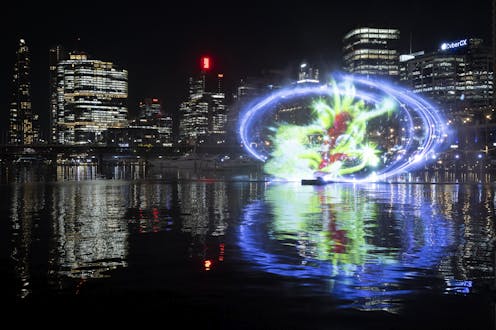
The world’s vegetation and oceans continue to remove about half of all CO₂ emissions. The rest builds up in the atmosphere and is causing increasing warming of the planet.

At current emission levels, the remaining carbon budget for a one-in-two chance to limit warming to 1.5°C will likely be exceeded in seven years, and in 15 years for 1.7°C. The need to cut emissions has never been so urgent.

Emissions from every fossil source are up

Fossil CO₂ emissions now account for about 90% of all CO₂ emissions from human activities. Emissions from every single fossil source increased this year compared to 2022:

  • coal (41% of global CO₂ emissions) up 1.1%
  • oil (32%) up 1.5%
  • natural gas (21%) up 0.5%
  • cement (4%) up 0.8%.
Line graph showing emissions from fossil fuels, land-use changes and total emissions from 1960 to 2023
All fossil fuel sources are driving the increase in total CO₂ emissions.
Global Carbon Budget 2023/Global Carbon Project, CC BY

Although global emissions have increased, the picture for individual countries is more diverse. There are some signs of progress towards decarbonisation.

China’s emissions (31% of the global total) increased by 4% with growth in all fossil fuel sources. The highest relative growth was from oil emissions. This was in part due to the transport sector’s recovery after COVID-19 pandemic shutdowns.

The United States’ emissions (14% of global) are down by 3%. The rapid retirement of coal-fired power plants drove most of this decline. US coal emissions are the lowest since 1903.

India’s emissions (8% of global) increased by 8.2%. Emissions for all fossil fuels grew by 5% or more, with coal the highest at 9.5%. India is now the world’s third-largest fossil CO₂ emitter.

European Union emissions (7% of global) are down by 7.4%. This decline was due to both high renewable energy penetration and the impacts on energy supply of the war in Ukraine.

During the decade of 2013-2022, 26 countries had declining fossil CO₂ emission trends while their economies continued to grow. The list includes Brazil, France, Germany, Italy, Japan, Portugal, Romania, South African, United Kingdom and USA.

Emissions by individual countries from 1960 to 2023
Individual country performances vary widely, but there are some signs of progress towards decarbonisation.
Global Carbon Budget 2023/Global Carbon Project, CC BY

Total CO₂ emissions are near a peak

While fossil CO₂ emissions continue to increase, net emissions from land-use change, such as deforestation (CO₂ source), minus CO₂ removals, such as reforestation (CO₂ sink), appear to be falling. However, estimates of emissions from land-use change are highly uncertain and less accurate overall than for fossil fuel emissions.

Our preliminary estimate shows net emissions from land-use change were 4.1 billion tonnes of CO₂ in 2023. These emissions follow a small but relatively uncertain decline over the past two decades.

The declining trend was due to decreasing deforestation and a small increase in reforestation. The highest emitters are Brazil, Indonesia and the Democratic Republic of the Congo. These three countries contribute 55% of net global CO₂ emissions from land-use change.

When we combine all CO₂ emissions from human activities (fossil and land use), we find very little trend in total emissions over the past decade. If confirmed, this would imply global CO₂ emissions from human activities are not growing further but remain at very high record levels.

Stable CO₂ emissions, at about 41 billion tonnes per year, will lead to continuing rapid CO₂ accumulation in the atmosphere and climate warming. To stabilise the climate, CO₂ emissions from human activities must reach net zero. This means any residual CO₂ emissions must be balanced by an equivalent CO₂ removal.

Nature’s a big help, with a little human help

Terrestrial vegetation and ocean absorb about half of all CO₂ emissions. This fraction has remained remarkably stable for six decades.

Besides the natural CO₂ sinks, humans are also removing CO₂ from the atmosphere through deliberate activities. We estimate permanent reforestation and afforestation over the past decade have removed about 1.9 billion tonnes of CO₂ per year.

This is equivalent to 5% of fossil fuel emissions per year.

Other non-vegetation strategies are in their infancy. They removed 0.01 million tonnes of CO₂.

Machines (direct air carbon capture and storage) pulled 0.007 million tonnes of CO₂ out of the atmosphere. Enhanced weathering projects, which accelerate natural weathering processes to increase the CO₂ uptake by spreading certain minerals, accounted for the other 0.004 million tonnes. This is more than a million times smaller than current fossil fuel emissions.

The remaining carbon budget

From January 2024, the remaining carbon budget for a one-in-two chance to limit global warming to 1.5°C has been reduced to 275 billion tonnes of CO₂. This budget will used up in seven years at 2023 emission levels.

The carbon budget for limiting warming to 1.7°C has been reduced to 625 billion tonnes of CO₂, with 15 years left at current emissions. The budget for staying below 2°C is 1,150 billion tonnes of CO₂ – 28 years at current emissions.

Reaching net zero by 2050 requires total anthropogenic CO₂ emissions to decrease on average by 1.5 billion tonnes of CO₂ per year. That’s comparable to the fall in 2020 emissions resulting from COVID-19 measures (-2.0 billion tonnes of CO₂).

Without additional negative emissions (CO₂ removal), a straight decreasing line of CO₂ emissions from today to 2050 (when many countries aspire to achieve net zero CO₂ or the more ambitious net zero for all greenhouse gases) would lead to a global mean surface temperature of 1.7°C, breaching the 1.5°C limit.

Renewable energy production is at a record high and growing fast. To limit climate change fossil and land-use change, CO₂ emissions must be cut much more quickly and ultimately reach net zero.

The Conversation

Pep Canadell receives funding from the National Environmental Science Program – Climate Systems Hub.

Corinne Le Quéré receives funding from the European Union’s Horizon 2020 research and innovation programme under grant agreement No. 821003 (4C), from the UN Natural Environment Research Council under grant NE/V011103/1 (Frontiers), and from the UK Royal Society under grant RPR1191063 (Research Professorship). Corinne Le Quéré Chairs the French High council on climate and is a member of the UK Climate Change Committee. Her position here is her own and does not necessarily reflect that of these groups.

Glen Peters receives funding from European Union’s Horizon 2020 research and innovation programme under grant agreement Nos. 821003 (4C) and 958927 (CoCO2), and Horizon Europe grant agreement No 101056306 (IAM COMPACT).

Judith Hauck receives research funding from the Helmholtz Association, European Commission, and German ministry for science and education (BMBF). She is affiliated with Alfred Wegener Institute, Helmholtz Centre for Polar- and Marine Research.

Julia Pongratz receives funding from the German Ministry of Education and Research (BMBF) in the CDRterra program and from the Horizon Europe projects ForestNavigator and RESCUE.

Philippe Ciais receives funding from the BNP Paribas Foundation (philanthropic gift for the Global Carbon Altas), the 4C EU Horizon2020 funded project, and the European Space Agency Climate Change Initiative project.

Pierre Friedlingstein receives funding from European Union’s Horizon 2020 research and innovation programme under grant agreement Nos. 821003 (4C)

Robbie Andrew receives funding the European Union’s Horizon 2020 research and innovation programme under grant agreement Nos. 821003 (4C) and 958927 (CoCO2).

Rob Jackson receives funding from the CA Energy Commission, Gordon and Betty Moore Foundation, UNEP, and HT LLC.

ref. Fossil CO₂ emissions hit record high yet again in 2023 – https://theconversation.com/fossil-co-emissions-hit-record-high-yet-again-in-2023-216436

At HOTA, sneakers find their well-deserved place in art galleries at last

Source: The Conversation (Au and NZ) – By Indigo Willing, Social Science Fellow, The Sydney Social Science and Humanities Advanced Research Centre, The University of Sydney. Adjunct Research Fellow, Griffith Centre for Social and Cultural Research, Griffith University

PUMA X RIME NYC Luxe Sky Wedge (2013), Ed Reeve, Design Museum London.

Sneakers were once traditionally associated with what fashion academic Naomi Braithwaite describes as “athleticism”: they were only considered in their relationship to sports.

But things have changed in one of the most significant yet overlooked style revolutions of our times. In the late 20th century, sneakers became the footwear of choice for youth and subcultures. In the 21st century, they are the defining footwear of our era.

Sneakers are ubiquitous: on the feet of elite athletes, icons of street cultures, super models on prestigious runways, and ordinary people for exercise, leisure and work. Global sales hit US$79 billion in 2021.

With such diverse consumer identities and needs, how have designers responded over the years? And what stories are behind the success of certain sneakers?

Sneakers Unboxed: Studio to Street at HOTA, Home of the Arts, attempts to answer these questions with an impressive collection curated by Ligaya Salazar from the Design Museum in London, with some local additions.

An engaging journey

This exhibition offers an engaging journey of exploration in two parts. The first is Style. We step into a gallery of aeroplane hanger proportions. Sneakers are in glass cases with text highlighting their importance as historical pieces; there are giant photographs of youth cultures and icons wearing fashionable “kicks” on the walls; a basketball court with bean bags to watch short films.

There is no one “sneaker culture”. Subcultures are often hyper-fashion conscious and brand obsessed.

A timeline of sneaker history traces their rising status in youth cultures in New York during the 1970s, then in the basketball and hip-hop worlds where sneakers transformed from sports shoe to fashion statement.

Converse All Star (1930). Ed Reeve, Design Museum London.

Shiny white runners worn by Run-DMC are set side-by-side with Michael Jordan’s famous shoes. Icons and the shoes they made famous are given a good dose of reverence, but in a way that is accessible. You can get up close and admire the shoes, read some of the history through the wall texts, and absorb the historical significance of the shoes through the photographs accompanying each case.

There is an impressive section on skate culture including VANS, which was founded in 1966 and one of the leading shoes for skateboarders. The exhibition perceptively understands the culture as well as the shoes.

Photographs of well-known skaters from the 1970s and 1980s sit alongside a nod to Thrasher magazine and insight into how skaters “destroy” shoes as part of their practice. Deteriorating and ripped shoes can be a badge of honour, as one demolished pair of VANS once worn by a seasoned skater in the exhibition shows.

Installation view, Sneakers Unboxed: Studio to Street at HOTA Gallery. Credit Milk and Honey Creative.
HOTA

Scientific advances

The second part of the exhibition is Performance, detailing the scientific research – from shoes that measure temperature to ones designed to be more sustainable.

There is a chance to better understand how the feel and performance of sneakers have been developed, and how basketball sneakers have benefited from input by Chuck Taylor.

Onitsuka Tiger TG4 Marathon (1968 – 72). Ed Reeve, Design Museum London.

There are interesting concept-driven shoes by Puma, including self-lacing shoes, and shoes designed to read biological information of the wearer.

However scientifically advanced these shoes are, they are not always aesthetically appealing – some by Puma remind me of fancy Crocs.


Read more:
Gen Z grew up in a world filled with ugly fashion – no wonder they love their Crocs


Cultural vibrancy

The exhibition features a photo of Tommie Smith and John Carlos with Norman Williams from the 1968 Olympics in Mexico City. While Smith and Carlos wore only black socks in the most famous photo of their Black Power salute, they wore Puma shoes in the race that won them the medals, later infamously stripped from them.

Beside the famous podium photograph are a pair of the same style of Puma shoes, an example of how sneakers are embedded with social meanings and sometimes politically shape tensions beyond their intended purpose for high performance sport.

Adidas NMD HU Pharrell Human Race ‘Yellow’ (2016). Ed Reeve, Design Museum London.

Sneakers Unboxed aims to celebrate the cultural vibrancy and design milestones of the sneaker world, rather than ddress its failures and shortcomings. But there is an effort to acknowledge issues. A Women in Sneakers panel (which I spoke at) looked at how the industry can improve gender equity and social inclusion. Short films highlighting scenes in the Global South highlight voices that rarely get a platform.

Sneakers have a global appeal and different communities and locations shape the culture. A section on grime – a rap movement from the early 2000s predating the harder hitting drill music from Chicago that spread to the United Kingdom ten years later – highlights how Black youth in the UK are creating their own forms of pride, identity and belonging.

The sneaker industry has ties to many social issues including colonialism and labour exploitation. None of the big brands are without serious critique. More conversations like the ones in the panel and short films are valuable and needed to keep up the momentum to push brands to improve and do better.

Sneaker Archaeology. 2021. Artist: Helen Kirkum. Ed Reeve, Design Museum London.

If you love sneakers and are a die-hard fan, this is the exhibit for you. However, those totally oblivious to the cultural relevance of sneakers will also enjoy learning about the history of sneakers in music and subcultures, fashion, the world of collectors and high-performance sport.

This exhibition opens the door on the sneaker world and our love of this footwear. It is up to all of us – but especially industry – to commit to finding ways to be more responsive to local and global issues and ongoing efforts to move forward towards kicks with ethics.

Sneakers Unboxed: Studio to Street is now on at HOTA on the Gold Coast.


Read more:
The history of sneakers: from commodity to cultural icon


The Conversation

Indigo Willing was a speaker on the Women in Sneakers Panel hosted by HOTA.

ref. At HOTA, sneakers find their well-deserved place in art galleries at last – https://theconversation.com/at-hota-sneakers-find-their-well-deserved-place-in-art-galleries-at-last-215599

What happens after net zero? The impacts will play out for decades, with poorest countries still feeling the heat

Source: The Conversation (Au and NZ) – By Liam Cassidy, PhD Candidate, The University of Melbourne

Humanity’s emissions of greenhouse gases have caused rapid global warming at a rate unprecedented in at least the past 2,000 years. Rapid global warming has been accompanied by increases in the frequency and intensity of heat extremes over most land regions in the past 70 years.

While human activities cause emissions of a number of greenhouse gases, carbon dioxide (CO₂) stands out as the leading culprit. This is because of its relatively long atmospheric lifetime and because human activities cause much higher emissions of CO₂ than other greenhouse gases.

To avoid reaching unsafe global temperatures, climate scientists have concluded we can’t prevent continued global warming without reaching a state of net zero CO₂ emissions.

But how might climate extremes change after net zero CO₂? There is limited research on this. Our new study, published in Environmental Research Letters, uses a collection of models to address this gap. We found temperatures would respond very differently in various parts of the world, and heat extremes might continue to disproportionately affect vulnerable populations.

The greenhouse effect and net zero emissions

The world’s land and oceans have taken up most of the carbon humanity has emitted over the past six decades. However, land and oceans are incapable of absorbing 100% of CO₂ emissions.

The remaining CO₂ emissions over the past 60 years have been absorbed by the atmosphere, leading to an enhanced greenhouse effect. This has caused the especially rapid warming we’ve observed in the recent past.

To stop the continued enhancement of the greenhouse effect, we need to reach net zero CO₂ emissions. Achieving net zero means reaching an overall balance between the CO₂ emissions humans produce and the CO₂ humans remove from the atmosphere.

The urgency of reaching net zero CO₂ emissions has sparked the use of state-of-the-art climate modelling techniques to answer the question – how does our climate change after net zero?


Read more:
How could Australia actually get to net zero? Here’s how


What lies beyond net zero CO₂?

To try and answer this question, we used climate simulation models with increasing carbon dioxide in the atmosphere. Then, CO₂ emissions are “turned off” and simulations continue for 100 years more. This simple experimental setup allows us to compare the climate before net zero to climate patterns we might see after a transition to net zero.

There are regions where projected climate change patterns after net zero CO₂ are very uncertain. However, we saw several strong patterns:

  1. land cools after net zero CO₂ is achieved, while the ocean takes a bit more time to respond with some areas cooling and others warming;

  2. the Southern Ocean continues to warm after net zero CO₂;

  3. global temperature change (-0.23°C) is not always a good representation of regional temperature changes.

Change in regional temperature after net zero carbon dioxide emissions. Cross-hatching indicates areas where we are confident that regional temperatures increase (red hues) or decrease (blue hues).
Author provided

Heat extreme patterns after net zero CO₂

Currently, less economically developed regions experience disproportionate loss and damage from climate extremes. Should we expect this to persist after net zero CO₂ emissions, or will the inequality of climate change be resolved by net zero?


Read more:
COP28 climate summit just approved a ‘loss and damage’ fund. What does this mean?


We explored this issue by investigating if there are any changes in how often local heat extremes occur 100 years after net zero compared to how often they occur before net zero.

We then compared our results to maps of the Human Development Index – a measure of socioeconomic development where regions with a high rank have higher incomes, more access to education and longer life expectancy. Other similar development indicators include the Multidimensional Poverty Index.

Although there are widespread decreases in how often heat extremes occur after net zero CO₂ emissions, regions with a relatively higher human development index such as North America and western Europe experience larger reductions in heat extremes than regions with a lower rank, such as Sub-Saharan Africa and southeast Asia.

Top: change in how often heat extremes occur regionally after net zero. Cross-hatching indicates areas where we are confident that heat extremes become more frequent (green hues) or less frequent (purple hues). Bottom: human development index in 2015.
Author provided

Preparing for a post net zero world

We need to reach and sustain net zero CO₂ emissions to halt continued global warming. Models that emulate the transition to net zero CO₂ project large-scale cooling over land, and widespread reduction in land-based heat extremes.

However, post-net zero reductions in heat extremes favour regions with a higher human development index over regions with a lower index. This means the inequality of climate change may persist even after net zero CO₂.

Our study represents a step toward understanding climate extremes after net zero CO₂ emissions are achieved. For now, it is imperative that humanity works without delay to achieve net zero emissions to avoid the most severe climate change impacts affecting future generations.


Read more:
Emissions inequality is getting worse – here’s how to end the reign of the ultra-polluters


The Conversation

Andrew King receives funding from the National Environmental Science Program.

Josephine Brown receives funding from the National Environmental Science Program.

Tilo Ziehn receives funding from the Australian Government under the National Environmental Science Program.

Liam Cassidy does not work for, consult, own shares in or receive funding from any company or organisation that would benefit from this article, and has disclosed no relevant affiliations beyond their academic appointment.

ref. What happens after net zero? The impacts will play out for decades, with poorest countries still feeling the heat – https://theconversation.com/what-happens-after-net-zero-the-impacts-will-play-out-for-decades-with-poorest-countries-still-feeling-the-heat-214361

Humans, rats and dogs pushed the takahē into Fiordland – new genetic research maps its dramatic journey

Source: The Conversation (Au and NZ) – By Nic Rawlence, Senior Lecturer in Ancient DNA, University of Otago

Takahē are a striking bird and a national treasure in Aotearoa New Zealand. But the history and origin story of this flightless swamp hen have become a point of scientific debate.

Our latest research uncovered the significant impact of humans and past climate change on takahē. Genetic analysis has also revealed that takahē are closely related to their extinct North Island cousin, the moho, contrary to previous research and established ideas.

So what is the story behind this large, prehistoric bird, once believed to be extinct? And how might this new knowledge improve efforts to protect the unique species?

A debated origin story

The evolutionary history of takahē and moho has long puzzled scientists. Previous genetic analysis of small fragments of DNA suggested they were not close relatives. Instead, it was believed they descended from two separate arrivals to New Zealand by an ancient species of swamp hen.

This evolutionary history has become conventional wisdom. But it’s different to the origin story of the majority of New Zealand’s birds with related species in the North and South Islands (such as tīeke and kōkako). Most New Zealand birds descend from a single colonisation event, not two.


Read more:
How did ancient moa survive the ice age – and what can they teach us about modern climate change?


Our new research has upended the takahē origin story. Using palaeogenetic techniques we sequenced takahē and moho DNA from fossil, archaeological, historical and living individuals to reconstruct their evolutionary history.

Our findings suggest the Australian or Pacific swamp hen ancestor of takahē and moho arrived in New Zealand four million years ago, as the previously forested landscape began to open up with a cooling climate.

Around 1.5 million years ago, a land bridge between the North and South Islands allowed the now possibly flightless swamp hen to evolve into takahē in the south, and the taller and slighter moho in the north. This land bridge eventually eroded with the development of Cook Strait around 500,000 years ago.

Ice ages and human arrival

Our genetic analyses and the fossil records show takahē were restricted to isolated areas in the northwestern and perhaps southern South Island at the height of the last ice age – 29,000 to 19,000 years ago.

As the climate warmed, takahē shifted their distribution to eastern and southern regions. The takahē in the northwest South Island (where the Heaphy Track is today) went locally extinct.

However, the biggest impact on takahē came with the arrival of East Polynesian colonists in the late 13th century. Over-hunting, habitat destruction and predation from kiore (Polynesian rats) and kurī (Polynesian dogs) resulted in the loss of takahē everywhere except Fiordland.

This dramatic contraction and population bottleneck resulted in a small and inbred population with little to no genetic variation. There is no evidence of the genetic lineage (a series of mutations or changes in the genetic code which connect an ancestor to its descendants) of living takahē in any archaeological or fossil specimens we examined.

This lineage may have only occurred in Fiordland, or was extremely rare in takahē and swept to dominance in this small population.


Read more:
The legend of Poūwa: ancient myths of New Zealand’s black swan confirmed by fossil DNA


Another possibility suggests this lineage occurred spontaneously – much like the genetic mutation in Queen Victoria that gave rise to haemophilia in members of Europe’s royal families.

We know from historical records that the arrival of Europeans and their furry companions no doubt resulted in further restriction of already rare takahē to the Murchison Mountains in Fiordland. However, we don’t see any further genetic bottleneck at this point, as the damage had already been done by earlier human activity.

The moho suffered the same fate as takahē, with the last probable sighting in the late 1800s. The demise of moho and the near extinction of takahē opened up a job vacancy in the ecosystem, allowing the pūkeko to colonise New Zealand from Australia around 500 years ago.

Improving conservation management

The growing field of conservation palaeontology uses the fossil record to inform conservation management decisions. It is especially important for endangered animals where human impact has masked their true biological heritage.

Kea, despite appearances, are not an alpine bird. Likewise, the ideal habitat of takahē is not tussock. Rather, the fossil record suggests takahē preferred border habitats such as the edges of forests, grasslands and shrublands, where one habitat transitions to another.

Conservation palaeontology can and should be used to determine the range of suitable habitats across the country, based on the preferences of prehistoric takahē. This can be married with effective predator control to support takahē populations.

It has long been known that takahē underwent a population bottleneck upon human arrival, but what surprised us was its scale. Our research highlights the need for conservation efforts to maximise the amount of genetic variation passed down to each generation, and to minimise the amount and consequent impacts of inbreeding.

Although threats to our native wildlife exist in the here and now, the past can be a key to future efforts to conserve our precious biodiversity.

The Conversation

Nic Rawlence receives funding from Te Apārangi Royal Society of New Zealand Marsden Fund.

Alexander Verry does not work for, consult, own shares in or receive funding from any company or organisation that would benefit from this article, and has disclosed no relevant affiliations beyond their academic appointment.

ref. Humans, rats and dogs pushed the takahē into Fiordland – new genetic research maps its dramatic journey – https://theconversation.com/humans-rats-and-dogs-pushed-the-takahe-into-fiordland-new-genetic-research-maps-its-dramatic-journey-212954

Was going to space a good idea?

Source: The Conversation (Au and NZ) – By Alice Gorman, Associate Professor in Archaeology and Space Studies, Flinders University

NASA

In 1963, six years after the first satellite was launched, editors from the Encyclopaedia Britannica posed a question to five eminent thinkers of the day: “Has man’s conquest of space increased or diminished his stature?” The respondents were philosopher Hannah Arendt, writer Aldous Huxley, theologian Paul Tillich, nuclear scientist Harrison Brown and historian Herbert J. Muller.

Sixty years later, as the rush to space accelerates, what can we learn from these 20th-century luminaries writing at the dawn of the space age?

The state of space 60 years on

Much has happened since. Spacecraft have landed on planets, moons, comets and asteroids across the Solar System. The two Voyager deep space probes, launched in 1977, are in interstellar space.


Read more:
How to live in space: what we’ve learned from 20 years of the International Space Station


A handful of people are living in two Earth-orbiting space stations. Humans are getting ready to return to the Moon after more than 50 years, this time to establish a permanent base and mine the deep ice lakes at the south pole.

Map of the lunar south pole showing the terrain in grey and green circles representing the crater ice deposits.
Water ice in the permanently shadowed craters of the lunar south pole.
NASA/Goddard Space Flight Center Scientific Visualization Studio. Data from JAXA/Selene

There were only 57 satellites in Earth orbit in 1963. Now there are around 10,000, with tens of thousands more planned.

Satellite services are part of everyday life. Weather prediction, farming, transport, banking, disaster management, and much more, all rely on satellite data.

Despite these tremendous changes, Arendt, Huxley and Tillich, in particular, have some illuminating insights.

A brave new world

Huxley is famous for his 1932 dystopian science fiction novel Brave New World, and his experimental use of psychedelic drugs.

In his essay, he questioned who this “man” who had conquered space was, noting it was not humans as a species but Western urban-industrial society that had sent emissaries into space.

This has not changed. The 1967 Outer Space Treaty says space is the province of all humanity, but in reality it’s dominated by a few wealthy nations and individuals.

Huxley said the notion of “stature” assumed humans had a special and different status to other living beings. Given the immensity of space, talking of conquest was, in his opinion, “a trifle silly”.

Tillich was a theologian who fled Nazi Germany before the second world war. In his essay he wrote about how seeing Earth from outside allowed us to “demythologise” our planet.

In contrast to the much-discussed “overview effect” which inspires astronauts with a feeling of almost mystical awe, Tillich argued that the view from space made Earth a “large material body to be looked at and considered as totally calculable”.

Grey and white craters on the lunar surface.
An image of the lunar surface taken by the US Ranger 7 spacecraft in 1964.
NASA/JPL-Caltech

When spacecraft began imaging the lunar surface in the 1960s, the process of calculation started for the Moon. Now, its minerals are being evaluated as commodities for human use.

Have humans changed, or is it how we view Earth?

Like Tillich, Arendt left Germany under the shadow of Nazism in 1933. She’s best remembered for her studies of totalitarian states and for coining the term “the banality of evil”.

Her essay explored the relationship between science and the human senses. It’s a dense and complex piece; almost every time I read it, I come away with something different.

In the early 20th century, Einstein’s theory of special relativity and quantum mechanics showed us a reality far beyond the ability of our senses to comprehend. Arendt said it was absurd to think such a cosmos could be “conquered”. Instead, “we have come to our present capacity to ‘conquer space’ through our new ability to handle nature from a point in the universe outside the earth”.


Read more:
Is it time to reconsider the idea of ‘the banality of evil’?


The new geocentrism

The short human lifespan and the impossibility of moving faster than the speed of light mean humans are unlikely to travel beyond the Solar System. There is a limit to our current expansion into space.

When that limit is reached, said Arendt, “the new world view that may conceivably grow out of it is likely to be once more geocentric and anthropomorphic, although not in the old sense of the earth being the center of the universe and of man being the highest being there is”. Humans would turn back to Earth to make meaning of their existence, and cease to dream of the stars.

This new geocentrism may be exacerbated by an environmental problem already emerging from the rapid growth of satellite megaconstellations. The light they reflect is obscuring the view of the night sky, cutting our senses off from the larger cosmos.

The far future

But what if it were technologically possible for humans to expand into the galaxy?

Arendt said assessing humanity from a position outside Earth would reduce the scale of human culture to the point at which humans would become like laboratory rats, studied as statistical patterns. From far enough away, all human culture would appear as nothing more than a “large scale biological process”.


Read more:
Longtermism – why the million-year philosophy can’t be ignored


Arendt did not see this as an increase in stature:

The conquest of space and the science that made it possible have come perilously close to this point [of seeing human culture as a biological process]. If they ever should reach it in earnest, the stature of man would not simply be lowered by all standards we know of, but have been destroyed.

Sixty years on, nations are competing to exploit lunar and asteroid mineral resources. Private corporations and space billionaires are increasingly being touted as the way forward. After the Moon, Mars is the next world in line for “conquest”. The contemporary movement known as longtermism promotes living on other planets as insurance against existential risk, in a far future where humans (or some form of them) spread to fill the galaxies.

But the question remains. Is space travel enhancing what we value about humanity? Arendt and her fellow essayists were not convinced. For me, the answer will depend on what values we choose to prioritise in this new era of interplanetary expansion.


This article developed from a panel discussion at the Wheeler Centre. You can listen to it here.

The Conversation

Alice Gorman is a Vice-Chair of the Global Expert Group for Sustainable Lunar Activities and a Fellow of the Outer Space Institute.

ref. Was going to space a good idea? – https://theconversation.com/was-going-to-space-a-good-idea-218235

Cruel summer ahead – why is Australia so unprepared?

Source: The Conversation (Au and NZ) – By Susan Harris Rimmer, Professor and Director of the Policy Innovation Hub, Griffith Business School, Griffith University

Shutterstock

2023 has shattered climate records, accompanied by extreme weather that has left a trail of devastation and despair, according to the World Meteorological Organization at COP 28. Some of the most significant extreme heat events were in southern Europe and North Africa, especially in the second half of July. Temperatures in Italy reached 48.2°C, and record-high temperatures were reported in Tunis (Tunisia) 49.0°C, Agadir (Morocco) 50.4°C and Algiers (Algeria) 49.2°C.

Heat-related deaths are on the rise globally. In 2019, a study in The Lancet attributed 356,000 deaths to extreme heat. A recent study puts the excess deaths due to last year’s heatwaves in Europe at more than 70,000. The death toll of this year’s heat waves is as yet unknown, but likely to be much worse.

Extreme heat events are without doubt the greatest risk to the right to life caused by climate change. And this has major implications for those providing key social services to lessen inequality.

An extreme heat event occurs when temperatures sit at roughly 5°C above average for three days or more – and particularly when this is coupled with high levels of humidity. These conditions pose serious health risks for older people, outdoor workers, people with chronic conditions, pregnant women, children, people living in poorly insulated housing or remote communities, people with reduced mobility, culturally and linguistically diverse communities, refugees, and people experiencing energy poverty and/or social isolation.

Our Climate Justice Observatory has modelled how many more such days vulnerable people in Queensland will face.

Australia finally has a national climate health strategy, launched on December 3, and not a moment too soon. It points to the development of a National Heat Health Action Plan that we needed in place at least five years ago. Some states also have strategies, the most comprehensive being South Australia, with its useful guide Healthy in the Heat. Melbourne, too, now has two Chief Heat Officers, one of six cities globally that are participating in an international movement to improve how cities handle heat in a warming world.

But we still haven’t done the deep thinking and planning required to get communities ready – and the next El Nino driven southern summer is here. We need to take a human rights approach to assessing its potential impact.

How will access to health be affected?

In 2016, a Climate Council report used existing data from the 2009 heatwaves in Australia to map increases in ambulance call outs, emergency department presentations as well as heat related deaths to indicate additional pressures on health system during hotter months.

This report found emergency call-outs jumped by 46%; cases involving heat-related illness jumped 34-fold; and cardiac arrests almost tripled in Victoria. In total, 374 excess deaths were recorded, a 62% increase on the previous year.

It also reported that

although many states have taken significant steps to upgrade their heat and health warning systems since the deadly heatwaves of 2009, strategies vary considerably from state to state and focus primarily on reactive rather than long-term planning.

However, there are things we can learn from various Western European countries that had “already taken significant strides in preparing their cities, industries and people for the threat of extreme heat”. There will be more lessons from this summer too.

What is the impact on homeless populations?

Homeless people need adequate shelter during a heatwave to avoid fatal consequences. Access to food is more difficult and food spoils more easily, plus there is additional need for increased amounts of water. Triggers for mental health and exposure to trauma increase as does the underlying issue that homeless people may have limited access to safe spaces during any extreme weather event.

In Australia, many air-conditioned spaces require people to undertake a commercial transaction to remain there. This begs an important question: do places like public libraries take on the role of “cool banks”, as they did in the UK during last year’s heatwaves there?


Read more:
How do we save ageing Australians from the heat? Greening our cities is a good start


Heatwaves are also implicated in increasing rates of homelessness among those at risk. And while there are exciting examples of strategies from the City of Melbourne that could build resilience among homeless populations exposed to extreme weather events like free access to lockers and indoor pools, cinema tickets, maps of drinking fountains and support to homelessness support agencies for pop-up accommodations, more needs to be done – both on the ground, and in terms of modelling and planning.

Current strategies in Australia include:

  • a South Australian intervention using trauma informed extreme weather resilience education

  • a city-wide plan for heatwaves and homelessness put in place by the City of Melbourne.

Will heatwaves worsen mental health?

Increased heatwaves have implications for mental health in terms of social connectedness, particularly among vulnerable groups. But extreme heat also affects mental health more broadly: it is already known to lead to increased aggression and increased suicide rates.

And what about the mental health of those responding to these crises? Ongoing emergencies, placing ever-growing pressure on stretched social service responders, pushes people and systems to breaking point.

What will be the impact on decent work?

The idea of “decent work” is defined by the International Labour Organization (ILO), and is, in the description of the UNHCR’s Committee on Economic, Social and Cultural Rights, employment that “respects the fundamental rights of the human person as well as the rights of workers in terms of conditions of work safety and remuneration” with “respect for the physical and mental integrity of the worker in the exercise of his/her employment”.

Some jobs will be far more affected by heat than others. A recent ILO report had already targeted agricultural jobs, construction, sport and tourism as sectors affected by heat stress. The Treasurer’s latest Inter-generational Report devotes a whole section to the productivity losses that will be caused by extreme heat.

So should the government provide JobKeeper-type payments to outdoor workers during heatwaves? What about those in the informal sector, such as workers who are delivering food by bicycle? Will companies accept the need for extreme heat labour safeguards? Should Centrelink suspend mutual obligations during periods of extreme heat?

Should governments make special provisions in heatwaves for those who work outdoors?
Shutterstock

What about electricity bills?

Should utility companies be able to cut off power during an extreme heat event – even if all processes have been followed?

This has been hotly debated in the United States. While many US states have policies preventing power shutdown during the colder months, there are fewer clear policies in place in terms of summer.

In Australia, there is no accurate picture of just what the lack of any coherent cooling strategy costs the public. Some low-income consumers have to choose between turning on the air-conditioning or buying food. For some, it means utilities have cut off their power for falling behind on an unpaid bill, even in life-threatening heat.

Renters, who cannot easily install, upgrade or fix air-conditioning are also at threat. And should people be evicted during a heatwave?

Crucially, we need to have these debates now, not during a heatwave.

Is there a right to air-conditioning or cooler spaces?

On April 19 2022, the Queensland government reported that air-conditioning had been delivered for “every single classroom, library and staffroom in every single state school”.

Should the state bear the cost of air-conditioning for early childcare centres, aged care homes, prisons and schools? Should swimming pools be free in towns without free air-conditioned spaces?

We know that green spaces can significantly reduce heat, especially in cities. Do we have a right to green space and shade in our streets and towns?


Read more:
In a heatwave, the leafy suburbs are even more advantaged


Finally, will there be parts of Australia that are already difficult places to live and work in the summer months that tip over to become uninhabitable on a seasonal basis? If so, what happens to summer sport or agricultural activities, or tourism?

Governments need to think carefully about all these issues now and – most importantly – take action.

The Conversation

Susan Harris Rimmer receives funding from the Australian Research Council. She is affiliated with UNAA Qld and Foundations for Tomorrow as a volunteer board member.

ref. Cruel summer ahead – why is Australia so unprepared? – https://theconversation.com/cruel-summer-ahead-why-is-australia-so-unprepared-219015

Will Japanese encephalitis return this summer? What about other diseases mosquitoes spread?

Source: The Conversation (Au and NZ) – By Cameron Webb, Clinical Associate Professor and Principal Hospital Scientist, University of Sydney

Shutterstock

The last two summers have been swarming with mosquitoes thanks to near constant rain and flooding brought on by La Niña.

With the return of El Niño, and a hot, dry summer in store, what’s the outlook for Japanese encephalitis and other mosquito-borne diseases?

First, let’s look back at the last two summers

The boom in mosquitoes over the last two springs and summers didn’t just bring an increased annoyance of buzzing and bites but also outbreaks of potentially fatal mosquito-borne disease.

The first outbreak of Japanese encephalitis virus was first detected in southern regions of mainland Australia in February 2022.


Read more:
Murray Valley encephalitis has been detected in mozzies in NSW and Victoria. Here’s what you need to know


This was followed by the return of Murray Valley encephalitis in early 2023, which turned out to be the biggest outbreak in the southern states since 1974.

These outbreaks were the result of more than just more mosquitoes. Floodwaters provided ideal breeding conditions for waterbirds, the key “reservoirs” of these viruses.

Mosquitoes pick up the infection after feeding on the birds and then subsequently spread the viruses to people when they bite.

What’s different about Japanese encephalitis?

Outbreaks of Japanese encephalitis virus in temperate regions of Australia in 2022 came as a surprise. There had been activity in northern Australia and the Torres Strait, but it was generally only considered a risk to overseas travellers.

In India, Southeast Asia, and the Western Pacific, Japanese encephalitis is considered one of the most dangerous mosquito-borne diseases, with tens of thousands of cases of severe infection each year.

While the majority of people infected suffer no or very mild symptoms, some will experience neck stiffness, fever, headache and, in the most severe cases, permanent neurological complications or death.

However, a vaccine is available that can significantly limit serious illness.


Read more:
What is Japanese encephalitis virus and how can I avoid it when I travel?


The discovery of Japanese encephalitis virus in Australia’s southern states triggered a declaration of a “communicable disease incident of national significance”. This was in place from March 2022 through June 2023. A total of 45 people were infected, seven of whom sadly died.

It wasn’t just people who were at risk. The impact on commercial piggeries, which farm pigs for pork production, was devastating and required urgent strategies to control mosquitoes.

Piggeries weren’t the source of the outbreak, they were the “canaries in the coalmine” – signalling the spread of the virus early on and the need to protect the broader community.

What caused outbreaks in piggeries?

Our research investigated how different landscapes and weather patterns influence interactions between wildlife, mosquitoes, and outbreaks of Japanese encephalitis virus.

We looked at 62 piggeries where the virus had been detected and some locations where the virus had also been detected in mosquitoes, along with waterbird and feral pig habitats, rainfall and temperature.

Some of the results were unexpected. Piggeries were at highest risk of an outbreak when the number of different waterbird species in their location was “just right”. If there were too few or too many, the risk of an outbreak was reduced.

High rainfall and flooding provided excellent conditions for mosquitoes, with temporary wetlands and flooded areas posing a greater risk than permanent wetlands.

Temporary wetlands may have provided habitat for waterbirds whose normal habitat and movement patterns were disrupted due to the extensive La Niña flooding.

Or perhaps permanent wetlands support a greater diversity of aquatic life (including animals that eat mosquitoes) that helped keep mosquito numbers lower than temporary waterbodies.

So what might happen this summer?

The return of El Niño is expected to bring below average rainfall and above average temperatures. But that can be unpredictable. Wetlands are already drying up. Bushfires have replaced floods.

Mosquito populations are expected to decline sharply. Surveillance programs of state and territory health authorities, such as New South Wales and Victoria, are already reporting mosquito populations far lower than previous seasons.

So we may not see as much Japanese encephalitis this season. But that doesn’t mean it will disappear completely.

It doesn’t matter how hot and dry it gets, mosquitoes are resilient and will persist. They’ll seek out the same environments where water remains. So too will waterbirds and feral pigs.

Authorities are also on alert for the return of Ross River virus along the coast. Despite the lower rainfall, the mosquitoes that live in saltwater wetlands will thrive following flooding by high tides, especially “king tides”.

Combined with extreme weather, even during hot and dry summers, outbreaks of Ross River virus can occur.


Read more:
How Australian wildlife spread and suppress Ross River virus


How can you reduce your chance of getting these viruses?

To protect yourself and family from mosquito bites and mosquito-borne disease:


Read more:
Insect repellents work – but there are other ways to beat mosquitoes without getting sticky


The Conversation

Cameron Webb and the Department of Medical Entomology, NSW Health Pathology and University of Sydney, have been engaged by a wide range of insect repellent and insecticide manufacturers to provide testing of products and provide expert advice on mosquito biology. Cameron has also received funding from local, state and federal agencies to undertake research into mosquito-borne disease surveillance and management.

Michael Walsh has received funding from the Australian Research Council to investigate zoonotic diseases associated with Australian produce and from the Australian Department of Foreign Affairs and Trade to investigate antimicrobial resistance.

Victoria Brookes does not work for, consult, own shares in or receive funding from any company or organization that would benefit from this article, and has disclosed no relevant affiliations beyond their academic appointment.

ref. Will Japanese encephalitis return this summer? What about other diseases mosquitoes spread? – https://theconversation.com/will-japanese-encephalitis-return-this-summer-what-about-other-diseases-mosquitoes-spread-218441

COP28: with a ‘loss and damage’ fund in place, protecting climate refugees is more urgent than ever

Source: The Conversation (Au and NZ) – By Dalila Gharbaoui, Postdoctoral research fellow , University of Canterbury

It has taken decades, but the complex and increasingly urgent issue of “climate mobility” has gradually become central to international climate negotiations.

At the COP28 summit currently taking place in Dubai, there are around 25 sessions or side events devoted to the needs and rights of people and communities displaced by climate change.

Day one saw a major breakthrough, with agreement on a “loss and damage” fund to compensate “particularly vulnerable” countries. While questions remain over the long-term sustainability of funding sources and how the fund will be administered, it still represents progress.

But it is unclear how the fund will be integrated with the Global Stocktake – the report card on progress toward Paris Agreement goals. Only clear targets will help ensure meaningful outcomes that “leave no one behind”, in line with the proposed COP28 roadmap to accelerate progress through inclusive climate action.

Embedding the specific issue of climate mobility within the United Nations Framework Convention on Climate Change (UNFCCC) has never been easy. No consensus has been reached on protecting the citizens of states threatened by the impacts of climate change.

Nor is there much apparent political will to change the definition of “refugee” in the 1951 Refugee Convention to include those affected by climate change – or to develop new international law that would protect them.

With the world beginning to witness some of the consequences of this failure, it is important COP28 maintains momentum on an issue that is not going away.

Questions over the Australia-Tuvalu deal

The recently signed Falepili Union between Australia and Tuvalu provides a clear example of how thorny the question of climate mobility has already become.

The agreement provides a “pathway” for citizens of Tuvalu affected by climate change to gain citizenship in Australia. But it comes with a series of serious trade-offs for Tuvaluan national sovereignty, making its viability as a model of climate mobility justice questionable.


Read more:
COP28 climate summit just approved a ‘loss and damage’ fund. What does this mean?


While claiming to offer Tuvaluan people the ability to “move with dignity”, the Falepili agreement also requires Tuvalu to “mutually agree with Australia” any security and defence-related arrangements with other countries.

This is broadly defined to include defence, policing, border protection, cybersecurity and critical infrastructure; all key areas of geopolitical tension with China in the Pacific.

As such, the agreement has been criticised for breaching the good faith obligations of states undertaking climate mobility agreements with vulnerable partners. One commentator argued the Falepili Union was:

dressed up as a bilateral treaty – meaning it works for both countries – [but] should really have been called the Australia Defence Treaty in Tuvalu.

Staying with dignity

Countries at the forefront of climate change – low-lying island states vulnerable to sea level rise, in particular – have long put principles of dignity and equity at the centre of their calls for climate justice.

A significant gap in the Australia-Tuvalu agreement was the lack of consultation with Tuvaluan citizens. Debate in Tuvalu’s parliament raised serious questions about this, as well as the agreement’s approval by cabinet, widespread public confusion, and the lack of an officially released version from the government.

Research has consistently shown communities hit by climate change need not just the opportunity to move with dignity, but also the option to stay with dignity. This is particularly true for Pacific peoples and nations, where displacement, planned relocation and migration are becoming stark realities.

Successful strategies for remaining in place when and where possible are already in place around the Pacific. Communities in Samoa, for example, have found ways to adapt that minimise both physical risk and cultural harm.


Read more:
COP28: Earth’s frozen zones are in trouble – we’re already seeing the consequences


Self-determination and climate justice

With many other climate-vulnerable nations seeking sustainable solutions to their problems, the Australia-Tuvalu agreement risks setting the wrong precedent for bargained, bilateral visa arrangements.

If and when such agreements involve larger, possibly more politically volatile countries, what might be the trade-offs? And what will be the implications for regional and global security?

The “climate refugee” question is already highly political, and has been a challenge to bring into formal agendas since the Paris Agreement in 2015. And while economic loss and damage tends to dominate discussions, non-economic and less tangible loss and damage also needs to be a focus.


Read more:
COP28: the climate summit’s first Health Day points to what needs to change in NZ


This encompasses everything from mobility, sovereignty and culture, to health, dignity and social cohesion. All have serious implications for Indigenous peoples – and all communities – whose sense of belonging to their lands is a vital part of identity and wellbeing.

International climate negotiations now need to concentrate on protecting the sovereignty of vulnerable states, and ensuring geopolitical calculations do not trump climate justice for those affected.

Small island states and Pacific peoples have contributed very little to the causes of climate change. But they are at the forefront of the crisis and are among the first to feel the full impacts.

The right of people to decide their own adaptation future, including options to adapt in place, may be addressed at COP28. But these now need to translate into the mechanisms that will support and empower that self-determination.

The Conversation

Dalila Gharbaoui does not work for, consult, own shares in or receive funding from any company or organization that would benefit from this article, and has disclosed no relevant affiliations beyond their academic appointment.

ref. COP28: with a ‘loss and damage’ fund in place, protecting climate refugees is more urgent than ever – https://theconversation.com/cop28-with-a-loss-and-damage-fund-in-place-protecting-climate-refugees-is-more-urgent-than-ever-218509

Why do private schools get more holidays than public schools?

Source: The Conversation (Au and NZ) – By Paul Kidson, Senior Lecturer in Educational Leadership, Australian Catholic University

It’s that time of year when it seems the more school fees parents pay, the less time their children spend in school.

For example, within a few kilometres of each other in Melbourne are an independent school whose last day is December 6, a Catholic school whose last day is December 15, and a government school going through until December 20.

Why the differences? To a casual observer, it seems reasonable every school should have the same start and finish dates.

Unfortunately, like so much across the diverse Australian education landscape, it is more complicated than that. It also prompts serious questions about how well we are doing as a nation, educationally speaking.

Long holidays equal long juggles

With parents needing to balance work commitments (and only having so much annual leave), it is not surprising some non-government school families get frustrated their children’s summer holidays are so long.

However, judging by enrolment demand, this does not seem to dissuade them from sending their children to these kinds of schools. And, granted, public school parents also feel the organisational pain of their six-week breaks.

Children can also feel an “unfairness” when they see students from some schools getting a longer break than others. A half-full bus is a stark reminder of this.

A child sits on a couch, hiding behind cushions.
What do you with your kids for weeks on end?
Pixabay/Pexels, CC BY-SA

Traditions are hard to break

There are some historical reasons why some non-government schools have longer breaks.

Schools that break up earliest – at the start of December – are almost invariably elite, high-fee (think A$30,000-45,000 per year) schools. Typically, these are schools that would either have had, or still have, boarders.

In the early days of these schools, they needed an earlier finishing date so rural students could return home. And the tradition has stuck.


Read more:
Should we shorten the long summer break from school? Maybe not


Extra-curricular compensation

Many are also likely to have extensive and compulsory co-curricular programs. This can involve compulsory weekend sport and before/after school training during the week, as well as music, drama productions or other commitments.

This means “school” extends well beyond a typical 9am to 3pm day. This places a different time demand on students and their families. So there is argument to say an early mark at the end of the year is a fair trade-off.

Curiously, newer day-only schools without these histories and extensive programs have also shortened their terms, and some even give mid-term breaks. Without these older traditions, the reasons why seem less clear.

One school boy tackles another in a rugby game.
Private school students often have compulsory sport on the weekends as well as weekday training.
Patrick Case/Pexels, CC BY-SA

School holidays are not consistent

For those who want consistency across the nation, aligning end-of-year dates is not the only issue. There is significant variety across different states, including in public schools.

There’s no agreed time for starting the school year, either. Next year, government school starting dates range from January 22 (Queensland) to February 8 (Tasmania).

Finishing dates are similar, with Western Australia finishing on December 12, 2024, and Victoria and New South Wales carrying on until December 20.

It’s just another of those quirks of a federated nation in which each state and territory dances to its own educational tune.

And spare a thought for families in border communities who live these differences in very practical ways. Consider the parent who is a teacher and lives in Wodonga (Victoria) yet works just across the border in Albury (NSW). They will finish teaching for Term 1 on April 12, a full two weeks after their children finish on March 28.


Read more:
The double juggle: how working parents manage school holidays and their jobs


Different public holidays add to the confusion

While there is a general pattern of 190-195 school days per year for government schools, public holidays create their own localised interruptions.

Victoria, for example, gives an extra public holiday for the Melbourne Cup. In the ACT, there is Canberra Day in March.

Then there are extra pupil-free days when teachers do professional development. This also varies between states.

Inconsistency of start and finish dates is only one part of a bigger issue, though. The larger question of total time spent in schools is also worth asking.


Read more:
Set ground rules, get them outside and do things together: how to navigate school holidays with high school kids


So does time in school make any difference?

Recent OECD analysis found Australian students spend more hours in school than any other OECD country. Across primary and lower secondary years, Australian students are in school for more than 11,000 hours, compared with the OECD average of just over 7,600.

Despite this, our PISA (an international test for 15-year-olds) literacy and numeracy results continue to decline. So more time doesn’t seem to be delivering better results.

It might even contribute to decreasing engagement by students.

A 2018 pre-COVID PISA survey of 15-year-old Australian students found 37% disagreed or strongly disagreed that “my life has meaning and purpose”. A 2023 survey of young Australians found only 52% felt their education prepared them for post-school life.

A shorter school year creates challenges for some families and poses ongoing questions about equity. But if we take a broader look we can also see extended time spent in class, on its own, isn’t producing the results.

Shorter time in school could be beneficial, but only if the quality of the time actually spent in school is engaging and valued by students.

The Conversation

Paul Kidson does not work for, consult, own shares in or receive funding from any company or organization that would benefit from this article, and has disclosed no relevant affiliations beyond their academic appointment.

ref. Why do private schools get more holidays than public schools? – https://theconversation.com/why-do-private-schools-get-more-holidays-than-public-schools-218916

‘A deeply thoughtful and sensuous show’: a rarely experienced intimacy with Louise Bourgeois

Source: The Conversation (Au and NZ) – By Léa Vuong, Senior Lecturer in French Studies, University of Sydney

Installation of Louise Bourgeois Maman at the Art Gallery of New South Wales, November 2023, photo © Art Gallery of New South Wales, Felicity Jenkins

As you make your way towards the Art Gallery of New South Wales, you will come across the giant sinewy bronze legs of the artist’s monumental sculpture Maman (“mum” in French) looming near the entrance.

As large to us as humans appear to spiders, Maman borrows the form of a daddy longlegs, but through its title switches both parent and gender. The artist replaces our fear of spiders with the love and protection associated with motherhood.

Despite a life and career mostly spent in New York City, where she moved in 1938 and remained until her death in 2010, the artist, born and educated in France, insisted on her “right to defend her Frenglish”. Titles of her works and her extensive body of writings move seamlessly from her native tongue to English to a deeply personal intermixing of both languages.

London’s Tate acquired the original Maman in 2008, but six other versions also exist. One now stands in the Domain, marking the arrival of Louise Bourgeois in Sydney and the opening of the first large scale show in the new Sydney Modern.

First opened to the public just over a year ago, the Sydney Modern promised “a 21st-century gallery providing one of the world’s great art museum experiences”. This exhibition matches this ambition with a deeply thoughtful and sensuous show.


Read more:
‘A three-storey, luminous birdcage with suspended hanging gardens and an extensive crypt below’: Sydney Modern is open at last


In the night

Louise Bourgeois, 1990 © Yann Charbonnier.

Bourgeois’s career as an artist started in the late 1930s in France. In the first three decades of her life in New York City, Bourgeois pursued her artistic practice – drawing, painting, etching, sculpting, writing – while raising her three children.

In 1976, one of her Femme Maison paintings (a literal translation of housewife in French) was reproduced on the cover of Lucy Lippard’s From the Center: Feminist Essays on Women’s Art.

Bourgeois’s work gained a wider recognition through its association with feminist art, and in 1982, at the age of 71, she was introduced to a global audience with a retrospective at New York’s Museum of Modern Art.

Louise Bourgeois, Femme maison, 1946–47, oil and ink on linen, 91.4 x 35.6 cm, private collection, New York © The Easton Foundation, photo: Christopher Burke.

She continued to produce new works throughout her life, until her death at the age of 98. Her oeuvre has been shown across the world, including blockbuster exhibitions at the Pompidou Centre, the Guggenheim and the Hayward Gallery.

Now in Sydney, Bourgeois’s groundbreaking and masterful art is clearly celebrated, but room is also made for fresh discoveries.

Downstairs in the Tank is her phallus-shaped sculpture Fillette Sweeter version (1968–1999). A hanging sculpture about half a metre tall, made of latex over plaster, it relates to a larger group of sculptures the artist conceived in the 1960s that concern the human body.

Installation view of the Louise Bourgeois: Has the Day Invaded the Night or Has the Night Invaded the Day? exhibition, 25 November 2023 – 28 April 2024, at the Art Gallery of New South Wales, photo © Art Gallery of New South Wales, Felicity Jenkins.

Like her Janus sculptures (1968), also in the Tank, it plays on the ambivalence of sexual identity and manages to represent both female and male anatomy in a single form. Both Fillette and Janus hover delicately above the ground, their fragility and gender-bending ambiguity highlighted by the vastness and semi-obscurity of the room in which they hang.

Exquisite lighting and sound effects give viewers a rarely experienced intimacy with the works on display.

As we find our bearings in relative darkness, sculptures and installations suddenly appear, as if for our eyes only. Upon approaching the works, we suddenly perceive reflected shadows that often merge with our own. A cat is hiding in one corner; a spider is just above us.

Installation view of the Louise Bourgeois: Has the Day Invaded the Night or Has the Night Invaded the Day? exhibition, 25 November 2023 – 28 April 2024, at the Art Gallery of New South Wales, photo © Art Gallery of New South Wales, Felicity Jenkins.

In the middle of the Tank a giant mirror, Has the Day Invaded the Night or the Night Invaded the Day? (2007), returns our gaze, and a projected moving image of the artist can be seen on one of the walls. As you come closer, the sound of the artist’s voice lands directly into your ears.

In the day

Upstairs, in the “day” section, the exhibition is more straightforward, but it offers welcome context and contrast to the sensory immersion of the underground.

Bourgeois famously declared “everything I do was inspired by my early life”. The exhibition provides the context of the complexities of the artist’s life and emotions, and how they relate to her body of work.

The 2007 Ode à la Bièvre, a fabric illustrated book, is an homage to the Bièvre river, for centuries Paris’s second waterway which sustained many industries, including her family’s tapestry repair business. The Bièvre and the spider are related to Bourgeois’s mother, a skilled weaver who died when the artist was a young adult.

Louise Bourgeois, Ode à la Bièvre, 2007, illustrated book; digital prints and screenprint on fabric, 25 pages, 29.2 x 38.1 cm (each), private collection, New York © The Easton Foundation, photo: Christopher Burke.

Ode à la Bièvre captures written evocations of her childhood gardens and its fruit trees. Pearls and buttons are stitched onto delicate handkerchiefs in Eugénie Grandet (2009), a reference to a novel by French 19th-century writer Honoré de Balzac.

In the tiny but gorgeous Topiary IV (1999), the tree trunk is a human body covered in a delicate lace garment and propped up on a clutch. The figure is missing a leg, and it evokes both an homage to the artist’s older sister, Henriette, who had a physical disability, and Bourgeois’s oft evoked memory of wounded soldiers coming back home from the first world war fronts.

References to French language and the cultural landscape it carries abound in the exhibition and in her oeuvre. They can be seen in the titles of works, in the writings that feature abundantly inside and alongside Bourgeois’s artworks, and they can be heard in the Gallic accentuations of her voice.

This presence of French fuels the autobiographical nature of her art but also participates in its lasting cross-cultural appeal.

Installation view of the Louise Bourgeois: Has the Day Invaded the Night or Has the Night Invaded the Day? exhibition, 25 November 2023 – 28 April 2024, at the Art Gallery of New South Wales, photo © Art Gallery of New South Wales, Felicity Jenkins.

Just like Fillette, Bourgeois’s oeuvre magically hangs in a suspended state of translation and transformation, reshaping personal memories into forms and words that we can all understand and relate to in the end.

Louise Bourgeois: Has the Day Invaded the Night or Has the Night Invaded the Day? is at the Art Gallery of New South Wales until April 28 2024.


Read more:
If I could go anywhere: I’d revisit Maman, Louise Bourgeois’ 9-metre spider at London’s Tate Modern


The Conversation

Léa Vuong has previously received funding from The Leverhulme Trust to carry out her research on Louise Bourgeois (Early Career Fellowship, The Leverhulme Trust, 2014-2017)

ref. ‘A deeply thoughtful and sensuous show’: a rarely experienced intimacy with Louise Bourgeois – https://theconversation.com/a-deeply-thoughtful-and-sensuous-show-a-rarely-experienced-intimacy-with-louise-bourgeois-217281

We’re in an El Niño – so why has Australia been so wet?

Source: The Conversation (Au and NZ) – By Andrew King, Senior Lecturer in Climate Science, The University of Melbourne

Shutterstock

After three La Niña summers many of us would have been expecting much hotter and drier conditions this spring and summer after the arrival of El Niño. Instead, in many parts of eastern Australia it’s rained and rained over the last few weeks.

El Niño hasn’t gone away. It’s expected to continue into 2024. Why the rain? Because even with an El Niño, eastern Australia can still experience significant rain events.

Despite the recent rain, Australia’s summer is much more likely than normal to be a hot one.

Has it been unusually wet?

Much of eastern Australia has seen wetter than normal conditions over November. Vigorous low-pressure systems and thunderstorms brought record rain totals and flooding to parts of Victoria, New South Wales and Queensland.

Overall, this meant November was wetter than average across the continent. But as we had a record dry September and a dry October (apart from in eastern Victoria), spring was actually drier than average for Australia as a whole.

Should the recent rain come as a surprise?

When Australians think of El Niño, we usually think of parched soils and blazing sunshine. But this is not guaranteed.

The El Niño of 1997-98, for instance, was one of the strongest on record. Even so, the spring of 1997 was actually a bit wetter than normal over parts of South Australia, NSW and southern Queensland.

The El Niño-Southern Oscillation describes changes in the tropical central and east Pacific. These changes can swing between El Niño, neutral and La Niña events. Think of poet Dorothea Mackellar’s description “of droughts and flooding rains” – that’s the type of contrasting extremes that El Niño and La Niña often cause.

It’s not as simple as El Niño hot and dry, La Niña cool and rainy. The influence of this phenomenon is complex and non-linear.


À lire aussi :
Faster disaster: climate change fuels ‘flash droughts’, intense downpours and storms


Scientists are more confident in saying La Niña causes unusually wet conditions over eastern Australia than we are in saying El Niño causes unusually dry conditions. That’s because Australia is typically a dry place and just a few wet days can make a big difference to whether a month or season is wetter or drier than average.

When El Niño events are coupled with a second climate driver, a positive Indian Ocean Dipole – where colder water comes up from the deep in the eastern Indian Ocean – we typically see fewer low pressure weather systems causing heavy rainfall over southeastern Australia.

But again, nothing is certain, as we’ve seen. Despite these two climate cycles suggesting less rain was likely, the rain returned.

Why? One reason is the unusually high sea surface temperatures to the south and southeast of Australia, which can drive more moisture into the air and trigger more rain in the region.

figure showing high sea surface temperatures around most of the world
Sea surface temperatures are unusually high around southern Australia as well as in the central and eastern tropical Pacific where the El Niño event is continuing.
Bureau of Meteorology, CC BY-ND

Many of us were shocked by how intense late November’s rainfall was. But this is a feature of how variable and fickle Australia’s weather can be.

During El Niño events we should still be prepared for floods even if droughts are more likely on average. You might think we would see more thunderstorms during, say, a La Niña event. In fact, that’s not true. Thunderstorms do not have a strong relationship to either of these climate cycles. That matters, because it’s thunderstorms which can drive many of these heavy rain events we see during spring in Australia.

What does the summer hold?

During spring, El Niño in the Pacific and conditions in the Indian Ocean typically have their strongest effect on Australia. In December, these influences start to wane as Indian Ocean Dipole events usually begin to decay as we move into summer.

In the summer, more rain falls in small-scale weather systems such as thunderstorms which makes seasonal outlooks less accurate compared to other times of the year. At present, our seasonal prediction models have a limited ability to simulate thunderstorms.

But we can still make some predictions about the summer ahead. We usually see fewer tropical cyclones during El Niño summers, noting that tropical cyclones can cause extreme rainfall in northern Australia. The seasonal outlook reflects this, with an 80% chance of a below-average number of tropical cyclones.

What about fire? The recent rains are good news in that they should help reduce the chance of major forest fires in parts of southeast Australia for a while at least, while noting many other factors also contribute to fire risk. However, grass fires could become more likely in some regions, as grass grows fast after rain and can dry out quickly if hot and dry weather returns.

Our overall bushfire outlook points to a heightened fire risk through much of the east of Australia. There have already been severe fires near Perth leading to loss of property. It’s very early in the fire season for southern Western Australia to see major fire damage like that.

Earlier in spring we saw flash droughts start to form. That’s where soils rapidly dry out under hot and sunny conditions.

Where sustained dry conditions return, we could see flash drought conditions follow soon after.

Our high water storage levels mean major droughts and water restrictions like those seen in the 2001-2009 Millennium Drought won’t return for a while longer in the southeast.

As with every summer in Australia, we must be prepared for extreme weather including fire, floods and intense heat. Human-caused climate change is supercharging our extreme weather events and making our summer weather more dangerous than it used to be.


À lire aussi :
In September we went past 1.5 degrees. In November, we tipped over 2 degrees for the first time. What’s going on?


The Conversation

Andrew King receives funding from the National Environmental Science Program.

Andrew Dowdy receives funding from The University of Melbourne.

ref. We’re in an El Niño – so why has Australia been so wet? – https://theconversation.com/were-in-an-el-nino-so-why-has-australia-been-so-wet-219111

Could you move from your biological body to a computer? An expert explains ‘mind uploading’

Source: The Conversation (Au and NZ) – By Clas Weber, Senior lecturer, The University of Western Australia

Shutterstock

Imagine brain scanning technology improves greatly in the coming decades, to the point that we can observe how each individual neuron talks to other neurons. Then, imagine we can record all this information to create a simulation of someone’s brain on a computer.

This is the concept behind mind uploading – the idea that we may one day be able to transition a person from their biological body to a synthetic hardware. The idea originated in an intellectual movement called transhumanism and has several key advocates including computer scientist Ray Kurzweil, philosopher Nick Bostrom and neuroscientist Randal Koene.

The transhumanists’ central hope is to transcend the human condition through scientific and technological progress. They believe mind uploading may allow us to live as long as we want (but not necessarily forever). It might even let us improve ourselves, such as by having simulated brains that run faster and more efficiently than biological ones. It’s a techno-optimist’s dream for the future. But does it have any substance?

The feasibility of mind uploading rests on three core assumptions.

  • first is the technology assumption – the idea that we will be able to develop mind uploading within the coming decades
  • second is the artificial mind assumption – the idea that a simulated brain would give rise to a real mind
  • and third is the survival assumption – the idea that the person created in the process is really “you”. Only then does mind uploading become a way for you to live on.

How plausible is each of these?


Read more:
Downloading our thoughts to the mainframe may be the stuff of science fiction — but humans have been imagining it for centuries


The technology assumption

Trying to simulate the human brain would be a monumental challenge. Our brains are the most complex structures in the known universe. They house around 86 billion neurons and 85 billion non-neuronal cells, with an estimated one million billion neural connections. For comparison, the Milky Way galaxy is home to about 200 billion stars.

Where are we on the path to creating brain simulations? Right now, neuroscientists are drawing up 3D wiring diagrams (called “connectomes”) of the brains of simple organisms. The most complex comprehensive connectome we have to date is of a fruit fly larva, which has about 3,000 neurons and 500,000 neural connections. We might expect to map a mouse’s brain within the next ten years.

The human brain, however, is about 1,000 times more complex than a mouse brain. Would it then take us 10,000 years to map a human brain? Probably not. We have seen astonishing gains in efficiency in similar projects, such as the Human Genome Project.

It took years and hundreds of millions of dollars to map the first human genome about 20 years ago. Today, the fastest labs can do it within hours for about $100. With similar gains in efficiency, we might see mind-uploading technology within the lifetimes of our children or grandchildren.

That said, there are other obstacles. Creating a static brain map is only one part of the job. To simulate a functioning brain, we would need to observe single neurons in action. It’s not obvious whether we could achieve this in the near future.

The artificial mind assumption

Would a simulation of your brain give rise to a conscious mind like yours? The answer depends on the connection between our minds and our bodies. Unlike the 17th-century philosopher Rene Descartes, who thought mind and body are radically different, most academic philosophers today think the mind is ultimately something physical itself. Put simply, your mind is your brain.

Still, how could a simulated brain give rise to a real mind if it’s only a simulation?

Well, many cognitive scientists believe it’s your brain’s complex neural structure that is responsible for creating your conscious mind, rather than the nature of its biological matter (which is mostly fat and water).

When implemented on a computer, the simulated brain would replicate your brain’s structure. For every simulated neuron and neural connection there will be a corresponding piece of computer hardware. The simulation will replicate your brain’s structure and thereby replicate your conscious mind.

Today’s AI systems provide useful (though inconclusive) evidence for the structural approach to the mind. These systems run on artificial neural networks, which copy some of the brain’s structural principles. And they are able to perform many tasks that require a lot of cognitive work in us.

The survival assumption

Let’s assume it is possible to simulate a human brain, and that the simulation creates a conscious mind. Would the uploaded person really be you, or perhaps just a mental clone?

This harks back to an old philosophical puzzle: what makes it the case that when you get out of bed in the morning you’re still the same person who went to bed the night before?

Philosophers are divided broadly into two camps on this question. The biological camp believes morning-you and evening-you are the same person because they are the same biological organism – connected by one biological life process.

The bigger mental camp thinks the fact that we have minds makes all the difference. Morning-you and evening-you are the same person because they share a mental life. Morning-you remembers what evening-you did – they have the same beliefs, hopes, character traits, and so on.

So which camp is right? Here’s a way to test your own intuition: imagine your brain is transplanted into the empty skull of another person’s body. Is the resulting person, who has your memories, preferences and personality, you – as the mental camp thinks? Or are they the person who donated their body, as the biological camp thinks?

In other words, did you get a new body or did they get a new mind? A lot hangs on this question.

If the biological camp is right, then mind uploading wouldn’t work, assuming the whole point of uploading is to leave one’s biology behind. If the mental camp is right, there is a chance for uploading, since the uploaded mind could be a genuine continuation of one’s present mental life.

Wait, there’s a caveat

But wait: what happens when the original biological-you also survives the uploading process? Would you, along with your consciousness, split into two people, resulting in two of “you” – one in a biological form (B) and one in an uploaded form (C)?

No, you (A) can’t literally split into two separate people (B ≠ C) and be identical with both at the same time. At most, only one of them can be you (either A = B or A = C).

It seems most intuitive that, after a split, your biological form would continue as the real you (A = B), and the upload would merely be a mental copy. But that makes it doubtful that you could survive as the upload even in the case where the biological-you is destroyed.

Why would destroying biological-you magically elevate your mental clone to the status of the real you? It seems strange to think this would happen (although one view in philosophy does claim it could be true).


Read more:
A Stanford professor says science shows free will doesn’t exist. Here’s why he’s mistaken


Worth the risk?

Unfortunately, the artificial mind assumption and the survival assumption can’t be conclusively empirically tested – we would actually have to upload ourselves to find out.

Uploading will therefore always involve a huge leap of faith. Personally, I would only take that leap if I knew for certain my biological hardware wasn’t going to last much longer.

The Conversation

Clas Weber receives funding from the Australian Research Council.

ref. Could you move from your biological body to a computer? An expert explains ‘mind uploading’ – https://theconversation.com/could-you-move-from-your-biological-body-to-a-computer-an-expert-explains-mind-uploading-218035

COP28: health is finally on the agenda – but there’s more to do as we face continued climate extremes

Source: The Conversation (Au and NZ) – By Kathryn Bowen, Professor – Environment, Climate and Global Health at Melbourne Climate Futures and Melbourne School of Population and Global Health, University of Melbourne, The University of Melbourne

Pakistan experienced severe floods in 2022. Asianet-Pakistan/Shutterstock

As global leaders gather in Dubai for COP28, health has finally landed firmly on the climate change agenda, with the first “health day” at the annual UN climate summit taking place yesterday (December 3).

Including health in discussions on climate change has never been more important. Extreme weather threatens human health in a variety of ways, and this intersection is only getting worse as extreme weather events become more likely with climate change.

Two of us (Kathryn and Arthur) attended the health day. It represents a pivotal moment for climate and health on the global stage – but there’s still much work to do.

How climate change affects our health

The Lancet recently published its latest report on the health effects of climate change, and the news isn’t good.

The report reaffirms that substantial deaths and injuries due to climate change are already happening around the world. For example, heat-related deaths in people aged over 65 increased by 85% in 2013-2022 compared to 1991-2000.

The effects of climate change on health are wide-ranging. As well as harm from extreme heat, disasters such as droughts, floods and bushfires can lead to the spread of infectious diseases, exposure to bushfire smoke, food insecurity and more.

Events like these are also increasing mental health problems such as anxiety, depression and post traumatic stress disorder.

Minority and at-risk groups experience the worst health impacts, which widen existing social and health inequities.


Read more:
COP28 climate summit just approved a ‘loss and damage’ fund. What does this mean?


A pivotal moment

This year has seen promising progress towards addressing the impact of climate change on health. In May, the World Health Assembly for the first time had a strong focus on health and climate change, including a roundtable on the role of the health community in climate action and the need for dedicated financing mechanisms.

In August, the G20 health ministers made climate and health a priority issue and agreed to the first ever high-level principles for health and climate action. These included building sustainable and low-carbon health systems that deliver high-quality health care, and decarbonising health-care supply chains.

Now, this inaugural health day at COP has sought to raise the profile of the health impacts of climate change, and to mobilise finances for effective action so countries can prepare and respond.

The day was focused around key topics including the avenues through which climate affects health, the health benefits of emissions reductions, as well as the needs, barriers and best practices for strengthening climate-resilient health systems.

A ministerial roundtable closed out the day, with many of the 50 health ministers who attended allocated two minutes to talk about why and how they are taking action on health and climate change.

For example, the representative for Vanuatu noted the country faces an uncertain future due to climate change, and highlighted their hope this health day would allow for continued support to countries at highest risk.

Japan noted the importance of strengthening universal health coverage as a key way to respond to the health impacts of climate change.


Read more:
COP28: the climate summit’s first Health Day points to what needs to change in NZ


A declaration

Notably, this COP has seen more than 120 countries, including Australia, sign the COP28 UAE Declaration on Climate and Health. The declaration focuses on gathering support, galvanising action and mobilising finances to improve the resilience of health systems.

Along with this, the United Arab Emirates announced an “aggregated” funding commitment of US$1 billion for strengthened implementation of health-focused climate activities. This is facilitated by agencies including the Green Climate Fund, the Asian Development Bank and the Rockefeller Foundation.

However, scarce detail is available on whether this money will be additional to current commitments, will be considered a loan or a grant, or will be shifted from other health priorities.


Read more:
5 reasons why climate change may see more of us turn to alcohol and other drugs


In terms of Australian action, COP28 hosted the launch of the first National Health and Climate Strategy, which sets out a plan to decarbonise the country’s health system, as well as build resilience in the health system and communities to protect against the effects of climate change on health.

Australia has also finally signed up to the World Health Organization’s (WHO) Alliance for Transformative Action on Climate and Health, which began at COP26.

Protecting our planet, people and future

As WHO Director General Tedros Adhanom Ghebreyesus said yesterday, after 27 COPs without a serious discussion of health, the focus on health at COP28 is well overdue.

Undoubtedly, health stands as the most compelling reason for taking climate action […] For too long, health has been a footnote in climate discussions.

But while the health day and other recent developments are encouraging, there’s much more to be done to meaningfully protect the health of communities around the world.

Notably, the rapid phasing out of fossil fuels is vital if climate-related health impacts are to ease. And the global declaration mentioned above doesn’t set out any plan for this or address the urgency of fossil fuel phase-out.

The health sector can and must contribute to this endeavour given it’s responsible for 4.4% of global carbon emissions.

We know the health benefits of climate action far outweigh the costs. Without ambitious cross-sectoral action that considers health outcomes, human health and wellbeing will continue to suffer. This is the first health day at COP, but it must not be the last.

The Conversation

Kathryn Bowen has received funding for climate and health research, policy advice and technical assistance from the National Health and Medical Research Council, Australian Department of Foreign Affairs and Trade, World Health Organization, Asian Development Bank, United Nations Development Program, United Nations Environment Program, USAID, German Development Ministry, European Union, Future Earth, City of Melbourne, Victorian Department of Health. She is affiliated with the Australian Climate and Health Alliance as a member of the Advisory Board and sits on the Science Committee of the World Adaptation Science Program.

Annabelle Workman received a Strategic Australian Postgraduate Award scholarship from the Australian Government to complete her PhD. She is affiliated with the Climate and Health Alliance.

Arthur Wyns is a climate change advisor to the World Health Organization, and is a climate and health advisor to COP28.

Rebecca Patrick has previously received funding from state government and not-for-profit organisations. She is a former Board member and Past President of the Australian Climate and Health Alliance.

Sophie Robinson does not work for, consult, own shares in or receive funding from any company or organization that would benefit from this article, and has disclosed no relevant affiliations beyond their academic appointment.

ref. COP28: health is finally on the agenda – but there’s more to do as we face continued climate extremes – https://theconversation.com/cop28-health-is-finally-on-the-agenda-but-theres-more-to-do-as-we-face-continued-climate-extremes-218913

Two charts in Australia’s 2023 climate statement show we are way off track for net zero by 2050

Source: The Conversation (Au and NZ) – By John Quiggin, Professor, School of Economics, The University of Queensland

Adwo, Shutterstock

Climate Change and Energy Minister Chris Bowen has announced Australia is “within striking distance” of the government’s 2030 emissions reduction target.

The good news was in the 2023 Climate Statement he tabled in parliament late last week.

Our commitment under the Paris Agreement is to reduce emissions of greenhouse gases by 43% relative to 2005 levels by 2030, and to reach net zero emissions by 2050.

Unfortunately, a closer look at the statement suggests Australia is unlikely to achieve net zero by 2050 in the absence of radical policy changes. The problem can be seen in the following charts, included in the statement.

The devil in the detail

At first sight, the picture looks encouraging. Total emissions, represented by the yellow line, have declined greatly since the peak just after 2005. The trajectory looks consistent with net zero by 2050. The red dotted line, taking account of additional measures planned by the government, but not yet committed, lowers emissions a bit further.

A closer look leads to a gloomier conclusion. Nearly all of the reduction arises from just two categories: electricity and “LULUCF”, which stands for “land use, land-use change and forestry”.

This can be seen by turning to the original source of the data. The Department of Climate Change, Energy, the Environment and Water provides a graph showing the same data, but with the different sources of emissions shown separately, rather than being stacked as they were in the previous graph.

The decline in electricity emissions reflects the rapid replacement of coal and gas-fired electricity by renewables (mainly solar power, wind and hydro, firmed by battery storage). This transition is well underway, and likely to continue.

The bad news is the transition to renewable electricity will be complete around 2035, after which there can be no further reductions.

The other main source of declining (in fact, negative) emissions is a grab bag of measures such as reductions in land clearing. There is debate over whether reductions from this source are genuine and sustainable. But the big decline in emissions from land use, land use change and forestry was over by 2015. As with electricity, there is little hope of future emissions reductions from this source.


Read more:
The government will underwrite risky investments in renewables – here’s why that’s a good idea


How can we further reduce emissions?

The biggest remaining sources of emissions are transport, stationary energy (heating and burning fuel for industry), “fugitive” emissions from coal and gas production, and agriculture.

All of these are projected to remain roughly constant between now and 2035, and there is little reason to expect sharp declines after that, at least under current policies. So, on our current trajectory, we are unlikely to get much below 50% of 2005 emissions, let alone net zero, by 2050.

Looking at the sectors individually, emissions from agriculture are difficult to reduce, unless we also reduce production, particularly of meat. There have been lots of proposals to reduce emissions of methane from ruminants (mostly belches), but none has appeared practical so far. That means deeper reductions will be needed in other sectors.


Read more:
COP28: 7 food and agriculture innovations needed to protect the climate and feed a rapidly growing world


In the case of transport and stationary energy, there are few technological obstacles to the achievement of drastic emissions reductions. The technology to electrify land transport, heating and most industrial processes is readily available. But there seems to be little government urgency to implement this technology.

As far as households are concerned, the crucial requirements are to replace internal combustion engine vehicles with electrics, and to replace gas for home use with electricity. Both are entirely feasible and, if we made a determined start today, the transition could be complete before 2050.

But that would require a rapid end to the purchase of new vehicles with internal combustion engines and of new gas connections for households. Neither seems likely.

The government’s National Electric Vehicles strategy released in April, included a commitment to a Fuel Efficiency Standard for new light vehicles. The draft standard was supposed to be released this year, but has not yet appeared.

Unless the standard is considerably more stringent than appears likely at present, the dominant position of polluting vehicles in new sales is likely to persist for some time.

The government rejected the recommendations of the Climate Change Authority in this area. The authority proposed a standard for heavy vehicles, and an end to polluting light vehicle sales by 2040. On this basis, there will be millions of dirty cars and trucks with internal combustion engines still on the road by 2050.


Read more:
COP28: How will Australia navigate domestic climate wins and fossil fuel exports at the negotiating table?


A disturbing pattern of inaction

The same pattern of inaction applies to electrification of home energy. The Victorian government has taken the lead on banning gas connections, and the Authority recommended adopting a national approach. But Bowen declined, saying “the government does not support a national ban on gas connections to new homes”.

Even more concerning are projections for fugitive emissions from coal and gas production. These are effectively flat, implying the government expects production to continue at current levels indefinitely into the future. In turn, this implies that, as well as failing to deliver on its own 2050 net zero pledge, the government is betting the world as a whole will fail at this. Sadly, they may be right.


Read more:
How could Australia actually get to net zero? Here’s how


The Conversation

John Quiggin is a former member of the Climate Change Authority.

ref. Two charts in Australia’s 2023 climate statement show we are way off track for net zero by 2050 – https://theconversation.com/two-charts-in-australias-2023-climate-statement-show-we-are-way-off-track-for-net-zero-by-2050-218930

At the End of the Land: an avalanche of images that invites us to sit alone in time and space together

Source: The Conversation (Au and NZ) – By Leah Mercer, Associate Professor of Theatre Arts, Curtin University

Aaron Claringbold/PICA

At the End of the Land, a world premiere production by Western Australian interdisciplinary theatre makers Too Close to the Sun, is an experiential encounter with the liminal space between life and death and other unknowable things.

Performed, written and co-devised by Talya Rubin with co-devisor and director Nick James, At the End of the Land integrates Rubin’s live, amplified voice, delivered via direct address, with Samuel James’ luscious, seemingly three-dimensional video.

Working in concert with the soundscape (composed by Rachael Dease with sound design by Daniel Herten and Hayley Forward), the performance is a parade of images – aural, live and projected – that hold for a moment to imprint on our retinas, but then are gone as quickly as they appeared.

Rubin’s spoken text, sometimes heightened and poetic, other times direct and specific, has multiple narratives. The most recurring throughline references a story of the deaths of 18 young women in a Victorian-era boarding house. Speaking as one of these vanished women about “the day we all died” and what it’s like to be dead, Rubin guides the audience into this in-between place. There is a slightly disembodied quality to her presence, anchored by the serious sincerity of her deliberate delivery.


Read more:
‘The hardest and most beautiful conversation I’ve ever had’: how end-of-life storytelling on TikTok helps us process death


Dreamscapes

The stage is variously zoned, with miniature rooms and landscapes enlarged via projection that plays with perspective, as the performer manipulates the tiny scenes.

One of the zones features a red velvet armchair, with a small side table and lamp, on a black and white checked floor, reminiscent of Alice in Wonderland. This space places Rubin in her Peter Pan-collared outfit as a sort of Alice in the underworld.

A scary red monkey.
The Red Monkey is a sort of demonic oracle.
Aaron Claringbold/PICA

Sometimes accompanied by the recurring figure of the Red Monkey, the narrator’s sidekick who acts as a sort of demonic oracle, the overall effect is of a surreal, painterly dreamscape.

At one point Rubin narrates a verbatim interview with American filmmaker and painter David Lynch talking about his ideas and process, particularly with regards to his first feature Eraserhead. It works to position the performance in the highly visual “dreamlike logic” of a Lynchian landscape.

Our own memories

At The End of The Land creates a very specific, sustained introspective mood, twice deliberately broken by Rubin when the house lights are raised and the audience directly engaged.

There is a relief in this direct connection, momentarily unfiltered by technology. Rubin invites us to embrace the living and the dead, to contemplate and embrace the inevitability of our own death and the invisible threads that guide (and sometimes abandon) us all.

A woman talks into a microphone.
Rubin becomes an Alice in the underground.
Aaron Claringbold/PICA

These moments of suspension create space and self-reflection leaving us alone with our own memories.

Operating in a non-linear surreality, Rubin’s text gives us hooks and signposts, but ultimately the density of images create a sensory overload that washes over you. It works to open the viewer up to the varied associations that accord with their own experience, ensuring At the End of the Land will land differently for each person.

For my companion, the references to the 18 dead women, provoked an association with 16 Days in WA, a family and domestic violence campaign currently running in the state. Amid the myriad associative possibilities, Rubin’s endeavour is personal but also invitational as she finds ways to bring us together.

It is a seamless performance, which is pretty remarkable considering the work is really all seam: an avalanche of images knitted together with visible seams that invite the audience to sit alone in time and space together.

At the End of the Land played at PICA, Perth. Season closed.


Read more:
49 women have been killed in Australia so far in 2023 as a result of violence. Are we actually making any progress?


The Conversation

Leah Mercer does not work for, consult, own shares in or receive funding from any company or organization that would benefit from this article, and has disclosed no relevant affiliations beyond their academic appointment.

ref. At the End of the Land: an avalanche of images that invites us to sit alone in time and space together – https://theconversation.com/at-the-end-of-the-land-an-avalanche-of-images-that-invites-us-to-sit-alone-in-time-and-space-together-219110

Stay or go? Most older Australians want to retire where they are, but renters don’t always get a choice

Source: The Conversation (Au and NZ) – By Christopher Phelps, Research Fellow, School of Accounting, Economics and Finance, Curtin University

Shutterstock

As Australia’s population gets older, more people are confronted with a choice: retire where they are or seek new horizons elsewhere.

Choosing to grow old in your existing home or neighbourhood is known as “ageing in place”. It enables older people to stay connected to their community and maintain familiarity with their surroundings.

For many, the decision to “age in place” will be tied to their connection to the family home. But for many, secure and affordable housing is increasingly beyond reach. This choice may then be impeded by a lack of suitable accommodation in their current or desired neighbourhoods.

Our recently published study asks what motivates older homeowners and renters to age in place or relocate, and what factors disrupt these preferences. It suggests older renters are often not given a fair choice.


Read more:
Ageing in a housing crisis: growing numbers of older Australians are facing a bleak future


Most older Australians want to age in place

Having the option to age in place enables older people to retain autonomy over their lifestyles and identity, promoting emotional wellbeing.

Using 20 years of data from the government-funded Household, Income and Labour Dynamics in Australia (HILDA) survey, we tracked the preferences of Australians aged 55 and over.

Encouragingly, most older Australians are already where they want to be.

Two-thirds (67%) of respondents strongly preferred to stay in their current neighbourhood, and an additional one-fifth (19%) had a moderate preference to stay.

Only 6% showed a moderate or strong desire to leave. Ageing in place is then the natural choice for a vast majority of older Australians.

Our study highlights several motivations for people to stay put as they retire.

For homeowners, family ties matter. Owners with children residing nearby were around one and a half times more likely to have a higher preference to stay.

Older owners might then have a reason to call on their substantial housing wealth and keep their children nearby via the “bank of mum and dad”.

For renters, how long they stay is important. Those renting their home for 10 years or more were 1.7 times more likely to have a higher preference to stay than short-term renters.


Read more:
For Australians to have the choice of growing old at home, here is what needs to change


Renters face the most disruption

The survey enabled us to follow where older people lived a year after they provided their preferences. This helped us gauge how often they turned their desires into reality.

The chart below indicates that private renters face greater obstacles to ageing in place.

Around one in 10 private renters that desired to age in place were disrupted – they wanted to stay in their neighbourhood but didn’t. This suggests they moved out of their neighbourhood involuntarily.

Only 2% of homeowners and social renters experienced the same disruption. However, for those in these tenures that did not desire to age in place, involuntary immobility was a greater concern. Only 15% of those that wanted to leave succeeded, leaving the vast majority “stuck in place”.

The private rental market is the least secure of tenures, and so private tenants are often exposed to involuntary moves. Australia’s private rental system is lightly regulated compared to many other countries, creating tenure insecurity concerns.

On the other hand, social renters were particularly susceptible to involuntary immobility. Social housing is scarce in Australia and subject to lengthy waiting lists. A neighbourhood move often requires transferring to the less affordable and less secure private rental housing.

Even after considering financial status, social renters were four times as likely to be stuck as compared to private renters. Social tenants are strongly deterred from moving in the current system.

How can we support older Australians’ preferences?

Our study exposes some barriers in the housing system that hinder people from being able to age in place, or move when they want to. Clearly, older renters enjoy fewer protections against disruptions to their preferences to age in place than older owners.

For private renters, tenure insecurity in the private rental sector is a key reform priority. This can be achieved through stronger regulation that improves tenants’ rights. For example, more states could adopt recent regulatory rental reforms that support the rights of pet owners and protect against no-grounds evictions.

A man sits on a couch looking away into the distance
While social housing can provide older Australians with more security, it can also be hard to move.
Shutterstock

Large numbers of older private renters also face severe rental stress, which may force them to move from their preferred neighbourhood. Commonwealth rent assistance reform would alleviate some of this stress through an increase in rates and better targeting.

An increase in the supply of social housing would play an important role in improving both tenure security and housing affordability. Older social renters enjoy fewer obstacles to ageing in place than older private renters.


Read more:
Most older Australians aren’t in aged care. Policy blind spots mean they live in communities that aren’t age-friendly


However, if social renters want to move into the private rental market to relocate, they face difficulty securing accommodation. This will likely discourage moves as it would require sacrificing the tenure security offered by social housing. However, policy initiatives that improve the quality of the public housing stock can reduce feelings of being stuck.

As homeownership rates decline both among young people and those nearing retirement, we can expect the population of older renters to grow.

Overall, our findings support a strong case for policy reform in the rental sectors to address the needs and preferences of older renters.

The Conversation

Rachel Ong ViforJ is the recipient of an Australian Research Council Future Fellowship (project FT200100422). She also receives funding from the Australian Housing and Urban Research Institute.

Christopher Phelps and William Clark do not work for, consult, own shares in or receive funding from any company or organisation that would benefit from this article, and have disclosed no relevant affiliations beyond their academic appointment.

ref. Stay or go? Most older Australians want to retire where they are, but renters don’t always get a choice – https://theconversation.com/stay-or-go-most-older-australians-want-to-retire-where-they-are-but-renters-dont-always-get-a-choice-218024

The amazing NGV Triennial 2023 makes us question our world and forces us to see it differently

Source: The Conversation (Au and NZ) – By Sasha Grishin, Adjunct Professor of Art History, Australian National University

Installation view of SMACK’s Speculum 2019 on display at Matadero Madrid © SMACK Courtesy the artist and Onkaos

What the previous two National Gallery of Victoria (NGV) Triennials have taught us is that the visitor should be prepared to be surprised, amazed and challenged. NGV Triennial 2023 does this in spades.

By the third iteration, the NGV Triennial has developed its own DNA signature. It is eager to redefine the parameters of art and design practice; it incorporates the entire curatorial team at the gallery; and the triennial interventions affect every level of the NGV building.

There is a case to be made, when the curatorial staff is large enough, for a project like a triennial to galvanise the staff into a creative collective with each person contributing according to their speciality, as well as working across disciplines.

Although it may be a large show – about 120 artists, designers and collectives from over 30 countries are involved in about 100 projects – it is manageable and is contained at the one site. It is designed to create a single knockout blow and largely manages to pull it off.


Read more:
Enthralling, dystopian, sublime: NGV Triennial has a huge ‘wow’ factor


Newcomers and iconic names

As with its predecessors, this triennial contains a mixture of iconic names, including Tracey Emin, Sheila Hicks, Maison Schiaparelli and Yoko Ono, all represented by major works, together with those less well known, except to art insiders.

In an attempt to impose some sort of structure, three thematic pillars have been devised – Magic, Matter and Memory – and the artists have been loosely corralled into these categories.

In an exhibition of this nature, it is difficult and perhaps unnecessary to speak of highlights. Perhaps it is more meaningful to comment on the pieces that make you question your reading of reality.

Installation view of Mun-dirra, a collaborative work by artists from the Maningrida Arts Centre. Work on display in NGV Triennial from 3 December 2023 – 7 April 2024 at NGV International, Melbourne. Photo: Sean Fennessy.

Mun-dirra is a monumental woven fish fence created over two years by 13 Maningrida artists plus three apprentices. It creates a mesmerising installation that runs for about 100 metres. When questioned, the artists simply related how they collected the pandanus leaf, how they made the dyes, and then wove these eel traps to create this most wondrous installed environment in which you lose yourself among the veils.

Almost as a complement to it, Wurundjeri artist Aunty Kim Wandin has installed a bronze eight-metre-long eel trap in the moat in front of the gallery.

Installation view of Aunty Kim Wandin’s work Luk Burgurrk Gunga, on display in NGV Triennial from 3 December 2023 – 7 April 2024 at NGV International, Melbourne. Photo: Sean Fennessy.

American-born French-based veteran artist Sheila Hicks in her Nowhere to Go sculptural installation creates a pyramid, almost seven metres high, where the rounded textile balls become both an architectural structure as well as a celebration of the power of colour. Quite simple in concept, at the same time memorable and effective.

Installation view of Sheila Hicks’ work Nowhere to go. On display as part of NGV Triennial from 3 December 2023 – 7 April 2024 at NGV International, Melbourne. Photo: Sean Fennessy.

Dutch digital artists’ collective SMACK has created a tantalising and haunting installation Speculum.

It could be described as a digital animation of Hieronymus Bosch’s famous triptych, The Garden of Earthly Delights (c1500). Here, each of the hundreds of little figures has been given an individual digital identity and is fully animated as it undergoes its various tortures and torments. It is an absorbing kinetic narrative that completely draws you in and reveals many troubling contemporary aspects to eternal questions concerning the human condition.

Installation view of SMACK’s work on display in NGV Triennial from 3 December 2023 – 7 April 2024 at NGV International, Melbourne. Photo: Sean Fennessy.

Questioning our world

Polish-born American-based artist Agnieska Pilat and her Hetrobots, especially commissioned for NGV Triennial 2023, is one of a number of pieces at the triennial that questions the role of artificial intelligence in art, design and in our lives.

Pilat has appropriated three robot “dogs” from engineering company Boston Dynamics, which have been used by militaries and police forces. Here her quite “cute” dogs have their own built environment in which they creatively rearrange the interior, create marks on canvases and shape their environment as a non-programmed act.

In a way, nothing much happens, but incrementally they are changing our world.

Installation view of Agnieszka Pilat’s work Heterobota on display as part of NGV Triennial from 3 December 2023 – 7 April 2024 at NGV International, Melbourne. Photo: Sean Fennessy.


Read more:
Is ‘Spot’ a good dog? Why we’re right to worry about unleashing robot quadrupeds


One of the more spectacular exhibits comes from the Paris haute couture house Maison Schiaparelli. Artistic director Daniel Roseberry presents a selection of recent costumes, gilded accessories and surreal body adornments within an immersive celestial environment. It is a strangely out-of-this-world experience.

Installation view of designs by Maison Schiaparelli on display in NGV Triennial from 3 December 2023 to 7 April 2024 at NGV International, Melbourne. Photo: Sean Fennessy.

A surprising but very effective inclusion is a cameo exhibition of Prudence Flint’s paintings titled Hunting and Fishing.

This Melbourne painter has created over a number of decades a peculiar figurative language where fairly spartan and slightly surreal interiors are populated by a series of scantily clad models. Over the years, her paintings have developed an uncanny atmosphere – calm, accessible and frequently carrying the sense of a suppressed silent scream.

Installation view of Prudence Flint’s work on display in NGV Triennial from 3 December 2023 – 7 April 2024 at NGV International, Melbourne. Photo: Sean Fennessy.

The proof of a great exhibition is that it makes us question our world and forces us to see the world differently. NGV Triennial 2023 assaults our senses as we encounter architecture that breathes, mega-cities that fracture into human fragments, a huge hand that either tells us that all is OK or flicks us the bird and Yoko Ono who defiantly asserts “I LOVE YOU EARTH”.

The NGV has managed to raise A$8.5 million to pay for many of these newly commissioned projects and presents the triennial as a free event. This exhibition celebrates the freedom of the human spirit and will amuse, delight and shock over a million people who will visit it over the next four months.

Installation view of Yoko Ono’s work I LOVE YOU EARTH on display in NGV Triennial from 3 December 2023 – 7 April 2024 at NGV International, Melbourne. Photo: Sean Fennessy.

The NGV Triennial 2023 is at the National Gallery of Victoria until April 7 2024.

The Conversation

Sasha Grishin does not work for, consult, own shares in or receive funding from any company or organisation that would benefit from this article, and has disclosed no relevant affiliations beyond their academic appointment.

ref. The amazing NGV Triennial 2023 makes us question our world and forces us to see it differently – https://theconversation.com/the-amazing-ngv-triennial-2023-makes-us-question-our-world-and-forces-us-to-see-it-differently-207295

For domestic violence victim-survivors, a data or privacy breach can be extraordinarily dangerous

Source: The Conversation (Au and NZ) – By Catherine Fitzpatrick, Adjunct Associate Professor, School of Social Sciences, UNSW Sydney

A suite of recent cybersecurity data breaches highlight an urgent need to overhaul how companies and government agencies handle our data. But these incidents pose particular risks to victim-survivors of domestic violence.

In fact, authorities across Australia and the United Kingdom are raising concerns about how privacy breaches have endangered these customers.

The onus is on service providers – such as utilities, telcos, internet companies and government agencies – to ensure they don’t risk the safety of their most vulnerable customers by being careless with their data.


Read more:
The $500 million ATO fraud highlights flaws in the myGov ID system. Here’s how to keep your data safe


A suite of incidents

Earlier this year, the UK Information Commissioner reported it had reprimanded seven organisations since June 2022 for privacy breaches affecting victims of domestic abuse.

These included organisations revealing the safe addresses of the victims to their alleged abuser. In one case, a family had to be moved immediately to emergency accommodation.

In another case, an organisation disclosed the home address of two children to their birth father (who was in prison for raping their mother).

The UK Information Commissioner has called for better training and processes. This includes regular verification of contact information and securing data against unauthorised access.

In 2021, the Australian Information Commissioner and Privacy Commissioner took action against Services Australia for disclosing a victim-survivor’s new address to her former partner.

The commissioner ordered a written apology and a A$19,980 compensation payment. It also ordered an independent audit of how Services Australia updates contact details for separating couples with shared records.

An earlier case involved a telecommunications company and the publisher of a public directory.

The commissioner ordered them each to pay $20,000 to a victim of domestic violence whose details were made public, which jeopardised her safety.

More recently, the Energy and Water Ombudsman Victoria reported a case where an electricity provider inadvertently provided a woman’s new address to her ex-partner. The woman had to buy security cameras for protection. The company has since revised its procedures.

The Energy and Water Ombudsman Victoria has also reviewed complaints received in 2022-23 related to domestic violence. These include failing to flag accounts of victims who disclosed abuse, as well as potentially unsafe consumer automation and data governance processes.

The Victorian Essential Services Commission accepted a court-enforceable undertaking from a water company that it would improve processes after allegations its actions put customers affected by family violence at risk.

The commission found the company failed to adequately protect the personal information of two separate customers in 2021 and 2022, by sending correspondence with their personal information to the wrong addresses.

In both cases, the customer had not disclosed their experience of domestic violence. Nevertheless, the regulator noted these “erroneous information disclosures put these customers at risk of harm”.

Australia’s Telecommunications Industry Ombudsman received about 300 complaints involving domestic violence in 2022-23, with almost two-thirds relating to mobile phones.

Complaints included instances of telcos disclosing the addresses of victim-survivors to perpetrators or of frontline staff not believing victim-survivors. There were also cases of telcos insisting a consumer experiencing family violence contact the perpetrator of family violence. The report noted:

For example, one person was asked by her telco to bring her abusive ex-partner into a store to change her number to her new account.

We’ve also had complaints about telcos disconnecting the services of a consumer experiencing family violence – sometimes at the request of the account holder who is the perpetrator of the violence – despite access to those services being critical to the consumer staying safe.

The Australian Financial Complaints Authority resolved more than 500 complaints from people experiencing domestic and family violence in 2021-22, including those related to privacy breaches.

Change is slowly under way

In May, new national rules came into force to provide better protection and support to energy customers experiencing domestic violence.

These rules mandate retailers prioritise customer safety and protect their personal information. This includes account security measures to prevent perpetrators from accessing victim-survivors’ sensitive data.

They also prohibit the disclosure of information without consent. In issuing its rules, the Australian Energy Markets Commission noted the heightened risk of partner homicides following separations.

The Telecommunications Industry Ombudsman has called for mandatory, uniform and enforceable rules. The current voluntary industry code and guidelines fall short in protecting phone and internet customers experiencing domestic violence.

New rules should include training, policies and recognition of violence as a cause of payment difficulties. They should also factor in how service suspension or disconnection affects victim-survivors.

The Australian Information and Privacy Commissioner said last year:

Sadly, we continue to receive cases of improper disclosure of personal information off line by businesses to ex partners who target women in family disputes and domestic violence. All of these issues reinforce the need for privacy by design.

In its response to a review of the Privacy Act, the government has agreed the Office of the Australian Information Commissioner should help develop guidance to reduce risk to customers.

We must work harder to ensure data and privacy breaches do not leave victim-survivors of domestic violence at greater risk from perpetrators.

The National Sexual Assault, Family and Domestic Violence Counselling Line – 1800 RESPECT (1800 737 732) – is available 24 hours a day, seven days a week for any Australian who has experienced, or is at risk of, family and domestic violence and/or sexual assault.

The Conversation

Catherine Fitzpatrick is the author of Designed to Disrupt for the Centre for Women’s Economic Safety, which aims to improve financial safety in financial and essential services through reimagined product design. She is a former bank executive with roles managing customer complaints, domestic violence support and government relations. She has previously been engaged as a speaker for the Essential Services Commission and as a consultant to a Victoria water company.

ref. For domestic violence victim-survivors, a data or privacy breach can be extraordinarily dangerous – https://theconversation.com/for-domestic-violence-victim-survivors-a-data-or-privacy-breach-can-be-extraordinarily-dangerous-216630

Nicola Willis warns of fiscal ‘snakes and snails’ – her first mini-budget will be a test of NZ’s no-surprises finance rules

Source: The Conversation (Au and NZ) – By Michael Ryan, Teaching Fellow in Economics, University of Waikato

New finance minister Nicola Willis has claimed she was blindsided by the state of the government’s books. Days after stepping into the role, she said:

The outgoing government has left us with some nasty surprises. There are some fiscal risks that are pretty significant that we’re going to have to work hard to manage.

Willis has promised to deliver a mini-budget before Christmas to show the “true state of the New Zealand economy and the government’s finances”.

But is it possible for an outgoing government to leave what Willis has called “snakes and snails” for the incoming government to deal with? Or is this just the normal politicking of any new administration wanting to look good by comparison?

New Zealand has long had legislation designed to prevent fiscal surprises from happening – the Public Finance Act 1989 and the Fiscal Responsibility Act 1994 (which was incorporated into the Public Finance Act in 2004).

The Fiscal Responsibility Act, in particular, was meant to prevent the problems faced by Jim Bolger’s incoming National government in 1990 from happening again. Technically, at least, there should be far fewer snakes or snails for a new government to slip on.

The opening of the books

Bolger said he pushed for greater fiscal transparency. The surplus forecast by the previous Labour government had been produced, in part, by some creative accounting.

He also had to deal with the near collapse of the Bank of New Zealand due to major losses caused by deregulation and some bad loans. The government held a majority share in the bank, which eventually received a bailout before being sold in 1992.

According to Bolger, the outgoing prime minister Mike Moore claimed

on many, many, many occasions the budget was balanced, it was in surplus, which was totally false. There was no surplus. There was a huge deficit.

Reducing fiscal uncertainty

The Public Finance Act requires regular fiscal reporting, including fiscal strategy reports, budget policy statements and economic and fiscal updates.

The reporting is intended to promote the full disclosure of all relevant fiscal information in a timely and systematic manner.

One of the required reporting documents is the Pre-election Economic and Fiscal Update (PREFU) – Treasury’s economic forecast for the country and the government’s fiscal outlook.

As well as giving a broad overview of the goverment’s finances, the PREFU helps prevent major policy reversals by an incoming government, by ensuring the economic and fiscal information available to them is as complete as possible.


Read more:
Three parties, two deals, one government: the stress points within New Zealand’s ‘coalition of many colours’


It’s harder for a party to claim it can no longer afford a policy if it was well informed. By promoting transparency and policy predictability, the provisions of the Public Finance Act can be seen to be reducing uncertainty from fiscal policy.

While uncertainty is a difficult concept to measure in economics, my own soon-to-be-released research suggests the Act has been successful in achieving this goal. I found net tax and government spending uncertainty were approximately a third lower between 1994 and 2017 than they were between 1972 and 1989.

The result is perhaps more surprising considering the arrival of coalition politics in 1996. Fiscal policy is subject to more uncertainty (or is less predictable) when made by a group of parties with different ideologies.

Could the 2023 PREFU have been wrong?

The 2023 PREFU was 164 pages long. About a quarter of the document is dedicated to “Risks to the Fiscal Forecasts”. With such an extensive examination ahead of the 2023 election, you would expect the risk of a shock to be low.

There are four possible explanations for Nicola Willis’ apparent surprise:

  1. The Treasury may have missed some fiscal risks. This seems unlikely given the comprehensive statement of fiscal risks in the PREFU.

  2. New significant risks may have developed since the PREFU was published in September.


Read more:
MMP in New Zealand turns 30 at this year’s election – a work in progress, but still a birthday worth celebrating


  1. The risks Willis referred to may have been mentioned in PREFU, but it was the magnitude of certain risks that surprised the incoming government. If this is the case, could more be done to communicate the magnitude in future?

  2. Finally, this is all smoke and mirrors from the incoming government to walk back on election promises. Concessions in the coalition agreements with ACT and New Zealand First may have constrained National’s ability to complete its agenda.

Which is the more plausible explanation? Willis has promised more detail in the coming days. But irrespective of the explanation, we need to keep in mind the broader context.

Yes, the odd surprise may happen. But New Zealand’s fiscal policy legislation is pretty good at promoting transparency. If there is a surprise, it is unlikely to be of the magnitude Bolger experienced in 1990. We should be grateful for this.

The Conversation

Michael Ryan does not work for, consult, own shares in or receive funding from any company or organisation that would benefit from this article, and has disclosed no relevant affiliations beyond their academic appointment.

ref. Nicola Willis warns of fiscal ‘snakes and snails’ – her first mini-budget will be a test of NZ’s no-surprises finance rules – https://theconversation.com/nicola-willis-warns-of-fiscal-snakes-and-snails-her-first-mini-budget-will-be-a-test-of-nzs-no-surprises-finance-rules-218920

A home among the gum trees: will the Great Koala National Park actually save koalas?

Source: The Conversation (Au and NZ) – By Tim Cadman, Adjunct Senior Research Fellow with the Law Futures Centre and the Institute for Ethics, Governance and Law, Griffith University

Shutterstock

It’s a visionary idea: a national park for koalas. Conceived over a decade ago, the idea gained prominence after Labor took the idea to three successive elections in New South Wales. Now they’re in office and have finally begun putting commitment to action.

The original idea is simple: a park stretching from Grafton to Kempsey in northern NSW, drawing in over 300,000 hectares of state forest and existing national parks. Covering prime koala habitat, the park would be a safe haven for the now-threatened koala as its numbers on the east coast dwindle.

But will it be enough to save the koala from extinction?

Much of the land set aside for the national park has been either logged or burned. And worse, many of the eucalypt plantations inside the state forest have been excluded from the proposed park, meaning key food sources will not be protected.

A park with logging and plantations?

Since the idea was canvassed, the megafires of the 2019–2020 summer have affected more than a third of the proposed park, and killed many hundreds – or even thousands – of koalas. Even so, policy is driven by the original park boundaries and koala population data collected before the fires.

burned koala in tree
The megafires of the Black Summer hit tree-dwelling koalas hard.
John, CC BY-ND

When you see the phrase “state forest” on a map, it means logging is usually allowed. In National Parks, of course, it’s not.

The Great Koala National Park covers a number of state forests, where logging has continued.

In 2018, the previous state government extended the state’s Regional Forest Agreement logging laws for another twenty years. But this extension did not consider the impacts of climate change on forest management, meaning logging levels were not reduced to reflect changing environmental conditions.

In fact, the government went the other way, loosening logging rules to permit larger trees to be cut while koala management prescriptions were weakened. The removal of natural habitat trees up to 140cm diameter were permitted. If a koala was sighted in a tree, that tree could still be removed if the koala moved on.

Despite ongoing calls from scientists and citizens, the current state government has allowed logging in the proposed park to continue largely unchecked.

Even when the government has intervened, it has been too little, too late. The recent suspension of logging of 8,000 hectares of forest in so-called koala “hubs” with high population density will not be enough to offset the damage from ongoing logging. Worse, some of the hubs have already been logged.

When you look at the provisional park boundary – which includes the hubs –  you can see all plantations inside the park are excluded.


Read more:
Friday essay: the koala – when it’s smart to be slow


This, too, doesn’t make much sense. That’s because koalas, as eucalyptus leaf-eating specialists, actually like hardwood plantations. Similarly, many areas now zoned as plantation were never actually logged and replanted. Instead, they’re a mix of original native forest and regrowth, or mixed species of local stock indistinguishable from the natural forests of the region.

These plantations are mostly on prime soils on the coast and consist of moist eucalypt forest and rainforest – ideal food and habitat for the koalas.

But when these areas are clearfelled, they are usually replaced with monoculture coastal blackbutt, which koalas do not like to eat.

As a result, these plantation areas – whether real or just on the map – are critical to the integrity of the park. Koalas cannot read maps, and do not understand human zoning. If their habitat in plantations is cleared, they die – just as we’ve seen in Victoria, where deaths of koalas in blue gum plantations have made national news.

Bring the plantations into the park

As Victoria and Western Australia fast-track the end of native forest logging, New South Wales has so far not followed suit.

But this may change, as efforts grow within the federal Labor party to end native forest logging altogether.

If this happens, where will we get timber from? The obvious answer is from plantations. The problem for the NSW Labor government is that the plantations on the mid north coast are prime koala habitat.

For a koala-protecting National Park to actually protect koalas, it must be based on the identification and reservation of high value habitat – such as hardwood plantations.

If we leave all plantations out, some of the best habitat in the park will continue to be logged. Without plantations, the park will be filled with holes, severing critical corridors and hampering the movement of koalas.

What should we do?

We have to restore the areas lost to logging and the Black Summer bushfires and flag more forested areas for inclusion – especially unburnt habitat.

And the government has to end logging within the proposed park area. If we want a viable alternative, the government should begin new plantations outside the park area and buy out existing logging contracts inside the park. Logging and koalas do not mix.

aerial photo of logged area with intact forest behind
Inside the proposed park, many areas of prime koala habitat have already been logged. This shows Tuckers Nob State Forest after logging.
Google/Airbus, CC BY-ND

We should give up on the idea of protecting koala “hubs”. Instead, we should prioritise the protection of koala populations unaffected by fire and in untouched forest areas wherever they are, whether inside or outside of these hubs.

Every bit of habitat on public land should be ruled in, as this is what counts, not zoning. Local communities – not just the forest industry and environment groups – need to be included in negotiations. The government should also consider community efforts to seek World Heritage protection for these forests.

If the proposed park is to live up to the “Great” in its name, it has to be as big and as well connected as possible. Ruling out some of the best koala habitat in the area is not a great place to start.


Read more:
Proposed NSW logging laws value timber over environmental protection


The Conversation

Tim Cadman is an environmental researcher and community member who lives within the footprint of the proposed koala reserve. As a local resident, he is a Friend of Kalang Headwaters and engages in science-driven advocacy on matters relating to koala management and forestry.

Danielle Clode does not work for, consult, own shares in or receive funding from any company or organisation that would benefit from this article, and has disclosed no relevant affiliations beyond their academic appointment.

ref. A home among the gum trees: will the Great Koala National Park actually save koalas? – https://theconversation.com/a-home-among-the-gum-trees-will-the-great-koala-national-park-actually-save-koalas-217276

We all know about JobKeeper, which helped Australians keep their jobs in a global crisis. So how about HomeKeeper?

Source: The Conversation (Au and NZ) – By Chris Wallace, Professor, School of Politics Economics & Society, Faculty of Business Government & Law, University of Canberra

Shutterstock

Bipartisan support for temporary extra government spending to preserve businesses and jobs through JobKeeper was one of the few positive outcomes from the COVID-19 pandemic.

Recognition that the long-term damage caused by short-term economic crises far exceeds the cost of temporary government spending to avoid it underpinned that consensus.

It’s worth considering now whether the same logic could be applied to create a “HomeKeeper” program, especially given Reserve Bank Governor Michele Bullock’s recent message that interest rates could stay higher for longer than expected.

JobKeeper kept businesses open and preserved jobs during the short pandemic economic chasm.

Equally, HomeKeeper could help financially stressed mortgagees avoid losing their homes during the current interest rate crunch, and stop them joining already too-long rental queues – or worse, becoming homeless.

Government could apply vital lessons from JobKeeper’s design flaws too, making HomeKeeper a winner not just for vulnerable mortgagees but for government’s balance sheet too.

A recent survey found that over 30% over mortgage holders were experiencing stress with their repayments.
Shutterstock

How a ‘HomeKeeper’ scheme could work

Rather than loans or handouts, the government could take a small equity stake in the property, equal to the value of the mortgage aid as a proportion of the property’s market value at that time.

The idea is to give those experiencing mortgage stress a little breathing space to recapitalise and get them through until interest rates ease without having to lose their homes. Up to $25,000 in assistance per family would be a reasonable ceiling.

It would work like this. Say, for example, someone has a $500,000 mortgage and their monthly repayment is $5,000. They could apply for HomeKeeper assistance for five months (reaching the $25,000 cap). In return, the government would get a 5% equity stake in their house. This could also be taken out as partial assistance, depending on the home owner’s needs.

Then, when the owner is able to pay back the government’s stake, or when the house is sold – whichever is sooner – the government is paid back the market value of the equity stake at that time.

These equity stakes could be held in a government “housing trust” until repaid on market terms. This would reflect growth in the property’s capital value and make it a sound investment for taxpayers.

By keeping the maximum size of the stake low, the help would matter most to families on low incomes in modest homes. Relative to the size of their mortgage, it would be significant assistance, and might mean the difference between keeping the family home or having to sell.

Mortgage payments could be dispatched directly from the government to the relevant bank with the mortgagee’s permission, to ensure the funds are applied on time and for the agreed purpose.


Read more:
What happens if I can’t pay my mortgage and what are my options?


Why is a HomeKeeper program necessary?

Australia has a crude system for identifying mortgage stress.

In research after the Global Financial Crisis (GFC), Western Sydney University’s Urban Research Centre found a range of partial, sometimes indirect measures using “inconsistent categories”.

There is “often a failure to disaggregate between wealthy and poorer households”, it said. In other words, government tends to cite the overall picture instead of the specific situation of different types of mortgagees.

A HomeKeeper scheme could mean the difference for some people between keeping their home or having to sell.
Shutterstock

There is also often the casual assumption that because Australia has full employment, people won’t have trouble meeting their mortgage payments.

“Most households, because employment is so strong and unemployment is so low, they seem to be coping,” ANU economist Ben Phillips told the Australian Financial Review last month.

Phillips conceded, though, that Australia doesn’t have meaningful, up-to-date financial stress indicators. “Various measures such as arrears, insolvency, savings and so on are partial measures or measures that are perhaps too late in the game,” he said.

So the picture is opaque, and lags. The early 1990s recession showed how immense damage can already happen by the time governments realise its dimensions.

This eventually had devastating consequences for the Labor government that oversaw it.

The then prime minister, Paul Keating, won the 1993 election immediately after the recession, up against the crusading neoliberal opposition leader, John Hewson, who had proposed a big new goods and services tax.

But Labor lost the following election in a landslide as voters, in Queensland premier Wayne Goss’s words, sat “on their verandahs with baseball bats” waiting to vote the Keating government out.

Banks classify loans as “delinquent” when mortgage payments are in arrears. NAB chief executive Ross McEwan told federal parliament’s House Standing Committee on Economics in July that NAB was seeing “some stress in the system” and an “uptick in 30, 60 and 90-day delinquencies”, but said they remained below the ten-year average.

However, not all mortgagees are equal.

AMP senior economist Diana Mousina said in March that “the downside risks to the household sector are greater than the RBA, and most commentators, are estimating”.

Mousina drew attention to Australia’s record household debt as a proportion of household disposable income, upping the scope for financial stress considerably, and also to the particular vulnerability of one kind of borrower.

In our view, the risk of mortgage stress lies with recent borrowers who have taken out loans between 2020 and mid-2022, which is around 62% of outstanding housing loans.

These households have not had time to build prepayment buffers […] have had a very fast repricing of mortgage rates, are more likely to have taken out larger loans and were probably not stress-tested for the current increase in interest rates.


Read more:
Homeowners often feel better about life than renters, but not always – whether you are mortgaged matters


Helping those who don’t have access to the ‘Bank of Mum and Dad’

Anecdotal evidence and logic suggest there’s another vulnerable group in addition to the one identified by Mousina: working-class mortgagees.

The “Bank of Mum and Dad” in middle- and upper-income families has for some time helped offspring buy their first home.

A recent further development is the Bank of Mum and Dad providing assistance to help their offspring avoid mortgage delinquency in another intergenerational transfer of wealth among the well-off.

But there’s often no Bank of Mum and Dad for working-class mortgagees, who lack families with accumulated wealth to turn to for help.

HomeKeeper could be the government equivalent to the Bank of Mum and Dad for working-class families trying to hold onto their homes until interest rates ease.

What are the likely objections?

Three main objections are likely.

The first is that there’s no evidence there’s a problem whose solution requires something like HomeKeeper. However, current indicators are partial, inconsistent and lag, so over-reliance on them is risky – and there are signs there really is a problem.

The latest Roy Morgan survey of stress among owner-occupied mortagees showed near-record numbers of people “at stress”, numbering 1,514,000, or over 30% of mortgage holders. Nearly a million of them (967,000) are considered “extremely at risk”.

RedBridge pollster Kos Samaras has been regularly drawing attention to the extent of mortgage stress in social media posts all year.

By mid-2023, Samaras says, “over 1.1 million borrowers in just NSW and Victoria were experiencing negative cash flow” – that is, “income not enough to meet repayments and other expenses”.

The second objection is that there have been assistance schemes in the past and they haven’t worked very well.

It’s true there have been some small fragmentary schemes, but never one on a JobKeeper-type scale, or with a JobKeeper-level public profile, or with the sound finance characteristics of using equity stakes rather than loans or handouts to fund it.

HomeKeeper would be different in kind, scale, profile and fiscal responsibility from any previous mortgagee-assistance program.

The third potential objection is that it would undermine the impact higher interest rates are designed to have – namely, to restrain household spending – and that interest rates would have to remain higher for longer to make up for that.

This misses an important point.

Radiation treatment for cancer used to involve obscenely large amounts of radiation over diffuse areas to achieve the desired goal, doing massive collateral damage in the process.

Over time, medical scientists refined their techniques and learned how to achieve the desired result using much less radiation confined to much more targeted areas. These days it’s a very precise science.

There’s no reason monetary policy shouldn’t undergo a similar evolution, becoming less blunt, more targeted and causing less collateral damage in the way it achieves the necessary goal of low inflation.

Working-class mortgagees are not the ones whose spending need to be restrained in the current inflationary environment. They shouldn’t be collateral damage in the RBA’s crusade to tame inflation.

A program like HomeKeeper could make the difference between them keeping or losing their homes, in a way that’s good for them and their families, and at the same time a sound investment for taxpayers.

The Conversation

Chris Wallace has received funding from the Australian Research Council.

ref. We all know about JobKeeper, which helped Australians keep their jobs in a global crisis. So how about HomeKeeper? – https://theconversation.com/we-all-know-about-jobkeeper-which-helped-australians-keep-their-jobs-in-a-global-crisis-so-how-about-homekeeper-218520

Hyped and expensive, hydrogen has a place in Australia’s energy transition, but only with urgent government support

Source: The Conversation (Au and NZ) – By Alison Reeve, Deputy Program Director, Energy and Climate Change, Grattan Institute

If you listen to the dreamers, hydrogen is the magical fuel of the future that can replace everything from the petrol in your car to the coal in a steelworks.

Hype around hydrogen has been building in Australia since at least 2018. Every government has a hydrogen strategy. Hydrogen has been promoted as a replacement for our coal and gas exports, and even our major parties agree on its role in Australia’s energy transition.

In my previous job as a federal public servant, I worked with the then Chief Scientist Alan Finkel and state and territory governments to develop Australia’s first National Hydrogen Strategy.

We were excited by hydrogen’s seemingly endless possibilities, from replacing natural gas in homes to fuelling cars and trains, to an export industry to rival liquid natural gas. The strategy acknowledged considerable uncertainty around these potential uses, but urged governments to seize the opportunities.

High costs and hard times for hydrogen

Since we published the strategy in 2019, the world has changed. The European Union’s stimulus spending in response to the pandemic shifted the focus of industry development from Asia to Europe. Last year the passage of the US Inflation Reduction Act began pumping subsidies into industry development in the United States, too.


Read more:
The unsafe Safeguard Mechanism: how carbon credits could blow up Australia’s main climate policy


We also know a lot more about the logistics of hydrogen supply chains. Earlier hydrogen policy – such as Australia’s “H2 under $2” target, set in 2020 – assumed demand would magically appear when hydrogen’s production price reached parity with fossil fuels.

This assumption ignored the high costs of moving hydrogen from point of production to point of use, storing it, and switching to new assets that can use it.

Today we know more about where hydrogen might be used to decarbonise the economy. A 2020 Grattan Institute report found that rather than exporting hydrogen, Australia had an opportunity to use it to value-add to Australia’s largest export – iron ore.

Grattan Institute’s work also showed that using hydrogen to replace gas in Australian homes was a poor economic choice. Worldwide, a consensus is emerging that switching to green electricity is the most economic way to reduce most energy-related emissions. Hydrogen will rarely be the cheapest option.


Read more:
Green growth or degrowth: what is the right way to tackle climate change?


Australia is already struggling with the scale and pace of its energy transition. The scale of construction required to be a green energy superpower looks well out of reach. It’s time to bring Australia’s hydrogen dreams down to earth.

Three potential hydrogen industries

Grattan Institute’s latest report, Hydrogen: hype, hope, or hard work? identifies three hydrogen uses – ammonia manufacturing, high-temperature alumina processing – and green iron production – that Australian governments should focus on.

Hydrogen is either the only or the most promising technical option to decarbonise these commodities. They would be large users of hydrogen, capable of producing viable export industries built on a supply chain big enough to lower costs.

But for all three, the cost of using hydrogen instead of conventional fossil fuel is prohibitively high. Unless this cost gap is closed, these industries won’t have a future in Australia. If governments want them as part of their “green superpower” vision, they need to act.

A big share of the cost of hydrogen comes from the cost of the electricity used to make it. So above all, governments must continue to transform Australia’s electricity sector to push down power prices. Without cheap renewable electricity, our hydrogen dreams and green superpower ambitions disappear.

The need for industry policy

Even with lower electricity costs, making ammonia, alumina and iron from hydrogen is still likely to be very expensive.

This cost can be reduced in two ways. First, make the fossil fuel alternative more expensive. The Safeguard Mechanism puts a price on Australia’s industrial emissions, but it’s not enough to make hydrogen an economic alternative.

Second, use industry policy to give these industries a financial leg-up, rather than leaving everything to market forces.

Unlike the EU and the US, though, Australia is a small economy, with little fiscal capacity to undertake industry policy. Instead of introducing US-style tax credits, which could quickly drain treasury coffers, Australia should be strategic with industry policy, building industries with a long-term, subsidy-free future.


Read more:
What is a ‘just’ transition to net zero – and why is Australia struggling to get there?


Much of the extra cost to create these industries comes from the high cost of production, rather than the initial capital expenditure. Investors will be reluctant to lend to ammonia, alumina, and steel companies to help them make a product that is more expensive than competitors.

To help green commodity producers to grow and become competitive while using hydrogen is expensive, the government should underwrite their returns by introducing “contracts-for-difference”. These instruments pay producers for the gap between their higher costs and the price the market is willing to pay. As their costs fall so does government support, leaving behind a plant producing a low-to-zero emissions product that has buyers.

We can’t wait

It’s tempting to say costs will come down with time, or that governments in the US and EU can do this work of reducing costs. But a sitting-back approach has a big opportunity cost for Australia. Industrial supply chains are geographically “sticky” – once capital has been invested in assets at one end of the chain, these assets don’t tend to move.


Read more:
Is nuclear the answer to Australia’s climate crisis?


If Australia waits for the US and the EU to drive down costs, we are allowing them to anchor sticky supply chains in their economies. In a world without subsidies, Australia might have a comparative advantage over some of these places, but once the supply chain has stuck in place, it is unlikely to move here to seize that advantage.

Deployment, not time, is what drives costs down. If Australian industry doesn’t start using hydrogen while it’s expensive, it won’t have the option to use hydrogen cheaply in the future. It’s time to stop dreaming and start the hard work.

The Conversation

Alison Reeve is a former public servant. She led the team which developed the Australian Government’s 2019 national hydrogen strategy. She has no financial interest in companies relevant to this article. Grattan Institute discloses all its donors on its website.

ref. Hyped and expensive, hydrogen has a place in Australia’s energy transition, but only with urgent government support – https://theconversation.com/hyped-and-expensive-hydrogen-has-a-place-in-australias-energy-transition-but-only-with-urgent-government-support-219004

Australia has its first framework for AI use in schools – but we need to proceed with caution

Source: The Conversation (Au and NZ) – By Lucinda McKnight, Senior Lecturer in Pedagogy and Curriculum, Deakin University

John Schnobrich/Unsplash, CC BY

Federal and state governments have just released a national framework for generative AI in schools. This paves the way for generative AI – algorithms that can create new content – to be used routinely in classrooms around the country.

This provides much-needed guidance, a full year after the launch of ChatGPT. Over the past 12 months, schools have had a range of responses to the technology from outright banning to trying to incorporate it into learning.

What is in the framework and what is missing?


Read more:
High school students are using a ChatGPT-style app in an Australia-first trial


What is the framework?

The framework was agreed by state and federal education ministers in October and released publicly last week.

It is designed to help schools use generative AI “in a safe and effective way”. It notes it has “great potential to assist teaching and learning and reduce administrative workload in Australian schools”. But at the same time it warns of risk and consequences, including

the potential for errors and algorithmic bias in generative AI content; the misuse of personal or confidential information; and the use of generative AI for inappropriate purposes, such as to discriminate against individuals or groups, or to undermine the integrity of student assessments.

Federal Education Minister Jason Clare also stressed “schools should not use generative AI products that sell student data”.

What is in the framework?

The framework itself is just two pages long, and includes six overarching principles and 25 “guiding statements”. The six principles are:

  • teaching and learning, including schools teaching students about how these tools work, including their potential limitations and biases

  • human and social wellbeing, including using tools in a way that avoids reinforcing biases

  • transparency, including disclosing when tools are used and their impact

  • fairness, including access for people from diverse and disadvantaged backgrounds

  • accountability, including schools testing tools before they use them, and

  • privacy, security and safety, including the use of “robust” cyber-security measures.

The framework will be reviewed every 12 months.


Read more:
AI is now accessible to everyone: 3 things parents should teach their kids


Caution is needed

The framework does important work acknowledging opportunities of this technology, while noting the importance of wellbeing, privacy, security and safety.

However, some of these concepts are much less straightforward than the framework suggests. As experts in generative AI in education, we have moved from optimism to a much more cautious stance about this technology over the past 12 months. As UNESCO has recently warned,

the speed at which generative AI technologies are being integrated into education systems in the absence of checks, rules or regulations, is astonishing.

The framework puts an extraordinary onus on schools and teachers to do high-stakes work for which they may not be qualified or do not have time or funding to complete.

For example, the framework calls for “explainability” – but even the developers of AI models struggle to fully explain how they work.

The framework also calls on schools to do risk assessments of algorithms, design appropriate learning experiences, revise assessments, consult with communities, learn about and apply intellectual property rights and copyright law and generally become expert in the use of generative AI.

It is not clear how this can possibly be achieved within existing workloads, which we know are already stretched. This is particularly so when the nature and ethics of generative AI are complex and contested. We also know the technology is not foolproof – it makes mistakes.

Here are five areas we think need to be included in any further version of this framework.

1. A more honest stance on generative AI

We need to be clear that generative AI is biased. This is because it reflects the biases of its training materials, including what is published on the internet.

Such limited datasets are created largely by those who are white, male and United States or Western-based.

For example, a current version of ChatGPT does not speak in or use Australian First Nations words. There may be valid reasons for this, such as not using cultural knowledges without permission. But this indicates the whiteness of its “voice” and the problems inherent in requiring students to use or rely on it.

2. More evidence

The use of technology does not automatically improve teaching and learning.

So far, there is little research demonstrating the benefits of generative AI use in education. In fact, (a recent UNESCO report confirmed there is little evidence of any improvement to learning from the use of digital technology in classrooms over decades.

But we do have research showing the the harms of algorithms. For example, AI-driven feedback narrows the kinds of writing students produce and privileges white voices.

Schools need support to develop processes and procedures to monitor and evaluate the use of generative AI by both staff and students.

3. Acknowledging dangers around bots

There is long-standing research demonstrating the dangers of chatbots and their capacity to harm human creativity and critical thinking. This happens because humans seem to automatically trust bots and their outputs.

The framework should aim to clarify which (low-stakes) tasks are and are not suitable for generative AI for both students and teachers. High stakes marking, for example, should be completed by humans.

4. Transparency

So far, the framework seems to focus on students and their activities,

All use of generative AI in schools needs to be disclosed. This should include teachers using generative AI to prepare teaching materials and plan lessons.

5. Acknowledging teachers’ expertise

The global education technology (“edtech”) market was estimated to be worth about US$300 billion (A$450 billion) as of 2022. Some companies argue edtech can be used to monitor students’ progress and take over roles traditionally done by teachers.

Australia’s national education policies need to ensure teachers’ roles are not downgraded as AI use becomes more common. Teachers are experts in more than just subject matter. They are experts in how to teach various disciplines and in their students’ and communities’ needs.


Read more:
The rise of ChatGPT shows why we need a clearer approach to technology in schools


The Conversation

Lucinda McKnight receives funding from the Australian Research Council under DECRA grant DE220100515.
She serves on the international Advisory Board on the Future of Writing for Turnitin.

Leon Furze’s PhD scholarship is funded via a Deakin University Postgraduate Research Scholarship (DUPRS).
The project is funded by a Discovery Early Career Research Award (DECRA) grant from the Australian Research Council under DECRA grant DE220100515. Leon is a consultant who works with schools and universities on GenAI.

ref. Australia has its first framework for AI use in schools – but we need to proceed with caution – https://theconversation.com/australia-has-its-first-framework-for-ai-use-in-schools-but-we-need-to-proceed-with-caution-219094

Happy birthday AUD: how our Australian dollar was floated, 40 years ago this week

Source: The Conversation (Au and NZ) – By Selwyn Cornish, Honorary Associate Professor, Research School of Economics, Australian National University

These days, we take for granted that the value of the Australian dollar fluctuates against other currencies, changing thousands of times a day and at times jumping or falling quite a lot in the space of a week.

But for most of Australia’s history, the value of the Australian dollar – and the earlier Australian pound – was “pegged” to either gold, pound sterling, the US dollar or to a value of a basket of currencies.

The momentous decision to float the dollar was taken on Friday December 9 1983 by the Hawke Labor Government, which was elected nine months earlier.

As they approached the cabinet room at what is now Old Parliament House, Treasurer Paul Keating asked Reserve Bank Governor Bob Johnston to write him a letter to say the bank recommended floating.

The letter, dated December 9, referred to the bank’s concern about the

volume of foreign exchange purchases and its belief that if these flows are to be brought under control we shall need to face up without delay either to less Reserve Bank participation in the exchange market or capital controls

By “less Reserve Bank participation”, Johnston meant a managed float; direct controls were to be considered “as a last resort”.

The bank had long maintained a “war book”, bearing the intriguing label “Secret Matter”, outlining the procedures to be followed in the event of a decision to float.

An updated version was handed to the treasurer the day before the decision.

The US and the UK floated their currencies in the early 1970s. Since the early 1980s the value of the dollar had been set via a “crawling peg” – meaning its value was pegged to other currencies each week, and later each day, by a committee of officials who announced the values at 9.30 each morning.

If too much or too little money came into the country as a result of the rate the authorities had set, they adjusted it the next day, sometimes losing money to speculators who had bet they wouldn’t be able to hold the rate they had set.

Keating had Johnston accompany him to the December 9 press conference instead of Treasury Secretary John Stone, who had argued against the float in the cabinet room, putting the case for direct controls on capital inflows instead.

Johnston’s presence was meant to make clear that at least the central bank supported floating the dollar.

Speculators now speculate against themselves

Keating told the press conference the float meant the speculators would be “speculating against themselves”, rather than against the authorities.

One banker quoted that night confessed to being “absolutely staggered”. “I’m not sure they know what they have done,” the banker said.

The following Monday on ABC’s AM program, presenter Red Harrison heralded “a brave new world for the Australian dollar”. He said

from today the dollar must take its chance, subject to the supply and demand of the international marketplace, and there are suggestions that foreign exchange dealers expect a nervous start to trading when the first quotes are posted this morning.

At the time, the Australian dollar was worth 90 US cents. At first it rose, before settling back.

Since then, the Australian dollar has fluctuated from a low of 47.75 US cents in April 2001 to a high of US$1.10 in July 2011.


The long road to the float

The idea first took hold in Australia when Commonwealth Bank Governor “Nugget” Coombs visited Canada in 1953, at a time when it was one of the few countries with a floating exchange rate.

On his return, Coombs wrote the bank should consider Canada’s experience.

A strong advocate from the mid-1960s was the bank’s economist Austin Holmes. Among those he mentored at what by then was called the Reserve Bank were Bob Johnston, Don Sanders and John Phillips.

All three were in the cabinet room when the decision was taken.

Backed by Cairns, opposed by Abbott

An unlikely advocate in the 1970s was the left-wing Labor treasurer Jim Cairns.

But asked in 1979 whether he was in favour of a float, the then Reserve Bank governor Harry Knight responded by quoting Saint Augustine, saying “God make me pure, but not yet”. An oil shock was making markets turbulent at the time.

In 1981, the Campbell inquiry into the Australian financial system delivered a landmark report to Treasurer John Howard, recommending a float. The idea was backed by neither the Treasury nor Prime Minister Malcolm Fraser.

Two years later, Howard watched from opposition as Labor did what he could not.

The Liberal Party generally backed Labor’s move, with one notable exception – the later prime minister, Tony Abbott, who in 1994 wrote that

changing the price of the dollar moment by moment in response to each transaction makes no more sense than altering the price of cornflakes every time a buyer takes a packet off the supermarket shelves

A success by any measure

The floating exchange rate has served Australia well.

When the Australian economy has slowed or contracted – in the early 1990s, the Asian financial crisis, the global financial crisis and in the COVID recession – the Australian dollar has fallen, making Australian exports cheaper in foreign markets.

When mining booms have sucked money into the country, the Australian dollar has climbed, spreading the benefit and fighting inflation by increasing the buying power of Australian dollars.

It’s why these days, hardly anyone wants to return to a pegged rate.

The Conversation

Selwyn Cornish is the Official Historian, Reserve Bank of Australia.

John Hawkins was formerly a senior economist with the Reserve Bank and the Australian Treasury.

ref. Happy birthday AUD: how our Australian dollar was floated, 40 years ago this week – https://theconversation.com/happy-birthday-aud-how-our-australian-dollar-was-floated-40-years-ago-this-week-217548

Classic Aussie cinema and new twists on old classics: our picks of December streaming

Source: The Conversation (Au and NZ) – By Ari Mattes, Lecturer in Communications and Media, University of Notre Dame Australia

At a time when it feels like it can be impossible to keep up with all the different streaming platforms – both in time and in money – the appearance of a new platform that breaks through the noise is something remarkable.

Three of our critics’ picks this month aren’t brand-new releases, but they are new to streaming on Brollie, the new platform from Umbrella Films.

Brollie is advertising supported, and so free to watch, and has an emphasis on classic Australian cinema – great to see if that one film you’ve always wanted to see, but found hard to find, has come to streaming at last.

Alongside these classics, we have an extended version of Baz Luhrmann’s Australia, a new twist on Oliver Twist and a couple of psychological dramas dropping week by week – exactly the suspense you need to steer yourself into summer.


Read more:
The government has announced plans to regulate smart TV home screens: what the new rules mean for you


Shame

Brollie, Prime

I’ve discovered so many obscure gems alongside well-known classics on Brollie, and the platform’s horror collection is next level.

My pick of the bunch this month is early-’80s Australian feminist thriller Shame, starring a young Deborra-Lee Furness as motorbike-riding, ass-kicking barrister Asta Cadell. On holiday touring rural Australia on her bike, Asta becomes stranded in a small town after a road accident.

It soon becomes clear there’s a pack of gang rapists terrorising the women of the town, and Asta uses her status as an outsider and barrister to help the women fight back. Furness won Best Actress at the Seattle International Film Festival and Film Critics Circle of Australia for her role as Asta.

A scene of Furness entering a pub full of gawking locals echoes Australian Gothic classic Wake in Fright, and the film creates a similar sense of alienation and isolation in the bush setting. But Shame is firmly rooted in second-wave feminist ideas. It shows violence as systemic and creates a heroic narrative of fighting back.

Asta is an original Aussie “shero” and watching her turn the tables on the violent larrikins is pure joy.

– Emma Maguire


Read more:
‘That’s not us’. Wake in Fright at 50, a portrait of an ugly Australia that became a cinema classic


After the Party

TVNZ+

After the Party is a morally complex psychological drama about accusations, abuse and accountability that’s quickly become appointment viewing.

Robyn Malcolm is incendiary as Penny, a prickly high school biology teacher who opens the series by giving the boys in her class a frank lecture about the porn she’s finding on their phones. Shots fired.

Five years ago, at a boozy party, she publicly accused her husband Phil (Peter Mullan) – rightly? wrongly? – of a sex crime against a friend of their teenage daughter. This torpedoed their lives and lost Phil his teaching job, but also exposed the extent to which charismatic men will be given the benefit of the doubt, while women who persistently transgress behavioural norms will instead be punished.

Now Phil is back in town, as charming as ever, sliding back into his roles as teacher and father. Penny’s not letting it go as she pedals furiously around windy, moody Wellington, trying to get anyone to listen to her, no matter the cost. Tense flashbacks and unsettling shifting perspectives slowly flesh out the show’s queasy core, offering a nuanced account of trauma, denial and memory.

This exceptional show has been developed in conjunction with the NZ Film Commission with a strong local voice but international distribution in mind. Global viewers with a love of difficult women have something to seriously look forward to.

– Erin Harrington

Love Serenade

Brollie, Netflix, SBS OnDemand

Love Serenade is one of my favourite Australian films. Why? It is funny, subversive and made by one of the nation’s most talented, but under-recognised writer directors, the late Shirley Barrett. It has an epic soundtrack, with the likes of Barry White and Dionne Warwick, and it speaks to my adolescent, female self.

When the film was released in 1996, the press revealed that Barrett got the idea from reading her teenage diaries. She realised she had a weakness for the archetypal cad. While the film’s central character, Ken Sherry (George Shevtsov), is an amalgam of the men who did her wrong, she said she based the character on a relationship she had with a teacher shortly after she left school. With hindsight, he was a sleaze!

The film’s story involves the cad (Ken Sherry) arriving in an Australian outback town to take up the role of DJ at the local radio station. He promptly seduces his neighbours – two lonely, glory-box-wielding, romance-addicted sisters.

The film has a lot of gags about fish, and the central characters, Dimity (Miranda Otto) and Vicki-Ann (Rebecca Frith), are totally hooked by the new DJ. On the radio he plays love songs and reads the kind of platitudes that you find embroidered on cushions: “If you love something, set it free”.

And they both fall for him … until he turns into a fish!

– Lisa French


Read more:
Remembering Shirley Barrett: an offbeat and generous Australian director and writer


Murder at the End of the World

Disney+

Four episodes of Murder at the End of the World have dropped on Disney+ and the show is an intriguing watch so far. Co-created by The OA’s Zal Batmanglij and Brit Marling, the thriller has clear influences from the pair’s love of science fiction and Scandi noir.

Darby Hart (Emma Corrin) is a hacker enthusiast and author of a hugely successful debut true-crime novel that details her efforts in tracking down a serial killer with former boyfriend Bill (Harris Dickinson). Handpicked along with other creatives and leaders in technology to discuss contemporary issues that threaten our future, she has been invited to schmooze with billionaire “king of tech” Andy Ronson (Clive Owen) and his legendary coder wife Lee (Brit Marling) at an isolated Icelandic getaway.

To Darcy’s dismay, this ensemble of hugely successful guests includes Bill, now a famous artist who goes by the pseudonym FANGS.

Darby feels out of place at this gathering and her only companion she can confide in seems to be Ray (Edoardo Ballerini), Andy’s holographic digital assistant. When a guest is found dead, Darby is the only one who believes a murder has been committed.

This series is a fantastic twist on the closed-circle whodunnit, where a murder is committed by someone from an ensemble of idiosyncratic characters at an isolated, grand house. Batmanglij and Marling use these narrative devices to explore the terrifying influence that technology and climate change have on society and our future.

–Stuart Richards

The Artful Dodger

Disney+

It is 15 years after the end of Charles Dickens’ Oliver Twist and the Dodger – Jack Dawkins (Thomas Brodie-Sangster) – is in a fictional Australian town where he’s turned his pickpocket’s dexterity to the purpose of surgery.

Jack has fallen into an enormous gambling debt to a local crook (Tim Minchin), who is threatening to collect by taking off one of his precious hands.

At the same time, Fagin (David Thewlis) arrives in town on a convict ship. Thrown into the mix in a meet-cute that takes place over a heinous compound fracture is the Lady Belle Fox (Maia Mitchell), who intends on becoming the colony’s first female surgeon.

Playing up the spectacle, speed and savagery of surgery before anaesthesia and antibiotics, The Artful Dodger presents its public operations as something between pantomime and blood sport. But despite all the viscera and violence, it refuses to double down on Dickensian misery, largely playing its most gruesome elements for laughs.

Taking notes from the recent success of pop period dramas like Bridgerton, the new adaptation is loud, energetic and refreshingly bright. The series slices and amputates and stitches Dickens back together with a welcome revisionism.

If the result is a little uneven, it works well enough. As Victorian surgeons knew, sometimes you have to be brutal to keep things alive.

– Megan Nash


Read more:
Spectacle, speed and savagery: Disney’s The Artful Dodger comes down under for a pop period spin


The Hitcher

Brollie

Robert Harmon’s debut 1986 film, The Hitcher, is one of the best “old” films to recently come to streaming services in Australia.

The title tells us everything we need to know. The plot, as with many of the most effective road movies, is stunningly simple – Jim Halsey (C. Thomas Howell) is driving through Texas, en route from Chicago to California. He picks up a hitchhiker, John Ryder (Rutger Hauer), who proceeds to terrorise him, attacking him and framing him for the myriad murders he’s leaving in his wake. Some kind of unexplained symbiotic relationship develops between them, with Ryder egging on Halsey to kill him – if he can.

There are no twists or turns; the whole thing unfolds with the eternal facility of myth amid the well-worn paraphernalia of the American road – diners, cheap motels, gas stations – captured in the stunning cinematography of Australian John Seale and matched perfectly by Mark Isham’s hypnotic electronic score.

Hauer’s delivery as the killer is weirdly ethereal, both poetic and meaningless, with his peculiar focus on Halsey never explained, enhancing the disquieting effect of the whole thing. He seems equally at ease gliding along the twilit, nocturnal roads as in the blistering western sun. There’s no pseudo-psychology or attempts at revealing depth through back story. Ryder is simply a killer incarnate, with virtually no other characteristics, a kind of zero-level embodiment of a serial killer.

The Hitcher is an existentially charged road movie in the tradition of Vanishing Point and Badlands, a perfect nightmare of a film, deftly blending suspense, horror and action, a mesmerising American masterpiece capturing the violence and death underpinning the American Western dream. We drive on the roads, living behind the windscreen, alone, barely human, and death sits beside us.

– Ari Mattes

Faraway Downs

Disney+

Baz Luhrmann has reorganised his 2008 165-minute epic feature film Australia into the six-part limited series Faraway Downs, adding deleted scenes, a new musical score, opening titles by Aboriginal artists and the sombre ending he had always wanted.

Despite its popular Hollywood stars Nicole Kidman and Hugh Jackman, Australia is Luhrmann’s least successful American film both critically and commercially. The dynamics between Kidman and Jackman’s Drover maintain an old-fashioned charm, though the performances are so exaggerated to the point of caricature that their chemistry fails to resonate. But with its visually striking exterior landscapes and continual shifts in locations, Faraway Downs stands out amid the commonplace television aesthetics of people talking in rooms.

The series, seamlessly divided into six chapters of varying lengths, runs around 205 minutes, offering a 40-minute extended exploration on top of the original film.

The pacing and episode breaks seems to work better in this new format rather than the somewhat jarring jumps in genres from the original film. With Luhrmann already talking about giving his previous film, Elvis, a similar long-form treatment, it does make you wonder whether his features are more suited to this format.

–Stephen Gaunson

The Conversation

The authors do not work for, consult, own shares in or receive funding from any company or organization that would benefit from this article, and have disclosed no relevant affiliations beyond their academic appointment.

ref. Classic Aussie cinema and new twists on old classics: our picks of December streaming – https://theconversation.com/classic-aussie-cinema-and-new-twists-on-old-classics-our-picks-of-december-streaming-218707

Government’s preventative detention for ex-detainees who pose serious risks set to pass this week

Source: The Conversation (Au and NZ) – By Michelle Grattan, Professorial Fellow, University of Canberra

The government on Wednesday will introduce its legislation to enable preventative detention of former immigration detainees judged to pose a high risk of committing serious violent or sexual crimes.

The legislation will be brought into the Senate as an amendment to one of the earlier bills relating these people.

The House of Representatives will then deal with it on Thursday, before parliament rises for the year.

While there will be argy bargy about the detail, the Coalition is considered certain to pass the legislation, which is modelled on an existing law allowing preventative detention of those who are considered a terrorism risk.

The decision to allow a person to be detained would be up to a court.

The court would have to be satisfied “to a high degree of probability” that the person posed an “unacceptable risk of committing a serious violent or sexual offence” and that lesser measures would not deal with that risk.

The Immigration Minister would have to apply for a review of the order every 12 months. The maximum length of an order would be three years, but the minister could reapply for another order.

The legislation also provides for a court to grant a community safety supervision order, imposing restrictions on a person posing “an unacceptable risk of committing a serious violent or sexual offence”.

Clearly the legislation would apply to only a portion of the detainees.

More than 140 detainees have been released. Of the initial 92, 27 fell into the categories of “very serious violent offences, very serious crimes against children, very serious family or domestic violence or violent, sexual or exploitative offences”.

After the High Court found indefinite immigration detention to be unconstitutional the government rushed through legislation to enable it to monitor the ex-detainees, while it waited for the court to give its reasons for its judgement. The reasons have now been issued, and indicate room for re-detaining people.

As a second interim measure, last week the government introduced a bill to prevent paedophiles going near schools, and also preventing ex-detainees who had committed serious crimes contacting their former victims. The government’s new measures will now be grafted onto this bill which passed the lower house and is now before the Senate.

The opposition did not support that bill, leading Home Affairs Minister Clare O’Neil to accuse the opposition and its leader Peter Dutton of voting “to protect paedophiles over children”. She was backed up by Minister for Aged Care Anika Wells.

But Anthony Albanese avoided endorsing O’Neil’s words.

Agricultural Minister Murray Watt, appearing on Sky, on Sunday denied the ministers had gone too far. “I think that people like Clare O’Neil and Anika Wells are some of our strongest performers. They’re very capable, competent ministers, and all they’ve done is use language that […] Peter Dutton himself has used [in the past about Labor].

The Conversation

Michelle Grattan does not work for, consult, own shares in or receive funding from any company or organisation that would benefit from this article, and has disclosed no relevant affiliations beyond their academic appointment.

ref. Government’s preventative detention for ex-detainees who pose serious risks set to pass this week – https://theconversation.com/governments-preventative-detention-for-ex-detainees-who-pose-serious-risks-set-to-pass-this-week-219098

A Senate inquiry is calling for a new ‘behaviour curriculum’ to try and tackle classroom disruptions

Source: The Conversation (Au and NZ) – By Erin Leif, Senior Lecturer, Educational Psychology & Inclusive Education, Monash University

Markus Spiske/ Unsplash, CC BY-SA

A Senate inquiry has found Australian students need specific lessons in how to behave.

The inquiry, which has been looking at “increasing disruption in Australian school classrooms,” said education authorities should introduce a “behaviour curriculum”.

What else did the inquiry find? And what did it miss?

What is this inquiry?

The inquiry is being conducted by a Senate education committee, chaired by Liberal senator Matt O’Sullivan. It was set up in November 2022, following concerns about the levels of disruptive behaviour in Australian school classrooms. This has included evidence about both primary and secondary schools and government and non-government schools.

Australia has been slipping in the OECD’s “disciplinary climate index”. Australian classrooms currently among the world’s most disorderly. On top of this, the percentage of surveyed Australian teachers feeling unsafe at work has increased from 18.9% in 2019 to 24.5% in 2022.

There is obvious concern disruptive behaviour in schools is disadvantaging students and contributing to declining literacy and numeracy results in some international tests.

On Friday the committee released an interim report with nine main recommendations. A final report is due when federal parliament returns in February 2024.


Read more:
Australian classrooms are among the ‘least favourable’ for discipline in the OECD. Here’s how to improve student behaviour


What is disruptive behaviour?

The committee noted there is no “clear definition” of disruptive behaviour, but generally it varies from low-level disruptions to more challenging behaviours. Low-level disruptions (which are more common) can include:

  • talking unnecessarily and calling out without permission

  • being slow to start work or follow instructions

  • showing a lack of respect for staff and other students

  • not bringing the right equipment

  • using mobile phones when they are not allowed.

More challenging behaviours include destruction of property, verbal abuse or threats, physical assaults, leaving school grounds without permission, tantrums and substance abuse.

As one teacher told the committee:

[…] Staff have been hit. Staff have had furniture thrown at them; staff have had the windows next to their heads punched in. Staff are harassed. They have had their cars keyed. They have had their wallets stolen […].

Why are we seeing this increase?

While the committee notes the need for better data collection on this issue, Australian teachers are reporting an increase in disruptive student behaviour. They say this is making their jobs unreasonably stressful and prompting some to consider leaving the profession.

As one group representing the education support sector said:

People don’t want to keep working when they are always being hurt or are mentally exhausted, particularly when stress and mental health issues impacted other areas of their lives.

There committee heard there is likely to be a range of causes for these issues with disruptive behaviour student disability, socioeconomic factors and bullying or family trauma.

Teachers are most concerned about low-level but frequent disruption, such as work avoidance. Although these behaviours are not dangerous, they occur so often they prevent teachers from teaching. Teachers report they don’t have the skills and training to tackle this behaviour. Meanwhile students are at risk of falling behind because their classes are constantly disrupted.

How are school’s coping?

So-called “exclusionary disciplinary strategies” (such as suspensions and expulsions) are still commonly used in response to disruptive student behaviour.

This is a problem for two reasons. Firstly, students who are not at school are not learning. Secondly, students who are suspended or expelled are more likely to come from a disadvantaged background.

As the South Australian Commissioner for Children and Young People told the committee:

Exclusionary practices disproportionately impact Aboriginal and Torres Strait Islander children and young people, children in out-of-[home] care, children living with disability and children experiencing poverty or homelessness.

What did the report recommend?

The report made nine recommendations, including:

  • introducing a specific “behaviour curriculum” for schools – this would explicitly teach behaviour to help students understand their school’s behavioural expectations and values

  • providing more practical behaviour management training in teaching degrees

  • moving away from open plan classrooms (which can be noisy) to classroom designs that minimise distractions

  • clearer pathways for students to access medical, psychological, social or behavioural services if they need it.

What did the report get right?

The report recognises the relationship between students’ behaviour and their academic achievement.

There is solid evidence that academic skills and behaviour are linked. This means students with low academic skills are more likely to exhibit disruptive behaviour and students who display disruptive behaviour may be more likely to fall behind academically.

This connection has been shown to be strongest in literacy. This is because students with low literacy skills are continuously asked to use skills they do not have.

So, any measures to handle and protect against disruptive behaviour are welcome.

This can also help shift responses from reactive, punitive approaches to more educative ones, that hopefully keep students in classrooms and learning, rather than being sent home.

This can also also help address the widening gap in achievement between advantaged and disadvantaged students.


Read more:
Open-plan classrooms are trendy but there is little evidence to show they help students learn


What did the report miss?

The recommendations largely focus on improving training and professional development for teachers and on national actions related to school reform.

However, effective behaviour management in schools requires a supportive school system. This means there is enough funding, time and resources for planning, support teams, collaboration with parents and other professionals, and teacher coaching and mentoring.

So far, the committee is largely silent on this issue. But teachers cannot be expected to simply manage this on their own.

There are also concerns about the framing of this inquiry. In a dissenting report, the Greens argue:

This inquiry should have started with the question ‘why are these students coming into school today feeling distracted, unheard or frustrated?’.

If we are going to genuinely improve behaviour and distuptions at school, we do need to move from “fixing the blame” toward “fixing the problem”. This means not fixating on just teachers or students, but looking at the broad context of schools and their communities.

The Conversation

Erin Leif currently receives funding from the Victorian Department of Education, the Victorian Department of Families, Fairness, and Housing, and the Western Australia Department of Education. Erin Leif is a volunteer board member of the Association for Behaviour Analysis Australia, Autism Pathways, and Behaviour Support Practitioners Australia.

ref. A Senate inquiry is calling for a new ‘behaviour curriculum’ to try and tackle classroom disruptions – https://theconversation.com/a-senate-inquiry-is-calling-for-a-new-behaviour-curriculum-to-try-and-tackle-classroom-disruptions-218695

Politics with Michelle Grattan: Chris Bowen’s struggle to promote consensus on climate action at COP28

Source: The Conversation (Au and NZ) – By Michelle Grattan, Professorial Fellow, University of Canberra

Chris Bowen, Minister for Climate Change and Energy, next week
heads to COP28 in Dubai, leading the Australian delegation. He joins the podcast to talk about the meeting, which he hopes will be easier than last year’s.

Well, I want to see a big step forward. Now, at the last COP we were just flat out, and it was a bit of a surprise to all of us, frankly, flat out, me and like-minded ministers, just defending what was agreed at Glasgow. We didn’t really get the chance to argue for a big step forward.

Bowen is somewhere between hopeful and cautiously confident that at COP28 there’ll be some progress:

If a listener wants to see a step forward and strengthening of efforts and more work done, well, I’m hopeful and, you know, perhaps even edging towards quietly confident that we might be able to pull that off. But there’s a lot of work to go yet and a huge amount of effort.

On Australia’s prospects of hosting a COP with our Pacific partners, Bowen says global uncertainties are muddying the waters:

We’re bidding for 2026. Now, this is a very opaque – even as the lead bidder, I find the situation opaque, […] COP is currently dealing with who’s going to host next year, 2024 hasn’t been resolved. Again, because of that very complicated and difficult geopolitical situation that has very clearly infected the decision about who’s going to host next year.

On the government’s Climate Statement released this week, which contains the latest emissions reduction projections, Bowen says he is confident Australia can reach the 43% reduction target by 2030:

There’s plenty of challenges. But I am confident, quite confident, that we can. And we have to. So 42% [projection in the Statement] is good. It was 30% when we came to office. It lifted 40% last year and up to 42% this year. So we’re edging very close now to the 43, which is our target. And there are various government policies which have not yet been included, like Hydrogen Headstart and any decarbonisation from the National Reconstruction Fund.

Asked about the issue of nuclear power, which will be part of the Coalition’s energy policy, Bowen again categorically dismisses it as a realistic possibility for Australia:

Nuclear power for Australia is a fantasy wrapped in a delusion accompanied by a pipe dream. I mean, it just doesn’t make any sense.

Below is a transcript of the interview, from Chris Bowen’s office.


CHRIS BOWEN AND MICHELLE GRATTAN TRANSCRIPT

E&OE TRANSCRIPT PODCAST INTERVIEW THE CONVERSATION FRIDAY, 1 DEC 2023

MICHELLE GRATTAN: Chris Bowen we’ll get to the COP meeting later. But can we first unpack where we’re up to in the energy transition? The Government has recently admitted things are not on track for your target of having 82% of our electricity generated by renewables by 2030. How much difference will the expansion of your scheme to underwrite investment in renewables make, and why has it been difficult to attract adequate investment?

CHRIS BOWEN: Well, Michelle, I think the best way of characterising and explaining our current situation is we’re doing well but not well enough. And we have huge interest in Australia as an investment destination for renewable energy. I mean, I’ve had a cavalcade of global chief executives and chairs of big renewable energy companies from around the world through my office over the last 12 months. And most tell me – some say we are the most interesting, the best market in the world, some say we’re in the top three, but there’s huge interest. But what we weren’t seeing is fast enough translation of that huge pipeline to final investment decision and planning approval and connections.

So we have good potential and, you know, great interest and lots of, you know, very serious and real projects in the pipeline now under development, but not hitting final investment decision and not hitting the planning system and getting through the planning system, the sort of various planning systems, state and federal and AMO connection approval fast enough.

And so the Capacity Investment Scheme is designed to really provide that really welcoming and reassuring environment to global investors, and it will attract that investment, and even more than attract, it will confirm and hasten the investment that we’re already seeing and ensure that we are on track for that very important target, a target that’s important for emissions, for costs and for reliability.

MICHELLE GRATTAN: But, of course, that doesn’t necessarily speed up the actual approval process, does it?

CHRIS BOWEN: Well, it does. It does ensure we get to the final investment decision more quickly, which then gets it to the planning system more quickly. And, of course, the CIS auctions was a very important part of what we announced, a major part of what we announced, but we also announced other elements, including most particularly Renewable Energy Transformation Agreements with the States and Territories. And that’s really to ensure that the goodwill – and there is very goodwill between me and the state and territory Ministers and the Governments – translates to ensure that our policies are working hand in glove to ensure the transition is working as quickly as it can.

Now, that can include – it will include the reliability schedules, which we might come to. It will also include transformation schedules, which is, well, how is what we’re doing underwriting the investment working with your state planning system? You know, we don’t want to – I’ve been very frank with state ministers when I was consulting them and briefing them on all this. You know, we don’t want to underwrite all this investment and then find it stuck in your state planning system, for example. And so we’ll work with them on the transformation schedules, which may involve some states looking at their planning systems.

And let me be very clear, Michelle – that doesn’t mean being, you know, more lax or getting rid of conditions. Because some – not every renewable energy investment is in the right place at the right time. But it does mean getting to yes or no more quickly. And if the answer is going to be no from the planning system, let’s get there much more quickly so that then the developer can move on to other projects and the community can have reassurance. And if it’s going to be yes, let’s get there more quickly as well.

And, you know, Tanya Plibersek and I are looking at the federal environmental approvals. Tanya in particular has been looking at that. But the bulk of renewable applications goes through the state systems. And so we will work with the states to see where sensible and where states can do better I’m sure that they will want to.

MICHELLE GRATTAN: Now, on the question of reliability, you and the market operator, AEMO, have talked about how gas could be essential in balancing supply, yet the investment scheme that you’ve expanded excludes gas, and gas isn’t supported by all of your State colleagues. How do you expect to resolve this obstacle?

CHRIS BOWEN: So, let me – let’s just step back a moment and talk briefly about the role of gas in the transition, because it is important. Now, people say, “Oh, gas isn’t low emissions.” Well, that’s true. I don’t regard it as a low emissions fuel. But I tell you what – when a gas-fired power station isn’t turned on it is low emissions. And the beauty of gas-fired power stations is that you can turn them on and off, which you can’t do with coal. You know, coal‑fired power stations are burning away all day every day whether we need the energy or not. And gas-fired power stations won’t do that. That’s why I see a bigger role for gas-fired power stations going forward so that when we don’t have enough renewable energy in the system AEMO can turn a gas-fired power station on and off really quickly, which you can’t do with a coal-fired power station. When it’s turned off, as I said, it’s zero emissions.

Now, in terms of the role that gas plays – no, gas is not included in our Capacity Investment Scheme. It is included, for example, in the New South Wales LTESA scheme, which complements our federal scheme. But I’ve got to tell you, Michelle, gas isn’t the only option compared to renewable energy bids. But the role of gas will vary from state to state and territory to territory.

Now, as I said, we don’t think – we don’t need to underpin gas through the Capacity Investment Scheme. That’s not to say that there isn’t a role for gas, and states will come at that and the private sector will come at that in different ways. There’s the Tallawarra gas-fired power station, which is nearing completion. That’s by and large private sector money. A small government contribution, but mainly private sector money. States have got some gas‑fired power stations which will reach the end of their natural life. They, when they’re writing their reliability schedule with us, can, you know, consider what role gas-fired power – new gas-fired power will play in that. Every state will have a different approach to reliability and working with the private sector.

I make no apologies for pointing out gas has a role to play, mainly to be that flexible back-up to an 82 per cent in the first instance renewable energy system. But that doesn’t mean the commonwealth needs to underwrite that gas. That means we do respect and encourage its role to underpin this massive transformation to 82.

MICHELLE GRATTAN: Also on gas, Victoria is running out of it. Now, this week you announced securing additional gas from Queensland for the domestic market. How do you see that gas getting from Queensland to Victoria. The pipeline capacity appears pretty limited, and there’s been little progress with shipping facilities.

CHRIS BOWEN: Yeah, we do have a very substantial pipeline network. But it does come under pressure from time to time. It does get full. One of the issues we had the winter before last – you’ll remember that crisis – was that we were getting gas to the South as fast as we could through that pipeline. That pipeline was full at key points. But I don’t see that as a major challenge.

The major challenge, frankly, is, Michelle, that gas use in Australia is declining, that gas production is declining more quickly. I don’t think a lot of Australians sort of have looked at the fact that Bass Strait is depleting quite rapidly, so we’re getting less and less gas out of the Bass Strait, which means we need to fill that gap. And anybody who says we don’t need to fill that gap needs to explain what they would do about it.

Now, they might say electrify more. Well, we have a gap even with our electrification policies. They might say stop exporting. Well, I’m sorry, there’s a constitution which means that the Commonwealth government can’t come in and rip up, you know, written and signed contracts for exports. So we’ve got to fill that gap.

Now, we are doing things with AEMO and through the state and territory energy ministers about gas storage and there’s various facilities around and we’ve given AEMO more powers. There are various proposals for gas import terminals. And you are correct, I think you’ve sort of correctly identified that those import terminals aren’t actually – mainly they’re about bringing in gas from overseas. They’re probably a misnomer. They are about bringing gas in from around Australia to various points.

But, yeah, from time to time our pipeline comes under pressure, but that isn’t the main pressure. The main pressure is working out where we get this extra gas from. And that’s why the deals that we’ve announced this week – and it was disappointing the Greens moved to disallow the gas code which has seen these deals come forward to ensure that this new gas is for domestic supply – have been important and will continue to be important.

MICHELLE GRATTAN: We should note that that disallowance, of course, didn’t succeed.

CHRIS BOWEN: Correct, it didn’t.

MICHELLE GRATTAN: Now, in terms of the – apart from investment and the issues we’ve canvassed there what are the main remaining barriers to achieving this clean energy transition in the immediate term? Community opposition to wind farms and to the new grid seems to be right up there. How do you think you’re going with this, and if, in the end, the community opposition is just overridden, will this leave a sour taste in these communities that could translate electorally, do you think?

CHRIS BOWEN: So, let’s look at this issue. I think – with community what we call social licence, community support is really important. It’s never going to be unanimous. You’re never going to get, you know, a hundred per cent agreement to anything let alone big, new installations of renewable energy or transmission. But I look at it this way: there are very genuine and valid community concerns which need to be taken on board and worked through on the various projects. There are also politicians who are, in effect, climate change deniers, like Barnaby Joyce and Matt Canavan, who whip up some of that concern for their own political purposes. I have very, very little respect for that approach to politics from them. But I have real respect for the genuine concerns in communities.

The community consultations sort of regime that’s been in place for many years that we inherited – and it’s not actually – this is not mainly a criticism of the previous government; more just an observation over many, many years that our community consultation regime was not fit for purpose for the major sort of works that we have underway. So we have begun the process of reforming that. I’ve changed what’s called the RIT-T rules on transmission, for example to improve them. I’ve also asked Andrew Dyer, who’s the Energy Infrastructure Commissioner, to advise me and states on what more we can do better on community engagement.

We – I see it in different ways. You know, nobody can force a solar farm or a wind farm on a farm or a rural property that doesn’t want it. That doesn’t – that regime doesn’t exist. Where a farmer either sells or leases their land for one of those purposes it’s because they’ve made a decision they want to because they like the non-drought-dependent income, you know, the income that comes on even if there’s a drought on. But that doesn’t mean we shouldn’t work with communities to ensure broader community support. As I said, it’s never going to be unanimous, but we will do our best to try and get that better engagement and real community benefit as well. I don’t want to see communities say, “Well, the country benefits from this, but we don’t.” I do want to really community benefit as well.

MICHELLE GRATTAN: Now, households obviously are stressed at the moment on the cost of living issues more or less across the board, but particularly their power prices. How do you see power prices playing out over the next couple of years? What will be the general trajectory, do you think?

CHRIS BOWEN: I think we’ll certainly – you know, I’m encouraged by the fact that wholesale prices are down so much. Wholesale prices have at various points been 71 per cent lower than the same time last year. Now, before your listeners say, “We don’t pay wholesale prices,” I know that, and I respect that. But they do flow through to retail prices in due course to a degree. There are sort of various inputs to retail prices, and wholesale prices are a big one. And there’s two reasons why wholesale prices are down so much – one is the government’s coal and gas caps which we legislated, and the other one is renewables have been performing really, really well in the grid, which has been dragging down prices. In fact, prices have been negative for big chunks of many days, and that sort of puts downward pressure on wholesale prices, which will ultimately mean there’s downward pressure on retail prices.

And the more orderly and the faster we can get this transition, the better prices will be and the more orderly the world energy situation is – and, you know, I’m not here to predict what’s going to happen in Ukraine or the Middle East, but statement of fact – the more orderly the world energy market is the better it is for our energy prices as well.

MICHELLE GRATTAN: You released a climate statement this week, and that showed we’re close to being on track to meet the target of reducing our greenhouse gas emissions by 43 per cent below 2005 levels by 2030. Are you now confident that we can achieve that target?

CHRIS BOWEN: I am, Michelle. I am. I mean, I’m not complacent about it. There’s plenty of challenges. But I am confident, quite confident, that we can. And we have to. So 42 per cent is good. It was 30 per cent when we came to office. It lifted 40 per cent last year and up to 42 per cent this career. So we’re edging very close now to the 43, which is our target. And there are various government policies which have not yet been included, like Hydrogen Headstart and any decarbonisation from the National Reconstruction Fund. So – because they’re a bit hard to quantify at this point in their detailed design. But they would hit next year’s update. So I am confident we can get to 43, but there’s plenty of challenges along the way. We just can’t take our foot of the accelerator.

MICHELLE GRATTAN: You’ve been very sceptical about nuclear power, and that’s obviously going to be part of the Opposition’s climate policy. Why not lift the ban on nuclear and let the market make the decision? Is this just because of internal feelings in the Labor Party. You’ve said it would be a distraction to do that but that’s a bit hard to get your head around, I think.

CHRIS BOWEN: Well, firstly, of course, I mean, nuclear power for Australia is a fantasy wrapped in a delusion accompanied by a pipe dream. I mean, it just doesn’t make any sense. Now, in terms of the legislative ban, which, of course, we didn’t put in place – the Howard government put in place – I think two things, Michelle. I do believe it would be a massive distraction, it would make the time and effort of the Parliament, and I just – we don’t have time for that sort of distraction. It is an attempt at a distraction. It is – the deniers and delayers have now moved on from, by and large, straight climate change denial to coming up with distractions. That’s what they do. They do it for a living. It’s, “What can we do to distract now from the need to move to renewables?”

Secondly, it would send a very confusing message to the market. I mean, government signals are really important. Now, nuclear energy is not commercial for Australia. It’s not going to be commercial for Australia. The National Party has now admitted – you know, David Littleproud in a moment of honesty admitted that it couldn’t happen to the late 2040s. We don’t have time to the late 2040s. And even just not on emissions do we not have time; we have a reliability problem now. I mean, the biggest threat to reliability in our grid is coal-fired power stations not working unexpectedly. That’s happening a lot. You know, AEMO and the governments of Australia deal a lot with coal-fired power stations which are just not working all of a sudden. We’ve had two units at Eraring, one of the biggest power stations in the country, out of action for several weeks, for example. Now, it’s been okay. Of course, we’ve got very benign weather conditions, but it would be highly problematic if we didn’t have benign conditions.

Now, so we don’t have time to muck around till the 2040s while we work out what sort of energy to introduce. We need more energy in the system now to replace the coal-fired power and buttress unexpected coal-fired power generation outages. We don’t have time to wait until the 2040s. It’s just a massive distraction, and I’m not going to waste the time on lifting the legislative bar which is going to have absolutely no impact.

MICHELLE GRATTAN: Let’s turn to COP, which you’ll be departing for in a few days. What will be your message to those who say that Australia should move faster on climate issues and should stop coal mining and even the gas extraction? How do you reconcile domestic progress with our role as one of the world’s largest fossil fuel exporters?

CHRIS BOWEN: You know, Michelle, when I go to an international meeting, I’ve got to say the conversation is a lot different to the domestic conversation. Those sorts of issues, frankly, are just seen very differently internationally. There’s just a huge amount of respect for Australia’s role now. We are seen now as a very constructive partner, and Ministers understand that every government is dealing with a complex transition, and they understand it because they’re dealing with it themselves.

You know, Michelle, there are two types of countries in the world: there’s countries that export fossil fuels and there’s countries that import fossil fuels. They’re the only two types of countries at the moment. You know, everybody either exports or imports the stuff. So, you know, other ministers understand that we’re all dealing with a complexity. And I say to ministers who are importers of fossil fuels, I want to help you in your transition to net zero. I want to help you by exporting more renewables to you.

So this whole idea that Australia is somehow seen negatively is just not reflected in any conversation I have with international counterparts. Everybody’s on the same page. You know, the outgoing New Zealand Minister for Climate Change said recently the Albanese Government’s done more on climate change in one year than the Ardern government did in five. And that’s pretty reflective of the sort of feedback I get from my international colleagues.

MICHELLE GRATTAN: There will be a debate at COP about whether nations can agree to phase down or phase out fossil fuels. Does Australia have a firm position on this?

CHRIS BOWEN: I certainly support a strengthening of global mitigation efforts, which is what that conversation is about. You know, I’d be very pleased if we got to that level of the conversation. I do note that some countries have already said they won’t support the phase out of fossil fuels. I chair the Umbrella group of Ministers and, you know, I’ll be seeking to get as common a position as possible across the board on exactly what we should be arguing for our strengthen mitigation language. I’ll be meeting with them. The Umbrella group is Australia, New Zealand, Canada, the United States, Israel, Ukraine, Norway. And we have – I want to see that we come to that discussion with a good, position on mitigation. As I said, some countries have already said that they oppose a phase out of fossil fuels, including I’ve seen the African group of negotiating Ministers. So I think that will be a difficult conversation, but we’ll be very constructively trying to find a way to strengthen the language.

MICHELLE GRATTAN: Now, day one of COP, which is, of course, already underway, has seen a breakthrough agreement on a loss and damage fund to compensate poor states for the effect of climate change – Germany, America, the UK and others have made commitments already. Will Australia make a commitment to this, and can you give us any idea of the amount?

CHRIS BOWEN: So it’s good. We’ve been, again, very active in that conversation. We’ve had a representative on the committee which has progressed this over the last 12 months, and we’ve been talking with the Pacific. I’ve had, you know, some key red lines, including ensuring that the loss and damage fund will work for the Pacific. I’ve made some points about the donor base as well.

We have – our focus has been on until this point the Green Climate Fund and the Pacific Resilience Fund that we’ve announced that we will make contributions to both of those. I welcome the progress on loss and damage, but, you know, it’s not the only conversation about global finance at the moment. And I’ll have more to say about how we’ll interact with all the different funds, but particularly a focus on the Green Climate Fund and the Pacific Resilience Fund, as the work continues on getting the loss and damage fund up and running and the rules very well understood.

MICHELLE GRATTAN: I think there’s general agreement that the world really isn’t moving fast enough to deal with the threat of global warming, the implications of it. What do you think can be achieved out of this particular COP meeting?

CHRIS BOWEN: Well, I want to see a big step forward. Now, at the last COP we were just flat out, and it was a bit of a surprise to all of us, frankly, flat out, me and like-minded Ministers, just defending what was agreed at Glasgow. We didn’t really get the chance to argue for a big step forward. We’ll be arguing for a step forward.

Having said that, Michelle, just to, you know, for the listeners, this is an international negotiation that works on consensus – i.e., it doesn’t take many countries to veto anything. It’s pretty easy to block action. So if a listener says, “Well, I want to see this COP, you know, finally resolve what we’re going to do on climate change and, you know, solve the problem and take such a huge step forward that we don’t need further international conversations,” I think they’re going to be disappointed. If a listener wants to see a step forward and strengthening of efforts and more work done, well, I’m hopeful and, you know, perhaps even edging towards quietly confident that we might be able to pull that off. But there’s a lot of work to go yet and a huge amount of effort. And this COP also meets in a difficult geopolitical environment, which does affect the conversation a little. You know, the situation in Ukraine and the Middle East does just make these conversations just that much harder. But, anyway, we’ll be in there arguing for a step forward and we’ll see how we go.

MICHELLE GRATTAN: So do you think it will be a more positive meeting than the last meeting?

CHRIS BOWEN: Well, I certainly hope so. And there are some signs, you know, the agreement, the Sunnylands agreement between China and the US is actually a big deal. That sort of augers a little better compared to where we were at the G20 climate meeting, which I represented Australia at which was very disappointing where some countries blocked action. So I’m a bit hopeful, but I’m also – I’m also very realistic that I’ll be spending some all-nighters with my international colleagues, you know, really just trying to find a way through.

MICHELLE GRATTAN: Remembering one earlier meeting – be very careful of the language.

CHRIS BOWEN: (laughs) I’ll try.

MICHELLE GRATTAN: Just on China’s position, can you elaborate a little on that? And should China be doing more on climate?

CHRIS BOWEN: Well, look, I mean, China is the world’s biggest emitter, so of course we want them doing as much as possible. Now, you know, on the upside, they are also the world’s biggest renewable energy investor. I mean, you know, they’re putting in more renewable energy in the world – you know, each year than pretty much many other countries combined. So that’s on the upside. Obviously, their target is lower than ours or other countries. So, you know, obviously the more they can do, but basically we need the world’s biggest emitter really leaning in to the international conversations. And it’s no secret, you know, they haven’t previously been as leaning in as we would like them to be. I take the Sunnylands agreement as a big positive sign. I pay, you know, due credit for that to them and the United States. That’s a big deal. It does give me some hope. But, you know, I’m also – I’ve been around long enough on the ship; it’s not my first rodeo. It’s not done until it’s done.

MICHELLE GRATTAN: Just finally, negotiators are hoping for an announcement on Australia’s bid to host a joint Australia-Pacific COP meeting. Which year are we now aiming for, and do you think we’ll see this clarified?

CHRIS BOWEN: We’re bidding for 2026. Now, this is a very opaque – even as the lead bidder, I find the situation opaque, the process, because it’s not sort of written down in a constitution. And, in fact, the world currently is dealing with – COP is currently dealing with who’s going to host next year, 2024 hasn’t been resolved. Again, because of that very complicated and difficult geopolitical situation that has very clearly infected the decision about who’s going to host next year, which is not resolved. So I imagine that will be the main focus. The world will say, “Hang on, let’s sort 2024 out before we sort 2026 out.”

So, look, we’ll see how we go. It’s a good opportunity for Australia. I’ll be constructively talking to my colleagues about how we resolve the situation going forward. But, you know, as to any predictions about how it’s best resolved, I’m not in a position to make any.

MICHELLE GRATTAN: Chris Bowen, thanks very much for talking with us today. We hope you get a bit of sleep in Dubai during that COP meeting.

CHRIS BOWEN: I will, Michelle, but I just can’t guarantee what time of day it will be. It might be – it might be an early morning sleep after all-night negotiations, that’s my experience. But, anyway, we’ll see how we go.

MICHELLE GRATTAN: Good travelling. Anyway, that’s all for today’s Politics Podcast. Thank you to my producer Ben Roper. We’ll be back with another interview soon. But goodbye for now.

The Conversation

Michelle Grattan does not work for, consult, own shares in or receive funding from any company or organisation that would benefit from this article, and has disclosed no relevant affiliations beyond their academic appointment.

ref. Politics with Michelle Grattan: Chris Bowen’s struggle to promote consensus on climate action at COP28 – https://theconversation.com/politics-with-michelle-grattan-chris-bowens-struggle-to-promote-consensus-on-climate-action-at-cop28-219008

Social media ads are littered with ‘green’ claims. How are we supposed to know they’re true?

Source: The Conversation (Au and NZ) – By Christine Parker, Professor of Law, The University of Melbourne

Yuriy Golub/Shutterstock

Online platforms are awash with ads for so-called “green” products. Power companies are “carbon neutral”. Electronics are “for the planet”. Clothing is “circular” and travel is “sustainable”. Or are they?

Our study of more than 8,000 ads served more than 20,000 times in people’s Facebook feeds found many green claims are vague, meaningless or unsubstantiated and consumers are potentially being deceived.

This costs consumers, as products claiming to be greener are often more expensive. And it costs the planet, as false and exaggerated green claims – or “greenwashing” – make it seem more is being done to tackle climate change and other environmental crises than is really happening.

The widespread use of these claims could delay important action on tackling climate change, as it dilutes the sense of urgency around the issue.


Read more:
Greenwashing: how ads get you to think brands are greener than they are – and how to avoid falling for it


The colours of environmental friendliness

Our research is part of a newly published report produced by the not-for-profit Consumer Policy Research Centre, researchers at Melbourne Law School and the Australian Ad Observatory, a project of ADM+S (ARC Centre of Excellence for Automated Decision-Making and Society).

The Ad Observatory captures ads from the personal Facebook feeds of around 2,000 people who “donate” their ads to the project via a browser plugin. This lets us analyse otherwise unobservable and ephemeral ads.

We found the most common claims were “clean”, “green” and “sustainable”. Other popular terms were “bio”, “recycled” or “recyclable”, “pure” and “eco-friendly”, often with no explanation of what lay behind them. All are very general, undefined terms, yet they imply a more environmentally responsible choice.

Our report didn’t verify each claim nor analysed their accuracy. We intended to highlight the volume and breadth of the green claims consumers see in social media ads.

Many ads used colours and symbols to put a green “halo” around their products and business. These included green, blue and earthy beige tones, background nature imagery and emojis featuring leaves, planet Earth, the recycling symbol and the green tick, often with no context or specific information.

A sample of green-coloured ads collected by our Ad Observer project. The claims in these ads may well be true, but consumers often need to ‘deep dive’ to verify this information.
CPRC, Author provided

The top five sectors making green claims were energy, household products, fashion, health and personal care, and travel.

This was consistent with a recent internet sweep by the Australian Competition and Consumer Commission (ACCC), which found 57% of the business websites checked were making concerning claims. The proportion was highest among the cosmetic, clothing and footwear, and food and drink packaging sectors.

Examples of blue-coloured ads. The claims in these ads may well be true, but in many cases consumers need to ‘deep dive’ to verify this information.
CPRC, Author provided

Strong incentives for greenwashing

Recent Consumer Policy Research Centre research shows 45% percent of Australians always or often consider sustainability as part of their purchasing decision-making. At least 50% of Australians say they are worried about green claim truthfulness across every sector.

Given consumer concern, businesses have a strong incentive to “green” their businesses. But that comes with a strong incentive to claim more than is justified.

Major Australian business regulators – the ACCC and Australian Securities and Investment Commission (ASIC) – are both prioritising enforcement action against greenwashing.

ASIC has issued dozens of interventions against misleading and deceptive environmental disclosures by companies and super funds. The ACCC has issued draft guidance for businesses on how to avoid greenwashing when making environmental and sustainability claims.

A Senate inquiry into greenwashing is expected to report in mid-2024 as to whether stricter regulation is necessary to protect consumers from misleading greenwashing.


Read more:
Airlines are being hit by anti-greenwashing litigation – here’s what makes them perfect targets


What is ‘sustainable’, anyway?

Our research highlights the plethora of green claims businesses make in social media advertising. Consumers are forced to choose between accepting claims at face value or committing to a deep dive to research each product they buy and the claims they make.

Many green claims come from the energy sector, with some energy companies claiming to be “greener” without any detail. Some claim carbon offsets or carbon neutrality – highly contested terms.

Ads for “sustainable” travel often showed destinations emphasising a connection with nature, but did not explain what aspect of the travel was sustainable.

Examples of travel ads containing ‘green’ claims. The claims in these ads may well be true, but often consumers need to ‘deep dive’ to verify this information.
CPRC, Author provided

One personal care brand heavily advertised its “sustainable” packaging, but the fine print showed it related only to the boxes their products are shipped in, not the actual product packaging. A claim like this can create an undeserved green halo across a whole product range.

Claims that products are biodegradable, compostable or recyclable can be particularly problematic, since this is often technically true yet practically difficult. Some products labelled biodegradable may need to be taken to a specific facility, but a consumer might assume they will biodegrade in their home compost bin.


Read more:
Do you toss biodegradable plastic in the compost bin? Here’s why it might not break down


What can we do?

Australians cannot wait years for enforcement action against potentially misleading green claims. The economy and the digital world is moving too fast and the need for sustainability is too urgent. Governments must enact laws now to ensure green terms are clearly defined and based on the truth.

The European Union is currently working on a “Green claims” directive that seeks to ban generic claims such as “eco-friendly”, “green”, “carbon positive” and “energy efficient”. Claims would have to be specific, meaningful and based on independently verified excellent environmental performance.

The United Kingdom has already issued similar guidance via an environmental claims code and is also considering stricter legislation.

Australian regulators should have the power to blacklist green terms that cannot be substantiated and are inherently meaningless or misleading.

Some high-polluting sectors should be banned from making any kind of green claim in advertising, due to the overwhelming negative environmental impact of their business models and practices, as the EU is considering. Fossil-fuel companies, for example, should not be permitted to use green claims in marketing.

Australian consumers deserve green choices that are clear, comparable, meaningful and true.

The Conversation

Christine Parker receives funding from the Australian Research Council as a Chief Investigator with the ARC Centre of Excellence for Automated Decision-Making and Society.

ref. Social media ads are littered with ‘green’ claims. How are we supposed to know they’re true? – https://theconversation.com/social-media-ads-are-littered-with-green-claims-how-are-we-supposed-to-know-theyre-true-218922

COP28 climate summit just approved a ‘loss and damage’ fund. What does this mean?

Source: The Conversation (Au and NZ) – By Matt McDonald, Associate Professor of International Relations, The University of Queensland

Day one of the COP28 climate summit saw the first big breakthrough: agreement on a “loss and damage” fund to compensate poor states for the effects of climate change.

Met with a standing ovation in Dubai, the agreement means wealthy states and major polluters will put millions of dollars towards a fund that will in turn distribute funds to poor states harmed by climate change. The fund will be administered by the World Bank. Initial commitments amount to US$430 million.

It will come as a huge relief to the United Arab Emirates, the summit’s host. The country was under pressure even before talks began about its fossil fuel expansion plans and the fact the president of the climate talks is chief executive of a national oil company. This undoubtedly featured in the UAE’s decision to commit US$100 million to the fund.

Other countries to make initial commitments to the fund include the United Kingdom ($75 million), United States ($24.5 million), Japan ($10 million) and Germany (also US$100 million). Pressure will now build on other wealthy countries, including Australia, to outline their own commitments to the fund.


Read more:
As disasters and heat intensify, can the world meet the urgency of the moment at the COP28 climate talks?


What’s the history of the fund?

The Loss and Damage Fund was first suggested by Vanuatu in 1991.

At the heart of the push for this fund is a recognition that those countries likely to be most affected by climate change are the least responsible for the problem itself. The fund would ensure those who created the problem of climate change – developed states and major emitters – would compensate those experiencing its most devastating effects.

With global warming now locked in and effects already being felt, from natural disasters to rising sea levels, the fund also recognises the world has failed to prevent climate change from happening.

A commitment to establish such a fund was one of the most important outcomes of last year’s climate talks in Egypt. Since then, a series of meetings had taken place to try to secure international agreement about how the fund would work, who would commit to it, and who would be eligible to receive funds.

These meetings have been characterised by significant disagreement over each of these points.

In that sense, the COP28 announcement is a welcome and significant breakthrough.

Questions remain

There’s still a lot that needs clarifying about this fund. Some of the big outstanding questions include the fund’s size, its relationship to other funds, how it will be administered over the long term, and what its funding priorities will be.

In response to the announcement, leading African think-tank representative Mohamad Adhow noted there were “no hard deadlines, no targets, and countries are not obligated to pay into it, despite the whole point being for rich, high-polluting nations to support vulnerable communities who have suffered from climate impacts”.

There is also concern about the World Bank’s role in overseeing the fund in the first instance. Developing countries expressed opposition to this idea in the lead up to COP28, questioning the World Bank’s environmental credentials and the transparency of its operations.

While initial funding may seem generous, most analysts would also agree this fund is a long way from covering the full range of effects. Some estimates suggest the costs of climate-related harms are already at $400 billion annually for developing states: roughly 1,000 times the amount initially pledged.

Finally, we should not assume pledges will actually translate to countries putting their hands in their pocket. The Green Climate Fund announced in 2009 – designed to help developing states with their transition away from fossil fuels and to help with adaptation initiatives – included a commitment for developed states to provide $100 billion per year by 2020. They fell well short of this goal.


Read more:
COP28: How will Australia navigate domestic climate wins and fossil fuel exports at the negotiating table?


The legacy

Agreement on this fund is a good thing in recognising the inequality at the heart of the causes and effects of climate change, and may ultimately be one of the key outcomes of these talks.

Early agreement also means it cannot be used as a bargaining chip over other crucial parts of these negotiations. Now the talks can now focus on the assessment of progress towards meeting commitments to the Paris Agreement, which aims to hold warming to 1.5°C to limit further dangerous levels of climate change.

Whether the UAE organisers and the rest of the world take up this challenge effectively will determine the effectiveness of these talks, and quite possibly the fate of the planet.


Read more:
COP28 begins: 4 issues that will determine if the UN climate summit is a success, from methane to money


The Conversation

Matt McDonald has received funding from the Australian Research Council and the Economic and Social Research Council in the UK.

ref. COP28 climate summit just approved a ‘loss and damage’ fund. What does this mean? – https://theconversation.com/cop28-climate-summit-just-approved-a-loss-and-damage-fund-what-does-this-mean-218999

With The Pogues, Shane MacGowan perhaps proved himself the most important Irish writer since James Joyce

Source: The Conversation (Au and NZ) – By Alexander Howard, Senior Lecturer, Discipline of English, University of Sydney

Known for his music with The Pogues, and perhaps the most important Irish writer since James Joyce, the venerated and critically acclaimed Shane MacGowan has died in Dublin at the age of 65.

MacGowan was the primary songwriter and lead singer of the folk-punk band who formed in London in 1982 and became best known for their chart-topping single, Fairytale of New York.

A mordantly comedic ballad sung by MacGowan and Kirsty MacColl, this unlikely Christmas favourite – which takes its title from a 1973 novel by the American-Irish writer J.P. Donleavy – is the fourth track on If I Should Fall With Grace From God.

Released to critical and commercial acclaim on January 18 1988, The Pogues’ third album provides us with a helpful means to better appreciate the rich musical and lyrical legacy the complex and notoriously unreliable MacGowan leaves behind.

This album, as with the four others MacGowan recorded with The Pogues, is an intoxicating admixture of the old and new, a heady concoction of the traditional and modern.

The opening song on the record – also called If I Should Fall With Grace From God – is proof. The track, which rattles along at furious pace and features a typically raspy vocal delivery by MacGowan, takes the traditional Scottish song The Bonnie Banks o’ Loch Lomond as a primary point of musical reference.

The thematic preoccupations of the lyrics leave little doubt as to MacGowan’s political affinities:

This land was always ours
Was the proud land of our fathers
It belongs to us and them
Not to any of the others.

Accordion player James Fearnley published an excellent memoir about his tenure as a member of The Pogues in 2012, and has this to say about the album’s opening number:

The song was as element as the best of all Shane’s songs. It had mud and land and rivers and oceans and corpses in it, in a landscape as expansive and ancient and threatening as the melody, bringing to mind the high road and low road, one of which – after the Jacobite Rising of 1745 – led to death.

All this, it should be added, in under two and a half minutes.


Read more:
Shane MacGowan: a timeless voice for Ireland’s diaspora in England


A lover of literature

Shane Patrick Lysaght MacGowan was born in Kent, England, on Christmas Day in 1957. His parents were Irish immigrants who moved to England for work. As a child, MacGowan divided his time between the south-east of England and Tipperary, where he first learnt to play and sing Irish music.

A gifted writer, MacGowan won a scholarship to Westminster School in London in 1971, but was expelled for drug possession in his second year.

MacGowan’s passion for reading and writing was evident to his family and teachers. By the age of 12, he was reading Fyodor Dostoyevsky, Jean Paul Sartre and D. H. Lawrence.

MacGowan’s love of literature and prowess with language comes to the fore in the songs he wrote while in The Pogues. MacGowan took lyrical inspiration from transgressive and rebellious writers like Jean Genet and Federico García Lorca, both of whom are name-checked on The Pogues’ 1990 album, Hell’s Ditch.

The Irish republican writer and activist Brenden Behan was another enduring literary touchstone for MacGowan. His version of The Auld Triangle, popularised by Behan, can be found on The Pogues first album, Red Roses for Me, from 1984.

With his father, MacGowan read Joyce’s Ulysses and Finnegans Wake. Joyce’s influence on MacGowan and The Pogues was profound and lasting. (He quite literally appears on the cover of If I Should Fall With Grace From God.)

The academic Kevin Farrell reminds us, at the outset of their career, “the band called itself Pogue Mahone, a playful – and Joycean – attempt to slip Irish language vulgarity past the BBC censors”.

The Gaelic phrase póg mo thóin translates as “kiss my arse”, and a variation of the expression can be found in the Aeolus episode of Joyce’s modernist masterpiece, Ulysses. While they couldn’t get the reference past the censors, it is a clear indicator of the band’s love of Joyce, who also struggled against the suppression of expression.

The influence of Joyce

Joyce’s influence on MacGowan can be felt in the lyrics of The Sick Bed of Cuchulainn.

This song, the first track of 1985’s Rum, Sodomy & the Lash, serves as a lyrical statement of artistic and political intent: it fuses Celtic mythology with anti-fascist action. Here is a representative slice of the lyrics, which MacGowan delivers at a suitably frenzied pace:

When you pissed yourself in Frankfurt and got syph down in Cologne
And you heard the rattling death trains as you lay there all alone
Frank Ryan bought you whiskey in a brothel in Madrid
And you decked some fucking black shirt who was cursing all the Yids

At the sick bed of Cúchulainn we’ll kneel and say a prayer
But the ghosts are rattling at the door and the devil’s in the chair.

Cuchulainn is a central figure in The Ulster Cycle, a key work of Celtic mythology. A renowned fighter, the heroic Cuchulainn is often romanticised and deified.

MacGowan, who sees affinities between the mythological Cuchulainn and historical figures like the Irish republican Frank Ryan, takes a very different, and overtly Joycean tack.

Deftly toggling back and forth across temporalities, MacGowan foregrounds and celebrates the corporeal. And as with Joyce’s everyman hero, Leopold Bloom, MacGowan’s Cuchulainn is, as music critic Jeffrey T. Roesgen tells us:

made human, assuming the same misadventures, indulgences, and internal struggles between virtue and vice that consume us.

This also serves, I think, as a fitting description of MacGowan himself.


Read more:
Ulysses at 100: why it was banned for being obscene


The Conversation

Alexander Howard does not work for, consult, own shares in or receive funding from any company or organisation that would benefit from this article, and has disclosed no relevant affiliations beyond their academic appointment.

ref. With The Pogues, Shane MacGowan perhaps proved himself the most important Irish writer since James Joyce – https://theconversation.com/with-the-pogues-shane-macgowan-perhaps-proved-himself-the-most-important-irish-writer-since-james-joyce-218038