Page 416

Rightwing astroturfers infiltrate Australian local councils, fire up unrest over Israel

With similar Israel divestment motions having been passed at City of Sydney and Canterbury/Bankstown Councils, many had expected the motion to pass in what is supposed to be one of the most progressive areas of Sydney. Wendy Bacon reports on what went wrong.

INVESTIGATION: By Wendy Bacon

Israel’s genocidal war on Gaza and the West Bank is tearing apart local councils in Australia, on top of the angst reverberating around state and federal politics.

Inner West Labor Mayor Darcy Byrne has doubled down on his attack on pro-Palestinian activists at the council’s last election meeting before Australia’s local government elections on September 14.

‘Byrne’s attack echoes an astro-turfing campaign supported by rightwing and pro-Israel groups targeting the Greens in inner city electorates.’

  • READ MORE: Other articles by Wendy Bacon

With Labor narrowly controlling the council by one vote, the election loomed large over the meeting. It also coincided with a campaign backed by rightwing pro-Israeli groups to eliminate Greens from several inner Sydney councils.

In August, Labor councillors voted down a motion for an audit of whether any Inner West Council (IWC) investments or contracts benefit companies involved in the weapons industry or profit from human rights violations in Gaza and the Occupied Palestinian Territories.

The motion that was defeated had also called for an insertion of a general “human rights” provision in council’s investment policy.

With similar motions having been passed at City of Sydney and Canterbury/Bankstown councils, many had expected the motion to pass in what is supposed to be one of the most progressive areas of Sydney.

It could have been a first step towards the Inner West Council joining the worldwide BDS (boycotts, disinvestments and economic sanctions) campaign to pressure Israel to meet its obligations under international law.

MWM sources attest that the ructions at Inner West Council are mirrored elsewhere in local government. This from Randwick in Sydney’s East:

Randwick Council: MWM source

Global to grassroots
Last week, Portland Council in Maine became the fifth United States city to join the campaign this year, while the City of Ixelles in Belgium announced that it had suspended its twinning agreement with the Regional Council of Megiddo in Israel.

When the Inner West motion failed, some Palestinian rights campaigners booed and shouted “shame” at Labor councillors as they sat silently in the chamber. The meeting, which had nearly reached its time limit of five hours, was then adjourned.

Byrne’s alternative motion was debated at last week’s meeting. It restates council’s existing policy and Federal Labor’s current stance that calls for a ceasefire and a two-state solution.

This alternative motion was passed by Labor councillors, with the Greens and two Independents voting against it. Both Independent Councillor Pauline Lockie and Greens Councillor Liz Atkins argued that they were opposing the motion because it did not do or change anything.

The Mayor spent most of his speaking time attacking those involved with protesting at the August meeting. He described their behaviour as  “unacceptable, undemocratic and disrespectful”. There is no doubt that the behaviour at the meeting breached the rules of meeting behaviour at some times.

But then Byrne made a much more shocking and unexpected allegation. He said that the “worst element” of the behaviour was that “local Inner West citizens who happened to have a Jewish sounding name, when their names were read out by me because they’d registered . . . to speak, I think all of them were booed and hissed just because their names happened to sound Jewish.”

News Corp propaganda
This claim is deeply disturbing. If true, such behaviour would definitely be anti-semitic and racist. But the question is: did such behaviour actually happen? Or does this allegation feed into Byrne’s misleading narrative that had fuelled false News Corporation reports that protesters stormed the meeting?

In fact, the protesters had been invited to the meeting by the Mayor.

This reporter was present throughout the meeting and did not observe anything similar to what the Mayor alleged had happened.

Later in the meeting, the Mayor repeated the allegation that the “booing and hissing of people” based “on the fact that they had a Jewish sounding name constituted anti-semitism”.

Retiring Independent Councillor Pauline Locker intervened: “Sorry, point of order, That isn’t actually what happened. . . . It wasn’t based on their Jewish name.”

But Bryne insisted, “That’s not a point of order — that is what happened. It is what the record shows occurred as does the media reportage.”

Other councillors also distanced themselves from Byrne’s allegation. Independent Councillor John Stamolis also said that although he could not judge how the Mayor or other Labor councillors felt on the evening, he could not agree with Byrne’s description or that it described what other councillors or members of the public experienced on the evening.

Greens Councillor Liz Atkins said that there were different perceptions of what happened on the night. Her perception was that the “booing and hissing” was in relation to support for the substance of the Greens motion for an audit of investments rather than an attack on people who spoke against it.

She also said that credit should be given to pro- Palestinian activists who themselves encouraged people to listen quietly.

Fake antisemitism claims
Your reporter asked Rosanna Barbero, who also was present throughout the meeting, what she observed. Barbero was the recipient of this year’s Multicultural NSW Human Rights Medal, recognising her lasting and meaningful contribution to human rights in NSW.

She is also a member of the Inner West Multicultural Network that has helped council develop an anti-racism strategy.

“I did not witness any racist comments,” said Barbero.

Barbero confirmed that she was present throughout the meeting and said: “I did not witness any racist comments. The meeting was recorded so the evidence of that is easy to verify.”

So this reporter, in a story for City Hub, took her advice and went to the evidence in the webcast, which provides a public record of what occurred. The soundtrack is clear. A listener can pick up when comments are made by audience members but not necessarily the content of them.

Bryne has alleged speakers against the motion were booed when their “Jewish sounding’ names were announced. Our analysis shows none of the five were booed or abused in any way when their names were announced.

There was, in fact, silence.

Five speakers identified themselves as Jewish. Four spoke against the motion, and one in favour.

Two of the five were heard in complete silence, one with some small applause at the end.

One woman who spoke in favour of the motion and whose grandparents were in the Holocaust was applauded and cheered at the end of her speech.

One man was interrupted by several comments from the gallery when he said the motion was based on “propaganda and disinformation” and would lead to a lack of social cohesion. He related experiences of anti-semitism when he was at school in the Inner West 14 years ago.

At the conclusion of his speech, there were some boos.

One man who had not successfully registered was added to the speakers list by the Mayor. Some people in the public gallery objected to this decision. The Mayor adjourned the meeting for three minutes and the speaker was then heard in silence.

The speakers in favour of the motion, most of whom had Palestinian backgrounds and relatives who had suffered expulsion from their homelands, concentrated on the war crimes against Palestinians and the importance of BDS motions. There were no personal attacks on speakers against the motion.

In response to a Jewish speaker who had argued that the solution was peace initiatives, one Palestinian speaker said that he wanted “liberation”, not “peace”.

Weaponising accusations of anti-semitism to shut down debate
Independent Inner West Councillor Pauline Lockie warned other councillors this week about the need to be careful about weaponising accusations of race and anti-semitism to shut down debates. Like Barbero, Lockie has played a leadership role in developing anti-racism strategies for the Inner West.

There are three serious concerns about Byrne’s allegations. The first concern is that they are not verified by the public record. This raises questions about the Mayor’s judgement and credibility.

The second is that making unsubstantiated allegations of antisemitism for the tactical purposes of winning a political argument demeans the seriousness and tragedy of anti-semitism.

Thirdly, there is a concern that spreading unsubstantiated allegations of anti-semitism could cause harm by spreading fear and anxiety in the Jewish community.

Controversial Christian minister
The most provocative speaker on the evening was not one of those who identified themselves as Jewish. It was Reverend Mark Leach, who introduced himself as an Anglican minister from Balmain. When he said that no one could reasonably apply the word “genocide” to what was occurring in Gaza, several people called out his comments.

Given the ICJ finding that a plausible genocide is occurring in Gaza, this was not surprising.

Darcy Byrne then stopped the meeting and gave Reverend Leach a small amount of further time to speak. Later in his speech, Reverend Leach described the motion itself as “deeply racist” because it held Israel accountable above all other states.

Boos for Leach
In fact, the motion would have added a general human rights provision to the investment policy which would have applied to any country. Reverend Leach was booed at the conclusion of his speech.

One speaker later said that she could not understand how this Christian minister would not accept that the word “genocide” could be used. This was not an anti-semitic or racist comment.

Throughout the debate, Byrne avoided the issue that the motion only called for an audit.

He also used his position of chair to directly question councillors. The following exchange occurred with Councillor Liz Atkins:

Mayor: Councilor Atkins, can I put to you a question? I have received advice that councillor officers are unaware of any investment from council that is complicit in the Israeli military operations in Gaza and the Palestinian territories. Are you aware of any?

Atkins:  No. That’s why the motion asked for an audit of our investments and procurements.

Mayor:  I’ll put one further question to you. The organisers of the protest outside the chamber and the subsequent overrunning of the council chamber asserted in their promotion of the event that the council was complicit in genocide. Is that your view?

Atkins:  I don’t know. Until we do an audit, Mayor . . . Can I just take exception with the point of view that they “overran” the meeting? You invited them all in, and not one of them tried to get past a simple rope barrier.

Byrne says it’s immoral to support a one-party state
During the debate, Byrne surprisingly described support for a one-state solution for Israel and Palestinians as “immoral”. He described support for “one state” as meaning you either supported the wiping out of the Palestinians or the Israelis.

In fact, there is a long history of citizens, scholars and other commentators who have argued that one secular state of equal citizens is the only viable solution.

Many, including the Australian government, do not agree. Nevertheless, the award-winning journalist and expert on the Middle East, Antony Loewenstein, argued that position in The Sydney Morning Herald in November 2023.

Mayor in tune with Better Council Inc campaign
All of this debate is happening in the context of the hotly contested election campaign. The Mayor is understandably preoccupied with the impending poll. Rather than debating the issues, he finished the debate by launching an attack on the Greens, which sounded more like an election speech than a speech in reply in support of his motion.

Byrne said: “Some councillors are unwilling to condemn what was overt anti-Semitism”.

This is a heavy accusation. All councillors are strongly opposed to anti-semitism. The record does not show any overt anti-semitism.

Byrne went on: “But the more troubling thing is that there’s a large number of candidates running at this election who, if elected, will be making foreign affairs and this particular issue one of the central concerns of this council.

“This will result in a distraction with services going backwards and rates going up.”

In fact, the record shows that the Greens are just as focused on local issues as any other councillors. Even at last week’s meeting, Councillor Liz Atkins brought forward a motion about controversial moves to install a temporary cafe at Camperdown Park that would privatise public space and for which there had been no consultation.

Labor v Greens
Byrne’s message pitting concern about broader issues against local concerns is in tune with the messaging of a recently formed group called Better Council Inc. that is targeting the Greens throughout the Inner West and in Randwick and Waverley.

Placards saying “Put the Greens last”, “Keep the Greens Garbage out of Council” featuring a number of Greens candidates have gone up across Sydney. Some claim that the Greens are fixated on Gaza and ignore local issues.

Better Inc.’s material is authorised by Sophie Calland. She is a recently graduated computer engineer who told the Daily Telegraph that “she was a Labor member and that Better Council involves people from across the political aisle — even some former Greens.”

She described the group as a “grassroots group of young professionals” who wanted local government officials to focus on local issues.

“We believe local councils should concentrate on essential community services like waste management, local infrastructure, and the environment. That’s what councils are there for — looking after the needs of their immediate communities.”

On Saturday, Randwick Greens Councillor Kym Chapple was at a pre-poll booth at which a Better Council Inc. campaigner was handing out material specifically recommending that voters put her last.

Chapple tweeted that the Better councilwoman didn’t actually know that she was a councillor or any of the local issues in which she had been involved.

“That does not look like a local grassroots campaign. It’s an attempt to intimidate people who support a free Palestine. Anyway, it feels gross to have someone say to put you last because they care about the environment and local issues when that’s literally what you have done for three years.”

She then tweeted a long list of her local campaign successes.

Never Again is Now astroturf campaign
In fact, the actual work of distributing the leaflets is being done by a group spearheaded by none other than Reverend Mark Leach, who spoke at the Inner West Council meeting. Leach is one of the coordinators of the pro-Israel right-wing Christian group Never Again is Now.

The group is organising rallies around Australia to campaign against anti-semitism.

Reverend Mark Leach works closely with his daughter Freya Leach, who stood for the Liberal Party for the seat of Balmain in the 2023 state election and is associated with the rightwing Menzies Institute. Mark Leach describes himself as “working to renew the mind and heart of our culture against the backdrop of the radical left, Jihadist Islam and rising authoritarianism.

Leach’s own Twitter account shows that he embraces a range of rightwing causes. He is anti-trans, supports anti-immigration campaigners in the UK and has posted a jolly video of himself with Warren Mundine at a pro-Israeli rally in Melbourne.

Mundine was a No campaign spokesperson for the rightwing group Advance Australia during the Voice referendum.

Leach supports the Christian Lobby and is very critical of Christians who are campaigning for peace.

Anti-semitism exists. The problem is that Reverend Leach’s version of anti-semitism is what international law and human rights bodies regard as protesting against genocidal war crimes.

For #NeverAgainisNow, these atrocities are excusable for a state that is pursuing its right of “self-defence”. And if you don’t agree with that, don’t be surprised if you find yourself branded as not just “anti-semitic” but also a bullying extremist.

As of one week before the local government election, the Never Again is Now was holding a Zoom meeting to organise 400 volunteers to get 50,000 leaflets into the hands of voters at next Saturday’s local election.

This may well be just a dress rehearsal for a much bigger effort at the Federal election, where Advance Australia has announced it is planning to target the Greens.

Wendy Bacon is an investigative journalist who was professor of journalism at UTS. She has worked for Fairfax, Channel Nine and SBS and has published in The Guardian, New Matilda, City Hub and Overland. She has a long history in promoting independent and alternative journalism. She is not a member of any political party but is a Greens supporter and long-term supporter of peaceful BDS strategies. Republished from Michael West Media with the author’s permission.

Article by AsiaPacificReport.nz

New Caledonia crisis: Unrest-hit Air Calédonie in search of new markets

By Patrick Decloitre, RNZ Pacific correspondent French Pacific desk

New Caledonia’s domestic carrier Air Calédonie is set to launch a biweekly international connection to neighbouring Vanuatu.

The new link is set to start operating from October 3 with two return flights, one on Mondays and the other on Thursdays.

The company said this followed a recent code-share agreement with New Caledonia’s international carrier Air Calédonie international (Air Calin).

The domestic company’s ATR 72-600 planes will be used to link Nouméa’s international La Tontouta airport to Port Vila, the company said.

Air Calédonie said the new agreement to fly to Vanuatu comes at a “difficult time”, almost four months after riots broke out in the French Pacific archipelago.

Seeking new markets
The ongoing unrest has made a huge negative impact on the economy and — because of long periods of curfew and state of emergency — has also heavily impacted domestic and international flights, causing in turn huge losses in business for the airlines.

“This new connection therefore is a vital opportunity to maintain employment and a sufficient level of business that are necessary to the company’s survival”, said Air Calédonie CEO Daniel Houmbouy, who also mentioned a “necessary capacity to adapt and evolve”.

New link to Paris
As part of a stringent cost-cutting exercise, Air Calin has had to cut staff numbers as well as reduce its regional connections.

It is also currently considering putting one of its aircraft on lease.

However, Air Calin is also preparing to launch a new direct Paris-Nouméa connection, via Bangkok, sometime in 2025, using a 291-seater Airbus A330-900neo on Wednesdays and Saturdays.

The company is currently recruiting 12 pilots and 20 navigating flight assistants who would be based mainly in Paris-Charles de Gaulle airport.

Here again, the plan is directly connected to New Caledonia’s unrest and its impact on the economy.

“It’s all about continuing to generate an acceptable level of revenue to be able to bear fixed costs, in response to the consequences of the local economic context’s recent upsets”.

On a similar destination, Air Calin has also recently opened another connection via Singapore.

But regional routes have also been affected, sometimes suspended (Melbourne), sometimes significantly contracted (Sydney, Brisbane, Auckland, Papeete).

As part of the restructuration, the new long-haul route via Bangkok would effectively replace the older connection to Paris via Tokyo-Narita.

Tuna fisheries industry in New Caledonia . . . also hit by the ongoing political crisis. Image: Armement du Nord/RNZ

Collateral damage for fishing industry
This has already caused major concerns from local fishing industry stakeholders, especially those exporting extra fresh tuna directly to Japan by plane.

“This will directly threaten the future of our industry. The repercussions will be catastrophic both in terms of employment in our industry and for [New Caledonia’s] economy,” commented Mario Lopez, who heads local tuna fishing company Armement du Nord, writing on social networks.

He said what was at stake was “300 to 400 tonnes of yellowfin sashimi-grade tuna which until now were sent each year for auction on Japanese markets”.

This article is republished under a community partnership agreement with RNZ.

Article by AsiaPacificReport.nz

Fuel shortages and bare pharmacies: we need to talk about what a possible war with China could look like

Source: The Conversation (Au and NZ) – By William A. Stoltz, Lecturer and expert Associate, National Security College, Australian National University

Jenari/Shutterstock

The intensifying great power competition between the People’s Republic of China and the United States has meant the possibility of future war in the Indo-Pacific region has become a regular feature of Australia’s national discourse.

It is surprising, then, how little attention has been given to what day-to-day life could look like if a war actually did break out.

While such a war is not inevitable, scrutinising what it might look like should be an urgent priority so we can take the necessary steps to improve Australia’s preparedness and ultimately our deterrence.

I previously worked in the Department of Defence analysing what would be required to mobilise Australia’s privately held industrial base and civil society to support various wartime scenarios. From this experience, I believe the government has a detailed understanding of how war could impact domestic supplies of critical goods and international freight transporting supplies to Australia.

What is missing, however, is a frank engagement with industry and the public about the hardships that may arise during a crisis and how our industrial base needs to be recalibrated to address these vulnerabilities.

Shortage of critical goods

There are three categories of goods that would be most impacted by war:

  • energy and fuel
  • pharmaceuticals and raw materials
  • smart devices and their components.

These are utterly indispensable to the our daily lives and the continuity of our society. Yet, Australia currently lacks the ability to produce enough of these goods domestically to endure the supply disruptions that a conflict would bring.

For example, as a member of the International Energy Agency, Australia has an obligation to maintain sufficient reserves of refined fuel to meet its needs for 90 days. In practice, however, Australia has arguably never met this requirement.

Indeed, our domestic capacity for refining fuel has gone backwards and sufficient storage facilities have yet to be established. Recent unpublished estimates from the energy sector I’ve seen suggest if supply lines were cut today, Australia would only have enough fuel to meet just days or weeks of demand.

Once road freight is impacted by a lack of fuel, supermarkets would start experiencing shortages of basic goods. Air travel would collapse. Non-essential retail businesses and most personal vehicle travel would likely cease, as fuel would be need to be rationed for freight, emergency services and the military.

It’s important to emphasise that Australia’s low onshore capacity to refine and store fuel would mean these dire impacts could be expected from even a relatively short-lived crisis disrupting our maritime supply lines.

When it comes to pharmaceutical products, the vast majority (90%) are also imported. China is an essential source of many of Australia’s medicines, which means they’d be inaccessible if a war erupted between Beijing and Washington.

Australia has the facilities and expertise to produce a wide range of pharmaceuticals, but scaling up capacity would take time. Disruption to the availability of medicines could therefore have catastrophic impacts on the welfare of Australians and potentially spark a panic.

Australia’s access to digital devices and components is also highly reliant on foreign imports, especially from China. While shortages of this kind would not be as immediately life threatening, there would still be a significant change to how Australians live.

More worryingly, smart devices have been embedded in the operational technology of most Australian industrial systems, such as food processing, waste management, water treatment, freight management, transport or pharmaceutical manufacturing.

A prolonged disruption to our technology supply chain could have devastating effects on our economy and essential services, as we would be unable to replace or upgrade key components. This problem would be exacerbated by our nascent capacity to disassemble and recycle the salvageable components of electronics, such as semi-conductors. Currently, we largely ship discarded devices overseas.

A ‘first 90-day’ crisis plan

While these scenarios are indeed alarming, we can take heart from the fact that Australia’s maritime supply lines are highly adaptable.

A war over Taiwan or in the South China Sea would have a far greater impact to global shipping than the COVID pandemic. However, the pandemic demonstrated the capacity of international shipping and air freight to recalibrate and adjust as key markets were disrupted by lockdowns and other response measures.

The result was that after a period of shortages, the arteries of international trade to Australia were restored.

Given these complexities, Australia needs to focus its national preparedness and mobilisation planning around the uncertain period between a crisis occurring and international shipping being re-established.

From my examination, such planning is not taking place to a sufficient degree.

The former secretary of Home Affairs, Michael Pezzullo, has similarly suggested such planning is overdue.

I believe the government should adopt a “first 90 days” national mobilisation plan designed with industry partners. The aim: to ensure Australia’s survival during the first 90 days of a war or similar catastrophe in our region.

Such a plan should be centred on increasing the domestic stockpiles and manufacturing capacity of the three most essential categories of goods mentioned earlier – fuel, pharmaceuticals and smart devices (and components). This would give us the capacity to sustain Australia through the initial period of a conflict as we wait for international supply lines to adjust.

Australia must also look for ways to diversify sources of these goods away from China because of the high likelihood of disrupted maritime routes through Southeast Asia. This diversification would ensure critical supply chains are more resilient in those first 90 days and beyond.

Why talking about preparedness is important

There is a critical need to include industry in such preparedness and mobilisation planning. Yet, from my experience, many business leaders are in the dark about what security interventions the Commonwealth may initiate in wartime to keep Australia ticking. There appear to be two reasons for this.

First, there’s a view in government this kind of talk would cause alarm. The opposite is true. Clarity about our nation’s contingency planning in a crisis can only improve market confidence.

And second, policymakers may fear that any discussion about diversifying our key supplies away from China would harm our relationship with Beijing. It may also signal Australia is preparing for aggression.

Again, I believe the opposite is true. For many years, China itself has been on-shoring its key supplies to make its economy more resilient to stormier weather. Australia could simply point to China’s example as demonstrating prudence – hoping for the best, but preparing for the worst.

Ultimately, strengthening our preparedness through a “first 90 day” policy would make our deterrence more credible by showing we take the prospect of war seriously.

This would complicate the planning of would-be adversaries by ensuring Australia could not be easily isolated and neutralised. It would also show to our people, allies and adversaries alike that while Australia does not want war, we intend to endure it should one arise.

William A. Stoltz is a senior manager in strategy and consulting at CyberCX. He has received Australian government funding via projects conducted at the ANU National Securtiy College, where he is currently an expert associate. He is an advisory board member of the Asia-Pacific Defence, Diplomacy, and Development Dialogue (AP4D), a council member of the Australian Institute of International Affairs (Vic), and a visiting fellow at the Robert Menzies Institute at the University of Melbourne. He has previously been employed by Australia’s Department of Defence.

ref. Fuel shortages and bare pharmacies: we need to talk about what a possible war with China could look like – https://theconversation.com/fuel-shortages-and-bare-pharmacies-we-need-to-talk-about-what-a-possible-war-with-china-could-look-like-237461

Meningococcal: what to know about this potentially deadly disease affecting Australian children

Source: The Conversation (Au and NZ) – By Phoebe Williams, Paediatrician & Infectious Diseases Physician; Senior Lecturer & NHMRC Fellow, Faculty of Medicine, University of Sydney

Gorodenkoff/Shutterstock

Three children in far north Queensland have recently become unwell with meningococcal disease, a life-threatening infection caused by the bacteria Neisseria meningitidis.

Meanwhile, an adult and a child have been hospitalised with meningococcal in Western Australia.

So far there have been more than 80 meningococcal infections recorded across Australia in 2024. Although meningococcal disease can occur all year round, in Australia this infection occurs most commonly in late winter and early spring.

What is meningococcal disease?

Neisseria meningitidis is among the bacteria that frequently live quite harmlessly at the back of our throats, and can be spread from one person to another via saliva. Sometimes, these bacteria can invade the body via the bloodstream and cause serious disease (called “invasive meningococcal disease”).

Although anyone can get meningococcal disease, certain groups are at higher risk. These include infants, toddlers, adolescents, Aboriginal and Torres Strait Islander people, young people who live in close quarters, and people who smoke.

Meningococcal disease most frequently presents as a serious bloodstream infection (septicaemia) and can also spread to the brain (meningitis).

Symptoms of meningococcal disease can include fever, shakes, nausea, vomiting, lethargy, and joint and muscle pain. If meningitis occurs, headaches, neck stiffness and sensitivity to light are also common.

Sometimes, meningococcal disease can also cause a characteristic rash that doesn’t disappear when pressure is applied. It may start as red or purple pin-prick spots, or as small bruises. But not everyone with meningococcal disease will present with a rash. And when it does occur, it’s often a late sign, indicating the infection is well advanced.

Infants and young children may not have the classic symptoms listed above. Instead, they may have difficulty feeding, irritability, a high-pitched cry, pale or blotchy skin, or tiredness and floppiness.

While meningococcal disease is rare, it’s sudden and unpredictable. It’s notorious for how quickly it can progress to serious illness, often in otherwise healthy people. It has been described as the disease that can leave someone “well at breakfast – and dead by dinner”.

Meningococcal disease requires urgent medical treatment, particularly antibiotics to stop the infection from progressing. Even with excellent medical care, one in 20 young children who contract the disease may die, and around one-third of children and adolescents who survive the disease will develop permanent complications.

While meningococcal disease can be contagious, it’s less contagious than many other infections (such as influenza or measles). The bacteria can spread via respiratory or throat secretions (saliva or spit), and person-to-person transmission generally requires prolonged, close contact.

We have effective vaccines

There are different types of the N. meningitidis bacteria, called serogroups. The serogroups denote different structures of the surface of the bacteria and are referred to by letters of the alphabet. Serogroups A, B, C, W and Y cause most of the meningococcal disease around the world.

Two main types of meningococcal vaccines are available in Australia. One type protects against serogroups A, C, W and Y (ACWY), and the other type protects against serogroup B.

The ACWY vaccine has been available for free under Australia’s National Immunisation Program since 2018, and is given at 12 months of age, and at age 14–16.

The meningococcal B vaccine is recommended for all children but is only available for free under the National Immunisation Program for certain people. This includes Aboriginal and Torres Strait Islander children under two and people with certain medical conditions.

Queensland recently introduced a state-funded program to provide free meningococcal B vaccines to all infants and children aged six weeks to two years, and adolescents aged 15 to 19.

South Australia also has a state-funded meningococcal B vaccination program for infants under one, alongside a school program for year 10 students.

Meningococcal vaccination is recommended for teenagers.
MilanMarkovic78/Shutterstock

In other parts of Australia, for children not meeting the high-risk criteria, the meningococcal B vaccine needs to be purchased on a private script. Many parents aren’t aware of this vaccine, and cost can be a barrier too.

Most infants who start their meningococcal B vaccine course at less than one year old will require three doses, while any child aged over one will require two doses for optimal protection.

Why are we still seeing cases?

Australia has achieved good vaccine coverage against serogroups A, C, W and Y, and there are now very few cases of meningococcal disease caused by these serogroups (although the adult case recently reported in WA had serogroup Y).

However, the number of people vaccinated against meningococcal B is much lower. This is partly because this vaccine is not part of the National Immunisation Program (other than for specific high-risk groups). But even in states with funded programs, there appears to be a lack of awareness.

Despite Queensland’s rollout of the free meningococcal B vaccine program this year, uptake of the vaccine has been low. There are 40,000 young children under two and 386,000 adolescents aged 15–19 in Queensland who are yet to be fully immunised.

So there’s less community-wide immunity to meningococcal B compared to other serogroups. Meningococcal B is now responsible for more than 80% of all meningococcal disease cases in Australia – including the three children recently affected in Queensland and the child in WA.

Meningococcal B vaccines are available for free for children in some states, but not others.
PeopleImages.com – Yuri A/Shutterstock

The Royal Australian College of General Practitioners has urged families to book in their eligible children for vaccination against meningococcal disease via free state-based programs in Queensland and SA.

In other states, families can request meningococcal B vaccination from their GP, and some hospital services provide “drop in” immunisation clinics to help families catch-up on missed vaccines, including the meningococcal B vaccine. Often hospital pharmacies will provide it at the lowest cost price.

Phoebe Williams receives funding from the National Health and Medical Research Council and Medical Research Future Fund. She is a paediatric infectious diseases consultant, who leads the immunisation service at Sydney Children’s Hospital (Randwick) and works for the National Centre for Immunisation Research and Surveillance.

Monica Lahra receives funding from the Australian Government Department of Health and Aged Care to coordinate the Australian Meningococcal Surveillance Programme.

Rae-Anne Hardie works for the National Centre for Immunisation Research and Surveillance.

Saskia van der Kooi works for the National Centre for Immunisation Research and Surveillance.

ref. Meningococcal: what to know about this potentially deadly disease affecting Australian children – https://theconversation.com/meningococcal-what-to-know-about-this-potentially-deadly-disease-affecting-australian-children-238313

The commercial broadcasters’ crisis isn’t new, but can no longer be ignored. What’s next for TV?

Source: The Conversation (Au and NZ) – By Amanda Lotz, Professor of Media Studies, Queensland University of Technology

Stock-Asso/Shutterstock

This is the third piece in a series on the Future of Australian media. You can read the first piece in the series here and the second piece here.


For decades, commercial broadcasting made its owners rich. Advertisers flocked to the networks – there just weren’t any other ways to reach so many viewers.

At the same time, the government limited competition by restricting licenses to operate. This discouraged content innovation and led to little choice for viewers. People habitually tuned into whatever was “on” – even if they weren’t particularly interested.

That’s a far cry from where we find ourselves now. The internet age has brought unfathomable new depths of choice and content for viewers. Social media and search engines have handed advertisers powerful new tools. Commercial broadcasters have lost their sheen, just as we saw with newspapers two decades ago.

That will have consequences for what appears on our screens. A substantial decline in advertiser spending on television networks Seven, Nine and 10, as well as their multichannels like 10Peach, 7Mate, and 9Gem, means there will likely be fewer of these channels in Australia’s future.

So what exactly has been happening to their business model – and can it be saved? Is everything really hanging on gambling ad revenue? Perhaps most importantly, what could this shift mean for society?


Read more:
Murdoch to Musk: how global media power has shifted from the moguls to the big tech bros


Streaming is only the latest chapter

In the business model of commercial broadcasters, the audience is the “product” being sold. Broadcasters pay for content likely to attract viewers, then sell these viewers’ attention to advertisers.

It might be tempting to assume the broadcasters’ struggles have been caused by the rapid ascent of on-demand streaming services, such as Netflix. But broadcaster revenue has been in decline since 2005.

Adjusted for inflation, commercial television network revenue had already been falling by an average of 5.6% per year between 2004-05 and 2015-16, which was Netflix’s first year in Australia.

Commercial TV revenue had been in decline long before the arrival of streaming services.
rafapress/Shuterstock

So what exactly did happen in the early 2000s? We all went online. Search engines and social media emerged as new ways for advertisers to buy attention.

At first, most of the shift to online advertising came at the expense of traditional newspapers, but for the last decade it has cut into commercial broadcasters’ revenue as well.

The commercial broadcasters’ share of Australian advertising spend plummeted from 43% to 17% between 2006 and 2022, as advertisers moved their spending online.

Local content has paid the price

On the other side of the coin, broadcasters’ programming costs have not diminished, and have actually been increasing by about 1.1% each year. Many now have more channels to fill with content, with no corresponding uptick in revenue.

They have already radically reduced their investment in Australian content. Between 2000 and 2023, commercial TV spending on Australian drama fell by 72% in real terms, and spending on Australian children’s drama fell by 100%. Yes, you read that correctly, right down to zero.

Broadcasters fill many hours on many channels, but audiences no longer find much of this content compelling, especially given the wide range of other content and leisure options they now have.

Diminishing ad dollars have led to cheaper programming, and audiences have responded by shifting their attention elsewhere.

The erosion of advertiser-funded television is happening around the globe, but historically, Australia has relied more on advertisers than other comparable countries. That means here, the crisis is more acute.

Are gambling ads really the final straw?

Free-to-air TV’s future has been thrust further into the limelight amid predictions of catastrophe if gambling ads were banned on TV. That claim is worth investigating.

The government is currently weighing up new restrictions on TV gambling ads.
Dean Drobot/Shutterstock

Data from the Australian Communications and Media Authority suggests gambling advertising delivered A$162 million to free-to-air networks in 2022-23.

That accounts for just under 5% of the total TV advertising market’s $3.6 billion in revenue that year. Any revenue lost to a sector in decline is costly, but keeping this small fraction isn’t going to hold off broader decline.

Not least because that revenue comes at a great societal cost. Australia leads the world in gambling losses – $24 billion a year – and promoting gambling has been identified to have substantial negative consequences for Australian society.


Read more:
Gambling is causing great harm. Here’s how to tip the odds back in the community’s favour


More pressing concerns

On commercial TV, the government faces far more pressing questions than whether to ban gambling ads. The loss of one or more of our commercial broadcasters seems financially inevitable and may even be in the interest of Australians.

It has been some time since commercial broadcasters delivered on their public responsibilities. They are a special class of business that uses a public good, the electromagnetic spectrum, to profit, and so they were set up with responsibilities to Australians in exchange for its use.

Yet over the past 20 years, they have attempted to back out of many of those responsibilities. They have successfully lobbied for the elimination of license fees, as well as for a significant loosening of rules around commissioning local content.

Australia’s commercial networks have dramatically reduced their investment in commissioning local content.
Janelle Lugge/Shutterstock

There are also cultural concerns. Nine faces allegations of fostering a highly dysfunctional workplace.

A series of recent scandals at Seven have led some to raise the question of whether the media giant is in violation of the Broadcasting Services Act and should be allowed to continue to operate.

Seven’s net debt is now bigger than its market capitalisation. That makes it fair to ask – is the company still afloat because it’s actually a viable business, or because of the power that comes from holding a broadcast license?

Where to from here?

Today’s media world is very different from the past. Like the horse and carriage industry at the dawn of the combustible engine, last century’s commercial broadcast sector cannot be restored.

That doesn’t mean we’re going to suddenly lose sport and other valued content – these things will find a way to viewers as the ecosystem adapts. News and entertainment may come at a higher cost for consumers and government, but the content made will prioritise consumers rather than advertisers.

That might be a good thing. The sector arguably hasn’t delivered for Australians as it was meant to for some time.

Amanda Lotz receives funding from Australian Research Council.

ref. The commercial broadcasters’ crisis isn’t new, but can no longer be ignored. What’s next for TV? – https://theconversation.com/the-commercial-broadcasters-crisis-isnt-new-but-can-no-longer-be-ignored-whats-next-for-tv-237746

Crystals hold a secret history of volcanoes – and clues about future eruptions

Source: The Conversation (Au and NZ) – By Teresa Ubide, ARC Future Fellow and Associate Professor in Igneous Petrology/Volcanology, The University of Queensland

An eruption at Mt Stromboli in Italy. J Caulfield

Imagine you had a crystal ball that revealed when a volcano would next erupt. For the hundreds of millions of people around the world who live near active volcanoes, it would be an extremely useful device.

As it turns out, certain crystals really can help us forecast volcanic eruptions. These crystals are produced in molten rock as it travels from deep inside Earth to the surface.

With increasingly sophisticated scientific methods, we can extract a secret history of volcanoes from these crystals – the why, where and when of past eruptions.

These historical records can help us interpret if signs of volcano unrest, such as earthquakes tracking the movement of magma towards the surface, may lead to an eruption. So, as I explain in a new column in Nature Geoscience, we are getting closer to having crystal balls (for volcanoes, at least).

Volcano crystal balls

Magma, the super-hot molten rock which feeds volcanic eruptions, is generated many tens of kilometres below the surface in Earth’s mantle.

Photo of lava engulfing houses
Lava engulfing houses during the 2021 eruption at La Palma in the Canary Islands.
R Balcells

On its journey up to the surface, magma may get stalled in different reservoirs along the way, and travel to its eventual eruption along a complex pathway. As the magma rises it also cools down, producing tiny crystals that can be brought to the surface during eruptions.

When the magma reaches the surface, it can flow – generating lavas – or explode, generating fragmented particles called pyroclasts. Once the lavas and pyroclasts cool down, they form volcanic rocks containing the crystals from great depths.

Photo of a person's hand holding a lump of black volcanic rock with tiny sparkling crystals embedded in it.
Volcanic rock from the Canary Islands, containing tiny sparkling crystals of black clinopyroxene and green olivine.
Teresa Ubide

Our precious crystal balls have survived the hot and complex journey to the surface and the eruption, holding a memory of everything they “saw” inside the volcano.

The crystals look different depending on the mineral that makes them. For example, green olivine is very common in Hawaiian lavas, and white plagioclase can be as large as a square of chocolate in the lavas of Tweed volcano at the border between Queensland and New South Wales.

A very important mineral for understanding volcanoes is called clinopyroxene, which makes shiny black crystals holding particularly precious information.

What do clinopyroxene records look like?

Clinopyroxene crystals are often tiny, the size of a sand grain. But under the microscope, they can show spectacular growth features that record what happens inside the volcano before eruptions.

The crystals grow incrementally in concentric zones, much like tree rings. And just as tree rings contain a record of climate change, the chemistry of clinopyroxene zones changes if the magma environment inside the volcano changes.

Microscope image of a blueish crystal outlined in yellow-red.
A map of the element chromium in a clinopyroxene crystal from Mt Etna in Sicily, created at the Australian Synchrotron X-ray fluorescence microscopy beamline. High levels of chromium at the rim of the crystal rim indicate hot magma arrived beneath the volcano before the eruption.
Teresa Ubide, Louise Schoneveld, Steve Barnes, David Paternson

The final growth zone at the rim of the crystal is particularly important, as it tells us if the eruption was triggered by new magma rising from the depths. We can even estimate the typical amount of time it takes the magma to reach the surface, for example by measuring the blurring of chemical changes in the crystals while they are inside the volcano.

This information is important for future volcano monitoring, because we can often tell when new magma is rising deep beneath a volcano from earthquakes or changes in the chemistry of the gases the volcano gives off. If we know new magma precedes an eruption, we would have an early warning.

Colourful images of crystals
Laser maps of chromium and zirconium in a clinopyroxene crystal. The zirconium shows ‘sector zoning’, which indicates the crystal grew in dynamic magma conditions.
Teresa Ubide

Clinopyroxene crystals can also grow with different compositions in different directions, which gives us even more clues. This is called sector zoning and looks like an hourglass inside the crystal.

It is useful because it tells us the crystal grew relatively quickly, which suggests the magma underwent complex events such as mixing with other magma, convection, rising, or releasing gases before the eruption. When monitoring active volcanoes, we can then look for indirect signs of these processes from the surface to see if an eruption may occur.

It is also important to locate where eruption triggers take place inside the volcano. This can tell us if the depths of earthquakes or deformation are particularly indicative of an upcoming eruption.

How can we measure crystal chemistry to read volcano histories?

The chemistry of clinopyroxene helps with this as well, because it tells us about the pressure conditions at the time of crystallisation, which can be translated into the depth of magma storage below the surface.

Measuring chemical variations in these tiny crystals takes some fancy lab work. We use tools such as hair-thin lasers fired at the volcanic crystals, or synchrotron light from enormous particle accelerators like the one in Melbourne, which can be focused into a beam as small as a bacteria.

Photo of a laboratory with computers and other equipment
The laser and mass spectrometry lab at the University of Queensland, Radiogenic Isotope Facility.
Teresa Ubide

This micro-scale analysis helps us extract the magma secrets from the volcanic crystals, to reconstruct the inner anatomy of a volcano as if we were opening a doll’s house.

So next time you hike a volcano, whether in Hawai’i or Iceland, or the Glass House Mountains or Mount Gambier in Australia, look for coloured specks in the rocks. You may be looking at the crystal balls containing the volcano’s history – and clues about its future.

Photo of a black cone rising from a forested plain.
A volcanic plug in Queensland’s Glass House Mountains.
Teresa Ubide

The Conversation

Teresa Ubide works for The University of Queensland. She receives funding from the Australian Research Council and infrastructure funding from AuScope NCRIS.

ref. Crystals hold a secret history of volcanoes – and clues about future eruptions – https://theconversation.com/crystals-hold-a-secret-history-of-volcanoes-and-clues-about-future-eruptions-234808

The future of the Regent Theatre: why we must preserve not only architecture, but also public use of our community spaces

Source: The Conversation (Au and NZ) – By Peter Tregear, Principal Fellow and Professor of Music, The University of Melbourne

Regent Theatre, 1954. State Library Victoria

The current Lord Mayor of Melbourne, Nicholas Reece, has said that if re-elected he would sell the City of Melbourne’s majority stake in the Regent Theatre and redirect the funds to support, among other things, a new arts festival.

The future of this venue matters. More than just an impressive piece of Melbourne’s heritage architecture – it also supports aspects of the city’s intangible cultural heritage.

A theatre for Melbourne

The Regent was built in the late 1920s as an opulent movie cinema. But as movie going habits changed, along with the rise of television and the dawning of the era of the multiplex, it could not compete.

In 1969, its owners Hoyts Cinemas sold the theatre to the City of Melbourne who closed it the following year.

Plans the council then had to demolish and redevelop the prime inner-city site would have likely succeeded had it not been for the intervention of the infamous Builders Laborers Federation. The union was “convinced that the theatre should be saved and restored”, and banned any demolition work from taking place.

Community sentiment was on their side. Eventually, the State Government and Melbourne City Council came to an agreement with theatre company The Marriner Group whereby it was fully refurbished as a venue for live performance.

The Regent reopened to great success in 1996.

But the fact it was so long under threat of becoming yet another example of Melbourne’s lost heritage demonstrates just how fragile the line can be between a great building’s survival and destruction.

Preserving ‘intangible cultural heritage’

These fights are not just about preserving nice bricks and mortar. They are also about preserving a building’s broader cultural and social function – something explicitly recognised in the Convention for the Safeguarding of the Intangible Cultural Heritage from the United Nations Educational, Scientific and Cultural Organization (UNESCO).

This 2003 convention acknowledges cultural heritage also encompasses impalpable things like oral traditions, the performing arts, social practices, shared knowledge and traditional craftsmanship.

Australia has not adopted the convention. One of the on-going impacts of that decision is the concept of intangible cultural heritage does not have the kind of prominence or rhetorical force here it arguably should.

In the case of the Regent, it is easy to see how its built form also supports or enhances the kinds of intangible cultural heritage – such as a community’s performing arts traditions – UNESCO found to be worthy of protection.

While the theatre is a commercial operation, under the current ownership structure its principal role as a performing arts venue is not under threat. Would that continue to be the case were it to be entirely in private hands?

A risk to our churches, too

A similar issue of use arises around the fate of our disused churches.

The combined impact of declining church attendance, broader demographic changes, the creation of the Uniting Church in 1977, rising maintenance costs, and the need to fund compensation schemes has resulted in many historic church properties being sold into private hands

The former Methodist Church in Queenscliff is now a single four-bedroom house.

Black and white photo.
The Methodist Church, Queenscliff, photographed around 1917.
State Library Victoria

The spectacular 4,800 square metre site of the North Melbourne Uniting Church (including a magnificent pipe organ), was sold last year to an overseas investor, and quickly sold again, also to be turned into a private residence. The nearby Wesleyan Sunday School in Brunswick, is currently being turned into serviced offices.

There is a concurrent loss to the wider community, however, when these transformations away from public access and use occur.

Church buildings have traditionally provided us with a space that can serve as an oasis of calm, peace, and aesthetic beauty in our built environment – whether we are religiously minded or not. They are also often available outside service times for use as a meeting place, a rehearsal or performance venue, a lecture space, or a social event space.

All such uses benefit our broader community and wellbeing, and can also form part of our intangible cultural heritage.

Beyond that, the very existence of a church building is also usually the result of many generations of community investment. Some formal recognition of this investment should be in play when these buildings are sold into private hands.

A much better outcome for a disused church is that which befell St Peters Anglican Church, in the central Victorian town of Carapooee.

When it was put up for sale in 2021, the local community rallied around and raised the funds to buy the property, ensuring the building would still be available for community use.

Preserving both physical and intangible heritage

The fate of the Regent Theatre after it was closed in 1970 is another good example of how imaginative thinking and cooperation between various community stakeholders can help to preserve both a building’s physical fabric, and underlying social function.

Reece told The Sunday Age he was “confident” the space would remain a theatre after sale, but, as the paper also reports, there is no guarantee.

Once buildings fall out of public ownership, they frequently fall out of public use – and risk being lost to the community forever.

This is not just a risk for our theatres and churches. We could add to this list other community-servicing public infrastructure such as schools, town halls and post offices. None should be sold to the highest bidder without a full consideration of the accompanying loss to the community-at-large or their role in supporting our intangiable cultural heritage.

We can then better account for the real cost of sale to the communities these spaces once served.

In the absence of other formal protections, it is perhaps time for governments at all levels to consider introducing formal covenants or other protective measures over community-facing properties like the Regent Theatre. We can thereby help ensure that, alongside their physical form, something of their social function can also be preserved.

The Conversation

Peter Tregear was a founding member of the Friends of the Former Wesleyan Church in Brunswick, now discontinued.

ref. The future of the Regent Theatre: why we must preserve not only architecture, but also public use of our community spaces – https://theconversation.com/the-future-of-the-regent-theatre-why-we-must-preserve-not-only-architecture-but-also-public-use-of-our-community-spaces-238548

Student pressure forces Victoria University Foundation to divest from Israeli bonds

Student Justice for Palestine Pōneke

After almost a year of consistent pressure from the student body, the Victoria University of Wellington (VUW) Foundation has announced its divestment from all Israeli government bonds and shares of companies listed in Israel.

The foundation had previously reported having close to $50,000 invested in Israeli government bonds, which finance the apartheid state’s ongoing genocide in Gaza.

The news of divestment came through some weeks after Student Justice for Palestine Pōneke (SJPP) conducted an unannounced sit-in at the Hunter Building, where the vice-chancellor’s office of Te Herenga Waka – Victoria University of Wellington is located.

Two weeks prior to that action, the Kelburn campus was adorned with spray-painted messages by activists calling for the university to divest from genocide.

Pressure on the VUW leadership and the foundation to disclose and divest, which has been ramping up over the last year, has come from multiple campus groups. These include SJPP, VUW Student Association (VUWSA), Ngāi Tauira, VicMuslims Club and Uni Workers for Palestine.

“This is a big, collective win; undoubtedly the work of numerous individuals and groups that have remained consistent in their activism for Palestine,” said Frank Mackenzie, an organiser at SJPP.

“This is student power, pushing to hold these academic institutions and leaders to account, so that we are not complicit in these settler colonial, genocidal regimes.

“And yet — divestment is the very least the university can do. It is only the first step.

“The foundation and university leaders must now institutionalise a commitment to divesting from human rights violators. We can’t leave the door open for leadership to walk back this win.

“The only way to ensure that is to implement a full, financial and academic Boycott, Divest, Sanctions (BDS) policy against Israel. We also need ongoing proactive disclosure of all investments so the university and foundation can be held accountable” .

Marcail Parkinson, president of VUWSA, said: “As the only student on the university’s foundation board I am incredibly encouraged by the foundation’s move to stop supporting genocide and divest from Israeli government bonds.

“This victory reflects the power of collective student action. This moment demonstrates the profound influence students can have in shaping the future of our institution.

“I am deeply proud of what we’ve achieved, and I hope students continue to push for change.”

An open letter by SJPP calling for divestment, BDS policy and scholarships for Palestinian students was signed by 1400 people. The university has not formally responded to the letter.

Article by AsiaPacificReport.nz

Many strata managers who handle apartments are conflicted: here’s how

Source: The Conversation (Au and NZ) – By Hazel Easthope, Professor, City Futures Research Centre, UNSW Sydney

ProximaStudio/Shutterstock

Ten of Australia’s leading consumer groups have now written to the federal treasurer calling for an urgent inquiry into Australia’s strata management industry.

The open letter from Choice, the Owners Corporation Network, the Australian Consumers Insurance Lobby and seven other groups follows this week’s ABC Four Corners investigation, showing many apartment owners were being ripped off by their strata management firms.

When the ABC asked property owners about suspicious activities in the industry earlier this year, they were flooded with more than 1,000 separate reports in a fortnight.

The allegations include hidden kickbacks from builders and insurance companies, their hidden ownership of companies with which they deal, and indifference to the needs of the property owners who employ them.

Even for us, some of the allegations were shocking. But many were not – because we had just concluded our own separate investigation into strata management. We found an extraordinary array of ethical tensions in the industry.

So what did we find? And what does our research show us needs to happen next?

After thousands of Australians wrote to the ABC with stories of financial abuse, Four Corners reports on unethical practices hitting apartment owners.

How many people are potentially affected?

An estimated 16% of Australians – four million people – live in strata and community title properties. They own their own residences but share common ownership of shared spaces, including the buildings and grounds.

All strata owners automatically become members of an owners’ corporation, which is responsible for maintaining and managing the common spaces and usually contracts a strata manager to help with the work.

In practice, individual strata managers are often asked to provide guidance and advice, and can influence how a property is managed.

The developer often chooses a strata manager to work for the owners corporation, so that when individual units are sold or transferred to buyers there is a manager in place.

Although employed as an agent of the owners’ corporation, the strata manager has an opportunity to benefit by securing kickbacks for referrals to service providers and charging brokerage fees for insurance and other contracts.

We found conflicts of interest abound

We’ve spent the past three years investigating how we can rebuild trust in residential building construction in Australia.

Funded by the Australian Research Council, Australia’s professional standards councils, legal firm Corrs Chambers Westgarth, and the Queensland and West Australian governments, our Constructing Building Integrity report, was published just last month.

Our research found uneven – and in places nonexistent – regulation of the strata management industry. This leaves some people living in apartments or other strata title properties ripe for exploitation by unscrupulous operators.

To be clear, not all strata managers are unscrupulous. Many do a good job in difficult circumstances. And some states require strata managers to be licensed or registered and have minimum qualifications – but others do not.

The industry’s national peak body has a code of conduct and complaints process. However, the most serious penalty is a loss of membership and referral to a licensing authority (if one exists).

Strata managers have many bosses

As well as the conflicts raised by their own self-interest, individual strata managers have many “bosses”, including the owners corporation, the strata committee and its individual office holders, the developer who might have hired them in the first place, and regulators.

Each of these “bosses”, who expect the strata manager to respond to its concerns, can exert pressure. But responding to one boss can mean frustrating another. It might even result in avoiding crucial ethical obligations.

An example is the tension between obligations to the owners’ corporation and the interests of the developer who hired the strata manager.

The strata manager might avoid recommending the owners’ corporation take action against the developer over defects as a way of protecting its ability to get future contracts from that developer.

A different tension arises when the strata committee or an individual office bearer instructs the strata manager to do something that is not in the best interests of the owners’ corporation (all unit owners).

The strata manager can have little incentive to resist and defend the owners’ collective interests.

A further tension arises when the owners’ corporation is legally obliged to maintain the property, but is unwilling to do so because of the costs involved.

The strata manager has to balance obligations to the public (and to potential future owners) against its client’s immediate wishes.

Strata managers appointed by an outside tribunal to get a dysfunctional scheme in order experience this tension acutely.

Aggressive competition between strata management firms and work overload further increases the pressure and ethical tensions strata managers face in their day-to-day jobs, as they try to respond to the demands of multiple bosses.

What can be done?

Even before this latest scandal, there were signs the strata management industry was ready for reform.

The New South Wales chapter of the peak industry body, Strata Community Association, adopted a Professional Standards Scheme in 2021.

In response to concerns about what the ABC described as a “decade-long history of self-dealing and conflicts of interest” at the strata management firm Netstrata, in April Strata Community Association Australasia announced a six-point plan to ensure confidence in the industry.

Among the points were mandatory disclosure of contracts with insurers, brokers and software providers, and an independent chair for the association’s complaints and conduct panel.

An independent review of the claims against Netstrata is being undertaken at the request of the NSW Commissioner for Fair Trading.

In June, NSW Fair Trading banned a strata manager for 10 years, in a sign that breaches of obligations are being taken seriously.

More action is needed

While these measures are welcome, they are unlikely to be enough to restore confidence in the industry, especially while professional associations lack the tools needed to obtain evidence and ban people from the industry.

The best approach will probably be co-regulation, with government regulators and professional associations acting as partners, each playing to its strengths.

But increased regulation by itself will not be enough in the context of aggressive competition between firms and the massive amounts of work expected of individual managers.

Giving them legal and contractual frameworks that allow them to push back, along with professional support, will also go a long way.

There’s never been a better time to start fixing things than now.


The authors would like to acknowledge the contribution of former West Australian building commissioner Peter Gow, who chaired the steering group for this research project.

The Conversation

Hazel Easthope receives research funding from the Australian Research Council and the Strata Community Association.

Prof Charles Sampford receives funding from Griffith University (funding of his Research Chair in Ethics), from the Australian Research Council (including leading a linkage grant that includes the other authors), from the Professional Standards Authority, from the Blue Economy CRC, and from the Victorian Parliament (as Parliamentary Integrity Adviser).

Hugh Breakey receives funding from the Australian Research Council for the Linkage Project ‘Constructing Building Integrity: Raising standards through professionalism’ (LP190101218).

ref. Many strata managers who handle apartments are conflicted: here’s how – https://theconversation.com/many-strata-managers-who-handle-apartments-are-conflicted-heres-how-238683

View from the Hill: Social media age ban all to the good, but can Albanese deliver before election?

Source: The Conversation (Au and NZ) – By Michelle Grattan, Professorial Fellow, University of Canberra

Prime Minister Anthony Albanese has been late out of the blocks on a ban on children accessing social media. Now that he has promised to act, pledging to introduce legislation this year, the question is whether it will be passed before the election.

Listening to the “dorothy dix” questions from the Labor side during Tuesday’s question time, it was hard to avoid thinking an embattled government had lit on something popular to push that would usefully distract from other, more negative issues.

This is not to argue against a ban, just to wonder at the timing of the sudden federal enthusiasm, especially when the government is already struggling with its legislative agenda.

It is not just the bills already introduced. Think of what we haven’t seen – gambling reform and big changes to electoral donations and spending, for starters, and quite a bit more.

South Australian Premier Peter Malinauskas has led on a social media age ban, as indeed, has the federal opposition. The Coalition on Tuesday was quick to highlight its advocacy months ago.

Albanese realises social media is a real concern among many parents, and that the federal government has been running behind community opinion.

In its race to catch up, the government has been gifted some advantages by South Australia’s pioneering effort.

Crucially, the SA government commissioned former High Court Chief Justice Robert French to prepare a detailed framework for its proposed state legislation.

While that was directed to the state’s plans, French had an eye to the federal scene because Malinauskas always believed a national regime was the most effective way to go.

So the feds could, relatively easily, pick up the French framework as the basis for a federal bill. But that still leaves a lot of other things to work through.

There will be debate around the appropriate age for the ban (the federal government doesn’t like the term “ban” – it prefers “minimum age for access”). The SA plan would have those under 14 blocked, with parental consent required for those 14 and 15. Albanese was unable to be definite on an age for the federal legislation, although he said his personal preference was 16.

Communications Minister Michelle Rowland said “there is intense debate in the community at the moment about what that age should be”.

Rowland said the government remained open to what the age should be. It would be informed by “a number of pieces of work we’re doing,” she told Sky.

“We’ll continue to have this conversation about age.” She even agreed one option was to legislate the ban and impose the age subsequently.

Listening to Rowland, one would think the government had a lot more time than it has given itself. She casts the Albanese announcement as much in terms of the messaging as the specifics of the proposed ban.

What the prime minister has achieved with this announcement is two things. Firstly, to really give some normative value to parents out there who are worried about their kids, who are questioning what is appropriate for their own children.

Secondly, it says that we understand, while all these pieces of work are being done, we need to make sure that young people are kept safe. We need to ensure that every part of the ecosystem does its job: governments, civil society and the platforms themselves. And that second part about the digital platforms themselves doing more is something that the government has been focused on.

Mixed in with the age debate is the federal government’s age assurance trial, funded in the May budget, the technical part of which hasn’t yet started.

The shadow minister for communications, David Coleman, pointed out on Tuesday:

Just today, the government has published on the AusTender website a request for tenders for the ‘Age Assurance Technology Trial 2024’. The tender does not close until October 7. This means that the earliest the trial could actually start would be some time later in October.

The trial will obviously take some time to complete. Rowland said the government would have the results “before the end of the year.”

When there are decisions finalised, the legislation will presumably need a period of consultation. Assuming it can be pulled together for introduction before Christmas, as the PM says, a consultation process or a Senate inquiry, or both, would likely push it into the new year.

The SA plan, so much further advanced, was not expected to be voted into law until next year, and that government does not have an election in sight.

Once the Albanese government gets into 2025, there is hardly any time left to pass legislation. The election is in May at the latest.

The SA government will pause its own plans as it gets behind the federal effort. If Canberra falters, SA would then go ahead later. So might other states.

On a worst case scenario, the risk is the Albanese government fails to have its legislation passed before the election, with great uncertainty left about what would be done, if anything, in the new term of federal parliament. The fallback could be a hodgepodge of state actions.

Michelle Grattan does not work for, consult, own shares in or receive funding from any company or organisation that would benefit from this article, and has disclosed no relevant affiliations beyond their academic appointment.

ref. View from the Hill: Social media age ban all to the good, but can Albanese deliver before election? – https://theconversation.com/view-from-the-hill-social-media-age-ban-all-to-the-good-but-can-albanese-deliver-before-election-238686

Politics with Michelle Grattan: Robert French on the realities of a social media age ban

Source: The Conversation (Au and NZ) – By Michelle Grattan, Professorial Fellow, University of Canberra

The Albanese government has announced it will ban children from accessing social media. This follows work by the South Australian government, which commissioned a report on implementing a ban.

That report was done by Robert French, the former High Court Chief Justice and current chancellor of the University of Western Australia. Though it was prepared as a basis for SA legislation, French has provided a model that could be used in drafting a federal law.

French joined the podcast to discuss his model.

On the ban itself, French outlines some of the reasons for the policy:

There’s no doubt a very strong argument being advanced by the proponents of the ban that the harms that come to the child come from both the information or harmful information to which a child might be exposed, but also from the very nature of the medium itself. So if you ban somebody from a particular medium because it’s addictive or has other harmful side effects, collateral damage as it were, it’s not the information so much that is being restricted.

While framing a model for SA, French says he kept the door open for federal legislation:

In devising a model for state legislation, I was very conscious of the importance of compatibility so far as possible with the existing Commonwealth legislation. And to use language very similar to that used in the Commonwealth legislation so that if there were a move in the direction of a national scheme, the proposals in the legislative model in the report could be applied or modified, as the case may be, to the national legislation, which is the National Online Safety Act.

While French acknowledges possible privacy concerns, he explains why the long-time storage of personal data would be unnecessary:

I think the question of privacy depends upon what information is handed over to whom in order to verify or assure that they are of the appropriate age range and for how long the recipient of that information is entitled to keep it.

So that sort of stuff can be covered under the Privacy Act. And of course, once you’ve got a person registered as of a certain age and if, provided your subject satisfies as the same user, then the need for repeated use of the personal data should be unnecessary.

Now that the federal government has committed to legislating a ban, French says a state law wouldn’t be necessary:

The federal legislation can pretty well cover the territory. […] The constitutional powers of the Commonwealth in this area are pretty broad, and I suspect that there won’t be any need for top-up or supplementary legislation from within the states.

I should make the point that [SA] does not have its legislation ready to go at this point. What it has from the report is a legislative model. And, this is an approach to how you could frame a law that would have the effect that you’re looking for.

Michelle Grattan does not work for, consult, own shares in or receive funding from any company or organisation that would benefit from this article, and has disclosed no relevant affiliations beyond their academic appointment.

ref. Politics with Michelle Grattan: Robert French on the realities of a social media age ban – https://theconversation.com/politics-with-michelle-grattan-robert-french-on-the-realities-of-a-social-media-age-ban-238689

1.2 billion young people will need a job in the next 10 years. The World Bank is trying to help them find one

Source: The Conversation (Au and NZ) – By Melissa Conley Tyler, Honorary Fellow, Asia Institute, The University of Melbourne

World Bank president Ajay Banga is in Canberra this week. It’s the first time a World Bank president has visited Australia in seven years.

Why is he here? It goes to the heart of the World Bank’s purpose.

Set up after second world war to fund reconstruction, the World Bank’s modern mission is to create a world free of poverty on a liveable planet. It has 189 member countries .

What does the World Bank do?

The bank funds projects in developing countries through a mix of grants and concessional loans that countries pay back. Last year it provided A$136 billion to 75 nations in grants and loans.

One of its funds, the International Development Agency, supports projects in 76 of the world’s least developed countries.

Through this work 36 countries have graduated from least developed to middle income status, and many, like South Korea, have now become donors themselves.

That means a big part of the World Bank president’s job is securing funding. The International Development Agency fund is currently in a three-yearly “replenishment” round where it seeks contributions from donor countries.

The World Bank has set an ambitious goal of raising about A$44.2 billion from donors who will announce their pledges at the bank’s December meeting.

If it can convince donors to reach this figure, it can leverage this into a A$149.9 billion fund by using its AAA credit rating to borrow further in international capital markets.

Why Australia’s role is important

From the bank’s perspective, Australia plays a significant role. It is a particularly important donor in the Pacific, for example, donating money for a fund which has contributed to a 50% increase in the World Bank’s Pacific-based staff and a seven-fold increase in its projects in the region.

This supports more than 95 projects on agriculture, digital development, education, fisheries, health, renewable energy, transport and employment.

Large group of young children sitting in a classroom
The World Bank provided A$136 billion in grants and loans to 75 countries last year.
Agent Wolf/Shutterstock

Compared to other countries, Australia gives a relatively low proportion of its development funding through multilateral bodies like the World Bank – directing more of its funding through bilateral channels.

The World Bank needs a coalition of countries including Australia to make big pledges to fund the bank’s work.

Who is Ajay Banga?

Banga is not your typical appointment, having being born and grown up in a developing country and taking on the presidency which is traditionally held by an American. He is an American citizen.

He comes from business, having previously been president and CEO of Mastercard, as well as roles with PepsiCo, Citigroup and Nestlé in India. He was chairman of the International Chamber of Commerce.

He is known for his work at Mastercard launching the Centre for Inclusive Growth, which advances equitable and sustainable economic growth and financial inclusion around the world.

He also stands out compared to his predecessor on climate change. He added the words “on a livable planet” to the World Bank’s mission.

As well as visiting Australia on this trip, he has been to Fiji and Tuvalu where he saw the devastation caused by climate change first-hand.

With this background – and access to all the World Bank’s facts and figures – he has a sense of the lived reality of people’s lives and the gravest dangers to this planet.

Banga’s top priorities

This week the president said “jobs” was his top priority.

In little more than a decade, 1.2 billion young people worldwide will be of job-seeking age, according to figures he presented to think tank, the Lowy Institute. With current forecasts of 400-500 million jobs likely to be created, there’s a huge gap.

That means there’s an urgent need to create jobs so these young people don’t become a migration, drugs or conflict problem.

Banga said we need “governments, philanthropies and multilateral development banks working together” to produce more jobs.

It’s a reminder why it is so important for a developed country like Australia to invest in development aid to create a stable, prosperous region and wider world.

Dealing with global poverty is preventive. It’s cheaper and easier to invest in electricity, health care and education now than with the costs of instability or chaos later.

The good news is the world’s investments in development have led to a sharp reduction in global poverty since 1981. Banga’s message to Australia is

Ultimately the World Bank is an instrument that reflects the ambition of those on whose generosity it relies, and the progress we aspire to achieve demands more.

The Conversation

Melissa Conley Tyler is Executive Director at the Asia-Pacific Development, Diplomacy & Defence Dialogue (AP4D), an initiative funded by the foreign affairs and defence portfolios and hosted by the Australian Council for International Development. She met with Ajay Banda as part of his visit.

ref. 1.2 billion young people will need a job in the next 10 years. The World Bank is trying to help them find one – https://theconversation.com/1-2-billion-young-people-will-need-a-job-in-the-next-10-years-the-world-bank-is-trying-to-help-them-find-one-238587

Methane emissions are at new highs. It could put us on a dangerous climate path

Source: The Conversation (Au and NZ) – By Pep Canadell, Chief Research Scientist, CSIRO Environment; Executive Director, Global Carbon Project, CSIRO

Ramon Cliff/Shutterstock

The goal of the 2021 Global Methane Pledge is bold: cut methane emissions by 30% by the end of the decade. This is to buy us vital time to work on cutting carbon dioxide emissions. Over 150 nations have now signed up to the pledge – representing more than half of the world’s emissions of an extremely potent but short-lived greenhouse gas.

To put the pledge into action, many leaders announced policies to cut methane. However, the latest research shows global methane emissions are still rising rapidly. Atmospheric concentrations are now growing faster than at any other time since global record-keeping began about 40 years ago.

These findings are published today in our fourth global methane budget, in a paper and pre-print research undertaken through the Global Carbon Project, with contributions from 66 research institutions around the world.

Natural sources of methane include decaying organic matter in wetlands. But humans have supercharged methane emissions. We tracked changes in all major sources and sinks of this potent greenhouse gas and found humans are now responsible for two-thirds or more of all global emissions.

This is a problem, but we can improve upon it. Cutting methane emissions is one of the best and only short-term levers we can pull to slow the rate of climate change.

map australia methane plumes
Satellites can now track methane hotspots in real time. This map from environmental intelligence company Kayrros is based on data from 2019 to present and shows Australia’s methane hotspots (largely from coal and gas) as captured by the Sentinel 5P satellite.
Kayyros Methane Watch, CC BY-NC-ND

Why is methane so important?

After carbon dioxide, methane is the second most important greenhouse gas contributing to human-driven global warming.

Although human activities emit much less methane than carbon dioxide in real terms, methane has a hidden punch – it’s 80 times as effective as CO₂ in trapping heat in the first two decades after it reaches the atmosphere.

Since the pre-industrial era, the world has heated up by 1.2°C (taken as an average of the past 10 years). Methane is responsible for about 0.5°C of warming, according to the latest reports by the Intergovernmental Panel on Climate Change (IPCC).

In the atmosphere, methane rapidly mixes with oxygen and converts into carbon dioxide and water. By contrast, carbon dioxide is a much more stable molecule and will stay in the atmosphere, trapping heat, for thousands of years until absorbed by ocean and plants.

The combination of short lifespan and extreme potency make methane an excellent candidate for efforts to rapidly tackle climate change.

river and wetlands brazil
Heat, waterlogged ground and microbes eating organic matter make tropical wetlands such as Brazil’s Pantanal region a natural source of methane.
Crowley Production/Shutterstock

Methane is not slowing

In the early-to-mid-2000s, methane emissions growth rates actually fell. Analyses suggest it was driven by a combination of reduced fossil fuels emissions and chemical changes in the atmosphere’s capacity to destroy methane.

Since then, however, methane has surged. Methane emissions from human activities increased by 50-60 million tonnes per year over the two decades to 2018-2020 – a 15-20% increase.

This doesn’t mean atmospheric methane goes up by the same amount, as methane is constantly being broken down.

During the 2000s, an extra 6.1 million tonnes of methane entered the atmosphere each year. By the 2010s, the rate of growth was 20.9 million tonnes. In 2020, growth hit 42 million tonnes. Since then, methane has been added even more rapidly. Growth rates are now higher than any previously observed year.

figure showing methane emissions rising
This graph shows yearly increases in global atmospheric methane. Red lines indicate the average for the decade. Data from the Kennaook/Cape Grim Baseline Air Pollution Station in Tasmania.
CSIRO, CC BY-NC-ND

Where does the methane come from?

Human activities such as farming livestock, coal mining, extracting and handling natural gas, growing rice in paddies, and putting organic waste in landfills contribute about 65% of all methane emissions. Of this, agriculture (livestock and rice paddies) contributes 40%, fossil fuels 36%, and landfills and wastewater 17%.

Methane emissions from fossil fuels are now comparable to livestock emissions. The fastest growing contributors are from landfill and fossil fuels (think natural gas escaping during extraction and processing).

Our impact is even higher when we account for indirect emissions such as the leaching of organic matter into waterways and wetlands, the construction of reservoirs, and the impacts of human-driven climate change on wetlands.

In 2020, human activities led to emissions of between 370 and 384 million tonnes of methane.

The remaining emissions come from natural sources, primarily the decomposition of plant matter in wetlands, rivers, lakes, and water-saturated soils. Tropical wetlands are particularly large emitters. The world’s large areas of permafrost (permanently frozen ground) also produce methane, but at relatively low rates. As permafrost melts due to higher temperatures, this is changing.


Suggest new subhead here

Who emits most? By volume, the top five nations in 2020 were China (16%), India (9%), the United States (7%), Brazil (6%) and Russia (5%). The fastest-growing areas are China, South Asia, Southeast Asia, and the Middle East.

European nations have begun to lower their emissions over the last two decades, due to efforts to cut emissions from landfill and waste, followed by smaller cuts in fossil fuels and farming. Australia may also be lowering emissions mainly from farming and waste.

methane collector landfill
Europe’s methane emissions have begun to fall, due to work done to stop emissions from landfills and waste. Pictured is a methane collector atop a landfill in Sicily, Italy, in 2012.
newphotoservice/Shutterstock

What does this mean for net zero?

Unchecked methane emissions are bad news. Recent observed atmospheric concentrations of methane are consistent with climate scenarios with up to 3°C of warming by 2100.

To keep global temperatures well-below 2°C – the goal of the 2015 Paris Agreement – means cutting methane emissions as rapidly as possible. Methane has to be cut almost in half (45%) by 2050 to achieve that goal.

It’s not an impossible problem. We now have have methods of rapidly cutting methane for every sector.

The oil and gas sector could cut their emissions 40% at no net cost, according to the International Energy Agency.

In agriculture, we can achieve rapid reductions by feed additives to reduce methane belched from cows, sheep, goats and buffalo, and by mid-season drainage in rice paddies.

Capturing landfill methane and using it for energy production or heat is now well established.

Three years ago, the world committed to slash methane emissions. Our findings show that we need to rapidly accelerate solutions across the globe to address and reduce methane emissions.

The Conversation

Pep Canadell receives funding from the National Environmental Science Program-Climate Systems Hub.

Marielle Saunois receives funding from the French agency for research (ANR, Agence National de Recherche.

Rob Jackson receives funding from the Gordon and Betty Moore Foundation, the United Nations Environment Programme, and Stanford University.

ref. Methane emissions are at new highs. It could put us on a dangerous climate path – https://theconversation.com/methane-emissions-are-at-new-highs-it-could-put-us-on-a-dangerous-climate-path-237809

What causes food cravings? And what can we do about them?

Source: The Conversation (Au and NZ) – By Gabrielle Weidemann, Associate Professor in Psychological Science, Western Sydney University

Fascinadora/Shutterstock

Many of us try to eat more fruits and vegetables and less ultra-processed food. But why is sticking to your goals so hard?

High-fat, sugar-rich and salty foods are simply so enjoyable to eat. And it’s not just you – we’ve evolved that way. These foods activate the brain’s reward system because in the past they were rare.

Now, they’re all around us. In wealthy modern societies we are bombarded by advertising which intentionally reminds us about the sight, smell and taste of calorie-dense foods. And in response to these powerful cues, our brains respond just as they’re designed to, triggering an intense urge to eat them.

Here’s how food cravings work and what you can do if you find yourself hunting for sweet or salty foods.

What causes cravings?

A food craving is an intense desire or urge to eat something, often focused on a particular food.

We are programmed to learn how good a food tastes and smells and where we can find it again, especially if it’s high in fat, sugar or salt.

Something that reminds us of enjoying a certain food, such as an eye-catching ad or delicious smell, can cause us to crave it.

Our brains learn to crave foods based on what we’ve enjoyed before.
fon thachakul/Shutterstock

The cue triggers a physical response, increasing saliva production and gastric activity. These responses are relatively automatic and difficult to control.

What else influences our choices?

While the effect of cues on our physical response is relatively automatic, what we do next is influenced by complex factors.
Whether or not you eat the food might depend on things like cost, whether it’s easily available, and if eating it would align with your health goals.

But it’s usually hard to keep healthy eating in mind. This is because we tend to prioritise a more immediate reward, like the pleasure of eating, over one that’s delayed or abstract – including health goals that will make us feel good in the long term.

Stress can also make us eat more. When hungry, we choose larger portions, underestimate calories and find eating more rewarding.

Looking for something salty or sweet

So what if a cue prompts us to look for a certain food, but it’s not available?

Previous research suggested you would then look for anything that makes you feel good. So if you saw someone eating a doughnut but there were none around, you might eat chips or even drink alcohol.

But our new research has confirmed something you probably knew: it’s more specific than that.

If an ad for chips makes you look for food, it’s likely a slice of cake won’t cut it – you’ll be looking for something salty. Cues in our environment don’t just make us crave food generally, they prompt us to look for certain food “categories”, such as salty, sweet or creamy.

Food cues and mindless eating

Your eating history and genetics can also make it harder to suppress food cravings. But don’t beat yourself up – relying on willpower alone is hard for almost everyone.

Food cues are so powerful they can prompt us to seek out a certain food, even if we’re not overcome by a particularly strong urge to eat it. The effect is more intense if the food is easily available.

This helps explain why we can eat an entire large bag of chips that’s in front of us, even though our pleasure decreases as we eat. Sometimes we use finishing the packet as the signal to stop eating rather than hunger or desire.

Is there anything I can do to resist cravings?

We largely don’t have control over cues in our environment and the cravings they trigger. But there are some ways you can try and control the situations you make food choices in.

  • Acknowledge your craving and think about a healthier way to satisfy it. For example, if you’re craving chips, could you have lightly-salted nuts instead? If you want something sweet, you could try fruit.

  • Avoid shopping when you’re hungry, and make a list beforehand. Making the most of supermarket “click and collect” or delivery options can also help avoid ads and impulse buys in the aisle.

  • At home, have fruit and vegetables easily available – and easy to see. Also have other nutrient dense, fibre-rich and unprocessed foods on hand such as nuts or plain yoghurt. If you can, remove high-fat, sugar-rich and salty foods from your environment.

  • Make sure your goals for eating are SMART. This means they are specific, measurable, achievable, relevant and time-bound.

  • Be kind to yourself. Don’t beat yourself up if you eat something that doesn’t meet your health goals. Just keep on trying.

Gabrielle Weidemann receives funding from the Australian Research Council and the Australian Department of Defence. The funding supports research to examine the influence of learning and environmental conditions on automatic and voluntary behaviours.

Justin Mahlberg does not work for, consult, own shares in or receive funding from any company or organisation that would benefit from this article, and has disclosed no relevant affiliations beyond their academic appointment.

ref. What causes food cravings? And what can we do about them? – https://theconversation.com/what-causes-food-cravings-and-what-can-we-do-about-them-237035

We found one in six Australian reptile species traded as pets overseas, despite the export ban

Source: The Conversation (Au and NZ) – By Sebastian Chekunov, PhD Candidate, School of Biological Sciences, University of Adelaide

Sebastian Chekunov

Trade in “exotic” pets from foreign countries is a global multibillion-dollar industry. Australian species are highly sought after.

Australia banned the commercial export of all live native animals in 1982. But once wildlife is taken out of the country, these laws no longer apply. Many species can be legally traded without restrictions once they are beyond our borders.

In our new research, we found 163 Australian reptile species and seven frogs traded as pets overseas. That’s more than one in six (16%) of all Australian reptile species – and around 3% of Australian frogs.

While many species may be bred in captivity to supply the pet trade, seizure records show some are still illegally taken from the wild. We need to deploy more sophisticated methods to monitor the booming online trade. Australia must also enlist the support of other countries to monitor the wildlife trade and identify those species most at risk for greater protection.

What we did and what we found

We scoured the web for evidence of online trade in Australian reptiles and amphibians worldwide. This included monitoring online stores and forums, including classified advertisements. We probed both the surface web – the pages readily available to the general public such as pet stores, public forums and public social media – and the deep web, which can’t be searched by standard search engines. It includes private forums and password-protected or special-access social media sites.

Web scrapers automated our data collection and machine learning helped sift through the data for relevant information.

We also extracted data from published papers, trade databases and seizure records.

We found Australian species being sold on 152 websites and 27 social media pages, particularly in the United States and Europe.

The most commonly traded species were bearded dragons, goannas such as the ridgetail monitor, and a range of geckos including barking and knob-tail geckos.

Two shingleback lizards in a plastic tub
Shingleback lizards are often available for sale at a reptile expos.
Sebastian Chekunov

Wildlife smugglers

As species become rarer, their value to smugglers goes up. A species with only a few hundred individuals left in the wild can command very high prices. Unscrupulous traders often attempt to get around the law and smuggle rare and unique reptiles out of Australia.

A police bust in New South Wales this year found more than 250 lizards destined for illegal export, worth up to A$1.2 million.

But this is not the first time, and it won’t be the last. Years of seizure records show ongoing smuggling of Australian wildlife. Some species, such as the shingleback skink, are routinely targeted by poachers and smugglers, while others may be victims of opportunity.

Our research found smugglers have tried to take 58 reptile and three frog species out of Australia since the export ban was introduced. It’s likely many more have never been caught.

Nearly 260 native Australian reptiles bound for Hong Kong discovered by police | ABC News.

Regulating global trade

The main international approach to regulating trade in wildlife is the Convention on International Trade in Endangered Species of Wild Fauna and Flora, known as CITES.

This is an agreement between 184 governments to ensure international trade in wild animals and plants does not threaten species’ survival.

For a species to be covered under this agreement, it has to be added to one of three lists (known as Appendix I, II, and III), according to the degree of protection needed. Appendix I species have the highest level of protection.

In 2022, Australia added 127 lizard species to Appendix III.

It was the first big listing of Australian reptiles in the convention’s history. But at the time of the listing, there had been no comprehensive study of Australian reptiles and frogs in global trade. It is unclear how those species were selected.

Appendix III is used for monitoring trade rather than restricting it. Australian authorities can watch to see if trade is threatening any of these species and upgrade the listing if so.

Just over half of the Australian species we identified in our study are now covered by the convention. Most (64%) of these were added in 2022.

That means a large portion of Australian reptiles (and all Australian frogs) remain unregulated and unmonitored in the international market. We recommend the Australian government consider listing these remaining species in Appendix III. We specifically recommend listing gecko species in the Diplodactylidae family, which make up the largest group of species in trade. We also recommend listing any species classified as threatened or endangered.

Improving surveillance

Our study also showcases emerging online trade surveillance methods through the use of web scrapers.

As the online pet trade grows, these methods will improve and become more effective for capturing trade, including trade that has circumvented the convention and other regulations. We found almost 90% of traded Australian reptiles and frogs have been advertised online at some point.

A knob-tail gecko held up to the camera by a person wearing rings on their thumb and forefinger.
Knob-tail geckos are one of the most popular Australian reptiles traded overseas.
Sebastian Chekunov

Protect Australian reptiles and frogs

Australia banned native wildlife from commercial export to protect species from exploitation. Yet seizure records show some are still being illegally harvested from the wild.

Given the covert nature of this illegal trade, there is no way of determining exactly how many animals are poached or which species are targeted. But by monitoring trade beyond Australian borders, we can uncover patterns and determine if trade poses a threat to any native Australian species.

Our study provides the first comprehensive overview of trade in Australian reptiles and frogs worldwide. Ongoing monitoring is needed to ensure this trade poses no threat to survival of these species.

We encourage the Australian government to list more species under the convention and deploy more sophisticated online surveillance methods. Now we know which species are traded overseas, we need to ensure the trade is sustainable.

The Conversation

Phill Cassey receives funding from the Australian Research Council and the Centre for Invasive Species Solutions.

Sebastian Chekunov does not work for, consult, own shares in or receive funding from any company or organisation that would benefit from this article, and has disclosed no relevant affiliations beyond their academic appointment.

ref. We found one in six Australian reptile species traded as pets overseas, despite the export ban – https://theconversation.com/we-found-one-in-six-australian-reptile-species-traded-as-pets-overseas-despite-the-export-ban-229723

Coalition torpedoes bipartisan deal on Reserve Bank monetary policy board

Source: The Conversation (Au and NZ) – By Michelle Grattan, Professorial Fellow, University of Canberra

The federal opposition has torpedoed Treasurer Jim Chalmers’ attempt to get a bipartisan deal to install a specialist monetary policy board in the Reserve Bank, claiming the reform would enable the treasurer to “stack” the new board.

Chalmers said shadow treasurer Angus Taylor had been “rolled again” by his colleagues.

Negotiations for an agreement have been underway for months. Chalmers recently said agreement was close and he hoped to have the new structure operation at the start of next year.

He will now explore a deal with the Greens, who will hold out for their own concessions.

The change, recommended by the independent review of the bank, said there should be two boards instead of the present one. The second would oversee the bank’s general administration.

The opposition has used last week’s controversy over Chalmers’ comment that interest rate rises were “smashing” the economy to justify withdrawing from negotiating a bipartisan agreement.

Taylor said “we don’t want a sack and stack strategy”.

Chalmers released a detailed timeline of the extensive talks he had had with Taylor. During the negotiations Chalmers gave considerable ground to the opposition.

Chalmers said Taylor had raised six issues and he had accommodated all of them.

“He wanted the chair of the governance board to be the governor, and I facilitated that.

“He wanted flexibility in term limits, and I’ve facilitated that as well.

“He wanted senior RBA executives to have oversight of the operation. I made sure that the deputy governor was a member of the governance board.

“He wanted to ensure that the dual mandate should exclude references to equal weight, and so I made sure that the legislation and the Statement on Conduct don’t mention equal weight for the dual mandate.

“He asked that Section 11 [that allows the treasurer to override the board] be retained. I’m proposing that we retain section 11 and focus it more appropriately.

“He asked that all current members of the RBA board should move to the monetary policy board, and I proposed an amendment so that all current board members move to the monetary policy board unless they don’t want to.”

Chalmers said he had even started to consult Taylor on possible appointments to the board. “So he knows I have absolutely no intention of making political appointments to these boards.”

Chalmers said Reserve Bank Governor Michele Bullock supported the reform.

“This shows the Coalition were never serious on Reserve Bank reform.”

On another front, the Coalition is continuing to string out negotiations on the government’s aged care proposals, seeking further points and clarifications. The government had hoped that the plan would go to the Coalition party room on Tuesday but it did not.

The Conversation

Michelle Grattan does not work for, consult, own shares in or receive funding from any company or organisation that would benefit from this article, and has disclosed no relevant affiliations beyond their academic appointment.

ref. Coalition torpedoes bipartisan deal on Reserve Bank monetary policy board – https://theconversation.com/coalition-torpedoes-bipartisan-deal-on-reserve-bank-monetary-policy-board-238685

Social media is like sex – young people need education, not unrealistic bans

Source: The Conversation (Au and NZ) – By Joanne Orlando, Researcher: Digital Literacy and Digital Wellbeing, Western Sydney University

LBeddoe/Shutterstock

The federal government has committed to a national plan to ban children from social media.

Details are still scarce. Prime Minister Anthony Albanese has acknowledged that “no government is going to be able to protect every child from every threat, but we have to do all we can”.

But banning children from social media isn’t going to fix the problem of online harms faced by young people – it’s only going to put the problem on pause. That’s because when children reach an age when they can use social media, they are still going to face many of the same issues.

The best way to help young people safely navigate social media is by improving their social media literacy.

What is social media literacy?

Social media literacy is about understanding and critically thinking about the content you see on social media – and why it’s there.

It’s about understanding that the images and videos which appear in your social media feed are not there by chance. They are there because of algorithms which use your personal data to better understand your interests and what kind of content you are more likely to engage with.

This is why everyone’s social media feeds are different.

We don’t know exactly how these algorithms work, because social media platforms such as Facebook, Instagram and TikTok keep them secret. However, some researchers are working to change this.

At the moment digital media literacy is sorely lacking around the world – even among younger generations who were born into the internet age and are prolific social media users.

I have witnessed this lack of knowledge at first hand. I recently gave a talk about social media to around 300 university students in Australia. Most of them had never heard about the algorithms that decide what they see on social media.

A message of empowerment

The lack of social media literacy reflects the broad lack of education in this space.

The minimal social media literacy education that is offered now is also quite negative and defensive. When I talk to young people, they say adults tell them all of the things they’re not supposed to do. For example, “don’t spend too long on social media, turn off your phone”.

This is reminiscent of how young people were once taught about sex. But that has started to change, and now there is more of a focus on teaching young people how to have sex safely and with consent.

A similar, more positive approach is needed to help young people use social media safely, manage the risks it entails and experience the benefits it offers.

This approach must be free of any judgement. It must treat technology in a much more multifaceted way which acknowledges both its pros and cons. And it must be grounded in a commitment to empower young people with the skills they need to participate safely in a digital world and better understand what’s happening behind their social media feeds.

Young people need to be taught how to use social media safely and critically.
Primakov/Shutterstock

Dedicated classes for children – and parents

There are some key steps schools can take to improve social media literacy among young people.

The complexity and size of the topic means specific classes should be dedicated to it. If it is integrated into the content of other subjects such as English or maths, it can easily get lost or be forgotten.

These classes should begin around the later primary school years, when most children are just about to get a phone. Their use of technology really changes around this period, and we need to train them up in social media literacy before they establish behaviours that will follow them into adulthood.

Alongside these classes for children, schools can also run social media literacy classes for parents, who often feel completely overwhelmed and disempowered when it comes to helping their children navigate social media.

Many schools already offer cyber safety talks for parents once a year. However, the content is quite repetitive and focused on the dangers of the internet. This is unhelpful for parents as well. When I speak to them, they tell me they often walk away from these classes feeling like the problem is too hard to fix.

Better educating parents about social media literacy and the positive uses of social media will help them help their children. Social media and the way we use it has many layers and therefore this education for parents needs to be informed by specialists from these many layers – such as data scientists, sociologists, marketers, videographers and human behaviour researchers.

But schools cannot do this important work alone. If the government really wants to do everything it can to keep kids safe online, it needs to do more than just ban them from social media.

It needs to help develop and fund better social media literacy programs.

Joanne Orlando receives funding from Office of eSafety Commissioner.

ref. Social media is like sex – young people need education, not unrealistic bans – https://theconversation.com/social-media-is-like-sex-young-people-need-education-not-unrealistic-bans-238680

Kids are digital natives. They have ideas to help protect children from being harmed online

Source: The Conversation (Au and NZ) – By Faith Gordon, Associate Professor in Law, Australian National University

Shutterstock

The vast expanse of internet connectivity, online media, social media platforms, gaming platforms, and new forms and uses of artificial intelligence (AI) have opened enormous opportunities for commerce and communication.

The sheer convenience and ubiquity of online connectivity have made the internet a new way of life for nearly everyone in the 21st century. This is especially the case for children, whose social lives have almost entirely migrated online.

As my research on digital childhoods demonstrates, this realm of online communication has also created disturbing opportunities for harms to children.

These harms have concerned politicians, with the government announcing a plan to impose a minimum age for children accessing social media and gaming platforms.

As digital natives, children are part of the solution. In a discussion dominated by adults, my research looks at what kids think about the harms they experience and how to prevent them.

New forms of harm

The explosive emergence and multiplication of online harms poses serious threats to the safety and wellbeing of children. Harms facilitated by generative AI are just one example.

In a study I conducted involving participants in Australia and in the United Kingdom and in-depth interviews on the experiences of 42 children in the UK, children reported they were experiencing:

  • cyberbullying

  • unwanted contact

  • unwanted content

  • grooming

  • exploitation.

Some young people say the harm caused by deepfakes, eating disorder videos, sextortion, child sexual exploitation material, misogynistic content, scams and other forms of online harm are having long-lasting effects on their mental health.

We need to keep holding AI and tech developers, companies and social media owners to account. These are commercial services and companies – ultimately, people are making a profit while children are experiencing harm.

For instance, Harvard Medical School’s study estimates social media companies are making billions of dollars from US children’s use of online platforms.

A recent global report from Human Rights Watch exposed serious violations of the privacy of children. Australian children’s images, names, locations and ages were being harvested and used without permission to train artificial intelligence (AI) models.

The report’s author urged the federal government to “urgently adopt laws to protect children’s data from AI-fuelled misuse”.

Regulatory catchup

In June 2024, Australia’s attorney-general introduced a bill in parliament to create new criminal offences to ban the sharing of non-consensual deepfake sexually explicit material. In relation to children, this would continue to be treated as child abuse material under the criminal code.

A Senate committee released its report on the bill last month. It recommended the bill pass, subject to recommendations. One recommendation was “that the Education Ministers Meeting continues to progress their work to strengthen respectful relationships in schools”.

The federal government’s approach has been critiqued by Human Rights Watch. It argues it “misses the deeper problem that children’s personal data remains unprotected from misuse, including the non-consensual manipulation of real children’s likenesses into any kind of deepfake”.

We are still awaiting reforms to the Privacy Act and the development of the first Children’s Online Privacy Code.

What can we do to help?

While these wheels of reform turn slowly, we need to urgently continue to work together to come up with solutions. Evidenced-based media reporting, campaigns and educational programs play key roles.

Children and young people say they want to be part of developing the solution to tackling online harms. They already do important work supporting and educating their peers. I refer to this as “digital siblingship”.

My research calls for greater recognition of young people for the role they play in protecting, promoting, and encouraging other children to know their rights online.

Children want the adults, governments and tech companies to swiftly act to prevent and address harms online.

A group of children sit and look at smartphones
Children value learning from other children about online safety.
Shutterstock

However, a lot of parents, guardians, carers and grandparents report feeling a step behind on technology. This means they can feel at a loss to know what to do to protect, but also empower, the children in their lives.

Adults should talk with children about online safety often, not just when something’s gone wrong. These discussions should not lay blame, but open communication and create safe boundaries together.

Children feel better education and training for their peer group and for the adults in their lives is essential.

In the classroom, children suggest peer-led training on online safety would be more effective. They want other young people to educate, train and support them in learning about and navigating online platforms.

But education should not just be happening in schools. It needs to extend well beyond the classroom.

Policymakers, educators, regulators and the mainstream media need to commit to equipping all Australians with the most up to date information, knowledge and education on these issues. The companies need to comply with the law, regulations, standards and commit to being more transparent.

In an era where digital landscapes shape childhood experiences, safeguarding children from online harms requires a collective commitment to strategies which promote vigilance, education, and proactive regulation. We must ensure children are empowered to thrive in a secure and supportive online environment.

The Conversation

Faith Gordon currently receives funding from The Australian Research Council. Faith Gordon has also received funding from the Australasian Institute of Judicial Administration, The Social Switch Project in the UK and was an academic consultant for one project with Encorys in the UK.

ref. Kids are digital natives. They have ideas to help protect children from being harmed online – https://theconversation.com/kids-are-digital-natives-they-have-ideas-to-help-protect-children-from-being-harmed-online-237869

The documentary Killjoy captures the personal and the political of family violence and gender activism

Source: The Conversation (Au and NZ) – By Sharon Crozier-De Rosa, Professor in History, University of Wollongong

Stan

At 16, Kathryn Joy applied for a passport. To do this, they had to obtain their mother’s death certificate. After growing up in a house in which their father had killed their mother – an act he refused to talk about – Kathryn learned exactly how their mother had died: “gunshot wound to the head”.

The bare brutality of this information shocked them into looking anew at their father, escaping from small town to big city, spiralling into trauma-induced mental anguish, and embarking on a journey of self-discovery through tracing their family’s violent history.

Eight years of this journey are documented in the new Australian documentary Killjoy.

At home alone with a woman-killer

On January 31 1985, Allan James Stuckey fatally shot his wife, Carolyn Joy Stuckey, in their home in Lismore, New South Wales. Carolyn was 32. She had been having an affair with a fellow member of her local theatre club. Stuckey phoned the police to inform them he had killed his wife.

Carolyn’s and Allan’s three young children were in the house at the time of the shooting. They were entrusted to the sole care of their father in the long period between him being charged and being tried. He was found guilty of manslaughter.

After serving 22 months in prison, they were returned to his care.

For some years, Kathryn – by all accounts a physical likeness of their mother – lived alone with a woman-killer.

Finding a woman’s life in the historical archives

Carolyn’s brief story has all the ingredients of a tragic melodrama, but while the spectre of her death is ever-present (at one point eerily portrayed via film footage of her performing as the dead wife making ghostly visitations to her husband in Noël Coward’s play, Blythe Spirit) this is not Killjoy’s focus.

Rather, the narrative is held together by two investigative processes: finding out about how Carolyn had lived, as well as died; and understanding how to travel through, and with, pain and vulnerability to a place of fullness and purpose.

Kathryn Joy at a microfiche reader.
Through various research methods, Kathryn Joy studies how their mother had lived, as well as died.
Stan

As all historians who try to trace the lives of women are aware, women still tend to be identified more with the private, domestic sphere. Because of this, it is more difficult to find their voices in public records.

Even when they are part of public conversation, their experiences are often mediated through a male lens. Controversies in recent years about how the media reports women’s deaths at the hands of their intimate partners have exposed this issue and have led to more sensitive reporting, including a decrease in “victim-blaming” and “perpetrator excusing” portrayals.

As Kathryn was to discover, through past newspapers and interviews with Carolyn’s former friends, this was not the case in the 1980s. Carolyn was the “scarlet woman” and Allan the “poor chap”. Their mother’s killer successfully pleaded “provocation” as a partial defence, hence the offensively brief prison sentence.

The film takes us with Kathryn as they trace their own history, irrevocably intertwined with that of their mother, through a patchwork of school photographs, theatre scrapbooks, prison letters, scrolls of microfiche, personal interviews, video diaries, text messages, extracts of letters (both loving and threatening), court transcripts, expert testimonies, new friendships, memorial stones and grief rituals.

Kathryn Joy and a woman look at photographs.
The film takes us with Kathryn as they trace their own history, irrevocably intertwined with that of their mother.
Stan

The result is a unique journey into the inner turmoil, development, hopes and passions of a beautiful sensitive mind struggling to understand themselves against an ongoing backdrop of gender violence and political activism.

Control and killjoys

Ultimately, Killjoy is a story about control.

Provocation still exists as a partial defence in New South Wales, Queensland, the ACT and the Northern Territory. But even in the states where it has been abolished, men still cite a loss of control when trying to excuse themselves of woman-killing.

Women do not control their fates when an unconscionable number of them continue to die at the hands of their intimate partners – there have been 47 violent deaths in Australia by September 6 this year.

Kathryn Joy leads a memorial service.
Hope is warranted – although this does not ameliorate the critical need for continued activism.
Stan

The Australian government has committed itself to a National Plan to End Violence against Women and Children by 2032. Of specific relevance to Kathryn’s story as a child who experienced domestic homicide, it has pledged A$80 million to “trauma-informed support for children and young people to promote recovery and intervene early to prevent inter-generational violence”.

Hope is warranted – although this does not ameliorate the critical need for continued activism.

The film closes with Kathryn’s claim that, while not “cured”, had they the chance, they would tell their mum that their life is “so full” now. A gender violence researcher and activist, they have reached the stage where they embrace the label “feminist killjoy”, a reference to theorist Sara Ahmed’s concept of the justice warrior who gladly disrupts people’s blissful and/or wilful ignorance by calling out sexism, racism and more.

While the “killjoy” element of the film is a little undercooked, appearing as it does in the title and only again in brief commentary at the end, Killjoy is a raw, emotional production that allows viewers a privileged insight into how the personal is political, and into the personal made public.

Killjoy is now streaming on Stan.


The National Sexual Assault, Family and Domestic Violence Counselling Line – 1800 RESPECT (1800 737 732) – is available 24 hours a day, seven days a week for any Australian who has experienced, or is at risk of, family and domestic violence and/or sexual assault.

The Conversation

Sharon Crozier-De Rosa receives funding from the Australian Research Council.

ref. The documentary Killjoy captures the personal and the political of family violence and gender activism – https://theconversation.com/the-documentary-killjoy-captures-the-personal-and-the-political-of-family-violence-and-gender-activism-238546

James Earl Jones has died – but as the voice of Darth Vader, he will live forever

Source: The Conversation (Au and NZ) – By Dan Golding, Associate Professor, Swinburne University of Technology

It is difficult to imagine a world of pop culture villains without Darth Vader.

The masked and cloaked figure now casts perhaps the longest shadow of any film character on popular culture. When Vader first appeared on screen in 1977, audiences recognised something elemental, and reportedly did something that hadn’t been done since the days of Vaudeville and silent cinema: instinctively, they hissed.

One look at Vader and you recognise a cinematic villain. Beyond the visual, every element of Vader builds the perfect bad guy. There’s that voice, provided by James Earl Jones, who died today at age 93. There are the lines – “I am your father”. Then there’s that theme tune by John Williams, a piece of music so well loved that it’s often forgotten that it wasn’t written until the second Star Wars, The Empire Strikes Back in 1980.

George Lucas created Darth Vader in the earliest drafts of the original Star Wars script, after completing American Graffiti in the early 1970s, describing him as a “a tall, grim-looking general”. Lucas was inspired by comic books and the serial shorts of the 1940s like Flash Gordon and Buck Rogers.

When it came time to film Star Wars, Lucas hired an English bodybuilder and strongman, David Prowse, to fill out the suit. Yet Prowse spoke with a strong Devonshire accent, earning him the nickname “Darth Farmer” on set.

Lucas searched for a replacement voice to be dubbed over Prowse, and, after asking Orson Welles finally settled on the profoundly sonorous James Earl Jones.

Prowse, who had hoped to voice the lines himself like Anthony Daniels had for C-3PO, had a strained relationship with Lucas from that moment on, and when Vader was unmasked at the end of Return of the Jedi in 1983, it was English stage actor Sebastian Shaw who appeared to deliver the character’s final lines.

Vader’s mythos

Vader has always been a composite character. Despite being one of the most famous parents in the galaxy, he has many different creators.

Lucas, Prowse and Jones are joined by Williams, but also Ralph McQuarrie, the concept artist whose dramatic images defined the character, and Ben Burtt, the sound designer whose breathing through a scuba mask you hear whenever Vader is on screen.

Vader’s mythos has also been built over the years through actor Hayden Christensen’s appearances in the prequel films and recent Disney+ series.

In popular culture, Vader has become a useful shorthand to describe everything from being a bad dad to a political villain. When Ronald Reagan proposed his Strategic Defense Initiative, nicknamed “Star Wars” by the press, newspapers ran cartoons of him as Vader.

Dick Cheney called himself the “Darth Vader of the Bush administration,” defiantly wearing the villainous mantle. Here in Australia, then-Federal Minister Christopher Pyne went up against Vader as the Empire’s chief fixer.

The voice lives on

That James Earl Jones was the only black actor in the original Star Wars film was not lost on viewers at the time.

Astronomer Carl Sagan criticised Star Wars on the Johnny Carson show in 1978:

they’re all white […] not even all the colours represented on the Earth are present, much less greens and blues and purples and oranges.

More recently, Melissa Harris Perry observed that Vader is voiced by a black man while villainous, but portrayed by a white man when redeemed.

Jones’ passing marks the end of an era for Vader as a character. Yet death has always been as central to the Star Wars franchise as its impermanence. After all, Ben Kenobi’s death in the very first Star Wars film has not stopped the character from appearing in almost every subsequent film and gaining his own spin-off TV series.

“If you strike me down, I shall become more powerful than you can possibly imagine,” he says to Vader.

Then there’s Han Solo, whose character was killed off in The Force Awakens in 2015 before getting a dedicated film, Solo, just two years later.

So it may be with James Earl Jones and Vader. In 2022, fans were surprised to hear the ageing Jones appear as the voice of Vader in the Obi-Wan Kenobi series.

It was later revealed Jones had signed over the rights to his archival voice work to Lucasfilm, and his performance had been created from that work using AI startup Respeecher, opening the possibility of infinite future appearances.

Voiced by Jones or not, it is clear Vader has become one of popular culture’s most enduring villains. We will certainly hear more from him in the future – even if he is more machine now than man.

The Conversation

Dan Golding does not work for, consult, own shares in or receive funding from any company or organisation that would benefit from this article, and has disclosed no relevant affiliations beyond their academic appointment.

ref. James Earl Jones has died – but as the voice of Darth Vader, he will live forever – https://theconversation.com/james-earl-jones-has-died-but-as-the-voice-of-darth-vader-he-will-live-forever-238678

Why do I need to take some medicines with food?

Source: The Conversation (Au and NZ) – By Mary Bushell, Clinical Associate Professor in Pharmacy, University of Canberra

Ron Lach/Pexels

Have you ever been instructed to take your medicine with food and wondered why? Perhaps you’ve wondered if you really need to?

There are varied reasons, and sometimes complex science and chemistry, behind why you may be advised to take a medicine with food.

To complicate matters, some similar medicines need to be taken differently. The antibiotic amoxicillin with clavulanic acid (sold as Amoxil Duo Forte), for example, is recommended to be taken with food, while amoxicillin alone (sold as Amoxil), can be taken with or without food.

Different brands of the same medicine may also have different recommendations when it comes to taking it with food.

Food impacts drug absorption

Food can affect how fast and how much a drug is absorbed into the body in up to 40% of medicines taken orally.

When you have food in your stomach, the makeup of the digestive juices change. This includes things like the fluid volume, thickness, pH (which becomes less acidic with food), surface tension, movement and how much salt is in your bile. These changes can impair or enhance drug absorption.

Eating a meal also delays how fast the contents of the stomach move into the small intestine – this is known as gastric emptying. The small intestine has a large surface area and rich blood supply – and this is the primary site of drug absorption.

Quinoa salad and healthy pudding
Eating a meal with medicine will delay its onset.
Farhad/Pexels

Eating a larger meal, or one with lots of fibre, delays gastric emptying more than a smaller meal. Sometimes, health professionals will advise you to take a medicine with food, to help your body absorb the drug more slowly.

But if a drug can be taken with or without food – such as paracetamol – and you want it to work faster, take it on an empty stomach.

Food can make medicines more tolerable

Have you ever taken a medicine on an empty stomach and felt nauseated soon after? Some medicines can cause stomach upsets.

Metformin, for example, is a drug that reduces blood glucose and treats type 2 diabetes and polycystic ovary syndrome. It commonly causes gastrointestinal symptoms, with one in four users affected. To combat these side effects, it is generally recommended to be taken with food.

The same advice is given for corticosteroids (such as prednisolone/prednisone) and certain antibiotics (such as doxycycline).

Taking some medicines with food makes them more tolerable and improves the chance you’ll take it for the duration it’s prescribed.

Can food make medicines safer?

Ibuprofen is one of the most widely used over-the-counter medicines, with around one in five Australians reporting use within a two-week period.

While effective for pain and inflammation, ibuprofen can impact the stomach by inhibiting protective prostaglandins, increasing the risk of bleeding, ulceration and perforation with long-term use.

But there isn’t enough research to show taking ibuprofen with food reduces this risk.

Prolonged use may also affect kidney function, particularly in those with pre-existing conditions or dehydration.

The Australian Medicines Handbook, which guides prescribers about medicine usage and dosage, advises taking ibuprofen (sold as Nurofen and Advil) with a glass of water – or with a meal if it upsets your stomach.

Pharmacist gives medicine to customer
If it doesn’t upset your stomach, ibuprofen can be taken with water.
Tbel Abuseridze/Unsplash

A systematic review published in 2015 found food delays the transit of ibuprofen to the small intestine and absorption, which delays therapeutic effect and the time before pain relief. It also found taking short courses of ibuprofen without food reduced the need for additional doses.

To reduce the risk of ibuprofen causing damage to your stomach or kidneys, use the lowest effective dose for the shortest duration, stay hydrated and avoid taking other non-steroidal anti-inflammatory medicines at the same time.

For people who use ibuprofen for prolonged periods and are at higher risk of gastrointestinal side effects (such as people with a history of ulcers or older adults), your prescriber may start you on a proton pump inhibitor, a medicine that reduces stomach acid and protects the stomach lining.

How much food do you need?

When you need to take a medicine with food, how much is enough?

Sometimes a full glass of milk or a couple of crackers may be enough, for medicines such as prednisone/prednisolone.

However, most head-to-head studies that compare the effects of a medicine “with food” and without, usually use a heavy meal to define “with food”. So, a cracker may not be enough, particularly for those with a sensitive stomach. A more substantial meal that includes a mix of fat, protein and carbohydrates is generally advised.

Your health professional can advise you on which of your medicines need to be taken with food and how they interact with your digestive system.

The Conversation

Mary Bushell does not work for, consult, own shares in or receive funding from any company or organisation that would benefit from this article, and has disclosed no relevant affiliations beyond their academic appointment.

ref. Why do I need to take some medicines with food? – https://theconversation.com/why-do-i-need-to-take-some-medicines-with-food-235782

Are New Zealanders ‘sick and tired’ of spending on cycleways? Not according to this survey

Source: The Conversation (Au and NZ) – By Sam Crawley, Teaching Fellow, School of History, Philosophy, Political Science and International Relations, Te Herenga Waka — Victoria University of Wellington

Getty Images

Many more New Zealanders now choose to get around by bike than a few years ago. A Ministry of Transport survey reports 36% of people say they have cycled in the past 12 months, and Christchurch City Council tracking shows bike journeys are up nearly 40% over the past few years.

Councils across the country have responded to this change by building more bike lanes, as anyone who lives in a larger city will have noticed.

But the increase in cycleways is not without its detractors. All three parties in the governing coalition were critical of spending on cycleways before the 2023 election, arguing money should instead be spent on improving roads. NZ First’s manifesto went the furthest, promising “not one more cent on […] new cycle lanes”.

The recently released National Land Transport Programme gave effect to those promises. Funding for existing cycleways was cut in half and no money was made available for new cycleway projects.

Transport Minister Simeon Brown justified these changes, in part, by claiming “New Zealanders are sick and tired of the amount of money going into cycleways”. But the picture of public support for cycleways is much more complex than the minister suggests.

Even split on cycleways

The most recent New Zealand Election Study, conducted after the 2023 election, included a question asking participants how much they agreed or disagreed with the statement “There should be more bicycle lanes on roads”.

The study is a representative sample of nearly 2,000 eligible voters, and provides a reliable picture of New Zealanders’ political views.

As the graph below shows, New Zealanders are evenly split on their support for cycleways: 39% would like more bike lanes, while 39% do not want them. Among those opposed to more bike lanes, however, most are strongly (rather than somewhat) opposed.


For or against cycleway investment


Author provided. Data source: NZES (2023), CC BY

Compared to support for spending on roads and public transport (also shown in the graph, although the question was worded differently), New Zealanders are fairly evenly divided on the value of bike lanes.

The attitude divide becomes more apparent when looking at support for cycleways by party vote (see graph below). A majority of Te Pāti Māori and Green voters are in favour of more cycleways, as are 47% of Labour voters.

In contrast, 60% of Act voters and 52% of National voters are against having more cycle lanes on roads. Despite NZ First taking the strongest anti-cycleway stance of the government parties, its supporters are evenly split.

These figures don’t support a blanket statement that New Zealanders in general are in favour of funding cuts to cycleways. As the election survey data show, the issue is divisive, but many New Zealanders do want more bike lanes.

In fact, a significant minority (27%) of National supporters – the transport minister’s own party – would like more cycleways.


Cycleway support by party vote

Survey participants were asked how much they agreed or disagreed with the statement: There should be more bicycle lanes on roads.
Author provided. Data source: NZES (2023), CC BY

Cycles and culture wars

There are many arguments made for and against cycleways. Supporters argue they reduce cyclist injuries, that active commuting has physical and health benefits, decreases emissions, and can reduce congestion. Opponents argue they create traffic hazards for motor vehicles and hurt businesses and local residents by reducing space for car parking.

Simeon Brown: a cycleway culture war.
Getty Images

Politicians therefore face a difficult task of navigating the arguments, evaluating the evidence, and making decisions in a way that helps bridge divisions rather than widening them.

The sharply partisan differences over cycleways, and the antipathy the current government has shown towards funding them, shows how they have become a highly politicised issue, not unlike the culture wars seen in other issues such as abortion, Māori co-governance and climate change.

People’s strongly polarised opinions on culture war issues are usually driven by distinctly different worldviews, and the debate is often divided by party affiliation, generation and education level. It’s why the debates can become so heated.

Once an issue becomes part of a culture war, policy decisions are in danger of being driven more by politics than evidence and research. Politicians, media commentators and influencers can stoke the fires, or they can choose to forge a middle ground that could work for a majority.

The transport minister’s minimisation of public support for cycleways suggests – at least on this issue – the current government prefers to lean into the culture war.

The Conversation

The authors do not work for, consult, own shares in or receive funding from any company or organisation that would benefit from this article, and have disclosed no relevant affiliations beyond their academic appointment.

ref. Are New Zealanders ‘sick and tired’ of spending on cycleways? Not according to this survey – https://theconversation.com/are-new-zealanders-sick-and-tired-of-spending-on-cycleways-not-according-to-this-survey-238322

What’s the difference between MSG and table salt? A chemist explains

Source: The Conversation (Au and NZ) – By Nathan Kilah, Senior Lecturer in Chemistry, University of Tasmania

Nenov Brothers Images/Shutterstock

It’s dinner time. You’ve worked hard to prepare a nutritious and tasty meal. But after taking your first bite you feel something is missing. Perhaps you should have added more salt? Pepper? Or maybe even something more exotic like monosodium glutamate, better known as MSG?

There are many food additives used in both home cooking and commercial products. These ingredients improve the flavour, smell, texture, appearance and longevity of foods.

Salt and MSG are two well-known food additives. Both contain sodium, but there are plenty of differences which you can use to your benefit.

What is a salt?

Salts are made of positively and negatively charged components called ions. Salts generally dissolve in water, and are brittle. The names of salts often feature a metal (positively charged) followed by a non-metal (negatively charged).

The common kitchen ingredient we call “salt” is just one type of salt. To distinguish it from all other salts, we should more specifically refer to it as “table salt”. Chemically, it’s sodium chloride.

Sodium chloride

After the quick chemistry lesson above, we can see that table salt, sodium chloride, contains a positively charged sodium and a negatively charged chlorine.

These charged components are arranged in crystals of salt in a regular repeating pattern. Each sodium ion is surrounded by six chloride ions and each chloride ion is surrounded by six sodium ions. This arrangement gives the crystal a “cubic” form. If you look closely at salt, you may see cube-shaped crystals.

The chemical structure of table salt forms a cube of sodium and chloride ions.
Sandip Neogi/Shutterstock

Sodium chloride is very abundant. It is found dissolved in Earth’s oceans. Mineral deposits of salt, known as halite or rock salt, formed from the evaporation and crystallisation of ancient seas.

Depending on the source, the salt may contain many other trace minerals that can even add colour to it, such as the pink-coloured Himalayan salt from Pakistan. Salt can also be fortified with sodium iodide as a public health measure.

Describing the taste of salt is quite difficult without using the word “salty”. It’s a very common food additive, as it is so abundant and versatile. It is an essential ingredient for many traditional food preservation techniques for meats (pork and fish), vegetables (kimchi, sauerkraut and pickles), and dairy (cheese and butter).

Salt is considered a universal flavouring agent. It can mask bitter flavours and bring out sweet, sour and umami (savoury) ones.

Despite popular depictions of taste maps, there is no one place on the tongue where we taste salt. Other sodium salts can also give a “salty” taste, but the effect declines (and can even turn to bitter) with negatively charged components other than chloride.

A person pouring brine into a jar of cucumbers for pickling.
Pickling traditionally involves a salty brine.
Moleql/Shutterstock

MSG or monosodium glutamate

Monosodium glutamate is also a salt. The glutamate is the negatively charged form of glutamic acid, an amino acid that is found in nature as a building block of proteins.

MSG, and more generally glutamates, are found in a wide range of foods including tomatoes, Parmesan cheese, soy sauce, dried seaweeds, Worcestershire sauce and protein-rich foods. All of these foods impart umami flavours, which are described as savoury or meaty.

Commercial MSG is not extracted from the environment but produced by bacterial fermentation. Glucose is converted to glutamic acid, which is further processed by adding sodium hydroxide to form MSG (and water).

MSG is sold as crystals, but they have a long, prismatic shape rather than the cubic form of sodium chloride. It’s worth tasting a few crystals of MSG directly to experience the native taste of umami.

a pile of white, long crystals scooped with a small wooden spoon.
MSG crystals are elongated in shape, as opposed to the more cubic table salt crystals.
Namning/Shutterstock

Despite decades of bad press and concern, MSG is considered safe to consume in the concentrations typically found in or added to foods.

Table salt and MSG both contain sodium, but at different percentages of the total weight: table salt has around 40% sodium, versus just 14% in MSG. You are also more likely to be routinely adding table salt to your food rather than MSG.

Eating too much sodium is well known to be unhealthy. Potassium-enriched substitutes have been suggested for a range of health benefits.

A flavour enhancer

The flavour of MSG can be elevated further by combining it with other food additives, known as sodium ribonucleotides.

Japanese and Korean cooks figured this secret out long before chemists, as boiling dried fish and seaweed produces foundation stocks (dashi) containing a mix of naturally sourced glutamates and ribonucleotides.

Ribonucleotides are classified as “generally considered as safe” by food standards authorities. Humans consume many grams of the natural equivalent in their diets.

What can be more problematic are the carbohydrates- and fat-rich foods that have their flavours enhanced, which can potentially lead us to eat excessive calories.

The combination of MSG and ribonucleotides produces a more-ish sensation. Next time you see a bag of potato chips or instant noodles, have a quick look to see if it contains both MSG (E621) and a ribonucleotide source (E627–E635).

I personally keep a jar of MSG in my kitchen. A little goes a long way to elevate a soup, stew or sauce that isn’t quite tasting the way you want it to, but without adding too much extra sodium.

The Conversation

Nathan Kilah does not work for, consult, own shares in or receive funding from any company or organisation that would benefit from this article, and has disclosed no relevant affiliations beyond their academic appointment.

ref. What’s the difference between MSG and table salt? A chemist explains – https://theconversation.com/whats-the-difference-between-msg-and-table-salt-a-chemist-explains-237668

New Caledonia crisis: Another church burns, spate of attacks continues

ANALYSIS: By Patrick Decloitre, RNZ Pacific correspondent French Pacific desk

Another church has been set alight in New Caledonia, confirming a trend of arson which has already destroyed five Catholic churches and missions over the past two months.

The latest fire took place on Sunday evening at the iconic Saint Denis Church of Balade, in Pouébo, on the northern tip of the main island of Grande Terre.

The fire had been ignited in at least two locations — one at the main church entrance and the other on the altar, inside the building.

The attack is highly symbolic: this was the first Catholic church established in New Caledonia, 10 years before France “took possession” of the South Pacific archipelago in 1853.

It was the first Catholic settlement set up by the Marist mission and holds stained glass windows which have been classified as historic heritage in New Caledonia’s Northern Province.

Those stained glasses picture scenes of the Marist fathers’ arrival in New Caledonia.

Parts of the damages include the altar and the main church entrance door.

In other parts of the building, walls have been tagged.

A team of police investigators has been sent on location to gather further evidence, the Nouméa Public Prosecutor said.

250 years after Cook’s landing
The fire also comes as 250 years ago, on 5 September 1774, British navigator James Cook, aboard the vessel Resolution, made first landing in the Bay of Balade after a Pacific voyage that took him to Easter Island (Rapa Nui), the Marquesas islands (French Polynesia), the kingdom of Tonga and what he called the New Hebrides (now Vanuatu).

It was Cook who called the Melanesian archipelago “New Caledonia”.

Both New Caledonia and the New Hebrides were a direct reference to the islands of Caledonia (Scotland) and the Hebrides, an archipelago off the west coast of the Scottish mainland.

Five churches targeted
Since mid-July, five Catholic sites have been fully or partially destroyed in New Caledonia.

This includes the Catholic Mission in Saint-Louis (near Nouméa), a stronghold still in the hands of a pro-independence hard-line faction (another historic Catholic mission settled in the 1860s and widely regarded as the cradle of New Caledonia’s Catholicism); the Vao Church in the Isle of Pines (off Nouméa), and other Catholic missions in Touho, Thio (east coast of New Caledonia’s main island) and Poindimié.

Another Catholic church building, the Church of Hope in Nouméa, narrowly escaped a few weeks ago and was saved because one of the parishioners discovered packed-up benches and paper ready to be ignited.

Since then, the building has been under permanent surveillance, relying on parishioners and the Catholic church priests.

The series of targeted attacks comes as Christianity, including Roman Catholicism, is the largest religion in New Caledonia, where Protestants also make up a large proportion of the group.

Each attack was followed by due investigations, but no one has yet been arrested.

Nouméa Public Prosecutor Yves Dupas told local media these actions were “intolerable” attacks on New Caledonia’s “most fundamental symbols”.

Why the Catholic church?
Several theories about the motives behind such attacks are invoking some sort of “mix-up” between French colonisation and the advent of Christianity in New Caledonia.

Nouméa Archbishop Michel-Marie Calvet, 80, himself a Marist, said “there’s been a clear determination to destroy all that represents some kind of organised order”

“There are also a lot of amalgamations on colonisation issues,” he said.

Nouméa Archbishop Monsignor Michel-Marie Calvet on the scene of the destroyed Saint Louis Mission. Image: NC la 1ère screenshot

“But we’ve seen this before and elsewhere: when some people want to justify their actions, they always try to re-write history according to the ideology they want to support or believe they support.”

While the first Catholic mission was founded in 1853, the protestant priests from the London Missionary Society also made first contact about the same time, in the Loyalty Islands, where, incidentally, the British-introduced cricket still remains a popular sport.

On the protestant side, the Protestant Church of Kanaky New Caledonia (French: Église Protestante de Kanaky Nouvelle-Calédonie, EPKNC), has traditionally positioned itself in an open pro-independence stance.

For a long time, Christian churches (Catholic and Protestants alike) were the only institutions to provide schooling to indigenous Kanaks.

‘Paradise’ islands now ‘closest to Hell’
A few days after violent and deadly riots broke out in New Caledonia, under a state of emergency in mid-May, Monsignor Calvet held a Pentecost mass in an empty church, but relayed by social networks.

At the time still under the shock from the eruption of violence, he told his virtual audience that New Caledonia, once known in tourism leaflets as the islands “closest to paradise”, had now become “closest to Hell”.

He also launched a stinging attack on all politicians there, saying they had “failed their obligations” and that from now on their words were “no longer credible”.

More recently, he told local media:

“There is a very real problem with our youth. They have lost every landmark. The saddest thing is that we’re not only talking about youth. There are also adults around who have been influencing them.

“What I know is that we Catholics have to stay away from any form of violence. This violence that tries to look like something it is not.

“It is not an ideal that is being pursued, it is what we usually call ‘the politics of chaos’.”

Declined Pope’s invitation to Port Moresby
He said that although he had been invited to join Pope Francis in Port Moresby during his current Asia and Pacific tour he had declined the offer.

“Even though many years ago, I personally invited one of his predecessors, Pope John Paul II, to come and visit here. But Pope Francis’s visit [to PNG], it was definitely not the right time,” he said.

Monsignor Calvet was ordained priest in April 1973 for the Society of Mary (Marist) order.

Assassinated FLNKS leader Jean Marie Tjibaou in Kanaky/New Caledonia, 1985. Image: David Robie/Café Pacific

He arrived in Nouméa in April 1979 and has been Nouméa’s Archbishop since 1981.

He was also the chair of the Pacific Episcopal Conference (CEPAC) between 1996 and 2003, as well as the vice-president of the Federation of Oceania Episcopal Conferences (FCBCO).

In 1988, charismatic pro-independence leader Jean-Marie Tjibaou, as head of the FLNKS (Kanak and Socialist National Liberation Front), signed the Matignon-Oudinot Accords with then French Prime Minister Michel Rocard, putting an end to half a decade of quasi civil war.

One year later, he was gunned down by a member of the radical fringe of the pro-independence movement.

Tjibaou was trained as a priest in the Society of Mary order.

This article is republished under a community partnership agreement with RNZ.

Article by AsiaPacificReport.nz
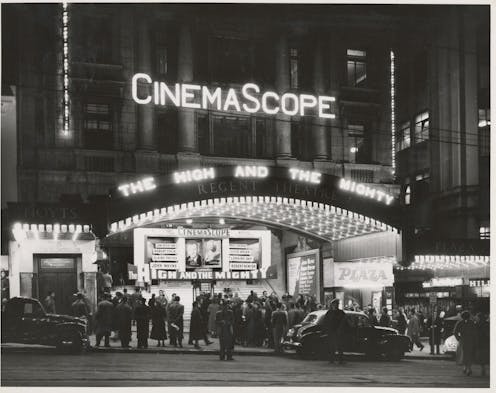
New research suggests concussion risks can be outweighed by the benefits of playing sport

Source: The Conversation (Au and NZ) – By Matt Lennon, Conjoint Lecturer, UNSW Sydney

Fotokostic/Shutterstock

CTE: Chronic Traumatic Encephalopathy.

It is the now popularised term that makes athletes, parents, sports administrators and insurers’ knuckles white with anxiety as sports codes struggle to come to grips with the risks and impacts of concussion.

In 2005, Bennet Omalu, a United States-based neuropathologist, published a case of an NFL player who had suffered from CTE.

Over the following years, public anxiety about head injuries grew, with the 2015 movie Concussion bringing it to the forefront of public attention.

Omalu, famously played by Will Smith in that movie, wrote at the time that “high-impact contact sports […] place athletes at risk of permanent brain damage” and argued kids should not be allowed to participate in contact sports.

The movie Concussion brought the issue of CTE to the public’s attention.

Since then, sports codes from across the world have tried to reduce the risks of concussion, and athletes and parents have pondered whether contact sports are worth the risk of brain injury.

The risks and benefits of sport

Over the past few decades, rates of physical activity and sporting participation in Australian children have declined.

In Australia, according to the Australian Bureau of Statistics’ 2022 data, only one in 20 (5.6%) young people (5–17 years) met the physical activity guidelines.

According to a report by the Australian Sport Commission, around 40% of young people do not participate in any organised sport.

There are many reasons why childhood physical activity may be declining, including more online entertainment options, reduced time allocation of physical education in schools and higher rates of obesity.

But having had many conversations with worried mothers and fathers, the fear that their child will have permanent brain damage, a stunted lifespan or a more rapid onset of dementia is real and a likely driver to avoid contact sport.

But what evidence is there that this is the case?

The honest answer is very little – which is why the 2022 International Consensus Statement of Concussion in Sport identified that studies looking at long-term outcomes of sports-related concussions was the highest priority area for future study.

The most studied area within the field is the long-term outcomes of active and retired professional American football players.

Clearly, the genuine and well-founded health concerns about 160kg NFL players clashing heads day in, day out cannot be generalised to your average school boy or girl playing rugby, Aussie rules or basketball.

This grey area prompted a team of researchers, including myself, from the UK, Australia and the US to take on the largest study to date examining the long-term cognitive outcomes of sports-related concussions.

The findings, just published, turn the field on its head.

What we found

In a longitudinal study of 15,000 UK-based adults between the ages of 50 and 90, we found those who had experienced a sports-related concussion at some point in their lives had better working memory and verbal reasoning than those who had never experienced one.

In a further analysis, we found those who had experienced two or three (or more) sports-related concussions did not perform better than those without a concussion history, but equally they did not perform any worse on any measure.

By contrast, those who had experienced three or more other types of concussions (such as from falling, motor vehicle accidents or assaults) had significantly worse processing speed and attention.

Importantly, the study examined “everyday” adults and the results are not applicable to professional athletes whose head injuries tend to be more frequent, debilitating and severe.

New research suggests non-professional athletes who have suffered a sport-related concussion are at lower risk of cognitive issues.

Getting the balance right

While at first glance you may feel puzzled by these results, a brief consideration of some modern realities makes them seem sensible.

Rates of obesity in Australia have been steadily climbing over the past few decades and as of 2022, 31.1% of Australians are obese and 33.7% are overweight.

Similarly, rates of diabetes and high blood pressure are at historic highs.

Many Australians are physically inactive, with teenagers and young adults clocking up an average of 6.6–7.5 hours of screen-based activity a day and reporting concerningly high levels of isolation and loneliness.

While many sports come with risks of head injuries, the beneficial effects on physical activity, obesity, diabetes, hypertension, and social connectedness likely more than mitigate the damaging cognitive effects of a head injury.

The obvious reply to this is we should encourage “safer” physical activity options and do everything we can to protect those in contact sports from injuries.

This is a sensible point of view but requires a few qualifications.

The first is, sports that are more physically demanding (and therefore possibly deliver greater benefits from physical activity) often have greater contact and risk of concussion (for example, golf has fewer concussions than Australian football).

Secondly, even “lower-risk” sports such as cycling or soccer carry a risk of head injury – I have personally been concussed while cycling, although I don’t remember it all that well.

It goes without saying that sporting bodies should continue to minimise the risk of head injuries because the individual effects of concussion can be devastating.

But what our study suggests is perhaps the greater risk is to attempt to take no risks at all – and that the benefits from playing sport may outweigh the effects of concussions.

The Conversation

Matt Lennon does not work for, consult, own shares in or receive funding from any company or organisation that would benefit from this article, and has disclosed no relevant affiliations beyond their academic appointment.

ref. New research suggests concussion risks can be outweighed by the benefits of playing sport – https://theconversation.com/new-research-suggests-concussion-risks-can-be-outweighed-by-the-benefits-of-playing-sport-238418

Where did all these dragonflies come from?

Source: The Conversation (Au and NZ) – By Caitlyn Forster, Associate Lecturer, School of Life and Environmental Sciences, University of Sydney

Boris Smokrovic / Unsplash

If you’ve spent much time outdoors along the east coast of Australia in the past week, particularly near waterways, you’ve probably seen something quite interesting emerging: dragonflies, whether in ones and twos or what feel like clouds and swarms.

Where did they come from? What are they up to? And why are there so many dragonflies all of a sudden?

Why are there so many dragonflies around?

The short answer is the weather. A warm start to spring has meant a lot of dragonfly nymphs have decided it’s a good time to take the leap into adulthood. Adult dragonflies are the highly visible winged predators we see buzzing around everywhere at the moment.

In cities, where bodies of water may be relatively small – think ponds and creeks rather than lakes and rivers – water temperatures rise more quickly as winter ends. When the weather is warmer, dragonflies may emerge earlier in the year.

But where did they come from?

These dragonflies have been hiding in local waterways, in nymph form. Dragonflies begin their lives as eggs then hatch into an aquatic nymph stage, and finally an adult flying form.

The wingless, water-dwelling nymphs don’t look much like the familiar adults. However, dragonflies are nymphs for most of their lives.

Some species live as nymphs for up to two years, though this may be less depending on weather and light conditions.

Dragonfly nymphs are fantastic predators. They have a kind of hinged jaw that can be extended like an arm to grab food – sometimes including small fish – at high speeds.

The nymphs are also fantastic swimmers, using an unusual technique first described in 1975:

Jet-propulsion in dragonfly larvae is achieved by the rapid ejection of water from a specialised rectal chamber via the anus.

With this method, nymphs can swim at speeds up to ten centimetres per second.

Why are dragonflies such fierce predators?

A freshly moulted adult dragonfly with the empty husk it just crawled out of.
L.B. Tettenborn / Wikimedia, CC BY-SA

When days get longer, the nymphs begin to emerge as adults.

When a nymph is ready to emerge she will crawl out of the water and hang around on the surface, waiting to moult. Once the adult has moulted, it will wait for its wings to inflate, before taking off on a single, short flight.

Once the young adult has grown used to its wings, it will continue being a menace to surrounding wildlife – only now in the air.

Adult dragonflies have a knack for high-speed aerobatics, and they feed on even the fastest of flying insects.

Dragonflies can reach speeds of up to 55 kilometres per hour. Relative to the dragonfly’s size, that’s like a human moving at close to 900km an hour.

They can also fly backwards and even do flips in the sky. Some species also have impressive long-distance flight capabilities, with the common green darner undertaking a cycle of multigenerational migration in which individuals travel almost 700km.

Close up photo of the iridescent, bulbous compound eye of a dragonfly
Dragonflies’ large compound eyes give them powerful vision to track prey.
Dustin Iskandar / Wikimedia, CC BY-SA

Dragonflies’ aerial acrobatics, combined with amazing vision, make them powerful predators.

One study found dragonflies can catch prey from about half a metre away in half a second. They are also clever enough to attack prey from behind, so even fast-reacting flies don’t stand a chance. Some species also use what is called “motion camouflage”, approaching a target along a path that disguises the fact they are getting closer and closer.

What does climate change mean for dragonflies?

Much of the dragonfly’s life cycle is linked to changes in weather, so there’s little doubt climate change will affect them. One UK study looking at when dragonflies emerged from 1960 to 2004 found this event was becoming earlier in the year, likely due to warming temperatures.

Changes in length and timing of life cycles isn’t the only effect climate change has had on dragonflies. Another recent study found they are also changing colour as temperatures rise.

It’s not yet clear what the knock-on effects of this earlier emergence will be. However, dragonflies are not alone among insects in this new behaviour – so the premature predators will at least have something to eat.

Should we get rid of dragonflies?

Sometimes people complain about dragonflies in their yards, and even take steps to get rid of them. That’s a big mistake.

Not only are these beautiful creatures harmless to humans, their aerobatics are also very fun to watch.

And if you want a more direct reason not drive dragonflies away, their diet is a good one. The average dragonfly nymph eats around 40 mosquito larvae a day, and adult dragonflies also love to chow down on adult mosquitoes.

So keeping dragonflies around – and even encouraging them – can have plenty of benefits.

The Conversation

Caitlyn Forster received funding from The Australian Research Council.

ref. Where did all these dragonflies come from? – https://theconversation.com/where-did-all-these-dragonflies-come-from-238087

Warm winters are waking snakes early. Here’s what that means for them and us

Source: The Conversation (Au and NZ) – By Damian Lettoof, Postdoctoral Research Fellow in Wildlife Ecotoxicology, CSIRO

Chris Jolly

For people in southeast Australia, springtime means soaking up the sun and getting our vitamin D levels back to baseline. But we’re not the only ones likely to be basking. Snakes are getting out and about, too.

A flurry of snake sightings in southern states during spring is nothing new. Snakes emerge from their winter hiding holes when the weather warms.

But we are often asked: will climate change lead to more encounters with our scaly neighbours? It’s a fair question.

Evidence suggests climate change could make snakes come out of hiding earlier. But it’s also likely to cause population declines or shifts in the long run, as snakes adjust to the new conditions.

So what conditions do snakes like?

Snakes are “ectotherms”. This means their internal body temperature depends on the surrounding environment and varies throughout the day and the season. People, on the other hand, are endotherms. We maintain a constant body temperature around 37°C.

Many snakes prefer a lower body temperature of 28–32°C. Cooler-climate species like to keep their bodies cooler still. But even then, they aren’t really “cold-blooded” if they can help it.

Unless it’s really hot, snakes need to chase the heat as soon as they wake up. This enables them to rapidly raise their body temperature to the optimal level so they can go about their daily or nightly routine. They can’t cool themselves by panting or sweating, so they need to shelter from the heat if it’s too hot.

In Australia, snake activity follows distinct patterns in the tropical north and more temperate south.

In the north, where temperatures are consistently warm, snakes avoid the harsh heat and are most active during early mornings, night time, and following the wet season (April to June).

In the south, snakes go into hiding during the cooler months. They slow their metabolism to almost zero and essentially sleep (or “brumate”) through the winter.

These southern snakes get ready to hunker down in autumn as the days begin to shorten. Sensing shorter days in winter keeps them asleep, preventing them from using fat stores or eating food they will not be warm enough to digest. That’s why even a warm sunny day in the middle of winter may not wake them up.

A combination of daily temperatures and daylight hours in spring then triggers southern snakes to wake up and begin the breeding season.

How will climate change modify snake activity?

Australia is likely to warm up to 5°C by the end of this century under a high-emissions scenario. What would that mean for snake activity?

When wild tiger snake body temperatures and activity were measured in Perth’s spring, the snakes only emerged from shelter once their bodies reached 16°C – provided it wasn’t raining. An increase in daily temperatures would mean these tiger snakes start (and end) their days earlier. They may also, at least initially, emerge earlier in the season.

Studies around the world have found snakes becoming active for more days of the year, and feeding more as daily average temperatures increase.

Does this mean we should be concerned about increasing snake populations?

No. The increase in temperatures means most snakes should be avoiding the peak summer heat and we may see less of them. We may also find more snakes become nocturnal.

Even if we do see more snakes, this may not mean the snake population has increased – perhaps the opposite. As snakes generally don’t want to be seen, increased visibility could indicate snakes are stressed. This may be an early warning sign of population decline.

A tiger snake on the ground
A western tiger snake (Notechis scutatus occidentalis) from an urban wetland in Perth.
Damian Lettoof

Does climate change threaten Australian snakes?

Ten years ago, one study assessed the potential impact of climate change on Australian elapids (front-fanged venomous snakes) — the most common family of snakes in Australia. The range of most (65%) species was expected to shrink. A smaller proportion (13%) of species was predicted to expand their range, these being the semi-arid and arid-zone species.

Among commonly encountered species, red-bellied black snakes and tiger snakes were expected to suffer range contractions under four different models and scenarios. But the eastern brown snake could go either way.

Climate change is also increasing the frequency and intensity of extreme wildfires across the globe. While many Australian animal species are adapted to fire, some already on the brink might be pushed over the edge by climate change-driven shifts in fire regimes. For example, the Black Summer fires razed more than 70% of the endangered broad-headed snake’s habitat. These fires caused population crashes of 26–34% in this imperilled snake species.

Ultimately, snakes may become active earlier but may suffer declines in the long run as they adjust to the new climate.

Red-bellied black snake on the grass, lifting it's head, with a lake in the background
The range of red-bellied black snakes is likely to decrease as the climate changes.
Ken Griffiths, Shutterstock

What does this mean for snake bite risk in Australia?

If changes in climate do increase encounters between humans and snakes – and the jury is still out at this stage – there is always the possibility this could lead to more snake bites.

But we can influence the outcome by choosing how to behave around snakes. If we’re vigilant — alert but not alarmed — when we’re in snake habitat, the chances of a bite are low (just make sure you know first aid).

A snake seen and left alone poses little threat to humans. If we wish to avoid bites, we must also supervise children and pets (and keep dogs on leads, and cats indoors). Raise children to become snake smart as early as possible. Remember to look where you are stepping, listen, and leave snakes alone.

The Conversation

Damian Lettoof receives funding from The Commonwealth Scientific and Industrial Research Organisation (CSIRO).

Chris J Jolly is supported by a Macquarie University Research Fellowship, and receives funding from Australian Research Council, Minderoo Foundation, and Department of Biodiversity, Conservation and Attractions (Government of Western Australia).

Timothy N. W. Jackson receives funding from the National Health and Medical Research Council.

ref. Warm winters are waking snakes early. Here’s what that means for them and us – https://theconversation.com/warm-winters-are-waking-snakes-early-heres-what-that-means-for-them-and-us-237556

Local papers are central to our democracy. We must do more to bring them out of crisis

Source: The Conversation (Au and NZ) – By Kristy Hess, Professor (Communication), Deakin University

Shutterstock

This is the second piece in a series on the Future of Australian media. You can read the first piece in the series here.


Australians who are unaware of stories about social disorder and crime gripping Alice Springs must surely have been hiding under a rock as big as Uluru.

The town has been the focus of national media attention and (at times toxic) social media commentary, prompting many in Alice Springs to crave the return of an “old-fashioned” communications asset to help quell negativity – a local newspaper.

In 2023, the Mparntwe Alice Springs Community Foundation was established with a key mission of bringing back a local masthead after News Corp closed its long-running newspaper, the Centralian Advocate, in 2020. To the foundation, a newspaper was a way of helping to re-establishing a sense of community connection and have constructive conversations on issues that matter to people in town.

The new Centralian Today celebrated its one-year anniversary this week in Alice Springs. Our research into this venture – to be launched this month – suggests that despite issues with recruitment and resourcing, the venture has been met with optimism from advertisers and audiences. It also provides a novel way of thinking about the future of news sustainability.

The Alice Springs example emphasises what academic literature has reinforced for decades – local news matters to audiences. When done well, local news providers play a role in keeping people safe and upholding social order (think natural disasters), hold power to account and foster public conversation. They also contribute to wellbeing, social connection and sense of “community”. Local newspapers in Australia are also expected to be non-partisan, but advocate and champion the shared interests of the geographic communities they serve.

Local papers in crisis

Yet, across the board, Australia’s local news sector is in crisis, as the traditional business model sustaining journalism – advertising – continues to shift towards digital platforms. Dozens of local news outlets (newspapers particularly) closed up shop across Australia during the lockdowns of COVID-19, in part due to a sudden loss of advertising.

This created what has been termed news “deserts” – geographic areas that have no local news provisions. This week Australian Community Media (ACM) – which publishes almost 70 daily and non-daily mastheads across metropolitan and rural Australia, continued its wave of cuts and newspaper sell-offs by announcing it will shed 35 editorial jobs and close a suite of country newspaper titles from the Tenterfield Star to the Dungog Leader. The Public Interest Journalism Initiative notes there are 31 local government areas in Australia without a local publisher, from Broken Hill in New South Wales to Upper Gasgoyne in Western Australia.

There have been attempts to support local news with federal government subsidies and initiatives totalling more than $70 million since 2018. While helpful, these have been short-term, and have not provided the solutions needed to address systemic challenges. The future of the mandatory bargaining code, which has forced Google and Facebook to pay publishers for news content that appeared on their platforms, is on a precipice. Meta, owner of Facebook, has announced it will not renew its news deal when it expires this year.

Targeted interventions and support for local news has been challenging because it is difficult to accurately gauge how much of Australia is in a news black hole. News coverage can be highly uneven, with some areas relatively well served when it comes to news access, especially in Victoria.

We have witnessed the rise of zombie newspapers, which carry mostly syndicated content and “pink slime” publications. These are fake, partisan publications masquerading as local news outlets that push a particular party line, misinformation or conspiracy theories.

In a sign of hope, new start-ups have emerged to fill voids, but they have qualified for only minimal government support. In addition, major media companies claim to serve particular local areas as part of their licence areas or circulation reach. But in reality they may only offer only tokenistic coverage to meet content quotas, attract subsidies or demonstrate “reach” to major advertisers.

Local media need targeted support

This makes it vital that support for the sector is directly targeted at areas that need it most, and are more than short term. Solutions that offer promise include:

  • tax cuts or support for journalistic salaries, especially recruitment of experienced journalists to the regions

  • a tech levy to distribute funds towards supporting local and community journalism

  • support for printed newspapers especially in areas with poor broadband coverage

  • engaging philanthropic support to specifically support journalism practice

  • responsible advertising spend – from government, not-for-profit and big business – to support local news outlets that invest in public interest journalism.

A new Australian Research Council Linkage project, for example, led by Deakin University in partnership with Griffith University and the ABC, is examining how local news producers can work together with the ABC to support vulnerable areas of the news ecology. This would form Australia’s version of the BBC’s successful Local Democracy Reporting Service.

News companies themselves must also carry some of the responsibility. For the current crisis, ACM’s announcement that the Tenterfield Star would close and reporters would now do their best to “cover the regions from a distance” should be scrutinised. It is important to note that the Tenterfield Star’s existing editorial office is 200km away from the town in Armidale. A newspaper that once lobbied for Federation in its heyday has minimal journalistic presence on the ground in Tenterfield (according to our research), with a photographer to capture events and happenings. The death knell had arguably been sounding for The Star long before ACM’s announcement this week.

In the debate about how to save local news, we have previously suggested that too much emphasis has been placed on generating social media metrics and reach, and predicting the impending doom of radio and print, at the expense of investing in and supporting relevant and reliable local content.

Most importantly, we suggest Facebook is no friend of public interest journalism in Australia. News outlets’ continued dependency on these platforms to build community and conversation is at their own peril.

The Conversation

Kristy Hess currently receives funding from the Australian Research Council, Natural Hazards Research Australia and the Mparntwe Alice Springs Community Foundation.

ref. Local papers are central to our democracy. We must do more to bring them out of crisis – https://theconversation.com/local-papers-are-central-to-our-democracy-we-must-do-more-to-bring-them-out-of-crisis-237987

New COVID vaccines may be coming to Australia. Here’s what to know about the JN.1 shots

Source: The Conversation (Au and NZ) – By Paul Griffin, Professor, Infectious Diseases and Microbiology, The University of Queensland

wavebreakmedia/Shutterstock

COVID vaccines have unquestionably made a huge difference during this pandemic. For example, it’s estimated COVID shots have saved more than 1.4 million lives in the World Health Organization’s (WHO) European region alone since their introduction in December 2020.

Unfortunately, SARS-CoV-2 (the virus that causes COVID) has continued to change quite quickly, and this affects how well immunity generated from both vaccination and past infection protects us. This issue is often referred to as “immune evasion”.

One strategy to address this has been to update our vaccines, and we’ve done this four times already in Australia. Now, the Therapeutic Goods Administration (TGA) is considering what would be the fifth iteration of a COVID vaccine – a shot targeting the JN.1 omicron subvariant.

Here’s what you need to know about these updated boosters.

Keeping up with the COVID variants

Our initial vaccines targeted the original strain of SARS-CoV-2. The first update still included the original strain but added an early omicron subvariant BA.1. We then changed BA.1 to BA.4/5 with the original strain.

The most recent update occurred in late 2023 when we reverted to having just one component in the vaccine, in this case the omicron subvariant XBB.1.5.

The virus has continued to change. Another subvariant of omicron, JN.1, was first detected in August 2023 and went on to drive a significant wave of infections in Australia over summer.

JN.1 subsequently gave away to other subvariants you may know as the “FLiRT” and “FLuQE” variants which have seen a relatively large increase in COVID activity over recent months. FLuQE, or KP.3, is currently dominant.

Although JN.1 is no longer driving many cases, given FLiRT and FLuQE are descended from JN.1, vaccines targeting JN.1 should do a good job at protecting against these newer subvariants.

What’s the process?

As far back as April, the WHO recommended the use of vaccines targeting the JN.1 lineage based on the expectation the virus would continue to evolve from JN.1. The European Medicines Agency made the same recommendation.

Potentially from when it became clear that JN.1 was going to become dominant, but certainly from this point, pharmaceutical companies would have started working on tweaking their vaccines accordingly.

When these vaccines are ready and have been tested, they apply to the relevant regulatory bodies for approval.

The United States Food and Drug Administration (FDA) has recently approved an emergency use authorisation for a Novavax vaccine targeting JN.1.

Meanwhile, the regulator in the United Kingdom has approved the JN.1-specific Spikevax from Moderna and Comirnaty from Pfizer.

In Australia, our process differs slightly and tends to take a little longer. The TGA’s website indicates applications for two JN.1 vaccines are currently under evaluation (Spikevax and Comirnaty). We won’t know when they’re going to be approved until the decision has been made, but hopefully this is not too far away.

The US has also approved KP.2 vaccines

In June, the FDA advised vaccine manufacturers to update their COVID vaccines to target JN.1. But subsequently it recommended it would be preferable for vaccines to target the KP.2 strain instead (FLiRT).

Moderna and Pfizer said they would be able to develop vaccines targeted to KP.2 and the FDA has since granted emergency use authorisation for these two companies’ KP.2 vaccines.

It seems likely the difference between a JN.1 booster and KP.2 booster will be minimal. Both should provide significantly updated protection against currently circulating subvariants compared with the XBB vaccines. So we shouldn’t feel as though we’re missing out by not having plans for KP.2 boosters in Australia at the moment.

Are the new vaccines safe and effective?

Before approving updated boosters, regulators carefully review data looking at immune responses generated by the new vaccines against the newer variants, compared to previous vaccines.

Based on data mostly generated by the vaccine manufacturers, the updated JN.1 vaccines appear to lead to substantially improved immune responses against multiple related sublineages including KP.2 and KP.3, compared to the XBB vaccines.

These recent updates are not expected to change the well-established safety profile of the COVID vaccines. But as always, the vaccines’ safety (as well as efficacy) will continue to be monitored even after they’re approved and rolled out.

What about Novavax?

The COVID vaccines from Pfizer and Moderna are mRNA vaccines. These work by giving our body instructions to make SARS-CoV-2 spike proteins (proteins on the surface of the virus which it uses to attach to our cells). Then when we encounter SARS-CoV-2, our immune system is ready to respond.

The Novavax shot is an adjuvanted protein-based vaccine, which means the proteins are manufactured in a lab and a component called an adjuvant is added to improve the body’s immune response. Vaccines using this type of technology have been around for some time so it’s considered a more traditional way of making a vaccine.

While our mRNA options work well, there are some people who can’t have or don’t want an mRNA vaccine, so Novavax provides an important alternative option.

However, the updated Novavax booster does not yet seem to have an application before the TGA, so is likely to be some time away for us in Australia.

Some challenges remain

While it’s great we have been able to update our vaccines successfully, it would be ideal if we could develop vaccines that don’t need to be updated as often.

But perhaps the biggest determinant of how well a vaccine works is its uptake, and at the moment the uptake of COVID boosters is well below where it needs to be.

For example, as of August, only 31.8% of people aged 75 and older had received a COVID vaccine in the previous six months (it’s recommended every six months in this age group).

We also need to look at ways to approve updated COVID vaccines more quickly and efficiently in this country, including non-mRNA options.

The Conversation

Paul Griffin is a director and scientific advisory board member of the immunisation coalition. He has served on Medical Advisory Boards including for AstraZeneca, GSK, MSD, Moderna, Biocelect/Novavax, Seqirus and Pfizer and has received speaker honoraria including from Seqirus, Novartis, Gilead, Sanofi, MSD and Janssen.

ref. New COVID vaccines may be coming to Australia. Here’s what to know about the JN.1 shots – https://theconversation.com/new-covid-vaccines-may-be-coming-to-australia-heres-what-to-know-about-the-jn-1-shots-237652

From runways to film: the untold story of trailblazing First Nations fashion designer Stephen FitzGerald

Source: The Conversation (Au and NZ) – By Treena Clark, Chancellor’s Indigenous Research Fellow, Faculty of Design, Architecture and Building, University of Technology Sydney

Larissa Behrendt (right) in a still from the film Jindalee Lady. Tracey Schramm, Author provided

Aboriginal and Torres Strait Islander readers are advised this article contains names and/or images of deceased people.

In August, I attended the Darwin Aboriginal Arts Fair to witness First Nations designers and artists showcase their fashions and win awards for their talents. From textile makers to artists and designers, their range of fashion designs highlighted the powerful talent and stories of First Nations communities around the country.

But while today’s brilliant designers are acknowledged for their hard work and dedication, there are some First Nations designers who remain relatively unheard of. This is often the case when a designer has passed and is not memorialised through numerous stories.

Several months ago, I learned about one such fashion and costume designer named Stephen FitzGerald (Yuin) through Euahleyai/Gamillaroi Distinguished Professor Larissa Behrendt. He came to my attention while speaking to Larissa, who shared stories about him and her experiences modelling his clothes.

I later found Stephen’s sister, Lee Spirit-Jones, and gained a detailed account of his life and work. Through the oral accounts from Larissa and Lee, this is what I learned about his momentous but short-lived career.

Fashion and couture

Stephen grew up in the Sydney suburb of La Perouse, with family hailing from the north and south coasts of New South Wales. He started his business in high school by designing and making clothes for family and friends.

Lee recalls that her brother “went to work at Christopher Essex before opening his own studio in Crown Street” in 1984. Following this opening, Stephen’s designs were often shown on charity runways with the likes of Adam Bennett, Harry Who, George Gross, Liz Davenport and Trent Nathan.

Behrendt modelled Stephen’s clothes at some of these extravagant charity events, including one 1986 fundraiser that raised $13,680 for the Autistic Association.

Larissa told me Stephen was the first person she’d met who was Aboriginal and also a high-end fashion designer:

I did a couple of his shows for him, and I actually had a dress he designed. It was a beautiful black cocktail dress with earth-toned sequins on the front. I’d never had anything so beautiful.

Film and costume

In 1992, Stephen designed the costumes for the feature film Jindalee Lady directed by Bryan Syron, with music composed by Bart Willoughby and featuring the Bangarra Dance Theatre (with Raymond Blanco and Sylvia Blanco as lead dancers). It is the first feature film directed by an Aboriginal person.

Jindalee Lady tells the story of a First Nations fashion designer who is emerging in her career and is married to a non-Indigenous man. She later falls in love with an Aboriginal cinematographer, and a love triangle ensues.

Stephen was recommended as the costume designer by the renowned First Nations artist Bronwyn Bancroft (Bundjalung). He became the first First Nations fashion and costume designer to work on a feature film.

In the book Media Ethics, an Aboriginal Film and the Australian Film Commission, the director of Jindalee Lady, Brian Syron, was described as being “honoured to work with him, especially on the designs for the ‘fashion parade’”.

The fashion parade scene featured magnificent costumes depicting Australian birds. Both Larissa and Lee featured as models in the film. Larissa’s dress was inspired by the black cockatoo, and Lee’s by the rainbow lorikeet.

Celebrities and performers

Stephen was often reported on in the media as a celebrity designer. In the world of television, Stephen provided garments for several productions including Star Search, and dressed studio personalities such as Kerri-Anne Kennerley.

He created a costume for drag performer Dorreen Manganini, aka Darren Budda-Dean (Kamilaroi and Gomeroi). This costume was worn and performed to the song Xanadu, by Olivia Newton-John and Electric Light Orchestra, at the Xchange Hotel in Melbourne/Narrm.

Stephen also created the costumes for the popular cabaret show Les Girls and the male dance revue Man Power. As Lee told me:

I remember that we were contacted by Man Power […] as they were aware that we did the costumes for Les Girls […] Man Power wanted to have quality costumes that would work.

History is made by those who speak

Stephen FitzGerald was a fashion and costume design pioneer and should be recognised for his contributions. Unfortunately, he passed away at 32 and we lost the opportunity to experience more of his work.

In Larissa’s words:

He was such a talent. You know, then he passed away […] and no one ever talks about him anymore; it’s a real shame

As history is made and shared by those who speak, these wonderful and fond stories of Stephen provide rich insight into his life and work. Stephen lives on in the hearts and minds of those who loved him and the lucky few who still own some of his creations.

The Conversation

Treena Clark has received funding through the University of Technology Sydney Chancellor’s Indigenous Research Fellowship scheme.

ref. From runways to film: the untold story of trailblazing First Nations fashion designer Stephen FitzGerald – https://theconversation.com/from-runways-to-film-the-untold-story-of-trailblazing-first-nations-fashion-designer-stephen-fitzgerald-236880

New stormwater infrastructure is needed for Canadian cities to handle increased urban flooding

Source: The Conversation (Au and NZ) – By Mauricio Carvallo Aceves, PhD Candidate, Institute for Resources, Environment and Sustainability, University of British Columbia

Flooding in Montréal, and other Canadian cities, is becoming a more frequent occurrence. (Shutterstock)

Urban flooding is increasingly concerning in Canada, where water drainage systems are at risk of being overwhelmed. Natural watersheds have been greatly altered by construction disturbing the natural ways that water flows from rainfall, across the land and into water bodies. The result is that drainage infrastructure must cope with increased water volumes at both higher speeds and flow rates, as well as deteriorated water quality due to pollutants such as oil and organic waste.

CBC News covers the impacts of climate change on flooding in Canada.

Additionally, stormwater mixes with wastewater in the drainage network in the combined sewer systems that were widely developed in the past. Sudden and heavy rainfall can lead to the network overflowing beyond its capacity, discharging untreated sewage into neighbouring water bodies. This has severe consequences, such as toxic algae blooms that deplete the oxygen found in the water, potentially killing aquatic plants and animals.

In the coming decades, storm intensities are expected to increase, potentially exceeding the design capacity of older networks. Reducing runoff flowrates and volumes through blue-green infrastructure could provide some much-needed relief to drainage systems that may be overwhelmed as stronger rain events become more frequent.

The good news is that there are actions to restore the natural hydrological cycle, which would make Canada’s cities more flood-proof.

Blue-green infrastructure

Engineering practices incorporating artificial and natural elements attempt to re-establish the natural water cycle that existed before urbanization. These can include slowing down stormwater runoff flows, retaining them for a given period of time, and infiltrating water into the ground where possible.

Multiple terms are used to refer to these practices, such as nature-based solutions, blue-green infrastructure, best management practices or low-impact development.

There are many existing examples in Canadian cities, such as: green roofs that soak up rain, rain gardens that can filter out pollutants, and ditches covered in plants that can reduce the speed of water flow.

a corporate-looking building with grass on its flat roof.
The green roof at the Vancouver Convention Centre.
(Shutterstock)

Some of these blend seamlessly into the surrounding urban environment, and may be unnoticed by people passing by who may be unaware of the key role that these spaces play in managing stormwater.

Reducing volumes

New urban developments are already integrating these forms of blue-green infrastructure in their planning.

For older, already existing drainage systems, retrofitting existing underground drainage networks with blue-green infrastructure will be crucial to deal with combined sewer overflows (CSOs). The most effective way to reduce CSOs is to reduce the stormwater flow that is directed towards the drainage network. Ideally, stormwater would never mix with wastewater, but achieving that would require redoing the entire drainage system in some areas, which is unfeasible.

This is where adding blue-green infrastructure can prove useful to reduce runoff flows and volumes at multiple points across existing networks, decreasing the possibility of overwhelming them.

Urbanists and planners have taken advantage of such opportunities to fully revitalize the built environment, incorporating more green spaces into streets and improving the design of elements such as sidewalks, cycling lanes and public spaces.

Recent examples include the installation of tree trenches along Richards Street in downtown Vancouver in 2020, or Montréal’s new “sponge parks” that absorb water from surrounding streets during heavy rains.

Even in areas where CSOs are not an issue or where dedicated stormwater networks exist, retrofitting existing drainage networks with blue-green infrastructure will be an asset to mitigate the impact of climate change.

Challenges of retrofitting

Retrofitting existing drainage networks with blue-green infrastructure is not straightforward. Cities face the logistical headache of planning and executing roadwork, and there are also multiple constraints on a technical level. Each form of blue-green infrastructure has specific requirements for elements like terrain slope, maximum area drained and soil types, among others, restricting where they might be implemented.

Available space is an issue itself for practices like rain gardens or retention ponds, especially in dense urban areas where different land uses compete for the scarce land available. The depth and layout of existing utilities may also render connections between blue-green infrastructure and the drainage network impossible unless significant stretches of pipes are replaced.

In some cases, the limitations may even be external to the municipal drainage network itself. Some older buildings have a single connection out from the building towards the municipal network. As such, all of the wastewater and any stormwater collected in the building’s internal piping get mixed before it even leaves the lot.

Storm-proofing cities

Urban planners and municipal governments around the world started to slowly address these issues more directly decades ago, but centuries of harmful urbanization practices cannot be undone overnight. Most communities in Canada moved away from building combined sewage networks in the 1950s and started implementing separated wastewater and stormwater networks.

There are now thresholds that new developments must meet in terms of flow rates directed to the municipal drainage systems, as well as the maximum admissible concentration of certain pollutants present in stormwater. Provincial guidelines in Ontario, Metro Vancouver and Québec address these.

The City of Vancouver implemented a target to intercept and clean 90 per cent of the annual rainfall volume.

There is still much work to be done. However, the opportunity to transform our cities’ landscape, our relationship with stormwater and our impact on the receiving water bodies is here. Given the limitations discussed above, some of these improvements will be slow. Ultimately, that is precisely how incremental shifts add up: small trickles come together to form rivers of change.

The Conversation

Mauricio Carvallo Aceves receives funding from the University of British Columbia, the Natural Sciences and Engineering Research Council, the National Research Council, Mitacs and the City of Surrey.

ref. New stormwater infrastructure is needed for Canadian cities to handle increased urban flooding – https://theconversation.com/new-stormwater-infrastructure-is-needed-for-canadian-cities-to-handle-increased-urban-flooding-233046

Crowds, water guns and protests: could ‘slow tourism’ be the answer to an overtourism backlash?

Source: The Conversation (Au and NZ) – By Amy Errmann, Senior Lecturer, Marketing & International Business, Auckland University of Technology

With overtourism in the spotlight as the travel industry continues to rebound after the pandemic, popular destinations around the world are feeling the strain.

Bali is overwhelmed by waste and traffic, Australia’s sacred sites have suffered environmental damage, New York is facing rising rents due to short-term rentals, and Singapore’s scenic spots are becoming clogged with crowds.

Frustrated locals are pushing back – from spraying water at tourists in Barcelona to organising protests in Venice. As the northern hemisphere high season ends, Aotearoa New Zealand is preparing for an influx of visitors ahead of its summer tourism season.

And much like those other tourist hotspots, the government is looking at how to manage the negative effects of tourism on local communities and the environment. This includes tripling the international tourist tax from NZ$35 to $100.

The aim of the increase is to attract tourists who are more mindful of their impact and willing to contribute to its mitigation, while also reducing visitor numbers to protect the country’s unique landscapes and cultures.

But are there other ways the tourism industry can evolve to ensure benefits for both travellers and the communities they are visiting? So called “slow travel” could be the answer.

Hunting the perfect photo

Overtourism isn’t just about too many people in one place. It’s also about how people travel.

Instagram-famous landmarks draw massive crowds, disrupting local life and sometimes even leading to closures.

Travellers often pack their itineraries with as many sights as possible, racing from one place to another in a frenzy to capture the perfect photo. This hurried approach not only creates congestion but also limits meaningful engagement with the destination.

And it’s not just a numbers game. The way tourists behave also plays a critical role.

A 2019 report from the United Nations raised concerns about trash from tourists in developing small island states, including the Pacific Islands. According to the report, a tourist visiting these communities produced about 7kg of waste a day, compared to about 2.5kg produced by a local.

The issue is not necessarily about travelling less, but about travelling more responsibly. The tourism industry needs to be encouraging travel habits that allow both visitors and locals to enjoy tourism without compromising the integrity of the destination.

The rise of slow travel

Mindfulness – being fully present in the moment – has gained popularity since the 1970s. The concept has influenced a number of sectors, including slow food, slow fashion, and now slow travel.

It’s about experiencing destinations at a relaxed pace, focusing on deeper connections with local cultures and sustainability. This often means staying longer in fewer places and choosing eco-friendly transport.

Understanding slow travel and mindfulness is important because they create richer, more memorable experiences. Fast, hectic travel often leaves little positive impact. Slow immersive travel, on the other hand, fosters lasting memories and reduces overtourism, pollution and cultural damage.

Research shows when we consciously immerse ourselves in our surroundings we can have more meaningful experiences. Surprisingly, even luxury travel – often dismissed as wasteful – can encourage respect and mindfulness for those who invest financially and mentally in their journey, unlike cheaper, mainstream tourism.

Activities such as “forest bathing”, hiking or engaging with local cultures boost wellbeing and meaning, going beyond just “taking a photo for likes”.

This mindful approach can change our behaviour on a personal level. By focusing attention on fewer experiences, travellers can heighten their sense of awe and appreciation, making the travel more memorable.

This idea is evident in “peak experiences”. Disney, for example, creates emotionally-charged moments that stick in visitors’ minds. Other experiences, such as “digital detoxes” or pilgrimages can leave a contemplative impression.

By concentrating on a single aspect of a visit, it becomes special and memorable. Even in busy places like Disneyland, focusing on one unique element can make the experience feel slower and more meaningful.

The sustainability of tourism

In the Faroe Islands, slow travel helps protect local traditions and landscapes by encouraging thoughtful visitor behaviour, such as using local guides to minimise environmental impact.

New Zealand can leverage its natural beauty to offer similar immersive experiences. Tramping (hiking), for example, can promote a mindful connection with the environment.

But even here, there needs to be a focus on balancing tourism with preservation. Popular spots, such as the Department of Conservation huts and the Te Araroa Trail, are already becoming crowded. It is essential to educate visitors on responsible practices – such as cleaning equipment – to ensure they understand their role in protecting nature.

Travel that fosters a deeper appreciation for local cultures and environments benefits both visitors and the destinations they explore. The challenge is finding the right balance – encouraging meaningful travel experiences while still ensuring accessibility for all.

The Conversation

Amy Errmann does not work for, consult, own shares in or receive funding from any company or organisation that would benefit from this article, and has disclosed no relevant affiliations beyond their academic appointment.

ref. Crowds, water guns and protests: could ‘slow tourism’ be the answer to an overtourism backlash? – https://theconversation.com/crowds-water-guns-and-protests-could-slow-tourism-be-the-answer-to-an-overtourism-backlash-238316

Albanese promises to legislate minimum age for kids’ access to social media

Source: The Conversation (Au and NZ) – By Michelle Grattan, Professorial Fellow, University of Canberra

The Albanese government will introduce legislation this term to enforce a minimum age for children to access social media.

Prime Minister Anthony Albanese will make the formal announcement on Tuesday. This follows a discussion at last Friday’s national cabinet meeting, at which all states and territories, as well as the Commonwealth, committed to tackling what has become an increasingly worrying issue for many parents.

The push for legal controls on children’s access to social media has been led by the South Australian government, which has just released a report it commissioned from former chief justice Robert French ahead of that state’s plan for legislation.

The federal government has not nominated a minimum age but is presently trialling age-assurance mechanisms for those aged 13 to 16. The third phase of this trial begins this week.

The South Australian legislation would prevent access for children under 14, with those aged 14 and 15 requiring parental permission.

The federal legislation will draw on the French report.

South Australian Premier Peter Malinauskas, while leading the way on the issue and planning to go it alone if necessary, has always argued a national framework is essential for controls to be effective. Federal legislation would mean state legislation would probably be unnecessary.

Critics of legislated age limits have argued a legal approach is not the best way to proceed, because of both the difficulties of enforcement and fears it would isolate children for whom connection through social media is necessary.

But Albanese said: “No government is going to be able to protect every child from every threat, but we have to do all we can.

“Parents are worried sick about this. We know they’re working without a map – no generation has faced this challenge before.

“Which is why my message to Australian parents is we’ve got your back. We’re listening and determined to act to get this right.”

He said too often, social media took “kids away from real friends and real experiences”.

“Australian young people deserve better. I stand with them and with all Australian parents in protecting our kids. The safety and mental and physical health of our young people is paramount.

“Parents want their kids off their phones and on the footy field. So do I. We are taking this action because enough is enough.”

Malinauskas said evidence showed early access to addictive social media was harming children.

“This is no different to cigarettes or alcohol. When a product or service hurts children, governments must act.”

Meanwhile, the Victorian government announced that state will put age-limits on social media platforms.

Victorian Premier Jacinta Allan said: “One of the biggest things I hear from parents is that they’re worried about their kids on social media. And as a mum myself, so am I.

“Social media can be a great thing. But it’s just not a place for kids before they’re ready. It harms their development, and it hurts their focus, and it’s not just parents telling me, it’s kids and young people too.

“Parents are trying to manage content on devices at home, but it’s hard. It’s like a social media tsunami they feel they can’t stop. So it’s time to give parents the power to push back. Not against kids, but against the tech giants.”

She said the rules “won’t target parents or kids, but they’ll target the tech giants because they’re the ones we need to hold to account”.

There was “a bit more work to do, which is why we’ll be talking with parents, teachers and kids about what should and shouldn’t be included,” she said.

“Age limits will help parents at home and help protect kids from harm. This won’t solve everything, but it’s the right place to start.”

The French report says while social media could be regulated at the state level an alternative would be to confer the function on the existing federal eSafety Commissioner.

“The challenges of compliance with and enforcement of a law restricting access by children in one State and not all are strong indications of the need for a national approach if that can be achieved.”

The French model would impose an obligation on social media platforms to prevent access to children in the designated age ranges.

A regulator would monitor compliance and issue sanctions including, substantial financial penalties for breaches.

Families of children that were harmed as a result of access to social media would be able to sue for damages under the French model.

The French report says social media is used for “positive support and communication by many elements of the public, private and not-for-profit sectors”.

But it “can also be a channel for false and harmful content and a platform for bullying, exploitation and predation. It can be addictive. It can inflict harm on vulnerable members of society and particularly on children. While there are benefits to children learning how to navigate social media and how to use it to advantage there are significant risks.”

The Conversation

Michelle Grattan does not work for, consult, own shares in or receive funding from any company or organisation that would benefit from this article, and has disclosed no relevant affiliations beyond their academic appointment.

ref. Albanese promises to legislate minimum age for kids’ access to social media – https://theconversation.com/albanese-promises-to-legislate-minimum-age-for-kids-access-to-social-media-238586

Pro-Palestinian activists hold protests to disrupt defense expo in Australia

By Efe Özkan

Pro-Palestinian anti-war activists in Australia have protested in Melbourne, disrupting a defence expo set to open on Wednesday.

Protesters gathered yesterday in front of companies connected to weapons manufacturing across Melbourne as police were called to prevent an escalation of the events, according to 7News Melbourne.

Many police cars and units were visible in front of company buildings to prevent an escalation of the protests.

Protests are expected to move across the city to different areas ahead of the Land Forces Military Expo on Wednesday, with more than 25,000 participants, potentially one of the biggest in the country in decades.

On Sunday, Extinction Rebellion activists blocked Montague Street near the Melbourne Convention and Exhibition Centre where the expo is being held.

Pro-Palestinian protesters in Australia have been urging the government to impose sanctions on Israel for its genocidal war on Gaza.

Israel has continued a devastating military offensive in the Gaza Strip since an attack by Hamas resistance forces on October 7, 2023, despite a UN Security Council resolution demanding an immediate ceasefire.

More than 40,000 Palestinians have since been killed, mostly women and children, and more than 91,700 wounded, according to local health authorities.

As the Israeli war enters its 12th month, vast tracts of Gaza lie in ruins amid a crippling blockade of food, clean water, and medicine.

Israel has also intensified its attacks on the Occupied West Bank in recent weeks, killing at least 692 Palestinians.

Extinction Rebellion disruption
Formed in 2018, Extinction Rebellion has employed disruptive tactics targeting roads and airports to denounce the extraction and burning of fossil fuels, reports Al Jazeera.

However, since the war on Gaza, they have also taken a strong position on the fighting and have called for an immediate ceasefire.

“If we believe in climate and ecological justice, we must seek justice in all forms. The climate and ecological emergency has roots in centuries of colonial violence, exploitation and oppression,” the UK-based group said in a statement in November.

Article by AsiaPacificReport.nz

‘Didn’t care enough’: here’s what the Royal Commission into Defence and Veteran Suicide found

Source: The Conversation (Au and NZ) – By Ben Wadham, Professor, Director, Open Door: Understanding and Supporting Service Personnel and their Families, Flinders University

After three years of investigations, the Royal Commission into Defence and Veteran Suicide has delivered its final report with 122 recommendations. The commission has carried much hope for veterans and their families – now we wait to see action.

The veteran sector, including families, had lobbied for this inquiry for over a decade. For a long time, the call fell on deaf ears. The Ex Service Organisation Round Table even rejected the idea, saying veteran suicide was roughly the same as the national average.

The royal commission has addressed this question of poor data. Over the course of the inquiry, the certified numbers of people who died by suicide rose from around 300 to around 1,700. This was because a forensic focus was applied to the statistics.

These do not include deaths that may be suicide but have not been recorded as such, like single car accidents, for example. Ex serving veteran suicide is 26% higher than the national average for men and 107% higher for women.

What are the key findings?

The royal commission began its investigations thinking of veteran suicide as an individual mental health issue. Deployment trauma was expected to be a key influence.

It ended its investigations recognising that culture and systems had an overwhelming part to play. For example, there have been around 60 inquiries into military systems and culture over five decades and around 750 recommendations. Few have been met.

Commissioner Nick Kaldas explained:

When there’s been dozens of inquiries, hundreds of recommendations, and no one’s gone back to check whether they’ve acquitted the intent of the recommendations, I’d say that’s a failure of leadership.

The government tabled the seven-volume report in parliament on Monday. Speaking to media shortly before, Kaldas said:

What is clear from some of the horrible stories that we’ve heard is that many people simply turned a blind eye, over many years and felt that it was too hard, or they simply didn’t care enough to tackle the problems.

The commissioners point out that the veterans most at risk of suicide are those who haven’t deployed (gone overseas to fight). Why are service personnel who haven’t been deployed taking their lives?

The defence force is a hierarchical institution with a command and control culture. The rank system is legitimised through the military justice system. Commanders have complete control over their subordinates.

This maybe useful in conflict, but it’s exploited negatively in everyday service. The costs of service can be as great as the costs of war.

Physical and sexual violence was a common experience among the nearly 6,000 submissions.

Our research, some of which was commissioned by the inquiry, also developed the term “administrative violence”. This is when a commander mercilessly harasses or violates a subordinate.

Being made to paint rocks or sweep away rain, losing leave applications, prohibiting career progression and blocking courses of deployments are common strategies that strip the victim of purpose, identity and belonging.

Identity, purpose and belonging are central to an institution built around camaraderie and service. This is the mateship mythology of the ANZAC tradition.

In our research interviews, those who’d had bad experiences in the force all stated how much they loved their careers, the force, their mates and the job. The merciless bullying by a commander or peers leading to their termination was irreconcilable for them. The betrayal was painful.

Transitioning to civilian life is also a key issue. If a veteran is not supported, they also lose a sense of identity, purpose and belonging.

Many veterans transition successfully, but those who don’t can find themselves homeless, incarcerated or feeling suicidal. The Department of Veterans’ Affairs’ systems can and do exacerbate this, sometimes making it difficult for veterans to receive the support they need. Some, like Private Jesse Bird, have died trying to seek help.

What are the recommendations?

The report outlines 122 recommendations. It will take time to fully analyse them, but some important points stand out.

It comes as no surprise that a key recommendation of the commission is to establish a mechanism of independent scrutiny. The commissioners recommend the new body should monitor and continually report back publicly about progress on tackling the high rates of suicide among military personnel.

A similar recommendation was made by 44 senators in the 2005 inquiry. It was rejected and vetoed by the then prime minister, minister for defence and chief of defence.

Other recommendations have identified many of the factors that contribute to veteran suicide.

There is strong focus on building a respectful workforce, identifying and addressing sexual assault, supporting victims and holding perpetrators to account. One recommendation suggests the government undertake independent research to find out the prevalence of sexual violence within the force.

This addresses much of the negative tribal, hierarchical and command and control factors underpinning the issue.

The quality of leadership is also addressed. The commissioners recommend commanders are assessed on their performance at achieving better cultural, health and wellbeing outcomes. They suggest strengthening the processes for deciding who gets leadership positions.

They also recommend reforming accountability checks on the force, including the role of the inspector general. The commissioners say this role should be done by someone who’s never served in the force to help ensure independent oversight.

The commissioners recommend the Department of Veterans’ Affairs improves veteran transition and wellbeing by better assessing ex service men and women, reducing wait times and bureaucracy.

The recommendations go much further, but these are of particular note because they address the closed, tribal and hierarchical character of defence force culture and systems. Importantly, there is a strong focus on education, research and information sharing to broaden our understanding over time.

Can defence be fixed?

The Department of Veterans’ Affairs appears to be taking this royal commission seriously.

The same cannot be said for the defence force.

Kaldas took the extraordinary step of speaking at the National Press Club in May. He highlighted the chief of defence and his organisation’s obstruction of access to important documents. Kaldas said:

I think there’s been systemic issues such as relying on parliamentary privilege for reports that have been tabled in parliament, therefore making it impossible for us to rely on or use those reports.

Many inquiries and investigations have concluded the Australian Defence Force is incapable of cultural reform.

This was recognised in the 2005 Senate inquiry into the Effectiveness of Australian Military Justice system. The force acknowledged this too in 2012 in the Beyond Compliance report written by the then Major General Craig Orme.

But the force has dragged its feet, or obstructed access to information in this royal commission.

Despite the resistance, there is cause for hope. The commissioners said:

[…] we have come across many, many really motivated, excellent people, both within the ADF and the Department of Veterans’ Affairs, who have tried their best within the system.

It’s clear the royal commission has made the case for defence force cultural reform inarguable. With the force’s recruitment and retention at an all time lows, the case for change could not be stronger.


The Defence all-hours Support Line – 1800 628 036 – is a confidential telephone and online service for ADF members and their families. Open Arms – 1800 011 046 – provides 24-hour free and confidential counselling and support for current and former ADF members and their families.

The Conversation

Ben Wadham receives funding from the Department of Veterans Affairs, the Royal Commission into Defence and Veteran Suicide, the Australian Research Council and the Freemasons Mens Health and Wellbeing Centre. He is affiliated with Defence Force Welfare Association and the South Australian Veterans Health Advisory Council.

James Connor receives funding from the Department of Defence, the Royal Commission into Defence and Veteran Suicide and the Australian Research Council.

ref. ‘Didn’t care enough’: here’s what the Royal Commission into Defence and Veteran Suicide found – https://theconversation.com/didnt-care-enough-heres-what-the-royal-commission-into-defence-and-veteran-suicide-found-238419

What is 3-phase power? And how do I know if my house needs it?

Source: The Conversation (Au and NZ) – By Asma Aziz, Senior Lecturer in Power Engineering, Edith Cowan University

If you’re building, renovating or planning to install a solar battery, your builder or installer might ask whether you’ve considered upgrading from single-phase to three-phase power. This upgrade often comes with a hefty price tag.

So what’s the difference between single-phase and three-phase power, and which one will you need?

Understanding your electricity needs

Each house service connection has a maximum amount of electricity that can be drawn from the grid at any one time before the main fuse blows. The limit varies, according to whether you have single- or three-phase power.

The amount is calculated by multiplying a house’s “amps” and “voltage”.

An “amp” is a unit of electric current. Most houses in Australia with single-phase connections have a standard capacity of 63 amps.

In New South Wales, the standard is 100 amps.

However, some older or rural homes in Australia may still have connections of 32 or 40 amps.

Then there’s voltage, which is the pressure that pushes the current through your wiring to power your house. Current and voltage values are determined by the local distribution network service provider, the company that owns and operates the poles and wires.

Since 2000, the standard voltage in most areas of Australia has been 230 volts. In Western Australia, it’s 240 volts.

Multiplying 240 volts by 63 amps gives you 15,120 watts of power (a watt is a unit of power).

So that means in a home with single-phase power, you can draw about 15,120 watts (or about 15 kilowatts) of power from the grid before the main fuse blows.

But this would probably require using all your appliances at the same time – an unlikely scenario.

Your energy bill can help you understand how much energy you’re using (and you can compare to how much other Australians use). When you see kWh (kilowatt hour) on your monthly energy bill, it’s a measurement of your electric appliances’ wattage and the amount of time you use them.

If you can reduce the amount of energy you need to draw from the grid, you might not need to upgrade to three-phase power at all. Solar panels and a battery can cut your electricity bills, keep the lights on during power outages, and reduce your carbon footprint. Plus, you can store energy for later use, boosting your home’s energy independence.

What’s the difference between single-phase and 3-phase power?

Think of single-phase power as a single-lane road.

It’s perfect for handling regular household appliances such as lights, fridges, washing machines, small air conditioners, small induction cooktops, and regular wall chargers for electric vehicles.

But if too many appliances are running at once, the single-phase circuit in your home can get congested. This can lead to issues such as tripping breakers or flickering lights.

Three-phase power is more like a three-lane highway, with each phase carrying peak power at a different point of time.

It’s designed to handle heavy loads such as a more powerful electric vehicle charger, large multi-zone ducted air conditioning systems, high-end and large induction cooktops and their combinations.

Do you need 3-phase power?

For most households, single-phase power is more than enough to keep everything running smoothly.

Unless you’re running a big property with a large swimming pool, fast-charging your electric car, operating an elevator, cranking up ducted air conditioning, baking in multiple ovens, and powering a high-end kitchen full of gadgets – all at the same time – you probably don’t need to make the switch.

That’s good news, because upgrading to three-phase power can be quite pricey (potentially thousands of dollars).

Equipping every house with three-phase power would be like giving everyone a sports car when a regular car does the job just fine.

Installing three-phase power in every home would make the network infrastructure more expensive to build and maintain. Most homes don’t need that much power, so the extra capacity would go to waste – but everyone would still be paying for maintenance of that larger, underutilised system via higher energy bills.

However, things may be changing

As more homes go all-electric and solar battery systems and electric vehicles become the norm, however, more people will switch to three-phase power.

Three-phase power unlocks incredible charging speeds for electric vehicles (but before you get too excited, make sure your car is equipped to handle that extra juice).

You might think it’s smart to get a much bigger solar panel system than you need, so you can earn extra money from feed-in tariffs by exporting excess energy to the grid. However, single-phase rooftop solar can only feed up to five kilowatts at any point in time in a day to the grid. If your system goes over that, you’ll need special approval to connect it.

Switching to three-phase power can be a great move if you’re looking to install a larger solar system. It lets you harness more energy for your home and potentially send more power back to the grid. It’s worth noting that in Australia, however, the amount of solar power you can export varies by state.

For bigger setups, such as solar systems with batteries that can handle up to 30 kilowatts, three-phase power might be necessary. An electrician will ensure everything stays balanced in your connection.

For most of us, the best way to work out whether you need single- or three-phase power is to work out your total electricity use and seek advice from a registered electrical contractor you trust.

Some will calculate how much power you’d need if you were running all the appliances and powered devices in your home at full blast, all at once. But it’s worth questioning whether this scenario would ever actually happen in real life.

No one wants to overspend on something they don’t actually need.

Asma Aziz is a member of the Institute of Electrical and Electronics Engineers.

ref. What is 3-phase power? And how do I know if my house needs it? – https://theconversation.com/what-is-3-phase-power-and-how-do-i-know-if-my-house-needs-it-235650

MSG is back. Is the idea it’s bad for us just a myth or food science?

Source: The Conversation (Au and NZ) – By Evangeline Mantzioris, Program Director of Nutrition and Food Sciences, Accredited Practising Dietitian, University of South Australia

Dr. Victor Wong/Shutterstock

MSG is making a comeback. The internet’s favourite cucumber salad recipe includes fish sauce, cucumber, garlic and – as the video’s creator Logan tells us with a generous sprinkle from the bag – “MSG, obviously”.

But for many of us, it’s not obvious. Do you have a vague sense MSG is unhealthy but you’re not sure why? Here is the science behind monosodium glutamate, how it got a bad rap, and whether you should add it to your cooking.

What is MSG?

Monosodium glutamate (MSG) is a sodium salt of glutamic acid, one of the amino acids that make up proteins.

It occurs naturally in foods such as mature cheeses, fish, beef, mushrooms, tomatoes, onion and garlic. It provides their savoury and “meaty” flavour, known as umami.

MSG has been used to season food for more than 100 years. Traditionally it was extracted from seaweed broth, but now it’s made by fermenting starch in sugar beets, sugar cane and molasses.

Today it’s widely used as a flavour enhancer in many dishes and pre-packaged goods, including soups, condiments and processed meats.

There is no chemical difference between the MSG found in food and the additive.

Woman's hands grating parmesan cheese into a bowl of spaghetti.
MSG is often associated with Asian food but it also occurs naturally in many of the ingredients used in Mediterranean cooking, including tomatoes, mushrooms and Parmesan cheese.
Pixel-Shot/Shutterstock

Is it safe?

For most people, yes. MSG is a safe and authorised additive, according to the Australian agency that regulates food. This corresponds with food standards in the United States, European Union and United Kingdom.

Two major safety reviews have been conducted: one in 1987 by a United Nations expert committee and another 1995 by the Federation of American Societies for Experimental Biology. Both concluded MSG was safe for the general population.

In 2017 the European Food Safety Authority updated its stance and set a recommended limit based on body weight, aimed to prevent headaches and increased blood pressure.

That limit is still higher than most people consume. The authority says an 80kg person should not have more than 2.4g of added MSG per day. For reference, Europeans average less than a gram per day (0.3-1 gram), while in Asia intake is somewhere between 1.2-1.7 grams a day.

Food Standards Australia New Zealand says the European update does not raise any new safety concerns not already assessed.

Isn’t it bad for me?

Despite the evidence, the idea MSG is dangerous persists.

Its notorious reputation can be traced back to a hoax letter published in the New England Journal of Medicine in 1968. A doctor claiming to have experienced palpitations, numbness and fatigue after eating at a Chinese restaurant suggested MSG could be to blame.

With a follow-up article in the New York Times, the idea of “Chinese Restaurant Syndrome” took off. Eating MSG was associated with a range of symptoms, including headache, hives, throat swelling, itching and belly pain.

However an early randomised control trial showed no difference in these symptoms between people who were given MSG versus a placebo. This has since been confirmed in a review of many studies.

A colourful street view in Chinatown, New York.
The association between MSG, harmful side effects and Chinese food has been hard to shake since a hoax letter published in a medical journal in 1968.
travelview/Shutterstock

Can MSG cause reactions?

A very small percentage of people may have hypersensitivities to MSG. The reported reaction is now known as MSG symptom complex, rather than so-called Chinese restaurant syndrome, with its problematic racial connotations. Symptoms are usually mild, short-term and don’t need treatment.

One study study looked at 100 people with asthma, 30 of whom believed they had hypersentivities to MSG. However when participants were blinded to whether they were consuming MSG, not one reported a reaction.

If you believe you do react to added MSG, it’s relatively easy to avoid. In Australia, it is listed in ingredients as either monosodium glutamate or flavour enhancer 621.

Is it better than table salt?

Using MSG instead of regular salt may help reduce your overall sodium intake, as MSG contains about one third the amount of sodium.

One study found people who ate soup seasoned with MSG rather than salt actually like it more. They still found it salty to taste, but their sodium intake was reduced by 18%.

MSG still contains sodium, so high use is associated with increased blood pressure. If you’re using MSG as a substitute and you have high blood pressure, you should closely monitor it (just as you would with other salt products).

Should I use MSG in my cooking?

If you want to – yes. Unless you are one of the rare people with hypersensitivities, enhancing the flavour of your dish with a sprinkle of MSG will not cause any health problems. It could even help you reduce how much salt you use.

If you’re vegetarian or vegan, cooking with MSG could have help add the umami flavour you may miss from animal products such as meat, fish sauce and cheese.

But buying foods with added MSG? Be aware, many of them will also be ultra-processed and it’s that – not the MSG – that’s associated with poor physical and mental health outcomes.

The Conversation

Evangeline Mantzioris is affiliated with Alliance for Research in Nutrition, Exercise and Activity (ARENA) at the University of South Australia. Evangeline Mantzioris has received funding from the National Health and Medical Research Council, and has been appointed to the National Health and Medical Research Council Dietary Guideline Expert Committee.

ref. MSG is back. Is the idea it’s bad for us just a myth or food science? – https://theconversation.com/msg-is-back-is-the-idea-its-bad-for-us-just-a-myth-or-food-science-237871

South Australia is proposing a law to ban kids under 14 from social media. How would it work?

Source: The Conversation (Au and NZ) – By Lisa M. Given, Professor of Information Sciences & Director, Social Change Enabling Impact Platform, RMIT University

Artie Medvedev/Shutterstock

The South Australian government is moving ahead with plans to ban children under 14 from social media. Under the proposal, teens aged 14 and 15 would also need parental consent to have social media accounts.

South Australian Premier Peter Malinauskas has flagged the consequences for social media companies that don’t comply with the new rules would be “severe and harsh”.

He discussed the proposal with other state premiers and Prime Minister Anthony Albanese at a cabinet meeting last week, and is encouraging national adoption of the proposed strategy.

Malinauskas has attributed the decision to “mounting evidence” of the “adverse impact” of social media on young people. This comes despite a lack of consensus among experts, with some researchers explaining there is “not a strong evidence base” of the harms social media pose to young people.

Similar laws exist elsewhere

South Australia’s move follows similar laws introduced elsewhere. In the United States, both Florida and Texas have passed similar legislation.

Like South Australia’s proposal, Florida banned children under 14 from social media, requiring parental consent for 14- and 15-year-olds.

In Texas, all teens under 18 now need parental consent to create social media accounts. This is not without controversy, with one commentator describing this as a “misguided attempt to make the internet ‘safe’”, while introducing a law that “infringes on the rights of all Texans”.

In Spain, the minimum age for setting up a social media account increased earlier this year from 14 to 16. Technology companies were also required to install age verification and parental controls on social media and video-sharing platforms.

When South Australia first proposed its ban in May, comments from the community were swift and polarised. At the time, I examined the limitations and potential problems with the technical solutions being proposed for such a ban, including privacy concerns for managing account holders’ data.

So how will this proposed ban work?

The legislation will impose a “duty of care” on social media companies, requiring them to ban children under 14 from social media platforms.

This means Instagram, TikTok, Facebook, Snapchat and other platforms would need to take “all reasonable steps” to prevent access by any South Australian child under the age of 14. They’d also have to ensure teens aged 14–15 could only access platforms with parental content.

Bans and limited access would be overseen by a state regulator. They would monitor compliance and impose sanctions, such as:

  • warnings, infringement notices and fines
  • court proceedings that impose corrective orders or civil penalties.

Legal action could also be taken against providers by either a regulator or parents on behalf of a child who has suffered significant mental or physical harm.

The proposed ban would also provide “exemptions” for beneficial or low-risk social media services (such as educational platforms), which are not yet identified.

What are the challenges of getting this to work?

While exemptions may relieve concerns for those opposed to an outright ban, it’s unclear how specific exemptions would be agreed upon, or how “low-risk” content would be defined.

Another significant challenge is the process by which children’s ages and parental consent mechanisms would be identified and tracked.

Age assurance and verification processes are not foolproof. They require strategies like self-reporting (which is easily circumvented), age verification by an adult (which raises privacy concerns for young people), or steps like uploading government ID (which raise data security concerns).

What is also unclear is how social media companies will respond to this latest move to force them to control platform access.

In other jurisdictions with similar bans – like Florida or Spain – these companies are notably silent. It may well be that to test the long-term viability of these bans, individuals and governments will need to take social media companies to court to prove the platforms have harmed children.

The Conversation

Lisa M. Given receives funding from the Australian Research Council. She is a Fellow of the Academy of the Social Sciences in Australia and a former President of the Association for Information Science and Technology.

ref. South Australia is proposing a law to ban kids under 14 from social media. How would it work? – https://theconversation.com/south-australia-is-proposing-a-law-to-ban-kids-under-14-from-social-media-how-would-it-work-238549

Australia’s construction industry needs more hands on deck – so why is it ignoring skilled migrant women?

Source: The Conversation (Au and NZ) – By Martin Loosemore, Professor of Construction Management, University of Technology Sydney

Shutterstock

Australia’s construction industry is facing a perfect storm: enormous targets for building – 1.2 million new homes and A$230 billion worth of infrastructure over the next five years – at the same time as net migration is forecast to halve.

Without as many migrants, Australia might not have the workforce it needs to meet these targets.

Unless it does something different. Our team at the University of Technology Sydney has been examining the barriers to employing existing migrants in the construction industry, and we find they are substantial.

Migrants who arrived in Australia in the past five years account for only 2.8% of Australia’s construction workforce, but 4.4% of the entire Australian workforce.

Migrant engineers are significantly more likely than Australian-born engineers to be unemployed or underemployed – working at a more junior level than their skills and experience warrant.

Women face extra barriers

Women skilled in the trades needed face special barriers. This might be expected from an industry in which (in New South Wales at least) around half the employers have a workforce that is nearly all male and one-third employ no women at all.

Our survey of 70 Australian subcontractors found they saw significant safety, productivity and cost risks in employing migrants and refugees and groups including disengaged youth, people with a disability, ex-offenders, women and Indigenous workers.

In many cases, these perceived risks did not align with actual risks.

Our online survey of 79 refugees and migrants who had sought work in construction found that the less experience a refugee or migrant had working in construction overseas, the more likely it was they would secure a full-time job.

Education can hurt foreign jobseekers

Education counted against them as well. High school, undergraduate and masters educated migrants and refugees were more successful in securing full-time permanent work then those with doctorates and technical education.

Employers were often unwilling to recognise their qualifications and experience.

Our in-depth interviews with 16 skilled female migrants who had sought
work in the NSW construction industry found their initial hopes of finding work easily and quickly turned to frustration and an acknowledgement that their qualifications and experience were not as transferable as they had thought.

Most described struggling to get shortlisted for an interview, even when they felt their skills and experience closely matched those needed.

Many complained that the formal, online, and impersonal nature of the initial shortlisting process automatically excluded them from securing interviews.

In the rare events they did secure face-to-face interviews, many
complained many employers used the so-called STAR method (“situation, task, action, and result”) that required them to tell stories about situations they hadn’t been in.

All found their interviews very stressful, impersonal and intimidating.

You shouldn’t need a relative to get a job

Among the challenges facing female migrants with the skills needed by the construction industry were sexism, racism and traditional cultural expectations about their role in society.

Many felt frustrated, abandoned and under-valued after arriving in Australia. This was despite being willing to accept jobs well below their expectations, previous roles, experience and qualifications.

Those fortunate to have family and friends in the construction industry relied heavily on them to find their first jobs. However, these jobs tended to be low level, with limited career opportunities and exposure to exploitation by unscrupulous employers, labour hire companies and job agencies.

Treating foreign-born construction industry workers as well as we treat Australian-born workers, and tackling the special barriers that apply to foreign-born women, ought to be an easy way to boost our construction workforce.

We have identified some of the things holding the industry back. The next step is to examine why.


This research was conducted with refugee and migrant support agencies including Metro Assist and Scarf Illawarra.

The Conversation

Martin Loosemore receives funding from The Australian Research Council

Suhair Alkilani does not work for, consult, own shares in or receive funding from any company or organisation that would benefit from this article, and has disclosed no relevant affiliations beyond their academic appointment.

ref. Australia’s construction industry needs more hands on deck – so why is it ignoring skilled migrant women? – https://theconversation.com/australias-construction-industry-needs-more-hands-on-deck-so-why-is-it-ignoring-skilled-migrant-women-237639

At Melaka Art & Performance Festival I watched dancers overcome by a trance in the rain, and the smoke

Source: The Conversation (Au and NZ) – By Jonathan W. Marshall, Associate Professor & Postgraduate Research Coordinator, Western Australian Academy of Performing Arts, Edith Cowan University

Feifei Liao performing in the village ruins.
Photo by and courtesy of Teo Swee An.

Melbourne-based Tony Yap is a leading figure in Australian interpretations of the abstract Japanese dance form of butoh and what he calls “trance dance”. In butoh and trance, movers consider the body as a porous receptacle for spirits and forces from outside of it, and which comes to move it.

Yap founded the Melaka Art & Performance Festival (MAPfest), staged in the Malaysian city of Melaka, in 2008, and this year’s festival ran from August 26 to September 1. Departing from butoh itself, many of the performances involved different levels of introspection and trance, where the focus and concentration of the performers was so intense that they barely seemed aware of their surroundings.

There were also works of what one might call “postmodern classicism”, which draw on ritual and traditional dances from Indonesia and surrounds, reworked within an abstract contemporary framing.

A man dances.
Adam Forbes’s butoh influenced solo.
Photo by and courtesy of Cheah Shelley.

MAPfest features work from experienced masters like Yap, and developing artists – among the more than 50 participants, the youngest artist in this year’s program was just 13 years old. There is a non-hierarchical approach to programming, and pieces are staged for the other performers as a residency designed to showcase work at five locations across Melaka.

Cultural exchange

Traders have moved between Melaka and China since the 15th century, and Yap’s Chinese ancestors have been in Melaka for over three generations.

Melaka has a long history as a site of trade and cultural exchange. The Islamic Sultanate was colonised by Portugal in 1511. Portuguese rule was followed by Holland, Britain and Japan. In 1963, the state of Malaysia was founded. Today, the city is home to ethnic Malays and Chinese, Indian and Eurasian communities.

The city’s relationship to MAPfest hasn’t always been smooth. At one festival, Yap tells me, a dancer embraced the statue of St Francis Xavier situated beside the Portuguese Church of Saint Paul. This led to restrictions on access.

Today, MAPfest’s participants deploy an almost guerilla approach to staging. I have not been involved in a production which seemed so risky, so negotiated in the moment right now, since my student days.

The locations of advertised performances shifted hourly; performers danced under garlands dripping flames; outdoor venues often had dubious surfaces to dance on, presenting hidden dangers. Following updates posted on Messenger, I scuttled from venue to venue, and up winding, nearly condemned staircases, held in place by improvised chains.

Just finding the performance could be an adventure.

A female dancer.
Kiki Ando in the temple forecourt, village ruins.
Photo by and courtesy of Lorris Nguan.

Beyond the pretty UNESCO-protected homes of old Melaka lie decaying, overgrown areas, dotted with ruinous 20th century structures. These buildings, open to the elements from above and to the sides, rest amid fields of weeds (which performer Leslie Azzis burrowed beneath), and a temple soon to be bulldozed (home to Kiki Ando’s constantly evolving critique of consumerism).

Some of the most open-ended, improvised pieces were performed here, such as Adam Forbes’ mesmerising portrayal of an almost fluid body. Moving from behind a hanging piece of damaged roofing, he curled and slid across a vine-tangled white wall, dropping to his knees, shoulders rising and falling unevenly, before slowly crossing a plank to approach the audience.

Two men dance in the rain.
Lee Kien Fei (left) & Tony Yap, Trance ‘Animalising’ workshop and improvisation in the ruins of St Paul’s Church.
Photo by and courtesy of Lorris Nguan.

Even more unexpected was when the multiracial party of artists gathered on a platform below the 16th century Church of Saint Paul to conduct one of three “animalising trance” workshops.

A tropical downpour forced us to seek cover in the remains of the ruined church up the hill. Hardier members moved onto the drenched, uneven stone pavings. Soft splashings in the puddles added an atmosphere of wonder.

As Yap told me later, this was typical of Melaka, where a problem leads to something unplanned and magical.

Destruction of the ego

The closing performance, the large scale, ecstatic improvisation Eulogy For the Living, was presided over by Javan trance master Agus Riyanto. Riyanto set up an altar at the rear of an indoor skate park, adorned with incense and offerings. He paced around the dancers, cracking a whip to bring on, and then dispel, trance.

Yap likened Eulogy For the Living to the involuntary, therapeutic dance of southern Italy known as tarantism, to the convulsive, almost hypnotised postures 19th century physicians witnessed in their hysterical patients, and to Antonin Artaud’s 1931 essay comparing theatre to the plague.

Artaud wrote that both theatre and the plague take “images [of] latent […] disorder and suddenly carries them to the point of the most extreme gestures” so there is a “destruction” of the ego.

A dancing crowd.
Eulogy For the Living: Hysterics, Plague & Tarantism.
Photo by and courtesy of Teo Swee An.

Yap instructed male participants to wear black dresses, further evoking the mad rituals performed by acolytes of theatre’s sex-changing patron, Dionysus.

The choreography was by turns bouncy and vibrating (tarantism), extreme and violent (hysterical or plague-like), collective and infectious, as well as blending lyricism with mourning and gender ambiguity (Dionysian).

The performance cycled through eight or so states, plateauing before energy rose again. An otherworldly din of drone and electronic noise music sustained these choreographic cycles.

Resolving the performance, Riyanto flicked water from garlands onto the dancers. Many trancers required further ministrations from him to expel resistant visiting forces.

I was seated to one side in Muslim robes I had purchased nearby. Smoke from the incense burned my eyes, almost forcing me to exit, as the dancers groaned and meditated before me. Eulogy For the Living provided an epic, immersive conclusion to a week of performance.

If a city characterised by cross-racial couplings and sometimes fraught multicultural exchanges can be translated into a festival, then this year’s MAPfest ably rose to the challenge.

The Conversation

Jonathan W. Marshall does not work for, consult, own shares in or receive funding from any company or organisation that would benefit from this article, and has disclosed no relevant affiliations beyond their academic appointment.

ref. At Melaka Art & Performance Festival I watched dancers overcome by a trance in the rain, and the smoke – https://theconversation.com/at-melaka-art-and-performance-festival-i-watched-dancers-overcome-by-a-trance-in-the-rain-and-the-smoke-238551