Page 384

Australia is touted as a future clean energy ‘superpower’ – but new research suggests other nations will outperform us

Source: The Conversation (Au and NZ) – By Paul Graham, Chief economist, CSIRO energy, CSIRO

Addressing climate change means enduring some economic pain in the early part of this century to avoid worse outcomes in the long run. But recently the narrative has shifted from pain to opportunity.

In Australia, there’s much talk of this nation emerging from the net-zero transition as a clean energy superpower.

But many other countries are also racing to expand their renewable energy production. This got us wondering: Australia’s renewable resource potential is vast, but will we actually become the world’s biggest energy exporter?

Analysis by CSIRO examined this question. We found Australia was near the top of the pack on factors such as the quality of renewable resources. But we are not the world’s best, and others are nipping at our heels. There’s still much work to be done.

A superpower-in-waiting

Australia has always been rich in energy. We export far more in the form of gas and coal than we use domestically. And a lot of energy used in Australia goes towards producing goods for export such as minerals and metals.

The threat of climate change means the world must reduce its greenhouse gas emissions. That requires less burning of Australia’s abundant fossil fuels.

Economic modelling produced by federal treasury in 2008 and 2011 revealed a gloomy outlook. It showed key industrial sectors such as coal mining, aluminium and steel would all be significantly smaller in a world that takes action to address climate change.

But a reprieve was in sight. Australia has vast amounts of the cheapest climate change solution available: renewable electricity. And between 2010 and 2020, the cost of electricity generated from wind and solar globally fell by 56% and 85%, respectively.

This turned the issue of addressing climate change from challenge to opportunity. Australia is now touted as a future clean energy superpower. There’s even talk of exporting renewable energy – either in the form of “green” hydrogen, or directly via undersea electricity transmission cables.

Much of the opportunity will come from supplying renewable energy to industry. That’s because electricity is the cheapest way to strip emissions from this polluting part of the economy.

And the opportunity goes deeper. The global transition to low-emissions technology entails an exponential increase in wind and solar plants, energy storage, and the transmission infrastructure to get the energy where it’s needed. Manufacturing this technology requires the production of minerals such as aluminium and lithium, of which Australia has large reserves.

So demand for Australia’s minerals and metals is expected to grow. And these producers will have access to cheap home-grown renewable electricity to power their operations, making them more internationally competitive.


Read more:
Dutton wants Australia to join the “nuclear renaissance” – but this dream has failed before


But how competitive are we?

So far, so good. But many countries are developing a renewable energy capacity. Those that can produce renewable energy at least cost will come out on top. That comes down to three factors:

  1. the quality of renewable resources, for example, how windy or sunny a place is

  2. the cost of installation (which is determined by labour costs and government regulation)

  3. the existence of a low-cost backup energy supply, such as gas or hydro, for when renewables production is low.

So how does Australia fare? To find out, we studied 194 locations around the world in 13 regions. We determined where renewable energy could be produced most cheaply and how costs varied across the land mass.

Based on the lowest cost site in each region, we estimate the three most competitive global regions for producing renewable energy will be India, Western Europe and China. This applies both in 2030 and 2050.

Australia is ranked a close fourth in 2030. But this rank could slip one place in 2050, if Africa can make better use of its good solar sites by then.

So why did three regions rank above Australia? It partly reflects their lower labour costs and the quality of renewable resources. It’s also due to lower costs for companies installing renewable energy technologies. (Cheaper installation can also be the result of lower labour costs or, as in the case of Western Europe, a more competitive installation sector.)

We don’t know why other countries with comparable labour costs can install technologies more cheaply. But it may reflect economies of scale, or more companies competing for work.

We also calculated the average of costs across the land mass of each region. On that measure, Australia’s ranking improves to third place in both 2030 and 2050.

This indicates the deep quality of Australia’s renewable resources: it’s a windy and sunny place, which helps offset Australia’s relatively higher installation costs.

It’s worth noting, however, that other top-ranked countries face risks that Australia does not. In China and India, for example, labour costs are likely to rise faster as their economies develop.

In addition, these nations have much larger populations and so may need to reserve some renewable resources to meet domestic energy needs.


Read more:
The earth might hold huge stores of natural hydrogen – and prospectors are already scouring South Australia for it


people in India work at solar farm
India is the most competitive region for renewable energy generation in 2050, according to the analysis.
Ajit Solanki/AP

Staying competitive

Australia’s potential to produce renewable energy at globally competitive prices promises to negate the economic pain of the energy transition. But we can’t rest on our laurels. Other nations have competitive advantages that outweigh our bounty of wind and sun.

So how does Australia stay at the top of the global pack? The main priority is to make our installation sector more competitive. This may develop naturally as the scale of clean energy deployment grows, attracting more companies to the sector.

We must also identify the necessary workforce skills and produce sufficient labour and training, to ensure Australia keeps pace with the global transition.


Read more:
Australia is facing a 450,000-tonne mountain of used solar panels. Here’s how to turn it into a valuable asset


The Conversation

Paul Graham has been an energy economist for 27 years and during that time has received funding from the Commonwealth government, nearly every state government and many major mining, finance, generation, distribution, transmission, fuel and technology companies as well as non-profit organisations.

ref. Australia is touted as a future clean energy ‘superpower’ – but new research suggests other nations will outperform us – https://theconversation.com/australia-is-touted-as-a-future-clean-energy-superpower-but-new-research-suggests-other-nations-will-outperform-us-209397

Employers will resist, but the changes for casual workers are about accepting reality

Source: The Conversation (Au and NZ) – By John Buchanan, Professor, Discipline of Business Information Systems, University of Sydney Business School, University of Sydney

Mick Tsikas/AAP

The Albanese government’s plan to improve the pathway to permanency for casual workers has employers worried, fearful their ability to employ casual workers will be restricted.

Even before the details had been released, there was certainty, in the words of Australian Industry Group chief executive Innes Willox, that there “is simply no justification for further changes to the regulation of casual work”.

In support of this argument are statistics suggesting the casualisation trend has peaked. But that’s by no means certain: the most recent data from the Australian Bureau of Statistics shows casualisation climbing again, with an overall rate of 23.5%.


The counterargument is that entrenched casualisation doesn’t make the status quo right, and that the government’s proposed reforms will give greater recognition to reality. That is, if a worker is effectively working as permanent employee, they have the right to be treated as such.


Read more:
Albanese government to make it easier for casuals to become permanent employees


Rise of the ‘permanent casual’

While casual employment can often suit both employer and employee, the evidence does suggest some employers have exploited the legal ambiguities around definitions and obligations.

Australia’s National Employment Standards – the minimum safety net for all workers – say a casual employee who has worked for their employer for 12 months must be offered the option to convert to full-time or part-time (permanent) employment. But there are significant exemptions, particularly for small business.

Close to 60% of Australia’s casual workers have been with their employer for more than a year, and 45% to 60% report regular hours and pay. This has resulted in the great Australian oxymoron of “the permanent casual”.

There is effectively a class of workers who don’t get holiday and sick pay, no matter how long or regularly they work, simply because their employer deemed them “casual” when they began.


Read more:
The truth about much ‘casual’ work: it’s really about permanent insecurity


The legal landscape

Since the 1990s, workers and their union representatives have challenged these contrivances in industrial tribunals. Several of these decisions have been tested on appeal in the Federal Court.

In two cases in 2018 and 2020, the Federal Court agreed a worker’s employment status should based on the reality of their long-term employment relationship. That is, if there was continuity, based on extended, regular patterns of employment, a worker was a permanent employee. Similar principles applied to those deemed contractors.

However, appeals to the High Court in 2021 and in 2022 overturned these rulings. For the High Court, a formal stipulation of relations written in a contract were all that counted. The reality of life on the job was irrelevant.


Read more:
What defines casual work? Federal Court ruling highlights a fundamental flaw in Australian labour law


Common law versus parliament

The High Court’s decisions – that formal freedom of contract has to be respected irrespective of the realities of bargaining power – reflect a long struggle between the common law and parliament in matters concerning working life.

In the 1700s and 1800s, workers were jailed for meeting to discuss wage campaigns. To this day, commercial common law considers the principle of “freedom of contract” as the foundation for all commercial relations – including those involving employment. Union activity is an illegal restraint of trade.

These principles have never been changed in the courts. It is only by statute (legislation passed by parliament) that trade unions and collective action by workers has been allowed.

The federal Employment and Workplace Relations Minister, Tony Burke, says the government “will legislate a fair, objective definition to determine when an employee can be classified as casual”, and no one will lose their casual status if that is their preference.

There will, no doubt, be opposition, with warnings about threats to productivity and suggestions economic conditions are too fragile.

But there’s a lot to be said in favour of giving greater recognition to reality.

The Conversation

John Buchanan has been applied research based in the university sector for over 30 years. During this time he as undertaken applied research projects for governments of all persuasions, unions, NGOs and employers. His most recent projects have been for the former NSW Government, its workers’ compensation authority (iCare) and the Queensland Nurses and Midwives Union. He is a member of the National Tertiary Education Union. From June 2021 until June 2023 he was a member of the NTEU Bargaining Team that recently settled the University of Sydney Enterprise Agreement. A key feature of that agreement concerns reducing casual academic employment by 20% and increasing the number of full time, continuing roles by 330 positions over the period 2023 – 2026.

ref. Employers will resist, but the changes for casual workers are about accepting reality – https://theconversation.com/employers-will-resist-but-the-changes-for-casual-workers-are-about-accepting-reality-210272

How burgers and chips for lunch can worsen your asthma that afternoon

Source: The Conversation (Au and NZ) – By Evan Williams, Postdoctoral Researcher in Respiratory and Nutritional Biochemistry, University of Newcastle

Shutterstock

Certain foods or dietary patterns are linked with better control of your asthma. Others may make it worse. Depending on what you’ve eaten, you can see the effects in hours.

Food can affect how well your lungs function, how often you have asthma attacks and how well your puffer works.

Here’s what we know about which foods to eat more of, and which are best to eat in smaller amounts, if you have asthma.


À lire aussi :
What causes asthma? What we know, don’t know and suspect


Asthma and inflammation

About one in ten Australians (2.7 million people) have asthma. This makes it the fourth most common chronic (persisting) disease in Australia.

Asthma is an inflammatory disease. When someone is exposed to certain triggers (such as respiratory viruses, dust or exercise), the airways leading to the lungs become inflamed and narrow. This makes it difficult for them to breathe during what’s commonly known as an asthma attack (or exacerbation).

Researchers are becoming increasingly aware of how someone’s diet can affect their asthma symptoms, including how often they have one of these attacks.


À lire aussi :
Passive smoking, synthetic bedding and gas heating in homes show the strongest links to asthma


Thumbs up for fruit and veg

The Mediterranean diet – a diet high in fruit, vegetables and oily fish – is linked with less wheezing in children, whether or not they have been diagnosed with asthma. Some, but not all, of the studies found this was regardless of the children’s body-mass index (BMI) or socioeconomic status.

Eating a diet high in fruits and vegetables is also important for adults with asthma. Two studies found adults who were instructed to eat a diet with few fruits and vegetables (two or fewer servings of vegetables, and one serving of fruit daily) had worse lung function and were twice as likely to have an asthma attack compared to those eating a diet high in fruits and vegetables.

Mediterranean diet pyramid
The Mediterranean diet is rich in antioxidants and soluble fibre.
Shutterstock

Why might the Mediterranean diet, or one rich in fruit and vegetables, help? Researchers think it’s because people are eating more antioxidants and soluble fibre, both of which have anti-inflammatory action:

  • antioxidants neutralise free radicals. These are the damaging molecules produced as a result of inflammation, which can ultimately cause more inflammation

  • soluble fibre is fermented by gut bacteria to produce short-chain fatty acids such as acetate, propionate and butyrate, which reduce inflammation.

The Mediterranean diet is also high in omega-3 fatty acids (from oily fish, such as salmon, mackerel and tuna). However a review looked at five studies that investigated omega-3 intake (through the diet or with a supplement) in adults with asthma. None of the studies showed any benefit associated with omega-3 for asthma.

Of course there is no harm in eating foods high in omega-3 – such as oily fish, flaxseeds, chia seeds and walnuts. This has numerous other benefits, such as lowering the risk of heart disease.


À lire aussi :
Food as medicine: how what you eat shapes the health of your lungs


Thumbs down for saturated fat, sugar, red meat

Saturated fats are found in highly processed foods such as biscuits, sausages, pastries and chocolate, and in fast foods.

Diets high in saturated fats, plus sugar and red meat, can worsen someone’s asthma symptoms.

For instance, one study found a diet high in these foods increased the number of asthma attacks in adults.

Woman clutching throat reaching for asthma inhaler on table
What you eat can affect how well your asthma puffer works.
Shutterstock

Foods high in saturated fat can have an impact in as little as four hours.

One study looked at what happened when adults with asthma ate a meal high in saturated fat (consisting of two hash browns, a sausage and egg muffin, and a sausage muffin) compared with a meal with similar calories but low in saturated fat.

People who ate the meal high in saturated fat had reduced lung function within four hours. Within four hours, their puffer was also less effective.

These worsening symptoms were likely driven by an increase in inflammation. Around the four hour mark, researchers found an increase in the number of the immune cells known as neutrophils, which play a role in inflammation.

It’s still OK to eat a sneaky burger or some hot chips occasionally if you have asthma. But knowing that eating too many of these foods can affect your asthma can help you make choices that might improve your quality of life.


À lire aussi :
Clear evidence for a link between pro-inflammatory diets and 27 chronic diseases. Here’s how you can eat better


What about dairy?

One food type you don’t have to avoid, though, is dairy products.

Although many people with asthma report eating dairy worsens their asthma, evidence shows this to be untrue. In fact, one study in adults with asthma found drinking milk was linked to better lung function.


À lire aussi :
Monday’s medical myth: dairy products exacerbate asthma


The Conversation

Evan Williams receives funding from The John Hunter Charitable Trust Foundation.

ref. How burgers and chips for lunch can worsen your asthma that afternoon – https://theconversation.com/how-burgers-and-chips-for-lunch-can-worsen-your-asthma-that-afternoon-206402

Bees have appeared on coins for millennia, hinting at an age-old link between sweetness and value

Source: The Conversation (Au and NZ) – By Adrian Dyer, Associate Professor, Monash University

NZ Post Collectables

In 2022, the Royal Australian Mint issued a $2 coin decorated with honeybees. Around 2,400 years earlier, a mint in the kingdom of Macedon had the same idea, creating a silver obol coin with a bee stamped on one side.

Over the centuries between these two events, currency demonstrating a symbolic link between honey and money is surprisingly common.

In a recent study in Australian Coin Review, I trace the bee through numismatic history – and suggest a scientific reason why our brains might naturally draw a connection between the melliferous insects and the abstract idea of value.

A Royal Australian Mint 2022 two-dollar coin representing 200 years since the introduction of the honeybee to Australia.

What is currency and why is it important?

Money is a store of value, and can act as a medium of exchange for goods or services. Currency is a physical manifestation of money, so coins are a durable representation of value.

Coins have had central role in many communities to enable efficient trade since ancient times. Their durability makes them important time capsules.

Ancient Malta was famous for its honey. The modern 3 Mils coin (1972-81) celebrates this history with images of a bee and honeycomb. According to the information card issued with the coin set,

A bee and honeycomb are shown on the 3 Mils coin, symbolising the fact that honey was used as currency in Ancient Malta.

A circulating 3 Mils coin from Malta showing a honeybee on honeycomb.

In ancient Greece, bees were used on some of the earliest coins made in Europe. A silver Greek obol coin minted in Macedon between 412 BCE and 350 BCE, now housed in the British Museum, shows a bee on one side of the coin.

An ancient obol from Macedon, dated between 412 BCE and 350 BCE, shows a bee one side.

Bees also feature on coins minted elsewhere in the ancient Greek world, such as a bronze coin minted in Ephesus dated between 202 BCE and 133 BCE.

A bronze coin minted in Ephesus, dated between 202BCE and 133BCE, featuring a honeybee.

The use of bees on ancient coins extended for many centuries including widely circulated bronze coins, and new varieties continue to be discovered.

Why we might like bees on coins

Why have bees appeared so often on coins? One approach to this question comes from the field of neuro-aesthetics, which seeks to understand our tastes by understanding the basic brain processes that underpin aesthetic appreciation.

From this perspective, it seems likely the sweet taste of honey – which indicates the large amount of sugar it delivers – promotes positive neural activity associated with bees and honey.


Read more:
From rock carvings to rock music – the prevalence of bees in art throughout human history


Indeed, primatologist Jane Goodall once proposed that obtaining high-calorie nutrition from bee honey may have been an important step in the cognitive development of primates.

Our brain may thus be pre-adapted to liking bees due to their association with the sweet taste of honey. Early usage of bees on coins may have been a functional illustration of the link between a known value (honey) and a new form of currency: coins as money.

The bee on modern coins

A 1920 Italian bronze ten-centesimi coin featuring featuring an Italian honeybee on a flower.

The use of bees as a design feature has persisted from ancient to modern times. A honeybee visiting a flower is shown on a series of ten-centesimi bronze coins issued in Italy from 1919 to 1937.

(As an aside, the world’s last stock of pure Italian honeybees is found in Australia, on Kangaroo Island, which was declared a sanctuary for Ligurian bees by an act of parliament in 1885.)

A coin from Tonga showing 20 honeybees emerging from a hive.

More recently, a 20-seniti coin from the Pacific nation of Tonga shows 20 honeybees flying out of a hive. This coin was part of a series initiated by the Food and Agriculture Organization of the United Nations to promote sustainable agricultural and cultural development around the world.

Bees are relevant here because their pollinating efforts contribute to about one-third of the food required to feed the world, with a value in excess of US$200 billion per year, and they are threatened by climate change and other environmental factors.


Read more:
Bees face many challenges – and climate change is ratcheting up the pressure


Bees on coins, today and tomorrow

Public awareness of bees and environmental sustainability may well be factors in the current interest in bee coins. The diversity of countries using bees as a design feature over the entire history of coins suggests people have valued the relationship with bees as essential to our own prosperity for a long time.

In Australia, the 2022 honeybee $2 coin is part of a series developed by the Royal Australian Mint. In 2019, the Perth Mint in Western Australia also released coins and stamps celebrating native bees.

Australian native bee coin and stamps released in 2019 by the Perth Mint.

Despite the decline of cash, bee coins still appear to be going strong. The buzzing companions of human society are likely to be an important subject for coin design for as long as coins continue to be used.

The Conversation

Adrian Dyer receives funding from the Australian Research Council and the Alexander von Humboldt Foundation.

ref. Bees have appeared on coins for millennia, hinting at an age-old link between sweetness and value – https://theconversation.com/bees-have-appeared-on-coins-for-millennia-hinting-at-an-age-old-link-between-sweetness-and-value-208912

‘They weren’t there when I needed them’: we asked former prisoners what happens when support services fail

Source: The Conversation (Au and NZ) – By Lise Lafferty, Senior research fellow, UNSW Sydney

When Geoff* left prison after his sentence ended, he was told he would be provided with help to return to the community and get on with this new chapter in life.

They promised a lot. Like you know transitioning to housing, even help with you know finding work and that, but […] none of those promises were met.

The result was sadly predictable. Geoff was unable to access public housing due to a lengthy wait list and he soon found himself rotating between staying with friends or at hostels and living on the street.

Geoff’s story is not uncommon, as we discovered when we interviewed 48 people formerly incarcerated in Victoria (33 men, 15 women) for a study on post-release pathways among people who inject drugs. All had a history of drug use.

We wanted to know more about how they were supported to find housing and work, obtain medical care or, for those wanting to do so, access help to get off drugs. Getting this kind of pre- and post-release support can drastically reduce the risk of the person re-offending.

Our analysis, published in the International Journal of Drug Policy, reveals how services can play a crucial role in post-release success for people leaving prison.

Systemic failures can ultimately perpetuate the “revolving door” of incarceration.

System failure

In 2019‑20, 46% of prisoners released in 2017-18 had returned to prison within two years.

People who inject drugs are disproportionately more likely to return to prison. This suggests a systemic failure; something is going wrong in the way we provide services to this group of people.

For this analysis, “service providers” include actors such as:

  • the state correctional authority (specifically, prison programs staff such as those responsible for pre-release planning and identifying support needs following release)

  • prison health staff

  • community service providers (such as housing providers and Centrelink)

  • mental health, alcohol and other drug services, as well as pharmacies; and

  • non-government organisations.

Systemic failures can ultimately perpetuate the revolving door of incarceration.
Shutterstock

We found experiences within the first day or two of release can dramatically shape a person’s post-release pathway.

For example, when Jidah got out of prison, he needed crucial medication for his opioid dependence. Unfortunately, his prescription was not transferred to his community pharmacy:

When I got released, I was on the Suboxone and I thought everything was
going to be fine in regards to me going straight to my chemist and picking up my dose. And I’ve gone there and nothing was sent through. And I was that frustrated that it caused me to relapse and get back on the heroin.

I felt like I was just left to fend for myself and to be in a vulnerable place, especially when you get out of jail, ‘cause you are relying on these organisations. […] I done what was asked of me, but they weren’t there when I needed it, so it caused me to be in a bad position, in a bad place.

Khish told us he was given some support in getting set up for post-prison life but the help was limited.

Well, they [prison-based staff] made sure that I would be getting Centrelink payments, so they organised for that, for me to talk to people from Centrelink, so that the day of release I would have some money to get a place to stay and stuff like that. That was the only thing that they actually did, yeah.

Trust is key

Being able to trust a service provider is crucial and can enable a smoother transition to community.

However, being honest with a service provider could be a lucky dip for many of our interviewees; in some cases it could lead to necessary support, while others felt it risked reincarceration.

Parole officers can play a crucial role but people’s experiences varied. Dan had a positive experience, saying:

they just try to coach you through it and try to keep you out of jail, which is good, because that’s not helping anyone anyway.

Ben, however, didn’t find his parole officer “useful”, saying:

They’re not really there to help you. They’re just there to discipline you and make sure you do it properly, I suppose. They’re there to watch over you, but they say they can help.

Getting the right support can be ‘life-changing’

We did hear some success stories. Anthony told us:

I’ve always re-offended, relapsed quite hard and everything, but the difference this time was […] even the staff, the corrections staff, down to the magistrate, I can’t explain the level of empathy and effort they put into me is just huge. Yeah, it has been life-changing.

Overseas examples also show what’s possible. A recently adopted philosophy in the US state of Maine (referred to as Maine Model of Corrections) has involved overhauling the way the system supports people during incarceration and preparing for release. The primary goal of the new philosophy is to “rebuild and transform lives”.

Under this new philosophy, Maine’s prisons focus on rehabilitation and growing respect between correctional officers and people who are incarcerated. In these prisons, the words “prisoners” and “inmates” are replaced with “residents”. Drug dependence is treated as a matter of health priority, with all clinically eligible residents given access to medicines for substance use disorder, regardless of their release date.

In contrast to Jidah’s experiences above, the Department of Corrections in Maine has a multi-disciplinary team to ensure continuity of care for residents receiving medicines for substance use disorder prior to release.

Most people leaving prison face an uphill battle of service navigation that is too often deficit-focused, intentionally seeking out the failures of the individual and centred on punitive responses.

Communities of justice-involved people and people who use drugs have been clear about what they need when exiting prison: help with the exhaustion associated with re-entering the community, help to build and retain trust, and help from a competent workforce that can improve people’s post-release chances.

Identifying factors that improve the health of prisoners who inject drugs – Exhaustion. UNSW Community.

A culture of respect and prioritising health needs associated with opioid dependence will help many ex-prisoners transition back into community and break the “incarceration treadmill”.

It can help reduce the chances the prison system is simply reproducing disadvantage and replicating the problems it is ostensibly supposed to solve.

Names have been changed to protect identities. If you or someone you know needs help with exiting prison, you can find a list of resources here. The NSW Users and AIDS Association (NUAA) PeerLine on 1800 644 413 may also be helpful.

The Conversation

Lise Lafferty does not work for, consult, own shares in or receive funding from any company or organisation that would benefit from this article, and has disclosed no relevant affiliations beyond their academic appointment

Carla Treloar has received funding from the NHMRC.

Kerryn Drysdale does not work for, consult, own shares in or receive funding from any company or organisation that would benefit from this article, and has disclosed no relevant affiliations beyond their academic appointment.

ref. ‘They weren’t there when I needed them’: we asked former prisoners what happens when support services fail – https://theconversation.com/they-werent-there-when-i-needed-them-we-asked-former-prisoners-what-happens-when-support-services-fail-208949

Political staffers can make or break election promises – they deserve better management

Source: The Conversation (Au and NZ) – By Jennifer Lees-Marshment, Associate Professor of Politics and International Relations, University of Auckland

Shutterstock

Political parties and candidates spend most of their time proposing policies they promise will improve voters’ lives if elected to government. But actually delivering on those promises requires another kind of political operative: staffers.

These taxpayer-funded employees or advisers play crucial roles, and yet they are often mismanaged. Staffers can be the hidden heroes – or villains – of the political process. When they occasionally make headlines, it is almost invariably for the wrong reasons.

Parliamentary reviews in Australia, Britain and New Zealand have documented various problems. Those who take on these jobs rarely receive effective training, work incredibly long hours, sacrifice their personal lives and experience high levels of stress – if not outright clinical distress.

Public servants themselves have taken the initiative, including offering advice to MPs on managing staff, establishing a Parliamentary Workplace Support Service in Australia, introducing respectful workplace policies in Canada, and establishing behavioural expectations in New Zealand’s parliament.

However, my new research – based on interviews with advisers to former prime ministers Scott Morrison (Australia), Boris Johnson (Britain) and Jacinda Ardern (New Zealand), and Canada’s current leader Justin Trudeau – concludes that political parties need to take the lead if they want to deliver their agenda once elected.

Proper recruitment processes

Better management of political staff requires better planning. As one longstanding chief of staff told me, reflecting on their eight years in government:

If I could whisper in someone’s ear into the future, I’d say really take that time on organisation. How you set things up can make such a difference to your success at delivery.

New governments have to fill a high number of posts all at once. They are a bit like a business start-up, except they are running a country. They often make problematic hires, or start without sufficient staff. As one UK staffer explained:

Parties need to give a lot more thought to year-round recruitment and talent identification, because you can’t just suddenly turn up at Downing Street and put a new machine together.

Parties therefore need to identify potential talent before an election. They also need to look beyond the usual circles to find the right people. Campaign volunteers won’t automatically be suitable. Those with relevant skills may not be lifelong party members.

Scouting talent means having initial conversations followed by professional selection processes. Ultimately, it’s about ensuring those selected are capable of doing the actual job – not simply rewarding loyalty.

Seat of power: ‘You can’t just suddenly turn up at Downing Street and put a new machine together.’
Getty Images

Managing the political workplace

Those likely to be involved in managing staff need to be trained on best practice within a political workplace. This applies not only to chiefs of staff, but to anyone in a senior role or who heads a team.

For example, political staffers need ongoing feedback, and not merely when things go wrong. They also need help with managing the never-ending workload, identifying priorities and where best to focus their time.


Read more:
Parliament is not a normal workplace – anti-bullying policy must start with ethical leadership and accountability


Maintaining wellbeing and avoiding burnout means instigating rules: limiting late-evening contact unless there’s a crisis, for example, and encouraging staff to take occasional but complete breaks from work.

Setting a clear shared purpose will also help people see the difference their work is making over time. One former staffer put it this way:

Maintaining morale is a big part of political management […] things get bad and can get dark in offices.

Orientation and training

Because there is often a lack of human resource management infrastructure for political staffers, parties need effective staff training systems. A senior staffer recalled to me:

I remember walking into the office on the first day after the prime minister was sworn in, and it was empty. It was just me. No handover, nothing.

Some of this is inevitable – parties and leaders just voted out are unlikely to provide much continuity. And the public service is wary of straying into partisan matters. But incoming parties need to take action to fill the gap.


Read more:
NZ has a history of prominent public servants who were also outspoken public intellectuals – what’s changed?


More experienced staffers would ideally spend time mentoring and supporting newer colleagues. Yet a party new to power won’t have many veteran staff to call on. They may need to find former senior staff willing to return and share their wisdom, or make use of relevant research.

Bespoke training programmes relevant to specific roles need to be created. These can include generic topics, such as maintaining respectful workplaces, time and project management, and maintaining resilience. But they should also have political context about advancing party policies and priorities.


Read more:
Why political staffers are vulnerable to sexual misconduct — and little is done to stop it


One community

Finally, all political staffers need to be seen as one community, regardless of which office they work in. It’s much harder to instil positive workplace norms and practices if everyone exists in silos.

People will also support one other and learn from their peers if they are connected through regular events. These can build relationships between staffers in different offices. In turn, this helps advance policy in government.

Anyone serious about becoming prime minister or seeking political office should start thinking about those hidden heroes – political staffers – before an election, not after it.

Winning power is only the beginning, after all.

The Conversation

Jennifer Lees-Marshment does not work for, consult, own shares in or receive funding from any company or organisation that would benefit from this article, and has disclosed no relevant affiliations beyond their academic appointment.

ref. Political staffers can make or break election promises – they deserve better management – https://theconversation.com/political-staffers-can-make-or-break-election-promises-they-deserve-better-management-210268

Working from home has worked for people with disability. The back-to-the-office push could wind back gains

Source: The Conversation (Au and NZ) – By Sue Williamson, Associate Professor, Human Resource Management, UNSW Canberra, UNSW Sydney

Getty

A push is underway to get employees back into the office. The Commonwealth Bank kick-started this conversation recently, with reports the organisation is requiring staff to work at least half the week on-site.

A range of organisations are directing employees to return to the office. These reportedly include Amazon, General Motors, Meta and Disney.

But although COVID lockdowns have ended, many employees want to continue to work from home. Earlier research (by the lead author of this article) shows working from home has particular benefits for employees with disability.

So there may be more at stake for workers with disability when it comes to corporate mandates about where they do their job.


Read more:
Part-time work is valuable to people with disability – but full time is more likely to attract government support


A much shorter commute

We began our research at the height of the pandemic lockdowns in 2020 (with the assistance of the Community and Public Sector Union). We repeated our survey of almost 5,000 public servants (just over a quarter who identified as living with disability) in 2021. We found disabled employees valued working from home highly.

Almost half (47%) of employees with disability would like to work from home two or three days a week. Over 40% want to work from home for four or five days a week.

Our findings tally with other research, including a small survey in the United Kingdom that found more than two-thirds of disabled employees want to work from home four or five days a week.

Why do disabled employees prefer to work from home? As with other employees, not commuting is a significant benefit. This is particularly beneficial for employees who have mobility impairments.

But commuting isn’t the only issue

Working at home also enables better management of health conditions. Our disabled survey respondents experienced reduced negative sensory issues and increased capacity for focus. One respondent told us:

Due to disability, less distractions and calmer environment, [I am] able to manage my conditions better and perform better.

Another person said it means greater working capacity:

I am disabled, and [working from home] reduces fatigue and pain. I have few sensory issues working from home.

Working from home also reduces the time taken to manage disability or chronic health conditions. One respondent mentioned “less time spent trying to use facilities due to mobility issues”. Another asserted she was “no longer wasting time adjusting my environment to suit me”.

Respondents also said their mental health improved thanks to reduced stress, less anxiety and feeling happier at work. Almost two-thirds of disabled employees in our research believed they were more productive when working from home than at an office or external workplace.

Productivity gains are being realised by managers and organisations. We found disabled employees believe managers and organisations support them working from home, and these gains are likely to continue.

people on escalator, one man holds vision assistance cane
The much-shorter commute is one reason many people with disability prefer working from home.
Getty


Read more:
Australia is lagging when it comes to employing people with disability – quotas for disability services could be a start


Benefits to organisations

In a tight labour market, organisations need to keep their workers.

A large study of almost 24,000 people across 27 countries found a quarter of employees said they would quit if forced back to the office. McKinsey researchers found disabled employees were 14% more likely to leave than employees without disability if they could not work in a hybrid way from both home and the office.

Increasing the employment of disabled people enables organisations to access an under-utilised talent pool.

Labour market participation is comparatively low for disabled people. Only 48% of adults with disability are in the labour force, compared to 80% of those without disability. Researchers have found the employment rate for disabled people in Australia has decreased over the past decade.

In the United States, labour shortages post-COVID have reportedly led to increased numbers of disabled people being employed. Australian human resource practices appear to be lagging, with the exception of the public service, which recently announced it would remove the cap on the number of days a week an employee can work from home.

What else can employers do?

Creating inclusive workplaces that value and accept disabled workers means including those working from home. This can be facilitated by:

  • training managers in how to manage hybrid teams (who work from home and a central workplace), hybrid employees and disabled employees working from home
  • assessing the skills and capabilities of disabled employees, rather than focusing on how they fit into a “traditional” workplace
  • allowing employees with disability to work from home to increase their autonomy, productivity and health outcomes
  • enabling managers to approve requests from disabled employees to work from home above any organisational cap. Higher levels of approval can be onerous and may deter employees from requesting to work from home.

Organisations need to take a nuanced approach to working from home. Some employees may benefit from spending more time in the office. For disabled employees, enabling them to exceed a mandatory – and often arbitrary – work-from-home cap may deliver the best outcomes for both organisations and employees.


Read more:
Real-life autism disclosures are complex – and reactions can range from dismissal to celebration


The Conversation

The Community and Public Sector union assisted with the development and distribution of the surveys conducted by the first author and mentioned in the article.

Helen Taylor and Vindhya Weeratunga do not work for, consult, own shares in or receive funding from any company or organisation that would benefit from this article, and have disclosed no relevant affiliations beyond their academic appointment.

ref. Working from home has worked for people with disability. The back-to-the-office push could wind back gains – https://theconversation.com/working-from-home-has-worked-for-people-with-disability-the-back-to-the-office-push-could-wind-back-gains-209870

Could the law of the sea be used to protect small island states from climate change?

Source: The Conversation (Au and NZ) – By Ellycia Harrould-Kolieb, Lecturer and Research Fellow in Ocean Governance, University of Melbourne and Postdoctoral Researcher, UEF Law School, University of Eastern Finland, The University of Melbourne

Oliver Foerstner, Shutterstock

Climate change will wreak havoc on small island developing states in the Pacific and elsewhere. Some will be swamped by rising seas. These communities also face more extreme weather, increasingly acidic oceans, coral bleaching and harm to fisheries. Food supplies, human health and livelihoods are at risk. And it’s clear other countries burning fossil fuels are largely to blame.

Yet island states are resourceful. They are not only adapting to change but also seeking legal advice. The international community has certain legal obligations under the law of the sea. These are rules and customs that divvy up the oceans into maritime zones, while recognising certain freedoms and duties.

So island states are asking whether obligations to address climate change might be contained in the United Nations Convention on the Law of the Sea. This is particularly important as marine issues have not received the attention they deserve within international climate negotiations.

If states do have specific obligations to stop greenhouse gas pollution damaging the marine environment, then legal consequences for breaching these obligations could follow. It is possible small island states could one day be compensated for the damage done.


Read more:
COP26 failed to address ocean acidification, but the law of the seas means states must protect the world’s oceans


Why seek an advisory opinion?

The International Tribunal for the Law of the Sea is an independent judicial body established by the UN Convention on the Law of the Sea. The tribunal has jurisdiction over any dispute concerning the interpretation or application of the convention and certain legal questions requested of it. The answers to these questions are known as advisory opinions.

Advisory opinions are not legally binding, they are authoritative statements on legal matters. They provide guidance to states and international organisations about the implementation of international law.

The tribunal has delivered two advisory opinions in the past: on deep seabed mining and illegal, unreported and unregulated fishing activities. These proceedings attracted submissions from states, international organisations and non-governmental organisations such as the World Wide Fund for Nature (WWF).

Late last year, the newly established Commission of Small Island States on Climate Change and International Law submitted a request for advice to the tribunal. It concerns the obligations of states to address climate change, including impacts on the marine environment.

The tribunal received more than 50 written submissions from states and organisations offering opinions on how it should respond. These submissions, from Australia and New Zealand among others, were recently made public.

While the convention was not designed as a mechanism for regulating climate change, its mandate is broad enough to consider the connection between climate and the oceans. To establish this, the 40-year-old framework agreement must be interpreted in light of changing global circumstances and changing laws, including obligations to strengthen resilience in the high seas. One avenue to achieve this is through an advisory opinion from the tribunal.

The question before the tribunal

The question to the tribunal asks, what are the specific obligations of states:

(a) to prevent, reduce and control pollution of the marine environment in relation to the deleterious effects that result or are likely to result from climate change, including through ocean warming and sea level rise, and ocean acidification, which are caused by anthropogenic greenhouse gas emissions into the atmosphere?

(b) to protect and preserve the marine environment in relation to climate change impacts, including ocean warming and sea level rise, and ocean acidification?

This question invokes specific language from the convention. That provides clues as to which sections of the treaty the tribunal will refer to in its opinion.

The question refers explicitly to the part of the convention entitled “Protection and Preservation of the Marine Environment”. This part sets out the general obligation of states to protect and preserve the marine environment, as well as measures to “prevent, reduce and control pollution”. It also tells states they must not transfer damage or hazards, or transform one type of pollution into another.

Pollution of the marine environment is defined in the convention as:

the introduction by man, directly or indirectly, of substances or energy into the marine environment, including estuaries, which results or is likely to result in such deleterious effects as harm to living resources and marine life, hazards to human health, hindrance to marine activities, including fishing and other legitimate uses of the sea, impairment of quality for use of sea water and reduction of amenities.

What if states do not meet their obligations?

The tribunal will need to answer a key question for the law of the sea: can the convention be understood as referring to the drivers and effects of climate change? And if so, in what ways does the convention require that they be addressed by states?

What the commission’s question does not ask is, what happens when states do not meet their obligations? The answer is particularly important to small island states, who are dissatisfied with ongoing negotiations on addressing loss and damage associated with climate change impacts.

Obligations relating to climate change are contained within other treaties and rules, including the UN Framework Convention on Climate Change and the Paris Agreement. Small island states have sought advice from different courts to clarify these obligations.

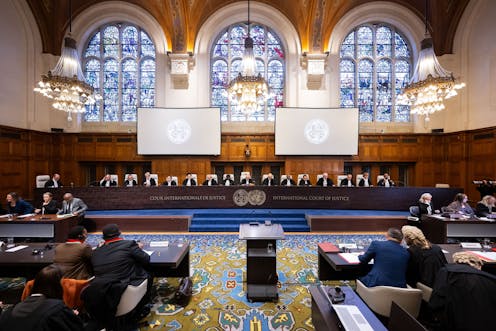
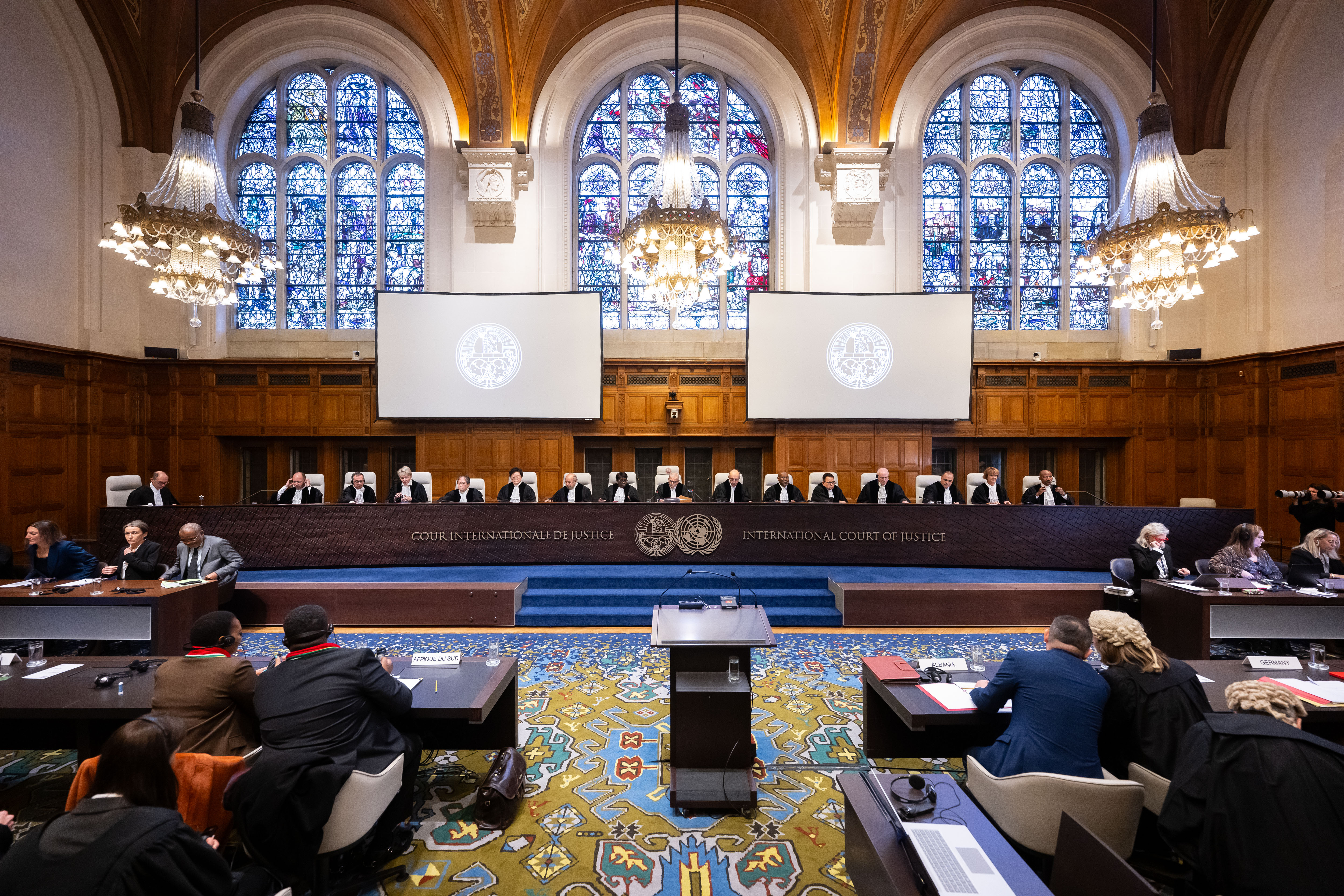
The International Court of Justice will consider a wider set of legal issues on climate obligations next year.

The fact that the court has authorised the commission to participate in this separate advisory opinion request signals the UN’s main judicial body will take account of the tribunal’s opinion. It’s also worth noting the tribunal is likely to deliver its views on the law of the sea first, setting the stage for a broader interpretation of international law when it comes to taking responsibility for polluting the atmosphere.

Sustained pressure from small island states is advancing our understanding of the obligations of states to address climate change.


Read more:
The UN is asking the International Court of Justice for its opinion on states’ climate obligations. What does this mean?


The Conversation

Margaret Young receives funding from the Australian Research Council.

Ellycia Harrould-Kolieb does not work for, consult, own shares in or receive funding from any company or organisation that would benefit from this article, and has disclosed no relevant affiliations beyond their academic appointment.

ref. Could the law of the sea be used to protect small island states from climate change? – https://theconversation.com/could-the-law-of-the-sea-be-used-to-protect-small-island-states-from-climate-change-208842

Building houses in factories for the Commonwealth Games was meant to help the housing crisis. What now?

Source: The Conversation (Au and NZ) – By Louise Dorignon, Vice-Chancellor Postdoctoral Research Fellow, RMIT University

Shutterstock

Huge sporting events come with substantial public investment in housing. After Melbourne hosted the 1956 Olympics, about 600 houses in the athlete village became public housing in West Heidelberg. After Melbourne hosted the 2006 Commonwealth Games, the athlete village in Parkville was largely sold off, with 320 houses going to social housing.

Victoria’s now cancelled 2026 Commonwealth Games were meant to have the same effect in the state’s smaller cities. New dwellings were intended to help boost social and private housing supply amid the ongoing housing crisis. Ironically, the broader housing crisis may have contributed to the cancellation, as worker shortages and building material price spikes took their toll.

Importantly, half of these were to be prefabricated and modular buildings. This would speed up construction and demonstrate what’s now possible. While regions like Scotland now do almost all of their construction in factories, Australia is only just beginning.

So is cancellation of the games a blow for prefab construction in Australia? It’s a PR setback, given the attention it would have received. The state government has committed to building 1,300 new homes in the regions, the same number intended for the games. As yet, we don’t know if these will be prefab.

Building the prefab profile

Victoria agreed to host the games only last year. That gave very little lead time – the games will start in just two and a half years, assuming a new host is found. This rapid time frame was why Victoria’s government looked to prefab to provide the thousands of dwellings needed for officials, athletes and workers.

After the games, these houses in Victoria’s fast-growing host cities of Bendigo, Ballarat, Geelong and Shepparton were meant to boost social and affordable housing supply.


Read more:
Turning the housing crisis around: how a circular economy can give us affordable, sustainable homes


The plans were a welcome shot in the arm for Australia’s prefab industry, which was just 5% of new builds this year, though it’s expected to reach 10% by 2030. Scaling up the use of prefabrication will need government support and leadership.

Leading prefab jurisdictions like Scotland and Sweden have needed government support to get to where they are, with prefab accounting for 84%.

Why look to prefab homes at all?

Factories are a way of producing standardised products more cheaply. Bringing these techniques to bear on houses cuts costs, slashes waste by up to half, and can quickly boost housing supply. Waste can be cut by precise standardised measurements and the use of low-carbon materials like timber or hybrid steel-timber reduces environmental impact.

You might think prefab homes would all look the same or lack quality. But standardisation can often be high quality. When construction is done in a factory setting with a controlled environment, it can be easier to ensure it’s airtight, well insulated and meets standards.

Prefab factories can reduce the impact of weather on construction, though it does create another challenge – transporting the dwelling to the site.

It’s not just for single or double-storey buildings. More than 500 apartments were delivered to a vacant site in London using modular systems, which were then slotted into place to build Ten Degrees, the world’s tallest residential modular building to this date. The process cut embodied carbon by up to 40%, according to the building’s designers.

Boosting prefab without the games

In a recent report led by Master Builders Victoria, we examined how experiences of the Birmingham 2022 and Glasgow 2014 Commonwealth Games in the UK helped the construction industry innovate in areas like prefab housing.

Preparations for the Birmingham games faced the unprecedented challenge of the COVID pandemic. As a result, the planned athlete village was never used for athletes, and the units built eventually became private and social housing. Prefab techniques were used to build 430 apartments.

Even with the COVID challenge, these apartments were completed ahead of time. In contrast to traditional construction methods, there was more use of the local workforce.

Why isn’t Australia embracing these techniques?

Inertia. To make prefab housing mainstream in Australia will mean major changes to the way things are done at present. Our construction industry is not always able to take risks, which makes innovation challenging.

One way to get around this is to create the demand for these types of houses. In Victoria, the government’s pledge to still deliver the promised regional housing could be tied to prefabrication, to help deliver high quality, sustainable and affordable housing more quickly and begin reshaping the wider industry.

modular office building
Prefab buildings can be produced to be modular, meaning they can stack or connect, as in this image of a modular office building in Berlin.
Shutterstock

Even with the games gone, other pressures like the rental and housing crisis are only intensifying. Prefab could help here by offering more affordable and sustainable housing as an option, especially outside metropolitan areas where the cost of land makes up a smaller proportion of the cost of a house or as urban infill.

The games would have helped supercharge the prefab industry. But Australia has an urgent need for more housing. Prefab could help deliver this more cheaply and more sustainably.


Read more:
Building in the same old ways won’t end the housing crisis. We need innovation to boost productivity


Former RMIT researcher and Master Builders Victoria adviser Joana Correia contributed to this piece.

The Conversation

Louise Dorignon has received funding from various organisations including the Australian Housing and Urban Research Institute and various industry partners.

Trivess Moore has received funding from various organisations including the Australian Research Council, Australian Housing and Urban Research Institute, Victorian Government and various industry partners. He is a trustee of the Fuel Poverty Research Network.

ref. Building houses in factories for the Commonwealth Games was meant to help the housing crisis. What now? – https://theconversation.com/building-houses-in-factories-for-the-commonwealth-games-was-meant-to-help-the-housing-crisis-what-now-210137

‘What would I say to the face of a student?’ Why some teachers are giving feedback via video

Source: The Conversation (Au and NZ) – By Ameena L. Payne, Doctoral Candidate, Deakin University

Karolina Grabowska/Pexels

It is really important for students to see the human side of their teachers. They need to see them as real and caring people.

This helps students feel like they belong in the classroom, whether in real life or virtually. Building stronger student-teacher connections can also increase their motivation and self-confidence with their studies.

Feedback is a key component of learning.

We know feedback can evoke emotional responses from students. Unfortunately, the design and delivery of assessment feedback is often very impersonal. Perhaps students get a single mark or grade, or a few isolated comments.

Our study looks at how teachers are using video feedback to humanise the feedback process. We spoke with ten university teachers from countries including Australia, Aotearoa/New Zealand, Canada, the United Kingdom, United States, Oman and South Korea.


Read more:
Why do I find my child’s school report so hard to understand?


What is video feedback?

Video feedback can be provided in three ways: via a “talking head”, screen recording or both.

Talking head feedback is simply a recording of the teacher speaking to the camera. Screen-recorded feedback consists of a recording of the teacher’s computer screen, which enables the teacher to go through an assignment or piece of work on their screen.

Using both means the inset of the teacher is displayed within the screen recording.

How long has it been around?

Video has played a part in education since the 1960s, but using it to provide feedback was relatively uncommon until about a decade ago.

Our research looks at video feedback for university students, but it can be used at all stages of education, from as young as primary school.

A woman sits on a couch, looking at her laptop, patting a cat.
Video feedback can be used for all ages and stages or learning.
Sam Lion/Pexels

The steady increase in online learning and the most recent shifts to emergency remote teaching saw more teachers use video to complement written feedback, and to establish or maintain feelings of closeness.

Students have also reported being more reliant on their assignment feedback in online learning than in face-to-face modes of study.

Previous research has shown students like receiving video feedback. They say it feels more conversational, friendly and personal. Research has also shown educators have noted enhanced student engagement and improved marking efficiency and quality.

Our research digs deeper into why it can work.

Using video to provide clear, kind and personalised feedback

Some of our interviewees were motivated to use video feedback, based on their own experiences as students. As Ishaan* told us:

I received feedback, as an undergraduate 20 years ago, and I just looked at it and think I didn’t learn anything from my submissions […] and it kind of pissed me off.

Teachers also used videos to demonstrate to students that they had really looked at their work. And so they could see their work through the eyes of their teacher.

Anthony, a health educator, uses video feedback because it gives students the feeling that

we are [together], you are sitting here with me although you are not really, and we are going through [the assignment].

What should feedback do?

Feedback is not about telling a student they are “wrong” or “right”. Our interviewees wanted students to think beyond mere grades or marks.

They said they wanted their feedback to help students be creative and critical in their learning and provoke self-reflection. As Alannah told us, she wanted to empower students to “solve their own problems and get insight into their own gaps”.

They said they wanted students to be open and receptive to feedback, so they could make use of it. As Marisol explained:

feedback should be ‘feeding-forward’ somewhere or having some value that students see is going to influence the future assignment.

Video can show and tell

Our interviewees said video helped them to give better, more specific feedback. This included being able to show examples and be empathetic in their language.

As Anthony explained:

It’s not a case of being pejorative and saying this is no good […] Sometimes it’s just a matter of saying ‘I can see what you’ve tried to do. Here’s another way you could have done it that would have done what we wanted to do’.

Interviewees recognised students could view feedback as harsh or impersonal when teachers focuses on correction. But video can feel more like a face-to-face conversation. Marisol noticed how her written comments naturally emphasised students’ errors. In contrast, with video feedback, she imagines:

the student watching me. I have the feeling of ‘What would I say to the face of a student?

But video alone is not enough

Our interviewees stressed that video feedback still needed to be underpinned by good design.

They said the feedback process would be improved if it was more interactive. As Otto said, it should be “more like a conversation […] more frequent but less big”. Marisol said there should be opportunities for students to reply.

Interviewees also talked about the need for assignments to connect or build on one another, so students can use the feedback from one assignment to the next and make comparisons with their own previous work.

While video feedback is now built in to most online learning platforms, one in five Australian households only access the internet through a phone. As Farah acknowledged, video feedback may not be not feasible for all students and educators.

We have poor connection in some areas. And some students, they don’t have internet connection.


Read more:
We need to change the way universities assess students, starting with these 3 things


What next?

Our findings should encourage schools and universities to incorporate video into their feedback.

Not only can it engage and encourage students to learn, but it can do so with care, kindness.

*names have been changed

The Conversation

This study was derived from the author’s Master of Education minor thesis at Deakin University. The project team included Professor Rola Ajjawi and Dr. Jessica Holloway.

ref. ‘What would I say to the face of a student?’ Why some teachers are giving feedback via video – https://theconversation.com/what-would-i-say-to-the-face-of-a-student-why-some-teachers-are-giving-feedback-via-video-209235

Every worker is entitled to be safe at work, but casual workers can fall through the cracks

Source: The Conversation (Au and NZ) – By Kantha Dayaram, Professor, School of Management, Curtin University

Shuttterstock

On Monday, Workplace Relations Minister Tony Burke flagged the government’s plan to legislate to enable casuals who work regular shifts to convert to permanent work.

The move, which has been criticised by business groups who said it would add to costs and red tape, is the latest step by the federal government, as promised during Labor’s election campaign, to empower the so-called insecure workforce.

While laws to protect workers from mistreatment already exist in Australia, last month the government signed a United Nations convention that recognises a broad definition of work and an expansive definition of violence and harassment.

The convention is significant because it effectively covers the growing number of casual and gig workers who may not be covered by existing laws.

According to the convention, everyone has the right to work free of violence and harassment. But the increasing casualisation of work over the past two decades have exposed some workers to greater risk of harm.

These changes include a shift away from full-time permanent roles to increasing numbers of contractual and self-employed and those with ambiguous contractual status including gig and platform workers.

In Australia there are about 2.7 million casual workers and 1.1 million contractual workers.

It is harder for these workers, who are more vulnerable to the risk of violence and harassment, to report these incidents than it is for permanent workers.

Pizza delivery person driving motor scooter
It is difficult for casual and gig workers to report workplace violence and harassment.
Shutterstock

A review of Australian law and practices to assess gaps in protections for these new forms of work needs urgent attention.


Read more:
Albanese government to make it easier for casuals to become permanent employees


Recent changes to the Sex Discrimination Act and Fair Work Act mean they provide some of the necessary protections, in line with the new convention, but our research has found they don’t address all the obligations and don’t reflect some of the convention’s key principles.

Instead of a narrow approach, the convention calls for all forms of violence and harassment to be dealt with. The current focus in Australia is on sexual harassment, but this is part of the larger phenomenon of gender-based violence. Regulation of all its forms is necessary.

The C190 convention which Australia has now signed requires signatories to adopt an inclusive, integrated and gender-responsive approach to eliminating and preventing violence and harassment in the workplace.

Emphasising the need for regulation to be inclusive, it adopts a broad definition of violence and harassment, acknowledging a range of unacceptable behaviours and practices that can cause harm including physical, psychological, sexual or economic harm.

As well as the rise in short-term positions, the concept of the workplace is also changing.

Fly-in-fly-out workers in remote locations and gig delivery workers or carers who work at multiple sites are isolated and have little or no direct support from their employer or in the community.

Man mopping floor
Gig workers often have less access to employer support.
Shutterstock

The rise of online working through the COVID pandemic, has also led to increases in online harassment and intimidation.

The convention outlines an expansive view of the circumstances, locations and sectors within the labour market that constitute the “world of work”. This is another concept that needs to be incorporated into relevant laws and regulation.

An integrated approach requires coordination between different areas of law dealing with violence and harassment. A joint effort between governments, employers, unions and interest groups is also needed.

The call for an integrated approach is in response to the complexity and gaps in regulatory approaches.

Australia’s regulation of sexual harassment at work has been characterised by the siloing of the issue within anti-discrimination law, with little attention given to it within workplace rights legislation.

This is changing, given amendments to the Fair Work Act and the priority being given to eliminating sexual harassment as a work health and safety hazard. Recent changes to state-based work health and safety regulations provide for wider worker coverage.

While Australia is making progress, there is a fair way to go to say Australia has an integrated regulatory approach to workplace violence and harassment.

We recommend that the federal government adopt a national strategy on the prevention and elimination of violence and harassment in the workplace, as required by the convention.


Read more:
Why insecure work is finally being recognised as a health hazard for some Australians


A focal point could be giving one regulator responsibility for ensuring the strategy is implemented and the laws, regulations and practices are integrated.

Power relations, gender, cultural and social norms, discrimination and economic inequalities also need to be considered in Australia’s management of violence and harassment in the workplace.

This is part of the gender responsive approach demanded by the convention. Laws and regulation that require those who have suffered violence and harassment to initiate claims for redress and wear the burden of costs of litigation are not in line with this gender-responsive approach.

Making employers responsible for helping prevent violence and harassment are part of this solution.

However, these responsibilities also need to be accompanied by effective and extensive compliance and enforcement powers for regulators and also the resources and capacity within these regulators to deal with issues such as the impact of gender on the violence and harassment at work.

The Conversation

Kantha Dayaram received external funding for projects relating to workplace violence, harassment and discrimination .

Lisa Heap receives funding from RMIT University and the Commonwealth Government.

ref. Every worker is entitled to be safe at work, but casual workers can fall through the cracks – https://theconversation.com/every-worker-is-entitled-to-be-safe-at-work-but-casual-workers-can-fall-through-the-cracks-208206

Life in plastic, it’s fantastic? How Barbie reimagines a childhood icon through a feminist lens

Source: The Conversation (Au and NZ) – By Jennifer Stokes, Senior Lecturer in Digital and Information Literacy (Education Futures), University of South Australia

Warner Bros. Pictures

This article contains spoilers.

Finally, the highly anticipated Barbie feature has landed.

Barbie is a fabulous spectacle, offering nostalgic delights to audiences, reflexive nods for film buffs and turning a feminist lens on the world’s most famous doll.

Most excitingly, Barbie is an intersectional and liberal feminist comedy, sitting alongside mainstream successes Legally Blonde (2001) and Mean Girls (2004).

Much like Barbie, the protagonists in both films ultimately embrace their intellect as a source of strength and a voice for change – and pink as a colour of strength.


Read more:
Explainer: what does ‘intersectionality’ mean?


Liberal feminism

In contrast to radical feminism, which throws out existing systems to start afresh, liberal feminism works to effect change within systems. Liberal feminists work towards gender equality through raising awareness and political action.

Barbie sits in this second camp: a meta-commentary of Greta Gerwig and Margot Robbie’s work within the film industry, where both have moved from acting towards production roles. This is an industry where powerful roles are still dominated by men, and women’s and LGBTQI+ voices are often sidelined.

Robbie’s early career was dominated by roles as the blonde starlet in films like Wolf of Wall Street (2013). In Suicide Squad (2016), her broken-doll Harley Quinn engaged audiences and outshone The Joker.

In the sequel, Birds of Prey (2020), Robbie (now working as producer) engaged director Cathy Yan to show Harley’s perspective. Here, Harley was empowered to reject her toxic ex, gather a squad of supportive girlfriends, and even subvert fight scenes through gestures of feminine support by offering a hair-tie.

Strong female characters

Gerwig’s films have often explored how strong female characters overcome challenges on their journey to adulthood.

In Little Women (2019), Gerwig gives her characters greater agency than previous adaptations. Amy analyses marriage as an “economic proposition”. Jo negotiates a strong book contract, while also accepting editorial direction to choose a marketable ending of marriage – or death – for her female protagonist.

Much like Robbie’s Harley Quinn and Gerwig’s March sisters, this Barbie challenges expectations that little girls conform to preset moulds of being a woman. It is a critique of dolls as representations of idealised femininity.

By airing diverse voices, Gerwig conveys the strength and contradictions within female experiences. The film reflects how women might effect change within capitalist structures through political power and actively working to counter patriarchal discourses.

This Barbie doesn’t need to tear everything down and start again, instead she works with a collective to restore Barbieland and commits to individual action in the Real World.

Facing the real world

In Barbieland, life seems perfect. The diverse Barbies believe they have empowered women everywhere through choice (a goal Barbie creator Ruth Handler espoused).

Things go awry when Robbie’s “Stereotypical Barbie” starts having thoughts of death. Her heart-shaped breakfast waffle is burnt, her morning shower cold and her feet fall flat.

Weird Barbie (Kate McKinnon) advises dark thoughts have opened a portal to her owner and offers a Matrix-style choice between a pretty heel (Barbieland) and a brown Birkenstock (the Real World).

Kate McKinnon as Weird Barbie
Weird Barbie offers a choice: Barbieland or the Real World.
Warner Bros. Pictures

In the Real World (Los Angeles), Barbie and Ken experience confronting ideas. Barbie meets her owner, teenaged Sasha (Ariana Greenblatt), who denounces Barbie’s negative impact on women. Ken finds out about the patriarchy – and wants it for himself.

In LA, Barbie visits a construction site for “uplifting female energy”, but she is surprised by the all-male crew. One leers “I wanna see what’s under that”; she truthfully responds “Oh, I don’t have a vagina”.

At Mattel, Barbie accepts a glass of water. Tipping the glass, she splashes herself and laughs “there’s usually nothing in here”.

Witnessing male dominance in the Real World, Ken introduces patriarchy to Barbieland, creating a bro-topia where Barbies are subservient to Kens. Scenes of Kens man-splaining to Barbies highlight the folly of assuming women don’t grasp technology or cinema, offering humourous meta-commentary in a film created by strong women.

Doing the imagining

“I created you, so you wouldn’t have an ending,” Ruth’s ghost (Rhea Perlman) tells Barbie.

Feminist film theory critiques the male gaze, which renders women in film as objects to be gazed upon for the pleasure of male viewers.

President Babie
These Barbies are beautiful, but not sexualised. They control their narrative.
Warner Bros. Pictures

Robbie’s Barbie works to escape the role of object, both literally and through the cinematography. She is beautiful, but not sexualised. She controls her narrative.

When Barbie finds her friends brainwashed, she falls into despair. Lost, she cries out she doesn’t even feel pretty. The narrator (Helen Mirren) drily notes the filmmakers needed to cast someone other than Robbie to make this point.

Gerwig’s Barbie recognises identity and gender are complex and messy. Sasha’s mother Gloria (America Ferrara) brings the Barbies back by voicing the contradictions women experience everyday. Even Ruth’s ghost fends off comments about perfection, noting her own double mastectomy and tax evasion.

These Barbies have agency, yet Barbie ultimately recognises the agency of a doll is limited.

Supported by Ruth’s ghost, Barbie expresses the desire to be not “just the idea”, but the one “doing the imagining”.

Much like Gerwig and Robbie, Barbie opts for the role of active changemaker, working to shift the system from within.

In bringing Barbie to life, Gerwig, Robbie and their team created a smart, enjoyable, feminist film. Barbie’s story doesn’t end with marriage or death; she steps into her future in pink Birkenstocks.

The Conversation

Jennifer Stokes does not work for, consult, own shares in or receive funding from any company or organisation that would benefit from this article, and has disclosed no relevant affiliations beyond their academic appointment.

ref. Life in plastic, it’s fantastic? How Barbie reimagines a childhood icon through a feminist lens – https://theconversation.com/life-in-plastic-its-fantastic-how-barbie-reimagines-a-childhood-icon-through-a-feminist-lens-208945

View from The Hill: It’s just too hard and too late to delay and recalibrate Voice referendum

Source: The Conversation (Au and NZ) – By Michelle Grattan, Professorial Fellow, University of Canberra

With the polls showing public support for the Voice flagging, some people believe the referendum should be deferred.

There is certainly reason for concern about the fate of the “yes” vote. The polls have been softening for a while, but the Resolve Political Monitor survey published in the Nine newspapers at the weekend showing support for the Voice down to 49% in New South Wales was particularly alarming for its supporters.

NSW and Victoria (where the “yes” vote is 52%) would be expected to form the backbone of a successful referendum.

“No” supporters have an interest in advocating delay, seeing it as a way to kill off the whole thing. But on the other side, some nervous “yes” advocates fear defeat and all the consequences that would bring, and are looking for salvage options.

Even before the Resolve poll, Liberal senator Andrew Bragg, a “yes” backer, suggested the referendum should be put off until mid-2024. He said in a 2GB radio interview on Friday

I fear that the process has not yielded enough consensus to garner a “yes” vote. And I think it would be worth considering recalibrating at this stage, to save the concept and to deliver a successful referendum.

Superficially tempting as this argument might seem, it is impractical and would almost certainly be counterproductive.

To back off the current wording and timetable (the vote is due in the last quarter of the year and is expected in October) would be nearly impossible for Prime Minister Anthony Albanese. He has come too far, invested too much.

It would spark a serious backlash from Indigenous leaders, many of whom would likely see it as a sellout by the prime minister. Albanese would be opening another battlefront for himself.

From the government’s point of view, prolonging the argument around the Voice into another year would distract attention from other parts of its agenda and take the issue dangerously closer to the next election. Some ministers would surely resist.

If the referendum were merely deferred, with the wording unchanged, there’s no reason to think the Voice proposal would become any more popular. That could just provide more time for opposition to build.

Bragg proposes “recalibrating” the Voice in an effort to get bipartisan support.

But trying to do this would be fraught, even if the government were willing to attempt it.

When it needed a relatively minor change in the proposed wording, it ran into opposition from its Indigenous advisers, and had to compromise.

To obtain bipartisan support – Bragg’s aim – the government would almost certainly have to retreat to seeking to put only recognition in the constitution, with a Voice simply legislated. Opposition leader Peter Dutton would not be able to sign up to anything other than a gutted Voice, which was not in the Constitution.

This would never be accepted by the Indigenous proponents.

And Bragg himself said: “I don’t think it’s the right thing to let go of the Voice in the Constitution concept”.

The easier road would always have been a constitutional amendment for recognition, with the Voice legislated.

But Albanese on the night of the election, and well before, embraced the full Uluru Statement from the Heart. That, in its entirety, committed him to a Voice in the Constitution, treaty and truth telling.

Indigenous people have argued strongly that without being in the Constitution, the Voice would be at risk of being scrapped, as previous bodies have been.

The risk now is that voters’ wariness of putting it in the Constitution might mean the Voice never starts.

The die is cast on the content of the question and the window in which the vote will be held. The government can only manage its campaign as effectively as it can, and hope enough of those who are undecided, “soft no” voters, or have yet to tune in to the debate fall the way of a “yes” vote when the time comes.

The Conversation

Michelle Grattan does not work for, consult, own shares in or receive funding from any company or organisation that would benefit from this article, and has disclosed no relevant affiliations beyond their academic appointment.

ref. View from The Hill: It’s just too hard and too late to delay and recalibrate Voice referendum – https://theconversation.com/view-from-the-hill-its-just-too-hard-and-too-late-to-delay-and-recalibrate-voice-referendum-210286

‘What could we have done?’ – Pacific community grief for shooter victims

RNZ Pacific

The Pacific Island community in Aotearoa New Zealand is grieving for the deaths of two men killed at an Auckland downtown construction site last week.

Solomona To’oto’o, 45, of Manurewa and Tupuga Sipiliano, 44, of Wattle Downs have been named as the victims of 24-year-old gunman Matu Reid, who also died.

Several others were wounded, including a police officer.

The Samoa Observer reports friends and relatives of the two victims took to social media to express their condolences, and relatives of Sipiliago sent messages to the victim’s wife and children as they mourned.

The Samoa Police, Prison and Correction Services have extended their sympathies to the New Zealand Police, saying their thoughts and prayers go out to all those affected, along with their solidarity with the NZ Police.

Former Auckland city councillor and Pacific islands advocate Fa’anānā Efeso Collins told RNZ’s Morning Report the community was rallying around the families.

Fa’anānā said people he goes to church with were social workers and youth workers and are questioning what could have been done.

‘Some questioning’
“Some questioning became what else could we have done?” he said.

“How can we continue to support these communities and even the young man who undertook the shootings as well . . . I guess the holes in the community or in the system that we need to assist and fix and help to facilitate.”

He said some people were “really angry” while some were questioning how else to support young people going through these issues.

Fa’anānā said people were asking how to address issues like poverty, isolation and young people who had fallen out of the school system.

He said he had talked to social and youth workers in churches.

“Because even as young dads we are wondering what it is to get people to talk, to invite people to feel like they re connected to a community, because it is that connection that really is going to offer people support,” Fa’anānā said.

“We experience tragedy and triumphs as a village and the village wants to work out what else can be done to support.”He said it was also going to mean a conversation with public agencies like Ministry of Social Development and the Ministry of Education.

Fa'anānā Efeso Collins
Former Auckland city councillor Fa’anānā Efeso Collins . . . “How can we continue to support these communities.” mage: RNZ

Tongans ‘thankful’ to police
A Tongan construction worker, Uate Vea, was one of those in the building at the time of the tragic deaths.

RNZ Pacific correspondent Kalafi Moala said Vea said they were at level 21 of the building where the shooting was taking place, about six levels away from the gunman, when they were instructed to leave.

“We ran down to level 15 before we were told to return to level 16 because the shooter was heading our way,” he said.

And while they moved to level 16, he heard more gunshots.

Vea said he was thankful that the NZ police were quick to send the helicopter which helped save them, Moala said.

He said there were eight Tongans altogether in his team and he understood there were more Tongans working at the site.

‘MATES help mates’
MATES in Construction has also extended its sympathies to the workers that were affected by the shooting.

In a statement last week it said it “is actively engaged to support impacted people throughout the industry.”

The suicide prevention group said it was “developing a plan to ensure there is a comprehensive process in place for the weeks ahead and intends to maintain a strong supportive presence on site” when workers returned to the site this week.

“It is important that workers know there is someone to turn to if they need help and know how to look after their mates on site who may be experiencing difficulties.

“MATES help mates and that is a priority for us during this sad time.”

This article is republished under a community partnership agreement with RNZ.

Print Friendly, PDF & Email

Article by AsiaPacificReport.nz

Chris Barrett becomes new head of the Productivity Commission, as Jim Chalmers flags fresh focus

Source: The Conversation (Au and NZ) – By Michelle Grattan, Professorial Fellow, University of Canberra

Treasurer Jim Chalmers has appointed Chris Barrett, an economist with extensive public service experience, as the new chair of the Productivity Commission.

Barrett was former Treasurer Wayne Swan’s chief of staff when Chalmers was the deputy chief of staff. Later he was appointed by the Labor government as Australia’s ambassador to the Organisation for Economic Cooperation and Development (OECD).

Barrett is presently deputy secretary of the economic division of the Victorian Department of Treasury and Finance.

The outgoing head of the Productivity Commission, Michael Brennan, was appointed by the Coalition and had worked for senior Liberals. He attracted criticism from the then-Labor opposition for having political connections.

Chalmers, announcing Barrett’s appointment, was at pains to stress he had been been through a rigorous recruitment process.

The treasurer made it clear the commission will soon have a new focus. A review, spearheaded by Treasury, is underway.

Chalmers said he wanted to “revitalise and renew and refocus” the commission, recognising that “productivity has evolved”.

“We’ve made it clear we think the productivity opportunity for Australia is not to make people work longer for less but to invest in human capital, it’s to invest in the energy transformation, to get much better at adapting and adopting tech as it evolves.

“I want to make sure the Productivity Commission is providing the kind of insights and perspectives about a more modern economy that a government can pick up and run with.”

Chalmers said the commission “will remain fiercely independent as it should be”. He would not put a date on the finalisation of the review, which will now involve the new chair, other than to say “months rather than years”.

Labour productivity as measured by GDP per hour worked has been falling since March 2022.

In the 1990s, labour productivity was increasing 2.2% a year; in the decades leading up to COVID it was growing at only half that rate.

Chalmers said: “The decade to 2020 was the worst for productivity growth in Australia in the last 60 years. And it will take time to turn that around.

“Nobody pretends that there’s a switch that you can flick to turn around what has been disappointing performance on the productivity front.”

Chalmers said Brennan had made a significant contribution to the commission, saying it had “featured prominently in the nation’s conversation about Australia’s productivity”.

Shadow Treasurer Angus Taylor said the test of Barrett’s performance “will be in whether he pursues genuine productivity reform or rubber stamps Labor’s union-led agenda that business is warning will take productivity further backwards”.

“The Productivity Commission has given a roadmap in its five-year review yet the government has buried it,” Taylor said.

At his news conference, Chalmers also gave the latest update for last financial year’s surplus, indicating it is likely to be above $20 billion.

He said the government was focused on delivering the cost of living relief it has announced but it was not working on a new package.

The Conversation

Michelle Grattan does not work for, consult, own shares in or receive funding from any company or organisation that would benefit from this article, and has disclosed no relevant affiliations beyond their academic appointment.

ref. Chris Barrett becomes new head of the Productivity Commission, as Jim Chalmers flags fresh focus – https://theconversation.com/chris-barrett-becomes-new-head-of-the-productivity-commission-as-jim-chalmers-flags-fresh-focus-210277

It’s not just tax. How PwC, KPMG and other consultants risk influencing public health too

Source: The Conversation (Au and NZ) – By Julia Anaf, Postdoctoral research fellow, Stretton Health Equity, Stretton Institute, University of Adelaide

Shutterstock

Concerns about the use of private consultancy firms advising government – such as PwC, KPMG, Deloitte and EY – has led to a Senate inquiry.

Until now, much media interest has centred on PwC’s advisory role to the Australian Tax Office while also advising private clients on tax matters.

But such companies also advise government on health issues. And there’s growing concern about the potential for conflicts of interest and undue influence on health policy.


À lire aussi :
My 3-point plan to untangle the public service from consultants such as PwC


How do these firms consult on health?

Private consultants offer a range of health services and advice to government. These include contracts about electronic health systems, policy, taxation, program design and evaluation, improving hospital performance, and health sector restructuring. Firms also develop major public and private health-care initiatives.

There might be an argument for engaging external consultants when that expertise does not already exist in the public service. However, when consultants are engaged more widely, we have potential problems.

For example, we’ve raised concerns about KPMG’s involvement in the National Health and Climate Strategy, which aims to prepare the health system for the impacts of climate change. The firm also advises the fossil fuel industry.

Senator Barbara Pocock, Greens spokesperson for finance and the public service, shares our concerns:

KPMG’s work on the National Health and Climate Strategy is the latest worrying example. This is core public service work that should be conducted by a robust public sector where there is no risk of a conflict of interest between a consultant with a fossil fuel client list and the public interest.

Pocock is also concerned about KPMG auditing aged care facilities for government at the same time as charging others for advice on audits and accreditation. The firm says it has launched an internal inquiry.

The use of consultants to government has been noted at the state level too. New South Wales is running its own public inquiry, including looking into how consultants are used in health.


À lire aussi :
Blacklisting PwC won’t stop outsourcing: here are 3 reasons it has become embedded in the Australian public service


What are the concerns?

1. No scrutiny

Contracts between consultancies and government, and advice that arises, are not easily publicly available. So we cannot say if we’re getting good advice. There’s the risk consultants give answers government wants to hear, instead of the “frank and fearless” advice from public servants.

Then there’s the issue of whether that advice, or contracted service, provides value for money.

University College London economist Mariana Mazzucato refers to the extensive use of commercial consultants to government in her book Big Con. She says neither theory nor evidence show private sector consultancy is more efficient and cost effective than what the public sector can provide.


À lire aussi :
Who needs PwC when consultancy work could be done more efficiently in-house?


2. Conflicts of interests

There’s the risk of conflicts of interest, as we’ve highlighted above. This arises, for instance, when firms have both government clients, and private sector ones, and information is shared.

There are also conflicts of interest in the revolving doors phenomenon. This is the term used for staff movements between consultancy firms, government departments, revenue authorities or corporate regulators.

This has been well-documented for the tobacco industry, among others.

3. Impact on health policy

Consultants have extensive influence over health policy due to recurring government contracts. Such influence includes supporting a neoliberal policy agenda. This promotes small government, and puts profits above the public’s wellbeing and public interest. This risks influencing health outcomes.

For instance, our own research in South Australia points to policymakers outsourcing government functions to private firms being a factor in increasing health inequities.

Changes to the public sector since the 1980s have resulted from the adoption of “managerialism” or the growing reliance on professional managers and business models. This leads to a decline in evidence-based health policies and helpful collaboration between different sectors, and a shift away from addressing health inequities.

One example is the millions of dollars paid to private consultancies during the COVID pandemic. This did not prevent numerous failures in the rollout. Delays increased the risk of critical health impacts including outbreaks and community lockdowns. The secrecy around these contracts is unacceptable.

4. Impact on the public service and governance

A government audit showed outsourcing to consultants in 2021–2022 was equal to the cost of paying 954 full-time public sector staff. This, and other forms of outsourcing, forms a so-called “shadow public service”.

Two women and man looking at computer screen in office, one woman pointing to screen
When governments rely on private firms, knowledge and expertise are lost from the public service.
Shutterstock

When governments rely on private firms, knowledge and expertise are lost from the public service. This makes it hard for governments to plan ahead to reduce long-term health policy problems. Consultants shaped by the neoliberal environment tend to offer solutions that are likely to stress more privatisation and use of consultants, as Canadian research has shown.


À lire aussi :
After robodebt, here’s how Australia can have a truly ‘frank and fearless’ public service again


How can we fix this?

These firms hold power due to their expert knowledge and insufficient regulation. So we need strong commitment by the major political parties to:

  • reinvest in the public sector to foster the skills for planning long-term health policies in the public interest

  • ensure full transparency over contractual arrangements and remove “commercial in confidence” legal clauses when consultants are used

  • manage conflicts of interests transparently, especially when private firms advise both industry sectors and governments

  • ban political donations from firms with extensive government contracts to avoid undermining principles of accountability.


À lire aussi :
PwC scandal shows consultants, like church officials, are best kept out of state affairs


In a nutshell

While commercial firms can make a positive contribution to society, they can potentially increase ill health, inequity, and harm to the planet via the advice or services they provide.

For as long as consulting firms act a “shadow public service” in Australia, health and equity will continue to be undermined. This must change.

The Conversation

Fran Baum receives funding from the National Health and Medical Research Council and the Australian Research Council

I am the immediate past co-chair of the People’s Health Network’s Global Steering Council and current member of their Advisory Council
I am a member of the Board of the Cancer Council SA and Australia 21

Julia Anaf ne travaille pas, ne conseille pas, ne possède pas de parts, ne reçoit pas de fonds d’une organisation qui pourrait tirer profit de cet article, et n’a déclaré aucune autre affiliation que son organisme de recherche.

ref. It’s not just tax. How PwC, KPMG and other consultants risk influencing public health too – https://theconversation.com/its-not-just-tax-how-pwc-kpmg-and-other-consultants-risk-influencing-public-health-too-209687

Chris Barrett becomes new head of the Productivity Commission, as Jim Chalmers flags new focus

Source: The Conversation (Au and NZ) – By Michelle Grattan, Professorial Fellow, University of Canberra

Treasurer Jim Chalmers has appointed Chris Barrett, an economist with extensive public service experience, as the new chair of the Productivity Commission.

Barrett was former Treasurer Wayne Swan’s chief of staff when Chalmers was the deputy chief of staff. Later he was appointed by the Labor government as Australia’s ambassador to the Organisation for Economic Cooperation and Development (OECD).

Barrett is presently deputy secretary of the economic division of the Victorian Department of Treasury and Finance.

The outgoing head of the Productivity Commission, Michael Brennan, was appointed by the Coalition and had worked for senior Liberals. He attracted criticism from the then-Labor opposition for having political connections.

Chalmers, announcing Barrett’s appointment, was at pains to stress he had been been through a rigorous recruitment process.

The treasurer made it clear the commission will soon have a new focus. A review, spearheaded by Treasury, is underway.

Chalmers said he wanted to “revitalise and renew and refocus” the commission, recognising that “productivity has evolved”.

“We’ve made it clear we think the productivity opportunity for Australia is not to make people work longer for less but to invest in human capital, it’s to invest in the energy transformation, to get much better at adapting and adopting tech as it evolves.

“I want to make sure the Productivity Commission is providing the kind of insights and perspectives about a more modern economy that a government can pick up and run with.”

Chalmers said the commission “will remain fiercely independent as it should be”. He would not put a date on the finalisation of the review, which will now involve the new chair, other than to say “months rather than years”.

Labour productivity as measured by GDP per hour worked has been falling since March 2022.

In the 1990s, labour productivity was increasing 2.2% a year; in the decades leading up to COVID it was growing at only half that rate.

Chalmers said: “The decade to 2020 was the worst for productivity growth in Australia in the last 60 years. And it will take time to turn that around.

“Nobody pretends that there’s a switch that you can flick to turn around what has been disappointing performance on the productivity front.”

Chalmers said Brennan had made a significant contribution to the commission, saying it had “featured prominently in the nation’s conversation about Australia’s productivity”.

Shadow Treasurer Angus Taylor said the test of Barrett’s performance “will be in whether he pursues genuine productivity reform or rubber stamps Labor’s union-led agenda that business is warning will take productivity further backwards”.

“The Productivity Commission has given a roadmap in its five-year review yet the government has buried it,” Taylor said.

At his news conference, Chalmers also gave the latest update for last financial year’s surplus, indicating it is likely to be above $20 billion.

He said the government was focused on delivering the cost of living relief it has announced but it was not working on a new package.

The Conversation

Michelle Grattan does not work for, consult, own shares in or receive funding from any company or organisation that would benefit from this article, and has disclosed no relevant affiliations beyond their academic appointment.

ref. Chris Barrett becomes new head of the Productivity Commission, as Jim Chalmers flags new focus – https://theconversation.com/chris-barrett-becomes-new-head-of-the-productivity-commission-as-jim-chalmers-flags-new-focus-210277

‘I’m really stuck’: how visa conditions prevent survivors of modern slavery from getting help

Source: The Conversation (Au and NZ) – By Nerida Chazal, Lecturer in Criminal Justice and Sociology, University of South Australia

Shutterstock

Modern slavery is back in the spotlight, after fresh media reports of migrants allegedly being brought to Australia as students but being forced to work long hours under harsh conditions with minimal pay.

In Australia, more than half of modern slavery survivors are migrants.

Across our research on modern slavery, survivors (and the caseworkers and service providers who support them) consistently say issues with Australia’s visa system prevent people from getting the help they need.

In other words, the current design of the system helps replicate and reproduce the shameful inequalities at the heart of modern slavery in Australia.

The system increases risk of exploitation

Australia’s temporary visa system promotes insecurity for migrants that can cause or contribute to exploitation.

For example, perpetrators can use a person’s insecure visa status to coerce victims to work for low pay or put up with poor conditions.

One survivor told us:

You need to have a visa to be in Australia, so you are going to do whatever is required.

In response to years of advocacy from migrant-led organisations, researchers and human rights experts, the Albanese government recently introduced new measures to protect migrant workers at risk of exploitation.

This is a welcome first step. But our research has found Australia’s visa system continues to harm migrants once they have experienced exploitation.

How visas make it hard to seek help

Visa fears can prevent people from seeking help. One survivor told us:

Sometimes you’re afraid to report, because you might be going to lose the job. You might be going to lose your visa and everything you know.

This situation is exacerbated by requirements for survivors of modern slavery to report to the Australian Federal Police (AFP) to access key services.

One caseworker told us:

People that have faced any type of exploitation may fear of authority and will be reluctant to go to the police to initiate any type of support, or they might be having a lot of fear in terms of the consequences of an insecure or unknown immigration status.

Australia’s modern slavery visa framework

The federal government’s human trafficking visa framework enables migrants assessed by the AFP as victims of slavery to get a visa.

Under this framework, only those willing to give evidence against their alleged perpetrator(s) are granted long-term visas.

However, even these visas are still “temporary”. Survivors remain on them for the duration of a criminal justice process, which can last for years.

More than half the survivors formally identified by the AFP are on temporary visas.

In other words, survivors often remain burdened by the insecurity that comes with temporary visas long after they’ve sought help.

Survivors locked out of mainstream services

Some temporary visa conditions can limit survivors’ access to support services such as Medicare and Centrelink.

One caseworker explained:

[Your] visa in Australia determines access to services. If it’s health, if it’s education, anything, it determines what happens next. The outcomes are not as good for people on temporary visas where they cannot access those payments.

Survivors described being left destitute, desperate and in a state of limbo without any access to services.

Temporary visa status can also make it impossible for survivors to find suitable and secure housing.

The combination of insecure visa status and insecure housing can prevent many survivors from regaining their independence and moving forward with their lives.

Risks of further harm

For survivors on temporary visas, not being able to access vital supports means many face risks of re-exploitation.

Survivors with children are particularly susceptible to experiencing further harm when temporary visas prevent them from supporting their families.

Caseworkers we interviewed told us survivors may

end up thinking, ‘well, I’m just going to have to try and get money anyway anyhow’.

Another caseworker said:

I’ve seen clients engaging with high-risk industries like sex work or fruit picking – where their work rights are not being met – in order to try and send something back to their children.

The human impact

The experience of Grace*, who participated in our research, shows how these elements conspire to produce exploitative conditions, hinder help-seeking and hamper recovery from slavery.

Grace met her former partner while in Australia and applied for a temporary partner visa when her existing visa expired. She was granted a bridging visa while her application was being processed.

Shortly after giving birth to their child, Grace and her child were trafficked out of Australia, allegedly by her partner.

Grace’s bridging visa was immediately cancelled, leaving her unable to return to Australia to support her child, who is an Australian citizen.

While overseas, Grace tried many times to seek support from Australian authorities but was constantly hindered by her lack of visa or residency.

When her case eventually came to the attention of the AFP, they facilitated her return to Australia, and she was granted a temporary visa through the government’s human trafficking visa framework.

Throughout her recovery from exploitation, Grace has constantly faced barriers to supporting herself and her child due to the temporary status of this visa, saying:

With the bridging visa, you can stay, you can work, but you can’t do much around it. You can’t go to school. I want to study, but I can’t afford it. And I’m really stuck with that. Even when I look for job, there’s some jobs that required to be a permanent resident or citizen. Every job I applied for asked about residency status. I felt uneasy to explain my case and the reason why I had that visa. Same issue regarding applying for rental. I can’t get over it. So, it’s just hard for the visa.

Protecting the system rather than the people

As modern slavery survivor and advocate Sophie Otiende puts it:

Care cannot exist when we focus on protecting the system rather than the people at all costs.

Australia’s visa system is entrenched within the problem of modern slavery, and future changes to it must refocus on caring for those who are most vulnerable to exploitation.

Migrant workers need further protections from exploitation caused by temporary visas, such as those recently proposed by government.

To support their recovery from exploitation, migrant survivors of modern slavery need:

  • guaranteed access to mainstream supports

  • swifter access to permanent visas and

  • clearer pathways to residency.

*Names have been changed to protect identities. If you or someone you know needs help, contact the Australian Red Cross Support for Trafficked People Program on 03 9345 1800 or email national_stpp@redcross.org.au

The Conversation

Nerida Chazal has received funding Department of Social Services.

Kyla Raby works for the Australian Red Cross who has received funding from the Department of Social Services to undertake research discussed in this article.

ref. ‘I’m really stuck’: how visa conditions prevent survivors of modern slavery from getting help – https://theconversation.com/im-really-stuck-how-visa-conditions-prevent-survivors-of-modern-slavery-from-getting-help-209139

Many claim Australia’s longest-running Indigenous body failed. Here’s why that’s wrong

Source: The Conversation (Au and NZ) – By Alison Holland, Associate Professor, Macquarie University

The Voice to parliament, if established, would not be the first Indigenous advisory body in Australia’s history.

In 1973, Gough Whitlam established the National Aboriginal Consultative Committee, which was superseded by Malcolm Fraser’s National Aboriginal Conference in 1978. Both were elected bodies that were advisory only, and there were other later attempts.

The longest-running body was the Aboriginal and Torres Strait Islander Commission (ATSIC), which operated for 15 years before being abolished by the Howard government in 2005.

It’s characterised by some commentators as a failure mired in bureaucratic dysfunction.

For those who promote “no” to the Voice to parliament proposal, ATSIC is either an example of why we don’t need a Voice, or, because of the way it was abolished, of government duplicity not to be trusted.

But here’s why it wasn’t a failure.

What was ATSIC?

ATSIC opened its doors as an independent statutory authority in 1990, following legislation passed by the Hawke government in 1989.

According to then Minister for Aboriginal Affairs Gerry Hand, it was recognition of Indigenous aspirations to be involved in the decision-making processes of government.

It was innovative because it ran programs and delivered services in addition to providing advice.

It consisted of 35 regional councils around Australia of 10-20 councillors elected every three years, who would elect a representative to sit on a national commission on which sat a government-appointed chair, deputy chair and chief executive.

ATSIC’s primary roles were to formulate and monitor programs, develop policy proposals, advise the minister and coordinate activities at all levels of government. It spent Commonwealth government funds on specific programs, measured in terms of achieving social justice.

Like any complex, multi-layered institution, ATSIC had its challenges and critics. On announcing its abolition in April 2004, Howard said the “experiment in separate representation […] for Indigenous people has been a failure”, a claim that was not explained or supported by evidence.

Looking through its archive in the National Library of Australia, it’s impossible to sustain this judgement.

What did ATSIC do?

It organised its programs around key areas of economic, social and corporate affairs, with a range of sub-programs such as land, law and justice, and heritage.

It had two highly successful flagships. This included Community Development Employment Projects (CDEP) which, by 2003, employed 35,000 people in 270 projects, as well as the Community Housing and Infrastructure Program (CHIP). In 2002-03 alone, CHIP built 500 new houses and renovated 1,000 more for Indigenous people.

It supported and seeded other programs, including in areas such as sport, the arts, repatriation, legal aid, and revival of languages. It funded a broadcasting for remote Aboriginal community scheme and lobbied for a national Indigenous broadcaster.

It commissioned reports and provided advice to governments in reviews and parliamentary committees.

In 1993, ATSIC led the Indigenous vanguard in defence of native title, clawing it back from total extinguishment.

Misconceptions

At the time, and since, misconceptions about ATSIC’s funding have prevailed. As a supplementary funding body, intended to augment federal, state and territory funding, it administered less than 50% of the total federal government budget for Indigenous affairs.

It did not have primary responsibility for health, employment or education. Around two-thirds of its budget was taken up with the CDEP and CHIP programs, and a quarter with providing local services such as waste disposal, water, sewerage and so on.

As soon as the Howard government came to office in 1996, it cut $470 million of ATSIC’s budget (over four years), resulting in a 30% reduction in programs.


Read more:
Dutton’s ‘no’ vote reflects 40 years of Coalition partisanship on the Voice


It commissioned an ATSIC-funded special audit of Indigenous organisations to determine whether they were “fit and proper” to receive public funds. About 95% of the 1,122 organisations surveyed passed and were cleared for further funding.

ATSIC had its own internal audit office, and was one of the most scrutinised agencies of public administration. From 1990-2000 it had ten clear audits, on occasion earning the praise of the National Audit Office.

Governments failed, not ATSIC

If there was failure, governments must bear some responsibility. A 1994 evaluation of the National Health Strategy found that ATSIC was a convenient scapegoat for governments’ failure to deliver.

In 1999 and 2001 the Commonwealth Grants Commission found a system of blurred responsibility between all levels of government, duplication and buck-passing, and that ATSIC funds were overburdened through barriers of access to mainstream departments.

The Howard government’s 2003 report into ATSIC didn’t advocate abolishing it, but did point to the limitations of funding services through mainstream agencies:

Time and again ATSIC had been used as a scapegoat for poor Indigenous affairs outcomes […] many mainstream services and program providers avoid accountability, preferring to leave the impression that ATSIC is at fault.

The parliamentary select committee, appointed in July 2004 to examine the provisions of the ATSIC Amendment Bill giving effect to its abolition emphasised that

The overall failure of public policy to successfully overcome the grave disadvantage suffered by Australia’s Indigenous people is not a sign that ATSIC itself has ‘failed’[…] The Committee considers that national performance in Indigenous affairs should be carefully, continuously and transparently monitored. The Government as a whole must be held accountable.

The committee recommended governments adopt ATSIC’s model of capacity building and sustainable development.

The Voice is not ATSIC

The Voice will not be another ATSIC. It won’t run programs or deliver services, nor will it have a budget to administer. This means it can’t be scapegoated for policy failure.

However, ATSIC demonstrated the importance of an Indigenous voice in the administrative mix, and it did meet expectations.

Perhaps we need to take seriously ATSIC’s biggest lesson: the need for governments to be accountable and meet theirs.

The Conversation

Alison Holland receives funding from the Australian Research Council (DP230100714 – Policy for Self-Determination: the Case Study of ATSIC) with Distinguished Professor Larissa Behrendt, Associate Professor Daryl Rigney, Dr Kirsten Thorpe and Lindon Coombes.

ref. Many claim Australia’s longest-running Indigenous body failed. Here’s why that’s wrong – https://theconversation.com/many-claim-australias-longest-running-indigenous-body-failed-heres-why-thats-wrong-209511

How does ice cream work? A chemist explains why you can’t just freeze cream and expect results

Source: The Conversation (Au and NZ) – By Nathan Kilah, Senior Lecturer in Chemistry, University of Tasmania

Shutterstock

Ice cream seems like a simple concept. Take some dairy, add some sugar and flavours, and freeze.

But to get a perfectly creamy, smoothly textured frozen treat, we need more than just a low temperature – it takes a careful interplay of chemistry and three states of matter: solid, liquid and gas.

What’s in the box?

Commercial ice cream includes many ingredients: air, water, milk fat, so-called milk solids (mainly milk proteins and lactose), sweeteners, stabilisers, emulsifiers and flavours. The ingredients are mixed and pasteurised for food safety.

Homemade ice creams tend to use milk, heavy cream, sugar and flavourings, such as fruit, berries, or chocolate. The exact quantities vary with the recipe, but the processing steps are similar.

Milk is composed of everything a young cow needs to grow and develop – water, fats, carbohydrates, proteins, minerals and vitamins. These components respond in different ways when they are frozen.


Read more:
Crying over plant-based milk: neither science nor history favours a dairy monopoly


First, the crystals

As the mixture of ice cream ingredients is cooled down, small clusters of water molecules assemble to form tiny ice crystals. The size of the ice crystals is responsible for the mouth feel of the ice cream – the smaller the crystals, the smoother the feel.

If the crystallisation is not well controlled, these crystals can get very large. Ice cream makers (commercial or for home use) ensure small ice crystals by agitating or beating the liquid as it freezes. This keeps the water molecules moving and prevents the crystals from growing larger.

The mixing process also incorporates air, which is the secret ingredient to give ice cream a lighter texture.

Close up of ivory coloured ice cream being churned in a stainless steel container
Without mixing during the freezing process, the ice crystals in the milk or cream will be too large to yield the texture that defines ice cream.
Shutterstock

Next, the fat

The fat in the milk exists as globules surrounded by proteins. These proteins bridge the fat and the water, helping to keep the fats suspended. (Milk looks white because light scatters off these fat globules.)

These dairy fat molecules have different properties at different temperatures. At room temperature they are semi-solids (like butter), and are about two-thirds solid when at 0℃.

The fat globules can stick together – that’s why you get a layer of cream on top of unprocessed milk. A process called homogenisation forces the milk through a small opening under very high pressure, breaking large fat globules down into smaller ones. This process makes many small fat globules – as many as a trillion per litre. Homogenised milk ensures the mixture will freeze evenly, and separated fats won’t get stuck to the mixing machinery.

Freezing the fat globules makes them clump together, with the surrounding proteins acting as bridges to other fat molecules and to the ice crystals. These fats melt in your mouth, giving a creamy feel and taste.


Read more:
Slip, slop, slurp! The surprising science of sunscreen, sand and ice cream


Then, the sugar

The sugar and other dissolved ingredients in milk are also essential to the final texture of ice cream. The presence of sugars in the water lowers the mixture’s freezing temperature to below 0℃.

Here’s why that’s important. As ice crystals start to form, the concentration of sugars and other dissolved materials in the unfrozen liquid increases, which further lowers its freezing point. By the time the majority of the ice crystals have formed, the resulting liquid is very concentrated in sugars.

This concentrated liquid, known as the “serum”, bridges between the ice crystals, solid fat globules and air bubbles. The serum remains a liquid well below 0℃ and adds enough flexibility to the mixture so the ice cream can still be scooped or shaped.

In this way, the unique chemical properties of water, fats, proteins and sugars come together with air to give the solid, liquid and gas mixture we know and love.

Not everything is ‘ice cream’

What’s called “ice cream” is actually governed by a food standards code. That’s why not all frozen desserts can be legally called ice cream, because they don’t contain enough milk fat.

There are lots of variations on the standard ice cream recipe. Gelato uses more sugar, incorporates less air, and typically has less fats and other solids. Sorbets do away with the dairy and typically contain more sugar, but have historically used egg or gelatin as a protein source.

Regardless of the exact recipe, the fundamental ice crystal formation, fat solidification, and serum phase separation steps are the same.

Product names like “soft serve”, “dairy dessert”, or “ice confection” are often an indication the ingredient list includes vegetable fats rather than more expensive milk fats.

A hand holding a waffle cone under the nozzle of a machine dispensing pink and white soft serve
Technically, soft serve isn’t ice cream.
Shutterstock

Soft serve products are also formed by agitation as the mixture freezes, but tend to contain less air than ice cream you’d buy in a tub, due to the constant agitation inside the dispensing machine.

Icy poles, ice blocks, freezies, or freeze pops (depending on your local phraseology) and other “water ices” are frozen inside a mould or plastic tubing. The shape of the mould limits the ability to stir the mixture, so the freezing process is typically done “quiescently”, meaning at rest. The crystallisation of the ice is not well controlled, and you may have experienced large crystals that have grown (technically “seeded”) from the popsicle stick.

Humanity has enjoyed ice cream for centuries. It’s a marvellously versatile food with endless variations of flavours, additives, and toppings coupled with memories of happiness, comfort, indulgence and nostalgia. And plenty of chemistry, too.

The Conversation

Nathan Kilah does not work for, consult, own shares in or receive funding from any company or organisation that would benefit from this article, and has disclosed no relevant affiliations beyond their academic appointment.

ref. How does ice cream work? A chemist explains why you can’t just freeze cream and expect results – https://theconversation.com/how-does-ice-cream-work-a-chemist-explains-why-you-cant-just-freeze-cream-and-expect-results-205038

The future of money is digital – but NZ needs a careful framework to prevent the pitfalls of cryptocurrency

Source: The Conversation (Au and NZ) – By Abhishek Mukherjee, Lecturer in Accounting and Finance., University of Waikato

Getty Images

New Zealand’s central bank is preparing for a future that includes the mainstream use of cryptocurrency.

At the end of last year, the Reserve Bank of New Zealand (RBNZ) published an issues paper, Private Innovation: Te Auahatanga, on digital currencies. The paper sparked a wide-ranging discussion on the development of the cryptoasset market and how to respond to the challenges it presents.

The RBNZ received 50 submissions on its paper, with consultation ending in April. A summary of the submissions was recently published.

We took a look at the key concerns held by those who participated in the consultation and what these concerns could mean for the uptake of cryptocurrencies in New Zealand.

The future of money in NZ

The RBNZ has mapped out a near future where businesses could accept digital currencies for payments, reducing currency conversion issues for international customers. Cryptocurrencies could also be used to streamline payments to suppliers or employees, particularly those based overseas.

And by leveraging the transparency of blockchain, businesses could improve trust by efficiently tracking transactions and supply chains.

But businesses will need to improve their security measures to protect against online threats as well as manage the potential market volatility associated with cryptocurrencies.

While outlining a path for cryptocurrencies, the RBNZ noted the challenges of regulating organisations that are entirely digital and decentralised. The bank also raised the question of how New Zealand’s existing rules on money laundering and the financing of terrorism would apply to cryptocurrencies.

The key hurdles for cryptocurrency

Five key themes emerged out of the submissions received by the RBNZ. These core themes highlighted the concerns held by regulators, businesses and everyday New Zealanders.

  • A clear but flexible regulatory framework

Research on other markets has shown that regulations cannot be static. The rules need to evolve with the technology. That said, regulations need to initially be quite prescriptive.

The New Zealand Financial Markets Authority (NZFMA) could establish a regulatory “sandbox” for cryptoassets, allowing businesses to test their crypto-related technologies in a controlled environment under close supervision. This would encourage innovation as well as help shape effective regulations, balancing the growth of the sector with risk management and consumer protection.


Read more:
Welsh mining towns had alternative currencies 200 years ago – here’s what the crypto world could learn from them


The NZFMA could also demand that New Zealand residents transact their cryptoassets through exchanges that are based in New Zealand and thus under the country’s regulations in order to develop trust. These can be relaxed once the market matures.

  • Information and accessibility

The submissions also highlighted the need for clear, accurate and accessible information on cryptocurrencies. Some respondents expressed concern about the general lack of knowledge about cryptocurrencies and how they work.

The lesson from the collapse of the digital trading platform FTX is that New Zealand investors have to be protected, or at least made aware of, the risks of transactions through exchanges in more lenient jurisdictions.

  • Risks and opportunities

Risk and opportunities were also points of discussion. Respondents to the RBNZ paper acknowledged the risks associated with cryptocurrencies, such as financial crime and the risk to the wider financial system.

At the same time, they saw a significant opportunity to enhance competition and further innovation in New Zealand.

  • A monitoring approach

Respondents supported the RBNZ’s proposed monitoring approach which underscored a “same-risk, same-regulation” principle. This holds that if a cryptoasset presents similar risks to an existing financial product, it should be regulated in a similar manner.

This implies a flexible regulatory stance that evolves based on the risk profile of the asset, thereby creating a fair and balanced regulatory environment for all financial instruments, traditional or digital.


Read more:
Scams and cryptocurrency can go hand in hand – here’s how they work and what to watch out for


The RBNZ has proposed working closely with international regulators and private sector information providers – companies or organisations that provide data, analysis and insights about the crypto market. This could include blockchain analytics firms, crypto exchange platforms, research institutions and financial technology companies.

Our own earlier research supports the belief that external regulations are not enough. It is essential that financial intermediaries dealing in cryptoassets develop a corporate culture of “performance with integrity”, one in which each member of the organisation is centred on the best interest of the client.

We need to monitor cryptoasset businesses and ensure they have robust corporate governance. Another lesson from the FTX failure is that exchanges themselves can not be custodians of customers’ assets – this must be done by regulated third party institutions.

  • Stablecoins

Stablecoins, a type of cryptocurrency with value pegged to fiat currencies (a government-issued currency that is not backed by a commodity such as gold) or gold, drew interest during consultations. Participants saw their stability as beneficial. Stablecoins were seen as combining the benefits of cryptocurrencies with the stability of traditional currencies.

However, it must be noted that stablecoins differ in risk exposure according to the collateral they use; the crash of the Terra stablecoin in May 2022 versus the resilience of Tether is testament to this. Regulations must be very clear on the reserve assets demanded, and market supervisors must monitor these reserves very closely.

The future is digital

Although promising, the future of cryptocurrency in New Zealand is not without its challenges. The RBNZ will need to keep a close eye on things. The central bank will need to walk a fine line between encouraging new ideas and managing the risks.

For the moment, the RBNZ is taking a cautious approach. While there won’t be any immediate policy changes, the RBNZ will be enhancing its monitoring of the financial ecosystem, tracking global regulatory trends and collaborating with financial organisations to address data gaps.

The goal should be to make sure people understand cryptocurrencies, manage the risks and promote innovation. As one respondent put it:

The future is digital. Let’s embrace it, understand it, and make it work for us.

The Conversation

The authors do not work for, consult, own shares in or receive funding from any company or organisation that would benefit from this article, and have disclosed no relevant affiliations beyond their academic appointment.

ref. The future of money is digital – but NZ needs a careful framework to prevent the pitfalls of cryptocurrency – https://theconversation.com/the-future-of-money-is-digital-but-nz-needs-a-careful-framework-to-prevent-the-pitfalls-of-cryptocurrency-209025

Keen to get off gas in your home, but struggling to make the switch? Research shows you’re not alone

Source: The Conversation (Au and NZ) – By Sangeetha Chandrashekeran, Senior Research Fellow, Australian Research Council Centre of Excellence for Children and Families over the Life Course, The University of Melbourne

More than five million households in Australia are connected to the gas network. Tackling climate change requires homes and businesses to move away from gas, and instead embrace electric appliances as the power grid shifts to renewable energy.

People can save considerable money by switching away from gas – even more so if they have solar panels installed. But still, millions of Australians haven’t yet made the move. Why?

Our new research, released today, seeks to shed light on this question. We focused on lower-income households in Victoria and found while most participants supported the transition from gas, few owned electric appliances for heating, cooking and hot water.

There were two main barriers: people couldn’t afford the upfront cost of buying new electric appliances, or were renting and so had little or no say over what appliances were installed. Overcoming these and other challenges is crucial to ensure no-one gets left behind in Australia’s energy transition.

baby floating in bath beside rubber ducks
Few study participants owned electric appliances for heating, cooking and hot water.
Shutterstock

Making it fair for all

Victoria has committed to net-zero greenhouse gas emissions by 2045. To help achieve this, the state government is developing a plan for the state to electrify. Other states and territories are also moving in this direction.

But to date, not enough research and policy attention has been paid to making this transition fair and equitable for everyone.

Low-income households spend a larger proportion of their income on energy bills compared to higher-income households. This is despite those households using less energy.

The affordability of gas will become worse as more households electrify. That’s because part of a gas bill includes the fixed cost of running gas infrastructure – so as progressively fewer people use gas, the remaining users pay more.

And those who don’t make the move away from gas miss out on the long-term economic benefits. Analysis last year suggested a typical Victorian household could reduce its annual energy costs by A$1,020 by replacing gas heating, cooking and hot water systems with electric ones. The figure rises to $1,250 for those with solar power. These savings will be amplified if the price of gas continues to rise relative to electricity.

That’s why it’s important to help as many lower-income people as possible to make the switch to electric appliances. Our research set out to understand what might prevent or enable that shift.

We studied households in Victoria: the state with the highest prevalence of residential gas use in Australia and where plans for an economy-wide transition away from fossil gas are underway.


Read more:
All-electric homes are better for your hip pocket and the planet. Here’s how governments can help us get off gas


hands reach towards gas heater
Gas will become less affordable as more people move to electric appliances.
Shutterstock

What we found

We conducted an online survey, which received 220 eligible responses. We also undertook focus groups with 34 people. All participants were from lower-income households.

Most participants – 88% – used gas in the home, reflecting its prevalence in Victoria.

More than two-thirds indicated some level of support for a transition away from household gas to cleaner energy sources. Support was greater with higher levels of education. There was no significant difference based on financial stress, housing tenure, location or age.

But this support had not translated into action. Just one in ten surveyed households had replaced gas appliances with electric ones within the past five years. Among those who had switched or planned to switch, the main reasons were lower running costs and environmental benefits.

Respondents considered electric appliances to be safer and better for the environment. Gas appliances were considered better for heating and cooking. Many respondents were unsure about the relative benefits of electric versus gas appliances when it came to cost, reliability, safety and the environment.

Graph showing the benefits of gas versus electric appliances, as perceived by participants in the study.
Author provided

Preferences were strongly linked to what people were currently using. Most people preferred gas cooktops over electric ones, because of the perceived speed, ease and flexibility. However, few participants had used electric induction stoves, which can also offer these benefits.

People who spoke a language other than English were significantly more likely to prefer gas for heating and hot water.

For those who had not replaced gas appliances, being a renter was one of the biggest barriers to electrification. Some renters said they lived in poor housing, but were unwilling to request improvements in case the landlord increased the rent or evicted them.

Respondents also said they would struggle to afford the upfront costs of electrification, such as buying new appliances and, in some cases, wiring upgrades and other building modifications.

Many participants were aware of and had received state government assistance to help with energy bills. But far fewer people knew about or had used programs that could support them to adopt electric appliances.


Read more:
Gas cooking is associated with worsening asthma in kids. But proper ventilation helps


Embracing the switch

An overall strategy is needed to help all households make the shift to electric appliances and technology. Our research suggests this must include specific measures for lower-income households, such as:

  • targeted and well-promoted electrification programs

  • more evidence-based information on the benefits of electric appliances

  • incentives for landlords and standards requiring efficient electric appliances in rental homes

  • means-tested rebates for electric appliances such as reverse cycle air-conditioners and heat pump hot water, and where appropriate, no- or low-interest loans.

These measures should, where possible, be linked to measures to improve household energy efficiency. And lower-income households, as well as others facing barriers to getting off gas, must be included when planning the transition.

Researchers David Bryant and Damian Sullivan from the Brotherhood of St Laurence contributed to this article and co-authored the research upon which it is based.


Read more:
Heat pumps can cut your energy costs by up to 90%. It’s not magic, just a smart use of the laws of physics


The Conversation

Sangeetha Chandrashekeran receives funding from the Australian Research Council’s Centre of Excellence for Children and Families over the Life Course (Project ID CE200100025). This project was also funded by Energy Consumers Australia (www.energyconsumersaustralia.com.au) as part of its grants process for consumer advocacy projects and research projects. The views expressed in this document do not necessarily reflect the views of Energy Consumers Australia.

Julia de Bruyn worked for the Australian Research Council’s Centre of Excellence for Children and Families over the Life Course (Project ID CE200100025) at the time of conducting this research. This project was also funded by Energy Consumers Australia (www.energyconsumersaustralia.com.au) as part of its grants process for consumer advocacy projects and research projects. The views expressed in this document do not necessarily reflect the views of Energy Consumers Australia.

ref. Keen to get off gas in your home, but struggling to make the switch? Research shows you’re not alone – https://theconversation.com/keen-to-get-off-gas-in-your-home-but-struggling-to-make-the-switch-research-shows-youre-not-alone-209589

I think my child has anxiety. What are the treatment options?

Source: The Conversation (Au and NZ) – By Simon Byrne, Lecturer in Clinical Psychology, The University of Queensland

Unsplash/rRenaud Confavreux

Anxiety disorders are common among Australian children, affecting nearly 7% of those aged 4–11 years.

Children’s fears can focus on areas such as being alone, talking to strangers or going to sleep. In small amounts these fears can be helpful for survival; in large amounts they can become overwhelming and impairing.

Childhood is the ideal time to treat these problems before they become severe, protracted or lead to other disorders.

A variety of child anxiety treatments are on offer, yet not all treatments are the same or should be considered equal. So how do you face the daunting task of deciding which is best for your anxious child?

First, does my child need help?

The first step is to work out if your child needs treatment. It’s normal for children to experience irrational fears that pass with time. For example, many children and adults are more fearful of spiders than they should be, based on the level of danger.

The main factor that determines whether a child has “clinical anxiety” is the extent to which the fear causes problems in their daily life. If a child who is fearful of spiders, for example, has ongoing trouble leaving home or sleeping because of their fear, they may need extra help.

In younger children, anxiety can be seen as more cautious or avoidant behaviour, which is especially visible when they are in unfamiliar situations.


Read more:
Anxiety can look different in children. Here’s what to look for and some treatments to consider


Keep in mind that anxious children often do not draw attention to themselves and can “go under the radar”. For example, anxious children are often quiet and well behaved at school, so teachers may not be aware they are struggling.

Many anxious children also unfortunately experience other mental health problems, particularly depression, so it’s important to keep an eye out for other issues as well.

Girl worries, arms crossed
Anxious children are often quiet and well behaved at school.
Unsplash/Chinh le Duc

What is the best treatment for my anxious child?

Psychotherapy (talking therapy) for child anxiety can be highly effective. A therapist should empathise with your child and assess how their anxiety began and how it effects their life.

Different health professionals may emphasise different ways to understand and treat a child’s anxiety, often using the approach they are more familiar with or trained in.

Children can respond differently to these treatments, so you need to listen to what they find helpful. For example, a family systems therapist may focus on how family dynamics and communication impact on a child’s mental health. Some therapists focus on developing mindfulness skills, teaching children to observe and accept their anxious thoughts and feelings rather than responding to them.

Different treatments have varying levels of evidence. Keep in mind that people often report some benefit from any treatment (like a “placebo effect”), so you need to work out what works best overall. With that said, treatments that teach children skills to manage their anxiety, such as cognitive behaviour therapy (CBT), tend to be most effective.


Read more:
How to get your kids to talk about their feelings


What is cognitive behaviour therapy?

Cognitive behaviour therapy (CBT) is a broad range of treatments based on the interaction between your child’s thoughts, feelings and behaviours. Therapists encourage children to alter the way they think, which can change how they behave and feel.

Child stands in water, pants pulled up to the knees
CBT tackles how your child thinks.
Unsplash/Max Goncharov

CBT programs have been developed and tailored for anxious children and their families, such as the Cool Kids program. These treatments have been rigorously tested and are known to work for many children.

CBT is also freely available online and this can be an easy way to access and try treatment for example, Fear-Less Triple P Online.

These treatments teach the same CBT skills, however, they are delivered and assessed using an online platform, meaning treatment can take place at home.

Does my child need medication?

Antidepressant medications can be highly effective for childhood anxiety but can also cause side effects, so they are often used when psychological therapies have not been effective. Their use should be monitored by a doctor.

Worried boy looks at a cactus
Antidepressants are considered when other therapies have not worked.
Annie Spratt

What else can I do?

Doing simple things, such as improving your child’s diet, sleep and exercise can have a big effect on their mental health.

It’s important to be supportive and listen to your child when they are distressed, while encouraging them to face their fears. Their fears may seem silly to you, but they are very real for them.

You may also want to involve your child’s school in their treatment, so teachers and parents are on the same page.


Read more:
Is my child being too clingy and how can I help?


Like most services, you may need to shop around to find a mental health professional and treatment that suits you and your child. A psychologist with specific clinical training, experience in CBT and child anxiety can be a good place to start. Doing some research or seeking a referral is definitely worth the effort.

Is my child getting better?

The main way to know if your child is getting better is if they are resuming their normal life. Remember the goal of treatment is not for your child to be completely free of anxiety; it’s to help them manage their anxiety so they still live a full life.

Childhood anxiety is distressing for your child and for the whole family, however, there is reason to be hopeful: there are effective treatments and these problems often pass with time.

It may be a journey, but work with your child and skilled health professionals and you will find the help your family needs.

The Conversation

Simon Byrne receives funding from the University of Queensland. He is affiliated with the National Tertiary Education Unit. He is a member of the Australian Association for Cognitive Behaviour Therapy (AACBT).

ref. I think my child has anxiety. What are the treatment options? – https://theconversation.com/i-think-my-child-has-anxiety-what-are-the-treatment-options-199098

Cambodian strongman Hun Sen wins another ‘landslide’ election. Will succession to his son be just as smooth?

Source: The Conversation (Au and NZ) – By Lee Morgenbesser, Griffith University

On December 24, 2021, Cambodian Prime Minister Hun Sen, 70, chaired a meeting of the Cambodian People’s Party, which has ruled the Southeast Asian country since 1979. The meeting saw his eldest son, Hun Manet, 45, unanimously selected to be the future prime minister.

After years of speculation over the identity of the strongman’s political successor, it was both an unsurprising and uninspiring choice.

A similar lack of surprise and inspiration encapsulates Cambodia’s general election this past Sunday. Even by the low standards of Southeast Asia, it was one of the worst sham votes in living memory. Up against a mix of 17 emasculated, feeble and grovelling opposition parties, Hun Sen’s party quickly boasted it had won in a “landslide”.

The entire event amounted to nothing more than a gigantic confidence trick designed to foist a political reality on repressed citizens – formulated without their consent and enforced without their approval.

Hun Sen’s transition of power to his son is now assured. The only question is when. The strongman said last week it could happen in a matters of weeks.

Hun Sen raises a ballot before voting at a polling station in Kandal province on Sunday.
Heng Sinith/AP

Preparing for a sham election

The campaign period for this year’s election featured the usual dose of manipulation and misconduct – all of which was aimed at guaranteeing few, if any, surprises at the ballot box.

In May, the National Election Committee barred the leading opposition Candlelight Party from competing in the election because it had failed to provide the necessary documentation. This documentation, ironically, had been taken in a police raid years earlier.

In early June, the National Assembly amended the election law to bar non-voters from ever running for office, as well as penalise anyone who calls for election boycotts. For the fledgling opposition, boycotts were a new and desperate tactic aimed at discrediting the electoral process.

In late June, Hun Sen also had a very public spat with Meta, Facebook’s parent company, after its oversight board recommended his account be suspended for threatening political opponents with violence.

And last week, the government blocked the websites of several news organisations, including Radio Free Asia. It was all just business as usual in Hun Sen’s Cambodia.

The uncomfortable truth is such elections have never been more than a means for Hun Sen to hold onto power with an ever-tightening grip, as opposed to an opportunity for his opponents to ever gain power.

Since the occupying Vietnamese forces installed him as leader in January 1985, the ageing strongman has slowly but methodologically bent the political system to his will.

How do dictators stay in power?

How has he accomplished this feat over the past 38 years? Based on my research in the field of authoritarian politics, two significant factors stand out.

The first thing Hun Sen did was personalise power by following the “playbook” of other strongmen like Paul Biya in Cameroon, Saddam Hussein in Iraq and Idi Amin in Uganda. Among his actions across four decades of authoritarianism:

  • he acted as a gatekeeper of the process by which people are appointed to high office

  • appointed relatives to high-level posts in the party, military and government

  • took control of the state security apparatus and created his own paramilitary group outside the normal chain of military command

  • and monopolised the decision-making process within the ruling party, while also controlling who enters and exits its executive committee.

By 2005, Hun Sen alone had discretion over personnel policy and the distribution of rewards throughout Cambodia’s political system.

The second thing Hun Sen did was entrench a harsher form of dictatorship in Cambodia, transforming the country in recent years into a genuine one-party state.

In July 2015, the government rammed through a bill designed to suppress civil society groups. The law used arcane compliance requirements related to funding, reporting, registration and political neutrality to limit their operations.

Then, in August 2017, the Finance Ministry went after the independent English-language newspaper, The Cambodia Daily, for a decade’s worth of alleged back taxes. It was merely the start of sustained campaign aimed at ridding the country of an independent media.

The Supreme Court then dissolved the Cambodia National Rescue Party, the only serious challenger to the ruling party, on the fictitious grounds it was trying to topple the government in a “colour revolution.” Hun Sen has repeatedly rolled out this allegation against anyone who disagrees with him.

How does one dictator pass the reins to another?

It was against this backdrop that Hun Sen spent Sunday going through the motions of sanctioning one last sham election, at least as prime minister.

Having used his personal power to banish political opponents, monopolise the media landscape, disempower civil society organisations, crush mass protests and arbitrarily rescind the political rights and civil liberties of citizens, the path is now clear for Hun Manet to succeed him. So, what will happen next?

Leadership succession can be the Achilles heel of dictatorships. The process can sometimes encourage infighting among political elites and potentially plunge a country into chaos. The evidence suggests strongmen are more likely to give up power when they satisfy four preconditions:

1) Immunity: they can ensure legal protection for any alleged crimes committed while in office.

2) Security: they have a paramilitary force or formal position at the apex of the security apparatus.

3) Wealth: they have a stash of cash and/or a portfolio of properties to fund their retirement.

4) Trust: they appoint someone to take over who can protect their immunity, security and wealth.

Having so far satisfied all but the need for immunity, Hun Sen is now well-positioned to pass power onto his son.

Typically, when political succession occurs in dictatorships, the new strongman receives the benefit of the doubt from a slew of hopeful foreign states and optimistic foreign journalists. This comes from a place of exhaustion and exasperation: surely he can’t be worse?

Hun Manet, who was trained at the United States Military Academy at West Point and received a PhD in Economics from the University of Bristol, will be yet another beneficiary of this mindset.

But like the sons of other strongmen, such as Ilham Aliyev (the son former Azerbaijani leader Heydar Aliyev), Bashar al-Assad (son of Hafez al-Assad in Syria), Joseph Kabila (son of Laurent Kabila in Congo) and Kim Jong Un (son of Kim Jong Il in North Korea), Hun Manet has been groomed in the image of his father.

There is nothing to suggest Cambodia’s next prime minister won’t also have a sham election up his sleeve.

The Conversation

Lee Morgenbesser receives funding from the Australian Research Council

ref. Cambodian strongman Hun Sen wins another ‘landslide’ election. Will succession to his son be just as smooth? – https://theconversation.com/cambodian-strongman-hun-sen-wins-another-landslide-election-will-succession-to-his-son-be-just-as-smooth-209967

I can’t imagine anybody would come out of On The Beach and not hold their loved ones just that little bit closer

Source: The Conversation (Au and NZ) – By Huw Griffiths, Associate Professor of English Literature, University of Sydney

Daniel Boud/Sydney Theatre Company

Review: On The Beach, directed by Kip Williams.

When Nevil Shute wrote his 1957 novel On the Beach, the world was emerging from the devastation of the second world war to confront new fears.

Shute imagines a not-too-distant future in which a short nuclear war has destroyed life on much of the planet. It has left Australia briefly isolated, with the radioactive cloud slowly advancing towards its beaches. The characters in the novel are waiting out their inevitable deaths.

To adapt this novel in 2023 is to consider our own lives in parallel, as we walk bleary-eyed from the pandemic into a future of escalating global conflict and climate crisis.

Shute’s novel chillingly emphasises the persistence of a kind of stoic duty as an affirmation of the human in the face of overwhelming death. But playwright Tommy Murphy and director Kip Williams have produced something both more poignant and more life-affirming from the dry bones of the original.


À lire aussi :
‘This is the way the world ends’: Nevil Shute’s On the Beach warned us of nuclear annihilation. It’s still a hot-button issue


Passion for life

In the first half of this new play for the Sydney Theatre Company, Murphy is able to excavate genuine wit and humour from Shute’s turgid prose, allowing us to care that these people make the right choices for themselves. The dialogue is warm and human. And our connection to the characters in the first half provides a platform for the devastating pathos of the second half.

I can’t have been the only person hopelessly failing to hold back tears as the Max Richter soundtrack played behind some astonishingly affecting tableaux in the closing moments of the play.

Actors backlit on a white stage, appearing as shadows on a beach.
This is an Australia isolated from the rest of the world in its dying days.
Daniel Boud/Sydney Theatre Company

Shute famously thought of writing as a “pansy occupation”, only deigning to write if the writing had utility. The novel comes as a conservative warning against complacency.

Australia’s sense of its isolation from global conflict is seen as a delusion against which readers are encouraged to reevaluate their commitment to a collective future. His sights are set as much on his country of birth, the United Kingdom, and what he saw as its disastrous turn towards socialism in the post-war period as they are on the naive utopianism he found in Australia, his adopted country.

In this 2023 adaptation, however, the story is invested with a sensual passion for life that moves well beyond Shute’s stern warnings and instead provides a celebration of sex, love, desire and embodied, animal life.

A man and a woman embrace.
The play is a celebration of sex, love, desire and embodied, animal life.
Daniel Boud/Sydney Theatre Company

Where Shute’s characters stoically refrain from sex, this production loves the human body and its capabilities. Regrets here are not for lives lived wrongly but for lost futures that both we and the characters can see reaching out in front of us, unattainable. The beauty of men’s bodies is, in particular, constantly held up by the production as a reminder to both characters and audience of life-affirming humanity.


À lire aussi :
6 books about the climate crisis that offer hope


Fragile lives

Williams’ direction brilliantly brings out the possibilities of Murphy’s script, and the two local theatre makers are on absolutely top form.

The staging does not contain the complex screen-work of Williams’ recent novelistic adaptations Dorian Gray and Jekyll and Hyde, but it is still disarmingly gorgeous. Lighting from Damien Cooper and set design from Michael Hankin contribute to a cinematic experience that underscores the beauty the production draws out of our fragile lives.

Contessa Treffone gives a stand out performance as Moira, carrying much of the emotional weight of the play. The humour of the first half mostly comes from her warm and empathetic rendition of a young woman determined to drain the last drops from the champagne flute of life.

A woman on stage.
Contessa Treffone carries much of the emotional weight of the play.
Daniel Boud/Sydney Theatre Company

Michelle Lim Davidson as Mary, a mother uncertain what to do with her baby daughter in the face of death, also provides a performance that moves from nimble wit to affecting anguish. Matthew Backer’s scientist, Dr John Osborne, provides some much-needed glue to the scenes set in the submarine that sets out from Melbourne, only to discover a world of lost hopes.

On The Beach is clear-eyed in its pessimistic outlook for our lives. But with rare and important generosity, a sense of inevitable doom is turned into an affirmation of life, love and into a re-commitment to the future.

I can’t imagine anybody would come out of the theatre and not hold their loved ones just that little bit closer. And perhaps they might also take a look around themselves to see all of this beauty we still, perhaps, have time to save.

On the Beach is at the Sydney Theatre Company until August 12.

The Conversation

Huw Griffiths ne travaille pas, ne conseille pas, ne possède pas de parts, ne reçoit pas de fonds d’une organisation qui pourrait tirer profit de cet article, et n’a déclaré aucune autre affiliation que son organisme de recherche.

ref. I can’t imagine anybody would come out of On The Beach and not hold their loved ones just that little bit closer – https://theconversation.com/i-cant-imagine-anybody-would-come-out-of-on-the-beach-and-not-hold-their-loved-ones-just-that-little-bit-closer-208366

Yamin Kogoya: ‘Rebuilding our Melanesia for our future’ – culture and West Papua

SPECIAL REPORT: By Yamin Kogoya

“Rebuilding our Melanesia for our future” is the theme chosen by the Melanesian Spearhead Group (MSG) for their 7th Melanesian Arts and Cultural Festival (MACFEST) this year.

Vanuatu hosted the event in Port Vila, which opened last Wednesday and ends next Monday.

The event was hosted by the MSG, which includes Fiji, New Caledonia’s Front de Libération Nationale Kanak et Socialiste (FLNKS), Papua New Guinea, Solomon Islands and Vanuatu.

MACFEST2023
MACFEST2023: 19-31 July 2023

Aside from the MSG’s official members, West Papua, Maluku and Torres Straits have also been welcomed with their own flags and cultural symbols.

Although Indonesia is an associate member of the MSG, there were no Indonesian flags or cultural symbols to be seen at the festival.

This action — Indonesian exclusion — alone spoke volumes of the essence and characteristics of what constitutes Melanesian cultures and values.

This event is a significant occasion that occurs every four years among the Melanesian member countries.

The MSG’s website under the Arts and Culture section says:

The Arts and Culture programme is an important pillar in the establishment of the MSG. Under the agreed principles of cooperation among independent states in Melanesia, it was signed in Port Vila on March 14, 1988, and among other things, the MSG commits to the principles of, and holds respect for and promotion of Melanesian cultures, traditions, and values as well as those of other indigenous communities.

A screenshot of a video of a MACFEST2023 and Melanesian Spearhead Group solidarity display showing Papuans daubed in their Morning Star flag colours
A screenshot of a video of a MACFEST2023 and Melanesian Spearhead Group solidarity display showing Papuans daubed in their Morning Star flag colours – banned in Indonesia. Image: @FKogotinen

MACFESTs

  • 1998: The first MACFEST was held in the Solomon Islands with the theme, “One people, many cultures”.
  • 2002: Vanuatu hosted the second MACFEST event under the theme, “Preserving peace through sharing of cultural exchange”.
  • 2006: “Living cultures, living traditions” was the theme of the third MACFEST event held in Fiji.
  • 2010: The fourth MACFEST event was held in New Caledonia with the theme “Our identity lies ahead of us”.
  • 2014: Papua New Guinea hosted the fifth MACFEST, with the theme “Celebrating cultural diversity”.
  • 2018: The Solomon Islands hosted the sixth edition of MACFEST with the theme “Past recollections, future connections”.
  • 2023: Vanuatu is the featured nation in the seventh edition, with the slogan “Rebuilding our Melanesia for our future”.

Imagery, rhetorics, colours and rhythms exhibited in Port Vila is a collective manifestation of the words written on MSG’s website.

MSG national colours mark MACFEST2023.
MSG national colours mark MACFEST2023. @WalakNane

There have been welcoming ceremonies united under an atmosphere of warmth, brotherhood, and sisterhood with lots of colourful Melanesian cultural traditions on display.

Images and videos shared on social media, including many official social media accounts, portrayed a spirit of unity, respect, understanding and harmony.

West Papuan flags have also been welcomed and filled the whole event. The Morning Star has shone bright at this event.

The following are some of the images, colours and rhetoric displayed during the opening festive event, as well as the West Papua plight to be accepted into what Papuans themselves echo as the “Melanesian family”.

Wamena – West Papua on 19 July 2023
For West Papuans, July 2023 marks a time when the stars seem to be aligned in one place — Vanuatu. July this year, Vanuatu is to chair the MSG leaders’ summit, hosting the seventh MACFEST, and celebrating its 43rd year of independence. Vanuatu has been a homebase (outside of West Papua) supporting West Papua’s liberation struggle since 1970s.

Throughout West Papua, you will witness spectacular displays of Melanesian colours, flags, and imagery in response to the unfolding events in the MSG and Vanuatu.

Melanesian brethren also displayed incredible support for West Papua’s plight at the MACFEST in Port Vila — a little hope that keeps Papuan spirits high in a world where freedom has been shut for 60 years.

This support fosters a sense of solidarity and offers a glimmer of optimism that one day West Papua will reclaim its sovereignty — the only way to safeguard Melanesian cultures, languages and tradition in West Papua.

Although geographically separated, Vanuatu, West Papua and the rest of Melanesian, are deeply connected emotionally and culturally through the display of symbols, flags, colours, and rhetoric.

Emancipation, expectation, hope, and prayer are high for the MSG’s decision making — decisions that are often marked by “uncertainty”.

A contested and changing Melanesia
The Director-General of MSG, Leonard Louma, said during the opening:

The need to dispel the notion that Melanesian communities only live in Fiji, New Caledonia, Papua New Guinea, Solomon Islands and Vanuatu and acknowledge and include Melanesians that live elsewhere.

I am reminded that there are pockets of descendants of Melanesians in the Micronesian group and the Polynesian group. We should include them, like the black Samoans of Samoa — often referred to as Tama Uli — in future MACFESTs.

In the past, Timor-Leste, Indonesia, Australia, and Taiwan were invited to attend. Let us continue to build on these blocks to make this flagship cultural event of ours even bigger and better in the years to come.

MSG leaders may perceive their involvement in defining and redefining the concept of Melanesia, as well as addressing date postponements and criteria-related matters, as relatively insignificant.

Similarly, for MSG members, their participation in the Melanesian cultural festival could be considered as just one of four events that rotate between them.

For West Papuans, this is an existential issue — between life or death as they face a bleak future under Indonesian colonial settler occupation — in which they are constantly reminded that their ancestral land will soon be seized and occupied by Indonesians if their sovereignty issues do not soon resolve.

The now postponed MSG’s leaders’ summit will soon consider an application proposing that West Papua be included within the group.

Regardless of whether this proposal is accepted by the existing member countries of the MSG, the obvious international pressures that impel this debate, must also prompt us to ask ourselves what it means to be Melanesian.

United Liberation Movement for West Papua (ULMWP) interim chair Benny Wenda being interviewed by Vanuatu Television
United Liberation Movement for West Papua (ULMWP) interim chair Benny Wenda being interviewed by Vanuatu Television during MACFEST2023. Image: VBTC screenshot APR

Decisions around unity?
Does the primacy of maintaining good relations with a powerful country like Indonesia, the West and China supersede Melanesian solidarity, or are we able to transcend these pressures to redefine and “rebuild our common Melanesia for our future”?

The Melanesian people must decide whether we are sufficiently united to support our brothers and sisters in West Papua, or whether our respective cultures are too diverse to be able to resist the charms offered by outsiders to look the other way.

The imminent decision to be made by the MSG leaders in Port Vila will be a crucial one — one that will affect the Melanesian people for generations to come. Does the MSG stand for promoting Melanesian interests, or has it become tempted by the short term promises of the West, China and their Indonesian minions?

What has become of the Melanesian Way — the notion of the holistic and cosmic worldview advocated by Papua New Guinea’s Bernard Narakobi?

The decision to be made in Port Vila will shine a light on the MSG’s own integrity. Does this group exist to help the Melanesian people, or is their real purpose only to help others to subjugate the Melanesian people, cultures and resources?

The task of “Rebuilding our Melanesia for our future” cannot be achieved without directly confronting the predicament faced by West Papua. This issue goes beyond cultural concerns; it is primarily about addressing sovereignty matters.

Only through the restoration of West Papua’s political sovereignty can the survival of the Melanesian people in that region and the preservation of their culture be ensured.

Should the MSG and its member countries continue to ignore this critical issue, “Papuan sovereignty”, one day there will be no true Melanin — the true ontological definition and geographical categorisation of what Melanesia is, (Melanesian) “Black people” represented in any future MACFEST event. It will be Asian-Indonesian.

Either MSG can rebuild Melanesia through re-Melanesianisation or destroy Melanesia through de-Melanesianisation. Melanesian leaders must seriously contemplate this existential question, not confining it solely to the four-year slogan of festival activities.

The decisive political and legal vision of MSG is essential for ensuring that these ancient, timeless, and incredibly diverse traditions and cultures continue to flourish and thrive into the future.

One can hope that, in the future, MSG will have the opportunity to extend invitations to world leaders who advocate peace instead of war, inviting them to Melanesia to learn the art of dance, song, and the enjoyment of our relaxing kava, while embracing and appreciating our rich diversity.

This would be a positive shift from the current situation where MSG leaders may feel obliged to respond to the demands of those who wield power through money and weapons, posing threats to global harmony.

Can the MSG be the answer to the future crisis humanity faces? Or will it serve as a steppingstone for the world’s criminals, thieves, and murders to desecrate our Melanesia?

Yamin Kogoya is a West Papuan academic who has a Master of Applied Anthropology and Participatory Development from the Australian National University and who contributes to Asia Pacific Report. From the Lani tribe in the Papuan Highlands, he is currently living in Brisbane, Queensland, Australia.

Print Friendly, PDF & Email

Article by AsiaPacificReport.nz

Has Russia contained the Prigozhin threat? Its long history of managing violent mercenaries suggests so

Wagner commander Yevgeny Prigozhin.

Source: The Conversation (Au and NZ) – By Mark Edele, Hansen Professor in History, Deputy Dean, The University of Melbourne

Vasily Deryugin/Kommersant Publishing House/AP

A month on since pundits declared the imminent start of a new Russian civil war, we’re still waiting. Moreover, we still know very little about what went on when Wagner leader Yevgeny Prigozhin launched a brief rebellion against the Kremlin.

The basic outlines of what happened are as follows: after months of conflict between the various power brokers around Russian President Vladimir Putin, Prigozhin made a move.

The former criminal might have been drunk with his support on social media. More importantly, his business interests and political position were threatened by an attempt to bring his Wagner Group under state control. So he set his troops in motion to prompt the removal of his rivals in Moscow. The goal was to elevate his own position within the power structure, not destroy the system which had made him.

As Prigozhin’s troops marched on Moscow, they shot down choppers and a military plane. But then, Putin publicly sided with the regular military by calling Prigozhin a traitor. Prigozhin backed down.

An image taken from a video released by the Prigozhin Press Service in May of Yevgeny Prigozhin standing in front of multiple bodies in an unknown location.
Prigozhin Press Service/AP

Since then, the story has become even more bizarre. Having agreed to move to Belarus, he instead shuttled between Belarus, Moscow and St. Petersburg, presumably in an attempt to rescue whatever he could of his business empire. This includes a restaurant and catering empire, his military enterprise, a media company and a rather effective internet troll factory, as well as various mining concessions abroad.

He even secured a meeting with Putin, who, according to his spokesman, told the mercenaries what he thought of their actions and their possible futures.

While the Kremlin sent signals the one-time traitor might have been forgiven, the Russian state simultaneously went after his assets and raided his mansion, revealing his “opulent lifestyle that contrasts with the public image of a crusader against corruption,” as one media outlet put it.

Prigozhin continues to try to contain the fallout of his misjudged adventure. Late last week, he was filmed in Belarus addressing his fighters, which suggests the agreement that ended the mutiny has been at least partially implemented. However, it also appears Prigozhin flew in from Russia for the speech and returned there afterwards.

Russia’s history of paramilitarism

What are we to make of all of this? First, while it is true Putin’s position certainly was not strengthened by the rebellion, the destabilisation should not be over-drawn. Putin’s dictatorship is “a closed, personalist authoritarian regime, potentially en route to becoming a more totalitarian model,” as one political scientist has noted.

It is highly repressive towards the population. But it is not a top-down, military-style operation, where the boss makes decisions and everybody else stands to attention. Putin is frequently indecisive and the power structure around him is dynamic. People and power-clans can move in and out of the inner layers as they compete for power and influence.

Vladimir Putin, centre, speaking with chief of the general staff, Gen. Valery Gerasimov, left, and Defence Minister Sergei Shoigu, in December 2022.
Mikhail Klimentyev/Pool Sputnik Kremlin/AP

Russia is a state with a bureaucracy, army and police forces, but its monopoly of force is eroded by the proliferation of privatised armies. They are misleadingly called “private military companies”, but are an integral part of a power structure which can be described, using the terminology of historians Vesna Drapac and Gareth Prichard, as “paramilitarised”.

In a paramilitarised regime, the state can be challenged and undermined, but not completely destroyed, by semi-independent military, paramilitary or criminal organisations. This type of violent regime was observed
in much of central and eastern Europe after the first world war, in many parts of the Nazi empire and in the western borderlands of the Soviet Union after the second world war.

In a civil war or warlordism (like in China after 1916 or Russia after 1917), the state either ceases to exist or becomes one of many violent actors vying over control of bits of territory. By contrast, in a paramilitarised regime, the state gradually loses its ability to control the violence, but is not complete destroyed.

Russia has existed in states of paramilitarisation for quite a long time, and the regime has learned to live with, and to control, the private armies of entrepreneurs. Russia entered the post-Soviet world in 1991 with a fragile democratic regime, barely able to control the wielding of physical force.

Some of the first private military companies emerged in this context, but more important were the violent robber barons politely described as “oligarchs”. They ran their own affairs and their private armies of leather-jacketed thugs enforced their contracts. They acted as if they owned Russia, while the state was there to serve their interests. This was a paramilitarised regime of violent entrepreneurs. The main difference to Prigozhin was that war-making was not part of the business model.

Since 2000, Putin has put them all in their place. He did so slowly and methodically. He told the oligarchs what was expected of them (as he did with Prigozhin after the mutiny).

He then took them on, one after the other, like cutting a salami, slice by slice, until nothing was left. Those who did not submit to the rebuilt Russian state were eventually exiled, arrested or killed. But this was not a one-day operation. It took years.

Joseph Stalin, one of the heroes of Russia’s history-obsessed president, called this approach “dosage”.

Challengers would be undermined gradually: first removed from the inner sanctum around the leader, then pushed from formal positions of power, and eventually arrested, exiled or shot. This whole process was designed, as historian Sheila Fitzpatrick has argued, to bring the other leaders on board who might otherwise side with the victim.

Putin presides over a much more volatile power structure. He has an even greater need for “dosage”: he needs to keep the men (and a few women) around him divided and devoted to himself as the ultimate arbiter. His own power depends on it.

And the stakes have become higher after he allowed some of them partially to privatise the state’s means of violence, undermining his earlier successful efforts to re-establish the state’s monopoly over force.


Read more:
Wagner’s rebellion may have been thwarted, but Putin has never looked weaker and more vulnerable


New private military companies emerge

The context of this return to paramilitarism in recent years was war: first in Iraq, then in Syria and finally in Ukraine.

In Iraq, the Russian oil companies needed to protect their assets, so they used their private armies to do so. These were illegal in Russia, but allowed to operate abroad.

Soon, Russian private military companies proliferated. Some of them then broadened their operations to escort ships in the piracy-infested waters off the African coast or security work in Africa itself. The civil war in Syria offered new opportunities.

However, the Russian state remained wary of the military entrepreneurs, particularly if they tried to establish a presence back home. Two major private military company leaders, of the Slavonic Corps, were arrested in 2013 and convicted as mercenaries.

This is where Prigozhin stepped in. Putin’s regime suddenly needed private military companies to help fight the war in eastern Ukraine from 2014 while maintaining plausible deniability: the fighters were all “volunteers” or “locals.”

Hence Prigozhin, a long-time, loyal Putin client, was put in charge of the remnants of Slavonic Corps. The mercenaries were returned to Russia and “curated” by the restaurateur into the Wagner Group, which then fought in Ukraine and Syria. Contracts to secure Russian oil and gas installations in North Africa and Venezuela soon followed.

These contracts were then leveraged to negotiate deals to train special forces in Africa and Latin America. Payment was often in lucrative mining concessions.


Read more:
The rise of Yevgeny Prigozhin: how a one-time food caterer became Vladimir Putin’s biggest threat


From the perspective of the Russian state, these international ventures had several functions: they secured Russian military interests, raised funds and helped Russia gain diplomatic influence at a time when it had become more and more isolated internationally.

Finally, sending the mercenaries abroad removed them as a threat to the Russian state at home. Even during the battle of Bakhmut in Ukraine, Prigozhin’s greatest claim to fame, the core of the Wagner group had “remained in Africa.”

Wagner fighters wave a Russian and Wagner flag atop a damaged building in Bakhmut.
Prigozhin Press Service/AP

Can the threat be contained again?

This was how the Russian state managed the paramilitary threat and deployed it to its own ends. The Prigozhin rebellion, however, showed how risky this tactic is when the mercenaries are deployed next door, in Russia’s war against Ukraine. Russia had veered back to paramilitarism – but of a new type, driven by modern-day entrepreneurs of violence rather than the violent entrepreneurs of the 1990s.

A month later, however, it appears this was only temporary. Putin’s regime is in the process of containing the threat. And it uses tactics it has employed before: dosage, public shaming, seizure of assets, the deployment of dangerous mercenaries away from home.

This tactic might work again. One month on, it is still too early to predict the outcome, but it certainly appears that expectations for Russia’s dissolution or the collapse of Putin’s regime were premature.

Putin might yet fail in reasserting his authority, but at the moment there is little evidence that he is.

The Conversation

Mark Edele receives funding from the Australian Research Council.

ref. Has Russia contained the Prigozhin threat? Its long history of managing violent mercenaries suggests so – https://theconversation.com/has-russia-contained-the-prigozhin-threat-its-long-history-of-managing-violent-mercenaries-suggests-so-210131

Does a woman’s menstrual cycle affect her athletic performance? Here’s what the science says

Source: The Conversation (Au and NZ) – By Sara Chica-Latorre, Phd Candidate and Research Assistant, Research Institute for Sport and Exercise, University of Canberra

During the Women’s FIFA World Cup, it has been wonderful to see the spotlight turn to female athletes.

There’s always been more research on male athletes compared to female athletes, but the gap is narrowing.

One thing we still don’t know enough about is the effect of the menstrual cycle on athletic performance.


Read more:
Explainer: why do women menstruate?


What does the menstrual cycle do to a woman’s body?

The menstrual cycle is a complex cascade of events typically lasting 28 days. The primary female sex hormones oestrogen and progesterone rise and fall as the body cycles through four phases, beginning at menstruation, maturation and releasing of an egg (ovulation), preparation for pregnancy, and restarting the cycle if the egg is not fertilised.

Fluctuations in female sex hormones have been associated with changes in inflammation, metabolism, muscle activation and body composition, which can influence athletic performance.

For instance, inflammation decreases when the body is preparing to ovulate, reaching its lowest point around ovulation. It then increases following ovulation and peaks during menstruation.

This peak coincides with lower perceived performance among many female athletes.

The menstrual cycle can also give rise to symptoms including pain, cramps, weakness, and poor sleep and focus, challenging performance during training and competition.

For example, research conducted in elite female soccer players found over 87% of players perceived reduced power and increased fatigue during menstruation, while over 66% perceived their reaction time and recovery to be affected.

Considering the approximate maximum career length of soccer players (21 years) and a woman’s fertile life, that adds up to about 250 times throughout a woman’s soccer career that performance may be compromised.

Trends observed among female soccer players closely mirror the experiences of other female athletes, with over 74% reporting negative effects mainly during the first days of menstruation.

For some, this may lead to reduced training participation, potentially compromising skill development, fitness levels, and even their chances of being selected for competition.

But the menstrual cycle is complex, and its effects can vary between athletes and sports. Consequently there is disagreement regarding whether the menstrual cycle universally affects athletic performance, with some research indicating no influence of the menstrual cycle on certain performance measures. But these studies are few and had various logistical limitations, including a small number of participants.

Also important to note is that most studies to-date have excluded women using hormonal contraceptives, which is about 50% of female athletes and 28% of female soccer players. The use of hormonal contraceptives suppresses natural hormonal fluctuations and replaces them with external synthetic versions of female sex hormones, affecting the athlete differently.

Clearly the extent and severity to which the menstrual cycle impacts athletic performance is highly variable and complex, with more research needed. So for now it’s sensible to consider the effects of the menstrual cycle on an individual basis.


Read more:
Supporting menstrual health in Australia means more than just throwing pads at the problem


How to support athletic performance at all cycle stages

It’s essential for players to familiarise themselves with their own cycles to understand how they’re affected throughout, as well as communicate any menstrual cycle-related issues to support staff (physicians and coaches). This awareness can guide adjustments in training and nutrition when required.

For example, oestrogen has an important influence on iron levels in females, such as chronic oestrogen deficiency is linked to iron deficiency. Iron status can also be compromised by blood loss during menstruation, depending on the heaviness and duration of bleeding.

Iron is essential for human function, facilitating energy production and the transportation of oxygen around the body. In soccer, about 60% of elite female players present as iron deficient, compared to less than 12% of their male counterparts. For an iron deficient midfielder, this might translate into covering less distance at lower speeds.

It’s therefore important female athletes have their iron levels regularly checked by qualified practitioners. Addressing deficiencies through diet, supplementation, or iron transfusions, will ensure athletic performance during training and competition is not compromised.

Individual athletes’ training loads can also be strategically managed to accommodate severe menstrual symptoms.

Football clubs around the world have been experimenting with this strategy since it gained popularity during the 2019 Women’s FIFA World Cup. But how does it look in practice?

For team sport athletes, such as soccer players, this can be a demanding logistical task. It’s not easy to track the menstrual cycles of more than 25 players concurrently, and hold training sessions at convenient times for all of them. The complexities are heightened when training and game days cannot be avoided.

But performance coaches must consider athletes’ needs and ensure they’re prepared for competition, while minimising the risk of injury and menstrual discomfort. Coaches should also ensure athletes maintain adequate nutrition for both competition and to support their menstrual cycle.

For an athlete who reports severe menstrual symptoms during the first days of menstruation (such as increased pain and weakness), this might translate into reduced training intensity, additional recovery days, and an anti-inflammatory diet that also supports the restoration of iron levels (increased intake of nuts, seeds, berries, lean red meats, and fibre and Omega-3 rich foods).

And it’s important to keep in mind some athletes might experience menstrual cycle issues in phases other than menstruation. So, training and nutrition should be flexible and individualised across the cycle.

Using this approach, athletes can mitigate the influence of the menstrual cycle on their performance, giving them the best opportunity to achieve their athletic potential and success during competition.

The Conversation

Sara Chica-Latorre receives funding from the Australian Department of Education

Michael Pengelly and Michelle Minehan do not work for, consult, own shares in or receive funding from any company or organisation that would benefit from this article, and have disclosed no relevant affiliations beyond their academic appointment.

ref. Does a woman’s menstrual cycle affect her athletic performance? Here’s what the science says – https://theconversation.com/does-a-womans-menstrual-cycle-affect-her-athletic-performance-heres-what-the-science-says-206700

Glide poles: the great Aussie invention helping flying possums cross the road

Source: The Conversation (Au and NZ) – By Brendan Taylor, Adjunct Research Fellow in the Faculty of Science & Engineering, Southern Cross University

Anom Harya, Shutterstock

Next time you’re road-tripping along the east coast, keep an eye out for a little-known Aussie invention piercing the skyline: glide poles. For Australia’s gliding possums, or gliders, they’re the next best thing since tall trees.

These tall timber structures, with timber cross arms near the top, give gliders a way to cross big roads. They can shimmy up a pole on one side of the road and then leap to another (and another) to get to the other side.

After witnessing the earliest experiments with glide poles decades ago, it’s heartening to see the design refined and replicated up and down the east coast.

The world’s largest gliding marsupial, the greater glider, was listed nationally as endangered a year ago this month. That’s because their populations had declined by 80% in just 20 years. As land-clearing and bushfires continue to destroy old growth forests with tall trees and hollows, gliders need all the help they can get.

Watch squirrel gliders getting used to their new road crossing device in Forster, New South Wales (2022)


Read more:
Greater gliders are hurtling towards extinction, and the blame lies squarely with Australian governments


Biomimicry with wooden poles

From the match-box sized feathertail glider to the small cat-sized greater glider, Australia’s 11 species each have a gliding membrane, or patagium. This a thin area of skin stretching from the ankles to the wrists or hands.

When a glider leaps from a tree (or glide pole), it extends its front and hind limbs, stretching out its patagium, which allows it to glide.


Read more:
Marsupials and other mammals separately evolved flight many times, and we are finally learning how


In 1993 Ross Goldingay, one of Australia’s leading glider ecologists, came up with the idea of using tall wooden power poles (without wires) as road-crossing stepping-stones for gliders. The glide poles would act as substitutes for tall trees, so it was a very simple and elegant form of what’s known as “biomimicry”.

Ross directed the placement of glide poles on either side of a powerline easement at Bomaderry Creek near Nowra in southern New South Wales. The trial aimed to ensure yellow-bellied gliders could still cross the easement if it was developed into a local road.

Unfortunately, the Bomaderry Creek glide poles were never monitored. More than ten years later, a series of successful trials at Mackay and Compton Road in Brisbane demonstrated gliders would readily use glide poles. I recall showing Ross early images of squirrel gliders shimmying up the smooth, hardwood poles on the Compton Road land bridge soon after we installed cameras. We were blown away!

Before trees grew up, a series of glide poles on the Compton Road land bridge in Brisbane provided stepping-stone connections between forest on either side.
Brendan Taylor

The poles needed to be tall enough to enable a comfortable glide crossing of the intervening gap. This is where trigonometry and the laws of physics come in, to get the calculations right for the species being targeted.

Roadside glide poles connect forest habitat for squirrel gliders across Scrub Road in Brisbane.
Brendan Taylor

Since then, glide poles have become a fixture of upgrades along the Hume Highway in Victoria, the Pacific Highway in NSW and the Bruce Highway in Queensland.

Glide poles rise from the roadside landscape along the Hume Highway near Holbrook in western New South Wales.
Brendan Taylor

Do the poles reconnect glider populations?

We are gradually gathering more evidence of glide pole use. Squirrel gliders, sugar gliders and feathertail gliders have been recorded using glide poles to cross roads at several locations.

Mahogany gliders, yellow-bellied gliders and southern greater gliders have also been recorded using glide poles.

A yellow-belled glider launches into a glide crossing of the Pacific Higway at Halfway Creek, NSW.
Sandpiper Ecological/Transport for NSW

Most notably, retrofitting a glider crossing into a road that previously presented a barrier to squirrel glider movement restored gene flow between populations on either side within five years.

Celebrating some of Australia’s most iconic wildlife crossings

Glide poles are one of many structures designed to provide safe road crossing opportunities for wildlife.

Pipes and box culverts can provide safe passage under the road, while land bridges and rope canopy bridges offer an alternative pathway over the road.

When combined with fencing, these structures reduce roadkill, provide access to resources on both sides of the road, and enable gene flow.

My new book combines an exploration of the how, when, where and why wildlife crossings evolved in eastern Australia with a travel guide to 57 of its most iconic sites.

Here’s a great example of a land bridge that’s created a successful wildlife corridor on Gardening Australia.

The road ahead

We need to conserve, protect and restore our natural landscapes. This is especially the case in a rapidly changing climate. Our unique native species need to be able to move and adapt to the changing environment.

Carving up the landscape for road networks has been particularly bad for wildlife, with many populations becoming increasingly fragmented and increasingly isolated. But roads no longer need to act as roadblocks for the movement of many native species.

Engineers and ecologists have come together over recent years to find new ways to support the safe passage of animals from one side of the road to another. Their efforts deserve to be celebrated. Especially glide poles. They may not be as famous as the good old Hills Hoist clothesline, but they certainly deserve a gong as a great Australian invention. Certainly worth a nod when you pass by on your next great Aussie road trip.

The Conversation

Brendan Taylor received funding from Brisbane City Council and Transport for NSW to conduct fieldwork reported in this article.

ref. Glide poles: the great Aussie invention helping flying possums cross the road – https://theconversation.com/glide-poles-the-great-aussie-invention-helping-flying-possums-cross-the-road-209033

‘More obviously needs to be done’: how to make Australian universities safe from sexual violence

Source: The Conversation (Au and NZ) – By Allison Henry, Research Fellow, Australian Human Rights Institute, Faculty of Law & Justice, UNSW Sydney

Shutterstock

Last week, the federal government released an interim report for the Universities Accord.

This review team, led by Professor Mary O’Kane, has been tasked with creating a “visionary plan” for Australian higher education. Amid their wide-ranging, 150-page report, there was a significant acknowledgement. When it comes to safety and sexual assault on campuses, “more obviously needs to be done”. As the report says:

Sexual assault and harassment on campus is affecting the wellbeing of students and staff, and their ability to succeed.

The interim report contains some initial measures and ideas to further improve student safety. But student survivors and advocates want to make sure universities are transparent about what is happening on their campuses, with real consequences if they are not.

Sexual violence on campus

In March 2022, a report commissioned by peak body Universities Australia found one in 20 students had been sexually assaulted in a university context since starting their studies. One in six had been sexually harassed in a university context since starting their studies.

Significantly these rates showed little shift from the Australian Human Rights Commission’s 2017 report on university sexual assaults, despite universities committing to a range of measures that would make campuses safer.

For my doctoral research, I interviewed 24 university sector stakeholders including student representatives and advocates. Many expressed frustration with the time it took for a complaint to be dealt with by universities, which often re-traumatised student survivors. They also highlighted a lack of transparency around university reporting and disciplinary measures for perpetrators.


Read more:
1 in 3 uni students have been sexually assaulted in their lifetime. They demand action on their vision of a safer society


What does the review say?

The interim report contains five initial, “priority” recommendations, which the federal government has already agreed to.

This includes a recommendation to improve university governance with a particular focus on staff and student safety and to add more higher education expertise to governing bodies. The report says the federal government needs to do this with state governments through national cabinet.

The review team is also seeking feedback on more than 70 ideas for the final report, due in December. A number of these centre around wellbeing on campus. It specifically wants to give more consideration to

improving student wellbeing and safety, including empowering students on matters that affect them.


Read more:
The Job-ready Graduates scheme for uni fees is on the chopping block – but what will replace it?


What needs to happen now?

Releasing the report, Education Minister Jason Clare declared his intention to immediately write to state and territory ministers and prioritise student and staff safety – among other governance issues – when they next meet.

This represents an important signal to state and territory governments that the federal government expects an escalated national response.

We certainly need state governments to be involved here.

The federal government funds and regulates higher education but apart from the Australian National University, universities are governed by state or territory legislation.

The review’s further recommendation that governments should rebalance university governing boards “to put greater emphasis on higher education expertise” offers a crucial opportunity to appoint individuals with sexual violence expertise who can advise on student safety and wellbeing.

But pursuing action on campus sexual violence through university governing boards, via state and territory governments, poses some challenges.

There are considerable jurisdictional differences in the acts governing universities and state and territory ministers have limited directive powers over university governing bodies. So, seeking nationally consistent responses across both jurisdictions and more than 40 individual institutions could prove difficult.

Complaints about complaints

The review team has suggested strengthening the role of the Commonwealth Ombudsman, extending the coverage of this federal government agency to complaints from domestic students. Currently, the agency’s coverage on matters relating to university students is quite limited.

This move could potentially provide a new streamlined avenue for students to make complaints if they have been subjected to sexual violence.

The review team also floated the development of a national student charter to “ensure a consistent national approach to the welfare, safety and wellbeing of all students”. The review noted New Zealand has recently introduced a code of practice on student safety.

If a similar code was developed in Australia, it would need to address the deficiencies of the existing Higher Education Standards Framework (which forms the basis of current regulation).

Senate estimates figures used in my research show this has not been an effective framework for tackling campus sexual violence. In part, this is because the national higher education regulator, the Tertiary Education Quality and Standards Agency (TEQSA), has been reluctant to employ its regulatory powers against universities in relation to sexual violence.

What else do we need?

The potential measures in the interim report are promising but will need to be carefully calibrated to make campuses safe.

Under the current system, TEQSA has “moved to ensure all higher education providers are fostering safe environments”. But my research shows stakeholders are frustrated by the regulator’s “very onerous” complaints mechanisms and ineffective enforcement of regulatory standards. There is still too much onus on individual survivors to drive a complaint.

This is why university student bodies and women’s safety groups are calling for a new national, expert-led independent body, which can compel universities to be transparent around incidents and their responses to them. They also want the new body to implement sanctions if needs be. They want this body to be set up immediately.

In its 2017 report, the Human Rights Commission made a series of recommendations to make campuses safer.

This included training for staff and students about respectful and safe behaviour, promoting information about where to report incidents and how to find medical and counselling services. The commission also recommended universities ensure they have adequate and safe processes for students to report a sexual assault or harassment incident.

There is currently mo monitoring mechanism around the implementation of these measures. A new independent body could also oversee this work.


Read more:
Sexual assault and harassment on campus: universities haven’t made reporting easy. They need effective regulation


Urgent action still required

At the National Press Club last week, Education Minister Jason Clare signalled he wanted to see change around sexual violence at universities, noting, “don’t underestimate the seriousness with which I take this or my willingness to act”.

An essential prerequisite for Australia’s higher education sector is that universities and residential colleges can provide a safe environment for their students.

Students, survivors and advocacy groups will be watching this space closely.


If this article has raised issues for you, or if you’re concerned about someone you know, call 1800RESPECT on 1800 737 732. In an emergency, call 000.

The Conversation

Allison Henry was the Campaign Director for The Hunting Ground Australia Project 2015-2018 and in this capacity worked closely with advocate groups referred to in this article. She is an Associate of the Australian Human Rights Institute at UNSW.

ref. ‘More obviously needs to be done’: how to make Australian universities safe from sexual violence – https://theconversation.com/more-obviously-needs-to-be-done-how-to-make-australian-universities-safe-from-sexual-violence-210057

National pride and sorrow: attending the 150th Latvian Song and Dance Festival as the daughter of refugees

Source: The Conversation (Au and NZ) – By Brigita Ozolins, Adjunct Senior Lecturer, Fine Arts, University of Tasmania

Ilmārs Znotiņš and The Latvian Centre of National Culture

“With song we have achieved freedom. With song we have gone to war. With song we have been victorious.”

These were the words of the newly elected president of Latvia, Edgars Rinkēvičs, at the closing ceremony of the 150th Latvian Song and Dance festival, held from June 30 to July 9.

Rinkēvičs was greeted by an audience of 50,000 members of the public and 21,000 performers who cheered and waved Latvian flags. He spoke about the power of song to unite and give hope to the Latvian people and to reinforce its centuries old cultural traditions.

Upward Together, the five-hour finale of this ten-day festival, was held in Silver Grove: an enormous, brand new, crescent-shaped arena amid tall pines in Mežaparks forest on the outskirts of Latvia’s capital, Rīga.

Upward Together was not just a celebration of Latvia’s rich culture: it was an emotional outpouring of both individual and collective national pride and sorrow. It reflected Latvia’s strong pagan roots and its deep love of nature which features in most of its folk songs. Here, the gods reside in trees, rivers, the sun, the moon and the stars.

But more significantly, the festival asserted the power of song as a peaceful form of protest against a long history of occupation by Germans, Poles, Swedes and Russians, culminating last century in almost 45 years of Soviet rule.

Joy about culture; sadness about history

As the daughter of refugees who escaped the Soviet occupation of Latvia during the second world war, I fought back tears as I listened to a choir of 17,000 champion the sun, the Daugava river and thunder – Latvia’s guardians against evil and oppression.

Next to me, two Ukrainian journalists wept as the orchestra played their national anthem. In the televised replays of the festival, cameras zoomed in on teary singers, dancers and musicians of all ages.

“Why does everyone cry?” I asked one of the participants.

“Because we feel great joy about our culture,” she said, “but also great sadness about our history.”

With the war in Ukraine on Latvia’s doorstep echoing its own battle with Russia during the second world war, the performances I saw over the ten day festival took on an added poignancy, offering a reminder of the Singing Revolution of 1987-91, when the three Baltic States raised their voices in song against their Soviet occupiers.

On August 23 1989, two million people from Latvia, Lithuania and Estonia formed a human chain over 600 kilometres long to join their capital cities. They held hands, sang folk songs and waved flowers, in a peaceful demonstration of solidarity that saw each state finally gain independence in the early 1990s.


Read more:
Ukraine war prompts Baltic states to remove Soviet memorials


A free Latvia

Latvia’s Song and Dance festival was first held in 1873 with 1,000 performers, and was recognised by UNESCO in 2003.

After the second world war, when Latvia was part of the USSR, the festival was used to promote Soviet ideology. Certain songs particularly dear to Latvians could not be performed because they proclaimed the nation’s longing for independence. Gaismas Pils (The Castle of Light), composed in 1899 by Jāzeps Vītols, tells of a sunken castle that rises to announce the rebirth of a free Latvia. Despite being banned from the program, it was sung with defiance at the 1985 festival.

This year, 32 years after Latvia’s independence, the festival boasted over 40,000 participants including almost 3,000 from Latvia’s diaspora.

Participants from Latvia and from abroad paraded in national costume along Freedom Boulevard, cheered on by enthusiastic crowds and unfazed by downpours of rain. They performed in over 60 events in sport stadiums, theatres, churches and parks as well as the new arena in Mezaparks. They sang, danced and played the kokle, a traditional wooden instrument.

Ethnic groups from Ukraine, Russia, Belarus, Germany, Poland, the Jewish community and smaller regions of Latvia were featured in a special concert in the beautiful Chekhov Theatre; seniors gave a moving performance in the circus; 17,000 dancers formed constantly moving patterns of traditional Latvian symbols in a football stadium.

Riga’s central parks were transformed into art and craft markets selling silver, bronze and amber jewellery, hand-woven textiles, woodcarving, ceramics and leatherwork. Food stalls sold rye bread, sauerkraut and traditional pastries. Choirs, bands and theatre groups performed well into the night on outdoor stages and two giant traditional skirts spun continuously in the Esplanade as if unable to stop dancing.

The whole of Riga was alive.

Although I have been to Latvia many times, this was my very first experience of the Song and Dance Festival. I cried at every performance because every performance manifested the joy and the sorrow of what it is to be Latvian. When I was there, I truly understood the festival’s motto, Kopā but, kopa jūst. Being together, feeling together.


Read more:
Remembering minorities amid eastern Europe’s nation-state centenary celebrations


The Conversation

Brigita Ozolins does not work for, consult, own shares in or receive funding from any company or organisation that would benefit from this article, and has disclosed no relevant affiliations beyond their academic appointment.

ref. National pride and sorrow: attending the 150th Latvian Song and Dance Festival as the daughter of refugees – https://theconversation.com/national-pride-and-sorrow-attending-the-150th-latvian-song-and-dance-festival-as-the-daughter-of-refugees-205398

300 PNG companies face penalties over failing to uphold labour laws

By Gorethy Kenneth in Port Moresby

More than 300 companies operating in Papua New Guinea are facing penalties and will be issued infringement notices for not adhering to the country’s labour laws, Deputy Prime Minister John Rosso has announced.

He said on Thursday that pending the official release of the full report of the National Capital District (NCD) Combined Labour Inspection Programme (CLIP), 431 companies were inspected and the findings were:

  • about 18 companies were identified as paying 444 workers below the K3.50 minimum wage in the wholesale and retail industry, and
  • 228 companies were not remitting Nasfund contributions affecting 2457 employees with about 20 of them non compliant.

Within 51 days, 431 companies or establishments were covered.

Out of the 431 companies, only 425 companies provided information of their total number of employees within their establishment, which comprised of the overall total of 13,410 employees covered.

Out of the 431 companies, only 421 companies provided their minimum wage information.

And out of the 421 responses, 403 responded to have their employees paid on and above K3.50 the national minimum wage, while only 18 companies paid below the national minimum wage of K3.50, which in total affects 444 employees.

Industries varied
“For companies that have been issued infringement notices of non-compliance and charged under OSH and OWC, we are yet to receive the amount charged, and also to confirm which companies have paid and those that are yet to pay or remit respectively,” Rosso said.

The number of industries varied, but a high number of wholesale and retail industries totaling to 249 companies under this industry were covered to confirm that “we have a high number of this industry that operates within the nation’s capital city”.

Others included trade, hotels and restaurants (27), transport, storage and communication (9), manufacturing (15), primary production (3), building and construction (11) and security (6).

Also a total of K878,200,00 was generated in revenue for the DLIR during the inspections in NCD in the last two months in the specific areas of statutory fees collected from occupational, safety and health regulations, and workers compensation insurance policy payments.

Rosso released this during the handover takeover ceremony of the Labour Ministry to Rai Coast MP Kessy Sawang on Thursday.

“All of these offending companies were issued notices to comply with the Department of Labour and Industrial Relations requirements, and other government statutory requirements such as the Bank of Papua New Guinea regulations on Nasfund contributions,” he said.

“This proves a point I have made many a time, that the department has the potential to generate revenue in the non-tax regime, provided sufficient recurrent funding is made available in the DLIR annual allocations,” Rosso said.

Strengthening laws
He said that in his capacity as the Deputy Prime Minister, he would work with Minister Sawang to ensure DLIR was adequately supported to continue this exercise and others.

“Strengthening to the existing legislature and fees and fines are also areas I focused on, and Minister Sawang is tasked with carrying on this activity and similar, like, freeing up 10,000 jobs presently held by foreign workers through up-skilling of local talent.

Other notable achievements during his time with the department include the launching of the National Training Policy 2022 to 2023 and the Labour Market Information Policy 2022-2023, and the ratification of three important International Labour Organisation (ILO) Conventions which were the Violence and Harassment Convention 2019 (No. 190), the Tripartite Consultation Convention 1976 (No. 144), and the Labour Inspection Convention 1974 (No. 81).

Rosso congratulated Sawang on her appointment as minister, and said he looked forward to her leadership of the Department of Labour and Industrial Relations for a smart, secure, fair and decent work environment for PNG.

Gorethy Kenneth is a senior PNG Post-Courier reporter. Republished with permission.

Print Friendly, PDF & Email

Article by AsiaPacificReport.nz

Albanese government to make it easier for casuals to become permanent employees

Source: The Conversation (Au and NZ) – By Michelle Grattan, Professorial Fellow, University of Canberra

Casual workers will be given a new path to becoming permanent, with the security that brings, in industrial relations reforms Workplace Relations Minister Tony Burke will introduce later this year.

Under the change, promised in Labor’s election campaign, there will be a new definition of when an employee can be classified as “casual”.

Eligible workers could then apply to change their status, which would mean they received benefits such as paid leave but lost the extra loading casuals have in lieu of entitlements.

Burke says the measure will potentially help more than 850,000 casuals who have regular work arrangements.

But he is anxious to reassure employers, as well as to stress that not all casuals will want to go down this path.

Business has been resisting a change to the arrangements affecting casuals, and in general criticising the government for a pro-union industrial relations agenda.

Burke, who will give more detail of his IR plan in a Monday speech to The Sydney Institute, said the government was keeping “much of the existing framework that unions and business groups agree should not change”.

This included current processes to offer eligible employees permanent work after a year.

The new measure will be prospective – people won’t be entitled to make claims for pay relating to past work.

Burke said many casuals, for example students, who worked irregularly and wanted the current extra loading, would not want to make the transition.

“No casual will be forced to lose their loading. No casual will be forced to become a permanent employee,” he said.

“But for those who desperately want security – and are being rostered as though they were permanent – for the first time job security will be in sight,” Burke said.

“There are casual workers who are trying to support households. They’re being used as though they’re permanent workers and the employer is double dipping – taking all the advantages of a reliable workforce and not providing any of the job security in return,” Burke said. “That loophole needs to be closed.”

Burke’s reassurances follow preemptive criticism from business.

Writing in the Weekend Australian Innes Willox, chief executive of the Australian Industry Group, said: “The kinds of changes potentially under contemplation would inevitably increase business costs and risks, reduce investment and reduce employment”.

“Since it was elected, the government has implemented a series of unbalanced industrial relations changes that will do nothing to boost productivity or assist businesses to grow and increase employment. The changes so far have only looked to deliver on a wide range of longstanding union claims. Enough is enough.

“Current casual employment arrangements need to be preserved to prevent Australian businesses and their workforces losing the choices and agility they need to prosper.”

But ACTU secretary Sally McManus said in a statement in May: “Too many casuals are casual in name only. Too many jobs that are actually permanent jobs have been made casual, denying workers both pay and rights.

“The majority of casuals work regular hours, week in, week out and have been in their job for more than a year. Changes made by the Morrison Coalition Government in early 2021 made this erosion of job security completely lawful.

“Big business has used loopholes in our work laws to make what should be secure jobs into casualised, insecure work. It is a way of driving down wages and putting all the stress onto workers.”

The Conversation

Michelle Grattan does not work for, consult, own shares in or receive funding from any company or organisation that would benefit from this article, and has disclosed no relevant affiliations beyond their academic appointment.

ref. Albanese government to make it easier for casuals to become permanent employees – https://theconversation.com/albanese-government-to-make-it-easier-for-casuals-to-become-permanent-employees-210259

Mediawatch: NZ election poll analysis unhitches itself from reality

RNZ Mediawatch

Nothing much changed in a 1News Verian poll released last Monday. However, some commentators treated the boring results as a blank canvas on which to express their creativity.

1News presenter Simon Dallow described the results of the newly named 1News Verian poll on Monday as a harsh verdict on the government.

“It is just under three months until the election and Labour seems to have been dented by a series of ministerial distractions,” he said as he introduced the story at the top of the bulletin.

Despite that effort to dress up the poll as a tough verdict on the government, it was mostly notable for how un-notable it was.

Few parties moved more than the margin of error from the last 1News poll in May, which also showed National and Act with the numbers to form the next government — just. National and Labour both dropped the same amount: 2 percent.

You might have thought the damp squib of a result would put the clamps on our political commentators’ narrative-crafting abilities.

Instead, for some it proved to be a blank canvas on which they could express their creativity.

‘Centre-right surge’
At Stuff, chief politics editor Luke Malpass called the poll a “fillip for the right” under a headline hailing a “centre-right surge”.

One issue with that: the poll showed a 1 percent overall drop for the right bloc of National and Act.

“Fillips” generally involve polls going up not down. Similarly, a drop in support doesn’t traditionally meet the definition of a surge in support.

The lack of big statistical swings wasn’t enough to deter some commentators from making big calls.

On Newstalk ZB, political editor Jason Walls said Labour was plunging due to its disunity.

“All [Chris Hipkins] has been really able to talk about is what’s happening within the Labour Party — be it Stuart Nash, be it other ministers who are behaving badly. Jan Tinetti. Voters punish that. And we’ve seen that from the Nats in opposition. They punish disunity.”

It’s uncertain what National’s equivalent 2 percent drop was down to. Perhaps voters punish unity as well.

Wider trends context
Mutch-McKay’s own commentary was a bit more nuanced, placing the poll in the context of wider trends.

On TVNZ’s Breakfast the day after the poll’s release, she said some people inside Labour couldn’t believe the results hadn’t been worse for the party.

Perhaps that air of disbelief also extended to the parliamentary press gallery.

After all, the commentators are right: Labour has had a terrible few months, with high-ranking ministers defecting, being stood down, being censured by the parliamentary privileges committee, facing allegations of mistreating staff, or struggling with the apparently near-impossible task of selling shares in Auckland Airport.

Maybe a sense of inertia propelled some of our gallery members to keep rolling with the narrative of the last few months, in spite of the actual poll result.

Or maybe part of the issue is that hyping up the significance of these polls is a financial necessity for news organisations which pay a lot to commission them.

“You’ve got to squeeze the hell of it. You’ve paid $11,000 or $12,000 for a poll, it’s got to be the top story. It’s got to be your lead. It’s got to have the fancy graphics,” Stuff’s political reporter and commentator Andrea Vance said recently on the organisation’s daily podcast Newsable.

‘Manufacturing news’
“It just feels like we’re manufacturing news. We’re taking a piece of information that’s a snapshot in time and we’re pretending that we know the future,” she said.

Vance went on to say these kinds of snapshot polls don’t actually tell us all much — but she said long-term polling trends are worth paying attention to.

It’s probably no coincidence then that the most useful analysis of this latest poll focused on those macro patterns.

In a piece for 1News.co.nz, John Campbell noted the electorate’s slow drift away from the centre, with Labour losing 20 percent of the electorate’s support since 2020 and National failing to fully capitalise on that drop-off.

He quoted Yeats line, “the centre cannot hold”, before asking the question: “What do Labour and National stand for? Really? Perhaps, just perhaps, this is a growing section of the electorate saying — you’re almost as bad as each other.”

That sentiment has been echoed by other commentators. In his latest column for Metro magazine, commentator and former National Party comms man Matthew Hooton decried the major parties’ lack of ambition.

“At least Act, the Greens and Te Pāti Māori aren’t insulting you with bullshit. Instead they offer ideas they think will make your life better, even if they’ll never happen. So here’s a better idea than falling for the big scare from National or Labour.

‘Reward ideas-based parties’
“How about using your ballot paper to tell them to f*** off and reward one of the three ideas-based parties with your vote instead?” he wrote.

And on his podcast The Kaka, financial journalist Bernard Hickey and commentator Danyl McLauchlan criticised our major parties for their grey managerialism.

“You kind of have to go back to the mid-1990s when so many people just hated the two major parties because they didn’t trust them,” he said.

“We seem to be going through a similar phase now. The two major parties are just these managerial centrist parties. They don’t have much to offer by way of a vision.”

Maybe it’s a little shaky to say anyone’s surging or flopping on the basis of a couple of percentage points shifting in a single poll.

But if you zoom out a bit, at least one narrative does have a strong foundation — voters saying, to quote Shakespeare this time — “a plague on both your (untaxed) houses”.

This article is republished under a community partnership agreement with RNZ.

Print Friendly, PDF & Email

Article by AsiaPacificReport.nz

John Minto: Kudos to Jane Campion for saying no to apartheid Israel’s Jerusalem Film Festival

By John Minto

Palestine Solidarity Network Aotearoa (PSNA) congratulates New Zealand film director Jane Campion over her request for her 1989 debut film Sweetie to be withdrawn from apartheid Israel’s Jerusalem Film Festival.

The announcement was made by Palestinian Campaign for the Academic and Cultural Boycott of Israel (PACBI) late last night.

We are delighted to have an esteemed New Zealand director join at least four other international film directors — from the Basque region in Spain, United Kingdom and the United States — in requesting their films be withdrawn from the festival which is partnered with the Israeli Ministry of Culture.

This is a moment of pride for Aotearoa New Zealand — similar to the pride felt when New Zealand entertainer Lorde cancelled a scheduled concert in Israel in 2018.

A Sweetie film poster
A Sweetie film poster. Image: Madman Pictures

At a time when Palestinians are suffering immeasurably under the most fanatical, openly racist Israeli government ever, this solidarity action will be deeply appreciated by Palestinians everywhere.

These film directors are taking action where governments — New Zealand included — have failed morally and politically, again and again and again to hold Israel accountable for its crimes against the Palestinian people.

This is similar to the fight against apartheid in South Africa in the 1970s and 1980s when it was civil society organisations around the world, and in New Zealand, which led the anti-apartheid struggle outside South Africa while Western governments either colluded with the regime or looked the other way.

John Minto is national chair of the Palestine Solidarity Network Aotearoa.


The Sweetie trailer.

Print Friendly, PDF & Email

Article by AsiaPacificReport.nz

‘Grassroots action’ could address climate change in Micronesia

By Eleisha Foon, RNZ journalist

A new report has found practical solutions to address climate change in the Federated States of Micronesia (FSM), including raising roads and using mangrove forests.

Decision-makers have been urged to prepare for major changes.

These include heatwaves, stronger typhoons, a declining ecosystem, threatened food security and increased health issues.

The research is part of a series of reports by the Pacific Islands Regional Climate Assessment, with support of several government, NGO, and research entities.

Climate variability and extreme events have brought unprecedented challenges to remote atoll communities of Micronesia, especially in the state of Yap.

The report highlighted key issues for health, food security, agriculture, agroforestry, marine and disaster management sectors.

It also looked at the importance of using local knowledge and pairing this with new technology and science to help Micronesia adapt to climate change.

Hope for action
Coordinating lead author Zena Grecni hopes the findings will help policy-makers take action.

“We could see a 20-50 percent decrease in coral reef fish by 2050,” Grecni warned.

Climate proofing

Coordinating lead author Zena Grecni
Coordinating lead author Zena Grecni . . . “We could see a 20-50 percent decrease in coral reef fish by 2050.” Image: RNZ Pacific

The findings pushed for change at a “grass roots level,” and for state agencies to recognise the need for traditional knowledge and cultural resources in coastal adaptation measures.

About 89 percent of the FSM’s population lives within one kilometre of the coast, and buildings and infrastructure are vulnerable to coastal climate impacts.

The report looked at “climate proofing” interventions such as raising roads and using natural barriers like mangrove forests.

Mangroves have been shown to mitigate the effects of rising sea levels and are more effective long-term for sea level rise, instead of hard structures.

Another key priority was strengthening infrastructure like schools and medical centres.

Climate change in curricula
The report suggested climate change be included in school curricula to help inform future generations.

It highlighted the importance of learning from local knowledge and historical experiences to inform the future of local food supply.

Indigenous practices such as stone-lined enclosures, taro plantings raised above coastal groundwater, and replanted mangroves, were set to respond to sea level rise.

In the past, these reports have been used by other Pacific Islands “as a tool for negotiation,” Grecni said.

The report authors hoped it would help Micronesia in the same way.

This article is republished under a community partnership agreement with RNZ.

Print Friendly, PDF & Email

Article by AsiaPacificReport.nz

Researchers find evidence of a 2,000-year-old curry, the oldest ever found in Southeast Asia

Source: The Conversation (Au and NZ) – By Weiwei Wang, PhD Candidate, Australian National University

Ancient starch grains of ginger (Zingiber officinale), cinnamon (Cinnamomum sp.) and nutmeg (Myristica fragrans) were identified on the surface of this footed sandstone grinding slab. Khanh Trung Kien Nguyen, Author provided

It’s hard to imagine a world without spice today. Fast global trade has allowed the import and export of all manner of delicious ingredients that help bring Indian, Chinese, Vietnamese, Malaysian, Sri Lankan (and so many more) cuisines to our dinner tables.

Now, new research shows the trading of spices for culinary use goes way back – some 2,000 years, to be precise.

In a paper published today in Science Advances, we and our colleagues detail our findings of what seems to be evidence of Southeast Asia’s oldest known curry. It’s also the oldest evidence of curry ever found outside India.

We made the intriguing discovery at the Oc Eo archaeological complex in southern Vietnam. We found eight unique spices, originally from different sources, which were likely used for making curry. What’s even more fascinating is that some of these would have been transported over several thousand kilometres by sea.

Grinding into the evidence

Our team’s research wasn’t initially focused on curry. Rather, we were curious to learn about the function of a set of stone grinding tools known as “pesani”, which the people of the ancient Funan kingdom likely used to powder their spices. We also wanted to gain a deeper understanding of the ancient spice trade.

Using a technique called starch grain analysis, we analysed microscopic remains recovered from a range of grinding and pounding tools excavated from the Oc Eo site. Most of these tools were excavated by our team from 2017 to 2019, while some had been previously collected by the local museum.

Starch grains are tiny structures found within plant cells that can be preserved over long periods. Studying them can provide valuable insights into past plant use, diet, cultivation practices and even environmental conditions.

Of the 40 tools we analysed, 12 produced a range of spices including turmeric, ginger, fingerroot, sand ginger, galangal, clove, nutmeg and cinnamon. This means the occupants of the site had indeed used the tools for food processing, including to powder the rhizomes, seeds and stems of spice plants to release flavour.

To figure out how old the site and tools were, our team obtained 29 separate dates from charcoal and wood samples. This included a date of 207-326 CE produced by a charcoal sample taken from just below the largest grinding slab, which measures 76cm by 31cm (pictured below and at the top of this article).

We excavated this footed sandstone grinding slab in 2018. On its surface we found ancient starch grains of ginger (Zingiber officinale), cinnamon (Cinnamomum sp.) and nutmeg (Myristica fragrans).
Khanh Trung Kien Nguyen, Author provided

Another team working at the same site applied a technique called thermoluminescence dating to bricks used in the site’s architecture. Collectively, the results show the Oc Eo complex was occupied between the 1st and 8th centuries CE.

A spicy history

We know the global spice trade has linked cultures and economies in Asia, Africa and Europe since classical times.

However, before this study we had limited evidence of ancient curry at archaeological sites – and the little evidence we did have mainly came from India. Most of our knowledge of the early spice trade has therefore come from clues in ancient documents from India, China and Rome.

Our research is the first to confirm, in a very tangible way, that spices were valuable commodities exchanged on the global trading network nearly 2,000 years ago.

The spices found at Oc Eo wouldn’t have all been available in the region naturally; someone at some point would have transported them there via the Indian or Pacific Ocean. This proves curry has a fascinating history beyond India, and that curry spices were coveted far and wide.

If you’ve ever prepared curry from scratch, you’ll know it’s not simple. It involves considerable time and effort, as well as a range of unique spices, and the use of grinding tools.

So it’s interesting to note that nearly 2,000 years ago, individuals living outside India had a strong desire to savour the flavors of curry – as evidenced by their diligent preparations.

Another fascinating finding is that the curry recipe used in Vietnam today has not deviated significantly from the ancient Oc Eo period. Key components such as turmeric, cloves, cinnamon and coconut milk have remained consistent in the recipe. It goes to show a good recipe will stand the test of time!


Read more:
A batshit experiment: bones cooked in bat poo lift the lid on how archaeological sites are formed


What’s next?

In this study, we primarily focused on microscopic plant remains. And we have yet to compare these findings with other larger plant remains unearthed from the site.

During an excavation conducted from 2017 to 2020, our team also collected a significant number of well-preserved seeds. In the future we hope to analyse these, too. We may identify many more spices, or may even discover unique plant species – adding to our understanding of the region’s history.

By completing more dating on the site, we might also be able to understand when and how each type of spice or plant started to be traded globally.


We would like to acknowledge our colleague Khanh Trung Kien Nguyen of Vietnam’s Southern Institute for Social Sciences for their invaluable contribution to this work.

The Conversation

The authors do not work for, consult, own shares in or receive funding from any company or organisation that would benefit from this article, and have disclosed no relevant affiliations beyond their academic appointment.

ref. Researchers find evidence of a 2,000-year-old curry, the oldest ever found in Southeast Asia – https://theconversation.com/researchers-find-evidence-of-a-2-000-year-old-curry-the-oldest-ever-found-in-southeast-asia-210192

Fiji judge dismisses lawyer Richard Naidu’s guilty conviction over ‘scandalising court’ case

By Rashika Kumar in Suva

Suva lawyer Richard Naidu is a free man after the Suva High Court ruled this week that no conviction be recorded against him.

High Court judge Justice Daniel Goundar ruled on Tuesday that the charge of contempt scandalising the court against Naidu be dismissed.

He said summons to set aside the judgment that had found Naidu guilty in November last year was by consent and was dismissed as he did not have jurisdiction.

Justice Gounder ordered the parties to bear their own costs.

While delivering his judgment, Justice Gounder said while mitigation and sentencing were pending, a new government had come into power and a new Attorney-General had been appointed.

He said that after the change of government [FijiFirst lost the general election last December], Justice Jude Nanayakkara, who had been previously presiding over the case, had resigned as a Fiji judge and left the jurisdiction without concluding proceedings.

Justice Gounder said the new Attorney-General, Siromi Turaga had taken a different position regarding the proceedings, which he had expressed in an affidavit filed in support of the summons to dismiss the proceedings.

Ruling set aside
Turaga stated that his view was that the proceedings should never have been instituted against Naidu in the first place.

In the affidavit, Turaga said he had conveyed to Naidu that his view was that the ruling of 22 November 2022 ought to be set aside and the proceedings dismissed.

He added that Naidu had confirmed he would not seek to recover any costs he had incurred in defending the proceedings.

Justice Gounder said the Attorney-General played an important function as the guardian of public interest in contempt proceedings which alleged conduct scandalising the court.


Lawyer Richard Naidu’s conviction ruled not to be recorded and the charge of contempt dismissed. Video: Fijivillage.com

He said the position of the Attorney-General had shifted and he was not seeking an order of committal against Naidu.

The judge said Turaga dkid not support the findings that Naidu was guilty of contempt scandalising the court.

He said it had not been suggested that the present Attorney-General was acting unfairly as the representative of public interest in consenting to an order setting aside the judgement.

Facebook posting
Naidu was found guilty in November last year by High Court judge Justice Jude Nanayakkara for contempt scandalising the court.

Naidu posted on his Facebook page a picture of a judgment in a case represented by his associate that had the word “injunction” misspelt [as “injection”], and then made some comments that he was pretty sure the applicant wanted an injunction.

The committal proceeding was brought against Naidu by the then Attorney-General, Aiyaz Sayed-Khaiyum.

Naidu was represented by Jon Apted while Feizal Haniff represented the Attorney-General.

Rashika Kumar is a Fijivillage reporter. Republished with permission.

Print Friendly, PDF & Email

Article by AsiaPacificReport.nz

- ADVERT -

MIL PODCASTS
Bookmark
| Follow | Subscribe Listen on Apple Podcasts

Foreign policy + Intel + Security

Subscribe | Follow | Bookmark
and join Buchanan & Manning LIVE Thursdays @ midday

MIL Public Webcast Service


- Advertisement -
- Advertisement -
- Advertisement -
- Advertisement -
- Advertisement -