AMY GOODMAN: This is Democracy Now!, democracynow.org, The War and Peace Report. I’m Amy Goodman.
We turn now to Gaza, where Israel’s assault on the besieged strip continues despite ongoing talks over a possible ceasefire. Palestinian authorities say 5000 people are missing or have been killed in this first 100 days of Israel’s siege of north Gaza.
Since Monday morning, 33 Palestinians have been killed in Gaza, Al Jazeera Arabic reports, including five people who died in an Israeli attack on a school sheltering displaced people in Gaza City.
On Friday, Saed Abu Nabhan, a Palestinian journalist for the Cairo-based Al-Ghad TV, was killed by Israeli forces while reporting in the Nuseirat refugee camp, his funeral was held on Saturday. This is his colleague Mohammed Abu Namous:
MOHAMMED ABU NAMOUS: [translated] It is clear that the Israeli occupation wants to target the journalist body that exposes its crimes, while the occupation had utiliSed its media to say that they only target the resistance and their weapons, until the Palestinian journalists have exposed the truth to the world, saying that this occupation targets children, women and unarmed civilians.
AMY GOODMAN: The Palestinian Journalists Syndicate reports more than 200 journalists have been killed in Israeli attacks since October 7, 2023. More than 400 others have been wounded or arrested.
On Thursday, Palestinian journalists held a news conference outside Al-Aqsa Martyrs Hospital in Deir al-Balah, where they decried the hypocrisy and neglect of international media organisations. This is reporter Abubaker Abed:
ABUBAKER ABED: We are just documenting a genocide against us. It’s enough, after almost a year and a half. We want you to stand foot by foot with us, because we are like any other journalists, reporters and media workers all across the globe, no matter the origin, the color or the race.
Journalism is not a crime. We are not a target.
AMY GOODMAN: For more, journalist Abubaker Abed joins us now from Gaza. He used to be a football — a soccer — commentator, but now he calls himself an “accidental” war correspondent. His new piece for Drop Site News is headlined “What It’s Truly Like to Sleep in a Damp, Frigid Tent: A Report From Gaza.”
He’s joining us from Deir al-Balah, where that news conference was held.
Abubaker Abed, thank you for joining us again. You’re 22 years old. You didn’t expect to be a war correspondent, but that’s what you are now. Talk more about what you were demanding on Thursday, surrounded by other Palestinian journalists, demanding of the Western media, of all international journalists.
‘Journalism is not a crime.’ Video: Democracy Now!
ABUBAKER ABED: Yeah, thank you so much for having me.
So, what I demanded was very simple: just the basic human rights as any other people across the globe, particularly for journalists here, who have been subjected to sheer violence, brutality and barbarism over the past almost year and a half — particularly if we talk about, if we have a bit of a comparison between us and any other journalist across the globe.
As I said in this press briefing, that we are working in makeshift tented camps and workplaces. I personally talk about myself here.
I just spent long hours just trying to finalise a story, or finalise a report, just to tell people the truth, and sometimes we don’t have the internet connection.
We have been through starvation. We have been through freezing temperatures. We have been taking shelter in dilapidated tents. We haven’t been given any sort of a human right at all.
So, this is what I really demanded, because what I’ve been seeing for the past 14 months from international media outlets is absolutely enraging.
Like, I do have the same rights. What if we were in another spot in the world? The world would absolutely be standing with us and giving us everything we wanted.
But why, when it comes to Palestinians, it’s a completely different story? We understand, and we’ve been taught as a young man, I’ve been always taught, that the world cares about the human rights of every single person in the world.
But I haven’t seen any of those human rights as a Palestinian. What have I got to do with this war so I was subjected to this scale of barbarism and this starvation and this cold and just all of these diseases?
Right now while I’m talking you, Amy, I’ve been diagnosed with bronchitis. I’m still recovering from it. There are no proper medications inside any of the pharmacies here in Deir al-Balah, where more than a million people are taking shelter.
Even if we’re talking about it in detail, the lack of medical supplies and aid inside the Al-Aqsa Martyrs Hospital here, which serves more than 1.5 million people in central Gaza, — apart from the everyday casualties — is literally insane.
When we talk about that, when we talk about the Palestinian journalists, we’ve lost around 210. And even after the press briefing, another journalist was killed.
So, you talk to an absolutely dead conscience of the world. You’re talking about — like … the world just keeps turning a blind eye and deaf ear to what is happening, as if we are talking to ourselves.
It’s completely enraging and unacceptable, because, again, we are like any other reporters, media workers and journalists across the globe, and we have the right to be given access to all media equipment, access to the world, and our voices must be amplified, because, again, we are not any party to this war.
And we must be protected by all international laws, because that’s what has been enshrined in international laws and human rights that have always been taught to the entire world.
AMY GOODMAN: We should make clear that all media has access to journalists on the ground in Gaza.
Our Democracy Now! viewers and listeners know we go regularly to Gaza, almost unheard of in the rest of the American corporate media. Yes, they are banned. And that should be raised every time they report on Israel and Gaza, that they are not allowed there.
Abubaker Abed, what would it mean if there was more attention brought to the journalists on the ground in Gaza? According to a number of reports, well over 150 — nearly 250 — journalists have been killed, most recently this weekend in Nuseirat, is that right, Abubaker?
ABUBAKER ABED: Yes. I mean, like, the reports are always horrific. Even when we go to a particular place to report on a specific event in the continuously deteriorating humanitarian situation, we know that this might be the end.
We know that even everything we’re doing right now to report on or anything we’re trying to tell, any story that we are trying to relate to the outside world, is going to cost our lives.
But we want to tell the world. We want to live in dignity. We want to live in peace, in calm, because that’s what we really deserve, as any other people across the globe. You said it in the beginning, that I shouldn’t have been an accidental war correspondent, but that’s what I’ve evolved into, because this is my homeland, and this is something that I have to defend wholeheartedly.
But, yes, even when I’m trying to do this, I’m not given the basic things. I’m not given the basic human rights.
So, every journalist here, that is working tirelessly, that has been working relentlessly since the outbreak of this genocidal assault on Gaza, has faced unimaginable horrors. We have — I, myself, lost my very dearest friend, lost family members and lost many of my friends and many of my loved ones.
But I still continue to hope. I still continue to endure the harsh, stark realities of living inside Gaza, because Gaza is now a hellscape. Absolutely, it’s the apocalyptic hellscape of the world. It’s not livable at all.
Children particularly, because I’ve been talking to many children and reporting on them, we can see the children are painful, are barefoot. They are traumatised. Their clothes are ripped apart.
And they are desperately needing just a sip of water and a bite of food, but that is not available because Israel continues, continues applying the collective punishment on all people of the Gaza Strip.
And again, I just want to reaffirm that half of the Gaza population is children. So, what have these children got to do with such a genocidal assault on Gaza?
They should have the right to educate because they have been deprived of their education for the past year and a half almost. They have been deprived of every basic right, even their their necessities and their childhood and everything about them.
The same for us as young men. I should have completed my studies. Unfortunately, my university has been reduced to rubble. Everything about Gaza, everything about my dreams, my memories has also been razed to the ground and has also been reduced to ashes.
Amid the growing news of a possible ceasefire on the line, on the horizon, I can tell you that from here, that we are very hopeful. There is a state of optimism in the anticipation for a ceasefire, because people, including me, want to heal, want to lick our wounds or stitch our wounds — heal up.
And we want to really have one moment, only one moment, of not hearing the buzzing sounds of the drones and the hovering of warplanes, particularly during the night hours, because the tones are every single day, we are very much traumatised.
We really need rehabilitation, to really get to our lives, to get to who we were before this war started.
So, it’s a very much-needed thing, because people are really crying for it. People are really hopeful about it.
And I hope that this will not dash their hopes, the continuous attacks on Gaza. And I hope that they will have their dreams coming true very, very soon, in the coming days.
AMY GOODMAN: Abubaker Abed, we want to thank you so much for being with us, a 22-year-old journalist, speaking to us from Deir al-Balah, Gaza. He used to be a soccer commentator, now as he calls himself, an “accidental” war correspondent.
Comet C/2024 G3 (ATLAS) passing close to the Sun.NASA/SOHO
Hot on the heels of a spectacular comet late last year, another celestial visitor is set to put on a show. And Southern Hemisphere observers have a ringside seat.
Comet C/2024 G3 (ATLAS) has just experienced a very close encounter with the Sun, and will become visible low in the western sky after sunset in the coming days. With luck, it will prove to be a spectacular sight.
It is often said that comets are like cats – their behaviour is notoriously hard to predict. So while astronomers have been awaiting the arrival of C/2024 G3 (ATLAS) for several months, they have been cautious of raising expectations too high.
Over the past couple of days, the comet has swung past the Sun, and survived its close encounter intact. The time has come for it to emerge to our evening skies.
A Sun-skirting snowball
At the heart of comet C/2024 G3 (ATLAS) is a dirty snowball or “cometary nucleus” only a few hundred metres to a couple of kilometres across. When it was discovered, in April 2024, it was still more than 600 million kilometres from Earth and the Sun.
In the days following the comet’s discovery, astronomers worked out its orbit – and it turned out to be a “Sun-skirter” that would pass less than 14 million kilometres from our star on January 13.
As a comet approaches the Sun, it begins to heat up. The ice on and near the surface “sublimes”, causing jets of gas and dust to erupt from the nucleus’ surface. This shrouds the nucleus in a vast cloud of gas and dust, which is then blown away from the Sun, creating the comet’s tails.
Comets that get particularly close to the Sun can become spectacular. This is what happened with comet C/2006 P1 (McNaught), which put on an incredible show for observers in the Southern Hemisphere in early 2007.
For that reason, astronomers often get excited when a new comet is found that will pass particularly close to the Sun. However, comets are also notoriously fragile and friable. Many small comets on Sun-skirting orbits simply fall apart in a puff of dust and disappointment.
When comet C/2024 G3 (ATLAS) was discovered it was very faint, which suggested its nucleus is relatively small. As a result, it seemed likely to fall apart during its close approach to the Sun.
One piece of evidence gave astronomers hope. The comet’s orbit indicated it had passed this way at least once before – and survived.
Comet C/2024 G3 (ATLAS) putting on a show as it passes through the field of view of NASA’s SOHO spacecraft’s LASCO/C3 camera. NASA/SOHO
Comet C/2024 G3 (ATLAS) will begin to appear in the evening sky, low to the west-southwest. For observers in the Northern Hemisphere, it will remain lost in the Sun’s glare. But for those south of the equator, it has the potential to be easily visible for the next few evenings, as the sky darkens after the Sun sets.
Unfortunately, the comet’s orbit is also taking it away from Earth, so it will fade relatively quickly. At its closest to the Sun, the comet was almost as bright as the planet Venus (currently a spectacular sight in the western evening sky). Within a couple of weeks, the comet will cease to be visible to the naked eye.
What does that mean? If you want to get the best possible view, you need to seize your chance in the next few days. Each evening, the comet will set later, and be farther from the Sun in the sky. But it will also be fainter from one night to the next.
So when, and where, should I look?
If you want to see comet C/2024 G3 (ATLAS), you’re going to need to find somewhere with a clear, unobstructed view of the horizon slightly to the south of due west. Using a planetarium app or website like Stellarium will allow you to work out what time the Sun and the comet will set from your location, so you can plan your observations.
The videos below show the comet’s location a little after sunset at three different latitudes (around Cairns, Brisbane and Melbourne/Auckland) over the evenings from January 16 to 23.
Note the position of the comet in these videos is just the location of the comet’s head. The tail will rise upwards from the comet into the sky, leaning a bit to the right. The videos also don’t give a real feel for how bright the comet will be – you’ll just have to go out and see.
The location of comet C/2024 G3 (ATLAS) 35 minutes after sunset for observers at a latitude of 17 degrees S (equivalent to Cairns, Australia).The location of comet C/2024 G3 (ATLAS) 35 minutes after sunset for observers at a latitude of 27 degrees S (equivalent to Brisbane, Australia).The location of comet C/2024 G3 (ATLAS) 40 minutes after sunset for observers at a latitude of 37 degrees S (equivalent to Melbourne, Australia or Auckland, Aotearoa New Zealand).
Get to your chosen viewing location around sunset, to maximise your chances of spotting the comet. As soon as the Sun is below the horizon, you can start scanning for the comet with binoculars, your camera, or the naked eye.
At first, the sky will be too bright, but the comet should eventually reveal itself, low to the horizon, before it sets.
From my own experience with comet C/2023 A3 (Tsuchinshan-ATLAS) last year, seeing a comet low in the twilight sky can be challenging. I found it was easy to spot the comet through my camera. Once found, I could find it with the unaided eye.
The time-lapse video I shot, below, shows that comet rising in the morning sky in early October 2024. You can see how the comet gets easier to see the darker the sky becomes. For the new comet C/2024 G3 (ATLAS), imagine the video running backwards, with the comet setting as the sky becomes darker, to get a feel for how the comet might look.
Comet C/2023 A3 (Tsuchinshan-ATLAS) rising in the east from south-east Queensland, in October 2024.
Of course it is hard to say just how bright and easy to spot comet C/2024 G3 (ATLAS) will be.
With each night that passes, the comet will get higher in the sky, and so in theory be easier to spot. It will be dimming, however, so the best view will be had during the next week.
Jonti Horner does not work for, consult, own shares in or receive funding from any company or organisation that would benefit from this article, and has disclosed no relevant affiliations beyond their academic appointment.
Elon Musk is no stranger to news headlines. His purchase of Twitter and subsequent decision to rebrand the platform as X has seen it called “a true black mirror of the most worrying parts of human nature”. Tesla’s incredibly flawed Cybertruck remains an ongoing source of Internet jokes and memes. It has even been suggested that Musk might buy the US arm of social media giant TikTok, after TikTok lost its appeal to overturn an impending ban in the United States.
Musk has also been a major player in US politics. His unpopular decision to reverse X’s ban on President-elect Donald Trump was just the start. Musk endorsed Trump in the lead-up to the US elections, and spearheaded part of Trump’s re-election campaign. He is now co-lead of the incoming administration’s so-called “department of government efficiency”, which is dedicated to slashing “wasteful” spending.
And Musk hasn’t stopped his interventions at the US border. He has inflamed tensions in the United Kingdom by reviving a decades-old sex scandal and criticising Prime Minister Sir Keir Starmer.
He has also urged German voters to vote for political party Alternative für Deutschland (AfD), despite sections of that party having been classed as “right-wing extremist” by German authorities.
And just last week, the prime ministers of Spain and France criticised Musk for “interfering” in politics in the European Union.
Albanese weighs in on foreign interference
Some political analysts have warned that Musk will turn his attention to Australia, with a federal election due by the end of May 2025. In response, Prime Minister Anthony Albanese cautioned that “we have foreign interference laws in this country and Australian elections are a matter for Australians”.
Albanese certainly seems on strong footing. Australia amended its criminal code to outlaw foreign interference in 2018. The legislation is extremely complex, but it effectively outlaws any act that is performed, directed, funded or supervised on behalf of a “foreign principal” (usually a foreign government or one of its entities) if that act could:
influence a political or governmental process, or an Australian democratic or political right or duty, such as an election
support foreign intelligence activities
prejudice Australia’s national security.
In other words, if Musk does anything that “influences” the outcome of an election – whether it is aimed at our politicians or our voting public – he could be breaking the law.
That’s not all. Musk, his companies, and any employee he directs in that endeavour would need to register with the Australian government, not just as lobbyists but also under the “Foreign Influence Transparency Scheme” (FITS).
“Registrable activities” performed for a foreign principal must be recorded on the FITS public register. This covers everything from parliamentary or general lobbying, through to “communications activities” (publishing or disseminating information for political or governmental influence) or “disbursement activities” (distributing money or things for political or government influence).
The FITS legislation is particularly harsh for non-compliance – a failure to register before engaging in registrable activities is a crime, punishable by fines and up to five years’ imprisonment.
Could Musk actually be prosecuted?
That’s a hard question, but the answer is likely to be no. The problem is the foreign interference provisions were designed to protect Australian democracy from interference by foreign governments – and their spies, secret agents and saboteurs – not massive social media super-corporations, or the world’s richest man.
First, a prosecution would have to prove that Musk or X is working on behalf of, directed, funded or supervised by “foreign principal”. One argument could be that Musk/X is acting on behalf of the US government or Trump, but that’s not an easy thing to prove – Musk could just say he is doing it by himself (which is fairly likely given his propensity for controversial and edgy statements).
Otherwise, prosecutors would need to prove X is a “foreign public enterprise”, which is even more complicated. Briefly, given the US government does not own 50% of X’s shares, voting power, or board of directors, prosecutors would have to prove X is under an “obligation” to act on the US government’s behalf, or “enjoys special legal rights or a special legal status” in the US.
Ironically, if Musk actually does buy the US arm of TikTok, X might become a “foreign public enterprise” because of China’s ownership of TikTok’s parent company, ByteDance.
Second, Musk would have to be extradited from the US to Australia to face a criminal trial. This would require the US government to be satisfied that the offence is recognised under US law, which does not have the same offences for foreign interference as Australia does. Musk’s comments could also be covered by the First Amendment to the US Constitution, which protects free speech.
Extraditions can also take many months or even years to effect. No doubt any extradition would be fought tooth and nail by Musk in court, if his multimillion-dollar battle against the e-Safety Commissioner is anything to go by.
Third, prosecutors would need to prove that Musk “intended” to interfere with an Australian election. At the very least, they would have to show he was “reckless” as to that outcome – that is, he didn’t really care what the outcome could be. That’s certainly possible, but could it be proven in court?
Finally, all it would take is for Trump, as president, to pardon Musk for any US-based crime he might have committed, and there would arguably be no basis for his extradition to Australia.
Unsurprisingly, these provisions were deemed controversial in 2018, and are still being criticised now.
In the seven years since the laws were passed, only three people have ever been charged, with only one conviction secured.
Further, the FITS was reviewed by the Parliamentary Committee on Intelligence and Security late last year. It labelled the scheme an “abject failure”.
So, it seems that unless Australia looks to change its foreign interference laws urgently, it is unlikely there would be much stopping Musk interfering in the Australian election, should he choose to do so.
Brendan Walker-Munro works as a Senior Lecturer with Southern Cross University, and is also an Adjunct Expert Associate for the National Security College of the Australian National University. The views expressed in the article are his own personal views.
The electoral commission in Vanuatu is trying its best to clear up some confusion with the voting process for tomorrow’s snap election.
Principal Electoral Officer Guilain Malessas said this is due to the tight turnaround to deliver this election after Parliament was dissolved last year.
But Malessas said against all odds, preparations were almost complete.
The final ballot boxes are being deployed to the farthest polling stations in the country and final checks are being carried out.
He said the premature dissolution of parliament last year forced them to have to deliver an election a year early, and within a two-month timeframe, as required in the constitution.
“The final challenge that remains is for us to make sure all the ballot boxes that we have deployed have reached all the polling stations safely,” he said.
“Also, there is the challenge of a new ballot structure which we have not had enough awareness on.”
He said they had not had enough time to conduct community awareness about the new system, and there was also new electoral legislation, which was passed in preparation for 2026 — the original date for the next election.
“With the new ballot structure you just have a single page with all the candidates and their symbols on it and you just have to tick the one you want,” Malessas said.
“We have not had enough awareness.
“We have used all existing social media platforms but lots of people in rural areas do not have access to these things.”
Extra training Malessas said they had had extra training for polling station officials to help voters on Thursday, and had printed lots of informational material to be posted up at polling stations.
He said election candidates had also been conducting awareness during their political campaigns.
With the December 17 earthquake forcing the relocation of many polling stations, they were also anticipating people turning up with national ID cards at the wrong polling stations.
To manage this, they plan to verify that the person is a resident of the constituency and that their ID card was issued before the close of voter registrations for this election on 3 December 2024.
This article is republished under a community partnership agreement with RNZ.
Source: The Conversation (Au and NZ) – By Gemma King, Senior Lecturer in French Studies, ARC DECRA Fellow in Screen Studies, Australian National University
Universal Pictures
In two of the biggest films released this summer, Gladiator II and Nosferatu, most actors seem to be speaking like they’re in a Shakespeare play – even though their characters are based in Ancient Rome and 1830s Germany. Where does this false British accent come from?
Hollywood has long resorted to this posh-but-unspecific English accent when telling stories set in European spaces where English isn’t the native language. This imperial accent appears in countless major productions including Schindler’s List (1993), The Pianist (2002), 300 (2006) and HBO’s 2019 miniseries Chernobyl.
Yet it’s possible to incorporate authentic accents without sacrificing audience interest. Inglourious Basterds (2009) is one example of how a blockbuster can be authentically multilingual, so much so that a crucial plot point revolves around the delicate nuances between native and near-native German.
There’s also Sofia Coppola’s approach in the 2006 film Marie Antoinette. Here, actor Kirsten Dunst’s valley girl accent is deliberately jarring, as are the purple Converses in her wardrobe and the soundtrack playing classical music alongside The Strokes. Coppola reminds us this film is a confection made from our modern fantasies of the ill-fated French queen.
But Gladiator II and Nosferatu contain no such insight.
Ancient Rome according to Ridley Scott
Paul Mescal plays Hanno in Gladiator II. Hanno is a Hercules lookalike living in Numidia, an African city invaded by the Roman army in the film’s opening scenes.
His whiteness among a black population will later be explained, but his accent will not. Although Paul Mescal is a native English speaker, his actual Irish accent is replaced with an English one in the film.
Similarly, Pedro Pascal’s General Acacius and Connie Neilsen’s Lucilla speak in an amorphous attempt at the imperial accent that oscillates between British and American. The only exception is Macrinus, played by Denzel Washington, who keeps his original American voice.
Gladiator II is far from Ridley Scott’s first foray into the use of the imperial accent. Of course, the original Gladiator film used it (though Russell Crowe’s Australian accent slipped through), as did Scott’s historical biopic Napoleon (2023).
The latter featured almost entirely French and Corsican characters, with no French or Corsican accents to be heard. Lead actor Joaquin Phoenix kept his American accent throughout his portrayal of Napoleon Bonaparte, to the confusion of critics and audiences alike.
French critics were particularly appalled by the film, with one reviewer describing it as “Barbie and Ken under the Empire.”
A German horror … set in London?
The imperial accent isn’t just confined to popular blockbusters. Filmmaker Robert Eggers has developed an auteur reputation for his arthouse horror films The Witch (2015) and The Lighthouse (2019). His recent release, Nosferatu, is a darkly funny and disturbing adaptation of the 1922 horror classic directed by F.W. Murnau.
Murnau’s German Expressionist masterpiece was a famously unlicensed adaptation of Bram Stoker’s Dracula. Murnau copied the original story but changed the names and switched the British characters to German ones.
Eggers’ adaptation is also set in 1830s Germany. Yet its British, American and French cast speak in English accents, to confusing effect. Viewers might assume the film is using the original London setting of Stoker’s story, before learning that the main characters Ellen (Lily-Rose Depp) and Thomas Hutter (Nicholas Hoult) are from Wirsberg, Bavaria.
The origins of the imperial accent
Professional actors should be as capable of learning a German accent as an English one. So why do so many productions return to the imperial accent of English-language cinema?
The answer may lie with film scholar Richard Dyer, whose 2017 book White critiques how Anglo-Western societies position whiteness as a default identity – the baseline from which all other identities differ. Whiteness, Dyer writes, is treated as a state “without properties, unmarked, universal, just human”.
The dominance of English – the language of history’s largest colonial empire and the modern lingua franca – is an extension of this. And Hollywood’s imperial accent may be part of the same impulse.
Even when representing other white groups, the English accent dominates onscreen. Be it 2nd century Rome, 19th century Wirsberg or 20th century Minsk, English is treated as a universal language, and a delocalised English accent is treated as though not an accent at all.
A default white voice
The imperial accent operates as a universal “white voice” that erases all other cultural specificities. This might also explain why it’s not extended to most characters of colour.
In Gladiator II, with the exception of Denzel Washingston and Peter Mensah (whose character Jugurtha retains Mensah’s sub-Saharan African accent), all the non-white speaking roles are delivered in an ambiguous blend of Mediterranean accents.
This homogenises their identities in a subjugated and racialised form. Romans are positioned as the centre of power, while everyone else is peripheral and speaks “exotic”, accordingly.
Eggers’ Nosferatu does the same. Only the Romanian villagers and the mysterious Count Orlok speak in “accented” English – their Eastern European accents a sign of their foreignness and strangeness. Dracula has always been a thinly-veiled portrayal of xenophobia and antisemitism. The use of accent perpetuates this in Nosferatu as well.
Vocal training is part of actors’ repertoire. Most actors are putting on an accent when they adopt the imperial one anyway, so why can’t they speak in the accent that reflects their character’s true background? Perhaps they could even speak in their languages.
The choice lies with filmmakers such as Scott and Eggers, who must confront what is bound up in the imperial accent and question why, for so long, they have treated it as unquestionable.
Gemma King receives funding from the Australian Research Council.
After last year’s budget cuts to social services, including a NZ$14 million cut to early home visits, social services providers in New Zealand raised concerns about what the move would mean for children and families needing support.
But in-depth interviews with nine social and family workers completed in 2023 reveal a sector that has struggled under successive Labour and National governments to protect children facing neglect and violence in the home.
In the 12 months to March 2023, New Zealand’s protection services agency, Oranga Tamariki, received notifications of concern for 51,600 individual children and young people, yet only 780 children entered out-of-home care.
The vast majority of these children remained within their families. This means that children’s wellbeing relied on their families receiving adequate support to meet their needs.
While there is some evidence parenting interventions can reduce harm, there is little understanding about what actually works.
Our research looks at the experiences of social and family workers themselves to understand the role they play in protecting children and young people. We asked them what they do, what they viewed as essential for effectiveness and what works with whānau Māori. Another study with parents, asking similar questions, is currently underway.
Parents can struggle with mental health problems, disabilities and addiction. Trauma-related difficulties can repeat through generations.
When Oranga Tamariki receives a notification about a child, they often refer parents to a non-governmental agency such as Family Start for help.
Social or family workers usually provide this at home. It can include education, coaching, modelling and even live skills practice directly with children and their parents.
What social workers told us
Our research participants said they valued being able to work with these families in their home, with one saying,
they’ve welcomed us into their home and that’s actually a privilege to be invited into someone’s home, into their physical home and into their parenting world.
All referenced Te Whare Tapa Whā (the house of four walls), a Māori health model, to help frame a shared understanding of families’ needs and wellbeing.
Te Whare Tapa Whā views an individual’s wellbeing as being made up of four aspects, all of which need to be in balance. This includes whānau (family – both kin and non-kin), hinengaro (psychological wellbeing, including cognitive and emotional health), tinana (physical health and resources) and wairua (spirituality, connection with ancestors).
Our research participants believed being effective required strong relationships, being non-judgemental, reciprocity, and directness regarding child protection concerns.
As one explained,
It comes down to whanaungatanga [relationships], and so that relationship is built well at the beginning and as expectations are built, so that this is a safe place where we’re really going to work together on some really hard stuff.
Having a meaningful relationship with parents, where change could occur, included being direct about parenting behaviours that were harmful to children.
When working with whānau Māori, trusting, reciprocal relationships and ensuring self-determination and autonomy were essential.
Pākehā social workers described trying to be responsive to the needs of Māori rather than determining for them what was best.
As one of our research participants explained,
[Culturally-responsive intervention] looks different for each [family]. I think the biggest thing I’ve learned is that it’s not up to me to tell them, it’s actually up to them to lead it.
Trust was seen as essential, but it takes time and investment to build trust for Māori parents working with non-Māori practitioners and agencies.
Worryingly, practitioners described knowing of ongoing harm to children, despite their efforts. They were often not able to work on parenting skills, because of bigger problems such as housing or family violence, and parents could not engage.
Another research participant said,
There’s also neglect of the children, and attachment with the kids, and it’s really hard to work on that, because we’re just kind of managing the family harm situation and the mental health.
Participants expressed discomfort in knowing about the harm to children yet feeling helpless to get Oranga Tamariki to respond in more active ways as the mandated agency.
As one social worker from a non-governmental agency providing contracted services for Oranga Tamariki said,
It was just awful, awful, awful to see the way these children were being treated in this home. So fighting with [Oranga Tamariki] all the time, trying to get them around, get support, nothing, nothing, nothing.
Despite the honesty and collaboration, the social workers were also well aware of parents seeing them as having a monitoring role for Oranga Tamariki – and inadvertently becoming part of the government’s surveillance.
For those working with Māori families, this discomfort in complicity is deepened by the history of colonisation and inequity in New Zealand.
Protecting children who fall through the cracks
The shared model of responsibility across government and non-government organisations seems like a good approach. But the reality is that children can and do fall through the gaps.
Oranga Tamariki, for example, has a high threshold for harm before they will intervene.
The ability of social services to keep children safe within their homes is increasingly limited due to a lack of resourcing.
It is thus even more important that communities look out for and care for children who are at risk of harm and to better understand what works in addressing family violence, and what doesn’t.
Sarah Whitcombe-Dobbs has received funding from Health Research Council and the Canterbury Medical Research Foundation. She is a member of the New Zealand Labour Party, volunteering on the Health and Wellbeing Policy Committee. She has also worked for Oranga Tamariki as a child psychologist.
Aotearoa New Zealand’s coalition government has introduced a bill to criminalise “improper conduct for or on behalf of a foreign power” or foreign interference that echoes earlier Cold War times, and could capture critics of New Zealand’s foreign and defence policy, especially if they liaise with a “foreign country”.
Source: The Conversation (Au and NZ) – By Kristine Crous, Senior Lecturer, School of Science and Hawkesbury Institute for the Environment, Western Sydney University
Researchers study leaves in the Daintree rainforest in North Queensland, Australia, using a canopy crane. Alexander Cheesman
On the east coast of Australia, in tropical North Queensland, lies the Daintree rainforest – a place where the density of trees forms an almost impenetrable mass of green.
Stepping into the forest can feel like stepping back in time. It contains many ancient plant families dating back to the ancient supercontinent of Gondwana. The air is warm and thick with humidity, carrying the earthy scent of wet leaves and soil. Sunlight filters through the dense canopy in scattered beams, while ferns and seedlings carpet the forest floor.
The Daintree and other tropical rainforests, including those in the Amazon, the Congo Basin and Southeast Asia, have been called the “lungs” of our Earth. They absorb carbon dioxide from the air while releasing water vapour and oxygen via photosynthesis – the process by which plants take in carbon dioxide and fix energy.
Because of this, their leafy canopies play a crucial role in regulating the global climate – and mitigating global warming.
But our recent research shows that rising temperatures will severely affect the ability of tropical forests to photosynthesise. This will hinder their capacity to absorb carbon dioxide from the atmosphere, reducing their role in mitigating global warming and exacerbating climate change.
Coping with a rapidly changing climate
The ability of plants to adjust to different environments (also known as acclimating) is an important strategy for them to cope with a changing world.
Plants can dynamically acclimate to their environment. When warmed, they can adjust their photosynthesis to perform more efficiently at moderately higher temperatures. This allows them to maintain or even increase their carbon uptake under these new conditions.
However, tropical trees may have a limited capacity to acclimate to warming, because they have evolved under relatively stable climatic conditions. As a result, they are already near the upper limit of temperatures they can tolerate without suffering damage.
Tropical rainforests absorb carbon dioxide from the air while releasing water vapour and oxygen via photosynthesis. Kristine Crous
Warming the leaves of tropical rainforest trees
To test this theory, we set up an experiment in the Daintree rainforest focusing on tropical trees between 15 and 30 metres tall.
Using a canopy crane to access the treetops, we installed custom-made leaf-heater boxes to warm leaves from four mature tree species by 4°C – a temperature rise predicted for tropical systems by 2100.
Boxes were made from plastic takeaway containers with fishing wire to hold the leaf in place and a heating wire to heat the leaves. Leaf temperatures were measured throughout the experiment and a feedback control algorithm was used to maintain consistent heating.
The experiment lasted eight months, making it one of the longest running in-situ leaf warming experiments in a mature tropical forest.
By comparing the physiological responses of warmed leaves to the responses of non-warmed leaves, we were able to capture a realistic picture of how tropical tree leaves might respond to future climate warming.
Scientists used custom-made leaf-heater boxes to warm leaves from four mature tree species. Kristine Crous
Warming reduces photosynthesis across all species
Our study found warming reduced photosynthesis across all species.
Photosynthetic rates dropped by an average of 35% in warmed leaves compared to non-warmed controls. This decline was driven by two key factors.
First, the leaf pores, called stomata, which allow carbon dioxide to enter and water to escape, became less open in response to the drier air around the warmed leaves.
Second, the warmer temperatures interfered with the enzymes essential for photosynthesis, reducing their ability to fix carbon.
Even after eight months of warming, the trees showed little ability to adjust to the higher temperatures. They did not improve their capacity to photosynthesise effectively at the elevated temperatures, nor did they shift the maximum temperature at which photosynthesis could be maintained.
This supports the idea that these trees may already be operating close to their thermal limits.
At 4°C of warming, the leaves of slow-growing rainforest trees had a significantly reduced ability to photosynthesise. Kali Middleby
Significant implications for the global water cycle
Our findings of reduced carbon uptake and decreased water loss due to stomatal closure under warmer temperatures align with the concept of a “weakened pulse” of water exchange in tropical systems.
This has significant implications for the global water cycle.
While stomatal closure can limit water released to the atmosphere, a drier atmosphere simultaneously extracts more moisture from trees, creating a complex dynamic.
The response of tropical forests to warming will undoubtedly affect the water cycle, but the overall impact remains uncertain.
Little room to adapt
Other studies have also pointed to detrimental effects of climate change on tropical ecosystems, including a warmer and drier atmosphere.
Lowland tropical environments are already near the physiological limits for photosynthesis. This leaves little room for trees to adapt to rising temperatures and drier conditions.
Combined with predictions of warming and drying from climate models, these studies point to less resilient tropical forests under climate change, weakening their role as the lungs of the Earth.
There is little room for tropical rainforests to adapt to rising temperatures and drier conditions caused by climate change. Michel Arnault/Shutterstock
Protecting rainforest biodiversity offers hope
However, the biodiversity of tropical rainforests offers some hope, as not all species are equally vulnerable.
Recent research shows fast-growing species are less affected by warming compared to slow-growing ones. While this is promising, it’s important to remember that species that live longer play the most significant role in long-term carbon storage.
These findings highlight the urgency of protecting tropical forests and limiting the magnitude of global warming by carbon dioxide emissions.
Conservation strategies should focus on maintaining biodiversity to enhance resilience, and identifying species that have a greater potential to acclimate in a warming world.
Kristine Crous received funding from The Australian Research Council to investigate how Australian rainforests will cope with climate warming (DE160101484). She is currently funded by the Hermon Slade Foundation to examine how rainforests recover after fires.
Kali Middleby has received funding from James Cook University, the Holsworth Wildlife Research Endowment, and Skyrail Rainforest Foundation.
Obesity is linked to many common diseases, such as type 2 diabetes, heart disease, fatty liver disease and knee osteoarthritis.
Obesity is currently defined using a person’s body mass index, or BMI. This is calculated as weight (in kilograms) divided by the square of height (in metres). In people of European descent, the BMI for obesity is 30 kg/m² and over.
But the risk to health and wellbeing is not determined by weight – and therefore BMI – alone. We’ve been part of a global collaboration that has spent the past two years discussing how this should change. Today we publish how we think obesity should be defined and why.
As we outline in The Lancet, having a larger body shouldn’t mean you’re diagnosed with “clinical obesity”. Such a diagnosis should depend on the level and location of body fat – and whether there are associated health problems.
What’s wrong with BMI?
The risk of ill health depends on the relative percentage of fat, bone and muscle making up a person’s body weight, as well as where the fat is distributed.
Athletes with a relatively high muscle mass, for example, may have a higher BMI. Even when that athlete has a BMI over 30 kg/m², their higher weight is due to excess muscle rather than excess fatty tissue.
People who carry their excess fatty tissue around their waist are at greatest risk of the health problems associated with obesity.
Fat stored deep in the abdomen and around the internal organs can release damaging molecules into the blood. These can then cause problems in other parts of the body.
But BMI alone does not tell us whether a person has health problems related to excess body fat. People with excess body fat don’t always have a BMI over 30, meaning they are not investigated for health problems associated with excess body fat. This might occur in a very tall person or in someone who tends to store body fat in the abdomen but who is of a “healthy” weight.
On the other hand, others who aren’t athletes but have excess fat may have a high BMI but no associated health problems.
BMI is therefore an imperfect tool to help us diagnose obesity.
The commission’s definition and new diagnostic criteria shifts the focus from BMI alone. It incorporates other measurements, such as waist circumference, to confirm an excess or unhealthy distribution of body fat.
We define two categories of obesity based on objective signs and symptoms of poor health due to excess body fat.
1. Clinical obesity
A person with clinical obesity has signs and symptoms of ongoing organ dysfunction and/or difficulty with day-to-day activities of daily living (such as bathing, going to the toilet or dressing).
There are 18 diagnostic criteria for clinical obesity in adults and 13 in children and adolescents. These include:
breathlessness caused by the effect of obesity on the lungs
obesity-induced heart failure
raised blood pressure
fatty liver disease
abnormalities in bones and joints that limit movement in children.
2. Pre-clinical obesity
A person with pre-clinical obesity has high levels of body fat that are not causing any illness.
People with pre-clinical obesity do not have any evidence of reduced tissue or organ function due to obesity and can complete day-to-day activities unhindered.
However, people with pre-clinical obesity are generally at higher risk of developing diseases such as heart disease, some cancers and type 2 diabetes.
What does this mean for obesity treatment?
Clinical obesity is a disease requiring access to effective health care.
For those with clinical obesity, the focus of health care should be on improving the health problems caused by obesity. People should be offered evidence-based treatment options after discussion with their health-care practitioner.
Treatment will include management of obesity-associated complications and may include specific obesity treatment aiming at decreasing fat mass, such as:
obesity-management medications to reduce appetite, lower weight and improve health outcomes such as blood glucose (sugar) and blood pressure
metabolic bariatric surgery to treat obesity or reduce weight-related health complications.
Treatment for clinical obesity may include support for behaviour change. Shutterstock/shurkin_son
Should pre-clinical obesity be treated?
For those with pre-clinical obesity, health care should be about risk-reduction and prevention of health problems related to obesity.
This may require health counselling, including support for health behaviour change, and monitoring over time.
Depending on the person’s individual risk – such as a family history of disease, level of body fat and changes over time – they may opt for one of the obesity treatments above.
Distinguishing people who don’t have illness from those who already have ongoing illness will enable personalised approaches to obesity prevention, management and treatment with more appropriate and cost-effective allocation of resources.
What happens next?
These new criteria for the diagnosis of clinical obesity will need to be adopted into national and international clinical practice guidelines and a range of obesity strategies.
Once adopted, training health professionals and health service managers, and educating the general public, will be vital.
Reframing the narrative of obesity may help eradicate misconceptions that contribute to stigma, including making false assumptions about the health status of people in larger bodies. A better understanding of the biology and health effects of obesity should also mean people in larger bodies are not blamed for their condition.
People with obesity or who have larger bodies should expect personalised, evidence-based assessments and advice, free of stigma and blame.
Louise Baur receives funding from the National Health & Medical Research Council in the form of competitive research grants on projects related to child and adolescent obesity; these funds are administered by The University of Sydney. She has also received honoraria from Novo Nordisk and Lilly for speaking on topics related to adolescent obesity; these funds have been directed to her institutional research cost centre. Louise Baur was also on the Steering Committee of the ACTION Teens study, sponsored by Novo Nordisk, and has been on an Advisory Committee for Lilly. She is also a consultant paediatrician in Weight Management Services at The Children’s Hospital at Westmead.
John Dixon has received honoraria from Reshape Lifesciences and Nestle Health Science Australia for consultancy, advisory board, and speaker engagements. He has also received personal honoraria from Novo Nordisk, Eli Lilly, iNova, and Eurodrug Laboratories for advisory boards and speaker engagements. He has also received Personal Honoraria for educational presentations for HealthED. Past research funding from NHMRC grants and fellowships, was paid to Monash University and the Baker Heart and Diabetes Institute. Currently, John is Vice President of the National Association of Clinical Obesity Services (unpaid).
Priya Sumithran receives funding from the National Health and Medical Research Council paid to her institution. She is was a council member of the Australian and New Zealand Obesity Society (ANZOS) 2017-2022 and is a member of The Obesity Collective leadership group. She has been a co-author on manuscripts with a medical writer provided by Novo Nordisk and Eli Lilly, and received payment to her institution from Eli Lilly for participation in advisory boards.
Wendy A. Brown has received honoraria from Johnson and Johnson, GORE, Novo Nordisc, Pfizer, Medtronic, Eli Lilly and Merck Sharpe and Dohme for lectures and advisory boards. She receives research grants from Johnson and Johnson, Medtronic, GORE, Applied Medical and the Australian Commonwealth Government for the Australian Bariatric Surgery Registry. She has also received research grants for investigator initiated projects from Novo Nordisc, NHMRC and Myerton. She is a practicing Metabolic Bariatric Surgeon and as such part of her income is derived from performing these surgeries.
And even though most people experience the return to work blues, the good news is there are ways to get through them. But first we have to understand why we experience them at all.
Holidays often promote idealised expectations of life, such as the freedom and joy that comes from reduced responsibilities and expectations from others.
Unsurprisingly, returning to work clashes with these expectations due to its inherent pressures and responsibilities. This mismatch between one’s expectations and reality creates psychological discomfort, or “cognitive dissonance”, which includes feelings of disappointment or frustration.
Cognitive dissonance can also occur when there is a mismatch between perceived identities or roles in life. For example, during the holidays I become “an avid watcher of TV shows I missed throughout the year” and “someone who is readily available to others”.
However, the return to work quickly shifts me to being “productive worker (who has no time for TV)” and “someone who needs to be mindful of how they spend their limited downtime and energy”. Managing this shift can be mentally taxing and quite stressful!
5 ways to ease your back to work blues
Self-determination theory further highlights the importance of autonomy, competence, and relatedness in maintaining psychological well-being.
People often have greater autonomy over their time and activities during the holidays, leading to a stronger sense of control and fulfilment. In contrast, returning to work may restrict this autonomy which in turn reduces feelings of competence and satisfaction.
An abrupt return to a demanding workplace can amplify cognitive dissonance and the negative consequences of reduced autonomy.
According to the effort-recovery model, the holidays are a time for people to replenish their physical and mental resources.
Not having enough time for a smooth transition back into work can make us feel any recovery and pleasure from being away has been lost. This makes us feel fatigued, unmotivated and less able to manage psychological stressors like cognitive dissonance.
Understanding why we experience “return to work blues” can help with managing this very common phenomena. Here are five strategies to make it easier.
1. Ease back into work gradually
Schedule a day between your return from vacation and your first day back at work to unpack, rest, and mentally prepare. If you have already started work, then consider taking the first few Fridays or Mondays off so you have a longer weekend. Also, break down your workload into manageable chunks, focusing on high-priority tasks to avoid feeling overwhelmed.
2. Incorporate elements of your holiday into daily life
Really enjoyed watching TV shows, being out in nature or trying new restaurants during the break? Then schedule time to regularly engage in these activities. You can even organise your next break so that you have something to look forward to.
3. Set meaningful goals
Use what you have learnt over the holidays to set personal and professional goals that align with your values and aspirations. For example, you might have discovered you really value social connection. So you could set a professional goal of connecting more with your colleagues by organising after-work drinks.
4. Reframe your perspective
Celebrate routine by recognising the stability and structure that work provides. You can also focus on the parts of your job that provide you with joy and fulfilment.
5. Maintain connections and prioritise self-care
Share holiday stories with your co-workers to foster camaraderie and ease the transition. Make healthy lifestyle choices, such as adopting a balanced diet, regular exercise and adequate sleep to support your mental and physical well-being.
Know that you are not alone in feeling sad or apprehensive about returning to work after the break. However, if these feelings persist or worsen, speak with a trusted friend, family member, call a support line like Beyond Blue, or seek support from a mental health professional such as a psychologist.
Kelvin (Shiu Fung) Wong does not work for, consult, own shares in or receive funding from any company or organisation that would benefit from this article, and has disclosed no relevant affiliations beyond their academic appointment.
Queensland’s Bruce Highway is a bit like a 1980s family sedan: dated, worn in places, and often more than a little dangerous. But it’s also a necessary part of life for people just trying to get from A to B.
Indeed, the Bruce remains the sunshine state’s most vital road artery. Running 1,700 kilometres along the eastern seaboard, it connects and keeps alive cities and towns between Brisbane and Cairns – a distance farther than Brisbane to Melbourne.
Little wonder, then, that the Bruce Highway perennially features in state and federal election campaigns. In 2020, for example, the Liberal National Party state opposition boldly promised $33 billion – without prior federal agreement – to upgrade the beleaguered Bruce over 15 years.
It’s also no surprise an increasingly unpopular prime minister, with a tiny parliamentary majority and facing an election within months, should weigh in with his own road commitment. Anthony Albanese pledged $7.2 billion after the freshly minted Queensland LNP state government demanded action.
But what does Albanese’s cash splash tell us about the coming federal election?
Election anxiety
First, it suggests the Clayton’s campaign is genuinely underway.
Australians in a digital (and social) media age are well accustomed to the permanent campaign, in which every politician’s word and deed is a calculated ploy for re-election. But the fact Albanese has come out swinging in early January (usually a holiday-period taboo for politics) underscores Labor’s anxiety at what looks increasingly like a looming hung parliament.
The anxiety is well-founded. Last week’s Roy Morgan poll saw the Coalition lead Labor 53% to 47% – the opposition’s biggest lead in more than three years.
That constitutes a 5% after-preference swing to the Coalition, or enough to secure 15 of the 21 seats Peter Dutton needs to form majority government.
In short, while majority (or even minority) Coalition government seemed impossible just a few months ago, a minority Dutton government is now a real possibility.
The government’s only good news is that Labor’s primary vote is up 3.5 points since early December.
But that news is tempered by the fact Greens voters are souring on Labor, with just 55% intending to preference the government, compared with the 85% who would have done so in December.
Albanese has restored the 80/20 federal-state funding model, overturning Roads Minister Catherine King’s 2024 edict to the states to fund local infrastructure projects on a 50/50 basis. We can only assume Labor is genuinely fearful of cranky regional voters everywhere deserting the Labor ship.
No low-hanging fruit
But the Bruce announcement sends a cryptic message that’s not easily decoded.
Superficially, it appears to be some old-fashioned pork-barrelling designed to win back LNP seats in Queensland or, at worst, to prevent Labor losses.
But a closer look at the electoral pendulum suggests neither is Labor’s principal aim.
Put bluntly, the electoral tide is out for Labor everywhere north of the Tweed River, even in Brisbane. Federal Labor will win no new seats in Queensland, regardless of largesse.
At the 2024 Brisbane City Council election, Labor suffered a 6% primary swing across the city and, at last October’s state election, a 7% after-preference swing across the state.
Given the LNP’s most vulnerable seat is Dickson (held by an Opposition leader, Peter Dutton, well regarded in his home state), there is no low-hanging fruit for Labor in Queensland.
The only exception is the remote possibility of Labor recapturing Griffith, in inner Brisbane, from the Greens. Indeed, Labor has organised a “Get Max” committee to unseat Greens Housing spokesman Max Chandler-Mather.
Should the LNP, which finished second on primary votes in Griffith in 2022, finish third behind Labor in 2025, Labor will retake the seat on LNP preferences.
That scenario played out in the state seat of South Brisbane (which overlaps with Griffith) in 2024 and saw Labor recapture the Greens’ seat.
Interestingly, the LNP is also in with a (again, only remote) chance of recapturing the Green-held seats of Brisbane and Ryan should a Melbourne Cup field of independents preference the LNP over the Greens.
Conversely, Labor is in no real danger of losing any of its five seats (out of Queensland’s 30) to the LNP.
Even Labor’s most vulnerable seat, Blair – technically a “provincial” seat home to voters with volatile regional sympathies – is held by a healthy 5.2% and, therefore, probably secure.
So why bother with Queensland?
Labor’s Queensland pitch, then, is about maintaining Labor’s primary vote floor.
With the Australian Electoral Commission refunding $3.38 for each primary vote, Labor has a lot to gain by defending its base.
It’s also about defending the party’s Senate vote. In 2019, Queenslanders elected just one Labor Senator and, in 2022, two. Labor simply cannot afford to see its upper house representation fall.
Labor’s Bruce Highway commitment is also about drawing a strong contrast between the Albanese government’s “big picture” policies – from tax reform to housing to clean energy to four-year parliaments – and the opposition’s hitherto “small target” of nuclear power and “anti-wokeism”.
The Albanese government has a strong record to defend, including in job creation. Labor will happily remind voters of it.
Last, Albanese’s early strike is clearly an attempt to catch a small-target opposition napping on the beach.
But the fact Dutton quickly matched Labor’s Bruce Highway funding – with the added proviso of excluding the controversial CFMEU from the project – and his weekend announcement to allow Australians to access up to $50,000 from their superannuation to purchase a home suggests any early Labor advantage has already been neutralised.
Labor’s ultimate risk is that financially stressed voters across Queensland and elsewhere already perceive the Albanese government as that ageing family sedan.
Eager to trade up to a shiny new Coalition model, working and middle Australia could still take Labor off the road.
Dr Paul Williams is a research associate with the T.J. Ryan Foundation.
South Australian Home Builders’ Club members at work.SAHBC collection S284, Architecture Museum, University of South Australia
Australians are no strangers to housing crises. Some will even remember the crisis that followed the second world war. As well as producing the popular mid-century modern style of architecture, these post-war decades were a time of struggle.
As the population grew quickly after the war, Australia faced an estimated shortage of 300,000 dwellings. Government intervention was needed. A 1944 report by the Commonwealth Housing Commission stated that “a dwelling of good standard and equipment is not only the need but the right of every citizen”.
A key recommendation was that the Australian government should encourage the building of more climate-responsive and healthy homes.
Australian Architectural Convention Exhibition display pavilion, 1956. Neighbour collection S294, Architecture Museum, University of South Australia
Building small and for a sunny climate
The postwar period was a time of shortages and rationing. As well as meat, sugar, clothing and fuel, building materials were in short supply.
Government restrictions limited house sizes in general to around 110 square metres. That’s less than half the average size of new houses today. Building activity and the prices of materials were also regulated.
While people waited for building permits, many had to arrange temporary housing. Some lived in sleepouts or rented spare rooms from strangers. Others camped in tents or lived in caravans or temporary buildings erected on land bought before the war.
Looking at the published advice on housing design in the 1940s and 1950s, it’s clear passive solar design, small home sizes and climate-responsive architecture were topics of interest. A passive solar design works with the local climate to maintain a comfortable temperature in the home.
A typical builder’s house plan of the post-war period, ‘This Week’s Plan’ from The Builder, March 20 1953. Architecture Museum, University of South Australia
This preference was not driven by concerns about climate change or carbon footprints. Rather, the Commonwealth Housing Commission called for solar planning “for health and comfort”.
The commission’s executive officer, architect Walter Bunning, demonstrated how to go about this in his book Homes in the Sun. He translated government recommendations into a format appealing to home builders.
This was a time before most home owners could afford air conditioning. It was advised that homes be sited to capture prevailing breezes, have insulated walls and roofs, use window shading and overhanging eaves, and plantings of shade trees and deciduous creepers. External spaces, such as patios, and north-facing living spaces oriented to the sun, were also promoted.
Among the designs were plans for the “Sun Trap House”. This design applied passive solar design principles to a modest freestanding home.
An illustrated view (above) and plans (below) for the Sun Trap House. From Walter Bunning, Homes in the Sun (1945, W.J. Nesbit, Sydney)
‘New approach’ didn’t eventuate
Eventually, the housing crisis eased. However, this was not a result of Bunning’s hoped for “new approach to house planning”. Most of the new housing was traditionally designed and built suburban homes.
Homebuilders Handbook from the Small Homes Service of South Australia, 1953. Cheesman collection S361, Architecture Museum, University of South Australia
As a result, many homes built in the postwar housing crisis suffer from much the same problems as their predecessors. It led to a situation today where 70% of Australian houses have an energy rating of three stars or lower. That’s well short of the current seven-star standard for new homes.
It wasn’t for lack of architectural advice
In a time of shortage, most people were happy to have a roof over their heads no matter what the design. To architects, this seemed a wasted opportunity.
Architect’s plan from Small Homes Service of South Australia brochure. Cheesman collection S209, Architecture Museum, University of South Australia
Passive solar solutions are timeless
The energy-hungry mechanical heating and cooling of today’s houses often neglects passive solar and simple solutions such as insulation, eaves, window awnings, curtains and draught stoppers. These were common solutions in the post-war period.
The principles of passive solar design haven’t changed since then. The ideas advocated both in 1945 and today in design advice such as the Australian government’s Your Home guide to environmentally sustainable homes remain the same.
A house built from Plan AC 301 by the Small Homes Service of South Australia, 1959. Tideman collection S307, Architecture Museum, University of South Australia
While our world today faces many crises affecting health, climate resilience, housing affordability and inequality, we have a chance to shape the solutions.
The federal government is developing a National Housing and Homeless Plan and has committed A$10 billion to its housing fund. The target is to build 1.2 million homes over the next five years. What better opportunity to learn from the past and build a brighter, more sustainable future?
Lyrian Daniel receives funding from the National Health and Medical Research Council (NHMRC), the Australian Research Council (ARC) and the Australian Housing and Urban Research Institute (AHURI).
Julie Collins does not work for, consult, own shares in or receive funding from any company or organisation that would benefit from this article, and has disclosed no relevant affiliations beyond their academic appointment.
We are surrounded by random events every day. Will the stock market rise or fall tomorrow? Will the next penalty kick in a soccer match go left or right? Will your lottery ticket finally win?
Often, we experience these events not as isolated occurrences but as part of a sequence. In these sequences, our brains crave certainty and patterns.
Sometimes there really is something meaningful behind the patterns we observe. But often, we’re simply reading into randomness.
How can we tell the difference? One thing to keep in mind is the idea of independent events. In probability, this means the outcome of one event doesn’t influence the outcome of another.
When we do understand independence, we can make better decisions in a world full of uncertainty.
The gambler’s fallacy
On August 18 1913, at the Monte Carlo Casino, gamblers witnessed one of the most extraordinary roulette streaks in history. The ball landed on black once, twice, five times, ten times — and it kept going.
Imagine you’re there, watching as black comes up 15 times in a row. What would you do? Would you bet on black, thinking the streak will continue? Or would you bet on red, convinced it’s “due” to appear?
That night, most gamblers chose red. By the 20th spin, the table was packed with players staking everything on red, certain the streak of black couldn’t last forever.
But the ball continued to defy them, landing on black again and again. It wasn’t until the 27th spin that red finally appeared — by which point, many gamblers had lost a fortune.
No matter how many times the roulette wheel comes up black, the odds for the next spin stay the same. Studio Romantic / Shutterstock
While the exact amount lost by gamblers during the 1913 Monte Carlo roulette event isn’t documented, it’s reported they collectively lost millions of francs.
This historic night is now a textbook example of the gambler’s fallacy: the mistaken belief that past events influence the likelihood of future outcomes in a sequence of independent trials.
In reality, the roulette wheel is fair, meaning each spin is random and independent of the last. The probabilities of landing on red, black or green remain the same every time, no matter what happened before.
Lotteries, kids and kicks
Such randomness traps don’t just catch us at the roulette wheel. We fall for them in other situations, too.
Lottery players often assume a number is “due” after not appearing for weeks. This often leads to debates about when to change picks based on patterns observed in recent draws.
Soccer goalkeepers too fall victim to the gambler’s fallacy. A study analysing 37 penalty shootouts in World Cup and European Cup matches found goalkeepers were 70% more likely to dive in the opposite direction after three consecutive kicks had gone to the same side, believing the streak must “balance out”. Interestingly, strikers didn’t exploit this predictable behaviour, as their kick directions remained random.
The ‘hot hand’ phenomenon
Not all sequences of random events are independent. Sometimes, events in a sequence can influence one another, creating patterns that are real rather than imagined.
But does the hot hand really exist, or is it just another example of our tendency to impose patterns on random events? The short answer: it’s complicated.
Unlike the gambler’s fallacy, which can be ruled out by clear statistical principles, the hot hand phenomenon resists definitive dismissal.
There’s no way to prove that consecutive basketball shots are entirely independent. Skill, confidence or momentum could play a role in creating real streaks.
Empirical evidence, however, remains mixed and context-dependent. Some studies have observed mild effects in certain sports, but others have ruled out the effect.
While the question originated in basketball, later research has extended to other sports, including baseball, darts, tennis and bowling. Most studies suggest that the effect, if it exists, is far weaker than many players, coaches and fans believe.
What does this all mean?
As humans, we’re wired to seek patterns and trends to make sense of the world and navigate decisions. But often, we only have access to small batches of information, which can lead us astray when interpreting randomness.
One common mistake is assuming that streaks or clusters of similar outcomes indicate something unusual or rigged. In reality, these clusters are normal features of randomness.
Fairness or balance only emerges over a very large number of events, not in small samples. Independent events such as coin flips have no memory. Each outcome stands alone, unaffected by what came before.
This tendency to see patterns where none exist, also known as the clustering illusion, can often fuel superstitions such as “bad luck comes in threes”. It’s the same bias that leads us to expect a losing streak at the casino to end soon, or to believe a series of unrelated misfortunes in life means we’re “due” for some good luck.
However, events aren’t always independent. Sometimes, a cluster of good outcomes — such as a series of career successes — may genuinely reflect skill, momentum, or changing circumstances, and could signal future opportunities.
So next time you encounter a streak of events – good or bad — pause and reflect. If there’s no reason to believe the events are connected, resist the urge to overinterpret. Understanding randomness can free us from unnecessary worry or false hope, allowing us to focus on decisions grounded in reality.
Milad Haghani does not work for, consult, own shares in or receive funding from any company or organisation that would benefit from this article, and has disclosed no relevant affiliations beyond their academic appointment.
Source: The Conversation (Au and NZ) – By Athena Lee, Lecturer and Researcher, Centre for Indigenous Australian Education and Research, Edith Cowan University
When we think of writing systems we likely think of an Alphabetic writing system, where each symbol (letter) in the alphabet represents a basic sound unit, such as a consonant or a vowel.
Those who first came to the shores of Australia during colonisation likely held a similar idea of written language. As such, Aboriginal peoples were quickly dismissed as lacking a written language.
But this view is wrong.
Aboriginal message sticks, traditional tools of communication, offer a glimpse into a sophisticated and unique form of communication.
A written and oral language
Aboriginal message sticks are hand-carved wooden objects traditionally used to send messages across long distances. While there is evidence of widespread use of message sticks across Australia, the current database is still mapping the different regions in which they are used and their messages deciphered.
Message sticks often feature engravings or painted symbols, lines, dots and shapes carefully crafted to convey specific meanings.
They aren’t standalone texts, like books or letters. Instead, they are complemented by oral messages delivered by an appointed messenger who, in some instances, would be painted in ochre and dressed according to the message being delivered.
This ensured the stick’s symbols were interpreted correctly by the recipient.
The messenger’s task was to deliver the stick and speak the words that gave the symbols life and meaning. A message stick might feature simple symbols representing the date, location and purpose of an event. While the symbols carry visual meaning, the oral storytelling supplies context.
Imagine you had to send a crucial message, perhaps an invitation to a wedding or news of a tragedy. When composing your message you carefully select the right words so that your intended meaning is interpreted correctly.
Pictographic writing, a system where ideas, objects or sounds are represented through visual symbols, is a foundational stage in the evolution of writing.
Unlike writing systems that use letters to represent sounds, pictographic systems use pictures that directly resemble what they represent, while some systems mix symbols for whole words or parts of words.
Hieroglyphs from ancient Egypt originally started as a pictographic writing system before transitioning into a logosyllabic system.
An example of early Egyptian pictographic writing can be seen in the Narmer Palette, a ceremonial artefact that depicts King Narmer’s unification of Upper and Lower Egypt.
The Narmer Palette dates from about the 31st century BC and contains some of the earliest hieroglyphic inscriptions ever found. Wikimedia Commons
Its carvings include early hieroglyphic symbols that are primarily pictorial, representing objects like animals, tools, and body parts.
Likewise, writing from Aztecs from Mesoamerica also started as a pictographic system. The Aztecs used pictographs to record events, genealogies and religious rituals.
The Codex Borbonicus is a prominent example, created by Aztec priests before the Spanish conquest, conveying religious, calendrical and ritualistic information.
The Codex Borbonicus, showing the 13th trecena of the Aztec sacred calendar. Wikimedia Commons
Like the Aztec and early Egyptian pictographs, the symbols on message sticks hold complex and culturally significant information.
These symbols vary depending on the region and the purpose of the message. Common symbols include straight lines, dots, concentric circles, cross hatching or geometric patterns, animal tracks and wavy lines.
The meaning of these symbols are dependent on the region they are from and the context supplied with the message.
This perspective has contributed to the marginalisation of Indigenous knowledge systems. The claim that Aboriginal peoples lacked a written language is a misrepresentation borne of colonial agendas, designed to dehumanise and delegitimise Aboriginal cultural sophistication.
Aboriginal rock art, photographed here at Chambers Gorge, South Australia, can be another form of pictograph writing. John Morton/flickr, CC BY
These artefacts demonstrate that Aboriginal peoples developed complex systems of visual communication intertwined with oral traditions.
Recognising Aboriginal message sticks within the succession of pictographic communication legitimises their status as a form of written communication and honours their role in the diverse spectrum of human intellectual achievements.
Understanding the breadth of writing
The devaluation of Aboriginal graphic writing systems reflects a broader colonial bias that equates written language exclusively with alphabetic systems.
Writing is not merely a mechanical act of inscribing symbols on a surface. It is a medium through which humans convey meaning, preserve knowledge and create connections across time and space.
Message sticks are compelling evidence of Aboriginal systems of knowledge and communication.
These artefacts demand a reevaluation of how we define and value writing. They also challenge us to confront the colonial legacies that have marginalised non-alphabetic systems of communication.
Writing is not a singular invention. It is a diverse, multifaceted human endeavour. Like the hieroglyphs of Egypt and the Aztec glyphs, message sticks are powerful symbols of the intellectual and creative capacities of their creators.
Athena Lee does not work for, consult, own shares in or receive funding from any company or organisation that would benefit from this article, and has disclosed no relevant affiliations beyond their academic appointment.
While mediator Qatar says a Gaza ceasefire deal is at the closest point it has been in the past few months — adding that many of the obstacles in the negotiations have been ironed out — a special report for Drop Site News reveals the escalation in attacks on Palestinians in Jenin in the occupied West Bank.
SPECIAL REPORT:By Mariam Barghouti in Jenin for Drop Site News
On December 28, 21-year-old Palestinian journalist Shatha Sabbagh was standing on the stairs of her home on the outskirts of the Jenin refugee camp when she was shot and killed.
The bullets weren’t fired by Israeli troops but, according to eyewitnesses and forensic evidence, by Palestinian Authority security forces.
The Palestinian Authority has been conducting a large-scale military operation in Jenin since early December, dubbing it “Operation Homeland Protection”.
A stronghold of Palestinian armed resistance in the occupied West Bank, the city of Jenin and the refugee camp within it have been repeatedly raided, bombed, and besieged by the Israeli military in an attempt to crush the Jenin Brigade — a politically diverse militant group of mostly third-generation refugees who believe armed resistance is key to liberating Palestinian lands from Israeli occupation and annexation.
Over the past 15 months, the Israeli military has killed at least 225 Palestinians in Jenin, making it the deadliest area in the West Bank.
The real aim, residents say, is to crush Palestinian armed resistance at the behest of Israel. Dubbed the “Wasps’ Nest” by Israeli officials, Jenin refugee camp has posed a constant threat to Israel’s settler colonial project.
But the current operation, which is being billed as a campaign to “restore law and order,” is the longest and most lethal assault by Palestinian security forces in recent memory. While the PA claims to be rooting out armed factions and individuals accused of being “Iranian-backed outlaws,” according to multiple residents and eyewitnesses, the operation is a suffocating siege, with indiscriminate violence, mass arrests, and collective punishment.
Sixteen Palestinians have been killed so far, with security forces setting up checkpoints around the city and refugee camp, cutting electricity to the area, and engaging in fierce gun battles. Among those killed are six members of the security forces and one resistance fighter, Yazeed Ja’aysa.
Yet the overwhelming majority of those killed have been civilians, including Sabbagh, and at least three children — Majd Zeidan, 16, Qasm Hajj, 14, and Mohammad Al-Amer, 13.
“It’s reached levels I have never seen before. Even journalists aren’t allowed to cover it,” M., 24, a local journalist and resident of Jenin, told Drop Site News on condition of anonymity for fear of being arrested or targeted by PA security forces.
Dozens of residents, including journalists, have been arrested from Jenin and across the West Bank by the PA in the past six weeks under the pretext of supporting the so-called Iranian-backed “outlaws.”
PA security forces spokesperson Brigadier-General Anwar Rajab has justified the assault as “in response to the supreme national interest of the Palestinian people, and within the framework of ongoing continued efforts to maintain security and civil peace, establish the rule of law, and eradicate sedition and chaos”.
‘Wasps’ Nest’ threat to Israel’s settler colonial project But the real aim, residents say, is to crush Palestinian armed resistance at the behest of Israel. Dubbed the “Wasps’ Nest” by Israeli officials, Jenin refugee camp has posed a constant threat to Israel’s settler colonial project.
Just one week into the operation, on December 12, PA security forces shot and killed the first civilian, 19-year-old Ribhi Shalabi, and injured his 15-year-old brother in the head. Although the PA initially denied killing Shalabi and claimed he was targeting its security forces with IEDs, video captured by CCTV shows Ribhi being shot execution-style while riding his Vespa.
The PA later admitted to killing Shalabi, saying “the Palestinian National Authority bears full responsibility for his martyrdom, and announces that it is committed to dealing with the repercussions of the incident in a manner consistent with and in accordance with the law, ensuring justice and respect for rights”.
Just two days later, the PA began escalating their attack on Jenin. At approximately 5:00 am on December 14, the Palestinian Authority officially declared the large-scale operation, dubbing it “Himayat Watan” or “Homeland Protection.”
By 8:00 am, Jenin refugee camp was under siege and two more Palestinians had been killed, including prominent Palestinian resistance fighter Yazeed Ja’aisa, and 13-year-old Mohammad Al-Amer. At least two other children were injured with live ammunition.
The roads leading to Jenin are now riddled with Israeli checkpoints while the entrance to the city is surrounded by PA armoured vehicles and security forces brandishing assault rifles, their faces hidden behind black balaclavas.
Eerily reminiscent of past Israeli incursions, snipers fire continuously from within the PA security headquarters toward the refugee camp just to the west, sending the sound of live ammunition echoing through the city. The PA also imposed a curfew on the city of Jenin, warning residents that anyone moving in the streets would be shot.
PA counterterrorism units have also been stationed at the entrance to Jenin’s public hospital, while the National Guard blocked roads with armoured vehicles and personnel carriers, denying entry to journalists.
When I attempted to reach the hospital on December 14 with another journalist to gather information for Drop Site on the injuries sustained during the earlier firefight and follow up on the killing of Al-Amer, the 13-year-old, armed and masked PA security forces claimed the area was a closed security zone. When we attempted to carry out field interviews outside the camp instead, two armed men in civilian clothing who identified themselves as members of the mukhabarat — Palestinian General Intelligence — requested that we leave the area.
“If you stay here, you might get shot by the outlaws,” he warned. Yet, from where we stood between the hospital, the PA security headquarters, and Jenin refugee camp, the only bullets being fired were coming from the direction of the PA headquarters towards the camp.
PA security forces also appear to have been using one of the hospital wards as a makeshift detention center where detainees are being mistreated. While Brigadier-General Rajab, the PA’s spokesperson, denied this; several young men detained by the PA told Drop Site they were taken to the third floor of Jenin public hospital where they were interrogated and beaten.
“They kept asking me about the fighters,” said A., a 31-year-old medical service provider from Jenin refugee camp, who says he was held for hours, blindfolded, and denied legal representation.
“They kept beating me, cursing at me, asking me questions that I don’t have answers for.”
Fear of being arrested, abused again Since his arbitrary detention, A. has not returned to work out of fear of being arrested and abused again.
According to residents, the PA also stationed snipers in the hospital, firing at the camp from inside the facility. During the past six weeks, according to interviews with several medics in Jenin, PA security forces shot at medics, burned two medical vehicles, beat paramedics, and detained medical workers throughout the siege.
“What exactly are they protecting?” Abu Yasir, 50, asks as he stands outside the hospital, waiting for any news of the security operation to end.
A father of three, Abu Yasir grew up in the Jenin refugee camp. “There are people being killed in the camp just for being there. They didn’t do anything,” he told Drop Site as he burst into tears.
By December 14, with Operation Homeland Protection entering its 10th day, families in the refugee camp had run out of food, the chronically ill needed life-saving medication, and with electricity and water punitively cut from the camp, families found themselves under siege and increasingly desperate.
Women and their children tried to protest in an attempt to break the PA-imposed blockade. They also wanted to challenge the PA’s claim of targeting outlaws. As the women gathered in the dark towards the edge of the camp, several men worked to fix an electricity box to restore power to the camp.
When the lights came on, cheers echoed in the camp — but barely 15 minutes later, PA forces shot at the box, plunging the area into darkness again.
Denying electricity for families According to residents of the camp, over the course of 10 days, the PA shot at the electric power boxes more than a dozen times, denying families electricity just as temperatures began to plummet.
Elderly women confronted soldiers of the Special Administrative Tasks squad (SAT), a specialised branch of the PA security forces, SAT is trained by the Office of the United States Security Coordinator (USSC) and is responsible for coordinating operations with the United States and Israel, including joint-operations and intelligence sharing.
“I yelled at them,” said Umm Salamah, 62. “They burst through the door, and at first, I thought they were Israelis’” she told Drop Site, pointing to the destroyed door. “I told them I have children in the house. But they forced their way in.
“I told them we already have the Israeli army constantly raiding us, and now you?”
Not only were homes raided, according to Umm Salameh, but PA security forces also fired at water tanks, effectively cutting water supplies to the camp. Jenin refugee camp had already been severely damaged in the last Israeli invasion, during which Israeli military and border-police bulldozed the city’s civilian infrastructure, turning streets into hills of rubble.
Operation Homeland Protection comes just three months following “Operation Summer Camps,” Israel’s large-scale military operation between August and October.
Under the pretext of targeting “Iran-backed terrorists,” Israeli forces destroyed large swathes of civilian infrastructure in the northern districts of the West Bank, namely Jenin, Tulkarem, Nablus and Tubas, and killed more than 150 Palestinians over three months, a fifth of whom were children.
Protest over ‘outlaws’ framing Outside in the mud-filled streets, the group of women began to chant “Kateebeh!” (Brigade) in support of the Jenin Brigade, and in protest of the PA’s attempt to frame them as “outlaws” and a “threat to national security.”
Within minutes, the SAT unit responded with teargas and stun grenades fired directly at the crowd, which included journalists clearly marked with fluorescent PRESS insignia. While elderly women tripped and fell to the ground, children ran back towards the camp as PA security forces kept lobbing stun grenades at the fleeing crowd.
In an interview with Drop Site that evening, Brigadier-General Rajab affirmed that “this operation comes to achieve its goals which are the reclaiming of safety and security of Palestinians and reclaiming Jenin refugee camp from the outlaws that kidnapped it and spread corruption in it while threatening the lives of civilians.”
Days later, the PA had expanded its operations to Tulkarem, where clashes between resistance fighters and PA security forces erupted on December 19. This came just one day following an Israeli airstrike which killed three Palestinian fighters in Tulkarem refugee camp: Dusam Al-Oufi, Mohammad Al-Oufi, and Mohammad Rahayma.
On December 22, Saher Irheil, a Palestinian officer in the PA’s presidential guard was killed in Jenin, and two others injured.
According to official state media and statements by the PA, Lieutenant Irheil was killed by the “outlaws” of Jenin refugee camp. Brigadier-General Rajab claimed “this heinous crime will only increase [the PA’s] determination to pursue those outside the law and impose the rule of law, in order to preserve the security and safety of our people.”
By military order, speakers from mosques across the West Bank echoed in a public tribute to the fallen officer. The same was not done for those killed by the PA, including Shalabi, the 19-year-old whom the PA dubbed “a martyr of the nation” after being forced to admit they killed him.
That week, PA security forces escalated their attack on the Jenin refugee camp, using rocket-propelled grenades and firing indiscriminately at families sheltering in their own homes. PA security officers even posted photos and videos of themselves online, similar to those taken by Israeli soldiers while invading the camp in August and September.
On December 23, security forces shot and killed 16-year-old Majd Zeidan while he was returning to his home from a nearby corner store. The PA claimed Zeidan was an Iranian-backed saboteur.
Killed teenager had bag of chips “They killed him, then said he was a 26-year-old Iranian-backed outlaw,” Zeidan’s mother, Yusra, told Drop Site. “Look,” she said while pulling her son’s ID card from her pocket. “My son was 16 years old, killed while returning from the store with a bag of chips.”
According to Yusra, not only was her son killed, but her brother who lives in Nablus, was arrested by the PA a few days later for holding a wake for his slain nephew.
“The Preventative Security are detaining my brother because he was mourning a mukhareb,” she said. The term “mukhareb” which roughly translates to “saboteur” is a term derived from the Israeli term “mekhablim” which is commonly used when arresting Palestinians.
The funeral of journalist Shatha Sabbagh who was shot and killed on December 28 in Jenin. The journalist carrying her body the next day on the left (Jarrah Khallaf) was later arrested by the PA. Image: The photographer chose to remain anonymous for fear of reprisal by the PA/Drop Site News
A few days later, on December 28, Shatha Sabbagh, a young journalist, was shot and killed as she stood on the stairs of her home at the edges of the camp. Official PA statements claim that Sabbagh was killed by resistance fighters, not its security forces.
However, accounts by eyewitnesses and the victim’s family belie those claims.
According to testimonies from her family and residents, Sabbagh was killed while holding her 18-month-old nephew; her sister lives nearby, on Mahyoub Street in the refugee camp — the same area PA snipers were targeting. Initial autopsy findings shared with Drop Site show that the bullet that struck her came from the area in which PA snipers were positioned in the camp.
Known for her reliable reporting during both Israeli and PA raids on Jenin, local residents claim that PA loyalists had been inciting against Sabbagh for some time. Further inflaming tensions, Sabbagh’s killing underscored the risks faced by Palestinian journalists in documenting what the PA would rather conceal.
Soon afterward, Brigadier-General Rajab spoke about the killing of Sabbagh in a live interview with Al Jazeera. He turned off his camera and left the interview, however, as soon as Sabbagh’s mother was brought on air. Sabbagh’s mother, Umm Al-Mutasem, was next to her daughter when she was killed.
On January 5, the Magistrate Court of Ramallah announced a suspension of Al Jazeera’s broadcasting operations in the West Bank, citing a “failure to meet regulations.” This move followed Israel’s closure of Al Jazeera offices during Operation Summer Camps in September of last year.
100 Palestinians arrested in operation The Preventative Security, an internal intelligence organisation led by the Minister of Interior, and part of the Palestinian Security Services, arrested more than a hundred Palestinians as part of Operation Homeland Protection, including five journalists in Nablus and Jenin. Palestinians were summoned and interrogated, at times tortured, and detained without legal representation.
The PA not only targeted residents of the camp, but also expanded its repressive campaign to target anyone that would sympathise with the camp or is suspected of having any solidarity with the armed resistance.
Amro Shami, 22, who was arrested by the PA from his home in Jenin on December 25 had markings of torture on his body during his court hearing in the Nablus Court the following day. Shami was reported to have bruising on his body and was unable to lift his arms in court.
Despite appeals by his lawyer, the court denied Amro release on bail. Amro’s lawyer was only able to visit 15 days later when he reported additional torture against Amro, including breaking his leg.
An armed resistance fighter of the Jenin Brigade in Jenin refugee camp last month. Image: The photographer chose to remain anonymous for fear of reprisal by the PA/Drop Site News
At the very end of December, as the operation stretched into its fifth week, journalists were able to enter the camp at their own risk. With water and electricity cut off, families huddled outside, burning wood and paper in old metal barrels to try and keep warm.
The camp reeked with uncollected trash piled in the alleyways due to the PA cutting all social services from the camp.
Inside the camp, armed resistance fighters patrolled the streets. After confirming our IDs as journalists they helped us move safely in the dark.
“In the beginning there were clashes between the Brigade and the PA, but we told them we are willing to collaborate with anything that does not harm the community,” H., a 26-year-old fighter with the brigade, told Drop Site. The young fighter was referring to the PA’s claims that they are targeting “outlaws”, in which the Jenin Brigade agreed to hand over anyone that is indeed breaking the law.
However, the PA seemed more interested in the resistance fighters.
Spokesmen of the Jenin Brigade have made several public statements informing the PA that as long as the operation was not targeting resistance efforts, they would fully comply and coordinate to ensure law and order.
‘We are with the law . . . but which law?’ “We are with the law, we are not outside the law. We are with the enforcement of law, but which law? When an Israeli jeep comes into Jenin to kill me, where are you as law enforcement?”
Abu Issam, a spokesman for the Jenin Brigade told Drop Site: “As I speak right now, the PA armoured vehicles and jeeps are parked over our planted IEDs, and we are not detonating them,” he said.
A former member of the PA presidential guard, Abu Issam is no stranger to the PA’s repressive tactics to quell resistance.
“Our compass is clear, it’s against the occupation,” he said. “Come protect us from the Israeli settlers, and by all means here is my gun as a gift. Get them out of our lands, and execute me.
“We were surprised with the demands of the PA. They offered us three choices: to turn ourselves in along with our weapons, offering us jobs for amnesty; to leave the camp and allow the PA to take over; or to confront them.
“We have no choice but to confront,” he says, holding his M16 to his chest. “We want a dignified life, a free life, not a life of security coordination with our oppressors,” H. said.
By the second week of January, not only did the PA expand its security operations to Tulkarem and Tubas, but intensified its violence against Palestinians in Jenin refugee camp as well.
On January 3, PA snipers shot and killed 43-year-old Mahmoud Al-Jaqlamousi and his 14-year-son, Qasm, as they were gathering water. Two days later, PA security forces began burning homes of residents near the Ghubz quarter of the camp.
“Why burn it? I didn’t build this home in an hour, it was years of work, why burn it?” Issam Abu Ameira asks while standing in front of the charred walls of his home.
The operation, ostensibly intended to restore security and order, has instead brought devastation, raising troubling questions about governance and resistance in the West Bank.
“This is not solely the PA. This is also the United States and Israel’s attempt to crush resistance in the West Bank,” H. said. Like him, other fighters find the timing of the operation to be questionable.
“This is an organisation that negotiated with the occupation for more than 30 years, but can’t sit and talk with the Jenin refugee camp for 30 hours?” Abu Al-Nathmi, a spokesperson for the Jenin Brigade, said as he huddled inside the camp while fighters patrolled around us and live ammunition fired continuously in the area.
‘PA acting like group of gangs’ “The PA is acting like a group of gangs, each trying to prove their power and dominance at the expense of Jenin refugee camp,” Abu Al-Nathmi tells Drop Site. “Right now the PA is trying to prove itself to the United States to take over Gaza, but there was no position taken to defend Gaza.”
While the PA continued its attack on Jenin refugee camp, the Israeli military waged military operations on the neighboring villages of Jenin, as well as Tubas and Tulkarem where 11 Palestinians were killed in the first week of January, three of whom were children.
In the 39 days since the PA launched Operation Homeland Protection, more than 40 Palestinians have been killed by the Israeli military in the West Bank, including six children. Over that same time period, Israeli courts have issued confiscation orders for thousands of hectares of land belonging to Palestinians in the West Bank.
The PA is failing to provide protection to the Palestinian people against continuous settler expansion and amid an ongoing genocide in Gaza, residents of the Jenin refugee camp say.
“The PA is claiming they don’t want what happened to Gaza to happen here, but here we are dying a hundred times,” Abu Amjad, 50, told Drop Site. Huddled near a fire outside the rubble of his home, he cries “we are being humiliated, attacked, beaten, and told there’s nothing we can do about it. In this way, it’s better to die.”
Mariam Barghouti is a writer and a journalist based in the West Bank. She is a member of the Marie Colvin Journalist Network. This article was first published by Drop News.
Indonesia officially joined the BRICS — Brazil, Russia, China and South Africa — consortium last week marking a significant milestone in its foreign relations.
In a statement released a day later on January 7, the Indonesian Ministry of Foreign Affairs said that this membership reflected Indonesia’s dedication to strengthening multilateral cooperation and its growing influence in global politics.
The ministry highlighted that joining BRICS aligned with Indonesia’s independent and proactive foreign policy, which seeks to maintain balanced relations with major powers while prioritising national interests.
This pivotal move showcases Jakarta’s efforts to enhance its international presence as an emerging power within a select group of global influencers.
Traditionally, Indonesia has embraced a non-aligned stance while bolstering its military and economic strength through collaborations with both Western and Eastern nations, including the United States, China, and Russia.
By joining BRICS, Indonesia clearly signals a shift from its non-aligned status, aligning itself with a coalition of emerging powers poised to challenge and redefine the existing global geopolitical landscape dominated by a Western neoliberal order led by the United States.
Indonesia joining boosts BRICS membership to 10 countres — Brazil, Russia, India, China, South Africa, Egypt, Ethiopia, Indonesia, Iran and the United Arab Emirates — but there are also partnerships.
Supporters of a multipolar world, championed by China, Russia, and their allies, may view Indonesia’s entry into BRICS as a significant victory.
In contrast, advocates of the US-led unipolar world, often referred to as the “rules-based international order” are likely to see Indonesia’s decision as a regrettable shift that could trigger retaliatory actions from the United States.
The future will determine how Indonesia balances its relations with these two superpowers. However, there is considerable concern about the potential fallout for Indonesia from its long-standing US allies.
The future will determine how Indonesia balances its relations with these two superpowers, China and the US. However, there is considerable concern about the potential fallout for Indonesia from its long-standing US allies. Image: NHK TV News screenshot APR
The smaller Pacific Island nations, which Indonesia has been endeavouring to win over in a bid to thwart support for West Papuan independence, may also become entangled in the crosshairs of geostrategic rivalries, and their response to Indonesia’s membership in the BRICS alliance will prove critical for the fate of West Papua.
Critical questions The crucial questions facing the Pacific Islanders are perhaps related to their loyalties: are they aligning themselves with Beijing or Washington, and in what ways could their decisions influence the delicate balance of power in the ongoing competition between great powers, ultimately altering the Melanesian destiny of the Papuan people?
For the Papuans, Indonesia’s membership in BRICS or any other global or regional forums is irrelevant as long as the illegal occupation of their land continues driving them toward “extinction”.
For the Papuans, Indonesia’s membership in BRICS or any other global or regional forums is irrelevant as long as the illegal occupation of their land continues driving them toward “extinction”. Image: NHK News screenshot APR
The pressing question for Papuans is which force will ultimately dismantle Indonesia’s unlawful hold on their sovereignty.
Will Indonesia’s BRICS alliance open new paths for Papuan liberation fighters to re-engage with the West in ways not seen since the Cold War? Or does this membership indicate a deeper entrenchment of Papuans’ fate within China’s influence — making it almost impossible for any dream of Papuans’ independence?
While forecasting future with certainty is difficult on these questions, these critical critical questions need to be considered in this new complex geopolitical landscape, as the ultimate fate of West Papua is what is truly at stake here.
Strengthening Indonesia’s claims over West Papuan sovereignty Indonesia’s membership in BRICS may signify a great victory for those advocating for a multipolar world, challenging the hegemony of Western powers led by the United States.
This membership could augment Indonesia’s capacity to frame the West Papuan issue as an internal matter among BRICS members within the principle of non-interference in domestic affairs.
Such backing could provide Jakarta with a cushion of diplomatic protection against international censure, particularly from Western nations regarding its policies in West Papua.
The growing BRICS world . . . can Papuans and their global solidarity networks reinvent themselves while nurturing the fragile hope of restoring West Papua’s sovereignty? Map: Russia Pivots to Asia
However, it is also crucial to note that for more than six decades, despite the Western world priding itself on being a champion of freedom and human rights, no nation has been permitted to voice concern or hold Indonesia accountable for the atrocities committed against Indigenous Papuans.
The pressing question to consider is what or who silences the 193 member states of the UN from intervening to save the Papuans from potential eradication at the hands of Indonesia.
Is it the United States and its allies, or is it China, Russia, and their allies — or the United Nations itself?
Indonesia’s double standard and hypocrisy Indonesia’s support for Palestine bolsters its image as a defender of international law and human rights in global platforms like the UN and the Organisation of Islamic Cooperation (OIC).
This commitment was notably highlighted at the BRICS Summit in October 2024, where Indonesia reaffirmed its dedication to Palestinian self-determination and called for global action to address the ongoing conflict in line with international law and UN resolutions, reflecting its constitutional duty to oppose colonialism.
Nonetheless, Indonesia’s self-image as a “saviour for the Palestinians” presents a rather ignoble facade being promoted in the international diplomatic arena, as the Indonesian government engages in precisely the same behaviours it condemns Israel over in Palestine.
Military engagement and regional diplomacy Moreover, Indonesia’s interaction with Pacific nations serves to perpetuate a façade of double standards — on one hand, it endeavours to portray itself as a burgeoning power and a champion of moral causes concerning security issues, human rights, climate change, and development; while on the other, it distracts the communities and nations of Oceania — particularly Vanuatu and the Solomon Islands, which have long supported the West Papua independence movement — from holding Indonesia accountable for its transgressions against their fellow Pacific Islanders in West Papua.
On October 10, 2024, Brigadier-General Mohamad Nafis of the Indonesian Defence Ministry unveiled a strategic initiative intended to assert sovereignty claims over West Papua. This plan aims to foster stability across the Pacific through enhanced defence cooperation and safeguarding of territorial integrity.
The efforts to expand influence are characterised by joint military exercises, defence partnerships, and assistance programmes, all crafted to address common challenges such as terrorism, piracy, and natural disasters.
However, most critically, Indonesia’s engagement with Pacific Island nations aims to undermine the regional solidarity surrounding West Papua’s right to self-determination.
This involvement encapsulates infrastructure initiatives, defence training, and financial diplomacy, nurturing goodwill while aligning the interests of Pacific nations with Indonesia’s geopolitical aspirations.
Indonesia has formally joined the BRICS group, a bloc of emerging economies featuring Russia, China and others that is viewed as a counterweight to the West https://t.co/WArU5O2PfTpic.twitter.com/IQKmPOJqlS
Military occupation in West Papua As Indonesia strives to galvanise international support for its territorial integrity, the military presence in West Papua has intensified significantly, instilling widespread fear among local Papuan communities due to heightened deployments, surveillance, and restrictions.
Indonesian forces have been mobilised to secure economically strategic regions, including the Grasberg mine, which holds some of the world’s largest gold and copper reserves.
These operations have resulted in the displacement of Indigenous communities and substantial environmental degradation.
As of December 2024, approximately 83,295 individuals had been internally displaced in West Papua due to armed conflicts between Indonesian security forces and the West Papua Liberation Army (TPNPB).
Recent reports detail new instances of displacement in the Tambrauw and Pegunungan Bintang regencies following clashes between the TPNPB and security forces. Villagers have evacuated their homes in fear of further military incursions and confrontations, leaving many in psychological distress.
The significant increase in Indonesia’s military presence in West Papua has coincided with demographic shifts that jeopardise the survival of Indigenous Papuans.
Government transmigration policies and large-scale agricultural initiatives, such as the food estate project in Merauke, have marginalised Indigenous communities.
These programmes, aimed at ensuring national food security, result in land expropriation and cultural erosion, threatening traditional Papuan lifestyles and identities.
For more than 63 years, Indonesia has occupied West Papua, subjecting Indigenous communities to systemic marginalisation and brink of extinction. Traditional languages, oral histories, and cultural values face obliteration under Indonesia’s colonial occupation.
A glimmer of hope for West Papua Despite these formidable challenges, solidarity movements within the Pacific and global communities persist in their advocacy for West Papua’s self-determination.
These groups, united by a shared sense of humanity and justice, work tirelessly to maintain hope for West Papua’s liberation. Even so, Indonesia’s diplomatic engagement with Pacific nations, characterised by eloquent rhetoric and military alliances, represents a calculated endeavour to extinguish this fragile hope for Papuan liberation.
Indonesia’s membership in BRICS will either amplify this tiny hope of salvation within the grand vision of a new world re-engineered by Beijing’s BRICS and its allies or will it conceal West Papua’s independence dream on a path that is even harder and more impossible to achieve than the one they have been on for 60 years under the US-led unipolar world system.
Most significantly, it might present a new opportunity for Papuan liberation fighters to reengage with the new re-ordering global superpowers– a chance that has eluded them for more than 60 years.
From the 1920s to the 1960s, the tumult of the First and Second World Wars, coupled with the ensuing cries for decolonisation from nations subjugated by Western powers and Cold War tensions, forged the very existence of the nation known as “Indonesia.”
It seems that this turbulent world of uncertainty is upon us, reshaping a new global landscape replete with new alliances and adversaries, harbouring conflicting visions of a new world. Indonesia’s decision to join BRICS in 2025 is a clear testament to this.
The pressing question remains whether this membership will ultimately precipitate Indonesia’s disintegration as the US-led unipolar world intervenes in its domestic affairs or catalyse its growth and strength.
Regardless of the consequences, the fundamental existential question for the Papuans is whether they, along with their global solidarity networks, can reinvent themselves while nurturing the fragile hope of restoring West Papua’s sovereignty in a world rife with change and uncertainty?
Ali Mirin is a West Papuan academic and writer from the Kimyal tribe of the highlands bordering the Star mountain region of Papua New Guinea. He lives in Australia and contributes articles to Asia Pacific Report.
Source: The Conversation (Au and NZ) – By Nicole Rinehart, Nicole Rinehart, Professor, Clinical Psychology, Director of the Neurodevelopment Program, School of Psychological Sciences, Faculty of Medicine, Nursing and Health Sciences, Monash University
Today the federal government released Australia’s first National Autism Strategy, with A$42 million of funding for the first stage of the strategy.
Many autistic Australians and their families struggle to get the right supports so they can do the things many people take for granted, such as going to a dance class or joining a footy club, going to school or work, and maintaining their physical and mental health.
People with autism have a life expectancy 20 to 36 years shorter than the rest of the population. Workforce participation among autistic adults is low, at around 38%.
People with autism want to live in a country that doesn’t just talk about inclusion, but delivers this through policy and reducing stigma. The seven-year autism strategy is an important step forward to achieving this aim.
But it’s unclear if the strategy will deliver for children and their families who are not eligible for National Disability Insurance Scheme (NDIS) funding and support. We need to ensure they don’t fall through the gaps.
What’s in the strategy?
The strategy sets out 22 recommendations across four key areas:
1. social inclusion: ensuring autistic people are valued and included in society, with initiatives such as peer-support programs and public awareness campaigns. Almost $20 million has been earmarked to fund peer-support programs designed to provide age-appropriate and culturally sensitive assistance, while $915,000 has been set aside over two years for community awareness and education initiatives to reduce stigma and foster inclusion.
2. economic inclusion: improving employment opportunities and workplace support, particularly for autistic adults. This includes increasing employment opportunities and supporting employers to hire and retain autistic employees.
3. diagnosis, services and supports: enhancing timely and accessible diagnostic pathways and neurodiversity-affirming services. The funding commitment includes $445,000 in 2025–26 for new resources supporting pre- and post-diagnosis stages.
4. health and mental health: addressing systemic gaps in health outcomes through a forthcoming roadmap focused on mental and physical wellbeing.
Ensuring children without NDIS support don’t fall through the gaps
At the time of diagnosis, children with autism are categorised at as either level one (requiring support), two (requiring substantial support) or three (requiring very substantial support).
Children classified as level one may have difficulty with social communication, the “to and fro” of conversation and making friends. These children face real and unique challenges as they operate in mainstream schools and communities with a silent disability that may go unrecognised by their peers.
But many children with level one autism will not receive individual NDIS support packages.
The NDIS review plans to fill this gap through “foundational supports”. The goal of foundational supports is to build individual, family and community capacity to reduce the barriers to participation in schools and communities.
But we are yet to see the full menu of opportunities that will be available from the NDIS foundational supports.
The hope is that the autism strategy and NDIS foundational supports will be complementary and also linked to broader clinical, hospital and school programs.
Investing in evidence
Today’s announcement also includes funding for research and translation, including:
$12.2 million to establish a body that will translate autism-related research into practical tools and guidance
$3.7 million to evaluate existing programs aimed at improving the lives of autistic Australians
$2.8 million for an epidemiological study to assess the true prevalence of autism in Australia.
These funding commitments show we’re learning from the mistakes seen with the initial rollout of the NDIS. This failed to ensure the interventions and supports made available were evidence-based or at least underpinned by clinical expertise and endorsed by a co-design process with the autistic community.
The research evidence vacuum was quickly filled by a plethora of unverified programs or practices that emerged with a big price tag and no evidence.
Big challenges can only be solved with big research data. So it’s encouraging to see research evidence and data collection underpinning this strategy.
What needs to happen next?
The strategy is a significant step forward, offering hope and optimism. However, effective implementation will require:
coordination across reforms. This will mean the strategy is integrated with state policies and funding and federal NDIS, disability and autism reforms. Coordinated implementation with the NDIS review’s foundational support recommendations is particularly important
unified practices. Drawing on existing innovation and best practice from the autistic community, research, and clinical work to expand and scale effective programs and supports
addressing the health and mental health of autistic Australians. The forthcoming health and mental health strategy must urgently address the needs of children and adults with complex and intersecting challenges. There is an urgent need for integrated and accessible support
tailored support. Peer support and inclusion programs must provide tailored support for autistic children to help support their successful participation in social and recreational activities, and to help the community better understand and support autistic children and families.
This strategy has the potential to position the nation as a global leader in autism support. But success will depend on maintaining a clear focus on implementation, equity and inclusion. With the right actions, this can be the transformative framework to improve the lives of autistic people and their families and carers.
Nicole Rinehart receives funding from the Moose Happy Kids Foundation, MECCA M-Power, the Grace & Emilio Foundation, Ferrero Corporate Social Responsibility, Aspen Pharmacare Australia Pty Ltd, Jonathan and Simone Wenig, Adam Krongold, the Grossman Family Foundation, the Shoreline Foundation, the Victorian Department of Education, the NSW Department of Education, the Department of Social Services – Information, Linkages and Capacity Building (ILC) Program, the Australian Football League, Queensland Ballet, Beijing Dance Academy, China, and previously from the National Health and Medical Research Council. She was previously a board member of AMAZE.
David Moseley works on projects that receive funding from: Moose Happy Kids Foundation, MECCA M-Power, the Grace & Emilio Foundation, Ferrero Corporate Social Responsibility, Aspen Pharmacare Australia Pty Ltd, Jonathan and Simone Wenig, Adam Krongold, the Grossman Family Foundation, the Shoreline Foundation, the Victorian Department of Education, the NSW Department of Education, the Department of Social Services – Information, Linkages and Capacity Building (ILC) Program, the Australian Football League, Queensland Ballet, Beijing Dance Academy, China, and previously from the National Health and Medical Research Council.
The world has watched in horror as fires continue to raze parts of Los Angeles, California. For those of us living in Australia, one of the world’s most fire-prone continents, the LA experience feels all too familiar.
A “perfect storm” of several factors resulted in the catastrophic fires now burning in Southern California: long-term climate change combined with extreme weather conditions, all playing out in one of the most densely populated parts of the United States.
The tragedy offers valuable lessons for other global cities in a similar climate zone to Los Angeles – including the Australian centres of Adelaide and Perth. The fires are also instructive for centres such as Sydney and Melbourne, where the climate is warming and drying.
That’s why, in Australia, it’s important to understand how climate drivers played out before and during the LA wildfire emergency. Some are naturally occurring and others are the result of global warming. So let’s look at them in more detail.
How climate change fuelled the LA fires
As global temperatures increase, Earth’s water cycle is changing. Over the past 50 years, this has led to an expansion of Earth’s tropical and subtropical zones. Tropical areas are moist and lush, but dry at the northern and southern edges.
These dry edges are pushing towards the poles. Regions that used to enjoy a gentler Mediterranean climate, as shown in the map below, are turning into dry subtropical zones.
They include highly populated regions, such as Southern California. Similarly, parts of Australia including Perth and much of southeast Australia has dried in recent decades, in a pattern consistent with tropical expansion.
As the shift continues, winter rainfall in these regions is largely declining. In the case of California, this decline has mostly occurred in southern areas of the state which are closer to the dry subtropical edge.
The expansion of the tropics means rainfall in California has also become more erratic. Since the 1980s it has endured years of abnormally high rain and snow, followed by years of very low rain and snow. This variability has been dubbed “climate whiplash”.
The exceptionally wet years fuelled widespread vegetation growth. This growth shrivelled in the dry years, providing ample fuel for the wildfires.
Of further concern for California, the proportion of rain versus snow has increased in the Sierra Nevada and Southern Cascades regions of the state.
So what does all this mean for Australia? Perth and Adelaide both have Mediterranean-type climates, and research suggests they will eventually become dry subtropics.
Both cities have warmed since the 1970s. Perth has dealt with a significant decline in rainfall and Adelaide has had a moderate decline.
The climate of Melbourne and Sydney has historically been classed as “warm temperate” rather than Mediterranean, with some rain in all months of the year. But both have experienced warming and moderate drying since the 1980s.
If current climate trends continue, by 2100 the edge of the new dry subtropical zone would extend across the continent in a rough band from Sydney to Perth.
During La Niña years, the eastern Pacific (including California) typically experiences below-average rainfall, while the western Pacific (including eastern Australia) has above-average rainfall. The converse generally occurs in El Niño years.
La Niña usually brings drought to Southern California. On this occasion, that part of the state was already very dry. This is consistent with the “climate whiplash” effect described above.
As others have noted, in early January the soil moisture in much of Southern California was in the bottom 2% of historical records. This dryness helped propel the fires.
During an El Niño, Australia typically becomes hotter and drier, and the bushfire risk increases. We saw this with the Black Summer fires in 2019–20, which followed the 2018–19 El Niño.
The notorious Santa Ana winds
The Santa Ana winds are a natural phenomenon that typically occur during the southern California autumn and into January. They rush from the top of the San Gabriel Mountains, in northern Los Angeles County, and head towards the coast, warming and drying the landscape.
The canyons and steep cliffs in the Los Angeles region also drive these gusty winds across exposed areas of land – many densely populated.
The Santa Ana winds occur at least ten times a year. But before and during the wildfires they reached hurricane strength. Most years, autumn rainfall reduces the wildfire risk associated with these winds. But as noted above, this year Los Angeles was in severe drought.
Australia does not have a direct equivalent to the Santa Ana winds. But the continent does experience hot, dry winds much larger in scale. They originate from the arid centre and blow towards the coast, often driving bushfires.
And mega-fires can become so powerful they generate their own wind systems, pushing fire rapidly across the landscape into populated areas.
What all this means for Australia
The horrific fires in California may be rare. But disasters of this scale are likely in future as climate change worsens. Most Mediterranean climate regions will experience a 5–10% decline in precipitation this century. That increases the bushfire risk.
Human-caused climate change is driving more intense and frequent extreme weather globally. The LA wildfires occurred because climate change warmed and dried the region, disrupting natural climate variations.
Around the world, including Australia, authorities must find ways to adapt to the new climate normal – building community resilience to the devastating disasters which are, tragically, now inevitable.
Steve Turton has received funding from the Australian Government.
Imagine a gathering so large it dwarfs any concert, festival, or sporting event you’ve ever seen. In the Kumbh Mela, a religious festival held in India, millions of Hindu pilgrims come together to bathe in rivers considered sacred.
This year more than 400 million people are expected to attend the Kumbh Mela in the city of Prayagraj across 48 days.
How do you manage a crowd of this magnitude, in which the challenges are as colossal as the event itself?
The Kumbh Mela’s significance
The 2025 Kumbh Mela officially kicked off yesterday. Already, millions of people have taken a bath at the Triveni Sangam, the confluence of India’s most sacred river, the Ganges, with the Yamuna River and the Saraswati River.
The Kumbh Mela is one of the most important religious festivals in Hinduism and the largest human gathering on Earth. It is held periodically at one of four sacred locations – Prayagraj (formerly Allahabad), Haridwar, Nashik, and Ujjain – on a rotational basis, depending on specific astrological alignments.
There are four types of Kumbh Melas. The festival that’s currently on, the Maha (great) Kumbh Mela, takes place every 12 years at Prayagraj, in the state of Uttar Pradesh. It holds the highest significance due to its rarity, scale and profound spiritual importance.
The event draws millions of devotees, ascetics and spiritual leaders who come to bathe in sacred rivers, a ritual believed to cleanse sins and grant liberation from the cycle of life and death.
The festivals’ origins are rooted in Hindu mythology, and specifically in the story of the Samudra Manthan, or the churning of the ocean of milk. According to this legend, gods and demons churned the ocean in search of the nectar of immortality (amrita). During this struggle, drops of the nectar fell at the four sites where Kumbh Mela events are now held.
A great pilgrimage brings great risks
Mass gatherings, regardless of their purpose, carry inherent health and safety risks. The sheer scale of these events makes overcrowding and crowd crushes a constant threat, even without other risk factors.
However, religious gatherings add yet another dimension of risk. The heightened emotions and urgency associated with such events can escalate the potential for disaster.
India, with its tradition of large-scale religious festivals, has tragically become a hotspot for crowd-related catastrophes. Nearly 70% of India’s deadly crowd disasters have happened during religious mass gatherings.
Reports of crowd disasters during the event date back as far as 1820, showing this challenge is far from new.
How has India prepared in 2025?
Indian authorities have implemented a range of measures to manage this year’s event in Prayagraj, using modern solutions and technology to tackle an age-old safety challenge.
A temporary tent city has been erected on the riverbanks in Prayagraj, with some 160,000 tents, 150,000 toilets and temporary hospitals.
Infrastructure upgrades include 98 “special trains” introduced to ensure smooth transport, along with centralised “war rooms” to monitor the operations.
Authorities have also installed 2,700 CCTV cameras across the grounds, all of which are integrated into an AI-powered surveillance system.
This setup enables the real-time monitoring of crowds, with AI used to analyse live feeds from thousands of fixed and drone cameras positioned across key festival zones, including entry points, bathing areas and congregation spaces.
Algorithms are used to measure the number of people in specific areas and provide information on crowd density. If density thresholds are exceeded, authorities are alerted and can respond on the ground, mitigating the risk of overcrowding and potential crushes.
For the first time, underwater drones are also being used to monitor the riverbeds of the Ganges and Yamuna.
Smaller gatherings remain a concern
The combination of massive, dense crowds, coupled with the deep devotion and excitement inherent in religious mass gathering, creates dynamics that are prone to safety risks.
These factors introduce a level of unpredictability to crowd behaviour, which can make said crowds difficult to manage.
While it’s reassuring Indian authorities have taken proactive measures to mitigate risks associated with the Kumbh Mela, risks persist in smaller religious gatherings across the country.
Smaller events, while they often lack media attention and resources, have proven just as prone to catastrophe as major ones.
The safety measures rolled out at this year’s Maha Kumbh Mela should serve as a blueprint for managing religious and cultural gatherings across India.
Milad Haghani does not work for, consult, own shares in or receive funding from any company or organisation that would benefit from this article, and has disclosed no relevant affiliations beyond their academic appointment.
You may have seen stories the Australian dollar has “plummeted”. Sounds bad. But what does it mean and should you be worried?
The most-commonly quoted exchange rate in the Australian media has long been the Australian dollar/US dollar rate. On Tuesday midday it was at 0.62, meaning one Australian dollar can be exchanged for 62 US cents.
In late September 2024 an Australian dollar had been worth 69 US cents, so it has lost 10% in a little over three months.
What is the forex market?
There was a time when most exchange rates were fixed. But the Australian dollar was floated in 1983 by the newly elected Labor government. Floating the dollar means movements in the exchange rate are determined by the demand for, and supply of, Australian dollars in the foreign exchange market, widely known as the forex.
In the forex market, Australian companies wanting to import goods or buy services from the US sell Australian dollars to buy US dollars. Americans wanting to buy Australian goods sell US dollars and buy Australian dollars.
But most of the trading in financial markets is not done by exporters or importers but by speculators who hope to buy a currency at a low price and later sell it at a high price.
It is a very large market. Global turnover in the forex market is US$7.5 trillion a day. About 5% of this is trades between the Australian and US dollars.
The exchange rate fluctuates from day to day, indeed from minute to minute. Since it was floated in 1983, the Australia dollar has dropped to be worth less than half a US dollar in 2001.
But in 2010 the Australian dollar was worth a little more than a US dollar. Over the past couple of years it has usually traded in a range between around US 65 and US 70 cents.
What is causing the Australian dollar to drop against the US dollar?
The recent fall in the Australian dollar against the US dollar is more a matter of the US dollar being strong than the Australian dollar being weak. The US dollar has also risen against most other currencies.
The main reason the US dollar is stronger is that financial markets now do not expect interest rates there to fall as much as they expected earlier. This is because they are worried that inflation will be higher when President Trump raises tariffs and runs a larger budget deficit.
Does it matter?
The Australian dollar weakening against the US dollar is bad news if you are planning to have a holiday in the US or buy some imported goods from there. But America is not the world. Indeed, only about a tenth of Australian imports come from the US. China, ASEAN and the European Union are all more important sources.
To assess what will happen to the price of imports in Australia (and accordingly, to inflation), it is more useful to look at an average of exchange rates against different countries, putting greater weight on those which are major trading partners.
This is why the Reserve Bank calculates a trade-weighted index (TWI) as a measure of the exchange rate.
The Australian dollar has also weakened somewhat on the TWI basis, but much less than it has against the US dollar (about 5% since late September). The Reserve Bank board interpreted the weakness as reflecting financial markets’ concerns about the outlook for the Chinese economy.
The drop in the TWI is unlikely to affect materially the Reserve Bank’s forecast for inflation. It will therefore not affect the timing of any interest rate cut. Far more important here will be the inflation rate reported for the December quarter, to be released on January 29, and other macroeconomic data.
Is a weaker dollar always a bad thing?
As noted above, a weaker Australian dollar is bad news for Australian tourists going overseas. But it is good news for many Australian companies, their employees and their shareholders (which, indirectly through superannuation, is most of us).
A weaker Australian dollar makes Australia a more attractive destination for foreign tourists and students. Australian products will be cheaper in the local currencies of overseas customers so exporters can sell more. Australian firms competing with imports will do better when imports become more expensive.
At a time when domestic demand is weak, and real GDP barely growing, some economic stimulus from a weaker exchange rate may be a good thing.
Mining companies that sell commodities under contracts in US dollars now get more Australian dollars in revenue. Some of this revenue gets paid in tax to the Australian government. Indeed some commentators have suggested that the weaker Australian dollar may enable the government to post a third budget surplus.
John Hawkins was formerly a senior economist at the Reserve Bank, the Australian Treasury and the Bank for International Settlements..
Source: The Conversation (Au and NZ) – By Gina Perry, Science historian with a specific interest in the history of social psychology., The University of Melbourne
‘Guards’ with a blindfolded ‘prisoner’.PrisonExp.org
A new translation of a 2018 book by French science historian Thibault Le Texier challenges the claims of one of psychology’s most famous experiments.
Investigating the Stanford Prison Experiment: History of a Lie, published recently in English, documents serious limitations of the study – including that student “guards” were actually coached to dehumanise their “prisoners” – and asks how such a flawed experiment became so influential.
An infamous ‘prison’ in a university basement
You’ve likely heard of the Stanford prison experiment. In 1971, 24 young male volunteers were randomly assigned to the roles of “inmates” and “guards” in a pretend prison in the basement of Stanford University’s psychology department.
The situation quickly got out of control. By day two, the volunteers playing the role of guards had begun psychologically torturing their prisoners.
Stripped naked, hooded, chained, and denied food and sleep, the prisoners became traumatised, with half suffering nervous breakdowns so that by day six the experiment – planned to last two weeks – was called off.
The experiment was conducted by social psychologist Philip Zimbardo, who died last year at the age of 91. He argued that the transformation of seemingly normal people into cruel guards and passive prisoners was proof that social situations have the power to corrupt human behaviour.
Prisoners were made to wear short smocks with ID numbers on them. PrisonExp.org
His sensational findings and the dramatic story of the experiment, illustrated with photos of uniformed guards in aviator shades and batons standing threateningly over cowering and hooded prisoners, made Zimbardo and his experiment famous.
A recently published English translation of French academic Thibault Le Texier’s 2018 book unearths a more complicated and troubling story of the famous study. It casts doubt on Zimbardo’s reliability as a narrator of his own research.
Criticisms of the experiment are not new, with critiques of its methodology and Zimbardo’s argument that situations can overpower our personalities appearing as early as 1975. But Le Texier’s detailed findings, available in English for the first time, offer a full account of events behind the scenes.
Coached to be brutal
Using archival sources, unseen video footage, transcripts and extensive interviews with participants – including the guards, prisoners and members of the research team – Le Texier creates a day-by-day account of the experiment as it unfolded.
Far from being swept up in the situation, archival sources show the guards’ brutality was rehearsed. Contrary to official accounts, before the experiment they were coached by the research team in how to create a psychologically hostile environment.
Zimbardo gave the guards a list of rules to impose and procedures aimed at dehumanising prisoners. Once the experiment began, staff encouraged guards’ aggression and reprimanded those who were too lenient.
The ‘prisoners’ were housed in barren cells, three people per cell. PrisonExp.org
In contrast, the prisoners had little preparation. Most envisaged spending their prison time reading or watching TV in their cells. So they were dismayed at the humiliations, the deprivation of cigarettes and books and other distractions, and the frequently arbitrary and changing rules.
Neither the prisoners nor the guards responded in the same way to the situation. Some guards played their role with zeal. Others sympathised with the prisoners, smuggling in food and cigarettes. One quit.
Some prisoners cooperated, some resisted, some revolted. One staged a hunger strike. Most wanted out but soon discovered that despite being told beforehand they could leave at any time, this was not the case.
Only a medical or psychiatric emergency would secure their release. Le Texier found that three rather than five prisoners were released on the basis of emotional distress and that at least one had faked it.
The experiment was terminated because it was at risk of failure.
Le Texier found that by day six the guards were increasingly impotent in the face of resistance from the remaining prisoners. An unexpected visit from a lawyer raised concerns about the legality of holding volunteers against their will. These were both factors in the experiment’s abrupt termination.
‘Guards’ in the Stanford prison experiment subjected the ‘prisoners’ to various humiliations. PrisonExpo.org
Enduring grip on the collective consciousness
As Le Texier points out, Zimbardo’s media savvy, his skill as a populariser, his university’s support and a largely uncritical acceptance of his findings have been powerful factors in the enduring fame of the experiment.
Le Texier’s book raises important questions about the cultural and political factors that shape research. For example, Zimbardo’s study was conducted during a period of intense anti-authoritarianism and against the backdrop of the 1971 Attica prison riot, the deadliest prison uprising in the United States.
Le Texier’s book also has much to teach us about science communication and the potential of media-savvy scientists to construct and promote a powerful narrative.
The Stanford prison experiment can be excised or acknowledged for its overblown claims in textbooks, but will it ever be excised from the public imagination? Unlikely.
As Le Texier writes, the experiment has gained such a grip on our collective consciousness because while its findings might be false, it appears to offer a profound moral lesson.
Zimbardo’s knack was tapping into our hunger for answers to the big questions of our time. It may be theoretically vacuous, a morality play disguised as science. But the fame of the Stanford prison experiment endures because it appears to shed light on how good people can become evil. And that always makes for a good story.
Gina Perry does not work for, consult, own shares in or receive funding from any company or organisation that would benefit from this article, and has disclosed no relevant affiliations beyond their academic appointment.
Many women worry hormonal contraceptives have dangerous side-effects including increased cancer risk. But this perception is often out of proportion with the actual risks.
So, what does the research actually say about cancer risk for contraceptive users?
And is your cancer risk different if, instead of the pill, you use long-acting reversible contraceptives? These include intrauterine devices or IUDs (such as Mirena), implants under the skin (such as Implanon), and injections (such as Depo Provera).
We found long-acting contraceptives seem to be as safe as the pill when it comes to cancer risk (which is good news) but not necessarily any safer than the pill.
Some hormonal contraceptives take the form of implants under the skin. WiP-Studio/Shutterstock
How does the contraceptive pill affect cancer risk?
slightly increases your risk of breast and cervical cancer in the short term, but
substantially reduces your risk of cancers of the uterus and ovaries in the longer term.
Our earlier work showed the pill was responsible for preventing far more cancers overall than it contributed to.
In previous research we estimated that in 2010, oral contraceptive pill use prevented over 1,300 cases of endometrial and ovarian cancers in Australian women.
It also prevented almost 500 deaths from these cancers in 2013. This is a reduction of around 25% in the deaths that could have occurred that year if women hadn’t taken the pill.
In contrast, we calculated the pill may have contributed to around 15 deaths from breast cancer in 2013, which is less than 0.5% of all breast cancer deaths in that year.
Previous work showed the pill was responsible for preventing far more cancers overall than it contributed to. Image Point Fr
What about long-acting reversible contraceptives and cancer risk?
Long-acting reversible contraceptives – which include intrauterine devices or IUDs, implants under the skin, and injections – release progesterone-like hormones.
These are very effective contraceptives that can last from a few months (injections) up to seven years (intrauterine devices).
Notably, they don’t contain the hormone oestrogen, which may be responsible for some of the side-effects of the pill (including perhaps contributing to a higher risk of breast cancer).
Use of these long-acting contraceptives has doubled over the past decade, while the use of the pill has declined. So it’s important to know whether this change could affect cancer risk for Australian women.
Our new study of more than 1 million Australian women investigated whether long-acting, reversible contraceptives affect risk of invasive cancers. We compared the results to the oral contraceptive pill.
We used de-identified health records for Australian women aged 55 and under in 2002.
Among this group, about 176,000 were diagnosed with cancer between 2004 and 2013 when the oldest women were aged 67. We compared hormonal contraceptive use among these women who got cancer to women without cancer.
We found that long-term users of all types of hormonal contraception had around a 70% lower risk of developing endometrial cancer in the years after use. In other words, the risk of developing endometrial cancer is substantially lower among women who took hormonal contraception compared to those who didn’t.
For ovarian cancer, we saw a 50% reduced risk (compared to those who took no hormonal contraception) for women who were long-term users of the hormone-containing IUD.
The risk reduction was not as marked for the implants or injections, however few long-term users of these products developed these cancers in our study.
As the risk of endometrial and ovarian cancers increases with age, it will be important to look at cancer risk in these women as they get older.
What about breast cancer risk?
Our findings suggest that the risk of breast cancer for current users of long-acting contraceptives is similar to users of the pill.
However, the contraceptive injection was only associated with an increase in breast cancer risk after five years of use and there was no longer a higher risk once women stopped using them.
Our results suggested that the risk of breast cancer also reduces after stopping use of the contraceptive implants.
We will need to follow-up the women for longer to determine whether this is also the case for the IUD.
It is worth emphasising that the breast cancer risk associated with all hormonal contraceptives is very small.
About 30 in every 100,000 women aged 20 to 39 years develop breast cancer each year, and any hormonal contraceptive use would only increase this to around 36 cases per 100,000.
What about other cancers?
Our study did not show any consistent relationships between contraceptive use and other cancers types. However, we only at looked at invasive cancers (meaning those that start at a primary site but have the potential to spread to other parts of the body).
A recent French study found that prolonged use of the contraceptive injection increased the risk of meningioma (a type of benign brain tumour).
However, meningiomas are rare, especially in young women. There are around two cases in every 100,000 in women aged 20–39, so the extra number of cases linked to contraceptive injection use was small.
The French study found the hormonal IUD did not increase meningioma risk (and they did not investigate contraceptive implants).
Benefits and side-effects
There are benefits and side-effects for all medicines, including contraceptives, but it is important to know most very serious side-effects are rare.
A conversation with your doctor about the balance of benefits and side-effects for you is always a good place to start.
Susan Jordan receives funding from the National Health and Medical Research Council and Cancer Australia.
Karen Tuesley receives funding from the National Health and Medical Research Council of Australia.
Penny Webb receives funding from the National Health and Medical Research Council, Cancer Australia and the Medical Research Futures Fund. She has had grant funding in the past from Astra Zeneca for an unrelated study.
From self-service checkouts to public streets to stadiums – surveillance technology is everywhere.
This pervasive monitoring is often justified in the name of safety and security.
But our recent study, published in Neuroscience of Consciousness, reveals a disturbing side effect. Surveillance isn’t just changing our behaviour – it’s altering how our brains process information, operating largely outside our awareness.
Our research shows that simply knowing we are being watched can unconsciously heighten our awareness of other people’s gaze. These findings have potentially significant implications for mental health and social interaction.
They also urge for a deeper consideration of how constant monitoring might shape us – not just consciously, but also in the silent circuitry of our brains.
Subtly amplifying an ancient survival mechanism
Humans have evolved the crucial ability to detect another person’s gaze to navigate social situations. This allows us to discern friend from foe, interpret emotions and understand intentions.
Surveillance may be subtly amplifying this ancient survival mechanism, placing our brains on high alert for social cues.
A total of 54 people participated in our study – all of whom were undergraduate students. They performed a visual task while being monitored by CCTV cameras. A control group performed the same task without surveillance.
Participants in both groups were shown images of faces that were either looking directly at them or away from them.
Using a method called continuous flash suppression, these faces were rendered temporarily invisible by presenting them to one eye only and with a rapidly flashing pattern (a visual mask) presented to the other eye.
The time taken for a participant to register the face under these conditions helps reveal how our brains process this information before we are even aware of it.
Surveillance changes the way we behave – and the way our brains process information. Frippitaun/Shutterstock
A targeted enhancement of our social radar
While participants in both groups detected direct-gazing faces more quickly overall, participants who knew they were being watched became hyper-aware of these faces almost a second faster than the control group.
This perceptual enhancement occurred without participants even realising.
Crucially, the faster response to visual stimuli was not observed when participants viewed neutral images like geometric configurations.
This specificity to faces highlights that surveillance taps into a more fundamental neural circuit evolved for social processing. It’s not simply a matter of increased alertness; it’s a targeted enhancement of our social radar.
Profound consequences
This seemingly subtle shift in perception may have profound consequences.
Individuals experiencing these conditions often feel intensely scrutinised, leading to heightened anxiety and paranoia.
Our findings suggest that pervasive monitoring could exacerbate these tendencies. It could add an unseen layer of stress to daily life and potentially contribute to broader mental health challenges.
Furthermore, our study revealed a disconnect between conscious experience and the brain’s response.
Many participants reported feeling relatively unconcerned about being monitored, even though their brains clearly registered the surveillance.
This disconnect underscores how easily we normalise constant observation, accepting it as a ubiquitous feature of modern life. We rarely register the presence of cameras. Yet our brains are constantly adapting to their presence and subtly shaping our perceptions.
The Koepelgevangenis, a former prison in the Netherlands, is one of three Panopticon-style prisons in the country. Milos Ruzicka/Shutterstock
Striking a balance
Our findings are especially timely given recent pronouncements by tech industry leaders for more surveillance. For example, Larry Ellison, the world’s fifth richest man and CEO of computer technology company Oracle, has pitched his vision for an always-on, AI-powered surveillance state.
This vision raises serious questions about the balance between security and personal freedom.
Research has established that people tend to behave differently when they believe they are being watched. For example, they become more generous and less likely to engage in antisocial behaviour.
The findings of our new study highlight the potential unintended cost of constant monitoring: a subtle but pervasive shift in how our brains perceive and interact with the world.
The 18th century philosopher, Jeremy Bentham, proposed the Panopticon as a prison design where the mere possibility of observation encourages self-regulation.
Indeed, a large body of psychological research over the past 50 years has shown that the implied social presence rather than a true presence of an observer is key to eliciting behavioural changes.
As surveillance becomes increasingly integrated into the fabric of our lives, we must pay heed not only to its intended effects, but also its subtle, unconscious impact on our minds and wellbeing.
Kiley Seymour receives funding from The Australian Research Council. She is affiliated with The Centre for Neurotechnology and Law.
Roger Koenig does not work for, consult, own shares in or receive funding from any company or organisation that would benefit from this article, and has disclosed no relevant affiliations beyond their academic appointment.
Lieven van Lathem (Flemish, about 1430–93) and David Aubert (Flemish, active 1453–79), Gracienne Taking Leave of Her Father the Sultan, 1464 The J. Paul Getty Museum
Travellers have always faced health hazards when far from home. Medieval people were no exception. Pilgrims, crusaders and others were warned by preachers such as 13th century Jacques de Vitry of “dangers on land, dangers at sea, the dangers of thieves, the dangers of predators, the dangers of battles”.
There were also dangers to health: disease, lack of good nutrition and water, injury, accident and poisoning. Medieval travellers were active and innovative in trying to prevent ill health while away.
Although the adjective “medieval” continues to be used disparagingly to imply backwardness in medical and scientific knowledge, this history of preventive medicine shows us something different.
From good sleep to ‘good’ leeches
One especially interesting set of practical health care instructions for travellers is the De regimine et via itineris et fine peregrinatium (About the regimen and way of the journey for the traveller). The text was composed by Adam of Cremona in about 1227–28 for the German emperor Frederick II, who was about to set out on crusade.
Adam advised bloodletting (phlebotomy) should be performed prior to the emperor’s journey and then regularly throughout, depending on the “will and mood” of the stars.
Bloodletting was central to medieval medical practice. It used leeches or sharp knife-like instruments to nick the vein and cause blood to drain from the body. It was performed both preventatively and, in the case of some medieval religious communities, periodically as part of monastic bodily regulation and discipline.
Devoting some 25 chapters of his text to phlebotomy, Adam drew on the idea that bloodletting would regulate the humours (the four fluids thought to make up the body: blood, yellow bile, black bile and phlegm), evacuating “bad” ones and setting the body in balance to prepare for healthy travel.
While the concept of the four humours has since been abandoned by modern medicine, bloodletting and “leech therapy” continue to be performed in some medical settings for specific purposes.
Adam advised all travellers should be mindful of the instruments of bloodletting – especially leeches – while on the road. His writing included warnings to distinguish between leeches: good (round and shiny) and bad (black or blue in colour and found near fetid water).
He also gave careful instruction on how to desalinate water, as well as advice about diet (as close as possible to the traveller’s home diet, with plenty of fruit and vegetables), the importance of rest and adequate sleep, and the importance of regular bathing.
Dysentery was a well known hazard of travel, especially for crusaders, and Adam’s guide reflected all travellers’ wish to avoid it by keeping the digestive system in balance.
Balancing body and spirit
Knowledge about water supplies was especially important for travellers.
One pilgrimage guide informed travellers one of the best sources of water in the holy land was just outside Haifa, in modern-day Israel.
Theodoric’s Guide for the Holy Land reminded travellers there was no water in Jerusalem other than the rainwater collected by inhabitants and stored in cisterns for daily use.
Medieval travellers were also reminded to take particular care of their feet. In 1260, Vincent of Beauvais gave instructions to travellers to use poultices (a dressing for wounds) made of oil, plants and quicksilver (mercury) to prevent and manage blisters – an all too frequent ailment experienced by pilgrims walking long distances.
Adam of Cremona suggested travellers regulate their pace as they walked, especially on unfamiliar and rough roads.
The overall benefit of exercise was generally understood. Preachers such as Jacques de Vitry told his congregations movement made the body healthy both physically and spiritually, so should be undertaken regularly before and during a journey.
Different climates and environments meant encounters with dangerous fauna. The holy land was said to be home to poisonous serpents.
Travellers took with them theriac, an antidote made in part from snake flesh in case of a bite. This would be ingested or smeared on the wound.
Crocodiles in Egypt were also often mentioned as a hazard. There were no antidotes for an attack, but forewarning travellers with knowledge helped them to remain alert.
Medieval travellers did not leave their fate entirely in God’s hands. Even the crusaders took precautionary measures to balance both bodily and spiritual health before and during their journeys.
Designed by Domenico Paradisi, woven at the San Michele, The Crusaders Reach Jerusalem (from a set of Scenes from Gerusalemme Liberata), designed 1689–93, woven 1732–39. The Met
They confessed sins, sought blessings to protect their property and baggage and carried with them charms and amulets that were thought to ensure “the health of body and protection of the soul”, as one 12th century Italian blessing explained. This “divine prophylaxis” ran alongside more practical care of the physical body – a holistic view of health as corporeal and spiritual.
The actions and remedies available to medieval pilgrims and other travellers may seem limited and perhaps dangerous to modern readers. But like all travellers, medieval people used the knowledge they had and tried hard to maintain good health in sometimes difficult conditions.
The urge to remain well is a very human one, and its long medieval history reminds us that good health has always been carefully managed through prevention just as much as cure.
Megan Cassidy-Welch receives funding from the Australian Research Council.
On hot summer days, hitting the beach is a great way to have fun and cool off. But if you’re not near the salty ocean, you might opt for swimming in a freshwater stream, river, lake or pool.
These freshwater swimming holes are great, but they come with a hidden danger. While it’s very rare, it can be deadly – a brain infection by a microbe widely known as the “brain-eating amoeba”.
What is the brain-eating amoeba?
The pathogen in question is called Naegleria fowleri. The “brain-eating” part makes it sound like an unlikely creature of science fiction, but sadly it’s a real – and potentially deadly – organism.
The amoeba was first discovered by medical scientists in South Australia in the 1960s following several mysterious deaths from an unusual form of meningitis in the 1950s.
N. fowleri is a microscopic single-celled organism. It is commonly found in freshwaters and soil, thriving in warmer water temperatures ranging from 25°C to 40°C.
It doesn’t survive in saltwater or freshwater correctly disinfected with chlorine. This includes chlorinated municipal water supplies which are disinfected and thoroughly tested to ensure all pathogens, including N. fowleri, can’t survive. This water is safe for all uses including bathing and showering.
Infections are very rare. But they are deadly serious, as only a handful of people have survived the infection.
The United States has recorded more cases than any other country, not least due to the fact they keep stringent records and regularly provide reports on these types of infections. According to the US Centers for Disease Control, of the 164 reported cases (1962 to 2023) in the US, only four people have survived. This is a fatality rate of 97.5%.
This disease has a highly unusual infection pathway. You can’t be infected by drinking contaminated water. It can only infect a person’s brain through water entering their nose and nasal passages. This allows the amoeba to pass through nasal tissue and infect the brain and central nervous system.
Some of the early symptoms of the infection are headaches, nausea, vomiting, fever and neck stiffness. It may take several days for the infection to develop after exposure to the amoeba.
If someone suffers these symptoms after being exposed to potentially contaminated waters, urgent medical attention is needed. Although the survival rate is less than 5%, there are rare cases where prompt medical attention helped an infected person survive.
Although the amoeba generally survives in waters in warm climates, it has infected people in heated waters in cooler environments. In 1978, a girl was fatally infected after swimming in the geothermal baths built by Romans in the English city of Bath. The baths have been closed for swimmers ever since.
In Australia, Lake Liddell in the Hunter Valley, New South Wales, was closed to the public in 2016 after detection of the amoeba. The waters of the lake were artificially warm as they were used for cooling a coal-fired power station that’s now closed.
Children are particularly vulnerable, and often like to splash about while playing in the water. Olga Vaskevich/Shutterstock
What can I do to avoid the amoeba?
Firstly, N. fowleri can’t survive in ocean saltwater. But it can live in warm freshwaters, rivers, hot springs, streams, pools or lakes.
If you are in any doubt, it is safest to assume the amoeba is present in these water sources. You can still swim, but don’t put your head under water. Take care to prevent any water entering your nose.
This might be difficult for children who often engage in games, lots of splashing, and jumping or diving into the water. It may be impossible for them to do this without risking water entering their noses.
If you are considering swimming in a freshwater swimming pool, make sure the pool is well maintained and disinfected with the correct amount of chlorine. This prevents the amoeba’s survival, and makes a well-maintained, disinfected pool safe to swim. (A clean, filtered and properly chlorinated swimming pool also protects swimmers from other water-borne pathogens.)
The chances of acquiring this disease are remote. But if infected, it’s likely to be fatal.
Remember that children under your care are particularly vulnerable. If possible, choose to swim in well-maintained and chlorinated swimming pools. In freshwater sources, just don’t put your head under the water.
Ian A. Wright has received funding from local, state and Australian Government and from the water industry. He previously worked for Sydney Water.
Fluoride is a common natural element found in water, soil, rocks and food. For the past several decades, fluoride has also been a cornerstone of dentistry and public health, owing to its ability to protect against tooth decay.
Water fluoridation is a population-based program where a precise, small amount of fluoride is added to public drinking water systems. Water fluoridation began in Australia in the 1950s. Today more than 90% of Australia’s population has access to fluoridated tap water.
But a recently published review found higher fluoride exposure is linked to lower intelligence quotient (IQ) in children. So how can we interpret the results?
Much of the data analysed in this review is poor quality. Overall, the findings don’t give us reason to be concerned about the fluoride levels in our water supplies.
Not a new controversy
Tooth decay (also known as caries or cavities) can have negative effects on dental health, overall health and quality of life. Fluoride strengthens our teeth, making them more resistant to decay. There is scientific consensus water fluoridation is a safe, effective and equitable way to improve oral health.
Nonetheless, water fluoridation has historically been somewhat controversial.
A potential link between fluoride and IQ (and cognitive function more broadly) has been a contentious topic for more than a decade. This started with reports from studies in China and India.
But it’s important to note these studies were limited by poor methodology, and water in these countries had high levels of natural fluoride when the studies were conducted – many times higher than the levels recommended for water fluoridation programs. Also, the studies did not control for other contaminants in the water supply.
Recent reviews focusing on the level of fluoride used in water fluoridation have concluded fluoride is not linked to lower IQ.
Despite this, some have continued to raise concerns. The United States National Toxicology Program conducted a review of the potential link. However, this review did not pass the quality assessment by the US National Academies of Sciences, Engineering and Medicine due to significant limitations in the conduct of the review.
The authors followed through with their study and published it as an independent publication in the journal JAMA Paediatrics last week. This is the study which has been generating media attention in recent days.
What the study did
This study was a systematic review and meta-analysis, where the researchers evaluated 74 studies from different parts of the world.
A total of 52 studies were rated as having a high risk of bias, and 64 were cross-sectional studies, which often can’t provide evidence of causal relationship.
Most of the studies were conducted in developing countries, such as China (45), India (12), Iran (4), Mexico (4) and Pakistan (2). Only a few studies were conducted in developed countries with established public water systems, where regular monitoring and treatment of drinking water ensures it’s free from contaminants.
The vast majority of studies were conducted in populations with high to very high levels of natural fluoride and without water fluoridation programs, where fluoride levels are controlled within recommended levels.
The study concluded there was an inverse association between fluoride levels and IQ in children. This means those children who had a higher intake of fluoride had lower IQ scores than their counterparts.
While this review combined many studies, there are several limitations that cast serious doubt over its conclusion. Scientists immediately raised concerns about the quality of the review, including in a linked editorial published in JAMA.
The low quality of the majority of included studies is a major concern, rendering the quality of the review equally low. Importantly, most studies were not relevant to the recommended levels of fluoride in water fluoridation programs.
Several included studies from countries with controlled public water systems (Canada, New Zealand, Taiwan) showed no negative effects. Other recent studies from comparable populations (such as Spain and Denmark) also have not shown any negative effect of fluoride on IQ, but they were not included in the meta-analysis.
For context, the review found there was no significant association with IQ when fluoride was measured at less than 1.5mg per litre in water. In Australia, the recommended levels of fluoride in public water supplies range from 0.6 to 1.1 mg/L.
Also, the primary outcome, IQ score, is difficult to collect. Most included studies varied widely on the methods used to collect IQ data and did not specify their focus on ensuring reliable and consistent IQ data. Though this is a challenge in most research on this topic, the significant variations between studies in this review raise further doubts about the combined results.
No cause for alarm
Although no Australian studies were included in the review, Australia has its own studies investigating a potential link between fluoride exposure in early childhood and child development.
I’ve been involved in population-based longitudinal studies investigating a link between fluoride and child behavioural development and executive functioning and between fluoride and IQ. The IQ data in the second study were collected by qualified, trained psychologists – and calibrated against a senior psychologist – to ensure quality and consistency. Both studies have provided strong evidence fluoride exposure in Australia does not negatively impact child development.
This new review is not a reason to be concerned about fluoride levels in Australia and other developed countries with water fluoridation programs. Fluoride remains important in maintaining the public’s dental health, particularly that of more vulnerable groups.
That said, high and uncontrolled levels of fluoride in water supplies in less developed countries warrant attention. There are programs underway in a range of countries to reduce natural fluoride to the recommended level.
Loc Do receives funding from Australia’s National Health and Medical Research Council.
It also holds the largest gender imbalance of any form of Australian gambling. Recent research indicates almost nine in ten regular sports bettors are men.
There are numerous reasons for this divide, many of which date back to Australia’s colonial gambling practices.
The gendered history of gambling
In Australia’s early colonial period, gambling developed in a predominantly male society where risk-taking and competition were celebrated.
Sports that attracted gambling during this period, such as football, cockfighting and boxing, were generally reserved for men. Women’s sport at the time, by comparison, was mainly health-focused and offered far fewer gambling opportunities.
Throughout the 19th century, the vast majority of families’ economic means also resided with men, restricting women’s ability to gamble.
Gambling on sport, particularly horse racing, has long been a male-dominated past time. Library of South Australia
Where betting was concerned, women were thought of as long-suffering lovers. One newspaper in 1900 wrote “nothing could be worse than to be the wife of a drunkard or a gambler”.
Other skill-based forms of gambling, such race betting (on horses and dogs), have long excluded women. The rituals and traditions of horse racing in particular have seen women relegated to decorative roles at racetracks.
In the 20th century, although women were allowed to punt on horses, the common assumption was that they bet on impulsive whims rather than carefully studying form, as men supposedly did.
The expansion of casinos and poker machines throughout Australia in the past 50 years eventually offered women many more gambling opportunities.
These changes are reflected in modern chance-based forms of gambling, which see relatively even gender participation between men and women.
Skill-based betting on sports like football and golf, however, remained a masculine pursuit, restricted to either betting illegally or in male-dominated spaces such as TABs (or “betting shops”).
Betting in the 21st century
The introduction of internet and smartphone gambling transformed sports betting in 21st-century Australia. The practice has exploded in popularity over the past 20 years, but invisible barriers to women’s participation have endured.
Marketing has played a key role in sustaining the idea that sports betting is a practice for men. Ads for companies such as Sportsbet and Ladbrokes often position sports betting as a peer-group norm among young men, with women relegated to secondary, subordinate and sometimes sexualised roles.
Companies like Sportsbet typically feature men in their advertising. Shutterstock
One of betting entrepreneur Tom Waterhouse’s gambling ads from 2021 was found to have breached the national advertising regulator’s code of conduct for such depictions.
Surrounded by silent bikini-clad women and touting his betting service, Waterhouse was found to have dehumanised the women in his advertisement. The regulator found the ad “depicted them as doll-like sexual objects to be used by men”.
Beyond betting advertising, the nature of Australian sport has also linked sports betting with masculinity.
Dominant football codes such as the men’s AFL and NRL account for more than half of Australia’s sports betting spend.
The popularity of these sports has attracted lucrative betting partnerships. Their long association with masculine ideas of toughness and competitiveness has normalised betting on these codes as something primarily reserved for men.
A new market for gambling?
It’s possible more women will take up betting on sports in coming years.
The popularity of smartphone gambling means sports betting is no longer restricted to male-dominated spaces such as pubs, clubs or TABs.
Sports betting’s growing popularity in places such as homes and workplaces (thanks in large part to smartphones) may act to increase women’s engagement in betting going forward.
Gambling companies also seem to be realising that women represent an untapped sports betting market.
Wagering service providers have recently offered novelty bets on Superbowl Halftime shows by Rihanna and Usher, as a possible bid to attract young women to their client base.
Additionally, recent research has suggested the normalisation of sports betting in wider Australian culture, along with alternative advertising methods (on apps such as TikTok and Snapchat) may be increasing the appeal of sports betting for young women.
It’s unclear whether these changes in technology and advertising will impact how we understand sports betting as a “men’s practice”. But they do reflect that women are being targeted as a potential betting market more than ever before.
In one sense, this shift can be viewed as women gaining access to a gambling practice from which they have historically been excluded.
However, this also means women are now at an increased risk of suffering from the many harms associated with Australian gambling.
Sports gambling companies targeting women, and the strategies they employ in doing so, is a concerning shift that should be treated with trepidation and scrutiny.
Rohann Irving is employed by the Australian Gambling Research Centre, based within the Australian Institute of Family Studies (AIFS). The views in this article are those of the author and do not necessarily represent the views of AIFS.
This research forms part of his PhD thesis, which is supported by an Australian Government Research Training Program Scholarship.
Children with traumatic experiences in their early lives have a higher risk of obesity. But as our new research shows, this risk can be reduced through positive experiences.
Childhood traumatic experiences are alarmingly common. Our analysis of data from nearly 5,000 children in the Growing Up in New Zealand study revealed almost nine out of ten (87%) faced at least one significant source of trauma by the time they were eight years old. Multiple adverse experiences were also prevalent, with one in three children (32%) experiencing at least three traumatic events.
Childhood trauma includes a range of experiences such as physical and emotional abuse, peer bullying and exposure to domestic violence. It also includes parental substance abuse, mental illness, incarceration, separation or divorce and ethnic discrimination.
We found children from financially disadvantaged households and Māori and Pasifika had the highest prevalence of nearly all types of adverse experiences, as well as higher overall numbers of adversities.
The consequences of these experiences were far-reaching. Children who experienced at least one adverse event were twice as likely to be obese by age eight. The risk increased with the number of traumatic experiences. Children with four or more adverse experiences were nearly three times more likely to be obese.
Notably, certain traumatic experiences (including physical abuse and parental domestic violence) related more strongly to obesity than others. This highlights the strong connection between early-life adversity and physical health outcomes.
Connecting trauma to obesity
One potential explanation could be that the accumulation of early stress in children’s family, school and social environments is associated with greater psychological distress. This in turn makes children more likely to adopt unhealthy weight-related behaviours.
This includes consuming excessive high-calorie “comfort” foods such as fast food and sugary drinks, inadequate intake of nutritious foods, poor sleep, excessive screen time and physical inactivity. In our research, children who experienced adverse events were more likely to adopt these unhealthy behaviours. These, in turn, were associated with a higher risk of obesity.
children engaged in enriching experiences and activities such as visiting libraries or museums and participating in sports and community events
children living in households with routines and rules, including those regulating bedtime, screen time and mealtimes
children attending effective early childhood education.
The findings were encouraging. Children with more positive experiences were significantly less likely to be obese by age eight.
For example, those with five or six positive experiences were 60% less likely to be overweight or obese compared to children with zero or one positive experience. Even two positive experiences reduced the likelihood by 25%.
Positive childhood experiences such as playing sports or visiting libraries can lower the risk of obesity. Getty Images
How positive experiences counteract trauma
Positive experiences can help mitigate the negative effects of childhood trauma. But a minimum of four positive experiences was required to significantly counteract the impact of adverse events.
While nearly half (48%) of the study participants had at least four positive experiences, a concerning proportion (more than one in ten children) reported zero or only one positive experience.
The implications are clear. Traditional weight-loss programmes focused solely on changing behaviours are not enough to tackle childhood obesity. To create lasting change, we must also address the social environments, life experiences and emotional scars of early trauma shaping children’s lives.
Fostering positive experiences is a vital part of this holistic approach. These experiences not only help protect children from the harmful effects of adversity but also promote their overall physical and mental wellbeing. This isn’t just about preventing obesity – it’s about giving children the foundation to thrive and reach their full potential.
Creating supportive environments for vulnerable children
Policymakers, schools and families all have a role to play. Community-based programmes, such as after-school activities, healthy relationship initiatives and mental health services should be prioritised to support vulnerable families.
Trauma-informed care is crucial, particularly for children from disadvantaged households who face higher levels of adversity and fewer positive experiences. Trauma-informed approaches are especially crucial for addressing the effects of domestic violence and other adverse childhood experiences.
Comprehensive strategies should prioritise both safety and emotional healing by equipping families with tools to create safe, nurturing environments and providing access to mental health services and community support initiatives.
At the family level, parents can establish stable routines, participate in social networks and engage children in enriching activities. Schools and early-childhood education providers also play a key role in fostering supportive environments that help children build resilience and recover from trauma.
Policymakers should invest in resources that promote positive experiences across communities, addressing inequalities that leave some children more vulnerable than others. By creating nurturing environments, we can counterbalance the impacts of trauma and help children lead healthier, more fulfilling lives.
When positive experiences outweigh negative ones, children have a far greater chance of thriving – physically, emotionally and socially.
Ladan Hashemi receives funding from the New Zealand Ministry of Social Development and the UK Prevention Research Partnership grant (MR-VO49879/1).
Last week the billionaire and owner of X, Elon Musk, claimed the pool of human-generated data that’s used to train artificial intelligence (AI) models such as ChatGPT has run out.
Musk didn’t cite evidence to support this. But other leading tech industry figures have made similar claims in recent months. And earlier research indicated human-generated data would run out within two to eight years.
This is largely because humans can’t create new data such as text, video and images fast enough to keep up with the speedy and enormous demands of AI models. When genuine data does run out, it will present a major problem for both developers and users of AI.
It will force tech companies to depend more heavily on data generated by AI, known as “synthetic data”. And this, in turn, could lead to the AI systems currently used by hundreds of millions of people being less accurate and reliable – and therefore, useful.
But this isn’t an inevitable outcome. In fact, if used and managed carefully, synthetic data could improve AI models.
Tech companies such as OpenAI are using more synthetic data to train AI models. T. Schneider/Shutterstock
The problems with real data
Tech companies depend on data – real or synthetic – to build, train and refine generative AI models such as ChatGPT. The quality of this data is crucial. Poor data leads to poor outputs, in the same way using low-quality ingredients in cooking can produce low-quality meals.
Real data refers to text, video and images created by humans. Companies collect it through methods such as surveys, experiments, observations or mining of websites and social media.
Real data is generally considered valuable because it includes true events and captures a wide range of scenarios and contexts. However, it isn’t perfect.
This kind of data also requires a lot of time and effort to prepare. First, people collect datasets, before labelling them to make them meaningful for an AI model. They will then review and clean this data to resolve any inconsistencies, before computers filter, organise and validate it.
Importantly, unlike real data it isn’t in short supply. In fact, it’s unlimited.
The challenges of synthetic data
For these reasons, tech companies are increasingly turning to synthetic data to train their AI systems. Research firm Gartner estimates that by 2030, synthetic data will become the main form of data used in AI.
But although synthetic data offers promising solutions, it is not without its challenges.
A primary concerns is that AI models can “collapse” when they rely too much on synthetic data. This means they start generating so many “hallucinations” – a response that contains false information – and decline so much in quality and performance that they are unusable.
For example, AI models already struggle with spelling some words correctly. If this mistake-riddled data is used to train other models, then they too are bound to replicate the errors.
Synthetic data also carries a risk of being overly simplistic. It may be devoid of the nuanced details and diversity found in real datasets, which could result in the output of AI models trained on it also being overly simplistic and less useful.
Creating robust systems to keep AI accurate and trustworthy
AI systems can be equipped to track metadata, allowing users or systems to trace the origins and quality of any synthetic data it’s been trained on. This would complement a globally standard tracking and validation system.
Humans must also maintain oversight of synthetic data throughout the training process of an AI model to ensure it is of a high quality. This oversight should include defining objectives, validating data quality, ensuring compliance with ethical standards and monitoring AI model performance.
Somewhat ironically, AI algorithms can also play a role in auditing and verifying data, ensuring the accuracy of AI-generated outputs from other models. For example, these algorithms can compare synthetic data against real data to identify any errors or discrepancy to ensure the data is consistent and accurate. So in this way, synthetic data could lead to better AI models.
The future of AI depends on high-quality data. Synthetic data will play an increasingly important role in overcoming data shortages.
However, its use must be carefully managed to maintain transparency, reduce errors and preserve privacy – ensuring synthetic data serves as a reliable supplement to real data, keeping AI systems accurate and trustworthy.
James Jin Kang does not work for, consult, own shares in or receive funding from any company or organisation that would benefit from this article, and has disclosed no relevant affiliations beyond their academic appointment.
For 30 years, Filipino journalist Manny “Bok” Mogato covered the police and defence rounds, and everything from politics to foreign relations, sports, and entertainment, eventually bagging one of journalism’s top prizes — the Pulitzer in 2018, for his reporting on Duterte’s drug war along with two other Reuters correspondents, Andrew Marshall and Clare Baldwin.
For Mogato it was time for him to “write it all down,” and so he did, launching the autobiography It’s Me, Bok! Journeys in Journalism in October 2024.
Mogato told Rappler, he wanted to “write it all down before I forget and impart my knowledge to the youth, young journalists, so they won’t make the same mistakes that I did”.
His career has spanned many organisations, including the Journal group, The Manila Chronicle, The Manila Times, Japan’s Asahi Shimbun, and Rappler. Outside of journalism, he also serves as a consultant for Cignal TV.
Recently, we sat down with Mogato to talk about his career — a preview of what you might be able to read in his book — and pick out a few lessons for today’s journalists, as well as his views on the country today.
You’ve covered so many beats. Which beat did you enjoy covering most?
Manny Mogato: The military. Technically, I was assigned to the military defence beat for only a few years, from 1987 to 1992. In early 1990, FVR (Fidel V. Ramos) was running for president, and I was made to cover his campaign.
When he won, I was assigned to cover the military, and I went back to the defence beat because I had so many friends there.
‘We faced several coups’ I really enjoyed it and still enjoy it because you go to places, to military camps. And then I also covered the defence beat at the most crucial and turbulent period in our history — when we faced several coups.
Rappler: You have mellowed through the years as a reporter. You chronicled in your book that when you were younger, you were learning the first two years about the police beat and then transferred to another publication.
How did your reporting style mellow, or did it grow? Did you become more curious or did you become less curious? Over the years as a reporter, did you become more or less interested in what was happening around you?
MM: Curiosity is the word I would use. So, from the start until now, I am still curious about things happening around me. Exciting things, interesting things.
But if you read the book, you’ll see I’ve mellowed a lot because I was very reckless during my younger days.
I would go on assignments without asking permission from my office. For instance, there was this hostage-taking incident in Zamboanga, where a policeman held hostages of several officers, including a general and a colonel.
So when I learned that, I volunteered to go without asking permission from my office. I only had 100 pesos (NZ$3) in my pocket. And so what I did, I saw the soldiers loading bullets into the boxes and I picked up one box and carried it.
Hostage crisis with one tee So when the aircraft was already airborne, they found out I was there, and so I just sat somewhere, and I covered the hostage crisis for three to four days with only one T-shirt.
Reporters in Zamboanga were kind enough to lend me T-shirts. They also bought me underpants. I slept in the headquarters crisis. And then later, restaurants. Alavar is a very popular seafood restaurant in Zamboanga. I slept there. So when the crisis was over, I came back. At that time, the Chronicle and ABS-CBN were sister companies.
When I returned to Manila, my editor gave me a commendation — but looking back . . . I just had to get a story.
Rappler: So that is what drives you?
MM: Yes, I have to get the story. I will do this on my own. I have to be ahead of the others. In 1987, when a PAL flight to Baguio City crashed, killing all 50 people on board, including the crew and the passengers, I was sent by my office to Baguio to cover the incident.
But the crash site was in Benguet, in the mountains. So I went there to the mountains. And then the Igorots were in that area, living in that area.
I was with other reporters and mountaineering clubs. We decided to go back because we were surrounded by the Igorots [who made it difficult for us to do our jobs]. Luckily, the Lopezes had a helicopter and [we] were the first to take photos.
‘I saw the bad side of police’ Rappler: Why are military and defense your favourite beats to cover?
MM: I started my career in 1983/1984, as a police reporter. So I know my way around the police. And I have many good friends in the police. I saw the bad side of the police, the dark side, corruption, and everything.
I also saw the military in the most turbulent period of our history when I was assigned to the military. So I saw good guys, I saw terrible guys. I saw everything in the military, and I made friends with them. It’s exciting to cover the military, the insurgency, the NPAs (New People’s Army rebels), and the secessionist movement.
You have to gain the trust of the soldiers of your sources. And if you don’t have trust, writing a story is impossible; it becomes a motherhood statement. But if you go deeper, dig deeper, you make friends, they trust you, you get more stories, you get the inside story, you get the background story, you get the top secret stories.
Because I made good friends with senior officers during my time, they can show me confidential memorandums and confidential reports, and I write about them.
I have made friends with so many of these police and military men. It started when they were lieutenants, then majors, and then generals. We’d go out together, have dinner or some drinks somewhere, and discuss everything, and they will tell you some secrets.
Before, you’d get paid 50 pesos (NZ$1.50) as a journalist every week by the police. Eventually, I had to say no and avoid groups of people engaging in this corruption. Reuters wouldn’t have hired me if I’d continued.
Rappler: With everything that you have seen in your career, what do you think is the actual state of humanity? Because you’ve seen hideous things, I’m sure. And very corrupt things. What do you think of people?
‘The Filipinos are selfish’ MM: Well, I can speak of the Filipino people. The Filipinos are selfish. They are only after their own welfare. There is no humanity in the Filipino mentality. They’re pulling each other down all the time.
I went on a trip with my family to Japan in 2018. My son left his sling bag on the Shinkansen. So we returned to the train station and said my son had left his bag there. The people at the train station told us that we could get the bag in Tokyo.
So we went to Tokyo and recovered the bag. Everything was intact, including my money, the password, everything.
So, there are crises, disasters, and ayuda (aid) in other places. And the people only get what they need, no? In the Philippines, that isn’t the case. So that’s humanity [here]. It isn’t very pleasant for us Filipinos.
Rappler: Is there anything good?
MM: Everyone was sharing during the EDSA Revolution, sharing stories, and sharing everything. They forgot themselves. And they acted as a community known against Marcos in 1986. That is very telling and redeeming. But after that… [I can’t think of anything else that is good.]
Rappler: What is the one story you are particularly fond of that you did or something you like or are proud of?
War on drugs, and typhoon Yolanda MM: On drugs, my contribution to the Reuters series, and my police stories. Also, typhoon Yolanda in 2013. We left Manila on November 9, a day after the typhoon. We brought much equipment — generator sets, big cameras, food supply, everything.
But the thing is, you have to travel light. There are relief goods for the victims and other needs. When we arrived at the airport, we were shocked. Everything was destroyed. So we had to stay in the airport for the night and sleep.
We slept under the rain the entire time for the next three days. Upon arrival at the airport, we interviewed the police regional commander. Our report, I think, moved the international community to respond to the extended damage and casualties. My report that 10,000 people had died was nominated for the Society Publishers in Asia in Hong Kong.
Every day, we had to walk from the airport eight to 10 kilometers away, and along the way, we saw the people who were living outside their homes. And there was looting all over.
Rappler: There is a part in your book where you mentioned the corruption of journalists, right? And reporters. What do you mean by corruption?
MM: Simple tokens are okay to accept. When I was with Reuters, its gift policy was that you could only accept gifts as much as $50. Anything more than $50 is already a bribe. There are things that you can buy on your own, things you can afford. Other publications, like The New York Times, The Washington Post, and Associated Press [nes agency], have a $0 gift policy. We have this gift-giving culture in our culture. It’s Oriental.
If you can pay your own way, you should do it.
Rappler: Tell us more about winning the Pulitzer Prize.
Most winners are American, American issues MM: I did not expect to win this American-centric award. Most of the winners are Americans and American stories, American issues. But it so happened this was international reporting. There were so many other stories that were worth the win.
The story is about the Philippines and the drug war. And we didn’t expect a lot of interest in that kind of story. So perhaps we were just lucky that we were awarded the Pulitzer Prize. In the Society of Publishers in Asia, in Hong Kong, the same stories were also nominated for investigative journalism. So we were not expecting that Pulitzer would pay attention.
The idea of the drug war was not the work of only three people: Andrew Marshal, Clare Baldwin and me. No, it was a team effort.
Rappler: What was your specific contribution?
MM: Andrew and Clare were immersed in different communities in Manila, Tondo, and Navotas City, interviewing victims and families and everybody, everyone else. On the other hand, my role was on the police.
I got the police comments and official police comments and also talked to police sources who would give us the inside story — the inside story of the drug war. So I have a good friend, a retired police general who was from the intelligence service, and he knew all about this drug war — mechanics, plan, reward system, and everything that they were doing. So, he reported about the drug war.
The actual drug war was what the late General Rodolfo Mendoza said was a ruse because Duterte was protecting his own drug cartel.
Bishops wanted to find out He had a report made for Catholic bishops. There was a plenary in January 2017, and the bishops wanted to find out. So he made the report. His report was based on 17 active police officers who are still in active service. So when he gave me this report, I showed it to my editors.
My editor said: “Oh, this is good. This is a good guide for our story.” He got this information from the police sources — subordinates, those who were formerly working for him, gave him the information.
So it was hearsay, you know. So my editor said: “Why can’t you convince him to introduce us to the real people involved in the drug war?”
So, the general and I had several interviews. Usually, our interviews lasted until early morning. Father [Romeo] Intengan facilitated the interview. He was there to help us. At the same time, he was the one serving us coffee and biscuits all throughout the night.
So finally, after, I think, two or three meetings, he agreed that he would introduce us to police officers. So we interviewed the police captain who was really involved in the killings, and in the operation, and in the drug war.
So we got a lot of information from him. The info went not only to one story but several other stories.
He was saying it was also the police who were doing it.
Rappler: Wrapping up — what do you think of the Philippines?
‘Duterte was the worst’ MM: The Philippines under former President Duterte was the worst I’ve seen. Worse than under former President Ferdinand Marcos. People were saying Marcos was the worst president because of martial law. He closed down the media, abolished Congress, and ruled by decree.
I think more than 3000 people died, and 10,000 were tortured and jailed.
But in three to six years under Duterte, more than 30,000 people died. No, he didn’t impose martial law, but there was a de facto martial law. The anti-terrorism law was very harsh, and he closed down ABS-CBN television.
It had a chilling effect on all media organisations. So, the effect was the same as what Marcos did in 1972.
We thought that Marcos Jr would become another Duterte because they were allies. And we felt that he would follow the policies of President Duterte, but it turned out he’s much better.
Well, everything after Duterte is good. Because he set the bar so low.
Everything is rosy — even if Marcos is not doing enough because the economy is terrible. Inflation is high, unemployment is high, foreign direct investments are down, and the peso is almost 60 to a dollar.
Praised over West Philippine Sea However, the people still praise Marcos for his actions in the West Philippine Sea. I think the people love him for that. And the number of killings in the drug war has gone down.
There are still killings, but the number has really gone so low, I would say about 300 in the first two years.
Rappler: Why did you write your book, It’s Me, Bok! Journeys in Journalism?
MM: I have been writing snippets of my experiences on Facebook. Many friends were saying, ‘Why don’t you write a book?’ including Secretary [of National Defense] Gilberto Teodoro, who was fond of reading my snippets.
In my early days, I was reckless as a reporter. I don’t want the younger reporters to do that. And no story is worth writing if you are risking your life.
I want to leave behind a legacy, and I know that my memory will fail me sooner rather than later. It took me only three months to write the book.
It’s very raw. There will be a second printing. I want to polish the book and expand some of the events.
Source: The Conversation (Au and NZ) – By Carmen Lim, NHMRC Emerging Leadership Fellow, National Centre for Youth Substance Use Research, The University of Queensland
A multi-million dollar business has developed in Australia to meet the demand for medicinal cannabis. Australians spent more than A$400 million on it in the first half of 2024 alone.
More Australians than ever are using medicinal cannabis to treat long-term health conditions, such as chronic pain, anxiety and cancer. Some go to their GP and receive a prescription, which they take to a pharmacy. But many bypass their GP. Instead, they buy it online from private medicinal cannabis clinics after a telehealth appointment with the clinic’s doctor.
However, when we looked at these clinics’ websites, we found many examples of aggressive and misleading marketing. Some clinics breached regulatory guidelines. Others bent the rules.
Our new study shows how common this is and why we’re so concerned about the implications for public safety.
Medicinal cannabis is legal, but costly
Medicinal cannabis has been legally available in Australia since 2016. This means doctors can prescribe it – as a capsule, oil or dried flower, for example – for any medical condition when other approved treatments have not worked.
According to the 2022–23 National Drug Strategy Household Survey, 3% of Australians aged 14 or over had used cannabis for medical purposes in the previous 12 months, equating to around 700,000 people.
The number of prescriptions have also increased ten-fold between 2019 and 2022–23, indicating improved access and greater acceptance of medicinal cannabis in the health-care system.
But most medicinal cannabis products are not officially approved for medical use by the Therapeutic Goods Administration (TGA), Australia’s medicines regulator. These “unapproved” medical products have not been tested for safety, quality or effectiveness.
They’re also not subsidised through the Pharmaceutical Benefits Scheme. This means patients must pay for it themselves.
The cost of medicinal cannabis can range from A$50 to $1,000 for a week’s supply. The exact amount depends on the patient’s medical condition, the dose required and the type of product prescribed.
Medicinal cannabis is heavily marketed
The growth of the industry has been overshadowed by some questionable medical practices by for-profit cannabis medical clinics.
But in 2023–24, the TGA collectively fined businesses that broke this rule more than A$1.1 million and took legal action for alleged unlawful advertising. Businesses were allegedly promoting cannabis for serious medical conditions or allegedly implying the TGA had approved or endorsed their products.
So we investigated if this had continued by analysing the websites of 54 private medicinal cannabis clinics in Australia.
We searched for clinics in Google using keywords such as “plant medicine” and “green medicine”. We then looked at their websites and checked whether they followed the TGA guidelines.
We examined if their websites made any references to medicinal cannabis, health claims, shared information from other sources about medicinal cannabis, or used patient reviews. These are considered forms of promotion. So including such content on clinic websites would violate TGA guidelines.
We wanted to see how medicinal cannabis clinics were promoting their products. Soifer/Shutterstock
Here’s what we found
Our research revealed widespread breaches of TGA guidelines.
The most common was using cannabis images on websites or logos. Clinics also avoided using “medicinal cannabis” in their trade names and instead used terms such as “plant medicine” to comply with the TGA guidelines. Awards from the cannabis industry also appeared on websites.
Another common breach was to make unsubstantiated health claims about the benefits of medicinal cannabis, including that it could treat anxiety, depression, or other mental health symptoms. This mirrored findings of an earlier analysis of tweets about medicinal cannabis.
Websites often allowed people to assess their own eligibility for medicinal cannabis. Self-assessment may mislead people into believing they would benefit from it, inadvertently “coaching” them on which medical conditions might warrant a prescription. Self-assessment might also lead people to believe they require more medicinal cannabis than is medically necessary.
Other marketing tactics we found included:
same-day or after-hours delivery
no GP referrals required
discounted consultation fees
discreet delivery
targeted advertisements on social media.
These practices challenge the intent of the TGA guidelines to ensure responsible prescribing, and push the boundaries of permissible prescribing.
While the TGA has issued million of dollars in fines over recent years and initiated court actions over how medicinal cannabis is marketed, our study suggests such violations continue.
Unsafe prescribing
An ABC media report in 2024 alleges other unsafe prescribing practices.
These included allegations of cannabis clinics repeatedly selling products containing THC (tetrahydrocannabinol) to people diagnosed with psychosis or with mental health conditions. THC can worsen psychotic symptoms, mental health and increase the risk of a relapse.
In one incident, someone with a mental health condition tragically took his life after being prescribed medicinal cannabis. Yet, the clinic reportedly continued to send packages of medicinal cannabis addressed to him, despite requests from his family to stop.
Play by the rules
Medicinal cannabis clinics have undoubtedly improved patient access. However, we need more stringent monitoring and regulation of how these clinics market themselves.
Even if clinics are operating within the law, they also need to operate ethically to protect public health by prioritising patients’ wellbeing over profit.
Using terms such as “plant medicine” instead of “medicinal cannabis”, for instance, may technically comply with regulations but can still mislead people. It also risks weakening public confidence in the health-care system.
Carmen Lim receives funding from the National Medical Health Research Council (2024-2028). She has not received any funding from the alcohol, cannabis, pharmaceutical, tobacco or vaping industries.
Wayne Hall has advised the World Health Organization (WHO) on the health effects of cannabis (2016-2023); reviewed evidence on the medical uses of cannabis for the Australian government (2017-2018); served as a member of the Australian Advisory Council on the Medical Uses of Cannabis (2017-2020); and served as an unpaid Chair of the International Scientific Advisory Board to the NHMRC-funded Centre for Excellence in Clinical Research on Medical Uses of Cannabinoids (2019-2022). He has not received any funding from the alcohol, cannabis, pharmaceutical, tobacco or vaping industries.
Stained glass with a depiction of the martyred nuns, Saint Honoré d’Eylau Church, Paris.Wikimedia Commons, CC BY-SA
The Martyrs of Compiègne, a group of 16 Discalced Carmelite nuns executed during the Reign of Terror in the French Revolution, were canonised by Pope Francis on December 18.
Their extraordinary faith and courage in the face of death offer timeless lessons on conviction and resilience.
These nuns, led by their prioress Mother Teresa of St. Augustine, embraced their fate with a profound sense of spiritual purpose, leaving an enduring legacy.
Religion and the French Revolution
Established in the 16th century by two saints, Teresa of Ávila and John of the Cross, the Order of Discalced Carmelites is a Catholic religious order. The name of the Order includes the designation “discalced”, meaning “without shoes”, referring to their rule to go about barefoot or wearing sandals.
The Carmelite nuns dedicate themselves entirely to a contemplative way of life and live in cloistered monasteries.
The French Revolution, marked by its anti-clericalism and radical reorganisation of society, profoundly disrupted religious life. The Civil Constitution of the Clergy in 1790 made religious vows illegal, forcing the majority of monastic communities to disband.
The religious community of the Carmel of Compiègne, established in 1641 and renowned for its piety, refused to break up. In August 1792, the revolutionary government decreed the closure of all monasteries occupied by women.
The nuns’ expulsion from their cloister followed in September 1792. The nuns maintained their communal life in secret, relying on the support of the local community. They continued their prayers and acts of devotion.
The nuns’ commitment was inspired by a prophetic vision experienced in 1693 by Sister Élisabeth-Baptiste, who saw her sisterhood destined to follow Jesus Christ in a profound act of sacrifice. The written record of this vision, preserved in the monastery’s archives, deeply resonated with the Carmel’s prioress, Mother Teresa, as Catholics endured the turmoil of the Revolution.
In November 1792, the prioress proposed an extraordinary act of consecration: the nuns would offer their lives for the salvation of France and the Church. Since then, each nun daily offered herself for the salvation of France, praying for peace and unity.
Arrest and trial
The Revolution’s intensifying hostility toward religious communities led to the nuns’ arrest in June 1794 at the height of massacres and public executions known as the “Reign of Terror”.
Accused of being “enemies of the people” for their continued religious practices and perceived loyalty to the monarchy, they were transferred to Paris’s notorious Conciergerie prison that held such prisoners as Queen Marie Antoinette.
At their trial on July 17 the public prosecutor, the notorious Antoine Quentin Fouquier de Tinville, charged them with fanaticism, defined as their steadfast attachment to their faith.
The nuns confronted the prosecutor, demanding a definition of fanaticism. This act of defiance highlighted the absurdity of the charges and revealed the regime’s persecution of religious belief as a threat to its revolutionary ideals.
Execution and legacy
That evening the nuns were paraded through Paris in open carts on the way to execution. They sang hymns such as Salve Regina and Miserere.
In doing so, they continued to proclaim their adherence to their faith, preparing to give their lives so the terror might end and French Catholics would no longer face persecution.
Upon reaching the guillotine at the Place du Trône Renversé, they renewed their vows. Sister Constance, the youngest at 29 and still a novice due to revolutionary laws banning religious professions, was the first to ascend the scaffold. As she approached her death, she began chanting Laudate Dominum omnes gentes, a hymn proclaiming God’s mercy.
One by one, the nuns followed.
The Carmelites of Compiègne facing the guillotine, Louis David, 1906. Wikimedia Commons
The executioner and witnesses reported their extraordinary composure and the solemn silence of the crowd. Mother Teresa, the last to die, upheld her role as a spiritual leader to the very end, completing the community’s sacrificial offering.
Ten days later, the revolutionary leader and architect of the Terror Maximilien Robespierre was arrested and executed, effectively ending the Reign of Terror. The nuns’ martyrdom has been interpreted by French Catholics as hastening Robespierre’s demise, their sacrifice seen as a powerful act of intercession for a nation in turmoil.
Lessons on conviction and resilience
In 1906 Pope Pius X beatified the Martyrs of Compiègne. Beatification means the Church recognised their entrance to heaven, and that they could intercede on behalf of those who pray in their name.
Last December, Pope Francis canonised the women via equipollent canonisation. Also known as equivalent canonisation, this is a process by which the Pope declares a person to be a saint without the usual judicial procedures and formal attributions of miracles typical in the canonisation process.
This rare procedure is used for individuals who have been venerated since their death and whose sanctity and heroic virtues are already firmly established in Church tradition.
The Martyrs of Compiègne’s feast day is celebrated on July 17, the anniversary of their ultimate act of faith.
The Martyrs of Compiègne exemplify unwavering faith and courage. Their decision to offer their lives as a collective sacrifice underscores the transformative power of conviction. Faced with the threat of death, they demonstrated remarkable unity and spiritual fortitude, finding strength in their shared commitment to God and their community.
Their story challenges us to reflect on the nature of resilience and the values we uphold in times of crisis. By standing firm in their beliefs, they revealed the profound impact of faith and the capacity of the human spirit to endure adversity.
Darius von Guttner Sporzynski does not work for, consult, own shares in or receive funding from any company or organisation that would benefit from this article, and has disclosed no relevant affiliations beyond their academic appointment.
A Victorian man is reportedly in a critical condition in hospital after contracting Japanese encephalitis from a mosquito bite.
This news comes after both Victoria and New South Wales issued public health alerts in recent weeks warning about the virus.
So what is Japanese encephalitis, and how can you protect yourself and your family if you live, work or are holidaying in mosquito-prone regions this summer?
Mosquito-borne diseases in Australia
Relative to other parts of the world, Australia has traditionally been very low risk for potentially life-threatening mosquito-borne diseases.
There’s no widespread dengue, yellow fever or malaria. But there are still many viruses that local mosquitoes can spread.
The symptoms of human disease caused by these two viruses are similar.
Most people infected show no symptoms. In mild cases, there may be fever, headache and vomiting. In more serious cases, people may experience neck stiffness, disorientation, drowsiness and seizures. Serious illness can have lifelong neurological complications and, in some cases, the disease is life-threatening.
There’s no specific treatment for either disease, though there is a vaccine for Japanese encephalitis which may be appropriate for certain people at high risk (more on that later).
Australian mosquitoes, such as Culex annulirostris, can play an important role in the spread of viruses. A/Prof Cameron Webb/NSW Health Pathology
Outbreaks in southeastern Australia often accompany flooding brought on by La Niña weather patterns. Floods provide ideal conditions for mosquitoes, as well as the waterbirds that harbour the virus.
Meanwhile, Murray Valley encephalitis virus has been detected in sentinel chicken flocks – which health authorities use to test for increased mosquito-borne disease risk – in NSW and in the Kimberley region of Western Australia.
Chickens can play an important role in helping warn of an increased risk of mosquito-borne disease.
It’s unusual to see activity of these viruses when conditions are relatively dry and mosquito numbers relatively low.
Some regions of Australia may have experienced flooding, but for many regions of the country, conditions have been hot and dry. This is bad news for mosquitoes.
So why are Japanese encephalitis virus and Murray Valley encephalitis virus active again when the conditions appear to be less favourable?
Despite predictions of a rare mid-summer return of La Niña, there’s still speculation about what this means for temperature and rainfall. We may not see flooding, but there is still likely to be enough water around for mosquitoes.
For Japanese encephalitis virus, it may be that feral pigs are playing a more important role in its spread. We know numbers are on the rise and with drier conditions, perhaps mosquitoes and feral pigs, and other wildlife, are gathering together where they can find bodies of water.
After its unexpected arrival, it now seems Japanese encephalitis virus is here to stay. But how this virus interacts with local mosquitoes and wildlife, under the influence of increasing unpredictable climatic conditions, requires more research.
How can you reduce your risk this summer?
The public health alerts in Victoria and NSW focus especially on specific regions in northern Victoria and around Griffith and Narromine in NSW where the virus has been detected.
If you live or work in areas at risk of Japanese encephalitis, seek advice from your local health authority to see if you are eligible for vaccination. Residents in specified local government areas in affected regions in both states are currently eligible for a free vaccine.
But there is no vaccine available for Murray Valley encephalitis or Ross River viruses.
Wherever you live, mosquito bite prevention is key. Apply insect repellent when outdoors, especially during dawn and dusk when mosquitoes are most active or at any time of the day if you’re in bushland or wetland areas where numbers of mosquitoes may be high.
You can get better protection by also covering up with a long-sleeved shirt, long pants, and covered shoes.
Cameron Webb and the Department of Medical Entomology, NSW Health Pathology and University of Sydney, have been engaged by a wide range of insect repellent and insecticide manufacturers to provide testing of products and provide expert advice on mosquito biology. Cameron has also received funding from local, state and federal agencies to undertake research into mosquito-borne disease surveillance and management.
Source: The Conversation (Au and NZ) – By Pavlina Jasovska, Senior Lecturer in International Business & Strategy, University of Technology Sydney
Multiculturalism is central to Australia’s identity, with more than half the population coming from overseas or having parents who did.
Most Australians view multiculturalism positively. However, many experience a declining sense of belonging and ongoing discrimination. When surveyed in 2024, one in three migrants from non-English-speaking backgrounds reported dealing with racial, ethnic or religious discrimination in the past 12 months.
In this context, cultural festivals present a valuable opportunity. They help remove barriers between different communities and build understanding across cultures.
Through interviews and surveys, we found cultural festivals are meaningful to the people they celebrate and enriching for non-migrants who attend them. These events help cultivate a sense of hope and optimism for Australia’s future as a multicultural society.
A chance for cultural enrichment
The Africultures Festival has been held each year since 2009. Led by a passionate all-women African-Australian committee, this event connects African communities with the broader Australian public.
The New Beginnings Festival is organised by the not-for-profit organisation Settlement Services International. It celebrates the diversity of migrant, refugee, multicultural and First Nations communities with themes of home, belonging, resilience and creativity.
Both festivals present unique opportunities for the general public to learn about different cultures and traditions. And for those whose cultures are being celebrated, they offer space to express one’s cultural identity and counteract negative stereotypes.
At the Africultures Festival, visitors can eat traditional foods, dance to African beats and even partake in African drumming workshops. As individuals from different backgrounds dance side-by-side, cultural barriers begin to dissolve.
The New Beginnings Festival features music, dance, visual arts, crafts and cuisine, celebrating the creativity and cultural heritage of artists and communities from diverse backgrounds.
As one attendee at New Beginnings told us:
You feel that you’re sharing your culture and art and your background in a new society and with new people. They will learn about it […] they will become interested and maybe it can change their mind about […] migrants and refugees. So they challenge themselves and they think that: ‘Oh, it’s not all about what media says and all about what politicians say. It’s about the depth of the culture’.
Apart from appreciating different cultures, these shared experiences also help remind people of what they have in common. They do more than entertain; they promote cultural understanding and personal growth.
Festivals such as Africultures allow migrants to celebrate and showcase their cultural traditions and heritage. This helps strengthen their sense of belonging in Australia, allowing them to feel more “at home”.
One attendee at New Beginnings said:
It just makes you feel like you’re in your own country […] You stay in another part of the world, far away, but still you can have part of your country and part of yourself. So your identity is still there and many people see you.
Bonding between migrant groups
Gatherings such as New Beginnings bring migrants from diverse backgrounds together. Despite coming from different countries and cultural backgrounds, attendees can connect over the shared journeys of settlement and adapting to life in Australia.
One attendee at New Beginnings said:
because I’m an immigrant I have more similarities with them [other migrant attendees] and I feel attracted to them as we have gone through the same thing.
Bridging gaps with the wider Australian community
Cultural festivals help establish meaningful connections between migrant and non-migrant Australians. At Africultures, nearly all of the Africans we surveyed (96.7%) said the event left them feeling more positive about other cultural groups.
For non-migrants, the festival allowed them to feel more connected to people from diverse backgrounds. Our findings suggest it also encouraged many of them to become open to different viewpoints.
One non-migrant attendee at Africultures told us:
I hope Australia can be a welcoming place for others. It is wonderful to experience other cultures and I hope that everyone can call Australia home.
Empowering entrepreneurs and artists
Beyond the wellbeing and personal growth aspects, cultural festivals also help migrants build their careers and businesses.
At this year’s Africultures Festival, we found nearly half the attendees spent more than A$75 at food and market stalls, directly supporting small business owners from migrant backgrounds.
Similarly, New Beginnings offers business owners and artists opportunities to showcase their work, meet potential customers and build professional networks.
Performers, too, highlight the career opportunities these festivals provide. One told us:
[Africultures has] given me the hope that I have a chance to expand my music to a whole lot of different audiences.
Such festivals have been stepping stones for notable successes. Yellow Wiggle Tsehay began performing at the Africultures Festival. Little Lagos, a Nigerian restaurant in Sydney’s Inner West, also got its start there in the form of a stall.
Shaping Australia
Cultural festivals are more than just celebrations. They are powerful tools for shaping a more inclusive Australia. By bringing people together to share their stories, food, music and traditions, these events help strengthen and connect communities.
The most impactful cultural festivals actively engage with and respond to the needs and aspirations of the communities they represent. They provide meaningful opportunities for cultural and ethnic minorities to share their experiences, ensuring their perspectives shape the direction of the event.
When festivals focus on these values, they become catalysts for a more united, inclusive Australia – one where everyone feels they belong.
Pavlina Jasovska is affiliated with the Australia and New Zealand International Business Academy.
Najmeh Hassanli is affiliated with The Australian and New Zealand Association for Leisure Studies (ANZALS), and Human and Hope Australia.
Opposition Leader Peter Dutton’s Sunday “soft launch” of his campaign for election year was carefully calibrated to pitch to the party faithful while seeking to project enough nuance to avoid alienating centrist voters.
It contained nothing new – there was no attention-catching big announcement to start the year.
Rather, this was Dutton (re)introducing himself (“I was born into an outer suburbs working-class family”) with a back story focusing on aspiration; canvassing Coalition priorities and policy offerings to date, and delivering the usual critique of Labor’s alleged incompetence and Prime Minister Anthony Albanese’s “weak” leadership.
“Weak leaders create hard times – but strong leaders create better times. And the next federal election is a sliding doors moment for our nation,” Dutton told his handpicked Melbourne audience. “A returned Labor government – in majority or minority – will see setbacks set in stone.”
Tony Barry, a one-time Liberal advisor who is now with Redbridge political consultancy, says: “In our research the biggest differentiated but salient leadership attribute between the two contestants [Dutton and Albanese] is strength and weakness. Dutton has a huge lead on perceived strength versus the perceived weakness of Albanese.
“So he’s framing his campaign around that attribute. But it’s important he also uses shared values to demonstrate other leadership attributes – trust, empathy, vision and hope.”
Barry also says it’s vital in appealing to “soft” (that is, undecided) voters to make clear the contest involves a choice, which Dutton played up on Sunday with the “sliding doors” reference.
A man who often appears two-dimensional and sometimes sounds extreme, Dutton in his address sought to present tonally as rounded and reasonable, while giving plenty to his base, including his stress on the importance of “coming together under our one flag”.
In outlining his credo, Dutton declared he believed, among other things, in egalitarianism, individual freedom, the rule of law and “in pushing back on identity politics”.
He also tried directly to counter what will be a sharp point of Labor attack in the campaign – his record as health minister in the Abbott government.
“As health minister, I created the $20 billion Medical Research Future Fund and increased hospital funding. Indeed, bulk billing was 84% under me compared to 77% today.” After the speech, the government was quickly out to remind us that Dutton had tried to introduce a co-payment for people to see their GP.
There were some neat lines in the address. “Mr Albanese says ‘this election is about the future versus the past’. I think the past three years are a good indication of what the future will look like under a returned Labor government.”
And, “with Labor acting like an opposition in government, we’ve acted like a government in opposition.”
There was also some wild, inaccurate exaggeration. Condemning the surge of antisemitism in Australia, Dutton claimed, “every incident of antisemitism can be traced back to the prime minister’s dereliction of leadership in response to the sordid events on the steps of the Sydney Opera House”.
It was notable Dutton chose Victoria for the event. Two years ago he was routinely described as being “toxic” in that state. Now Liberal sources say things have changed – there are still challenges with him there but he is more palatable.
The Victorian state Liberals have been a shambles, however, in the wake of the extraordinary Moira Deeming affair, culminating in the state party replacing its leader just before Christmas. Liberals worry about the preparedness of the Victorian party organisation ahead of the federal battle.
Nevertheless, the Liberals are in a serious hunt for seats in Victoria, hoping to capitalise on the unpopularity of the state Labor government. That unpopularity will be tested in a February 8 state byelection in the Labor seat of Werribee.
One Liberal target seat is Chisholm, where Sunday’s event was held. Chisholm was lost in 2022 by Gladys Liu, a Liberal MP of Chinese heritage. The Liberals this time are running Katie Allen, former MP for Higgins, who was also defeated in 2022.
Allen was set for another tilt in Higgins but the seat was abolished in the redistribution. She then replaced the male candidate who’d been nominated for Chisholm. Labor holds the seat on a 3.3% margin.
One question is how the large Chinese vote will go. Labor claims the reservations about Dutton among Chinese-Australians are as strong as they were about Scott Morrison.
Dutton will likely be pleased enough with his Sunday outing. But the reality is in the cliche, “the devil is in the detail”, on which he gave nothing fresh.
During the Voice referendum Dutton constantly complained the government wouldn’t give enough detail, or that the detail didn’t stand up. Much the same can be said of key policies Dutton is putting forward for the coming election.
The modelling for his nuclear plan has been dismissed by many well-qualified critics. His initiatives on the housing crisis hold no guarantee of delivering the number of homes needed in the time required. There are well-founded doubts over seeming inconsistencies in his immigration plans.
Dutton keeps promising more answers later, but at some point this will start to look like a ploy for concealing the vacuums that need filling with finer print.
Meanwhile, we are still waiting for him to announce his reshuffled frontbench, including a new shadow foreign minister, that was expected before Christmas. Here he has the choice of doing some patch-ups – adding vacant portfolios to existing ones – or making more substantive changes that he would expect to take into government if he won the election.
Michelle Grattan does not work for, consult, own shares in or receive funding from any company or organisation that would benefit from this article, and has disclosed no relevant affiliations beyond their academic appointment.
AMY GOODMAN: This is Democracy Now! As we continue our discussion of President Jimmy Carter’s legacy, we look at his policies in the Middle East and North Africa, in particular, Israel and Palestine.
On Thursday during the state funeral in Washington, President Carter’s former adviser Stuart Eizenstat praised Carter’s work on facilitating the Camp David Peace Accords between Israel and Egypt in 1978.
STUART EIZENSTAT: Jimmy Carter’s most lasting achievement, and the one I think he was most proud of, was to bring the first peace to the Middle East through the greatest act of personal diplomacy in American history, the Camp David Accords.
For 13 days and nights, he negotiated with Israel’s Menachem Begin and Egypt’s Anwar Sadat, personally drafting more than 20 peace proposals and shuttling them between the Israeli and Egyptian delegations.
And he saved the agreement at the 11th hour — and it was the 11th hour — by appealing to Begin’s love of his grandchildren.
For the past 45 years, the Egypt-Israel peace treaty has never been violated and laid the foundation for the Abraham Accords.
AMY GOODMAN: The Abraham Accords are the bilateral normalisation agreements between Israel and, as well, the United Arab Emirates, and Israel and Bahrain, signed in 2020.
In 2006, years after he left office, Jimmy Carter wrote a book called Palestine: Peace Not Apartheid, in which he compared Israel’s treatment of Palestinians to South Africa’s former racist regime.
It was striking for a former US president to use the words “Palestine,” let alone “apartheid,” in referring to the Occupied Territories. I went down to The Carter Center to speak with President Jimmy Carter about the controversy around his book and what he wanted the world to understand.
JIMMY CARTER: The word “apartheid” is exactly accurate. You know, this is an area that’s occupied by two powers. They are now completely separated.
The Palestinians can’t even ride on the same roads that the Israelis have created or built in Palestinian territory.
The Israelis never see a Palestinian, except the Israeli soldiers. The Palestinians never see an Israeli, except at a distance, except the Israeli soldiers.
So, within Palestinian territory, they are absolutely and totally separated, much worse than they were in South Africa, by the way. And the other thing is, the other definition of “apartheid” is, one side dominates the other.
And the Israelis completely dominate the life of the Palestinian people.
AMY GOODMAN: Why don’t Americans know what you have seen?
JIMMY CARTER: Americans don’t want to know and many Israelis don’t want to know what is going on inside Palestine.
It’s a terrible human rights persecution that far transcends what any outsider would imagine. And there are powerful political forces in America that prevent any objective analysis of the problem in the Holy Land.
I think it’s accurate to say that not a single member of Congress with whom I’m familiar would possibly speak out and call for Israel to withdraw to their legal boundaries, or to publicise the plight of the Palestinians or even to call publicly and repeatedly for good-faith peace talks.
There hasn’t been a day of peace talks now in more than seven years. So this is a taboo subject. And I would say that if any member of Congress did speak out as I’ve just described, they would probably not be back in the Congress the next term.
AMY GOODMAN: President Jimmy Carter. To see that whole interview we did at The Carter Center, you can go to democracynow.org.
For more on his legacy in the Middle East during his presidency and beyond, we’re joined in London by historian Seth Anziska, professor of Jewish-Muslim relations at University College London, author of Preventing Palestine: A Political History from Camp David to Oslo.
What should we understand about the legacy of President Carter, Professor Anziska?
Late former US President Jimmy Carter’s opposition to Israeli apartheid. Video: Democracy Now!
SETH ANZISKA: Well, thank you, Amy.
I think, primarily, the biggest lesson is that when he came into office, he was the first US president to talk about the idea of a Palestinian homeland, alongside his commitment to Israeli security. And that was an enormous change from what had come before and what’s come since.
And I think that the way we understand Carter’s legacy should very much be oriented around the very deep commitment he had to justice and a resolution of the Palestinian question, alongside his commitment to Israel, which derived very much from his Southern Baptist faith.
AMY GOODMAN: And talk about the whole trajectory. Talk about the Camp David Accords, for which he was hailed throughout the various funeral services this week and has been hailed in many places around the world.
SETH ANZISKA: Well, I think one of the biggest misunderstandings about the legacy of Camp David is that this is not at all what Carter had intended or had hoped for when he came into office. He actually had a much more comprehensive vision of peace in the Middle East, that included a resolution of the Palestinian component, but also peace with Syria, with Jordan.
And he came up with some of these ideas, developed them with Cyrus Vance, the secretary of state, and Zbigniew Brzeziński, his national security adviser. And in developing those ideas, which came out in 1977 in a very closely held memo that was not widely shared inside the administration, he actually talked about return of refugees, he talked about the status of Jerusalem, and he desired very much to think about the different components of the regional settlement as part of an overall vision.
This was in contrast to Henry Kissinger’s attitude of piecemeal diplomacy that had preceded him in the aftermath of the 1973 war. So we can understand Carter in this way very much as a departure and somebody who understood the value and the necessity of contending with these much broader regional dynamics.
Now, the reasons why this ended up with a far more limited, but very significant, bilateral peace treaty between Egypt and Israel had a lot to do both with the election of Israeli Prime Minister Menachem Begin in 1977, as well as the position of Egyptian President Anwar el-Sadat and also the role of the Palestinians and the PLO.
But what people don’t quite recall or understand is that Camp David and the agreement towards the peace treaty was in many ways a compromise or, in Brzeziński’s view, was a real departure from what had been the intention.
And that gap between what people had hoped for within the administration and what ended up emerging in 1979 with the Egyptian-Israeli peace treaty also was tethered very much to the perpetuation of Palestinian statelessness. So, if we want to understand why and how Palestinians have been deprived of sovereignty or remain stateless to this day, we have to go back to think about the impact of Camp David itself.
AMY GOODMAN: Interesting that Sadat would be assassinated years later in Egypt when Carter was on the plane with Nixon and Ford. That’s when they say that cemented his relationship with Ford, while they hardly talked to Nixon at all.
But if you could also comment on President Carter and post-President Carter? I mean, the fact that he wrote this book, Palestine: Peace Not Apartheid, using the word “Palestine,” using the word “apartheid,” to refer to the Occupied Territories — I remember chasing him down the hall at the Democratic convention when he was supposed to speak. This was the Obama Democratic convention. And it ended up he didn’t speak. And I chased him and Rosalynn, because . . .
SETH ANZISKA: Remember that in 1977, there was a very famous speech that he gave in Clinton, Massachusetts, talking about a Palestinian homeland. And that raised huge hackles, both in the American Jewish community among American Jewish leaders who were very uncomfortable and were already distrustful of a Southern Democrat and his views on Israel, but also Cold War conservatives, who were quite hawkish and felt that he was far too close to engaging with the Soviet Union.
And so, both of those constituencies were very, very opposed to his attitude and his approach on the Palestinian issue. And I think we can see echoes of that in how he then was treated after his presidency, when much of his activism and much of his engagement on the question of Palestine, to my view, derived from a sense of frustration and regret about what he was not able to achieve in the Camp David Accords.
And his commitment stemmed from the same values that he had been shaped by early on, a sense of viewing the Palestinian issue through the same lens as civil rights, in the same lens as what he experienced in the South, which is often, what his biographers have explained, where his views and approach towards the Palestinians came from, but also a particularly close relationship to biblical views around Israel and Zionism, that he was very much committed to Israeli security as a result.
And that was never something that he let go of, even if you look closely at his work in Palestine: Peace Not Apartheid. Some of his views on Israel are actually quite closely aligned with positions that many in the Jewish community would feel comfortable with.
The fact that people criticised and attacked him for that, I think, speaks to the taboo of talking about what’s happening or what has happened, in the context of Israel and Palestine, in the same kind of language as disenfranchisement around race in apartheid South Africa.
And, of course, as Carter said in the interview you just ran that you had done with him when the book came out, the situation is far worse in actuality with what is happening vis-à-vis Israel’s treatment of Palestinians.
AMY GOODMAN:Seth Anziska, I want to thank you so much for being with us, professor of Jewish-Muslim relations at University College London, author of Preventing Palestine: A Political History from Camp David to Oslo, speaking to us from London.
France’s naval flagship, the 261m aircraft carrier Charles de Gaulle, is to be deployed to the Pacific later this year, as part of an exercise codenamed “Clémenceau 25”.
French Naval Command Etat-Major’s Commodore Jacques Mallard told a French media briefing that the main objective of the planned exercise, labelled a “high-level strategic posture”, was to boost aero naval “interoperability”, as well as information and intelligence sharing.
The exact date of the 2025 deployment has not yet been disclosed, even though Commodore Mallard said last November it would be “very soon”.
Clémenceau 25, spanning over “almost four months”, would fall under an international 20-year Strategic Interoperability Framework signed between French and US naval forces in 2021.
Apart from the US Navy’s Seventh Fleet, the Royal Australian Navy and Japan’s Japan Maritime Self-Defence Force are also part of the deployment.
France’s main naval bases in the Pacific are located in French Polynesia — Pacific naval command, ALPACI — and New Caledonia.
As part of its Indo-Pacific strategy, France also intends to show it has the capacity to deploy significant means — including the 42,000-tonne aircraft carrier — in the most distant regions, including the Pacific.
“To deploy a significant naval force in an area which, during the next 10 years, will be the transit point for more than 40 percent of the world’s Gross Domestic Product, shows France’s interest in this area,” Mallard told French media.
“The roadmap, with our regional partners, is to foster a free, open and stable Indo-Pacific space within the framework of international law, and to contribute to the protection of our populations and our interests.”
This article is republished under a community partnership agreement with RNZ.
As the Australian Open gets under way in Melbourne, the sport is facing a crisis over positive doping tests involving two of the biggest stars in tennis.
Last March, the top-ranked men’s player, Jannik Sinner, tested positive for clostebol, a banned anabolic agent, twice. The substance was quickly traced to a product that was used to treat a cut on the hand of Sinner’s physiotherapist.
The International Tennis Integrity Agency’s (ITIA) independent tribunal cleared Sinner of any fault or negligence. However, the World Anti-Doping Agency (WADA) has appealed that decision, putting Sinner’s future in the sport in doubt. He faces a potential two-year ban if the appeal is successful. It will be heard in April.
Then, in August, Iga Swiatek, a former women’s No. 1, tested positive for a banned substance, trimetazidine (also known as TMZ). She said a medicine she took to help her sleep, melatonin, had been contaminated. The ITIA also cleared her of any significant fault, giving her a one-month suspension.
Both players steadfastly maintain their innocence. Sinner points out the amount of clostebol found in his system was less than a billionth of a gram.
Given the stature of the two players, the controversial positive tests have upended the tennis world. Many players fear they could similarly fall victim to inadvertent positive tests through contaminated supplements, medications or the actions of their support teams.
Others have criticised what they perceive as a light punishment for Sinner and Swiatek. Nick Kyrgios has gone so far as to say tennis is “cooked”. This succinctly captures the growing frustration within the sport.
It’s clear that tennis has a problem, which has the potential to tarnish its reputation. So, how will it move forward?
The fairness of ‘strict liability’
As WADA laboratories develop more sophisticated technologies to test athletes, so-called “adverse analytical findings” (or positive tests) are becoming increasingly common.
It’s not just tennis. Figure skating, swimming and many other sports have been rocked by doping scandals in recent years. These cases have divided athletes, national anti-doping organisations and armchair pundits alike.
Sinner’s case has become a focal point for the treatment of inadvertent anti-doping rule violations under the WADA Code’s “strict liability” principle.
The principle – effectively an “absolute liability” requirement – mandates athletes are ultimately accountable for any banned substance found in their bodies, regardless of intent. WADA’s appeal in Sinner’s case speaks to this – it is directly questioning the “no fault or negligence” finding by the tennis tribunal that cleared him of wrongdoing.
While the “strict liability” principle is intended to ensure fairness and circumvent any “dog ate my homework” excuses, the Sinner and Swiatek cases raise questions about athletes who test positive due to inadvertent contamination.
As Michele Verroken, an anti-doping policy expert, and Catherine Ordway (one of the authors here) argued in relation to meat contamination doping cases, the “strict liability” principle does not sufficiently differentiate between intentional doping and accidental exposure.
As we see it, the biggest challenge for WADA is how to achieve its goal of standardising procedures across all sports, while also considering each individual case on its own merits.
Another issue relates to the role of athlete support teams in doping cases.
Sinner fired his physio after his positive test, yet he’s the one who faces a potential two-year ban. The need for better accountability, education and certification for support teams is paramount, as their actions can significantly affect athletes’ careers.
Inconsistencies in approach and punishments
In addition, there are too many contradictions and inconsistencies in how athletes are treated in the system.
Australian swimmer Shayna Jack, for instance, received a reduced two-year ban for unintentional ingestion of a minute amount of the muscle growth agent Ligandrol. She was branded a drug cheat and had to raise A$50,000 through crowd-funding to pay her legal bills.
Tennis player Simona Halep, who missed 18 months for a positive doping test from what she claimed was a contaminated supplement, complained of “completely different approaches” between her case and Swiatek’s. She said:
I sit and wonder, ‘Why such a big difference in treatment and judgement?’ I can’t find, and I don’t think there can be, a logical answer.
And Russian figure skater Kamila Valieva is currently serving a four-year ban after testing positive for the same banned substance as Swiatek. The vastly different outcomes in these two cases are difficult for everyday sports fans to comprehend.
Some tennis players have complained that Swiatek and Sinner were able to skirt harsher punishment because they had the financial means to pay for expensive laboratory analysis and top legal teams.
“Different rules for different players,” 2021 Wimbledon semifinalist Denis Shapovalov wrote on X.
These inconsistencies have the potential to damage athletes’ trust in the system. As Kyrgios put it:
Tennis integrity right now, and everyone knows it but no one wants to speak about it, it’s awful.
While privacy and confidentiality need to be balanced with transparency, the seemingly inconsistent penalties without clear explanations create enormous harm.
The systemic inequities between high-profile and lower-ranked athletes in cases like these also need to be addressed for WADA to achieve its aim of a truly “standardised” doping control regime.
What happens next?
The Court of Arbitration for Sport is set to deliver its ruling on WADA’s appeal in Sinner’s case in the coming months. This decision could set a precedent for how inadvertent doping cases are handled, influencing not only tennis, but also other sports.
Yet, systemic reforms are urgently needed, including:
stronger accountability for support personnel implicated in positive tests (especially involving minors)
means-tested funding to support athletes seeking to identify the source of minuscule amounts of detected substances (including legal advice)
better education for athletes and their entourages to understand their shared responsibility.
Any reforms would require funding. Yet WADA is facing a financial crisis after the US government defaulted on its contribution to the organisation in a stoush over its decision to clear Chinese swimmers to compete at the Tokyo Olympics after they tested positive for TMZ.
While tennis and other sports might not yet be “cooked”, the pressure on WADA to implement reforms is undeniably rising. For tennis and other sports to uphold integrity, the organisation must embrace reforms that balance fairness, transparency and accountability.
Richard Vaughan is an Olympian who has worked as chief execuitve officer for national sports federations across multiple Olympic sports. He has received funding from Sport Integrity Australia towards his PhD.
Catherine Ordway has advised in anti-doping policy since 1997 and previously worked for Anti-Doping Norway (2001-2005) and the Australian Sports Anti-Doping Authority (2006-2008). Catherine currently serves as a voluntary member of the World Anti-Doping Agency (WADA) Social Science Research Expert Advisory Group. She was a member of the WADA Education Outreach team for the Manchester 2002 Commonwealth Games, and the WADA Independent Observer team for the Rio 2007 Pan American Games. The University of Canberra has a Memorandum of Understanding with Sport Integrity Australia, which includes the anti-doping PhD research being conducted by Richard Vaughan. Catherine is Richard’s primary PhD supervisor.
A Palestine solidarity advocate today appealed to New Zealanders to shed their feelings of powerlessness over the Gaza genocide and “take action” in support of an effective global strategy of boycott, divestment and sanctions.
“Many of us have become addicted to ‘doom scrolling’ — reading or watching more and more articles on what is happening in Palestine,” Palestine Solidarity Network Aotearoa (PSNA) national chair Neil Scott told supporters in Auckland’s Te Komititanga Square.
“Then becoming depressed because we have watched it month after month without feeling we can do anything about it.”
The news over the 15-month war was depressing daily as the “official” death toll in Gaza from Israel’s war in the besieged enclave topped 46,000 this week, mostly women and children, and Israeli raids on neighbouring Lebanon in breach of the ceasefire and also on Yemen continued unabated.
The medical research journal Lancet also reported yesterday that the real death toll had been underreported and it was 40 percent higher with an estimated 64,200 killed in the first nine months of the war ending June 30.
PSNA national secretary Neil Scott . . . “When we do nothing in the face of the genocide we see going on in Gaza, that causes us to be stressed and be uncomfortable.” Image: APR
“If you’re like me, you will be scrolling around the available information sources finding out the truth about the crimes against humanity of apartheid and genocide that the Israeli military and the illegal settlers are doing,” Scott said.
“Along with this, we’re all feeling disgusted at the lack of action by the government.
“Who feels helpless about what is happening and feel as if they can’t do much about it? A common feeling,” he admitted.
Action good for health Scott said there was evidence that taking some action was actually good for people’s mental health. Feeling helpless added to “the stress we feel”.
“There is a concept of ‘Bearing Witness’ — this is about exposing ourselves to the suffering of the Palestinians.
“It basically means being aware of those abuses. Something I think we all do.
“Then there is ‘Taking Action’ — this is about participating in a tangible way to try to help alleviate or prevent the suffering we witness the Palestinians living through.
Lancet study: Gaza toll 40% higher. Video: TRT News
“When we do nothing in the face of the genocide we see going on in Gaza, that causes us to be stressed and be uncomfortable.
“But we, as individuals, can do something.
“All human rights activists, unless we are absolutely overwhelmed at the moment, should probably spend a couple of hours a week taking action. Not all in one go but spread throughout the week.
Using ‘doom scrolling’ energy “We can do something with all that doom scrolling stress or energy.
“We can turn it into taking action.”
PSNA’s Neil Scott speaking at the BDS rally today. Image: APR
Protesters have embarked on a three-week cycle addressing the global BDS Movement’s strategy of “boycott, divest and sanctions” in support of Palestine’s right to be a state while still seeking a ceasefire. Boycott was today’s theme.
Tasneem Gouda addressing the BDS rally today. Video: APR
The rally MC, Tasneem Gouda, reminded the crowd that they had been protesting over the massacres for 66 weeks and that “the BDS movement works”.
“We have enabled one of the most popular chains to close down and to lose billions of dollars.
“And to everyone who chooses to continue buying from these brands, let me tell you that every drink, every fry that you buy has blood on it.
“It has the blood of a Palestinian child. It has the blood of a mother.
“Shame on you.”
The BDS rally in support of Palestine at Auckland’s Te Komitanga Square today. Image: APR
The BDS Movement was launched by Palestinians in 2005 with more than 170 organisations backing the initiative. Coordination of the movement followed a couple of years later with a conference in Ramallah, Occupied West Bank.
Aotearoa New Zealand is part of the Asia-Pacific sector of the global movement, grouping Australia, Indonesia, Japan, Malaysia, South Korea and Thailand.
The Malaysian government is preparing a draft resolution for the United Nations General Assembly to expel Israel over its system of apartheid and the genocide, as South Africa was suspended in 1974 (it was reinstated 20 years later following the end of apartheid).
A poster calling for the expulsion of Israel’s ambassador to New Zealand. Image: APR
Out of the rubble of last year’s 7.3 magnitude earthquake that hit Vanuatu’s capital Port Vila on December 17 and the snap election due next week on January 16, a new leadership is required to reset the country’s developmental trajectory.
Persistent political turmoil has hampered the Pacific nation’s ability to deal with a compounding set of social and economic shocks over recent years, caused by climate-related and other natural disasters.
The earthquake is estimated to have conservatively caused US$244 million (VUV29 billion) in damage, and the Vanuatu government’s ability to pay for disaster response, the election, and resume public service delivery will require strong, committed and stable leadership.
Prior to the devastating quake and dramatic dissolution of Parliament on November 18, economist Peter Judge from Vanuatu-based Pacific Consulting warned of an evolving economic emergency.
Vanuatu’s US$1 billion economy faced a concerning decline in government revenue from value-added tax, down 25 percent on the previous year.
This was a ripple effect from the decline in economic activity after the collapse of national airline Air Vanuatu last May, as well as the falling revenues from the troubled Citizenship by Investment Programme.
Both were plagued by lack of oversight by parliamentarians.
Struggling economy In 2024, Vanuatu is expected to record about 1 percent economic growth, as it struggles to climb out of the red and back to pre-pandemic levels.
Conversely, Vanuatu has a much more positive, although somewhat contradictory democratic profile.
According to the Global State of Democracy Initiative, Vanuatu is one of the more democratic states in the Pacific islands region, and currently ranks as 45th in the world.
But this performance comes with a significant price. Leadership turnover is frequent, with 28 prime ministerial terms in just 44 years of statehood, 20 of those in the last 25 years — the highest frequency of change in the Melanesian region.
The impacts of disrupted leadership and political instability are highly visible. Government decision-making and service delivery is grindingly slow.
In Vanuatu’s Parliament, the legislative process is frequently deferred due to regular motions of no confidence, with several critical bills still awaiting MPs’ attention.
Last October, for example, the Vanuatu government proposed a 2025 budget 10 percent smaller than 2024’s, due to reduced economic activity and declining government revenue.
Sudden dissolution Parliament was unable to approve this year’s budget due to its sudden dissolution on November 18, only two-and-a-half years into a four-year political term.
This is the second consecutive presidential dissolution of Parliament, the previous one in 2022 also occurring barely two-and-a-half years into its term.
The Bill for the appropriation of the 2025 budget now awaits the formation of the next legislature for approval. In the meantime, earthquake recovery and election management costs accumulate under a caretaker government.
With deepening economic hardship and industries facing slow economic growth across multiple sectors, voters are looking for leadership that can stabilise the compounding cost of living pressures.
The new government will need to urgently tackle overdue, unresolved issues pertaining to reliable inter-island transport and air connectivity, outstanding teacher salaries and greater opportunities for the nation’s restive youth.
Democracy with political stability is the holy grail for Vanuatu. But attaining this legendary and supposedly miraculous prize comes with costs attached.
Rules come into force In response to civic and youth activism in late 2023 calling for political stability and transparency, the last Parliament approved a national referendum to make political affiliation more accountable and end party hopping.The rules come into force in the next parliamentary term for the first time.
The referendum passed successfully on May 29, 2024, but cost US$2.9 million. The 2022 snap election required US$1.4 million and the 2025 poll is expected to require another US$1.6 million.
While revenue from candidature fees of US$250,000 does cover part of these costs, each legislature transition also weighs on the public purse.
The current crop of outgoing 52 parliamentarians were paid out US$1.62 million in gratuities and benefits — around US$31,000 per MP — even though most did not see out their full terms.
Whatever the outcome of the 2025 snap election, the incoming government will need to refocus attention on stabilising the trajectory of Vanuatu’s economy and development.
The next legislature — the 14th — will need to commit to stability in the interests of Vanuatu’s people and the nation’s development.
Budget, earthquake recovery priorities The most immediate priorities for a new government should be the passage of the 2025 national budget and the implementation of an earthquake recovery and reconstruction plan.
In the 45 years since throwing off the British and French colonial yoke, citizens have enthusiastically done their duty at elections in the expectation of a national leadership that will take Vanuatu forward.
Now their faith appears to be waning, after the 2022 poll saw voter turnout — a key indicator of the health of a democracy — dropped below 50 percent for the first time since independence.
This election therefore needs to see a return on the considerable investment made in Vanuatu’s democratic processes, both in terms of financial cost to successive governments and donors, and more to the point, a political dividend for voters.
Anna Naupais a ni-Vanuatu scholar and currently a PhD student at the Australian National University. Republished from BenarNews with permission.






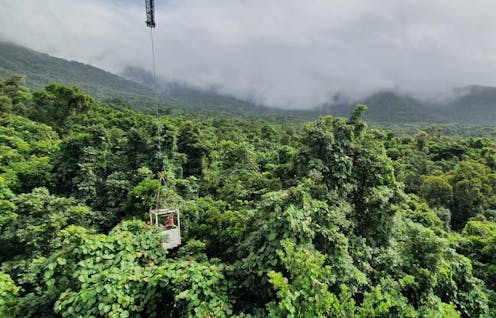






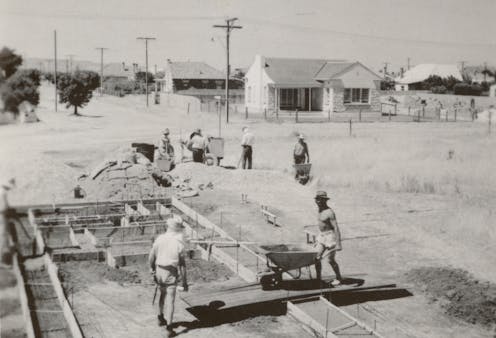
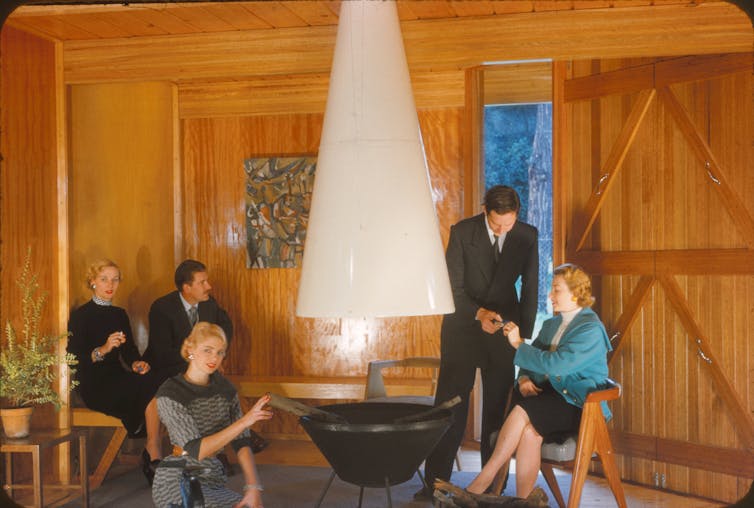

























.jpg)