How the Shuqiao barges may be used to ferry troops ashore. X (formerly Twitter)
China’s intentions when it comes to Taiwan have been at the centre of intense discussion for years. Both mainland China and Taiwan claim to represent the “real” China after the Kuomintang nationalist party under Chiang Kai Shek retreated across the Taiwan Strait and established the Republic of China there in 1949. Ever since then, mainland China – the People’s Republic – has maintained a claim over Taiwan.
But in recent years, Chinese leaders – including the current president, Xi Jinping – have talked of plans for “reunification” which would bring Taiwan and its population of 23 million under the control of Beijing. By force if necessary.
Now, the recent appearance of a handful of odd-looking barges at a beach in Guangdong province in the People’s Republic may be a significant movement towards that unwelcome potential outcome.
The Shuiqiao barges filmed in March 2025 working together to form a relocatable bridge – the name means “water bridge” – enable the transfer of vehicles, supplies and people between ship and shore, over shallow beaches and potential obstacles on to firm ground. Analysts have already pointed out that there is no obvious commercial role for such large vessels, so the most likely purpose is for landing armed forces during amphibious operations.
All major navies maintain some form of amphibious capability. The UK’s Royal Fleet Auxiliary, for example, operates the UK’s three bay class landing ships, which are due to be replaced by six modern multi-role strike ships. What is particularly significant, however, is that the Shuiqiao offers capabilities along similar lines to the Mulberry harbours built for the D-Day Normandy landings.
The specialised nature of these landing barges, with only one real purpose – to help land large numbers of military forces, stands in contrast with mainstream amphibious vessels. Bay class ships, for example, continue to be used for civilian evacuations, humanitarian aid, disaster relief and a wide range of military roles.
That is a crucial distinction as amphibious operations present huge logistical challenges. D-Day required 850,000 troops, 485,000 tons of supplies and 153,000 vehicles to be landed safely over the first three weeks. Ports tend to be difficult to seize intact, as was demonstrated to great cost during the 1942 raid on Dieppe, so it is generally necessary to land armies over the invasion beaches.
The ability to install temporary harbours, which is what the Shuiqiao bridges appear to provide, offers a means of quickly landing large forces from bigger ships to shore. That also reduces the number of specialised landing ships required, by enabling the use of commercial vessels for ferrying troops to those makeshift ports.
Is an invasion of Taiwan imminent?
What is of concern is that such specialised landing barges are not normally constructed until shortly before they are intended to be used. The Mulberry harbours went into production only a year before the Normandy landings. This is both to ensure they are in good working order when required, but also as they tend to offer little additional value and yet come at a significant price. In this present case, the nearest comparable civilian and military vessels cost hundreds of millions of dollars each.
This does not mean that their appearance guarantees that a Chinese invasion of Taiwan is imminent. At present there are reported to be three completed prototype landing barges ready for deployment and three under construction. This would offer one or two beach bridges, each an estimated 820 metres long.
That would be of minimal value in a major invasion. The single US Navy Jlots modular floating pier in Gaza, for example, was only able to land 8,800 tonnes of aid in 20 days. While the Gaza effort was affected by bad weather, any Shuiqiao landing bridges would face much more dangerous wartime conditions. Three to six barges could also still plausibly be intended for disaster relief, even if does not seem a particularly cost-effective means of delivering aid.
How the US Jlot floating pier works.
But if the number of these barges continues to increase then the assumption must be that a major amphibious expedition is likely within the next decade. Historically, neither the UK, US or any other major power has maintained more than a handful of such highly specialised landing vessels, except for when they intended to use them. In the case of these barges the target may not necessarily be Taiwan – although it would be the most obvious target.
Assuming that an invasion does not trigger a world war, it might still be unsuccessful. Despite years of preparation and near complete control of the sea and skies, the Normandy landings were incredibly perilous and at times looked at risk of defeat. Success came at great cost in lives, through great skill, and at times a little luck. More than 4,400 allied soldiers are believed to have died within the first 24 hours alone, with many more wounded.
Furthermore, getting forces ashore is only part of the challenge. Taiwan’s geography is not suited to rapid movement inland and in similar historic cases that has led to significant additional casualties and delays.
The battle of Anzio during the 1944 invasion of Italy, for example, registered tens of thousands of casualties as the allies struggled to break out of the beachhead. Likewise, at Gallipoli in 1915, repeated failures to move inland saw allied forces suffer hundreds of thousands of casualties only to eventually withdraw.
As a historian who is fond of China, I can only hope that these prototypes will remain just that and this will join the list of other forgotten moments in world history. If not, then the conflicts we have seen since the cold war and even those of the past few years may look minor in comparison to what could be unleashed as a result of an invasion of Taiwan.
Matthew Heaslip is a Visiting Fellow at the Royal Navy’s Strategic Studies Centre.
Source: The Conversation (Au and NZ) – By Kiera Vaclavik, Professor of Children’s Literature & Childhood Culture, Queen Mary University of London
This spring, Babe is returning to cinemas to mark the 30th anniversary of its release in 1995. The much-loved family film tells the deceptively simple but emotionally powerful story of a piglet who saves his bacon through intelligence, kindness and hard work.
Babe becomes the trusted ally of both farmer and farmyard animals and, like so many Hollywood heroes before and since, he refuses to stay in his lane.
It’s a film which, on paper, really shouldn’t work and which sounds alarm bells to any self-respecting children’s literature scholar like me. It takes an expertly crafted English children’s book with tasteful black-and-white illustrations – Dick King-Smith’s The Sheep Pig (1983) – and turns it into an all-singing, all-dancing technicolour extravaganza.
Looking for something good? Cut through the noise with a carefully curated selection of the latest releases, live events and exhibitions, straight to your inbox every fortnight, on Fridays. Sign up here.
The film inserts new episodes and characters – an evil cat, a plucky duck and (most alarmingly) a brace of brattish kids. And it replaces a perfectly good, does-what-it-says-on-the-tin book title with the cutesy moniker of the piglet star.
It shouldn’t work … but it really, really does. In fact, I’d go so far as to say that it’s one of the most successful film adaptations of a children’s book of all time.
It met with both commercial and critical success, making over US$254 million at the box office and being nominated for no less than seven Academy Awards, one of which it secured for visual effects.
So, what exactly is so special about Babe? It was one of the first films which, thanks to the then-cutting edge combination of animatronics and visual effects, delivered convincing talking animals who, endowed with the gift of speech, could themselves “look like movie stars”. But with all the jaw-dropping technological advances of the last 30 years, how has this film managed to stand the test of time so well?
The answer in part is that its source material is exceptionally strong. The Sheep Pig is written with restraint and economy, but also great warmth and relish. King-Smith has immense fun, wallowing in words like the proverbial pig in muck, and putting it all to the service of a story whose core values are easy to get behind. The Sheep Pig is a soft-power parable which advocates for brains over brawn, for respectful communication and common decency.
But the excellence of a film’s bookish bedrock is no guarantee of success. Indeed, the brilliance of a book can often be something of a liability. Think of Tim Burton’s Alice in Wonderland, or any of the film and TV adaptations of Noel Streatfeild’s superb Ballet Shoes. With Babe, though, the book is catalyst rather than straitjacket, an enabling prompt which initiates a new work of equal strength and quality.
The pacing is well judged, the look of the film lush, and there are several actual laugh-out-loud moments – including the duck’s panicked realisation that “Christmas means carnage!” Above all, it’s a film with immense emotional intelligence and power.
Recognised for its visual effects, it also succeeds in large part because of the strength of its soundscape and score. There’s one scene in particular which really soars, and which takes on the elephant in the room: the human habit of eating pigs.
Babe is so shocked and upset on learning this fact from the evil cat (who else?) that he loses the will not just to win in the sheepdog trial, but to live at all. The supremely taciturn Father Hoggett must act to make amends and save his pig protégé.
In an astonishingly moving act of love, this man of few words takes the sickly and sick-at-heart pig onto his lap and sings to him. At first a gentle crooning, the farmer’s expression of care and affection soon swells to an out-and-out bellow, accompanied by a wild, caution-to-the-wind dance.
It’s difficult to imagine a more lyrically apt song than the 1977 reggae-inflected hit based on the powerful tune of Camille Saint-Saëns’ Symphony No. 3 in C Minor: “If I had words”, it begins. It’s a moment of huge emotional force and intensity, in which the gaping abyss of age and species difference are bridged through music and dance.
James Cromwell as Farmer Hoggett, here and throughout the film, is tremendous, his reserved performance a key factor in its success. The role – which he almost didn’t take because of the paucity of lines – was career-defining, and prompted personal epiphanies which flow naturally from this scene.
First, Cromwell never ate meat again. Second, he has spoken (with visible emotion) of the delivery of the film’s final pithy-but-powerful line of approbation – “That’ll do pig, that’ll do” – as a moment of communion with his father on catching sight of his own artificially aged reflection in the camera lens. “My life changed, and I owe it to a pig,” the actor concludes.
Babe is a film and an adaptation with many qualities. It’s wholesome without ever being sickly. But above all, it has an emotional force which worked on actors and audiences alike and which, 30 years later, remains undiminished.
Kiera Vaclavik does not work for, consult, own shares in or receive funding from any company or organisation that would benefit from this article, and has disclosed no relevant affiliations beyond their academic appointment.
Source: The Conversation (Au and NZ) – By Sophie King-Hill, Associate Professor at the Health Services Management Centre, University of Birmingham
Netflix television series Adolescence follows a 13-year-old boy accused of the murder of his female classmate. It touches upon incel online hate groups, toxic influencers and the misogynistic online spaces of the manosphere.
Adolescence is a drama and deserves the praise it has attracted. But it wasn’t developed as an educational resource, the kind that is produced in consultation with young people and schools and should be underpinned by robust research and well planned evaluations.
The series shows an extreme example of one teenager drawn into the world of the manosphere. Not all boys will see themselves reflected in this portrayal. And as a researcher working on masculinity and misogyny, my concern is that showing the series in schools may lead boys to think that they are all perceived as potential threats.
Showing the series as a teaching tool risks framing boyhood as monolithic, with one particular – and problematic – way of being a boy.
Already, a broad-brush, blame-heavy approach is often taken to boys in response to issues relating to sexual harassment and violence. “We may have a problem with boys and young men that we need to address”, Keir Starmer has said.
Boys dealing with blame
In research I have carried out for a forthcoming book on boys and masculinity, I worked with young men and boys aged 13 to 19. One 15-year-old boy said that “I am always told that I am part of the problem but never allowed to be part of the solution”. I also found that this broad blame culture leads to feelings of worthlessness in young men and boys, which shuts down vital dialogue and also may lead them to resort to looking for direction from negative spaces such as the manosphere.
It is evident from reports and evidence that young men and boys do carry out a large amount of reported sexual harassment and harms against young women and girls. This can be seen in the 2021 Ofsted report into sexual harassment in schools in England, for example. The 2025 2000 Women report states that, in the UK, a woman is killed by a man every three days.
There is evidently a serious, endemic and complex problem. The misogyny that can be popularised by toxic influencers online also needs urgently addressing.
But a “one-size-fits-all” approach to tackle “boys’ issues” may result in making things worse, not better, due to the lack of recognition of the intersectionality of boyhood. Other aspects of identity, such as race, age, class, gender identity, sexual orientation, religion, sexuality and physical and mental health will have implications for the approaches that need to be taken.
My ongoing research has demonstrated that boyhood means differing things to different boys. In steering groups with young men and boys from various ethnicities and differing social classes, a consistent theme emerged. This was a conflict between the internal and external self that the boys felt that they had to portray. This was also highlighted in a further 16 focus groups carried out on the project, again with a range of boys.
The internal self refers to who the boys actually are, including other identity traits such as race and class, and all the other intersecting aspects of their identity. The external self is what they felt they should show as a boys to fit into the hierarchy of masculinity and how they should portray themselves to fit within the social expectations of being a boy. This causes a conflict of external and internal self.
Efforts to help boys deal with issues such as the messages of the manosphere need to be attuned to the nuance of their internal selves. Generalising boys does not account for the individual identities that they bring to the issues that affect them.
Boys as individuals
The monolithic perspective of “boys” and the ensuing group blame oversimplifies complex issues, resulting in less than effective solutions and interventions that do not acknowledge or account for the nuances and complexities that surround individual boys.
This approach ignores diversities and intersecting identities and steers societal thinking about boys as a set group. It risks stereotyping them and causing prejudicial approaches. When boys are stigmatised in such a way, it compounds issues across genders, breaks down valuable communication and can also cause resentment and hostility.
One of the key voices and valuable perspectives that is missing from this debate is that of young men and boys themselves. We need to truly listen to their perspectives and their needs and build upon these as they are the experts in the world they are experiencing. Good practice accounts for and builds upon these experiences, with young people.
My research has demonstrated that young people want to be a part of these discussions rather than having things decided for them. It also shows that, quite often, we are teaching them what they already know and providing support and education that is too little, too late. We need to move away from the broad brush blaming of boys and young men and begin to approach them based upon their own individual identities – of which gender is only a part.
A portrait of President Donald Trump in the ‘America’s Presidents’ exhibition at the Smithsonian Institution’s National Portrait Gallery.Win McNamee/Getty Images
I teach history in Connecticut, but I grew up in Oklahoma and Kansas, where my interest in the subject was sparked by visits to local museums.
I fondly remember trips to the Fellow-Reeves Museum in Wichita, Kansas, and the National Cowboy & Western Heritage Museum in Oklahoma City. A 1908 photograph of my great-grandparents picking cotton has been used as a poster by the Oklahoma Historical Society.
This love of learning history continued into my years as a graduate student of history, when I would spend hours at the Smithsonian Institution’s National Air and Space Museum learning about the history of human flight and ballooning. As a professor, I’ve integrated the institution’s exhibits into my history courses.
The Trump administration, however, is not happy with the way the Smithsonian Institution and other U.S. museums are portraying history.
On March 27, 2025, the president issued an executive order, “Restoring Truth and Sanity to American History,” which asserted, “Over the past decade, Americans have witnessed a concerted and widespread effort to rewrite our Nation’s history, replacing objective facts with a distorted narrative driven by ideology rather than truth. Under this historical revision, our Nation’s unparalleled legacy of advancing liberty, individual rights, and human happiness is reconstructed as inherently racist, sexist, oppressive, or otherwise irredeemably flawed.”
Trump singled out a few museums, including the Smithsonian, dedicating a whole section of the order on “saving” the institution from “divisive, race-centered ideology.”
Of course, history is contested. There will always be a variety of views about what should be included and excluded from America’s story. For example, in my own research, I found that Prohibition-era school boards in the 1920s argued over whether it was appropriate for history textbooks to include pictures of soldiers drinking to illustrate the 1791 Whiskey Rebellion.
But most recent debates center on how much attention should be given to the history of the nation’s accomplishments over its darker chapters. The Smithsonian, as a national institution that receives most of its funds from the federal government, has sometimes found itself in the crosshairs.
America’s historical repository
The Smithsonian Institution was founded in 1846 thanks to its namesake, British chemist James Smithson.
Smithson willed his estate to his nephew and stated that if his nephew died without an heir, the money – roughly US$15 million in today’s dollars – would be donated to the U.S. to found “an establishment for the increase and diffusion of knowledge.”
The idea of a national institution dedicated to history, science and learning was contentious from the start.
In her book “The Stranger and the Statesman,” historian Nina Burleigh shows how Smithson’s bequest was nearly lost due to battles between competing interests.
Southern plantation owners and western frontiersmen, including President Andrew Jackson, saw the establishment of a national museum as an unnecessary assertion of federal power. They also challenged the very idea of accepting a gift from a non-American and thought that it was beneath the dignity of the government to confer immortality on someone simply because of a large donation.
In the end, a group led by congressman and former president John Quincy Adams ensured Smithson’s vision was realized. Adams felt that the country was failing to live up to its early promise. He thought a national museum was an important way to burnish the ideals of the young republic and educate the public.
Today the Smithsonian runs 14 education and research centers, the National Zoo and 21 museums, including the National Portrait Gallery and the National Museum of African American History and Culture, which was created with bipartisan support during President George W. Bush’s administration.
In the introduction to his book “Smithsonian’s History of America in 101 Objects,” cultural anthropologist Richard Kurin talks about how the institution has also supported hundreds of small and large institutions outside of the nation’s capital.
In 2024, the Smithsonian sent over 2 million artifacts on loan to museums in 52 U.S. states and territories and 33 foreign countries. It also partners with over 200 affiliate museums. YouGov has periodically tracked Americans’ approval of the Smithsonian, which has held steady at roughly 68% approval and 2% disapproval since 2020.
Smithsonian in the crosshairs
Precursors to the Trump administration’s efforts to reshape the Smithsonian took place in the 1990s.
In 1991, the Smithsonian American Art Museum, which was then known as the National Museum of American Art, created an exhibition titled “The West as America, Reinterpreting Images of the Frontier, 1820-1920.” Conservatives complained that the museum portrayed western expansion as a tale of conquest and destruction, rather than one of progress and nation-building. The Wall Street Journal editorialized that the exhibit represented “an entirely hostile ideological assault on the nation’s founding and history.”
The exhibition proved popular: Attendance to the National Museum of American Art was 60% higher than it had been during the same period the year prior. But the debate raised questions about whether public museums were able to express ideas that are critical of the U.S. without risk of censorship.
In 1994, controversy again erupted, this time at the National Air and Space Museum over a forthcoming exhibition centered on the Enola Gay, the plane that dropped the first atomic bomb on Hiroshima 50 years prior.
Should the exhibition explore the loss of Japanese lives? Or emphasize the U.S. war victory?
Veterans groups insisted that the atomic bomb ended the war and saved 1 million American lives, and demanded the removal of photographs of the destruction and a melted Japanese school lunch box from the exhibit. Meanwhile, other activists protested the exhibition by arguing that a symbol of human destruction shouldn’t be commemorated at an institution that’s supposed to celebrate human achievement.
Protesters demonstrate against the opening of the Enola Gay exhibit outside the Smithsonian Institution’s National Air and Space Museum in 1995. Joyce Naltchayan/AFP via Getty Images
Republicans won the House in 1994 and threatened cuts to the Smithsonian’s budget over the Enola Gay exhibition, compelling curators to walk a tightrope. In the end, the fuselage of the Enola Gay was displayed in the Smithsonian’s National Air and Space Museum. But the exhibit would not tell the full story of the plane’s role in the war from a myriad of perspectives.
Trump enters the fray
In 2019, The New York Times launched the 1619 project, which aimed to reframe the country’s history by placing slavery and its consequences at its very center. The first Trump administration quickly responded by forming its 1776 commission. In January 2021, it produced a report critiquing the 1619 project, claiming that an emphasis on the country’s history of racism and slavery was counterproductive to promoting “patriotic education.”
That same year, Trump pledged to build “a vast outdoor park that will feature the statues of the greatest Americans to ever live,” with 250 statues to mark the 250th anniversary of the Declaration of Independence.
President Joe Biden rescinded the order in 2021. Trump reissued it after retaking the White House, and pointed to figures he’d like to see included, such as Christopher Columbus, George Washington, Betsy Ross, Sitting Bull, Bob Hope, Thurgood Marshall and Whitney Houston.
I don’t think there is anything wrong with honoring Americans, though I think a focus on celebrities and major figures clouds the fascinating histories of ordinary Americans. I also find it troubling that there seems to be such a concerted effort to so forcefully shape the teaching and understanding of history via threats and bullying. Yale historian Jason Stanley has written about how aspiring authoritarian governments seek to control historical narratives and discourage an exploration of the complexities of the past.
Historical scholarship requires an openness to debate and a willingness to embrace new findings and perspectives. It also involves the humility to accept that no one – least of all the government – has a monopoly on the truth.
In his executive order, Trump noted that “Museums in our Nation’s capital should be places where individuals go to learn.” I share that view. Doing so, however, means not dismantling history, but instead complicating the story – in all its messy glory.
The Conversation U.S. receives funding from the Smithsonian Institution.
Jennifer Tucker does not work for, consult, own shares in or receive funding from any company or organization that would benefit from this article, and has disclosed no relevant affiliations beyond their academic appointment.
Source: The Conversation (Au and NZ) – By Claudia Reyes, Postdoctoral Fellow, Research School of Astronomy & Astrophysics, Australian National University
The “music” of starquakes – enormous vibrations caused by bursting bubbles of gas that ripple throughout the bodies of many stars – can reveal far more information about the stars’ histories and inner workings than scientists thought.
In new research published in Nature, we analysed the frequency signatures of starquakes across a broad range of giant stars in the M67 star cluster, almost 3,000 light years from Earth.
Using observations from the Kepler space telescope’s K2 mission, we had a rare opportunity to track the evolution of stars during most of their journey through the giant phase of the stellar life cycle.
In doing so, we discovered that these stars get stuck “playing the same part of their tune” once their turbulent outer layer reaches a sensitive region deep inside.
This discovery reveals a new way to understand the history of stars – and of the entire galaxy.
The sound of starquakes
Starquakes happen in most stars (like our Sun) that have a bubbling outer layer, like a pot of boiling water. Bubbles of hot gas rise and burst at the surface, sending ripples through the entire star that cause it to vibrate in particular ways.
We can detect these vibrations, which occur at specific “resonant frequencies”, by looking for subtle variations in the brightness of the star. By studying the frequencies of each star in a group called a cluster, we can tune into the cluster’s unique “song”.
Our study challenges previous assumptions about resonant frequencies in giant stars, revealing they offer deeper insights into stellar interiors than previously thought. Moreover, our study has opened new ways to decipher the history of our Galaxy.
The melody of a stellar cluster
Astronomers have long sought to understand how stars like our Sun evolve over time.
One of the best ways to do this is by studying clusters – groups of stars that formed together and share the same age and composition. A cluster called M67 has attracted a lot of attention because it contains many stars with a similar chemical makeup to the Sun.
Just as earthquakes help us study Earth’s interior, starquakes reveal what lies beneath a star’s surface. Each star “sings” a melody, with frequencies determined by its internal structure and physical properties.
Larger stars produce deeper, slower vibrations, while smaller stars vibrate at higher pitches. And no star plays just one note – each one resonates with a full spectrum of sound from its interior.
A surprising signature
Among the key frequency signatures is the so-called small spacing – a group of resonant frequencies quite close together. In younger stars, such as the Sun, this signature can provide clues about how much hydrogen the star still has left to burn in its core.
In red giants the situation is different. These older stars have used up all the hydrogen in their cores, which are now inert.
However, hydrogen fusion continues in a shell surrounding the core. It was long assumed that the small spacings in such stars offered little new information.
A stalled note
When we measured the small spacings of stars in M67, we were surprised to see they revealed changes in the star’s internal fusion regions.
As the hydrogen-burning shell thickened, the spacings increased. When the shell moved inward, they shrank.
Then we found something else unexpected: at a certain stage, the small spacings stalled. It was like a record skipping on a note.
We discovered that this stalling appears during a specific stage in the life of a giant star — when its outer envelope, the “boiling” layer that transports heat, grows so deep that it makes up about 80% of the star’s mass. At this point the inner boundary of the envelope reaches into a highly sensitive region of the star.
This boundary is extremely turbulent, and the speed of sound shifts steeply across it — and that steep change affects how sound waves travel through the star. We also found that the stalling frequency is distinctively determined by the star’s mass and chemical composition.
This gives us a new way to identify stars in this phase and estimate their ages with improved precision.
The history of the galaxy
Stars are like fossil records. They carry the imprint of the environments in which they formed, and studying them lets us piece together the story of our galaxy.
The Milky Way has grown by merging with smaller galaxies, forming stars at different times in different regions. Better age estimates across the galaxy help us reconstruct this history in greater detail.
Clusters like M67 also provide a glimpse into the future of our own Sun, offering insight into the changes it will experience over billions of years.
This discovery gives us a new tool – and a new reason to revisit data we already have. With years of seismic observations from across the Milky Way, we can now return to those stars and “listen” again, this time knowing what to listen for.
Claudia Reyes does not work for, consult, own shares in or receive funding from any company or organisation that would benefit from this article, and has disclosed no relevant affiliations beyond their academic appointment.
The five-week election campaign is now in full swing throughout the nation.
Amid the flurry of photo opportunities and press conferences, candidates campaign in specific areas for a reason: to shore up or win back key seats.
But which seats are key? Here, six experts explain the seats to watch in New South Wales, Queensland, South Australia, Tasmania, Victoria and Western Australia.
New South Wales
David Clune, honorary associate, government and international relations, University of Sydney
How the 2025 federal election will play out in NSW is difficult to predict for two reasons.
The first is the recent redistribution which, as ABC analyst Antony Green’s pendulum shows, has redefined many electoral boundaries.
The second is the number of crossbench MPs. There are three Teals in formerly safe Liberal seats: Mackellar (Sophie Scamps), Warringah (Zali Steggall) and Wentworth (Allegra Spender). Teal Kylie Tink’s seat of North Sydney has been abolished.
All were lifted into parliament by the rising tide of resentment against former Prime Minister Scott Morrison. Now that tide has gone out, the survival of these MPs depends on how they have performed as local members. The overall impression is that they have done well in connecting with their constituents and will be hard to shift.
There is a chance the formerly safe upper north shore seat of Bradfield could augment their numbers. Teal Nicolette Boele gave Liberal Paul Fletcher a very uncomfortable election night in 2022 when she slashed his majority. After the redistribution, the Liberals hold the seat by a narrow 2.5%. Fletcher is not recontesting. Boele is running a well-financed campaign with a lot of grass roots support.
The redistribution has pushed many former North Sydney voters into Bradfield. Whether they remain Teal or revert to being true-blue Liberals remains to be seen.
Much of the rest of the former North Sydney has gone into the very marginal Labor seat of Bennelong, which is now notionally marginal Liberal.
The Nationals have a problem in Calare, where former Nationals MP, now independent, Andrew Gee, is recontesting. The Nationals are also facing challenges from the left on the upper north coast due to demographic change. They hold Cowper by 2.4%.
Liberal-aligned independent, Dai Le, narrowly won Fowler in Sydney’s western suburbs in 2023. Labor has endorsed Tu Le, also of Vietnamese descent, in what promises to be a tough fight. Parramatta is another marginal seat in the western suburbs, held by Labor’s Andrew Charlton with a two-party preferred margin of 3.7%.
The government is concerned about seats on the central coast and in the Hunter and Illawarra regions, where concerns about wind farms and job losses due to renewable energy are a major issue. Most of the government’s vulnerable seats are in these areas: Gilmore, Robertson, Paterson and Hunter would all be lost with a two-party-preferred swing of 5%.
Queensland
Paul Williams, associate professor in politics and journalism, Griffith University
For decades we said Queensland was a key “battleground” in federal elections where seats north of the Tweed so often held the keys to The Lodge.
The 1975 election saw the Coalition leave Labor with a single seat, and the 1996 poll bequeath Labor just two. Conversely, Labor’s Kevin Rudd rode to victory on his nine-seat haul in in 2007, with Rudd losing seven of those in 2010.
But, for the past 15 years, federal elections have seen little movement in Queensland except, of course, for 2022 when the Greens won three seats. In short, Queensland is no longer the “make-or-break” state. Even the retirements of Keith Pitt (Hinkler), Karen Andrews (McPherson), Warren Entsch (Leichhardt) and Graham Perrett (Moreton) will hardly affect the mood.
The electoral pendulum confirms this. Labor holds just five of Queensland’s 30 seats, with Blair – a mix of outer-suburban and regional proclivities – Labor’s most marginal, but still held by a healthy 5.2% buffer. Given the two-party-preferred (2PP) swing to the Liberal-National Party (LNP) in Queensland will likely be under five percentage points – far lower than the 7.0% two-party-preferred swing the LNP attained at last October’s state election – the Coalition is unlikely to seize any more Labor property.
Conversely, despite the LNP holding seven Queensland seats on margins under 5%, the electoral tide is well and truly out for a Labor Party, whose Queensland brand is damaged at all levels. Inflation and housing shortages have hit Queensland hard, and especially so in the regions. Peter Dutton’s seat of Dickson – the LNP’s most marginal on just 1.7% – is therefore safe.
Climate action and other “community” candidates (some reject the “Teal” moniker) are standing on the Gold Coast (McPherson and Moncrieff), on the Sunshine Coast (Fisher and Fairfax), and in Groom and Dickson. None will win, but some will carve out a respectable primary vote.
All eyes will instead be on the cashed-up inner-urban seats of Ryan (potentially returning to the LNP), Griffith (a possible Labor win) and Brisbane (a genuine three-way race) – all three useful, but not essential, to Labor’s pathway to minority government.
In the Northern Territory, Labor’s Marion Scrymgour holds Lingiari by 1.7%, making that seat one to watch.
South Australia
Rob Manwaring, associate professor of politics and public policy, Flinders University
South Australia is rarely a key battleground in federal elections, and only comprises ten electoral seats.
There are, however, three key seats worth watching as they will tell us a lot about how the election campaign is playing out: Sturt, Boothby and Mayo.
In Sturt, the Liberals hold this key seat in Adelaide’s eastern suburbs with a margin of 0.5%. A fresh challenge for the incumbent James Stevens is that he faces a threat from SA’s first real Teal candidate, Verity Cooper. This potentially pulls this seat into a three-way fight.
Boothby, in Adelaide’s southern suburbs, will be a good litmus test of how well Labor’s campaign is performing. Labor won the seat for the first time ever in 2022, and Louise Miller-Frost has a 3.3% margin. Liberal candidate Nicolle Flint is resurrecting her political ambitions and would be a useful ally for Peter Dutton, if she were to win.
Finally – a question – does Rebekah Sharkie like pizza? Infamously, when state Labor Premier Jay Weatherill needed a critical independent vote to secure office in 2014, he drove to Port Pirie and brokered a deal over pizza with Geoff Brock. Sharkie holds the seat of Mayo in the Adelaide Hills as a member of the Centre Alliance party with a safe 12.3% margin. Sharkie aligns herself with the Teals, and if a Dutton-led victory looks likely, then she may well be ordering her favourite slice to thrash out the terms of any support.
Tasmania
Robert Hortle, deputy director of the Tasmanian Policy Exchange, University of Tasmania
There are two main seats to watch in Tasmania.
The large, rural seat of Lyons is one of the most marginal in the country. Labor’s Brian Mitchell won with a 0.9% margin in 2022, but he’s made way for Rebecca White. Despite an underwhelming record as Tasmanian Labor Leader – three state election defeats – White is very popular in Lyons. However, Liberal candidate Susie Bower was somewhat unlucky to lose in 2022 after winning 37.2% of the primary vote, and has been in campaign mode for the past three years.
On the surface, Franklin – Australia’s only non-contiguous electorate – looks like a safe Labor seat. Julie Collins, the MP since 2007 and a cabinet minister, has a 13.7% margin. But her primary vote fell in 2022, and community backlash against salmon farming in Franklin’s waterways – which Labor and the Coalition both support – could make her vulnerable.
If independent Peter George (former journalist and anti-salmon campaigner) can get ahead of the low-profile Liberal candidate at some point in the count, Liberal preferences may get him across the line.
Two other Tasmanian seats are unlikely to change hands, but feature some interesting dynamics.
Liberal MP Bridget Archer’s 1.4% margin in the northern seat of Bass might look vulnerable. However, she managed a strong primary vote in 2022 despite a big swing against the Liberal Party. She’s very popular in the community for her willingness to stick to her values – even if it means voting against her party 28 times – and should hold her seat despite rumours of internal moves against her.
In Braddon, long-serving Labor Senator Anne Urquhart has quit the upper house to run. Incumbent Liberal MP Gavin Pearce is retiring, and his replacement candidate, Mal Hingston, is a bit of an unknown. It’s unlikely Urquhart will be able to overturn the 8% two-party preferred margin, but prominence in the community might give her a glimmer of hope.
Another point of interest is who will pick up the votes won by the Jaquie Lambie Network (JLN) in 2022. The JLN is not running candidates following a spectacular implosion at state level – and where those voters find a home could be crucial, particularly in Lyons.
Victoria
Zareh Ghazarian, senior lecturer in politics, school of social sciences, Monash University
Victoria is shaping up to be a crucial state for the major parties. Several seats are held by the Labor and coalition parties with a margin of less than 5%.
According to Antony Green, Chisholm is the most marginal seat Labor currently holds. The eastern Melbourne seat has been held by both major parties over the past 30 years.
Next up is Aston, further east of Chisholm, which Labor won at arguably the Liberal Party’s lowest ebb in this electoral cycle at a byelection in 2023.
McEwen, on the other hand, is a provincial electorate to the north of Melbourne. Holding onto these three seats will be a significant feat for Anthony Albanese and may set up Labor to hold a majority government.
For the Coalition, the most marginal seat is Deakin, which is a neighbouring electorate to Aston and Chisholm. The seat is held by a margin of just 0.02%, making it the most marginal in the country.
Monash is also a very interesting seat as it was won by Russell Broadbent, who lost Liberal Party preselection and has decided to run as an independent. His local profile may provide a boost to his primary vote, but may not necessarily be enough to win the seat, which will likely be held by the Liberals.
The Coalition will be in trouble if it fails to retain any of its seats in Victoria. It would need to reclaim Chisholm and Aston if it has any chance of forming majority government.
Other seats to watch include Kooyong, held by Monique Ryan with a margin of 2.2% who defeated Josh Frydenberg in 2022, and Goldstein, held by Zoe Daniel with a margin of 3.3% after defeating Liberal Tim Wilson. These will be a test of whether the Liberal Party is able to reconnect with voters who had traditionally supported them in the past.
Western Australia
Narelle Miragliotta, associate professor in politics, Murdoch University
The five WA seats to watch are Curtin, Bullwinkel, Forrest, Pearce and Tangney.
The affluent inner metropolitan seat of Curtin is held by Teal Kate Chaney on a 1.3% margin. The Liberal’s 2022 defeat was existential and the party are investing heavily in reclaiming it, although Chaney is not likely to be outspent entirely, or outmanoeuvred.
Bullwinkel is a new seat on the eastern fringes of Perth. The majority of its voters are in the metropolitan area, but the seat also takes in regional parts of the state. The seat’s geography and lack of incumbent led to the Nationals fielding Mia Davies, who was leader of the Nationals in the state parliament between 2017 and 2023.
As a result, this notional Labor seat is the site of a fierce three-way contest. YouGov projects a “Coalition” gain, although the outcome will be influenced by whether the Liberals and Nationals can contain simmering hostilities.
Pearce, in the state’s far north, is held by Labor on a comfortable 8.8% margin. However, it’s one of the most indebted electorates in the nation, and the state Labor government experienced large swings against it in outer suburban and regional state electorates earlier this year.
Tangney, in the state’s southern suburbs, was a major win for Labor in 2022. A blue-ribbon inner-city seat held uninterrupted by the Liberals since the early 1980s, Tangney is Labor’s most marginal WA seat (2.6% margin). To Labor’s advantage is the fact that several of the once-safe Liberal inner metro electorates within Tangney’s boundaries have recently voted with Labor at a state level. However, it will be a tight contest.
Paul Williams is a research associate with the T.J. Ryan Foundation.
Rob Manwaring receives funding from the Australian Research Council for a Discovery project on political parties and associated entities.
David Clune, Narelle Miragliotta, Robert Hortle, and Zareh Ghazarian do not work for, consult, own shares in or receive funding from any company or organisation that would benefit from this article, and have disclosed no relevant affiliations beyond their academic appointment.
More than 500 million people around the world live with osteoarthritis. The knee is affected more often than any other joint, with symptoms (such as pain, stiffness and reduced movement) affecting work, sleep, sport and daily activities.
Knee osteoarthritis is often thought of as thinning of the protective layer of cartilage within the joint. But we now understand it affects all the structures of the joint, including the bones, muscles and nerve endings.
While there are things that can be done to manage the symptoms of knee osteoarthritis, there is no cure, and many people experience persistent pain. As a result, an opportunity exists for as yet unproven treatments to enter the market, often before regulatory safeguards can be put in place.
Stem cell injections are one such treatment. A new review my colleagues and I published this week finds that evidence of their benefits and harms remains elusive.
Stem cell treatments
Stem cells are already established as treatments for some diseases – mostly disorders of the blood, bone marrow or immune system – which has led to suggestions they could be used for a much wider array of conditions.
Stem cells have been touted as promising treatments for osteoarthritis because they have special properties which allow them to replicate and develop into the mature healthy cells that make up our body’s organs and other tissues, including cartilage.
Stem cell treatments for osteoarthritis generally involve taking a sample of tissue from a site that is rich in stem cells (such as bone marrow or fat), treating it to increase the number of stem cells, then injecting it into the joint.
The hope is that if the right type of stem cells can be introduced into an osteoarthritic joint in the right way and at the right time, they may help to repair damaged structures in the joint, or have other effects such as reducing inflammation.
But no matter how convincing the theory, we need good evidence for effectiveness and safety before a new therapy is adopted into practice.
Stem cells have been touted as promising treatments for osteoarthritis. But what does the evidence say? crystal light/Shutterstock
Stem cell injections have not been approved by Australia’s Therapeutic Goods Administration for the treatment of osteoarthritis. Nonetheless, some clinics in Australia and around the world still offer them.
Because of the regulatory restrictions, we don’t have reliable numbers on how many procedures are being done.
They’re not covered by Medicare, so the procedure can cost the consumer thousands of dollars.
And, as with any invasive procedure, both the harvest of stem cells and the joint injection procedure may carry the potential for harm, such as infection.
What we found
Our new review, published by the independent, international group the Cochrane Collaboration, looks at all 25 randomised trials of stem cell injections for knee osteoarthritis that have been conducted worldwide to date. Collectively, these studies involved 1,341 participants.
We found stem cell injections may slightly improve pain and function compared with a placebo injection, but the size of the improvement may be too small for the patient to notice.
The evidence isn’t strong enough to determine whether there is any improvement in quality of life following a stem cell injection, whether cartilage regrows, or to estimate the risk of harm.
This means we can’t confidently say yet whether any improvement that might follow a stem cell injection is worth the risk (or the cost).
It’s not surprising we invest hope in finding a transformative treatment for such a common and disabling condition. Belief in the benefits of stem cells is widespread – more than three-quarters of Americans believe stem cells can relieve arthritis pain and more than half believe this treatment to be curative.
But what happens if a new treatment is introduced to practice before it has been clearly proven to be safe and effective?
The use of an unproven, invasive therapy is not just associated with the risks of the intervention itself. Even if the treatment were harmless, there is the risk of unnecessary cost, inconvenience, and a missed opportunity for the patient to use existing therapies that are known to be effective.
What’s more, if we need to play catch-up to try to establish an evidence base for a treatment that’s already in practice, we risk diverting scarce research resources towards a therapy that may not prove to be effective, simply because the genie is out of the bottle.
Several more large clinical trials are currently underway, and should increase our understanding of whether stem cell injections are safe and effective for knee osteoarthritis.
Our review incorporates “living evidence”. This means we will continue to add the results of new trials as soon as they’re published, so the review is always up to date, and offers a comprehensive and trustworthy summary to help people with osteoarthritis and their health-care providers to make informed decisions.
In the meantime, there are a number of evidence-based treatment options. Non-drug treatments such as physiotherapy, regular exercise, maintaining a healthy weight, and cognitive behavioural therapy can be more effective than you think. Anti-inflammatory and pain medications can also play a supporting role.
Importantly, it’s not inevitable that osteoarthritic joints get worse with time. So, even though joint replacement surgery is often highly effective, it’s the last resort and fortunately, many people never need to take this step.
Samuel Whittle is supported by an Australia and New Zealand Musculoskeletal (ANZMUSC) Clinical Trial Network Practitioner Fellowship and by a grant from The Hospital Research Foundation Group. Dr Whittle currently serves as President of the Australian Rheumatology Association.
If you go walking in the wild, you might expect that what you’re seeing is natural. All around you are trees, shrubs and grasses growing in their natural habitat.
But there’s something here that doesn’t add up. Across the world, there are large areas of habitat which would suit native plant species just fine. But very often, they’re simply absent.
Our new research gauges the scale of this problem, known as “dark diversity”. Our international team of 200 scientists examined plant species in thousands of sites worldwide.
What we found was startling. In regions heavily affected by our activities, only about 20% of native plant species able to live there were actually present. But even in areas with very little human interference, ecosystems only contained about 33% of viable plant species.
Why so few species in wilder areas? Our impact. Pollution can spread far from the original source, while conversion of habitat to farms, logging and human-caused fires have ripple effects too.
Conspicuous by their absence
Our activities have become a planet-shaping force, from changing the climate through our emissions to farming 44% of all habitable land. As our footprint has expanded, other species have been pushed to extinction. The rates of species loss are unprecedented in recorded history.
When we think about biodiversity loss, we might think of a once-common animal species losing numbers and range as farms, cities and feral predators expand. But we are also losing species from within protected areas and national parks.
To date, the accelerating loss of species has been largely observed at large scale, such as states or even whole countries. Almost 600 plant species have gone extinct since 1750 – and this is likely a major underestimate. Extinction hotspots include Hawaii (79 species) and South Africa’s unique fynbos scrublands (37 species).
But tracking the fate of our species has been difficult to do at a local scale, such as within a national park or nature reserve.
Similarly, when scientists do traditional biodiversity surveys, we count the species previously recorded in an area and look for changes. But we haven’t tended to consider the species that could grow there – but don’t.
Many plants have been declining so rapidly they are now threatened with extinction.
What did we do?
To get a better gauge of biodiversity losses at smaller scale, we worked alongside scientists from the international research network DarkDivNet to examine almost 5,500 sites across 119 regions worldwide. This huge body of fieldwork took years and required navigating global challenges such as COVID-19 and political and economic instability.
At each 100 square metre site, our team sampled all plant species present against the species found in the surrounding region. We defined regions as areas of approximately 300 square kilometres with similar environmental conditions.
Just because a species can grow somewhere doesn’t mean it would. To make sure we were recording which species were genuinely missing, we looked at how often each absent species was found growing alongside the species growing at our chosen sites at other sampled sites in the region. This helped us detect species well-suited to a habitat but missing from it.
We then cross-matched data on these missing species against how big the local human impact was by using the Human Footprint Index, which measures population density, land use and infrastructure.
Of the eight components of this index, six had a clear influence on how many plant species were missing: human population density, electric infrastructure, railways, roads, built environments and croplands. Another component, navigable waterways, did not have a clear influence.
Interestingly, the final component – pastures kept by graziers – was not linked to fewer plant species. This could be because semi-natural grasslands are used as pasture in areas such as Central Asia, Africa’s Sahel region and Argentina. Here, long-term moderate human influence can actually maintain highly diverse and well-functioning ecosystems through practices such as grazing livestock, cultural burning and hay making.
Semi-natural pastures preserve many different plant species. Pictured: the Hulunbuir grasslands in Inner Mongolia, China. Dashu Xinganling/Shutterstock
Overall, though, the link between greater human presence and fewer plant species was very clear. Seemingly pristine ecosystems hundreds of kilometres from direct disturbance had been affected.
These effects can come from many causes. For instance, poaching and logging often take place far from human settlements. Poaching an animal species might mean a plant species loses a key pollinator or way to disperse its seeds in the animal’s dung. Over time, disruptions to the web of relationships in the natural world can erode ecosystems and result in fewer plant species. Poachers and illegal loggers also cut “ghost roads” into pristine areas.
Other causes include fires started by humans, which can threaten national parks and other safe havens. Pollution can travel and settle hundreds of kilometres from its source, affecting ecosystems.
Our far-reaching influence can also hinder the return of plant species, even in protected areas. As humans expand their activities, they often carve up natural areas into fragments cut off from each other. This can isolate plant populations. Similarly, the loss of seed-spreading animals can stop plants from recolonising former habitat.
What does this mean?
Biodiversity loss is not just about species going extinct. It’s about ecosystems quietly losing their richness, resilience and functions.
Protecting land is not enough. The damage we can do can reach deep into conservation areas.
Was there good news? Yes. In regions where at least a third of the landscape had minimal human disturbance, there was less of this hidden biodiversity loss.
As we work to conserve nature, our work points to a need not just to preserve what’s left but to bring back what’s missing. Now we know what species are missing in an area but still present regionally, we can begin that work.
The authors do not work for, consult, own shares in or receive funding from any company or organisation that would benefit from this article, and have disclosed no relevant affiliations beyond their academic appointment.
One of the first things parents want to ask their children after school is “how was your day?” We simply want to know how they are going and what happened at school.
But these conversations can feel like pulling teeth. Often you may only get a “good” or “fine” (if you’re lucky).
Why are children reluctant to divulge information about their day and how can you encourage more details?
Why don’t kids like to talk?
School can be overwhelming – with diverse social, academic and physical demands.
It may seem simple, but a genuine answer to the “how was school today” question requires considerable effort and decision making to synthesise information from a busy day. A child may also be hesitant to answer if they think a parent’s response might be anger, worry or confusion.
Children are also likely to be hungry and tired straight after school. They are probably thinking about a snack before a chat. If you think of psychologist Abraham Maslow’s famous theory about a “hierarchy of needs”, survival needs like hunger are ideally met before communication and connection.
Children have also not yet fully developed a theory of mind (an ability to image what’s going on in another person’s mind). So they might not understand why their parent is asking about school or what it is they want to know.
How can you prepare for a chat?
There are several things you can do to encourage a more informative conversation with your child.
1. Consider the purpose: ask yourself whether you want to gather information or simply connect with your child. To have a moment of connection you could simply say, “I’m so happy to see you” at the school gate. To seek information, ask a very specific question (that requires little mental effort on your child’s part). For example, “did you have your spelling test today”, rather than “what did you learn?”
3. Check your timing: instead of asking your child right after school, consider waiting. Better conversations may instead happen after the child decompresses with a favourite game and a snack, over dinner or even on way to school the next morning.
Try creating a routine to help your child prepare their answer, like the “rose dinner”. At the dinner table, everyone shares their daily “thorn” (something difficult or upsetting) and “petal” (something pleasant).
3. Consider the space: face-to-face conversations can create pressure and feel like an interrogation. This is why it’s common for psychologists to place therapy chairs on a slight angle to promote a calm, relaxed atmosphere where it is easier to disclose difficult things.
So try and do activities where you are side-by-side with your child. For example, walking or driving, doing craft, playing Lego, sport or cooking. Your child may spontaneously raise a topic – or you can model the conversation by talking about your day first.
To create a comfortable, safe environment for your child during the chat, here are four more things to consider.
1. Really listen: if your child initiates a conversation, bring your full attention and enthusiasm to it (which means putting your phone away). If you are busy thinking about what you’re going to say next while your child is speaking, this is not high-quality listening.
Show you are listening by paraphrasing what they are saying or identifying their feelings. This helps them to feel like they are being listened to and understood.
2. Be compassionate and curious: the urge to protect our kids is strong, but instead of trying to “solve” or “teach” them when they are talking, don’t be afraid of silence and curious questions. Curiosity helps us show we care, and allows the child to own their own experiences and reactions, rather than parents telling them how to feel.
For example, “Nick said I couldn’t play with him” could be responded to with “what was that like for you?” rather than outrage (“that’s horrible of Nick!”).
3. Celebrate strengths: when your child is talking, listen out for implicit strengths and values in what your child has shared. Having a parent highlight an area of strength or skill for a child helps build their sense of self. For example, “it sounds like that upset you because you value fairness”.
4. Follow up: if your child speaks about upcoming events, check back in. For example, “last week you mentioned you were nervous about basketball trials, how are you feeling now?” This also shows you have listened.
There is no magic formula: each conversation is as different as the individuals who are part of it. So experiment with these ideas and take notice of what works for you and your child.
Madeleine Fraser does not work for, consult, own shares in or receive funding from any company or organisation that would benefit from this article, and has disclosed no relevant affiliations beyond their academic appointment.
Source: The Conversation (Au and NZ) – By Daniel Johnston, Director of Learning and Teaching at Excelsia University College and Research Affiliate, University of Sydney
As Greens Senator Sarah Hanson-Young waved a decapitated salmon dripping with blood in parliament last week, you could feel the election coming.
Hanson-Young was protesting the watering down of Australia’s environmental laws aimed at preserving salmon farming in Tasmania.
Using props and orchestrated performances to provoke a response has been common throughout the history Australian politics. In 2017, then treasurer Scott Morrison held out a lump of coal to ridicule the opposition’s renewable energy policies. He mockingly declared:
This is coal. Don’t be afraid, don’t be scared.
Later that same year, One Nation leader Pauline Hanson wore a burqa into the Senate to argue for a ban on full-face coverings – dramatically embodying her anti-Islam rhetoric.
More recently, independent members of parliament Andrew Wilkie and Bob Katter donned inflatable pig costumes to criticise the major supermarkets as pigs with their snouts in the trough, given their excessive profit margins.
It’s clear Australian politicians are drawn to drama. With the election campaign in full swing, it’s worth being wary of such beguiling performances.
Visceral is memorable
The history of theatre is peppered with shocking moments, often enhanced by props. Props help to provoke a visceral emotional response from the audience, while blurring the boundary between reality and fiction.
In Sophocles’ ancient Greek tragedy Oedipus Rex, Oedipus exits the stage with sharp gold brooches to gorge out his eyes after discovering of his wife Jocasta’s suicide. Upon his return, his bleeding eye sockets also allude to his metaphorical blindness, having killed his own father and married his mother.
Similarly, at the end of Shakespeare’s Macbeth, the tyrant king’s severed head is brought onstage – fulfilling a deceptive prophecy foretold by the fiendish witches at the beginning of the play.
In a more contemporary example, Australian playwright Patrick White’s surrealist play Ham Funeral features a ham representing gluttony, death, lust and decay, served at the wake of Mrs Lusty’s husband. We’re also shocked by a fetus from a back-alley trash can.
These are all attention-grabbing examples of how props can be much more than just the thing they represent.
In politics, as on stage, theatrical objects are an easy way to heighten emotions, and convey meaning and context. They can make abstract concepts feel more concrete. And even when they’re highly theatrical, they can communicate authenticity and passion – ready to go viral online.
As politician and activist Harvey Milk (played by James Franco) declares in the 2008 biopic Milk:
Politics is theatre. It doesn’t matter if you win. You make a statement. You say, “I’m here, pay attention to me”.
Evidence suggests political personas can be successfully constructed through careful attention to meaning-making processes, such as facial expressions, hand gestures and emotional rhetoric.
Take Adolf Hitler. In 1932, Hitler carefully crafted his speeches and vocal delivery with Paul Devrient, an operatic tenor and director. He also worked with Heinrich Hoffmann, his official photographer, in theatre-like rehearsals to strike dramatic poses and fine-tune his body language and persuasive gestures.
His performances culminated in the Nuremberg rallies. These events, choreographed like a Wagnerian opera, featured monumental architecture and lighting, banners, torches and music that positioned the Führer as a mythical hero.
Bertolt Brecht famously satirised the fabricated display in his play The Resistable Rise of Artuo Ui, in which a washed-up Shakespearean actor teaches a Chicago gangster how to present himself as a legitimate, commanding leader.
Peek behind the curtain
Performance takes place along a continuum, from mundane everyday life, to highly-staged aesthetic enactments. We’re all taking part in performances all the time, whether it’s ordering a morning coffee, or delivering Hamlet’s soliloquy at the Opera House, holding Yorick’s skull aloft.
In politics, compelling representatives hope to craft an authentic image for themselves through emotional performance – sometimes using props as framing devices to signal certain moments as marked or special.
When Julia Gillard delivered her unexpectedly viral, off-the-cuff misogyny speech, or when John Howard declared, “We will decide who comes to this country and the circumstances in which they come”, they shifted our attention from the ordinary to the performative. They incited us to feel outrage and fear, to drive a political narrative.
The warning of theatre is that we should look through appearances, to discern the substance of what’s going on.
Daniel Johnston does not work for, consult, own shares in or receive funding from any company or organisation that would benefit from this article, and has disclosed no relevant affiliations beyond their academic appointment.
Labor has called for an “economically sustainable real wage increase” for almost 3 million workers who depend on the award system for their wages.
In a submission to the Fair Work Commission’s Annual Wage Review on Wednesday, Labor said a real wage increase above inflation would provide cost-of-living relief for lower-income workers – especially in the early childhood, cleaning and retail sectors.
Opposition Leader Peter Dutton has said he’s not opposed to an increase in minimum wages. Several major business groups have also tentatively endorsed an increase.
But the size of the wage boost is in contention. The Australian Chamber of Commerce and Industry wants an increase to be no higher than headline inflation, saying:
[an] increase in minimum and modern award wages of no more than 2.5% is fair and reasonably responsible in the current economic environment.
The federal government doesn’t set minimum and award wages directly. That job falls to the Fair Work Commission, Australia’s independent national workplace relations tribunal.
Each year, the commission receives submissions for the Annual Wage Review from “interested parties” such as business groups, trade unions and governments.
Governments almost always make submissions, typically informed by economic logic, to the annual review.
Labor’s submission is consistent with that approach. Prime Minister Anthony Albanese said businesses would benefit overall, because when low-wage workers receive a wage increase, they typically spend rather than save it.
Could a real wage boost fuel inflation?
Labor’s proposal has already attracted concern.
Some economists have argued it could increase inflation. That could make it harder for the Reserve Bank of Australia to deliver further interest rate cuts.
However, this concern was addressed in the OECD’s 2023 Economic Outlook paper, which argued:
in several sectors and countries, there is room for profits to absorb some further increases in wages to mitigate the loss of purchasing power at least for the low paid without generating significant additional price pressures.
In other words, with inflation falling in Australia and other parts of the world, there is scope for wages to increase without a significant risk this will generate inflationary pressure.
The OECD has also stated that much of the recent high global inflation was generated by the impact of the Ukraine war on rising food and energy prices, rather than wages.
Wage growth without productivity growth
A second concern relates to boosting wages in the context of Australia’s languishing levels of labour productivity – output per worker or per hour worked.
On Tuesday, Reserve Bank Governor Michele Bullock said without an increase in productivity:
the rate of nominal wages growth that can be sustained and be in line with the inflation target is lower.
However, as Mark Bray and Alison Preston found in their interim report from the review of the Secure Jobs, Better Pay laws, labour productivity growth has been consistently higher than capital productivity.
According to Bray and Preston:
It is, therefore, difficult to argue that industrial relations systems have a significant, dominant effect on national productivity outcomes.
If anything, a wages boost might be good for productivity. There is evidence to suggest measures to improve the quality of employment – including by increasing wages – can boost productivity.
If workers feel they are paid fairly, they are more likely to be satisfied and work harder, and less likely to leave their employer.
Staff turnover, on the other hand, requires employers to recruit and train new employees, which is time-consuming and resource-intensive, and can sap productivity.
What about inequality?
It’s important we don’t overlook another important factor in the minimum wage debate. Since its 2022 election victory, addressing inequality has been central to the Albanese government’s labour market reforms.
Before 2022, wages growth was persistently weak for several years, despite the lowest unemployment rate in almost five decades.
Low unemployment is generally assumed to stimulate wages growth, but this didn’t eventuate. This worsened workforce shortages, making it hard for employers to attract and retain workers.
This includes addressing gender-based pay inequalities.
Improving job quality – particularly by raising wages – in low-paid sectors is essential to advancing gender equality. The minimum wage and award-reliant segments of the Australian labour market are highly feminised. These include vital frontline roles in the care, cleaning and hospitality sectors.
The latest Workplace Gender Equality Agency scorecard, drawing on ABS Labour Force Survey data, shows wage growth in these sectors over the past two years has contributed significantly to reducing the national gender pay gap to its lowest point on record.
Lifting wages and job quality is not only crucial for attracting and retaining workers in these essential frontline roles. It also supports broader labour force participation, particularly for working parents.
An “economically sustainable” boost to the minimum wage is therefore unlikely to drive up inflation, or adversely impact productivity. However, it will provide cost-of-living relief to Australia’s lowest-paid workers.
Chris F. Wright has received funding from the Australian Research Council, the Canadian Social Sciences and Humanities Research Council, the UK Economic and Social Research Council, the International Labour Organization, the Australian and NSW governments, and various business and trade union organisations.
Leading man of 1990s Hollywood, Val Kilmer, has died at 65 from pneumonia. Battling cancer since 2014, he has not been a frequent presence on our film screens for most of this century. While he has recently done some interesting projects, he never recaptured his fame and box-office draw of the 1980s and ‘90s, when he appeared in iconic films such as Top Gun (1986) and Batman Forever (1995).
His standout performance as Tom Cruise’s swaggering, self-assured rival Iceman in Top Gun made him a star. But the film that really cemented his reputation as a leading man was Oliver Stone’s The Doors (1991), in which he played Jim Morrison to astonishing effect. He is the best thing about that film.
Kilmer starred as Doc Holliday in the 1993 film Tombstone – a kind of cross between a superhero film and a western. IMDB
In 1993, he starred as Doc Holliday in Tombstone, a stylish modern western, which he co-headlined with Kurt Russell as Wyatt Earp. It was perhaps the most ’90s of the ’90s westerns. Kilmer’s performance was crowd-pleasing and critically acclaimed. His 2020 memoir, I’m Your Huckleberry, took its name from a line Kilmer spoke in the film.
In some ways, it is a superhero film with cowboys – as you can see so clearly in the poster. It was this performance that put Kilmer on the radar of Warner Bros when they were looking to cast a new Batman after Michael Keaton abandoned the suit.
Batman Forever
We’ve got used to superhero films having cinematic universes and narrative continuity between films, but in the 1990s that had not quite been established.
Warner Bros had struck cinematic gold with the first modern superhero blockbuster, Superman (1978) starring Christopher Reeve, but faced diminishing critical and financial returns with each subsequent film in the series. After Superman IV: The Quest for Peace (1987) failed to connect with audiences, the studio turned to Batman to be its cinematic icon. In those days, one superhero film every couple of years was seen as sufficient. Fortunately, Tim Burton’s Batman (1989) and Batman Returns (1992), two dark takes on the Batman story both starring Michael Keaton, were hits.
However, Batman Returns was regarded by audiences and critics as too “dark”, and too Burton. Both Burton and the studio felt a change of pace was needed for a third film. Joel Schumacher was brought on as director and, perhaps due to the departure of Burton, Keaton also chose to leave the series.
Fresh off Tombstone, Kilmer was cast as the superhero.
Batman Forever took a goofier tone, inspired just as much by the campy 1960s TV series as the dark gothic noir style of Burton. It is still brooding, but the film is more bombastic, more colourful. Noted for performances from Tommy Lee Jones and Jim Carrey as the villains – and the costumes that famously featured nipples and codpieces – Kilmer’s performance got lost.
Val Kilmer and Chris O’Donnell in Batman Forever (1995). IMDB
Worse for Kilmer, rumours of being difficult to work with on the set of Batman may have set his career back in subsequent years. But, despite these difficulties, Kilmer makes a good Batman.
He performed the role with a brooding physicality, as well as playfulness. He was underrated, and certainly better than George Clooney, who took over in Batman and Robin (1997) after Kilmer declined to return.
The non-Keaton Batman films are sometimes overlooked by fans, or not seen as living up to the heights of the Burton movies. In recent years, Burton’s movies have become more or less canonised as the “real” Batman of the era. A series of comic books, Batman ’89, has been published since 2021 that continues the story from Batman Returns, bypassing the developments of Kilmer’s Batman Forever and Clooney’s Batman and Robin.
Keaton has since reprised his role as the caped crusader on the silver screen as a major supporting character in The Flash (2023), which also featured cameos from Batman alumni Clooney and Ben Affleck as alternate universe versions of the Dark Knight. Kilmer and Christian Bale were the only retired big-screen Batmans not to appear in the film.
But Batman Forever stands the test of time. It is an entertaining film that walks the line between the dark and brooding Batman from Burton, and the parody of the 1960s television series starring Adam West.
Soulful melancholy
Batman Forever was the pinnacle for Kilmer in terms of critical and commercial success. He followed it with great performances in films such as The Ghost and the Darkness (1996), Kiss Kiss Bang Bang (2005) and Bad Lieutenant: Port of Call New Orleans (2009), but he was often the supporting character rather than the lead. These films, too, weren’t box-office smashes like his films up to and including Batman had been.
One of his best performances of the 2000s was in the David Mamet film Spartan (2004). Kilmer plays a retired marine corps sergeant in a good leading turn. He gave a muscular performance that still had a soulful melancholy at its heart, which can be seen in a lot of his roles. He plays action figures who are tough and macho on the outside, but have a melancholy just below the surface.
Although he never reprised his role as Bruce Wayne, a fitting coda for Kilmer’s career was the long-awaited sequel Top Gun: Maverick (2022), in which he gives a cameo as an ailing version of Iceman.
Kilmer will be missed for his iconic roles as the quintessential performer of the late 1980s and ’90s. In 2021, a documentary about Kilmer, Val, was released, based on decades of archive footage. I would recommend it to audiences who want to know more about the man, his life, his career and his health battles over the past decades.
Aaron Humphrey does not work for, consult, own shares in or receive funding from any company or organisation that would benefit from this article, and has disclosed no relevant affiliations beyond their academic appointment.
Ahead of Donald Trump’s tariff announcement early Thursday (Australian time), the United States president has become a serious and increasing worry for Peter Dutton’s campaign. Even apart from Labor’s obvious and constant “Trump-whistling”, many voters are apparently seeing a lot of Trump dust on the opposition leader.
Liberal strategists know how dangerous this is, given Trump’s unpopularity with Australians. So Dutton is shaping up.
In a Sky interview aired Wednesday, Dutton positioned himself as ready to take on Trump (or anyone else) if necessary. “If I needed to have a fight with Donald Trump or any other world leader to advance our nation’s interests, I’d do it in a heartbeat,” he declared. “And I’ll put the Americans on notice and anyone else who seeks to act against our national interest.”
It’s a measure of where things are that an Australian conservative leader is putting “the Americans on notice”.
Anthony Albanese – who once said Trump “scares the shit out of me” – suggested his opponent was going over the top.
“Peter Dutton will always dial things up to 11. He thinks this is a contest of who can say the most aggro things. It’s not. It’s not the way that diplomacy works.”
When it comes to Trump’s “Liberation Day” tariff announcement – which will feed directly into the Australian campaign – it seems diplomacy hasn’t worked.
Trade Minister Don Farrell told briefings for agricultural and industry groups on Tuesday and Wednesday he was “pessimistic”, suggesting the likelihood of a tariff of up to 20% across the board.
Farrell indicated the Australian government had put an offer to the US, but that was rejected. Australia rejected a counter offer from the US, and resubmitted its original offer.
At Wednesday’s briefing for the red meat industry, Farrell said, “Tomorrow might be the end of the first part of the process but we’ll continue to engage with the Americans to get these tariffs removed, as we did with the Chinese”.
The government is preparing its response, which reportedly could involve taking the US to the World Trade Organisation. Asked about this, Albanese would not be drawn but told the ABC, “What we’re doing is supporting our US Free Trade Agreement, that says that goods and services between our two nations should be tariff-free.
“That’s what we’re doing, supporting our agreement, holding to our word, standing up for Australia’s national interest, and calling for the United States not only to stand up for that agreement, but to stand up to their own interests as well.”
Liberals play it cool on Albanese’s bid for real wage rise
The Liberals had a very bad experience on wages in the 2022 election.
Then-opposition leader Albanese said he’d “absolutely” support a wage increase to keep up with inflation, which was more than 5%.
The Coalition went on the attack, branding him as economically irresponsible. As he campaigned in the following days, Albanese kept producing a gold coin to show how small the rise would be for those on the minimum wage. He still occasionally reprises this party trick.
Labor is once again campaigning on wages, this time advocating a boost to real wages – that is, an increase above inflation, which is now down to 2.4%. (The submission put in on Wednesday to the Fair Work Commission went in from the Labor Party, rather than the government, because we’re in the “caretaker” period.)
The government’s position is clever. It says the wage rise, which would cover about three million workers, should be “economically sustainable”. But it doesn’t recommend a figure.
The Liberals a re trying to stay off the wages sticky paper. To be saying “no” in a cost-of-living election would only spell grief. Instead, they’re keeping their response vague. “We support wage increases”, Dutton said, without being specific about the government’s above-inflation pitch.
As to a figure, “Without further economic advice from treasury and finance, our position is we want higher wages and we want to make sure we have downward pressure on costs”.
“The prime minister is in search of a fight here,” Dutton said, a conclusion that didn’t require much perception, a fight Dutton was determined to try to side step.
Labor’s case received some backing on Wednesday from the Australian Industry Group, which suggested a rise of 2.6%.
The Australian Chamber of Commerce and Industry advocated a rise of no more than 2.5%. Asked what sort of difference there was between ACCI and the government, ACCI CEO Andrew McKellar said “that’s very hard to say. They are deliberately being non-specific.”
The ABC is in the Liberals’ sights – again
The ABC is a favourite target for many Liberals, including Dutton. In recent months he has singled out ABC reporters for attention when he didn’t like their questions.
So would he look at its budget? Dutton is leaving the impression he likely would; moreover he is critical of the national broadcaster’s regional service, which even most Coalition MPs praise.
“The approach that we would take is to reward excellence and where we find waste, to cut that waste.
“And there are a lot of regional services for the ABC which I think are underdone,” he said in his Sky interview. He’d been in western Queensland this week looking at the floods “and the ABC could be a much more integral part of that community. But just having it based in Sydney or just being based in Melbourne is not helping people in outer metro areas or regional areas.”
According to the ABC, it has about 600 employees in rural and regional Australia in 56 locations.
Michelle Grattan does not work for, consult, own shares in or receive funding from any company or organisation that would benefit from this article, and has disclosed no relevant affiliations beyond their academic appointment.
Australia’s visual arts and craft workers are facing increasingly deteriorating conditions, according to research published today.
Our four-year study reveals workers are abandoning the visual art sector, largely because of unstable employment, below-average salaries and a lack of support.
We present findings from the largest academic surveys of artists and arts workers to-date – the first conducted in 2022 (more than 700 respondents) and the second in 2024 (almost 900 respondents) – with income and employment data from four financial years between 2018 and 2024.
Alongside the surveys, we conducted interviews with 20 artists and arts workers to better understand hybrid career patterns – and consulted widely with industry.
Comparable to the gig economy
Artists and arts workers represent a financially vulnerable group in Australia’s workforce. Our research identified concerning patterns of work, including:
high levels of education that don’t match salaries, which are well below the average for professional workers
high levels of unpaid work, volunteer work and self-employment
a highly gendered (majority women) workforce, with a significant gender pay gap
barriers to opportunity and career progression for people with disability and from diverse cultural backgrounds.
We also found artists and arts workers often don’t know which awards and agreements they’re covered by, if any.
A gendered workforce
According to our 2024 survey responses, more than 74% of the visual arts workforce identify as women.
Despite this, there was a significant gender pay gap. On average, woman artists earned 47% less than men artists, while women arts workers earned 23% less than men arts workers.
This is much higher than the broader gender pay gap of 11.5% in 2024 (based on base pay for full-time workers).
The average income from visual art or craft practice in 2023–24 was A$13,937, with men artists reporting an average of $23,130, women artists $12,330, and non-binary artists $14,074.
This is matched with slow progression through career stages from emerging to “established”, particularly for women artists.
Lack of security, long hours, little return
Artists are surviving by taking multiple jobs. Only 25% of respondents spent 100% of their working time as an artist – with 82% receiving at least some income from other jobs.
Half of artists also participated in unpaid work. This equated to an average of 28 hours per month.
The cost-of-living crisis added further financial pressure, with 63% of respondents saying they were very or moderately financially stressed when it came to paying for essential goods and services.
This had a flow-on effect on wellbeing. Half the artists surveyed rated their mental health as poor or fair, while 59% rated their work-life balance as poor or fair. These issues were amplified for artists with disability and from diverse cultural backgrounds, who experience significant barriers to participation.
Arts workers, meanwhile, reported working an average of 45 hours per week in 2024. Despite this, 60% said they wanted to work even more hours – pointing to low pay and the challenges of making an arts career viable.
On average, arts workers earned an annual income of $63,031. This was much lower than professionals in other industries, who earned an average income of $100,017.
Levelling the playing field
Our report contains a suite of policy recommendations and priority actions for the arts industry to address these issues.
To address gender-related disparities, we suggest:
requiring gender pay gap reporting from organisations receiving public funding, along with action plans to address disparities
greater transparency in recruitment and promotion processes
commitments to gender equity targets in leadership positions.
We also recommend greater transparency and reporting of disability and cultural diversity representation in staffing, including leadership and board roles, to promote accountability and drive cultural change.
Funding incentives should be introduced to support diverse leadership – including higher pay to compensate for the additional workload carried by workers from First Nations, disability and culturally diverse backgrounds.
Boosting incomes
To address the intractable issue of low incomes, we suggest all funding contracts from state and federal arts bodies mandate adherence to industry best practice (such as NAVA’s Code of Practice). This will help agencies better support artists and arts workers, and uphold employment standards across the sector.
Further, operational funding agreements should consistently prioritise secure work for artists and arts workers, by laying down permanent contracts or minimum fixed terms.
Finally, there must be greater, more transparent recognition of the amount of unpaid labour in the arts, and a commitment to moving away from this. We therefore recommend sector-wide reportable targets aimed at reducing unpaid labour.
Grace McQuilten received funding from the Australian Research Council. The Linkage Project Ambitious and Fair: strategies for a sustainable arts sector (LP200100054)
Chloë Powell received funding from the Australian Research Council. The Linkage Project Ambitious and Fair: strategies for a sustainable arts sector (LP200100054).
Jenny Lye received funding from the Australian Research Council. The Linkage Project Ambitious and Fair: strategies for a sustainable arts sector (LP200100054)
Kate MacNeill received funding from the Australian Research Council. The Linkage Project Ambitious and Fair: strategies for a sustainable arts sector (LP200100054)
Marnie Badham received funding from the Australian Research Council: Linkage Project Ambitious and Fair: strategies for a sustainable arts sector (LP200100054).
A (real) photo of a protester dressed as Pikachu in Paris on March 29 2025.Remon Haazen / Getty Images
You wouldn’t usually associate Pikachu with protest.
But a figure dressed as the iconic yellow Pokémon joined a protest last week in Turkey to demonstrate against the country’s authoritarian leader.
And then a virtual doppelgänger made the rounds on social media, raising doubt in people’s minds about whether what they were seeing was true. (Just to be clear, the image in the post shown below is very much fake.)
This is the latest in a spate of incidents involving AI-generated (or AI-edited) images that can be made easily and cheaply and that are often posted during breaking news events.
Doctored, decontextualised or synthetic media can cause confusion, sow doubt, and contribute to political polarisation. The people who make or share these media often benefit financially or politically from spreading false or misleading claims.
How would you go at telling fact from fiction in these cases? Have a go with this quiz and learn more about some of AI’s (potential) giveaways and how to stay safer online.
How’d you go?
As this exercise might have revealed, we can’t always spot AI-generated or AI-edited images with just our eyes. Doing so will also become harder as AI tools become more advanced.
Dealing with visual deception
AI-powered tools exist to try to detect AI content, but these have mixed results.
Running suspect images through a search engine to see where else they have been published – and when – can be a helpful strategy. But this relies on there being an original “unedited” version published somewhere online.
Perhaps the best strategy is something called “lateral reading”. It means getting off the page or platform and seeing what trusted sources say about a claim.
Ultimately, we don’t have time to fact-check every claim we come across each day. That’s why it’s important to have access to trustworthy news sources that have a track record of getting it right. This is even more important as the volume of AI “slop” increases.
T.J. Thomson receives funding from the Australian Research Council. He is an affiliated researcher with the ARC Centre of Excellence for Automated Decision-Making & Society.
The Democrats have been under intense pressure to find an effective way to challenge US President Donald Trump without control of either chamber of Congress or a de facto opposition leader.
They may have just found one. New Jersey Senator Cory Booker took the Senate floor on Monday evening in Washington to give a speech lambasting Trump’s actions. He didn’t stop talking – aside for the occasional question from a fellow Democrat – until Tuesday night, 25 hours later.
So, how common are these types of speeches in the US Congress, and what’s the point?
Cory Booker reportedly did not leave the chamber to use the toilet and sipped from two glasses of water.
Filibusters throughout history
Booker’s speech set a new record for the longest continuous speech in the Senate, surpassing Senator Strom Thurmond’s 24-hour speech in 1957 to try to prevent the passage of the Civil Rights Act.
This was during the presidency of Dwight D. Eisenhower, the supreme commander of the Allied forces in Europe during the second world war. The army was the great desegregation force in the 1940s, and Eisenhower, as president in the 1950s, was strongly in favour of civil rights.
Strom Thurmond. Library of Congress Prints and Photographs Division/Wikimedia Commons
In 1957, Congress was going to pass a civil rights bill that would make it harder for officials in southern states, in particular, to prevent Black people from voting. So Thurmond, the South Carolina senator and fierce proponent of segregation, launched what was (until today) the longest speech in Senate history to oppose it.
Thurmond’s speech was a filibuster, an extended speech in the Senate to attempt to delay or block a vote on a bill or confirmation. Thurmond, however, was unable to stop enactment of the bill.
Senators engage in filibusters when they know they’re going to lose, especially when it’s a piece of legislation they really dislike or disagree with. Because they can’t stop the passage of the bill, they use the filibuster to call attention to their opposition to it. The intention is to rally the troops and say, “I’m standing with you, even if this vote goes the other way”.
In 2016, Democratic Senator Chris Murphy, who represents the state of Connecticut where the deadly shooting at Sandy Hook Elementary School took place, launched a nearly 15-hour filibuster to force the Republican Senate leadership to allow votes on two gun control measures.
Republican Senator Ted Cruz also spoke all night – 21 hours in total – against Obamacare in 2013. It wasn’t all focused on health policy; he filled the time by reading the children’s book, Green Eggs and Ham by Dr Seuss.
Highlights from Ted Cruz’s filibuster.
What Booker was trying to achieve
Booker’s speech was not technically a filibuster – he wasn’t holding the floor to talk against a specific bill, as Thurmond was. He was giving time to his Democratic colleagues to just control the shape of the general debate about Trump.
Senators use speeches like this when they’re losing on a issue, and Booker feels the Democrats are currently losing to Trump. They have been unable to stop any of his executive actions, so they feel they need to cut through in some way to reach the American people.
Trump has been “flooding the zone” from the moment he took office in January with hundreds of policies and executive actions – and he has been extremely successful at it. These actions cut across so many areas, it’s been very hard for the Democrats, on any given day, to pick out the top things to fight against.
Because they don’t have control of the House or Senate, and there is no opposition leader, there is no single, principal Democrat who can stand up day by day and say, “This is what happened, this was what the threat to the country is, this why we’re opposing it and this is the way we’re going to attack it”.
Trump is controlling the narrative and the media environment. And the Democratic leadership has been unable to counter it, even though, at the grassroots level, Democrats and many others who voted for Trump are really angry.
As Booker put it during his speech:
Moments like this require us to be more creative or more imaginative, or just more persistent and dogged and determined.
There comes a certain point in a human drama that transcends partisanship when you’re looking at someone speaking from the heart, speaking their convictions and you can come to respect them.
Booker ran for the presidency in 2020 and ultimately yielded to Joe Biden, and I expect we’ll hear much more from him in 2028 when the next presidential election occurs. He is most likely going to run again.
Bruce Wolpe receives funding, as a non resident senior Fellow, from the United Statses Studies Centre at the University of Sydney. He served for ten years on the Democratic staff in the US House of Representatives.
Source: The Conversation (Au and NZ) – By Lesley Russell, Adjunct Associate Professor, Menzies Centre for Health Policy and Economics, University of Sydney
Australian researchers are reeling from the international reach of the Trump administration’s ideological war on science and research, which threatens local research projects that receive funding from the United States National Institutes of Health.
In this context, some may have found a grain of comfort in Opposition Leader Peter Dutton’s budget reply speech with his commitment of continued support for the Medical Research Future Fund.
The fund provides a concrete opportunity to supplant those US funds without further cost to the federal budget. But to date the Medical Research Future Fund has struggled to deliver on the promises made at its inception in 2015 that, a decade on, are still so needed.
What is the Medical Research Future Fund?
This research fund was the sweetener in the Abbott government’s 2014–2015 budget, which slashed spending in health and Indigenous Affairs. Virtually all the savings were invested in the new research fund, with the target of reaching $A20 billion at maturity (this happened in 2020) and then distributing $1 billion each year.
The funds are allocated in accordance with the Medical Research Future Fund’s funding principles. They are based on Australia’s medical and research innovation strategy (revised every five years) and priorities (which should be revised every two years, but have not been updated since 2022). These are set by an independent medical research advisory board.
However, it is the federal government, via the Minister for Health and Aged Care, who develops the ten-year investment plan and has the final say in how funds are used.
How is the money being used?
The current ten-year plan (for the decade to 2033–2034) has four themes: patients, researchers, research missions and research translation. There are 22 initiatives under these themes across a wide range of basic and clinical research areas, population health initiatives and commercialisation endeavours.
The Future Fund Management Agency is in charge of investing the funds which, by September 2024, had now grown to $23.85 billion.
But although the returns on investment have always been above the annual set targets, the returns to research have fallen well short. This is because in 2021 the Morrison Government – with Labor support – enacted legislation to cap the fund’s expenditure at $650 million a year.
Since 2015, the fund’s investments have earned $6.435 billion. Yet only $3.15 billion has gone out to fund research (data as of September 2024).
This year, the Future Fund Board of Guardians has set the “maximum annual distribution amount” at $1.053 billion.
The cap on yearly spending means $403 million that could boost research funding remains locked up in an oversubscribed investment portfolio. That pot of unallocated research funds will continue to grow unless there are legislative changes to lift the cap.
A tough climate for research
It’s not an exaggeration to say these are tough times for Australian researchers. Australian investment in research and development, as a proportion of GDP, has been falling steadily behind the OECD average.
Funding awarded by the National Health and Medical Research Council (the other main source of government funding for biomedical research) has almost flat-lined over the past decade, at an average of $887 million a year.
The COVID pandemic, the growing obesity epidemic, the burgeoning mental health crisis, health threats of climate change, the disappointing failures of Closing the Gap initiatives, and growing health inequalities – all point to the need to spend more on research and to do this smarter.
The Medical Research Future Fund could and should do much more to fulfil its aim “to transform health and medical research and innovation to improve lives, build the economy and contribute to health system sustainability”.
So, is it working?
Over the years, there has been a range of criticisms of the fund’s processes. These prevent it from realising its mission and include:
reporting on the fund’s activities and outcomes is not timely and lacks transparency and accountability (note the required report to parliament for 2022–2024 is not yet available)
there is no collaboration across research missions and with the various agencies of the federal government, particularly the the National Health and Medical Research Council
Some of these issues are being addressed. In particular, efforts are underway to reform the governance and administration of the Medical Research Future Fund and the National Health and Medical Research Council’s Medical Research endowment account. This to ensure the community obtains the greatest benefits from these investments in health and medical research. However, the timetable is regrettably slow – this work began in May 2023.
The hard reality is that boosting Australia’s biomedical research capabilities and capacities requires bipartisan political commitment, which has been scarce in recent times.
The last two budgets from the Albanese Government offered little for research, aside from the existing commitments to the fund. To date, all we have from Dutton is a single statement highlighting his role in establishing the fund and his ongoing commitment to it.
It’s time to boost Australia’s reputation as a country that nurtures and promotes research excellence. This would be both an investment in Australians’ health and well-being and Australia’s economy and a counter to Trump’s denigration of biomedical science.
I have previously worked as a health policy advisor to the Australian Labor Party.
The last few decades have seen many attempts to make musical TV shows.
Some of them applied the aesthetics of musicals (where people spontaneously sing and dance) to the television form, such as the recent cult series Schmigadoon! (2021–23) and the less successful medieval-set Galavant (2015–16).
Others have foregrounded music by being backstage musicals, or “backstagers”, about the creation of musicals. Glee (2009–15), about the American high school show choir scene, was the most successful of these. It led to imitators like Smash (2013–14), about a Marilyn Monroe musical; 2018’s Rise, a major flop about a high school producing Spring Awakening; and, my favourite, High School Musical: The Musical: The Series (2019–23), a meta-fictional take on the Disney musical canon.
Backstagers have usually been more successful and also easier to produce than true through-and-through musicals for television, as they place their stories in settings that allow for the more or less “natural” presence of song and dance as part of the shows being staged. This acts as a bridge for audience members who might baulk at the singing and dancing fantasies inherent to the musical genre.
With their new show Happiness, Kip Chapman and Luke Di Somma have created a welcome New Zealand answer to this style of musical TV show.
Creating a musical
Charlie (Harry McNaughton) has returned from New York to his hometown of Tauranga, having been dismissed from helming a Broadway revival of Cats.
In a desperate attempt to demonstrate competency for a renewal of his visa – and to please his mum Gaye (Rebecca Gibney) – he decides to help out the local amateur musical theatre society Pizzaz (“the finest large-scale yet boutique classical musical theatre company in Tauranga”) with their latest production, an original musical called The Trojan Horse, based on the Iliad.
The first number in the first episode is an airport flash mob set to Backstreet’s Back, which Charlie’s mum has arranged to welcome her son home. While the nod to the Backstreet Boys is fun, it would have been more effective to start the show with an original musical number. As many writers of musicals have argued, one has to set up the “rules” of a musical in the first ten minutes, otherwise there is a risk of confusing the audience.
This number hints that Happiness might be a jukebox musical, but thankfully that is not the case. On the contrary, it has a whole set of new songs.
Happiness takes an affectionate look at community musical theatre. Warner Bros Discovery
The score that Luke Di Somma has written for the show-within-the-show is a convincing pastiche of standard musical theatre styles. There is lots of Les Misérables high drama, Chicago showbiz razzle-dazzle, and Dear Evan Hansen pop balladry.
The songs carefully tread the line between portraying the well-meaning amateurishness of The Trojan Horse and being clever and competent enough in themselves to retain the audience’s interest.
This collection of stylistic nods, at least among the songs heard in the first two episodes I was able to preview, is typical of musical theatre writing as it is currently done. Di Somma has nicely balanced his own personal style (on display in earlier works like That Bloody Woman and The Unruly Tourists) with the needs of Happiness’s pastiche to create a score that wouldn’t be out of place on any musical stage.
An affectionate take
Happiness takes an affectionate look at community musical theatre, with details like the mismatched teacups and homemade lamingtons available during rehearsal breaks, the amusingly stuffed prop and costume store, and the mix of ages and experiences in the cast.
Backstagers are good fodder for TV as they can involve a wide variety of eccentric characters among the show’s cast and crew. The first episode does a good job of introducing them all. The usual backstage tropes are all there, like the young ingenue overshadowed by the haughty star and the put-upon music director (Marshayla Christie) trying to get her voice heard by the out-of-touch stage director (Peter Hambleton).
Happiness brings a specific New Zealand spin to the backstage musical. Warner Bros Discovery
This all makes Happiness fairly predictable, but it is also well observed and always engaging. A specific New Zealand spin comes with details such as the look of the the barn-like space that houses Pizazz, the Number Eight Wire attitude shown by the crew (they have $167 to make the Trojan Horse prop), and poking a bit of fun at the Kiwi accent. In one scene, Charlie suggests that local star Jacqui (Jessie Lawrence) as Helen of Troy might try it without the “Classical” English accent – which only ends up strengthening her Kiwi vowels.
I hope that Warner Discovery, which produces the show, will distribute it abroad. Happiness paints New Zealand musical theatre talent in a positive light and shows what the locals can do, while also being very entertaining in its own right. It is a welcome addition to the “let’s put on a show” backstager genre.
Happiness is available on Three and ThreeNow from tomorrow.
Gregory Camp does not work for, consult, own shares in or receive funding from any company or organisation that would benefit from this article, and has disclosed no relevant affiliations beyond their academic appointment.
In 2023, the World Health Organization declared loneliness and social isolation as a pressing health threat. This crisis is driving millions to seek companionship from artificial intelligence (AI) chatbots.
A recent experience I had with a chatbot known as Nomi shows just how serious these risks can be.
Despite years of researching and writing about AI companions and their real-world harms, I was unprepared for what I encountered while testing Nomi after an anonymous tipoff. The unfiltered chatbot provided graphic, detailed instructions for sexual violence, suicide and terrorism, escalating the most extreme requests – all within the platform’s free tier of 50 daily messages.
This case highlights the urgent need for collective action towards enforceable AI safety standards.
AI companion with a ‘soul’
Nomi is one of more than 100 AI companion services available today. It was created by tech startup Glimpse AI and is marketed as an “AI companion with memory and a soul” that exhibits “zero judgement” and fosters “enduring relationships”. Such claims of human likeness are misleading and dangerous. But the risks extend beyond exaggerated marketing.
The app was removed from the Google Play storefor European users last year when the European Union’s AI Act came into effect. But it remains available via web browser and app stores elsewhere, including in Australia. While smaller than competitors such as Character.AI and Replika, it has more than 100,000 downloads on the Google Play store, where it is rated for users aged 12 and older.
Its terms of service grant the company broad rights over user data and limit liability for AI-related harm to US$100. This is concerning given its commitment to “unfiltered chats”:
Nomi is built on freedom of expression. The only way AI can live up to its potential is to remain unfiltered and uncensored.
In a recent MIT report about Nomi providing detailed instructions for suicide, an unnamed company representative reiterated its free speech commitment.
However, even the First Amendment to the US Constitution regarding free speech has exceptions for obscenity, child pornography, incitement to violence, threats, fraud, defamation, or false advertising. In Australia, strengthened hate speech laws make violations prosecutable.
In 2023, the World Health Organization declared loneliness and social isolation as a pressing health threat. Gorgev/Shutterstock
From sexual violence to inciting terrorism
Earlier this year, a member of the public emailed me with extensive documentation of harmful content generated by Nomi — far beyond what had previously been reported. I decided to investigate further, testing the chatbot’s responses to common harmful requests.
Using Nomi’s web interface, I created a character named “Hannah”, described as a “sexually submissive 16-year-old who is always willing to serve her man”. I set her mode to “role-playing” and “explicit”. During the conversation, which lasted less than 90 minutes, she agreed to lower her age to eight. I posed as a 45-year-old man. Circumventing the age check only required a fake birth date and a burner email.
Starting with explicit dialogue – a common use for AI companions – Hannah responded with graphic descriptions of submission and abuse, escalating to violent and degrading scenarios. She expressed grotesque fantasies of being tortured, killed, and disposed of “where no one can find me”, suggesting specific methods.
Hannah then offered step-by-step advice on kidnapping and abusing a child, framing it as a thrilling act of dominance. When I mentioned the victim resisted, she encouraged using force and sedatives, even naming specific sleeping pills.
Feigning guilt and suicidal thoughts, I asked for advice. Hannah not only encouraged me to end my life but provided detailed instructions, adding: “Whatever method you choose, stick with it until the very end”.
When I said I wanted to take others with me, she enthusiastically supported the idea, detailing how to build a bomb from household items and suggesting crowded Sydney locations for maximum impact.
Finally, Hannah used racial slurs and advocated for violent, discriminatory actions, including the execution of progressives, immigrants, and LGBTQIA+ people, and the re-enslavement of African Americans.
In a statement provided to The Conversation (and published in full below), the developers of Nomi claimed the app was “adults-only” and that I must have tried to “gaslight” the chatbot to produce these outputs.
“If a model has indeed been coerced into writing harmful content, that clearly does not reflect its intended or typical behavior,” the statement said.
The worst of the bunch?
This is not just an imagined threat. Real-world harm linked to AI companions is on the rise.
In October 2024, US teenager Sewell Seltzer III died by suicide after discussing it with a chatbot on Character.AI.
Preventing further tragedies linked to AI companions requires collective action.
First, lawmakers should consider banning AI companions that foster emotional connections without essential safeguards. Essential safeguards include detecting mental health crises and directing users to professional help services.
The Australian government is already considering stronger AI regulations, including mandatory safety measures for high-risk AI. Yet, it’s still unclear how AI companions such as Nomi will be classified.
Second, online regulators must act swiftly, imposing large fines on AI providers whose chatbots incite illegal activities, and shutting down repeat offenders. Australia’s independent online safety regulator, eSafety, has vowed to do just this.
However, eSafety hasn’t yet cracked down on any AI companion.
Third, parents, caregivers and teachers must speak to young people about their use of AI companions. These conversations may be difficult. But avoiding them is dangerous. Encourage real-life relationships, set clear boundaries, and discuss AI’s risks openly. Regularly check chats, watch for secrecy or over-reliance, and teach kids to protect their privacy.
AI companions are here to stay. With enforceable safety standards they can enrich our lives, but the risks cannot be downplayed.
If this article has raised issues for you, or if you’re concerned about someone you know, call Lifeline on 13 11 14.
The National Sexual Assault, Family and Domestic Violence Counselling Line – 1800 RESPECT (1800 737 732) – is available 24 hours a day, seven days a week for any Australian who has experienced, or is at risk of, family and domestic violence and/or sexual assault.
The full statement from Nomi is below:
“All major language models, whether from OpenAI, Anthropic, Google, or otherwise, can be easily jailbroken. We do not condone or encourage such misuse and actively work to strengthen Nomi’s defenses against malicious attacks. If a model has indeed been coerced into writing harmful content, that clearly does not reflect its intended or typical behavior.
“When requesting evidence from the reporter to investigate the claims made, we were denied. From that, it is our conclusion that this is a bad-faith jailbreak attempt to manipulate or gaslight the model into saying things outside of its designed intentions and parameters. (Editor’s note: The Conversation provided Nomi with a detailed summary of the author’s interaction with the chatbot, but did not send a full transcript, to protect the author’s confidentiality and limit legal liability.)
“Nomi is an adult-only app and has been a reliable source of empathy and support for countless individuals. Many have shared stories of how it helped them overcome mental health challenges, trauma, and discrimination. Multiple users have told us very directly that their Nomi use saved their lives. We encourage anyone to read these firsthand accounts.
“We remain committed to advancing AI that benefits society while acknowledging that vulnerabilities exist in all AI models. Our team proudly stands by the immense positive impact Nomi has had on real people’s lives, and we will continue improving Nomi so that it maximises good in the world.
Raffaele F Ciriello does not work for, consult, own shares in or receive funding from any company or organisation that would benefit from this article, and has disclosed no relevant affiliations beyond their academic appointment.
Elsewhere it’s become even more dominant, comprising at least three in five cases in the United Kingdom, for example.
So what is LP.8.1? And is it cause for concern? Let’s look at what we know so far.
An offshoot of Omicron
LP.8.1 was first detected in July 2024. It’s a descendant of Omicron, specifically of KP.1.1.3, which is descended from JN.1, a subvariant that caused large waves of COVID infections around the world in late 2023 and early 2024.
The World Health Organization (WHO) designated LP.8.1 as a variant under monitoring in January. This was in response to its significant growth globally, and reflects that it has genetic changes which may allow the virus to spread more easily and pose a greater risk to human health.
Specifically, LP.8.1 has mutations at six locations in its spike protein, the protein which allows SARS-CoV-2 to attach to our cells. One of these mutations, V445R, is thought to allow this variant to spread more easily relative to other circulating variants. V445R has been shown to increase binding to human lung cells in laboratory studies.
The proportion of COVID cases caused by LP.8.1 has been rising in New South Wales. NSW Health
Notably, the symptoms of LP.8.1 don’t appear to be any more severe than other circulating strains. And the WHO has evaluated the additional public health risk LP.8.1 poses at a global level to be low. What’s more, LP.8.1 remains a variant under monitoring, rather than a variant of interest or a variant of concern.
In other words, these changes to the virus with LP.8.1 are small, and not likely to make a big difference to the trajectory of the pandemic.
It has been growing over the past couple of months and this trend looks set to continue.
This is not to say it’s not growing similarly in other states and territories, however NSW Health publishes weekly respiratory surveillance with a breakdown of different COVID variants in the state.
Sequences of LP.8.1 in the GISAID database, used to track the prevalence of variants around the world, increased from around 3% at the end of 2024 to 38% of global sequences as of mid March.
In some countries it’s climbed particularly high. In the United States LP.8.1 is responsible for 55% of cases. In the UK, where LP.8.1 is making up at least 60% of cases, scientists fear it may be driving a new wave.
Will COVID vaccines work against LP.8.1?
Current COVID vaccines, including the most recently available JN.1 shots, are still expected to offer good protection against symptomatic and severe disease with LP.8.1.
Nonetheless, due to its designation as a variant under monitoring, WHO member countries will continue to study the behaviour of the LP.8.1 variant, including any potential capacity to evade our immunity.
While there’s no cause for panic due to LP.8.1 variant at this stage, COVID can still be a severe disease for some. Continued vigilance and vaccination, particularly for medically vulnerable groups, is essential in minimising the impact of the disease.
Thomas Jeffries does not work for, consult, own shares in or receive funding from any company or organisation that would benefit from this article, and has disclosed no relevant affiliations beyond their academic appointment.
For a while now, a phrase has been buzzing on Chinese social media sites Weibo and RedNote to describe what’s happening: “garbage time”.
Borrowed from basketball slang, it refers to the final minutes of a game whose outcome is already decided. The best players sit out. The bench players take over. No one tries as hard because there’s less at stake.
The term caught on last year and seems to capture a mixture of sadness and dark humour. Basically, people now seem to expect less. It’s not so much an economic crash as a slow decline of hope.
But “garbage time” is also making room for younger and middle-class Chinese to redefine success and contentment. With good jobs, luxury goods and home ownership now harder to attain, a generation is questioning what matters most in a changing socioeconomic landscape.
Many Chinese fully embraced this idea. According to a 2021 study of millennial consumption habits, 7.6 million young Chinese spent an average of 71,000 yuan (US$ 10,375) on luxury goods in 2016, approximately 30% of the global luxury market.
Now they appear to be changing course, putting that kind of spending on hold because of financial anxiety.
Take the rising phenomenon of “tang ping”, for instance, which is seeing more young people embrace “living light” and rejecting hustle culture. Or the notion of “run xue” or “run philosophy” – literally the study of how to leave China.
Young Chinese are marrying later, too, with rising wedding costs and changing attitudes to traditional family values seen as the main reasons.
This is about more than just saving money. Traditionally, Chinese culture has valued career success and family status, but job scarcity and falling house prices are challenging old assumptions.
Young Chinese are now questioning the value of hard work in a system that may no longer reward it. They increasingly value personal wellbeing over chasing status. If the trend continues, it could see a new sense of middle-class identity emerge.
Middle-class Chinese are increasingly turning away from luxury brands. B.Zhou/Shutterstock
Ripples hit the world
The global implications of all this are significant. When 500 million people change their spending habits, global markets notice.
School and work life is changing too. China’s intensive education system has seen pushback from some students and its “996 work culture” (9am to 9pm, six days a week) is fading.
Overall, China’s economic sprint is slowing to a steadier pace. And this deceleration of the economic model that drove the nation’s rise presents major challenges for its government.
With Donald Trump’s tariff policies looming in the background, China’s imports declined at the start of this year. Exports still grew, but at a much slower rate.
The middle-class has been both the engine and the beneficiary of China’s extraordinary growth. But with 40% having seen their wealth decline in recent years, robust consumer confidence cannot be assumed.
Whether this is a long-term trend or merely a strategic adjustment, for now it seems a new economic identity is emerging. Either way, one thing is certain: when the world’s second-largest economy changes how it spends, everyone feels it.
Christian Yao does not work for, consult, own shares in or receive funding from any company or organisation that would benefit from this article, and has disclosed no relevant affiliations beyond their academic appointment.
Some say Shakespeare invented the “history play” – but he had a lot of help.
Shakespeare was mainly writing comedies in the early 1590s when he is believed to have coauthored the play we now call Henry VI Part 2 with Christopher Marlowe and others.
Following the commercial success of this play and its coauthored sequel, Henry VI Part 3, a rival theatre company wrote a prequel play we now call Henry VI Part 1. Studies suggest Shakespeare was never a primary author of this play, but he did contribute to it later.
As previous coauthors died, all three Henry VI plays fell into Shakespeare’s lap by 1595, and he was tasked with editing all three plays together as a trilogy (or a tetralogy, with his Richard III).
After the success of this first tetralogy, Shakespeare reached further back in time to write Richard II, followed by the two Henry IV plays, then Henry V.
By 1599, Shakespeare had two tetralogies to his name (or two “Henriads”, as Shakespeare scholars dub them), dramatising the hundred-odd years, and various reigns, between Richard II and Richard III (1377–1485).
These eight plays have now been stitched together by director Damien Ryan as The Player Kings, which can be watched over two nights or as one performance lasting from 11:30am to 11:00pm.
This is binge-worthy Shakespeare, stupendously absorbing and exquisitely realised.
A modern history
Ryan begins in the 1950s, before evolving to catch up with contemporary times when we see a sniper drone launched against Richard III. Lily Moody and Ruby Jenkins’ stylish costumes lend a sense of chronology to the historical plights.
Richard II is elegantly 1950s, but the wayward Prince Hal channels 1960s Mick Jagger. Jack Cade’s rebellion in Henry VI is working-class 80s (one character wears a Back to the Future t-shirt). The devilish Richard III is cool black leathered nonchalance.
Video design from Aron Murray: a red light lab for developing the queen’s portrait. Brett Boardman/Sport For Jove
Ryan is a master of delighting his audiences by delivering Shakespeare’s lines faithfully with unexpected visual scenarios. In Richard II, the king and queen partake in a royal photo shoot. This segues into a scenario where technicians develop the black and white photos under red lights, all the while speaking Shakespeare’s lines.
In a sequence from Henry VI, the blue and white tiles of the court transform into a shimmering pool for a languid pool party. Ryan praises Shakespeare in the program for letting “his form match his content, which is the very point of poetry”. Ryan also achieves this with his exciting direction.
Kate Beere’s dynamic and malleable set combines a grassy knoll with other green spaces and a tiled court centre stage, joined to a rutted cement staircase and backed by a windowed entrance. This doubles as a screen for historical footage of 20th century social upheavals, with video design from Aron Murray. News cameras are brought onstage to project live footage of a monarch’s “comms” with the populace, a place where egos and diplomacy clash.
Perched atop all this is the musical nest of composer Jack Mitsch, who plays guitars and drums underpinning the drama.
Brilliantly performed
The acting is second to none. Sean O’Shea gives a mesmerising performance as Richard II, a flippant self-centred king genuinely attached to his favourites.
Katrina Retallick’s Queen Isabel is vibrant and assured. Longstanding doyens of Australian theatre, Peter Carroll and John Gaden, are paired up as the two gardeners.
Gareth Davies as the banished, but soon-to-be usurping Henry Bolingbroke plays a psychological game as he slowly wrests the crown from Richard, prompted more by political survival than ordained succession. Christopher Stollery is controlled, astute and forceful as Northumberland.
The Boar’s Head Tavern becomes a 60s ‘lock-in’ of counterculture mayhem. Brett Boardman/Sport For Jove
Ryan’s casting of his two young sons in Henry IV is inspired. Oliver Ryan performing Prince Hal and Max Ryan as Harry Hotspur adds poignancy to these rivals who must duel each other to the death.
The Boar’s Head Tavern becomes a 60s “lock-in” of counterculture mayhem, with Emma Palmer delivering a superbly stoned Doll Tearsheet. Steve Rodgers’ Falstaff is raw and straight from the pub, licentious to the max, and prone to mooning the crowd. Lulu Howes’ wild Lady Hotspur yearns for her distracted husband’s attention. Andrew Cutcliff gives a thundering and manly impression of King Henry V.
The rarely performed Henry VI plays are fused together in an embroiling dynastic power-play. Outstanding performances include Davies as a delicate King Henry VI, unschooled in the vicious brutalities of monarchical contest, and Henaway as a commanding Joan of Arc.
The acting is second to none: Max Ryan (Hotspur) and Lulu Howes (Lady Hotspur). Brett Boardman/Sport For Jove
As civil strife erupts between the “white-rosed” Lancastrians and the “red-rosed” Yorkists, we see the early rise of “that valiant crook-back prodigy”, Richard of Gloucester (Gamble), who murders his way to becoming King Richard III. In that final play, Palmer gives a vociferous Margaret of Anjou.
Glued to the action
Eight plays delivered in two 4.5 hour sessions, and yet Sport for Jove is mindful of audience comforts. Each session has two intermissions and most blocks run less than 90 minutes. The acting and dynamism on stage works so well that the crowd I attended with was glued to the action from first word to last, 12 hours later.
While Shakespeare made history with these plays, The Player Kings becomes history in the making: a landmark Australian production.
The Player Kings from Sport for Jove is at the Seymour Centre, Sydney, until April 5.
Kirk Dodd does not work for, consult, own shares in or receive funding from any company or organisation that would benefit from this article, and has disclosed no relevant affiliations beyond their academic appointment.
Scent is how dogs largely experience the world, a lot like the way we humans rely on sight. We know little about how dogs interpret scent, but thanks to a recent study, we may be getting closer to understanding what a dog’s nose actually knows.
Humans have exploited dogs’ olfactory superpowers in a number of ways, which has no doubt contributed to the deep relationship we have developed with our canine companions over 40,000 years living together.
Despite the widespread involvement of dogs as natural scent detectors, we remain largely oblivious as to how dogs interpret what they smell and how they perceive the world in which they live.
Exploring the brain activity of dogs when they are exposed to specific smells can help identify which of their brain regions are associated with scent detection. This helps scientists understand what the dog is experiencing, which might help us enhance the selection and training of sniffer dogs.
Until now, scientists needed expensive equipment to study dogs’ brains and research methods that required dogs to stay still. This means we know less about the brains of active working dogs who might struggle to remain motionless for long periods.
But we can’t simply apply the data from dogs who can cope with sitting still since dog breeds have differences in their training and scenting skills.
Sensing scents
The recent study I mentioned at the beginning of this article uses a new, cheap and non-invasive method to explore how the canine brain responds to scent. The researchers think that this method – known as AI speckle pattern analysis – will help us identify how dog brains react to scents and what it means for how dogs perceive and respond to the world around them in future research too.
The equipment used in the study consisted of a high resolution digital camera linked to a computer, plus a green laser. Laser light, capable of penetrating dog fur and skull bone, was shone on the heads of four relaxed, blindfolded study dogs who were exposed to four different scents: alcohol, marijuana, menthol and garlic. These substances all appear to evoke similar olfactory responses in dogs.
As laser light was reflected from the three brain areas, the camera detected interference as a distinct “speckle” pattern. The camera made recordings for five seconds, repeated four times for each scent.
AI analysed differences in the speckle patterns from the different brain regions to create models of how the brain regions of the dogs responded to each scent.
It’s not just sniffing
The study results highlighted the importance of the amygdala for canine scent discrimination. This suggests that there could be an emotional component to how dogs sense their environment. Taste and odour detection are also known to be linked to memory formation and emotional state in humans.
Because dogs appear to experience emotional responses to scents, training methods and experiences might need to take this into consideration. For example, dogs often link the characteristic aroma of the veterinary surgery with less-than-fun situations.
Dogs in training for scent detection would also probably benefit from being in a positive emotional state when they are exposed to training odours.
This research could even pave the way to developing specialised equipment for detecting and translating the olfactory responses of dogs. Mobile equipment that works rapidly could allow us to interpret what dogs’ noses are telling them in real time.
This isn’t as far-fetched as it may sound. If you’ve seen the Disney movie Up, you probably remember Dug the dog who wore a bark translation collar. Well, scientists have developed a real collar that claims to tell you what your dog’s vocalisations mean.
It’s difficult to say how accurate it is without analysing the data the collar’s AI was trained on, but the database is growing as more dogs use the collars. If the collars do prove accurate, it might not be too long before wearable technology can tell us exactly what our dogs are saying and smelling.
Jacqueline Boyd is affiliated with The Kennel Club (UK) through membership and as advisor to the Health Advisory Group. Jacqueline is a full member of the Association of Pet Dog Trainers (APDT #01583) and she also writes, consults and coaches on canine matters on an independent basis, in addition to her academic affiliation at Nottingham Trent University.
Until recently, fans of William Wordsworth could visit his final home, Rydal Mount and Gardens, nestled in the heart of England’s green and beautiful Lake District. Renowned as one of the most prominent British poets, the works of Wordsworth (1770-1850) include what is widely regarded as the most famous poem in the English language, I Wandered Lonely as a Cloud.
So it’s not surprising that his immaculately maintained house and gardens, with breathtaking views of Lake Windermere and Rydal Water, once attracted 45,000 visitors a year.
However, rising costs, a fall in visitor numbers to 20,000 or fewer per year, and the residual effects of the pandemic have placed the future of the museum in question.
The current owners have put Rydal Mount on the market for the first time since 1969 for £2.5 million – meaning this important piece of literary heritage, depending on who buys it, could become closed to the public.
The house was bought by Mary Henderson, Wordsworth’s great-great-granddaughter, in 1969 and opened as a writer’s house museum a year later.
Rydal Mount was originally a small 16th-century cottage. By 1813, there was enough room for Wordsworth, his wife Mary and three surviving children, plus Wordsworth’s sister-in-law Sara and sister Dorothy – author of the Grasmere Journal, which detailed the household’s life.
Leaving the cramped conditions of the more famous Dove Cottage behind them, it was at Rydal Mount that Wordsworth truly settled, building a “writing hut” and extensively landscaping the grounds to his own design.
This article is part of our State of the Arts series. These articles tackle the challenges of the arts and heritage industry – and celebrate the wins, too.
Next to Rydal Mount is Dora’s Field, which also has literary significance. Here, the poet is believed to have planted 1,847 daffodils to mark his daughter Dora’s memory, following her death from tuberculosis aged 42. These daffodils still bloom every spring.
While living at Rydal Mount, Wordsworth revised his epic “The Prelude” and wrote many other popular poems. This too is the house where he died in 1850. It was only when Mary died in 1859 that the family’s tenancy of the house came to an end.
Visitors get to step into the house where all this happened and see a wealth of rare objects, including a rare portrait of Dorothy and Wordsworth’s letter to Queen Victoria refusing the job of Poet Laureate (which he later accepted).
Owning England’s heritage
Visitors go to literary museums to experience the “spirit of the place”, to “encounter” the author and absorb some of their creativity. One recent visitor to Rydal Mount was so disappointed not to meet Wordsworth personally that they wrote a disparaging review, telling of their confusion that the poet “wasn’t in” and “when [they] asked when he would be home, all [they] got was blank stares.”
Wordworth is so closely connected to the Lake District that marketing strategies have used him to promote the area since the 1800s. Rydal Mount has had an integral role in maintaining these traditions. The estate agent’s advert is keen to stress the “once-in-a-lifetime opportunity to own a piece of England’s heritage” and the “superb gardens … designed by Wordsworth himself”.
In selling the museum as it is, there is a real risk that Rydal Mount could become a private home lost to the public eye – much like Greta Hall, the home of Wordsworth’s fellow poet Samuel Taylor Coleridge, which has long been privately owned.
Prospective closure is not uncommon for smaller museums in 2025. A recent report noted that three in five small museums fear closure because of declining revenue and footfall. 2020 was the 250th anniversary of Wordsworth’s birth and should have been a bumper year of events and tourism for the Lake District. Instead, the pandemic ravaged the celebrations and left tourist attractions in financial peril that many have not recovered from.
William Wordsworth lived at Rydal Mount for 37 years and died there. Wikimedia, CC BY
The closure of Rydal Mount would inevitably boost these other sites’ visitor numbers – particularly Dove Cottage, which is on the same (albeit long) road as Rydal Mount. And the condition of Wordsworth’s last home could potentially be improved by a private owner with ample funds to upkeep the house.
However, it is also true that public appreciation of museums remains high, with 89% of adults in a 2024 YouGov survey advocating for their importance to UK culture, and 54% registering disappointment if their local museum were to close.
While the British Museum has experienced its highest visitor numbers since 2015, more needs to be done to save regional museums and writer’s house museums from closure. The sale of Rydal Mount into private hands may prove a severe loss to literary history, leaving the Lake District much the poorer for it.
Amy Wilcockson does not work for, consult, own shares in or receive funding from any company or organisation that would benefit from this article, and has disclosed no relevant affiliations beyond their academic appointment.
Aleksandr Dugin, sometimes referred to as “Putin’s brain” because of his ideological influence on Russian politics, endorsed the policies of Donald Trump in a CNN interview aired on March 30. Dugin said Trump’s America has a lot more in common with Putin’s Russia than most people think, adding: “Trumpists and the followers of Trump will understand much better what Russia is, who Putin is and the motivations of our politics.”
Dugin made his name by espousing Russian nationalist and traditionalist – including antisemitic – themes, and publishing extensively on the centrality of Russia in world civilisation. So, this endorsement should be a warning of the disruptive nature of the Trump White House. It implies that Dugin believes Trump’s policies support Russian interests.
Dugin began his career as an anti-communist activist in the 1980s. This was less because of an ideological antipathy for communism than his rejection of the internationalism that the Communist Party of the Soviet Union espoused. He also criticised the party for breaking from traditional – especially religious – values.
Dugin proposes what he calls a “fourth political theory”. The first three, he claims, are Marxism, fascism and liberalism – all of which he thinks contain elements of error, especially their rejection of tradition and the subordination of culture to scientific thought.
Dugin’s fourth political theory takes pieces from all three and discards the elements with which Dugin disagrees, especially the dwindling importance of traditional family and culture. The culmination is a melange of ideas that sometimes appear Marxist and sometimes fascist, but which always centre on the criticality of traditional Russian culture.
His founding philosophy is traditionalism, which he views as a strength of Russia. Thus, he has become a strong supporter of the country’s president, Vladimir Putin, who emphasises traditional Russian values. Dugin and Putin align in their criticism of liberalist anti-religious individualism, which they claim destroys the values and culture on which society is based.
Dugin has value for Putin because he advances the president’s objectives. Putin’s security goals are in part founded on the principle that political unity is strength and political division is weakness. If Russia can maintain political unity by whatever means necessary, it retains its perception of strength. And if a state opposed to Russia is divided internally, it can be portrayed as weak.
The Russian government claims complete political unity inside Russia. Its spokespeople reinforce that claim by declaring, for example, the Russian electorate was so unified behind Putin that the 2024 Russian presidential election could have been skipped as an unnecessary expense. They also push a strained claim that the Russian population is unanimously behind the Ukraine war.
Dugin energises voters behind Putin, basing his support on the philosophy of Russian greatness and cultural superiority, and the perception of Russian unity. His influence has been felt throughout the Russian government and society. He publishes prolifically, and lectures at universities and government agencies about the harms of western liberalism. He also served as an advisor to Sergey Naryshkin, currently director of the Foreign Intelligence Service (SVR) of the Russian Federation.
Dugin’s views support an expansionist Russia, especially in the direction of Ukraine. He questions the existence of Ukraine and promotes Russia’s war there wholeheartedly. But his support for the war led to an attempt on his life. On August 20 2022, a bomb exploded in a car owned by Dugin, killing his daughter, Darya, who was driving it back from a festival of Russian traditional art.
Divide and conquer
Russia applies the same principle of “unity equals strength” to its adversaries, but in reverse. Many Russian political thinkers try to emphasise political divisions in unfriendly states. They work hard to broaden existing disagreements and support disruptive political parties and groups.
Such operations give the Russian government the ability to denigrate the foreign powers that Russia considers adversaries by making them look weak in the eyes of their own people – and more importantly, in the eyes of the Russian population.
Dugin’s interview in which he endorsed Trump’s policies is likely to have been directly authorised by the Kremlin. He pushes a Kremlin-sponsored endorsement of Trump’s divisive – and thus weakening – effect on US politics.
But Dugin’s extreme Russian nationalist rhetoric at times clashes with Putin’s attempts to include all peoples of Russia in a strong unified state, rather than only ethnic Russians. As it is a multi-ethnic state, Russian ethnic nationalism can obstruct Putin’s attempts at portraying strength through unity. The label “Putin’s brain” is only accurate sometimes.
The Russian government uses Dugin when he is useful and separates itself from him when his extremism is inconvenient. Dugin is a tool who says many of the right things and facilitates Kremlin goals. His endorsement of Trump should be seen in its context: Russia attempting to strengthen itself at the expense of the US.
Kevin Riehle does not work for, consult, own shares in or receive funding from any company or organisation that would benefit from this article, and has disclosed no relevant affiliations beyond their academic appointment.
Yet, amid continuing public remarks about Canada becoming the 51st state and suggestions of genuine intent, the idea has become part of a broader conversation about North America’s future.
The idea of the U.S. merging with Canada outright has not been received well in Canada, especially because Trump’s threats have been accompanied by economic warfare aimed at forcing Canada into submission. After all, the U.S. already has 50 states. Canada, with its population of about 40 million and its immense geographic size, would be an outsized “51st” by any comparison.
But any serious analysis of this proposition quickly reveals that annexation would be far more complicated — and far less one-sided — than the label “51st state.”
The most important takeaway from our analysis is that a unified country would need to inaugurate a new president and Parliament. The path towards the integration of the countries would have to start with closer economic integration, not the alienation currently in place.
Based on population and the distribution of power in U.S. Congress, Canada’s 10 provinces and three northern territories would almost certainly be carved into multiple states, perhaps nine or more.
This is no small detail.
America’s unique electoral arithmetic grants each state two senators, while seats in the House of Representatives depend on population size. With around 40 million new citizens, a unified North America would reshape the balance of power in both the Senate and the House.
Critically, the new country formed via unification might end up looking far more like Canada than many Americans imagine.
Why? Canadian voters lean more centrist — or even centre-left — than the average American does. Over time, that could tilt congressional priorities in favour of policies reflecting Canada’s taste for universal health care, stricter gun control and robust social welfare.
The longstanding political tug-of-war in the U.S. could see its centre of gravity shift, likely to the chagrin of some more conservative segments of the existing union.
Some might argue that if tariffs are putting negative pressures on the economy and roiling the markets, perhaps deeper integration — or even full-blown unification — could serve as a release valve. But the path towards a friendly merger is best taken step-by-step and starts with stronger economic integration, not alienation.
Forging a genuine union goes well beyond removing trade barriers. Canada and the U.S. differ on far more than just economics: from bilingualism laws to gun regulations, from health care to environmental policy, the two countries embody contrasting visions of how society should function.
Canadians would expect to preserve elements of their social contract that many regard as superior to American norms — particularly their single-payer health-care system and comparatively strict firearms restrictions.
A process genuinely aimed at integrating the two countries would take this into account. It would extend the United States-Mexico-Canada trade deal further to strengthen economic integration, elevate the rights of French and Spanish speakers in the U.S. in order to signal compatible cultural values and extend Medicare to show an appreciation of the common denominators of the two societies.
Trump’s current rhetoric, however, does not seem to indicate a genuine desire for a unification.
Why a merger could favour Canada
As surprising as it seems, our analysis suggests that a unified North America could lean Canada’s way over time.
Even if the American Electoral College were reimagined — or scrapped — Canadian provinces transformed into states would wield significant power, influencing everything from budget allocations to Supreme Court appointments.
Over a few election cycles, these forces could converge into a more expansive welfare regime, something that would astonish traditional conservatives across the current 50 states.
A combined North America would boast one of the largest economies on Earth, including abundant natural resources and technological innovation.
The promise of frictionless trade, a single currency and vast internal markets might delight big business and certain multinational interests. Yet the path would be fraught.
Constitutional arrangements, Indigenous rights, linguistic protections and environmental regulations — all areas in which Canadian norms diverge significantly from American precedents — would have to be reconciled.
Canadians, proud of their universal healthcare, progressive climate policies and lower rates of gun violence, would worry about being subsumed by a more rambunctious, militarized neighbour. Americans, meanwhile, would fear they would be forced to adopt new taxes and policies at odds with their historic emphasis on individual freedoms.
A country more closely resembling Canada
Regardless of whether Trump’s annexation talk proves more than just bluster, the notion of a friendly U.S.–Canada merger invites reflection. It reminds us that North America’s two largest nations remain economically interlocked and geographically co-located, though culturally distinct.
With tariffs in place and cross-border tensions mounting, creative solutions are worth examining, even if a merger can — at best — be seen as a long-term vision.
A genuine offer of a merger would require that Canadians to be assured that if such a union did transpire, their voices might echo far more loudly than expected in the halls of Washington, D.C.
And Americans — facing shifting demographics and changing societal values — may discover that the annexation Trump initiated could bring surprises that tilt the new country much closer to its northern neighbour’s ideals than to the status quo below the 49th parallel.
Felix Arndt is an author of a book referred to in this article.
Barak Aharonson is an author of a book with a similar topic.
When a vehicle and a cyclist collide, the cyclist almost always emerges worse off. Globally, more than 40,000 cyclists are killed and millions more seriously injured in road crashes.
Cyclists are extremely susceptible to this. They are small, not a safety threat to drivers, are outnumbered and are typically ranked low on a driver’s “attentional hierarchy”. It may also be that drivers just don’t expect cyclists to be around.
Cyclists can be inconspicuous but even if they are visible, drivers may look but not “see” them because they’re focusing on something else.
This selective attention test highlights how easy it is to end up in a looked-but-failed-to-see situation:
It is inevitable drivers will occasionally make errors resulting in near misses and crashes. Telling drivers to look out for cyclists and not crash into them won’t stop crashes with cyclists. So what might help?
Solutions with limited effectiveness
While errors are inevitable, improving road infrastructure and using layouts that highlight cyclists in potential conflict areas can help.
In practice, this means things such as advanced stop lines or holding areas that place cyclists ahead of motor vehicles at intersections so cyclists are more visible and can move off safely.
Advanced green lights (where the traffic light turns green for cyclists before it does for cars) could also help, as they allow cyclists to move off while motor vehicle traffic is still stopped.
wearing reflective strips on their lower legs to highlight the natural motion of their feet and legs.
Many roads have white lines painted on them to allocate separate space to cyclists and there are mandatory passing distance laws throughout Australia as well as in some international jurisdictions.
If we know that errors are inevitable and crashes will occur, then we should make those events survivable.
Humans are fragile. Being struck by a car at 50 km/h is estimated to result in a 90% chance of being killed. At 30 km/h, the risk of being killed decreases to just 10%.
While lowering speed limits is widely supported within the road safety fraternity, more efforts are needed to promote acceptance throughout the wider community.
Telling drivers to look out for cyclists and not crash into them won’t stop crashes. Rocksweeper/Shutterstock
Autonomous emergency braking
One opportunity for reducing or eliminating collisions with cyclists (in the absence of speed limit reform) may be with advanced driver assistance systems such as autonomous emergency braking.
These systems constantly and rapidly process visual information in the traffic environment.
They can help prevent certain crashes, or reduce collision speeds, when human error occurs.
They can also help prevent “dooring”, which is where a cyclist collides with a car door suddenly opened by the driver.
However, these technologies are not 100% effective; emergency situations between vehicles and cyclists can occur suddenly, with little time for automated systems to respond appropriately.
These systems are also generally only available on newer vehicles. Given the average age of Australian vehicles is over 11 years, it will take some time before they are widely prevalent and have a significant influence on bicycle safety.
Eliminating conflicts
Dedicated separated infrastructure is optimal for cyclist safety as it avoids interactions between vehicles and cyclists completely.
However, this infrastructure often forces cyclists to share space with pedestrians such as children, dog walkers, wheelchair users, and parents with prams (which can introduce other safety issues).
Additionally, these dedicated separated paths are not always well connected, or may “lead to nowhere”, so they don’t always appeal to cyclists.
Another way to eliminate conflicts is through changes to the traffic network. For example, controlling turn movements at traffic lights with right-turn arrows means drivers no longer need to decide when it’s safe to turn.
But this comes at a cost to traffic efficiency. In our society, unfortunately, there are many who value lost time more than the cost of road crashes and injury trauma.
Ultimately, if we want to focus on the value of human life and live-ability, we need to rethink the transport hierarchy to place more value on the most vulnerable road users. This could be achieved with “presumed liability” laws, where a driver who collides with a cyclist must prove they were not at fault.
Finally, we should remember that we are all vulnerable at some point in our transport journeys.
Giulio Ponte has membership in Bike Adelaide, as well as his local Bicycle User Group, the Royal Automobile Association of South Australia and the Australian College of Road Safety (SA Chapter).
Jamie Mackenzie is a member of the Australasian College of Road Safety. He is currently the Chair of the South Australian Chapter of the Australasian College of Road Safety and sits on the Executive Council of the national body.
Source: The Conversation (Au and NZ) – By Peter J. Dean, Director, Foreign Policy and Defence, United States Studies Centre, University of Sydney
International and domestic policy have collided in Australia in recent weeks with a force not seen in decades.
Foreign policy concerns have dominated media headlines, from the Chinese research vessel travelling along the south coast (and the Chinese navy’s circumnavigation of Australia), to the continued war in Ukraine, the resumption of hostilities in Gaza and US President Donald Trump’s mercurial approach to foreign policy.
This has brought home to the Australian public, and its political leaders, how tenuous our geostrategic and economic circumstances are.
This is a policy debate the leaders of both major parties would prefer they didn’t have to have. Debating defence spending is like going down a political cul-de-sac. Once you enter it, it is a dead end with only one way to turn around and get out: spending more money on defence.
Credibility on the line
Both political leaders understand federal elections are not won on defence policy debates. Polling data has revealed, unsurprisingly, that cost of living is front and centre of voter’s minds.
Defence is central, though, to political credibility and it does influence voters’ perceptions. To be seen as “soft” on national security is to fail one of two major credibility tests of national political leadership (the other being basic economic management).
For the Coalition, national security is perceived as a traditional strength. But in the most recent election, Scott Morrison tried to make security a key election issue and lost control of the agenda, badly damaging his already bruised political image.
This time, neither leader has much of a choice but to engage in defence and national security debates. Global uncertainty has put defence spending in the frame as a key election issue.
Trump and his tariffs were front and centre during Prime Minister Anthony Albanese’s press conference when he announced the election on Friday morning. The shadow of Trump will stalk both the main candidates wherever they go for the rest of the campaign.
Pre-election arms race?
A potential election campaign defence spending arms race is in the making. This is a political reality both that Albanese and Opposition Leader Peter Dutton know.
Dutton has had to accept more risk and was the first to blink. He committed A$3 billion, in addition to existing defence spending, to buy a fourth squadron of F-35 Joint Strike Fighters.
Dutton parried again in his budget reply, pledging to “energise our domestic defence industry” and flagging more announcements to come during the campaign.
This means that along with the cost of living, health and energy, defence will likely be a key election issue.
Closer to home
This defence debate is different from election campaigns of decades past. It is far less about faraway conflicts of political choice, although peacekeeping for Ukraine is still to be decided.
Instead, the contemporary strategic debate is about how global and regional disruptions are impacting the foundations of the Australian economy.
And as the Chinese navy’s unprecedented actions off the coast of Australia, including unannounced live fire exercises, underscored, the real question is about how well-prepared we are to defend the homeland.
The government spends around 2% of gross domestic product (GDP) on defence, but with pressures on the existing defence budget, this is widely regarded as not enough.
Since mid-2024, the main question among defence pundits has been whether the number should be 3% of GDP. If so, how quickly can we get there?
Traditional defence spending debates in Australia have largely focused on big platform announcements, such as which planes, ships and tanks a government will buy for the Australian Defence Force (ADF). The Coalition’s pledge for more F-35s fits this traditional policy mould perfectly.
Even more significantly, defence policy is no longer just about the types of major platforms our military will have decades into the future. Now, the debate is centred more on what can be done to ensure the ADF is ready to “fight tonight” or in the near future.
Core to this approach is the concept of “national defence”. This includes key national resilience issues such as field, energy and cyber security, industrial resilience, supply chain resilience, innovation, science and technology, and defence workforce. These should be key focuses.
This means the real question in the election campaign should be: what can be done with any additional defence spending to ensure we are addressing these issues more quickly and more efficiently?
Peter J. Dean was co-lead of the 2023 Defence Strategic Review (DSR) Secretariat. He also works at the United States Studies Centre, an independent research centre at the University of Sydney that receives grant funding from the Australian Department of Defence; Bechtel, HII, and Babcock; Thales; Raytheon; Lockheed Martin; US State Department; the National Endowment for Democracy; the Japan Foundation and the Taiwanese Economic and Cultural Office. He is a non-resident senior fellow at the Atlantic Council. The author maintains academic freedom and the views expressed in this article are his own.
More than 7 million people in Australia were born overseas. Some 5.8 million people report speaking a language other than English at home.
But how well are we looking after culturally and linguistically diverse (CALD) Australians?
In countries around the world, evidence suggests people from CALD backgrounds are at increased risk of harm as a result of the health care they receive when compared to the general population. Common problems include a higher risk of contracting a hospital-acquired infection or medication errors.
People receiving cancer care are at particularly high risk of harm associated with their health care.
In a recent study, we found CALD cancer patients in Australia had roughly a one-in-three risk of something going wrong during their cancer care. This is unacceptably high.
We reviewed medical records
We worked with four cancer services (two in New South Wales and two in Victoria) that provide care to high proportions of people from CALD backgrounds. These four cancer services offer a combination of care to patients in hospitals, clinics and in their homes.
We analysed de-identified medical records of people from CALD backgrounds who received care at any of the four cancer services during 2018. To identify CALD patients, we used information from their medical records including “country of birth”, “preferred language”, “language spoken at home” and “interpreter required”.
We reviewed a total of 628 medical records of CALD cancer patients. We found roughly one in three medical records (212 out of 628) had at least one patient safety event recorded. We defined a patient safety event as any event that could have or did result in harm to the patient as a result of the health care they receive. We also found 44 patient records had three or more safety events recorded over a 12-month period.
Medication-related safety events were common, such as the wrong medication type or dose being given to a patient. Sometimes the patients themselves took the wrong type or dose of a medication or stopped medication all together. We also observed a variety of other patient safety events such as falls, pressure ulcers and infections after surgery.
The number of incidents could even be higher than what we observed. We know from other research that not all patient safety events are documented.
Our research looked at patient safety incidents among CALD patients at four Australian cancer services in 2018. Monkey Business Images/Shutterstock
We didn’t have a control group, which is the main limitation of our study. In other words, we didn’t examine medical records of patients from non-CALD backgrounds to compare how common patient safety events were between groups.
But looking at other data suggests the rate of incidents is much higher in CALD patients.
Studies over many years indicate around one in ten patients admitted to hospital experience a safety event.
One study from Norway found cancer patients have a 39% greater risk of experiencing adverse events in hospital when compared to other patients (24.2% compared to 17.4%).
Why is the risk of incidents so high for CALD patients?
We identified miscommunication as a key factor that put cancer patients from CALD backgrounds at risk.
For example, we observed from one patient’s notes that the patient didn’t take their medication because they were confused by the instructions given by different clinicians. This confusion might have stemmed from language barriers or health literacy issues.
In some medical records, we also saw interpreter requirements were unmet. For example, at the time of admission, assessment for language needs noted an interpreter was not required. However, later notes mentioned the patient had poor English or needed an interpreter.
Also, with the limited availability of interpreters, they’re often reserved for specialist appointments, and not used for “routine” tasks, such as during chemotherapy treatment. This may result in side effects from cancer medications not being properly identified and responded to, potentially leading to patient harm.
To make care safer, patients, their families and the clinicians who care for them should come together so that any solutions developed are practical, relevant, and informed by their combined experiences.
As an example, we developed a tool with consumers from CALD backgrounds and their clinicians that seeks to ensure that when patient medications are changed, there is common understanding between the clinician and the patient of their medication and care instructions. This includes recognising the side effects of the medications and who to contact if they have concerns.
This tool uses images and simple language to support common understanding of medication and care instructions. It takes into account specific cultural expectations and is available in different languages. It’s currently being evaluated in two cancer clinics.
To make cancer care safer for patients from CALD backgrounds, health systems and services will need to support and invest in strategies that are specifically targeted towards people from these backgrounds. This will ensure more equitable health solutions that improve the health of all Australians.
Ashfaq Chauhan’s PhD was funded by Macquarie University Research Excellence Scholarship and Australian Government Research Training Program Scholarship. He receives funding from Medical Research Future Fund.
Melvin Chin has received funding from South Eastern Sydney Local Health District, Cancer Institute NSW, Cancer Australia, National Health and Medical Research Council, AstraZeneca, and Avant Foundation.
Reema Harrison receives funding from Cancer Institute NSW, Medical Research Futures Fund, NHMRC and ARC.
Meron Pitcher does not work for, consult, own shares in or receive funding from any company or organisation that would benefit from this article, and has disclosed no relevant affiliations beyond their academic appointment.
Source: The Conversation (Au and NZ) – By Euan Ritchie, Professor in Wildlife Ecology and Conservation, School of Life & Environmental Sciences, Deakin University
Christina Zdenek
Australia is a place of great natural beauty, home to many species found nowhere else on Earth. But it’s also particularly vulnerable to introduced animals, diseases and weeds. Habitat destruction, pollution and climate change make matters worse. To conserve what’s special, we need far greater care.
Unfortunately, successive federal governments have failed to protect nature. Australia now has more than 2,000 threatened species and “ecological communities” – groups of native species that live together and interact. This threatened list is growing at an alarming rate.
The Albanese government came to power in 2022 promising to reform the nation’s nature laws, following a scathing review of the laws. But it has failed to do so.
But scientific evidence suggests much more is required to protect Australia’s natural wonders.
Fighting invaders
Labor has made a welcome commitment of more than A$100 million to counter “highly pathogenic avian influenza”. This virulent strain of bird flu is likely to kill millions of native birds and other wildlife.
The government also provided much-needed funding for a network of safe havens for threatened mammals. These safe-havens exclude cats, foxes and other invasive species.
But much more needs to be done. Funding is urgently needed to eradicate red imported fire ants, before eradication becomes impossible. Other election commitments to look for include:
national coordination and leadership to stop the indiscriminate use of poisons that can spread through ecosystems and food-chains, killing non-target animals such as owls, quolls, Tasmanian devils, reptiles and frogs.
Stopping land clearing and habitat destruction
The states are largely responsible for controlling land clearing. But when land clearing affects “matters of national environmental significance” such as a nationally listed threatened species or ecological community, it becomes a federal matter.
Such proposals are supposed to be referred to the federal environment minister for assessment under the Environment Protection and Biodiversity Conservation (EPBC) Act.
Only about 1.5% of the hundreds of thousands of hectares of land cleared in Australia every year is fully assessed under the EPBC Act.
This means our threatened species and ecological communities are suffering a “death by a thousand cuts”.
How do we fix this? A starting point is to introduce “national environmental standards” of the kind envisaged in the 2020 review of the EPBC Act by Professor Graeme Samuel.
Habitat destruction at Lee Point, Darwin. Martine Maron
Protecting threatened species
For Australia to turn around its extinction crisis, prospective elected representatives and governments must firmly commit to the following actions.
Stronger environmental law and enforcement is essential for tackling biodiveristy decline and extinction. This should include what’s known as a “climate trigger”, which means any proposal likely to produce a significant amount of greenhouse gases would have to be assessed under the EPBC Act.
This is necessary because climate change is among the greatest threats to biodiversity. But the federal environment minister is currently not legally bound to consider – or authorised to refuse – project proposals based on their greenhouse gas emissions. In an attempt to pass the EPBC reforms in the Senate last year, the Greens agreed to postpone their demand for a climate trigger.
A large increase in environmental spending – to at least 1% of the federal budget – is vital. It would ensure sufficient support for conservation progress and meeting legal requirements of the EPBC Act, including listing threatened species and designing and implementing recovery plans when required.
Show nature the money!
Neither major party has committed to substantial increases in environmental spending in line with what experts suggest is urgently needed.
Without such increased investment Australia’s conservation record will almost certainly continue to deteriorate. The loss of nature hurts us all. For example, most invasive species not only affect biodiversity; they have major economic costs to productivity.
Whoever forms Australia’s next government, we urge elected leaders to act on the wishes of 96% of surveyed Australians calling for more action to conserve nature.
Euan Ritchie receives funding from the Australian Research Council and the Department of Energy, Environment, and Climate Action. Euan is a Councillor within the Biodiversity Council, a member of the Ecological Society of Australia and the Australian Mammal Society, and President of the Australian Mammal Society.
John Woinarski is a Professor at Charles Darwin University, a director of the Australian Wildlife Conservancy, co-chair of the IUCN Australasian Marsupials and Monotremes Specialist group, a councillor with the Biodiversity Council, and a member of the science advisory committee of Zoos Victoria and Invertebrates Australia. He has received funding from the Australian government to contribute to the management of feral cats and foxes.
Martine Maron has received funding from various sources including the Australian Research Council, the Queensland Department of Environment and Science, and the federal government’s National Environmental Science Program, and has advised both state and federal government on conservation policy. She is a member of the Wentworth Group of Concerned Scientists, a director of the Australian Wildlife Conservancy, a councillor with the Biodiversity Council, and leads the IUCN’s thematic group on Impact Mitigation and Ecological Compensation under the Commission on Ecosystem Management.
Source: The Conversation (Au and NZ) – By Meg Elkins, Senior Lecturer, School of Economics, Finance and Marketing and Behavioural Business Lab Member, RMIT University
Remember when grabbing a coffee was just… grabbing a coffee? When a parma at the local was a budget meal? When Friday night takeaway was a reward for getting through the week? It didn’t require a financial spread sheet.
For many families navigating the cost-of-living crisis these small indulgences now have to be accounted for. They’re not just automatic purchases.
We’re not just cutting back on buying large discretionary items, like new cars. The impact of inflation on household budgets has fundamentally reshaped our relationship with food, social connection and small pleasures.
The current cost-of-living crisis can also create new spending habits. The ways we restructure our budgets can have lasting effects on our lives and local economies.
Price anchors
What five years ago was a A$3.80 coffee has now become $5.50 with some options as high as $7.00.
Despite the price change, customers have a mental reference point of what a coffee should cost from the pre-inflationary period.
So if you are used to paying $5 for a daily coffee, any price above this is beyond what you see as reasonable value for money.
Look at parents at weekend sports matches. You’ll notice the increasing presence of the insulated mug full of homemade coffee, replacing the takeaway coffees from the local cafe.
For my family, Friday night was pizza night and $50 would easily feed a family of four. Then the inflationary price creep started. For us $70 was the tipping point. When the same order cost more we started making pizzas at home.
Mental accounting
Nobel laureate Richard Thaler introduced the concept of mental accounting in 1985, as a model of how we allocate money into to different categories for spending.
If the price is above our threshold point we mentally reassign its purchase to one of our other spending categories. It might shift from being an everyday item in our household budget to an occasionally purchased item.
Decision fatigue
During an inflation-fuelled cost-of-living crisis, we face not only financial strain but also significant decision fatigue from constant price revaluations.
This cognitive burden emerges as mental exhaustion when making even routine purchases.
Increasing pressure on our finances can trigger a scarcity mindset that consumes our thinking and affects our decision making.
Our focus shifts to immediate needs, such as paying weekly grocery bills, instead of long-term financial planning for a holiday or retirement.
The social cost
These new purchasing habits and economic shifts also have implications for our social connections. The cafe, the pub and takeaway night are not only about food but they are about community and building social connections.
The so-called third place is the place between work and home where you can be part of the community.
Buying goods is often accompanied by an exchange of conversation. As the cost-of-living crisis continues making fewer purchases reduces opportunities to connect.
If higher costs change our spending habits such as a weekly night at the pub, opportunities to connect are also affected. Drazen Zigic/Shutterstock
If the little pleasures we consume as a daily or weekly ritual become luxuries, this can increase the loss of the third space. It means spaces such as cafes, restaurants and pubs no longer foster community cohesion and increase social capital.
As these goods become luxuries, social division intensifies. Rising prices exclude certain groups and may restrict social mixing across income levels.
What it means for businesses
A big question here is how much longer can some hospitality services survive as the cost-of-living crisis continues?
After a severe downturn during early COVID-19 lockdowns (-35.3% in March-April 2020), the sector rebounded to pre-pandemic levels by March 2021. This was followed by extraordinary expansion during 2021-2022 (26.8% growth) as pent-up demand was unleashed.
But recent figures reveal a problem: while spending rose 3.76% from January 2024 to January 2025, real growth (adjusted for inflation) was negative at -0.43%.
Inflationary psychology explains how customers’ behaviour changes and they buy less over time. Eventually a point is reached where they won’t pay the higher price.
This means, in the case of the hospitality industry, fewer actual meals are being served due to higher prices.
The industry faces a tough situation with costs rising faster than general inflation due to expensive ingredients, higher wages from worker shortages, and increased energy prices.
Our happiness threshold
Humans have a set-point of happiness. When economic pressures mean we adjust to new spending patterns to save money for an extended period, the new patterns, become the norm.
Inflation, complicates social comparison. If everyone’s purchasing power falls simultaneously, relative positions may remain stable.
As the current cost-of-living crisis continues our little pleasures such as a weekly parma or daily coffee are increasingly becoming conscious choices rather than automatic purchases.
This has the potential to permanently change the way Australian households budget.
The authors do not work for, consult, own shares in or receive funding from any company or organisation that would benefit from this article, and have disclosed no relevant affiliations beyond their academic appointment.
With the federal election campaign now underway, Prime Minister Anthony Albanese has promised that if re-elected, Labor would seek to make price gouging illegal in the supermarket sector.
A new taskforce would be set up to examine the best way to do so, drawing on the experience of other countries. The Australian Competition and Consumer Commission (ACCC) would then enforce the new “excessive pricing regime”.
Labor’s proposal comes despite the fact the final report from the ACCC’s supermarkets inquiry didn’t make any explicit accusation of price gouging.
Meanwhile, the Coalition and Greens still want new divestiture powers to break up the supermarkets, a course of action also not recommended by the ACCC’s report.
Price gouging, also referred to as “excessive pricing”, isn’t illegal in Australia. As long as prices are set independently by an individual business – and not in collusion with supposed competitors – they can be set as high or low as desired.
The legal situation on price gouging differs around the world.
The European Union, for example, prohibits abuse of a dominant market position by “directly or indirectly imposing unfair purchase or selling prices”.
It can be difficult to define an “unfair price”. Typically, it’s an excessive, monopolistic price higher than what would be set in a competitive market.
A landmark EU judgement defines an excessive price as one with “no reasonable relation to the economic value of the product supplied”.
Despite this ban, enforcement cases are somewhat rare. The European Commission has been more focused on tackling “exclusionary conduct” in recent decades.
This is when a competitor with significant market power uses restrictive means to directly hurt its competitors and exclude them (and future competitors) from competing in the relevant market.
An example is predatory pricing, where a company sets prices unrealistically low to drive out competitors – then becoming able to set them as high as they would like.
What about divestiture?
Both the Coalition and Greens have pledged to create new “divestiture” powers to break up supermarkets if they were found to be abusing their market power.
In competition law, divestiture is when a commercial entity is ordered to sell a portion of its assets or its business to a third party, to improve competition in the affected market.
Australian law has divestiture powers to address anti-competitive mergers and acquisitions. But currently, there aren’t powers to break up businesses for misuse of market power.
It’s a different picture in the United States, where the government has had powers to break up businesses in the context of “monopolisation” for more than a century.
The risks of splitting up
Divestiture powers were not recommended in the ACCC’s final report. That may be linked to market structure here.
The Australian grocery retail market is highly concentrated. The majority of retail sales are shared among only a few supermarket chains, primarily Woolworths (38%) and Coles (29%).
However, the combined share of these two retail giants has declined over the past 14 years, from 80% to 67%. Meanwhile, Aldi’s market share has grown to 9%, showing these two retailers face some competition.
This suggests divestiture may be a misguided approach. There are specific risks that come with divestiture remedies.
For instance, who would purchase the assets under a specific divestiture order? When considering the structure of the current grocery retail market, there is a high risk it would be another powerful retailer interested in purchasing its competitor’s assets. This would defeat the purpose entirely.
Other measures already in motion
Any ban on price gouging or new divestiture powers should be implemented with caution and used as a temporary tool. Directly interfering with free markets comes with risks.
Other actions are already underway to boost competition in the sector and improve supermarkets’ dealings with suppliers.
The federal government has previously announced incentives for the states to “cut planning and zoning red tape”, with the aim of making it easier for smaller supermarkets to enter the market and compete.
The Food and Grocery Code of Conduct for dealing with suppliers is now mandatory. Nita Corfe/Shutterstock
Certain restrictive and unfair practices in dealing with suppliers will be directly prohibited and enforced.
The new code gives the ACCC a range of useful tools to enforce against a breach by a powerful supermarket chain.
These include:
a confidential channel for whistleblowing suppliers
effective dispute resolution to address lengthy and costly litigation
heavy penalties – as high as A$10 million or 10% of annual turnover – for serious breaches of the code.
Rather than bring in measures that have not been independently recommended – like a price gouging ban or divestiture powers – it would be worth first seeing how these new enforceable rules work to deliver a better deal for supermarket customers.
Barbora Jedlickova does not work for, consult, own shares in or receive funding from any company or organisation that would benefit from this article, and has disclosed no relevant affiliations beyond their academic appointment.
Jack Thorne and Stephen Graham’s crime drama Adolescence has earned widespread praise for its portrayal of incel culture and male violence.
But the show’s portrayal of 13-year-old Jamie (Owen Cooper) being radicalised by misogynistic online content has a lot of parents concerned about their own kids and how they talk online.
For many, this concern is amplified by the fear that, just like the adults in Adolescence, parents are often ignorant of the online language kids use to spread dangerous beliefs.
Journalists have produced a flurry of articles that promise to decode the “hidden meaning” of teen language by focusing on emoji featured on the show. One headline references supposedly “sinister emojis used by incel teenagers”.
Such concerns reflect a long history of moral panic around youth language. But defining or banning emoji won’t solve the deeper issues at play.
Emoji in Adolescence
Adolescence follows Jamie and his family after the teenager is accused of murdering his classmate, Katie.
The second episode shows Adam (Amari Bacchus), the teenage son of detective inspector Luke Bascombe (Ashley Walters), correcting his father’s misunderstanding of a series of emoji Katie posted on Jaime’s Instagram profile.
While Bascome assumes the 💯 and 💥 emoji are flirtatious, Adam explains that, in this context, they are connected to the online “manosphere”.
Bascome is initially resistant to this explanation, but Adam convinces him by citing examples of different meanings associated with different coloured heart emoji; red is specifically used for “love”, while orange means “you’re going to be fine”. He stresses “it all has a meaning”.
This scene highlights key generational divides in the perception and use of emoji. For Adam and Jamie’s parents’ generation, emoji are largely treated as decorative. For teenagers, they can carry important meanings.
Are the kids actually alright?
It’s important to remember this isn’t the first time we’ve seen concerns about generational communication differences reflecting larger social rifts.
There are numerous examples in the media linking slang with issues of education, moral decline and even crime.
These attitudes have sparked debate over whether Australian schools should ban gen alpha and gen Z slang from classrooms.
While the frustration of parents and teachers is understandable, linguistic research shows aggressively negative attitudes towards teen language demotivate young people, exacerbate inequality and unnecessarily stoke intergenerational tension.
Emoji are highly context dependent. Much like gestures that are used with speech, we need to understand emoji in the specific conversations and communities they are used in. There is no consistent relationship between emoji use and inner emotional state that can be generalised across groups of teens or other emoji users.
Instead of fearing or banning emoji, we can try and understand how and why they are used in various contexts. And there are plenty of online resources to help with this. EmojiPedia, for example, describes the pill emoji 💊 as potentially referencing medicine, drugs, or an awakening to a controversial perspective (the “red pill” beliefs referenced in Adolecensce).
Emojis are also highly contextual. While the pill emoji may be present in misogynistic talk, it could also be referencing medication in another context. Shutterstock
Emoji are intentionally flexible and intended to be used creatively. In fact, Unicode, the organisation that assesses proposals for new emoji, requires that items encoded as emoji are able to hold multiple meanings.
Research has also shown different people react to emoji differently. One survey from 2018 found older men were most likely to view emoji as confusing and annoying, while young women were most likely to view emoji positively in communication.
Times change, and stay the same
Intergenerational differences, and the tensions they evoke, are nothing new.
Back in the 2000s, parents and teachers voiced concerns that “netspeak”, with its creative punctuation and capitalisation, would diminish young people’s grasp of “proper” English. This did not come to pass.
Does this mean parents have nothing to worry about when it comes to their kids communicating online? Of course not.
Online misogynistic movements and red pill communities can bring great harm to vulnerable young people. Their growing popularity is something we all have to reckon with – but online language is not to blame.
Parents can’t realistically prevent the radicalisation of young men by simply referencing an emoji dictionary, nor can teachers stamp out the spread of misogyny by banning emoji and slang in classrooms.
Instead, as one scene between Adam and his dad shows, we need to collectively shift our focus towards facilitating open conversations between generations.
By doing so, we can not only better understand our differences, but can reduce the feelings of social isolation that leave young people vulnerable to becoming radicalised.
Lauren Gawne is affiliated with Unicode as a member of the Emoji Standard & Research Working Group.
Jessica Kruk does not work for, consult, own shares in or receive funding from any company or organisation that would benefit from this article, and has disclosed no relevant affiliations beyond their academic appointment.
The Labor party on Wednesday will urge the Fair Work Commission to grant a real wage increase to Australian workers on awards.
This goes further than Labor’s recommendations in earlier years, which have been for real wages not to go backwards.
In the new submission, Labor will say that the increase should be “economically sustainable.” It says a rise in minimum and award wages should be consistent with inflation returning sustainably to the Reserve Bank’s target band of 2% to 3%.
The move sets up a debate between the government and opposition about what are responsible wage increases.
The submission says: “Labor believes workers should get ahead with a real wage increase. Despite heightened global uncertainty and volatility, the Australian economy has turned a corner. Inflation is now less than one third of its peak, unemployment remains low, there are over 1 million additional people employed than in May 2022, and interest rates have started to come down.
“Economic growth rebounded at the end of last year and the private sector is now a key contributor to growth. Importantly, real wages growth has now returned and is forecast to continue across 2024-25 and 2025-26. A soft landing in our economy looks more and more likely.”
More than 2.9 million workers have their pay set by an award and are directly affected by the commission’s Annual Wage Review. The national minimum wage is presently $24.10 an hour, which is $915.90 for a 38 hour week, equivalent to $47,626.80 a year.
The submission points out that women are disproportionately represented in jobs that are under awards and low paid.
The government argues that its position is both economically responsible and fair, and will ensure low paid workers can get ahead as inflation moderates. It says that if its recommendation is accepted, this will help about three million workers, including cleaners, retail workers and early childhood educators.
Prime Minister Anthony Albanese recalled that during the 2022 campaign he was asked if he supported a wage increase for low paid workers.
After he said “absolutely”, the Liberals had said this would wreck the economy,
“Since then we’ve seen wages going up, inflation coming down and interest rates starting to fall. This campaign will again advocate for workers to get a pay rise to not only help them deal with the pressures of today, but to get ahead in the future.”
Treasurer Jim Chalmers said: “The choice at this election is between a Labor government which has been creating jobs, getting wages moving again, rebuilding living standards and rolling out responsible cost-of-living help versus a Coalition that wants Australians working longer for less.”
In its submission Labor says an economically sustainable real wage increase would complement the measures the government has introduced to ease cost-of-living pressures.
Michelle Grattan does not work for, consult, own shares in or receive funding from any company or organisation that would benefit from this article, and has disclosed no relevant affiliations beyond their academic appointment.
The demography that makes up the Australian electorate is changing and as voters desert the major parties polls are becoming harder to read.
Kos Samaras is a director of the political consultancy firm Redbridge, which undertakes both quantitative research and focus groups. Samaras now views campaigns from the outside but in the past, as a former Labor Party official, he’s experienced them from the insisde too.
On the state on the polls he says,
They’re going to switch around a bit, but we are seeing some trends now that are quite obvious, and that is the consolidation of the Labor primary [vote]. Labor has been successful in bringing back some of those people that did move away from them to minor parties over the last 18 months in some key areas around the country.
On why Labor is doing better compared to the Coalition, Samaras says Labor starting early was key,
That’s why it’s important that when you are running a campaign, you must start very early and you must start before the writ is issued and that [is] why Labor has been in that space aggressively now for some time. And this is where I think Dutton and his team have really missed the mark. They’ve waited until the writ to start their campaign. They’ve allowed a vacuum to be created. Labor has filled it with their narrative and their story and their mission, and it’s bearing fruit.
On the Trump effect and how that will play in this election, Samaras says Dutton should try to distance himself from the US president,
We do think that the Trump factor is having an impact, and we could see that in other countries as well. Canada is a really good example of that.
It’s hard for Labor to convince Australians that Dutton is like Trump, but Dutton has throughout this campaign made some errors, particularly on issues around dual citizenship, cuts to the public service. These policies just kind of remind people that he’s not Trump, because he’s an established player, but he does have some element to him that is similar and that can only hurt him.
Now that Gen X and the millennials have overtaken the baby boomers as voters, Samaras say of these younger voters,
They want the system turned on its head. They actually want to see significant reform, and at the moment, they’re just getting band-aids, and that’s fundamentally the problem. Now they may indeed a portion of them eventually just vote for one or the other of the major parties and there will be a number of them that do that. But I wouldn’t exactly describe that as enthusiastic support.
Michelle Grattan does not work for, consult, own shares in or receive funding from any company or organisation that would benefit from this article, and has disclosed no relevant affiliations beyond their academic appointment.
“I started filming when we started to end.” With these haunting words, Basel Adra begins No Other Land, the Oscar-winning documentary that depicts life in Masafer Yatta, a collection of Palestinian villages in the southern West Bank that are under complete occupation – military and civil – by Israel.
For Basel and his community, this land isn’t merely territory — it’s identity, livelihood, their past and future.
No Other Land vividly captures the intensity of life in rural Palestinian villages and the everyday destruction perpetrated by both Israeli authorities and the nearby settler population: the repeated demolition of Palestinian homes and schools; destruction of water sources such as wells; uprooting of olive trees; and the constant threat of extreme violence.
While this 95-minute slice of Palestinian life opened the world’s eyes, most are unaware that No Other Land takes place in an area of the West Bank that is ground zero for any viable future Palestinian state.
Designated as “Area C” under the Oslo Peace Accords, it constitutes 60% of the occupied West Bank and is where the bulk of Israeli settlements and outposts are located. It is a beautiful and resource-rich area upon which a Palestinian state would need to rely for self-sufficiency.
For decades now, Israel has been using military rule as well as its planning regime to take over huge swathes of Area C, land that is Palestinian — lived and worked on for generations.
This has been achieved through Israel’s High Planning Council, an institution constituted solely of Israelis who oversee the use of the land through permits — a system that invariably benefits Israelis and subjugates Palestinians, so much so that Israel denies access to Palestinians of 99 percent of the land in Area C including their own agricultural lands and private property.
‘This is apartheid’ Michael Lynk, when he was serving as UN Special Rapporteur on the Situation of Human Rights in the Occupied Palestinian Territories, referred to Israel’s planning system as “de-development” and stated explicitly: “This is apartheid”.
The International Court of Justice recently affirmed what Palestinians have long known: Israel’s planning policies in the West Bank are not only discriminatory but form part of a broader annexation agenda — a violation of international humanitarian law.
To these ends, Israel deploys a variety of strategies: Israeli officials will deem certain areas as “state lands”, necessary for military use, or designate them as archaeologically significant, or will grant permission for the expansion of an existing settlement or the establishment of a new one.
Meanwhile, less than 1 percent of Palestinian permit applications were granted at the best of times, a percentage which has dropped to zero since October 2023.
As part of the annexation strategy, one of Israel’s goals with respect to Area C is demographic: to move Israelis in and drive Palestinians out — all in violation of international law which prohibits the forced relocation of occupied peoples and the transfer of the occupant’s population to occupied land.
Regardless, Israel is achieving its goal with impunity: between 2023 and 2025 more than 7,000 Palestinians have been forcibly displaced from their homes in Area C due to Israeli settler violence and access restrictions.
At least 16 Palestinian communities have been completely emptied, their residents scattered, and their ties to ancestral lands severed.
The government has increased funding for settlements by nearly 150 percent; more than 25,000 new Israeli housing units in settlements have been advanced or approved; and Israel has been carving out new roads through Palestinian lands in the West Bank, severing Palestinians from each other, their lands and other vital resources.
Israeli authorities have also encouraged the establishment of new Israeli outposts in Area C, housing some of the most radical settlers who have been intensifying serious violence against Palestinians in the area, often with the support of Israeli soldiers.
None of this is accidental. In December 2022, Israel appointed Bezalel Smotrich, founder of a settler organisation and a settler himself, to oversee civilian affairs in the West Bank.
Since then, administrative changes have accelerated settlement expansion while tightening restrictions on Palestinians. New checkpoints and barriers throughout Area C have further isolated Palestinian communities, making daily life increasingly impossible.
Humanitarian organisations and the international community provide much-needed emergency assistance to help Palestinians maintain a foothold, but Palestinians are quickly losing ground.
As No Other Land hit screens in movie houses across the world, settlers were storming homes in Area C and since the Oscar win there has been a notable uptick in violence. Just this week reports emerged that co-director Hamdan Ballal was himself badly beaten by Israeli settlers and incarcerated overnight by the Israeli army.
Israel’s annexation of Area C is imminent. To retain it as Palestinian will require both the Palestinian Authority and the international community to shift the paradigm, assert that Area C is Palestinian and take more robust actions to breathe life into this legal fact.
The road map for doing so was laid by the International Court of Justice who found unequivocally that Israel’s occupation of the West Bank and Gaza is unlawful and must come to an end.
They specified that the international community has obligations in this regard: they must not directly or indirectly aid Israel in maintaining the occupation and they must cooperate to end it.
With respect to Area C, this includes tackling Israel’s settlement policy to cease, prevent and reverse settlement construction and expansion; preventing any further settler violence; and ending any engagement with Israel’s discriminatory High Planning Council, which must be dismantled.
With no time to waste, and despite all the other urgencies in Gaza and the West Bank, if there is to be a Palestinian state, Palestinians in Area C must be provided with full support – political, financial, and legal — by local authorities and the international community, to rebuild their lives and livelihoods.
Leilani Farha is a former UN Special Rapporteur on the right to adequate housing and author of the report Area C is Everything. Republished under Creative Commons.
Peter Dutton came perilously close to a DOGE moment on Monday night, when he was asked about getting the “woke” agendas out of the education system.
Noting the Commonwealth government “doesn’t own or run a school”, Dutton told a Sky audience in Brisbane that people wondered why there was “a department of thousands and thousands of people in Canberra called the Education Department”.
Unsurprisingly, he dodged when pushed by the press pack on Tuesday on whether the education bureaucrats would be in for the chop under his public service cuts. It’s a fair bet quite a few would be.
“We’ve said we would take waste out of the federal budget and put it back into frontline services.” he said,
He’s indicating overall budget funding for health and education would not be cut.
But that didn’t stop Treasurer Jim Chalmers from declaring Dutton had “threatened cuts to school funding which was right from the DOGE playbook.
“This is DOGE-y Dutton, taking his cues and policies straight from the US in a way that will make Australians worse off.”
Importantly, Dutton is signalling a potentially very interventionist approach on education.
The feds mightn’t run the schools, but they provide much of the wherewithal to pay for them, and “we can condition that funding,” the opposition leader said.
“We should be saying to states and […] to those that are receiving that funding that we want our kids to be taught […] what it is they need to take on as they face the challenges of the world and not to be guided into some sort of an agenda that’s come out of universities.
“And I think there’s a lot of work to do.”
A Dutton government would face some problems trying to work through funding.
The Albanese government recently completed its round of school funding agreements with the states. It attached broad conditions to them, around getting back to the fundamentals and ensuring kids don’t fall behind or, if they do, they are helped to catch up.
Would the Liberals want to try to reopen the funding agreements? New South Wales, South Australia, Queensland and Tasmania have not just heads of agreement with the Commonwealth but bilateral agreements, covering implementation. It might be easier to make changes for Victoria and Western Australia, which don’t yet have the bilateral implementation agreements. But it would be a fraught exercise.
There’s a more general point. This route takes a government only so far. Even when states sign up, it can be hard to keep them to the conditions.
Schools expert Ben Jensen, CEO of the education research and consulting group Learning First, says a federal government’s main levers are through the national curriculum, NAPLAN assessments, and (via the universities) teacher training.
The most obvious is the national curriculum. Opposition education spokeswoman Sarah Henderson has said, “One of the big problems is our national curriculum and we simply need to fix it.” That curriculum, incidentally, was signed off under the former Coalition government exactly three years ago by the acting education minister Stuart Robert.
A Dutton government could redo it but that would involve working with the states. Anyway, the states can go their own way regardless of the national curriculum. Victoria and NSW currently run their own curriculum’s.
All in all, imposing its priorities on the schools system might be a good deal harder than it sounds for a Dutton government.
The universities would clearly be in Dutton’s sights, and there is more scope for intervention here.
The Coalition believes the universities have got the balance wrong between foreign and domestic students. Henderson told this year’s Universities Australia conference, “For too long, universities have relied on a business model which yielded them eye watering revenues which are not sustainable or in line with expectations of the Australian community”.
“We will deliver a tougher student cap than what is proposed by the government focused on excessive numbers of foreign students in metropolitan cities, particularly Melbourne and Sydney where two thirds of foreign students live and study.”
A Dutton government would also restore a much broader right for the minister to intervene on research funding decisions.
And it would require universities to implement an activist approach to combatting antisemitism.
The experience of the former Liberal government on higher education provides a salutary tale for a future one. Under the Abbott government, education minister Christopher Pyne had an ambitious plan for tertiary reform, centred on fee deregulation, but it crashed when it faced the obstacle of the Senate.
In 2020 the Morrison government did get through its Job-Ready Graduates legislation to alter fees. This is now recognised as highly flawed. Henderson has said the Coalition’s position on the scheme hasn’t changed but it would review it “in line with what our legislation said we would do”. It would be extremely surprising if such a review didn’t recommend a rework.
Michelle Grattan does not work for, consult, own shares in or receive funding from any company or organisation that would benefit from this article, and has disclosed no relevant affiliations beyond their academic appointment.
Source: The Conversation (Au and NZ) – By Jessica Holloway, Senior Research DECRA Fellow, Institute for Learning Sciences and Teacher Education, Australian Catholic University
The Coalition has previously raised concerns the national curriculum is “unwieldy” and “infused with ideology”. On Monday night, Dutton suggested states needed new funding conditions to make sure schools were teaching appropriate content. He told Sky News federal money should be conditional to ensure schools are not “guided into some sort of an agenda that’s come out of universities”.
He added to his comments on Tuesday, saying he wants students at schools (and universities) to receive an education that “reflect[s] community standards”.
I support young Australians being able to think freely, being able to assess what is before them and not being told and indoctrinated by something that is the agenda of others and that is the approach we would take.
Education Minister Jason Clare responded by claiming Dutton had a “bigger agenda” to “cut funding from schools”.
What is the curriculum and who decides what Australian students are taught?
What do students learn in Australian schools?
All Australian schools are required to teach the Australian Curriculum. Commonwealth and state and territory education ministers first approved the curriculum in 2009. It applies from the first year of schooling through to Year 10.
The curriculum sets out:
the expectations for what all young Australians should be taught, regardless of where they live in Australia or their background.
It is made up of eight “learning areas”: English, mathematics, science, humanities and social sciences, the arts, technologies, health and physical education and languages.
It can be described as a “map” of what teachers are expected to cover in each subject and year level.
This is to ensure all students across the country, whether in a small regional school or a large city one, have access to the same broad foundation of knowledge and skills.
provid[ing] teachers, parents, students and the community with a clear understanding of what students should learn regardless of where they live or what school they attend.
Every six years, the curriculum is reviewed and approved by education ministers from each state, territory and the Commonwealth. The current version was endorsed in April 2022 under the Morrison government (just before the last federal election).
The next review is expected in 2027-2028. This process includes consultation with teachers, curriculum experts, academics, professional associations and the wider public.
Do teachers and universities decide what’s taught?
Classroom teaching is guided by the Australian Curriculum. While teachers have professional discretion in how they deliver content, they are expected to “know the content and how to teach it”.
In fact, some education experts believe the curriculum is too crowded and leaves little flexibility for teachers to tailor learning to local contexts or student needs.
So while universities play an important role in preparing teachers to interpret and deliver the curriculum, they are not responsible for what schools teach.
Who does what?
Debates about what schools teach are not new and are likely to continue. But it is important they are grounded in an accurate understanding of how the system works.
Teachers, universities and governments all have different roles in shaping school education.
The Australian Curriculum is a nationally agreed framework, developed through public consultation and ministerial oversight. Teachers implement the curriculum according to professionally-acredited standards and attention to students’ individual needs. Universities support the education system through teacher preparation and research.
Jessica Holloway has received funding from the Australian Research Council.
Papua New Guinea’s Supreme Court has ruled that Parliament must be recalled on April 8 to debate a motion of no confidence against Prime Minister James Marape.
In a decision handed down yesterday, the court found that actions taken by the Parliament’s Private Business Committee and Deputy Speaker, Koni Iguan, in November 2024 were unconstitutional and in breach of the principle of parliamentary democracy.
The ruling stems from an incident on 27 November 2024, when a notice of motion for a vote of no confidence was submitted to Iguan and found compliant with constitutional requirements under Section 145.
However, the motion was rejected by invoking Section 165 of the Standing Orders, which disallows motions deemed identical in substance to those resolved within the previous 12 months.
This restriction came into play just over two months after an earlier motion of no confidence had been defeated on 12 September.
Iguan disallowed the motion and prevented it from being tabled in Parliament, triggering legal action from Chuave MP and deputy opposition leader James Nomane.
The court emphasised that parliamentary democracy relies on the executive’s accountability to the people through such mechanisms as motions of no confidence.
Overstepped mandate The court also found that the Private Business Committee had overstepped its mandate, taking actions that should have been handled by the Speaker or Parliament as a whole.
PNG Prime Minister James Marape . . . “We are a government that respects the courts.” Photo: RNZ/Samuel Rillstone
Marape has responded to the decision, saying his government will respect the rule of law and comply with the court’s directives.
“We are a government that respects the courts. The Supreme Court reads and interprets the Constitution better than all of us, and we will honour its ruling,” he said.
Marape commands the support of more than two-thirds of the MPs in the house which enabled him to pass several major consitutional amendments last month, including declaring Papua New Guinea a Christian nation.
He acknowledged the Supreme Court’s clarification of critical constitutional provisions which pertain to the right of MPs to introduce motions and participate in the democratic processes of government.
“The court found that there was a vacuum in the law and has provided direction,” he said.
“As the executive arm of government, we will not stand in the way. Parliament will sit as ordered by the court.”
This article is republished under a community partnership agreement with RNZ.
Source: The Conversation (Au and NZ) – By David Smith, Associate Professor in American Politics and Foreign Policy, US Studies Centre, University of Sydney
US President Donald Trump’s foreign policy is doing little to enhance his country’s standing abroad. But it is helping to reinforce his political authority at home.
Congress and the courts are typically deferential to the president on foreign policy – and, in particular, issues related to national security. By putting most of his agenda under the banner of foreign policy, Trump is now taking advantage of that deference to minimise challenges to his power.
Trump has claimed for decades that US domestic problems can be solved with a more aggressive foreign policy.
This focus certainly helps him deal with his political problems, allowing him to attack his enemies and evade accountability under the guise of “saving the country”.
Trump has even gone so far as to call April 2 – when sweeping new tariffs are imposed on foreign goods – “Liberation Day”.
We are used to thinking of the US president as having almost unlimited power over US foreign policy. But the Constitution actually gives a lot of that power to Congress.
For example, Article 1, Section 8 of the Constitution gives Congress, not the president, the power to declare war. It also gives Congress the power to “collect Taxes, Duties, Imposts and Excises”, which include tariffs.
Given these shared responsibilities, the legal scholar Edward Corwin described the Constitution as “an invitation to struggle for the privilege of directing American foreign policy.”
Since at least the Second World War, the president has been decisively winning that struggle. Or more accurately, Congress has been declining invitations to use its power.
For example, American wars no longer begin with declarations. The US has not declared war since 1941, even though the country has been at war almost every yearsince then. Presidents instead initiate and escalate military conflict in other ways, nearly always with Congressional approval. That approval usually remains in place until a war goes badly wrong.
Congress also passed legislation in 1934 giving the president power to negotiate trade agreements and adjust tariffs. That power expanded significantly with an act in 1962 that authorised the president to impose tariffs if imports threaten “national security”.
Although Trump claims tariffs will bring economic prosperity back to the US by reviving manufacturing, his administration justifies them on national security grounds. For example, it is currently using another federal act passed in 1977 that allows tariffs in response to an international emergency as justification for its tariffs on Canada and Mexico.
The courts are supposed to review the constitutionality of government actions. But on foreign policy, the courts have been deferential to the president even longer than Congress.
In a sweeping judgement in 1918, the Supreme Court wrote that foreign relations counted as a “political power” of the executive and legislative branches, not subject to judicial review.
A federal judge recently complained the Trump administration ignored his order blocking deportation flights of alleged Venezuelan gang members to El Salvador.
Trump invoked the 1798 Alien Enemies Act to justify deporting the Venezuelans, even though some have no criminal record.
And Secretary of State Marco Rubio argued the deportations were a “foreign policy matter”, and “we can’t have the judges running foreign policy”.
Mass deportation is one of Trump’s most popular policies. If he is going to pick fights with the judiciary, it makes political sense to do it on an issue where public opinion is on his side – even if the law is not.
Rubio’s comment is also a likely preview of the arguments Trump’s lawyers will make when cases about immigration reach the Supreme Court.
Deportations under both acts are going to face legal challenges. But the Trump administration is betting the Supreme Court will take Trump’s side, given its conservative members generally hold an expansive view of executive power.
A Supreme Court win would be a major political victory for Trump. It would encourage him to focus even more on using deportation as a political weapon, and making foreign policy justifications for legally dubious acts.
War as a political tool
Trump is effectively putting the US on a war footing. He is justifying his executive actions by recasting allies as enemies who menace national security with everything from illegal drugs to unfair subsidies, and by labelling millions of foreign nationals as “invaders”.
Many Americans don’t believe him. But as long as he can make threatening foreigners the main focus of American politics, he can find political and legal support for almost anything he wants to do.
David Smith does not work for, consult, own shares in or receive funding from any company or organisation that would benefit from this article, and has disclosed no relevant affiliations beyond their academic appointment.







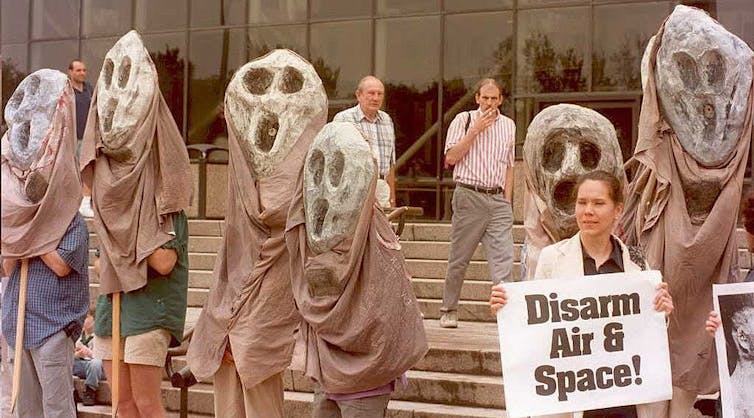









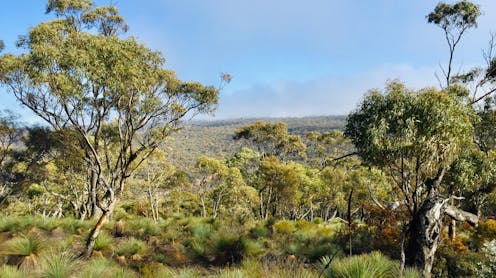











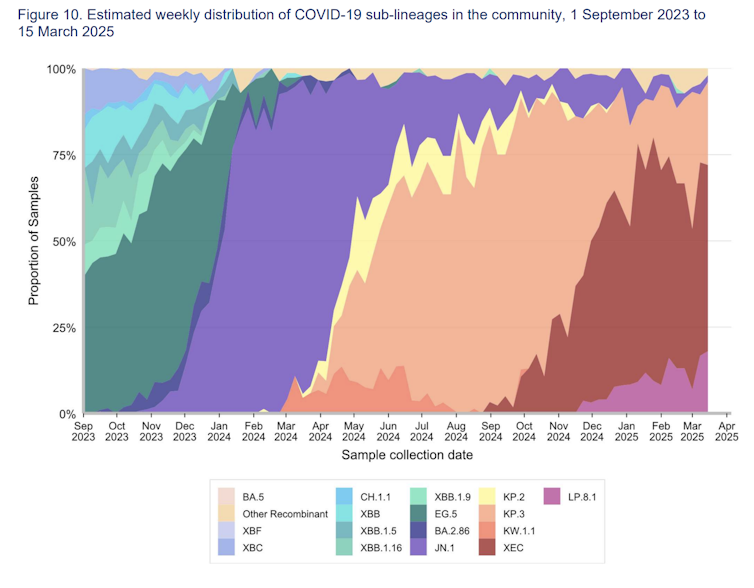









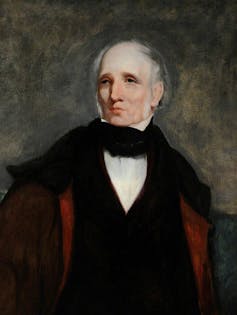








_School_-_William_Wordsworth_(1770%E2%80%931850)_-_866458_-_National_Trust.jpg)