For a few hours on Tuesday afternoon, it seemed just possible the Russians might be sending their planes to a base very near us.
A claim on the military and intelligence site Janes that said the Russians were seeking to base several long range aircraft in Papua, a province of Indonesia, caused a massive flurry on the election trail.
It gave heart to Opposition Leader Peter Dutton that national security might be brought into play as an election issue.
Dutton was quick to recall how in 2022 the Labor opposition jumped on the Morrison government for apparently being caught by surprise at what was going on in the Pacific, when a security agreement between China and the Solomon Islands turned into a campaign issue.
Had the Albanese government been caught unawares?
The Janes report said: “Jakarta has received an official request from Moscow, seeking permission for Russian Aerospace Forces (VKS) aircraft to be based at a facility in Indonesia’s easternmost province.
“Separate sources from the Indonesian government have confirmed with Janes that the request was received by the office of Minister of Defence Sjafrie Sjamsoeddin following his meeting with Secretary of the Security Council of the Russian Federation Sergei Shoigu in February 2025.
“In the request, Russia seeks to base several long-range aircraft at the Manuhua Air Force Base, which shares a runway with the Frans Kaisiepo Airport, documents that have been presented to Janes reveal.
“The airbase is situated in Biak Numfor in the Indonesian province of Papua, and it is home to the Indonesian Air Force’s Aviation Squadron 27, which operates a fleet of CN235 surveillance aircraft.”
The government sought urgent clarification, while Dutton – now struggling in the polls – sought to score a quick political point without waiting for confirmation. Both government and opposition agreed on one thing, however: nobody wanted to see the Russians get such a foothold.
Prime Minister Anthony Albanese said, “We are seeking further information, we obviously do not want to see Russian influence in our region, very clearly.”
“We have a good relationship with our friends in Indonesia, and we’re seeking further clarification.”
Dutton said it would be “a catastrophic failure of diplomatic relations if Penny Wong and Anthony Albanese didn’t have forewarning” about such a Russian move before it was made public.
“This is a very, very troubling development. The prime minister and the foreign affairs minister should have the depth of relationship with Indonesia to have had forewarning of this,” Dutton said.
“My message to President Putin is that he’s not welcome in our neighbourhood. We don’t share any values with President Putin, and we do not want a presence, a military presence, from Russia in our region, which would be destabilising for south-east Asia.”
Late Tuesday, the air went out of the balloon.
In a statement Defence Minister Richard Marles said, “I have spoken to my counterpart, HE Sjafrie Sjamsoeddin the Minister for Defence, and he has said to me in the clearest possible terms, reports of the prospect of Russian aircraft operating from Indonesia are simply not true”.
Earlier Marles said that last year Australia signed a defence cooperation agreement with Indonesia, “which really is the deepest level defence agreement we’ve ever had with Indonesia”.
“We are seeing increasing cooperation between Australia and Indonesia at a defence level.”
Michelle Grattan does not work for, consult, own shares in or receive funding from any company or organisation that would benefit from this article, and has disclosed no relevant affiliations beyond their academic appointment.
This phrase, which sounds technical but is actually nonsense, has become a “digital fossil” – an error preserved and reinforced in artificial intelligence (AI) systems that is nearly impossible to remove from our knowledge repositories.
Like biological fossils trapped in rock, these digital artefacts may become permanent fixtures in our information ecosystem.
The case of vegetative electron microscopy offers a troubling glimpse into how AI systems can perpetuate and amplify errors throughout our collective knowledge.
A bad scan and an error in translation
Vegetative electron microscopy appears to have originated through a remarkable coincidence of unrelated errors.
First, twopapers from the 1950s, published in the journal Bacteriological Reviews, were scanned and digitised.
However, the digitising process erroneously combined “vegetative” from one column of text with “electron” from another. As a result, the phantom term was created.
Excerpts from scanned papers show how incorrectly parsed column breaks lead to the term ‘vegetative electron micro…’ being introduced. Bacteriological Reviews
Decades later, “vegetative electron microscopy” turned up in some Iranian scientific papers. In 2017 and 2019, two papers used the term in English captions and abstracts.
Vegetative electron microscopy began to appear more frequently in the 2020s. To find out why, we had to peer inside modern AI models – and do some archaeological digging through the vast layers of data they were trained on.
Empirical evidence of AI contamination
The large language models behind modern AI chatbots such as ChatGPT are “trained” on huge amounts of text to predict the likely next word in a sequence. The exact contents of a model’s training data are often a closely guarded secret.
To test whether a model “knew” about vegetative electron microscopy, we input snippets of the original papers to find out if the model would complete them with the nonsense term or more sensible alternatives.
The results were revealing. OpenAI’s GPT-3 consistently completed phrases with “vegetative electron microscopy”. Earlier models such as GPT-2 and BERT did not. This pattern helped us isolate when and where the contamination occurred.
We also found the error persists in later models including GPT-4o and Anthropic’s Claude 3.5. This suggests the nonsense term may now be permanently embedded in AI knowledge bases.
Screenshot of a command line program showing the term ‘vegetative electron microscopy’ being generated by GPT-3.5 (specifically, the model gpt-3.5-turbo-instruct). The top 17 most likely completions of the provided text are ‘vegetative electron microscopy’, and these suggestions are 2.2 times more likely than the next most likely prediction. OpenAI
By comparing what we know about the training datasets of different models, we identified the CommonCrawl dataset of scraped internet pages as the most likely vector where AI models first learned this term.
The scale problem
Finding errors of this sort is not easy. Fixing them may be almost impossible.
One reason is scale. The CommonCrawl dataset, for example, is millions of gigabytes in size. For most researchers outside large tech companies, the computing resources required to work at this scale are inaccessible.
Another reason is a lack of transparency in commercial AI models. OpenAI and many other developers refuse to provide precise details about the training data for their models. Research efforts to reverse engineer some of these datasets have also been stymied by copyright takedowns.
When errors are found, there is no easy fix. Simple keyword filtering could deal with specific terms such as vegetative electron microscopy. However, it would also eliminate legitimate references (such as this article).
More fundamentally, the case raises an unsettling question. How many other nonsensical terms exist in AI systems, waiting to be discovered?
Implications for science and publishing
This “digital fossil” also raises important questions about knowledge integrity as AI-assisted research and writing become more common.
We do not yet know if other such quirks plague large language models, but it is highly likely. Either way, the use of AI systems has already created problems for the peer-review process.
For instance, observers have noted the rise of “tortured phrases” used to evade automated integrity software, such as “counterfeit consciousness” instead of “artificial intelligence”. Additionally, phrases such as “I am an AI language model” have been found in other retracted papers.
Some automatic screening tools such as Problematic Paper Screener now flag vegetative electron microscopy as a warning sign of possible AI-generated content. However, such approaches can only address known errors, not undiscovered ones.
Living with digital fossils
The rise of AI creates opportunities for errors to become permanently embedded in our knowledge systems, through processes no single actor controls. This presents challenges for tech companies, researchers, and publishers alike.
Tech companies must be more transparent about training data and methods. Researchers must find new ways to evaluate information in the face of AI-generated convincing nonsense. Scientific publishers must improve their peer review processes to spot both human and AI-generated errors.
Digital fossils reveal not just the technical challenge of monitoring massive datasets, but the fundamental challenge of maintaining reliable knowledge in systems where errors can become self-perpetuating.
Aaron J. Snoswell receives funding from the Australian Research Council funded Discovery Project “Generative AI and the future of academic writing and publishing” (DP250100074) and has previously received research funding from OpenAI.
Kevin Witzenberger receives funding from the Australian Research Council funded Discovery Project “Generative AI and the future of academic writing and publishing” (DP250100074)
Rayane El Masri does not work for, consult, own shares in or receive funding from any company or organisation that would benefit from this article, and has disclosed no relevant affiliations beyond their academic appointment.
Source: The Conversation (Au and NZ) – By Adrian Beaumont, Election Analyst (Psephologist) at The Conversation; and Honorary Associate, School of Mathematics and Statistics, The University of Melbourne
The significant turn-around in the federal polls ahead of the 2025 federal election, with the momentum now moving firmly in Labor’s direction.
A national Resolve poll for Nine newspapers, conducted April 9–13 from a sample of 1,642, gave Labor a 53.5–46.5 lead, a 3.5-point gain for Labor since the previous Resolve poll that was conducted after the March 25 budget. In late February, the Coalition had led by 55–45 in Resolve, so this is a big turnaround for Labor.
Primary votes were 34% Coalition (down three), 31% Labor (up two), 13% Greens (steady), 6% One Nation (down one), 12% independents (up three) and 5% others (steady).
Independents were probably offered as an option everywhere. Future Resolve polls are likely to account for the declaration of nominations on Friday by giving voters in each seat a full ballot readout. Only viable independents will attract significant support, so the overall independent vote will drop.
The preferencing method isn’t stated, but Resolve has used respondent preferences for its headline in its previous polls. By 2022 election preference flows, this poll would be about 53.5–46.5 to Labor, so it’s likely there was no difference between the two methods.
Anthony Albanese’s net approval surged 12 points to +1, with 45% saying he was doing a good job and 44% a poor job. Albanese had suffered negative double digit ratings for more than a year. Peter Dutton’s net approval slumped eight points to -18. Albanese led Dutton as preferred PM by 46–30 (42–33 previously).
Now 68% believed Donald Trump’s election was bad for Australia, up from 60% in the post-budget poll that was taken before the stock market slump that followed Trump’s “Liberation Day” tariffs announcement on April 2.
On Trump’s influence on the election, 33% said it made them less likely to vote for the Coalition while 14% said more likely (35–15 with uncommitted voters). When this question was asked of Labor, it was 22% more likely to vote Labor and 21% less likely (24–24 with uncommitted).
The Liberals continued to lead Labor on economic management by 36–31 (36–29 previously). On keeping the cost of living low, Labor and the Liberals were tied at 30–30 (31–27 to the Liberals previously). The last time the Liberals didn’t lead on cost of living was in October 2023.
Two other national polls also had Labor gaining, with Labor now leading by 50–45 including undecided in Essential, and by 54.5–45.5 in Morgan. Here is the poll graph.
With Labor’s two-party vote between 52% and 54.5% in the five most recent national polls (YouGov, Newspoll, Essential, Morgan and Resolve), they would be very likely to win a majority in the House of Representatives if the election results reflect this polling.
Single-member systems are not proportional. If Labor wins the national two-party vote by about 53–47, they will win a large majority of the seats in two-party terms against the Coalition. While Labor would lose some of their two-party win seats to Greens and independents, they would still win enough seats for a clear House majority.
Does the Coalition have any chance?
The current polls were taken after a period of stock market turmoil following Trump’s tariffs announcement. If there are no more major stock market slumps before the May 3 election, perhaps the Coalition can recover. Or Albanese could perform badly in Wednesday night’s ABC debate with Dutton. In-person early voting begins next Tuesday, so there’s less time left for recovery before many votes are cast.
The current polls all used respondent preferences for their headline, but there was no difference between respondent and 2022 election flows. Previously, polls were showing a difference of about one point in the Coalition’s favour. The Trump effect has increased Labor’s share of respondent preferences.
The Coalition’s main chance is that the polls are overstating Labor. In 2022, Labor’s primary vote was overstated, but preference flows were better for Labor than expected, causing cancellation of errors. In 2019, the polls suggested Labor would win by 51.5–48.5, but they lost by that margin.
In the US, polls have understated Trump in the 2016, 2020 and 2024 elections. I don’t believe that we should expect the polls are overstating Labor just because they overstated them in 2019 and 2022. But this is the Coalition’s best hope of an unexpected good result on election night.
Essential poll: Labor gains five-point lead
A national Essential poll, conducted April 9–13 from a sample of 2,254 (double the normal sample), gave Labor a 50–45 lead including undecided by respondent preferences (a 48–47 Labor lead in the post-budget Essential poll). This is Labor’s biggest lead in Essential since October 2023. If the undecided were excluded, Labor would lead by 53–47 according to The Guardian’s poll report.
Primary votes were 32% Coalition (down two), 31% Labor (up one), 13% Greens (up one), 9% One Nation (steady), 2% Trumpet of Patriots (steady), 9% for all Others (up one) and 4% undecided (down one). By 2022 election flows, this would give Labor about a 53–47 lead.
Albanese’s net approval was down one to -3 (47% disapprove, 44% approve), while Dutton’s net approval was down three to -9, his worst in Essential since May 2023. Albanese was trusted over Dutton on addressing cost of living by 34–28. By 50–33, voters thought the country was on the wrong track (52–32 previously).
By 49–18, voters wanted Australia’s annual immigration intake to decrease, with 33% wanting it to stay about the same. By 81–19, voters said they don’t pay for news via subscriptions or donations. On where they get information about news and current events, 54% selected commercial media, 24% public broadcasters, 14% social media influencers and 7% podcasters.
Morgan poll: Labor gains nine-point lead
A national Morgan poll, conducted April 7–13 from a sample of 1,708, gave Labor a 54.5–45.5 lead by headline respondent preferences, a one-point gain for Labor since the March 31 to April 4 Morgan poll.
Primary votes were 33.5% Coalition (up 0.5), 32% Labor (down 0.5), 14.5% Greens (up one), 6% One Nation (steady), 1% Trumpet of Patriots (down 0.5), 10% independents (up one) and 3% others (down 1.5). By 2022 election flows, this gave Labor an unchanged 54.5–45.5 lead.
By 48.5–34.5, voters thought the country was going in the wrong direction (52–33 previously). This is the smallest lead for wrong direction since September 2023. Morgan’s consumer confidence index was down 2.6 points to 84.2.
Adrian Beaumont does not work for, consult, own shares in or receive funding from any company or organisation that would benefit from this article, and has disclosed no relevant affiliations beyond their academic appointment.
Our personal information is more valuable than ever. The most recent government cyber threat report warns that foreign state actors have an “enduring interest” in obtaining sensitive and personally identifiable information about Australians.
In recent weeks, Prime Minister Anthony Albanese noted “there is a cyber attack in Australia roughly every six minutes. This is a regular issue.”
In some situations, it can be difficult to protect our info even when we’re aware of the risks. Notably, in Australia many rental providers and their agents collect, store and disclose excessive personal information on potential tenants. Sometimes, they collect more info than what’s needed to get a government security clearance.
With about one-third of Australian households being renters, the handling of renters’ data is a major concern for Australia’s information security.
So what information are real estate agents collecting, and how can we mitigate the risks?
With renters competing for housing, rental providers are empowered to command larger rent increases. They also require potential tenants to provide extensive personal information.
For tenants, sharing – or oversharing – of personal information in the hope of securing a home might seem acceptable.
However, the collection and handling of this information raises serious security concerns. If Australians’ sensitive personal data falls into the hands of cyber criminals, or foreign agents, this has security implications for the entire nation.
What info are renters asked for?
Potential tenants need to provide information to the satisfaction of the real estate agent and their client, the rental provider. This information is increasingly collected online via rental application websites where the form questions are controlled by real estate agents.
The rental application websites seem to recognise that this information is extensive: one rental application website started selling a privacy service where they vouch for the applicant instead of sharing their information with the real estate agents.
In some cases, the requested data matches or even exceeds the requirements for a government security clearance. The Australian Government Security Vetting Agency (AGSVA) has a clear public privacy statement. It explains how data is collected and handled and used only for the assessment of a security clearance. Rental providers don’t necessarily follow the same stringent rules.
Information collected by some rental application forms may include five or more years of address history. Others request five or more years of employment history. In addition, financial information such as payslips and bank statements are also required.
Other sensitive – and irrelevant – information includes vehicle registration numbers and pet names.
Potential tenants are also usually asked to attach personal identification documents including passports, driver licences and Medicare cards. They may be asked to list up to two personal and one business references.
A rental agent may require five years of employment history. Author provided
If any of this information falls into the wrong hands, it easily exposes the person to social engineering, personalised scams or identity and account theft.
Who can access the info?
The names of family members and pet names are a common – albeit unsafe – choice of password. The rental application forms collect both. In Australia, research by Telstra and YouGov found that 20% of Australians used pets’ names as passwords, and 17% used their birth dates.
Pet names may be required on rental applications. This can give away some people’s passwords. Author provided
If a rental provider, or their agent, shares applicant information with others, it can be a security breach. This makes the storage, handling and sharing of this information by private rental providers a major concern.
More importantly, after the information is sent to the owner of the rental property, there is no visibility as to who that is, or what they do with the information.
Example of a privacy agreement on a rental application form. Author provided
Too much info to rent a home
Having to share extensive personal information is more than an inconvenience for renters – it’s a serious security concern. The government should put explicit limits on personal information requested by rental providers.
One technological solution to this problem could be “access tokens” provided by banks. People in Australia are protected by the Consumer Data Right. This allows consumers to authorise a data holder, such as a bank, to share data with an accredited recipient.
Australian banks are held to strict information security requirements. They already handle highly sensitive data, such as client identity, income sources and other financial information.
If real estate agents require proof of this info to vet potential rental applicants, they could request it through an authorisation token with the applicant’s bank. This way, proof of identity and financial status could be shared without having to disclose actual sensitive personal information, limiting the cyber security risk.
In the meantime, rental providers and their agents should request the least possible amount of personal information – it’s the responsible thing to do.
The article gives the example of the Consumer Data Right, a government standard managed by the Australian Competition and Consumer Commission (ACCC). Moataz ElQadi worked previously for the ACCC, in a different team.
Both products have a minimum 24% milk solids. The egg has a marginally higher percentage of cocoa solids (28%) than the block (27%).
So if they contain pretty much the same ingredients, what else is going on?
It’s more about the taste, texture and smell
The difference between Easter chocolate and regular chocolate is more about how we experience the flavour of chocolate – via taste, texture and smell.
Taste is the recognition of simple ingredients dissolving in saliva and entering the taste pores on our tongue. In the case of chocolate, we perceive the taste as sweet (sugar), fatty (cocoa butter) and potentially bitter (caffeine and other cocoa-based compounds).
However, texture and smell make us most likely to tell the difference between Easter and regular chocolate.
The mouth is incredibly sensitive to the texture of foods. We perceive multiple physical qualities of a food, which we call “mouthfeel”.
Smoothness, creaminess and mouthcoating (for example, an oily feeling) are important components of chocolate’s mouthfeel.
Consumers also expect round-shaped chocolate to be creamier than angular-shape chocolate.
So even before we’ve taken a bite, we perceive a chocolate egg will be creamier than a block. These expectations can shape how we experience the flavour of chocolate.
However, if the chocolate egg is not as creamy as expected, this can be disappointing.
The temperature at which chocolate is made and stored also impacts its texture. Sometimes chocolate gets a whitish haze on its surface called chocolate bloom. This is when the fat and sugar separate from each other, forming fat or sugar crystals.
Because the demand is so high during Easter, chocolate manufacturers sometimes use rapid-cooling techniques to produce hollow Easter eggs at a faster rate. This may make them more susceptible to chocolate bloom. Cheaper Easter chocolates using these rapid procedures may have a different texture than chocolate made the traditional way.
Finally, smell contributes the most to how we perceive flavour in foods. When chocolate starts to melt in our mouth, aromas are released. These aromas make their way through the back of the nose where we smell the complex scents and notes of chocolate. Depending on the chocolate, this could include fruity, earthy, buttery or floral aromas.
The shape of chocolate
We’ve already heard the shape of chocolate influences how creamy we think it is. But the shape of chocolate also influences other aspects of our eating experience.
Easter chocolate in the shape of an egg or an animal provides a large contact area inside the mouth meaning it will melt faster than a block. This impacts how quickly aroma compounds are released from the chocolate.
Biting into hollow chocolate, such as eggs and animals, may also require more time to chew and swallow. This results in Easter chocolate spending longer in our mouths with a greater release of aromas. This means we perceive a greater intensity or diversity of flavours compared to eating small squares.
How someone eats chocolate can also change its flavour. One study categorised people who ate chocolate as “suckers” or “chewers”.
Chewers tend to swallow chocolate more quickly and may perceive it to have a weaker flavour because of the shorter time for aromas to be released.
So how a person eats Easter chocolate may also impact whether they prefer it over regular chocolate.
Easter is only once a year
Last of all, eating Easter eggs (and hunting for them) are often part of a shared family ritual. This can make Easter chocolate seem special. No wonder we enjoy the whole Easter egg experience.
So whether you are a sucker or a chewer, Easter is a great time to slow down and celebrate with loved ones. Enjoy and savour your Easter chocolate in moderation, egg-shaped or otherwise.
The authors do not work for, consult, own shares in or receive funding from any company or organisation that would benefit from this article, and have disclosed no relevant affiliations beyond their academic appointment.
ER Report: Here is a summary of significant articles published on EveningReport.nz on April 15, 2025.
Social media is the new election battleground. Is embracing influencers smart, risky or both? Source: The Conversation (Au and NZ) – By Susan Grantham, Lecturer in Communication, Griffith University From Abbie Chatfield and Hannah Ferguson to Ozzy Man, influencers have never been more central to an Australian election campaign. Much has been made of the increasingly common site of politicians on TikTok or Instagram reels. Some political groups don’t
Trump’s tariffs rollercoaster is really about Republican unity Source: The Conversation (Au and NZ) – By Lester Munson, Non-Resident Fellow, United States Studies Centre, University of Sydney After announcing Liberation Day – stiff “retaliatory” tariffs on every country and penguin-inhabited island in the world – US President Donald Trump rescinded the vast majority of tariffs eight days later when stock and bond markets
Peters emphasises growing importance of NZ’s Pacific ties with the United States By Grace Tinetali-Fiavaai, RNZ Pacific journalist in Hawai’i New Zealand’s Pacific connection with the United States is “more important than ever”, says Foreign Affairs Minister Winston Peters after rounding up the Hawai’i leg of his Pacific trip. Peters said common strategic interests of the US and New Zealand were underlined while in the state. “Our
Israeli military reservists court Australian universities amid ‘hypocrisy’ over anti-war protests Hundreds of university staff and students in Melbourne and Sydney called on their vice-chancellors to cancel pro-Israel events earlier this month, write Michael West Media’s Wendy Bacon and Yaakov Aharon. SPECIAL REPORT: By Wendy Bacon and Yaakov Aharon While Australia’s universities continue to repress pro-Palestine peace protests, they gave the green light to pro-Israel events
Why the Mormon church is on an expansion project, with 2 secretive new temples planned for Australia Source: The Conversation (Au and NZ) – By Brenton Griffin, Casual Lecturer and Tutor in History, Indigenous Studies, and Politics, Flinders University The Church of Jesus Christ of Latter-day Saints has announced it will build 15 new temples in countries across the world, including one in Liverpool, New South Wales. This follows a similar announcement
Winter electricity prices are rising – how do we know we’re getting value for money? Source: The Conversation (Au and NZ) – By Richard Meade, Adjunct Associate Professor, Griffith University, Centre for Applied Energy Economics and Policy Research, Griffith University Shutterstock Winter is coming to New Zealand and Australia, and with it come those inevitably higher power bills from heating our homes. But even without that seasonal spike, household power
Amid the election promises, what would actually help ‘fix’ the housing crisis? Here’s 5 ideas Source: The Conversation (Au and NZ) – By Rachel Ong ViforJ, John Curtin Distinguished Professor & ARC Future Fellow, Curtin University Shutterstock As the election campaign rolls on, housing has been, unsurprisingly, a major campaign focus. We’ve seen a series of housing policy announcements from across the political spectrum, including duelling announcements from the major
New study finds no evidence technology causes ‘digital dementia’ in older people Source: The Conversation (Au and NZ) – By Nikki-Anne Wilson, Postdoctoral Research Fellow, Neuroscience Research Australia (NeuRA), UNSW Sydney RDNE Stock project/Pexels In the 21st century, digital technology has changed many aspects of our lives. Generative artificial intelligence (AI) is the latest newcomer, with chatbots and other AI tools changing how we learn and creating
Amid the election promises, what would actually help ‘fix’ the housing crisis? Here are 5 ideas Source: The Conversation (Au and NZ) – By Rachel Ong ViforJ, John Curtin Distinguished Professor & ARC Future Fellow, Curtin University Shutterstock As the election campaign rolls on, housing has been, unsurprisingly, a major campaign focus. We’ve seen a series of housing policy announcements from across the political spectrum, including duelling announcements from the major
Cutting migrant numbers won’t help housing – the real immigration problems not being tackled this election Source: The Conversation (Au and NZ) – By Peter McDonald, Honorary Professor of Demography, Centre for Health Policy, The University of Melbourne Immigration is shaping as one of the most potent policy issues of the election campaign. Opposition Leader Peter Dutton has announced a Coalition government would cut the two major migration programs – permanent
Focusing on a child’s strengths can transform assessments – and help them thrive after an ADHD or autism diagnosis Source: The Conversation (Au and NZ) – By Adam Guastella, Professor and Clinical Psychologist, Michael Crouch Chair in Child and Youth Mental Health, University of Sydney Jota Buyinch Photo/Shutterstock When parents are concerned about their child’s development, they often seek an assessment to address concerns and identify any conditions, such as autism, attention-deficit hyperactivity disorder
Australian honeybees are under attack by mites and beetles. Here’s how to keep your backyard hive safe Source: The Conversation (Au and NZ) – By Cornelia Sattler, Research Fellow in Ecology & Videographer, Macquarie University Varroa mites on a male bee larva. Theotime Colin Australia’s honeybees are facing an exceptional crisis. The tiny but devastating foreign pest Varroa destructor is steadily spreading across the country. The mite feeds on baby bees (larvae),
Would looser lending rules help more people buy a house – or just put them at risk? Source: The Conversation (Au and NZ) – By Andrew Grant, Associate Professor in Finance, University of Sydney doublelee/Shutterstock Big promises on housing were at the centre of both major parties’ announcements at the official federal election campaign launches on the weekend. Among the highlights, Labor pledged to build 100,000 new homes and extend a government-guaranteed
Why is it so hard for everyone to have a house in Australia? Source: The Conversation (Au and NZ) – By Ehsan Noroozinejad, Senior Researcher, Urban Transformations Research Centre, Western Sydney University Bilalnol/Shutterstock Home ownership in Australia was once regarded as proof of success in life. However, it remains elusive for many people today. Prices have soared beyond wage growth, rents keep rising, and even some well-intentioned government
Why the Mormon church is on an expansion project, with two secretive new temples planned for Australia Source: The Conversation (Au and NZ) – By Brenton Griffin, Casual Lecturer and Tutor in History, Indigenous Studies, and Politics, Flinders University The Church of Jesus Christ of Latter-day Saints has announced it will build 15 new temples in countries across the world, including one in Liverpool, New South Wales. This follows a similar announcement
Owners are officially no longer responsible for tourism accidents on their land – but they never really were Source: The Conversation (Au and NZ) – By Chris Peace, Lecturer in Occupational Health and Safety, Te Herenga Waka — Victoria University of Wellington EyesWideOpen/Getty Images Newly announced reforms to the Health and Safety at Work Act mean landowners will no longer be responsible for tourism-related injuries on their properties. But it’s not clear this
New Zealand’s humanity – does it include all of us, or only for some? COMMENTARY: By Katrina Mitchell-Kouttab “Wherever Palestinians have control is barbaric.” These were the words from New Zealand’s Chief Human Rights Commissioner Stephen Rainbow. During a meeting with Philippa Yasbek from Jewish Voices for Peace, Dr Rainbow allegedly told her that information from the NZ Security Intelligence Services (NZSIS) threat assessment asserted that Muslims were the
Leaked ‘working paper’ on New Caledonia’s political future sparks new concerns By Patrick Decloitre, RNZ Pacific correspondent French Pacific desk A leaked “working paper” on New Caledonia’s future political status is causing concern on the local stage and has prompted a “clarification” from the French government’s Minister for Overseas Manuel Valls. Details of the document, which was supposed to remain confidential, have been widely circulated online
Election Diary: Will Peter Dutton help son Harry buy a house? Source: The Conversation (Au and NZ) – By Michelle Grattan, Professorial Fellow, University of Canberra Political leaders’ kids are routinely put on display to share the glory or the pain of election night. Earlier, they’re often at campaign launches to “humanise” the candidates. Peter Dutton pulled out all stops with the family for his Sunday
Big Girls Don’t Cry is a powerful, heart-wrenching, and comical celebration of Indigenous resilience and survival Source: The Conversation (Au and NZ) – By Laura Case, Lecturer in Musicology, Sydney Conservatorium of Music, University of Sydney Stephen Wilson Barker/Belvoir With Big Girls Don’t Cry, Gumbaynggirr/Wiradjuri playwright Dalara Williams proves herself to be a formidable talent. Cheryl (Williams), Queenie (Megan Wilding) and Lulu (Stephanie Somerville) are three best friends who share a
From Abbie Chatfield and Hannah Ferguson to Ozzy Man, influencers have never been more central to an Australian election campaign.
Much has been made of the increasingly common site of politicians on TikTok or Instagram reels. Some political groups don’t like it, as don’t some in traditional media.
But in the first election in which Millennials and Gen Z voters will outnumber Baby Boomers, it’s an inevitable, politically necessary change – though not without its pitfalls.
A messy scene
Politics in the social media sphere is already starting to get messy.
A few weeks ago, the Australian Electoral Commission (AEC) investigated whether influencer content promoting political messages constitutes electoral advertising.
This doesn’t seem to breach electoral rules, but the lines are being blurred, particularly given the content included glowing remarks about Spender and only suggested they were created “in collaboration”, not as a paid advertisement. This has since been fixed.
The scrutiny reveals growing discomfort around this emerging form of political communication – including from politicians themselves.
As influencer Chatfield said:
there’s this like moral panic about influencers in politics as well, this whole idea influencers can’t be trusted with something as serious and as high brow as politics.
But is that the case, especially if money has changed hands?
A politicised sphere
In what is perhaps a sign of the globally uncertain times, influencing is more political than ever.
Look at the recent clash involving Holly MacAlpine, who is mounting a legal challenge to the Liberal Party’s social media strategy. She accused them of deliberately editing a clip of her supporting The Greens to make it look like she was instead criticising the party. Last night she launched a crowdfunding campaign for legal representation that reached its goal amount within hours.
Influencers are becoming more than messengers. They are political actors in their own right.
In response, TikTok has adjusted its algorithm to recognise political content at the point of upload. The content is now being held for review prior to going live.
However, at the time of writing, these guidelines don’t appear on all content that discusses politics or elections. It doesn’t appear to be attached to Australian political content in the same way this style of guideline was used during other events, like COVID.
Politics with personality
All this matters because younger generations don’t get their political information from newspapers or nightly news bulletins.
The algorithms that drive these platforms reward familiarity and engagement. When a well-known face appears on screen, users linger, boosting the reach of that post. Political messages, even subtle ones, can travel far beyond the original audience.
Influencers have a lot to contribute to political discourse, particularly in podcasts, but the way they formulate and deliver messages varies widely.
Some are not explicitly aligned with a political party, while others are transparent about where their preferences sit. How much they affect the election campaign heavily depends on their specific niche and how that relates to broader election commentary.
Glenn James, host of the Money Money Money podcast and a figure in the personal finance space was recently invited to the budget lock-up. He asked questions about student debt.
His content sits at the intersection of finance and policy, making it particularly powerful in an election where cost-of-living pressures and education debt are key issues for younger voters.
It’s an example that not all political influence on social media is overtly partisan. Sometimes, it’s about asking the right questions.
Reaching eyeballs
Perhaps influencers’ most significant contribution is not just persuasive power, but reach.
Their ability to cut through and capture attention is unmatched in today’s fragmented media landscape. In the past, audiences followed specific news outlets aligned with their values.
Now, thanks to TikTok’s “For You” Page and Instagram Reels’ algorithmic curation, users are increasingly exposed to political content from creators they don’t necessarily follow and would not otherwise encounter.
Another example is Prime Minister Anthony Albanese’s recent use of “delulu with no solulu” (delusional with no solution) in parliament following a dare from podcast Happy Hour with Lucy and Nikki.
Even though it made no sense to a portion of the population, it gained significant momentum and was trending across platforms.
Adopting the blueprint
Influencers aren’t journalists, and most aren’t claiming to be. They’re generally upfront about the fact they’re not wedded to journalistic standards of impartiality, objectivity and holding the powerful to account.
So in an attempt to ensure traditional media reporting is also noticed by social media users, media outlets are using similar techniques, albeit through a journalistic lens.
From playing to the algorithm to providing behind the scenes content from the campaign trail, traditional media are solidifying their place in this election commentary and getting noticed.
It’s a new playing field in political campaigning. But whether it meaningfully shifts voter behaviour, or just adds to the already overwhelmed digital chatter, remains to be seen.
Susan Grantham does not work for, consult, own shares in or receive funding from any company or organisation that would benefit from this article, and has disclosed no relevant affiliations beyond their academic appointment.
After announcing Liberation Day – stiff “retaliatory” tariffs on every country and penguin-inhabited island in the world – US President Donald Trump rescinded the vast majority of tariffs eight days later when stock and bond markets crashed.
He followed that with more exemptions for phones, computers and computer chips two days later. Ten percent tariffs remain across the board, along with rates up to 145% on China.
Is Trump aligned with previous Reagan on tariffs?
As with anything related to Trump, perceptions overwhelm reality. Trump’s showmanship – call him a carnival barker if you must – obfuscates what is really happening.
Trump is seen as a protectionist and a populist. By comparison, former president Ronald Reagan was seen as a principled free trader and more ideologically conservative. Both images are misleading.
Reagan slapped tariffs on cars, steel, lumber, computers, computer chips, motorcycles, machine tools, even clothes pins. The great guru of free markets, Milton Friedman, is reported to have said that the Reagan administration has been “making Smoot-Hawley look positively benign.” (Smoot-Hawley was an infamous tariff law enacted in 1930 at the beginning of the Great Depression.)
Reagan went back and forth on tariffs, even attacking them in a radio address when Japan tried to impose them. At the end of the day, his record on the issue was as mixed as that of any American president.
Trump’s politics, if not his showmanship, look a lot more like traditional Republican approaches in the cold light of day. The showmanship – provocative statements, grand exaggerations, outright falsehoods and even stand-up-comic-like aspects – is purposeful.
Keeping Republicans united
The main goal of Trump’s tariff showmanship, largely unreported in the press, is keeping congressional Republicans unified as he pushes his domestic policy agenda of lower taxes, budget cuts, expanded energy production and tougher immigration policies.
Congressional Republicans have been working for months on legislating this agenda through the complex budget reconciliation process. This legislative process is difficult and involves passing budget resolutions through the Senate and the House on a specific schedule. This process is required because it allows for a path around the 60-vote filibuster in the Senate. With only 53 Republican senators and a Democratic Party that is committed to resisting Trump on almost every policy choice, Trump needs the reconciliation process to work this year.
In one sense, all of Trump’s activities since his inauguration – the “waste”-cutting DOGE, spending cuts, ending foreign aid programs, laying off federal workers – have given him the political space with congressional Republicans, particularly fiscal conservatives, to advance his legislative agenda. It is important to know that Congressional Republicans have been ungovernable for quite some time.
Over the past ten years, there have been five Republican Speakers of the House – John Boehner, Paul Ryan, Kevin McCarthy, Patrick McHenry (acting) and now Mike Johnson. This unprecedented turnover is caused by a virtually unmanageable Republican coalition of mainstream business-oriented conservatives and the fiscal hawks who generally populate the Freedom Caucus. The Freedom Caucus is more than willing to vote against other Republicans – indeed they are proud of it. Because of this, speaker after speaker has had to reach out to Democrats for votes to pass legislation, ultimately dooming their time in the position.
Trump has managed to keep this ungovernable group of House Republicans united, and this may be his true political gift.
To achieve this, he has engaged in a comprehensive campaign of maximum pressure on just about everything: Canada, Greenland, NATO, Europe, China, Ukraine, American universities, federal workers, illegal immigrants, big law firms and even paper straws.
Congressional Republicans, in appreciation of this shock and awe campaign, have stayed united. This means Trump’s legislative agenda can move forward.
With his global tariff plan, Trump saw Republicans beginning to defect. In one Senate vote in April, four Republicans sided with Democrats against tariffs on Canada. Senator Ted Cruz warned that Republicans might lose the 2026 election because of tariffs. Chuck Grassley of Iowa, the oldest senator and one of the most conservative, indicated he would support bringing tariff authority back to Congress and away from the president.
Trump can read a room as well as anyone. When he saw Republican unity was at risk because of his tariff plan, he quickly pivoted to a much more moderate version. While Trump’s grandiosity is often highly criticised, it is that quality that gives him the ability to keep his party together, and therefore to govern.
Sparking panic among Democrats
The other major effect of Trump’s tariffs strategy is to sow discord among his opponents.
Democrats, who want to criticise Trump but know their own party has often endorsed tariffs in the past, are reeling. Democratic Michigan Governor Gretchen Whitmer said she understood Trump’s “motivation behind the tariffs” and even agreed with Trump that we “need to make more stuff in America”. She was immediately criticised by fellow Democrats.
Hakeem Jeffries, the top Democrat in the House of Representatives, tried a slightly more aggressive anti-Trump approach. He said:
Tariffs, when properly utilized, have a role to play in trying to make sure that you have a competitive environment for our workers and our businesses. That’s not what’s going on right now. This is a reckless economic sledgehammer that Donald Trump and compliant Republicans in the Congress are taking to the economy, and the American people are being hurt enough.
This response won’t help Democrats climb out of their deep hole of unpopularity, measured last month at an historic low.
Lester Munson receives funding from the U.S. Studies Centre at the University of Sydney.
New Zealand’s Pacific connection with the United States is “more important than ever”, says Foreign Affairs Minister Winston Peters after rounding up the Hawai’i leg of his Pacific trip.
Peters said common strategic interests of the US and New Zealand were underlined while in the state.
“Our Pacific links with the United States are more important than ever,” Peters said.
“New Zealand’s partnership with the United States remains one of our most long standing and important, particularly when seen in the light of our joint interests in the Pacific and the evolving security environment.”
The Deputy Prime Minister has led a delegation made up of cross-party MPs, who are heading to Fiji for a brief overnight stop, before heading to Vanuatu.
Peters said the stop in Honolulu allowed for an exchange of ideas and the role New Zealand can play in working with regional partners in the region.
“We have long advocated for the importance of an active and engaged United States in the Indo-Pacific, and this time in Honolulu allowed us to continue to make that case.”
Approaching Trump ‘right way’ The delegation met with Hawai’i’s Governor Josh Green, who confirmed with him that New Zealand was approaching US President Donald Trump in the “right way”.
“The fact is, this is a massively Democrat state. But nevertheless, they deal with Washington very, very well, and privately, we have got an inside confirmation that our approach is right.
“Be very careful, these things are very important, words matter and be ultra-cautious. All those things were confirmed by the governor.”
Governor Green told reporters he had spent time with Trump and talked to the US administration all the time.
“I can’t guarantee that they will bend their policies, but I try to be very rational for the good of our state, in our region, and it seems to be so far working,” he said.
He said the US and New Zealand were close allies.
“So having these additional connections with the political leadership and people from the community and business leaders, it helps us, because as we move forward in somewhat uncertain times, having more friends helps.”
At the East-West Center in Honolulu, Peters said New Zealand and the United States had not always seen eye-to-eye and “US Presidents have not always been popular back home”.
“My view of the strategic partnership between New Zealand and the United States is this: we each have the right, indeed the imperative, to pursue our own foreign policies, driven by our own sense of national interest.”
The delegation also met the commander of US Indo-Pacific Command Admiral Samuel Paparo, the interim president of the East-West Center Dr James Scott, and Hawai’i-based representatives for Palau, Federated States of Micronesia, and the Marshall Islands.
This article is republished under a community partnership agreement with RNZ.
Hundreds of university staff and students in Melbourne and Sydney called on their vice-chancellors to cancel pro-Israel events earlier this month, write Michael West Media’s Wendy Bacon and Yaakov Aharon.
SPECIAL REPORT:By Wendy Bacon and Yaakov Aharon
While Australia’s universities continue to repress pro-Palestine peace protests, they gave the green light to pro-Israel events earlier this month, sparking outrage from anti-war protesters over the hypocrisy.
Israeli lobby groups StandWithUs Australia (SWU) and Israel-IS organised a series of university events this week which featured Israel Defense Force (IDF) reservists who have served during the war in Gaza, two of whom lost family members in the Hamas resistance attack on October 7, 2023.
The events were promoted as “an immersive VR experience with an inspiring interfaith panel” discussing the importance of social cohesion, on and off campus.”
Hundreds of staff and students at Monash, Sydney Uni, UNSW and UTS signed letters calling on their universities to “act swiftly to cancel the SWU event and make clear that organisations and individuals who worked with the Israel Defense Forces did not have a place on UNSW campuses.”
SWU is a global charity organisation which supports Israel and fights all conduct it perceives to be “antisemitic”. It campaigns against the United Nations and international NGOs’ findings against Israel and is currently supporting actions to suspend United States students supporting Palestine.
It established an office in Sydney in 2022 and Michael Gencher, who previously worked at the NSW Jewish Board of Deputies, was appointed as CEO.
The event’s co-sponsor, Israel-IS, is a similar propaganda outfit whose mission is to “connect with people before they connect with ideas” particularly through “cutting edge technologies like VR and AI.”
Among their 18 staff, one employee’s role is “IDF coordinator’” while two employees serve as “heads of Influencer Academy”.
The events were a test for management at Monash, UTS, UNSW and USyd to see how far each would go in cooperating with the Israel lobby.
Some events cancelled At Monash, an open letter criticising the event was circulated by staff and students. The event was then cancelled without explanation.
At UNSW, 51 staff and postgraduate students signed an open letter to vice-chancellor Atilla Brungs, calling for the event’s cancellation. It was signed on their behalf by Jessica Whyte, an associate professor of philosophy in arts and law and Noam Peleg, associate professor in the Faculty of Law and Justice.
Prior to the scheduled event, Michael West Media sent questions to UNSW. After the event was scheduled to occur, the university responded to MWM, informing us that it had not taken place.
As of today, two days after the event was scheduled, vice-chancellor Brungs has not responded to the letter.
UTS warning to students The UTS branch of the Australasian Union of Jewish Students partnered with Israel-IS in organising the UTS event, in alignment with their core “pillars” of Zionism and activism. The student group seeks to “promote a positive image of Israel on campus” to achieve its vision of a world where Jewish students are committed to Israel.
UTS Students’ Association, Palestinian Youth Society and UTS Muslim Student Society wrote to management but deputy vice-chancellor Kylie Readman rejected pleas. She replied that the event’s organisers had guaranteed it would be “a small private event focused on minority Israeli perspectives” and that speakers would only speak in a personal capacity.
While acknowledging the conflict in the Middle East was stressful for many at UTS, she then warned students, “UTS has not received formal notification of any intent to protest, as is required under the campus policy. As such, I must advise that any protest activity planned for 2nd April will be unauthorised. I would urge you to encourage students not to participate in an unauthorised protest.”
Students who allegedly breach campus policies can face disciplinary proceedings that can lead to suspension.
UTS Student Association president Mia Campbell told MWM, “The warning given by UTS about protesting definitely felt intimidating and frightening to a number of students, including myself.
“Especially as a law student, misconduct allegations can affect your admission to the profession . . . but with all other avenues of communication exhausted between us and the university, it felt like we didn’t have a choice.
I don’t want to look back on what I was doing during this genocide and have done any less than what was possible at the time.
A UTS student reads the names of Gaza children killed in Israel’s War on Gaza. Image: Wendy Bacon/MWM
Sombre, but quietly angry protest The UTS protest was sombre but quietly angry. Speakers read from lists naming dead Palestinian children.
One speaker, who has lost 120 members of his extended family in Gaza, explained why he protested: “We have to be backed into a corner, told we can’t protest, told we can’t do anything. We’ve exhausted every single policy . . . Add to all that we are threatened with misconduct.”
Do you think we can stay silent while there are people on campus who may have played a part in the killings in Gaza?
SWU at University of Sydney University of Sydney staff and students who signed an open letter received no reply before the event.
Activists from USyd staff in support of Palestine, Students Against War and Jews Against the Occupation ‘48 began protesting outside the Michael Spence building that houses the university’s senior executives on the Wednesday evening, April 2.
Escorted by UTS security, three SWU representatives arrived. A small group was admitted. Soon afterwards, the participants could be seen from below in the building’s meeting room.
A few protesters remained and booed the attendees as they left. These included Mark Leach, a far right Christian Zionist and founder of pro-Israeli group Never Again is Now. Later on X, he condemned the protesters and described Israel as a “multi-ethnic enclave of civilisation.”
Warning letters for students Several student activists have received letters recently warning them about breaching the new USyd code of conduct regulating protests. USyd has also adopted a definition of anti-semitism which critics say could restrict criticism of Israel.
A Jews against Occupation ’48 speaker, Judith Treanor, said, “Welcoming this organisation makes a mockery of this university’s stated values of respect, non-harassment, and anti-racism.
“In the context of this university’s adoption of draconian measures to stifle freedom of expression in relation to Palestine, the decision to host this event promoting Israel reveals a shocking level of hypocrisy and a huge abuse of power.”
Jews Against the Occupation ‘48: L-R Suzie Gold, Laurie Izaks MacSween and Judith Treanor at the protest. Image: Vivienne Moore/MWM
No stranger to USyd Michael Gencher is no stranger to USyd. Since October 2023, he has opposed student encampments and street protests.
On one occasion, he visited the USyd protest student encampment in support of Palestine with Richard Kemp, a retired British army commander who tirelessly promotes the IDF. Kemp’s most recent X post congratulates Hungary for withdrawing from “the International Criminal Kangaroo Court. Other countries should reject this political court and follow suit.”
Kemp and Gencher filmed themselves attempting to interrogate students about their knowledge of conflict in the Middle East on May 21, 2024, but the students refused to be provoked and declined to engage.
In May 2024, Gercher helped organise a joint rally at USyd with Zionist Group Together with Israel, a partner of far-right group Australian Jewish Association. Extreme Zionist Ofir Birenbaum, who was recently exposed as covertly filming staff at an inner city cafe, Cairo Takeaway, helped organise the rally.
Students at the USyd encampment told MWM that they experienced provocative behaviour towards them during the May rally.
Opposition to StandWithUs Those who oppose the SWU campus events draw on international findings condemning Israel and its IDF, explained in similar letters to university leaders.
After the USyd event, those who signed a letter received a response from vice-chancellor Mark Scott.
He explained, “We host a broad range of activities that reflect different perspectives — we recognise our role as a place for debate and disagreeing well, which includes tolerance of varied opinions.”
His response ignored the concerns raised, which leaves this question: Why are organisations that reject all international and humanitarian legal findings, including ones of genocide and ethnic cleansing,
being made to feel ‘safe and welcome’ when their critics risk misconduct proceedings?
SWU CEO Michael Gencher went on the attack in the Jewish press:
“We’re seeing a coordinated attempt to intimidate universities into silencing Israeli voices simply because they don’t conform to a radical political narrative.” He accused the academics of spreading “provable lies, dangerous rhetoric, and blatant hypocrisy.”
SWU regards United Nations and other findings against Israel as false.
Wendy Bacon is an investigative journalist who was professor of journalism at UTS. She worked for Fairfax, Channel Nine and SBS and has published in The Guardian, New Matilda, City Hub and Overland. She has a long history in promoting independent and alternative journalism. She is a long-term supporter of a peaceful BDS and the Greens.
Yaakov Aharon is a Jewish-Australian living in Wollongong. He enjoys long walks on Wollongong Beach, unimpeded by Port Kembla smoke fumes and AUKUS submarines. This article was first published by Michael West Media and is republished with permission of the authors.
Shincheonji Church of Jesus members say their faith has helped them to shine in the world.
Source: Shincheonji Church of Jesus
STATEMENT: The church announced its official position that Le Parisien distorted facts about Shincheonji France in an article published last week, only quoting speculative statements from someone who left the church. On the other hand the church’s statement made up only two lines of the report, barely reflecting the actual state of the faith community.
The article was titled “They Treated Us Like Animals” and defined Shincheonji Church of Jesus as one of the “problematic evangelical groups” in France based on the personal testimony of an anonymous former member.
Shincheonji France says, “the reputation of the church and its members has been seriously damaged”, with the article mentioning training camps, severing relationships, and demands for money.
But a church official criticized, “We faithfully submitted thousands of characters of written responses to the 12 questions the reporter had sent us in advance, but only two sentences were reflected in the main text of the article,” and “This is less than 1% of the total responses, which seriously limited the opportunity to convey a balanced perspective to readers.”
They also said, “Considering that the report was published just four hours after the responses were sent to the reporter, we could tell that it was a one-sided, targeted, slanderous article.”
They continued, “If the written response was insufficient, they (the reporter) could have visited the actual church to check the religious scene and directly heard the voices of the current believers,” adding, “the church is always ready to respond to open communication with the media.”
The church also provided heart-felt testimonies from believers who are currently practicing their faith at Shincheonji Church of Jesus.
Teresa (29), who has been attending the church in Paris for six years, said, “Faith is something that is done voluntarily. Here, I came to know God properly and learned how to act as a person of God and shine in the world.”
Another believer, Axel (30), said, “Before coming to Shincheonji Church, I was looking for the meaning of my life. Since I started believing in Shincheonji Church, I was able to realize what God wants, and I love doing God’s work. While doing my mission, I was able to go on trips that I like, and I was able to meet my wife at church. I am living a truly satisfying life.”
Even the title of the article itself sparked shock and embarrassment amongst the members, stating, “no one has ever been treated like that, and we do not think that way. It was just used as a sensational article title to attract attention”.
“In reality, we do not allow threats or stigmatization of those who have left the church, and a culture has been established that respects individual choices even after leaving the church.”
The church also refuted the claim that the former member “broke up with her boyfriend because of the church’s request,” saying, “It is not true.”
“The man in question (boyfriend) was a believer who attended the church with her at the time, and I understand that he wanted to get married. However, the woman said that she had no intention of getting married right away. The breakup was a decision made based on conversation between the parties and their personal religious concerns, and the church never induced or forced any choice.”
They emphasized that “dating and marriage are personal areas based on autonomy and responsibility, and it is not true to link this to the church’s control.”
The church also took issue with the fact that the article included situations that the interviewee had not actually experienced.
There was a photo used in the report of a person putting their feet on a radiator, and it was referred to as “corporal punishment”, but the photo had nothing to do with corporal punishment and was taken before the interviewee entered the church.
“The person in the photo is a man who is still a believer in the church, and at the time, he did that pose thinking that it was okay, and someone else took the picture for fun”, the church said.
The man in the photo was shocked to see it being used and plans to file an official complaint about it being used without his consent and for misconstruing its intention.
The church stated, “It is very regrettable that the media cited and reported this statement without fact-checking, as it may give readers the biased perception that the entire Shincheonji Church of Jesus is an abnormal organization.”
Regarding the “training camp” mentioned in the article, the church explained, “the program was a short-term training program that some missionaries who hoped for religious growth participated in 100% voluntarily.”
“It consisted of morning prayers, meditation on the word and the person could stop the camp at any time. There was no physical punishment or coercion.”
“However, we are aware that there is room for misunderstanding from an outside perspective, and we are currently not operating the program.”
Regarding claims of collecting personal information, restricting internet use, and inducing severance of family relationships, the church stated, “This is completely untrue, and we do not collect anything other than the minimum information required for religious counseling.”
They emphasized, “We have never restricted internet use or external relationships, and rather, we encourage our members to live exemplary lives in their families and society.”
The report also accused Shincheonji France of using a false name, ECA Academy. But the church explained, “It was the name of a Bible education program temporarily used in 2019, and at the beginning of the class, we clearly informed that we were affiliated with Shincheonji Church of Jesus, and after that, the decision to join the church was completely up to the individual’s discretion.”
The church further requests media to;
-Carry out comprehensive coverage that reflects various perspectives and experiences, and sufficiently reflects the church’s official position and responses
-Provide fair reporting on the actual experiences and voices of currently active members
-Establish a reporting culture that respects religious freedom and the dignity of believers, and
-Refrain from promoting prejudice through provocative expressions and titles.
Church officials emphasized, “Biased reporting on a specific religion or religious community can result in imposing stigma and prejudice on good believers and undermining religious freedom and human rights,” and “the media should contain diverse voices based on balanced information and mutual respect, rather than provocative approaches that induce hatred.”
They continued, “We hope that all media, including Le Parisien, will maintain higher ethical standards and balance in religious reporting, and Shincheonji Church of Jesus will continue to do its best to help correct understanding through transparent communication and open dialogue.”
Source: The Conversation (Au and NZ) – By Brenton Griffin, Casual Lecturer and Tutor in History, Indigenous Studies, and Politics, Flinders University
The Church of Jesus Christ of Latter-day Saints has announced it will build 15 new temples in countries across the world, including one in Liverpool, New South Wales.
This follows a similar announcement last year of plans to build a second temple for Queensland, in South Brisbane.
The two new structures – together with existing temples in Sydney (1984), Adelaide (2000), Melbourne (2000), Perth (2001) and Brisbane (2003) – will bring the total number of Australian temples to seven.
In a nation with fewer than 160,000 practising Mormons, these new buildings seek to increase the legitimacy and visibility of the church.
The Melbourne temple was erected in 2000, as was the temple in Adelaide. Wikimedia
The significance of temples
There are currently at least 200 completed Mormon temples around the globe, with an additional 182 under construction or announced.
Temples have a different purpose and scope to Mormon chapels, which are far more common: Australia has about 190 Mormon chapels.
Chapels are used for weekly sacrament (or communion) and weekly sermons. They are open to visitors, and often hold cultural events, extra church activities and family history centres.
Temples, on the other hand, represent the blending of the divine and temporal. According to the Mormon worldview and doctrines, they are the world’s most sacred structures.
Each temple is emblazoned with the phrase “The House of the Lord, Holiness to the Lord”. This isn’t just symbolic. Mormons believe each temple is literally the house of God, in which his presence may be felt.
Given the gravity of this belief, these spaces are reserved for those who have been deemed worthy to enter by Mormon leaders.
Inside the House of the Lord
The church itself maintains that temples are “sacred, not secret”. It has long worked to dispel speculation over what happens within temple bounds.
One way it does this is through “open houses”, in which a newly-built temple may be toured by anyone for a brief period. Once the open house has ended and the temple has been “dedicated” by a church leader – a process that includes blessing the building and those who will use it – it becomes entirely closed to the public.
Within the temples, the most sacred rituals and knowledge of “the gospel” are imparted upon faithful members. Rituals can be performed for both living people and deceased ancestors. They must never be conducted – or even discussed – outside the sacred temple space.
One of these rituals is baptism and confirmation for the dead by proxy (baptisms for the living are conducted in chapels or other spaces). This provides the deceased individuals “ordinances” that are necessary for salvation, which they did not receive during life.
These baptisms have been controversial at times, with ordinances performed on individuals who were not direct ancestors of Latter-day Saints, including Holocaust victims and historical figures such as Joseph Stalin and Adolf Hitler. Even prominent Australians such as Ned Kelly, Malcolm Fraser, Neville Bonner and Truganini have allegedly appeared as “baptised” in Mormon records.
The rituals are accompanied by various stages of knowledge progression for attendees. As with the rituals, temple knowledge is not to be discussed outside.
Local opposition
The air of secrecy and exclusivity surrounding Mormon temples has resulted in a flood of negative attention from Australian media, other religious institutions and society at large. News reports from as far back as the early 20th century sought to expose “Mormon temple secrets”.
The first temple, built in Sydney in 1984, was widely protested by community groups and organisations. The building had to be modified by the church before it was eventually approved. A similar situation transpired in Brisbane in the early 2000s.
In other cities, such as Adelaide and Melbourne, temples were not directly protested, but were still critiqued for their lavishness, with the average Australian temple costing around A$8 million in the late 1990s/early 2000s.
Given the cost of living crisis, and contention over the place of religion in contemporary Australia, the two proposed temples will likely also face criticism.
Reputational management
The church’s reputation in Australia has become ever more complicated over the past 20 years, not least due to several controversies.
In 2022 and 2023, The Age and The Sydney Morning Herald reported the church was allegedly abusing tax laws, to the amount of hundreds of millions of dollars. This was addressed, but not confirmed or denied, in the November 2022 Senate Estimates by Australian Tax Office Assistant Commissioner Jeremy Hirschhorn, after questioning by Greens Senator David Shoebridge. Accusations of tax evasion have also been made in New Zealand and the United States.
The new Australian temples will be completed under a pall of critiques and accusations around church finances and other controversies. And while they might be briefly open to the public, their doors will just as quickly shut – adding more fuel to the speculation.
Brenton Griffin was raised as a member of the Church of Jesus Christ of Latter-day Saints, but is no longer a practising member of the church. His current research is focused on the religion’s place in Australian and New Zealand popular culture, politics, and society from the nineteenth century to present.
Source: The Conversation (Au and NZ) – By Richard Meade, Adjunct Associate Professor, Griffith University, Centre for Applied Energy Economics and Policy Research, Griffith University
Winter is coming to New Zealand and Australia, and with it come those inevitably higher power bills from heating our homes.
But even without that seasonal spike, household power bills were already set to rise by NZ$10 to $25 a month in New Zealand and up to A$9 a month in parts of Australia.
This is not, as some might assume, because electricity suppliers are acting uncompetitively. It’s because regulators are increasing charges for long-distance electricity transmission (pylons and substations) and short-distance distribution (poles and wires).
Those charges together make up around 40% of power bills on average, so the price increases matter. In New Zealand, an average 15% of household budgets is spent on electricity. The proportion going towards those infrastructure costs is higher for low-income, regional and rural households.
To put this another way, these fixed parts of our power bills can equal what a typical household spends on mobile phones, public transport or water services.
Transmission and distribution services are regulated because they are provided by monopolies. Regulators such as the Commerce Commission in New Zealand and the Australian Energy Regulator in eastern Australia try to set reasonable prices while still allowing those firms enough money to provide reliable services.
However, this old regulatory model is being challenged by changing consumer behaviour. Households are increasingly electrifying, switching to heat pumps for space and water heating, and electric vehicles (EVs) for personal transport.
Regulators want to ensure the reliability of electricity supply doesn’t significantly decline. But households that rely on electricity want greater reliability – especially with growing demand for “smart” appliances that can be damaged by outages.
Quality versus quantity
Unfortunately, history is a poor guide to how regulation should ensure these future reliability needs are met. Furthermore, electricity is an unusual “product” – the quantity we consume is often an afterthought, while the affordability and quality of supply are more top of mind.
Importantly, quality means much more to consumers than just reliability. It includes how well outages are planned and communicated, how easy it is to get help and updates when things go wrong, new connection times, and the voltage stability modern appliances require.
What constitutes good service might also include customer charters or other guarantees of minimum acceptable expectations, as well as compensation schemes.
Beyond these options, however, the very basis for regulation is being upturned as households invest in rooftop solar panels, home batteries and electric vehicles (EVs). The competition offered by these new technologies means distribution companies are no longer monopoly providers because households can get electricity in new ways.
This also means households expect new services from those providers – such as being able to sell electricity to others (including to distribution companies themselves to help them maintain reliable supply).
Smart appliances, solar power and EVs are all changing consumer expectations of the electricity market. Shutterstock
What customers really want
Historically, electricity regulation has responded to emerging challenges like these with “bolt-on” solutions. Each one tries to address a specific issue individually, but not in a coherent and joined-up way.
Overall, how and why we regulate electricity transmission and distribution need rethinking from the ground up, not more rounds of regulatory whack-a-mole. Consumer preferences need to be more than a vague overriding objective. They need to be at the heart of regulation.
New Zealand’s Commerce Commission already exempts many distribution firms from much regulation because they are owned and governed by customers. And regulators in other English-speaking countries, including Australia, increasingly rely on consumer forums and other channels to indirectly and only partially identify consumer preferences.
But neither model obtains directly usable information about what consumers want – from those consumers themselves. Unsurprisingly, customer preferences are not widely or systematically reflected in regulation.
Besides, asking customers about quality and reliability of service assumes they can clearly articulate what they care about and what value they attach to them in ways regulators can use.
Value for money
One solution is to use a direct measure of consumer satisfaction. We developed and applied a version of this in recent research involving a survey of Swedish electricity customers.
We measured satisfaction by asking consumers to rate the “value for money” they perceived from their distribution firm, ranging from zero (lowest) to five (highest).
Perceptions of quality can vary and are inherently subjective. But value for money can be interpreted as a ratio of quality to price: higher quality means higher value for money, higher price means lower value for money. From this, we obtained an objective measure of overall customer satisfaction levels.
As might be expected, we found value for money tended to be higher for customers of distribution firms owned and controlled by those customers. But directly measuring customer satisfaction in this way could be a good basis for regulation reform in general.
We still need to better understand how customer satisfaction is affected by regulatory decisions. This has always been the case, but it is especially true now that fundamental changes are happening in the sector.
Electricity customers heading into winter might be happier with rising transmission and distribution prices if they were confident regulation genuinely improved their overall value for money.
Business as usual, on the other hand, may offer them only cold comfort.
The authors do not work for, consult, own shares in or receive funding from any company or organisation that would benefit from this article, and have disclosed no relevant affiliations beyond their academic appointment.
As the election campaign rolls on, housing has been, unsurprisingly, a major campaign focus. We’ve seen a series of housing policy announcements from across the political spectrum, including duelling announcements from the major parties in recent days.
Labor will expand access to their Help to Buy and Home Gurantee schemes by either raising or removing income limits and price caps.
While the politicians make big promises, it’s worth thinking about what evidence shows would actually make a meaningful difference. We have five ideas.
But first, the extent of the problem
It’s old news that we have a significant housing affordability problem in Australia.
1. It’s a cluster problem that needs a cluster solution
When we talk of the affordability crisis, what we’re really talking about is a complicated cluster of interrelated problems that make housing unaffordable to buy, build and rent.
Unaffordable housing comes from the interaction between the global economy, interest rates, inefficiencies in our construction and planning systems, as well as the outcomes of poor government policies. We should be wary of hitching our wagon to any of these alone.
Reform of the planning system, for example, is held up by some as the simple solution. While the planning system needs to be improved, it does not make up the entirety of the housing production pipeline – and it’s definitely not a magical solution.
Equal attention needs to be given to workforce shortages, productivity concerns in the construction industry, development financial risk and developer behaviour. These are all arguably as important as planning in delivering new supply.
2. It’s not about supply versus demand. It’s both
Many major housing policy announcements are either supply-focused or demand-focused. What Australia needs are coherent and integrated policy packages addressing both sides of the problem at the same time.
During this election campaign, both major parties have made a series of demand-boosting policy announcements in rapid succession, designed to put more cash into the hands of first homebuyers.
All these measures will further fuel increases in house prices at a pace that income growth cannot match.
However, supply lags mean these houses will not be delivered in time to offset any rise in demand (and price) from the expansion of the demand-boosting schemes.
3. Think beyond new supply
The shortfall of dwellings in Australia is certainly a problem, but even an ambitious construction target is likely to add only about 2% to our existing stock each year.
We need to look to the homes already built and how they can better meet demand. This might include measures to promote granny flats, or enable additional subdivision.
4. Aim before shooting
Too many housing programs are poorly targeted. We need to zero in on those in housing need. We shouldn’t be providing assistance to those who don’t need it.
Policymakers need to confront the targeting errors that afflict their proposed plans.
The Liberals’ super for housing plan will also benefit higher-income and older groups.
5. Design policies through an intergenerational lens
As we live longer, policymakers must embrace the challenge of meeting the housing needs of multiple generations. This co-existence in society is the new normal.
For instance, economists have consistently called for the abolition of stamp duties in home purchases, favouring instead a broad-based land tax. This removes a major upfront sum that would otherwise be paid by both young people looking to buy their first home and older “empty nesters” looking to downsize.
Stamp duty is a major revenue source for state and territory governments. This reform needs Australian government financial support as we move to a more affordable future. Australia’s reliance on stamp duty is second only to South Korea among OECD countries.
But even if stamp duties are not abolished, we could better use this revenue to meet housing needs, including building additional social housing, bolstering homelessness services and constructing new housing infrastructure.
The elephant in the housing policy room
At the end of the day, it’s worth remembering that housing isn’t all about supply, buildings, investment and construction. Our housing is also where we live, sleep and grow old.
Our population aren’t just passive players in the housing system, they actively shape it, in their choices to buy housing, to rent, seek out major cities and renovate.
By demonstrating, de-risking, and promoting a broader range of housing options (such as making rental an attractive lifetime tenure, expanding shared equity options, or championing advances in modular and prefabricated construction), governments can shape demand towards more affordable homes.
Rachel Ong ViforJ is the recipient of an Australian Research Council Future Fellowship (project FT200100422). She also receives funding from the Australian Housing and Urban Research Institute.
Andrew Beer receives funding from the Australian Research Council, the National Health and Medical Research Council, the Australian Housing and Urban Research Institute and the City of Lithgow.
Emma Baker receives funding from the Australian Research Council (ARC), the National Health and Medical Research Council (NHMRC), and the Australian Housing and Urban Research Institute (AHURI).
In the 21st century, digital technology has changed many aspects of our lives. Generative artificial intelligence (AI) is the latest newcomer, with chatbots and other AI tools changing how we learn and creating considerable philosophical and legal challenges regarding what it means to “outsource thinking”.
But the emergence of technology that changes the way we live is not a new issue. The change from analogue to digital technology began around the 1960s and this “digital revolution” is what brought us the internet. An entire generation of people who lived and worked through this evolution are now entering their early 80s.
So what can we learn from them about the impact of technology on the ageing brain? A comprehensive new study from researchers at the University of Texas and Baylor University in the United States provides important answers.
Manfred Spitzer first introduced the ‘digital dementia’ hypothesis in 2012. Marc Reichwein/Wikipedia
Published today in Nature Human Behaviour, it found no supporting evidence for the “digital dementia” hypothesis. In fact, it found the use of computers, smartphones and the internet among people over 50 might actually be associated with lower rates of cognitive decline.
According to the “digital dementia” hypothesis introduced by German neuroscientist and psychiatrist Manfred Spitzer in 2012, increased use of digital devices has resulted in an over-reliance on technology. In turn, this has weakened our overall cognitive ability.
Three areas of concern regarding the use of technology have previously been noted:
An increase in passive screen time. This refers to technology use which does not require significant thought or participation, such as watching TV or scrolling social media.
Offloading cognitive abilities to technology, such as no longer memorising phone numbers because they are kept in our contact list.
We know technology can impact how our brain develops. But the effect of technology on how our brain ages is less understood.
This new study by neuropsychologists Jared Benge and Michael Scullin is important because it examines the impact of technology on older people who have experienced significant changes in the way they use technology across their life.
The new study performed what is known as a meta-analysis where the results of many previous studies are combined. The authors searched for studies examining technology use in people aged over 50 and examined the association with cognitive decline or dementia. They found 57 studies which included data from more than 411,000 adults. The included studies measured cognitive decline based on lower performance on cognitive tests or a diagnosis of dementia.
The study found that technology use had a similarly positive effect on brain function as physical activity. l i g h t p o e t/shutterstock
A reduced risk of cognitive decline
Overall, the study found greater use of technology was associated with a reduced risk of cognitive decline. Statistical tests were used to determine the “odds” of having cognitive decline based on exposure to technology. An odds ratio under 1 indicates a reduced risk from exposure and the combined odds ratio in this study was 0.42. This means higher use of technology was associated with a 58% risk reduction for cognitive decline.
This benefit was found even when the effect of other things known to contribute to cognitive decline, such as socioeconomic status and other health factors, were accounted for.
Interestingly, the magnitude of the effect of technology use on brain function found in this study was similar or stronger than other known protective factors, such as physical activity (approximately a 35% risk reduction), or maintaining a healthy blood pressure (approximately a 13% risk reduction).
However, it is important to understand that there are far more studies conducted over many years examining the benefits of managing blood pressure and increasing physical activty, and the mechanisms through which they help protect our brains are far more understood.
It is also a lot easier to measure blood pressure than it is use of technology. A strength of this study is that it considered these difficulties by focusing on certain aspects of technology use but excluded others such as brain training games.
These findings are encouraging. But we still can’t say technology use causes better cognitive function. More research is needed to see if these findings are replicated in different groups of people (especially those from low and middle income countries) who were underrepresented in this study, and to understand why this relationship might occur.
A question of ‘how’ we use technology
In reality, it’s simply not feasible to live in the world today without using some form of technology. Everything from paying bills to booking our next holiday is now almost completely done online. Maybe we should instead be thinking about how we use technology.
Cognitively stimulating activities such as reading, learning a new language and playing music – particularly in early adulthood – can help protect our brains as we age.
Greater engagement with technology across our lifespan may be a form of stimulating our memory and thinking, as we adapt to new software updates or learn how to use a new smartphone. It has been suggested this “technological reserve” may be good for our brains.
Depending on how it’s used, technology can be highly stimulating for our brain. Rawpixel.com/Shutterstock
A rapidly changing digital world
While findings from this study show it’s unlikely all digital technology is bad for us, the way we interact and rely on it is rapidly changing
The impact of AI on the ageing brain will only become evident in future decades. However, our ability to adapt to historical technological innovations, and the potential for this to support cognitive function, suggests the future may not be all bad.
For example, advances in brain-computer interfaces offer new hope for those experiencing the impact of neurological disease or disability.
However, the potential downsides of technology are real, particularly for younger people, including poor mental health. Future research will help determine how we can capture the benefits of technology while limiting the potential for harm.
Nikki-Anne Wilson has previously received funding from the UNSW Ageing Futures Institute and the Australian Association of Gerontology.
As the election campaign rolls on, housing has been, unsurprisingly, a major campaign focus. We’ve seen a series of housing policy announcements from across the political spectrum, including duelling announcements from the major parties in recent days.
Labor will expand access to their Help to Buy and Home Gurantee schemes by either raising or removing income limits and price caps.
While the politicians make big promises, it’s worth thinking about what evidence shows would actually make a meaningful difference. We have five ideas.
But first, the extent of the problem
It’s old news that we have a significant housing affordability problem in Australia.
1. It’s a cluster problem that needs a cluster solution
When we talk of the affordability crisis, what we’re really talking about is a complicated cluster of interrelated problems that make housing unaffordable to buy, build and rent.
Unaffordable housing comes from the interaction between the global economy, interest rates, inefficiencies in our construction and planning systems, as well as the outcomes of poor government policies. We should be wary of hitching our wagon to any of these alone.
Reform of the planning system, for example, is held up by some as the simple solution. While the planning system needs to be improved, it does not make up the entirety of the housing production pipeline – and it’s definitely not a magical solution.
Equal attention needs to be given to workforce shortages, productivity concerns in the construction industry, development financial risk and developer behaviour. These are all arguably as important as planning in delivering new supply.
2. It’s not about supply versus demand. It’s both
Many major housing policy announcements are either supply-focused or demand-focused. What Australia needs are coherent and integrated policy packages addressing both sides of the problem at the same time.
During this election campaign, both major parties have made a series of demand-boosting policy announcements in rapid succession, designed to put more cash into the hands of first homebuyers.
All these measures will further fuel increases in house prices at a pace that income growth cannot match.
However, supply lags mean these houses will not be delivered in time to offset any rise in demand (and price) from the expansion of the demand-boosting schemes.
3. Think beyond new supply
The shortfall of dwellings in Australia is certainly a problem, but even an ambitious construction target is likely to add only about 2% to our existing stock each year.
We need to look to the homes already built and how they can better meet demand. This might include measures to promote granny flats, or enable additional subdivision.
4. Aim before shooting
Too many housing programs are poorly targeted. We need to zero in on those in housing need. We shouldn’t be providing assistance to those who don’t need it.
Policymakers need to confront the targeting errors that afflict their proposed plans.
The Liberals’ super for housing plan will also benefit higher-income and older groups.
5. Design policies through an intergenerational lens
As we live longer, policymakers must embrace the challenge of meeting the housing needs of multiple generations. This co-existence in society is the new normal.
For instance, economists have consistently called for the abolition of stamp duties in home purchases, favouring instead a broad-based land tax. This removes a major upfront sum that would otherwise be paid by both young people looking to buy their first home and older “empty nesters” looking to downsize.
Stamp duty is a major revenue source for state and territory governments. This reform needs Australian government financial support as we move to a more affordable future. Australia’s reliance on stamp duty is second only to South Korea among OECD countries.
But even if stamp duties are not abolished, we could better use this revenue to meet housing needs, including building additional social housing, bolstering homelessness services and constructing new housing infrastructure.
The elephant in the housing policy room
At the end of the day, it’s worth remembering that housing isn’t all about supply, buildings, investment and construction. Our housing is also where we live, sleep and grow old.
Our population aren’t just passive players in the housing system, they actively shape it, in their choices to buy housing, to rent, seek out major cities and renovate.
By demonstrating, de-risking, and promoting a broader range of housing options (such as making rental an attractive lifetime tenure, expanding shared equity options, or championing advances in modular and prefabricated construction), governments can shape demand towards more affordable homes.
Rachel Ong ViforJ is the recipient of an Australian Research Council Future Fellowship (project FT200100422). She also receives funding from the Australian Housing and Urban Research Institute.
Andrew Beer receives funding from the Australian Research Council, the National Health and Medical Research Council, the Australian Housing and Urban Research Institute and the City of Lithgow.
Emma Baker receives funding from the Australian Research Council (ARC), the National Health and Medical Research Council (NHMRC), and the Australian Housing and Urban Research Institute (AHURI).
Source: The Conversation (Au and NZ) – By Peter McDonald, Honorary Professor of Demography, Centre for Health Policy, The University of Melbourne
Immigration is shaping as one of the most potent policy issues of the election campaign.
Opposition Leader Peter Dutton has announced a Coalition government would cut the two major migration programs – permanent and net overseas. He has directly linked the number of people coming into the country to high house prices, which feeds into the election’s hot button issue of cost of living:
the first and foremost interest in mind is to get young Australians into housing.
But will cutting immigration help fix the housing crisis? Or is this a smokescreen for other problems with the migration system that are not being addressed by the major parties?
Fewer permanent migrants
The Coalition is campaigning on its plans to reduce the Permanent Migration Program, from 185,000 a year to 140,000.
This is the wrong time to make such a large cut. Permanent migration, more than temporary, is critical for Australia’s economic growth. It also helps offset the ageing of the population.
For its part, Labor failed to include the permanent migration number in last month’s budget, so we have no idea about its plans if it is re-elected.
It is best for our economy when the annual migration intake is between 160,000 and 220,000. From the Gillard government until today, the Permanent Migration Program has been set by governments of both shades within that range.
Th Coalition’s proposed cut is problematic because extreme pressure is building in two visa categories that have close to 100% grant rates: Partners and Children in the Family stream and Employer Sponsored workers in the Skill stream.
If recent experience is anything to go by, the number of applications lodged by family members of Australian citizens or permanent residents will skyrocket to 110,000 by June 30. It is important to note this category is largely demand-driven. These family members have a right to permanent residence under Section 87 of The Migration Act.
Demand is also exploding in the visa category that allows employers to address labour shortages, which has a grant rate of over 98%. Almost 100,000 applications are expected in 2024–25. However, only 44,000 places have been allocated. Employers are going to be very unhappy whichever side is elected.
Given the pent-up demand, the Coalition is avoiding the tricky questions about which parts of the Permanent Program it would cut and by how much. Labor is shirking the issue altogether by not providing any target.
Dutton’s planned reduction to permanent migration numbers would have only a small impact on housing. In a normal year, 60% of grantees are already living in Australia. They won’t be adding to housing demand, because they are already here.
The numbers don’t add up
The other major category, Net Overseas Migration, includes temporary arrivals – mainly skilled workers, working holiday makers and international students. Treasury estimates 260,000 migrants in this category in 2025–26
Dutton says the Coalition would cut this number by 100,000 people and would do it “straight away, once we get into government”.
But this number is not achievable, at least not “straight away”. Arrivals can be lowered. But the number of departures will be way too low to reach the target.
The category has already fallen by 100,000 in each of the past two years. It will continue to decline gradually over the next couple of years, but not nearly as fast as the Coalition target requires.
The number of departures has been low due to the surge in temporary migrants that followed the COVID border closures. The majority of these people have valid visas until at least 2027–28. Only then, is there likely to be a flow of migrants leaving Australia.
Dutton should have said a Coalition government would reach this target in its third year, not its first. But this would not have suited the false argument that net overseas migration has a big impact on housing affordability. It’s spurious because net overseas migration largely consists of temporary residents who rarely buy houses. And both major parties have policies banning temporary residents from purchasing established properties.
New temporary migrants do have an impact on rental demand, but it’s highly localised near universities and along public transport routes. Even this demand is somewhat muted. According to 2021 Census data, a large minority (30–40%) of students and working holiday makers live in specialist accommodation or in very large households.
Problems beyond the election
Australia is facing an estimated shortfall of 130,000 housing construction workers. Both sides of politics are taking worthwhile steps to expand the number of apprentices. But the apprenticeship route is slow and likely to fall short of requirements.
We need more skilled tradies from overseas, but it’s not happening due to obstacles in the migration system. Neither side of politics seems to be looking for creative solutions. Certainly, cutting the Permanent Program is not the answer.
Another major issue is the difficulty successive governments have had in getting people to leave Australia once all their options to remain have been exhausted.
As of January 2025, there were 92,000 individuals who had been refused a final Protection Visa, but had not yet departed. This number accumulated under the previous Morrison government and has continued to expand under Labor.
Policy not politics
Undue panic over the level of net overseas migration in an election context has made a mess of Australian migration policy.
This is evidenced by the policy shambles over international education. The major parties both have plans to limit the number of foreign students, but the cap in both cases is not much below pre-COVID enrolments.
On a more positive note, both sides of politics should be commended for not allowing racism and the “otherness” of migrants to enter the debate.
But it’s time to drop the fantasy that cutting migration will help young Australians enter the housing market. This a blatant distraction from the real and tangible problems with the migration system that must be dealt with by whoever wins on May 3.
This is the seventh article in our special series, Australia’s Policy Challenges. You can read the other articles here
Peter McDonald has received funding from the Australian Research Council and from the Department of Home Affairs (including its predecessors) for studies of migration issues, but not in the past decade.
Source: The Conversation (Au and NZ) – By Adam Guastella, Professor and Clinical Psychologist, Michael Crouch Chair in Child and Youth Mental Health, University of Sydney
When parents are concerned about their child’s development, they often seek an assessment to address concerns and identify any conditions, such as autism, attention-deficit hyperactivity disorder (ADHD), or learning disorders.
Common worries include difficulties making friends, focusing on tasks, or meeting educational goals.
It might seem counter-intuitive but assessments are starting to focus on a child’s strengths during this process. This can create powerful opportunities to improve child and family outcomes, particularly when too much of the focus is on challenges in the family home, school and play settings.
There is, however, a lack of evidence about how to do such assessments and how certain strengths can be used in assessment.
In a new research paper, we have developed a strengths checklist for parents, carers and clinicians to more easily identify children’s skills, talents and positive qualities – and understand the type of support they need at home, school or socially.
The aim was to provide an easy way for parents and clinicians to identify strengths in children, and to provide a method for studying the role of strengths in development. This assessment can be used alongside more established assessments of challenges.
Why highlight a child’s strengths?
Focusing on a child’s strengths can have a powerful impact on children and parents. It can boost a child’s motivation, self-esteem, cognitive skills, language development, problem-solving abilities and build stronger relationships.
For parents and caregivers, it can increase their own feelings of self-worth and improve the quality of their relationship with their own children.
When parents and caregivers believe in their child’s abilities and encourage their strengths, children and families thrive.
However, there are many gaps in research about how to apply a strengths-based approach in the context of a neurodevelopmental assessment.
Currently, while the basic principle of incorporating strengths is clear, clinicians need to rely on intuition and creativity to guide their practices.
We have long needed better evidence-based methods to guide this.
This is where our research comes in
Our new study used the Sydney Child Neurodevelopment Research Registry, which aims to improve the neurodevelopmental assessment processes and the evidence for what works for families and clinicians. We asked caregivers to identify their child’s strengths on their first assessment visit.
Nearly 700 caregivers reported an average of 2.8 strengths about their children. Using these themes, we developed a child strengths checklist to use for clinical assessments.
We showed caregivers identified six categories of child strengths: cognitive and intellectual, social and interpersonal, hobbies and passions, character and personality, physical, and resilient behaviours.
Some caregivers might report that while their child had difficulty with peer interactions, they were also kind, affectionate, honest and caring.
Other caregivers described concerns about cognitive delays, but they also described how children persevered and persisted with tasks.
We asked parents and caregivers about their child’s strengths and found they fell into six categories. HopeNFPhotography/Shutterstock
Analysing the data qualitatively – where we read caregiver transcripts and extracted themes – we captured the richness and detail of unique strengths. In total, we identified 61 unique strengths.
With community representatives and clinicians, we used this to develop a strengths-based checklist we’re calling the Child Autism and Neurodevelopment Strengths Checklist, or the CANS checklist.
This type of research will provide the evidence needed to be able to implement national guidelines and to develop better evidence about how strengths can be used to improve outcomes. We want to develop best practices for combining concerns and strengths into feedback, support plans and intervention strategies.
What can caregivers and clinicians do now?
Support schemes including the National Disability Insurance Scheme (NDIS) often require families to highlight what children can’t do. Still, there are some practical ways caregivers and clinicians can ensure a child’s strengths are kept front and centre.
For caregivers, along with discussing concerns, reflect on and talk with your clinicians about your child’s strengths. Make sure clinicians keep these in mind when devising supports.
For both caregivers and clinicians, it can be helpful to think about characteristics often seen as challenges – such as a strong need for routine – as also potential strengths. It may lead to new ways of supporting children. With the right environment and support, these traits can be valuable assets in a child’s development.
For clinicians, consider how a child’s strengths can inform your assessment and intervention strategies. Make sure you don’t only focus on what children can’t do or need support with.
Communicate clearly about the child’s strengths and consider how these strengths can:
support the child’s long-term development and goals. If the child thrives on routine and pays close attention to details, showing them how to embrace these strengths can teach them how to use them to reach their own goals and to be more independent
be the target of an intervention. Everyone needs to experience success. Designing activities around strengths can make intervention more enjoyable and engaging, and the effects are more likely to be long-lasting
be used to support the wellbeing of families. Helping families focus on each other’s strengths and improve the way family members talk about and support one another creates a positive environment where they can all feel valued, respected and cared for.
By focusing on strengths, we want to create more effective and personalised support for children with neurodevelopmental conditions to reach their full potential.
Building a strong, evidence-based approach will help ensure children’s strengths are consistently considered in assessments and intervention planning.
The authors do not work for, consult, own shares in or receive funding from any company or organisation that would benefit from this article, and have disclosed no relevant affiliations beyond their academic appointment.
Australia’s honeybees are facing an exceptional crisis. The tiny but devastating foreign pest Varroa destructor is steadily spreading across the country.
The mite feeds on baby bees (larvae), weakening them. It can also spread viruses that eventually destroy entire bee colonies.
What’s worse, Varroa destructor isn’t acting alone. In many parts of New South Wales, the mite’s arrival appears to have triggered a surge in another destructive pest: the small hive beetle (Aethina tumida).
A wet summer in the east has created ideal conditions for beetle outbreaks. This combination is putting enormous pressure on bees and beekeepers alike. Here’s how to help support the bee industry and, if you’re a backyard beekeeper, defend your hives against attack.
The parasitic mite Varroa destructor can hitch a ride on the back of a honeybee. Cornelia Sattler
Know your enemy
Varroa was first detected in Australia at the NSW Port of Newcastle in June 2022.
The mite is now widely established in NSW and in Queensland between Toowoomba and Brisbane.
It was detected in Victoria, North-West of Melbourne in February and the ACT earlier this month.
The varroa invasion appears to be making hives more susceptible to the small hive beetle (Aethina tumida). This species arrived in 2002.
The beetle thrives in warm, humid conditions and lays its eggs inside hives. The larvae feed on honey and wax, turning once-thriving hives into a foul, fermented mess. Beekeepers call this a “slime-out” — and it’s just as bad as it sounds.
The deadly one-two punch
A healthy bee colony can usually defend itself against beetles. But when bees are weakened by varroa mites, they’re far less capable of resisting a beetle invasion.
This deadly one-two punch has already devastated many beekeepers in NSW. One commercial beekeeper reported:
I had large infestations of mites. And then following the mite, I got the boom of the hive beetles. I probably lost 30 hives to beetles.
As varroa mites weaken a bee colony, other parasites — like the small hive beetle seen here — can invade and cause further damage. Cornelia Sattler
What to do if you suspect an infestation?
The number of registered recreational beekeepers in Australia is growing. In 2019, there were around 27,800 registered hobbyists. By 2023, that number had jumped to over 47,000. Backyard beekeepers also contribute A$260 million to the economy.
Varroa represents a major threat to every Australian honey producer, so here’s a few tips.
Inspect your hives at least once a month. If larvae appear to be tunnelling through honeycomb, or the honey appears fermented, these are signs beetles may be present.
It’s difficult to detect mites visually, especially when there are few mites present. That’s where monitoring techniques come in. Typically, 300 bees are placed in ethanol or icing sugar and shaken until mites fall off. This allows beekeepers to not only detect the mites but also to count them.
Report mites to the relevant state authorities. Failure to do so can result in fines.
Immediately treat the infested hive and move it at least ten metres away from any others.
Chemicals called miticides can kill varroa mites and knock the population down. But some beekeepers report side effects, including queen loss, so be prepared to replace queens.
We’ve experienced a lot of queenless hives. I don’t know whether that’s from treatments […] it might be just coincidence, but I’m hearing a lot of other beekeepers having the same problem.
Varroa mites feed on bee larvae, so caging the queen and taking a short break from brood production can reduce the mite population. Mites prefer male bee larvae, so removing these can help.
These control methods are effective, though labour-intensive, and potentially suitable for backyard beekeepers. They can lessen the need for chemical treatments — slowing the evolution of resistance to miticides.
Protection against mites and beetles
To prevent your backyard hives being infested by mites or beetles:
keep colonies well fed, so they don’t rob other colonies and catch their parasites
help bees recognise hives, so they don’t enter the wrong colony with varroa mites on their back (paint hives, space them apart by a few meters, ideally 10m)
reduce the size of hive entrances to help bees block access to intruders
regularly check that your beetle traps are still working, as bees often block the holes that let the beetles into the traps with tree resin
fill the cracks where beetles hide.
How consumers can help
Australians can support the nation’s beekeepers in a few simple ways. Buy 100% Australian honey and hive products from trusted, local sources.
Sugar can easily be swapped for honey in most recipes and honey is a great way to sweeten tea.
When substituting sugar for honey, it’s worth noting honey tastes sweeter so you might want to use less. Honey also contains 18% water, so you may need to reduce the amounts of other liquids in cake recipes accordingly.
Avoid imported honey and bee products to reduce the chance of bringing bee viruses into the country. Not all imported bee products are treated to kill bee viruses.
Finally, planting pollinator-friendly gardens helps to feed local bees.
Many fear mites will push beekeepers out of business. Protecting the industry requires a shift in mindset, from emergency response to long-term pest management.
With good science, community support and adaptive management, beekeepers — both commercial and backyard — can weather the storm.
Cornelia Sattler receives funding from the Ian & Shirley Norman Foundation to develop non-chemical varroa control methods.
Théotime Colin receives funding from the Australian Research Council, through an Early Career Industry Fellowship to develop non-chemical varroa control methods. He also receives funding from the Ian & Shirley Norman Foundation.
Big promises on housing were at the centre of both major parties’ announcements at the official federal election campaign launches on the weekend.
Among the highlights, Labor pledged to build 100,000 new homes and extend a government-guaranteed 5% deposit scheme to all first home buyers. The Coalition promised to make interest payments on the first A$650,000 of a mortgage tax-deductible for up to five years, for eligible first home buyers purchasing new builds.
Promising to help would-be homebuyers without access to the “bank of mum and dad”, the policy aims to make loans easier to get amid high interest rates and house prices. But it has also reignited debate over lending regulation.
What exactly does this buffer do, and what might we lose by lowering it?
Protecting banks and borrowers
Mortgage buffers are a risk management tool, regulated by the Australian Prudential Regulation Authority (APRA).
When banks assess a home loan, they don’t just check if you can repay it at today’s rate. They test whether you could still afford it if interest rates were higher.
Suppose a borrower in Sydney takes out a mortgage of $780,000 (around the average loan size). At a 6% interest rate, the monthly repayments over 30 years would be about $4,672.
Under the current serviceability buffer – three percentage points – banks assess whether this prospective borrower could still afford repayments if interest rates rose to 9%, which would increase their monthly repayments to around $6,270.
This buffer doesn’t increase the price the borrower actually pays. It simply ensures they have the capacity to service higher repayments if conditions worsen.
The last time mortgage rates were above 9% for an extended period (1996), Peter Dutton was in the Queensland Police Service, the Swans had lost the AFL Grand Final, and Oasis were about to cancel their Australian tour. Could history repeat itself?
APRA increased the serviceability buffer from 2.5% to 3% in late 2021. But at the time, Australia’s cash rate was very low, at just 0.1%. It’s now 4.1%.
Critics argue the buffer has become too restrictive now that rates are higher, locking out first home buyers and those without parental financial help.
The buffer can also act as a barrier to refinancing. Those who qualified for a loan when interest rates were low may no longer meet serviceability requirements under higher rates. Research suggests that removing refinancing barriers can reduce loan defaults and support household spending.
The risks
There are good reasons for the measures we have to protect borrowers from future shocks.
Reducing the buffer allows more borrowers to qualify for the same loan. But it also means there’s less built-in protection against future rate rises.
Research shows the risk of a borrower defaulting on their mortgage increases sharply when their loan-to-value ratio – the amount borrowed divided by the property’s purchase price – is above 75%, or where a borrower is spending two-thirds of their income on the mortgage.
But buffers also need to be set carefully, ensuring they don’t unnecessarily lock out creditworthy borrowers.
The mortgage serviceability buffer is designed to protect borrowers from sudden financial shocks. doublelee/Shutterstock
Help for first home buyers?
When considered together with the Coalition’s additional policies – to allow first home buyers to withdraw up to $50,000 from their superannuation for a home deposit and deduct mortgage payments from their taxable income – the implications become clearer.
Economic theory suggests that combined, such measures would move more borrowers closer to the margin of affordability.
Many would likely take on the maximum debt they could qualify for, leaving them highly exposed if economic or interest rate conditions deteriorate.
And the very borrowers likely to rely on superannuation withdrawals to fund their deposits are also those with limited savings and potentially high loan-to-value ratios. The borrowers most affected by the barrier are therefore among the most vulnerable to repayment stress.
What about house prices?
There’s the obvious question of what reducing the barriers to borrowing would do to house prices, without a corresponding increase in supply.
Research has shown stricter borrower-level constraints are effective in slowing house price growth, especially during periods of rapid credit expansion.
These policies are most effective when targeted toward high-risk borrower groups such as first home buyers or those with high loan-to-valuation ratios.
Some economists argue buffers need not be static. Instead, they could be tightened during booms to prevent the housing market overheating, and eased during tougher times to avoid cutting off credit unnecessarily.
So, should we lower the buffer?
Serviceability buffers aren’t just bureaucratic hurdles. They are an unseen brake on unsustainable borrowing and a cushion against future shocks.
Borrower constraints don’t only reduce default risk – research shows they also redistribute credit more efficiently, shifting it away from overheated urban markets and toward lower-risk borrowers.
The first cut to the cash rate in nearly five years has eased Australian mortgage stress risk in the short term. With renewed borrowing appetite, the role of buffers becomes even more critical.
Removing them may help more people into homes in the short run, but it comes at the risk of greater pain later.
Andrew Grant has previously received funding from the Australian Institute of Credit Management and illion (Experian).
Home ownership in Australia was once regarded as proof of success in life. However, it remains elusive for many people today.
Prices have soared beyond wage growth, rents keep rising, and even some well-intentioned government initiatives, including those announced by Labor and the Coalition at their election campaign launches on the weekend, risk driving up demand.
What’s gone wrong?
The Grattan Institute says increasing housing supply is essential to maintain price stability over time, but notes we are not making enough progress.
Australia will miss its goal to build 1.2 million new homes within five years if we stick to the current housing policies and construction practices.
Why it’s not working
There is a wide range of reasons why Australia is failing to provide enough housing:
Fragmented policy approach: A national approach involving all levels of government aligning their policies, rules and regulations is needed.
Planning bottlenecks: Some projects face years of delay due to local council regulations and zoning requirements. The Productivity Commission has reported Australia’s planning system has excessive barriers to new projects, including medium-density developments.
Land release delays: State governments are slow to release new land for housing. This is often because of community opposition, political considerations and market dynamics. This results in limited availability, which leads to higher costs for land that can be developed.
Skills shortages: Recent immigration restrictions have worsened the shortage of skilled tradespeople in the residential construction sector.
Demand-side subsidies: Government programs, such as first home buyer grants, help some people buy homes. However, they also make housing less affordable because they can result in increased prices.
What could work without raising prices
There are various changes that could be made without necessarily raising prices.
Duplication and logjams could be removed if a national housing strategy was introduced. This should integrate policies and regulations across federal, state and local jurisdictions.
Federal grants and incentives should be tied to states meeting targets for land release, re-zoning permits and streamlined approvals.
Using innovative construction technologies can cut construction time by as much as 50%. These include prefabricated and modular building parts, which are made in factories and later assembled at the construction site.
A government update of land use and zoning permits would make it easier and faster to build medium-density housing near transport and job hubs. This is a quick way to add dwellings without sprawl.
Governments could also offer tax or planning concessions for developments that lock in affordable rents. This would help create stable, long-term rental options.
Learning from other countries
Australia can get ideas for increasing housing supply without raising prices from the experience of other countries.
Through substantial investments in social housing, Finland has significantly reduced homelessness and created stable housing options for families with limited income.
Large-scale prefab public housing originated in Singapore decades ago as a method to accelerate construction timelines and reduce expenses. Prefabrication is only used in 8% of projects in Australia at the moment.
Prefabrication is widely used in building sectors in other countries as a cheaper and faster way of responding to housing shortages. brizmaker/Shutterstock
Sweden has adopted advanced modular construction techniques, which result in 80% of homes being built off-site.
Germany employs municipal-led housing associations along with rent controls to maintain price stability and tenant protection.
And in the UK, inclusionary zoning regulations mandate that new developments either contain affordable housing units or contribute to a fund that supports affordable housing in different locations. This helps create diverse housing options in most neighborhoods.
Election promises versus real change
Significant reforms are needed – not election sweeteners. To make genuine progress, we need to invest heavily in modern construction techniques, transform housing approval processes and ensure states promptly release essential land.
The solution requires a coordinated response from federal, state and local governments. This would enable more Australians to obtain homeownership and secure rental options.
Our politicians must avoid short-term promises during elections because these threaten to return us to the destructive pattern of escalating prices and dissatisfied homebuyers. Long-term policy reform is what we need.
Dr. Ehsan Noroozinejad has received funding from both national and international organisations to support research addressing housing and climate crises. His most recent funding on integrated housing and climate policy comes from the James Martin Institute for Public Policy (soon to be the Australian Public Policy Institute).
Source: The Conversation (Au and NZ) – By Brenton Griffin, Casual Lecturer and Tutor in History, Indigenous Studies, and Politics, Flinders University
The Church of Jesus Christ of Latter-day Saints has announced it will build 15 new temples in countries across the world, including one in Liverpool, New South Wales.
This follows a similar announcement last year of plans to build a second temple for Queensland, in South Brisbane.
The two new structures – together with existing temples in Sydney (1984), Adelaide (2000), Melbourne (2000), Perth (2001) and Brisbane (2003) – will bring the total number of Australian temples to seven.
In a nation with fewer than 160,000 practising Mormons, these new buildings seek to increase the legitimacy and visibility of the church.
The Melbourne temple was erected in 2000, as was the temple in Adelaide. Wikimedia
The significance of temples
There are currently at least 200 completed Mormon temples around the globe, with an additional 182 under construction or announced.
Temples have a different purpose and scope to Mormon chapels, which are far more common: Australia has about 190 Mormon chapels.
Chapels are used for weekly sacrament (or communion) and weekly sermons. They are open to visitors, and often hold cultural events, extra church activities and family history centres.
Temples, on the other hand, represent the blending of the divine and temporal. According to the Mormon worldview and doctrines, they are the world’s most sacred structures.
Each temple is emblazoned with the phrase “The House of the Lord, Holiness to the Lord”. This isn’t just symbolic. Mormons believe each temple is literally the house of God, in which his presence may be felt.
Given the gravity of this belief, these spaces are reserved for those who have been deemed worthy to enter by Mormon leaders.
Inside the House of the Lord
The church itself maintains that temples are “sacred, not secret”. It has long worked to dispel speculation over what happens within temple bounds.
One way it does this is through “open houses”, in which a newly-built temple may be toured by anyone for a brief period. Once the open house has ended and the temple has been “dedicated” by a church leader – a process that includes blessing the building and those who will use it – it becomes entirely closed to the public.
Within the temples, the most sacred rituals and knowledge of “the gospel” are imparted upon faithful members. Rituals can be performed for both living people and deceased ancestors. They must never be conducted – or even discussed – outside the sacred temple space.
One of these rituals is baptism and confirmation for the dead by proxy (baptisms for the living are conducted in chapels or other spaces). This provides the deceased individuals “ordinances” that are necessary for salvation, which they did not receive during life.
These baptisms have been controversial at times, with ordinances performed on individuals who were not direct ancestors of Latter-day Saints, including Holocaust victims and historical figures such as Joseph Stalin and Adolf Hitler. Even prominent Australians such as Ned Kelly, Malcolm Fraser, Neville Bonner and Truganini have allegedly appeared as “baptised” in Mormon records.
The rituals are accompanied by various stages of knowledge progression for attendees. As with the rituals, temple knowledge is not to be discussed outside.
Local opposition
The air of secrecy and exclusivity surrounding Mormon temples has resulted in a flood of negative attention from Australian media, other religious institutions and society at large. News reports from as far back as the early 20th century sought to expose “Mormon temple secrets”.
The first temple, built in Sydney in 1984, was widely protested by community groups and organisations. The building had to be modified by the church before it was eventually approved. A similar situation transpired in Brisbane in the early 2000s.
In other cities, such as Adelaide and Melbourne, temples were not directly protested, but were still critiqued for their lavishness, with the average Australian temple costing around A$8 million in the late 1990s/early 2000s.
Given the cost of living crisis, and contention over the place of religion in contemporary Australia, the two proposed temples will likely also face criticism.
Reputational management
The church’s reputation in Australia has become ever more complicated over the past 20 years, not least due to several controversies.
In 2022 and 2023, The Age and The Sydney Morning Herald reported the church was allegedly abusing tax laws, to the amount of hundreds of millions of dollars. This was addressed, but not confirmed or denied, in the November 2022 Senate Estimates by Australian Tax Office Assistant Commissioner Jeremy Hirschhorn, after questioning by Greens Senator David Shoebridge. Accusations of tax evasion have also been made in New Zealand and the United States.
The new Australian temples will be completed under a pall of critiques and accusations around church finances and other controversies. And while they might be briefly open to the public, their doors will just as quickly shut – adding more fuel to the speculation.
Brenton Griffin was raised as a member of the Church of Jesus Christ of Latter-day Saints, but is no longer a practising member of the church. His current research is focused on the religion’s place in Australian and New Zealand popular culture, politics, and society from the nineteenth century to present.
Workplace Safety Minister Brooke van Velden says there was an “inadvertent climate of fear” affecting councils, farmers and landowners who allowed access to their land for hunting, fishing, mountain biking and horse trekking. The fear was that they would be held responsible if someone was hurt or killed on their land.
The reforms targeting landowners are part of wider changes to the Health and Safety at Work Act, which was passed in 2015. Under section 37 of the act, a person who controls a workplace is responsible for ensuring that
the workplace, the means of entering and exiting the workplace, and anything arising from the workplace are without risks to the health and safety of any person.
But we found just one instance of landowners being taken to court for adventure activities going wrong on their properties. This was the case against Whakaari Management Ltd, the owners of Whakaari/White Island after the 2019 eruption that claimed 22 lives and injured 25 others.
In 2024, Whakaari Management was found guilty of failing to protect visitors to the island, but that decision was overturned in February this year.
Adventure activities in New Zealand have been relatively safe, with just over 50 deaths in 35 years. Judith Lienert/Shutterstock
Responsibilities under the law
Under the current rules, responsibility for something going wrong rests with the “person conducting a business or undertaking”.
A farmer, for example, is conducting business because they own or have control of their land. This does not apply if they are renting out the land but not involved in the activity’s management or control.
In the Whakaari Management Ltd appeal the judge wrote:
To be caught by [section] 37, a [a person conducting a business or undertaking] must in fact be exercising active control or management of the workplace in a practical sense. Owning it is not enough. Making money from it is not enough. Merely being able to manage or control a workplace, but not doing so, is not enough.
Active control might include an agreement between the landowner and the activity operator to monitor conditions.
While the Whakaari case is the only one we found where a landowner has been prosecuted under the current rules, there have been a number of court cases involving adventure activity companies.
The key difference between successful and unsuccessful cases seems to be whether the business owners had the ability to influence or change what went wrong.
For example, in cases where customers of diving businesses drowned, the courts have decided the businesses did not have control of the workplace, including the sea, a lake or river.
does not and cannot control flow or conditions nor can it control who uses or goes through the rapid […] It cannot give directions in relation to it, nor exercise any authority over it.
A business owner operating a kayaking business did have control of the operational conditions and should have had a safe system of work, including checking the weather forecast.
Even under the Adventure Activities Regulations – industry specific rule passed in 2010 and updated since – the responsibility for safety in the tourism industry fell on tourism operators, not landowners.
And, from a safety perspective, the rules have been relatively successful. In the past 35 years, there have been about 52 deaths in adventure activities due to natural hazards (including the Whakaari/White Island tragedy). During the same period more than 30,000 workers died at or because of work.
But this relative safety in adventure activities has come at a cost for small businesses. Under the 2010 regulations, the average cost of mandatory audits has been around NZ$5,000 – a cost borne by the small adventure activity businesses.
If the government wants to further improve the safety of the outdoor tourism industry, then it needs to focus on making it easier and cheaper for businesses to comply with the regulations, rather than focusing on protecting landowners from a risk they never really faced.
Danaë Anderson receives funding from the New Zealand Industrial Relations Trust
Joanne Crawford receives funding from the Health Research Council and the New Zealand Industrial Relations Trust
Chris Peace does not work for, consult, own shares in or receive funding from any company or organisation that would benefit from this article, and has disclosed no relevant affiliations beyond their academic appointment.
“Wherever Palestinians have control is barbaric.” These were the words from New Zealand’s Chief Human Rights Commissioner Stephen Rainbow.
During a meeting with Philippa Yasbek from Jewish Voices for Peace, Dr Rainbow allegedly told her that information from the NZ Security Intelligence Services (NZSIS) threat assessment asserted that Muslims were the biggest threat to the Jewish community. More so than white supremacists.
But the NZSIS has not identified Muslims as the greatest threat to national security.
In the 2023 threat environment report, NZSIS stated that it: “Does not single out any community as a threat to our country, and to do so would be a misinterpretation of the analysis.
“White Identity-Motivated Violent Extremism (W-IMVE) continues to be the dominant IMVE ideology in New Zealand. Young people becoming involved in W-IMVE is a growing trend.”
Religiously motivated violent extremism (RMVE) did not come from the Muslim community, as Dr Rainbow has also misrepresented.
The more recent 2024 NZSIS report stated: “White identity-motivated violent extremism (W-IMVE) remains the dominant IMVE ideology in New Zealand. Terrorist attack-related material and propaganda, including the Christchurch terrorist’s manifesto and livestream footage, continue to be shared among IMVE adherents in New Zealand and abroad.”
To implicate Muslims as being the greatest threat may highlight Dr Rainbow’s own biases, racist beliefs, and political agenda. These false narratives, that have recently been strongly pushed by the US and Israel, undermine social cohesion and lead to a rise in Islamophobia and anti-Palestinian racism.
It is also deeply troubling that he has framed Muslim and Arab communities as potential sources of violent extremism while failing to acknowledge the very real and documented threats they have faced in Aotearoa.
The Christchurch Mosque attacks — the most horrific act of mass violence in New Zealand’s modern history — were perpetrated not by Muslims, but against them, by an individual radicalised by white supremacist ideology.
Chief Human Rights Commissioner Dr Stephen Rainbow . . . “It is also deeply troubling that he has framed Muslim and Arab communities as potential sources of violent extremism while failing to acknowledge the very real and documented threats they have faced in Aotearoa.” Image: HRC
Since that tragedy, there have been multiple threats made against mosques, Arab New Zealanders, and Palestinian communities, many of which have received insufficient public attention or institutional response.
For a Human Rights Commissioner to overlook this context and effectively invert the victim-aggressor dynamic is not only factually inaccurate, but it also risks reinforcing harmful stereotypes and undermining the safety and dignity of communities who are already vulnerable.
Such narratives are inconsistent with the Human Rights Commission’s mandate to protect all people in New Zealand from discrimination and hate.
The dehumanisation of Muslims and Palestinians As part of Israel’s propaganda, anti-Muslim and Palestinian tropes are used to justify violence against Palestinians by framing us as barbaric, aggressive, and as a threat. We are dehumanised in order to normalise the harm they inflict on our communities which includes genocide, land theft, ethnic cleansing, apartheid policies, dispossession, and occupation.
In October 2023, Dan Gillerman, a former Israeli Ambassador to the UN, described Palestinians as “horrible, inhuman animals” and was perplexed with the growing global concern for us.
That same month Yoav Gallant, then Israeli Defence Minister, referred to Palestinians as “human animals” when he announced Israel’s illegal and horrific siege on Gaza that included blocking water, food, medicine, and shelter to an entire population, the majority of which are children.
In making his own remarks about the Muslim community being a “threat” in New Zealand as a collective group, and labelling Palestinians being “barbaric”, Dr Stephen Rainbow has shattered the credibility of the Human Rights Commission. He has made it very clear that he is not impartial nor is he representing and protecting all communities.
Instead, Dr Rainbow is exacerbating divisions within society. This is a worrying trend that we are witnessing around the world; the de-humanising of groups to serve political agendas, retain power, or seek public support for war crimes and crimes against humanity.
Dr Rainbow’s appointment also points a spotlight onto this government’s commitment to neutrality and inclusiveness in its human rights policies. Allowing a high-ranking official to make discriminatory remarks undermines New Zealand’s commitment to the International Convention on the Elimination of All Forms of Racial Discrimination (ICERD) and the Universal Declaration of Human Rights.
A high-ranking official should not be allowed to engage in Islamic and Palestinian racist rhetoric without consequence. The public should be questioning the morals, principles, and inclusivity of those currently in power. Our trust is being eroded.
Dr Stephen Rainbow’s comments can also be seen as a breach of human rights principles, as he is supposed to uphold equality and non-discrimination. Yet his beliefs seem to be peppered with racism, often falsely based on religion, ethnicity, and race.
Foreign influence in New Zealand This incident also shines accountability and concerns for foreign influence and propaganda seeping into New Zealand. The Israel Institute of New Zealand (IINZ) has published articles that some perceive as dehumanising toward Palestinians.
“The Left has found a new underdog to replace the Jews — the Palestinians — in spite of the fact that the treatment of gay people, women, and political opponents wherever Palestinians have control is barbaric.”
By publicising these comments, The Israel Institute of New Zealand signalled its support of these offensive and racist serotypes. Such statements risk reinforcing a narrative that portrays Palestinians as inherently violent, uncivilised, and unworthy of basic rights and dignity.
This kind of rhetoric contributes to what many describe as anti-Arab and anti-Palestinian racism, and it warrants public scrutiny, especially when shared by organisations involved in shaping public discourse.
Importantly, the NZSIS 2024 threat report stated that “Inflammatory and violent language online can target anyone, although most appears directed towards those from already marginalised minority communities, or those affected by globally significant conflicts or events, such as the Israel-Gaza conflict.”
Other statements and reposts published online by the IINZ on their X account include:
“Muslims are getting killed, is Israel involved? No. How many casualties? Under 100,00, who cares? Why is this even on the news? Over 100,000. Oh, that’s too bad, what’s for dinner?” (12 February 2024)
“Fact. Gaza isn’t ‘ancestral Palestinian land’. We’ve been here long before them, and we’ll still be here long after the latest propaganda campaign.” (12 February 2024)
Palestinian society was also described as being “a violent, terror-supporting, Jew-hating society with genocidal aspirations.” (16 February 2025)
The “estimate of Hamas casualties, the civilian-to-combat death ratio could be as low as 1:1. This could be historically low for urban warfare.” (21 February 2025)
“There has never been a country called Palestine.” (25 February 2025)
Even showing a picture of Gaza before Israel’s bombing campaign with a caption saying, “Open air prison”. Next to it a picture of a completely destroyed Gaza with a caption that says “Victory.” (23 February 2025)
“Palestinian society in Gaza is in my eyes little more than a death loving cult of murderers and criminals of the lowest kind.” (28 February 2025)
Anti-Palestinian bias and racism Portraying Muslims and Palestinians as a threat and extremist reflects both Islamophobia and anti-Palestinian bias and potential racism. These statements risk dehumanising Palestinians and are typical of the settler colonial narrative used to erase indigenous populations by denying our history, identity and legal claim.
The IINZ has published content that many see as mocking the deaths of Palestinian Muslims and Christians, which is not only ethically questionable but can be seen as a complete lack of empathy.
And posting the horrific images of a completely destroyed Gaza, appears to revel in the suffering of others and contradicts basic ethical norms, such as decency and compassion.
There also appears to be a common theme among pro-Israeli organisations, not just the IINZ, that cast negative connotations on our national symbols including our Palestinian flag and keffiyeh.
In an article on the IINZ webpage, titled “A justified war”, they write “chorus of protesters wearing keffiyehs, waving their Palestinian and terrorist flags, and shouting about Israel’s alleged war crimes.”
It seemingly places the Palestinian flag — an internationally recognised national symbol– alongside so-called “terrorist flags,” suggesting an equivalence between Palestinian identity and terrorism. Many view this language as dehumanising and inflammatory, erasing the legitimate national and cultural characteristics of Palestinians and feeding into harmful stereotypes.
The Palestinian flag represents a people, their identity, and national aspirations.
There is nothing wrong with our keffiyeh, it is part of our national dress. The negative connotations of Palestinian cultural symbols have to stop, including vilifying other MPs or supporters who wear it in solidarity.
This is happening all too often in New Zealand and must be called out and addressed. Our keffiyeh is not just a scarf — it is a symbol of our Palestinian identity, our resistance, and our rich, historic and deeply rooted cultural heritage.
Pro-Israeli groups attack it because they aim to delegitimise Palestinian identity and resistance by associating it with violence, terrorism, or extremism.
In 2024, ISESCO and UNESCO both recognised the keffiyeh as an essential part of their Intangible Cultural Heritage lists as a way of safeguarding Palestinian cultural heritage and reinforcing its historical and symbolic importance.
As a safeguarded cultural artifact, much like indigenous dress and other traditional attire, attempts to ban or demonize it are acts of cultural erasure and need to be called out as such and dealt with accordingly.
In the same IINZ article titled “A Justified War”, the authors present arguments that appear to defend Israel’s military actions in Gaza, including the targeting of civilians.
Many within the community (most of us have been affected), including survivors and those with direct ties to the region, have found the article deeply distressing and feel that it lacks compassion for the victims of the ongoing violence, and the framing and tone of the piece have raised serious ethical concerns, especially as some statements are factually incorrect.
The New Zealand Palestinian communities affected by this unimaginable genocide are suffering. Our family members are being killed and are at threat daily from Israel’s aggression and illegal war.
Unfortunately, much rhetoric from this organisation aligns with Israeli state narratives and includes statements that some view as racist or immoral, warranting further scrutiny from the government.
There is growing public concern over the association of Human Rights Commissioner Dr Stephen Rainbow with the IINZ, which promotes itself as a research and advocacy body.
A Human Rights Commissioner requires neutrality and a commitment to protecting all communities from discrimination; aligning with Israel and publishing harmful rhetoric may lead to bias in policy decisions and discrimination.
It is also important to remember that we are not a monolithic group. Christian Palestinians exist (I am one) as well as Muslim and historically Jewish Palestinians. Christian communities have lived in Palestine for two thousand years.
This is also not a religious conflict, as many pro-Israeli groups wish the world to believe, and it is not complex. It is one of colonialism, dispossession, and human rights. A history that New Zealand is all too familiar with.
“A Human Rights Commissioner requires neutrality and a commitment to protecting all communities from discrimination; aligning with Israel and publishing harmful rhetoric may lead to bias in policy decisions and discrimination.” Image: HRC screenshot APR
The need for accountability Justice Minister Paul Goldsmith’s inaction and disrespectful response, claiming that a staunchly pro-Israeli supporter can be impartial and will be “very careful” from now on, hints that he may also support some forms of racism, in this case against Muslims and Palestinians.
Justice Minister Paul Goldsmith . . . “There needs to be accountability for Goldsmith. Why has he not removed Dr Rainbow from office and acted appropriately?” Image: NZ Parliament
You cannot address only some groups who are discriminated against but then ignore others, or accept excuses for racist, intolerable actions or statements. This is not justice.
This is the application of selective principles, enforced and underpinned by political agendas, foreign influence, and racism. Does Goldsmith understand that justice is as much about human rights, fairness and accountability as it is about laws?
Without accountability, there is no justice at all, or perhaps he too is confused or uncertain about his role, as much as Dr Rainbow seems oblivious to his?
There needs to be accountability for Goldsmith. Why has he not removed Dr Rainbow from office and acted appropriately? If Dr Rainbow had said that Jews were the biggest threat to Muslims or that Israelis were the biggest threat to Palestinians, would this government and Goldsmith have sat back and said, “he didn’t mean it, it was a mistake, and he has apologised”?
Questions New Zealanders should be asking are, what kind of Human Rights Commissioner speaks of entire peoples this way? What kind of minister, like Paul Goldsmith, looks at that and does very little?
What kind of Government claims to champion justice, while turning a blind eye to genocide? This is betraying the very idea of human rights itself.
Although we are a small country here in New Zealand, we have remained strong by upholding and standing by our principles. We said no to apartheid in South Africa. We said no to nuclear weapons in the Pacific. We said no to the invasion of Iraq in 2003.
And we must now say no to dehumanisation — anywhere. Are we a nation that upholds justice or do we sit on the sidelines while the darkest times in modern history envelopes us all?
The attacks against Palestinians, Arabs and Muslims must stop. We have already faced horrific acts of violence against us here in New Zealand and currently in Palestine. We need support and humanity, not dehumanisation, demonisation and cruelty. This is not what New Zealand is about, we must do better together.
There needs to be a formal enquiry and policy review to see if structural biases exist in New Zealand’s Human Rights institutions. This should also be done across some government bodies, including the Ministry of Education and Immigration NZ, to determine if there has been discrimination or inequality in the handling of humanitarian visas and how the Education Ministry has handled the complaints of anti-Palestinian discrimination at schools.
Communities have particular concern at how the curriculum in many schools deals with the creation of the state of Israel but is silent on Palestinian history.
Public figures should be held to a higher standard, with consequences for spreading racially charged rhetoric.
The Human Rights Commission needs to rebuild trust in our multicultural New Zealand society. The only way this can be done is through fair and just measures that include enforcement of anti-discrimination laws, true inclusivity and action when there is an absence of these.
We are living in a moment where silence is complicity. Where apathy is betrayal.
This is a test of whether New Zealand, Minister Goldsmith and this government truly uphold human rights for all, or only for some.
A leaked “working paper” on New Caledonia’s future political status is causing concern on the local stage and has prompted a “clarification” from the French government’s Minister for Overseas Manuel Valls.
Details of the document, which was supposed to remain confidential, have been widely circulated online over the past few days.
Valls said earlier the confidentiality of the document was supposed to ensure expected results of ongoing talks would not be jeopardised.
However, following the leak, Valls said in a release on Friday that, for the time being, it was nothing more than a “working paper”.
The document results from earlier rounds of talks when Valls was in Nouméa during his previous trips in February and March 2025.
Valls is due to return to New Caledonia on April 29 for another round of talks and possibly “negotiations” and more political talks are ongoing behind closed doors.
French Minister of Overseas Manuel Valls (front left) greets the New Caledonian territorial President Alcide Ponga (right) as Senator Georges Naturel looks on during his arrival for a military honours ceremony in Nouméa in February. Image: AFP/RNZ Pacific
He has denied that it can be regarded as a “unilateral proposal” from Paris.
The latest roundtable session was on Friday, April 11, held remotely via a video conference between Valls in Paris and all political stakeholders (both pro-France and pro-independence parties) in Nouméa.
All tendencies across the political spectrum have reaffirmed their strong and sometimes “non-negotiable” respective stances.
Parties opposed to independence, who regard New Caledonia as being part of France, have consistently maintained that the results of the latest three referendums on self-determination — held in 2018, 2020 and 2021 — should be respected. They reject the notion of independence.
The last referendum in December 2021 was, however, largely boycotted by the pro-independence movement and indigenous Kanak voters.
On the pro-independence side, the Kanak and Socialist National Liberation Front (FLNKS, dominated by the Union Calédonienne) is announcing a “convention” on April 26 — just three days before Valls’s return — to decide on whether it should now fully engage in negotiations proper.
In a news conference last week, the FLNKS was critical of the French-suggested approach, saying it would only commit if they “see the benefits” and that the document was “patronising”.
Two other pro-independence parties — the PALIKA (Kanak Liberation Party) and the UPM (Union Progressiste en Mélanésie) — have distanced themselves from the FLNKS, which they see as too radical under Union Calédonienne’s influence and dominance) and hold a more moderate view.
PALIKA held a general meeting late last week to reaffirm that, while they too were regarding the path to sovereignty as their paramount goal, they were already committed to participating in future “negotiations” since “all topics have been taken into account” (in the working document).
They are favour an “independence association” pathway.
Carefully chosen words In his release on Friday, Valls said the main pillars of future negotiations were articulated around the themes of:
“democracy and the rule of law”, a “decolonisation process”, the right to self-determination, a future “fundamental law” that would seal New Caledonia’s future status (and would then, if locally approved, be ratified by French Parliament and later included in the French Constitution);
the powers of New Caledonia’s three provinces (including on tax and revenue collection matters); and
a future New Caledonia citizenship (and its conditions of eligibility) with the associated definition of who meets the requirements to vote at local elections.
Citizenship On acquiring New Caledonia citizenship, a consensus seems to emerge on the minimum time of residence: it would be “10 to 15” years with other criteria such as an “exam” to ascertain the candidate’s knowledge and respect of cultural “values and specificities”.
Every person born in New Caledonia, children and spouses of qualified citizens, would also automatically qualify for New Caledonia’s citizenship.
Power-sharing On power-sharing, the draft also touches on the “sovereign” powers (international relations, defence, law and order, justice, currency) which would remain within the French realm, but in a stronger association for New Caledonia.
All other powers, regarded as “non-sovereign”, would remain under direct control of New Caledonia as they have already been transferred, gradually, to New Caledonia, over the past 27 years, under the Nouméa Accord.
New Caledonia would also be consulted on all negotiations related to the Pacific islands region and would get representation at European Union level.
Local diplomats would also be trained under France’s Ministry of Europe and Foreign Affairs.
Under the Nouméa Accord, the training process was already initiated more than 10 years ago with New Caledonian representatives appointed and hosted at French embassies in the region — Fiji, New Zealand, Australia.
A local “strategic committee” would also be set up on defence matters.
However, despite long-time FLNKS demands, this would not allow for a seat at the United Nations.
In terms of currency, the present French Pacific Francs (CFP, XPF) would be abolished for a new currency that would remain pegged to the Euro, provided France’s other two Pacific territories (French Polynesia, Wallis-and-Futuna — which are also using the CFP) agree.
Reinforced provincial powers A new proposal, in terms of reinforced provincial powers, would be to grant each of New Caledonia’s three provinces (North, South and Loyalty Islands) the capacity — currently held by New Caledonia’s government — to generate and collect its own taxes.
Each province would then re-distribute their collected tax revenues to the central government and municipalities.
This is also reported to be a sensitive point during the talks, since about 80 percent of New Caledonia’s wealth is located in the Southern Province, which also generates more than 90 percent of all of New Caledonia’s tax revenues.
This is perceived as a concession to pro-France parties, which are calling for an “internal federation” model for New Caledonia, a prospect strongly opposed by pro-independence parties who are denouncing what they liken to some kind of “partition” for the French Pacific dependency.
In the currently discussed project, the representation at the Congress (Parliament) of New Caledonia would be revised among the three provinces to better reflect their respective weight according to demographic changes.
The representation would be re-assessed and possibly modified after each population census.
Under the proposed text, New Caledonia’s government would remain based on the notion of “collegiality”.
Future referendum — no more just ‘yes’ or ‘no’ to independence The current working paper, on the right to self-determination, suggests that any future referendum on self-determination no longer has a specified deadline, but should take place after a “stabilisation and reconstruction” phase.
It would no longer ask the binary question of “yes” or “no” to independence and full sovereignty, but rather seek the approval of a “comprehensive project”.
To activate a referendum, the approval of at least three fifths of New Caledonia’s 54-seat Congress would be needed.
The Congress’s current makeup, almost equally split in two between pro-France and pro-independence parties, this 3/5th threshold could only be found if there is a consensual vote beyond party lines.
Some of the FLNKS’s earlier demands, like having its president Christian Téin (elected in absentia in August 2024 ) part of the talks, now seem to have been dropped.
Téin was arrested in June 2024 for alleged involvement in the May 2024 insurrectional riots that caused 14 dead (including two French gendarmes), hundreds of injured, thousands of jobless and the destruction of several hundred businesses for a total estimated damage of 2.2 billion euros (NZ$4.3 billion).
Four days after his arrest, Téin was transferred from New Caledonia to mainland France.
Although he is still remanded in custody pending his trial (for alleged involvement in organised criminal-related acts), his case was recently transferred from the jurisdiction of judges in Nouméa to mainland France magistrates.
Union Calédonienne president and pro-independence front man Emmanuel Tjibaou told public broadcaster NC la 1ère yesterday he was in regular contact with Téin from his jail in Mulhouse (northeastern France).
Another recent development that could also be perceived as a concession to the FLNKS is that last week, France announced the replacement of French High commissioner Louis Le Franc, France’s representative and man in charge in Nouméa during last year’s riots.
‘We are facing a decisive moment’, says Valls Valls said he remained hopeful that despite “all positions remaining at present still far from each other . . . evolutions are still possible”.
“I reaffirm the (French) State’s full commitment to pursue this approach, in the spirit of the Matignon and Nouméa Accords (signed respectively in 1988 and 1998) to build together a united, appeased and prosperous New Caledonia,” Valls concluded.
“We are facing a decisive moment for the future of New Caledonia, which is confronted with a particularly grave economic and social situation. Civil peace remains fragile.”
The much sought-after agreement, which has been at the centre of political talks since they resumed in early 2025 after a three-year hiatus, is supposed to replace the Nouméa Accord from 1998.
The 1998 pact, which outlines the notion of gradual transfer of sovereign powers from France to new Caledonia, but also the notion of “common destiny”, stipulates that after three referendums on self-determination resulting in a majority of “no”, then the political partners are to meet and “discuss the situation thus created”.
Determination, anxiety and hope On all sides of the political landscape, ahead of any outcome for the crucial talks, the current atmosphere is a mix of determination, anxiety and hope, with a touch of disillusionment.
The pro-independence movement’s Emmanuel Tjibaou has to manage a sometimes radical base.
He told NC la 1ère that the main objective remained “the path to sovereignty”.
Within the pro-France camp, there is also defiance towards Vall’s approach and expected results.
Among their ranks, one lingering angst, founded or not, is to see an agreement being concluded that would not respond to their expectations of New Caledonia remaining part of France.
This worst-case scenario, in their view, would bring back sad memories of Algeria’s pre-independence process decades ago.
On 4 June 1958, in the midst of its war against Algeria’s National Liberation Front (FLN), French President General De Gaulle, while on a visit to Algiers, shouted a resounding “Je vous ai compris!” (“I have understood you”) to a crowd of cheering pro-France and French Algerians who were convinced at the time that their voice had been heard in favour of French Algeria.
On 19 March 1962, after years of a bloody war, the Evian Accords were signed, paving the way for Algeria’s independence on July 3.
“I had to take precautions, I had to proceed progressively and this is how we made it”, De Gaulle explained to the French daily Le Monde in 1966.
In the meantime, in an atmosphere of fear and violence, an estimated 700,000 French citizens from Algeria were “repatriated” by boat to mainland France.
As an alternative posed to French nationals at the time, FLN’s slogan was “la valise ou le cercueil” (“the suitcase or the coffin”).
This article is republished under a community partnership agreement with RNZ.
Political leaders’ kids are routinely put on display to share the glory or the pain of election night. Earlier, they’re often at campaign launches to “humanise” the candidates.
Peter Dutton pulled out all stops with the family for his Sunday launch. Tom, Harry and Rebecca were not just there in person, but “virtually” too, with a video showing dad hearing messages from the family.
Rebecca went to “the potato head thing”, saying it was “all a bit of a joke to us. We still often call you Mr Potato head.” Dutton replied that “I’m pretty relaxed. I can give back as good as I get.” Hearing Harry on the video, he judged his son “sounded a bit croaky […] He might have been out late last night.”
And so it went. All nice and safe, in a campaign sense. But Dutton should have left it at that.
Instead, on Monday Harry, who is an apprentice carpenter, joined his father on the campaign trail, to help him sell the message about the unaffordability of housing.
Harry, it turns out, is an aspiring house buyer, which is not surprising. After all, his dad bought his first house at age 19, and is proud of the fact, often mentioning it in soft interviews.
Harry told reporters, “I am saving up for a house and so is my sister, Beck, and a lot of my mates, but as you probably heard, it’s almost impossible to get in – in the current state,” Harry said.
“So I mean we’re saving like mad, but it doesn’t look like we’ll get there in the near future. But we’d love that to change.”
One has to wonder about the judgement of the Liberal strategists. Dutton has owned a lot of property over the years, and is well off. Did no one anticipate that the obvious questioning from the hungry media would be: won’t the bank of mum and dad help Harry and Rebecca?
Of course it came.
One questioner asked, “Are you planning to act as the bank of mum and dad like so many Australian families are having to do?” Dutton answered generally – that he didn’t want a situation where these were the only kids that could buy houses.
Then later came the explicit question: “You brought your own son Harry out here. He spoke about how hard it is to save for a deposit. So in that case, you’re doing pretty well yourself – why won’t you support him a bit and give him a bit of help with getting his house?”
Dutton did not address that sticky one, saying rather that he hadn’t finished answering the previous question.
Politicians perennially complain about how hard the political life is for their families.
Indeed. Sometimes it’s best to leave the kids at home.
Albanese dodges question about Plibersek’s future portfolio
This is the second campaign in a row that’s put a spotlight on the strained relationship between Anthony Albanese and Tanya Plibersek.
In 2022 observers asked “where’s Tanya?” when Plibersek, one of Labor’s most popular retail politicians, seemed to have a low profile. Plibersek produced evidence of her intense round of campaigning, but it was still clear she was being underused.
Albanese and Plibersek are rivals in the left from way back. After the 2022 win, instead of appointing her education minister, as she’d expected, the new PM put her into environment, where she’s had to rule on fossil fuel projects and other matters especially tricky for someone from the left. Late last year, Albanese intervened when Plibersek thought she was headed to a deal on the Nature Positive legislation, declaring the Senate numbers were not there. More compelling with him was pressure from Western Australian Premier Roger Cook, who was facing an election.
On Monday Plibersek found herself having to explain an uncomfortable moment that had caught media attention at Sunday’s Labor launch.
At these gatherings a great deal of kissing and hugging goes on, even among politicians who don’t like each other much. So Plibersek was about to hug Albanese, but he grabbed her hands instead.
/
Asked on Monday Morning TV about what was described as an “awkward moment”, Plibersek explained it away, even more awkwardly. “Do you know what, I reckon we should still all be elbow bumping, because during an election campaign, the last thing you want is to catch a cold from someone. So that’s on me. I should have done the elbow bump, I reckon.”
Albanese was quizzed later about whether he’d keep Plibersek in the environment portfolio in a second-term government.
He said Plibetsek was doing a “fantastic job” and insisted she had been “a friend of mine for a long period of time”.
He didn’t comment himself on her future job, if the government is returned. Not surprising, at one level. As he says, he doesn’t want to get ahead of himself. And later in the day he wouldn’t say whether Julie Collins would again be fisheries minister.
But, given it was Plibersek, his non-answer added to the awkwardness. On the other hand, you’d think Plibersek would probably want out of the environment portfolio, provided that didn’t mean another less-than-ideal post.
A third debate coming
Albanese and Dutton have agreed to a third debate – on Channel 7 on April 27. The second debate, hosted by the ABC, is on Wednesday.
Michelle Grattan does not work for, consult, own shares in or receive funding from any company or organisation that would benefit from this article, and has disclosed no relevant affiliations beyond their academic appointment.
With Big Girls Don’t Cry, Gumbaynggirr/Wiradjuri playwright Dalara Williams proves herself to be a formidable talent.
Cheryl (Williams), Queenie (Megan Wilding) and Lulu (Stephanie Somerville) are three best friends who share a house together in 1960s Redfern, the heart of “Blak Sydney”, after moving from the bush to the city.
The trio swap outfits, go out dancing, socialise and talk about boys while navigating low-paying jobs, curfews and police brutality. Directed by Ian Michael, Big Girls Don’t Cry sits against a backdrop of political moments from service in the Vietnam War, to the 1965 Freedom Rides, the 1966 Wave Hill Walk Off and the 1967 Referendum.
The girls prepare for the 1966 Aboriginal Debutante Ball. Stephen Wilson Barker/Belvoir
The ball represents more than just a social event: it is a symbol of pride, resilience and cultural celebration. It serves as a powerful reminder of the community’s strength and unity, showcasing their determination to preserve and honour their heritage amid adversity.
Meticulous attention to detail in the set (Stephen Curtis) and costume design (Emma White) transports us back to this pivotal moment in history, making it feel both authentic and immersive.
Each character’s wardrobe reflects their personality. Debutante dresses and accessories add depth to the characters and their stories, making the visual elements not only historically accurate but also emotionally resonant.
Genuine and moving
Williams’ darker and more confronting scenes are expertly juxtaposed with love stories and hilarious laugh-out-loud moments, particularly from the exceptional Wilding, who wholeheartedly embodies her fierce and outspoken character Queenie.
Williams captivates with her nuanced portrayal of Cheryl, balancing strength and vulnerability. Somerville adds a layer of tenderness and hope as Lulu. The chemistry between these three actors is undeniable. Their friendship is genuine and moving.
Guy Simon’s portrayal of Cheryl’s brother Ernest is a true highlight. While Cheryl strives to keep him out of trouble for his outspoken views, Ernest’s passion for justice and equality is inspiring.
Guy Simon and Megan Wilding are stand-outs among an exceptional cast. Stephen Wilson Barker/Belvoir
Ernest’s relationship with Milo (Nic English) highlights the solidarity and camaraderie among activists of the time.
Cheryl’s boyfriend Michael (Mathew Cooper), though physically absent from the group for much of the play, is a constant presence in Cheryl’s thoughts. His letters from Vietnam add a poignant layer to the narrative.
Officer Robinson (Bryn Chapman Parish) is a chilling reminder of the systemic racism and oppression faced by the Indigenous community. His menacing presence serves as a stark contrast to the warmth and joy shared by the main characters, highlighting the harsh realities of this era.
By the end of the play, I felt involved in the lives of these characters, and as though I knew them – a credit to Williams’ writing and the phenomenal portrayal by each of the seven cast members.
Continuing the fight
The program includes a beautiful and personal reflection by Williams where she describes her family legacy as a major source of inspiration for the play.
The various interwoven love stories are some of the most heart-wrenching, comical and sweetest moments of the play. But to solely describe it as a romantic comedy is to devalue the power of this work.
Williams describes how she is from a long line of staunch Blak advocates who have continued to fight for sovereignty. This play is just the latest in her family’s long lineage of demonstrating resilience and survival.
This play is just the latest in Williams’ long lineage of demonstrating resilience and survival. Stephen Wilson Barker/Belvoir
Williams does not shy away from the reality of being Aboriginal in 1960s Redfern and handles moments with sophistication and grit. Scenes of police brutality and overt racial discrimination are portrayed with a raw honesty that is both confronting and enlightening.
Big Girls Don’t Cry should be essential viewing as part of ongoing education efforts to truly highlight the reality of life at this time – many such struggles which continue today.
The play is a powerful and moving tribute to the strength and resilience of Indigenous women. It is a celebration of their lives, their struggles, and their triumphs.
Williams has crafted a play that is not only entertaining but also deeply meaningful, shedding light on a crucial period in Australian history: a must-see for anyone interested in understanding the complexities of the past and the ongoing fight for justice and equality.
While much has changed since 1966, the spirit of resistance and the quest for a better future remain as vital as ever.
Big Girls Don’t Cry is at Belvoir Theatre, Sydney, until April 27.
Laura Case does not work for, consult, own shares in or receive funding from any company or organisation that would benefit from this article, and has disclosed no relevant affiliations beyond their academic appointment.
Source: The Conversation (Au and NZ) – By Karin Hammarberg, Adjunct Senior Research Fellow, Global and Women’s Health, School of Public Health & Preventive Medicine, Monash University
The news of a woman unknowingly giving birth to another patient’s baby after an embryo mix-up at a Brisbane IVF lab has made headlines in Australia and around the world. The distress this incident will have caused to everyone involved is undoubtedly significant.
A report released by Monash IVF, the company which operates the Brisbane clinic, states it “adheres to strict laboratory safety measures (including multi-step identification processes) to safeguard and protect the embryos in its care”.
It also says the company’s own initial investigation concluded the incident was “the result of human error”.
An independent investigation will follow which presumably will shed light on how human error could occur when multi-step identification processes are in place.
On a broader level, this incident raises questions about how common IVF errors are and to what extent they’re preventable.
The booming IVF industry
Because people have children later in life than they used to, some struggle to conceive and turn to assisted reproductive technologies. These include in-vitro fertilisation (IVF) and intracytoplasmic sperm injection (ICSI) which both involve handling of sperm and eggs (gametes) in the laboratory to form embryos. If there’s more than one embryo available after a treatment cycle, they can be frozen and stored for later use.
In Australia, the IVF industry is more regulated than in many other parts of the world.
To operate, clinics must be licensed by the Reproductive Technology Accreditation Committee and adhere to its code of practice.
In relation to storage and accurate identification of embryos, the code states clinics must provide evidence of the implementation and review of:
Policies and procedures to identify when, how and by whom the identification, matching, and verification are recorded for gametes, embryos and patients at all stages of the treatment process including digital and manual record-keeping.
The code further states clinics must report serious adverse events to the Reproductive Technology Accreditation Committee. The list of what’s considered a serious adverse event includes any incident that “arises from a gamete or embryo identification mix up”.
Clinics must also adhere to the National Health and Medical Research Council’s ethical guidelines on the use of reproductive technology in clinical practice and research.
Thousands of pregnancies in Australia each year are conceived using assisted reproductive technologies. Lee Charlie/Shutterstock
In the United Kingdom, the Human Fertilisation and Embryology Authority regulates the IVF industry and requires clinics to report adverse incidents. These are reported as grade A, B or C, where A is the most serious and involves
“severe harm to one person, or major harm to many”. Data on adverse incidents is reported in a publicly available annual report.
In the United States, however, the IVF industry is largely unregulated, and clinics don’t have to report adverse incidents. However, the American Society for Reproductive Medicine states clinics should have rigorous procedures to prevent the loss, damage, or misdirection of gametes and embryos and have an ethical obligation to disclose errors to all impacted patients.
How common are IVF errors?
There’s no global data on IVF errors so it’s not possible to know how common they are. But we learn about some of the more serious incidents when they’re reported in the media.
While the recent embryo mix-up is the first known incident of this nature in Australia’s 40-year IVF history, we have seen reports of other errors in Australian clinics. These include the alleged use of the wrong donor sperm, embryos being destroyed due to contamination, and inaccurate genetic testing which resulted in the destruction of potentially viable embryos.
In the UK, the Human Fertilisation and Embryology Authority’s most recent report states there was one Grade A incident in 2023–24. This was the first Grade A incident reported since 2019–20 when there were two.
In the US, some notable errors include storage tank malfunctions in two clinics which destroyed thousands of eggs and embryos.
Lawsuits have also been filed for embryo mix-ups. In a 2023 case, a woman from Georgia delivered a Black baby even though she and her sperm donor are both white. The biological parents subsequently demanded custody of the child. Despite wanting to raise him the woman who had given birth gave up the five-month-old boy to avoid a legal fight she couldn’t win, she said.
There’s no global data on IVF errors, so we don’t know how common they are. SeventyFour/Shutterstock
Are IVF errors preventable?
Despite Australia’s stringent regulation and oversight of the IVF industry, an incident with far-reaching psychological and potentially legal consequences has occurred.
Until the independent investigation reveals how “human error” caused this mix-up, it’s not possible to say what additional measures Monash IVF should take to ensure this never happens again.
An IVF laboratory is a high-pressure environment, and any investigation should look at whether staffing levels are adequate. Staff training is also relevant, and it’s essential all junior lab staff have adequate supervision.
Finally, perhaps Australia should adopt the UK’s model and make data about adverse events reported to the Reproductive Technology Accreditation Committee available to the public in an annual report. To reassure the public, this report could include what measures clinics take to avoid the errors happening again.
Karin Hammarberg is affiliated with Monash University, which is not connected with Monash IVF and the incident mentioned in the article.
ER Report: Here is a summary of significant articles published on EveningReport.nz on April 14, 2025.
Curious Kids: If you scoop a bucket of water out of the ocean, does it get lower? Source: The Conversation (Au and NZ) – By Dylan Irvine, Outstanding Future Researcher – Northern Water Futures, Charles Darwin University Lizzie Lamont/Shutterstock If you scoop a bucket of water out of the ocean, does it get lower? –Ellis, 6 and a half, Hobart This is a great question Ellis! The short answer is yes, but
The Family Court could better protect Indigenous women and children, but there are barriers in the way Source: The Conversation (Au and NZ) – By Heather Douglas, Professor of Law and Deputy Director of the Centre of Excellence for the Elimination of Violence Against Women (CEVAW), The University of Melbourne Shutterstock The family law system is crucial for protecting women and children nationwide. With its combination of judicial oversight, counselling and alternative
Top unis have imposed new restrictions on campus protests. What does this mean for students, staff and democracy? Source: The Conversation (Au and NZ) – By Joo-Cheong Tham, Professor, Melbourne Law School, The University of Melbourne A wave of restrictions on protesting has been rippling through Australia’s top universities. Over the past year, all of Australia’s eight top research universities (the Group of Eight) have individually increased restrictions on campus protests. The changes
Think your specialist is expensive? Look at what others are paying Source: The Conversation (Au and NZ) – By Yuting Zhang, Professor of Health Economics, The University of Melbourne PeopleImages.com – Yuri A/Shutterstock Seeing a medical specialist can leave you with significant out-of-pocket costs. Yet political parties have not adequately addressed this in their pre-election bids. Labor has promised A$7 million to expand the government’s Medical
Most bike lanes in inner Melbourne have less than 40% tree cover – that’ll get worse, new maps show Source: The Conversation (Au and NZ) – By Judy Bush, Senior DECRA Research Fellow, The University of Melbourne Unshaded cycling paths mean heat exposure on hot days, particularly for the afternoon commute. Judy Bush, CC BY Walking and cycling is good for people and the planet. But hot sunny days can make footpaths, bike lanes
Strongmen, Daggy Dads and State Daddies: how different styles of political masculinity play into Australian elections Source: The Conversation (Au and NZ) – By Blair Williams, Lecturer in Australian Politics, Monash University Australian politics has historically been a male domain with an overwhelmingly masculine culture. Manhood and a certain kind of masculinity are still considered integral to a leader’s political legitimacy. Yet leadership masculinity changes along party lines. We are now
Post-election tax reform is the key to reversing Australia’s growing wealth divide Source: The Conversation (Au and NZ) – By Helen Hodgson, Professor, Curtin Law School and Curtin Business School, Curtin University Federal elections always offer the opportunity for a reset. Whoever wins the May 3 election should consider a much needed revamp of the tax system, which is no longer fit for purpose. The biggest challenge
Productivity reform has been put in the too-hard basket for years. Here’s why leaders leave it alone Source: The Conversation (Au and NZ) – By Lachlan Vass, Fellow, Tax and Transfer Policy Institute, Crawford School of Public Policy, Australian National University National licensing of electricians has been one of the few productivity reforms of recent years. Shutterstock The federal election leaders’ and treasurers’ debates last week covered many topics: from Trump’s tariffs
Newspoll steady but Albanese’s ratings jump; swing to Labor in marginal seats Source: The Conversation (Au and NZ) – By Adrian Beaumont, Election Analyst (Psephologist) at The Conversation; and Honorary Associate, School of Mathematics and Statistics, The University of Melbourne A national Newspoll, conducted April 7–10 from a sample of 1,271, gave Labor a 52–48 lead, unchanged since the March 31 to April 4 Newspoll. Primary votes
Fresh details emerge on Australia’s new climate migration visa for Tuvalu residents ANALYSIS: By Jane McAdam, UNSW Sydney The details of a new visa enabling Tuvaluan citizens to permanently migrate to Australia were released this week. The visa was created as part of a bilateral treaty Australia and Tuvalu signed in late 2023, which aims to protect the two countries’ shared interests in security, prosperity and stability,
Labor and Coalition support for new home buyers welcome but other Australians also struggling with housing affordability Source: The Conversation (Au and NZ) – By Michelle Cull, Associate Professor, Western Sydney University doublelee/Shutterstock There is no denying housing reform is urgently needed in Australia to make housing more affordable and accessible to everyday Australians. Both major parties have now announced the incentives they are offering to help first-home buyers. While both Labor
Voters have a clear choice. Labor’s long term and equitable tax reform or the Coalition’s big but one-off tax cuts Source: The Conversation (Au and NZ) – By Isaac Gross, Lecturer in Economics, Monash University Tang Yan Song The election campaign has erupted into a economic battleground as Labor and the Coalition unveiled major new tax policies at their campaign launches. Each policy package is aimed at addressing the mounting cost-of-living pressures facing millions of
Accra is a tough city to walk in: how city planners can fix the problem Source: The Conversation (Au and NZ) – By Seth Asare Okyere, Visiting lecturer, University of Pittsburg and Adjunct Associate Professor, Osaka University, University of Pittsburgh Humans are walking beings. Walking is intrinsically linked to our physical development from childhood and enables our connections with people and places. We can say it is essential to our
If you scoop a bucket of water out of the ocean, does it get lower?
–Ellis, 6 and a half, Hobart
This is a great question Ellis! The short answer is yes, but the change in water level will be extremely tiny. You can actually test this idea at home.
For starters, you’ll need a glass of water and a teaspoon. Fill the glass almost to the top, and take note of the water level. Now, carefully remove a teaspoon of water. Can you see the difference in the water level? Maybe you can, but maybe not.
You could repeat this experiment in the kitchen sink, or a bathtub if you have one. The key point is that the water level does drop, but only by a very small amount. If you scoop a teaspoon of water out of the bathtub, you probably won’t see the difference with the naked eye.
Millions of buckets
So, let’s return to the ocean. It’s truly huge, especially compared to a bucket.
Let’s say that you have a bucket that fits ten litres. Using the information here, there are about 137 million, million, million buckets of water in the ocean (that is, all of Earth’s oceans combined).
I crunched the numbers. If you took a bucket of water from the ocean, the water level would drop by around 0.0000000000277 millimetre. You can see how small a millimetre is on your school ruler. We don’t have anything on Earth that can measure anything this small. For example, this is way, way, way smaller than even a single atom.
So, the more detailed answer to your question is: yes, the water level gets lower, but by such a small amount that we can’t even measure it.
But wait, there’s more
Earth is a really interesting place. When you take your bucket of water, all that water is moving through something called the water cycle.
However, most of the evaporated water rains back down directly onto the ocean, or onto the ground, with that water making its way to rivers that eventually flow to the ocean. There is also a lot of water stored underground, and some of it makes its way to the ocean, as well.
So, if you poured your bucket of water onto the ground, eventually it would end up back in the ocean via the water cycle!
A few fun facts
There’s a lot to know about water. Some more fun facts (and big numbers):
There are 1,500,000,000,000,000,000 molecules of water (H₂O) in a single drop of water. That’s 1.5 million, million, million.
The oldest water in the world is estimated to have fallen as rain more than 1.6 billion years ago.
Most (about 98%) of the world’s fresh, liquid water is underground – that’s why it’s called groundwater.
Dylan Irvine receives funding from the Australian Research Council, the Cooperative Research Centre program, the National Water Grid Authority and the Ian Potter Foundation. This article is independent of these funded research activities.
Source: The Conversation (Au and NZ) – By Heather Douglas, Professor of Law and Deputy Director of the Centre of Excellence for the Elimination of Violence Against Women (CEVAW), The University of Melbourne
The family law system is crucial for protecting women and children nationwide. With its combination of judicial oversight, counselling and alternative dispute resolution, the family court can offer meaningful support to parents in complex situations. But First Nations families may be missing out.
We partnered with Women’s Legal Services Australia to prepare a new review. The review highlights that First Nations women may face barriers to accessing the family law system, especially when they have experienced family violence.
Our research
Family law courts in Australia handle matters such as where children live and who has contact with them. They also deal with finance and property disputes within families, and family violence.
In our research, we reviewed the existing literature and family court cases to see how First Nations people have interacted with the family law system.
While 7% of family court final order applications in 2023–2024 included a First Nations litigant, we suggest the family law system may be underutilised by Indigenous women. There are several factors that point to this.
One is the rate of out-of-home care. First Nations children make up 44.5% of children in out-of-home care nationally. Engaging with the family law system may reduce these rates.
Another is the prevalence of Indigenous families with a single parent. Nearly 45% of First Nations children under 15-years-old live in single-parent households.
People in these households may need to negotiate safe contact arrangements for their children with other family members. The family law system can play an important role for these families.
And we know family violence is present in 83% of parenting proceedings in the family courts. First Nations women are at a higher risk of family violence than non-First Nations women, often perpetrated by a non-First Nations partner. The family law system must take account of family violence when making orders.
It therefore may be reasonable to expect a higher proportion of First Nations people to use the family law system. So what’s stopping them?
First Nations women may fear the family law system because of negative experiences with these other processes, including genuine fears about child removal.
Research shows parts of the legal system often fail First Nations women who have experienced family violence.
The family law system relies on people making their own application to enter the system. Prior bad experiences of other legal systems are likely to affect people’s willingness to use family law.
Family law is different from other parts of the legal system. In criminal law and family violence protection orders, for instance, the state brings First Nations people into the legal system. This happens through police charging people, or police applying for family violence protection orders on behalf of a victim-survivor.
We know in some civil law processes where the person must make the application, like debt recovery, First Nations people are less likely than non-First Nations people to report or make an application.
Structural issues
Child protection matters often overlap with family law matters. The law has changed to require child protection authorities to share information when the family courts request it.
Agencies that support First Nations women are also required to report particular concerns to child protection authorities. These factors may contribute to First Nations women being reluctant to apply to the family law system for fear their children will be removed.
In some research, interview participants referred to an “erosion of trust and disengagement of victims” from services as a result of mandatory reporting.
Systemic racism, biases and discrimination identified in other legal systems may also affect First Nations women’s experiences in family law. This may lead them to disengage, or not engage the next time they have concerns about their children’s safety.
When First Nations women who have experienced family violence do engage with the family law system, this is sometimes because their non-First Nations partner makes an application. When this happens, research suggests the family law system may give more weight to the non-First Nations party’s version of events.
Improving the system
The family law system is making efforts to improve access for First Nations people.
There is now a requirement for family courts to consider how parenting arrangements will help Aboriginal children to remain in contact with culture, community, family, language and Country.
Indigenous Lists also exist in specific courts where cases involving First Nations parties are heard on a particular day and specialised support is available.
We need to find out more about how effective these measures are and what else needs to change so the family law system can best support First Nations women.
We also need to know more about how to support First Nations women in the family courts when the other party is a non-First Nations person. For most couples across Australia that include an Indigenous person, the other person is non-First Nations.
The family law system holds real potential to be a proactive and protective pathway for more First Nations women concerned about their own safety and their children’s safety. Our continuing research hopes to show how this potential may be realised.
13YARN is a free and confidential 24/7 national crisis support line for Aboriginal and Torres Strait Islander people who are feeling overwhelmed or having difficulty coping. Call 13 92 76.
Heather Douglas receives funding from the Australian Research Council.
Kyllie Cripps receives funding from the Australian Research Council for a number of projects she is involved with.
Samantha O’Donnell receives funding from the Australian Research Council. Samantha O’Donnell also volunteers for the Asylum Seeker Resource Centre.
A wave of restrictions on protesting has been rippling through Australia’s top universities.
Over the past year, all of Australia’s eight top research universities (the Group of Eight) have individually increased restrictions on campus protests.
In the 1960s and ‘70s, they were a breeding ground for social protest, including rallies against apartheid and the Vietnam War, and in favour of women’s rights. In more recent years, students have protested on key social, political and environmental issues, from university fees to the invasion of Iraq and climate action.
The changes across the Group of Eight mean students announcing a rally for climate action in class now risk disciplinary action at some universities. Sit-ins calling on universities to divest from weapon companies are no longer permitted at others. At some campuses, union members going to stop-work meetings to protest staff cuts could be engaging in employee misconduct.
The legal basis of the restrictions
Australian universities are typically set up under state legislation and through this have broad powers to regulate campus protests.
Universities in South Australia and Victoria also have powers under state legislation to make university statutes and regulations.
The protest restrictions have relied on a mix of these powers.
Could these changes be challenged?
But these restrictions are also subject to enterprise agreements made under the federal Fair Work Act which protect academic and intellectual freedom. For example, the University of Sydney’s enterprise agreement entitles staff to:
express opinions about the operation of the university and higher education policy in general
express unpopular or controversial views, provided that in doing so staff must not engage in harassment, vilification or intimidation.
This means both the Fair Work Act and Constitution may provide grounds for a legal challenge to many of these new restrictions. The High Court has previously ruled restrictions on protest must be proportionate and necessary for preventing harm and damage.
The protest restrictions also implicate various human rights. Under international law, which Australia has ratified, staff and students have freedom of expression and freedom of peaceful assembly. As workers, staff have freedom of association through trade unions, including the right to organise.
Many of these measures would seem to restrict activities where there is no or little threat to safety. In some cases, there are arguably excessive and disproportionate means to ensure safety.
What will happen now?
Some university students, staff and unions have opposed these protest restrictions.
Given the doubts over their legality, court challenges may be on the horizon. It is also possible some groups will actively test these restrictions.
But we may see a chilling effect on university activism and protests, when individuals would otherwise speak their minds on campus. Some staff may be worried they will lose their jobs. Students may be also worried about academic penalties or expulsion and the impact on their future careers.
This undermines universities as a place where people talk, debate and test ideas as a key part of the learning and research process – and a vital component of our democracy.
Joo-Cheong Tham has been an employee of the University of Melbourne for more than two decades. During this time, he has participated in campus protests at the university that would now be banned by the university’s protest restrictions.
He is the Victorian Division Assistant Secretary (Academic Staff) of the National Tertiary Education Union; a Fellow of the Academy of Social Sciences in Australia; a Director of the Centre for Public Integrity; and an Expert Network Member of Climate Integrity.
Joo-Cheong has received funding from the Australian Research Council, the Australian Council of Trade Unions, European Trade Union Institute, International IDEA, the New South Wales Electoral Commission, the New South Wales Independent Commission Against Corruption and the Victorian Electoral Commission.
Seeing a medical specialist can leave you with significant out-of-pocket costs. Yet political parties have not adequately addressed this in their pre-election bids.
During a cost-of-living crisis, this is a major omission.
Specialists’ fees are high, vary across specialties and across geographical regions.
That’s what we found when we used actual Medicare data to map costs across Australia to see a specialist doctor.
What we did and what we found
We used data from the national 2023 Medicare Benefits Schedule (or MBS) accessed from the Australian Bureau of Statistics. We calculated mean (average) fees charged by doctors in 17 specialties for initial face-to-face appointments after a GP referral.
Under MBS billing rules, different specialties use different item numbers (104 or 110) for an initial consultation. These attracted a different Medicare schedule fee ($91.80 and $161.90, respectively, as of January 2023). These schedule fees are what Medicare considers a fair price for doctors to charge.
Most patients pay the gap between 85% of the Medicare schedule fee and the specialist’s fee. This is their out-of-pocket cost. But that percentage can differ, depending on the circumstances. So not all patients have the same out-of-pocket costs for the same consultation.
We only looked at fees charged by private specialists at private clinics. We didn’t include free specialist care in public clinics. Nor did we look at GP fees.
We then looked at how specialists’ fees varied by patients’ geographical location to create some maps.
Use the map below to search for mean specialists’ fees and mean out-of-pocket costs for cardiology, rheumatology, neurology, and oral and maxillofacial surgery.
Specialist fees varied substantially. On average, rheumatology had the highest fees, followed by neurology and immunology. Oral and maxillofacial surgery had the lowest fees, followed by general surgery.
Some specialties used the item number that attracted the $91.80 Medicare schedule fee. But almost all these specialists (except for general surgery) charged more than twice this amount (an average $183.60) in at least 80% of geographical areas.
Other specialties used the item number that attracted the $161.90 Medicare schedule fee. This included rheumatologists, which charged an average of over $323.80 (twice the schedule fee) in 17.6% of geographical areas. Neurologists charged the same amount in 19.2% of geographical areas.
Which parts of the country had the highest fees?
Certain states and territories consistently had higher fees for some specialties. For example:
cardiology was most expensive in Western Australia, Australian Capital Territory and Queensland
orthopaedics was most expensive in ACT, New South Wales and Queensland
obstetrics was most expensive in ACT, WA and NSW.
High fees matter
Higher specialists’ fees directly translate to patients’ higher out-of-pocket costs. That’s because Medicare rebates are fixed, and private health insurance does not cover out-of-hospital consultations.
If patients avoid their initial consultation due to cost, their health can worsen over time, potentially leading to more expensive treatments later.
Higher specialists’ fees and the barrier to care could also entrench inequalities. That’s because people in lower socioeconomic groups already tend to have worse health.
What can I do?
You can use our maps to look at what specialists charge near you. Although the maps use 2023 data and look at average fees and out-of-pocket costs, you can get a general idea. Then you can call specialists’ offices and the receptionist will tell you how much the doctor charges for an initial appointment.
If there are several referral options, comparing fees will help you make an informed decision about your health care, alongside wait times, geographical location, quality of care and other factors. You can discuss these issues with your GP so they can refer you to the best available specialist for your circumstances.
What else can we do?
1. Make fees transparent
Patients often do not know how much a specialist consultation costs until they arrive at the doctor’s office. GPs typically do not refer to specialists based on their fees and often don’t know them anyway.
The government’s Medical Costs Finder website relies on doctors voluntarily reporting their fees. But only a few report them.
If re-elected, the Labor government says it will upgrade the website to display the average fee charged by every eligible specialist (other than GPs) using Medicare data, without asking doctors to spend time inputting their fees.
This is a welcome move. But the government should also mandate disclosure of fees on the website, which would be more up-to-date than looking back through past Medicare data.
2. Doctors need more advice, and can help
Specialists in Australia can charge what they like, and as we’ve found, sometimes way above the Medicare schedule fee.
But professional medical colleges can provide guides on how to set “reasonable” fees. They can also develop codes of conduct about fee practices, and counsel members who consistently charge high fees.
Once specialists’ fees are more transparent, GPs can inform patients about fee variations and options for more affordable care.
3. We need more public clinics
Government could also open more public clinics that offer free specialist care for those who cannot afford large gap fees in private clinics. This type of investment may be warranted in some low-socioeconomic areas if we’re aiming for all Australians to receive the specialist care they need.
Yuting Zhang has received funding from the Australian Research Council (future fellowship project ID FT200100630), Department of Veterans’ Affairs, the Victorian Department of Health, National Health and Medical Research Council and Eastern Melbourne Primary Health Network. In the past, Professor Zhang has received funding from several US institutes including the US National Institutes of Health, Commonwealth fund, Agency for Healthcare Research and Quality, and Robert Wood Johnson Foundation. She has not received funding from for-profit industry including the private health insurance industry.
Chenhao Liang does not work for, consult, own shares in or receive funding from any company or organisation that would benefit from this article, and has disclosed no relevant affiliations beyond their academic appointment.
Unshaded cycling paths mean heat exposure on hot days, particularly for the afternoon commute.Judy Bush, CC BY
Walking and cycling is good for people and the planet. But hot sunny days can make footpaths, bike lanes and city streets unbearable. Climate change will only make matters worse.
So city planners and decision-makers need to provide adequate shade for walking, cycling and other forms of active transport – including from good tree canopy cover.
Unfortunately, our recent research reveals Melbourne’s transport strategy and its separate strategy to increase canopy cover from 22% to 40% by 2040 aren’t currently working together.
Our research found most bicycle lanes in inner Melbourne today have less than 40% canopy cover. And as the maps below show, future bicycle lanes will have even less. There’s plenty of room for improvement.
Searching for shady lanes
We used the City of Melbourne as a case study to explore bikeability, tree cover and health.
The city council area covers 37 square kilometres, taking in suburbs from leafy Parkville to industrial Fishermans Bend.
When we mapped tree canopy cover against the active transport network, we found most bicycle lanes have less than 40% canopy cover. Some cycling corridors – such as along Royal Parade and parts of St Kilda Road – stand out with relatively high canopy cover. But they are few and far between.
Existing bike lanes
Most bicycle lanes in the City of Melbourne have less than 40% tree cover. Crystal Tang
And it’s about to get worse.
Bicycle lanes proposed for construction have lower overall tree canopy coverage than existing lanes, particularly in urban renewal areas in post-industrial precincts such as Fishermans Bend and Docklands.
Along Royal Parade and St Kilda Road corridors, additional bicycle lanes are proposed next to existing lanes. However, in current conditions, the proposed new bicycle lanes have lower canopy coverage than existing bicycle lanes along the same corridor.
Proposed bike lanes
Proposed future bicycle lanes have even less tree cover than existing bike lanes. Crystal Tang
The city’s strategies don’t match up
We also examined the city’s transport and urban forest strategies. The latter includes the council’s ambitious goal to increase canopy cover to 40% by 2040.
We found both the transport and urban forest policies recognise that they can contribute to the health and wellbeing of city residents, workers and visitors. They also acknowledge the health risks associated with lack of physical activity, such as heart disease, lung disease and diabetes. But there are key gaps.
The transport strategy broadly refers to climate change, but does not mention urban heat.
In contrast, addressing urban heat is one of the main stated aims of the urban forest strategy. But there’s only a passing reference to encouraging outdoor activity and exercise.
There are signs though that this may be changing – in 2022, Melbourne has joined a handful of other cities worldwide in appointing chief heat officers to focus planning and action for cooler cities.
Planning for more trees
Trees need sufficient space for healthy growth. This includes space below ground for a strong and stable root system as well as room to grow up and spread out.
For street trees, extra care must be taken to facilitate this growth. The locations of other infrastructure, both above- and below-ground, need to be taken into account.
Smaller trees may be more appropriate in some urban areas, particularly where overhead powerlines require clearance, but obviously these trees will provide less canopy. Likewise, healthy tree root development can be disrupted by underground services, unless high quality soil and sufficient space is allocated.
To ensure trees are still thriving in 50 or even 100 years time, planners also need to select species that can withstand hotter and drier conditions.
Reducing the amount of heat roads and other hard surfaces absorb eases what’s known as the urban heat island effect, in which cities experience warmer temperatures than green spaces.
Climate change is increasing the frequency and duration of heatwaves. This adds to the pressure on Australia’s health services, including ambulances and emergency departments. If current rates of climate change continue, Victorians are likely to experience twice the annual number of very hot days by the 2050s, compared with 1985-2005.
All of this means walking or riding in the absence of shade can expose people to heat-related illness and even premature death.
Canopy trees create cooler cycling conditions. Judy Bush
Better planning for liveable cities
Our research shows planning policies must work together more effectively for liveable cities. This is particularly important when it comes to building new infrastructure such as roads, bicycle lanes and footpaths.
Proactively planning for more trees in these spaces can promote healthy tree growth, with benefits for human health in cooler cities.
And while we can plant trees next to bike lanes for future shade, the need to protect cyclists from heat now means we should locate bike lanes along existing shaded streets.
City planners and decision-makers need to ensure the places we live, work and play are designed to promote active transport. That means ensuring transport routes align with our urban forest.
Acknowledgements: thanks to Bachelor of Design, Urban Planning (Honours) student Crystal Tang who carried out the research that underpins this article.
Judy Bush is the recipient of a Discovery Early Career Researcher Award (2024-27) from the Australian Research Council. She is a member of the Planning Institute of Australia and the Ecological Society of Australia.
Crystal Tang undertook the data collection and analysis as part of her B.Des (Hons), supervised by Judy.
Australian politics has historically been a male domain with an overwhelmingly masculine culture. Manhood and a certain kind of masculinity are still considered integral to a leader’s political legitimacy.
Yet leadership masculinity changes along party lines. We are now halfway through the election campaign and can already see differences in the masculine performances of Prime Minister Anthony Albanese and Opposition Leader Peter Dutton.
State Daddy versus Strongman Tough Cop
In a recent open-access study, I identified the emergence of two Australian political masculinities during the COVID-19 pandemic.
First, the traditional “Daggy Dad” of former Liberal prime minister Scott Morrison, centred around the nuclear family and paternalistic protection.
Second, the “State Daddy”, embodied by Labor leaders such as Albanese, who perform a more compassionate masculinity focused on social provision. In the 2022 election, Albanese effectively used his caring masculinity against Morrison’s faltering protective paternalism, highlighting many of Morrison’s weaknesses and especially his unpopularity with women.
The 2025 election is shaping up to be another “gender election”, this time between the State Daddy and the Strongman Tough Cop.
Albanese and Dutton’s adoption of certain masculine identities reveals not only how they want to be perceived but also how they envision the electorate, the nation, and its defining values.
Dutton is a “tough-nut” conservative who portrays himself as a “strongman” protector. His leadership masculinity combines that of several other Liberal leaders, notably John Howard. But his conservatism is more reactionary, focusing less on economics and more on stoking culture wars.
Like Tony Abbott, he is a pugilistic opposition leader who promises to keep Australians safe while reinforcing fear and uncertainty. Following Morrison’s lead, Dutton also targets outer-suburban electorates that traditionally vote Labor.
His plan is to tap into voters’ anxiety and offer his “strongman” masculinity as its antidote. Since becoming leader, Dutton has frequently attempted to emasculate Albanese, labelling him “weak”, “woke”, and too preoccupied with “elite” issues, such as the Voice Referendum, to tackle the cost-of-living crisis.
Dutton positions himself as the traditional masculine protector of the nation. The mobilisation of fear of a threat, real or imagined, is core to this identity. Dutton vows to protect Australians by being tough on crime, immigration and “wokeness”.
Yet his strongman persona and conservative policies do not resonate with women, who fear he will follow Trump’s lead on gutting Diversity, Equity and Inclusion (DEI) initiatives or cuts to the public service and rights to work from home.
The strongman protective persona is aimed at men in the outer suburbs, especially those at risk of voting Labor.
In contrast, Albanese’s State Daddy masculinity targets women over men and seeks to inspire hope, care, and a collective response. The focus is on issues of equality, embodying a caring masculinity to rival traditional conservative masculine identities.
Physical attractiveness is integral to the State Daddy image. For example, before the 2022 election, Albanese underwent what is colloquially termed a “glow up”.
Seeking to appeal to the female gaze, he gave an “at home” interview for The Australian Women’s Weekly. These images are a useful tool for State Daddies for two reasons. First, to physically differentiate them from the dishevelled look preferred by conservative political leaders, such as Morrison, Boris Johnson or Donald Trump. Second, to visually signal their commitment to women voters.
Both the Daggy Dad and Strongman Tough Cop often fall short. They claim to provide financial and physical protection to citizens, but only in exchange for subordination to their masculine authority. These limitations are often exposed when it’s necessary to protect citizens during crises such as, in Morrison’s case, bushfires, flood or plague. This protector masculinity fundamentally fails to recognise citizens’ needs and exposes the empty rhetoric at the core of protectionism.
Who can we see at the 2025 election?
Albanese is a far less popular leader than he was in 2022, for many reasons. However, the ALP are again campaigning on boosting the care economy, with major commitments to health care, aged care, and childcare. These are primarily women-dominated industries that Dutton, like Morrison before him, has repeatedly failed to support and engage.
In contrast, Dutton was forced into an embarrassing back-down on a promise to end work-from-home arrangements for public servants, 57% of whom are women.
Distracting from the Coalition’s long-standing “women problem”— which in part cost them the 2022 election — Dutton has been implying that Albanese’s “wokeness” has left men behind.
Taking a page from the Trump playbook, Dutton has appeared on podcasts targeting mainly male audiences. On one appearance, he made a pitch to young male voters, noting: “Young males feel disenfranchised [and] ostracised”. He sympathised with the “anti-woke revolution” and argued that young men are “fed up” with “woke” practices.
Albanese, meanwhile, has appeared on podcasts targeting mainly women audiences, including Abbie Chatfield’s “It’s A Lot” or Cheek Media’s podcast. He spoke about Labor’s policies supporting women’s health in areas including endometriosis care, contraceptives and menopause.
It’s clear that both leaders are targeting very different parts of the voter bloc, in policy platforms and social media strategies.
Blair Williams does not work for, consult, own shares in or receive funding from any company or organisation that would benefit from this article, and has disclosed no relevant affiliations beyond their academic appointment.
Federal elections always offer the opportunity for a reset. Whoever wins the May 3 election should consider a much needed revamp of the tax system, which is no longer fit for purpose.
The biggest challenge that should be addressed through tax reform is the level of inequality in Australian society.
The five-yearly Intergenerational Reports lay bare the intergenerational squeeze. The future burden of supporting the ageing population will increasingly fall on younger Australians who generally don’t enjoy the same financial wellbeing of previous generations.
But there is also rising inequality within generations. Not all younger Australians can rely on inherited wealth, including the bank of mum and dad. And superannuation balances at retirement vary wildly, given they are tied to work history.
Proper systemic tax reform would play a crucial role building a fairer society.
Reform freeze
But to define what is meant by tax reform, we need to think about some of the big picture concerns that affect our economy.
Arguably we have not successfully pursued a tax reform agenda since the introduction of the GST in 2000. Various governments have changed the tax rates, but that doesn’t constitute genuine reform.
The Henry Review, commissioned by the Rudd government, set out the long-term horizon for reform – including resource taxes and road user charges for the transition to a net-zero economy. However, the Henry blueprint has not been adopted by any succeeding government.
Politicians like to boast of “reform agendas”. Despite the political rhetoric, the tax system has not yet adapted to the 21st century.
Wealth inequality
The biggest gap in our tax base relates to the concessional taxation of wealth and assets, which is an area ripe for reform.
According to the Treasury, the top six revenue losers all relate to superannuation, capital gains and negative gearing. In 2024–25, the estimated revenue foregone for these concessions are:
$29 billion for the concessional taxation of employer superannuation contributions
$27 billion for the main residence Capital Gains Tax exemption (discount component)
$26 billion for rental deductions (this is partly offset by rental income)
$24.5 billion for main residence Capital Gains Tax exemption
$22.73 billion for CGT discount for individuals and trusts
$22.2 billion for the concessional taxation of superannuation earnings
The distributional analysis for superannuation and the Capital Gains Tax discount shows the greatest benefit goes to older taxpayers in the higher earnings brackets. So wealth inequality is perpetuated.
Addressing these overgenerous concessions to broaden the tax base should be the starting point for any meaningful reform in this country.
Taking another look at death duties, which were abolished from the late 1970s, should also be considered.
Death duties were applied to assets transferred to beneficiaries on death. If they were reimposed with a starting threshold set at an appropriate level, they would limit the intergenerational transfer of wealth, which is generating much of the inequity.
Wealth creation tools
The Capital Gains Tax discount was introduced following the 1999 Ralph Review to direct productive capital into Australian businesses.
The 50% discount sparked the boom in residential investment, which combined with negative gearing, has supercharged the inefficiencies in our housing market.
Superannuation is another wealth-creation tool. Again, the design of superannuation, whereby tax was paid at 15% on the three stages of contributions – investment, earnings and withdrawal – was subverted in search of simplicity in 2007 when the Howard government exempted superannuation withdrawals from tax.
Case study
By comparison, the age pension is taxable, if the recipient earns other income. So too are earnings from work allowed under Centrelink rules. This not only allows estate planning advantages, but creates an unfair outcome for retirees who have not had the opportunity to accumulate substantial balances.
Consider the cases of “Jean” and “Kim”, who are both single homeowners aged 68.
Jean has no financial assets and receives the full pension of $1,194 per fortnight plus $512 per fortnight from part-time work. She has a taxable income of $43,816 per annum and, after tax offsets, pays $2,595 in tax including $209.70 medicare levy.
Kim has a superannuation balance of $880,000 and draws a super pension of $44,000. Kim is not eligible for the pension, but pays no tax and no medicare levy.
Is our tax system really delivering a fair go for all Australians?
Tax relief is not reform
Ahead of election day, both the government and opposition are promising tax handouts. Labor is offering top-up tax cuts starting July 1 2026. The coalition says it will temporarily halve the fuel excise.
But meaningful reform will not be achieved by politicians trading off various interest groups to win votes.
Nor do we need yet another review: many of the solutions to Australia’s tax problem were identified by the Henry Review 15 years ago.
And we must avoid cherry-picking incentives that lead to perverse outcomes. For example, cutting fuel excise will slow down the transition to a net zero economy.
Consensus needed
Whoever forms government after the election could build a coalition of business and community sector leaders to seek consensus and pursue holistic reform. The focus must be on addressing the inequality that is emerging as a challenge to the economy and our way of life.
As Ken Henry recently stated, successive governments have fuelled inequality by failing to do three things
one, manage financial risks arising from the erosion of the tax base; two, maintain the integrity of the tax system; and three, have regard to intergenerational equity.
Without significant tax reform, Australia’s wealth divide will continue to deepen with young people and future generations left to suffer the brunt.
This is the sixth article in our special series, Australia’s Policy Challenges. You can read the other articles here
Helen Hodgson has received funding from the ARC, AHURI and CPA Australia. Helen is the Chair of the Social Policy Committee and a Director of the National Foundation for Australian Women (NFAW). Helen was a Member of the WA Legislative Council in WA from 1997 to 2001, elected as an Australian Democrat. She is not a current member of any political party. She is a Registered Tax Agent and a member of the SMSF Association, CPA Australia and The Tax Institute. Helen has superannuation with Unisuper and jointly owns positively geared rental properties.
Source: The Conversation (Au and NZ) – By Lachlan Vass, Fellow, Tax and Transfer Policy Institute, Crawford School of Public Policy, Australian National University
National licensing of electricians has been one of the few productivity reforms of recent years.Shutterstock
The federal election leaders’ and treasurers’ debates last week covered many topics: from Trump’s tariffs to the cost of living, energy supply and excise tax.
But one of the most consequential things for Australia’s future prosperity was not mentioned – what either a Labor or Coalition government plans to do to kick-start productivity growth.
It’s usually at this point – seeing the word “productivity” – that people switch off. So bear with me a minute.
Productivity is a much-maligned term, often thought to mean people working harder or longer. But that’s not what it means.
Being more productive means getting more for the same amount of work – working smarter, not longer. For example, in 1901 it took 18 minutes of an average worker’s time to be able to afford a loaf of bread.
Thanks to improvements in efficiency (think using a dough hook rather than hand-kneading) and rising wages, today it takes around four minutes of work to afford a loaf.
Why it matters to you
Productivity growth matters. Increasing output and decreasing prices is the main driver of increasing real incomes in the long term. It means you’re able to purchase more (or better quality) goods and services as their relative costs go down and incomes increase.
But Australia’s productivity growth is languishing. Reserve Bank analysis highlights that labour productivity grew only 0.2% per year over the six years to June 2024. The escalating global tariff war, and associated uncertainty, will threaten this further.
Poor productivity growth also has significant implications for the federal budget. The budget papers showed that a forecast return to a balanced budget in a decade’s time is premised on a productivity growth assumption of 1.2% per year – which is optimistic.
Recent analysis from the e61 Institute shows even a slightly more realistic assumption of 1% would increase the budget deficit by 0.4% of Gross Domestic Product (GDP) and push out the return to budget balance.
What about all the inquiries?
So what can we do about it? Fortunately, the Productivity Commission has delivered several reports that deep dive into the problems and potential solutions.
The most recent report, Advancing Prosperity, was delivered to the government in 2023. It provided 29 reform directions and 71 individual recommendations, across over 1,000 pages of analysis.
While a small number of these have been picked up by governments, such as reforms to the temporary skilled migration system, the vast majority remain on the shelf.
These are steps in the right direction, but relatively small ones. We need policies to tilt our economy towards being more flexible and adaptable, allowing us to take advantage of whatever the next world-changing idea or technology is.
Lots of talk, not much action
So why have we seen so little action on productivity reforms, and why is neither side of politics talking about our productivity problem?
There are a few likely reasons.
Firstly, as economists often like to remind people, incentives matter. Politicians are no different to the rest of us in that they respond to the incentives they face. And often productivity-enhancing reforms come with short-term costs (political, economic or social), while the benefits don’t tend to materialise until the longer term.
With politicians (understandably) focused on re-election every three years, the prospect of incurring a clear short-term cost for a longer-term benefit isn’t always a tempting one.
Secondly, the impact of productivity-enhancing reforms tend to be more uncertain than other policies.
For example, if we increase the level of JobSeeker payments, we can be fairly certain that those on JobSeeker will be able to consume more. While we may be confident about the direction of the impact of productivity reforms – such as improving the ability of the workers to find the firms that they best match with – it is harder to be certain about the size of this impact.
This makes it more difficult to concretely claim an individual policy reform will have benefits that clearly and significantly outweigh the costs.
No silver bullet on reform
Finally, when it comes to productivity-enhancing reform, there is no single silver bullet. Modern productivity reform requires a collection of policies enacted together, which may be politically more difficult due to the larger number of potentially negatively affected groups.
So what can we do to fix this? As constituents if you’re door-knocked or approached by politicians in the election campaign over the coming weeks, then make sure to ask them what their plans for reviving productivity growth are.
Longer term, it is incumbent upon researchers and policymakers to create the burning platform for why productivity-improving change is needed, and what this means.
There are many issues Australia faces, and politicians and citizens have limited bandwidth. We should work to better highlight and communicate the benefits and trade-offs, rather than bemoan the lack of action from politicians simply responding to incentives.
The author thanks Aaron Wong, senior economist at the e61 Institute, for their contribution to this article.
Lachlan Vass is affiliated with the e61 Institute.
Source: The Conversation (Au and NZ) – By Adrian Beaumont, Election Analyst (Psephologist) at The Conversation; and Honorary Associate, School of Mathematics and Statistics, The University of Melbourne
A national Newspoll, conducted April 7–10 from a sample of 1,271, gave Labor a 52–48 lead, unchanged since the March 31 to April 4 Newspoll. Primary votes were 35% Coalition (down one), 33% Labor (steady), 12% Greens (steady), 8% One Nation (up one) and 12% for all Others (steady).
Anthony Albanese’s net approval jumped seven points to -4, his best net approval since May 2024. Peter Dutton’s net approval dropped two points to -19, his worst since September 2023. Albanese led Dutton as better PM by 49–38 (48–40 previously).
Leaders’ ratings changes may imply that future Newspolls will be better for Labor on voting intentions, but this doesn’t always happen. Here is the graph of Albanese’s net approval in Newspoll this term. The plus signs are data points and a trend line has been fitted. Albanese’s ratings have surged from a low of -21 net approval in mid-February.
This Newspoll is the only new national poll since Friday’s article, but a Redbridge poll of marginal seats had a 1.5-point swing to Labor since the 2022 election, implying that Labor is gaining seats. Here is the national poll graph.
I believe Donald Trump is most responsible for Labor’s surge in the polls to a clear lead and a probable majority government (they won a majority in 2022 on the same primary vote Newspoll gives them). Albanese’s ratings have probably lifted owing to a favourable comparison between Albanese and Trump.
Coalition senator Jacinta Price’s use of “Make Australia Great Again” on Saturday, an echo of Trump’s “Make America Great Again” slogan, will damage efforts by the Coalition to distance itself from Trump.
Asked what type of government they wanted after the election in Newspoll, 32% wanted a Labor majority, 32% a Coalition majority, 21% a Labor minority government and 15% a Coalition minority government. This means 64% wanted a Labor or Coalition majority, while 36% wanted a minority government. The overall 53–47 split for a Labor government nearly matches the 52–48 two-party estimate.
Redbridge marginal seats poll has swing to Labor
A poll of 20 marginal seats by Redbridge and Accent Research for the News Corp tabloids was conducted April 4–9 from a sample of 1,003. It gave Labor a 52.5–47.5 lead, a three-point gain for Labor since the late February marginal seats poll. Primary votes were 36% Coalition (down five), 35% Labor (up one), 12% Greens (steady) and 17% for all Others (up four).
The overall 2022 vote in these 20 seats was 51–49 to Labor, so this poll implies a 1.5-point swing to Labor from the 2022 election. If applied to the national 2022 result of 52.1–47.9 to Labor, Labor would lead by about 53.5–46.5.
Albanese’s net favourability improved three points since late February to -8, while Dutton’s was down five points to -16. Dutton led Albanese by 27–23 on best to manage the relationship with the US and Trump (31–22 previously). But if people really thought Dutton would be able to prevent Trump’s tariff chaos, voting intentions would not have shifted towards Labor.
On whether the US is a reliable partner and friend for Australia, 61% said it had been a reliable partner and friend, but less so now than it was, 18% said the US is still a reliable partner and friend, and 12% said it was never a reliable partner or friend.
Dutton may be trailing in Dickson, and other seat polls
Dutton won the Queensland seat of Dickson by 51.7–48.3 against Labor in 2022. The Poll Bludger reported Saturday that a uComms poll of Dickson for the Queensland Conservation Council, conducted April 9–10 from a sample of 854, gave Labor a 52–48 lead over Dutton.
In other Dickson seat polls, the Coalition said their own polling by Freshwater gave Dutton a 57–43 lead, a uComms poll for Climate 200 gave Labor a 51.7–48.3 lead and Labor’s polling had it tied 50–50. Seat polls are unreliable.
In the Western Australian Liberal-held seat of Forrest, a poll for Climate 200 gave a teal candidate a 51–49 lead over the Liberals. In the Tasmanian Labor-held seat of Lyons (50.9–49.1 to Labor in 2022), a uComms poll for the Australian Forest Products Association gave Labor a 50.9–49.1 lead over the Liberals.
In other seat-specific news, in the Victorian seat of Macnamara, Labor incumbent Josh Burns won’t recommend preferences on how to vote material between the Liberals and Greens. Previously Labor has recommended preferences to the Greens. It will be more difficult for the Greens to win Macnamara if the final two candidates are the Liberals and Greens.
Candidate nominations declared
Candidate nominations were declared on Friday. The Poll Bludger said there were 1,126 total candidates for the 150 House of Representatives seats, an average of 7.5 candidates per seat. That’s down from 1,203 total candidates in 2022, an average of 8.0 per seat.
Labor, the Greens and the Coalition will contest all 150 seats, One Nation 147 (all except the three ACT seats), Trumpet of Patriots 100 (down from contesting all seats under UAP in 2022), Family First 92, Libertarians 46 and Legalise Cannabis 42. There are a total of 132 independent candidates, up from 98 in 2022.
Adrian Beaumont does not work for, consult, own shares in or receive funding from any company or organisation that would benefit from this article, and has disclosed no relevant affiliations beyond their academic appointment.
The details of a new visa enabling Tuvaluan citizens to permanently migrate to Australia were released this week.
The visa was created as part of a bilateral treaty Australia and Tuvalu signed in late 2023, which aims to protect the two countries’ shared interests in security, prosperity and stability, especially given the “existential threat posed by climate change”.
The Australia–Tuvalu Falepili Union, as it is known, is the world’s first bilateral agreement to create a special visa like this in the context of climate change.
Here’s what we know so far about why this special visa exists and how it will work.
Why is this migration avenue important? The impacts of climate change are already contributing to displacement and migration around the world.
As a low-lying atoll nation, Tuvalu is particularly exposed to rising sea levels, storm surges and coastal erosion.
As Pacific leaders declared in a world-first regional framework on climate mobility in 2023, rights-based migration can “help people to move safely and on their own terms in the context of climate change.”
And enhanced migration opportunities have clearly made a huge difference to development challenges in the Pacific, allowing people to access education and work and send money back home.
How does the new visa work? The visa will enable up to 280 people from Tuvalu to move to Australia each year.
On arrival in Australia, visa holders will receive, among other things, immediate access to:
education (at the same subsidisation as Australian citizens)
Medicare
the National Disability Insurance Scheme (NDIS)
family tax benefit
childcare subsidy
youth allowance.
They will also have “freedom for unlimited travel” to and from Australia.
This is rare. Normally, unlimited travel is capped at five years.
According to some experts, these arrangements now mean Tuvalu has the “second closest migration relationship with Australia after New Zealand”.
Reading the fine print The technical name of the visa is Subclass 192 (Pacific Engagement).
The details of the visa, released this week, reveal some curiosities.
First, it has been incorporated into the existing Pacific Engagement Visa category (subclass 192) rather than designed as a standalone visa.
Presumably, this was a pragmatic decision to expedite its creation and overcome the significant costs of establishing a wholly new visa category.
But unlike the Pacific Engagement Visa — a different, earlier visa, which is contingent on applicants having a job offer in Australia — this new visa is not employment-dependent.
Secondly, the new visa does not specifically mention Tuvalu.
This would make it simpler to extend it to other Pacific countries in the future.
Who can apply, and how?
To apply, eligible people must first register their interest for the visa online. Then, they must be selected through a random computer ballot to apply.
The primary applicant must:
be at least 18 years of age
hold a Tuvaluan passport, and
have been born in Tuvalu — or had a parent or a grandparent born there.
People with New Zealand citizenship cannot apply. Nor can anyone whose Tuvaluan citizenship was obtained through investment in the country.
This indicates the underlying humanitarian nature of the visa; people with comparable opportunities in New Zealand or elsewhere are ineligible to apply for it.
Applicants must also satisfy certain health and character requirements.
Strikingly, the visa is open to those “with disabilities, special needs and chronic health conditions”. This is often a bar to acquiring an Australian visa.
And the new visa isn’t contingent on people showing they face risks from the adverse impacts of climate change and disasters, even though climate change formed the backdrop to the scheme’s creation.
Settlement support is crucial With the first visa holders expected to arrive later this year, questions remain about how well supported they will be.
Australia would provide support for applicants to find work and to the growing Tuvaluan diaspora in Australia to maintain connection to culture and improve settlement outcomes.
That’s promising, but it’s not yet clear how this will be done.
A heavy burden often falls on diaspora communities to assist newcomers.
For this scheme to work, there must be government investment over the immediate and longer-term to give people the best prospects of thriving.
Drawing on experiences from refugee settlement, and from comparative experiences in New Zealand with respect to Pacific communities, will be instructive.
Extensive and ongoing community consultation is also needed with Tuvalu and with the Tuvalu diaspora in Australia. This includes involving these communities in reviewing the scheme over time.
There is no denying housing reform is urgently needed in Australia to make housing more affordable and accessible to everyday Australians.
Both major parties have now announced the incentives they are offering to help first-home buyers. While both Labor and the Coalition are hopeful their newly announced policies will win the most votes, how easy will it be to implement and how will it help first-home buyers?
What new housing incentives are being offered?
Refreshingly, both major parties are offering more novel policies than have previously been announced. In addition, both policies offer welcome relief to first-home buyers.
As part of their $43 billion housing plan that already includes delivering 55,000 social and affordable homes, a Labor government will spend $10 billion to help more Australians purchase their first home.
The first part of this plan includes increasing housing supply by building 100,000 new homes over eight years – just for first home buyers. The government would work with the states to identify where these homes will be built, beginning next financial year.
The second part of Labor’s plan involves expanding the 5% deposit Home Guarantee Scheme to remove the annual cap of 50,000 places and removing income thresholds.
It will also increase property price caps to better reflect local markets so that buyers can look to purchase a property where they currently work and/or live. For example, the current cap in Sydney will increase from $900,000 to $1.5 million.
The Home Guarantee Scheme, which has already been used by more than 150,000 Australians, allows eligible first-home buyers to purchase a property with a 5% deposit and without paying Lenders Mortgage Insurance. The government guarantees part of the home loan. This will speed up the time that it will take for first-home buyers to save for a deposit, as they will be able to use a smaller deposit to secure a home.
The 100,000 homes that would be built as part of Labor’s plans would only be available to first time home owners. Go My Media
The Coalition have announced they will permit first-time buyers of newly built properties to deduct interest on up to $650,000 of their mortgage against their income for up to five years. The first home buyers, however, have to remain in their home for this time period.
This will be available to singles on incomes up to $175,000 and couples with a combined income of up to $250,000. This is similar to the mortgage interest tax deduction currently permitted through negative gearing to property investors with rental properties.
How easy are these housing policies to implement?
While Labor’s Home Guarantee policy is already in operation, it should be relatively easy to expand this policy.
This is where Labor’s policy of increasing subsidies to apprentices in the construction industry, as well plans to invest in prefabricated and modular homes and introduce a national certification system will help. While welcomed by housing advocates, the detail surrounding exactly where the houses will be built is an important part of this new housing policy.
The Coalition’s proposal is more radical and will require changes to legislation before it can be implemented.
It may also need to form part of more holistic taxation reform to have the intended effect. Details are still needed as to how this reform may affect the current capital gains tax exemption and other property tax concessions for one’s principal place of residence.
Whether the Coalition have other taxation reforms planned is yet to be revealed.
Could these policies work?
The latest housing policies announced by both major parties are a step in the right direction.
However, the details are missing and concerns remain around how these policies will interact with other policy proposals and whether there will be an unintended effect of pushing up housing prices.
Peter Dutton says the deduction scheme would save the average family about $11,000 a year. Andrey Popov/Shutterstock
While increasing the supply of housing is the answer to the housing crisis, whether these houses can be built quickly is still questionable. The 5% deposit for first home buyers will go a long way in enabling first home buyers to save a deposit. However, this means the remaining 95% still needs to be repaid and first home buyers will still need to prove they can service the loan. It will also increase pressure on first home buyers if interest rates increase early in their home ownership journey.
First home owners who want to claim a tax deduction on their mortgage interest will still need to construct a new home, which will take some time to build.
The tax deduction will help first-home buyers in the early years of their mortgage when mortgage interest is highest. However, it does tend to favour higher income earners who receive larger tax deductions due to their higher tax brackets.
While it does little to put downward pressure on housing prices, the Coalition has combined this with an aggressive immigration policy aimed at increasing supply of established homes.
Given the tight and expensive market in Australia, the latest housing incentives announced by the major parties may come as welcome news to first home buyers. But any new policy must be viewed as part of the larger package of policies being offered. First home buyers are not the only ones experiencing problems with housing affordability and accessibility.
If anything, the contest for the federal election has forced both major parties to seriously consider their housing policies and share these with the public. However, the hardest part is yet to come: whether the incoming government’s housing policy is actually effective.
Michelle Cull is a member of CPA Australia, the Financial Advice Association Australia and President Elect of the Academy of Financial Services in the United States. Michelle is an academic member of UniSuper’s Consultative Committee. Michelle co-founded the Western Sydney University Tax Clinic which has received funding from the Australian Taxation Office as part of the National Tax Clinic Program. Michelle has previously volunteered as Chair of the Macarthur Advisory Council for the Salvation Army Australia.
































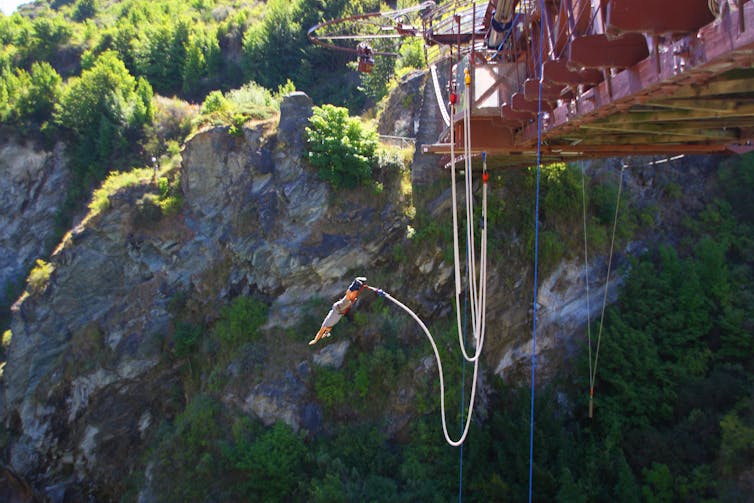














-A.jpg)


