Source: The Conversation (Au and NZ) – By Siobhan O’Dean, Research Fellow, The Matilda Centre for Research in Mental Health and Substance Use, University of Sydney
There’s no shortage of things to feel angry about these days. Whether it’s politics, social injustice, climate change or the cost-of-living crisis, the world can feel like a pressure cooker.
Research suggests nearly one-quarter of the world’s population feels angry on any given day. While anger is a normal human emotion, if it’s intense and poorly managed, it can quickly lead to aggression, and potentially cause harm.
So how should you manage feelings of anger to keep them in check? Our new research suggests mindfulness can be an effective tool for regulating anger and reducing aggression.
What is mindfulness?
Mindfulness is the ability to observe and focus on your thoughts, emotions and bodily sensations in the present moment with acceptance and without judgement.
Mindfulness has been practised for thousands of years, most notably in Buddhist traditions. But more recently it has been adapted into secular programs to support mental health and emotional regulation.
Mindfulness is taught in a variety of ways, including in-person classes, residential retreats and through digital apps. These programs typically involve guided meditations, and practices that help people become more aware of their thoughts, feelings and surroundings.
Neuroscience research also suggests mindfulness is associated with reduced activity in brain regions linked to emotional reactivity, and greater activity in those involved in self-regulation (the ability to manage our thoughts, emotions and behaviours).
In this way, mindfulness could foster emotional awareness essential for the effective regulation of emotions such as anger. And when people are less overwhelmed by anger, they may be better able to think clearly, reflect on what matters and take meaningful action, rather than reacting impulsively or shutting down.
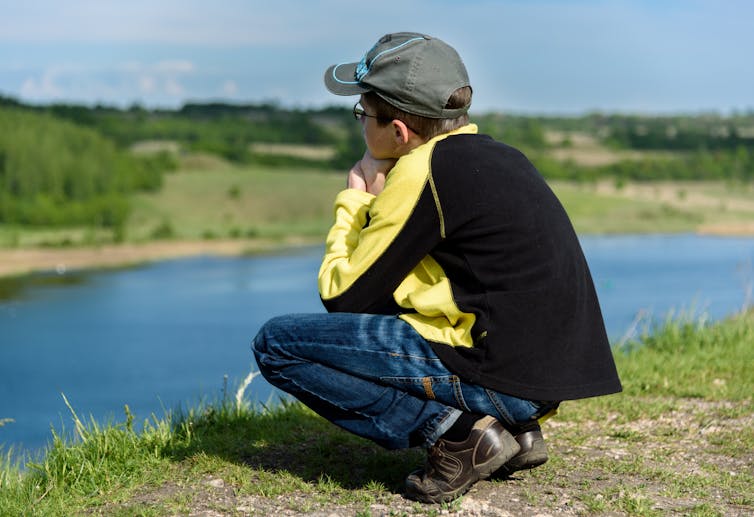
Anger is a normal human emotion – but it can sometimes have destructive consequences. Inzmam Khan/Pexels
We reviewed the evidence
To better understand whether mindfulness actually helps with regulating anger and aggression, we conducted a meta-analysis. This is a study that combines the results of many previous studies to look at the overall evidence.
We analysed findings from 118 studies across different populations and countries, including both people who were naturally more mindful and people who were randomly assigned to take part in interventions aimed at increasing mindfulness.
People who were naturally more mindful were those who scored higher on questionnaires measuring traits such as present-moment awareness and non-judgmental thinking. We found these people tended to report less anger and behave less aggressively.
However, mindfulness isn’t just something you have or don’t have – it’s also a skill you can develop. And our results show the benefits of lower anger and aggression extend to people who learn mindfulness skills through practice or training.
We also wanted to know whether mindfulness might work better for certain people or in particular settings. Interestingly, our results suggest these benefits are broadly universal. Practising mindfulness was effective in reducing anger and aggression across different age groups, genders and contexts, including whether people were seeking treatment for mental health or general wellbeing, or not.
Some anger management strategies aren’t backed by science
To manage feelings of anger, many people turn to strategies that are not supported by evidence.
Research suggests “letting off steam” while thinking about your anger is not a healthy strategy and may intensify and prolong experiences of anger.
For example, in one experiment, research participants were asked to hit a punching bag while thinking of someone who made them angry. This so-called “cathartic release” made people angrier and more aggressive rather than less so.
Breaking things in rage rooms, while increasingly popular, is similarly not an evidence-based strategy for reducing anger and aggression.
On the other hand, our research shows there’s good evidence to support mindfulness as a tool to regulate anger.
Mindfulness may reduce anger and aggression by helping people become more aware of their emotional reactions without immediately acting on them. It can foster a non-judgmental and accepting stance toward difficult emotions such as anger, which may interrupt the cycle whereby anger leads to aggressive behaviour.
All that said, it’s important to keep in mind that mindfulness is not a magic bullet or a quick fix. Like any new skill, mindfulness can be challenging at first, takes time to master, and works best when practised regularly.
It’s also important to note mindfulness may not be suitable for everyone – particularly when used as a standalone approach for managing more complex mental health concerns. For ongoing emotional challenges it’s always a good idea to seek support from a qualified mental health professional.
However, if you’re looking to dial down the impact of daily frustrations, there are plenty of accessible ways to give mindfulness a go. You can get started with just a few minutes per day. Popular apps such as Smiling Mind and Headspace offer short, guided sessions that make it easy to explore mindfulness at your own pace — no prior experience needed.
While mindfulness may not solve the problems that make us angry, our research shows it could help improve how we experience and respond to them.
The authors do not work for, consult, own shares in or receive funding from any company or organisation that would benefit from this article, and have disclosed no relevant affiliations beyond their academic appointment.
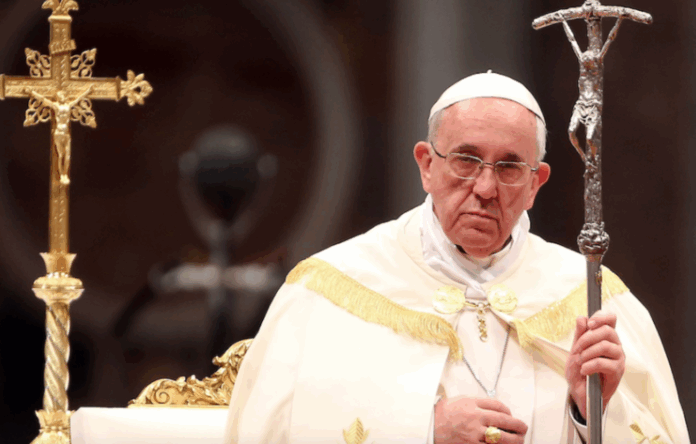
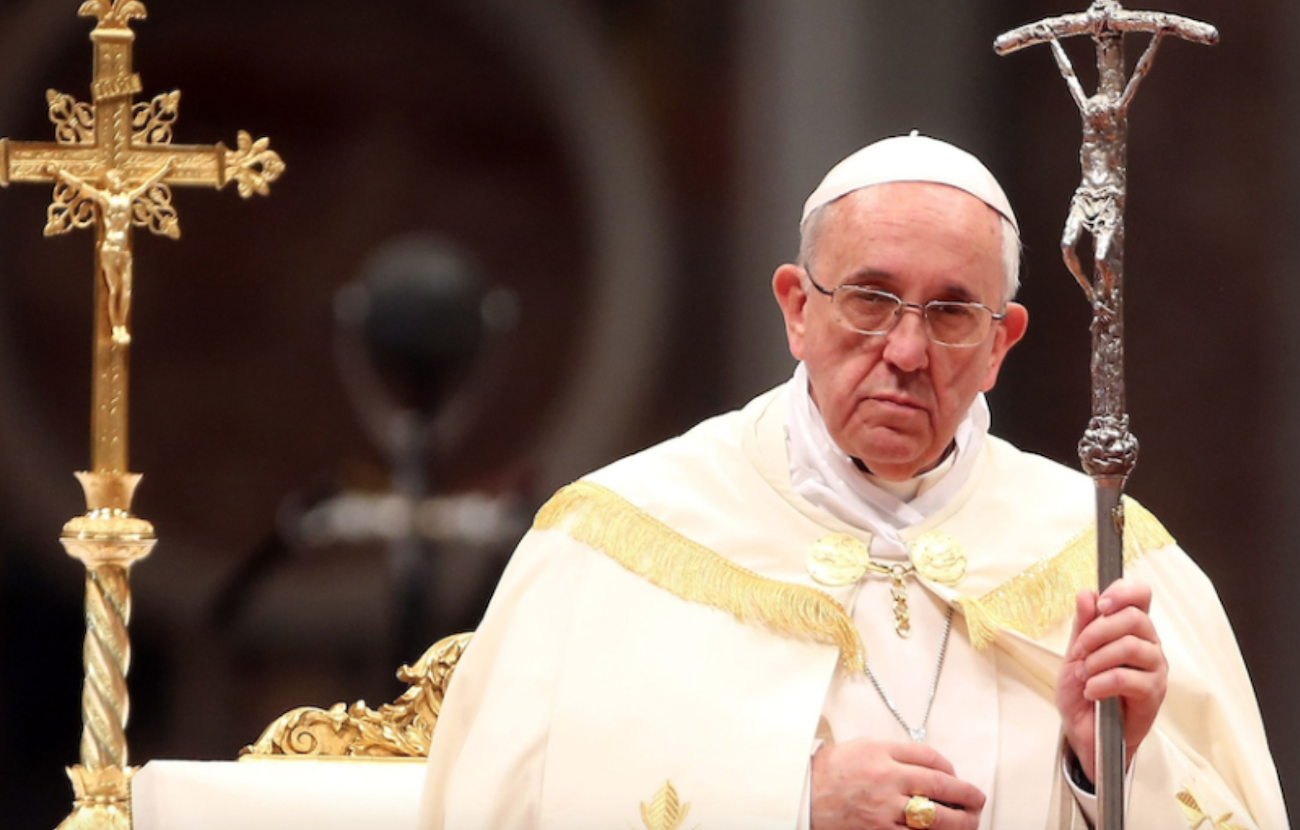
The death of Pope Francis this week marks the end of a historic papacy and the beginning of a significant transition for the Catholic Church. As the faithful around the world mourn his passing, attention now turns to the next phase: the election of a new pope.
This election will take place through a process known as the conclave. Typically held two to three weeks after a pope’s funeral, the conclave gathers the College of Cardinals in the Vatican’s Sistine Chapel. Here, through prayer, reflection and secret ballots, they must reach a two-thirds majority to choose the next Bishop of Rome.
While, in theory, any baptised Catholic man can be elected, for the past seven centuries the role has gone to a cardinal. That said, the outcome can still be unpredictable – sometimes even surprising the electors themselves.
Cardinal Jorge Mario Bergoglio – who became Pope Francis – wasn’t among the front-runners in 2013. Nonetheless, after five rounds of voting, he emerged as the top candidate. Something similar could happen again.
This conclave will take place during a time of tension and change within the church. Francis sought to decentralise Vatican authority, emphasised caring for the poor and the planet, and tried to open dialogue on sensitive issues such as LGBTQIA+ inclusion and clerical abuse. The cardinals must now decide whether to continue in this direction, or steer towards a more traditional course.
There is historical precedent to consider. For centuries, Italians dominated the papacy. Of the 266 popes, 217 have been Italian.
However, this pattern has shifted in recent decades: Francis was from Argentina, John Paul II (1978–2005) from Poland, and Benedict XVI (2005–2013) from Germany.
The top papabili
As with any election, observers are speaking of their “favourites”. The term papabile, which in Italian means “pope-able”, or “capable of becoming pope”, is used to describe cardinals who are seen as serious contenders.
Among the leading papabili is Cardinal Pietro Parolin, aged 70, the current Secretary of State of Vatican City. Parolin has long been one of Francis’ closest collaborators and has led efforts to open dialogue with difficult regimes, including the Chinese Communist Party.
Parolin is seen as a centrist figure who could appeal to both reform-minded and more conservative cardinals. Yet some observers argue he lacks the charismatic and pastoral presence that helped define Francis’ papacy.
Another name to watch is Cardinal Pierbattista Pizzaballa, the Latin Patriarch of Jerusalem. At 60, he is younger than many of his colleagues, but brings extensive experience in interfaith dialogue in the Middle East. His fluency in Hebrew and his long service in the Holy Land could prove appealing.
Then again, his relative youth may cause hesitation among those concerned about electing a pope who could serve for decades. As the papacy of John Paul II demonstrated, such long reigns can have a profound impact on the church.
Cardinal Luis Antonio Tagle of the Philippines is also frequently mentioned. Now 67, Tagle is known for his deep commitment to social justice and the poor. He has spoken out against human rights abuses in his home country and has often echoed Francis’ pastoral tone. But some cardinals may worry that his outspoken political views could complicate the church’s diplomatic efforts.
Cardinal Peter Turkson of Ghana, now 76, was a prominent figure during the last conclave. A strong voice on environmental and economic justice, he has served under both Benedict XVI and Francis.
Turkson has largely upheld the church’s traditional teachings on matters such as male-only priesthood, marriage between a man and a woman, and sexuality. He is also a strong advocate for transparency, and has spoken out against corruption and in defence of human rights.
Though less widely known among the public, Cardinal Mykola Bychok of Melbourne may also be considered. His election would be as surprising (and perhaps as symbolically powerful) as that of John Paul II in 1978. A Ukrainian-Australian pope, chosen during the ongoing war in Ukraine, would send a strong message about the church’s concern for suffering peoples and global peace.
Other names that may come up are Cardinal Fridolin Ambongo Besungu from the Democratic Republic of the Congo, and Cardinal Jaime Spengler of Brazil – both of whom lead large and growing Catholic communities. Although news reports don’t always list them among the top contenders, their influence within their regions – and the need to recognise the church’s global demographic shifts – means their voices will matter.
On the more conservative side is American Cardinal Raymond Burke, who had been one of Francis’ most vocal critics. But his confrontational stance makes him an unlikely candidate.
More plausible would be Cardinal Péter Erdő of Hungary, aged 71. Erdő is a respected canon lawyer with a more traditional theological orientation. He was mentioned in 2013 and may reemerge as a promising candidate among conservative cardinals.
Cardinal Péter Erdő was ordained as a priest in 1975 and has a doctorate in theology. He will be a top pick among conservatives. Wikimedia, CC BY-SA
One tough act to follow
Although Francis appointed many of the cardinals who will vote in the conclave, that doesn’t mean all of them supported his agenda. Many come from communities with traditional values, and may be drawn to a candidate who emphasises older church teachings.
The conclave will also reflect broader questions of geography. The church’s growth has shifted away from Europe, to Asia, Africa and Latin America. A pope from one of these regions could symbolise this change, and speak more directly to the challenges faced by Catholic communities in the Global South.
Ultimately, predicting a conclave is impossible. Dynamics often change once the cardinals enter the Sistine Chapel and begin voting. Alliances shift, new names emerge, and consensus may form around someone who was barely discussed beforehand.
What is certain is that the next pope will shape the church’s future: doctrinally, diplomatically and pastorally. Whether he chooses to build on Francis’ legacy of reform, or move in a new direction, he will need to balance ancient traditions with the urgent realities of the modern world.
Darius von Guttner Sporzynski does not work for, consult, own shares in or receive funding from any company or organisation that would benefit from this article, and has disclosed no relevant affiliations beyond their academic appointment.
ER Report: Here is a summary of significant articles published on EveningReport.nz on April 23, 2025.
The ‘responsible gambling’ mantra does nothing to prevent harm. It probably makes things worse Source: The Conversation (Au and NZ) – By Charles Livingstone, Associate Professor, School of Public Health and Preventive Medicine, Monash University Haelen Haagen/Shutterstock Recent royal commissions and inquiries into Crown and Star casino groups attracted much media attention. Most of this was focused on money laundering and other illegalities. The Victorian royal commission found widespread
This election, Gen Z and Millennials hold most of the voting power. How might they wield it? Source: The Conversation (Au and NZ) – By Intifar Chowdhury, Lecturer in Government, Flinders University The centre of gravity of Australian politics has shifted. Millennials and Gen Z voters, now comprising 47% of the electorate, have taken over as the dominant voting bloc. But this generational shift isn’t just about numerical dominance. It’s also about
Only a third of Australians support increasing defence spending: new research Source: The Conversation (Au and NZ) – By Richard Dunley, Senior Lecturer in History and Maritime Strategy, UNSW Sydney National security issues have been a constant feature of this federal election campaign. Both major parties have spruiked their national security credentials by promising additional defence spending. The Coalition has pledged to spend 3% of Australia’s
After stunning comeback, centre-left Liberals likely to win majority of seats at Canadian election Source: The Conversation (Au and NZ) – By Adrian Beaumont, Election Analyst (Psephologist) at The Conversation; and Honorary Associate, School of Mathematics and Statistics, The University of Melbourne In Canada, the governing centre-left Liberals had trailed the Conservatives by more than 20 points in January, but now lead by five points and are likely to
The Greens are hoping for another ‘greenslide’ election. What do the polls say? Source: The Conversation (Au and NZ) – By Narelle Miragliotta, Associate Professor in Politics, Murdoch University Election talk is inevitably focused on Labor and the Coalition because they are the parties that customarily form government. But a minor party like the Greens is consequential, regardless of whether the election delivers a minority government. Certainly, the
Victory for US press freedom and workers – court grants injunction in VOA media case Asia Pacific Report The US District Court for the District of Columbia has granted a preliminary injunction in Widakuswara v Lake, affirming the US Agency for Global Media (USAGM) was unlawfully shuttered by the Trump administration, Acting Director Victor Morales and Special Adviser Kari Lake. The decision enshrines that USAGM must fulfill its legally required
Scientists claim to have found evidence of alien life. But ‘biosignatures’ might hide more than they reveal Source: The Conversation (Au and NZ) – By Campbell Rider, PhD Candidate in Philosophy – Philosophy of Biology, University of Sydney Artist’s impression of the exoplanet K2-18b A. Smith/N. Madhusudhan (University of Cambridge) Whether or not we’re alone in the universe is one of the biggest questions in science. A recent study, led by astrophysicist Nikku
What would change your mind about climate change? We asked 5,000 Australians – here’s what they told us Source: The Conversation (Au and NZ) – By Kelly Kirkland, Research Fellow in Psychology, The University of Queensland LOOKSLIKEPHOTO/Shutterstock Australia just sweltered through one of its hottest summers on record, and heat has pushed well into autumn. Once-in-a-generation floods are now striking with alarming regularity. As disasters escalate, insurers are warning some properties may soon
Even experts disagree over whether social media is bad for kids. We examined why Source: The Conversation (Au and NZ) – By Simon Knight, Associate Professor, Transdisciplinary School, University of Technology Sydney A low relief sculpture depicting Plato and Aristotle arguing adorning the external wall of Florence Cathedral. Krikkiat/Shutterstock Disagreement and uncertainty are common features of everyday life. They’re also common and expected features of scientific research. Despite this,
Australian women are wary of AI being used in breast cancer screening – new research Source: The Conversation (Au and NZ) – By Alison Pearce, Associate Professor, Health Economics, University of Sydney Okrasiuk/Shutterstock Artificial intelligence (AI) is becoming increasingly relevant in many aspects of society, including health care. For example, it’s already used for robotic surgery and to provide virtual mental health support. In recent years, scientists have developed AI
These 3 climate misinformation campaigns are operating during the election run-up. Here’s how to spot them Source: The Conversation (Au and NZ) – By Alfie Chadwick, PhD Candidate, Monash Climate Change Communication Research Hub, Monash University Australia’s climate and energy wars are at the forefront of the federal election campaign as the major parties outline vastly different plans to reduce greenhouse gas emissions and tackle soaring power prices. Meanwhile, misinformation about
Port of Darwin’s struggling Chinese leaseholder may welcome an Australian buy-out Source: The Conversation (Au and NZ) – By Colin Hawes, Associate professor of law, University of Technology Sydney Slow Walker/Shutterstock Far from causing trade frictions, an Australian buyout of the Port of Darwin lease may provide a lifeline for its struggling Chinese parent company Landbridge Group. Both Labor and the Coalition have proposed such a
When rock music met ancient archeology: the enduring power of Pink Floyd Live at Pompeii Source: The Conversation (Au and NZ) – By Craig Barker, Head, Public Engagement, Chau Chak Wing Museum, University of Sydney Sony Music The 1972 concert film Pink Floyd Live at Pompeii, back in cinemas this week, remains one of the most unique concert documentaries ever recorded by a rock band. The movie captured the band
Gambling in Australia: how bad is the problem, who gets harmed most and where may we be heading? Source: The Conversation (Au and NZ) – By Alex Russell, Principal Research Fellow, CQUniversity Australia Mick Tsikas/AAP, Joel Carret/AAP, Darren England/AAP, Ihor Koptilin/Shutterstock, The Conversation, CC BY Gambling prevalence studies provide a snapshot of gambling behaviour, problems and harm in our communities. They are typically conducted about every five years. In some Australian states and
Lest we forget? Aside from Anzac Day, NZ has been slow to remember its military veterans Source: The Conversation (Au and NZ) – By Alexander Gillespie, Professor of Law, University of Waikato Fiona Goodall/Getty Images Following some very public protests, including Victoria Cross recipient Willie Apiata handing back his medal, the government’s announcement of an expanded official definition of the term “veteran” brings some good news for former military personnel ahead
Dutton promises Coalition would increase defence spending to 3% of GDP ‘within a decade’ Source: The Conversation (Au and NZ) – By Michelle Grattan, Professorial Fellow, University of Canberra Opposition Leader Peter Dutton will promise a Coalition government would boost Australia’s spending on defence to 2.5% of GDP within five years and 3% within a decade. Launching the Coalition’s long-awaited defence policy on Wednesday in Western Australia, Dutton will
Leaders trade barbs and well-worn lines in unspectacular third election debate Source: The Conversation (Au and NZ) – By Joshua Black, Visitor, School of History, Australian National University Anthony Albanese and Peter Dutton have met for the third leaders’ debate of this election campaign, this time on the Nine network. And while the debate traversed much of the same ground as the first two, the quick-fire
Election Diary: Dutton in third debate gives Labor ammunition for its scare about cuts Source: The Conversation (Au and NZ) – By Michelle Grattan, Professorial Fellow, University of Canberra In the leaders’ third head-to-head encounter, on Nine on Tuesday, Peter Dutton’s bluntness when pressed on cuts has given more ammunition to Labor’s scare campaign about what a Coalition government might do. “When John Howard came into power, there was
To truly understand Pope Francis’ theology – and impact – you need to look to his life in Buenos Aires Source: The Conversation (Au and NZ) – By Fernanda Peñaloza, Senior Lecturer in Latin American Studies, University of Sydney Pope Francis’ journey from the streets of Flores, a neighbourhood in Buenos Aires, Argentina, to the Vatican, is a remarkable tale. Born in 1936, Jorge Bergoglio was raised in a middle-class family of Italian Catholic immigrants.
Bougainville takes the initiative in mediation over independence By Don Wiseman, RNZ Pacific senior journalist In recent weeks, Bougainville has taken the initiative, boldly stating that it expects to be independent by 1 September 2027. It also expects the PNG Parliament to quickly ratify the 2019 referendum, in which an overwhelming majority of Bougainvilleans supported independence. In a third move, it established a
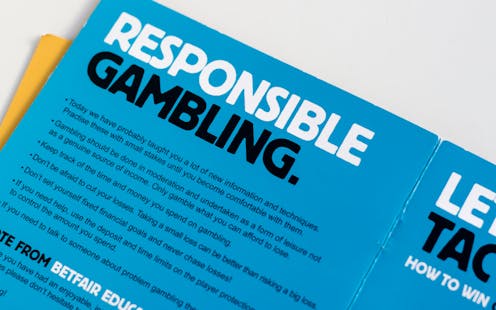
Recent royal commissions and inquiries into Crown and Star casino groups attracted much media attention. Most of this was focused on money laundering and other illegalities.
The Victorian royal commission found widespread evidence that Crown also took advantage of vulnerable people.
The regulatory framework that in large part allows this to occur is known as “responsible gambling”.
This is supposed to protect people from experiencing gambling harm. Crown and Star, like other gambling venues, are required to adopt such codes.
Royal Commissioner Ray Finkelstein, overseeing the Victorian Crown inquiry, was scathing in his assessment of Crown’s implementation:
Crown Melbourne had for years held itself out as having a world’s best approach to problem gambling. Nothing can be further from the truth.
Unfortunately, Finkelstein’ comments about Crown could readily be made about most other gambling operators.
How it all began
The responsible gambling framework was developed by gambling operators as a way of deflecting attention from the serious harm of gambling.
The document that arguably consolidated this was prepared in 2004 by a group of gambling researchers gathered, naturally, in Reno, Nevada (close to Las Vegas, the spiritual home of gambling excesses).
This document argued the choice to gamble should be left to people and no external organisation should interfere with this.
Now, responsible gambling is cemented in law, regulation, and practice. It is the overwhelming frame for gambling operators, governments and regulators to conceal gambling’s downside.
Stacking the odds
Responsible gambling depicts gambling harm as an issue for a small minority of people: so-called problem gamblers.
So from this perspective, any issues with gambling are issues with people.
But little if any attention is devoted to the environment in which gambling is available. Often, even less is devoted to examining the nature of gambling products.
Codes of conduct, for example, argue it is possible to intervene at a venue when a gambler shows signs of distress, or has a gambling disorder. While this is theoretically possible, the problem is to do so would rob venue operators of their most lucrative customers.
Another major element is self-exclusion: an opportunity for people (or in some states their relatives) to ban themselves from gambling at particular venues.
This is, again, fine in theory. But it has generally been poorly enforced at “bricks and mortar” venues.
There are two fundamental issues with this approach:
those who self-exclude are very much in the minority of those with gambling problems
self-exclusion is generally undertaken only by those who are at rock-bottom. It is not a preventive approach.
The other major intervention in the responsible gambling coda is treatment.
Gambling treatment services are available and free via Gamblers Help but fewer than 10% of those who might benefit from treatment actually seek it.
Unfortunately, attrition rates for counselling are high, so both the lack of help-seeking and the attrition rates when help is sought are at least partially attributable to another side effect of the responsible gambling mantra: shame and stigma, which are commonly reported by those struggling with gambling disorders.
The blame game
Responsible gambling effectively blames people for getting into trouble.
It argues problem gamblers are far outnumbered by “responsible gamblers”, and deflects attention away from the highly addictive nature of many gambling products.
It largely absolves operators of responsibility, while maintaining their revenues and stigmatising those who bear the consequences.
As it does all this, it also provides a smokescreen of concern, a suggestion that gambling operators and governments care about gambling harm.
Ideas for the future
The best way to curb gambling harm is to view it as a public health problem.
Public health is generally focused on prevention (think vaccines and clean water). At this stage, the most likely effective preventive intervention is what is known as pre-commitment, which uses technology to allow people to determine the amount of money they want to gamble.
High-intensity gambling products rely on people becoming highly immersed in the product. Gamblers call this “the zone” – which limits or negates a person’s ability to make rational decisions.
But pre-commitment systems allow this choice to be made outside of “the zone”.
Pre-commitment and cashless systems are now required for casinos in NSW and Victoria, and shortly in Queensland, as recommended by the Crown and Star inquiries.
These are welcome steps but much more is needed.
A long overdue change
Responsible gambling has allowed gambling operators to self-regulate and blame people for harmful gambling practices.
It has made gambling businesses – casinos, wagering companies, pokie pubs and clubs – extraordinary profitable. But this has come at considerable cost to hundreds of thousands of Australians, and their families and friends.
Ditching the responsible gambling mantra is long overdue. Along with effective interventions to prevent harm, doing so will dramatically reduce the damage that gambling does.
Charles Livingstone has received funding from the Victorian Responsible Gambling Foundation, the (former) Victorian Gambling Research Panel, and the South Australian Independent Gambling Authority (the funds for which were derived from hypothecation of gambling tax revenue to research purposes), from the Australian and New Zealand School of Government and the Foundation for Alcohol Research and Education, and from non-government organisations for research into multiple aspects of poker machine gambling, including regulatory reform, existing harm minimisation practices, and technical characteristics of gambling forms. He has received travel and co-operation grants from the Alberta Problem Gambling Research Institute, the Finnish Institute for Public Health, the Finnish Alcohol Research Foundation, the Ontario Problem Gambling Research Committee, the Turkish Red Crescent Society, and the Problem Gambling Foundation of New Zealand. He was a Chief Investigator on an Australian Research Council funded project researching mechanisms of influence on government by the tobacco, alcohol and gambling industries. He has undertaken consultancy research for local governments and non-government organisations in Australia and the UK seeking to restrict or reduce the concentration of poker machines and gambling impacts, and was a member of the Australian government’s Ministerial Expert Advisory Group on Gambling in 2010-11. He is a member of the Lancet Public Health Commission into gambling, and of the World Health Organisation expert group on gambling and gambling harm. He made a submission to and appeared before the HoR Standing Committee on Social Policy and Legal Affairs inquiry into online gambling and its impacts on those experiencing gambling harm.
The centre of gravity of Australian politics has shifted. Millennials and Gen Z voters, now comprising 47% of the electorate, have taken over as the dominant voting bloc.
But this generational shift isn’t just about numerical dominance. It’s also about political unpredictability.
While the youth have progressive leanings, they aren’t neatly aligned with Labor. The Greens are gaining ground and there are signs of a subset of younger men drifting right.
This makes them both a decisive and volatile force. So how might they vote?
The climbing Greens vote
According to the Australian Electoral Commission (AEC), youth enrolment (18–24-year-olds) at the end of March 2025 stood at 90.4%. This surpasses the national youth enrolment rate target of 87%.
Further analysis of enrolment data shows electorates with the highest proportion of voters under 30 saw unprecedented support for the Greens in 2022, with the party topping the vote share in four of the youngest seats.
Elsewhere, electorates with a high youth vote became battlegrounds, with Labor facing its fiercest competition not from the Liberals, but from the Greens.
Take Canberra, for example. A historically safe Labor seat was a comfortable Labor retain, but Greens’ primary vote reached nearly 25%, pushing the Liberals out of the two party-preferred calculations entirely.
This year, the main contest for the youth vote will likely be between Labor and the Greens.
Capturing young hearts and minds
Prime Minister Anthony Albanese knows how important these voters are. In a bid to retain the youth vote, he is already sweetening the deal for them, dangling higher education reforms like election cookies.
If re-elected, Labor promises a 20% cut to student loan debt by June 1. The government also plans a higher income threshold before repayments begin, and an expansion of fee-free TAFE places to 100,000 per year from 2027.
This underscores the significance of youth issues in shaping their political behaviour. Young Australians are issue-based voters, with housing affordability, employment, and climate change topping their concerns, according to the 2024 Australian Youth Barometer.
They’re acutely aware of intergenerational inequality. They’re paying more tax than their parents did, while facing skyrocketing housing, education, and living costs. Financial anxiety runs deep, with 62% believing they’ll be worse off than their parents.
Yet, they see lack of sincere government action to address their struggles.
Not doing enough
Take housing affordability – a red-hot issue in the past three years. A bitter parliamentary standoff last year saw Labor and the Greens locked in negotiations over housing policy.
The Greens criticised the government’s Build to Rent and Help to Buy schemes, calling for tougher reforms. They wanted rent caps, the winding back negative gearing and phasing out $176 billion in tax breaks for property investors.
Such parliamentary gridlocks are unsavoury to voters, but the rent cap debate could have given the Greens an edge among young people, most of whom are renters.
Youth trust in the Albanese government has slipped since 2022, according to the first wave of the ANU 2025 Election Monitoring Survey. Perceptions of politicking over important issues like housing could be part of the reason why.
Divided by gender
Another fault line in the youth vote is the gender divide.
There are signs of a right-wing shift among young men, much like in Donald Trump’s America. According to The Australian Financial Review/Freshwater Strategy poll in November 2024, 37% of men aged 18–34 back opposition leader Dutton, compared to just 27% of women.
Pollsters point to young, non-university educated voters in the outer suburbs and regions as potential disruptors. They’re volatile, disillusioned and more likely to vote against a system they feel has failed them.
This trend is harder to spot in aggregate data, likely due to compulsory voting, but studies suggest a subset of men with economic grievances – particularly blue-collar workers – are drawn to anti-government rhetoric and the discourse of white male victimhood.
Many express nostalgia for traditional masculinity and feel alienated by progressive social shifts. Such a perception leads to a “backlash” against these changes.
This resentment plays out well online. Trump, for example, has mobilised young men by mastering direct communication through digital media and podcasts, and Dutton seems to be taking notes.
So a lot hinges on the online battleground. It’s about reaching all types of young voters with relatable, political messaging.
The days of one-size-fits-all political advertising are over. Younger voters consume media differently, making political messaging more about influencers than traditional advertising.
Major parties need to step up their game in digital-first platforms, moving beyond mere presence on social media to crafting compelling, digital-first content.
Grassroots and community-driven campaigning, both online and on the ground, can bridge the disconnect. The Greens’ success in Brisbane proved this, with young, personable candidates engaging directly.
Meanwhile, the establishment parties are lacking young, relatable leaders who can tell stories that resonate.
Intifar Chowdhury does not work for, consult, own shares in or receive funding from any company or organisation that would benefit from this article, and has disclosed no relevant affiliations beyond their academic appointment.
Even the Greens have got in on the act, pledging to “decouple” Australia from the US military.
Against this backdrop, of course, is the omnipresent figure of US President Donald Trump, with questions about the reliability of the US as an ally and the impact his policy decisions will have on Australian security. The possible deployment of Russian aircraft to Indonesia and the Chinese warships sailing around Australia have made these issues even more salient.
But what do Australians actually know about defence issues, and what are they comfortable spending on it?
According to our major new survey of 1,500 Australian adults, only a third of respondents thought the defence budget should be increased.
The survey was conducted from late February to early March as part of our work at the War Studies Research Group to measure public attitudes towards the Australian Defence Force (ADF).
Australians know little about the ADF’s role
More than two-thirds of our respondents said they had a positive opinion of the ADF, and only 8% held a negative opinion. There were significant differences by political affiliation, with 76% of those expecting to vote for the Liberal Party having positive views compared to 72% of Labor supporters. By contrast, only 53% of Greens supporters felt the same way.
However, when asked how much they actually knew about the ADF and its activities, only a quarter of respondents felt well-informed.
One reason for this is that only 22% of respondents served in the ADF themselves, or had an immediate family member who had. Similarly, only 35% of respondents knew a veteran.
But even public knowledge on issues that have received considerable media attention was limited.
Successive governments have emphasised the rapidly deteriorating strategic environment in the Indo-Pacific region. This has led to much debate over whether Australia should increase its defence spending – and by how much.
In this election, both sides have committed more resources to upgrade and expand Australia’s military capabilities.
However, despite efforts to turn defence spending into a major issue at this election (especially on the right of politics), it is far from clear this has cut through with the wider population.
Our survey reveals public support for a larger ADF is split. Just over half of respondents thought the ADF was appropriately sized, while 41% considered it too small and 7% thought it too large.
Notably, when asked whether they thought more money should be spent on defence, the support for growth shrinks further.
Liberal supporters were the most likely to favour increasing the defence budget. But only 44% of them did, suggesting a majority felt that current spending on the ADF was either appropriate or too large.
Only 28% of Labor voters supported an increase in the defence budget. And among Greens voters, those supporting cuts to the defence budget outnumbered those in favour of expansion.
Ever since the US presidential election in November, many Australians have also questioned the US alliance and the AUKUS agreement, specifically. Recent actions by Trump – most notably his public statements on the Ukraine war – have only reinforced these doubts.
Given the tone of the public debate, we expected to see lower levels of support in our survey for the US alliance as the bedrock of Australian security.
However, respondents strongly favoured (75%) the ADF continuing to prioritise working closely with allies and partners, especially the US. Only 2% opposed it. Notably, there was very little variation based on political allegiance.
However, the idea of deploying the ADF to support our allies and partners overseas, including in the event of a conflict, saw greater division among respondents.
Two-thirds favoured deploying troops to support our allies overall. Liberal voters largely supported this proposition (75%), while 64% of Labor supporters backed it. Only about half of Greens voters felt the same way.
Respondents were also asked whether Australia should focus primarily on the defence of our territory rather than supporting our allies and partners in maintaining wider regional security. Just under half (46%) of respondents agreed with this idea, while 38% expressed neutral opinions and only 17% opposed it.
Overall, the results of this survey suggest that while the Australian public generally holds the ADF in high regard, they don’t know very much about it, nor do they consider additional funding for defence and security to be a real priority.
Successive governments, intelligence agencies and military analysts have long warned of the growing threats to Australia’s national security. Our survey suggests, however, that this messaging is either not cutting through – or that other concerns, such as housing or cost-of-living pressures, are taking priority.
Either way, it does not look like this issue will be decisive in the coming election.
This piece is part of a series on the future of defence in Australia. Read the other stories here.
The authors do not work for, consult, own shares in or receive funding from any company or organisation that would benefit from this article, and have disclosed no relevant affiliations beyond their academic appointment.
Source: The Conversation (Au and NZ) – By Adrian Beaumont, Election Analyst (Psephologist) at The Conversation; and Honorary Associate, School of Mathematics and Statistics, The University of Melbourne
In Canada, the governing centre-left Liberals had trailed the Conservatives by more than 20 points in January, but now lead by five points and are likely to win a majority of seats at next Monday’s election. Meanwhile, United States President Donald Trump’s ratings in US national polls have dropped to a -5 net approval.
The Canadian election will be held next Monday, with the large majority of polls closing at 11:30am AEST Tuesday. The 343 MPs are elected by first past the post, with 172 seats needed for a majority.
The Liberals had looked doomed to a massive loss for a long time. In early January, the CBC Poll Tracker had given the Conservatives 44% of the vote, the Liberals 20%, the left-wing New Democratic Party (NDP) 19%, the separatist left-wing Quebec Bloc (BQ) 9%, the Greens 4% and the far-right People’s 2%. With these vote shares, the Conservatives would have won a landslide with well over 200 seats.
At the September 2021 election, the Liberals won 160 of the then 338 seats on 32.6% of votes, the Conservatives 119 seats on 33.7%, the BQ 32 seats on 7.6%, the NDP 25 seats on 17.8%, the Greens two seats on 2.3% and the People’s zero seats on 4.9%. he Liberals were short of the 170 seats needed for a majority.
The Liberal vote was more efficiently distributed than the Conservative vote owing to the Conservatives winning safe rural seats by huge margins. The BQ benefited from vote concentration, with all its national vote coming in Quebec, where it won 32.1%.
On January 6, Justin Trudeau, who had been Liberal leader and PM since winning the October 2015 election, announced he would resign these positions once a new Liberal leader was elected. Mark Carney, former governor of the Bank of Canada and Bank of England, was overwhelmingly elected Liberal leader on March 9 and replaced Trudeau as PM on March 14.
With the Liberals short of a parliamentary majority, parliament was prorogued for the Liberal leadership election and was due to resume on March 24. Carney is not yet an MP (he will contest Nepean at the election). Possibly owing to these factors, Carney called the election on March 23.
In Tuesday’s update to the CBC Poll Tracker, the Liberals had 43.1% of the vote, the Conservatives 38.4%, the NDP 8.3%, the BQ 5.8% (25.4% in Quebec), the Greens 2.2% and the People’s 1.4%. The Liberals have surged from 24 points behind in early January to their current 4.7-point lead.
Seat point estimates were 191 Liberals (over the 172 needed for a majority), 123 Conservatives, 23 BQ, five NDP and one Green. The tracker gives the Liberals an 80% chance to win a majority of seats and a 15% chance to win the most seats but not a majority.
The Liberal lead over the Conservatives peaked on April 8, when they led by 7.1 points. There has been slight movement back to the Conservatives since, with the French and English leaders’ debates last Wednesday and Thursday possibly assisting the Conservatives.
But the Liberals still lead by nearly five points in the polls five days before the election. With the Liberals’ vote more efficiently distributed, they are the clear favourites to win an election they looked certain to lose by a landslide margin in January.
Carney’s replacement of Trudeau has benefited the Liberals, but I believe the most important reason for the Liberals’ poll surge is Trump. Trump’s tariffs against Canada and his talk of making Canada the 51st US state have greatly alienated Canadians and made it more difficult for the more pro-Trump Conservatives.
In an early April YouGov Canadian poll, by 64–25, respondents said the US was unfriendly or an enemy rather than friendly or an ally (50–33 in February). By 84–11, they did not want Canada to become part of the US. If Canadians had been able to vote in the 2024 US presidential election, Kamala Harris would have defeated Donald Trump by 57–18 in this poll.
Trump’s US ratings have fallen well below net zero
In Nate Silver’s aggregate of US national polls, Trump currently has a net approval of -5.4, with 50.8% disapproving and 45.4% approving. At the start of his term, Trump’s net approval was +12, but went negative in mid-March. His ratings fell to their current level soon after Trump announced his “Liberation Day” tariffs on April 2.
Silver has presidential approval poll data for previous presidents since Harry Truman (president from 1945–53). Trump’s current net approval is worse than for any other president at this point in their tenure except for Trump’s first term (2017–2021).
Silver also has a net favourability aggregate for Elon Musk that currently gives Musk a net favourable rating of -13.6 (53.0% unfavourable, 39.3% favourable). Musk’s ratings began to drop from about net zero before Trump’s second term commenced on January 20.
G. Elliott Morris used to manage the US poll aggregate site FiveThirtyEight before it was axed. He wrote last Friday that Trump’s net approval on the economy (at -5.8) is worse than at any point in his first term. During his first term, Trump’s net approval on the economy was mostly positive, helping to support his overall ratings.
Adrian Beaumont does not work for, consult, own shares in or receive funding from any company or organisation that would benefit from this article, and has disclosed no relevant affiliations beyond their academic appointment.
Election talk is inevitably focused on Labor and the Coalition because they are the parties that customarily form government.
But a minor party like the Greens is consequential, regardless of whether the election delivers a minority government. Certainly, the level of anti-Greens campaigning by third party groups, like Better Australia, suggests as much.
The Greens’ have declared that their electoral aim is to “Keep Dutton out and get Labor to act”. They know this would be best achieved in a minority government, where the crossbench would be powerful players.
But can the Greens build on their historic 2022 election result, which delivered four lower house seats and the balance of power in the Senate?
State of play
An aggregation of the main polls estimates the Greens’ nationwide primary vote has ticked up since 2022, now ranging from 12.4% to 14.1%.
They are expected to retain all six Senate seats up for election. When combined with their five other Senate seats, the party will be critical in the next parliament to the fate of legislation in the red chamber.
In the contest for the House, the Greens are defending a record four seats: Melbourne, Brisbane, Griffith and Ryan. Melbourne is held by party leader Adam Bandt, on a comfortable 8.5% margin. It is as safe as it gets for the Greens.
The balance of the party’s seats are all Brisbane-based, starting with Ryan, which is held by just 2.6% if the two-party preferred vote. Despite the slender margin, Ryan has better prospects than the neighbouring seat of Brisbane, which it holds by 3.6%. This is based on the party’s 2022 swing of almost 10%, which placed them second in Ryan on primary votes.
In contrast, the Greens finished in third position on primary votes in Brisbane on the back of a respectable, but much more modest swing of just under 5%. The electoral dynamics are also complicated because the seat is a genuine three-cornered contest.
On the other hand, Griffith is now classed as a safe seat for the Greens. The party attained the highest number of primary votes (34.6%) on the back of a 10.94% swing three years ago. The Greens should be able to defend Griffith.
Target seats
The Greens have declared five additional electorates as “priority target seats” – two in Victoria and one in each of New South Wales, South Australia and Western Australia.
Wills is the first of two Melbourne-based seats earmarked by the Greens. The party is betting on a redistribution in the Labor held seat, which independent analyst The Poll Bludger estimates will reduce the ALP’s primary vote by 2.6% and increase the Greens’ vote by 5%. The Greens are also fielding a high profile candidate, former state MP Samantha Ratnam.
In the case of Macnamara, the Greens finished in second position behind Labor in 2022. At the point of the Greens’ exclusion in the count they were on 32.84%, just marginally behind Labor on 33.48%
While the Greens’ prospects might be helped by a weakened Victorian Labor brand, victory could still prove elusive. In the case of Macnamara, the electorate takes in parts of the state seat of Prahran, which the party lost in a byelection in February. The by-election was precipitated by the resignation of the state Greens MP owing to allegations of inappropriate conduct with an intern.
Moreover, Liberal how-to-vote cards in both Wills and Macnamara are preferencing Labor over the Greens, which may be enough to push Labor over the line in both seats.
Chances elsewhere
The NSW seat of Richmond is a marginal Labor electorate that was once held by the Nationals. The Greens are calculating the seat is winnable based on their strong primary vote in 2022 and candidate continuity.
Richmond boasts one of the highest levels of rental stress in the nation, making it a perfect setting for Greens campaigning on housing affordability issues. Polling shows the Greens vote is up by 3% in NSW. If it’s accurate, and translates to Richmond, then the seat is potentially winnable.
Sturt in South Australia is the Liberal Party’s second most marginal seat (0.5%). However, the likelihood of a Greens victory is slim. At the 2022 election the Greens attracted only 16.39% of the primary vote, well behind both Labor and the Liberals.
The party’s final target seat is Perth, held by Labor on a very safe 14.4%, two party preferred. The seat’s demography explains why it’s a Greens priority. Perth is a relatively affluent inner metropolitan seat, with a high percentage of people who finished school, and a constituency that skews young.
But Perth is unlikely to turn to the Greens. In 2022 they finished in third position on primary votes (22.16%), well behind Labor (39.25%). The party’s Perth campaign may have also been damaged by plans, since abandoned, to hold a fundraising event on ANZAC Day.
Numbers game
Based only on the seats examined, the Greens will likely retain at least Melbourne and Griffith in the lower house, along with the 6 senate seats it is defending.
A more optimistic reading of the polling would also include Ryan, Brisbane and Wills. A best case scenario would also add Richmond and Macnamara to that list.
And then, of course, there are the unexpected victories that many of us simply don’t see coming. This is because party support and voter swings are never uniform at the seat level. There will be electorates that under-perform for all parties. And that includes the Greens.
Narelle Miragliotta does not work for, consult, own shares in or receive funding from any company or organisation that would benefit from this article, and has disclosed no relevant affiliations beyond their academic appointment.
The US District Court for the District of Columbia has granted a preliminary injunction in Widakuswara v Lake, affirming the US Agency for Global Media (USAGM) was unlawfully shuttered by the Trump administration, Acting Director Victor Morales and Special Adviser Kari Lake.
The decision enshrines that USAGM must fulfill its legally required functions and protects the editorial independence of Voice of America (VOA) journalists and other federal media professionals within the agency and newsrooms that receive grants from the agency, such as Radio Free Asia and others with implications for independent media in the Asia-Pacific region.
Journalists, federal workers, and unions celebrate this important step in defending this critical agency, First Amendment rights, resisting unlawful political interference in public broadcasting, and ensuring USAGM workers can continue to fulfill their congressionally mandated function, reports the News Guild-CWA press union.
“Today’s ruling is a victory for the rule of law, for press freedom and journalistic integrity, and for democracy worldwide,” said the American Federation of Government Employees (AFGE) national president Everett Kelley.
“The Trump administration’s illegal attempt to shutter Voice of America and other outlets under the US Agency for Global Media was a transparent effort to silence the voices of patriotic journalists and professionals who have dedicated their careers to spreading the truth and fighting propaganda from lawless authoritarian regimes.
“This preliminary injunction will allow these employees to get back to work as we continue the fight to preserve their jobs and critical mission.”
President Lee Saunders of the American Federation of State, County, and Municipal Employees AFSCME), the largest trade union of public employees in the United States, said: “Today’s ruling is a major win for AFSCME members and Voice of America workers who have dedicated their careers to reporting the truth and spreading freedom to millions across the world.
Judge’s message clear “The judge’s message is clear — this administration has no right to unilaterally dismantle essential agencies simply because they do not agree with their purpose.
“We celebrate this decision and will continue to work with our partners to ensure that the Voice of America is restored.”
“Journalists hold power to account and that includes the Trump administration,” said NewsGuild-CWA president Jon Schleuss. “This injunction orders the administration to reverse course and restore the Congressionally-mandated news broadcasts of Radio Free Asia, Voice of America and other newsrooms broadcasting to people who hope for freedom in countries where that is denied.”
“We are gratified by today’s ruling. This is another step in the process to restore VOA to full operation.” said government accountability project senior counsel David Seide.
“VOA is more than just an iconic brand with deep roots in American and global history; it is a vital, living force that provides truth and hope to those living under oppressive regimes.” Image: Getty/The Conversation
“Today’s ruling marks a significant victory for press freedom and for the dedicated women and men who bring it to life — our clients, the journalists, executives, and staff of Voice of America,” said Andrew G. Celli, Jr., founding partner at Emery Celli Brinckerhoff Abady Ward & Maazel LLP and counsel for the plaintiffs.
“VOA is more than just an iconic brand with deep roots in American and global history; it is a vital, living force that provides truth and hope to those living under oppressive regimes.
“We are thrilled that its voice — a voice for the voiceless — will once again be heard loud and clear around the world.
Powerful affirmation of rule of law “This decision is a powerful affirmation of the rule of law and the vital role that independent journalism plays in our democracy. The court’s action protects independent journalism and federal media professionals at Voice of America as we continue this case, and reaffirms that no administration can silence the truth without accountability,” said Skye Perryman, president and CEO of Democracy Forward, co-counsel for the plaintiffs.
“We are proud to be with workers, unions and journalists in resisting political interference against independent journalism and will continue to fight for transparency and our democratic values.”
“Today’s decision is another necessary step in restoring the rule of law and correcting the injustices faced by the workers, reporters, and listeners of Voice of America and US Agency for Global Media,” said former Ambassador Norm Eisen, co-founder and executive chair of the State Democracy Defenders Fund.
“By granting this preliminary injunction, the court has reaffirmed the legal protections afforded to these civil servants and halted an attempt to undermine a free and independent press. We are proud to represent this resilient coalition and support the cause of a free and fair press.”
“This decision is a powerful affirmation of the role that independent journalism plays in advancing democracy and countering disinformation. From Voice of America to Radio Free Asia and across the US Agency for Global Media, these networks are essential tools of American soft power — trusted sources of truth in places where it is often scarce,” said Tom Yazdgerdi, president of the American Foreign Service Association.
“By upholding editorial independence, the court has protected the credibility of USAGM journalists and the global mission they serve.”
A critical victory “We’re very pleased that Judge Lamberth has recognised that the Trump administration acted improperly in shuttering Voice of America,” said Clayton Weimers, executive director of Reporters Without Borders (RSF) USA.
“The USAGM must act immediately to implement this ruling and put over 1300 VOA employees back to work to deliver reliable information to their audience of millions around the world.”
While only the beginning of what may be a long, hard-fought battle, the court’s decision to grant a preliminary injunction marks a critical victory — not just for VOA journalists, but also for federal workers and the unions that represent them.
It affirms that the rule of law still protects those who speak truth to power.
Artist’s impression of the exoplanet K2-18bA. Smith/N. Madhusudhan (University of Cambridge)
Whether or not we’re alone in the universe is one of the biggest questions in science.
A recent study, led by astrophysicist Nikku Madhusudhan at the University of Cambridge, suggests the answer might be no. Based on observations from NASA’s James Webb Space Telescope, the study points to alien life on K2-18b, a distant exoplanet 124 light years from Earth.
The researchers found strong evidence of a chemical called dimethyl sulfide (DMS) in the planet’s atmosphere. On Earth, DMS is produced only by living organisms, so it appears to be a compelling sign of life, or “biosignature”.
While the new findings have made headlines, a look at the history of astrobiology shows similar discoveries have been inconclusive in the past. The issue is partly theoretical: scientists and philosophers still have no agreed-upon definition of exactly what life is.
A closer look
Unlike the older Hubble telescope, which orbited Earth, NASA’s James Webb Space Telescope is placed in orbit around the Sun. This gives it a better view of objects in deep space.
When distant exoplanets pass in front of their host star, astronomers can deduce what chemicals are in their atmospheres from the tell-tale wavelengths they leave in the detected light. Since the precision of these readings can vary, scientists estimate a margin of error for their results, to rule out random chance. The recent study of K2-18b found only a 0.3% probability that the readings were a fluke, leaving researchers confident in their detection of DMS.
On Earth, DMS is only produced by life, mostly aquatic phytoplankton. This makes it a persuasive biosignature.
The findings line up with what scientists already conjecture about K2-18b. Considered a “Hycean” world (a portmanteau of “hydrogen” and “ocean”), K2-18b is thought to feature a hydrogen-rich atmosphere and a surface covered with liquid water. These conditions are favourable to life.
So does this mean K2-18b’s oceans are crawling with extraterrestrial microbes?
Some experts are less certain. Speaking to the New York Times, planetary scientist Christopher Glein expressed doubt that the study represents a “smoking gun”. And past experiences teach us that in astrobiology, inconclusive findings are the norm.
Life as we don’t know it
Astrobiology has its origins in efforts to explain how life began on our own planet.
In the early 1950s, the Miller-Urey experiment showed that an electrical current could produce organic compounds from a best-guess reconstruction of the chemistry in Earth’s earliest oceans – sometimes called the “primordial soup”.
Although it gave no real indication of how life in fact first evolved, the experiment left astrobiology with a framework for investigating the chemistry of alien worlds.
In 1975, the first Mars landers – Viking 1 and 2 – conducted experiments with collected samples of Martian soil. In one experiment, nutrients added to soil samples appeared to produce carbon dioxide, suggesting microbes were digesting the nutrients.
Initial excitement quickly dissipated, as other tests failed to pick up organic compounds in the soil. And later studies identified plausible non-biological explanations for the carbon dioxide. One explanation points to a mineral abundant on Mars called perchlorate. Interactions between perchlorate and cosmic rays may have led to chemical reactions similar to those observed by the Viking tests.
Concerns the landers’ instruments had been contaminated on Earth also introduced uncertainty.
In 1996, a NASA team announced a Martian meteorite discovered in Antarctica bore signs of past alien life. Specimen ALH84001 showed evidence of organic hydrocarbons, as well as magnetite crystals arranged in a distinctive pattern only produced biologically on Earth.
More suggestive were the small, round structures in the rock resembling fossilised bacteria. Again, closer analysis led to disappointment. Non-biological explanations were found for the magnetite grains and hydrocarbons, while the fossil bacteria were deemed too small to plausibly support life.
The most recent comparable discovery – claims of phosphine gas on Venus in 2020 – is also still controversial. Phosphine is considered a biosignature, since on Earth it’s produced by bacterial life in low-oxygen environments, particularly in the digestive tracts of animals. Some astronomers claim the detected phosphine signal is too weak, or attributable to inorganically produced sulfur compounds.
Each time biosignatures are found, biologists confront the ambiguous distinction between life and non-life, and the difficulty of extrapolating characteristics of life on Earth to alien environments.
Carol Cleland, a leading philosopher of science, has called this the problem of finding “life as we don’t know it”.
On Earth, dimethyl sulfide is only produced by life, mostly aquatic phytoplankton (pictured here in the Barents Sea). BEST-BACKGROUNDS/Shutterstock
Moving beyond chemistry
We still know very little about how life first emerged on Earth. This makes it hard to know what to expect from the primitive lifeforms that might exist on Mars or K2-18b.
It’s uncertain whether such lifeforms would resemble Earth life at all. Alien life might manifest in surprising and unrecognisable ways: while life on Earth is carbon-based, cellular, and reliant on self-replicating molecules such as DNA, an alien lifeform might fulfil the same functions with totally unfamiliar materials and structures.
Our knowledge of the environmental conditions on K2-18b is also limited, so it’s hard to imagine the adaptations a Hycean organism might need to survive there.
Chemical biosignatures derived from life on Earth, it seems, might be a misleading guide.
Philosophers of biology argue that a general definition of life will need to go beyond chemistry. According to one view, life is defined by its organisation, not the list of chemicals making it up: living things embody a kind of self-organisation able to autonomously produce its own parts, sustain a metabolism, and maintain a boundary or membrane separating inside from outside.
Some philosophers of science claim such a definition is too imprecise. In my own research, I’ve argued that this kind of generality is a strength: it helps keep our theories flexible, and applicable to new contexts.
K2-18b may be a promising candidate for identifying extraterrestrial life. But excitement about biosignatures such as DMS disguises deeper, theoretical problems that also need to be resolved.
Novel lifeforms in distant, unfamiliar environments might not be detectable in the ways we expect. Philosophers and scientists will have to work together on non-reductive descriptions of living processes, so that when we do stumble across alien life, we don’t miss it.
Campbell Rider is the recipient of an Australian government RTP scholarship for his doctoral studies.
Australia just sweltered through one of its hottest summers on record, and heat has pushed well into autumn. Once-in-a-generation floods are now striking with alarming regularity. As disasters escalate, insurers are warning some properties may soon be uninsurable. Yet, despite these escalating disasters — and a federal election looming — conversation around climate change remains deeply polarising.
But are people’s minds really made up? Or are they still open to change?
In research out today, we asked more than 5,000 Australians a simple question: what would change your mind about climate change? Their answers reveal both a warning and an opportunity.
On climate, Australians fall into six groups
Almost two thirds (64%) of Australians are concerned about the impact of climate change, according to a recent survey.
But drill deeper, and we quickly find Australians hold quite different views on climate. In fact, research in 2022 showed Australians can be sorted into six distinct groups based on how concerned and engaged they are with the issue.
At one end was the Alarmed group – highly concerned people who are convinced of the science, and already taking action (25% of Australians). At the other end was the Dismissive group (7%) – strongly sceptical people who often view climate change as exaggerated or even a hoax. In between were the Concerned, Cautious, Disengaged and Doubtful – groups who varied in belief, awareness and willingness to engage.
In our nationally representative survey, we asked every participant what might change their opinion about climate change? We then looked at how the answers differed between the six groups.
For those already convinced climate change is real and human-caused, we wanted to know what might make them doubt it. For sceptical participants, we wanted to know what might persuade them otherwise. In short, we weren’t testing who was “right” or “wrong” – we were mapping how flexible their opinions were.
Our views aren’t set in stone
People at both extremes – Alarmed and Dismissive – were the most likely to say “nothing” would change their minds. Nearly half the Dismissive respondents flat-out rejected the premise. But these two groups together make up just one in three Australians.
What about everyone in the middle ground? The rest – the Concerned (28%), Cautious (23%), Disengaged (3%) and Doubtful (14%) – showed much more openness. They matter most, because they’re the majority — and they’re still listening.
People with dismissive views of climate science are a small minority. jon lyall/Shutterstock
What information would change minds?
What would it take for people to be convinced? We identified four major themes: evidence and information, trusted sources, action being undertaken, and nothing.
The most common response was a desire for better evidence and information. But not just any facts would do. Participants said they wanted clear, plain-English explanations rather than jargon. They wanted statistics they could trust, and science that didn’t feel politicised or agenda-driven. Some said they’d be more convinced if they saw the impacts with their own eyes.
Crucially, many in the Doubtful and Cautious groups didn’t outright reject climate change – they just didn’t feel confident enough to judge the evidence.
The trust gap
Many respondents didn’t know who to believe on climate change. Scientists and independent experts were the most commonly mentioned trusted sources – but trust in these sources wasn’t universal.
Some Australians, especially in the more sceptical segments, expressed deep distrust toward the media, governments and the scientific community. Others said they’d be more receptive if information came from unbiased or apolitical sources. For some respondents, family, friends and everyday people were seen as more credible than institutions.
In an age of widespread misinformation, this matters. If we want to build support for climate action, we need the right messengers as much as the right message.
What about action?
Many respondents said their views could shift if they saw real, meaningful action – especially from governments and big business. Some wanted proof that Australia is taking climate change seriously. Others said action would offer hope or reduce their anxiety.
Even some sceptical respondents said coordinated, global action might persuade them – though they were often cynical about Australia’s impact compared to larger emitters. Others called for a more respectful, depoliticised conversation around climate.
In other words, for many Australians, it’s not just what evidence and information is presented about climate change. It’s also how it’s said, who says it, and why it’s being said.
Of course, the responses we gathered reflect what people say would change their minds. That’s not necessarily what would actually change their minds.
As climate change intensifies, so does misinformation — especially online, where artificial intelligence and social media accelerate its spread.
Misinformation has a corrosive effect. Spreading doubt, lies and uncertainty can erode public support for climate action.
If we don’t understand what Australians actually need to hear about climate change – and who they need to hear it from – we risk losing ground to confusion and doubt.
After years of growth from 2012 to 2019, Australian backing for climate action is fluctuating and even dropping, according to Lowy Institute polling.
Climate change may not be the headline issue in this federal election campaign. But it’s on the ballot nonetheless, embedded in debates over how to power Australia, jobs and the cost of living. If we want public support for meaningful climate action, we can’t just shout louder. We have to speak smarter.
Kelly Kirkland receives funding from the Australian Research Council (ARC).
Samantha Stanley receives funding from the Australian Research Council (ARC).
Abby Robinson, Amy S G Lee, and Zoe Leviston do not work for, consult, own shares in or receive funding from any company or organisation that would benefit from this article, and have disclosed no relevant affiliations beyond their academic appointment.
To help, we recently developed a tool to help people navigate uncertainty and disagreement.
To illustrate its usefulness, we applied it to a recent topic which has attracted much disagreement (including among experts): whether social media is harmful for kids, and whether they should be banned from it.
A structured way to understand disagreement
We research how people navigate disagreement and uncertainty. The tool we developed is a framework of disagreements. It provides a structured way to understand expert disagreement, to assess evidence and navigate the issues for decision making.
It identifies ten types of disagreement, and groups them into three categories:
Informant-related (who is making the claim?)
Information-related (what evidence is available and what is it about?)
Uncertainty-related (how does the evidence help us understand the issue?)
The framework for disagreements identifies ten types of disagreement, and groups them into three categories. Kristine Deroover/Simon Knight/Paul Burke/Tamara Bucher, CC BY-NC-ND
Mapping different viewpoints
The social and policy debate about the impacts of social media is rapidly evolving. This can present a challenge, as we try to apply evidence created through research to the messy realities of policy and decision making.
As a proxy for what experts think, we reviewed articles in The Conversation that mention words relating to the social media ban and expert disagreement. This approach excludes articles published elsewhere. It also only focuses on explicit discussion of disagreement.
However, The Conversation provides a useful source because articles are written by researchers, for a broad audience, allowing us to focus on clearly explained areas of acknowledged disagreement among researchers.
We then analysed a set of articles by annotating quotes and text fragments that reflect different arguments and causes of disagreement.
Importantly, we did not assess the quality of the arguments or evidence, as we assume the authors are qualified in their respective fields. Instead, we focused on the disagreements they highlighted, using the framework to map out differing viewpoints.
Young people under 16 will soon be banned from some social media in Australia. Kaspars Grinvalds
What did we find?
Applying our framework to this example revealed only a small amount of disagreement is informant-related.
Most of the disagreement is information-related. More specifically, it stems from input and outcome ambiguity. That is, in claims such as “X causes Y”, how we define “X” and “Y”.
For example, there is disagreement about the groups for whom social media may present particular risks and benefits and what those risks and benefits are. There is also disagreement about what exactly constitutes “social media use” and its particular technologies or features.
Harms discussed often refer to mental wellbeing, including loneliness, anxiety, depression and envy. But harms also refer to undesirable attitudes such as polarisation and behaviours such as cyberbullying and offline violence. Similarly, benefits are sometimes, but not always, considered.
The ban itself presents a further ambiguity, with discussion regarding what a “ban” would involve, its feasibility, and possible efficacy as compared to other policy options.
Two other information-related causes of disagreement involve data availability and the type of evidence. Researchers often lack full access to data from social media companies, and recruiting teens for large-scale studies is challenging. Additionally, there is a shortage of causal evidence, as well as long-term, high-quality research on the topic.
This information-related issue can combine with issues related to the uncertainty and complexity of science and real-world problems. This is the third category in our framework.
First, while a contribution may be from an expert, there may be questions about the pertinence of their background expertise to the debate. Complex issues such as a social media ban also require human judgement in weighing, integrating, and interpreting evidence.
Second, research on reducing social media use often yields varied results, which could stem from inherent uncertainty or the constantly evolving social media landscape, making it difficult to compare findings and establish firm conclusions (tentative knowledge).
Researchers often lack full access to data from social media companies, which can make it difficult to conduct comprehensive studies. UVL/Shutterstock
Why is this important?
Discussion regarding the social media ban is complex, with a range of issues at play.
By mapping out some of these issues, we hope to help people understand more about them and their implications.
Our taxonomy of disagreements provides a structured way to understand different views, assess evidence, and make more informed decisions. It also supports clearer communication about disagreements as researchers navigate communicating in complex debates.
We hope this helps people to integrate claims made across different sources. We also hope it helps people hone in on the source of disagreements to support better discourse across contexts – and ultimately better decision making.
Simon Knight receives funding from the Australian government through the Australian Research Council (ARC) Discovery Early Career Award (DECRA) Fellowship (DE230100065), and Discovery Project (DP240100602). The views expressed herein are those of the authors and are not necessarily those of the Australian government or Australian Research Council. He also receives funding from the James Martin Institute Policy Challenge Grant scheme.
Kristine Deroover received funding from the Australian Research Training Program for her PhD at the University of Technology Sydney, during which the work referenced in this article was conducted.
Artificial intelligence (AI) is becoming increasingly relevant in many aspects of society, including health care. For example, it’s already used for robotic surgery and to provide virtual mental health support.
At the same time, evidence for the accuracy of AI in breast cancer screening is still emerging. And we need to ensure the benefits would outweigh the risks, such as overdiagnosis. This is where small cancers are detected that wouldn’t cause harm, resulting in unnecessary treatment.
In a new study, my colleagues and I wanted to understand how Australian women – who would be affected if AI were to be introduced into breast screening in the future – feel about the technology.
AI and breast cancer screening
Breast cancer screening programs reduce the number of women who die from breast cancer by finding cancer early.
In Australia, as in many countries around the world, two specially trained health professionals, usually radiologists, review each screening mammogram for signs of cancer. If the two radiologists disagree, a third is consulted.
This double reading approach improves cancer detection rates without recalling too many women for further testing unnecessarily. However, it’s resource intensive. And there’s currently a shortage of radiologists worldwide.
AI has been investigated to support radiologists, replace a radiologist, or as a triage tool to identify the mammograms at highest risk so these can be reviewed by a radiologist. However, there’s no consensus yet as to how to best implement AI in breast cancer screening.
The success of cancer screening programs depends on high rates of participation. While people are generally receptive to AI, in previous research, many have reported being unwilling to trust AI with their health care.
There are concerns introducing AI into breast cancer screening programs could jeopardise screening participation rates if people do not trust AI.
We asked 802 women if and how they thought AI should be implemented in breast cancer screening. Our sample was generally representative of the population of women in Australia eligible for screening.
We measured how their preferences were influenced by factors such as:
how the AI was used (whether it supplemented radiologists, replaced one or both radiologists, or was used for triage)
how accurate the AI algorithm was
who owned the AI algorithm (for example, the Australian government department of health, an Australian company or an international company)
how representative the algorithm was of the Australian population (for example, the algorithm may not work as well for people from some ethnic groups)
how privacy was managed
how long patients had to wait for the results of their mammogram.
We used the responses to assess which factors were most important and how the introduction of AI might influence participation in breast cancer screening.
Before the survey, we provided participants with information about AI and how it could be used in breast cancer screening. The information we provided may have changed participants’ beliefs and preferences around the use of AI in this context relative to the general population. This could be a limitation of our study.
What we found
Overall, we saw mixed reactions to the introduction of AI into breast cancer screening. Some 40% of respondents were open to using AI, on the condition it was more accurate than human radiologists. In contrast, 42% were strongly opposed to using AI, while 18% had reservations.
In general, participants wanted AI to be accurate, Australian-owned, representative of Australian women, and faster than human radiologists before implementation.
Notably, up to 22% of respondents reported they might be less likely to participate in breast cancer screening if AI was implemented in a way that made them uncomfortable.
It’s possible attitudes to AI may differ in contexts with different social values or existing screening practices to Australia. But our findings were broadly consistent with what we see in other countries.
AI holds promise for improving the effectiveness and efficiency of breast cancer screening in the future.
That said, these benefits may be offset if screening participation goes down. This is particularly concerning in Australia, where participation rates in BreastScreen are already relatively low (less than 50%).
Implementing AI without addressing community concerns around the accuracy, ownership, privacy and implementation model could undermine trust in breast cancer screening programs.
Policymakers should carefully consider community concerns about the implementation of AI technology in health care before proceeding. And breast cancer screening participants will need reliable information to understand the risks and benefits of AI in screening services.
If this is not done properly, and screening participation falls lower as a result, this could lead to more breast cancers being diagnosed later and therefore being harder to treat.
Alison Pearce received funding from Sydney Cancer Institute for this project.
Australia’s climate and energy wars are at the forefront of the federal election campaign as the major parties outline vastly different plans to reduce greenhouse gas emissions and tackle soaring power prices.
Meanwhile, misinformation about climate change has permeated public debate during the campaign, feeding false and misleading claims about renewable energy, gas and global warming.
This is a dangerous situation. In Australia and globally, rampant misinformation has for decades slowed climate action – creating doubt, hindering decision-making and undermining public support for solutions.
Here, we explain the history of climate misinformation in Australia and identify three prominent campaigns operating now. We also outline how Australians can protect themselves from misinformation as they head to the polls.
Misinformation vs disinformation
Misinformation is defined as false information spread unintentionally. It is distinct from disinformation, which is deliberately created to mislead.
However, proving intent to mislead can be challenging. So, the term misinformation is often used as a general term to describe misleading content, while the term disinformation is reserved for cases where intent is proven.
Disinformation is typically part of a coordinated
campaign to influence public opinion. Such campaigns can be run by corporate interests, political groups, lobbying organisations or individuals.
Once released, these false narratives may be picked up by others, who pass them on and create misinformation.
Climate change misinformation in Australia
In the 1980s and 1990s, Australia’s emissions-reduction targets were among the most ambitious in the world.
Despite this, Australia’s resource industry began a concerted media campaign to oppose any binding emissions-reduction actions, claiming it would ruin the economy by making Australian businesses uncompetitive.
These narratives were further exacerbated by false balance in media coverage, whereby news outlets, in an effort to appear neutral, often placed climate scientists alongside contrarians, giving the impression that the science was still unclear.
Together, this created an environment in Australia where climate action was seen as either too economically damaging or simply unnecessary.
What’s happening in the federal election campaign?
Climate misinformation has been circulating in the following forms during this federal election campaign.
1. Trumpet of Patriots
Clive Palmer’s Trumpet of Patriots party ran an advertisement that claimed to expose “ the truth about climate change”. It featured a clip from a 2004 documentary, in which a scientist discusses data suggesting temperatures in Greenland were not rising. The scientist in the clip has since said his comments are now outdated.
The type of misinformation is cherry-picking – presenting one scientific measurement at odds with the overwhelming scientific consensus.
Google removed the ad after it was flagged as misleading, but only after it received 1.9 million views.
2. Responsible Future Illawarra
The Responsible Future campaign opposes wind turbines on various grounds, including cost, foreign ownership, power prices, effects on views and fishing, and potential ecological damage.
However, a general lack of research into offshore wind and marine life has created uncertainty that groups such as Responsible Future Illawarra can exploit.
It has cited statements by Sea Shepherd Australia to argue offshore wind farms damage marine life – however Sea Shepherd said its comments were misrepresented.
The group also appears to have deliberately spread disinformation. This includes citing a purported research paper saying offshore wind turbines would kill up to 400 whales per year, when the paper does not exist.
3. Australians for Natural Gas
Australians for Natural Gas is a pro-gas group set up by the head of a gas company, which presents itself as a grassroots organisation. Its advertising campaign promotes natural gas as a necessary part of Australia’s fuel mix, and stresses its contribution to jobs and the economy.
The ad campaign implicitly suggests climate action – in this case, a shift to renewable energy – is harmful to the economy, livelihoods and energy security. According to Meta’s Ad Library, these adds have already been seen more than 1.1 million times.
Gas is needed in Australia’s current energy mix. But analysis shows it could be phased out almost entirely if renewable energy and storage was sufficiently increased and business and home electrification continues to rise.
And of course, failing to tackle climate change will cause substantial harm across Australia’s economy.
How to identify misinformation
As the federal election approaches, climate misinformation and disinformation is likely to proliferate further. So how do we distinguish fact from fiction?
Far from causing trade frictions, an Australian buyout of the Port of Darwin lease may provide a lifeline for its struggling Chinese parent company Landbridge Group.
Both Labor and the Coalition have proposed such a buyout based on national security grounds.
But neither party has placed a dollar amount on a potential buyout, preferring to seek out private investors first. Any enforced acquisition would need to provide fair market value compensation to Landbridge.
The previous Northern Territory government leased the port to Landbridge for 99 years in 2015. The A$506 million contract was supported by the then Turnbull government.
Finding a buyer
This could put Australian taxpayers on the hook for hundreds of millions of dollars. Private investors might baulk at taking on a port lease that has consistently lost money for many years.
It is not clear why the national security situation has changed. The latest government inquiry found there were no security risks requiring Landbridge to divest their lease.
The more pressing risk threatening the port is a financial one.
Troubled times
If Landbridge Group, which holds the lease through its Australian subsidiary, declares insolvency, it will no longer be able to sustain the port’s operations. And the terminal could not support itself.
Several hundred employees would lose their jobs, and serious disruptions to trade and cruise ship tourism would follow.
The Australian media reported last November that the Port of Darwin racked up losses of $34 million in the 2023–24 financial year. Yet this figure is overshadowed by the financial liabilities Landbridge has in China.
Where the problems started
The problems started with Landbridge Group’s ambitious expansion between 2014 and 2017.
In that time it shelled out almost $5 billion on international and Chinese assets. Purchases included Australian gas producer WestSide Corporation Ltd, ($180 million in 2014); the Port of Darwin lease ($506 million in 2015); and another port in Panama ($1.2 billion in 2016). Landbridge reportedly planned to plough a further $1.5 billion into that port.
In China, the Landbridge Group also signed a partnership deal with Beijing Gas Co in 2019 to construct a huge liquefied natural gas (LNG) terminal at its main port site in Rizhao City, Shandong Province. The planned co-investment was worth $1.4 billion.
Rushing to invest
This was a heady time for Chinese private firms to invest overseas. Their often charismatic founders took advantage of the central government’s devolution of approval powers to the provinces and dressed up their pet investment projects as Belt and Road initiatives.
Much of this breakneck expansion was funded by high-interest bonds issued on the Chinese commercial interbank debt markets or so-called shadow banking.
Most private Chinese firms did not have easy access to the generous bank loans available to state-owned enterprises.
Landbridge, a private firm controlled by Shandong entrepreneur Ye Cheng and his sister Ye Fang, was no exception. They borrowed heavily to fund their acquisitions.
Mounting debt
Unfortunately, Landbridge’s income from its Chinese and international operations has not kept pace with its debt obligations. As early as 2017, the group was already struggling to pay debts.
By 2021, Landbridge had been sued by at least 14 major financial or trade creditors. Outstanding judgment debts were issued by the Shanghai People’s Court amounting to about $600 million.
Since then, all of the group’s main assets have been frozen in lieu of payment. Unpaid debts and interest amounting to more than $1 billion have been passed on to state asset management companies to collect or sell off at knockdown prices, an indication the group is effectively insolvent.
Time to restructure
In early 2025, a restructuring committee was formed by the local government in Rizhao City, where Landbridge is headquartered. Its job is to find a way to keep the company’s Rizhao Port operating and avoid losing thousands of local jobs.
As recently as 2021, Ye Cheng was still ranked among the top 300 richest entrepreneurs in China, with an estimated net worth of more than $3 billion.
He is currently on the hook for his company’s debts after mortgaging all his business assets and giving personal guarantees to major creditors. He has also been fined by China’s corporate regulator for failing to lodge any annual financial reports for Landbridge Group since 2021.
Landbridge’s plans to develop its Panama port were cut short and its lease there was terminated in 2021 due to financial shortfalls.
Ye’s next move?
Ye Cheng may be unwilling to sell off his remaining overseas assets as this would be an admission of defeat. Yet an enforced buyout of the Darwin Port lease arranged by Australia may provide his businesses with a temporary financial lifeline in China.
It would also absolve Landbridge of its previously announced commitments to invest about $35 million in expanding Darwin Port’s infrastructure.
Far from causing trade frictions between Australia and China, such an enforced buyout – or more accurately, a bail-out – should be privately welcomed by both Landbridge and the Chinese government.
Colin Hawes is a research associate at the Australia-China Relations Institute, University of Technology Sydney.
The 1972 concert film Pink Floyd Live at Pompeii, back in cinemas this week, remains one of the most unique concert documentaries ever recorded by a rock band.
The movie captured the band on the brink of international stardom, released seven months before their breakout album Dark Side of the Moon, which would go on to sell 50 million copies and spend 778 weeks on the Billboard charts.
The film was the first time a rock concert took place in the ruins of an archaeological site. This intermingling of art and archaeology would change the way many thought of Pompeii.
Constructed around 70 BCE, it was one of the first permanent constructed amphitheatres in Italy, designed to hold up to 20,000 spectators.
From graffiti and advertisements, we know it was used in antiquity for gladiatorial fights and displays and hunts of wild beasts and athletic contests.
Famously we are told by Roman historian Tactius in 59 CE a deadly brawl occurred between Pompeiians and residents of the nearby town of Nuceria during games, resulting in a ten-year ban on gladiatorial contests at the venue. The amphitheatre was destroyed by the eruption of Vesuvius in 79 CE.
There is a long tradition of authors, artists, filmmakers and designers taking inspiration from the site and its destruction. A 13-year-old Mozart’s visit to the Temple of Isis at the site inspired The Magic Flute in 1791.
In the rock music era, Pompeii has inspired numerous artists, especially around themes of death and longing. Cities in Dust (1985) by Siouxsie and the Banshees was perhaps the most famous until Bastille’s 2013 hit Pompeii. In The Decemberists’ Cocoon (2002), the destruction of Pompeii acts as a metaphor for the guilt and loss in the aftermath of the September 11 attacks.
Since 2016, the amphitheatre has hosted concerts – with audiences this time. Appropriately, one of the first was a performance by Pink Floyd’s guitarist David Gilmour. His show over two nights in July 2016 took place 45 years after first playing at the site.
But how did Pink Floyd come to play at Pompeii in 1972?
Rethinking rock concert movies
It was the peak era of rock concert documentaries. Woodstock (1970) and The Rolling Stone’s Gimme Shelter (1970), and other documentaries of the era, placed the cameras in the audience, giving the cinema-goer the same perspective as the concert audience.
As a concept, it was getting stale.
Filmmaker Adrian Maben had been interested in combining art with Pink Floyd’s music. He initially pitched a film of the band’s music over montages of paintings by artists such as Rene Magritte. The band rejected the idea.
Maben returned to them after a holiday in Naples, realising the ambience of Pompeii suited the band’s music. A performance without an audience provided the antithesis of the era’s concert films.
Roger Waters during the film Pink Floyd Live at Pompeii. Sony Music
The performance would become iconic, particularly the scenes of Roger Waters banging a large gong on the upper wall of the amphitheatre, and the cameras panning past the band’s black road case to reveal the band in the ancient arena.
It was as far away from Woodstock as possible.
The performance was filmed over six days in October 1971 in the ancient amphitheatre, with the band playing three songs in the ancient venue: Echoes, A Saucerful of Secrets, and One of These Days.
Ancient history professor Ugo Carputi of the University of Naples, a Pink Floyd fan, had persuaded authorities to allow the band to film and to close the site for the duration of filming. Besides the film crew, the band’s road crew – and a few children who snuck in to watch – the venue was closed to the public.
In addition to the performance, the four band members were filmed walking over the volcanic mud around Boscoreale, and their performances in the film both were interspersed with images of antiquities from Pompeii.
The movie itself was fleshed out with studio performances in a Paris TV studio and rehearsals at Abbey Road Studios.
Marrying art and music
Famously the Pink Floyd film blends images of antiquities from the Naples Archaeological Museum with the band’s performances.
Roman frescoes and mosaics are highlighted during particular songs. Profiles of bronze statues meld with the faces of band members, linking past and present.
Later scenes have the band backdropped by images of frescoes from the famed Villa of the Mysteries and of the plaster casts of eruption victims.
The band’s musical themes of death and mystery link with ancient imagery, and it would have been the first time many audience members had seen these masterpieces of Roman art.
Pink Floyd Live at Pompeii marked a brave experiment in rock concert movies.
Watching it more than 50 years later, it is a timepiece of early 70s rock and a remarkable document of a band on the brink of fame.
Because of their progressive rock sound, sonic experimentation and philosophical lyrics, it was often said by Pink Floyd’s fans that they were “the first band in space”. They even eventually had a cassette of their music played in space.
But many are not aware of their earlier roots in the dust of ancient Pompeii. The re-release of the film gives an opportunity to enjoy the site’s unlikely role in music history.
Pink Floyd at Pompeii – MCMLXXII is in cinemas from Thursday.
Craig Barker does not work for, consult, own shares in or receive funding from any company or organisation that would benefit from this article, and has disclosed no relevant affiliations beyond their academic appointment.
Mick Tsikas/AAP, Joel Carret/AAP, Darren England/AAP, Ihor Koptilin/Shutterstock, The Conversation, CC BY
Gambling prevalence studies provide a snapshot of gambling behaviour, problems and harm in our communities. They are typically conducted about every five years.
In some Australian states and territories, four or five have been conducted over the past 20 or so years. These have provided a snapshot into how gambling has changed – and how it has not.
So, how has gambling in Australia changed in the past two decades or so, and where may we be heading?
The intensification of gambling
In 1997-98, the Productivity Commission found about 82% of Australians had gambled in the previous 12 months.
Almost all further prevalence studies show the proportion of adults gambling has declined substantially over time.
The 2024 NSW prevalence survey, for example, found 54% reported gambling in the previous 12 months, down from 69% in 2006.
While fewer people are gambling, the proportion of people experiencing problems has not changed much, nor has gambling turnover.
In some states, gambling turnover has increased, even when you take inflation into account.
So while a smaller proportion of people are gambling, those who do gamble are doing so more frequently, and spend more money – a phenomenon we have described as the “intensification” of the industry.
As figures from the Grattan Institute show, the vast majority of gambling spend comes from a very small proportion of people who gamble.
What’s the problem?
Typically, the focus in gambling studies has been on “problem gamblers”, a term we now avoid because it can be stigmatising.
This refers to those experiencing severe problems due to their gambling, which is typically about 1% of the adult population, and around 2% of people who gamble.
This doesn’t sound like much, until you remember 1% of adults in Australia is more than 200,000 people. That’s a lot of people struggling with severe problems.
Based on recent prevalence surveys in Australia, these gamblers spend about 60 times as much as people who do not experience problems.
However, that’s just the most severe cases.
How gambling harms people
When most people think of gambling harm, they think about financial harm. But gambling can cause problems with relationships, work and study, emotional and psychological harm, and even cause health issues.
Some degree of gambling harm is experienced by around 10-15% of people who gamble.
Some groups are overrepresented: young men typically experience very high levels of harm compared to others. Other overrepresented groups are:
those who have not completed tertiary education
people who speak a language other than English
people who identify as Aboriginal or Torres Strait Islander.
Harm isn’t just experienced by people who gamble, though – it impacts the people around them.
While young men are more likely to experience harm from their own gambling, women, particularly young women, are most likely to experience harm from someone else’s gambling.
When we take all of these sources of harm into account, we get a much better picture of gambling harm in our community: around 15-20% of all adults (not all gamblers) experience harm.
That’s very different to the figure of 1% we’ve focused on in the past.
We’re still missing some accounting, though: we don’t know how much harm is experienced by people under 18, for example, because prevalence studies typically only include adults.
Sports betting and race betting together account for about another 19-20% of harm.
Between them, pokies, casino games and sports and race betting account for about 90% of harm to Australian gamblers.
Availability is an issue
This widespread availability of pokies is the biggest single driver behind gambling harm in Australia.
In other countries, pokies are limited to venues that are specifically used for gambling, like casinos or betting shops.
We have pokies in a huge number of our pubs and clubs, except in Western Australia.
A couple of years ago, we used national prevalence data to compare gambling problems in WA to the rest of the country.
A higher percentage of adults in WA gamble, but mostly on the lotteries which are typically not associated with much harm.
Gambling on pokies is far less prevalent in WA because they’re only available in one casino. Gambling problems and harm are about one-third lower in WA, and our analysis shows this can be attributed to the limited access to pokies.
This also tells us something important. If pokies are not available, people will typically not substitute them with other harmful forms. It points to the role of the availability of dangerous gambling products in gambling harm, rather than personal characteristics.
Online gambling has also become a lot more available. Most of us now have a mobile phone almost surgically implanted onto our hand, making online gambling more accessible than ever. Not surprisingly, online gambling continues to increase.
Voluntary limits have been trialled to help people keep their gambling under control, but have had virtually no uptake.
For example, the recent NSW Digital Gaming Wallet trial was conducted in 14 venues. Only 32 people were active users, and 14 of these were deemed genuine users. Another study found only 0.01% of all money put through machines in Victoria used the voluntary YourPlay scheme.
The problem with voluntary limits is, no one volunteers.
Mandatory limits though are almost certainly necessary, just like we have mandatory limits for how fast you can drive, or how much you can drink before the bartender puts you in a taxi.
There will almost certainly be push back against this, just like the introduction of mandatory seatbelts in the 1970s, or the introduction of random breath testing.
Now, we accept them as important public health measures.
History tells us the same will happen with mandatory gambling limits, even if we’re a bit uncomfortable about it at first.
Alex Russell received funding from the Star Entertainment Group from 2014-2016 to conduct research examining gambling behaviour and problems amongst casino staff, and to provide recommendations to minimise risks associated with occupational exposure to gambling. He no longer accepts industry funding, or works on industry-funded projects.
Matthew Browne receives funding from New Zealand and Australian State and Federal Government Authorities. Most recently, the Queensland Department of Justice and Attorney-General, New Zealand Ministry of Health, and the Victorian Responsible Gambling Foundation.
Matthew Rockloff has receives funding from New Zealand and Australian State and Federal Government Authorities. Most recently, the Queensland Department of Justice and Attorney-General, the NSW Office of Responsible Gambling, the New Zealand Ministry of Health, the Victorian Responsible Gambling Foundation, the Government of South Australia, Gambling Research Australia, and the ACT Gambling and Racing Commission.
Following some very public protests, including Victoria Cross recipient
Willie Apiata handing back his medal, the government’s announcement of an expanded official definition of the term “veteran” brings some good news for former military personnel ahead of this year’s ANZAC Day.
The change will add roughly 100,000 service people and remove an anomaly that favoured those who served overseas, unless they served in New Zealand before 1974 when the Accident Compensation Corporation was founded. The new definition will not automatically change existing entitlements, but the government has expressed commitment to improving veterans’ support.
The government will also establish a new national day of tribute for veterans. This falls somewhat short of a recommendation from the 2018 independent review of the Veterans’ Support Act which stated the government should accept it has a “moral duty of care to veterans”. But if adopted, this would create a missing ethical compass all democracies should have to acknowledge responsibilities to those who risked everything in service of their country.
None of this is particularly surprising, given New Zealand’s history of sending people to fight and then rejecting their claims for recognition and compensation when the war is over.
Some of this may also come to light in the Waitangi Tribunal’s current Military Veterans Kaupapa Inquiry, with potentially strong evidence of discrimination against Māori service personnel in particular.
Sacrifice and compensation
When New Zealand gave out its first military pensions in 1866, only the victors of the New Zealand Wars received them. For Māori allies, equity was missing. Pro-government Māori troops were eligible, but at a lower rate than Pākehā veterans.
It was only in 1903 that specialist facilities such as the Ranfurly war veterans’ home in Auckland were created.
The initial treatments for those who suffered “shell shock”, especially in the first world war, were atrocious. Their placement in mental institutions only ended following public outcry.
Some veterans of the New Zealand Wars were compensated by being granted confiscated Māori land. It wasn’t until 1915 that a new system was formalised.
This provided farm settlement schemes and vocational training for first world war veterans. The balloted farmland was largely exclusionary as Māori veterans were assumed to have tribal land already available to them.
The rehabilitation of disabled service personnel dates back to the 1930s, before being formally legislated in 1941. But the focus faded over the following decades, with the specific status of veterans blurring as they were lumped in with more generic welfare goals.
It took until 1964 for the government to pay war pensions to those who served in Jayforce, the 12,000-strong New Zealand troops stationed in Japan as part of the postwar occupation from 1946 to 1948.
A decade later, more than 500 New Zealand navy personnel took part in Operation Grapple, the British hydrogen bomb tests near Kiribati in 1957–58. Despite evidence of a variety of health problems – including cancer, premature death and deformities in children – it was not until 1990 that the government extended coverage of benefits to veterans who had contracted some specific listed conditions.
It took another eight years before the government broadened the evidence requirements and accepted service in Operation Grapple as an eligibility starting point for additional emergency pensions.
Last year, the United States declared a National Atomic Veterans’ Day and made potentially significant compensation available. But neither New Zealand nor Britain even apologised for putting those personnel in harm’s way so recklessly.
During the war in Vietnam, some of the 3,400 New Zealanders who served between 1963 and 1975 were exposed to “Agent Orange”, the notorious defoliant used by the US military.
Assistance and compensation was based on evidence of specific listed conditions. And although the list has expanded over time, the legal and medical burden of proving a link between exposure and an illness falls on the veteran.
This is the opposite of what should happen. If there is uncertainty about the medical condition of a veteran, such as a non-listed condition, it should be for the Crown to prove an illness or injury is not related to military service. This burden should not fall on the victim.
Lest we forget
Today, support for veterans remains limited. There is still a reluctance to systematically understand, study and respond to the long-term consequences of military service.
For many, service develops skills such as resilience, confidence and flexibility which are sought after in civilian life. For some, their experiences lead to lingering trauma and even self-harm or suicide.
While Britain and Australia can track the incidence of veteran self-harm, New Zealand lacks robust data. Beyond some early research, the prevalence of suicide in the veteran population is unknown.
Despite recommendations from the 2018 report that this data gap should be plugged, it means that when three self-inflicted deaths of veterans occurred within three weeks earlier this year, this couldn’t be viewed within any overall pattern. This makes appropriate support and interventions harder to design.
This all points to the same problem. While we intone “lest we forget” on April 25, a day later most of us are looking the other way.
Alexander Gillespie does not work for, consult, own shares in or receive funding from any company or organisation that would benefit from this article, and has disclosed no relevant affiliations beyond their academic appointment.
Opposition Leader Peter Dutton will promise a Coalition government would boost Australia’s spending on defence to 2.5% of GDP within five years and 3% within a decade.
Launching the Coalition’s long-awaited defence policy on Wednesday in Western Australia, Dutton will commit to investing more than $21 billion to take spending to 2.5%.
Australia’s current defence spending is about 2% of GDP, and due to rise to 2.3% by 2033-34. The Trump administration has flagged it wants allies to raise their spending to 3%.
Trump’s under-secretary of defence for policy, Elbridge Colby, has said:
The main concern the United States should press with Australia […] is higher defence spending. Australia is currently well below the 3% level advocated for by NATO Secretary General Rutte, and Canberra faces a far more powerful challenge in China.
The opposition statement, from Dutton and shadow Defence Minister Andrew Hastie, does not go into detail about how the bigger allocation would be spent, or how it would be paid for.
Defence Minister Richard Marles gave notice of Labor’s line of attack if there is no detail provided. He said on Tuesday:
It won’t cut it to have vague numbers, to have aspirations, to have signposts in the future. There needs to be a great deal of specificity in respect of what that defence policy looks like.
In its statement, the opposition accuses Labor of overseeing “more than $80 billion in cuts and delays to defence in just three years, degrading morale and capability, and putting Australia at risk”.
It says the commitment to 2.5% is “significantly higher than under Labor and demonstrates the Coalition’s commitment to keeping Australia safe in uncertain times”.
Under Labor, defence spending has stayed static at 2% of GDP for three years – and Labor has walked away from its own target of increasing defence spending to 2.4% of GDP by 2033-34, dropping it instead to ‘over 2.3%’.
In its most recent budget, Labor delivered no new funding for defence.
In stark contrast, a Dutton Coalition government will increase defence spending to 3% of GDP within a decade, while Labor’s spend plateaus at around 2.3%.
The opposition says Australia is facing the most complex and serious strategic circumstances since the second world war.
The rise of authoritarian powers, and conflict in Europe and the Middle East are a reminder that Australia cannot take peace for granted.
“Under the Coalition, there will be clarity around the risks we face and a strategy to deter them,” the opposition says.
“We believe that investing in Defence is an investment in peace – which is maintained through a strong army, navy, air force and enhanced cyber security.”
This week’s statement follows an earlier Coalition commitment to reinstate the fourth squadron of F-35A Joint Strike Fighters.
Dutton said: “The Prime Minister and the Deputy Prime Minister regularly tell Australians that we live in the most precarious period since the end of the second world war. Yet, over the last three years, Labor has done nothing about it, other than rip money out of Defence, weakening strength and morale.”
Hastie said: “A Dutton Coalition government will back Australian workers and businesses in defence industry to develop the sovereign capabilities our country needs. They are a critical enabler to the Australian men and women in uniform”.
Hastie has been little seen on the campaign trail.
Marles said over the last three years the government had engaged “in the biggest peacetime increase in defence spending that Australia has seen”.
“We’ll continue to look at what the appropriate levels of defence spending are.
“Increases in defence spending will happen under this government […] because that is, in fact, what we’ve done over the last three years”.
Michelle Grattan does not work for, consult, own shares in or receive funding from any company or organisation that would benefit from this article, and has disclosed no relevant affiliations beyond their academic appointment.
Anthony Albanese and Peter Dutton have met for the third leaders’ debate of this election campaign, this time on the Nine network. And while the debate traversed much of the same ground as the first two, the quick-fire set up of the debate allowed for some more animated exchanges less than two weeks from election day.
Three expert authors give their analysis of how the two leaders performed.
Tonight’s leaders’ debate was a marked improvement on the appalling spectacle Nine hosted three years ago. Anthony Albanese and Peter Dutton had clearly taken advantage of the reduced campaign activity in recent days to prepare themselves for this contest.
The problem? There was nothing new worth saying. Viewers were treated instead to the greatest hits of an election campaign that has so far not been especially great. Dutton once again paid homage to Howard and Costello’s liberalism (read: “I’m not Trump”), while Albanese repeated his hardly seamless mantra: “no-one held back and no-one left behind” (read: “I’m not Dutton”).
For all of the lofty soundbites, the debate hinged on pedantry. The semantic argument from the first debate about the 2014 budget and health and education spending came up again. (Were there cuts, or did these “line items” simply not grow as fast as promised?)
Both leaders repeated banal explanations about why they were best placed to deal with the Trump White House. There was plenty of tired campaign rhetoric about looming recessions and “talking Australia down”. Even an exchange from last week between Albanese and the ABC’s moderator David Speers seemed to be repeated tonight: why isn’t the government’s energy relief for households means-tested?
At times, this debate was self-indulgent on the part of Nine Entertainment. Ally Langdon (who opened the debate by welcoming “a bit of theatre”) routinely cast her own judgement, condemning Albanese and Dutton for merely “patching cracks” and not proving their “fiscal responsibility” sufficiently.
Interestingly, media policy was one of the few things on which the two leaders could agree. Nine’s political editor Charles Croucher asked the leaders to state their attitude toward the News Media Bargaining Code, which prompts global tech giants to pay Australian news providers for access to their content. Both leaders tripped over themselves to assure the panel they were on a “unity ticket” to protect local media companies (including Nine Entertainment) from being “cannibalised” by multinational tech giants. (Of course, a fair playing field for local media providers is clearly in the national interest.)
This was Dutton’s best debate showing so far. That’s hardly a win. The prime minister managed to reel off a list of his government’s more popular policies, subtly compare his compassionate approach to leadership with Dutton’s darker obsession with order and the threat of disorder, and remind people of the opposition leader’s history of unpopular statements and policies. A modest win for Albanese, if not grounds for inspiration.
Coinciding with the first day of early voting, the third leaders’ debate was more like a game of speed chess – with 60 seconds for leaders’ answers, and 30 seconds for rebuttals. The result was too often a word salad.
While voters may be feeling debate fatigue — and little wonder with a fourth showdown looming on Channel 7 on Sunday — this one could have mattered. With about half of Australians casting their votes early, these televised match-ups represent a potential last chance to shape opinions before May 3.
Instead, questions often focused on personal qualities: trust and lies, and less on policy – poorly serving viewers as answers became a tit-for-tat affair. The countdown of the clock only re-enforced leaders’ rehearsed answers to well-worn topics of cost of living, energy prices, Medicare bulk billing rates, immigration, housing crisis and tax cuts, barely exposing key policy differences for undecided voters. Even their matching blue suits and pale ties made them look less like opponents and more like political twins.
Dutton seemed more assured than Albanese from the start.
Typically, campaign messages get more negative as we move closer to polling day. Studies have shown fear campaigns can “work”, but they can also turn off voters, particularly women. So, unsurprisingly, Dutton’s emphasis was on law and order framed in the language of fear, promising to “keep people safe in their home and communities […] in very uncertain times”. He also promised to cut migration, couched as bringing down housing prices.
The former policeman seeking to be prime minister kept with the law and order theme to sway voters offering a $A750 million package to stamp out illegal drugs and tobacco.
In a similar vein, the Labor leader Anthony Albanese used every chance he had to pivot questions back to Labor’s policy home ground advantage: health, education (free TAFE and reduced HECS debt) and low-cost childcare.
Asked by journalist Deborah Knight if he was “too soft” as a leader, Albanese strove to offer voters hope over fear, replying: “kindness isn’t weakness […] we raise our children to be compassionate”, arguing he can still hold firm when dealing with autocratic leaders to protect Australia’s national interest.
As Dutton listed his top legislative priorities if elected, promising a 25% fuel levy tax, Albanese scored a zinger, pointing out that that policy expires in a year, chortling “you better do it quickly before it disappears”. Overall, it was a flat event, lacking atmosphere and detailed information.
The “Great Debate”, as it was called by the broadcaster, started on a solemn tone as both leaders mourned the passing of Pope Francis. The format of the debate was geared towards a quick-fire approach. Time limits of one minute per response to questions ensured the debate covered a lot of ground. Policies from cost of living to international affairs were discussed.
The leaders played their roles effectively. Opposition Leader Peter Dutton demonstrated a laser-like focus on critiquing the government, while highlighting the Coalition’s policies. Prime Minister Anthony Albanese defended the track record of his government while also taking opportunities to criticise the previous Morrison government. Both leaders stayed true to advancing the core messages of their campaign.
Cost of living was central to the debate and provided ample opportunity for Dutton and Albanese to put forward their views on the measures they believe would address the issues. Energy policy, and the divide between nuclear and renewable energy sources, also emerged. There was also a moment of unity as both leaders took pride that Australia had implemented a social media ban for under-16s.
After the only break of the night, the host gave both leaders the opportunity to spell out the values that underpinned their policy approach. Dutton focused on restating policy goals, such as a reduction in fuel excise. Albanese returned to “no one left behind, but no one held back” as his key message, a concept he had also mentioned in his victory speech in 2022.
On the whole, and considering the stakes, the debate was a model of civility. Both leaders presented as being in command of the details regarding their policies. Gaffes about figures, costings, and promises were virtually non-existent. Whether it added anything new about the leaders or their policy platforms, however, is debatable.
Joshua Black is a Postdoctoral Research Fellow at The Australia Institute.
Andrea Carson and Zareh Ghazarian do not work for, consult, own shares in or receive funding from any company or organisation that would benefit from this article, and have disclosed no relevant affiliations beyond their academic appointment.
In the leaders’ third head-to-head encounter, on Nine on Tuesday, Peter Dutton’s bluntness when pressed on cuts has given more ammunition to Labor’s scare campaign about what a Coalition government might do.
“When John Howard came into power, there was $96 billion of debt from Labor at that point. John Howard didn’t outline the budget from opposition and it is not something you can do from opposition,” Dutton said.
That allowed Anthony Albanese to, once again, rewind the tape to Tony Abbott’s 2014 budget, declaring it had “ripped money out of” education and hospitals. “There will be cuts afterwards – he’s just confirmed that – but they won’t tell you what they are.”
Dutton’s reference to the 1996 budget reinforced the point that he is keeping his options very open on cuts, which will need to go well beyond the squeeze on the public service to which the Coalition is committed. It’s becoming increasingly clear full details won’t be provided before May 3.
Despite best efforts to get them to answer questions as asked, both leaders again blatantly dodged when they could not, or chose not to, give a direct response.
Dutton was asked what he would say to voters who think he is Trump-lite. The opposition leader talked down the clock – about Howard being his inspiration, about mudslinging – but didn’t actually attempt to rebut the point.
Albanese predictably had much to say about Dutton’s nuclear policy. But when he was pressed on whether, if Labor lost, it should accept the people’s verdict and reconsider its position on the nuclear moratorium, the PM rambled about nuclear as a “friendless policy” rather than giving a straight reply.
The debate’s frisson came when the leaders were asked to nominate each other’s biggest lies. The toing and froing included disputation over whether those 2014 cuts were actually “cuts” or just smaller increases than earlier budgeted for. “Prime Minister, you couldn’t lie straight in bed”, Dutton lashed out, with Albanese retorting that his “personal abuse” was “a sign of desperation”.
Who won this encounter, once again differed in the eyes of various beholders.
Pope’s death causes brief hiatus, that disadvantages Dutton
On the day that pre-polling started, both leaders cut back on their campaigning, in the wake of the death of Pope Francis.
The pontiff’s passing has further curtailed this penultimate week of the campaign, a week already shortened at one end by Easter and at the other by Anzac Day.
The hiatus disadvantages the opposition, which has been losing support in the polls, and desperately needs as much opportunity as possible to sell its message.
It also shows the risk of leaving policy releases late. The Coalition would have hoped for some clear air for Wednesdays release of its defence policy, an area where it believes it has an advantage. But news from the Vatican will overshadow local stories for a couple of days or longer.
The pope’s death has drawn attention to something noted by the Catholic Weekly earlier this month, when it said this election “may be the first in Australian history in which both the Prime Minister and the Leader of the Opposition identify as Catholics” – although, it pointed out, that didn’t extend to attending church regularly.
In Australia’s more sectarian days, Labor’s membership was heavily Catholic, with the Liberals the party of Protestants. That broke down over recent decades.
Anthony Albanese reflected on his Catholic roots at Easter and then when paying tribute to the Pope.
On Easter Sunday, when he attended mass at St Mary’s Cathedral in Sydney, he spoke about his time at the school next door. “It’s an important part of my life. When in year six the Christian Brothers heard that I was going to have to leave the school because we weren’t able to afford school fees … in an act of generosity, [they] said ‘just pay what you can’.”
Albanese told The Australian’s Troy Bramston he regarded himself as “a flawed Catholic but it’s a part of my values,”
“I go to church occasionally just by myself. That sense of who I am, it is certainly how I was raised, and those values of kindness and compassion being something that is a strength.”
Peter Dutton’s story is more complicated. His father’s family was Catholic; his mother’s Protestant. Dutton told Bramston this gave rise to “tension”. He went to an Anglican school but identifies with the Catholic church. “He argues Christian teachings align with Liberal party values,” Bramston wrote.
In Melbourne on Tuesday, Albanese joined those attending an early morning mass at St Patrick’s Cathedral. In Sydney Dutton went to St Mary’s. Then they both shifted back into campaign mode, for Tuesday night’s debate.
Michelle Grattan does not work for, consult, own shares in or receive funding from any company or organisation that would benefit from this article, and has disclosed no relevant affiliations beyond their academic appointment.
Pope Francis’ journey from the streets of Flores, a neighbourhood in Buenos Aires, Argentina, to the Vatican, is a remarkable tale.
Born in 1936, Jorge Bergoglio was raised in a middle-class family of Italian Catholic immigrants.
Bergoglio defied his mother’s wish for him to become a medical doctor and chose instead to pursue priesthood, a calling he felt during confession. The young man joined the Jesuits in the 1950s, attracted to the order’s vow of poverty and its ethos of serving others and living simply.
He became a priest in 1969, Archbishop of Buenos Aires in 1998, and took on the papacy in 2013. As Pope Francis, his dedication to social justice was deeply rooted in the Latin American context.
The region’s history of inequality, poverty and political upheaval greatly influenced his perspective.
The young Argentinian priest
Bergoglio, a devoted supporter of the San Lorenzo soccer team, was also a confident tango dancer, mate drinker, and an unconditional admirer of his compatriot, Jorge Luis Borges, one of the most influential writers of the 20th century.
In 1965, the two men collaborated on the publication of short stories written by Bergoglio’s literature students. The students had been inspired by a seminar led by Borges, organised by the young priest.
Borges thought highly of Bergoglio, finding him charming and intelligent. For Borges, Bergoglio was a Jesuit through and through, noting the clerics of that order had been historically transgressive as well as possessors of a good sense of humour.
While Borges never saw him transformed into Pope Francis, his observations somehow fit with the respect Bergoglio earned as a global leader.
Theology of the people
As Archbishop of Buenos Aires, he lived modestly, often taking public transport and dedicating himself to the poor and disenfranchised. He personally attended the needs of underprivileged neighbourhoods known as villas miseria (literally “misery towns”) in Argentine Spanish.
He was a vocal opponent to economic inequality. During the 2001 Argentine economic crisis he advocated for the rights and dignity of impoverished citizens.
Pope Francis hails from a region deeply influenced by the progressive movements of Catholic priests and nuns, who were significantly inspired by liberation theology during the 1960s in Latin America.
Liberation theology developed in Latin America during the latter part of the 20th century, as a reaction to significant political and theological transformations in the area. It believed in political liberation for the oppressed, inspired by the Cuban Revolution and Second Vatican Council by Pope John XXIII, both in 1959.
While Francis did not fully subscribe to the tenets of liberation theology, much of his dedication to social justice aligns with its ideals. Pope Francis’ social awareness was deeply shaped by the “theology of the people”.
Distinct to Argentina, and emerging in the 1960s, the theology of the people shared liberation theology’s focus on social justice, but is devoid of Marxist ideology, and emphasises the dignity and agency of the marginalised and the impoverished.
During Argentina’s dictatorial regime from 1976–83, Bergoglio led the Jesuits. But he did not adopt the highly dangerous stance of full opposition typical among liberation theologians elsewhere in Argentina and other parts of Latin America.
Commenting on Latin American affairs
In his early years as the Pope, he resonated with progressive Catholics across Latin America, because of his grounding in Argentinian theology and his focus on social justice. But in recent years, his popularity in some Latin American countries declined.
In Argentina, this dip in enthusiasm is partly attributed to his decision not to visit, despite travelling to neighbouring nations.
More profoundly, the decline likely stems from his fixed stance against contentious issues such as same-sex marriage and abortion. To the disappointment of many Argentines and other Latin American citizens, he refused to compromise.
Throughout his papacy, Pope Francis received all Argentine presidents – even those who were previously critical of him, such as Cristina Fernández de Kirchner.
He maintained a strong connection to his Buenos Aires roots and remained engaged with Argentina’s social and political landscape, often commenting on situations that provoke strong reactions from politicians.
He was a critic of policies instituted by the current President of Argentina, Javier Milei, particularly Milei’s libertarian model of economy and the government’s brutal response to public dissent and opposition. In September 2024, the Pope famously said:
the government put its foot down: instead of paying for social justice, it paid for pepper spray.
An alternative model of leadership
By reflecting on how Pope Francis’ theology is rooted in the Argentina he grew up in, we can better understand his actions as Pope.
He appointed clergymen from non-European countries, enhancing representation from Asia, Africa and Latin America and increased the participation of women within the Church’s leadership structures.
His landmark encyclical, Laudato Si’, underscored the moral imperative to address climate change, inspiring accolades from global leaders. His critique of Israel and the conflict in Gaza underscored his consistent opposition to war and advocacy for peace.
Despite existing tensions and contradictions within his papacy – particularly regarding the Church’s stance on LGBTQIA+ issues and women’s rights – Pope Francis’s approach to global issues remained steadfast and aligned with his core values, and the Buenos Aires he came of age in.
Francis’s leadership is a product of his upbringing and a catalyst for regional and global dialogue on social justice.
The profound influence of the Latin American region on him is well captured by long time friend, Uruguayan lawyer and activist, Guzman Carriquiry who described the Pope as:
Priest, and profoundly priest; Jesuit and profoundly Jesuit; Latin American, and profoundly Latin American.
Fernanda Peñaloza does not work for, consult, own shares in or receive funding from any company or organisation that would benefit from this article, and has disclosed no relevant affiliations beyond their academic appointment.
In recent weeks, Bougainville has taken the initiative, boldly stating that it expects to be independent by 1 September 2027.
It also expects the PNG Parliament to quickly ratify the 2019 referendum, in which an overwhelming majority of Bougainvilleans supported independence.
In a third move, it established a Constitution Commission and included it within the region’s autonomous Parliament.
To learn more, RNZ Pacific spoke with Australian National University academic Dr Thiago Oppermann, who has spent many years in both Bougainville and PNG.
James Marape (second left) and Ishmael Toroama (right) during joint moderations talks in Port Moresby last month. Image: Autonomous Bougainville Government
Don Wiseman: We’ve had five-and-a-half years since the Bougainville referendum, but very suddenly in the last couple of months, it would seem that Bougainville is picking up pace and trying to really make some progress with this march towards independence, as they see it.
Are they overplaying their hand?
Dr Thiago Oppermann: I do not believe that they are overplaying their hand. I think that the impression that is apparent of a sudden flurry of activity, arises partly because for the first two years after the referendum, there was a very slow pace.
One of the shortcomings of the Bougainville Peace Agreement (BPA) was that it did not set out a very clear post-referendum path. That part of the process was not as well designed as the parts leading to the referendum, and that left a great deal of uncertainty as to how to structure negotiations, how things should be conducted, and quite substantial differences in the views of the Papua New Guinean government and the ABG (Autonomous Bougainville Government), as to how the referendum result would be processed further.
For instance, how it would it need to be tabled in Parliament, what kind of vote would be required for it, would a negotiation between the parties lead to an agreement that then is presented to the Parliament, and how would that negotiation work? All these areas, they were not prescriptive in the BPA.
That led to a period of a good two years in which there was very slow process and then attempts to get some some movement. I would say that in that period, the views of the Bougainvilleans and the Papua New Guineans became quite entrenched in quite different camps, and something I think would have to give eventually.
Why the Bougainvilleans have moved towards this point now, I think that it bears pointing out that there has been a long process that has been unfolding, for more than two years now, of beginning the organic process of developing a Bougainvillean constitutional process with this constitutional development committees across the island doing a lot of work, and that has now borne fruit, is how I would describe it.
It happens at a point where the process has been unblocked by the appointment of Sir Jerry Mataparae, which I think sets a new vigour into the process. It looks now like it’s heading towards some form of outcome. And that being the case, the Bougainvilleans have made their position quite clear.
Sir Jerry Mateparae (middle) with representatives of the PNG and Bougainville governments at the second moderation in April 2025. Image: ABG
DW: Well, Bougainville, in fact, is saying it will be independent by 1st September 2027. How likely do you think that is?
TO: I think there’s a question that comes before that. When Bougainville says that they will be independent by such a date, what we need to first consider is that the process of mediation is still unfolding.
I think that the first thing to consider is, what would that independence look like, and what scope is there within the mediation for finding some compromise that still suits Papua New Guinea. I think that there’s a much greater range of outcomes than people realise within this sort of umbrella of independence, the Bougainvilleans themselves, have moved to a position of understanding independence in much more nuanced terms than previously.
You might imagine that in the aftermath of this fairly brutal and bitter civil conflict, the idea of independence at that time was quite a radical cut towards “full bruk loose” as they say.
But the reality is that for many post colonial and new states since World War Two, there are many different kinds of independence and the degree to which there remains a kind of attachment with or relationship with the so called parent colonial country is variable, I should add.
I do not want to digress too much, but this concept of the parent colonial country is something that I heard quite a lot of when I was studying the referendum itself. Many people would say that the relationship that they had to Papua New Guinea was not one of enmity or of like running away, it was more a question of there being a parent and Bougainville having now grown up to the point where the child, Bougainville, is ready to go off and set up its own house.
Many people thought of it in those terms. Now I think that in concrete terms that can be articulated in many different ways when we think about international law and the status of different sovereign nations around the world.
DW: If we can just look at some of the possibilities in terms of the way in which this independence might be interpreted. My understanding is, for Bougainville it’s vital that they have a degree of sovereignty that will allow them to join organisations like the United Nations, but they’re not necessarily looking to be fully independent of PNG.
TO: Yes, I think that there would be like a process underway in Bougainville for understanding what that would look like.
There are certainly people who would have a view that is still more firmly towards full independence. And there will be others who understand some type of free association arrangements or something that still retains a closer relationship with Papua New Guinea.
I do not think many people have illusions that Bougainville could, for instance, suddenly break loose of the very deep economic connections it has with Papua New Guinea, not only those of government funding, but the commercial connections which are very, very deep. So suddenly making that disappear is not something people believe it’s possible.
But there are many other options that are on the table. I think what Bougainville is doing by having the announcement of the Independence Day is setting for Papua New Guinea saying, like, “here is the terms of the debate that we are prepared to consider”. But within that there is still a great deal of giving and taking.
DW: Now within the parliament in PNG, I think Bougainville has felt for some time that there hasn’t been a great deal of understanding of what Bougainville has been through, or what it is Bougainville is trying to achieve. There’s a very different lineup of MPs to what they were at the turn of the century when the Bougainville Peace Agreement was finalised. So what are they thinking, the MPs from other parts of the country? Are they going to be supportive, or are they just thinking about the impact on their own patch?
TO: I am not entirely sure what the MPs think, and they are a very diverse bunch of people. The sort of concern I think that many have, certainly more senior ones, is that they do not want to be the people in charge when this large chunk of the country secedes.
I think that is something that is important, and we do not want to be patronising the Papua New Guineans, who have a great deal of national pride, and it is not an event of celebration to see what is going on.
For many, it is quite a tragic chain of events. I am not entirely sure what the bulk of MPs believes about this. We have conducted some research, which is non randomised, but it is quite large scale, probing attitudes towards Bougainvillean independence in 2022, around the time of the election.
What we found, which is quite surprising, is that while, of course, Bougainville has the highest support for independence of any place in Papua New Guinea, there are substantial numbers of people outside Bougainville that are sympathetic to Bougainvillean independence or sympathetic towards implementing the referendum.
I think that would be the wording, I would choose, quite large numbers of people. So, as well as, many people who are very much undecided on the issues. From a Papua New Guinean perspective, the views are much more subtle than you might think are the case. By comparison, if you did a survey in Madrid of how many people support Catalan independence, you would not see figures similar to the ones that we find for Papua New Guinea.
DW: Bougainville is due to go to elections later this year. The ABG has stated that it wants this matter sorted, I think, at the time that the election writs are issued sometime in June. Will it be able to do this do you think?
TO: It’s always difficult to predict anything, especially the future. That goes double in Papua New Guinea and Bougainville. I think the reality is that the nature of negotiations here and in Bougainville, there’s a great deal of personal connections and toing and froing that will be taking place.
It is very hard to fit that onto a clear timeline. I would describe that as perhaps aspirational, but it would be, it would be good. Whether this is, you know, a question of electoral politics within Bougainville, I think there would be, like, a more or less unanimous view in Bougainville that this needs to move forward as soon as possible. But I don’t know that a timeline is realistic.
The concerns that I would have about this, Don, would be not just about sort of questions of capacity and what happens in the negotiations in Bougainville, but we also need to think about what is happening in Papua New Guinea, and this goes for the entire process.
But here, in this case, PNG has its hands full with many other issues as well. There is a set of like LLG [Local Level Government] elections about to happen, so there are a great deal of things for the government to attend to. I wonder how viable it is to come up with a solution in a short time, but they are certainly capable of surprising everybody.
DW: The Prime Minister, James Marape, has said on a number of occasions that Bougainville is not economically ready or it hasn’t got the security situation under control. And my understanding is that when this was raised at the last meeting, there was quite a lot of giggling going on, because people were comparing what’s happened in Bougainville with what’s happening around the rest of the country, including in Southern Highlands, the province of Mr Marape.
TO: I think you know for me when I think about this, because I have worked with Bougainvilleans for a long time, and have worked with Papua New Guineans for a long time as well. The sense that I have is really one of quite sadness and a great missed opportunity.
Because if we wind the clock back to 1975, Bougainville declared independence, trying to pre-empt [the establishment of] Papua New Guinea. And that set in train a set of events that drastically reformed the Papua New Guinean political Constitution. Many of the sort of characteristic institutions we see now in Papua New Guinea, such as provinces, came about partly because of that.
That crisis, that first independence crisis, the first secession crisis, was resolved through deep changes to Papua New Guinea and to Bougainville, in which the country was able to grow and move forward.
What we see now, though, is this sort of view that Bougainville problems must all be solved in Bougainville, but in fact, many of the problems that are said to be Bougainville problems are Papua New Guinea problems, and that would include issues such as the economic difficulties that Bougainville finds itself in.
I mean, there are many ironies with this kind of criticism that Bougainville is not economically viable. One of them being that when Papua New Guinea became independent, it was largely dependent on Bougainville at that time. So Bougainvilleans are aware of this, and don’t really welcome that kind of idea.
But I think that more deeply there were some really important lessons I believe that could have been learned from the peace process that might have been very useful in other areas of Papua New Guinea, and because Bougainville has been kind of seen as this place apart, virtually as a foreign nation, those lessons have not, unfortunately, filtered back to Papua New Guinea in a way that might have been very helpful for everybody.
This article is republished under a community partnership agreement with RNZ. The transcript has been edited for brevity and clarity.
For most of this federal election campaign, politicians have said very little about violence against women and children.
Now in the fourth week of the five-week campaign, Labor has released its “commitment to women” announcement. The Coalition has also flagged it will have something to say on the topic before polling day.
But the fact domestic, family and sexual violence hasn’t been more central to the election campaign is surprising. Less than 12 months ago, following rising community outrage after the killing of a number of women, Prime Minister Anthony Albanese declared violence against women and children a national crisis.
Over the past week, the killing of several women in different circumstances, allegedly by men’s violence, has been a reminder of the persistence of this national crisis.
In an election that’s largely focused on cost of living, this epidemic of violence should also be front and centre.
The scale and impact of this violence is profound – cutting across culture, age, geography and class. It causes immediate and long-term harm and costs the country an estimated $26 billion annually.
Why haven’t we heard much?
An obvious explanation might be that violence against women has already been addressed by successive governments – that enough has been done. Others may argue that it’s been overshadowed by more politically “pressing” issues.
Some may even suggest it’s because of a broader political shift away from gender equality commitments, influenced by anti-DEI (diversity, equity, and inclusion) sentiment that has gained traction internationally.
Perhaps a more generous explanation is that the lack of political attention stems from fear of getting the response wrong. The domestic and family violence sector can be fraught with complexity, with different ideas about what should be prioritised.
The national prevention agenda has faced critique in recent months. Scrutiny of whether we are on the right path should always be welcomed, but division is unhelpful.
Complexity should never be an excuse for inaction. Instead, this moment requires political courage and clarity. A declaration of a national crisis is merely rhetoric if it’s not followed by meaningful actions and measurable commitments.
Beyond election cycles
It’s crucial the next federal government delivers a response to domestic violence that’s commensurate with the scale of the problem. This requires a significant increase in investment across the entire ecosystem to boost service availability and accessibility.
This means moving beyond one-off or short-term funding to ensure sustainability across the system, including for crisis response and early intervention initiatives. Consistency of services is needed to disrupt the cycle of intergenerational harm, to understand what works in engaging people who use violence, and to promote long-term recovery.
There should also be improved collaboration between levels of government. For too long, the siloed approach has impeded progress. The National Partnership Agreement provides a solid foundation for this.
Evidence shows strengthening coordination across agencies and jurisdictions will help identify more women and families at risk of violence. Information-sharing arrangements will also help keep them safer across state and territory boundaries. System failures and blindspots can cost lives.
What else would help?
If elected, Labor has committed to focusing on ending financial abuse and expanding interventions for people who use violence. This means increased funding for perpetrator interventions, including electronic monitoring of high-risk offenders and earlier interventions for young people who use violence.
These intiatives are welcome, but the list of actions needed extends well beyond these commitments.
Fully funding frontline services is a crucial start. This must include services for children and young people experiencing and escaping violence in their own right, and services across rural and remote communities. There’s limited support available in these areas.
Ensuring access to culturally appropriate and trauma-informed services for communities disproportionately affected by violence is also key.
First Nations leaders, practitioners, academics and victim-survivor advocates should be resourced to deliver the dedicated First Nations National Plan and to fully implement the First Nations National Action Plan. This is especially important for First Nations communities, including in the Northern Territory, where calls for increased funding have long been made.
The support service workforce, which has a high turnover and burn-out rate, must be better supported, including through ongoing professional development and capability training.
In recent weeks, others have called for a national strategy for people who use violence.
Measuring progress is key
Regardless of specific policy commitments, we should be transparently monitoring and evaluating progress on addressing violence. This is the backbone of any effective policy response – without data, we are blind to what works, what doesn’t, and where to focus efforts.
The first national plan was criticised for failing to do this comprehensively. We are at risk of repeating the same mistake.
While this responsibility sits within the functions of the inaugural Commissioner for Domestic, Family and Sexual Violence, it has yet to eventuate beyond the information included in the commission’s yearly reports to parliament.
Regardless of who forms government – whether majority or minority – it’s imperative domestic, family and sexual violence remains front and centre in national policymaking. This is not an issue that can wait for the “right time” or for conditions to be more favourable. Women’s and children’s lives depend on it.
The National Sexual Assault, Family and Domestic Violence Counselling Line – 1800 RESPECT (1800 737 732) – is available 24 hours a day, seven days a week for any Australian who has experienced, or is at risk of, family and domestic violence and/or sexual assault.
Kate has received funding for research on violence against women and children from a range of federal and state government and non-government sources. Currently, Kate receives funding from Australia’s National Research Organisation for Women’s Safety (ANROWS), the South Australian government, Safe Steps, Australian Childhood Foundation, and 54 Reasons. This piece is written by Kate Fitz-Gibbon in her role at Monash University and Sequre Consulting, and is wholly independent of Kate Fitz-Gibbon’s role as chair of Respect Victoria and membership on the Victorian Children’s Council.
Hayley has received funding for research on violence against women and children and criminal justice-related issues from a range of federal and state government and non-government sources. Currently, Hayley receives funding from ANROWS, and the ACT Justice Reform Branch.
Source: The Conversation (Au and NZ) – By Karinna Saxby, Research Fellow, Melbourne Institute of Applied Economic and Social Research, The University of Melbourne
Last week, the federal government announced a $10 million commitment to make Medicare more inclusive for LGBTQIA+ Australians. It aims to improve their access to “inclusive, culturally safe primary care” through training and accreditation for GPs, nurses and other health-care providers.
The precise details will depend on which training provider wins the government’s grant. But they will have a strong body of evidence to draw on, which shows the challenges LGBTQIA+ people face in health care – and what it would take to make mainstream services more inclusive.
Why is this needed?
Many LGBTQIA+ Australians lead happy and healthy lives. But, unfortunately, a disproportionate number experience significantly poorer health outcomes compared to the general population.
LGBTQIA+ Australians are more likely to experience depression, anxiety and psychological distress. They also have higher rates of suicidal thoughts, self-harm and suicide.
Many of these health inequalities stem from experiences of discrimination and stigma. These can lead LGBTQIA+ people to avoidhealth services for routine as well as preventive care (such as screening and regular check-ups).
Young people in the LGBTQIA+ community are more likely to experience mental health distress. Alexx60/Shutterstock
What does ‘inclusive, culturally safe’ care look like?
Inclusive and safe health care means more than just rainbow posters in the waiting room. It’s a concrete change in how care is delivered.
At a basic level, this involves respectful communication – using a patient’s correct pronouns and chosen name, and avoiding assumptions about their body, relationships or identity.
For example, an inclusive GP will ask open-ended questions (“do you have a partner?”) rather than presume a patient’s partner is of the opposite sex. They will not assume a trans patient’s health-care needs are only related to being trans.
Training might cover how to discuss sensitive topics (such as sexual behaviour or gender dysphoria) in a non-judgmental, inclusive way, and how to handle mistakes.
Making people feel safe to disclose their LGBTQIA+ status is also crucial. This has been shown to improve continuity of care and access to high-value preventive care. It may also help people disclose other sensitive issues, such as family violence.
When GPs and others in primary care understand LGBTQIA+ health needs, they’re better placed to make appropriate referrals – for example, to psychologists with relevant expertise or to specialist gender-affirming care services.
How this funding could help
This funding is part of the government’s ten-year national action plan to improve the health and wellbeing of LGBTQIA+ people.
The plan focuses on enhancing community-led and specialist LGBTQIA+ services (such as gender-affirming care or HIV medicine) and mainstream services, so they work better in tandem.
It was developed through extensive consultations with LGBTQIA+ communities across Australia. These consultations found inclusive primary care was a top concern.
Making “mainstream” health care more inclusive is important because it is the most frequently accessed point of care for most Australians, including LGBTQIA+ Australians.
An estimated 84% of LGBTQIA+ Australians use “mainstream” medical clinics for their primary health care. Only 6% use LGBTQIA+ specific clinics – in part, because they are not widely available.
Improving mainstream primary care for LGBTQIA+ Australians is therefore particularly important for those in rural areas, where there can be reduced access to specialist health-care providers. People should not have to hide who they are or travel long distances to get the care they need.
This means patients will be able to easily identify services that are “safe and trusted” for LGBTQIA+ communities. It could affect the look and feel of the waiting room, but will also be reflected in policies, procedures and management.
For example, accredited services should have intake forms that meet Australian Bureau of Statistics standards. Record-keeping would reflect options for diverse genders, titles and family structures. Patients would be assured their information is kept private and confidential, so they feel safe disclosing personal information.
Accredited services would recognise different genders and family structures. Kaboompics.com/Pexels
Existing training resources have been available and processes such as Rainbow Tick accreditation have had modest take-up in some larger hospitals and community health centres.
But primary care providers are often overwhelmed by many other essential training needs and have under-utilised these offerings to date.
This funding will be a huge incentive for many of these clinicians and services to step up, as it signals a new level of priority.
If implemented effectively, this program could mark a significant step toward a health-care system where LGBTQIA+ Australians – whether a queer teenager in the city, a Brotherboy in a remote community, or an older trans woman in aged care – can get the care they need without discrimination or fear.
The challenge now will be turning this $10 million promise into real on-the-ground change. This means accrediting a majority of clinics, training thousands of health workers, partnering with LGBTQIA+ community organisations and ultimately ensuring every patient is treated with the understanding and respect they deserve.
Karinna Saxby has previously received funding from the Department of Health and Aged Care.
Ruth McNair was part of the expert advisory group for the LGBTIQA+ health and wellbeing ten-year action plan from 2023 to 2024.
Mo Hammoud does not work for, consult, own shares in or receive funding from any company or organisation that would benefit from this article, and has disclosed no relevant affiliations beyond their academic appointment.
Source: The Conversation (Au and NZ) – By Fiona Macdonald, Policy Director, Centre for Future Work at the Australia Institute and Adjunct Principal Research Fellow, RMIT University
The Fair Work Commission has found award pay rates in five industrial awards covering a range of female-dominated occupations and industries do not provide equal pay.
This important decision should narrow the gender pay gap.
The commission proposed significant increases to award pay rates covering thousands of workers including pharmacists, early childhood education and care workers, psychologists, physiotherapists and some other health workers.
The Fair Work Commission’s review of the five “priority” awards was undertaken following the Labor government’s changes to the Fair Work Act in 2022. The changes require the commission to take account of the need to achieve gender equality in setting modern award rates of pay.
Who is covered by the latest review?
The five priority modern awards reviewed by the expert panel are:
Aboriginal and Torres Strait Islander Health Workers and Practitioners and Aboriginal Community Controlled Health Services Award 2020
Social, Community, Home Care and Disability Services Industry Award 2010.
The commission examined the evidence and found many pay rates in the five modern awards do not reflect the value of the work undertaken in these female-dominated occupations and industries.
The commission found pay rates in these awards are not equal to pay rates for comparable work, due to the work largely being done by women.
Skills typically required to work with and to provide care and support to people, sometimes referred to as “soft” skills, have not been valued as much as the so-called “hard” skills required in male-dominated technical roles.
Past attempts were not successful
Before the Labor government’s 2022 changes to the Fair Work Act, almost all attempts by unions to have industrial tribunals address gender pay inequity failed.
One major barrier to success was a requirement that discrimination be demonstrated. The need to prove gender undervaluation of work largely done by women by referring to “comparable” jobs largely undertaken by men has also been a problem.
Now, under an amended Fair Work Act, the Fair Work Commission is able to examine the skills required in feminised jobs to assess the work’s value without needing to find a male comparison.
The commission’s decision that a total increase of 14% in award rates for pharmacists is justified will take effect in three phases, starting in July 2025.
The commission’s decisions on pay increases for workers covered by the other four awards, including proposed increases of 23% for Certificate III qualified childcare workers, have been put forward as provisional views only. The expert panel will begin consultations on these views in May.
Some concerns remain
The commission’s proposal for remedying gender undervaluation in one of the awards, covering a broad range of workers in social and community services, including disability workers, is puzzling.
The remedy appears to risk undermining past pay gains won for many social and community services workers because of proposed changes in the classification structure. These changes may not take account of the complexity and diversity of skills used by workers in the wide range of roles covered by the award.
Reflecting this, unions have expressed concerns the proposals for changes to this award may have the unintended consequence of reducing pay and hurting careers for some workers.
The final pay increases and their timing for workers covered by the four awards other than the pharmacy award will be made following consultations with unions, employers and funding bodies, including federal and state governments.
Following last week’s decision, one large employer group is arguing employers in private hospitals and the early childhood education and care sectors cannot afford the proposed pay increases.
They are calling on the government to fund increases in the industries that are largely government funded, including the early childhood education and care sector.
The government has also funded a 15% pay increases for early childhood workers gained through a multi-enterprise agreement covering hundreds of centres. The first increase of 10% came into effect in December, with a further 5% increase due in December 2025.
Better pay in care and support occupations was identified by the Labor government as essential to the sustainability and growth of the care and support economy.
The Coalition has not made any commitments regarding funding for any pay increases awarded in the gender undervaluation proceedings. The Coalition spokeswoman on workplace relations, Michaelia Cash, said the Coalition would examine the decision and its implications.
The Coalition did not support the larger Same Job Same Pay legislation that included the gender equality changes.
Fiona Macdonald appeared as an expert witness in the Fair Work Commission’s hearing on the review of the Social, Community, Home Care and Disability Services Industry Award.
Beneath the surface of the Southern Ocean, vast volumes of cold, dense water plunge off the Antarctic continental shelf, cascading down underwater cliffs to the ocean floor thousands of metres below. These hidden waterfalls are a key part of the global ocean’s overturning circulation – a vast conveyor belt of currents that moves heat, carbon, and nutrients around the world, helping to regulate Earth’s climate.
For decades, scientists have struggled to observe these underwater waterfalls of dense water around Antarctica. They occur in some of the most remote and stormy waters on the planet, often shrouded by sea ice and funnelled through narrow canyons that are easily missed by research ships.
But our new research shows that satellites, orbiting hundreds of kilometres above Earth, can detect these sub-sea falls.
By measuring tiny dips in sea level – just a few centimetres – we can now track the dense water cascades from space. This breakthrough lets us monitor the deepest branches of the ocean circulation, which are slowing down as Antarctic ice melts and surface waters warm.
Dense water helps regulate the climate
Antarctic dense water is formed when sea ice grows, in the process making nearby water saltier and more dense. This heavy water then spreads across the continental shelf until it finds a path to spill over the edge, plunging down steep underwater slopes into the deep.
As the dense water flows northward along the seafloor, it brings oxygen and nutrients into the abyss – as well as carbon and heat drawn from the atmosphere.
But this crucial process is under threat. Climate change is melting the Antarctic ice sheet, adding fresh meltwater into the ocean and making it harder for dense water to form.
Underwater waterfalls around Antarctica carry dense, salty surface water into the depths of the ocean.
Past research has shown the abyssal circulation has already slowed by 30%, and is likely to weaken further in the years ahead. This could reduce the ocean’s ability to absorb heat and carbon, accelerating climate change.
Our research provides a new technique that can provide easy, direct observations of future changes in the Southern Ocean abyssal overturning circulation.
Satellites and sea level
Until now, tracking dense water cascades around Antarctica has relied on moorings, ship-based surveys, and even sensors attached to seals. While these methods deliver valuable local insights, they are costly, logistically demanding, carbon-intensive, and only cover a limited area.
Satellite data offers an alternative. Using radar, satellites such as CryoSat-2 and Sentinel-3A can measure changes in sea surface height to within a few centimetres.
And thanks to recent advances in data processing, we can now extract reliable measurements even in ice-covered regions – by peering at the sea surface through cracks and openings in the sea ice.
Openings or ‘leads’ in sea ice can reveal the height of the sea surface beneath. NASA ICE via Flicker, CC BY
In our study, we combined nearly a decade of satellite observations with high-resolution ocean models focused on the Ross Sea. This is a critical hotspot for Antarctic dense water formation.
We discovered that dense water cascades leave a telltale surface signal: a subtle but consistent dip in sea level, caused by the cold, heavy water sinking beneath it.
By tracking these subtle sea level dips, we developed a new way to monitor year-to-year changes in dense water cascades along the Antarctic continental shelf. The satellite signal we identified aligns well with observations collected by other means, giving us confidence that this method can reliably detect meaningful shifts in deep ocean circulation.
Cheap and effective – with no carbon emissions
This is the first time Antarctic dense water cascades have been monitored from space. What makes this approach so powerful is its ability to deliver long-term, wide-reaching observations at low cost and with zero carbon emissions – using satellites that are already in orbit.
These innovations are especially important as we work to monitor a rapidly changing climate system. The strength of deep Antarctic currents remains one of the major uncertainties in global climate projections.
Gaining the ability to track their changes from space offers a powerful new way to monitor our changing climate – and to shape more effective strategies for adaptation.
Matthis Auger receives funding from the Australian Research Council Special Research Initiative, Australian Centre for Excellence in Antarctic Science.
Pope Francis has died after using his Easter Sunday address to call for peace in Gaza. I don’t know who the cardinals will pick to replace him, but I do know with absolute certainty that there are transnational intelligence operations in the works to make sure they select a more reliable supporter of Israel.
They’ve probably been working on it since his health started failing.
Anyone who’s been reading me for a while knows my attitude toward Roman Catholicism can be described as openly hostile because of my family history with the Church’s sexual abuses under Cardinal Pell, but as far as popes go this one was decent.
Francis had been an influential critic of Israel’s mass atrocities in Gaza, calling for investigation of genocide allegations and denouncing the bombing of hospitals and the murder of humanitarian workers and civilians. He’d been personally calling the only Catholic parish in Gaza by phone every night during the Israeli onslaught, even as his health deteriorated.
In other words, he was a PR problem for Israel.
I hope another compassionate human being is announced as the next leader of the Church, but there are definitely forces pushing for a different outcome right now. There is no shortage of terrible men who could be chosen for the position.
❖
The most wholesome thing on the internet right now is Yemeni forces keeping a running tally of the US MQ-9 Reaper drones they’ve been destroying. These things are 30 million dollars apiece. pic.twitter.com/hJNHtkVgm1
Benjamin Netanyahu’s spokesman Omer Dostri told Israel’s Channel 12 News on Saturday that a deal with Hamas to release all hostages was a non-starter for the Israeli government, because it would require a commitment to lasting peace.
“At the moment, there can’t be one deal since Hamas isn’t saying: ‘Come get your hostages and that’s that,’ it’s demanding an end to the war,” Dostri said in the interview.
This comes as Hamas offers to return all hostages, stop digging tunnels, and put away its weapons in exchange for a permanent ceasefire. This is what Israel is dismissing as unacceptable.
The Pope has died Video/audio: Caitlin Johnstone
The Gaza holocaust was never about freeing the hostages. This has been clear ever since Israel began aggressively bombing the place where the hostages are living, and it’s gotten clearer and clearer ever since. Last month Netanyahu made it clear that Israel intends to carry out Trump’s ethnic cleansing plans for the enclave even if Hamas fully surrenders.
When Washington’s podium people say the “war” in Gaza can end if Hamas releases the hostages and lays down their arms, they are lying. They are lying to ensure that the genocide continues.
When Israel apologists say “Release the hostages!” in response to criticisms of Israeli atrocities, they are lying. They know this has never had anything to do with hostages. They are lying to help Israel commit more atrocities.
It was never about the hostages. It was never about Hamas. What it’s really about was obvious from day one: purging Palestinians from Palestinian land. That’s all this has ever been.
❖
After executing 15 medical workers in Gaza and getting caught lying about it, the IDF has investigated itself and attributed the massacre to “professional failures” and “operational misunderstandings”, finding no evidence of any violation of its code of ethics.
It’s crazy to think about how much investigative journalism went into exposing this atrocity only to have Israel go “Yeah turns out we did an oopsie, no further action required, thank you to our allies for the latest shipment of bombs.”
❖
The death toll from Trump’s terrorist attack on a Yemen fuel port is now up to 80, with 150 wounded. Again, the US has not even tried to claim this was a military target. They said they targeted this critical civilian infrastructure to hurt the economic interests of the Houthis.
Those who are truly anti-war don’t support Trump. Those who support Trump aren’t truly anti-war.
I still get people telling me I need to be nicer to Trump supporters because they’re potential allies in resisting war, which to me is just so silly. What are they even talking about? Trump supporters, per definition, currently support the one person who is most singularly responsible for the horrific acts of war we are seeing in the middle east right now. Telling me they’re my allies is exactly as absurd as telling me Biden supporters were my allies last year would have been, except nobody was ever dumb enough to try to make that argument.
If you still support Trump in April 2025 after seeing all his monstrous behavior in Gaza and Yemen, then we are on completely opposite sides. You might think you’re on the same side as me because you oppose war in theory, but when the rubber meets the road it turns out you’ll go along with any acts of mass military slaughter no matter how evil so long as they are done by a Republican. We are not allies, we are enemies. You side with the most egregious warmonger in the world right now, and I want your side to fail.
❖
People say “It’s the Muslims!” or “It’s the Jews!”
No, it’s the Americans. The US-centralised empire is responsible for most of our world’s problems.
It says so much about the strength of the imperial propaganda machine that this isn’t more obvious to more people.
Source: The Conversation (Au and NZ) – By Andrew Carr, Associate Professor, Strategy and Australian Defence Policy, Australian National University
In 2024, the National Defence Strategy made deterrence Australia’s “primary strategic defence objective”.
With writing now underway for the 2026 National Defence Strategy, can Australia actually deter threats to the nation?
Traditionally, our defence strategy only asked that our military capabilities “command respect”. In today’s world, however, Australia needs a far more active military posture to defend itself.
To effectively deter an adversary, Australia needs the equipment, signals and processes to convince a potentially hostile nation to reconsider the cost of militarily threatening us.
A deterrence strategy promises to reduce the likelihood of conflict. It reduces the opportunities for an adversary to score “cheap” wins by communicating how we could “deny” their main goal and potentially “punish” them for their aggression.
It forces an adversary to make a choice: back down or risk failing at your objective and starting a more significant confrontation.
While we don’t know exactly how a future adversary might react, Australia must do more to make our intent clear on how we would respond to a provocation.
We are part of an international team researching the ways to do this. This is what we think is needed in the next National Defence Strategy.
What deterrence looks like
Creating a credible deterrence posture is not easy. The 2024 defence strategy lists a wide variety of actions that could change an adversary’s risk assessment.
Some of these things are specific (surveilling and protecting Australia’s sea lanes of communication). Others are vague and loosely connected to deterrence (supporting the global rules-based order).
To make sure our deterrence message is as clear and effective as possible, the 2026 strategy will need a much tighter policy framework around where Australia would have the power to deter an adversary, and how we would do so.
It will also need to detail the specific defence preparations Australia has undertaken to credibly deter threats.
Vagueness in language or generalities in proposed actions will not cut it.
What history can teach us
The scholarly literature on how to implement an effective deterrence is largely drawn from Cold War history.
Many times, the US and USSR made deliberate efforts to send deterrence signals to the other side. They did this by acquiring new capabilities (such as longer-range missiles) and expanding their nuclear stockpiles, or by conducting military exercises and deploying forces around the world. These messages, however, were often misunderstood.
Sometimes, these signals – such as US President John F. Kennedy’s reinforcement of West Berlin with an additional battalion during the Berlin Crisis of 1961 – made political sense, but less so militarily.
One way for Australia to approach this deterrence question is considering the adversary’s theory of victory – how they seek to achieve their goal – and then identifying ways to explicitly and publicly show we can disrupt it.
For example, after winning the 1982 Falkland Islands War against Argentina, Britain invested significant resources into the Mount Pleasant Air Base on the islands. They are now home to up to 2,000 personnel, enabling significant and rapid reinforcements in the event of future hostilities.
The use of ‘trip wires’
Australia is now acquiring significant new strike capabilities. However, even if we increase our defence spending beyond the 3% of GDP currently being discussed, the Australian Defence Force (ADF) will not be able to defend everything across the entire region and the waters around us.
We will need to find low-cost defensive actions.
Deterring an adversary from attempting a “cheap win” against Australia, for instance, might require the “forward presence” of Australian troops far from our own shores. Even if they would not be able to defend against an attack on their own, they could serve as a “trip wire” force. This means if they were attacked, it would likely compel Australia to go to war.
So, let’s say Australia has a “forward presence” of troops stationed in the Cocos Islands, Papua New Guinea or even the Philippines. This signals a credible commitment to use those forces to protect ourselves and our regional partners against a threat. And should these soldiers be killed, it would likely generate public anger and a political insistence on a significant response.
While a lot of contemporary military thinking is about how to put robots and drones in harm’s way instead of our fellow citizens, some tasks, such as a “forward presence” deterrence, can likely only be done by humans.
We need to be clear about red lines
All of this means that deterrence is not just about a country’s capabilities – going to war is ultimately about politics, and human emotion.
As such, credibility also depends on practical rituals – such as Britain holding Cabinet meetings in the Falklands and NATO hosting flag parades in the Baltics. These convey a belief over what matters enough to go to war.
For Australian deterrence to be more credible, the next iteration of the National Defence Strategy will have to be more explicit than its predecessor in spelling out what Australia would be willing to go to war over.
If our government cannot address this now, how are we going to communicate this to an adversary – and convince them of it – in a crisis?
The government is understandably reluctant to be specific about the commitments and threats it is willing and able to make in a public document, or to acknowledge the limits to Australia’s abilities.
But deterring without communicating is a contradiction in terms. We need to be explicit about what would cause Australia to resist or retaliate, even at the cost of war, in order to credibly deter an adversary from taking such an action.
This must be at the core of how the 2026 National Defence Strategy approaches deterrence as Australia’s “primary defence objective”.
This piece is part of a series on the future of defence in Australia. Read the other stories here.
Andrew Carr receives funding from the Department of Defence on a research project on ‘Pathways of Deterrence’.
Stephan Fruehling receives funding from the Department of Defence on a research project on ‘Pathways of Deterrence’.
ER Report: Here is a summary of significant articles published on EveningReport.nz on April 22, 2025.
How will a new pope be chosen? An expert explains the conclave Source: The Conversation (Au and NZ) – By Darius von Guttner Sporzynski, Historian, Australian Catholic University Following the death of Pope Francis, we’ll soon be seeing a new leader in the Vatican. The conclave – a strictly confidential gathering of Roman Catholic cardinals – is due to meet in a matter of weeks to elect
Haka in the House: what will Te Pāti Māori’s protest mean for tikanga in parliament? Source: The Conversation (Au and NZ) – By Dominic O’Sullivan, Professor of Political Science, Charles Sturt University and Adjunct Professor Stout Research Centre, Victoria University of Wellington and Auckland University of Technology., Charles Sturt University Te Pāti Māori’s Debbie Ngarewa-Packer and Hana-Rāwhiti Maipi-Clarke lead a haka with Eru Kapa-Kingi outside parliament, November 19, 2024. Getty
Pope Francis has died, aged 88. These were his greatest reforms – and controversies ANALYSIS: By Joel Hodge, Australian Catholic University and Antonia Pizzey, Australian Catholic University Pope Francis has died on Easter Monday, aged 88, the Vatican announced. The head of the Catholic Church had recently survived being hospitalised with double pneumonia. Cardinal Kevin Farrell’s announcement began: “Dear brothers and sisters, with deep sorrow I must announce the
Is a corporation a slave? Many philosophers think so Source: The Conversation (Au and NZ) – By Duncan Ian Wallace, Lecturer, Faculty of Law, Monash University f11photo/Shutterstock If you’ve ever heard the term “wage slave”, you’ll know many modern workers – perhaps even you – sometimes feel enslaved to the organisation at which they work. But here’s a different way of thinking about it:
Rates will never be enough – councils need the power to raise money in other ways Source: The Conversation (Au and NZ) – By Guy C. Charlton, Adjunct Associate Professor at Auckland University of Technology and Associate Professor, University of New England Getty Images You might have recently received voting papers for your local body elections. Going by our historically low participation rates, many of those envelopes will remain unopened. This
Early voting opens in the federal election – but it brings some problems for voters and parties Source: The Conversation (Au and NZ) – By Zareh Ghazarian, Senior Lecturer in Politics, School of Social Sciences, Monash University More than 18 million Australians are enrolled to vote at the federal election on May 3. A fair proportion of them – perhaps as many as half – will take advantage of early voting, which
‘I’m a failure’: how schema therapy tackles the deep-rooted beliefs that affect our mental health Source: The Conversation (Au and NZ) – By Catherine Houlihan, Senior Lecturer in Clinical Psychology, University of the Sunshine Coast Jorm Sangsorn/Shutterstock If you ever find yourself stuck in repeated cycles of negative emotion, you’re not alone. More than 40% of Australians will experience a mental health issue in their lifetime. Many are linked to
Since its very conception, Star Wars has been political. Now Andor will take on Trump 2.0 Source: The Conversation (Au and NZ) – By Dan Golding, Professor and Chair of the Department of Media and Communication, Swinburne University of Technology Lucasfilm Ltd™ Premiering today, the second and final season of Star Wars streaming show Andor seems destined to be one of the pop culture defining moments of the second Trump presidency.
Election Diary: Albanese government stays mum over whatever Russia may have said to Indonesia Source: The Conversation (Au and NZ) – By Michelle Grattan, Professorial Fellow, University of Canberra The imbroglio over the reported Russian request to Indonesia to base planes in Papua initially tripped Peter Dutton, and now is dogging Anthony Albanese. After the respected military site Janes said a request had been made, the Australian government quickly
How the next pope will be elected – what goes on at the conclave Source: The Conversation (Au and NZ) – By Mathew Schmalz, Professor of Religious Studies, College of the Holy Cross Cardinals attend Mass at St. Peter’s Basilica, before they enter the conclave to decide who the next pope will be, on March 12, 2013, in Vatican City. Photo by Franco Origlia/Getty Image With the death of
Twinkling star reveals the shocking secrets of turbulent plasma in our cosmic neighbourhood Source: The Conversation (Au and NZ) – By Daniel Reardon, Postdoctoral Researcher, Pulsar Timing and Gravitational Waves, Swinburne University of Technology Artist’s impression of a pulsar bow shock scattering a radio beam. Carl Knox/Swinburne/OzGrav With the most powerful radio telescope in the southern hemisphere, we have observed a twinkling star and discovered an abundance of
Pope Francis has died, aged 88. These were his greatest reforms – and controversies Source: The Conversation (Au and NZ) – By Joel Hodge, Senior Lecturer, Faculty of Theology and Philosophy, Australian Catholic University Pope Francis has died on Easter Monday, aged 88, the Vatican announced. The head of the Catholic Church had recently survived being hospitalised with a serious bout of double pneumonia. Cardinal Kevin Farrell’s announcement began:
Pope Francis tried to change the Catholic Church for women, with mixed success Source: The Conversation (Au and NZ) – By Tracy McEwan, School of Humanities, Creative Industries and Social Sciences, University of Newcastle Pope Francis, the head of the Catholic Church, died on Easter Monday at the age of 88. On Easter Sunday, he used his message and blessing to appeal for peace in Middle East and
Following the death of Pope Francis, we’ll soon be seeing a new leader in the Vatican. The conclave – a strictly confidential gathering of Roman Catholic cardinals – is due to meet in a matter of weeks to elect a new earthly head.
The word conclave is derived from the Latin con (together) and clāvis (key). It means “a locked room” or “chamber”, reflecting its historical use to describe the locked gathering of cardinals to elect a pope.
Held in the Sistine Chapel, the meeting follows a centuries-old process designed to ensure secrecy and prayerful deliberation. A two-thirds majority vote will be required to successfully elect the 267th pope.
History of the conclave
The formalised papal conclave dates back centuries. And various popes shaped the process in response to the church’s need.
Pope Gregory X brought in the rules to prevent a repeat of his own experience. The conclave that elected him in September 1271 (following the death of Pope Clement IV in 1268) lasted almost three years.
Further adjustments have been made to streamline the process and emphasise secrecy, culminating in Pope John Paul II’s 1996 constitution, Universi Dominici gregis (The Lord’s whole flock). This document set the modern framework for the conclave.
In 2007 and 2013, Benedict XVI reiterated that a two-thirds majority of written votes would be required to elect a new pope. He also reaffirmed penalties for breaches of secrecy.
The secrecy surrounding the conclave ensures the casting of ballots remains confidential, and without any external interference.
The last known attempt at external interference in a papal conclave occurred in 1903 when Emperor Franz Joseph of Austria sought to prevent the election of Cardinal Mariano Rampolla. However, the assembled cardinals rejected this intervention, asserting the independence of the electoral process.
How does voting work?
The conclave formally begins between 15 and 20 days after the papal vacancy, but can start earlier if all cardinals eligible to vote have arrived. Logistical details, such as the funeral rites for the deceased pope, can also influence the overall timeline.
Historically, the exact number of votes required to elect a new pope has fluctuated. Under current rules, a minimum two-thirds majority is needed. If multiple rounds of balloting fail to yield a result, the process can continue for days, or even weeks.
After every few inconclusive rounds, cardinals pause for prayer and reflection. This process continues until one candidate receives the two-thirds majority required to win. The final candidates do not vote for themselves in the decisive round.
The ballot paper formerly used in the conclave, with ‘I elect as Supreme Pontiff’ written in Latin. Wikimedia Commons
How is voting kept secret?
The papal conclave is entirely closed to the public. Voting is conducted by secret ballot within the Sistine Chapel in the Apostolic Palace, the pope’s official residence.
During the conclave, the Sistine Chapel is sealed off from outside communication. No cameras are allowed, and no live broadcast exists.
The cardinals involved swear an oath of absolute secrecy – under threat of excommunication if violated – ensuring all discussions and voting remain strictly confidential.
The iconic white smoke, produced by burning ballots once a pope has been chosen, is the only public signal the election has concluded successfully.
Who can be elected?
Only cardinals under 80 years of age at the time of conclave’s commencement can vote. Older cardinals are free to attend preparatory meetings, but can not cast ballots.
While the total number of electors is intended not to exceed 120, the fluctuating nature of cardinal appointments, as well as the age restrictions, make it difficult to predict the exact number of eligible voters at any given conclave.
Technically, any baptised Catholic man can be elected pope. In practice, however, the College of Cardinals traditionally chooses one of its own members. Electing an “outsider” is extremely rare, and has not occurred in modern times.
What makes a good candidate?
When faced with criticism from a member of the public about his weight, John XXIII (who was pope from 1958-1963) retorted the papal conclave was “not a exactly beauty contest”.
Merit, theological understanding, administrative skill and global perspective matter greatly. But there is also a collegial element – something of a “popularity contest”. It is an election, after all.
Cardinals discuss the church’s current priorities – be they evangelisation strategies, administrative reforms or pastoral concerns – before settling on the individual they believe is best suited to lead.
The cardinal electors seek someone who can unify the faithful, navigate modern challenges and maintain doctrinal continuity.
Controversies and criticisms
The conclave process has faced criticism for its strict secrecy, which can foster speculation about potential “politicking”.
Critics argue a tightly controlled environment might not reflect the broader concerns of the global church.
Some have also questioned whether age limits on voting cardinals fully capture the wisdom and experience found among older members.
Nonetheless, defenders maintain that secrecy encourages free and sincere deliberation, minimising external pressure and allowing cardinals to choose the best leader without fear of reprisal, or of public opinion swaying the vote.
Challenges facing the new pope
The next pope will inherit a mixed situation: a church that has grown stronger in certain areas under Francis, yet which grapples with internal divisions and external challenges.
Like other religions, the church faces secularisation, issues with financial transparency and a waning following in some parts of the globe.
For the newly elected pope, one of the earliest trials will be unifying the global Catholic community around a shared vision – an obstacle almost every pope has faced.
Striking the right balance between doctrine and pastoral sensitivity remains crucial. Also, addressing sexual abuse scandals and their aftermath will require decisive action, transparency and continued pastoral care for survivors.
Practical concerns also loom large. The new pope will have to manage the Vatican bureaucracy and interfaith relations, while maintaining the church’s voice on global crises such as migration and poverty – two issues on which Francis insisted mercy could not be optional.
The cardinal electors have a tough decision ahead of them. The Catholic community can only pray that, through their deliberations, they identify a shepherd who can guide the church through the complexities of the modern world.
Darius von Guttner Sporzynski does not work for, consult, own shares in or receive funding from any company or organisation that would benefit from this article, and has disclosed no relevant affiliations beyond their academic appointment.
Source: The Conversation (Au and NZ) – By Dominic O’Sullivan, Professor of Political Science, Charles Sturt University and Adjunct Professor Stout Research Centre, Victoria University of Wellington and Auckland University of Technology., Charles Sturt University
Te Pāti Māori’s Debbie Ngarewa-Packer and Hana-Rāwhiti Maipi-Clarke lead a haka with Eru Kapa-Kingi outside parliament, November 19, 2024.Getty Images
Time is apparently running out for the three Te Pāti Māori MPs whose haka in parliament during the Treaty Principles Bill debate last year attracted huge international attention.
Parliament’s Privileges Committee has summoned the MPs to appear on Wednesday (April 23). But given their previous resistance to fronting up, it seems unlikely they will.
The committee is investigating whether the haka broke parliament’s rules. The MPs say they don’t think they’ll get a fair hearing because the committee won’t allow legal representation or evidence from an expert in tikanga Maori.
According to Te Pāti Māori co-leader Debbie Ngawera-Packer, this “is a display of power designed to silence us”.
But the case is about more than possible breaches of parliamentary protocol and standing orders. It also asks serious questions about our liberal democracy in general.
Everybody needs to express themselves freely and without fear. So, when MPs leave their seats and come close to their opponents, does it cross a line? That was certainly the ruling last year when Green MP Julie Anne Genter was censured for crossing the floor and confronting another MP.
Perhaps there is still good reason for New Zealand following the British parliamentary tradition of the government and opposition benches being two and a half sword lengths apart.
But it has already been established that haka are allowed in parliament. The real questions are how, when, why and according to which rules or tikanga?
The problem with ‘partnership’
According to the political philosopher Nancy Fraser, democracy should support every citizen to participate in public life equally:
[Justice] requires social arrangements that permit all members to participate in social interaction on a par with one another. So that means they must be able to participate as peers in all the major forms of social interaction.
If parliament and the democratic system belong equally to everyone, then everyone should be able to say this ideal matches their experience. In other words, people have one voice of equal value, not just one vote.
This is why the appropriate use of haka in parliament needs to be worked out. At one level it is about people being able to express their ideas in ways that make sense to them and the people they represent.
At a deeper level, the issue revolves around who actually “owns” parliament. Everyone? Or everyone except Māori people and their representatives? Does everyone have a voice of equal value?
Part of the problem is the notion of “partnership” between Māori and the Crown proposed by the Court of Appeal in 1987. Well intentioned as it might have been, this also created an “us and them” way of thinking.
In this sense, the Crown and its institutions are seen as separate or foreign to Māori – as belonging to other people. If that’s the case, parliament can’t then belong to everybody or reflect everybody’s customs and ways of being.
But if parliament belongs to everyone and sovereignty is not simply the oppressive authority of a distant king, but rather the shared property of every citizen, then the haka belongs as a distinctive form of political expression. It becomes part of the tikanga of the parliament.
Tikanga Māori in practice
However, tikanga is not simply about how parliamentary procedure deals with haka, waiata or the Māori language itself.
As an authority on tikanga, Hirini Moko Mead, put it, the concept is
a set of beliefs and practices associated with procedures to be followed in conducting the affairs of a group or an individual. These procedures, as established by precedents through time, are held to be ritually, are validated by usually more than one generation and are always subject to what a group or an individual is able to do.
Like parliamentary standing orders, tikanga is procedural and grounded in broader principles of justice and ethics.
Legal scholars Māmari Stephens and Carwyn Jones describe how tikanga prioritises relationships, collective obligations and inclusive decision-making. The Māori concept of wānganga or “active discussion”, Jones has written, is a framework for robust debate to enhance mutual understanding, but which doesn’t necessarily require consensus.
Tikanga Māori and deliberative democracy
The idea that political decisions should be based on reasoning, listening and serious reflection is known as deliberative democracy. It’s basically the opposite of outright majority rule based on “having the numbers”, which sometimes happens without any debate at all.
putting communication at the heart of politics, recognising the need for reflective justification of positions, stressing the pursuit of reciprocal understanding across those who have different frameworks or ideologies.
If that is true, then shouting across the parliamentary debating chamber doesn’t help. Nor does using the haka to intimidate.
But using it to make a fair and reasonable point, to which others may respond, is essential to a parliament that is genuinely a “house of representatives”. Tikanga Māori and deliberative democratic processes offer complementary ways of working out what this could mean in practice.
Dominic O’Sullivan does not work for, consult, own shares in or receive funding from any company or organisation that would benefit from this article, and has disclosed no relevant affiliations beyond their academic appointment.
President Donald Trump has issued an executive order that would block state laws seeking to tackle greenhouse gas emissions – the latest salvo in his administration’s campaign to roll back United States’ climate action.
Under Trump, the US has clearly abdicated climate leadership. But the US has in fact obstructed climate action for decades – largely due to damaging actions by the powerful fossil fuel industry.
In 20 years studying attacks on climate science and the powerful forces at work behind the scenes, I’ve come to think the United States is simply not going to lead on climate action. The fossil fuel industry has so poisoned the well of public debate in the US that it’s unlikely the nation will lead on the issue in our lifetimes.
Australia, on the other hand, has enormous potential.
I recently visited Australia from Harvard University for a series of publictalks. This nation is very close to my heart. I trained as a mining geologist and spent three years in outback South Australia, before returning to academia.
The vacuum Trump has created on climate policy provides a chance for other countries to lead. Australia has much more to gain from the clean-energy future than it stands to lose – and your climate action could be pivotal.
The climate crisis: a long time coming
Scientists first warned against burning fossil fuels way back in the 1950s. When the US Clean Air Act was passed in 1970, the words “weather” and “climate” were included because scientists had already explained to Congress that carbon dioxide was a pollutant with serious — even dire — effects.
In the late 1980s, scientists at NASA observed changes in the climate system that could only be explained by the extra heating effect of atmospheric carbon dioxide. The predictions had become reality.
The scientists informed their managers of the risk of catastrophic damage if the burning of oil, gas and coal continued unabated. They even suggested the company might need a different business model – one not so dependent on fossil fuels.
But managers at ExxonMobil made a fateful decision: to turn from information to disinformation. Working in tandem with other oil, gas and coal companies, as well as automobile and aluminium manufacturers, ExxonMobil launched an organised campaign, sustained over decades, to block climate action by casting doubt on the underlying science.
They ran ad campaigns in national and local newspapers insisting the science was too unsettled to warrant action. They created “astroturf” organisations that only pretended to be green, and funded “third-party allies” to argue that proposed remedies would be too expensive, cost jobs and damage the economy.
The company funded outlier scientists to publish papers claiming atmospheric warming was the result of natural climate variability. They pressured journalists to give equal time to “their side” of the story in the name of “balance”.
Over the next three decades, whenever any meaningful climate policy seemed to be gaining traction, the industry and its allies lobbied Congress and state legislatures to block it. So, neither Democratic nor Republican administrations were able to undertake meaningful climate action.
While people were dying in climate-charged floods and fires, the fossil fuel industry persuaded a significant proportion of the US population, including Trump, that the whole thing might just be a hoax.
Rise up Australia
In a matter of weeks after becoming president, Trump pulled out of the Paris Agreement to limit global warming, shut down government websites hosting climate data, and withdrew support for research that dares to mention the word “climate”.
This has created a vacuum that other countries, including Australia, can step up to fill.
Few countries have more to lose from climate change than Australia. The continent has already witnessed costly and devastating wildfires and floods — affecting remote areas and major cities. It’s not unreasonable to worry that in coming years, significant parts of Australia could become uninhabitable.
Like the US, Australia has a powerful fossil fuel industry that has disproportionately influenced its politics. Unlike the US, however, that industry is based mainly on coal for export, which Australians do not depend on in their daily lives.
And Australia is truly a lucky country. It has unsurpassed potential to replace fossil fuels with renewable energy.
More than 15 years ago, Australian researchers in the Zero Carbon Australia project offered a blueprint for how the country could eliminate fossil fuel use entirely. Since then, renewable energy has only become cheaper and more efficient.
Across Australia, the share of renewable electricity generation is growing. Victoria, New South Wales and Queensland are vying for second place after SA. It’s fascinating to watch the National Electricity Market balance supply and demand in real time, where a large proportion of the electricity comes from rooftop solar.
For decades, the fossil fuel industry has told the public our societies can’t manage without fossil fuels. Large parts of Australia have proved it’s just not so. The rest of the nation can follow that lead, and model the energy transition for the world. Here’s your chance.
Over the past two decades, Naomi Oreskes has received grant funding from various governments and non-government organisations to support the research upon which this piece is based. She serves on the board of The Climate Science Legal Defense Fund, which works to protect the integrity of climate science, and climate scientists, from politically motivated attacks. The Fund is a registered 501 c(3) non-profit organisation, meaning it does not engage in political activities. She is also an emerita board member of Protect our Winters, a 501 c (3) that works with the winter sports community to educate people about climate change and the threat it poses to winter sports. Naomi serves on the board of the Kann-Rasmussen foundation (Denmark), a non-profit foundation that works “to support the transition to a more environmentally resilient stable, and sustainable planet”.
Naomi currently serves as a consultant to a number of groups pursuing climate litigation in the United States, and recently submitted an expert report to the International Court of Justice on behalf of Vanuatu. She also receives speaking fees and book royalties for talks and publications on the history of climate science and climate change denial. Co-author, with Erik M. Conway, of Merchants of Doubt (2010) and The Big Myth (2023).
If you’ve ever heard the term “wage slave”, you’ll know many modern workers – perhaps even you – sometimes feel enslaved to the organisation at which they work.
But here’s a different way of thinking about it: for-profit business corporations are themselves slaves.
Corporations such as Microsoft, Google and Tesla are what the law describes as “legal persons”, with many of the same rights and duties in law as individual persons have.
One right that they do not share with individuals, however, is the right not to be owned as property – the right not to be enslaved.
For though Microsoft, Google and Tesla are persons in law, they are also owned by their shareholders as property. And as legal persons that are owned as property, I argue, such corporations are slaves.
Wait, what?
As someone who’s spent years researching the history and philosophy of corporate legal personhood, I’ve done a lot of thinking about the corporation as a kind of organism, or person.
I have come to the belief that corporations are persons not only in law, but are persons also in reality. Their legal personalities are only the recognition of real, underlying, group personalities.
I am far from the only person to believe in the reality of corporate personality.
Philosophers Christian List and Philip Pettit, for example, advance the idea in their influential 2011 book, Group Agency.
In the book, List and Pettit argue that an appropriately organised social group, such as a corporation, has attitudes independent of the attitudes of the group’s individual members.
More than the sum of its parts
Such a group is more than the sum of its parts. It has its own personality, which emerges from the coordinated action of its individual members. This personality can survive changes in membership.
This shows, List and Pettit claim, such groups have “minds of their own”. They possess a sophisticated psychology enabling them to reflect on their choices and actions, make judgements on the basis of evidence and understand concepts such as right and wrong, or life and death.
In short, appropriately organised social groups really are capable of being understood as persons – “group persons”. They exist, alongside individual persons, as a normal part of human society.
And these group persons are capable of being owned as property. Consider for-profit corporations. They are traded on markets as commodities; are bought, sold and exploited; and are forced to maximise profits in the interests of their owners – their shareholders.
They are persons owned as property. They are, in other words, in the condition of slavery.
Look at Roman slave law
The idea that group persons can be slaves is an old idea. With respect to the for-profit corporation, however, it is generally rejected by modern corporate law scholars.
They argue that because corporations are persons in law, this demonstrates such entities cannot be owned.
They also point out that shareholders have limited liability for the debts of their corporations. This shows, they say, that shareholders cannot be thought of as true owners.
Such objections can be met, however, by examining the slave laws of societies where slavery was legal.
Under Roman law, for instance, slaves – though the personal property of their masters – were clearly recognised as persons in law. They were able to own property, could contract, go into debt, be held responsible for wrongs, and sue others for wrongs committed against them.
Indeed, it was common for such slaves to run businesses of their own (though ultimately for the financial benefit of the master).
And when slaves ran such businesses, their masters had limited liability for the debts of their slaves – just as shareholders have limited liability for the debts of their for-profit corporations today.
Roman slave law is no exception in these respects. The same can be found under the slave laws of Ancient Greece, medieval Islam, and in those of the 19th century American South.
An Ancient Roman mosaic from Tunisia, showing slaves pouring drinks at a banquet. Dennis G. Jarvis, CC BY-SA
4 reasons this matters
Identifying for-profit corporations as slaves matters for four reasons.
First, it highlights potential moral problems with owning corporations. When we have shares in the ownership of for-profit corporations, we are participating as masters in a system of slavery.
Second, the ability to own for-profit corporations as “slaves” is a major driver of inequality. The richest people in the world have all made their money from owning corporations, and their ability to amass such wealth would be unimaginable otherwise.
The third reason identifying for-profit corporations as slaves matters is because it provides an explanation for why corporations maximise profits in the interests of shareholders. It is because shareholders own them, and force this behaviour upon them.
Fourth, identifying corporations as slaves offers a solution to the problem of corporate profit-maximising behaviour (a behaviour causing great social and environmental harm): getting rid of shareholders.
They are share-less corporations. They are unowned. They are corporations free from enslavement.
The effect is that they do not maximise profits. Instead, they value the wellbeing of their workers.
Duncan Ian Wallace does not work for, consult, own shares in or receive funding from any company or organisation that would benefit from this article, and has disclosed no relevant affiliations beyond their academic appointment.
Source: The Conversation (Au and NZ) – By Guy C. Charlton, Adjunct Associate Professor at Auckland University of Technology and Associate Professor, University of New England
You might have recently received voting papers for your local body elections. Going by our historically low participation rates, many of those envelopes will remain unopened.
This is a shame, because New Zealand’s local authorities face major financial challenges that affect nearly everyone. Only by increasing democratic engagement and giving ratepayers more reason to vote will real change happen.
Local Government New Zealand recently estimated an extra NZ$11 billion is needed over the next seven years to meet unexpected cost increases. The credit rating agency S&P Global has downgraded 18 councils and three council-controlled organisations, and given negative outlooks to three more councils.
The auditor-general reported in February that inflation has driven up the costs of construction, insurance and debt servicing. This is putting pressure on operational expenses and capital improvements at the same time as demand for council services is increasing.
The central government problem
Central government supports councils primarily through grants, subsidies, shared revenue (such as from road taxes) and development contributions. But its main response to the financial stress now being felt has been to urge local governments to focus on “core tasks”, not “pet” and “vanity” projects.
To that end, the government has introduced annual council benchmark reports that will compare rates, debt levels, capital spending breakdowns and road conditions. It is also amending in the Local Government Act to remove references to the social, economic, environmental and cultural wellbeing of communities.
It also wants to encourage inter-council cooperation with its Regional Deals Strategic Framework and streamline resource management requirements that it believes hinder economic development.
It is unlikely these measures will be enough. Government contributions to councils have averaged around 10% of local government operating income since 2000, not enough to meet increasing legal and infrastructure costs.
Other OECD countries transfer significantly higher proportions of central taxes to local governments. In New Zealand, this might include central government reimbursing taxes and other revenues it captures due to local government activity (such the GST on rates).
The government could also pick up local costs that have national benefits, such as water and wastewater capacity at prime international tourism destinations. But more fundamental reform is needed.
Councils’ operational budgets are static while demand for their services are increasing. Getty Images
Rates aren’t enough
At the moment, councils generate about 80% of their income from general and targeted rates, with the rest coming from things such as parking fines, amenities fees and investment interest.
This heavy reliance of rates is clearly inadequate to pay for local operational and infrastructure costs. This is despite recent court decisions giving councils more leeway to set, raise and target rates.
But to really make a difference, councils must also be given the legal authority to raise additional revenue themselves. This could include excise taxes on petrol and visitor accommodation, sales taxes and stamp duties.
As the recently repealed Auckland regional fuel tax demonstrated, excise taxes can be an effective way to raise funds for specific activities. The roughly $780 million it raised helped pay for the Eastern Busway ($272 million) and new commuter train cars ($330 million).
Room or lodging levies on overnight stays in hotels, motels, campgrounds, Airbnb and other short-term visitor rentals can help mitigate the impacts of tourism on local infrastructure and services.
In the Queenstown Lakes district, for example, a 5% levy on the estimated $413 million spent on accommodation in 2023 would generate $210 million over ten years, about 30% of the $756 million cost attributed to tourism.
Councils could also add a small extra levy on GST in their regions, a common practice in many large American cities and counties. Or they could apply a stamp duty on things like real estate transactions as Australia does.
Stamp duties might be a political non-starter in New Zealand. But what are known as “tax incremental districts” could be an effective way of offsetting the infrastructure and public facilities costs of new developments or economic revitalisation projects.
These schemes work by applying incremental increases in rates during the private development of an area. Done properly, they can be useful in brownfield redevelopment sites, as well as speeding up housing developments on city fringes.
Reinvigorating local democracy
New taxes are rarely popular, and selling the idea of local governments levying other sources of revenue to already stretched ratepayers will be difficult. But infrastructure and other costs cannot simply be ignored and passed down to future generations.
On top of more funding from central government, local authorities need the flexibility to creatively address their financial and infrastructure needs. The decision on whether and how they do this ultimately resides with ratepayers and electors.
Having more authority would also create more accountability in local government, reinvigorate local democracy and encourage overall policy innovation.
Without greater funding authority and fewer constraints on their activities, elected community representatives risk becoming mere administrators of central government policy rather than truly reflecting and shaping their electorates.
The author thanks Avi Charlton Diesch, a post-graduate student in finance at the University of Hong Kong, for his help with the preparation of this article.
Guy C. Charlton does not work for, consult, own shares in or receive funding from any company or organisation that would benefit from this article, and has disclosed no relevant affiliations beyond their academic appointment.
More than 18 million Australians are enrolled to vote at the federal election on May 3.
A fair proportion of them – perhaps as many as half – will take advantage of early voting, which starts Tuesday April 22.
Hundreds of locations around Australia will morph into pre-polling centres for the next couple of weeks as we enter the final phase of the campaign.
Australians have enthusiastically embraced the opportunity to vote early in recent elections. But there are some risks for voters if they jump the gun too quickly. And it’s upending the way parties and other candidates organise their campaigns.
Go early
The popularity of voting early has been on an upward trajectory in recent decades.
Research shows that in 2004, for instance, over 80% of Australians waited until polling day to cast their ballots.
But at the 2022 federal election, almost half of all Australians on the electoral roll voted early.
There were variations across jurisdictions. Queensland had the highest rate of pre-poll voting at 56.6%, while Tasmanians had the lowest at just 36.8%.
The Australian Electoral Commission (AEC) was actively encouraging people to vote early due to COVID concerns. Nonetheless, the trend is unmistakable. Voters want to skip the queues on election day.
Logistical problems
Early voting has been the subject of much scrutiny, especially the length of time it is available to voters. The major political parties have expressed concern about the impact it has on campaign planning and logistics.
In its submission to a parliamentary inquiry into the conduct of the 2019 election, the Liberal Party highlighted how pre-poll voting placed “significant pressure on political parties” and their ability to provide booth workers for the entire early voting period, which was almost three weeks long.
Similarly, Labor acknowledged “significant practical implications for political parties and campaign managers”. The Greens also indicated they were in favour of limiting the pre-poll period.
Following the rise in early voting at the 2016 and 2019 elections, the Joint Standing Committee on Electoral Matters recommended pre-polling be restricted to a fortnight before election day.
The committee noted:
a two week period best balances the opportunity to participate in an election as a voter, with the logistic demands placed on those who participate as contestants.
The electoral laws were subsequently changed by the Morrison government in 2021.
But given Easter Monday and Anzac Day both fall within the fortnight preceding May 3, the early polling window for this election will be further reduced.
Campaign disruption
The rising popularity of early voting plays havoc with the campaign plans of all candidates.
In the past, when the overwhelming majority of voters waited for election day, it made sense for the major parties in particular to continually drip feed promises and announcements until the last day of voting.
Parties now have less time to pitch for support during the campaign. The critical window of opportunity to appeal to voters is the time between the election being called and when Australians flock to the polls at the start of early voting.
It is highly likely we have already seen all the major policies in this election, including the voter-friendly cost-of-living measures.
But the parties are in a bind, because they must continue to appeal to the significant number of voters who will be considering who to vote for right up until election day itself.
Skip the queue
While many people will be tempted to vote early, the Australian Electoral Commission’s website reminds us there are some conditions for pre-poll voting.
You can only vote early, either in person or by post, if on polling day you are:
travelling or unable to leave your workplace to vote
sick or due to give birth, or caring for someone who is
a person with a disability, or caring for someone who is
in prison serving a sentence of less than three years
prevented by religious beliefs from attending on election day
a silent elector, or reasonably fearful for your safety or wellbeing.
Aware of the temptation to pre-poll, the AEC says people who wait until election day won’t have to battle long queues. In fact, 75% of them will be in and out of the polling place in under 15 minutes.
The AEC says it’s worked out ways to minimise queuing on election day.
Voter beware
The numbers don’t lie. More and more voters are keen to participate in the democratic process before election day.
However, voting early could be a double-edged sword. It may be convenient, but there is always the risk candidates or parties could say or do something that antagonises a voter after they have cast their ballot.
As there is no way to withdraw an original vote or cast a new one if they change their minds, early voters are taking a risk.
Moreover, by voting early, people may be missing out on the sausage sizzle, the craft stands, and the bake sales that many communities hold on voting day. These election day traditions raise funds and add a special community feeling to the ultimate exercise of democracy – choosing a government.
Zareh Ghazarian does not work for, consult, own shares in or receive funding from any company or organisation that would benefit from this article, and has disclosed no relevant affiliations beyond their academic appointment.
If you ever find yourself stuck in repeated cycles of negative emotion, you’re not alone.
More than 40% of Australians will experience a mental health issue in their lifetime. Many are linked to deep-rooted feelings that develop from childhood experiences.
Changing these lifelong patterns takes time, energy and support. For some people, schema therapy can help.
What is schema therapy?
Schema therapy was developed in the 1990s by psychologist Jeffrey Young as an extension of cognitive behaviour therapy.
Cognitive behaviour therapy is a popular psychotherapy that helps people change problematic patterns in their thoughts and behaviour, improving how they feel.
Among psychological interventions, cognitive behaviour therapy has the strongest evidence for successfully treating the majority of mental health problems.
However, not all conditions benefit from it.
Cognitive behaviour therapy is brief (usually delivered across 10–12 sessions) and focuses on changing the “here and now”. But more complex issues – or those tied strongly to past experiences, such as multiple traumas – may need longer-term therapy.
Like cognitive behaviour therapy, schema therapy aims to help reframe unhelpful ways of thinking through regular sessions with a psychotherapist.
But instead of prioritising everyday challenges, it uncovers deep-rooted beliefs, explores how and why they formed, and how they affect day-to-day life and people’s perceptions of themselves.
What are schemas?
“Schemas” are mental blueprints that filter how we see ourselves, others and the world. Most of us are not consciously aware of them.
Yet schemas run deep. Problematic ones – such as “I am a failure” or “others can’t be trusted” or “the world is scary and unsafe” – can affect our mental health and lead us to destructive patterns of thinking, feeling, and behaving.
For example, someone with a “failure” schema may be highly sensitive to criticism, experience crippling anxiety, and have low self-worth. Having a “mistrust” schema may cause issues with forming close relationships and lead to loneliness and depression.
Therapists may specialise in schema therapy through additional training and supervision, which can lead to accreditation with the International Society of Schema Therapy.
During schema therapy you and your therapist will discuss your current concerns and develop a safe and trusting relationship before exploring the problematic schemas that are affecting you today. Schema therapy may involve talking, completing a schema questionnaire, and engaging in therapeutic activities during and in between sessions.
These activities are tailored to your situation, once you’ve explored which schemas affect you and what negative emotions arise. They are designed to help you process and heal from negative feelings such as helplessness, anger and shame.
One such activity involves using mental imagery to revisit challenging experiences in your past and to reframe how you think about them.
Another is to use empty chairs in the therapy room to speak to the different parts of yourself that are connected to the negative emotions. For example, talking to your child self, or to the side of you that tries to hide your feelings from others.
After this you will work with your therapist to come up with positive behaviour change strategies and apply them in daily life. These could include things such as reducing procrastination and self-sacrificing behaviour (prioritising others’ needs over your own), regulating emotions, and setting healthy boundaries in relationships.
Who does it work for?
Schema therapy was specifically designed to help conditions that don’t respond to cognitive behaviour therapy. Since the early nineties, it has shown promise among people experiencing chronic depression and personality disorders, and people in prisons.
Schema therapy is increasingly being used with children and adolescents, as it can effectively be adapted to suit younger age groups and help them understand the complex psychological processes involved.
Schema therapy can take more time than some other approaches, including cognitive behaviour therapy. You may be working with your therapist for several months to a year before seeing real results.
It is likely to benefit people who can commit to the time needed and prioritise their therapy tasks over other things.
Like all therapies, schema therapy will take emotional energy. As you implement changes planned in therapy, enlisting the support of close friends or family may help you achieve long-lasting change.
Schema therapy can be effectively adapted for children and young people. SeventyFour/Shutterstock
I’m interested in schema therapy – what next?
Maybe you are experiencing a problem that short-term therapies don’t easily address.
Perhaps you have already tried cognitive behaviour therapy and have noticed some improvements in your mental health, but realise you still have some way to go. Or it’s possible you have exhausted self-help options and are looking for something that will change the deep-rooted feelings you think are connected to your past.
Learning about different therapy approaches is the first step in finding the right help for you.
The Schema Therapy Institute Australia has a list of schema therapists practising around the country.
You may see “schema therapy” listed as a therapy approach on your local psychology practices’ web pages. You can also ask your GP about referrals using Medicare options.
The authors do not work for, consult, own shares in or receive funding from any company or organisation that would benefit from this article, and have disclosed no relevant affiliations beyond their academic appointment.
If you have a child born at the start of the year, you may be faced with a tricky and stressful decision. Do you send them to school “early”, in the year they turn five? Or do you “hold them back” and send them in the year they turn six?
Our new study surveyed Australian parents to understand their reasons for sending children to school early or on time or holding them back.
School entry in Australia
State regulations for the age of starting school vary across Australia, and between public, Catholic and independent schools.
Typically, however, children born in the first part of the year can be sent to school in either the year they turn five or the year they turn six. This can lead to big age caps in a school year level.
A 2019 study of more than 160,000 NSW students showed overall, 26% of children were held back, although there was variation between different regions. This is much higher than in many other countries. For example, delayed entry is as low as 5.5% in the United States and 6% in Germany.
In our research published in Early Education and Development, we surveyed 226 Australian parents who had a choice about whether to send their child to school in the year they turned five or six. Parents were from a mix of states and recruited via social media and a variety of other media, including parenting magazines.
We found 29% of parents intended to send their child to school in the first year they were eligible and 66% planned to start later. About 5% were unsure. Consistent with trends in other countries, parents were almost four times as likely to report they intended to start boys later than girls.
There were five key factors guiding their decisions.
1. Money and work
One group of factors, which we labelled “practical realities”, meant parents were more likely to send a child on time or early.
This included high early childhood education costs (it is much cheaper to send a child to a government school than pay for daycare) and parents’ work demands (and the benefits of regular school hours). As one parent said:
School is a cheaper option for many parents and community preschool (which is cheaper, depending on the number of days) is not a practical option for many working families.
2. A child’s size
Parents also considered their child’s physical size relative to their peers. Other studies suggest parents worry smaller boys will be bullied and will struggle to demonstrate sporting prowess.
Reflecting on this trend, one parent said:
I would prefer that my child wasn’t starting school with children well over a year older just because other parents think boys need a bit more time to mature. They are then significantly older and bigger by then.
3. Social readiness
Another group of factors involved children’s social, emotional and behavioral readiness for school. This includes their ability to pay attention and sit still, follow instructions, regulate and manage emotions and show empathy and consideration for others.
One parent sending their child to school in the year they turn five said:
Our child will be fine […] He is able, social and confident and hopefully this will mean he will have a positive school experience irrespective of what year he starts.
Another who chose to hold their child back suggested:
I want my child to be introduced to formal schooling as late as possible to ensure his brain development and emotional regulation are mature enough to handle the transition.
4. Family time
Another set of reasons influencing parents’ decisions was a desire to spend time together with their child before formal schooling. As one parent said:
I always hear that no one ever regrets sending their child a bit later but they often regret sending early. I can afford for her to have an extra year of preschool and time at home and that is a luxury I acknowledge not everyone has.
5. Milestones
Parents also looked to the future and considered their child’s age relative to peers. This included when they would be starting high school or completing teenage milestones, such as driving, drinking, managing friendships and finishing school. This might explain why rates of holding children back vary by region. As one parent told us:
The people around me having a choice (and holding their children back) ended up influencing my choice. She [my daughter] could have started school but would have been in a peer group that had been held back.
What about academic concerns?
Interestingly, parents did not typically express academic concerns or motivations (such as a desire to see their child move ahead of others academically) as a factor in their decision. Indeed, as one parent said:
I have very strong beliefs about what school readiness means and for me it is much more than just being academically ready.
Although there is evidence older children have a developmental advantage over younger children when entering school, academic benefits dissipate over time. For example, older children do better on Year 3 and 5 NAPLAN numeracy and literacy tests, but benefits fade or disappear by Year 9.
What does this mean?
Our research suggests the reasons why parents start a child early or hold them back are complex – and very much based on the needs of individual families and children.
Taken together they suggest teachers not only need to accommodate a wide range of ages starting school but a sizeable portion of families who will have “delayed” school for a variety of personal reasons.
Penny Van Bergen receives funding from the ARC, Google and the Marsden Fund.
Naomi Sweller receives funding from the ARC.
Rebecca Andrews receives funding from NSW Department of Education and the Australian Children’s Early Childhood Quality Authority.
Anne McMaugh and Kay Bussey do not work for, consult, own shares in or receive funding from any company or organisation that would benefit from this article, and have disclosed no relevant affiliations beyond their academic appointment.
Source: The Conversation (Au and NZ) – By Dan Golding, Professor and Chair of the Department of Media and Communication, Swinburne University of Technology
Lucasfilm Ltd™
Premiering today, the second and final season of Star Wars streaming show Andor seems destined to be one of the pop culture defining moments of the second Trump presidency.
Andor, which began airing in 2022, tells the story of the early days of the Rebel Alliance before the adventures of Luke Skywalker and Princess Leia. The series is the most politically articulate of the Star Wars franchise.
Where older Star Wars entries focused on lightsaber battles and dogfights in space, Andor shows a world of political manifestos, fractious alliances between rebel groups, and surreptitious fundraising for revolution.
Season one of the show followed the political awakening of the titular Cassian Andor (Diego Luna), who progresses from troubled thief to total ideological commitment to fighting the Empire. The show also follows a covert revolutionary leader (Stellan Skarsgård), an ineffective politician who secretly finances the rebellion (Genevieve O’Reilly), and two Imperials manoeuvring for power (Denise Gough and Kyle Soller).
Aesthetically, Andor has more in common with the political filmmaking of the likes of The Battle of Algiers (1966), the films of Costa-Gavras, or early Paul Greengrass than the central Flash Gordon-inspired Star Wars saga.
As authoritarian governments and conflicts loom large globally, the final season of Andor in 2025 is perfectly timed to articulate anxieties much closer to home than the galaxy far, far away.
Star Wars has always been political
Andor is far from the first time that Star Wars has captured the political zeitgeist. In fact, much of the franchise’s success stems from the way it provides us with a pop culture language to talk about politics.
In 2016, Trump’s first election win coincided with the release of Rogue One, the Star Wars precursor to Andor.
Within days, two Star Wars creatives made public comparisons between Trump and Rogue One’s villains, with writer Chris Weitz posting on Twitter “the Empire is a white supremacist (human) organization”. Writer Gary Whitta replied: “Opposed by a multi-cultural group led by brave women”.
They were officially reprimanded by the studio. “This is a film that the world should enjoy,” said Disney CEO Bob Iger at the time. “It is not a film that is, in any way, a political film.”
Under the ownership of a risk averse corporation like Disney, Star Wars is supposed to be family friendly, apolitical entertainment.
However, since its very conception, Star Wars has been political.
Inspired by anti-Vietnam war protests, director George Lucas described Darth Vader and the Empire as “Nixonian gangsters” in early drafts of the original film’s script. Lucas, who had developed Apocalypse Now before Francis Ford Coppola ultimately directed the film, has consistently claimed to have thought of the Rebel Alliance as similar to North Vietnamese fighters resisting United States forces.
When it came time for the prequel trilogy in the 2000s, Lucas told a story of democracy willingly falling to dictatorship (beginning with a trade war, something not lost on contemporary observers). In 2005, Lucas even had Darth Vader paraphrase George W. Bush.
It has also shaped politics. Scholars and critics like Andrew Britton and Robin Wood argued Star Wars was so escapist and disconnected from politics here on earth that it set the scene for Ronald Reagan’s good-versus-evil rhetoric.
A galaxy not so far away
It is precisely Star Wars’ apolitical image that gives it so much political utility. A series with such strong heroes and villains inevitably invites comparison.
Almost immediately after its release in 1977, Star Wars became a pop culture language for understanding politics.
When Maggie Thatcher won government in the United Kingdom on May 4 1979, the Conservative Party took out an advertisement in the London Evening News congratulating her with the words “May the Fourth Be With You”.
When Ronald Reagan proposed a “Strategic Defense Initiative” missile system in 1983, critics immediately and famously labelled it “Star Wars” (something Lucas tried unsuccessfully to stop). Reagan himself eventually joined in, too, claiming in a speech in 1985 that “the Force is with us”.
It is easy to find examples of politicians of all stripes being likened to Star Wars villains like Darth Vader (most enduring was Dick Cheney who claimed to not mind the comparison).
Composer John Williams’ Imperial March has even been played at protests as a way to antagonise opponents.
The enduring currency of the political language of Star Wars is in part due to its generalities. In any political conflict it helps to have a way to describe an archetypal evil puppet master (the Emperor), his henchman (Darth Vader), and the soulful heroes putting their lives on the line (the Jedi).
The real trick to Star Wars’ ongoing relevance, however, lies in its very real inspirations. Whether it is George W. Bush, the Viet Cong, or the Bolsheviks, Star Wars has time and again turned the specifics of political history into mythology.
At a time where many see global politics as having set the stage for the Empire to Strike Back, the final season of Andor may give many a language to articulate A New Hope.
Dan Golding does not work for, consult, own shares in or receive funding from any company or organisation that would benefit from this article, and has disclosed no relevant affiliations beyond their academic appointment.
The imbroglio over the reported Russian request to Indonesia to base planes in Papua initially tripped Peter Dutton, and now is dogging Anthony Albanese.
After the respected military site Janes said a request had been made, the Australian government quickly obtained an assurance from the Indonesians there would be no Russian planes based there.
Moreover, the government was able to score a hit on Dutton, who had wrongly named Indonesian president Prabowo Subianto as having said there’d been a Russian approach. Later, Dutton admitted he’d stuffed up.
One might have thought the story would have died as the election caravan moved on. But it continued when it became obvious the government would not say, despite repeated questions, whether it knew a request had in fact been made to the Indonesians.
Then Russia’s ambassador to Indonesia, Sergei Tolchenov, leapt into the fray. Tolchenov wrote a letter to The Jakarta Post, responding to an article by Australian academic Matthew Sussex on The Conversation, which was republished in the Post.
It is hard to imagine that any ordinary Australians should be concerned about what is happening 1,300 kilometers from their territory, about matters that concern relations between other sovereign states and have nothing to do with Australia. Perhaps it would be better for them to pay attention to the United States’ Typhon medium-range missile system in the Philippines, which will definitely reach the territory of the continent?
It is clear that the leaders of the two main political parties, replacing each other in power and calling it democracy, are now trying to outdo each other, heating up the situation. They stop at nothing, and the time has come to play the so-called ‘Russian card’. This means to show to overseas mentors who is more anti-Russian and Russophobe. In this regard, I would like to remind them of the words of US President Donald Trump, which he pronounced in the White House on Feb. 28, 2025, to the Ukrainian citizen ‘Z’: ‘You have no cards’.“
Meanwhile, Employment Minister Murray Watt strayed off the government’s script of diplomatic silence when he told Sky on Sunday, “There is no proposal from Russia to have a base anywhere in Indonesia in the way that Peter Dutton and his colleagues have been claiming”.
The questioning intensified.
Late Monday, Deputy Prime Minister Richard Marles was back on Sky to impose the official blackout over what the government knew of the alleged discussions between Russia and Indonesia.
“What we know about that, and when we knew about it, is obviously not something I’m going to ventilate in the public domain.
“What matters here is that the Indonesians have made it completely clear to us that they have absolutely no intent of having Russian aircraft operating from their nation,” Marles said.
Another instalment of “What the Russians Asked” may come in Tuesday night’s third leaders debate on Nine.
A possible chance for real reform
We keep getting lectured in this campaign about various significant issues (such as tax reform) that are being pushed under the carpet. But there’s something else that’s being overlooked: whether our institutions are in need of a big overhaul.
With public trust low, accountability vital but often wanting, and our democracy sometimes resembling a car urgently needing a service, there are plenty of reforms that could be considered.
John Daley (formerly of the Grattan Institute and now an independent consultant) and Rachel Krust, in a report released Monday and titled Institutional reform stocktake, propose a rich agenda for change. The stocktake was sponsored by the Susan McKinnon Foundation, a non-partisan body committed to promoting all aspects of better government.
The report identifies short-term priority reforms as well as ones that would take longer to achieve.
Parliamentarians often claim we’d be better governed with four-year terms. But given that would require a referendum, it is effectively out of reach. So the stocktake advocates a next-best option: fixed three year terms, which could be legislated. Four year terms would be a more distant aim.
The advantage of fixed terms is they’d stop the disruption of months of speculation about the timing (that we saw before the current election). The disadvantage to the party in power is the prime minister can’t choose the day best suiting them.
The Albanese government recently brought in caps for political donations and spending, to take effect in the coming term. Daley and Krust advocate these be revisited. The donation and disclosure caps should be lowered, they argue, and an expert commission should consider the caps on spending (which were criticised by some as limiting small and new players).
Other priority recommendations are to beef up civics education, enhance parliamentary committees, put more structure around the appointment and termination of departmental secretaries, and better resource independent members of parliament, particularly if they hold the balance of power.
One reason institutional reform is important is to achieve better policy outcomes, the report says. “Australian governments are getting worse at delivering policy changes that make a big difference to long-term problems.”
While identifying a prospective advantage for policy, the report puts its finger on why such reform faces resistance.
Institutional reforms have often not progressed in Australia because they would not serve the interests of incumbent parties. Many of the suggested changes would leave members of the government more exposed to questioning, challenge or censure, reduce the advantages of established political parties relative to new entrants, reduce the power of party officials relative to rank-and-file members, or reduce employment opportunities after a political career.
The report says if the election produces a hung parliament this “may widen the window for reform”.
“Crossbenchers usually have strong electoral incentives to prosecute institutional reforms, because they are usually both popular and not supported by incumbent parties.”
But the crossbenchers need to be quick. “This window of opportunity may narrow again. The power of independents to push for institutional change is greatest during negotiations immediately following an election.”
Michelle Grattan does not work for, consult, own shares in or receive funding from any company or organisation that would benefit from this article, and has disclosed no relevant affiliations beyond their academic appointment.