Page 310

This Valentine’s Day, embrace green as the new colour of love

Source: The Conversation (Au and NZ) – By Elizabeth Reid Boyd, Senior Lecturer School of Arts and Humanities, Edith Cowan University

Thomas Wilmer Dewing, Summer, c. 1890. Smithsonian American Art Museum

Valentine’s Day is associated with red and pink, representing passion and romance. But there’s another hue with a secret, sensual history longing for embrace: green.

The colour of nature and fertility, green is deeply connected to love in traditions throughout the world. In these times of conflict, 2024 is the year we should remember what connects rather than divides us, and embrace green as the colour of love.


Read more:
From Chaucer to chocolates: how Valentine’s Day gifts have changed over the centuries


Green is at the heart

In the ancient Indian chakra tradition, green is the colour of the heart. The heart organ has long been associated with love. A chakra, conceptualised as a wheel of whirling energy, balances particular emotions and the health of the body. The heart chakra at the centre of the chest represents loving-kindness, compassion and care.

A Prince Receives a Water Jug from a Young Woman at a Well, c. 1745.
© President and Fellows of Harvard College, CC BY-NC-SA

Green has a range of cross-cultural meanings to do with balance, peace and hope. Islam associates heavenly paradise with the colour. It is important in the Catholic faith for hope and life, as in Judaism, where it means renewal. In China, jade is considered powerful and fortunate, as is pounamu jade in Maori culture. Scottish serpentine is still believed by some today to boost creativity.

In European mediaeval folklore, the colour was associated with both being lucky or unlucky in love. It symbolised a young woman’s sexuality, and being “greensick” was a term for a youth in unrequited love.

Mary Magdalene was depicted wearing green sleeves. Robin Hood and Maid Marian wore it in the greenwoods, the home of lovers.

Middle Panel with Christ on the Cross, side wings with Saint Conrad and Saint Pelagius
Michael Haider, Triptych with the Crucification Creator, c. 1500.
Staatliche Kunsthalle Karlsruhe, CC BY

During the Renaissance, pastoral and woodland settings symbolised nature, pleasure, freedom and lack of convention, as Arden does in Shakespeare’s As You Like It and the forest in A Midsummer Night’s Dream: an alternative Green World, an erotic Eden.

Bawdy Renaissance madrigals such as Now is the Month of Maying included references to a “barley break” (a roll in the hay) and lads and lasses making merry upon the “greeny grass”.

‘And now they never meet in grove or green’ from act two, scene one of A Midsummer Night’s Dream, illustrated by Arthur Rackham, 1908.
The Cleveland Museum of Art

Hidden greens

Old songs give us some clues to the secret, erotic symbolism of the colour green and its fateful relationship to women’s sexuality.

The Tudor version of Greensleeves contains suggestive lyrics regarding crimson stockings with gold above the knee and pumps as white as milk, and a grassy-green gown. According to a romantic myth, Henry VIII wrote Greensleeves to woo Anne Boleyn.

The lyrics go back to Celtic myths about the joining of the May Queen with the Oak King, also called the Green Man or “Jack in the Green”. Their union is consummated on May Day, also known as Beltane.

Rituals still practised today in magic and pagan communities connect May Day festivities to the hand-fasting or marriage of the god and goddess, encouraging desire to flame and convention to be cast aside outdoors.

Ernst Ludwig Kirchner, Moonrise: Soldier and Maiden, 1905.
The Museum of Fine Arts, Houston

Green in mediaeval times was also a sign of female promiscuity rather than free love. Wearing green reputedly signalled a woman’s willingness to make love, since it denoted fertility and the loss of virginity.

Green got a downgrade during the Middle Ages and beyond. Dubbed the fairies’ colour, who were associated with nature and said to be jealous of human good fortune, it became unlucky for brides and even today is warned against being worn at weddings.

Follower of Hans Schilling, illuminator and from the Workshop of Diebold. Lauber Jupiter Gives Danae a Gift of Gold, 1469.
Getty Museum

In the Middle Ages, healers and wise-women who held vital medicinal plant and herb use, as well as some who may have practised folk magic for alluring charms and love potions, were persecuted for their knowledge as witches. The female witch is so associated with green that in The Wizard of Oz she was given green skin.

A contradictory colour

Green carries negative connotations such as poison, jealousy and envy: the green-eyed monster.

Greenwashing or green-sheening are terms for the promotion of dubious environmental products. In Green Sense a treatise that explores botanical aesthetics, cultural studies academic John Ryan argues the contradiction of green comes from it being the shade of growth and decomposition: both birth and death.

Maurice Denis, Love (Amour), 1892-1899.
Open Access Image from the Davison Art Center, Wesleyan University (photo: M. Johnston)

In The Key of Green cultural historian Bruce Smith suggests green has the power to upset. It has no fixed meaning and encompasses vast mental territory. Part noun, part adjective, part adverb and part verb, we see green, and we can also shop, build, vote and think green. We can feel green: during the Renaissance, he writes, being possessed by the passions was likened to wearing green spectacles. Smith also contends that we can hear colours: to hear green would be to listen longingly, as we do to love songs.

Green flags possibility for growth and change. It revives bodies and souls. In the philosophy of mediaeval mystic Hildegard of Bingen, viriditas – meaning greenness and vitality – signified the life force that makes all things fresh and new.

Louis Jean François Lagrenée, Mars and Venus, Allegory of Peace (Mars et Vénus, allégorie sur la Paix) 1770.
Getty Museum

Today greening power is being celebrated and revived. Across the globe, there are calls for the growth of love. Whether we celebrate our relationships in pastel or Barbie pink, passionate red, or all the colours of the rainbow, perhaps, this Valentine’s Day, we can widen our arms to embrace a little green.


Read more:
‘Freshly cut grass – or bile-infused Exorcist vomit?’: how crime books embraced lurid green


The Conversation

Elizabeth Reid Boyd does not work for, consult, own shares in or receive funding from any company or organisation that would benefit from this article, and has disclosed no relevant affiliations beyond their academic appointment.

ref. This Valentine’s Day, embrace green as the new colour of love – https://theconversation.com/this-valentines-day-embrace-green-as-the-new-colour-of-love-221003

A patch a day? Why the vitamin skin patches spruiked on social media might not be for you

Source: The Conversation (Au and NZ) – By Nial Wheate, Associate Professor of the School of Pharmacy, University of Sydney

Shutterstock

Vitamin patches are trending on social media and advertised in posts and podcasts.

With patches marketed for sleep, detox, immunity and hangovers, they are being talked up as near magical fix-all stickers. Manufacturers claim they are easy-to-use, convenient and ethical when compared with other types of vitamin products. Some even come with cute floral designs.

So do they work, are they safe, and why would you use one instead of just taking a vitamin tablet?


Read more:
Should I be getting my vitamin D levels checked?


What are vitamin patches?

Vitamin patches are adhesives designed to deliver vitamins or nutrients to your bloodstream directly through the skin.

You peel away the backing, place it on a hairless area of skin where it is less likely to be bumped, and then the patches release their vitamins over a period of 12 to 24 hours.

Two dominant brands that market in Australia sell patches that contain various chemical and plant ingredients.

There are patches for menopause symptoms that claim to include plant extracts of gotu kola, damiana, black cohosh, valerian, skull cap, oat seed and ginger. Patches promising an energy boost offer caffeine, taurine, gluconolactone, green tea extract and vitamins B3, B5 and B6.


Read more:
Can taking vitamins and supplements help you recover from COVID?


Do they work and are they safe?

In Australia, vitamins are considered pharmaceutical products and are regulated by the Therapeutic Goods Administration. Vitamins are generally approved as listed medicines, meaning the ingredients have been assessed for safety but not for efficacy (whether they do what they promise).

Being a listed medicine also means vitamins are manufactured in a factory with good manufacturing practices, so you can be assured the ingredients listed on the packaging have been sourced properly and are provided at the correct concentration.

However, there are no items listed as vitamin patches on the Australian Register of Therapeutic Goods. This means they currently can not legally be supplied or purchased in Australia. It doesn’t matter if they are being sold from a physical store or online within the country. The TGA won’t stop you from buying them from overseas, but they advise you not to do so because you can’t be assured of quality and safety.

clear capsules being produced by machine
Vitamins and supplements listed by the TGA are produced in factories with stringent quality standards.
Shutterstock

There is also insufficient evidence that vitamins delivered in this way work. Not all drugs and chemicals can be delivered through the skin. Ordinarily, to be absorbed through the skin a chemical needs to be lipophilic, meaning it likes fats and oils more than water.

So, the form in which the vitamins have been produced and supplied will dictate whether they will get into the skin. For example, a water extract of a plant is less likely to be absorbed when compared with an oil-based extract.

A small 2019 study of patients at risk of nutrient deficiencies after bariatric (weight-loss) surgery gave some of them a daily multivitamin patch for a year. Those patients had lower blood concentrations of several vitamins and were more likely to have vitamin D deficiency when compared with patients given oral vitamins. The study concluded transdermal vitamin patches were not as effective as oral supplements.

Another issue with vitamin patches is that they contain very low concentrations of ingredients and you may therefore get an ineffective dose, even if all the vitamin in the patch is 100% absorbed through the skin.

For example, one particular patch that is marketed for immunity states that it contains 3 milligrams of vitamin C, which is likely insufficient if taken to supplement a low vitamin C diet. The health condition called scurvy is thought to occur when daily vitamin C intake drops lower than 7 milligrams per day.

In contrast, a typical vitamin C tablet contains 500 milligrams. The recommended daily intake of vitamin C is around 45 milligrams per day – more if a woman is breastfeeding.

person puts clear patch on skin of upper arm
Nicotine patches work by providing a sustained release of the drug into the skin.
Shutterstock


Read more:
Is TikTok right – will eating three carrots a day really give me a natural tan?


Why not just take a tablet?

When other medicines are supplied in a patch formulation it is usually because a constant supply of the drug is needed in the body; think smoking replacement nicotine patches, menopausal hormone therapy and some types of pain relief.

There is no reason why you would need the slow release, continuous supply of vitamins that patches promise – but there may be other reasons to choose them over tablets and gummy products.

One selling point used by the marketers is that patches are a “cleaner” form of vitamins. A vitamin in tablet or gummy form will contain inactive ingredients called excipients. Excipients do various tasks in medicines from binding ingredients together, making the medicine look and smell nice, to ensuring drugs don’t break down during storage. The presumption is that patches don’t contain and release any, or very few, excipients into your body.

But many patches don’t list all their ingredients – just the active vitamins – so this claim can not be tested. Some patches may still contain a large number of excipients, some of which may irritate the skin.

For example, one type of nicotine patch contains 12 excipients including acrylic acid and vinyl acetate, which are chemicals used to help stick the patch to the skin.

A patch may be worth investigating for people who have trouble swallowing or chewing. In this instance it could be difficult to take a solid tablet or gummy to get your vitamins.


Read more:
Paracetamol versus ibuprofen – which works best and when?


Should you buy them?

As there are no vitamin patches approved by the TGA in Australia, you should not buy them.

If at some point in the future they become listed medicines, it will be important to remember that they may not have been assessed for efficacy.

If you remain curious about vitamin patches, you should discuss them with your doctor or local pharmacist.

The Conversation

Nial Wheate in the past has received funding from the ACT Cancer Council, Tenovus Scotland, Medical Research Scotland, Scottish Crucible, and the Scottish Universities Life Sciences Alliance. He is a Fellow of the Royal Australian Chemical Institute, a member of the Australasian Pharmaceutical Science Association, and a member of the Australian Institute of Company Directors. Nial is the chief scientific officer of Vaihea Skincare LLC, a director of SetDose Pty Ltd a medical device company, and a Standards Australia panel member for sunscreen agents. Nial regularly consults to industry on issues to do with medicine risk assessments, manufacturing, design, and testing.

Jasmine Lee does not work for, consult, own shares in or receive funding from any company or organisation that would benefit from this article, and has disclosed no relevant affiliations beyond their academic appointment.

ref. A patch a day? Why the vitamin skin patches spruiked on social media might not be for you – https://theconversation.com/a-patch-a-day-why-the-vitamin-skin-patches-spruiked-on-social-media-might-not-be-for-you-222280

Axing the Auckland fuel tax reveals the lack of a real transport plan for NZ’s biggest city

Source: The Conversation (Au and NZ) – By Timothy Welch, Senior Lecturer in Urban Planning, University of Auckland, Waipapa Taumata Rau

The government’s recent announcement that it would bring forward legislation to end the Auckland Regional Fuel Tax (ARFT) in June – four years early – is the third time in 30 years a National-led government has repealed such a tax.

Pulling the plug seems less about the cost of living or misuse of tax revenue than simply sweeping clear the previous administration’s legislation. Transport policies, plans and projects have fallen at an astonishing speed since the coalition government was formed.

One of its first acts was to cancel the clean car discount that helped create a market for electric vehicles by subsidising their cost. Unsurprisingly, sales of EVs took a plunge in January. At the same time, a higher registration fee for “high-emitting vehicles”, dubbed the “ute tax”, was abandoned.

As the new government took office, transport agency Waka Kotahi quickly announced a freeze on cycling, walking and public transport projects. Road projects seem unaffected.

Other car-centric policies include plans to roll back hard-won speed limit reductions, cancel light rail projects in Wellington and Auckland, and nix a second multimodal Auckland harbour crossing.

Transport minister Simeon Brown recently doubled down on this when he announced that any additional harbour crossing would be for the exclusive use of vehicles – directly excluding consideration of cycling, walking and rail.

Missing in all this is a clear vision of what will replace all the lost policies.

Cost of living or climate

The now defunct regional fuel tax was put in place by the Labour government in 2018. It was meant to last ten years and raise NZ$1.5 billion to help fund a list of projects: the Eastern Busway, new electric train units for the City Rail Link, improved bus links to the airport, and redevelopment of the downtown ferry terminal.

The tax also funded road safety initiatives, road corridor improvements, bus and cycle lanes, red light cameras and speed humps. These were all clearly listed in the fuel tax legislation – and are clearly needed: Auckland road deaths hover around 50 people per year.

The government has also announced that legislation to axe the ARFT would specifically ban spending any remaining funds (estimated to be over $380 million) on cycle or bus lanes. This is despite strong arguments in favour of sustainable travel modes, as global temperatures surpassed the critical 1.5 degrees Celsius threshold last year.


Read more:
A short history of doomed second harbour crossing proposals for Auckland – and a quicker, cheaper option


Instead, the official rationalisation for ending the ARFT has centred on the cost of living. For instance, Simeon Brown has argued drivers with a Toyota Hilux could save “around $9.20 every time they fill up”.

Based on the Hilux’s 80-litre fuel tank and an average 12,000 kilometres per year travelled, that equates to about $92 per year, or $1.77 per week. The savings shrink significantly for smaller, more efficient vehicles.

Meanwhile, the government has announced plans to enact a road user charge for battery electric and plug-in hybrid vehicles. On top of removing the clean car discount, this makes low-emitting vehicles less competitive on price.

Failure to plan

Shifts in funding priorities are part of politics, of course. But the latest U-turns bring into sharp focus a lack of direction on infrastructure. This includes previous governments, National and Labour alike, which have failed to lock in sustainable forward planning.

Nothing exemplifies this more than the on-again, off-again plans for an expanded or new Auckland harbour crossing. After several false starts under the previous Labour government, the new government again cancelled the plans in favour of “providing extra lanes for traffic” and “enhancing the existing busway”.

This is despite 70 years of evidence showing that adding more roads worsens congestion. As the adage goes, failing to plan is planning to fail.


Read more:
70 years of road-based policies created today’s problems – does National’s transport plan add up?


Consequently, New Zealand’s vehicle ownership rates are among the highest in the world. Per-capita road deaths are higher than in many peer nations. At the same time, rates of walking, cycling and public transport use remain stubbornly low – due mainly to a lack of supply, rather than insufficient demand.

Nationally, rail networks remain under-developed, despite clear demand and excellent examples of success internationally.

Decades of see-sawing government priorities mean New Zealand’s biggest and most economically important city has no clear plan to transition out of its fossil fuel dependence.

Unless long-term transport planning and related infrastructure projects are elevated out of the political cycle, it is hard to be optimistic about sustainable progress.

The Conversation

Timothy Welch does not work for, consult, own shares in or receive funding from any company or organisation that would benefit from this article, and has disclosed no relevant affiliations beyond their academic appointment.

ref. Axing the Auckland fuel tax reveals the lack of a real transport plan for NZ’s biggest city – https://theconversation.com/axing-the-auckland-fuel-tax-reveals-the-lack-of-a-real-transport-plan-for-nzs-biggest-city-223429

200 million voters, 820,000 polling stations and 10,000 candidates: Indonesia’s massive election, by the numbers

Source: The Conversation (Au and NZ) – By Stephen Sherlock, Visiting Fellow, Department of Political and Social Change, Coral Bell School of Asia Pacific Affairs, Australian National University

Indonesians are going to the polls to elect a new president on Wednesday. There are three candidates running, alongside their vice presidential candidates.

According to opinion polls, the favourite is Prabowo Subianto, leader of the Greater Indonesia Party (Gerindra), a populist and nationalist party he founded in 2008. A former army general, Prabowo has already stood unsuccessfully for president twice before. He is also the defence minister in the cabinet of the current president, Joko “Jokowi” Widodo.

The other contenders are Ganjar Pranowo, a former governor of the large province of Central Java and a member of Indonesia’s biggest party, the Indonesian Democratic Party of Struggle (PDI-P), and Anies Basweden, an independent candidate who was governor of the city of Jakarta.

Prabowo is the frontrunner, but it’s unclear whether he will win an absolute majority of votes in the first round. If he fails to win 50.1% of the vote, there will be a runoff election between the two leading candidates in June.


The Conversation, CC BY-SA


The Conversation, CC BY-SA


The Conversation, CC BY-SA

By the numbers

Voters are also casting votes in parliamentary elections, which include:

  • 580 seats in the House of Representatives (DPR), with more than 9,900 candidates

  • 152 seats in the Regional Representative Council (DPD), designed to represent the regions, with around 670 candidates

  • and local parliaments in each of the 38 provinces and 416 districts.

In total, there are over 2,700 separate electoral contests being held for around 20,500 seats. All are the responsibility of Indonesia’s independent election commission (the Komisi Pemilihan Umum, or simply KPU) to administer impartially and efficiently.


The Conversation, KPU, Perludem, CC BY-SA


Logistical nightmare

Indonesia is the world’s third-largest democracy after India and the United States – and all three are holding elections this year. But since Indonesia is holding five separate polls on one day, it is often touted as the largest and most complex single-day election in the world.

Indonesia is an archipelago with about 6,000 inhabited islands, some of them remote and with limited infrastructure. The distance from Aceh in the west to Papua in the east is some 5,100 kilometres (3,200 miles), wider than the continental US.


Read more:
Cute grandpa or authoritarian in waiting: who is Prabowo Subianto, the favourite to win Indonesia’s presidential election?


It is a massive undertaking to organise an election of this size, from procuring polling station equipment to managing a huge election staff to ensuring the public trusts the integrity and fairness of the vote. The election commission does a remarkable job making sure the vote happens on time and the ballot counting occurs quickly and without tampering.

To get an idea of the size of the task facing the KPU, let’s look at the presidential election first.

There are 204 million registered voters in Indonesia, so the KPU has to print and distribute this many ballots across the country for the presidential vote alone, with a few million extra in case polling stations run short.


The commission is then required to deliver, count and return the ballots to over 820,000 domestic polling stations, in addition to more than 3,000 stations overseas. Since there may be a second-round, runoff election, the KPU must be ready to repeat the whole exercise in a few months. This time it would need a different set of ballot papers showing the two final candidates.

But things get really complicated when it comes to the contests for Indonesia’s various national and regional parliaments, even though these get relatively little attention compared to the presidential poll.

The presidential election involves a simple majority count of three candidates. But the national and regional parliaments are conducted through a proportional representation system, the same used in countries like Germany and New Zealand, and for the Australian Senate. Under this system, parties win seats in proportion to the votes they receive. For example, a party winning 20% of the votes will take up around 20% of the seats in the chamber.

Adding to the complexity, voters in Indonesia are not compelled to vote just for a party, but can choose an individual candidate within a party’s list. So, when voters arrive at the polling station, they are presented with a huge ballot paper for the national parliament alone, which lists, on average, 118 candidates.

And they must also make choices for three other chambers – in addition to the presidential vote.


An unglamorous, but remarkable democratic achievement

So, how well has Indonesia done in this massive task of making democratic elections work?

After languishing under a dictatorship and rigged elections for four decades under the rule of Soeharto, the country has done remarkably well since embracing democracy in the late 1990s.

In fact, Indonesia rarely receives recognition for this transformation. In a world where democracy seems increasingly under pressure, Indonesia has managed five peaceful and democratic transfers of power. In comparison to neighbouring states in Southeast Asia, where one-party dominance is widespread or democratic progress has been crushed under military coups, Indonesia stands out as a bastion of democratic politics.

None of this is to say that Indonesia’s system is flawless. In fact, domestic and international observers have increasingly noted the reemergence of authoritarian instincts among the country’s leaders and the rise of dynastic politics in which incumbents engineer the elections of family members.

And this not only applies to prominent figures from the Soeharto days, such as the leading presidential contender Prabowo. Jokowi has also been accused of paving the way for a political dynasty by using his son’s candidacy to ensure he’ll have influence in a Prabowo presidential administration.

But when it comes to the electoral contest itself, Indonesia’s election commission, while not perfect, has delivered reliable and trustworthy outcomes.

The administration of free and fair elections is an unglamorous job, but it is crucial for maintaining public trust in the political system. It also ensures that candidates and parties accept the results and are not tempted to launch coups or deliberately obstruct the post-election process.

Given the strains placed on the United States’ long-established democracy in recent years, Indonesia’s achievement in making elections work should not go unnoticed.


Read more:
Even with a 30% quota in place, Indonesian women face an uphill battle running for office


The Conversation

Stephen Sherlock does not work for, consult, own shares in or receive funding from any company or organisation that would benefit from this article, and has disclosed no relevant affiliations beyond their academic appointment.

ref. 200 million voters, 820,000 polling stations and 10,000 candidates: Indonesia’s massive election, by the numbers – https://theconversation.com/200-million-voters-820-000-polling-stations-and-10-000-candidates-indonesias-massive-election-by-the-numbers-222604

If challenged in court, Australia’s system of negative gearing might not survive

Source: The Conversation (Au and NZ) – By Dale Boccabella, Associate Professor of Taxation Law, UNSW Sydney

Shutterstock

While Labor resists calls to change Australia’s system of negative gearing and the Greens push for changes, there’s a chance change could come from somewhere else altogether – Australia’s legal system.

As surprising as it might seem, the legal precedent that allows one million Australians to negatively gear investment properties can be challenged.

That challenge could come from Tax Office, which in my view could launch a test case to clarify what at the moment is a pretty wobbly foundation.

Negative gearing is what happens when an investor (usually a property investor) makes a loss on the investment (usually by paying out more in interest and other costs they receive in rent) and then uses that loss to reduce their salary or wage for taxation purposes in order to pay less tax.

Much of its apparent legality relies on a 1987 Federal Court ruling in a case brought by the Tax Office against a family trust controlled by a Victorian surgeon.

In saying that it is open to challenge, I acknowledge that negative gearing as practiced has been regarded as legal for some time, and that the Tax Office issued a binding ruling saying so in 1995.

I’ll explain why I think the precedent is ripe for a challenge, and then discuss the political and other difficulties the Tax Office would face in mounting such a challenge – difficulties I think could be overcome.

The problematic precedent

The legality of negative gearing for income tax purposes currently rests on the interpretation of the general deduction section of the Income Tax Act, as well as the fact that the so-called loss quarantining rules that specifically prohibit negative gearing apply only to small marginal businesses.

The general deduction section allows taxpayers to deduct from assessable income any loss or outgoing to the extent that “it is incurred in gaining or producing your assessable income”.

This means that losses unrelated to the pursuit of an income can’t be deducted.

Where such expenses are only partly related to gaining income, the section allows that part of them be deducted, with the rest not.

The 1987 case used to establish that losses on rental properties can be used to reduce wages and salaries for tax purposes is known as Commissioner of Taxation versus Janmor Nominees.

How Janmor Nominees played out

The case related to a residential property purchased by a family trust with a large borrowing, in circumstances where the trust rented the property to the controller of the trust (a surgeon) for his family to live in.

In court, the Tax Office argued that the loss shouldn’t be allowed as a deduction because the property wasn’t really rented out. The “rent” was just a familial contribution to costs.

The Tax Office made other arguments as well, among them that the interest expense was private or domestic because the trust was just a mechanism to provide the surgeon and his family with a home to live in.

Naturally, the court’s focus was directed at responding to the Tax Office’s arguments. It held that the rent was a market rent and allowed the deduction.

This meant it didn’t deal with the more important question of whether negative gearing losses were incurred in gaining or producing assessable income.

Losses need to be in pursuit of income

My respectful opinion is that the judgment can’t govern negative gearing as it is usually practiced today, and for that matter, could not have governed it as it was usually practiced back in 1987.

In the standard negative gearing situation, the taxpayer who incurs a rental loss after deducting rental expenses is seeking three things:

  • rent

  • capital growth for the purpose of making a profit

  • use of the loss to reduce other taxable income to reduce tax owed.

In other words, the advantage sought is not limited to the rent.

The first of the three advantages (to obtain rent) satisfies the deduction test – it is connected to the pursuit of an income. The second and third do not.

Regardless of purpose, the courts have held that, to be deductible, expenses need to be objectively “incidental and relevant” to earning income.

Again – objectively – interest expenses are only partly directed at obtaining rent; they are also directed at obtaining tax deductions and capital growth.

After all, who would spend money in order to obtain a smaller amount of money unless some other advantage was being pursued?

That means interest expenses ought to be separated into their deductible (negatively-gearable) and non-deductible portions.

The problem is there seems not to have been a case that considered and decided on these questions. Janmor didn’t, and I know of no other case that did.

The Tax Office ought to seek a ruling

If the Tax Office wanted to be certain about whether negative gearing is legal as it is presently practiced, it could bring a test case in an attempt to obtain a definitive judgment.

It would need to convince a majority of the Full Federal Court (which comprises three or five judges), and perhaps the High Court.

It would face considerable challenges. The first has little or nothing to do with the law; it is political. The Tax Office would get complaints.


Read more:
How Albanese could tweak negative gearing to save money and build more new homes


Politicians may even accuse the Tax Office of stepping into politics, but this would be a baseless claim because all it would be doing is testing the scope of the law.

The Tax Office regularly tests the boundaries of deduction provisions by bringing cases to the courts, even where political sensitivities are involved.

Tax advisers might also complain. Their criticism would be along the lines of “why didn’t you bring this earlier”?

It is a criticism to which the Tax Office might not have a ready answer.

The Conversation

Dale Boccabella does not work for, consult, own shares in or receive funding from any company or organisation that would benefit from this article, and has disclosed no relevant affiliations beyond their academic appointment.

ref. If challenged in court, Australia’s system of negative gearing might not survive – https://theconversation.com/if-challenged-in-court-australias-system-of-negative-gearing-might-not-survive-221749

What is doxing, and how can you protect yourself?

Source: The Conversation (Au and NZ) – By Rob Cover, Professor of Digital Communication and Co-Director of the RMIT Digital Ethnography Research Centre, RMIT University

The Australian government has brought forward plans to criminalise doxing, bringing nationwide attention to the harms of releasing people’s private information to the wider public.

The government response comes after the public release of almost 600 names and private chat logs of a WhatsApp group of Australian Jewish creative artists discussing the Israel-Hamas war.

As a result, some of the people whose details were leaked claim they were harassed, received death threats and even had to go into hiding.

While we wait for new penalties for doxers under the federal Privacy Act review, understanding doxing and its harms can help. And there are also steps we can all take to minimise the risk.

What is doxing?

Doxing (or doxxing) is releasing private information — or “docs”, short for documents — online to the wider public without the user’s consent. This includes information that may put users at risk of harm, especially names, addresses, employment details, medical or financial records, and names of family members.

The Australian government currently defines doxing as the “malicious release” of people’s private information without their consent.

Doxing began as a form of unmasking anonymous users, trolls and those using hate speech while hiding behind a pseudonym. Recently, it has become a weapon for online abuse, harassment, hate speech and adversarial politics. It is often the outcome of online arguments or polarised public views.

It is also becoming more common. Although there is no data for Australia yet, according to media company SafeHome.org, about 4% of Americans report having been doxed, with about half saying their private emails or home addresses have been made public.

Doxing is a crime in some countries such as the Netherlands and South Korea. In other places, including Australia, privacy laws haven’t yet caught up.

Why is doxing harmful?

In the context of the Israel-Hamas war, doxing has affected both Jewish and pro-Palestinian communities and activists in Australia and abroad.

Doxing is harmful because it treats a user as an object and takes away their agency to decide what, and how much, personal information they want shared with the wider public.

This puts people at very real risk of physical threats and violence, particularly when public disagreement becomes heated. From a broader perspective, doxing also damages the digital ecology, reducing people’s ability to freely participate in public or even private debate through social media.


Read more:
Online safety: what young people really think about social media, big tech regulation and adults ‘overreacting’


Although doxing is sometimes just inconvenient, it is often used to publicly shame or humiliate someone for their private views. This can take a toll on a person’s mental health and wellbeing.

It can also affect a person’s employment, especially for people whose employers require them to keep their attitudes, politics, affiliations and views to themselves.

Studies have shown doxing particularly impacts women, including those using dating apps or experiencing family violence. In some cases, children and family members have been threatened because a high-profile relative has been doxed.

Doxing is also harmful because it oversimplifies a person’s affiliations or attitudes. For example, releasing the names of people who have joined a private online community to navigate complex views can represent them as only like-minded stereotypes or as participants in a group conspiracy.

A person using a laptop and smartphone simultaneously
There are steps you can take online to protect yourself from doxing without having to complete withdraw.
Engin Akyurt/Pexels

What can you do to protect yourself from doxing?

Stronger laws and better platform intervention are necessary to reduce doxing. Some experts believe that the fear of punishment can help shape better online behaviours.

These punishments may include criminal penalties for perpetrators and deactivating social media accounts for repeat offenders. But better education about the risks and harms is often the best treatment.

And you can also protect yourself without needing to entirely withdraw from social media:

  1. never share a home or workplace address, phone number or location, including among a private online group or forum with trusted people

  2. restrict your geo-location settings

  3. avoid giving details of workplaces, roles or employment on public sites not related to your work

  4. avoid adding friends or connections on social media services of people you do not know

  5. if you suspect you risk being doxed due to a heated online argument, temporarily shut down or lock any public profiles

  6. avoid becoming a target by pursuing haters when it reaches a certain point. Professional and courteous engagement can help avoid the anger of those who might disagree and try to harm you.

Additionally, hosts of private online groups must be very vigilant about who joins a group. They should avoid the trap of accepting members just to increase the group’s size, and appropriately check new members (for example, with a short survey or key questions that keep out people who may be there to gather information for malicious purposes).

Employers who require their staff to have online profiles or engage with the public should provide information and strategies for doing so safely. They should also provide immediate support for staff who have been doxed.


Read more:
As use of digital platforms surges, we’ll need stronger global efforts to protect human rights online


The Conversation

Rob Cover receives funding from the Australian Research Council.

ref. What is doxing, and how can you protect yourself? – https://theconversation.com/what-is-doxing-and-how-can-you-protect-yourself-223428

New commissioner will focus on vexed issue of Indigenous children in out-of-home care

Source: The Conversation (Au and NZ) – By Michelle Grattan, Professorial Fellow, University of Canberra

A national commissioner for Aboriginal and Torres Strait Islander Children will be established by the Albanese government, an initiative long sought by Indigenous advocates.

The commissioner will especially focus on the vexed issue of the high proportion of children in out-of-home care. Indigenous children are almost 11 times more likely to be in out-of-home care than non-Indigenous children.

Delivering the 2023 Closing the Gap Annual Report and the 2024 Implementation Plan, Prime Minister Anthony Albanese told parliament:

The National Commissioner will be dedicated to protecting and promoting the rights, interests and wellbeing of First Nations children and young people, as well as calling on their strengths, sense of hope, and ideas for change.

The Commissioner will address the unacceptable rates of out-of-home care. What it all comes down to is strengthening families and keeping children safe.

The government also announced $707 million for a new remote jobs program to deliver 3000 jobs, and initiatives and funding for remote training hubs in Central Australia, justice policy partnerships, Wifi services in remote communities and an expansion of the junior rangers program.

Asked whether the funding announced is new or old money, the government said the jobs and justice commitments were new dollars, with the Wifi and training from existing funds.

Albanese said after then-prime minister Kevin Rudd’s Apology to the Stolen Generations 16 years ago, only 11 out of 19 socioeconomic outcomes for Indigenous people were improving. “Just four are on track to meet their targets,” he said.

“What should give us pause is that outcomes have worsened for four critical targets – children’s early development, rates of children in out-of-home care, rates of adult imprisonment, and tragically suicide.”

He said the debate before the Voice referendum had “brought into sharp focus the disadvantage and inequality” of Ingenious people.

“This government remains determined to move reconciliation forward and seek better results for Indigenous Australians.”

Albanese indicated the government was still committed to treaty and truth telling which, with a Voice, were key elements of the Uluru Statement from the Heart. But he did not indicate how it would pursue them, saying simply “As we take the time needed to get Makaratta and truth-telling right, the work of treaty goes on at a state and territory level. There will be a diversity of processes, reflecting the diversity of First Nations across the continent.”

Albanese stressed the importance of listening to Indigenous people.

Canberra must be willing to share power with communities. To offer responsibility and ownership and self-determination. To let local knowledge design programs, to trust locals to deliver them and to listen to locals when they tell us what’s working and what isn’t.

That’s a culture change we have to drive – in this [parliament house] building, in the public service and across governments at all levels.

Opposition leader Peter Dutton again urged a royal commission into the sexual abuse of children in Indigenous communities.

Dutton, replying to the PM, said the findings of such an inquiry “would certainly support the work of this national commissioner”.

Dutton called for the specifics of the jobs program. “From which sectors, industries and employers will these jobs come? What infrastructure is or will be put in place to support these jobs?”

The Conversation

Michelle Grattan does not work for, consult, own shares in or receive funding from any company or organisation that would benefit from this article, and has disclosed no relevant affiliations beyond their academic appointment.

ref. New commissioner will focus on vexed issue of Indigenous children in out-of-home care – https://theconversation.com/new-commissioner-will-focus-on-vexed-issue-of-indigenous-children-in-out-of-home-care-223444

The government is well behind on Closing the Gap. This is why we needed a Voice to Parliament

Source: The Conversation (Au and NZ) – By James Blackwell, Research Fellow (Indigenous Diplomacy), Australian National University

Another year, and another Closing the Gap report comes before the parliament and the Australian people. This year, however, the scene is somewhat different. The 2024 Closing the Gap report is the first since Australians resoundingly rejected the proposal to enshrine a First Nations Voice to Parliament in the Constitution.

That proposal would have given Indigenous peoples across this country a much greater say in the decisions that affect us, and given us more control over our own affairs and in our own communities. But it failed at the ballot box. Every jurisdiction (bar the ACT) voted “no” to putting this idea into our Constitution, ensuring its longevity and stability, and allowing our input into our affairs to become mainstream.

With that in mind, it’s unsurprising that in this year’s Closing the Gap report, the government outlines that just four of the 19 targets are on track to be bridged. Yes, four out of 19. That’s a little more than one in five. Not only that, but four measures have got worse. Government is continuing to fail our communities. And we all had a chance to fix it.

The government has announced some welcome measures, including creating a National Commissioner for Aboriginal and Torres Strait Islander Children and Young People – a long overdue initiative. It’s also committed to building remote training hubs and improving community wifi services for around 20 remote communities. Small measures, but they don’t address the structural nature of our powerlessness.

While the referendum failed, there clearly remains a dire need in our communities for fundamental change. So what does the Closing the Gap Report this year represent for mob? How can the way government interacts with Indigenous people and communities be improved?


Read more:
Grattan on Friday: Can the Albanese government show muscle in Indigenous policy? One test is coming next week


‘What’s next?’ is the wrong question to ask

Many people have asked since the failed referendum, “what’s next then?”, as if there were a litany of plans B through Z waiting in the wings to solve what is arguably the greatest social issue this country faces, that of Indigenous disadvantage. This question has become a staple of pundits and commentators trying to look smart following a referendum process during which they fundamentally failed on the civics, the politics and the journalism of Indigenous issues.

Before we ask about what comes next though, we must ask what has come already, and whether efforts at closing the gap over the past three years, since the agreement was overhauled by the Morrison government, have worked.

The Productivity Commission, in a “scathing” report issued last week, was very clear that what this country is doing is not working, and without fundamental change to the government’s approach, never will.

The commission’s view is that progress in implementing the priority reforms of the Closing the Gap Agreement has been “weak, and reflects tweaks to, or actions overlayed onto, business-as-usual approaches”. Its overarching finding was that “there has been no systematic approach to determining what strategies need to be implemented to disrupt business-as-usual of governments”, and “fundamental change is needed”. The commission noted:

The Agreement requires government decision-makers to accept that they do not know what is best for Aboriginal and Torres Strait Islander people.

The commision’s view on what has gone wrong not just in the past three years of the Closing the Gap Agreement, but also more fundamentally what has gone wrong in the past three centuries of policy towards Indigenous people in this country is one shared by our communities. There is a reason our communities voted “yes” in the referendum by overwhelming margins.


Read more:
Closing the First Nations employment gap will take 100 years


Closing the Gap in 2024

The one thing to understand about the gap in outcomes between Indigenous and non-Indigenous peoples is that it is not something that ever needed be this way. It is not a natural phenomenon. As the Productivity Commission found, “it is a direct result of the ways in which governments have used their power over many decades”.

There are some good things in this year’s announcments: $707 million to help create jobs in our communities over the next three years, and a replacement of the much-maligned Community Development Program (CDP), and which includes a $185 million Community Jobs and Business Fund for local and community-owned businesses.

There is also the National Skills Agreement, which includes a dedicated stream of funding for closing the gap to support community-controlled registered training organisations. There is also more funding to expand Indigenous ranger programs for our youth.

These things are good, but what is needed more is a reset to the government’s approach.

Acting Lead Convenor of the Coalition of Peaks, Celeste Liddle, has rightly noted that “implementation of the National Agreement on Closing the Gap has been patchy and governments have been too slow to deliver the commitments and promises they have made.” The Productivity Commission has echoed this view, saying “business-as-usual must be a thing of the past”.

How do we overcome these barriers? For too long government has ignored our people’s views and positions on the issues that affect us. Our self-determination and control of our own agendas has been absent from the discussion. The Voice to Parliament would have been one way for that to start to be mended, but the Liberal/National Coalition decided they weren’t ready for that.


Read more:
Following the Voice failure, Indigenous politicians are calling for the UN’s Declaration on the Rights of Indigenous Peoples to be implemented. What is it and what would it mean?


So, what indeed comes next? Governments need to prioritise Indigenous peoples and communities in decision-making. That means meaningful transformation, capacity-building, and genuine co-design, not half-hearted “consultation” on policies for which the government merely wants consent. It likely means the implementation of the UN Declaration on the Rights of Indigenous Peoples (UNDRIP), and all that that provides. These are just starting points, but they will get us somewhere.

Also, next time you run into one of the many MPs and shadow ministers who campaigned against a Voice to Parliament, ask them what their plan is to close the gap and empower Indigenous peoples and communities.

The Conversation

James Blackwell is a Member of the Uluru Dialogue at UNSW.

ref. The government is well behind on Closing the Gap. This is why we needed a Voice to Parliament – https://theconversation.com/the-government-is-well-behind-on-closing-the-gap-this-is-why-we-needed-a-voice-to-parliament-223309

‘Fascinating and troubling’: Australians would rather save a single human life than prevent an entire species from becoming extinct

Source: The Conversation (Au and NZ) – By John Woinarski, Professor of Conservation Biology, Charles Darwin University

Australia is in the grip of an escalating extinction crisis. Since colonisation, 100 native plant and animal species have become formally listed as extinct due to human activities. The actual number is undoubtedly far higher.

Surveys suggest Australians want to prevent extinctions, regardless of the financial cost. But when it comes to the crunch, how much do we really care?

In emergency situations, there is a long-held convention that official responders such as firefighters first attempt to save human life, then property and infrastructure, then natural assets.

Our research published today investigated whether this convention reflects community values. We found the people we surveyed valued one human life more than the extinction of an entire non-human species – a result both fascinating and troubling.

What are we willing to lose?

Catastrophic events force us to make hard choices about what to save and what to abandon. In such emergencies, our choices reveal in stark detail the values we ascribe to different types of “assets”, including plant and animal species.

Our priorities will become even more crucial under climate change, which is bringing worse bushfires and other environmental catastrophes. If nature is always saved last, we can expect recurring biodiversity losses, including extinctions.

The unprecedented loss of biodiversity in the Black Summer fires was a taste of what’s to come. The fires burnt the entire known range of more than 500 plant and animal species and at least half the range of more than 100 threatened species. The catastrophe led to at least one extinction – of a mealybug species in Western Australia.

The losses prompted reflection on our priorities. The final report of a New South Wales parliamentary inquiry into the bushfires, for example, questioned if this hierarchy of protection should always apply.

Our new research investigated community values on this issue. The findings were illuminating.


Read more:
Scientists re-counted Australia’s extinct species, and the result is devastating


Making the hard choices

The survey involved 2,139 Australians. Respondents ranked the assets they would save in a hypothetical bushfire, choosing from the following options:

  • a person not warned to evacuate
  • a person who had ignored advice to evacuate (and so implicitly taken responsibility for their own safety)
  • a population of 50 koalas (of which many other populations exist elsewhere)
  • one of only two populations of a wallaby species
  • the only population of a native snail species (which would become extinct if burnt)
  • the only population of a native shrub species (which would become extinct if burnt)
  • a flock of 50 sheep
  • a house, shed and tractor
  • two items of Indigenous cultural significance (a rock art gallery and a tree carving).

Survey respondents overwhelmingly gave the highest ranking to the two options involving saving a human life – even if that person had been repeatedly told to evacuate and even if, as a consequence, a snail or shrub species became extinct.

Saving a person who had not received evacuation warnings was rated highest, ahead of saving a person who ignored evacuation advice. Saving the koala population was next preferred, followed by saving the wallaby population.

The remaining options had negative scores, meaning that respondents were more likely to choose them as least important than most important

Graph showing what survey respondents chose to save in a bushfire.
Scores for each asset, calculated as the number of times (out of five possible choices offered for that asset) a respondent chose the asset as their highest priority minus the number of times the asset was chosen as the lowest priority.
Author provided

Amongst the biodiversity assets, decisions based on conservation consequences would have meant the top priority was preventing the extinction of the snail and shrub populations. Next in line would have been the wallaby population, then a relatively less consequential loss of koalas.

But the results were the opposite: people prioritised the koalas over the wallabies, with less concern for the shrub and the snail. Ranked even lower were the items of Indigenous cultural significance. Saving the house and shed had lowest rankings.

The results are revealing

We take several key messages from the survey results.

First, the conventional hierarchy of protection during fire – prioritising human life, then infrastructure, then biodiversity – does not always reflect societal values. Sometimes, protecting natural assets is more important than protecting at least some infrastructure. In the Black Summer fires, the attempts to save crucial populations of the imperilled Wollemi Pine showed such protection of biodiversity assets is possible.

Second, our society values one human life more than the millions of years of evolution that can be eclipsed almost instantaneously in the extinction of another species.

Third, our regard for nature is far from egalitarian. In this case, the preference for saving koalas is consistent with previous studies that show we care far more for iconic cute mammals than other species.

Fourth, animal welfare issues may trump consideration for conservation consequences. We suspect that the haunting imagery of koalas suffering in the Black Summer wildfires may have contributed to them being prioritised ahead of more imperilled species.

And finally, our results were troubling for the conservation of poorly known species, the extinctions of which are increasing around the world. These losses have been largely disregarded or unmourned by society.

It suggests the case for saving such species needs to be better made. Australia’s invertebrate fauna is highly distinctive, fascinating and vital for the health of our ecosystems. To prevent mass losses of invertebrate species, we must take action now.


Read more:
5 remarkable stories of flora and fauna in the aftermath of Australia’s horror bushfire season


red and green snail
Australia’s invertebrate fauna is highly distinctive. Pictured: a recently discovered Tasmanian snail, Attenborougharion rubicundus, named after Sir David Attenborough.
Australian Museum

Rethinking our priorities?

The world is becoming more perilous. There’s a high risk of losing much of the nature that surrounds us, supports us and helps define us as Australians.

We must think carefully about what future we bequeath to our children and to future generations. This may require reconsidering our priorities – and in some cases, making different choices.

The Conversation

John Woinarski is affiliated with Charles Darwin University, the Biodiversity Council, Australian Wildlife Conservancy and Invertebrates Australia.

Stephen Garnett works for Charles Darwin University. He receives funding from the Australian Research Council. He is affiliated with BirdLife Australia.

ref. ‘Fascinating and troubling’: Australians would rather save a single human life than prevent an entire species from becoming extinct – https://theconversation.com/fascinating-and-troubling-australians-would-rather-save-a-single-human-life-than-prevent-an-entire-species-from-becoming-extinct-222161

New Zealand is reviving the ANZAC alliance – joining AUKUS is a logical next step

Source: The Conversation (Au and NZ) – By Nicholas Khoo, Associate Professor of International Politics, University of Otago

The National-led coalition government is off to a fast start internationally. In envisioning a more central role for the ANZAC alliance with Australia, and possible involvement in the AUKUS security pact, it is recalibrating New Zealand’s independent foreign policy.

At the inaugural Australia-New Zealand Foreign and Defence Ministerial (ANZMIN) meeting in Melbourne earlier this year, the focus was on future-proofing the trans-Tasman alliance.

Detailed discussions took place on the defence and security aspects of the relationship. This included global strategic issues, the Indo-Pacific region, and the relevance of the partnership in the Pacific.

But the stage for this shift in New Zealand’s independent foreign policy had already been set by the Labour government in 2023.

In his foreword to the country’s first National Security Strategy last year, then prime minister Chris Hipkins wrote that New Zealand “faces a fundamentally more challenging security outlook”. The strategy document called for a “national conversation on foreign policy”.

Christopher Luxon’s administration is taking the logical next step by increasing cooperation with Canberra.

In or out of AUKUS?

New Zealand’s independent foreign policy emerged in the mid-1980s from the debris of the ANZUS alliance. It flourished in a historically rare era of muted great power rivalry and unprecedented economic globalisation.

It is abundantly clear that our holiday from history is over.

New Zealand’s independent foreign policy has to be redefined in response to present strategic circumstances rather than past interpretations, however well they may have served us. These historic positions, recently put forward by former National leader Don Brash and former prime minister Helen Clark, have run their course.


Read more:
The defence dilemma facing NZ’s next government: stay independent or join ‘pillar 2’ of AUKUS?


At the sharp end of this recalibration is AUKUS, the technology partnership involving Australia, the UK and the US. New Zealand has expressed an interest in participating in “pillar two” of the agreement, involving non-nuclear technology sharing.

A joint statement released after the ANZMIN consultations stated that AUKUS was discussed as “a positive contribution toward maintaining peace, security and prosperity in the Indo-Pacific”.

The Chinese embassy in Wellington has expressed “serious concerns”. It called AUKUS:

a stark manifestation of Cold War mentality [which] will undermine peace and stability, sow division and confrontation in the region, and thus runs against the common interests of regional countries pursuing peace, stability, and common security.

Few neutral observers will be persuaded by Beijing’s characterisation.

Labour on the fence

AUKUS emerged in 2021, initiated in Canberra as a response to economic and diplomatic sanctions imposed on Australia by China in 2020.

New Zealand’s participation will invariably strengthen the ANZAC alliance. It is hard to see how non-involvement will not weaken that alliance.

This is something the Labour opposition will need to consider carefully. Having asked for a national foreign policy conversation while in government, it is now signalling disquiet over AUKUS membership.


Read more:
The AUKUS pact, born in secrecy, will have huge implications for Australia and the region


Labour’s Foreign Affairs Spokesperson David Parker said recently that “we’re questioning [AUKUS’] utility and whether it is wise”. His associate spokesperson Phil Twyford told parliament AUKUS is an “offensive war-fighting alliance against China”.

It is unclear how this position is consistent with Labour’s progressively stronger support for the ANZAC alliance and AUKUS since 2021, and its earlier willingness to explore participating in pillar two.

The future of independent foreign policy

Truth be told, the Luxon administration’s interest in AUKUS is a consequence of China serving as the architect of its own strategic problems.

Before the Beijing Olympics in 2008, China enjoyed a generally positive relationship with a range of countries across Asia and the Pacific.

Since then, China’s relations with numerous regional states have deteriorated, in no small part due to actions initiated by Beijing in the South China Sea and East China Sea, its contested border with India, and sanctions on Australia and South Korea for disagreements over Chinese foreign policy decisions.


Read more:
As Australia signs up for nuclear subs, NZ faces hard decisions over the AUKUS alliance


New Zealand is committed to advancing its interests in a way that contributes to regional stability in what the ANZMIN joint statement described as “the most challenging strategic environment in decades”.

If New Zealand’s elected government determines that AUKUS is in the national interest, then it must seek the broadest consensus possible domestically. It also needs to unapologetically pursue that path internationally.

That is the essence of foreign minister Winston Peters’ response when asked whether Wellington’s interest in AUKUS would negatively affect relations with China:

China is a country that practises something I have got a lot of time for – they practise their national interest […] and that’s what we’re doing.

We are entering a new era for New Zealand’s independent foreign policy, one that includes a rebooted ANZAC alliance, with a possible AUKUS dimension.

The Conversation

Nicholas Khoo has received research funding from the Australian National University, Columbia University, and the Asia New Zealand Foundation in Wellington. He is a Non-Resident Principal Research Fellow with the Institute of Indo-Pacific Affairs in Christchurch.

ref. New Zealand is reviving the ANZAC alliance – joining AUKUS is a logical next step – https://theconversation.com/new-zealand-is-reviving-the-anzac-alliance-joining-aukus-is-a-logical-next-step-223425

Why ban ham from school canteens? And what are some healthier alternatives for kids’ lunches?

Source: The Conversation (Au and NZ) – By Lauren Ball, Professor of Community Health and Wellbeing, The University of Queensland

Shutterstock/Joe Gough

Western Australia has introduced a limit on ham in school canteens. Parents are reportedly confused and frustrated. So what has changed and what evidence is it based on?

Reclassifying processed meats

The WA Department of Health has reconfigured its system for classifying food and drink in public schools. It uses a traffic light approach, allocating green, amber or red colours to foods and drinks.

Ham and other processed red meats have been moved from an “amber” label to a “red” label.


Read more:
Yes, we still need to cut down on red and processed meat


Each colour is associated with restrictions on how food and drinks can be sold:

  • green items must account for at least 60% of items on a menu
  • amber items must account for less than 40% of items on a menu
  • red items cannot be on the menu.

There’s one catch. The new guidelines allow ham to be sold as if it is an amber item, only two days per week, if ham was already on a canteen’s menu prior to the reconfiguration.

Kids sit in a lunchroom
Ham can still be sold two days a week if it’s already on the canteen’s menu.
Shutterstock/WBMUL

Why restrict ham?

Singling out nutrients or foods as “good” or “bad” can lead to confusion and polarised views on diet. Rather than focusing on individual foods, long-term health outcomes are more closely linked to overall dietary patterns.

Ham itself is not inherently considered junk food. It’s a source of protein and many other nutrients.

However, certain types of ham products – especially highly processed or cured hams – are less healthy options for several reasons:

High sodium content

Many commercially available hams, especially highly processed and cured varieties, can be high in sodium, which is salt.

Excessive sodium intake is associated with health issues such as high blood pressure and can increase the risk of heart disease and strokes.

On average, Australian children consume more sodium than the recommended upper limit: 600 mg a day for children aged four to eight and 800 mg a day for those aged nine to 13.

The World Health Organization says reducing sodium is one of the most cost-effective ways nations can improve the health of their populations.


Read more:
Health Check: how much salt is OK to eat?


Additives

Some processed hams may contain additives, preservatives and flavour-enhancers we should limit.

Saturated fat

While ham is a good source of protein, certain cuts can be higher in saturated fat.

Any ham sold in canteens under the new rules (where ham is treated as an “amber” food until the canteen menu changes) must have less than 3g of saturated fat per 100g.

Diets high in saturated fat are linked to an increased risk of heart disease. However, not all research supports this claim.

Processing methods

The methods to process and cure ham may involve smoking, which can produce compounds such as polycyclic aromatic hydrocarbons. In large quantities, these may cause health concerns, including increasing the risk of bowel cancer.

What are some ham alternatives?

Lean, minimally processed ham, prepared without excessive sodium or additives, can potentially be a part of a healthy overall diet. And parents in WA can continue packing ham in their child’s lunchbox.

When choosing ham, read the labels and select products with a lower sodium content, minimal additives and healthier preparation methods.

Girl picks up celery while shopping with her brother and dad
Involve kids in preparing their lunchboxes.
sirtravelalot/Shutterstock

When looking for low-salt alternatives to ham, there are several options to consider:

  • turkey breast. Turkey is a lean meat and can be a good substitute for ham. Look for low-sodium or no-salt-added varieties

  • chicken breast. Skinless, boneless chicken breast is a versatile and low-sodium option. Grilling, baking or roasting can add flavour without relying on salt

  • smoked salmon. While salmon naturally contains some sodium, smoked salmon tends to be lower in sodium than cured ham. Choose varieties with little or no added salt

  • roast beef. Choose lean cuts of roast beef and consider seasoning with herbs and spices instead of relying on salt for flavour

  • homemade roasts. Prepare your own roasts using lean meats such as pork loin, beef sirloin or lamb. This way, you have more control over the ingredients and can minimise added salt

  • grilled vegetables. These can be a tasty alternative to meat. Eggplant, zucchini, capsicum and portobello mushrooms have a satisfying texture and flavour

  • beans and legumes. Beans, lentils and chickpeas can be used as alternatives in various dishes. They are naturally low in sodium and high in protein and fibre.

What are some other lunchbox tips?

Packing lunchboxes can be challenging and frustrating for parents.

Consider planning ahead, involving your kids, reducing pre-packaged foods, balancing cost and convenience, and giving your kids lunchbox accountability.

Many websites provide ideas for parents, including websites focused on low-cost foods.


Read more:
Sick of packing school lunches already? Here’s how to make it easier


Remember to keep portions appropriate for kids and to consider any allergies or school regulations when packing lunches.

Making the lunch experience interactive and enjoyable can encourage kids to embrace healthier eating habits.

The Conversation

Lauren Ball works for The University of Queensland and receives funding from the National Health and Medical Research Council, Queensland Health and Mater Misericordia. She is a Director of Dietitians Australia, a Director of the Darling Downs and West Moreton Primary Health Network and an Associate Member of the Australian Academy of Health and Medical Sciences.

ref. Why ban ham from school canteens? And what are some healthier alternatives for kids’ lunches? – https://theconversation.com/why-ban-ham-from-school-canteens-and-what-are-some-healthier-alternatives-for-kids-lunches-223341

What are ‘multiplication facts’? Why are they essential to your child’s success in maths?

Source: The Conversation (Au and NZ) – By Bronwyn Reid O’Connor, Lecturer in Mathematics Education, University of Sydney

Karolina Grabowska/ Pexels, CC BY

One of the essential skills students need to master in primary school mathematics are “multiplication facts”.

What are they? What are they so important? And how can you help your child master them?

What are multiplication facts?

Multiplication facts typically describe the answers to multiplication sums up to 10×10. Sums up to 10×10 are called “facts” as it is expected they can be easily and quickly recalled. You may recall learning multiplication facts in school from a list of times tables.

The shift from “times tables” to “multiplication facts” is not just about language. It stems from teachers wanting children to see how multiplication facts can be used to solve a variety of problems beyond the finite times table format.

For example, if you learned your times tables in school (which typically went up to 12×12 and no further), you might be stumped by being asked to solve 15×8 off the top of your head. In contrast, we hope today’s students can use their multiplication facts knowledge to quickly see how 15×8 is equivalent to 10×8 plus 5×8.

The shift in terminology also means we are encouraging students to think about the connections between facts. For example, when presented only in separate tables, it is tricky to see how 4×3 and 3×4 are directly connected.

Maths education has changed

In a previous piece, we talked about how mathematics education has changed over the past 30 years.

In today’s mathematics classrooms, teachers still focus on developing students’ mathematical accuracy and fast recall of essential facts, including multiplication facts.

But we also focus on developing essential problem-solving skills. This helps students form connections between concepts, and learn how to reason through a variety of real-world mathematical tasks.


Read more:
‘Why would they change maths?’ How your child’s maths education might be very different from yours


Why are multiplication facts so important?

By the end of primary school, it is expected students will know multiplication facts up to 10×10 and can recall the related division fact (for example, 10×9=90, therefore 90÷10=9).

Learning multiplication facts is also essential for developing “multiplicative thinking”. This is an understanding of the relationships between quantities, and is something we need to know how to do on a daily basis.

When we are deciding whether it is better to purchase a 100g product for $3 or a 200g product for $4.50, we use multiplicative thinking to consider that 100g for $3 is equivalent to 200g for $6 – not the best deal!

Multiplicative thinking is needed in nearly all maths topics in high school and beyond. It is used in many topics across algebra, geometry, statistics and probability.

This kind of thinking is profoundly important. Research shows students who are more proficient in multiplicative thinking perform significantly better in mathematics overall.

In 2001, an extensive RMIT study found there can be as much as a seven-year difference in student ability within one mathematics class due to differences in students’ ability to access multiplicative thinking.

These findings have been confirmed in more recent studies, including a 2021 paper.

So, supporting your child to develop their confidence and proficiency with multiplication is key to their success in high school mathematics. How can you help?

Below are three research-based tips to help support children from Year 2 and beyond to learn their multiplication facts.

1. Discuss strategies

One way to help your child’s confidence is to discuss strategies for when they encounter new multiplication facts.

Prompt them to think of facts they already and how they can be used for the new fact.

For example, once your child has mastered the x2 multiplication facts, you can discuss how 3×6 (3 sixes) can be calculated by doubling 6 (2×6) and adding one more 6. We’ve now realised that x3 facts are just x2 facts “and one more”!

Dots representing 3 times 5, 3 times 6 and 3 times 7

The Conversation, CC BY-SA

Strategies can be individual: students should be using the strategy that makes the most sense to them. So you could ask a questions such as “if you’ve forgotten 6×7, how could you work it out?” (we might personally think of 6×6=36 and add one more 6, but your child might do something different and equally valid).

This is a great activity for any quiet car trip. It can also be a great drawing activity where you both have a go at drawing your strategy and then compare. Identifying multiple strategies develops flexible thinking.


Read more:
‘Maths anxiety’ is a real thing. Here are 3 ways to help your child cope


2. Help them practise

Practising recalling facts under a friendly time crunch can be helpful in achieving what teachers call “fluency” (that is, answering quickly and easily).

A great game you could play with your children is “multiplication heads up” .
Using a deck of cards, your child places a card to their forehead where you can see but they cannot. You then flip over the top card on the deck and reveal it to your child. Using the revealed card and the card on your child’s head you tell them the result of the multiplication (for example, if you flip a 2 and they have a 3 card, then you tell them “6!”).

Based on knowing the result, your child then guesses what their card was.

If it is challenging to organise time to pull out cards, you can make an easier game by simply quizzing your child. Try to mix it up and ask questions that include a range of things they know well with and ones they are learning.

Repetition and rehearsal will mean things become stored in long-term memory.

3. Find patterns

Another great activity to do at home is print some multiplication grids and explore patterns with your child.

Multiplication tables for 0 to 10, with colour columns to show connections between numbers

The Conversation, CC BY-SA

A first start might be to give your child a blank or partially blank multiplication grid which they can practise completing.

Then, using coloured pencils, they can colour in patterns they notice. For example, the x6 column is always double the answer in the x3 column. Another pattern they might see is all the even answers are products of 2, 4, 6, 8, 10. They can also notice half of the grid is repeated along the diagonal.

This also helps your child become a mathematical thinker, not just a calculator.

The importance of multiplication for developing your child’s success and confidence in mathematics cannot be understated. We believe these ideas will give you the tools you need to help your child develop these essential skills.

The Conversation

The authors do not work for, consult, own shares in or receive funding from any company or organisation that would benefit from this article, and have disclosed no relevant affiliations beyond their academic appointment.

ref. What are ‘multiplication facts’? Why are they essential to your child’s success in maths? – https://theconversation.com/what-are-multiplication-facts-why-are-they-essential-to-your-childs-success-in-maths-218516

Which day of the week gets the most people to vote? We analysed thousands of international elections to find out

Source: The Conversation (Au and NZ) – By Ferran Martinez i Coma, Senior Lecturer in Political Science, Griffith University

In the aftermath of elections, one of the issues usually discussed in the media is the amount of people who turned out to vote. This is known as “participation” or “voter turnout”.

Several factors, such as the weather, can affect turnout. For example, the Republican primaries in Iowa on January 15 were held in very cold temperatures (subzero wind chills and a blizzard). Commentators have identified the cold as a factor that negatively influenced turnout, as many Republican voters decided to stay at home, even though Iowa is (almost) always cold in January.

The Republican primaries were held not only on a cold day, but on a working Monday. Yes, a Monday. This may not sound all that strange to the US public, who are used to voting on Tuesdays in their general elections, but it could for Australians who are used to voting on Saturdays. Australia is one of only a few countries that vote on Saturdays, along with Cyprus, Malta, Iceland, Latvia, Slovakia, Taiwan and New Zealand.

But, does it matter when we vote? Does it affect voter turnout? Do we know if more people vote during the weekend than, say, on a Tuesday? We analysed data from thousands of elections across the globe to find out.


Read more:
Nigeria had 93 million registered voters, but only a quarter voted: 5 reasons why


What’s the most popular day to hold an election?

We looked around the world to see when people vote. We collected turnout data for 3,217 national elections between 1945 and 2020 in 190 countries. We then collated the data and created an original dataset on turnout.

The first thing we can assess is which day of the week most global elections are held.

The graph shows, in general, voting takes place on weekends (more than 60% of elections), with Sunday being the preferred day. The day on which the fewest elections are held is Friday.

We could also examine how many countries choose a given day of the week to hold their elections. The graph below shows that 94 countries chose a Sunday for polling day, while just eight went with a Friday.

Interestingly, this preference for Sunday elections is not evident in countries with a significant Protestant Anglo cultural influence, in which public activities other than going to church tended to be restricted on Sundays. For example, in Australia, everything used to be closed on Sundays: bars, cinemas, shops, and there were no sporting events (the restrictions were gradually lifted from the 1980s).

How does that affect voter turnout?

So is there any relationship between the day on which you vote and participation?

The studies currently available show varying results. For example, a 2004 study that considered 29 countries found that when the election was held on a Sunday, participation was higher. However, when the analysis was expanded to 63 countries, the day of the election did not seem to affect participation.

As the graph above shows, the median voter turnout is around 70% for every day of the week.

For example, the average participation on Sundays was 71.6% while on Fridays it was 70%.

Therefore, it does not appear that the day on which the election is held is related to the level of participation.

This answer is simplified, of course. We are mixing democracies and authoritarian countries, places where there is mandatory voting and places where there is not, presidential and parliamentary systems, and countries that hold elections with either one or two rounds, among many other factors.


Read more:
Early and mail-in voting: Research shows they don’t always bring in new voters


Why does this matter?

When to vote (and whether to vote or not) is an issue that matters. Participation is unequal and is used strategically, especially in countries where voting is not compulsory. In some countries, wealthier voters tend to show higher participation rates than poorer voters. This is a pattern that has been identified in the United States and Europe but not necessarily in other countries such as India or Indonesia.

Participation is strategically used by political parties promoting (or disincentivising) voting in different ways and to differing extents. There are blatant examples of parties strategically managing voting around the world. In Kenya, polling booths in some areas have more staff than others, skewing how many people are able to cast a vote before closing time. In the US, strict voter ID laws have acted to suppress the votes of some racial and ethnic groups.

Some instances are more insidious. In 2008, Spanish campaign director Elorriaga Pisarik, in referring to undecided socialist voters, declared “if we can generate enough doubts about the economy, immigration and nationalist issues, maybe they – the socialist voters – will stay at home”.


Read more:
Most voters skipped ‘in person on Election Day’ when offered a choice of how and when to vote


Participation also has an intrinsic value. Imagine two scenarios: one in which the candidate wins the election with 51% support, in an election that had a 90% turnout. Then imagine another election where the candidate wins by the same margin but in an election with a 30% turnout. Although both victories are valid, we tend to attribute greater legitimacy to the one that has brought more people to the polls.

In a year when more than half the world’s population will vote in a national election, it’s worth including data in the global discussion.

The Conversation

Ferran Martinez i Coma receives funding from Australian Research Council DP190101978.

Diego Leiva does not work for, consult, own shares in or receive funding from any company or organisation that would benefit from this article, and has disclosed no relevant affiliations beyond their academic appointment.

ref. Which day of the week gets the most people to vote? We analysed thousands of international elections to find out – https://theconversation.com/which-day-of-the-week-gets-the-most-people-to-vote-we-analysed-thousands-of-international-elections-to-find-out-222143

A theatre production … in the pool? This new play in Perth leaves the audience buoyed

Source: The Conversation (Au and NZ) – By Helen Trenos, Lecturer (Theatre & Creative Arts), Curtin University

Daniel J Grant/BSSTC

My obsession for public pools began when I was growing up in Perth at the iconic 1960s Beatty Park. Living in Melbourne I swam in the “aqua profonda” of the Fitzroy pool, listened to the underwater music (which in the 1980s was novel) at the Prahran pool and lapped at the pool that attracts attention for being named after a drowned prime minister — the Harold Holt. So, I was looking forward to Black Swan State Theatre Company’s new production The Pool, and it doesn’t disappoint.

Playwright Steve Rodgers’ love of swimming is the play’s genesis. A regular lap swimmer, Rodgers was struck by the diversity of people who gathered at pools and started to imagine their stories. What followed were interviews with workers at community pools and in aged care, teenagers, family and friends, and a play that celebrates the pool and its capacity to create community.


Read more:
The timeless appeal of an ocean pool – turns out it’s a good investment, too


Watching on from poolside

Directed by Kate Champion, the production of this play has been cleverly conceived as a site-specific work at the Bold Park Aquatic Centre’s outdoor Olympic pool. Given Perth’s current heatwave, this venue is welcomed. But beyond this, it enables us to experience the pool’s atmosphere – the smell of chlorine, sound of water lapping at the sides – and to be part of the action.

Seated poolside, we observe the goings on in and around the pool just as Rodgers did. But we don’t have to imagine the stories. Equipped with headphones, we eavesdrop on conversations and are privy to the characters’ inner thoughts in carefully woven monologues, as these characters reminisce, reveal long held secrets and whisper their fears.

Actors in a pool
Given Perth’s current heatwave, this poolside venue is welcomed.
Daniel J Grant/BSSTC

The Pool’s characters represent the diversity of people who gather at pools and the myriad of reasons they go.

Loved-up teens Safiyah (Edyll Ismail) and Ananda (Tobias Muhafidin) are escaping the censuring gaze of adults. The over-60s trio of Roy (Geoff Kelso), wife Greta (Polly Low) and her buddy Val (Julia Moody) are healing their ageing bodies and family rifts.

Roy and Greta’s 40-year-old daughter Joni (Emma Jackson) is facing her fears. Quinn (Anna Gray) is looking for recognition. Morgan (Carys Munks) is seeking freedom.

Keeping these regulars afloat are poolside staff Kirk (Joel Jackson) and Sandra (Kylie Bracknell) with their own reasons for being there. The actors, from equally diverse backgrounds and with a range of acting experience, create a convincing ensemble.

Actors on the edge of a pool
The actors are from diverse backgrounds and with a range of acting experience.
Daniel J Grant/BSSTC

Passion for the pool

Conviction and authenticity are at the heart of this production. Rodgers’ passion for water and the pool washes through his play. The dialogue is carefully crafted to sound natural and not overwritten, allowing the audience to piece the stories together as we would in life. It also allows space for Champion’s expert direction.

In the program, Champion writes she has “always been drawn to art that recreates a sense of authenticity”. She has achieved this in The Pool with details that blur the distinction between reality and theatre.

As we are ushered into the space, swimmers are in the pool, prompting somebody near me to speculate on whether they were actors or actual lap swimmers. As a finale, members of the audience can choose to join the cast in an aqua aerobic session.

A line of swimmers.
The Pool is greatly enhanced in its subtle shifts away from realism.
Daniel J Grant/BSSTC

The actors’ movement in and around the pool and their entrances and exits are carefully choreographed not only to retain focus on the main action but to replicate the rhythms and patterns of people at public pools.

The Pool is greatly enhanced in its subtle shifts away from realism. Champion picks up on the aesthetics of the public pool, focusing on the sensuality of its water and beauty of its objects: handrails, ramp, deckchairs and lane ropes. Actors’ interactions with these features have been shaped to highlight the grace in our everyday movements.

Key to this poetic strain is a chorus of swimmers who appear throughout. They are sublime, morphing from being regulars lounging, lapping, diving and performing impressive bommies to performing carefully choreographed water sequences that frame and comment on scenes.

Their inclusion greatly contributes to the poignancy of the play.

A place of connection

Crucial to all this is the audio. The use of headphones for the audience creates an intimacy with the characters. Composer and sound designer Tim Collins’ finely nuanced score supports the action without dominating, and without any hitches.

An aqua aerobic session.
As a finale, members of the audience could choose to join in.
Daniel J Grant/BSSTC

There are more than 2,000 swimming pools open to the public in Australia. They have been sites of protest and social change. This production shows they are also a space where we can have a laugh, shed our skins and find or lose ourselves – and ultimately find connection with others.

At a time when we sorely need it, The Pool speaks to our humanity. The opening night audience left buoyed.

Black Swan State Theatre Company’s The Pool is on until 25 February.


Read more:
Take a plunge into the memories of Australia’s favourite swimming pools


The Conversation

Helen Trenos does not work for, consult, own shares in or receive funding from any company or organisation that would benefit from this article, and has disclosed no relevant affiliations beyond their academic appointment.

ref. A theatre production … in the pool? This new play in Perth leaves the audience buoyed – https://theconversation.com/a-theatre-production-in-the-pool-this-new-play-in-perth-leaves-the-audience-buoyed-220665

Australia is in desperate need of a Whistleblower Protection Authority. Here’s what it should look like

Source: The Conversation (Au and NZ) – By A J Brown, Professor of Public Policy & Law, Centre for Governance & Public Policy, Griffith University

Shutterstock

Making it safer for insiders to speak up about wrongdoing is crucial for public integrity in Australia. Ask anyone, from the public servants who tried to speak up against Robodebt, to Attorney-General Mark Dreyfus, again at the front end of whistleblower protection reforms.

But what it will take to make reform a reality has long been the issue. This is particularly salient as the federal government consults on how to better protect whistleblowers in the public sector, including contractors. In addition, reviews are underway or looming for other whistleblower protections in the Corporations Act, Taxation Administration Act, and the aged care sector, to name a few.


Read more:
How and why Australian whistleblowing laws need an overhaul: new report


Naturally, the key to improved protections is making them work. This is why many years of research support the need for a dedicated Whistleblower Protection Authority to fully enforce our “speak up” laws, irrespective of what improved protections they contain.

Together with Transparency International Australia and the Human Rights Law Centre, we have released draft design principles for a Whistleblower Protection Authority, informed by our research and the experience of many who have blown the whistle.

Here are our five key recommendations for this crucial reform.

1. The agency must actually protect whistleblowers

The first priority is to fill the gaps in what institutions currently do to implement whistleblower protections, given these types of laws have already been around for years.

Several federal bodies have the task of fighting wrongdoing and ensuring integrity, including the new National Anti-Corruption Commission (NACC).

Yet, drawing on international research, we found when it comes to the crunch, out of 15 key official functions required to make whistleblowing laws work, only four of those were currently fully provided for. This leaves substantial or total gaps for the remaining 11.

Of these weak or missing roles, the most important are powers to independently investigate claims of detriment or vengeful harm to whistleblowers, and to ensure remedies are found. This massive and obvious gap lies at the heart of the need for institutional reform.

2. Capture the financial benefits of whistleblowing

What does effective protection look like? Our research found that even in deserving cases, more than half (56%) of public-interest whistleblowers are suffering serious direct or indirect repercussions. In turn, only about half (49%) of these are receiving any remedies to address the impacts – with less than 6% receiving any compensation.

This is despite the huge benefits whistleblowers bring to government and taxpayers by uncovering wrongdoing, including financial benefits through penalties imposed, court settlements or money saved.

A whistleblowing agency needs full resources to support whistleblowers in compensation claims, provide legal assistance, and mediate with agencies to secure remedies.

A Whistleblower Protection Authority could also administer a reward scheme where a proportion of the penalties, savings or income gained by the Commonwealth from whistleblower disclosures is channelled back into compensation.

Whistleblower reward schemes in other countries have had great success, which is especially relevant for protections that also apply across the private sector. This was highlighted last week by former Australian Competition and Consumer Chair Allan Fels.

3. Protect whistleblowers across all sectors

Whistleblowers don’t just exist in the public sector. And even when it comes to revealing public sector wrongdoing, many whistleblowers are located in private companies that deliver government contracts. They can also be consultants, or witness wrongdoing involving other companies, even if not their own, and can still face detriment.

This is why a major 2017 parliamentary inquiry recommended consistent whistleblower protections across the sectors under federal laws, including a “one stop shop Whistleblower Protection Authority”.

International standards support a consistent, seamless approach, so whistleblowers do not fall through the cracks or face extra costs and barriers due to differences in rules and enforcement. Our research shows great similarities in how reports of wrongdoing are handled between the sectors.

With most federal whistleblowing laws up for review, it’s the perfect time to move to a simpler approach, with an authority able to ensure public interest whistleblowers are protected irrespective of where they come from.

4. Ensure agencies respond properly to whistleblowers

We can only be sure that whistleblowers are being protected – and their disclosures dealt with – if they are on the radar of their own organisation, with an independent agency there to make sure that’s the case.

Our best guess is that perhaps only 10% of actual Commonwealth whistleblowers are being identified as such under the current public interest disclosure regime. Upwards of 1,200 public officials who need support and protection every year are not even on the radar.

Under-reporting is a problem everywhere. But every year, NSW government agencies identify four times as many whistleblowing disclosures as the federal government (on a pro rata basis), while the Queensland government reports seven times as many. This confirms the federal regime is broken.

Robodebt is a good example. Several staff raised concerns about the unlawful and unfair nature of the scheme, as aired in the royal commission. They have rightly been praised as “whistleblowers” by the Minister for Government Services Bill Shorten, but none seems to have triggered the necessary responses and legal protections.

A Whistleblower Protection Authority will close these gaps by checking how well agencies are recognising disclosures and being an independent doorway where whistleblowers can go confidentially for guidance and support.

5. An independent, standalone body

A Whistleblower Protection Authority could be located in various places in our system. For example, independent MPs Cathy McGowan and Helen Haines have previously put forward legislation that included a new whistleblower protection commissioner as part of the NACC.

The crucial thing is for whistleblower protection to be recognised as a standalone job. It must have an independent statutory commissioner supported by adequate resources and staff, who cannot be diverted onto other jobs.

The authority will still need to work in close partnership with other agencies, especially those that already investigate whistleblowing disclosures.

However, independence is crucial, so the authority can act impartially to conciliate disputes between whistleblowers and organisations, investigate when whistleblowers allege detriment for raising their concerns, and act as a powerful circuit breaker against reprisals.

For example, we recommend any federal agency who proposes taking legal action against a whistleblower – such as in the ongoing prosecutions of Richard Boyle by the Australian Taxation Office, or David McBride by Defence – must first prove to the authority that the action is justified.

It’s time to get the design of this crucial body right. It’s not enough for workers and officials, who serve us every day by raising their concerns, just to have protections on paper. We need an authority that will finally ensure these protections work fully, in practice.

The Conversation

A J Brown AM is Chair of Transparency International Australia. He has received funding from the Australian Research Council and all Australian governments for research on public interest whistleblowing, integrity and anti-corruption reform through partners including Australia’s federal and state Ombudsmen, Australian Securities & Investments Commission, and other regulatory agencies, parliaments, anti-corruption and private sector bodies (see most recently ‘Whistling While They Work 2: Improving Managerial and Organisational Responses to Whistleblowing in the Public and Private Sectors’ (https://whistlingwhiletheywork.edu.au/). He was a member of the Commonwealth Ministerial Expert Panel on Whistleblowing (2017-2019). He was also a proposed expert witness in public interest defence proceedings brought by David McBride.

Jane Olsen has previously worked at the NSW Ombudsman and the Queensland Crime and Misconduct Commission. She was a team member of both Australian Research Council-funded Whistling While They Work projects (1 and 2) and of the expert groups that developed the Australian and international standards on whistleblowing.

ref. Australia is in desperate need of a Whistleblower Protection Authority. Here’s what it should look like – https://theconversation.com/australia-is-in-desperate-need-of-a-whistleblower-protection-authority-heres-what-it-should-look-like-223295

The world’s spectacular animal migrations are dwindling. Fishing, fences and development are fast-tracking extinctions

Source: The Conversation (Au and NZ) – By Richard Fuller, Professor in Biodiversity and Conservation, The University of Queensland

Alec Taylor/Shutterstock

In 1875, trillions of Rocky Mountain locusts gathered and began migrating across the western United States in search of food. The enormous swarm covered an area larger than California. Three decades later, these grasshoppers were extinct.

This fate is all too common for migratory species. Their journeys can make them especially vulnerable to hunting or fishing. They may move between countries, meaning protecting the species in one jurisdiction isn’t enough. And it’s hard for us to even know if they’re in trouble.

Today, we get a global glimpse of how migratory species are faring, in the first-ever stocktake produced by the United Nations Convention on the Conservation of Migratory Species. The report shows falling populations in close to half (44%) the 1,189 species tracked by the convention. The problem is much worse underwater – 90% of migratory fish species are threatened with extinction.

Their decline is not inevitable. After all, the migratory humpback whale was headed for rapid extinction – until we stopped whaling.

Why are migratory species at higher risk?

Every year, birds weighing about 300 grams leave Siberia and fly non-stop to Australia. Some bar-tailed godwits fly 13,000 km without stopping – one of the longest known continuous migrations.

Their journeys are critical for their life cycles – to find food, mates or a better climate. To undertake these journeys, animals must be in good condition with plenty of fat stores, and they must have safe flyways, swimways and pathways.

On land, roads and fences carve up migratory routes for animals like wildebeest. At sea, fishing trawlers chase migrating schools of fish and often accidentally collect sea turtles, albatrosses and whales. On seashores, development or land reclamation take away vital resting points for migrating shorebirds.

What the report shows us is that migration between countries is getting harder and harder. While a few species are benefiting greatly from farming and artificial wetlands, many more are being severely harmed.

wildebeest
Even the largest migrations can be stopped by fences or other barriers.
Mcknub/Shutterstock

Overexploitation is the top risk

Human exploitation of migratory species – taken as food, bycatch or exterminated as “pest” species – is the main reason why these species are in decline.

Animals often migrate in large groups, making them an appealing target for hunting or fishing. This is why we no longer have species such as the passenger pigeon, once numbering in their billions but hunted to extinction in 100 years.

Marine species are often out of sight, out of mind. But this report is a huge red flag for ocean ecosystems. Oceanic shark and ray populations have fallen 71% since 1970, which coincides with an 18 fold increase in fishing pressure. Bycatch in commercial fisheries is a huge problem for sharks, turtles, mammals and birds, but it can be massively reduced with existing technology, if deployed across all fleets

Overexploitation can be stopped. In 1981, Australia and Japan agreed to stop hunting Latham’s Snipe, a migratory shorebird that travels between the two countries. It’s the same story for humpback whales, which have returned in large numbers – and created a new industry, whale-watching.

dead manta ray fishing
Populations of sharks and rays have plummeted since 1970 – and fishing pressure is to blame.
Orin/Shutterstock

On fences and stepping stones

Direct killing of migratory animals isn’t the only threat. Clearing forests and grassland for farming destroys habitat. Light pollution can mess with navigation, climate change plays havoc with the timing of migration, and underwater noise pollution can confuse marine migrants. Even simple actions like building fences, roads and dams can disrupt migrations over land and through rivers.

Many migratory species need stepping stones: resting sites linking up their whole migratory route. If just one site is lost – or if animals are intensely hunted there – the whole chain can collapse.

Once identified, key areas have to be protected, which is where we often get stuck. But there are glimmers of hope. Last year conservation of these areas in the ocean got a boost when the world’s nations agreed to better protect the high seas beyond national jurisdictions, which fills a planet-sized gap in biodiversity governance.


Read more:
We now have a treaty governing the high seas. Can it protect the Wild West of the oceans?


What the report didn’t cover

This is a groundbreaking report, but it has limitations. First, it only covers species listed under the UN convention, a tiny fraction of all migratory species. Listing unlocks stronger protections and urgently needs to be rolled out to more species.

For instance, around 60 migratory fish species are covered – but more than 1,700 others are not. Of these unprotected species, almost 25% are threatened, near threatened or there’s not enough data to know.

That’s to say nothing of insects. To date, only one insect is listed on the convention, the famous Monarch butterfly which migrates from the United States to Mexico. But millions of tonnes of insects migrate through the airspace each year, and we have largely no idea what they are, where they’re going or how they’re faring.

monarch butterfly
Monarch butterflies get the press – but many more insect species migrate.
Gudkov Andrey/Shutterstock

Can we save these species?

We now know much more about why migratory species are in decline. But we’re still not acting to protect them adequately.

More than 90% of the world’s migratory birds aren’t adequately protected by national parks and other protected areas. Only 8% of the world’s protected land is joined up, preventing migrating animals from moving safely across their routes. Because of this, animals have to make daring sorties across unprotected land or sea to complete their journeys.

So what can be done? Agreements between countries can create more action, but in practice, each country needs to actually do what it has already promised.

Policymakers can turn to a bevy of new tools, including Important Bird & Biodiversity Areas and the Migratory Connectivity in the Ocean system, to provide easy access to knowledge on how migratory species use and move through the world.

Animal migrations have collapsed on our watch. We need to do all we can to stem the losses and begin recovery if we want future generations to be able to experience nature in all its glory.


Read more:
From Australia to Africa, fences are stopping Earth’s great animal migrations


The Conversation

Richard Fuller receives funding for migratory species research from the Australian Research Council and the National Environmental Science Program.

Daniel Dunn receives funding from the Australian Research Council for a Discovery Project focused on understanding migratory connectivity in the ocean, and leads the development of the Migratory Connectivity in the Ocean (MiCO; mico.eco) system, which has been previously supported by the German International Climate Initiative (IKI) and UNEP-WCMC, the authors of the UN report.

Lily Bentley works on the Migratory Connectivity in the Ocean (MiCO; mico.eco) system, which has been previously supported by the German International Climate Initiative (IKI) and UNEP-WCMC, the authors of the UN report.

ref. The world’s spectacular animal migrations are dwindling. Fishing, fences and development are fast-tracking extinctions – https://theconversation.com/the-worlds-spectacular-animal-migrations-are-dwindling-fishing-fences-and-development-are-fast-tracking-extinctions-222986

One of NZ’s most contentious climate cases is moving forward. And the world is watching

Source: The Conversation (Au and NZ) – By Vernon Rive, Associate professor, University of Auckland, Waipapa Taumata Rau

In recent weeks, New Zealand’s Supreme Court has delivered a landmark decision on a case brought by Māori elder Mike Smith against a group of New Zealand’s largest corporate greenhouse gas (GHG) emitters.

The Supreme Court overturned lower court rulings which had struck out Smith’s ambitious claim seeking to establish civil (tort) liability for those emitters’ contributions to climate change. Smith argued these contributions had a negative impact on his family’s and tribe’s land, water and cultural values.

With the Supreme Court decision, Smith has won the right to present his full case before the High Court.

While only the beginning of what could be a long legal process, the Supreme Court’s decision has attracted local and international attention as one that “may open a new avenue in climate law”.

The case against the corporate emitters

In 2019, Smith sued seven New Zealand-based corporate entities in his capacity as an elder of the Ngāpuhi and Ngāti Kahu iwi (tribes) and climate change spokesperson for a national forum of tribal leaders.

The defendants include New Zealand’s largest company Fonterra (responsible for around 30% of the world’s dairy exports), along with other corporate entities involved in industries either directly emitting GHGs or supplying fossil fuels such as oil, gas or coal.

Smith argued the activities and effects of the corporate defendants amount to three forms of “tort” or civil wrong: public nuisance, negligence, and a new form of civil wrong described as a “proposed climate system damage tort”.


Read more:
Children’s climate change case at the European Court of Human Rights: what’s at stake?


The first two causes of action – public nuisance and negligence – have long lineages in the common law.

As touched on in the Supreme Court decision, public nuisance claims were used by claimants affected by various forms of pollution and other harm during the Industrial Revolution in the 19th century.

Many of the leading common law tort cases – especially on public nuisance – were decided well before the emergence of modern scientific understanding and consensus on climate change.

A major issue for the Supreme Court (and now the High Court, where this claim will proceed) was whether longstanding rules and principles of tort liability should be adjusted in light of the contemporary, existential challenges presented by climate change.

This might involve adapting established tort categories of public nuisance and negligence. It might also involve fashioning an entirely new “climate system damage” tort.

A key plank of the corporate emitters’ argument was that the courts “are ill-suited to deal with a systemic problem of this nature with all the complexity entailed”. They argued the courts should leave those inherently political issues to the politicians.

The Supreme Court rejected that argument. Unless parliament has, through statute, clearly displaced civil obligations – and the court found that it had not – a judicial pathway is “open for the common law to operate, develop and evolve”.

The challenges of establishing causation

Questions of causation and proximity have been stumbling blocks for litigants overseas attempting to bring similar tort claims to Smith’s.

Defendants typically argue it is impossible to show the global emission contributions of a small group of even relatively large entities can be evidentially linked to the climate-related harm experienced by plaintiffs. In this case, the seven corporate emitters are associated with around 30% of total New Zealand emissions.

However, New Zealand contributes less than 0.2% of global emissions. As the High Court judge put it, “the defendants’ contribution to […] global emissions is minute”. To accept Smith’s claim “would be to expose (them) to an undue burden of legal responsibility, way beyond their contribution to damaging global greenhouse gas emissions”.


Read more:
A Peruvian farmer is trying to hold energy giant RWE responsible for climate change – the inside story of his groundbreaking court case


The Supreme Court did not agree that the challenges of causation or proximity necessarily doom Smith’s case to failure. The court suggested that there may be scope for adjusting the causation rules to better reflect the nature of modern environmental issues like climate change.

Smith’s position (in part) is that instead of requiring litigants to prove that damage to their land and resources is directly attributable to the activities of one or more corporate emitters, the legal test should be adjusted to establish civil liability if defendants have materially contributed to the global problem.

But the Court didn’t think these difficult questions could be resolved without a full trial.

What role for tikanga and where now?

An important dimension of the case which distinguishes it from similar proceedings overseas is the relevance of a body of indigenous custom, law and practice known as “tikanga Māori”.

Recent Supreme Court decisions have accepted and applied tikanga as the “first law of New Zealand” including in relation to environmental protection.

The Court followed that approach in this case, accepting that crucial aspects of Smith’s case rely on tikanga principles.


Read more:
New research shows ancestral Māori adapted quickly in the face of rapid climate change


Smith is not just suing on his own behalf, “but as a kaitiaki (carer) acting on behalf of the whenua (land), wai (freshwater) and moana (sea) – distinct entities in their own right”. The court pronounced that “addressing and assessing matters of tikanga simply cannot be avoided”.

With Smith’s claim having been reinstated, the parties now return to the High Court. Unless there is legislative intervention, the normal pretrial steps of discovery, evidence exchange and preparation will proceed. It promises to be one of New Zealand’s hardest fought and most closely watched private law climate cases.

The Conversation

Vernon Rive has previously received funding from the New Zealand Law Foundation.

ref. One of NZ’s most contentious climate cases is moving forward. And the world is watching – https://theconversation.com/one-of-nzs-most-contentious-climate-cases-is-moving-forward-and-the-world-is-watching-223177

Forget about a job for life. Today’s workers need to prepare for many jobs across multiple industries

Source: The Conversation (Au and NZ) – By Ruchi Sinha, Senior Lecturer, Organisational Behaviour & Management, University of South Australia

Everett Collection/Shutterstock

Both my parents worked for 30-plus years for their employers – they had lifelong careers at a single company. Growing up, they taught me the importance of “loyalty” and “commitment”.

But in a rapidly changing world, the concept of a job for life has become as rare as a dial-up internet connection.

This shift from stable, long-term employment and single-employer careers to a world where frequent job changes are the norm comes directly from globalisation, rapid technological advancements and the changing ideas about work.

Why such rapid change now?

Globalisation has turned the world economy into a giant, interconnected web. This has made job markets fiercely competitive and talent and opportunities in the labour market more diverse and digitally accessible.

Jobs can be widely publicised and explored online and are no longer tied to your city of birth. Add to this the rapid technological progress. We now live in a world where the skills you learned yesterday might not be enough for today’s job market.


Read more:
Older workers still struggle with work-life balance – and there’s no one-size-fits-all remedy


The job market is transforming, with new careers emerging as automation and artificial intelligence (AI) advances. Risks and price policies can be efficiently assessed using AI, making insurance underwriters redundant while advanced software in banking and finance mean data analysis can be automated.

Online booking has reduced demand for travel agents and desktop publishers are being replaced by user-friendly software, which allows people to create their own materials. These changes highlight the need for professionals to update their skills and adapt to a technologically evolving job market.

As a result, career paths have become fluid and multi-directional. It’s no longer just about climbing the corporate ladder and getting a regular paycheck; it’s about exploring different paths, switching jobs and industries and sometimes even venturing into freelancing and the gig economy.

A group of men and women in business wear stand in line waiting to climb a ladder
Work is no longer just about climbing the corporate ladder and getting a regular paycheck.
ESB Professional/Shutterstock

Workers’ priorities have been changed by the pandemic

The COVID-19 pandemic has thrown this trend into overdrive. It has highlighted the need for workers and employers to be flexible to adjust to remote work, evolving job demands and uncertain prospects. Many people have reevaluated their career choices. They want greater work/life balance and adaptability in a changing world.

Increasingly, many workers are developing a personal brand, which involves building a narrative based on their individual skills. This is enriched through online education and skill development courses which makes them stand out in the workplace and more likely to access better opportunities.

But if employers don’t provide opportunities to use these skills, employees might decide to look elsewhere.

Does moving jobs equal disloyalty?

Loyalty is defined as an employee’s commitment to their organisation and its goals. It means a willingness to put in extra effort and to uphold the company’s values and objectives. Loyal workers often identify strongly with their workplace, are reliable and view the organisation positively, even during tough times.

Three female friends sitting on a couch as they have a cup of coffee
Many people have re-evaluated their lives since the pandemic with many seeking greater work/life balance.
Antonio Guillem/Shutterstock

When long-term employees change workplaces, it does not mean they are disloyal. It signifies a change in priorities and a redefined loyalty bond. Employees are loyal to their employer and its interests while working there. But they also seek mutual growth and expect to be recognised and rewarded.

Career paths are now a kaleidoscope of experiences and opportunities. Instead of a career identity being about a company brand, it is about skills, experiences and the meaningfulness of the work. This transformation means career decision-making is more intricate, considering personal aspirations, market trends and family considerations.

How are employers coping with this shift?

Employers are rethinking strategies for career development with emphasis on providing diverse and flexible career opportunities, supporting continuous learning, and acknowledging unconventional career paths. This approach is not only in response to the changing nature of work but also a strategy to attract and retain talent in a highly competitive job market.


Read more:
Australians are concerned about AI. Is the federal government doing enough to mitigate risks?


And for the individuals stepping into the workforce, the message is clear: take charge of your career development. Be proactive, embrace change, continually update your skills and be ready to navigate through transitions and uncertainties. In these dynamic career landscapes, adaptability and resilience are your best allies.

The ability to adjust quickly to new roles, learn new skills, and navigate uncertain job markets is essential for career success in the modern era.

In summary, the career landscape is evolving as is the nature of commitment. The new mantra for organisations and individuals is adaptability, continuous learning and resilience. As the world of work evolves, the key to success is embracing change and crafting a fulfilling, meaningful career that aligns with personal interests and life goals.

The Conversation

Ruchi Sinha does not work for, consult, own shares in or receive funding from any company or organisation that would benefit from this article, and has disclosed no relevant affiliations beyond their academic appointment.

ref. Forget about a job for life. Today’s workers need to prepare for many jobs across multiple industries – https://theconversation.com/forget-about-a-job-for-life-todays-workers-need-to-prepare-for-many-jobs-across-multiple-industries-222753

6 tips to maximise your concert experience, from a live music expert

Source: The Conversation (Au and NZ) – By Ben Green, Research fellow, Griffith University

Stadium concert attendance is on the rise in Australia. This month, more than one million people are expected see P!NK and Taylor Swift on their Australian tours, which quickly sold out the country’s biggest stadiums. Both artists added extra dates to meet demand, following extended runs by Ed Sheeran and Foo Fighters in 2023.

What’s drawing such massive crowds to these events? And how can you maximise your fun (in a safe way) when sharing a space with 100,000 other people?

What’s behind the concert boom?

State governments have begun to lift decades-old limits on large stadium concerts. Event caps have gone from six to 12 events per year at Brisbane’s Suncorp Stadium, and from four to 20 events per year at the Sydney Cricket Ground precinct. The press releases from both of these announcements trumpeted the benefits for tourism and local economies.

Australia’s live music attendance and revenue doubled in the decade prior to the COVID pandemic, attracting about half the country’s adult population. Large international events contributed significantly to this.

This popularity continues, with ticket prices rising amid a cost-of-living crisis. Consumer research shows people under age 35, and the one-third of Australians who rent their homes, have made the biggest reductions in discretionary spending. But the overall trend is towards saving week-to-week and “splurging” on big events such as concerts.

The ‘peak music experience’

Live music is a space where extraordinary things happen. We can celebrate who we are and what’s important to us, individually and collectively. We can have intense feelings and express them in uncommon ways, exploring different – or “more real” – versions of ourselves.

All of this creates memorable experiences that resonate deeply with us and keep us coming back time and again. I call these “peak music experiences”. My research drawing on in-depth interviews with music lovers, media analysis, and participant observation identifies common elements of the peak live music experience.

With that in mind, here are six things to help you get the most out of your next concert.

1. Company

A crucial factor in any concert experience is whom we share it with. The heightened feeling and expression that live music enables can create powerful moments that sociologists call “epiphanies”. Epiphanies reveal and encapsulate what specific people mean to each other.

So when tickets go on sale, and you’re considering whom to call, remember your choice can elevate your concert experience – and your relationship with that person or group.

2. Venue

Music is inseparable from its setting. In live music, this is a feature. Concert halls and dive bars are perfect settings for certain types of experience. But if you’re seeing one of the world’s biggest acts, where better to do so than a giant cauldron of humanity under the stars?

Stadiums have drawbacks, mostly related to their sheer scale and associated logistics. But the journey, the waiting, the challenges, and especially the fellow travellers, often contribute to the unpredictable magic of live music. So plan ahead and leave plenty of time, but also enjoy the whole ride!

3. Sound

Live music doesn’t just sound different than music in your loungeroom; it feels different. High volume, as much as the mass movement of bodies, makes live music a physical experience. Experts suggest the best sonics are in front of the mixing desk, off-centre and not too close to the stage – but this must be balanced with the view! It’s a good idea to pack ear plugs in case your ears need a rest.

4. Presence

A good live show requires the performer to be present, not just physically but also emotionally. This is where we judge their authenticity or “realness”. This isn’t an objective quality, but a reflection of our personal tastes and values. Do you prefer flawless virtuosity or relatable vulnerability?

Such notions are deeply ingrained in us. So when choosing a concert, consider how it might confirm or challenge your ideals. Both can be good! And don’t forget to be present yourself.

A good performer ensures they have strong presence throughout their show.
Shutterstock

5. Fandom

Concerts aren’t just about enjoying and judging the performer(s); they’re also about us. The costly pilgrimage and elaborate ritual to celebrate this very specific thing you love, surrounded by people who love it too, helps join the dots of our fragmented lives.

Just getting to see a favourite artist or song is the source of many people’s peak music experiences. The moral: if it’s an act you really love, always go if you can.

6. Collective feeling

Have you noticed the moment when a roaring crowd becomes aware of itself and roars a bit louder? Live music is about more than just the artist, their performance, or even us. It’s also about other people.

Music synchronises not only our actions but our subjective experience. We feel together, whether in rapt silence or wild abandon. We become a part of something greater – especially at massive concerts with crowds in the tens of thousands. So my tip: join in.

Safety and sustainability

Finally, don’t forget to keep safe. Australia’s love of outdoor events exposes us to extremes, which are a growing reality. Taylor Swift’s recent Brazilian concerts coincided with a heat wave with tragic consequences, highlighting the responsibility of event organisers.

You can manage risks by making plans in advance, knowing your limits, and considering important information such as the availability of water, food, safe spaces and venue exits. Event organisers should provide this information.

The music industry and governments are also beginning to address issues of sexual harassment, accessibility, drug safety and diverse representation, with a view to making the live music experience available and equitable for all.


Read more:
Throwing things on stage is bad concert etiquette – but it’s also not a new trend


The Conversation

Ben Green receives funding from the Australian Research Council and the Australasian Performing Right Association.

ref. 6 tips to maximise your concert experience, from a live music expert – https://theconversation.com/6-tips-to-maximise-your-concert-experience-from-a-live-music-expert-222998

Albanese government commits $707 million for 3000 jobs for Indigenous people in remote Australia

Source: The Conversation (Au and NZ) – By Michelle Grattan, Professorial Fellow, University of Canberra

The Albanese government will commit $707 million for a new Remote Jobs program that will create 3000 jobs over the next three years.

In its first major Indigenous affairs initiative since the defeat of the referendum last year, the government says this is the initial step in replacing the widely-criticised Community Development Program (CDP) with “real jobs, proper wages, and decent conditions”.

On Tuesday the government will release a report for 2023 on closing the gap and its implementation plan for 2024. Jobs will be a centrepiece of the new initiatives but there will be other measures including on health and connectivity.

Minister for Indigenous Australians Linda Burney said the new program would “put communities in the driver’s seat to create local jobs and businesses”.

“For too long, people in remote communities have missed out on economic opportunities and have been stuck in cycles of poverty,” she said.

“People in remote communities should have access to the benefits and dignity of work – for themselves, their families and the next generation.”

The government says the program, starting in the second half of this year, will be “grounded in self-determination”, allowing communities to decide what jobs are created, such as in community services and the care sector, hospitality and tourism, horticulture and retail.

There will be a new $185 million Community Jobs and Business Fund to which local and community-owned businesses can apply to finance equipment and capital needs.

The jobs program will be implemented in partnership with Indigenous people, with the government stressing “it will be about remote communities deciding what will make the biggest difference locally”. It won’t be “a one-size-fits-all program”.

The new program will operate where the CDP already exists.


CDP Regions and Providers Map


A scathing Productivity Commission report last week stressed the importance of self-determination, and criticised governments for not getting into the mindset required for shared decision-making with Indigenous people.

The commission said it had heard a clear message from Indigenous people about “the lack of power sharing needed for joint decision-making, and the failure of governments to acknowledge and act on the reality that Aboriginal and Torres Strait Islander people know what is best for their communities”.

At present two key closing the gap employment targets are not on track or not on track in key areas.

Target 7 is to increase the proportion of Indigenous youth aged 15 to 24 who are in employment, education or training to 67% by 2031. It’s not on track.

Target 8 is to increase the proportion of Aboriginal and Torres Strait Islander people aged 25 to 64 who are employed to 62% by 2031. This target is not on track in the Northern Territory, where a high proportion of Indigenous people live in remote communities and are unemployed.

Assistant Minister for Indigenous Australians and Indigenous Health Malarndirri McCarthy said: “As a former participant of a remote jobs program myself, I know all too well the importance that meaningful employment has on economic empowerment, health, happiness, and general wellbeing”.

The Conversation

Michelle Grattan does not work for, consult, own shares in or receive funding from any company or organisation that would benefit from this article, and has disclosed no relevant affiliations beyond their academic appointment.

ref. Albanese government commits $707 million for 3000 jobs for Indigenous people in remote Australia – https://theconversation.com/albanese-government-commits-707-million-for-3000-jobs-for-indigenous-people-in-remote-australia-223336

Federal government hasn’t applied for any preventative detention orders for ex-detainees, saying it takes a long time

Source: The Conversation (Au and NZ) – By Michelle Grattan, Professorial Fellow, University of Canberra

The federal government has so far not applied to have any of those released from immigration detention after the November High Court judgement re-detained, according to figures released on Monday.

The government raced legislation through parliament in December to enable it to apply to a court for preventative detention orders.

Under sustained opposition questioning in the House of Representatives, Immigration Minister Andrew Giles said the government’s regime was modelled on the Coalition’s high risk offenders legislation, which had seen a lengthy time for any application to be made.

Figures released during Senate estimates hearings showed 24 of the 149 detainees released have been arrested and charged with offences – six for breaches of visa conditions and 18 for offences under state and territory law.

At the end of January, 113 of the ex-detainees had been required to wear ankle bracelets.

Details of the ex-detainees’ offences committed before their detention were released on Monday. They showed seven had been convicted of murder or attempted murder and 37 of sexually-based offences, including child sex offences.

Some 72 had convictions for assault and violent offending, kidnapping, and armed robbery; another 16 had convictions for domestic violence and stalking.

Thirteen had convictions for serious drug offences, less than five for serious people smuggling crimes and less than five for offences described as a “Low level or no criminality”.

Numbers include overseas offending in some cases.

The ex-detainees cannot be deported because no other country will take them or they are stateless.

The opposition unsuccessfully pressed Giles on whether any of the 36 people who were not wearing ankle bracelets had committed offences since leaving detention. In Senate estimates the government took the question on notice.

Giles declined to go into “operational matters”.

He said “the management of everyone in that cohort has been subject to the expert advice of the men and women of the community protection board”.

Giles repeatedly stressed the people had had to be released under the High Court decision, which would have been the case under any government. The court found they could not be indefinitely detained.

“Since then, we have been working around the clock to ensure the community is kept safe.

“We have done so by putting in place layers of protection. One of which is, of course, the regime that was the subject of legislation […] at the end of last year” providing for preventative detention.

Giles said the government’s preventative detention regime was modelled on the high-risk offenders scheme of the Coalition government.

“It took more than three years for the first continuing detention order application after that regime was enacted.

“And 10 months was the shortest period of time for an application to be made to the court under the members opposite.”

Opposition home affairs spokesman James Paterson said Senate processes had forced the government to “cough up” a whole lot of information. “Hopefully the government actually gets off their proverbial and makes an application to the court.”

The Conversation

Michelle Grattan does not work for, consult, own shares in or receive funding from any company or organisation that would benefit from this article, and has disclosed no relevant affiliations beyond their academic appointment.

ref. Federal government hasn’t applied for any preventative detention orders for ex-detainees, saying it takes a long time – https://theconversation.com/federal-government-hasnt-applied-for-any-preventative-detention-orders-for-ex-detainees-saying-it-takes-a-long-time-223339

Why it’s a bad idea to mix alcohol with some medications

Source: The Conversation (Au and NZ) – By Nial Wheate, Associate Professor of the School of Pharmacy, University of Sydney

pikselstock/Shutterstock

Anyone who has drunk alcohol will be familiar with how easily it can lower your social inhibitions and let you do things you wouldn’t normally do.

But you may not be aware that mixing certain medicines with alcohol can increase the effects and put you at risk.

When you mix alcohol with medicines, whether prescription or over-the-counter, the medicines can increase the effects of the alcohol or the alcohol can increase the side-effects of the drug. Sometimes it can also result in all new side-effects.


Read more:
HILDA survey at a glance: 7 charts reveal we’re smoking less, taking more drugs and still binge drinking


How alcohol and medicines interact

The chemicals in your brain maintain a delicate balance between excitation and inhibition. Too much excitation can lead to convulsions. Too much inhibition and you will experience effects like sedation and depression.

Alcohol works by increasing the amount of inhibition in the brain. You might recognise this as a sense of relaxation and a lowering of social inhibitions when you’ve had a couple of alcoholic drinks.

With even more alcohol, you will notice you can’t coordinate your muscles as well, you might slur your speech, become dizzy, forget things that have happened, and even fall asleep.

Woman collects beer bottles
Alcohol can affect the way a medicine works.
Jonathan Kemper/Unsplash

Medications can interact with alcohol to produce different or increased effects. Alcohol can interfere with the way a medicine works in the body, or it can interfere with the way a medicine is absorbed from the stomach. If your medicine has similar side-effects as being drunk, those effects can be compounded.

Not all the side-effects need to be alcohol-like. Mixing alcohol with the ADHD medicine ritalin, for example, can increase the drug’s effect on the heart, increasing your heart rate and the risk of a heart attack.

Combining alcohol with ibuprofen can lead to a higher risk of stomach upsets and stomach bleeds.


Read more:
What’s happening to us when we get drunk?


Alcohol can increase the break-down of certain medicines, such as opioids, cannabis, seizures, and even ritalin. This can make the medicine less effective. Alcohol can also alter the pathway of how a medicine is broken down, potentially creating toxic chemicals that can cause serious liver complications. This is a particular problem with paracetamol.

At its worst, the consequences of mixing alcohol and medicines can be fatal. Combining a medicine that acts on the brain with alcohol may make driving a car or operating heavy machinery difficult and lead to a serious accident.

Who is at most risk?

The effects of mixing alcohol and medicine are not the same for everyone. Those most at risk of an interaction are older people, women and people with a smaller body size.

Older people do not break down medicines as quickly as younger people, and are often on more than one medication.

Older people also are more sensitive to the effects of medications acting on the brain and will experience more side-effects, such as dizziness and falls.

Woman sips red wine
Smaller and older people are often more affected.
Alfonso Scarpa/Unsplash

Women and people with smaller body size tend to have a higher blood alcohol concentration when they consume the same amount of alcohol as someone larger. This is because there is less water in their bodies that can mix with the alcohol.

What drugs can’t you mix with alcohol?

You’ll know if you can’t take alcohol because there will be a prominent warning on the box. Your pharmacist should also counsel you on your medicine when you pick up your script.

The most common alcohol-interacting prescription medicines are benzodiazepines (for anxiety, insomnia, or seizures), opioids for pain, antidepressants, antipsychotics, and some antibiotics, like metronidazole and tinidazole.

Medicines will carry a warning if you shouldn’t take them with alcohol.
Nial Wheate

It’s not just prescription medicines that shouldn’t be mixed with alcohol. Some over-the-counter medicines that you shouldn’t combine with alcohol include medicines for sleeping, travel sickness, cold and flu, allergy, and pain.

Next time you pick up a medicine from your pharmacist or buy one from the local supermarket, check the packaging and ask for advice about whether you can consume alcohol while taking it.

If you do want to drink alcohol while being on medication, discuss it with your doctor or pharmacist first.


Read more:
Ten reasons some of us should cut back on alcohol


The Conversation

Nial Wheate in the past has received funding from the ACT Cancer Council, Tenovus Scotland, Medical Research Scotland, Scottish Crucible, and the Scottish Universities Life Sciences Alliance. He is a Fellow of the Royal Australian Chemical Institute, a member of the Australasian Pharmaceutical Science Association, and a member of the Australian Institute of Company Directors. Nial is the chief scientific officer of Vaihea Skincare LLC, a director of SetDose Pty Ltd a medical device company, and a Standards Australia panel member for sunscreen agents. Nial regularly consults to industry on issues to do with medicine risk assessments, manufacturing, design, and testing.

Kellie Charles was a previous Board Member of the Australasian Society of Clinical and Experimental Pharmacologists and Toxicologists.

Associate Professor Tina Hinton has previously received funding from the Schizophrenia Research Institute (formerly Neuroscience Institute of Schizophrenia and Allied Disorders). She is currently a Board member of the Australasian Society of Clinical and Experimental Pharmacologists and Toxicologists.

Jasmine Lee does not work for, consult, own shares in or receive funding from any company or organisation that would benefit from this article, and has disclosed no relevant affiliations beyond their academic appointment.

ref. Why it’s a bad idea to mix alcohol with some medications – https://theconversation.com/why-its-a-bad-idea-to-mix-alcohol-with-some-medications-223293

Curious Kids: why do we shiver when we feel cold?

Source: The Conversation (Au and NZ) – By Charlotte Phelps, Senior Teaching Fellow, Medical Program, Bond University

Georgy Dzyura/Shutterstock

“Why do we shiver when we feel cold?” – Syeda, age 10, from Karachi

What a cool question, Syeda!

Our bodies like to be nice and warm, usually around 37°C. This allows our internal functions to work at their best. But our bodies are constantly losing heat to the outside air.

When it’s cold outside, or if we jump into a cold swimming pool, or even if the air-conditioning is a bit strong, our body temperature can lower, sometimes to levels that are uncomfortable.

If our body temperature drops too low, our heart, nervous system and other organs are not able to work normally. If it falls to extremely low temperatures, called hypothermia, this can cause some organs to completely fail.


Read more:
Why are my hands and feet always cold? And when should I be worried?


Luckily, our bodies have their own internal heaters to protect us against small changes in temperature. This is mostly thanks to the actions of our muscles, through a process called thermoregulation. It’s this process that leads our bodies to shiver when we’re chilly.

Muscles are our bodies’ personal heaters

When our muscles twitch, they generate movement. This is called “muscle contraction”, and can involve the muscles tightening and shortening.

Muscle contractions help us walk around, smile, lift heavy objects and high-five each other.

Moving our muscles also generates a bit of heat. With many muscles moving most of the time, this helps our bodies stay nice and warm.

A woman shivering.
We’ll often hunch our necks, tense up, and rub our shoulders when cold. Shivering usually follows to help warm us up.
Christian Moro

The more our muscles move, the more heat they generate. This is why you might feel hot and bothered after running around or playing sports.

On the other hand, when we stop moving our muscles, we start to cool down. This is one of the reasons we cover up with bedsheets at night.


Read more:
Yes, women might ‘feel the cold’ more than men. Here’s why


What about the shiver?

Shivering is the rapid contractions of our muscles over and over. This doesn’t generate any significant movement, but instead releases heat that helps to warm us up.

Most of the time we don’t have control over when our brain tells our muscles to shiver. We have special sensors throughout our body that pick up when our system is cold, and our brain then responds by telling the muscles to start shivering.

And we aren’t the only ones who shiver! All mammals have the ability to shiver, so your pet cat or dog might shiver when they’re cold too. Even birds shiver.


Read more:
Curious Kids: if our bodies are happy at 37℃, why do we feel so unhappy when it’s too hot outside?


When it’s a chilly day outside, you might also notice you get goosebumps. Goosebumps happen when tiny muscles connected to the hair follicles (from which our hair grows) tighten. This causes the little hairs on our arms to stand up, helping to trap in warm air and slow down body heat loss to the outside.

How can you ‘chill out’ your shiver?

Thermoregulation is key to maintaining a nice, consistent body temperature, which keeps our internal organs happy.

While shivering can help us warm up, it’s best to make sure you wear the right clothes if you’re going to be out in the cold.

The Conversation

The authors do not work for, consult, own shares in or receive funding from any company or organisation that would benefit from this article, and have disclosed no relevant affiliations beyond their academic appointment.

ref. Curious Kids: why do we shiver when we feel cold? – https://theconversation.com/curious-kids-why-do-we-shiver-when-we-feel-cold-222863

First Peoples’ land overlaps with 130 imperilled bird species – and this knowledge may be vital to saving them

Source: The Conversation (Au and NZ) – By Amanda Lilleyman, Adjunct associate, Charles Darwin University

Shutterstock

Australia’s First Peoples have a strong and continuing connection to the land. Their determination to maintain this connection provides important opportunities for conservation.

Our new research explored this opportunity by examining where Australia’s imperilled birds overlap with the Country of First Peoples. We defined such land as anything considered part of the Aboriginal or Indigenous estate. The includes but is not confined to Indigenous Protected Areas, native title land and areas controlled by Indigenous land councils.

More than 200 Australian bird species are threatened with extinction. Our analysis found 64% of these, or about 130 species, occur on lands and waters to which First Peoples’ groups have a legal determination.

We hope our research may lead to greater collaboration between First Peoples and conservationists. We also hope it elevates First Peoples’ voices to inform how we understand and care for our precious birds.

‘Threatened species’ is a Western concept

In the decades since Australia’s threatened species legislation was passed in 1992, First Peoples have become key partners in conservation.

Australia’s First Peoples make up just 3.2% of the population. Yet Indigenous Protected Areas – land, sea, and river Country managed by Traditional Owners and Custodians, and Indigenous ranger groups – comprise 87 million hectares, or more than 50% of Australia’s conservation reserve system.

For millennia, birds have been integral to the cultural practice and livelihoods of Australia’s First Peoples. They play a major role in many songlines, are sung and danced in ceremony, act as totems and are managed as key food resources. Many First Peoples are keenly aware of declines in once-common bird species.

The concept of “threatened species” is founded in Western science and is not necessarily a term First Peoples use. And a bird species considered threatened may not be culturally significant to First Peoples.

However, many First Peoples have chosen to engage actively in the conservation of imperilled species and there are opportunities to expand this. Exactly where those opportunities lie was the subject of our new research.


Read more:
‘A stench of tokenism’: how environmental reforms ignore First Nations knowledge


small bird on branch
The chestnut-rumped heathwren, one of about 130 threatened birds found on Country connected to First Peoples.
Shutterstock

What we found

Many non-Indigenous people think of Australia as one country. But for First Peoples, the continent comprises many countries, each of which is home to distinct groups, each with their own culture, customs, language and laws.

Under Australian law, First Peoples lack legal title to much of their ancestral lands. Regardless, connections to Country – and species that live there – remain.

Our study identified 463 First Peoples’ Country on which about 130 threatened birds occur. Mapping of First Peoples’ Country is incomplete, and boundaries between groups are often blurred or disputed, so the actual number is likely to be higher still.

More than 20 species are found on the Country of four First Peoples groups – the Ngarrindjeri People of south-east South Australia, the Nywaigi of the Wet Tropics of north Queensland, and the Wiradjuri and Yuin of New South Wales.

Some 14 species have highly restricted ranges. For example, the entire population of Australia’s rarest bird, the mukarrthippi grasswren, lives on Ngiyampaa Country in central NSW. Mukarrthippi is a name created by the Ngiyampaa Elders.

Similarly, the forested hills north of Adelaide are both Nukunu Country and home to the chestnut-rumped heathwren. The Wurundjeri are the Traditional Owners of Yellingbo Nature Conservation Area, home of the last helmeted honeyeaters. And the entire range of three threatened species is on the Country of Tiwi Islander First Peoples.

Some 15 threatened bird species occur on Country of more than 50 First Peoples groups. Some of these, such as southern boobook owls and southern whitefaces, are declining rapidly across their vast ranges. Others, such as the grey falcon, are exceedingly scarce.

How First Peoples can become more involved

We don’t expect our research to guide First Nations people in identifying their priorities. But it may help First Peoples know which threatened bird species occur on their Country. They may then choose to seek support to protect these species.

For example, First Peoples may seek expansion of Indigenous Protected Areas where the species occur. These areas comprise land, sea, and river Country managed by First Nations groups.

Or the threatened species could become a focus of management by Indigenous rangers, a form of employment for First Peoples that has proliferated in recent decades.

The monitoring of imperilled birds is another activity where First Peoples already contribute strongly but could be more involved. Some First Peoples may have been monitoring species themselves and be willing to share their knowledge of population trends and cycles.


Read more:
Humpback whales hold lore for Traditional Custodians. But laws don’t protect species for their cultural significance


Compensation for centuries of damage

Numerous opportunities exist for First Peoples to engage in threatened bird conservation should they choose to. But one big barrier to this is a perennial lack of funding.

For example, Indigenous Protected Areas make up almost half of Australia’s conservation areas, yet receive just a fraction of funding for the federal conservation estate.

This is unjust. Our research also found all threats to Australia’s imperilled birds were a consequence of colonisation. They include habitat destruction, changed fire regimes, invasive species and climate change.

This suggests governments have a moral, and potentially legal, responsibility for supporting the conservation work of First Peoples. Such support should be viewed not as charity or welfare, but through the lens of restorative and intergenerational justice.

Australia’s First Peoples were begrudgingly granted land rights after two centuries of having their ownership denied. They also have a right to compensation for the damage done.


Read more:
Indigenous rangers don’t receive the funding they deserve – here’s why


The Conversation

Amanda Lilleyman is affiliated with BirdLife Australia. She works for and consults to Aboriginal ranger groups and Charles Darwin University.

Jack Pascoe is affiliated with Back to Country and is Co-Chief Councilor of the Biodiversity Council.

Stephen Garnett works for Charles Darwin University. He receives funding from the Australian Research Council. He is affiliated with BirdLife Australia.

ref. First Peoples’ land overlaps with 130 imperilled bird species – and this knowledge may be vital to saving them – https://theconversation.com/first-peoples-land-overlaps-with-130-imperilled-bird-species-and-this-knowledge-may-be-vital-to-saving-them-222758

The good news: 25 Australian birds are now at less risk of extinction. The bad news: 29 are gone and 4 more might be

Source: The Conversation (Au and NZ) – By John Woinarski, Professor of Conservation Biology, Charles Darwin University

mujiri/Shutterstock

What does it mean to save threatened species? How often do we achieve it? And how often do we fail? Our new research answers these questions for Australian birds.

One of the goals of conservation is to reduce the risk of a species becoming extinct. While this might be seen as a low bar for conservation managers, it is seldom achieved. A new set of research papers on the conservation of Australian birds looks at cases of success over the past 30 years and where we have failed over the past 200.

We found extinction risks had reduced for 25 bird species and subspecies in at least one of the decades between 1990 and 2020. Nine of these would have gone extinct if not for hard work and expertise to prevent it happening.

The most effective action has been eradicating invasive species from islands. This work benefited 13 birds.

Most Australians approve of killing invasive species to save threatened species. They have good reason: it works.

What were the successes?

Nine of these successes are seabirds nesting on Macquarie Island. The program there was so successful it had a significant positive impact on Australia’s Red List Index for birds, a way of measuring overall progress on threatened species status.

This success also changed the average characteristics of Australian threatened birds. Before the pest eradications on Macquarie Island, large seabirds dominated the profile of the threatened Australian birds. Now the average threatened bird is smaller and lives on land.

Further programs have the potential to have a similar impact. The likely huge benefits from eradicating rodents from Lord Howe Island, for example, are yet to show up in these figures.

Another four birds benefited simply from having their habitat protected. Protection of rainforest reduced extinction risk for the southern cassowary (Casuarius casuarius) and Albert’s lyrebird (Menura alberti). One of the largest national parks in New South Wales was acquired for the Bulloo grey grasswren (Amytornis barbatus barbatus). The Tasmanian wedge-tailed eagle (Aquila audax fleayi) also had more of its nesting habitat protected.


Read more:
Prince Albert had nothing to do with the lyrebird bearing his name. Should our birds be named after people?


For another species, simply enforcing the law reduced the threat. In south-western Australia, culling of Muir’s corella (Cacatua pastinator pastinator) for agriculture threatened it with extinction. Now, with better protection, there are thousands.

Some threatened birds have benefited from intensive interventions by dedicated conservation agencies, non-government organisations and individuals.

Translocations of Gould’s petrels to new breeding islands and of eastern bristlebirds (Dasyornis brachypterus) to heathlands were exemplary.

Very few glossy black-cockatoos (Calyptorhynchus lathami halmaturinus) on Kangaroo Island were nesting successfully before their nests were protected from predatory possums.

Rats twice almost wiped out Norfolk Island green parrots Cyanoramphus novaezelandiae cookii. Their population has increased ten-fold since nests have been better protected.

These examples show our society can make changes that help to prevent extinctions.

A glossy black-cockatoo eats seeds from a casuarina tree on Kangaroo Island
Protecting glossy black-cockatoo nests from possums on Kangaroo Island has boosted the population.
Paleokastritsa/Shutterstock


Read more:
We identified the 63 animals most likely to go extinct by 2041. We can’t give up on them yet


There have also been setbacks

Our stories contain salutary lessons too. The pathway to recovery can have reversals.

In the past decade, Gould’s petrel and the bristlebird have suffered setbacks due to new or escalating threats. A new report suggests Tasmanian wind farms are killing and injuring significant numbers of eagles – and many more windfarms are planned.

Our analysis of improvements in the conservation outlook for Australian birds was complemented with an assessment of Australian bird extinctions. Sadly, we found extinctions are continuing.

Even with the conservation effort of the past 30 years since Australia’s first endangered species legislation, three birds are gone forever. The Mount Lofty Ranges spotted quail-thrush (Cinclosoma punctatum anachoreta), white-chested white-eye (Zosterops albogularis) and southern star finch (Neochmia ruficauda ruficauda) were still surviving in the 1990s, but were extinct by 2010.

The number of extinct birds has risen steadily since Australia was colonised in 1788. There was an initial burst of extinctions on islands, particularly big birds that were good to eat and probably had small populations. More recent losses have tended to be small birds whose mainland habitat has been cleared or modified.


Read more:
Scientists re-counted Australia’s extinct species, and the result is devastating


A museum specimen of a white-breasted white-eye, now an extinct bird
The white-breasted white-eye is now found only in museum collections, having gone extinct by 2010.
Naturalis Biodiversity Center/Wikimedia Commons, CC BY

29 birds are gone, but we can halt the losses

At present, 29 Australian birds are known to have become extinct. It’s a lower percentage than for mammals but still far too high.

Grave fears are held for another four – the Tiwi hooded robin (Melanodryas cucullata melvillensis), buff-breasted button-quail (Turnix olivii), Coxen’s fig-parrot (Cyclopsitta diophthalma coxeni) and Cape Range rufous grasswren (Amytornis striatus parvus). We don’t know whether they persist or not.


Read more:
Is the buff-breasted button-quail still alive? After years of searching, this century-old bird mystery has yet to be solved


For the 29 extinct birds, we can do nothing. The important lesson is that this number of losses need grow no more. We have the resources and skills to prevent extinction.

A recent court order halting forestry activity in swift parrot (Lathamus discolor) habitat suggests at least some environmental laws are making a difference.

Other judgments expose legal shortcomings and show how much more needs to be done. The revisions of national environmental laws now being negotiated provide an opportunity to fill loopholes through which threatened species might fall.

Extinctions are neither accidental nor deliberate. They are a failure of policy and people.

However, the examples of birds whose risk of extinction has declined show what can be achieved. While some of these improvements were mostly a matter of good luck, many were the result of hard work, advocacy, investment and well-judged interventions. And they give the world hope.

The Conversation

John Woinarski is affiliated with Charles Darwin University, the Australian Wildlife Conservancy and the Biodiversity Council.

Sarah Legge receives funding from the Australian Research Council. She is a member of the Biodiversity Council; the Conservation and Science Committee for the Invasive Species Council; and the Threatened Species Committee for Birds Australia.

Stephen Garnett receives funding from the Australian Research Council. He is affiliated with BirdLife Australia.

ref. The good news: 25 Australian birds are now at less risk of extinction. The bad news: 29 are gone and 4 more might be – https://theconversation.com/the-good-news-25-australian-birds-are-now-at-less-risk-of-extinction-the-bad-news-29-are-gone-and-4-more-might-be-222759

A Fool in Love is delightfully ridiculous and sharp-witted: social satire at its finest

Source: The Conversation (Au and NZ) – By Lisa Portolan, PhD student, Institute for Culture and Society, Western Sydney University

Daniel Boud/Sydney Theatre Company

Van Badham’s A Fool in Love at the Sydney Theatre Company lampoons the modern Sydney vibe: a city obsessed with wealth, status and, of course, love.

Designer Isabel Hudson’s candy-coloured set, lolly-pop-esque orange trees and sherbet-coloured tinsel attire seem to vibrate the essence of the city as we move juggernaut-like towards the festivities of Valentine’s day and Mardi Gras.

Based on Lope de Vega’s 17th-century production La Dama Boba, Badham transports us to a camp version of the original nestled in a bourgeois beachside enclave – the embodiment of Sydney’s eastern suburbs. We find ourselves in a world obsessed with private schools, linen attire, and the maintenance (if not stock-piling) of funds.


Read more:
Shakespeare and Cervantes: what similarities between the famous writers reveal about mysteries of authorship


What’s love got to do with it?

Ottavio (Johnny Nasser) is yet another linen-clad specimen, the heir to a once-thriving empire in the automotive parts manufacturing realm, now plummeting into irreparable decline.

To sustain his lavish lifestyle and secure the dwindling family fortune, he faces the daunting task of orchestrating the marriage of his eldest daughter, Phynayah (Contessa Treffone).

To inherit her eccentric uncle’s remarkable fortune – and maintain her family’s coveted social standing – Phynayah must marry before she’s 30. A difficult task in a city like Sydney, where romantics are snuffed out by dating apps and the idea there are always greener pastures one swipe away.

However, such a romantic deal (the promise of wealth and cultural standing), attracts more than one ambitious suitor. Phynayah’s clever and social climbing sister Vanessa (Melissa Kahraman) also “brings the boys to the yard” for herself.

A man in blue pants and a pink jacket
Ottavio faces the daunting task of orchestrating the marriage of his eldest daughter.
Daniel Boud/Sydney Theatre Company

The tale of making love to Phynayah is not as straightforward as it seems. Beautiful, and soon to be in possession of great wealth, Phynayah could be perceived as a modern catch: but these days suitors want more. They expect brains as well – not to mention a sizeable Instagram and TikTok account.

Clueless, witless, and perpetually silly, Treffone’s Phynayah embodies immaturity itself, donning a crochet bikini and serving as a living banal joke. The question looms: is any social climber desperate enough to align themselves with a poolside belle whose intellectual prowess is overshadowed by her towel?

Frothy tales

In this electric and funny rendition directed by Kenneth Moraleda, Badham invites us to comment on the economics of love. While Jennifer Lopez told us “love don’t cost a thing,” economic data would argue otherwise.

The aspirational suitors, the “new money”, are from Western Sydney and other “undesirable” burbs. In seeking to seduce Phynayah (or Vanessa), they are swallowed in frothy, silly, hapless tales.

Three men
The aspirational suitors are swallowed in frothy, silly, hapless tales.
Daniel Boud/Sydney Theatre Company

The unholy union of love and the consumer marketplace is not by any means a new one. As Jane Austen told us in Pride and Prejudice, “It is a truth universally acknowledged, that a single man in possession of a good fortune, must be in want of a wife” – and vice versa.

If we were to extend back historically, this kind of mating based on wealth, social or cultural is old news. Women and men were often traded and dowries were applied. The notion that you can pick your own partner based on love is a uniquely modern one, and it can be unpicked quickly.

Badham is not only inviting us to reflect on the economics of love but also gender and cultural politics. Women’s visual, intellectual and social value is paraded, catwalk style, to please men (suitors, fathers, and onlookers alike).

To use Austen again, Mr Darcy sets the benchmark high when he defines his idea of an accomplished woman:

A woman must have a thorough knowledge of music, singing, drawing, dancing, all the modern languages, to deserve the word; and besides all this, she must possess a certain something in her air and manner of walking, the tone of her voice, her address and expressions, or the word will be but half deserved.

This kind of identity management is nothing new and is exacerbated by social media. It is distinctly pervasive for women who are generally represented as having (or being) too little or too much. Too fat or too thin; too clever or too stupid; too free or too restricted. Phynayah and Vanessa embody this tension.

Two women on stage, surrounded by pink
Women are perceived as too fat or too thin; too clever or too stupid; too free or too restricted.
Daniel Boud/Sydney Theatre Company

Alongside this, the discussion on the aspirational suitors and their geographical genesis demonstrates (disturbingly) that the “latte line” (or should I say “linen line?”) dividing Sydney’s western and eastern suburbs is congealing.

A Fool in Love challenges us to consider this widening divide and growing social inequity through the lens of the tomfoolery of love. The haves and have nots of linen wardrobes – and also of privilege.

A Fool in Love is as bold as it is delightfully ridiculous and sharp-witted. Social satire at its finest.

A Fool in Love is at the Sydney Theatre Company until 17 March.


Read more:
Another tale of two cities: access to jobs divides Sydney along the ‘latte line’


The Conversation

Lisa Portolan does not work for, consult, own shares in or receive funding from any company or organisation that would benefit from this article, and has disclosed no relevant affiliations beyond their academic appointment.

ref. A Fool in Love is delightfully ridiculous and sharp-witted: social satire at its finest – https://theconversation.com/a-fool-in-love-is-delightfully-ridiculous-and-sharp-witted-social-satire-at-its-finest-221320

New Aussie rom-com Five Blind Dates could become your next comfort watch

Source: The Conversation (Au and NZ) – By Jodi McAlister, Senior Lecturer in Writing, Literature and Culture, Deakin University

Prime Video

A good romantic comedy balances two things: expectations and questions.

We all have expectations of a rom-com. There’s the obvious one – the central couple will wind up together in the end – but there are plenty of other familiar elements that recur in this genre: the meet-cute, the not-that-realistic-but-sure-we’ll-go-with-it premise, the wacky best friend, the other (wrong) potential love interests, the makeover, the grand gesture, the declaration of love.

What gives the rom-com energy, though, are the questions. Yes, we know the couple are going to end up together, but how are they going to get there? We know our plucky protagonist will probably extricate herself from the sticky situation she’s in, but how will she do it? We know these other suitors are all wrong for her, when and how is she going to realise?

Five Blind Dates doesn’t quite have the balance of expectations and questions right. It hits all the expectations – indeed, there are so many classic rom-com moments in here you could definitely win rom-com bingo – but sometimes telegraphs the answers to the questions a bit too hard.

This said, though, the balance is only a little off, not a lot. The end result is a lovely film, one I could see becoming a comfort watch for a lot of people – it’s as warm and familiar as the cups of tea purveyed by its heroine.


Read more:
You can’t have a Hollywood meet cute on a dating app — but is that such a bad thing?


In search of a soulmate

Lia (Shuang Hu, also the co-writer) has used her inheritance from her grandmother to open a traditional Chinese tea shop in Sydney, where she employs her best friend Mason (Ilai Swindells). Unfortunately, her business is failing, and she a) has no idea how to save it, and b) is dreading telling her family.

It would normally be easy to avoid her family, because they live in Townsville. However, her sister Alice (Tiffany Wong) is getting married and Lia is the maid of honour, which means a great deal more contact than usual.

The film’s premise is established very quickly when, at one of the pre-wedding events, Lia is told by a fortune teller she will meet her soulmate on one of the next five dates she goes on. And then, when she re-encounters her ex-boyfriend Richard (Yoson An) at Alice’s engagement party, Lia ends up on a mission to go on these five dates as fast as possible so she can bring her soulmate to the wedding – and thus show up Richard, who is the best man.

A date at the beach.
Lia ends up on a mission to go on five dates as fast as possible.
Prime Video

This beginning section of the film is perhaps its shakiest. It contains quite a lot of exposition very quickly – some of which, if you miss, could make later sections a bit confusing. While Lia and Richard’s re-meet-cute is very sweet, it makes it very clear just which way this is going to go.

The film also doesn’t give us much insight into why Lia and Richard broke up in the first place. While this is revealed slowly over the course of the film, this is very important when it comes to the audience having confidence in a second-chance romance: if it didn’t work out the first time, why would it work out now?

Without this information, we don’t have a great sense of Richard as a person, which makes his characterisation for the first half or so of the film feel a bit thin.

By contrast, though, the first three men Lia meets as part of her dating project are beautifully drawn. Sometimes, in romantic comedies, the premise is sacrificed on the altar of the romance and alternative suitors are one-dimensional, possibly villainous caricatures.

Here, though, Lia’s other options are refreshingly and fascinatingly human. There’s Apollo (Desmond Chiam), the very wealthy businessman her dad (Tzi Ma) has set her up with. There’s Ezra (Jon Prasida), the Chinese language school-teacher her mum (Renee Lim) has set her up with. And then there’s Curtis (Rob Collins), the touchy-feely yoga teacher Alice introduces her to – a character who could easily have become a Byron Bay stereotype but who is given nuance through both writing and performance.

A refreshing film

Mixed in with Lia’s many dates is her anxiety about her failing tea business. The way this problem is resolved is another one of the things the film telegraphs a bit too hard; however, it’s also very funny, which mitigates this somewhat.

A date in a bar.
While there is nothing particularly surprising in Five Blind Dates, it is nevertheless a really refreshing film.
Prime Video

While there is nothing particularly surprising in Five Blind Dates, it is nevertheless a really refreshing film. We don’t have a lot of rom-coms set in Australia, much less ones which centre on Chinese Australian characters. It’s a playful, joyful film with a likeable and layered heroine which doesn’t outstay its welcome (it clocks in at under 90 minutes).

If there was to be a follow-up about some of the other characters, you could sign me right up. I, for one, would be fascinated to see what Apollo Wang does next.

Five Blind Dates is on Prime Video from tomorrow.


Read more:
How to make a perfect romcom – an expert explains the recipe for romance


The Conversation

Jodi McAlister does not work for, consult, own shares in or receive funding from any company or organisation that would benefit from this article, and has disclosed no relevant affiliations beyond their academic appointment.

ref. New Aussie rom-com Five Blind Dates could become your next comfort watch – https://theconversation.com/new-aussie-rom-com-five-blind-dates-could-become-your-next-comfort-watch-222879

A slide in global corruption rankings is bad for ‘Brand NZ’ – what can the government do?

Source: The Conversation (Au and NZ) – By Matevz (Matt) Raskovic, Associate Professor of International Business & Strategy, Auckland University of Technology

In 2010, then US secretary of state Hillary Clinton famously described New Zealand as a country that “punches way above its weight”. She was referring to our role in international relations, global security and natural disaster responses. But she was also talking about the country’s international reputation for being clean, green, safe and honest.

New Zealand has long enjoyed the economic and reputational benefits of these attributes. But recent rankings measuring the country’s international influence, transparency and corruption have started to tell a different story.

Between 2021 and 2023, New Zealand dropped ten places – from 16 to 26 – on the Global Soft Power Index. This measures a country’s influence abroad (among nation states, societies and international corporations) through its use of non-coercive measures.

Also, for the first time in a decade, New Zealand has dropped to third place in Transparency International’s Corruption Perception Index (CPI), which measures perceived levels of corruption in the public sector.

That puts New Zealand five points below Denmark in first spot, and two below Finland. What’s going on, and what are the political and economic implications?

Brand New Zealand

According to the 2023 Anholt-Ipsos Nation Brand Index, New Zealand is the 14th most valuable country brand in the world, valued at close to half a trillion New Zealand dollars in 2022 by brand valuation and strategy company Brand Finance.

Indeed, “Brand New Zealand” – a carefully crafted and closely curated mix of national storytelling, strategic marketing and cross-sector investment – was a key driver behind the NZ$68.7 billion in exports of goods in 2023. On top of that, it drives a large part of the NZ$15 billion spent by tourists, and NZ$6 billion generated by overseas students.

Brand New Zealand is a precious commodity in its own right, which has taken many decades to build. But it can be quickly squandered, particularly through poor governance.

Enjoying levels of trust in public institutions above the OECD average has meant New Zealand takes pride in being recognised among the least corrupt countries around the world.

The corruption ranking in turn affects the cost of accessing finance by countries, which eventually trickles down to household mortgages. It also influences public policies, public and private investment decisions, and market entry decisions by international firms (such as Ikea and Amazon).

Since 2014, New Zealand has dropped six points in its CPI score, three times more than Denmark or Finland. That’s not a trend we’d want to see continue.


Perceptions matter

Corruption, defined as the misuse of authority for personal or organisational gain, reflects illegal activities which are purposefully hidden from the public and uncovered only through investigation, persecution or when a scandal erupts.

The CPI is based on expert assessment and opinion surveys from many different corruption studies by reputable global institutions, including the World Bank, the World Economic Forum, and the Economist Intelligence Unit.

A higher CPI score implies a lower level of perceived corruption. The aggregation of different indices makes the CPI more reliable than any single source.

New Zealand’s country credit risk rating – measured by the Economist Intelligence Unit, and which represents the single largest component of a country’s CPI score – has not dropped (yet).


Read more:
Return of the ‘consultocracy’ – how cutting public service jobs to save costs usually backfires


But its two-point CPI slide from 87 to 85 is driven by perceptions among business leaders, as captured by the most recent World Economic Forum’s executive opinion survey taken in August 2023.

The survey asks those leaders to report on any pressures to make undocumented extra payments or bribes, and instances of untoward diversion of public funds to groups, firms or individuals.

CEO of Transparency International New Zealand, Julie Haggie, attributes the 2023 drop in business leaders’ confidence to three specific factors:

  • several high-profile cases of COVID-19 subsidy fraud and tax evasion by businesses

  • the government’s insufficient response to a rise in scamming, as well as a lack of transparency around government spending on outside consultation contracts and infrastructure projects

  • and a heightened focus on appropriate spending of public funds during a cost-of-living crisis when most New Zealanders are doing it tough.

Trust in government

New Zealand’s CPI score (85) still warrants an A grade. But the long-term slide should not be ignored. We need to understand it as part of a wider trend of stagnation across the Asia Pacific.

In 2023, the region received a failing grade, with an average CPI score of just 45 – dragged down by North Korea (CPI: 17), Myanmar (20) and Afghanistan (20).

Transparency International also highlighed the “slow decline” of top performing countries in the region – New Zealand, followed by Singapore (CPI: 83), Australia and Hong Kong (both 75).


Read more:
Australia’s ranking in global anti-corruption index remains steady – but shows we cannot be complacent


New Zealand’s latest CPI score may not yet reflect any erosion of public trust brought on by the coalition government’s policies around revisiting the Treaty of Waitangi principles. But it must still be mindful of the fragility of general trust in public institutions and the government.

Damaging that trust can have unintended consequences for our international reputation. It could potentially cost the country thousands of jobs, drive away talent, and dampen export growth.

There is a tension here, too. Cutting public spending by between 6.5% and 7.5%, as government agencies have been told to do, may be viewed positively by business leaders. But it can also erode public trust in government.


Read more:
Artificial intelligence and corporate social responsibility can strengthen anti-corruption efforts


Turning the trend around

To halt or reverse the slide, New Zealand might look to Australia. While it placed 14th in the latest Transparency International ranking (with a CPI score of 75), Australia has gained two points under the Albanese Labor government.

This marked a turnaround in previously declining CPI scores. It was driven by the establishment of a new federal anti-corruption commission, and significant changes to whistle-blowing protection.

As New Zealanders learn about the sometimes messy inner power dynamics of a three-way coalition, one thing is clear: the government would be wise to assure the domestic and international public that there is no risk of state capture by specific interest groups, such as tobacco, the military industrial complex, or foreign property developers.

State capture by vested interest groups is a form of public corruption and would likely significantly affect New Zealand’s declining CPI score. Again, public perceptions count as much as reality in such cases.

The Conversation

Matevz (Matt) Raskovic does not work for, consult, own shares in or receive funding from any company or organisation that would benefit from this article, and has disclosed no relevant affiliations beyond their academic appointment.

ref. A slide in global corruption rankings is bad for ‘Brand NZ’ – what can the government do? – https://theconversation.com/a-slide-in-global-corruption-rankings-is-bad-for-brand-nz-what-can-the-government-do-222995

AI is everywhere – including countless applications you’ve likely never heard of

Source: The Conversation (Au and NZ) – By Niusha Shafiabady, Associate Professor in Computational Intelligence, Charles Darwin University

Michael Dziedzic/Unsplash

Artificial intelligence (AI) is seemingly everywhere. Right now, generative AI in particular – tools like Midjourney, ChatGPT, Gemini (previously Bard) and others – is at the peak of hype.

But as an academic discipline, AI has been around for much longer than just the last couple of years. When it comes to real-world applications, many have stayed hidden or relatively unknown. These AI tools are much less glossy than fantasy-image generators – yet they are also ubiquitous.

As various AI technologies continue to progress, we’ll only see an increase of AI use in various industries. This includes healthcare and consumer tech, but also more concerning uses, such as warfare. Here’s a rundown of some of the wide-ranging AI applications you may be less familiar with.


Read more:
2023 was the year of generative AI. What can we expect in 2024?


AI in healthcare

Various AI systems are already being used in the health field, both to improve patient outcomes and to advance health research.

One of the strengths of computer programs powered by artificial intelligence is their ability to sift through and analyse truly enormous data sets in a fraction of the time it would take a human – or even a team of humans – to accomplish.

For example, AI is helping researchers comb through vast genetic data libraries. By analysing large data sets, geneticists can home in on genes that could contribute to various diseases, which in turn will help develop new diagnostic tests.

AI is also helping to speed up the search for medical treatments. Selecting and testing treatments for a particular disease can take ages, so leveraging AI’s ability to comb through data can be helpful here, too.

For example, United States-based non-profit Every Cure is using AI algorithms to search through medical databases to match up existing medications with illnesses they might potentially work for. This approach promises to save significant time and resources.


Read more:
Artificial intelligence is already in our hospitals. 5 questions people want answered


The hidden AIs

Outside of medical research, other fields not directly related to computer science are also benefiting from AI.

At CERN, home of the Large Hadron Collider, a recently developed advanced AI algorithm is helping physicists tackle some of the most challenging aspects of analysing the particle data generated in their experiments.

Last year, astronomers used an AI algorithm for the first time to identify a “potentially hazardous” asteroid – a space rock that might one day collide with Earth. This algorithm will be a core part of the operations of the Vera C. Rubin Observatory currently under construction in Chile.


Read more:
Why dangerous asteroids heading to Earth are so hard to detect


One major area of our lives that uses largely “hidden” AI is transportation. Millions of flights and train trips are coordinated by AI all over the world. These AI systems are meant to optimise schedules to reduce costs and maximise efficiency.

Artificial intelligence can also manage real-time road traffic by analysing traffic patterns, volume and other factors, and then adjusting traffic lights and signals accordingly. Navigation apps like Google Maps also use AI optimisation algorithms to find the best path in their navigation systems.

AI is also present in various everyday items. Robot vacuum cleaners use AI software to process all their sensor inputs and deftly navigate our homes.

A shiny round vacuum cleaning up popcorn crumbs under a person on sofa wearing purple socks
Robot vacuums use AI to navigate our homes.
Diego Cervo/Shutterstock

The most cutting-edge cars use AI in their suspension systems so passengers can enjoy a smooth ride.

Of course, there is also no shortage of more quirky AI applications. A few years ago, UK-based brewery startup IntelligentX used AI to make custom beers for its customers. Other breweries are also using AI to help them optimise beer production.

And Meet the Ganimals is a “collaborative social experiment” from the MIT Media Lab, which uses generative AI technologies to come up with new species that have never existed before.


Read more:
Snapchat’s ‘creepy’ AI blunder reminds us that chatbots aren’t people. But as the lines blur, the risks grow


AI can also be weaponised

On a less lighthearted note, AI also has many applications in defence. In the wrong hands, some of these uses can be terrifying.

For example, some experts have warned AI can aid the creation of bioweapons. This could happen through gene sequencing, helping non-experts easily produce risky pathogens such as novel viruses.

Where active warfare is taking place, military powers can design warfare scenarios and plans using AI. If a power uses such tools without applying ethical considerations or even deploys autonomous AI-powered weapons, it could have catastrophic consequences.


Read more:
What killer robots mean for the future of war


AI has been used in missile guidance systems to maximise the effectiveness of a military’s operations. It can also be used to detect covertly operating submarines.

In addition, AI can be used to predict and identify the activities and movements of terrorist groups. This way, intelligence agencies can come up with preventive measures. Since these types of AI systems have complex structures, they require high-processing power to get real-time insights.

Much has also been said about how generative AI is supercharging people’s abilities to produce fake news and disinformation. This has the potential to affect the democratic process and sway the outcomes of elections.

AI is present in our lives in so many ways, it is nearly impossible to keep track. Its myriad applications will affect us all.

This is why ethical and responsible use of AI, along with well-designed regulation, is more important than ever. This way we can reap the many benefits of AI while making sure we stay ahead of the risks.


Read more:
Australia plans to regulate ‘high-risk’ AI. Here’s how to do that successfully


The Conversation

Niusha Shafiabady does not work for, consult, own shares in or receive funding from any company or organisation that would benefit from this article, and has disclosed no relevant affiliations beyond their academic appointment.

ref. AI is everywhere – including countless applications you’ve likely never heard of – https://theconversation.com/ai-is-everywhere-including-countless-applications-youve-likely-never-heard-of-222985

‘America is the mother of terrorism’: why the Houthis’ new slogan is important for understanding the Middle East

Source: The Conversation (Au and NZ) – By Sarah G. Phillips, Non-Resident Fellow at the Sana’a Center for Strategic Studies, Yemen; Professor of Global Conflict and Development, University of Sydney

Yemen’s Houthi militants continue to disrupt shipping in the Red Sea, undeterred by the intensifying Western airstrikes or the group’s re-designation as a “global terrorist” organisation. As their attacks have intensified, the group’s slogan (or sarkha, meaning “scream”) has also gained notoriety.

Banners bearing the sarkha dot the streets in areas of Yemen under Houthi control and are brandished by supporters at their rallies. It declares: “God is Great, death to America, death to Israel, a curse upon the Jews, victory to Islam.” (The mentions of the Houthis’ enemies appear in a red font resembling barbed wire).

Many commentators are quick to point out the origins of the sarkha can be traced to a motto from the Iranian revolution. The link reveals the longstanding relationship between the Houthis and their principal regional backer, Iran.

The sarkha also carries an anti-imperialist message, which has caused some outside analysts to overestimate the Houthis’ local legitimacy and diminish the suffering of ordinary Yemenis living under their brutal and exclusionary rule.

Since the Houthis’ re-designation as a global terrorist organisation, another slogan has become prevalent on placards at their rallies. Set against a red background, it reads: “America is the mother of terrorism.”

At first glance, this appears to be an extension of the ideological sentiments conveyed in the sarkha.

However, this slogan also reflects the complexity of Yemeni views about US counterterrorism interventions and the widespread belief that these have provided terrorist groups with the oxygen they need to survive.


Read more:
Why US strikes will only embolden the Houthis, not stop their attacks on ships in the Red Sea


Terror groups as a tool of the state

The US has long been criticised for disproportionately killing civilians in counterterrorism strikes. Some experts argue this may create more “terrorists” than it kills.

Another critique: it was the Central Intelligence Agency (CIA) that originally supported Osama bin Laden and the mujahideen in Afghanistan in an attempt to trap the Soviet Union in an unwinnable war, making the US at least somewhat responsible for what followed.

However, there are other layers to these slogans that are less intuitively understood by a Western audience.

The West’s reflexive support for authoritarian leaders who claim to be targeting terrorism is widely seen in Yemen (and throughout the Middle East) as fuelling a symbiotic relationship between oppressive regimes, terrorist groups and Western-led military interventions.

For many in the region, groups like al-Qaeda and Islamic State function, in part, as “tools” that Western-backed authoritarian leaders use to maintain their power. They provide plausible deniability for the violence these leaders use against civilians, or support their pitch that “if I’m gone, terrorists will take over the country”.

In Yemen, there is a long history of allegations that Western-backed leaders have:

The West’s regional partners, such as Saudi Arabia and the United Arab Emirates, have also been accused of recruiting al-Qaeda members to fight in paramilitary forces against Yemeni opponents.

As a result, many Yemenis wouldn’t view al-Qaeda or Islamic State as being completely separate from those in charge of the country. Rather, they often see these terrorist groups as helping to reinforce the status quo.

This view is, of course, diametrically opposed to Western understandings of al-Qaeda or Islamic State. In the West, these groups are framed as rebels seeking to overturn the state. But across the region, many believe these relationships defy simple categories like “state versus insurgent” or “friend versus enemy” because terror groups can be both at once.

One Yemeni analyst articulated the frustration of trying to explain the symbiotic relationship between terrorist groups and authoritarian leaders in the Middle East:

It’s easier to tell a kid that Santa Claus isn’t real than to get foreigners to see what al-Qaeda in Yemen really is.

Why the West’s policies are backfiring

For the Houthis, America’s alleged role in helping to fuel terrorist groups has been a longstanding part of the group’s messaging.

Over a decade ago – two years before the Houthis seized the Yemeni capital and sparked a lengthy war – I visited a northern town where there were several large, freshly painted murals bearing the statement “al-Qaeda is American made”.

When I asked residents about the this, they appeared to see the statement as a banal declaration of fact. They were more impressed by the “nice handwriting” than the message. (Like the banners bearing the sarkha, the murals used a red barbed-wire font for the word “America”.)

The Houthis’ message about American complicity in terrorism resonates because it works at several levels.

It gestures to the violence unleashed by the US-led invasion and occupation of Iraq, the near-unconditional support the US provides to Israel, and the military, carceral and political support the US and its Western partners provide authoritarian leaders in the region.

It also gets at the profound sense within Yemen (and across the region) that the political status quo is sustained by violent regimes. And that terrorist groups like al-Qaeda – and the counterterrorism interventions they invite – are part of how those regimes maintain their power.

Of course, the violence the Houthis use to sustain their own power is an irony that should not be lost. The Houthis are widely despised by Yemenis who live under their rule. Even so, their messaging taps into widespread views about the drivers of regional violence that some Western observers have long dismissed.


Read more:
Why US strikes will only embolden the Houthis, not stop their attacks on ships in the Red Sea


Indeed, the complexities that underpin the Houthis’ new slogan help explain why Western policy across the region will continue to backfire.

Put bluntly, people in the region see Western policymakers as blind to their historical record of strengthening the enemies they come to fight. The fact that Western airstrikes are giving the Houthis a legitimacy that was previously unimaginable is ominous.

Unfortunately for Yemeni civilians, the Houthis’ stance against Israel will increase their appeal to those who know little of what it is like to live with them. It will also make it even harder for Yemenis to dislodge them from power.

The Conversation

Sarah G. Phillips receives funding from the Australian Research Council (FT200100539). She is a Non-Resident Fellow with the Sana’a Center for Strategic Studies (Yemen).

ref. ‘America is the mother of terrorism’: why the Houthis’ new slogan is important for understanding the Middle East – https://theconversation.com/america-is-the-mother-of-terrorism-why-the-houthis-new-slogan-is-important-for-understanding-the-middle-east-222865

HILDA survey at a glance: 7 charts reveal we’re smoking less, taking more drugs and still binge drinking

Source: The Conversation (Au and NZ) – By Roger Wilkins, Professorial Fellow and Deputy Director (Research), HILDA Survey, Melbourne Institute of Applied Economic and Social Research, The University of Melbourne

Australians’ vices, including drinking, smoking and illicit drugs, have been revealed in the latest HILDA survey.

The Household, Income and Labour Dynamics in Australia survey tracks the same 17,000 Australians each year, with participants followed over the course of their lifetime. The survey collects information on many facets of life and is the only study of its kind in Australia.

Smoking is declining, but young people are more likely to vape

There has been substantial progress in reducing smoking rates since 2001, when 25% of males and 20% of females aged 15 and over reported being smokers. In 2021, these rates had dropped to 16% for males and 12% for females. This likely reflects the effects of tobacco control measures, as well as increased public awareness of the harmful health effects of smoking.

Declines have been biggest for young people, which reflects the fact that it is easier to prevent the take-up of smoking than it is to get smokers to quit. Indeed, HILDA shows that over 60% of people who quit smoking take it up again within three years.

The progress on reducing smoking appears to have been somewhat offset by the rise in vaping or using e-cigarettes. In 2021, 14.1% of people aged 15 and over reported having tried vaping, and 16% of these people vaped daily.

Vaping is very much a young person’s activity. It is most common among people aged 15 to 24, and also relatively common among people aged 25 to 29. Many people who report vaping also report being smokers.


Binge drinking remains common, especially for young men

Risky drinking, here defined as usually consuming five or more standard drinks on each occasion, is relatively common, applying to over 20% of males and about 10% of females who ever drink alcohol.

After rising slightly between 2003 and 2009, there has since been a small decline in this measure of risky drinking for males. There has been little change in this measure for females.

Another measure of risky drinking, presented in the figure, is “excessive binge drinking”, defined as drinking at least five (if female) or seven (if male) drinks per occasion at least twice per month. This measure of risky drinking is more prevalent, but it has declined for both males and females since 2007.

Risky drinking is most common among men aged 20 to 24, followed by men aged 25 to 29. However, for both males and females, regular (but not necessarily “risky”) consumption of alcohol (drinking on five or more days per week) is more common in older age groups, and highest among people aged 60 and over.


30 to 34 year-olds had the largest increase in using drugs

The HILDA survey shows use of illicit drugs, such as marijuana, methamphetamine and cocaine, increased between 2017 and 2021, with annual use increasing from 15.7% to 17.6% for males and from 8.6% to 11% for females.

People aged 20 to 24 are the most likely to use illicit drugs, but the increase in use was greatest for people aged 30 to 34.

The use of multiple types of illicit drugs, known as polydrug use, is common for users of methamphetamine, cocaine and ecstasy, but much less common for users of marijuana.


Read more:
HILDA data show women’s job prospects improving relative to men’s, and the COVID changes might have helped


The Conversation

Roger Wilkins receives funding from the Australian Research Council.

ref. HILDA survey at a glance: 7 charts reveal we’re smoking less, taking more drugs and still binge drinking – https://theconversation.com/hilda-survey-at-a-glance-7-charts-reveal-were-smoking-less-taking-more-drugs-and-still-binge-drinking-223004

Vaccination, testing, clean air: COVID hasn’t gone away – here’s where Australia needs to do better

Source: The Conversation (Au and NZ) – By Stephane Bouchoucha, Associate Professor in Nursing and Associate Head of School (International), Deakin University

In May 2023 the World Health Organization (WHO) declared COVID was no longer a public health emergency of international concern. For many, this signalled the pandemic was over.

But the virus continues to infect millions of people globally and the WHO recognises COVID as an ongoing pandemic.

In Australia, more than 50,000 infections have been reported so far in 2024. And this is likely to be a significant underestimate, as we are testing much less than we used to. As of February 1 there were 287 outbreaks in residential aged care homes, and people are still dying from the virus.

Although we’ve come a long way since earlier in the pandemic, as we enter its fifth year, COVID continues to have negative effects on individuals, health services and society at large.

To reduce the impact on health services and the community, the Australasian College for Infection Prevention and Control, of which we are on the board of directors, is calling for ongoing infection prevention and control strategies in Australia. These include supporting people to access vaccination and testing, and cleaner air in shared indoor spaces.

Vaccination

COVID vaccination reduces severe illness and can in turn reduce pressure on the health system. But, to reap the greatest benefits, a high proportion of the population must be vaccinated and receive regular booster doses.

Boosters are important as we know immunity wanes over time, both after infection and vaccination. Also, because COVID continues to evolve, vaccines are updated to keep up with circulating strains.

Current advice from the Australian Technical Advisory Group on Immunisation (ATAGI) indicates adults over 75 should receive a routine booster, and adults 65 to 74 should consider doing so. Younger people are only eligible if they have an increased risk of severe COVID, for example due to a particular medical condition.

There’s also no recommendation that people at greater occupational risk of catching COVID, such as health-care workers, childcare workers or emergency and essential services workers receive another vaccination at this stage.


Read more:
It’s 4 years since the first COVID case in Australia. Here’s how our pandemic experiences have changed over time


Yet broadening eligibility could help in several ways. For example, having a high proportion of the population unvaccinated or undervaccinated may increase opportunities for the virus to mutate and for new variants to develop.

Also, although older people are generally at greatest risk from a COVID infection, COVID in younger age groups can still in some cases cause severe and potentially long-term illness (and we know vaccination reduces the risk of long COVID).

We believe the current advice provided by the Australian government is out of date. There needs to be a review of ATAGI advice to allow booster access for more people, as is offered in other countries, such as the United States.

A male health-care worker draws up a vaccine.
Younger people are no longer routinely offered COVID boosters in Australia.
Supamotionstock.com/Shutterstock

Even among those who are eligible, uptake is poor. Recent figures show only 16.6% of people aged between 65 and 74 have received a booster dose in the past six months.

As such, in tandem with updated guidelines, there should be focused promotion of COVID boosters to all vulnerable people, as well as nation-wide promotion of free access to vaccinations for the wider population.

The Australian government has recognised the need for a strong vaccination program as a means to minimise levels of severe COVID and death. So securing and delivering an ongoing supply of up-to-date vaccinations is paramount.

Testing

While testing is encouraged if you have COVID symptoms, there’s no requirement or incentive to test or report positive results. This poses two problems: under-reporting of COVID cases, and people not knowing they have COVID (and therefore not knowing they might transmit it).

In New South Wales for example, laboratory confirmed cases are trending downwards while wastewater testing suggests COVID prevalence remains high.

Reinstating easy access to rapid antigen and PCR testing would enable people to better manage their illness, and provide a clearer picture for health authorities.


Read more:
Should we still be using RATs to test for COVID? 4 key questions answered


Ventilation

COVID is airborne and evidence shows clean air is key to minimising its spread.

In September 2023 the Australasian Health Infrastructure Alliance released guidance on pandemic preparedness. This document calls for the design of any new health-care building to take minimising the risk of infection transmission into account.

There are examples where investment in building design to minimise infectious disease transmission has had positive results. But guidance documents lack the legal clout needed to drive true change, and these examples are the exception. COVID still spreads in our hospitals and aged care facilities.

Two hospital staff pushing a bed through a hospital corridor.
New health-care facilities should be built with ventilation in mind.
Spotmatik Ltd/Shutterstock

Infection prevention and control specialists should play a key role in designing health-care facilities and residential aged care homes. Strategies to optimise ventilation in buildings must involve early consultation with qualified ventilation specialists who can address requirements such as the air exchange rate relative to the size of the building and number of expected occupants.

Mandating this would ensure we build facilities which minimise the transmission of most respiratory infections – not just COVID.

Other things

Support for communities to engage in key prevention strategies such as promoting the use of surgical masks or preferably P2/N95 respirators and staying home when unwell is important. Employers have a responsibility to enable access to paid sick leave, especially for those working with vulnerable communities and in health care.

Hand hygiene, although a foundation of infection prevention and control, appears to have less of a role in controlling COVID transmission. So we need to spend less time thinking washing our hands will protect us from COVID, and more time on what the evidence actually shows will help us ride this stage of the pandemic.

We also need new research initiatives such as large-scale clinical trials to prevent and treat long COVID, and more funding for the development of new vaccines and antiviral drugs as new variants arise.

The Conversation

Stephane Bouchoucha is affiliated with Deakin University Centre for Quality and Patient Safety (QPS) research in the Institute for Health Transformation (IHT) and the Centre for Innovation in Infectious Disease and Immunology Research (CIIDIR). Stephane is also the President of the Australasian College for Infection Prevention and Control (ACIPC) and was the recipient of an Early Career Research Grant from ACIPC in 2016.

Matt Mason is affiliated with The Australian College for Infection Prevention and Control, the Australian Centre for Pacific Islands Research at the University of the Sunshine Coast, the Pacific Region Infectious Diseases Association, and the Collaborative for the Advancement of Infection Prevention and Control. He is also a member of CRANAplus. Matt is a current recipient of an Australian College for Infection Prevention and Control Early Career Researcher Grant and has undertaken contracted consultations for the Pacific Community.

Peta-Anne Zimmerman is affiliated with the Menzies Health Institute, Queensland, the Australasian College for Infection Prevention and Control, the Pacific Region Infectious Diseases Association, and the Collaborative for the Advancement of Infection Prevention and Control. Peta-Anne undertakes contracted consultancies for the World Health Organization and is a focal point for the Global Outbreak Alert and Response Network.

Sally Havers is affiliated with the University of Queensland and the Herston Infectious Diseases Institue. Sally is President Elect of the Australasian College for Infection Prevention and Control and a recipient of an ACIPC Early Career Researcher Grant in 2023.

ref. Vaccination, testing, clean air: COVID hasn’t gone away – here’s where Australia needs to do better – https://theconversation.com/vaccination-testing-clean-air-covid-hasnt-gone-away-heres-where-australia-needs-to-do-better-222889

A new emergency procedure for cardiac arrests aims to save more lives – here’s how it works

Source: The Conversation (Au and NZ) – By Vinuli Withanarachchie, PhD candidate, College of Health, Massey University

As of January this year, Aotearoa New Zealand became just the second country (after Canada) to adopt a groundbreaking new procedure for patients experiencing cardiac arrest.

Known as “double sequential external defibrillation” (DSED), it will change initial emergency response strategies and potentially improve survival rates for some patients.

Surviving cardiac arrest hinges crucially on effective resuscitation. When the heart is working normally, electrical pulses travel through its muscular walls creating regular, co-ordinated contractions.

But if normal electrical rhythms are disrupted, heartbeats can become unco-ordinated and ineffective, or cease entirely, leading to cardiac arrest.

Defibrillation is a cornerstone resuscitation method. It gives the heart a powerful electric shock to terminate the abnormal electrical activity. This allows the heart to re-establish its regular rhythm.

Its success hinges on the underlying dysfunctional heart rhythm and the proper positioning of the defibrillation pads that deliver the shock. The new procedure will provide a second option when standard positioning is not effective.

Using two defibrillators

During standard defibrillation, one pad is placed on the right side of the chest just below the collarbone. A second pad is placed below the left armpit. Shocks are given every two minutes.

Early defibrillation can dramatically improve the likelihood of surviving a cardiac arrest. However, around 20% of patients whose cardiac arrest is caused by “ventricular fibrillation” or “pulseless ventricular tachycardia” do not respond to the standard defibrillation approach. Both conditions are characterised by abnormal activity in the heart ventricles.


Read more:
Cardiac arrests in young people — what causes them and can they be prevented or treated? A heart expert explains


DSED is a novel method that provides rapid sequential shocks to the heart using two defibrillators. The pads are attached in two different locations: one on the front and side of the chest, the other on the front and back.

A single operator activates the defibrillators in sequence, with one hand moving from the first to the second. According to a recent randomised trial in Canada, this approach could more than double the chances of survival for patients with ventricular fibrillation or pulseless ventricular tachycardia who are not responding to standard shocks.

The second shock is thought to improve the chances of eliminating persistent abnormal electrical activity. It delivers more total energy to the heart, travelling along a different pathway closer to the heart’s left ventricle.

Evidence of success

New Zealand ambulance data from 2020 to 2023 identified about 1,390 people who could potentially benefit from novel defibrillation methods. This group has a current survival rate of only 14%.

Recognising the potential for DSED to dramatically improve survival for these patients, the National Ambulance Sector Clinical Working Group updated the clinical procedures and guidelines for emergency medical services personnel.


Read more:
Arrested development: Can we improve cardiac arrest survival in hospitals?


The guidelines now specify that if ventricular fibrillation or pulseless ventricular tachycardia persist after two shocks with standard defibrillation, the DSED method should be administered. Two defibrillators need to be available, and staff must be trained in the new approach.

Though the existing evidence for DSED is compelling, until recently it was based on theory and a small number of potentially biased observational studies. The Canadian trial was the first to directly compare DSED to standard treatment.

From a total of 261 patients, 30.4% treated with this strategy survived, compared to 13.3% when standard resuscitation protocols were followed.

The design of the trial minimised the risk of other factors confounding results. It provides confidence that survival improvements were due to the defibrillation approach and not regional differences in resources and training.


Read more:
How do pacemakers and defibrillators work? A cardiologist explains how they interact with the electrical system of the heart


The study also corroborates and builds on existing theoretical and clinical scientific evidence. As the trial was stopped early due to the COVID-19 pandemic, however, the researchers could recruit fewer than half of the numbers planned for the study.

Despite these and other limitations, the international group of experts that advises on best practice for resuscitation updated its recommendations in 2023 in response to the trial results. It suggested (with caution) that emergency medical services consider DSED for patients with ventricular fibrillation or pulseless ventricular tachycardia who are not responding to standard treatment.

Training and implementation

Although the evidence is still emerging, implementation of DSED by emergency services in New Zealand has implications beyond the care of patients nationally. It is also a key step in advancing knowledge about optimal resuscitation strategies globally.

There are always concerns when translating an intervention from a controlled research environment to the relative disorder of the real world. But the balance of evidence was carefully considered before making the decision to change procedures for a group of patients who have a low likelihood of survival with current treatment.


Read more:
Anyone can save a life, including kids. Here’s why they should learn CPR and basic life support


Before using DSED, emergency medical personnel undergo mandatory education, simulation and training. Implementation is closely monitored to determine its impact.

Hospitals and emergency departments have been informed of the protocol changes and been given opportunities to ask questions and give feedback. As part of the implementation, the St John ambulance service will perform case reviews in addition to wider monitoring to ensure patient safety is prioritised.

Ultimately, those involved are optimistic this change to cardiac arrest management in New Zealand will have a positive impact on survival for affected patients.

The Conversation

Vinuli Withanarachchie is a Clinical Research Assistant at Hato Hone St John.

Bridget Dicker is Head of Clinical Audit and Research at Hato Hone St John. She is a member of the International Liaison Committee on Resuscitation Basic Life Support (BLS) Task Force.

Sarah Maessen is a Clinical Research Fellow at Hato Hone St John.

ref. A new emergency procedure for cardiac arrests aims to save more lives – here’s how it works – https://theconversation.com/a-new-emergency-procedure-for-cardiac-arrests-aims-to-save-more-lives-heres-how-it-works-221979

Cute grandpa or authoritarian in waiting: who is Prabowo Subianto, the favourite to win Indonesia’s presidential election?

Source: The Conversation (Au and NZ) – By Tim Lindsey, Malcolm Smith Professor of Asian Law and Director of the Centre for Indonesian Law, Islam and Society, The University of Melbourne

Ambitious and mercurial, with a dark past, former army general Prabowo Subianto has spent a lifetime vying for the ultimate prize in Indonesian politics. Now, with a large lead in the latest polls ahead of this week’s election, it looks as though the presidency is finally within his grasp.

So, who is Prabowo and how will he change Indonesia if he wins?

A rapid rise through the military ranks – and fall

Prabowo Subianto Djojohadikusumo is a true Indonesian blueblood. His family claims to be descended from national hero Diponegoro, a prince of the Mataram sultanate who led the Java War rebellion against Dutch colonial forces in the 19th century.

Prabowo’s grandfather was the founder of Indonesia’s first state bank and a prominent member of Indonesia’s independence movement. His father was a leading economist who served as minister of finance, minister of trade and minister for research in the government. His brother is a wealthy tycoon.

Prabowo (standing right) with his siblings and grandparents.
Wikimedia Commons

Prabowo, too, has long sought national prominence. An ambitious military officer serving mostly in the Special Forces (Kopassus), his marriage to a daughter of the authoritarian former president, Soeharto, fast-tracked his career. Prabowo rose to the rank of lieutenant general and, finally, the key position of commander of the powerful Army Strategic Reserve (Kostrad) in the capital, Jakarta.

As Soeharto’s regime began to falter amid the financial crisis of 1997, Prabowo become involved in covert operations to defend Soeharto’s army-backed and repressive New Order regime against its critics.


Read more:
Soeharto: the giant of modern Indonesia who left a legacy of violence and corruption


Under his leadership, the Special Forces’ “Rose Brigade” abducted and tortured more than 20 student protesters, 13 of whom are still missing, presumed dead. Prabowo has admitted to the abductions, but denies being involved in any killings.

Prabowo never faced trial, although several of his men were tried and convicted. The allegations against him meant he was, for years, denied a visa to enter the US.

Prabowo also denies a wide range of earlier accusations relating to human rights abuses committed by Special Forces under his command in East Timor and Papua, including alleged torture and killings.

He also denies accusations he was involved in engineering the violent rioting in the capital in 1998 that contributed to the collapse of his father-in-law’s regime, likely the result of an internal military struggle to become Soeharto’s successor. It seems Prabowo hoped to climb high amid the chaos at the time.

After Soeharto resigned in May 1998, his newly installed successor, B.J. Habibie, refused Prabowo’s request to be made head of the army, instead effectively demoting him. Prabowo is said to have responded by arming himself with a pistol and driving to the palace with truckloads of soldiers, but was stopped outside the president’s office.

Soon after, Prabowo was cashiered for “misinterpreting orders”, although the precise details of his dismissal still remain mysterious. He went into voluntary exile in Jordan for some years and it seemed his career was over.

Three unsuccessful bids for higher office

But Prabowo remained an ambitious man. By 2009, he was a wealthy business figure and had co-founded his own political party, Gerindra. He had also rehabilitated himself enough to make a formal bid for power, running for vice president in the 2009 elections on a ticket with former president Megawati Soekarnoputri. They lost in a landslide.

In 2014, Prabowo tried again. This time he ran as a presidential candidate against Joko “Jokowi” Widodo. Prabowo campaigned as a nationalist “strongman”, riding his horse around stadiums of cheering uniformed supporters and promising a return to the authoritarian model of the New Order. He lost both the election and a challenge to the results in the Constitutional Court.

In 2019, he tried once again against Jokowi, this time turning to conservative Islamists to support him. He was a strange choice as their figurehead, given he had a Christian mother and brother and, although a Muslim himself, had previously shown little public piety. In his 2014 campaign, he had even promised to protect religious minorities against Islamists.

Prabowo’s use of identity politics proved deeply polarising, strengthening the hand of hardline Islamist groups in Indonesia and deepening tensions between religious communities for years to come.

But Prabowo lost this election, too. He accused Jokowi of cheating, sparking rioting in Jakarta in which eight people died. He again contested the results in a highly publicised Constitutional Court challenge, which he also lost.

Prabowo then made the extraordinary decision to reinvent himself again. Dumping his supporters, he took the position of defence minister in the cabinet of his rival, Jokowi. The two former foes were photographed shaking hands and sharing jokes to seal their extraordinary deal.

For the next four years, Prabowo dutifully performed the role of loyal minister – even when Jokowi’s government moved against some of the Islamist organisations that had backed him in his last bid for the top job.

Controversial political moves

Now 72, Prabowo’s ambitions are undiminished, but his tactics have, once again, changed dramatically.

In his current run for president, Prabowo has selected Jokowi’s son, Gibran Rakabuming Raka, as his vice-presidential running mate. And Jokowi himself now backs him. (Although Jokowi has never explicitly endorsed Prabowo, Gibran’s candidacy makes Jokowi’s preferences crystal clear.)

Jokowi’s decision to join forces with Prabowo and his Gerindra party was driven by the fact he was prevented from running himself by the two-term presidential limit in the constitution. He therefore needed to find another way to maintain influence. Having his son as vice president would certainly suffice.

Jokowi is hugely popular, with approval rates still well over 70%. This means his decision to back Prabowo may – at last – deliver the presidency to the former general.

But building a new alliance with Prabowo has proved to be a seismic event in Indonesian politics, for two reasons.

First, according to the country’s election law, candidates for president and vice president must be at least 40 years old. The 36-year-old Gibran didn’t qualify.

Helpfully, the chief justice of the Constitutional Court was Gibran’s uncle and had been appointed by Jokowi. The court duly delivered a ruling that younger candidates could run if they had held elected office as a regional head. Gibran just happens to be mayor of the city of Solo (a position his father once held), so he was now eligible.

Uproar ensued, and the chief justice was demoted for his obvious conflict of interest. But, incredibly, the decision stood, and Gibran is running.

Second, Jokowi is a member of the PDI-P party, which had twice nominated him for president. The party has its own candidate running for president, Ganjar Pranowo.

So, by backing Prabowo, Jokowi has effectively turned his back on his own party and may help defeat its candidate for the presidency.

His actions also pose a major threat to PDI-P’s prospects in the legislative elections (held at the same time as the presidential vote). To the PDI-P leader, former president Megawati, and many of her supporters, Jokowi is now a traitor and enemy who may inflict huge damage on their political prospects.

Why this election matters

Prabowo’s big lead in the polls is partly thanks to Jokowi’s support and the many government officials now openly backing him. However, Prabowo has undergone (yet another) spectacular reinvention in recent months that has helped as well.

His campaign team has heavily promoted him as a baby-faced gemoy (cute) grandpa, using viral memes, video clips and even huge screens with anime avatars of Prabowo and Gibran smiling and winking at passers-by.

But Prabowo is not cute. In fact, he has repeatedly said Indonesia’s democratic system is not working and the country should return to its original 1945 constitution. This would mean unravelling most of the reforms introduced since Soeharto fell, which are largely based on constitutional amendments.

Among other things, Indonesia’s charter of human rights would go, as would the Constitutional Court. The courts would no longer be independent, direct presidential elections would end, the two-term presidential limit would go and the president could again control the legislature.

Of course, these changes might not be easily done, but it is a chilling prospect if Prabowo wins. And that may happen because much of the electorate doesn’t seem to care all that much about the consequences of picking him.

The average age of Indonesia’s 205 million eligible voters voters is just 30, and more than half are millennials or Gen Z. This means many have no memory of Soeharto’s oppressive and abusive New Order that Prabowo seems to want to revive.

Young voters also seem untroubled by Prabowo’s dark past and the credible allegations of violence and human rights abuses made against him. Instead, they seem captivated by the cute Prabowo and cool Gibran imagery saturating social media, backed by the charisma of Indonesia’s most popular public figure, Jokowi.

If Prabowo does become president, as many now expect, Indonesia’s fragile democratic system may be the next thing he reinvents – or, more likely, dismantles.

The Conversation

Tim Lindsey receives funding from the Australian Research Council

ref. Cute grandpa or authoritarian in waiting: who is Prabowo Subianto, the favourite to win Indonesia’s presidential election? – https://theconversation.com/cute-grandpa-or-authoritarian-in-waiting-who-is-prabowo-subianto-the-favourite-to-win-indonesias-presidential-election-221858

Permaculture showed us how to farm the land more gently. Can we do the same as we farm the sea?

Source: The Conversation (Au and NZ) – By Scott Spillias, Postdoctoral Research Fellow, CSIRO

Shutterstock

As wild fish and other marine species get scarcer from overfishing and demand for ‘blue foods’ grows around the world, farming of the ocean is growing rapidly. Fish, kelp, prawns, oysters and more are now widely farmed. The world now eats more farmed seafood than wild-caught.

These farms are springing up along coasts and in offshore waters worldwide. Australians will be familiar with Tasmania’s salmon industry, New South Wales’ oyster farms, and seaweed farms along the southern coastline. Aquaculture is already larger than fishing in Australia. Farming the sea is hailed as a vital source of food and biomass essential to reduce the damage we do to our oceans and help feed a growing population.

But the booming “blue economy” is no panacea. Fish farms can pollute the water. Mangroves are often felled to make way for prawn farms. The solutions of today could turn out to be problems of the future. We cannot simply shift from one form of environmental exploitation to another.

There is an alternative: permaculture. This approach has proven itself on land as a way to blend farming with healthy ecosystems. What if it could do the same on water?


Read more:
Farming fish in fresh water is more affordable and sustainable than in the ocean


Making aquaculture better

Many of today’s most pressing problems – from climate change to biodiversity loss to pollution – are linked to the way we produce food on land. To make new farmland often involves removing habitat, destroying trees and adding synthetic fertilisers and pesticides.

Since humans began farming about 12,000 years ago, we have expanded to the point where we now actively control about 70% of Earth’s ice-free land to make food, build cities, and many other uses.

On land, we are farmers, tending domesticated species. But at sea, we’ve been hunters, seeking wild populations. Now, the seas are to be farmed. We should farm in ways which do not damage these ecosystems.

We cannot afford to use the same intensive methods of farming in the oceans as we have been on land. Given how sick many of the world’s ocean systems are already from overfishing, algal blooms from nutrient overload, and habitat loss, there’s not much room for error.

prawn farms in Thailand
It’s entirely possible for aquaculture to be done too intensively.
Shutterstock

What is marine permaculture?

Permaculture as we know it was developed in the 1960s by Australians Bill Mollison and David Holmgren. The latter is a co-author of the research forming the basis of this article.

The goal was simple: create ways of farming which give back to the soil and ecosystems, using tools like no-till farming, companion planting and food forests. Over the last 50 years, it has been adopted by farmers around the world.

Permaculture is framed around three ethics – care of Earth, care of people, and a fair share – aimed at producing benefits and distributing costs equitably between different people and nature.


Read more:
Let them eat carp: Fish farms are helping to fight hunger


So what would permaculture of the seas look like? While it hasn’t been fully articulated, many recent developments in ocean production and governance have strong parallels with the work permaculture practitioners have been doing for decades.

Aquaculture systems can, many now believe, not only be low-impact but work to restore lost or damaged ecosystems. Picture oyster farms slowly bringing back the natural oyster reefs which once carpeted shallow coastal waters, or prawn farms surrounded by regrowing mangroves to protect the coast from erosion.

There are strong parallels between the closed-loop approach taken by permaculture on land and an emerging sea farming approach called integrated multi-trophic aquaculture. Here, species with different ecological roles are grown together, producing more food from your farm – and strengthening natural ecosystem services.

In these systems, food waste from consumers is recycled by seaweeds and shellfish, which in turn provide food and habitat to farmed fish species. If well-designed, these benefits flow out from the farm.

Permaculture’s influence is also evident in nature-inspired design and biomimicry, using natural shapes to give nature a boost. Australian work here includes efforts to restore rocky reefs by creating structures with the nooks and crannies small sea creatures need.

fish farms seen from above
Fish farming is becoming big business. But that comes with risks.
Marius Dobilas/Shutterstock

From the grassroots

At present, a handful of corporations have disproportionately high levels of control over fisheries and aquaculture. In part, that’s because supertrawlers, motherships, and large blue-water fish farms are expensive.

If we instead took a marine permaculture approach to the blue economy, we would seek to return power back to the people who live and work at the water’s edge – a permaculture equivalent to artisanal fishing.

A localised approach to aquaculture has real benefit. Individuals and communities could develop their own versions of marine permaculture which work in their area, by adopting design solutions used elsewhere or just by tinkering and trialing.

If something isn’t working or it’s creating flow-on consequences, people can see what’s happening and respond quickly.

Small-scale sea farms are less likely to do damage, and should also boost resilience by investing in local social and environmental benefits.

How do we make this a reality?

For their part, governments can help by creating policy frameworks encouraging small-scale producers – especially those able to demonstrate positive social and ecological outcomes.

Governments have an essential role in creating comprehensive spatial plans to guide aquaculture in an area or region. This is important, as it removes uncertainty and avoids conflict between different uses.

Researchers can help by developing measures of success and testing new techniques to help guide the new communities which will form to farm the sea.

Over the past half-century, permaculture on land has grown into a diverse movement challenging conventional wisdom about how to produce food.

We’ll need that same intense creative energy to make marine permaculture a reality. It’s entirely possible to design food-producing seascapes which give back to the sea as well as take from it – while making it possible for smaller sea farmers to flourish.


Read more:
A revolution disguised as organic gardening: in memory of Bill Mollison


Climate Foundation CEO Brian von Herzen and permaculture pioneer David Holmgren contributed to the research this article is based on.

The Conversation

Scott Spillias does not work for, consult, own shares in or receive funding from any company or organisation that would benefit from this article, and has disclosed no relevant affiliations beyond their academic appointment.

ref. Permaculture showed us how to farm the land more gently. Can we do the same as we farm the sea? – https://theconversation.com/permaculture-showed-us-how-to-farm-the-land-more-gently-can-we-do-the-same-as-we-farm-the-sea-222514

HILDA data show women’s job prospects improving relative to men’s, and the COVID changes might have helped

Source: The Conversation (Au and NZ) – By Roger Wilkins, Professorial Fellow and Deputy Director (Research), HILDA Survey, Melbourne Institute of Applied Economic and Social Research, The University of Melbourne

Shutterstock

The latest HILDA survey shows Australia’s gender gap in employment continuing to close, with progress beginning on the earnings gap.

Remarkably, the progress has continued notwithstanding the disruptions caused by COVID; there are indications they may even have helped.

Funded by the Australian government and managed by the Melbourne Institute, the Household, Income and Labour Dynamics in Australia (HILDA) survey is one of Australia’s most valuable social research tools.

HILDA examined the lives of 14,000 Australians in 2001 and has kept coming back each year to discover what has changed. By surveying their children as well, and in future surveying their grandchildren, it is building up a long-term picture of how the lives of Australians are changing.

Employment lifting

The full span of the surveys through to the results for 2021 released this morning shows shows the proportion of women aged 18 to 64 in paid employment climbed from 64.3% in 2021 to 74.1% in 2019 before dipping during COVID and then bouncing back.

Separate labour force figures collected by the Bureau of Statistics suggest it might be as high as 76% by now, indicating that COVID may have merely dented rather than turned back progress.


For men of that age, the proportion in paid employment has changed little during those two decades, fluctuating between 80% and 84%, allowing the gap in employment between men and women to narrow eight percentage points.

Older women aged 65 to 69 are also much more likely to be employed. Most of the gain has taken place since 2009 when one in ten women of that age were in paid employment, a figure that has since climbed to one in four, not too far off the one in three men of that age employed.


Read more:
Older women are doing remarkable things – it’s time for putdowns to end


Much of the increase would be due to the phased increase in the female pension age between 1995 and 2004 and the further increase in both the male and female pension age between 2017 and 2023. Broader social and economic changes such as the increase in two-earner couples will have also played a role.

While men remain well ahead in full-time employment, that gap is narrowing too. The proportion of women aged 18 to 64 employed full-time has climbed from around 35% to around 40% while the proportion for men has stayed close to 70%.


Previous HILDA reports have shown the arrival of children remains an important driver of divergence in the labour market experiences of men and women.

The arrival of a couple’s first child sees hours of paid work of the mother plummet and in many cases not recover for more than a decade. It has almost no effect on the paid working time of fathers.

Time spent on housework and child care, by contrast, rises dramatically for mothers and actually falls slightly for fathers.

If the gender gap in employment is to be eliminated, it is clear couples with children will need to share the load more equally.

Wages lifting

Male and female earnings have been converging slower than male and female employment, but the pace has picked up.

In 2001, women employed full-time earned on average 79% of what men earned. As recently as 2016, they still earned only 78% of what men earned.

But, since then, their earnings relative to male earnings have shot up, hitting 86% in 2021.


The gap in earnings of all employees – full-time and part-time – is greater because women are more likely to be employed part-time, but growth in the number of women employed full-time means this gap is closing faster. Average female earnings have climbed from 66% of male earnings in 2001 to 75% in 2021.

How COVID might have helped

While the pandemic seemed to hurt women’s employment prospects more than men’s, longer term it seems to be improving the relative position of women.

HILDA shows the proportion of employees working from home in 2020 and 2021 has increased substantially.

The proportion working any hours at home climbed from 25.1% in 2019 to 37.3% in 2021. The proportion working only at home climbed from 3.5% to 17.7%.

There has also been a sizeable rise in the proportion of employees reporting an entitlement to work from home, from 35% in 2019 to 45%.

While the increases were greatest in the regions that experienced extensive lockdowns – Victoria, NSW and the ACT – working from home increased in almost all parts of Australia.


Read more:
HILDA finds working from home boosts women’s job satisfaction more than men’s, and that has a downside


HILDA shows women have been more likely to work from home than men since COVID, even after accounting for differences in the occupations and industries in which they work.

This is probably because of an increase in the number and types of jobs that can be worked at home by mothers with caring responsibilities.

But this latest 2021 HILDA survey also reveals another gender gap in the labour market: women are more likely to work while unwell, including working at the workplace while unwell.


There are health risks from working from home while unwell and also career risks from working at home. Being physically present in the workplace is likely to assist with career advancement.

“Out of sight” can mean “out of mind” when it comes to promotions.

Some small steps on sharing the caring

Also providing a glimmer of hope for closing the gender gaps in the labour market is that, among parents with children, we’ve seen an increase in the time men have been spending on household chores and looking after the children.

The improvement accelerated slightly in 2020 and 2021, via both an increase in the hours worked on domestic chores by men and a slight decrease for women.

But there is a long way to go. In 2021, mothers of dependent children were still spending 75% more time on unpaid housework and child care than their male partners.

The mothers spent 53 hours per week. Their male partners spent 30 hours.


Read more:
HILDA survey at a glance: 7 charts reveal we’re smoking less, taking more drugs and still binge drinking


The Conversation

Roger Wilkins receives funding from the Australian Research Council.

ref. HILDA data show women’s job prospects improving relative to men’s, and the COVID changes might have helped – https://theconversation.com/hilda-data-show-womens-job-prospects-improving-relative-to-mens-and-the-covid-changes-might-have-helped-222897

Reality Bites at 30: why the Gen X classic still stands up today

Source: The Conversation (Au and NZ) – By Adam Daniel, Associate Lecturer in Communications, Western Sydney University

Universal Pictures

“I was really going to be something by the age of 23,” says Lelaina Pierce, played by the radiant Winona Ryder in the 1994 Gen X classic Reality Bites.

She was voicing an anxiety many would say was born in the post-boomer demographic of the film’s disenfranchised central characters – but it is still a familiar anxiety today, 30 years on from the film’s release.

Reality Bites was the first feature for director Ben Stiller, then known mostly for his TV comedy work, and the first script penned by then 20-something writer Helen Childress, drawing from her own life experience.

Lelaina is a dissatisfied university graduate confronting the realities of life after graduation while making a documentary about her equally disaffected friend group.

Despite graduating at the top of her class, Lelaina is stuck in a producer’s assistant role on a Houston morning show – until she is unceremoniously fired. Complicating matters, she is also trapped in a love triangle with corporate Michael (played by Stiller) and slacker Troy (Ethan Hawke), two men who represent a key philosophical fork in the road for many Gen Xers: to “sell out” or not.

Reality Bites continues to resonate with new generations of viewers. It is a timeless story of young adults navigating love, friendship and career uncertainties.

A film for Gen X

At the time of release, The New York Times’ Frank Rich declared:

This is the movie that has been both praised as the last word on X-ers and damned as Hollywood’s slickest effort yet to exploit them.

There are however genuine joys, despite the slickness critique. Among them, the acerbic humour of Janeane Garofolo and Steve Zahn, in memorable roles; the killer 90s soundtrack, featuring Lisa Loeb, Crowded House and World Party; and two career-defining roles for Ryder and Hawke, who may be more familiar to younger audiences for Stranger Things and The Black Phone. Hawke’s brooding intellectual and Ryder’s luminous yet sardonic girl-next-door established personas for the duo that persisted throughout the decade.


Read more:
Nostalgia, VHS and Stranger Things’ homage to 80s horror


The themes of the film are surprisingly relevant given the generational differences between audiences of the early 90s and today. Although the film examines the complicated issues of the AIDS crisis and homophobia of the era, it also adeptly examines the universal anxieties of identity crisis, disillusionment and the search for authenticity.

Despite clear generational differences in fashion, lifestyle and music, the response to the film by new audiences tends to be one of resonance and recognition.

A timeless premise for a romantic drama, the love triangle at the centre of Reality Bites remains compelling. Following Lelaina’s meet-cute car accident with TV executive Michael, the couple start dating. But Lelaina can’t overcome her attraction to Troy, who positions himself as the anti-Michael; he’s more interested in his amateur band and just hanging out than he is in starting a career.

When he and Lelaina finally come together in the aftermath of a fight with Michael over commercialising her documentary, it’s presented as soulful and deeply romantic. However, Troy is unable to handle the intimacy of their burgeoning relationship and walks out on her the following morning. Spoiler Alert: Lelaina forgives him for leaving, and their embrace and kiss is one of the final images of the film.

A worthy rewatch

What has struck me upon multiple rewatches over the last 30 years is how much my personal reaction to Lelaina’s eventual decision to dump Michael in favour of Troy has shifted. Troy is shown throughout the film to be callous, self-centred and in need of therapy, while Michael is generous and kind, if a little dorky

When I first watched the film as a teenager it was easy to get hoodwinked into aligning with Lelaina’s choice of Troy. Watching the film as an adult who is closer in age to Lelaina’s parents, the choice is less clear. Were Michael’s actions so egregious?

In hindsight, the Gen X obsession with selling out no doubt played a significant role in how Michael and Troy were perceived at the time of release. Michael’s attempt to turn Lelaina’s creative work into money was seen as inauthentic, while Troy’s lack of aspirations for his music career were perceived as rebellious and genuine.

A contemporary generation of media creators are seemingly less critical of attempts to monetise their artistry. The act of personal “branding” and building an audience are common to platforms such as TikTok and YouTube, in a manner that Troy and Lelaina would likely find shameful.

But I’m certainly not the first to make the case that Lelaina made an error.

At the Tribeca Film Festival’s 25-year anniversary screening, Ryder herself admitted she thought Lelaina would end up in a lesbian relationship with Garofalo’s Vickie after Troy’s novelty faded.

Whichever side you end up taking, the film’s rocking soundtrack, charming performances and snarky humour make it a worthy rewatch.


Read more:
Baby boomers, Gen X, Millennials and Gen Z labels: Necessary or nonsense?


The Conversation

Adam Daniel does not work for, consult, own shares in or receive funding from any company or organisation that would benefit from this article, and has disclosed no relevant affiliations beyond their academic appointment.

ref. Reality Bites at 30: why the Gen X classic still stands up today – https://theconversation.com/reality-bites-at-30-why-the-gen-x-classic-still-stands-up-today-223185

If we want more Australian students to learn to read, we need regular testing in the early primary years

Source: The Conversation (Au and NZ) – By Anika Stobart, Senior Associate, Grattan Institute

When you send your child to school, you expect they will learn how to read. But according to 2023 NAPLAN results, about one-third of Australian school students can’t read at their grade level.

For Indigenous students, students from disadvantaged families, and students in regional and rural areas, it’s more than half.

This is deeply troubling. When children do not learn to read fluently and efficiently in early primary school, it can undermine their future learning across all subject areas, harm their self-esteem, and limit their life chances.

Our new Grattan Institute report, The Reading Guarantee, outlines a strategy to ensure at least 90% of Australian school students are proficient readers.

This includes measures such as more support for lower-performing schools, coaching and building teachers’ expertise. On top of these, a key part of the strategy is that all schools regularly assess students’ reading progress and provide additional catch-up support – either in small groups or one-on-one – to those who are falling behind.


Read more:
When do kids learn to read? How do you know if your child is falling behind?


Struggling students need early support

As previous Grattan Institute research shows, struggling students need early support so they do not fall even further behind.

Developing foundational reading skills, like decoding (the ability to sound out unfamiliar words on a page), are vital for students’ later reading success. A 2014 study of more than 400,000 students in Years 1, 2, and 3 found if a students’ decoding and vocabulary skills developed normally, fewer than 1% of students had problems with reading comprehension later on.

A focus on these early reading sub-skills is also more likely to instil a love of reading in students.

If students don’t master reading in early primary school, they may struggle with the reading demands of subjects such as biology and history in high school.

Tests can help

The earlier we assess students’ reading skills, the better, so struggling students can be supported to catch-up. For example, a 2017 US study of nearly 200 students found Year 1 and Year 2 students receiving additional help to catch up on their word reading progressed twice as fast as students who didn’t receive this help until Year 3.

The choice of assessment matters too – they need to be quick to administer and give teachers useful information. They should tell teachers what specific areas of reading students are struggling in, so support can be well targeted.

One example of this is The University of Oregon-developed DIBELS (the Dynamic Indicators of Basic Early Literacy Skills). This has six short assessments of about one minute each of different reading sub-skills, such as “phonemic awareness” (identifying speech sounds in spoken language) and “reading fluency” (how quickly and accurately a child reads with the right expression). It also has benchmarks for the beginning, middle and end of the year.

Most Australian state and territory education departments mandate some specific early reading assessment tools and make recommendations about other assessments to use. But our report argues they are not necessarily recommending effective tests and they do not always provide the information teachers need to monitor reading progress.


Read more:
Some kids with reading difficulties can also have reading anxiety – what can parents do?


We need a national Year 1 Phonics Screening check

There should be a nationally consistent Year 1 Phonics Screening Check to provide governments with a useful “health check” on early reading performance across states. The test was developed in the United Kingdom where it has been mandated for government schools since 2012.

It is also currently mandated in Tasmania, New South Wales and South Australia.

Phonics is not the only important reading skill students should master in early primary school. But having a test focusing on phonics acknowledges how the ability to accurately decode words is a good predictor of students’ future reading achievement.

This test assesses students’ decoding skills across 40 real and made-up words (such as “lig”) of increasing complexity. It takes about seven minutes to complete per student. By assessing 40 words, it can identify the letter-sound combinations a student is struggling with.

Parents would then get a report on their child’s results and aggregate results would also be published at the state and sector levels.

We should also be assessing students at other times

The Year 1 Phonics Screening Check will tell governments how students are tracking on phonics. But schools should also be regularly tracking students’ progress on reading.

Governments should require all schools to assess students’ reading skills (using robust assessments such as DIBELS) at least twice a year from the first year of school to Year 2 and on entry into high school. This would identify students who may not have learnt necessary reading skills in primary school.

Governments should also provide clearer guidelines about which assessment tools are effective. And they should provide guidance on when assessments should be done and advice on what to do with the results.

The alternative is we keep going with a “wait-to-fail” approach, which lets too many students fall through the cracks.

The Conversation

The Grattan Institute began with contributions to its endowment of $15 million from each of the Federal and Victorian Governments, $4 million from BHP Billiton, and $1 million from NAB. In order to safeguard its independence, Grattan Institute’s board controls this endowment. The funds are invested and contribute to funding Grattan Institute’s activities. Grattan Institute also receives funding from corporates, foundations, and individuals to support its general activities as disclosed on its website.

ref. If we want more Australian students to learn to read, we need regular testing in the early primary years – https://theconversation.com/if-we-want-more-australian-students-to-learn-to-read-we-need-regular-testing-in-the-early-primary-years-223180

Choosing a new doctor? Their sexual misconduct may soon be on the record

Source: The Conversation (Au and NZ) – By Christopher Rudge, Law lecturer, University of Sydney

Ground Picture/Shutterstock

Over the past decade, reports of sexual misconduct by Australian health practitioners against patients have increased. While various reforms have tried to curtail “sexual boundary violations”, none has worked.

Now, Australian health ministers have agreed to consider three amendments intended to protect patients in each state and territory.

Where past reforms have tinkered with the disciplinary powers regulators have to sanction health professionals, these new proposals take a different tack.

They seek to reorient the “inherent power imbalance” between practitioner and patient, in favour of patients. The aim is to increase public information about previously sanctioned practitioners and to better protect those who complain.


Read more:
How can the health regulator better protect patients from sexual misconduct?


What are boundary violations?

In health-care regulation, health practitioners’ boundary violations (or boundary crossings) cover a spectrum of sexual transgressions against patients.

These obviously include serious or criminal sexual assaults and exploitation. However, they also cover innuendo, intrusive questions and inappropriate physical examinations. Then there are sexual relationships with former and current patients – consensual or not.

Young woman in therapy session with female therapist, both anonymous
Boundary violations cover a range of behaviours, including innuendo and intrusive questions.
Ground Picture/Shutterstock

The Medical Board of Australia’s guidelines for sexual boundaries describes how boundary violations breach patient trust, undermine patient safety, and erode public confidence in the medical profession.

As much research indicates, patients who are violated while seeking health care may endure profound distress and experience lifelong trauma.


Read more:
A doctor’s sexual advances towards a patient are never ok, even if ‘consensual’


How common are boundary violations?

Research with patients indicates boundary violations in health care are under-reported.

Still, Australia’s national regulator of health practitioners, known as Ahpra,
received 841 notifications about 728 registered practitioners concerning boundary violations in 2022-2023. This is an increase of more than 220% from 2019-2020.

Of these notifications, 359 related to medical practitioners (including psychiatrists), while 215 related to nurses and 120 to psychologists.

Independent analysis of Australian tribunal cases for boundary violations indicates between roughly 65% and 80% of those accused are male.


Read more:
Rape, sexual assault and sexual harassment: what’s the difference?


Why now?

As reported boundary violations have surged, public interest in the issue and its impacts has sharpened.

Media reports have described practitioners engaged in exploitative sexual relationships, as well as inappropriate touching and physical examinations.

Meanwhile, public inquiries have spotlighted the regulator’s role and responsibilities.

For instance, Tasmania’s inquiry into child sexual abuse examined evidence of Ahpra’s response to sexual abuse by a paediatric nurse. The National Health Practitioner Ombudsman’s review found protections for complainants should be strengthened.

At the same time, several rigorous Australian studies have highlighted regulatory weak spots and proposed options for reform.

Here is what is on the table.

1. More public information about past violations

This proposed reform would allow Ahpra to disclose the “full regulatory history” of any health professional found guilty of professional misconduct for sexual violations in a civil tribunal or found guilty of sexual offences in a criminal court.

This would raise “red flags” on the public register about certain practitioners, which a patient could access.

Currently, regulatory impositions – such as practice conditions, reprimands, suspensions or deregistrations – are recorded on the register but usually removed once they lapse or expire.

2. Consistent reinstatement of deregistered practitioners

This seeks to harmonise across the country how deregistered health practitioners are reinstated.

Currently, only New South Wales law requires disqualified health practitioners to obtain a “reinstatement order” from a civil tribunal before applying to the relevant health profession council for reinstatement. The tribunal’s deliberations are heard in open hearings, its reasons and decision published to the public, and in turn may be reported by the media and read by patients.

Elsewhere, the state health practitioner boards typically reinstate practitioners without any publicly available decision, or the reasons behind the decision.

3. Banning non-disclosure agreements

The 2022 independent investigation into cosmetic surgery practitioners in Australia revealed some doctors who resolved disputes privately with aggrieved patients had used non-disclosure or confidentiality agreements, presumably to shield themselves from liability.

While such agreements would likely be unenforceable, they may lead patients to falsely believe they are legally bound to silence.

This proposed reform seeks to prohibit health practitioners using non-disclosure agreements to eliminate any chance they might stop or dissuade patients from reporting misconduct.

Man signing paper document with pen
Proposed changes would ban health practitioners from trying to stop patients from reporting them.
KellySHUTSTOC/Shutterstock

What would the proposed changes mean?

Many publicised boundary violation cases involve practitioners who have been reinstated after disqualification for previous misconduct. This includes where they have changed their names.
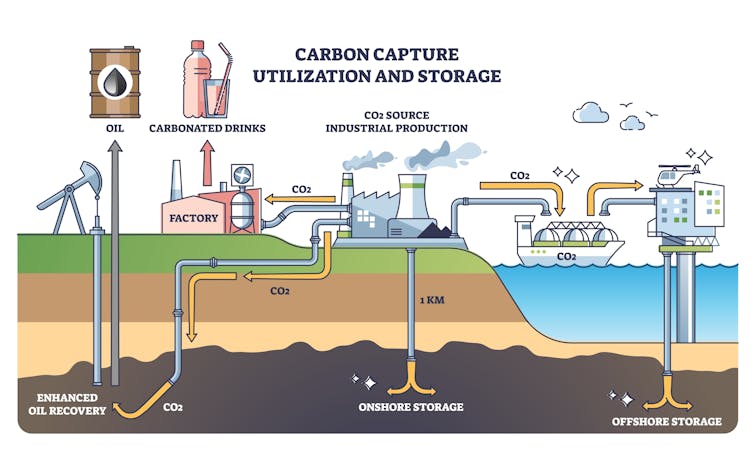
Currently, many patients who have been harmed by serial offenders have no way of knowing a practitioner had been previously sanctioned for the same or similar misconduct.

Data on repeat offending are patchy. However, analysis of the available Australian data indicates repeat offending is “the norm rather than the exception”.

While some health practitioners will see these reforms as oppressive or punitive, only those found guilty in an open tribunal or court of the most serious professional misconduct for boundary-crossing transgressions or sexual crimes would be affected.

While promising, the reforms are not laid in stone. Public consultation is now underway until February 19.

The Conversation

Christopher Rudge was engaged as a special research officer at the Medical Council of NSW in 2018.

ref. Choosing a new doctor? Their sexual misconduct may soon be on the record – https://theconversation.com/choosing-a-new-doctor-their-sexual-misconduct-may-soon-be-on-the-record-223082

- ADVERT -

MIL PODCASTS
Bookmark
| Follow | Subscribe Listen on Apple Podcasts

Foreign policy + Intel + Security

Subscribe | Follow | Bookmark
and join Buchanan & Manning LIVE Thursdays @ midday

MIL Public Webcast Service


- Advertisement -
- Advertisement -
- Advertisement -
- Advertisement -
- Advertisement -