Most people picture Antarctica as a frozen continent of wilderness, but people have been living – and building – there for decades. Now, for the first time, we can reveal the human footprint across the entire continent.
Our research, published today in the journal Nature Sustainability, found that while buildings and disturbance cover a small portion of the whole continent, it has an outsized impact on Antartica’s ecosystem.
Our data show 76% of buildings in Antarctica are within just 0.06% of the continent: the ice-free areas within 5km of the coast. This coastal fringe is particularly important as it provides access to the Southern Ocean for penguins and seals, as well as providing a typically wetter climate suitable for plant life.
A hard question to answer
How much land we collectively impact with infrastructure in Antarctica has been a question raised for decades, but until now has been difficult to answer. The good news is it’s a relatively small area. The bigger issue is where it is. Together with our colleagues Dana Bergstrom and John van den Hoff, we have made the first measurement of the “footprint” of buildings and disturbed ice-free ground across Antarctica.
This equates to more than 390,000 square metres of buildings on the icy continent, with a further 5,200,000m² of disturbance just to ice-free land. To put it another way, there is more than 1,100m² of disturbed ground per person in Antarctica at its most populated in summer. This is caused primarily by the 30 nations with infrastructure in Antarctica, along with some presence from the tourism industry.
Figure Building footprint density.Nature Sustainability
It has taken until now to find the extent of our impact because of difficulty in gathering the data. Because so many countries are active in Antarctica, getting them to provide data on their infrastructure has been very slow. As two-thirds of research stations were built before the adoption of the Protocol on Environmental Protection to the Antarctic Treaty, they did not require environmental impact assessments or monitoring, so it is quite likely many of the operators do not have accessible data on their footprints. In addition, due to the inherent difficulty in accessing Antarctica, and the vast distances between each station, it is not possible to conduct field measurements on a continental scale.
To address these problems, our team took an established approach to measuring a single station’s footprint, and applied it to 158 locations across the continent using satellite imagery. The majority of images used were freely sourced from Google Earth, enabled by continually increasing improvements in resolution and coverage.
This process took hours of painstaking “digitisation” – where the spatially accurate images of buildings and disturbed ground were manually mapped within a computer program to create the data.
Davis Station, one of Australia’s three permanent research outposts in Antartica. Researchers used Google Earth images to map the footprint of human infrastructure across the continent.Shaun Brooks, Author provided
Interestingly, one of the most difficult sites was the United States’ Amundsen-Scott Station. As this station is located on the geographic South Pole, very few satellites pass overhead. This problem was eventually solved by trawling through thousands of aerial images produced by NASA’s Operation IceBridge, where we found their aircraft had flown over the station in 2010. After capturing these data, we then compared our measurements against existing known building sizes and found our accuracy was within 2%.
Unlike buildings, we didn’t have measurements to compare for disturbed ground such as roadways, airstrips, quarries and the like. We believe we have produced a significant underestimate, due to factors including snow cover and insufficient image resolution obscuring smaller features such as walking tracks.
After mapping the footprint of buildings and ground disturbance our data has yielded some interesting results. For practical reasons, most stations in Antarctica are located within the small ice-free areas spread across the continent, particularly around the coast. In addition to being attractive to us, these areas are essential for much of Antarctica’s biodiversity by providing nesting sites for seabirds and penguins, substrate for mosses, lichens, and two vascular plants, and habitat for the continent’s invertebrate species.
Adelie penguins need ice-free areas to access the ocean.Shaun Brooks, Author provided
Another interesting finding from these data is what they tell us about wilderness on the continent. Although the current footprint covers a very small fraction of the more than 12 million square kilometres of Antarctica, we found disturbance is present in more than half of all large ice-free areas along the coast. Furthermore, by using the building data we captured, along with existing work by Rupert Summerson, we were also able to estimate the visual footprint, which amounts to an area similar in size to the total ice-free land across the whole continent.
The release of this research is timely, with significant increases in infrastructure proposed for Antarctica. Currently there are new stations proposed by several nations, major rebuilding projects of existing stations underway (including the US’s McMurdo and New Zealand’s Scott Base), and Italy is building a new runway in ice-free areas.
Australia has proposed Antarctica’s first concrete runway, which if built would be the continent’s largest.
Until now, decisions on expanding infrastructure have been without the context of how much is already present. We hope informed decisions can now be made by the international community about how much building in Antarctica is appropriate, where it should occur, and how to manage the future of the last great wilderness.
In the midst of a raging heatwave, most people think of the ocean as a nice place to cool down. But heatwaves can strike in the ocean as well as on land. And when they do, marine organisms of all kinds – plankton, seaweed, corals, snails, fish, birds and mammals – also feel the wrath of soaring temperatures.
Our new research, published today in Nature Climate Change, makes abundantly clear the destructive force of marine heatwaves. We compared the effects on ecosystems of eight marine heatwaves from around the world, including four El Niño events (1982-83, 1986-87, 1991-92, 1997-98), three extreme heat events in the Mediterranean Sea (1999, 2003, 2006) and one in Western Australia in 2011. We found that these events can significantly damage the health of corals, kelps and seagrasses.
This is concerning, because these species form the foundation of many ecosystems, from the tropics to polar waters. Thousands of other species – not to mention a wealth of human activities – depend on them.
We identified southeastern Australia, southeast Asia, northwestern Africa, Europe and eastern Canada as the places where marine species are most at risk of extreme heat in the future.
Marine heatwaves are defined as periods of five days or more during which ocean temperatures are unusually high, compared with the long-term average for any given place. Just like their counterparts on land, marine heatwaves have been getting more frequent, hotter and longer in recent decades. Globally, there were 54% more heatwave days per year between 1987 and 2016 than in 1925–54.
Although the heatwaves we studied varied widely in their maximum intensity and duration, we found that all of them had negative impacts on a broad range of different types of marine species.
Marine heatwaves in tropical regions have caused widespread coral bleaching.
Humans also depend on these species, either directly or indirectly, because they underpin a wealth of ecological goods and services. For example, many marine ecosystems support commercial and recreational fisheries, contribute to carbon storage and nutrient cycling, offer venues for tourism and recreation, or are culturally or scientifically significant.
Marine heatwaves have had negative impacts on virtually all these “ecosystem services”. For example, seagrass meadows in the Mediterranean Sea, which store significant amounts of carbon, are harmed by extreme temperatures recorded during marine heatwaves. In the summers of both 2003 and 2006, marine heatwaves led to widespread seagrass deaths.
The marine heatwaves off the west coast of Australia in 2011 and northeast America in 2012 led to dramatic changes in the regionally important abalone and lobster fisheries, respectively. Several marine heatwaves associated with El Niño events caused widespread coral bleaching with consequences for biodiversity, fisheries, coastal erosion and tourism.
Mass die-offs of finfish and shellfish have been recorded during marine heatwaves, with major consequences for regional fishing industries.
All evidence suggests that marine heatwaves are linked to human mediated climate change and will continue to intensify with ongoing global warming. The impacts can only be minimised by combining rapid, meaningful reductions in greenhouse emissions with a more adaptable and pragmatic approach to the management of marine ecosystems.
On the last day of summer for 2019, the Victorian Civil and Administrative Tribunal (VCAT) delivered a burst of sunshine to apartment owners at the high-rise Lacrosse building in the Melbourne Docklands precinct. Lacrosse suffered a serious cladding fire on November 24 2014, started by a single cigarette on a balcony. Last Thursday, Judge Ted Woodward ordered the owners be immediately paid A$5.7 million in damages.
The judge also indicated that the owners would receive most of the balance of their A$12.7 million claim – including nearly A$6 million in calculated costs of compliance with building codes.
However, in our adversarial legal system, there are losers as well as winners. The losers in this case are the fire engineer, the certifier and the architects.
The builder, LU Simon, was ordered to pay more than A$5.7 million to apartment owners. However, the architect, fire engineer and building certifier who worked on the project would pay most of that to LU Simon after Judge Woodward found they had breached contractual obligations.
Fire engineer Thomas Nicholas was ordered to pay 39% of the damages, certifier Gardner Group 35% and architects Elenberg Fraser 25%. Incredibly, the builder, LU Simon, is a winner, assessed to pay only 3% of the damages.
So shocking is the VCAT decision to architects that the national president of the Australian Institute of Architects suggested in an email to members last Friday that they might need to seek counselling.
The decision reminds architects and other consultants that abiding by common practice is no defence if that practice is inadequate. Even though an architect may work for the builder and be employed on a limited commission during construction, they still bear primary responsibility for the safety of the building as the “lead consultant”. According to the decision, architects and consultants are required to exercise high standards of professional judgement and skill even if their commissioning arrangements and fees militate this.
So is this a win for all owners?
It looks like a cause for celebration by the owners. But is it?
Well, for a start, this decision has taken over four years to emerge. It may yet be the subject of an appeal. In the meantime, owners and residents have had to live in a building that is not safe, although work to replace the cladding should be complete by May.
Judge Woodward said the decision applies to the specific circumstances of Lacrosse only, so the owners of other buildings, including Neo200, which was evacuated on February 4 after a similar fire, might not also be in the winner’s circle.
The Lacrosse case ran for 22 days, involved five QCs, five juniors and an army of instructing solicitors, paralegals and expert witnesses. There were 91 volumes of documents tendered as evidence. Legal costs almost certainly exceeded A$2 million, or more than 15% of the damages sought.
Around the country, based on state audits, I estimate around 1,000 buildings have combustible aluminium composite panels on their facades. If they all generate a court case half as complex as Lacrosse, the legal bills alone could total over A$1 billion.
Government must also answer for deregulation
Those who eased the regulatory framework in place in Australia since the late 1980s share culpability with the consultants for the fires at Lacrosse and Neo200. Until the early 1990s, Australian building codes prohibited the use of combustible elements on the facades of tall buildings. Throughout the 1990s, the then Building Code of Australia (now the National Construction Code or NCC) was relaxed to a “performance standard”, which allowed builders and consultants to believe aluminium composite panels and timber were permissible.
By 2000, despite plenty of evidence that these panels were combustible and therefore not suitable as facade material on tall buildings, the market for them continued to grow. The Australian Building Codes Board did nothing about this, encouraging a potentially fatal error.
The ABC reports on the hidden potential killer in Australian buildings following the Lacrosse fire.
So far, on the regulatory side, no one has actually owned up to a mistake. However, the Building Ministers’ Forum is considering the 24 recommendations of a report it commissioned from Peter Shergold and Bronwyn Weir. New South Wales’ minister for innovation and better regulation, Matt Kean, has promised to crack down on dodgy certifiers. In the light of the cladding panel fiasco, he probably should be reviewing his own remit, which is based on the premise that less regulation is better.
The NCC has a goal to encourage innovation in building by allowing alternative solutions to “deemed to satisfy” provisions. Unfortunately, in the case of the cladding panels and other “innovations”, the cost savings may be only a tiny proportion of the costs of rectifying the problems.
Penitent governments should ensure flammable cladding is replaced now, not next year and certainly not in five or six years’ time when another round of court cases are finally decided after appeal. Unless governments act to fix this mistake, one that they are substantially responsible for, someone is going to be killed in a cladding fire in Australia.
Since their original discovery in 1963, the Tongatapu artefacts have been in storage at the Australian National University awaiting further examination. In 2016, we took the first really good look at these artefacts using the modern methods and techniques now available to archaeologists.
Through directly dating a sample from one of the combs (the blades that drove the ink into the dermis layer of skin), we determined that the four artefacts were 2,700-years-old – much older than originally thought.
Careful examination also discovered that while two of the combs were made of sea bird bone (such as albatross), the other two were made from the bones of a large land mammal – probably human.
Why human bone? No large mammals were present on Tonga apart from people at that time and early burials from the Pacific show that bones were often taken from burials. We also know that human bone was a favoured material used to make tattooing combs in more recent times.
Ink staining on one of the human bone combs.Author provided
Tattoo combs made from human bone could mean that people were permanently marked by tools made from the bones of their relatives – a way of combining memory and identity in their artwork.
Originally found alongside the combs was a small pot likely containing tattooing ink. Together, these artefacts made up a tattoist’s toolkit – something exceedingly rare in the archaeological record – and the oldest set of its kind found.
Evidence rarely survives
There is little evidence for early tattooing because tattooed human skin rarely survives intact enough for us to be able to see an inked design.
Thus far, the earliest evidence for tattooing reaches back to 5,300 years – the oldest known case being two ancient Egyptian mummies with small motifs inked into their upper arms.
Other early examples include the famous “Ice man” of the Italian Alps and the Siberian “princess” found with extraordinarily complex designs across her body.
The discovery of implements used in tattooing is even rarer. This is because identifying tools used to ink one’s skin is exceptionally difficult – any sharp object could potentially be utilised. Also, the kind of evidence needed to positively identify a tattooing blade (such as ink) often doesn’t survive.
The oldest surviving tattooing tools found so far are sharp flakes made of obsidian (volcanic glass) used 3,500 years ago in New Guinea for piercing or puncturing the skin, and in Egypt, single metal or stone points that might be tattooing equipment dating back to 3,200 BC.
In Oceania, we don’t have mummies to help us figure out when tattooing first appeared because skin doesn’t survive our harsh tropical conditions. So, instead we must look for less direct clues – such as tools.
Technology still used today
While the Tongatapu bone combs are younger than the metal and stone points previously found, they are part of a far more complex technology – one which is still used in present day traditional tattooing.
In the Pacific, tattooing has a long history. The unique and powerful designs made an impact on early European explorers to the region, and the return of tattooed sailors, beachcombers, and Indigenous peoples to Europe created lasting interest in the practice.
Ultimately, it was this contact between European and Pacific cultures that led to the vibrant modern tattooing traditions and the spread of Polynesian inspired tattoos all over the world today. (Ironically, in the 19th century missionaries suppressed tattooing in parts of the Pacific and in Tonga itself, people had to travel to Samoa to be tattooed.)
Hear about the importance of tattooing in the Pacific from those using tools near identical to the Tongatapu artefacts.
Despite the importance of tattooing to past and current Pacific peoples, we don’t actually know if it was something that arrived with the first human colonists to the islands around 3,500 years ago – or if it was invented at some point afterwards.
With this discovery, however, we now know that the complex inline tattooing combs were already present in Tonga almost 3,000 years ago and that they may very well have been invented there.
Back in 2001, an acquaintance who worked for Lonely Planet told me about a surprise discovery. The travel guide business had an audience of people who would buy their travel books, but never travel. Lonely Planet dubbed them “virtual tourists”.
Now Lonely Planet, and others, have become excited by tourism powered by virtual reality (VR) – both on this planet and, thanks to NASA, on others.
VR films are also being developed by travel companies, such as Thomas Cook. And Tourism Australia has partnered with Google to understand the marketing potential of VR (well, 360 degree panoramic videos).
But VR tourism isn’t only about recreating a virtual version of reality that renders travel to the destination unnecessary. It can enhance tourism in other ways – by allowing tourists to handle precious historical artefacts in virtual form, or by retelling contested histories from previously unexplored perspectives.
In contrast to Lonely Planet’s definition, let’s consider virtual tourism to be the application of virtual reality – including augmented reality (AR) and mixed reality (MR) – to tourism.
The term virtual reality is most commonly used to describe what happens when you are completely immersed in a virtual environment you can see through a headset. Enhanced forms of virtual reality allow you to interact with that environment using extra equipment, such as gloves fitted with sensors.
Virtual reality is also used as a catch-all term to describe the overall spectrum of digitally mediated reality, which includes virtual reality, as well as mixed reality and augmented reality.
Augmented reality and mixed reality are computer-generated visualisations that augment our sense of the real world around us or merge the real and virtual together. You still wear a headset, but rather than blocking out the world, an AR or MR headset enables you to see visualisations within your real world surroundings.
PhD student Mafkereseb Bekele demonstrates a digital underwater landscape augmented over the real world as it would appear through a Microsoft Hololens headset.Author provided
Augmented reality and mixed reality is usually visual, but you can now get audio augmented reality, that will play audio recordings through special glasses about sites you’re looking at. There is even olfactory-augmented reality that can enhance your experience with smell.
Virtual reality can be more than a mirror that gives you a realistic interactive simulation of the current world: it can bring the past into the present.
The one thing that really frustrates you in a museum is when you see something really fascinating, you don’t want to be separated from it by glass. You want to be able to look at it and see the back of it and turn it around and so on.
The London Natural History Museum’s app Hold the World gives users a chance to move and manipulate virtual objects that are fragile, expensive or remote.
Virtual tourism is also breathing new life into mythology and folklore. In Denmark, there are plans to turn a virtual reality exhibition exploring Viking history and Norse mythology into a permanent theme park. Visitors will be able to fight giants and dragons, and explore a complete “Nordic” landscape.
Virtual tourism can allow people to hear fresh interpretations of history. For example, the augmented reality app Dilly Bag connects users with the stories of Indigenous Australian servicemen via a smartphone.
Given the expense and complexity of virtual reality, augmented reality and mixed reality arguably have more potential for virtual tourism.
Wi-Fi, which is required for many virtual tourism experiences, is now commonplace, and many people do have their own devices. But content must be tailored to specific devices – smartphones can overheat from processing so much data, and the size of tablets can make them unwieldy.
The number of exciting technological showcases is matched by the number of failed or broken equipment and deserted VR centres. Hyped promises proliferate – apparently every year is the year that VR, AR and MR will break though.
Yet any VR software and hardware currently full of promise seems to get old very, very, quickly. If we are to move past one-hit AR wonders such as Pokémon Go, we need scalable yet engaging content, stable tools, appropriate evaluation research and robust infrastructure.
Formats such as WebVR and Web XR promise to supply content across both desktops and head mounted displays, without having to download plugins.
But before we see virtual tourism become widespread, we need to change our preconceptions about what virtual reality is. Let’s not limit VR experiences to recreations of the real world, instead let’s open our minds to history, mythology and fresh perspectives from real people.
In December 2018, the Council of Australian Governments (COAG) resolved to “work collaboratively and in genuine, formal partnership with Aboriginal and Torres Strait Islander peoples”. This commitment was in response to issues arising from the national review of Indigenous affairs policy.
COAG noted in its Closing the Gap statement that it was responding to a “Special Gathering of prominent Aboriginal and Torres Strait Islander Australians”. It was this group that called for “the next phase of Closing the Gap to be guided by the principles of empowerment and self-determination”.
This unfinished business is an important challenge for all Australians, regardless of the outcome of this year’s federal election.
Labor and the Greens have committed to reforms called for by the Uluru Statement from the Heart. These reforms would enable Indigenous empowerment and self-determination. However, the Coalition government, yet to respond to the Joint Select Committee Report on Constitutional Recognition, has demurred on a First Nations Voice in favour of “practical” concerns.
The relationship between Indigenous and non-Indigenous Australians is a responsibility beyond political divisions. It extends beyond policy concerns to the presumptions that inform them.
The continued interpretation of Indigenous concerns about Australia Day as simple demands to “change the date” exemplifies this issue. It is not the case that Indigenous people protesting Australia Day don’t care about “practical” issues. They live with these issues every day. They know all too well the challenges they face.
Rather, the issue remains the deeply ingrained and negative attitude toward Indigenous people and their experiences within Australian society. This includes:
the denial of Indigenous history and experience
the failure to establish legitimate mechanisms for the recognition of this history and agreement making
the continued denial of legitimate Indigenous rights and demands.
The problems with Indigenous affairs policy
Closing the Gap guides Indigenous affairs policy along with the Indigenous Advancement Strategy. This policy apparatus has focused on areas such as employment, education, health, economic development and community safety.
However, Australian governments have failed to achieve their policy goals. Some policies – such as the Community Development Program and the Basics Card – have been heavily criticised for further entrenching Indigenous inequality and disadvantage.
Indigenous affairs decisions are too often reactionary and crisis-focused. Significant resources are distributed without evidence and without Indigenous oversight and evaluation.
Moving from crisis to crisis, non-Indigenous actors make key policy decisions. These actors fail to appropriately understand issues at hand and force ineffective policy solutions onto Indigenous communities as the only solution. The approach to Indigenous youth suicide is a key example of this.
These policymakers fail to address the ineffective policy decisions and maintain the impoverished position of Indigenous people. They also fail to respect and recognise Indigenous people as First Nations, and the rights that inhere as a result.
Hearing Indigenous Australians
Indigenous people have raised many concerns with these policies. These include being ignored by decision-makers, the denial of Indigenous experience and the failure of policies to enable effective outcomes. The Commonwealth government’s own review of the Indigenous Advancement Strategy and Closing the Gap confirmed these issues.
In response, COAG has offered support to “discuss” the co-design process that would explore a First Nations voice to parliament. However, there has been no mention of specific targets for Indigenous empowerment and self-determination. Rather, COAG’s communique emphasises “strengthening mechanisms to ensure Aboriginal and Torres Strait Islander peoples have an integral role in decision-making and accountability processes”.
This approach aims at incorporation within a structure that has failed Indigenous people. COAG has uncritically repeated a form of rights ritualism: it appears to support Indigenous rights, without actually implementing them.
Even when provided with some semblance of recognition, those rights are only ever minimal and subject to restrictive arrangements. These continue to hold Indigenous people at the whim of government priorities and decision-makers, rather than being led and informed by Indigenous community needs and processes themselves.
Realising a better Australia
These issues reflect the entrenched position of Indigenous Australians and the past inability of “Australia” to recognise their place as First Nations. These practices have real implications for policy development, which are reflected in the wider Indigenous affairs debate. Examples include attitudes that dismiss Australia Day concerns as mere symbolism while emphasising practical matters such as youth suicide, sexual and domestic violence, and getting kids into school.
The challenge ahead is to achieve reform that goes beyond limited understandings of these issues as being symbolic or practical. This requires a transformative approach to the relationship between Indigenous and non-Indigenous Australians that will realise a better future for all Australians. The call from many Indigenous Australians following the Uluru Statement from the Heart for a progressive process forward toward Voice, Treaty and Truth provides an authoritative pathway toward achieving this change.
Indigenous Australians have provided important leadership by issuing the Uluru Statement from the Heart. It is up to all Australians, regardless of political persuasion, to accept the invitation and “to walk with us in a movement of the Australian people for a better future”.
They recommended a massive expansion of the $1.5 billion Better Access program, which enables Medicare-subsidised visits to psychologists and other health professionals.
But simply striving to get more people into face-to-face care with health professionals is a limited and expensive strategy.
If we’re serious about improving access to mental health care, we need to look to online therapies. The evidence says they can be effective instead of, or as well as, seeing someone face-to-face.
Some studies have found online therapy to be as effective in reducing symptoms as therapy delivered face-to-face by a clinician. This evidence is strongest in relation to depression, stress and anxiety.
One meta-analysis of data from 3,876 adults found those who underwent internet-based cognitive behavioural therapy to treat symptoms of depression had better outcomes than those who didn’t use online therapies. They were also more likely to stick to their treatment.
So self-guided internet-based cognitive behavioural therapy is a viable alternative to current first-step treatment approaches for symptoms of depression and anxiety.
Online approaches vary, but they commonly present a course of psychological therapy structured so the participant can track their progress over time and seek further assistance if their situation deteriorates.
As an example, Mindspot offers a three step online process of therapy, beginning with information, followed by assessment, and finally, treatment.
Treatment consists of online courses across several areas, depending on the user’s needs. These courses might cover mood issues, obsessive compulsive disorder, and post-traumatic stress disorder.
People can elect to do a course independently, or could be referred by a health care professional, such as their GP. When health practitioners refer their patients into Mindspot they receive patient progress reports.
Mindspot takes users through a three step process which starts with learning about mental health.Screenshot, Author provided
These online therapies can be critical for reaching traditionally under-serviced groups, such as young people and people living in rural areas.
Other key advantages of these stand-alone digital approaches include 24/7 availability of care, and the absence of the fees that would otherwise be paid out-of-pocket for a face-to-face consultation.
The range of online mental health tools available has expanded enormously over recent years. This has spawned review sites that help users navigate to online mental health therapies that best meet their needs.
And new research is looking at how digital technologies can be used for the prevention of mental illness as well as its treatment. The Black Dog Institute’s Future Proofing Study will engage 20,000 year 8 students to see how they can use their smartphones to prevent anxiety and depression.
We can facilitate team-based care online
Perhaps the greatest opportunity for enhanced mental health service delivery is to start to use digital technologies to drive new models of care specifically designed to meet the needs of each individual.
For people with more complex, disabling and persisting conditions, the international evidence clearly indicates bringing together a team of professionals is best practice.
For example, a person with an eating disorder is likely to benefit from integrated, multidisciplinary care provided by a GP, a nurse, a dietitian, a psychologist, a peer worker, and so on.
There are already some efforts to foster this online. An example of this can be found in the InnoWell platform, which service providers can use to bring together different professionals and resources tailored to suit each patient’s needs.
As well as online therapies, there are a variety of mobile apps that target mental health and well-being.From shutterstock.com
Using online assessment tools at the point of service request, those with milder needs are connected to a range of evidence-based apps and e-tools matched to their needs. Meanwhile, those with more complex needs are connected to care which will benefit them, including face-to-face services.
As a proportion of the total, new clients into Better Access were 68% in 2008, 57% in 2009, and just 32.6% in 2016-17. This increase in repeat customers suggests two things. First, perhaps people did not get the help they needed or had problems too complex to be managed within the program. And second, there may be limits on the extent to which the program can continue to meet its stated goal of increasing access to mental health services.
While the Medicare review relegated online therapies to “longer-term” reform, new digital and team-based approaches are key to driving improved models of increased access, at relatively low individual cost, to high quality mental health care.
Australia’s e-Mental health strategy needs action. The Medicare review into mental health represents a significant opportunity to get future investments right.
This means shifting from a focus just on access to instead considering how best to provide high quality, individualised services at scale – particularly to those who are disadvantaged economically, socially or geographically.
Source: The Conversation (Au and NZ) – By Steve Hatfield-Dodds, Executive Director, Australian Bureau of Agricultural and Resource Economics and Sciences (ABARES)
This is an edited version of Steve Hatfield-Dodds’ opening address to the Bureau of Agricultural and Resource Economics National Outlook Conference to be delivered on 5 March 2019.
The National Farmers Federation wants to lift the value of Australian agricultural production to $100 billion by 2030.
While that might be possible – on the current trajectory it is forecast to reach $84 billion by 2030 – we should be mindful of the substantial, and sometimes painful, reforms that have been needed to achieve the growth we have in recent decades; and that price increases accounted for 90% of that past growth.
Furthermore, the rate of productivity growth has been slowing. Key reasons include adverse shifts in climate and seasonal conditions, reduced investment in research relative to the value of production, and that fact that the easiest productivity gains have already been made.
This suggests nothing can be taken for granted.
Instead, we should recognise that achieving the best for agriculture, our rural communities and the national economy will require tough choices.
Making farming attractive to workers and investors
The sector is well aware of the need to attract workers with the right mix of skills, and is taking steps to do it. The 2018 Budget provided funds to improve our evidence base about labour force issues.
It is encouraging to see sector leaders acknowledging the need to eliminate exploitation of workers, particularly seasonal workers and other vulnerable groups, but actions are always going to speak louder than words in ensuring a positive experience for farm workers.
Investment is crucial to lifting productivity and strengthening supply chains. Unfortunately agriculture faces some headwinds in attracting investment, including high seasonal variability relative to other nations and some persistent policy uncertainty.
This makes it crucial that Australia’s foreign investment rules are applied transparently and predictably, respecting community caution that investment should deliver social and economic benefits, while maintaining Australia’s reputation as a stable and attractive investment destination.
Harnessing innovation
Australia is not immune to global shifts in research and development.
This includes slower growth in public R&D, which in the past has provided the foundation for growth in private R&D.
Our distinctive use of government and levy funded Research and Development Corporations has served us well in the past, but needs some adjustment to ensure that the resources available deliver the best possible outcomes for agriculture and the nation as a whole.
Priorities should include reducing fragmentation and improving collaboration on “whole of sector” challenges, greater clarity and consistency around contributions and benefit sharing, and achieving faster adoption and commercialisation of successful research.
Promoting resilience
Australian farmers manage very significant variability, including variability in climate and prices. Climate variability is increasing and extreme events, such as droughts and floods, are becoming more frequent and severe, impacting on output and incomes. Increased variability is also likely to contribute to more volatile global prices.
It is a good bet in these circumstances that future droughts and weather events will continue to trigger calls for government to do more to help famers. But policy makers should continue to be careful in how they respond, as poorly designed polices have the potential to slow farm adaption and structural adjustment, hurting productivity.
Australia’s national drought policy rightly establishes a clear separation between promoting proper risk management by farm businesses and providing support to farm households and communities in need.
Eligibility criteria for the Farm Household Allowance are more generous than those that apply to income support available to other groups.
Programs such as the Farm Household Allowance, the Farm Management Deposit Scheme and tax concessions provide important relief for farm households and are consistent with Australian community values.
Overall, their current settings are unlikely to undermine resilience and drought preparedness or to have substantial adverse impact on agricultural productivity.
This is an achievement worth defending against well meaning – or occasionally self-interested – calls to blur the lines between household support and business assistance.
And we should always seek further improvements. Here the remaining policies that provide business assistance, such as concessional finance, need careful assessment.
Over time, the perceived need for such policies could be reduced by further development and uptake of market-based risk management tools, such as multi-peril crop insurance, and index-based insurance for cropping and livestock.
Persisting with water reforms
The Murray-Darling Basin Plan was inspired, in part, by the 2003 Living Murray Initiative and its vision of a “healthy working river” and in part by a reaction to the realities graphically exposed by the Millennium drought.
It was predicated on the conviction that healthy communities and regional economies required a healthy river, and that achieving it required substantial changes to water management.
These changes were twofold: promoting water trading across the basin, which allows water to move to higher value uses and altering the balance between consumptive and environmental uses to achieve healthy river ecosystems.
This view that healthy industries require healthy catchments has not always been visible in recent debate and finger pointing, which is often framed in terms of trade-offs between “industry” or “development” versus the “environment”.
It is self evident that achieving the National Farmers Federation aspiration for agriculture will require sustainable management of scarce water resources.
Irrigated crops are one of the strongest growing agricultural sectors, with excellent future prospects. Realising the full potential of the irrigation sector will require clear and confident water policy settings which support the sector’s social licence, and avoid the uncertainty associated with acrimonious ongoing debate.
Respecting evolving consumer expectations
Staying ahead of the curve on consumer expectations sits at the heart of agriculture’s value proposition, reputation, and future growth – and can only be effectively led by industry.
Shifts in social expectations may well be both the greatest opportunity, and the greatest threat, facing Australian agriculture.
Rising real incomes allow consumers and citizens to care about issues they have previously ignored, and to express this care through their purchasing decisions and networks. These issues might be personal – such as health – or more general – such as concern for the environment or animal welfare.
But capitalising on consumer concerns over the long term involves risks and hard work.
Back in 2003, Perth-based Austral Fisheries caused some waves when it set out to secure independent Marine Stewardship Council sustainability certification for Patagonian toothfish, as a first step in a sophisticated customer engagement strategy.
Their persistence paid off: today more than half the global catch is certified, its premium market position has been restored and prices increased by around 300%.
Some shifts will involve more threats than opportunities, at least in the absence of stronger engagement by industry. Producers are particularly exposed on environmental and animal welfare issues, where real or perceived poor behaviour by a few players can tarnish the reputation or market access of an entire sector.
Assessing these risks and opportunities requires industry to understand how consumers think and feel, even when this is confronting.
As an example, debates about land clearing can be polarising, generating more heat than light. To be hard nosed about this, however, it is in industry’s interest to consider how the economic rewards of land clearing for some graziers stack-up against the potential risks to the reputation, social licence and market position of the industry nationally, and the various ways these risks could be managed.
Focusing on the main game
Australian agriculture has many advantages, and a track record of good performance, underpinned by tough choices.
If we continue in this tradition Australian agriculture will prosper, enhancing the well-being of producers, consumers, regions, and the nation.
The Australian Election Study, conducted by the Australian National University, has been running since 1987.
Its director Ian McAllister says one thing voters will want at this poll is stability.
McAllister says that for the first time in a long while, one of the major parties – Labor – has put forward some “very constructive policies”. But, he told The Conversation, Bill Shorten is very unpopular: he “ranks below any leader we’ve ever recorded across virtually every personal quality including things like trust, competence, integrity”.
McAllister says the Coalition’s challenge is that the Liberals haven’t been looking after their base.
He expects the election to highlight a “generational gap in voting” and probably a much higher level of “split-ticket voting” – people voting differently for the two houses.
New to podcasts?
Podcasts are often best enjoyed using a podcast app. All iPhones come with the Apple Podcasts app already installed, or you may want to listen and subscribe on another app such as Pocket Casts (click here to listen to Politics with Michelle Grattan on Pocket Casts).
You can also hear it on Stitcher, Spotify or any of the apps below. Just pick a service from one of those listed below and click on the icon to find Politics with Michelle Grattan.
For most infections, the long-standing advice is to take a full course of antibiotics.
The rationale for not simply stopping antibiotics as soon as you start to feel better is that antibiotics don’t kill the bacteria instantly. If stopped too early, the remaining bacteria, which are exposed to low concentrations of antibiotics, tend to be more resistant. These can then re-grow, causing recurrent infection, or spread to other people.
The recommended length of the course depends on the type of infection, the likely cause, and how effective the antibiotics are at killing the bacterium and penetrating to the site of infection.
For infections commonly seen in general practice, most recommended courses last between three and seven days. For more serious infections requiring hospitalisation, the recommendations are generally a little longer.
A recent study from the United Kingdom found a substantial proportion of antibiotic prescriptions in general practice were for longer than these recommendations. While for each prescription this may have only been a few days longer, for the UK as a whole this amounted to about 1.3 million days of antibiotics more that would have been necessary.
There’s little evidence to suggest longer courses of antibiotics benefit patients. In fact, even the recommended lengths could be too long for many infections.
Why are courses longer than recommended?
The most important determinant of duration in primary care is probably the size of the pack the antibiotics come in.
But the number of tablets in a pack is rarely the same as the length of a course. One Australian study looked at 32 common prescribing scenarios and found that the pack size only matched the recommended duration of antibiotics in four cases.
Other reasons antibiotics may be prescribed for longer than recommended is when patients are given “repeats” and taking a second course of antibiotics. Often, the doctor isn’t actively prescribing a second course, but their medical prescribing software is printing a “repeat” on their prescription by default.
In hospitals, clinical uncertainty plays a large role. It is sometimes suggested that antibiotics are used for the benefit of the patient, but at other times to allay the treating doctor’s anxiety.
While the motivation to make sure infections are properly treated is understandable and well-intentioned, particularly in patients who might still be critically unwell for other reasons, continuing antibiotics for too long increases the risk of side effects and antibiotic resistance.
Do we even need a full course?
We may be able to stop antibiotics before we reach the end of our course. The body has the capacity of “mop up” small numbers of bacteria, so at least for milder infections, it may not be necessary to kill them all.
This is important because using antibiotics for too long can be a problem in causing antibiotic resistance. This can occur within individual patients by exposing bacteria elsewhere in the body to antibiotics, but also because antibiotics are eliminated from the body and can contaminate the environment.
We didn’t always standardise the duration of antibiotics. Harry Dowling, one of the pioneers of early antibiotic use, once said
The duration of treatment just evolved. There was no rationale for any single length of time. We saw how long it took for the temperature to come down and gave antibiotics until it did, and then some.
The durations recommended in guidelines often come from arbitrary decisions made in early studies, which have translated into some odd “rules” about antibiotics:
prime numbers for durations of up to a week (three, five or seven days)
even numbers for more serious infections that take weeks to eradicate (two, four or six weeks)
multiples of three for really tenacious infections such as bone infections (three months) or TB (six months).
In writing guidelines for doctors, we often wrestle with whether to set a fixed duration (such as seven days), a range (five to ten days), a minimum (at least five days), a maximum (up to ten days) or wordy qualifications (usually five days, or ten days for severe illness or where there is a slow response).
For deep or severe infections, we want to be sure the infection won’t return. Recent research has focused on defining the shortest effective duration of treatments.
A recent trial compared whether seven days or 14 days of antibiotics were required for some types of bloodstream infection, and found outcomes to be similar.
Researchers have also been testing the use of oral antibiotics for two of the most difficult infections to treat – endocarditis (infection of the heart valves) and ostemyelitis (infection of bone) – which have needed intravenous antibiotics for six weeks or longer. These trials have shown a shorter course of intravenous antibiotics with an early switch to oral antibiotics may be adequate.
Shortening the duration of antibiotics is one important way to reduce antibiotic use, the key driver of antibiotic resistance.
The crimson cloaks and white bonnets of Margaret Atwood’s dystopian feminist classic The Handmaid’s Tale have become a distinctive feature of Trump’s America. They’ve been worn by protestors outside state legislatures across the country, as elected officials attempt to enact laws limiting women’s reproductive rights.
Let’s face it, there are few costumes in classic or contemporary literature that will immediately tell everybody exactly why you’re there. But for the unfamiliar, the cloaks are invariably accompanied by posters with slogans like “The Handmaid’s Tale is not an instruction manual” and “Make Margaret Atwood fiction again”.
Atwood’s dystopia was undoubtedly on the minds of the hundreds of people – nearly all of them women – who filled the concert hall at the Sydney Opera House on Sunday to listen to her speak. So eager were they to hear that the tickets to the talk hosted by UNSW’s Centre for Ideas sold out in a record 45 minutes.
The Handmaid’s Tale describes a toxic world in which misogyny and environmental degradation has turned the US into a totalitarian theocracy. The fictional republic of Gilead has enforced a system of gender-based violence, enslaving the few women capable of bearing children to serve as “handmaidens” to the ruling class.
In Gilead, lesbians and “gender traitors” are hanged. Citizens are tracked, watched, and spied upon. Women are not permitted to read. Children are torn from the arms of their birth mothers. There are deadly skirmishes at the borders, as refugees attempt to flee.
Activists in the US have donned the red cloaks imagined by Margaret Atwood in The Handmaid’s Tale.Jim Lo Scalzo/EPA/AAP
Little wonder so many critics have remarked on the unexpected parallels with the present – in a US in which a resurgence of threats to rollback women’s rights are accompanied by wider attacks on media freedom. News from the US border with Mexico – and from Australia’s detention centres – reads like something out of Atwood’s darkest imaginings.
It is tempting to stretch this looking-glass analogy to suggest the only substantive difference between The Handmaid’s Tale and our present moment is that environmental degradation is a pressing concern for the rulers of Gilead.
Atwood’s mind seldom runs in a straight line. It dances around what she wants to say – before skewering her point with a flash of dark humour. She recounted with affection some fashion advice from Dame Edna Everage about her hairstyle and – to the delight of her audience – actually sung. Then acknowledging the audience had possibly gathered to hear more about the “end of the human race”, said she would not delay them.
Control of women and children has been a feature of every repressive political regime on the planet and throughout history, Atwood told her audience. And oppression comes in many forms.
The power of words?
Writers write about the things that worry them. And Atwood’s work spans the major concerns of the century – climate change, species extinction, designer humans, the control and subjugation of women. Her work has been astonishingly adept at incorporating “each fresh hell” – as she calls them – as it arises.
And it was clear from the anxious laughter in the auditorium that the audience believed Gilead was already here – or at least, “there” in Trump’s America.
Atwood’s books paint a speculative or parallel reality. But she is careful to point out that they are also of their own historic moment. They contain nothing that has not already become part of what James Joyce once called the “nightmare of history” – no technology, no atrocity, “nothing goes on that has not already gone on”, she says.
She is also quick to insist that she is not a “prophet”. Atwood says – looking back on the Pollyanna decades of the 1990s – it could have gone the other way. She wished it had. We could have “all gone shopping” in Francis Fukuyama’s consumer capitalist utopia, she jokes. It would have been preferable.
Atwood is well known for her belief in the power of language to change things – something of an occupational hazard for writers. But she is also clear that words can obscure. They can damage. And they are often manipulated. “Who is going to decide how fake a piece of fake news is before it’s fake?”
One member of the audience claimed that she felt her whole life – from Ronald Reagan to Donald Trump – had been an experience of living through a series of “high literary dystopias”, lurching from atomic threat to species extinction.
Atwood had an answer for that, too. The solutions, says Atwood, will not come to you as novels.
They will also not be hers to find. She is – she claims – already an old lady who is arranging her own “environmentally friendly funeral”, without plastics.
Perhaps the reality is that in these dark times words are simply not enough. Words can be sharp instruments. They often seem to cut through a maelstrom to catch at the truth. But what we need is not just words, but also actions on a global scale. And so perhaps it’s time to don the cloaks and bonnets.
Giving children an instrumental music education can be expensive. In addition to purchasing an instrument and paying the cost of music lessons, parents invest their time by encouraging practice, attending recitals and driving their child to and from lessons. Parents rightly want value-for-money and confidence that their child’s teacher employs an evidenced-based, proven teaching method.
There are numerous approaches to teaching music, each with its own philosophy and history. To a parent looking to make an informed choice about music lessons, the options can be befuddling. But given the research highlights parental involvement as an important component for a successful music-learning experience, developing an understanding of the teaching method is vital.
One method that polarises the music education community is Shinichi Suzuki’s (1898-1998) “talent education” (saino kyoiku), commonly known as the Suzuki method. It was first conceived as a system for teaching the violin. The Suzuki method arrived in Australia in the early 1970s and was quickly applied to a variety of instruments.
Research highlights a range of positive outcomes for children learning how to play an instrument via the Suzuki method. It also shows Suzuki is not the only method that works. While the degree of parental involvement may mean Suzuki is not right for every family, the caring learning environment it encourages is one worth emulating.
What is the Suzuki method?
Shinichi Suzuki playing the violin.
1. Talent is no accident of birth
The Japanese word saino has no direct English translation and can, in context, mean “talent” or “ability”. Shinichi Suzuki believed talent is not inherited, and any child could excel musically, given the right learning environment.
Today, advocates of the method continue to echo Suzuki’s idea that “the potential of every child is unlimited”, and caring learning environments help children unlock that potential.
2. All Japanese children speak Japanese
Suzuki credited the development of saino kyoiku to the realisation the vast majority of young children naturally and easily develop language skills. By examining the experiences that facilitate language development (including listening, imitation, memory and play), Suzuki devised the “mother-tongue” method for early childhood music education. Children can begin their music education from birth through listening, and can start learning an instrument from as young as three years old.
In contrast to some Western approaches to music teaching, reading music notation is not prioritised and is delayed until a child’s practical music ability is well established. In the same way a child generally learns to talk before learning to read, students of the Suzuki method start by listening to and imitating music rather than sight reading sheet music.
Taken from the motto of the high school Suzuki attended until 1916, “character first, ability second” is the overriding aim of the Suzuki method. In saino kyoiku, music learning is a means to an end: students are taught an instrument to facilitate them becoming noble human beings.
Some students of the Suzuki method have undoubtedly progressed on to a career in music. But creating professional musicians and celebrating child prodigies or virtuosos is not a priority of the method.
4. The destiny of children lies in the hands of their parents
The Suzuki method requires a major contribution from a parent and a home environment that wholeheartedly embraces the child’s music-making. A parent needs to participate in formal lessons, record instructions from the teacher and regularly guide and monitor practice at home.
The learning process is a three-way relationship between the child, the parent and the teacher. The parent becomes a “home teacher” who helps their child develop new skills, provide positive feedback and guide the content and pacing of practice sessions. The benefit of having a parent-mentor at home is the feature that sets Suzuki apart from other teaching methods. The parent can greatly regulate time spent practising and what they do during practice.
Some music teachers have criticised the Suzuki method for teaching children to a high level at an earlier age than usual, for an over-reliance on rote learning, for robotic playing, for a focus on classical music, and for a lack of engagement with music notation and improvisation.
Some aspects of the Suzuki method can work for teaching children music, other aspects are less evidence-based.Rogelio A. Galaviz C./flickr, CC BY-NC
What does the research say?
The research into music education supports many aspects of the Suzuki method. For example, one study that sought to compare different modes of parental involvement in music lessons found a clear benefit from parental involvement. This benefit was not limited only to the Suzuki method. The message from this study is: the more interested the parent, the better the learning for the child.
Another study compared Suzuki’s approach to teaching rhythm with the BAPNE method (Body Percussion: Biomechanics, Anatomy, Psychology, Neuroscience and Ethnomusicology). The study concluded both methods had merit and should be integrated.
A recent thesis from the University of Southern Mississippi compared the Suzuki method with the method of its fiercest critic, the O’Connor method.
The O’Connor method is an American system where a set of music books are sold to teachers and students, and training to accredit teachers. These books are tailored to different levels of ability.
This method is less focused on parental involvement in teaching and the selection of music is more geared towards American music. The study found the two approaches could both be effective and shared common aspects related to technique, expression and the mechanics of learning the violin.
The thesis does claim the O’Connor method embraces a more diverse musical repertoire. But the modern Suzuki organisation says its teachers have more flexibility in incorporating different styles of music.
Finally, a study out of South Africa highlights ways the Suzuki method can be adapted for use in different cultural contexts. The authors examined the challenges associated with Suzuki’s requirement for high levels of parental involvement for orphans and children from low-income and single-parent families.
These challenges could be overcome by a community approach to music education. In a group learning setting, older and more advanced students mentored younger, less advanced students and provided the encouragement and guidance otherwise provided by a parent.
Some aspects of the Suzuki method remain steeped in controversy. There is no reliable evidence to support the idea that musical training improves character and a sizeable body of research contradicts the notion that genetics has no role in musical aptitude.
This is part of a major series called Advancing Australia, in which leading academics examine the key issues facing Australia in the lead-up to the 2019 federal election and beyond. Read the other pieces in the series here.
Long before the Turnbull government failed to land its climate-energy policy, the new Liberal prime minister had signalled his reluctance to pursue progressive causes, voluntarily garaging the republican campaign bus he had so famously driven.
Reasonably or not, the hopes of millions of Australian republicans had spiked when Malcolm Turnbull replaced the conservative monarchist Tony Abbott in September 2015.
Yet those hopes would quickly be dashed, as the erstwhile face of the Australian Republican Movement turned Liberal prime minister would relegate constitutional self-determination to third-order status. In the process, he depicted himself – only half tongue-in-cheek – as a modern “Elizabethan”.
In the blink of an eye (or was it a royal wave?), republican ambitions returned to Labor’s Bill Shorten. They were no doubt sobered by the thought of further delays and the grim reality that the fleeting alignment of a republican prime minister and a republican opposition leader had still produced nothing.
But if Shorten becomes prime minister in 2019, will he drive the case for an Australian head of state forward? More fundamentally, can the feted republic even come to pass in the absence of muscular support from both hemispheres of politics?
A history of disappointments
Self-evidently, it is a difficult project burdened with overblown hopes, largely intangible benefits and commensurate disappointments. Reversals have been costly.
Well might Turnbull have described John Howard as the “prime minister who broke this nation’s heart” after the 1999 referendum defeat, because it would be a hardness in his own heart that would lead him to dismiss a republic while Queen Elizabeth II remained on the throne.
And Turnbull would go further, essentially telling voters it no longer mattered anyway. In January 2016, just months into his prime ministership, he said:
There are many more urgent issues confronting Australia, and indeed confronting the government, than the momentum or the desire for Australia to become a republic.
No politician, no prime minister or opposition leader or premier, can make Australia a republic – only the Australian people can do that through a referendum.
Presumably, this statement of the obvious served to remind proponents that, in matters of constitutional change, even starting with majority public support is merely that – a start.
It’s no revelation that constitutional reform is supremely difficult in Australia, given the need to secure a so-called “double majority”. This means a majority of votes nationwide plus a majority in at least four of the six states.
But withdraw the crucial ingredient of governmental leadership and that degree of difficulty switches to impossible.
Shorten’s two-step strategy
This is why Shorten wants to build support in stages. He has pledged to put the case to Australians “in principle” first via an indicative first-term plebiscite. The would be followed by a formal referendum, probably held over to a second term.
Typically reserved, Abbott branded this “completely toxic”. He argued it would “delegitimise the constitution we have without putting anything in its place”.
Some republicans had favoured this in 1999, but Howard saw the danger to the Crown’s authority arising from any popular republican mandate and the reform momentum it might generate.
So he determined to make an ally of the higher bar for success required by referendum, along with the divisions emerging in the republican camp between minimalists and direct electionists.
Perversely, Shorten’s two-stage approach has a more contemporaneous justification in the form of the calamitous 2016 Brexit referendum in Britain.
For all that country’s post-ballot dysfunction, Brexit graphically demonstrates the power of an initial yes or no choice when clearly expressed as an abstract principle. That is, when it is separated from the thornier and potentially deal-breaking details to be faced subsequently.
Few doubt that had Britons been fully apprised of the extraordinary extent of the changes and the enormous economic costs of withdrawing from the European Union, many more would have voted to remain.
However, a simple yes or no question is not the position of the Australian Republican Movement. Its national director, Michael Cooney, told a Museum of Australian Democracy forum in February 2019 that it favours a double-barrelled approach first up.
This would ask voters if they want an Australian head of state, and then how they would like that person to be chosen.
This is based on the group’s social research, which shows support for a directly elected president is as high as 75% among republicans. But that support trails away quickly if the head of state is to be chosen by the parliament – a model pilloried by many as a so-called “politician’s republic”.
That division, with its echoes of the unsuccessful push in 1999, underlines just how fragile the support for a republic is, and just how easily it can crumble when the details are considered.
A question of constitutional priorities
In any event, there are concerns that even a Labor government could delay the plebiscite, for fear of compromising a separate push for constitutional recognition of Indigenous Australians.
Few republicans would begrudge First Australians that priority, notwithstanding that agreement is yet to be reached on the precise form so-called “Con-Rec” would take.
Labor insiders say Shorten remains committed to the republic plebiscite in his first term, if elected, but will ensure that Con-Rec is prioritised. As one put it:
The republic’s an open question because we don’t even know who would be leading the opposition and whether they’d be a supporter or not at this stage.
Speechless is the new opera by award-winning composer Cat Hope, co-commissioned by the Perth Festival and Tura New Music. This is Hope’s powerful response to the Australian Human Rights Commission’s 2014 report into children in immigration detention.
Hope created what she describes as a “graphic score” derived from drawings and graphics extracted from the Report. This system of “animated graphic notation” is explained by Tura as “the representation of music through the use of visual symbols in place of traditional music notation”.
This graphic score serves as both the text and music of the opera. Rather than singing arias as in a conventional opera, the singers make sounds, not words, in response to the notation. The score is read during performance by the musicians through the Decibel New Music Ensemble iPad app.
The result proved to be an absorbing and visceral experience.
Speechless is the result of a ‘graphic score’ created by Cat Hope.Toni Wilkinson
The opera took place in the community hall at the Sunset Heritage Precinct, on the banks of the Swan River in Dalkeith. As the performers were miked it is difficult to gauge the acoustics of the hall, but it has a wooden floor and I could feel the vibrations of sound through my feet.
Seating was arranged around a central oval space, with vertical tube lighting and hanging swathes of strongly hued material.
These were later transformed from hanging curtains and wrapped by the performers into what appeared like backpacks, or baggage, weighing down and inhibiting to some degree the movement of some of the soloists, giving them a certain stateliness in their movements.
The featured soloists in the Thursday night performance were soprano Judith Dodsworth, heavy metal band vocalist Karina Utomo, throat singing specialist Sage Pbbbt and Perth soprano Caitlin Cassidy, who substituted for the Iranian singer Tara Tiba who could not be present. All performed with clarity and strength.
The soloists’ voices were ably complemented by a combined community choir of some 30 voices. Their range of ages and physicality provided a rich comment on the diversity of peoples affected by political upheavals and natural catastrophes.
The expressiveness and variations of the sounds served to create empathic emotive resonances. This was even more evident when the soloists could improvise sections based on their own particular vocal practices.
In particular, the guttural roaring of Karina Utomo into a microphone, and the anguished sounds emitted by Sage Pbbbt were evocative of the grief, outrage, fear, and anger that could well be expressed by children in peril.
The choir provided often subtle harmonies and backing sounds to the soloists and the orchestra, composed of the Decibel New Music Ensemble and the Australian Bass Orchestra. As the name implies, only the lower register of the musical scale is utilised – bass notes below middle C. The orchestra was superbly conducted by musical director, Aaron Wyatt.
Aaron Wyatt conducted the orchestra for Speechless, who used only bass notes.Toni Wilkinson
This use of these lower registers created sometimes haunting, sometimes cacophonous, visceral waves of sound. At times, these built from a gentle hum into great crescendos of percussion and brass, sending vibrations through one’s body.
In creating such physical resonances on and through the body, this seemed to work more effectively, at least for me, than much of the orchestral music of the Romantic era. However, that was admittedly playing to very different contexts.
Many of the sounds conveyed particular emotions, and towards the end of the performance, the mingling of the voices of the four lead vocalists plus the choir evoked the crying of children.
The performance certainly creates an emotional connection and visceral response to the issue of children in detention, that is arguably far more effective than words on a page, or even dialogue on a stage.
Hope speaks of the power of music being in its abstractness. She states that it is not her intention to speak on behalf of others, rather this work constitutes her personal response to the issue.
This was an excellent opera-theatre experience, creating a nuanced commentary on an emotive issue without the need to preach to the audience. The visceral quality of the sound and the power of the emotions expressed through voice and instruments amply made a point about children in immigration detention. Speechless allows their plight to be heard. Words were superfluous.
Speechless was performed as part of the Perth Festival from February 26 to March 3.
Debate about the role of corporate lobbying in New Zealand’s political process continues in 2019. Political commentator and newly-declared lobbyist Mike Williams was at the centre of a minor dispute over the influence of lobbyists in New Zealand last week.
The debate arose out of story on RNZ’s Checkpoint about the battle over Lime scooters on the streets of Auckland, in which it was revealed that Williams, who is a former Labour Party president, now mostly known as a political commentator, had been hired by the US-scooter company to help negotiate with the New Zealand politicians and officials regulating transport issues in this country. You can see this here: Lime told to prove safety of e-scooters, or remove them.
According to RNZ, “former Labour Party president and lobbyist Mike Williams had smoothed the way for the Lime roll out. Mr Williams confirmed to Checkpoint that he was paid by Lime to introduce their representatives to Auckland Transport staff and another key contact – Transport Minister Phil Twyford.” The chair of the Auckland Transport Agency, Lester Levy, is interviewed about this, responding that “I’m quite uncomfortable with many aspects of this”.
Subsequently, the Herald’s Chris Keall asked for comment on Williams lobbying role, and I responded that it should “alarm anyone with an interest in defending democracy and good political processes in New Zealand” – see: Mike Williams’ lobbying work for Lime alarming: academic.
My argument is this: “It seems that Williams has many different roles in New Zealand politics, and we now know that one of these roles involves working for corporate interests – and that company has clearly benefitted from Williams’ insider knowledge and contacts, which it now appears he is using to make money out of”.
I outline how this type of activity is seriously frowned upon in other parts of the world, as unfair and bad for the political process: “In many democracies, they call this the ‘revolving door’ of influence – whereby political insiders shift easily between government jobs or positions and lobbying work in the private sector. It’s seen to cause serious inequalities of power – because lobbyists and their clients are able to get more influence and power due to their connections and backgrounds. They can easily get ‘behind the scenes’ in ways that ordinary people can’t.”
On Thursday Newstalk ZB broadcaster Mike Hosking responded in one of his “Mike’s minute” videos, colourfully suggesting that I was over-reacting: “settle down Bryce, you sound like you have a sieve on your head, and you think the aliens are coming” – see: Supposed conflicts of interest in the limelight.
Hosking argues that New Zealand is “one of the most clean, clear, and uncorrupted economies in the world” and that “What we really need to be worried about is the quality of decision-making. No matter who rings who, who sets up meetings with whoever, the real issue is: are the decisions good, honest and sensible?”
For Hosking, arguments over conflicts of interest are too esoteric, and we must accept there will always be powerful political players shifting between roles: “Bryce has been reading too many conspiracy theories, he’s too wrapped up in the cloistered world of academia, and its many weird and wonder fantastical theories about how life is supposed to be operating versus how it really operates. There are Mike Williams type figures all over business and politics – and always have been. Politicians who go to the private sector, do they have a conflict of interest? Former prime ministers on boards, from Jim Bolger, to Sir Michael Cullen, to Dame Jenny Shipley, to Sir John Key – do they have a conflict of interest? Former government press secretaries who move into the corporate world with their contacts and knowledge – do they have a conflict of interest?”
One of the main points of these columns is how conflicts of interest are not fleeting, but enduring – just because an individual leaves one position of influence before going onto another doesn’t mean that conflicts of interest suddenly dissolve. And, furthermore, the lobbying problems can be worse when they involve opinion leaders in the media, and especially if these aren’t thoroughly declared.
Of course, Hosking is no stranger to complaints about conflicts of interest, and it’s likely this has influenced his view on lobbying. Back in 2012 Hosking was revealed to have received $48,000 from Auckland’s SkyCity Casino, during which time he wrote articles defending the company. And in 2013 he was the master of ceremonies for Prime Minister John Key’s state of the nation speech, which he strongly endorsed.
Hosking’s 2019 views on lobbying are reminiscent of those expressed last year by the Herald’s John Roughan in the wake of the controversy over then-Broadcasting Minister Clare Curran holding an undeclared and inappropriate meeting with RNZ’s Carol Hirschfeld, both of whom lost their jobs over the matter because of concerns about political process. Roughan responded to the controversy by declaring this an example of “intimate democracy” working well – see: Lobbying today oils the wheels of power for the better.
Roughan argues that politicians “in this country they are not corrupt” and the intimate working relationship of business, politicians and lobbyists “means people in powerful or influential roles get to know each other and can work with those whose professionalism, skills and judgment they respect”.
He argues that such an intimate and efficient democracy “could be undermined by” those arguing for “monastic purity”, especially “political academics who work in just such a rarefied environment, dealing with written research and theoretical propositions rather than people outside their bubble”. He worries that this “feeds the crude suspicion that any confidential meeting with a minister must be a conspiracy against the public interest.”
Roughan and Hosking’s worries about the public becoming suspicious of lobbyists is probably far too late. There is clearly a public discomfort building about inequality of power in politics, and about insiders having their fingers in too many pies.
Many countries (Australia, Canada, France, US, Denmark, Austria, France, Ireland, Israel, Lithuania, Macedonia, Netherlands, Poland, Slovenia, Taiwan and Hungary) have compulsory registers of lobbyists, while others (UK, Germany and the EU) have voluntary registers and are under pressure to make them compulsory. New Zealand simply has no formal mechanisms for transparency.
It doesn’t mean that the likes of Mike Williams can’t be both paid lobbyists and political commentators, but unless they declare these roles or are outed by other media, the public simply never knows. Do listeners know when they listen to Williams on RNZ’s Nine-to-Noon programme that he is also a corporate lobbyist? Would they benefit from knowing this and who he is lobbying on behalf of?
It’s the conflicts of interests we don’t find out about that are the bigger problem, and if he and RNZ won’t declare these sorts of interests, then New Zealand, like many other countries, needs to make sure that information is available.
Of course, there will always be political insiders who have crucial positions inside the democratic establishment, who then leverage their former positions, knowledge and contacts in the future as lobbyists. This shouldn’t necessarily be prevented. But some transparency wouldn’t go amiss. Knowing more about how central some lobbyist-commentators are to the political process is useful to understanding how modern democracy works.
It also worth noting that the politician who is responsible for providing lobbyists with free access to Parliament, Speaker Trevor Mallard, also climbed into the Mike Williams controversy a few days ago. Mallard, who is a former colleague of Williams, published a number of aggressive tweets defending Williams and strongly admonishing my position.
This earned a rebuke from Tau Henare that in his role as Speaker Mallard ought to stand above the fray. And the Herald’s Chris Keall, who wrote the original piece covering the controversy said: “Our of order, Mr Speaker. More transparency is always better. @bryce_edwards’ reference to a register of lobbying activity (as in the US and many other countries) will appeal to anyone who wants to know who’s greasing govt wheels for Lime, big pharma, Fonterra etc etc”.
Continued doubts about the role of lobby groups and corporates in the public process have been raised in a number of recent media articles. On Friday, for example, it was revealed that the New Zealand China Council, which is mostly funded by government departments, also receives resources from the national airline: “A lobby group focused on keeping New Zealand onside with China has received more than $1.5 million in taxpayer funding since 2016 and gets ‘travel funding’ from Air New Zealand to fly regularly to China” – see: John Anthony’s Air New Zealand gives handouts to taxpayer funded lobby group New Zealand China Council.
In terms of the current debate over capital gains tax proposals, there is also a suspicion that wealthy lobby groups have an unfair advantage in defeating the ideas – see Damien Venuto’s How lobby groups stole the capital gains tax debate.
In this article, Massey University public relations specialist Chris Galloway is quoted: “A problem with public relations more generally is that the people who can afford to pay for its services tend to be the business elite… Your average community group might use PR techniques but doesn’t have the money to pay for expert advice. The danger of it is that the people with the deepest pockets get the most say.”
There are ongoing suspicions, too, about the influence of “film heavyweight Sir Peter Jackson” on the political process. Last year Jackson managed to get the Government “to reject official advice recommending surging taxpayer support for the sector be curbed” – see Matt Nippert’s recent article: PM Jacinda Ardern canned film subsidy curbs after meeting Peter Jackson.
And a prominent lobby group has also been in the news because it’s partially funded by British American Tobacco: “A right-wing lobbying group which has railed against cigarette tax increases and plain packaging laws in New Zealand counts a tobacco giant among its corporate funders. The NZ Taxpayers’ Union has not disclosed its financial support from tobacco companies in its reports or press releases, with one public health academic calling on it to be more transparent about its donors” – see Sam Sachdeva’s Taxpayers’ Union backed by tobacco giant.
Sachdeva labels it an “egregious lack of transparency”, especially for an organisation whose motto is “lower taxes, less waste, more transparency” – see: Tobacco ties undermine Taxpayers’ Union. But he believes that the revelation will damage the organisation: “With the Taxpayers’ Union digging in over the secrecy of its donors, media and the public will struggle to take its work at face value when there could be industry money funding (at least in part) any piece of research. While only time will tell, its credibility may have suffered fatal damage.”
Earlier this year, the NBR ran a three-part series on lobbyists by journalist Nathan Smith, involving interviews with three leading participants in the industry. The most interesting was former Labour Party Chief of Staff, Neale Jones who now works as a lobbyist helping business deal with the Labour-led Government – see: Lobbying is a key ingredient in democracy, Hawker Britton says (paywalled). See my Political Roundup outlining the problems with Jones working at a very senior level in Labour one week and for a lobbying firm the next here: The rise of the hyper-partisan lobbyists in Wellington.
As to the “revolving door” issue of whether there needs to be a “cooling down” period for politicians and senior officials like Jones before they take up lobbying jobs in the private sector, Jones isn’t keen, because “people need to make a living and have jobs and, when you’ve worked in Parliament, there are only so many places you can work afterward.” The article comments that this is “because the status quo seems to be working for him”.
Overall, Jones speaks very favourably about the role of the lobbying business in democracy, and points out: “lobbying represents a crucial gear in the machinery of democracy as it improves access to lawmakers for those hoping to both keep them honest and offer their opinion on proposed regulations or legislation. The government doesn’t always understand business and business doesn’t always understand the government”. And the role is crucial, because “Often, a small change in legislation will have millions of dollars of impact on a business.”
According to another new lobbyist, Holly Bennett, who has shifted from working under the previous National Government to advising business interests, the power of her contacts are vital, and business shouldn’t “under-rate personal contact” with politicians. The article reports: “Bennett says without her time spent working in the Ministry of Justice and other ministerial services, she wouldn’t have the access to MPs her clients need” – see: Lobbying is about navigating a ‘vast bureaucracy,’ says Holly Bennett (paywalled).
Finally, for the latest academic research into lobbying and its regulation in New Zealand, see: Grease or sand in the wheels of democracy? The market for lobbying in New Zealand by Thomas Anderson and Simon Chapple of Victoria University of Wellington. They examine who currently is doing the lobbying, and conclude that there is a need “to shine a brighter light on a currently shadowy industry which has significant long-term potential to corrode the integrity of the democratic process.”
Source: The Conversation (Au and NZ) – By Greg Barton, Chair in Global Islamic Politics, Alfred Deakin Institute for Citizenship and Globalisation; Co-Director, Australian Intervention Support Hub, Deakin University
This is part of a major series called Advancing Australia, in which leading academics examine the key issues facing Australia in the lead-up to the 2019 federal election and beyond. Read the other pieces in the series here.
No-one wants to feel insecure. The foundational element of the social contract between people and government is security. National security, then, must reasonably be one of the central concerns of both government and opposition.
Scott Morrison understood this well when he used an address to the National Press Club in February 2019 to launch his government’s program on national security.
This comes at a time when national security has been defined all too narrowly in Australian political discourse. The prime minister’s linking of multiple domains of security alongside concerns about violent extremism and terrorism should be welcomed. This moves national security beyond the current narrow focus of government to a more holistic framing, in line with global practice and as used by leading institutions such as the ANU’s National Security College.
It’s an important refocusing. And it’s timely when women are dying every week in domestic violence attacks, and cybercrime and cyber espionage loom as increasing threats to nation, society and business. It is not only reasonable but necessary to weigh up spending on countering terrorism and violent extremism alongside other pressing matters of national security.
But, after a promising start, the prime minister’s vision statement quickly deteriorated into point scoring designed to wedge the opposition on medical evacuations from Manus Island and Nauru.
Morrison’s bold assertion that Operation Sovereign Borders represents Australia’s greatest national security achievement overlooks all that’s been achieved in responding to the insidious and resilient threat of terrorism. It also offers no accounting of the real price of the indefinite detention of asylum seekers arriving by boat.
In a summer of unprecedented heat, bushfires in rainforests in Tasmania and catastrophic floods in Queensland, the PM’s vision statement talked only of “natural disasters”. He avoided all reference to climate change until pressed by a final questioner.
Even then, this unprecedented threat to national security was treated dismissively, with glib lines about “smashing goals” and meeting the Paris targets “in a canter”.
Moving national security beyond the cynicism of everyday politics
Morrison’s address served as a reminder of why Australians are so sceptical of politicians talking about national security. Little wonder, then, that the important work of counter-terrorism and countering violent extremism is saddled with so much baggage. A lack of trust, and a sense of being scapegoated on the part of migrant and Muslim communities in particular, threatens to unravel the good work done by community groups and police alike.
But it is not simply the politics of fear that drives scepticism about responses to terrorism. The reality of more than 17 years of the misnamed “global war on terror” provides good grounds for being critical about how resources are used and threats are framed.
In an important report last November, the Watson Institute at Brown University calculated that the financial cost to the US federal government alone of the so-called war on terror exceeded US$5.9 trillion.
Far worse, it estimated that around half-a-million lives had been lost in Iraq, Syria, Afghanistan and Pakistan as a direct result of the fight against al-Qaeda and Islamic State. Half of them were civilians. And the conflict had driven at least 21 million people from their homes. But to what end?
Another report last November by the Centre for Strategic and International Studies at Georgetown University found that, despite the tremendous price paid in dollars and lives, there were almost three times as many Salafi jihadi terrorists in 2018 as there were at the time of the September 11 attacks in 2001. The number of Salafi jihadi terror groups around the world had almost doubled.
Studies such as this make it clear that victory in the “war on terror” is no more likely than it is in “the war on drugs”.
A large element in all of this is the reality, now almost universally acknowledged, that the coalition invasion of Iraq in 2003 was a colossal mistake. Engagement in Iraq came at the cost of military operations in Afghanistan. The latter mission was altogether more rational in the wake of the September 11 attacks, especially in combination with nation-building efforts.
Despite investments equivalent to the post-second world war Marshall Plan in Europe, continuous operations in Afghanistan since 2001 have failed to achieve what the Marshall Plan was able to do. Incredibly, in Afghanistan, there has been no strategic plan guiding this longest of all modern wars.
Despite being the longest modern war, there has never been a strategic plan guiding operations in Afghanistan.AAP/EPA/Hedayatullah Amid
This is why many would insist that talk of terrorism and counter-terrorism at home and military engagement abroad is a mistake and a waste of resources: that it all contributes little to national security. The truth is much more complex. Certainly, one lesson of the past two decades is that military engagement should only be used sparingly and to a clear political end.
Expecting a decisive victory in Afghanistan is unrealistic. But withdrawing international forces now would render hopes of achieving a lasting peace through negotiation with the Taliban lost in capitulation to powerful militias by removing checks and balances.
And although many mistakes have also been made in counter-terrorism closer to home, it would be wrong to deny that much has been achieved.
Today, lone-actor attacks are a pressing concern because terrorists have been stopped from carrying out more ambitious plans. Al-Qaeda was never able to repeat the large-scale attacks of 2001 in New York and Washington, 2004 in Madrid and 2005 in London. The return of larger attacks in 2015 and 2016 came only because of the strength of IS in Syria and Iraq.
Acknowledging counter-terrorism successes
Police and government agencies today face a workload that is an order of magnitude larger than it was before the rise of IS. But through effective intelligence work they have managed to contain the threat of large-scale terror attacks outside of conflict zones.
In Australia, the efforts of many to counter violent extremism are seldom recognised or properly understood. But the level of security that has been achieved in the face of the resilient threat of terrorism is a substantial achievement.
Much good has come out of all these efforts, not least the cooperation of the Australian Federal Police with counterparts around the world, particularly Indonesia in the wake of the Bali bombings of October 2002.
Similarly, Australian government-backed initiatives in working with civil society groups to counter violent extremism have achieved a great deal in terms of responding to threats and building understanding across communities.
The conflation of national security with strong borders, and a fetish with arrivals by sea, leads to disproportionate and wasteful spending. It plays into the demonising of those fleeing persecution and seeking asylum.
The simplistic, dehumanising focus on “keeping bad people out” not only justifies cruelty, but contributes to unhealthy lack of transparency in the work of agencies and contractors.
Everyone deserves to live in a society as secure as can reasonably be achieved. National security is too important to be used as a mere political instrument. The cynical politics of fear threatens both to undo the good work being done by so many for so long and to turn Australian society against itself.
Vegetarianism is on the rise in Australia, as many vegetarians will gladly tell you. While many people who eschew meat products do so for the sake of animals and the environment, we’re starting to learn more about the negative health effects of meat and the benefits from eating a plant-based diet.
We asked five experts if a vegetarian diet is healthier.
Four out of five experts said yes
Here are their detailed responses:
If you have a “yes or no” health question you’d like posed to Five Experts, email your suggestion to: alexandra.hansen@theconversation.edu.au
None of the authors have any interests or affiliations to declare.
This is part of a major series called Advancing Australia, in which leading academics examine the key issues facing Australia in the lead-up to the 2019 federal election and beyond. Read the other pieces in the series here.
Strong action on climate change is vital if Australia is to thrive in the future. Lack of consensus on climate policy over the past two decades has cost us dearly. It has harmed our natural environment, our international reputation and our economic prospects in a future low-carbon world.
The next two years will be crucial if Australia is to meet its commitment, along with the rest of the world, to limit greenhouse gas emissions and avoid the worst ravages of global warming.
In 2015, nearly all nations signed the Paris climate agreement. They pledged to limit global warming to well below 2℃ and to reach net zero emissions. By our calculations, Australia needs to reach net zero before 2050 to do its part.
As a first step, Australia has committed to reduce its total emissions by 26-28% below 2005 levels by 2030. Under the Paris Agreement it will have to submit progressively stronger targets every five years. Unfortunately, Australia is not yet on track to meet even its comparatively modest 2030 goal.
Analysis by ClimateWorks Australia found that although Australia’s emissions have fallen by around 11% economy-wide since 2005, emissions have been steadily climbing again since 2013. In 2013 Australia emitted the equivalent of 520 million tonnes of carbon dioxide. By 2016 that had bounced back up to 533 million tonnes.
While some parts of the economy cut emissions at certain times, no sector improved consistently at the rate needed to hit the overall 2030 target.
Emissions are still above 2005 levels in the building, industrial and transport sectors, and only 3% below in the electricity sector, based on 2016 figures, the latest available. The overall fall was mainly delivered by the land sector, thanks to a combination of reduced land clearing and increased forestation. Increased energy efficiency and the growth of renewable energy also made modest contributions.
Unfortunately, progress in reducing emissions has now stalled in most sectors and reversed overall.
How fast should we be cutting emissions?
We calculate that Australia needs to double its emissions reduction progress to deliver on the 2030 target. We will have to triple it to reach net zero emissions by 2050.
Hitting net zero by 2050 means going much further than the Coalition government’s 2030 target of 26-28%, or the 45% proposed by federal Labor. Australia would need to cut total emissions by 55% below 2005 levels by 2030 (the middle of the range recommended by the Climate Change Authority) to get there without undue economic disruption.
Fortunately, there are enough opportunities for further emission reductions in all sectors to meet our Paris targets. We can probably do better than that, given the falling costs of many key technologies.
The gap to the 2030 target could be more than covered by further activity in the land sector alone, or by the electricity sector alone, or by the combined potential of the building, industrial and transport sectors. Emission reductions from energy efficiency – through better buildings, vehicles and white goods – can even save money in the long term.
Clearly, not all sectors have the same potential to reduce emissions based on current technological progress, but all have significant room for improvement.
We calculated that:
the electricity sector was on track to cut its emissions by 21% by 2030, but could cut them by nearly 70%
transport sector emissions are set to be 29% above 2005 levels by 2030, but with projected technology improvements could be 4% below
the land sector is set to hit 45% below 2005 levels by 2030, but with more support for planting could be 103% below – well into “negative emissions” territory. The land sector would then be sucking up carbon and making up for emissions from other sectors.
How do we get there?
To ensure a smooth, cost-effective transition to a net-zero-emissions economy by 2050, some sectors will need to do more sooner, to avoid putting too much onus on other sectors where emissions savings are harder and more expensive.
This will require major upgrades to Australia’s current policy settings. Since 2013 Australia’s efforts to cut emissions have focused largely on the land sector via the Emissions Reduction Fund (ERF) and the electricity sector through the Renewable Energy Target. With the ERF due to run out of funds soon and no clear energy policy even as our ageing power stations shut down, policy certainty is urgently needed in both these areas to encourage investors.
Renewable energy is powering ahead and starting to tap into Australia’s huge potential in clean energy resources. However, ongoing policy support is needed to ensure our energy remains affordable and reliable through the transition.
Despite the importance of the electricity and land sectors, we need emission reductions throughout the economy. Fortunately, there is plenty that Australia can do to cut emissions further, in many different ways:
in the land sector through revegetation and forestation
in electricity by increasing renewables and phasing out coal
in industry by bolstering energy efficiency, fuel switching and reducing non-energy emissions
in transport by introducing vehicle emission standards and shifting to electric vehicles and low-carbon fuels
in construction by increasing standards for buildings and appliances.
With well-targeted policies across all sectors of the economy, we can get back on track and meet our Paris targets.
Australia’s states and businesses are recognising how much they can and should do. For instance, 80% of Australia’s emissions are in states and territories with goals to reach net zero emissions by 2050, while many large companies and universities are pledging to be carbon-neutral or use 100% renewable energy.
There is more than enough opportunity, but we have to act now.
Curious Kids is a series for children. If you have a question you’d like an expert to answer, send it to curiouskids@theconversation.edu.au You might also like the podcast Imagine This, a co-production between ABC KIDS listen and The Conversation, based on Curious Kids.
How do shells get made? – Ida, age 6.
Thank you, Ida, for this excellent question. It is good that you are noticing the world around you and asking questions about how it came to be that way.
Common types of shells include seashells, land snail shells, turtle shells or even crab shells. All those animals make their shells in different ways, but my research is all about the sea so today we will focus on seashells.
All those seashells you find on the beach were actually once home to small, soft-bodied creatures called molluscs. Clams, pipis, scallops, mussels and oysters are all different types of molluscs.
Not all molluscs have shells. For example, an octopus is also a mollusc and it doesn’t have a shell.
Some molluscs have shells, and others do not.Shutterstock
But the molluscs who do have shells have to build their own shell from scratch. And they keep building it their whole life.
A few days after baby molluscs come out from tiny eggs, they start building their shell, layer after layer.
They use salt and chemicals from the sea (such as calcium and carbonate). They also use other ingredients from their own bodies (such as special chemicals called proteins that help them build the shell).
The part of the mollusc’s body that is in charge of building the shell is called the “mantle”. The mantle builds a kind of frame first, using proteins to make it very strong. It then fills it in with calcium and carbonate. These are some of the same chemicals your body uses to make your bones.
To make space for their growing body, molluscs have to gradually enlarge and extend their shells by adding new layers of those building blocks – calcium, carbonate and proteins.
The newest part of the sea snail’s shell, for example, is around the opening where the animal pokes out.
The newest part of the shell is at the edge where the snail’s body pokes out.Shutterstock
Seashells are important for the planet
If damaged, the mollusc’s body can produce more proteins, calcium and carbonate to repair the broken part of the shell.
When a mollusc dies, the soft body disappears but its shell remains and eventually washes up on the shore. This is how seashells end up on the beach.
As you know, there are many types of seashells out there and lots of different shapes, sizes and colours of shell.
Over time, molluscs have grown to have the type of shell that helps it best survive in its environment. For example, some shells help protect the mollusc against animals that want to eat it, while others are designed to make it easier for the mollusc to dig down fast to get away. The colour of the shell depends mainly on what the mollusc has eaten.
It is a good idea to take pictures of shells and then leave them on the beach.Shutterstock.
Before you collect seashells from the beach, think about how important they are to the planet.
Seashells may not be home to molluscs anymore, but they can still be used as homes by hermit crabs or young fish. Birds also use shells to build their nests. So you can see, some animals need the shells more than we do.
A good choice is to take pictures of them instead of taking them home!
A flood-ravaged Townsville has captured public attention, highlighting the vulnerability of many of our cities to flooding. The extraordinary amount of rain is just one aspect of the disaster in Queensland’s third-biggest city. The flooding, increasing urban density, the management of the Ross River Dam, and the difficulties of dealing with byzantine insurance regulations have left the community with many questions about their future.
These questions won’t be resolved until we enhance the resilience of cities and communities against flooding. Adaptation needs to become an integral part of living with the extremes of the Australian environment. I discuss how to design and create resilient urban landscapes later in this article.
Generally, insurance companies establish the 1-in-100-year flood event as the standard risk that their policies will cover. It’s not just the insurance companies that adopt this criterion; many councils use the same parameter in their urban planning and land-use strategies.
However, in extraordinary circumstances, when the flooded land is actually larger than the area marked by the flood overlay map, complications emerge. In fact, that part of the community living outside the map’s boundaries is considered flood-free. Thus, those pockets of the community may not have flood insurance and not have emergency plans, which leaves them even worse off after floods. This is happening in Townsville.
Yet this is nothing new. Many people experienced very similar circumstances in 2011 after Cyclone Yasi. Flood waters covered as much land as Germany and France combined. Several communities were left on their knees.
Cyclone Yasi also left parts of Townsville flooded in 2011.Stewart Mclean/AAP
Notwithstanding the prompt and vast response of the federal government and Queensland’s state authorities, a few years later Townsville is going through something alarmingly similar.
Adaptation to create resilient cities
To find a solution, we need to rethink how to implement the Queensland Emergency Risk Management Framework. That is no easy task. However, it starts with shifting the perspective on what is considered a risk – in this case, a flooding event.
Floods, per se, are not a natural disaster. Floods are part of the natural context of Queensland as can be seen below, for instance, in the Channel Country.
Floods are part of the Australian landscape. Here trees mark the seasonal riverbeds in the Queensland outback between Cloncurry and Mount Isa.Cecilia Bischeri, Author provided
The concept of adaptation as a built-in requirement of living in this environment then becomes pivotal. In designing and developing future-ready cities, we must aim to build resilient communities.
This is the ambitious project I am working on. It involves different figures and expertise with a shared vision and the support of government administrations that are willing to invest in a future beyond their elected term of office.
Ideas for Gold Coast Resilientscape
I live and work in the City of Gold Coast. Water is a fundamental part of the city’s character and beauty. In addition to the ocean, a complex system of waterways shapes a unique urban environment. However, this also exposes the city to a series of challenges, including flooding.
Last September, an updated flood overlay map was made available to the community. The map takes into account the projections of a 0.8 metre increase in the sea level and 10% increases in storm tide intensity and rainfall intensity.
These factors are reflected in the 1-in-100-year flood overlay. It shows undoubtedly that the boundaries between land and water are changeable.
Building walls between the city and water as the primary flood protection strategy is not a solution. A rigid border can actually intensify the catastrophe. New Orleans and the levee failures during the passage of Hurricane Katrina in 2005 provide a stark illustration of this.
Instead, what would happen and what would our cities look like if we designed green and public infrastructures that embody flooding as part of the natural context of our cities and territory?
The current project, titled RESILIENTSCAPE: A Landscape for Gold Coast Urban Resilience, considers the role of architecture in enhancing the resilience of cities and communities against flooding. The proposal, in a nutshell, explores the possibilities that urban landscape design and implementation provide for resilience.
RESILIENTSCAPE focuses on the Nerang River catchment and the Gold Coast Regional Botanic Gardens, in the suburb of Benowa. The river and gardens were adopted as a case study for a broader strategy that aims to promote architectural solutions for a resilient City of Gold Coast. The project investigates the possibility of using existing green pockets along the Nerang River to store and retain excess water during floods.
Gold Coast Regional Botanic Gardens is one of the green areas along the Nerang River that could be used to store and retain flood water.Batsv/Wikimedia Commons, CC BY-SA
These green spaces, however, will not just serve as “water tanks”. If mindfully planned, the green spaces can double up as public parks and facilities. This would enrich the community’s social realm and maximise their use and return on investment.
The design of a landscape responsive to flooding can, by improving local urban resilience, dramatically change the impact of these events.
After months of debate, the Australian Securities Exchange last week dumped a proposal to include reference to a “social licence to operate” in its updated Corporate Governance Guidelines.
It was wrong to do so.
The new guidelines, released on Wednesday, replace “social licence to operate” with terms such as “reputation” and “standing in the community”.
Markup of revisions to consultation version of Fourth Edition of ASX Corporate Governance Principles.ASX
According to the Australian Financial Review the Council came to the view that the phrase was “contentious” and that it would “create problems for companies in the gaming, alcohol, tobacco, fast food and mining sectors” – the very sectors where corporate responsibility is at constant risk, and governance is most needed.
David Murray, chair of troubled investment firm AMP, had labelled the phrase “politically correct nonsense” – which raises the question as to whether the phrase is indeed left-wing nonsense and why the Council felt the need to dumb it down.
The AMP chair’s comment suggests the financial sector has still a long way to go in understanding that businesses are not only responsible to their owners but also to a wide array of stakeholders who have legitimate claims; among them governments, communities, customers, and citizens. As a consequence, as the AMP ought to well know, businesses operate in an environment of contested values.
“Politically correct” or not, the phrase is an accurate metaphor for the reality that companies that disregard the values of the societies in which they operate run the risk of boycotts and legal and legislative action that will put them out of business.
It raises the question why the Council felt the need to shy away from such an accurate depiction of what is necessarily a key governance objective: maintenance of the social licence to operate.
There are probably two reasons:
guidelines such as the ASX Corporate Governance Principles are outcomes of extensive debate and consultation and so tend to reflect the values of the lowest common denominator
commercial interests have long dominated ethical considerations in many industries, especially those in which the Council fears the phrase may “create problems” – the gaming, alcohol, tobacco, fast food and mining industries.
Other industries have long avoided such a debate and have instead engaged in reputation management through campaigns around responsible gambling, responsible drinking and healthy eating – all of which are paradoxical attempts to soften the edges of a problematic core of their operations rather than to align them with what society wants.
Continuing to do so, by pretending there is no such thing as a social licence, is not in their long term interests.
By surrendering, the Australian Securities Exchange has served neither them nor the cause of corporate governance well.
Kangaroos are the most visible of Australia’s unique animals, but despite their charm and national icon status, Australian writers perpetually kill them off.
A kangaroo appears struggling in a rabbit trap, doomed and dying in Charlotte Wood’s The Natural Way of Things, while Tim Winton has one killed on the road, dissected and fed to dogs in Breath. These are just two of many Australian authors who have represented the kangaroo as a victim.
Kangaroos were a creature of wonder for early European explorers such as Dampier and Banks, but it didn’t take long for their public image to descend to that of a pest. Early settlers considered them competition, nibbling all the best pasture quicker than their sheep and cows, and they soon took up arms against the bounding menace.
The wild kangaroo population of Australia is still commercially slaughtered for dog food. In New South Wales, landholders and volunteers can be simply licensed to kill them for reasons of damage control, and some parts of Western Australia have an open permit system for non-commercial shooting. On any given day, there are usually several being mashed into the blue metal of highways, surrounded by crows and in various states of decomposition.
The expendable nature of the kangaroo may be a widely held view in Australia, but it’s a bitter irony that the creature which defines us to the rest of the world is perpetually under siege, in life and in literature.
In Stephen Daisley’s 2016 novel Coming Rain, the author kills off a kangaroo with “a great thump” against the side of a truck, giving a gruesome description of the sweetening of the tail for stew.
The live joey almost has its head smashed against a tree but, owing to its “cuteness” it becomes a pet, wearing a straw hat. The stereotype of the cute joey is alive and well in children’s fiction too, but in adult fiction the kangaroo is dead.
In Tim Winton’s Breath, narrator Pikelet comes across surf guru, Sando, who has hit a kangaroo with his Kombi ute. Sando finishes it off with the jack handle from the car, pounded a couple of times into its head. His response to this act is very matter-of-fact: “This is what happens. And it isn’t lovely.”
Sando drags the “roadkill” into the tray of his ute and takes it home to butcher it. He is prepared for this, with a meat hook hanging from a tree, and he skins and guts the kangaroo. Pikelet observes this with some emotional discomfort, “shrinking from him a little” but accepts the flourbag of meat to take home to his parents who “wouldn’t eat roo meat in a million years”. He “hoiks” the meat into the bushes on the ride home.
Charlotte Wood considers the horror of roadkill in The Children, where Australian animals are killed by passing traffic and compared to contaminated “cushions”. Wood also kills a kangaroo (and a lot of rabbits) in The Natural Way of Things. Central character Yolanda snares a “large grey kangaroo” in a rabbit trap and finds it still alive:
Vainly, the kangaroo shifts and scuffles again. Then it lowers its head and lengthens its mighty neck, black eyes fixed on them, and lets out three long, hoarse snarls. Its snout fattens, nostrils flared.
Fearful of the sharp claws on its “delicate forefeet” they sit beside it, wondering how to set it free and instead bring it water and leave it to die slowly.
The image of the kangaroo is linked to death through earlier works from Australian authors too. The iconic 1940 poem, Native-Born by Eve Langley presents a detailed account of a dead kangaroo, while Randolph Stow’s 1958 novel To the Islands features kangaroos and wallabies being shot and eaten.
Australian fiction is, so often, deeply entangled with nature. Anxiety around the bush, as described in D.H. Lawrence’s novel Kangaroo back in the 1920s, is a feature of settler Australian fiction, tied together with violence, trauma and a sense of the uncanny.
Docile and violent all at once, the watchful gaze and twitching ears of kangaroos are, perhaps, reminders of that uneasiness the settlers felt.
The fact that Australian literature seems intent on killing off this national icon is deeply disturbing – but it is also deeply ingrained.
In contrast with kangaroos, thylacines are well and truly alive in Australian literature despite being extinct since 1936. They appear in over 250 works listed in the AustLit database of Australian literature, including 18 novels since 1988.
Among these are Julia Leigh’s The Hunter, Sonya Hartnett’s Stripes of the Sidestep Wolf and Louis Nowra’s Into That Forest, as well as children’s fiction, drama, film, short fiction and poetry. These thylacines often meet with violent ends, but their aliveness in fiction is astounding compared to the kangaroo.
Contemporary Australia is sentimental about the thylacine as a strange creature lost because of “ignorance”. They are now a thing of wonder, destroyed by misguided colonial settlers who are long gone. But if they weren’t extinct, would we treat them any better? Would we protect them? Often that is the point writers are trying to make by invoking the extinct “tiger” in the first place.
Our relationship with kangaroos (and thylacines), both in fiction and in reality, is symptomatic of what Stow called our “bitter heritage”. So perhaps it is unsurprising, given the violence of colonisation, that it has had (and is still having) an impact on the way writers represent the Australian landscape and all who inhabit it.
This article is based on research published in a forthcoming article for Antipodes.
Firewood banksia is rugged and yet stunning. Short, stout and gnarled, it is often ignored by tree lovers. Indeed, it was commonly cut down and used as firewood in the early days of the Swan River Colony in modern-day Western Australia.
However, the flower spikes are stunning – showy and vibrant, dark pink-red in colour that becomes mixed with yellow as they open – and set against a backdrop of elegant twisted grey-green leaves. Each spike is composed of up to 6,000 individual flowers, and yet only a few become filled with seeds.
The “cones” (these are not true cones like pine cones) are magnificent too – velvety chocolate brown, impressive in their woodiness, and expressive as the mouth-like follicles open to release their seeds. Symmetrical by turn and then messy by another turn, no other banksia species looks quite like it.
The Conversation
We admire firewood banksia for functional reasons too. Life on Western Australia’s sandplains is tough, especially in the heat of the summer. One of us (Lauren) knows this all too well, having spent hours on her hands and knees counting banksia seedlings for her PhD research.
Large seeds provide the seedlings with resources to grow exceptionally long roots to reach water deep in the sandy, nutrient-poor soils. It’s an adventure race for survival because roots need to tap the ground water before the arrival of the long, hot Perth summer.
Seedlings of a neighbouring banksia species, the slender banksia, can grow roots at a rate of up to 3.5cm per day!
The flower spikes begin as a dark pink-red and become red-yellow as they mature.Photo by Lauren Svejcar
Uniquely Aussie
Banksia is a plant genus unique to Australia, named after the great botanical explorer Sir Joseph Banks. Banks travelled on the HMS Endeavour with James Cook on his first great voyage to the “unknown southern land”. The specimens Banks and his team collected formed the first scientific collections of Australian flora, now held at the Natural History Museum in London and the Royal Botanic Gardens in Sydney.
According to fossil records of pollen, leaves and cones, banksia species have grown in Australia for at least 60 million years making their lineage one of the oldest in Australia. Banksia have persisted through major climate shifts from wet to dry climates that occurred about 25 million years ago. Even the first banksia species were able to survive recurrent wildfire, owing to what botanist Alex George refers to as the “ruggedness” of their features. Banksia epitomise what it means to be Australian.
A woody ‘cone’ (infructescence) with seeds maturing inside swollen follicles. It is cheap for plants to produce wood in Australia because there’s plenty of sunlight, so why not offer your seeds total protection?Photo Lauren Svejcar.
Some 20 years after Cook’s first voyage of the east coast came the discovery of the rich banksia flora on the south-west coast of Australia. Banksia grow in non-arid regions all over Australia, but most species grow only in Western Australia.
Surgeon-naturalist Archibald Menzies was the first explorer to see and sample the diversity of banksia species growing in the south-west near Albany. Our favourite banksia, the firewood banksia is named in his honour: Banksia menziesii.
Facing danger
While their experience of historic climate change and ruggedness may protect firewood banksia from Perth’s drying climate, ongoing habitat clearing makes them vulnerable to decline and has contributed to the banksia woodlands of the Swan Coastal Plain being listed as an endangered ecological community.
One of us (Rachel) played in banksia woodlands as a child, climbing the gnarly trucks of firewood banksia and collecting spent cones. Long before that, the Whadjuk Noongar collected flower spikes to make bush medicine. Having nature nearby is so important for people and for conservation. It is overwhelmingly sad that future generations of Perth may not be afforded this unique opportunity.
Birds and insects love firewood banksia too. Birds are the primary pollinators of firewood banksia, no doubt attracted to the beautiful pollen-rich flowers. Interestingly, insects visit flowers more often than birds, but they are less effective pollinators.
Carnaby’s cockatoos feeding on firewood banksia.Photo by Lauren Svejcar
The seeds are an important food source for the critically endangered Carnaby’s cockatoo. Hungry cockatoos often visit the firewood banksias that grow on our university campus in Perth’s southern suburbs. We count our lucky stars we get to watch while they squawk and feast, leaving when their tummies are so full that take-off is comical and there’s a mess of woody litter under the trees. It’s a blissful moment before the snarl of commuting traffic or the pull of work, connecting us to nature and to things bigger than ourselves.
University of Canberra Vice-Chancellor Deep Saini speaks with Michelle Grattan about the week in politics. They discuss Scott Morrison’s attempt to burnish the Coalition’s climate change credentials; focus group research into the independent push in Tony Abbott’s seat of Warringah; the appointment of the new chair of the ABC, Ita Buttrose; and the conviction of Cardinal George Pell.
University of Canberra Vice-Chancellor Deep Saini speaks with Michelle Grattan about the week in politics. They discuss Scott Morrison’s attempt to burnish the Coalition’s climate change credentials; focus group research into the independent push in Tony Abbott’s seat of Warringah; the appointment of the new chair of the ABC, Ita Buttrose; and the conviction of Cardinal George Pell.
To reimagine a classic and present it as a story relevant for our times takes more than fiddling around the edges. It requires a courageous retelling, and that is just what South African dancer and choreographer Dada Masilo has done with her Giselle.
This ballet, based on a Slavic legend, was first performed in 1841 and set in the Middle Ages.
In the original story, Giselle is courted by the nobleman, Albrecht. But they cannot be together, as he is already betrothed. Giselle suffers deeply when he is forced to leave her and she dies of a broken heart. Soon her spirit is roused from her grave by spirits known as the Wilis and their queen, Myrtha.
These avenging ghosts force any man they encounter to dance until he dies of exhaustion. When Albrecht faces this terrible fate, Giselle rescues him. Through this act of forgiveness she is released from the hold of the Wilis and her spirit can rest.
Dada Masilo is having none of this. She follows the original story outline but changes it in significant ways, making the story cleverly contemporary.
Dada Masilo’s retelling of Giselle is unconventional.Stella Olivier
This is apparent from the start. The original medieval peasants bringing in the grape harvest are now farmers toiling in the field under a hot sun. The work is back-breaking and the local “nobles” are cruel and arrogant.
When Albrecht courts Giselle we are swept up in the romance through their beautiful pas de deux. But in this version, when he reunites with Bathilde, his equal and his betrothed, he does so with relish and without any thought of Giselle.
This makes his actions towards her all the more terrible: it is deliberate abuse, not an impossible love between two people from different social classes as in the original.
The most emphatic change in this retelling, though, is the role of the Wilis. They become avenging spirits who are powerful and have agency. The men they meet are tormented and beaten to death, rather than dying from exhaustion. Their queen, Myrtha, is a sangoma, a shaman-like figure from South Africa who communicates with ancestors but is also a traditional healer.
The set for Masilo’s production is sparse, with projections and lighting creating the settings. The opening image of an idyllic landscape is ironic, presented in black and white like a pen and ink drawing. Other images of clouds which slowly change colour create a range of atmospheres, from warm autumn days to ominous sunsets.
The most emphatic change in this retelling is to the role of the Wilis.John Hogg
The effect is to keep our focus firmly on the dancers, who are all sensational. There is no corps de ballet here to provide crowd scenes or spectacle, only a company of 12 dancers. But they are also actors, using voice, song, chant and expression to convey the story.
As Giselle, Masilo is brilliant, with an impressive emotional range. We journey with her as she transforms from being a carefree, cheeky, young woman, through her humiliation, anger and then revenge.
Xola Willie as Albrecht is charismatic and seductive, the perfect portrayal of the narcissist we cannot help but like, even though we know Giselle will suffer at his hands.
When he finally rejects her for Bathilde, danced by an impressive Liyabuya Gongo, Giselle disintegrates before our eyes. Her solo dance before her death is filled with pain and equally painful to watch.
The slow funeral procession across the stage that follows is accompanied by a recording of a traditional hymn, Hamba Nhliziyo Yami. The lyrics translate as “Go to heaven my heart, for there is no peace on earth”, and the scene ends with one moving moment as Giselle’s mother (Sinazo Bokolo) picks up her child and carries her away.
Llewellyn Mnguni’s Queen Myrtha is portrayed as androgynous. The power and intensity of this performance pulls us into the mystical world of the Wilis as they wreak their revenge.
The choreography throughout is sensational. It blends classical ballet with contemporary dance, but is rooted firmly in the energy and movements seen in South Africa, such as traditional Zulu dance.
The sparse set for Masilo’s Giselle allows the dancers to shine.Stella Olivier
The contemporary soundtrack has echoes of the original orchestral arrangement but is mixed with drums, electronica and pumping bass lines. Like the choreography, it blended many musical styles and was a fitting accompaniment. However, even though the recorded music was excellent, it lacked the vibrancy of a live performance.
The final scene after the Wilis have killed Albrecht is both magical and sinister. It reflects the funeral procession across the stage that ended Act One, but this time the dancers walk in the opposite direction. One by one they throw a white powder into the air. This hangs like clouds above as each of them exits, symbolising their release from the spirit world to eternal rest.
Giselle is the last to leave. She approaches Albrecht’s prone body, throws her powder, then walks over him as if he did not exist. This Giselle’s innocence has turned to revenge, and she does not forgive.
Giselle is being performed as part of the 2019 Perth Festival until March 2.
Despite the Sydney site’s notoriety as home to Australia’s only nuclear reactor, the ANSTO said the spill involved “approx 250mL of sodium hydroxide”, a substance that does not contain radioactive material.
Most people will have used sodium hydroxide (NaOH – commonly known as caustic soda or lye) at some point in their life, either in chemistry classes at school or as a strong cleaning agent in the home.
The chemical also has many other uses as varied as cleaning drains, making soap, and producing rocket fuel.
Even though the chemical is easily available, it can still be dangerous.
Don’t try this at home
At room temperature, NaOH is a white solid that looks something like its close relative table salt (NaCl – sodium chloride).
It dissolves readily in water, in a process that causes the mixture to heat up. In many industrial uses, such as the one in the incident at Lucas Heights, the NaOH is dissolved in water and used as such.
Solid NaOH should not be handled with bare skin. Any water on the skin (such as sweat), will dissolve some of the solid NaOH, creating a very concentrated solution directly in contact with the skin.
The chemistry of what happens when NaOH comes into contact with the skin is not dependent upon the concentration of material. The only thing that happens if there is more NaOH is that the reactions happen faster, thus causing more damage, more quickly.
Not just chemical burns
The main danger from skin contact is that the sodium hydroxide reacts with the fats (and proteins) that make up the outside of the cells in skin.
This reaction has two effects. One is the obvious fact that if the cell membranes break down, the cells die. The other is, just like dissolving in water, the reaction with the membranes gives out heat.
This reaction is known as saponification – a process for making soap. If you’ve ever spilled a dilute solution of sodium hydroxide on your skin, and then washed it off with water, you’ve probably been surprised by the soapy sensation of the process.
The reaction of the NaOH with your skin literally produces soap.
In small quantities on the outer layer of skin, this is not particularly dangerous, but in concentrated form, the reaction can very quickly burn a hole through the skin and into the tissue beneath.
But this process of dissolving otherwise insoluble fats is the main household use for sodium hydroxide. When mixed with the fats that sometimes deposit in drains, the sodium hydroxide reacts to turn them into water soluble soap, which can then be washed away.
Treat like any other burn
The treatment for almost all burns is the same. Remove the source of the burn (in this case the sodium hydroxide) and then flush the affected area for 20 minutes with cold running water.
In the case of a chemical burn, using copious amounts of running water will quickly dilute and wash away the cause of the burn.
If the victim has the burning chemical on their clothing, try to cut off the clothing rather than pull it off over the head, risking spreading the chemical to unaffected parts of the patient.
Accidents do happen
We are often surrounded by chemicals that pose potential serious dangers if incorrectly handled. This is doubly true for many industrial sites.
For this reason we should be aware of their presence in our environment, the hazards that they pose, how to handle them safely, and how to respond correctly in the event of a spillage or contact with the body.
The three staff members at Lucas Heights were reportedly taken to the nearby Sutherland Hospital and were said to be in a stable condition.
Put simply, individuals often pay online, consciously or unintentionally, with their data and privacy. As a result, companies hold a vast amount of information on consumers, and consumers allegedly agree to that practice. But as our research shows, online privacy agreements are largely incomprehensible.
Privacy issues are becoming more and more salient, in part due to enormous privacy scandals. Perhaps most conspicuously, a massive public protest erupted in response to the Facebook-Cambridge Analytica data scandal. In this case, the data of millions of people’s Facebook profiles was harvested. Facebook’s CEO, Mark Zuckerberg, testified before two US senate committees about the company’s privacy practices.
Privacy is now also at the forefront of policy making. The most systematic legislative attempt to make more order in the messy world of privacy is the EU General Data Protection Regulation (GDPR). It comes as no surprise that European legislature was breaking the ground in this realm. The EU is known to have a strong focus on citizens’ rights. It is committed to data protection, and to consumer protection more generally.
The GDPR came into force in May 2018. Its primary objective is to level the playing field and give individuals more control over their personal data. The GDPR also aspires to force companies to be more transparent around data collection and more cautious about its usage.
Clear and plain language
Another interesting aspect of the GDPR is its requirement to clearly communicate privacy terms to end users. In this respect, the GDPR requires companies to use “clear and plain language” in their privacy agreements.
Making privacy policies readable may bring about a few notable benefits. For starters, drafting readable policies better respects users’ autonomy. Beyond that, readability can contribute to better comprehension of legal texts. This, in turn, can make such texts more salient, leading companies to draft more balanced terms.
But does this indeed materialise? In our study (with Professor Uri Benoliel from Israel), we examined whether, half a year post-GDPR, companies present users with online privacy agreements that are readable. We applied two well-established linguistic tools: the Flesch Reading Ease test and the Flesch-Kincaid test. Both tests are based on the average sentence length and the average number of syllables per word.
We measured the readability of more than 200 privacy policies. We gathered these policies from the most popular English websites in the UK and Ireland. Our sample included policies used by companies such as Facebook, Amazon, Google, Youtube, and the BBC.
We had good reasons to be optimistic. The GDPR receives a lot of attention. It employs harsh penalties, which can presumably serve as effective deterrence. Additionally, the cultural convention is that Europeans generally tend to be compliant and law abiding.
But we were disappointed. Instead of the recommended Flesch-Kincaid score of 8th grade for consumer-related materials, understanding the average policy in our sample requires almost 13 years of education. Almost all the privacy policies in our sample, about 97%, received a higher than recommended score.
Readability remains a challenge
The European legislature thought that using plain language in privacy agreements can be part of a better, holistic approach to users’ privacy. We believe this is an idea worth exploring.
While not a magic bullet, readability can prove to be important for users’ privacy. But despite the GDPR’s requirement, European citizens still encounter privacy policies that are largely unreadable.
Does the GDPR just bark, but not bite? While it is perhaps too early to say, we located 24 websites in our sample that included their privacy policies as drafted pre-GDPR. We then measured their readability. The results show that current privacy policies are only slightly more readable than the older ones.
This may offer some lessons. Most notably perhaps, good intentions and extensive legislation may not suffice. Merely having a general, vague law is not likely to yield the anticipated change.
Source: The Conversation (Au and NZ) – By Jane Hall, Professor of Health Economics and Director, Centre for Health Economics Research and Evaluation, University of Technology Sydney
This is part of a major series called Advancing Australia, in which leading academics examine the key issues facing Australia in the lead-up to the 2019 federal election and beyond. Read the other pieces in the series here.
Over the last 35 years, Medicare has given Australians access to high-quality health care at a reasonable cost. But, despite our justifiable pride in Medicare, it’s time to reconsider the way we pay for health care.
Australia’s Medicare system is a A$20 billion-a-year program. It subsidises most of our out-of-hospital doctor consultations, blood tests, X-rays and scans, physio appointments, eye tests and many other health services. It’s based on a long list of items and each time an item is provided, Medicare pays a benefit.
But paying doctors and other health providers a set fee for each service they deliver is not delivering optimal value for the health dollar. There are two reasons for this.
First, it encourages a higher volume of services, but not necessarily better-value services.
Second, it constrains doctors into delivering the care based on the items in the schedule, which often don’t meet the needs of complex patients.
One promising alternative is “bundled payments”. Rather than paying doctors a “fee for service”, they would be paid a prospective lump sum to care for the patient’s medical problem, over a specified period.
The lump sum would be a pooled payment for all services provided to treat the condition. The provider’s role would be to coordinate the patient’s care across different parts of the health system and work with a range of health professionals to deliver high-quality care.
This would give doctors greater flexibility to manage the care patients need. At the same time, doctors would be held accountable via measurements of the quality of their care.
Importantly, this would give patients greater access to a broader range of services and make it easier to navigate our complicated health system.
Why health costs are rising
Between 1984 and 2018, Australian government spending on services outside of hospitals has increased from A$426 to A$818 per person, after adjusting for inflation.
This increase is almost entirely due to service volume. Back in 1984, the average Australian made 7.25 out-of-hospital Medicare claims a year. By 2018, this had escalated to 15.34; a doubling in the average number of claims.
The biggest growth has been in the number of pathology claims for blood and tissue tests (1.4 in 1984 to 5.2 in 2018), followed by GP consultations (4.2 compared to 6.3) and diagnostic imaging, including X-rays and other types of scans (0.3 versus 1.0).
This is not just the result of population ageing. At every age, we are making more Medicare claims. In 1985, people aged between 75 and 84 made 16.1 Medicare claims per year. In 2018, this number had grown to 44.6 claims per person per year.
Australians are making many more Medicare claims than they used to.Dave Hunt/AAP
Medicare prices have been very steady. For GP consultations, for example, the benefit paid per service has increased by 72% over the 35-year period, and mostly as a direct result of policy initiatives such as the Strengthening Medicare reforms introduced in 2004-05.
In fact, since 2005, the benefit per service has declined by 6% in real terms. This is a result, in part, of the Medicare freeze imposed by government between 2012 and 2018.
So price control is only one part of constraining expenditure growth. The other is the volume of services.
The medical care market has undergone considerable corporatisation. Corporate entities now own around 10% to 15% of all GP practices in Australia.
Corporate entities can own and run primary care practices as well as pathology laboratories, diagnostic imaging services and even pharmacies. This creates more incentive to refer patients to their own businesses for blood tests and imaging to increase the volume of claims, and therefore increase profits.
Greater spending doesn’t mean better care
The second critique of Medicare is that current funding arrangements create disincentives for delivering optimum care over a longer period, particularly for complex patients who require multiple services from multiple providers. They might have cancer, for instance, or multiple chronic diseases such as heart disease and diabetes or dementia.
Currently, Medicare makes a payment for every claim made within what we call an “episode of care” – a set of services to treat a condition, or a procedure. Each provider in that episode has an incentive to increase their own volume of care, but there are virtually no incentives to coordinate or deliver an optimum pathway of care for the patient.
Further, there are too few opportunities and rewards in this system to give doctors flexibility to offer different types of care for patients. This includes care provided by nurses, physiotherapists or dietitians; email or telephone consultations; patient education; and coordination services.
Instead, pay doctors a lump sum
The main feature of a good payment system is that it creates the right incentives for providers and patients to use health care resources effectively, efficiently and equitably.
Bundling payment involves working out the best care pathways for each condition. Cancer, for example, is a complex disease that requires ongoing care from primary, specialist and hospital services.
Under a bundled payment, the patient’s GP clinic would be paid a lump sum to ensure the patient receives all the services they need. This includes consultations, health checks, blood tests, physiotherapy, dietetics, patient education, and so on. The GP would have more control over how each of those services is delivered.
If viable, the GP could bring some of these services into their practice, or they could subcontract them to other organisations.
The practice would be held accountable for providing high-quality care through various performance measures. These could range from patient satisfaction measures to objective measures such as timeliness of care or fewer avoidable complications. Payments could, in part, be made conditional on meeting performance targets.
Ultimately, because we are giving the provider more say over how care is delivered, the model of care can be more easily adapted to the needs of the patient.
Health reform must be based on evidence
In the small number of countries where bundled payments have been piloted, they are associated with improved quality, financial savings and increased patient satisfaction.
Although these studies show promise, the evidence base is still in its infancy.
Successful reform in this area will require careful design of the bundles, the payment levels and patient selection process, as well as how best to monitor quality care. In particular it requires robust evidence to determine:
what constitutes an optimal bundle of care for a particular condition
the cost of delivering those services
how the payment should be adjusted for the specific characteristics of a patient
the role performance targets may play in motivating health providers to deliver high-quality care.
Source: The Conversation (Au and NZ) – By Claudia Baldwin, Associate Professor, Urban Design and Town Planning, Sustainability Research Centre, University of the Sunshine Coast
The risk of extreme heat events and the adverse impacts on older people has been extensively discussed in research. Remarkably, very little attention has been paid to the role of urban greenery in reducing heat stress for seniors.
Older people are particularly at risk of heat stress. Pre-existing medical conditions and limited mobility increase their vulnerability. Deaths of older people increase during extreme heat events.
The physical features of urban areas shape the capacity of older adults to engage in many activities when it’s hot. These include vegetation volume and coverage, thermal design, and the extent of shading in public areas and walkways. Increasing urban greenery may offer a way to improve older people’s comfort and social experience.
It is expected 20% of the global population will be older than 60 by 2050. The figure for Australia is even higher, at 23%. This means that by 2050 around one in four Australians will be more vulnerable to extreme heat.
Planning our urban centres to meet the needs of a rapidly ageing population is a matter of urgency. Urban greening to reduce their vulnerability to heat stress should be central to this agenda. It can also improve people’s quality of life, reduce social isolation and loneliness, and ease the burden on health systems.
An important task is matching the design of communities with the needs of an ageing population. Where older adults live and the quality of their local areas strongly influence their lived experiences. Yet recent research found the experiences of seniors were often not accounted for in research on neighbourhood design.
If one in ten Australian seniors live in aged-care facilities, it is clear these should be designed to minimise heat stress. This isn’t just good for residents; it may also benefit operators by lowering health-care and electricity costs.
While these facilities are purpose-built for older people, many in Australia were built well over a decade ago, when heat stress was not such a large concern. Many more facilities are being built now and will be into the future. Yet it is uncertain whether they are being actively designed to reduce the impacts of heat.
We recently conducted a focus group to investigate this issue. Participants were senior managers from four large corporate providers of aged care in Australia. We investigated if and how providers try to minimise heat stress through design. We also sought to understand the rationales used to support these design approaches.
Several participants reported on refurbishments that they expect will have cooling effects. Cited design approaches included green roofs and walls, as well as sensory gardens. Other expected benefits included reducing anxiety and improving the mental health of residents.
The fact that single design interventions could produce multiple benefits improved the potential for corporate buy-in. Participants expected that increasing green space and green cover would give their facilities a competitive advantage by attracting more clients and providing a better working environment for staff.
Participants also reported on challenges of including greening in their projects. For example, the benefits of trees were weighed against concerns about roots disrupting footpaths and becoming trip hazards. Species selection was another concern, with fears that inappropriate plants could die and undermine support for greening programs.
Our research suggests that more can be done to make cities hospitable for older people, especially during extreme heat. Urban greening is a start. Encouraging aged-care providers to adopt green infrastructure will have benefits. But we should also consider reforms to planning systems and urban design to better protect older people who choose to age in place.
According to the latest GLOBOCAN cancer database, New Zealand’s breast cancer incidence rate is among the highest in the world. It affects one in nine women in their lifetime and accounts for almost half of all cancers for women in New Zealand.
Worldwide, about 2.1 million women develop breast cancer every year, and despite better treatment options, more than 627,000 die from the disease.
More than 75% of all breast cancers are oestrogen-dependent, and endocrine therapy (also known as hormonal therapy) is currently the most effective form of treatment. But a significant proportion of patients relapse and their tumours seem to develop resistance to the drugs used in endocrine therapy.
In our latest research, published today, we have developed a new breast cancer test that predicts a patient’s response to endocrine therapy and their risk of relapse – allowing patients and their doctors to make better treatment decisions.
Breast cancer is not a single disease but a complex group of diseases. Each tumour responds to treatment differently.
A subtype of breast cancer is called oestrogen receptor positive if it has receptors for the hormone oestrogen. This suggests the cancer cells, like normal breast cells, receive signals from oestrogen that could promote their growth. Clinicians currently rely on the number of oestrogen receptors in tumours as a biomarker to predict a patient’s response to endocrine therapies. Unfortunately, the accuracy of this test is not satisfactory because oestrogen-dependent tumours can develop drug resistance.
The response rate to endocrine therapy is only 30-40%. Up to 40-50% of patients don’t benefit from endocrine therapy and will relapse. There is no clear method to predict which breast tumours will become resistant to endocrine therapy drugs, such as tamoxifen.
Accurate prediction of a patient’s response to therapy is essential for them to receive correct and timely treatments. Non-responders do not benefit from endocrine therapy while potentially suffering from treatment-associated adverse effects. Ineffective treatments also delay access to other options for non-responders, which can cost lives.
Our research has shown a cancer-related protein, named SHON (secreted hominoid-specific oncogene), is associated with breast cancer’s response to treatment. It accurately predicts if a patient will benefit from five-year anti-oestrogen therapy and how they will respond to chemotherapy, which is often used to shrink a tumour before surgery.
We have demonstrated that if the genes responsible for oestrogen receptors are active but those for the SHON protein are inactive in the nucleus of a cancer tumour cell, treatment with tamoxifen had no impact on a patient’s survival. If a tumour has both oestrogen receptor and SHON expression, tamoxifen reduces a patient’s risk of dying from breast cancer by 79%.
In addition, we have also shown that if the SHON protein is present inside cells in oestrogen receptor negative tumours, it predicts clinical outcomes for patients receiving chemotherapy based on the drug anthracycline. Given resistance to tamoxifen and chemotherapy limits successful management of breast cancer, SHON may serve as a biomarker for the selection of patients for endocrine therapy.
Future implementation
Breast cancer is curable if treated early and with correct therapy. We might have found a way to improve the efficacy of endocrine therapy, which is the most widely used treatment for more than three quarters of all breast cancer patients. If we can predict those patients who will not respond to the therapy, they can get other treatments, such as more toxic chemotherapy drugs, sooner. This would improve their chance of survival and quality of life after cancer.
We have identified the SHON biomarker by analysing a large number of breast cancer tumours at the Nottingham University Hospital’s (NUH) early-stage breast cancer collection. We have validated the findings using the NUH’s collection of oestrogen receptor negative early-stage and locally advanced breast cancer cells. These tissue collections have been used in the development of the Nottingham Prognostic Index and the Plus version, widely used decision-making tools in breast cancer treatment.
Our study has clearly demonstrated that SHON expression in tumours is a potential biomarker for tamoxifen and chemotherapy responses. This would give doctors and their patients a reliable prognostic tool to use as they make decisions about the most effective treatment options.
But the exact mechanism is still unclear. Identification of a potential SHON receptor, and determining the role of SHON in oestrogen receptor negative breast cancer will be the next priority in identifying its mechanisms of action. More studies are required before this test is implemented in clinics.
St George Illawarra and NSW State of Origin player Jack de Belin has become the first player to be banned under a new “no fault stand down” policy introduced by the National Rugby League (NRL).
In December 2018, the NRL was urged to take “urgent action” after a spate of allegations of domestic violence and assault by players. The sport’s governing body was accused of failing to adequately condemn these acts of violence against women.
Could it be that finally rugby league is listening to the criticism?
Just a few weeks ago, Ben Barba was sacked by his NRL club following allegations he physically assaulted his partner and mother of his four children. After a history of off-field incidents, he was deregistered by the NRL. Despite one former player speaking out in support of Barba, he has been widely condemned by the NRL community.
Violence on the field too often translates to violence off the field. Barba’s sacking should herald a culture shift in the NRL away from versions of masculinity that are exclusive and threatening to women. The sport must move towards a culture that is better aligned with the values of society.
Rugby League – a bastion of masculinity
For many years, rugby league has provided an outlet for violence that allows masculinity to be performed.
Throughout the 1980s and into the 1990s, league epitomised orthodox masculine characteristics such as aggressive competition and toughness. Fighting, confrontation and belligerence has been revered in media coverage and by the wider public. For example, The Footy Show valorised versions of masculinity that portrayed men as hyper-heterosexual, stoic and aggressive. The hosts repeatedly demonstrated disrespect for women.
But in recent years, social customs, gender relations and the expectations of even hyper-masculine warrior athletes began to change. The Footy Show has been cancelled; and evidence from America’s most similar sport, American football (NFL), suggests that since 2006, there has been a slight decrease in players arrested for domestic violence.
Barba’s sacking appears to provide evidence of an emerging social contract with masculinity. No longer is men’s violence acceptable to the public. Rugby League — finally now — is taking action.
While player welfare is important, so is the welfare of women. The “boys will be boys” excuse no longer stands. NRL endorsed campaigns, such as Power For Change, an initiative described as “empowering young people to be leaders of change against domestic violence”, appeared hypocritical in the face of five sexual assault charges in the most recent off-season. On the sixth, the NRL took action.
It appeared the Australian sporting community had had enough. NRL fans, particularly, were fed up with misbehaving players and seeking significant change. Sanctioning players with bans and fines has proven ineffective.
In addition to introducing their “no fault stand down policy”, NRL chief executive Todd Greenberg has called on other codes to honour the NRL-imposed ban. The Northern Hemisphere Super League has closed the door on Barba and Rugby Australia boss, Raelene Castle, said they would also respect the NRL’s wishes.
Inclusive masculinities
The NRL is today at a crossroads.
There has been a highly visible, and extensively documented phenomenon that millennial men reject orthodox notions of masculinity. They instead value intimacy among friends, tactility, respect for women, and disregard for violence. Much of the reason for this is considered to be related to changing mores surrounding male homosexuality. When this changes, so does everything about masculinity.
The sociological work on this suggests that when heterosexual men exist in a culture that maintains high antipathy toward gay men (as existed in the 1980s), they will try to distance themselves from anything associated with gay men. Thus, men revere violence and stoicism, and hyper-sexualise women. They are thought weak for showing emotions concerning care for other men, or fear of confrontation.
However, as cultural attitudes have shifted, making homophobia and not homosexuality stigmatised, heterosexual men have more social freedom to express gender in ways that were once taboo. So it becomes permissible to talk your way through a problem with another male instead of fighting.
Scholars call this inclusive masculinity, but more colloquially it might be understood as a highly revered, feminised masculinity. In the last few decades, we have seen wholesale shifts to adolescent masculinities, something epitomised by the burgeoning of the “bromance”.
The NRL has divided fans with its recent rule change. Although the rule change sends a strong message to players and clubs that violence will not be tolerated within the code, until the wider culture of Rugby League begins embracing alternative forms of masculinity, the cause of the problem will still remain.
Source: The Conversation (Au and NZ) – By Maggie Kirkman, Senior Research Fellow, Jean Hailes Research Unit, School of Public Health and Preventive Medicine, Monash University
Women’s genitals are as diverse as our faces, as you can see in the Labia Library photo gallery. We are accustomed to some faces being accepted as “beautiful”, and know that the standard varies across time and culture. We may be less familiar with the idea that similar judgements are made about the vulva.
The vulva includes the inner lips (labia minora) and outer lips (labia majora), the clitoris, and the vaginal opening. Labia can be long or short, wrinkled or smooth, dark or light. One side is often longer than the other, consistent with the asymmetry of most body parts. The exterior of the clitoris can be pea-sized or as big as a thumb.
Just as some people seek cosmetic surgery on visible parts of their bodies, women have resorted to cosmetic surgery on their genitals to make them resemble an ideal. The Western ideal vulva is represented by the Barbie doll: “a clean slit”.
More than half of GPs surveyed in 2016 reported being consulted by women and girls wanting genital cosmetic surgery.
But what do women see when they search for cosmetic surgery?
Doctors advertise online, offering procedures including labiaplasty to reduce the labia minora, reduction of the clitoral hood, and plumping up of the labia majora.
Our research team wanted to learn what was in popular websites advertising Australian clinics, and analysed 31 websites in 2016. The same or similar websites came up in our search this week.
Websites gave a strong impression that female genitals diverging from the “ideal” need surgery. Although most websites acknowledged that vulvas were naturally diverse, they used language that pathologised any appearance other than a Barbie doll.
Visible labia minora were described as “hypertrophic” (showing excessive growth), which sounds like a medical diagnosis. According to one doctor:
The primary goal of labiaplasty is to reduce the size of the labia by surgically removing excess skin and shaping it into a more youthful and attractive form.
Websites didn’t say why it was better to be youthful than mature in sexuality or sexual organs. “Youthful” implies a yearning for women who are compliant and self-effacing, with no alarming sexual organs and presumably sexual needs.
Websites also emphasised the need to be “feminine”, with a “neat” and “tidy” vulva, conjuring up images of a 1950s housewife. These doctors reinforced the idea of binary sex, in which women must look undeniably female, with no visible clitoris. One website claimed a protruding clitoris “can feel and appear like a very small penis, which can cause deep insecurity and sexual anxiety”.
“Excess, floppy or uneven Labia Minora” justified cosmetic surgery, as did psychological, emotional, and physical discomfort. These were often described as “symptoms” requiring surgery to improve women’s health and well-being. According to one website:
The truth is that relationships, exercise, even dressing can be negatively impacted by a large inner or outer labia.
A typical “patient testimonial” claimed that, after labiaplasty, “Suddenly empowered, I felt more womanly than ever.”
Large labia minora were said to be “unhealthy and unhygienic”. Women were warned that, should “symptoms” be left “untreated”, they would worsen and “contribute to an unpleasant smell developing in the sensitive area”.
Only one website talked about the lack of evidence to support claims about hygiene:
There is no evidence to suggest that labiaplasty surgery can reduce problems with recurrent thrush or address hygiene concerns or problems.
It was also claimed on some sites that women’s sex life would improve because they would no longer be anxious about the way their genitals looked, and because cutting off visible labia minora would make women more attractive:
It will be very apparent to your sexual partner that the external structure of the labia will have been altered visually—namely they’ll be smaller and better aligned. Your sexual partner will clearly notice this change for the better.
Some websites claimed cosmetic surgery had nothing to do with fashion or social pressure and everything to do with individual choice:
Labiaplasty is an individual consideration. It is not merely the domain of strippers or porn stars. It can improve the physical and psychological quality of life for women who [are] affected by genital irregularities. […] Part of being a woman is not ‘putting up with it’ but taking control by having access to choice.“
The sales pitch emphasised that labiaplasty was “simple,” “safe and pain-free”, “one-hour surgery”.
The websites’ primary interest appeared to be commercial. While most doctors showed awareness of at least some ethical practices (including risks or side-effects, usually described as “rare”), few gave evidence of practising ethically, such as performing surgery only on adults.
Only two warned of potential loss of sensation or the harmful effects of scarring.
Three websites did recommend that women seek a second opinion and another required a recommendation from an independent doctor.
Genital cosmetic surgery can cause loss of sensation and scarring.Shutterstock
Of course, doctors may practise ethically without giving details on their websites. However, it could be considered poor ethical practice to persuade women they need surgery on genitals showing no evidence of abnormality.
Medical organisations point to the lack of “high-quality evidence” to support female genital surgery for cosmetic reasons. The Royal Australian and New Zealand College of Obstetricians and Gynaecologists, for example, dismisses claims cosmetic genital surgery enhances sexual function or women’s self-image. The college has also raised concern that such surgery may exploit vulnerable women.
While supporting genital surgery for female anatomy following trauma, mutilation or congenital anomalies, the Australian Federation of Medical Women opposes the promotion of surgical techniques that make unproven claims about sexual satisfaction or attractiveness:
promoting and performing such surgery carries significant risks of physical and psychological harm to women and girls.
Because these websites represent GPs and surgeons, they carry the weight of professional and scientific respectability, which gives power to their message: women’s most intimate bodies need to be shaped to conform to fashion or beauty ideals.
The first principle of medicine is to do no harm. Encouraging women to cut off bits of their genitals to suit a fashion trend or social constructions of womanhood has at least the potential for harm. The time has come for stricter regulation and monitoring of medical advertisements rather than of women’s bodies.
This research was conducted by Kimberley Chibnall during her honours year towards the degree of Bachelor of Health Science, under the supervision of Maggie Kirkman and Karalyn McDonald.
Australian summers are getting hotter. Today marks the end of our warmest summer on record, setting new national temperature records. Worsening drought, locally significant flooding, damaging bushfires, and heatwaves capped a summer of extremes.
As we look to autumn, warmer temperatures overall and below average rainfall – especially in eastern parts of the country – are likely.
Australian summer mean temperature anomalies against the 1961–1990 average.Bureau of Meteorology
The starkest feature of this summer was the record warmth. The national average temperature is expected to be about 2.1℃ above average, and will easily beat the previous record high set in summer 2012-13 (which was 1.28℃ warmer than average).
Very low rainfall accompanied the record heat of summer. At the national scale, each month was notably dry, and total summer rainfall was around 30% below average; the lowest for summer since 1982–83. The monsoon onset was delayed in Darwin until the 23rd of January (the latest since 1972–73) and typical monsoonal weather was absent for most of summer.
Preliminary summer 2018–19 mean temperature deciles.Bureau of Meteorology
In December 2018 Australia saw its highest mean, maximum and minimum temperatures on record (monthly averages, compared to all other Decembers). Notable heatwaves affected the north of Australia at the start of the month, spreading to the west and south during the second half of December. Temperatures peaked at 49.3℃ at Marble Bar in Western Australia on the 27th, with mid-to-high 40s extending over larger areas.
The heat continued into January, which set a national monthly mean temperature record at 2.91℃ above the 1961–1990 average. Heatwave conditions which had emerged in December persisted, with a prolonged warm spell and numerous records set. Eight of the ten hottest days for the nation occurred during the month, while a minimum temperature of 36.6℃ at Wanaaring (Borrona Downs) in western New South Wales on the 26th set a new national minimum temperature record.
Temperatures moderated a little in the east of the country for February, partly in response to flooding rainfall in tropical Queensland. Even so, the national mean temperature will come in around 1.4℃ above average, making this February likely to be the fourth or fifth warmest on record.
…and very dry
Australia has seen dry summers before and many of these have been notably hot. The summers of 1972–73 and 1982–83 – which featured mean temperatures 0.90℃ and 0.92℃ above average, respectively – both came during the latter stages of significant droughts, and were both records at the time.
As the State of the Climate 2018 report outlines, Australia has warmed by just over 1℃ since 1910, with most warming occurring since 1950. This warming means global and Australian climate variability sits on top of a higher average temperature, which explains why 2018-19 was warmer again.
A major rain event affected tropical Queensland during late January to early February, associated with a slow-moving monsoonal low. Some sites had a year’s worth of rain in a two-week period, including Townsville Airport which had 1,257mm in ten days. Many Queenslanders affected by this monsoonal low went from drought conditions to floods in a matter of days. Flooding was severe and continues to affect rivers near the Gulf of Carpentaria, as well as some inland rivers which flow towards Kati Thanda–Lake Eyre.
Preliminary summer 2018–19 rainfall deciles.Bureau of Meteorology
The outlook for autumn
Spring 2018 saw a positive Indian Ocean Dipole which faded in early summer. At the start of summer sea surface temperature anomalies in the central Pacific exceeded 0.8℃, which is the typical threshold for El Niño affecting the oceans, but these declined as summer progressed. Combined with a lack of coupling between the atmosphere and ocean, the El Niño–Southern Oscillation remained neutral, though normal rainfall patterns shifted to oceans to the north and east, leaving Australia drier as a result.
As we move into autumn, the El Niño–Southern Oscillation and Indian Ocean Dipole tend to have less influence at this time of year. The onset of new Indian Ocean Dipole or El Niño/La Niña events typically happens in late autumn or winter/spring.
Over recent years, autumn rainfall has also become less reliable, with declines in cool season rainfall in the southeast and southwest. Temperatures are also rising, in a local expression of the global warming trend.
The Bureau’s outlook for autumn shows high probabilities that day and night-time temperatures will remain above average for most of the country. We expect to see continued below-average rainfall in much of the east, where drought is currently widespread.
Looking to the winter, the Bureau’s ENSO Wrap-Up suggests the Pacific Ocean is likely to remain warmer than average. The potential for an El Niño remains, with approximately a 50% chance of El Niño developing during the southern hemisphere autumn or winter, twice the normal likelihood.
Rainfall outlook for autumn 2019.Bureau of Meteorology
Source: The Conversation (Au and NZ) – By Richard Matthews, Lecturer Entrepreneurship, Commercialisation and Innovation Centre | PhD Candidate in Image Forensics and Cyber | Councillor, University of Adelaide
When it comes to car hacking, you should be more worried about dodgy dealers than one-off hackers with criminal intent.
Hollywood would have us believe our cars are extremely vulnerable to hackers. A hacker remotely logs into the onboard computer of a car on display in a showroom, causing the car to burst through the glass out onto the street – just in the nick of time to block a car chase.
Car hacking scene in Hollywood blockbuster The Fate of the Furious.
And researchers have had some success replicating such a scenario. In 2015, headlines were made all over the world when security researchers were able to hack a Jeep Cherokee. They remotely controlled everything from windscreen wipers and air conditioning to the car’s ability to accelerate. Ultimately they crashed the car on a nearby embankment, safely ending their experiment.
If you believed everything that has been written since, you would think we are all driving around in accidents waiting to happen. At a moment’s notice any criminal could hack your vehicle, seize control and kill everyone inside.
While this threat may exist, it has never happened in the real world – and it’s significantly overhyped.
Today’s motor vehicles are a complicated system of interconnected electrical sub-systems, where traditional mechanical connections have been replaced with electrical counterparts.
Take the accelerator, for example. This simple device used to be controlled by a physical cable connected to a valve on the engine. Today it is controlled by drive-by-wire system.
Under a drive-by-wire system, the position of the throttle valve is controlled by a computer. This computer receives signals from the accelerator and correspondingly instructs a small motor connected to the throttle valve. Many of the engineering benefits are unnoticed by a typical consumer, but this system allows an engine to run more smoothly.
A failure of the drive-by-wire system was suspected to be the cause of unintended acceleration in 2002 Toyota vehicles. The fault resulted in at least one fatal crash, in 2017, being settled outside of court. An analysis commissioned by the US National Highway Traffic Safety Administration could not rule out software error, but did find significant mechanical defects in pedals.
These were ultimately errors in quality, not hacked cars. But it does introduce an interesting scenario. What if someone could program your accelerator without your knowledge?
Hack the computer and you can control the car
The backbone of today’s modern interconnected vehicle is a protocol called a Controller Area Network (CAN bus). The network is built on the principle of a master control unit, with multiple slave devices.
Slave devices in our car could be anything from the switch on the inside of your door, to the roof light, and even the steering wheel. These devices allow inputs from the master unit. For example, the master unit could receive a signal from a door switch and based on this send a signal to the roof light to turn it on.
The problem is, if you have physical access to the network you can send and receive signals to any devices connected to it.
While you do need physical access to breach the network, this is easily accessible via an onboard diagnostic port hidden out of sight under your steering wheel. Devices such as Bluetooth, cellular and Wi-Fi, which are being added to cars, can also provide access, but not as easily as simply plugging in.
Bluetooth, for example, only has a limited range, and to access a car via Wi-Fi or cellular you still require the vehicle’s IP address and access to the Wi-Fi password. The Jeep hack mentioned above was enabled by weak default passwords chosen by the manufacturer.
Remote car hacks aren’t particularly easy, but that doesn’t mean it’s OK to be lured into a false sense of security.
The Evil Maid attack is a term coined by security analyst Joanna Rutkowska. It’s a simple attack due to the prevalence of devices left insecure in hotel rooms around the world.
The basic premise of the attack is as follows:
the target is away on holiday or business with one or more devices
these devices are left unattended in the target’s hotel room
the target assumes the devices are secure since they are the only one with the key to the room, but then the maid comes in
while the target is away, the maid does something to the device, such as installing malware or even physically opening up the device
the target has no idea and is breached.
If we look at this attack in the context of the CAN bus protocol it quickly becomes apparent the protocol is at its weakest when physical access is granted. Such access is granted to trusted parties whenever we get our vehicles serviced, when it’s out of our sight. The mechanic is the most likely “maid”.
As part of a good maintenance routine your mechanic will plug a device into the On Board Diagnostic (ODB) port to ensure there are no fault or diagnostic codes for the vehicle that need to be resolved.
An example of an On Board Diagnostic (OBD) port in a car. This port is normally under the steering wheel.endolith/flickr
But, what would happen if a mechanic needed some extra business? Perhaps they wanted you to come back for service more often. Could they program your electronic brake sensor to trigger early by manipulating a control algorithm? Yes, and this would result in a lower life for your brake pads.
Maybe they could modify one of the many computers within your vehicle so that it logs more kilometres than are actually being done? Or if they wanted to hide the fact they had taken your Ferrari for a spin, they could program the computer to wind back the odometer. Far easier than the manual method, which ended so badly in the 1986 film Ferris Bueller’s Day Off.
All of these are viable hacks – and your mechanic could be doing it right now.
This isn’t a new problem. It’s no different from a used car dealer using a drill to run the speedo back to show a lower mileage. New technologies just mean the same tricks could be implemented in different ways.
Unfortunately, there is little that could be done to prevent a bad mechanic from doing such things.
Security researchers are currently focused on improving the security behind the CAN bus protocol. The likely reason no major incident has been reported to date is the CAN bus relies on its obscure implementation for security.
Verification and transparency could be a solution. A system, proposed by researchers at Blackhat, involves an audit log that could assist everyday people in assessing the risks to any unauthorised changes to their vehicle, and improve the robustness of the system.
Until then, we will just have to keep using a trusted mechanic.
As a standoff over Australian coal shipments through the northern Chinese port of Dalian continues, it underscores the extent of Australia’s economic dependence on China.
One-third of all Australia’s exports globally are China-bound.
Market reaction to a Chinese coal “ban” was telling and reflected concerns about an over-dependence on one client.
Initially, the decision was attributed to local customs officials, but this misunderstood the nature of the Chinese regime.
No decision to restrain imports from China’s largest supplier of raw materials would be taken without the imprimatur of the leadership in Beijing.
While the freeze on Australian coal imports through Dalian may prove to be a short, sharp shock, what China’s action does convey is a message that Beijing can turn an import spigot on and off at will.
Why it might have chosen now to remind Australia of its vulnerability to central planning decisions, arbitrarily applied, is not clear. But it’s reasonable to speculate that politics is involved.
What is notable about China’s action is that it does not, at this stage, affect Russian and Indonesian coal imports. Australia appears to have been singled out.
If politics is a factor, then several possibilities present themselves in what has been a rocky relationship over the past several years. Beijing could be signalling its displeasure over Australia’s decision to bar the technology company Huawei from participating in the build-out of Australia’s 5G communications network.
Other possible causes of Chinese unhappiness include Canberra’s decision to deny a re-entry permit to Australia for businessman Huang Xiangmo. This follows a decision to deny Huang Australian citizenship on grounds that his links with the Chinese Communist Party render him a security risk.
Delicate late-stage negotiations between the US and China on trade could also be a factor. Beijing might regard meting out a bit of grief to one of America’s closest allies as a reminder of its ability to exact retribution if things do not go its way.
Then there are the twin issues of the South China Sea and China’s push into the southwest Pacific.
Canberra is a persistent – if low-key – critic of Beijing’s militarisation of disputed territory in waters that are subject to claims and counter-claims before international tribunals.
These waters span trade routes through which the bulk of Australia’s seaborne trade passes to its markets in north Asia, including trans-shipment points like Dalian.
Beijing will also not have overlooked a vigorous campaign against its interests being waged by elements of the Australian foreign and security policy establishment.
Sections of the Australian media, feeding off ASPI criticism of cyber breaches, will have added to Chinese displeasure.
Then there are irritants like the continued detention on security grounds of Chinese-Australian writer Yang Hengjun. Yang has been a persistent critic of the Communist Party.
While a freeze initiated by Beijing – during which no senior Australian official visited China for high-level talks for the better part of two years – has been lifted, relations remain problematic.
Foreign Minister Marise Payne went to Beijing late last year for talks with her Chinese counterpart. These were designed to “re-set” the relationship. But episodes like the “ban” on coal shipments foreshadow further difficulties in the Sino-Australia relationship as China’s power and influence grow.
Other explanations offered for what appeared to be, on the face of it, arbitrary action against Australian coal shipments relate to pressures on China’s hard-pressed domestic producers.
In a slowing Chinese economy, competition from higher-quality and competitively priced imports has battered domestic coal producers.
In other words, a number of factors are likely to have been at play in China’s decision to halt Australian coal imports through Dalian, if only temporarily.
These coal shipments, it should be noted, amount to a relatively small proportion of the 300 million tonnes shipped annually.
About 7 million tonnes passes through Dalian. This is coking or metallurgical coal for the steel industry, to distinguish it from thermal coal for power generation.
In 2017-19 coal exports to China were worth about A$13 billion, second only to exports of A$50 billion of iron ore and concentrates.
However, if the ban spreads to other ports Australian exporters will have cause for much deeper concern.
Uncertainties among Australian exporters are not helped by an opaque Chinese system that denies transparent explanations – unless it suits Beijing – of actions that are unfriendly to its trading partners.
China’s slowdown in imports of Australian wine last year is a case in point. The problem has eased, but the episode unnerved wine exporters whose production is geared significantly to a booming Chinese market.
Australian officials will also be concerned about action taken against Canadian nationals who have been detained in apparent retaliation for Canada’s arrest – pending extradition to the US – of the daughter of the Huawei founder.
The arrest of two Canadians – former diplomat Michael Kovrig and businessman Michael Spavor – for allegedly endangering China’s national security is widely viewed as retaliation against Canada for the arrest of Meng.
What all this tells us is that dealing with a more nationalistic, assertive and ruthless China in pursuit of what it regards as its national interests will become more, not less, difficult.
Western officials can talk about a rules-based international order until they’re blue in the face, but if the rules don’t correspond with Beijing’s own preferences, then chances are it will disregard them.
This is a reality that has taken some time to impress itself on those who might have believed that encouragement to China to live up to expectations of it becoming a “responsible stakeholder” will survive an encounter with Chinese self-interest.
The new US-China trade deal is set to be concluded next month. You can be sure that interruptions to Australian coal shipments to China will be very far from their concerns.
Official planning documents do not include informal trading activities; they are “off the map”. This invisibility largely stems from state rules that consider street vending illegal. Amid the harsh policies, street vendors devise ways to cope with poverty and their insecure livelihood.
In the Baclaran district of Metro Manila, the capital of the Philippines, informal hawkers have resorted to several arrangements to gain financial capital or grow their small enterprises. These hawkers sell clothes, shoes, housewares, toys, gadgets, fresh fruits and vegetables, among other things.
Vendors occupy a street under a rail track.Redento Recio, Author provided
Some hawkers who want to avoid shelling out cash resort to the hango (harvest) system. Hango is a consignment agreement between hawkers and their suppliers where the former pays for the goods after a day of vending. Fruit juice vendor Frederic* said:
[Under hango], we could sell without financial capital. In the morning we obtain our goods from the suppliers, and pay them in the evening.
What options do vendors have?
For vendors who need capital, typically in the range of 3,000 Philippine pesos (A$79) to ₱300,000 (A$790), five options are possible.
The first is assistance from family. The second is a credit window from a vendors’ cooperative. But these mechanisms have limitations.
Family assistance is often exclusive to relatives and relies on the financial capacity of the lending individuals. The cooperative assists only those associate members with semi-fixed stalls.
The third scheme is paluwagan (to ease), a mutual savings scheme. During the peak season (September to December), paluwagan allows vendors to put aside extra profits to see them through lean months. The daily share ranges from ₱50 (A$1.30) to ₱1,000 (A$26).
While some vendors fail to join paluwagan due to evictions and poor sales, others initiate it even after the peak season. Vendor Nelly* noted: “For us, it’s all year round because it augments our capital.”
Many vendors borrow from loan sharks to keep a steady supply of stock.Redento Recio, Author provided
A fourth recourse for the financially strapped is to approach loan sharks and informal lenders. The monthly interest rate is 20%, with a repayment period of up to four months. For some hawkers, the high interest rate and the daily payment add to their financial woes. Vendor Rosie* said:
When we’re unable to vend, we couldn’t pay the loan sharks. That’s a major problem for us. Sometimes, we don’t even have an income to buy rice.
Despite this, many vendors still cling on to loan sharks.
Vendor Sheila* said:
Poor sales force us to borrow from the loan sharks. Otherwise, we would run out of stock. We couldn’t vend if we don’t borrow.
An old vendor, Esperanza*, said:
I always tell [the loan sharks] to visit me every day so I could pay. I don’t renege on my debts from 5-6 lenders (loan sharks) because they have helped me raise my children.
In the absence of pro-poor formal micro-credit institutions in Baclaran, the statements above show how loan sharks have helped vendors survive the uncertainty of street life. Yet, the availability of credit windows at times leads to multiple loans and over-indebtedness.
When too deeply in debt, some vendors are compelled to give up their primary asset – their vending space. Vendor leader Nancy* explained:
When they [vendors] have two debt obligations, they look for a third lender until they are forced to give up their space because many [loan sharks] run after them.
This recourse, giving up their vending spaces, represents the hawkers’ fifth mechanism to generate money or pay off their debts: they sell or rent out their claimed spaces.
Some vendors rent out their claimed part of the streetscape to cope with financial distress.Redento Recio, Author provided
Barangay (village) official Allen* confirmed this arrangement:
Yes, they are able to ‘sell’ and rent out the streets and sidewalks. We know that these things happen, but we could not stop them since the agreement is mostly verbal.
The rental agreement period commonly lasts for one to two years, with fees ranging from ₱40,000 (A$1,051) to ₱300,000 (A$7,887) based on the size and location of the vending space. Although Allen noted that their barangay refuses to honour any (informal) sale or rental arrangement, in other barangays the agreement becomes valid when the two parties sign a written agreement in front of vendor leaders and barangay officials. Some local officials are even asked to sign the document.
Esperanza, a vendor leader, explained:
They – the renter or buyer, the seller, and the lender – must have written [agreement] … It couldn’t be based on verbal [agreement] alone. There is a ‘legal’ [procedure]. It goes through the barangay. A barangay [official] must sign it. The [vendor] leader acts as a witness. It’s difficult [if there’s no witness] since we’re talking about their livelihood.
Harnessing self-help mechanisms
These various finance-generating schemes are rooted in the insecure street presence of vendors. They reveal the vendors’ dogged determination to survive and improve their lives under conditions where state agencies are unwilling or unable to provide the necessary support and services.
When linked to policymaking, however, strategies like the hango consignment and the paluwagan mutual savings scheme can guide planners in recognising the informal practices that enable traders to earn a living.
Policymakers should pay more attention to informal work.World Bank
To support efforts to implement the New Urban Agenda and attain the Sustainable Development Goal 11 (to make cities inclusive, safe, resilient and sustainable), planners and state officials need to consider these self-help mechanisms in designing an inclusive urban governance. This must address the unresponsive formal policies and the precarious conditions in informal work.
* Note: All the names in this article are pseudonyms to protect the research participants’ identity.
This is part of a major series called Advancing Australia, in which leading academics examine the key issues facing Australia in the lead-up to the 2019 federal election and beyond. Read the other pieces in the series here.
Any discussion of the tax system requires a common understanding that its purpose goes beyond revenue.
To see this, ask whether we would be willing to raise as much revenue as we do now by simply requiring each resident and business to pay A$16,400 a year, with no further complications.
We could do this. It would generate the A$450 billion the Commonwealth raises now.
And it would be appealing in some ways. It would minimise tax evasion. There would be no exemptions, no tax returns, no loopholes. And payment would be easy to monitor. It would also save the taxpayer the cost of submitting tax returns and the government the cost of checking them.
We all want some fairness
People who earn more than A$76,000 would be delighted, because they would pay less tax than they do now.
Households with people who earn much less would be less happy. Each child, no matter how young, would have to pay A$16,400. A household with two parents (one working) and one child would have to pay twice as much as it does now.
Unemployed Australians would pay the same as mining tycoons. Mum-and-dad businesses would pay the same as large corporations.
But we wouldn’t accept such a system, because it wouldn’t be fair. And that’s not just because fairness is one of our core values.
Inequality has an economic cost. Modelling by staff of the Organisation for Economic Cooperation and Development (OECD) shows that a 1% increase in a nation’s inequality lowers its gross domestic product by between 0.6% and 1.1%.
The researchers find that beyond a certain point growing inequality can undermine the foundations of market economies and lead to inequalities of opportunity. They report:
This smothers social mobility, and weakens incentives to invest in knowledge. The result is a misallocation of skills, and even waste through more unemployment, ultimately undermining efficiency and growth potential.
Progressivity helps
Almost all developed countries use the tax system to fight inequality, by increasing the rate of personal income tax as taxable income grows. In a typical “progressive” personal income tax system the first $5000 earned might be taxed at ten cents in the dollar, while subsequent earnings might be taxed at 20 cents in the dollar. The result is that higher earners pay a greater proportion of their earnings in tax.
Australia has such a system. Our personal income tax system is more progressive than most of the 36 OECD members.
But it has been getting less progressive over time.
A standard measure is the difference in proportion of earnings devoted to tax (the “tax wedge”) for high earners on 167% of a nation’s average income and low earners on 67% of the average. The greater the difference, the more progressive the system.
The graph shows Australia’s system became less progressive throughout the first mining boom in the 2000s. It then became more progressive during the global financial crisis and probably as a result of the government’s response to it. Progressivity has been drifting down since.
Unless we take action to make our personal income tax system more progressive, it is likely to become less progressive still.
Tax cuts legislated in 2018 will accentuate the trend by dramatically flattening Australia’s personal income tax scales by 2024-25, unless reversed as Labor has promised should it win the election.
Our company tax rate is high …
Company taxes are almost always proportional, set at a flat rate. Debate is about how high that rate should be.
Lower rates are said to encourage business investment, stimulating employment, wages and economic growth. But if company taxes are cut, government needs to find more revenue from somewhere else, or wind back spending.
Australia’s standard rate is 30%, reduced to 26.5% (and soon enough 25%) for companies with turnovers of less than A$50 million. It is the second-highest rate in the OECD, behind only France. A broader measure of Australia’s “effective” company tax rate, taking into account tax breaks, still shows it is high compared to other countries.
The high rate is little noticed at home. Most Australian shareholders are able to get a tax credit for the company tax paid on the profit that funds their dividend (a practice Labor has promised to wind back). This means the credit can cut the the income tax collected from a dividend recipient to zero, but not below it resulting in a payment from the Tax Office.
… which may not be a problem
There is no clear association between corporate tax cuts and economic growth.
Rough calculations using OECD and International Monetary Fund data suggest that, if anything, higher economic growth is associated with smaller tax cuts.
In part this is because foreign companies consider things other than the tax rate in deciding where to invest. In part it is because the revenue lost from corporate tax cuts has to be made up from somewhere else (most likely from extra income tax as incomes rise and push people into higher tax brackets).
Since 2001, when Australia’s rate of company tax was cut to 30%, Australia’s annual economic growth rate has averaged 2.9%. In the 17 years before then, when the company tax rate averaged about 39%, annual economic growth averaged 3.5%.
None of this implies causality. But it does show that lower company tax rates and better economic performance do not necessarily go together.
International surveys show that Australia, despite its relatively high company tax rate, is regarded as one of the 20 countries in which doing business is easiest. What most works against Australia is the high costs of electricity.
New taxes are waiting in the wings
In summary, there appears to be scope for reducing personal income tax rates at the lower end of income distribution while increasing them at the top end.
Our company tax rates are high, but this need not be a problem.
If company taxes were to be cut, other taxes would have to increase. One option is to increase the goods and services tax. But this is not ideal as the GST is a regressive tax; that is, it tends to make income distribution more unequal.
It wouldn’t be a first. Australia’s top marginal rate was 75% in the early 1950s. Or we could reimpose an inheritance tax. A well-designed one would not only fund government spending but also work against intergenerational inequality.





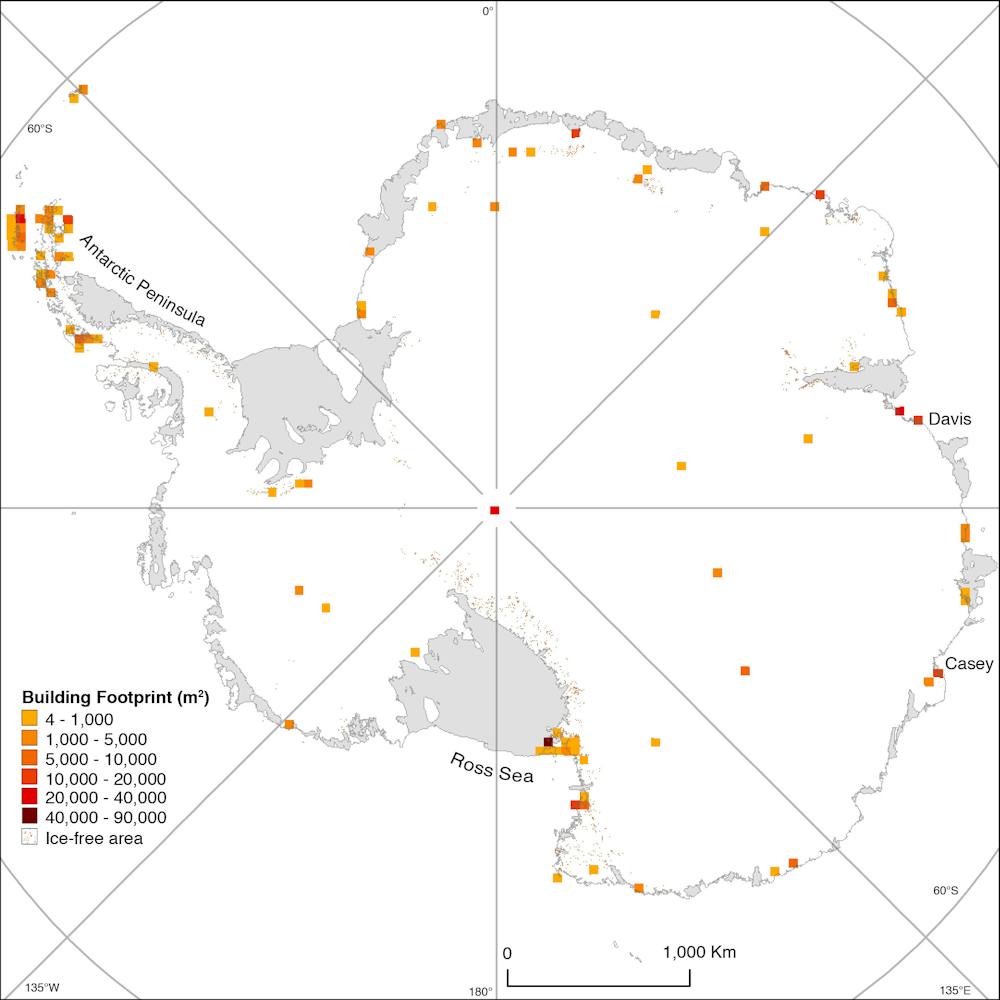
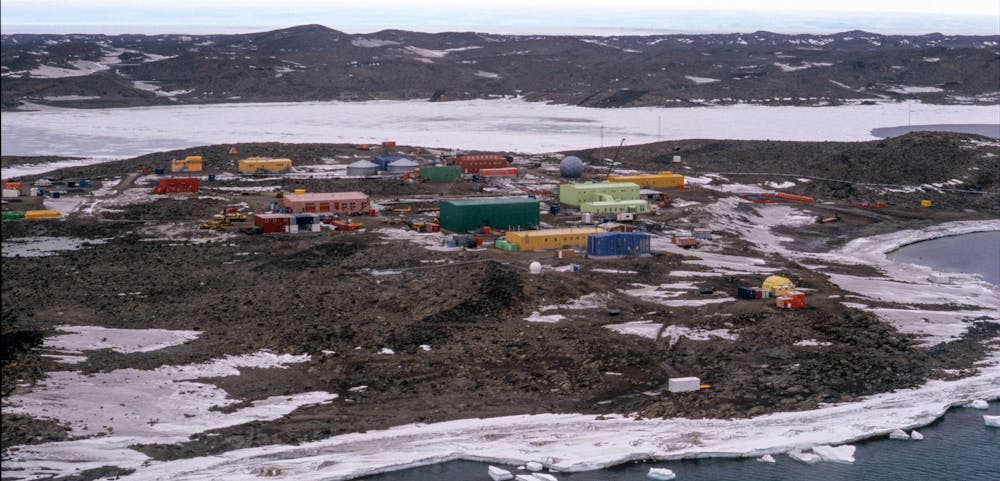









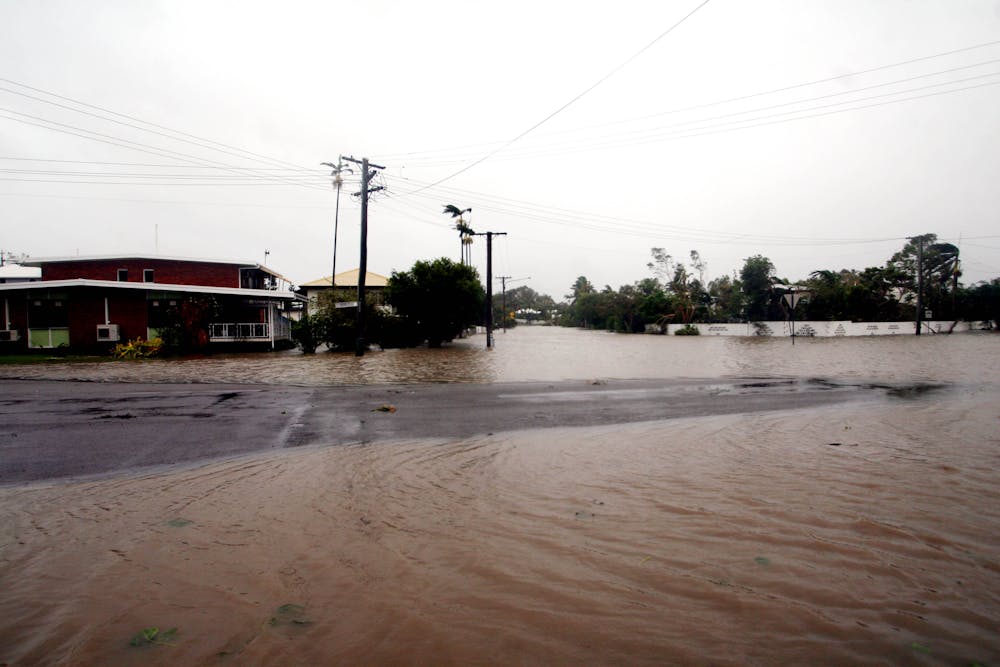


.jpg)