Page 1035

Morrison cuts a swathe through the public service, with five departmental heads gone

Source: The Conversation (Au and NZ) – By Michelle Grattan, Professorial Fellow, University of Canberra

Scott Morrison has announced a dramatic overhaul of the federal public service, cutting the number of departments and creating several new mega ones, while removing five secretaries.

The departments will be reduced from 18 to 14.

But Morrison said there were no changes to his ministry or to portfolio arrangements.

“I’m very pleased, very pleased, with the performance of all of my ministers and the work they’ve been doing,” he told a news conference.

He also said the public service shake up was not a savings measure.

This has been done as a structural issue to better align and bring together functions within the public service so they can all do their jobs more effectively and help more Australians

The new departments are

  • Education, skills and employment, created from the present department of education and department of employment, skills, small and family business

  • Agriculture, water and the environment, which consolidates the department of agriculture, and the environment functions from the current department of the environment and energy

  • Industry, science, energy and resources, which will bring together the present department of industry, innovation and science, the energy functions of the current department of the environment and energy, and the small business functions from the current department of employment, skills, small and family Business.

  • The department of infrastructure, transport, regional development and communications, consolidating the current department of infrastructure, transport, cities and regional development, and the department of communications and the arts.

Services Australia announced by Morrison after the election, will be established as a new executive agency within the social services department.


Read more: Scott Morrison tells public servants: keep in mind the ‘bacon and eggs’ principle


Ten departments are unchanged, Morrison said.

The secretaries who have been dispensed with are: Kerri Hartland (employment); Renée Leon (human services); Mike Mrdak (communications); Daryl Quinlivan (agriculture) and Heather Smith (industry).

It is not known which, if any, were voluntary departures.

Morrison immediately after the election installed his own man, Phil Gaetjens as head of the prime minister’s department, and flagged more changes later.

Morrison is bringing back to the public service Andrew Metcalfe who will head the new agriculture department. Metcalfe was sacked by prime minister Tony Abbott from agriculture.

Morrison said Metcalfe would “bring considerable public policy leadership experience” to the job.

David Fredericks, presently secretary of the environment and energy department becomes secretary of the new industry department.

Morrison said the shrinking of the number of departments was “to ensure the services that Australians rely on are delivered more efficiently and effectively”.

“Australians should be able to access simple and reliable services, designed around their needs. Having fewer departments will allow us to bust bureaucratic congestion, improve decision-making and ultimately deliver better services for the Australian people,” Morrison said.

“The new structure will drive greater collaboration on important policy challenges. For example, better integrating the government’s education and skills agenda and ensuring Australians living in regional areas can access the infrastructure and services they need.”

Andrew Podger, a former public service commissioner who headed several departments, said he was “particularly pleased” to see the department of human services disappear as a department and become an executive agency (Services Australia) in the social services portfolio, although it would have been better if Morrison had gone further and made it a statutory authority.

“But at least we will no longer have the administration of social security payments in a separate portfolio from social security policy,” he said.

“The other mergers make some sense, recreating the ‘mega-dapartment’ structures from the 1987 Hawke years, particularly the combination of education, employment and training, ” Podger said.

“But the main potential benefit of fewer and larger departments is to make cabinet work better, with a smaller cabinet, and with portfolio ministers given more latitude to make decisions (and allocate resources) drawing on their junior ministers.

“If this does not happen, and more departments have two cabinet ministers, that will cause more problems, not fewer ones, particularly for the secretaries giving advice.”


Read more: Grattan on Friday: Morrison can learn a lot from the public servants, but will he listen?


Morrison, asked who would be the senior minister in the new environment and agriculture department, defended having multiple ministers.

“The portfolio minister for the environment Sussan Ley is responsible for the environment and Bridget McKenzie, who is the minister for agriculture, will be responsible for agriculture policy, and David Littleproud is responsible for water policy, Morrison said.

It is not uncommon for departments to have multiple ministers. They have multiple ministers now. And so the officials that work in these departments respond to the minister that is responsible for those portfolio issues. So who’s the senior minister on environment? Well, it’s the minister for the environment. Who’s the senior minister on agriculture? It’s the minister for agriculture. It should be very plain.

Morrison flagged he would next week provide the government’s response to the still-unreleased Thodey review of the public service.

Mrdak said in a frank memo to staff: “I was told of the government’s decision to abolish the department late yesterday afternoon. We were not permitted any opportunity to provide advice on the machinery of government changes, nor were our views ever sought on any proposal to abolish the department or to changes to our structure and operations.”

Opposition leader Anthony Albanese said the changes were about “centralising power”.


Departments and secretaries from February 1, 2020

  • Department of agriculture, water and the environment – Andrew Metcalfe

  • Attorney-general’s department – Chris Moraitis

  • Department of defence – Greg Moriarty

  • Department of education, skills and employment – Michelle Bruniges

  • Department of finance – Rosemary Huxtable

  • Department of foreign affairs and trade – Frances Adamson

  • Department of health – Glenys Beauchamp

  • Department of home affairs – Michael Pezzullo

  • Department of industry, science, energy and resources – David Fredericks

  • Department of infrastructure, transport, regional development and communications – Simon Atkinson

  • Department of the prime minister and cabinet – Philip Gaetjens

  • Department of social services – Kathryn Campbell

  • Department of the treasury – Steven Kennedy

  • Department of veterans’ affairs – Liz Cosson

ref. Morrison cuts a swathe through the public service, with five departmental heads gone – http://theconversation.com/morrison-cuts-a-swathe-through-the-public-service-with-five-departmental-heads-gone-128306

Tick, tock… how stress speeds up your chromosomes’ ageing clock

Source: The Conversation (Au and NZ) – By Szymek Drobniak, DECRA Fellow, UNSW

Ageing is an inevitability for all living organisms, and although we still don’t know exactly why our bodies gradually grow ever more decrepit, we are starting to grasp how it happens.

Our new research, published in Ecology Letters, pinpoints factors that influence one of the most important aspects of the ageing process, at the fundamental level of our DNA. It suggests how stress can cause the biochemical body clock built into our chromosomes to tick faster.


Read more: The search to extend lifespan is gaining ground, but can we truly reverse the biology of ageing?


DNA – the genetic material in our cells – does not float freely in cells’ nuclei, but is organised into clumps called chromosomes. When a cell divides and produces a replica of itself, it has to make a copy of its DNA, and because of the way this process works, a tiny portion is always lost at one end of each DNA molecule.

To protect vital portions of DNA from being lost in the process, the ends of chromosomes are capped with special sequences called telomeres. These are gradually whittled away during successive cell divisions.

Telomeres (highlighted in white) are like molecular buffers for your chromosomes. US Dept of Energy Human Genome Program

This gradual loss of telomeres acts like a cellular clock: with each replication they get shorter, and at a certain point they become too short, forcing the cell into a programmed death process. The key question is what this process, which plays out on a cellular level, actually means for our mortality. Does the fate of individual cells really matter so much? Does the ticking telomere clock really count down the remaining time our bodies have to live?

Cellular ageing is just one of many components of ageing – but it’s one of the most important. Gradual deterioration of our body’s tissues, and the irreversible death of our cells, are responsible for the most conspicuous effects of ageing such as loss of physical fitness, deterioration of connective tissues leading to skin wrinkles, or neurodegenerative diseases such as Parkinson’s disease.

What makes us tick?

Another crucial question is: are there factors that speed up or slow down the loss of our ticking telomeres?

So far, our answers to this question have been incomplete. Studies have provided glimpses of possible mechanisms, suggesting that things like infections or even dedicating extra energy to reproduction might accelerate telomere shortening and speed up cellular ageing.

This evidence is piecemeal, but these factors all seem to have one thing in common: they cause “physiological stress”. Broadly speaking, our cells are stressed when their biochemical processes are disrupted, either by a lack of resources or for some other reason. If cells lose too much water, for example, we might say they are in “dehydration stress”.

More familiar types of stress also count. Tiredness and overwork put us under chronic stress, as does feeling anxious for prolonged periods. Lack of sleep or emotional stress can alter internal cellular pathways, including telomere functioning.

With this in mind, we asked ourselves one simple question. Can various types of stress experienced by an individual actually accelerate their rate of ageing?

Stress and strain

In our research, led by my colleague Marion Chatelain of the University of Warsaw (currently University of Innsbruck), we chose to look at this question as broadly as possible. Many studies have looked at this problem in specific species, such as mice, rats, and various fish and bird species (both wild and in the lab). We compiled the available evidence into a summary of the existing knowledge, across all vertebrate organisms studied so far.

The emerging picture clearly suggests that telomere loss is profoundly impacted by stress. All else being equal, stress does indeed hasten telomere loss and accelerate the internal cellular clock.

Importantly, the type of stress matters: by far the strongest negative impact is caused by pathogen infections, competition for resources, and intensive investment in reproduction.

Other stressors, such as poor diet, human disturbance or urban living, also hastened cellular ageing, although to a lesser extent.

Getting radical

A natural question arises: what makes stress exert such a powerful influence on cellular clocks? Is there a single mechanism, or many? Our analysis may have identified one possible candidate: “oxidative stress”.

When cells are stressed, this often manifests itself through an accumulation of oxidising molecules, such as free radicals. Residing at the exposed ends of our chromosomes, telomeres are perfect targets for attack by these chemically reactive molecules.

Our analysis suggests that, regardless of the type of stress experienced, this oxidative stress might be the actual biochemical process that links stress and telomere loss. As to whether this means that we should eat more antioxidants to guard our telomeres, this certainly requires more research.


Read more: Health Check: the untrue story of antioxidants vs free radicals


I know what you’re wondering: does this mean we have discovered the secret of ageing? Can we use this knowledge to slow the ageing process or stop it in its tracks? The short answer is: no.

Ageing is too fundamental to our biology to get rid of it completely. But our study does underline an important truth: by reducing stress, we can do our bodies a big favour.

In the modern world, it is hard to escape stress completely, but we can make everyday decisions to reduce it. Get enough sleep, drink enough water, eat healthily and don’t push yourself too hard. It won’t buy you eternal life, but it should keep your cells ticking along nicely.


The author thanks his colleagues Marion Chatelain and Marta Szulkin for their contributions to this article and the research on which it is based.

ref. Tick, tock… how stress speeds up your chromosomes’ ageing clock – http://theconversation.com/tick-tock-how-stress-speeds-up-your-chromosomes-ageing-clock-127728

The government wants to privatise visa processing. Who will be held accountable when something goes wrong?

Source: The Conversation (Au and NZ) – By Marina Khan, PhD Candidate, Western Sydney University

The Department of Home Affairs has begun taking steps to outsource its visa processing to private service providers. This move has sparked an important national debate on transparency, accountability and profiteering in the immigration system.

The proposed changes will involve private service providers processing certain “low-risk” visas, rather than department staff.


Read more: Most migrants on bridging visas aren’t ‘scammers’, they’re well within their rights


Home Affairs claims privatisation will improve efficiency and reduce costs. But it also comes with major risks, some we’ve seen already play out in the privatisation of immigration control through commercialised immigration detention, such as on Christmas Island.

These risks include corruption, consumer protection issues and damage to the overall integrity the visa system.

Why privatise in the first place?

Today, migration is big business around the world, with private corporations, contracted by governments, increasingly organising and managing migration across different stages.

The US and Germany, for instance, privatise various functions, including administering visa applications, guarding borders, and organising transport and detention.


Read more: Politics podcast: Peter Dutton on balancing interests in home affairs


Australia first attempted to privatise immigration detention centres in 1996 as part of budget discussions, following an international trend towards arm’s-length management of public services. It was seen as a way to boost efficiency in detention services.

Much of the argument for visa privatisation today is based on similar claims of cost savings and efficiency.

In theory, this model promises greater accountability based on clear economic incentives. If performance falls below agreed standards, private firms risk losing their contracts.

But not only is accountability rarely enforced, several mitigating factors enable under performing companies to remain in business.

Preferential treatment

Close ties between private contractors and government decision makers have kept several detention contractors in business globally. This continues even after reported under-performance and human rights breaches.

What’s more, Home Affairs has already come under scrutiny for preferential treatment in considering the company Australian Visa Processing Consortium (AVP) as a potential contractor.

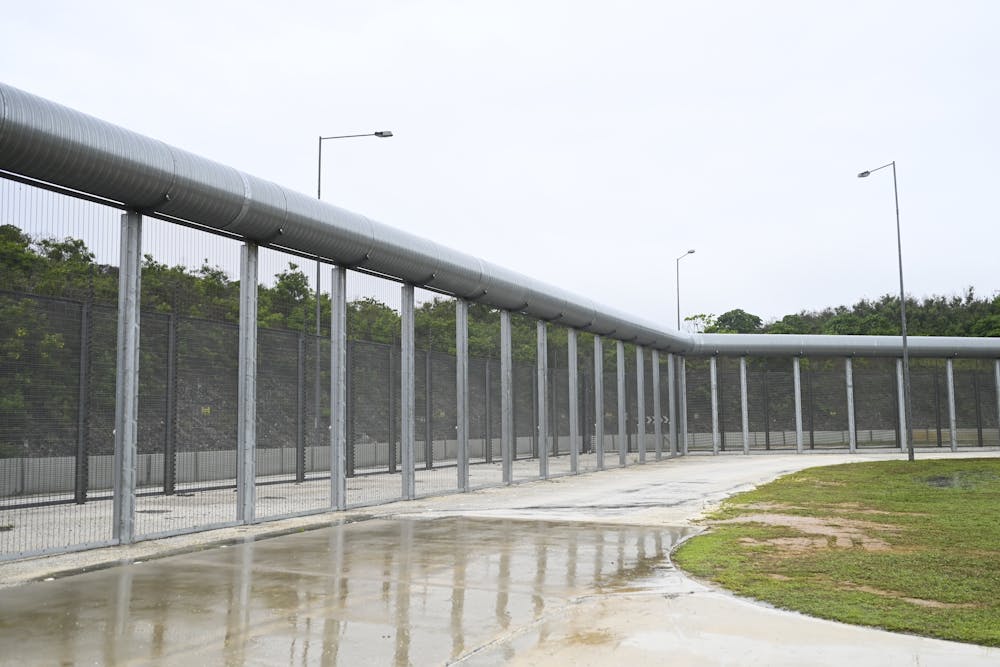
A perimeter fence at Christmas Island. Outsourcing visa processing comes with risks we’ve seen already play out in the privatisation of immigration control. AAP Image/Lukas Coch

It’s also not clear what measures of oversight and surveillance will be applied to the private corporations. Home Affairs claims visa decision-making will still be centrally controlled, but so far the information released has been scarce.

For an estimated A$1 billion of investment into this visa privatisation project, it’s important the government makes this clear.

Big business risks corruption

So who will be accountable if something goes wrong?

In the case of immigration detention centres, privatisation has meant blame is too often shifted between the government and the private contractors.

And the Migration Institute of Australia has pointed to the possible misuse of a commercialised visa platform – private entities seek to generate multiple revenue streams through add-on and “premium” services, such as accommodation, transportation and deportation.

This, too, has happened with Australia’s commercialised immigration detention centres.

And when these services are run in the interests of profit, rather than border governance – dubbed the “immigration-industrial complex”“ – corrupt tactics can be used to benefit the providers’ bottom line.

One example of this is the deliberate slowing down of asylum processing, keeping immigration detention centres fuller for longer.

A privatised visa regime would similarly be more susceptible to corruption risks.

Regulating private companies isn’t easy

While close regulation and monitoring might seem like an easy way to keep these risks at bay, effective regulation is not that simple.


Read more: Politics podcast: Peter Dutton on balancing interests in home affairs


Private entities in immigration are not just “economic actors”, but become critical players in agenda setting, negotiation, and enforcement.

This means networks and alliances of giant multinational corporations, such as the Australian Visa Processing Consortium, can influence regulatory frameworks through lobbying, providing technical expertise and consulting on policy.

Such a consolidation of companies monopolises the market and eliminates competition. This in turn makes governments overly dependent on private services.

What’s more, the corporate interests of private companies is to protect and expand their business.

For instance, companies involved in the goverment’s visa modernisation bid include Accenture and Oracle. Both have allegedly been involved in tax evasion activities globally. Yet, they continue to secure government contracts worth millions, because of the continued reliance on their services.


Read more: Labor’s crackdown on temporary visa requirements won’t much help Australian workers


Such contracts also include “commercial-in-confidence”“ arrangements that conceal information on how taxpayer money is spent, the actual value for money to the public, and whether there are adequate protections against conflicts of interest.

The government also hasn’t been clear about the extent to which the privatisation partnership will be scrutinised under consumer protection provisions or government agencies such as the Ombudsman.

While various stakeholders have been involved in the privatisation consultation process, little attention has been paid to more rigorous governmental inquiry. This would involve, for instance, recommendations from the Productivity Commission or the Australian National Audit Office.

For so much investment, Home Affairs must provide sufficient information to the Australian public on their visa modernisation project, and address the many questions around risk mitigation.

ref. The government wants to privatise visa processing. Who will be held accountable when something goes wrong? – http://theconversation.com/the-government-wants-to-privatise-visa-processing-who-will-be-held-accountable-when-something-goes-wrong-127618

Left-leaning Australians may look to New Zealand with envy, but Ardern still has much work to do

Source: The Conversation (Au and NZ) – By Grant Duncan, Associate Professor for the School of People, Environment and Planning, Massey University

In October 2017, 37-year-old Jacinda Ardern became prime minister of New Zealand. The world looked longingly at a young and inspiring female leader who had unexpectedly catapulted the Labour Party into office.

Ardern promised that kindness, compassion and carbon-neutrality would bless the Antipodes. She then gave birth to a beautiful girl and took six weeks’ parental leave, after which dad took over as caregiver. And baby made a star appearance at the UN General Assembly. She was widely praised for her compassionate responses to the terrorist attacks on two mosques in Christchurch on March 15.

Across the Pacific, Australians unhappy with their own conservative government may have been, and may continue to be, envious of New Zealand as a bastion of progressive, compassionate government.


Read more: Centre-left politics: dead, in crisis, or in transition?


But on closer inspection, it may not be as compassionate as it seems. US President Donald Trump, for example, envies New Zealand its tough, skills-based immigration policy. And it doesn’t need a wall to keep people out, thanks to the Pacific Ocean.

Despite all the lauding of the Ardern government, Kiwis who have left for life in another country – including the 600,000 in Australia – are not flocking home. It may have something to do with higher incomes and better weather.

Indeed, sometimes New Zealand likes to emulate Australia. Ardern sensibly copied John Howard’s post-Port Arthur firearms ban after the Christchurch attack. It’s genuinely tragic that New Zealand didn’t follow Australia’s example back in 1996. Lives would have been saved.

The Ardern you meet face to face is “as seen on TV” – a highly intelligent and empathetic person. There’s nothing fake about her. But the business of government is complex, grinding and (when you fail) unforgiving. And, in a democracy, it’s not about one person.

Due to proportional representation, to be prime minister of New Zealand, you have to build and maintain coalition relationships with other parties, some of whom you may share little in common.

Like a curmudgeonly uncle who spoils the youngsters’ Christmases, the veteran conservative populist Winston Peters has been propping up Ardern’s coalition government as deputy prime minister. And that deal came with a big price-tag, including a one-billion-dollar-per-annum provincial growth fund. It also gave Peters the power to block progressive policies, such as a tougher capital-gains tax.

Ardern over-promised on policy, especially on solving the housing crisis, and is now seen as struggling to deliver.

Auckland’s housing market remains one of the world’s least affordable – although not outdoing Sydney. Many Kiwis are still struggling with costs of living.

Ardern created an indefinable aura of promise – about a better and “kinder” politics – that resonated emotionally. In May 2018, Facebook called her the world’s “most loved” leader.

People often fall in love, but then they fall out of it. The beloved was supposed to make bad things go away. But the unspoken promise doesn’t materialise.

Disappointment

There is now disappointment that Ardern wouldn’t visit the land-claim protestors at Ihumātao, that she isn’t fixing the country’s electoral-finance laws, and that it took the Labour Party six months to investigate a serious sexual assault against a young female party volunteer – and even then they botched it.

Ardern readily accepts that there is still a lot to fix.

But the latest polls suggest that the next election, due in November 2020, may not go Labour’s way, and so she may not be around to fix stuff.

Ardern’s rise to power, domestically and globally, meant shouldering a burden of frustrated left-wing hopes and dreams, most of them needing radical reforms – too radical for Peters.

Ardern did not follow her predecessor Helen Clark’s third-way maxim – “under-promise and over-deliver”.


Read more: Politics podcast: Jacinda Ardern on her political life


New Zealand’s three-year parliamentary term means that a new government has to face the electorate before it has had a chance to produce results.

In the May 2020 Budget we can expect big new capital expenditure to raise employment and incomes, and to fix some problems. But it remains to be seen whether Labour and the Greens can muster enough voters to overcome Kiwi conservatism.

The opinions of many Kiwis are sufficiently of the protectionist “New Zealand first” variety that, if a wave of refugees were to arrive, the reactions would be just as polarising as they have been in Australia.

In a large online survey in 2017, 55% agreed that the numbers of immigrants arriving were “too high”, nearly 53% believed new arrivals should be told “do things the Kiwi way”, and 72% said New Zealand should “strictly control foreign ownership of property”. The numbers of immigrants have not declined much since 2017.

New Zealand’s populist and decidedly less progressive politics are discernible, if you ask the right questions. It’s just not obvious at the moment to the outside observer.

So if you feel a twinge of Kiwi-envy, just remember it always pays to take a closer look.

ref. Left-leaning Australians may look to New Zealand with envy, but Ardern still has much work to do – http://theconversation.com/left-leaning-australians-may-look-to-new-zealand-with-envy-but-ardern-still-has-much-work-to-do-128227

To stop a tech apocalypse we need ethics and the arts

Source: The Conversation (Au and NZ) – By Sara James, Senior Lecturer, Sociology, La Trobe University

If recent television shows are anything to go by, we’re a little concerned about the consequences of technological development. Dystopian narratives abound.

Black Mirror projects the negative consequences of social media, while artificial intelligence turns rogue in The 100 and Better Than Us. The potential extinction of the human race is up for grabs in Travellers, and Altered Carbon frets over the separation of human consciousness from the body. And Humans and Westworld see trouble ahead for human-android relations.

Narratives like these have a long lineage. Science fiction has been articulating our hopes and fears about technological disruption at least since Mary Shelley’s Frankenstein (1818).

However, as the likes of driverless cars and robot therapists emerge, some previously fictional concerns are no longer imaginative speculation. Instead, they represent real and urgent problems.


Read more: Artificial Intelligence should benefit society, not create threats


What kind of future do we want?

Last year, Australia’s Chief Scientist Alan Finkel suggested that we in Australia should become “human custodians”. This would mean being leaders in technological development, ethics, and human rights.

Finkel isn’t alone in his concern. But it won’t be simple to address these issues in the development of new technology.

Many people in government, industry and universities now argue that including perspectives from the humanities and social sciences will be a key factor.

A recent report from the Australian Council of Learned Academies (ACOLA) brought together experts from scientific and technical fields as well as the humanities, arts and social sciences to examine key issues arising from artificial intelligence.

According to the chair of the ACOLA board, Hugh Bradlow, the report aims to ensure that “the well-being of society” is placed “at the centre of any development.”

Human-centred AI

A similar vision drives Stanford University’s Institute for Human-Centered Artificial Intelligence. The institute brings together researchers from the humanities, education, law, medicine, business and STEM to study and develop “human-centred” AI technologies. The idea underpinning their work is that “AI should be collaborative, augmentative and enhancing to human productivity and quality of life”.

Meanwhile, across the Atlantic, the Future of Humanity Institute at the University of Oxford similarly investigates “big-picture questions” to ensure “a long and flourishing future for humanity”.

The centre is set to double in size in the next year thanks to a £13.3 million (A$25 million) contribution from the Open Philanthropy Project. The founder of the institute, philosopher Nick Bostrom, said:

There is a long-distance race on between humanity’s technological capability, which is like a stallion galloping across the fields, and humanity’s wisdom, which is more like a foal on unsteady legs.


Read more: Six ways robots are used today that you probably didn’t know about


What to build and why

The IT sector is also wrestling with the ethical issues raised by rapid technological advancement. Microsoft’s Brad Smith and Harry Shum wrote in their 2018 book The Future Computed that one of their “most important conclusions” was that the humanities and social sciences have a crucial role to play in confronting the challenges raised by AI:

Languages, art, history, economics, ethics, philosophy, psychology and human development courses can teach critical, philosophical and ethics-based skills that will be instrumental in the development and management of AI solutions.

Hiring practices in tech companies are already shifting. In a TED talk on “Why tech needs the humanities”, Eric Berridge – chief executive of the IBM-owned tech consulting firm Bluewolf – explains why his company increasingly hires humanities graduates.

While the sciences teach us how to build things, it’s the humanities that teach us what to build and why to build them.

Only 100 of Bluewolf’s 1,000 employees have degrees in computer science and engineering. Even the Chief Technology Officer is an English major.

Tech CEO Eric Berridge explains why his company hires humanities graduates.

Education for a brighter future

Similarly, Matt Reaney, the chief executive and founder of Big Cloud – a recruitment company that specialises in data science, machine learning and AI employment – has argued that technology needs more people with humanities training.

[The humanities] give context to the world we operate in day to day. Critical thinking skills, deeper understanding of the world around us, philosophy, ethics, communication, and creativity offer different approaches to problems posed by technology.

Reaney proposes a “more blended approach” to higher education, offering degrees that combine the arts and STEM.

Another advocate of the interdisciplinary approach is Joseph Aoun, President of Northeastern University in Boston. He has argued that in the age of AI, higher education should be focusing on what he calls “humanics”, equipping graduates with three key literacies: technological literacy, data literacy and human literacy.

The time has come to answer the call for humanities graduates capable of crossing over into the world of technology so that our human future can be as bright as possible.

Without training in ethics, human rights and social justice, the people who develop the technologies that will shape our future could make poor decisions. And that future might turn out to be one of the calamities we have already seen on screen.

ref. To stop a tech apocalypse we need ethics and the arts – http://theconversation.com/to-stop-a-tech-apocalypse-we-need-ethics-and-the-arts-128235

Aquariums, meerkats and gaming screens: how hospital design supports children, young people and their families

Source: The Conversation (Au and NZ) – By Stephanie Kathleen Liddicoat, Lecturer, Architectural Design, Swinburne University of Technology

Welcome to the next article in our Designing Hospitals series, where we explore how architecture and design shape our hospitals and medical centres. Today, we look at how good design affects mental health and well-being, particularly in young people.


Every time you take your child to the emergency department or a loved one to a mental health outpatient appointment, the very building and spaces you encounter will have been designed, for a number of reasons.

Not only will these spaces be functional, their designs encourage patients to seek help or act to relieve stress. This type of design looks at how buildings and landscapes improve mental health.


Read more: From army barracks to shopping malls: how hospital design has been a matter of life and death


Just as evidence-based medicine uses evidence to inform clinical practice, evidence-based design informs architects and other designers how to design our hospitals, surgeries and clinics to improve patient care.

So, how does this type of design influence how we plan and build spaces with mental health and well-being in mind?


Read more: Build me up: how architecture can affect emotions


Show me the evidence

Evidence-based design, which has become more popular in the past three decades, assumes an intimate connection between health-care facilities and patient well-being.

It uses a wide range of measures to assess how someone’s psychological response to a built environment influences physiological, cognitive and functional outcomes.

The aim is to provide evidence for what works and what doesn’t to improve recovery from mental ill-health, by reducing hospital stays, distress, anxiety and aggression, while promoting staff performance and retention.

This interactive gaming screen at Monash Children’s Hospital reduces the anxiety of waiting for an appointment, while encouraging socialisation. Ouva

For instance, one key piece of research found people recovered faster after surgery, and used fewer painkillers, if their hospital bed overlooked a natural scene (like a garden) rather than a brick wall.


Read more: Green for wellbeing – science tells us how to design urban spaces that heal us


Over the same time as evidence-based design has grown in popularity, there has been a growing emphasis in mental health on providing user-friendly services and improving user and carer experiences.

In Australia, this has become particularly apparent in youth mental health.


Read more: 3 in 4 people with a mental illness develop symptoms before age 25. We need a stronger focus on prevention


According to the World Health Organisation’s guidelines, quality, youth-friendly health services need to be “accessible, acceptable and appropriate”, and offered in the right place, at the right time and price. They must also be in the “right style” for young people, their supporters and the broader community.

Here are two principles of how this works when designing for mental health and well-being.

1. Involve young people and their carers early in the design process

If you include young people’s needs and perspectives when designing a mental health service, this improves their engagement in that service, the quality of care and their health.

For most young people, their relationships with family members and other primary carers also play a key role in their mental health and recovery.

So, providing appropriately designed spaces for both young people and their carers is critical.

The Royal Children’s Hospital, Melbourne: hospital or art gallery? Bates Smart

On a practical level, this might mean providing comfortable spaces for young people, their supporters and clinicians to meet; providing privacy so they can’t be overheard or seen; or designing waiting areas for small groups.

For instance, Melbourne’s Orygen youth mental health facility, which opened in 2018, consulted extensively with young people, family and carers throughout the design process.

When young people enter the facility, they are greeted by a trained concierge rather than a formal reception area, and provided with a range of seating options, both inside and out.

Meanwhile, family members can take a leisurely stroll along several landscaped walking tracks while their loved one has their appointment.

These principles have also been applied to other health facilities for children, not just those specialising in mental health.

For instance, Monash Children’s Hospital has a large interactive gaming screen, where children and parents can pass the time waiting for their appointment.

This reduces the anxiety of waiting for an appointment, while encouraging the positive effects of socialisation within and between families.

2. Change people’s expectations of care

Some people find it stigmatising to access mental health care. But the physical setting can help people reframe their expectations about what their care might entail.

So, we move away from expectations of “control” or “incarceration” to expectations of comfort, well-being and care.

This shift helps people better engage with health-care professionals, improving their experiences of care and their well-being.

Look, meerkats! Melbourne’s Royal Children’s Hospital has a permanent meerkat enclosure, much to the delight of children and their carers. Green and Dale Associates

So, the environment must be comfortable, familiar and de-institutional. It must reduce the visibility of security and safety features, while providing activities that support well-being and mindfulness, such as courtyards, communal gardens, natural environments, art-based activities and social opportunities.

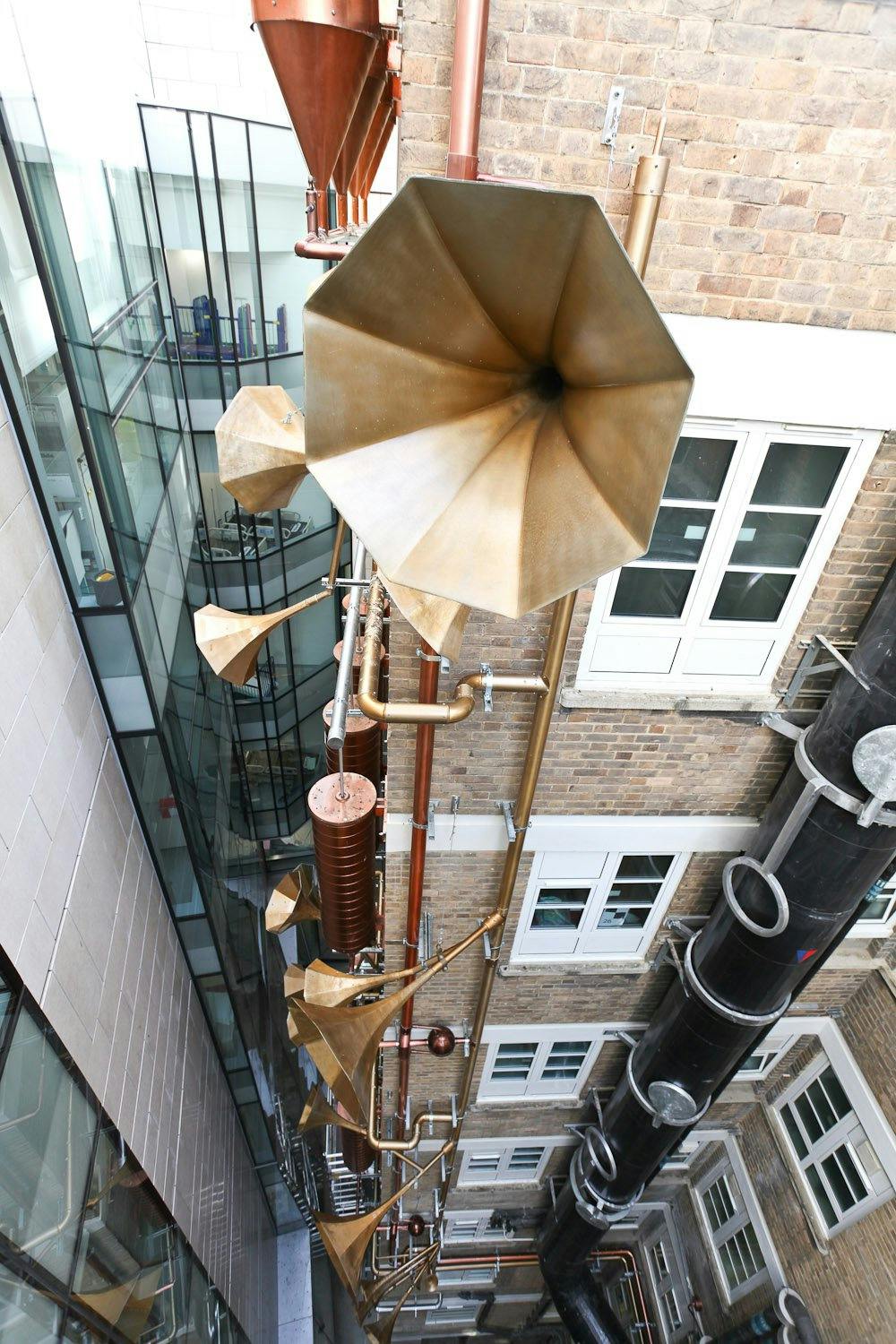
These huge musical instruments are part of London’s Great Ormond Street Hospital’s ‘lullaby factory’. Studio Weave

Reframing expectations is also critical when designing more general children’s facilities.

For instance, Melbourne’s Royal Children’s Hospital has a meerkat enclosure, interactive gaming screen, sculptures, an aquarium, and a children-only activity room.

These types of features give the impression of the hospital, not as a frightening or intimidating place, but of an exciting hub of activity with things to do and friends to meet.

Likewise, London’s Great Ormond Street Hospital for Children has been transformed into a “lullaby factory”. Here, giant musical phones and instruments weave their way between hospital buildings, playing music to captivated children and families.

What can we expect in the future?

Despite these encouraging efforts, there is still a long way to go before the influence of evidence-based design on mental health care is truly felt.

Despite its broad adoption, it is critiqued for being too rigid, using broad or ill-defined research terms, or for claiming connections between an isolated variable in the environment and a behaviour, when such straight-forward connections are not guaranteed.

So we need to commit more time, energy, resources, and transdisciplinary collaborations in this crucial area of mental health service delivery to address these concerns.


Read more: To really fix Victoria’s mental health system, we’ll need to bridge the state/Commonwealth divide


In positive news, the recent interim report from Victoria’s mental health royal commission recognises the importance of appropriately designed mental health-care facilities.

It recommends new acute mental health beds that are “contemporary, co-designed with people with lived experience”.

It’s important these new facilities and services thoughtfully respond to the mental health needs of children and young people, to ensure accessible and appropriate support when they need it most.


Read other articles in our Designing Hospitals series:

From army barracks to shopping malls: how hospital design has been a matter of life and death

ref. Aquariums, meerkats and gaming screens: how hospital design supports children, young people and their families – http://theconversation.com/aquariums-meerkats-and-gaming-screens-how-hospital-design-supports-children-young-people-and-their-families-122198

Scientists fear insect populations are shrinking. Here are six ways to help

Source: The Conversation (Au and NZ) – By David Yeates, Director of the Australian National Insect Collection, CSIRO

Are you planning a big garden clean-up this summer, or stocking up on fly spray to keep bugs at bay? Before you do, it’s worth considering the damage you might cause to the insects we share the planet with.

Australia’s insect populations are under pressure. The problem is better known in the Northern Hemisphere, where over the past few years scientific studies have reported alarming declines in insect numbers.

We don’t yet have a true understanding of what is happening in Australia. This week, scientists gathered in Brisbane at the Australian Entomological Society conference to discuss the extent of the problem. Evidence suggests several species and populations are under threat.

Some might see insects as small and insignificant, but they perform functions crucial to sustaining life on Earth. There are several simple steps you can take to address insect decline in your area, or even help scientists keep tabs on the problem.

A gold wasp. Australian insect declines have not been well documented. Oliver Niehuis/Australian Science Media Centre

We need to know more

In Australia, we know iconic species such as the bogong moth, green carpenter bee and Key’s matchstick grasshopper are in decline. There is documented evidence for the extinction of two Australian insect species, but this is probably just the tip of the iceberg.

A research review published this year suggested more than 40% of insect species globally are threatened with extinction over the next few decades. However, this estimate was based on limited studies of a few iconic insect groups in western Europe and the US.


Read more: Scientists re-counted Australia’s extinct species, and the result is devastating


Such findings should be taken with caution. We do not have enough evidence to extrapolate to the whole planet.

Despite this, factors affecting insect populations overseas – such as habitat loss, climate change and insecticide use – most likely also apply in Australia. Bushfires and drought on this continent can also affect insect populations.

There are no published studies documenting insect decline in Australia, but anecdotal reports from entomologists suggest lower than average populations across a number of species. However, very few of our estimated 250,000 insect species are being formally monitored.

A Pelecorhynchid fly. Studies suggest insect populations are declining, but data in Australia is scarce. CSIRO Entomology

Why you should care

Insects pollinate plants, dispose of waste and control pests, among other functions. The planet would cease to support life without the services insects provide.

If insect populations are in decline, so are the populations of larger animals such as birds and lizards that feed on them.


Read more: You can help track 4 billion bogong moths with your smartphone – and save pygmy possums from extinction


In NSW, bogong moths are a staple food for mountain pygmy possums. A collapse in the moth population would lead to possums going hungry, which affects their breeding success.

Australia’s threatened species strategy prioritises action to protect 20 bird species – 14 of which feed partially or solely on insects.

Mountain pygmy possums feed on bogong moths. Tim Bawden

Six ways to help insects

Insects are small and can inhabit hidden places, so you may not realise how many exist around you. Here are a few ways to help prevent insect decline in your home and elsewhere:

Household insecticide use can damage local insect populations. Flickr

1. Entice insects to your garden: Lawn is a virtual desert for insects, so if you don’t really need it, cultivate insect-friendly native plants instead. Plan to have something flowering most of the year and aim for a variety of plant heights and structures, such as tall trees, thick shrubs and ground cover.

2. Put the fly spray away: Insecticides have become very efficient in recent years. They indiscriminately kill all insects, not just the ones you’re trying to get rid of. If you have to use insect spray, do so sparingly.

And whenever you can, choose food produced without lots of pesticides. These products are sold with labels such as organic, biodynamic, or chemical-free.

3. Turn off the lights: If you don’t need that outdoor light on all night, turn it off: the moths in your area will thank you. Many nocturnal insects can’t resist the light, but it disrupts their navigation system. This plays havoc with their ability to feed and reproduce.

4. Build them a home: Think about installing an insect hotel – a small structure of hollows for insects to rest and lay eggs in. Or simply leave dead wood or small areas of bare ground for insects to build nests in. If you don’t have a garden, join a local tree-planting group, or convince your council to plant more natives.

A flower fly. Scientists need help form the public to track insect numbers. Denis Anderson/CSIRO

Read more: How many species on Earth? Why that’s a simple question but hard to answer


5. Resist the urge to clean up: If there is a section of your garden, local park or nature strip that is unkempt, leave it that way. What looks untidy to you is a great place for insects to live.

6. Track insects on your smart phone: Scientists need help to better understand what is happening to our insects. Citizen science apps such as iNaturalist Australia, Wild Pollinator Count, the Atlas of Living Australia and Butterflies Australia help gather valuable information about insect biodiversity, so solutions can be targeted to problem areas.

ref. Scientists fear insect populations are shrinking. Here are six ways to help – http://theconversation.com/scientists-fear-insect-populations-are-shrinking-here-are-six-ways-to-help-128213

To restore public confidence in apartments, rewrite Australia’s building codes

Source: The Conversation (Au and NZ) – By Geoff Hanmer, Adjunct Lecturer in Architecture, UNSW

A prestige apartment building in Sydney built by a well-known developer is undergoing a second replacement of a terrace waterproof membrane five years after replacement of the first one, which had leaked from completion. The second membrane almost certainly complied with the National Construction Code (NCC) and was certified as compliant; the first one might also have complied. Yet, for 15 years, owners and tenants living under the terraces have put up with mouldy walls, carpets and ceilings because the code does not adequately control waterproofing materials and methods.

A key assumption made by governments and regulators has been that confidence will return to the market if apartments are built to meet National Construction Code requirements. As the story above shows, complying with the code alone will not be enough to fix many common defects. Public confidence will still be lacking.


Read more: Lack of information on apartment defects leaves whole market on shaky footings


In 2017, the Building Ministers’ Forum, the group of federal, state and territory ministers responsible for building regulation in Australia, commissioned a report from Peter Shergold and Bronwyn Weir. Their report said there was “… diminishing public confidence that the building and construction industry can deliver compliant, safe buildings which will perform to the expected standards over the long term”.

Since then, the high-profile structural failure and evacuation of Opal Tower on Christmas Eve 2018, the cladding fire at Neo200 in February 2019 and the structural failure and evacuation of Mascot Towers in June 2019 have kept this issue in the media spotlight. If anything, the public crisis of confidence has deepened.


Read more: Housing with buyer protection and no serious faults – is that too much to ask of builders and regulators?


Part of the problem is the code itself

The National Construction Code originated as a minimum standard to deliver structural integrity and fire safety. It was never intended to provide effective control over all the aspects of building work that make houses or apartments liveable and durable. This might come as a surprise to many people, including those in government, but it is inherent to the “minimum standard” approach that underpins the structure and objectives of the code.

The objectives on page 9 of volume 1 of the code, which covers apartments, are instructive:

1) ensure requirements have a rigorously tested rationale; and

2) effectively and proportionally address applicable issues; and

3) create benefits to society that outweigh costs; and

4) consider non-regulatory alternatives; and

5) consider the competitive effects of regulation; and

6) not be unnecessarily restrictive.

In attempting to consider “competitive effects”, avoid being “restrictive” and by encouraging “non-regulatory alternatives”, including self-certification and self-regulation, the code has opened the door to an “anything goes” mentality on many fronts.

Waterproofing requirements for houses and apartments under section F of the code are clearly ineffective, for a start.

The relevant Australian Standards, AS 4654.1 and AS 4654.2, were written with a lot of input from the building materials supply industry. The standards permit the use of unsuitable waterproofing membranes in many situations, particularly where ceramic tiles are directly bonded to an inappropriate liquid-applied membrane. As the example at the start of this article shows, this solution rarely lasts longer than four or five years and considerably less in some cases.

Rectification is expensive and inconvenient. It involves hacking up and replacing all the tiles.

In addition, every apartment building built without a step in the slab at the junction between walls and floors will probably develop leaks within a similar timeframe.

These practices are driven by the desire to save a few dollars in construction cost, not by a commitment to deliver a required standard of durability. Durability is not part of the code objectives.


Read more: Would you buy a new apartment? Building confidence depends on ending the blame game


How can the code be fixed?

We could improve the code in a number of simple ways:

  1. Class 1 (houses) and class 2 (apartments) buildings should both be in volume 2, which would be dedicated to housing intended for sale. Houses and apartments should be required to be “fit for purpose” with a clearly stated objective to provide protection to the buyer. These should include a mandatory minimum statutory warranty of seven to ten years, backed by government.

  2. The required durability of waterproofing membranes and details for all housing, and class 2 apartments in particular, must be clearly stated. Waterproofing should be required to last at least 25 years without significant maintenance, and perhaps 40 years for buildings where access to the waterproofing element requires demolition or is fundamentally difficult. Details that are not durable, including slabs without steps at wall junctions, or terrace and balcony tiles directly bonded to liquid-applied waterproof membranes, should be banned.

  3. The structure of an apartment should be required to last with no substantial maintenance for at least 50 to 60 years. The minimum expectation for durability for any envelope component and associated finishes on buildings over three storeys should be 25 years, and perhaps 40 years for taller buildings.

  4. The “performance requirements” of section F of the code, “Health and Amenity”, should be expanded to ensure apartments are comfortable, economical to maintain and sustainable.


Read more: Australia has a new National Construction Code, but it’s still not good enough


Some developers are already delivering well-designed apartment buildings that are durable and fit for purpose. They are to be commended. The problem for buyers is identifying these amid a sea of dross.

For new houses and apartments, we need to ensure the National Construction Code matches community expectations on fitness for purpose and durability. This requires a return to more active and interventionist regulatory framework, including putting independent “eyes on the site” to inspect work during construction.

ref. To restore public confidence in apartments, rewrite Australia’s building codes – http://theconversation.com/to-restore-public-confidence-in-apartments-rewrite-australias-building-codes-126678

Explainer: the ideas of Kant

Source: The Conversation (Au and NZ) – By Cat Moir, Senior Lecturer in Germanic Studies, University of Sydney

It was claimed Immanuel Kant’s routine was so predictable his neighbours could set their clocks by his daily walk.

Born in 1724 in the Prussian town of Königsberg (now Kaliningrad, Russia), Kant had a strict education and traditional Protestant upbringing. At 16, he enrolled at university to study philosophy.

A painting of Kant by Gottlieb Doebler. Wikimedia Commons

After a time working as a tutor and lecturer, in 1770 Kant was appointed Professor of Logic and Metaphysics at the University of Königsberg. He never married, and seems never to have left his home town again after 1754.

But from this small Prussian town, his ideas spread to influence science, religion, politics and art to this day.


Read more: Explainer: the ideas of Foucault


Faith and knowledge

During Kant’s lifetime, people believed God had created us to understand the world perfectly. But the rise of modern science challenged this view.

In Critique of Pure Reason (1781), Kant argued the way the world seems is not an accurate reflection of how it really is.

He said our minds create a picture of the world based on what we perceive through our senses. “Knowledge” is not simply a representation of external reality: it is a construction.

This was a new and controversial idea. It implied that, since we cannot experience God through the senses, we cannot know that God exists – we can only have faith in his existence.

In a still largely Christian Europe, Kant was censored for these views. In 1793, the Prussian King Friedrich Wilhelm II threatened Kant with punishment if he published further on religion.

Categorical imperative

Despite censorship, questioning of God remained central to Kant’s work.

In Critique of Practical Reason (1788), Kant asked how we know what we should do. Through faith in God, he said, we have access to a moral law that tells us how to act.

Kant and Friends at Table, by Emil Doerstling, captures the spirit of debate among Kant and his peers. Wikimedia Commons

At the centre of Kant’s ethical theory was the “categorical imperative”: we must always act in such a way that we believe would be just under a universal law.

Perhaps it is easiest to understand this as a version of the “golden rule”: do unto others as you would have them do unto you.

The sublime

Kant wanted to understand the natural world, but he was also curious about how it makes us feel. In Critique of Judgement (1790), Kant wondered why people found gardens and pastoral settings beautiful, while mountains and the night sky invoked a frightened awe he called “the sublime”.

Caspar David Friedrich’s Wanderer Above the Sea of Fog captures Kant’s idea of the sublime. Wikimedia Commons

Kant believed we experience terror in the face of nature when it reminds us of our own small and fleeting place on earth. Kant’s theory of the sublime inspired a generation of artists in awe of the mysterious powers of nature.

Racial ‘science’

Many of Kant’s ideas are now outdated.

Kant believed that certain differences between people are innate. In On the Different Human Races (1775), he argued there is only one human species but people of different “races” have different inborn characteristics and abilities.

These ideas helped to establish a pseudo-scientific basis for racism, which was used to justify colonial oppression and genocide.

By considering European societies as the ideal model of human development, Kant argued that not all races were capable of achieving the same level of “civilization” as European ones. This aspect of Kant’s thinking reveals how racism has historically been deeply entangled with the concept of civilization.

The age of Enlightenment

Kant was a public intellectual who wrote for a broad audience. As more people became educated and literate, a public sphere emerged in which people engaged in reasoned debate: the age of Enlightenment.

Kant’s What is Enlightenment? Wikimedia Commons

The term “Enlightenment” was first used in 18th century France, but Kant gave us the classic definition. In An Answer to the Question: What is Enlightenment? (1784), Kant wrote that Enlightenment was about people thinking freely for themselves – rather than relying on authorities.

Although Kant believed in free speech, he was not a democrat. In the Enlightenment essay, he praised the institution of monarchy, and was quick to condemn the violence of revolutions.

Kant believed that political freedom would increase through gradual historical progress rather than through revolution. In Perpetual Peace: A Philosophical Sketch (1795), he imagined a future secured by an international federation of republics.

Influence and relevance

We are far from the future of “perpetual peace” Kant imagined, but his ideas are still relevant for thinking through modern challenges.

His theory of knowledge still broadly underpins modern science. When scientists create models, they understand that these are representations – not the real thing.

Kant’s theory of the sublime can help us to understand why climate change provokes such strong feelings in us: it makes us reflect on our own transience.

His ideas about Enlightenment influence debates about education and free speech, and his concept of international federalism can be seen in the United Nations.

Many scholars and activists still appeal to Kant to understand the origins of some of our most faulty and deeply entrenched ideas about race.

Finally, in a time of tightening borders, Kant’s concepts of “world citizenship” and “universal hospitality” can provoke us to think critically about peace, migration, and international relations.

ref. Explainer: the ideas of Kant – http://theconversation.com/explainer-the-ideas-of-kant-121881

GDP update: spending dips and saving soars as we stash rather than spend our tax cuts

Source: The Conversation (Au and NZ) – By Peter Martin, Visiting Fellow, Crawford School of Public Policy, Australian National University

Australians saved rather than spent most of the budget tax cuts, almost doubling the proportion of household income saved, leaving spending languishing.

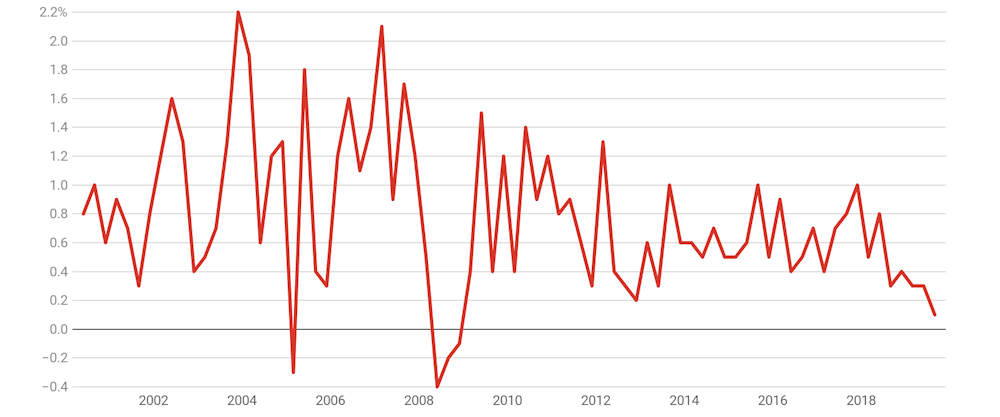
The September quarter national accounts show that in the first three months of the financial year real household spending grew by just 0.1%, the least since the global financial crisis.

Over the year to September, inflation-adjusted spending grew by a mere 1.2%, also the least since the financial crisis. Australia’s population grew by 1.6% in that time, meaning the volume of goods and services bought per person went backwards.


Quarterly growth in household spending

Household final consumption expenditure, quarterly real growth. Australian National Accounts

Separate figures released by the Federal Chamber of Automotive Industries on Wednesday show November new car sales were down 9.8% on November 2018.

By the end of November the Tax Office had issued more than 8.8. million tax refunds totalling A$25 billion, 30% more than a year before.

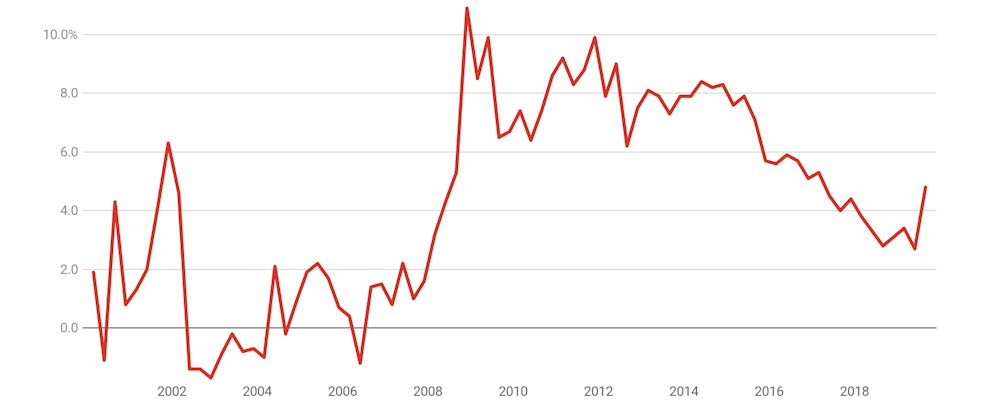
Instead of being largely spent, they were mostly saved, pushing up the household saving ratio from 2.7% to 4.8%, its highest point in more than two years.


Household saving ratio

Ratio of household net saving to household disposable income. Australian National Accounts

Treasurer Josh Frydenberg put the best face on the result, saying whether they had been spent or saved, the cuts had put households in a stronger position.

The government’s goal has always been to put more money into the pockets of the Australian people, and it’s their choice as to whether they spend or save that money

Separately calculated retail figures show that in the three months to September the volume of goods and services bought fell 0.1%.

The disposable income households had available to spend grew an outsized 2.5%, driven by what the Bureau of Statistics said were the budget tax cuts.

Growth at GFC lows

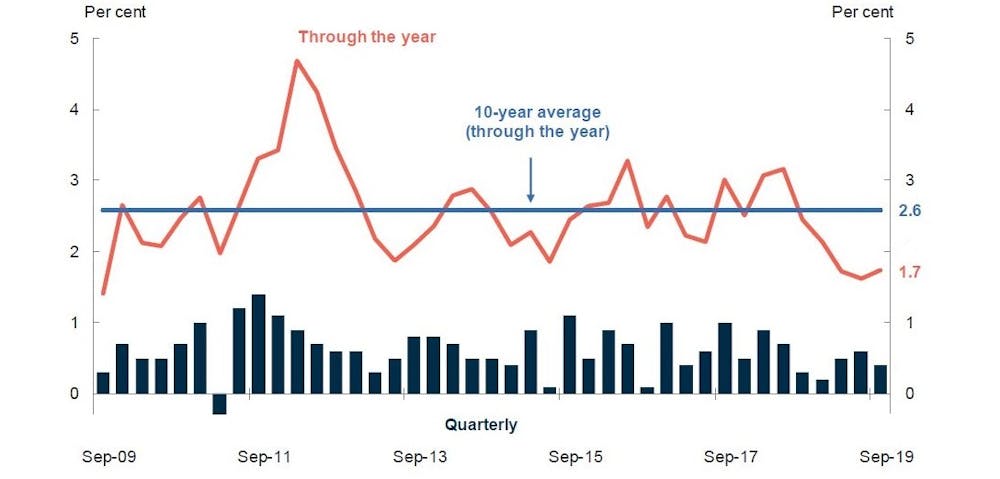
The Australian economy grew just 0.4% in the three months to September, down from 0.6% in the June quarter, and 0.5% in the March quarter.

Over the year to September it grew 1.7%, well short of the budget forecasts, which in year average terms were 2.25% for 2018-19 and 2.75% for 2019-20.


Real GDP growth

ABS, Commonwealth Treasury

After taking account of population growth, GDP per person grew not at all in the September quarter. Over the year to September it grew only 0.2%.

Gross domestic product per hour worked, which is a measure of productivity, fell 0.2% during the quarter and fell 0.2 over the year.

Company profits were up 2.2% in the quarter and 12.7% over the year. Wage and superannuation payments grew at about half those rates: 1.2% and 5.1%.

Housing investment was down 1.7% over the quarter and 9.6% over the year.

What household spending growth there was was concentrated on essentials, led by health and rent. So-called discretionary or non-essential expenditures fell, led down by spending on cars, dining out and tobacco.


Consumption growth by category, quarterly

Treasury definitions of discretionary and non discretionary spending. ABS, Commonwealth Treasury

The economy was kept afloat by a surge in government spending. It grew 0.9% in the quarter and 6% over the year. Growth in government spending and investment together accounted for 0.3 of the quarter’s 0.4 points of economic growth.

Government and mining to the rescue

Mining production grew 0.7% over the quarter and 7.4% over the year. A mining-fuelled surge in exports (which eclipsed imports for the first time since the 1970s) contributed almost as much to economic growth as government spending.

Drought-affected farm production fell 2.1% over the quarter and 6.1% over the year.

Business investment fell 4% in the quarter and 1.7% over the year, led down by a 7.8% fall in mining investment in the quarter and a 11.2% fall over the year, as liquefied natural gas projects came to completion. Non-mining investment fell 0.4%.


Read more: We asked 13 economists how to fix things. All back the RBA governor over the treasurer


Asked whether the December budget update would contain tax measures designed to boost business investment, the treasurer said he was in discussions with business. The update is expected in the week before Christmas.

There’s little evidence in today’s figures of the “gentle turning point” spoken about hopefully by the Reserve Bank governor as recently as Tuesday.

If things don’t pick by the bank’s first board meeting for the year in February, it is a fair bet it will cut its cash rate again. By then it will know what the treasurer did (or didn’t) do in the budget update and whether we decided to spend over Christmas.

ref. GDP update: spending dips and saving soars as we stash rather than spend our tax cuts – http://theconversation.com/gdp-update-spending-dips-and-saving-soars-as-we-stash-rather-than-spend-our-tax-cuts-128297

Fingerprint login should be a secure defence for our data, but most of us don’t use it properly

Source: The Conversation (Au and NZ) – By Nalin Asanka Gamagedara Arachchilage, Senior Research Fellow in Cyber Security at La Trobe University, UNSW

Our electronic devices store a plethora of sensitive information. To protect this information, device operating systems such as Apple’s iOS and Android have locking mechanisms. These require user authentication before access is granted.

One of the most common mechanisms is fingerprint login, a form of biometric technology first introduced by Apple in 2013 as Touch ID.

Touch ID was introduced with the intuition that, if there was an easier and quicker way to log in, users would be encouraged to keep stronger passcodes and passwords without sacrificing ease of access. It was supposed to enhance both the usability and security of the device.

However, in application this hasn’t been the case. And most users remain unaware of this initial purpose.

Easy targets

When first unlocking an iPhone after starting it, users are asked to enter a strong six-digit passcode, instead of a simpler four-digit PIN. After that, Touch ID can be used to unlock the phone, to avoid having to re-enter the password multiple times.

The catch is, users can choose to ignore the direction and opt for an easy four-digit PIN, and they usually do.

Researchers found that among Touch ID users, the majority still used weak login codes, mainly four-digit PINs (which are easy to guess). This was also true among people who didn’t use Touch ID.


Read more: Fingerprinting to solve crimes: not as robust as you think


They also found more than 30% of participants weren’t aware they could use passwords with letters (which are stronger) instead of four-digit PINs.

Some participants indicated they used PINs for quicker access, compared to passwords. And most agreed that Touch ID offered usability benefits including convenience, speed and ease of use.

Interestingly, there was also a disconnect between how secure users thought their passcodes were, and how secure they actually were.

In fact, only 12% of participants correctly estimated their passcode’s strength

Knowledge is key

It’s important to understand how fingerprint login and other biometric systems work, before we use them.

A biometric is a unique biological characteristic which can be used to identify and verify a person’s identity. Apart from fingerprints, we see this in facial recognition scans, DNA tests, and less commonly in palm prints, and iris and retina recognition.

Biometrics are marketed as being a very secure solution, because the way biometric data is stored is different to the ways PINs and passwords are stored.

While passwords are stored on the cloud, data from your fingerprint is stored solely on your device. Servers and apps never have access to your fingerprint data, nor is it saved on the cloud.


Read more: iPhone 5S fingerprint scanning: thumbs up or down?


However, although it’s incredibly hard for cybercriminals to get access to your actual fingerprint data – since it’s encrypted and stored on the device itself – biometric systems are still not completely secure.

For instance, Apple’s fingerprint technology was compromised just two days after the launch of Touch ID (integrated into the iPhone 5S) in 2013. And since then, many people have managed to bypass Touch ID security by using dental mold or play-dough.

Similarly, it was shown that even the 2017 iPhone X’s Face ID feature could be compromised.

Users who use Touch ID with a four-digit PIN backup are also at risk. They’re susceptible to “shoulder surfing” attacks, where attackers simply look over a victim’s shoulder to see them input their PIN.

Other types of attacks include password guessing and even thermal fingerprint scanning, which involves using a thermal device to figure out which areas on a screen were most recently pressed, thereby potentially revealing a passcode combination.

A permanent mark

The elephant in the room is that once biometric data such as a fingerprint is stolen, it’s stolen forever. Unlike a password, it can’t be changed.

Stolen biometric data can be used to identify users without their knowledge, especially if users are unaware of how their data is stored and collected.


Read more: Fingerprint and face scanners aren’t as secure as we think they are


That said, cybercriminals generally prefer to break into people’s devices through mind games, by luring victims into clicking on links or downloading attachments which eventually disclose their login credentials.

In public, a criminal might ask to borrow your phone for a call. In such situations, it’s often easy for them to steal your PIN simply through observation, rather than having to actually break into your device.

Touch ID technology was designed to enhance security and usability, and it would have, if people hailed its initial purpose and kept stronger passcodes.

But they don’t, because often they don’t understand the basis of the technology. With biometric technology, users experience a false sense of security. They remain unaware of the many ways in which their information could still be stolen.

This is why users should educate themselves on how the technologies they use function, and the purpose for which they were designed. Failing that, they risk leaving the back door wide open for cybercriminals.

ref. Fingerprint login should be a secure defence for our data, but most of us don’t use it properly – http://theconversation.com/fingerprint-login-should-be-a-secure-defence-for-our-data-but-most-of-us-dont-use-it-properly-127442

The Two Popes: a mixed bag theologically and politically, with bravura performances

Source: The Conversation (Au and NZ) – By Aleksandr Andreas Wansbrough, Lecturer (casual) at Sydney College of the Arts, University of Sydney

Netflix’s The Two Popes may be best described, borrowing a turn of phrase from Fredric Jameson, as “nostalgia for the present”.

Biopic and historical dramas are traditionally reserved for people who are dead, so I felt suspicious about watching a movie about two popes who are alive. It feels premature and slightly reminiscent of Barack Obama winning the Nobel Peace Prize less than a year into his presidency.

The Two Popes doesn’t seem to have an agenda to shape the present, but does gesture to a break in outlook of the papacy between Benedict XVI, whose papacy ended in February 2013, and Francis, our current pope.

The film’s director, Fernando Meirelles, is known for political films such as City of God and The Constant Gardener. Perhaps he was attracted to the subject given Francis’ reputation as a social justice warrior, who has long championed the plight of the poor and who as Pope has adopted enlightened positions on climate change, refugees, and even animal welfare.

The film’s script was penned by Anthony McCarten, known for his work on historical movies and biopics, most notably the Churchill drama Darkest Hour. McCarten adapted the screenplay from his own stage-play and the film is more than just a scenario with talking heads, utilising flashbacks and music to great effect. At one point we are treated to ABBA’s Dancing Queen being played during the papal enclave that resulted in Benedict being declared Pope in 2005.

The film predominately focuses on a conversation between Benedict and Francis before Benedict made the decision to retire in 2013, but also comprises flashbacks throughout Francis’ life. Structured around two distinctive personas, with Anthony Hopkins and Jonathan Pryce cast respectively as Benedict and Francis, it nevertheless lacks the dramatic pull of The King’s Speech or Darkest Hour.

We see that Benedict has made a mess of things, with mounting scandals, but we don’t see Francis actually setting right the problems of the Catholic Church’s finances or its horrifying issues of sexual abuse, partly because such endeavours are ongoing. In this respect, the film remains hostage to history, and narratively confined.

Vulnerability

Nevertheless, there are engaging elements to it. Francis and Benedict are both shown as popes who live their philosophies (though when the film is set, Francis is not yet Francis but Jorge Bergoglio.) For Benedict (born Joseph Aloisius Ratzinger), God is the eternal truth but Bergoglio frames God as evolving.

Indeed, in an earlier scene, in the midst of Pope John Paul II’s death, Ratzinger is presented as imperious and rude toward Bergoglio. Bergoglio and Ratzinger were perceived rivals for the Papacy after John Paul II. Bergoglio laments Ratzinger’s hostility toward him, “No nice to see you ‘Jorge’.”

Hopkins plays Ratzinger with an icy coolness even before he becomes the Pope. On becoming Pope, his icy veneer begins to thaw, especially as we discover his inner torment and self-doubt.

Anthony Hopkins and Jonathan Pryce in The Two Popes (2019) Netflix

When Benedict realises that he may not be the right figure to lead the church, he confides that he has trouble hearing God, “perhaps I need a spiritual hearing aide.” Such vulnerability engenders empathy and the silence of God has long been a theme of theological and existential contemplation. But it may also explain his perceived fanaticism.

Doubt and uncertainty produce a need to prove one’s faith, whereas Bergoglio’s confidence affords him the ability to take more moderate positions. In the end, they become friends and even share a pizza in a scene of viewer wish-fulfillment.

Crimes of the church

But historical adaptations are hard, especially when it comes to very recent history. The movie features Bergoglio expressing sadness, regret and guilt over his supposed complicity as head of the Jesuits when the military dictatorship in Argentina snatched two priests and tortured them.

Benedict, on the other hand, reminds him of his role rescuing, protecting and providing cover to those targeted by the regime. This framing allows Bergoglio to appear modest with Benedict counselling “you’re only human”. Yet in reality, Pope Francis has at times avoided scrutiny over questions of complicity.

Pope Francis presides the Holy Mass for the Congolese Catholic Community of Rome in the St. Peter’s Basilica this week. EPA/Fabio Frustaci

Another issue with viewing The Two Popes is precisely the theological themes involved. The crimes of the church are immense and Bergoglio is shown pleading for Benedict to remain Pope, arguing that his suffering must be harnessed to heal the wounds of the collective trauma of child abuse.

Seeing the human side of church leadership arguably misdirects the sympathies of viewers. This suspicion is furthered by Bergoglio’s dialogue where he likens the Pope to a martyr and urges him to “be the personification of the crucified Christ.” Reflecting on the harm done to so many, one may well prefer an Old Testament approach to the guilty among the church.

The church on film

There is much about the church that could be fertile ground for filmmakers. A relic in the modern world, how the church adapts or doesn’t, the way it (mis)manages PR, and the disjunct between the earthly machinations of power within it and its higher purpose, could make for interesting viewing.

Paolo Sorrentino’s series The Young Pope proved particularly adept at picking up these themes; and I imagine its sequel The New Pope will similarly provide satisfying explorations.

Other films have also explored issues of the Papal burden of responsibility, such as Nanni Moretti’s We Have A Pope (2011), which revolves around a Cardinal elected to be Pope who, in a state of depression, tries to refuse the papacy.

In comparison, The Two Popes is a mixed bag, but the movie is worth watching for the bravura performances from Pryce and Hopkins. As an analysis of theological themes, the movie makes admirable overtures, as a psychological study it is interesting, but as historical and political commentary it remains unsatisfying.

The Two Popes launches on Netflix on December 20 and in cinemas on December 5.

ref. The Two Popes: a mixed bag theologically and politically, with bravura performances – http://theconversation.com/the-two-popes-a-mixed-bag-theologically-and-politically-with-bravura-performances-127096

Explainer: the medevac repeal and what it means for asylum seekers on Manus Island and Nauru

Source: The Conversation (Au and NZ) – By Alex Reilly, Director of the Public Law and Policy Research Unit, Adelaide Law School, University of Adelaide

After much negotiation, the government has secured the repeal of the medical evacuation law – known as “medevac” – after making a secret deal with Senate cross-bencher Jacqui Lambie.

So what does this mean for those held in offshore detention?

Understanding the numbers

The number of refugees and asylum seekers in Nauru and Manus Island peaked at 2,450 in April 2014 (1,273 on Manus and 1,177 on Nauru) and has been dropping ever since. As of this week, about 466 asylum-seekers and refugees remain offshore – 208 on Papua New Guinea and 258 on Nauru.

Of the nearly 2,000 who are no longer in offshore detention, 632 have been transferred to the United States, 17 died in detention, mainly due to suicide, several hundred have been deported after their claims had been rejected, or after returning “voluntarily” with financial assistance from the Australian government. Of these returnees, 33 have been reported dead.


Read more: Explainer: how will the ‘medevac’ bill actually affect ill asylum seekers?


In addition, the majority of those who are no longer on Nauru and PNG have been transferred to Australia for medical treatment. Prior to the Medevac law, 1,246 people had been transferred to Australia for medical reasons, including accompanying family. “Less than a handful” of these were returned to Nauru or PNG. The most recent return was on April 15 2018.

The number of medical transfers jumped dramatically from 2017-18, when there were 35 transfers, to 461 from July 2018 to the passing of the medevac law in February 2019. Since then, a further 288 were transferred under the earlier system of approvals.

According to Senates Estimates, between March 2 2019 when Medevac became law, and October 21 2019, 135 refugees and asylum seekers from Nauru and PNG have been transferred for emergency medical treatment under this process.

Why has there been such a focus on medevac?

The primary failure of the policy of removing asylum seekers to Nauru and PNG for processing has been the inability to find permanent resettlement options for those who are found to be refugees under the UN Convention.

Having ruled out resettlement in Australia, the government has scrambled to find other countries to take in the asylum seekers. In 2016, then-Prime Minister Malcolm Turnbull was fortunate to find President Barack Obama open to a resettlement arrangement, which he subsequently convinced Donald Trump to honour.

But this has been the only option on the table. There was an aborted deal with Cambodia, and a small number have been resettled in Canada through private sponsorship. The government inexplicably refused an offer from New Zealand to resettle 150 refugees each year, concerned they could then enter Australia via New Zealand.

With limited prospects for resettlement, and the mental health of those on Nauru and PNG always vulnerable and quickly deteriorating, medical transfers have been an important strategy. The increasing number of people transferred for medical reasons is a result of the escalating medical emergency.

Prior to medevac, transfers were at the discretion of the minister. When the minister refused a medical transfer to Australia, people were forced to challenge the exercise of the minister’s discretion in the courts.

After protracted legal actions, Australian courts routinely ordered the minister to transfer people for urgent medical treatment to fulfil Australia’s duty of care to people in offshore places. Medevac replaced this cumbersome process with a medical assessment by two doctors that was reviewed by an independent health advice panel. The minister maintained the power to refuse a transfer on security grounds.


Read more: Grattan on Friday: What does “reopening” Christmas Island actually mean and why do it?


Now that the medevac law has been repealed, people will once again rely on ministerial discretion for a medical transfer. One would expect that most, if not all, of those remaining on Nauru and PNG will eventually make an application for a transfer. This is because spending up to six years in these places with limited facilities, and an indefinite timeframe for their detention, will eventually undermine the mental health of even the most robust of those who remain.

Recent figures released by the Department of Home Affairs suggest there are currently 418 applications for a transfer out of the remaining 466 people remaining offshore.

The tragedy is that these applications will not be assessed on purely medical grounds, and are likely to be long and protracted.

Repeal of medevac and end game for offshore detention

The government’s repeal of the medevac law will do little more than delay transfers of the last remaining refugees held offshore. We may never know the conversations between the government and Jacqui Lambie, but perhaps she was persuaded that there was value in the government maintaining its uncompromising line on asylum seekers arriving by boat, while medical transfers continue unabated.

The majority of those now in Australia as a result of a medical transfer live in community detention, while they access medical treatment. In time, the only realistic option is to grant these people a visa to stay in Australia. This should happen quietly, while the government maintains its firm but unrealistic line of no one ever being resettled in Australia.

These people can then become part of the Australian community, adults can find work, children can go to school. If this happens, there will be no resumption of boats arriving from Indonesia, and we can be rid of the blight of offshore detention.

ref. Explainer: the medevac repeal and what it means for asylum seekers on Manus Island and Nauru – http://theconversation.com/explainer-the-medevac-repeal-and-what-it-means-for-asylum-seekers-on-manus-island-and-nauru-128118

Having problems with your kid’s tantrums, bed-wetting or withdrawal? Here’s when to get help

Source: The Conversation (Au and NZ) – By Jade Sheen, Associate Professor, School of Psychology, Deakin University

Remember anxiously waiting for your child to take their first steps or speak their first words? It’s exhilarating when they reach a new stage in their development.

Every child grows and develops differently. Some will change at a steady pace and amaze us each day with a new skill or word, whereas others appear slow to change before taking a huge developmental leap.

These differences make us all unique – but they also make it a challenge to know when the worry is justified and when to seek help.


Read more: What’s in a milestone? Understanding your child’s development


A new Australian government initiative may ease parents’ concerns by supporting GPs to better understand infant and childhood development and, particularly, the early signs of mental health concerns.

A range of infant and child behaviours cause parents concern including tantrums, bed-wetting and withdrawal. So, what’s normal and when should you see your GP or other health practitioner?

Tantrums

Tantrums are a typical part of development for most children, and may look like emotions and behaviour that are out of control, such as crying, yelling, pushing, kicking or slamming doors.


Read more: ‘No, I don’t wanna… wahhhh!’ A parent’s guide to managing tantrums


Tantrums are most common in toddlers but can still occur for some primary school age children. Children’s brains develop at a rapid pace from infancy, and at around three to four years of age they begin to develop skills to better manage or “self-regulate” their emotions and behaviour.

Young children are still working out how to regulate their emotions. Leon Rafael/Shutterstock

Just like adults, when a child is going through a change (even if it’s an exciting one like the arrival of a new sibling or starting school) it becomes more difficult for them to self-regulate. This is when parents may notice an increase in tantrums or difficult behaviour.

When should you get help?

Parents might want to see their GP if their child has really long tantrums (more than 30 minutes), or has frequent tantrums (nearly every day for at least two weeks) that cause stress or distress in the child and/or those around them.

Bed-wetting

Bed-wetting is when children are able to use the toilet, and wet the bed at night without meaning to.

There is a wide window for the normal development of toileting skills. Timing depends on many factors including genetics, the child’s physical, emotional and cognitive development and readiness, and their environment.


Read more: Explainer: how do you stop children from wetting the bed?


When is bed-wetting a concern?

Bed-wetting is not considered to be of medical concern until six or seven years of age.

There is a wide window of normal development for staying dry through the night. Zdan Ivan/Shutterstock

However, parents should take note of changes in toileting, or any “regressions” – where children seem to lose skills or go backwards from whatever stage they’d previously reached.

Changes in toileting, including bed-wetting, can be a common response when children experience stress or change. Parents might want to see their GP if they are concerned about a change in their child’s usual toileting behaviour that lasts more than two weeks.

Withdrawal

Children vary a lot in terms of their natural level of social engagement. Some appear shy or are slow to warm up but in their own home or other familiar settings engage and communicate easily.

Withdrawal doesn’t refer to a shy child, but indicates a change in usual behaviour, or a persistent pattern where a child shows a lack of social interest and interaction, even in familiar settings.


Read more: Is my child being too clingy and how can I help?


Withdrawn children may avoid eye contact, talk less, and avoid social play and interaction with adults and children.

When to see your GP?

It can be difficult for parents to know the difference between their child’s normal nature and temperament, versus behaviour that may be of concern. Parents may want to see a GP if their child has never engaged well socially, such as avoiding eye contact, physical closeness, or avoiding social interactions.

Some children withdraw by avoiding interaction with adults and other children. Shutterstock/ChameleonsEye

Parents may also want to see a GP if they notice a change in their child’s social interactions, where the child suddenly avoids social interactions in one or more settings (home, school or childcare) where they were previously engaged and interactive.

How to get help

Parenting can be incredibly stressful, overwhelming and all-consuming. If you haven’t been around many children before or are new to parenting, it can be difficult to know if your child’s behaviour is normal or not.

For these reasons, it’s so important to have good support networks in place, including a trusted family GP. See your GP or other medical professional if your child’s behaviour:

  • is causing significant distress
  • is unusual for them and/or
  • has occurred almost every day for at least two weeks or less often for a couple of months.

Other services that can form part of your support network include your maternal and child health nurse, the Maternal and Child Health Line (Victoria, 13 22 29) or other parenting hotlines in your state or territory, and online resources such as the Raising Children Network.

To find other local health services such as psychology, you can access the National Health Services Directory.


Read more: Stressed about managing your child’s behaviour? Here are four things every parent should know


ref. Having problems with your kid’s tantrums, bed-wetting or withdrawal? Here’s when to get help – http://theconversation.com/having-problems-with-your-kids-tantrums-bed-wetting-or-withdrawal-heres-when-to-get-help-125299

The top ranking education systems in the world aren’t there by accident. Here’s how Australia can climb up

Source: The Conversation (Au and NZ) – By Julie Sonnemann, Fellow, Grattan Institute

The latest OECD Programme for International Student Assessment (PISA) results show a long-term decline in reading, maths and science skills for Australian students.

In 2018, Australian 15 years olds performed more than a year below those in 2003 in maths, about a year lower in reading than those in 2000 and a year worse in science than those in 2006.

PISA doesn’t test rote learning but how well 15-year-old students can problem solve and apply their knowledge and skills to real world situations.

PISA also shows which countries are the highest performers and which are getting better in science, maths and reading. Singapore has been the highest scoring country in all areas since it joined testing in 2009.

The latest results show Australian students were three years behind Singapore in maths and three months behind in reading.


Read more: Aussie students are a year behind students 10 years ago in science, maths and reading


The Beijing, Shanghai, Jiangsu and Zhejiang economic region (the participating regions of China) were three and a half years ahead of Australia in maths in 2018. Hong Kong performed at the same level as Australia in reading in 2000, but outperformed Australia in 2018.


High performing systems invest relentlessly in their teachers. They focus on the same things Australian governments do – recruiting the best, training teachers well and giving them practical support and development.

But our 2012 study of four high performing East Asian systems – Hong Kong, Korea, Shanghai (the region of China that participated in PISA before 2015) and Singapore – showed they followed a much more intensive process of seeing these changes all the way through into the classroom.

Hong Kong made big reforms to reading in five years

Hong Kong performed at the same level as Australia in reading in 2000. But between 2001 and 2006, it used a series of deliberate reforms to go up from 17th to second place in the OECD’s Program of International Reading Literacy (PIRLS) test.

First, they re-examined their teaching approaches, more specifically how to best teach reading. Researchers from the University of Hong Kong developed a new approach to teach reading Chinese, based on an extensive review of learning theories.


Read more: Three schools reforms that will lift student outcomes


Called the “integrative perceptual approach”, the teaching strategy moves away from memorising single Chinese characters to integrating the way students perceive the meaning and structure of Chinese in reading, writing and using language.

They then made an intensive effort to help teachers shift practice.

This included:

  • researchers explicitly training thousands of principals and teachers in the new teaching techniques

  • schools and teachers being supported to adopt the new approach through seminars, new teaching materials, sample lesson plans, as well as on-the-job support from curriculum experts and research academics

  • teachers having good access to peer support through classroom observation and teacher networks

  • parents being engaged to create a good home reading environment.

This is not a case of improvement through government control. Hong Kong provides a high level of school autonomy similar to Australia. But systematic government policies made it easy for schools and teachers to improve how they taught reading, resulting in large shifts in teaching practice.


Singapore focused on teacher quality

Since Singapore gained independence in 1965, it has transformed from a poverty-stricken country to one of Asia’s great success stories. Its schools are among the best-performing in the world.

This is a result of intentional government policies that treat its teachers as professional partners.

Singapore invests heavily in recruiting bright people to teaching. The selection process is tough, with only one in ten applicants selected, but their key to success is encouraging many young people to apply.

For example, the Ministry of Education pays student teachers a generous stipend during their initial teacher training – an approach we recommended in our latest report as one of best ways to attract more bright young people to teaching in Australia.


Read more: What are the main challenges facing teacher education in Australia?


Singapore also reformed its teacher pay and career structures in 2000 to help make it a more attractive career choice. It raised teachers’ pay for new positions (equivalent to vice-principal pay and above), created a new system of teacher performance management, and tied it to teacher development and professional learning.

Singapore also introduced elite “master teacher” positions. A teacher can reach such a status based on outstanding performance in their subject field. Master teachers became the teaching leaders in their subjects, helping set directions and connect schools to the best research.

Master teachers also mentor senior teachers in schools, who in turn help other teachers improve through regular classroom observations, research groups, professional learning communities and mentoring.

What Australia can do

Hong Kong, Singapore and other high performing systems did not stumble into PISA success by chance. They did it by design. We can do it too.

Teachers have the biggest impact on student learning outside of family and home influences. Looking at Hong Kong and Singapore, we can improve teaching effectiveness by better attracting high achievers to teaching and providing better career and development support.

We must start by getting a much better understanding of the problem. This means re-examining how we teach maths, science and reading. This is fundamental to getting the right teaching supports in place, so improving practice is easy to do, not harder.

For Australia to improve, it is not about radically changing policy directions, or doing one thing differently. Instead, Australia must do many things better; much, much better. We must do them more systematically and with more intensity.

The devil is in the detail, and in implementation.

Grattan Institute’s forthcoming report in early 2020 will examine what Australia can do to improve teaching through better workforce structures.

ref. The top ranking education systems in the world aren’t there by accident. Here’s how Australia can climb up – http://theconversation.com/the-top-ranking-education-systems-in-the-world-arent-there-by-accident-heres-how-australia-can-climb-up-128225

Global emissions to hit 36.8 billion tonnes, beating last year’s record high

Source: The Conversation (Au and NZ) – By Pep Canadell, Chief research scientist, CSIRO Oceans and Atmosphere; and Executive Director, Global Carbon Project, CSIRO

Global emissions for 2019 are predicted to hit 36.8 billion tonnes of carbon dioxide (CO₂), setting yet another all-time record. This disturbing result means emissions have grown by 62% since international climate negotiations began in 1990 to address the problem.

The figures are contained in the Global Carbon Project, which today released its 14th Global Carbon Budget.


Read more: Eighteen countries showing the way to carbon zero


Digging into the numbers, however, reveals a silver lining. While overall carbon emissions continue to rise, the rate of growth is about two-thirds lower than in the previous two years.

Driving this slower growth is an extraordinary decline in coal emissions, particularly in the United States and Europe, and growth in renewable energy globally.

A less positive component of this emissions slowdown, however, is that a lower global economic growth has contributed to it. Most concerning yet is the very robust and stable upward trends in emissions from oil and natural gas.

Coal is king, but losing steam

The burning of coal continues to dominate CO₂ emissions and was responsible for 40% of all fossil fuel emissions in 2018, followed by oil (34%) and natural gas (20%). However, coal emissions reached their highest levels in 2012 and have remained slightly lower since then. Emissions have been declining at an annual average of 0.5% over the past five years to 2018.

Coal emissions hit a peak in 2012 and have been declining ever since. Global Carbon Project 2019

In 2019, we project a further decline in global coal CO₂ emissions of around 0.9%. This decline is due to large falls of 10% in both the US and the European Union, and weak growth in China (0.8%) and India (2%).

The US has announced the closure of more than 500 coal-fired power plants over the past decade, while the UK’s electricity sector has gone from 40% coal-based power in 2012 to 5% in 2018.

Whether coal emissions reached a true peak in 2012 or will creep back up will depend largely on the trajectory of coal use in China and India. Despite this uncertainty, the strong upward trend from the past has been broken and is unlikely to return.

Oil and natural gas grow unabated

CO₂ emissions from oil and natural gas in particular have grown robustly for decades and show no signs of slowing down. In fact, while emissions growth from oil has been fairly steady over the past decade at 1.4% a year, emissions from natural gas have grown almost twice as fast at 2.4% a year, and are estimated to further accelerate to 2.6% in 2019. Natural gas is the single largest contributor to this year’s increase in global CO₂ emissions.

This uptick in natural gas consumption is driven by a range of factors. New, “unconventional” methods of extracting natural gas in the US have increased production. This boom is in part replacing coal for electricity generation.


Read more: How to answer the argument that Australia’s emissions are too small to make a difference


In Japan, natural gas is filling the void left by nuclear power after the Fukushima disaster. In most of the rest of the world, new natural gas capacity is primarily filling new energy demand.

Oil emissions, on the other hand, are largely being driven by the rapidly growing transport sector. This is increasing across land, see and air, but is dominated by road transport.

Australia’s emissions have also seen significant reductions from coal sources over the past decade, while emissions from oil and natural gas have grown rapidly and are driving the country’s overall growth in fossil CO₂ emissions.

CO₂ emissions from fossil fuels in Australia (in million tonnes). Data Source: UNFCCC, CDIAC, BP, USGS

Emissions from deforestation

Preliminary estimates for 2019 show that global emissions from deforestation, fires and other land-use changes reached 6 billion tonnes of CO₂ – about 0.8 billion tonnes above 2018 levels. The additional emissions largely come from elevated fire and deforestation activity in the Amazon and Southeast Asia.

The accelerated loss of forests in 2019 not only leads to higher emissions, but reduces the capacity of vegetation to act as a “sink” removing CO₂ from the atmosphere. This is deeply concerning, as the world’s oceans and plants absorb about half of all CO₂ emissions from human activities. They are one of our most effective buffers against even higher CO₂ concentrations in the atmosphere, and must be safeguarded.

Fires and deforestation in the Amazon and Southeast Asia drove a new record high in land-related emissions. Global Carbon Project 2019

Not all sinks can be managed by people – the open ocean sink being an example – but land-based sinks can be actively protected by preventing deforestation and degradation, and further enhanced by ecosystem restoration and reforestation.


Read more: Climate explained: what each of us can do to reduce our carbon footprint


For every year in which global emissions grow, the goals of the Paris Agreement are one step further removed from being achievable. We know many ways to decarbonise economies that are good for people and the environment. Some countries are showing it is possible. It is time for the rest of the world to join them.

ref. Global emissions to hit 36.8 billion tonnes, beating last year’s record high – http://theconversation.com/global-emissions-to-hit-36-8-billion-tonnes-beating-last-years-record-high-128113

Medevac repealed after government comes to secret arrangement with Jacqui Lambie

Source: The Conversation (Au and NZ) – By Michelle Grattan, Professorial Fellow, University of Canberra

The government has finally secured the repeal of medevac by coming to an arrangement with crossbencher Jacqui Lambie, the terms of which she refused to disclose to the Senate because of “national security concerns”.

The repeal was carried 37-35 after Lambie – on whose vote the result depended – said she was satisfied with her negotiations with the government.

But Senate leader Mathias Cormann had previously unequivocally denied any deal.

Prime Minister Scott Morrison personally negotiated with Lambie over the repeal, a sign of the government’s determination to quash the legislation.

Medevac – which facilitated medical transfers of people from Papua New Guinea and Nauru – was passed against the Coalition’s opposition when it was briefly in minority late in the last parliamentary term.

Lambie had indicated previously that her vote for the repeal would be conditional on the government meeting a condition which she would not specify. She suggested security matters were involved.

In an emotional speech Lambie, breaking down in tears, told the Senate: “I’m not being coy or silly when I say I genuinely can’t say what I proposed. I know that’s frustrating to people. And I get that. I don’t like holding things back like this.

“But when I say I can’t discuss it publicly due to national security concerns, I am being 100% honest to you. My hand is on my heart and I can stand here and say that I would be putting at risk Australia’s national security and national interest if I said anything else about this,” she said.

“I put to the government a proposal and since then we have worked together really hard to advance that proposal.

“And as a result of that work, I am satisfied, I am more than satisfied, that the conditions are now in place to allow medevac to be repealed.”


Read more: Peter Dutton is whipping up fear on the medevac law, but it defies logic and compassion


But Cormann earlier said: “There is no secret deal. There will be no change to our strong border protection arrangements. There will be no change to our strong national security arrangements. And there will be no change in the way we deal with the legacy caseload that Labor left behind.”

Greens leader Richard Di Natale demanded to know who was lying. “Who’s lying, minister Cormann? Are you lying? Or is senator Lambie lying?”

He said Cormann had “walked over to senator Lambie and said, ‘Is it OK if I say there’s no deal?’ We heard you say it”.

One Nation’s Pauline Hanson told the Senate she had just had “a quick talk with senator Lambie”. It was “extremely hard for her. … I do trust her judgement”.

When the Senate resumed on Wednesday morning, the government immediately moved to bring on the legislation. Labor demanded the terms of the deal, declaring the vote should be delayed until they were revealed.

Labor’s leader in the Senate Penny Wong said: “We have cabinet ministers coming in here like lemmings, voting on a legislation based on a deal you haven’t seen.”

Labor spokeswoman on home affairs Kristina Keneally said the Australian public supported medevac, quoting a poll showing 62% in favour. She said medevac had nothing to do with Operation Sovereign Borders which Labor supported. Repeal would deny people treatment, she said.

Under the offshore arrangements, there are currently just over 200 people in Papua New Guinea and more than 250 on Nauru.

ref. Medevac repealed after government comes to secret arrangement with Jacqui Lambie – http://theconversation.com/medevac-repealed-after-government-comes-to-secret-arrangement-with-jacqui-lambie-128303

Did people or climate kill off the megafauna? Actually, it was both

Source: The Conversation (Au and NZ) – By Frédérik Saltré, Research Fellow in Ecology & Associate Investigator for the ARC Centre of Excellence for Australian Biodiversity and Heritage, Flinders University

Earth is now firmly in the grips of its sixth “mass extinction event”, and it’s mainly our fault. But the modern era is definitely not the first time humans have been implicated in the extinction of a wide range of species.

In fact, starting about 60,000 years ago, many of the world’s largest animals disappeared forever. These “megafauna” were first lost in Sahul, the supercontinent formed by Australia and New Guinea during periods of low sea level.

The causes of these extinctions have been debated for decades. Possible culprits include climate change, hunting or habitat modification by the ancestors of Aboriginal people, or a combination of the two.


Read more: What is a ‘mass extinction’ and are we in one now?


The main way to investigate this question is to build timelines of major events: when species went extinct, when people arrived, and when the climate changed. This approach relies on using dated fossils from extinct species to estimate when they went extinct, and archaeological evidence to determine when people arrived.


Read more: An incredible journey: the first people to arrive in Australia came in large numbers, and on purpose


Comparing these timelines allows us to deduce the likely windows of coexistence between megafauna and people.

We can also compare this window of coexistence to long-term models of climate variation, to see whether the extinctions coincided with or shortly followed abrupt climate shifts.

Data drought

One problem with this approach is the scarcity of reliable data due to the extreme rarity of a dead animal being fossilised, and the low probability of archaeological evidence being preserved in Australia’s harsh conditions.

This means many studies are restricted to making conclusions regarding drivers of extinction at the scale of single palaeontological sites or of specific archaeological sites.

Alternatively, timelines can be constructed by including evidence across large spatial scales, such as over the entire continent of Australia.

Unfortunately, this “lumping” of the available evidence across many different sites disregards the variation in the relative contribution of different extinction drivers across the landscape.

Mapping extinction

In our research published in Nature Communications, we developed advanced mathematical tools to map the regional patterns of the timing of megafauna disappearances and the arrival of Aboriginal ancestors across south-eastern Australia.

Based on these new maps, we can now work out where humans and megafauna coexisted, and where they did not.

Areas of coexistence and non-coexistence between humans and megafauna. F. Saltré

It turns out humans coexisted with the megafauna over about 80% of south-eastern Sahul for up to 15,000 years, depending on the region in question.

In other regions such as Tasmania, there was no such coexistence. This rules out humans as a likely driver of megafauna extinction in those areas.

We then aligned these windows of coexistence and non-coexistence in each part of the landscape with several environmental measures derived from climate simulations over the past 120,000 years. This gave us an idea about which factors best explained the timing of megafauna extinction in each part of the landscape.

Despite a major effect on extinctions in areas where megafauna and people did not coexist, there was nothing at all to explain the timing of megafauna extinctions in places where megafauna and people coexisted.

This surprising result suggested that we had missed something important in our analyses.

Connecting the dots

The major flaw in our approach was to analyse each location independently of its surroundings. Our initial model had failed to take account of the fact that an extinction in one place can affect an extinction in another location nearby.

Once we changed our model to incorporate these effects, the real picture finally emerged. We found that megafauna extinctions in areas were they coexisted with humans were most likely caused by a combination of human pressure and access to water.

In the other 20% of the landscape, where humans and megafauna did not coexist, we found that extinctions likely occurred because of a lack of plants, driven by increasingly dry conditions. This doomed many plant-eating megafauna species to extinction.

Relative importance (in %) of variables best describing the timing (first row) and the directional gradient (second row) of megafauna extinction in areas of non-coexistence (first column) and coexistence (second column) of people and megafauna. F. Saltré

Space is key

This is the first evidence that tens of thousands of years ago, the combination of humans and climate change was already making species more likely to disappear. Yet this pattern was invisible if we ignored the interconnectedness of the various regions involved.

This might be just the beginning we need for a new, more nuanced treatment of environmental change in the deep past in other regions of the world.


Read more: 11,000 scientists warn: climate change isn’t just about temperature


More importantly, our results reinforce scientists’ stark warning about the immediate future of our planet’s plants and wildlife. Given rising human pressures on the natural world, coupled with an unprecedented pace of global warming, modern species are facing similar ravages.

ref. Did people or climate kill off the megafauna? Actually, it was both – http://theconversation.com/did-people-or-climate-kill-off-the-megafauna-actually-it-was-both-127803

‘Life just went to crap’: why army veterans are twice as likely to end up in prison

Source: The Conversation (Au and NZ) – By Kellie Toole, Lecturer in Law, University of Adelaide

The question of whether Australia does enough to support its ex-service personnel is growing in urgency, with Labor leader Anthony Albanese this week adding his voice to those calling for a royal commission into veteran suicides.

The numbers are alarming – between 2001 and 2017, 419 serving and ex-serving Australian Defence Force personnel died by suicide. But while the suicide rate for men still serving was 48% lower than in the equivalent general population, the rate is 18% higher for those who had left the military.

For women it’s a similar story, where the suicide rate for ex-serving women is higher than Australian women generally. However, the small numbers of ex-service women who have been studied means the data are limited.

But there’s another issue afflicting ex-military men that’s not often discussed: they are imprisoned twice as often as men in the general Australian population. This is according to the first known Australian prison audit to identify incarcerated ex-service members, conducted in South Australia last year.

In fact, these findings support research from England, which identifies ex-service men as the largest incarcerated occupational group.


Read more: Enough inquiries that go nowhere – it’s time for a royal commission into veteran suicide


The high rate of imprisonment, along with the spike in the suicide rate of ex-members, reflects the challenges some service people face transitioning from military service back to civilian life, and the critical lack of available transition planning and support.

Why do some veterans turn to crime?

When a United States ex-Marine fatally shot 12 people in California in 2018, President Donald Trump promoted a widespread, oversimplified connection between military service and criminal offending. He said the shooter

was in the war. He saw some pretty bad things […] they come back, they’re never the same.

We have so far interviewed 13 former service men for our ongoing research, trying to explain the findings of the South Australia audit. And we found the connection between military service and criminal offending is more complex than Trump suggests.


Read more: Veterans have poorer mental health than Australians overall. We could be serving them better


The combination of childhood trauma, military training, social exclusion and mental health issues on discharge created the perfect cocktail of risk factors leading to crime.

For many, joining the service was a way to find respect, discipline and camaraderie. In fact, most interviewees found military service effective at controlling the effects of childhood trauma. One man we interviewed said he

could see me life going to the shit, that’s when I went and signed up for the army […] The discipline appealed to me. To me I was like yearning for it because I was going down the bad road real quick.

Another explained that joining the military was the

BEST thing I ever did. LOVED it. Well they gave me discipline, they showed me true friendships and it let me work my issues out […] I loved putting my uniform on and the respect that I could show other people, whereas before I’d rather hit them.

Leaving the military can aggravate past trauma

However, all men complained military discharge was a complete, “sudden cut”. This sudden departure from the service, combined with the rigorous military training, can aggravate previous trauma. As one ex-service member put it:

the military is a fantastic thing […] but the moment that you’re not there […] it magnifies everything else and it’s just like a ticking time bomb.

I mean you’re trained to shoot people.

Another reflected that when he left the army, he lost the routine that kept his past traumas at bay.

I was working myself to the bone just to stop thinking about it. Then when I got out issues were coming back, coming back. I’ve lost my structure […] and life just went to crap.

Labor has called for a royal commission into veteran suicide, adding to mounting pressure from the pubic. AAP Image/Mick Tsikas

Every man we interviewed had been diagnosed with some combination of post traumatic stress, multiple personality disorder, anti-social personality disorder, bipolar, depression, panic disorder, obsessive compulsive disorder or alcohol and other drug dependence.

They arose from various combinations of pre-service and service-related trauma.

All interviewees lacked support from the Australian Defence Force or government veteran services. One explained how he found it difficult to manage post traumatic stress since his usual strategies were “getting very thin”.


Read more: From shell shock to PTSD: proof of war’s traumatic history


And the lack of support for their mental health issues worsened when they were incarcerated because they said the Department of Veterans Affairs cut ties, and “no-one inside the prison system is going to pay for psychological help”.

Maintaining identity

For some men, joining criminal organisations was a deliberate way to find a sense of belonging and the “brotherhood” they missed from the defence force. One man reflected:

I found a lot of Australian soldiers that are lost. You think you’re a civilian but you’re not, you never will be […] even three years’ service in the army will change you forever. And the Australian government doesn’t do enough.

Ex-service men in prison are a significant, vulnerable part of that community. The Australian Defence Force and government veteran agencies need to urgently reform transition support services because current discharge processes are costing lives.


Read more: 5,800 defence veterans homeless in Australia – that’s more than we thought


English research has found peer support helps service men transition into civilian life, but the men we interviewed did not receive peer support until they were in prison.

Then, it was through a welfare organisation and Correctional Services, not defence agencies.

One man told us that after his discharge

I actually went back and asked if I could mow the lawns for free, just so I could be around them still. They wouldn’t allow it.

If ex-service men could maintain contact with the Australian Defence Force through peer support and informal networks, their identity and sense of purpose could be maintained to reduce the risk factors for offending and re-offending.


If you or anyone you know needs help or is having suicidal thoughts, contact Lifeline on 131 114 or beyondblue on 1300 22 46 36.

ref. ‘Life just went to crap’: why army veterans are twice as likely to end up in prison – http://theconversation.com/life-just-went-to-crap-why-army-veterans-are-twice-as-likely-to-end-up-in-prison-128129

How do you stop the youth exodus from private health insurance? Cut premiums for under-55s

Source: The Conversation (Au and NZ) – By Stephen Duckett, Director, Health Program, Grattan Institute

Young people don’t see private health insurance as good value for money. And they’re right: the cost of their expected use of private health care is significantly below what they pay in insurance premiums.

Unsurprisingly, more and more young people are turning their backs on private health insurance: dropping it, or opting not to take out a policy in the first place.

This youth exodus has put the private health insurance system into a “death spiral”. As younger, healthier people drop their insurance, the insurance risk pool gets worse, premiums go up, more young people drop out, and the cycle continues.


Read more: Youth discounts fail to keep young people in private health insurance


If Australia’s private health care system is to remain viable, the youth exodus has to be stopped. A new Grattan Institute report, released today, proposes a fundamental change to the way health insurance premiums are set that aims to make private insurance fairer and better value for younger Australians.

The risk rating spectrum

Private health insurance premiums in Australia are mostly set on the average experience of the whole insured community – by a system of so-called “community rating”. Under this arrangement younger and healthier people subsidise the costs of older and sicker people.

But this is the fatal flaw of community rating: the cross subsidy only works if younger and healthier people still think the product is valuable.

Young people’s views on this are changing. Many are dropping their cover which means there are fewer and fewer young people to cross subsidise the costs of older people.

Young people don’t want to subsidise the costs of older people’s care. lzf/Shutterstock

Community rating contrasts with a “risk rating” approach, whereby the premium is set based on the specific risk of the insured person. Most insurance products, including home and car insurance, work this way.

Systems for setting insurance premiums lie on a spectrum, with a pure community rating at one end, and risk rating at the other. Australia’s private health insurance system lies close to the community-rated end.

However, youth discounts introduced in April – and differential products where young people are more likely to choose “Basic” products and older people more likely to choose “Gold” – mean that policies are already partially risk-rated.


Read more: Premiums up, rebates down, and a new tiered system – what the private health insurance changes mean


The Grattan Institute proposes a further shift towards age-based risk rating in our private health insurance system. This change would allow private health insurers to reduce the premiums of people under 55 while leading to only small increases in premiums for people aged 55 and over.

Age-based risk rating for people under 55

If health insurance premiums for people under 55 were deregulated and insurers allowed to charge an age-based premium, the cost of premiums for this age group would fall significantly.

We propose that the government subsidy for private health insurance, the private health insurance rebate, be withdrawn from this age group. Even without a subsidy, premiums for this group would fall.

With a lower price that is more closely aligned to their expected benefits, young people would see private health insurance as a better deal, and would be more likely to retain their insurance or, indeed, take it out again if they’d previously dropped it.

Community rating for people 55 and over

The private health insurance subsidy costs taxpayers around A$6 billion every year.

Although this subsidy is probably not good value from a taxpayer’s point of view, there is some uncertainty about whether abolishing it would represent an overall saving once the cost of increased demand for public hospital care is taken into account.

Erring on the side of caution, the Grattan Institute proposes redirecting most of the rebate to premium subsidies for people over 55.

The increased subsidy for older people would mean premiums for that group would increase marginally, but potentially less than the increases which will occur if the youth exodus continues.

The rebate subsidies would be redirected to those over 55. Lolostock/Shutterstock

Community rating would be retained for people 55 and over, since premiums for the very old would become prohibitively expensive without it.

The premium subsidy for people 55 and over would continue to increase in line with inflation, and the means-tested component currently in place for premium subsidies would remain.

The private health insurance death spiral is real, albeit slow. Without policy change, the youth exodus will continue. Insurance premiums will continue to go up and private health coverage will decrease overall. A fundamental industry shakeup is required to address the inherent adverse dynamics.

The industry should also rely more on providing good value products to customers rather than depending on people to take out a policy simply because they’ve been forced to do so. As in any other industry, private insurance companies should be encouraged – and allowed – to compete, based on the value they can provide to customers.


Read more: Greedy doctors make private health insurance more painful – here’s a way to end bill shock


ref. How do you stop the youth exodus from private health insurance? Cut premiums for under-55s – http://theconversation.com/how-do-you-stop-the-youth-exodus-from-private-health-insurance-cut-premiums-for-under-55s-128101

Time to end drug company distortion of medical evidence

Source: The Conversation (Au and NZ) – By Ray Moynihan, Assistant Professor, Bond University

While there’s much to celebrate in medicine, it’s now beyond doubt that we have too much of it. Too many tests, diagnoses, pills and procedures are wasting resources that could be better spent meeting genuine need.

As a recent OECD report concluded, up to one-fifth of health spending may be wasted, and many patients “unnecessarily harmed” by treatments they didn’t need.

Antidepressants, for example, can be life-savers for some people. But drug company-funded studies have overplayed their benefits and downplayed their harms, contributing to overuse and unnecessary side effects.


Read more: Antidepressants may not be as effective as we thought, and shouldn’t be the only treatment for depression


Widespread industry influence is jeopardising the integrity of research and medical education, and threatening the quality of patient care.

Today in The BMJ a global group of researchers, doctors, editors, regulators and advocates outline key strategies to reduce the financial entanglement with industry. The first step is ensuring the evaluation of any new tests, treatments and technologies are free from industry influence.

Distorted research, education and clinical practice

A huge proportion of medical research is currently funded by industry – in the United States almost 60%. Yet there’s a mountain of evidence that company-sponsored studies tend to overstate product benefits and playdown harms.

One example is cholesterol-lowering drugs, or statins. A review analysing almost 200 studies of statins found that company-sponsored studies were much more likely to find results favourable to the sponsors’ drug.

There’s similar distortion with devices, like pelvic mesh, used to treat pelvic organ prolapse. In this case, poor testing meant many women received the mesh without knowing the risks of horrendous harms, including severe pain, infection, and repeated surgery.


Read more: Vaginal mesh controversy shows collective failure of the TGA and Australia’s specialists


Those same companies then sponsor the “education” of your doctor, often with the evidence they’ve funded, and good food and wine.

As a study of 280,000 doctors reveals, accepting just one sponsored meal is associated with higher prescribing of the sponsor’s products: a 20% increase in statins, and a doubling of antidepressants.

Industry argues it’s information helps patients, but a systematic review found differently. Doctors who accept marketing, including sales representatives, tend to prescribe more, at higher cost, and lower quality, such as prescribing an inappropriate drug, or prescribing that is not in line with guidelines.


Read more: Who’s paying for lunch? Here’s exactly how drug companies wine and dine our doctors


Just look at the opioid epidemic in the United States. One study found the amount of marketing, including payments to doctors, was associated with small but significant increases in both prescriptions and deaths from overdose.

How to end commercial influence

Evidence of the dangers of financial relationships with industry has caused many groups to seek more freedom. As we show in today’s BMJ Analysis, there are signs of change.

In Norway, industry-supported education can no longer be used formally by doctors, and the government funds independent drug information.

Some medical journals no longer accept drug company advertising. Citizen groups like the US National Women’s Health Network accept no funds from companies selling healthcare products.

Some change is underway. Brian A Jackson/Shutterstock

The biggest challenge is working out ways to evaluate tests and treatments, free from the influence of companies developing them. But radical reform is in the wind in many places.

In Italy, the promotional budgets of drug companies are taxed to create a pool for independent research.

In Britain, Labour is proposing the government funds clinical trials and creates state-owned pharmaceutical makers.

More needs to be done

Our proposals are from a team with expertise across medicine, law, and philosophy and includes people from The BMJ and the World Organisation of Family Doctors.

We argue the pathway to independence includes three key reforms:

  • government policies ensuring the evaluation of tests, treatments and technologies is free from sponsor influence

  • reforms to ensure medical education is free from industry support and on-going professional accreditation can’t be gained from company-sponsored events

  • new rules to end marketing interactions between industry and prescribing doctors, such as sales representatives’ visits.

In our view, tackling the current epidemic of medical excess can only work if decision-makers within health care seek much more independence from those profiting from that excess. And if you want to help develop more detailed recommendations for reform, and support the campaign launched in BMJ today, you can do so here.


Read more: We need new rules for defining who is sick. Step 1: remove vested interests


ref. Time to end drug company distortion of medical evidence – http://theconversation.com/time-to-end-drug-company-distortion-of-medical-evidence-127495

Shark nets are destructive and don’t keep you safe – let’s invest in lifeguards

Source: The Conversation (Au and NZ) – By Leah Gibbs, Senior Lecturer in Geography, University of Wollongong

As Australians look forward to the summer beach season, the prospect of shark encounters may cross their minds. Shark control has been the subject of furious public debate in recent years and while some governments favour lethal methods, it is the wrong route.

Our study, published today in People and Nature, presents further evidence that lethal shark hazard management damages marine life and does not keep people safe.

We examined the world’s longest-running lethal shark management program, the New South Wales Shark Meshing (Bather Protection) Program, introduced in 1937. We argue it is time to move on from shark nets and invest further in lifeguard patrol and emergency response.

A scalloped hammerhead caught in a shark net off Palm Beach in Sydney, in March 2019. HSI-AMCS-N McLachlan

Managing shark bite

In NSW, 51 beaches between Newcastle and Wollongong are netted. The nets don’t provide an enclosure for swimmers. They are 150 metres long and suspended 500 metres offshore. In the process of catching targeted sharks they also catch other animals including turtles, rays, dolphins, and harmless sharks and fish.

Catching and killing sharks might seem a commonsense solution to the potential risk of shark bite to humans. But the story is not so simple.


Read more: Poor Filipino fishermen are making millions protecting whale sharks


A young tiger shark cruising near Coffs Harbour, NSW. EPA

Multiple factors influence shark bite incidence, including climate change, prey species distribution and abundance, water quality, human population, beach-use patterns, and lifeguard patrols.

Most research and public debate focuses on human safety or marine conservation. Our research sought to bring the two into conversation. We considered a range of factors that contribute to safety and conservation outcomes. This included catch of target and non-target species in nets, damage to marine ecosystems, global pressures on oceans, changing beach culture, human population growth and changes in lifeguarding and emergency response. Here’s what we found.

Fewer sharks, fewer bites

As the graph below shows, shark catch in the NSW netting program has fallen since the 1950s. This includes total shark numbers and numbers of three key target species: white shark (also known as great white or white pointer), tiger shark and bull shark.

Total shark catch per 100 net days 1950-2019. Authors

This suggests there are fewer sharks in the water, which is cause for alarm. The three target species are recognised by Australian and international institutions as threatened or near-threatened.

Our analysis shows shark bite incidence is also declining over the long term. The trend isn’t smooth; trends rarely are. The last two decades have seen more shark bites than the previous two. This is not surprising given Australia’s beach use has again grown rapidly in recent decades.

But if we take a longer term view, we see that shark bite incidence relative to population is substantially lower from the mid-20th century than during the decades before.

The decline in shark bite incidence is great news. But key points are frequently overlooked when society tries to make sense of the figures.

Shark bite incidents in NSW per million people per decade, including fatalities and injuries. Authors

Lifeguard patrol and emergency response are key

In NSW, lifeguard beach patrol grew over the same time period as the shark meshing program. More people swam and surfed in the ocean from the early 20th century as public bathing became legal. The surf lifesaving and professional lifeguard movements grew rapidly in response.

Today, 50 of the 51 beaches netted through the shark meshing program are also patrolled by lifeguards or lifesavers. Yet improved safety is generally attributed to the mesh program. The role of beach patrol is largely overlooked.


Read more: Some sharks have declined by 92% in the past half-century off Queensland’s coast


So, claims that shark bite has declined at netted beaches might instead be interpreted as decline at patrolled beaches. In other words, reduced shark interactions may be the result of beach patrol.

More good news is that since the mid-20th century the proportion of shark bites leading to fatality has plummeted. This is most likely the result of enormous improvements in beach patrol, emergency and medical response.

A surfer treated by paramedics after a shark bite near Ballina in NSW.

It’s time to move on from shark nets

Debate over shark management is often polarised, pitting human safety against marine conservation. We have brought together expertise from the social sciences, biological sciences and fisheries, to move beyond a “people vs sharks” debate.

There is no reliable evidence that lethal shark management strategies are effective. Many people oppose them, institutions are moving away from them, and threatened species are put at risk.


Read more: SharkSpotter combines AI and drone technology to spot sharks and aid swimmers on Australian beaches


The NSW Department of Primary Industries, manager of the shark meshing program, is investing strongly in new non-lethal strategies, including shark tagging, drone and helicopter patrol, personal deterrents, social and biophysical research and community engagement. Our study provides further evidence to support this move.

Investing in lifeguard patrol and emergency response makes good sense. The measures have none of the negative impacts of lethal strategies, and are likely responsible for the improved safety we enjoy today at the beach.

More lifeguards would help prevent shark bite. AAP

ref. Shark nets are destructive and don’t keep you safe – let’s invest in lifeguards – http://theconversation.com/shark-nets-are-destructive-and-dont-keep-you-safe-lets-invest-in-lifeguards-127453

Climate explained: how climate change will affect food production and security

Source: The Conversation (Au and NZ) – By Julian Heyes, Head of School of Food and Advanced Technology@ISHS_CMFV, Massey University

CC BY-ND

Climate Explained is a collaboration between The Conversation, Stuff and the New Zealand Science Media Centre to answer your questions about climate change.

If you have a question you’d like an expert to answer, please send it to climate.change@stuff.co.nz

According to the United Nations, food shortages are a threat due to climate change. Are food shortages a major threat to New Zealand due to climate change?

Climate change is altering conditions that sustain food production, with cascading consequences for food security and global economies. Recent research evaluated the simultaneous impacts of climate change on agriculture and marine fisheries globally.

Modelling of those impacts under a business-as-usual carbon emission scenario suggested about 90% of the world’s population – most of whom live in the least developed countries – will experience reductions in food production this century.

New Zealanders are fortunate to live in a part of the world blessed with relatively fertile soils, adequate water supplies and mild temperatures. This gives us a comparative advantage for agriculture and horticulture over many other countries, including our main trading partner, Australia.

New Zealand produces more than enough food for its population. Exports exceed local consumption, and climate-change induced food shortages should not be an imminent risk for New Zealand. But behind every general statement like this lies some rather more troubling detail.


Read more: Feeding the world: archaeology can help us learn from history to build a sustainable future for food


Overcoming domestic challenges

As residents of a developed country, we are accustomed to accessing the world’s resources through supermarkets. New Zealanders take for granted that most foods (even those we do not produce, like rice or bananas) will be available all year round.

Asparagus, new potatoes and strawberries are examples of foods New Zealanders may expect to see only at particular times of the year, but if apples or kiwifruit are out of stock, people usually complain. Our expectations are based on imports of products when they are out of season in New Zealand. The availability of those imports may be seriously compromised by climate change.

A recent Ministry for the Environment report describes climate impacts, including detailed projections of the average temperature increase and changes in rainfall patterns across New Zealand. The consistent trends are towards wetter conditions in the west, drier in the east and the largest average temperature rises in the north.

Implications for agriculture are manifold. For example, many temperate crops require cool autumn or winter temperatures to initiate flowering or fruit ripening. Orchards may need to be relocated further south, or novel low-chill varieties may need to be bred, as is already happening around the world.


Read more: Climate explained: regenerative farming can help grow food with less impact


Insect pests and diseases are normally controlled by our low winter temperatures, but they may become more of a problem in the future. Introduced pests and diseases include fruit flies that have a major impact in Australia and other more tropical countries, but struggle to establish breeding colonies in New Zealand. Strong biosecurity controls are our best bet for reducing this risk.

What matters more than the gradual increase in temperature predicted by climate change models, is the greater frequency of extreme weather events. These include droughts, floods and hail, which can lead to total crop losses in particular regions. One obvious mitigation strategy is to expand the provision of irrigation in our drier eastern regions, but concerns over water quality in our rivers mean this is not a popular option with the public – for example on the Heretaunga Plains or in Canterbury.

Risks to imported products

New Zealand is a net exporter of dairy, beef, lamb and many fruit and vegetables, but for some products, we depend heavily on imports. Figures from the US Department of Agriculture are not perfect, but they highlight trade imbalances for major commodities.

New Zealand imports all rice and most of its wheat. It is a net importer of pork products. Horticultural data released annually in Fresh Facts show New Zealand’s major horticultural imports are (in order of value) wine, nuts, processed vegetables, coffee, bananas and table grapes. These imported products come primarily from Australia, China, the US and Ecuador – all countries that may be less resilient to climate change than New Zealand.

As a recent report by the UN Food and Agriculture Organisation (FAO) explains, rising temperatures, rising seas and the increasing frequency of adverse weather events will interact to reduce agricultural and horticultural productivity in many regions around the world. While New Zealand is unlikely to experience food shortages in the near future as a direct result of climate change, the price and availability of imported products may increase significantly.


Read more: Feeding cities in the 21st century: why urban-fringe farming is vital for food resilience


Food poverty

Unfortunately, there is another important consideration. Some New Zealanders already experience food insecurity. The 2008/9 Adult Nutrition Survey found 14% of New Zealand households reported running out of food often or sometimes due to lack of money.

Perhaps rather than worrying about the future impact of climate change on the price or availability of imported rice or bananas, we should be paying more attention to this social inequity.

As a wealthy agricultural nation and a net exporter of food, it does not seem right that one sector of our society is already regularly experiencing food shortages.

ref. Climate explained: how climate change will affect food production and security – http://theconversation.com/climate-explained-how-climate-change-will-affect-food-production-and-security-128106

Homes can be better prepared for cyclones. But first we must convince the owners

Source: The Conversation (Au and NZ) – By Mitchell Scovell, PhD candidate, James Cook University

Most Australians know cyclones can cause serious damage to housing. Insurance premiums in cyclone-prone regions are among the highest in the country. Unfortunately, things are likely to get worse before they get better.

Some predict as many as 10% of houses in Australia may become “uninsurable” by 2100. However, the good news is home owners can do many things to reduce cyclone risk. Even better, this will help reduce their insurance premiums.

The start of cyclone season should remind many Australians to start preparing. Home owners are usually told to trim their trees and prepare their emergency kits. While these activities can help keep people safe during and after a cyclone, it’s just as important to improve resilience for the long term. Consider adding cyclone shutters, upgrading older roofs, etc.

Following Cyclone Tracy, all houses built in cyclone-prone regions since 1982 have cyclone-ready roofs, but many older ones don’t. John Coomber/AAP

Unfortunately, it often takes a disaster to motivate change. Following Cyclone Tracy, which devastated Darwin in 1974, Australia developed a much stronger building code. As a result, all houses built in cyclone-prone regions after 1982 have cyclone-ready roofs. This has reduced damage to these newer houses in cyclones.

But many houses still do not have cyclone-ready roofs – up to 60% in Queensland. In addition, post-cyclone damage surveys have shown all houses – not just older ones – are vulnerable to broken windows and damage when water gets inside (e.g. wind-driven rain).

Thankfully, a range of other structural upgrades can reduce this damage. For example, cyclone shutters protect windows from being smashed by flying debris. However, the uptake of voluntary structural upgrades like cyclone shutters has been low.

Cyclone shutters would have protected this window from being smashed by flying debris when Tropical Cyclone Marcia hit Yeppoon. Image courtesy of Smith, Henderson & Terza (2015), Author provided

Our research recently examined how Queensland home owners think about these measures and how to get more people to implement them. The main findings (see full reports part 1 and part 2) suggest a need to improve both messaging and policy.

How can we improve messaging?

1. Think and talk about cyclones more often

One way to encourage preparedness is to get people to think and talk about cyclones more often – not just once a year when the cyclone season starts.

Installing structural upgrades takes time. It is too late to upgrade a roof when a cyclone is approaching.

2. Provide location-specific wind-speed information

Cyclone wind speeds differ greatly depending on distance from the eye of the storm. So while the same cyclone may affect people living in different towns, not everyone will experience the same wind speed.

For example, while people in Townsville experienced Cyclone Yasi (a category 5 cyclone), the wind speed in Townsville was equivalent to a category 2 cyclone. But this information was not easily accessible. This may explain why 74% of the people we surveyed recalled that wind speeds from Cyclone Yasi were at least one category higher than what they experienced in their location.

We should, instead, provide people with location-specific information about cyclones. This will allow people to make more informed decisions about their own level of risk.

3. Show structural upgrades are effective

Acknowledging cyclones as a threat is one thing, but home owners need to be convinced that structural upgrades are useful. Without experiencing a broken window, for example, it is difficult to imagine why cyclone shutters would be useful.

We need to show people structural upgrades reduce damage and keep them safe. A video, like the one below, is one way of showing this.

A demonstration of the force of a cyclone’s winds.

What can better policy achieve?

Improved messaging is only one side of the story. Although measures to reduce cyclone damage are cost effective overall, many home owners see structural upgrades as too expensive. For example, a full roof upgrade can cost around A$30,000.

Our research found owners are more likely to install structural upgrades if they consider it a worthwhile investment. Subsidising the price of these upgrades is one way to help with the upfront costs.

The Queensland government’s recent Household Resilience Program was one example of a policy that promoted structural upgrades. Under this program, lower-income homeowners could receive grants of up to A$11,250. It was so popular that it created market competition among builders, which lowered the price of roof upgrades.

Many Queensland insurance companies also offer reduced premiums for structural upgrades. But home owners must still pay the upfront costs. Regardless of the incentive program, insurance companies need to make it clear to customers that they value structural mitigation.

Like most campaigns to change behaviour, promoting structural upgrades will require both policy and messaging changes. If we want to reduce damage in the North, we need to think about cyclones as a long-term threat and remember that preparation starts before the cyclone season begins.

ref. Homes can be better prepared for cyclones. But first we must convince the owners – http://theconversation.com/homes-can-be-better-prepared-for-cyclones-but-first-we-must-convince-the-owners-126515

Hidden women of history: Neaera, the Athenian child slave raised to be a courtesan

Source: The Conversation (Au and NZ) – By Marguerite Johnson, Professor of Classics, University of Newcastle

In this series, we look at under-acknowledged women through the ages.

The ancient worlds of Greece and Rome have perhaps never been as popular as they presently are. There are numerous television series and one-off documentaries covering both “big picture” perspectives and stories of ordinary people.

Neaera was a woman from fourth century BCE Athens whose life is significant and sorrowful – worthy to be remembered – but may never feature in a glossy biopic.

Possibly born in Corinth, a place where she lived from at least a young age, Neaera was raised by a brothel-keeper by the name of Nicarete.

Her predicament was the result of her being enslaved to Nicarete. While we don’t know the reason for this, we do know that foundlings were common in antiquity. The parents of baby Neaera, for whatever reason, left her to fate – to die by exposure or be collected by a stranger.

From a young age, Neaera was trained by Nicarete for the life of a hetaira (a Classical Greek term for “courtesan”). It was Nicarete who also named her, giving her a typical courtesan title: “Neaera” meaning “Fresh One”.

Ancient sources reveal Naeara’s life in the brothel. In a legal speech by the Athenian politician and forensic orator, Apollodorus, the following description is provided:

There were seven young girls who were purchased when they were small children by Nicarete … She had the talent to recognise the potential beauty of little girls and knew how to raise them and educate them with expertise – for it was from this that she had made a profession and from this came her livelihood.

She called them ‘daughters’ so that, by displaying them as freeborn, she could obtain the highest prices from the men wishing to have intercourse with them. After that, when she had enjoyed the profit from their youth, she sold every single one of them …

The occasion for the passage from Apollodorus is a court case that was brought against Neaera in approximately 343 BCE. Neaera was around 50-years-old by the time of her prosecution, which took place in Athens.


Read more: The grim reality of the brothels of Pompeii


Trafficking and abuse

The circumstances of her trial are complicated, involving the buying, selling, trafficking and abuse of Neaera from a very young age.

Piecing together the evidence from Apollodorus’ prosecution speech, which has come down to us with the title, “Against Neaera”, it transpires that two of her clients, who shared joint ownership of her, allowed her to buy her freedom around 376 BCE.

Afterwards, she moved to Athens with one Phrynion, but his brutal treatment of her saw Neaera leave for Megara, where circumstances caused her to return to sex work.

A man and a prostitute reclining on a bench during a banquet; Tondo from an Attic red-figure kylix, circa 490 BC. Wikimedia Commons

Further intrigues involving men and sex work saw Neaera eventually face trial on the charge of falsely representing herself as a free Athenian woman by pretending to be married to a citizen.

The charge of fraud was based on the law that a foreigner could not live as a common law “spouse” to a freeborn Athenian. The fact that Neaera also had three children, a daughter by the name of Phano, and two sons, further complicated the trial and its range of legal entanglements.

While we never discover the outcome of the trial, nor what happened to Neaera, the speech of the prosecutor remains, and reveals much about her life. Unfortunately, the speech of the defence is lost.

We do know, however, that the man with whom Neaera cohabitated, Stephanus, delivered the defence. Of course, he was not only defending Neaera – he was defending himself! Should Neaera have been found guilty, Stephanus would have forfeited his citizenship and the rights that attended it.

Stephanus had a history of legal disputes with the prosecutor, Apollodorus. He also had a history of being in trouble with the law. For example, he had illegally married off Phano – not once, but twice – to Athenian citizens. Shady “get rich quick” schemes motivated such activities, and it seems that Stephanus was adept at using both his “wife” and his “daughter’ for bartering and personal profit.

Another accusation revealed during the trial alleged that Stephanus arranged for Neaera to lure men to his house, engage them in sex, and then bribe them. And while Apollodorus provides no evidence for such a scam ever having taken place, judging by Stephanus’ track-record, it does not seem implausible.


Read more: Friday essay: the myth of the ancient Greek ‘gay utopia’


Remembering Neaera

Reading through the long, complex and damnatory speech of Apollodorus, we risk of losing sight of the woman at the centre of it. Caught amid petty politics, sex scandals, and personal vendettas is a woman who becomes peripheral to the machismo being played out in court.

Yet, somewhat ironically, this is the only ancient source we have that records not only Neaera and the life she was forced to lead – but the life of a hetaira from infancy, girlhood, middle-age and, ultimately, past her “use by” date.

Had she not been taken to court as part of the factional fighting of ancient Athens, had she not had her reputation annihilated so publicly, we would have never known about Neaera.

Were it not for Apollodorus and his ancient version of “slut-shaming”, Neaera’s story would have been lost.

But it hasn’t been lost. Somewhere, amid the male rhetoric, her story endures. Unfortunately, her voice is not preserved. All we can read in the speech, “Against Neaera” are the voices of men; her prosecutor and the witnesses he calls to the stand.

Ironically, these testimonies and accusations – so casually introduced in ancient Athens, but received so differently today – emphasise the inhumanity of the sex trade in an antiquity too often and too unthinkingly valorised.

The document known as “Against Neaera” is the only record we have of this (almost) hidden woman. It prompts us to remember. And it’s important to remember Neaera.

ref. Hidden women of history: Neaera, the Athenian child slave raised to be a courtesan – http://theconversation.com/hidden-women-of-history-neaera-the-athenian-child-slave-raised-to-be-a-courtesan-126840

Aussie students are a year behind students 10 years ago in science, maths and reading

Source: The Conversation (Au and NZ) – By Sue Thomson, Deputy CEO (Research), Australian Council for Educational Research

Australian 15-year-old reading scores are way below those of their peers in ten countries – including Singapore, Estonia, Canada, Finland, Ireland, Korea and Poland.

And around 41% of Australian 15 year olds have failed to meet the minimum national standards in reading – up from 31% in 2000.

These are some of the results from the OECD’s 2018 Program for International Student Assessment (PISA) released today, which tested the performance of education systems across 79 countries and economies.

Since PISA first assessed reading literacy in 2000, Australia’s mean score has declined by the equivalent of around three-quarters of a year of schooling.

In maths, Australia trailed 23 countries including Singapore, Japan, Korea, Estonia, the Netherlands, Poland, Canada, the United Kingdom and Ireland. And in science, we were behind 12 countries including Singapore, Estonia, Japan, Finland, Canada, Poland and New Zealand.

The latest results put Australia in 11th place in reading – on par with China, Denmark, Germany, Norway, Sweden, the United Kingdom and the United States.

This placement doesn’t sound bad, but compared to the highest performing OECD countries, Australia is about seven months in reading and 12 months in science behind Estonia, and 15 months behind Japan in maths.

In science, maths and reading, Australia’s students today are almost a full year behind those of more than a decade ago.

Australia’s performance on a downward trajectory

PISA is a two-hour test to see how well 15-year-old students in (randomly selected) secondary schools across all 36 OECD countries, and 43 other countries or economies, can apply reading, maths and science to real-life situations.

The three assessment domains are rotated every three years, so one domain is the major focus (the major domain). A larger amount of the assessment time is devoted to this domain compared to the other two (the minor domains). This year, reading was the major domain.


Read more: PISA results don’t look good, but before we panic let’s look at what we can learn from the latest test


Australian students did achieve an average of 503 points in reading. The OECD average – the benchmark against which each country’s performance in PISA 2018 can be compared – was 487 points in reading.

The four provinces of China which participated (Beijing, Shanghai, Jiangsu and Zhejiang) had the highest mean reading score of 555 points. Singapore was the highest performing country with an average of 549 points.


The results also show 20% of Australian students did not meet the international level of reading proficiency on the PISA performance scale. This is the level the OECD determines a student needs to actively participate in life. In 2000, 12% of Australian students didn’t attain this level in reading.

Australia’s 2018 performance was above the OECD average in science, but it fell to be at the OECD average in maths.

The PISA results show 46% of Australian 15 year olds failed to meet the minimum national standards in mathematics and 42% fell short in science.


Read more: The PISA world education test results are about to drop. Is Australia getting worse?


Over the 15 years of measuring maths literacy, Australia’s performance has declined by the equivalent of about one and one-quarter years of schooling. And over the 12 years of measuring science literacy, Australia’s performance has declined by almost one full year of schooling.

Female students across all countries and economies participating in PISA 2018 outperformed male students in reading. In Australia, girls were around the equivalent of one year of schooling ahead of boys.

How we compare across the nation

Based on the latest scores, the OECD has labelled Australia as having a “high quality – high equity” education system because scores on both were above the OECD average.

But there was a difference of about three years of schooling in each subject area between students in the highest socioeconomic quarter (advantaged students) and those in the lowest socioeconomic quarter (disadvantaged students).

The OECD labels students who have not reached the baseline level of proficiency required to participate fully in modern society as “low performers”.

In reading, one in three disadvantaged students was classed as a “low performer”, compared to just one in ten advantaged students. In maths, the numbers are even more sobering: 37% of disadvantaged students were low performers, compared to 11% of advantaged students.


Indigenous students were between two and three years behind their non-Indigenous peers across all areas – with 43% (compared to 18%) classed as low performers in reading, 48% (compared to 21%) in maths and 44% (compared to 18%) in science.

How we compare internationally

If excelling by international standards means performing to a standard similar to the Asian powerhouses, we have a great deal of work ahead.

The combined four provinces of China that participated – Beijing, Shanghai, Jiangsu and Zhejiang – while by no means representing China as a whole, represent more than 180 million people, and have an average income well below the OECD average.

Their scores are about one and a half years of schooling higher than Australia in reading, three and a half years higher in maths, and three years higher in science.

Participation in international studies such as PISA enable us to stop and look at how Australia’s education system stacks up against those of other countries – including our trading partners.

These findings show, again, that achievement in reading, maths, and science has been in steady decline for many years. We need to push the pause button and take stock of our curriculum, teaching and assessment methods.

ref. Aussie students are a year behind students 10 years ago in science, maths and reading – http://theconversation.com/aussie-students-are-a-year-behind-students-10-years-ago-in-science-maths-and-reading-127013

The Baron in the Trees: a deeply serious arboreal adventure with a message for our times

Source: The Conversation (Au and NZ) – By Brigid Maher, Senior Lecturer in Italian Studies, La Trobe University

In our series, Guide to the classics, experts explain key works of literature.

Many young children have flirted with the notion of escaping, once and for all, those stifling rules and obligations invoked at dinnertime: eat your greens, finish everything on your plate…

Few (thankfully) will have the kind of commitment required to take this rebellion to the extremes of Cosimo Piovasco di Rondò, protagonist of Italo Calvino’s enchanting novel, The Baron in the Trees.

The meal in question is indeed stomach-turning: snail soup followed by a main course of snails.

But when, one momentous day in 1767, the 12-year-old Cosimo pushes away his plate and refuses to touch his food, no admonitions from his appalled parents will change the boy’s mind. He runs from the family home and climbs a large holm oak on their estate, never again to come down to earth.

Calvino wrote the novel in 1957, and it remains one of his most loved. The story of Cosimo’s astonishing existence among the trees, where he lives through to adulthood and old age, during times of great turmoil, combines the bizarre imaginative flair of a folktale with a profound meditation on questions of isolation and human interaction.

The man behind the novel

Calvino was born in Cuba in 1923 to Italian parents who were working there as scientists, but the family moved back to Italy just two years later. His childhood was spent in the small coastal city of Sanremo (Liguria) on the Italian Riviera, very close to the French border.

The landscape of Liguria – in an imagined and idealised form that has since been lost to development – forms the luxuriant setting for Cosimo’s arboreal adventures.

The Italian region of Liguria was Calvino’s home and the inspiration for his fictional town. Shutterstock

The baron’s (fictional) village of Ombrosa is rich in vegetation, and trees of every kind – oaks and mulberry trees, magnolias and Indian chestnuts, pines and olives – become Cosimo’s kingdom.

The important link to the environment

Life in the treetops is not without its challenges. Part of the charm of the novel lies in the way Calvino is able to use allegory to explore the human condition, without sidestepping a depiction of how Cosimo manages the practicalities of his peculiar existence.

Many of the funniest moments lie in Cosimo’s ingenuity and determination as he makes himself a permanent, and surprisingly comfortable, home in the trees. Hunting polecats and badgers affords him the fur jacket, hat and leather shoes required for spending cold winters out in the elements, while also lending him an eccentric appearance that little befits a baron.

Yet his life is nothing if not civilised. He comes up with strategies for washing, cooking and toileting; he can access drinking water, and even trains a goat to climb a short way up an olive tree so he can reach down to milk it.

But Cosimo’s day-to-day existence is not focused solely on surviving in his new habitat. He engages in many intellectual pursuits, becoming an avid reader of literature and philosophy. When he befriends the brigand Gian dei Brughi, on the run from the law, the two share this passion for books and soon, procuring reading material for the fugitive is almost a full-time job for Cosimo.

This love of the written word ultimately proves to be Gian dei Brughi’s undoing. He begins to neglect his brigandage and loses all fascination in the eyes of the local people.

When the once-elusive dei Brughi is finally captured, it is because he is too desperate to get back to his novel (Richardson’s Clarissa) to successfully carry out a burglary, and his erstwhile accomplices hand him over to the authorities.

Italo Calvino. Wikimedia Commons

Cosimo, by contrast, has a greater capacity for balance. His extreme rebellion against the strictures of his noble upbringing is never an outright rejection of society or community. He is an eccentric and a free spirit, a true nonconformist, but not an individualist.

Indeed, from his position high in the leaves, Cosimo is often the one to bring the community together. He is a born leader, and is able to organise the villagers into firefighting squads during a time of drought.

Because, for all its fantastical setting and implausible adventures, The Baron in the Trees is still a novel with a political edge, or what in Italian literature is called impegno (political commitment).

The baron’s life embodies the struggle of the intellectual to contribute meaningfully to society, albeit from a position of isolation and distance. This was a struggle Calvino himself had to contend with. He entered adulthood towards the end of World War II, having spent well over a year in the Resistance.

Earlier works

His early work was strongly marked by political themes, but by the 1950s he had begun to see the nexus between politics and literature somewhat differently.

Baron in the Trees, as well as the novels immediately preceding and following it (The Cloven Viscount and The Non-Existent Knight), with which it is now often published as a trilogy of sorts under the title, Our Ancestors) mark the beginning of a move from realism towards a more allegorical and, later, experimental kind of writing.

All three books are deeply philosophical, yet at the same time easy to read and entertaining.

Previous works, The Nonexistent Knight and The Cloven Viscount. Flickr, CC BY

Lightness was a key literary value for Calvino, specifically “the search for lightness as a reaction to the weight of living”, as he put it in Six Memos for the New Millennium.

Cosimo is the very embodiment of this search. Even the baron’s final moments are both poetic and principled as, despite old age and infirmity, he manages to find a way never to return to earth, not even in death.

The Baron in the Trees appeared in English translation (by Archibald Colquhoun) just two years after its original publication in Italy. Fifty years on, a new translation, by Ann Goldstein, has appeared, testament to the novel’s enduring popularity. For despite its historical-fantastical setting, there is a message for our times in this novel, which asks us to question our anthropocentric view of our environment.

The longer Cosimo spends in the trees, the greater his identification with the natural world. His eyes are said to have become like a cat’s or an owl’s, and he begins making speeches and distributing pamphlets advocating greater communion between humans and birds.

Some townspeople view this as a sign of madness but Cosimo is a deeply rational man who believes that “anyone who wishes to look closely at the earth must keep at a necessary distance”.

We, too, have something to learn from Cosimo and the natural world.

ref. The Baron in the Trees: a deeply serious arboreal adventure with a message for our times – http://theconversation.com/the-baron-in-the-trees-a-deeply-serious-arboreal-adventure-with-a-message-for-our-times-100450

Australia’s threatened birds declined by 59% over the past 30 years

Source: The Conversation (Au and NZ) – By Elisa Bayraktarov, Postdoctoral Research Fellow in Conservation Biology, The University of Queensland

Australia’s threatened birds declined by nearly 60% on average over 30 years, according to new research that reveals the true impact on native wildlife of habitat loss, introduced pests, and other human-caused pressures.

Alarmingly, migratory shorebirds have declined by 72%. Many of these species inhabit our mudflats and coasts on their migration from Siberia, Alaska or China each year.


Read more: For the first time we’ve looked at every threatened bird in Australia side-by-side


These concerning figures are revealed in our world-first Threatened Bird Index. The index, now updated with its second year of data, combines over 400,000 surveys at more than 17,000 locations.

It’s hoped the results will shed light on where conservation efforts are having success, and where more work must be done.

Bringing conservation efforts together

The index found a 59% fall in Australia’s threatened and near threatened bird populations between 1985 and 2016.

Migratory shorebirds in South Australia and New South Wales have been worst hit, losing 82% and 88% of their populations, respectively. In contrast, shorebirds in the Northern Territory have increased by 147% since 1985, potentially due to the safe roosting habitat at Darwin Harbour where human access to the site is restricted.

Habitat loss and pest species (particularly feral cats) are the most common reasons for these dramatic population declines.

Many of Australia’s threatened species are monitored by various organisations across the country. In the past there has never been a way to combine and analyse all of this evidence in one place.


Read more: Scientists re-counted Australia’s extinct species, and the result is devastating


The Threatened Species Recovery Hub created the index to bring this information together. It combines 17,328 monitoring “time series” for threatened and near threatened bird species and subspecies. This means going back to the same sites in different years and using the same monitoring method, so results over time can be compared.

Over the past year the amount of data underpinning the index has grown considerably and now includes more than 400,000 surveys, across 43 monitoring programs on 65 bird species and subspecies, increasing our confidence in these alarming trends.

Threatened species like the Gilbert’s Whistler, Chestnut quail-thrush and Swift parrot are all on the decline. Glenn Ehmke, BirdLife Australia, Author provided

About one-third of Australia’s threatened and near threatened birds are in the index but that proportion is expected to grow. As more quality data becomes available, the index will get more powerful, meaningful and representative. For the first time Australia will be able to tell how our threatened species are going overall, and which groups are doing better or worse, which is vital to identifying which groups and regions most need help.

Finding the trends

Trends can be calculated for any grouping with at least three species. A grouping might include all threatened species in a state or territory, all woodland birds or all migratory shorebirds.

The 59% average decrease in threatened bird relative abundance over the last 30 years is very similar to the global wildlife trends reported by the 2018 Living Planet Report. Between 1970 and 2014, global average mammal, fish, bird, amphibian and reptile populations fell by 60%.

One valuable feature of the Threatened Species Index is a visualisation tool which allows anyone to explore the wealth of data, and to look at trends for states and territories.

For instance, in Victoria by 2002 threatened birds had dropped to a bit more than half of their numbers in 1985 on average (60%), but they have remained fairly constant since then.

We can also look at different bird groups. Threatened migratory shorebirds have had the largest declines, with their numbers down by more than 72% since 1985. Threatened terrestrial birds, on the other hand, have decreased in relative abundance by about 51% between 2000 and the year 2016, and show a relatively stable trend since 2006.

Eastern Great Egret, and Bar-tailed Godwit. Pictures kindly provided by Glenn Ehmke, BirdLife Australia.

Making the index better

The index is being expanded to reveal trends in species other than birds. Monitoring data on threatened mammals and threatened plants is being assembled. Trends for these groups will be released in 2020, providing new insights into how a broader range of Australia’s threatened species are faring.

This research is led by the University of Queensland in close partnership with BirdLife Australia, and more than 40 partners from research, government, and non-government organisations. Collaboration on such a scale is unprecedented, and provides extremely detailed information.


Read more: Citizen scientists count nearly 2 million birds and reveal a possible kookaburra decline


The index team are continuing to work with monitoring organisations across Australia to expand the amount of sites, and the number of species included in the index. We applaud the dedicated researchers, managers and citizen scientists from every corner of the country who have been assembling this data for the nation.

We’d also like to hear from community groups, consultants and other groups that have been monitoring threatened or near-threatened species, collecting data at the same site with the same method in multiple years.

The Threatened Species Index represents more than just data. Over time it will give us a window into the results of our collective conservation efforts.


This article also received input from James O’Connor (BirdLife Australia) and Hugh Possingham (The Nature Conservancy).

ref. Australia’s threatened birds declined by 59% over the past 30 years – http://theconversation.com/australias-threatened-birds-declined-by-59-over-the-past-30-years-128114

The government is hyping digitalised services, but not addressing a history of e-government fails

Source: The Conversation (Au and NZ) – By Bruce Baer Arnold, Assistant Professor, School of Law, University of Canberra

In politics, when you have little to show for your achievements, you can release a “roadmap” for what will supposedly be achieved in the future.

You can look on the bright side. Use phrases such as “ontology of capabilities”, and disregard a number of crashes, traffic jams, protests and policy detours.

This is what we’re seeing with the national government’s Digital Transformation Strategy Update and subsequent planned two-year rolling roadmap, announced last week by Minister for Government Services Stuart Robert.

When the strategy was launched last year, it was described as offering a “clear direction” for the government’s digital efforts over the next seven years. It would ensure Australia’s place as one of the “top three digital governments” by 2025.


Read more: What Australia can learn about e-government from Estonia


It purportedly offers a “complete view of digital activities” occurring across national government agencies, in the form of a roadmap spanning the next two years.

But if you’re someone who interacts with government, it’s worth asking questions about the basis of the strategy, and how Canberra communicates the often bumpy road to e-government.

E-government is a mantra, both a process and goal. In essence, it involves using digital technologies, notably the internet, to streamline interactions between government agencies and the public. Examples include payment of licences and taxes, business registration and allowance claims.

And taking that activity online should force bureaucracies to take a hard look at how they operate.

Problems on the transformation highway

Overall, there are benefits for national productivity and the taxpayer in taking government online. Most of us love the convenience of getting rid of paper and queues.

However, we should ask whether government as a whole needs to lift its game in how it deals with the public when transforming, and how it develops its priorities. Those priorities need to be more than “we can do it”, plus media opportunity.

If we look at what’s happening on the transformation highway, we might be sceptical about the value of the minister’s roadmap.

The Digital Transformation Agency (DTA), the latest iteration of government re-engineering agencies since the Paul Keating era, was championed by Malcolm Turnbull.

Without prime ministerial support, it has consistently underperformed in bureaucratic infighting. The Australian Taxation Office, and departments of human services, home affairs and defence have gone their own way.

It has also been affected by churn among senior staff, including several chief executives.

Former DTA executive David Shetler damned the strategy as lacking substance. That is a valid criticism of the document and associated “roadmap” report, which presents isolated projects across government as proof of a coherent strategy that is being delivered effectively.

In practice, digital initiatives originate and are implemented at department level. This reflects the authority and ambitions of individual ministers.


Read more: What a ‘digital first’ government would look like


It also reflects the imperatives of their departments and own agencies, administering statutory powers surrounding responsibilities such as migration, taxation and education.

The strategy thus resembles the traditional agreement to agree (rather than a coherent central direction), where different ministers and departments will continue their individual plans, while merely paying lip service to a whole-of-government approach.

It’s not something for which Robert can take much credit. And it doesn’t acknowledge concerns about underperformance.

A challenging road

E-government has been a mantra in all advanced economies for the past 20 years. Australia has discovered the road to e-government is more challenging than the maps provided by consulting or ministerial media advisors.

The expectation is that digital transformation will radically improve services to everyone who interacts with government. Ideally, it will reduce costs, increase consistency of services, and provide rich pools of data to enable smarter policy development.

It will get rid of paper, use large-scale data matching to detect criminal activity, and strengthen Australia’s artificial intelligence industry.

The vision is founded on a innovative whole-of-government approach. In practice, it is a document with little strategy. It essentially bundles initiatives “owned” by different ministers and put into action by separate departments in fierce competition for funds.

We need to look beyond a roadmap in which the government (and minister) claims credit for initiatives that are episodic, rather than strategic. Government doing what it’s meant to do, working smarter for us, is not a cause for celebration.

Transformation for whom?

“Transformation” has produced some clear winners, independent of the strategy.

Commercial service providers have done well out of each department’s programs. Transformation has been great for the likes of SAP, ORACLE, KPMG and Amazon Web Services: large multi-year contracts for system design, maintenance and connectivity.

Has it been great for you and me in terms of value for money, respect and good governance?


Read more: Digitising social services could further exclude people already on the margins


In looking at the roadmap, remember CensusFail and billion-dollar e-health project, which faced consumer backlash.

What about the misery-causing RoboDebt initiative damned by the Federal Court last week?

The national auditor recurrently criticises inadequate e-government planning such as a biometric scheme damned as “deficient in almost every significant respect”.

Benefits for citizens through interagency data sharing do not include greater government accountability. That’s unsurprising, given the government’s hostility to freedom of information requests.

The e-government vision requires learning from mistakes. Sadly, that’s ignored by the strategy.

ref. The government is hyping digitalised services, but not addressing a history of e-government fails – http://theconversation.com/the-government-is-hyping-digitalised-services-but-not-addressing-a-history-of-e-government-fails-128117

How plant-based meat is stretching New Zealand’s cultural and legal boundaries

Source: The Conversation (Au and NZ) – By Samuel Becher, Associate Professor of Business Law, Victoria University of Wellington

Earlier this year, the New Zealand-based pizza chain Hell Pizza offered a limited-edition “Burger Pizza”. Its customers weren’t told that the “meat” was plant-based.

Some customers complained to the Commerce Commission, which enforces consumer law in New Zealand. Yet, others did not mind – or even appreciated – the move. The Commerce Commission, however, warned that the stunt likely breached consumer protection law.

Hell Pizza’s ruse should catalyse discussion around the scope and purpose of consumer law, the culture of meat consumption and the future of animal farming. Under current law, “teaching through deception” is not possible. But we argue that consumer law needs to adopt a more nuanced approach.


Read more: What’s made of legumes but sizzles on the barbie like beef? Australia’s new high-tech meat alternative


Traditional legal approach

In October, the Commerce Commission warned the pizza chain that it had probably breached the Fair Trading Act 1986. In particular, it had likely made false or misleading representations.

The Commerce Commission stated that a “burger traditionally includes a patty of minced beef” and “medium-rare is a term associated with meat, usually beef”.

As a result, the pizza chain advised it had no intention of engaging in this kind of campaign again. Interestingly, the pizza company has recently announced that the Burger Pizza is back on the menu.

Australia’s consumer law around misleading and deceptive conduct is notably similar to New Zealand’s. In Australia, debates around the meaning of the terms “milk”, “seafood” and “meat” are taking place. These discussions present an opportunity to rethink some of our conventions.

When is meat meat?

The traditional need to protect consumers from deceptive practices is clear. That said, it is perhaps also time to nudge consumers to reconsider their preconceptions and consumption of meat.

Hell Pizza said it launched its plant-based meat product out of concerns for the future of the planet. According to the company, 80% of consumers did not have an issue with being duped, and 70% would order the pizza again.

There are a few good reasons to reduce the amount of meat we eat. Research shows that meat consumption is putting pressure on the environment. The amount of food and water required to raise animals for consumption exceeds the nutrient value humans get from consuming meat. Further, livestock create waste and emissions that contribute to climate change.

Plant-based meat may be more environmentally friendly. It also eliminates concerns around animal rights. Additionally, it is often perceived as a healthier alternative.


Read more: Is vegetarianism healthier? We asked five experts


Future foods

The plant-based meat industry faces two immediate challenges. The first is taste. If meat substitutes do not taste as good as animal-based meat, people will be less willing to consume them.

The second main challenge is cost. If plant-based meat is significantly more expensive than animal-based meat, consumers may opt for the latter.

The cost of plant-based meat has become affordable enough for prominent market players, such as Dominoes Pizza and Burger King, to offer plant-based products.

Hell Pizza was not the first New Zealand company to offer its consumers plant-based meat products. In another controversy, Air New Zealand offered plant-based burgers in the business cabin on selected flights. This led to some criticism, including the deputy prime minister, Winston Peters, who was acting prime minister at the time, complaining that it was a “bad look” for the airline not to promote New Zealand meat.

Such a response is short-sighted. Animal farming is an important industry in New Zealand, contributing significantly to the economy and social fabric. Because of its importance, New Zealanders should take seriously the potential impact of plant-based meat and the consequences of this emerging market.

Market disruption

Some companies have already stated their aspiration to completely replace animals as a food production technology by 2035. The meat industry is likely to use its power to protect its interests. But these interests are not the only ones that should be voiced and considered.

Instead of merely criticising companies that offer meat alternatives and use innovative marketing tools to do so, we should embrace these initiatives as an opportunity to rethink some of our conventions. We need to adapt to new realities in ways that make our societies more ethical, while also encouraging consumers to be more mindful of the environment and health-related aspects of their foods.

The boundaries of consumer law should reflect this. The law regulates against misleading and deceptive conduct mainly because it is purportedly bad for consumers. However, the law should adopt a more holistic approach – one that considers the motivation for the allegedly misleading behaviour.

Protecting consumers from deceptive conduct is not an end in itself. Perhaps the degree and context of the misleading behaviour should be considered against other legitimate objectives. We believe that such legitimate objectives include caring for the environment, minimising animal cruelty and advancing public health.

ref. How plant-based meat is stretching New Zealand’s cultural and legal boundaries – http://theconversation.com/how-plant-based-meat-is-stretching-new-zealands-cultural-and-legal-boundaries-127901

Limiting cash payments to $10,000 is more dangerous than you might think

Source: The Conversation (Au and NZ) – By Mark McGovern, Visiting Fellow, QUT Business School, Economics and Finance, Queensland University of Technology

We are used to being able to pay for things with legal tender.

Other than in special circumstances, refusing to accept cash can have legal consequences.

The Currency (Restrictions on the Use of Cash) Bill 2019 at present before the Senate seeks to make it an offence to use “too much cash” to pay your bills.

The intent is clearly stated in Section 4:

This Act places restrictions on the use of cash or cash-like products within the Australian economy. The Act imposes criminal offences if an entity makes or accepts cash payments in circumstances that breach the restrictions.

The proposed limit is A$10,000. Section 8 would make it an offence to make or accept cash payments of $10,000 occurring either one off or in a linked sequence.

Extract from Currency (Restrictions on the Use of Cash) Bill 2019

In parliament the minister said the $10,000 limit would not apply to person-to-person transactions, such as private sales of cars.

But these exceptions are not included in the the Bill. What is included is the phrase “specified by the rules”. Section 20 puts those rules in the minister’s hands. Future ministers may narrow exceptions and change rules.

It would remain legal to withdraw and hold more than $10,000. The stated intent of this Bill is to modify the use of cash, not the holding of cash.

All Australians will continue to be able to deposit and withdraw cash in excess of $10,000 into and from their accounts, and to store more than $10,000 of their money outside a bank.

Cash overboard

What’s proposed would limit competition (Visa, Mastercard, and PayPal would face a lesser competitor, for example) and limit long-held rights.

Everyday behaviour at present protected by the law would be criminalised.

In some cases, and perhaps many, the onus of proof would be reversed, with an “evidential burden” imposed on cash-using defendants.

As stunning is the assignment of “vicarious criminal liability” in Section 16.

Each partner in a partnership, each committee member of an incorporated association and each trustee of a trust or superannuation fund might become individually culpable for their entity’s use of cash.


Read more: Depending on who you are, the benefits of a cashless society are greatly overrated


Oddly, “bodies corporate and bodies politic” are treated differently (Part 3), and the government itself cannot be prosecuted, an uneven application of the law which has attracted little attention.

In my submission to the Senate inquiry (Submission 146) I argue the provisions would, among other things:

  • weaken the workings of monetary policy

  • undercut the ability of the Reserve Bank to deal with a banking crisis

  • funnel more financial traffic through the equivalent of private toll roads

  • remove a guaranteed and always available fallback from electronic transactions

  • increase societal ill-ease and polarisation as citizens realise their rights have been eroded for not particularly compelling stated reasons.

Each point and many presented in other submissions need serious consideration, including in public Senate hearings.

The rationale presented

The speech to parliament introducing the bill was built around the hardly-new observation that cash payments can be “anonymous and untraceable”.

The government’s Black Economy Taskforce produced no detailed analysis but recommended the ban as a means of fighting tax avoidance, to:

make it more difficult to under-report income or charge lower prices and not remit good and services tax.

The speech also asserted that “more crucially” the ban would fight organised crime syndicates, although organised crime was not mentioned in the part of the taskforce report that dealt with the problem the limit was meant to address.

The guarantee dishonoured

The hard-to-read promise: ‘legal tender throughout Australia and its territories’.

Every pound note and then every dollar note issued by the Commonwealth Bank and then Reserve Bank of Australia bears this unconditional promise signed by the head of the bank and the head of the treasury:

This Australian note is legal tender throughout Australia and its territories.

The bank’s website suggests the promise is ongoing:

All previous issues of Australian banknotes retain their legal tender status.

Its note printing arm was mortified earlier this year at the apparently accidental omission of the last letter “i” from the word “responsibility” on the new more secure $50 note.

The Bill before the Senate contains many and much more serious errors.

Cash has been one of the few things we can absolutely rely on, whatever our status, situation or access to other payment means.

Removing (and dishonouring) that guarantee, while criminalising reliance on it, should not be done lightly in a mad rush to an arbitrary date.

Until now public debate about the proposal has been light, but concern is growing, even among quiet Australians.

Each Senator should ensure that last “i” in responsibiliy isn’t missing here either.

ref. Limiting cash payments to $10,000 is more dangerous than you might think – http://theconversation.com/limiting-cash-payments-to-10-000-is-more-dangerous-than-you-might-think-128094

Stimulus package: brain stimulation holds huge promise, but is critically under-regulated

Source: The Conversation (Au and NZ) – By Adrian Carter, Senior Research Fellow, Monash University

This year, a Chinese patient known only as Mr Yan became a medical pioneer. He agreed to have electrodes surgically inserted into his brain, allowing his surgeon, by touching the screen of a simple tablet computer, to change the emotions that Yan feels.

The treatment aims to help Yan conquer his methamphetamine addiction, but it comes at a substantial cost: Yan must trust someone else to manage his emotions.

Electrically stimulating the brain to treat addiction is a very new technique and its effectiveness is still unknown, but it is currently being trialled in animals and humans.

The technology prompts some difficult questions around responsibility. If Yan relapses, who is responsible? If he commits a crime while implanted with the device, how should he be treated by the courts? And where should neuroscientists draw the line when their research involves desperate and vulnerable people?


Read more: Deep brain stimulation: the hidden challenges of a technological fix


These questions are growing more pressing all the time. Neuroscientific innovations similar to Yan’s electrodes are no longer restricted to the lab, and are already an integral part of many people’s lives. It is already common practice to treat the tremors associated with Parkinson’s disease by placing an electrode in the brains of affected patients. And the medical applications are still expanding: these innovations are seen as a potential treatment for an array of conditions, from anorexia to obsessive-compulsive disorder.

Neurological disorders are a leading — and increasing — cause of global disease, contributing more than 10% of disease burden. Governments around the world, including the US BRAIN Initiative, the European Union’s Human Brain Project, and the Australian Brain Alliance, have invested more than US$7 billion globally in what’s been described by neuroscientists as a 21st-century medical “moon shot”. There has also been a rapid growth in the market for medical “neurointerventions”, such as brain stimulation and recording devices, estimated to be more than US$13.3 billion by 2020.

Better living through electricity

There is even more potential beyond simply treating medical conditions. Neuroscience might one day also boost our existing mental abilities, such as memory and concentration. Headband-like wearable devices that use transcranial direct current stimulation – in which an electric current is passed across the surface of the brain – are currently commercially available and claim to improve concentration and memory. Devices that allow you to track the electrical patterns in your brain have entered the market and claim to maximise your cognitive potential.

These technologies hold great promise. Devices and technological innovations that teach us about ourselves, overcome deficits and enhance mental capacities are clearly attractive consumer items. But Australia is currently dangerously unprepared for the rapid innovation and commercialisation of these neuroscientific advances.

There is insufficent national regulatory oversight of the safety or effectiveness of many commercially available neuroscientific technologies. This leaves consumers vulnerable to fraudulent claims and unwarranted risks.

For example, there is little evidence that the promised memory and concentration enhancements will be realised in the retail versions of transcranial direct current stimulation devices. These devices are not without risk and may cause itching, burns, and headaches and impaired mood, memory and cognition. Appropriate guidelines and regulations are necessary to ensure the public reaps the benefits while minimising the harms.

Australia also does not have clear regulations to compel companies to inform users how their data may be collected and used. When this data concerns our brains, the potential uses and abuses are hard to predict, but early signs are troubling. Smartphones and wearable devices generate data that can be used to identify the warning signs of Parkinson’s disease, depression, dementia, and future suicide risk.

Consumers deserve to know whether this information is being shared with their health insurer, employer, or other third parties.

Time to get hands-on

The researchers and engineers who develop neurotechnologies do not routinely consult with the people who might end up using them. The danger is that this gap is filled by vested interests such as industry advocates, research institutes or regulators.

The Australian Academy of Science recently called for a new charter for responsible innovation that will help involve the public in scientific innovation. There are promising signs that this is indeed starting to happen in neuroscience.

The Australian Brain Alliance, a coalition of more than 30 national universities, medical research institutes and commercial companies, has proposed national guidelines for responsible neuroinnovation, in consultation with patient advocates. This week the Australian Neuroethics Network, with support from the Turner Institute for Brain and Mental Health and the Law, Health and Well-being Group at Monash University and the ARC Centre for Integrative Brain Function, will hold its annual conference on the topic of neuroscience and responsibility to inform decision makers on the influence of neuroscience on Australian society.


Read more: Brain stimulation is getting popular with gamers – is it time to regulate it?


However, there is much more to be done. Realising the full benefits of neuroscientific advances, while minimising the harms, requires careful consideration, and a well-informed public who can actively participate in the discussion.

Brain stimulation and other neuroscientific advances could one day be an integral part of our lives. Now is the best time to ensure they serve all of our interests.

ref. Stimulus package: brain stimulation holds huge promise, but is critically under-regulated – http://theconversation.com/stimulus-package-brain-stimulation-holds-huge-promise-but-is-critically-under-regulated-127726

Islamophobic attacks mostly happen in public. Here’s what you can do if you see it or experience it

Source: The Conversation (Au and NZ) – By Derya Iner, Senior Lecturer, Charles Sturt University

The second Islamophobia in Australia Report launched last month, in the same week a graphic video showing a pregnant Muslim woman being punched and stomped on circulated widely on social media.

Earlier in October another video went viral, showing two New South Wales police officers verbally abusing two Muslim women, threatening to falsely charge them as an accessory to murder.


Read more: These young Muslim Australians want to meet Islamophobes and change their minds. And it’s working


In both cases, the victims were women and visibly Muslim, wearing a head covering (hijab), and the perpetrators were white men. These examples correlate with the report’s findings, where 71% of perpetrators were male and 72% of victims were female.

Alarmingly, most Islamophobic attacks occurred in public, and yet only 14% of bystanders got involved or intervened. And of those, only one in three defended the victim. The majority of witnesses simply passed by without paying attention.

Islamophobic incidents recorded nationwide

The second biennial Islamophobia in Australia report analysed 349 Islamophobic incidents reported to the Islamophobia Register of Australia, from 2016-2017. Combined with the previous report, 592 online and offline cases were recorded in the last four years. But this represents only the tip of the iceberg.

Both reports conclusively show Islamophobia in Australia does exist and is a persistent social issue, one that overwhelmingly targets women, a vulnerability that stems from being identifiably Muslim when wearing a hijab.

It is also alarming that the incidents in public spaces not only continued to occur regularly, but their prevalence increased since the previous report.

Guarded places, such as shopping centres, train stations and other crowded areas saw 60% more harassment than unguarded places – an increase of 30% since the previous report. Islamophobia in shopping centres was most common, accounting for 25% of reported incidents.


Read more: Islamophobia is still raising its ugly head in Australia


This could be because public spaces give more opportunity for Islamophobic people to cross paths with Muslims. Yet, the presence of a crowd, CCTV cameras and guards didn’t appear to deter them.

What you can do if you see an attack

Hate crimes are rarely prosecuted in Australia, and together with the lack of bystander intervention and pervasive negative stereotypes of Muslims, perpetrators seem more emboldened.

But public opinion is where the most important opportunity to prevent Islamophobia lies. If witnesses to Islamophobic hate incidents intervene, it would strongly discourage perpetrators and others with similar sentiments.

Infographic courtesy of All Together Now

So, if you see an Islamophobic incident in a public, guarded place like a shopping centre, the first thing you can do is directly report to the security guards, who can take the perpetrator away.

Witnesses should also consider reporting the incidents to the Islamophobia Register and the police. In fact, witnesses reported 41% of all physical cases recorded in the report.

The second thing you can do is comfort the victims. Victims, who were often left in tears, say they felt traumatised, deeply disappointed, publicly ridiculed and, as a result, extremely distressed.

A smile or simply saying, “don’t worry, this is your country just like all other Australians”, would go a long way to alleviate the intense feeling of not being accepted.


Read more: How to tackle Islamophobia – the best strategies from around Europe


And third, witnesses should get involved. In one reported case, when a Muslim mother with her three children was severely abused, the support from surrounding people discouraged the perpetrator, who quickly left.

Here, the mother describes the support she received afterwards.

I was really upset and crying and my kids were in shock […] Everyone was looking at us and the woman from Donut King came over and offered a seat, a cup of tea and some drinks for my kids.

Security moved us to the management office soon after that but not before a sister who I happened to sit next to said she had removed her hijab and abaya because she was tired of being harassed.

Another beautiful lady gave me a much-needed hug and some kind words only someone who knows discrimination could share and another wanted to buy my kids donuts. The staff in the management were very kind and gave my children colouring in.

In another case, high school students defended their Muslim friend, whose name was scribbled on a toilet door, calling her a terrorist.

Her friends scribbled over it and wrote if u knew her u wouldn’t say that about her.

The presence and behaviour of the police is another key factor. Victims reported immense relief and trust in Australia and its institutions when they felt police showed understanding, even if the case couldn’t lead to a criminal charge.

But police attended only half of the 22% of the incidents reported to them. And in some cases, police explained to victims how there’s freedom of speech in Australia and they can’t do much.

In 11% of the cases where police became involved, they were constructive and comforted the victim.

What you can do if you experience Islamophobia

First – stay strong and know you’ve done nothing wrong just for being a Muslim. Remembering this can give you the courage to call for help from bystanders.

In the earlier case of the Muslim mother with three children, it was her firm and loud response to the abuser that attracted attention and led to people offering help.

Victims should also report the cases to the police and to the third-party reporting platforms, such as Islamophobia Register Australia.

Even if the incident doesn’t fall into a crime category, it can still be helpful for police to monitor the perpetrator, while the register can provide advocacy and use the reported incidents to raise public awareness in its reports.

And victims should seek counselling from organisations in every state and territory designed to help victims, such as Victim Services in NSW. The Australian Human Rights Commission also receives complaints and provides advocacy services across Australia.


Read more: Why Muslim women wear a hijab: 3 essential reads


The Islamophobia Register Australia page provides detailed information about where to report and All Together Now gives instructive advice on tackling racism.

Mosques and Muslim organisations can also provide a safe space for victims to talk about their experiences. Even if you don’t feel the need for counselling, discussing the experience can help make sense of it all in a meaningful way.

Islamophobia in Australia is a social problem that affects a significant portion of society. Recognition of Islamophobia does not diminish the achievements of Australian society and the success of its multiculturalism.

It will merely highlight a social problem that cannot be ignored or downplayed any longer.

ref. Islamophobic attacks mostly happen in public. Here’s what you can do if you see it or experience it – http://theconversation.com/islamophobic-attacks-mostly-happen-in-public-heres-what-you-can-do-if-you-see-it-or-experience-it-127807

Why is my poo green?

Source: The Conversation (Au and NZ) – By Vincent Ho, Senior Lecturer and clinical academic gastroenterologist, Western Sydney University

It’s happened to many of us at some point in our lives: we finish our bowel movement, look down in the bowl and have a moment of panic when we see an unusual colour.

Poo can be found in many colours other than brown, with green poo often eliciting concern. But it’s surprisingly common and is usually no reason to be alarmed.


Read more: Do we have to poo every day? We asked five experts


Why poo is usually brown

The brown colour of poo initially comes from the red of blood. Haemoglobin is the red protein in blood that transports oxygen around the body. It’s eventually broken down into a substance called bilirubin.

In the liver, bilirubin is used to form bile and is released into the small bowel to help digest food. Bile then passes into the colon and the bilirubin is broken down by bacteria.

The final stage in the process is the addition of a substance called stercobilin, which gives poo its brown colour.

All shades of brown are considered normal.

Green poo in adults

Stool colour is very heavily influenced by the substances in the gut that digest food and what you eat.

Green stools contain significantly more bile acids than brown stools. If food is moving through the bowel very quickly – if you have diarrhoea, for instance – there isn’t enough time for the green bile to break down completely, giving stools a green colour.

Green leafy vegetables such as spinach and lettuce contain large amounts of chlorophyll (green pigment) bound to magnesium. This can lead to stools turning green.

Sometimes it comes down to what you ate. Natali Zakharova/Shutterstock

Some green food dyes such as natural green 3 contain chlorophyll (green pigment) bound to copper which can turn stools a dark green.

Why do babies have green poo?

A newborn’s first stool, called meconium, is very often dark green.

Green stools in formula-fed infants are often due to formulas containing high amounts of iron.

But even for breastfed infants it’s normal to have yellow-green or green poo.

In fact, it’s normal for babies’ poo to be many different colours. One study found pale stools were caused by partially digested milk fats, yellow stools were due to stercobilin (which is also involved in making poo brown) and other similar compounds, and dark stools due to bilirubin or the presence of meconium.

What about other colours of poo?

Blue

Some food dyes, food additives and naturally occurring colours are unable to be completely broken down in the gut and this can distinctly colour poo. Children who have consumed a lot of blue-coloured drinks, for instance, often poo blue.


Read more: Curious Kids: how does my tummy turn food into poo?


Blueberries can also turn poo blue because of a type of antioxidant called anthrocyanin. Most anthrocyanins in blue berries are broken down by the time they reach the colon, so kids with blue poo will either have consumed quite a lot or the berries are moving quickly through the gut.

Children with diarrhoea have a very rapid gut transit and stools often come out the same colour as the food that went in.

Eating lots of blueberries can turn poo blue. Kaspars Grinvalds/Shutterstock

Orange

Orange stools can be due to beta carotene, a compound found in particular vegetables such as carrots and butternut pumpkin.

Poo can also be orange because of the effects of antacids containing aluminium hydroxide, a naturally occurring salt.

Yellow

Yellow-coloured poo is often normal but a greasy, foul-smelling yellow stool that floats on the toilet water can mean it contains an excess of fat.

Occasionally, this can arise from conditions such as undiagnosed coeliac disease, where the immune system reacts abnormally to gluten and the small bowel doesn’t properly absorb fat.

Pale, cream or clay-cloured

Abnormally pale or clay-coloured stools can indicate a blockage of bile from the liver to the small intestine. This means it doesn’t go through the last stage of getting its brown colour, through the addition of stercobilin. This results in poo having a very distinct pale cream appearance.

One in 14,000 Australian babies are born with a condition called biliary atresia, where the bile ducts outside and inside the liver are scarred and blocked. Bile is unable to flow out of the liver, which can lead to liver scarring. Biliary atresia can be treated with surgery but early diagnosis is important.

Pale coloured poo may also indicate the presence of an intestinal parasite or bacteria.

Red

Red poo could be due to red food colouring, tomato juice and beetroot.

Last night’s beetroot salad could be to blame. Gayvoronskaya_Yana/Shtterstock

However, bright red blood in the poo usually means internal bleeding from the bowel.

Causes of red blood in the poo can include conditions such as haemorrhoids and anal fissures (small, thin tears) but may be the sign of a more sinister bowel cancer.


Read more: Your poo is (mostly) alive. Here’s what’s in it


Black

There can be a number of harmless causes for black poo such as eating black licorice.

Medications are another reason. Iron tablets and many antibiotics can turn poo black. (Antibiotics are also known to turn poo into different shades of green, white, pink and orange.)

Black, tar-like poo can indicate bleeding from higher up in the digestive tract, such as from an oesophageal or stomach ulcer.

Should you be worried?

Changes to the colour of your poo are usually temporary. Getting rid of the culprit – by finishing the medication or removing the responsible food from the diet, for instance – should be able to return poo colour to its normal shade of brown.

If the odd colour persists, it may signify an underlying medical condition and warrant further investigation.

Black, red and very pale poo are the more concerning colours and should be checked out by your GP.

ref. Why is my poo green? – http://theconversation.com/why-is-my-poo-green-120975

Earth has a couple more chances to avoid catastrophic climate change. This week is one of them

Source: The Conversation (Au and NZ) – By Robert Hales, Director Centre for Sustainable Enterprise, Griffith University

Almost 200 world leaders gather in Madrid this week for climate talks which will largely determine the success of the Paris agreement, and by extension, the extent to which the planet will suffer under climate change.

Negotiations at the so-called COP25 will focus on finalising details of the Paris Agreement. Nations will haggle over how bold emissions reductions will be, and how to measure and achieve them.

Much is riding on a successful outcome in Madrid. The challenge is to get nations further along the road to the strong climate goals, without any major diplomatic rifts or a collapse in talks.

What COP25 is about

COP25 is a shorthand name for the 25th meeting of the Conference of Parties to the UN Framework Convention on Climate Change (or the nations signed up to the Paris agreement).

After Paris was signed in 2015, nations were given five years in which to set out bolder climate action. Current targets expire in 2020. At next year’s November COP in Glasgow, nations will be asked to formally commit to higher targets. If Madrid does not successfully lay the groundwork for this, the Glasgow talks are likely to fail.


Read more: The most important issue facing Australia? New survey sees huge spike in concern over climate change


The United Nations says the world must reduce overall emissions by 7.6% every year over the next decade to have a high chance of staying under 1.5℃ warming this century.

The 1.5℃ limit is at the upper end of the Paris goal; warming beyond this is likely to lead to catastrophic impacts, including near-total destruction of the Great Barrier Reef.

Presently, emissions reduction targets of nations signed up to Paris put Earth on track for a 3.2℃ increase.

Coral bleaching will devastate the Great Barrier Reef if climate change is not curbed. KERRYN BELL

A global carbon market

Parties will debate the mechanism in the Paris agreement allowing emissions trading between nations, and via the private sector.

Such mechanisms could lower the global cost of climate mitigation, because emissions reduction in some nations is cheaper than in others. But there are concerns the trading regime may lack transparency and accountability.


Read more: Double counting of emissions cuts may undermine Paris climate deal


Among the risks are that emissions cuts are “double counted” – meaning both the buying and selling nation count the cuts towards their targets, undermining the aims of the agreement.

Help for vulnerable nations

Small island states say COP25 is the last chance to take decisive action on global emissions reduction.

Fossil fuel burning in the developing world is largely responsible for the carbon dioxide that drives global warming. Developing nations are particularly vulnerable to the loss and damage caused by climate change.

Parties will discuss whether an international mechanism designed to assess and compensate for such damage is effective.

Developing nations are expected to contribute to the Green Climate Fund to help poorer nations cope with and mitigate climate change. Some 27 nations contributed US$9.78 billion in the last funding round.

Some nations have indicated they will not contribute further, including Australia, which says it already helps Pacific nations through its overseas aid program.

Low-lying islands such as Tuvalu are particularly vulnerable to sea level rise caused by climate change. MICK TSIKAS/AAP

Arguments about cost

Nations opposed to adopting stronger emissions reduction targets often argue the costs of decarbonising energy sectors, and economies as a whole, are too high.

However, recent cost benefit analysis has found not taking action on climate change will be expensive in the long run.

Realisation is also growing that the cost of emissions reduction activities has been overestimated in the past. In Australia, prominent economist Ross Garnaut recently said huge falls in the cost of equipment for solar and wind energy has created massive economic opportunity, such as future manufacturing of zero-emission iron and aluminium.

The shift in the cost-balance means nations with low ambition will find it difficult to argue against climate mitigation on cost grounds.

A coal-fired power plant in Germany. Developing nations emit most CO2 in the atmosphere. SASCHA STEINBACH/EPA

Australia’s position at Madrid

At the Paris talks, Australia pledged emissions reduction of 26-28% by 2030, based on 2005 levels. The Morrison government has indicated it will not ramp up the goal.

About 68 nations said before COP25 they will set bolder emissions reduction targets, including Fiji, South Africa and New Zealand. This group is expected to exert pressure on laggard nations.

This pressure has already begun: France has reportedly insisted that a planned free trade deal between Australia and the European Union must include “highly ambitious” action on climate change.


Read more: A hot and dry Australian summer means heatwaves and fire risk ahead


The Climate Action Tracker says Australia is not contributing its fair share towards the global 1.5℃ commitment. Australia is also ranked among the worst performing G20 nations on climate action.

The Madrid conference takes place amid high public concern over climate change. Thousands of Australians took part in September’s climate strikes and the environment has reportedly surpassed healthcare, cost of living and the economy as the top public concern.

Climate change has already arrived in the form of more extreme weather and bushfires, water stress, sea level rise and more. These effects are a small taste of what is to come if negotiations in Madrid fail to deliver.

Johanna Nalau, Samid Suliman and Tim Cadman contributed to this article.

ref. Earth has a couple more chances to avoid catastrophic climate change. This week is one of them – http://theconversation.com/earth-has-a-couple-more-chances-to-avoid-catastrophic-climate-change-this-week-is-one-of-them-128120