

Source: The Conversation (Au and NZ)
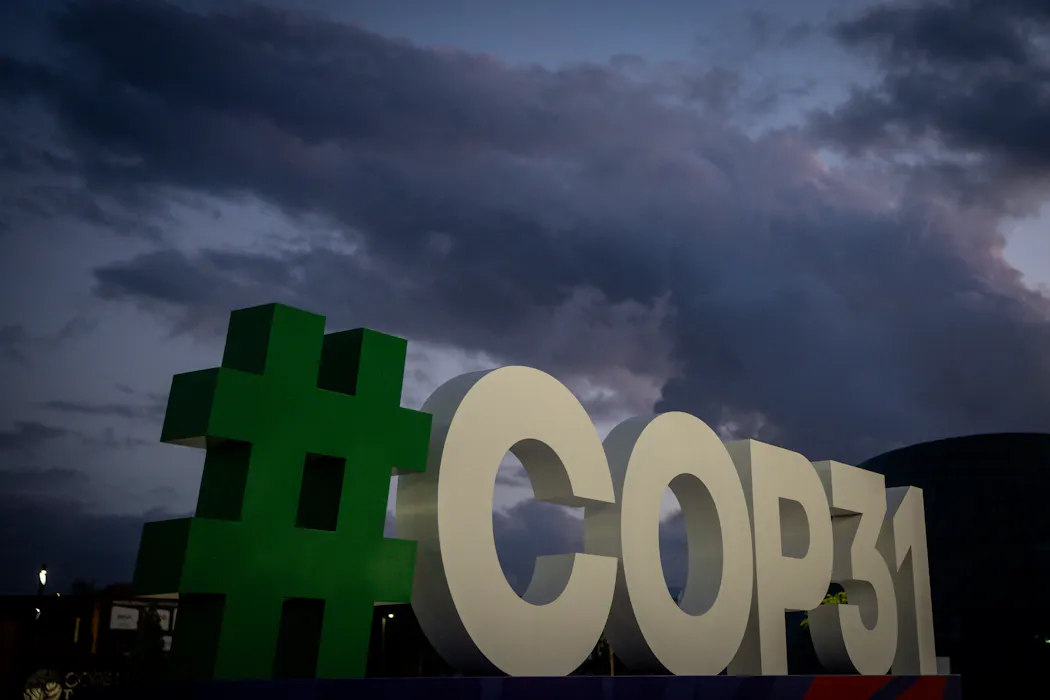
The failure of the COP31 climate talks to agree on a final text has made a longstanding problem with global agreements on climate policy starkly obvious.
That is, in consensus-based multilateral negotiations, some major fossil fuel exporters will work to thwart formal acknowledgment that effective climate action means getting off oil, gas and coal.
At COP31, the tensions and divisions over fossil fuels made consensus impossible. Successive COP talks have now bogged down on this vexed question.
This doesn’t mean international climate policy is dead in the water. But it is beginning to take different forms. What we’re likely to see is the growing importance of coalitions of willing, like-minded countries taking action on specific issues.
The 2015 Paris Agreement was the high water mark for globally agreed climate goals, struck when multilateralism was thriving. The institutions and procedures flowing from Paris are now deeply embedded, including national emissions target pledges every five years and the long-term goal of keeping global temperature rise well below 2°C.
As the chief executive of last year’s COP30 talks in Brazil, Ana Toni, points out, we have “already agreed on much of what we must do, and implementing it does not require consensus”.
An unbridgeable chasm
At COP31 in Turkey (also known as Türkiye), it became clear an unbridgeable chasm now exists between countries hooked on fossil fuel revenues and countries deeply concerned about climate change – and who see advantage in ending their energy import dependency by shifting to renewable power.
Major fossil fuel producers such as Saudia Arabia and Russia refused to allow any mention of “fossil fuels” in the overall COP31 decision, insisting instead on references to “carbon capture and storage”.
On the other side, the European Union and many developing countries insisted on spelling out the fact that addressing climate change means ending the routine use of fossil fuels.
The scientific reality is clear: to achieve climate goals, fossil fuel use will have to fall dramatically. Carbon dioxide from most unavoidable fossil fuel use will have to be captured, while major efforts will have to take place to remove carbon dioxide from the atmosphere.
It’s better to have no agreed text from these climate talks than one which conceals the need to get away from fossil fuels.
This year’s COP flop may well be the reality check – or kick up the backside – which global climate efforts have needed, as some Australian observers and players have suggested.

Chris McGrath/Getty
How did we get here?
It was puzzling the joint COP presidencies, Australia and Turkey, went into the final negotiations with a text which seemed acceptable to Saudi Arabia and other traditional climate spoilers – but proved unacceptable to the European Union, Pacific nations and other climate vulnerable energy importing countries.
Why choose to die on the hill of going slow on climate action, rather than a hill of ambition? Why not take the high ground with a proposed text noting the need for transitioning away from fossil fuels and have it either accepted or publicly shot down by Saudi Arabia and Russia?
The answer is probably that Australia and Turkey believed the EU would agree to the best deal on offer, given it is seen to have such a large stake in the success of the UN climate regime.
As it turned out, Europe sent a clear signal: fossil fuels are a red line it will no longer compromise over.
The way it played out may lead to international perceptions Australia was somehow complicit in pandering to the fossil fuel lobby. By and large, this is far from the truth. While Australia is a major fossil fuel exporter, it is also focused on its clean energy transition and on ramping up clean energy and mineral exports.
Australia’s Climate Change and Energy Minister Chris Bowen was explicit about fossil fuel exports declining as far back as 2021. He supported the one and only time a COP decision referred to a transition away from fossil fuels, at COP28 in 2023.
Building clean export industries is an avowed national goal, both for economic diversification and to help the global climate effort.
Fuelling the rise of clubs and coalitions
The COP result suggests climate action will now increasingly rest on private investment, national policies, ad hoc international collaborations and institutions outside of the consensus-based UN system. Countries with shared interests will increasingly work towards shared goals in coalitions of the willing.
One prominent example is the Santa Marta process on “transitioning away from fossil fuels”. This coalition of like-minded countries – Australia among them – emerged from frustrations at last year’s COP30 talks, when it proved similarly impossible to find agreed language on fossil fuels.
The research community is ready to support these efforts, such as through the new Science Panel on the Global Energy Transition. At the first Santa Marta conference this year, many academics and think tanks volunteered their time to promote practical solutions.
Other coalitions are emerging or growing in stature, such as the Climate Club, the Integrated Forum on Climate Change and Trade and the Open Coalition on Compliance Carbon Markets.
Similar initiatives could help accelerate development of new carbon dioxide removal technologies and governance, scale up climate finance and adaptation, and coordinate nature and conservation-based approaches.

Raul Arboleda/Getty
The transition is beginning regardless
COP31 did achieve progress, especially on the “action agenda” running parallel to formal negotiations.
Importantly, Australia and Turkey’s flagship “35% by 2035” electrification pledge gained traction, after 75 nations and 180 businesses signed up. Electrification is a win-win, allowing countries to switch to clean, cheap-running electric alternatives to fossil fuel vehicles, power grids, industrial processes and heating, among others.

chenxiao zhou/Getty
Momentum is already building as renewables, energy storage, electric vehicles (EVs) and other electric technologies get cheaper and better. Investment in clean energy now accounts for the clear majority of worldwide investment in energy.
Global carbon dioxide emissions are set to fall by a fraction in 2026 due to the steady replacement of fossil fuels with renewables and EVs, galvanised by the Iran war oil supply crisis.
What matters in the end isn’t whether the COP text negotiations flopped. Nations are already shifting away from fossil fuels as good, cheap alternatives become available. This is the big picture – and it’s good news.

Frank Jotzo leads philanthropically funded research projects on industrial decarbonisation at ANU, advises Australian state governments and is involved in some of the initiatives mentioned (IFCCT, SPGET and the Santa Marta academic chapter) in this article.