

Source: The Conversation (Au and NZ)
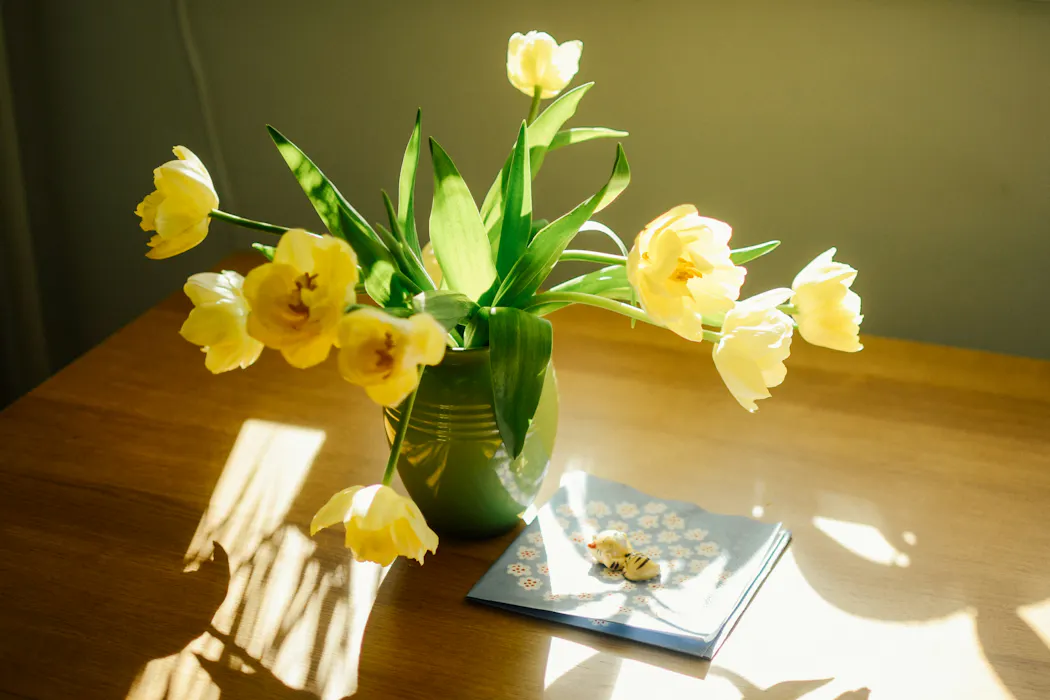
Flowers have long been treasured by people in different cultures, depicted in magnificent works of art, and collected as cut flowers.
Cut flowers can brighten our homes, decor and spirits. They often look great when we buy or collect them. But all too soon they are way past their best and look bedraggled in a murky vase.
But we can use our knowledge of flowers to prolong their vase life for days, maximising their value and our enjoyment.
A matter of exquisite timing
Many flowers are bright, almost gaudy – and they have to be. They are all about attracting the mammals, birds and insects that pollinate them and make their reproduction successful.
Plants need to produce flowers when environmental conditions are right, when the pollinators that they rely upon are out and about, and when the production and dispersal of seed are at an optimum. For most plants getting the timing right requires an accurate and reliable biological clock.
When flowers are cut, the flow of water through their stems ceases. The water is vital in maintaining the water content of the cells of the stem and the flowers which are essentially pumped up like tiny balloons.
All these fully inflated (or turgid) cells give the stem and floral structures strength. If the water supply is disrupted, water still evaporates from the floral parts and the whole structure starts to collapse or wilt.
If air gets into the flower stems, it acts as a blockage and so wilting occurs faster.

Irina Donskaia/Unpslash
Tips to make cut flowers last longer
There are some simple, little things you can do to ensure that your cut flowers will look their best and remain fresh for as long as possible.
1. Choose the best
First, gather or buy your flowers when they’re just about at their best and just before you want to place them in your vase. Open flowers should look in full bloom and colour and be upright. Buds should be plump and ready to open and they will open if your treat your flowers well and keep the water up to them. Do not leave them lying about with your shopping or in your car – especially in the warmer months.
If you’re gathering your own flowers, cut the stems long, using sharp, clean secateurs. You can trim to length at home later.
2. Prepare for presentation
Make sure your vase is nice and clean after any previous use. Always cut off at least the bottom two to three centimetres of the stem before you put the flower in the vase. If you can cut under water, do so. You do not want air to enter the water conducting vessels of the stem, as this causes a blockage.
Remove wilting or rotting flowers that might be in the bunch. These can be a source of disease which can destroy plant tissues and allow air into the structure which would not enter a healthy plant if you have cut the stem correctly. Remove any lower leaves as you do not want them in the water, as they are more prone to rotting than the intact stems.
Making the final cut at a 45 degree angle increases the surface area of the stem for greater water uptake. It seems to make little difference for narrow stemmed flowers, such as fresias, cosmos or lisianthus. But it’s worth doing for broader stemmed flowers, such as dahlias, some of the rose varieties and larger lilies.
3. Change the water regularly
Change the water regularly – but do not expose the base of the stems to air. The simplest way of doing this is to tip out about 80% of the water and top up. A daily change is best but every couple of days is worthwhile. It provides fresh clean water for the flowers, prevents cloudiness and smells, and reduces the chance of bacterial and fungal growth.
4. Feed your flowers
There are various additives you can place in the water to sustain the cut flowers and prolong their vase life. Adding a teaspoon of sugar can sustain the flowers as the sugar supplies extra carbohydrate and energy to the leaves and flowers, allowing them to function normally for longer.
But it adds to the risk of bacterial and fungal contamination. If you do it, you must regularly change the water. You may need to top up the sugar if your flowers are lasting well. You do so by adding the right amount of sugar to the fresh water that you are adding. If you replace half the water, add half a teaspoon of sugar – add sugar in proportion to the fresh water that you are adding.
If you add a little acid to you sugar mix, you can reduce the risk of contamination. A simple floral food formula is to mix 5ml (roughly a teaspoon) of vinegar and 5ml of sugar to 1 litre of water. You can use lemon juice rather than vinegar as they are both acidic. You can also add 2ml (half a teaspoon) of bleach as an antibacterial agent if you wish.
This is a simple and balanced formula, but you should still change the water every 2–3 days. Many of the commercially available floral foods or the little sachets that some florists provide that you can buy from a nursery or that come in sachets at florists are similar mixes.
Taking just a little extra care allows you to enjoy your cut flowers in full bloom for as long as possible. They are worth the effort and you make the most of a wonderful natural resource.

Gregory Moore does not work for, consult, own shares in or receive funding from any company or organisation that would benefit from this article, and has disclosed no relevant affiliations beyond their academic appointment.
Original source: https://analysis1.mil-osi.com/2026/11/22/whats-the-best-way-to-keep-cut-flowers-a-plant-scientist-shares-their-top-tips/