

Source: The Conversation (Au and NZ)
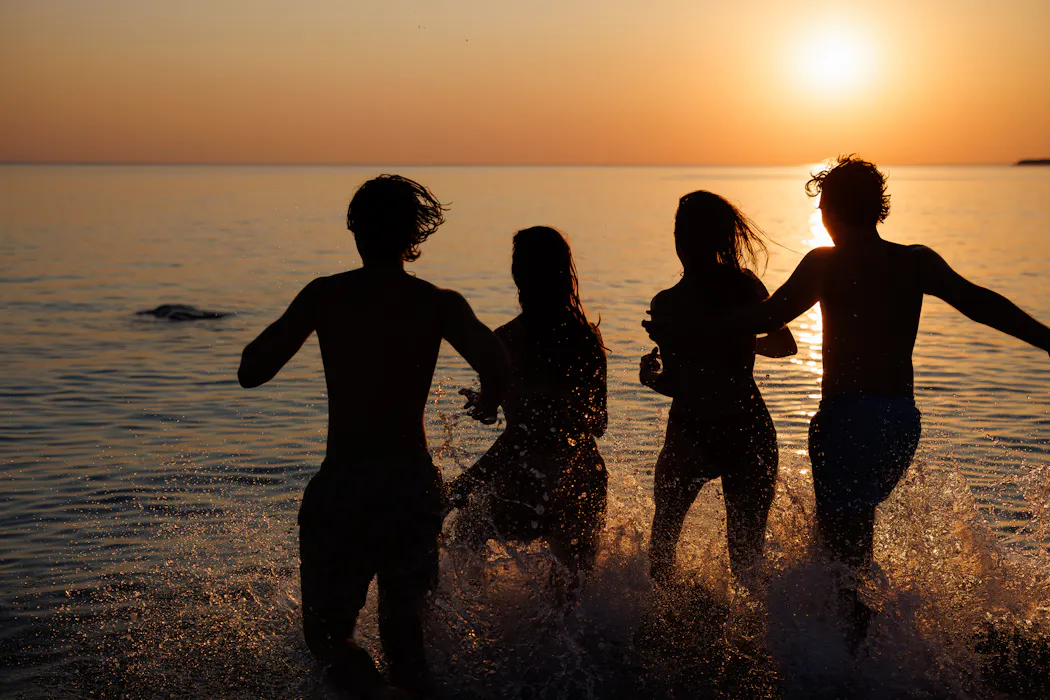
As Year 12 exams begin to wrap up, thousands of school leavers around Australia are getting ready to celebrate the end of school.
If you’re one of these students, you might have plans to attend events at Lorne in Victoria, Victor Harbor in South Australia or Surfers Paradise in Queensland. Or perhaps you’re joining other school leavers overseas to soak it up in Bali or Fiji.
While Schoolies can be great fun, it’s also a time of increased risks and dangers due to the presence of alcohol, hot weather and large crowds.
I research young people’s health and safety at mass gatherings and events. Here are some common misconceptions about safety.
1. ‘Friends will always look after me’
Schoolies events involve large crowds, unfamiliar places and changing plans. This means you can become separated from friends, sometimes even against your best efforts.
What can help is to create a personal safety plan with friends beforehand so you’re able to stay connected. This can look like charging phones and batteries ahead of time, agreeing on specific meeting points in the area, and saving friends’ emergency contact details on each person’s phones.
2. ‘Everyone drinks a lot at Schoolies’
You might assume excessive alcohol consumption is the norm at Schoolies. While alcohol is present, not all those who attend drink.
The perception “everyone is doing it” can create unnecessary peer pressure. But you can still attend events, socialise, and enjoy the experience without excessive drinking.
If you decide to drink, make sure you
-
eat before drinking alcohol
-
alternate between drinking alcoholic and non-alcoholic drinks
-
avoiding drinking games as it’s easy to lose track of how much, and what drinks, you are consuming.
3. ‘If I don’t drink alcohol, I don’t need to worry about my safety’
Drink spiking (when somebody adds alcohol or drugs to your drink without your consent) is a significant risk – even if you are just sticking to energy drinks or Coke Zero.
It’s important to not accept drinks from strangers if you did not see them being prepared. And make sure your drinks aren’t left unattended.
If you start to feel confused, and as though you’re going to throw up and can’t see properly, your drink may have been spiked. You should seek professional medical advice or help if you’re experiencing any unusual symptoms.
4. ‘Calling an ambulance will get me into trouble’
If something goes wrong and you need help, you may worry calling an ambulance will get you or your friends into trouble. Rest assured, the primary concern of a paramedic is the health and safety of the patient, not whether you’ve done something wrong.
As the Queensland government says to parents:
Remind your teen to never let the fear of getting into trouble stop them from calling Triple Zero.
5. ‘Nothing bad will happen to me’
Many teens experience what psychologists call the “personal fable”, which can lead to feelings of invulnerability.
This means even when young people know certain behaviours are risky, they can reason bad outcomes are more likely to happen to others, rather than themselves.
Even if you’re not drinking, the risk of incidents such as road accidents, alcohol-related injuries via others, assault, theft, dehydration and drowning increase if safety precautions are ignored. So it’s important to pay attention to your surroundings and make preparations ahead of time in case something goes wrong.
6. ‘It’s safe because there are lots of people around’
Thousands of young people are expected to attend Schoolies events. But large crowds can create a false sense of security. Crowded environments can make it easier to become separated from friends and lose belongings. Being in a large crowd can also make it more difficult to access help quickly.
You might think crowd safety is the responsibility of event organisers alone. But we need to look out for ourselves, too. Some ways you can stay safe in large crowds include:
-
using a buddy system where two people are always looking out for each other
-
making note of the venue’s layout, including exits, in case you need to leave suddenly
-
remaining calm and following organisers’ instructions if there’s an emergency.
Other tips to stay safe
Here are more things you can do to increase safety for you and your friends:
-
sharing your location and itinerary with family or trusted adults
-
arranging safe transport before going out
-
checking in with friends regularly, especially if they appear distressed, vulnerable or unwell
-
respecting other people in all interactions
-
making sure mutual consent is given in sexual situations, with continued check-ins, too.
Perhaps one of the biggest misconceptions is that being safe at Schoolies means not having fun. But the safest Schoolies experiences are usually the most enjoyable because students are able to stay with friends, avoid emergencies and return home with positive memories.

Alison Hutton does not work for, consult, own shares in or receive funding from any company or organisation that would benefit from this article, and has disclosed no relevant affiliations beyond their academic appointment.
Original source: https://analysis1.mil-osi.com/2026/11/16/schoolies-starts-this-week-six-things-young-people-can-get-wrong-about-safety/