

Source: The Conversation (Au and NZ)
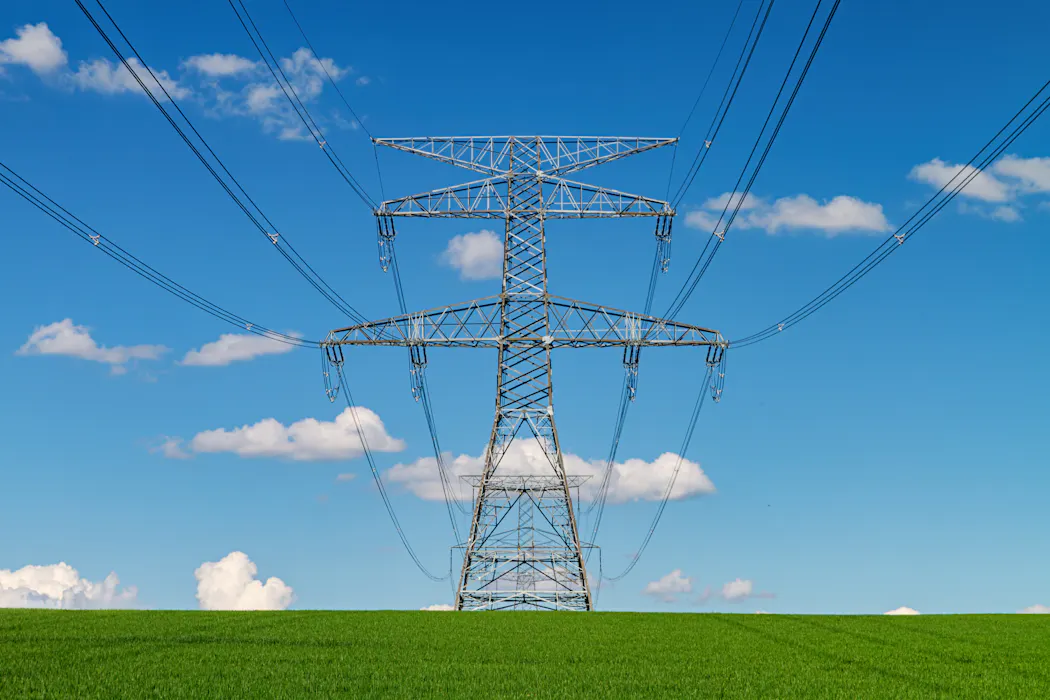
Electricity transmission lines are a hot-button issue in the upcoming Victorian election. Following farm-gate blockades and protests outside the Victorian parliament, both the Coalition and One Nation have promised to scrap a multi-billion-dollar project in the state’s northwest.
If the polls are correct and Victoria changes government, what would this mean for energy policy and regional Australia?
Why are these transmission lines proposed?
For the past century, coal-fired power plants have supplied most of Victoria’s electricity. But some plants have already retired and the rest will follow. The capacity they provide urgently needs replacing. Renewables produced about 44% of Victoria’s electricity last year.
To shift to a system largely powered by renewables, Victoria will need new high-voltage lines. These are meant to deliver energy from new rural solar and wind farms to cities and industrial centres, as well as stabilising the grid by making it easier to trade electricity between states.
New transmission lines are a key component of state and federal efforts to overhaul the National Electricity Market.
In Victoria, the two biggest projects in the works are the 190-kilometre Western Renewables Link (WRL) west of Melbourne, and the Victoria to New South Wales Interconnector (VNI) West, spanning around 240km in Victoria and a similar length in NSW. Both are well advanced through state planning processes, but neither has begun construction.
A recent survey showed the energy transition has majority support in regional Victoria. But opponents of the two lines are vocal and organised.
Where do the parties stand?
Vocal opponents of transmission projects are running as regional candidates for the Nationals and One Nation.
Earlier in the election campaign, the Coalition promised to pause both projects pending a review of Victoria’s transmission plan. In August, it changed tack on VNI West, promising to cancel it if elected.
One Nation has gone further by pledging to scrap VNI West, WRL and other major transmission projects.
In September, Premier Ben Carroll ordered an immediate cost assessment of WRL, but his Labor government remains committed to building VNI West.
The Greens are supportive of new transmission lines to unlock renewables, but have criticised the government handling of WRL.
What’s driving this opposition?
Opponents cite a range of concerns, such as disruption to farming, visual impact, bushfire risk, threats to biodiversity and pressures on local services.
A common theme is that rural areas are being expected to do too much for the benefit of energy users in cities. “Our job is to feed the city not supply its electricity!”, as one protest sign put it.
Most opposition doesn’t stem from a rejection of climate science, though this is a feature of One Nation’s policies. Experts have raised concerns about misinformation and disinformation amplifying opposition of transmission projects. This is a factor, but there are legitimate concerns in the mix.
One real point of contention is the power transmission network operators have to compulsorily acquire easements on private land, allowing them access to build and maintain power lines. This is quite different to solar or wind projects where landholders remain free to choose whether or not to host them.
The state government has offered benefit packages of A$200,000 per kilometre to landholders hosting power lines on top of compensation payments. There are broader community benefit funds, too.
Some farmers are keen to host transmission towers, as the stable income stream can help them through leaner years. For others, the question is less about money and more about dissatisfaction with the consultation process and distrust of project backers.
Flashpoints for rural discontent
For some residents, the real issue is resisting the industrialisation of rural areas, as captured in one group’s slogan: “No to lines, mines and turbines!”. Others are supportive of renewables, but critical of proposed transmission routes.
Recent research shows opposition to transmission lines is also a proxy for bigger debates about regional Australia’s intersecting challenges, from extreme weather and cost-of-living pressures to deteriorating roads and poor access to services.
The two council areas in Victoria with the highest proportion of roads in poor condition (Gannawarra and Buloke) are both in VNI West’s path.
Many rural residents feel their areas have been forgotten. Saying no to transmission lines sends a message that rural communities need to be heard.
Can transmission projects be done differently?
It remains to be seen whether VNI West or WRL will survive the state election. But the tensions on display in Victoria have clear lessons for future projects, as our research shows:
-
Early, sustained and respectful community engagement is vital, not only on proposed transmission projects but on regional futures more broadly.
-
People in regional Australia don’t view transmission projects in isolation, but as part of the broader effects of the clean energy transition and other stresses and uncertainties they face.
-
Governments, businesses and communities need to work together at regional and local levels to manage these effects and harness cumulative benefits, such as jobs and investment in community facilities.
-
Community benefit programs need to be designed with affected communities rather than imposed top-down. They must be delivered as part of broader commitments by government and business to promote prosperity and wellbeing in regional communities.
A people-powered energy transition
If Victoria’s transmission projects are scrapped without a credible alternative, the state will face the real risk of less reliable electricity.
It’s vital to keep the lights on while shifting to cheaper and cleaner sources of power. But that’s not the full picture.
Rural communities have a major stake in how Australia’s energy transition pans out. It’s only fair they have a say in figuring out how the benefits to regional Australia can outweigh the costs.

Jonathan Pickering receives funding from the Australian Research Council.
Stephanie Rosestone receives funding from the Australian Research Council. From 2020-21, Stephanie was involved in the Save Wattle Flat community group, which raised concerns about local impacts of the Western Renewables Link.
Wendy Conway-Lamb receives funding from the Australian Research Council.
Original source: https://analysis1.mil-osi.com/2026/11/16/holding-the-line-how-transmission-lines-became-an-election-flashpoint-in-victoria/