

Source: The Conversation (Au and NZ)
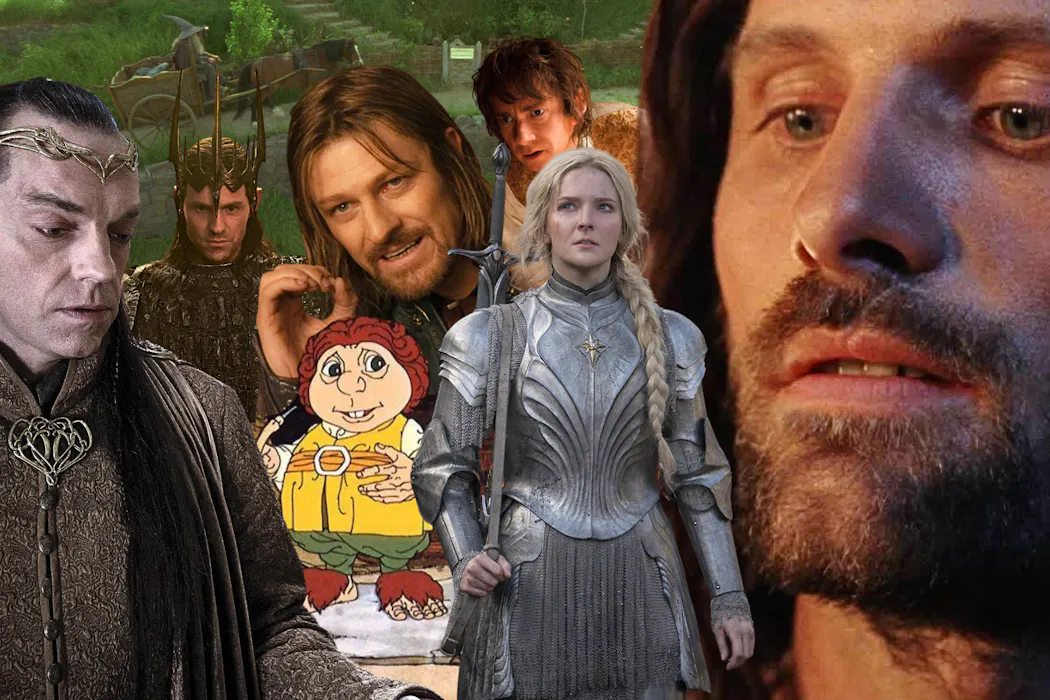
Rings of Power co-creator and showrunner Patrick McKay describes the third season, premiering this month, as a “turning [of] the page” for Prime Video’s high-budget Tolkien adaptation.
Season two ended with the Elven realm of Eregion in ruins and Sauron in possession of the Nine Rings intended for Men.
The new season picks up five years later, throwing viewers into a Middle-earth already at war, with Sauron working to forge the One Ring.
It’s “a completely fresh start”, says McKay.
But what does a “fresh start” actually mean in a fandom this old?
It was 1937 when J.R.R. Tolkien first published a story set in the fictional world of Middle-earth: The Hobbit. In the 90 years since, sequels, prequels, spin-offs and adaptations have proliferated.
Every new Middle-earth arrives on top of earlier books, films, performances, memories and fandom experiences.
The show may turn the page, but fans don’t erase the earlier pages.
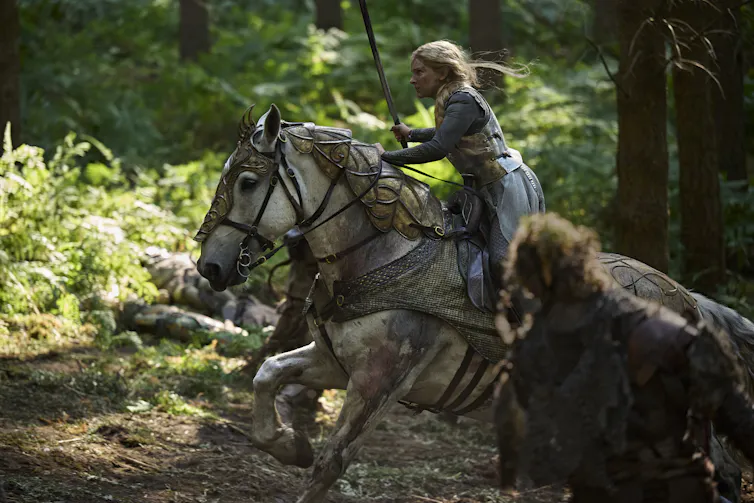
Prime Video
We bring old Middle-earth(s) with us
As someone who researches online fandom, what interests me most about Tolkien adaptations is understanding how fans decide if they feel right.
Fans might compare characters with earlier versions, remember a passage from the books, notice that a place looks different, debate chronology, or decide something does or doesn’t “feel” like Tolkien.
This behaviour predates The Rings of Power.
A study of 1,000 prospective viewers of Peter Jackson’s The Hobbit: An Unexpected Journey (2012) identified two major reference points for evaluation: Tolkien’s writings and Jackson’s previous films.
That doesn’t mean viewers are neatly divided into “book fans” or “movie fans”. It’s more about the weight viewers give these reference points when forming expectations.
The World Hobbit Project, an international audience research project, makes it possible to delve more precisely into the role Jacksons’ films play in audience expectations and judgements.
The project’s database contains just over 36,000 completed questionnaires about his Hobbit trilogy. One detailed analysis suggests that Jackson’s The Lord of The Rings had become a template against which viewers evaluated his Hobbit films – and found them lacking.
Peter Jackson was once the new guy
Jackson’s first Tolkien adaptation, The Fellowship of the Ring, celebrated its 25th anniversary this year. But it was once the new Middle-earth.
When the film was released in 2001, Tolkien readers debated Jackson’s casting choices and his visualisation.
The author’s son and guardian of his works, Christopher Tolkien, hated the whole Lord of the Rings trilogy.
Jackson’s version did not arrive as an unquestioned Middle-earth; it had to earn that status.
‘Faithful’ isn’t as simple as it sounds
“Faithful” is one of those words that appears constantly in adaptation debates. But fans can use it to mean very different things.
Do the same events occur? Is Galadriel tall enough? Does the adaptation preserve what someone thinks Tolkien was saying?
Does Middle-earth look and feel right?
A distinction can also be made between story fidelity and thematic fidelity: an adaptation can alter events while preserving the source’s themes.
What is clear is that Jackson’s films have become a touchstone for Tolkien fans; a measuring stick for additions to the canon.
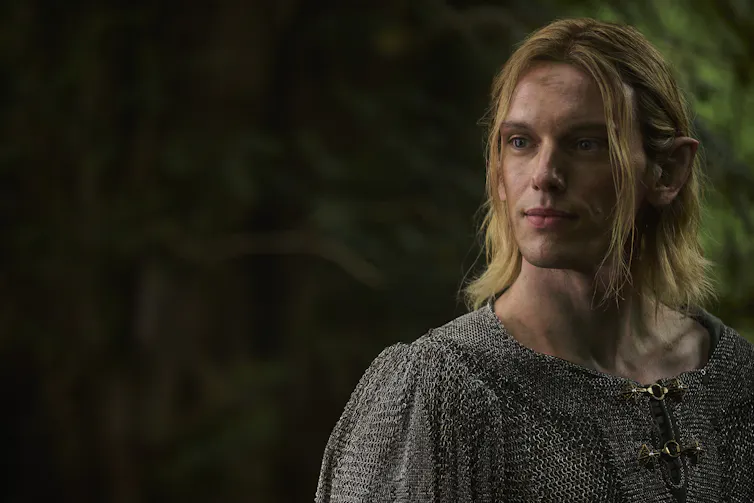
Prime Video
Show-runners can reset the plot, but not the audience
As much as The Rings of Power’s creators are aiming for a fresh start, the audience already has two seasons of the series on its mind – and in many cases, Tolkien, Jackson and decades of fandom.
These different yardsticks were apparent in reactions to season three’s trailer.
One commenter on Reddit acknowledged plot holes and lore changes while still valuing getting to spend time in Middle-earth.
Another said they would “watch characters in Middle-earth if they were going to a laundromat” as long as it was filmed in New Zealand or similar-looking locations.
Another commenter, a lifelong Tolkien reader, said the show is worst when it tries to emulate Jackson’s films.
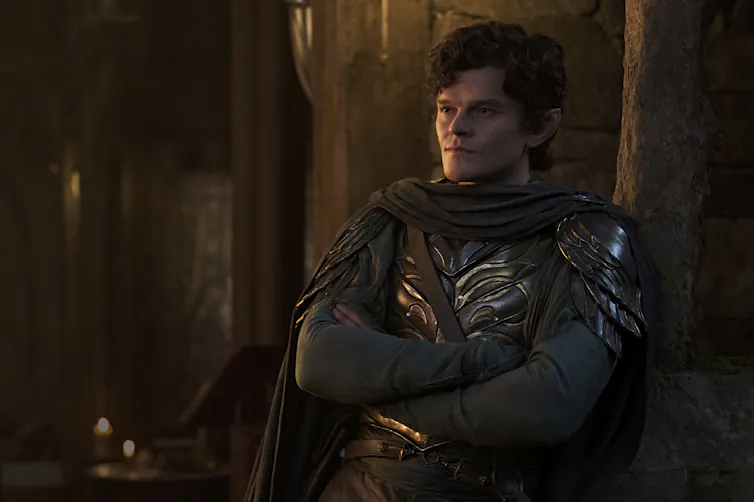
Prime Video
Viggo is still in the room
Peter Jackson’s version of Middle-earth is still expanding.
In March, the filmmaker announced that a new Lord of The Rings movie, led by talk-show host Stephen Colbert, is in the works.
But first: in December 2027, The Hunt for Gollum, directed by Gollum/Sméagol actor Andy Serkis, will hit cinemas.
Many of the key cast return for Serkis’ film, with the exception of Viggo Mortensen as Aragorn.
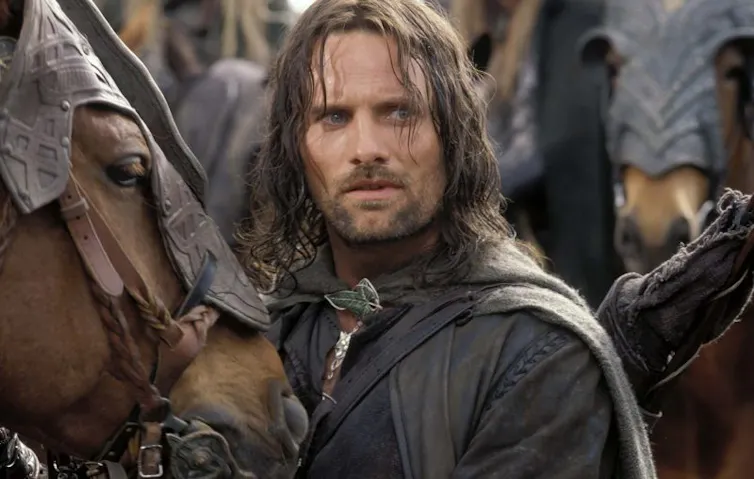
New Line
Jamie Dornan, cast as a younger version of the character, will face audience expectations shaped not only by Tolkien’s character but another actor’s interpretation of it.
Even Dornan has said Mortensen will always be the Aragorn for him.
It’s more than 70 years since the first instalment of The Lord of the Rings was published in 1954, and every new adaptation now coexists with decades of previous performances, images, music, audience memories and expectations.
Adaptations acquire histories of their own
Colbert, talking about his forthcoming take on Middle-earth, has embraced the seemingly impossible task adaptors face in straddling fan expectations.
He said his movie will be “completely faithful to the books while also being completely faithful to the movies”.
But maybe Colbert’s desire to be faithful to Jackson’s films and Tolkien’s text isn’t as contradictory as it sounds. And perhaps Dornan’s attempt to fill Mortensen’s shoes while playing Tolkien’s character is not so impossible.
Fans bring a plethora of diverse influences to these adaptations; Middle-earths will continue to contain multitudes.

Shakiba Barghi receives funding from The University of Melbourne through Melbourne Research Scholarship.
Original source: https://analysis1.mil-osi.com/2026/11/11/rings-of-power-season-three-promises-a-fresh-start-but-theres-no-such-thing-in-tolkiens-middle-earth/